
October 23, 2025 - Humpback Whales Harpy and Fallen Knight spending time together
Another beautiful day greeted us on the water as we welcomed guests and staff aboard our semi-covered vessel, Kula. We left Nanaimo and started the search heading south, searching along Northumberland Channel to Dodd Narrows. Dodd Narrows is usually teeming with life this time of year, since we are in the season of the salmon run! This narrow passageway funnels migrating salmon into a relatively small space with strong currents, which can sometimes disorient the fish. Various predators can be seen here taking advantage of this, most notably the Sea Lions! We saw both species of sea lions fishing here today, the larger Steller Sea Lions catching most of our attention. However, the California Sea Lions' barking in the area was also noted. They were chasing down salmon as we passed through, but none seemed to be successful as we watched.
We continued southeast from here, transiting through Stuart Channel, Trincomali Channel, and Porlier Pass until we reached the Strait of Georgia. After searching for a little while, we spotted the telltale signs of whales not too far off: Blows! The big, bushy blows spouted far into the air in the distance, and as we got closer, we saw the small dorsal fins and arched backs of the humpback whales responsible for the blows!
These whales were travelling in pairs, moving close together with their movements synchronized. It was Fallen Knight (BCX0915) and Harpy (BCZ0503) together, with Fader (BCY0195) and Hydra (BCY1000) together in the distance! Seeing multiple humpback whales in one area is common, as they are here feeding. Humpbacks return annually to the waters off the coast of British Columbia to take advantage of the high productivity found here to build their fat reserves. Over the winter, humpbacks migrate south to either Hawaii or Mexico, their breeding/calving grounds. During this migration, it’s estimated that a humpback may lose close to 50% of its body mass as it’s used as an energy source, given that southern waters don’t have food available for the whales. That’s why feeding, especially in the fall, is so important for these animals! It’s estimated that about 18 hours of their day are spent feeding. This time is put to good use, as each of the whales we saw today will need to consume nearly a ton of food every day! This impressive feat is accomplished through filter feeding. The whale takes in massive volumes of water, up to 20,000L in a mouthful, and then filters the food out through the 400 baleen plates that hang from the roof of their mouth.
These whales were all feeding at depth, likely diving between 100 and 200 meters below the surface to find their food. As they go on these deeper dives, they typically lift their tails into the air, allowing us to snap photos of the underside to ID them. Interestingly, today we were lucky enough to see examples of all the different classifications of humpback whale tails: X, Y, and Z. The tails are classified by the amount of white pigment present on the tail in the following way:
X-type whales have less than 20% of their tail covered by white pigmentation. Fallen Knight is an excellent example of this, given that she has no white at all!
Y-type whales have between 20% and 80% of their tails being white. Both Fader and Hydra would be qualified as Y whales.
Z-type whales have more than 80% of their tail being white, like Harpy! These are the rarest classification of whale in BC, but interestingly, if you head to the southern hemisphere, they would become more dominant.
Seeing all these whales was terrific, but we eventually left them behind and continued our search of the Salish Sea. Our next stop among the searching was Stinky Rocks, where we tried to find Pinnipeds! Lucky for us, the Harbour Seals and Steller Sea Lions are very consistent in where they like to spend their time, and it continued today! We got to see both species using this small rocky island today. There was also a bunch of various seabirds spending their time here, spurred into migration by the cool fall air.
From here, we searched our way back towards Nanaimo, heading inside the islands, back through Dodd Narrows, and returned to the Harbour. It was a great day on the water, and the onboard Marine Naturalist Val Watson captured some fantastic photos throughout, which are available to view below!
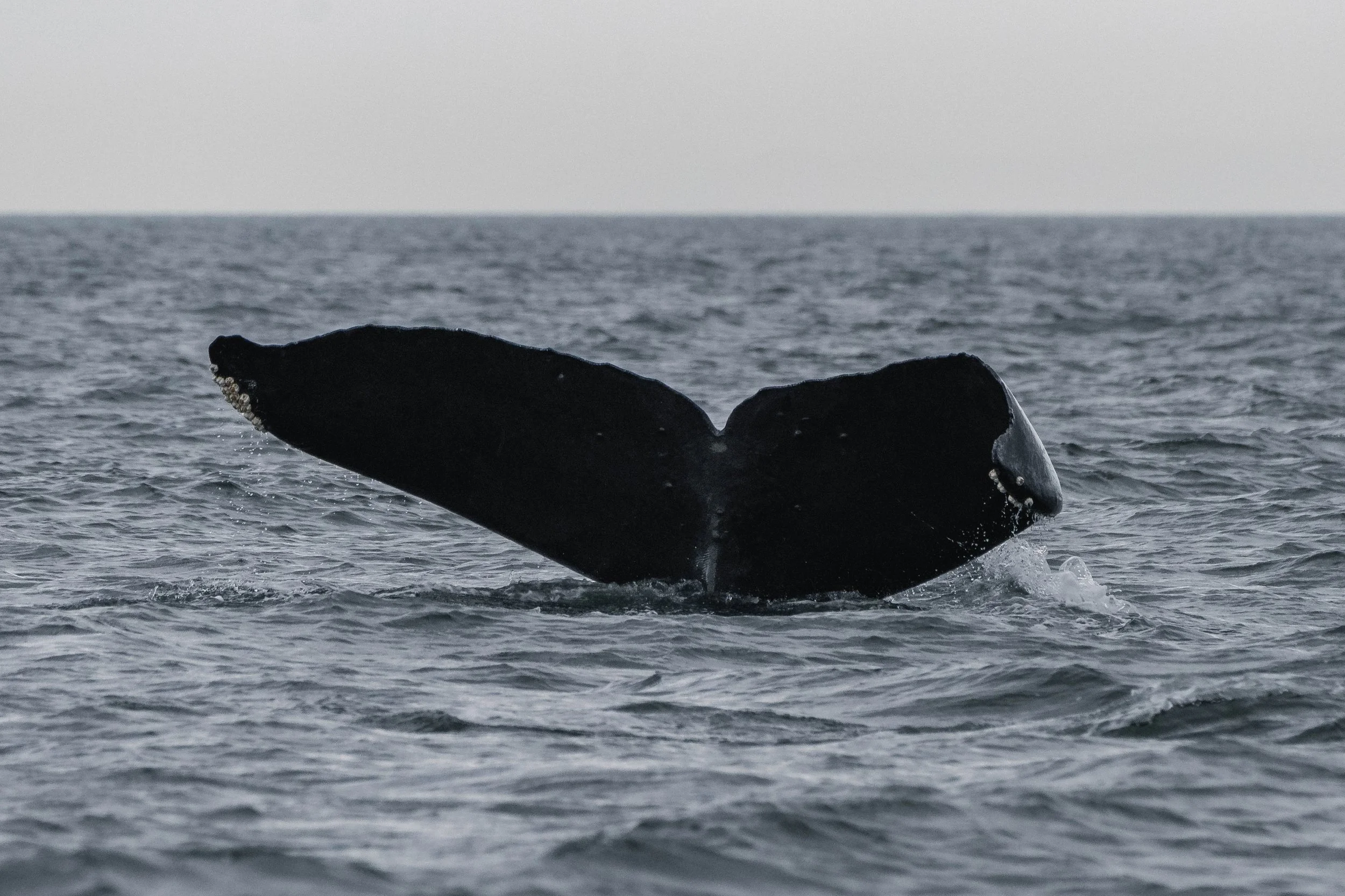
The underside of Fallen Knight’s tail as she dives.
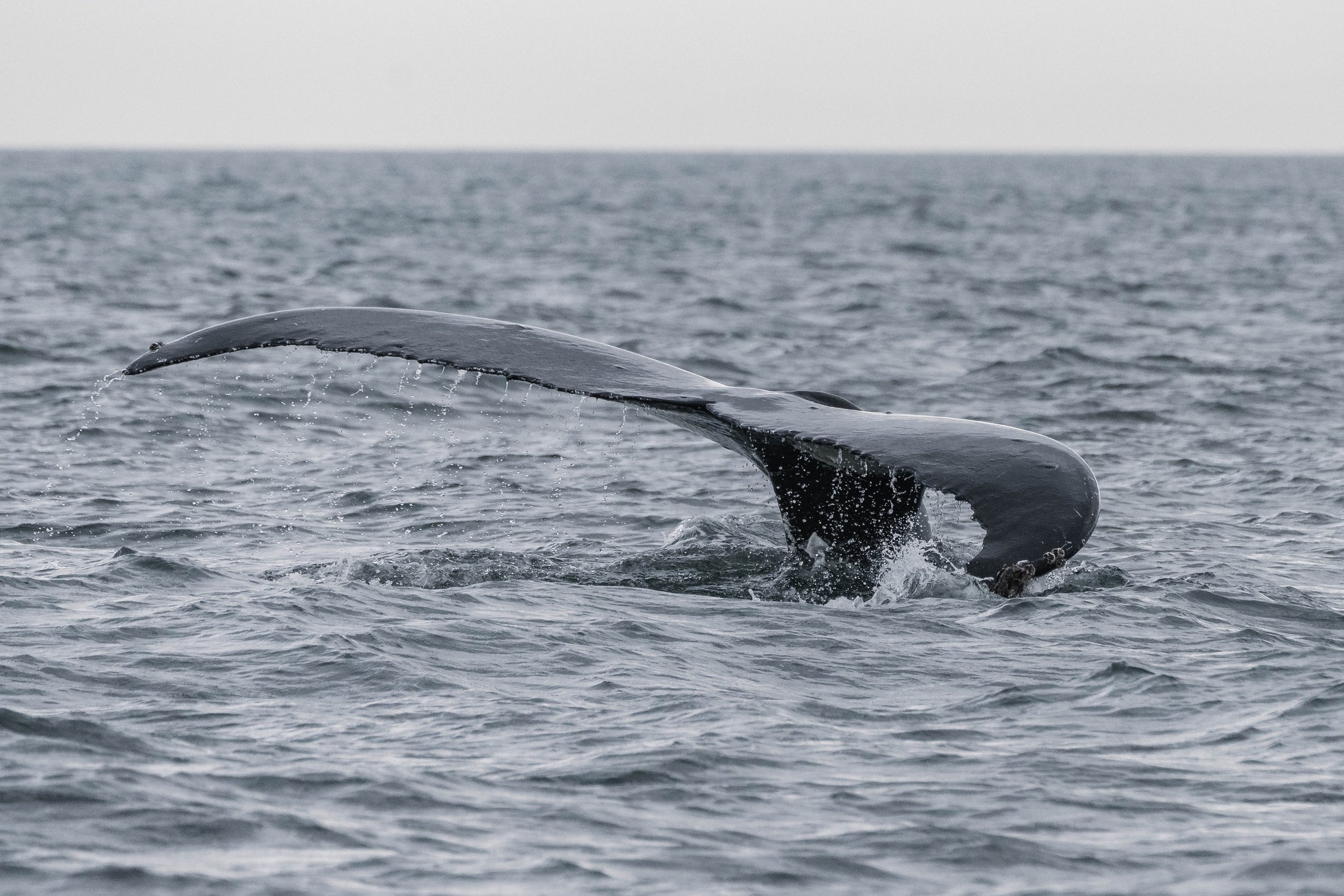
Harpy going for a dive.
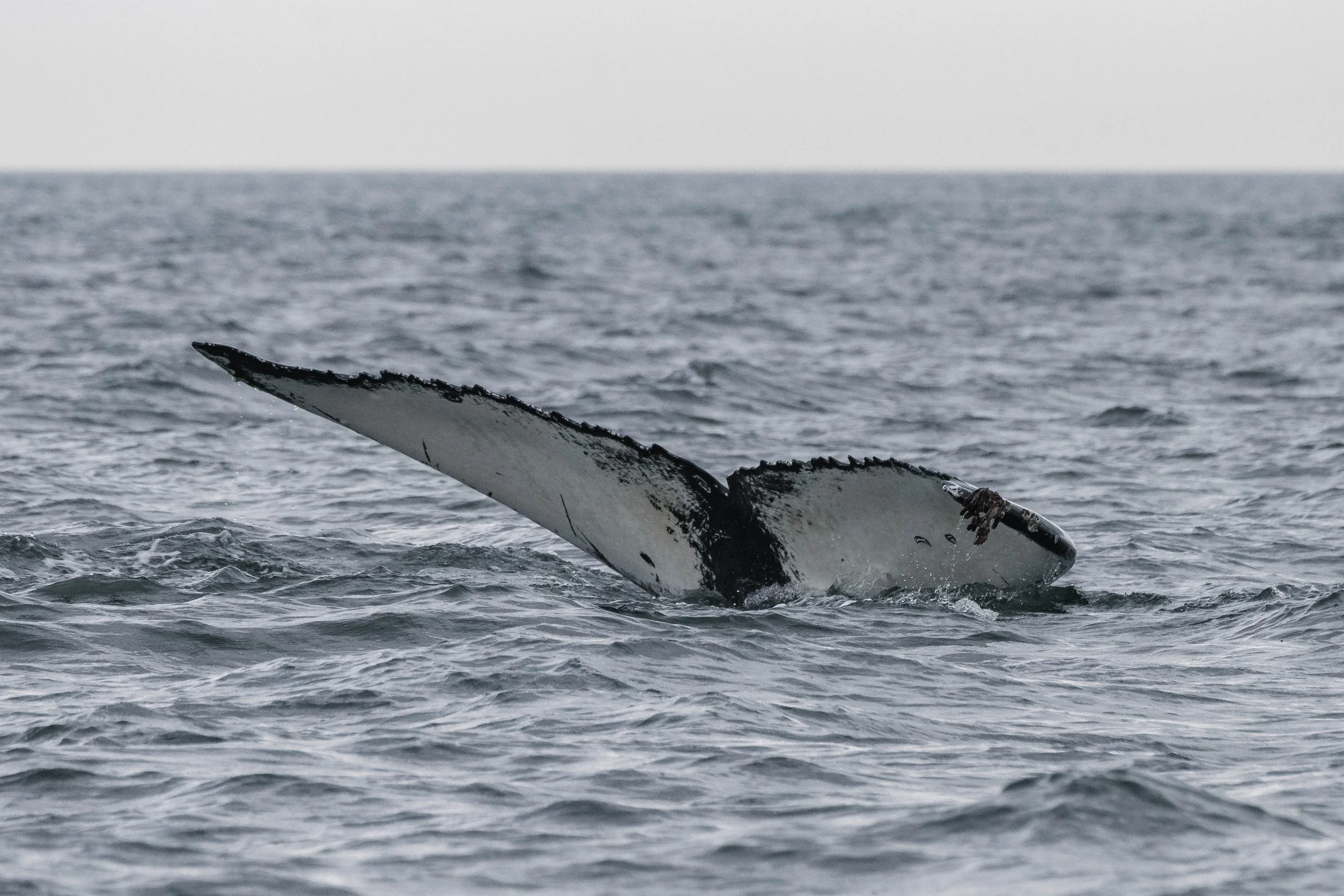
The very white underside of Harpy’s tail.
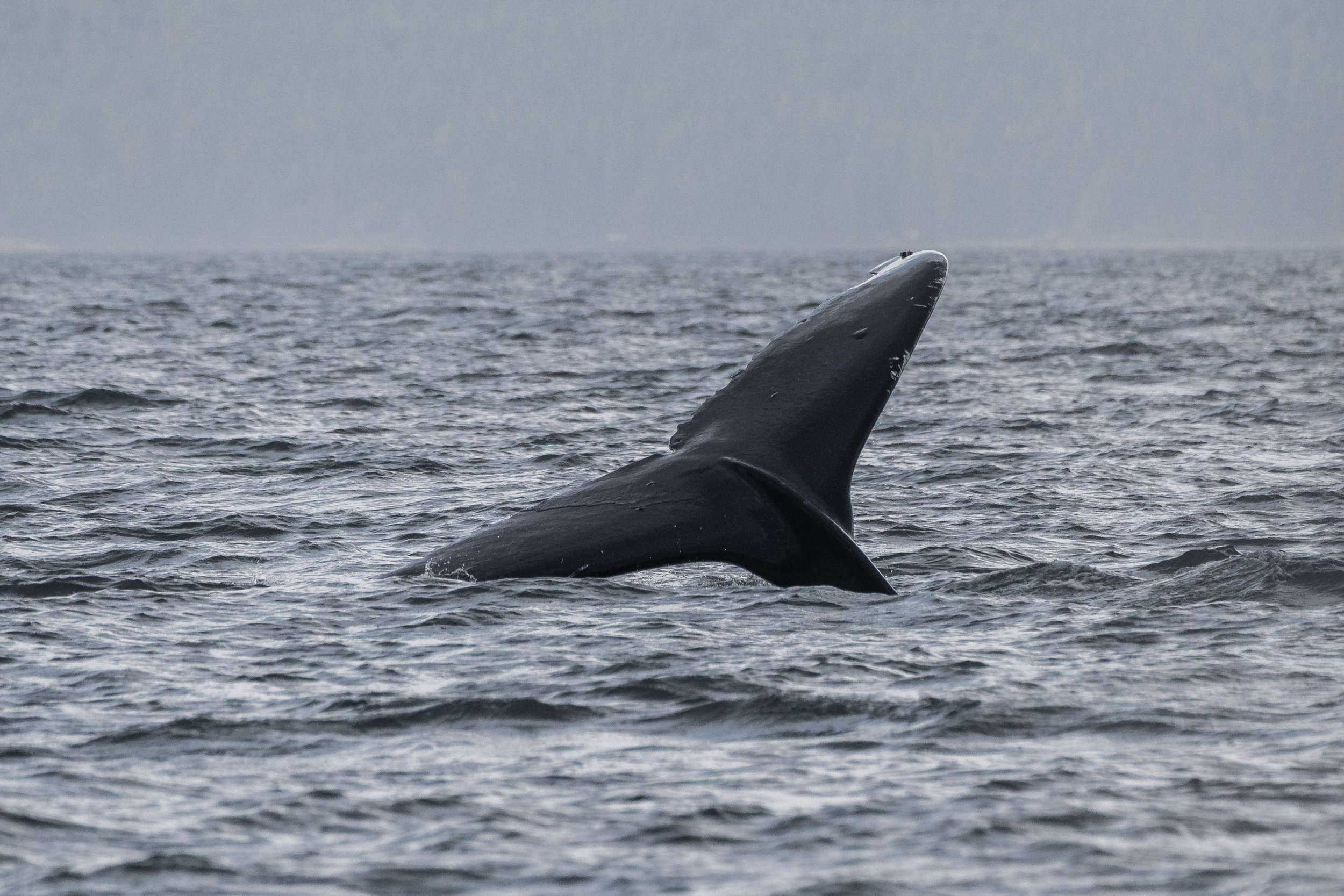
A little sideways tail action from Harpy.
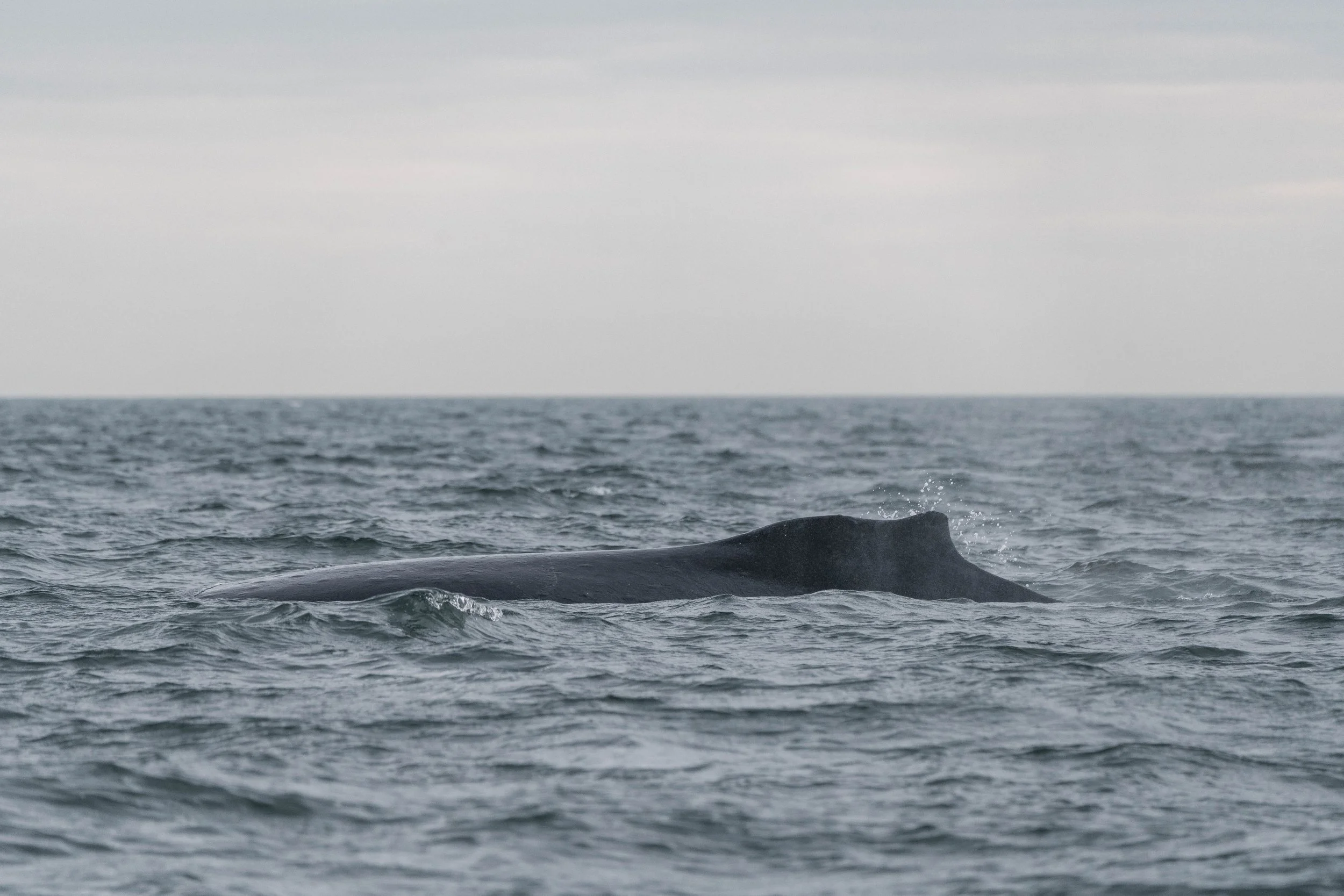
Fallen Knight’s dorsal fin.
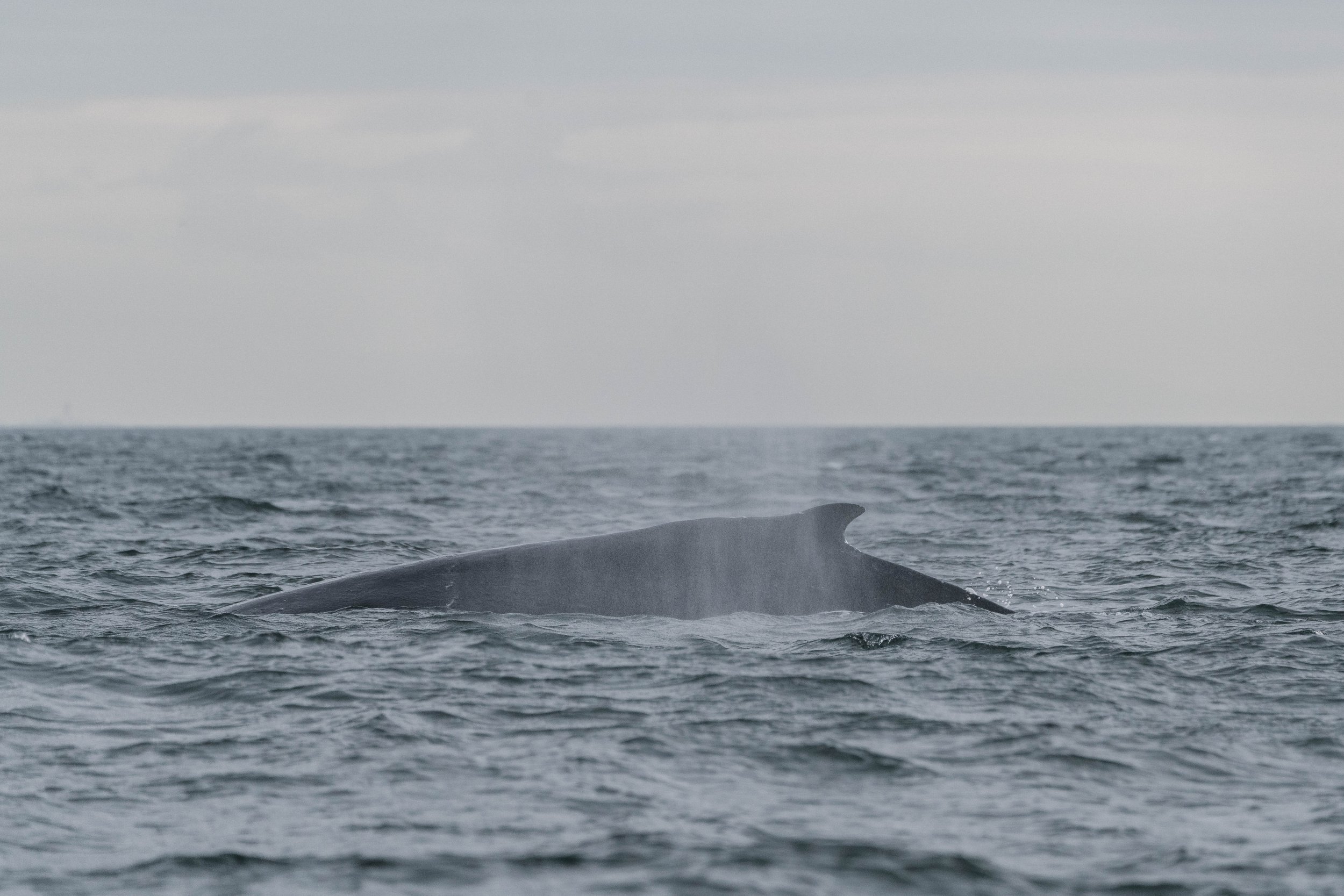
Harpy’s dorsal fin as she surfaces in the waves.
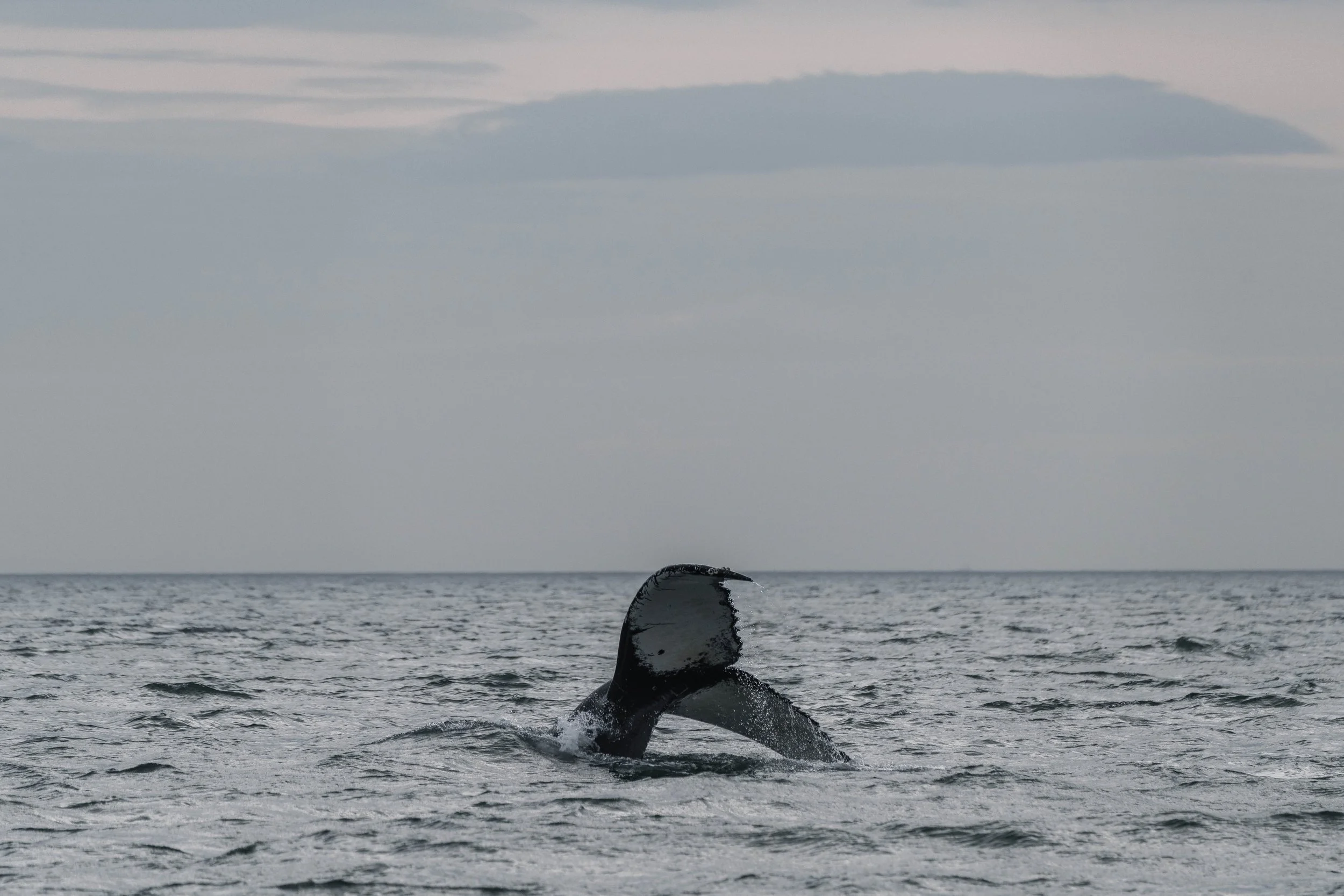
A sideways tail lift from Harpy.
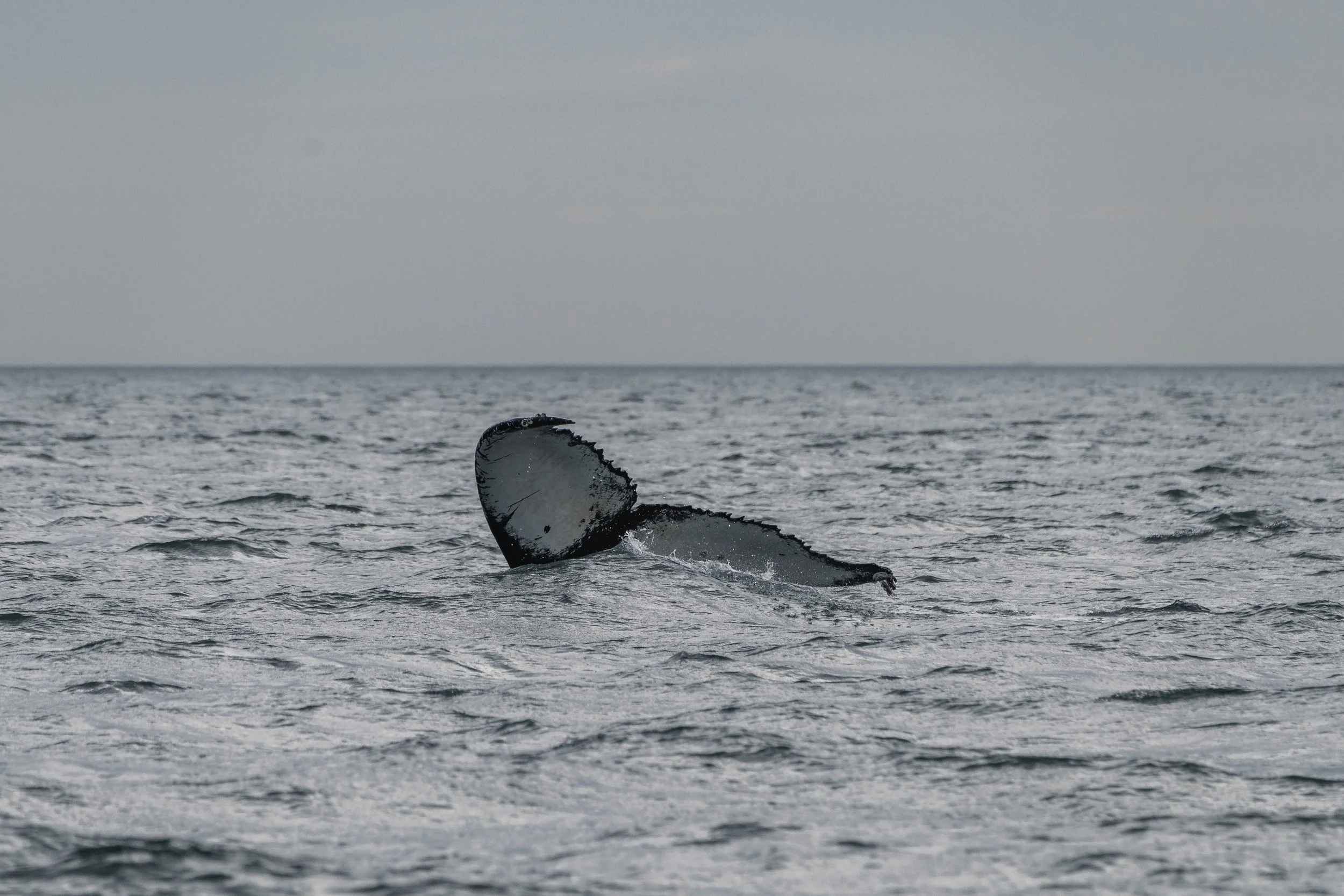
Harpy’s tail dipping below the surface.
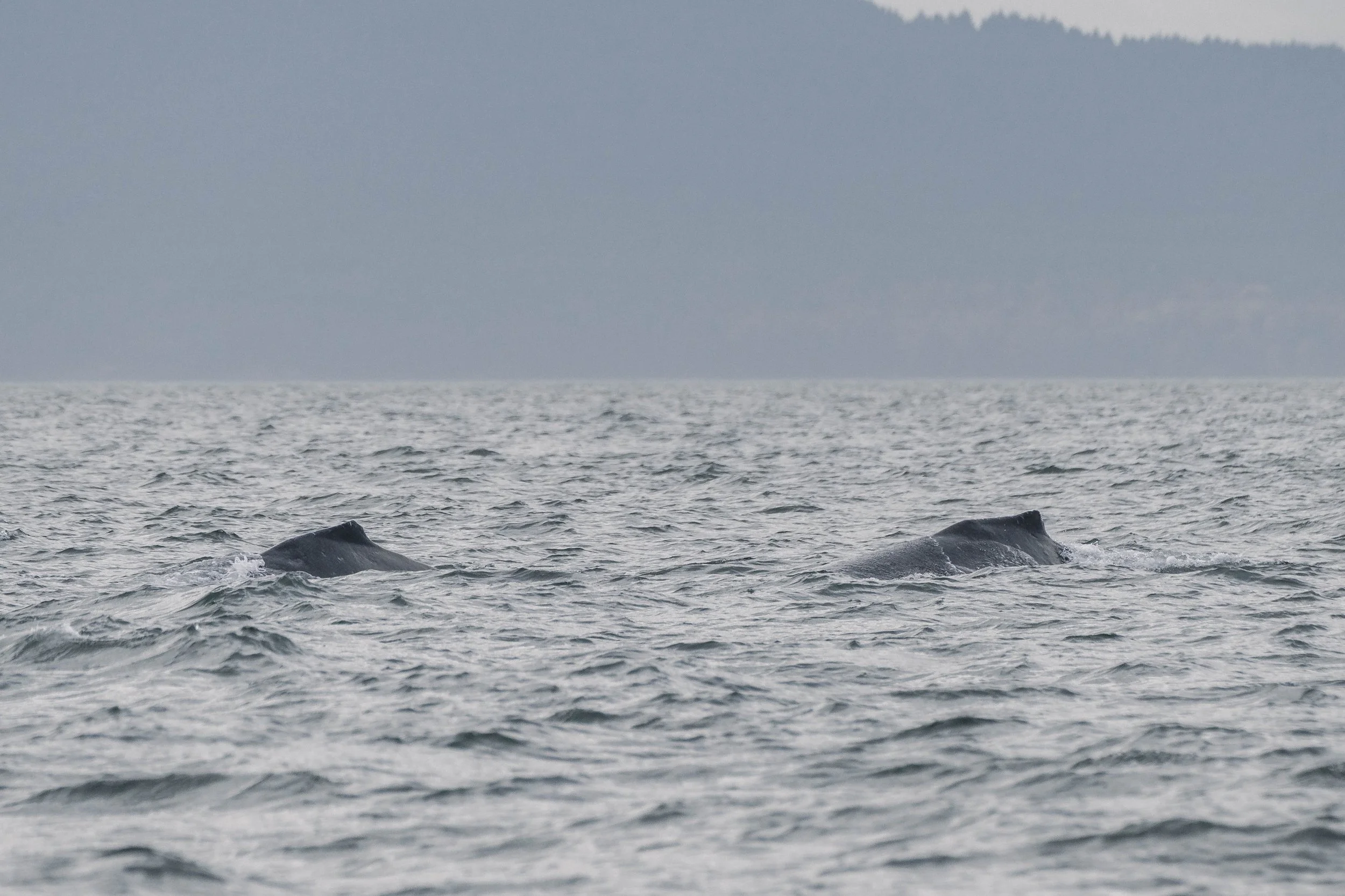
Fader (right) and Hydra (right) surfacing side by side.
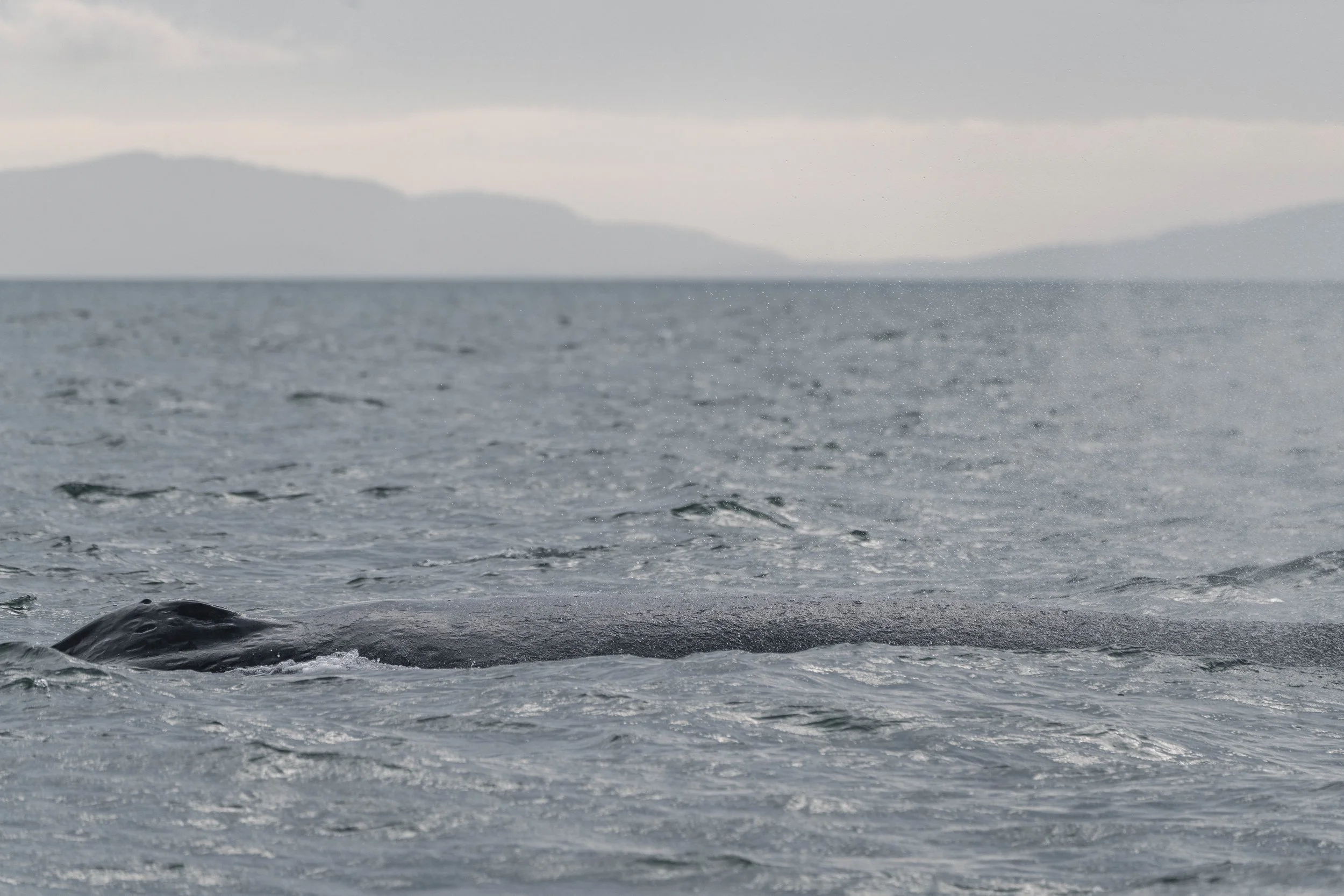
Fallen Knight’s norstrils as she surfaces.
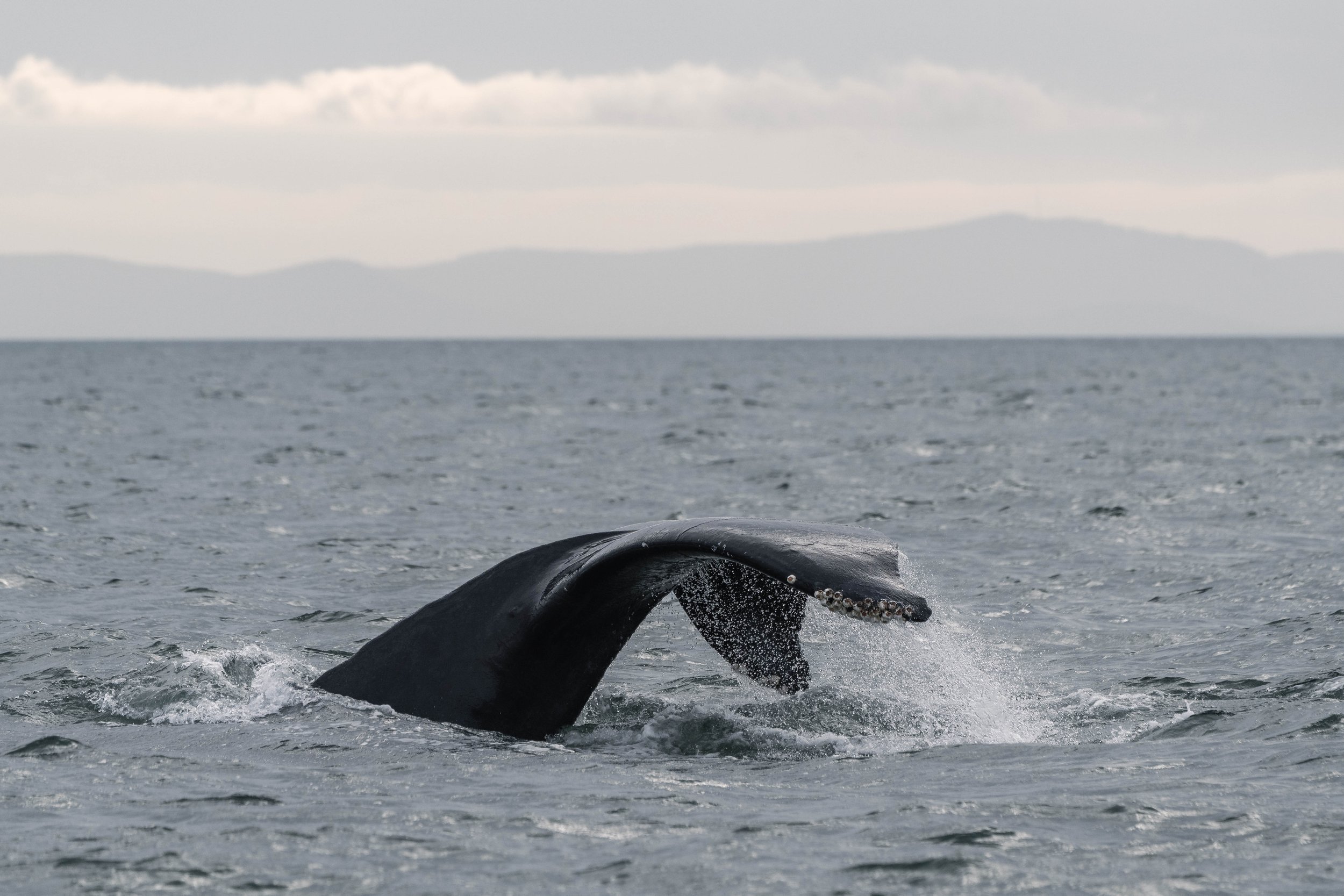
Fallen Knight creating a fluke waterfall to dive.
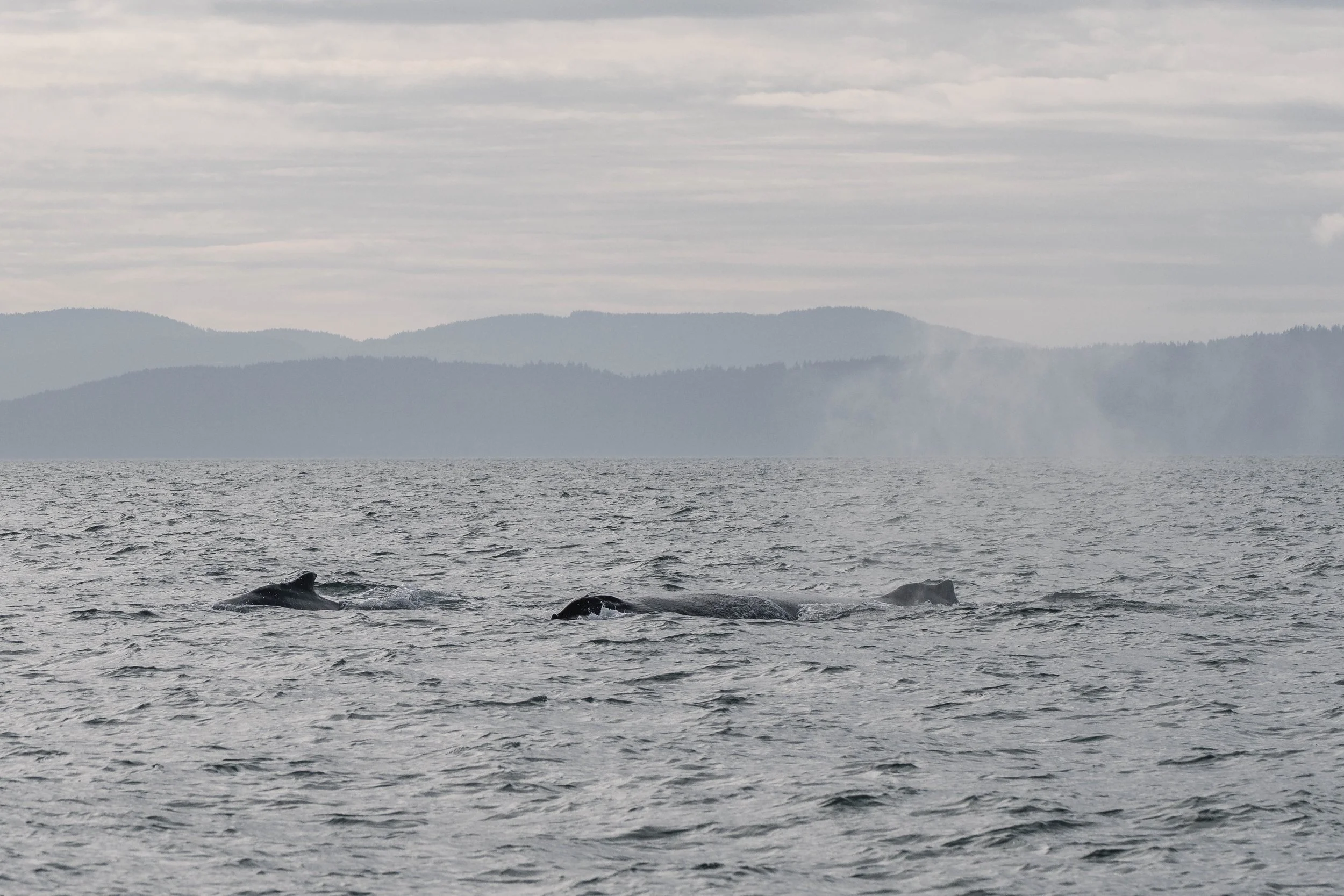
Harpy (left) and Fallen Knight (right) surfacing together.
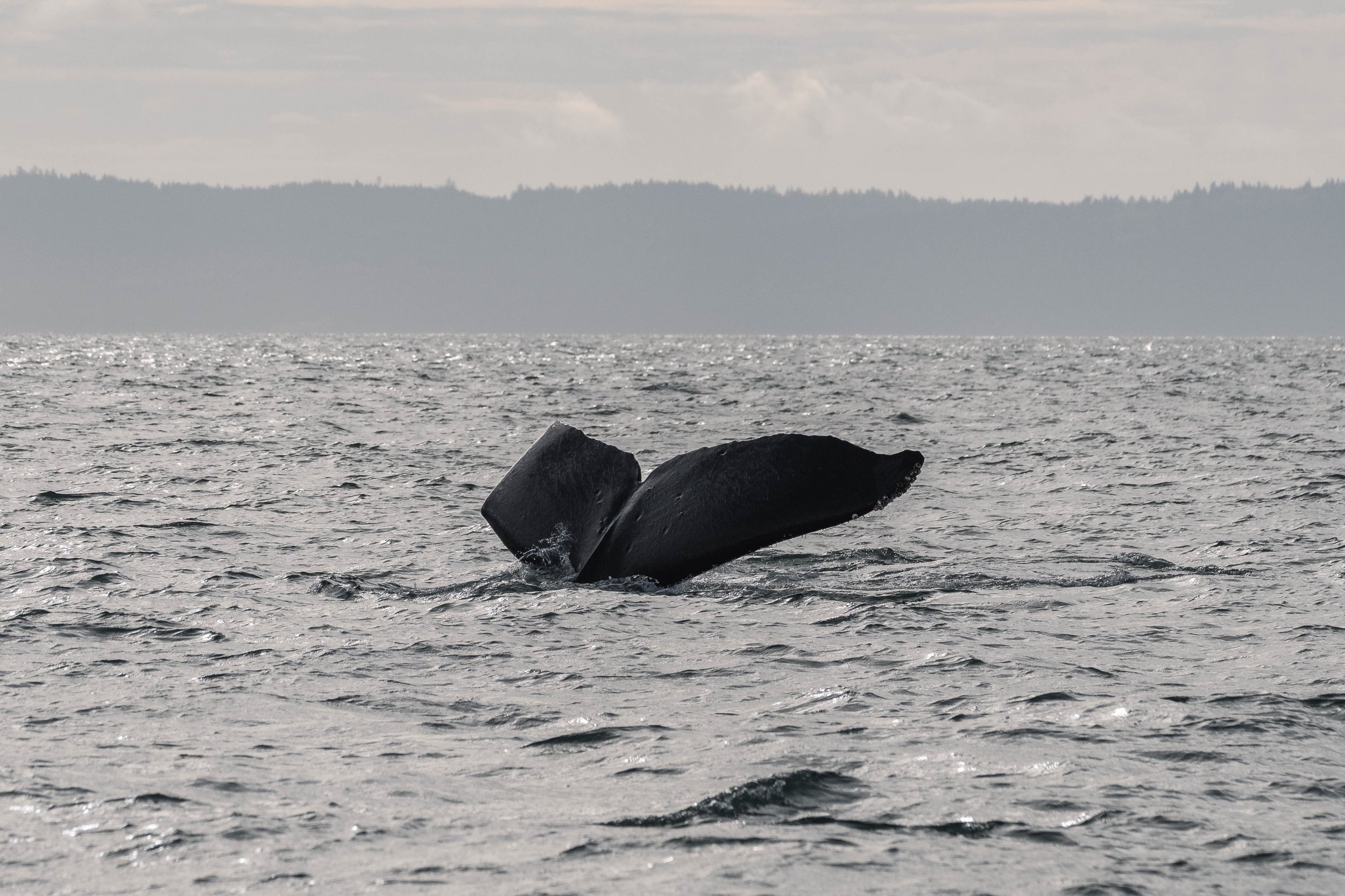
Fallen Knight diving.
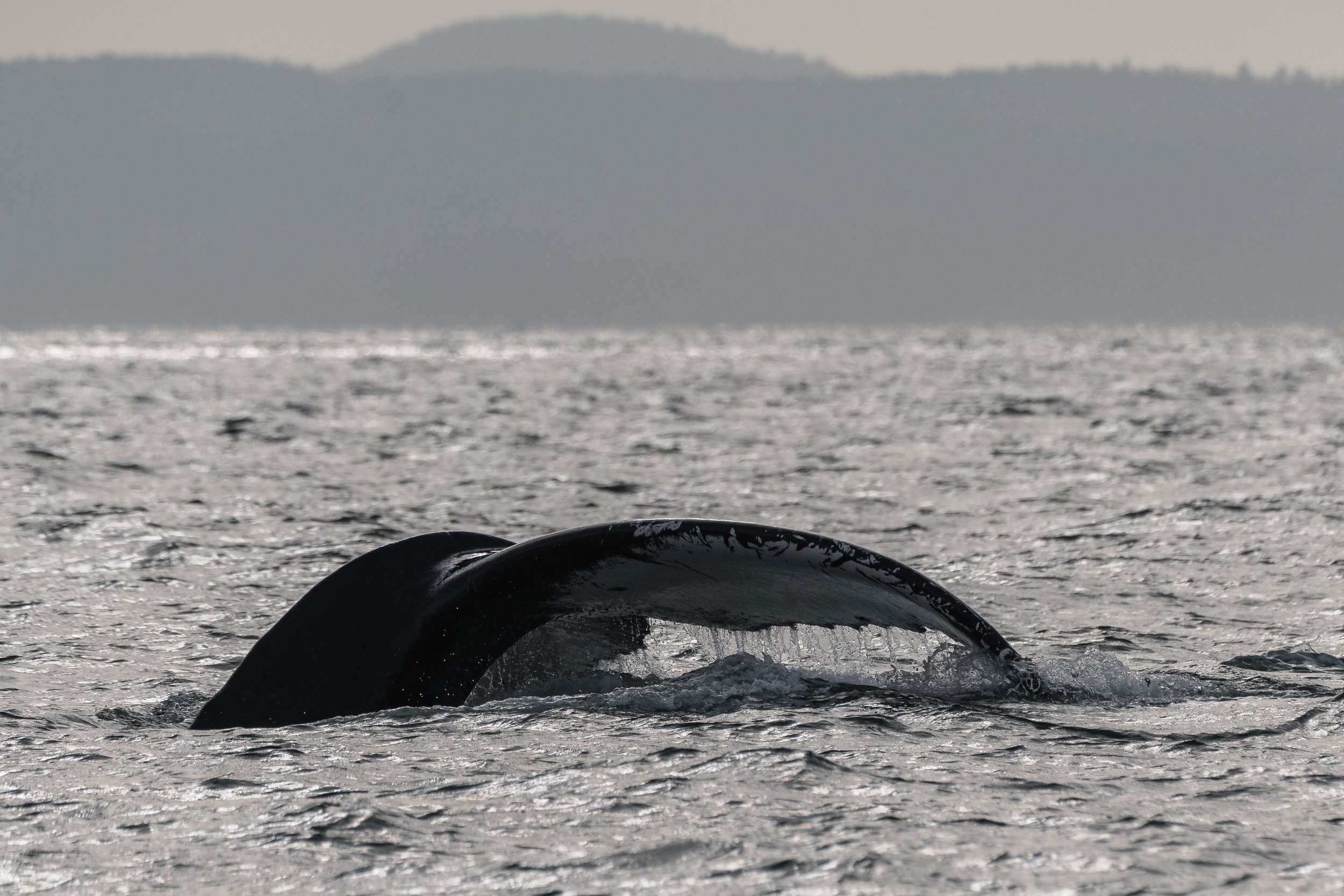
A beautiful look at Harpy while she dives.
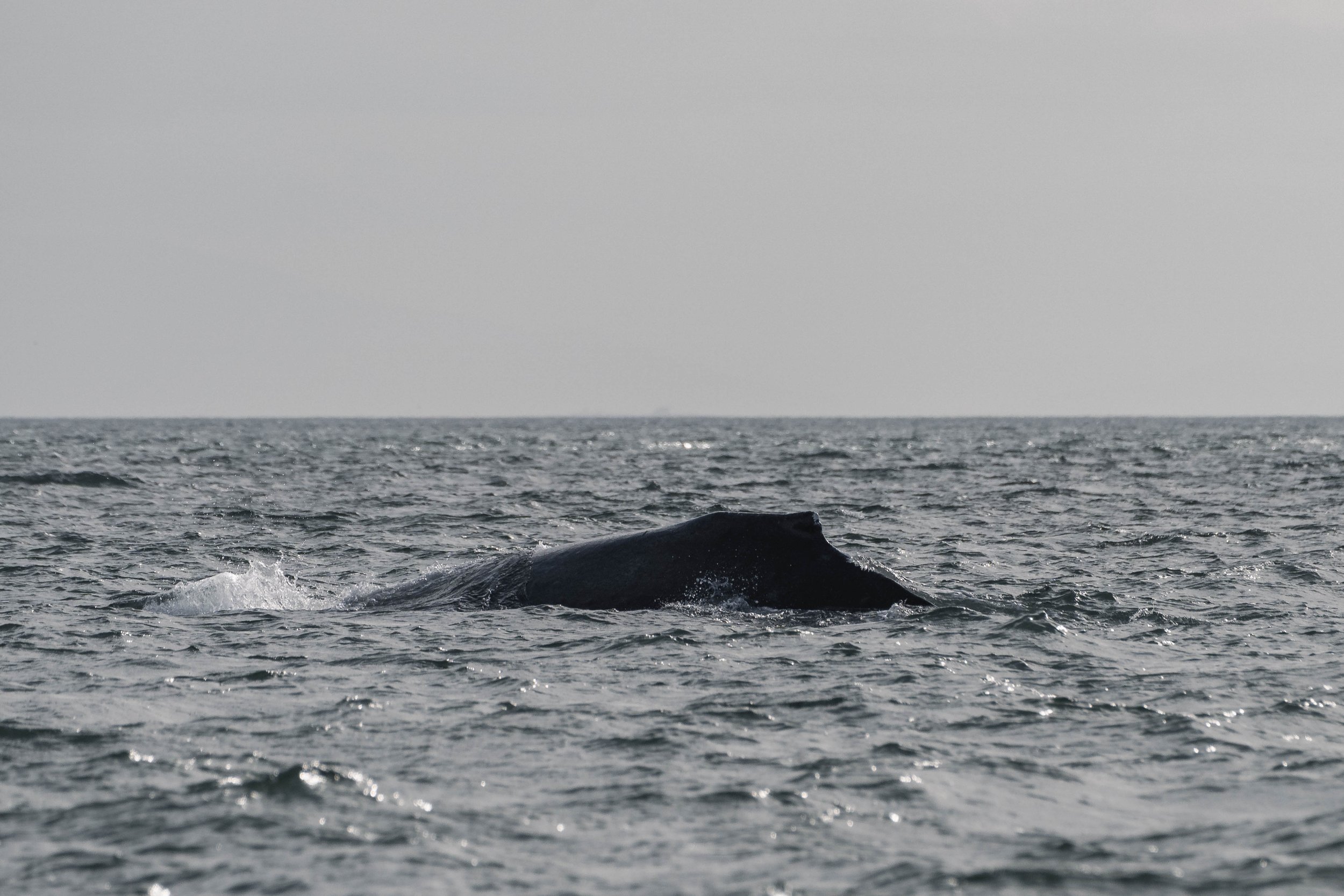
Fadere’s dorsal fin as he surfaces in the waves.
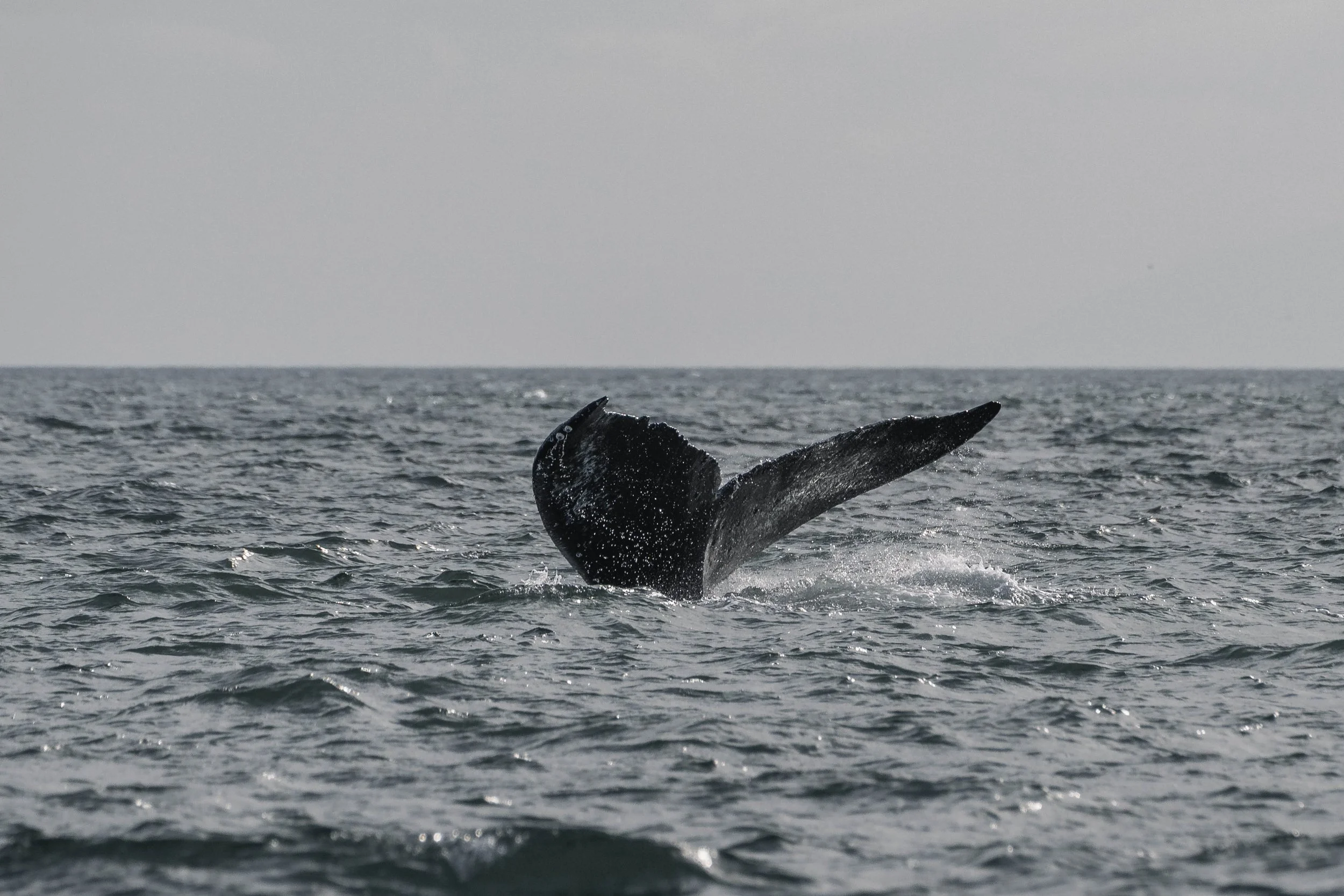
The underside of Fader’s tail as he dives.
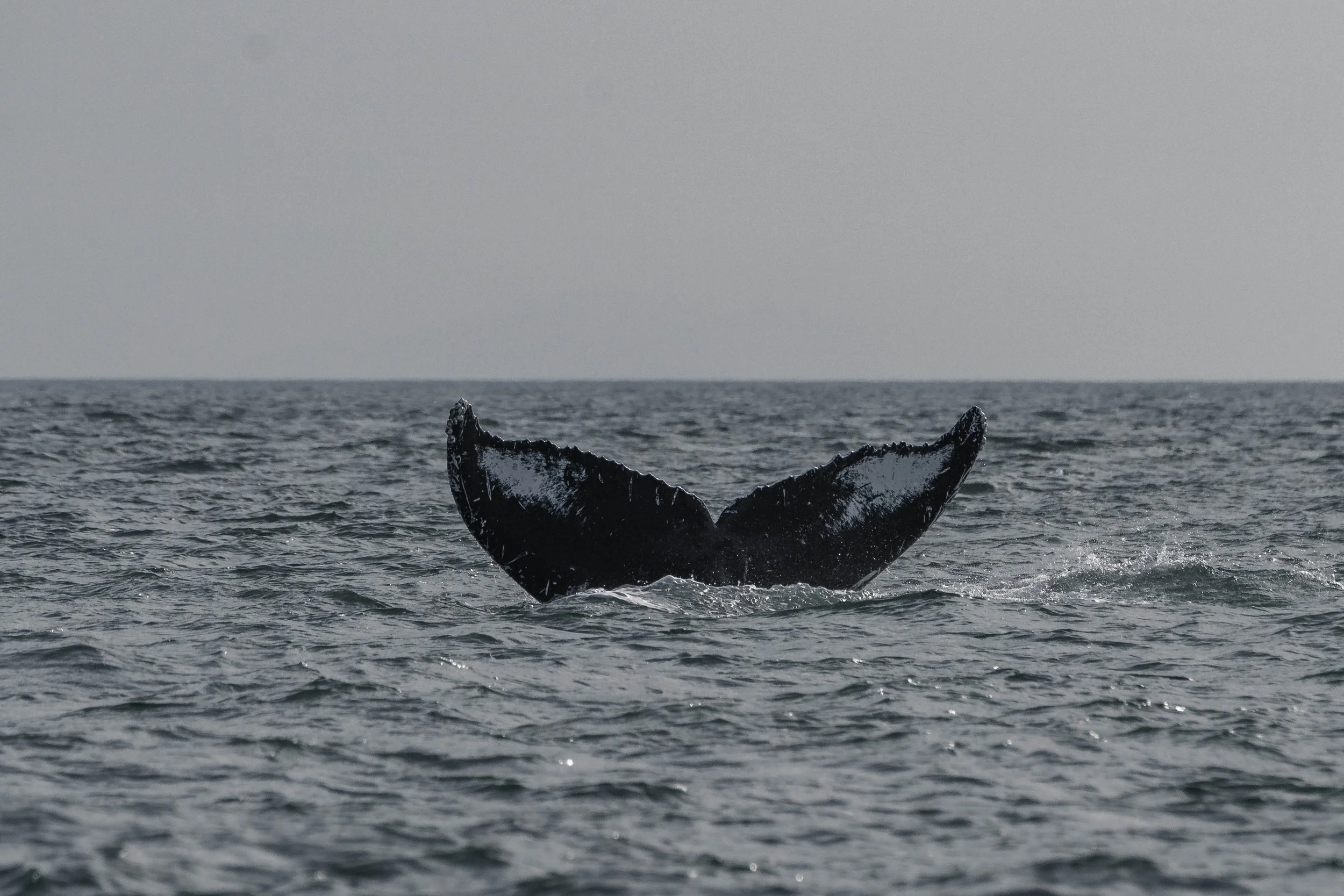
The underside of Hydra’s tail.
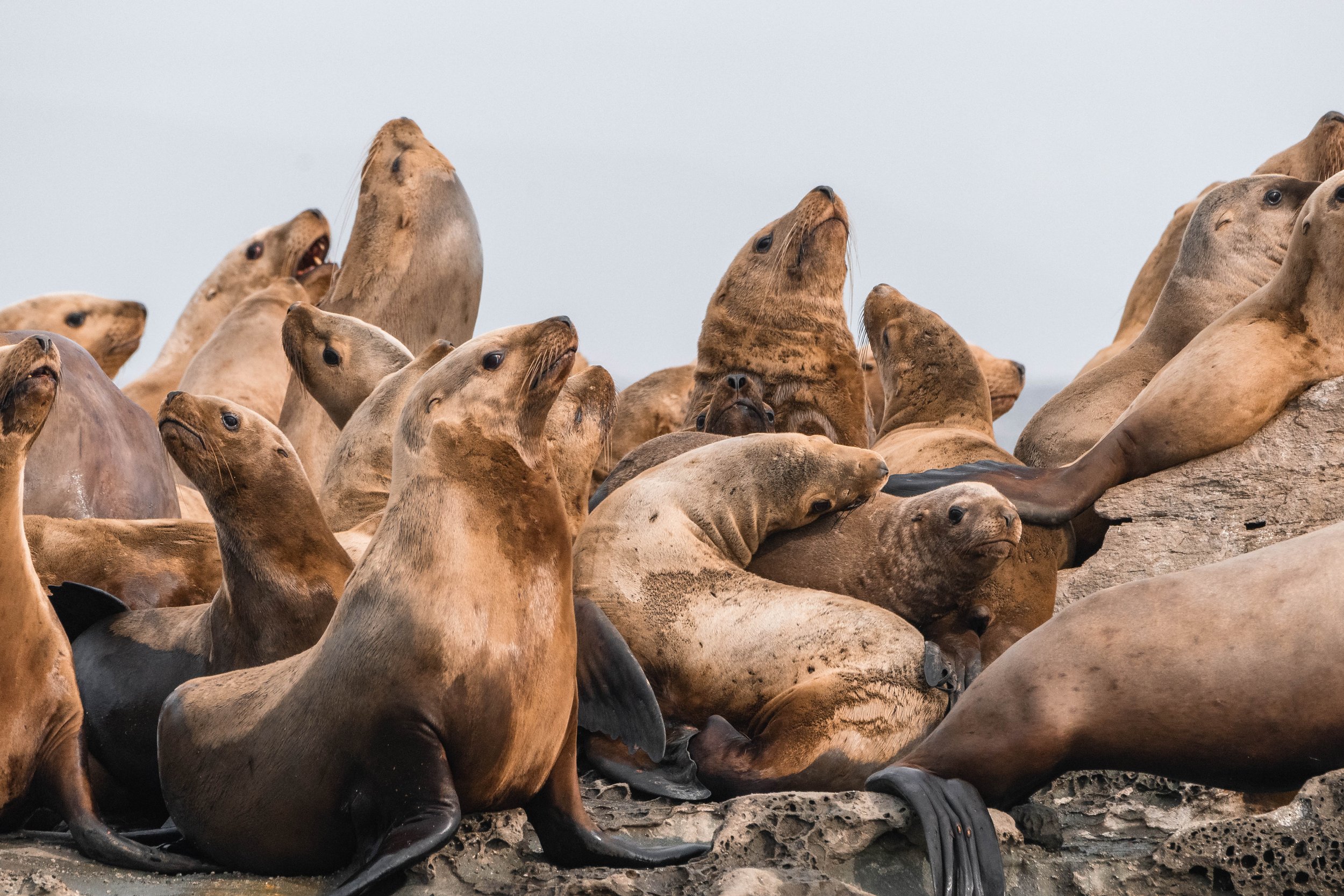
Steller Sea Lions on Stinky Rocks.

The many faces of the Steller Sea Lions.
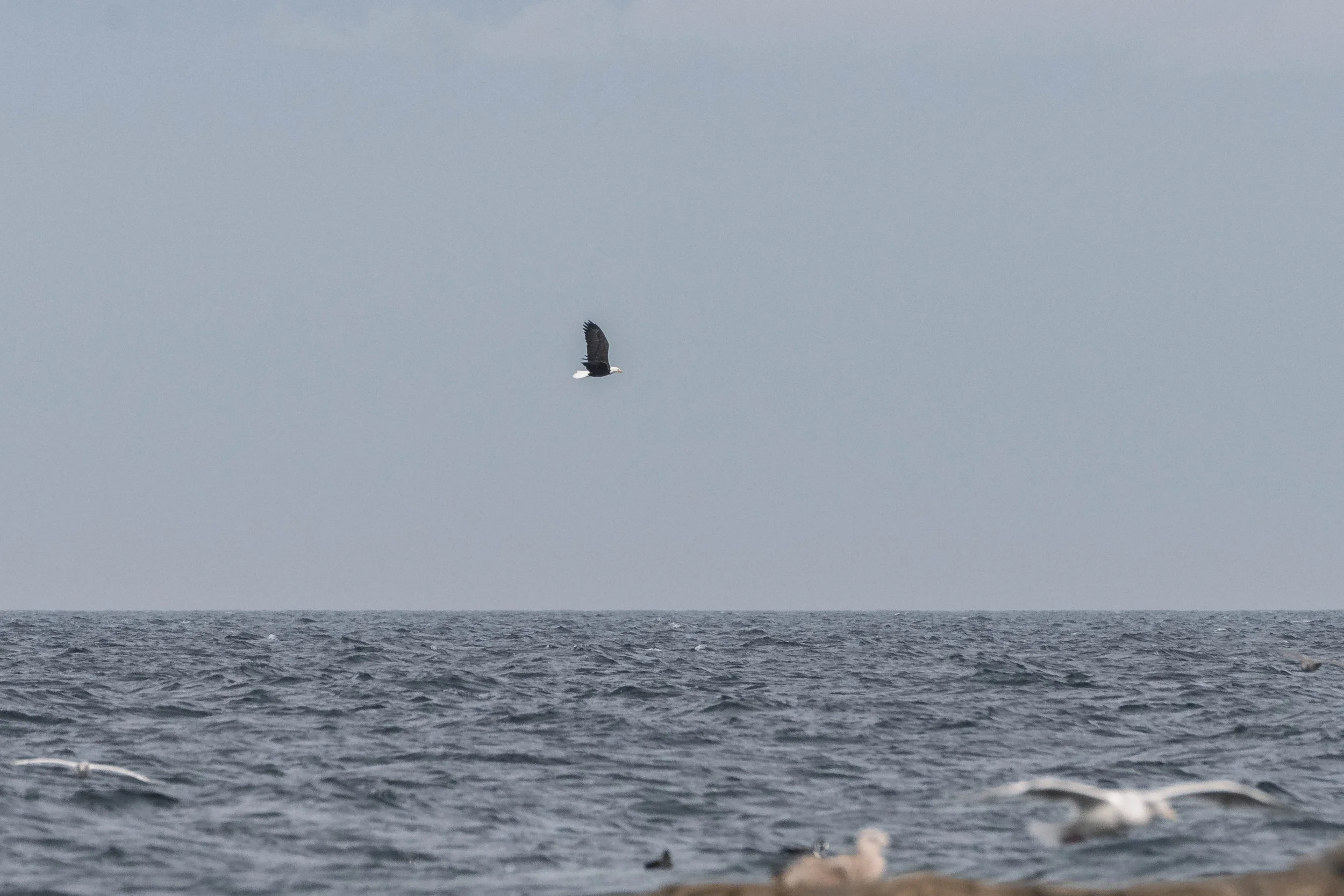
A Bald Eagle fishing in the distance.
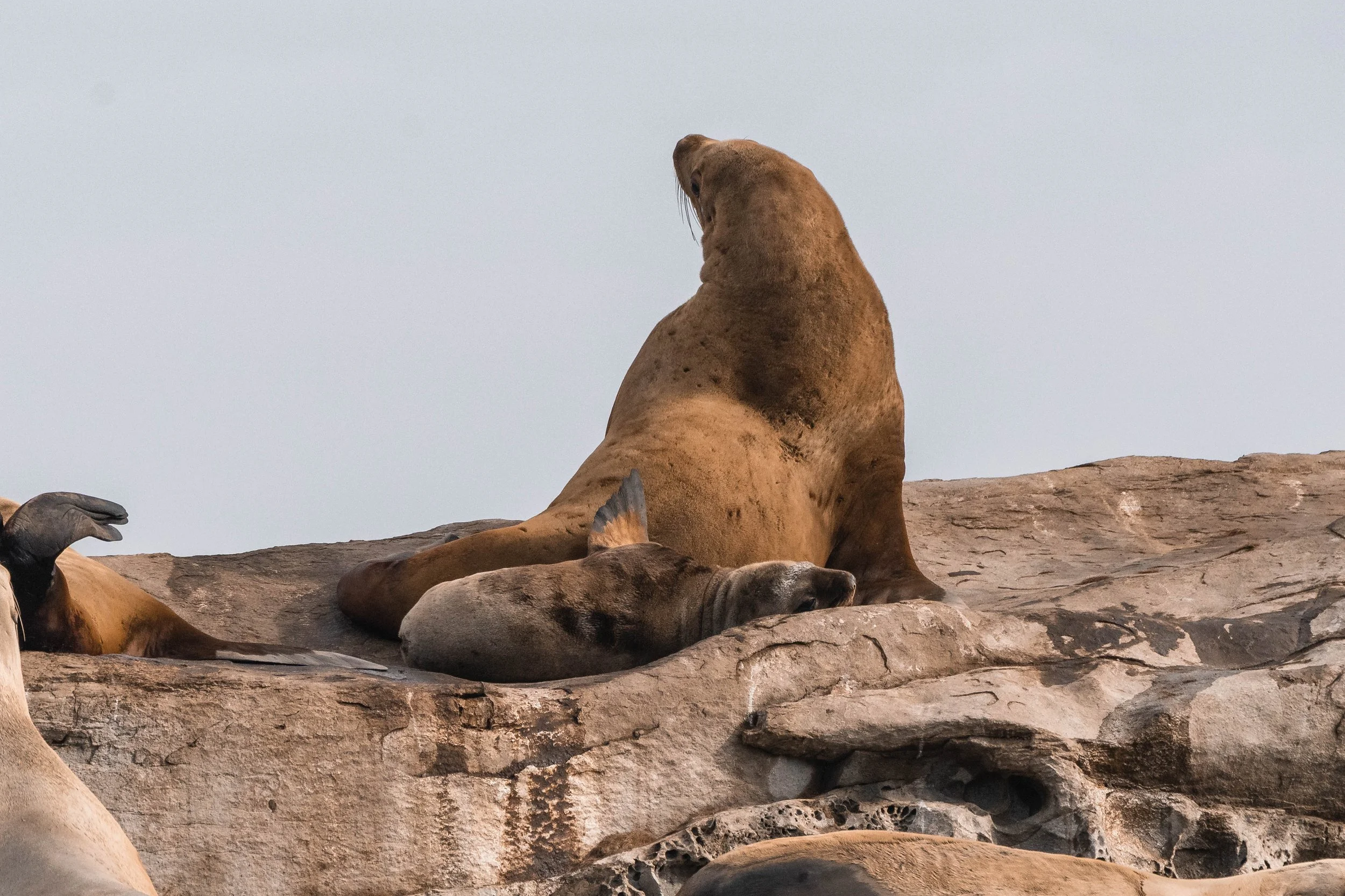
A mom and pup Steller Sea Lion on the rocks.
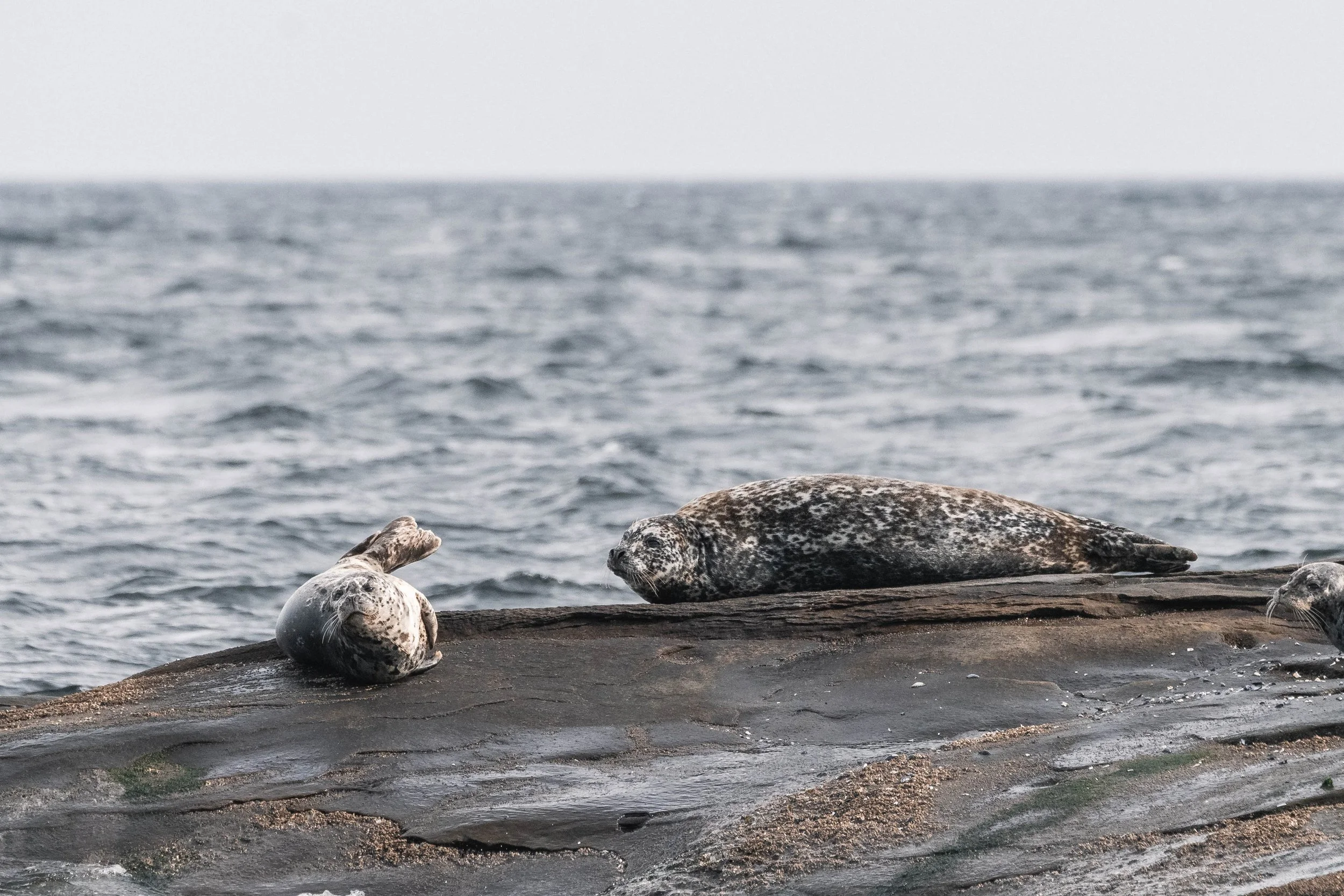
Harbour Seals relaxing on the rocky shoreline.
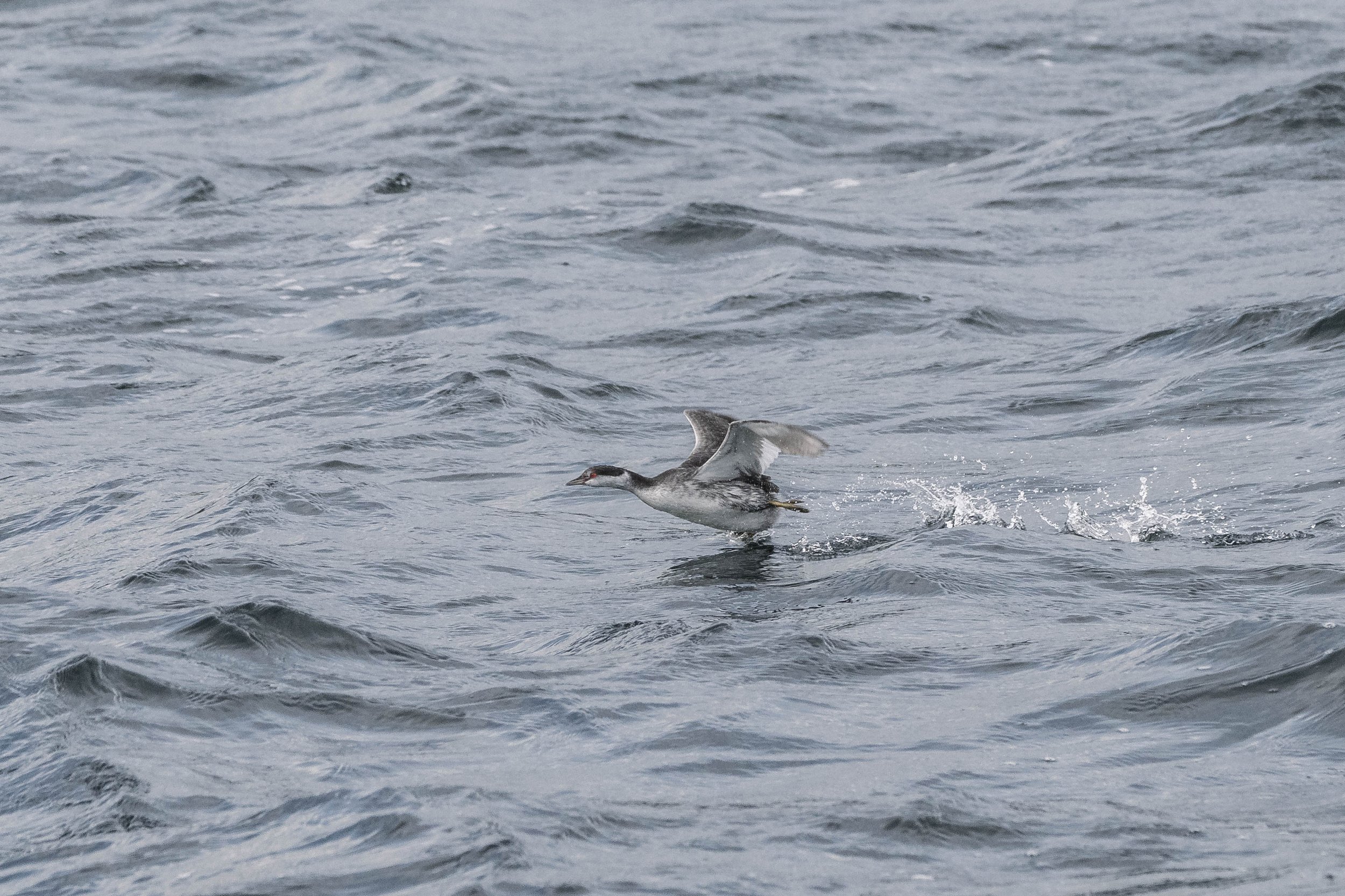
A Western Grebe flying by.
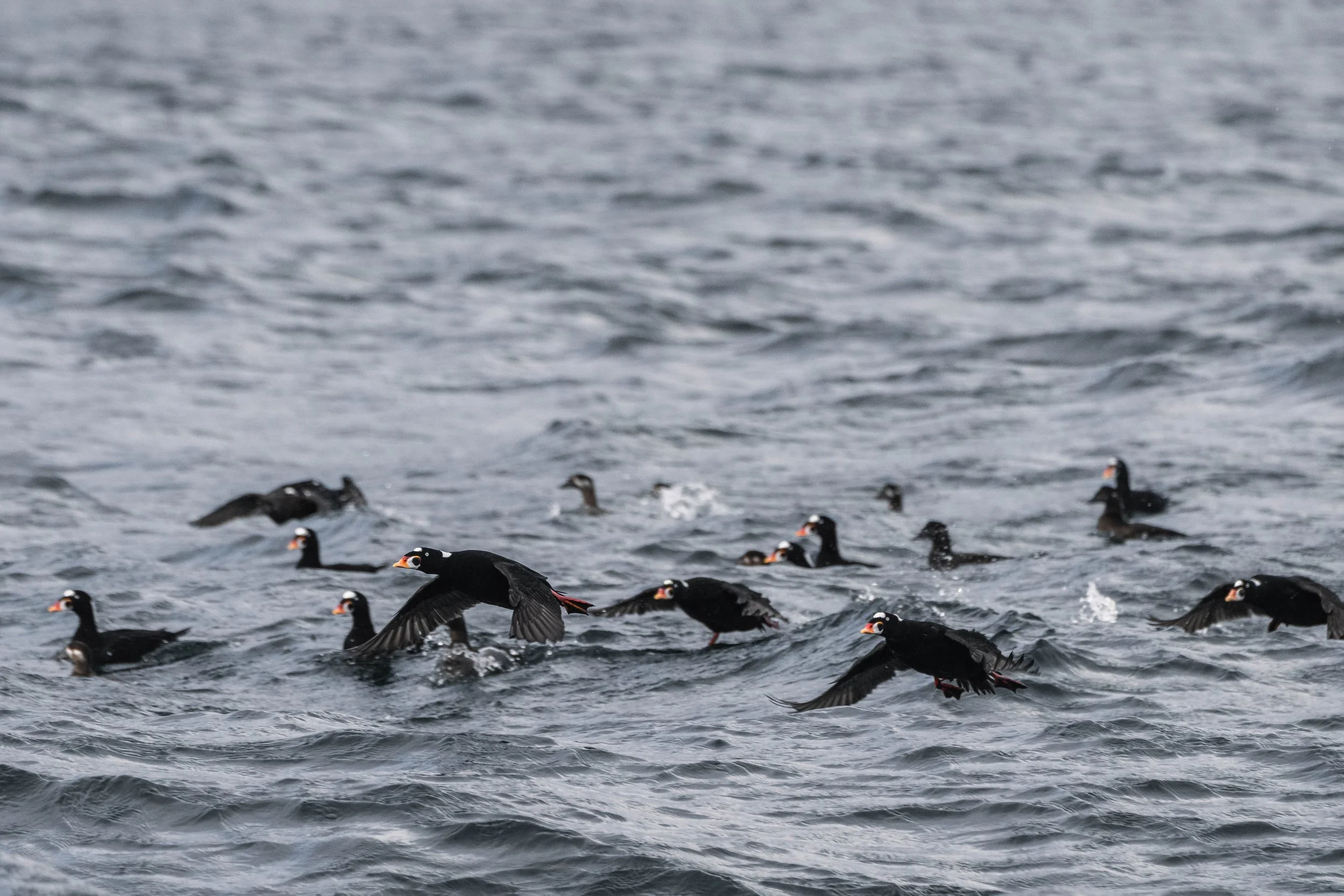
Surf Scoters flying by the boat.
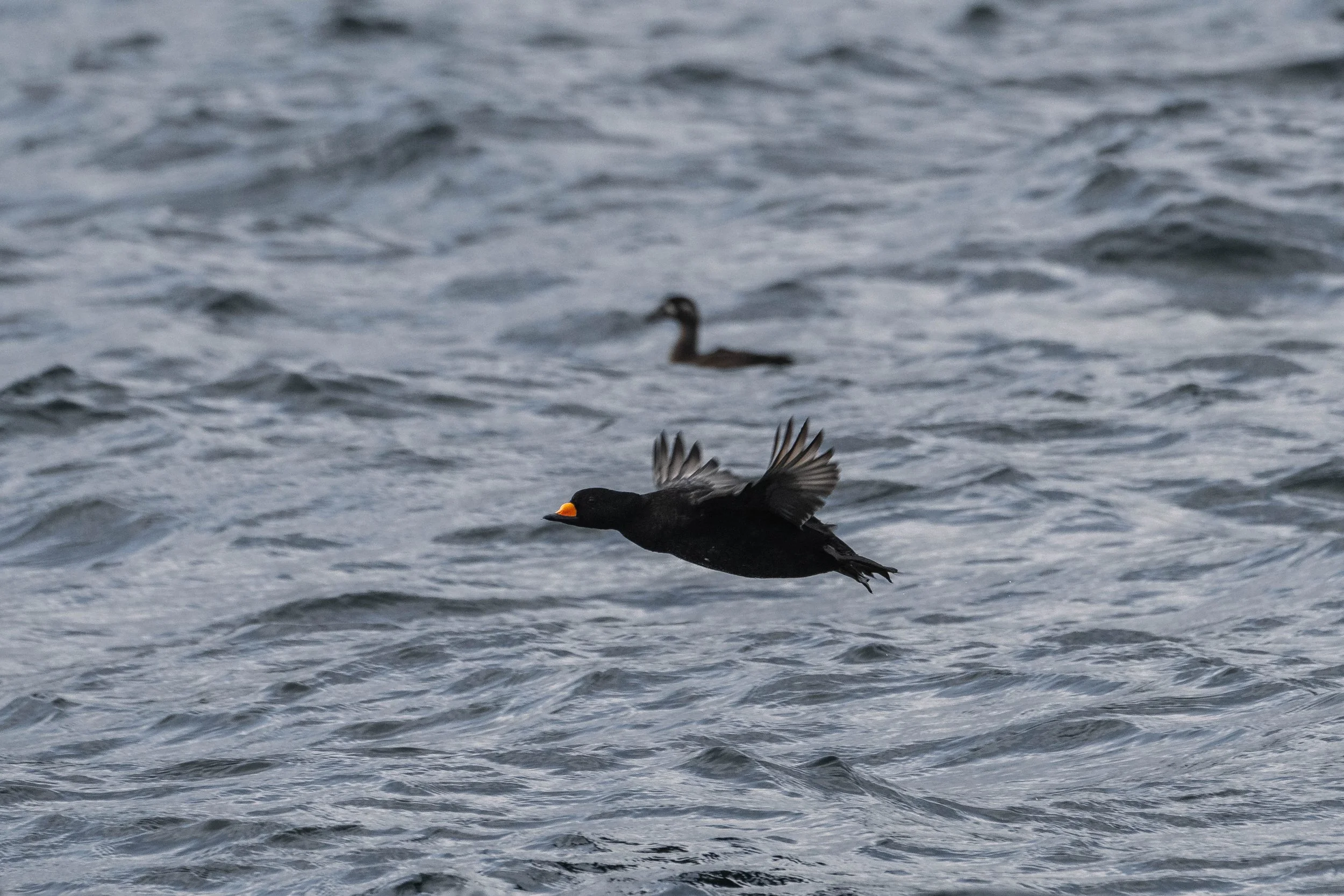
A Black Scoter flying by.
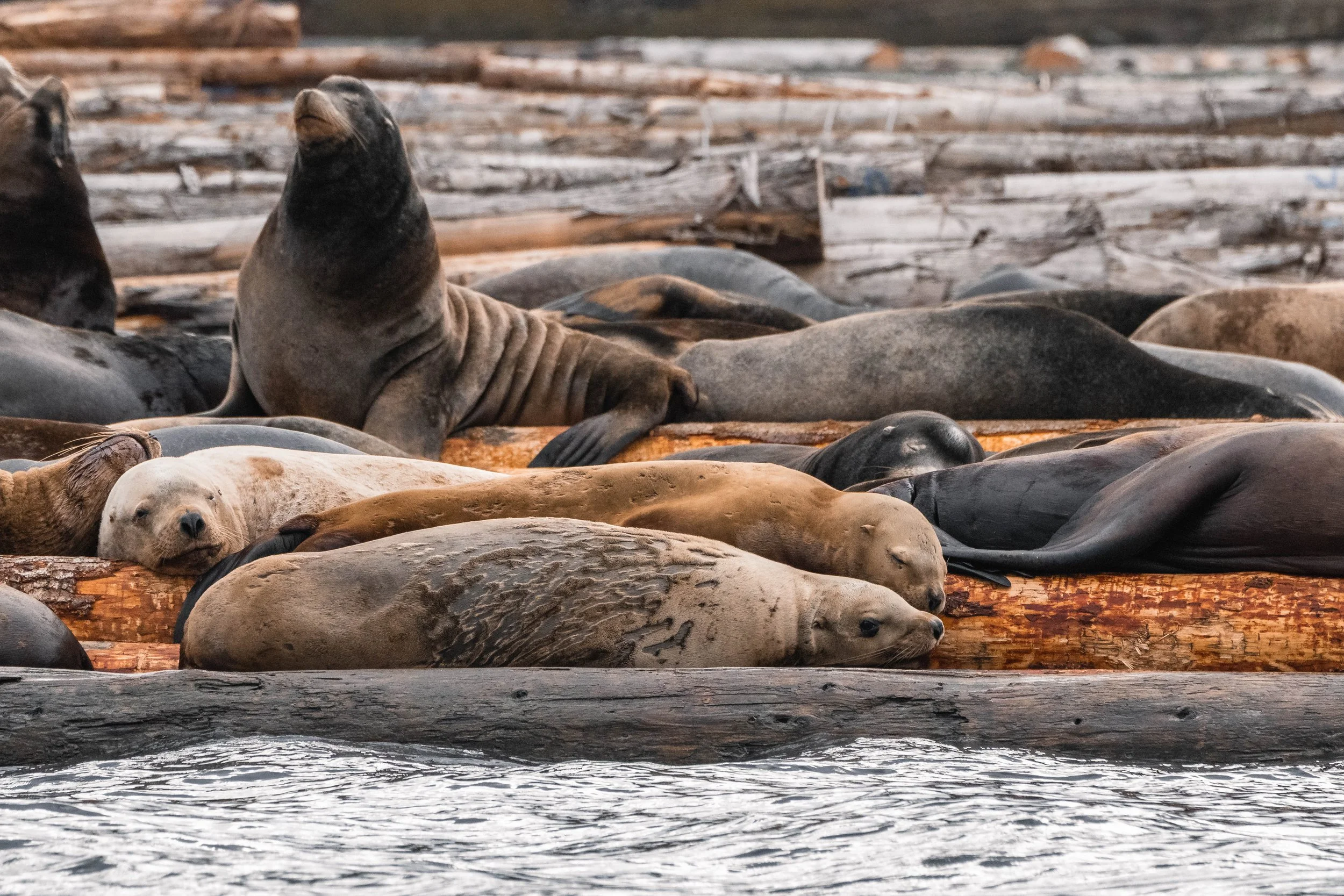
Both Steller Sea Lions and California Sea Lions spending time together on the Log Booms near Harmac.