
May 6, 2026 - Celebrating Orca in the Strait of Georgia
Another exciting day of exploring the Salish Sea was in store for us today as guests and crew boarded our semi-covered boat, Kula, and set out on the adventure. Although the day was gloomy, our spirits were high, especially since we had an earlier report of whales not too far from home.
The whales were initially seen from shore on Gabriola Island, close to Entrance Island, so we motored in that direction, looking for any telltale signs of whales in the waters. For orca, this is usually their iconic black dorsal fins coming out of the water, or the misty blows when they breathe at the surface, but today, it was the splashing caused by these whales playing around at the surface! As we approached, we were seeing all sorts of surface activity, tail slapping, breaching, spy hops; it was a full-blown party!
Although exciting to see, the whales jumping at the surface can make identifying them a bit more difficult, since the main things we look for in ID can be hidden. Although tails are amazing to see waving around, as of right now, we can’t reliably ID with them! That said, it didn’t take long for Marine Naturalist Jordan to expertly snap some photos of their dorsal fins and saddle patches, and we were able to identify which whales we were seeing. We were able to confirm the T124A4s (Sabio and her two kids) and the T086As partying together:
T086A Eider ♀ (1988)
T086A4 Akia ♀ (2016)
T086A5 Siku ♂ (2024)
T124A4 Sabio ♀ (2010)
T124A4A Strix ♀ (2021)
T124A1A Sabine (2024)
Although we assume Eider was present, since she doesn’t often travel without her pod, we can’t 100% confirm, as she was the only whale in these groups that we didn’t have any photos of.
The time spent with these whales was great, we got to see nearly everyone having a blast, playing in the waves and socializing with each other. Typically, when we see the Transient Orca, they are trying to keep a low profile because they rely on stealth to hunt. These are the mammal-eating ecotype, typically going for prey such as Harbour Seals, Steller and California Sea Lions, and sometimes other cetaceans. All of these prey are also very intelligent (although not quite on the same level as an orca), and so the orca shift their behaviour to better hunt them. This means less chatting, smaller groups, and quiet travel most of the time. But times like this, where they aren’t worried about being detected, caution seems to be thrown to the wind, and they focus on another important aspect of their lives: being social. Orcas are highly social animals and are known to go stir-crazy without interaction with other whales outside their own pod. You can imagine, as a human, how tough it would be to only interact with the same 3 other people every day of your life, so they get pretty excited to meet up with other whales. This is only the case within ecotypes, though, as the different ecotypes don’t typically get along.
We watched as these whales played at the surface for basically the entire hour that we spent with them, feeling the excitement buzz through us, made contagious by the great time the whales were having. But all good things must come to an end, and we left these whales to their celebrations.
The whales had taken us along the eastern shore of Gabriola Island, so we took the opportunity to duck into the Flattop Island group, took Gabriola Pass, and found ourselves exploring the calmer waters of the Southern Gulf Islands. Drinking in the scenery here, it’s hard not to notice how much nature meets industry along the coast of British Columbia, made obvious by the many freight ships that anchor in these passageways. They are typically waiting to head over to Vancouver to pick up their cargo, but anchoring in the protected islands is not only calmer for them but also much less expensive. We cruised our way past these ships until we spotted some small bodies dotting the shoreline. We had found some Harbour Seals!
The variation in the coats of these small pinnipeds is always amazing, with the colour ranging from nearly white to dark brown, but they all share the same speckled camouflage that helps them blend into the intertidal zone and to the seafloor as they hunt for fish. Today, there were quite a few of them striking a pose along the shoreline, a sure sign that they were feeling comfortable as they warmed their bodies after their time in our cold waters.
From here, we headed back towards Nanaimo, making a final stop at the Harmac Pulp Mill, or just beside it, where the log booms provide another great haul-out site, this time for Sea Lions. Today, it was all California Sea Lions spending their time here, but we sometimes will see the Steller Sea Lions here as well. It’s a great example of two similar species not having an issue being in close quarters with each other.
Soon, we found ourselves back in the Nanaimo Harbour. It was a great tour filled with so much wildlife, and we couldn’t help but feel so lucky to have witnessed everything we did today. Please enjoy all of the photos below, captured throughout the tour by Marine Naturalist Jordan Robinson.
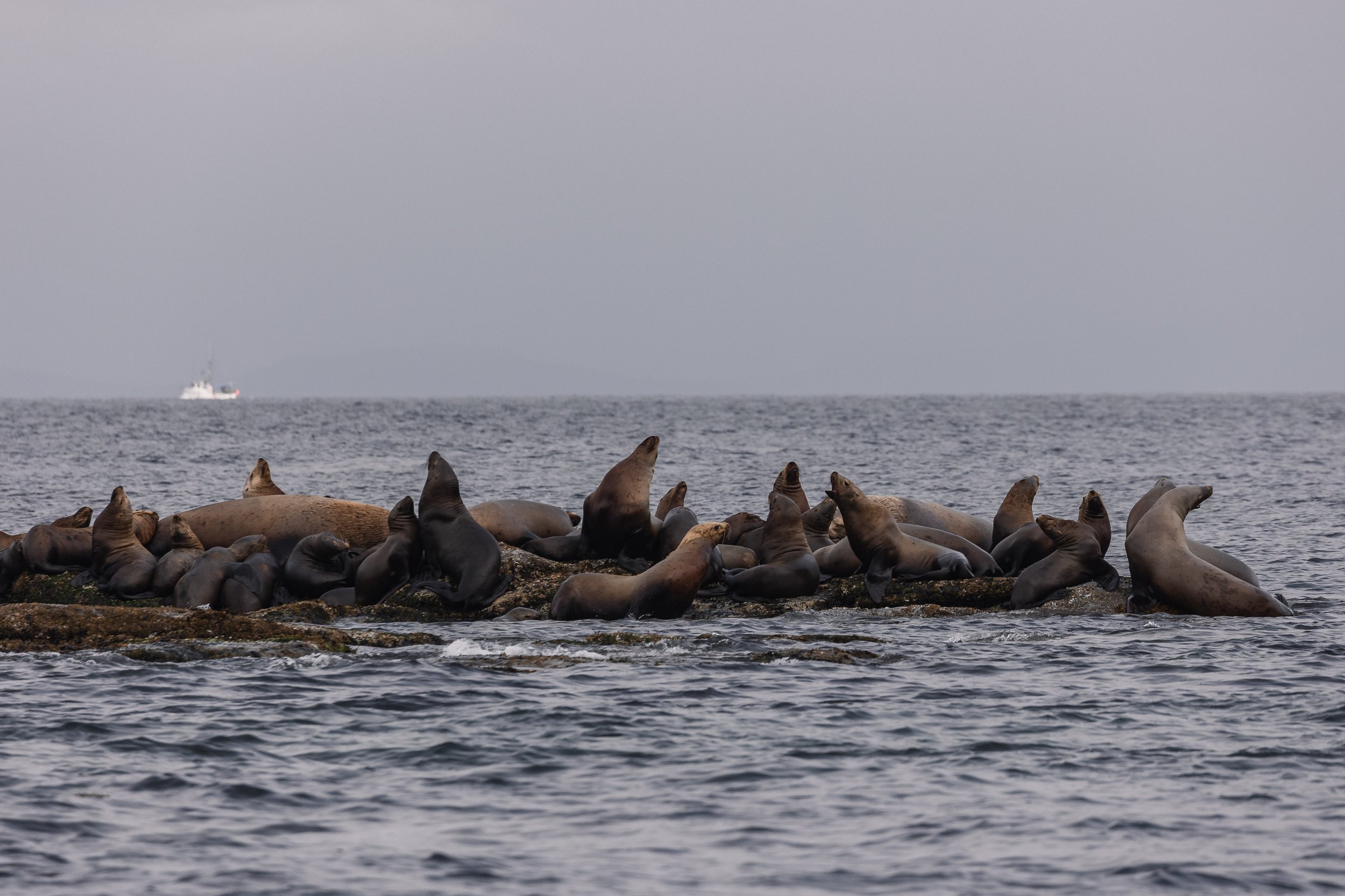
Stellers Sea Lions spending time on the rocks near Entrance Island.
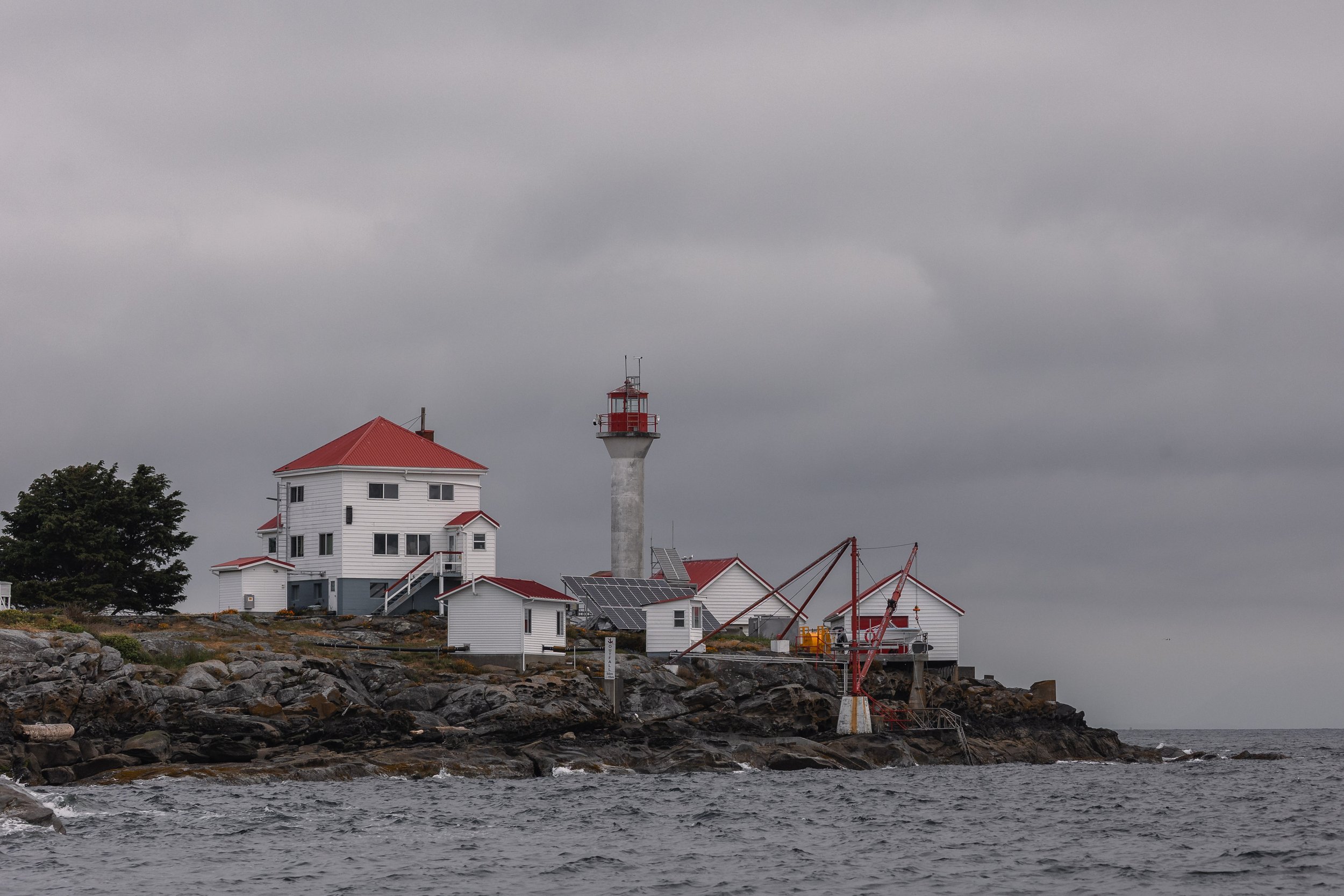
Entrance Island wit clouds looming in the background.
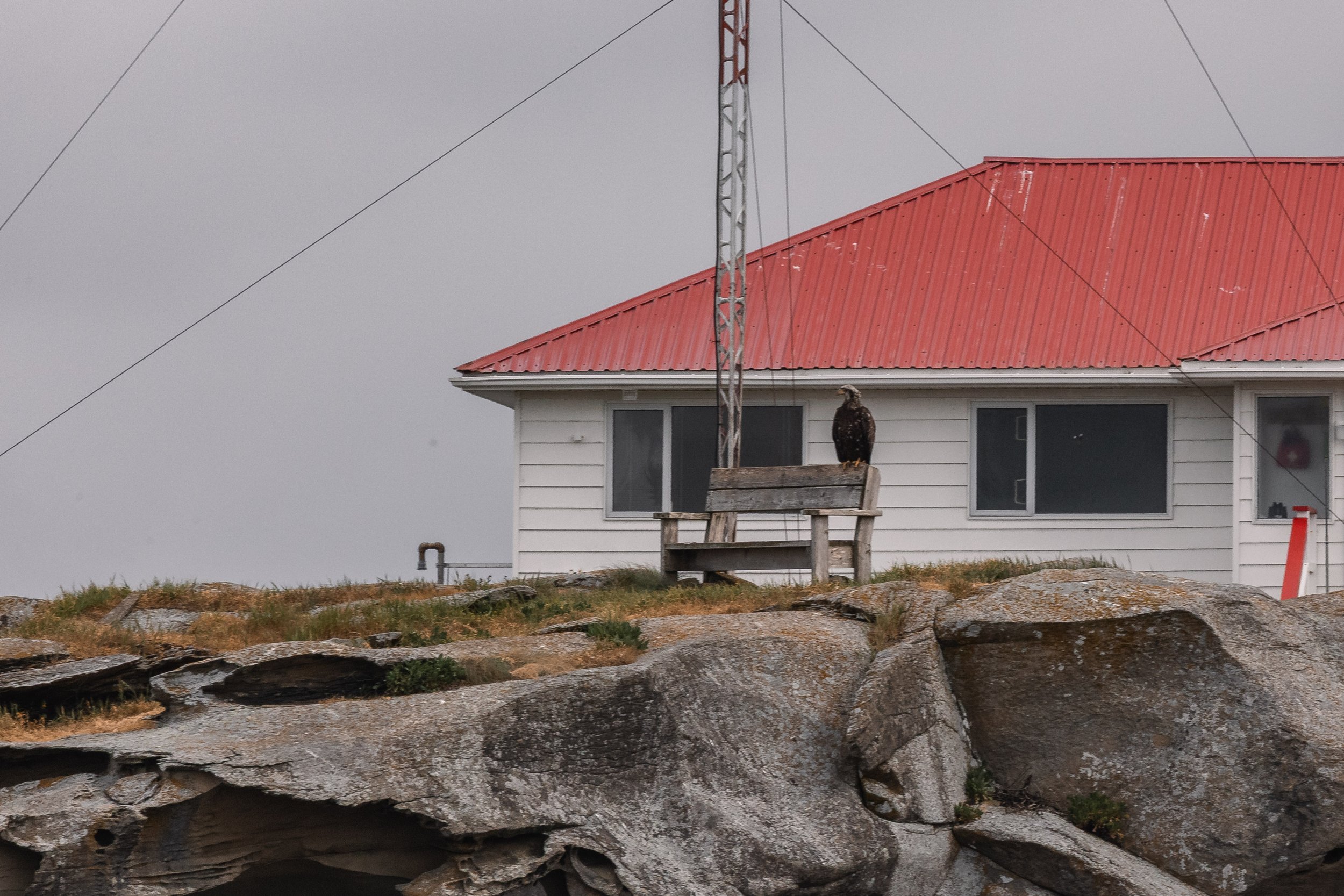
A Bald Eagle making good use of the scenic bench.
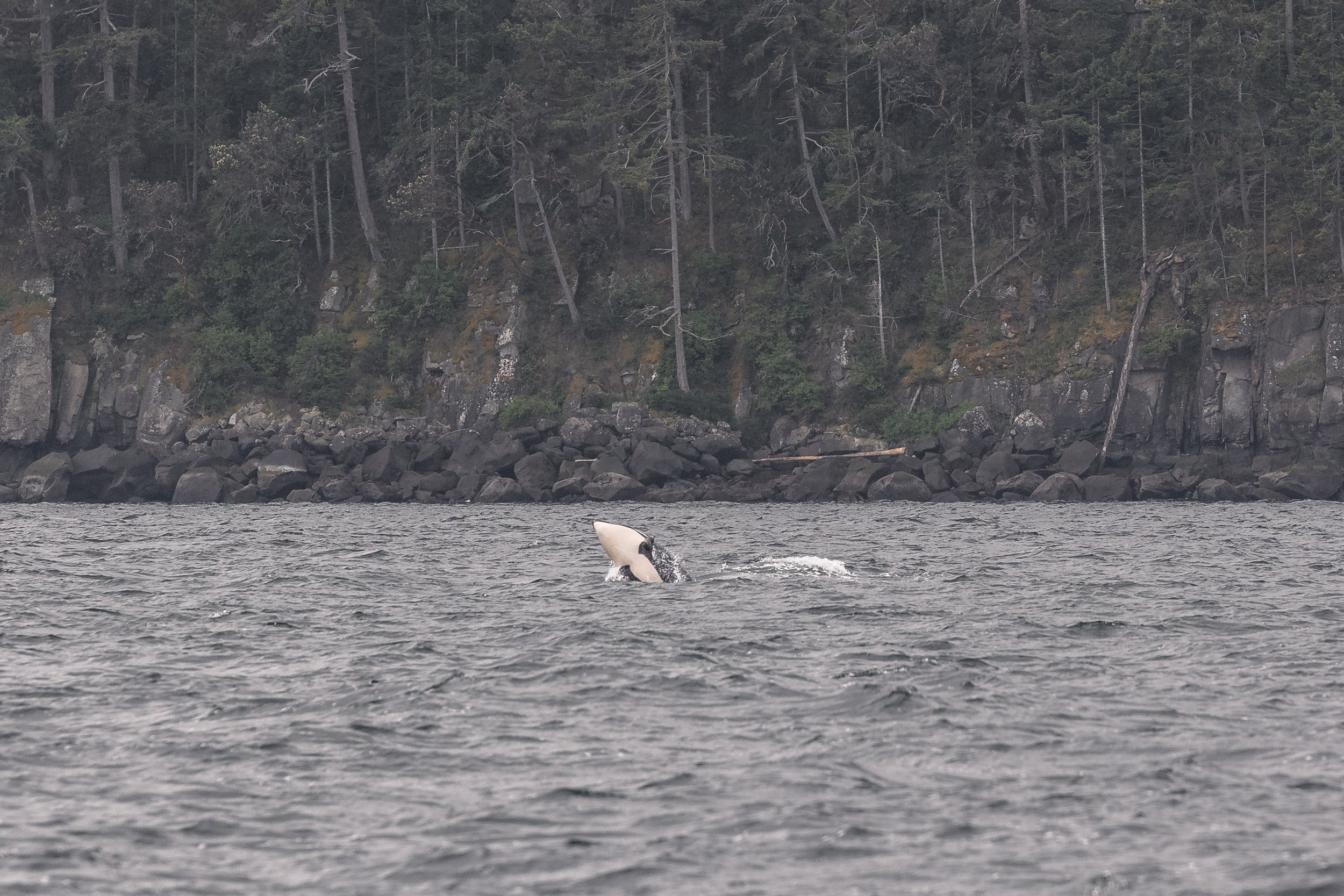
A little breach from one of the young whales.
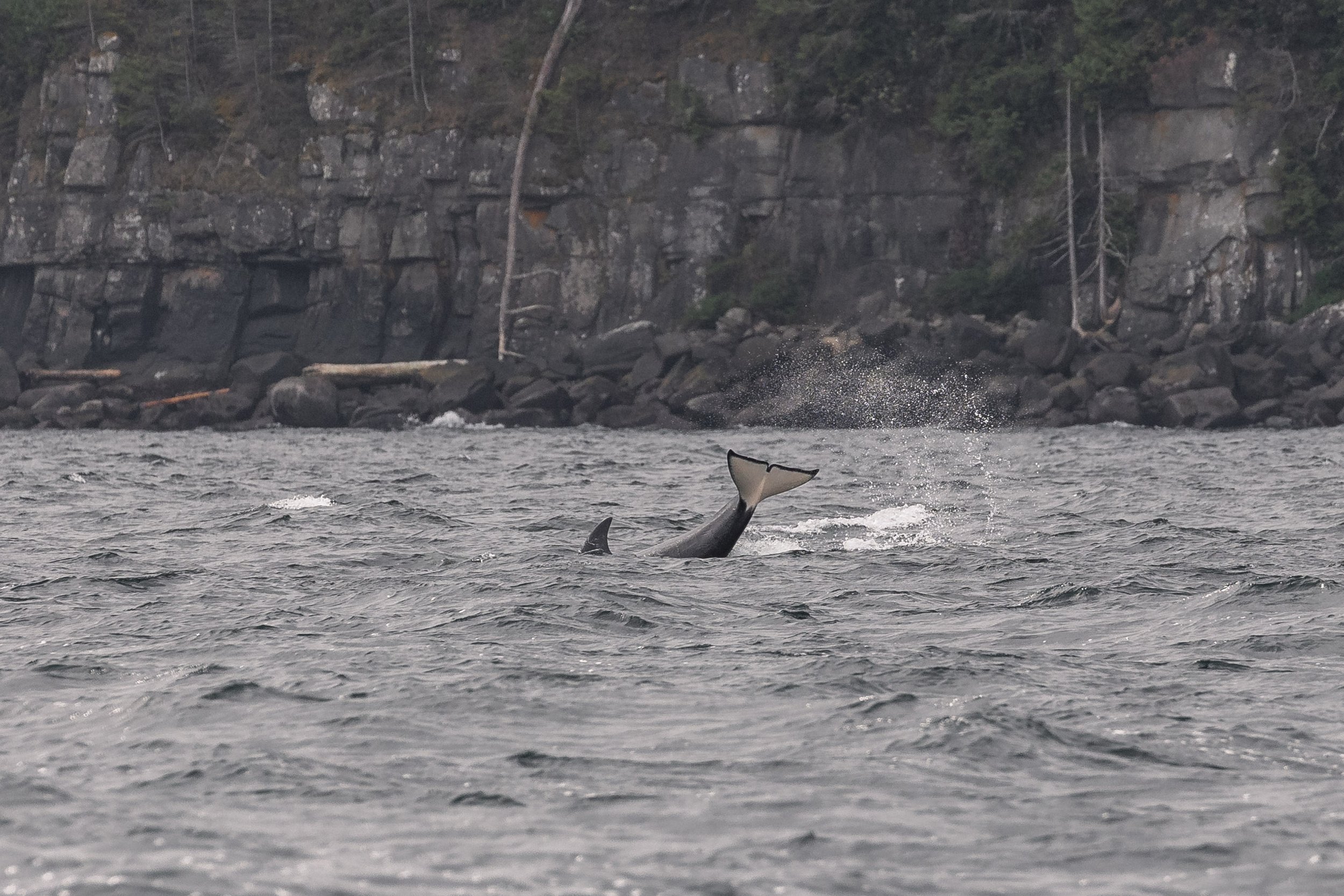
A tail in the air, Likely belonging to T086A5 Siku.
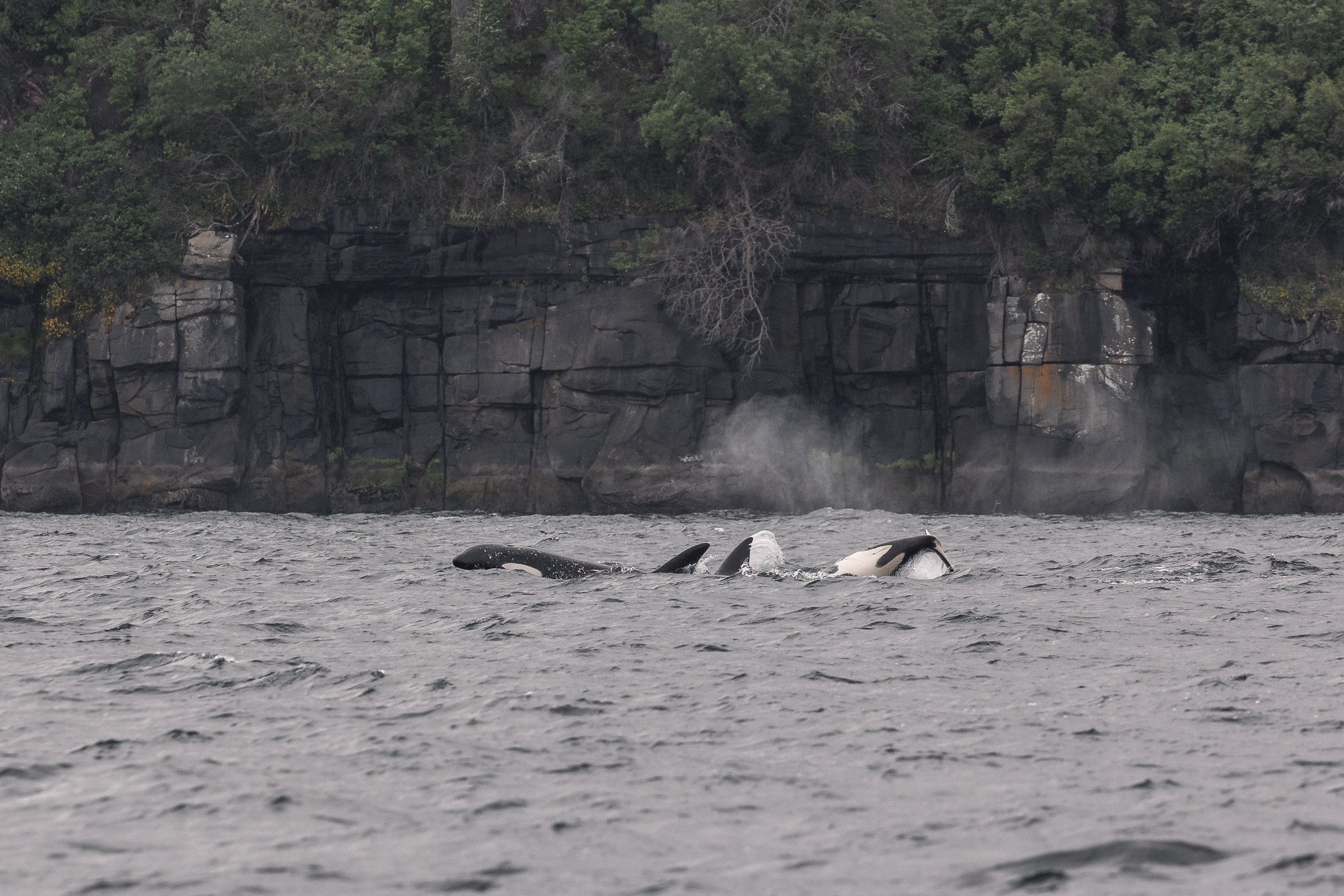
T124A4 Sabio next to someones tail and another young whale doing a cartwheel.
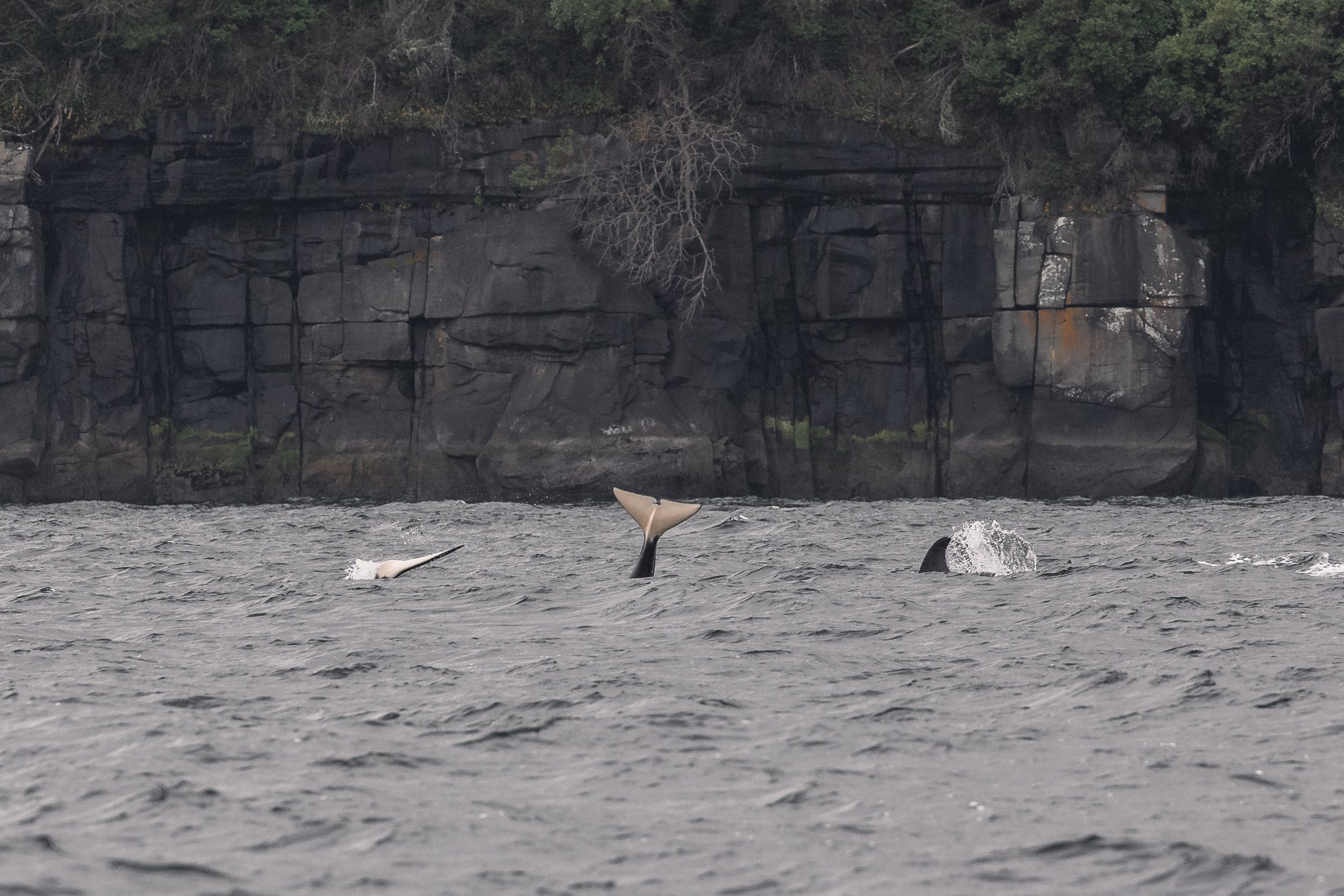
A couple of tails in the air next to T124A1A Sabine.
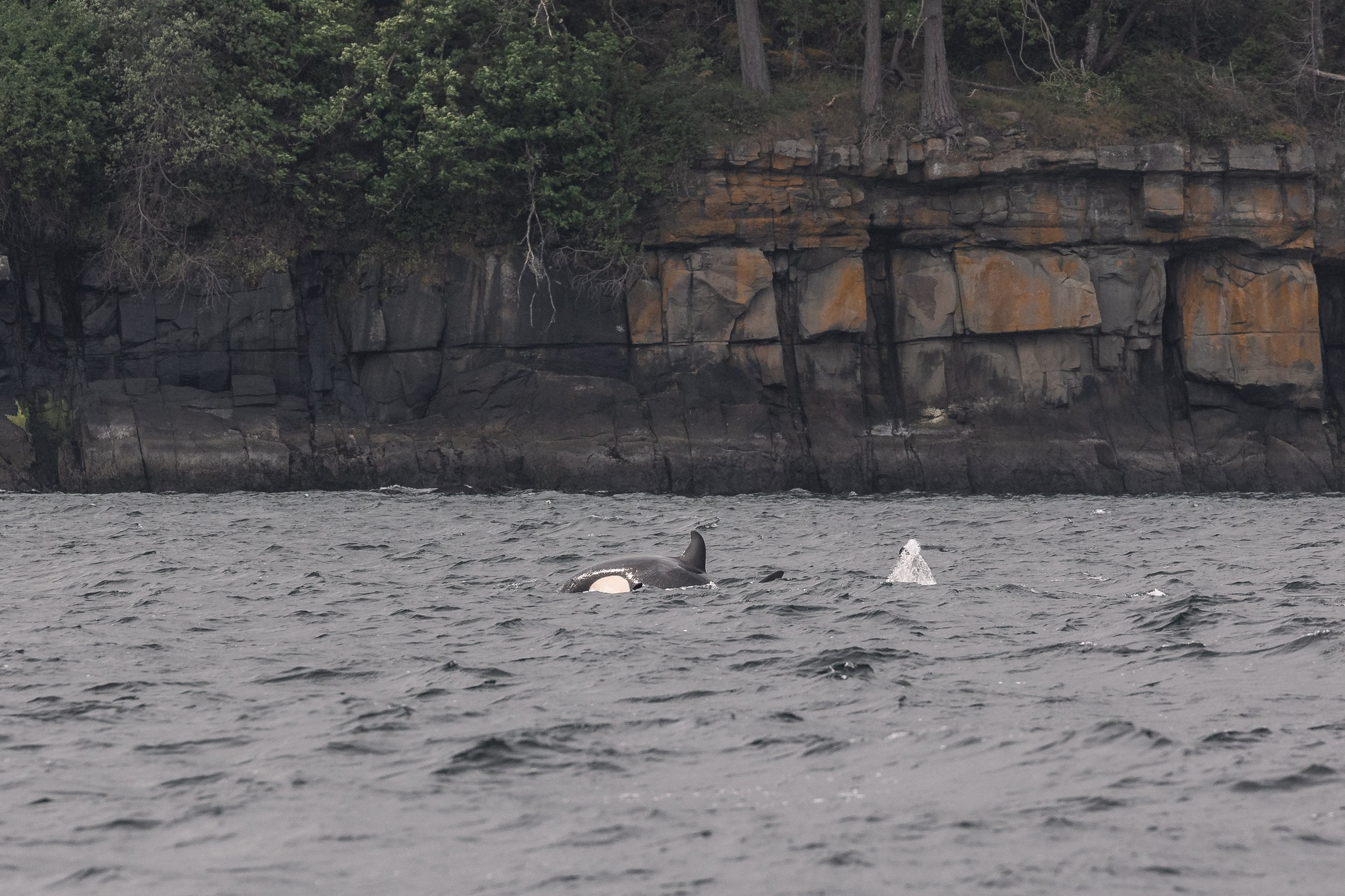
You can see some of T124A1A Sabine’s countershading as they surface.
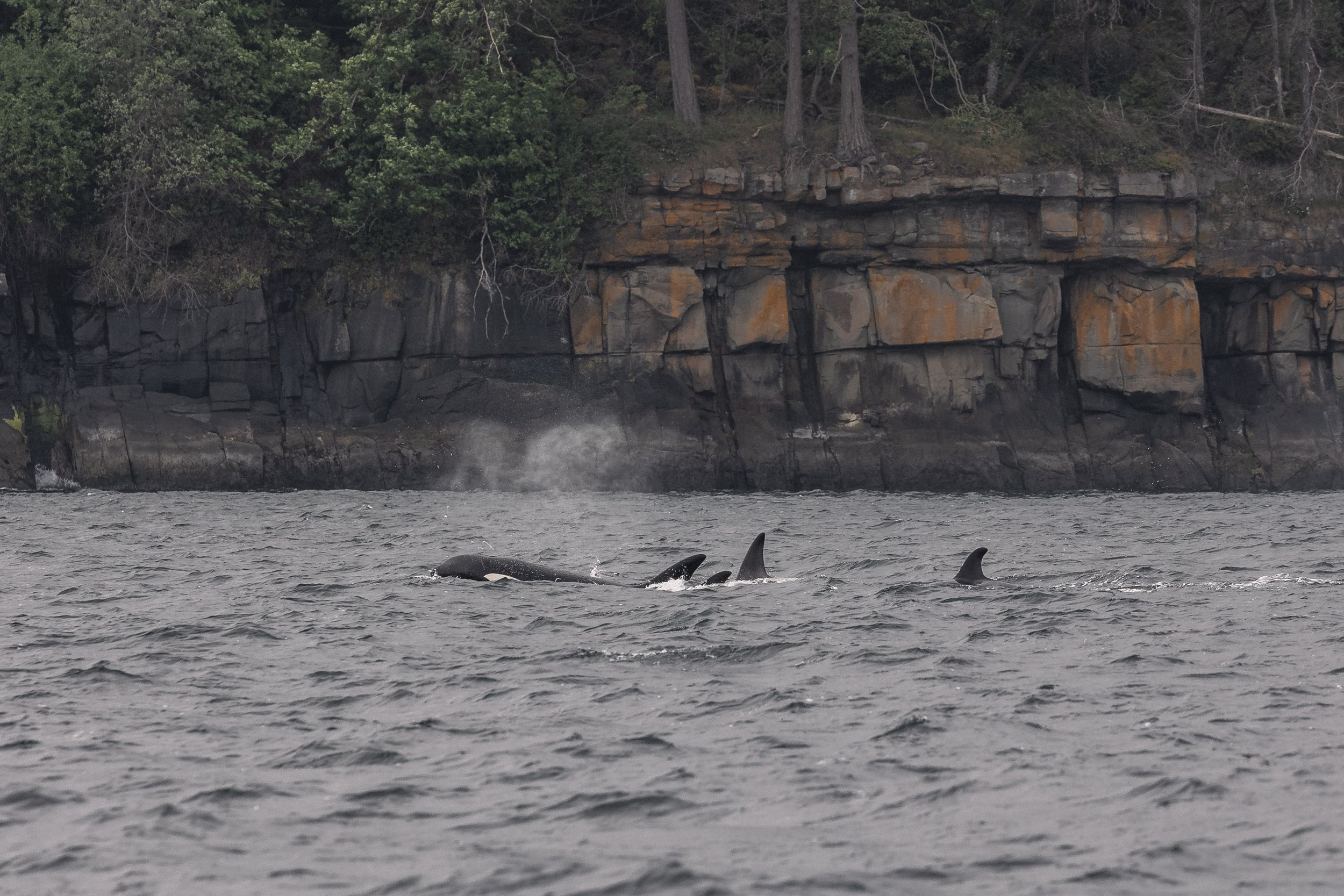
T124A4 Sabio in the lead, followed by T086A4 Akia and T124A1A Sabine.
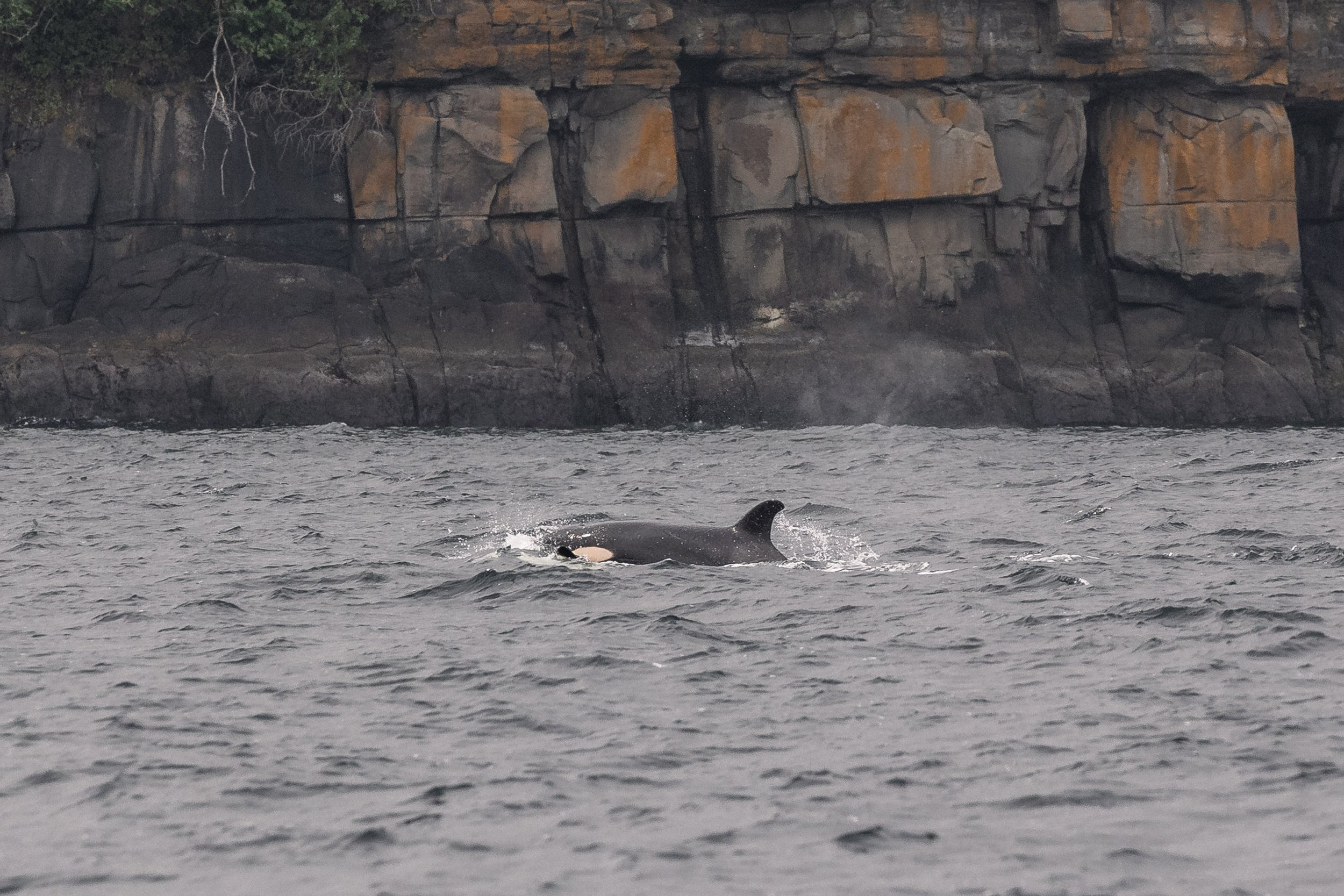
T124A1A Sabine showing off their eye patch.
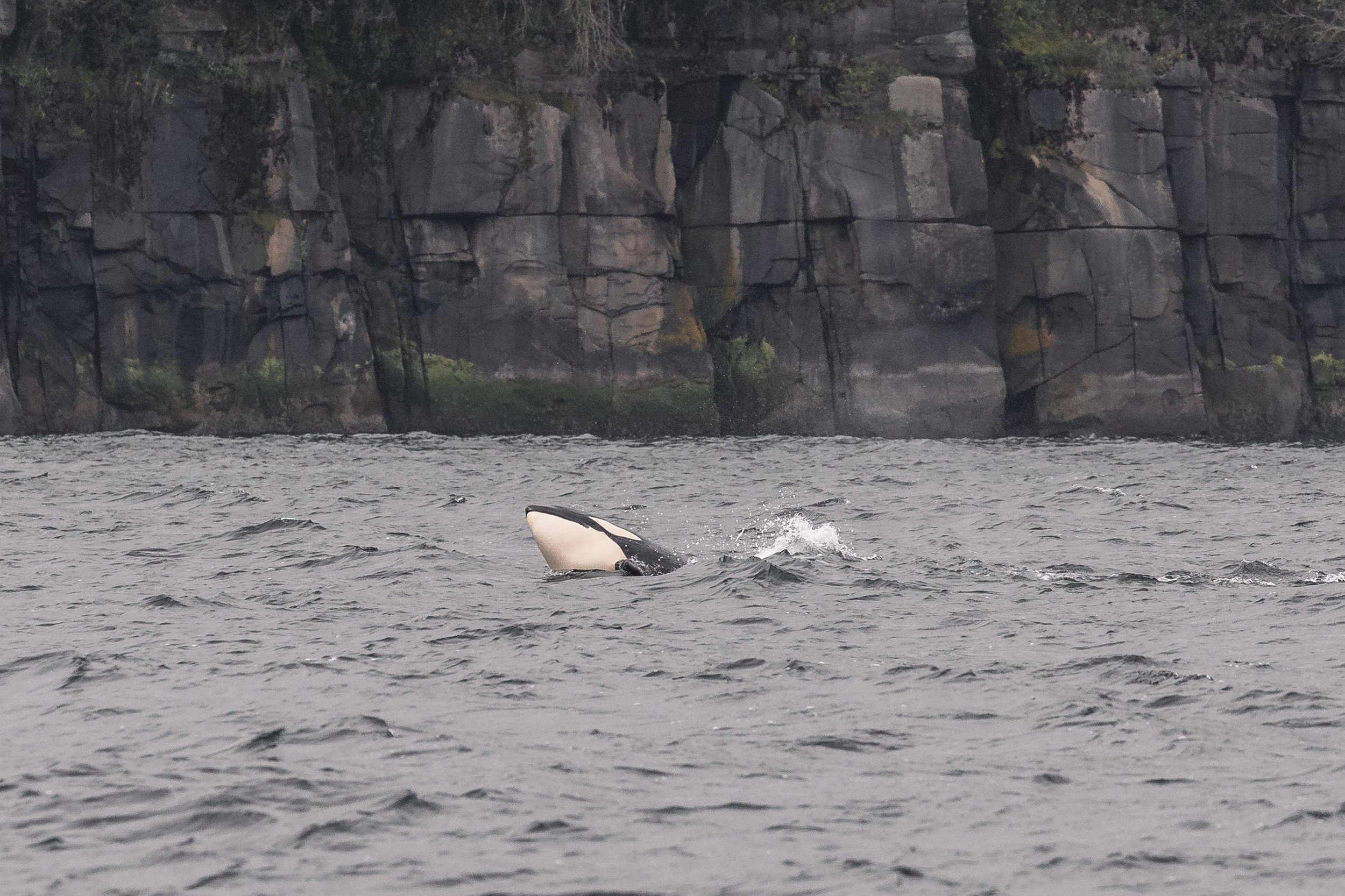
A lovely mini-breach from one of the youngsters.
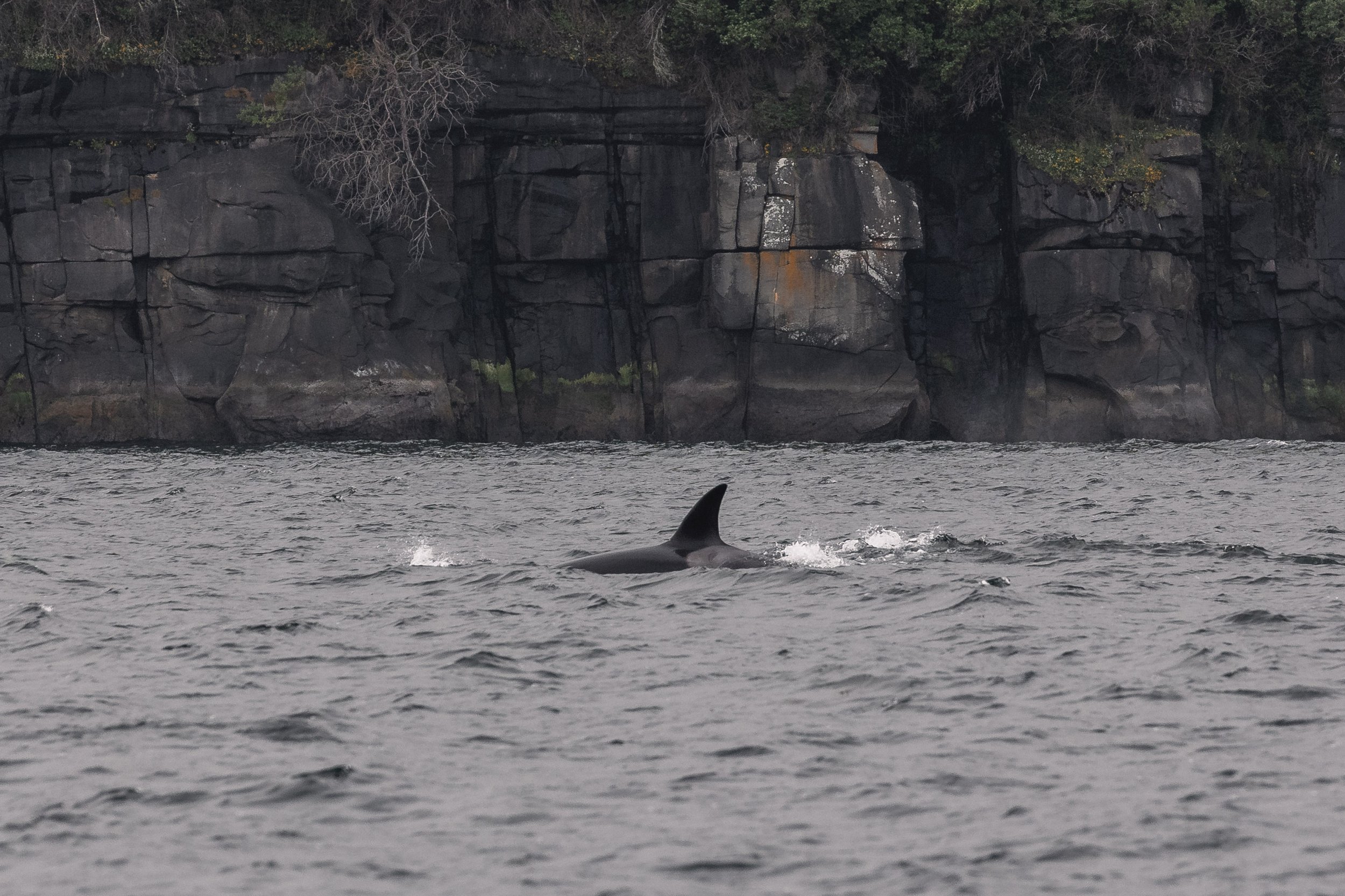
T086A4 Akia surfacing with Gabriola Island in the background.
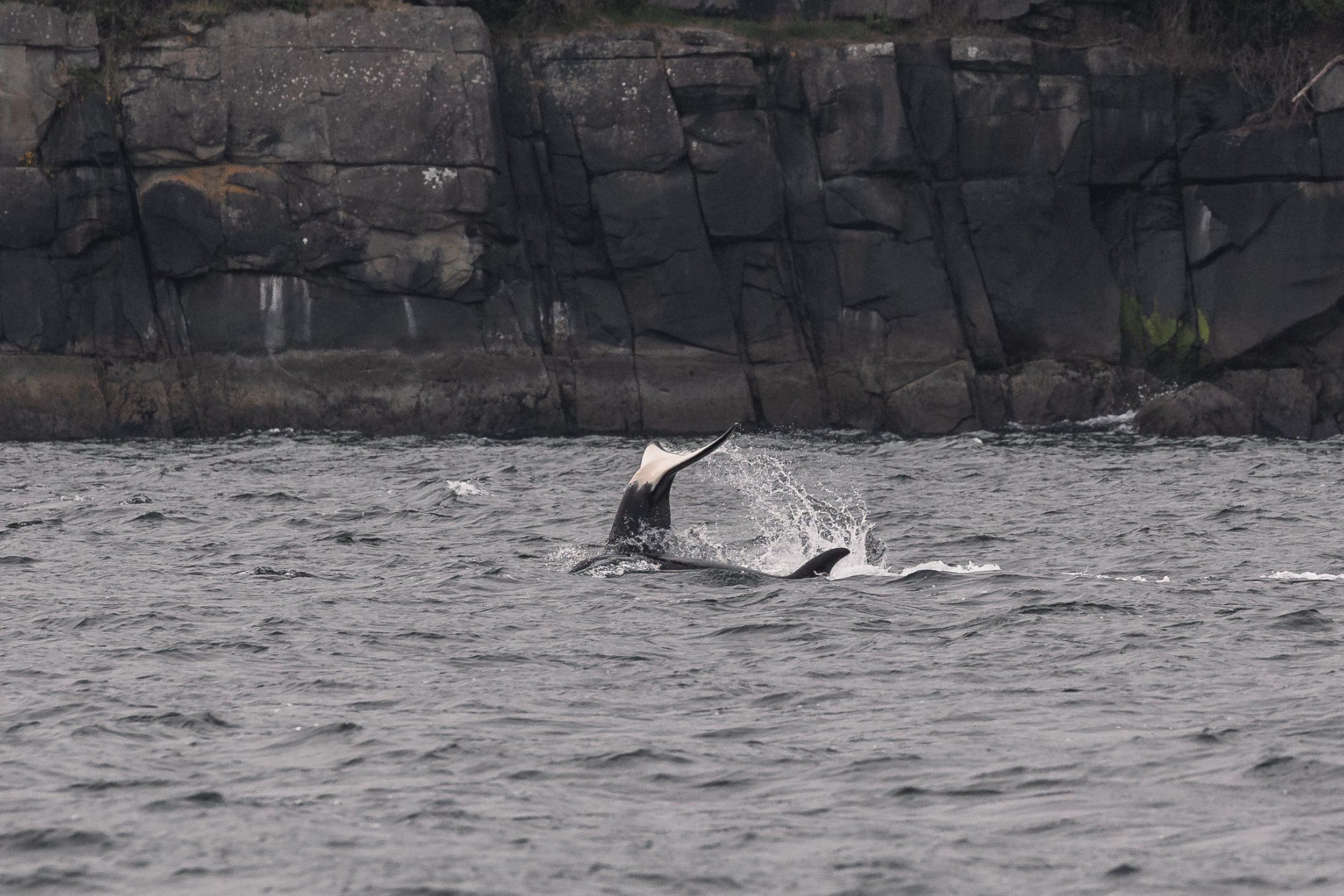
Another tail in the air like the whales just don’t care.
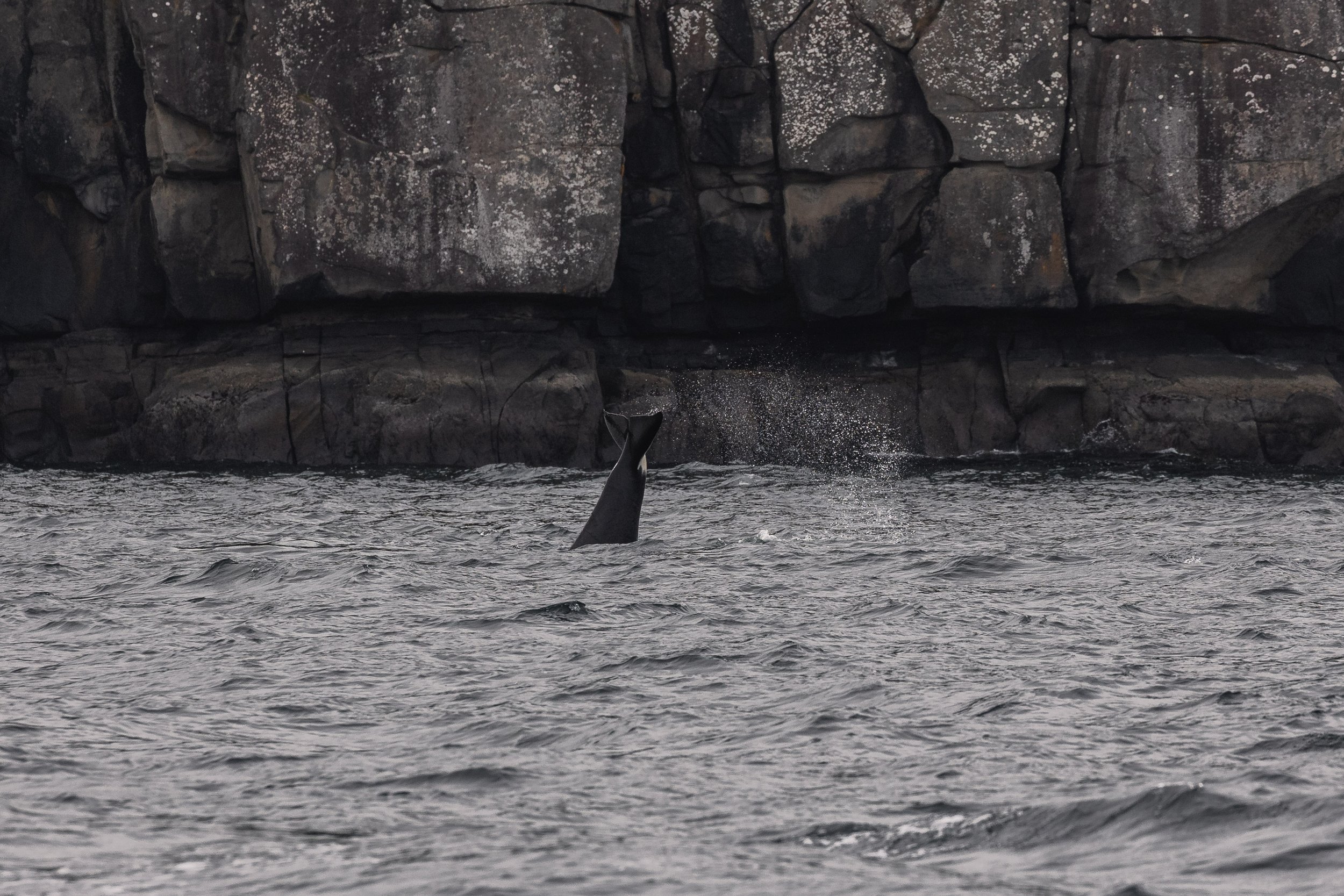
You can see all the water flying from the power of this tail slap.
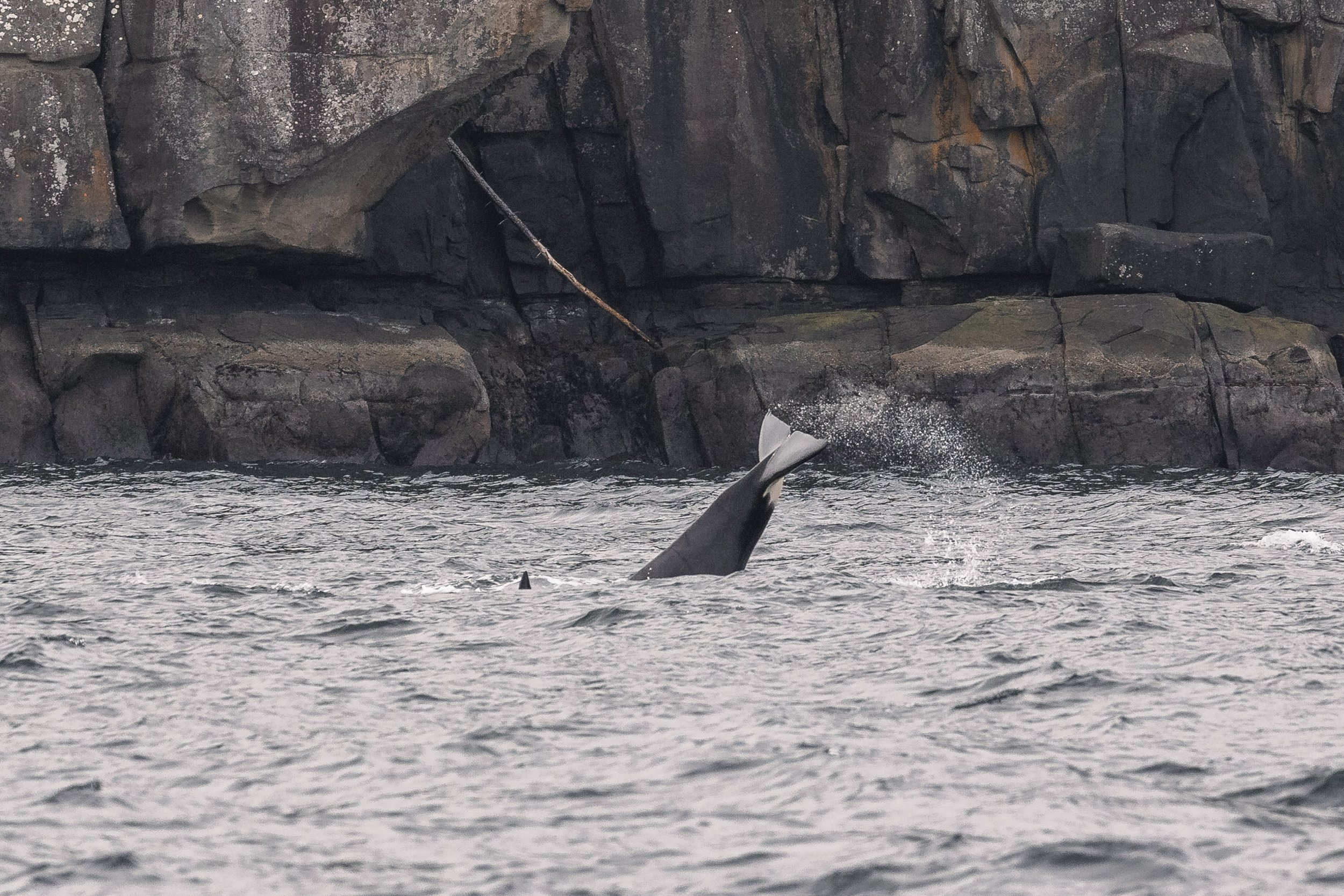
Another big tail slap from the group.

T124A4 Sabio wih her face out of the water.
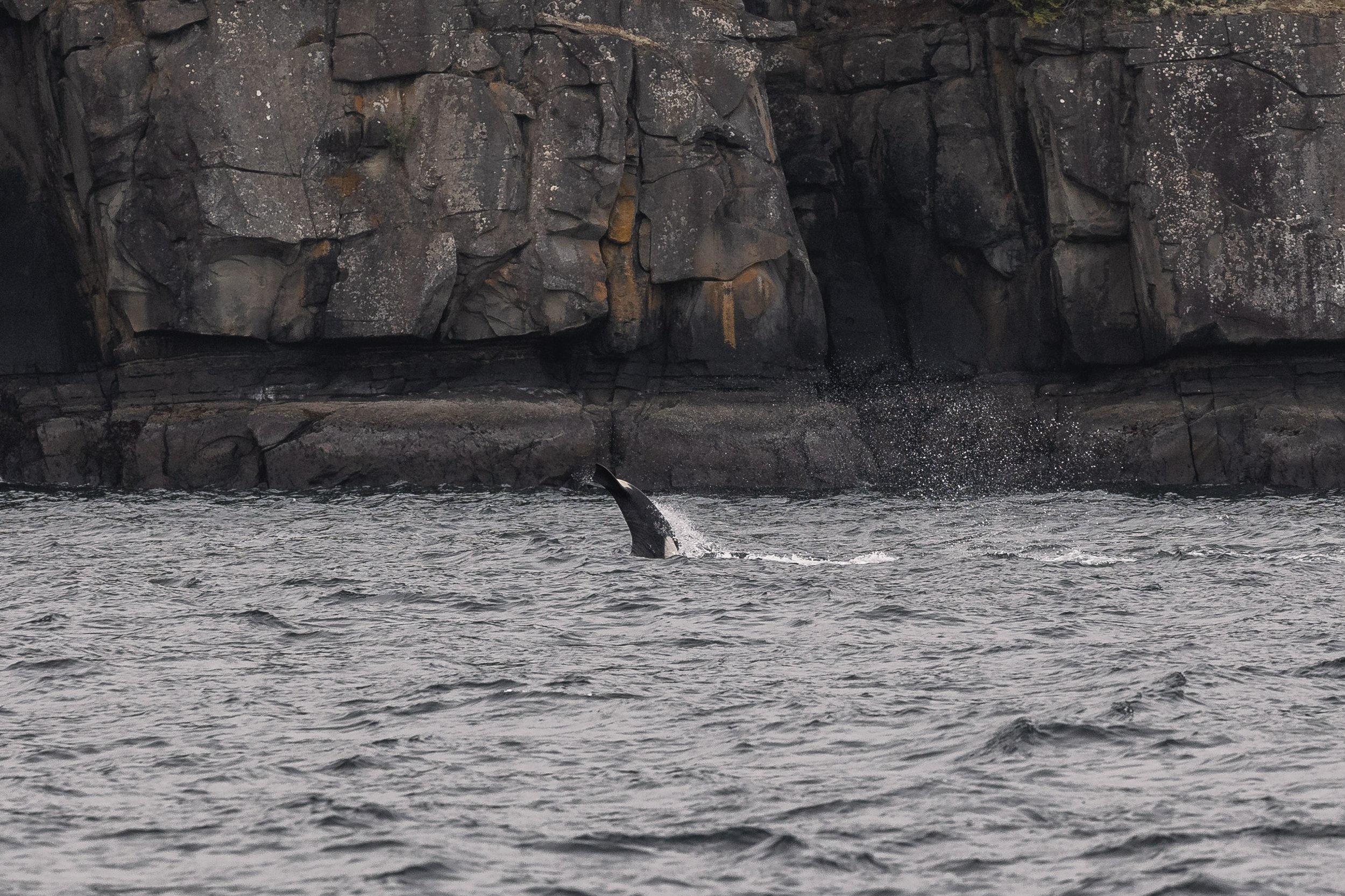
A big tail fling from one of the youngsters.
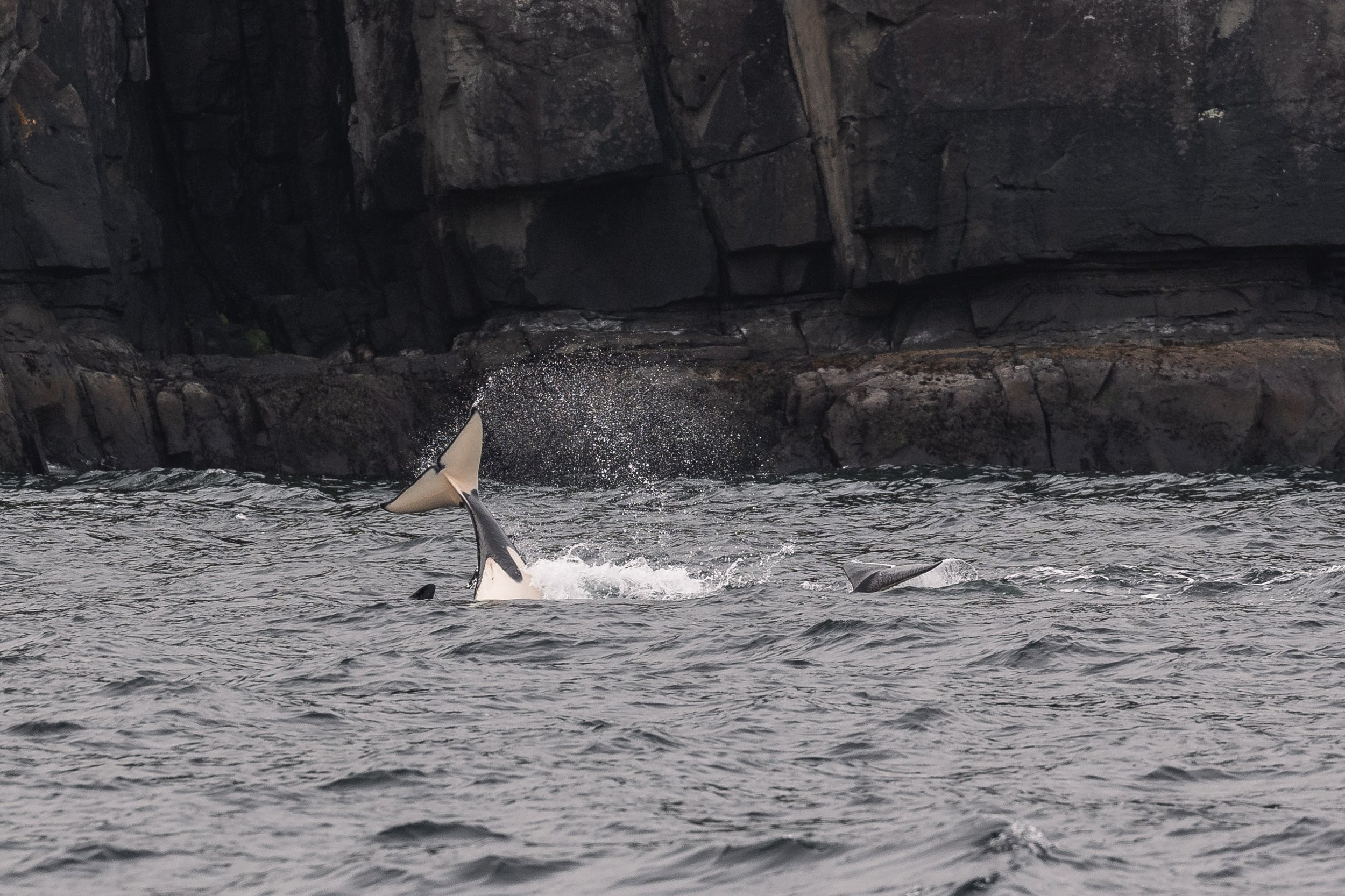
A great look at the underside of this whale as they slap their tail.
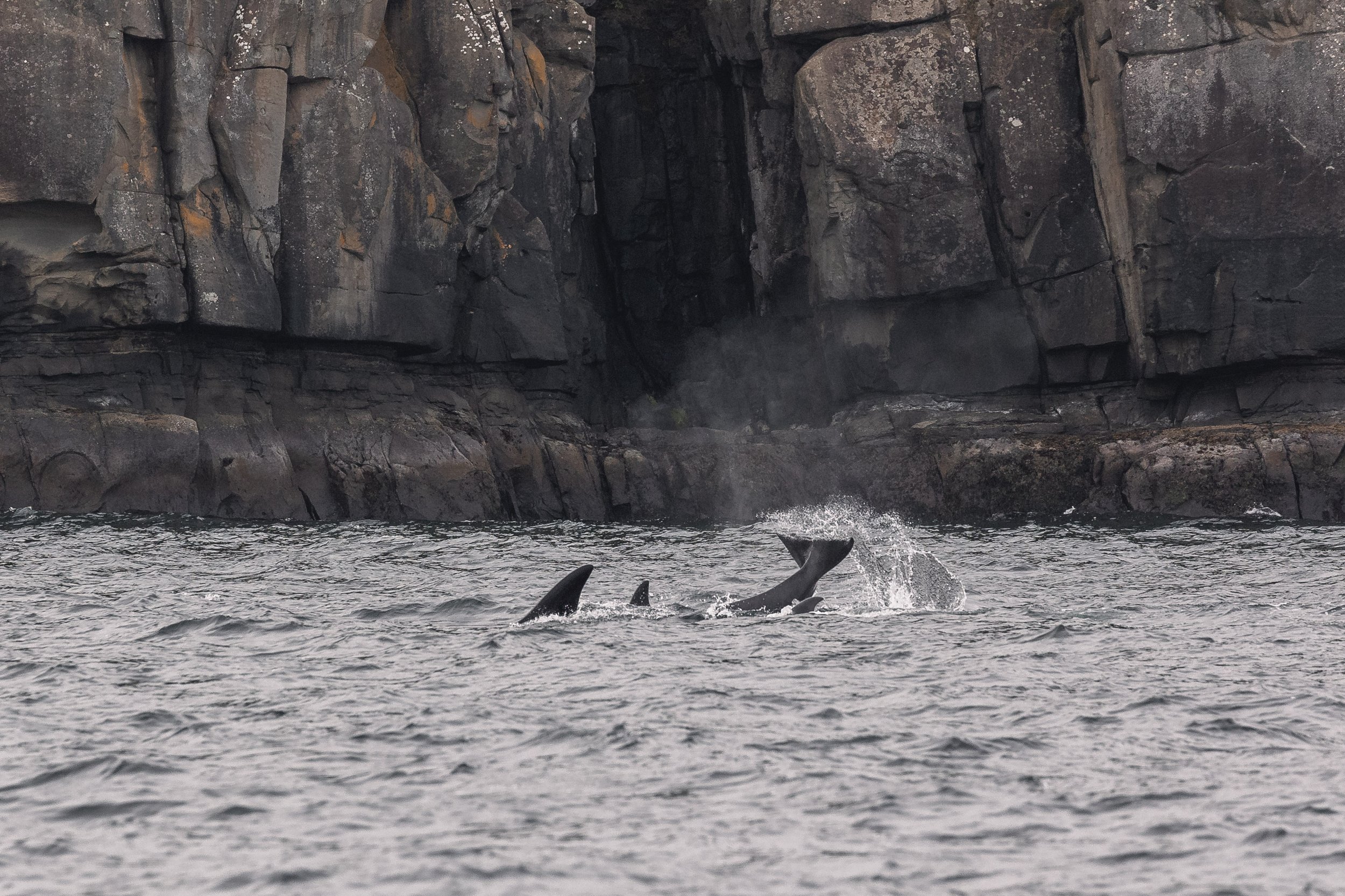
Another shot of a tail slap, with T124A4 Sabio just ahead.
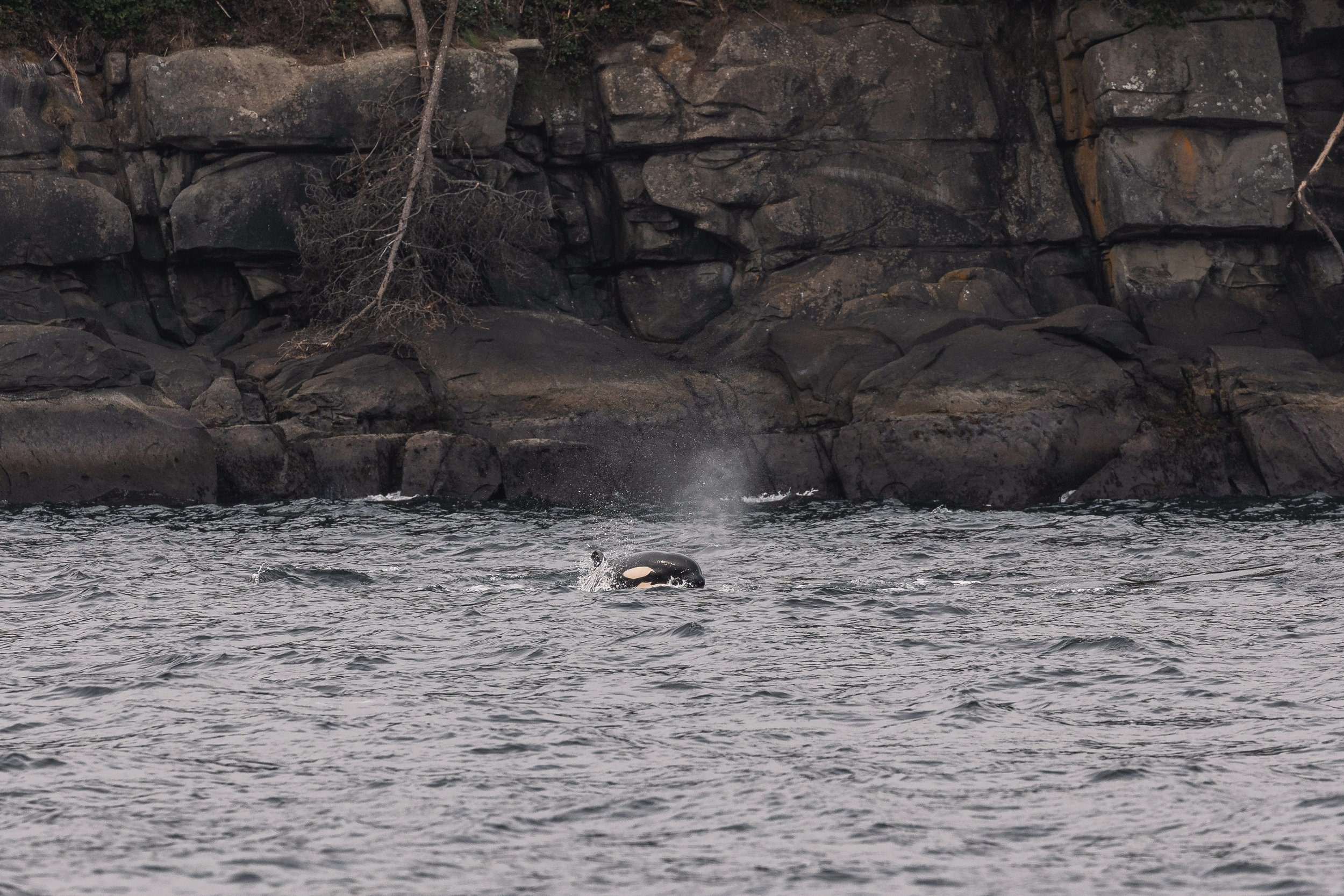
T124A1A Sabine playing in the waves.
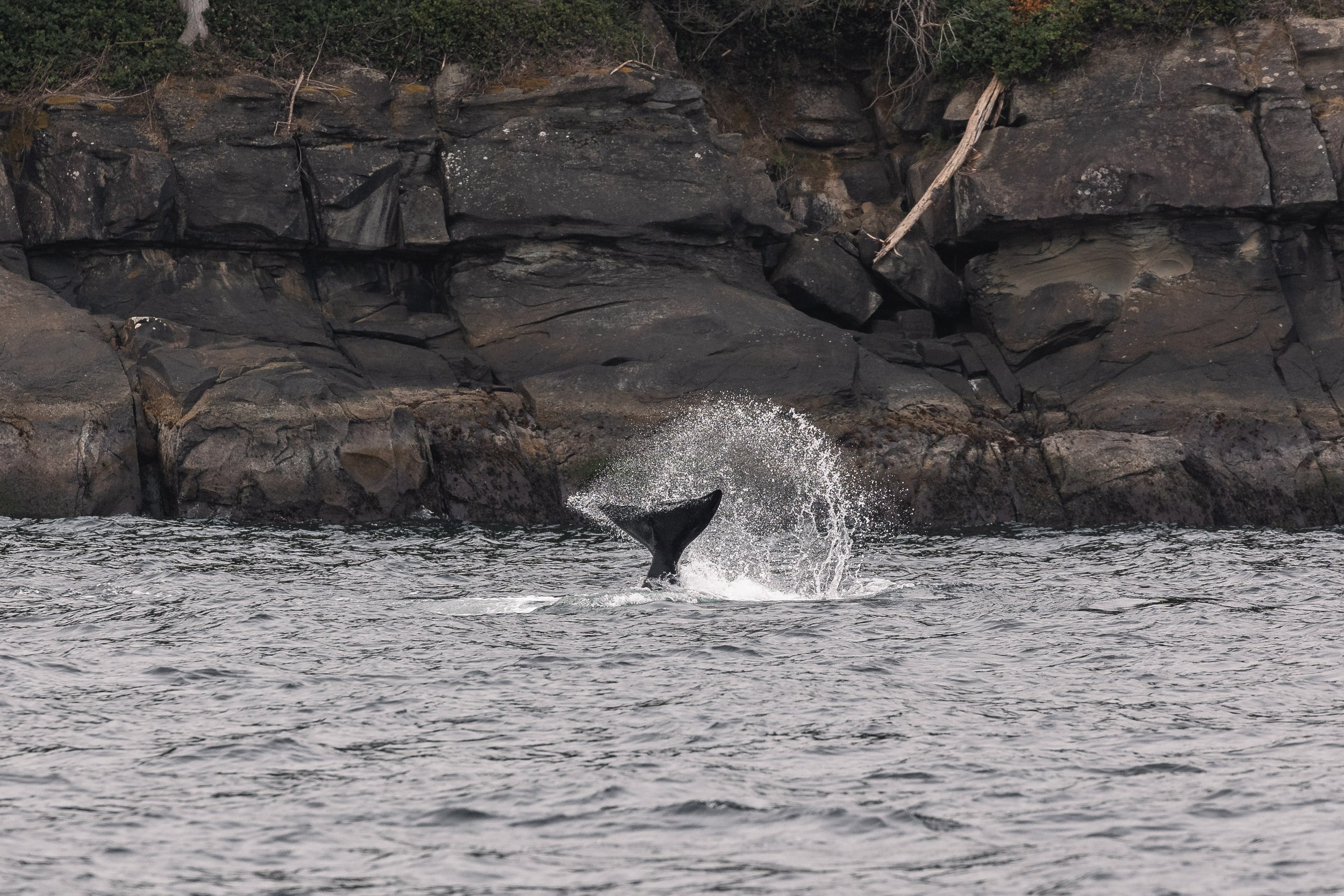
A big waterfall from a tail slap.
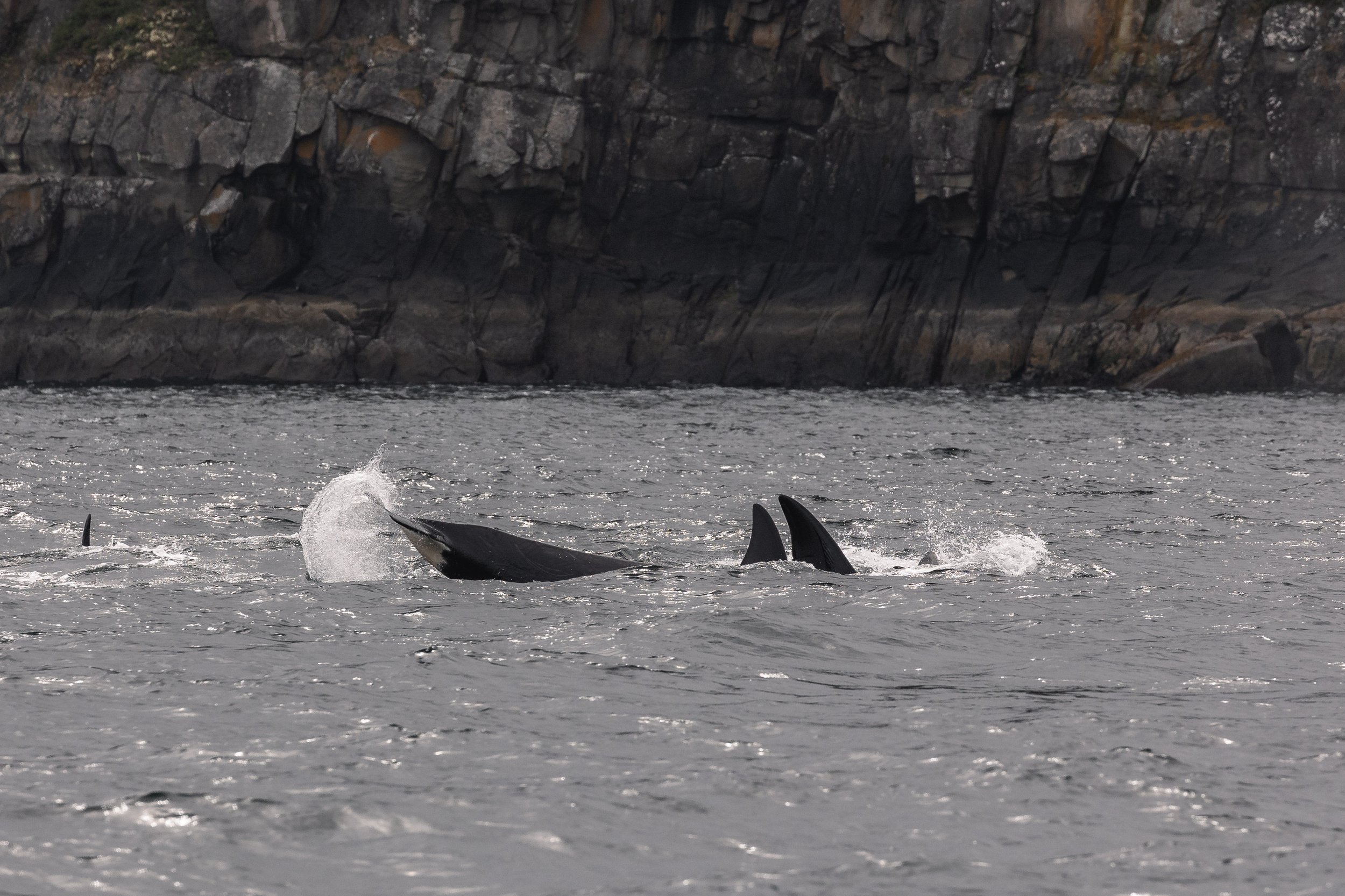
T086A4 Akia slapping her tail with T124A4 Sabio surfacing beside her.
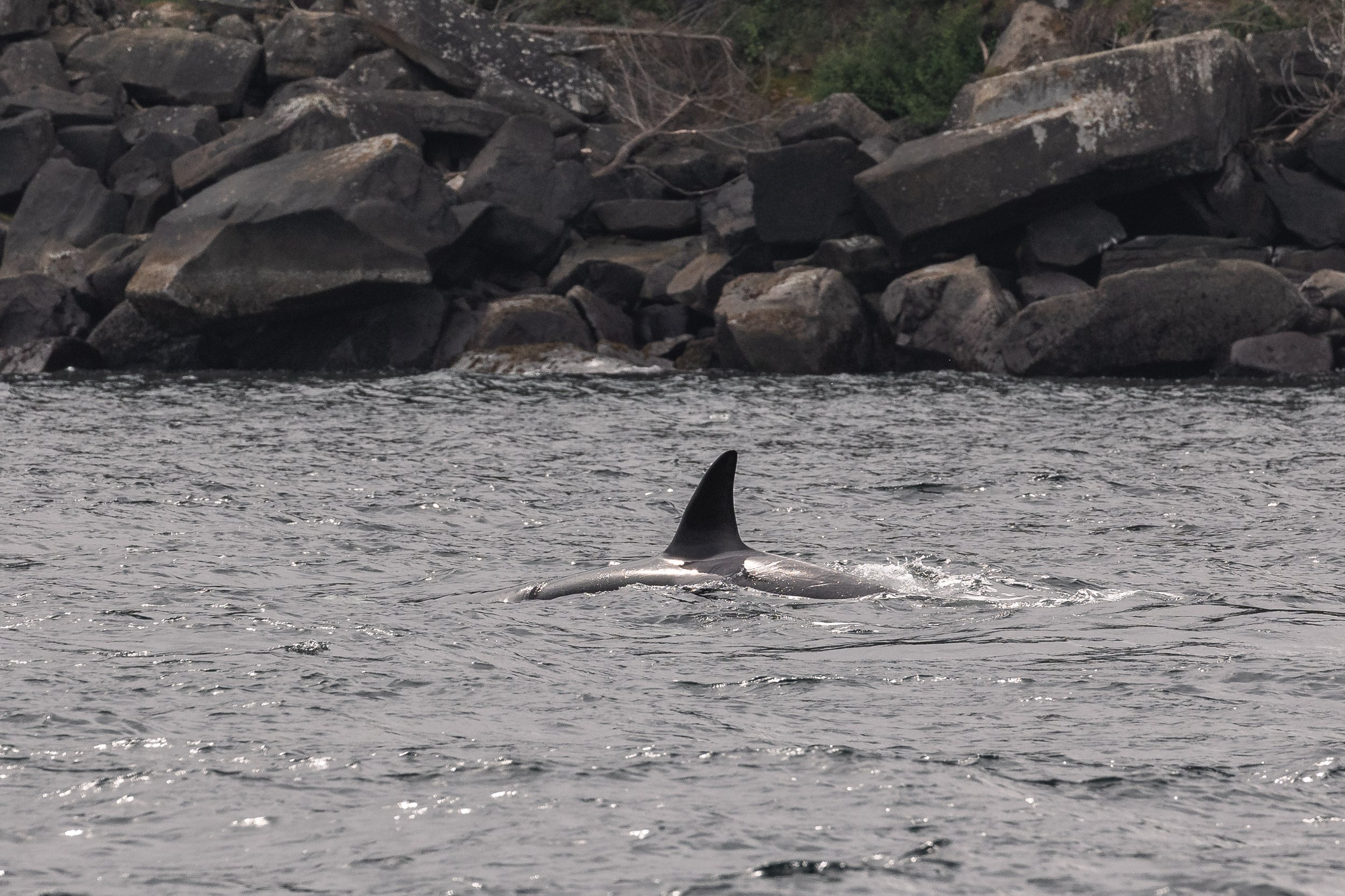
T086A4 Akia surfacing in the waves.
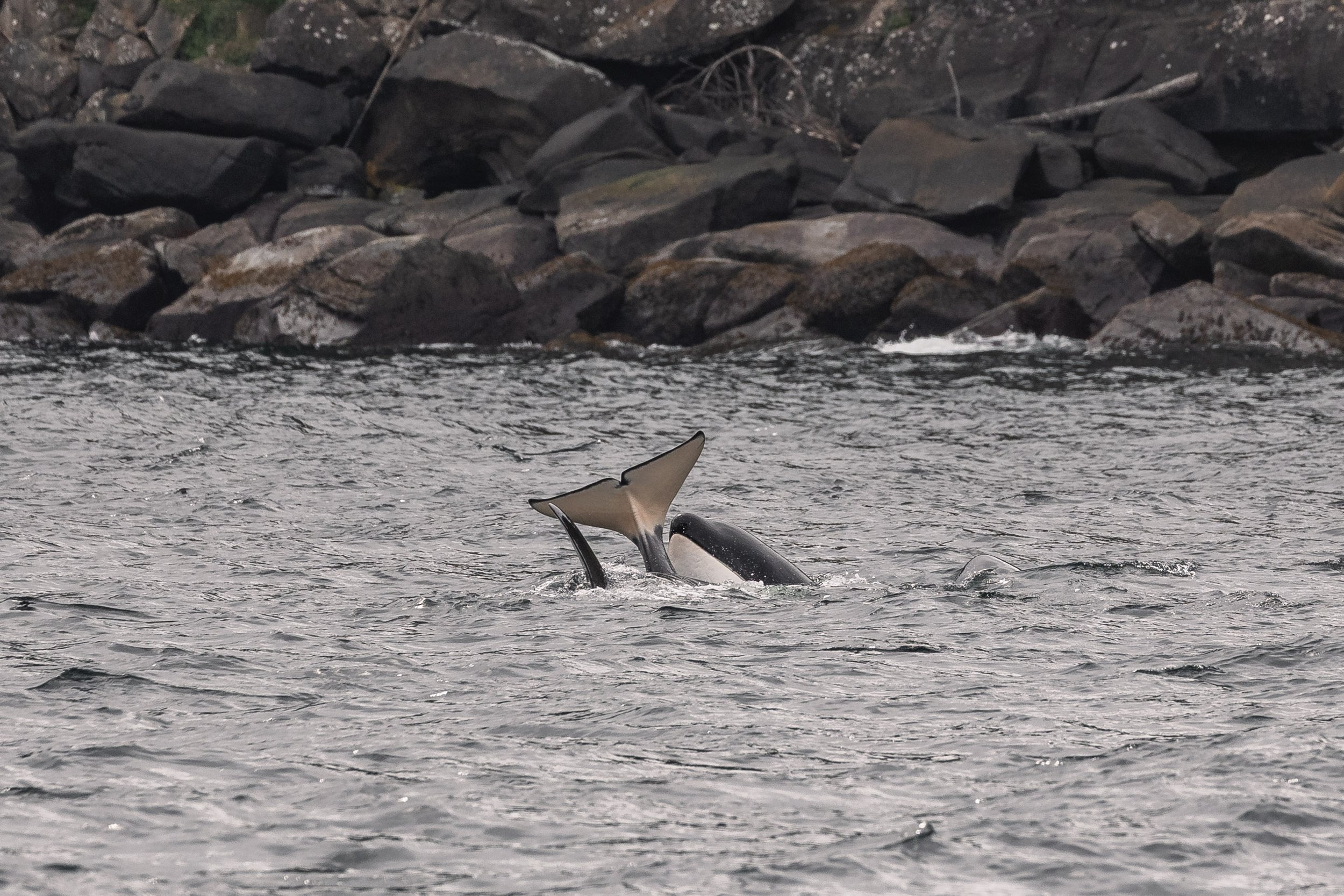
A whale lifting their rostrum next to a tail.
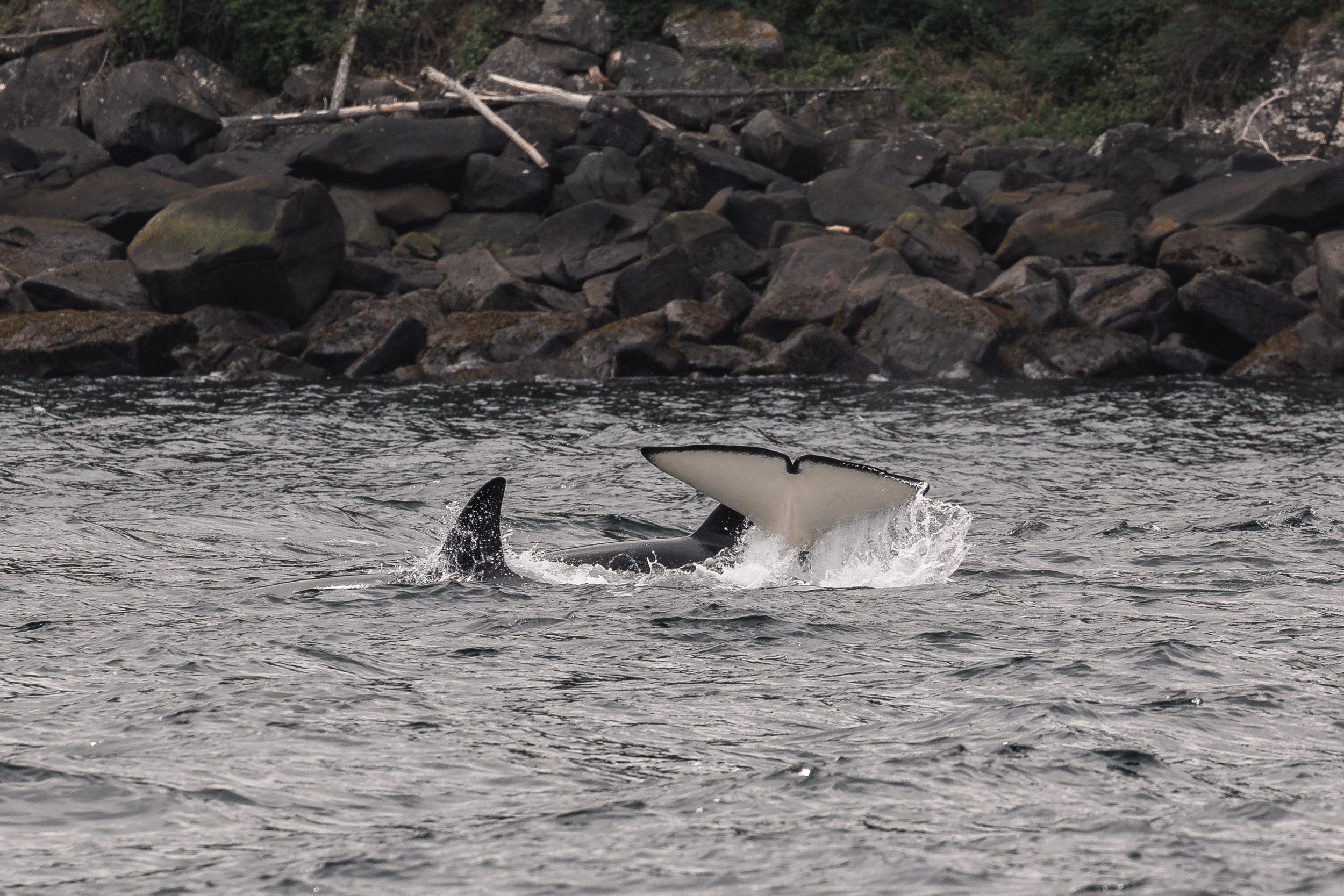
Lots of tails in this party!
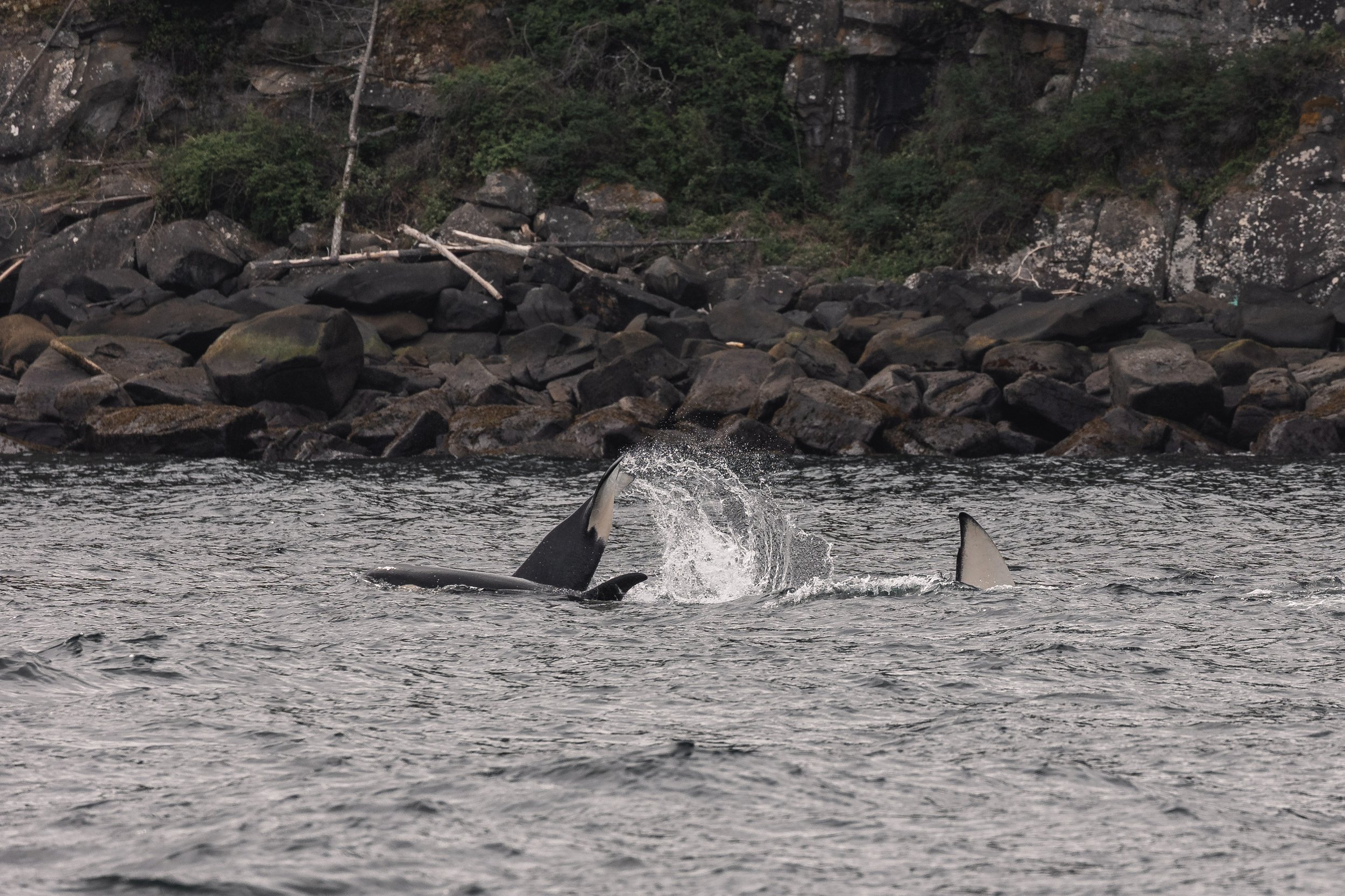
T086A5 Siku surfacing beside a couple of tails.
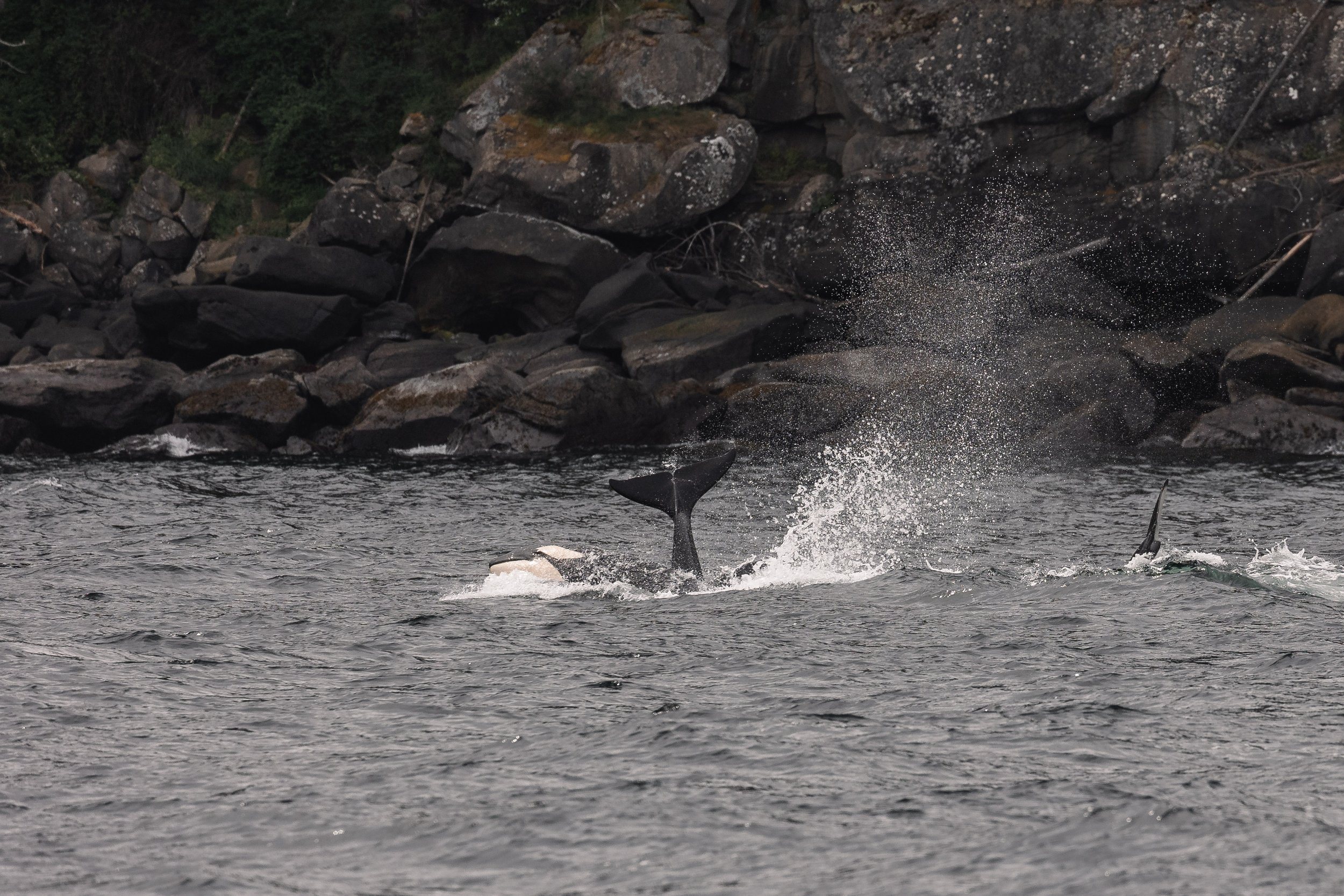
T086A5 Siku on their side bside a tail slapping whale.
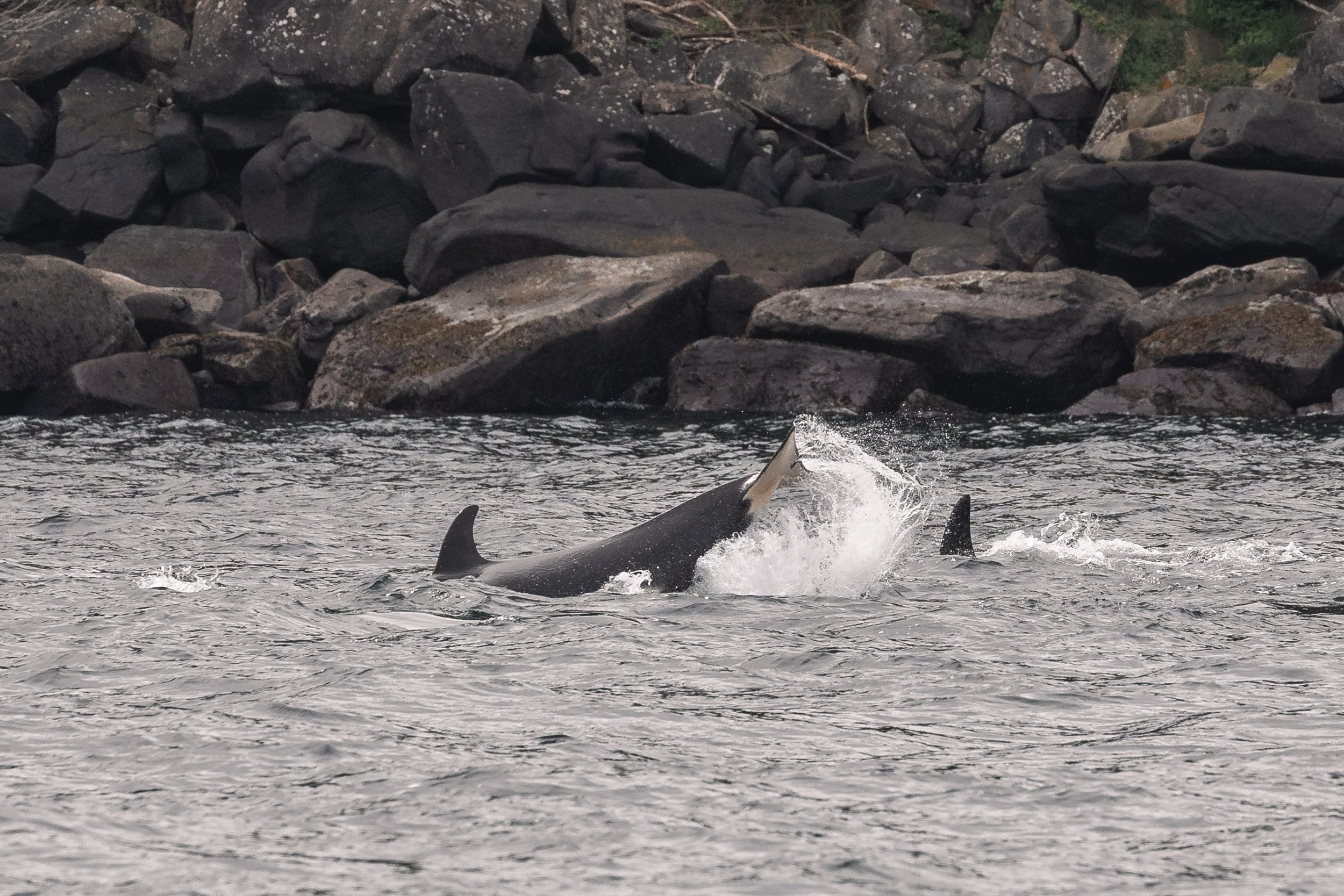
T086A5 Siku slapping their tail.
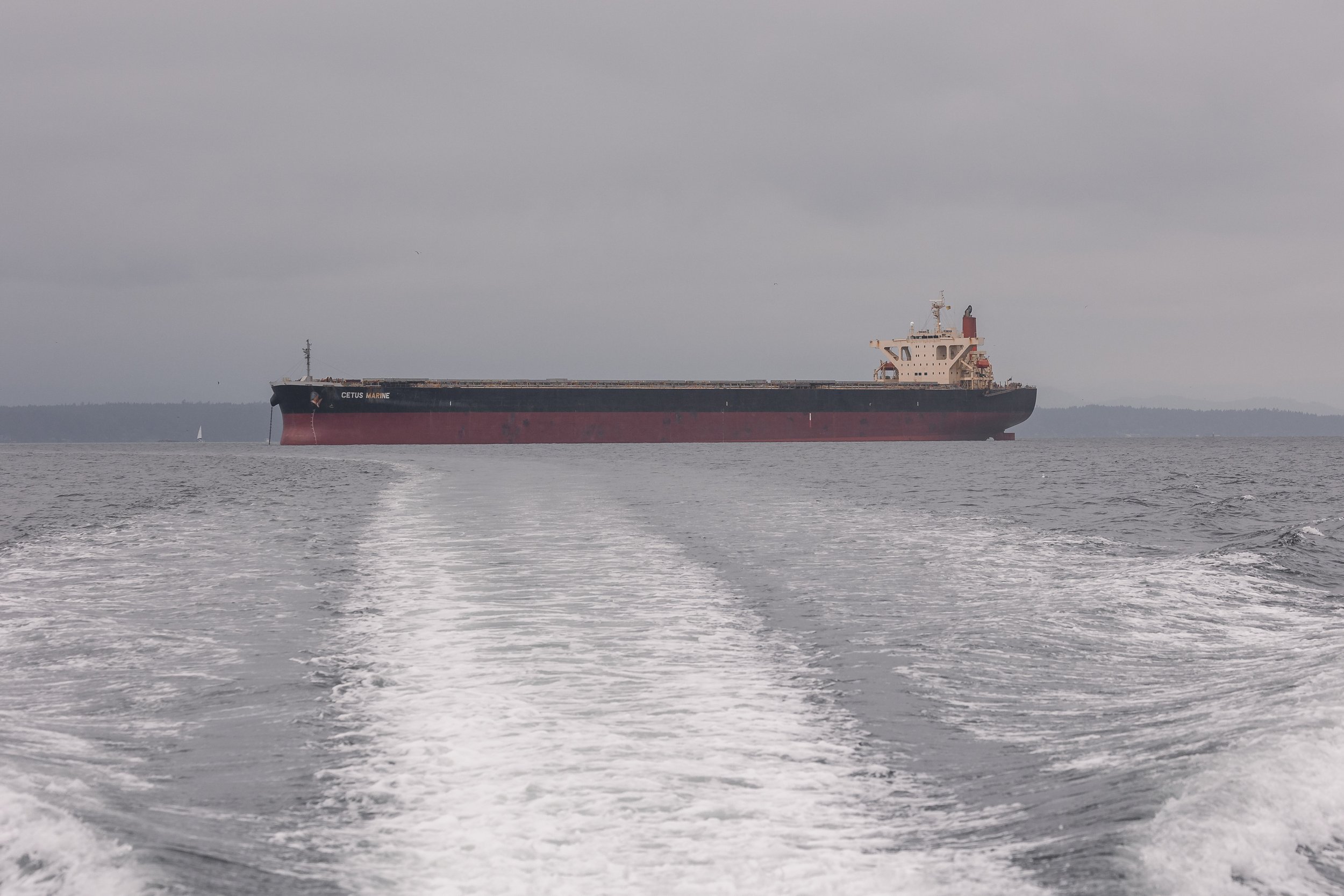
One of the cargo ships at anchor in Trincomali Channel.
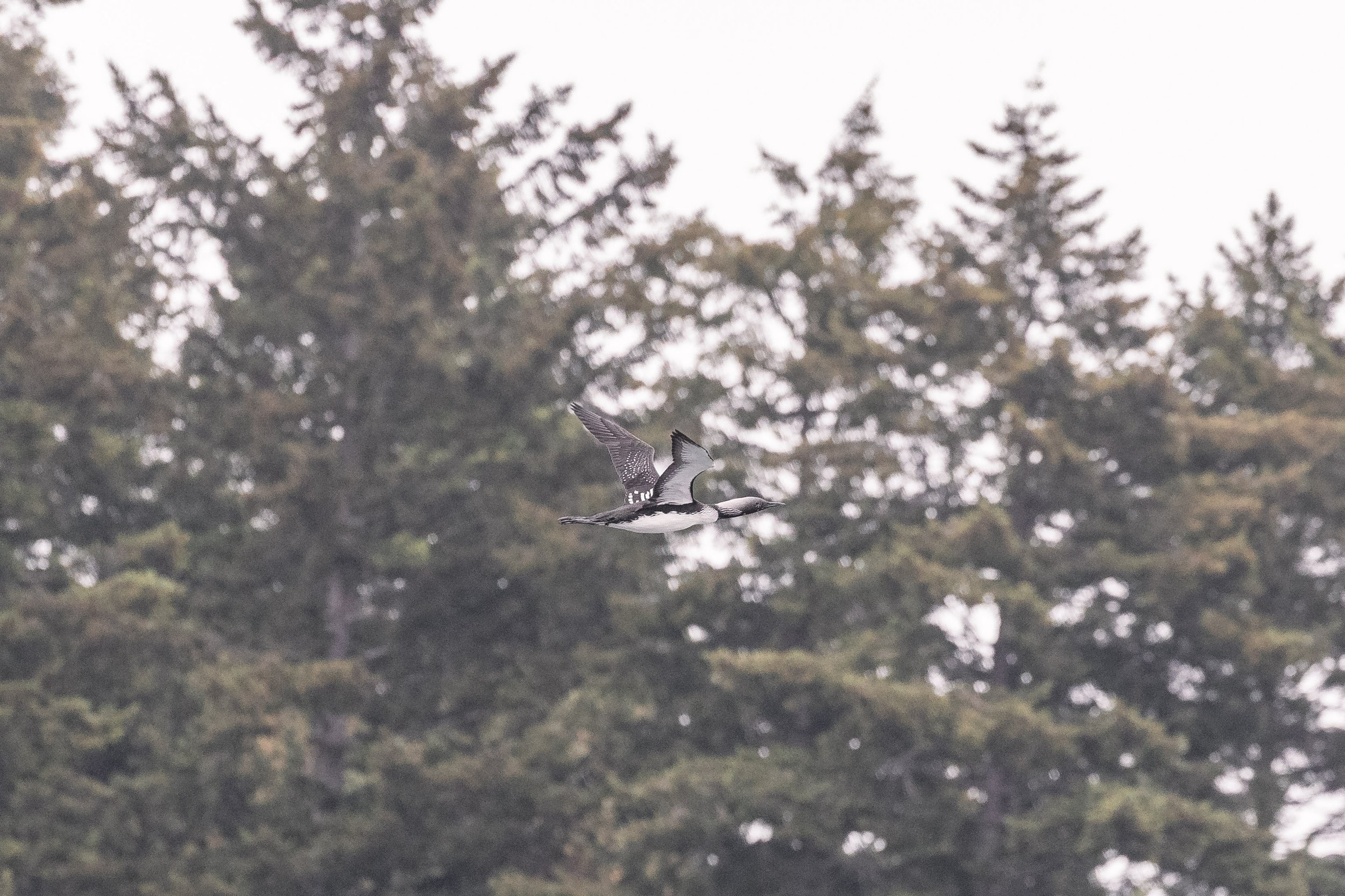
A Pacific Loon flying by.
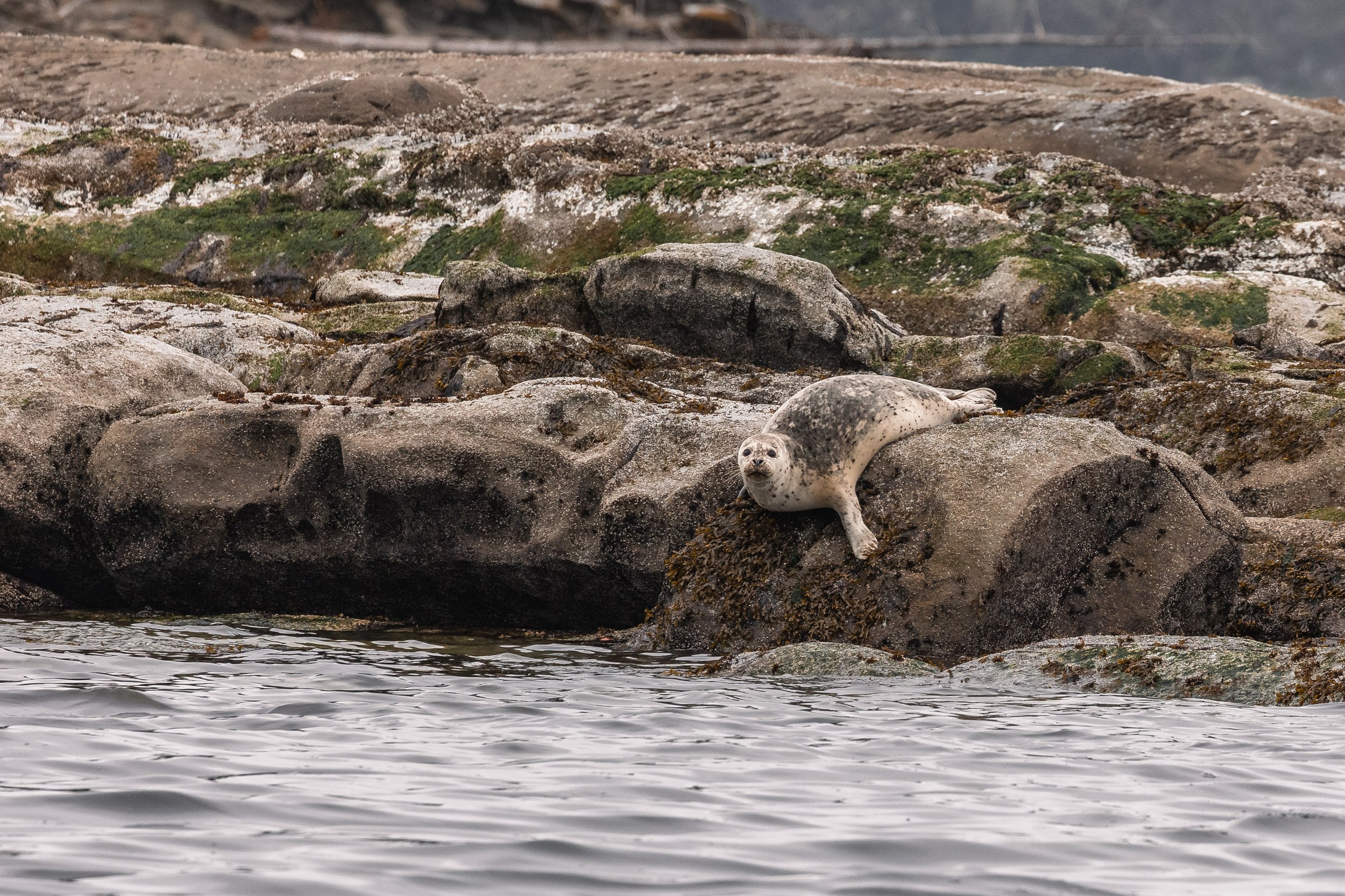
A Harbour Seal drapped overthe rocks.
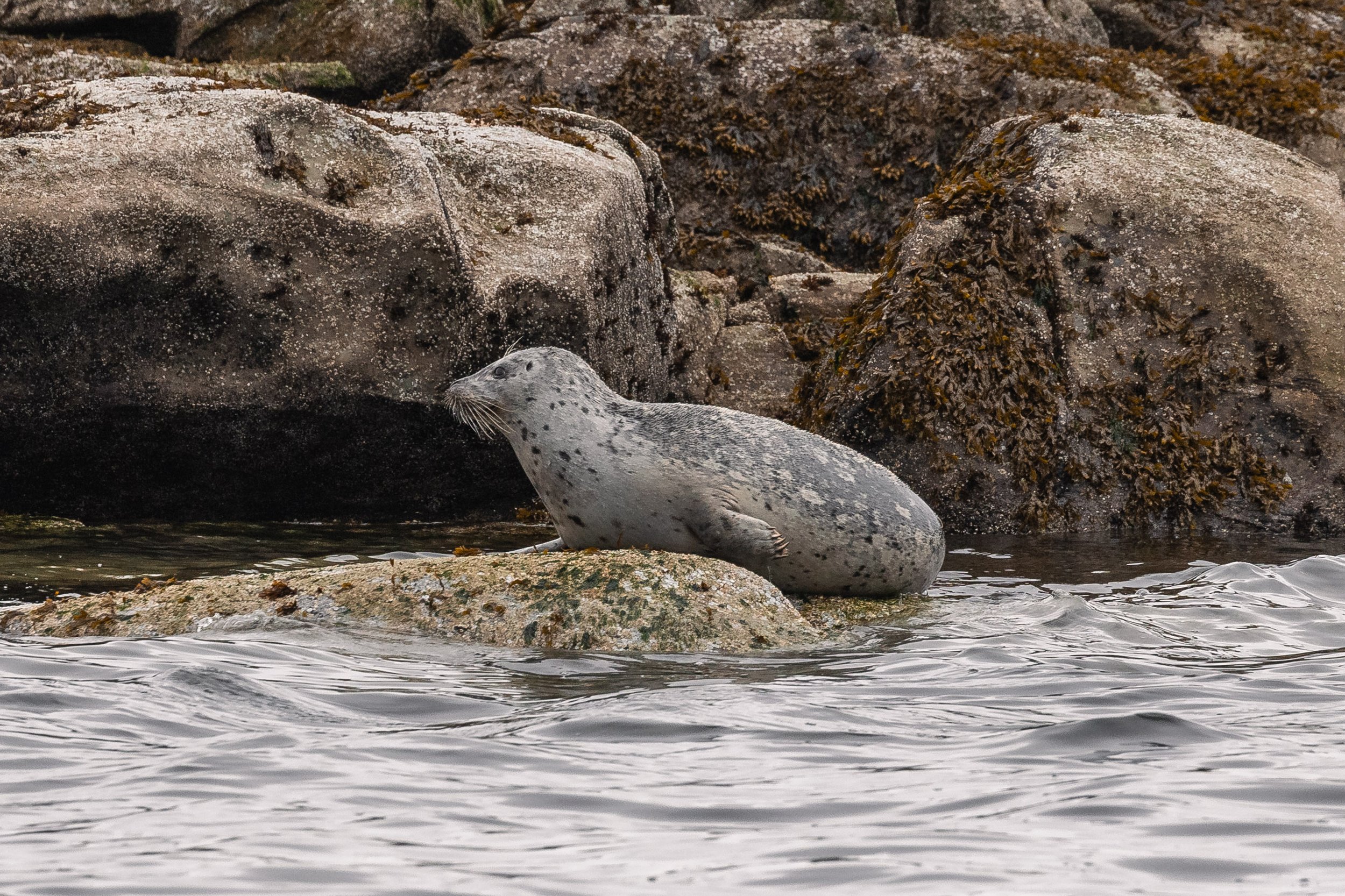
A curious Harbour Seal checking out its surroundings.
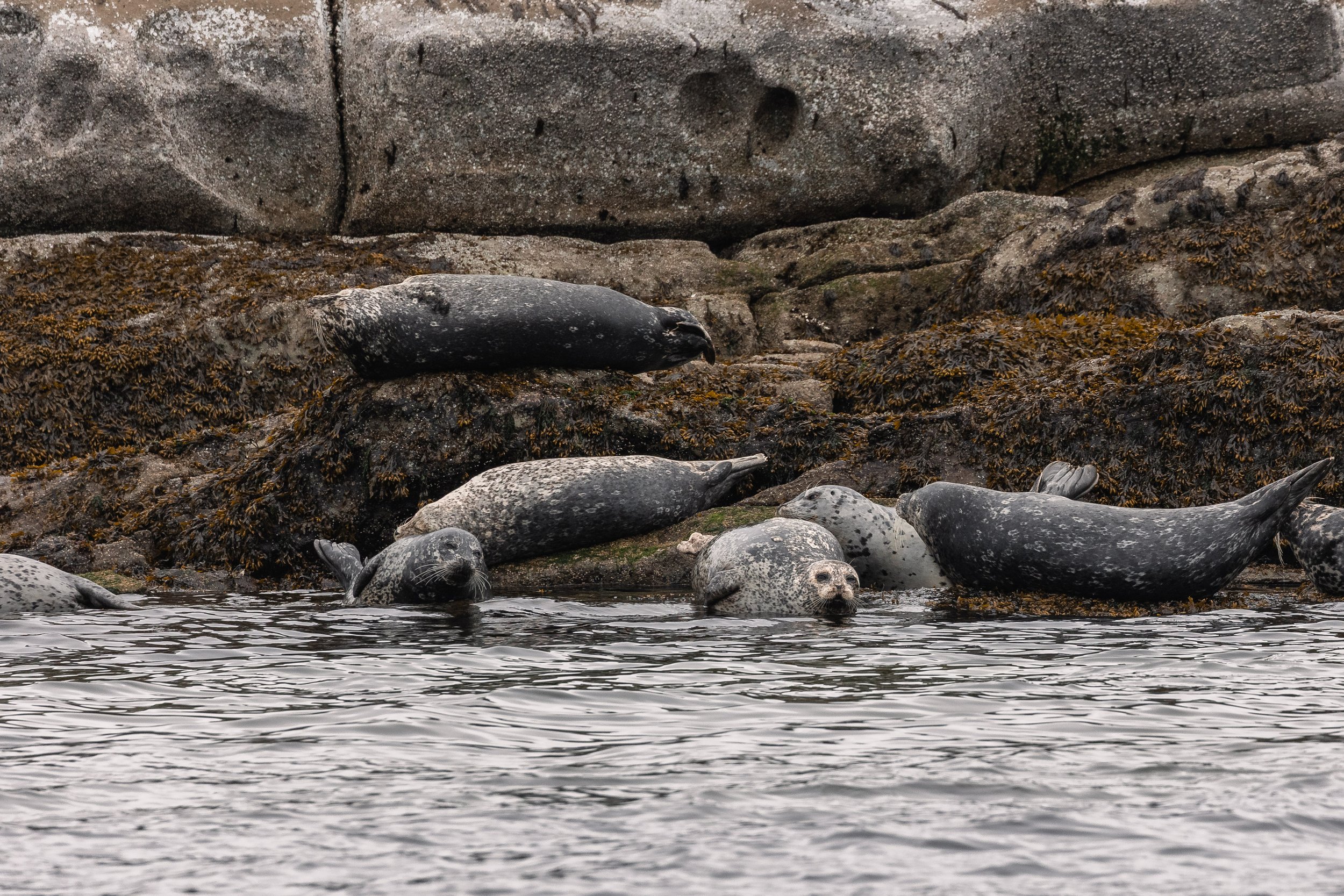
A group of Harbour Seals on the rocks.
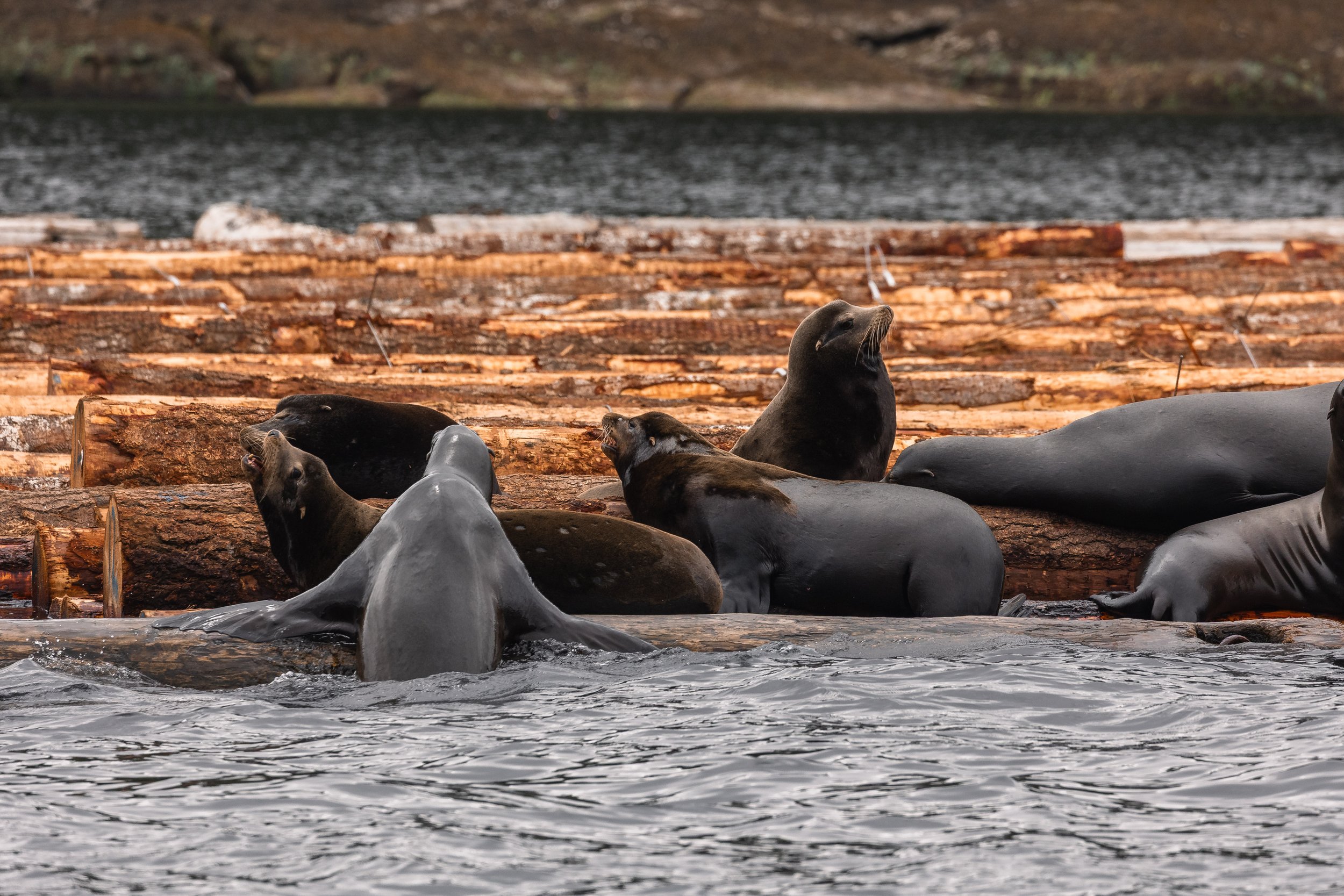
Can you see the bones in the flippers of the California Sea Lion getting on the rocks?
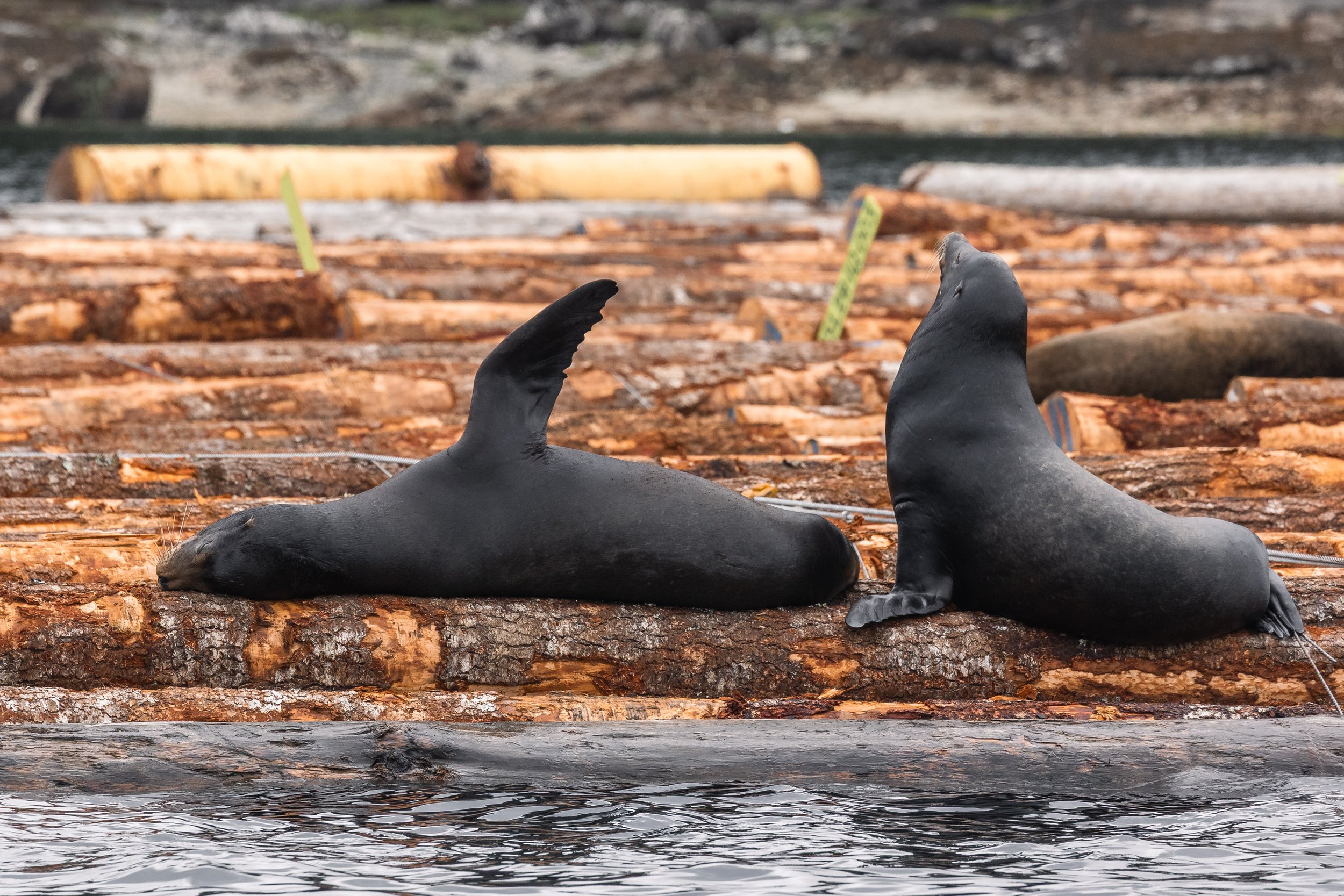
A flippper in the air typucally means they are thermoregulating.
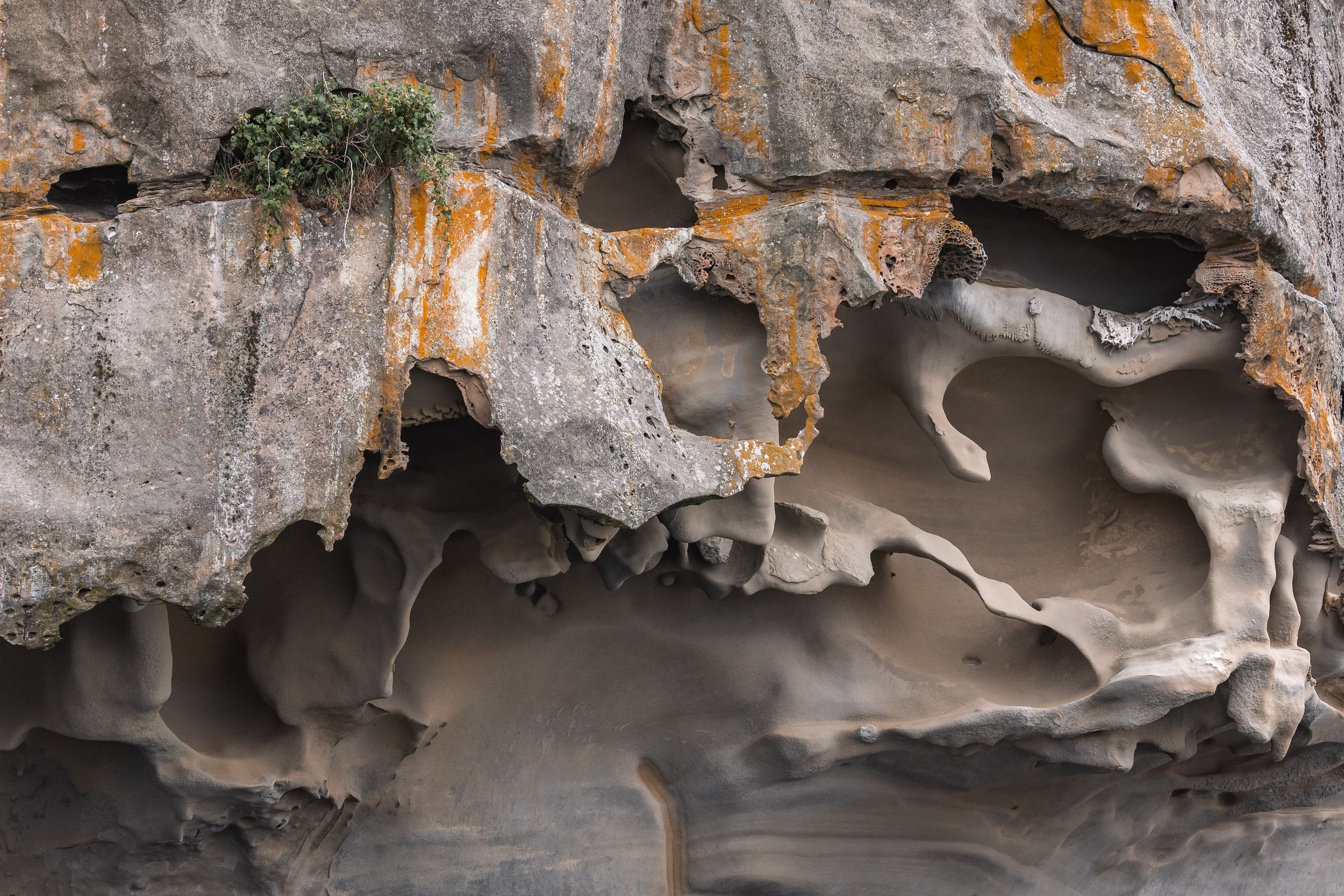
The amazing formations of Sandstone at the Gabriola Bluffs.
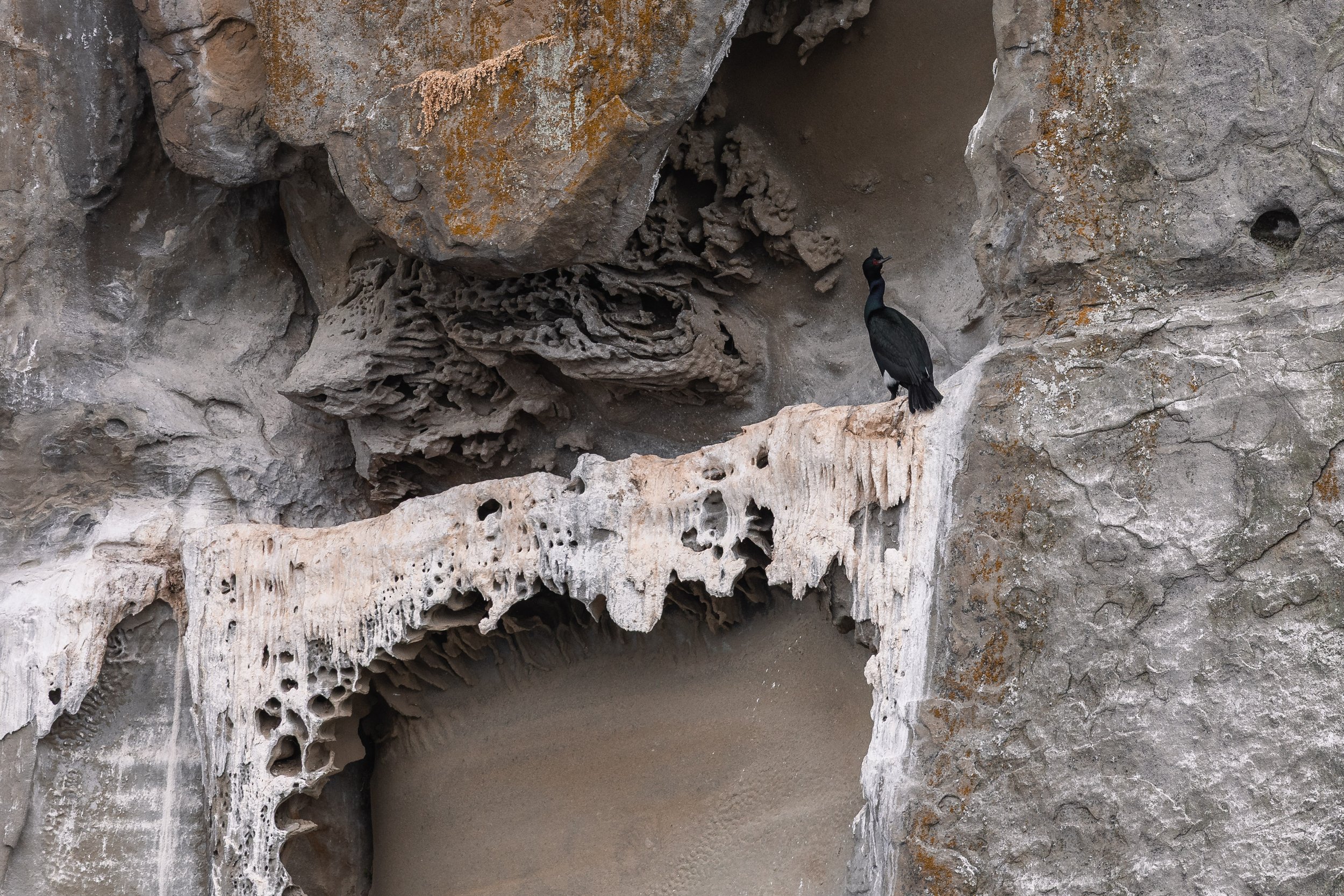
A Pelagic Cormorant on the bluffs.