
July 26, 2026, 10:30 AM - A Whole Lotta Humpbacks in the Strait of Georgia
Another beautiful day awaited us as we left Nanaimo and prepared for our morning whale watching adventure. We decided to try our luck in the Strait of Georgia, entering the open waters of this passageway that stretches between southern Vancouver Island and the mainland of BC.
We took the route through the inside of the islands and out Porlier Pass, where we soon came across a group of humpbacks that seemed to be feeding in the area. This area outside of Porlier is known for its high productivity. Water enters the area in 3 ways: up through the Strait of Georgia, through Porlier Pass from the islands, and via freshwater from the Fraser River on the East. All of these combine to boost productivity in the area, drawing in these gentle giants to feed.
Humpback whales are filter feeders, using the plates of Baleen that hang from the roof of their mouths to separate the food from the water. Even though they are absolutely massive, measuring nearly 30 tonnes and 17 meters, humpback whales eat tiny animals. Krill and small schooling fish make up the majority of their diet while they spend time here in BC, but it’s thought that the ones in the Strait of Georgia are mostly focusing on Krill. They can determine this in a couple of ways, mostly by looking at their poop. The colour of the fecal plume provides some clues, since krill contain a pigment called astaxanthin that gives them a pink or red appearance. When the diet consists of more fish, this rich pink colour will fade to a brownish/grey colour. If you can scoop up some of this poop, you might also find their food remains. Krill are crustaceans, so they have exoskeletons that can remain intact while passing through the whale's digestive tract. The same is true for the bones in those fish. If you can collect a sample and test it under the microscope, you can see the specific species that these whales are feeding on, if you are an expert at IDing fish by their tiny bones!
Naturalists Evan and Jordan began snapping photos of the whales all around them. At the very start of the encounter, one of them spyhopped, bringing the whole front of their body out of the water. This individual was identified as Aether (KEZ0015). After the initial spotting, we focused on a pair of two that were associating closely together. Unfortunately, neither of these two fluked; however, both their dorsal fins were still unique enough to confirm their IDs! This duo was Strike (BCX1675) and Vivaldi (BCX1704), two known female humpbacks who have both returned to our area with calves over the years. They travelled together shallowly, arching their backs as they dove.
A third whale soon joined Strike and Vivaldi - once more, not fluking, but once more, with a very unique dorsal fin! This whale was Uluka (BCX1702), an individual who has been returning to our seas for over a decade. Interestingly, they have not yet been crossmatched to a breeding ground, so we do not know where they go in the winter. Hopefully, as Happywhale continues to grow, we learn where he winters and breeds!
To wrap up the encounter, we documented one more pair a bit further off. One of these two was being quite cooperative, and fluked high into the sky as we observed. The other continued the trend for the day, only showing their dorsal fin. Thankfully, once again, their dorsal fin was incredibly unique. These two whales were Slice (BCX2487), our unique dorsal fin whale, and Hendrix (BCY1278), who cooperated and fluked. There were a few more individuals further out from these initial groups, but their identities were not confirmed while we were on scene.
These humpbacks were busy diving into the depths as we watched them, likely foraging on krill below us in the water column. Summer is a critical time for them, as they need to pack on weight before migrating to either Hawaii or Mexico. During their migration and subsequent breeding time, they do not properly feed again until they return to our area the following spring, meaning they eat nearly a year’s worth of calories in a few months!
After our time with the humpbacks was up, we slowly departed scene, and Cascadia and Kula began heading in different directions. The next goal was to find pinnipeds on a haulout, with Cascadia trying their luck at Entrance Island, and Kula instead checking out “Stinky Rock” off Valdez Island.
At Entrance Island, the Steller Sea Lions lazily piled high on top of each other, snoozing the day away. On the top of the island, white-and-red buildings stood high. Entrance Island remains one of the regularly human-operated lighthouses on British Columbia’s coast, with each Lighthouse Keeper living on-site for an extended period of time. The Steller Sea Lions tend to claim the rocks on the edge of the water, though, where they haul out to get out of the frigid temperatures to sunbathe and rest. Close to Entrance Island is another very small rocky area, dubbed “Seal Rock”. Here, as you may have guessed from the name, many of our Harbour Seals have a similar daily routine - haul out, stretch, sunbathe, and nap.
To the south on Stinky Rock, the Steller Sea Lions were a bit more energetic. Belching and growling away, they will fight for the best spots to remain on the rocks for their own resting period. We are at the tail end of sea lion season for our area now, with the vast majority of the population departing from our area to return to their breeding haulouts. The shores will become much quieter for a few months, but we will eagerly wait for their return once more!
Travelling commenced once more, and we began weaving our way back north. Soon Nanaimo was coming back into view, and shortly after we were back in the harbour. It had been a successful day, full of wildlife encounters as we explored the Salish Sea and learned about its many inhabitants!
Photos from this tour were taken by Marine Naturalists Jordan Robinson and Evan Hessels - please enjoy!
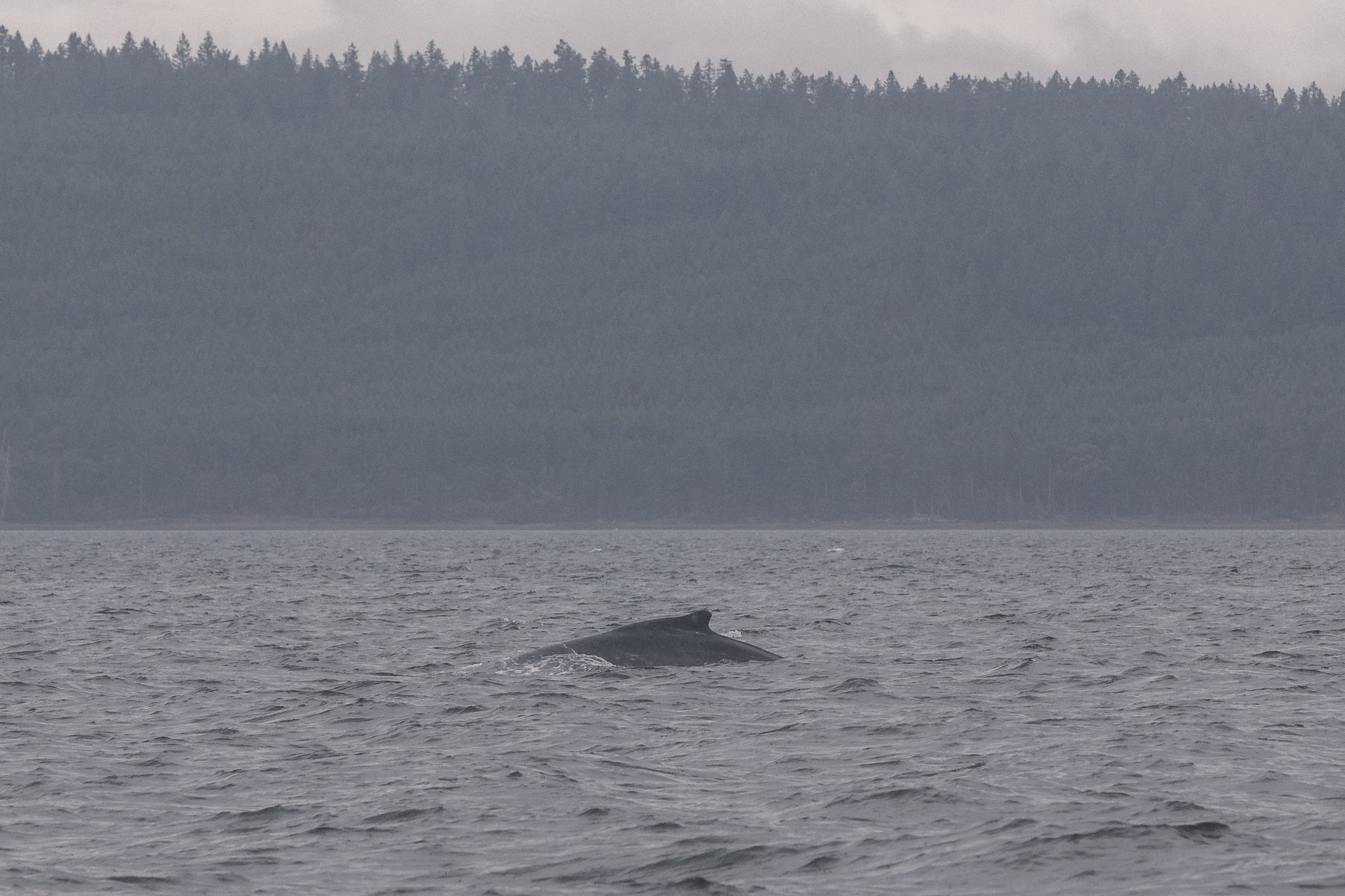
Vivaldi travelling along. Photo by Jordan Robinson.
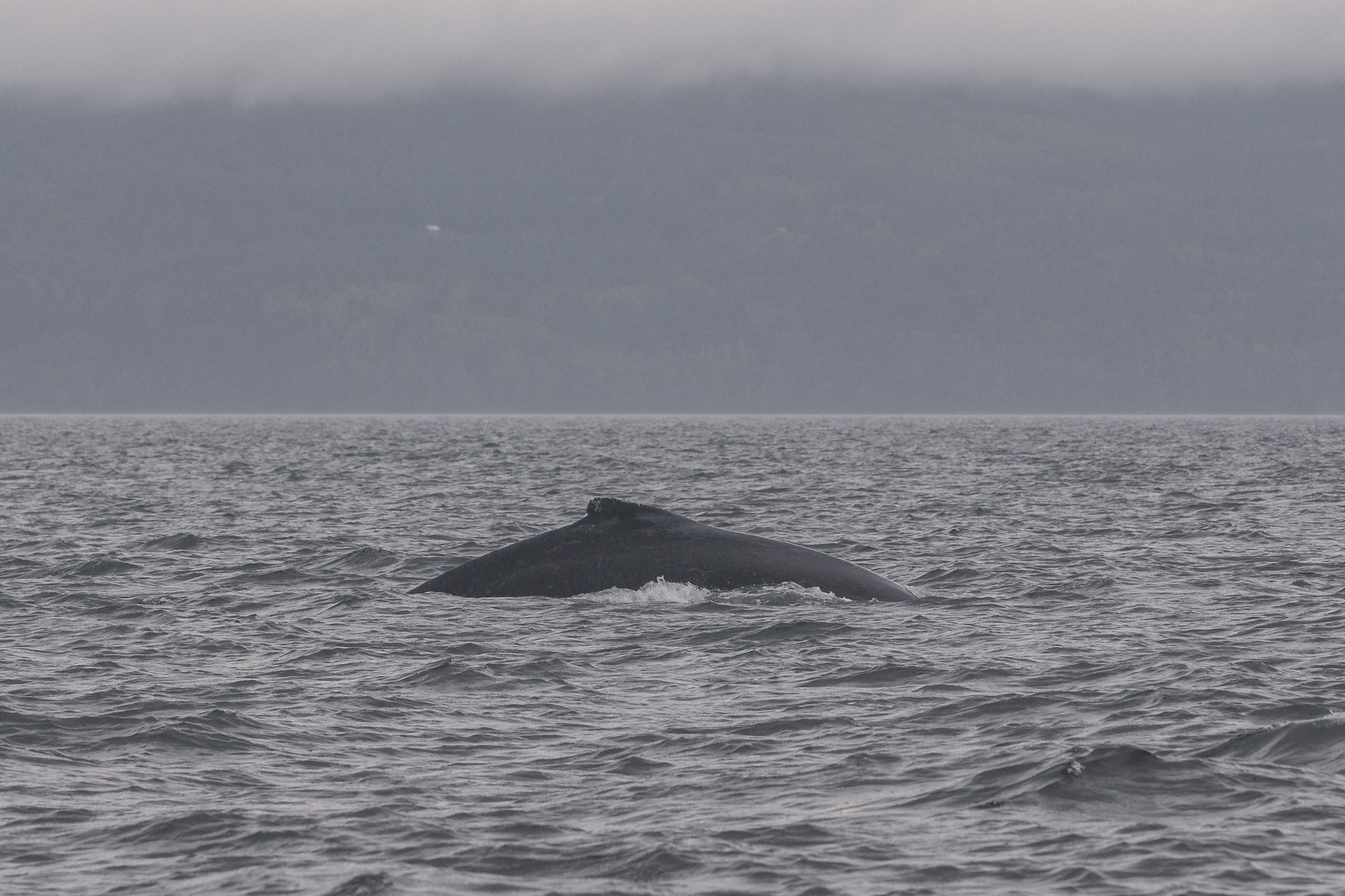
Slice surfacing. Photo by Jordan Robinson.
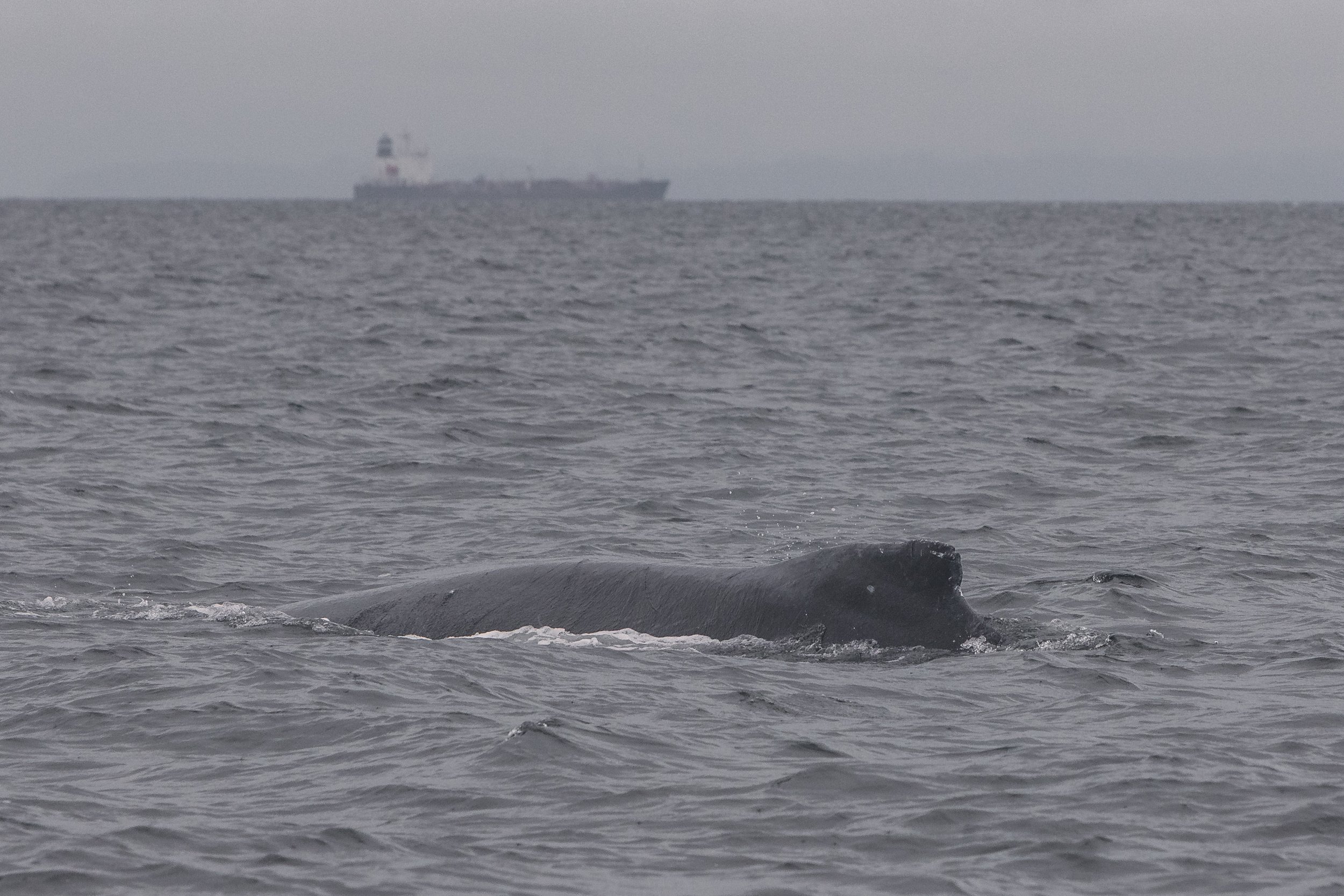
The other side of Slice. Photo by Jordan Robinson.
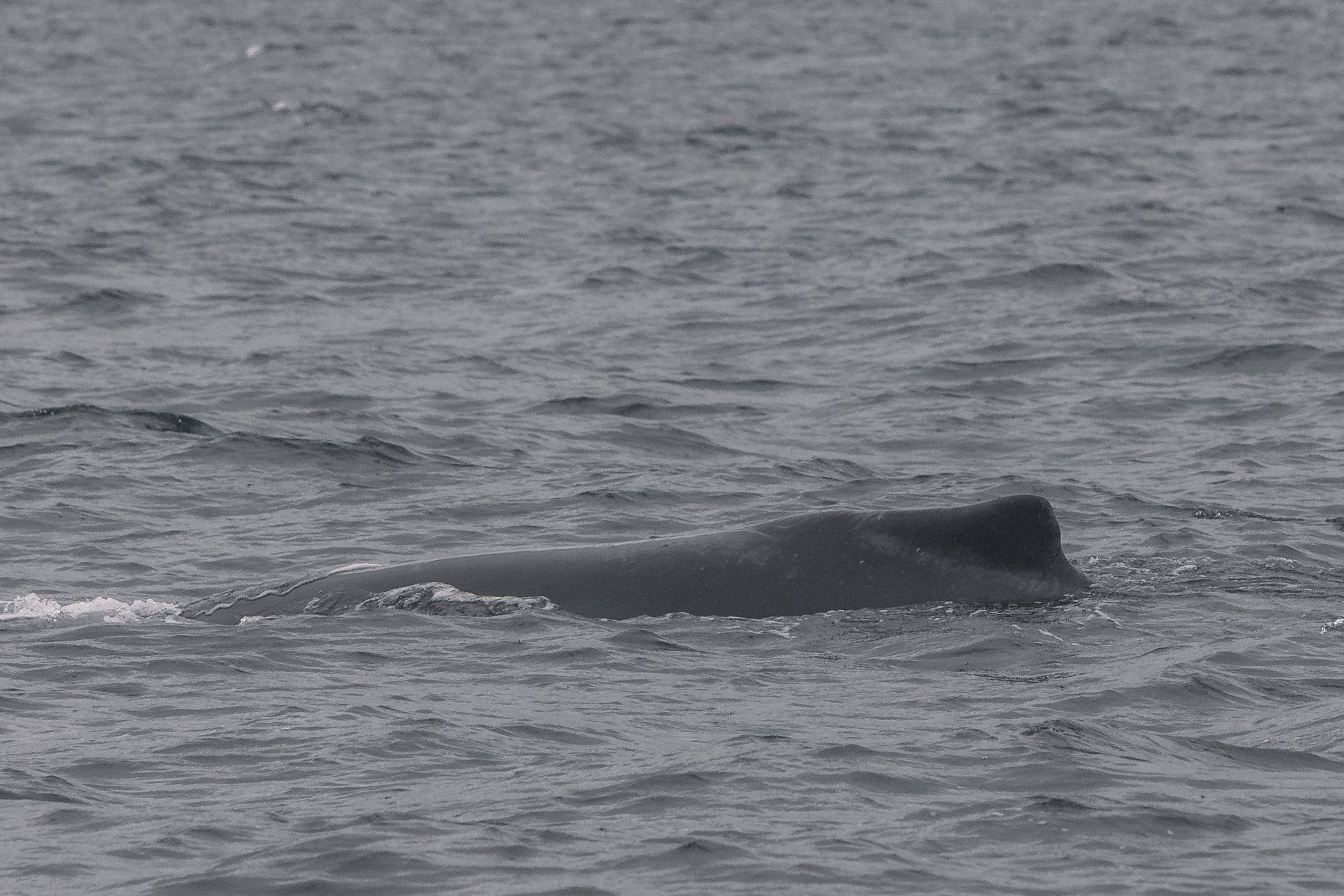
Hendrix travelling along. Photo by Jordan Robinson.
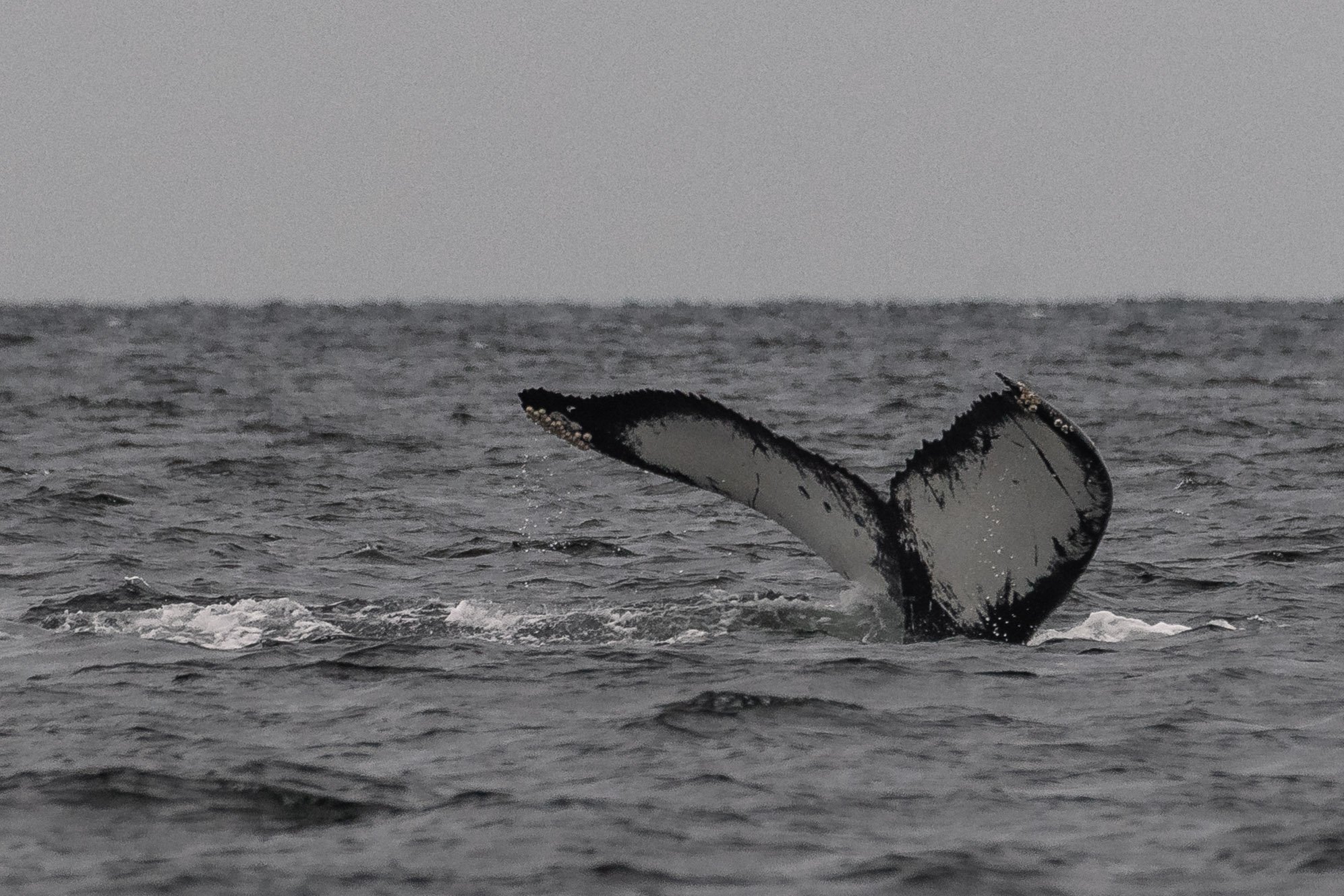
The underside of Aether’s tail. Photo by Evan Hessels.
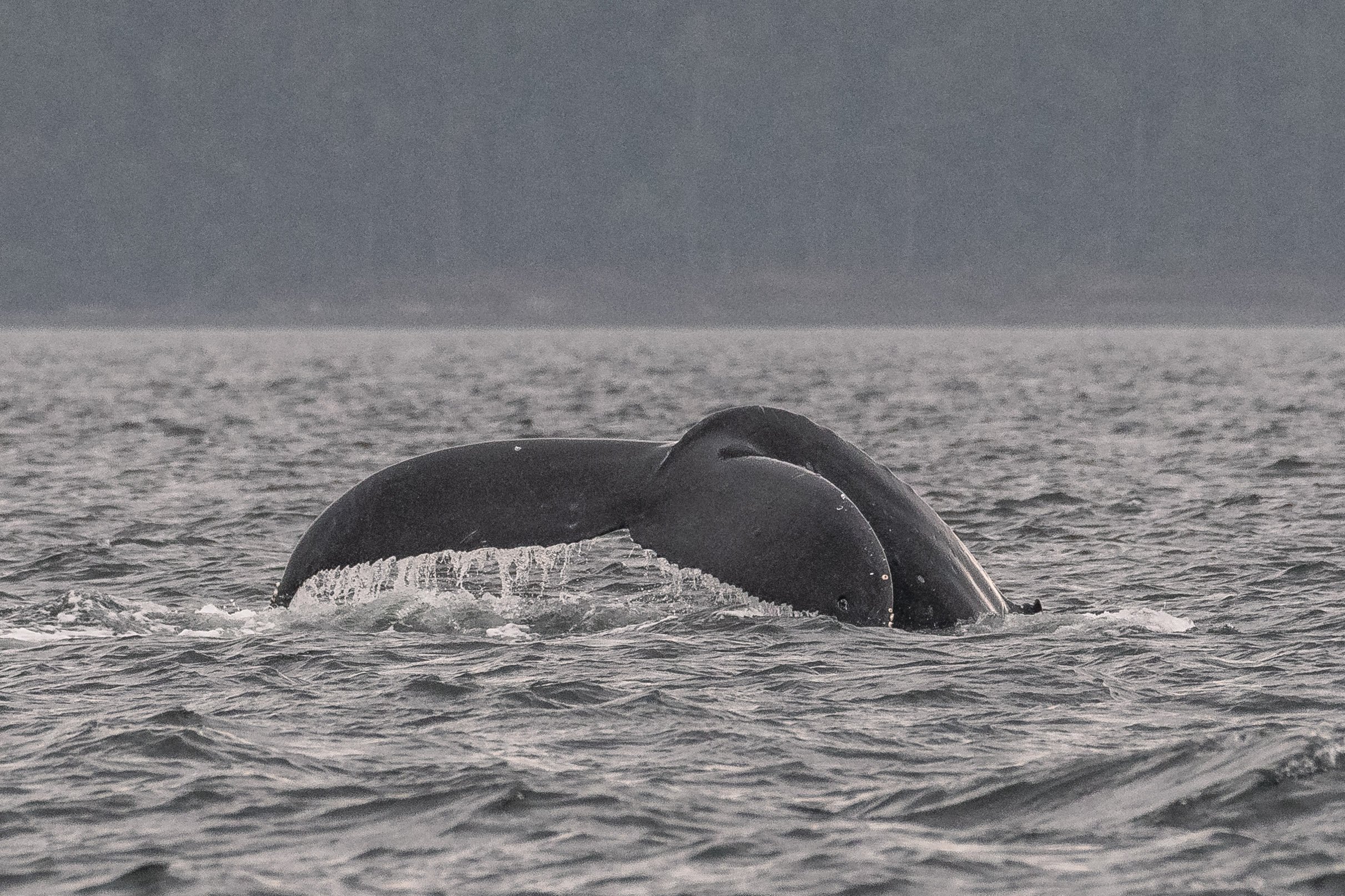
Aether arching for a dive. Photo by Evan Hessels.
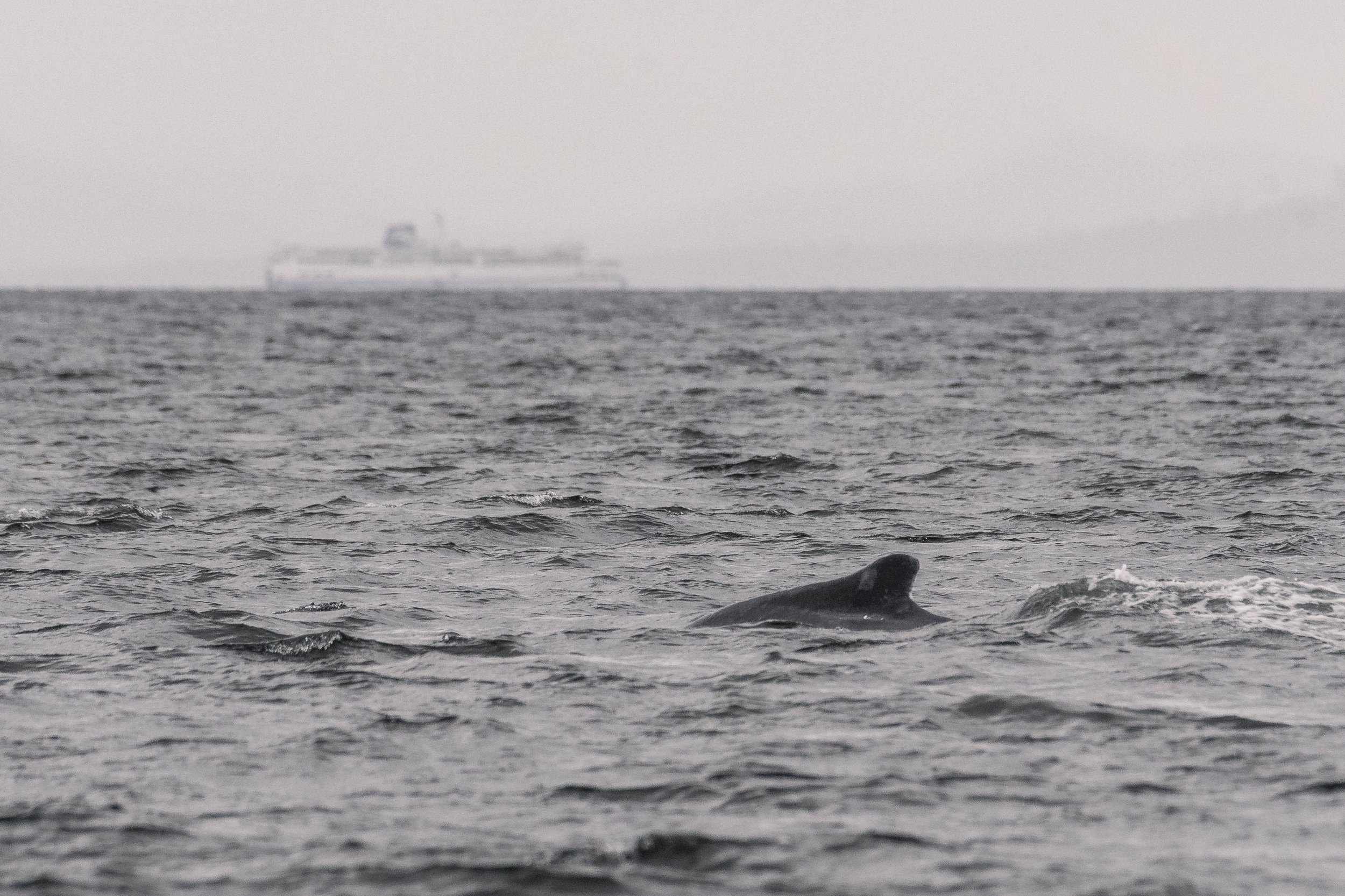
Vivaldi with a BC Ferry in the background. Photo by Evan Hessels.
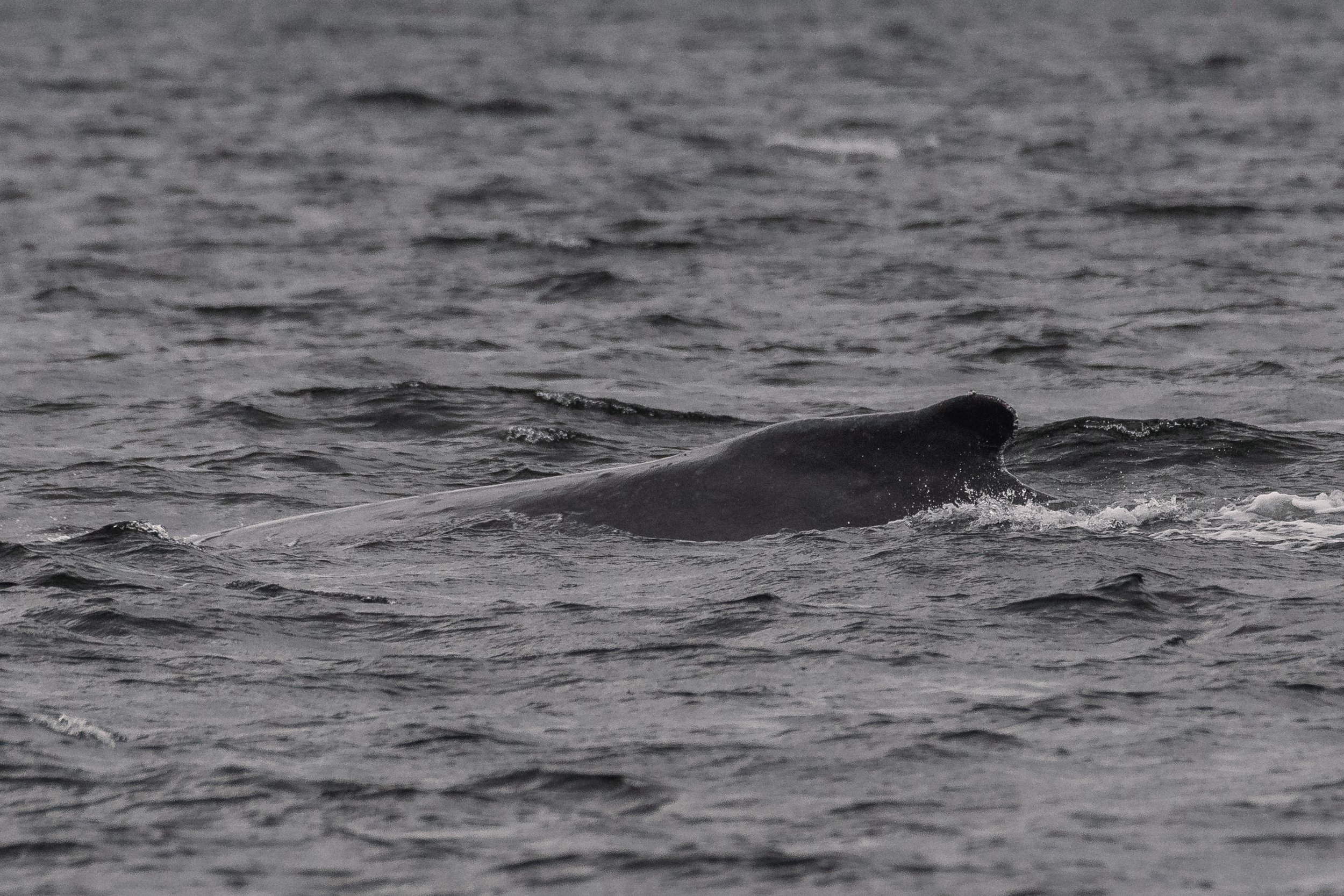
Strike travelling along. Photo by Evan Hessels.
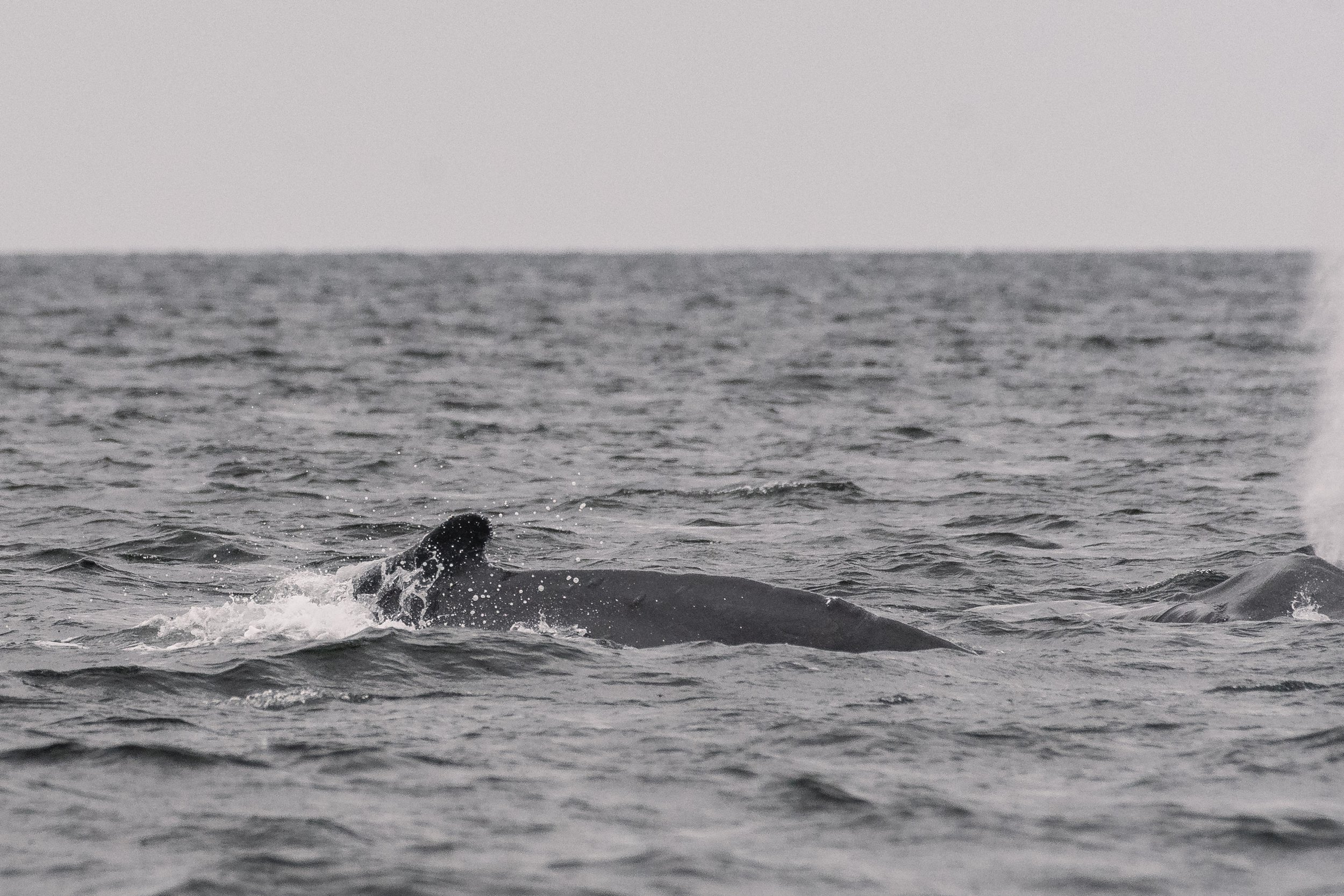
Strike diving. Photo by Evan Hessels.
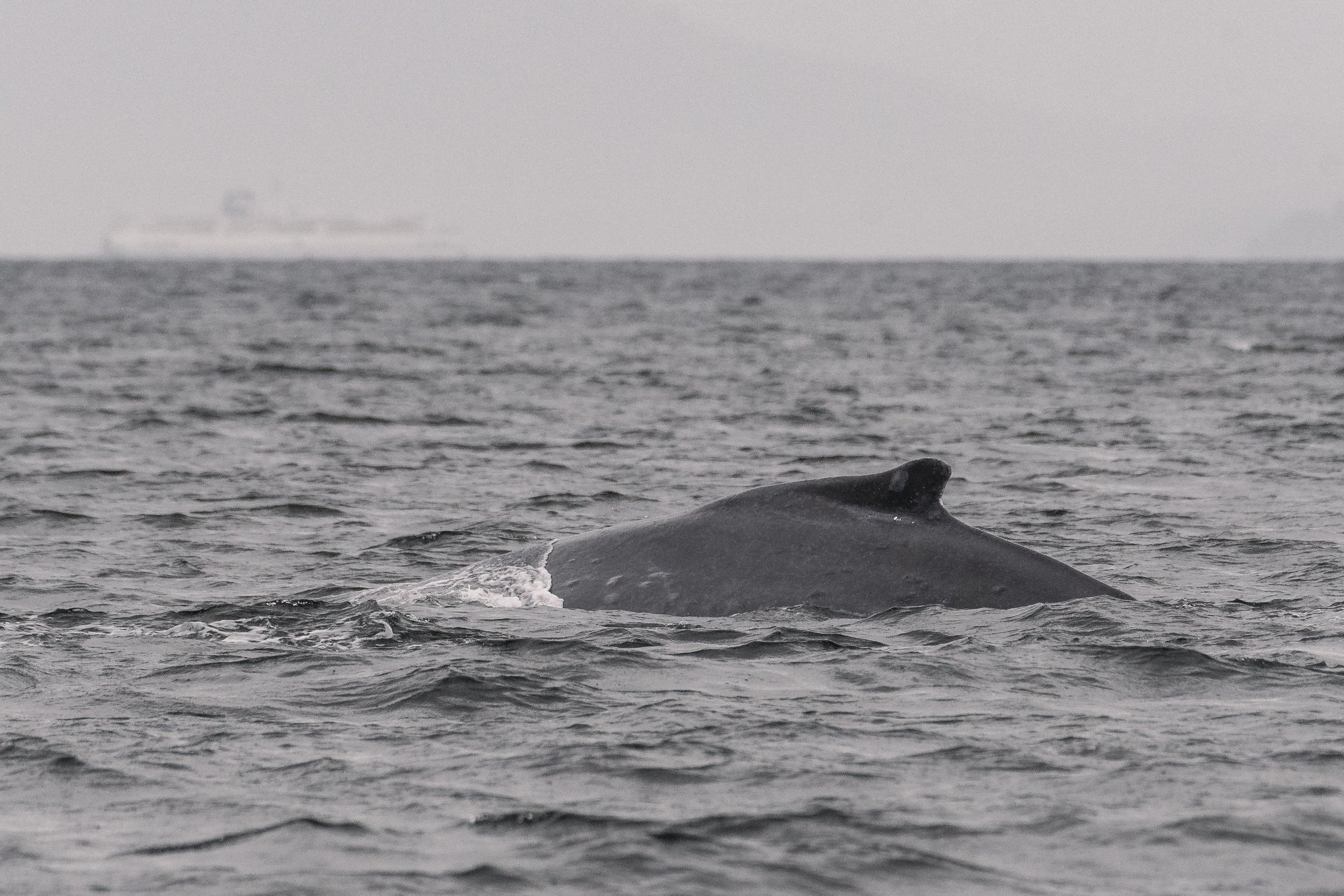
Vivaldi with a wave cascading over her front. Photo by Evan Hessels.
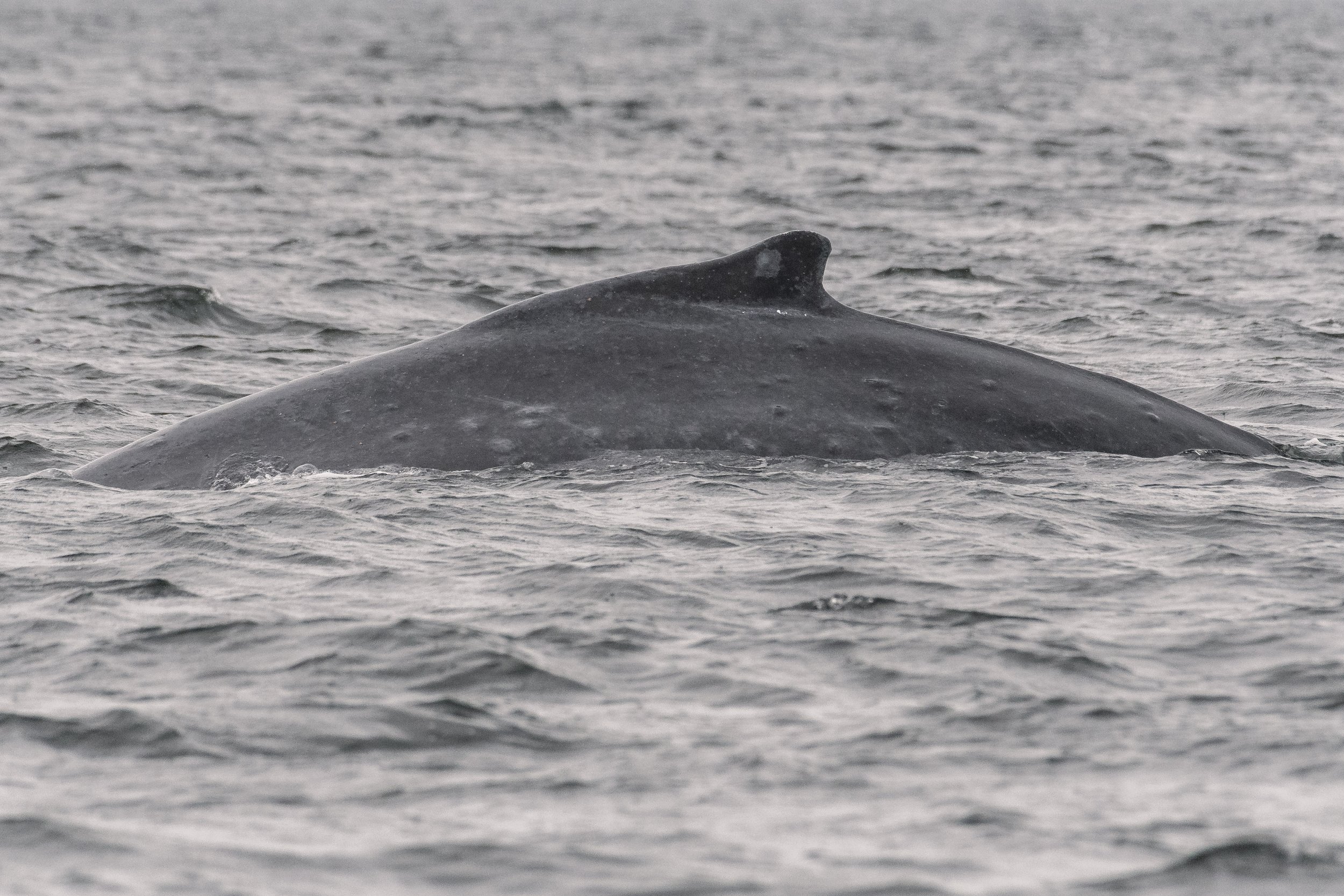
One of Vivaldi’s current identifiable features is this large discoloured patch on her dorsal fin. Photo by Evan Hessels.
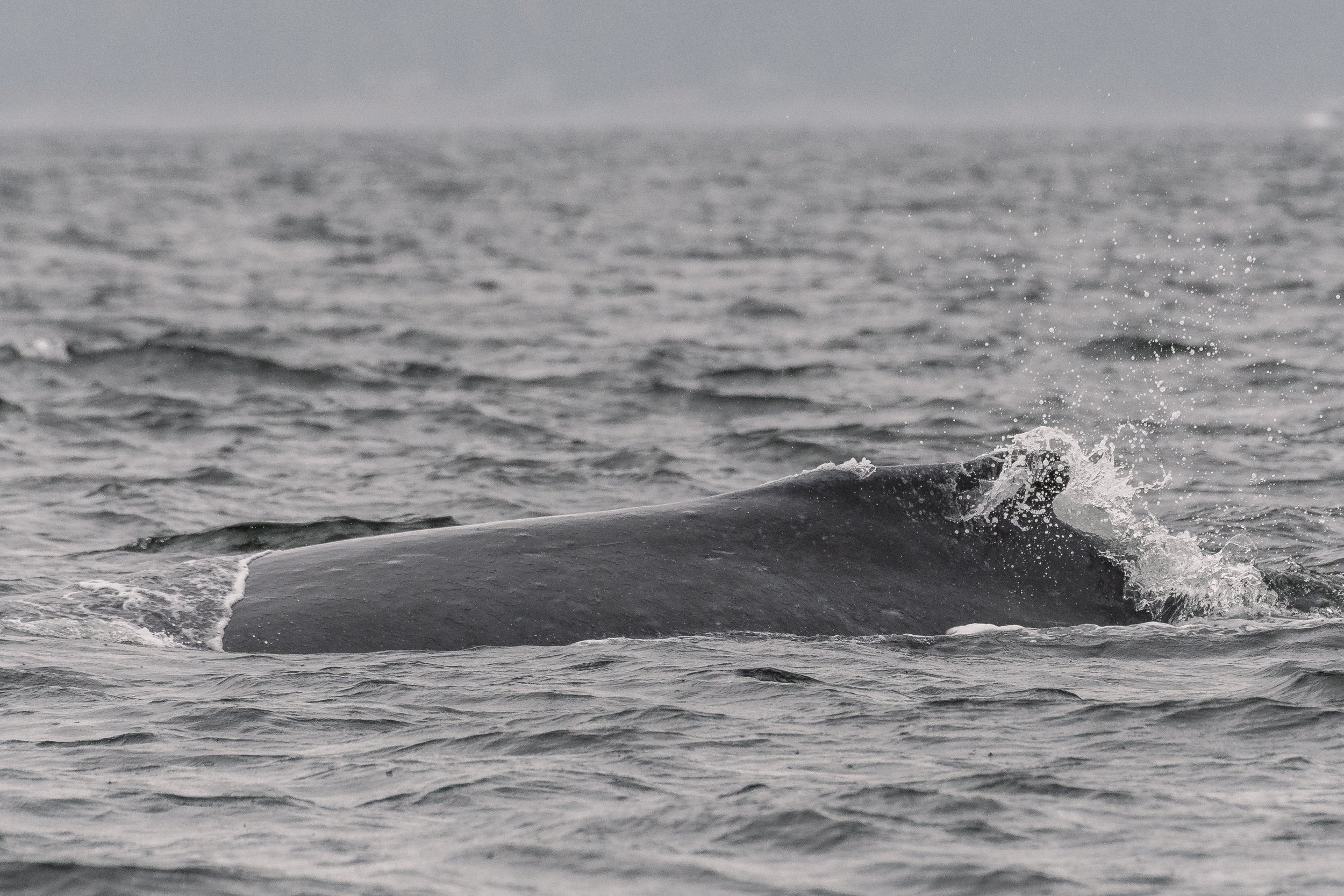
A wave crashing over Strike. Photo by Evan Hessels.
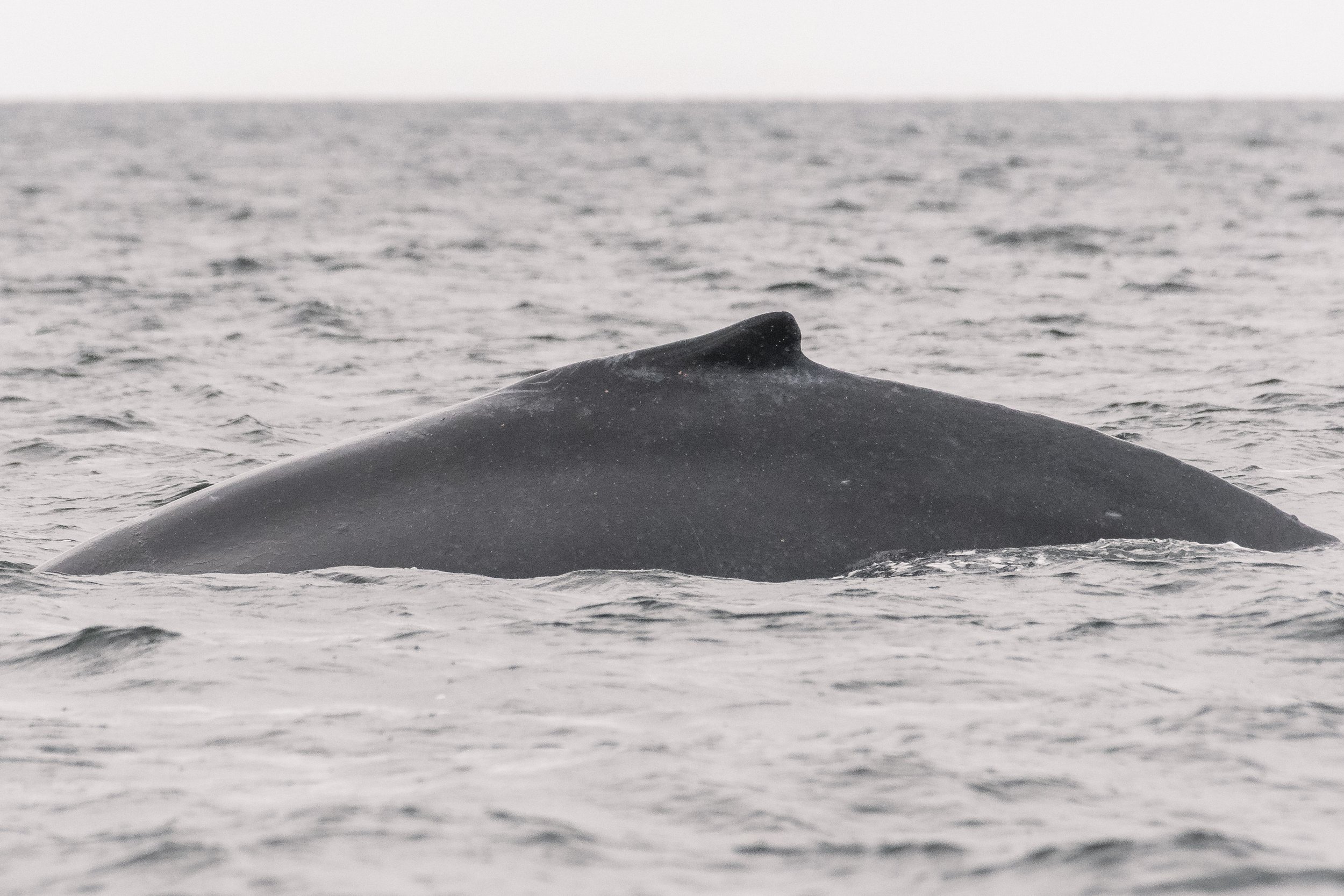
Hendrix’s full side view. Photo by Evan Hessels.
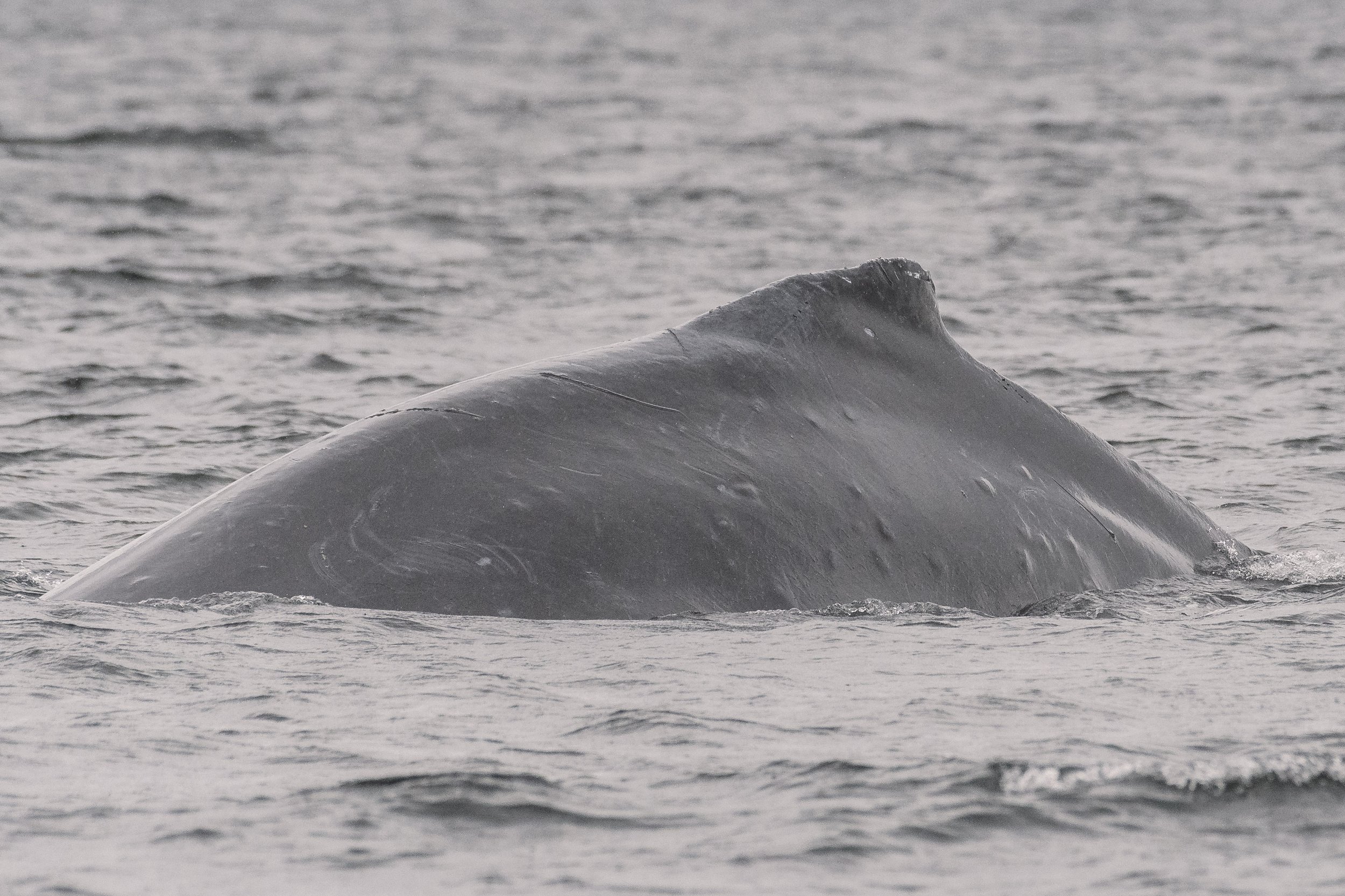
Slice making way. Photo by Evan Hessels.
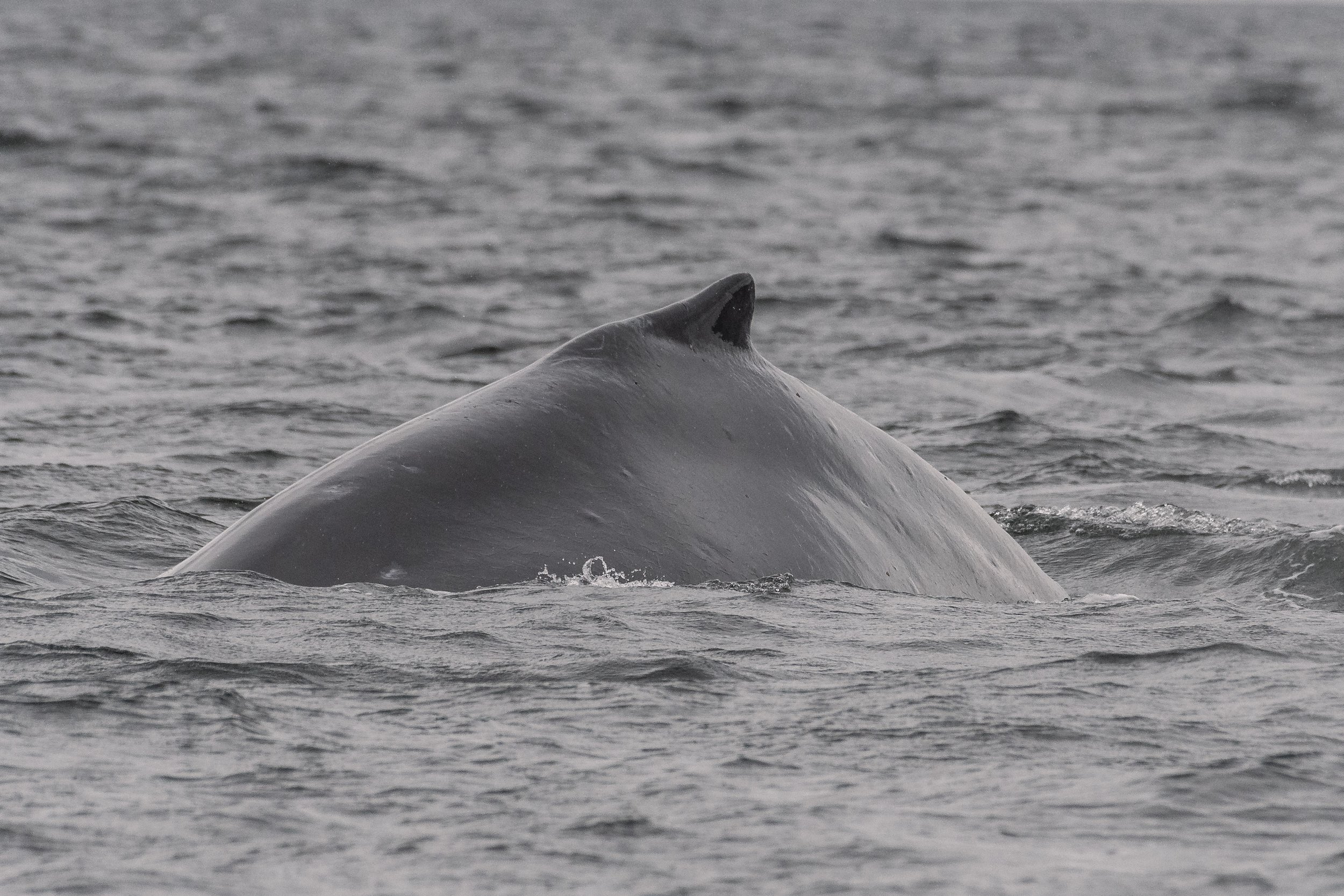
Hendrix following close behind. Photo by Evan Hessels.
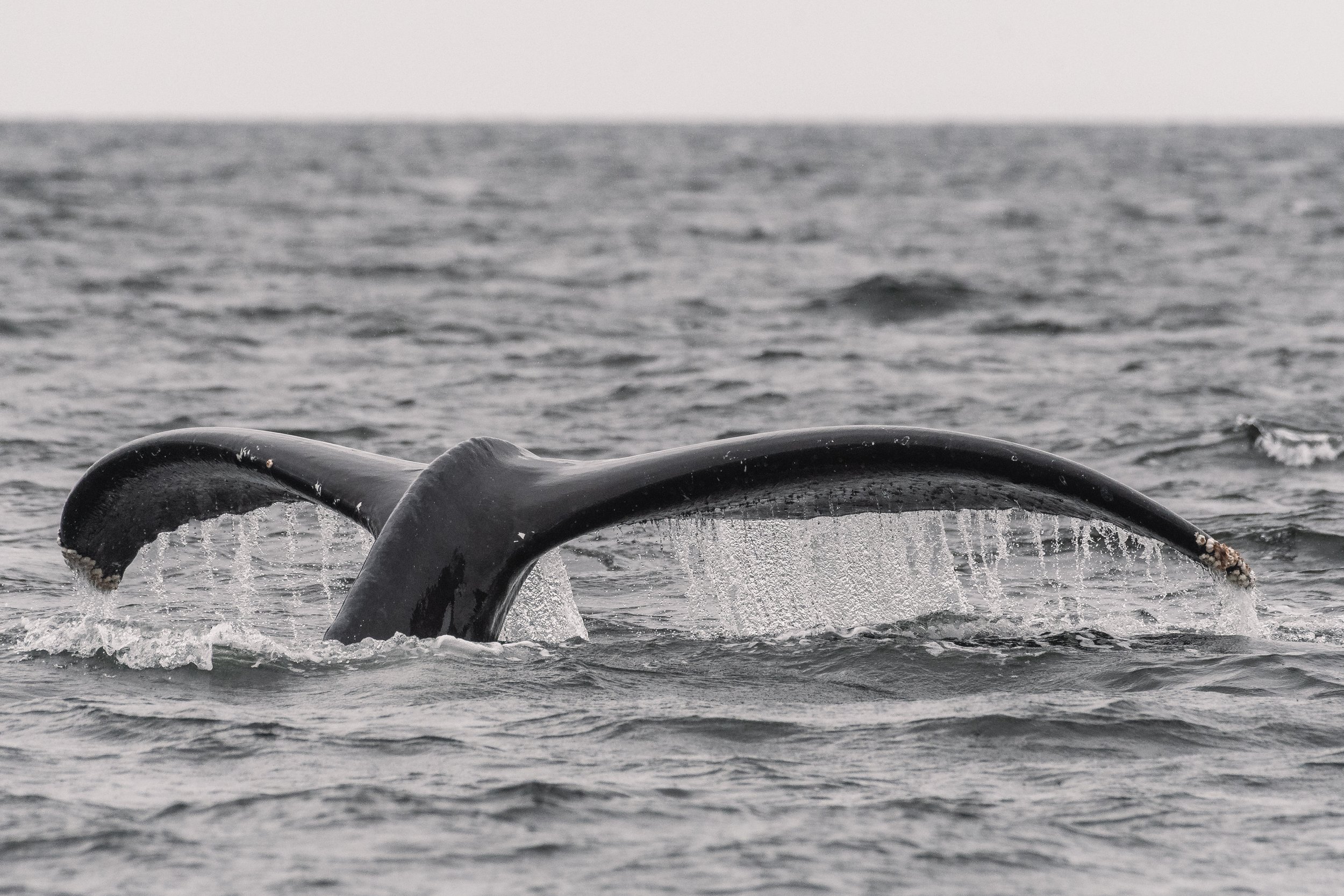
A fluke waterfall. Photo by Evan Hessels.
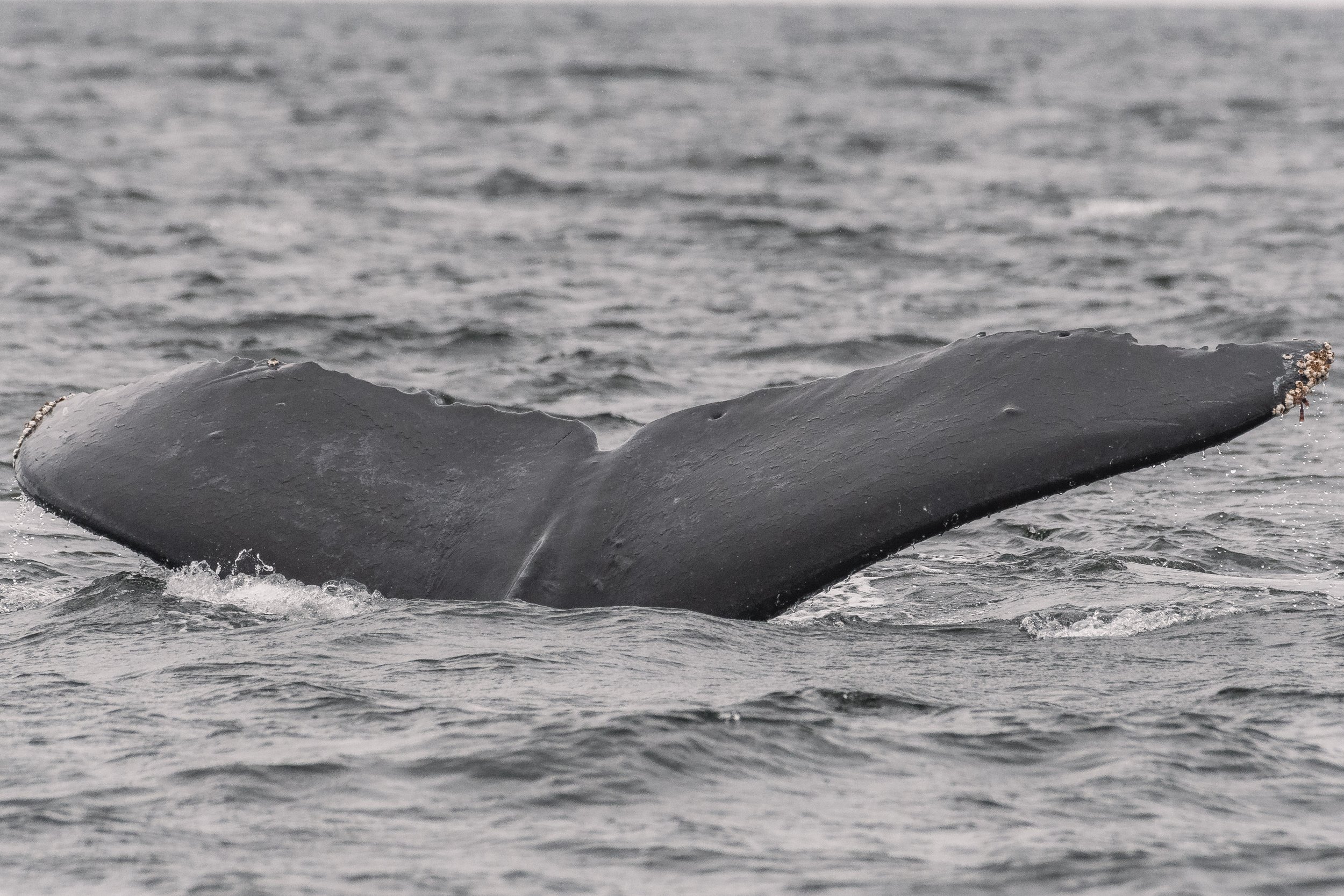
The top of Hendrix’s fluke. Photo by Evan Hessels.
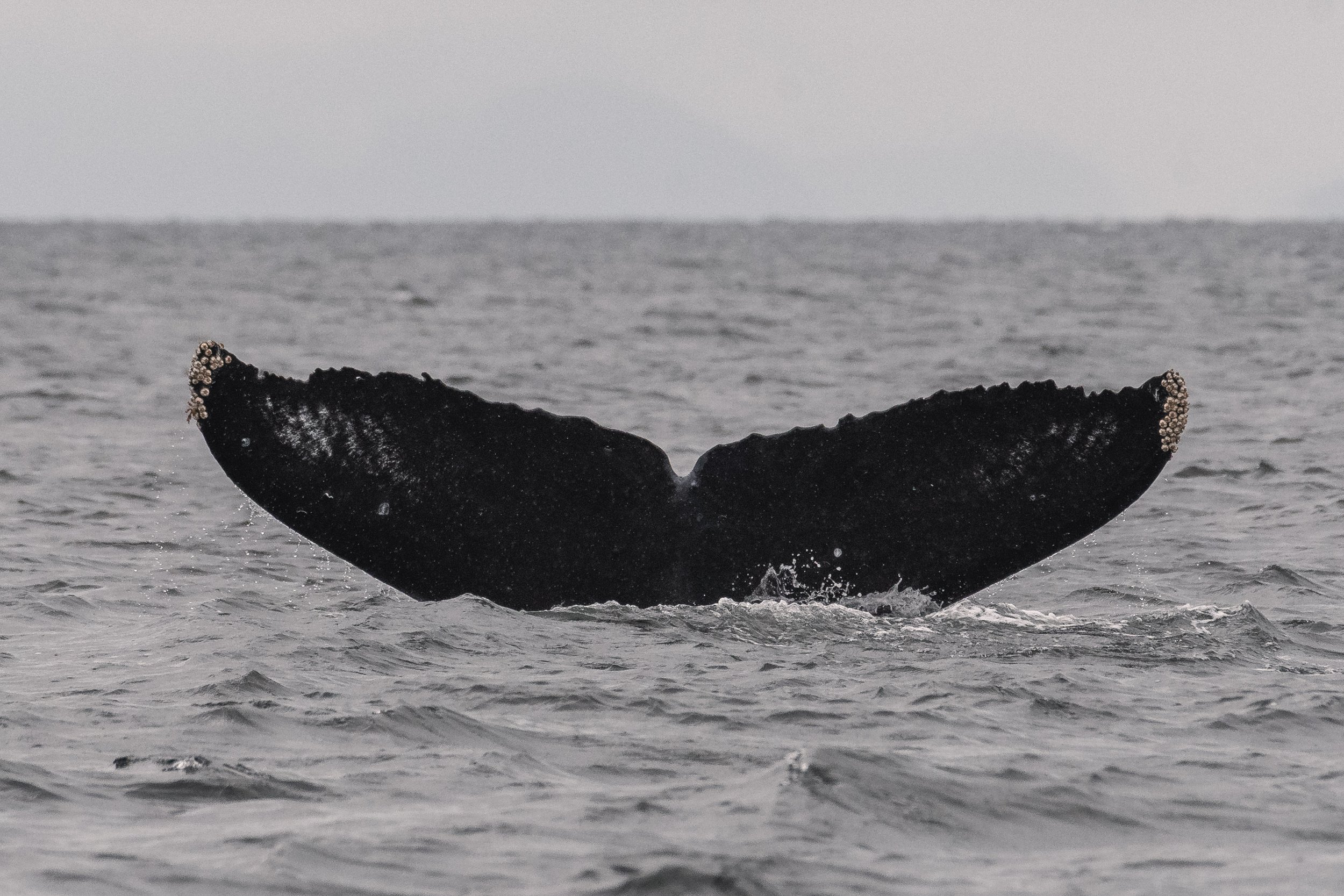
The underside of Hendrix’s fluke. Photo by Evan Hessels.
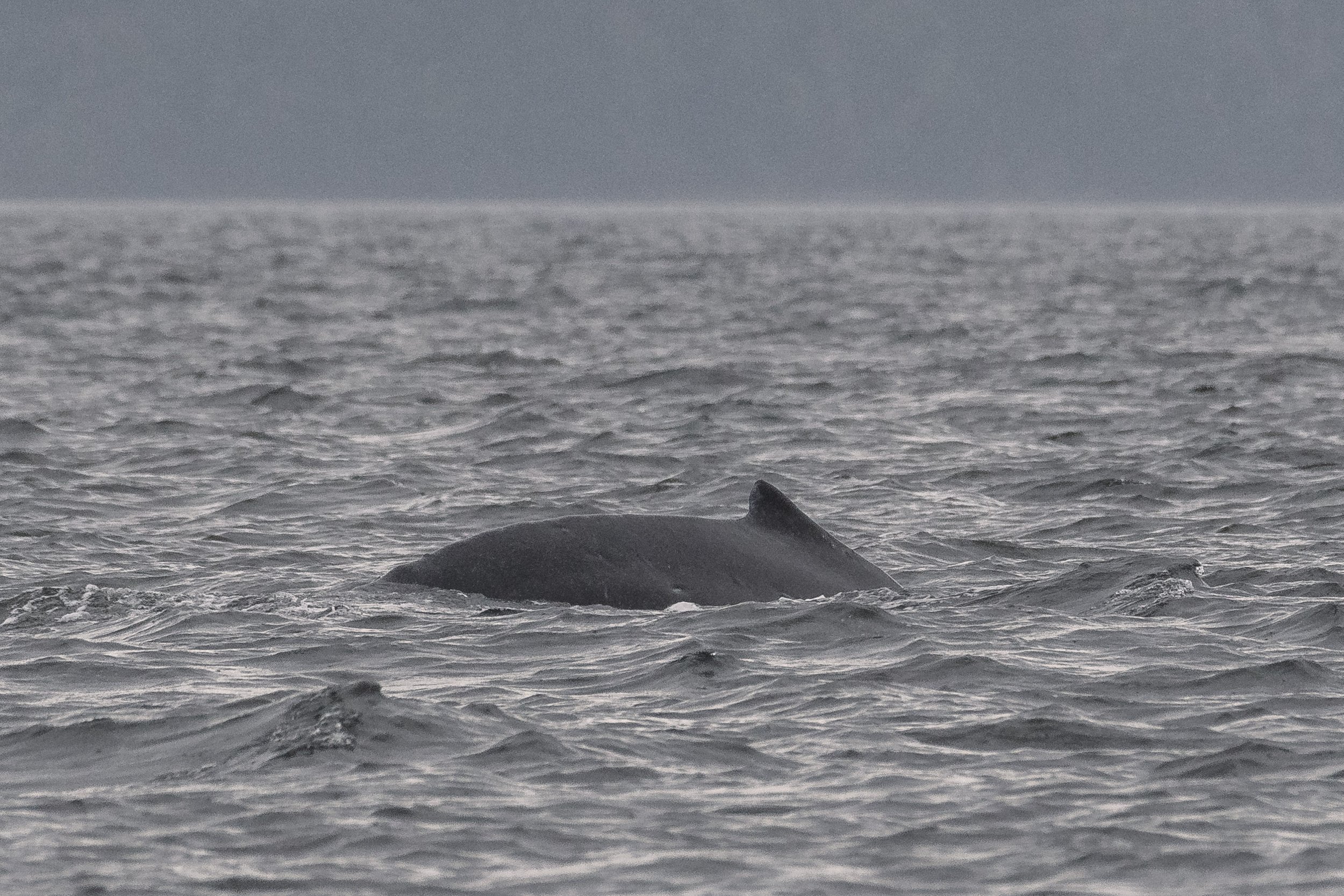
Hendrix preparing to dive. Photo by Evan Hessels.
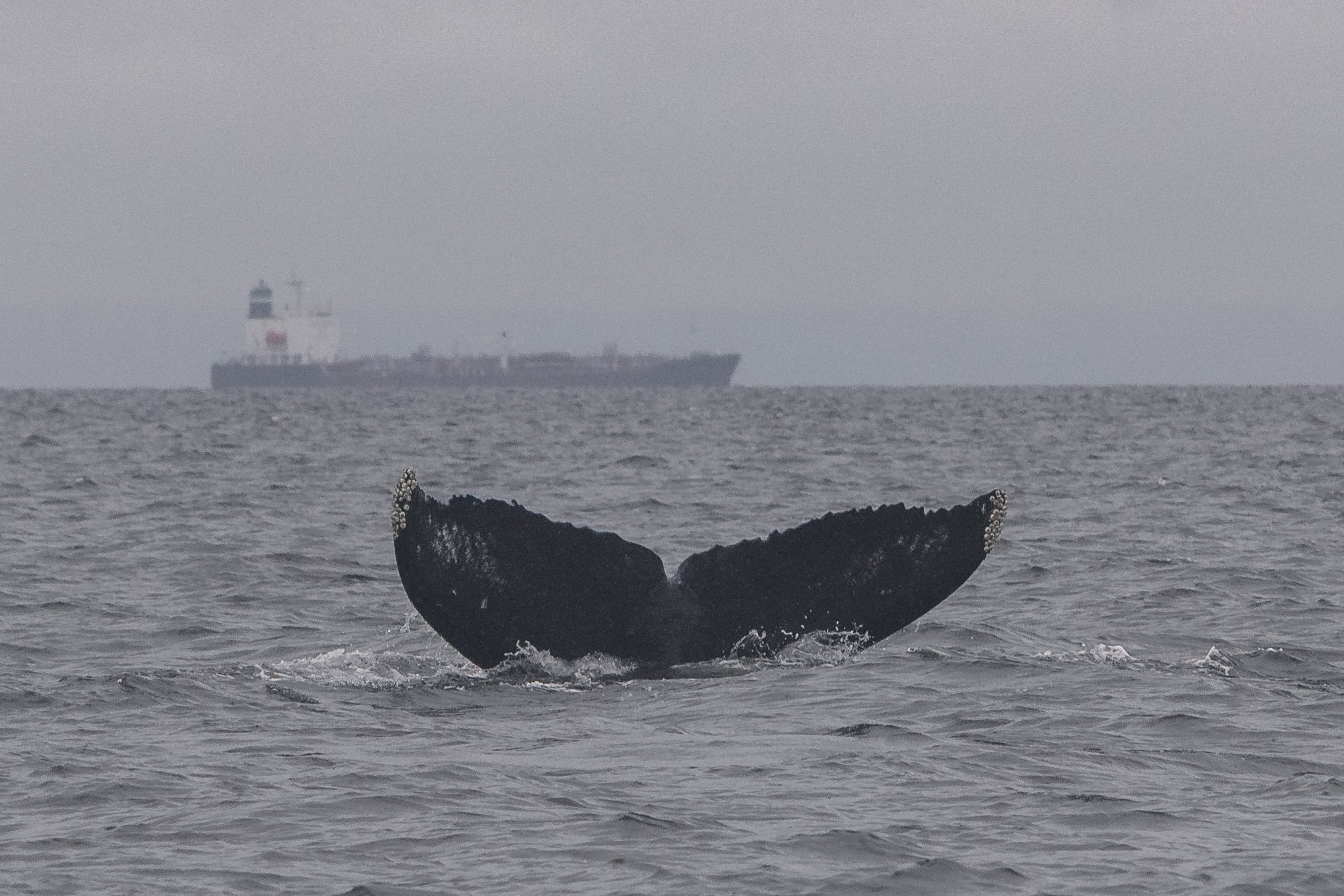
Hendrix fluking with a cargo vessel behind them. Photo by Jordan Robinson.
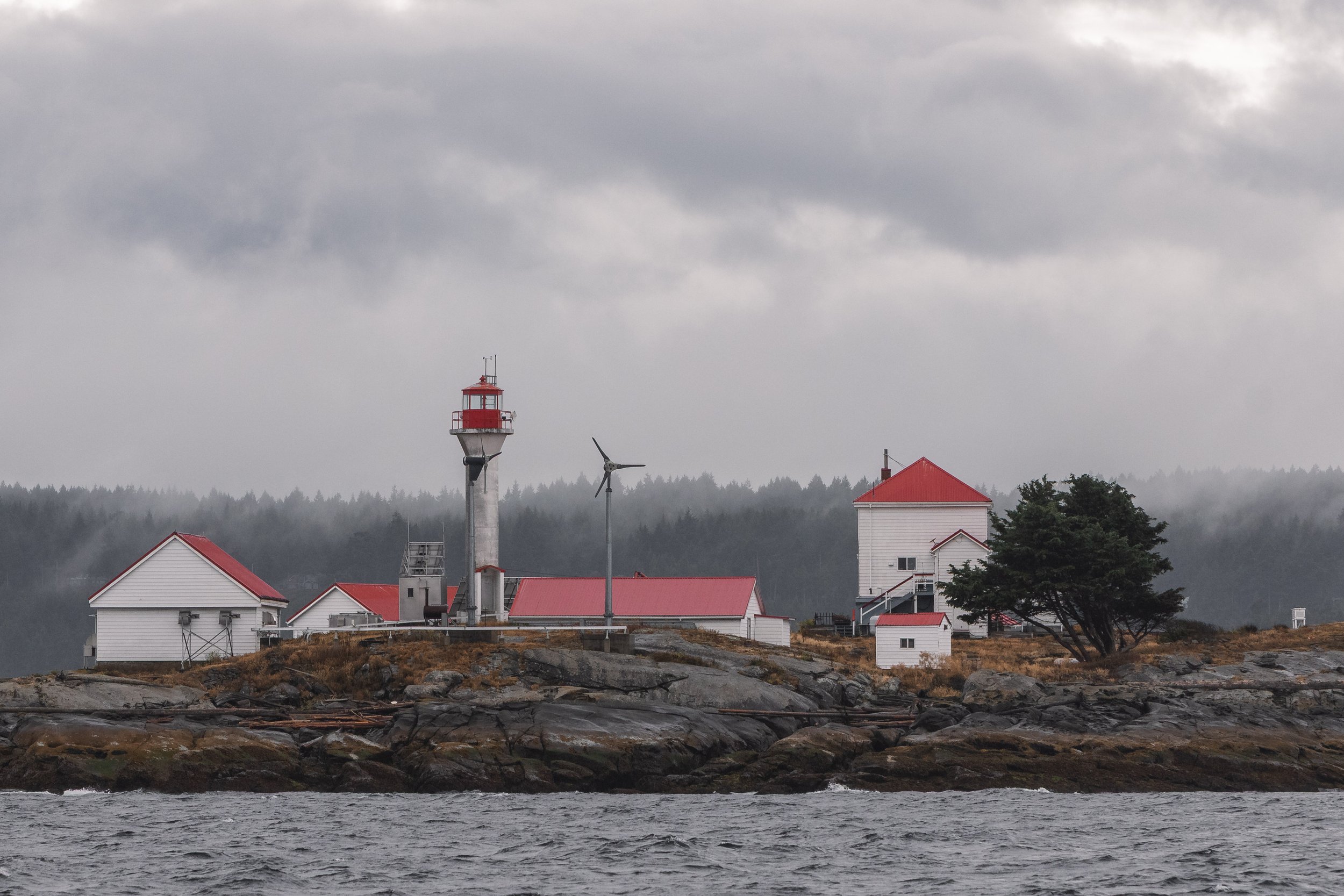
Entrance Island during a misty westcoast day. Photo by Jordan Robinson.
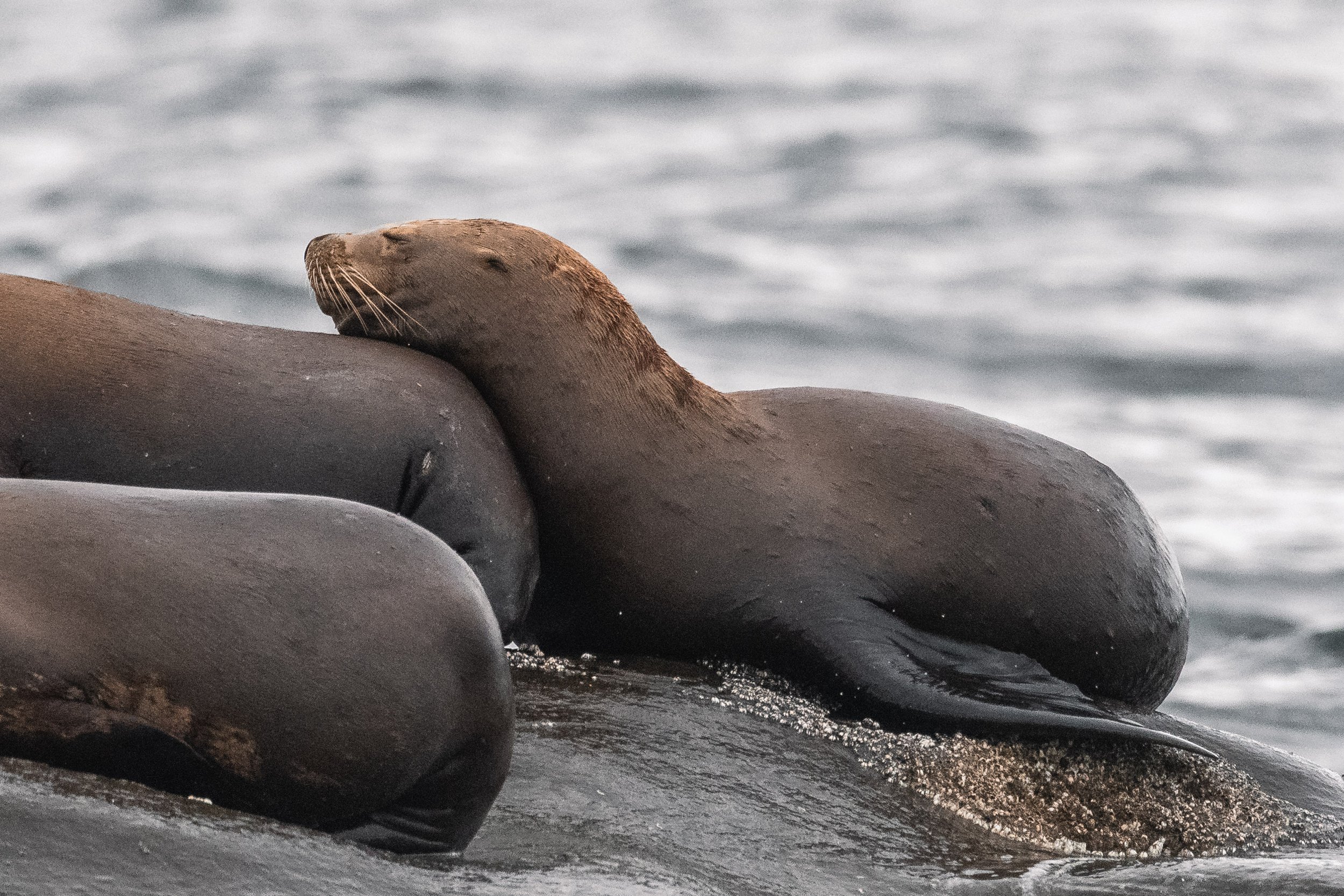
Sleepy sea lions. Photo by Evan Hessels.
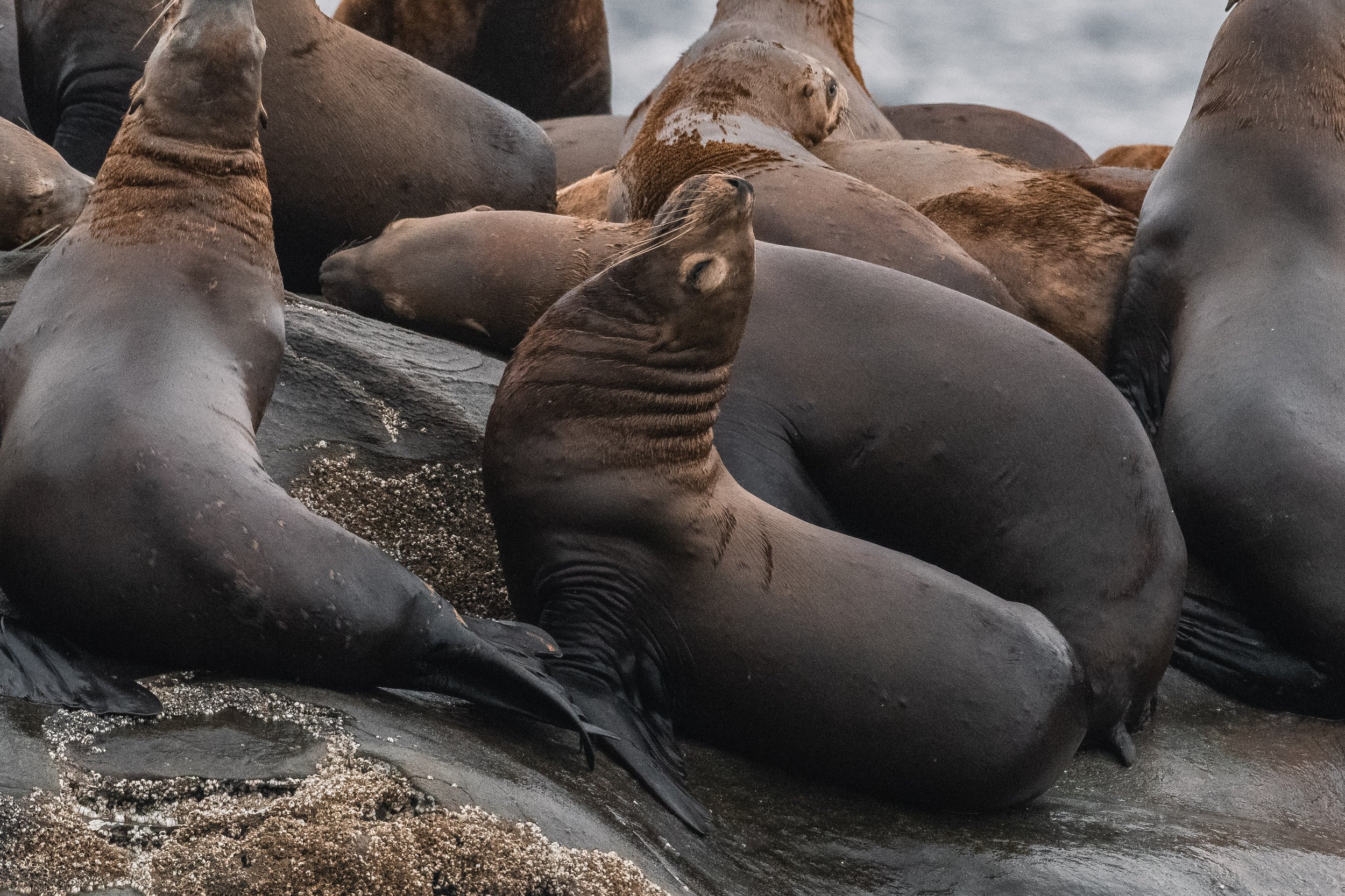
A sea lion arching their back. Photo by Evan Hessels.
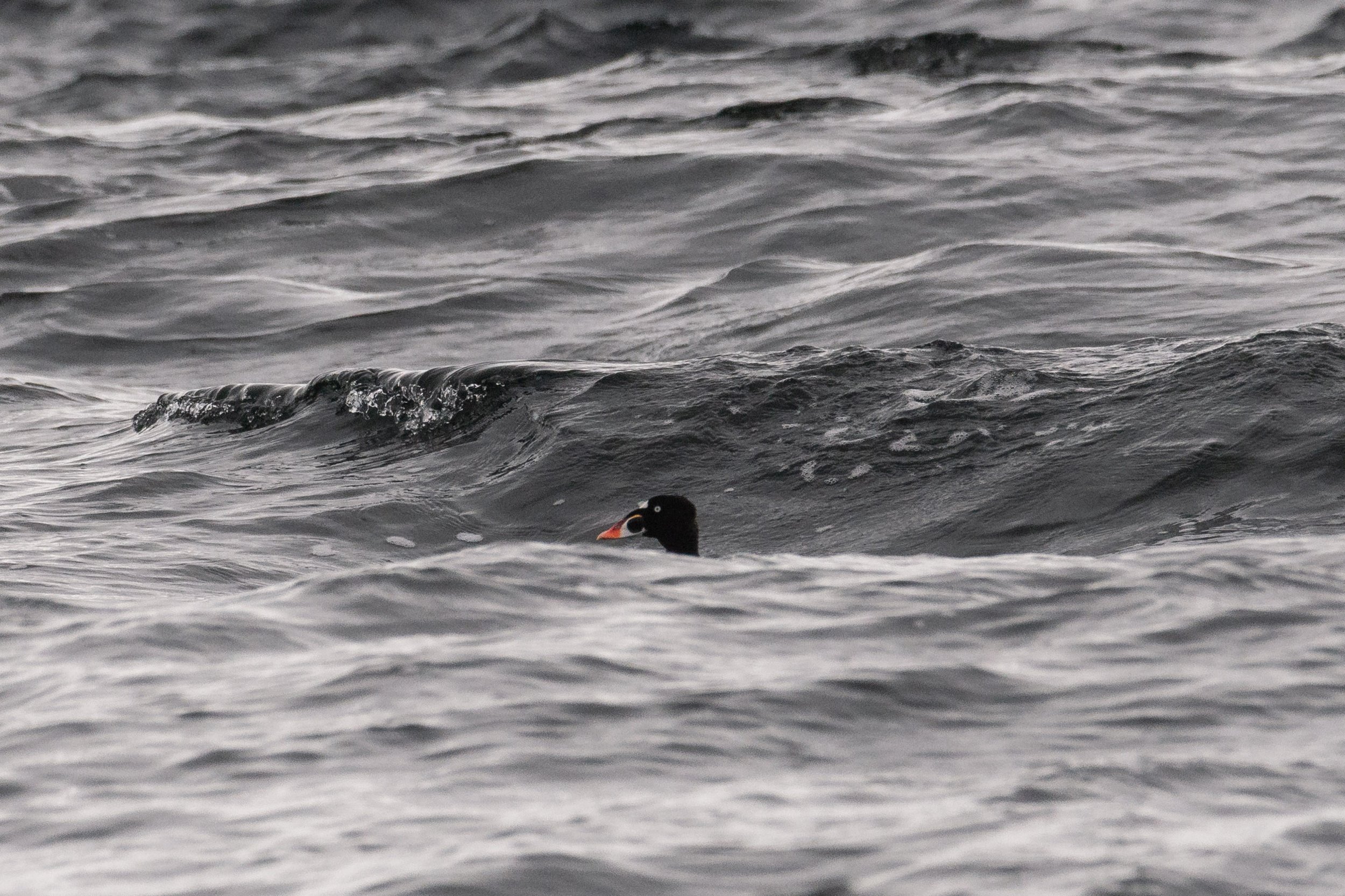
A Surf Scoter popping its head above the waves. Photo by Evan Hessels.
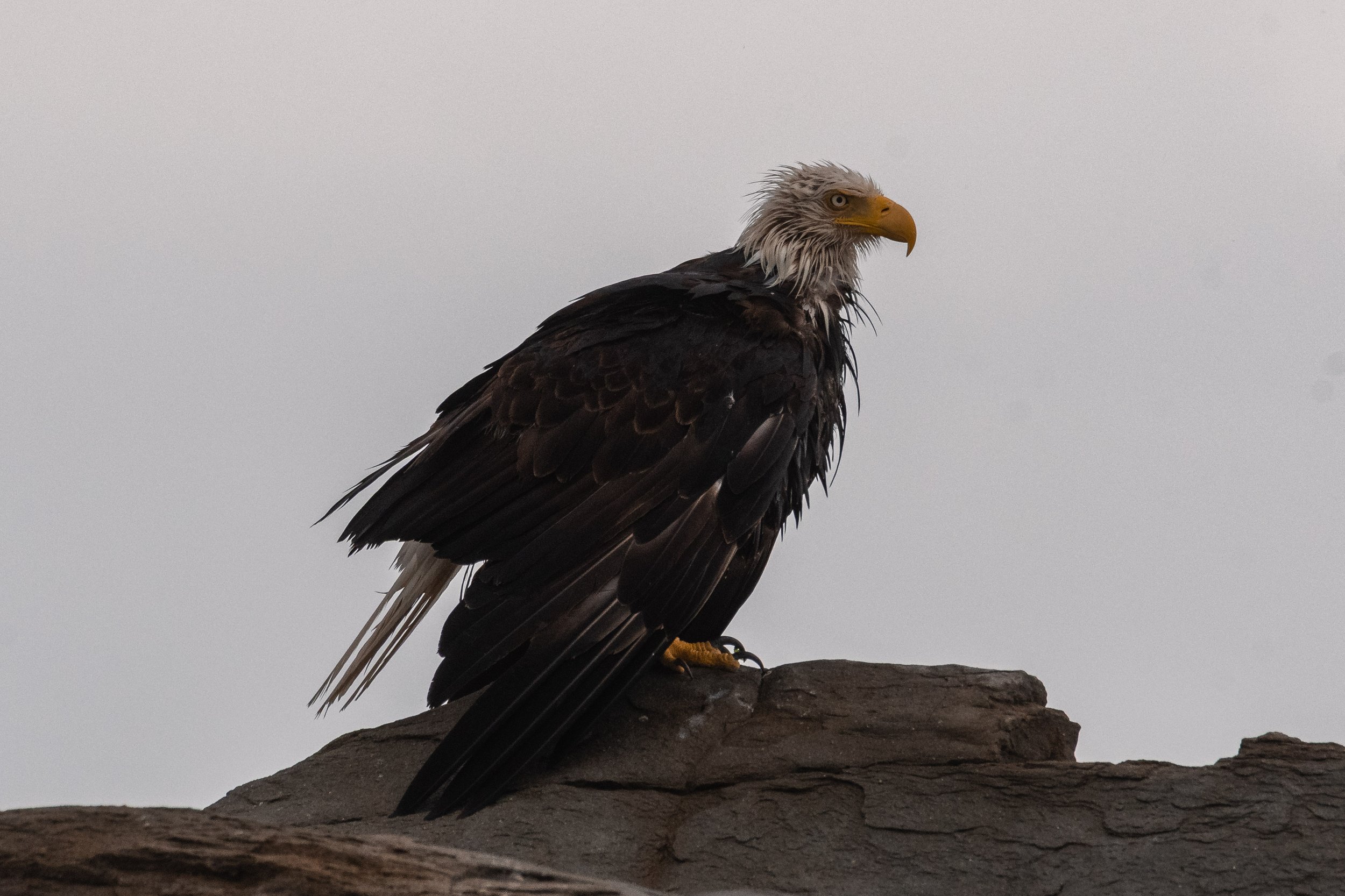
A very soggy Bald Eagle atop the rocks. Photo by Evan Hessels.
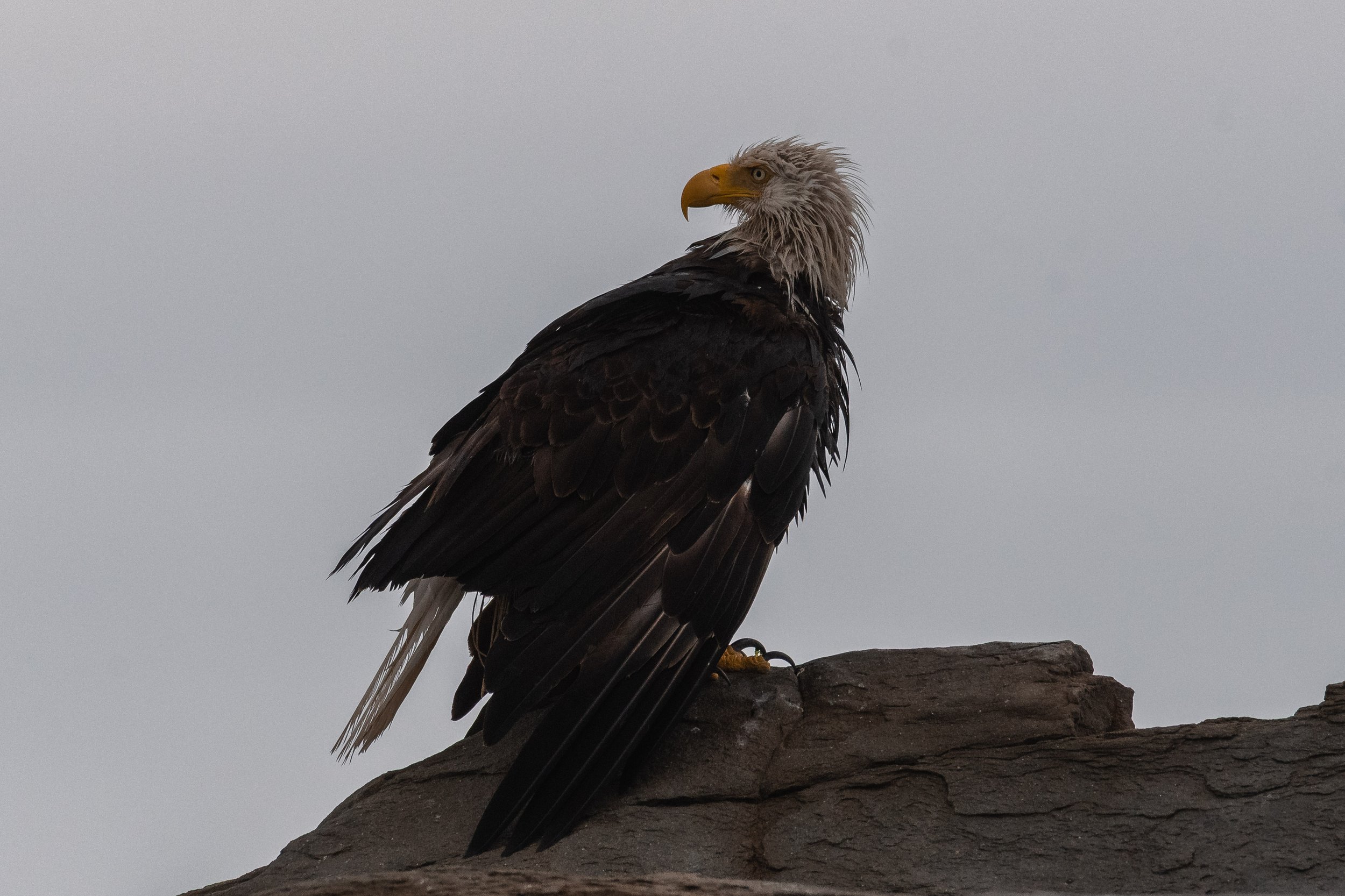
Stretching and drying off. Photo by Evan Hessels.
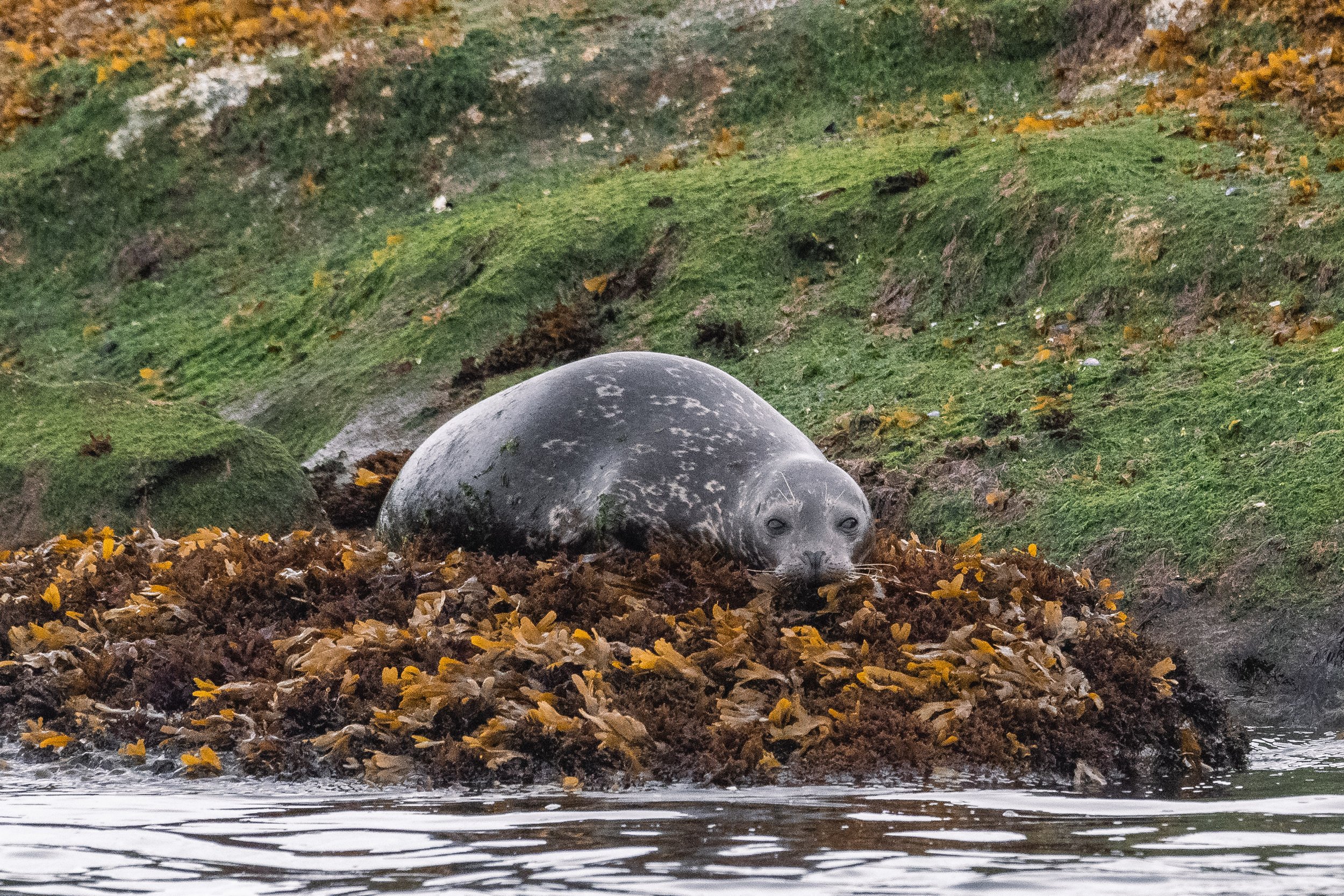
A very sleepy looking Harbour Seal. Photo by Evan Hessels.
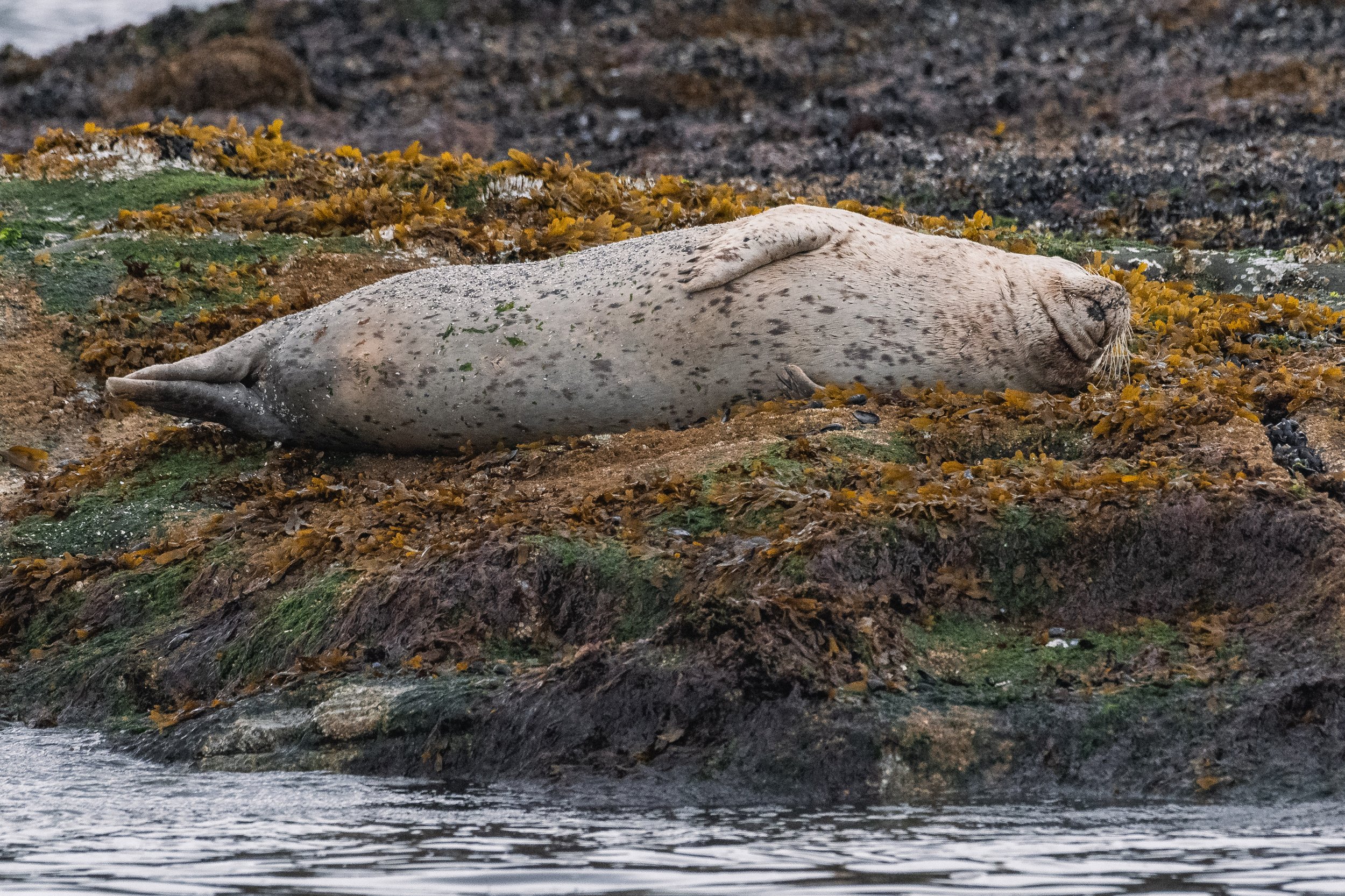
A sleepy Harbour Seal. Photo by Evan Hessels.
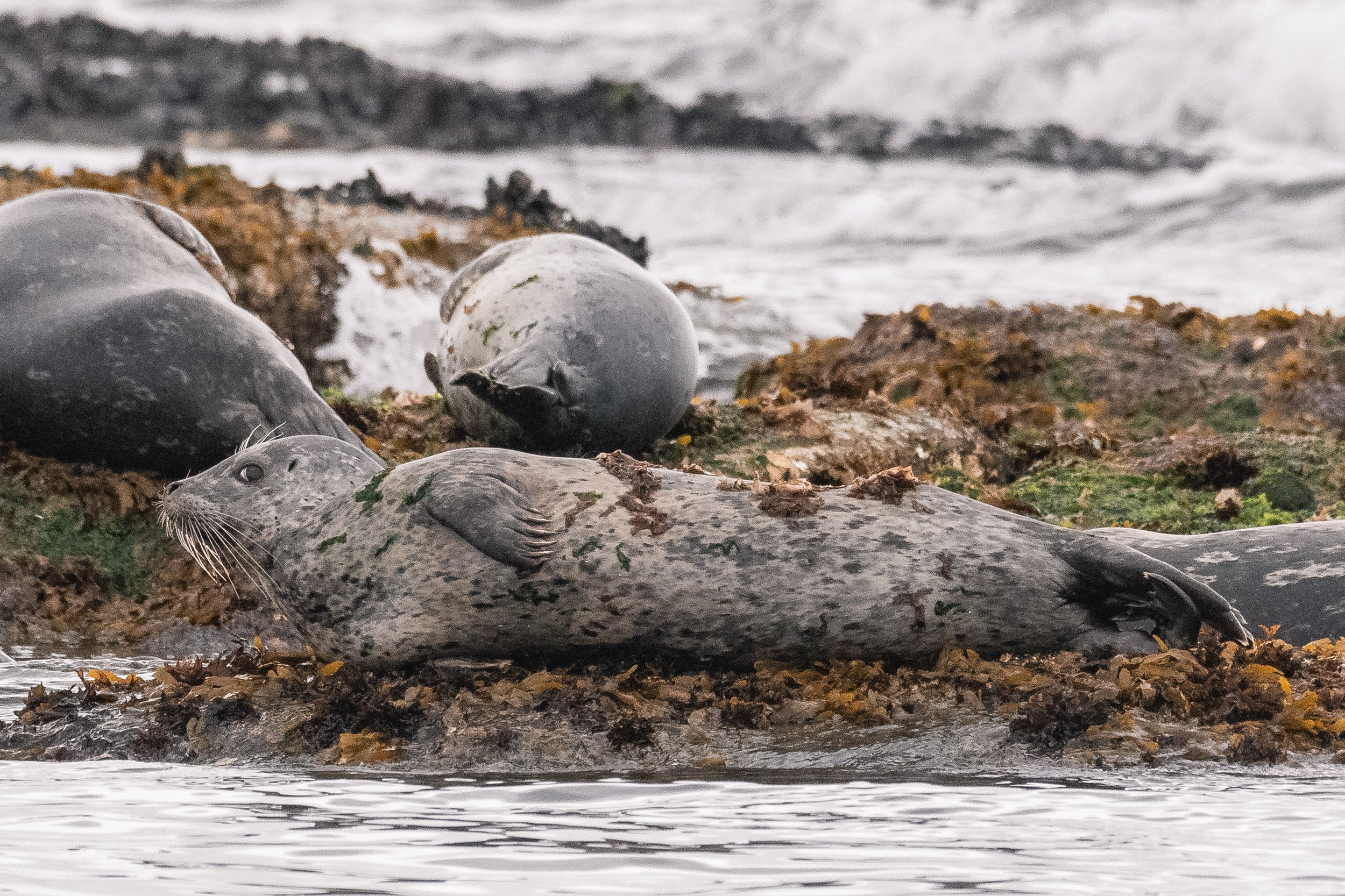
A kelp spa day with the Harbour Seals! Photo by Evan Hessels.
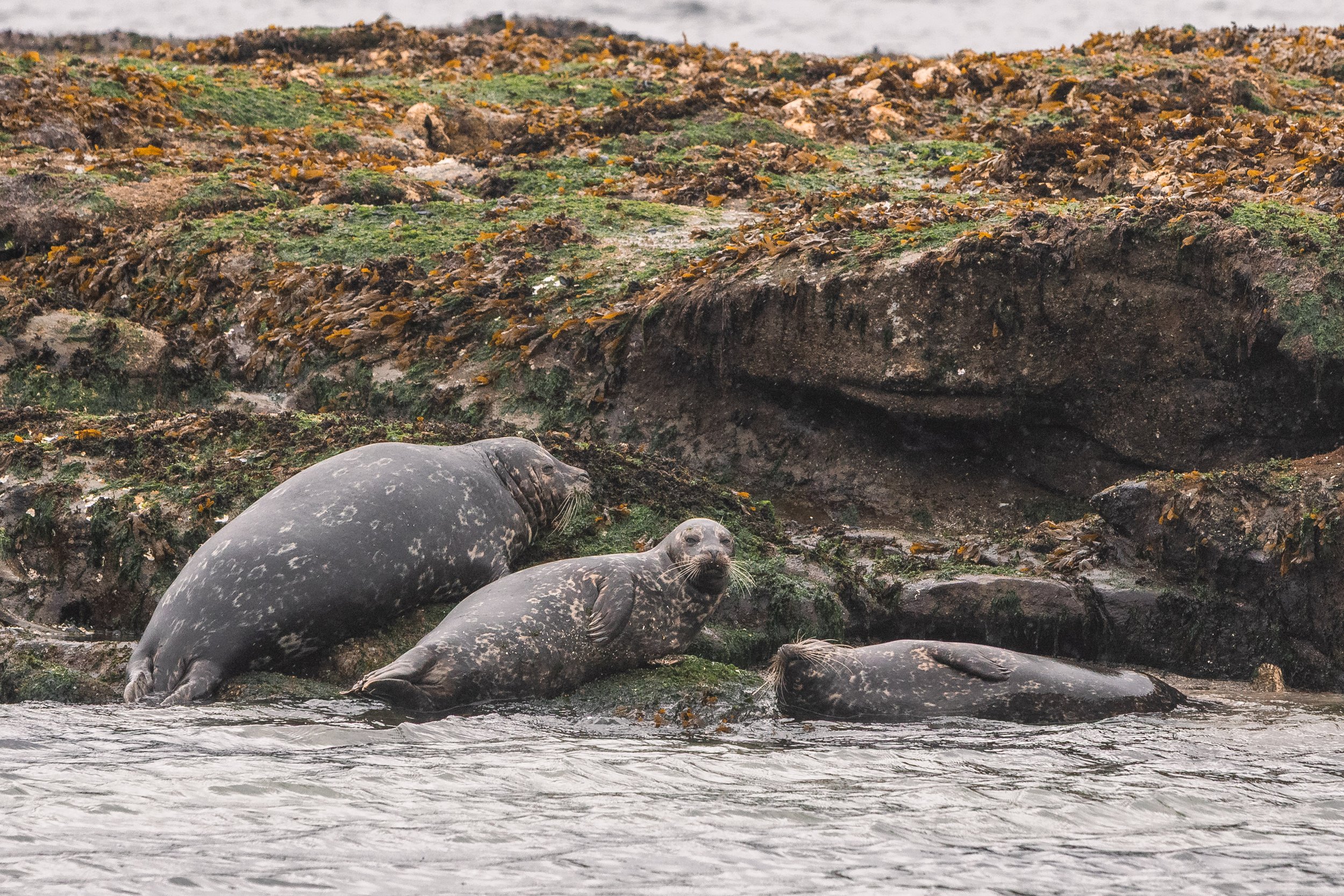
Half-awake Harbour Seals at the haulout. Photo by Jordan Robinson.
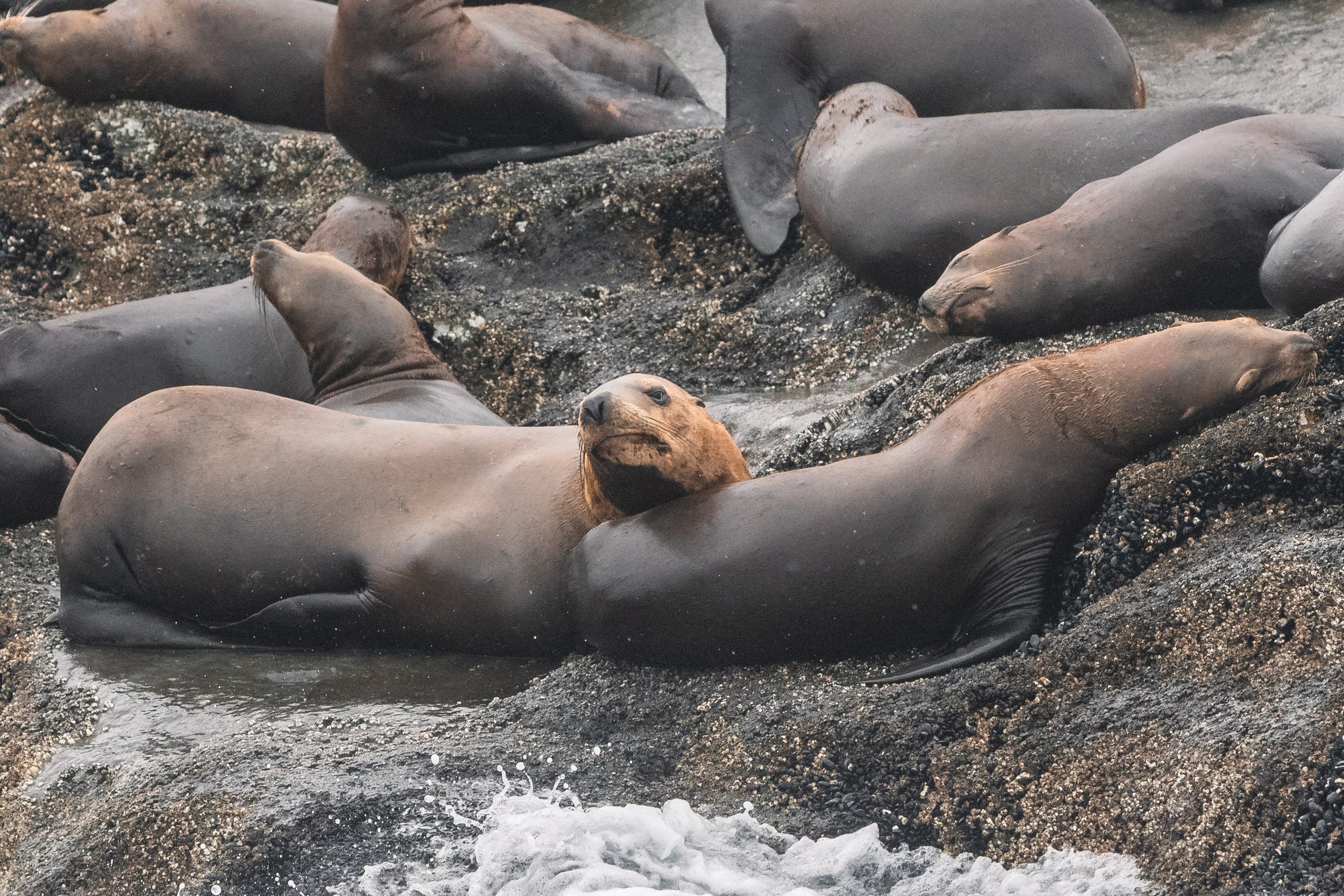
Sea lions will often use eachother as pillows. Photo by Jordan Robinson.
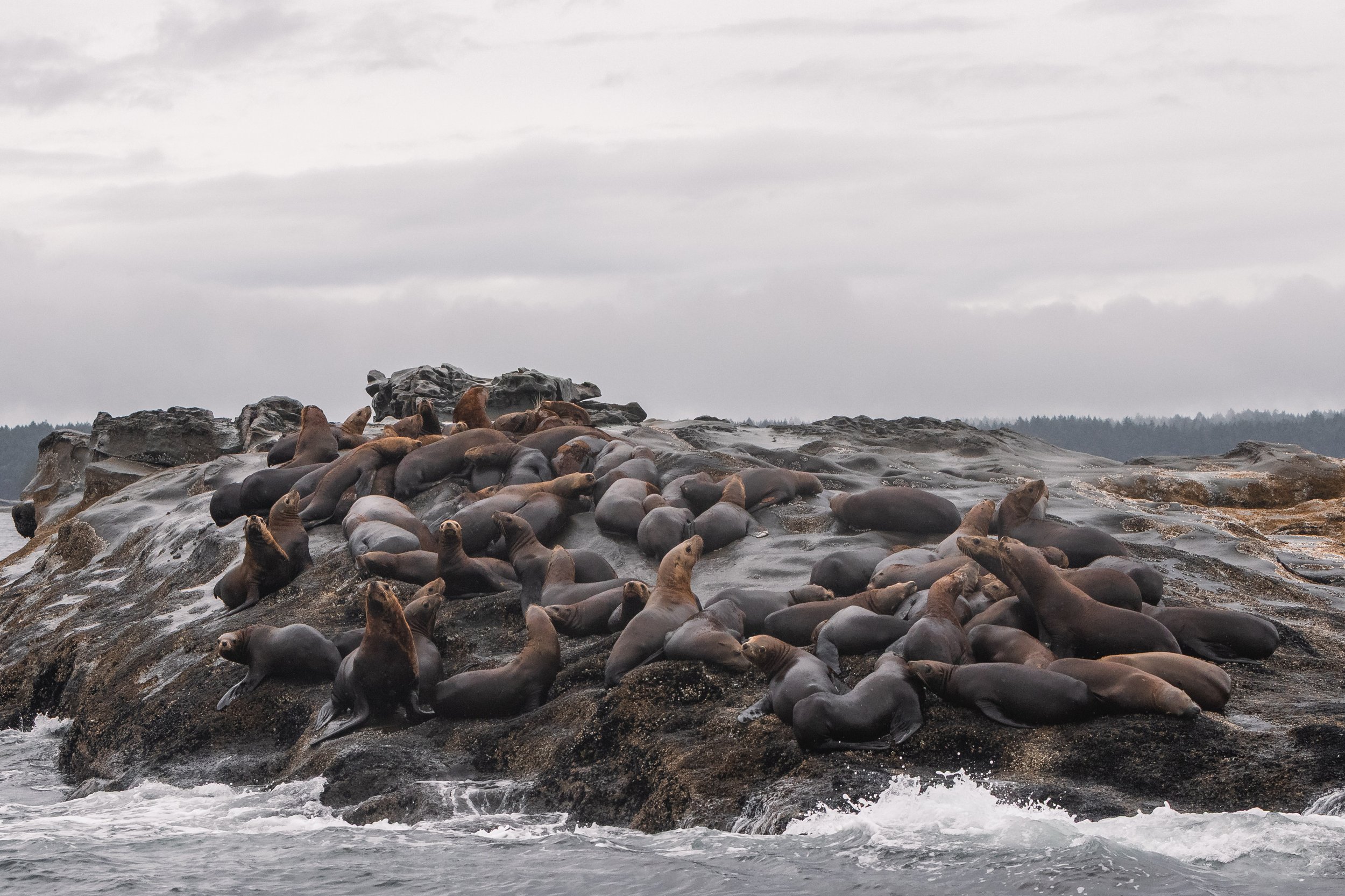
Stinky Rocks with its many inhabitants. Photo by Jordan Robinson.
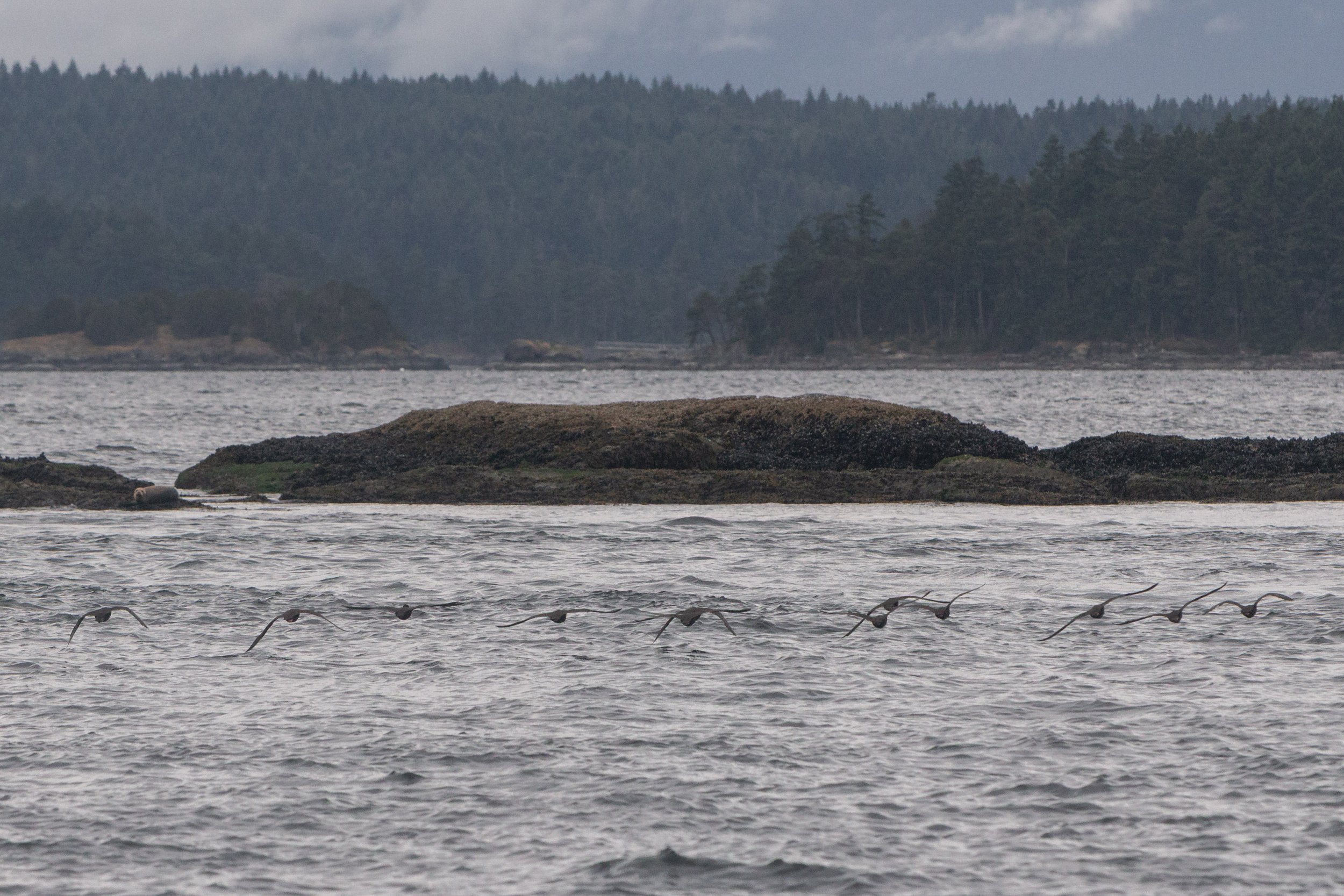
A flock flying by. Photo by Jordan Robinson.
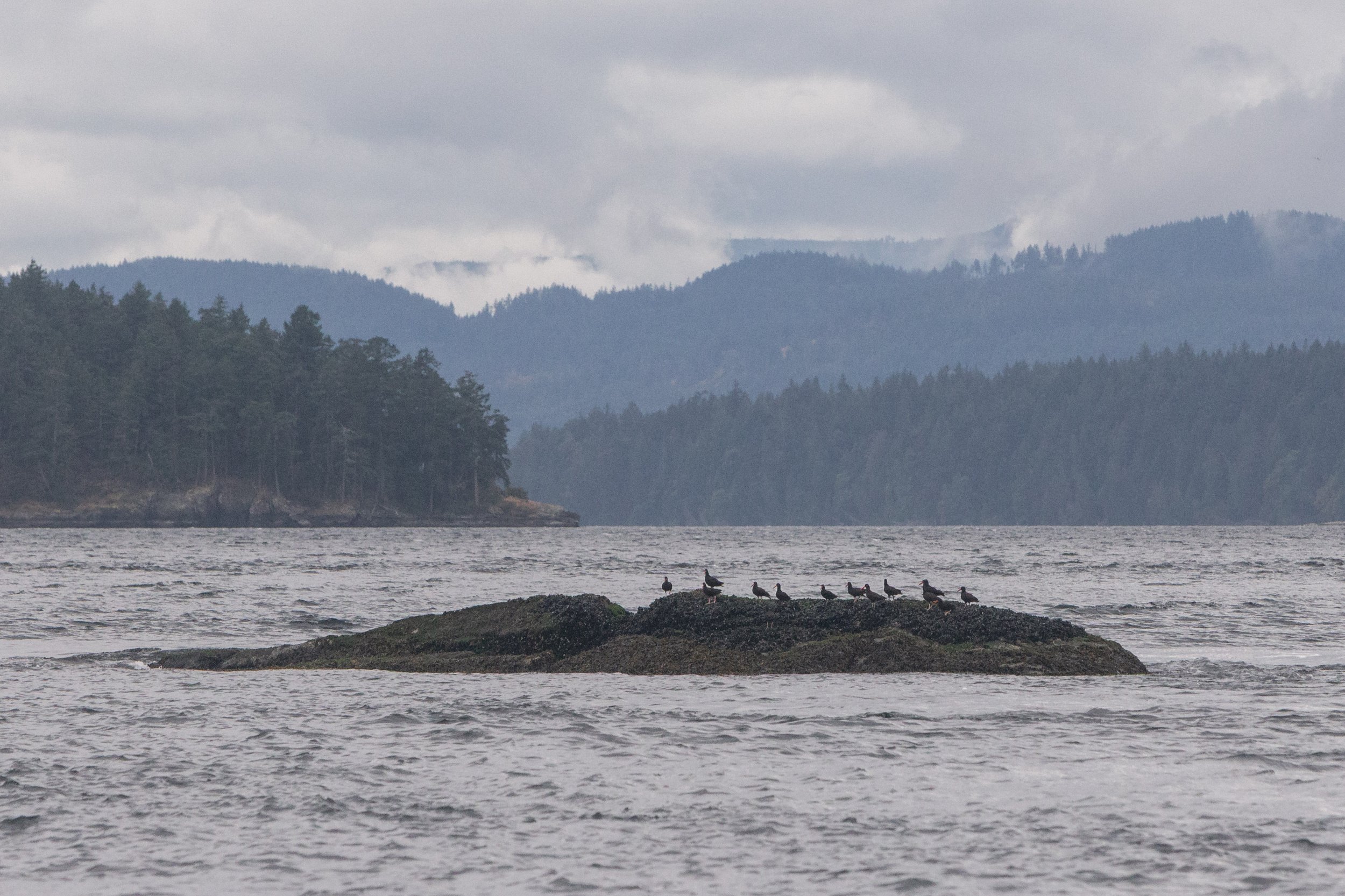
A parcel of Black Oystercatchers wandering on one of the tiny islands. Photo by Jordan Robinson.
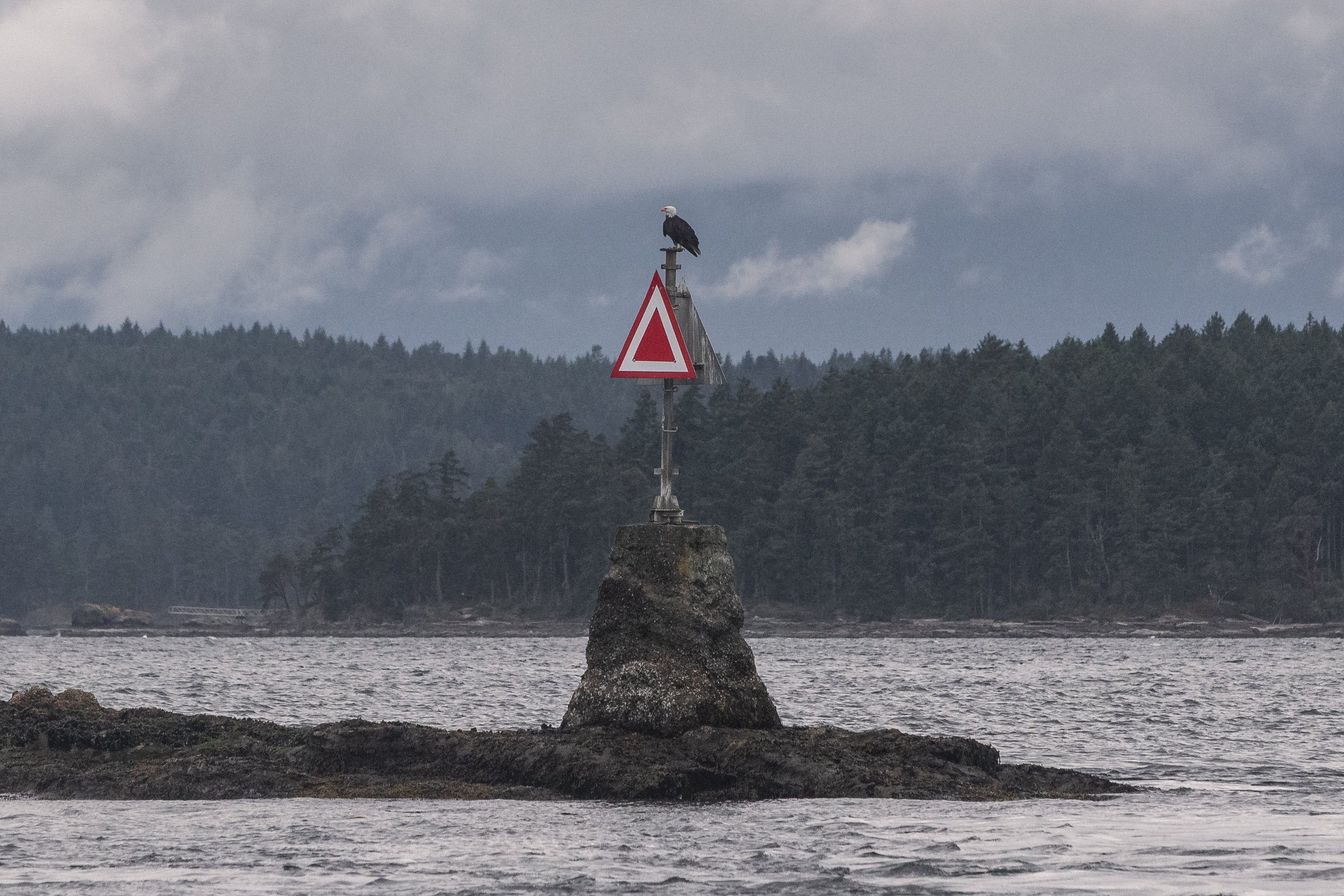
A Bald Eagle perched high up on a marker. Photo by Jordan Robinson.
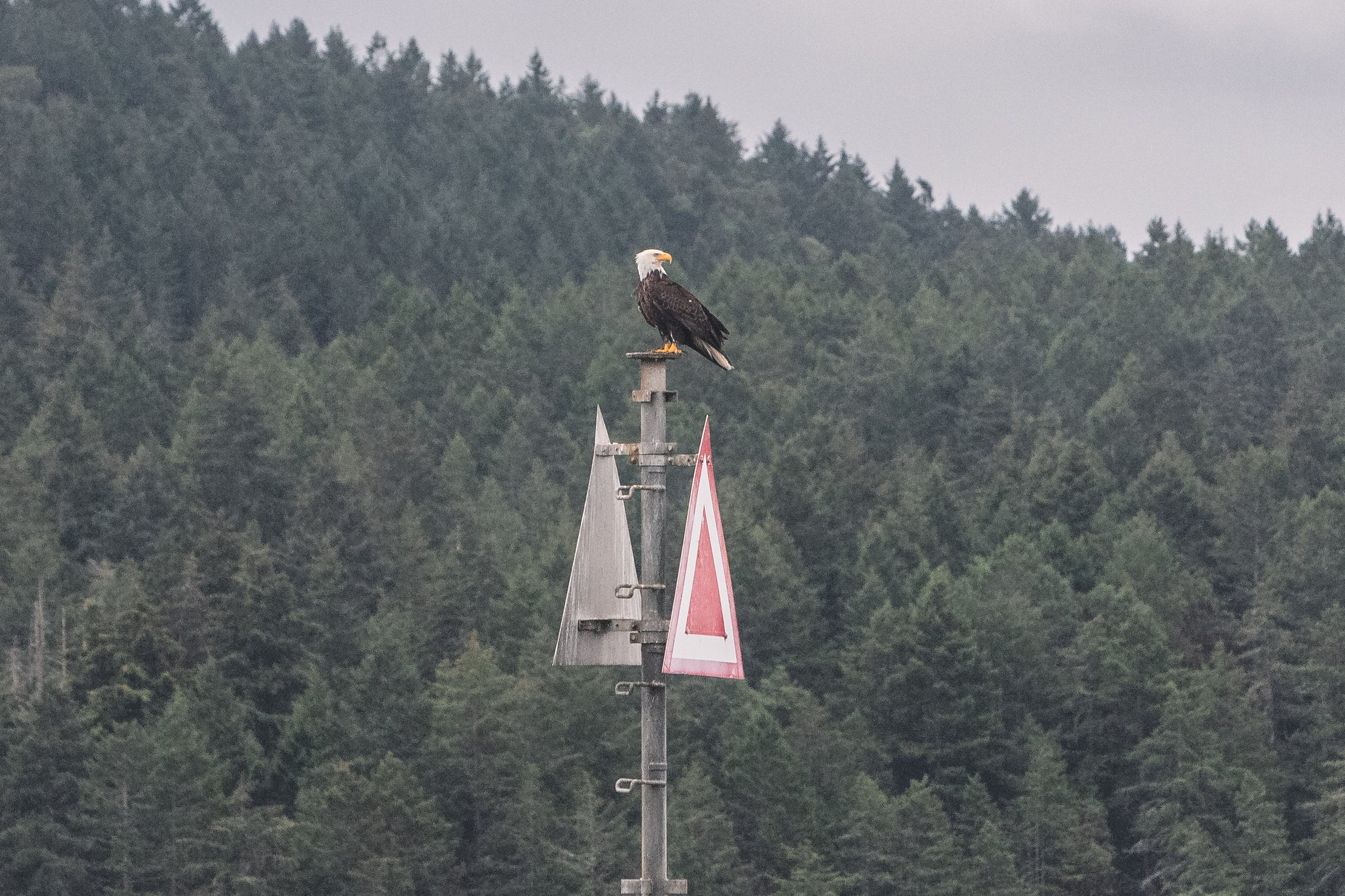
A better view of the Bald Eagle on the marker. Photo by Jordan Robinson.
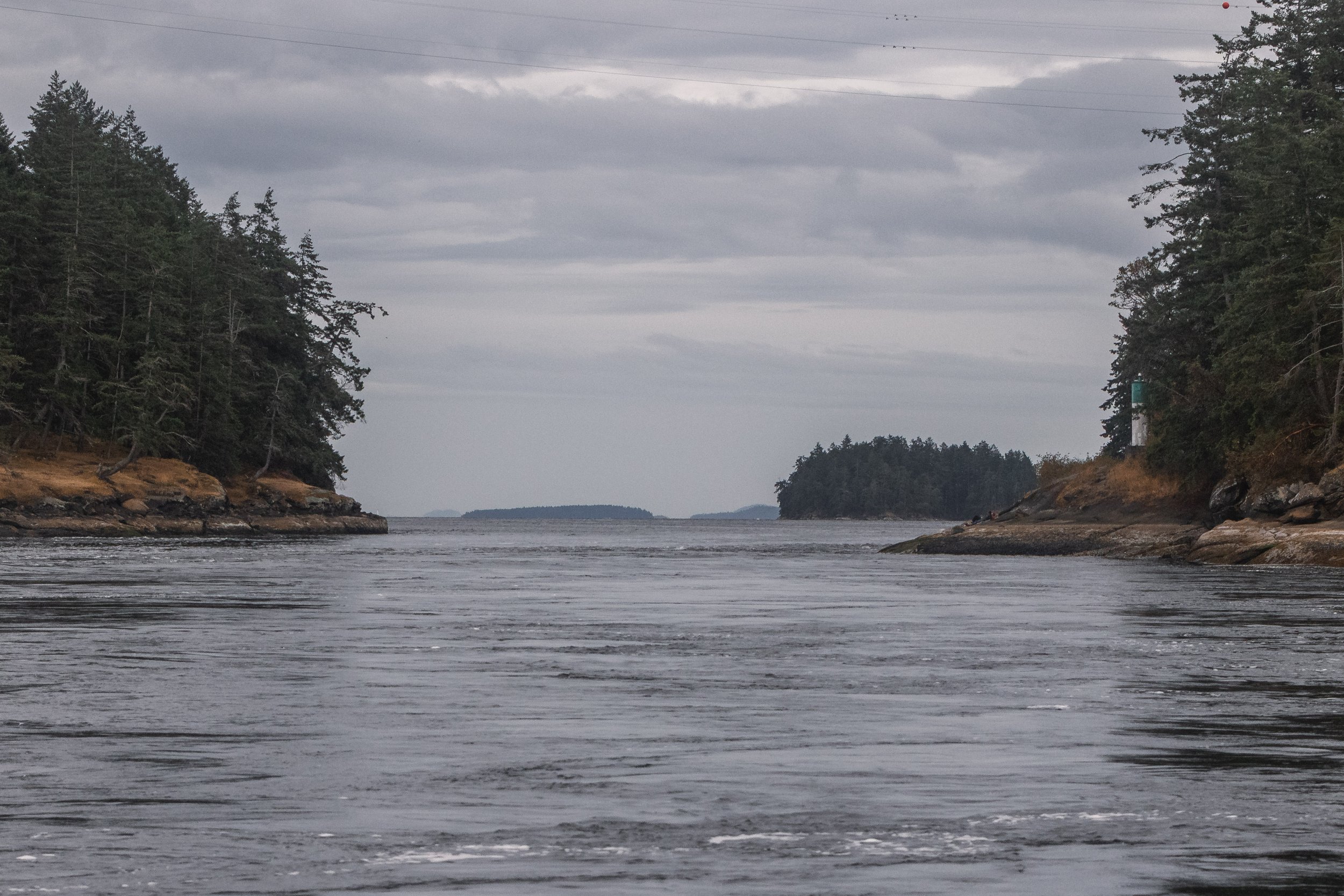
Looking at Dodd Narrows. Photo by Jordan Robinson.
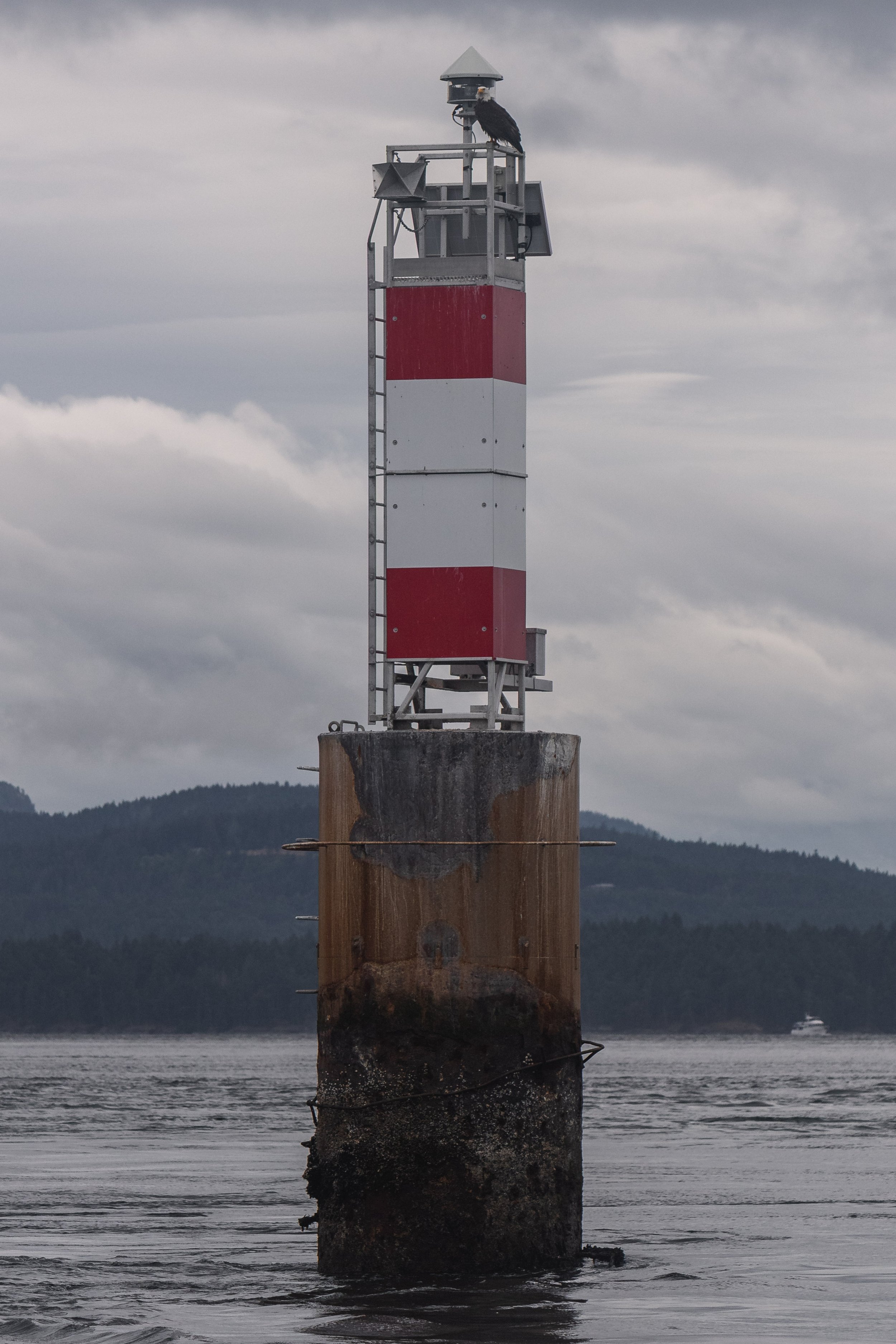
Another Bald Eagle on a marker. Photo by Jordan Robinson.
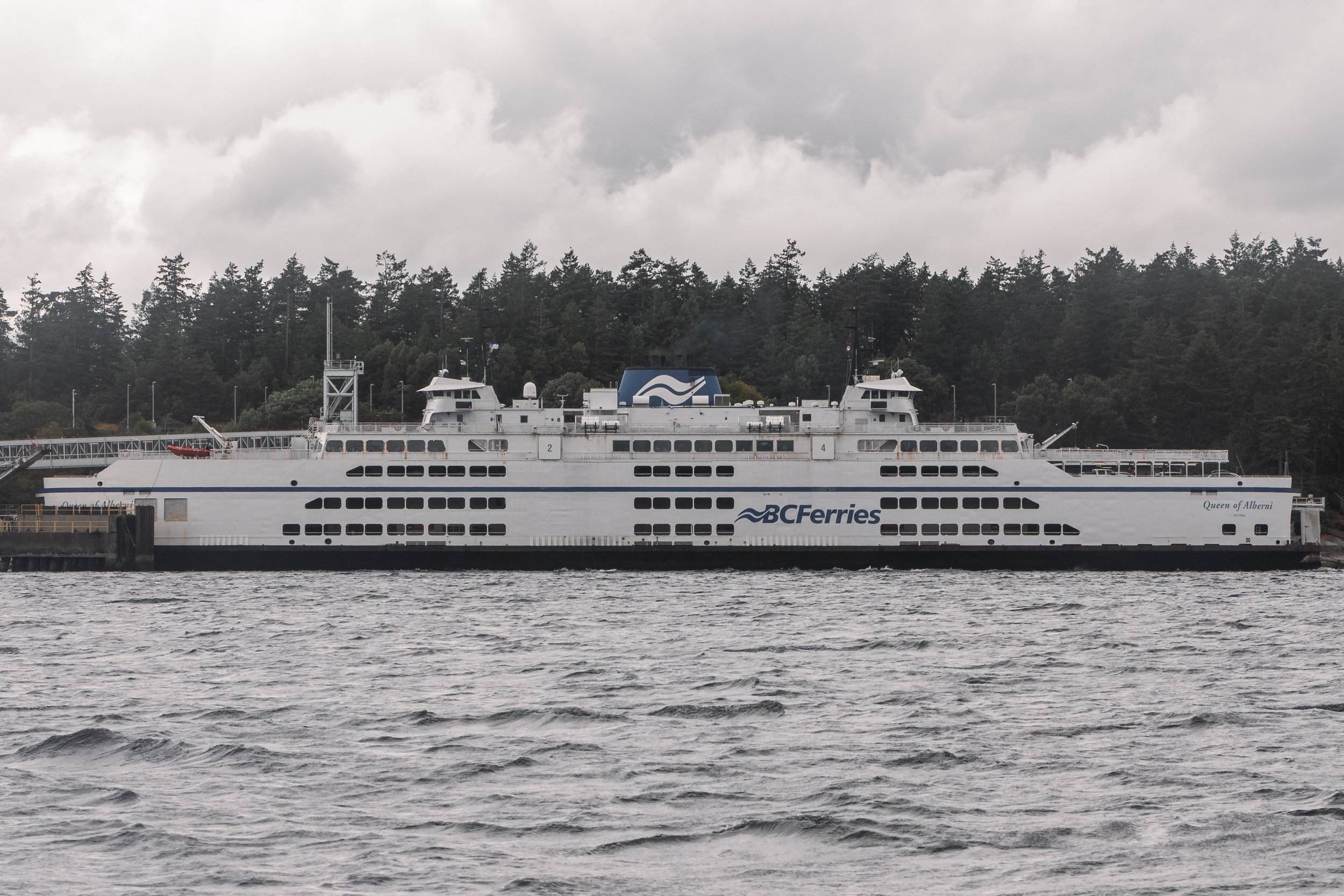
The Queen of Alberni in port. Photo by Jordan Robinson.