
July 7, 2026, 10:30 AM - Whale, whale, whale, look who we have here!
It was another beautiful, bright, sunny day here in the Salish Sea as guests loaded onto the boats excitedly to see what adventures the day would bring. Because it was a little wavy in the Georgia Strait, the crew decided that we would begin our search inside the Southern Gulf Islands, where the island themselves provide coverage from the wind and allow for a smooth ride. As we made our way south, we received a report of orcas nearby, so off we went to see what we could find. After arriving in the area, it didn’t take long for our expert naturalist Hayleigh to spot some big black dorsal fins surfacing close to shore. As our boats pulled within range of them, we quickly realized that these orcas were one of our best-known families in the area, collectively known as the T101S, and that they were in the middle of lunch.
T101 Reef ♀ (≤1969)
T101A Rush ♂ (1993)
T101B Lagoon ♂ (1997)
The T101’s are led by matriarch Reef, who spends her days travelling with her 2 adult sons, Rush and Lagoon. Transient orca typically travel in female-led family groups, where males tend to stay with their mothers for life, while females disperse when they begin to produce calves of their own. This is exactly what's happened with this particular family: the boys are still with Reef, but Reef’s daughter, Hutchins, has gone off and started her own family. Even though Hutchins has left her mother's side, this isn’t the end of their relationship. Much like humans, Transient orcas that have dispersed are known to return to their families for a nice visit. Today, however, Hutchins wasn’t present for a delicious family meal, presumably of Harbour Seal.
Harbour seals are thought to make up the majority of a Transient Killer Whales diet and although we weren’t present for the actual hunt, based on the location of the hunt, it’s likely that this i what they had hunted. While we watched this family food sharing we were lucky enough to witness several tail slaps and even moonwalking from Reef! Moon walking is a behaviour that is well documented in Transient Killer Whales, this is where we see the orcas flip their tail out of the water and proceed to surface backwards. It’s thought that when they are doing this, they are tearing bites off their prey so they can consume it.
As we were enjoying our time with the T101’s we received word that another whale watching boat was with more orcas nearby, so we headed off to spend some time with them. When we arrived, we noticed another family of 3, but these were the T124A2s, and they were displaying significantly different behaviour: rather than splashing and eating, matriarch Elkugu, along with her 2 calves, Agafia and Litton, was taking a relaxing nap in the waves.
T124A2 Elkugu ♀ (2001)
T124A2A Agafia ♂ (2013)
T124A2B Litton ♀ (2016)
While sleeping whales might not sound thrilling, the behaviour is not all that different from typical travel behaviour. The difference is that we tend to get more surface time because they fall into a rhythmic breathing pattern rather than a dive pattern. What’s truly fascinating about orcas’ sleep is that they never truly sleep. Instead, they rest half their brain at a time. This means that orcas literally sleep with one eye open; half their brain sleeps while the other half is awake, and one eye is closed while the other is open. This allows orcas to continue swimming and surfacing for air.
After our stint with our second set of orcas, we went to our favourite pinniped haul-out, and then our two boats split up on their way back to Nanaimo. Our guests on the open boat got to stop in and look at the Gabriola bluffs where the cormorants nest, and the guests on Kula stumbled on 2 humpbacks, BCX1251 Orion and KEY0067, who gave us some beautiful fluke shots as they travelled along in the Georgia Strait. If you would like to see the photos from today’s trip, you can check them out below!
Photos taken by natrualists Aly Kohlman and Hayleigh Hilbert.
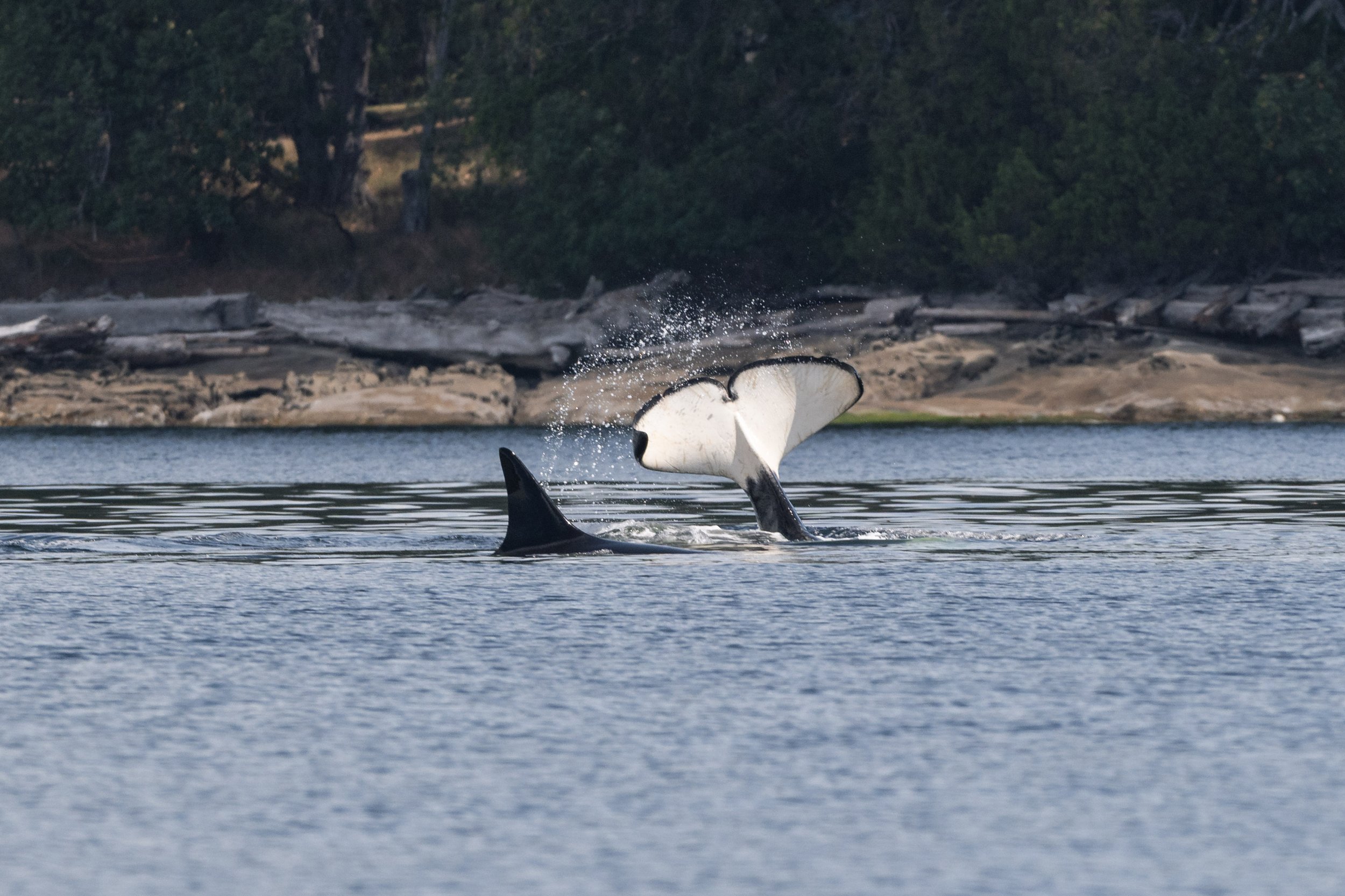
Flukes up! Photo by Aly Kohlman
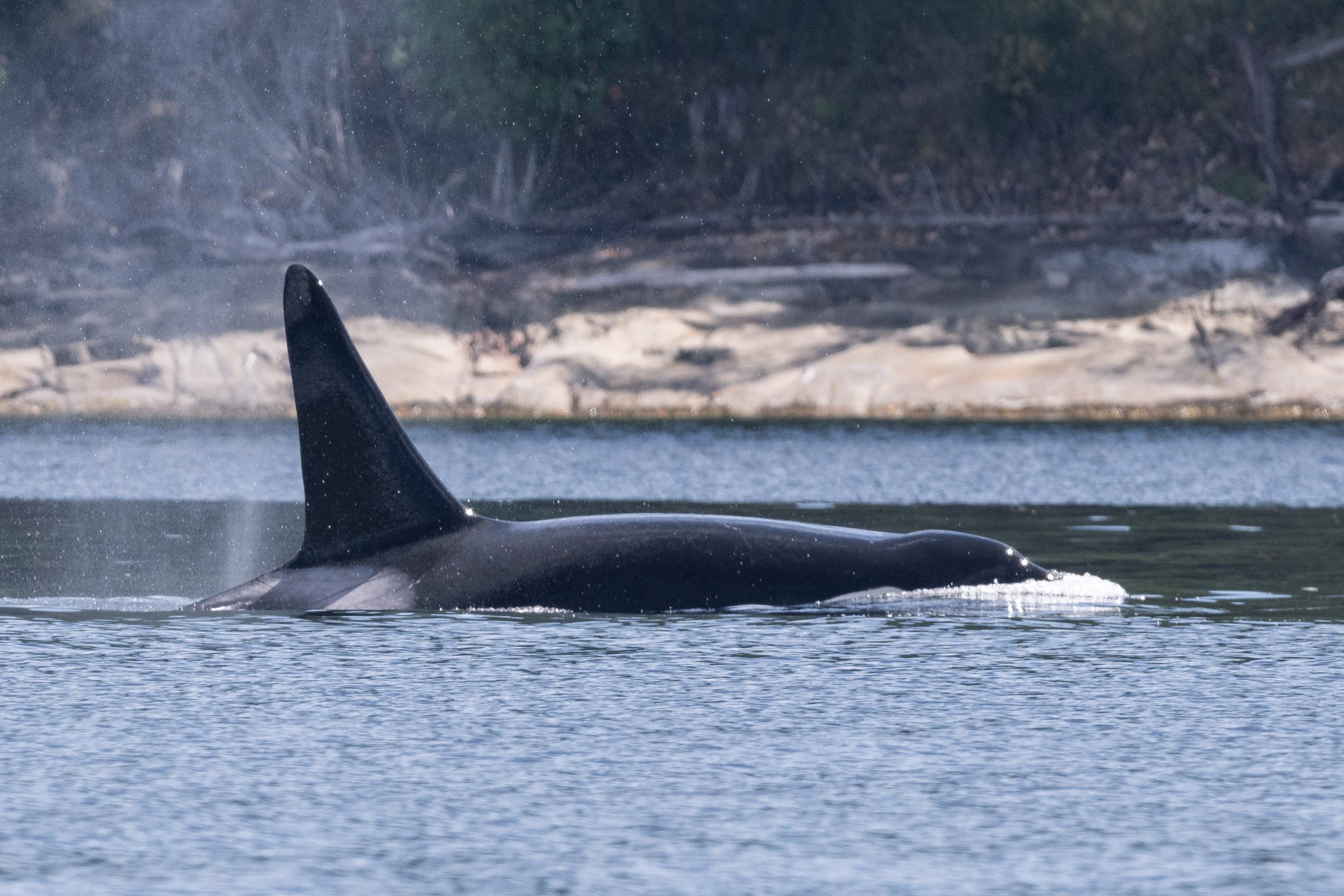
Rush coming up for a breath. Photo by Aly Kohlman
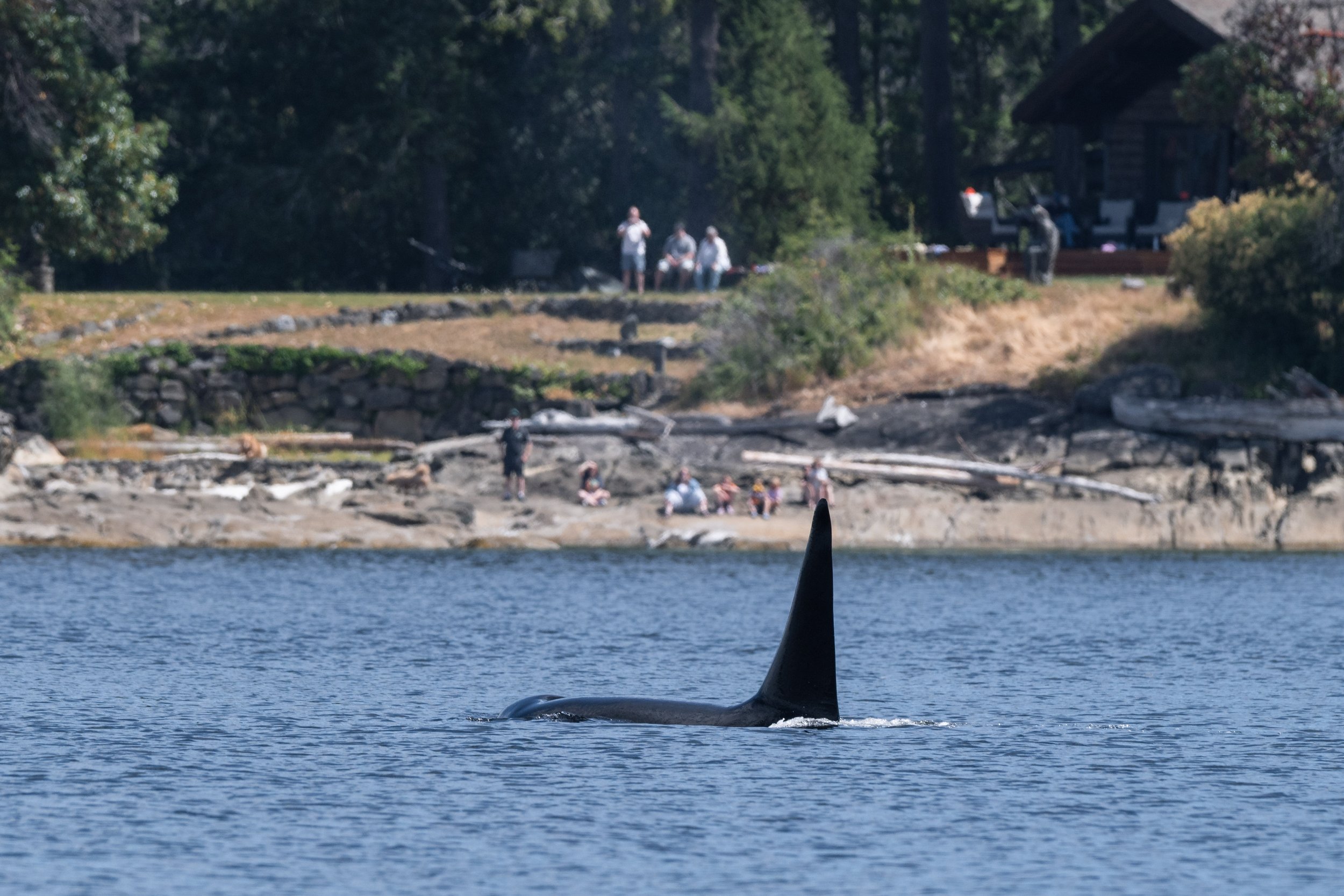
People watching Lagoon from shore. Photo by Aly Kohlman
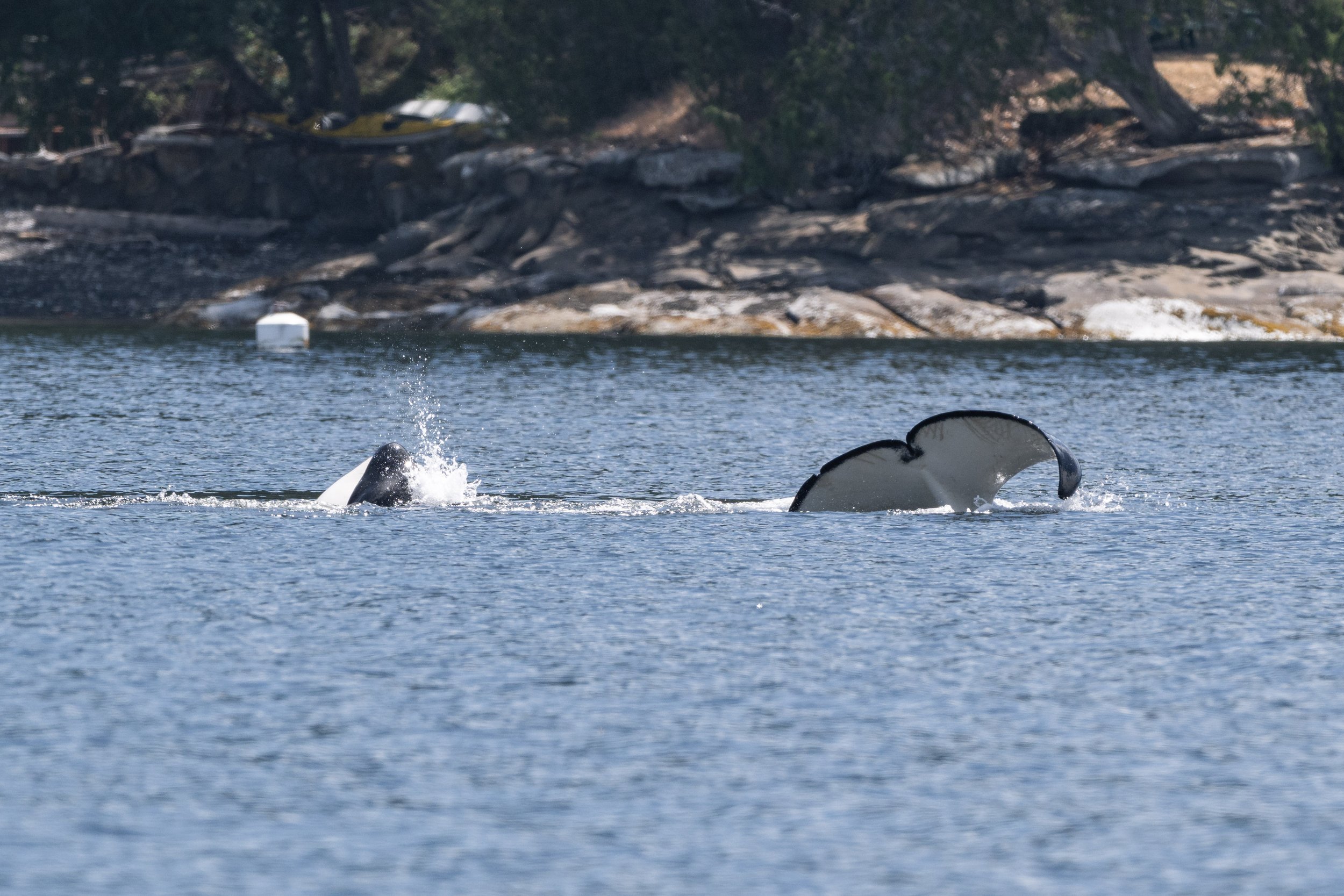
The brothers food sharing. Photo by Aly Kohlman
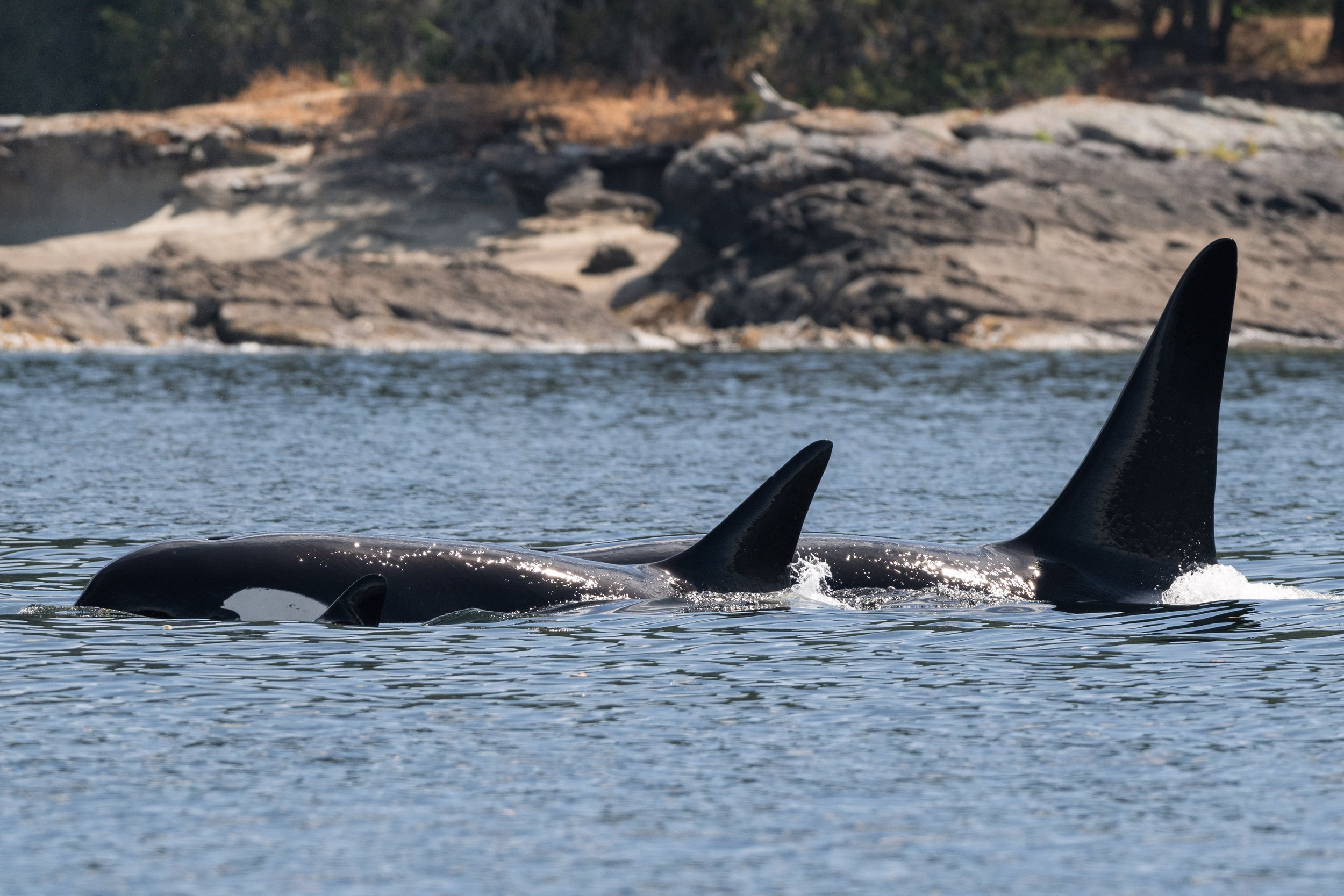
Reef surfacing with Rush behind her. Photo by Aly Kohlman
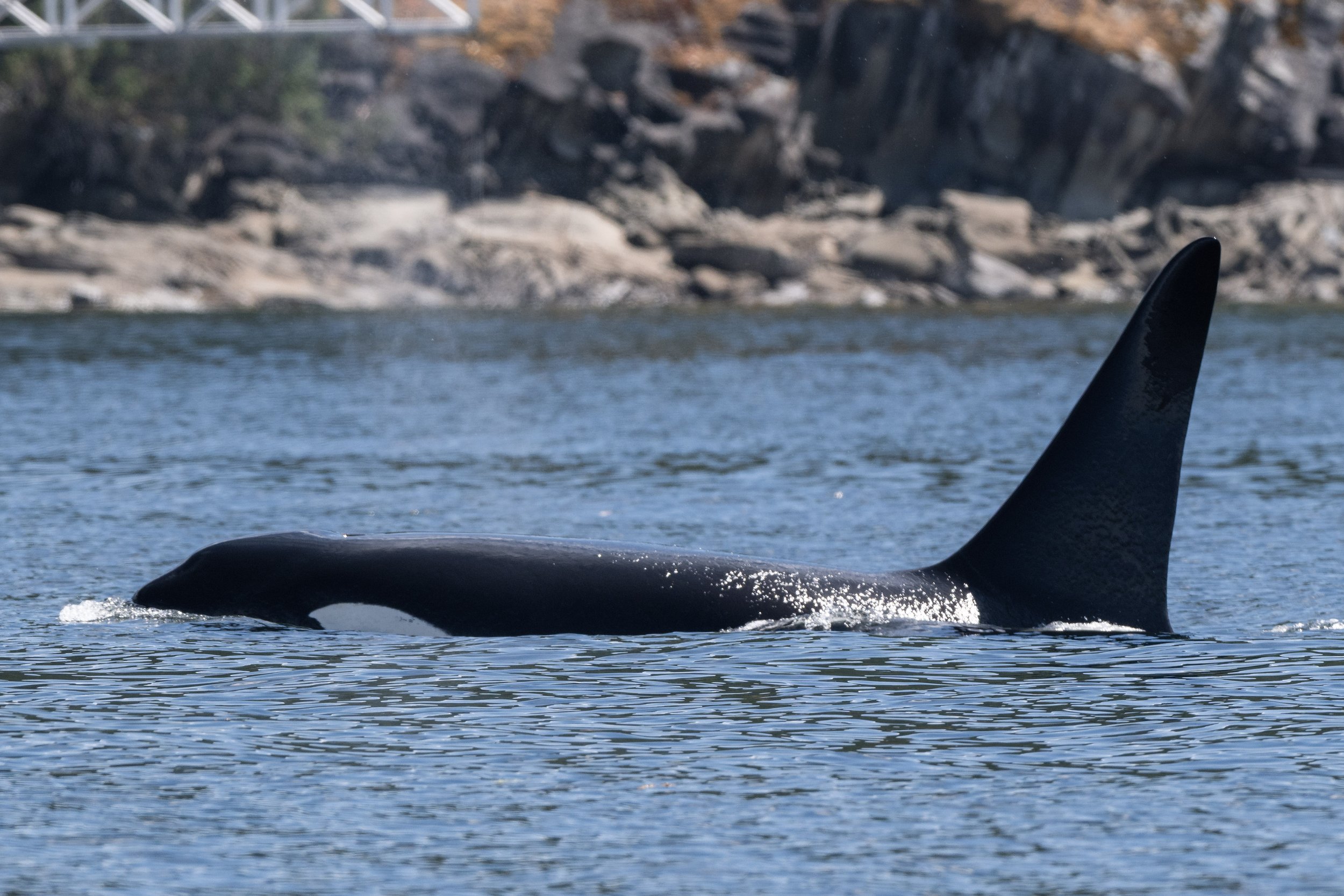
Did you know we can identify orcas by their eyepatches? This one is Rush. Photo by Aly Kohlman
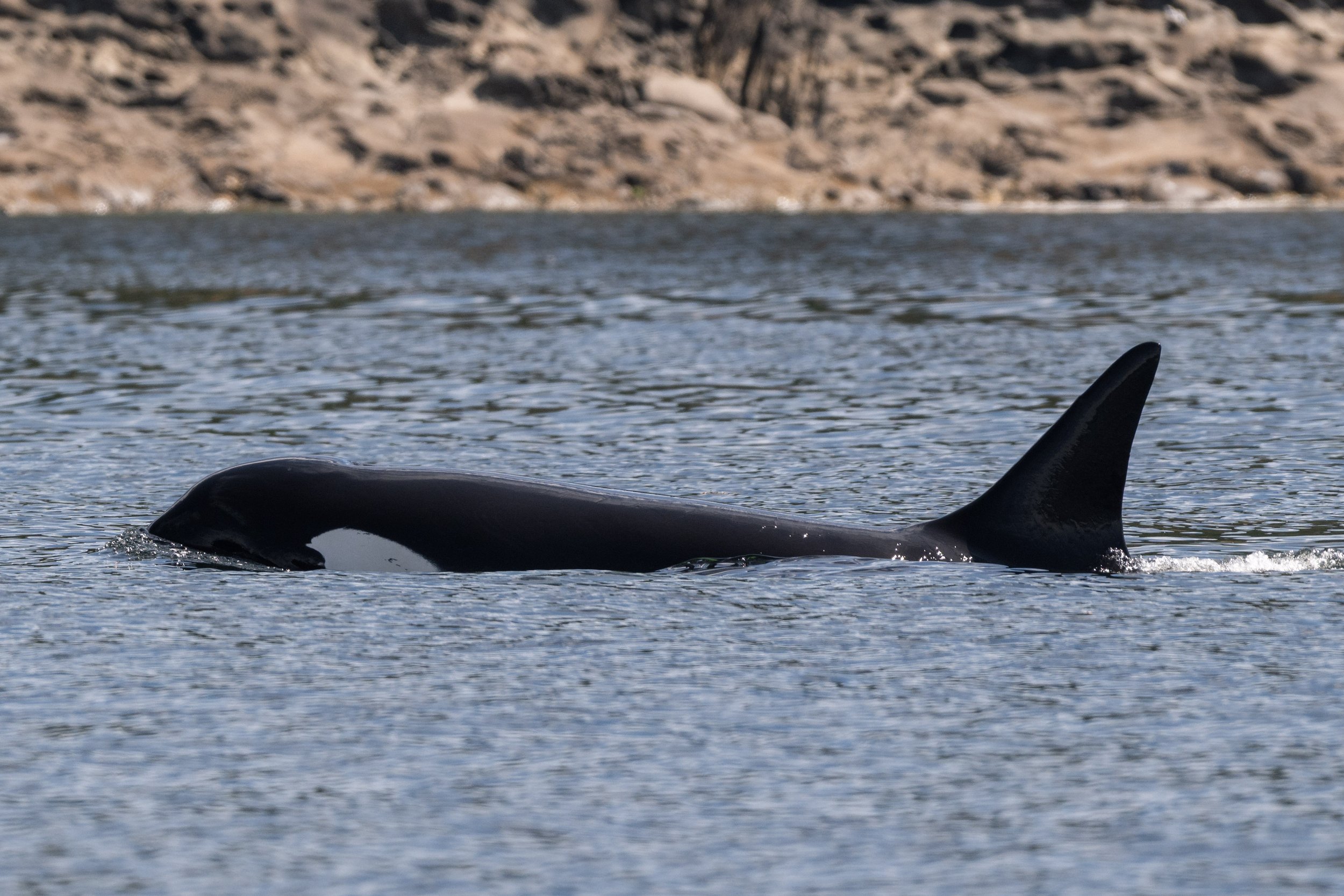
Reef has a cute little freckle in her eyepatch. Photo by Aly Kohlman
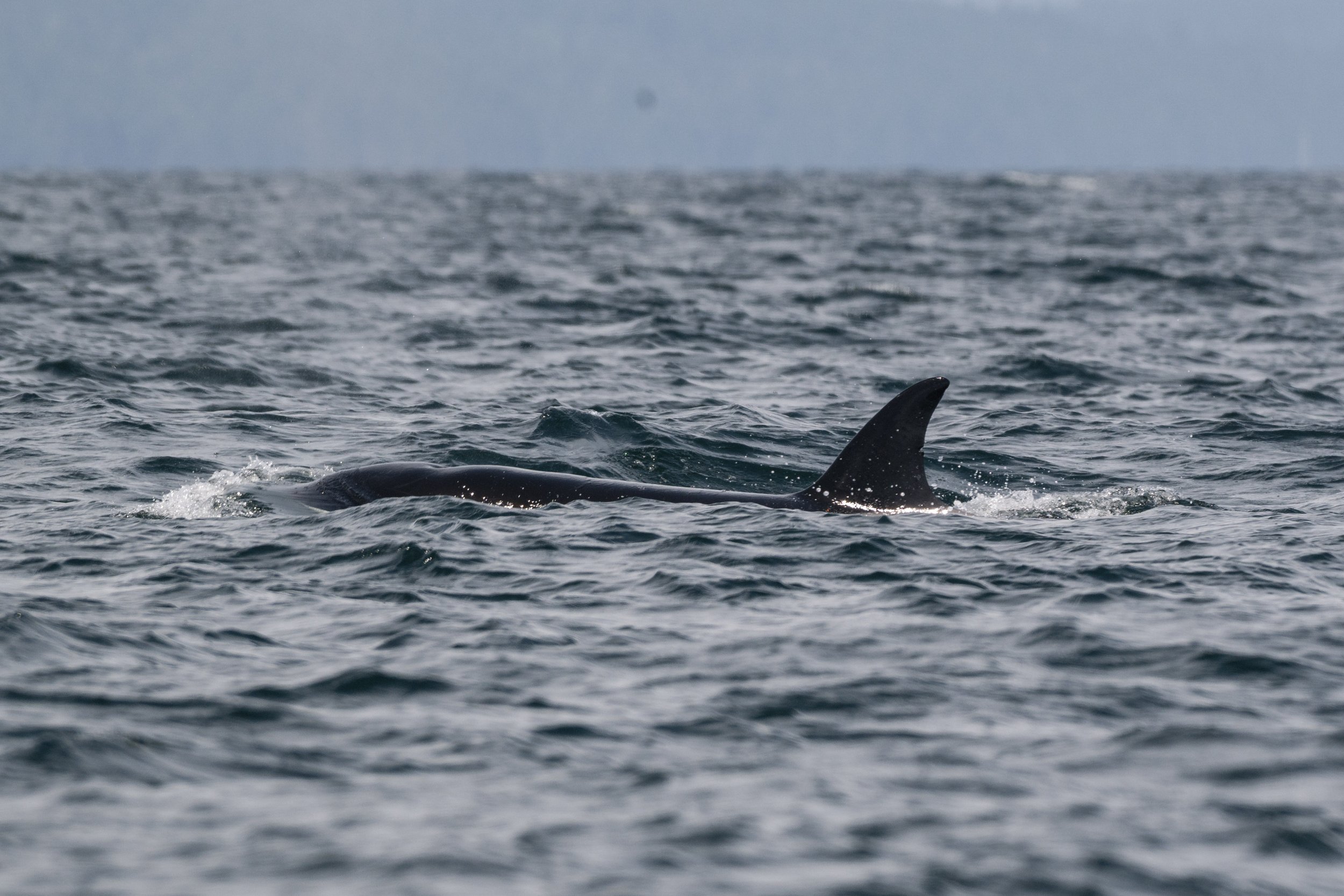
Litton taking a relaxing nap in the waves. Photo by Aly Kohlman
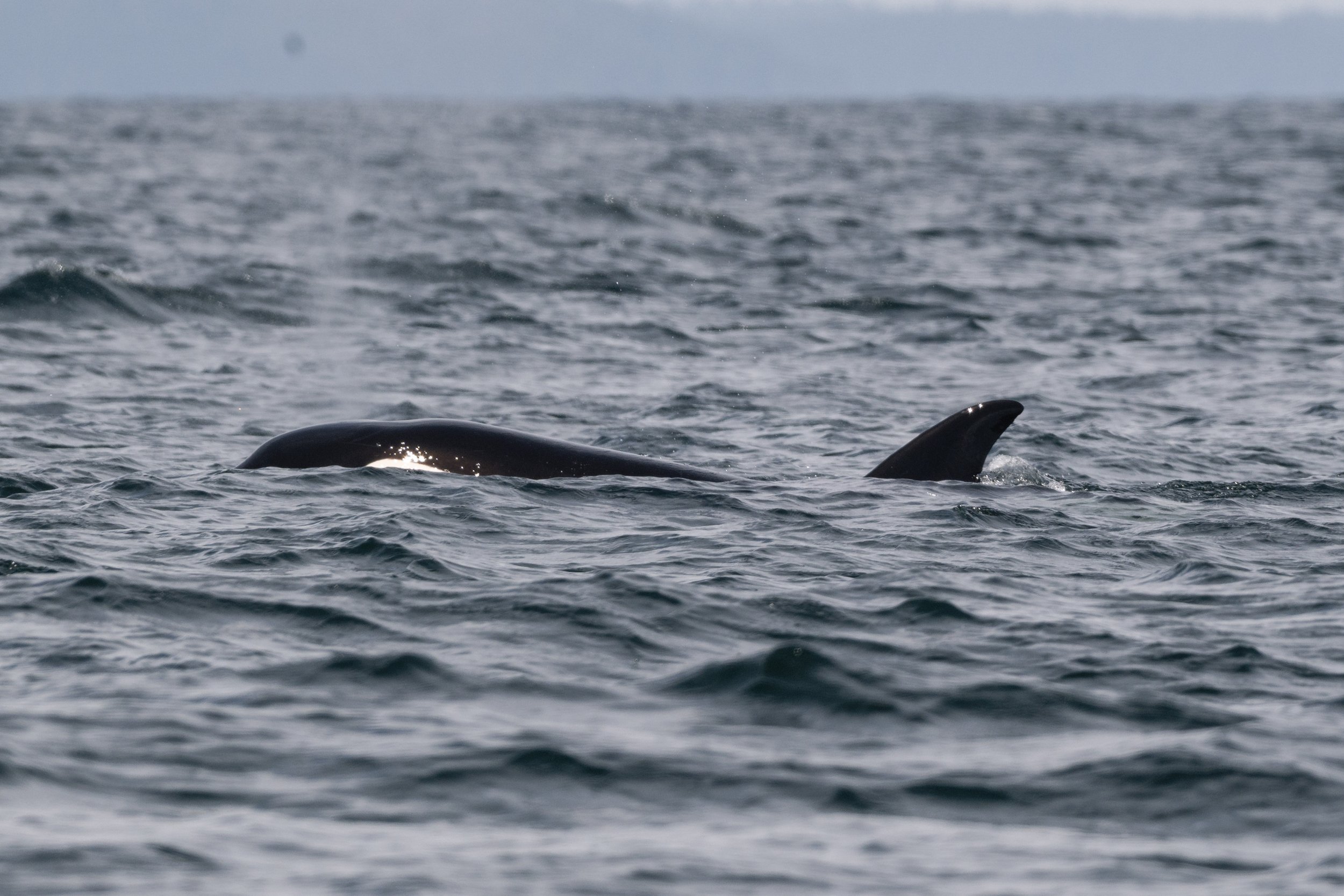
Coming up for a breath. Photo by Aly Kohlman
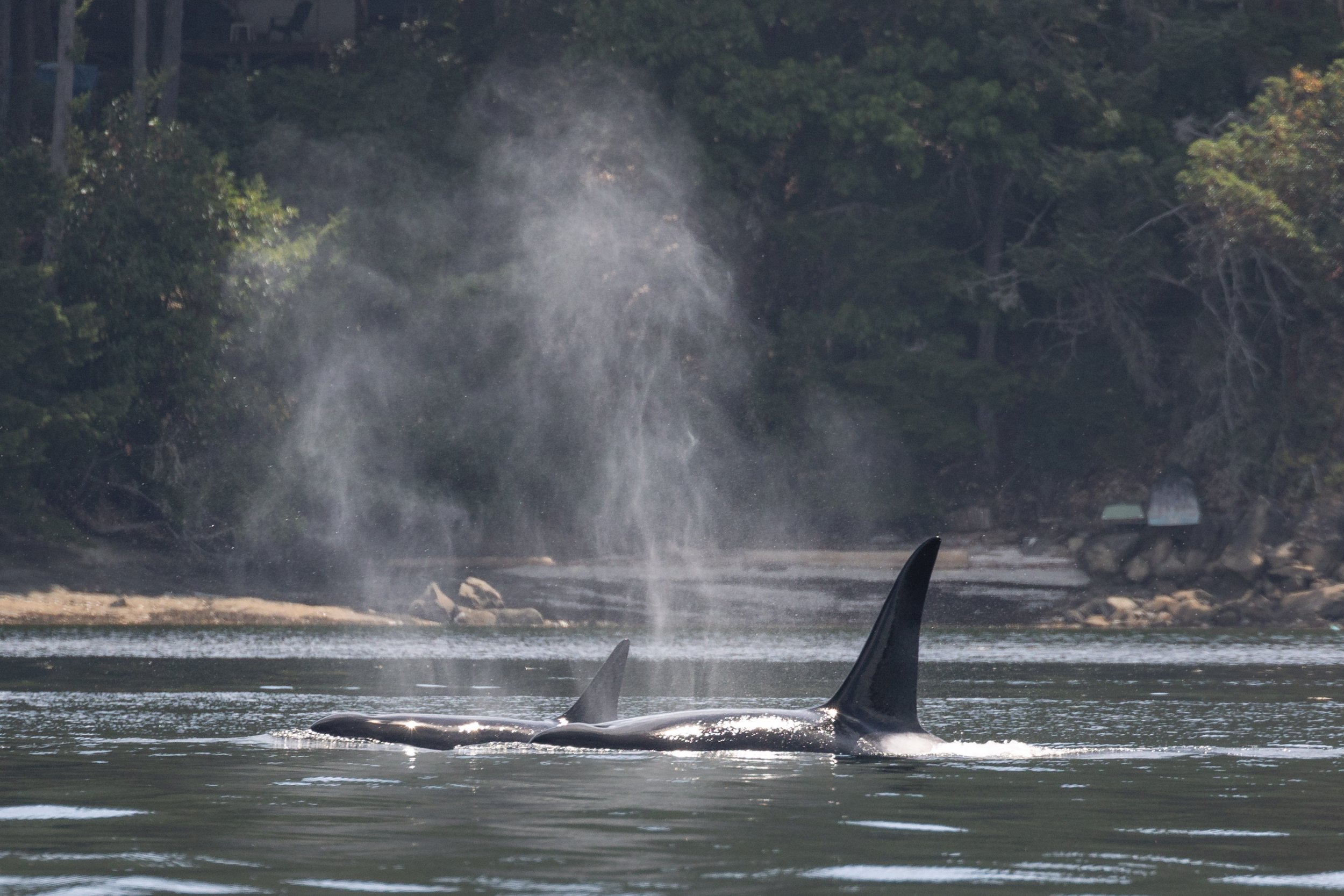
Backlit blows for Reef and Rush. Photo by Hayleigh Hilbert
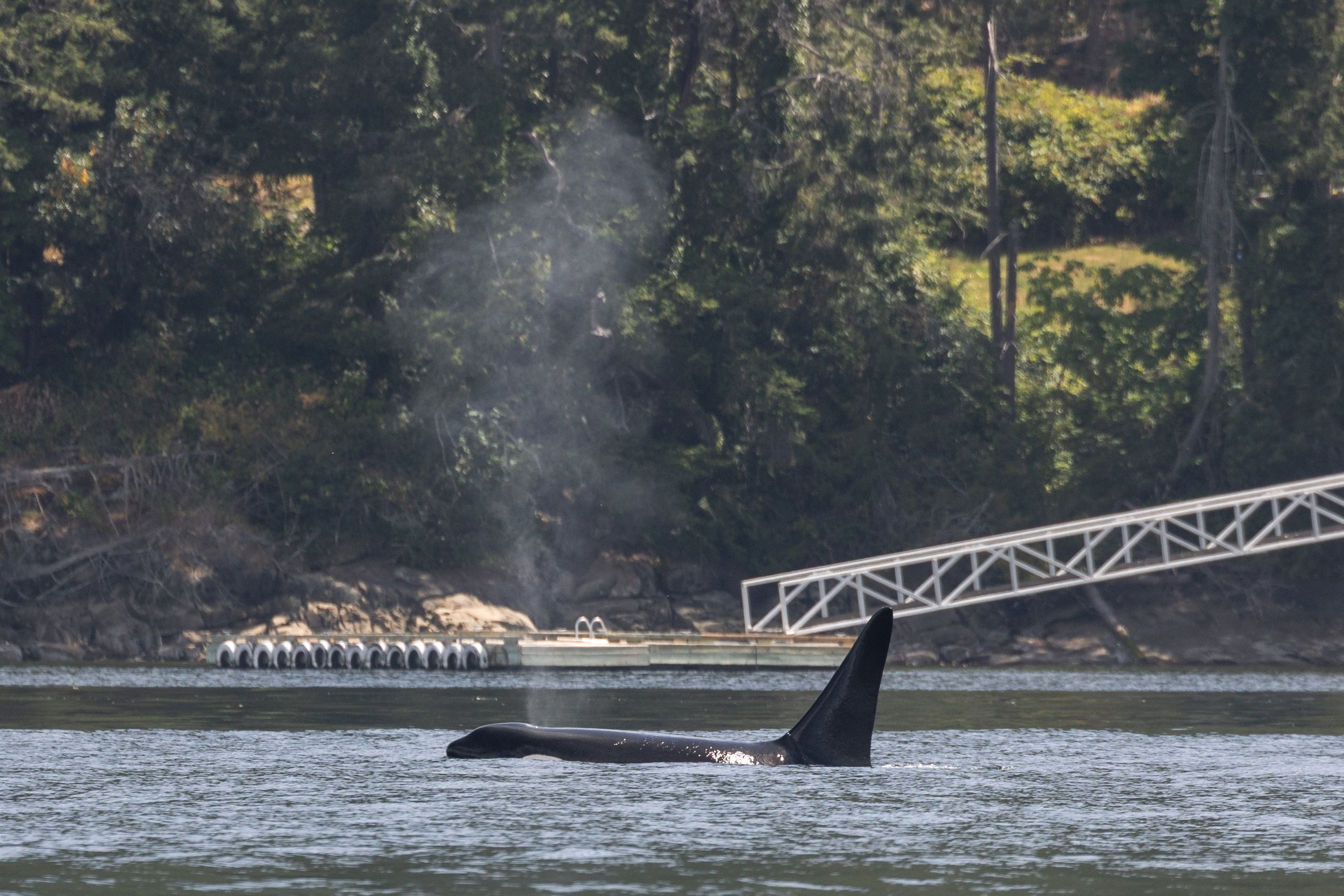
Beautiful scenic shotof Rush. Photo by Hayleigh Hilbert
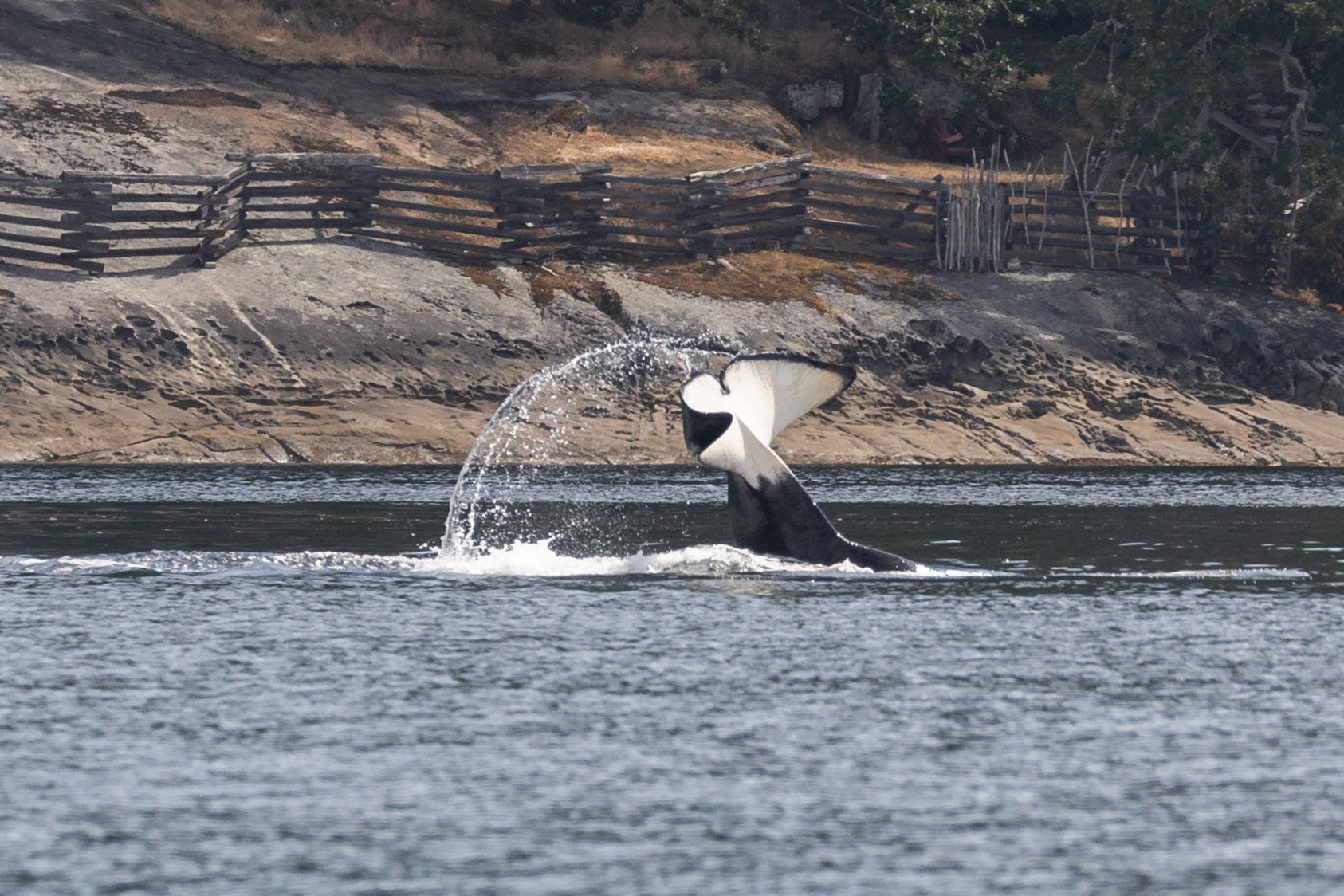
Did you know male orca tails curve inwards? Photo by Hayleigh Hilbert
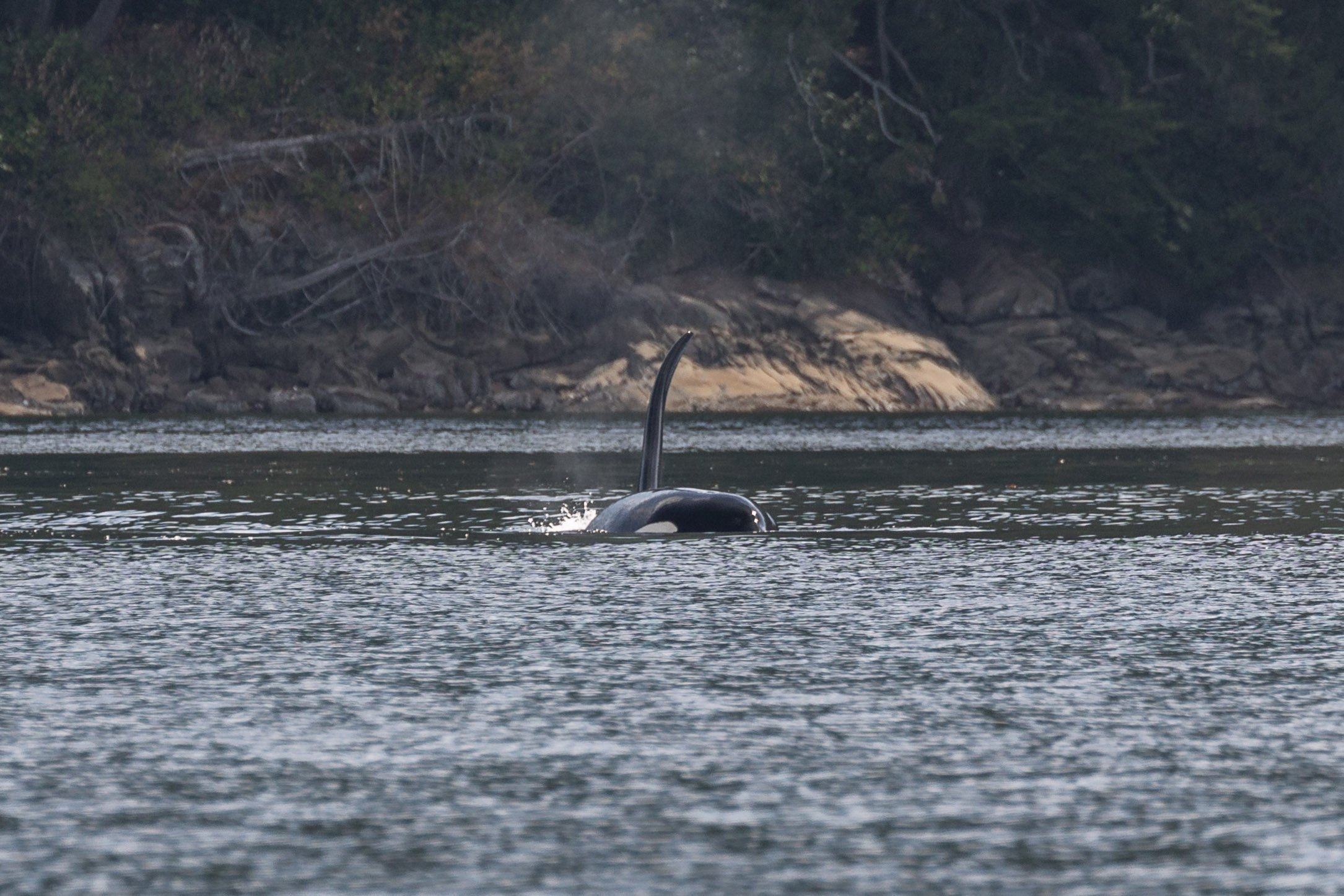
Rush head on! Photo by Hayleigh Hilbert
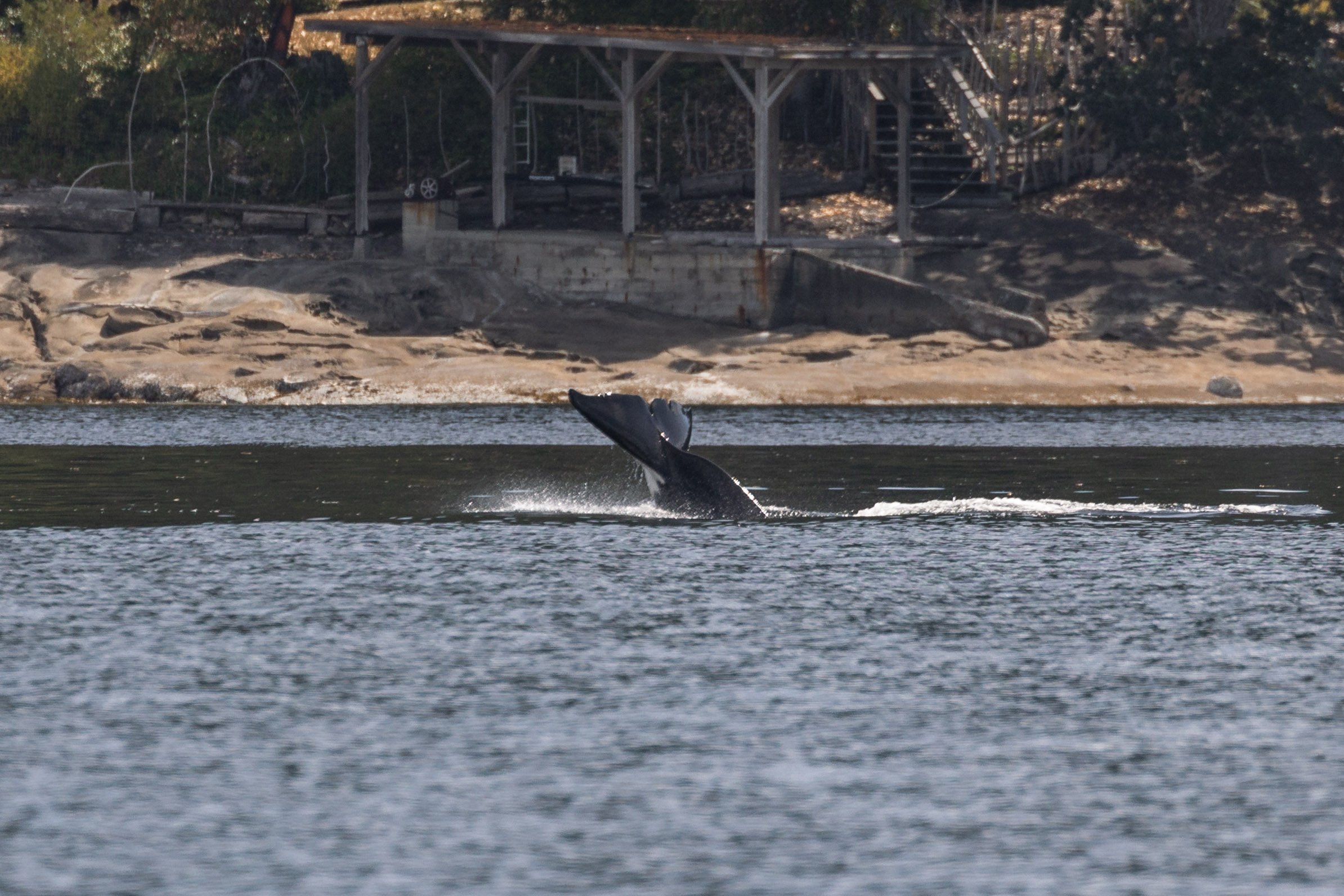
Reef at the start of her moonwalk. Photo by Hayleigh Hilbert
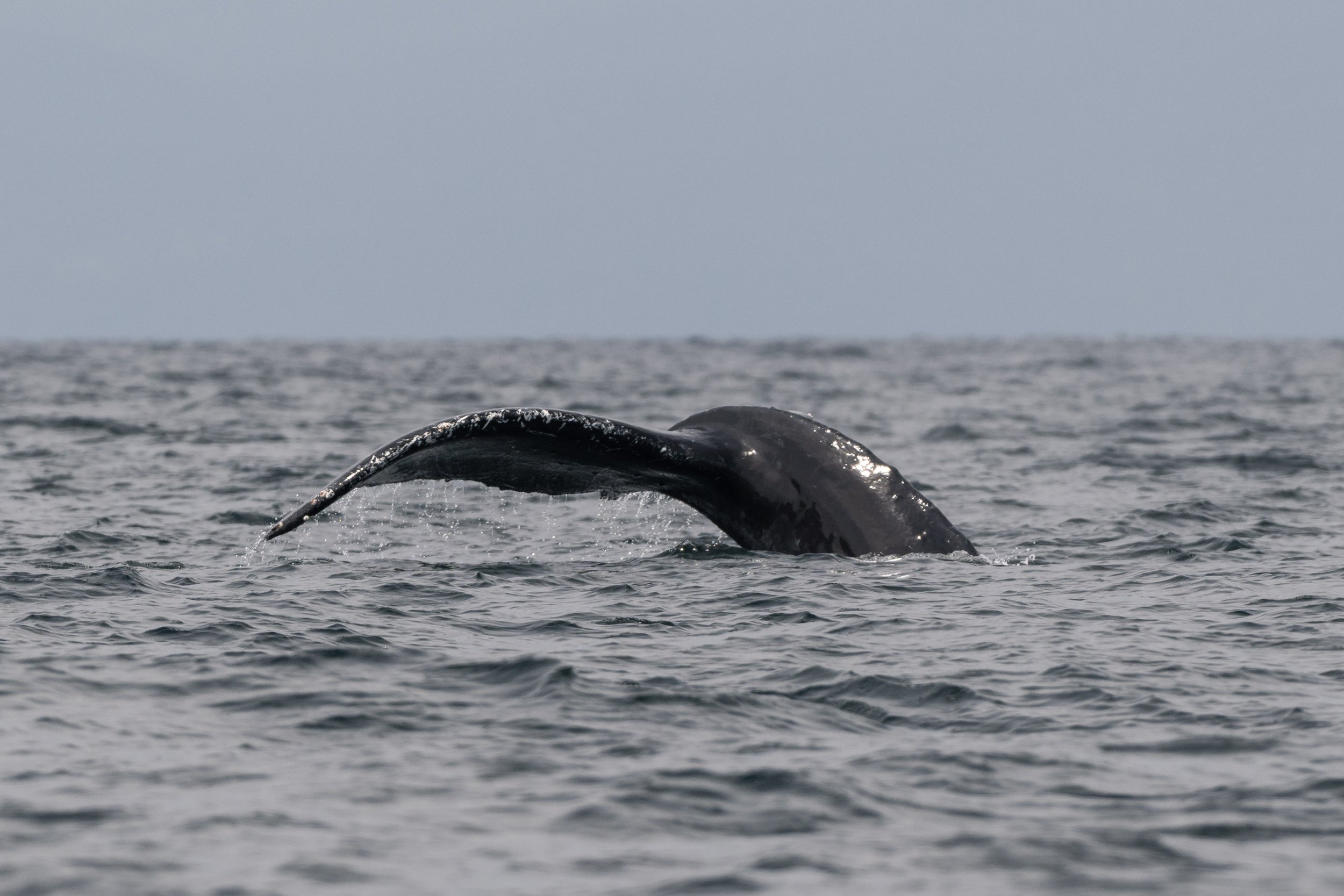
A beautiful fluke shot. Photo by Aly Kohlman
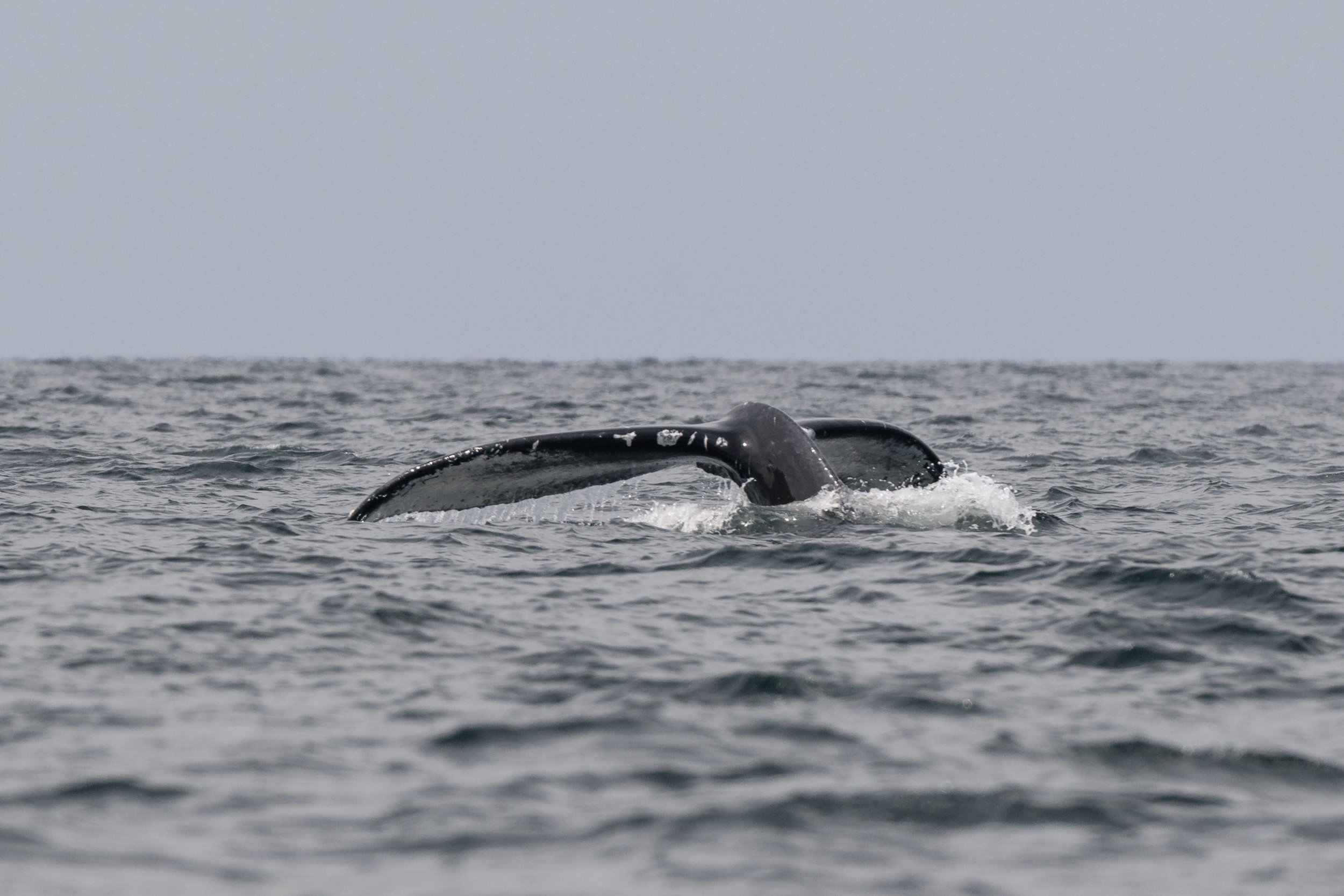
KEY0067 doesn’t have a name yet, what would you name them? Photo by Aly Kohlman
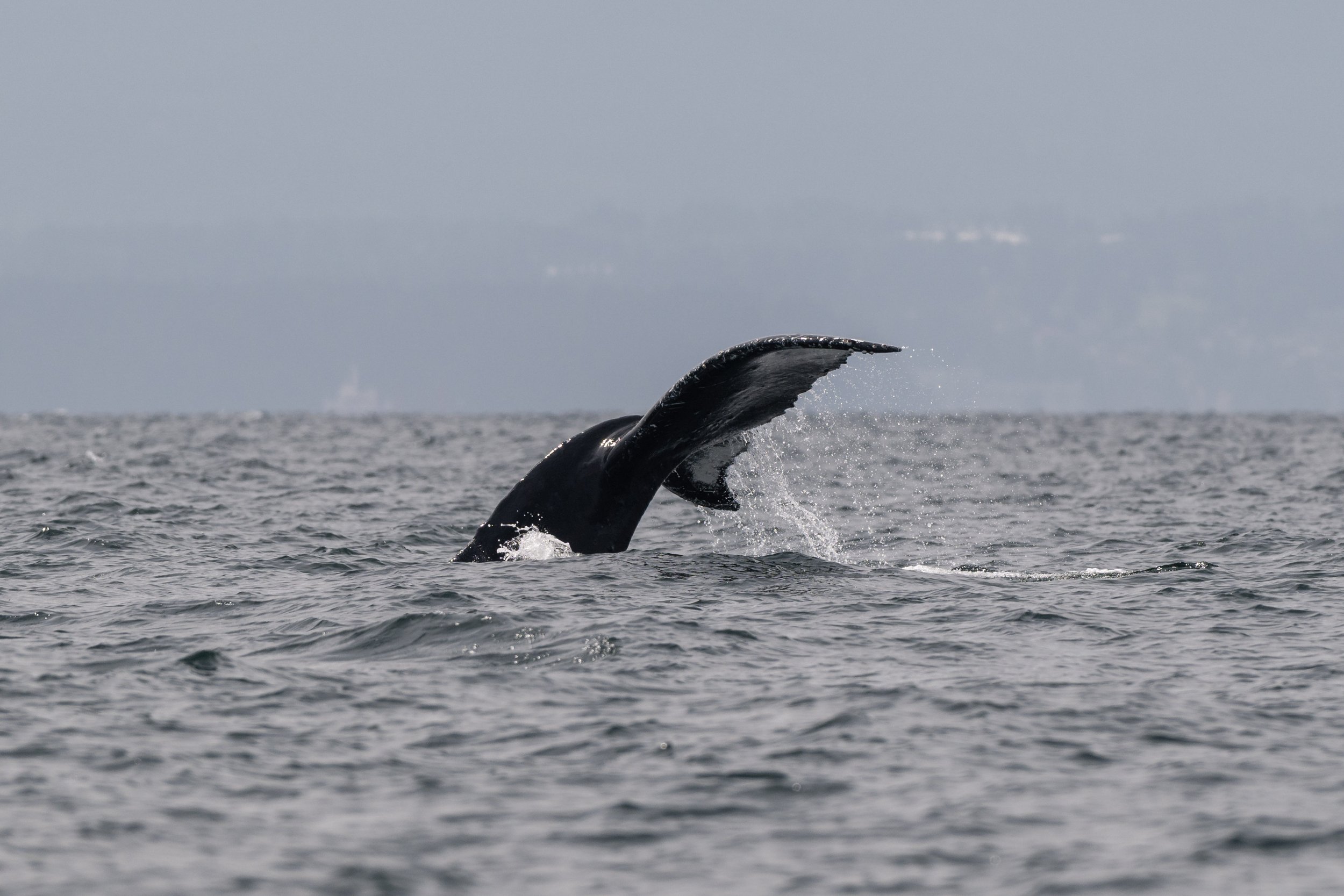
Orion going for a dive. Photo by Aly Kohlman
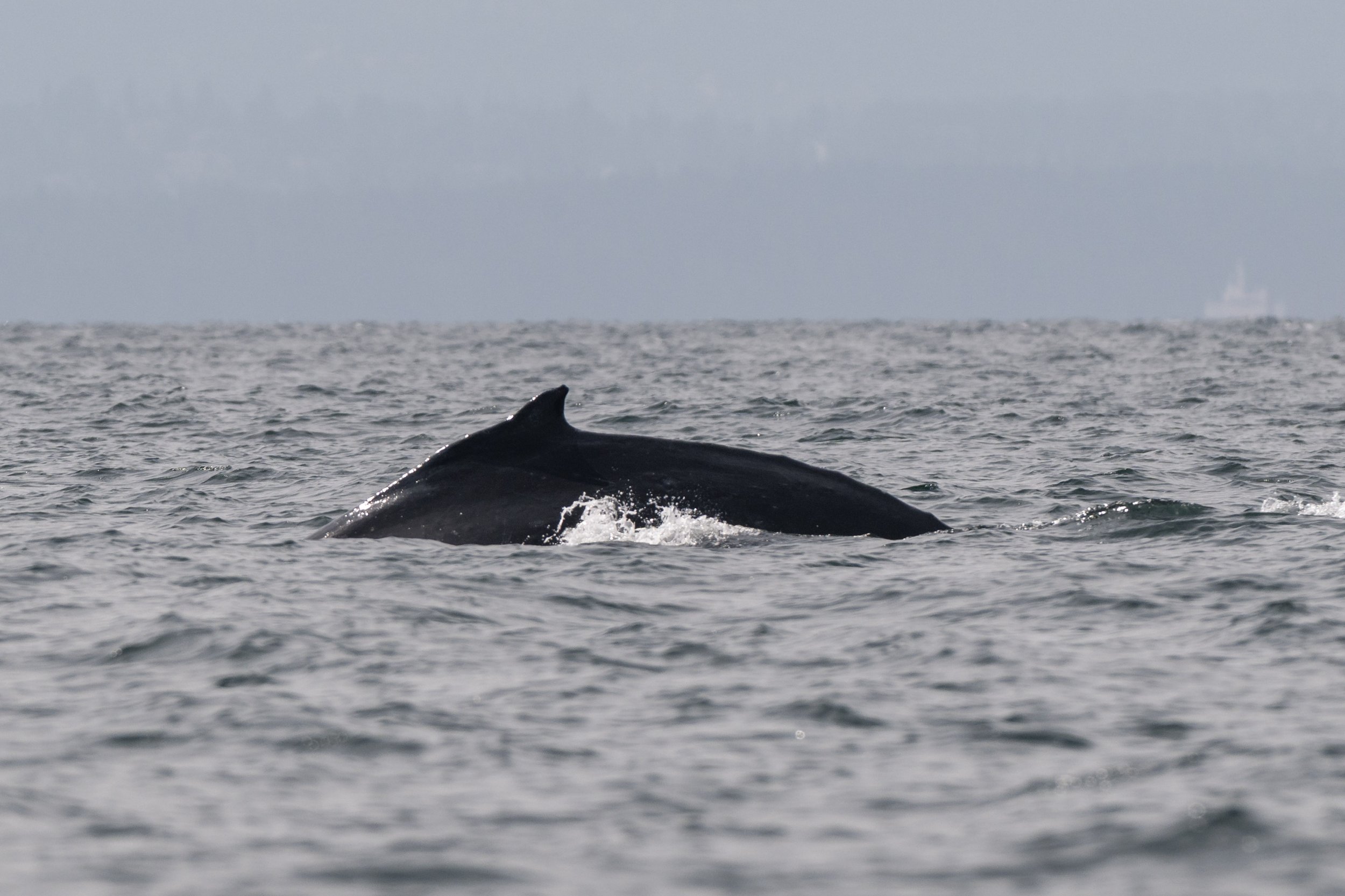
Orions dorsal fin. Photo by Aly Kohlman
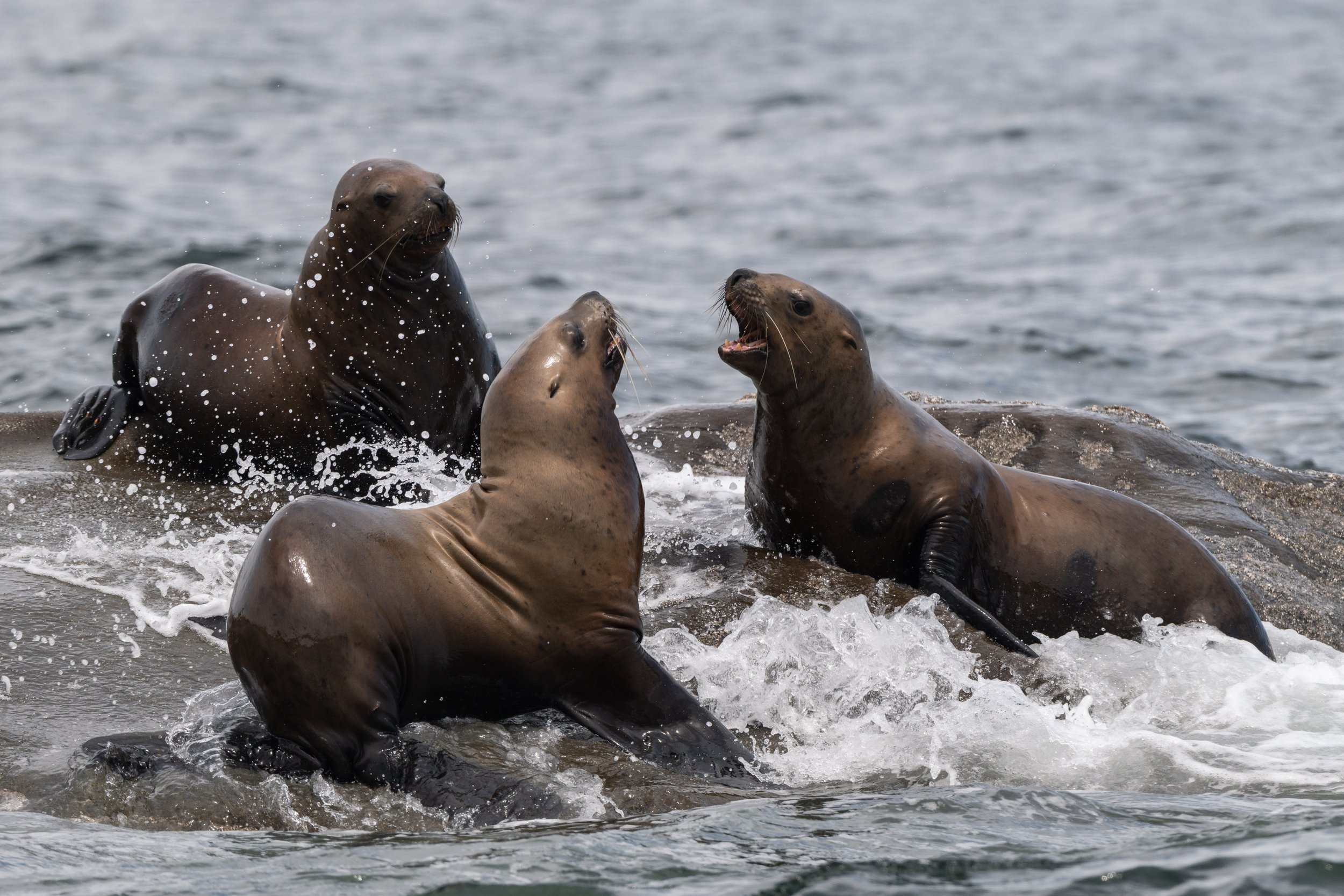
Young sea lions jostling for the best spot. Photo by Aly Kohlman
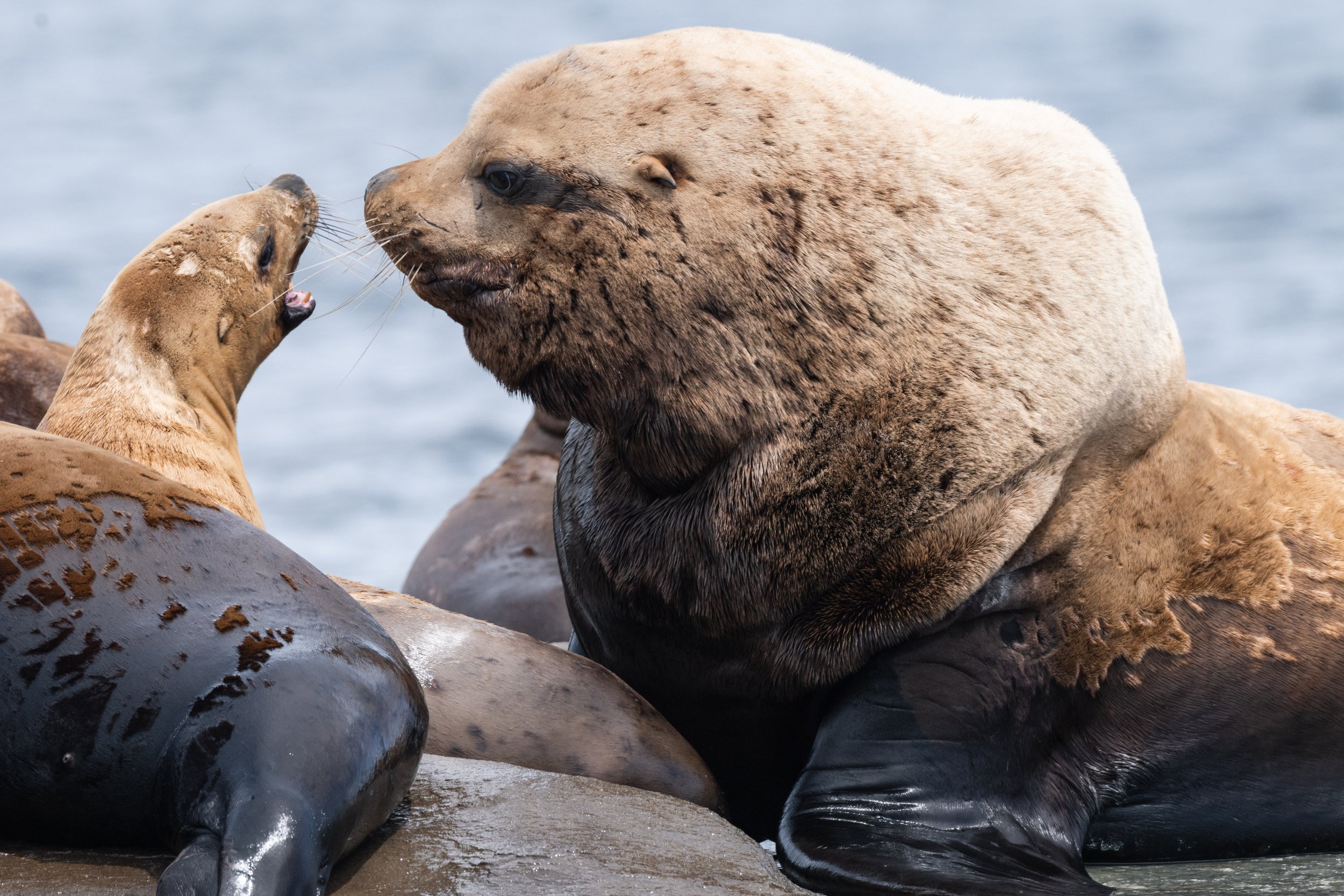
Male Steller Sea Lions can be over twice the size of females. Photo by Aly Kohlman
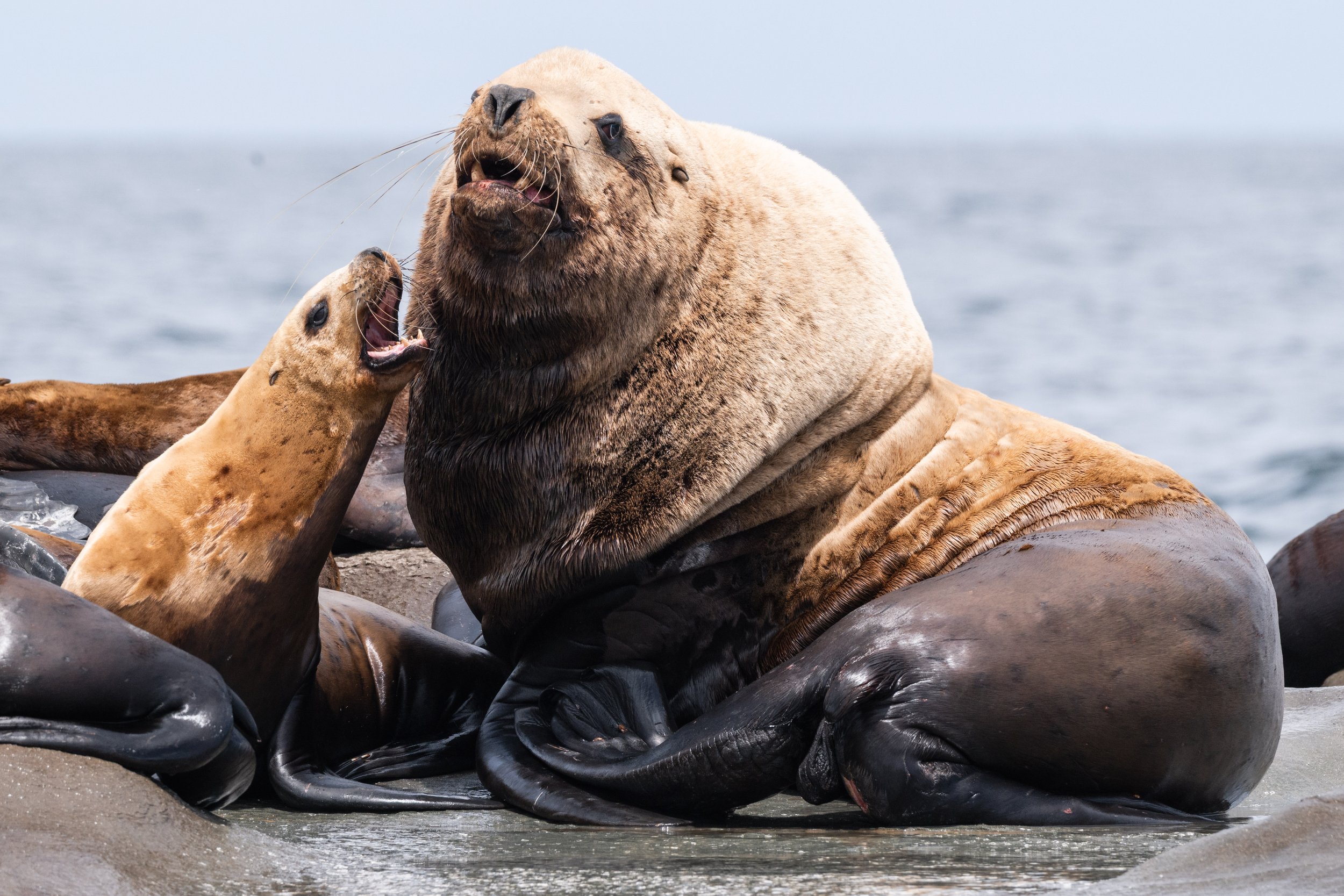
Getting yelled at by the Mrs. Photo by Aly Kohlman
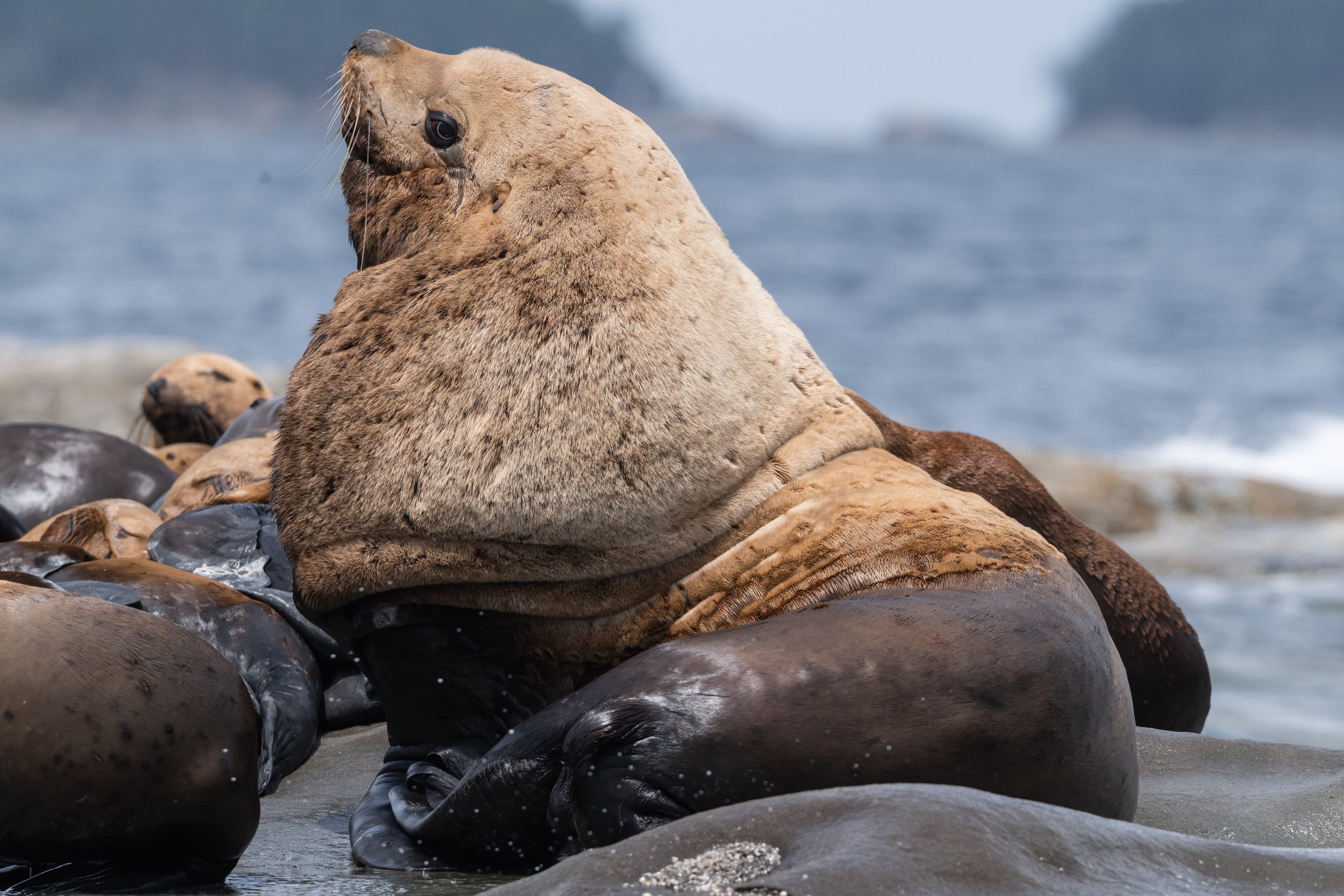
Stinky Steve and his majestic rolls. Photo by Aly Kohlman
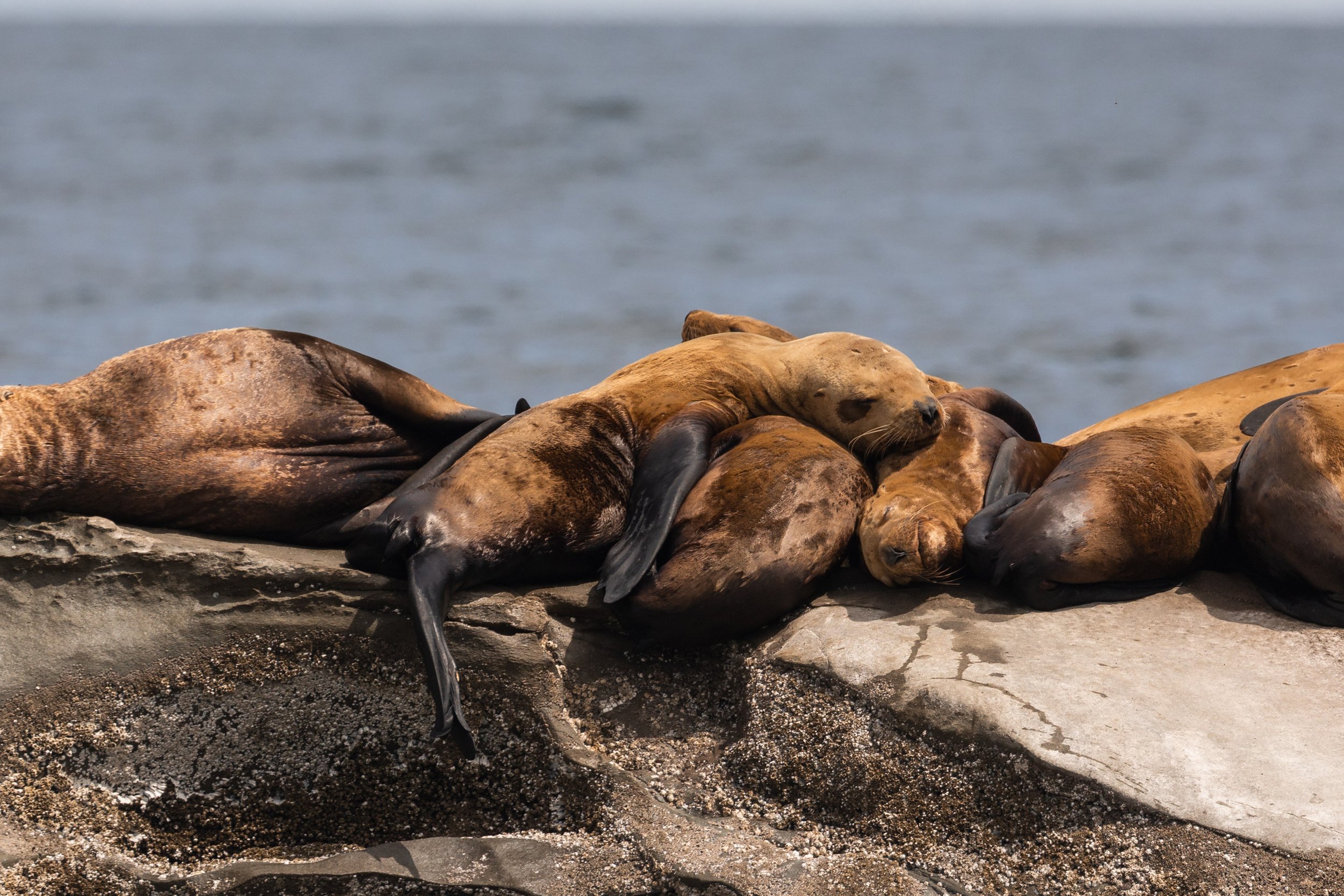
Juvenile sea lion dog pile. Photo by Hayleigh Hilbert
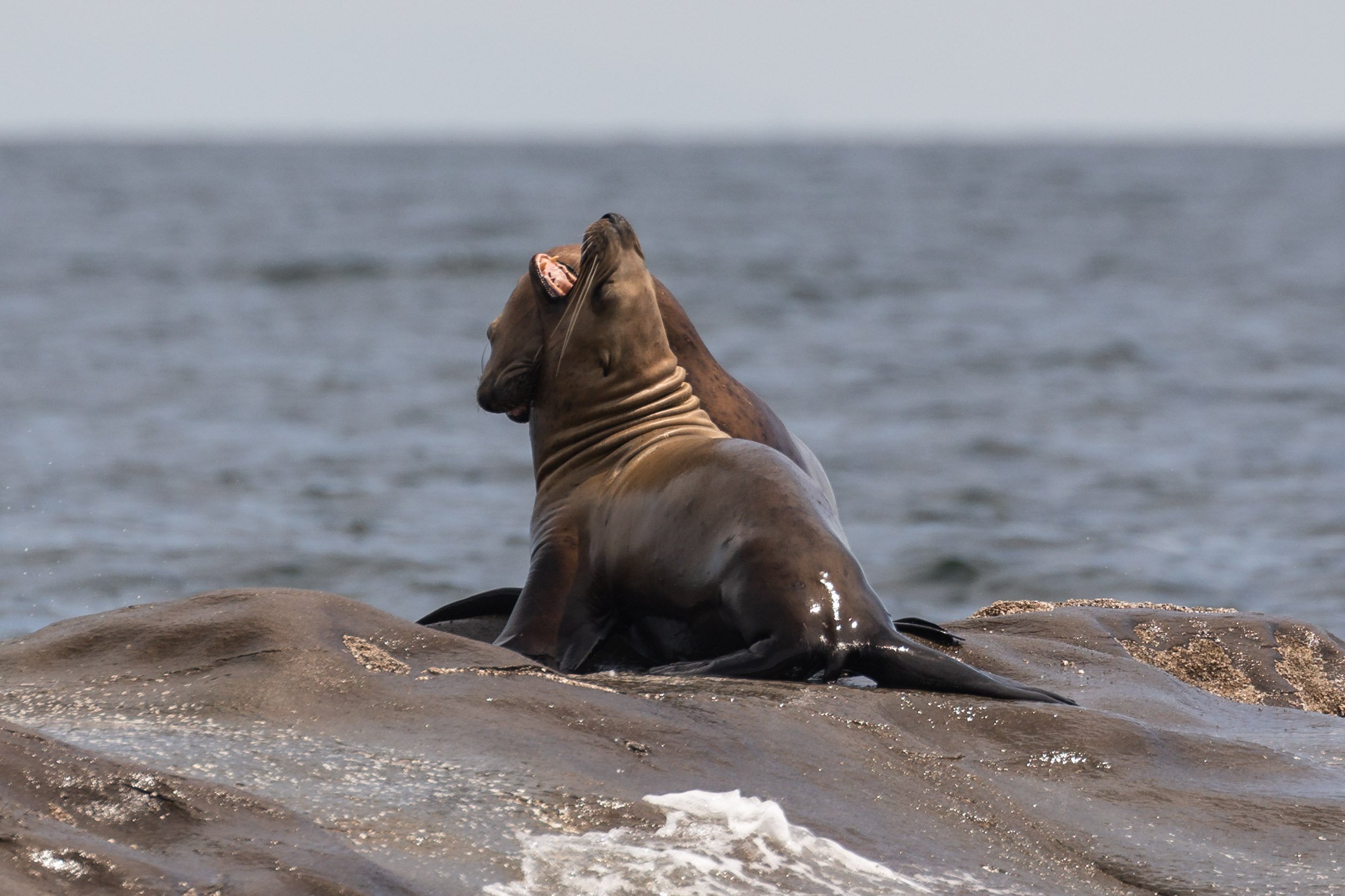
Sparring sea lion. Photo by Hayleigh Hilbert
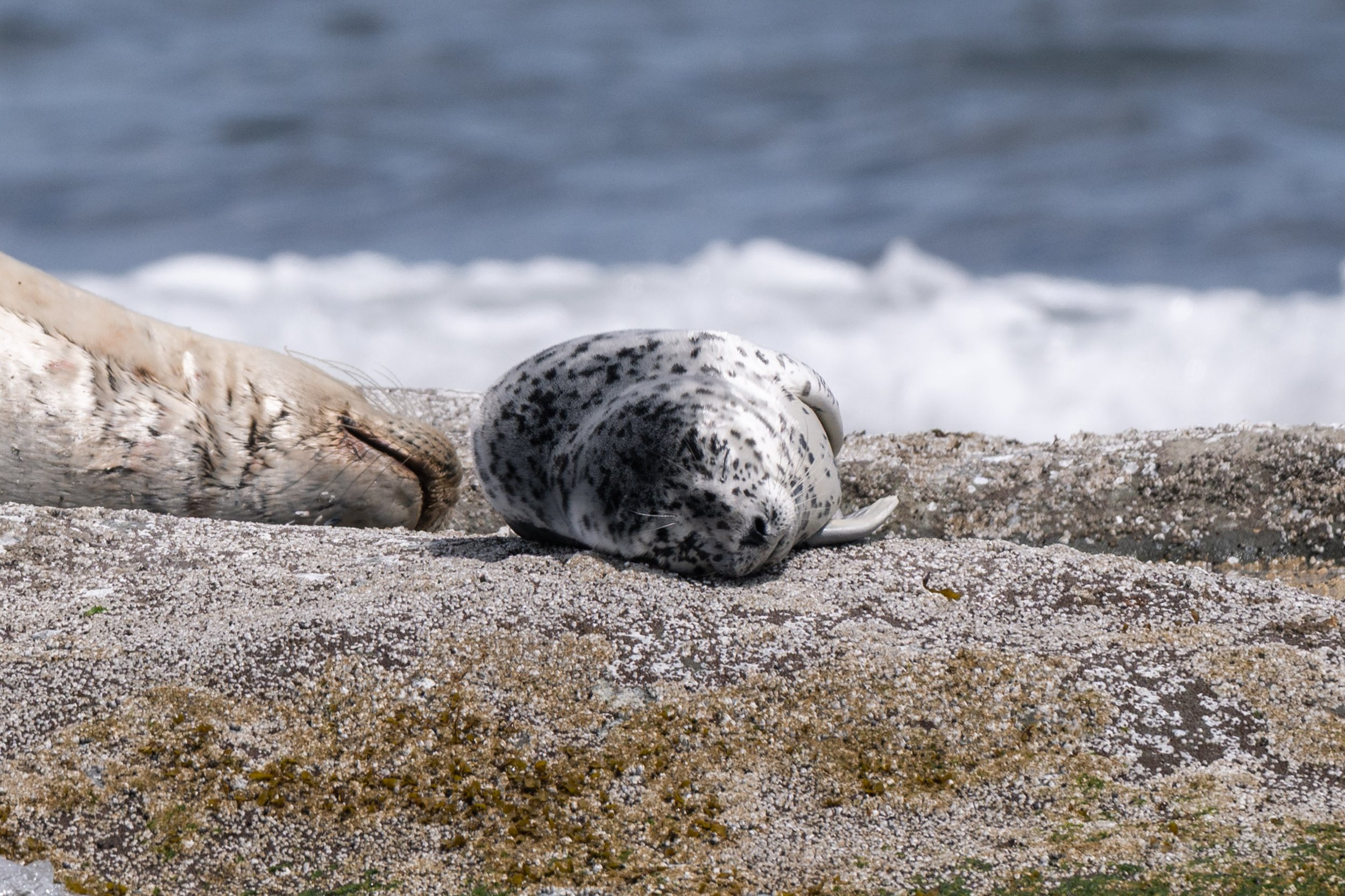
The first harbour seal pup of the season! Photo by Aly Kohlman
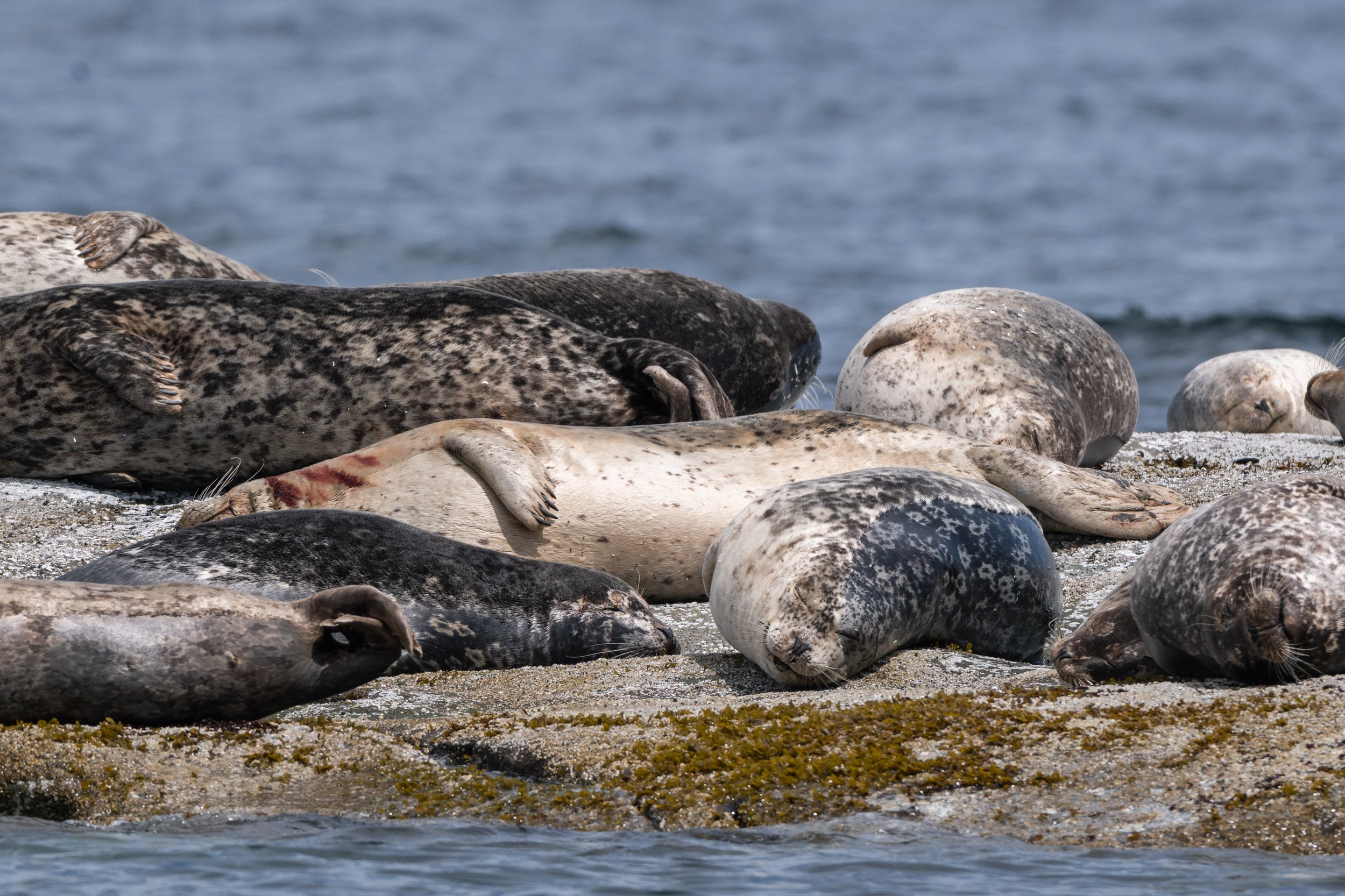
Oh oh, looks like someone got into a fight! Photo by Aly Kohlman
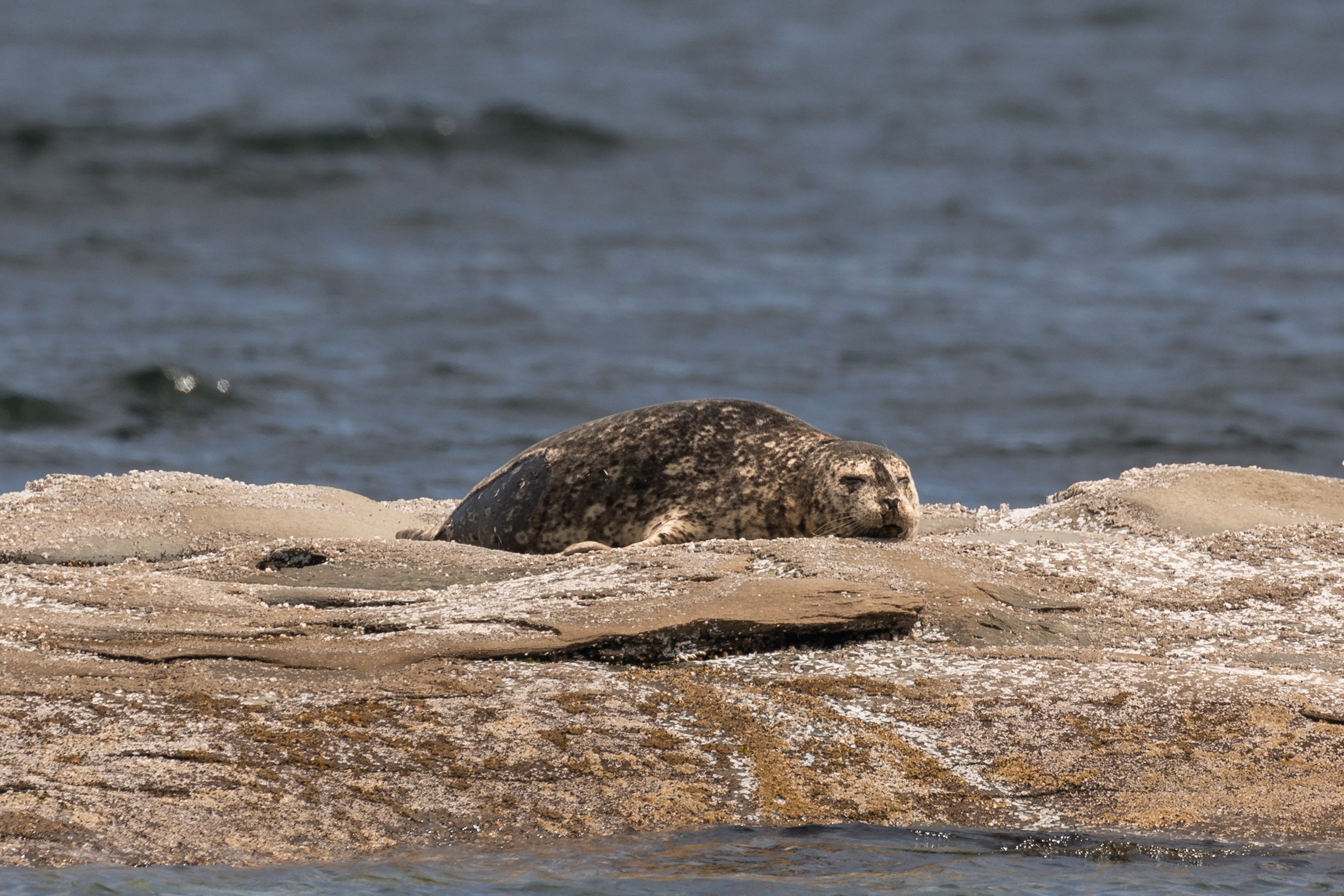
A resting harbour seal. Photo by Hayleigh Hilbert
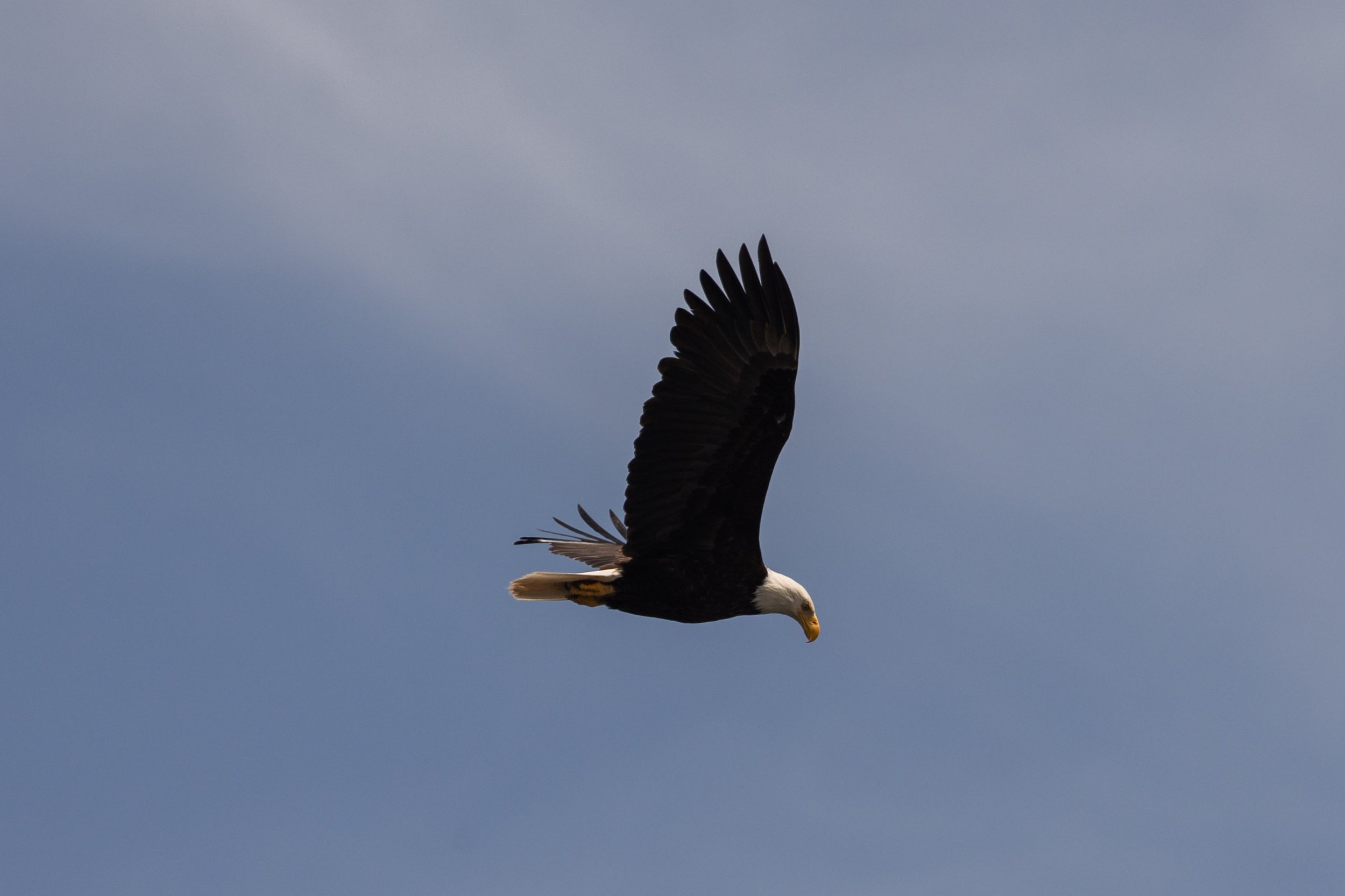
Bald eagle soaring overhead. Photo by Hayleigh Hilbert
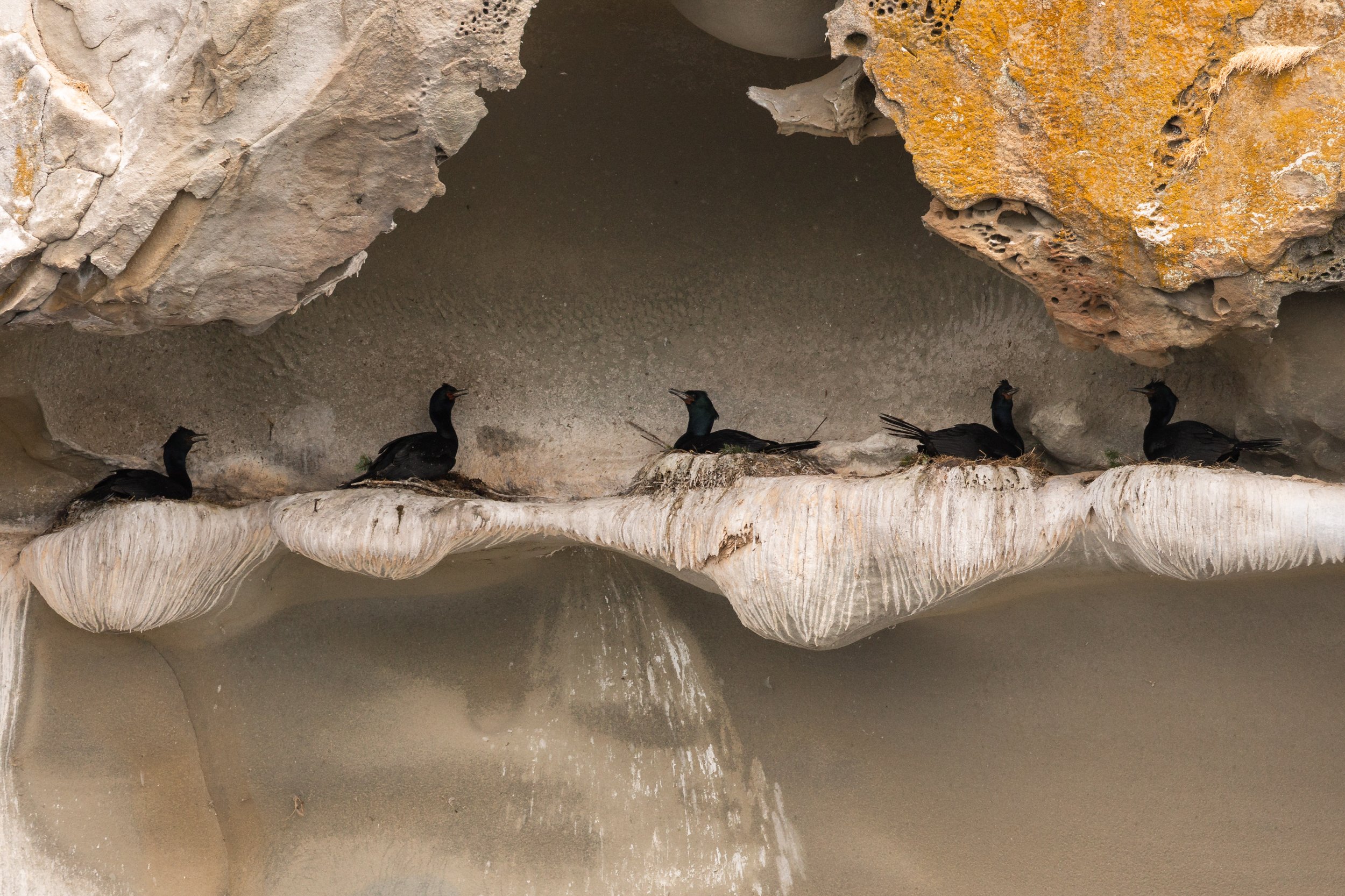
Cormornts in their nest. Photo by Hayleigh Hilbert
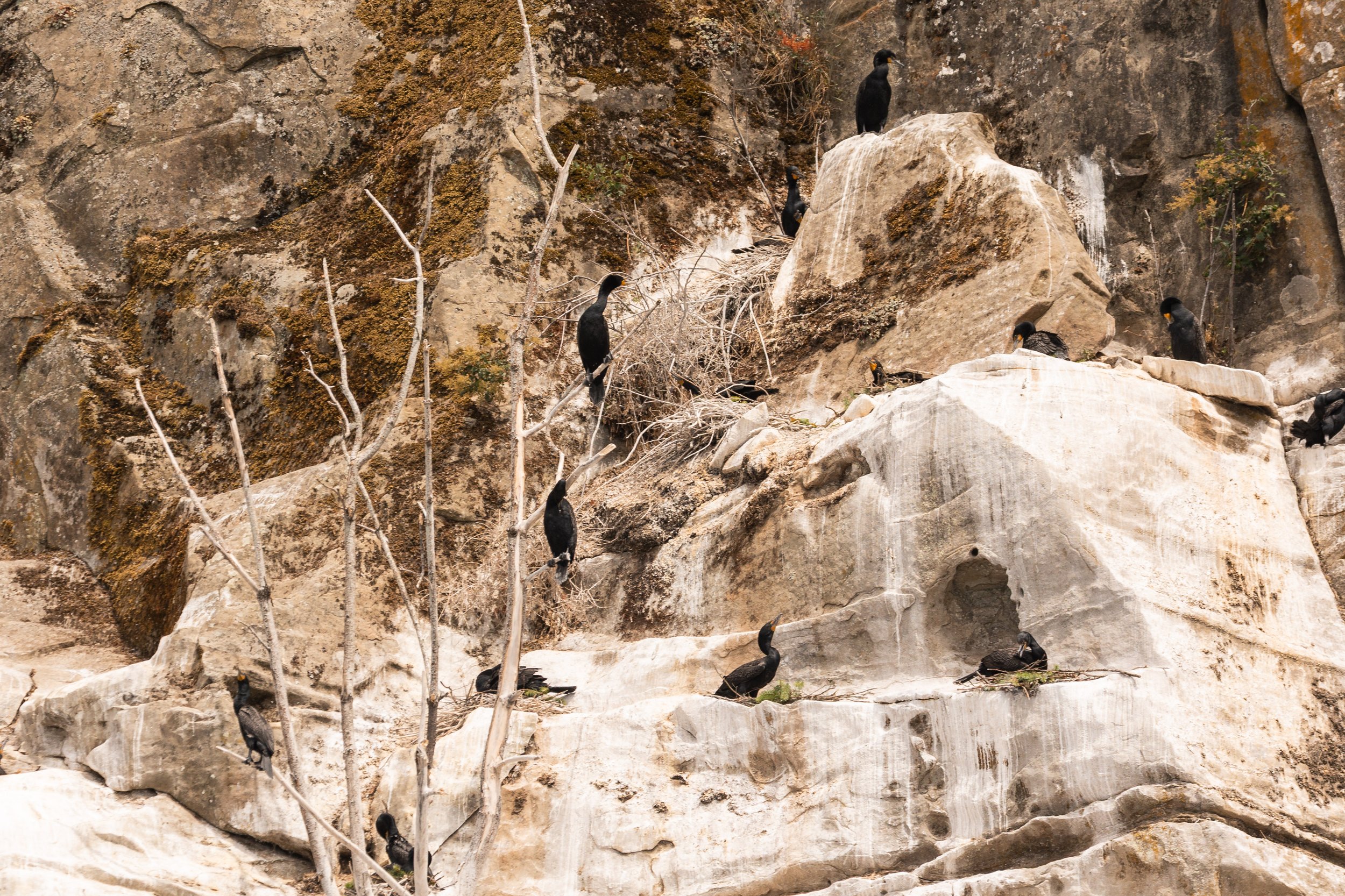
Cormorants at the bluffs. Photo by Hayleigh Hilbert
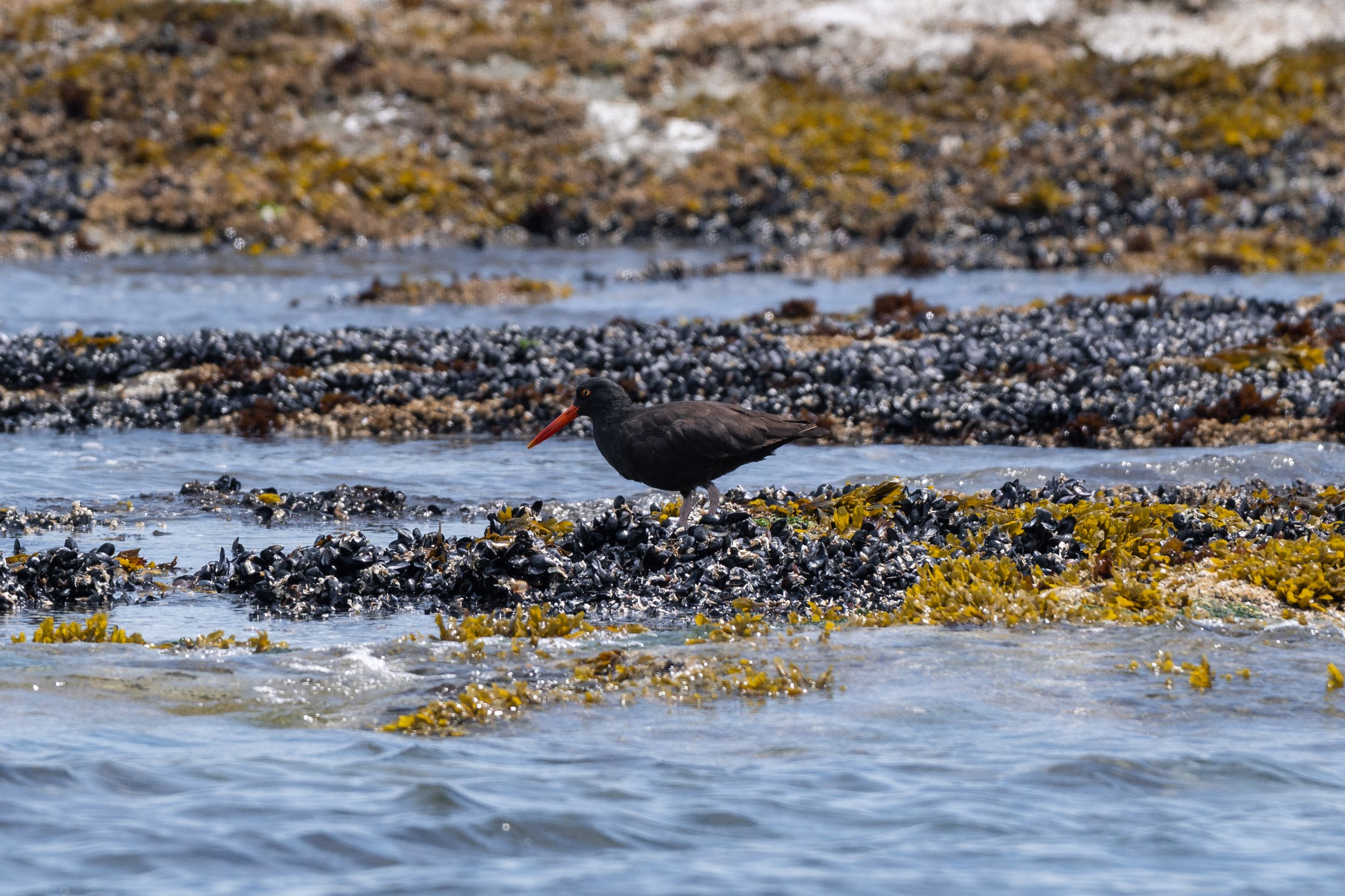
An Oyster Catcher catching muscles. Photo by Aly Kohlman
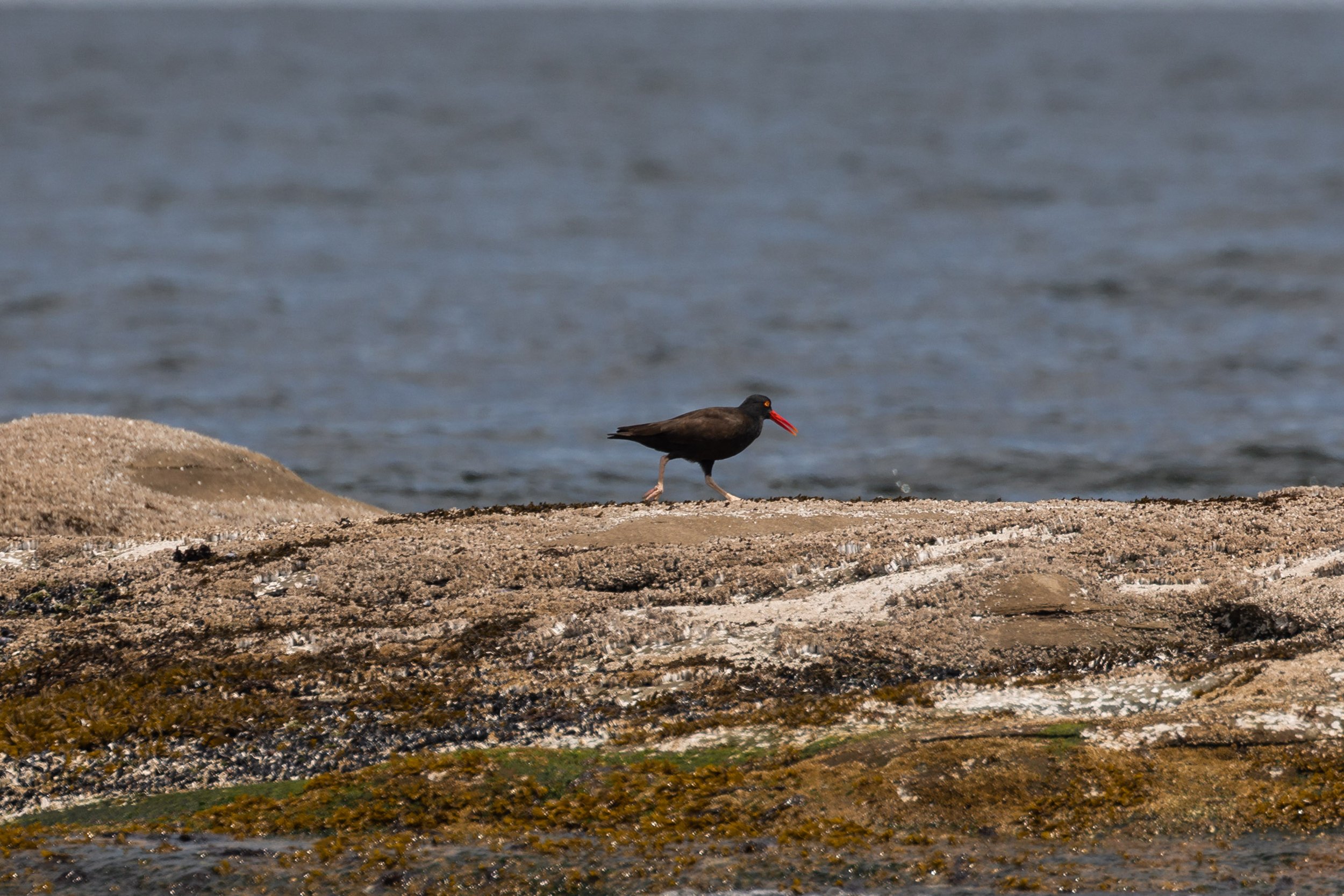
Oyster Catcher running along the rock. Photo by Hayleigh Hilbert
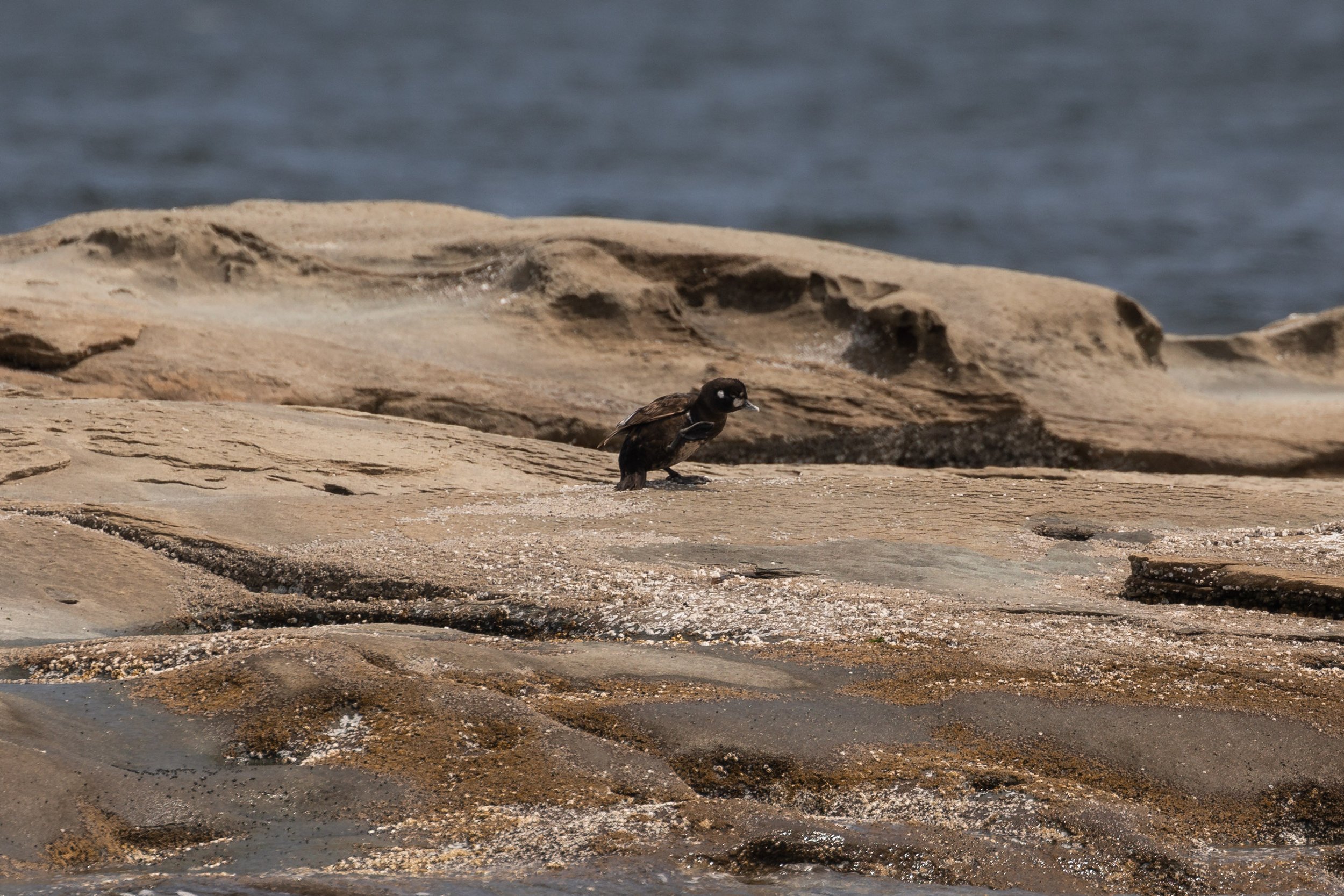
Female Harlequin duck giving herself a scratch. Photo by Hayleigh Hilbert
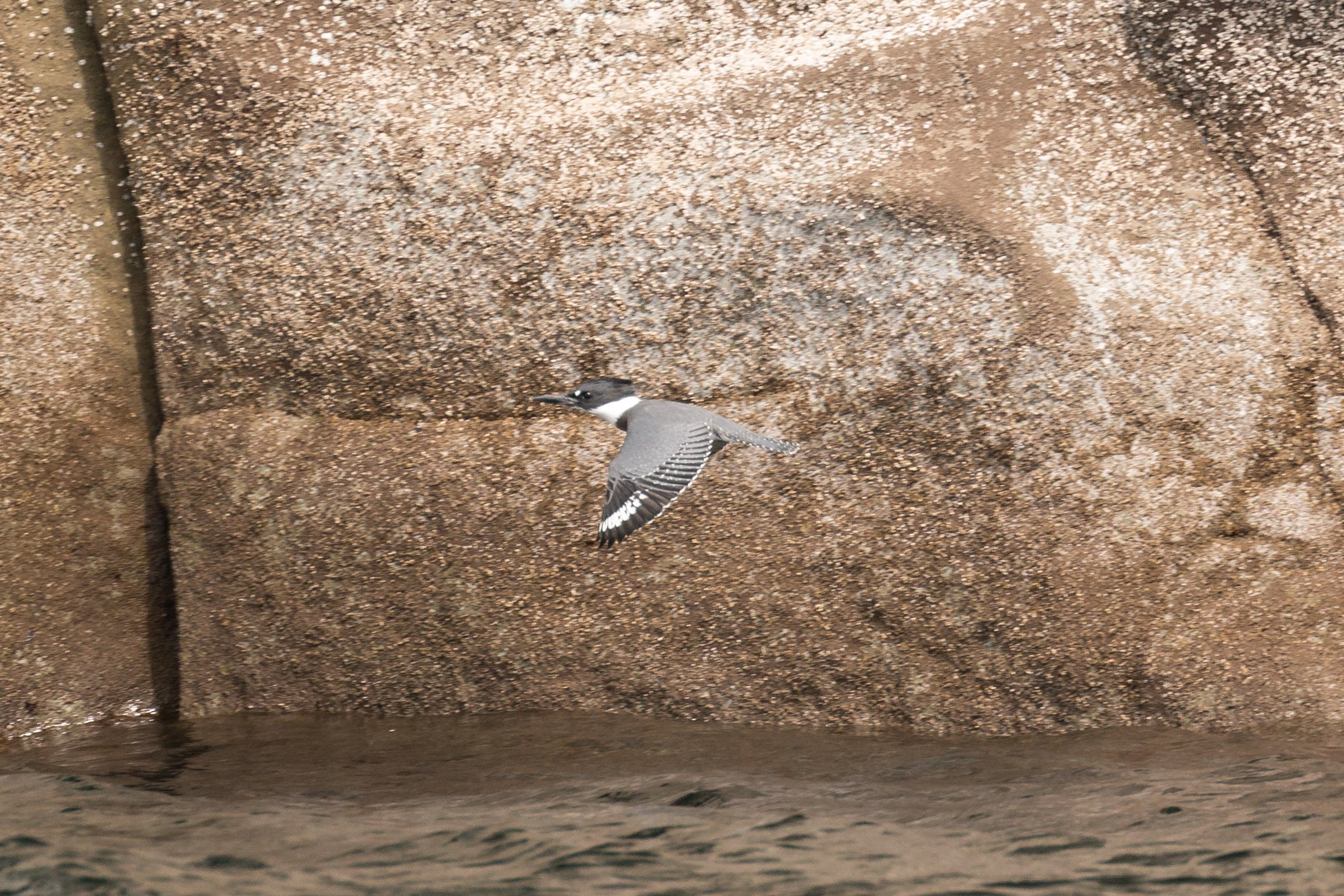
A King Fisher flying by the bluffs. Photo by Hayleigh Hilbert