
September 18, 2026, 3:30 PM - Big Boys and a Bustling Buoy!
After an excellent start to the day, both Keta and Kula headed back out to see if they could replicate their success. Lucky for us, we didn’t have to go too far, as the group we had seen previously in the day had continued their route North. We ended up picking them up North of Gabriola, spread out over a sizable distance. It was the T123s! This pod includes:
T123 Sidney ♀ (~1985)
T123A Stanley ♂ (2000)
T123C Lucky ♀ (2012)
T123D Darcy ♀ (2018)
Stanley decidedly had enough of his mom and sisters for the afternoon, as he was travelling a good distance away from them. At 26 years old, Stanley is a full-grown, independent male. It is not uncommon to males of this age category to venture off from the matrilineal pod to enjoy their prime bachelor years as a lone male. However, because matriarchs will continue to support and protect their adult children (especially oldest sons), Stanley lives a pretty good life within his little family. Mothers will often favour their sons over their daughters, because it is biologically more advantageous for them to do so. Because orca pods provide no paternal care, having sons lets your genes spread without the hard work of raising and feeding calves, as seen with daughters. And even if females within a matriline disperse to start their own matriline, mothers often dedicate their lives to ensuring their sons' success, even at the expense of their own reproductive success. A 2023 study found that matriarchs who doted on their adult sons end up having fewer calves, as they likely put all their energy into supporting their adult children. Could this be why Sidney hasn’t had a new calf in 8 years? Either way, as of right now, Stanley has shown no interest in leaving his family on a more permanent basis, so maybe a little “me time” is needed every once in a while instead!
After spending some time with this lovely family, the two boats decided to head further into the Strait. En route, Kula found a lone humpback, confirmed to be Graphite (BCX2077). Graphite is a familiar fin in our waters, spending his summers feeding in our nutrient-rich waters after his long migration from the Hawaiian breeding grounds. At 7 years old, Graphite is nearly full-grown. Because humpbacks exhibit site fidelity, we get to see the same humpbacks year after year! After his first visit with his mother, Slate, in 2019, we have had the joy of seeing Graphite every year since and watching him grow. Today our friend seemed to be feeding deeper, so we left him in peace and continued on our way.
Nearby, the open boat checked out the Halibut Bank buoy to see what pinnipeds they could find. It was a full house, with a large group of Steller sea lions seeking refuge from the chilly water on top of the buoy. Even more juveniles circled the buoy, with gulls circling nearby as well. These guys enjoyed soaking up the sun and catching some ‘zzz’s’ in a large puddle of fur and flippers. After spending some time with them, we got a report of another group of orcas north of Nanaimo, so we headed out to see who we could pick up.
We quickly saw some towering fins romping and rolling, clearly some large males enjoying each other’s company. We quickly ID’d this small group as two different incomplete pods, the T060D and E brothers, and the current makeup of the T037As. This crew included:
T060D Onca ♂ (2004)
T060E Lynx ♂ (2008)
T037A Volker ♀ (1994)
T037A2 Inky ♂ (2009)
Volker is currently only travelling with her oldest son, Inky, as her other children have dispersed. While the oldest daughter T037A1 Inyo has been dispersed from the family for several years now, the dispersal of her younger children is relatively new. T037A3 (2013) Spinnaker has also officially dispersed from his family (although he hasn’t been seen since last year), and it seems T037A4 (2015) Crinkle may have followed suit. While it’s not unheard of for younger members of the pod to leave their families, it is less common than sticking with their mother for the majority of their lives. It seems that Volker has raised some very independent children! That may explain the excitement we saw coming on scene, as Inky was more than excited to spend some time socializing with the T060 brothers. Meet-ups like this are great for developing social skills, especially with animals that are similar ages. This is exactly what we saw while on scene, with the gaggle of young males glued to each other while Volker hung back.
As the light began to fade, we watched this small group for a while longer before beginning to head towards home. Making a quick stop, we spotted some Harbour Seals lounging in the last light of the day. A great way to finish up an eventful day!
Enjoy photos from the day taken by Naturalists Hayleigh Hilbert and Evan Hessels below.
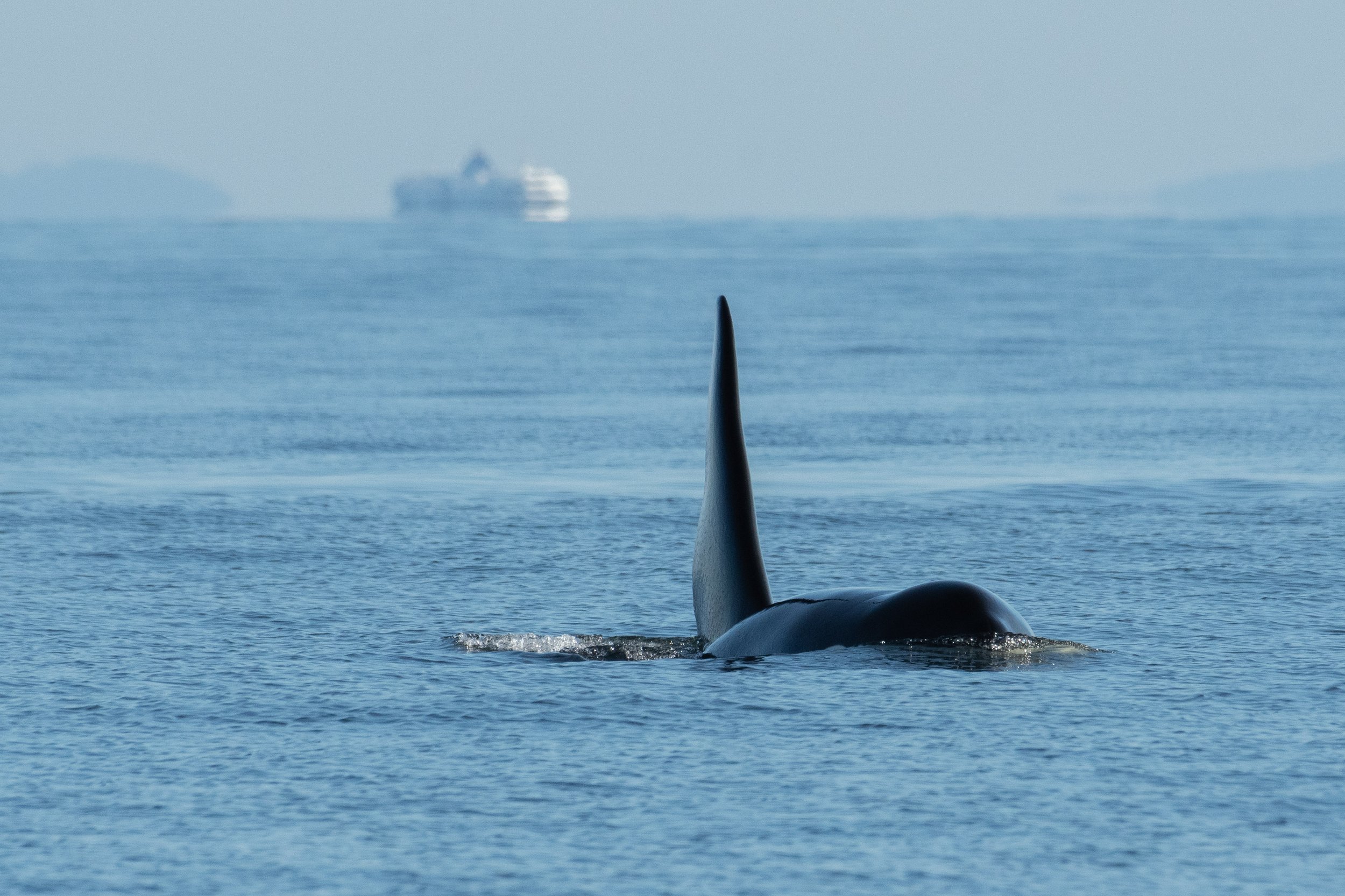
T123A Stanley charging along. Photo by Evan Hessels.
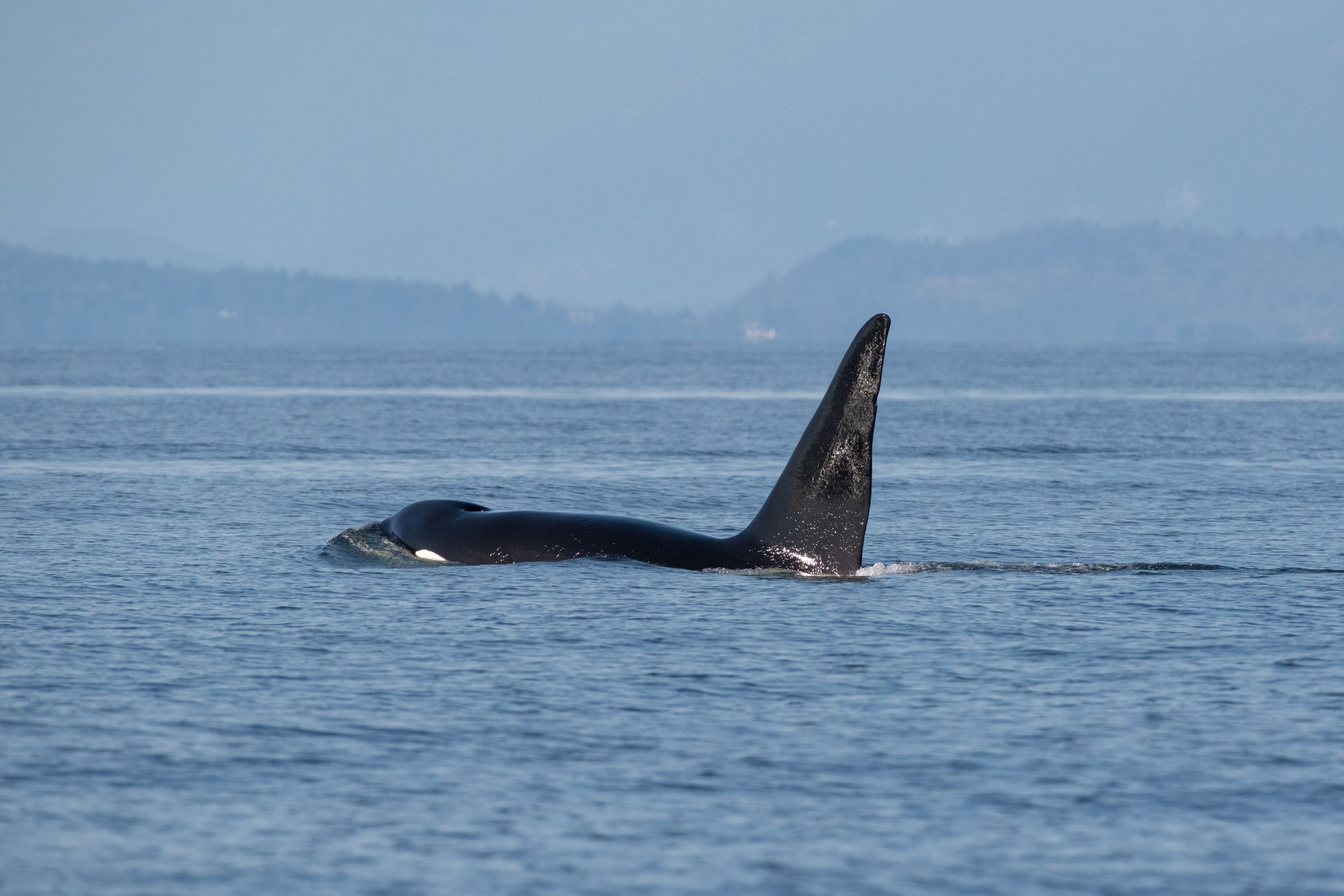
T123A Stanley with his iconic dorsal fin visible. Photo by Hayleigh Hilbert.
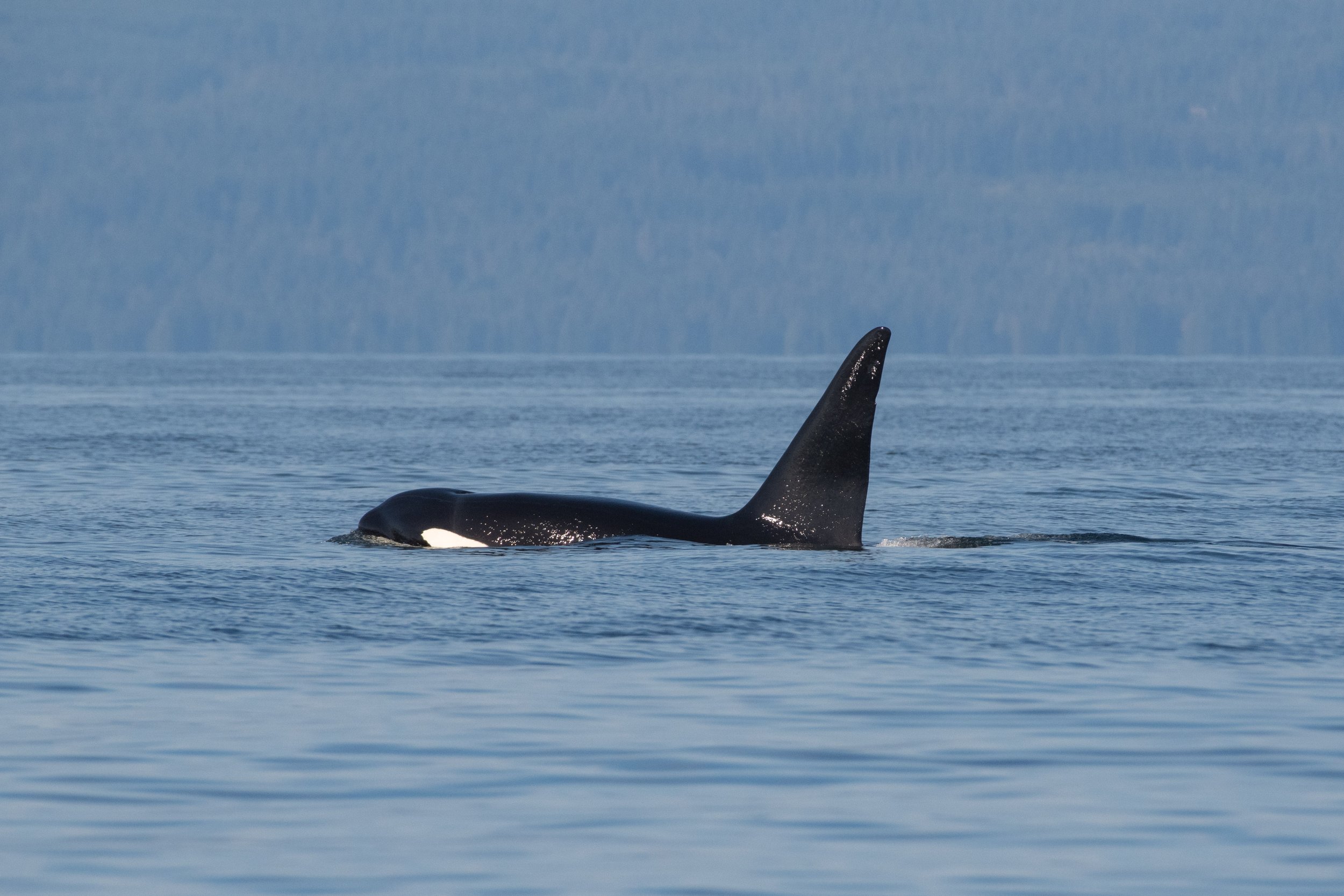
T123A Stanley with his eyepatch above the surface. Photo by Hayleigh Hilbert.
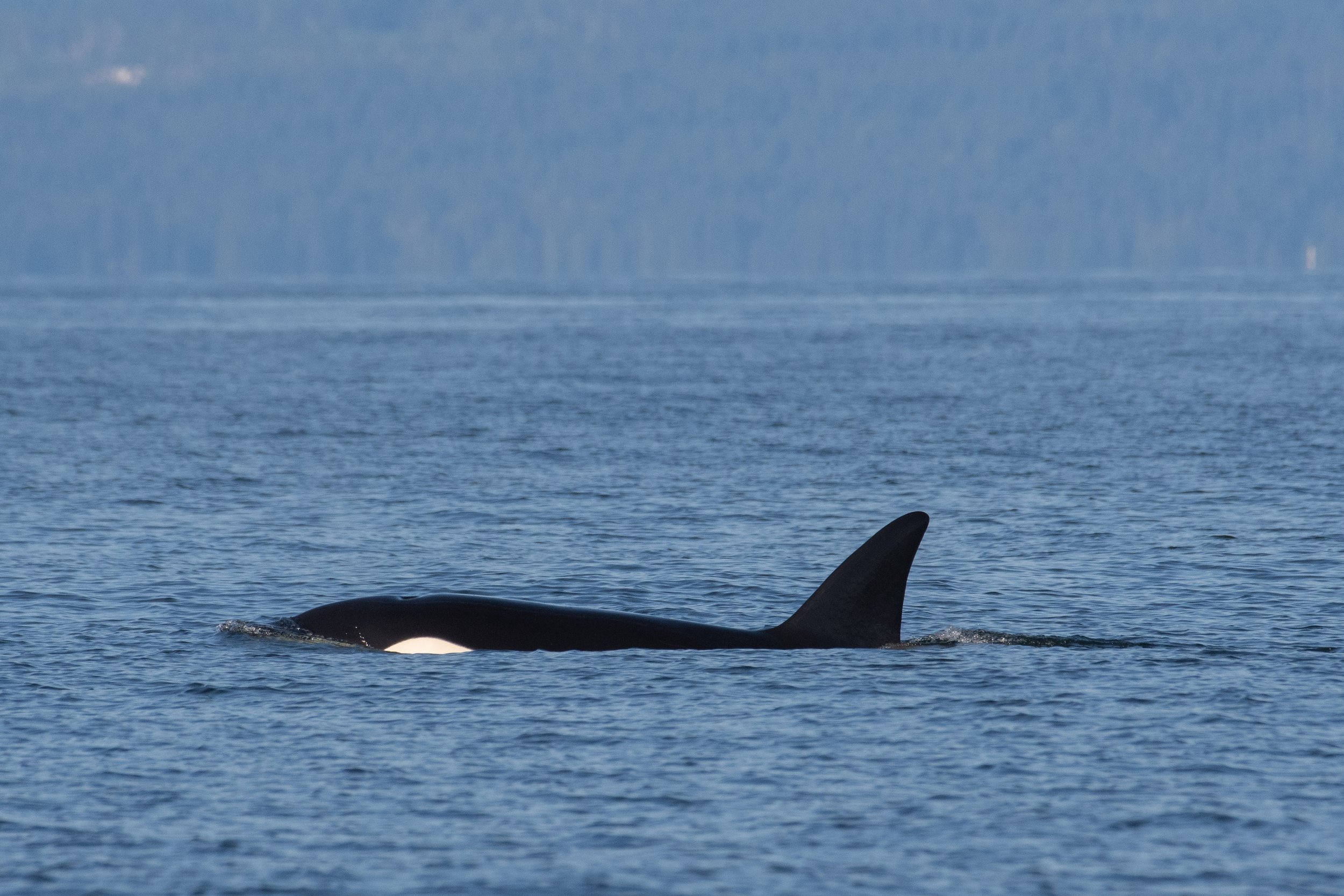
T123C Lucky shimmying along. Photo by Evan Hessels.
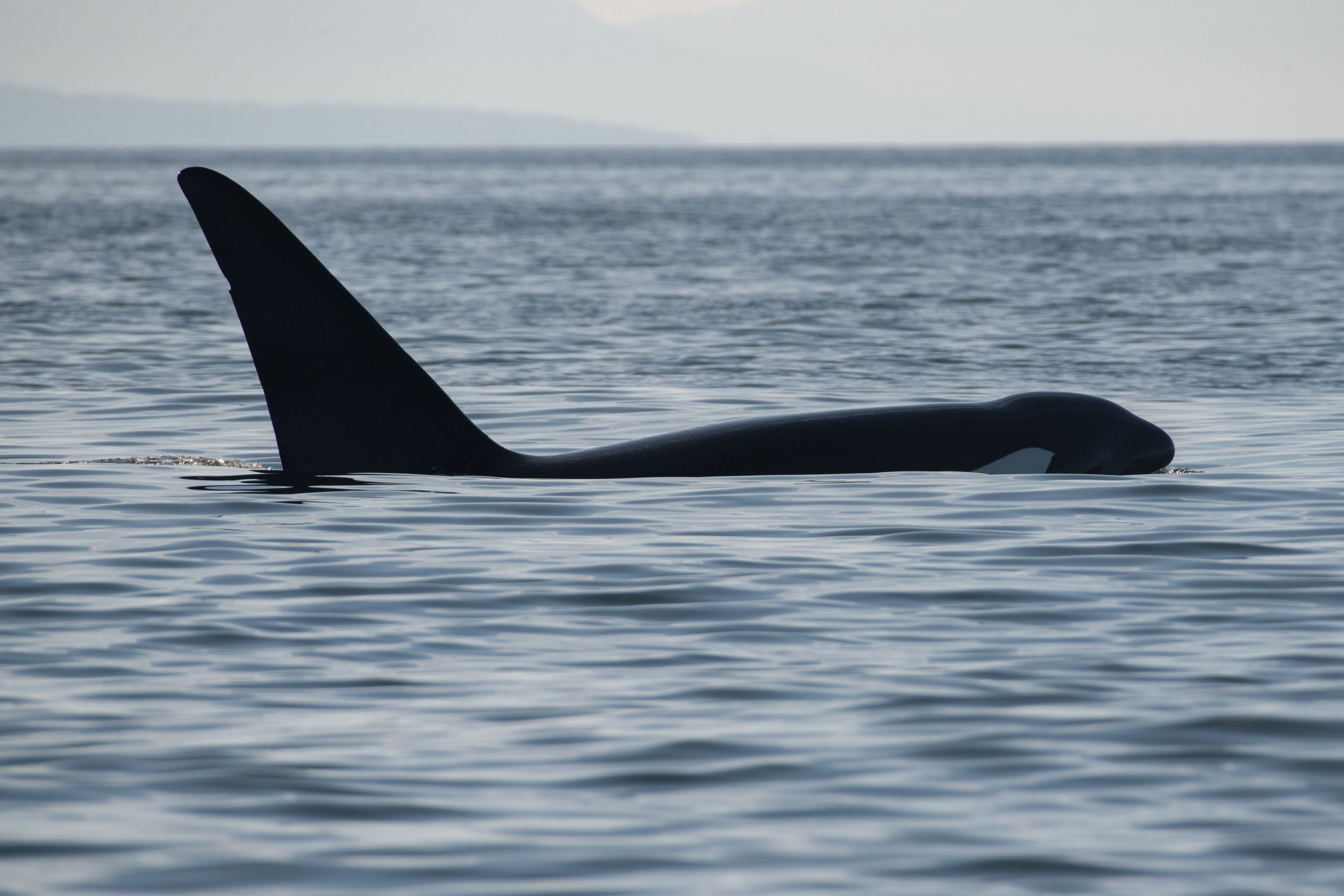
T123A Stanley was named after the famous Vancouver park! Photo by Hayleigh Hilbert.
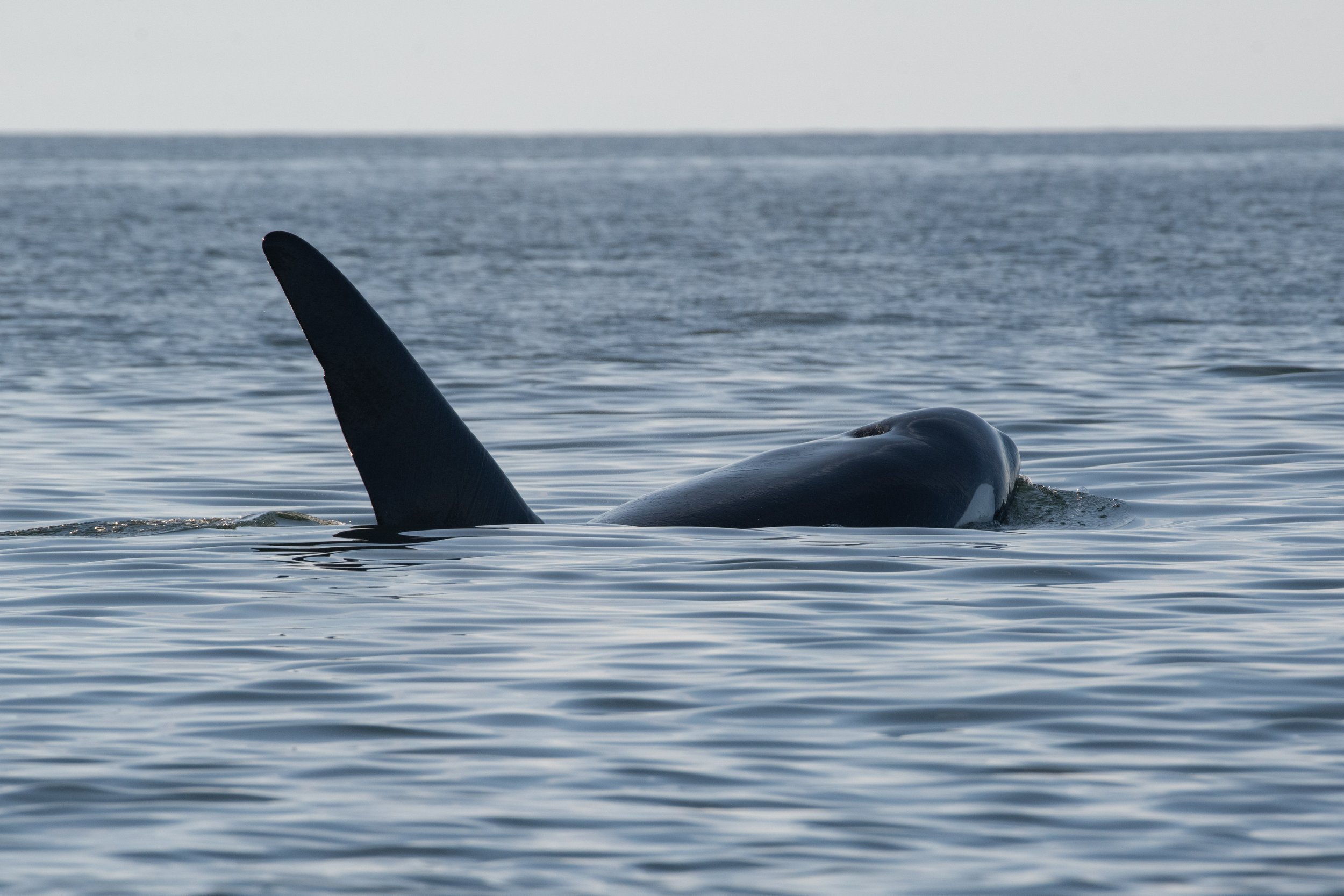
T123A Stanley making a little wave! Photo by Hayleigh Hilbert.
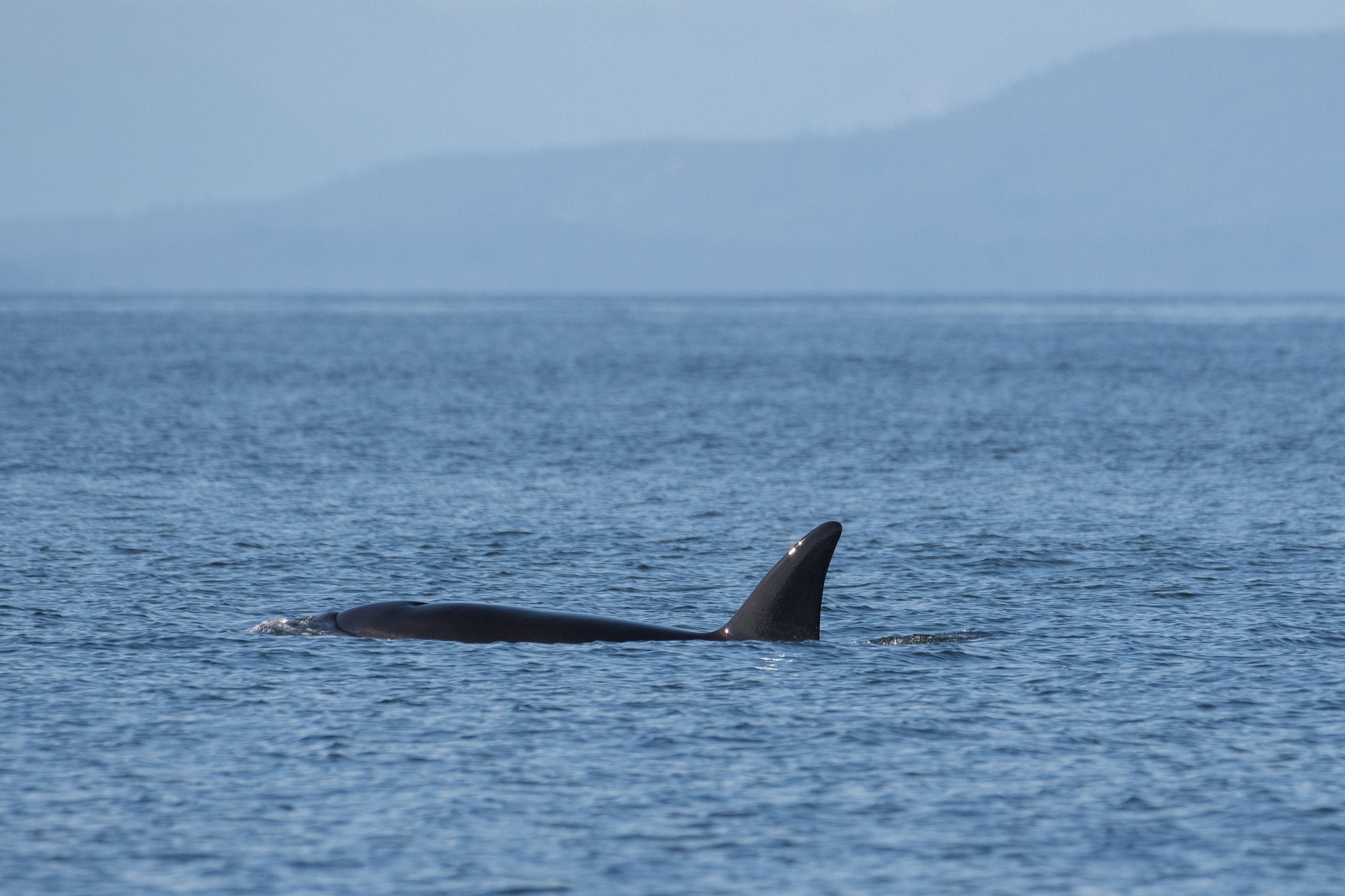
T123C Lucky just barely clearing the surface. Photo by Evan Hessels.
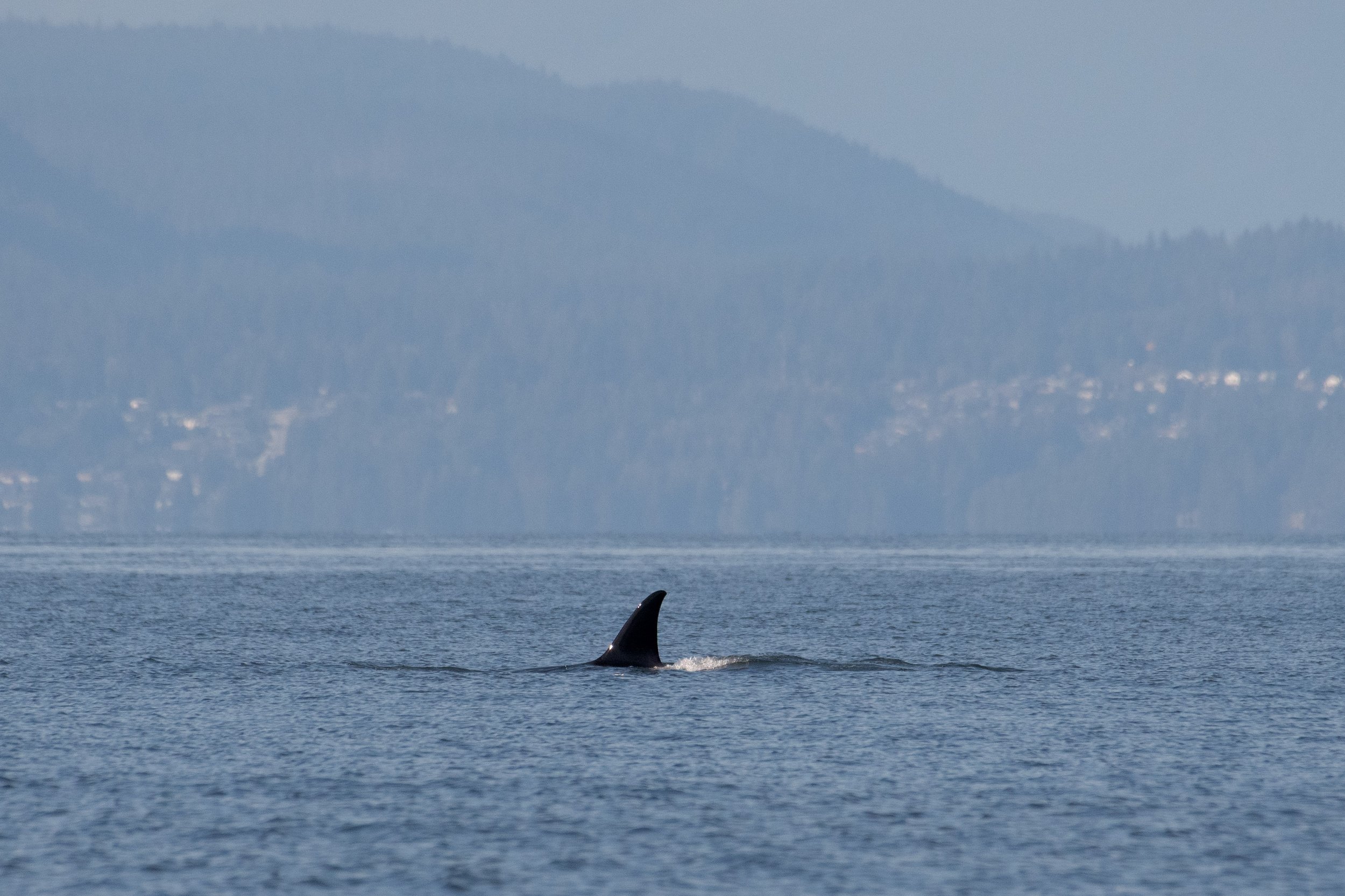
The matriarch of the family, T123 Sidney. Photo by Evan Hessels.
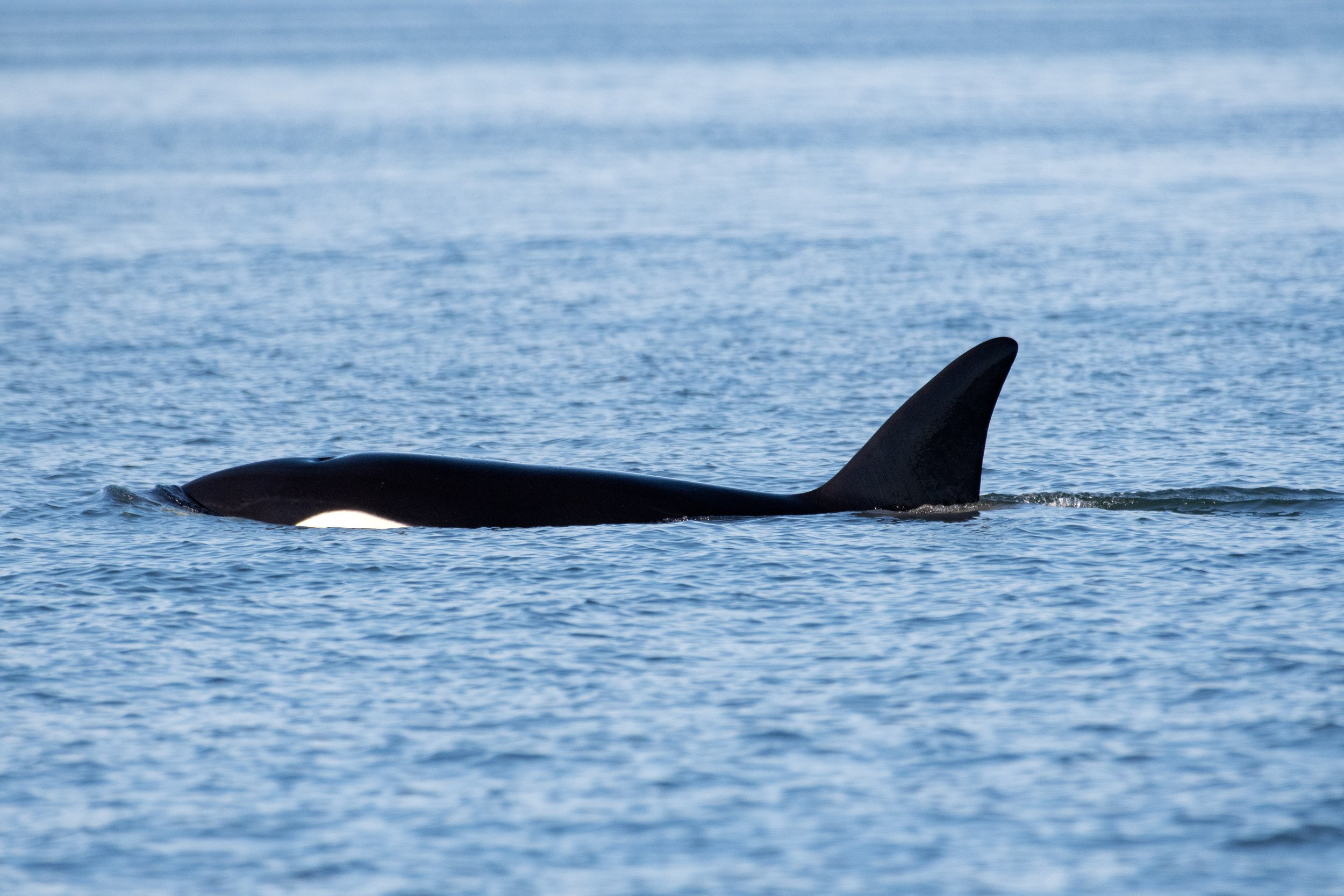
T123C Lucky has a very rounded dorsal fin compared to her siblings. Photo by Evan Hessels.
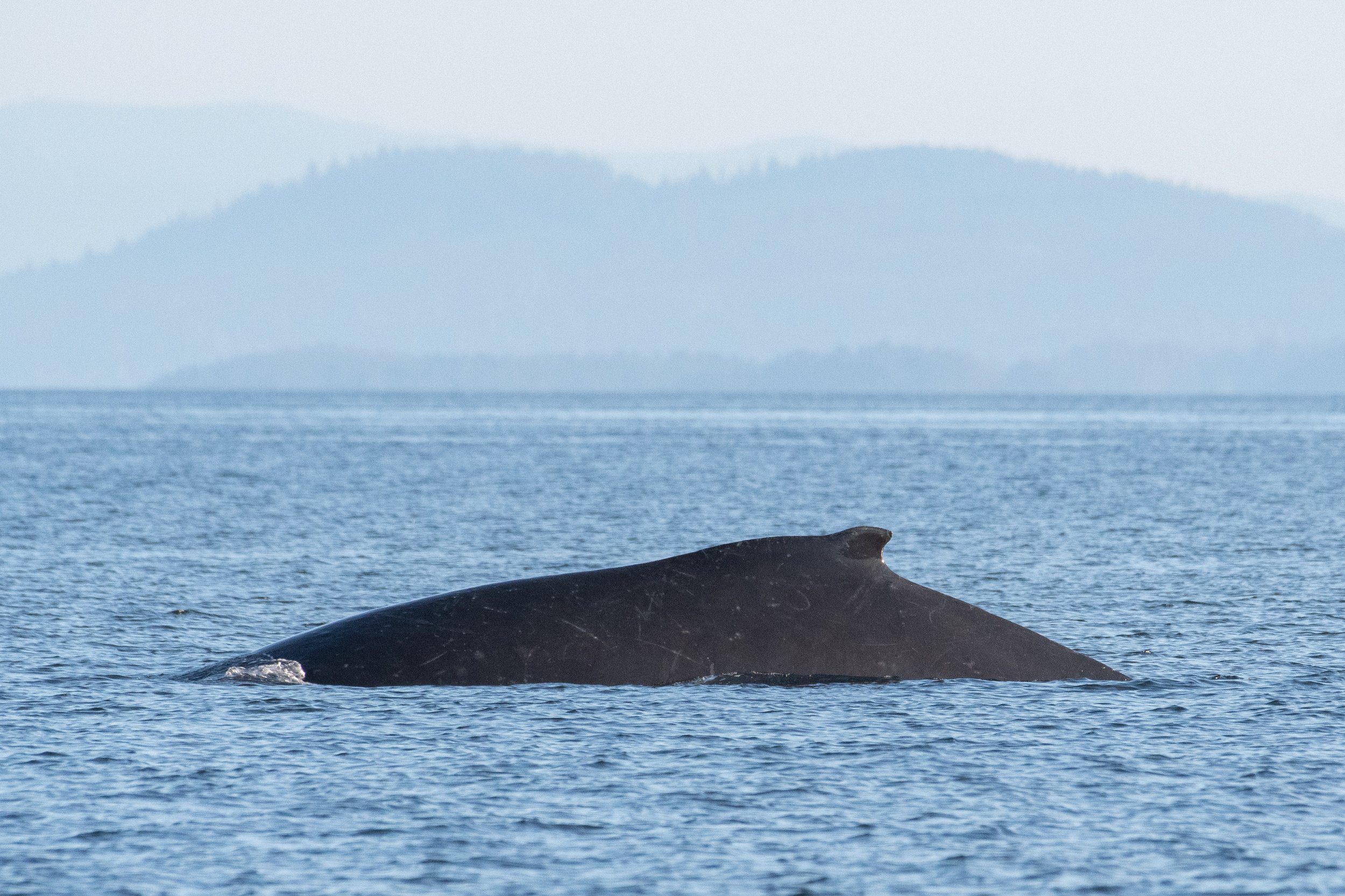
Graphite travelling along. Photo by Evan Hessels.
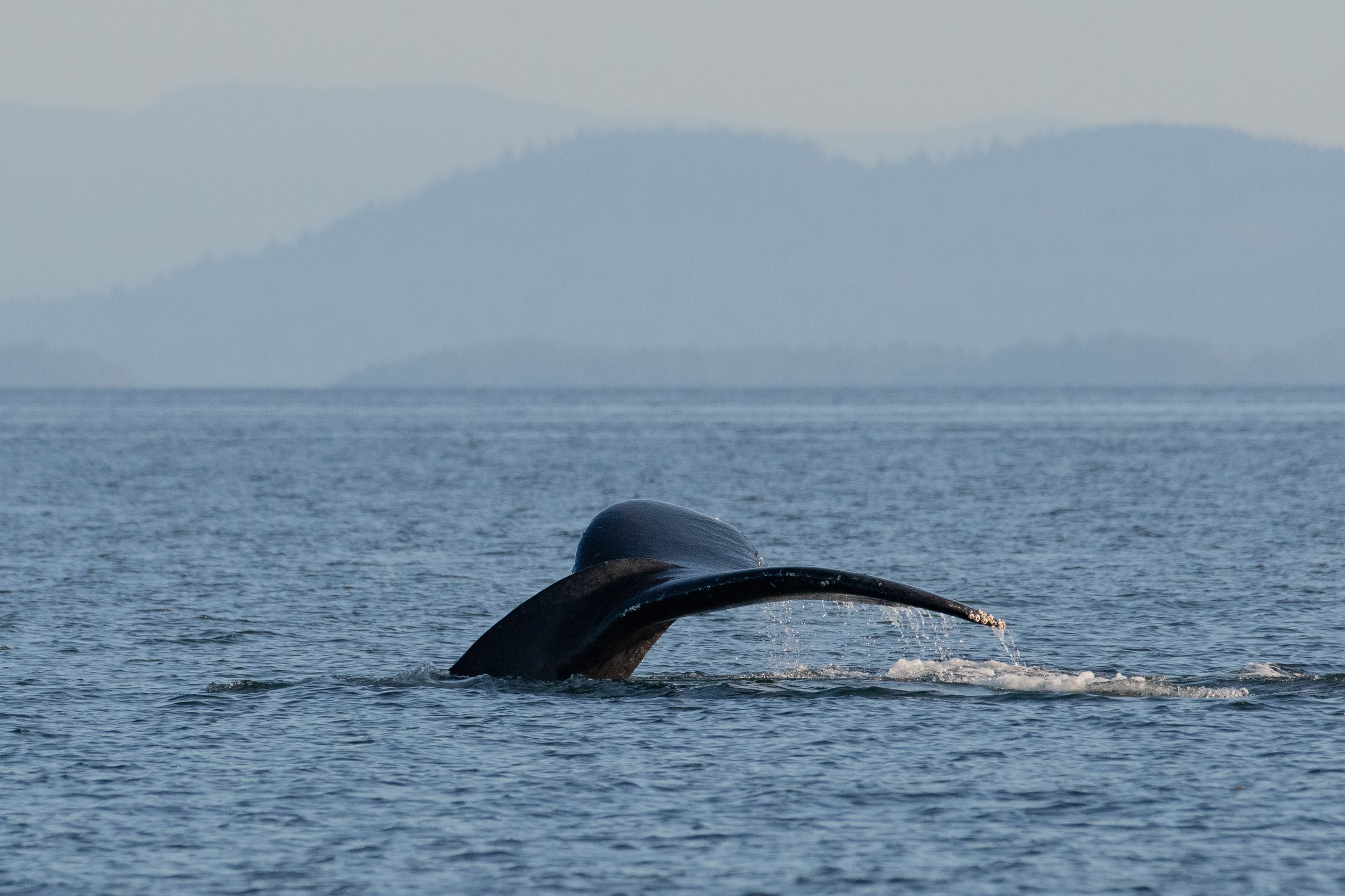
Graphite going for a dive. Photo by Evan Hessels.
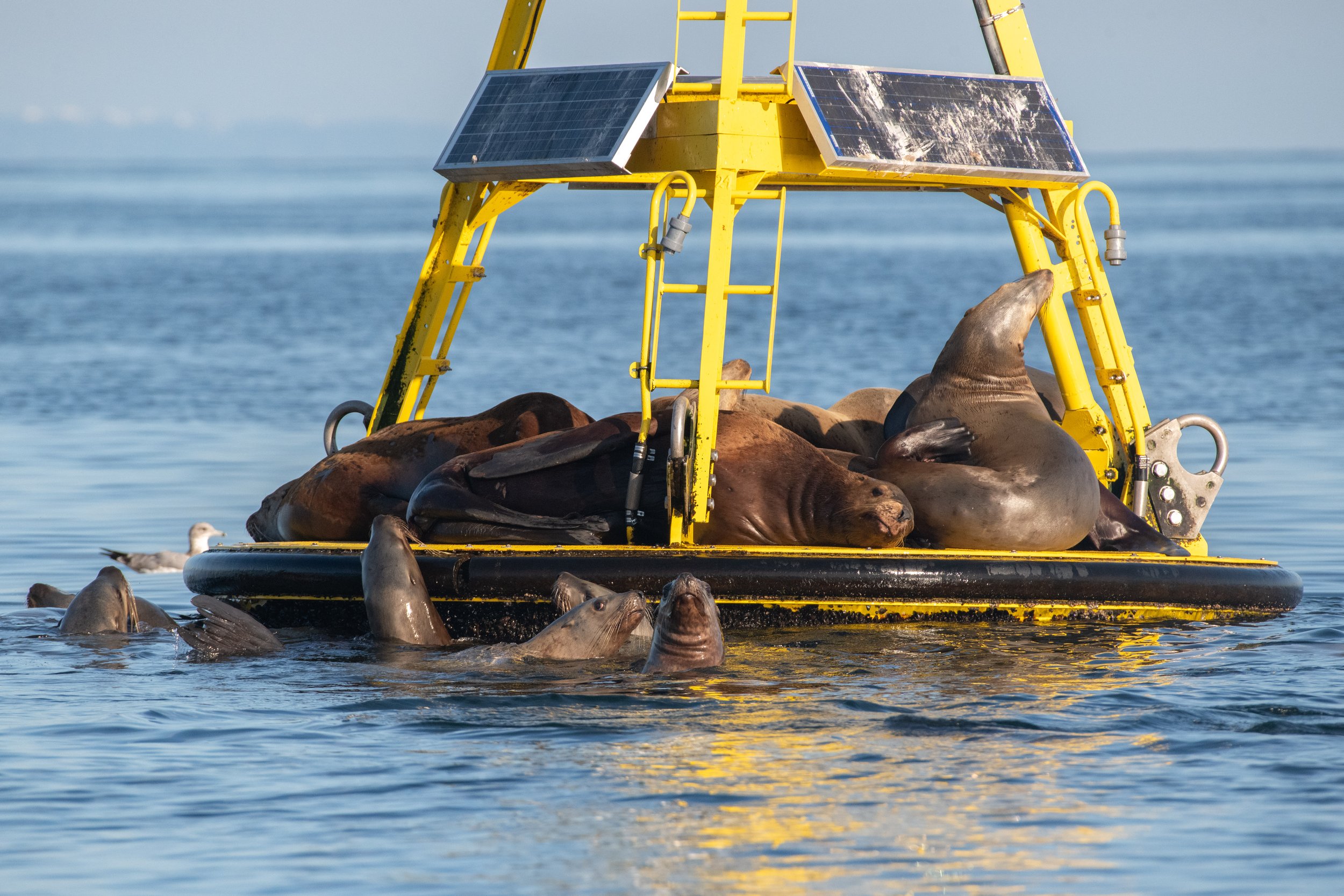
The ODAS buoy bursting with bustling sea lions. Photo by Hayleigh Hilbert.
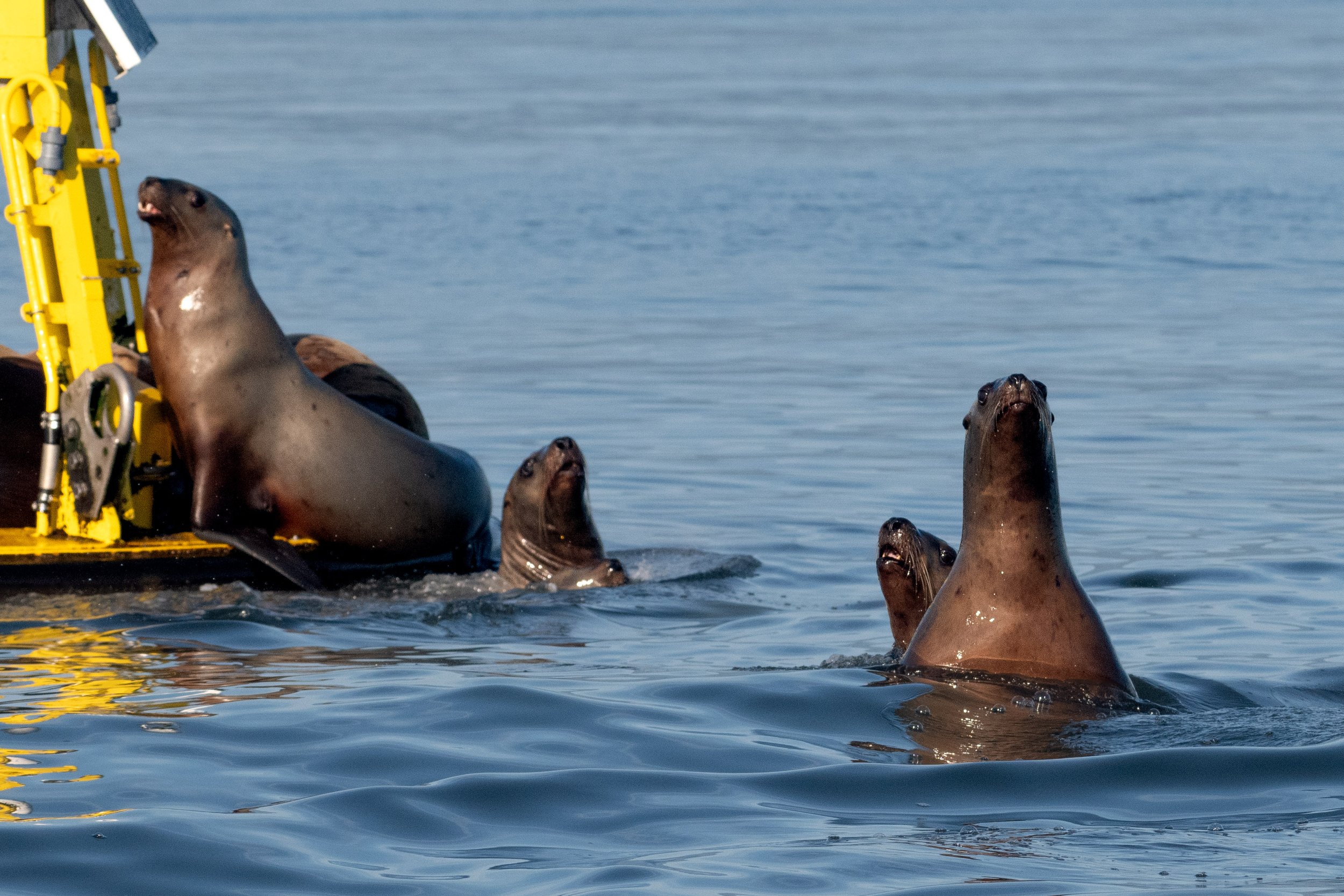
A spyhop from one of the sea lions as it peeks over at us. Photo by Hayleigh Hilbert.
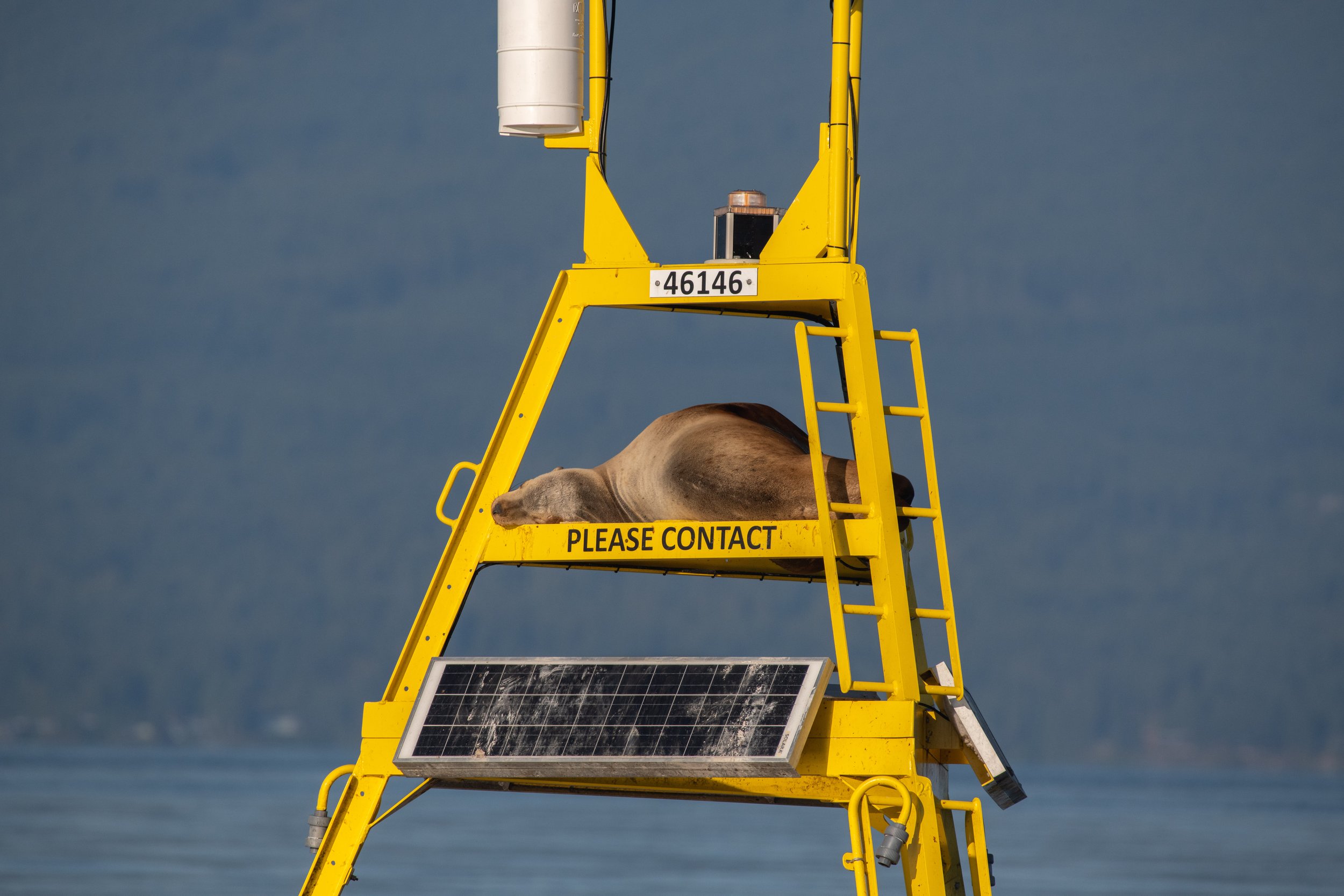
The ‘private loft’ of the ODAS buoy. Photo by Hayleigh Hilbert.
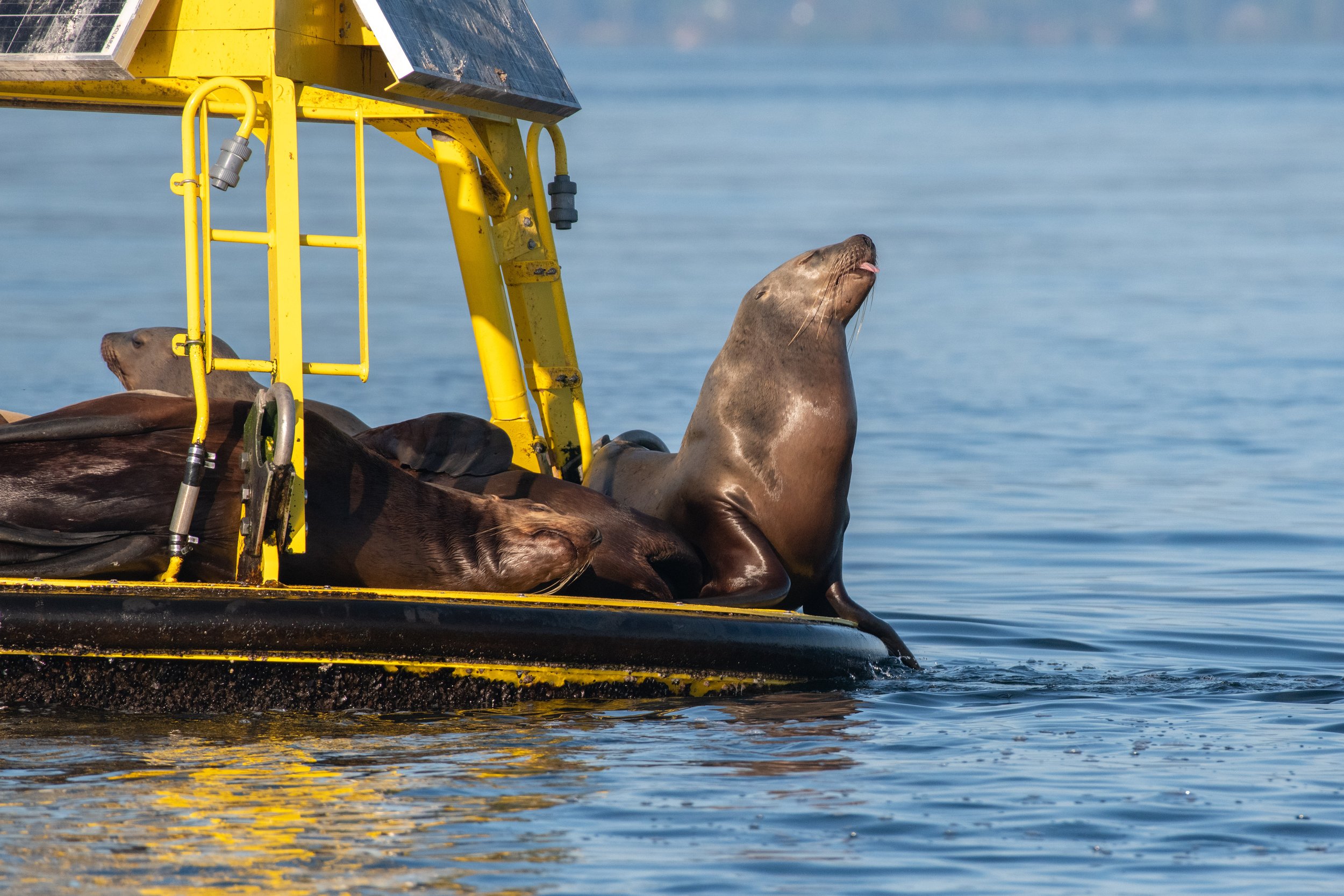
A blep from one of the Steller Sea Lions! Photo by Hayleigh Hilbert.
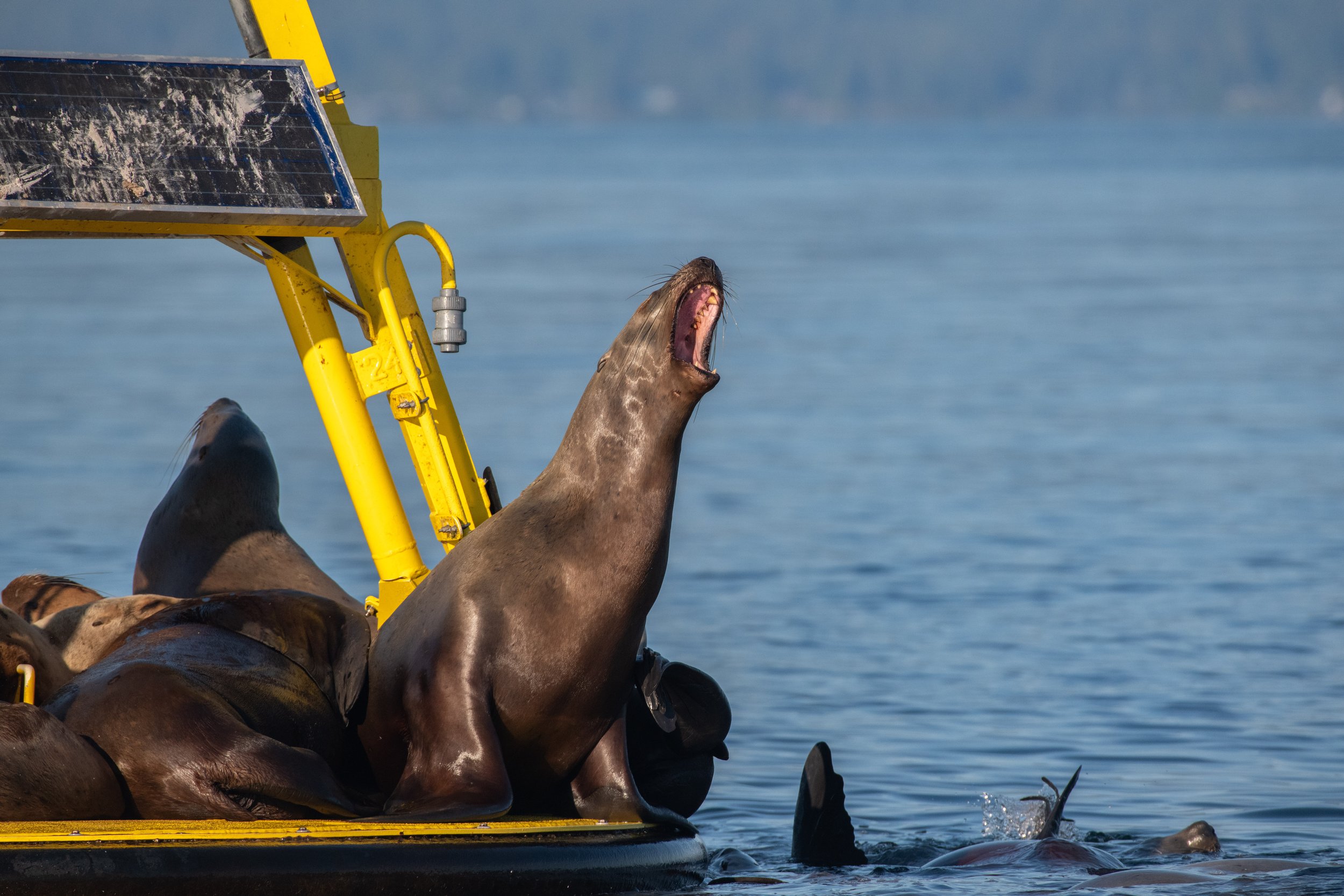
Asserting their dominance and claiming their spot on the buoy. Photo by Hayleigh Hilbert.
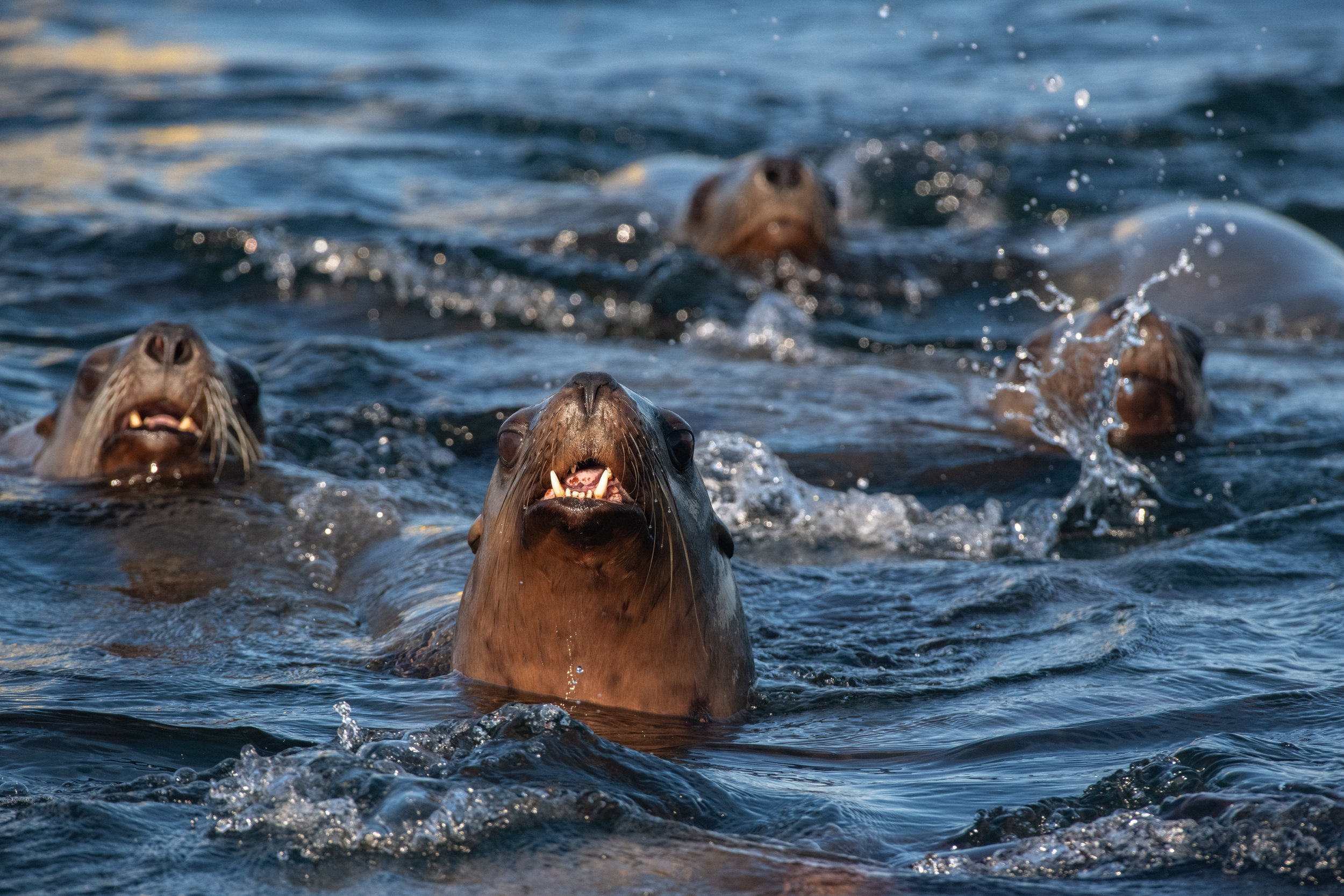
Look at those teeth! Photo by Hayleigh Hilbert.
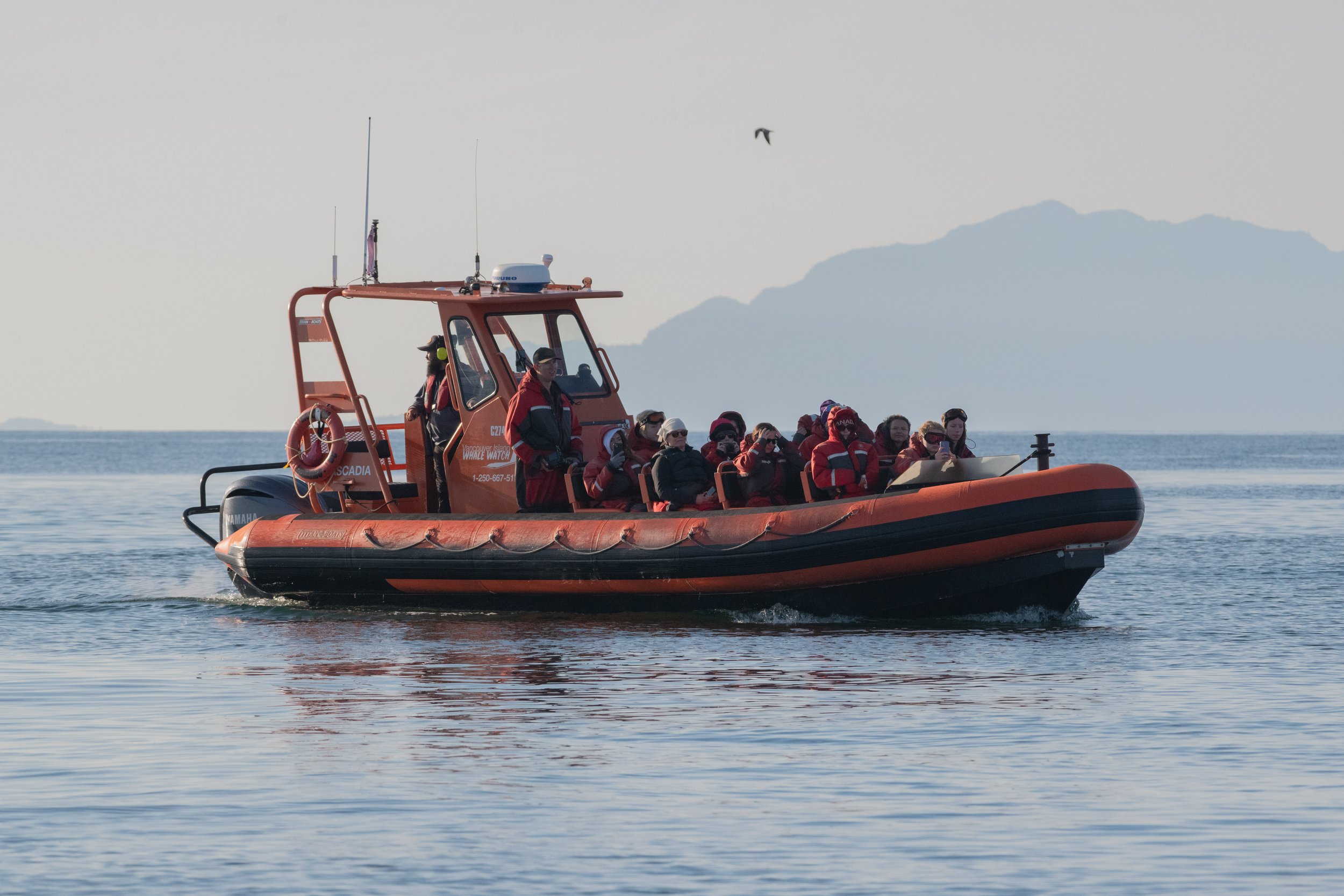
Cascadia getting on scene. Photo by Hayleigh Hilbert.
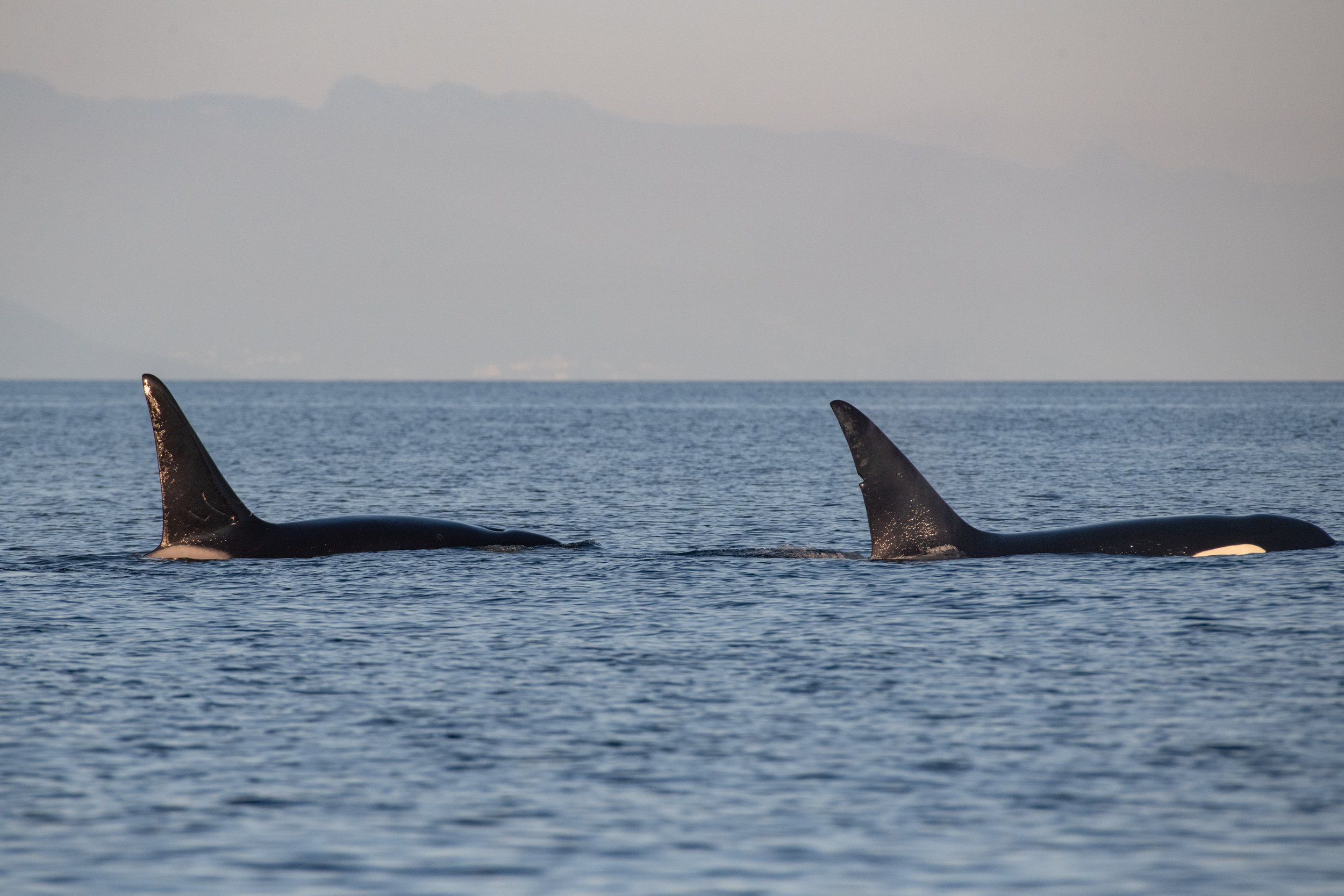
T060D Onca behind T037A2 Inky. Photo by Hayleigh Hilbert.
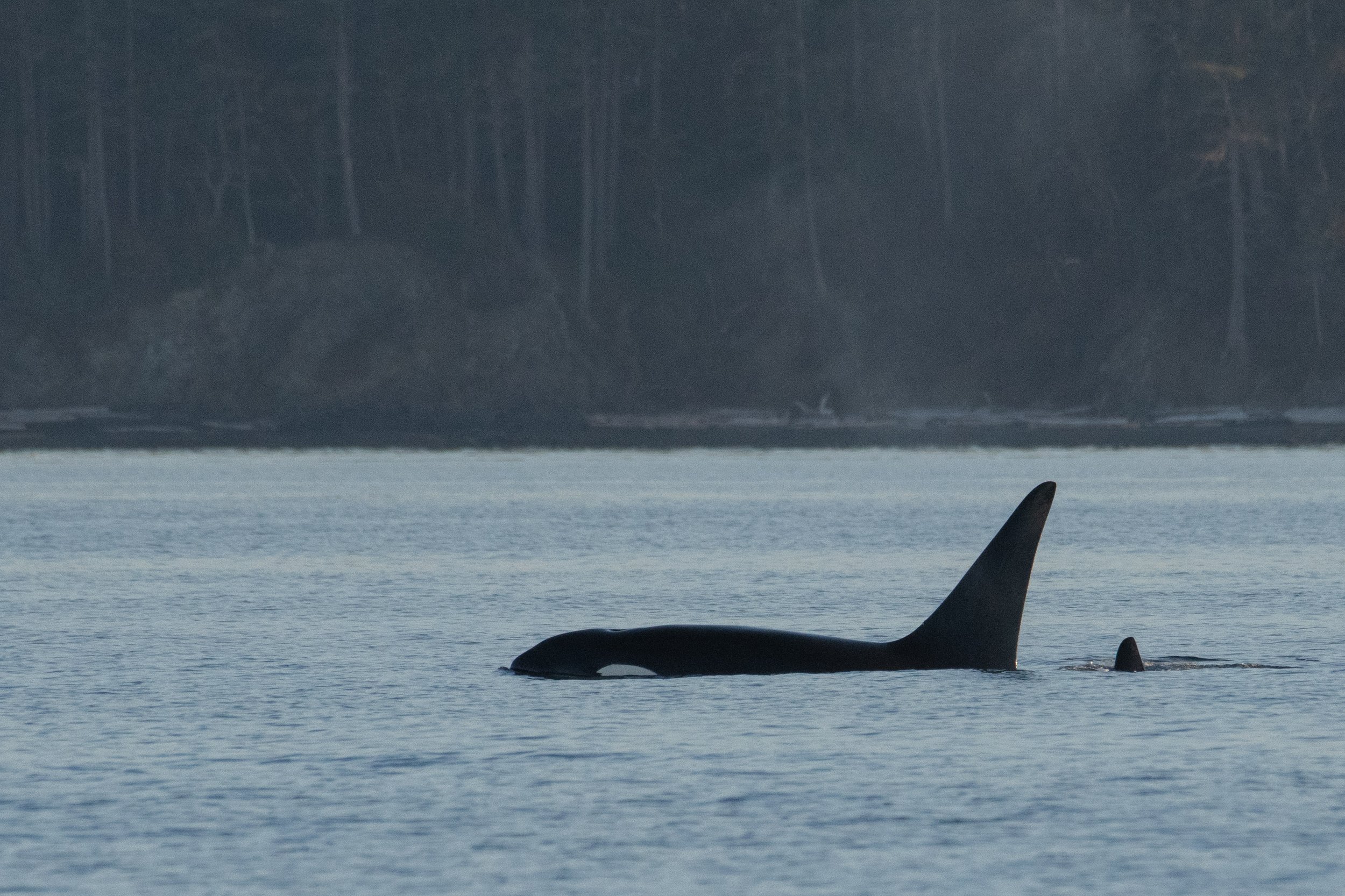
T060D Onca slowly making his way along. Photo by Evan Hessels.
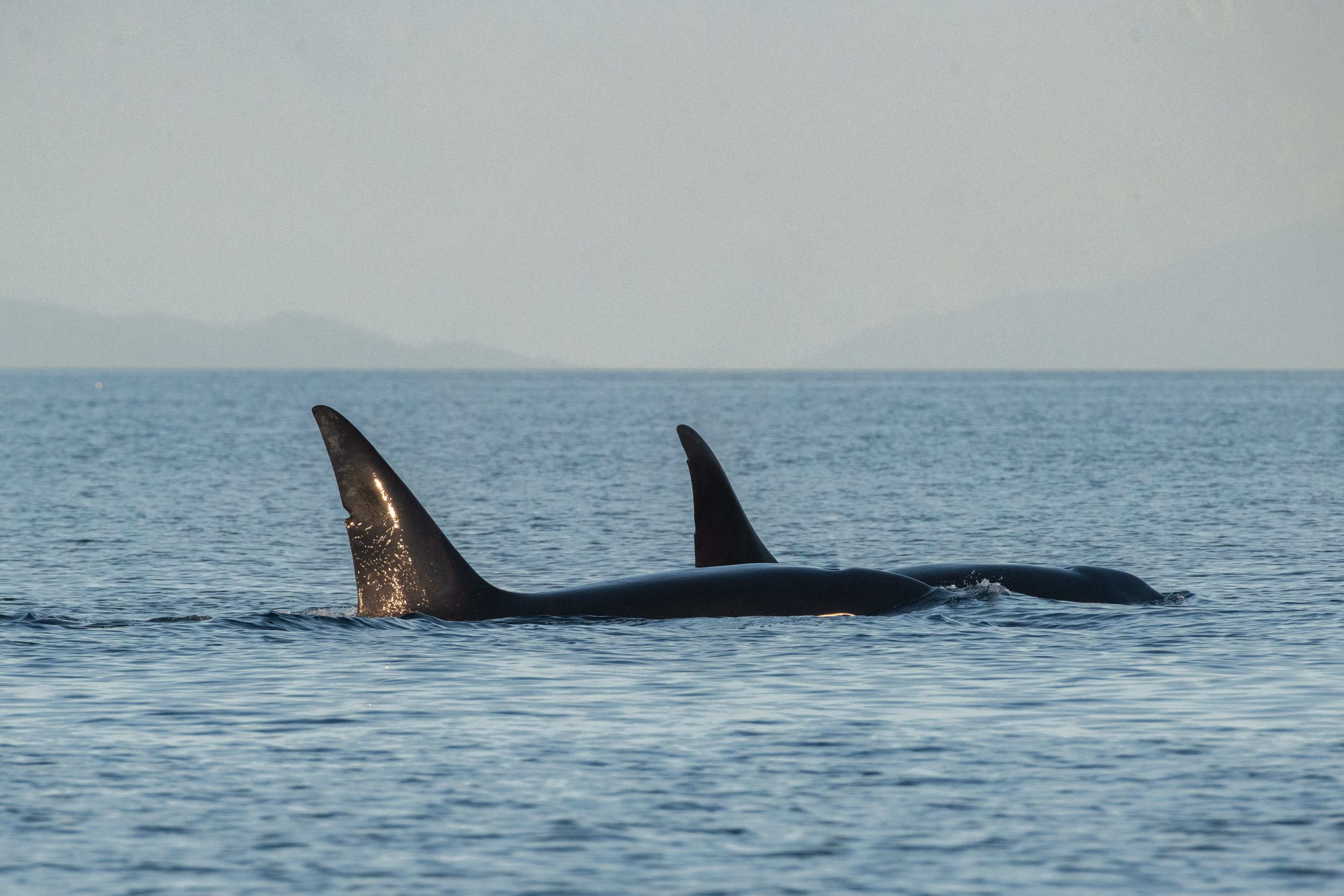
T037A2 Inky beside T060E Lynx. Photo by Hayleigh Hilbert.
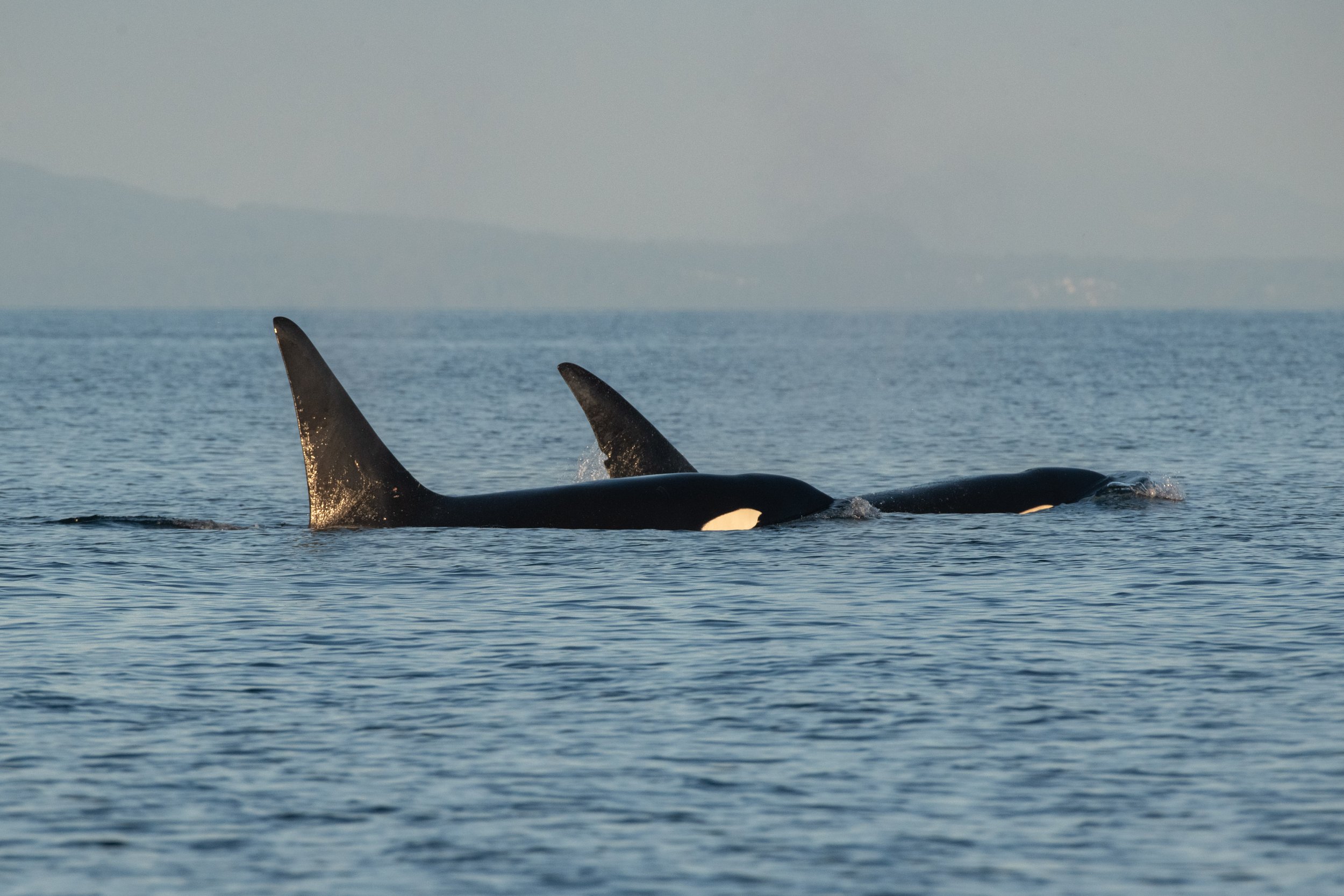
T060D Onca and T037A2 Inky - Onca is 5 years older than Inky! Photo by Hayleigh Hilbert.
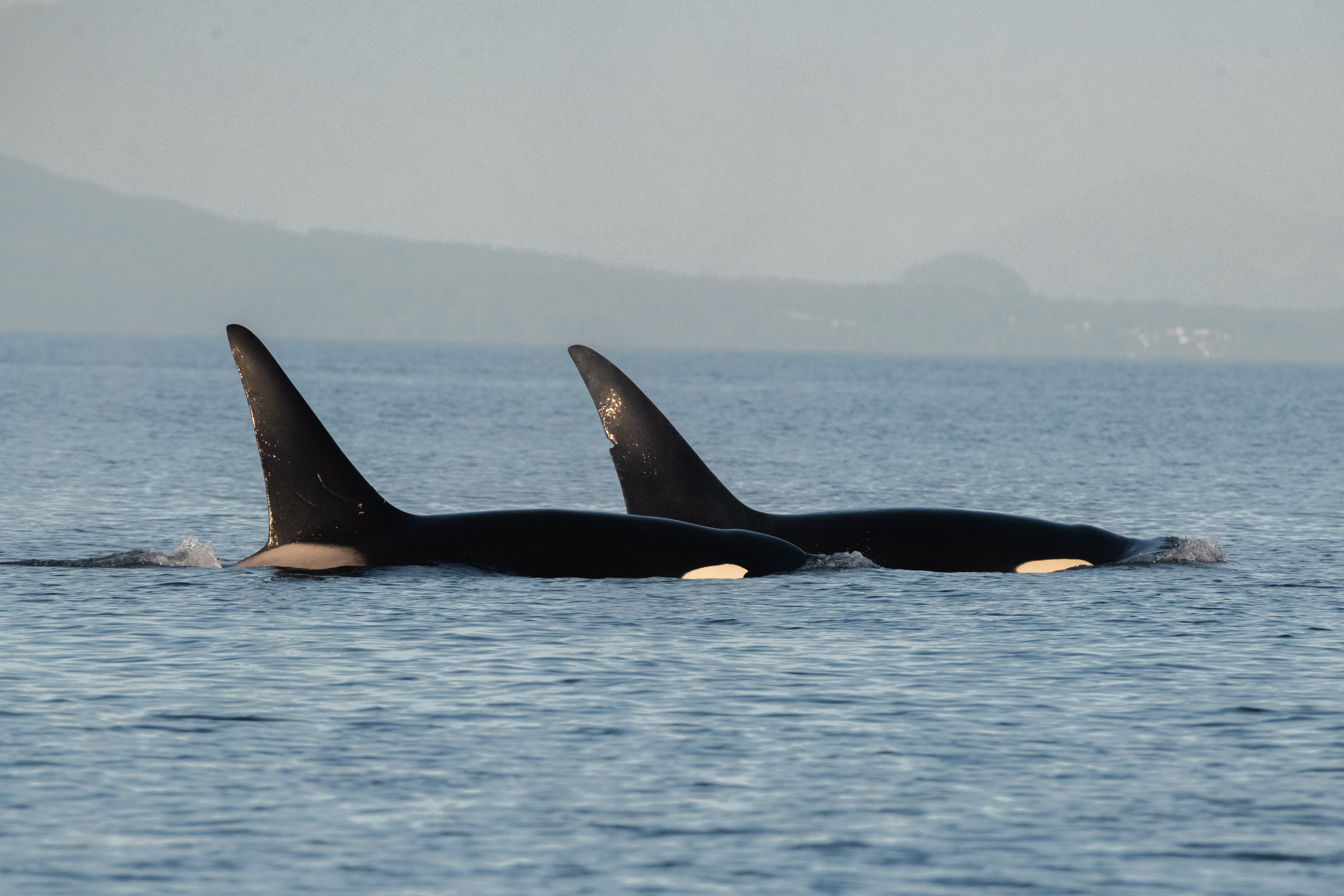
T060D Onca has some fresh scars along his dorsal fin, seen here while beside T037A2. Photo by Hayleigh Hilbert.
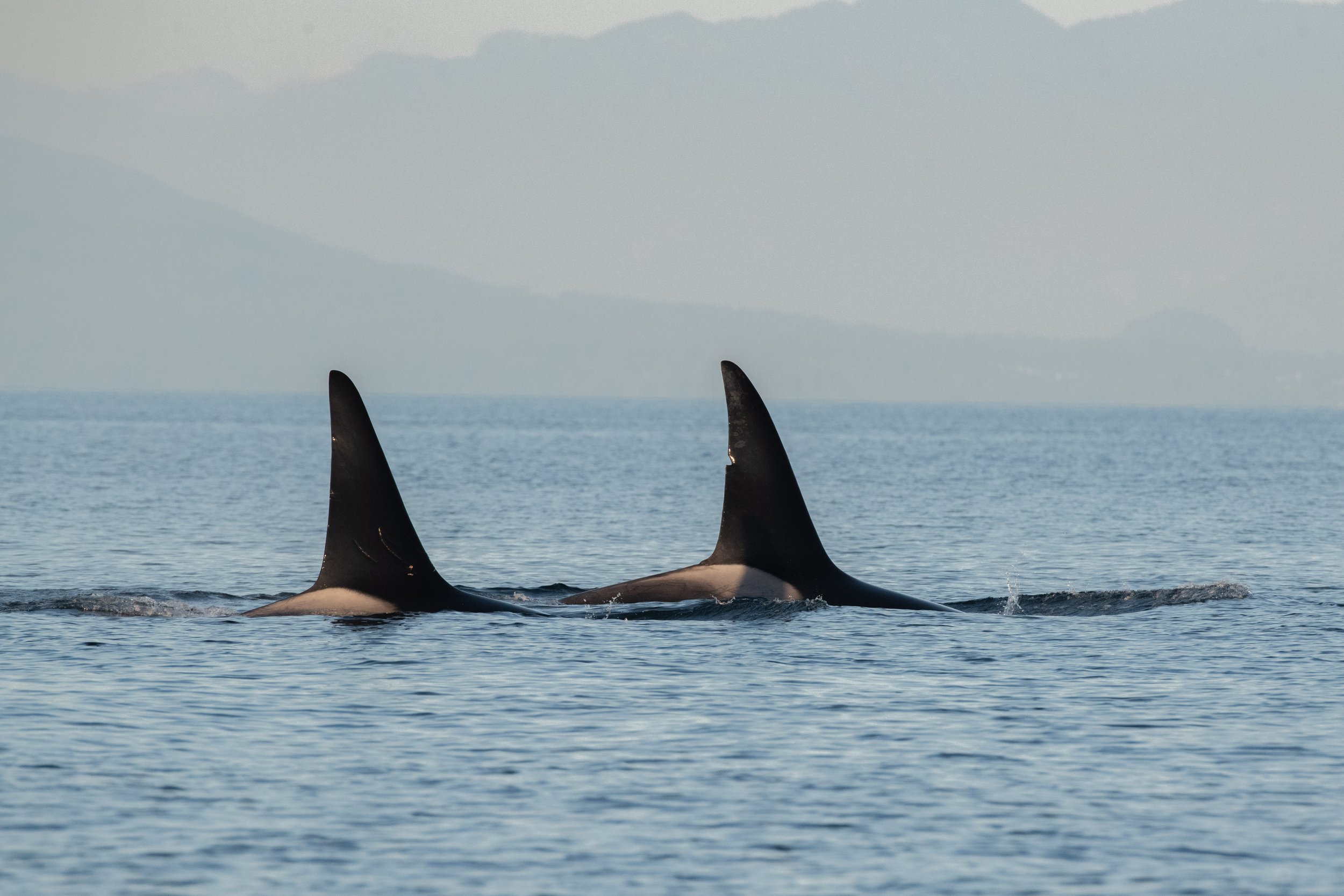
T060D Onca and T037A2 Inky diving in unison. Photo by Hayleigh Hilbert.
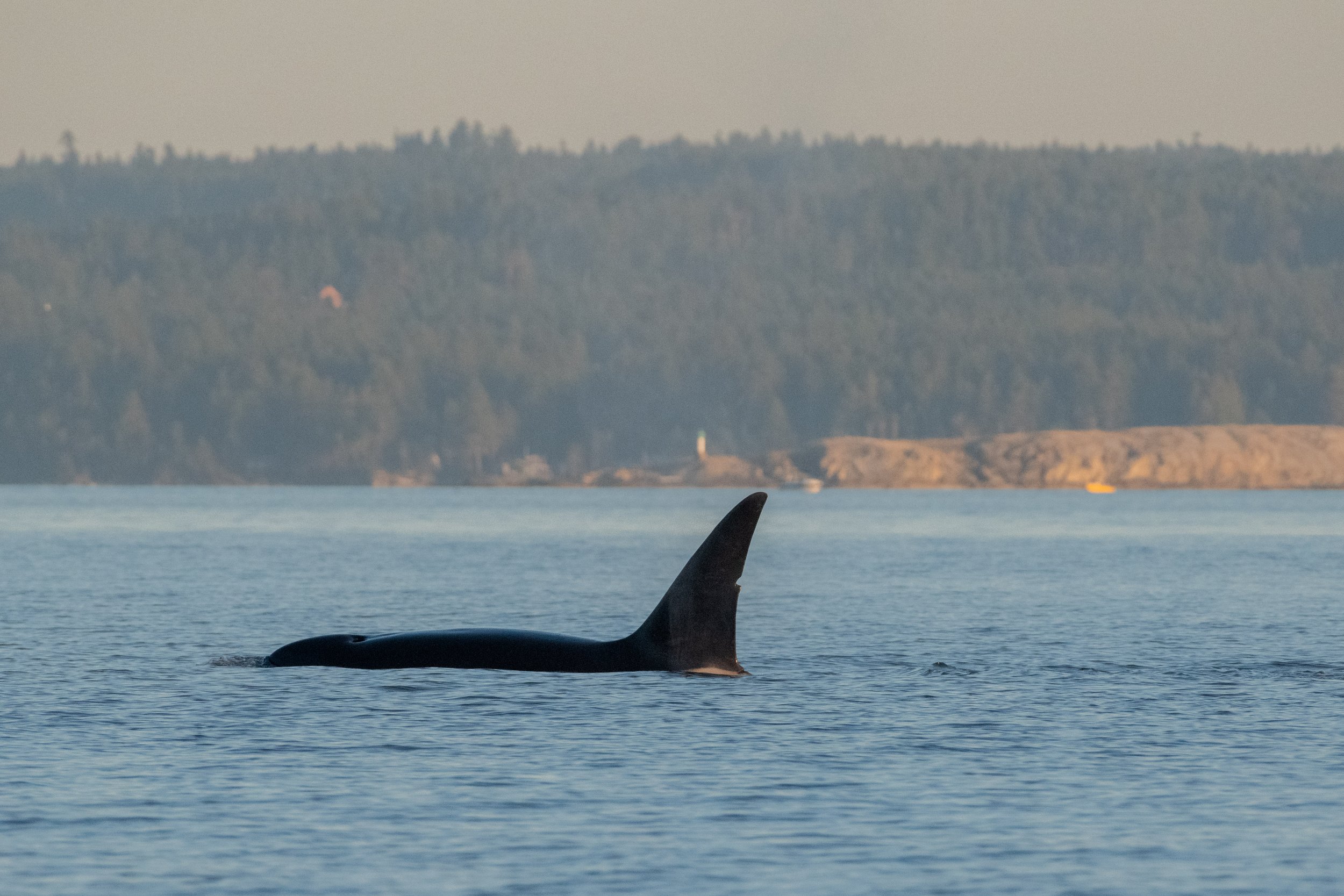
T037A2 Inky in the evening sunlight. Photo by Hayleigh Hilbert.
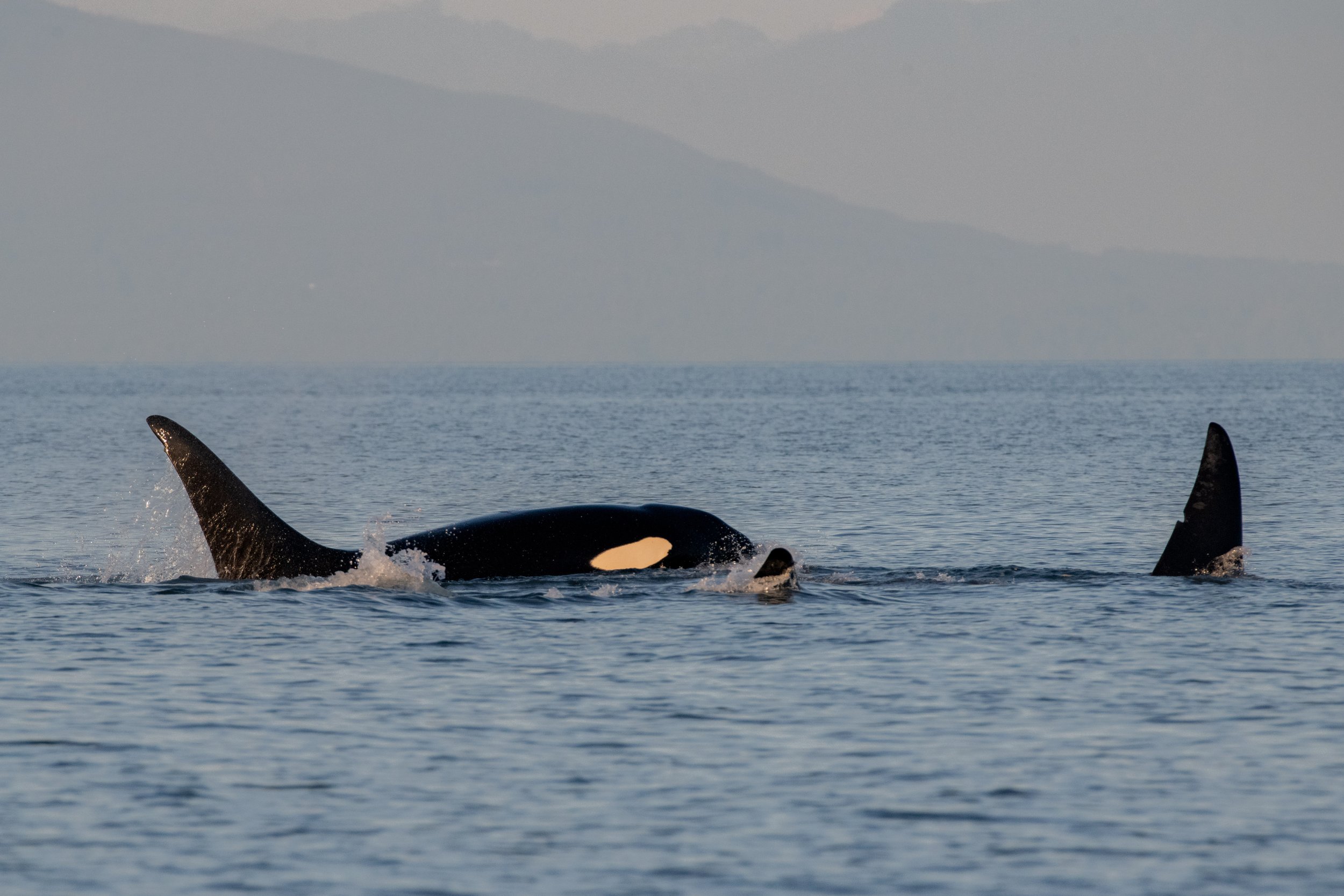
The other brother, T060E Lynx, coming up behind the boys. Photo by Hayleigh Hilbert.
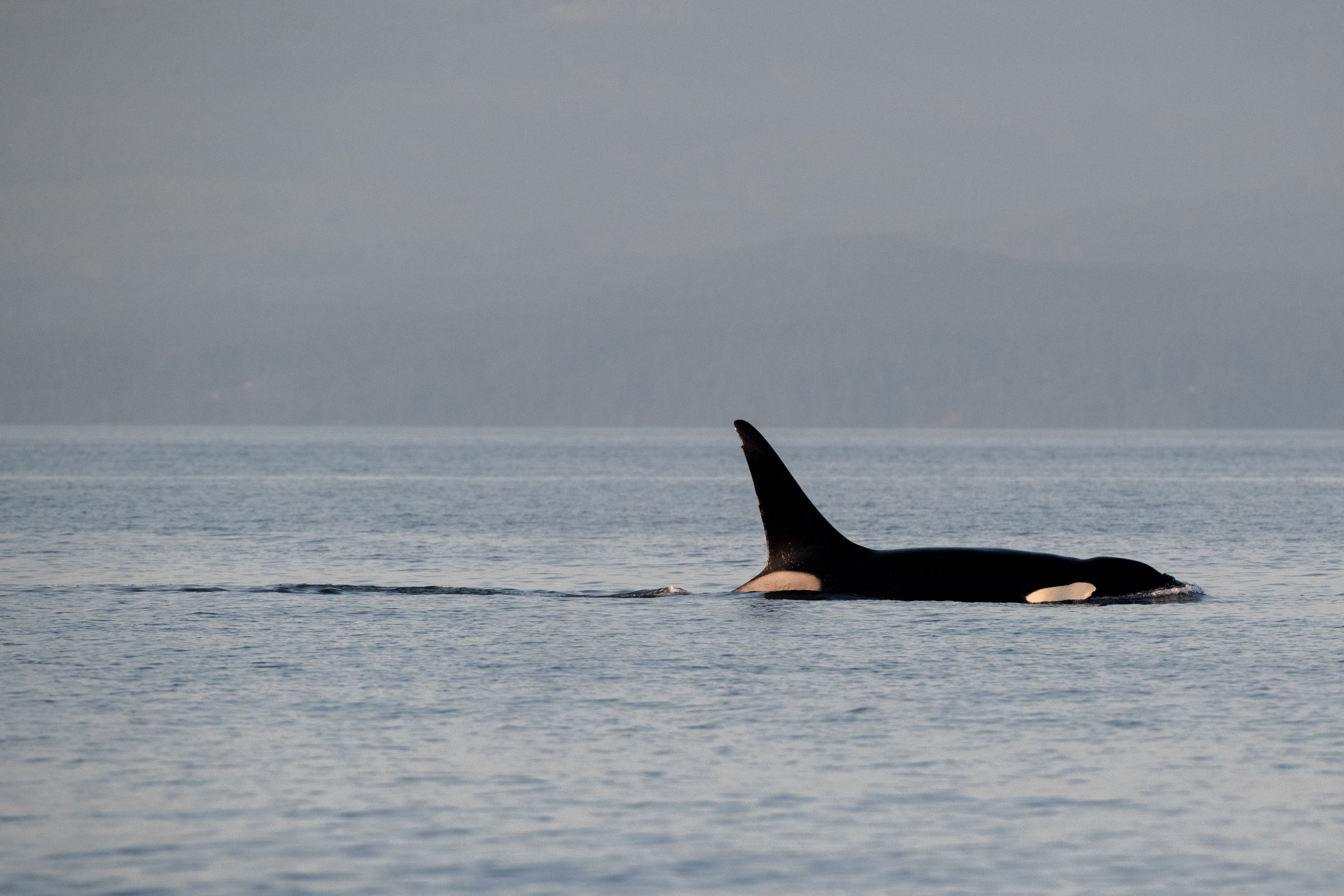
T060E Lynx got his nickname from his ‘tuft’-like notches on his dorsal fin. Photo by Hayleigh Hilbert.
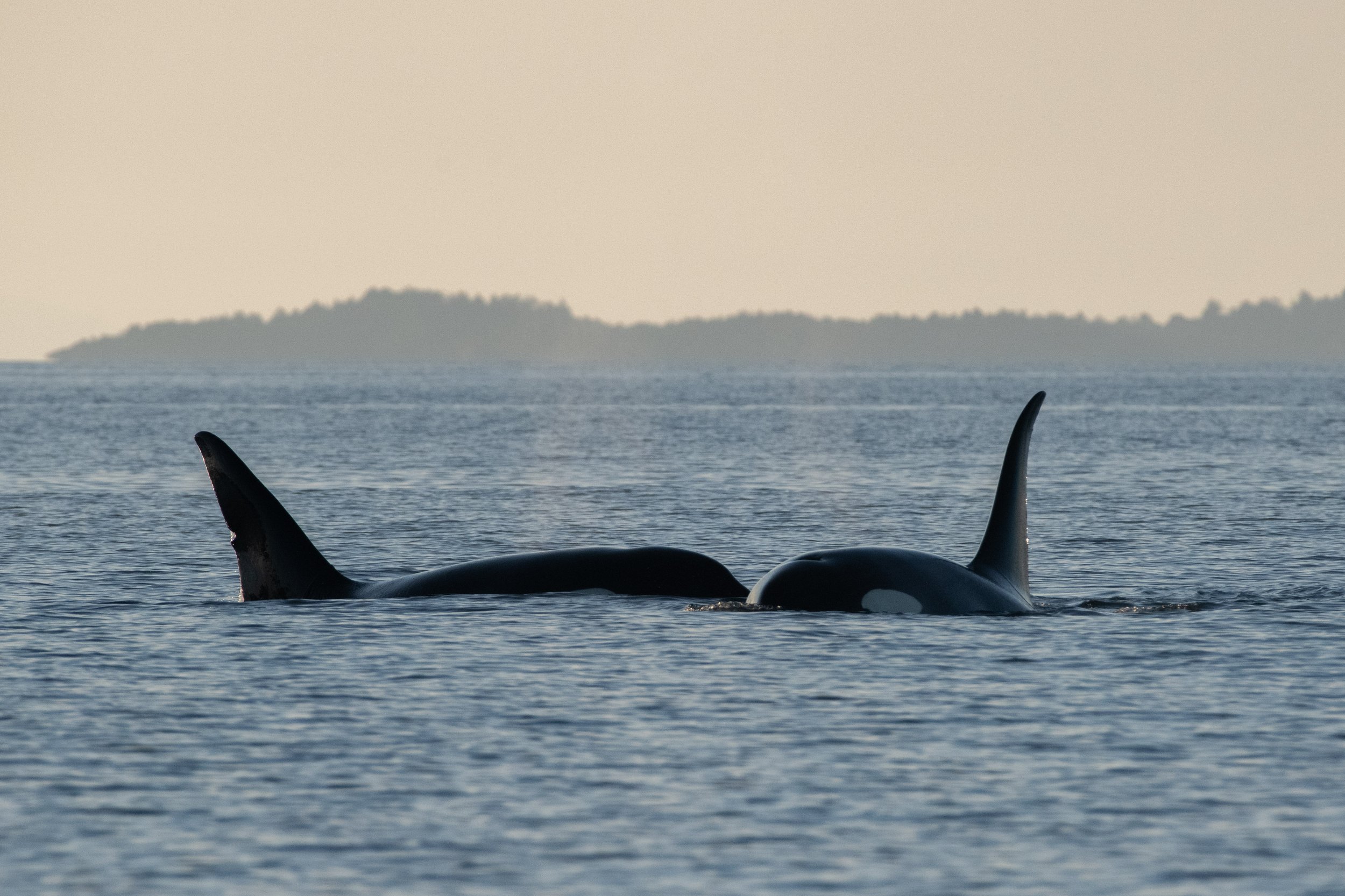
T037A2 Inky and T060E Onca nose to nose. Photo by Hayleigh Hilbert.
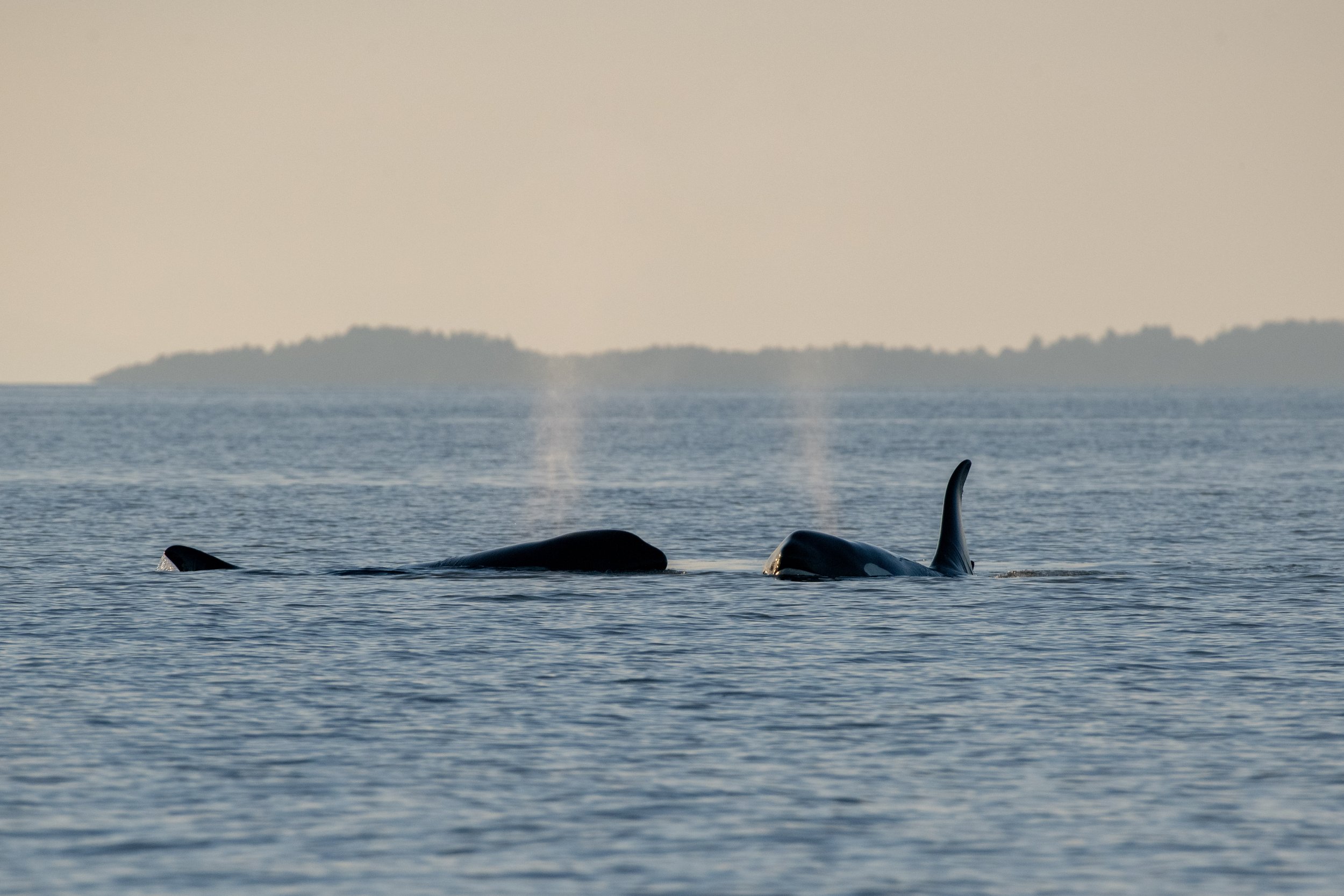
A pair of backlit blows. Photo by Hayleigh Hilbert.
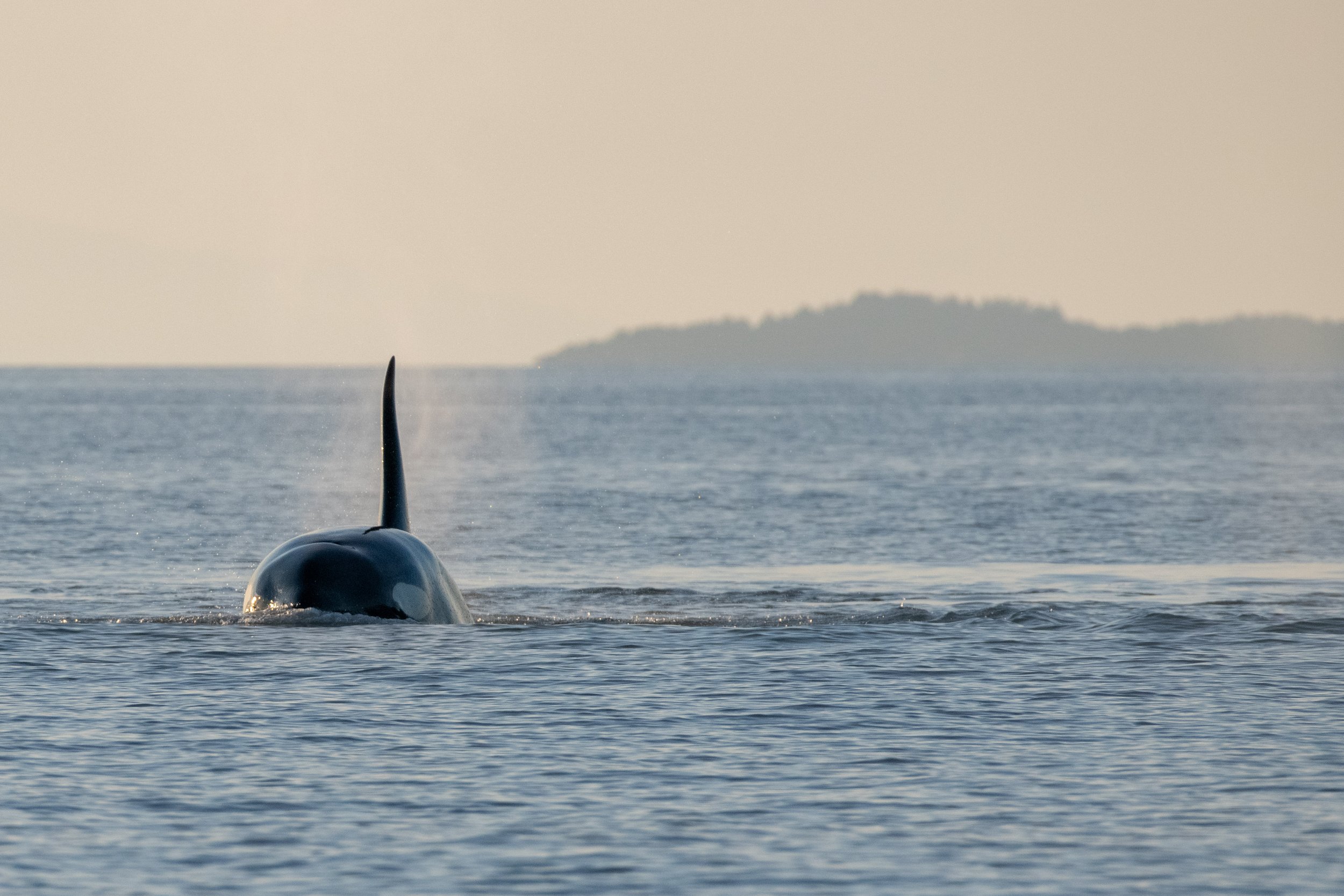
T060E Lynx looking extra chunky! Photo by Hayleigh Hilbert.
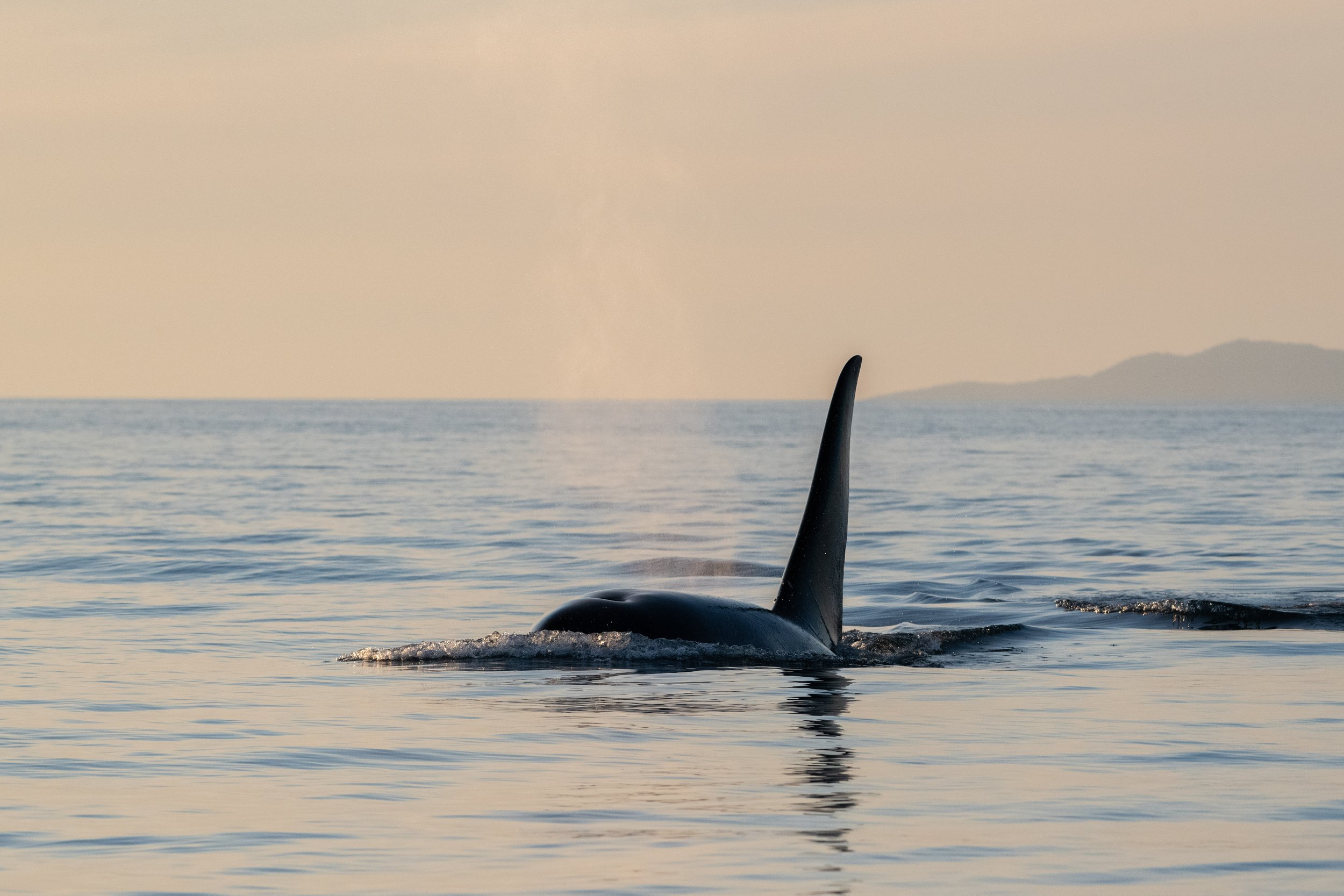
Sunset and orca - there is no better combo! Photo by Hayleigh Hilbert.
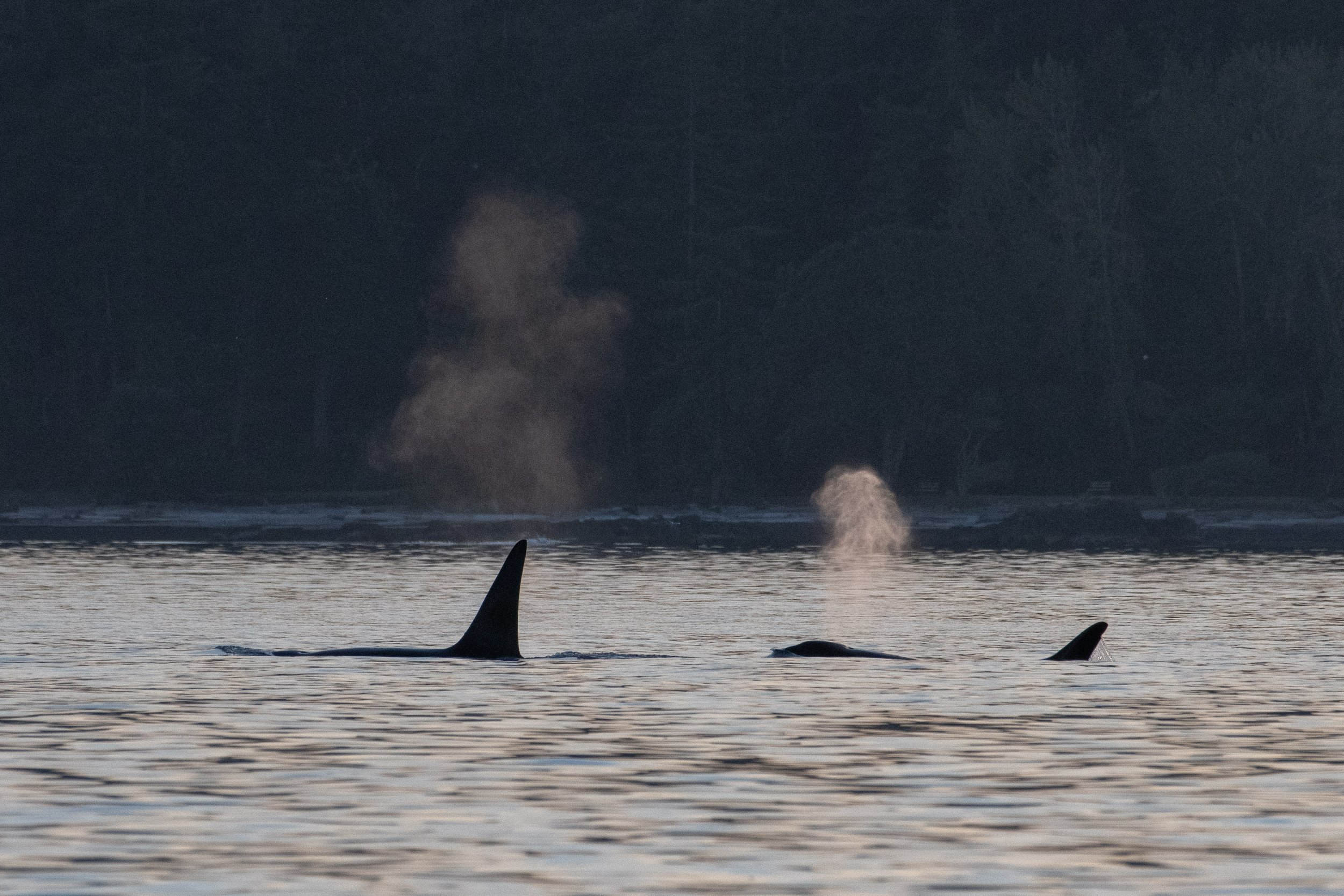
T060D Onca and T060E Lynx travelling together. Photo by Evan Hessels.
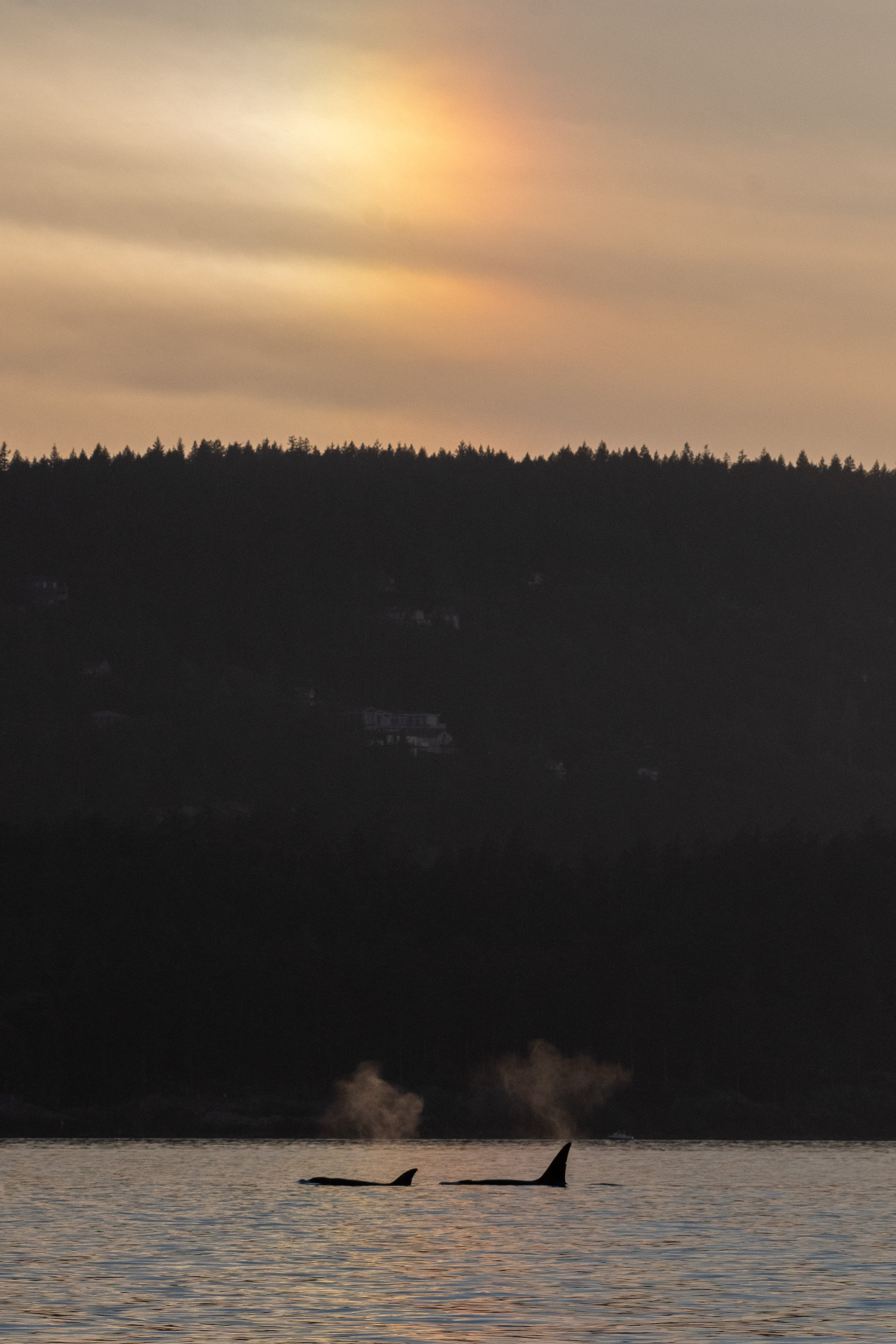
T037A Volker and T037A2 Inky in the sunset. Photo by Evan Hessels.
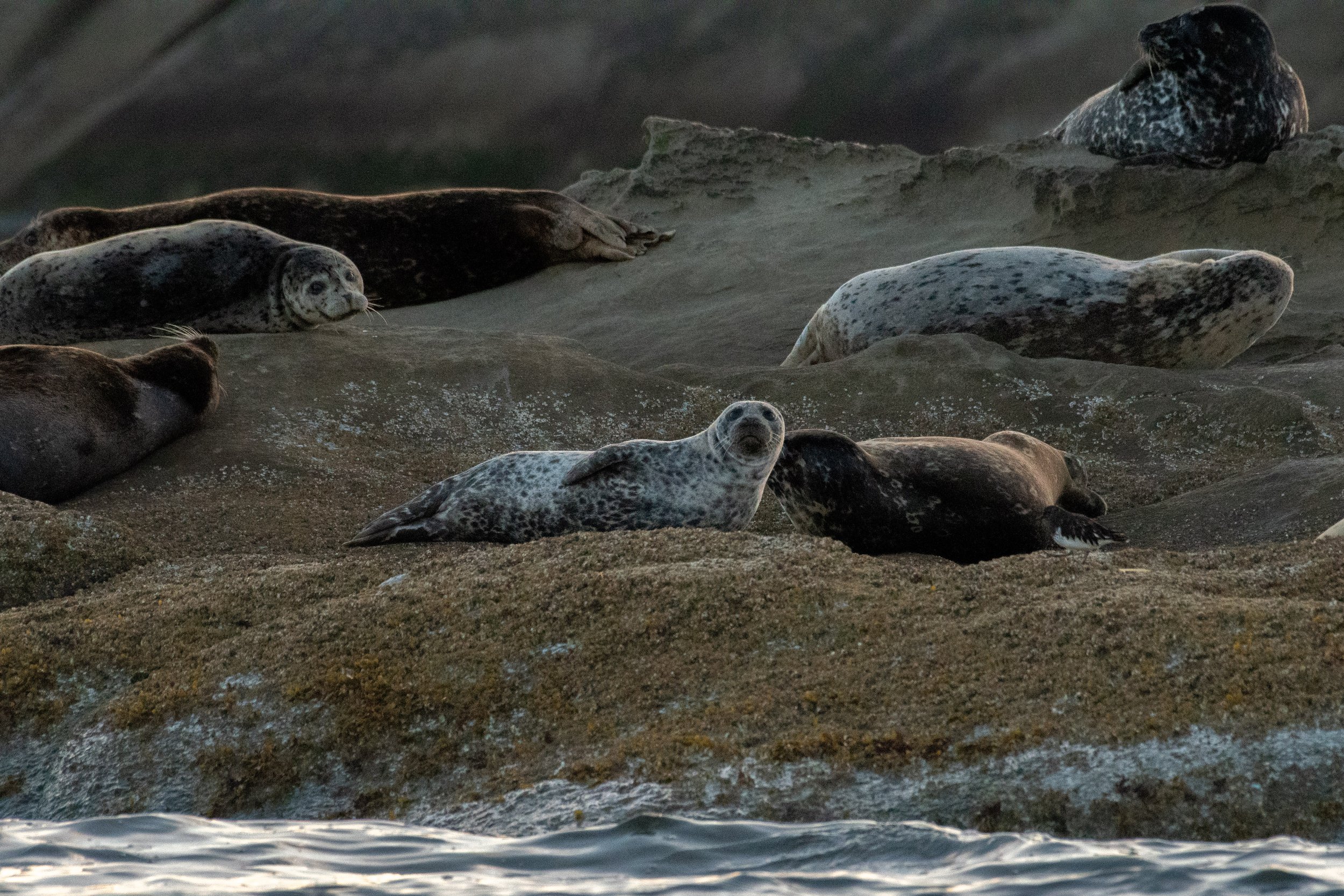
Curious Harbour Seals hauled out on the rocks. Photo by Evan Hessels.
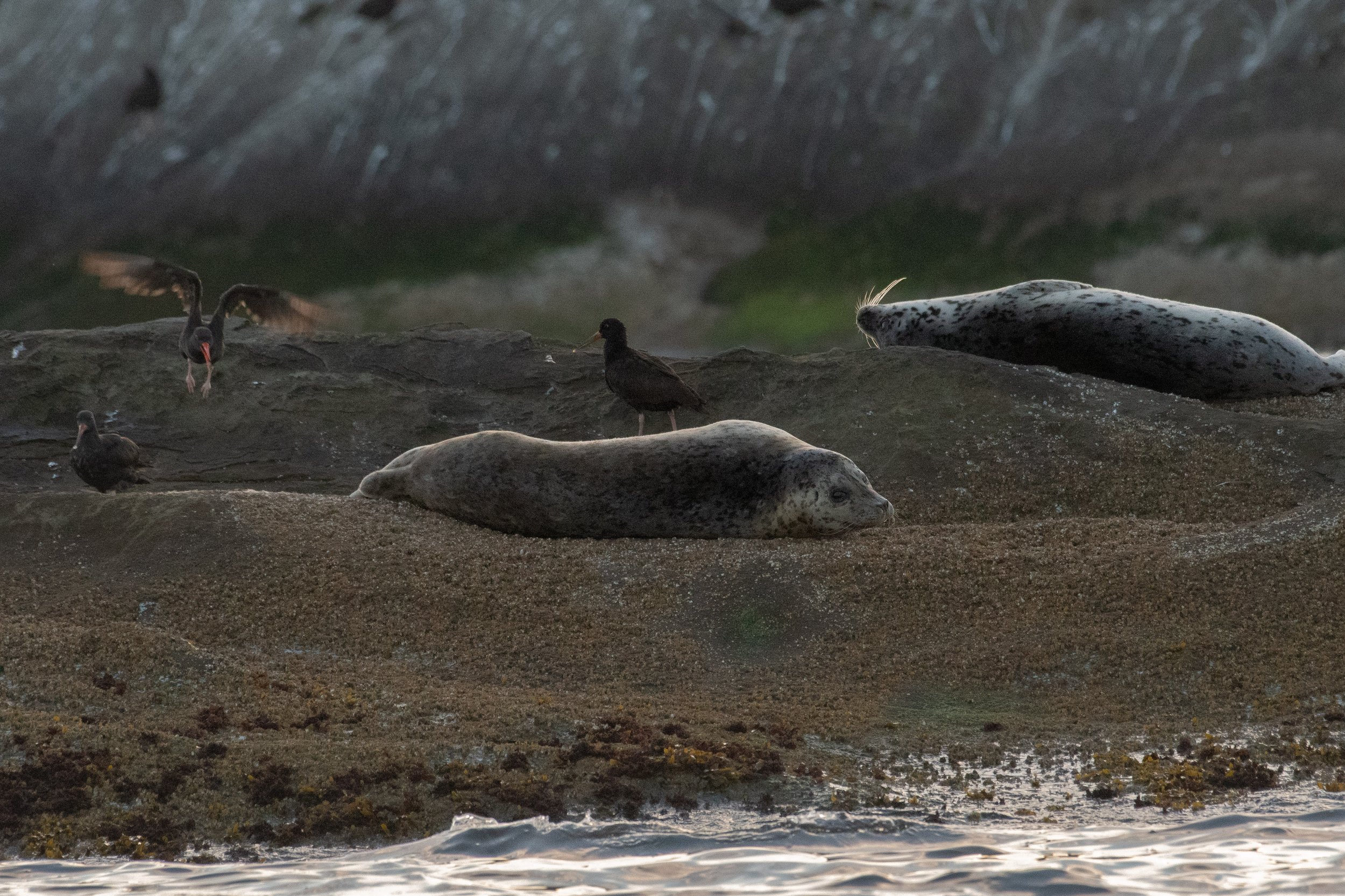
Harbour Seals and Black Oystercatchers together on the haul out. Photo by Evan Hessels.