
October 10, 2026 - A Day of Humpback Surprises
Our open boat, Cascadia, and semi-covered boat, Kula, left the dock today and set out in search of whales. It didn’t take long for the naturalists to spot their first telltale sign of a whale nearby: the bushy blow of a humpback rising above the surface near Snake Island. A few breaths later, we had our first identification of the day: Iota (BCY1466)!
Identifying individual humpback whales is a little like putting together a puzzle. Each whale has a combination of physical features that helps researchers and naturalists recognise them. One place to look is the dorsal fin, the small fin on a whale’s back. Although humpbacks can reach 40 to 60 feet in length, their dorsal fins are relatively small, and the differences between individuals can be subtle. The real giveaway is usually found on the underside of the tail, known as the fluke. A humpback’s flukes can span nearly 20 feet across, providing a large canvas for identification. Each whale has a distinctive pattern of black and white pigmentation, a unique trailing edge, and sometimes visible scars or markings. By photographing these features, researchers can build photo-identification catalogues that help track individual whales over time, revealing where they travel, how long they live, and even which calves they have raised. For our naturalists, these individual markings turn every encounter into an opportunity to reconnect with a whale we may have met before.
After spending some time with Iota, the boats continued towards Entrance Island, where a shore-based whale watcher had reported another whale in the area. What awaited us was a spectacular display of feeding behaviour!
The whale was identified as Kiarra Kelly (BCX2473), a humpback who visits our waters after spending part of the year around Hawaii. As the boats arrived, Kiarra Kelly was lunging through the surface with their mouth wide open, taking enormous gulps of water and prey. It was an exciting sight, especially because this kind of feeding behaviour is not something we see every day on the water.
Humpback whales are migratory animals, spending different parts of the year in different environments to take advantage of seasonal food supplies and suitable breeding conditions. Many of the humpbacks we encounter around Vancouver Island begin arriving in the spring, with numbers building through April and May. They remain in our region through the summer and into autumn, with many departing around October as they begin their migration towards warmer breeding grounds, including Hawaii and Mexico. These colder northern waters are their feeding grounds, where they take advantage of seasonal concentrations of small fish and zooplankton. Much of this feeding happens beneath the surface, out of sight of our boats. When a whale does bring its feeding activity to the surface, however, we sometimes get a remarkable glimpse into just how these enormous animals keep themselves fuelled.
Lunge feeding is one of the most dramatic feeding techniques a humpback can use. The whale accelerates towards a concentrated patch of prey, opens its mouth, and engulfs a tremendous volume of water along with the fish or other organisms swimming in it. Its throat pleats, known as ventral pleats, expand to accommodate the enormous mouthful, allowing the whale to take in a volume of water much larger than its body would otherwise suggest. The whale then closes its mouth and pushes the water back out through its baleen, trapping the prey inside to be swallowed. This is an energy-intensive way to feed, so finding a dense patch of prey is important. When the conditions are right, a humpback may repeat the behaviour several times in succession, lunging through the same area as it works to capture as much food as possible. And these whales certainly need plenty of food. An adult humpback can consume around 3,000 pounds of food in a day during periods of intensive feeding. That is more than the average human eats in two years! Their diet varies depending on what is available, but can include krill, other zooplankton, and small schooling fish such as herring and sand lance.
Humpbacks are baleen whales, meaning they filter their food from the water rather than catching it with teeth. Hanging from their upper jaws are hundreds of baleen plates made of keratin, the same protein found in our hair and fingernails. These plates have fine, hair-like fringes along their inner edges, creating a filtering surface that allows water to escape while retaining prey. Once a humpback has taken in its mouthful, it uses its tongue to help push the water out through the baleen. The small fish and other prey remain inside the mouth, ready to be swallowed. It is an impressive feeding system, especially when you consider the size of the animal using it and the tiny prey that sustains it.
Kiarra Kelly came up and did several spectacular lunges, offering a rare opportunity to watch this process unfold right at the surface. With each pass, we were reminded that even the largest animals in the ocean depend on finding enough small prey to sustain their enormous bodies. After enjoying this incredible display, we left Kiarra Kelly to their meal and continued our search to see what else the day had in store.
Kula surfed the waves and continued south into the Strait of Georgia, while Cascadia headed towards the calmer waters around the Southern Gulf Islands.
Kula soon spotted more blows on the horizon and made its way towards what initially appeared to be a trio of humpbacks. Among them were Sherwina (BCY0961) and her 2026 calf (BCY0961calf2026), travelling alongside Notcho (BCX1700).
Although born earlier this year, Sherwina’s calf already looked remarkably large. Humpback calves enter the world measuring around 12 to 15 feet long, but they do not stay small for long. Their mothers produce exceptionally rich milk, containing a high proportion of fat that allows calves to grow at an astonishing rate. During their first months of life, calves can gain more than 100 pounds in a day under favourable conditions and grow around a foot in length per month This rapid growth is essential. The calf must build up enough body reserves to support its development and prepare for the long migration ahead, all while learning the behaviours it will need to survive independently. For now, Sherwina provides both nourishment and protection as her young calf learns to navigate the ocean alongside her.
The whales eventually disappeared beneath the surface for a deeper dive, leaving us waiting for their return. Watching humpbacks dive is always a little exercise in patience. We can estimate how long they might remain underwater, but there is no guarantee of exactly where they will resurface. We scanned the surrounding water, keeping an eye out for the first sign of a returning blow.
After a couple of minutes, three blows erupted in quick succession. But something was different. As the whales surfaced, their dorsal fins did not match the individuals we had just been watching. Our trio had become a different trio!
Joining us now were Neowise (BCY1228), Kraken/Monarch (BCZ0180), and BCY1326. The three whales surfaced alongside one another, taking a few breaths before lifting their broad tails into the air and disappearing below the surface once again.
Humpbacks are often seen travelling in temporary groups, and the individuals associating with one another can change throughout the day. Unlike some whale species that maintain long-lasting family groups, humpback associations are generally fluid. Two or more whales may spend time together while travelling or feeding, then separate and join different individuals later. These short-term associations are a normal part of humpback social behaviour, and they offer a reminder that the relationships we observe on the water can be dynamic rather than fixed.
Seeing two different groups of humpbacks in the same area made for a particularly rewarding encounter. It also highlighted the importance of keeping a close eye on the details. A blow on the horizon may tell us where to look, but the dorsal fin and fluke markings help us work out who has actually arrived.
With our whale-watching cups overflowing, it was time to appreciate some of the other wildlife sharing these coastal waters.
Harbour Seals were hauled out on the rocks, basking in the afternoon sunshine. These familiar residents often use rocky outcrops as resting places between trips into the water to feed. Nearby, Steller Sea Lions had claimed a rocky spot of their own. The large animals huddled together, their bodies packed closely as they rested, although the deep, guttural grumbling coming from the group suggested that sharing space was not necessarily their favourite activity. California sea lions had chosen a different kind of resting place: the log booms. These floating collections of wood can make convenient haul-out sites, rising and falling with the tide rather than leaving the animals stranded on a rock as the water level changes. It was a practical choice for a group of sea lions looking to rest between feeding trips.
The birdlife was equally varied. Pacific Loons made a brief appearance as they flew past, giving us only a fleeting glimpse before they disappeared from view. Black Oystercatchers, on the other hand, were a little easier to watch. Their bright bills and dark plumage stood out against the shoreline as they worked along the rocks, picking at mussels and other invertebrates. These coastal birds are well adapted to feeding in the intertidal zone, using their strong bills to access prey hidden among the rocks.
From humpbacks feeding at the surface to sea lions resting on floating logs, the day offered a wonderful reminder that our local waters are home to far more than the whales we set out to find. Every trip brings the possibility of a new encounter, whether that means watching a familiar whale return to the area, witnessing a rarely seen feeding behaviour, or simply taking a moment to appreciate the wildlife living along our coastline.
After a successful day exploring the Strait of Georgia and the Southern Gulf Islands, Cascadia and Kula made their way back to the dock, bringing another day of discoveries on the water to a close.
Please enjoy the photos from our trip, taken by Marine Naturalists Jordan Robinson and Hayleigh Hilbert.
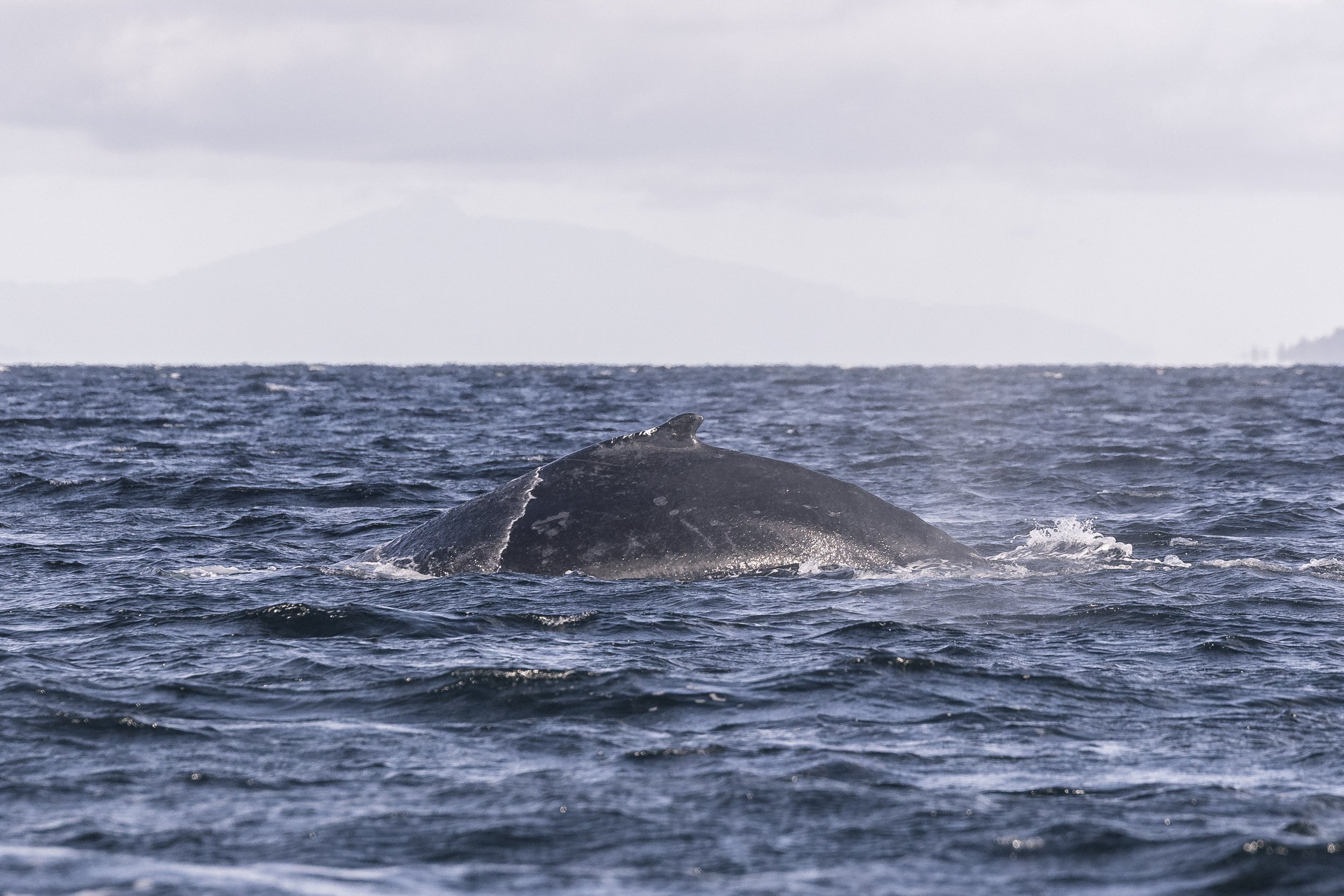
Like water off a whale’s back. Iota’s dorsal fin as they arch for a dive. Photo by Jordan Robinson.
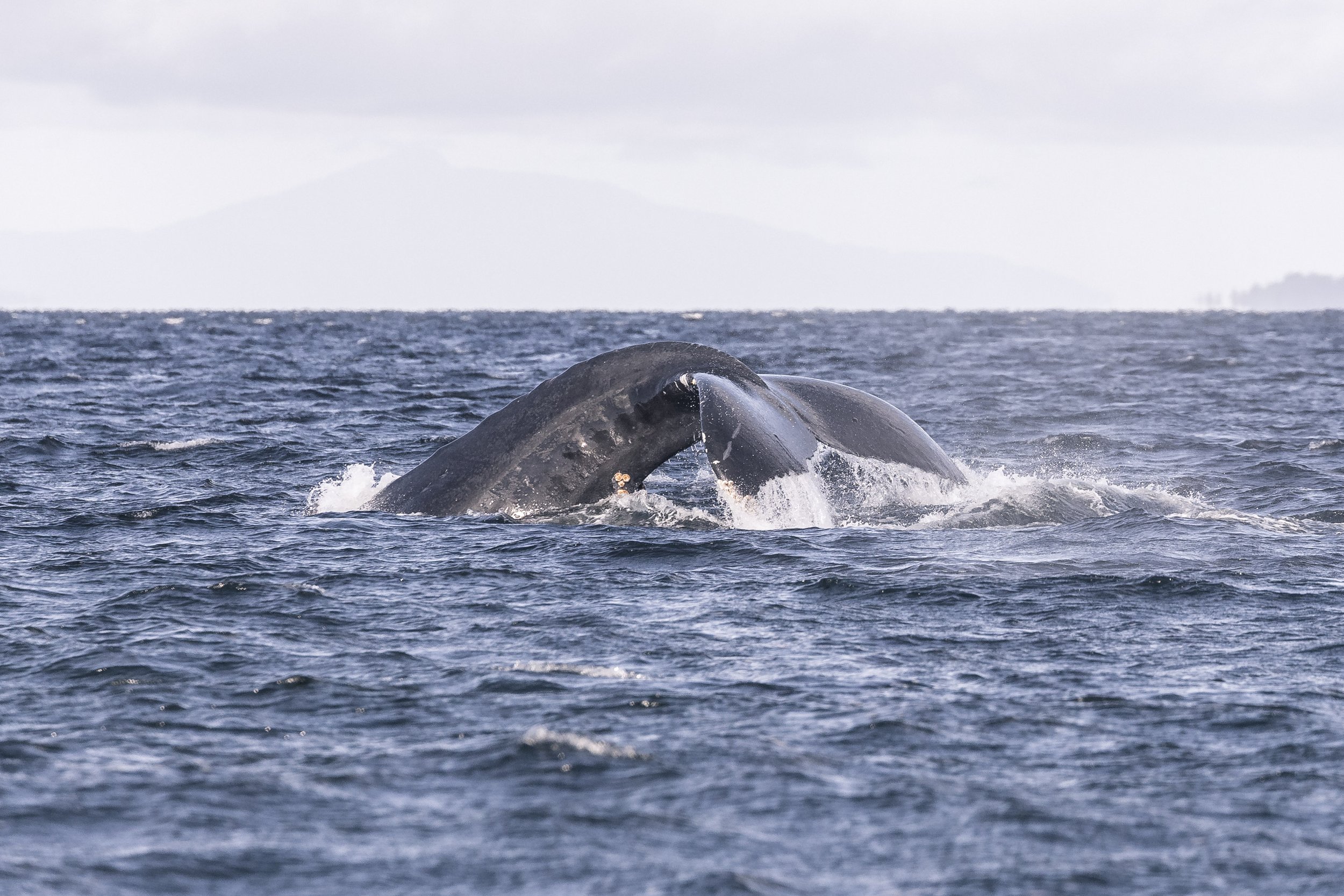
A fluke waterfall from Iota. Photo by Jordan Robinson.
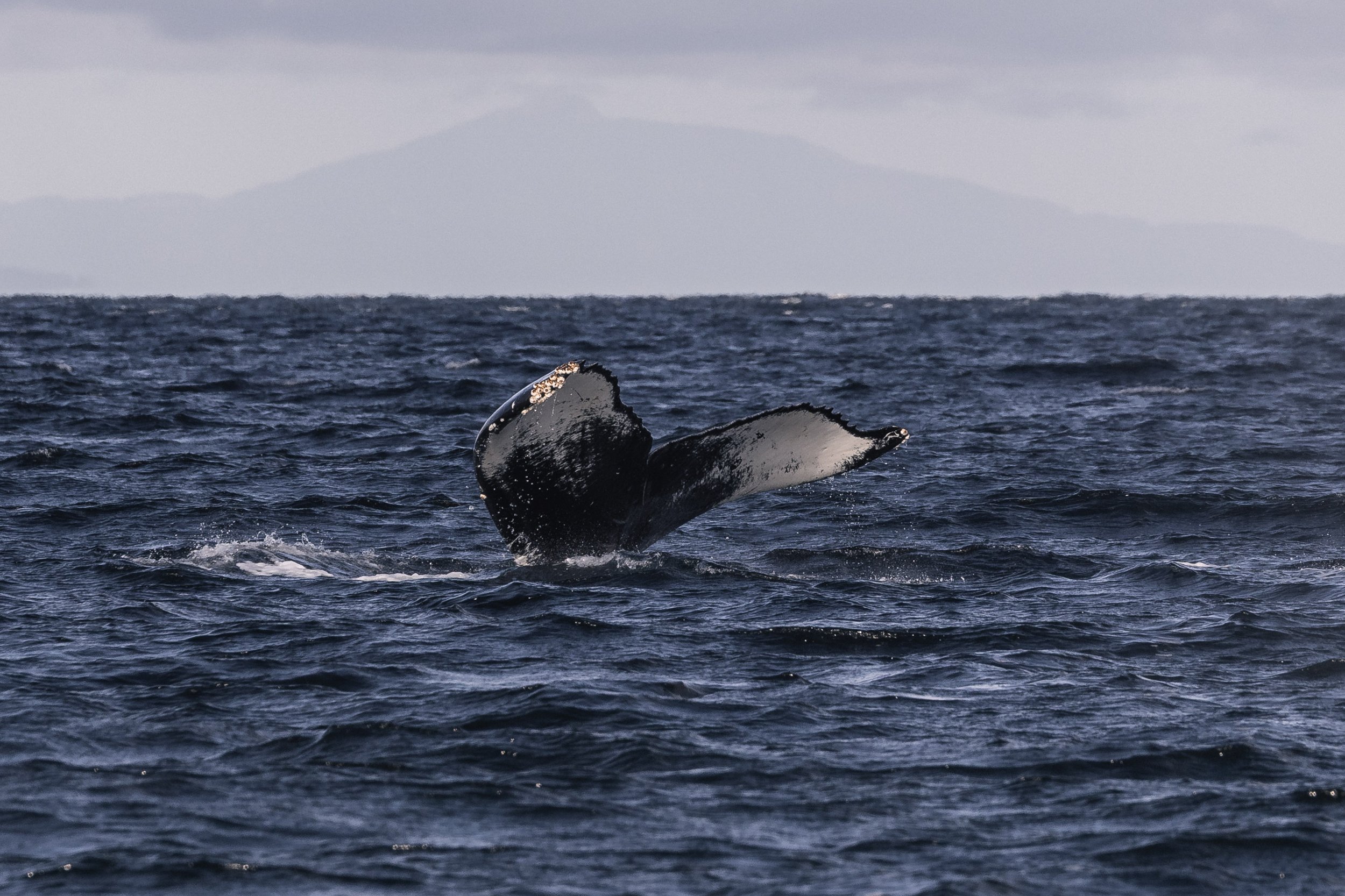
The unique markings on Iota’s tail help us identify them. Photo by Jordan Robinson.
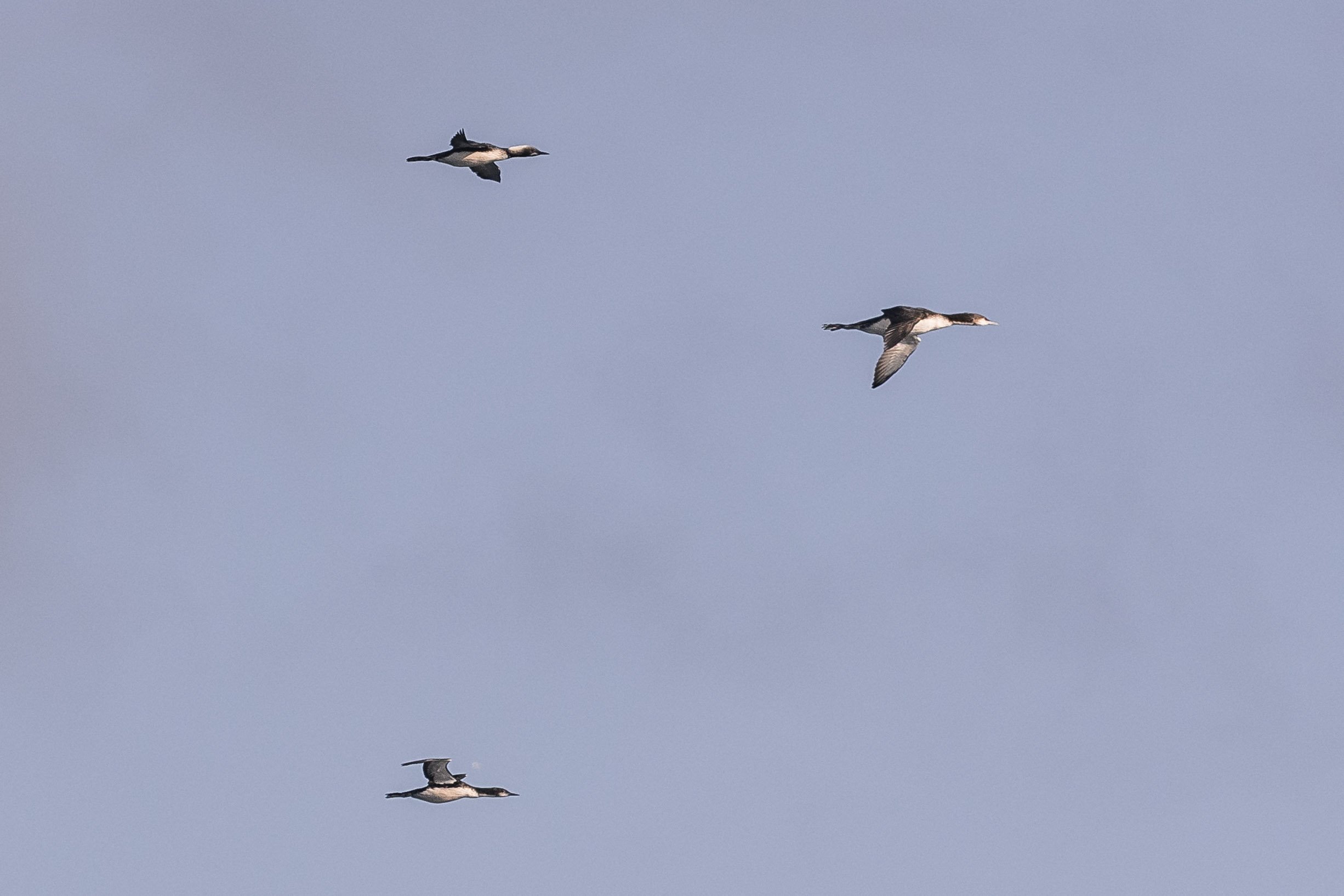
Pacific Loons flying by. Photo by Jordan Robinson.
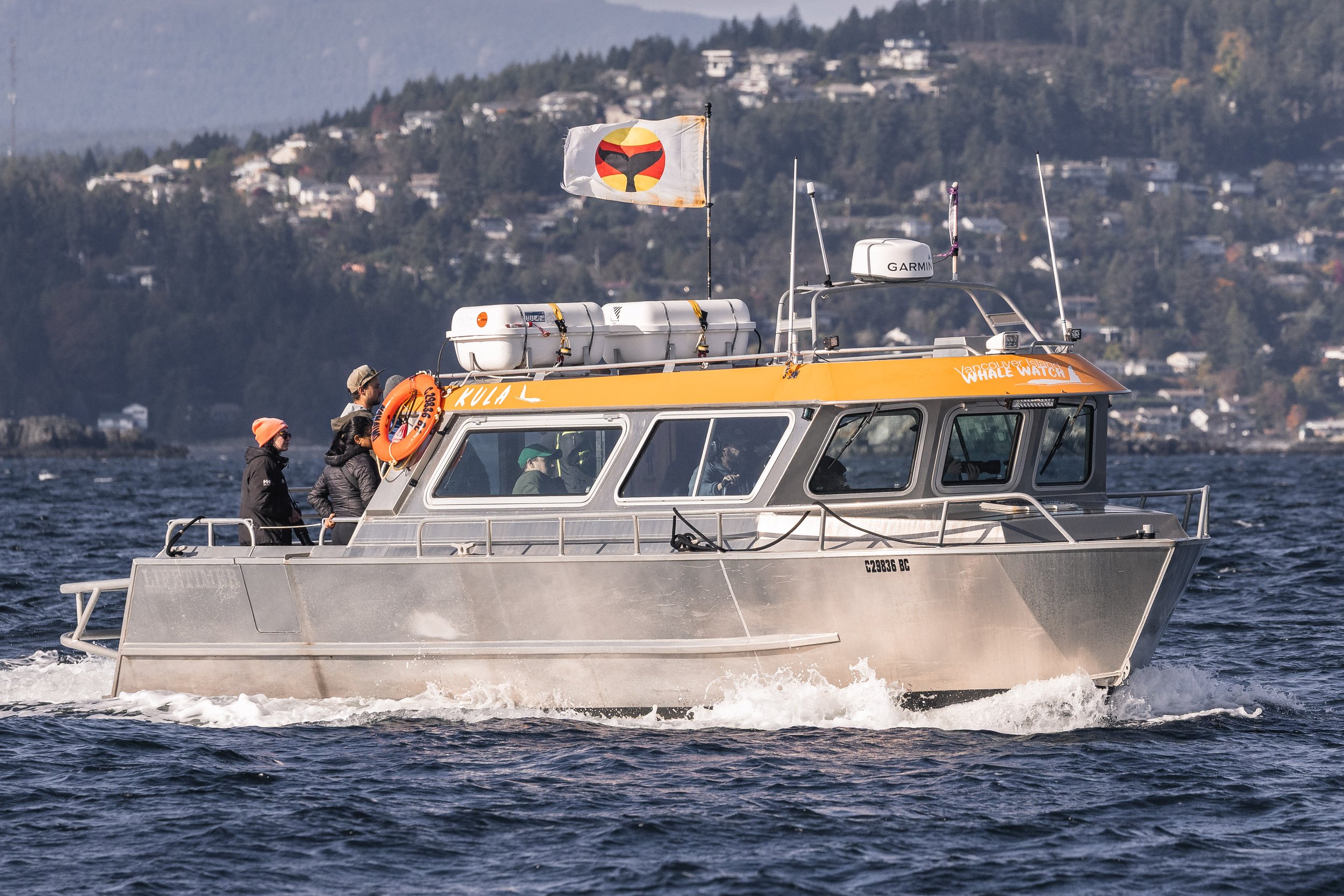
Guests on Kula watching a whale. Photo by Jordan Robinson.
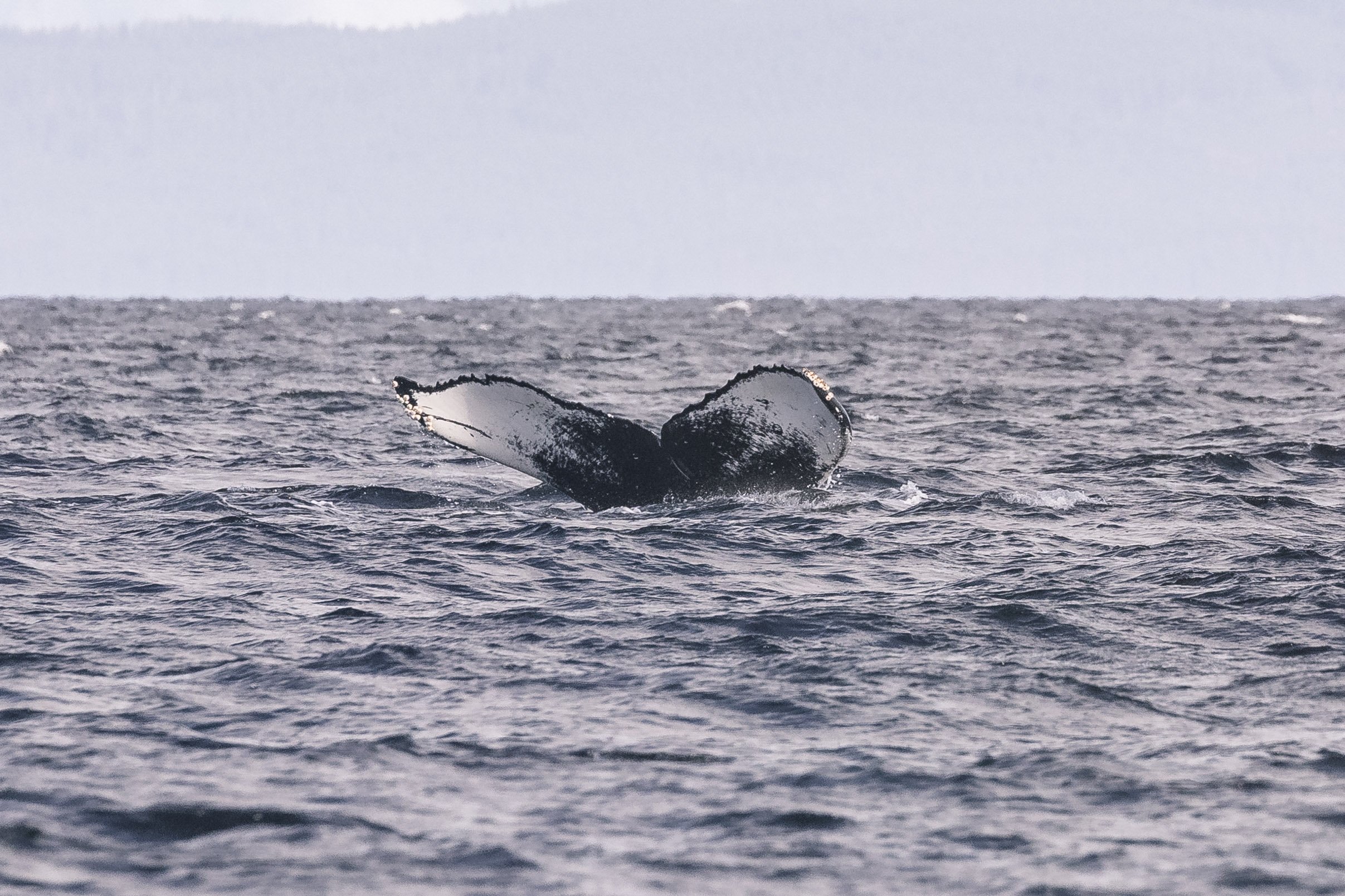
Another look at Iota’s tail. Photo by Jordan Robinson.
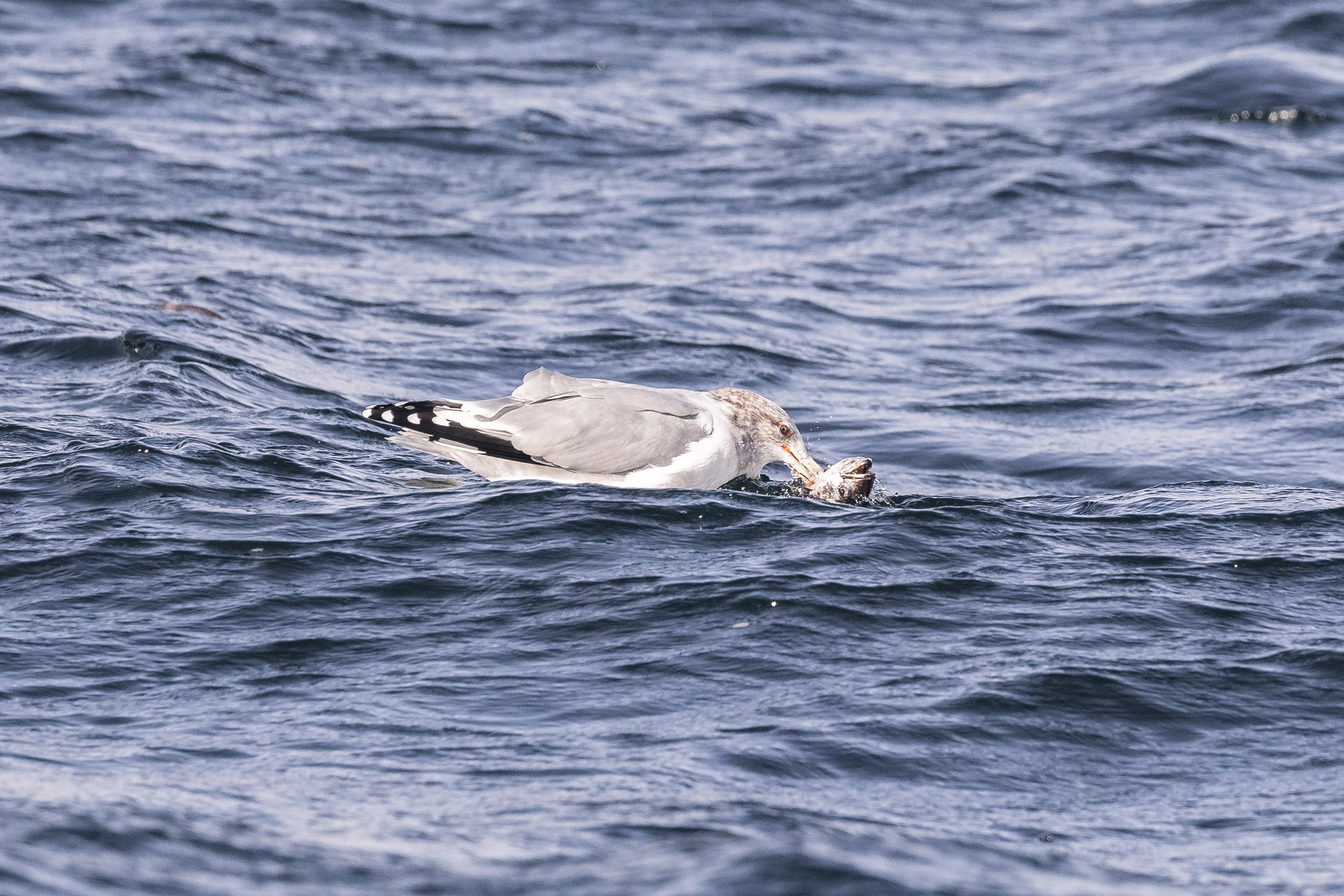
A seagull with a snack. Photo by Jordan Robinson.
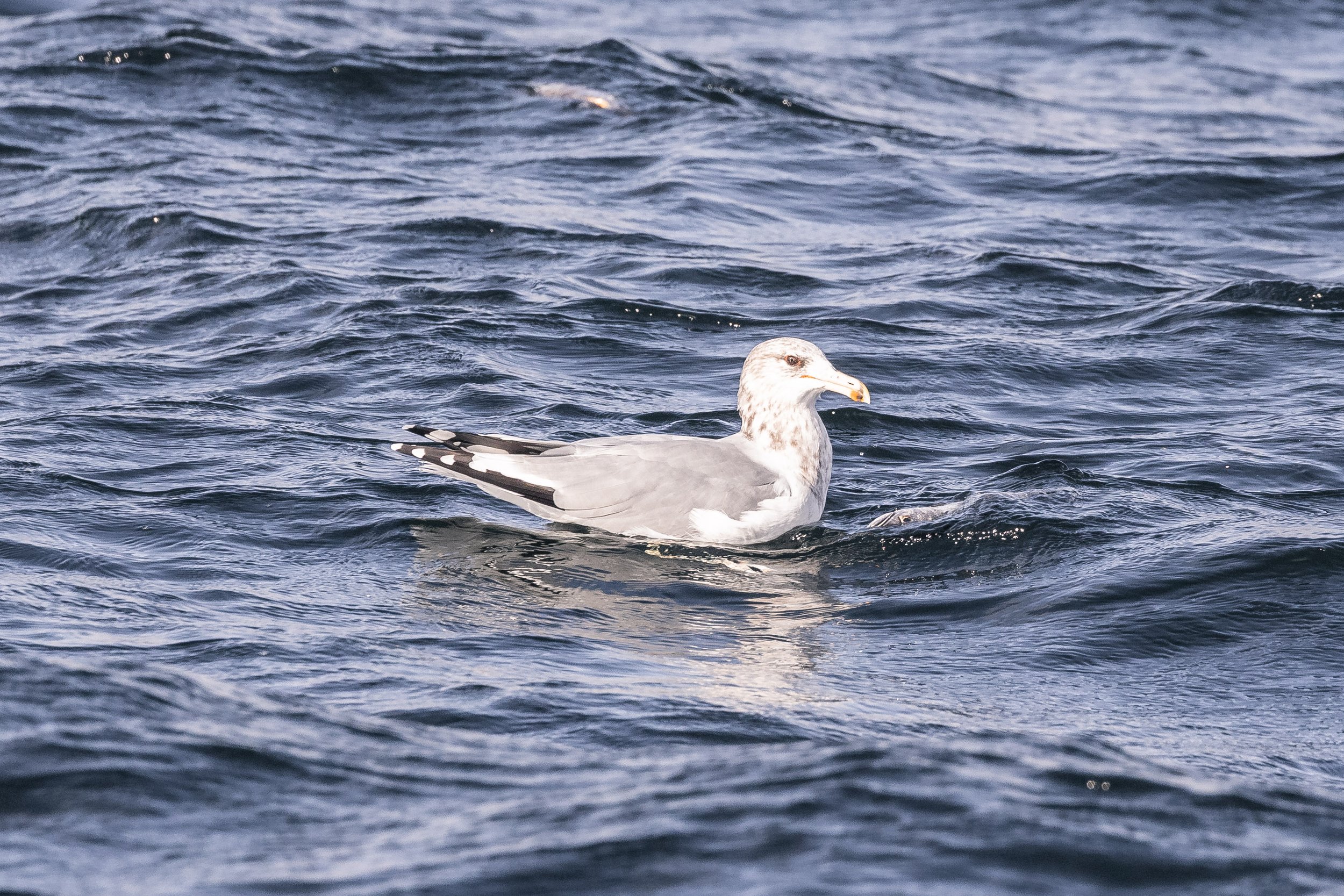
Checking to see if we’re impressed. Photo by Jordan Robinson.
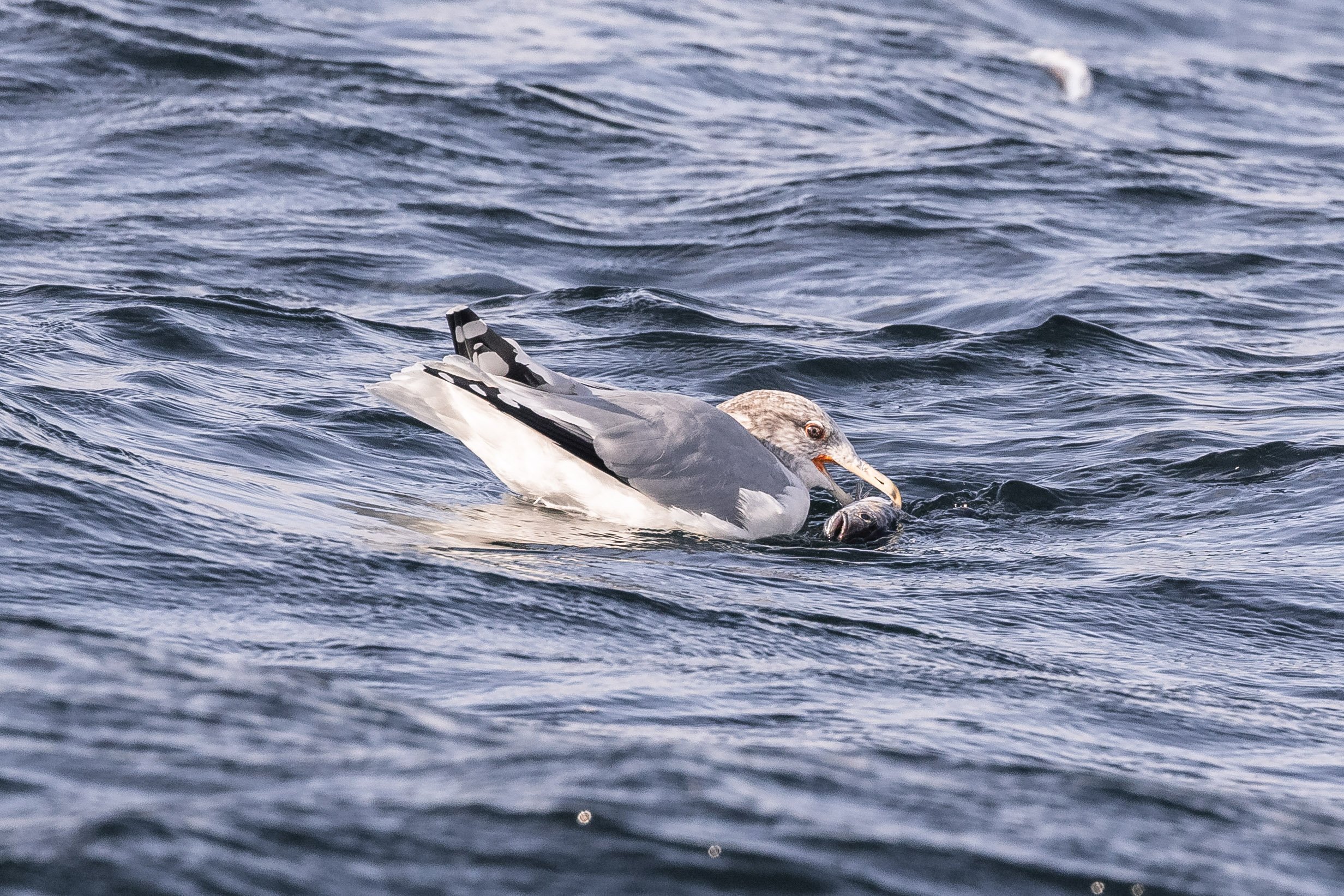
A big old fish supper. Photo by Jordan Robinson.
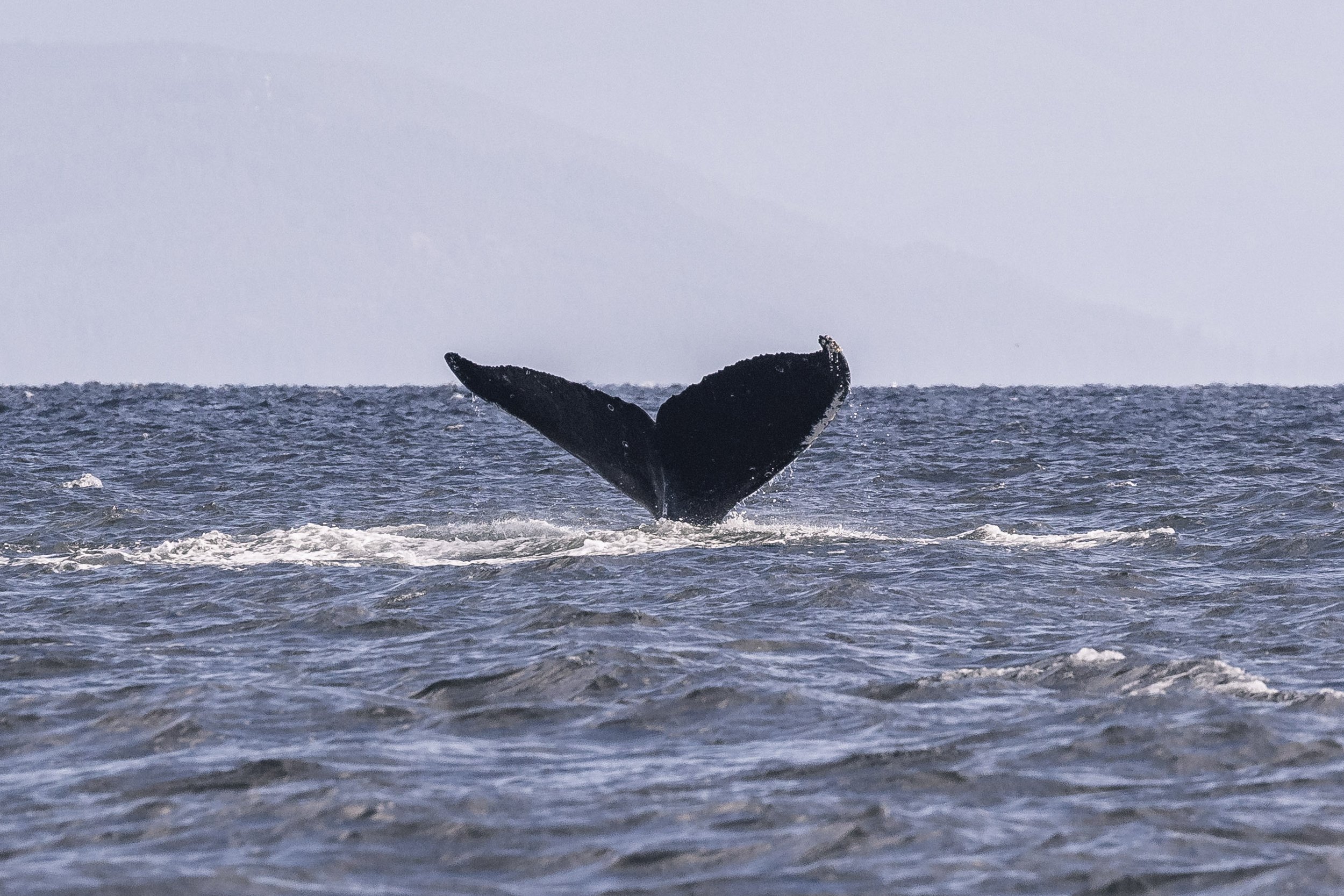
A nice high tail from Kiara Kelly. Photo by Jordan Robinson.
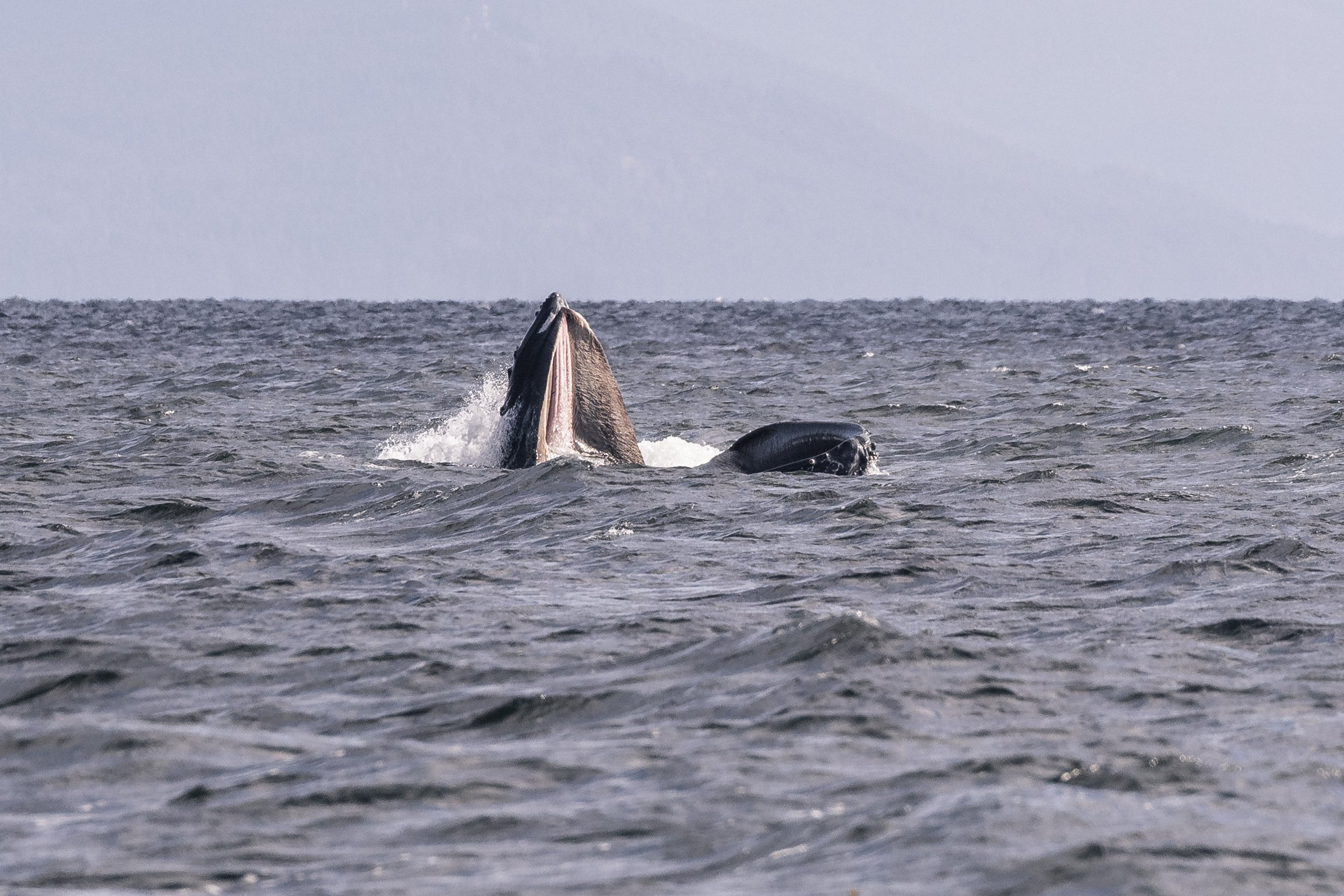
Kiara Kelly lunge feeding at the surface. A very rare behaviour to see! Photo by Jordan Robinson.
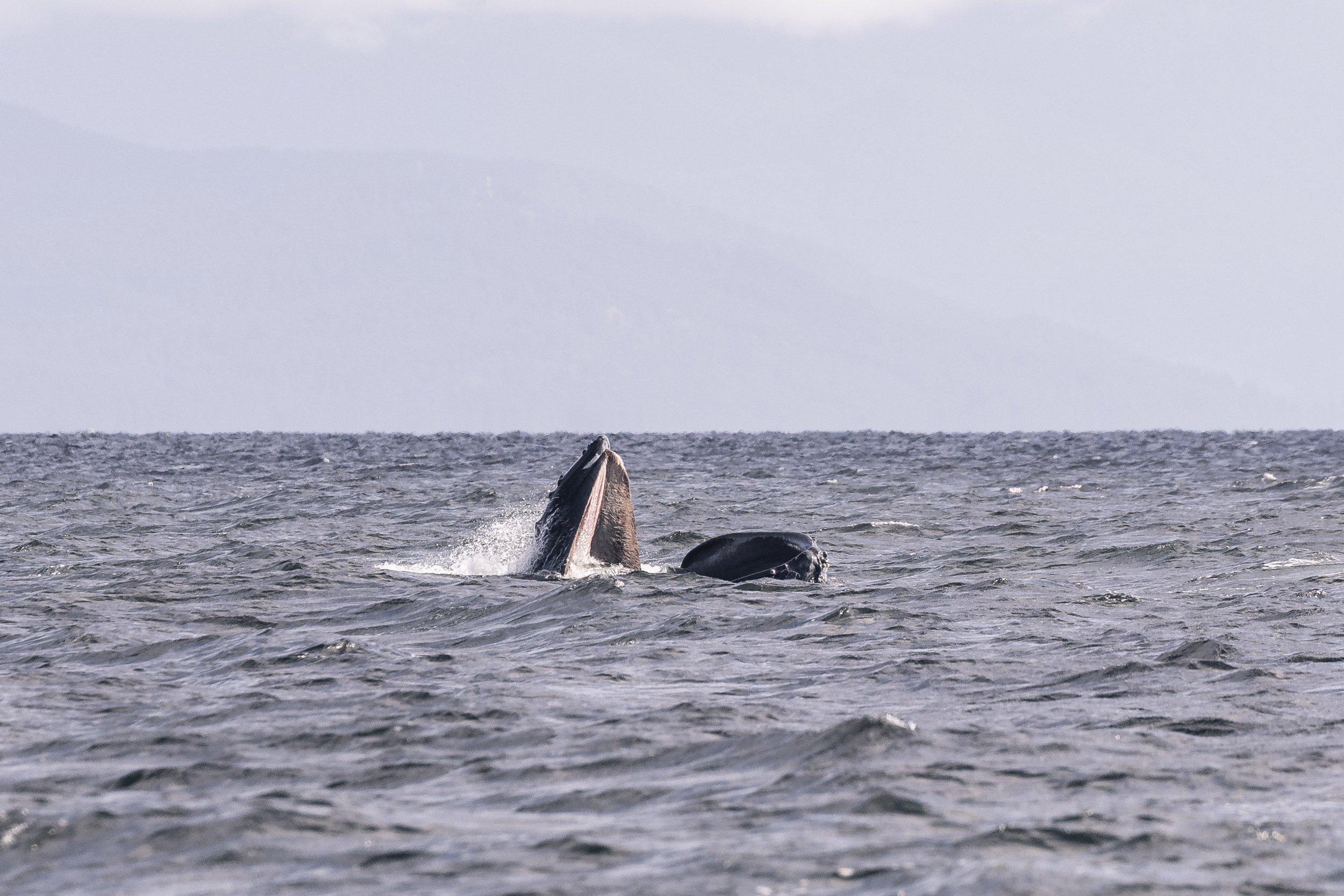
Can you see the baleen in this photo? It acts as a filter. Photo by Jordan Robinson.
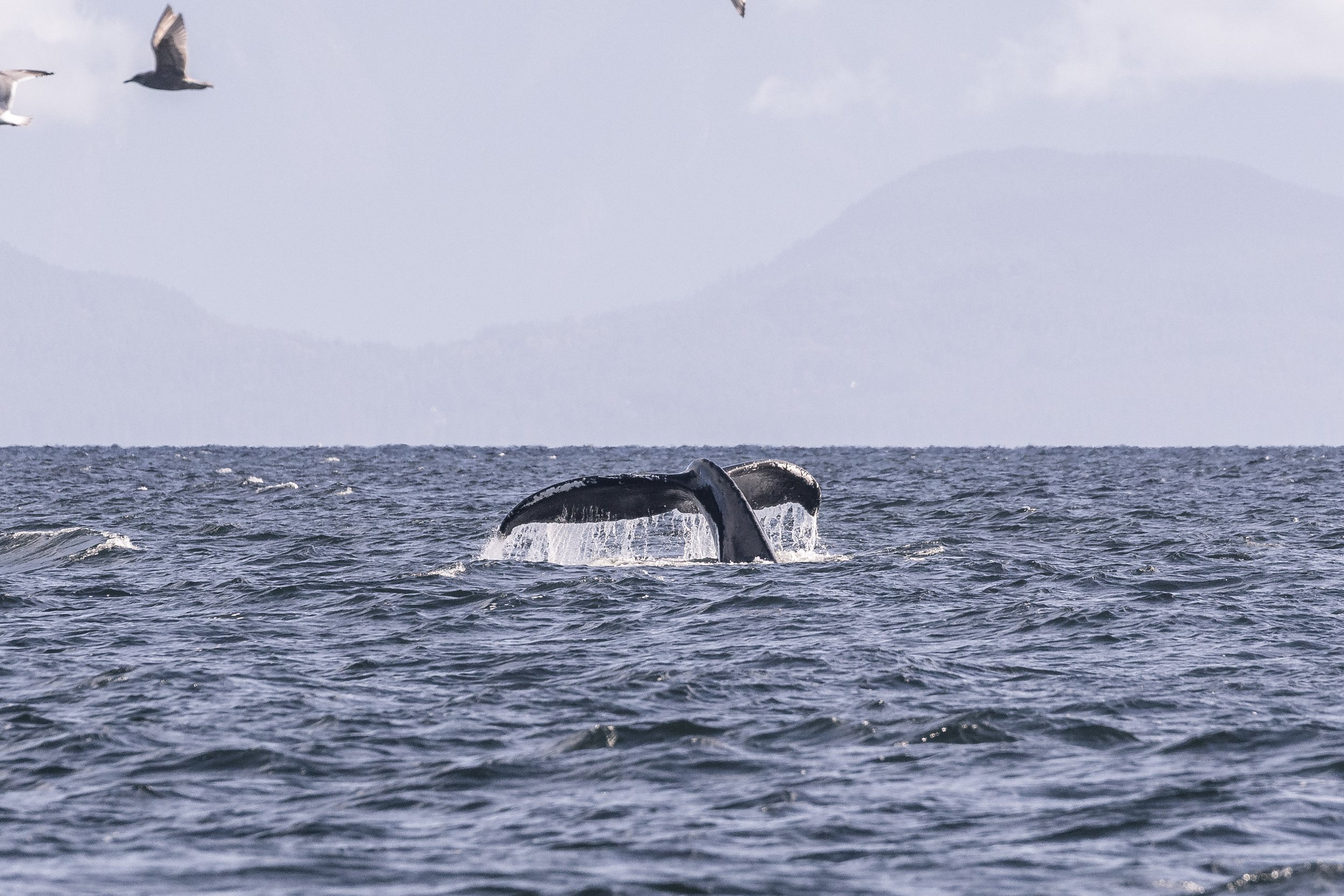
Kiara Kelly diving again. Photo by Jordan Robinson.
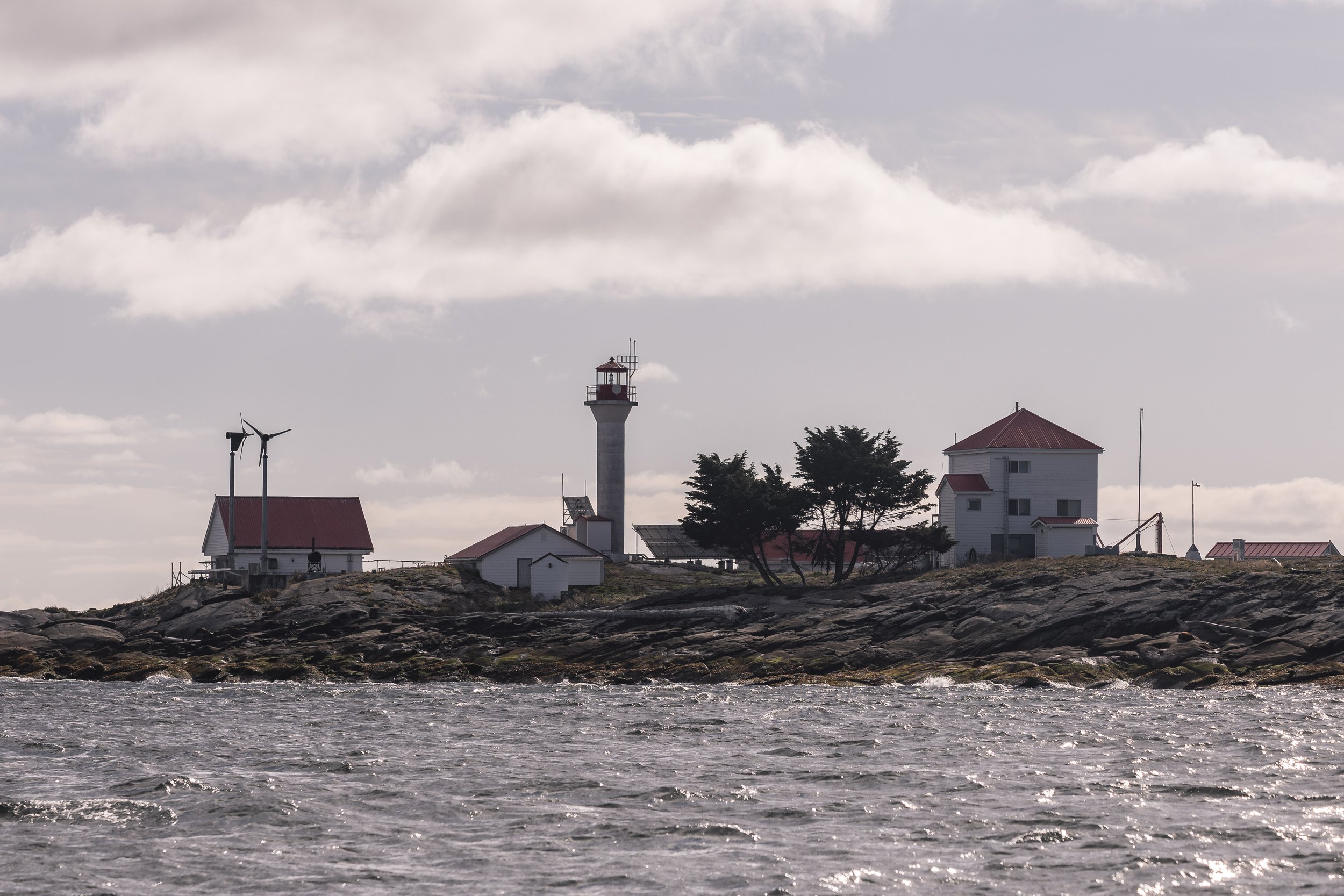
Entrance Island. Photo by Jordan Robinson.
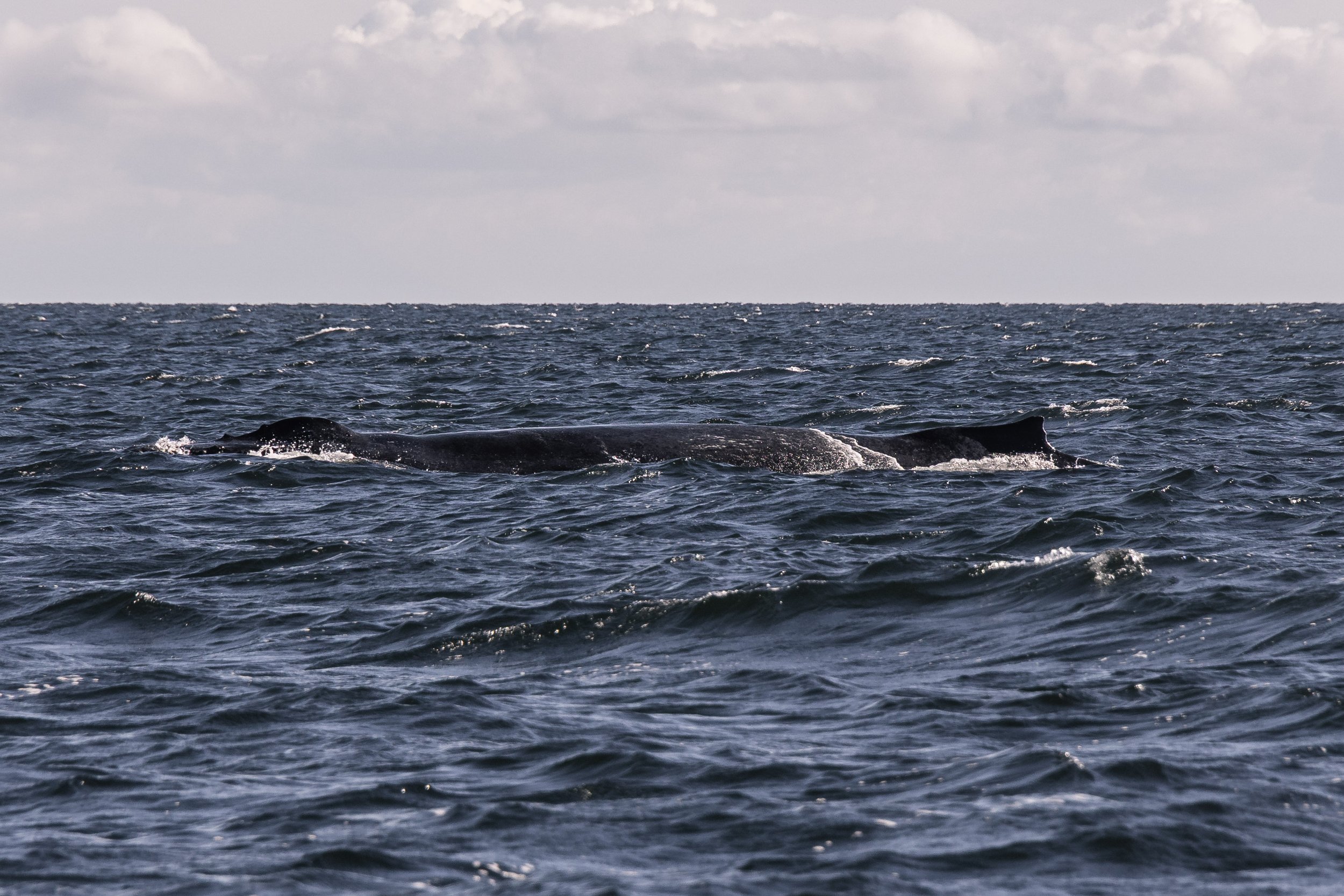
Sherwina’s dorsal fin as she passes by. Photo by Hayleigh Hilbert.
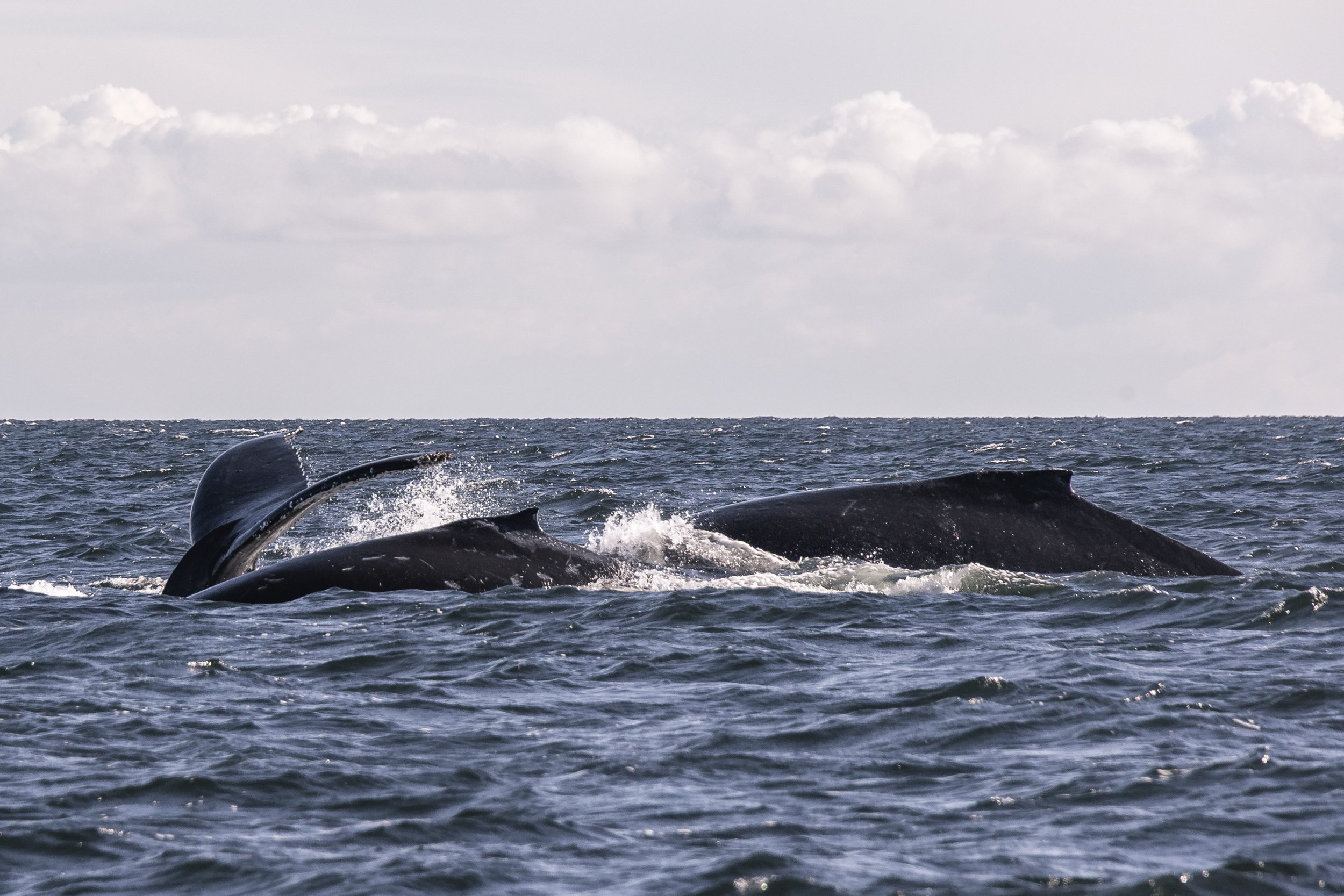
Sherwina’s tail, closely beside her calf with Notcho following behind. Photo by Hayleigh Hilbert.
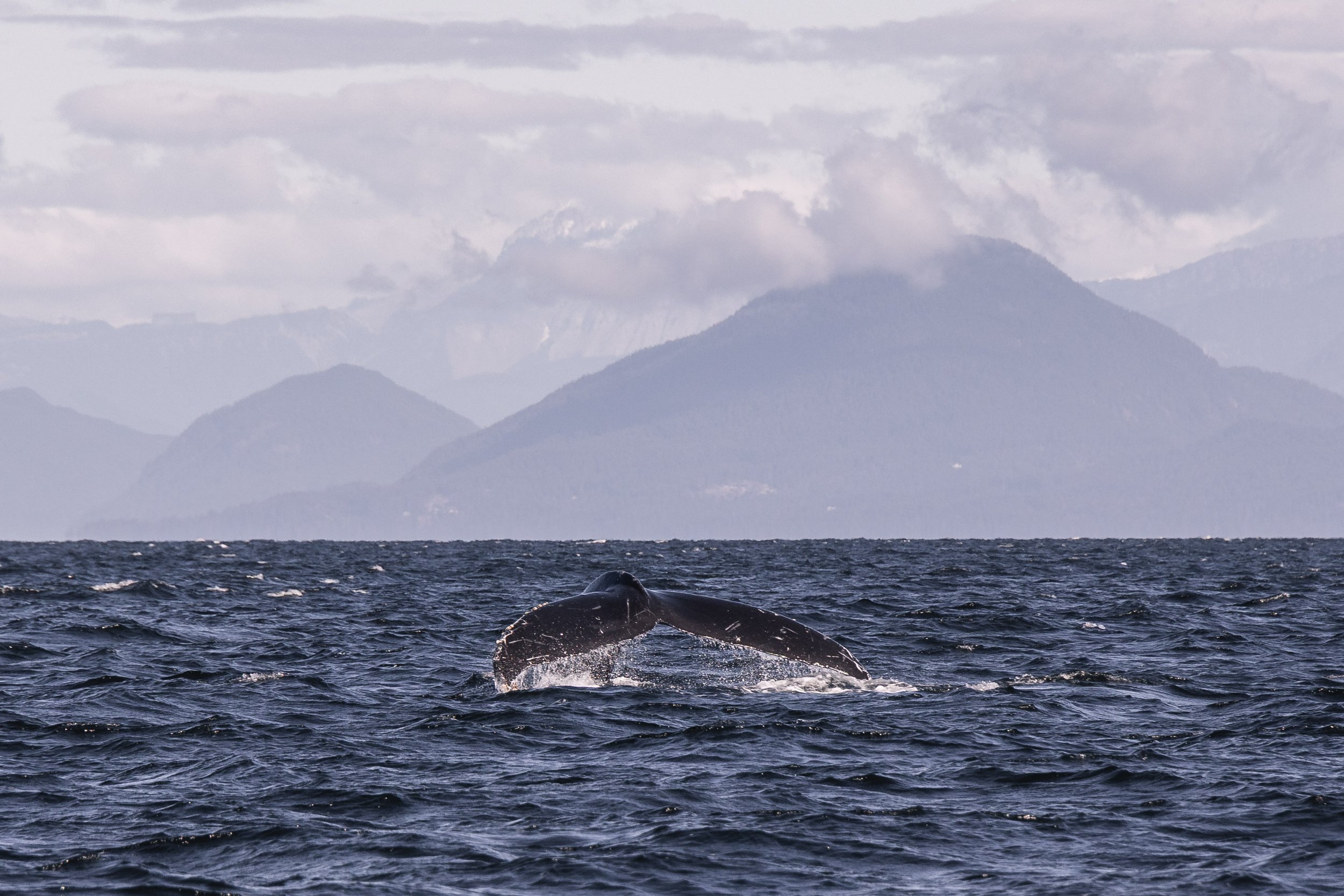
Neowise fluking with the coastal mountains in the background. Photo by Hayleigh Hilbert.
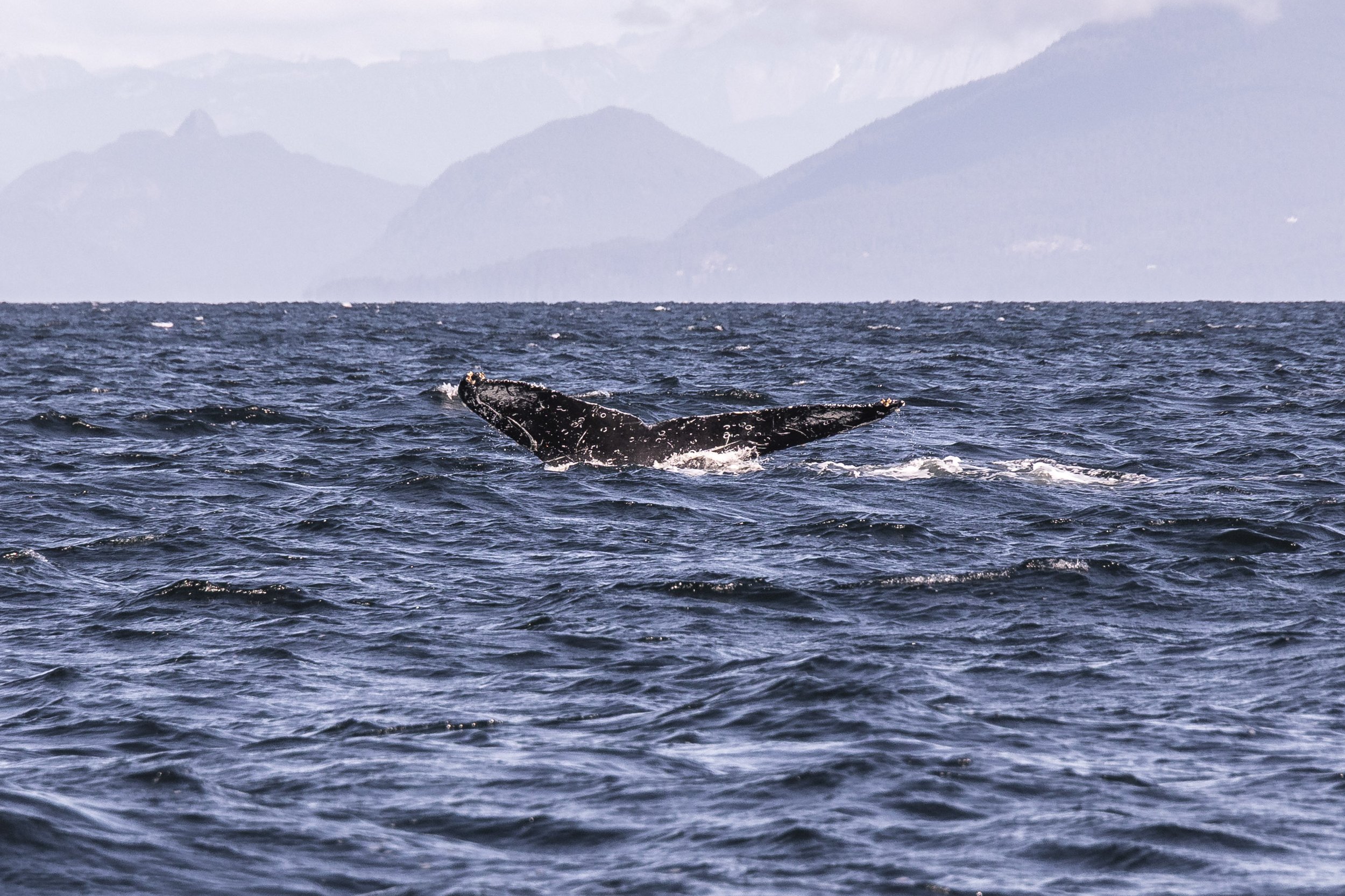
Neowise’s unique tail markings. Photo by Hayleigh Hilbert.
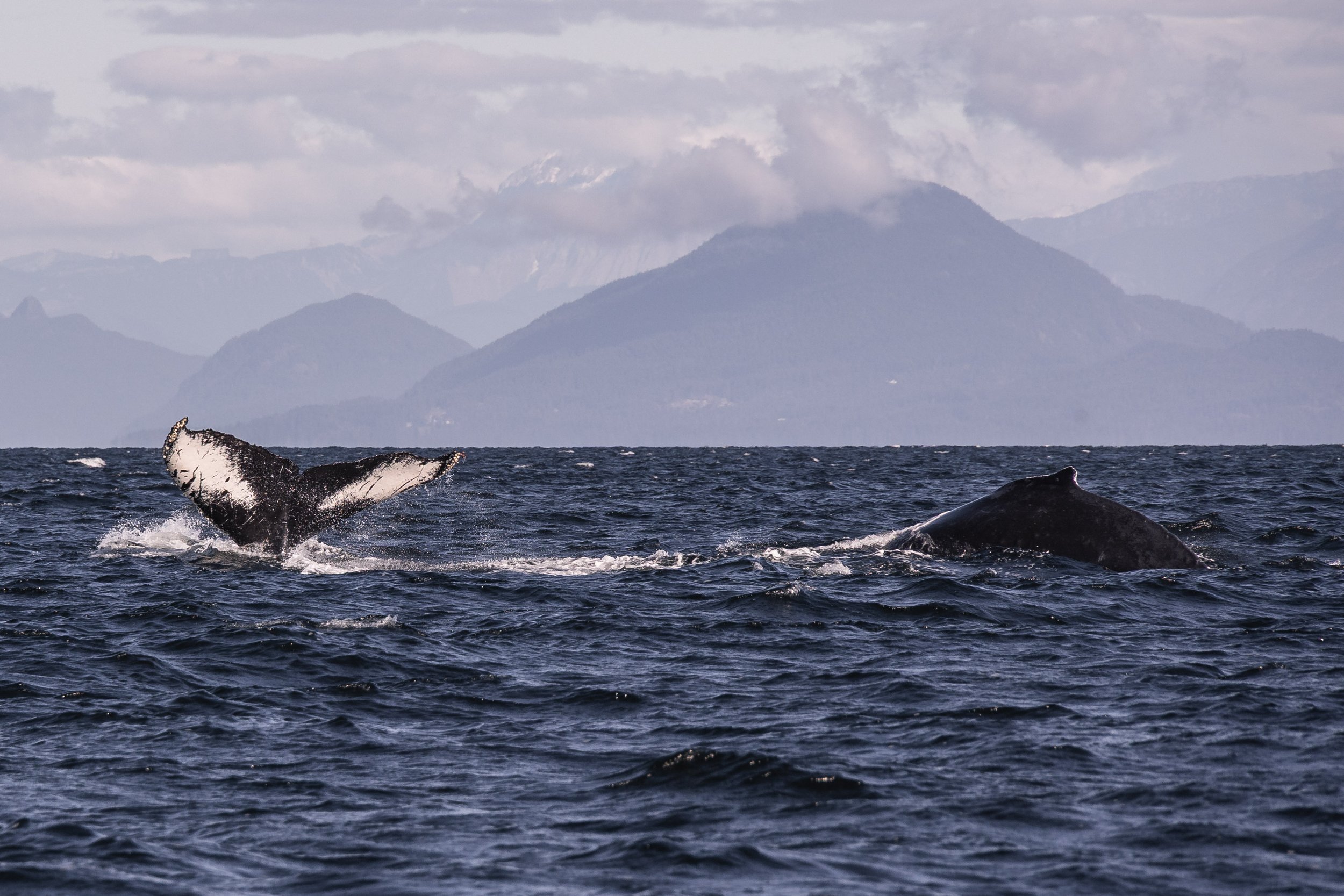
Kraken’s tail beside BCY1326’s dorsal fin. Photo by Hayleigh Hilbert.
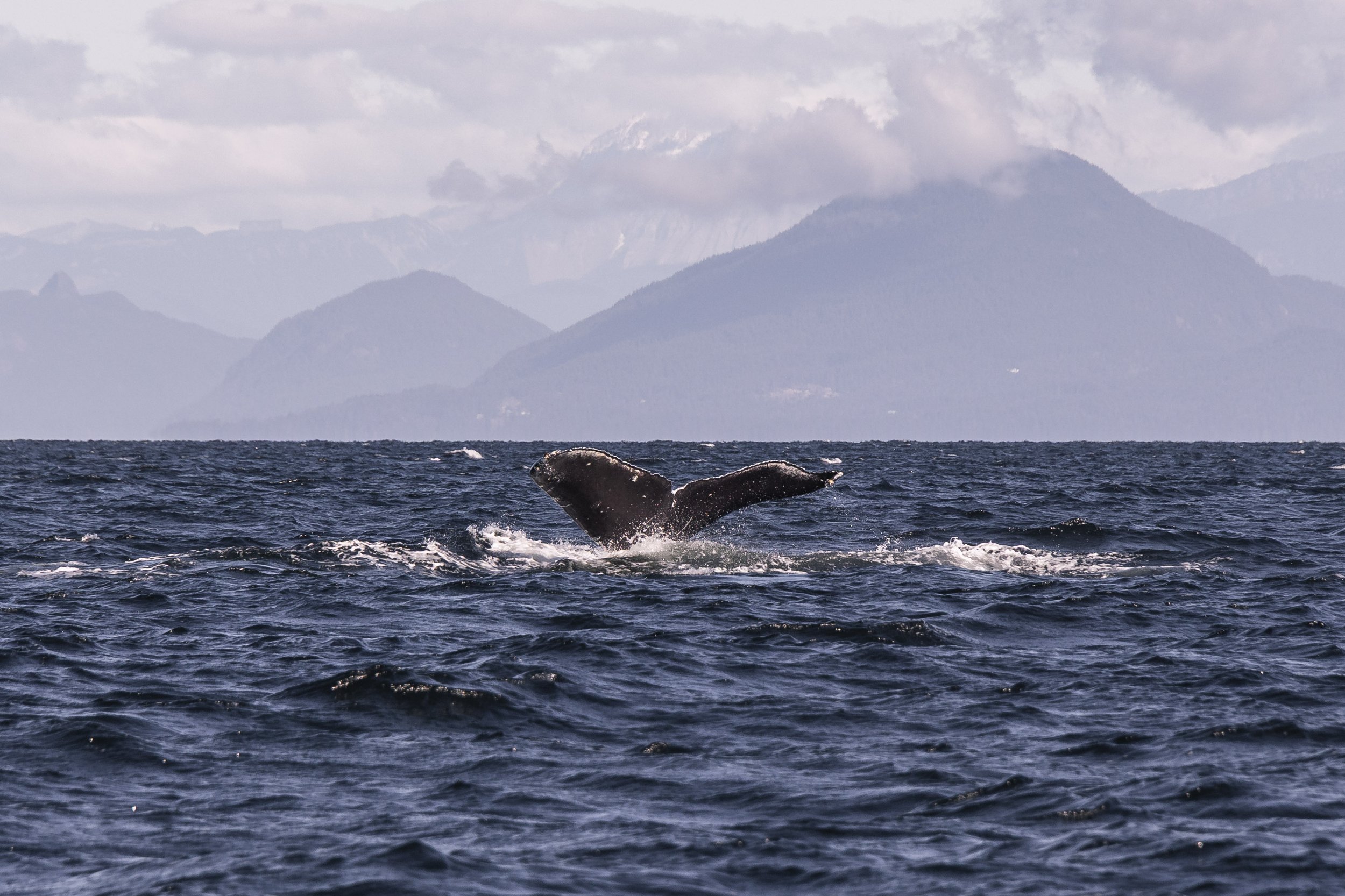
BCY1326 will hopefully get a catchier nickname soon. Photo by Hayleigh Hilbert.
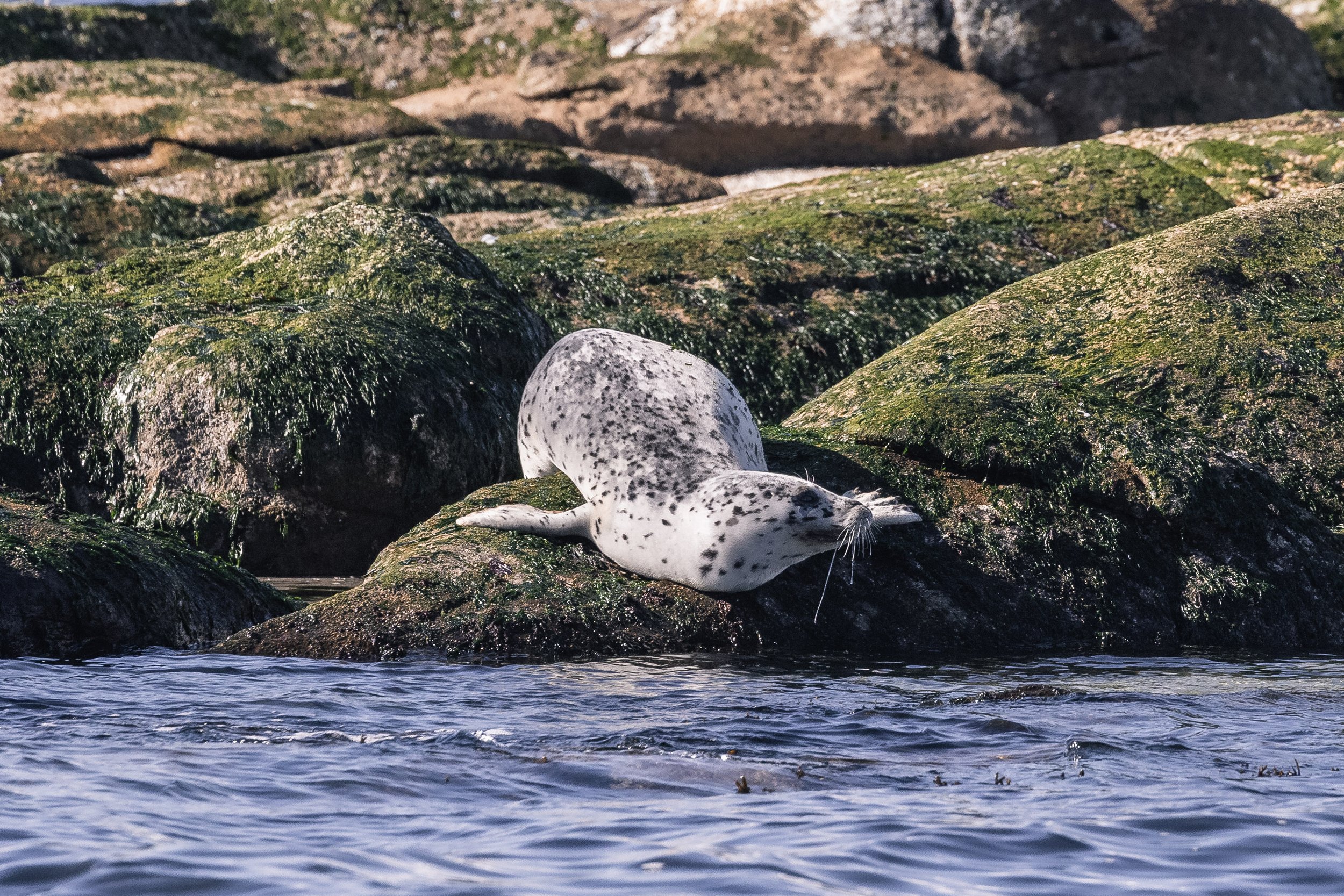
A Harbour Seal considering a dip. Photo by Jordan Robinson.
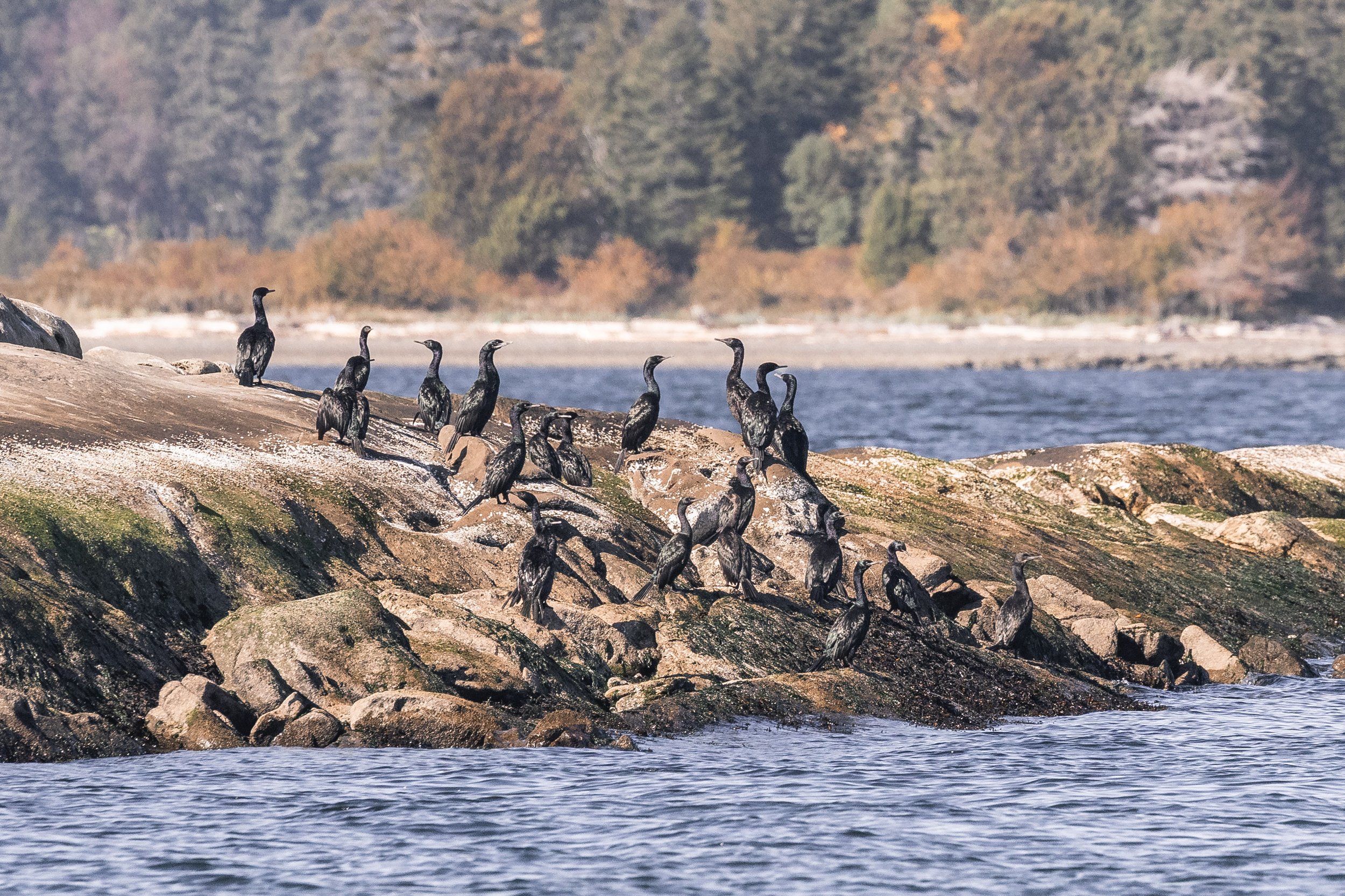
Cormorants enjoying the sunshine. Photo by Jordan Robinson.
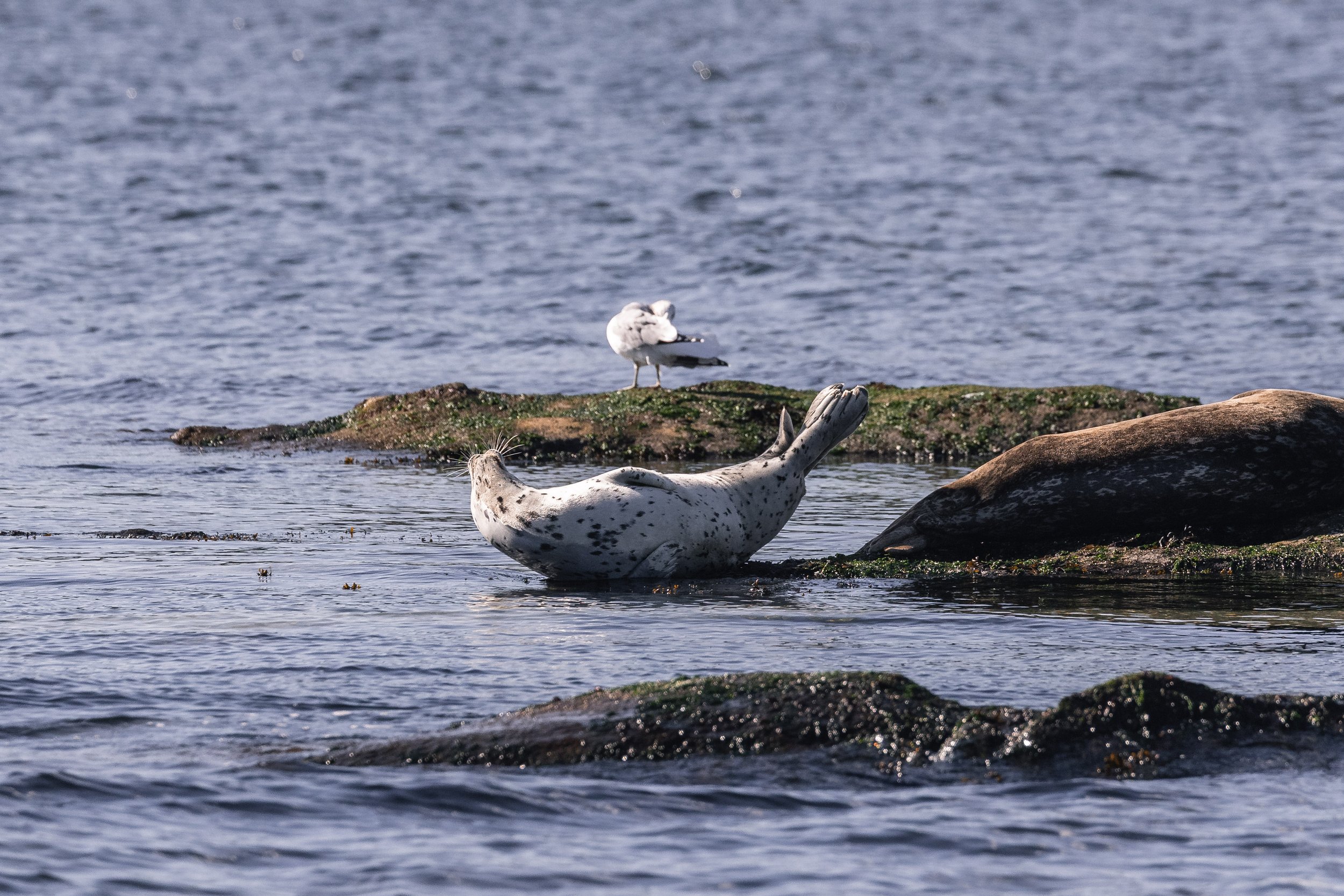
A Harbour Seal in the banana pose. Photo by Jordan Robinson.
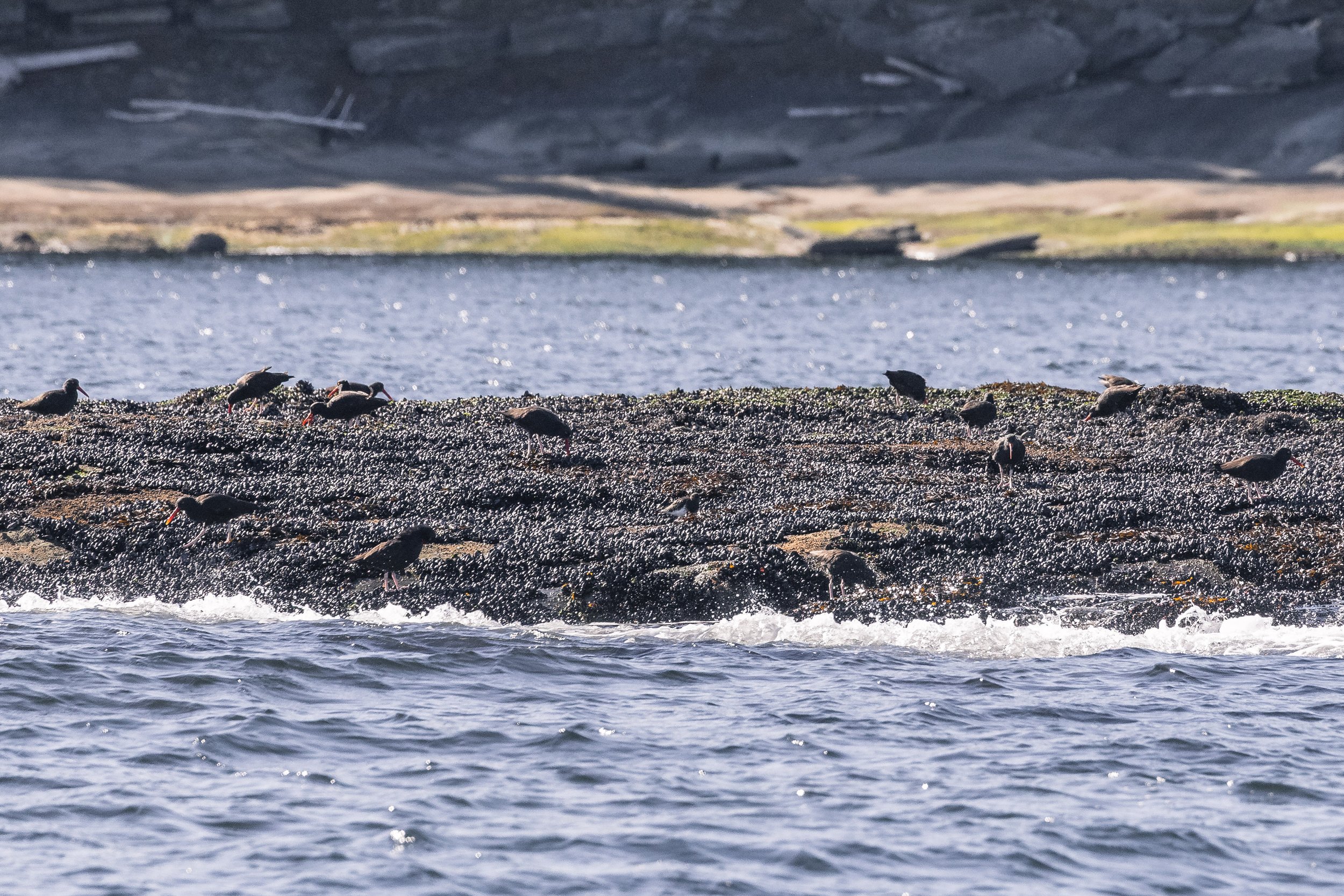
Black Oystercatchers picking at the mussels. Photo by Jordan Robinson.
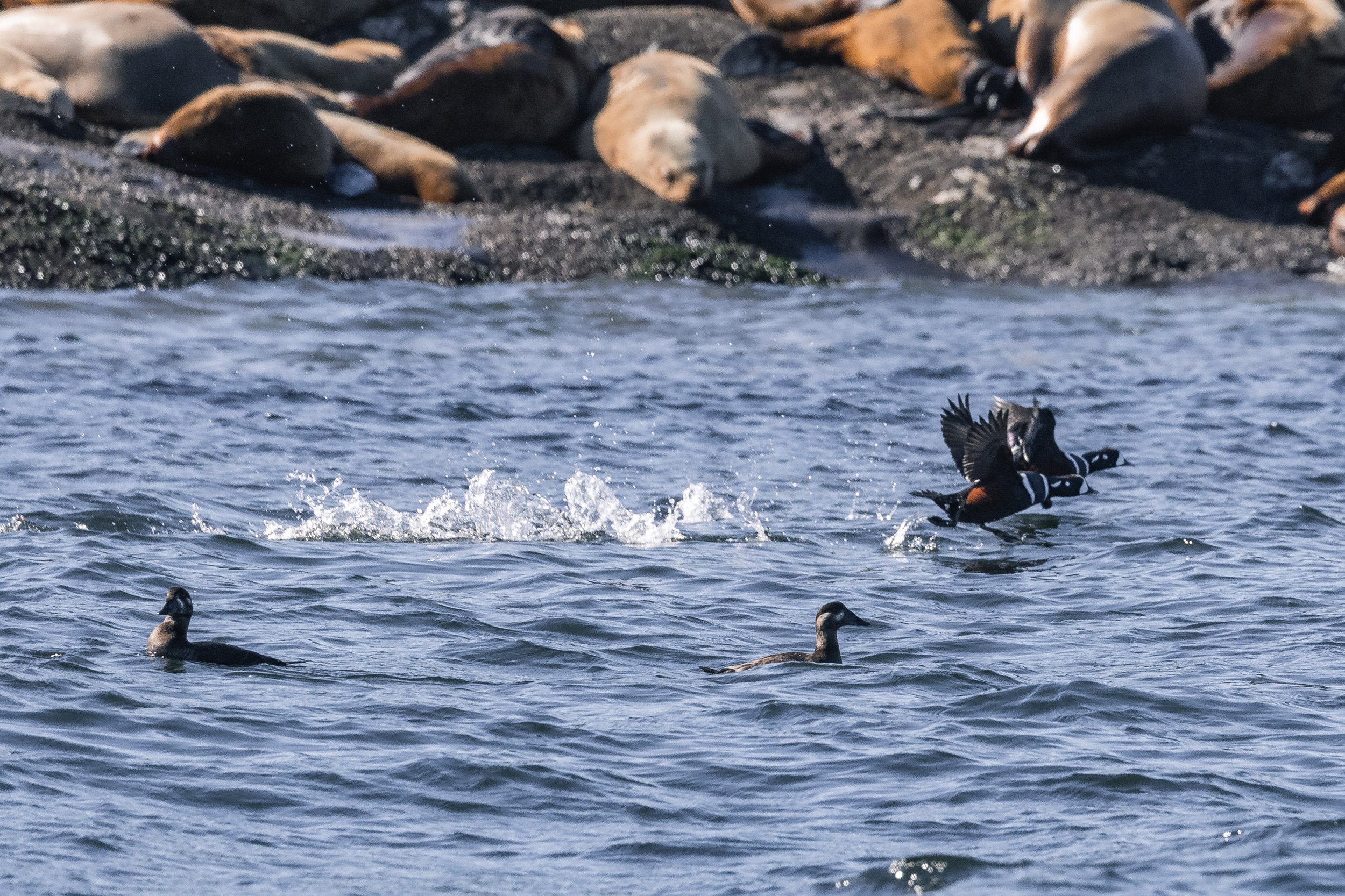
Harlequin Ducks preparing for take off with Steller Sea Lions behind and Surf Scoters in front. Photo by Jordan Robinson.
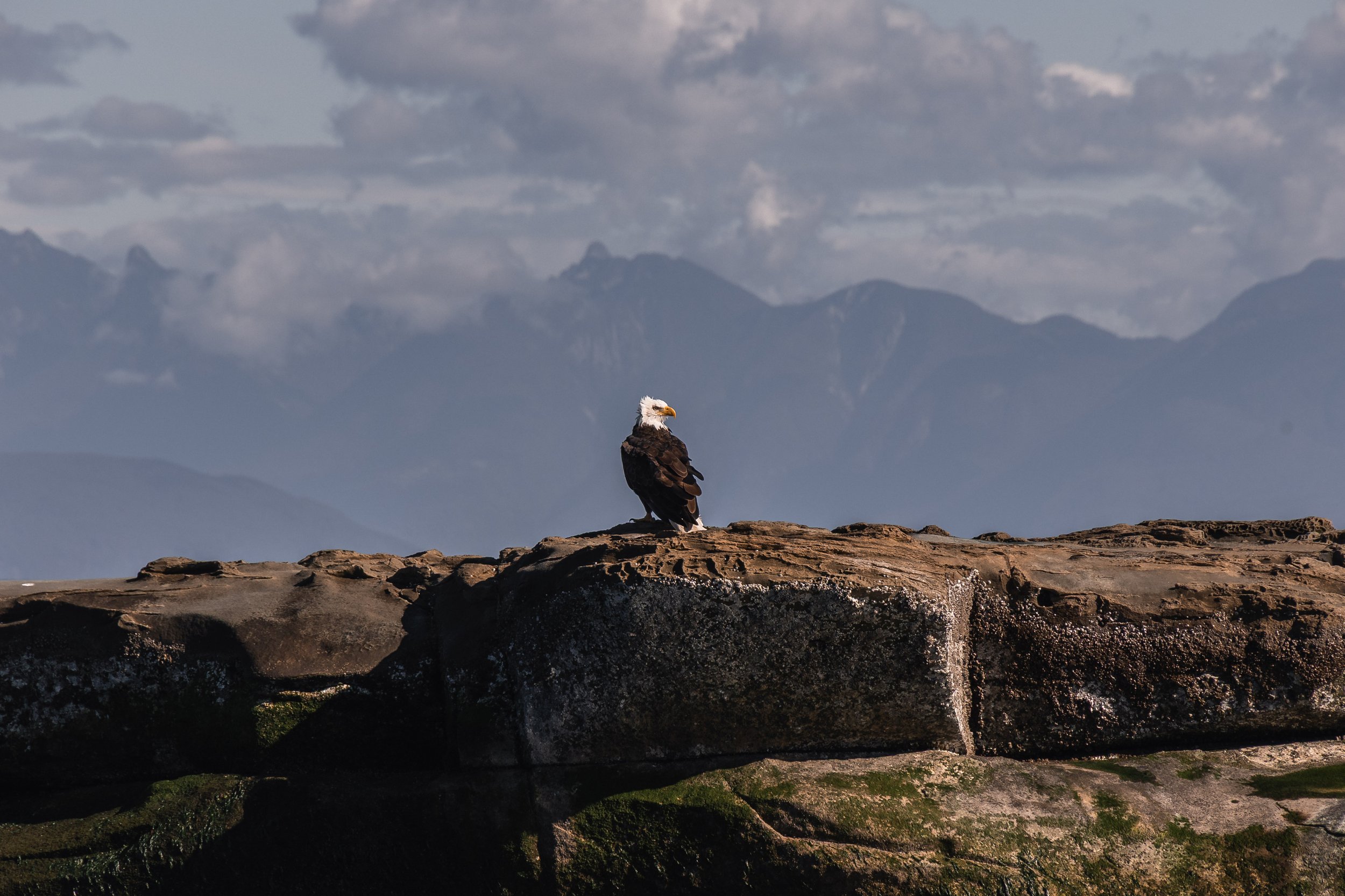
A Bald Eagle on Stinky Rock. Photo by Hayleigh Hilbert.
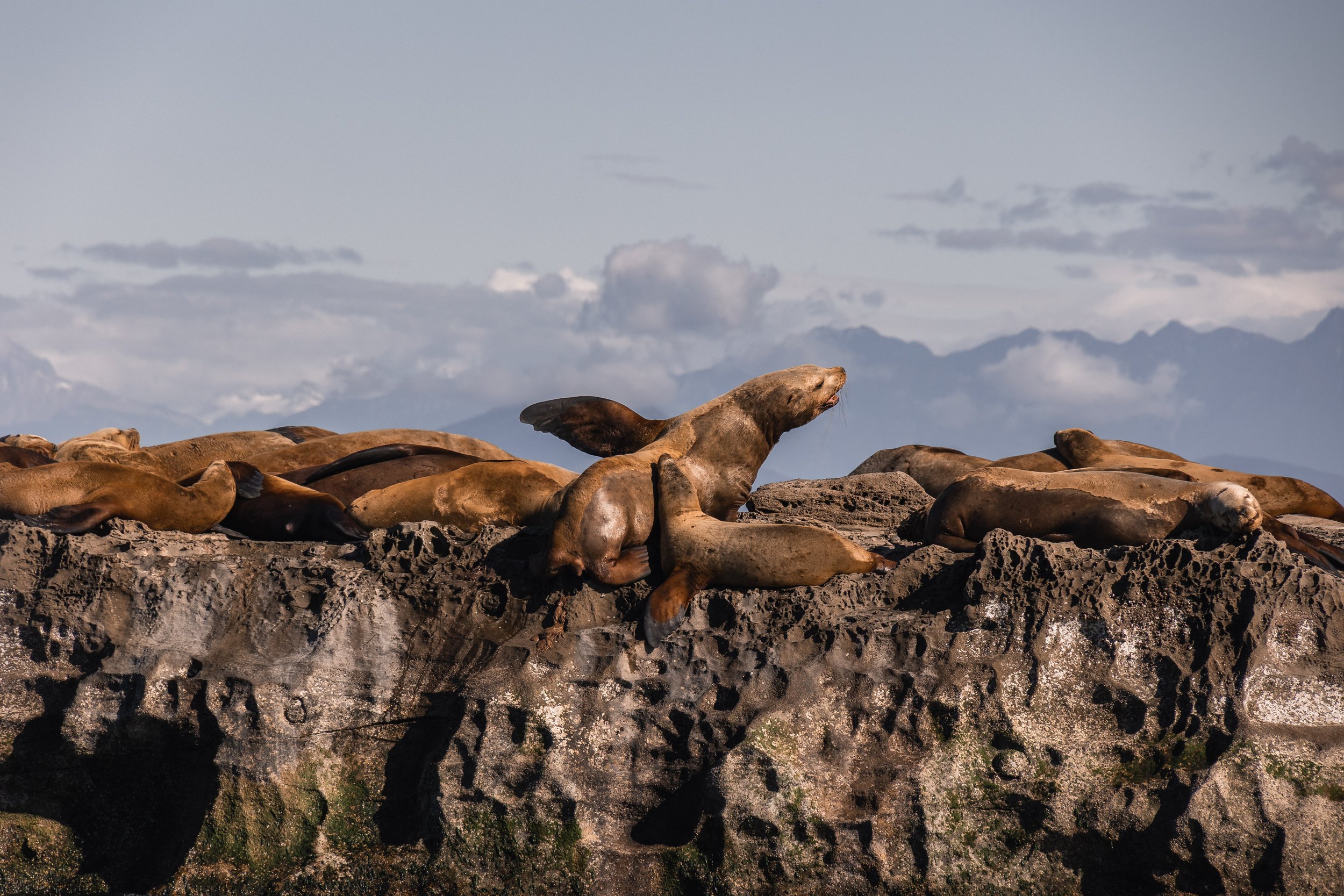
A wave from one of the Steller Sea Lions. Photo by Hayleigh Hilbert.
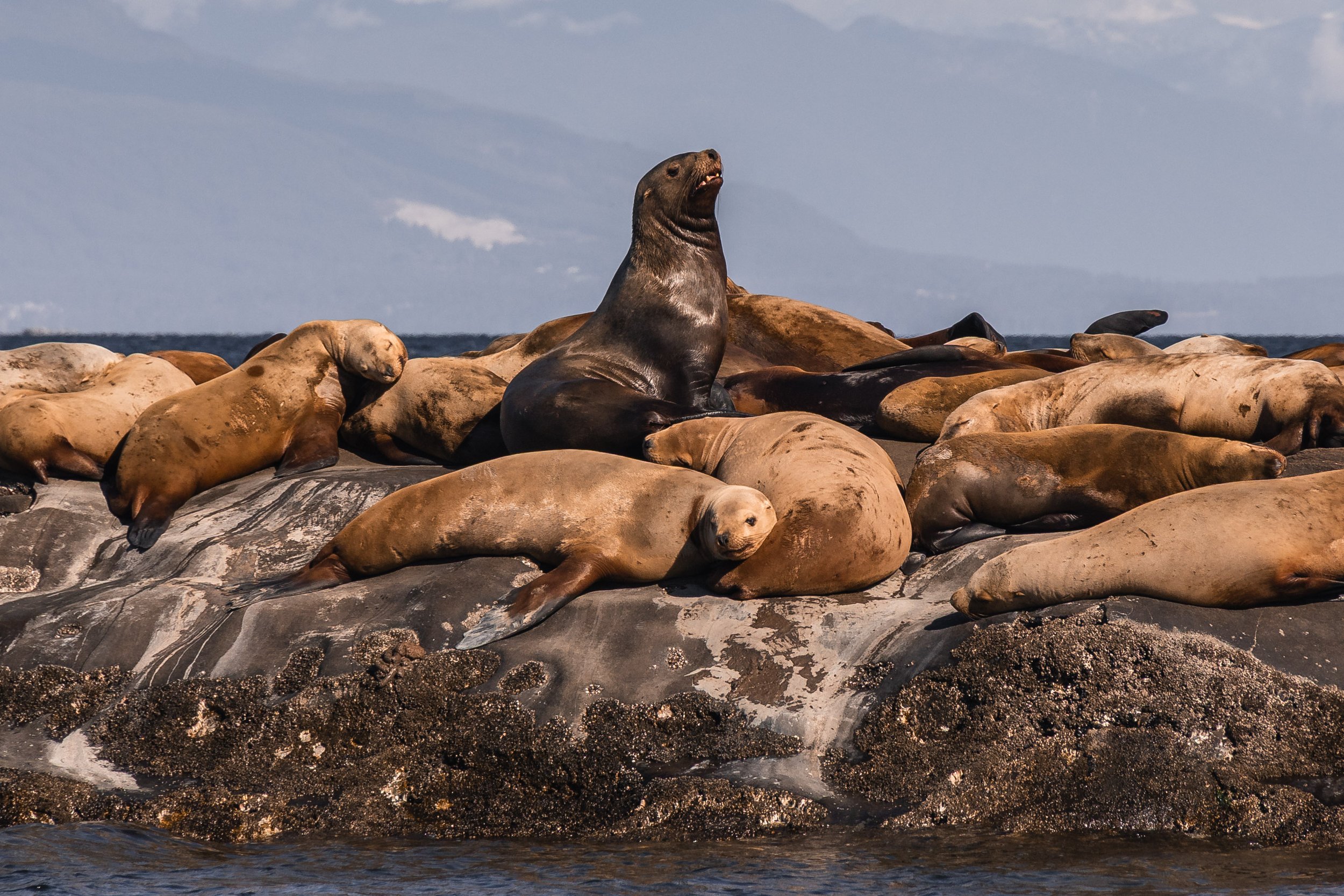
Cuddle puddle. Photo by Hayleigh Hilbert.
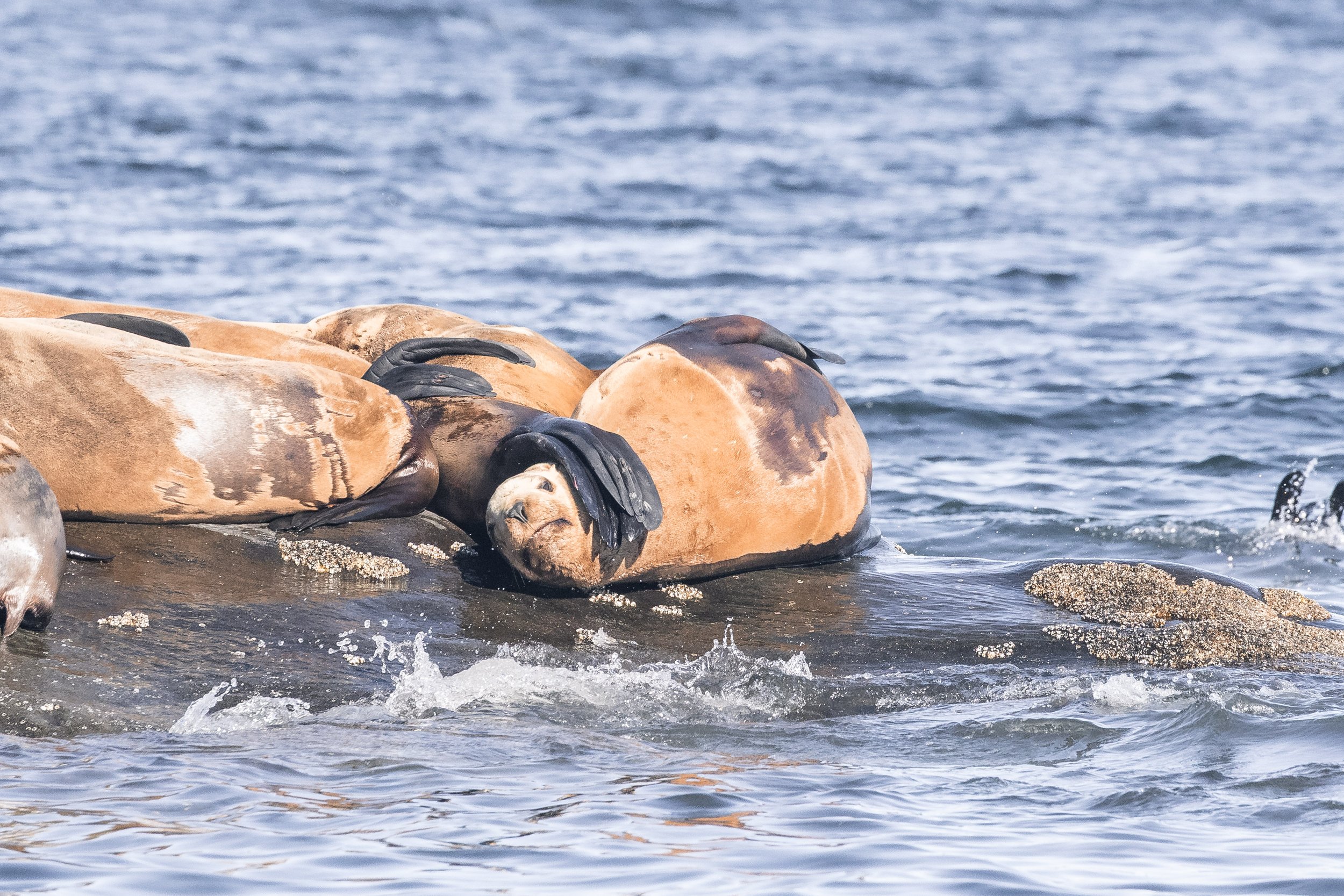
This guy didn’t want to listen to us. Photo by Jordan Robinson.
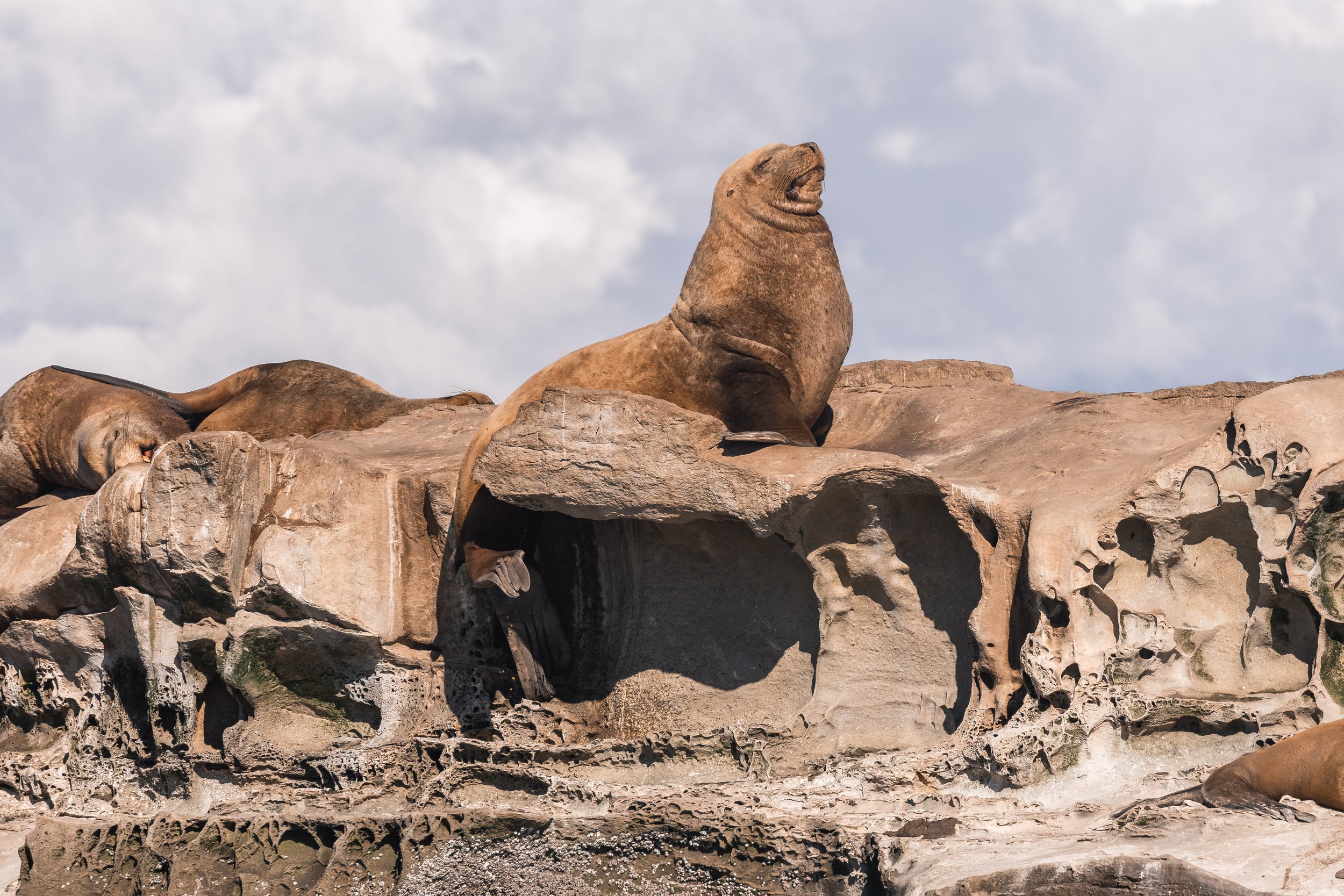
King of the rock. Photo by Jordan Robinson.
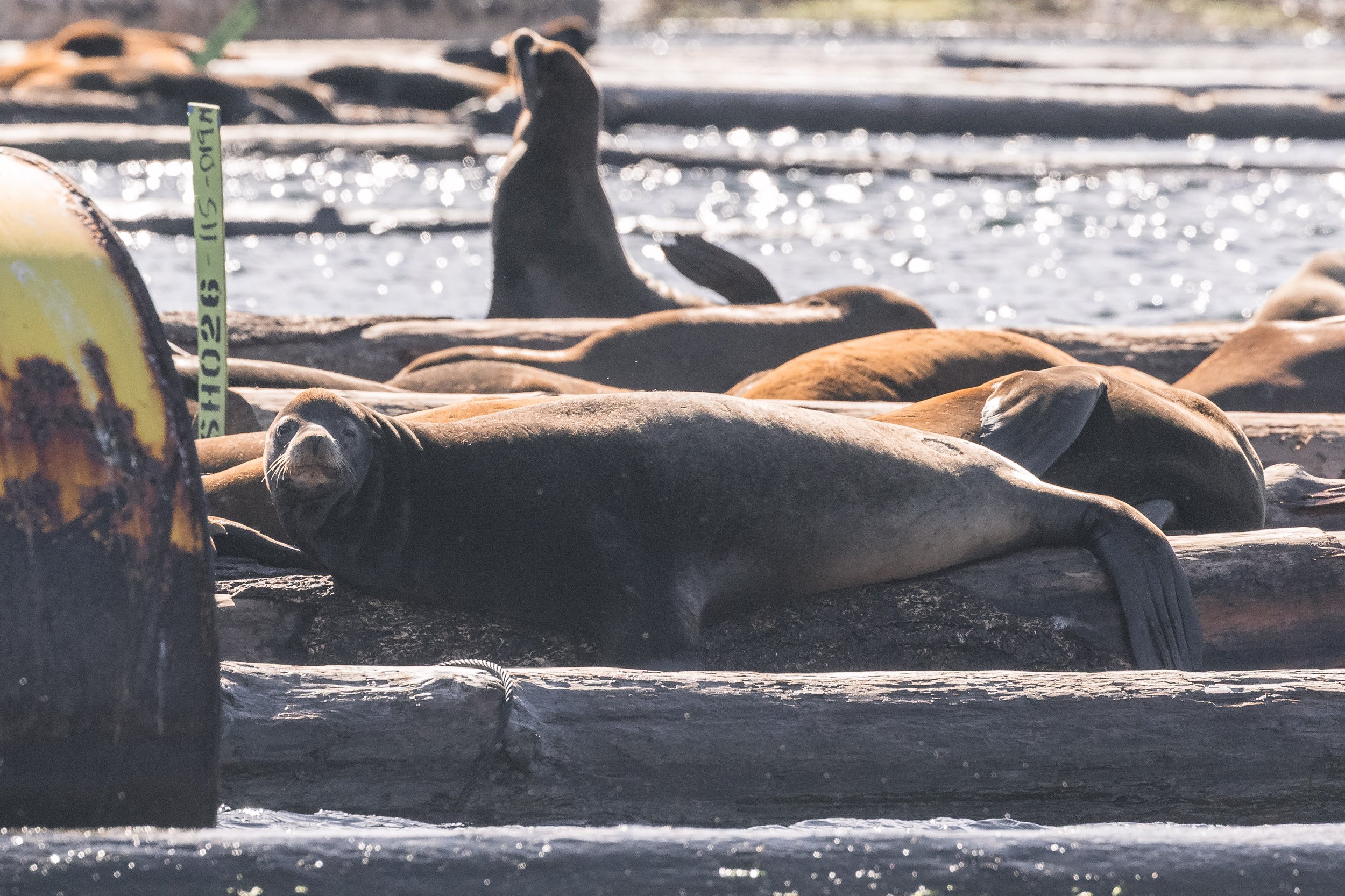
California Sea Lions on the Harmac Mill log booms. Photo by Jordan Robinson.