
September 30, 2026 - Spending time with the T030 Siblings and T037Bs near ActivePass
It was a beautiful, calm day as our semi-covered boat departed Nanaimo, travelling over glassy waters in search of whales. Our search began in the Strait of Georgia, where we spotted our first whale of the day, a humpback named Aerie (BCY0938). Aerie appeared to be resting near the surface, surfacing periodically to breathe before lifting their tail high for a longer dive. Their surfacing pattern was somewhat sporadic, so we didn't stay for long before turning our attention south.
Following Gabriola Island, we continued toward Thrasher Rock, where we found two more humpbacks travelling together: Nalu (BCY1072) and Notcho (BCX1700). Like Aerie, these two seemed to be travelling rather than actively feeding, spending relatively little time underwater between sets of surfaces. This can sometimes indicate that prey is concentrated closer to the surface, although it may also simply mean the whales are moving through the area to reach another destination. We enjoyed some beautiful views of the pair before hearing about a pod of orca much farther south.
With this being the only orca report of the day, we decided to make the journey south and see if we could locate them before they travelled beyond our reach. However, one important consideration remained. We would pass through a productive humpback feeding area, and if we wanted to reach the orca in time, we would have to keep going past many whales without stopping.
And did we ever pass a lot of humpbacks!
In the calm conditions, it was easy to spot their enormous bodies rising from the water. As we travelled from Valdes Island toward the southern end of Galiano Island, we estimated that we had passed around 15 humpback whales along the way. Considering that an adult humpback can consume approximately 3,000 pounds of food per day during the feeding season, this was a remarkable reminder of the productivity of the Salish Sea and the abundance of prey it supports.
We usually spend more time observing individual whales and their behaviours, so passing through such a large concentration of humpbacks offered a different perspective. Instead of focusing on one encounter at a time, we could appreciate the broader ecosystem and the number of animals relying on these waters to build their energy reserves. Each whale represents a substantial demand for food, and the presence of so many in one area highlights just how productive these feeding grounds can be.
Eventually, we reached Active Pass, where the orca had been reported earlier. We began searching more carefully as we navigated the smaller islands to the south. Before long, those unmistakable black dorsal fins appeared above the water. We had found them!
As we approached, we took identification photographs and quickly realized two different groups were travelling together: the T030 siblings and the T037Bs. Watching these familiar families move through the area was exciting, but their next destination made the encounter even more interesting.
T030A Sequoia ♂ (1986)
T030C Salix ♀ (2005)
T037B Harald ♀ (1998)
T037B1 Lance ♂ (2012)
T037B3 Slice ♀ (2022)
The whales were approaching the Belle Chain Islands, a popular haul-out area for seals and sea lions. For Bigg's killer whales, which specialize in hunting marine mammals, locations like these can offer opportunities to find prey. We watched as the T030s remained farther offshore while the T037Bs moved closer to the rocky shoreline, seemingly investigating the area for a potential meal.
The T037Bs navigated the shallow water with impressive precision, travelling close to the rocks and moving just beneath the surface. At one point, their movement created a wave across the otherwise calm water. Watching killer whales manoeuvre through these tight spaces is always fascinating, particularly when they are near a haul-out site.
These locations present an interesting challenge for both predator and prey. Seals and sea lions gathering on shore may benefit from the safety of being out of the water, while those entering the water can become potential targets. At the same time, a group of animals can be more difficult to approach unnoticed, and individuals may react quickly when danger is detected. For the hunting orca, success can depend on finding an opportunity when a potential prey animal is isolated or caught unaware.
There were a few moments when we wondered whether the T037Bs might have found their opportunity. At one point, a group of sea lions appeared to panic in the water with Lance nearby. However, the whales continued moving through the area without any clear sign of a successful hunt. No gulls gathered to take advantage of leftover scraps, another clue that a meal had likely not occurred. Even so, watching the whales investigate the shoreline and navigate the shallows was an exciting glimpse into their hunting behaviour.
After spending time with the orca, we turned north toward Nanaimo. With a long journey ahead, we planned to keep moving rather than stop for more humpback encounters along the way. Interestingly, the return trip looked nothing like our journey south. Where we had gone only a few minutes without spotting a humpback earlier in the day, we saw none along much of our return route.
Wildlife distribution can change considerably over the course of a day. Whales may continue travelling, shift their feeding locations, or simply remain underwater while we pass through an area. Our observations offer only a snapshot of what is happening beneath the surface, and the contrast between our journey south and our return was a reminder of how dynamic the marine environment can be.
Before returning to the harbour, we made one final stop after passing through Dodd Narrows to see the sea lions hauled out on the log booms. It was a fitting end to a day that had taken us from scattered humpbacks in productive feeding grounds to two orca families exploring a potential hunting site.
From the abundance of humpbacks along Valdes and Galiano Islands to the T030s and T037Bs navigating the Belle Chain Islands, the day offered a broader look at the interconnected lives of the Salish Sea. Sometimes the most memorable encounters come from watching a single whale, and other times, they come from stepping back and seeing just how much life these waters support.
Please enjoy the photos below, taken during the tour by Marine Naturalist Val Watson.
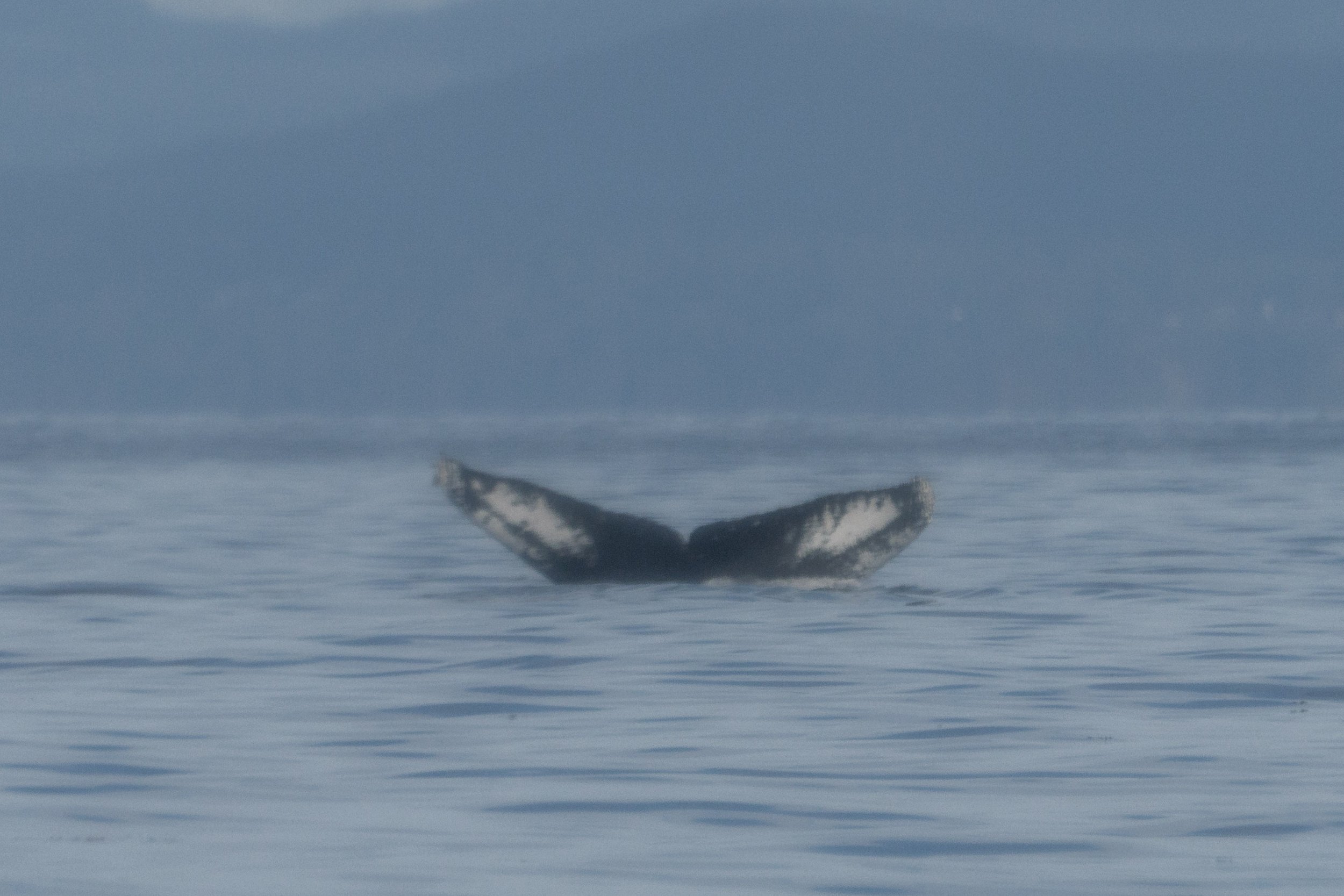
An ID photo for Aerie as they go for a dive.
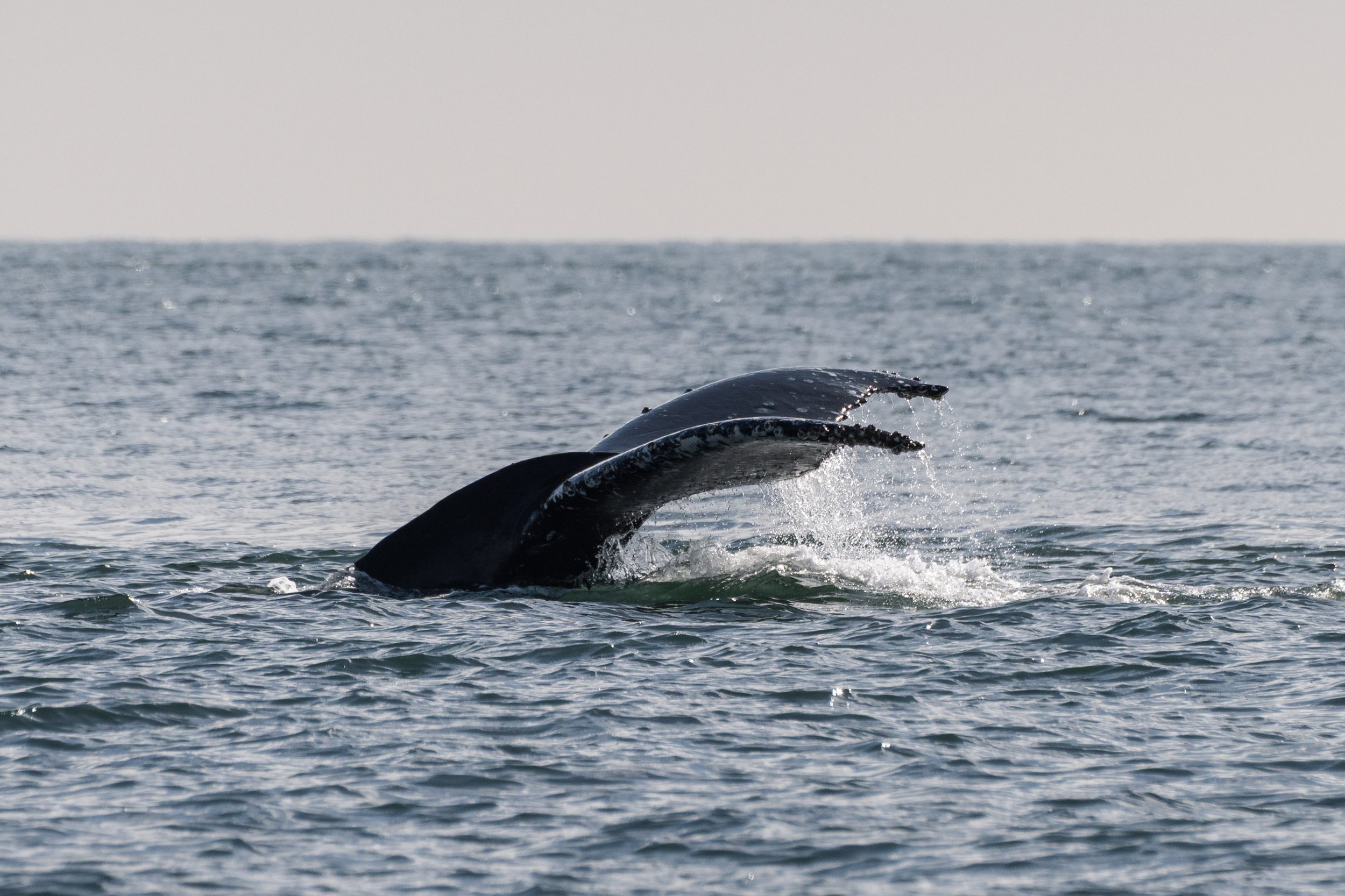
Nalu going for a dive.
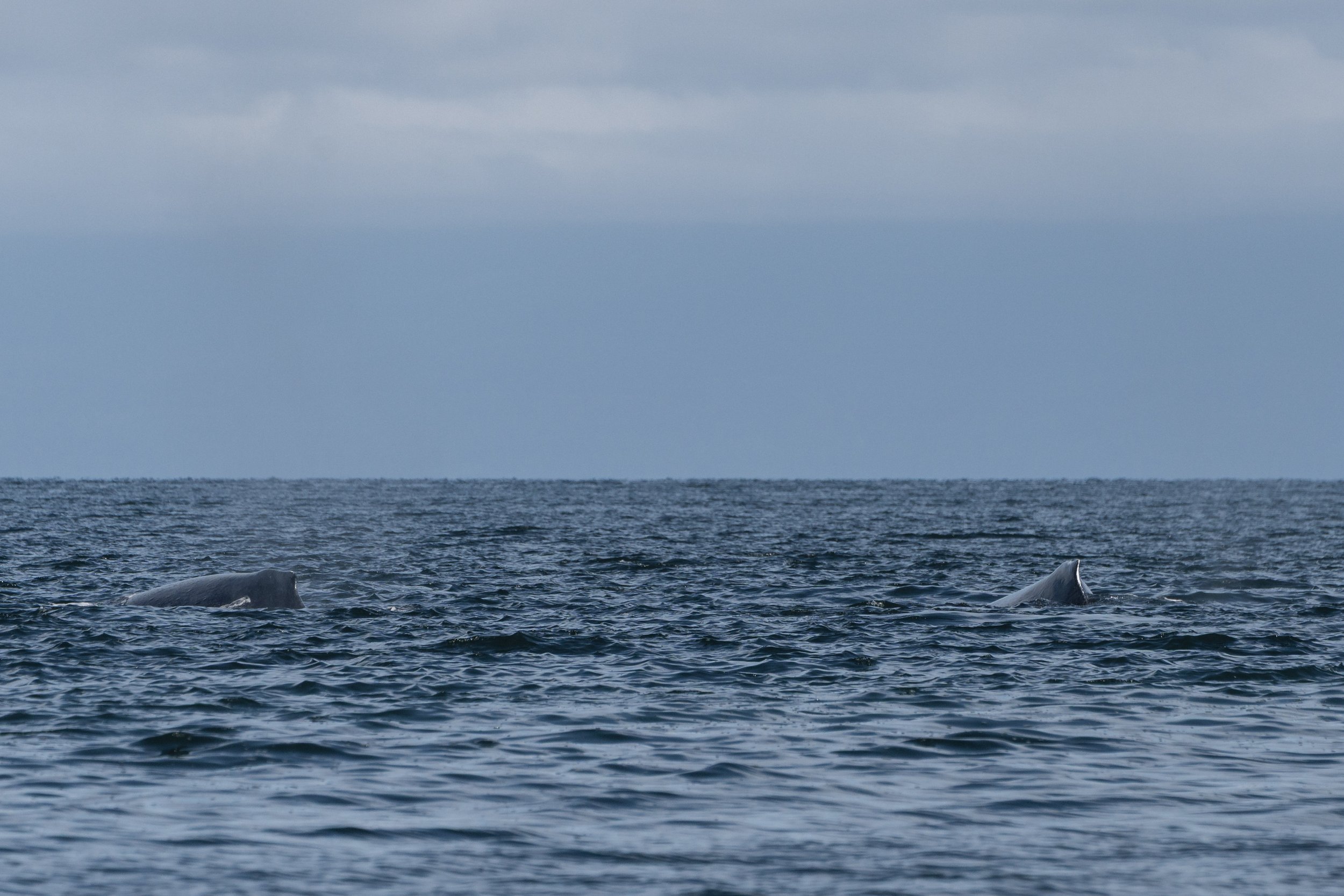
Notcho (left) and Nalu (right) surfacing together.
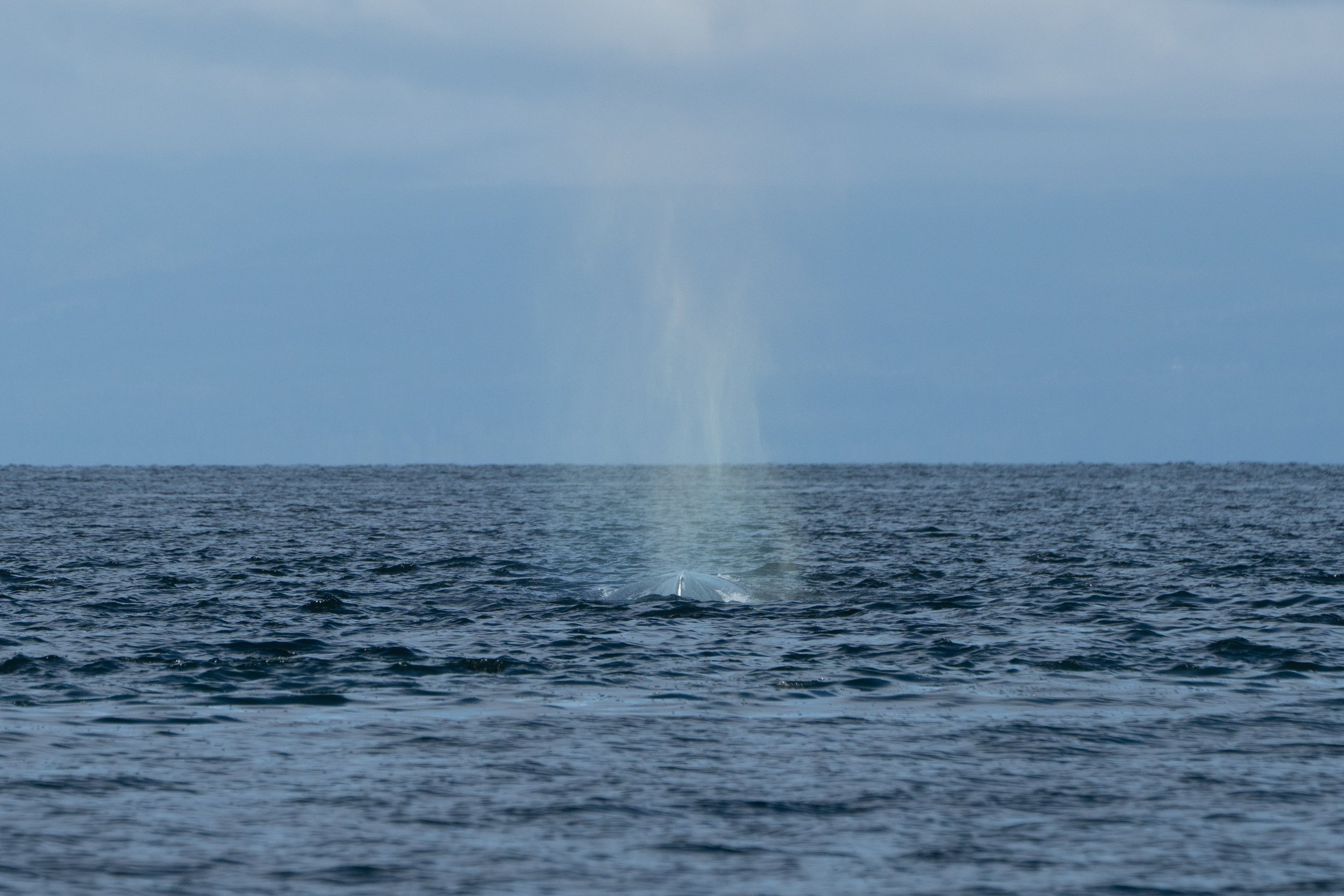
A rainblow from Nalu as they surface.
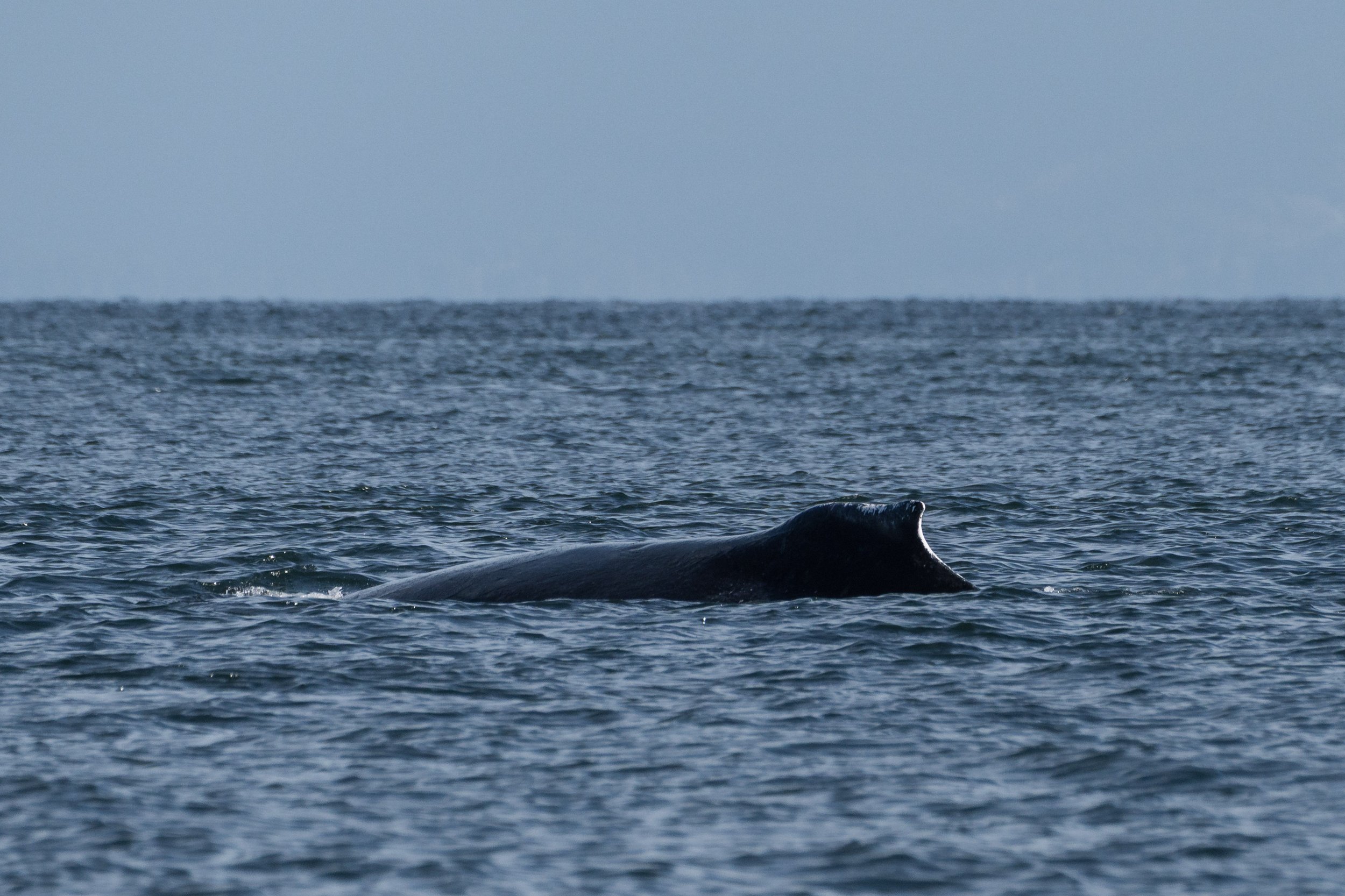
Nalu’s distinct dorsal fin as they surface.
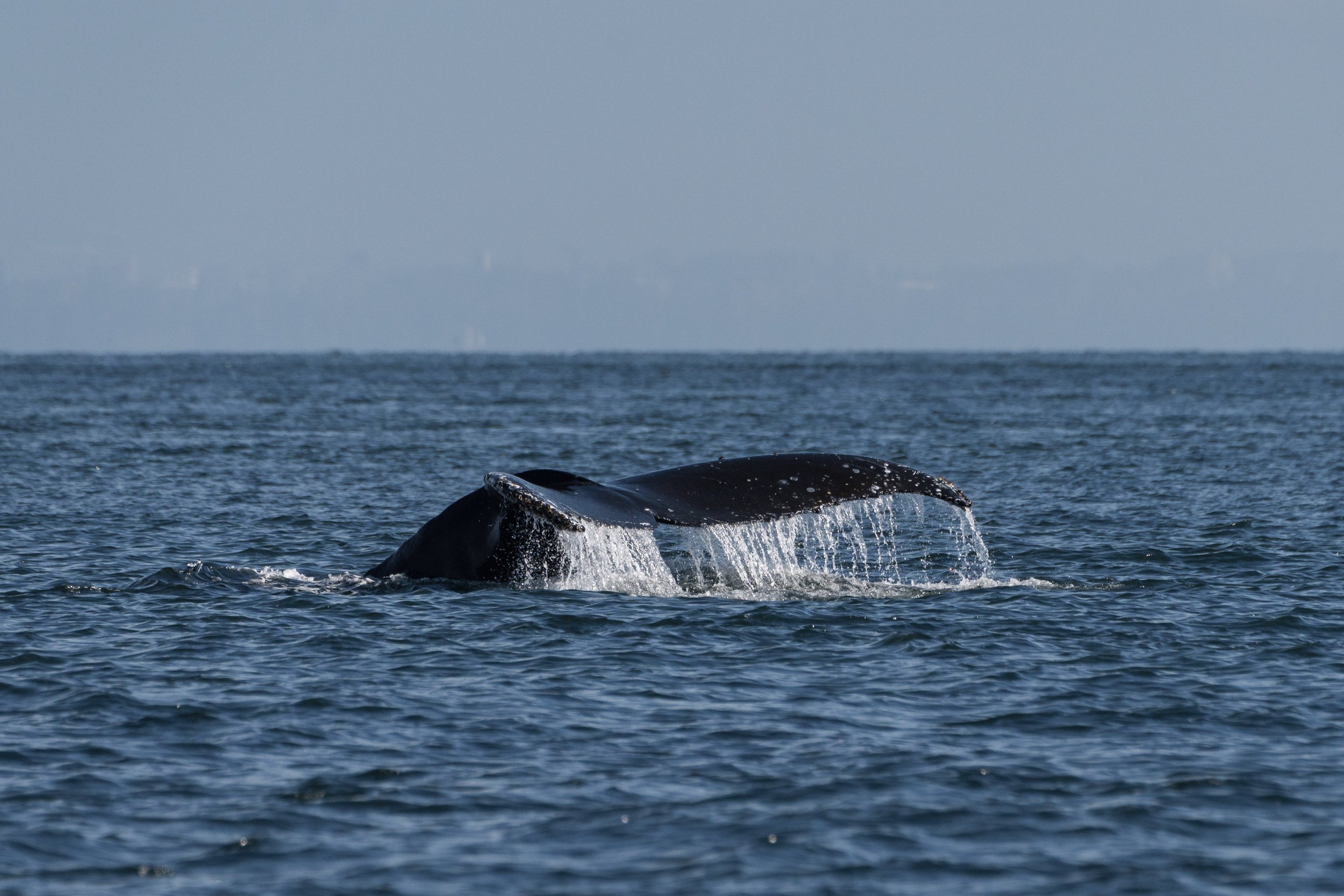
A lovely fluke waterfall from Nalu as she goes for a dive.
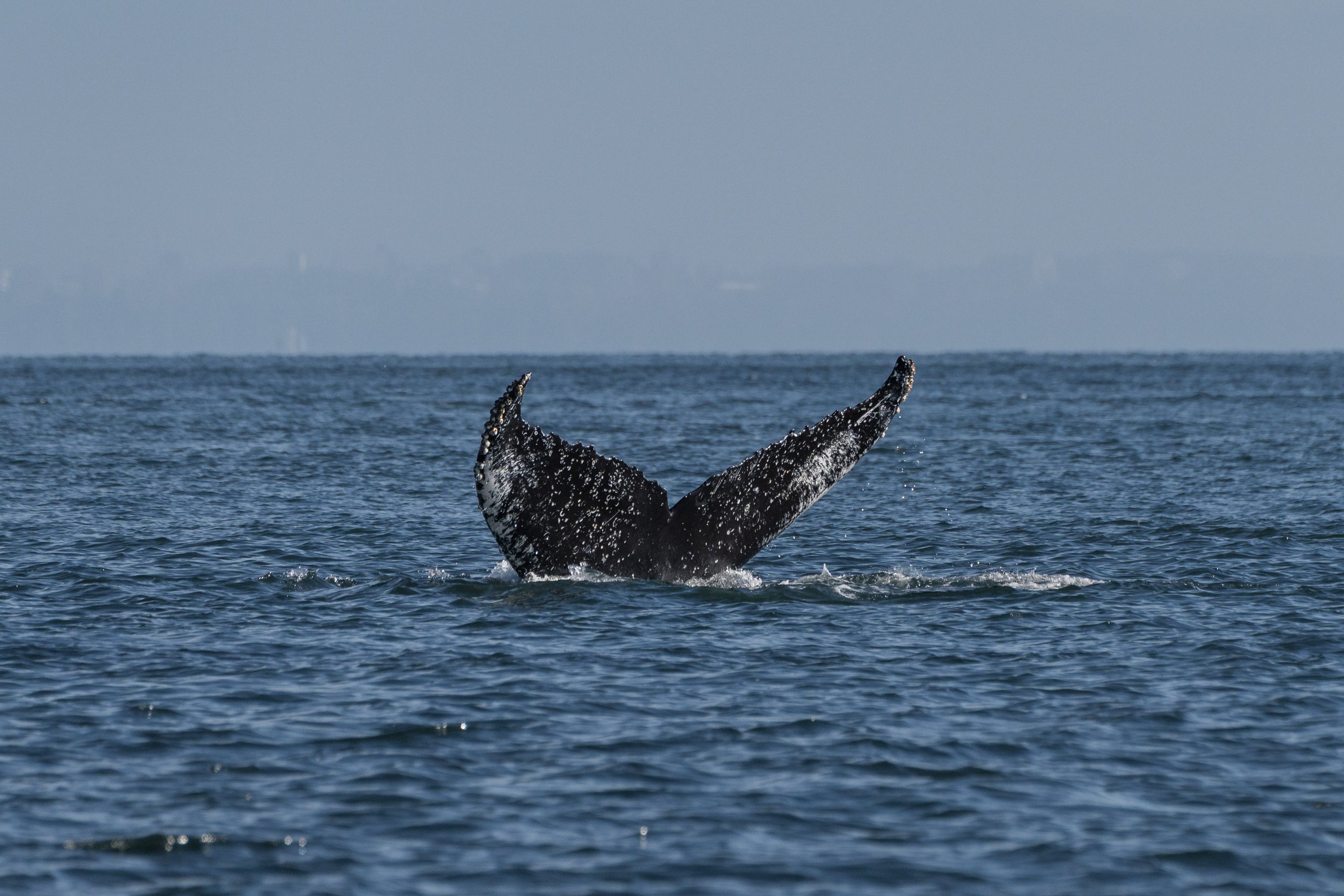
The unique underside of Nalu’s tail.
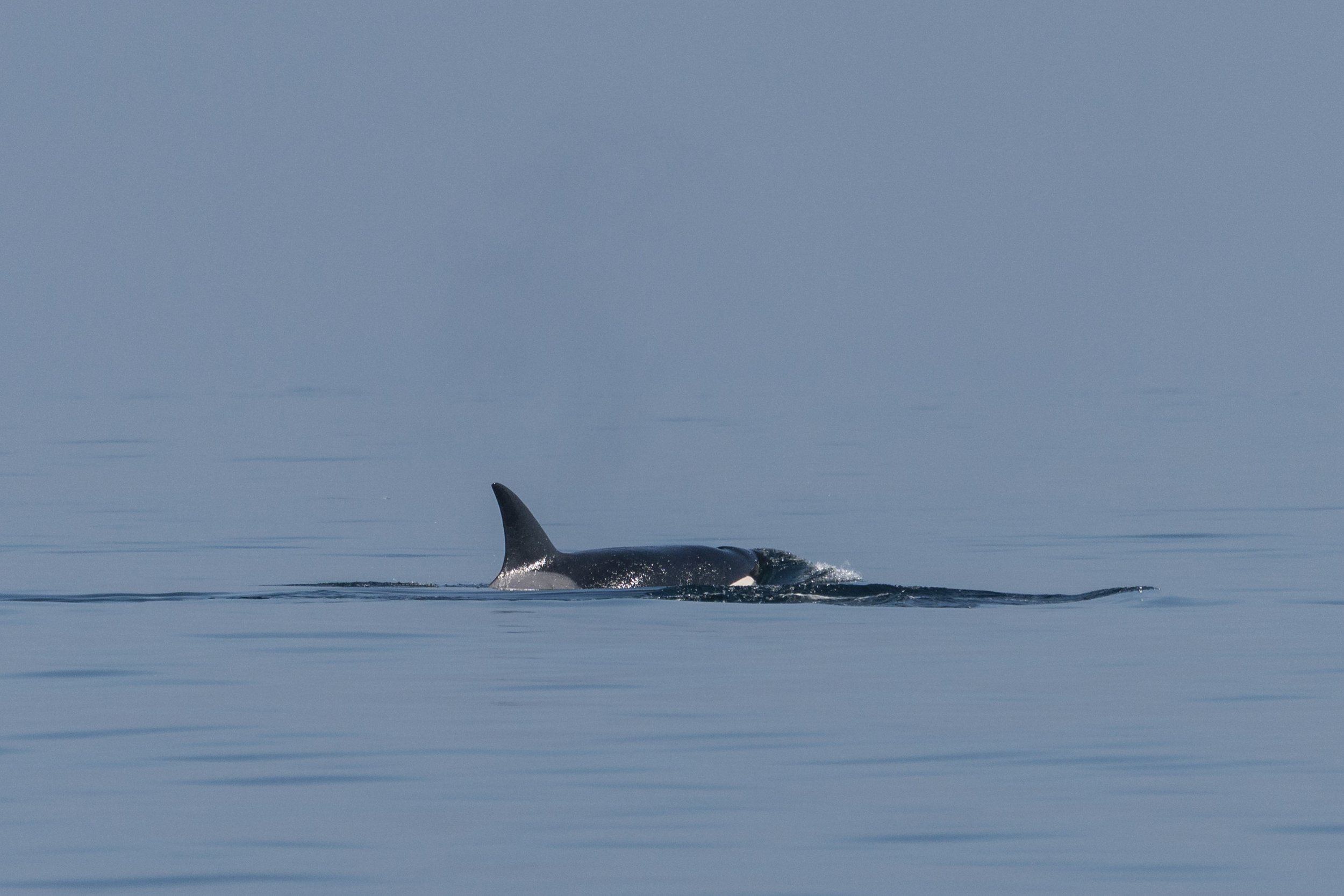
T037B Harald surfacing in the calm water.
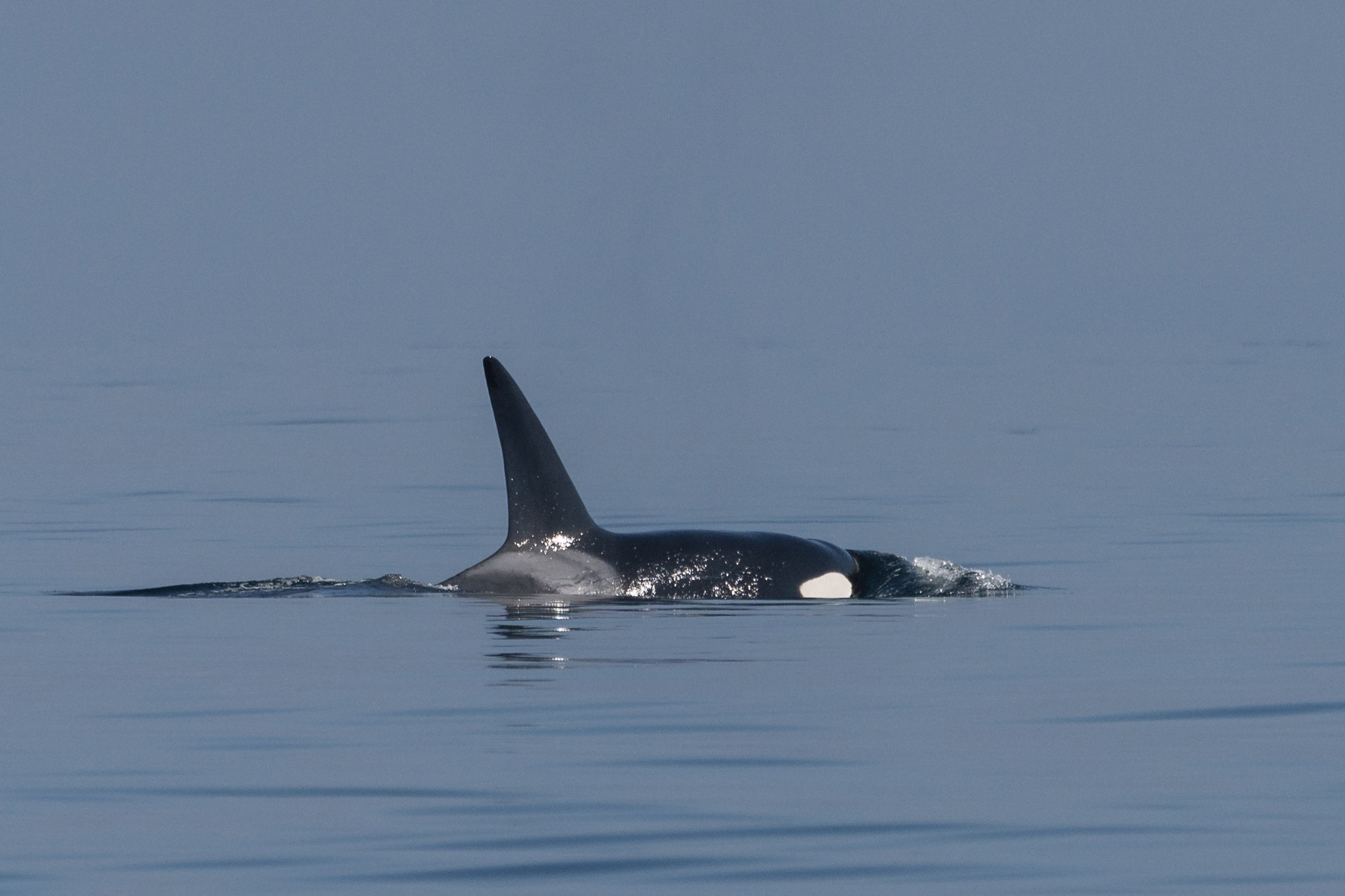
A great look at T037B1 Lance as he travels along.
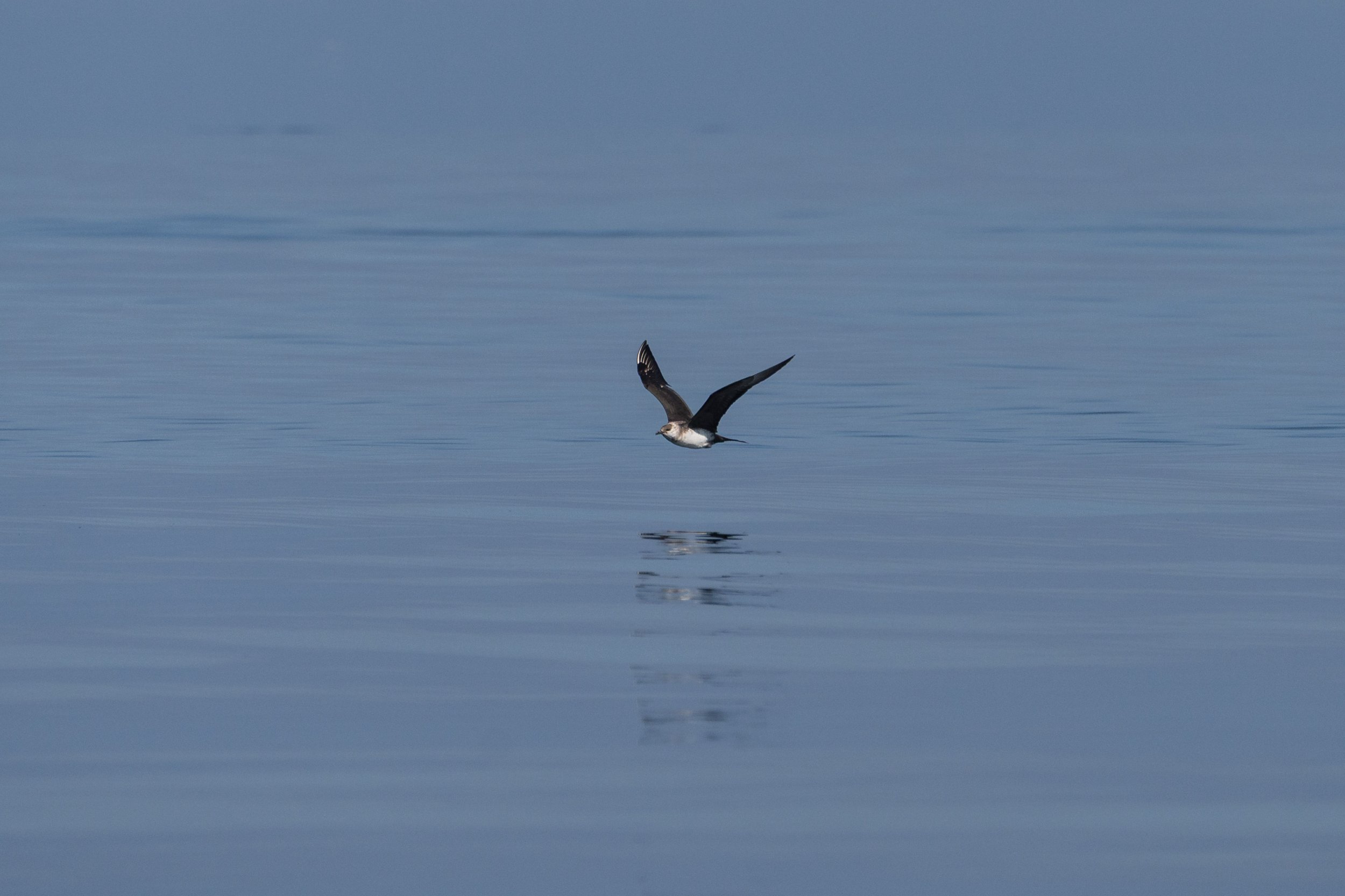
A Parasitic Jaeger flying by.
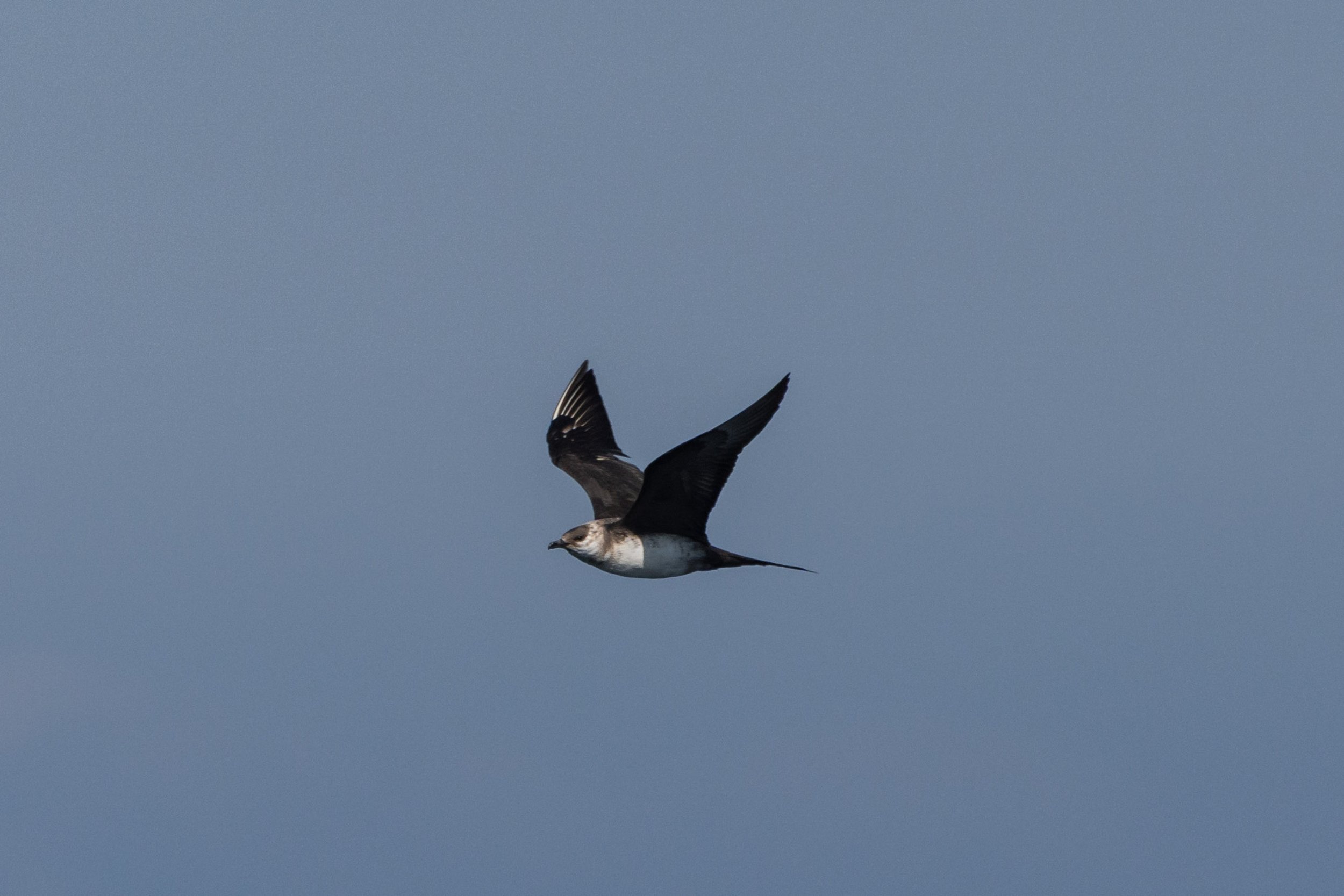
Another look at the Jeager.
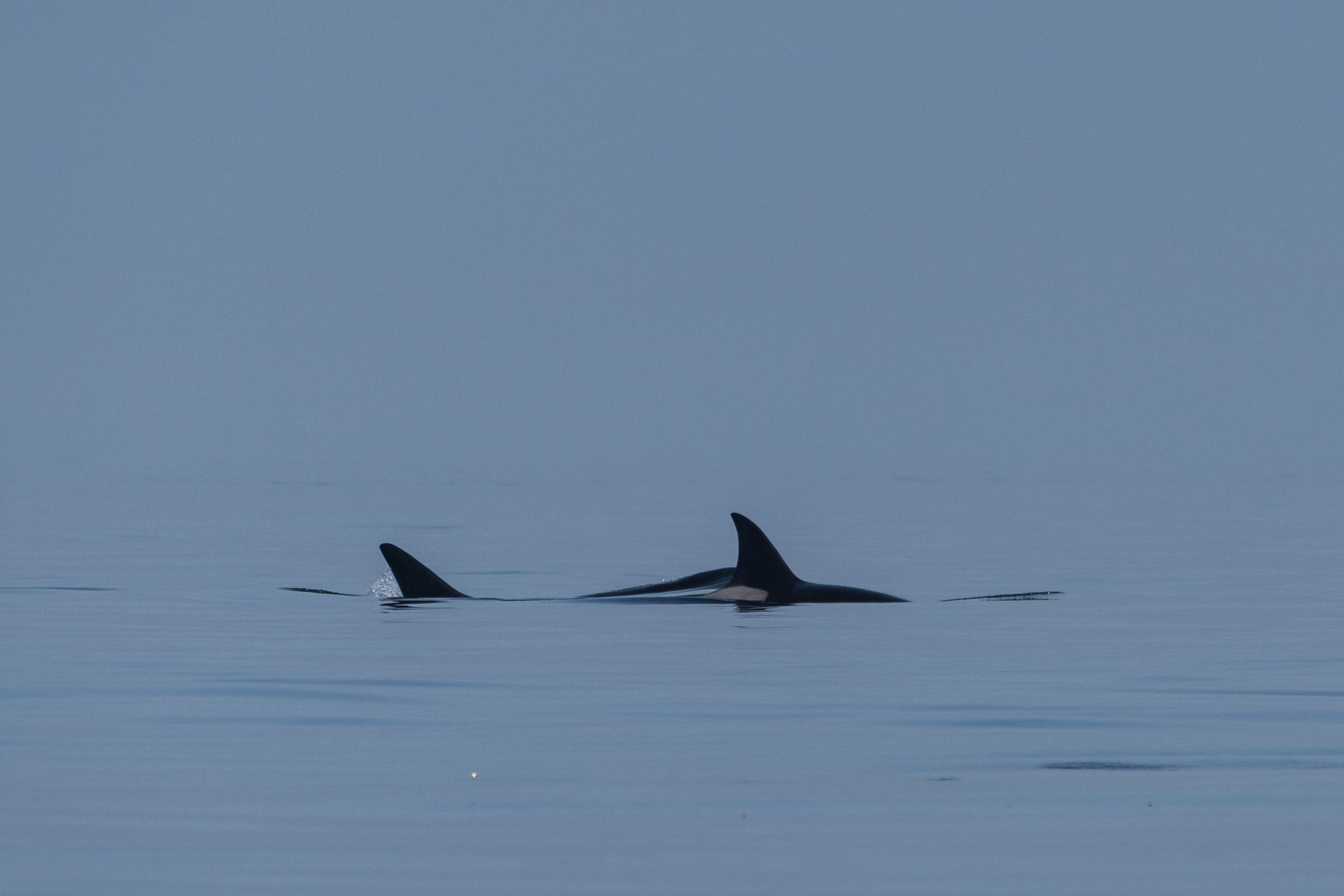
T037B Harald surfacing with T037B1 Lance just behind her.
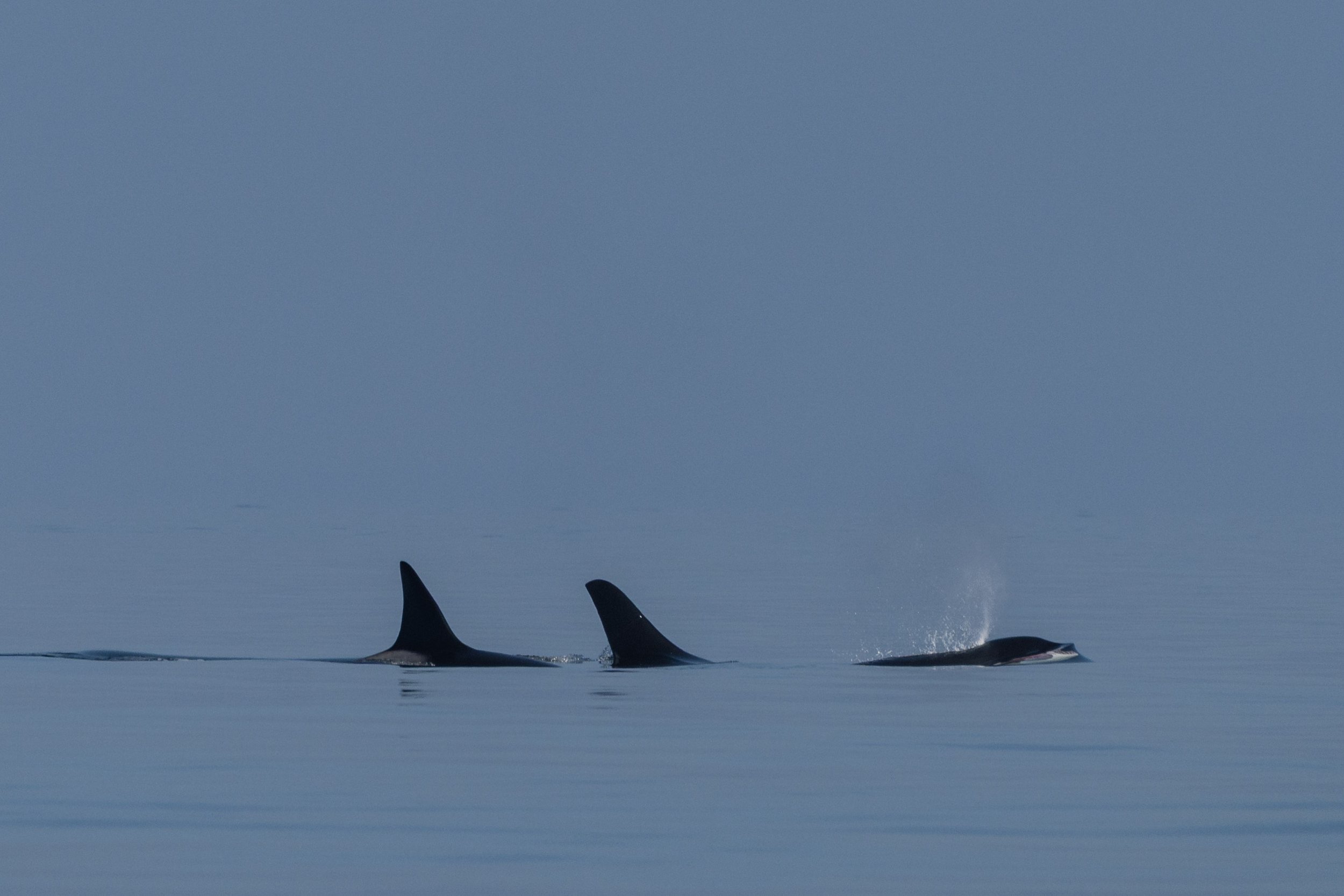
T030A Sequoia breaking the surface with his sister, T030A Salix, just behind him.
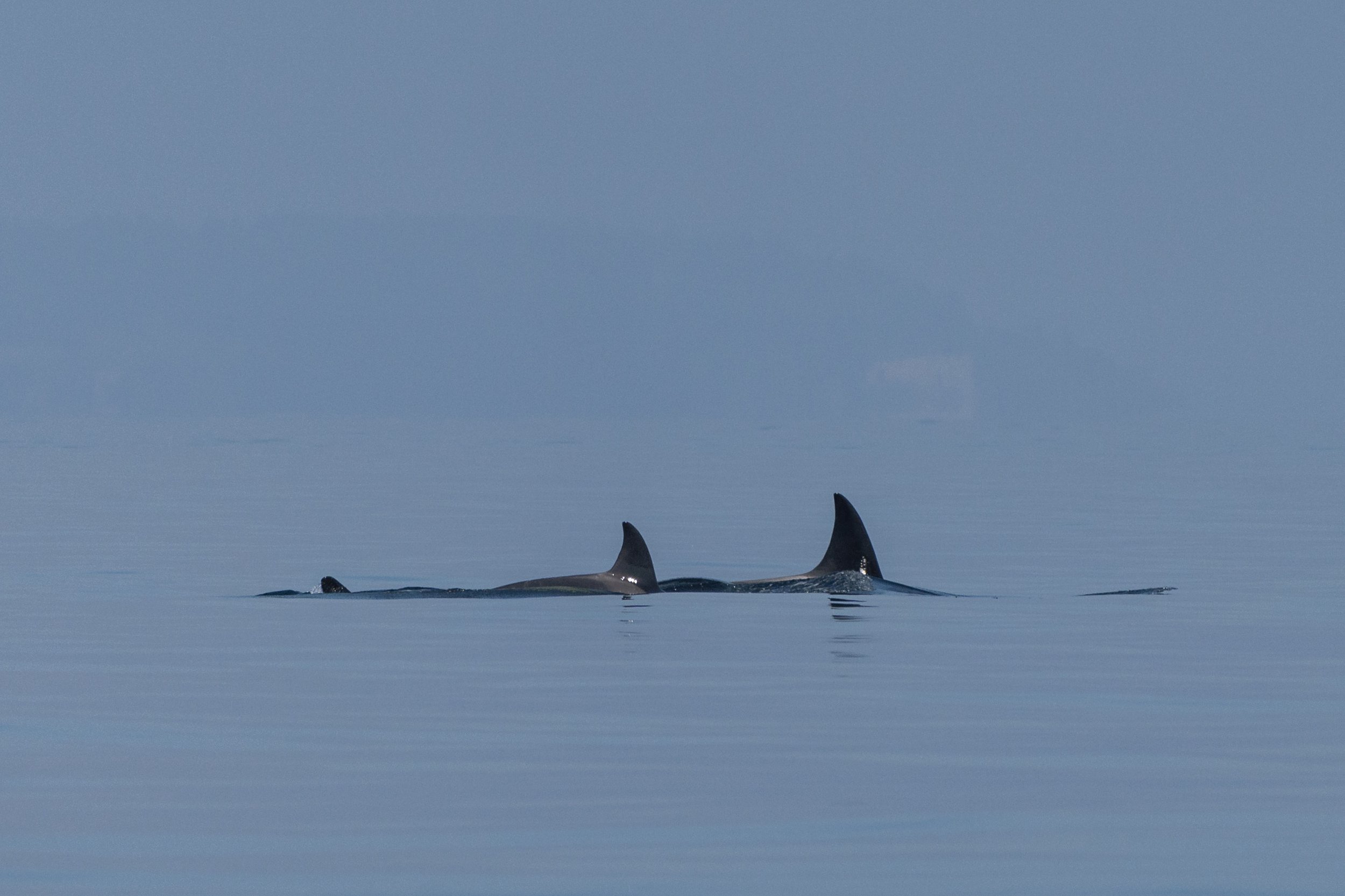
The T037Bs, T037B Harald in the lead followed by T037B3 Slice and the tip of T037B1 Lance’s dorsal fin.
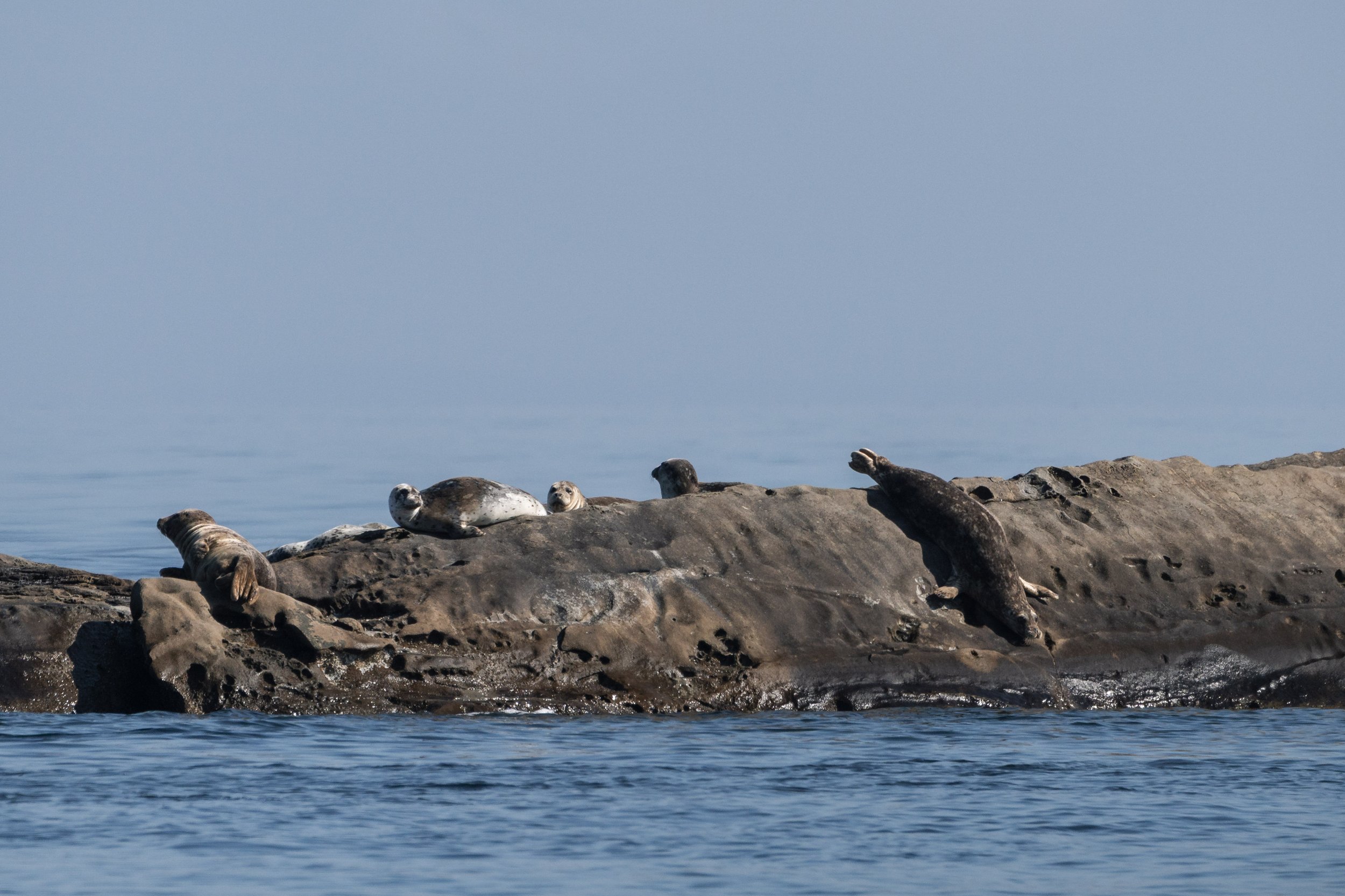
Harbour Seals along the Belle Chain Islands.
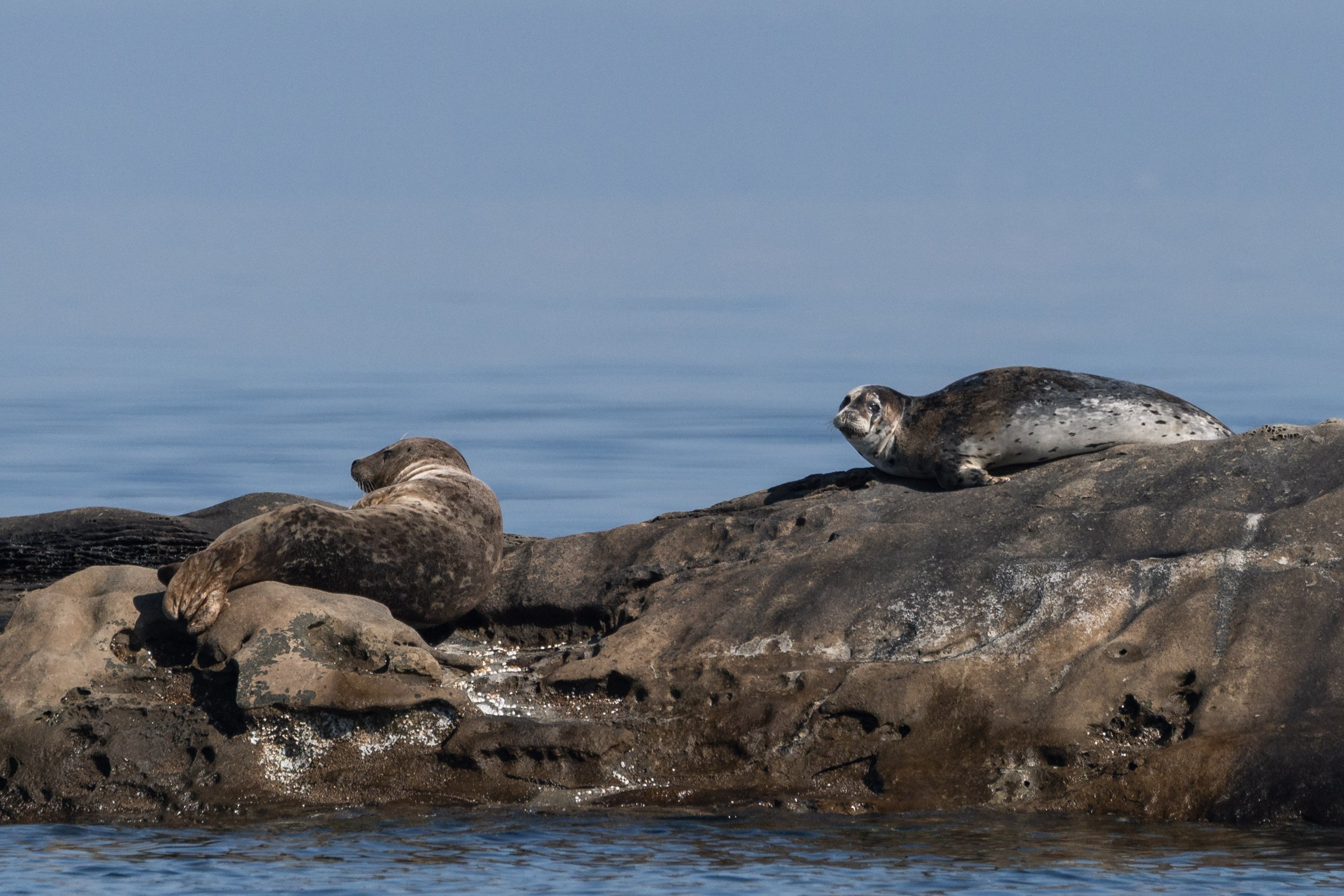
A couple of very comfy looking Harbour Seals on the rocks.
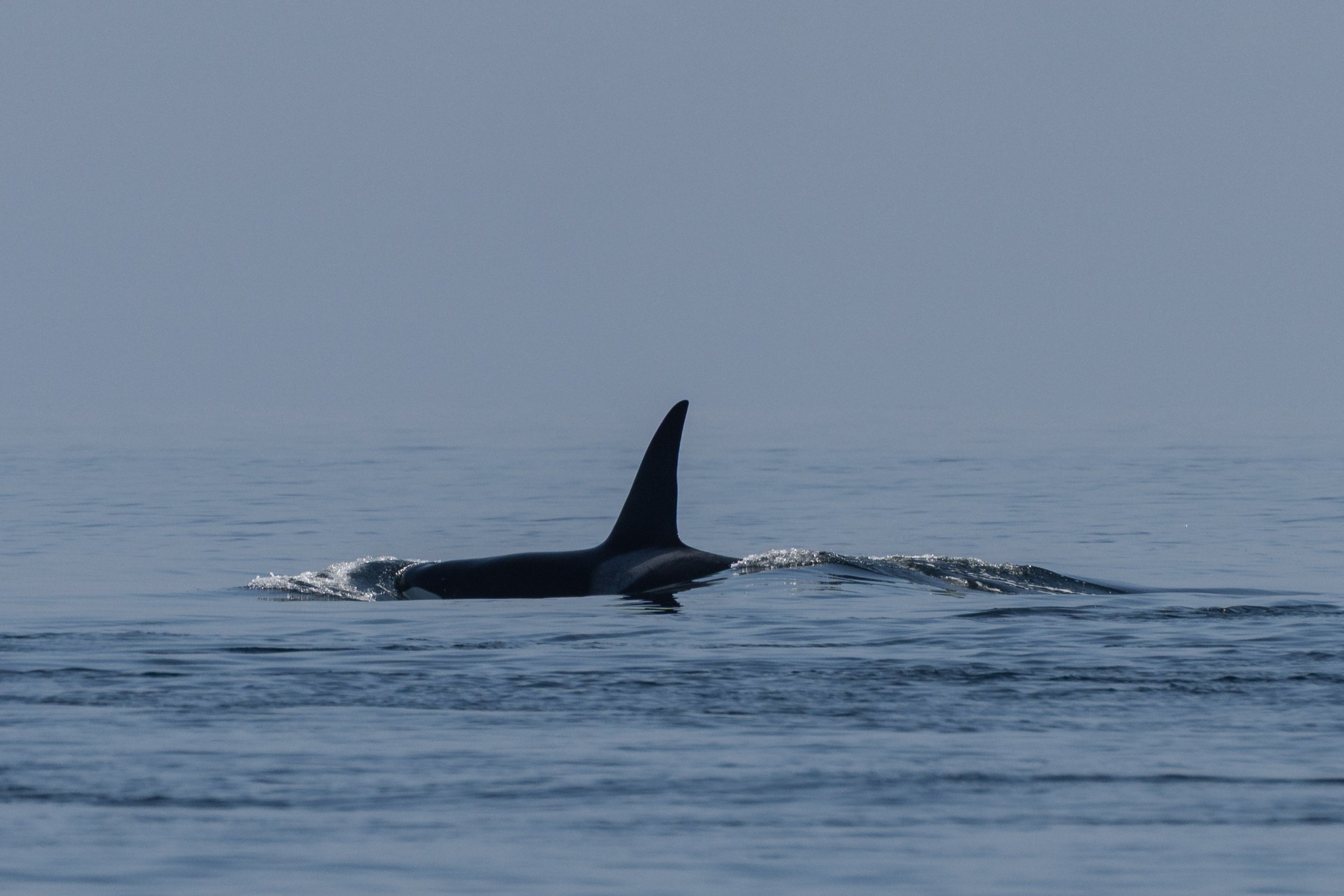
T037B1 Lance moving quickly through the water.
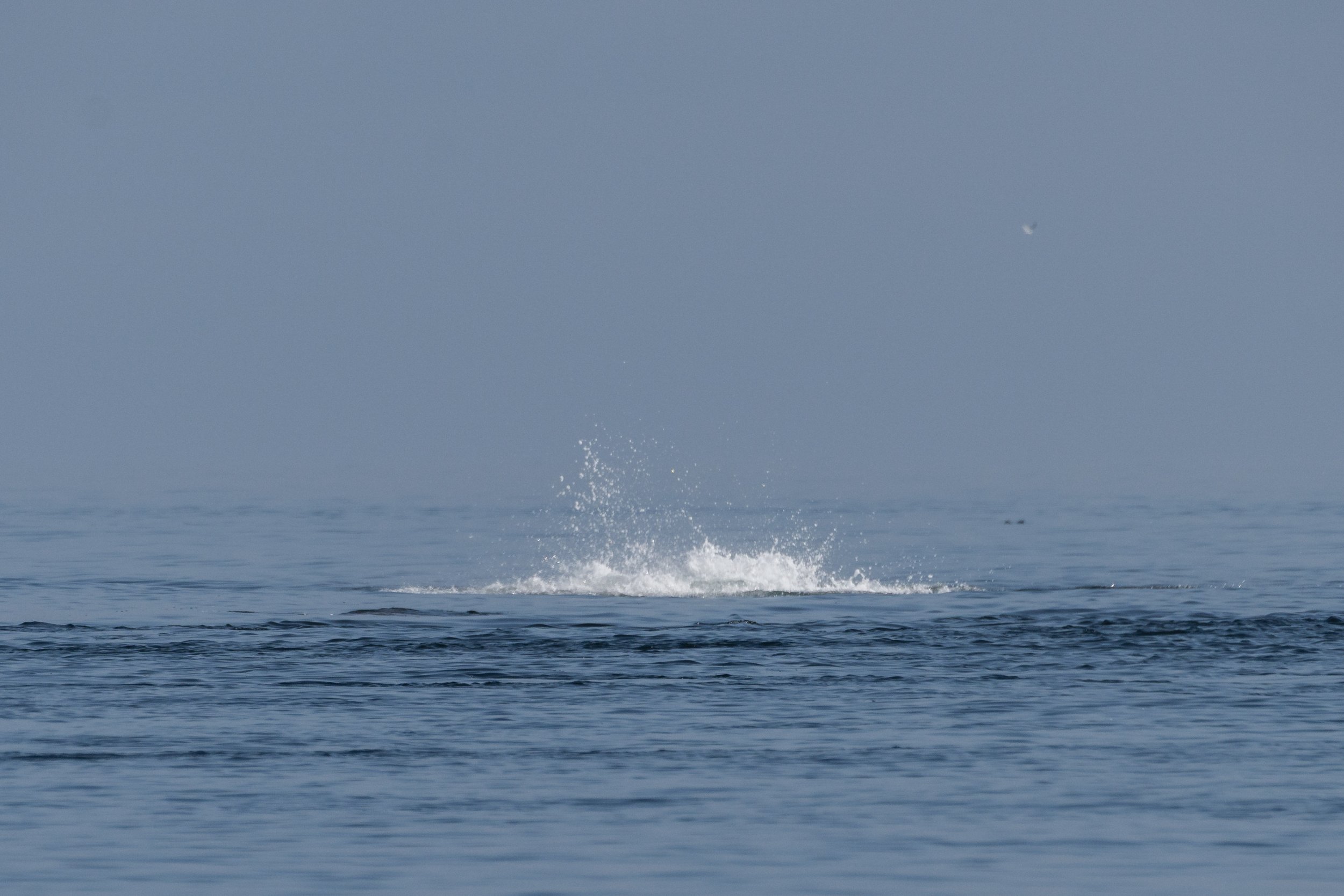
A splash from the raft of sea lions he disturbed.
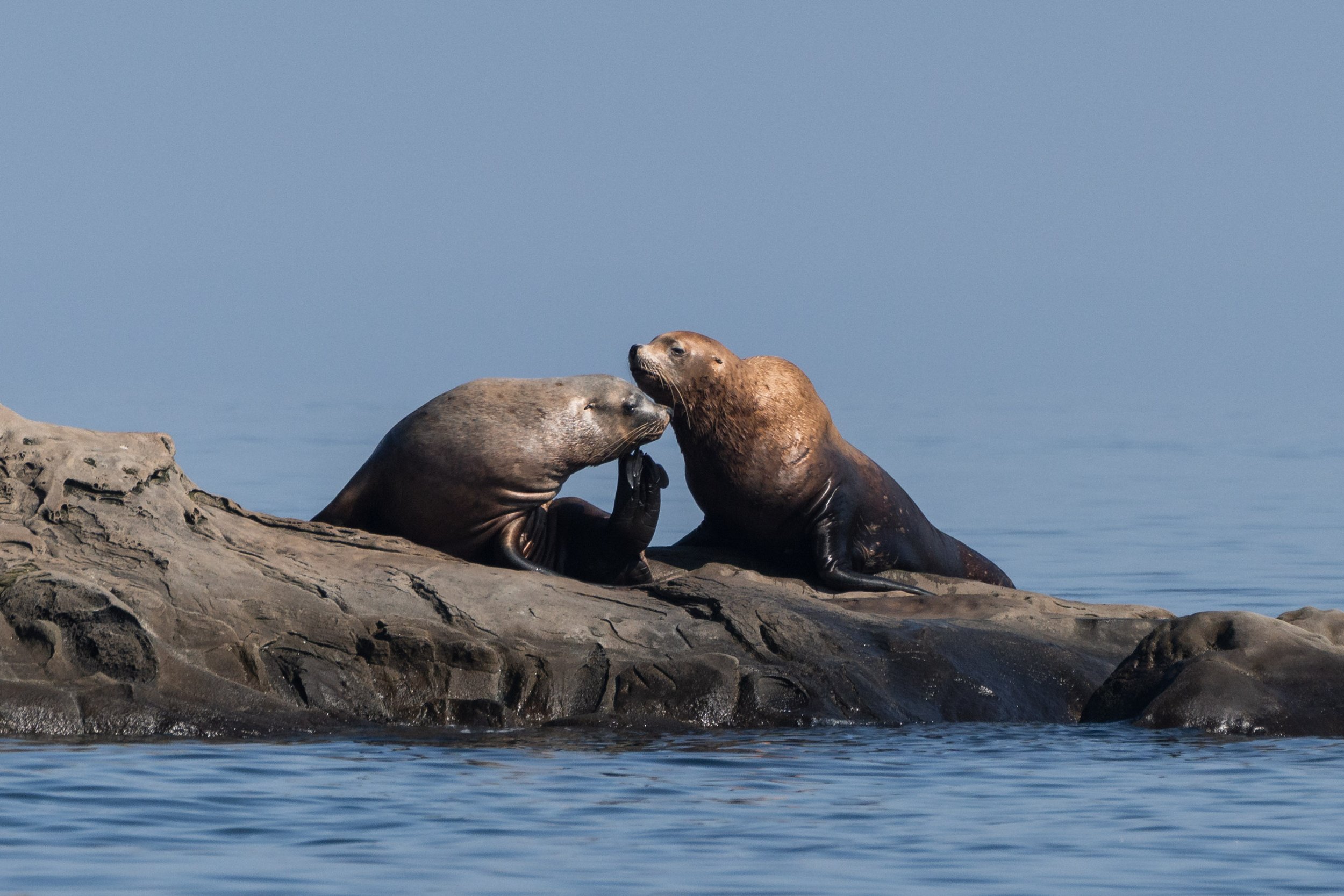
A pair of Adult Male Steller Sea Lions on the Belle Chain.
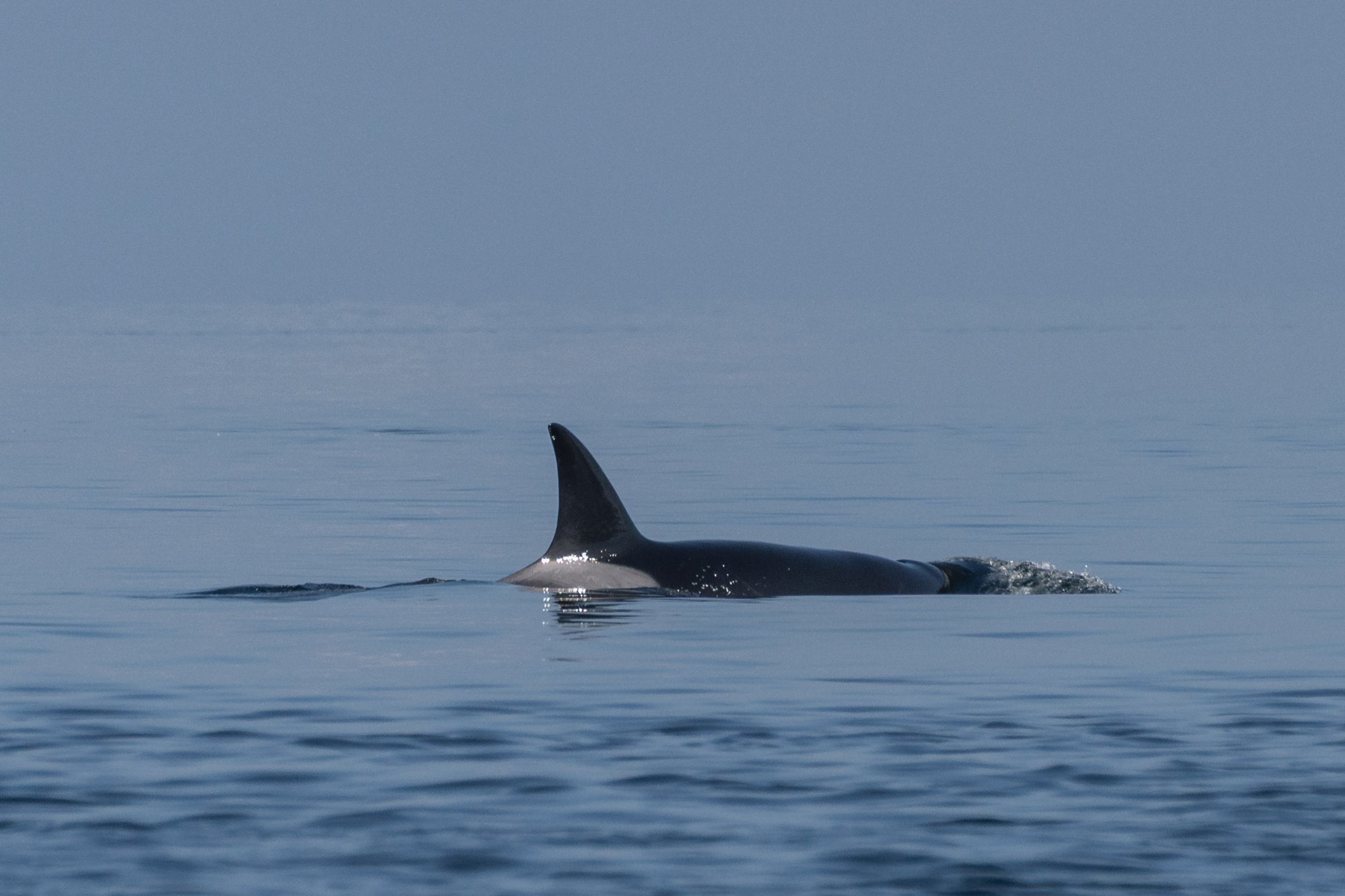
T037B Harald surfacing.
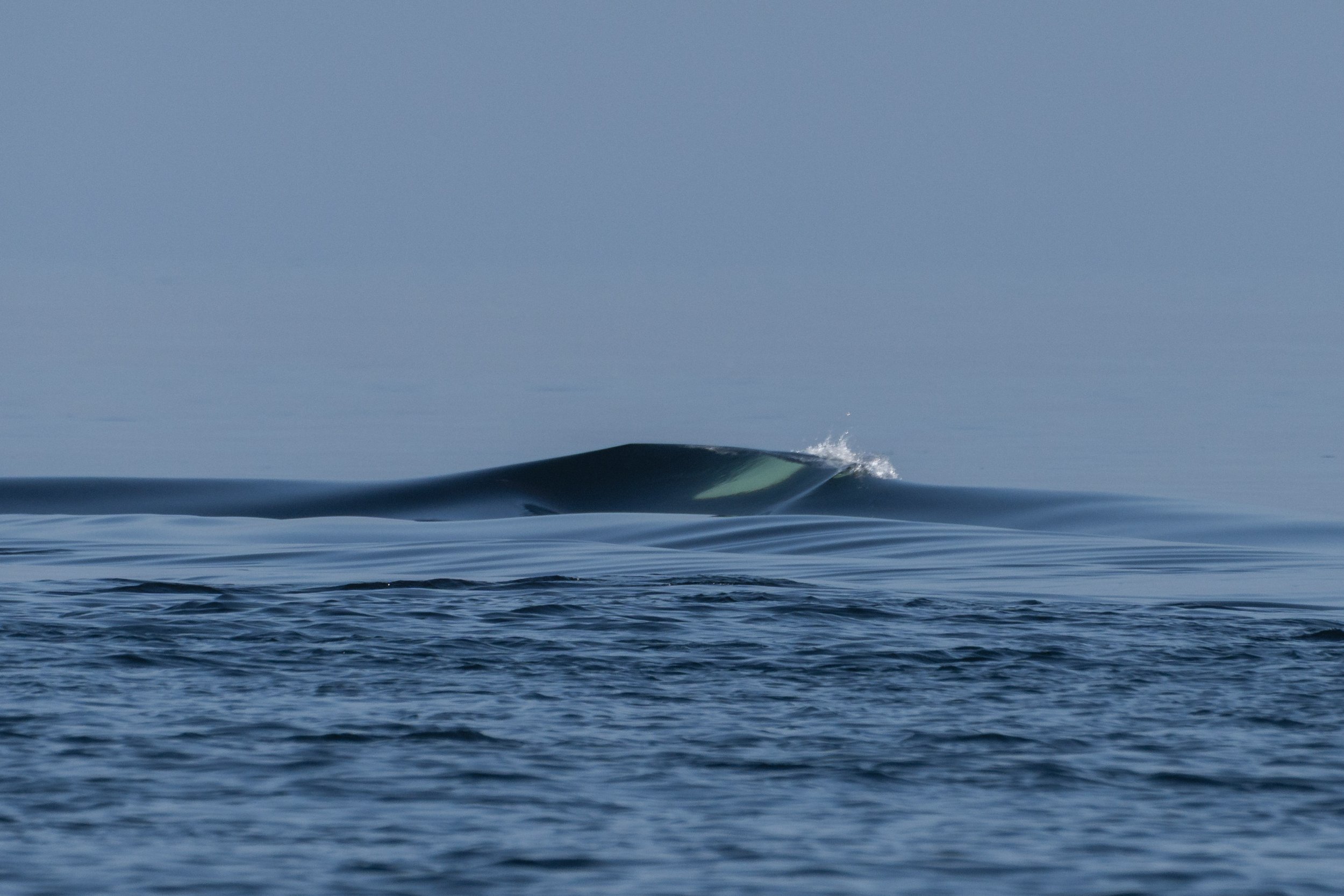
One of the whales just under the surface making a wave in the calm water.
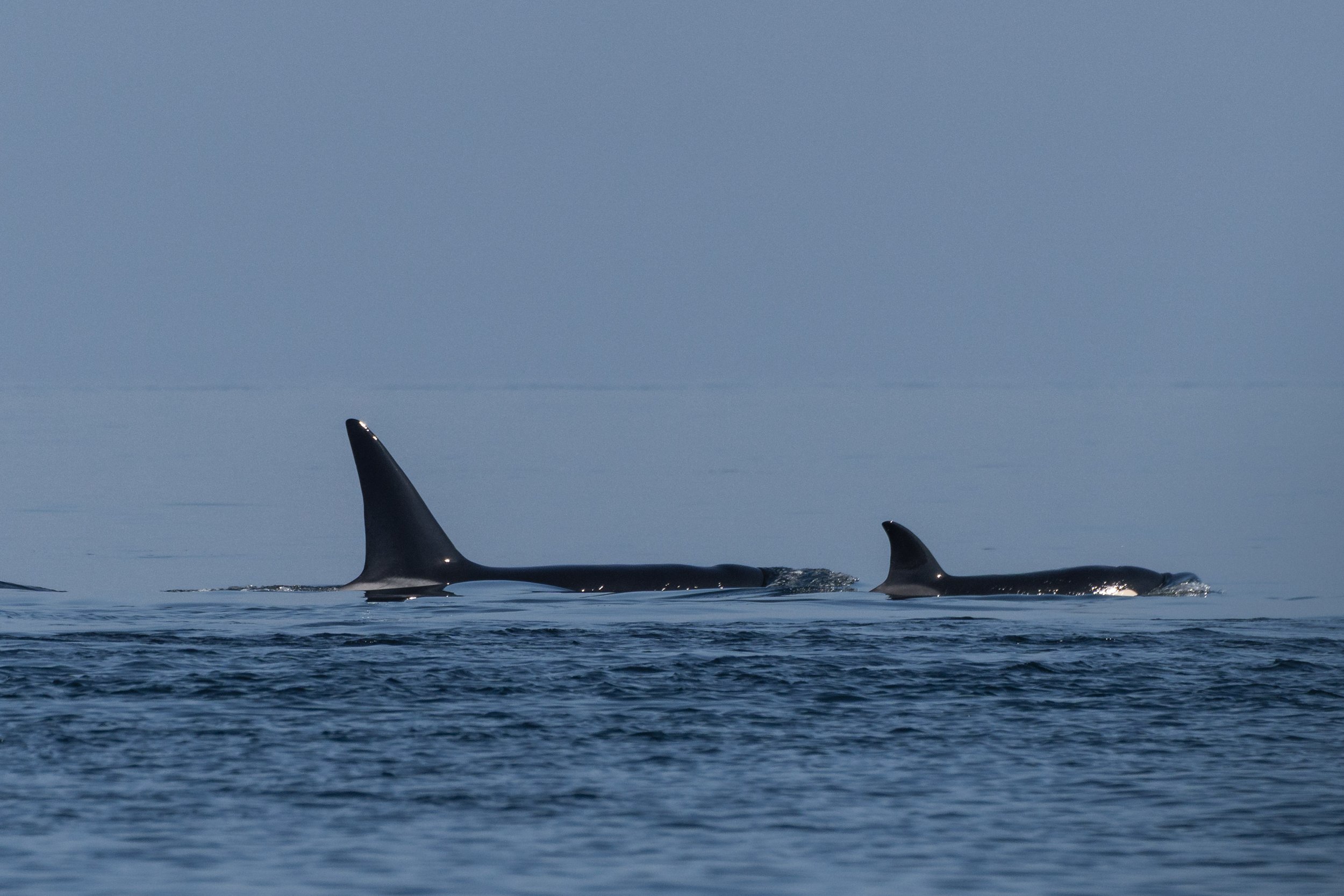
T037B1 Lance surfacing beside T037B3 Slice.
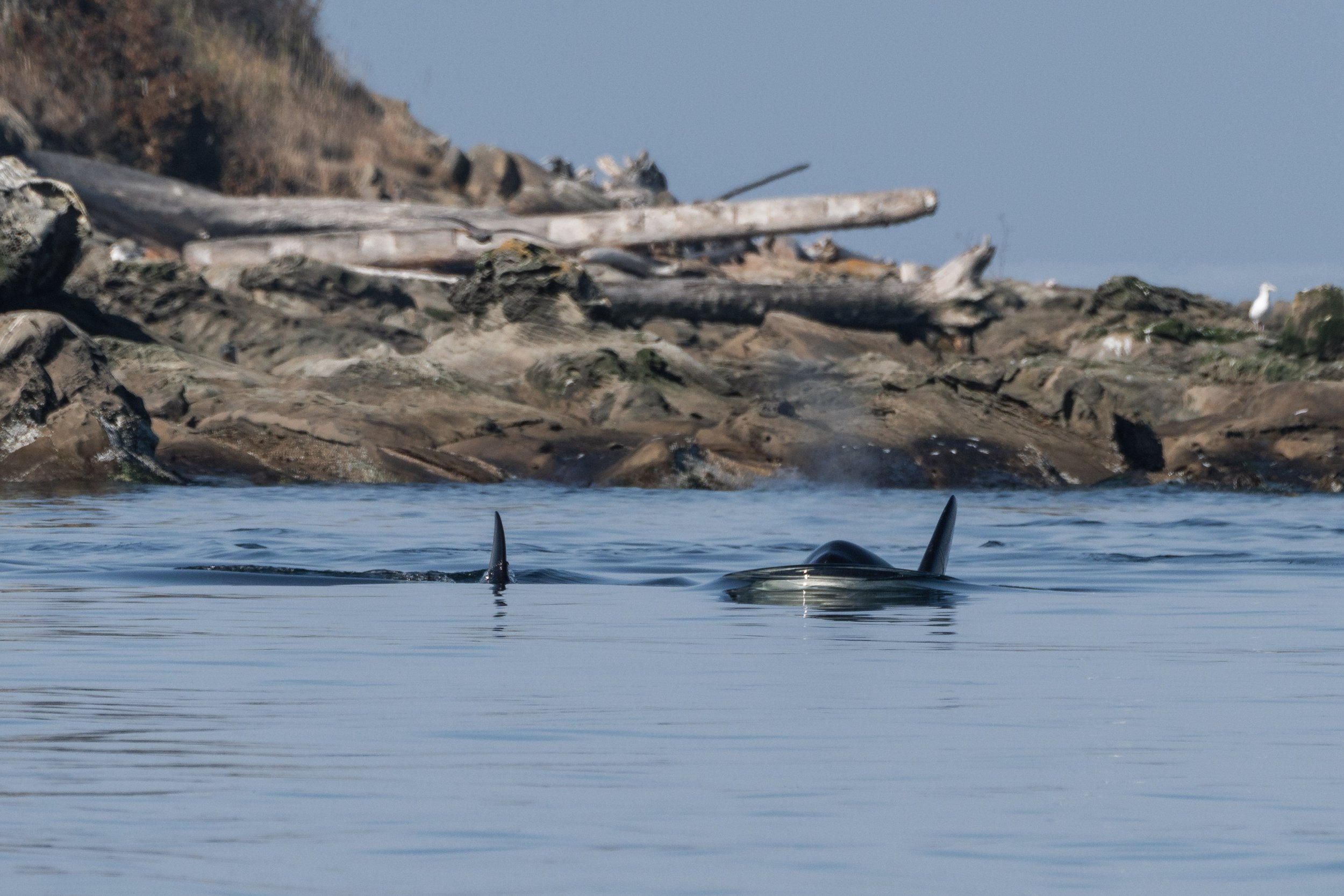
Two of the T037Bs coming head on towards the camera.
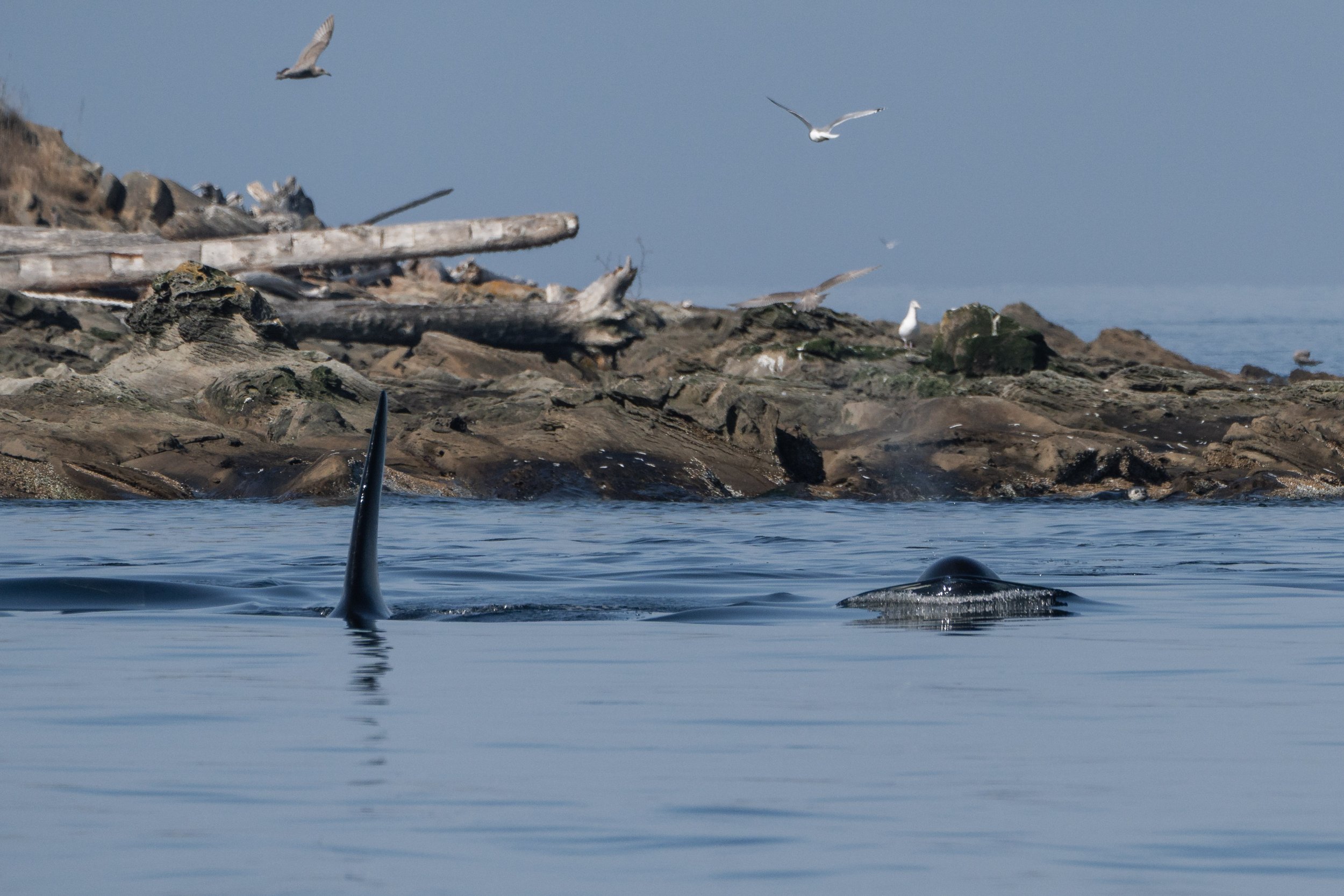
T037B1 Lance and another coming towards us.
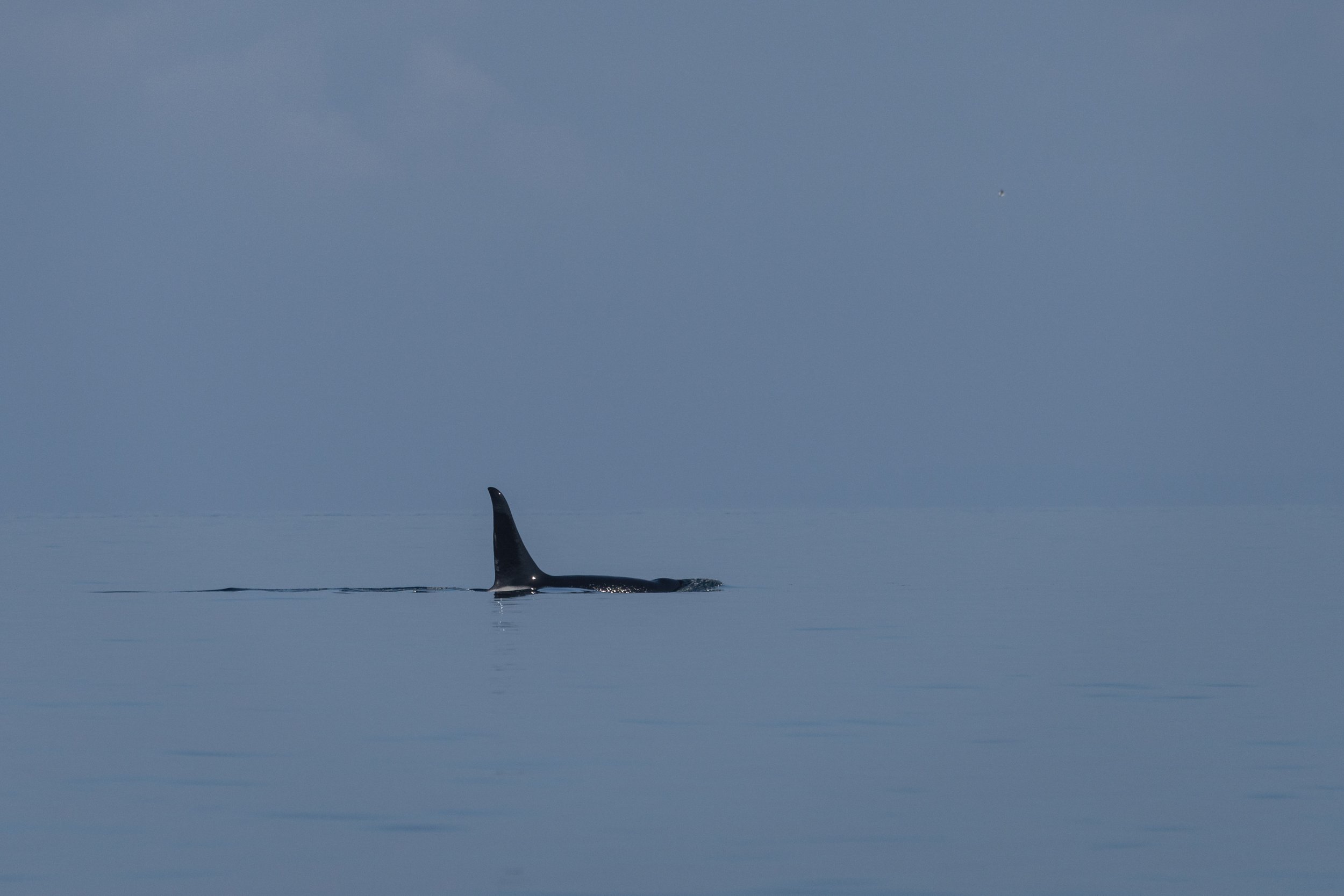
T030A Sequoia surfacing in the distance.
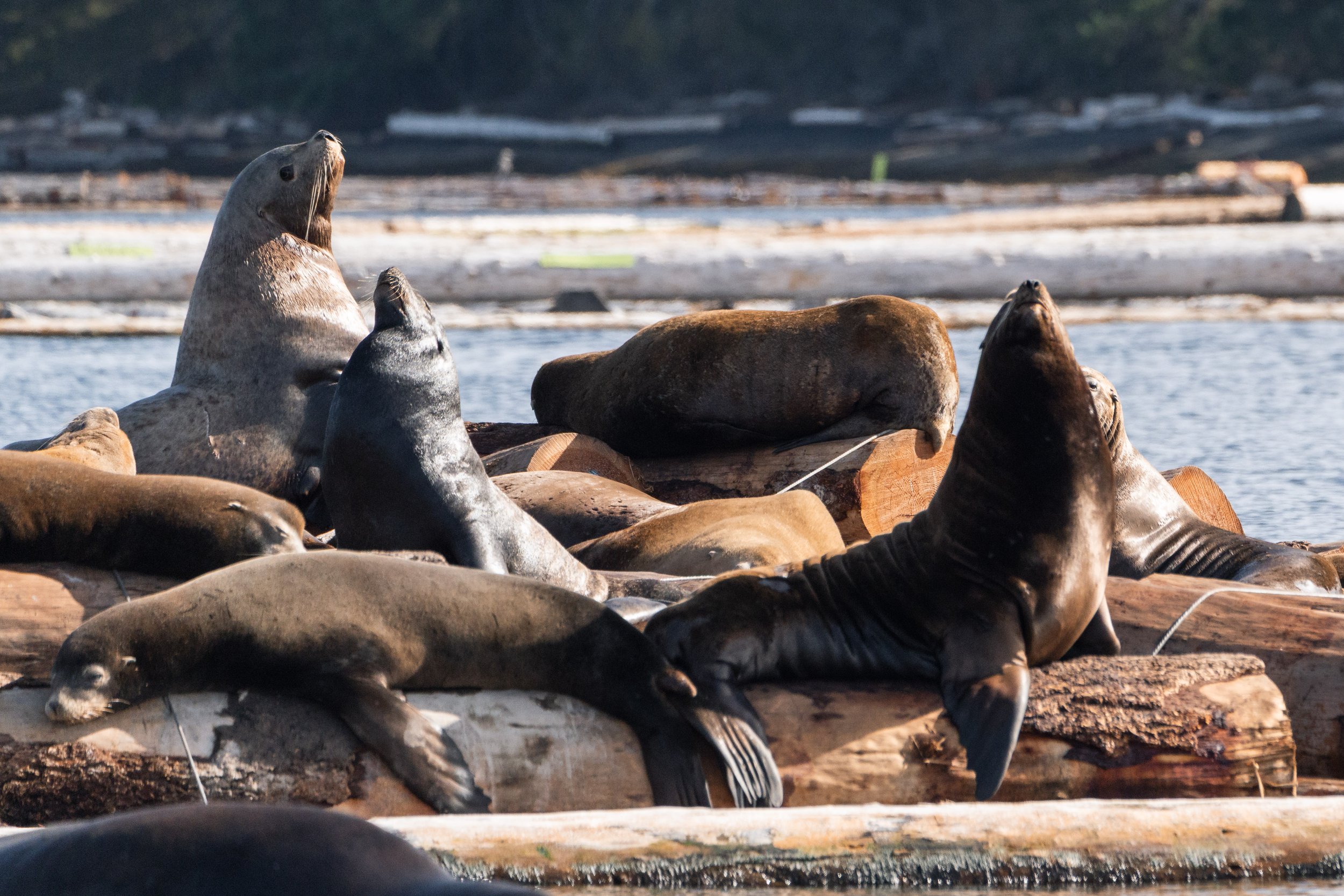
Sea Lions drinking in the sunshine on the log booms at the Harmac Pulp Mill.
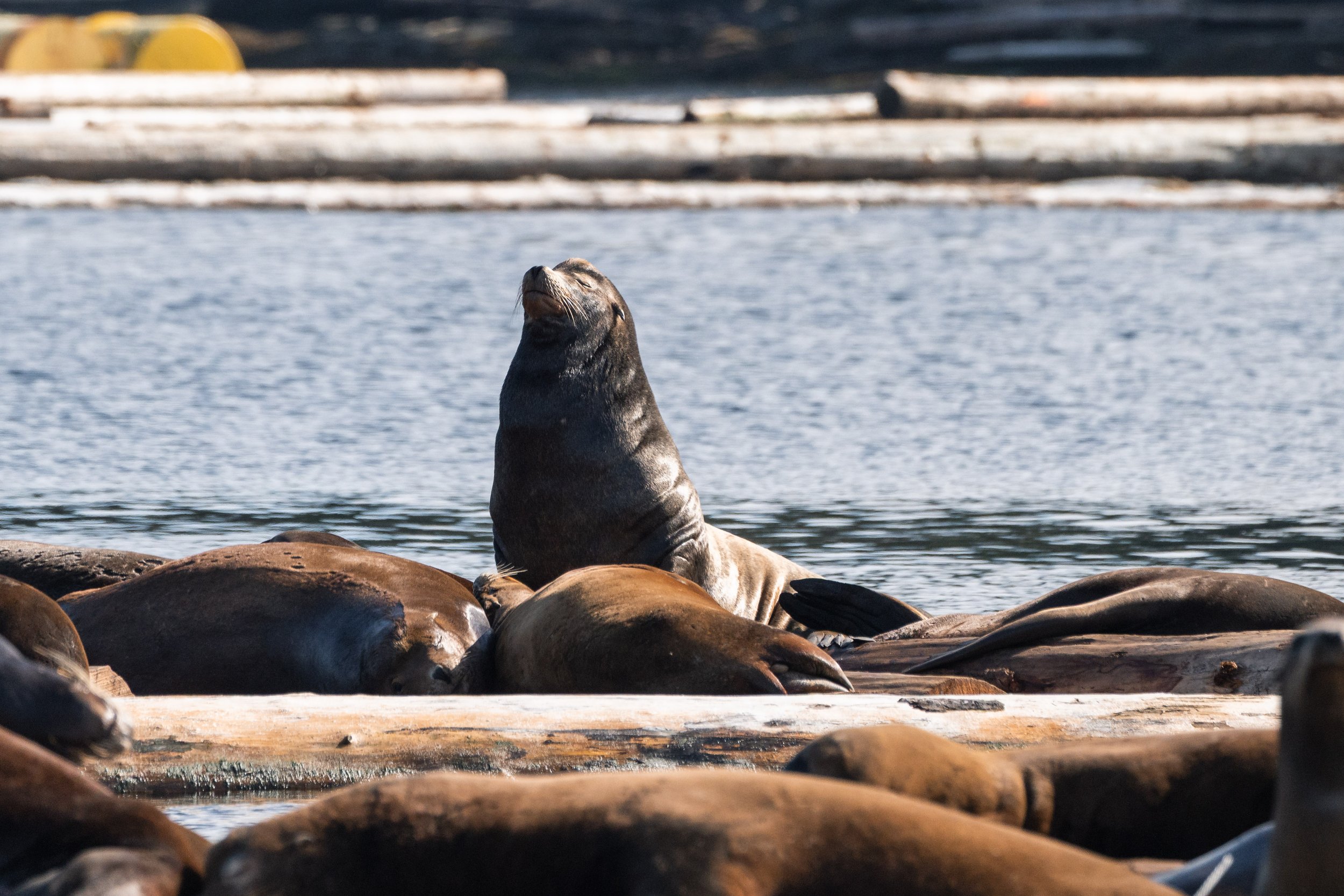
A California Sea Lion striking a pose.
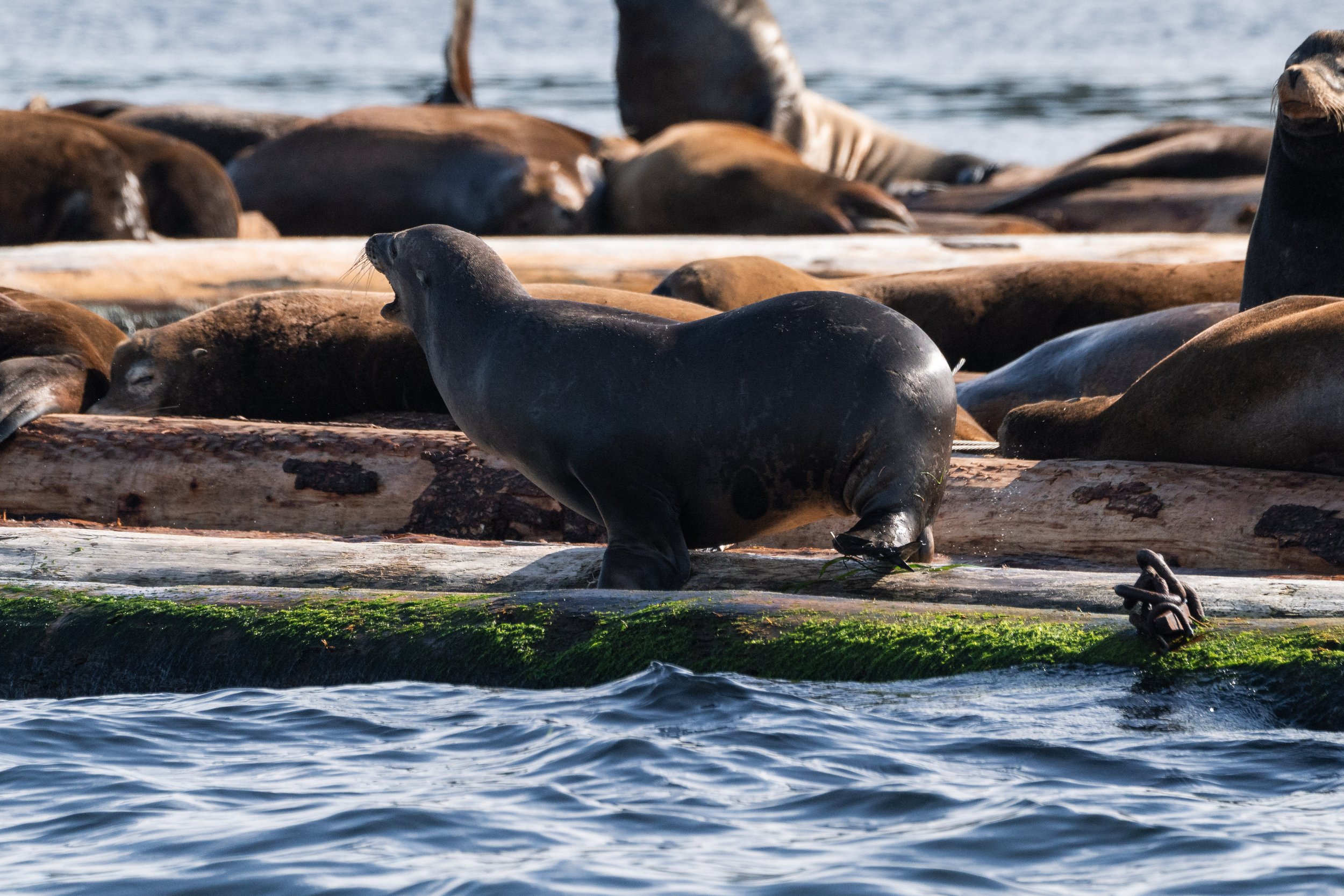
This sea lion didn’t seem happy about sharing the logs and was chasing another one off.