
April 30, 2026 - Double Orca Day close to home!
Spring on the Salish Sea has a way of setting the tone before you even leave the dock, and this day was no exception. Glassy water stretched out in every direction, the sun casting that unmistakable golden sheen that promises both calm seas and great visibility. Even better, a couple of early morning reports had come in from just outside Nanaimo. With towering dorsal fins already spotted from shore, anticipation built quickly. It didn’t take long before we were underway aboard Kula and Cascadia, eyes scanning the horizon, hopeful that the day would unfold exactly as it had begun. We didn’t have to wait long.
Just beyond Dodd Narrows and into Stuart Channel, a subtle but unmistakable disturbance broke the stillness of the water. A ripple, then a blow, followed by the clean slice of a dorsal fin cutting through the surface. Moments later, more fins appeared. Aly, our naturalist, quickly counted four individuals travelling together. There was a familiarity to the grouping, and with a practiced eye (and a well-timed reach for the zoom lens), she began piecing together the identification.
It didn’t take long to confirm. One particularly striking male surfaced again, his dorsal fin rising nearly six feet tall, unmistakable in both size and shape. A closer look revealed the defining notch along the trailing edge, paired with distinct scarring across the saddle patch. Stanley. And with him, the rest of the T123s.
T123 Sidney ♀ (~1985)
T123A Stanley ♂ (2000)
T123C Lucky ♀ (2012)
T123D Darcy ♀ (2018)
This family unit is a classic example of a transient (Bigg’s) orca matriline. At its core is the matriarch, the mother, who leads, teaches, and ultimately determines the movements and survival strategies of her group. Her offspring, particularly her sons, will often remain at her side for life. These bonds are strong, stable, and deeply rooted in the knowledge she passes down: where to hunt, how to hunt, and how to navigate the complex marine landscape they depend on.
Transient orca are specialized mammal hunters, relying on stealth and efficiency. Unlike their fish-eating counterparts, they move quietly through the water, often in tight formations, minimizing noise and surface activity to avoid alerting prey such as seals, sea lions, or porpoises. In this context, group size becomes critical. A pod that grows too large risks becoming less effective at hunting. This is where the dynamics shift.
As daughters mature and begin having calves of their own, we sometimes see them branch off, forming new matrilines. In doing so, they become matriarchs themselves, carrying forward the learned behaviours of their mother while adapting to their own ecological pressures. It’s a natural progression, one that ensures both the continuation and distribution of these highly intelligent predators across their range.
After spending time with the T123s as they travelled through the Southern Gulf Islands, we eventually left them to continue their journey and slipped back into search mode. The calm conditions allowed us to cover water efficiently, but we didn’t get far, about five nautical miles, before we found ourselves slowing once again. More whales! This time, however, the story was a little different.
Two males surfaced together, their tall dorsal fins immediately catching our attention. Evan and Aly worked quickly, again using a telephoto lens to confirm identities. These were not part of a typical matriline group. Instead, we had encountered something a little less common: two males living outside of the traditional family structure. Jude and Roswell.
T049A2 Jude ♂ (2007) T051 Roswell/Loner ♂ (~1981)
In the world of transient orca, this kind of pairing is often referred to as “the exception to the rule.” Jude, originally from a larger family led by his mother Nan, appears to have branched off. Nan’s matriline has grown significantly, now consisting of eight offspring, seven of them male. Without a mature breeding female within that immediate group to establish a new branch, it’s possible Jude made the decision (or followed natural pressures) to leave and travel independently.
Noah, another of Nan’s sons, shows a slightly different pattern, often travelling solo, but still frequently rejoining the family. These flexible social dynamics highlight just how complex and adaptable orca relationships can be.
Roswell, on the other hand, has earned himself the nickname “Loner,” which offers a pretty accurate snapshot of his typical travel style. Yet despite this reputation, he and Jude have formed a consistent bond. While both are capable of navigating the coast independently, they are repeatedly found together, suggesting a social preference that goes beyond mere coincidence.
These loose associations are fascinating. They challenge the idea that all transient orca social structures are rigid and highlight that individuality plays a role, even within such a tightly knit species.
With whales keeping us so close to home throughout the day, we eventually decided to broaden our scope and take in some of the other wildlife that calls this ecosystem home.
It didn’t take long before the diversity of the Salish Sea revealed itself.
River otters weaved along the shoreline, their sleek bodies slipping effortlessly between rock and water. Harbour seals hauled out on sun-warmed rocks, keeping a watchful eye on their surroundings. Above us, bald eagles perched high in the trees, scanning for their next opportunity, while cormorants and gulls worked the surface below, diving and circling in a constant rhythm of feeding activity. In the distance, sea lions lounged and vocalized, adding another layer to the soundscape.
Each of these species plays a role in the broader ecosystem. From apex predators like orca to opportunistic scavengers like gulls, the balance of life here is deeply interconnected. Healthy prey populations support marine mammals; nutrient cycles driven by feeding behaviours enrich the waters; and even shoreline species contribute to the overall stability of this coastal environment.
It’s a system that relies on balance, and days like this offer a window into how beautifully that balance can function.
As we made our way back toward the dock, the energy on board was unmistakable. A day that began with hope had delivered in every way, multiple encounters with orca, a deeper look into their social structures, and a wide variety of coastal wildlife to round it all out.
Stepping back onto land always comes with that familiar, slightly unsteady “sea legs” feeling, but also with a renewed appreciation for what lies just beyond the shoreline.
And on days like this, it’s not very far at all.
Photos below taken by Aly Kohlman and Evan Hessels.
The T123s in Stuart Channel
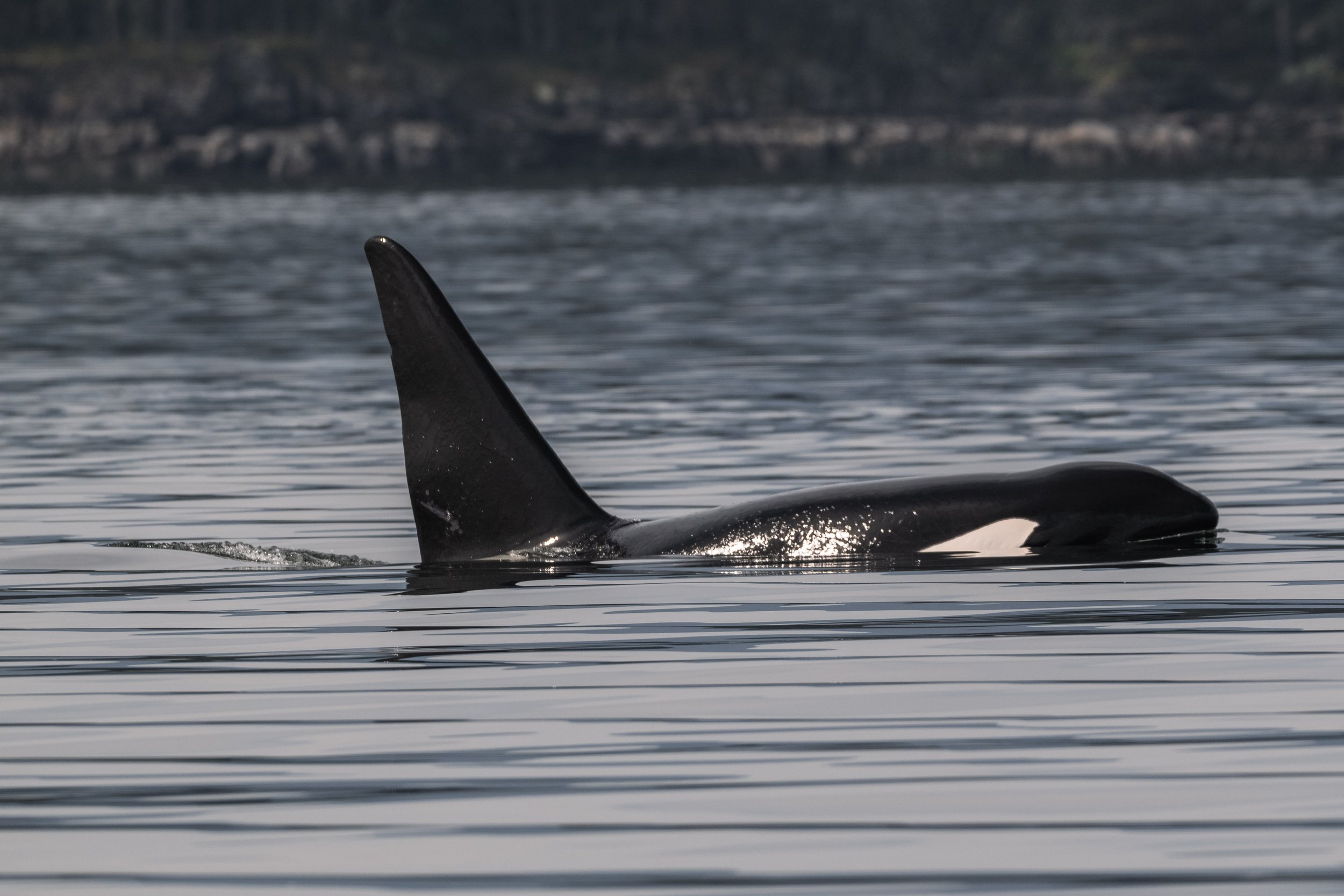
T123A Stanley surfacing in the calm water. Photo by Aly Kohlman.
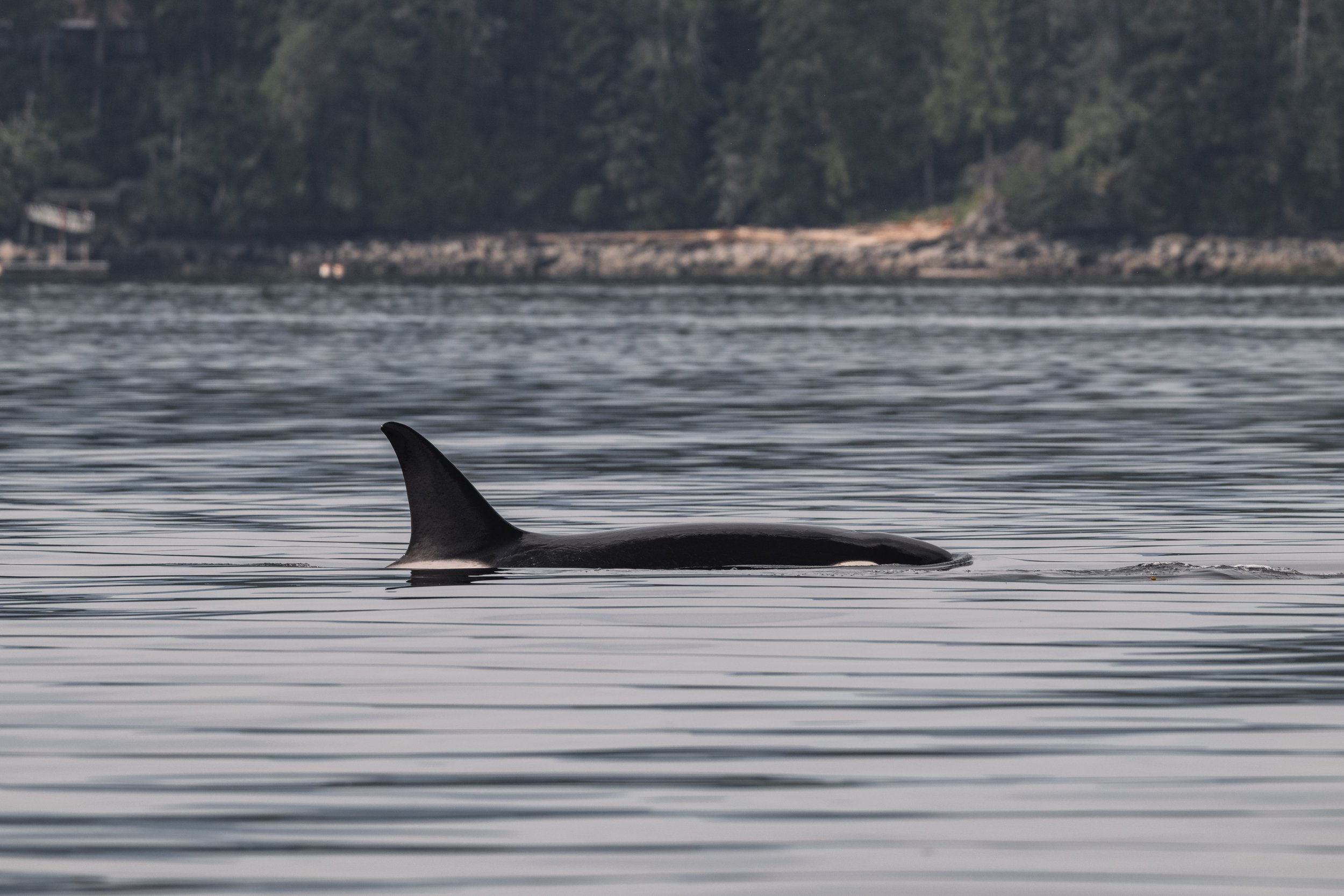
T123 Sidney surfacing. Photo by Aly Kohlman.
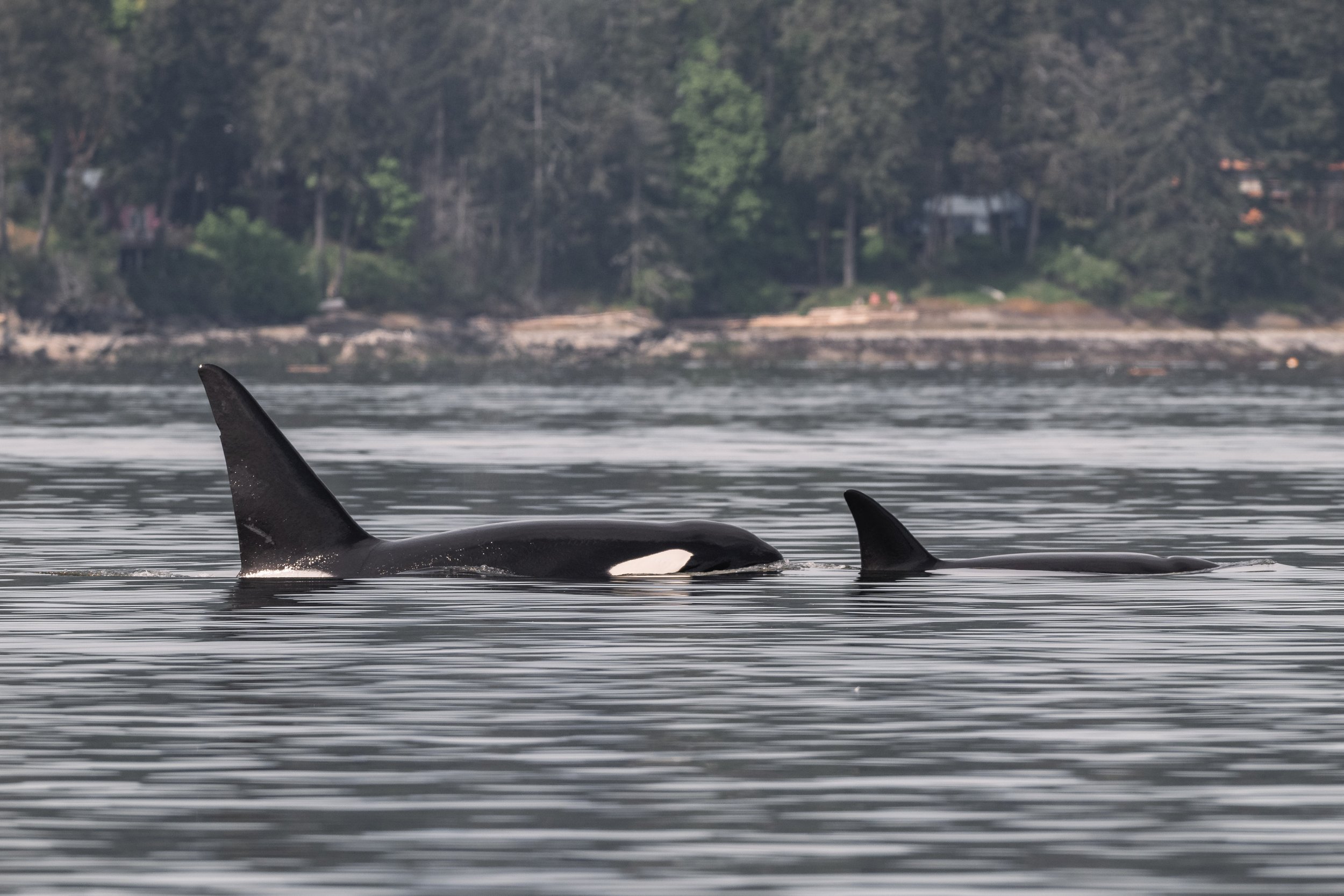
T123A Stanley surfacing beside his sister, T123C Lucky. Photo by Aly Kohlman.
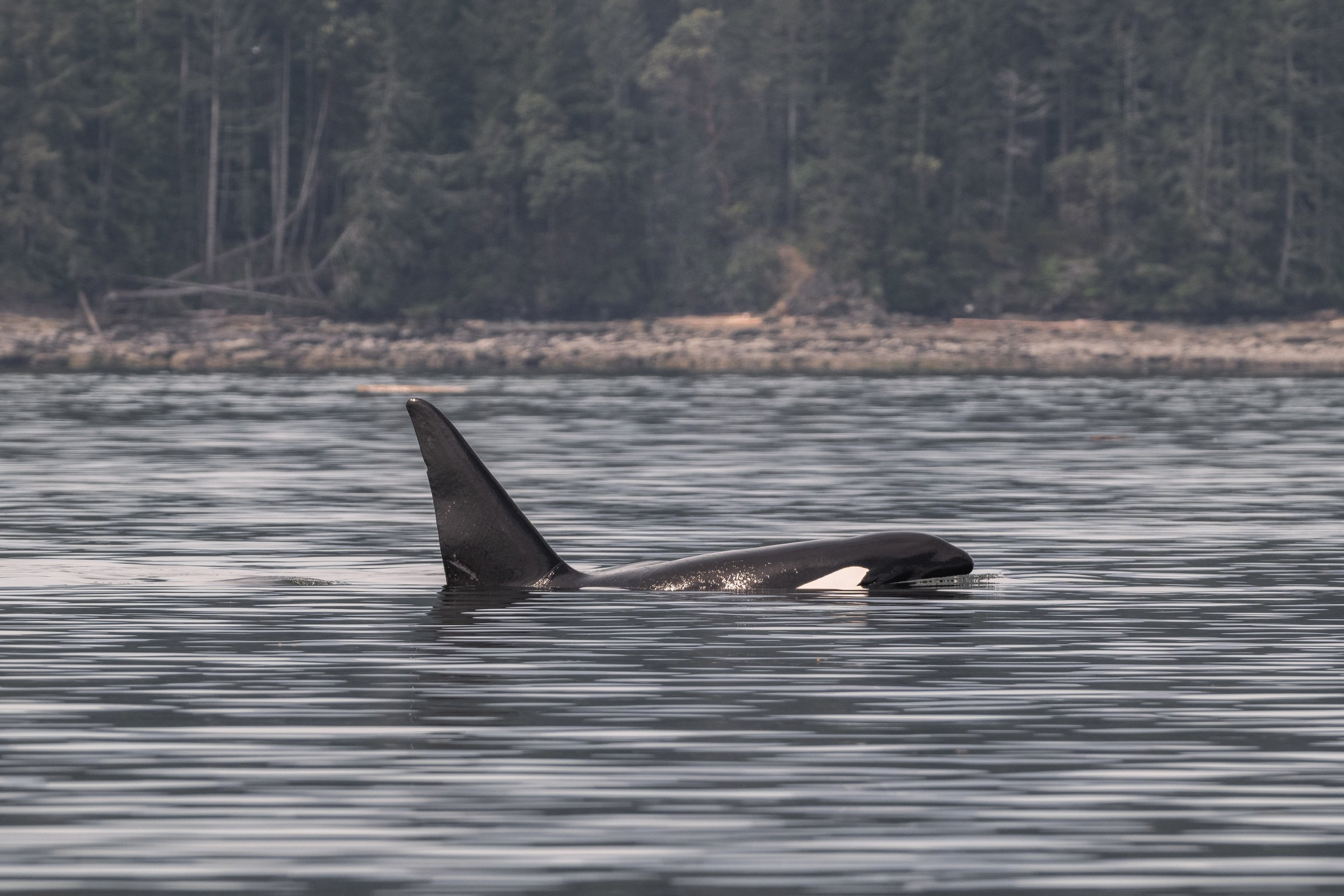
T123A Stanley surfacing. Photo by Aly Kohlman.
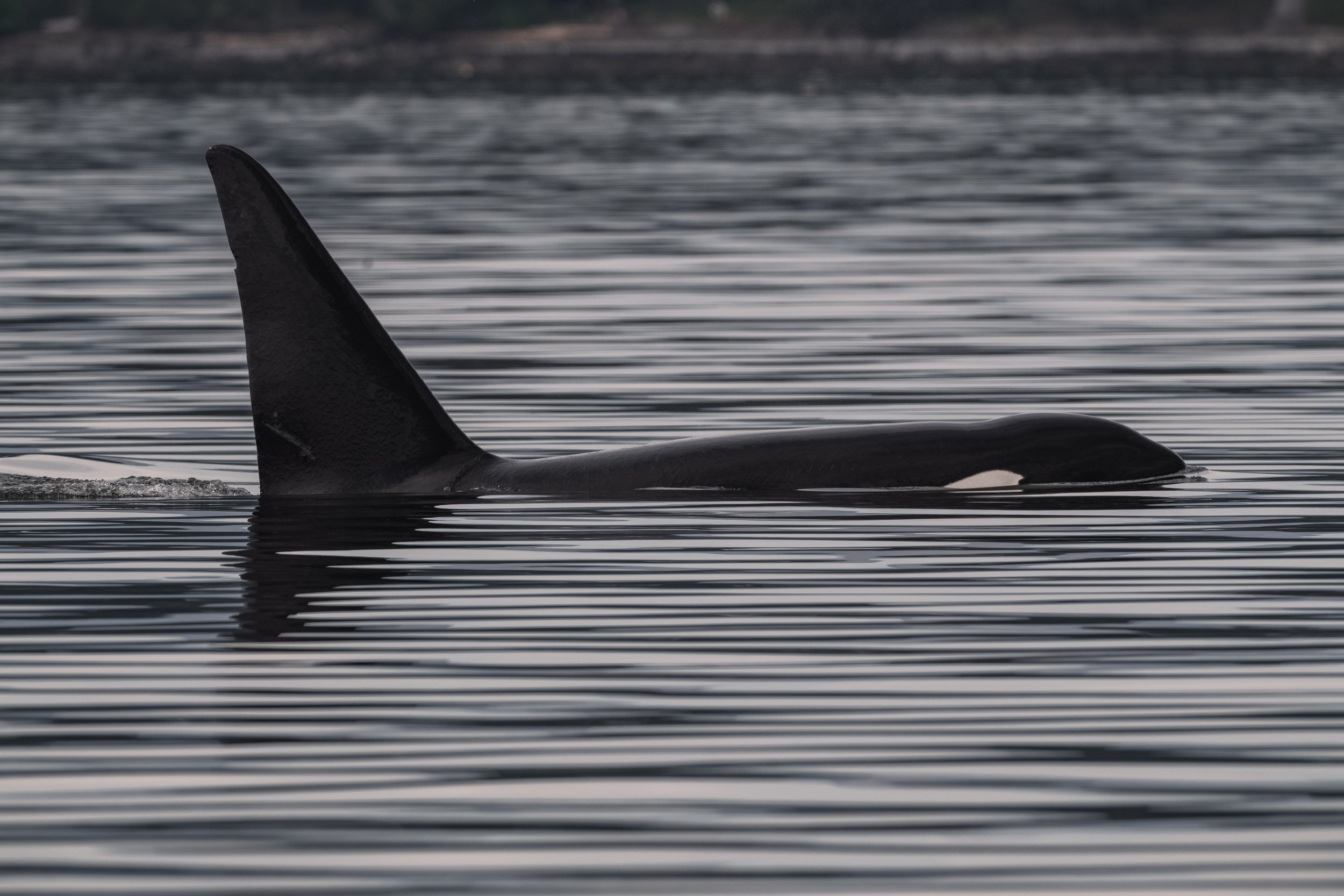
A good look at T123A Stanley with reflections in the ripples of the water. Photo by Aly Kohlman.
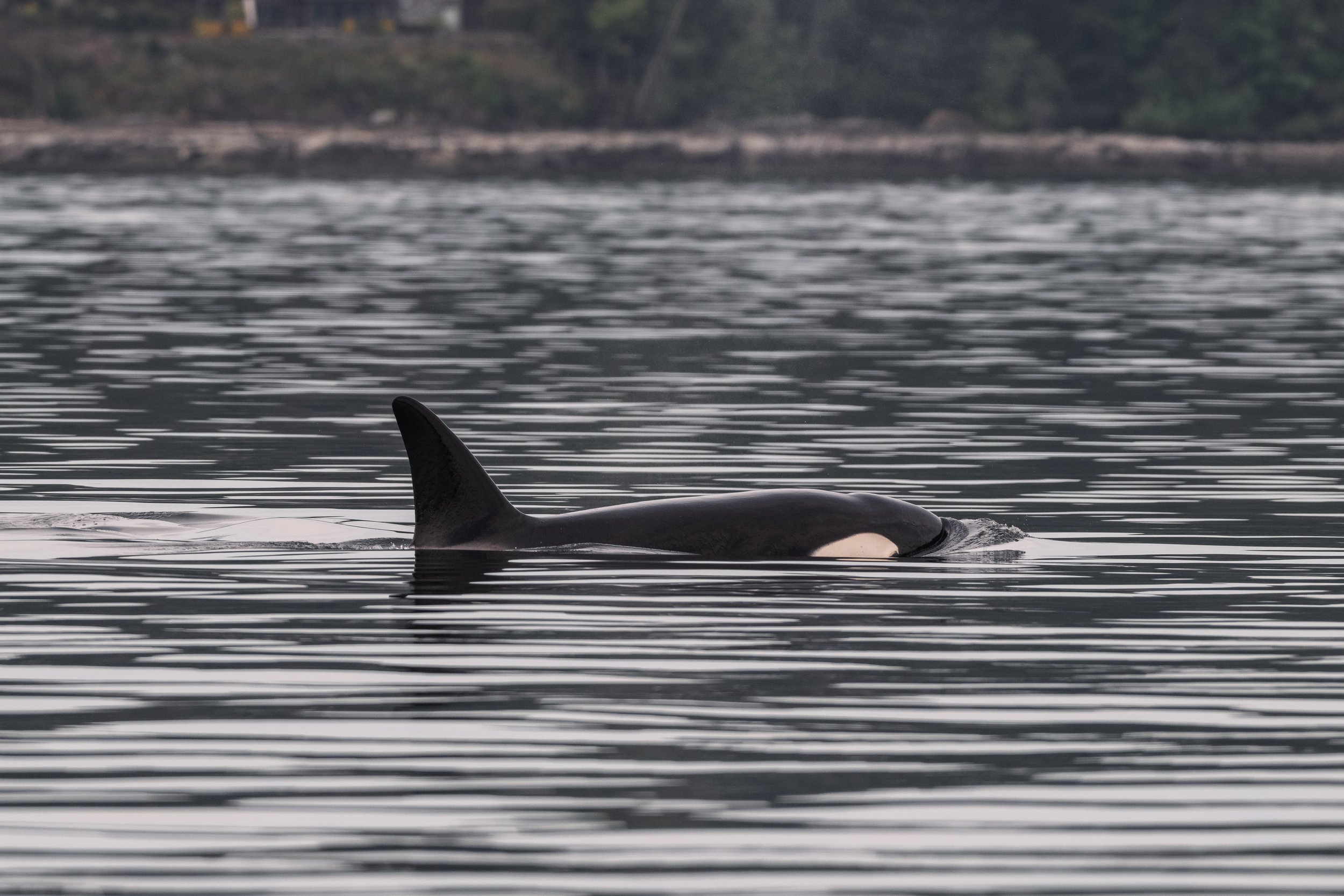
T123C Lucky showing us her eye patch. Photo by Aly Kohlman.
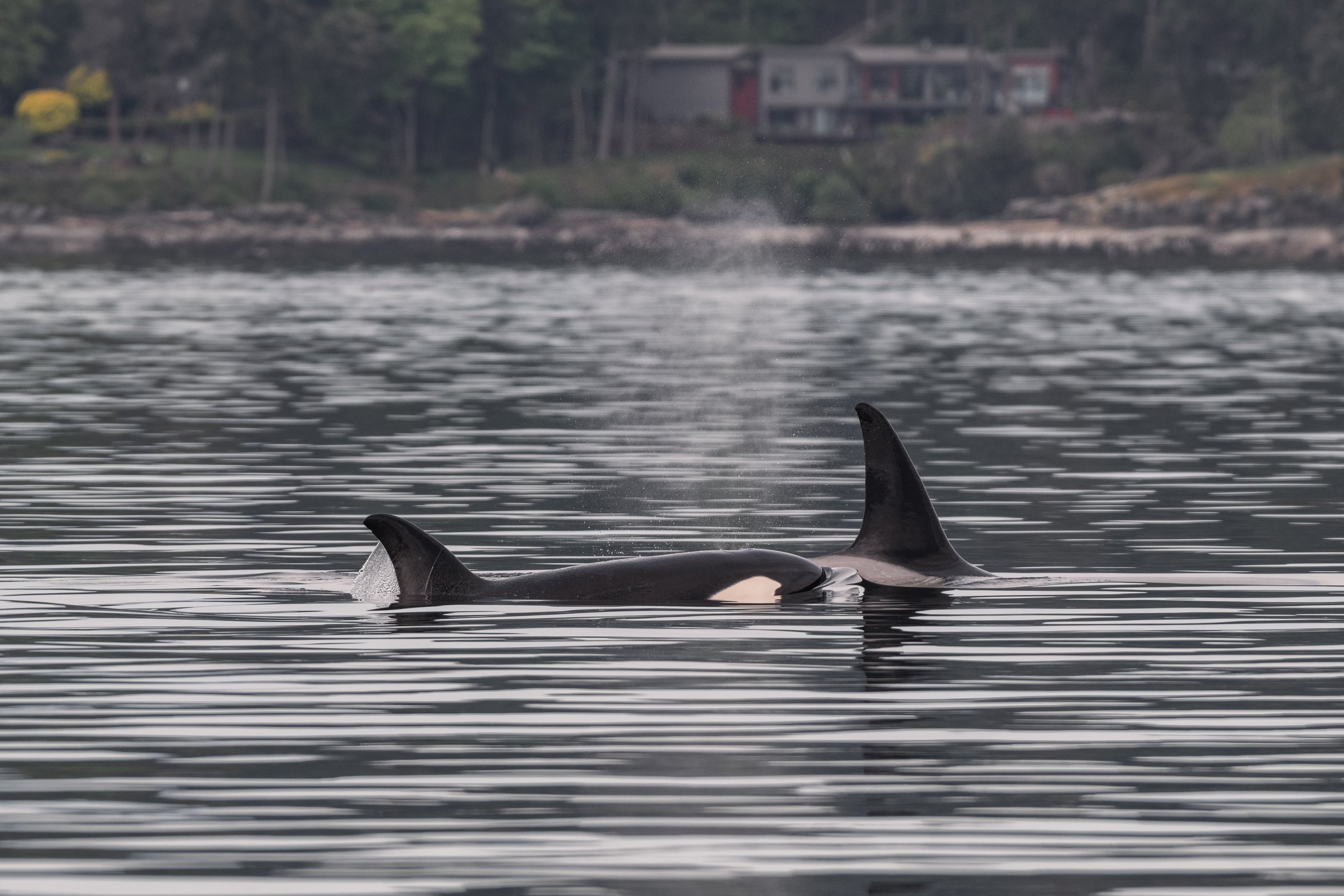
T123D Darcy surfacing beside her mom, T123 Sidney. Photo by Aly Kohlman.
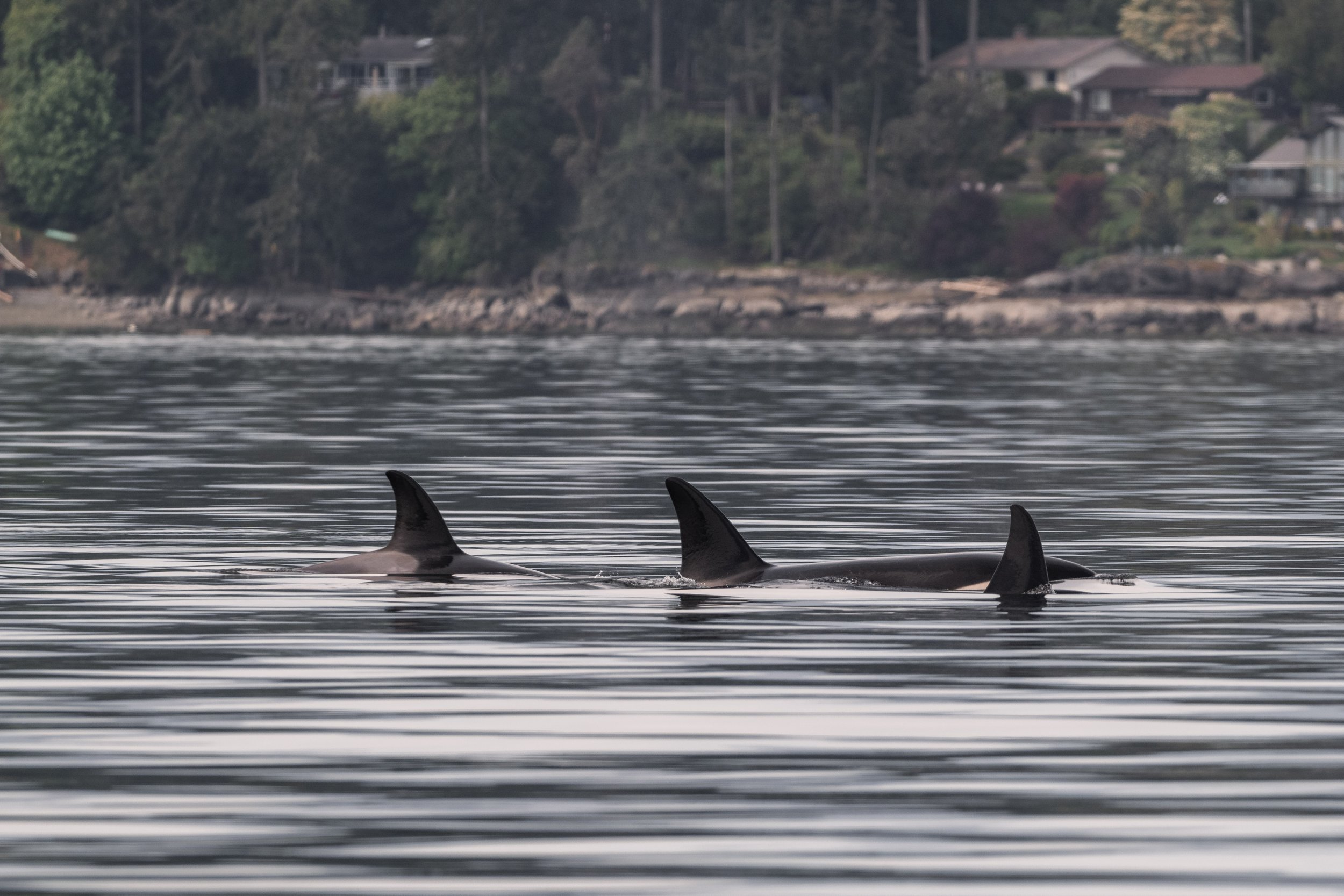
T123D Darcy, T123C Lucky, and T1223 Sidney surfacing together. Photo by Aly Kohlman.
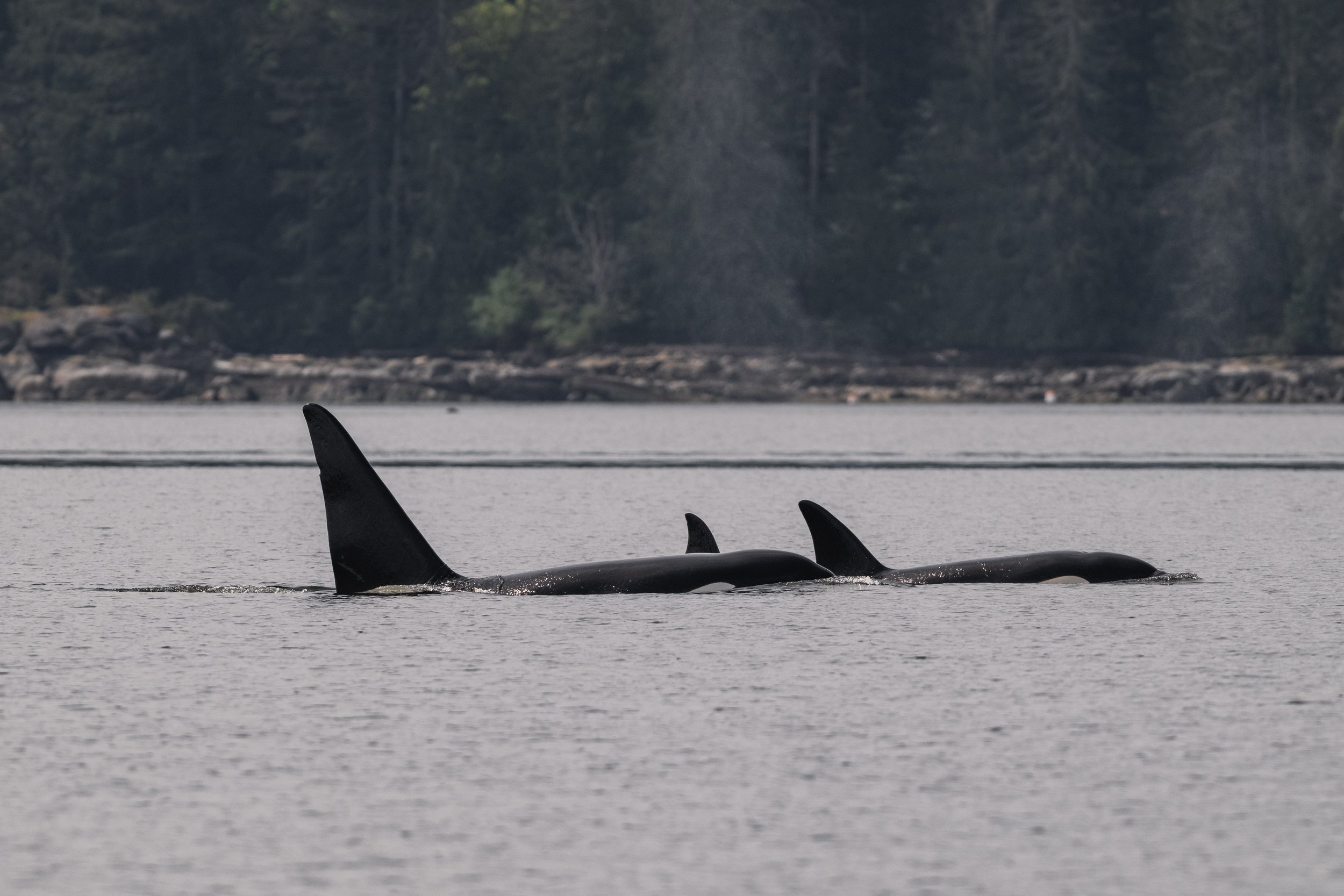
T123A Stanley surfacing with his sisters, T123D Darcy (back) and T123C Lucky (front). Photo by Aly Kohlman.
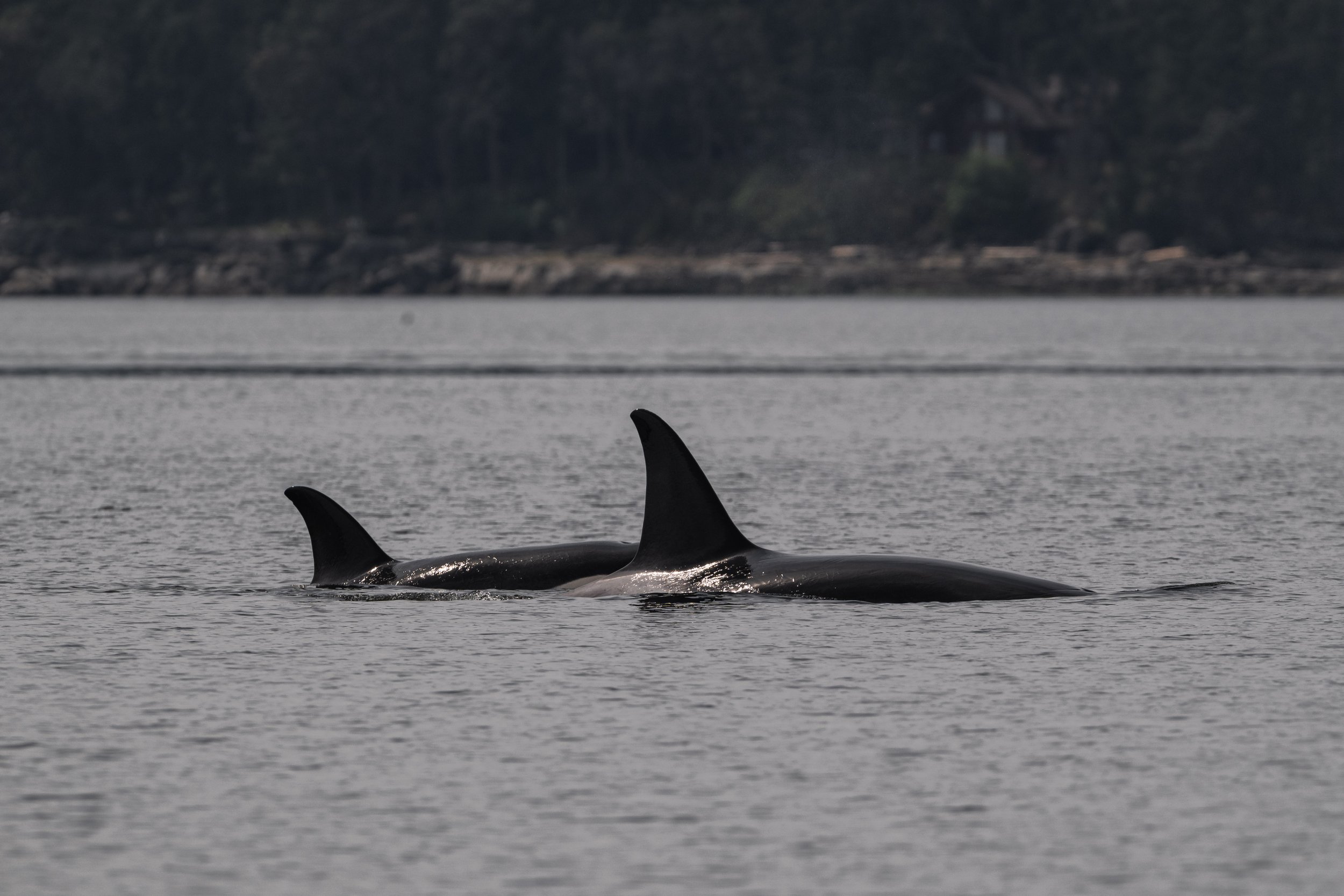
T123D Darcy surfacing with T123 Sidney. Photo by Aly Kohlman.
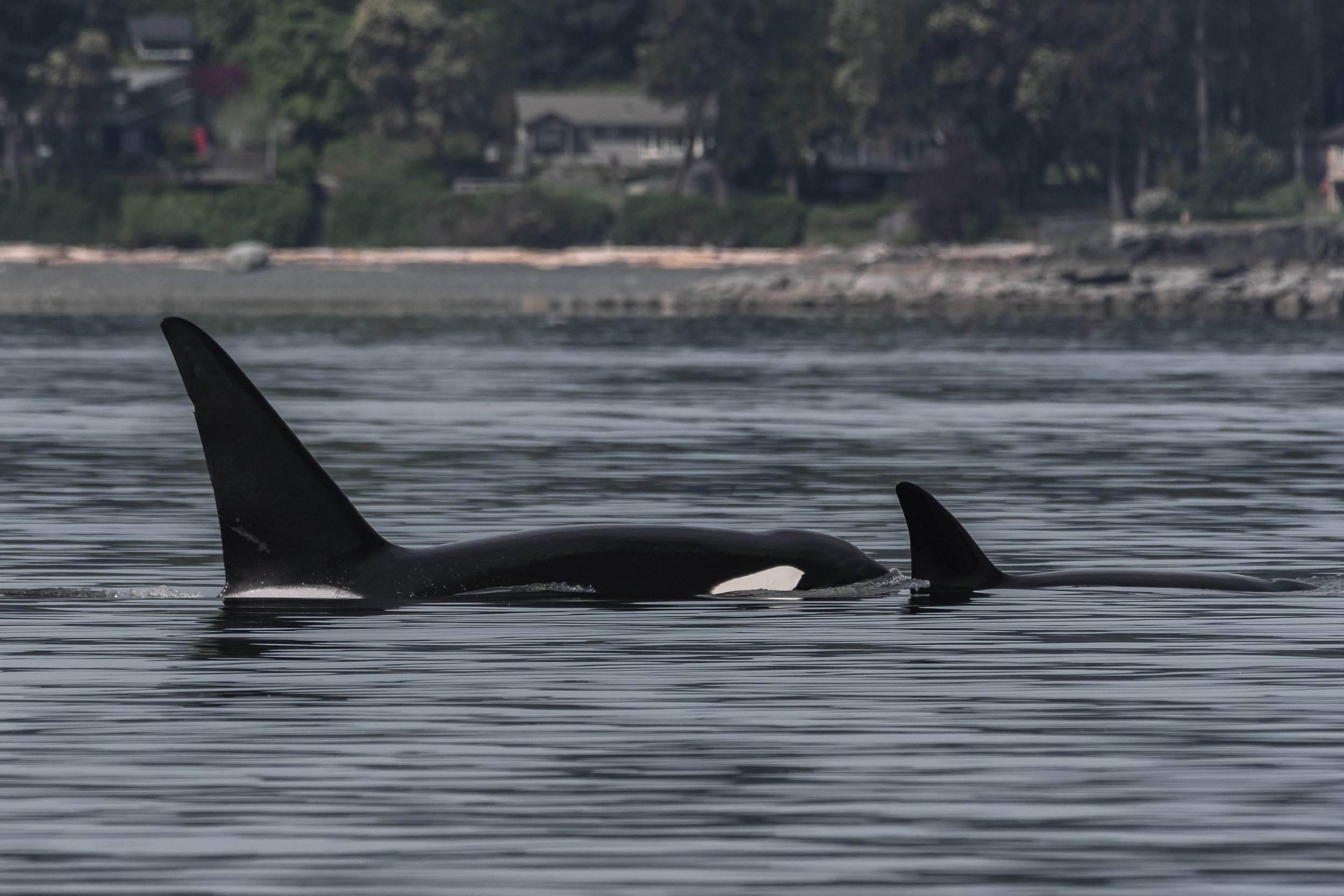
T123A Stanley surfacing in the calm water. Photo by Evan Hessels.
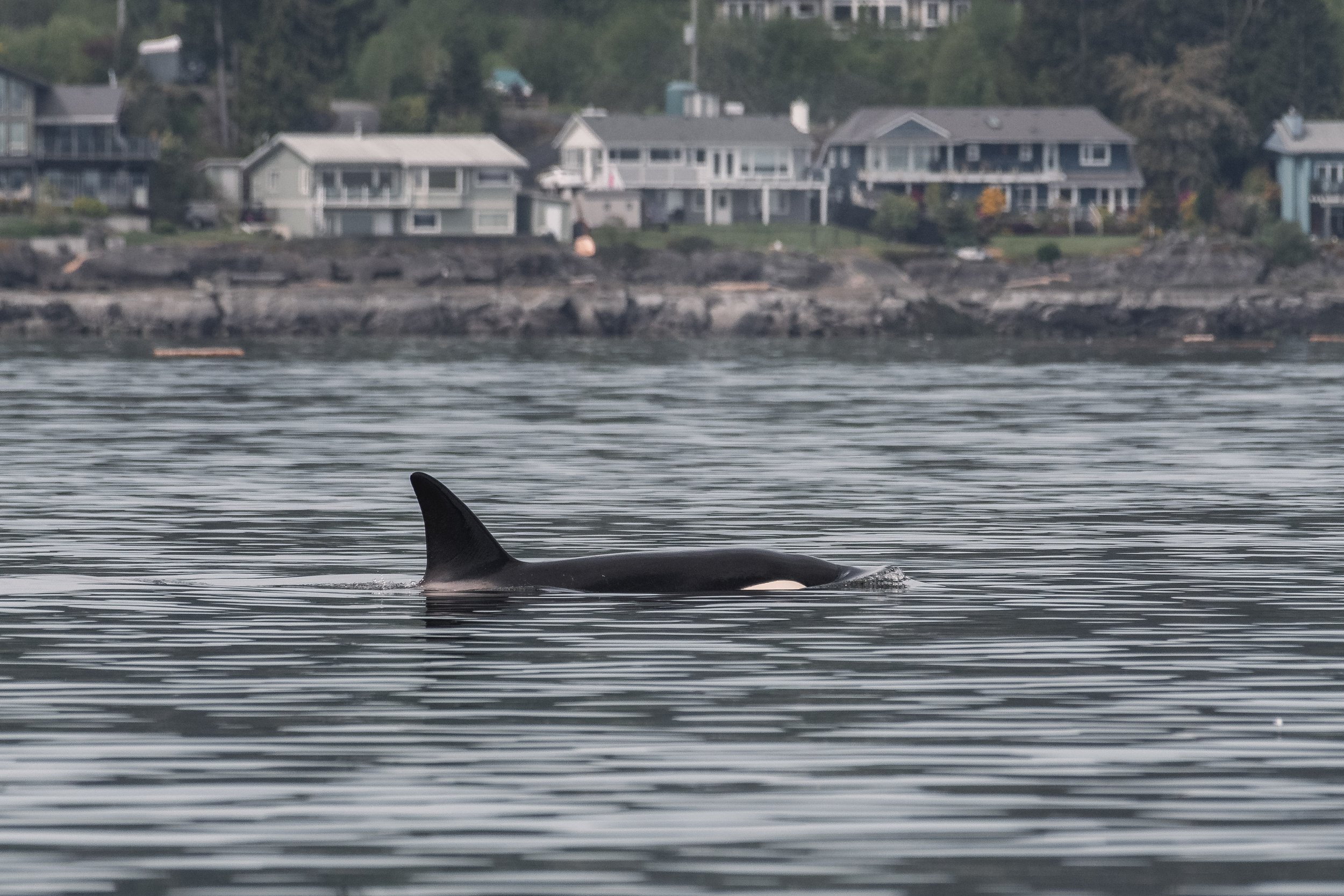
T123C Lucky surfacing. Photo by Evan Hessels.
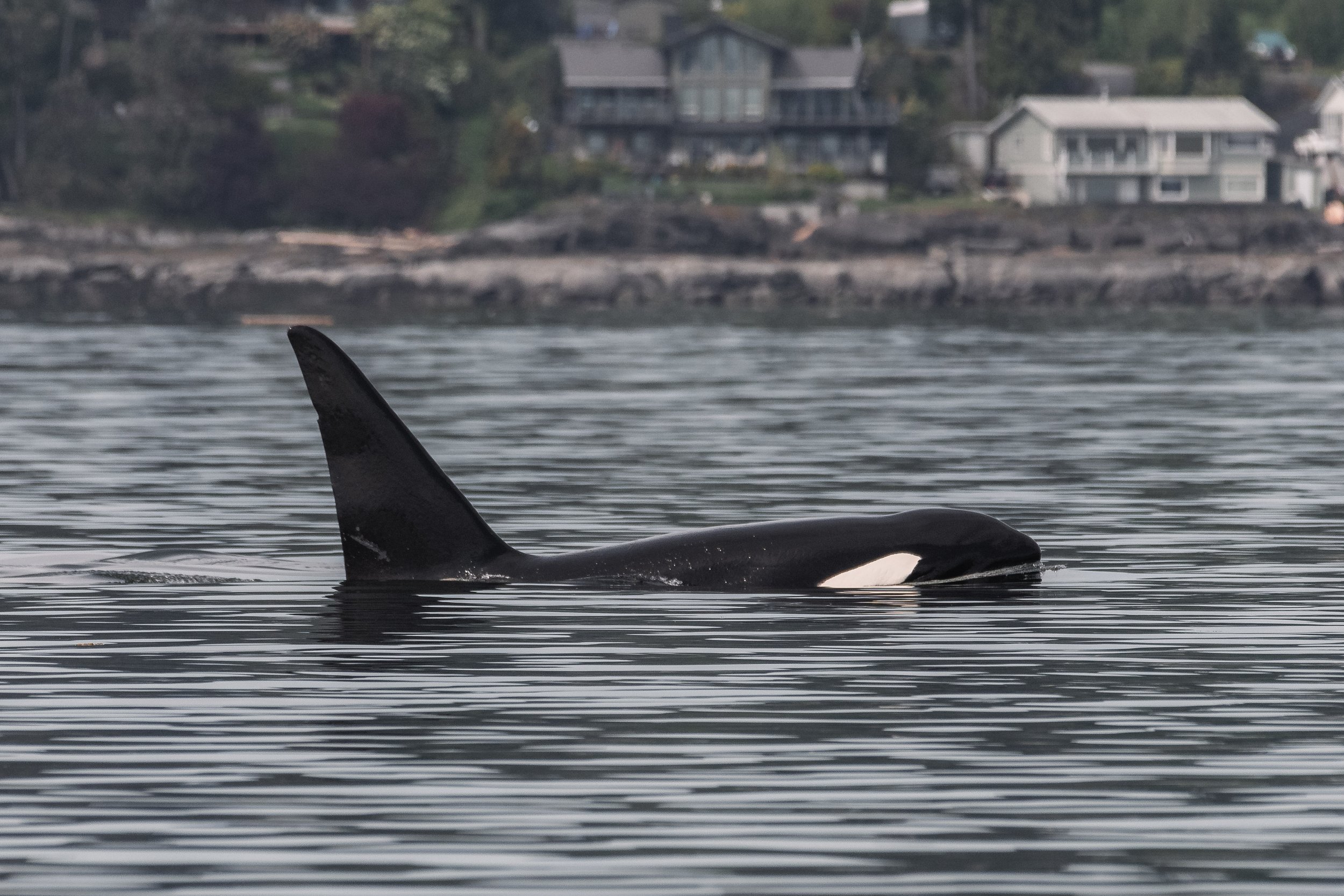
T123A Stanley showing off his unique eye patch. Photo by Evan Hessels.
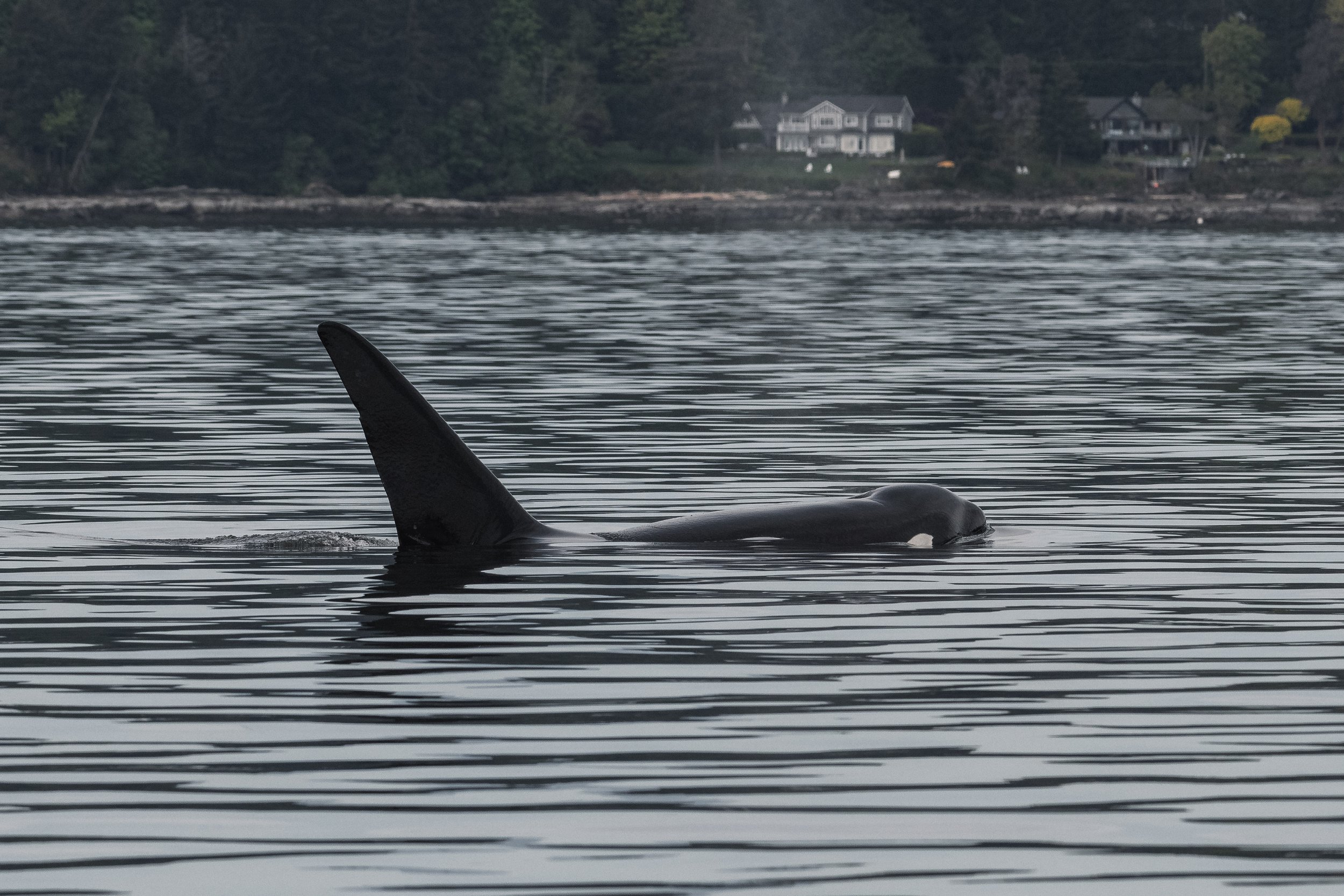
T123A Stanley breaking the calm surface of the water. Photo by Evan Hessels.
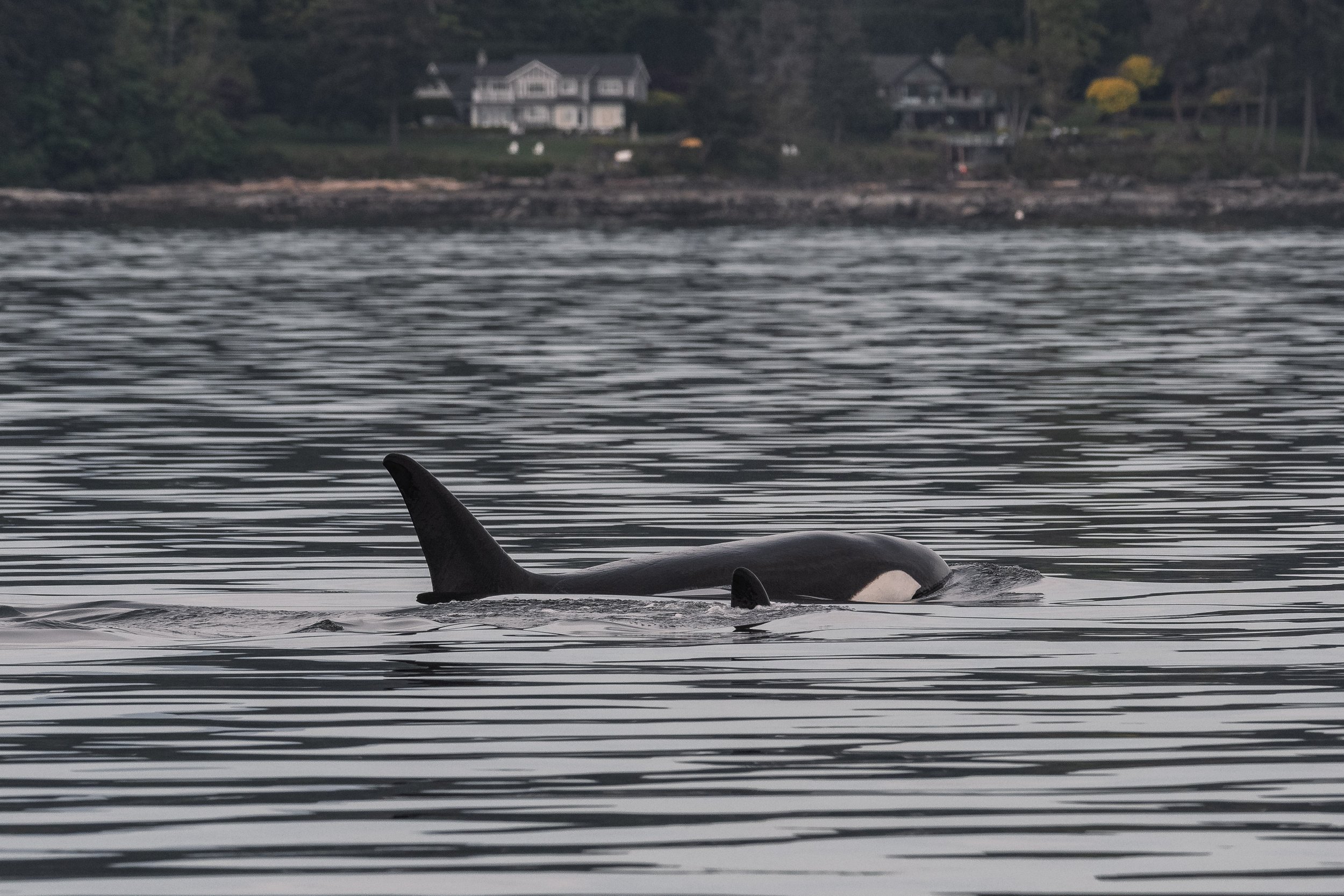
T123 Sidney. Photo by Evan Hessels.
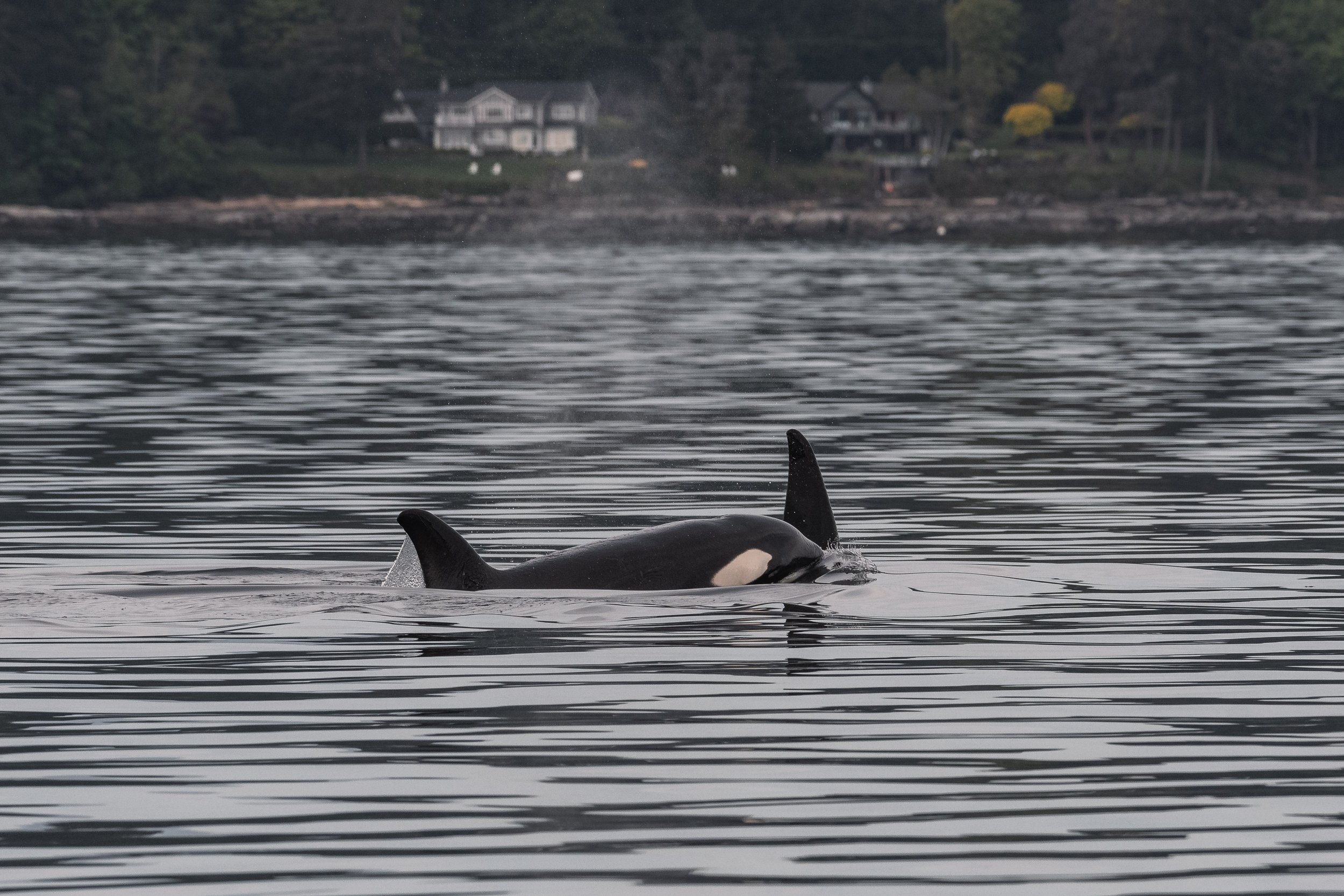
T123D Darcy showing off her eye patch. Photo by Evan Hessels.
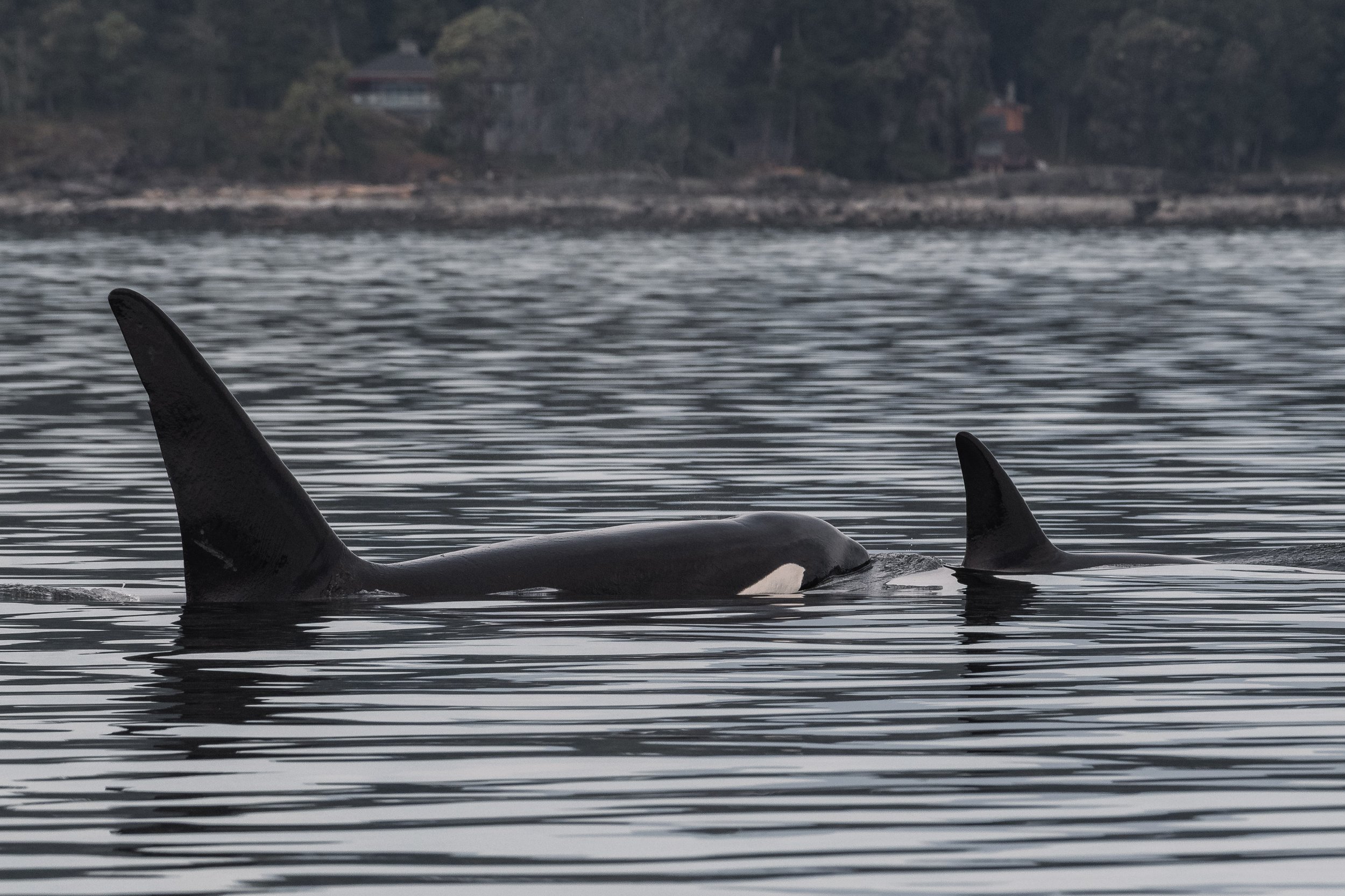
T123A Stanley surfacing beside his mom, T123 Sidney. Photo by Evan Hessels.
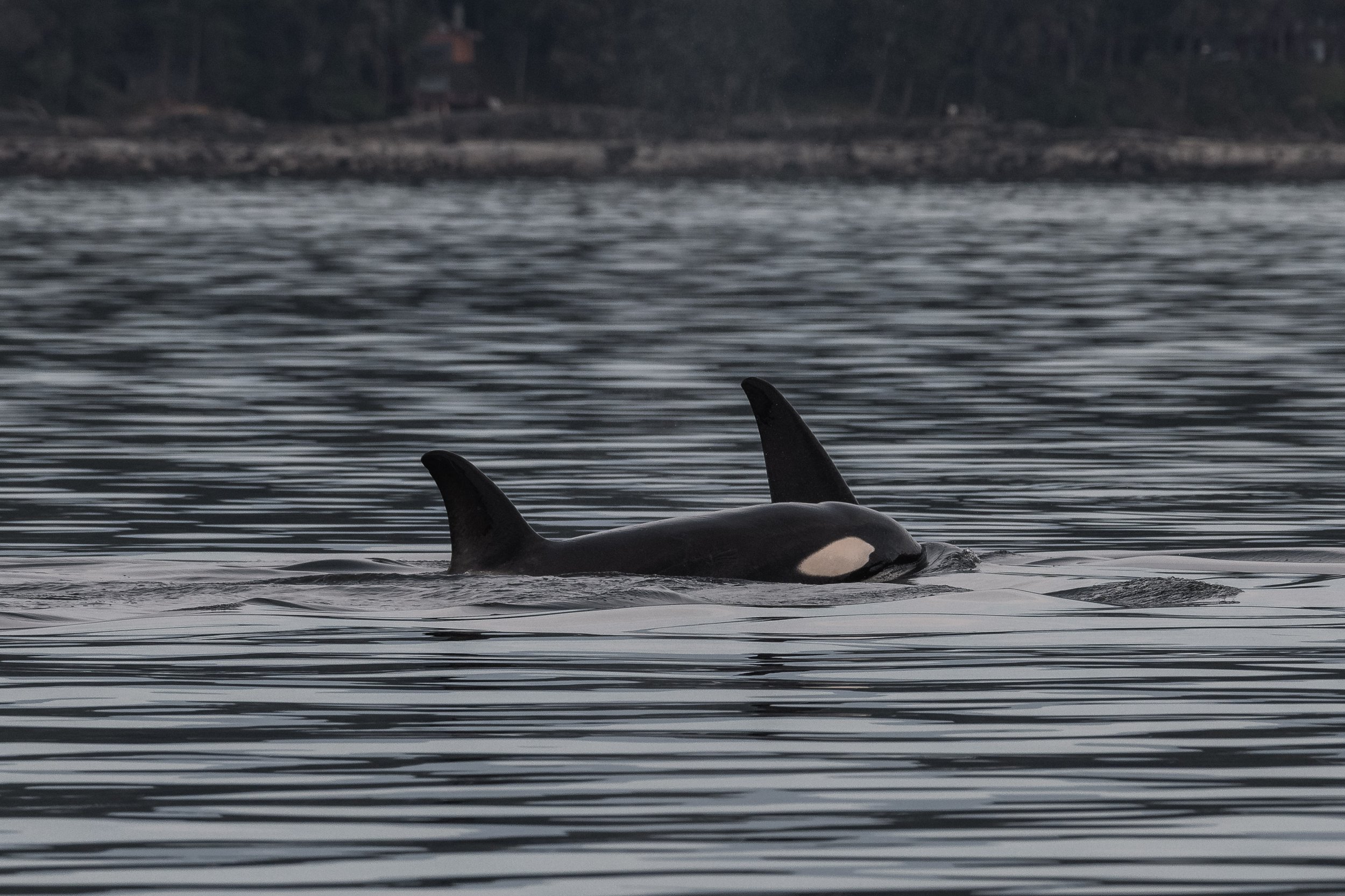
T123 Sindey and T123D Darcy surfacing together. Photo by Evan Hessels.
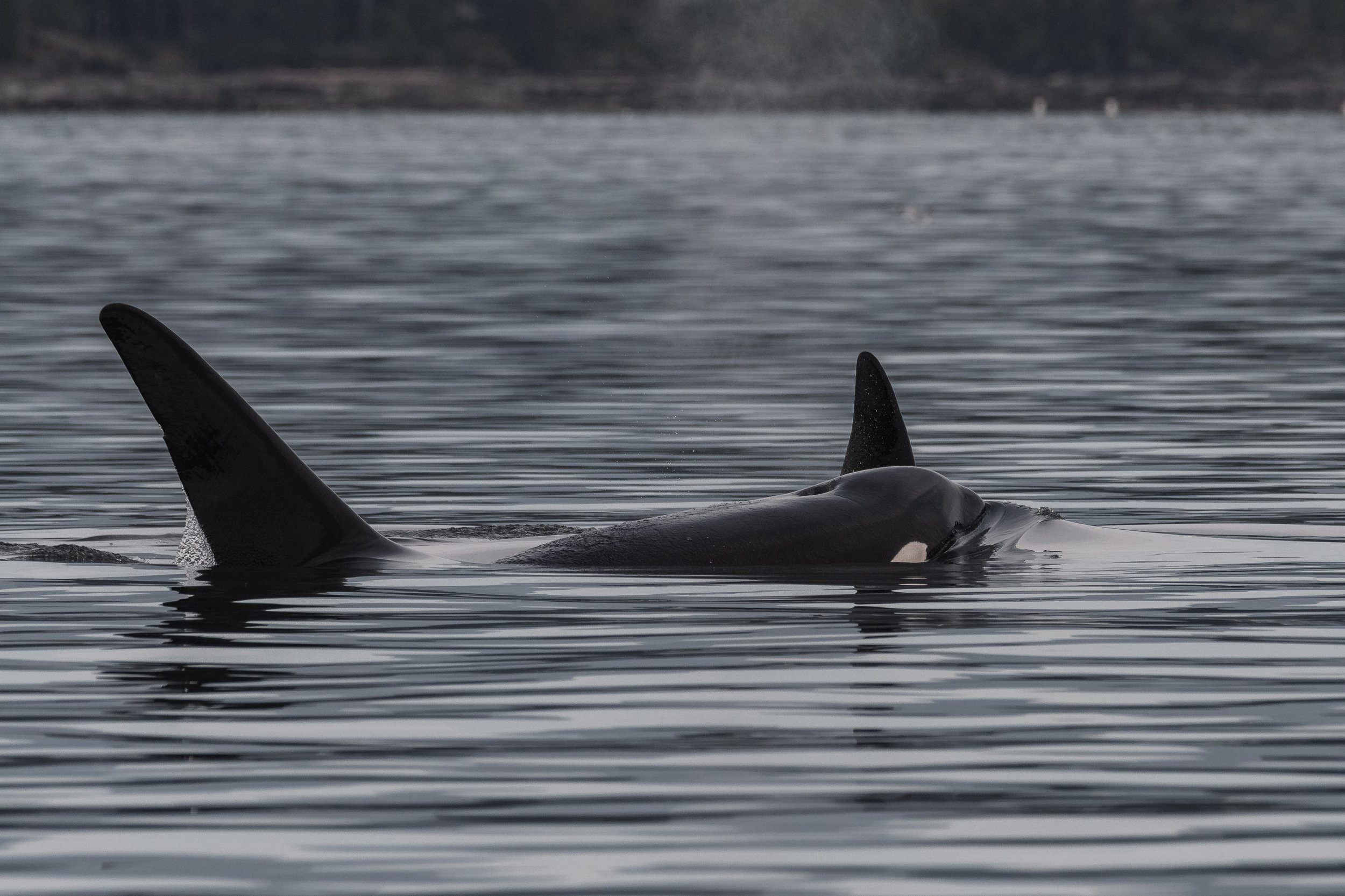
T123A Stanley creating a wave as he surfaces beside his sister, T123C Lucky. Photo by Evan Hessels.
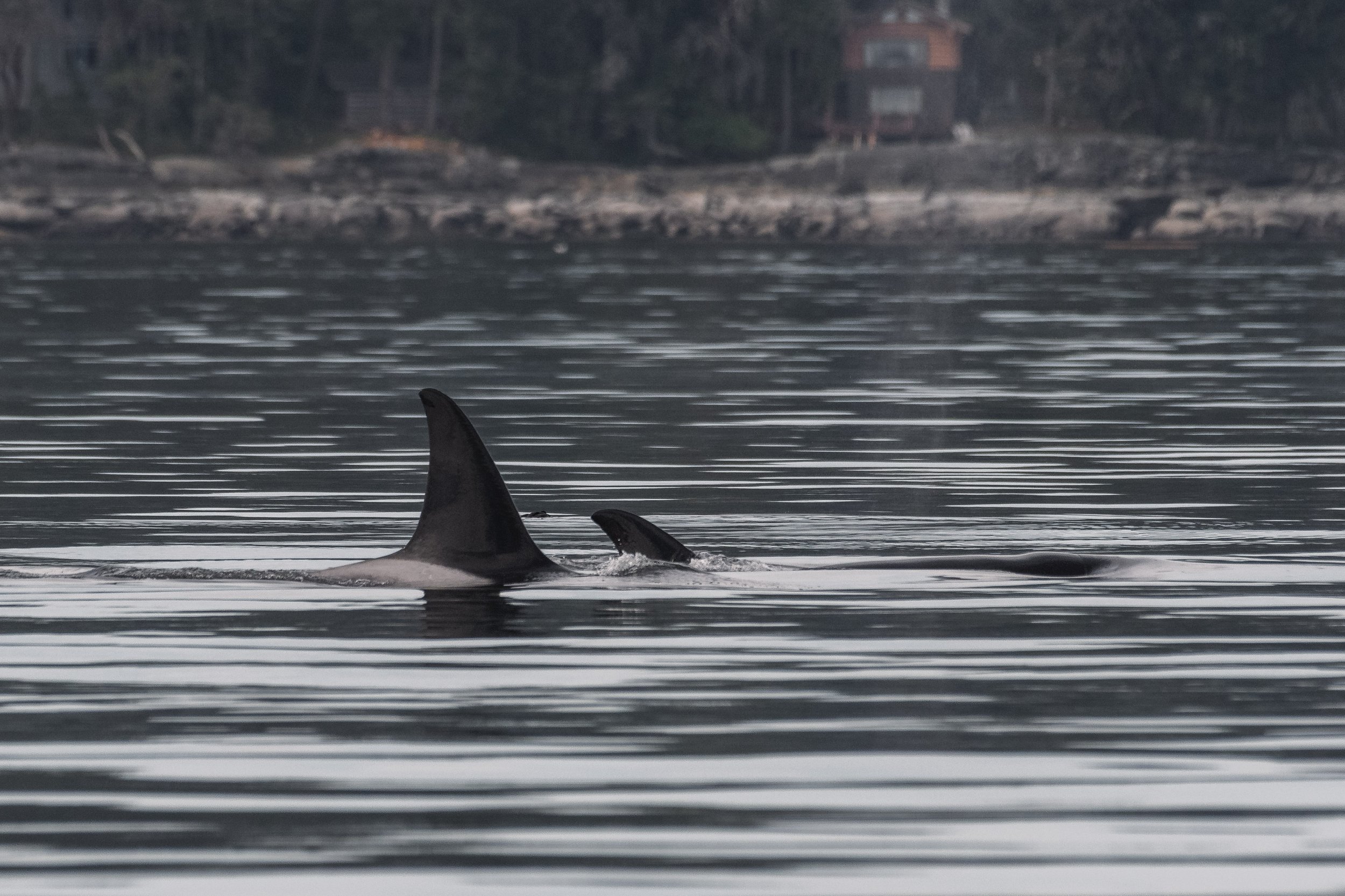
T123 Sidney, the matriarch of this pod. Photo by Evan Hessels.
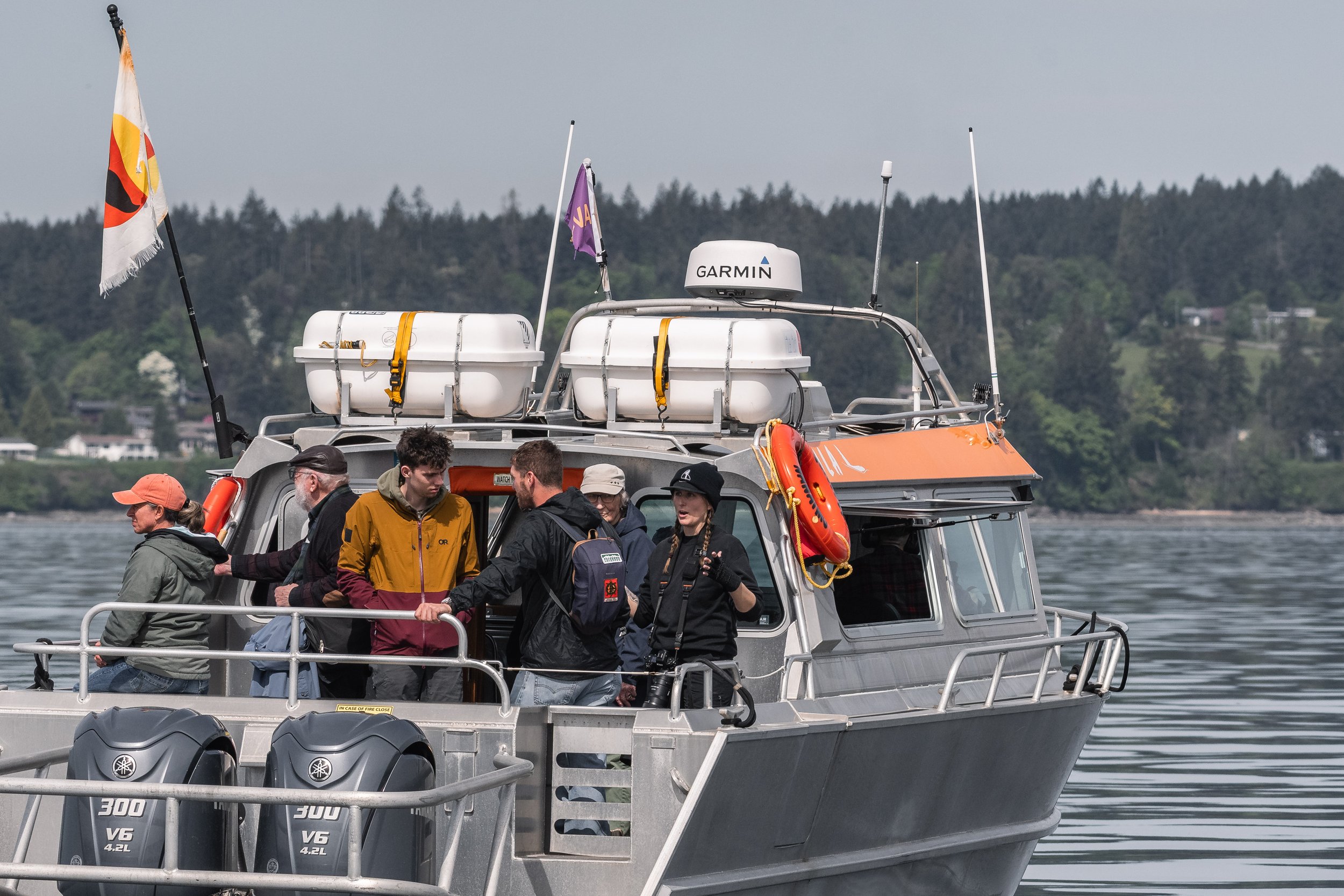
Happy whale watchers on Kula. Photo by Evan Hessels.
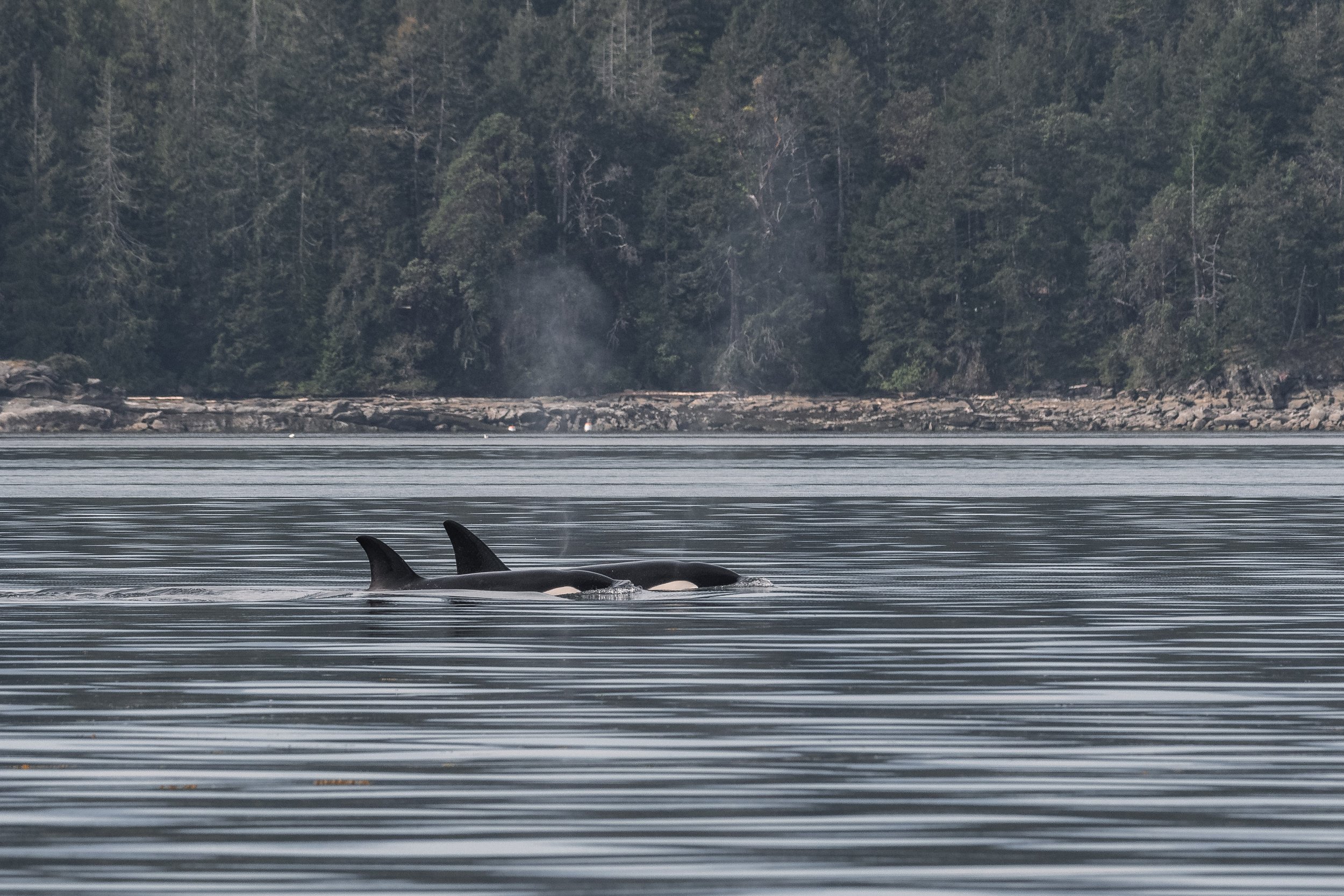
T123C Lucky and T123D Darcy surfacing side by side. Photo by Evan Hessels.
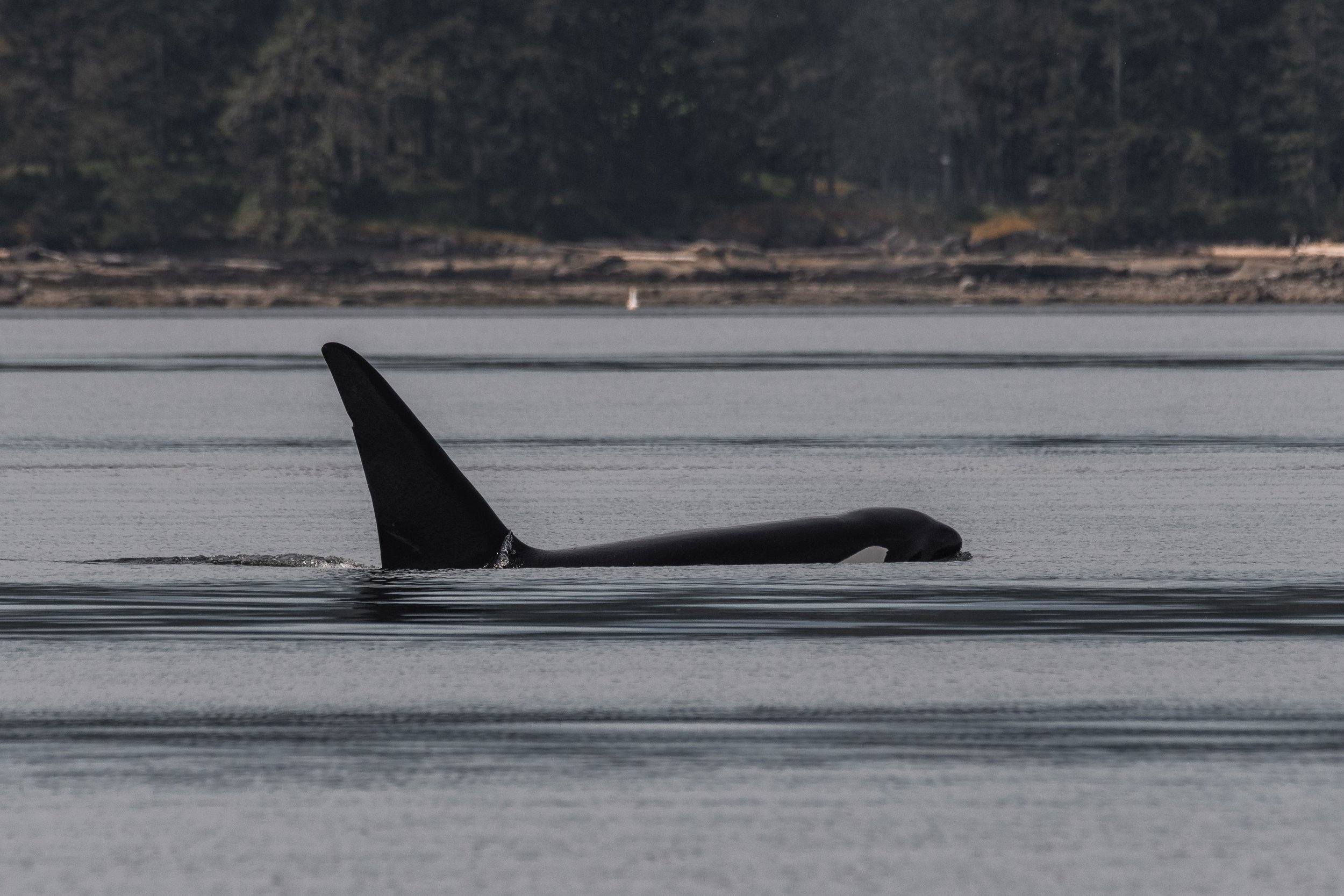
T123A Stanley. Photo by Evan Hessels.
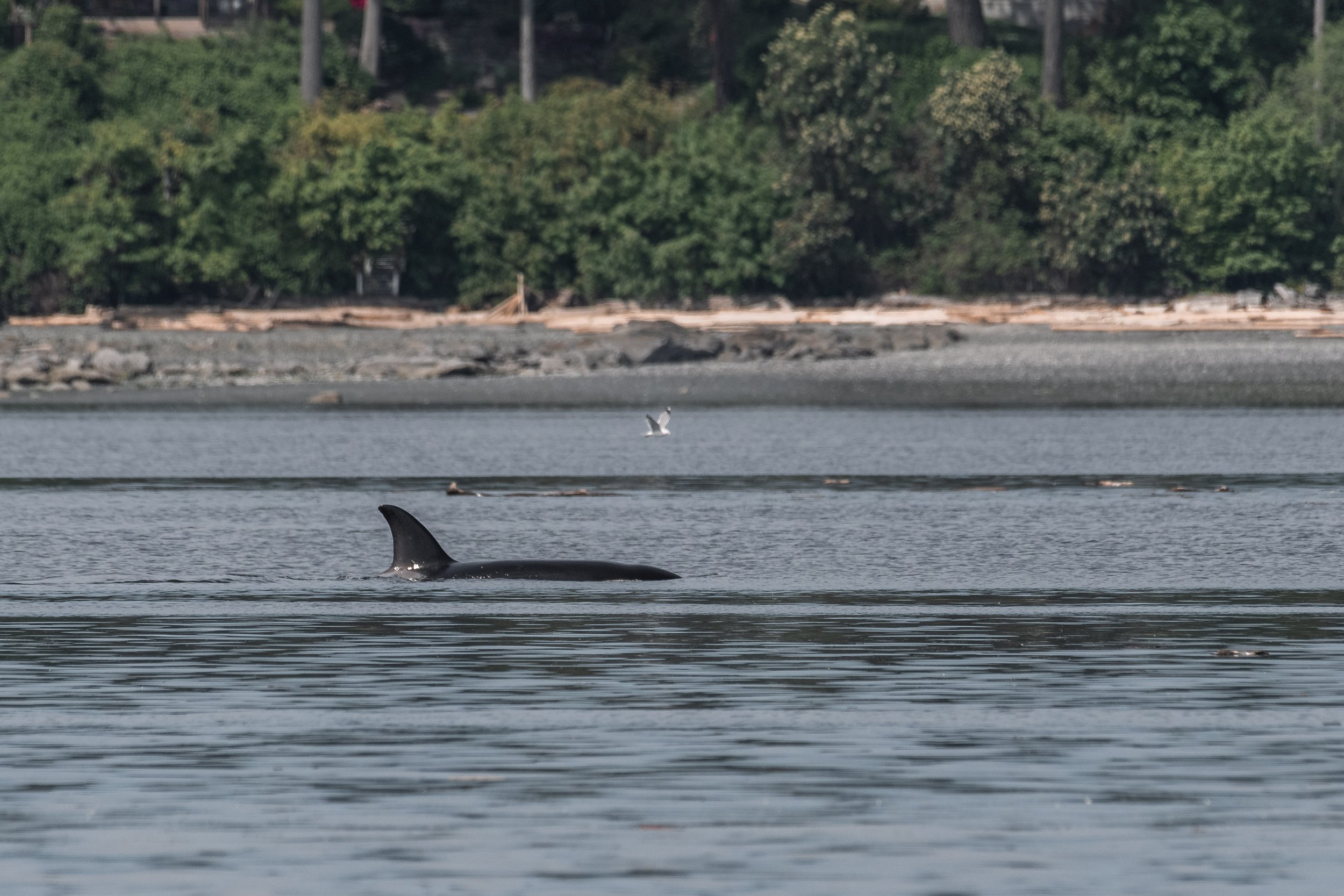
T123D Darcy surfacing in the waves. Photo by Evan Hessels.
Wildlife at the Flat Top Islands
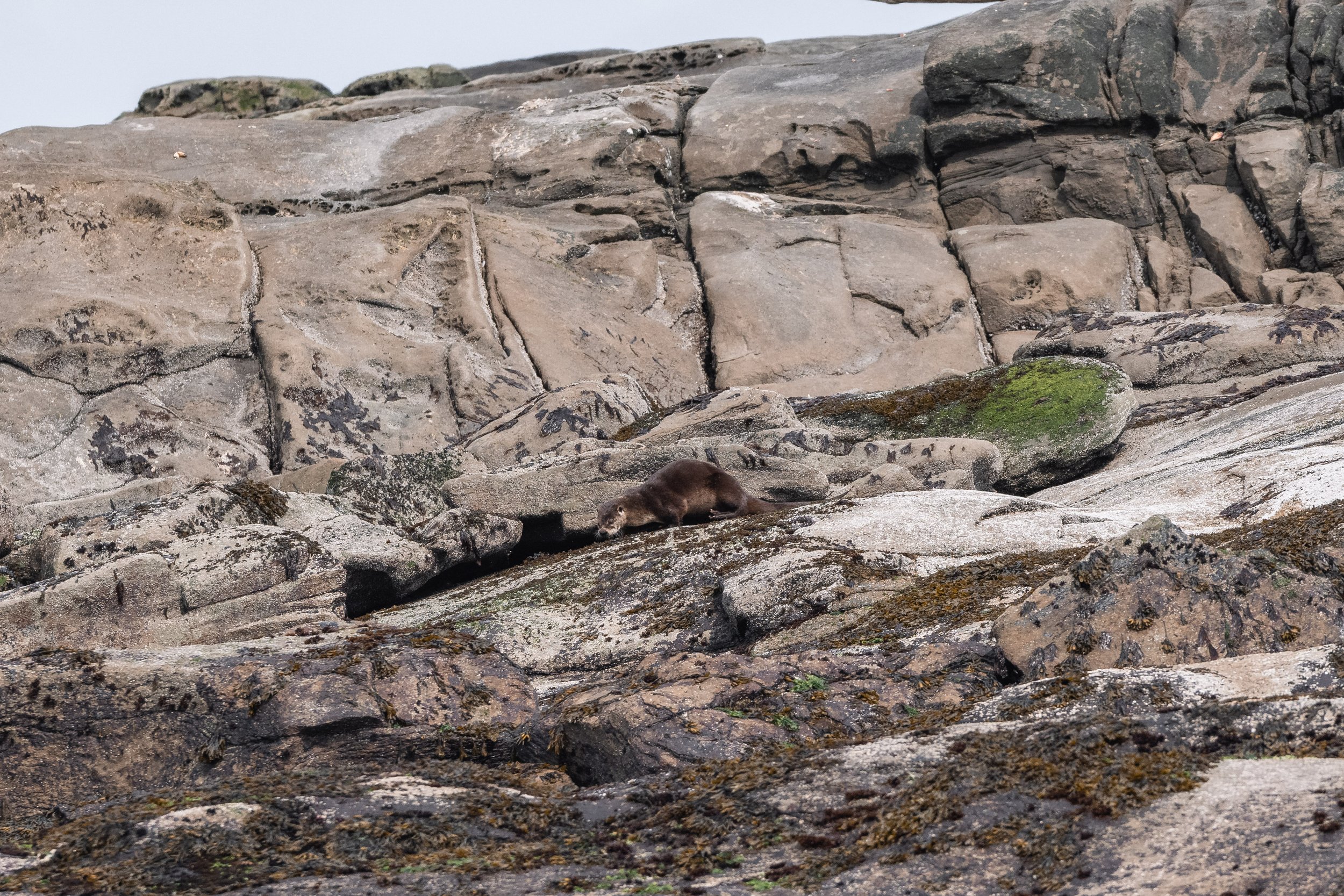
A River Otter on the rocky shroeline of Acorn Island. Photo by Aly Kohlman.
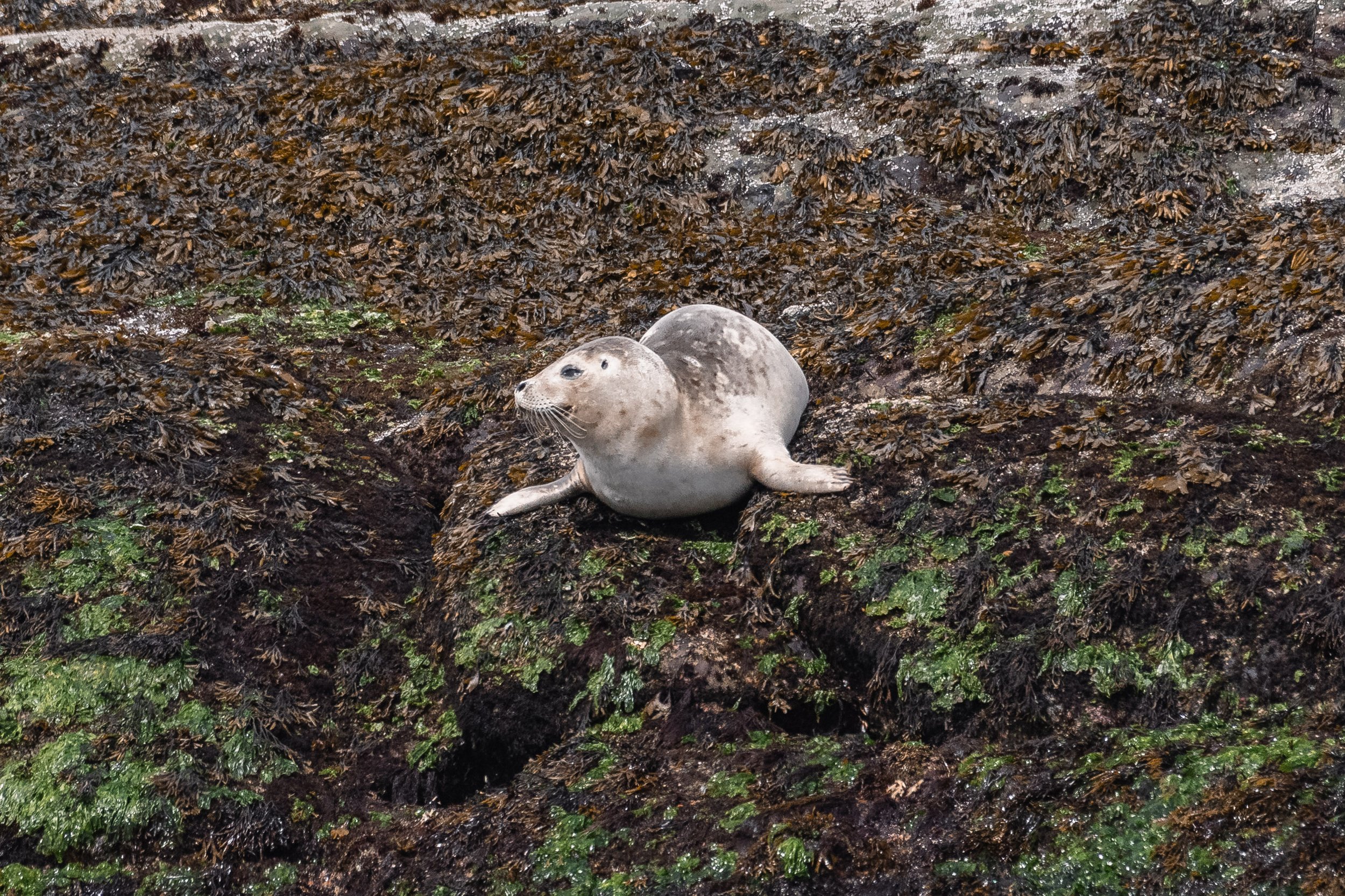
A happy looking Harbour Seal. Photo by Evan Hessels.
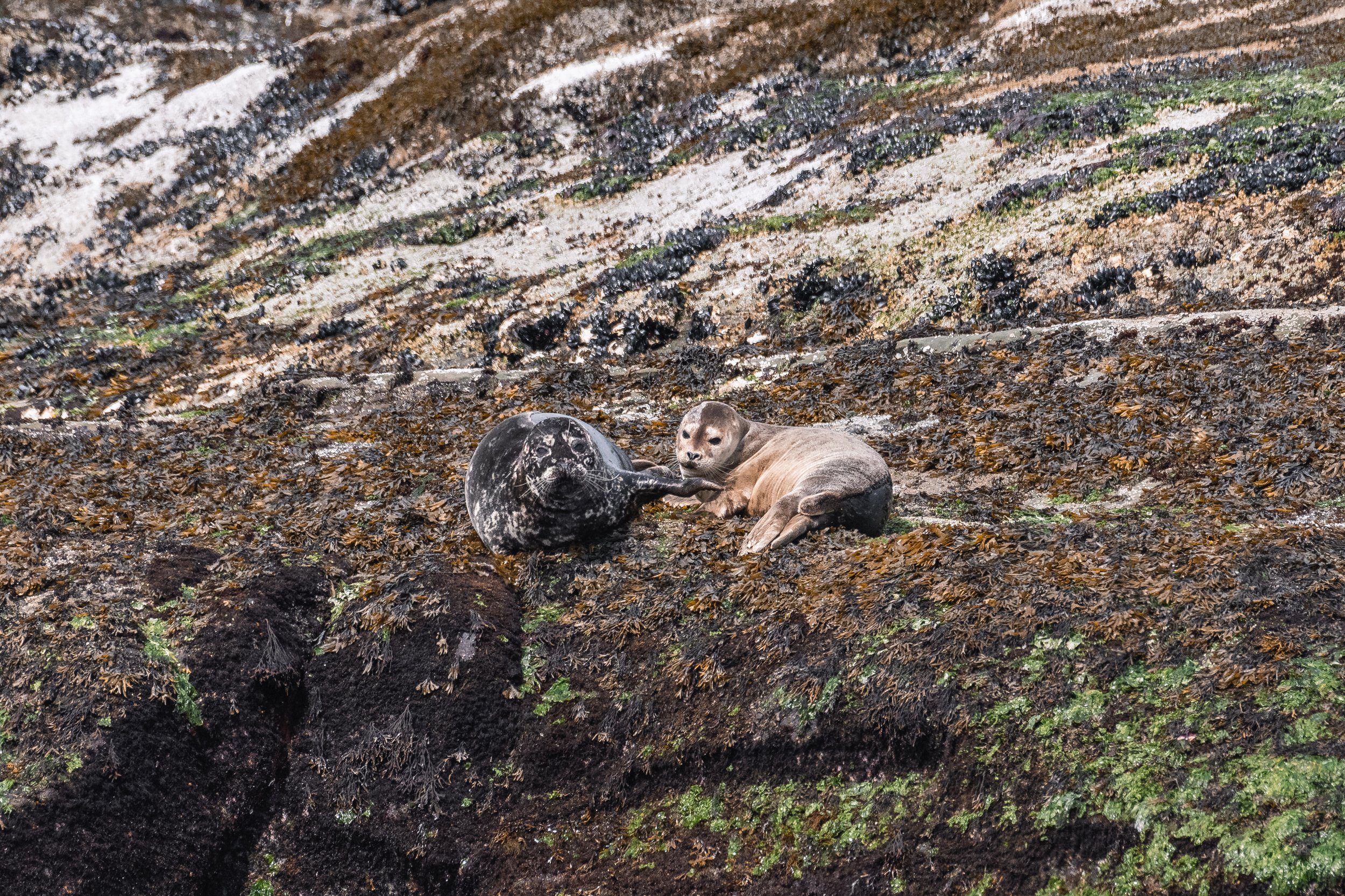
A pair of Harbour Seals on the rocks. Photo by Evan Hessels.
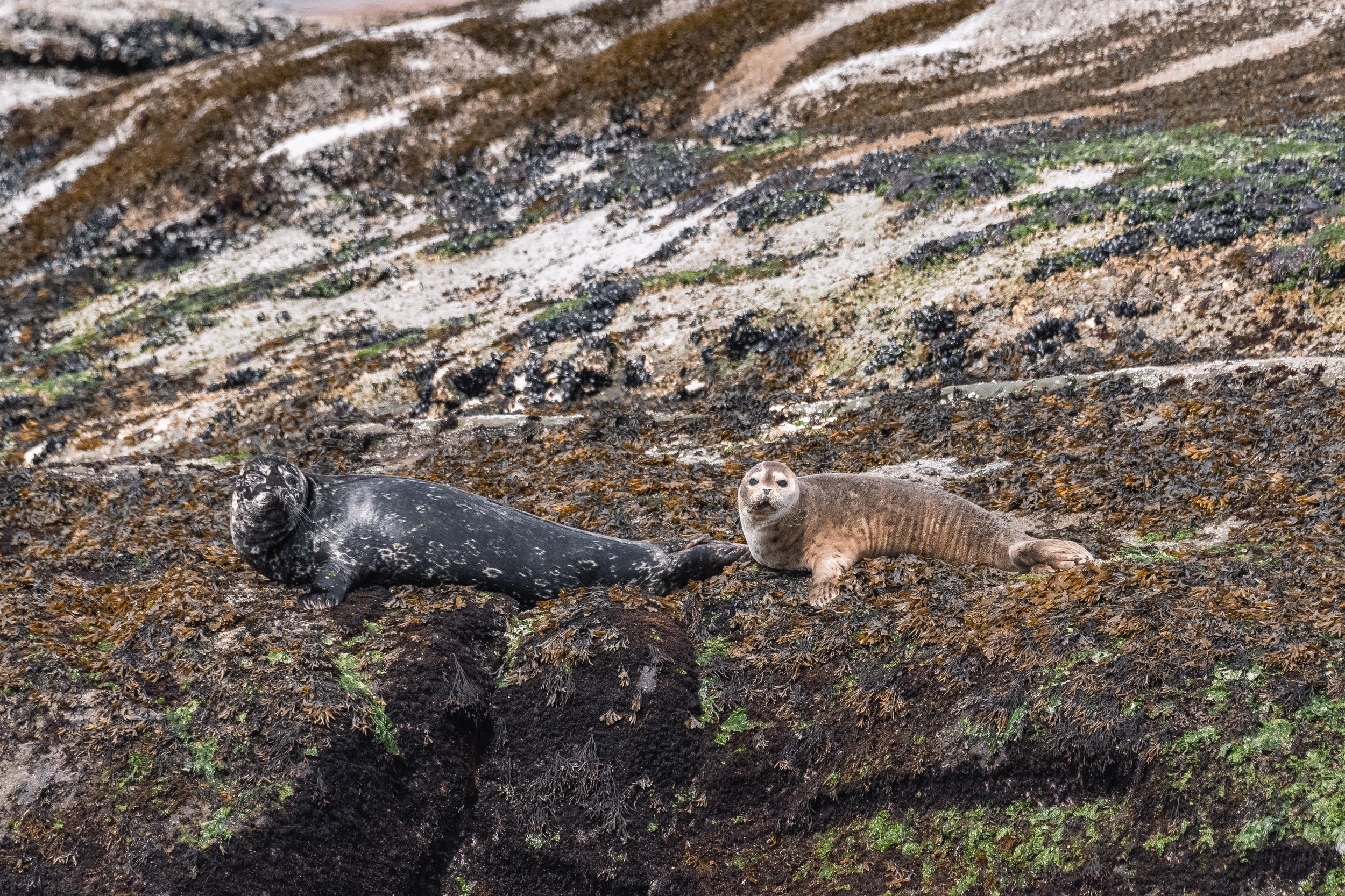
Hauled out Harbour seals at Acorn Island. Photo by Evan Hessels.
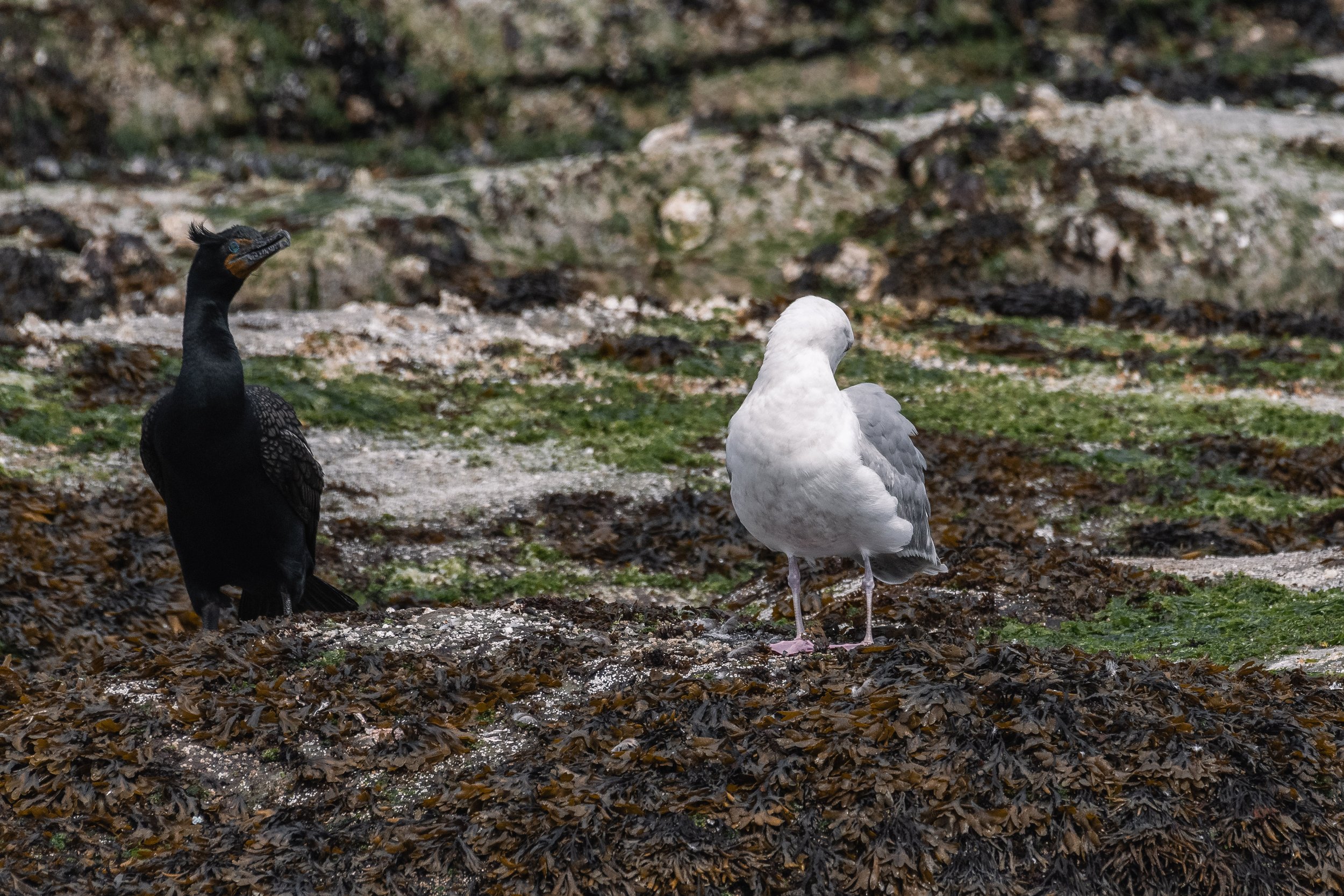
A Double-Crested Cormorant and a gull side by side. Photo by Evan Hessels.
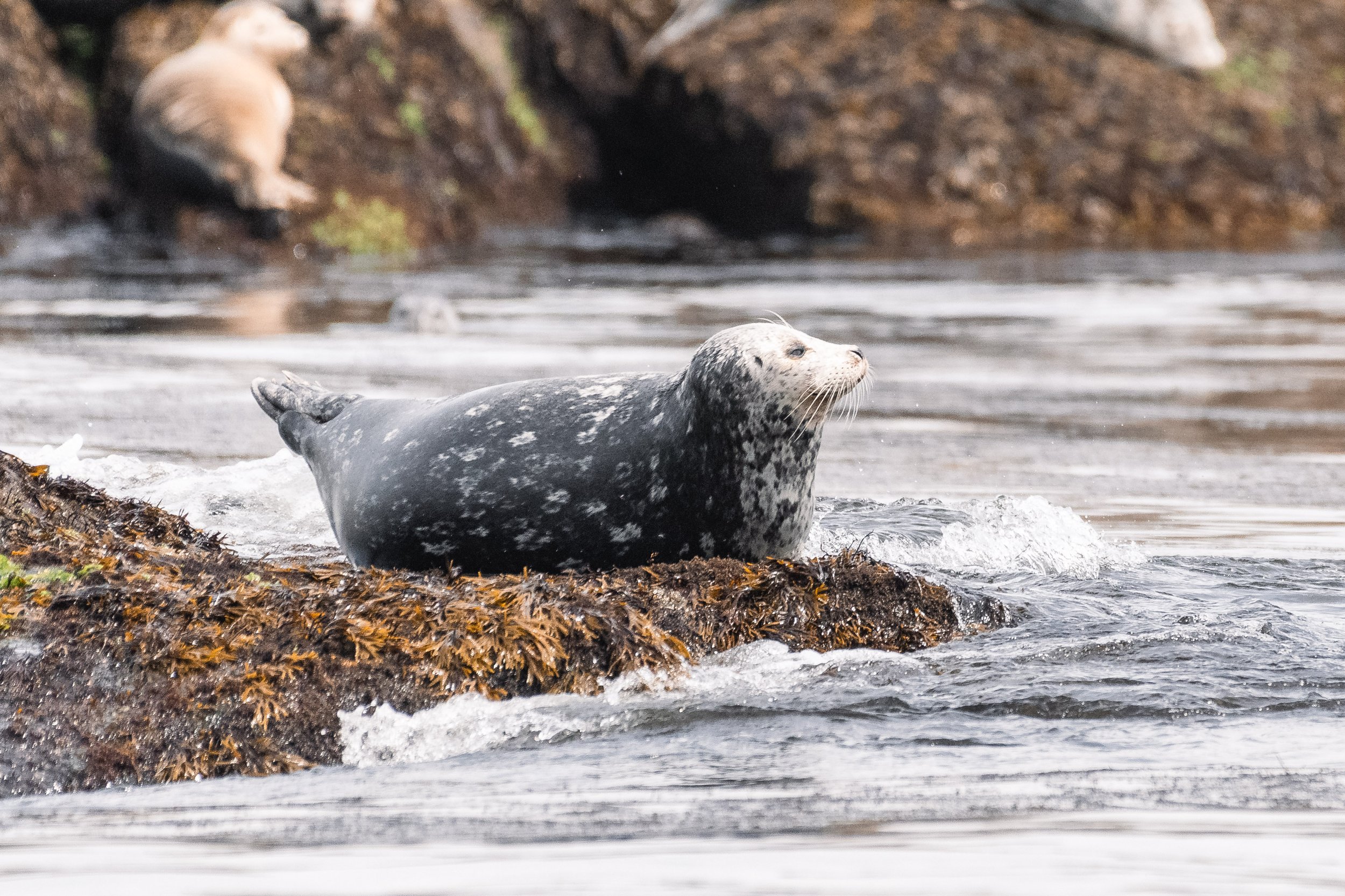
A Harbour Seal in Banana Pose. Photo by Evan Hessels.
Steller Sea Lions at Entrance Island
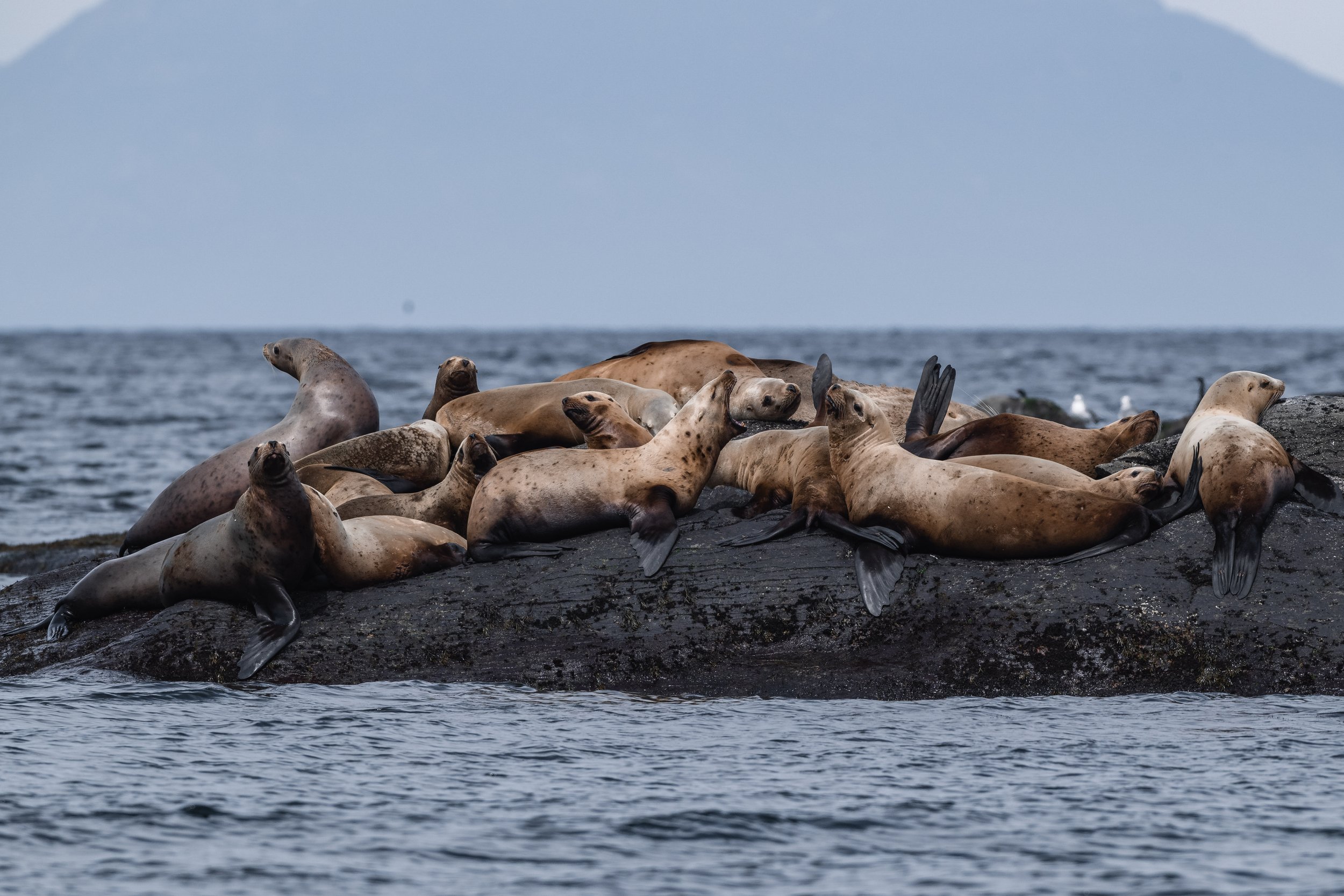
A colony of Steller Sea Lions on the rocks near Entrance Island. Photo by Aly Kohlman.
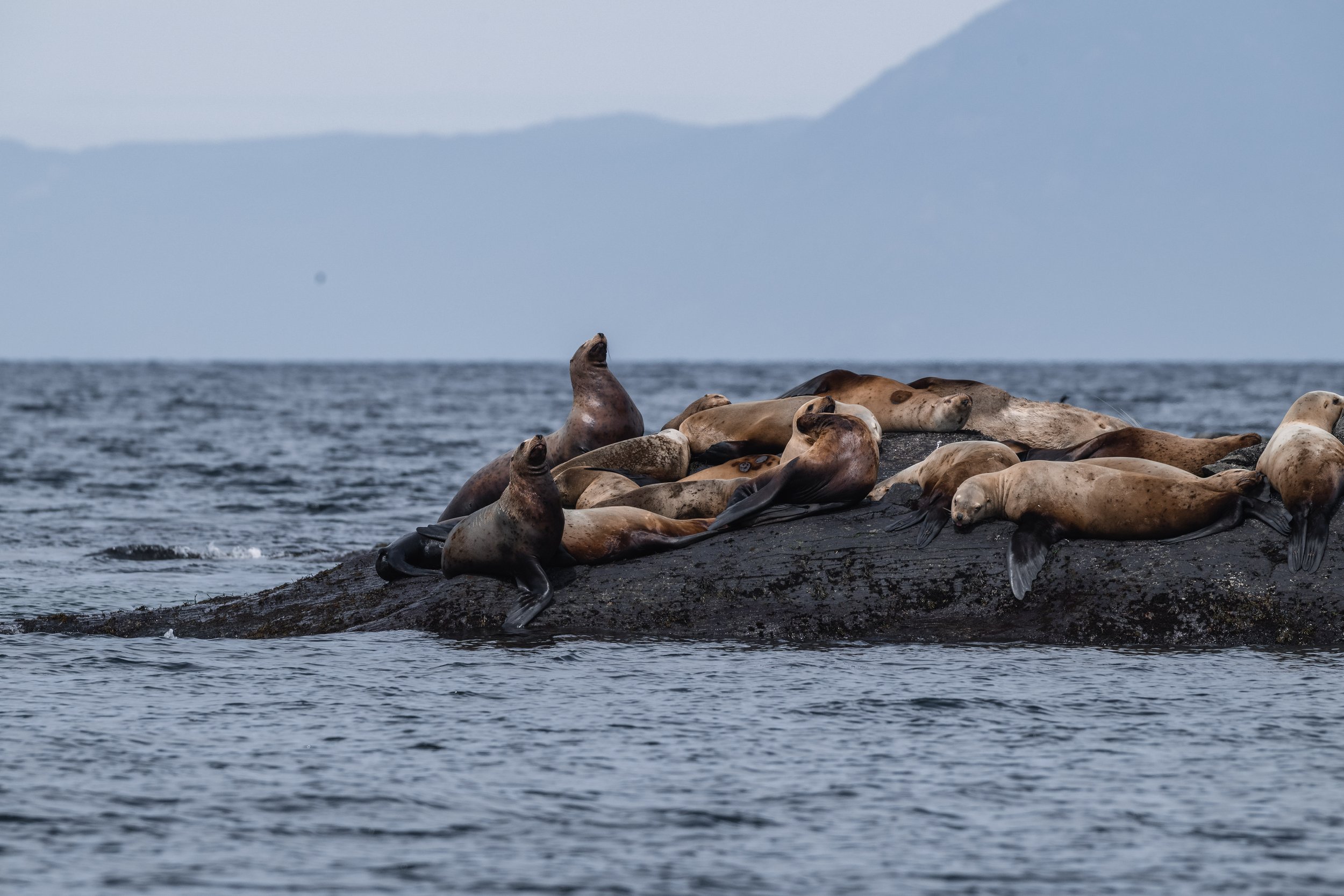
These Steller Sea Lions may weigh anywhere from 800 - 2500 pounds, depending on their gender. Photo by Aly Kohlman.
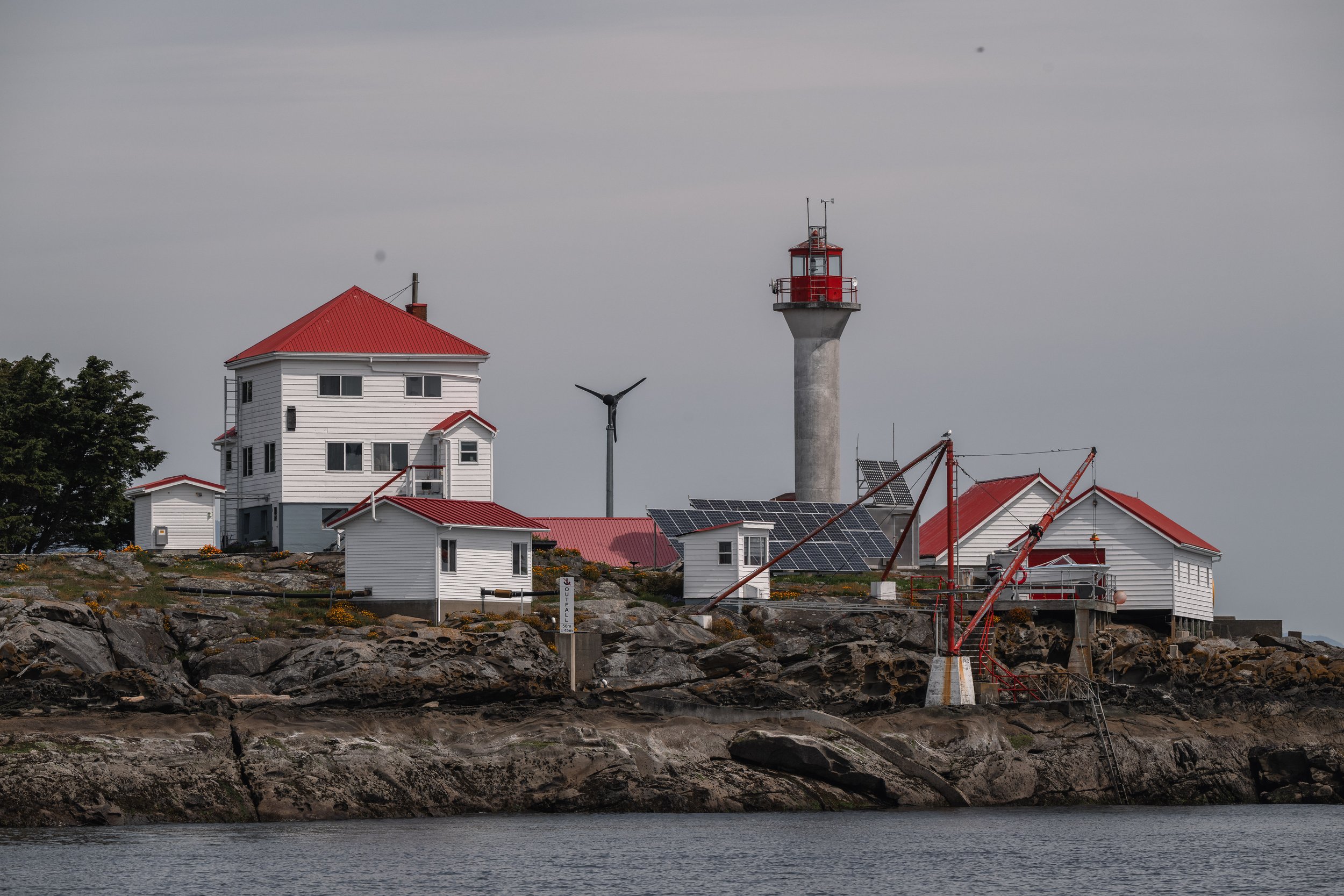
The lighthouse on Entrance Island. Photo by Aly Kohlman.
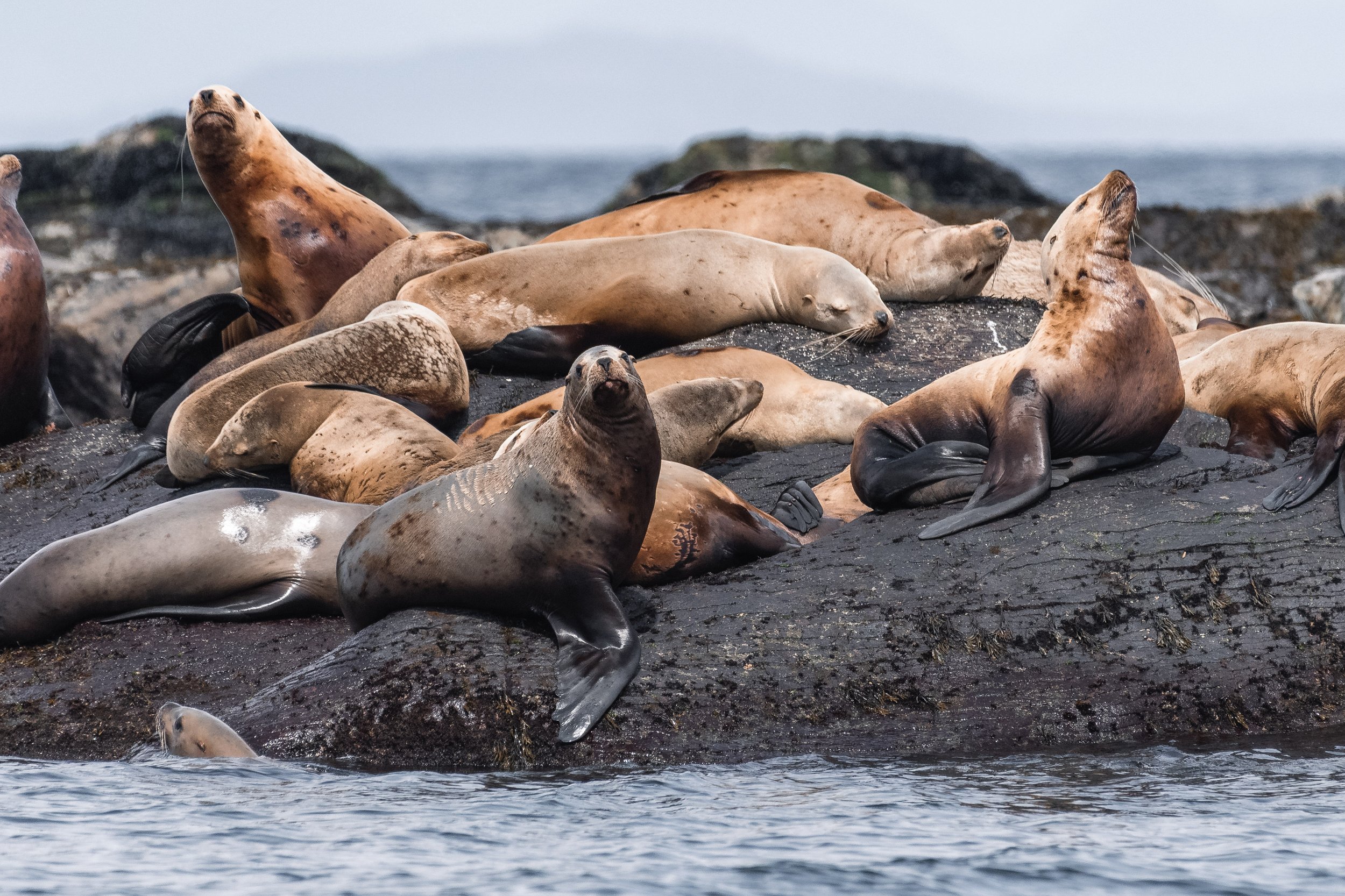
Steller Sea Lions spending their time on the rocks near Entrance Island. Photo by Evan Hessels.
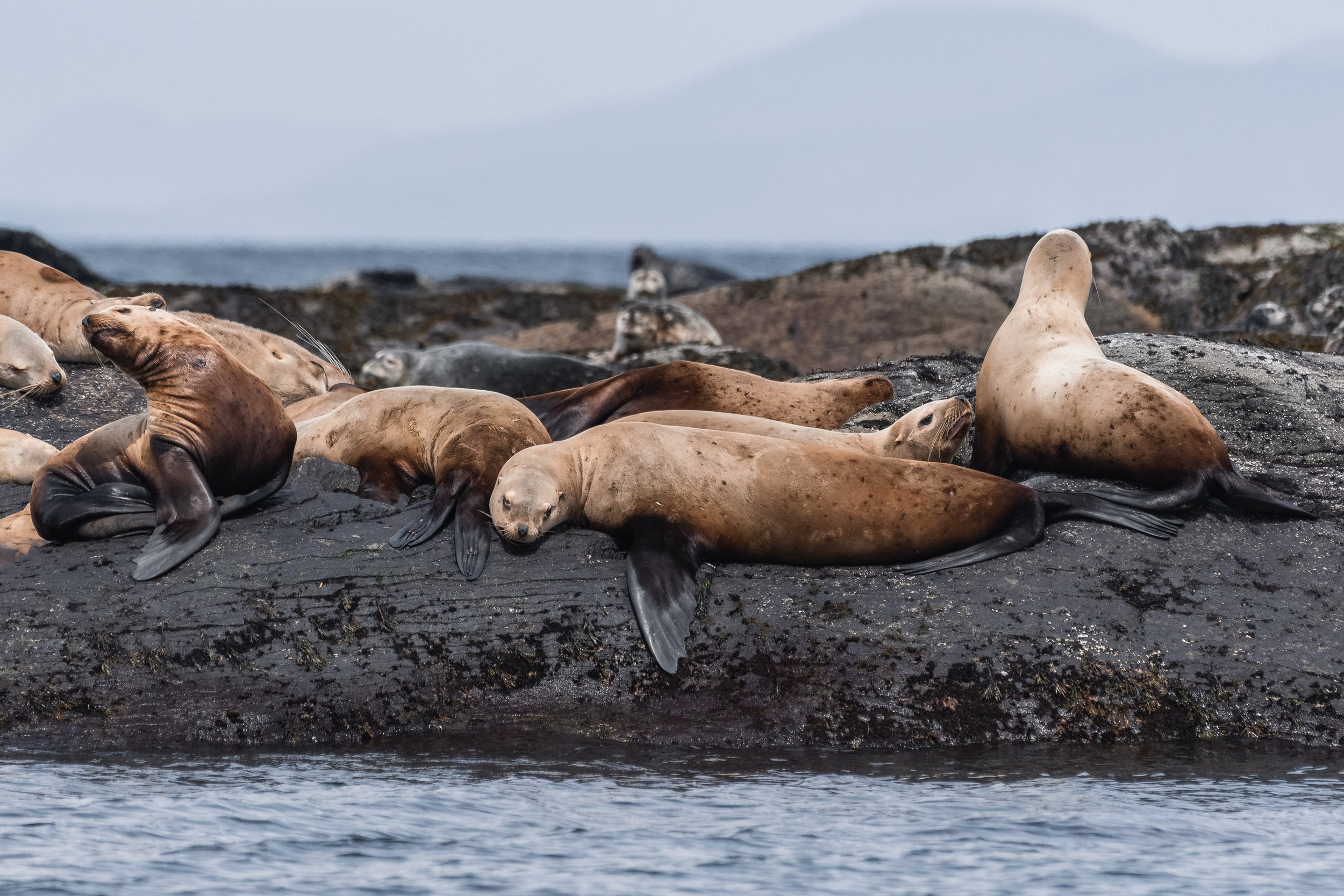
A group of very comfortable looking Steller Sea Lions. Photo by Evan Hessels.
T049A2 Jude and T051 Roswell
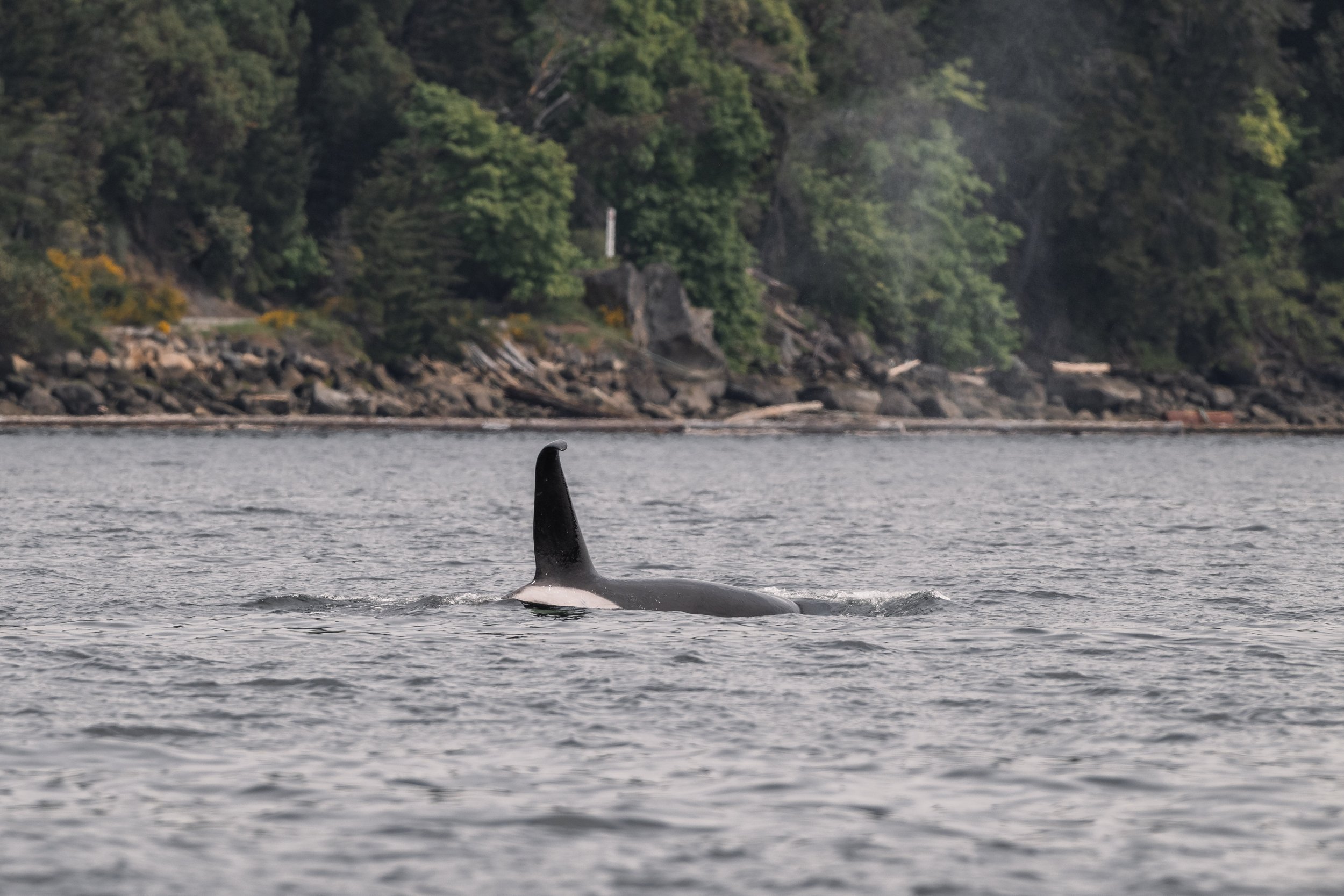
You can see the curve to the top of T049A2 Jude’s dorsal fin. Photo by Aly Kohlman.
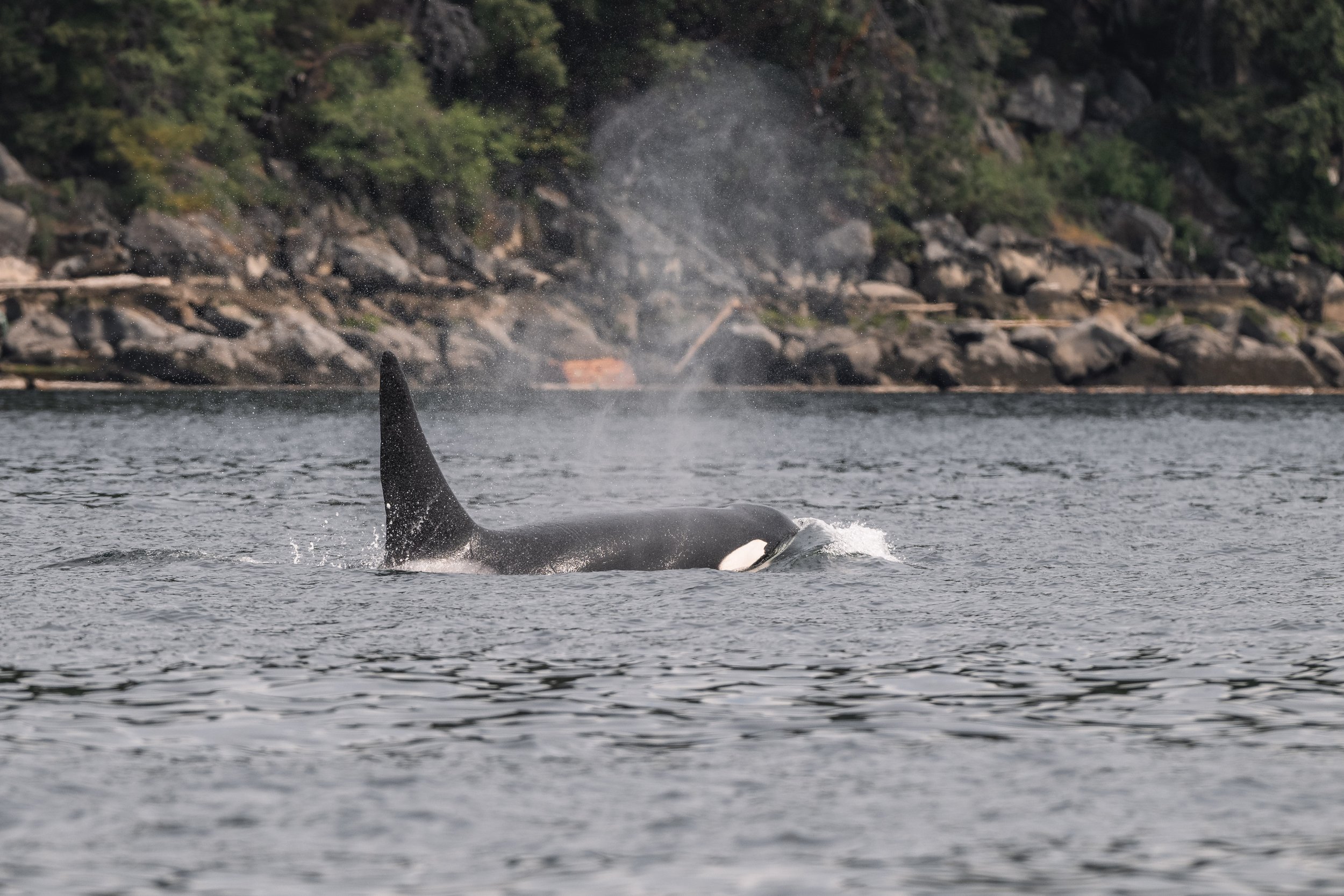
A big blow from T051 Roswell. Photo by Aly Kohlman.
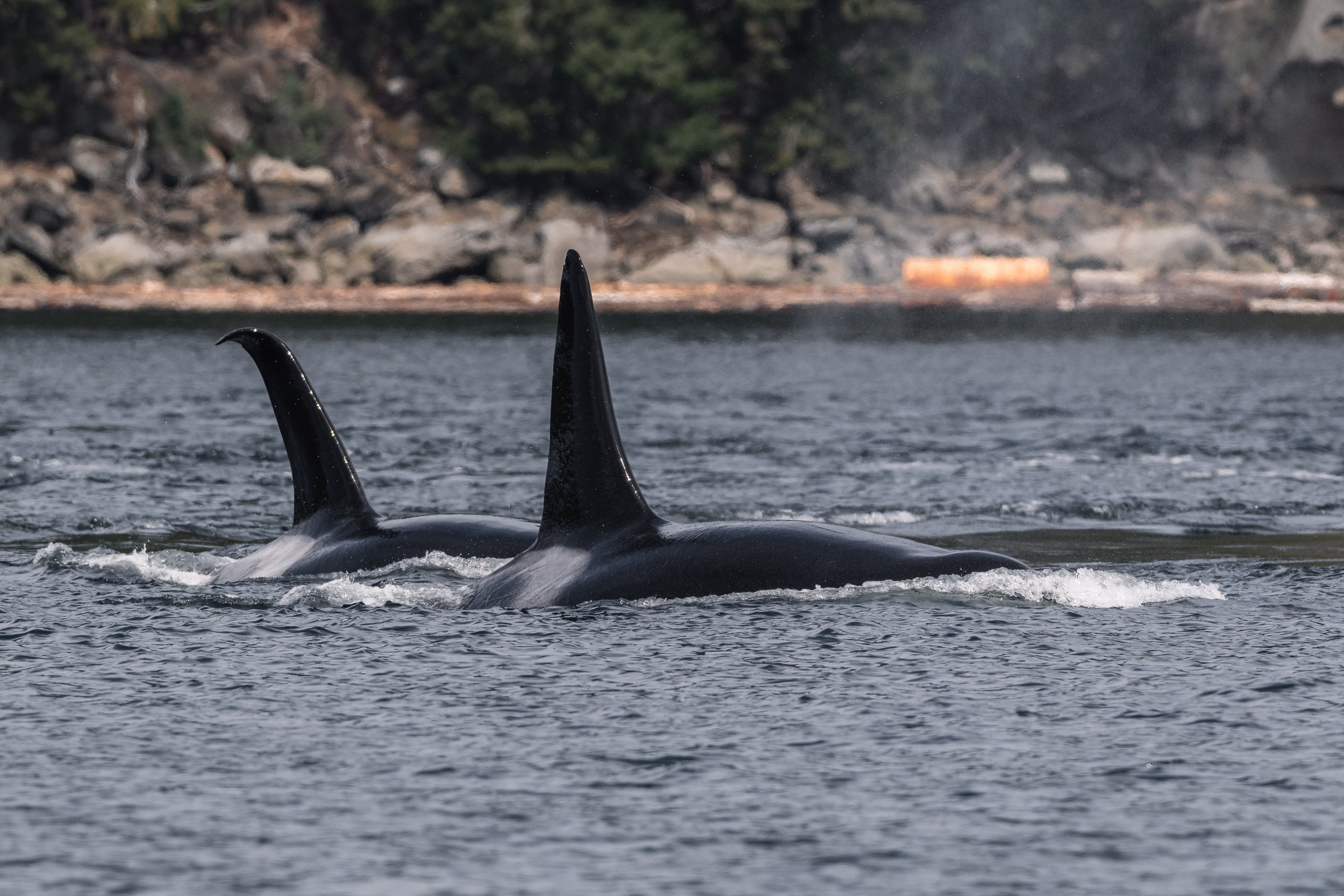
T051 Roswell surfacing just ahead of T049A2 Jude. Photo by Aly Kohlman.
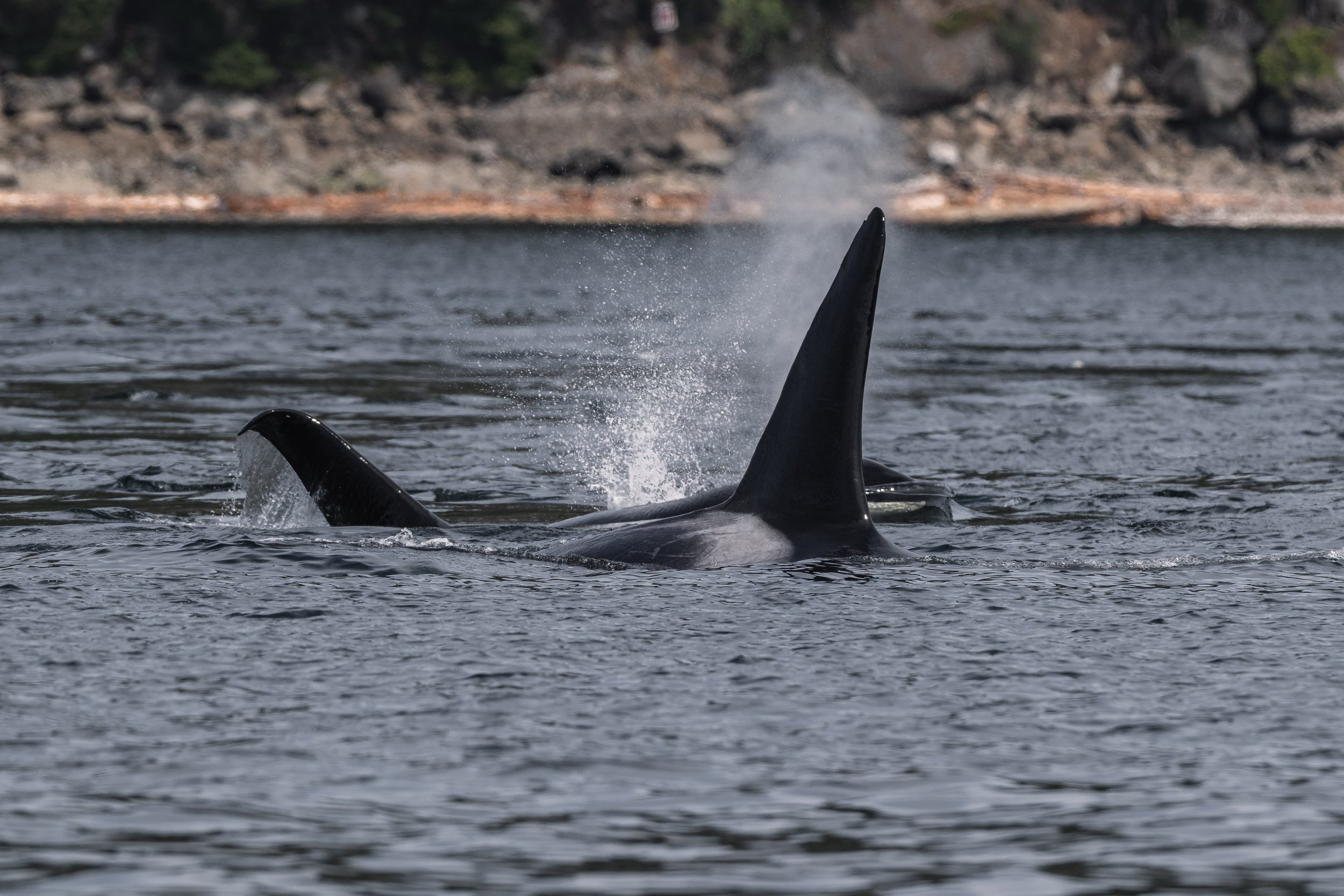
T049A2 Jude and T051 Roswell surfacing together. Photo by Aly Kohlman.
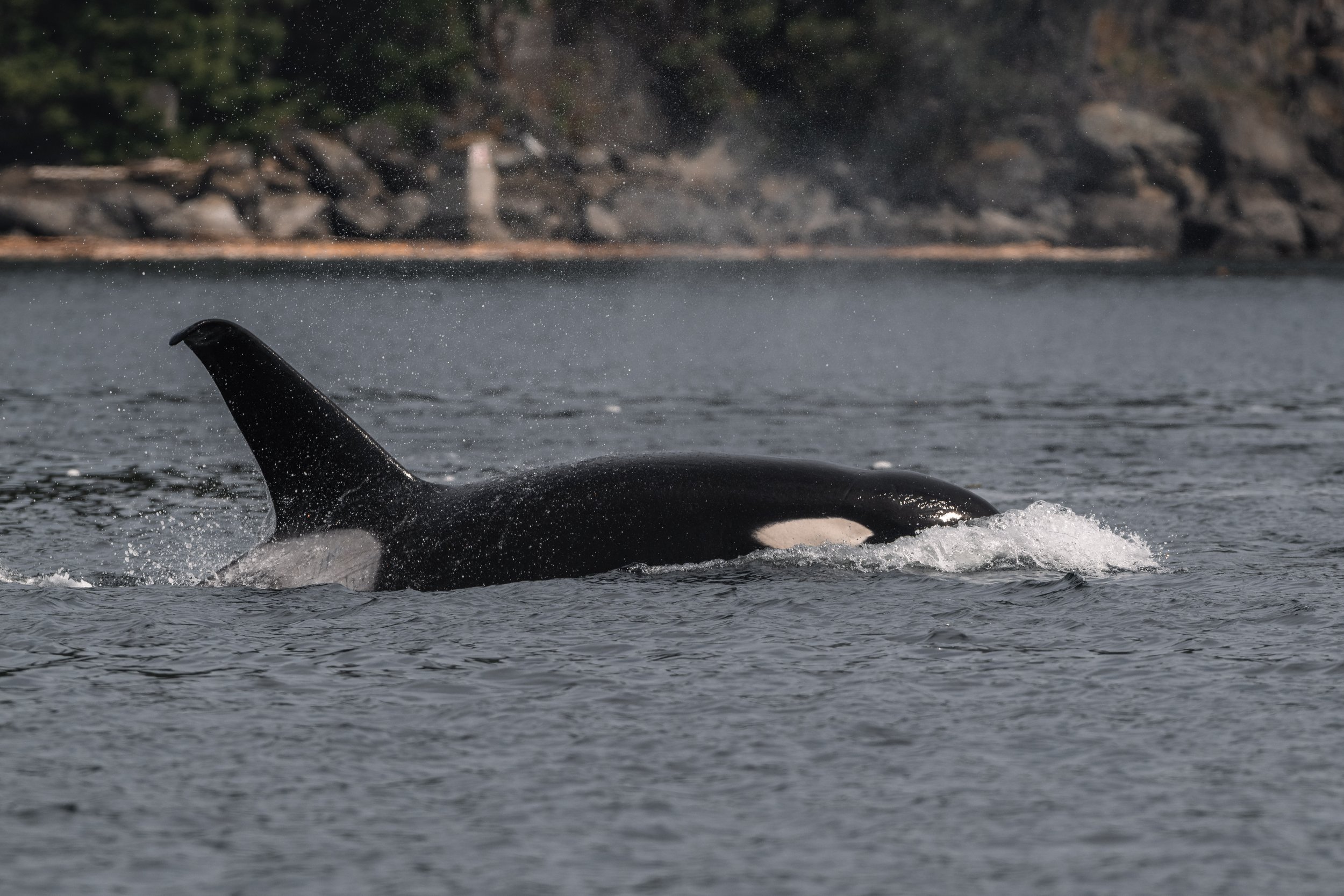
T049A2 Jude showing off his eye patch. Photo by Aly Kohlman.
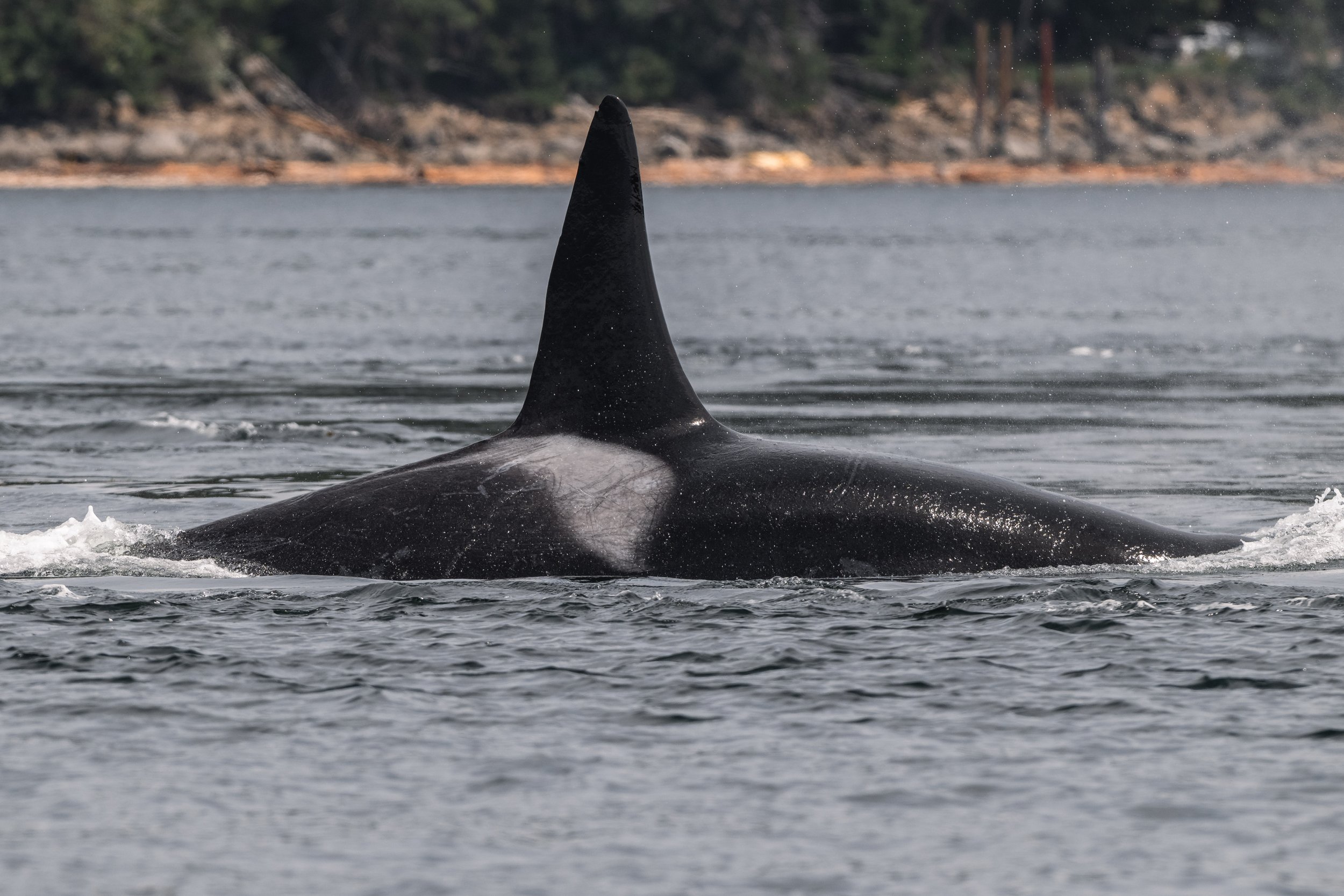
A great look at T051 Roswell’s saddle patch. Photo by Aly Kohlman.
The Gabriola Bluffs
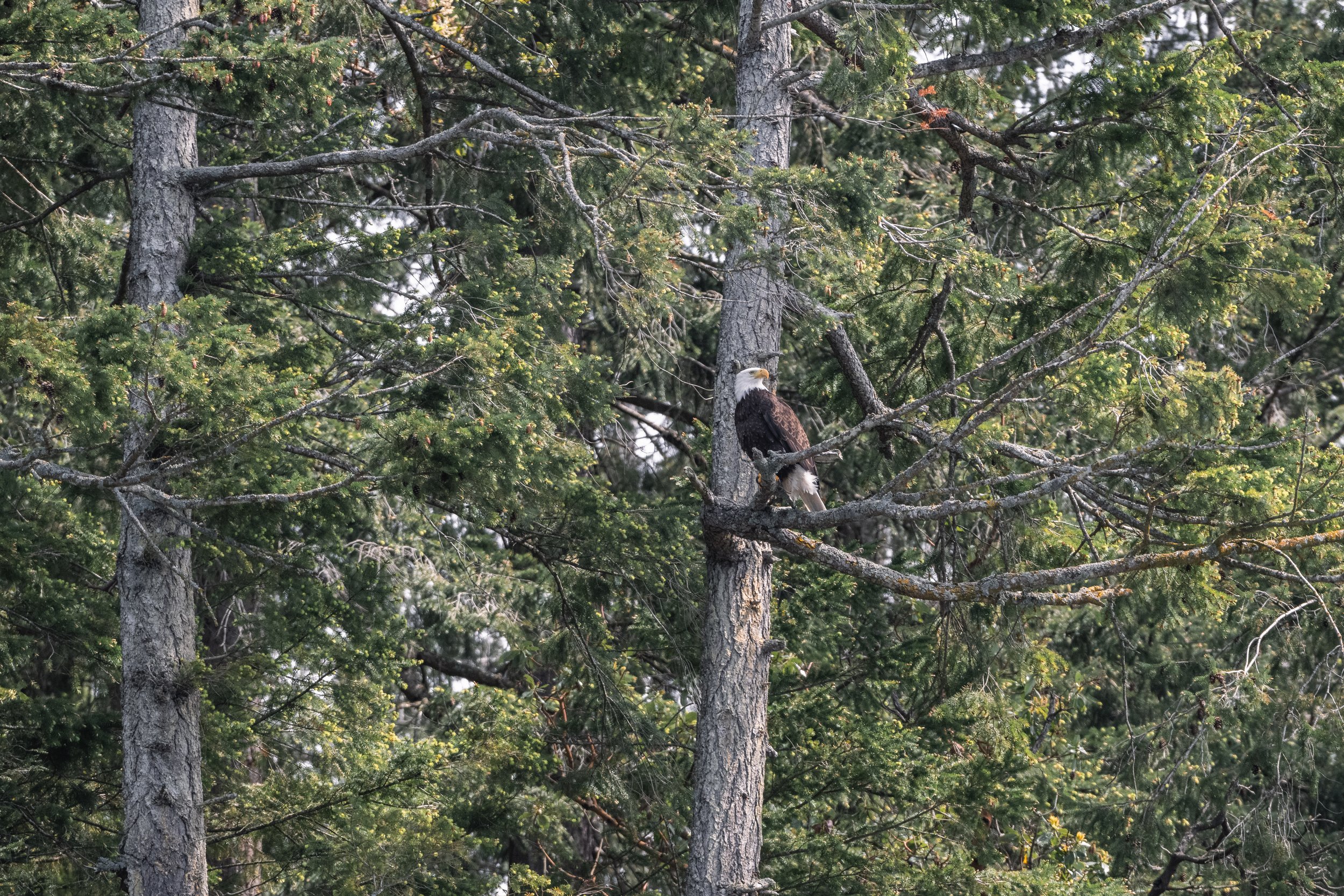
A Bald Eagle watcing from the treetops. Photo by Aly Kohlman.
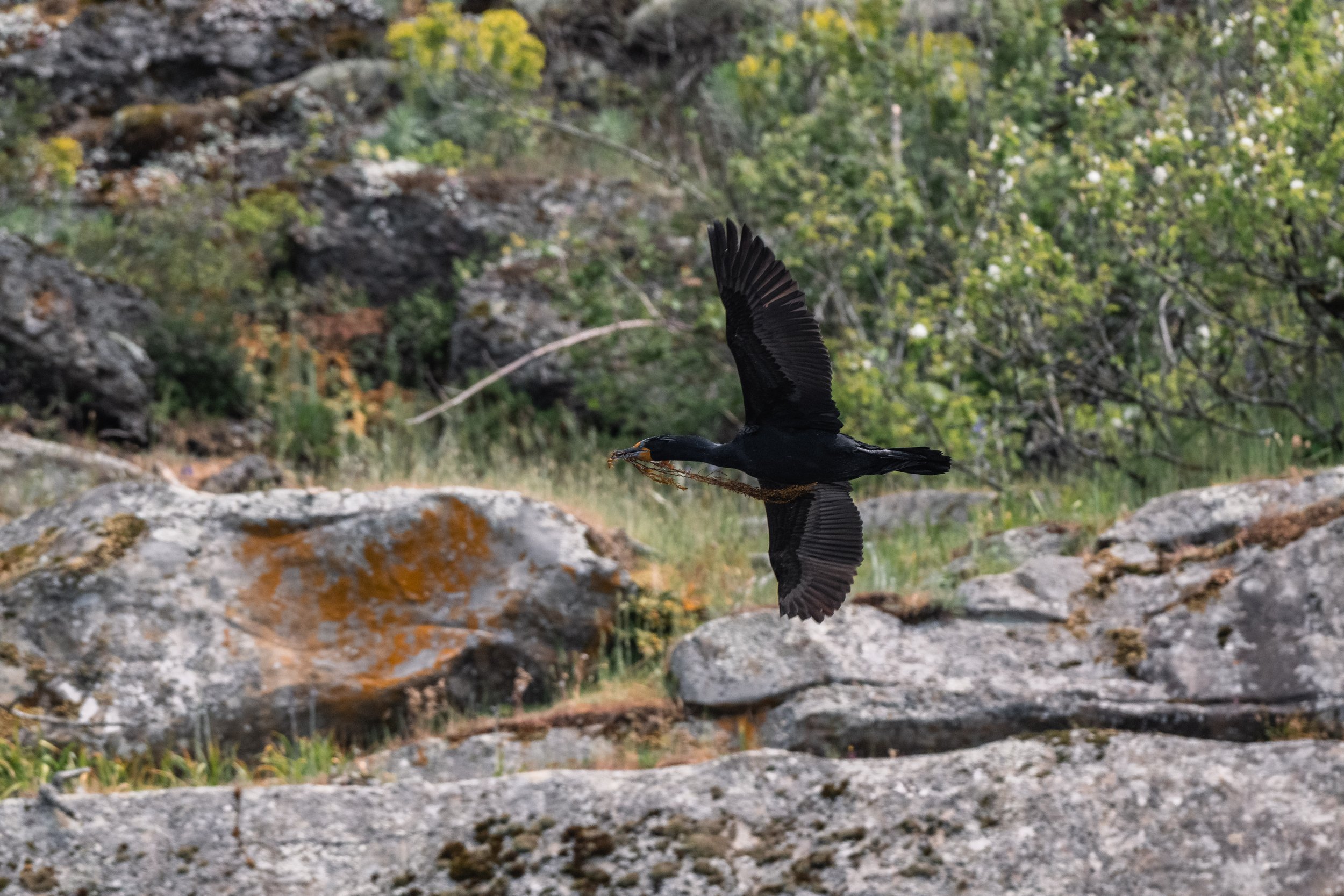
A double crested cormorant flying in with materials for it’s nest. Photo by Aly Kohlman.
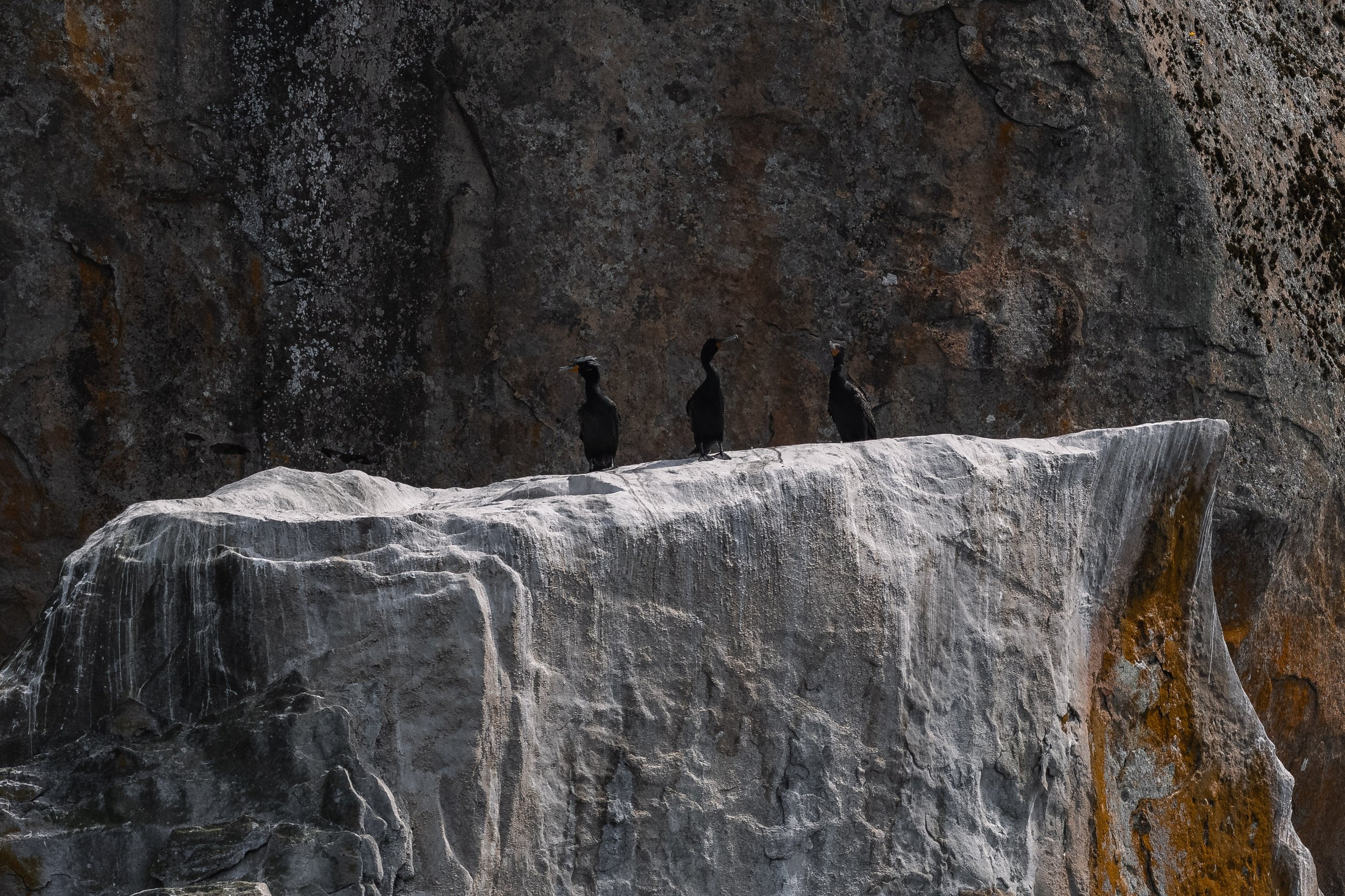
Cormorants on the rocks of the Gabriola Bluffs. Photo by Evan Hessels.
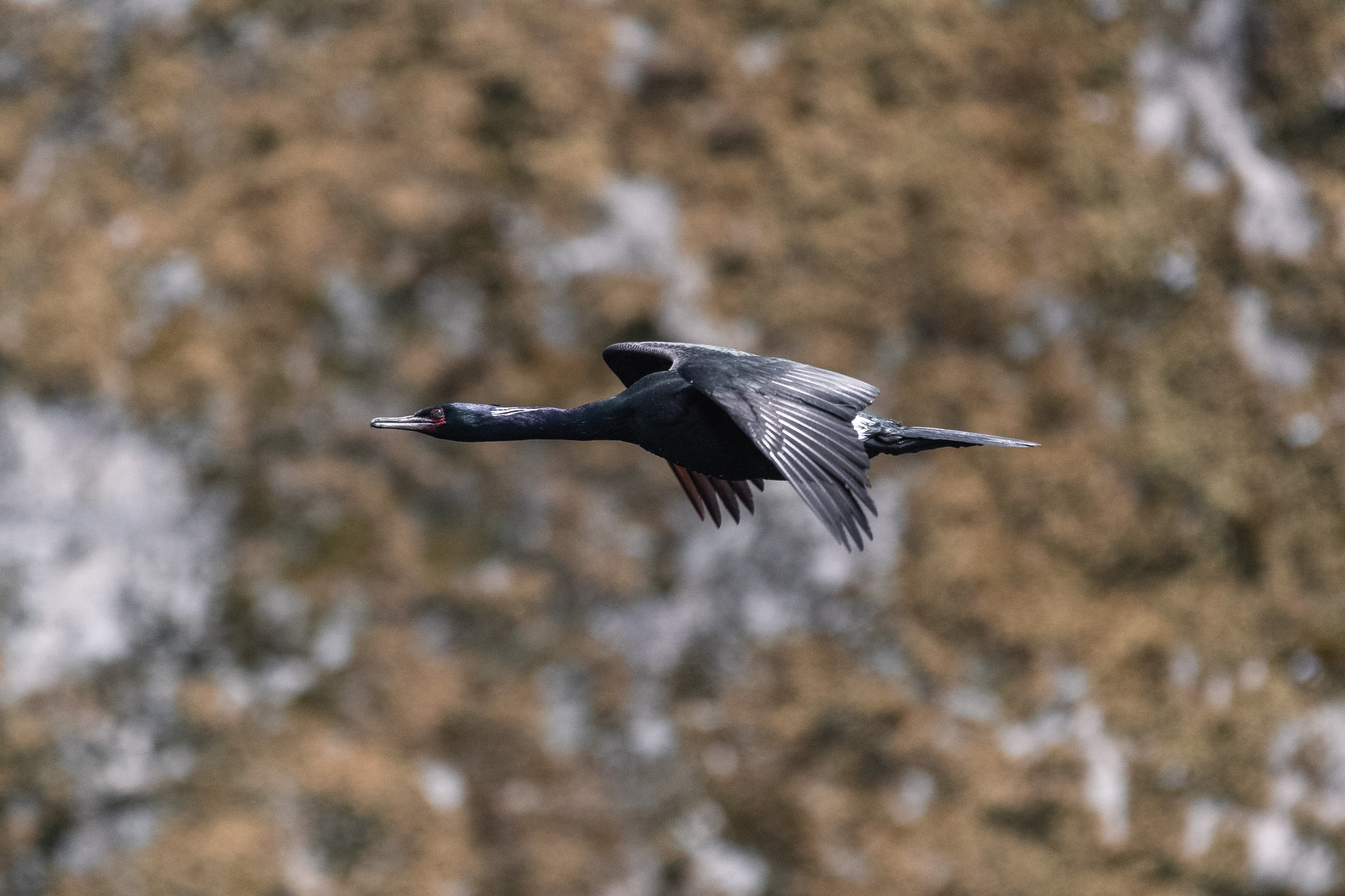
A Pelagic Cormorant flying by. Photo by Evan Hessels.
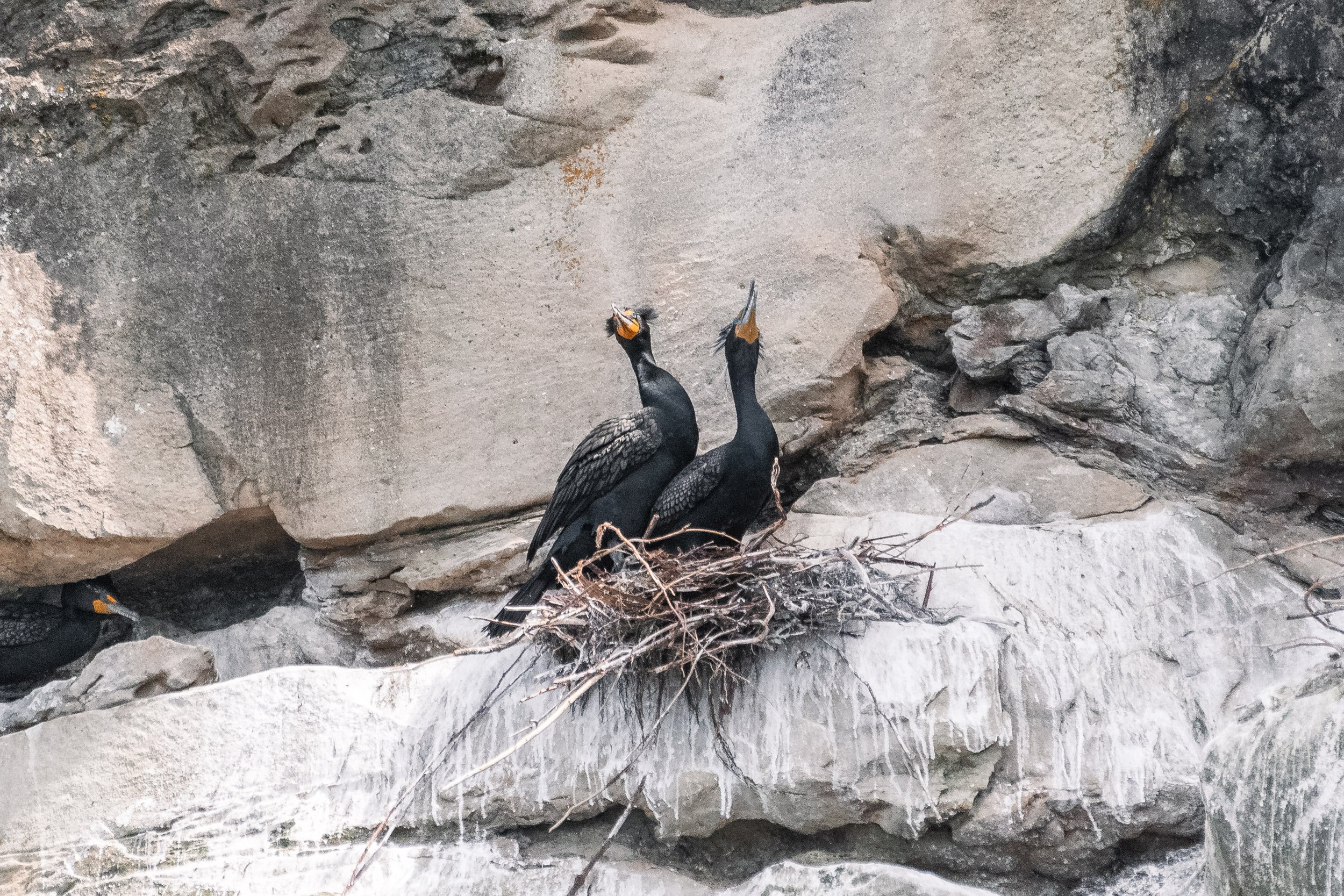
A pair of Doule-Crested Cormorants on their nest. Photo by Evan Hessels.
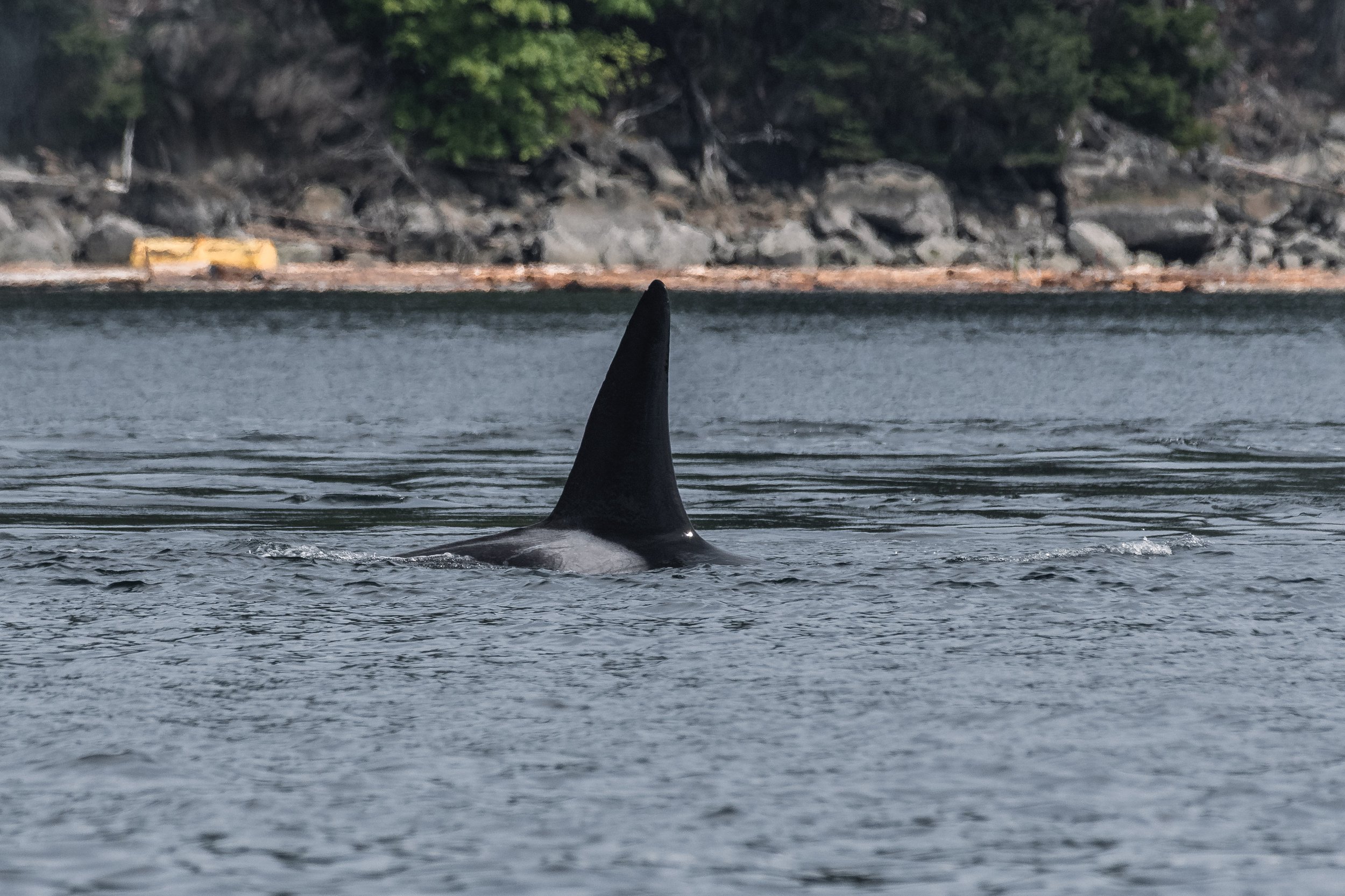
T051 Roswell surfacing near Dodd. Photo by Evan Hessels.
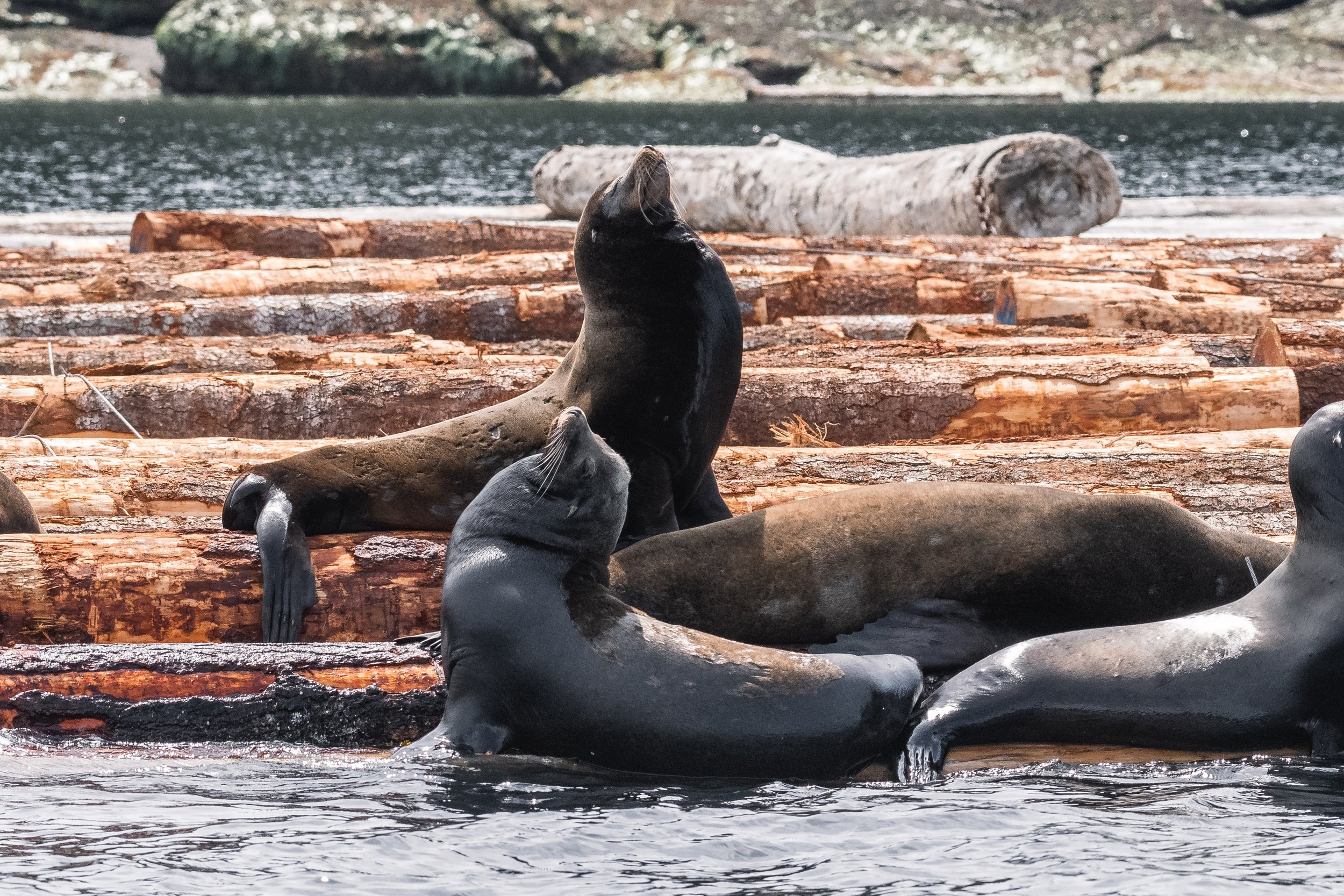
Some California Sea Lions striking a pose on the log booms of Harmac. Photo by Evan Hessels.
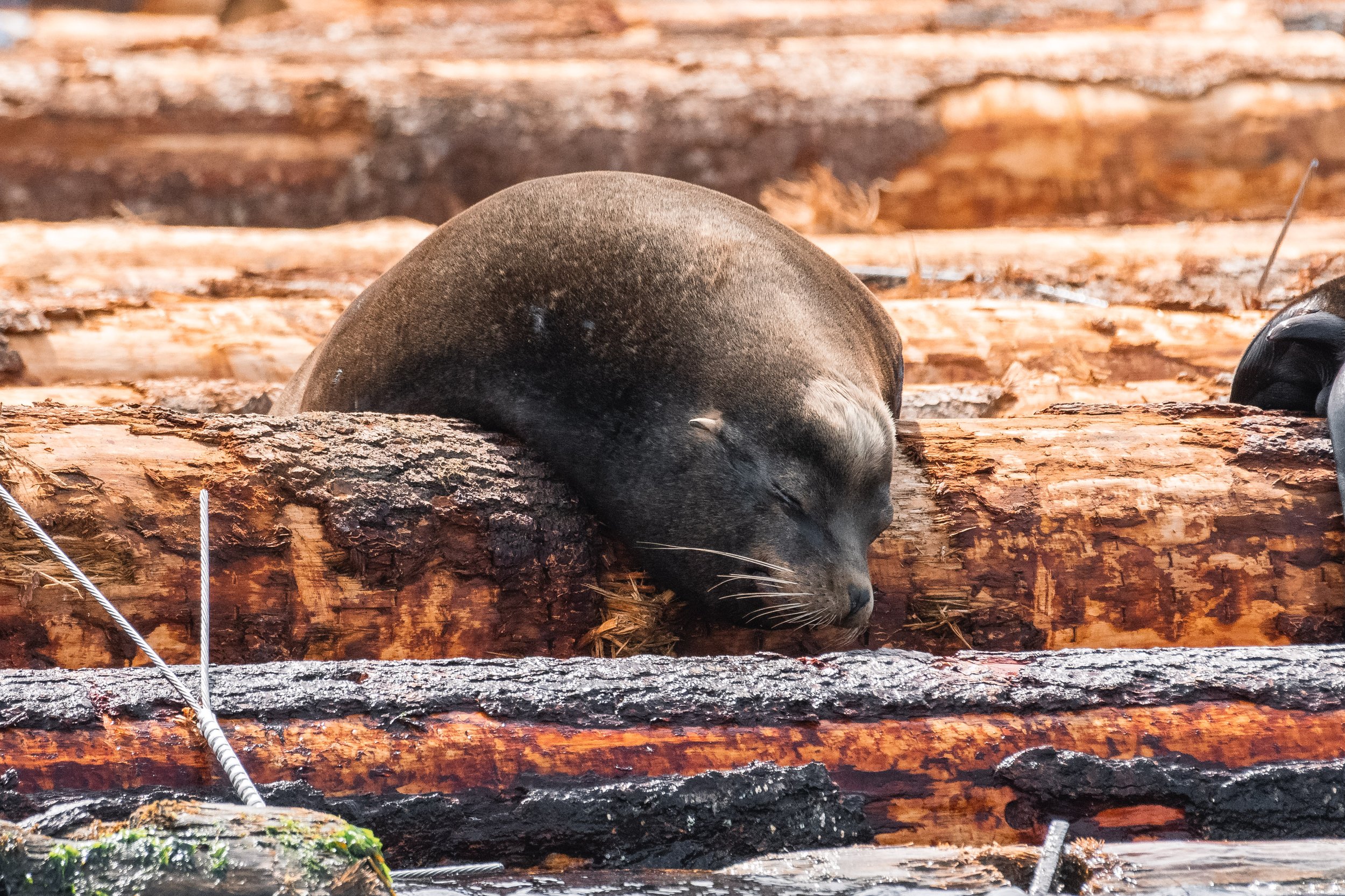
A very cute California Sea Lions resting on the rocks. Photo by Evan Hessels.