
May 14, 2026 - Double species in the SOG
Today felt like one of those classic Salish Sea spring days, a little grey, a little wet, but full of excitement and possibility from the moment we left the dock. Both Kula and Cascadia pushed off from Nanaimo Harbour this morning with eager guests on board and an equally eager crew ready to head north in search of returning humpbacks.
The weather kept us on our toes right from the start. Surprisingly, the winds were stronger in the usually sheltered Southern Gulf Islands, kicking up a bit of chop beneath an overcast sky that occasionally sprinkled us with a raindrop or two. Still, that did little to dampen the anticipation onboard. Out into the Strait of Georgia we shot, eyes scanning carefully for those unmistakable tall, bushy blows that announce the presence of a humpback whale.
Thankfully, we had a promising shore report from earlier this morning suggesting one, possibly two humpbacks near Nanoose Bay. Our crew was ecstatic. Every spring, the return of the humpbacks feels like welcoming old friends home. After spending the winter in tropical breeding grounds, these whales return to the rich feeding waters of the Salish Sea with one thing on their minds, FOOD!
It was not long before our Naturalist Evan spotted our first blow, not too far from home. Immediately, cameras and zoom lenses came flying up. The question on everyone’s mind: who was it?
Naturalists Evan and Vanessa quickly realized these whales were doing far more than simply travelling. Suddenly, an enormous mouth burst through the surface, the pleated throat expanded, and seawater and prey poured inward. Guests gasped as we got an incredible look at the long, cream-coloured baleen plates hanging from the whale’s upper jaw. We were witnessing lunge feeding!
Lunge feeding is one of the most dramatic feeding behaviours seen in humpback whales. These whales accelerate upward from below a concentrated bait ball of fish, or krill, opening their mouths at the surface. Their expandable throat pleats allow them to engulf an enormous volume of water and prey in a single gulp, sometimes taking in enough water to equal their own body weight. Once the mouth closes, the whale pushes the water back out through the baleen plates, which act like a giant sieve, trapping their food inside before swallowing them whole. It is an incredibly energy-intensive behaviour, but one that pays off in the rich feeding grounds of the Salish Sea.
With so much action unfolding around us, identifying the whales took a little extra patience. Humpback whales are identified primarily by the underside of their tail flukes. Much like a human fingerprint, every humpback has a unique combination of black and white pigmentation patterns, scars, scratches, and barnacle markings on the underside of their tail. Whenever a humpback dives deep, it often lifts its fluke above the surface, giving researchers and whale watchers an opportunity to photograph and identify it.
These whales were lifting their tails only sparingly, but eventually, we got the shot we needed. One of the whales was Calypso (BCY1226).
Calypso is a whale we know, one who migrates all the way from Hawaii to visit our waters each year. During their time in the tropics, humpbacks focus on breeding and calving rather than feeding, meaning it is entirely possible Calypso had gone three to six months with little to no food before returning north.
It was not until we got back to the office later in the day and compared photographs that we discovered who Calypso had been feeding alongside: Wolf Eel (BCY0940), another humpback who also migrates from Hawaii. Together, these two whales put on an absolutely spectacular feeding display for everyone on board.
As incredible as that experience was, the day was far from over.
After leaving the humpbacks to continue feeding, we shifted back into search mode. Honestly, we were already feeling incredibly lucky after witnessing lunge feeding, but only about ten minutes later, nature had another surprise waiting for us.
Off in the distance, we noticed a large gathering of birds circling low over the water. Evan pointed out that they appeared to be picking bits of prey from the surface, often a good indication that predators are feeding below. Then, from the back of the boat, a guest shouted the word every whale watcher loves to hear: “ORCA!”
Again, cameras and zoom lenses came flying out as we worked to determine which whales we had found. Unlike humpbacks, orca are identified using several features, including the shape and size of their dorsal fin, the unique grey saddle patch behind the dorsal fin, and even the shape of the white eye patches near the head. Nicks, scratches, and notches in the fins also help researchers identify individuals and family groups.
This group turned out to be the T046Bs, a family of transient orca that appeared to be sharing a meal following a successful hunt.
T046B Raksha ♀ (1988)
T046B2 Akela ♀ (2008)
T046B2B Takaya ♀ (2023)
T046B3 Sedna ♀ (2011)
T046B3A Munro (2025)
T046B4 Quiver ♀ (2013)
T046B6 Sol ♀ (2019)
T046B7 Tala (2023)
T046B8 Pi (2026)
Transient orca, also known as Bigg’s killer whales, specialize in hunting marine mammals such as seals, sea lions, and porpoises. The birds gathering overhead were likely taking advantage of scraps left behind from the meal.
Then, off in the distance, we spotted something tall cutting through the water. At first glance, it almost looked like the sail of a black sailboat. But then came the realization. It was another orca. Not just any orca, either. This was T011A Rainy!
T011A Rainy ♂ (1978)
For many whale watchers, T011A is a true bucket-list whale. He is the largest male in our local transient population, measuring just over 27 feet long; the same length as our open boats! His massive dorsal fin towers approximately six feet high above the surface, making him an absolutely jaw-dropping sight in person.
He impressed everyone on board simply by his sheer size. A male orca this large requires an incredible amount of food, likely consuming upwards of 300 pounds daily. Considering the T046Bs also have several younger whales to feed, it was no surprise to find this family group actively sharing a meal.
Eventually, we left the orca to continue their travels, likely continuing their search for more food throughout the Strait.
Before heading home, we made one final wildlife stop to visit both species of sea lions hauled out on the rocks, basking in what little sunshine broke through the clouds.
The smaller California Sea Lions were easy to recognize with their long dog-like snouts and loud barking vocalizations. These sea lions migrate seasonally, with many males travelling north into British Columbia waters to feed before heading south toward California and Mexico for the breeding season.
Sharing the rocks alongside them were the much larger Steller Sea Lions, the largest species of sea lion in the world. Adult males can weigh over 2,500 pounds! Unlike California Sea Lions, Stellers tend to be quieter and bulkier, often piling together in enormous snoring heaps along rocky shorelines.
From explosive humpback feeding behaviour to iconic transient orca and lounging sea lions, today truly showcased the incredible diversity of wildlife that calls the Salish Sea home. Days like today remind us just how lucky we are to explore these waters and share these encounters with our guests. Spring is only just beginning, and if today was any indication, it is shaping up to be an unforgettable whale watching season ahead.
Photos below taken by Evan Hessels and Vanessa Vereschahen.
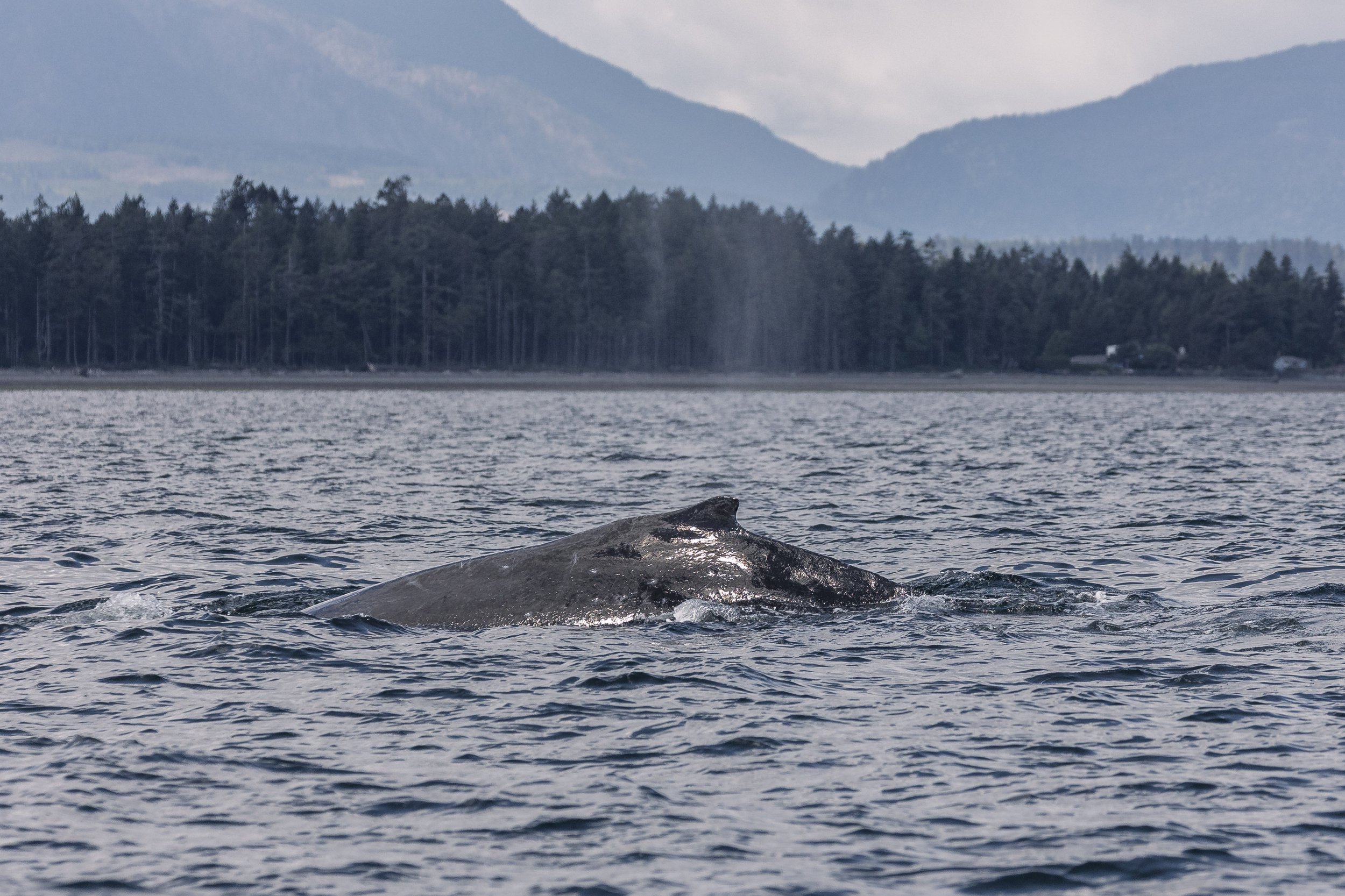
Calypso surfacing. Photo by Vanessa Vereschahen.
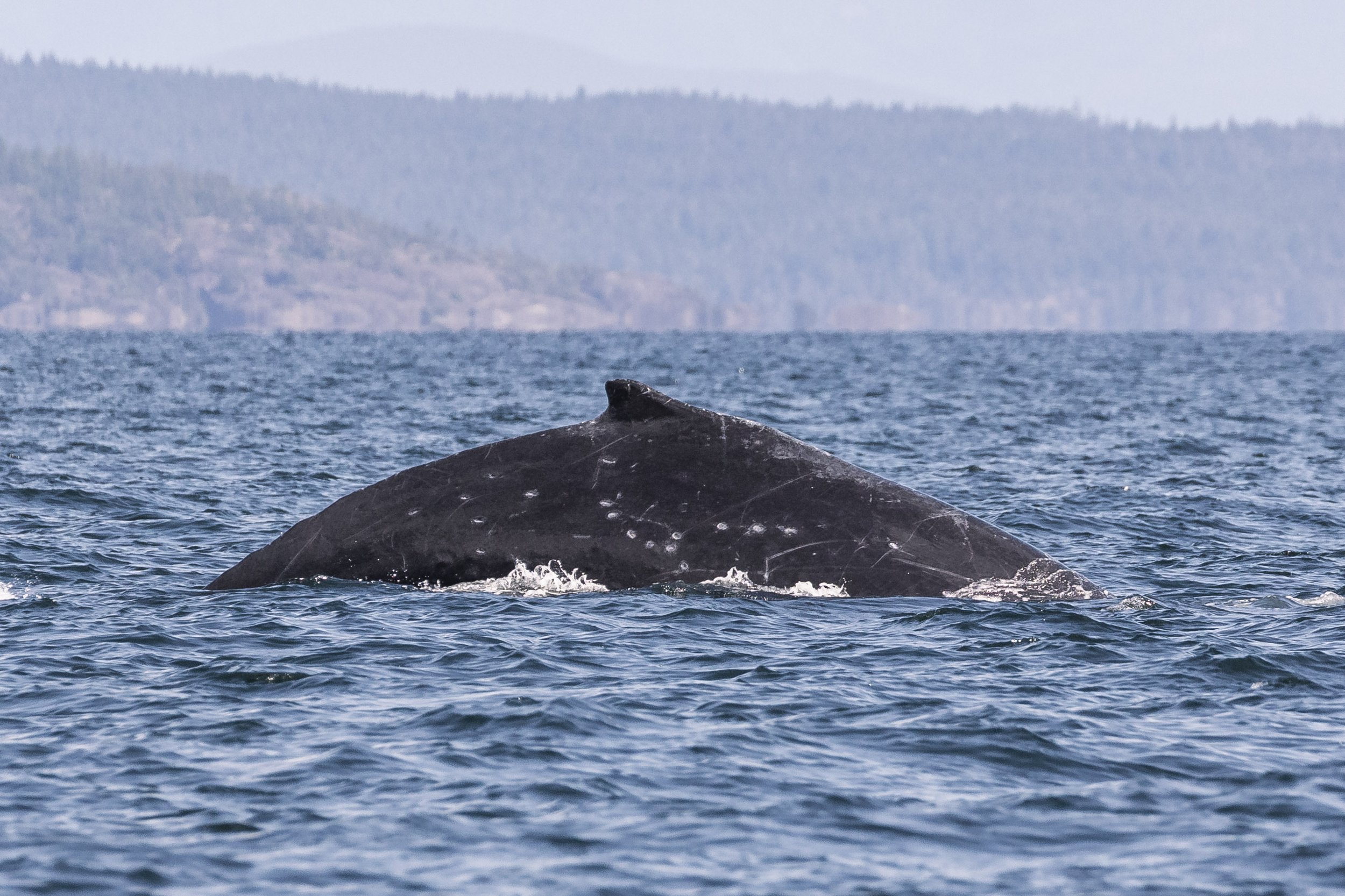
Check out all the cookie cutter shark bites on Calypso’s right side. Photo by Vanessa Vereschahen.
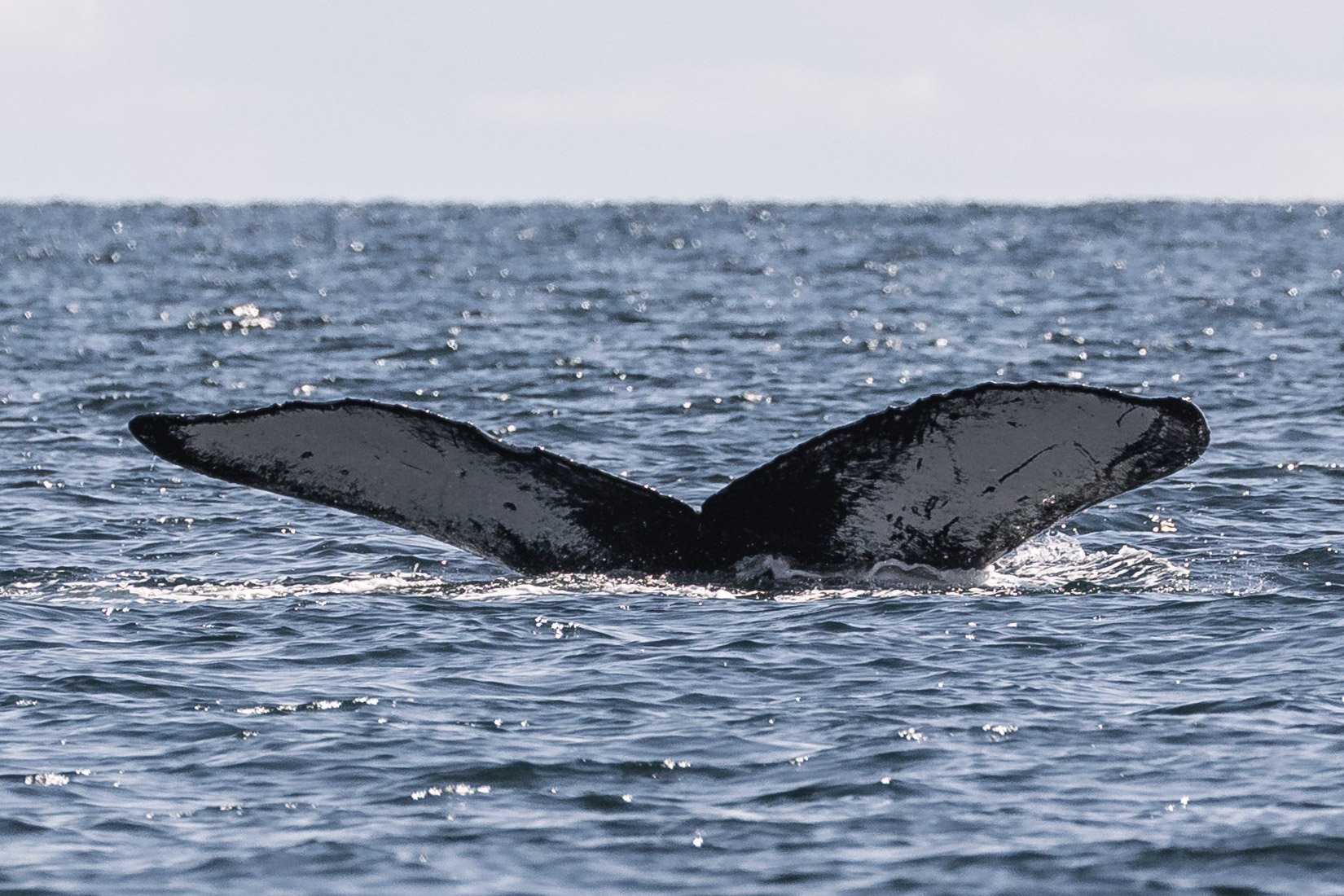
Calypso’s flukes. Photo by Vanessa Vereschahen.
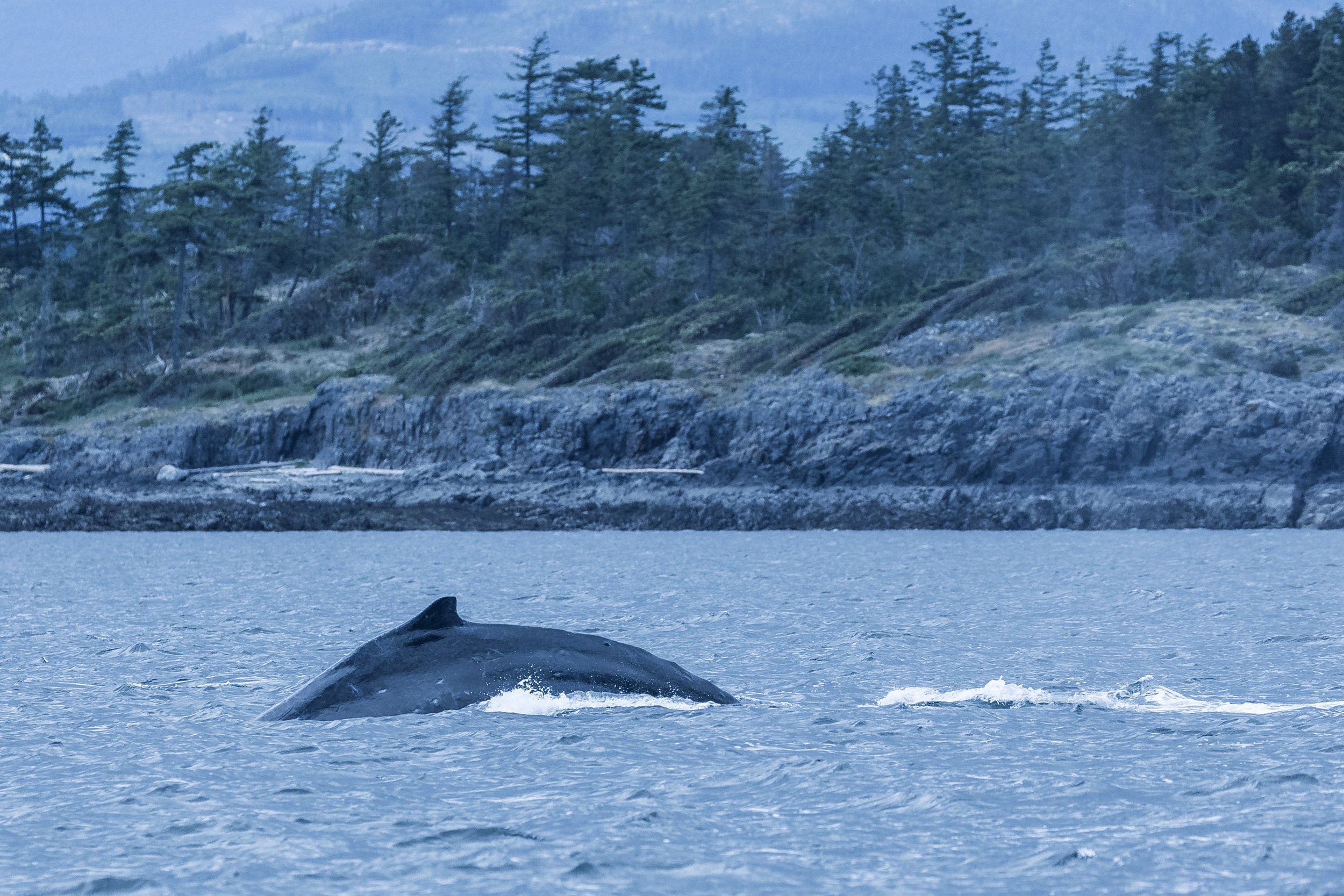
Calypso picking up some speed. Photo by Vanessa Vereschahen.
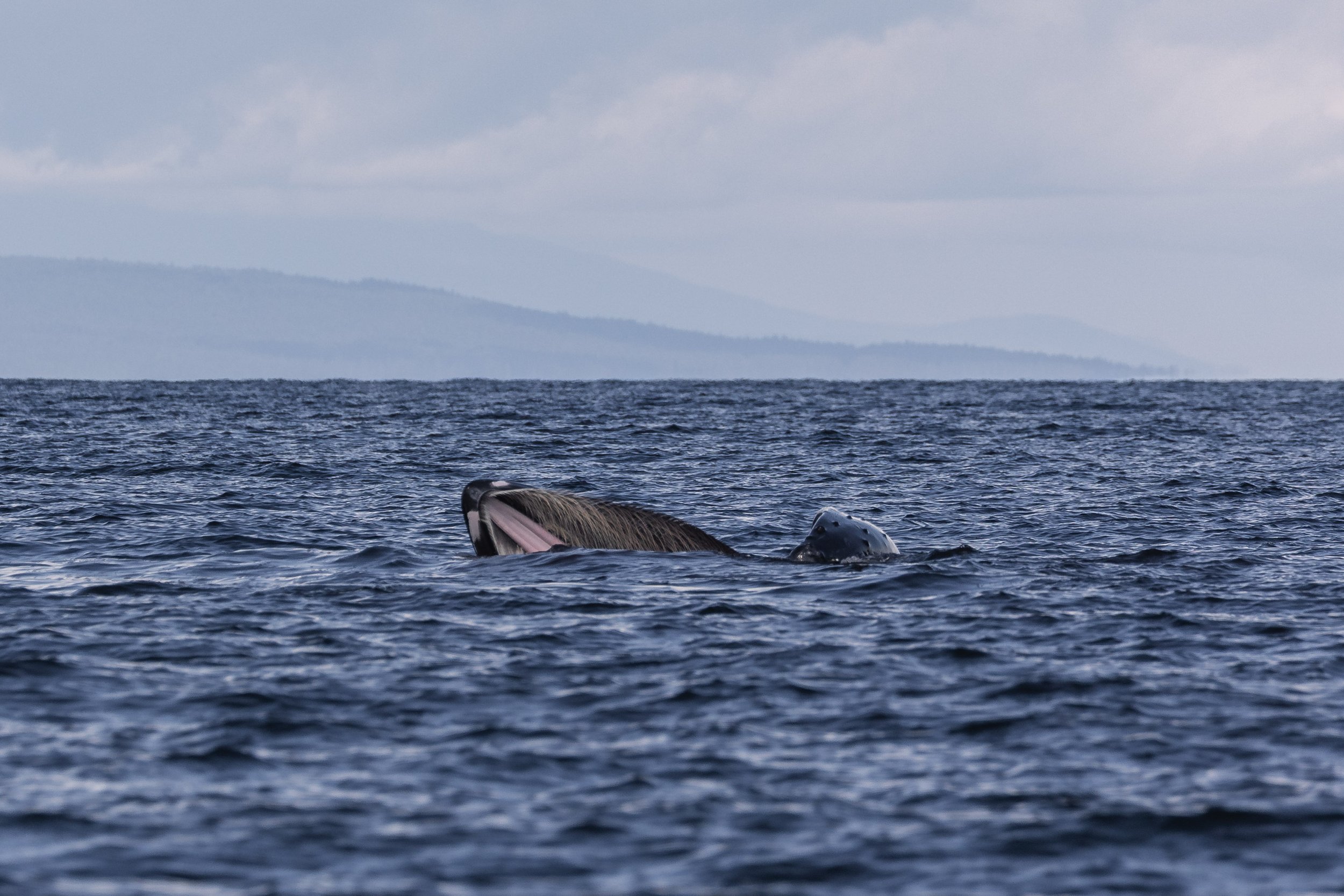
Lunging at the surface. Photo by Vanessa Vereschahen.
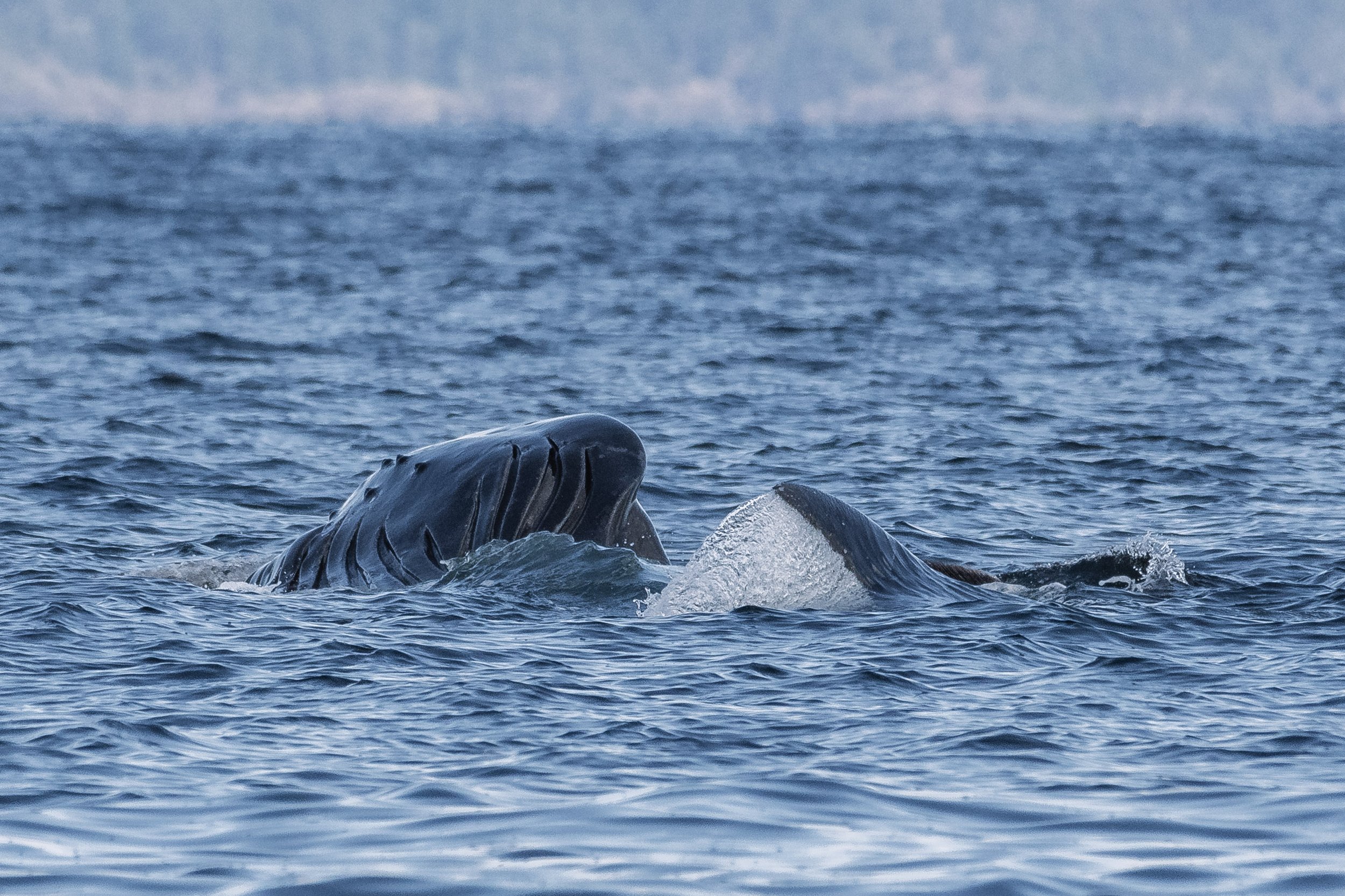
Can you spot the pleats? Photo by Evan Hessels.
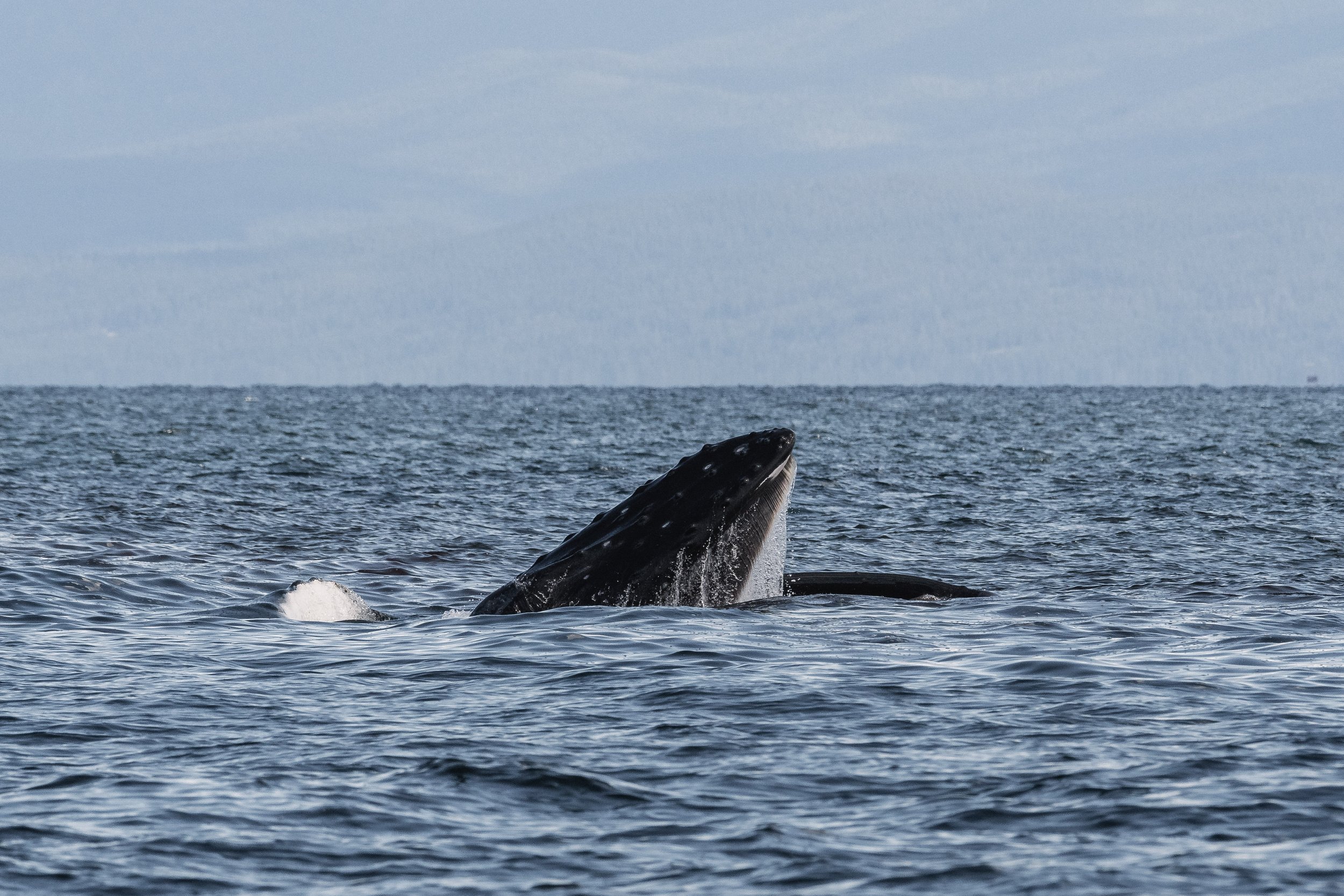
Lunging! Photo by Evan Hessels.
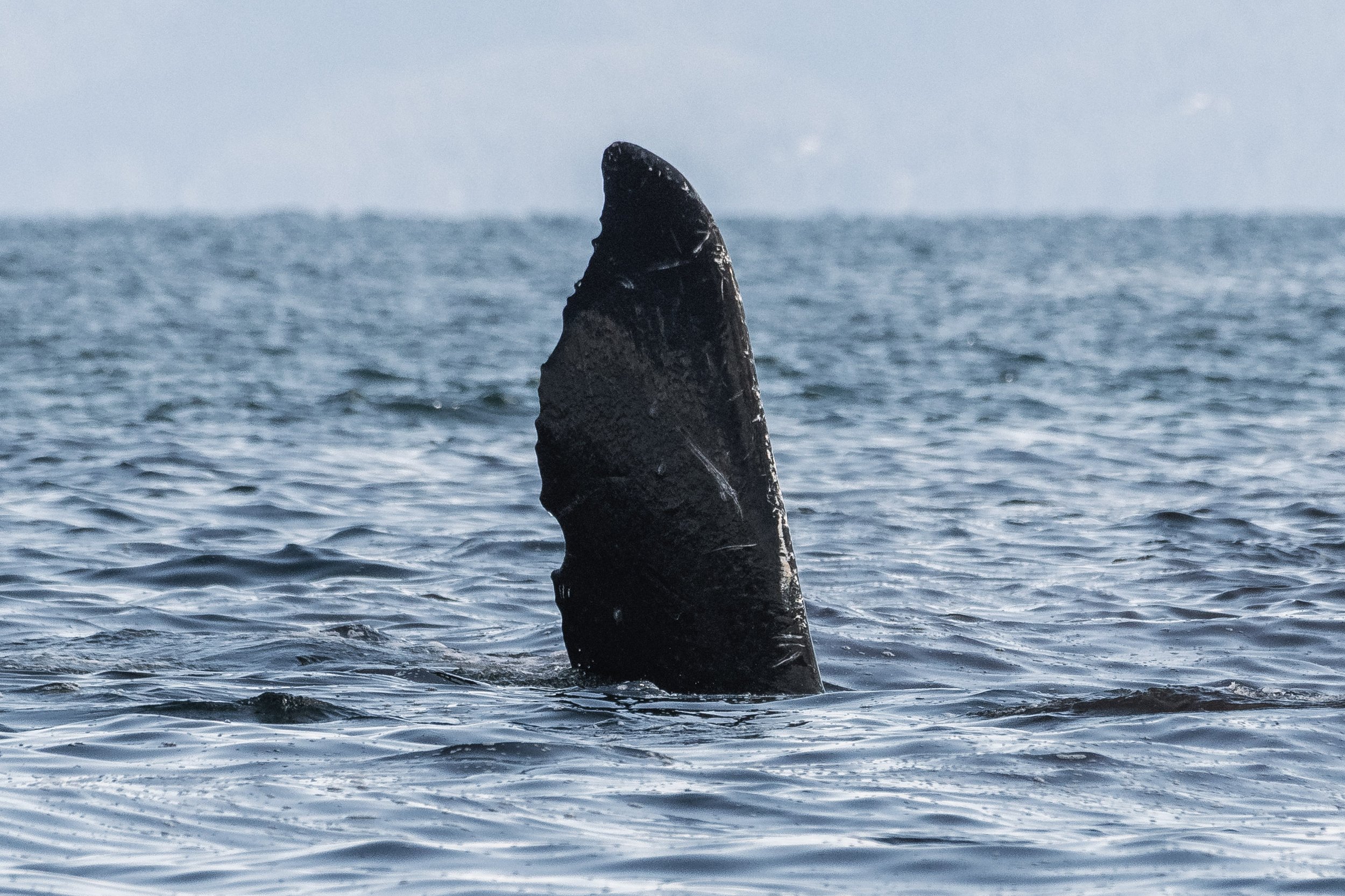
Calypso’s fluke. Photo by Evan Hessels.
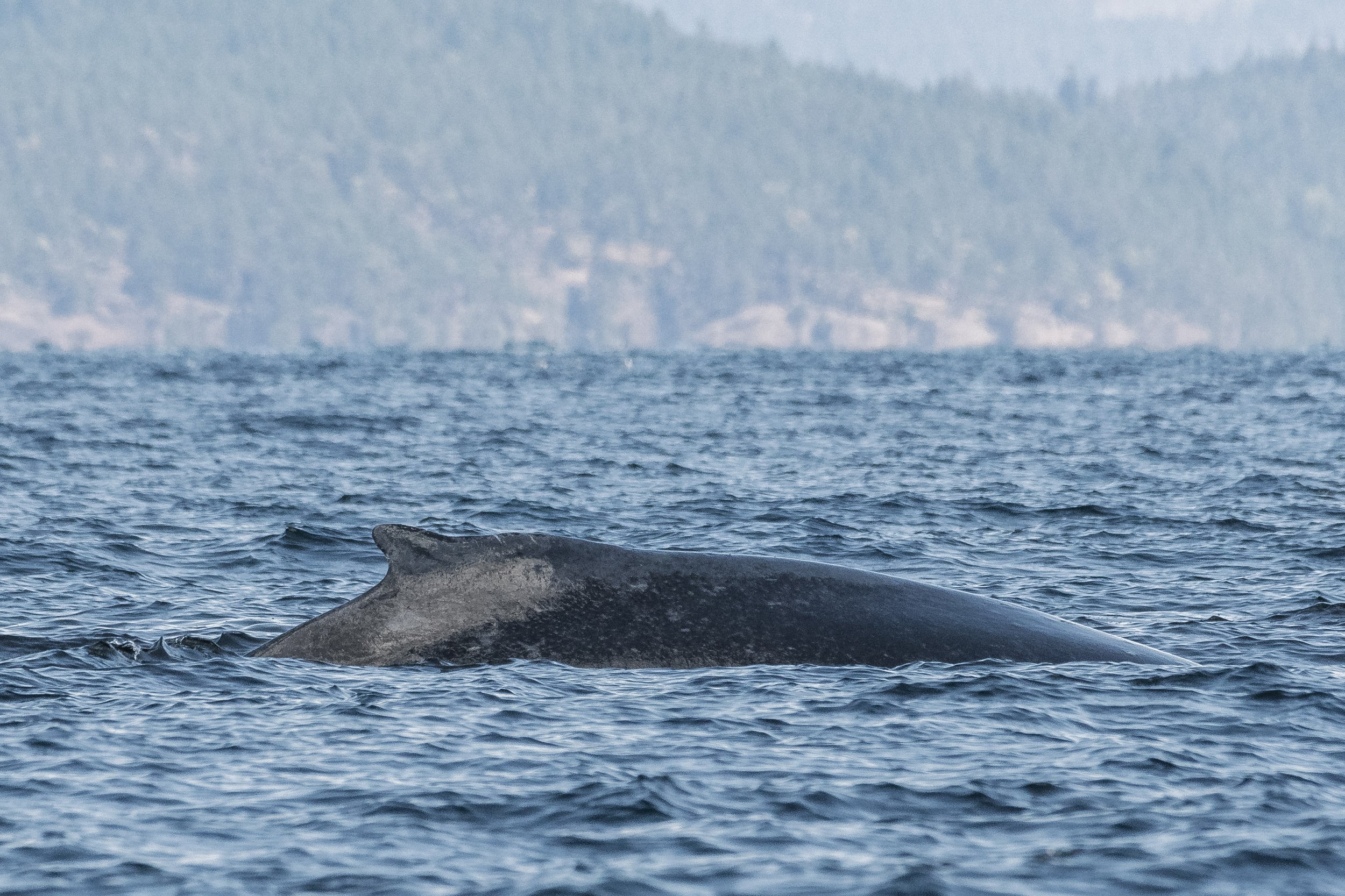
Wolf Eel’s dorsal. Photo by Evan Hessels.
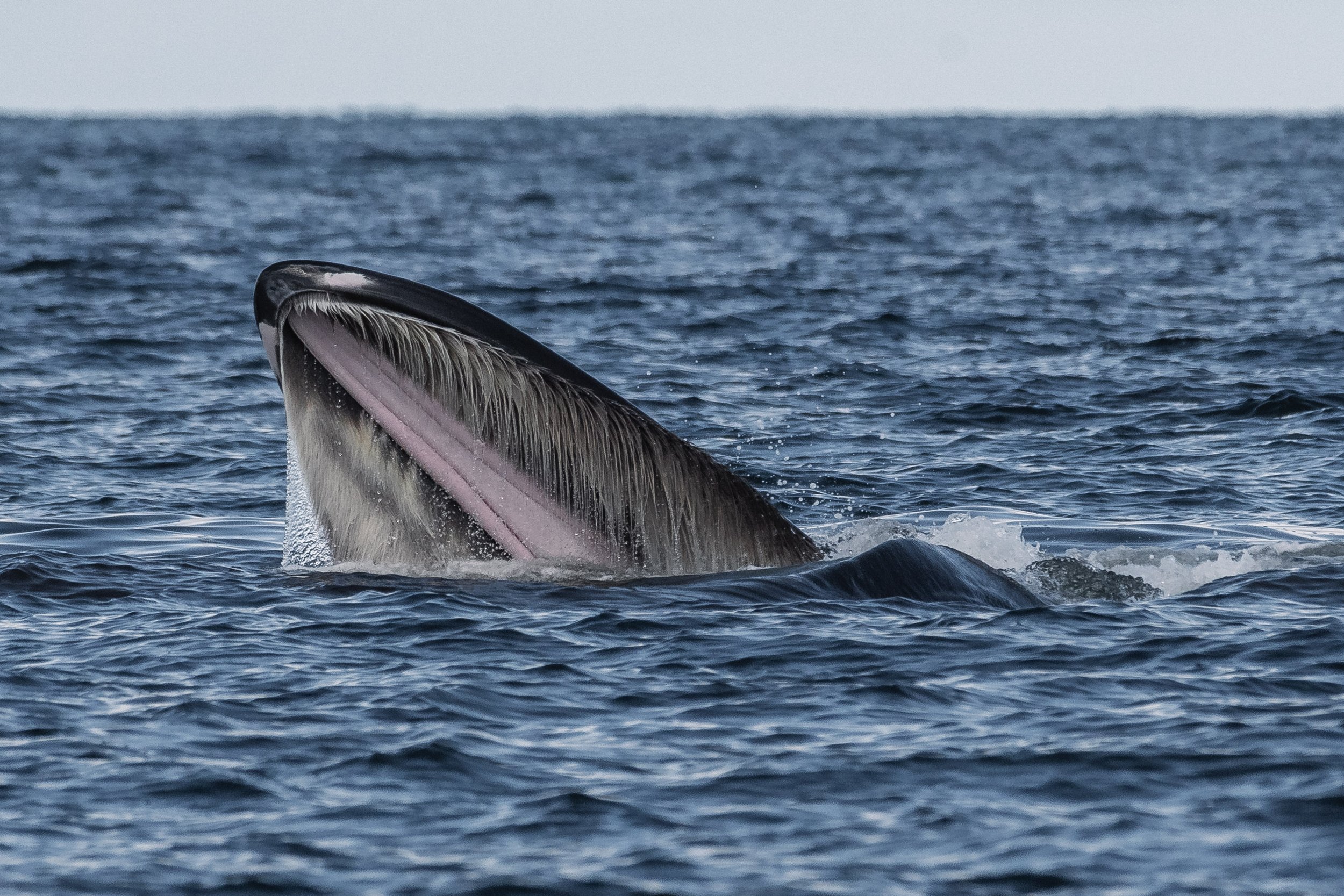
Getting a gigantic mouthful! Photo by Evan Hessels.
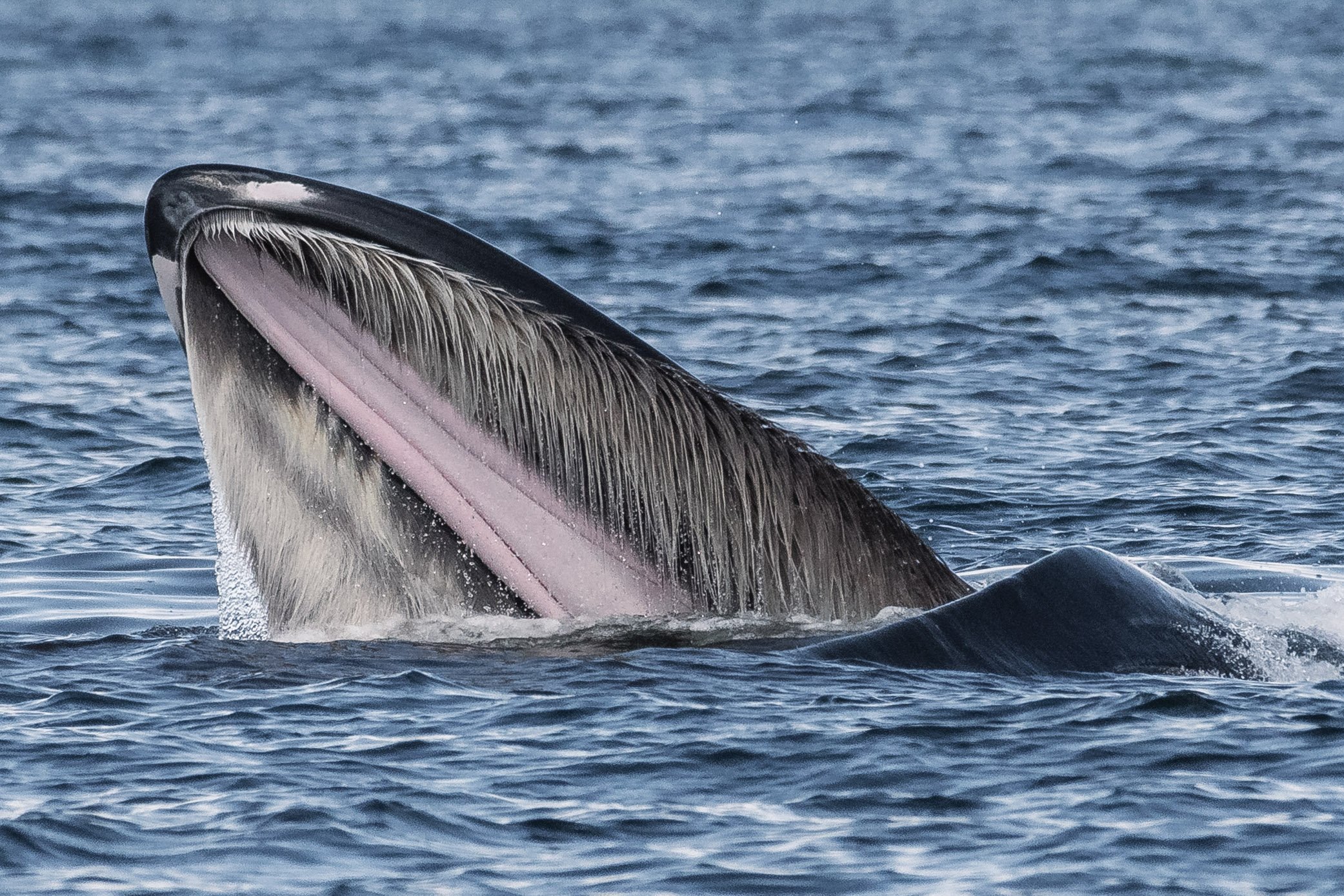
Open wide! Photo by Evan Hessels.
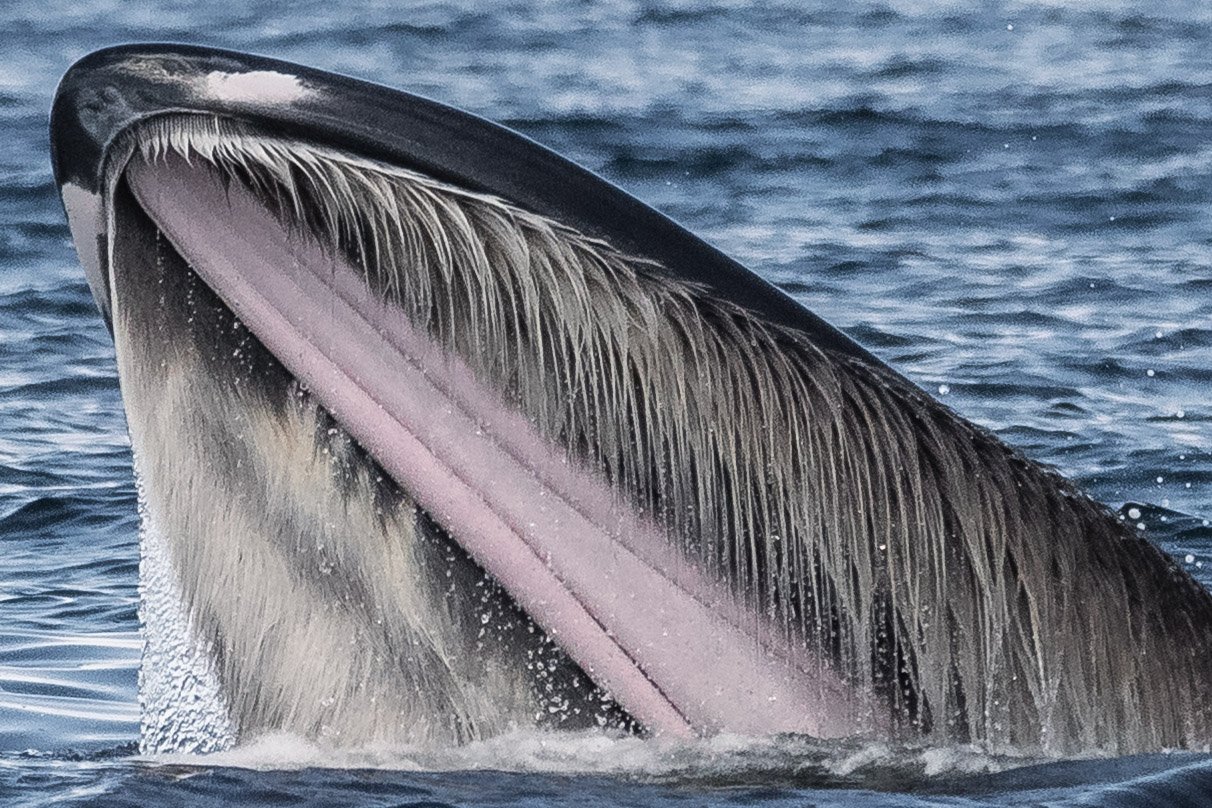
A great look at the baleen plates hanging from the top jaw. Photo by Evan Hessels.
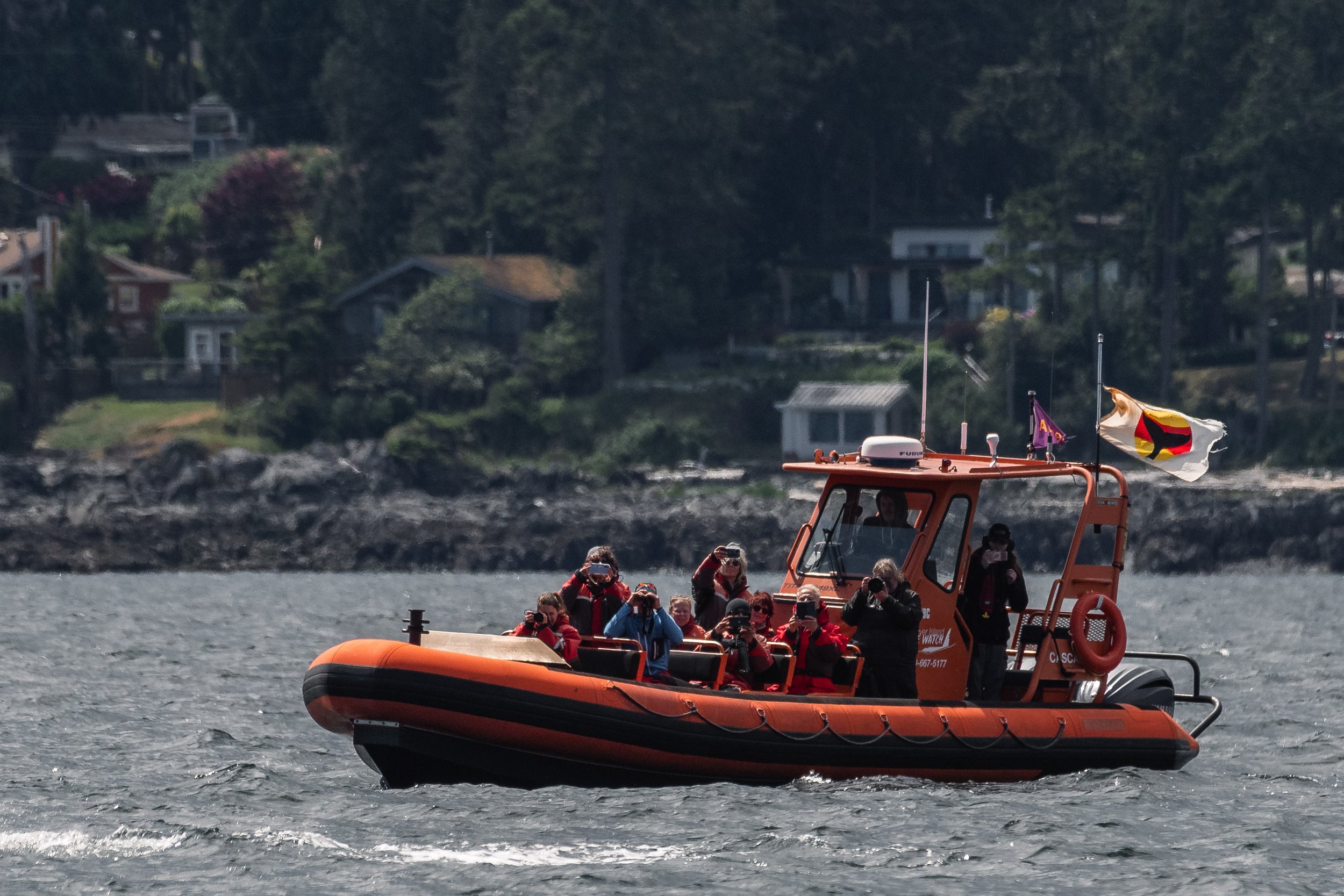
Guests on Cascadia watching whales. Photo by Evan Hessels.
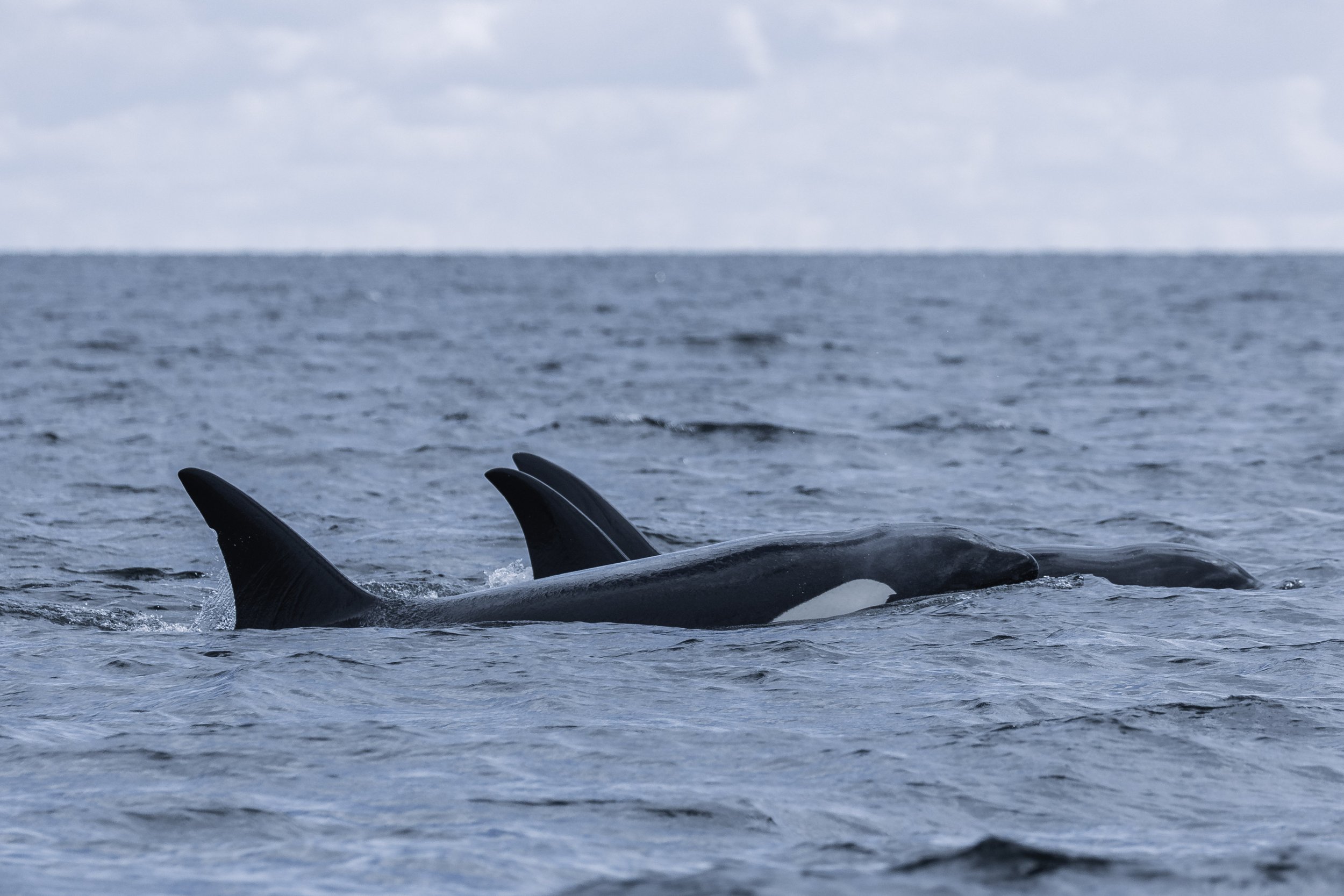
Quiver in the lead, Raksha in the middle and Akela behind. Photo by Vanessa Vereschahen.
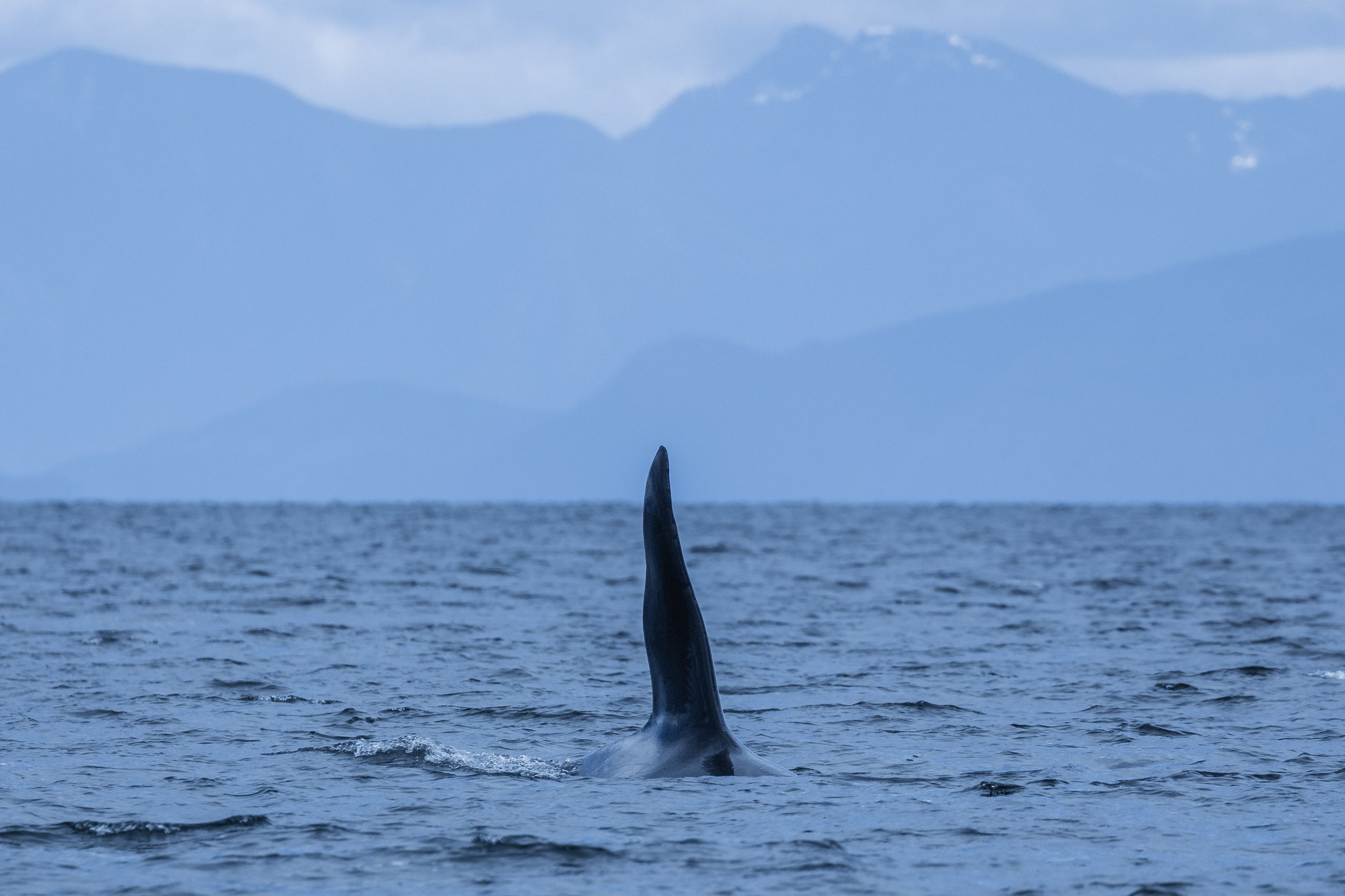
Rainy surfacing. Photo by Vanessa Vereschahen.
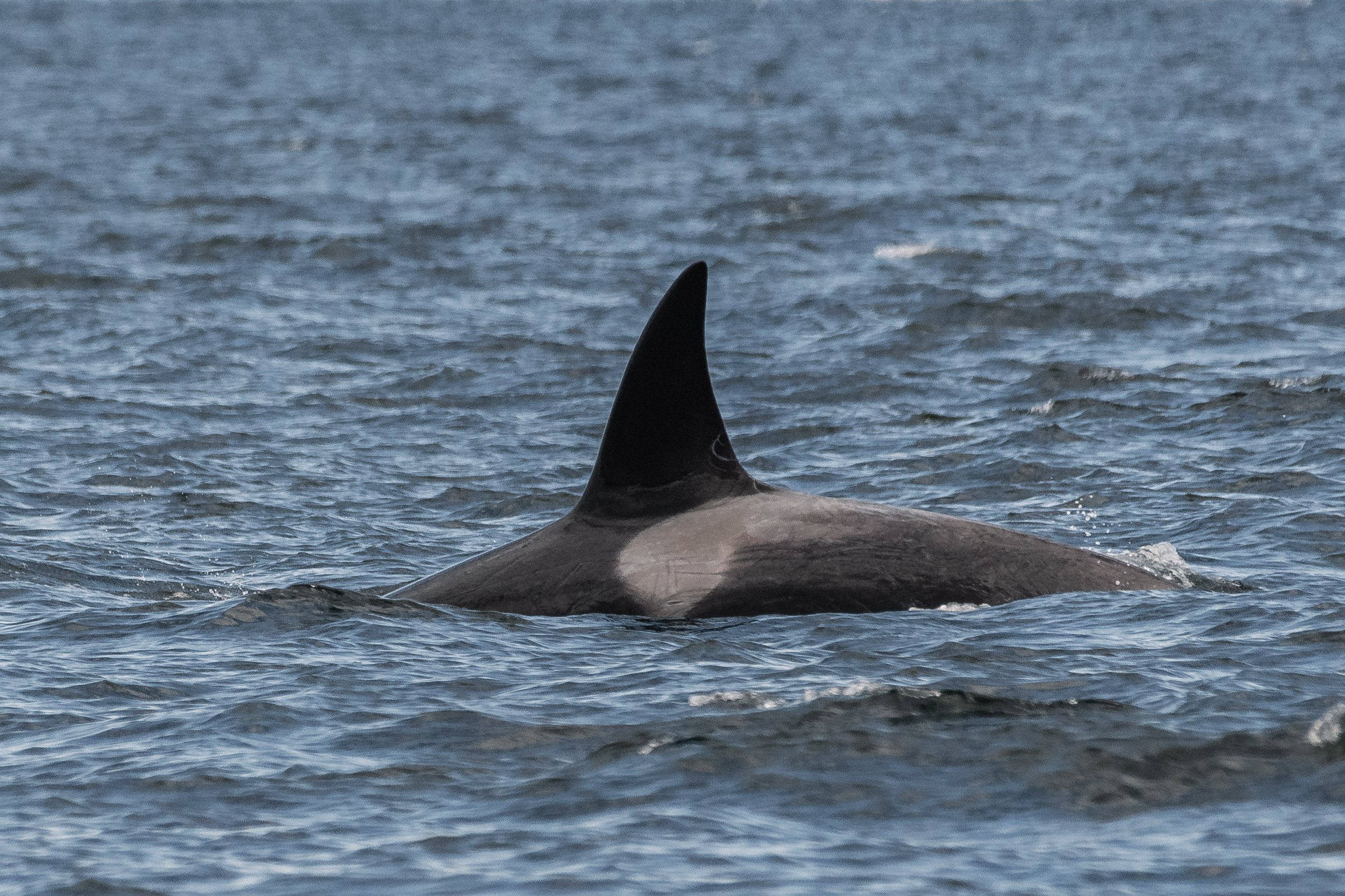
Quiver surfacing. Photo by Evan Hessels.
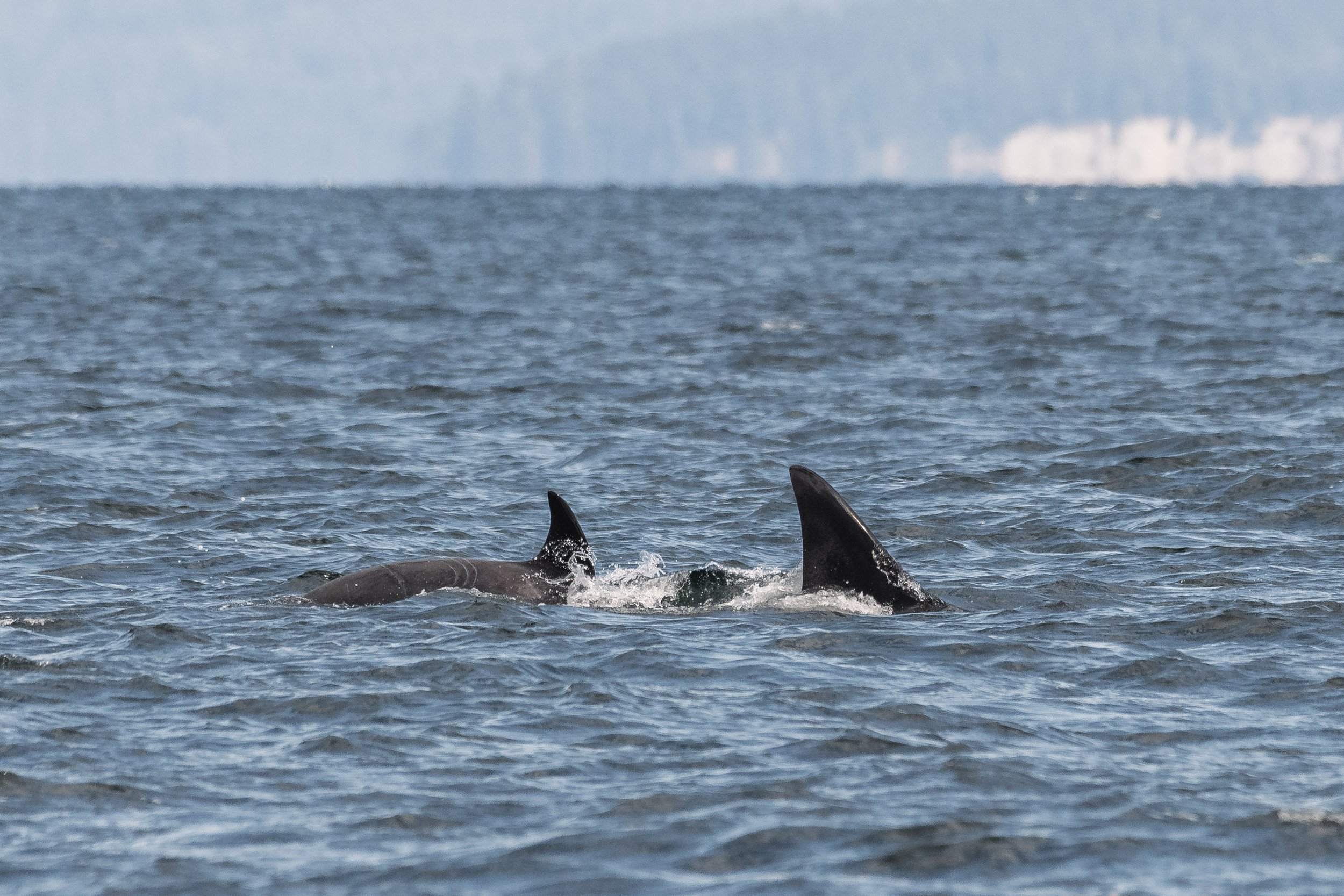
Sedna with Munro in tow. Photo by Evan Hessels.
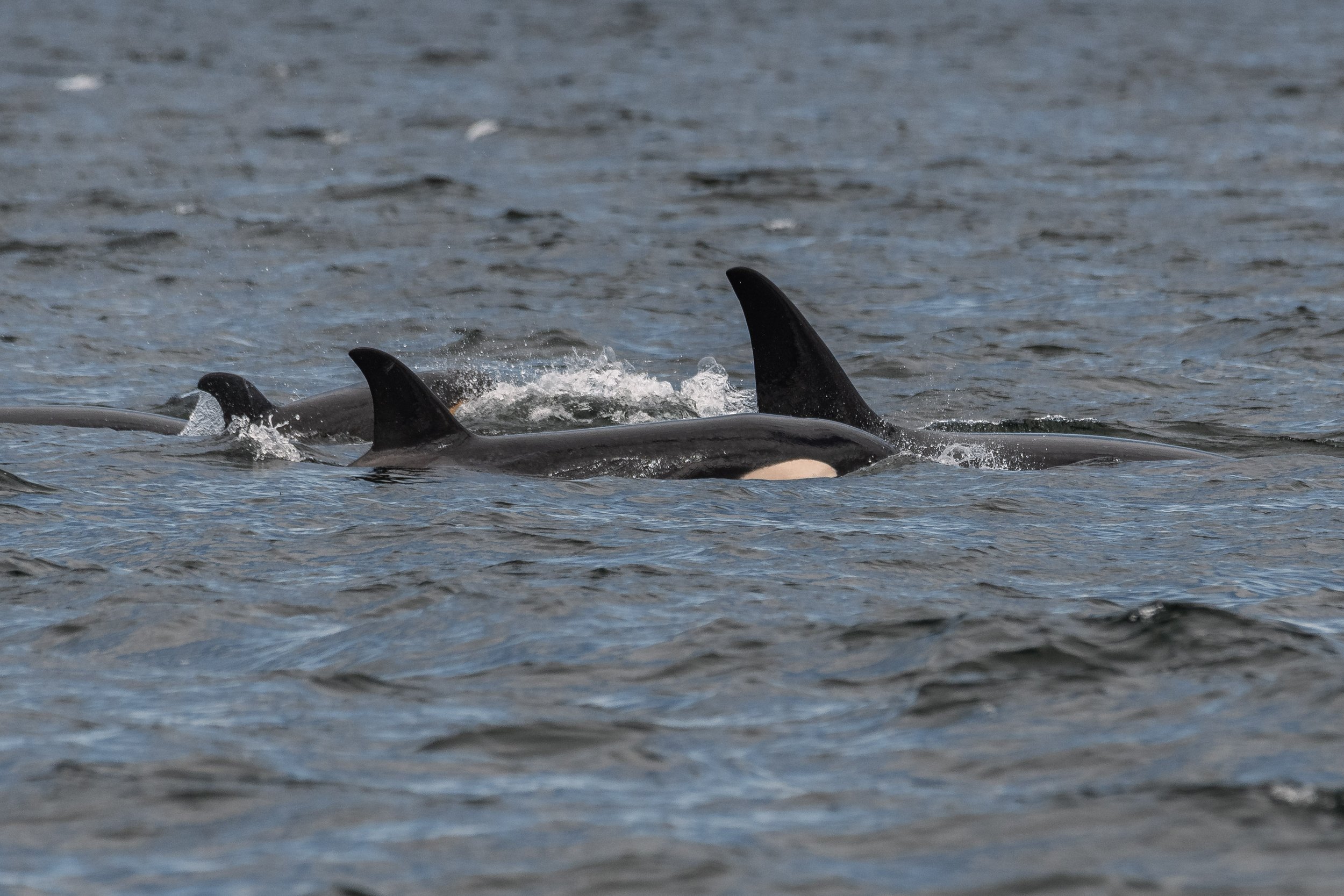
Racksha with Tala surfacing beside her and her youngest Pi behind. Photo by Evan Hessels.
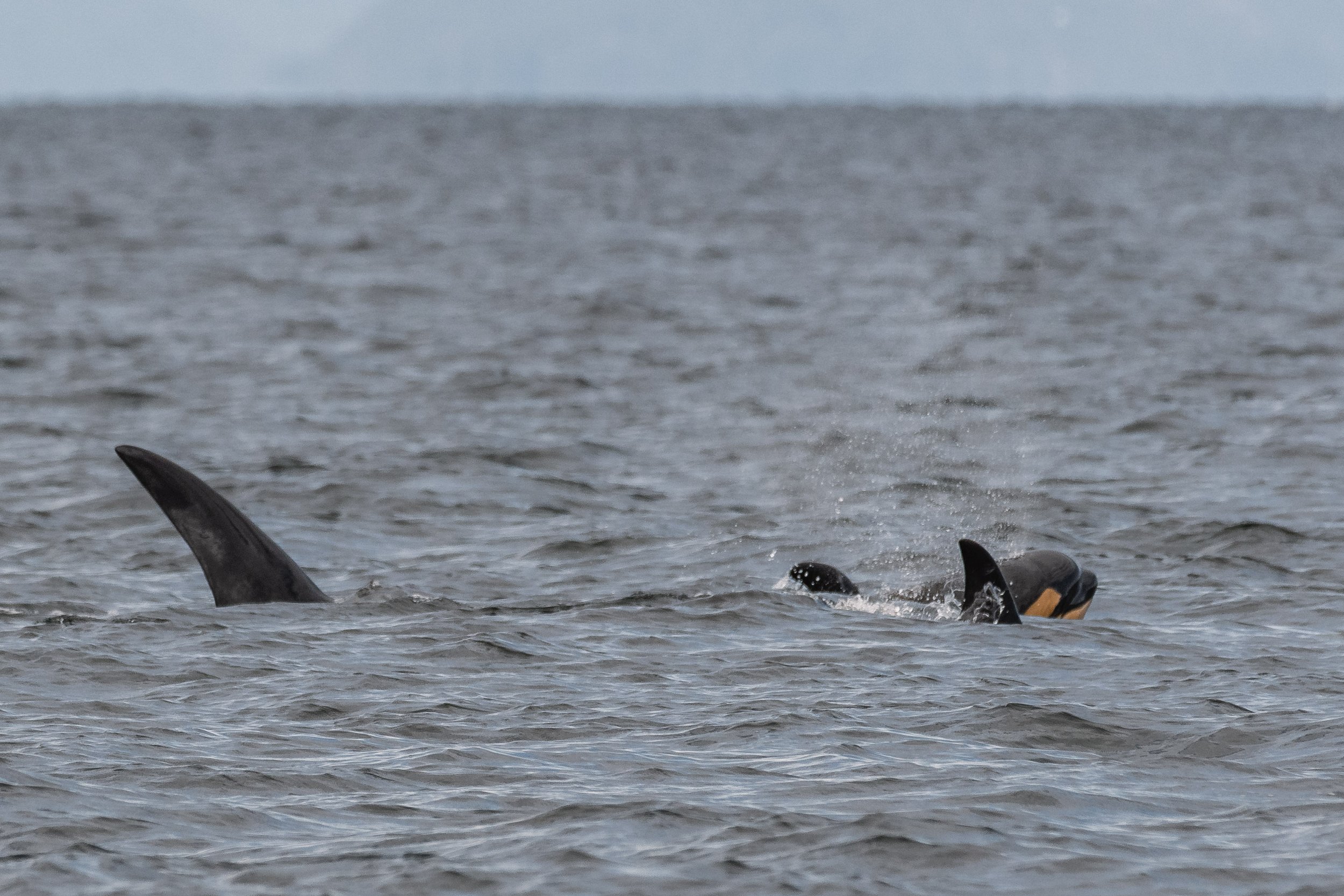
Look how orange Pi still is! Photo by Evan Hessels.
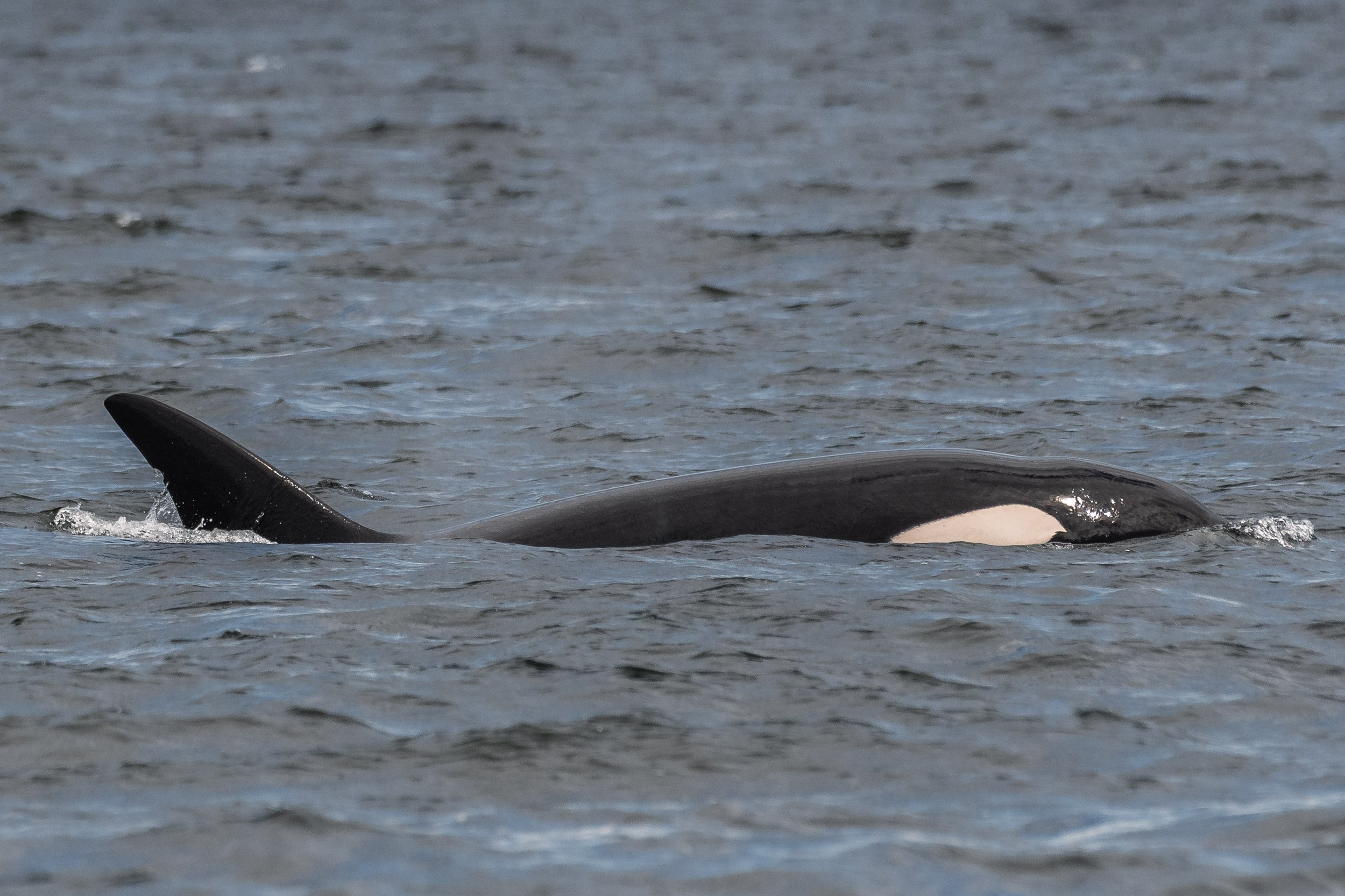
Akela showing off her eye patch. Photo by Evan Hessels.
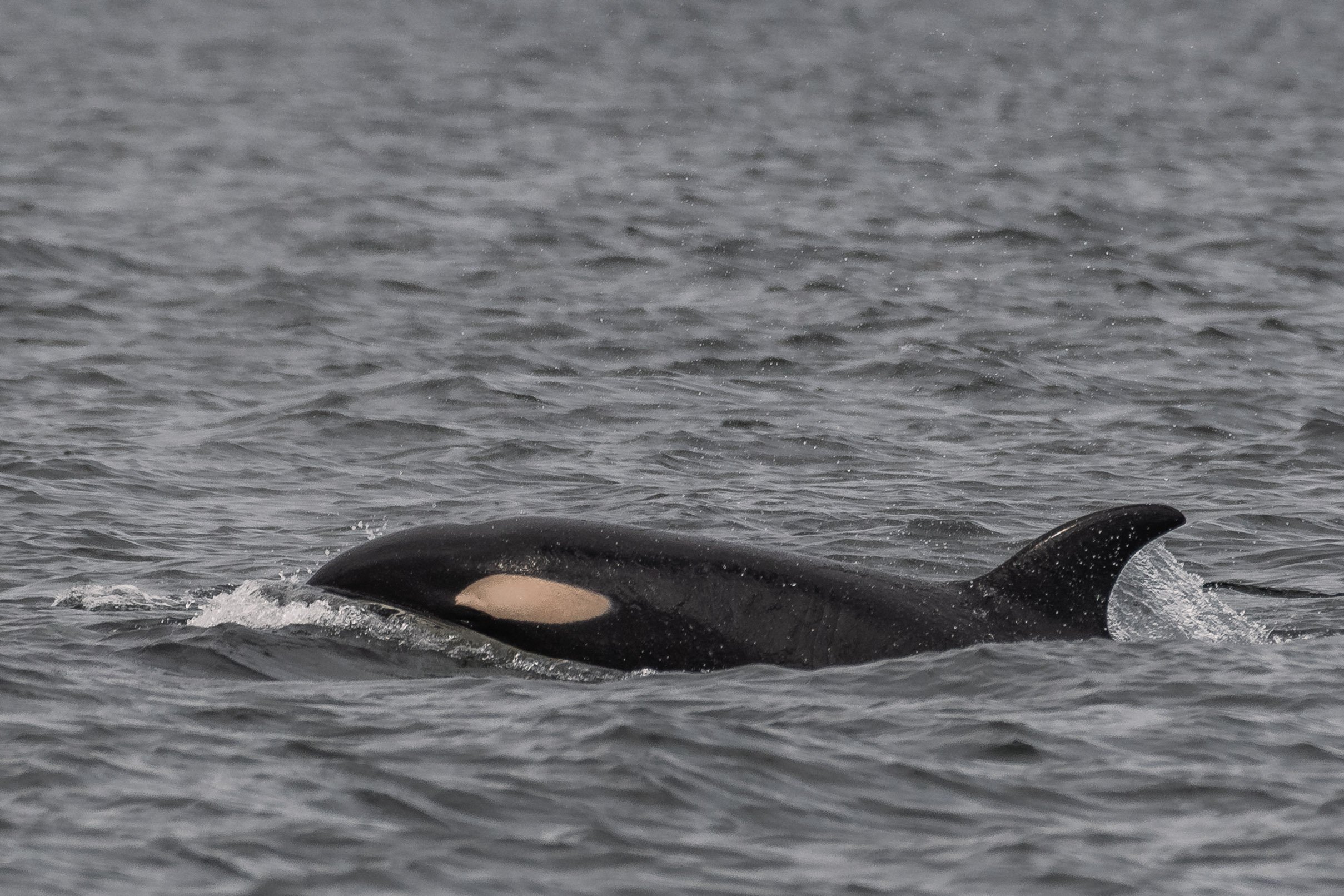
Takaya showing her eye patch, just like mom! Photo by Evan Hessels.
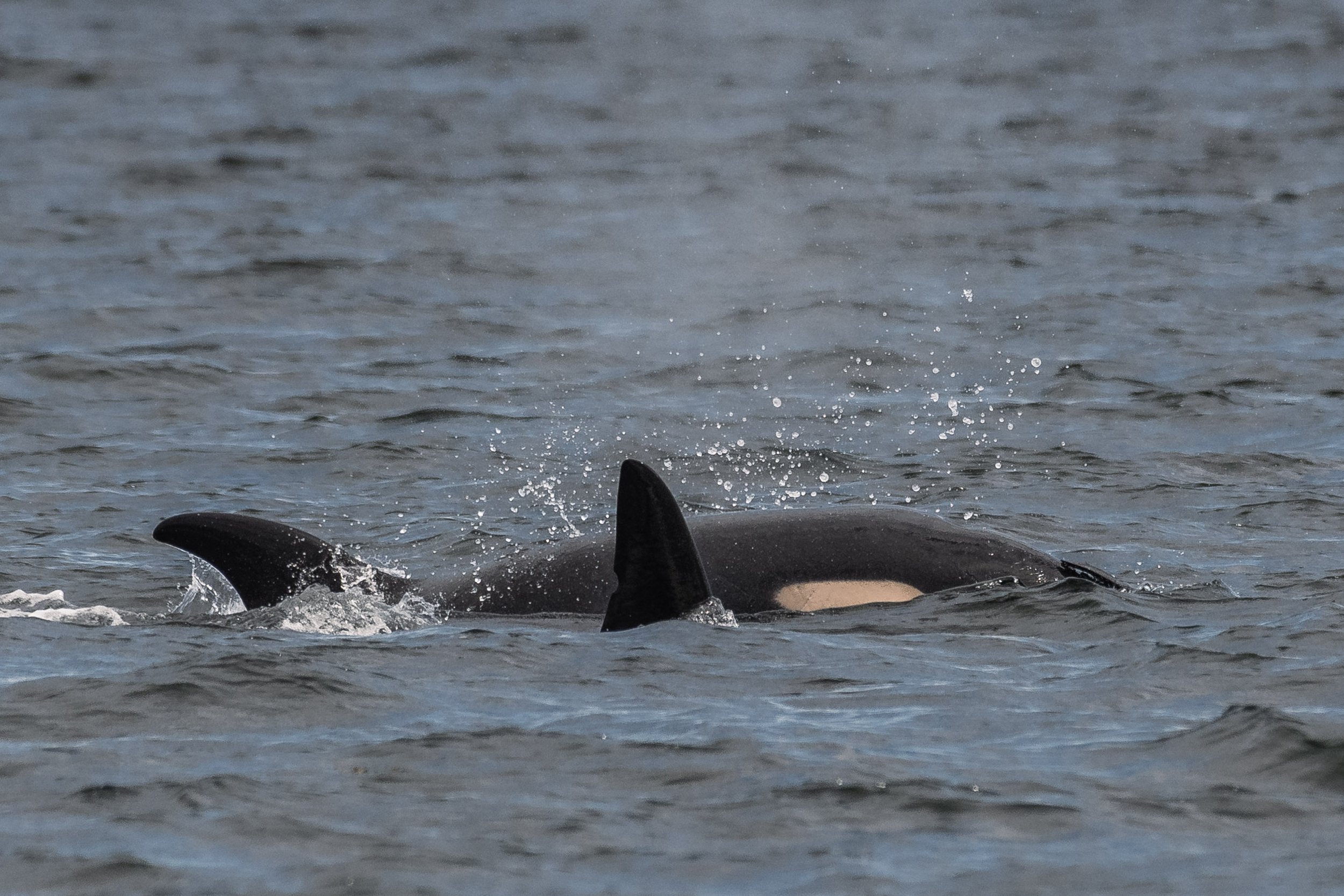
Akela with Takaya in tow. Photo by Evan Hessels.
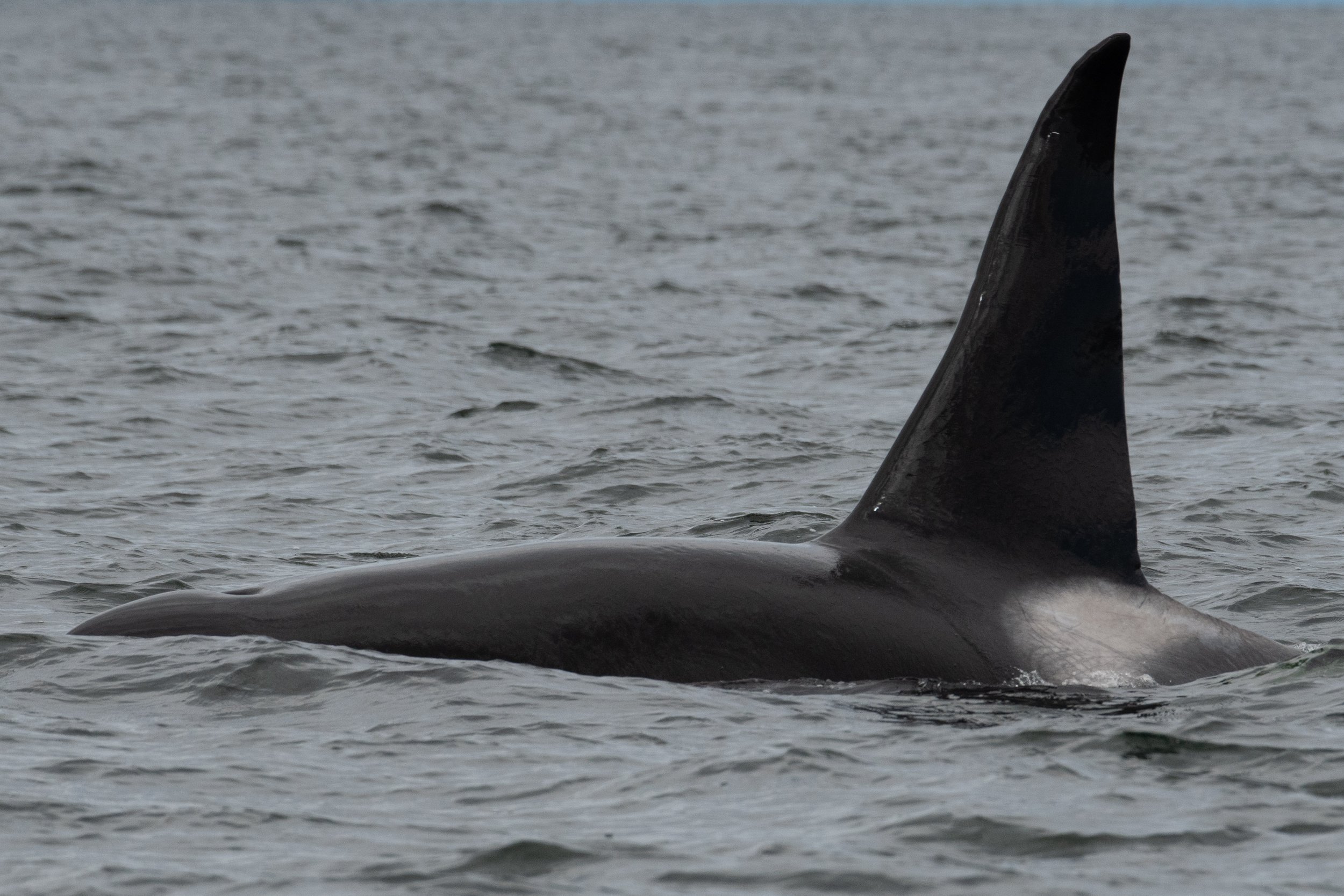
Rainy with his impressive dorsal fin. Photo by Evan Hessels.
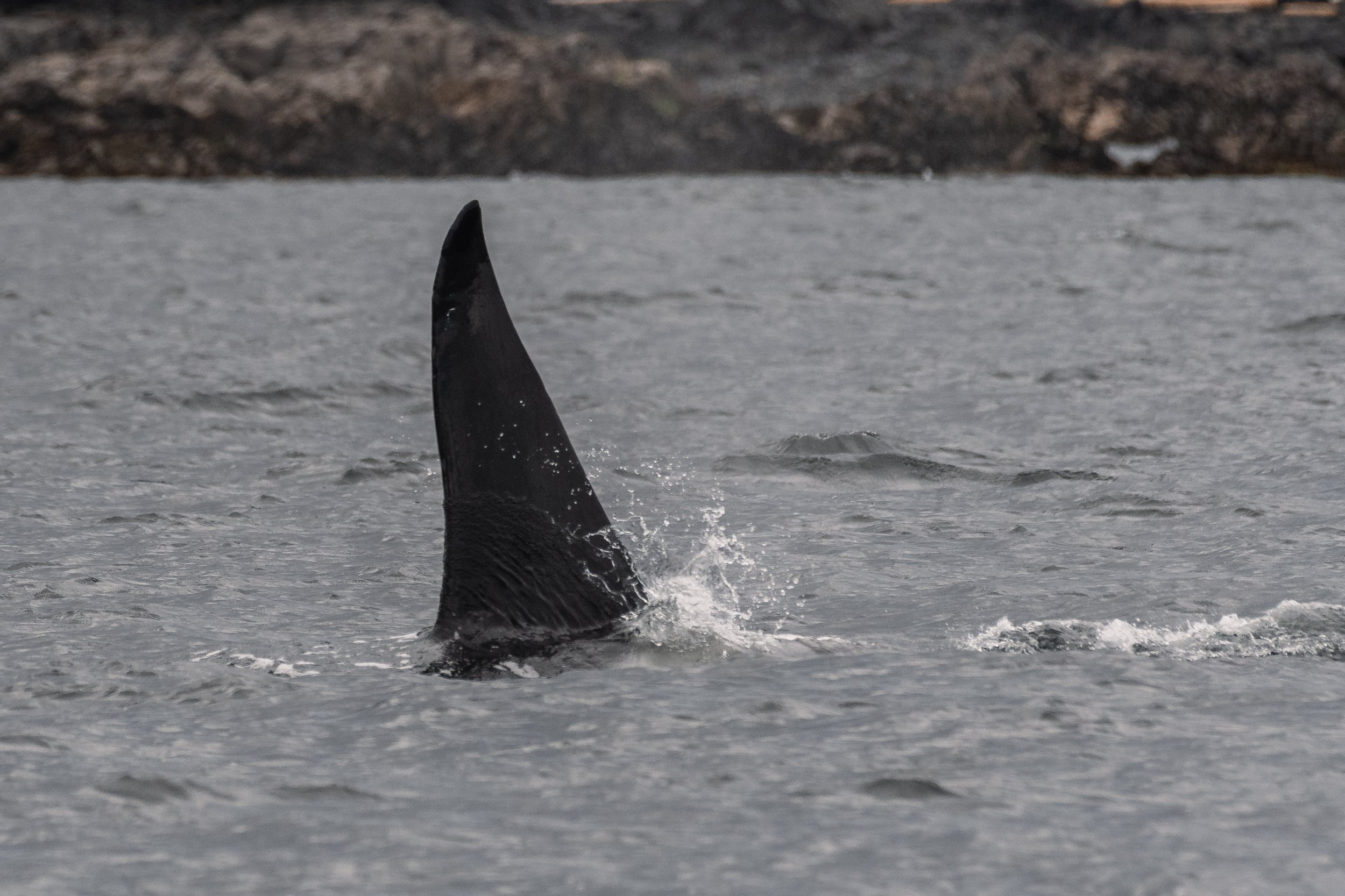
Rainy picking up speed. Photo by Evan Hessels.
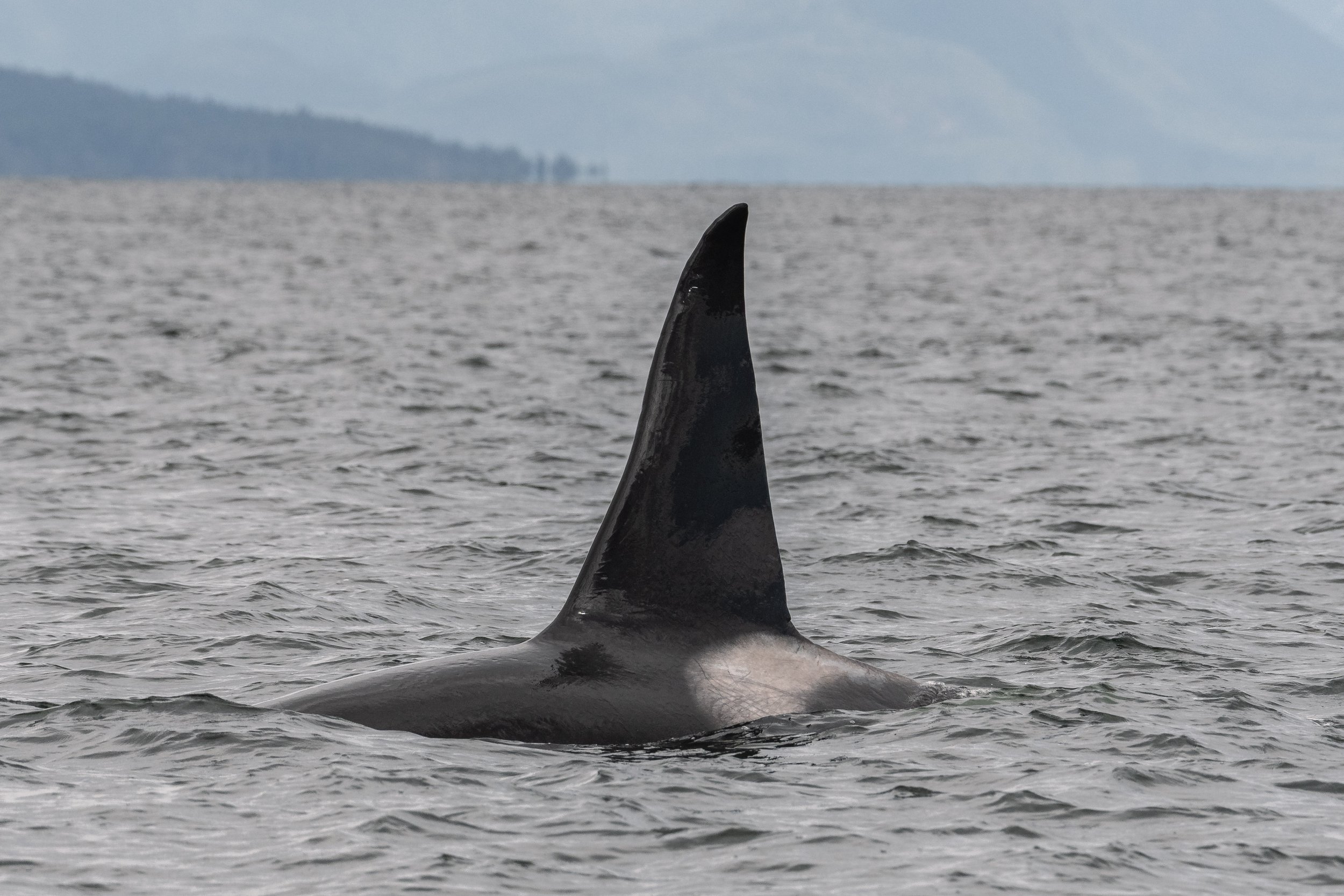
A good look at the scars on Rainy’s saddle patch. Photo by Evan Hessels.
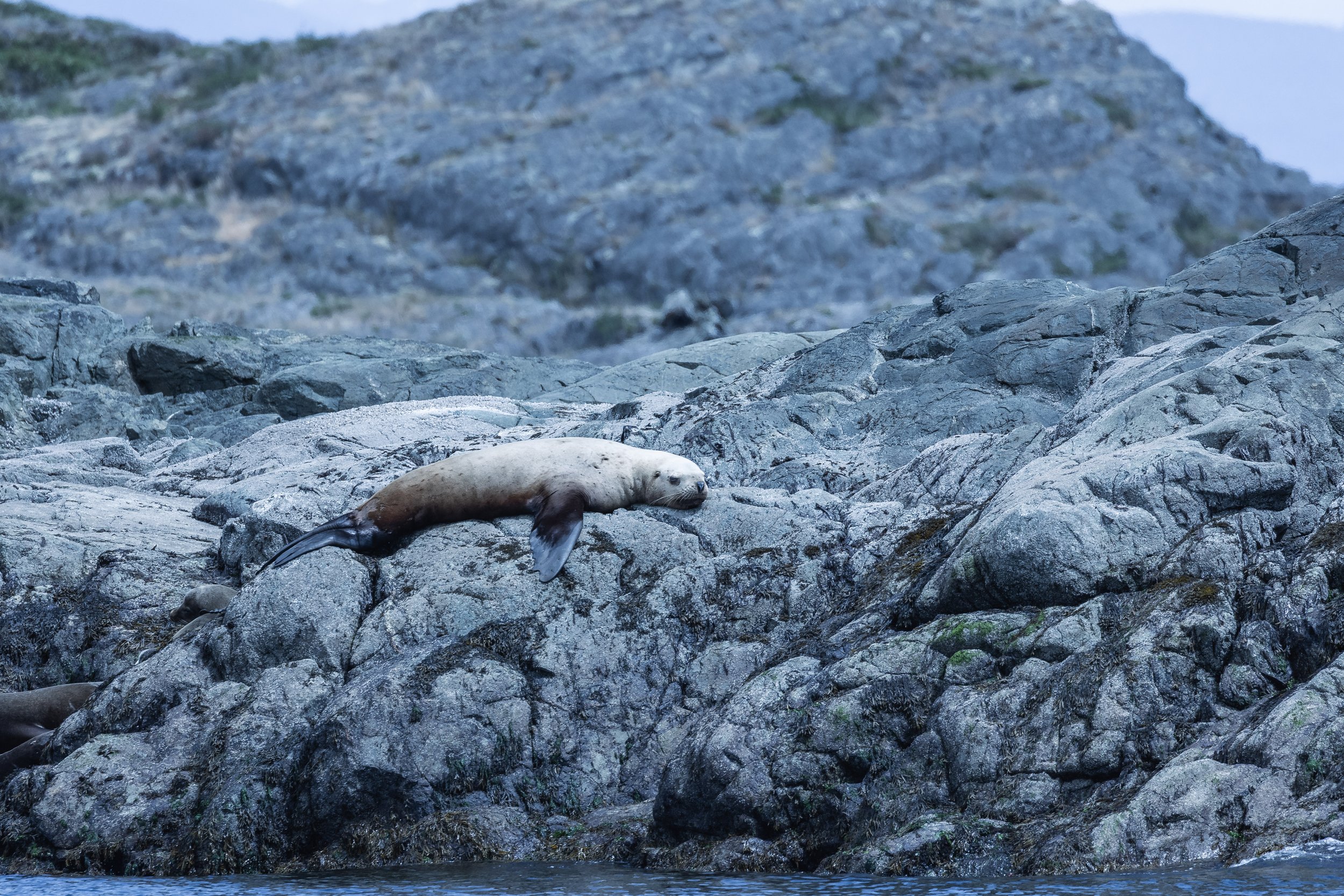
A snoozing Steller. Photo by Vanessa Vereschahen.
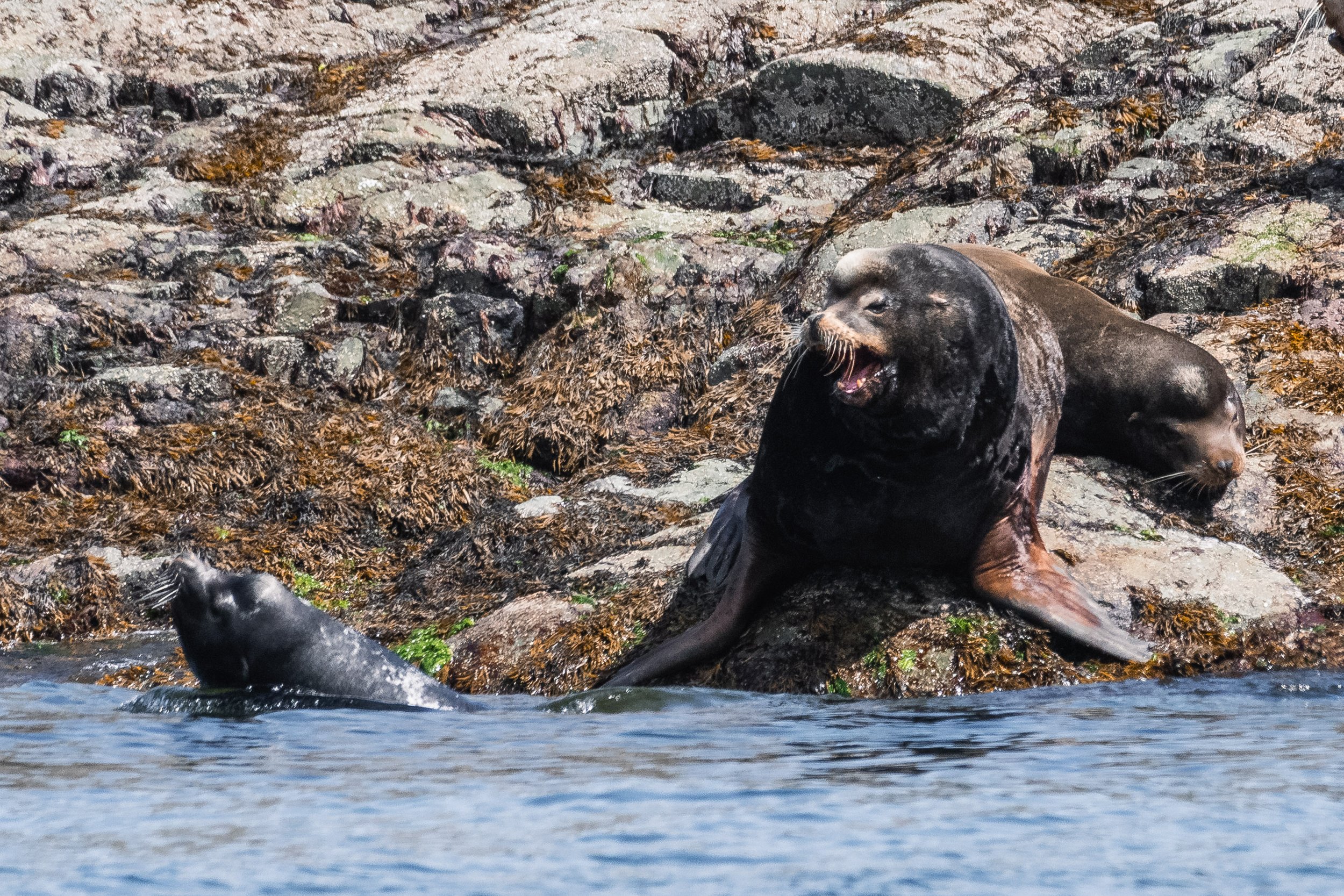
California Sea Lions fighting for the warmest rock! Photo by Evan Hessels.
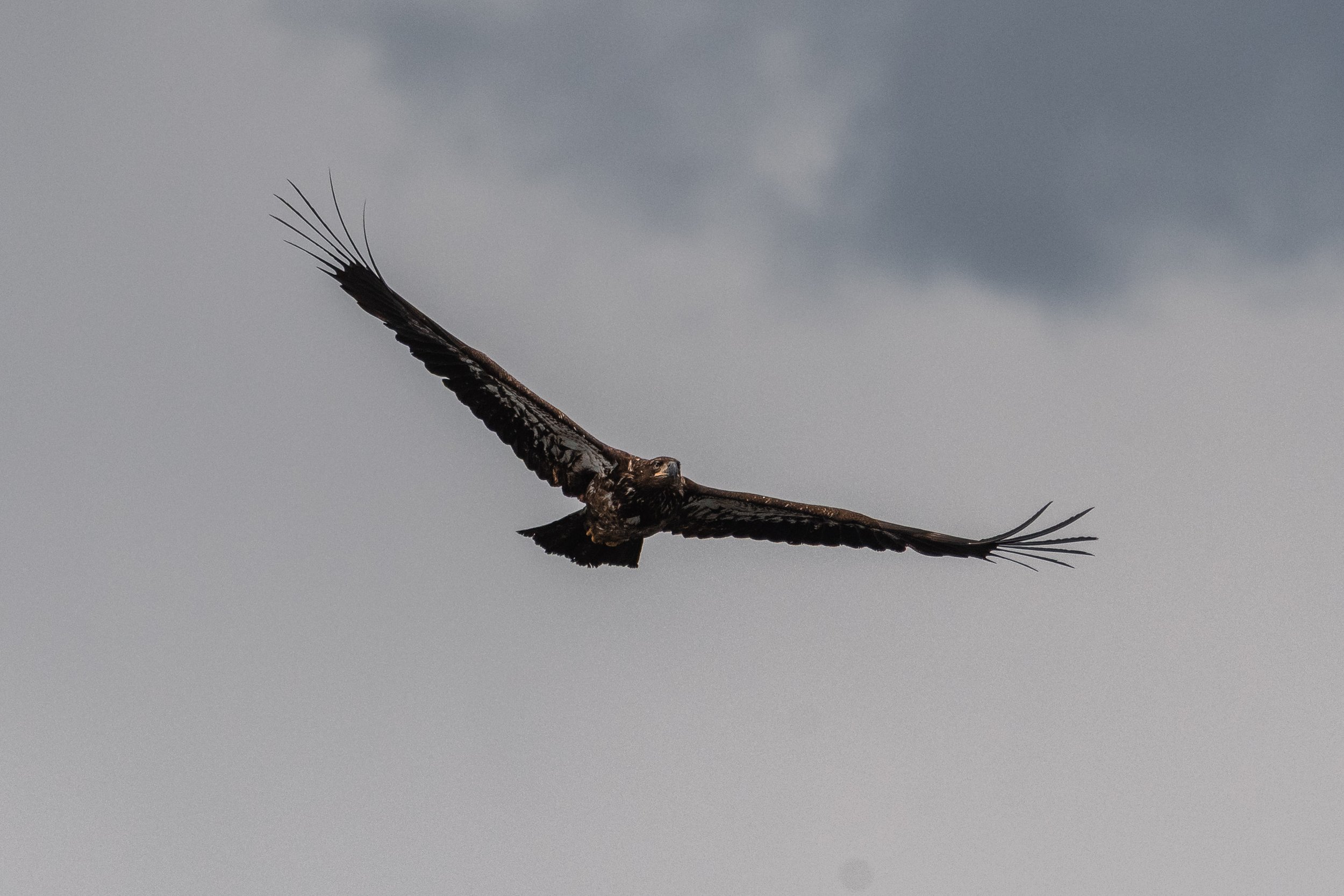
A young bald eagle soars overhead. Photo by Evan Hessels.
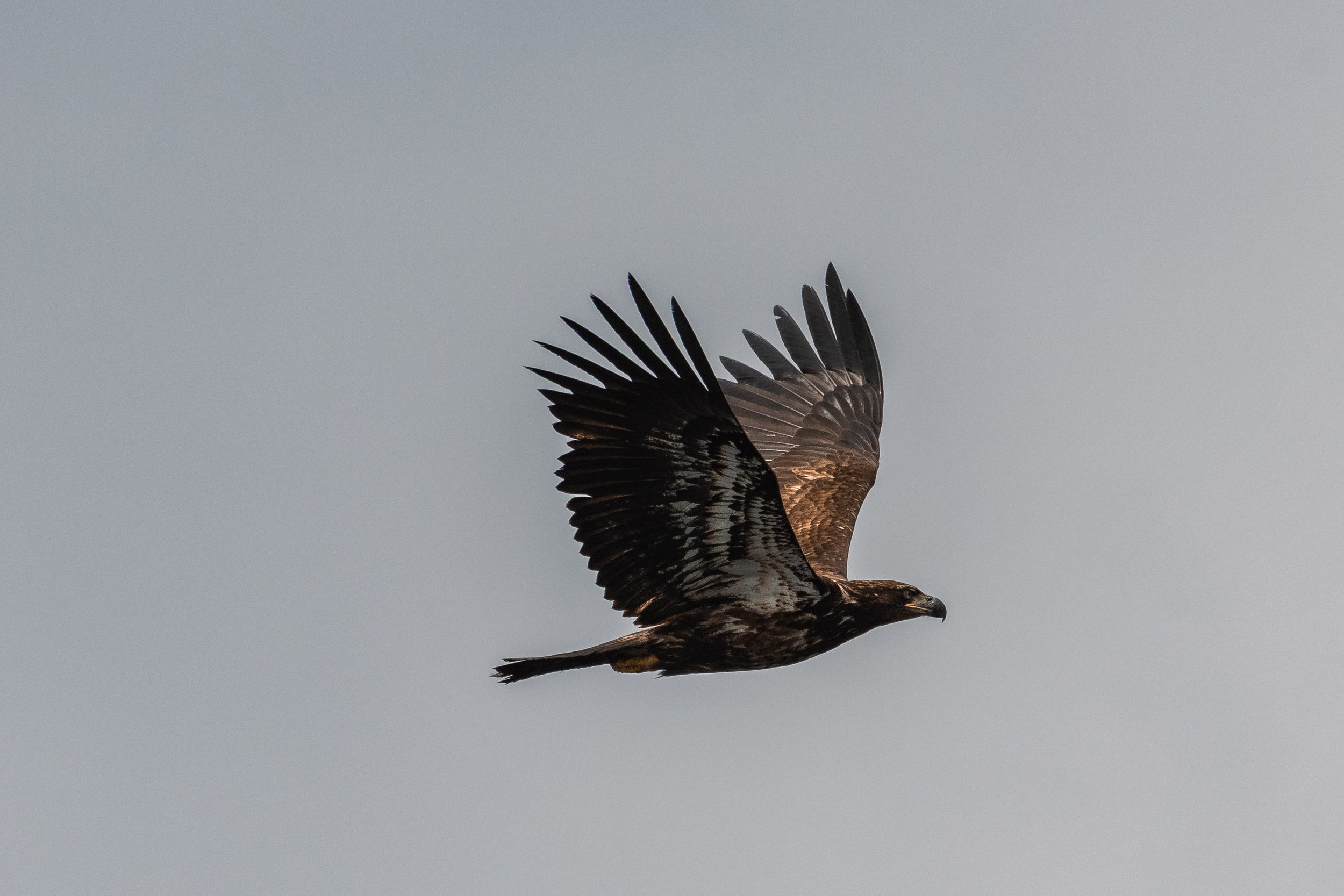
The sunlight hitting the wings just right! Photo by Evan Hessels.
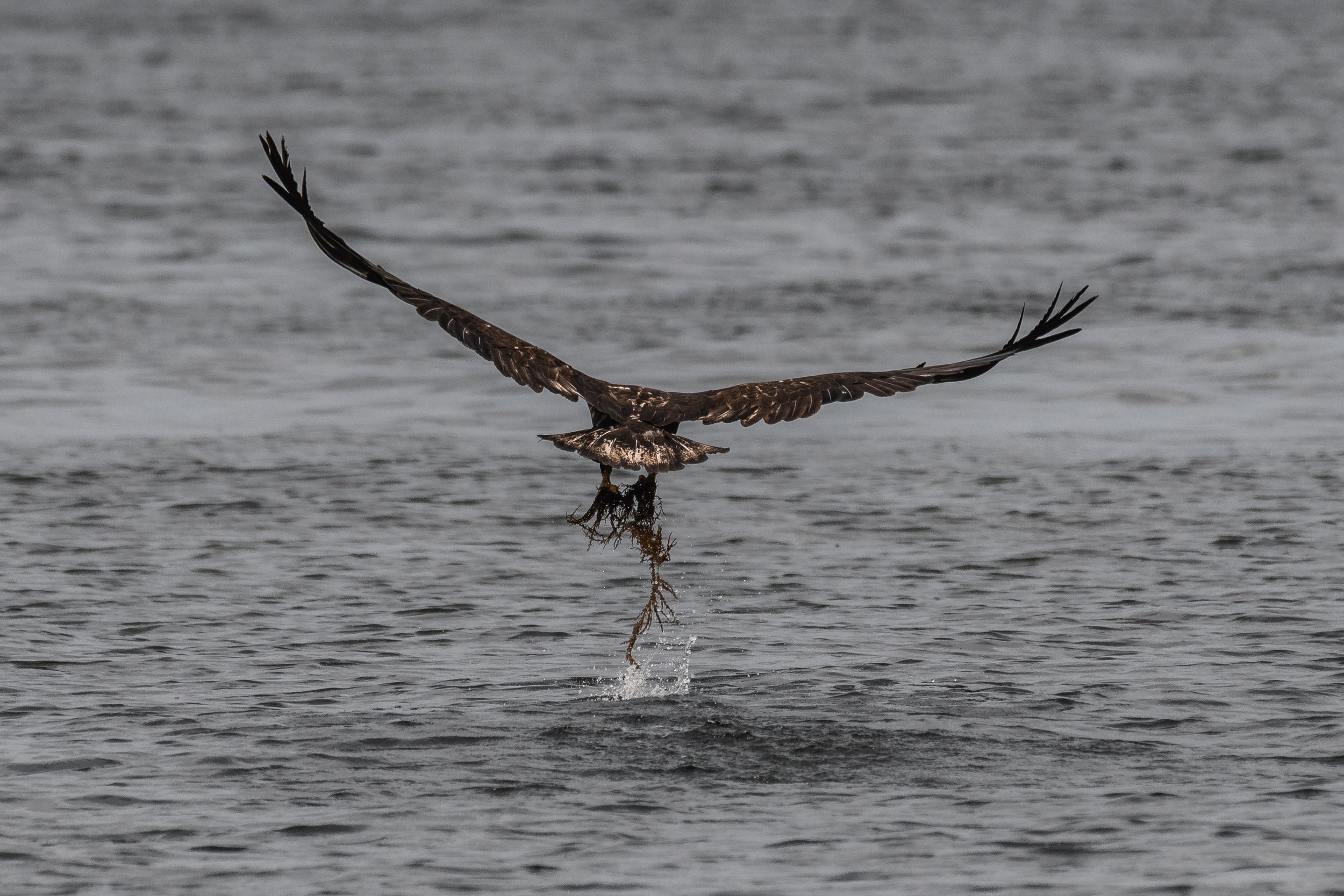
Missed the fish, or collecting nesting material? Photo by Evan Hessels.
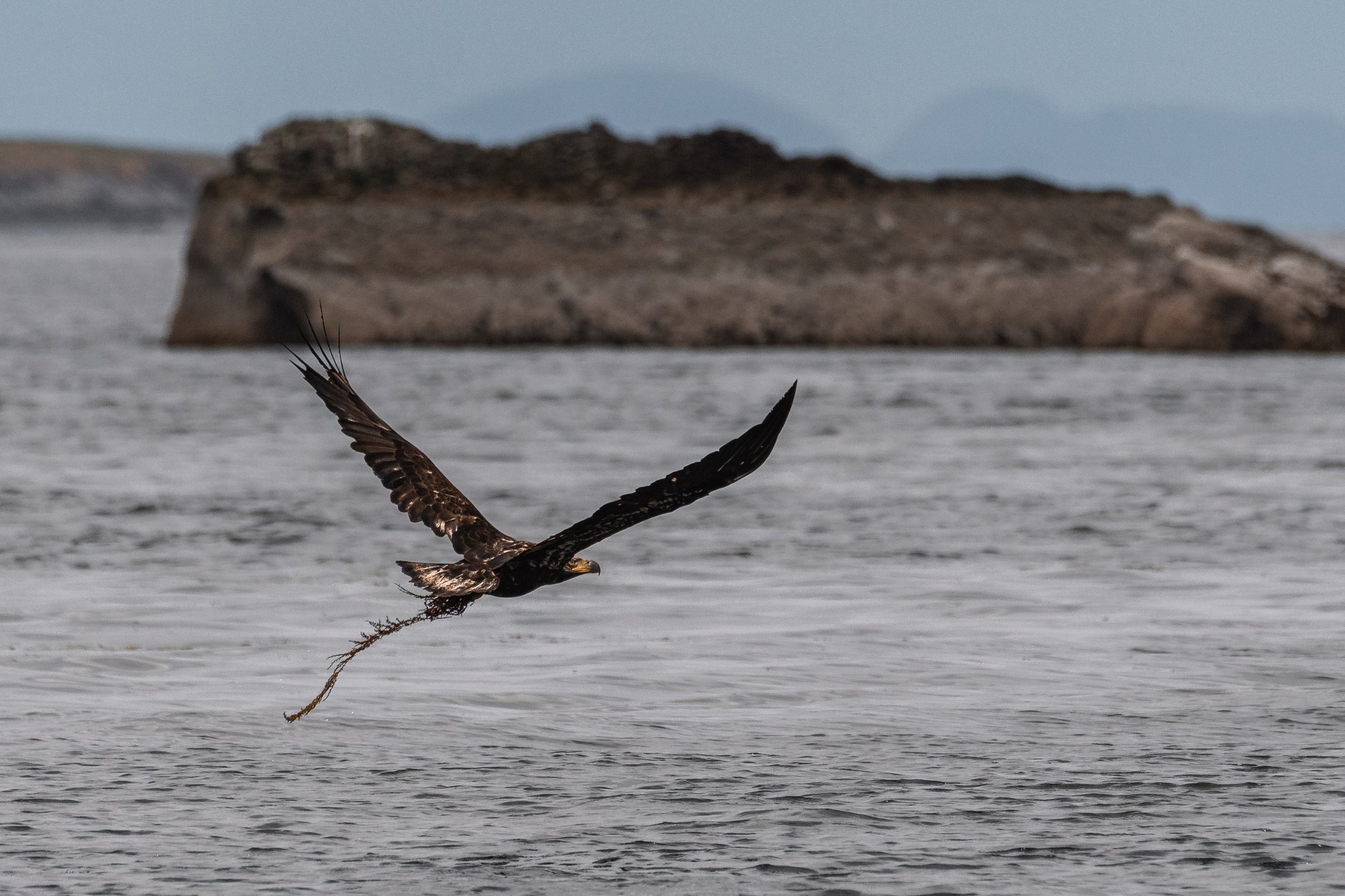
Seems to be taking it with them. Photo by Evan Hessels.
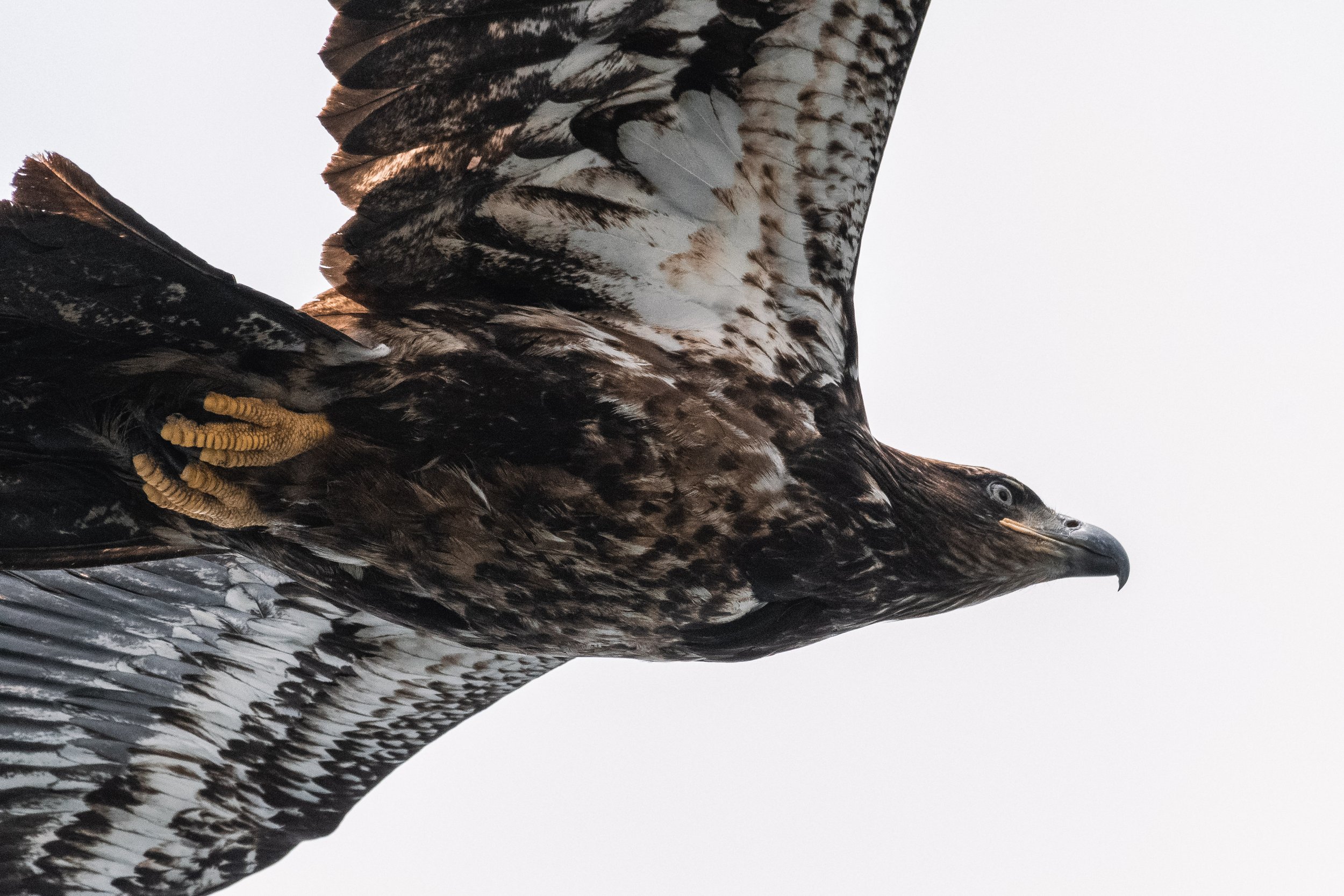
A close pass overhead from our bald eagle. Photo by Evan Hessels.
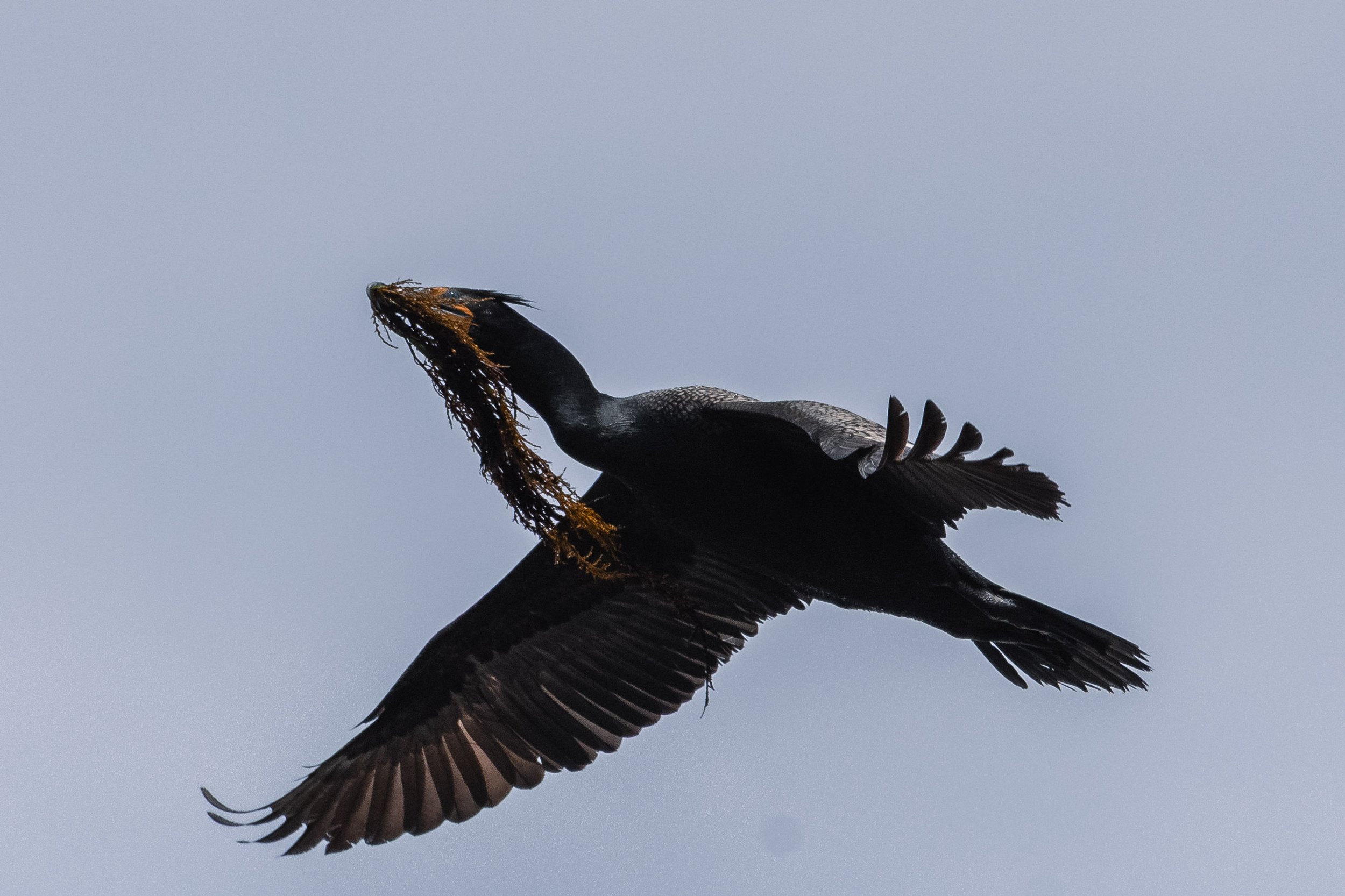
A cormorant with nesting material. Photo by Evan Hessels.
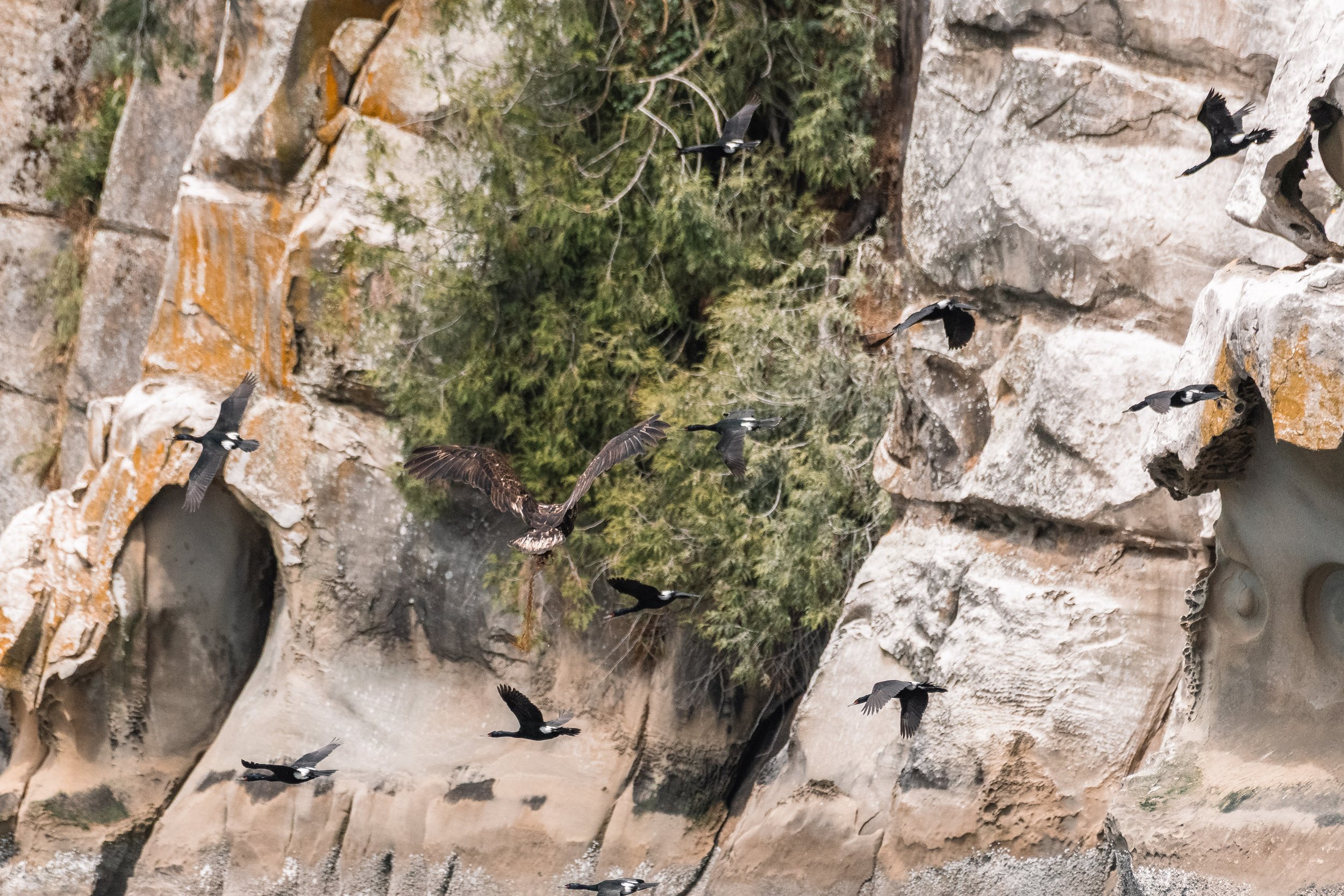
Can you spot the eagle more than likely about to raid the cormorant nests? Photo by Evan Hessels.