
May 12, 2026 - A shy humpback forages off Thrasher Rock
We were raring to go as the day began, with our full fleet out on the water today. Our two Zodiacs, Cascadia and Keta, and our semi-covered vessel, Kula, were boarded, and soon we were all off. With all three boats out, we split the fleet to maximize the area we could search.
With all eyes scanning the waters ahead, we carefully watched for any blows, flukes, or dorsal fins popping up above the surface. Many whales have been travelling around our waters lately, but they can travel great distances overnight, so we never know where they will be from day to day. After a bit of searching around the Strait of Georgia, we caught word of a sighting near Thrasher Rock, just east of Gabriola Island. We cruised along, and soon found what we were looking for - a Humpback whale travelling along, its sleek dark back visible above the waterline.
The onboard Naturalists began photographing the whale to determine its identity. Generally, we use the underside of their flukes (or tail) to tell who’s who, but this whale was being very tail shy, never once lifting its flukes into the air while we were on scene. This was not a deterrent, though, as their dorsal fin (the fin on top of their back) had a unique shape and a bump. After comparing their dorsal fin to our ID catalogues, it was determined that this was Crackle (BCY1227) - the 2019 calf of Graze (BCY0523)!
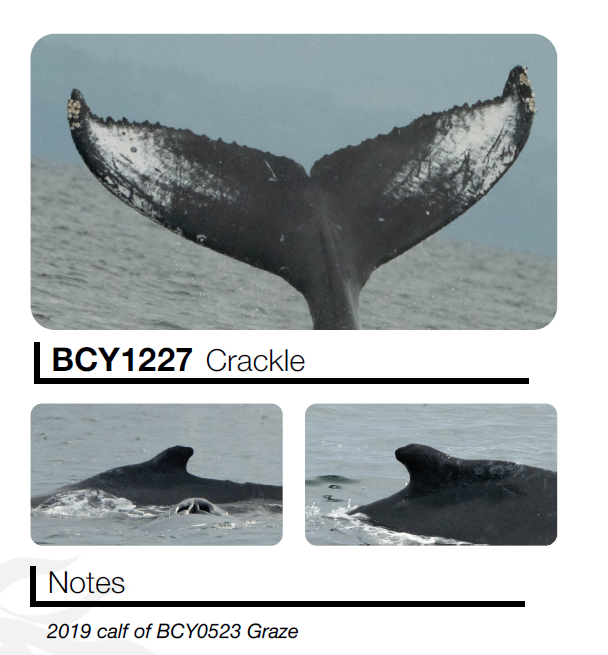
ID entry: Humpback Whales of Southern British Columbia: The Salish Sea Catalogue by Keta Coastal Conservation
It was noted that many of the cuts and scrapes visible on Crackle’s sides today were not present in their ID photos. Sadly, it is likely that Crackle became entangled at some point over the winter, resulting in these new scars over their dorsal ridge and flanks. Thankfully, they survived, and it appears that they were able to disentangle themselves, but the scars remain as a reminder of the ordeal.
Crackle was acting like a typical early-season humpback as we observed them - diving relatively deep, with occasional short surfaces before repeating this behaviour. At the start of the year, our humpbacks are busy feeding as much as they can to build their weight back up from their long migration to either Mexico or Hawaii. Thanks to Happywhale, Crackle has been cross-referenced to the Hawaiian breeding grounds. Crackle’s 3 known siblings, as well as their mother, Graze, have all been cross-referenced to the same breeding grounds as well. This is likely due to a behaviour known as Site Fidelity, the act of returning yearly to areas their mothers originally taught them about. For humpbacks, this generally means returning to both the breeding grounds and feeding grounds their mothers took them to. Interestingly, we have already seen Graze this year, on April 21st near Howe Sound, further solidifying the importance of site fidelity!
Once we had spent some time with Crackle, our fleet departed, heading off in different directions and once more searching the waters for more potential wildlife encounters. We scanned and scanned until each vessel stopped to view a different kind of wildlife - Sea Lions!
There are many different places along our coastline where you can spot sea lions, from natural rocky shorelines to different manmade structures. Lately, our Steller Sea Lions have been enjoying relaxing in a couple of different areas, including the shores of Entrance Island, a rocky haulout known as Stinky Rocks, a group of tiny islands known as the White Islets, and on a big yellow buoy known as an ODAS buoy. Each area has its own advantages and disadvantages, and it is always interesting to see where individuals end up. While a buoy may seem like a bit of an odd choice for a sea lion haulout area, there is one big advantage they have - no matter the tides, these markers will still be above the water, leading to a safe resting area at all times. Natural haul-out sites tend to ‘grow’ and ‘shrink’ with low and high tide, and some haul-outs can become fully submerged during very high tides. This can cause sea lions to become increasingly territorial as their resting spots become smaller, which can be detrimental to smaller individuals who may not be able to fight back.
Sea lions are naturally rambunctious creatures, and it is common for us to spot them grumbling at each other as we observe them. At the White Islets, one small individual was spotted jumping headfirst into the waters below, making quite the splash as they landed! At Entrance Island, they were significantly less splashy, but they could still be seen belching away as they dramatically draped themselves over each other.
Over in Northumberland Channel, a different type of sea lion was spotted, snoozing the days away while perched atop log booms tied up outside the Harmac pulp mill. These were California Sea Lions, a smaller species that is spotted a bit less often in our area. We took a quick peek at them, snapping a few photos, before heading on out once more for our final stop of the day.
We cruised over to Gabriola Island, and soon were greeted by a towering rocky wall, covered in orange and white patches. This was the Gabriola Bluffs, a hugely biodiverse area home to many different species. Small black birds could be seen soaring overhead and clinging to the rock face. These were Cormorants, a type of bird that hunts in a very unique way. Plunging into the cold waters below the Bluffs, they paddle with their wings, diving down over 100 ft to catch fish for themselves and their chicks.
After admiring the bluffs, we continued on. With Nanaimo just a few minutes away, we turned one final time, cruising back into the harbour, concluding another great time out on the water.
Please enjoy these photos taken by Marine Naturalists Hayleigh Hillbert, Jordan Robinson, and Aly Kohlman, showcasing the many species we can find while out exploring the Salish Sea!
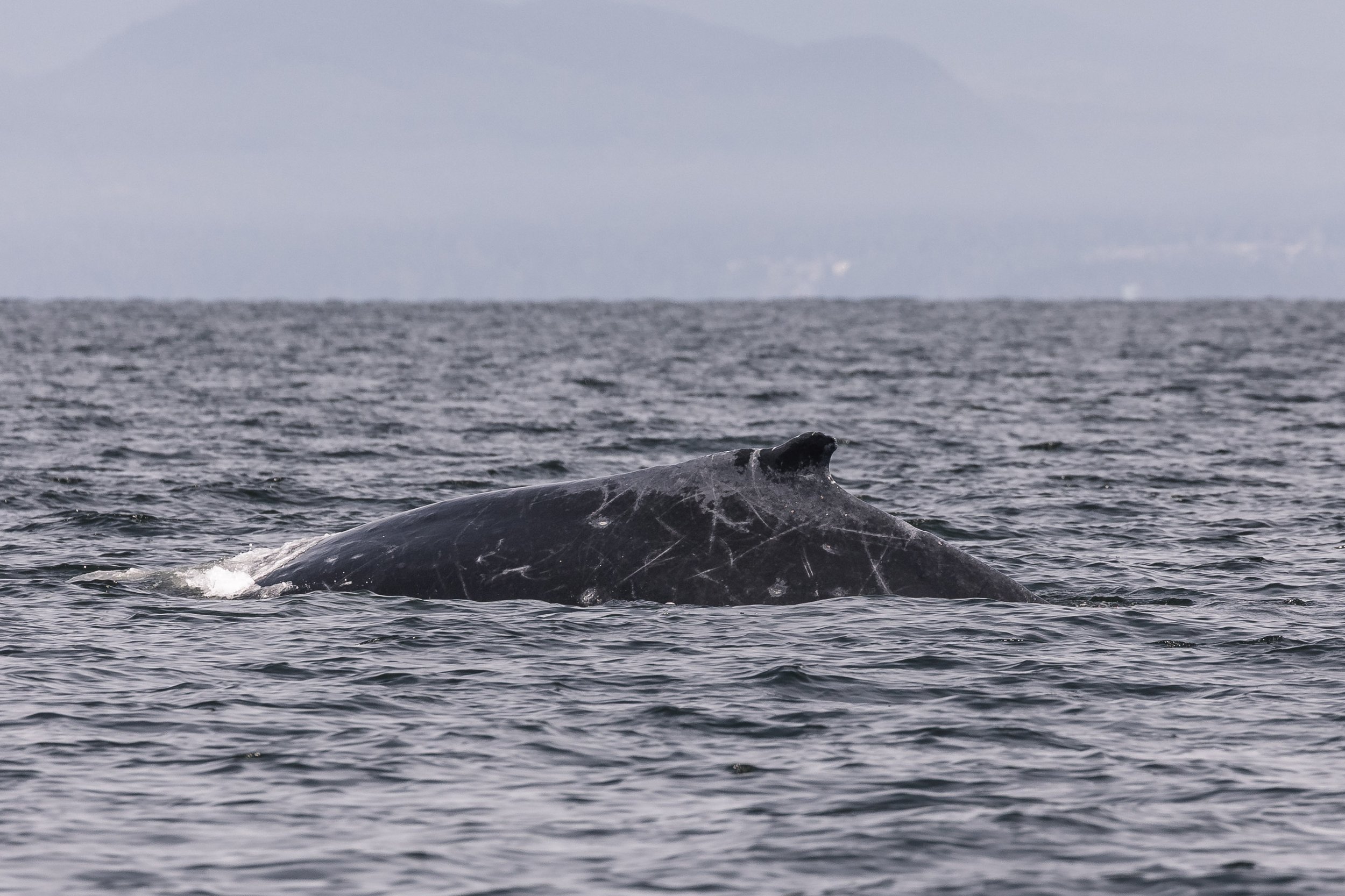
BCY1227 Crackle travelling along. Photo by Hayleigh Hillbert.
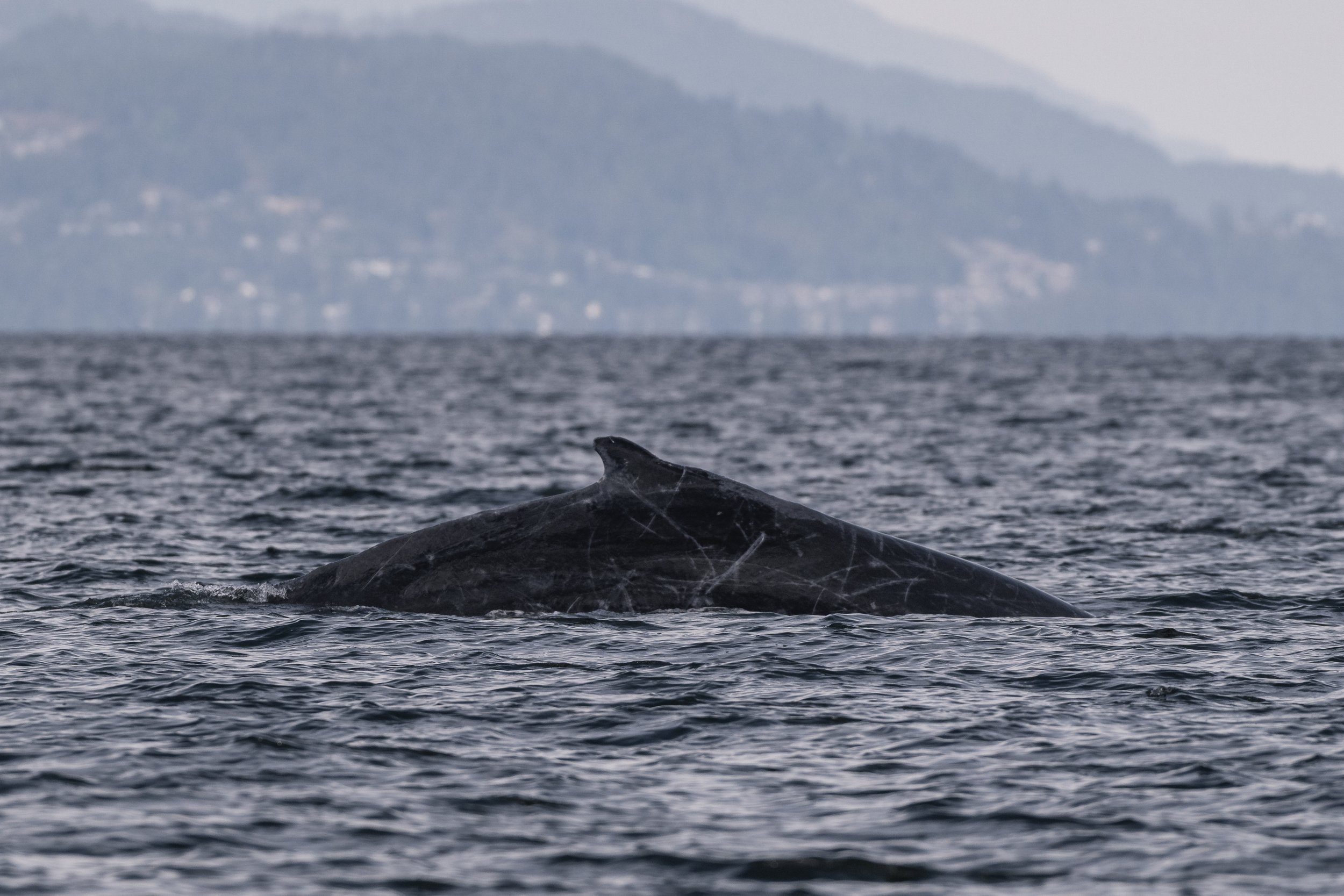
BCY1227 Crackle has many new scars since we saw them last time. Photo by Aly Kohlman.
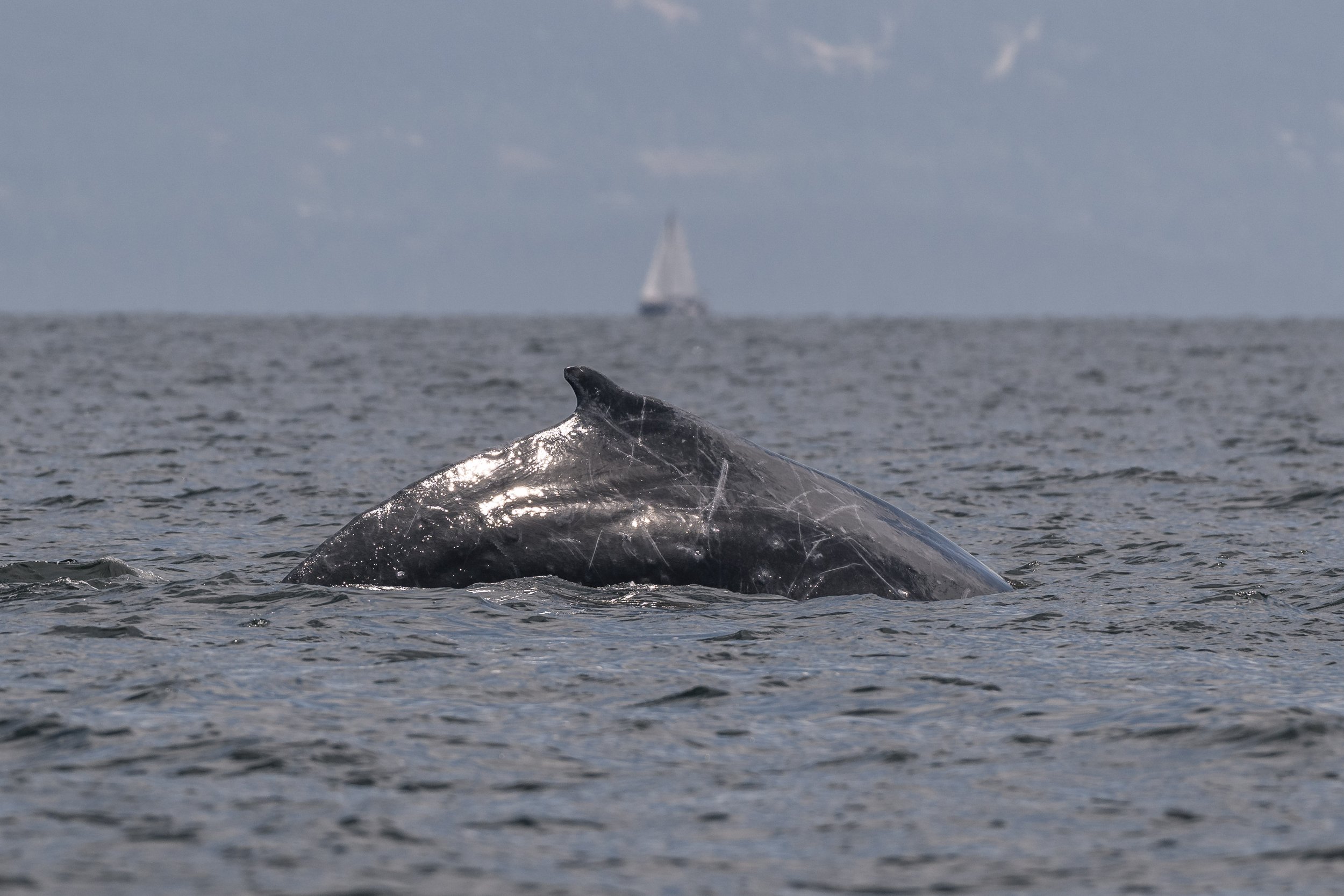
BCY1227 Crackle shining in the sunlight. Photo by Aly Kohlman.
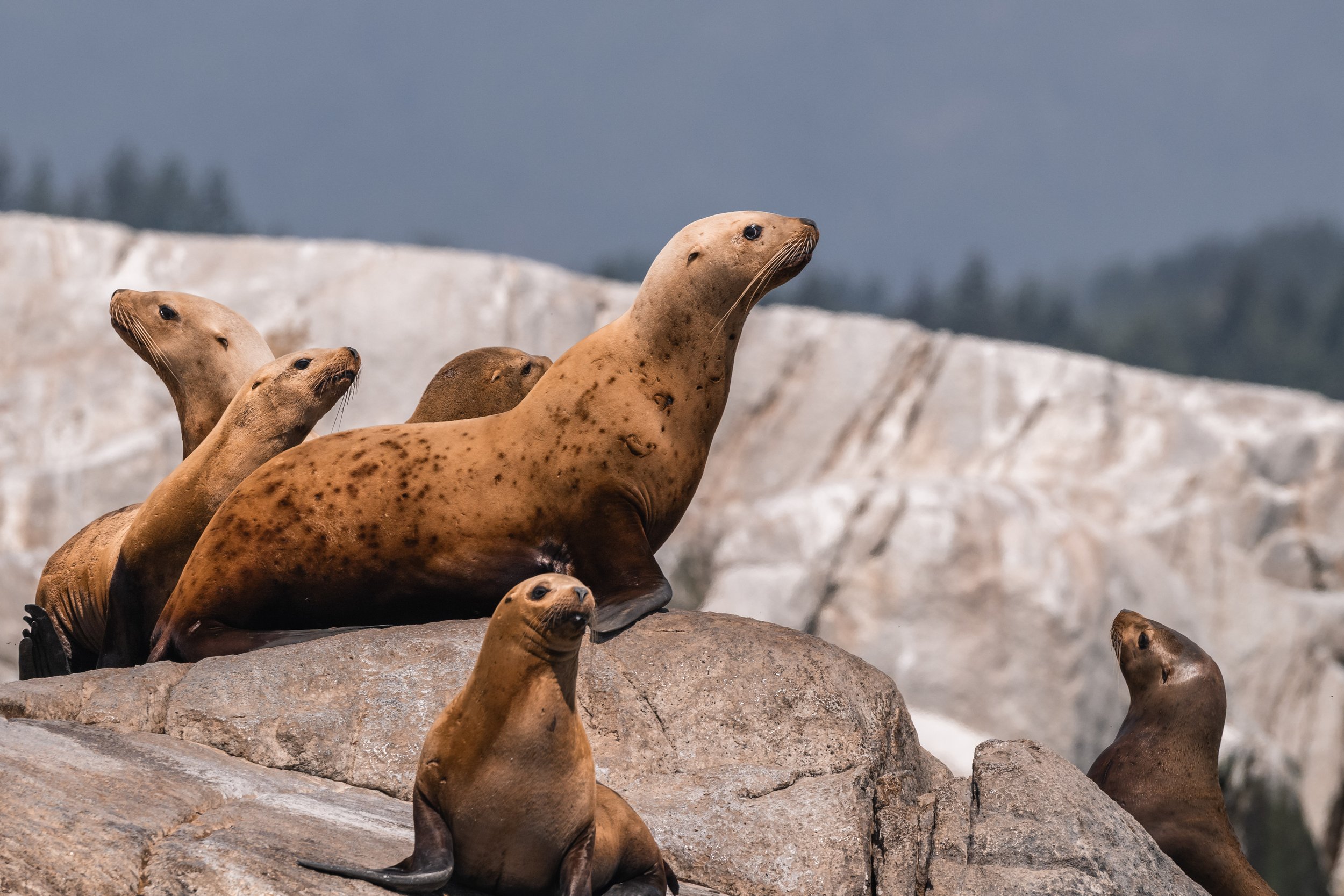
A curious Steller Sea Lion watching as we pass by. Photo by Aly Kohlman.
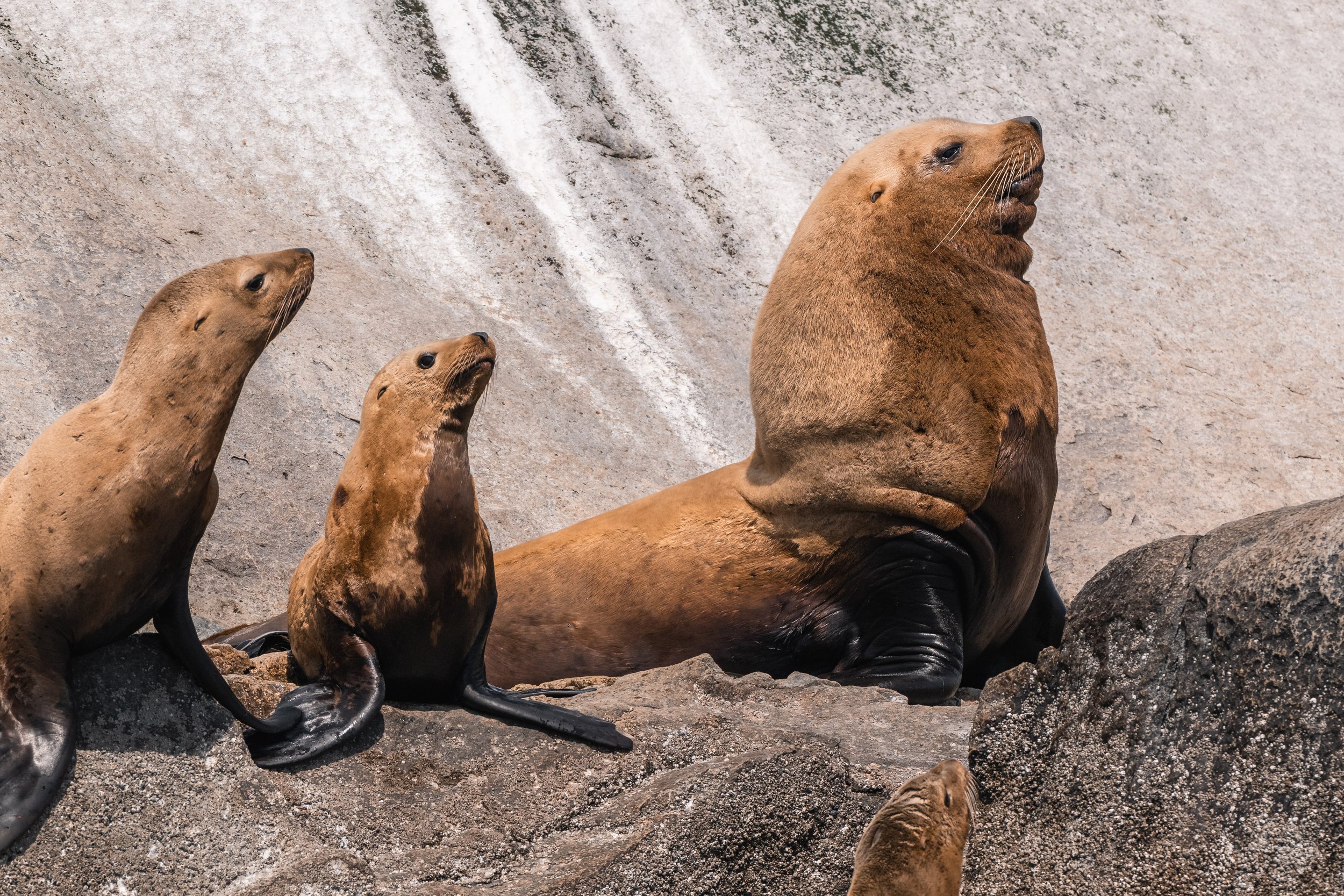
A large male Steller Sea Lion lumbering along. Photo by Aly Kohlman.
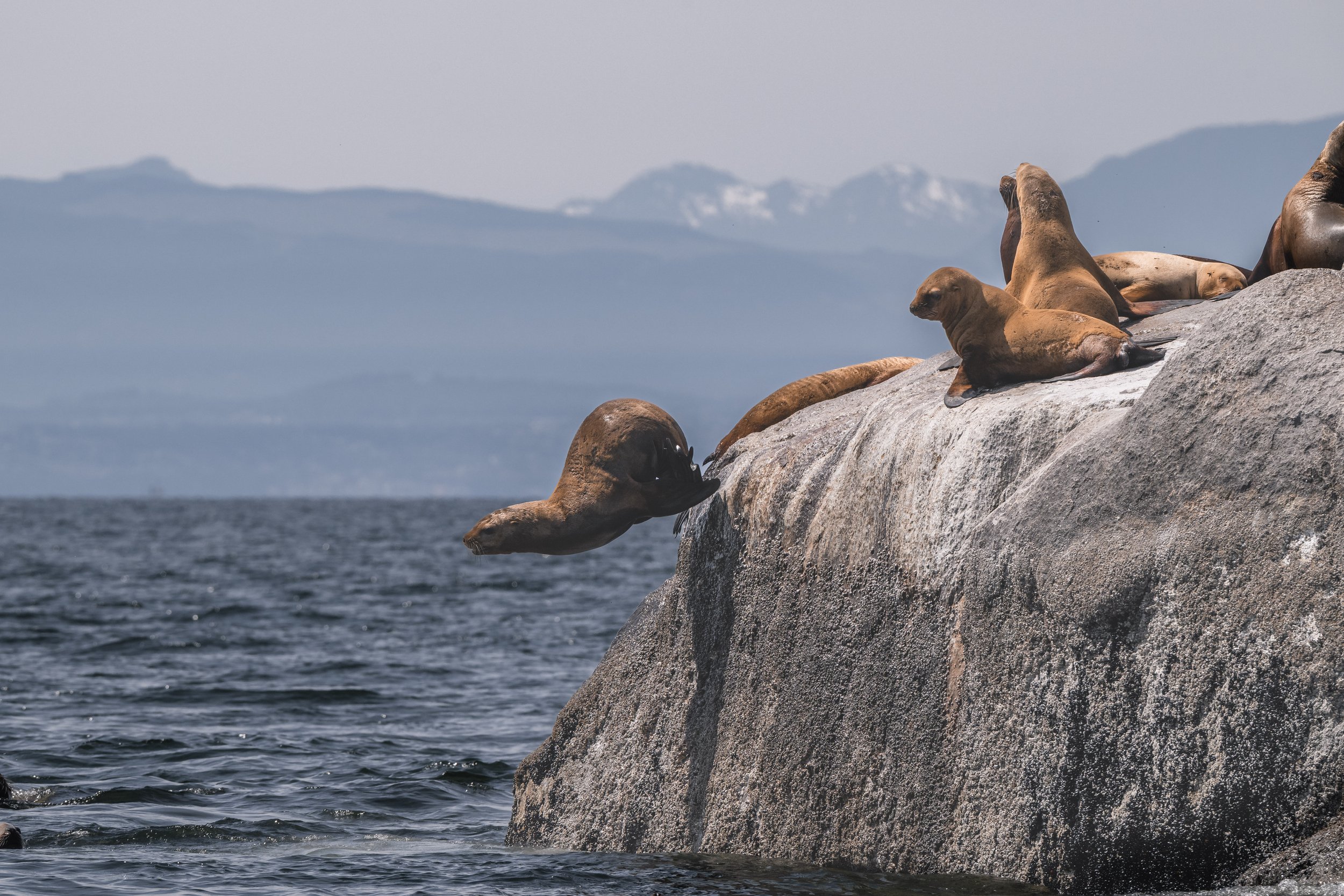
Time for a dive! Photo by Aly Kohlman.
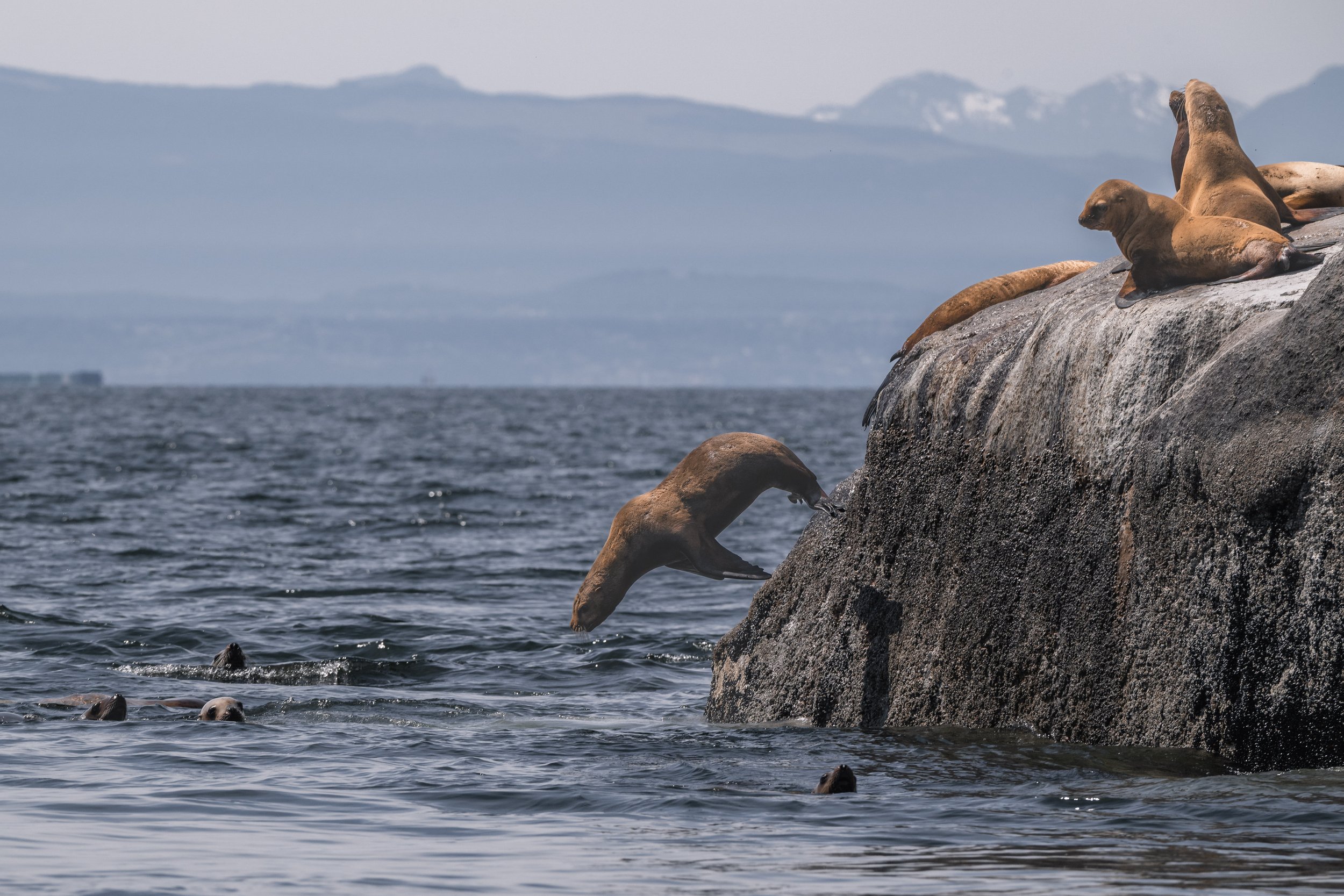
Almost there! Photo by Aly Kohlman.
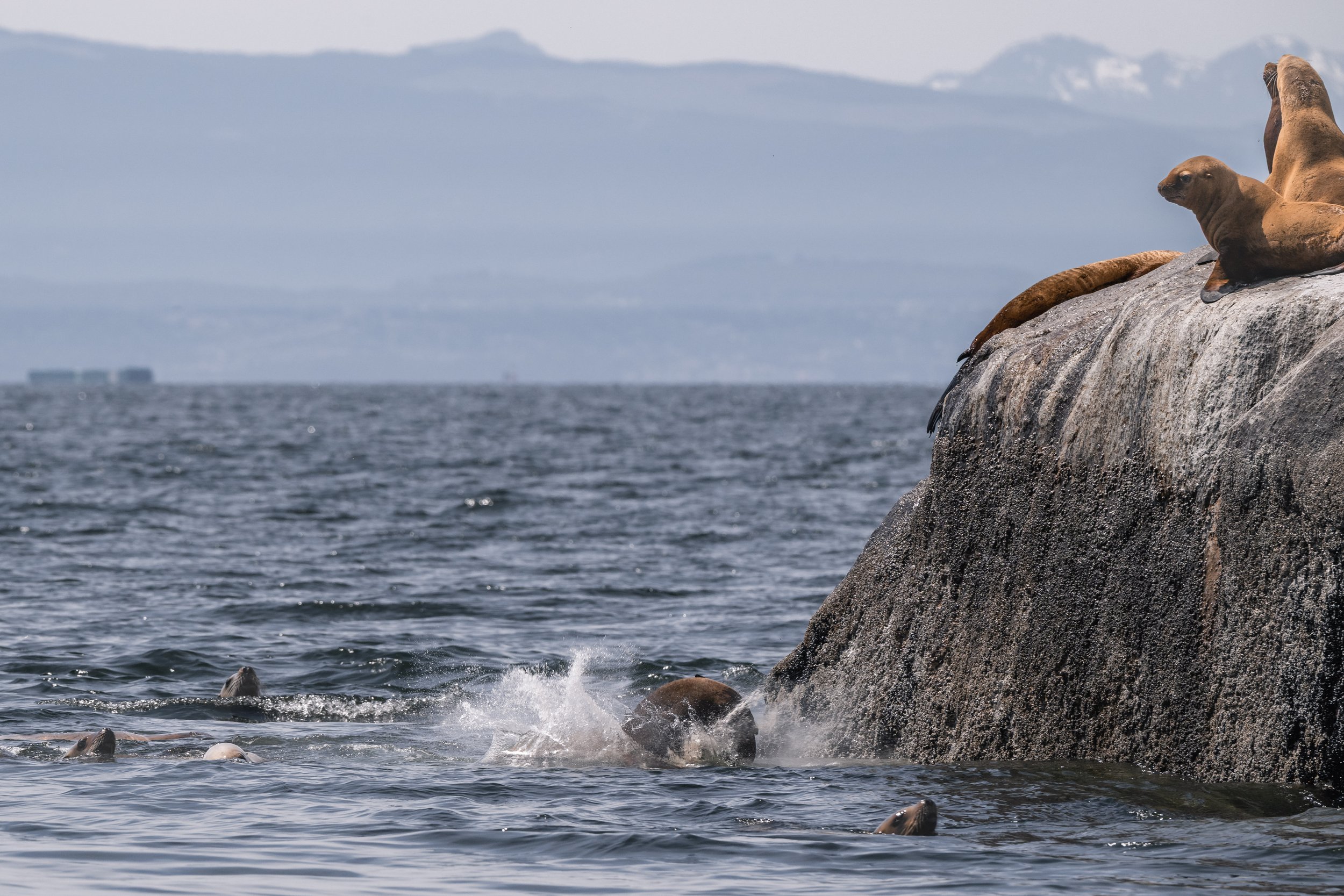
Landing with a splash. Photo by Aly Kohlman.
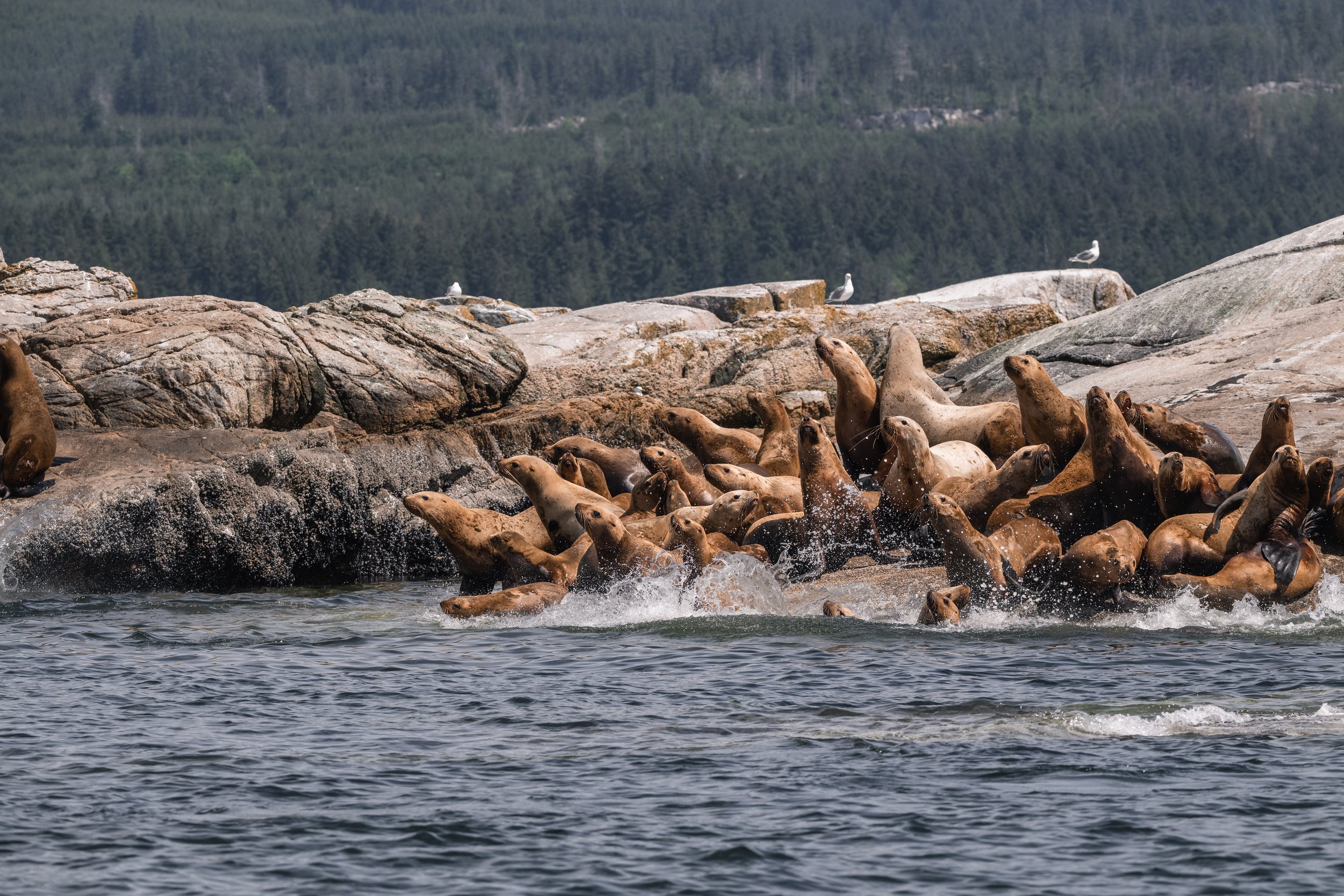
The sea lions stampeding down into the waters below. Photo by Aly Kohlman.
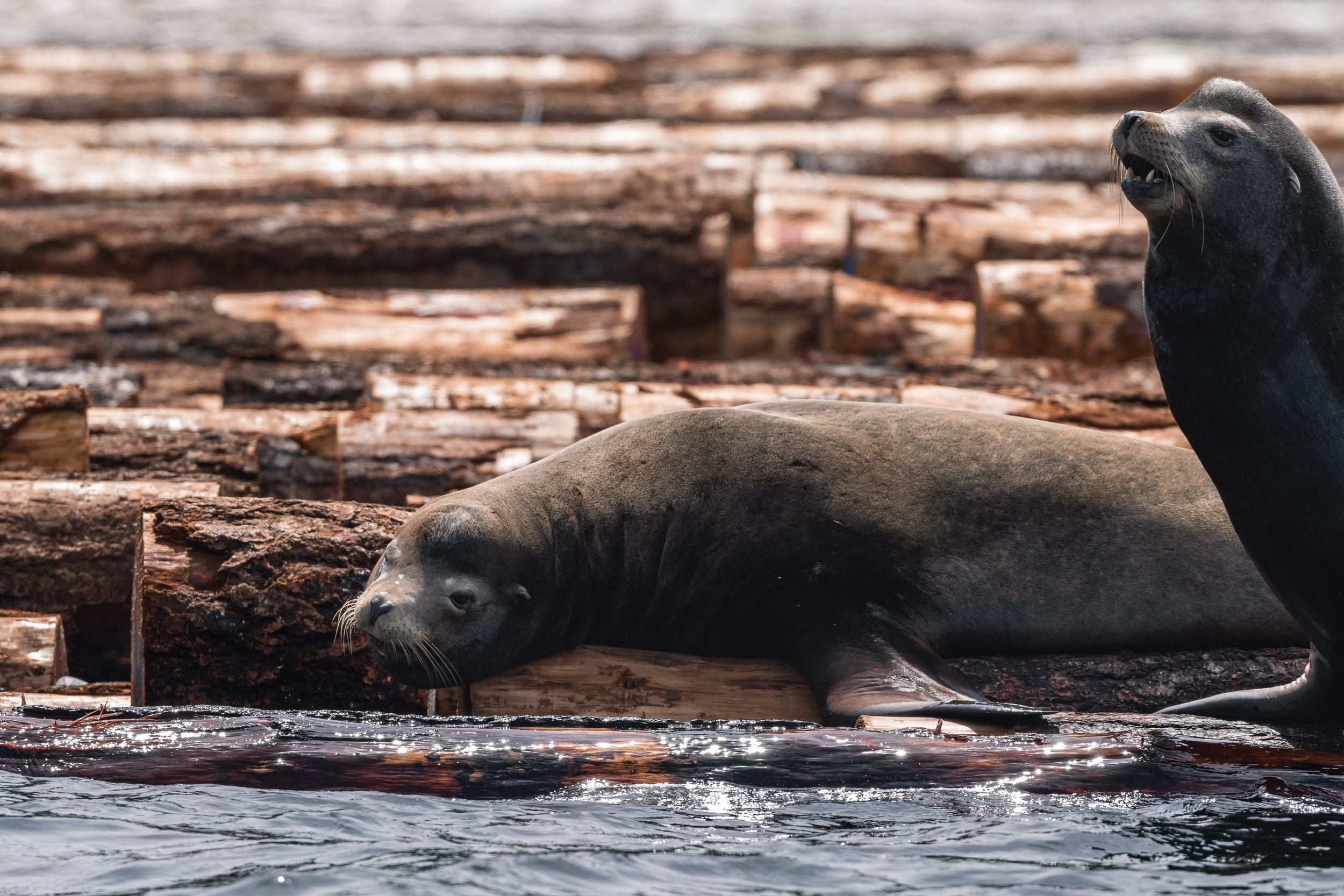
Sleepy California Sea Lions on the Harmac log booms. Photo by Aly Kohlman.
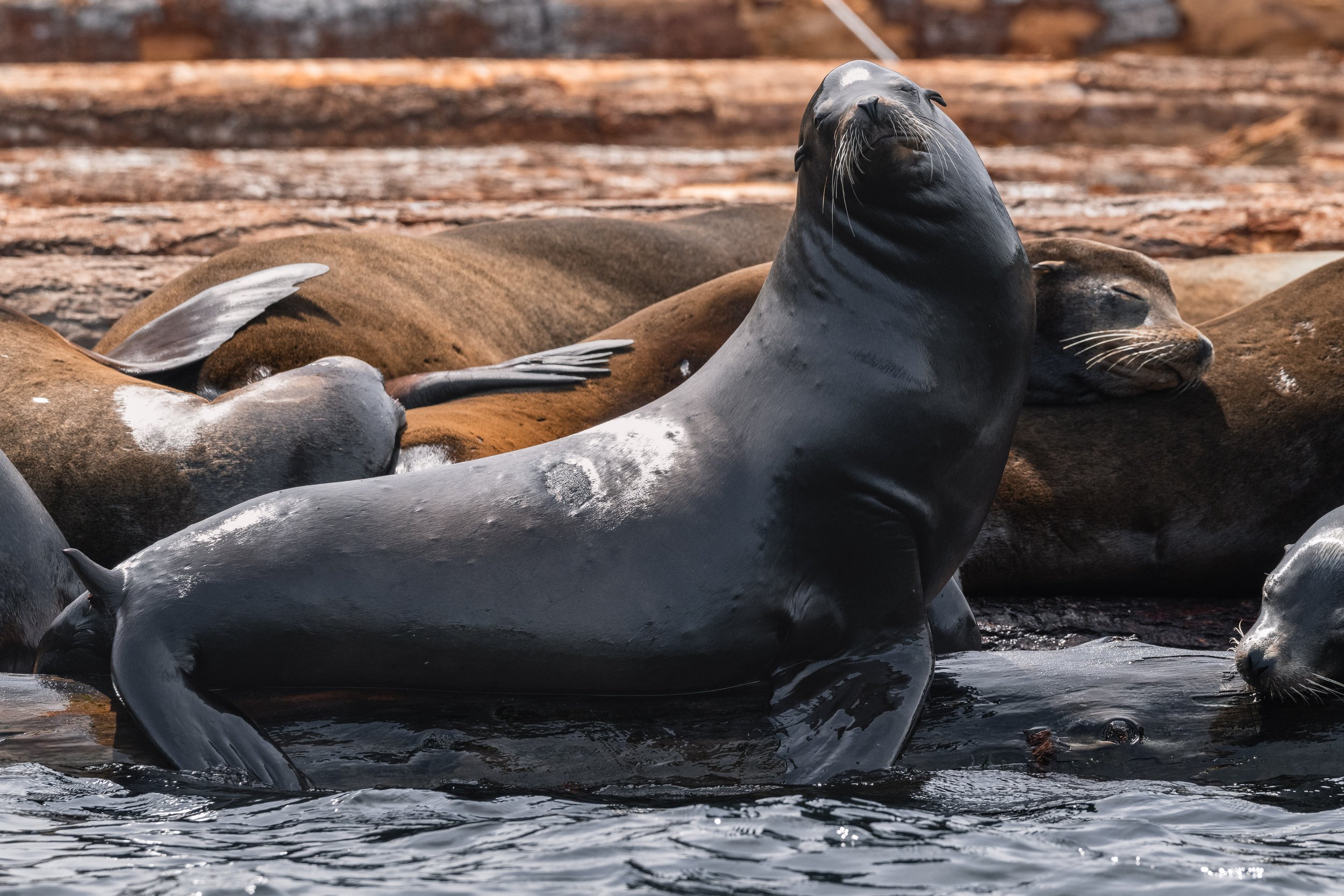
A big stretch (and tail up!) from one of the California Sea Lions. Photo by Aly Kohlman.
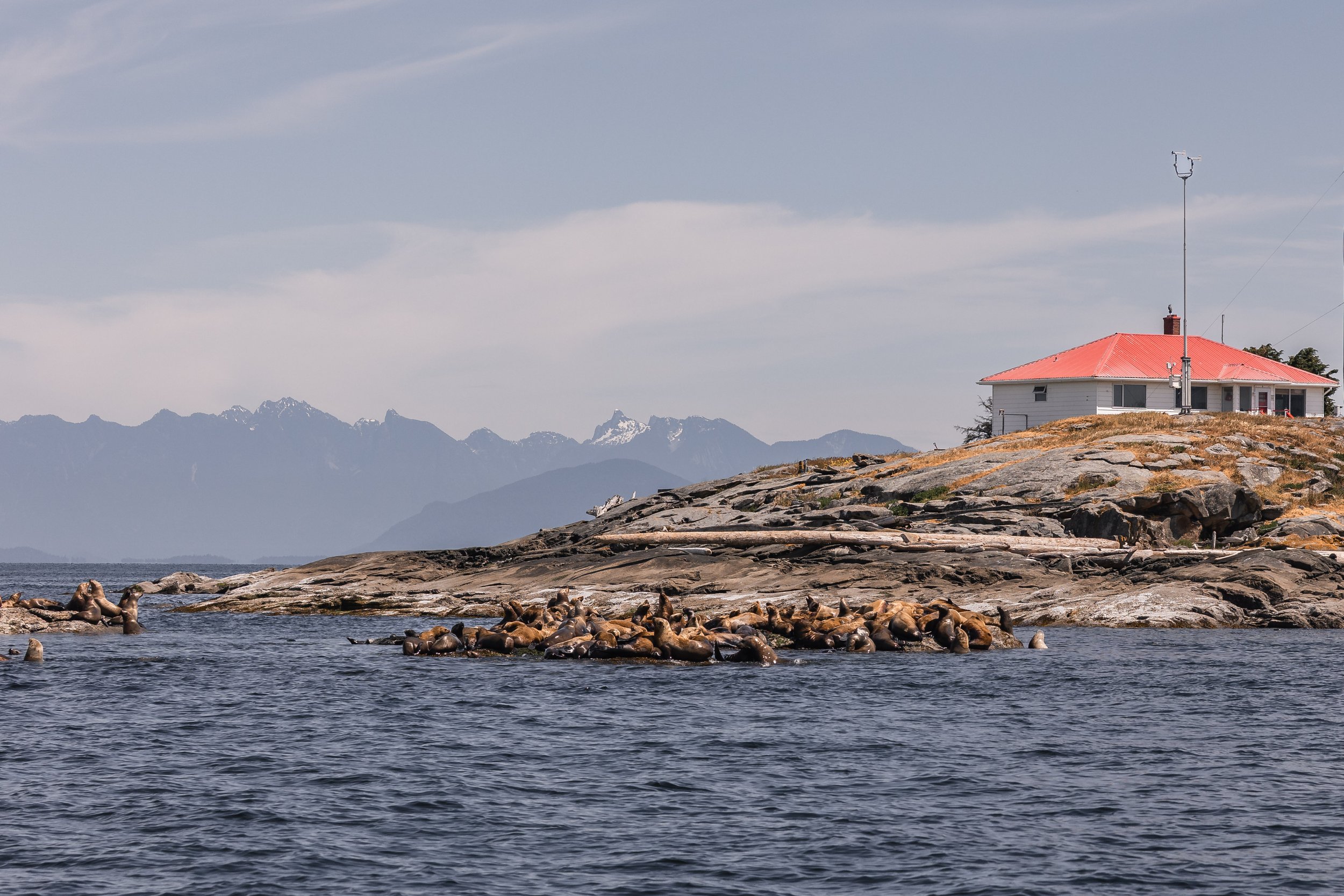
The sea lions were all huddled up on the outskirts of Entrance Island. Photo by Hayleigh Hilbert.
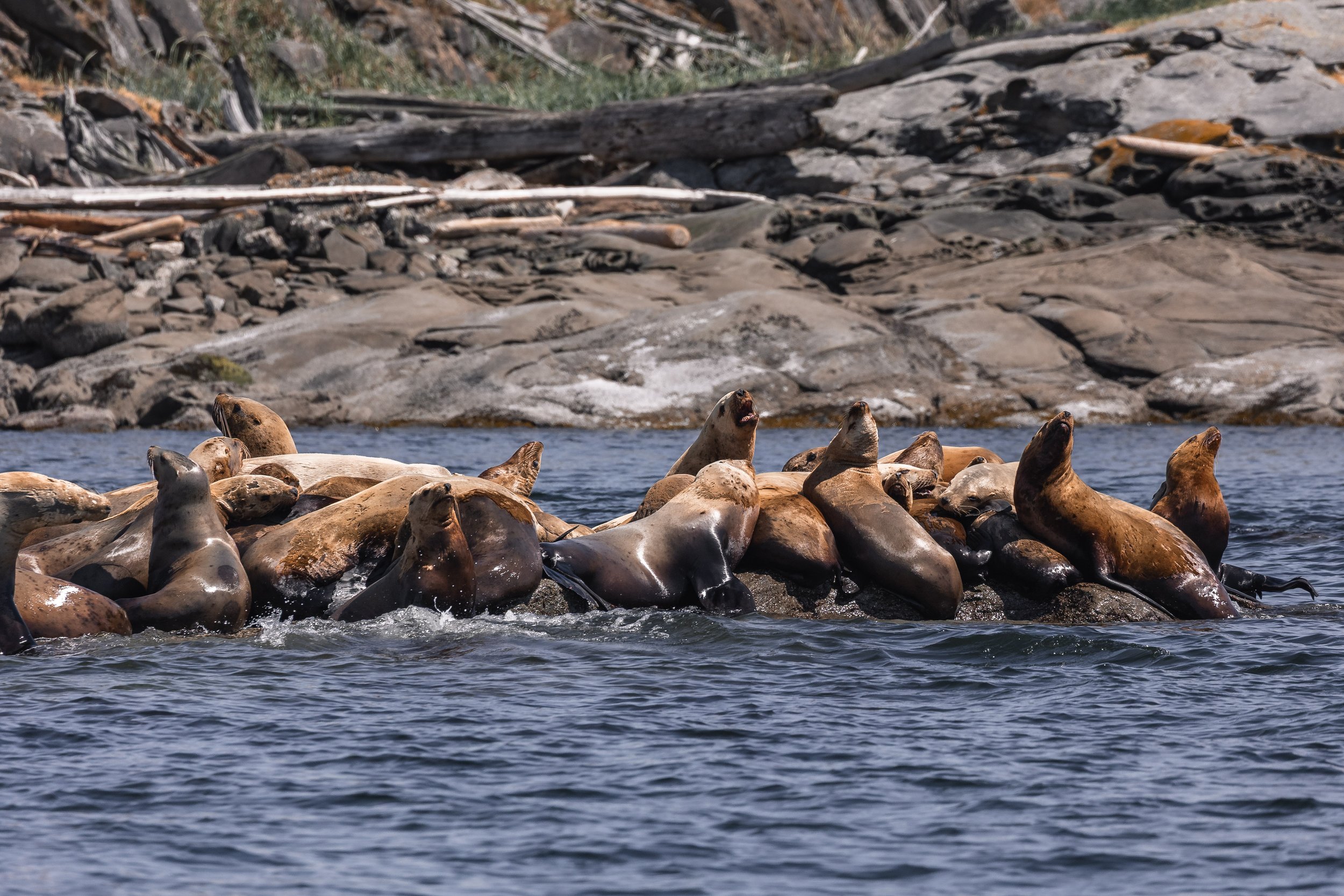
A closer peek at the Entrance Island sea lions. Photo by Hayleigh Hilbert.
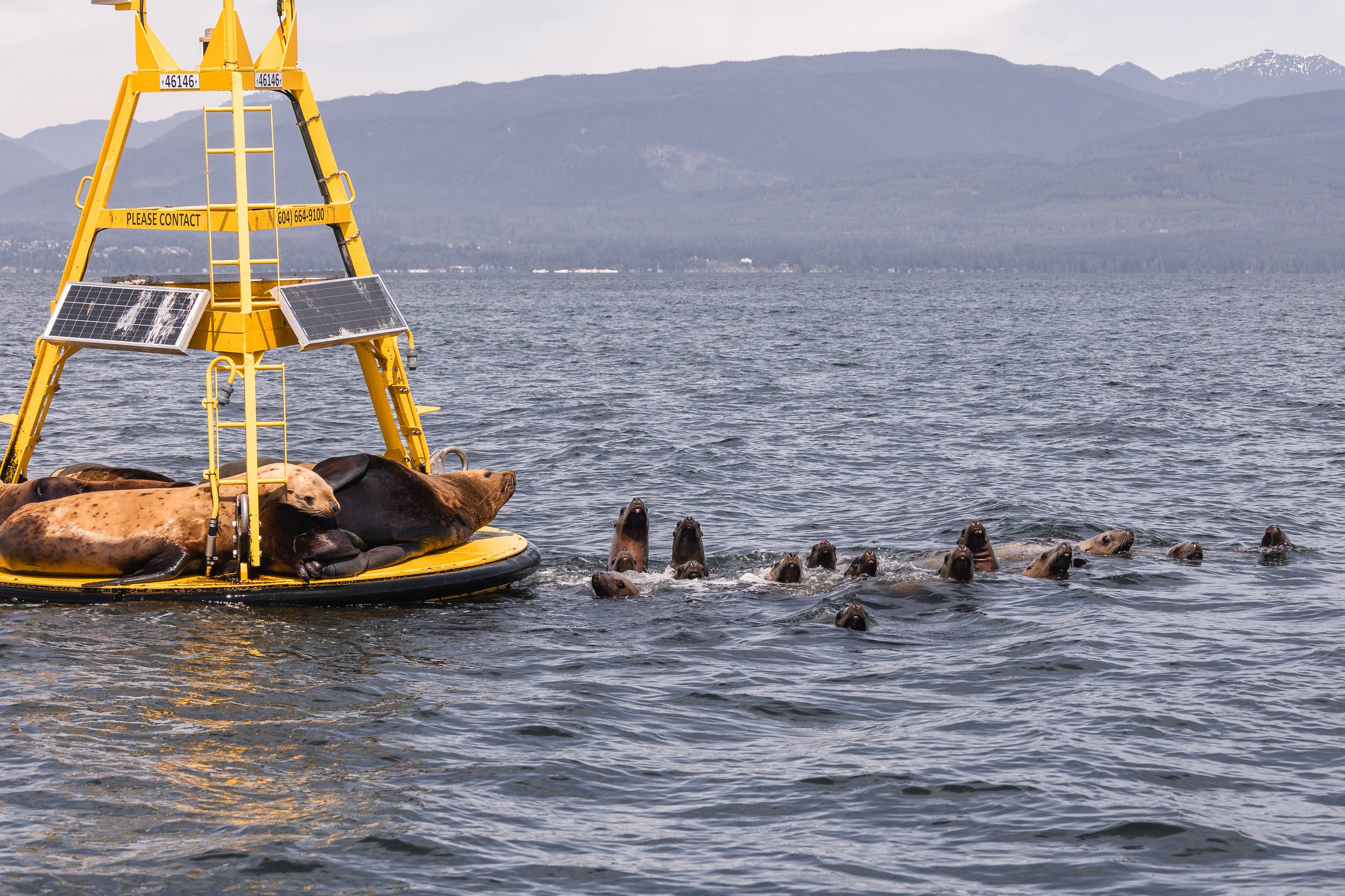
Resting and rafting at the ODAS buoy. Photo by Hayleigh Hilbert.
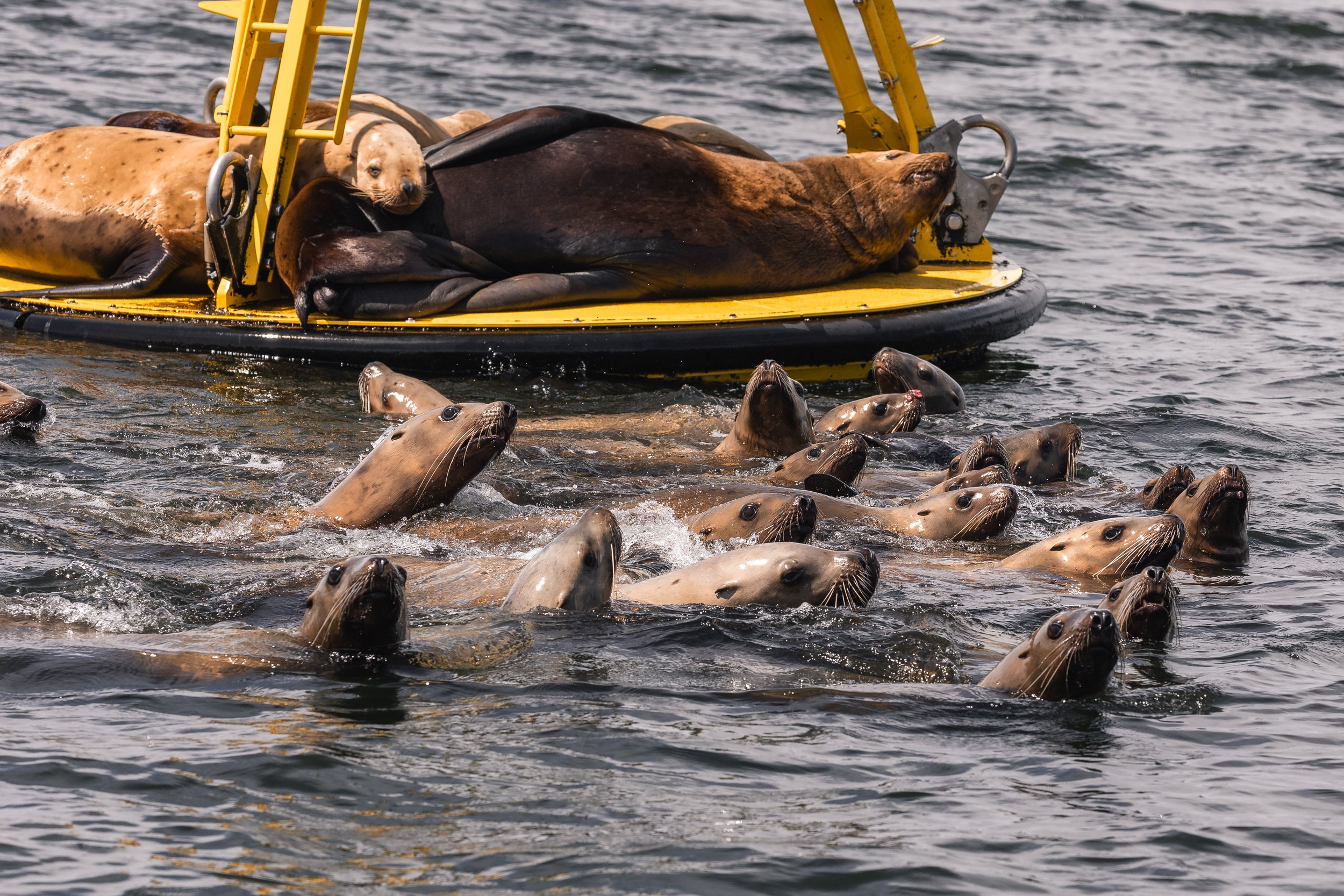
Some of the sea lions were hogging the whole buoy today! Photo by Hayleigh Hilbert.
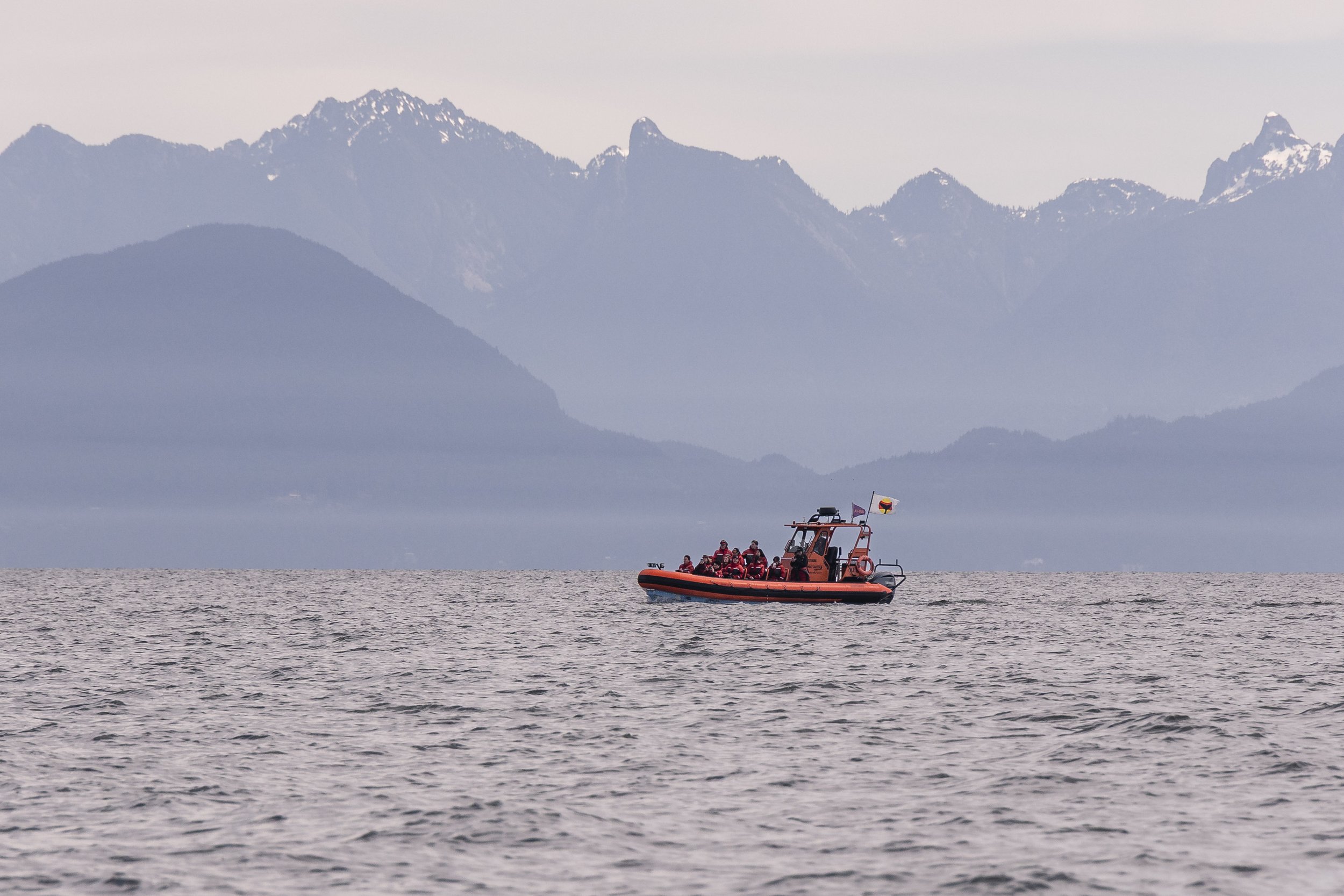
Keta with the mountains behind them. Photo by Jordan Robinson.
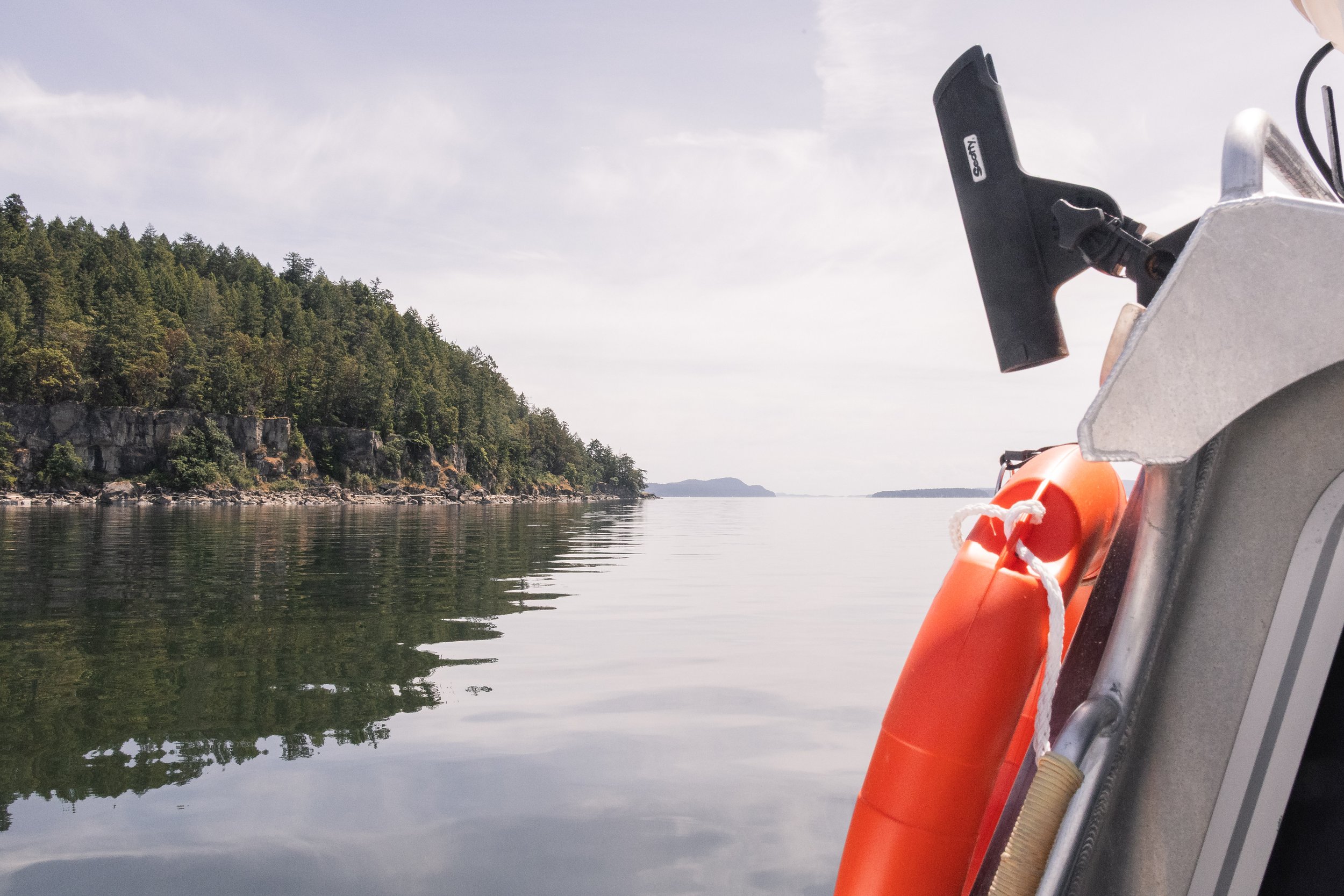
Kula exploring the Southern Gulf Islands. Photo by Jordan Robinson.
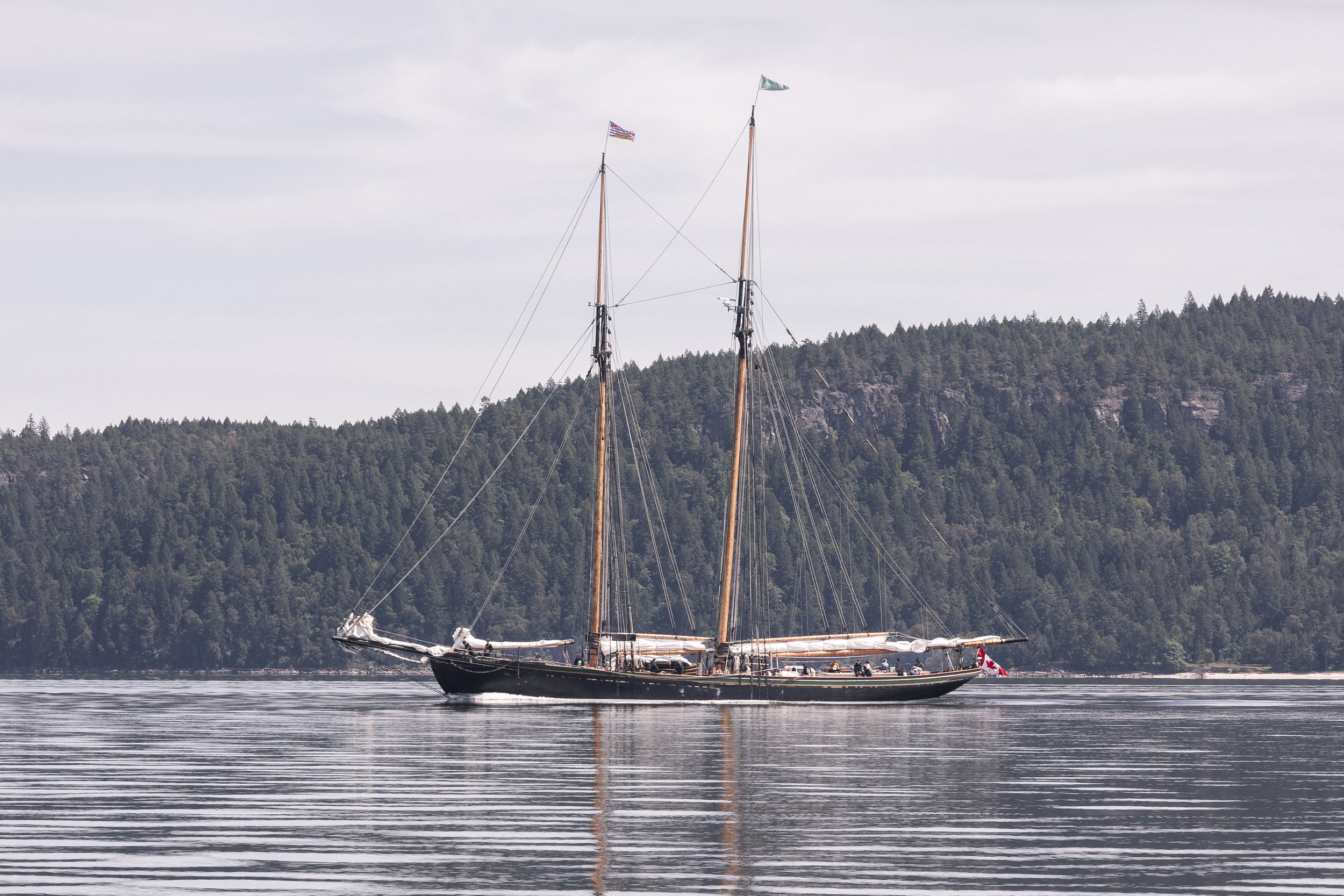
The Pacific Grace. Photo by Jordan Robinson.
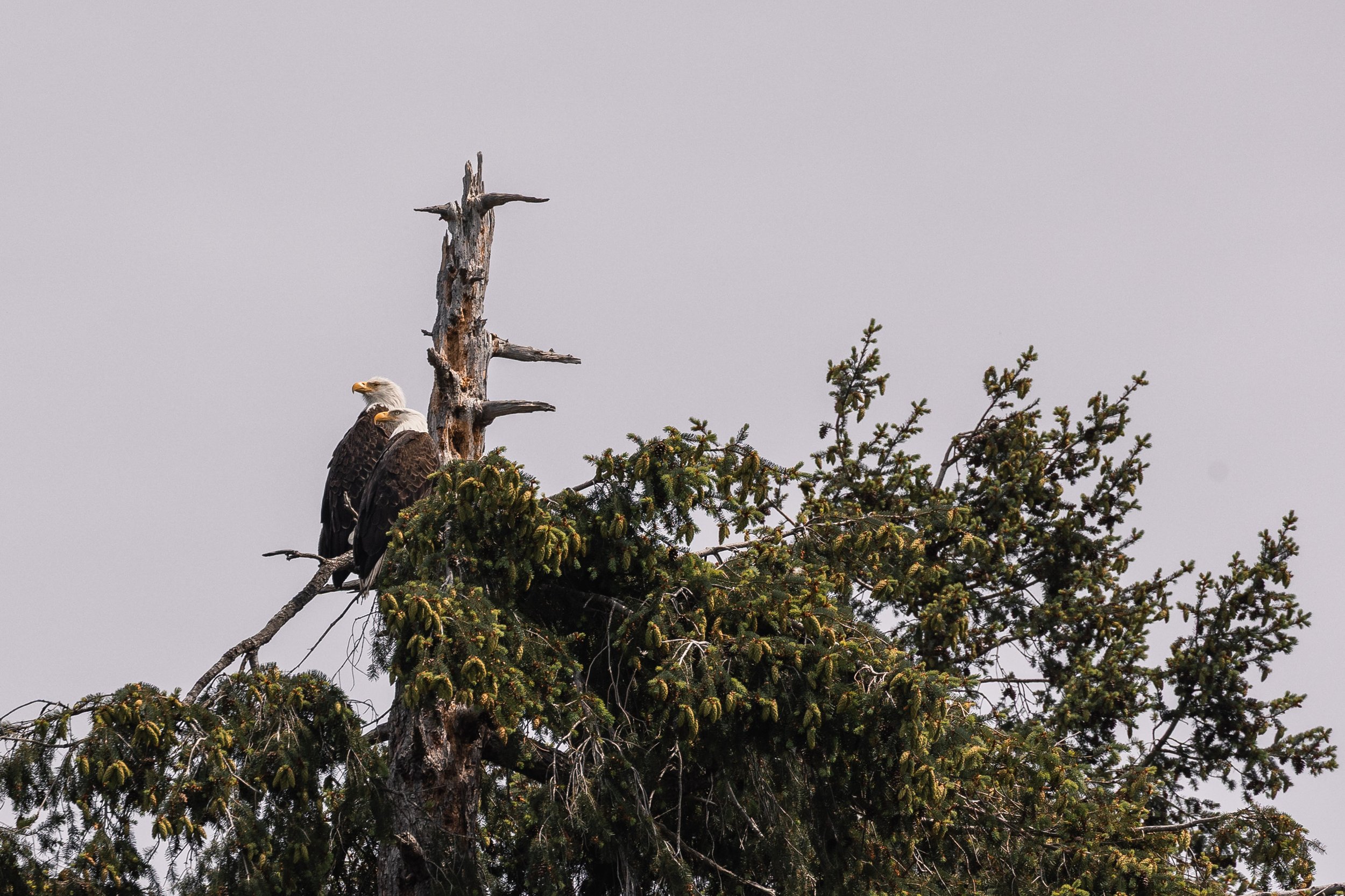
A pair of Bald Eagles perched high up in the trees. Photo by Hayleigh Hilbert.
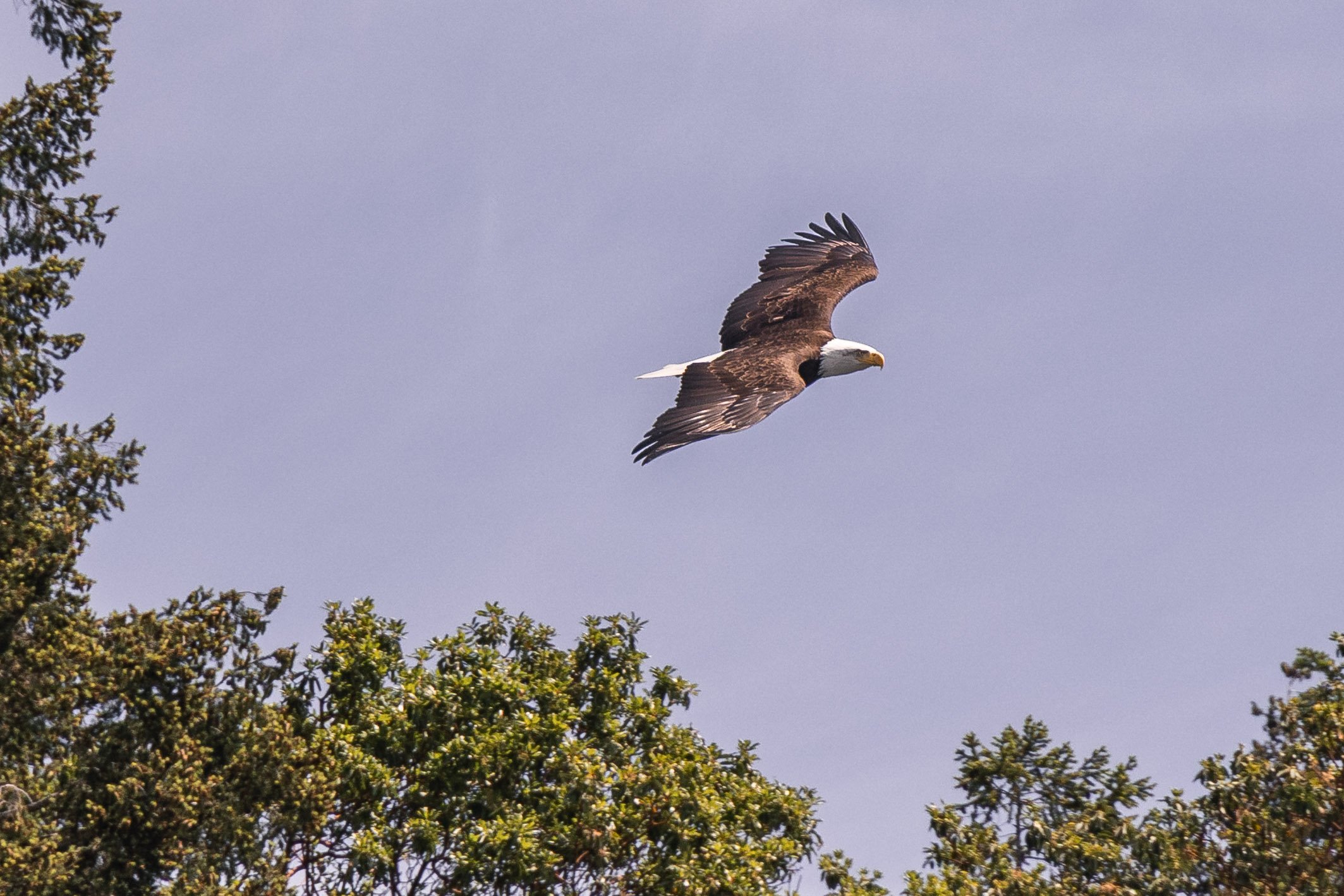
A Bald Eagle soaring down. Photo by Jordan Robinson.
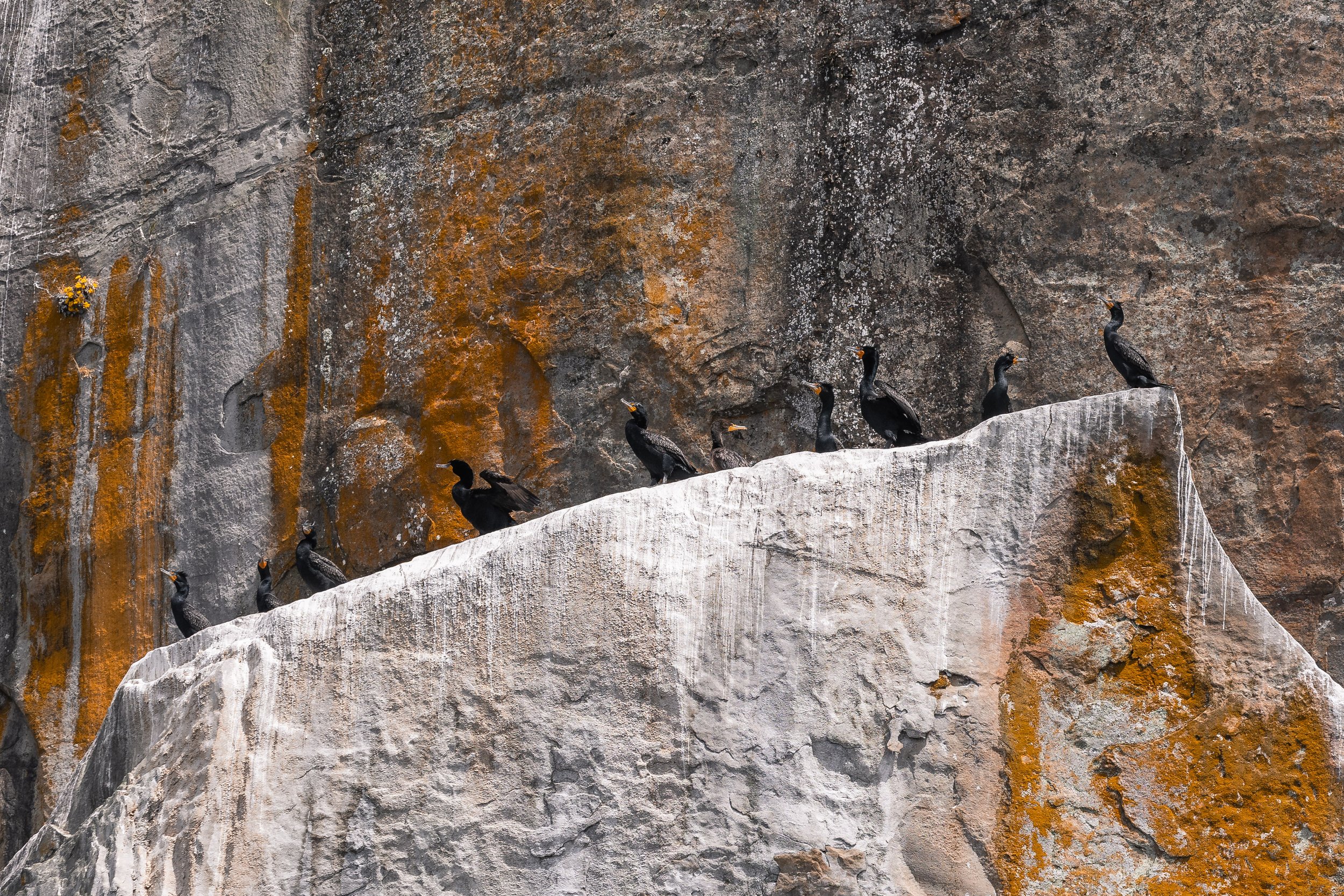
Cormorants resting on the rocks. Photo by Hayleigh Hilbert.
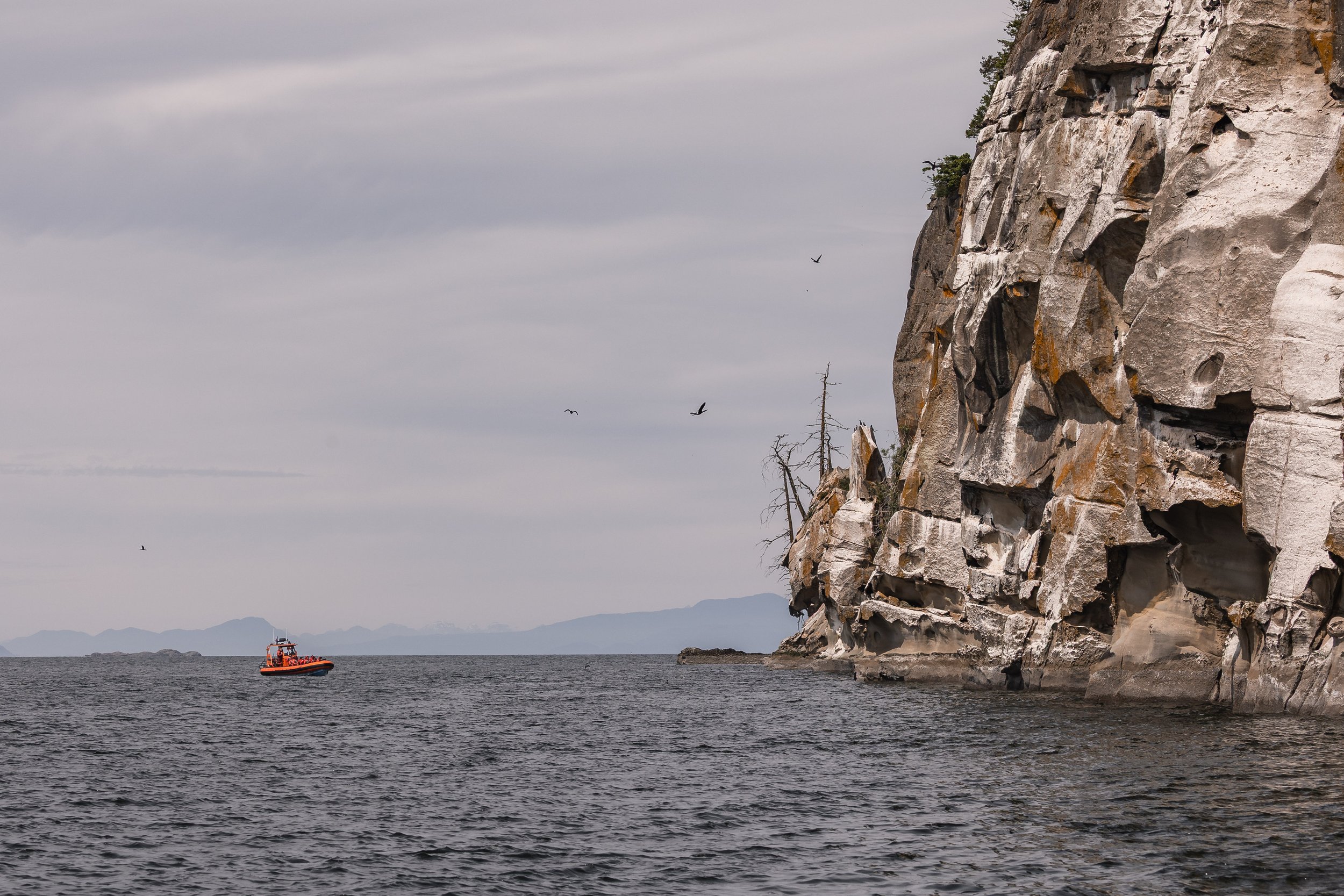
Keta at the Gabriola Bluffs. Photo by Hayleigh Hilbert.
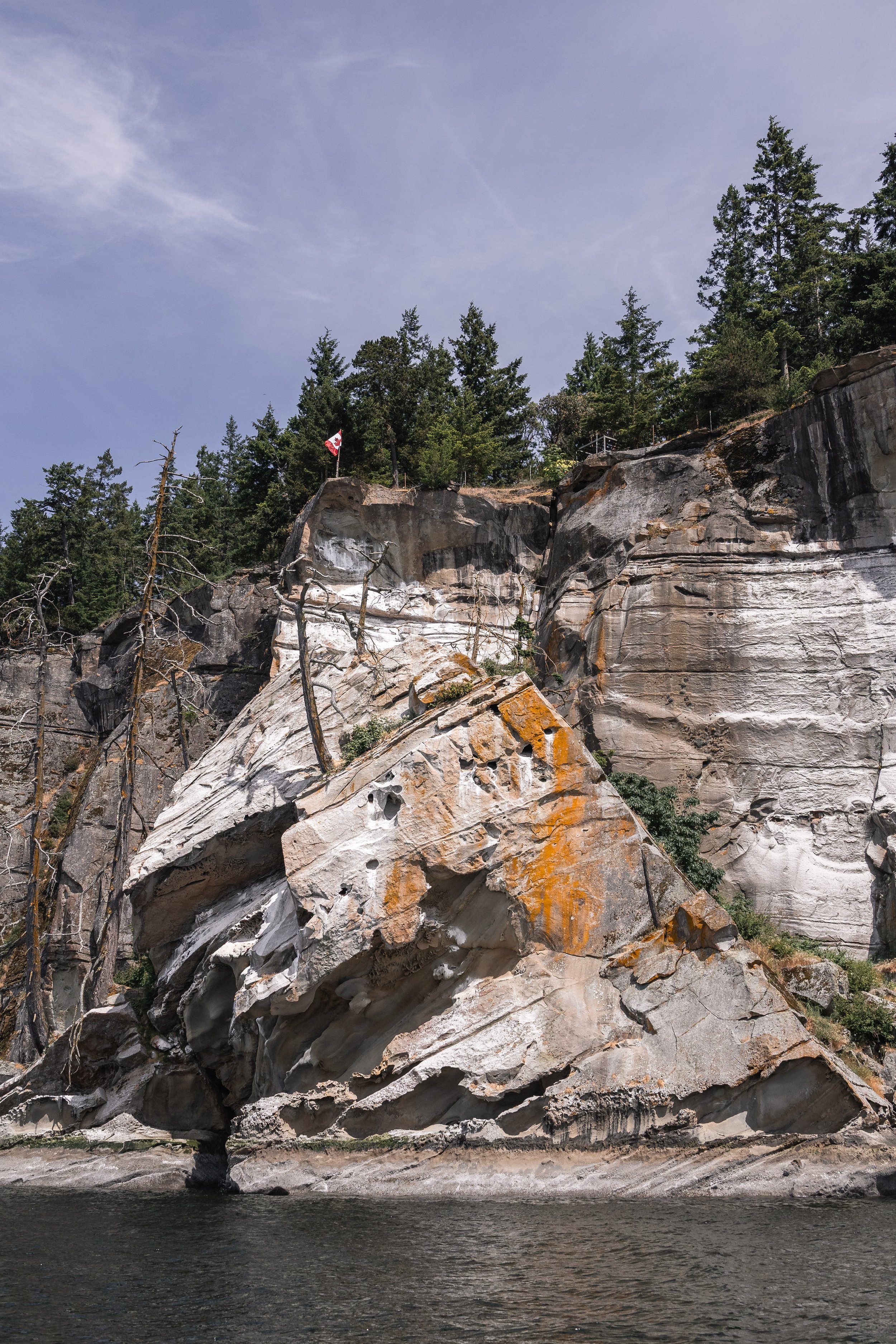
One of the beautiful formations at the Gabriola Bluffs. Photo by Jordan Robinson.