
May 1, 2026 - Did the orca get a meal, MAYbe?
It was another beautiful spring day here in Nanaimo as we left the harbour on our vessel for the day, Kula. We began our search for whales heading south through the Northumberland Channel. We then passed through Dodd Narrows, a narrow passage between Mudge Island and Vancouver Island. This is a very productive area in our region for wildlife, as the narrow passage creates a swift current with many eddies, which bring nutrients into the water column. These nutrients then attract a variety of small fish and other prey items, which in turn will cause larger predatory animals such as seabirds and seals to congregate.
Once we passed through the narrows, we began our search in earnest, moving south into the Gulf Islands. We then continued our search into the Strait of Georgia before taking a quick stop at a rocky outcropping outside of the north tip of Valdes Island. This is a popular haulout area for both Steller Sea Lions and Harbour Seals, and today was no different. Numerous large Steller Sea Lions could be seen hauled out on the rocks, lying side by side and on top of each other, their distinctive roars constantly heard. A little way down the rocks, you could also see a number of Harbour Seals on the rock, curiously eyeing our boat as we passed by.
While getting a good look at the different seals and sea lions, we heard that there was a potential Orca sighting north of us. Hearing this, we began to motor our way north along the outside of Gabriola Island before they finally came into sight just off of Snake Island, a pod of Orca! Our marine naturalist, Aly Kohlman, quickly took a number of photos and identified them to be transient Orca and not just one, but two pods travelling together, the T065Bs and the T123s!
T065B Chunk ♀ (1993)
T065B1 Birdsall ♂ (2011)
T065B2 Nettle ♂ (2019)
T065B3 Rook ♂ (2023)
T123 Sidney ♀ (~1985)
T123A Stanley ♂ (2000)
T123C Lucky ♀ (2012)
T123D Darcy ♀ (2018)
The T065B pod is composed of the matriarch T065B Chunk and her kids: T065B1 Birdsall, the large male, and the two younger males, T065B2 Nettle and T065B3 Rook.
Similarly, the T123s are composed of the matriarch T123 Sidney and her children: T123A, the large adult male Stanley, and the younger females T123C Lucky and T123D Darcy.
Multiple pods of Transient Orca are thought to travel together for a couple of reasons, typically either to socialize in what we call “t-parties” or to hunt. In this case, as we observed both pods together, it quickly became clear that they were not leisurely socializing but were about to start actively hunting! The two pods of orcas began to pick up speed and move in what appeared to be erratic directions, crossing back and forth. We then began to see the orcas slapping the water with their tails and even breaching clear out of the water as they hunted their prey!
As the pods of orca began to settle, we could see evidence that the hunt was successful, with a portion of their prey's intestines hanging from Stanley’s fin! Once orcas successfully hunt large prey, such as what was likely a sea lion in this case, they will typically share it among themselves quickly and then begin travelling again in search of their next prey. As adult orcas need over 100kg of food per day, almost all of their time will be spent either travelling between areas in search of food or actively hunting!
After their successful hunt, the two pods quickly split off from each other, the T123s moving north, and the T065Bs heading towards the Nanaimo Harbour! As this is where our vessel was also headed, we were treated to a little bit more time with this pod as we slowly followed alongside the pod towards the harbour. As they approached the Gabriola Ferry Terminal, they turned east, and we had our last farewell as they moved off into the distance! We then made our way back to the dock after an exciting day watching orca!
Photos taken by Marine Naturalist Aly Kohlman.
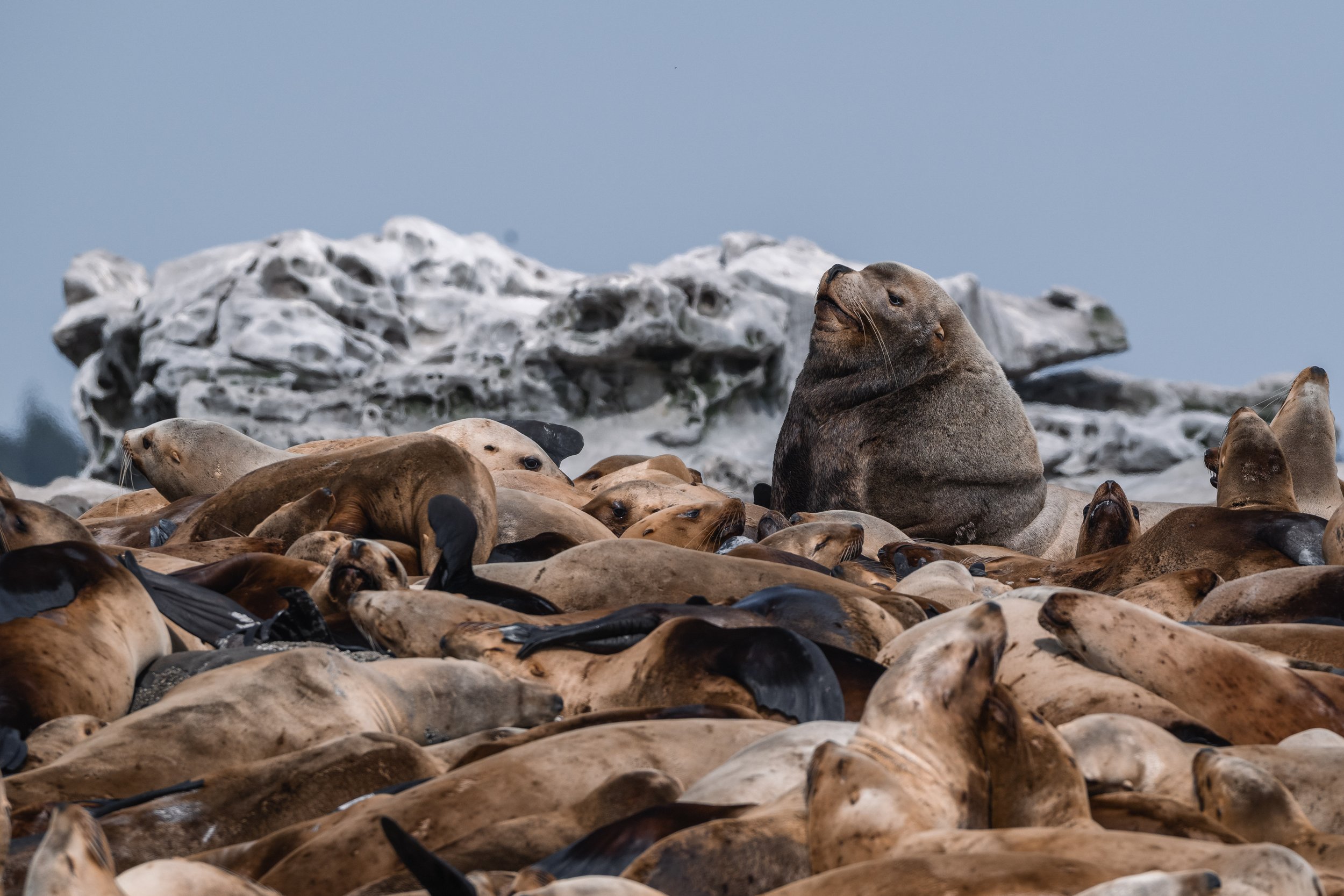
Steller Sea Lions in a cuddle puddle.
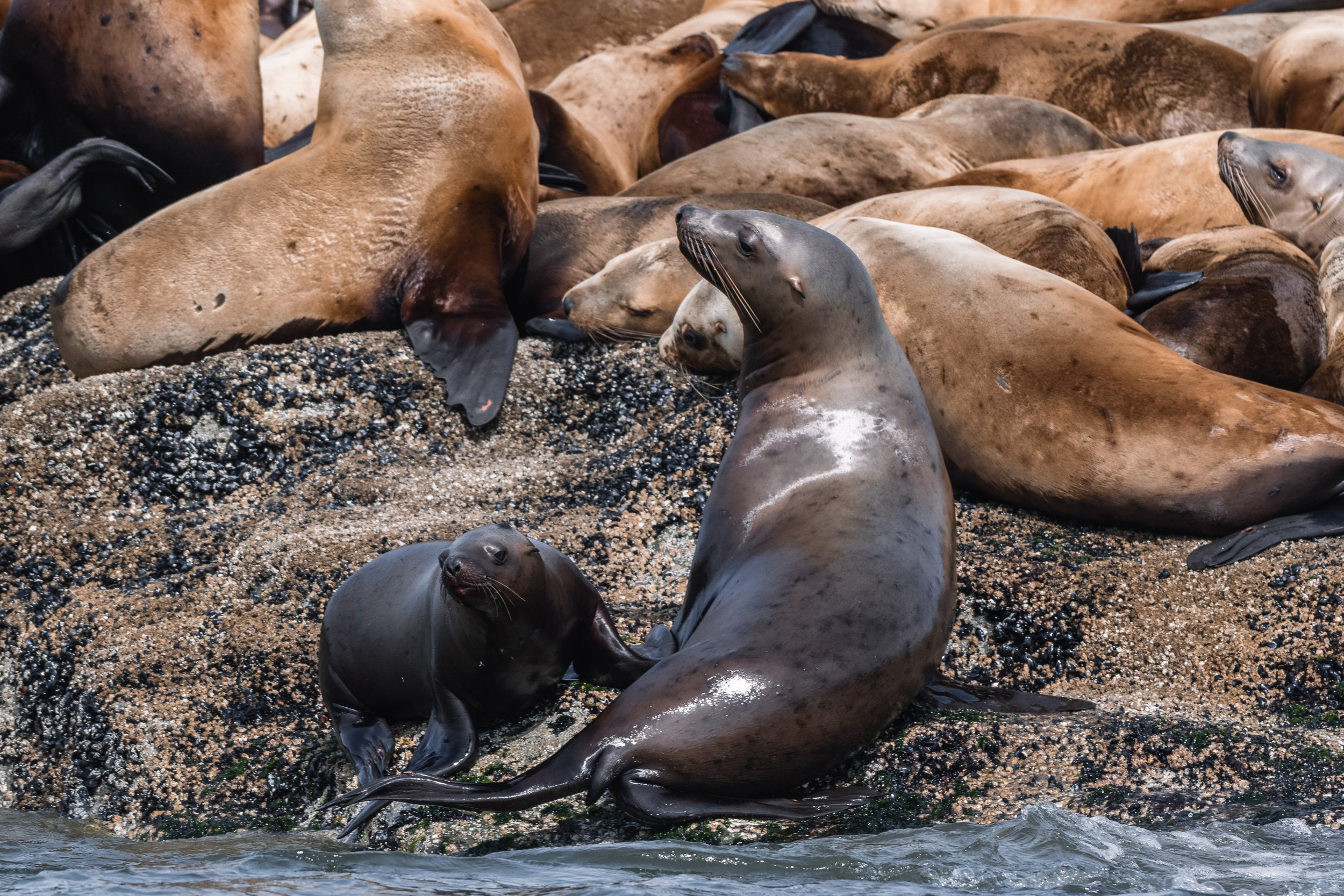
Some slick Stellers in the sun.
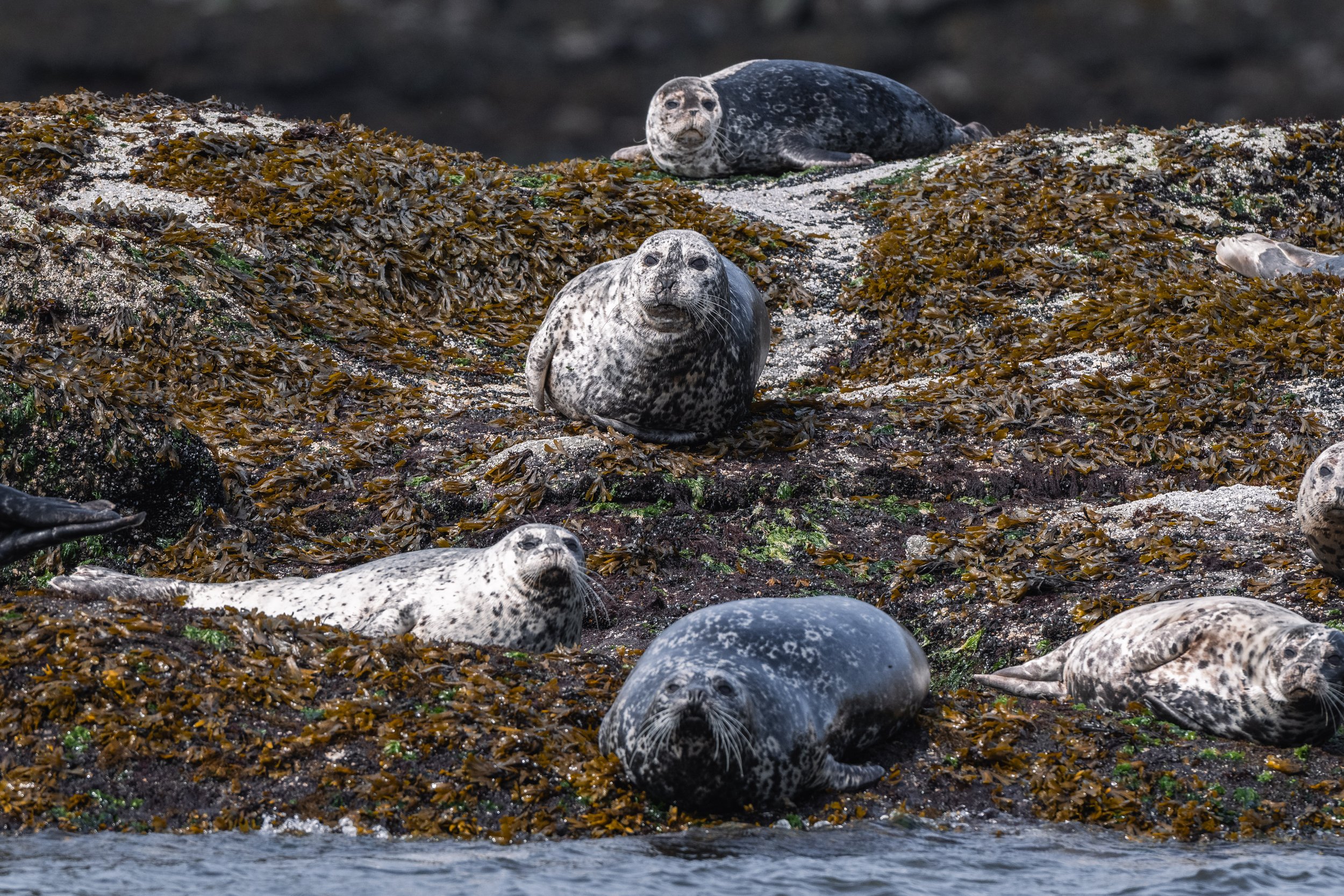
Harbour seals resting.
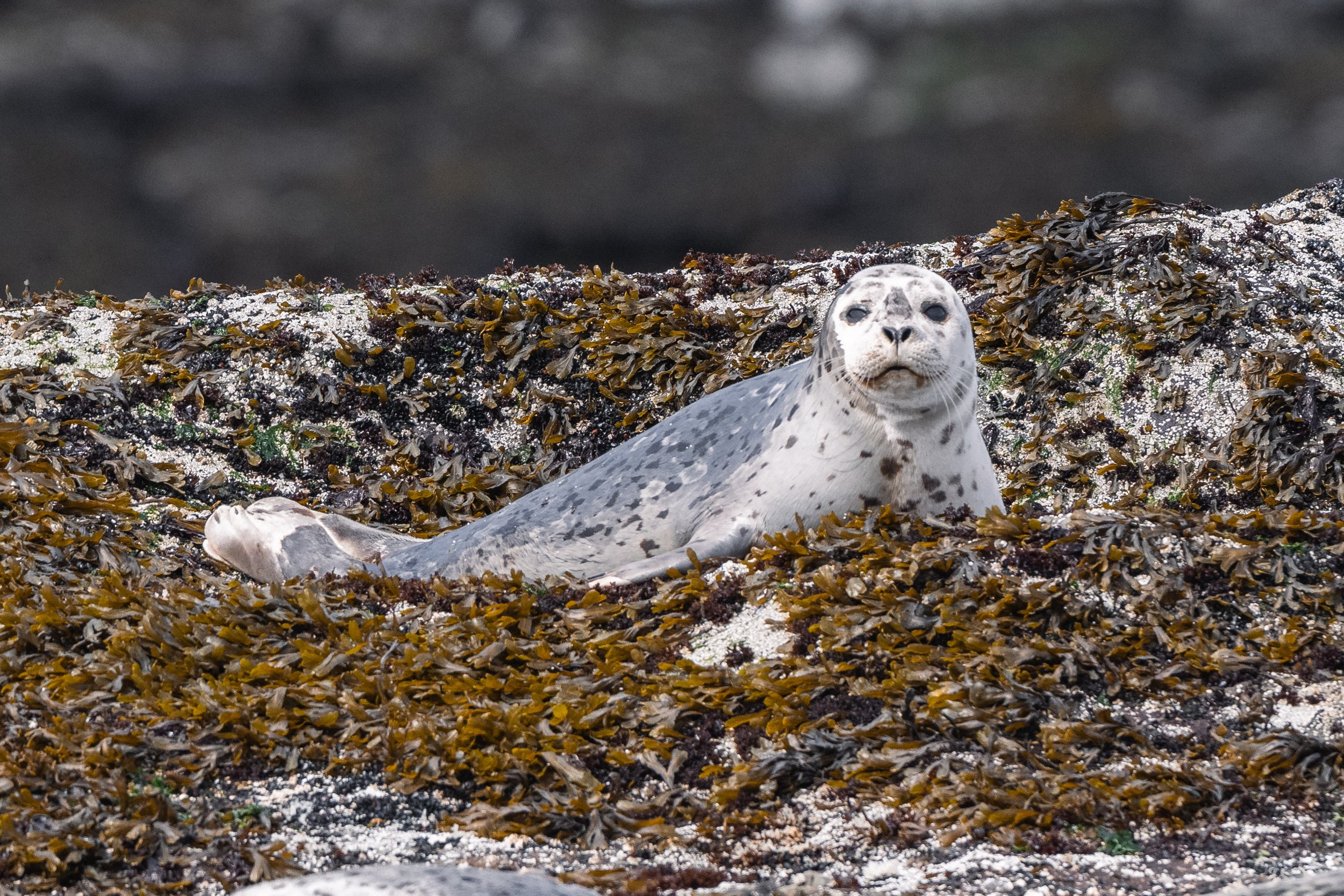
A curious little harbour seal.
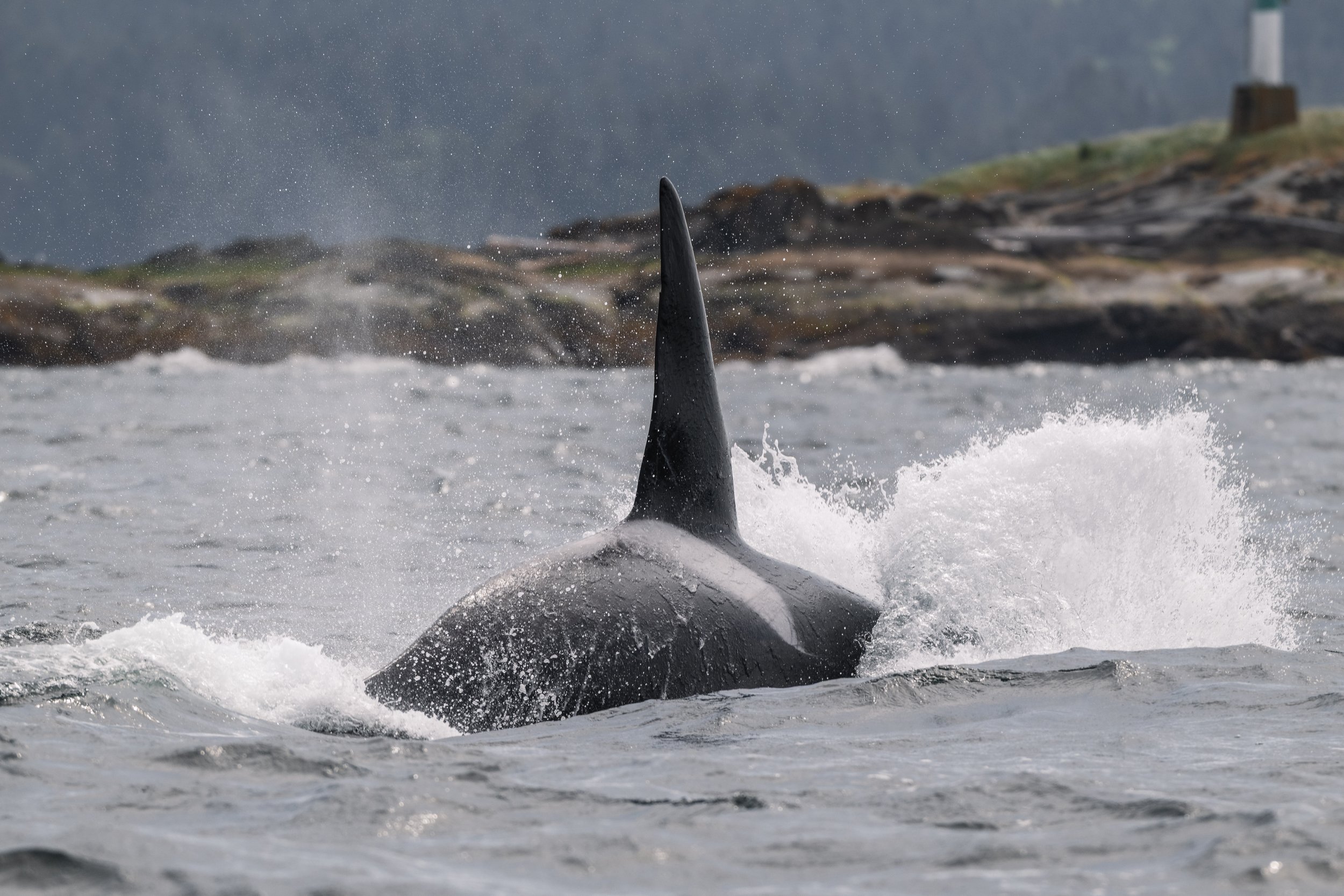
T123A Stanley picking up speed as the hunt begins.
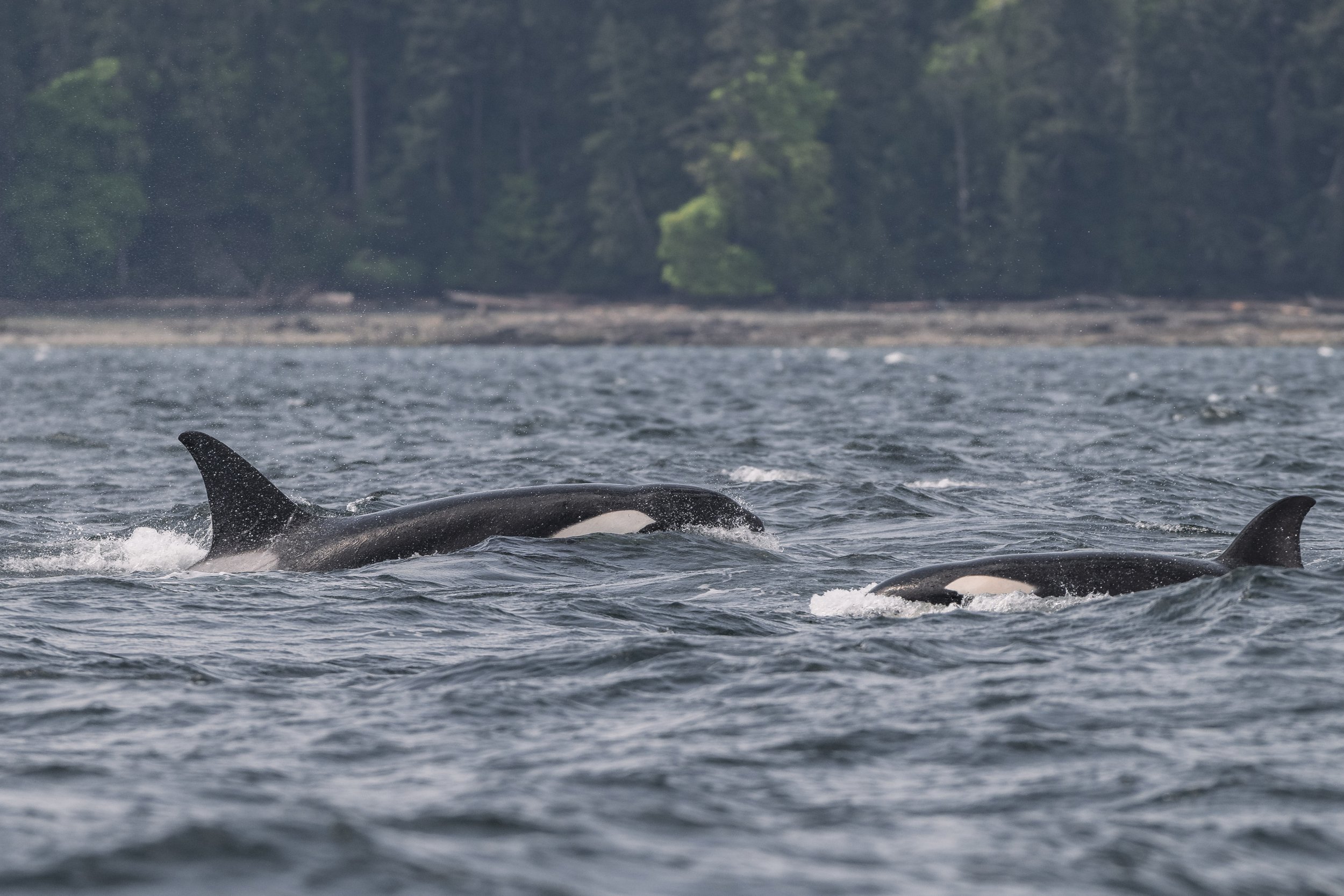
T123 Sidney on the left T123D Darcy on the right.
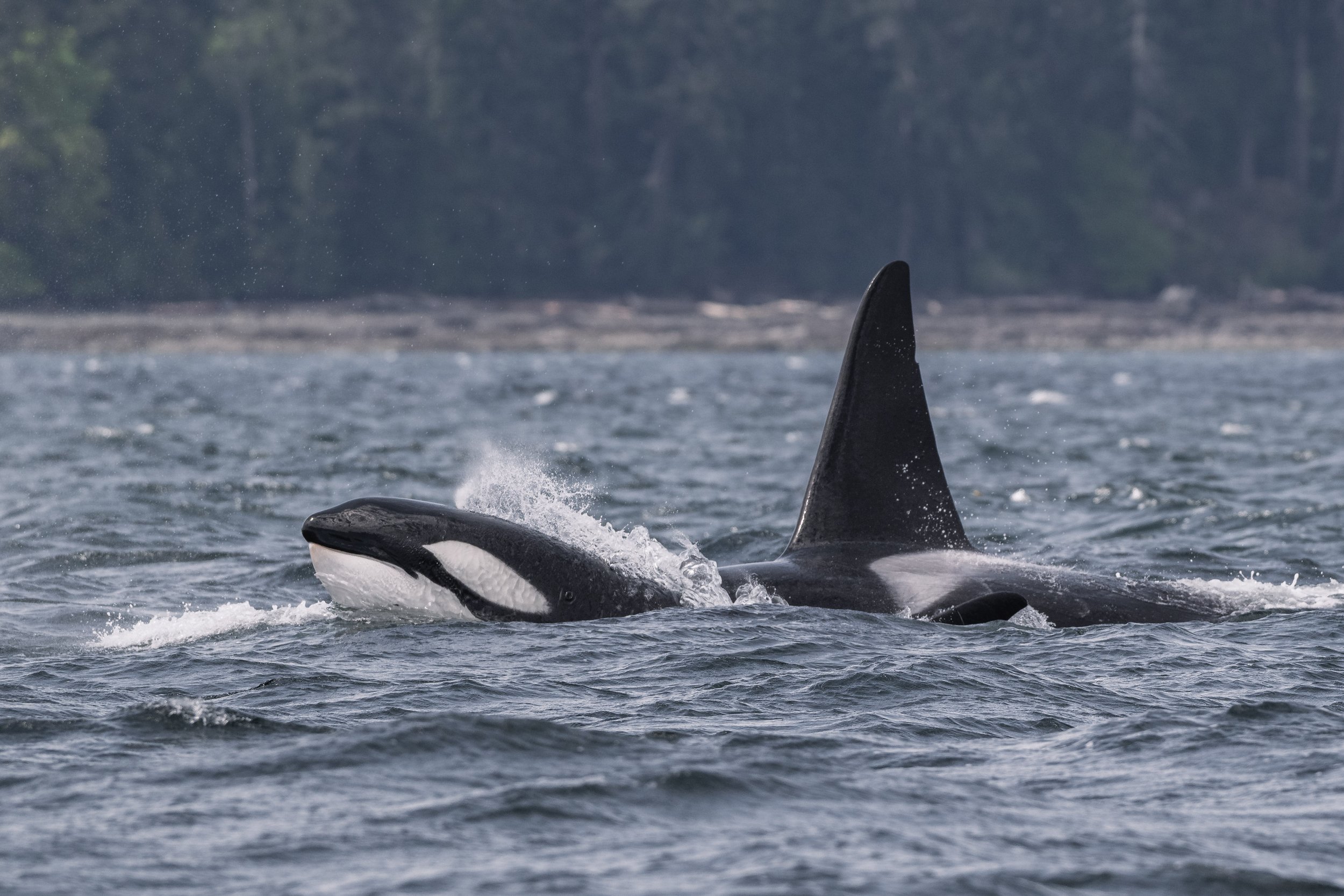
T123 Sidney surfacing ahead of T123A Stanley.
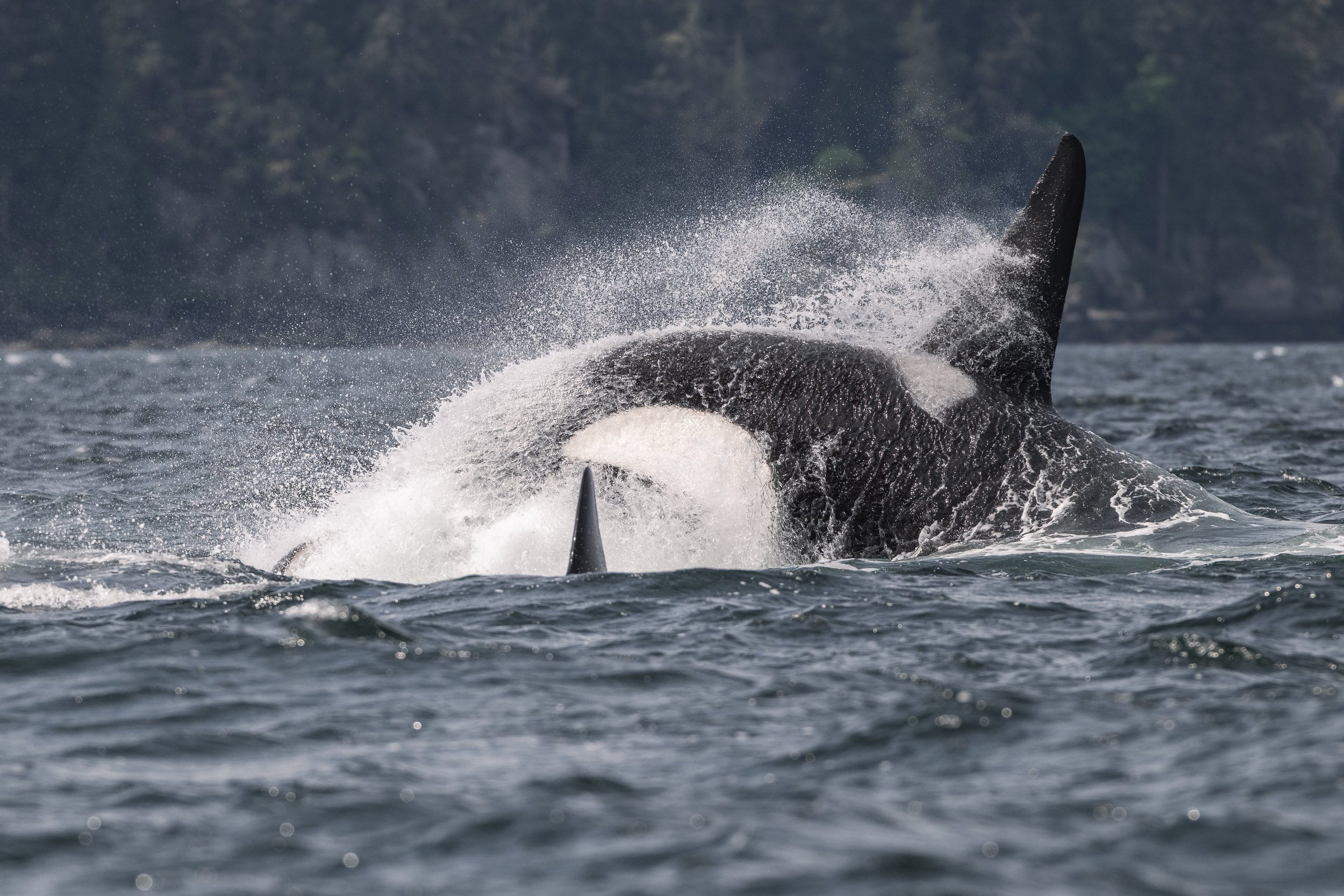
T123A Stanley getting in on the hunt.
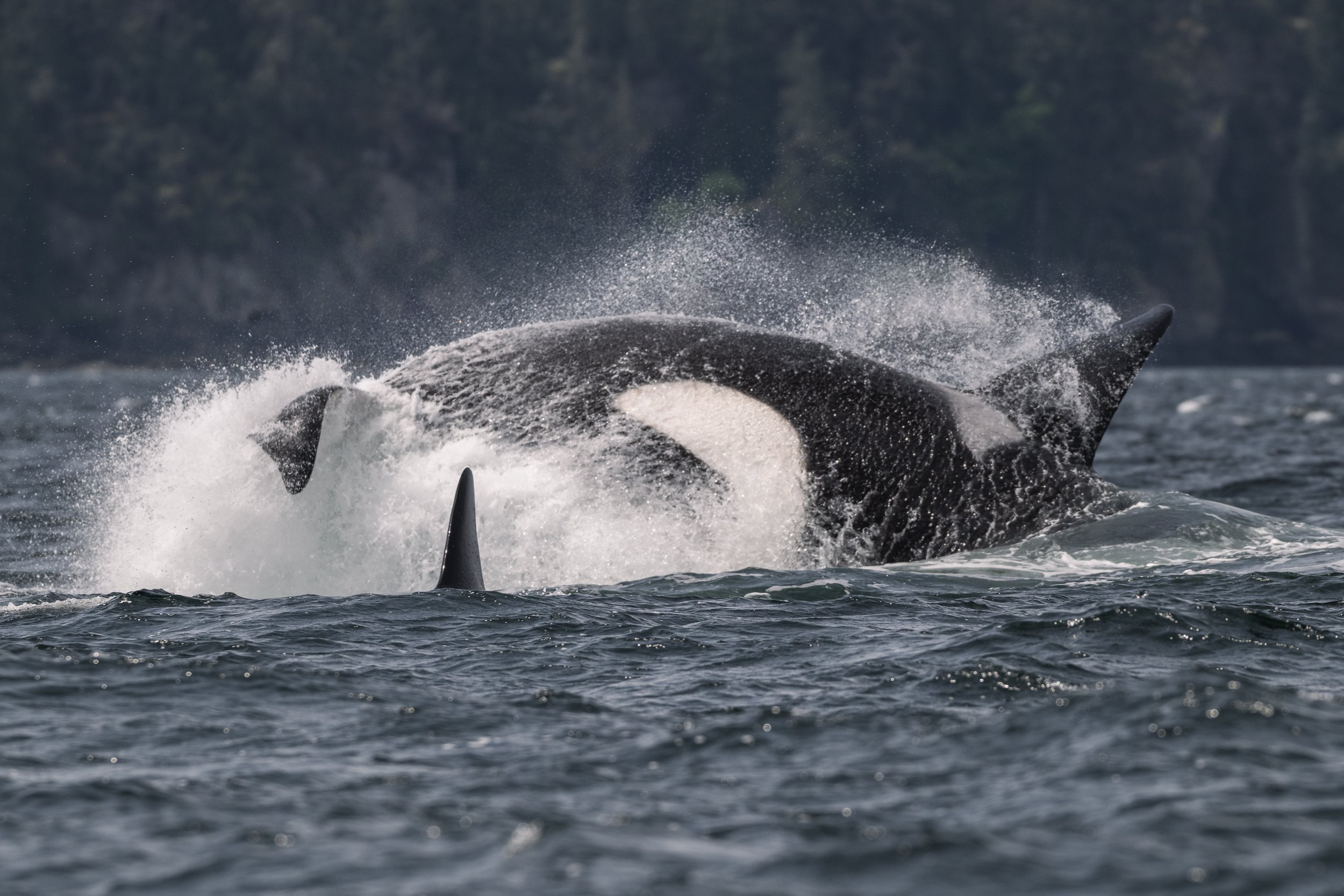
Making waves.
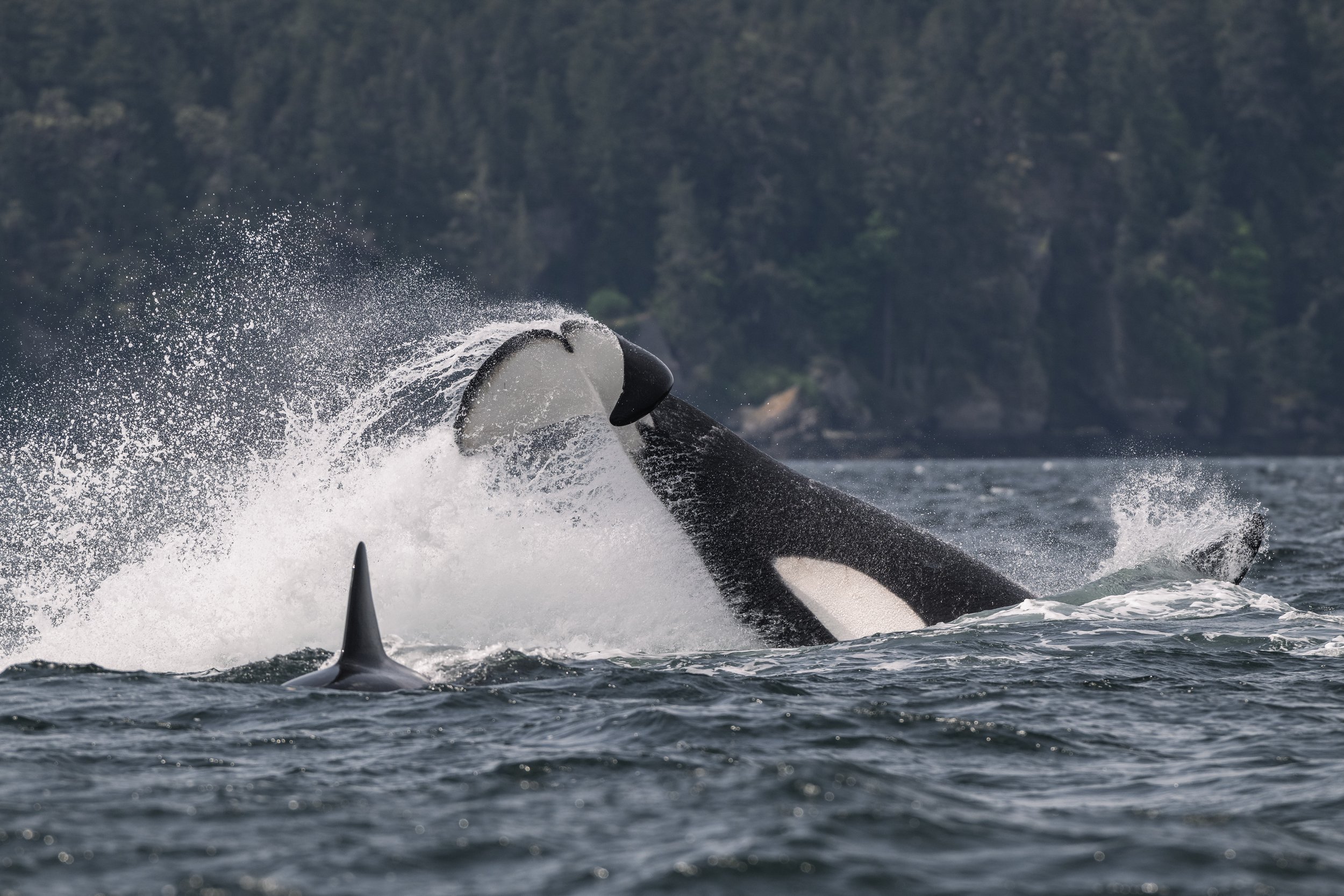
Can you see the curve in T123A Stanley’s tail?
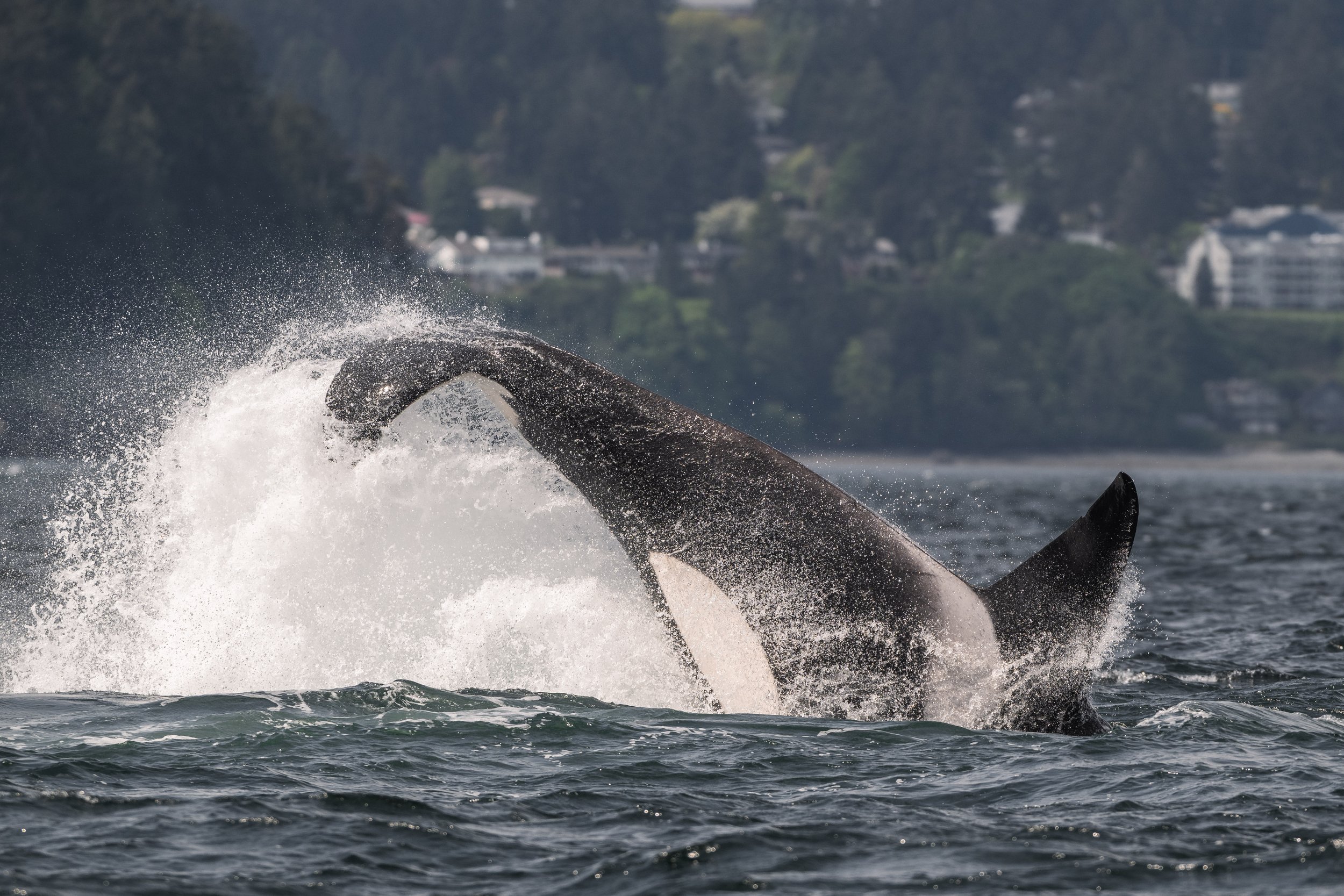
Did you know T123A Stanley can get to speeds of around 55 kms during a hunt?
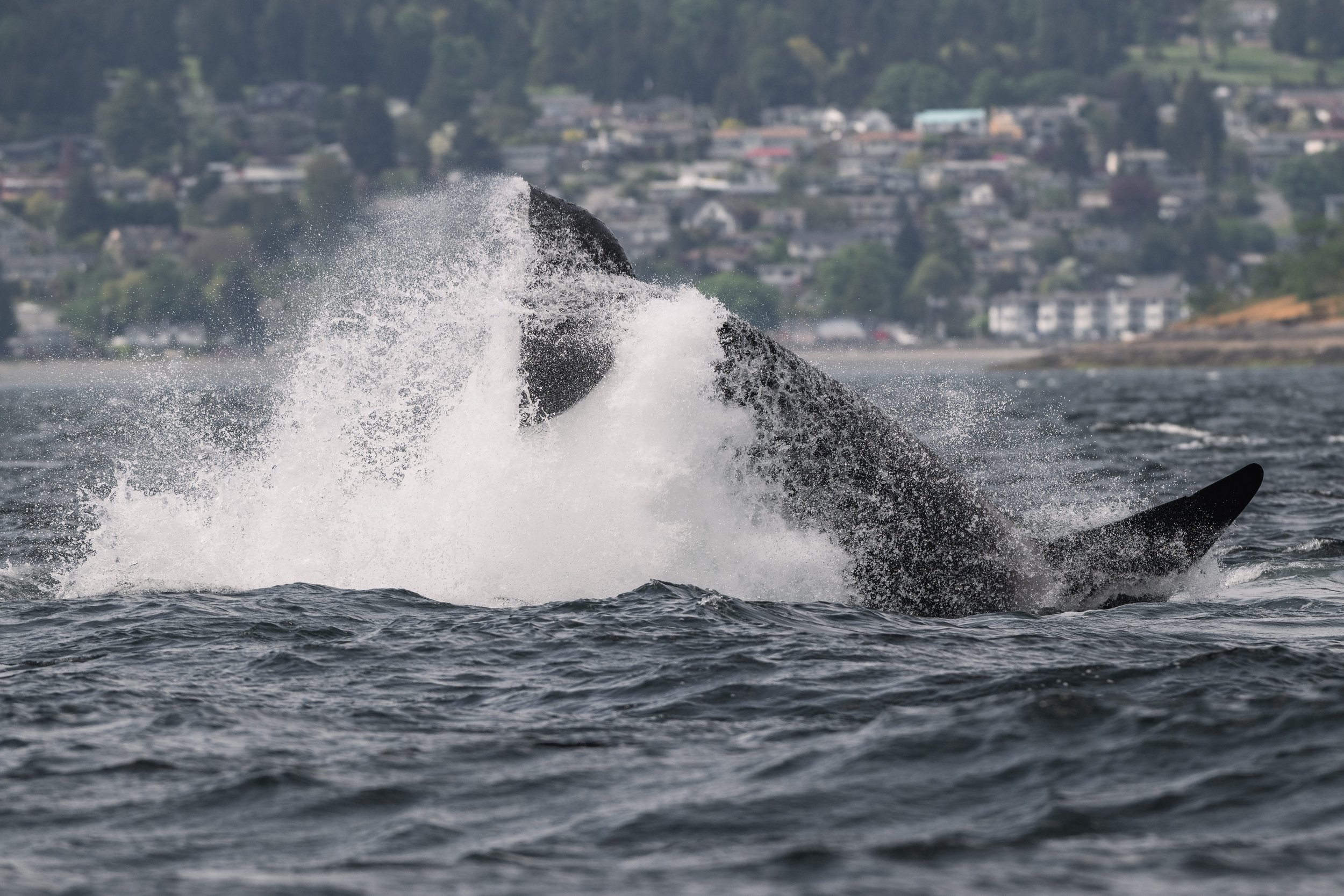
Going down.
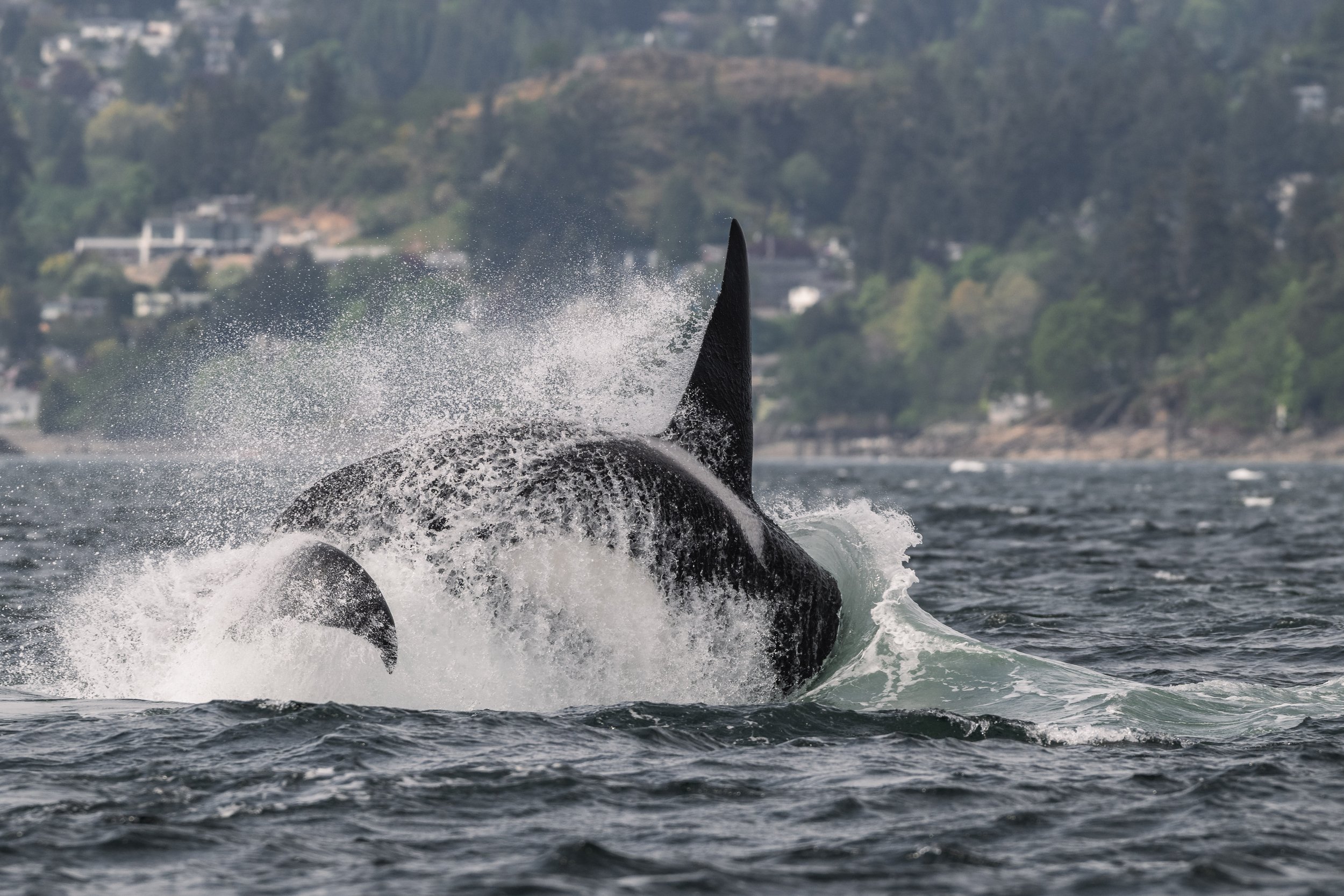
Look at how much water T123A Stanley is moving.
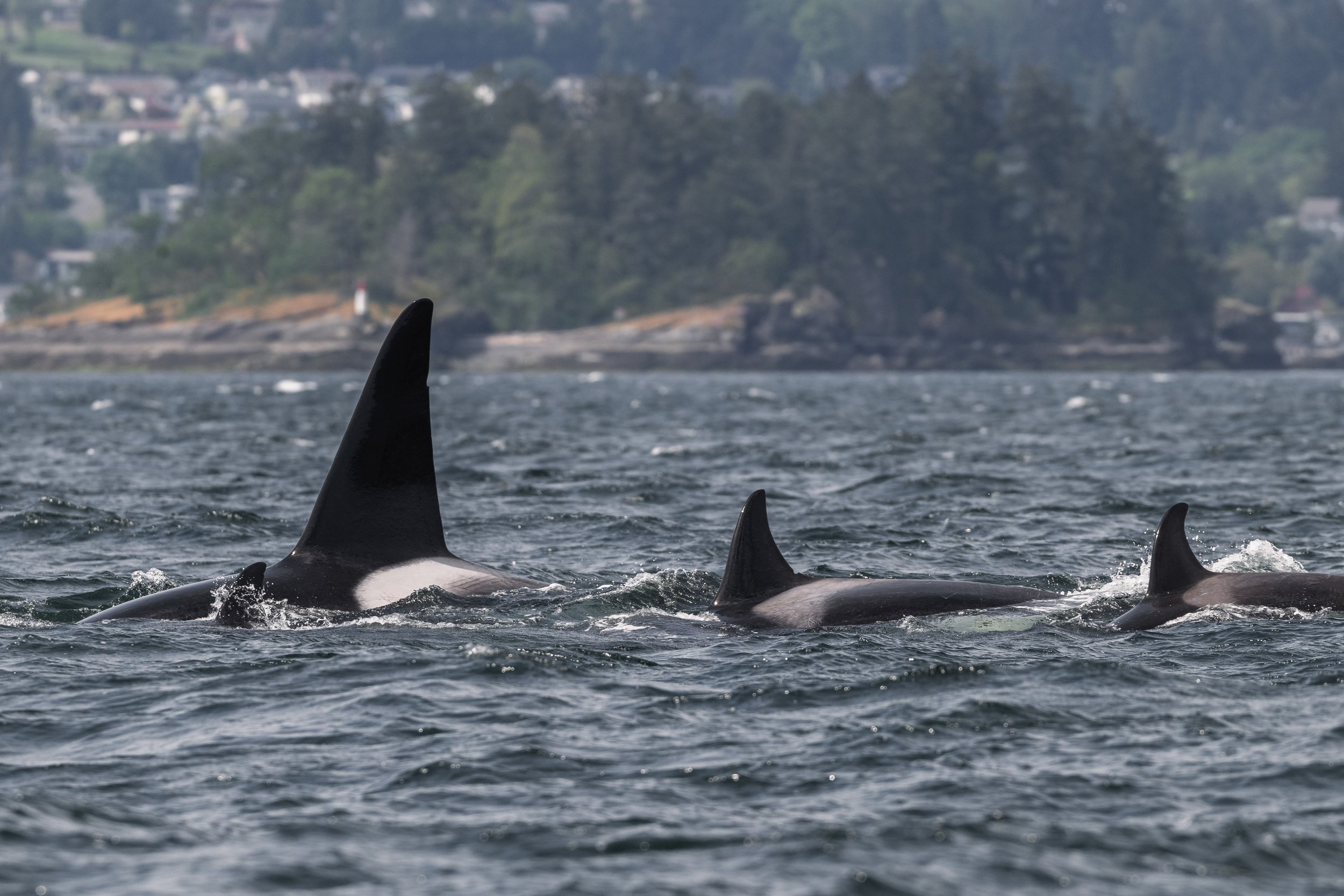
left to right: T123D Darcy, T123A Stanley, T065B Chunk, and T065B3 Rook in tow.
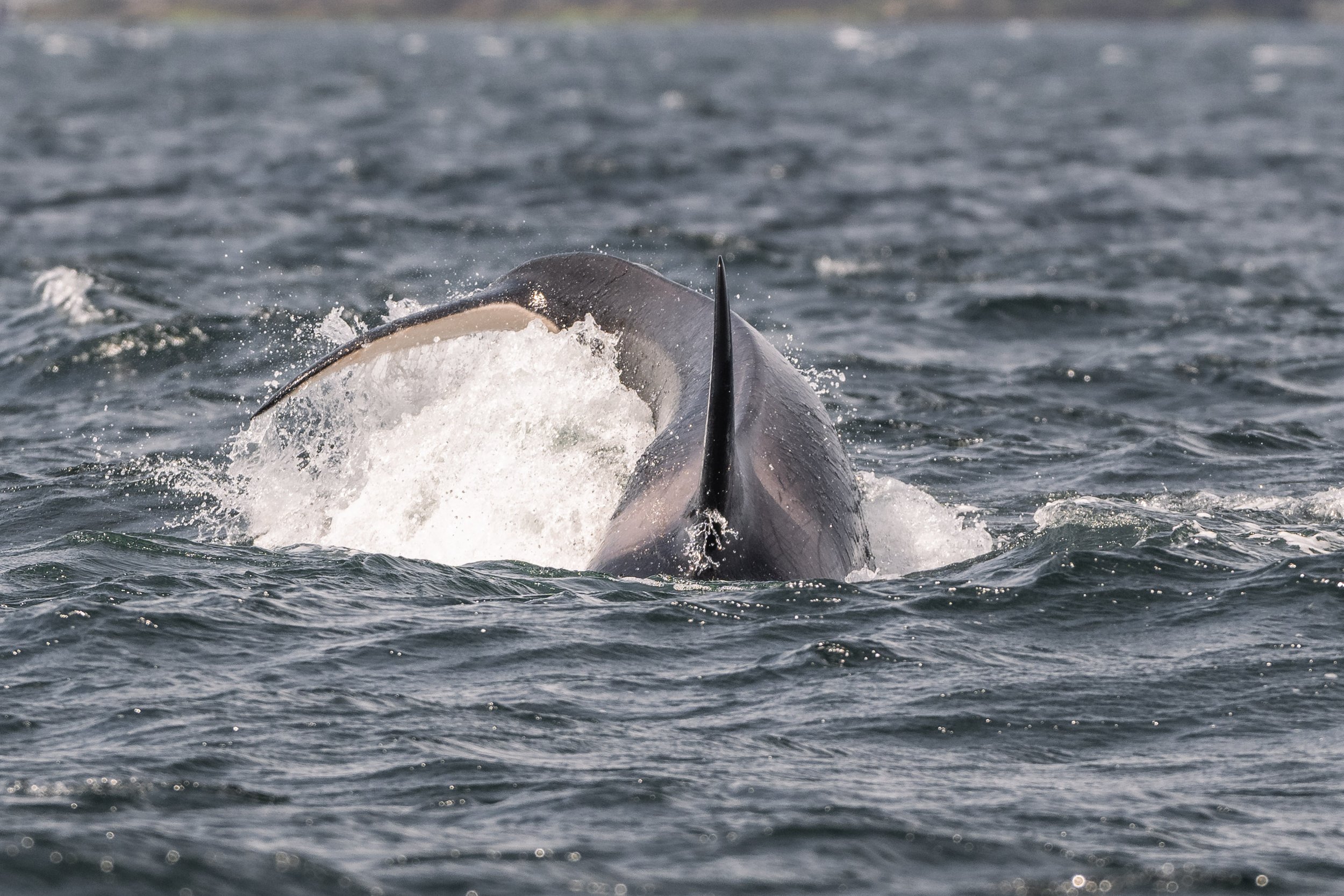
Check out this maneuver!
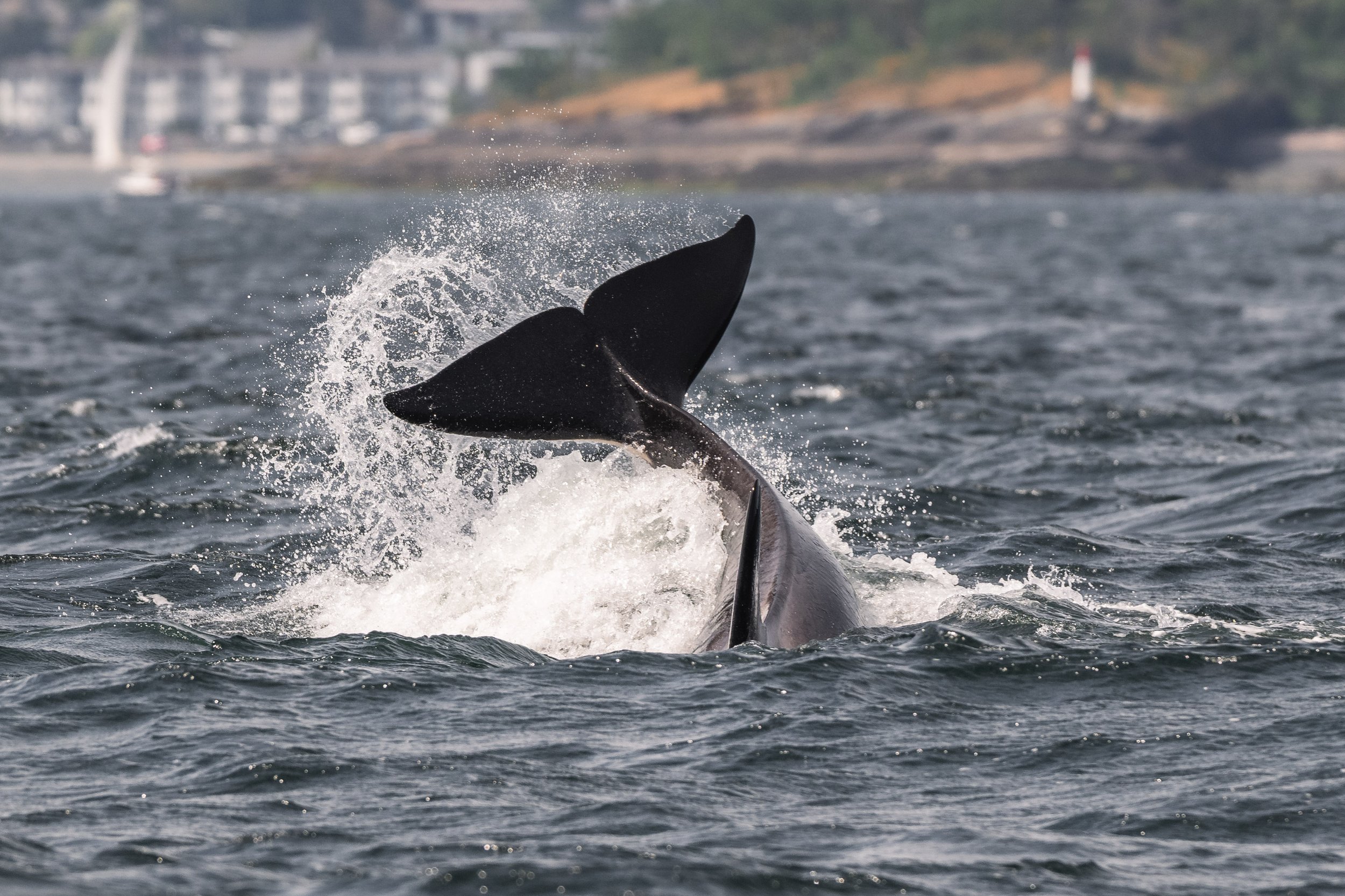
Tails up!
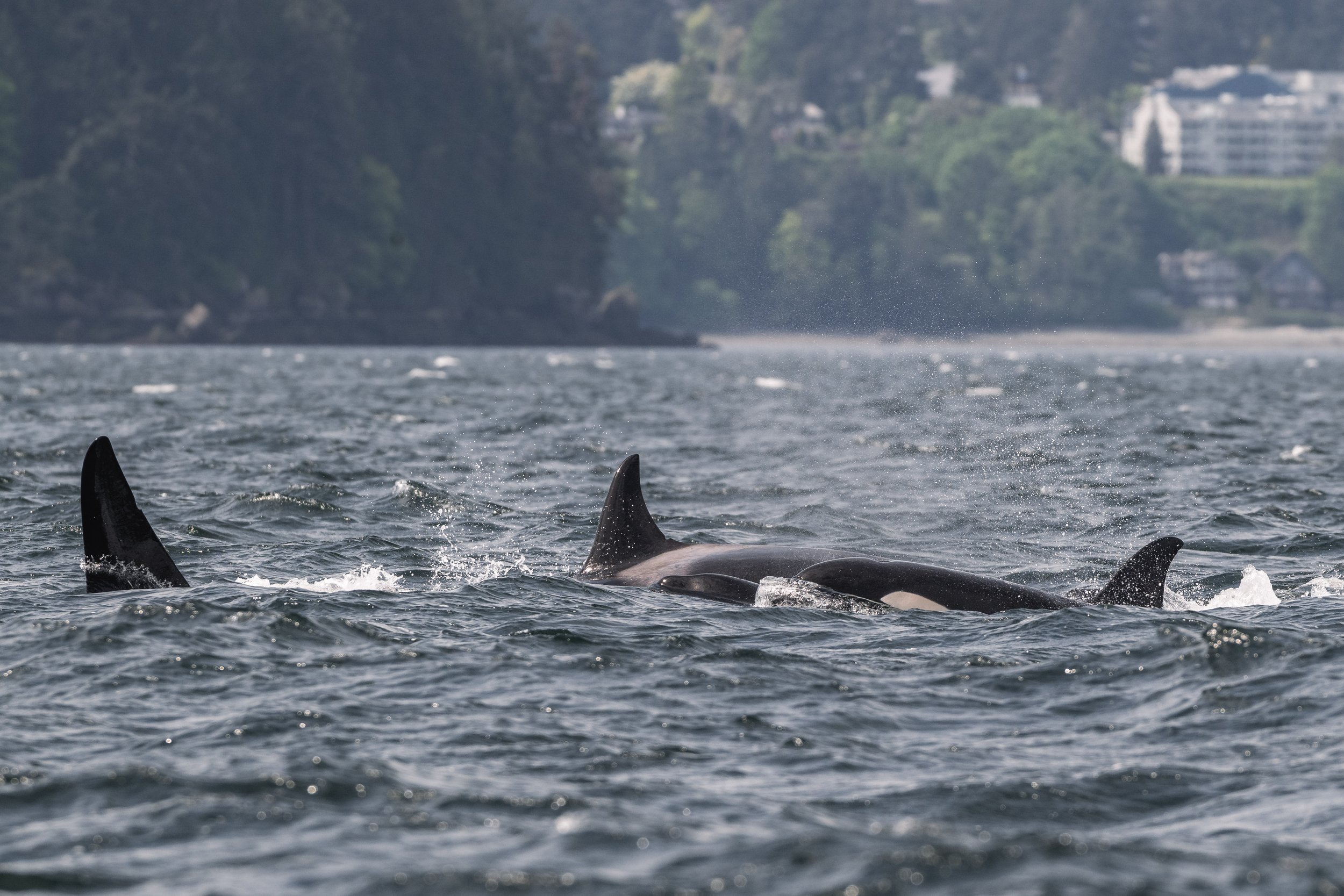
T123A Stanley in the lead with T065B Chunk and T123 Sidney following and another tucked between the matriarchs.
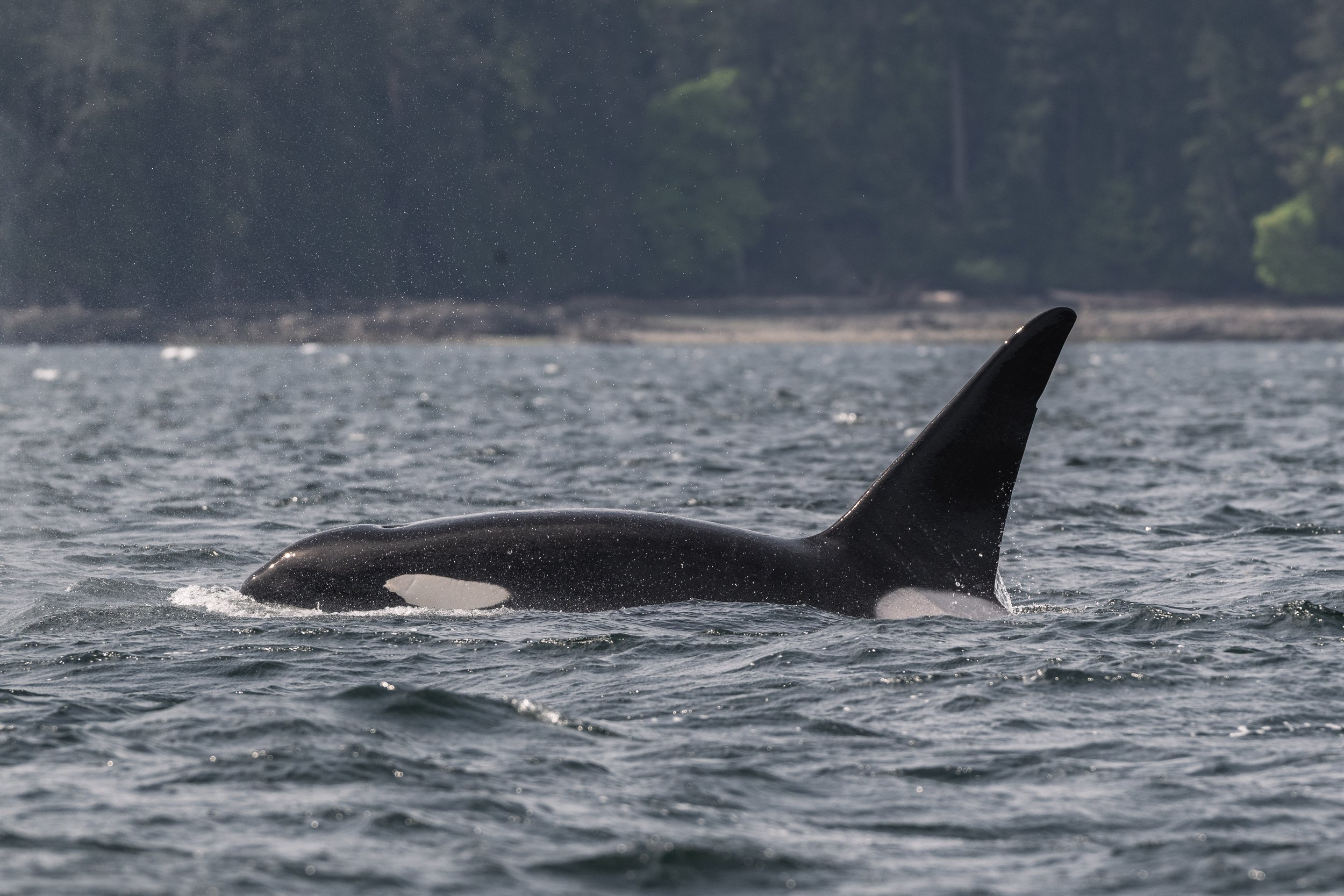
T123A Stanley showing off his eye patch.
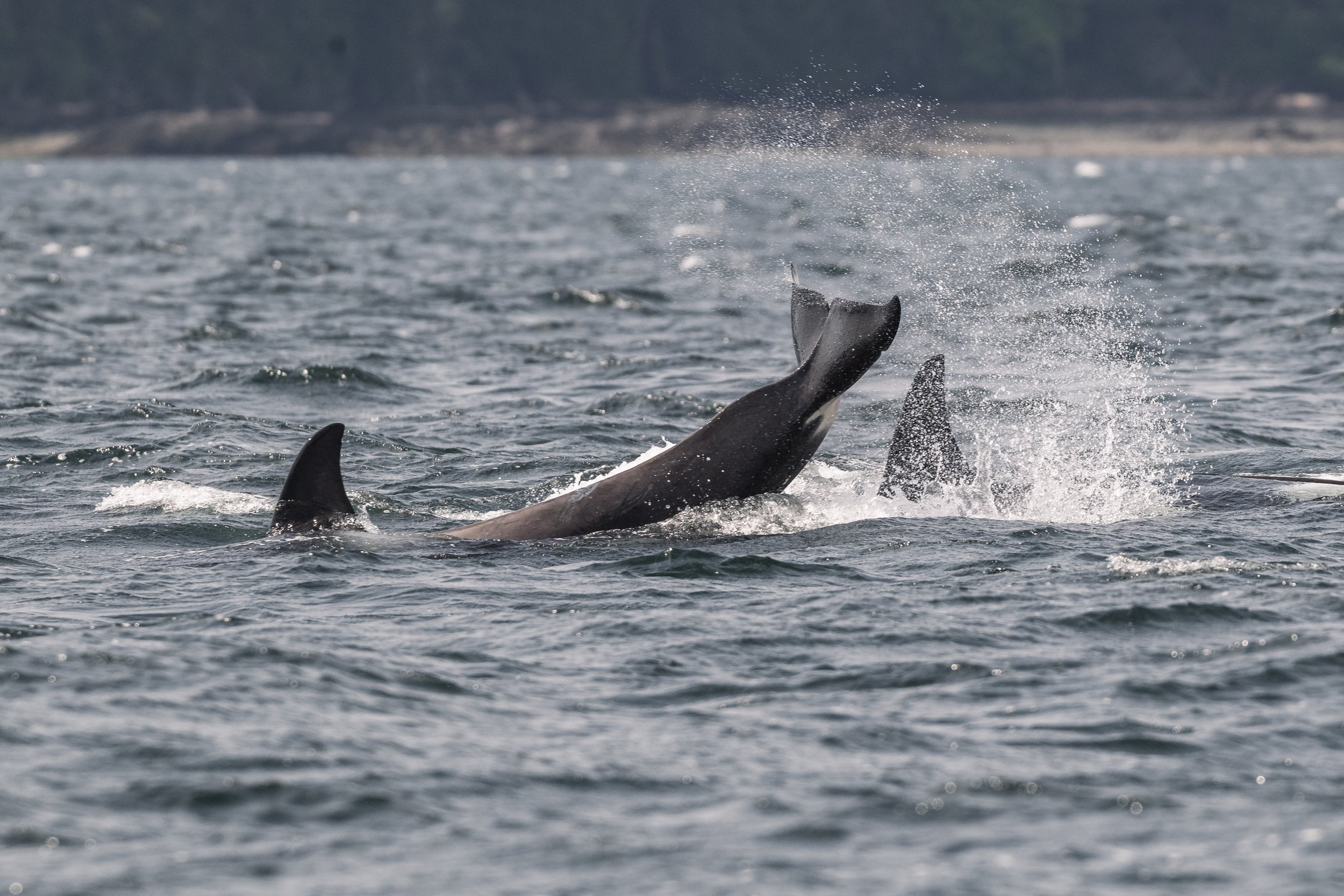
T123D Darcy throwing her tail in the air.
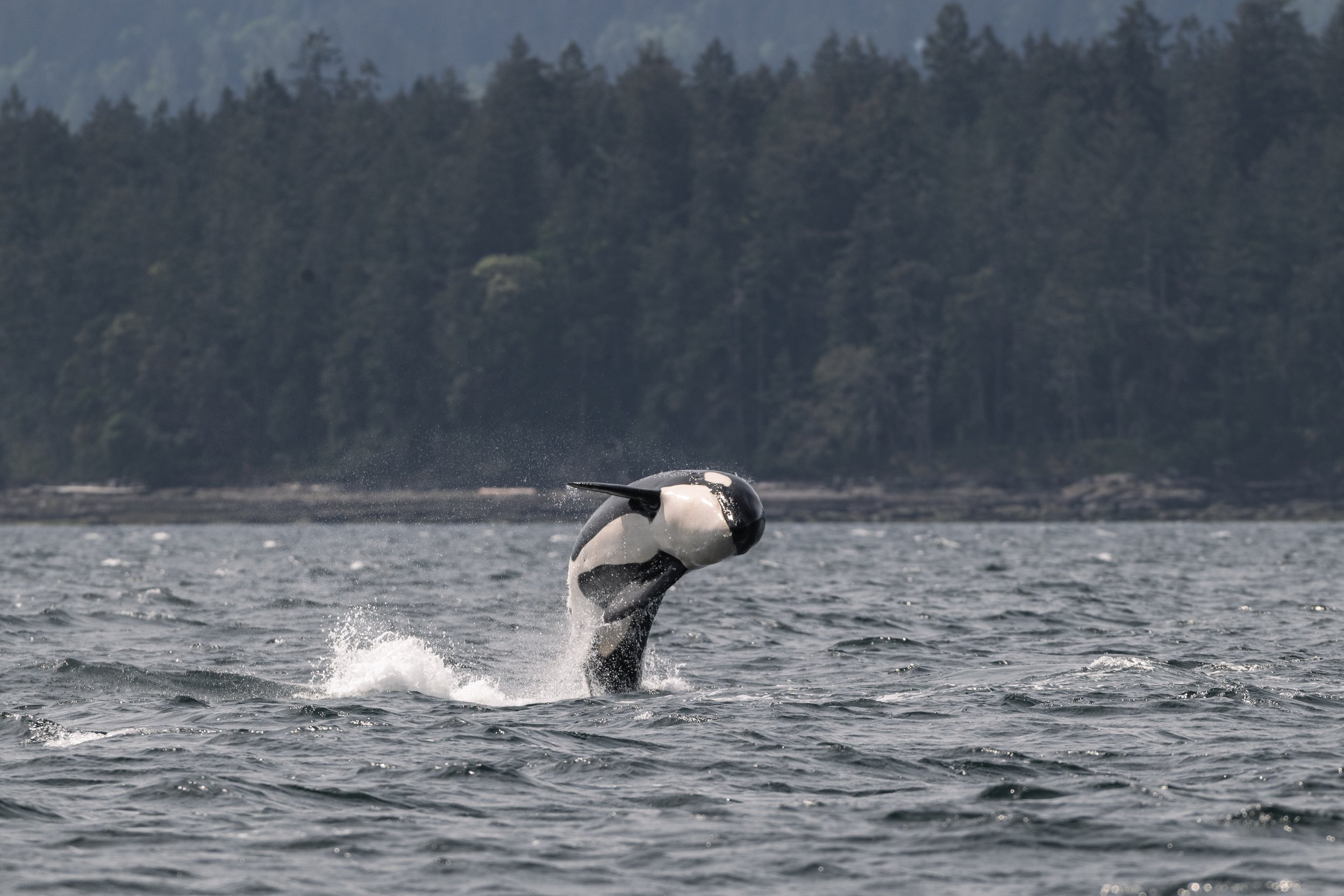
A breach!
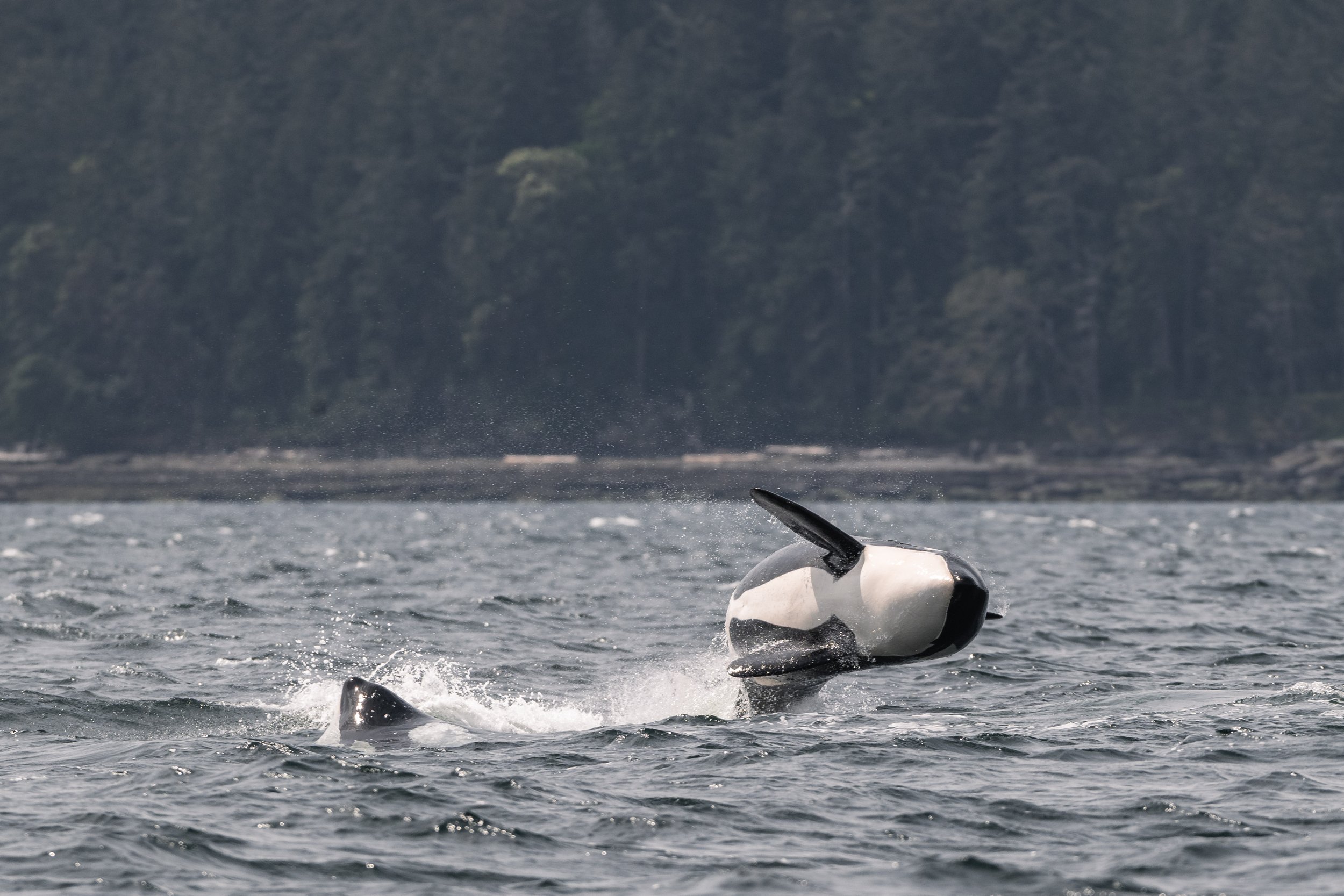
Going down as another is going up!
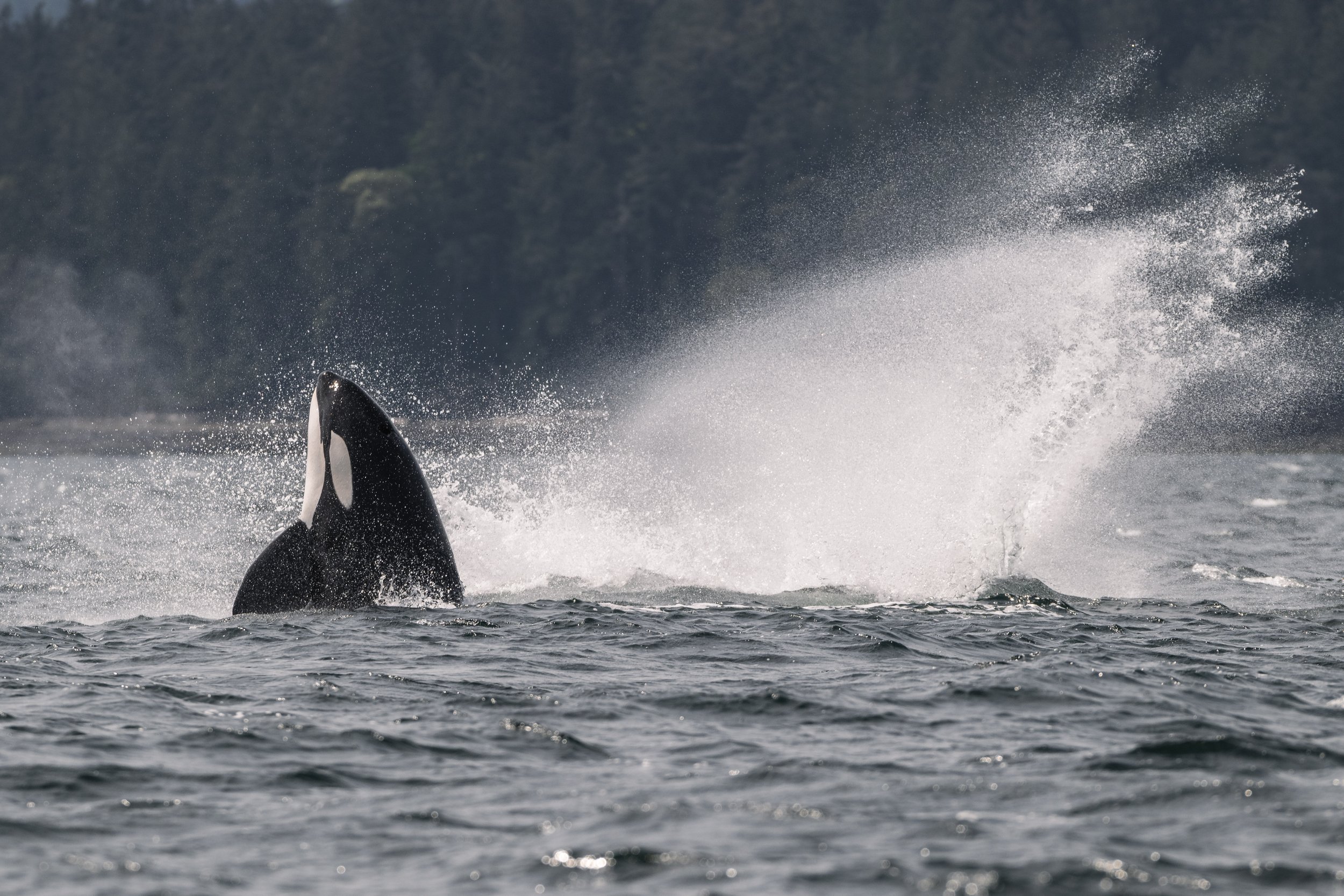
T123 Sidney with a spy-hop.
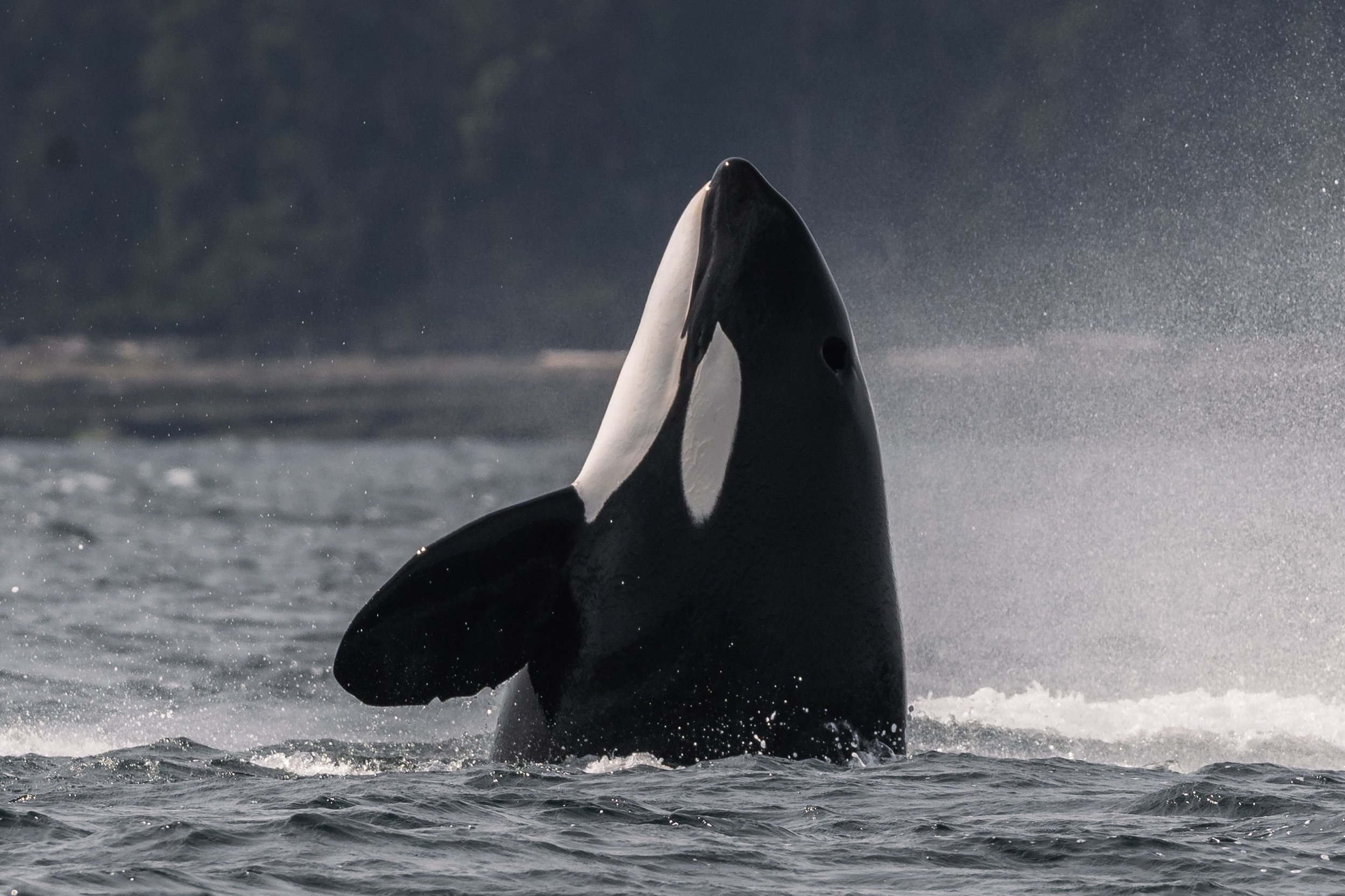
A great look at T123 Sidney!
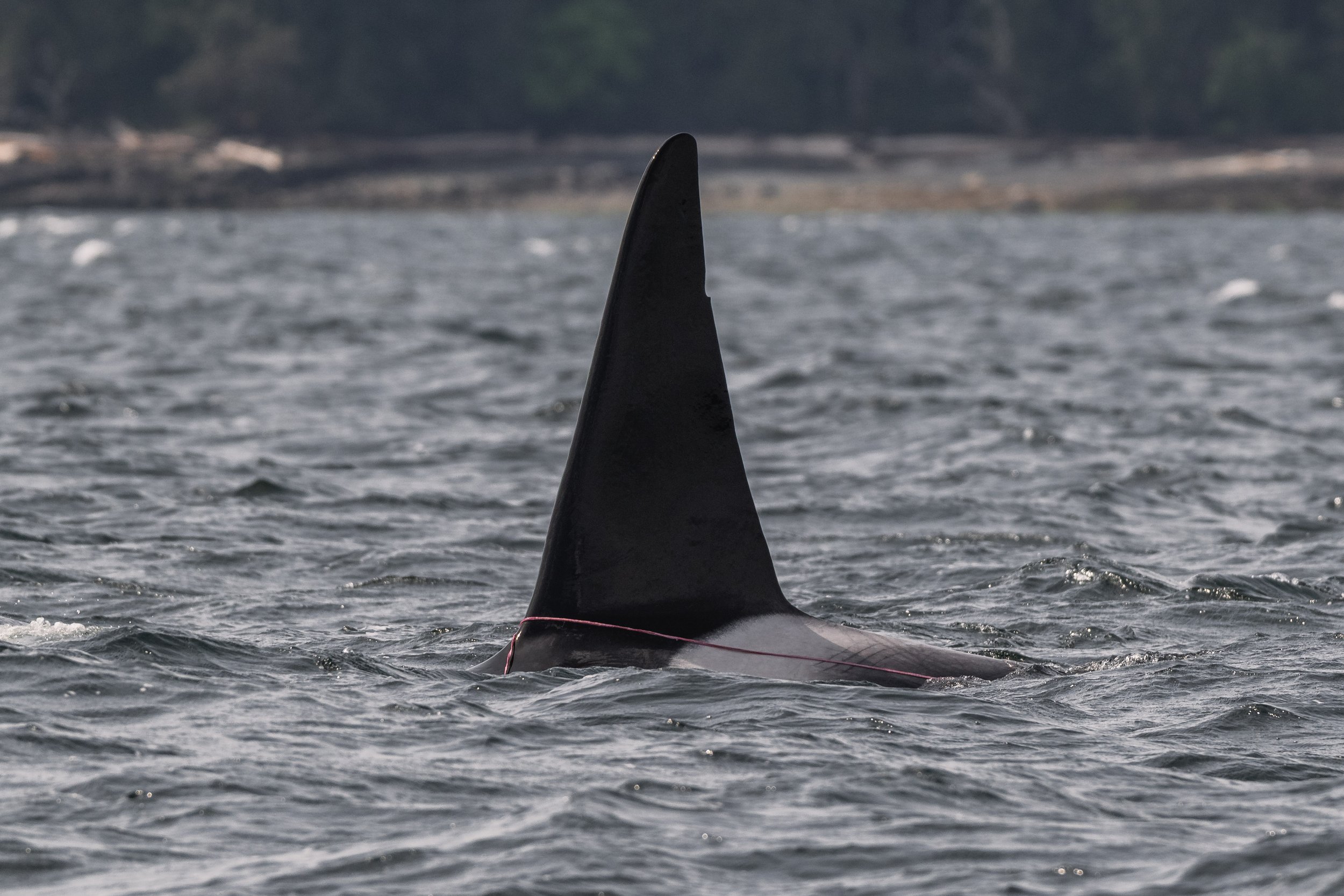
An indication that the hunt was sucessful, can you see the intestines on T123A Stanley’s fin?
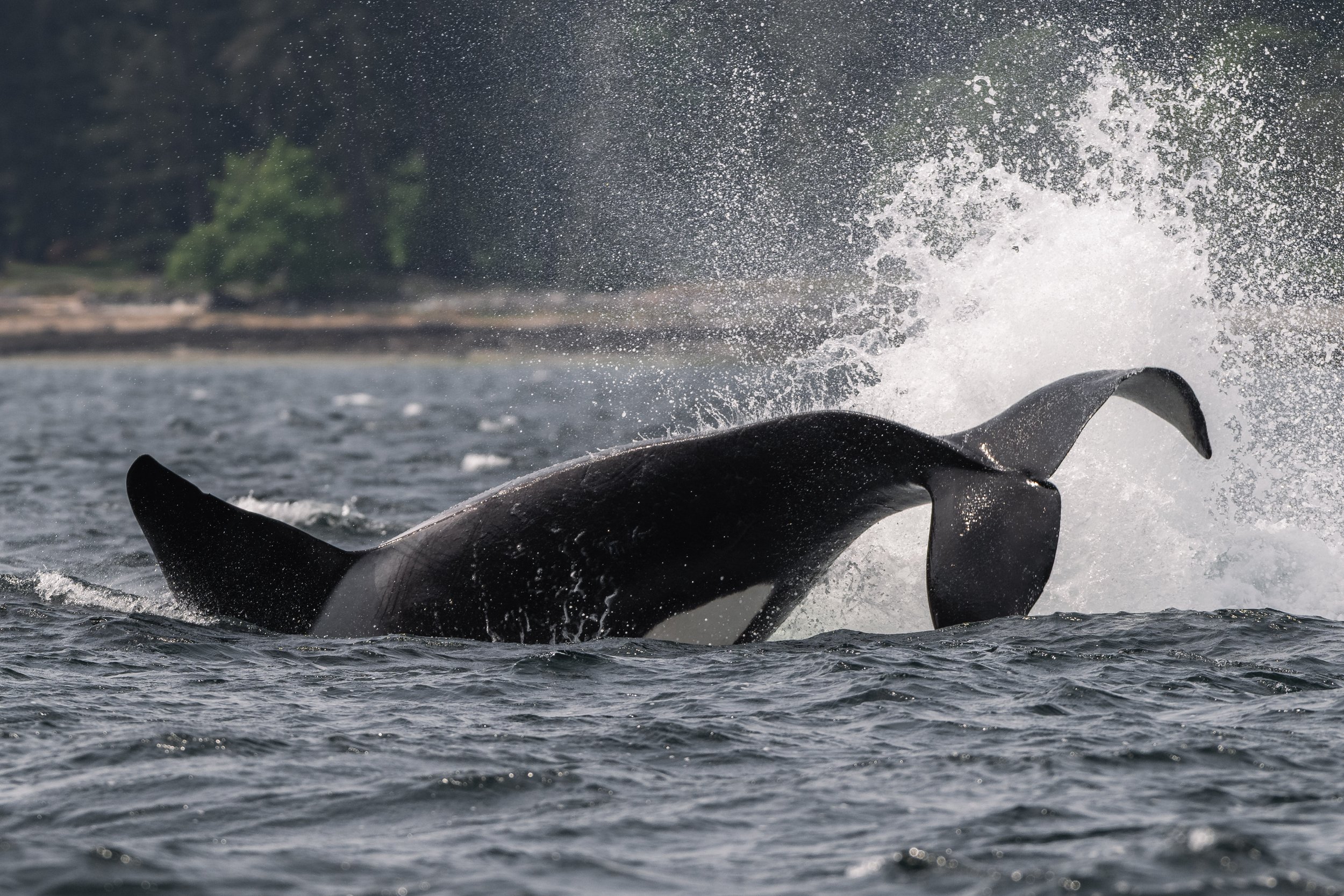
T123A Stanley possibly burning some extra calories from his meal!
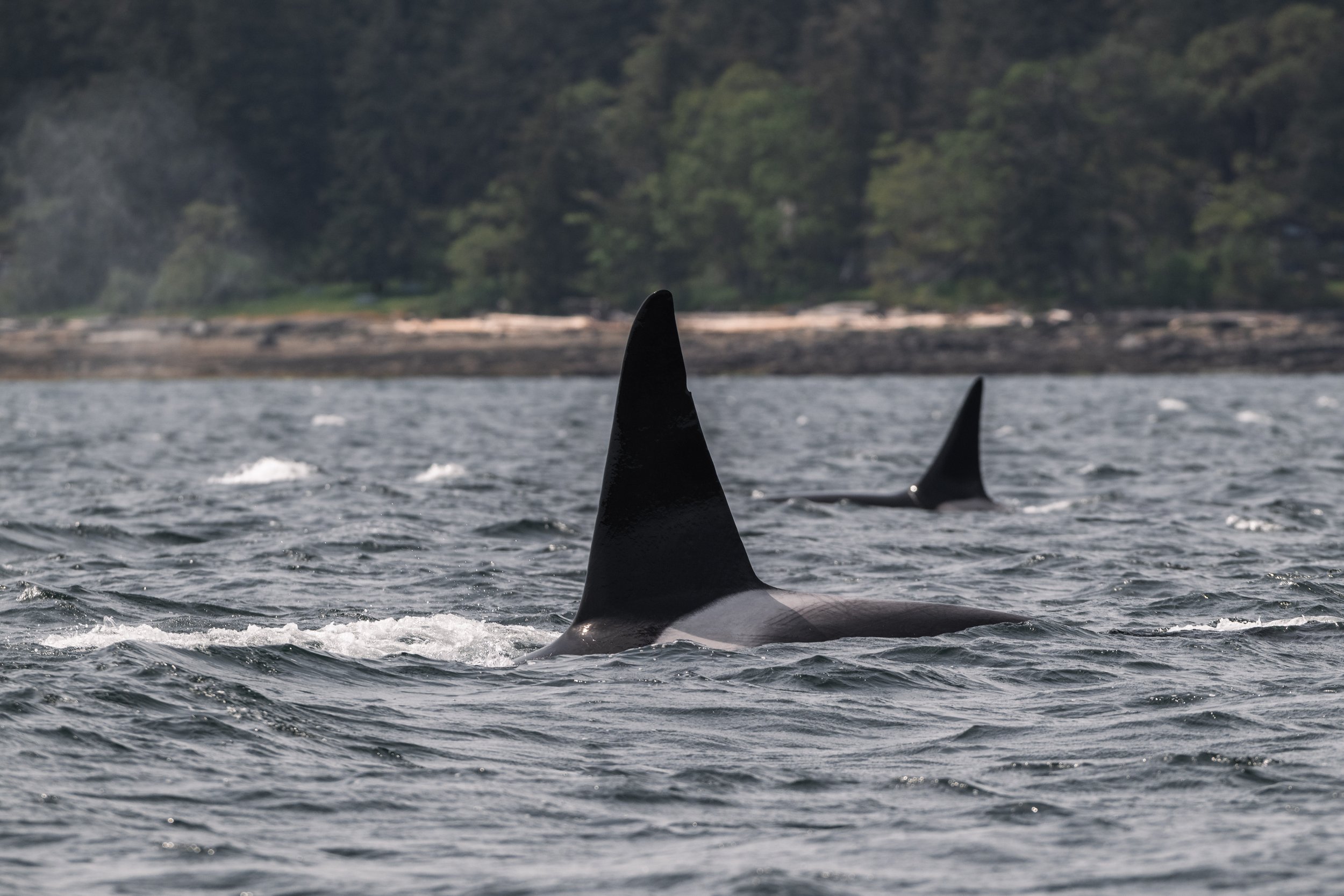
T123A Stanley surfacing with T065B1 Birdsall in the background.
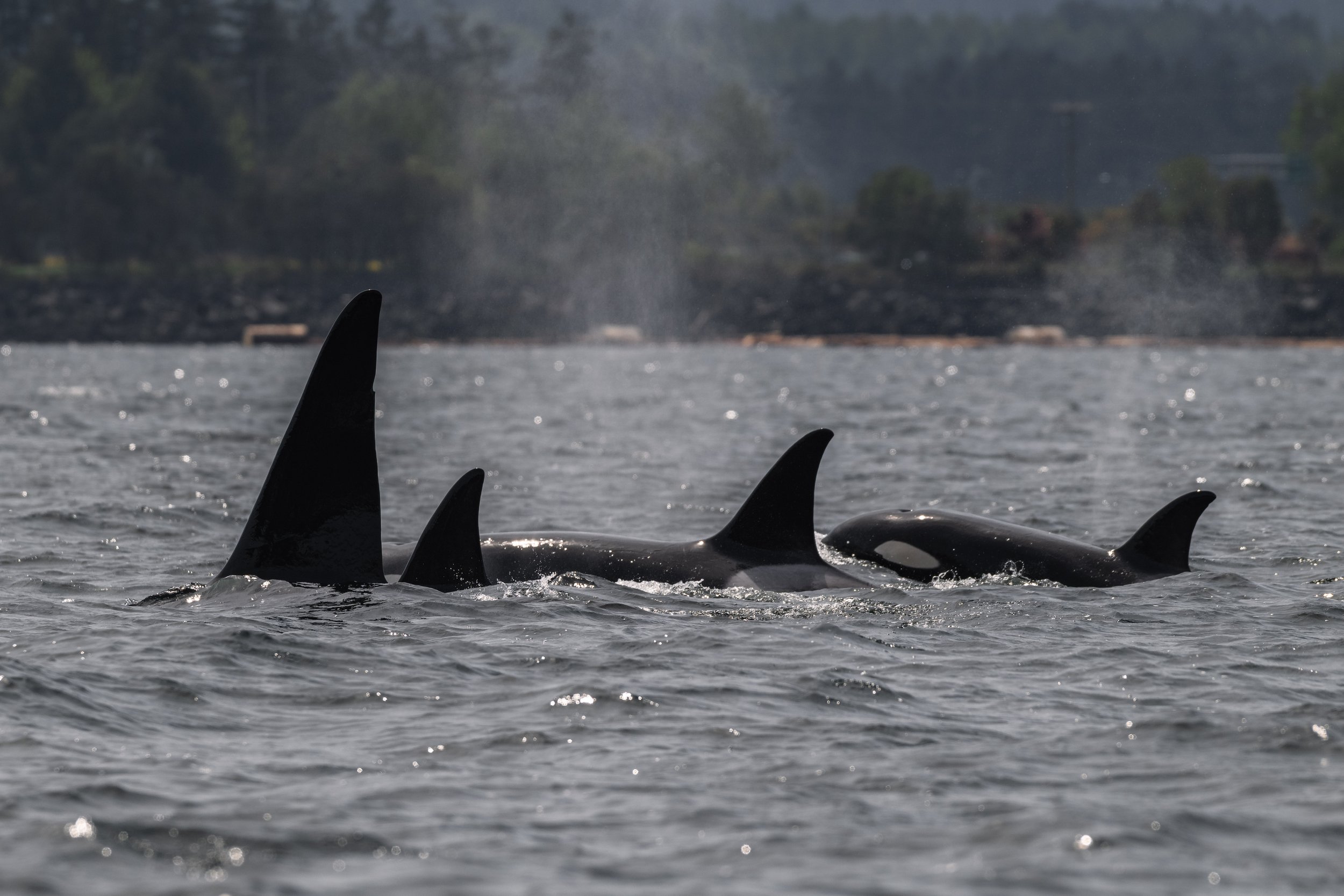
The T123s left to right: T123A Stanley, T123C Lucky, T123 Sidney and T123D Darcy.
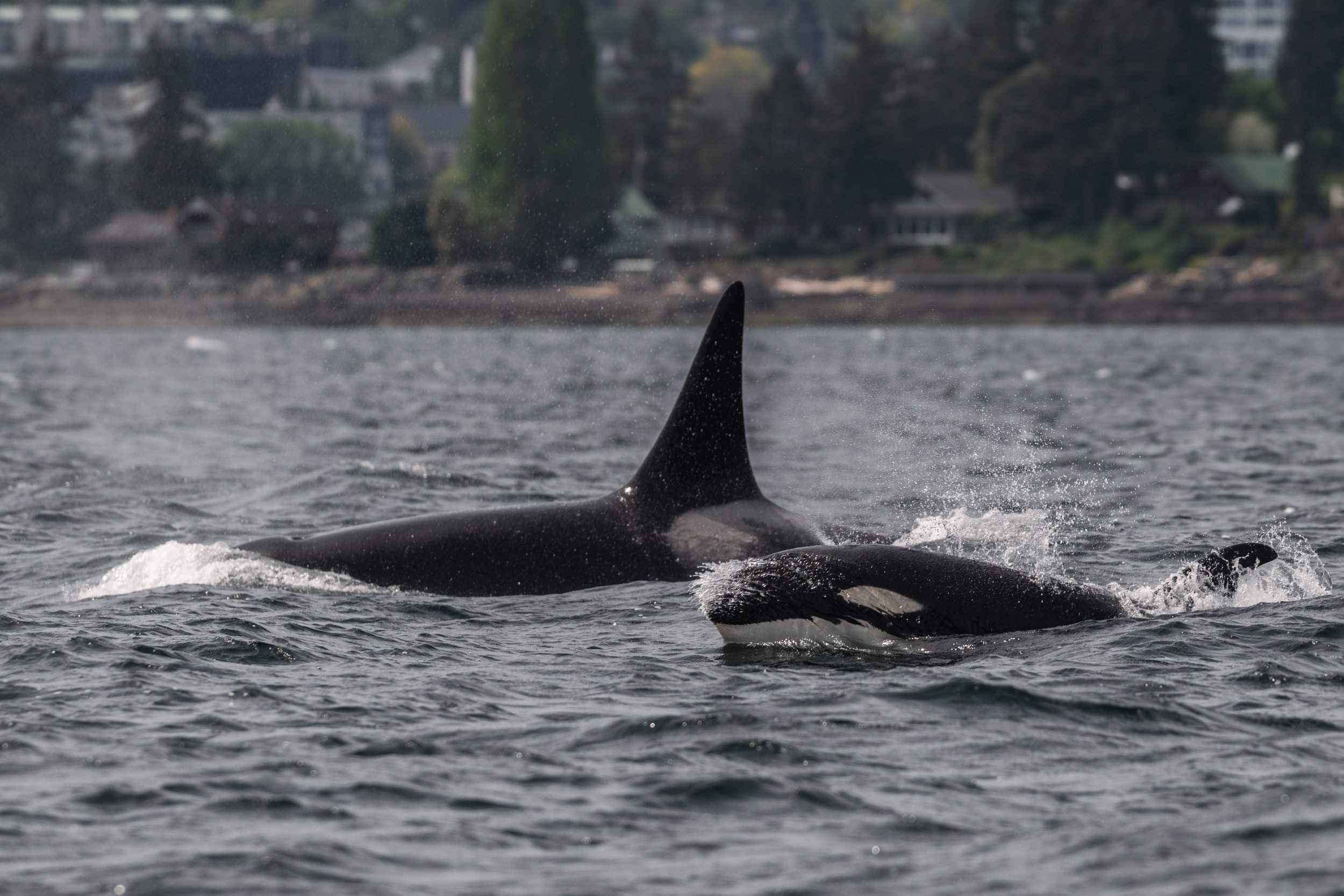
T065B1 Birdsall surfacing ahead of T065B3 Rook.
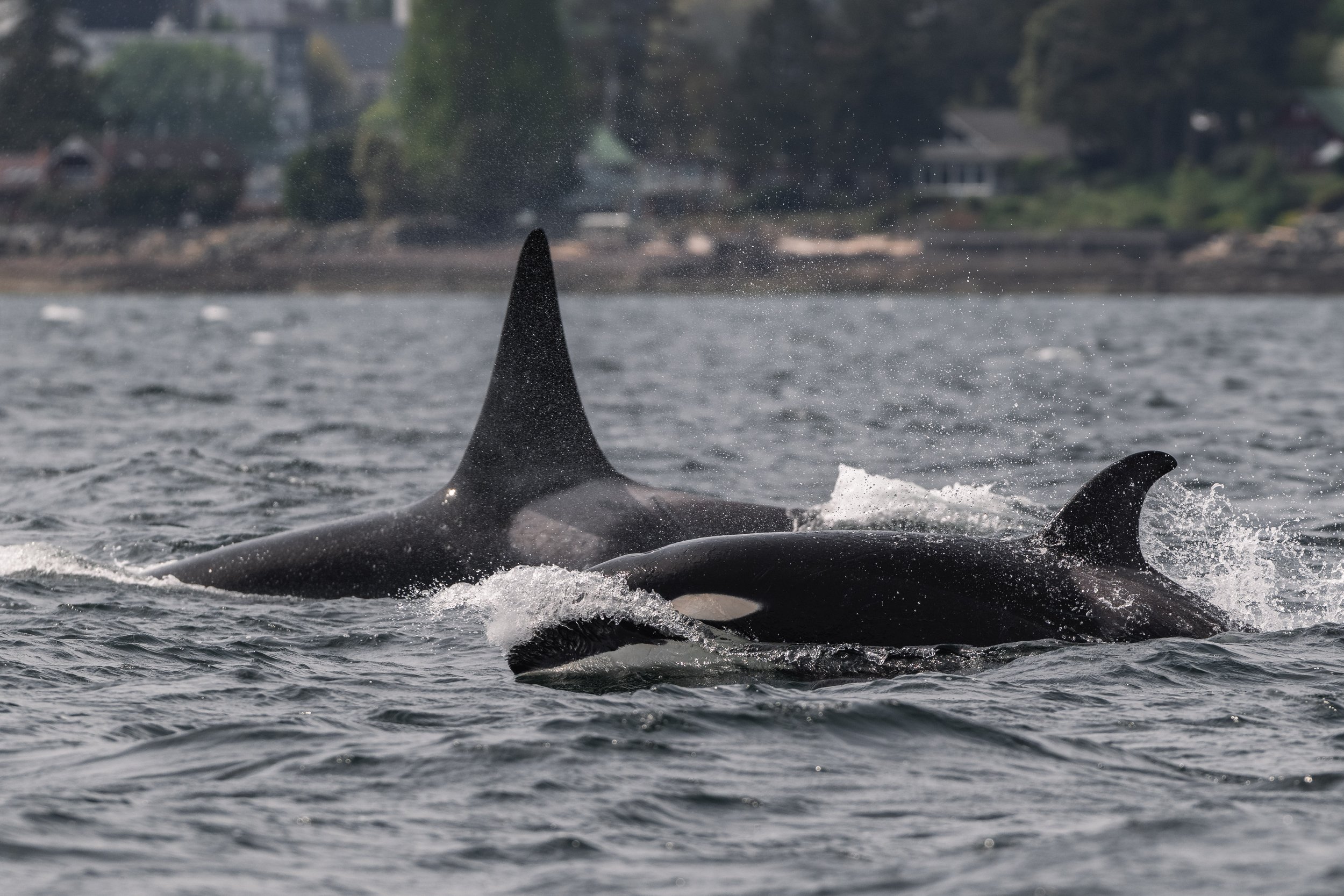
T065B1 Birdsall with T065B3 Rook showing off their eyepatch.
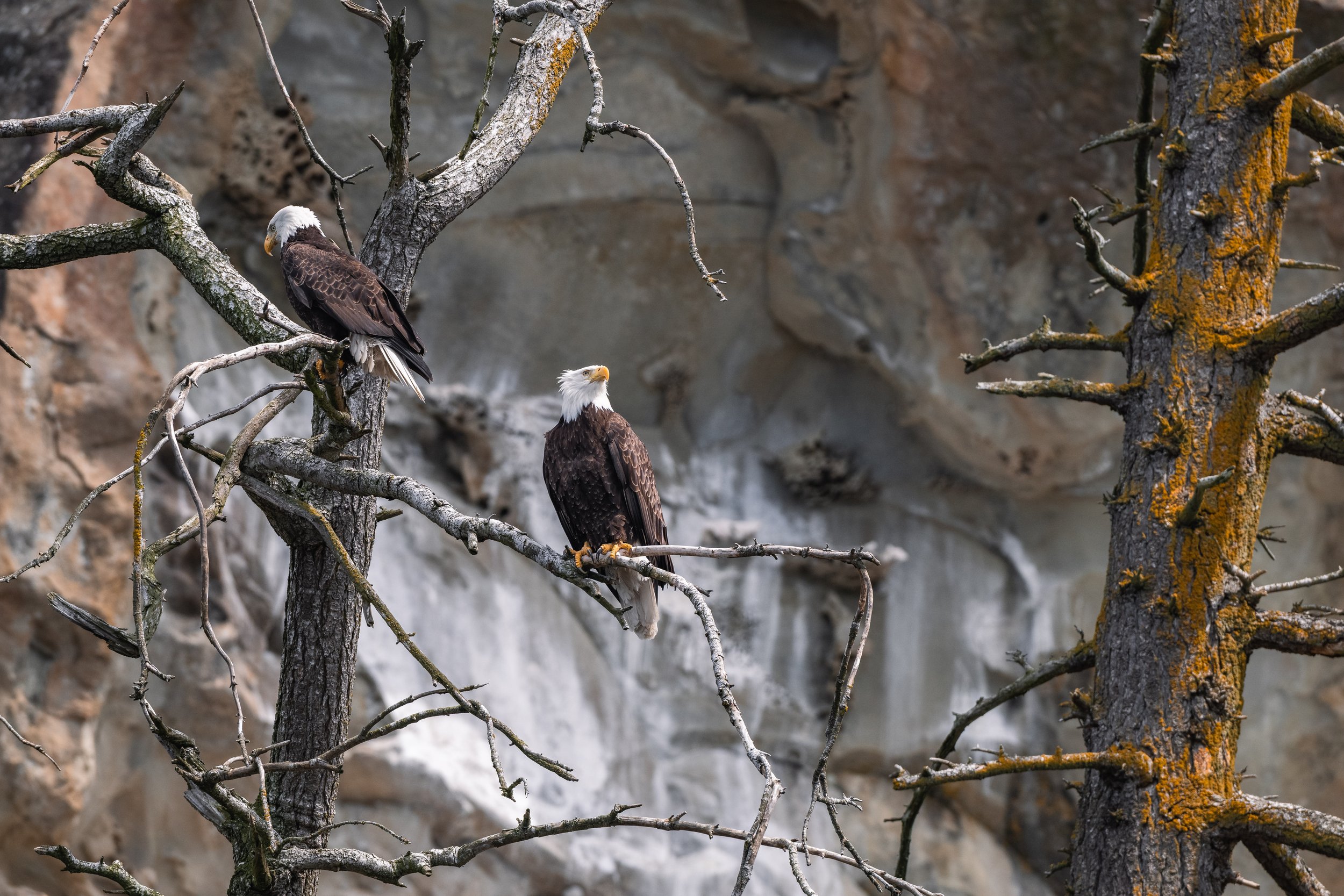
A pair of bald eagle.
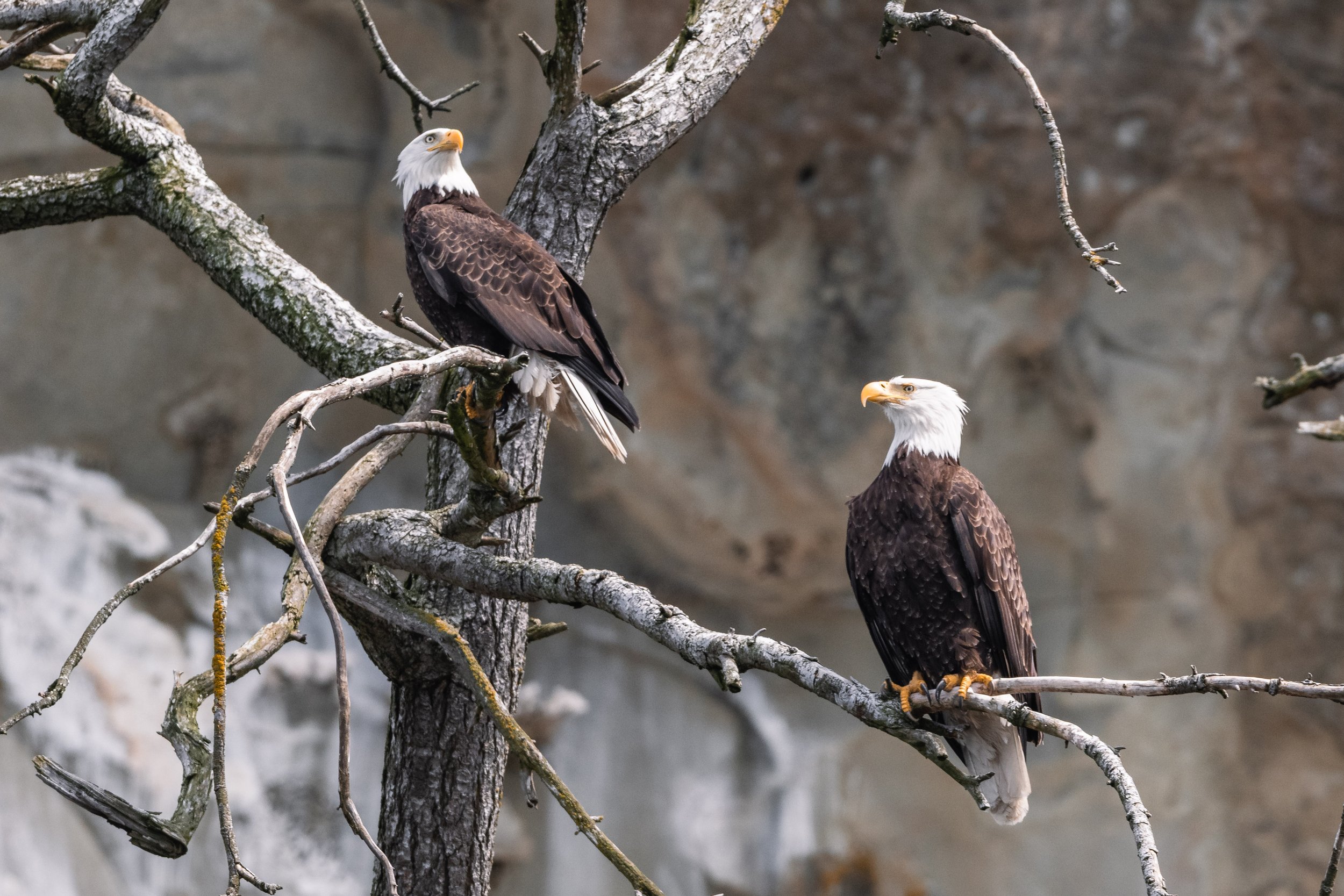
A perched pair at the Gabriola Bluffs.
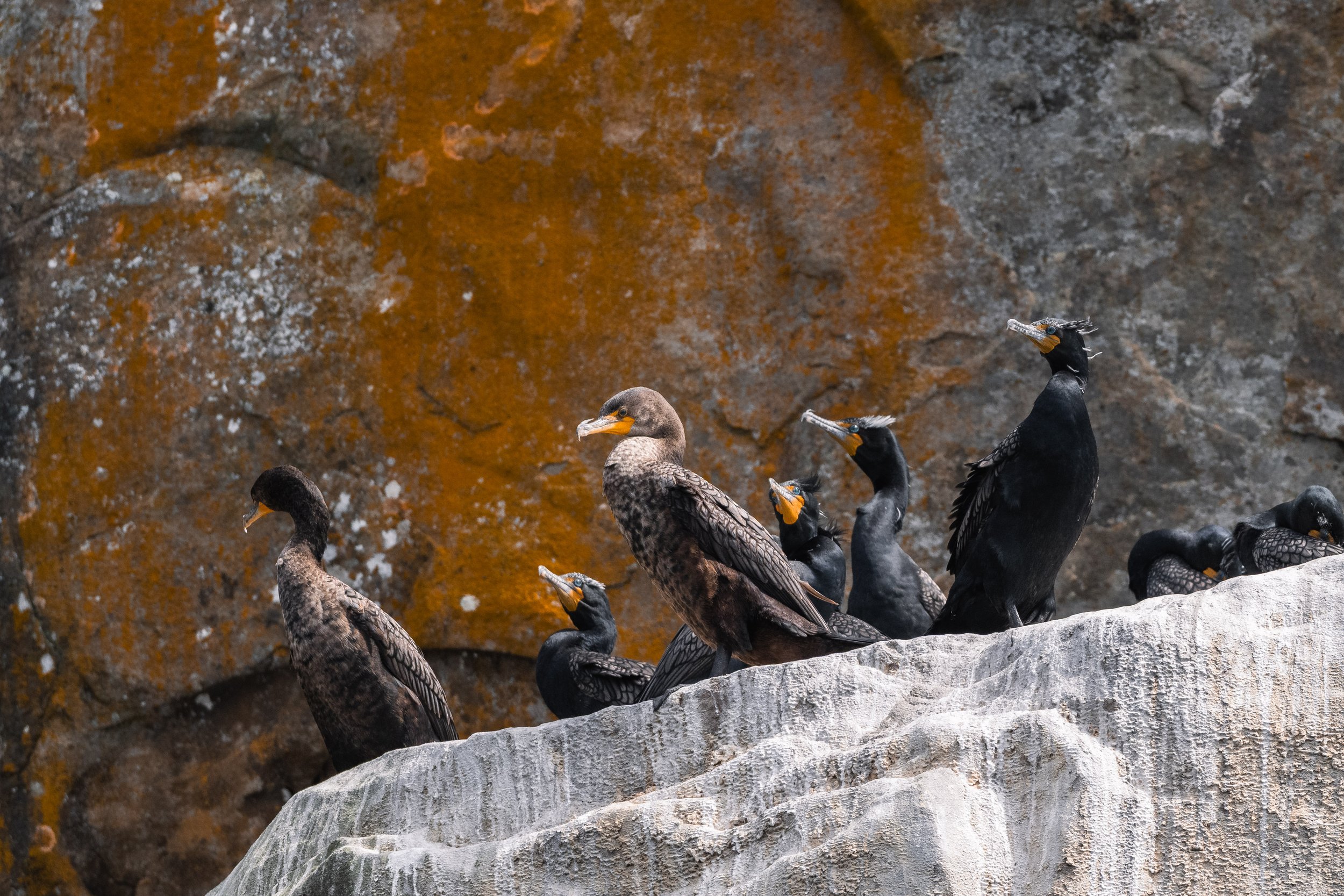
A number of Double-Crested Cormorants in breeding plumage on the Gabriola Bluffs
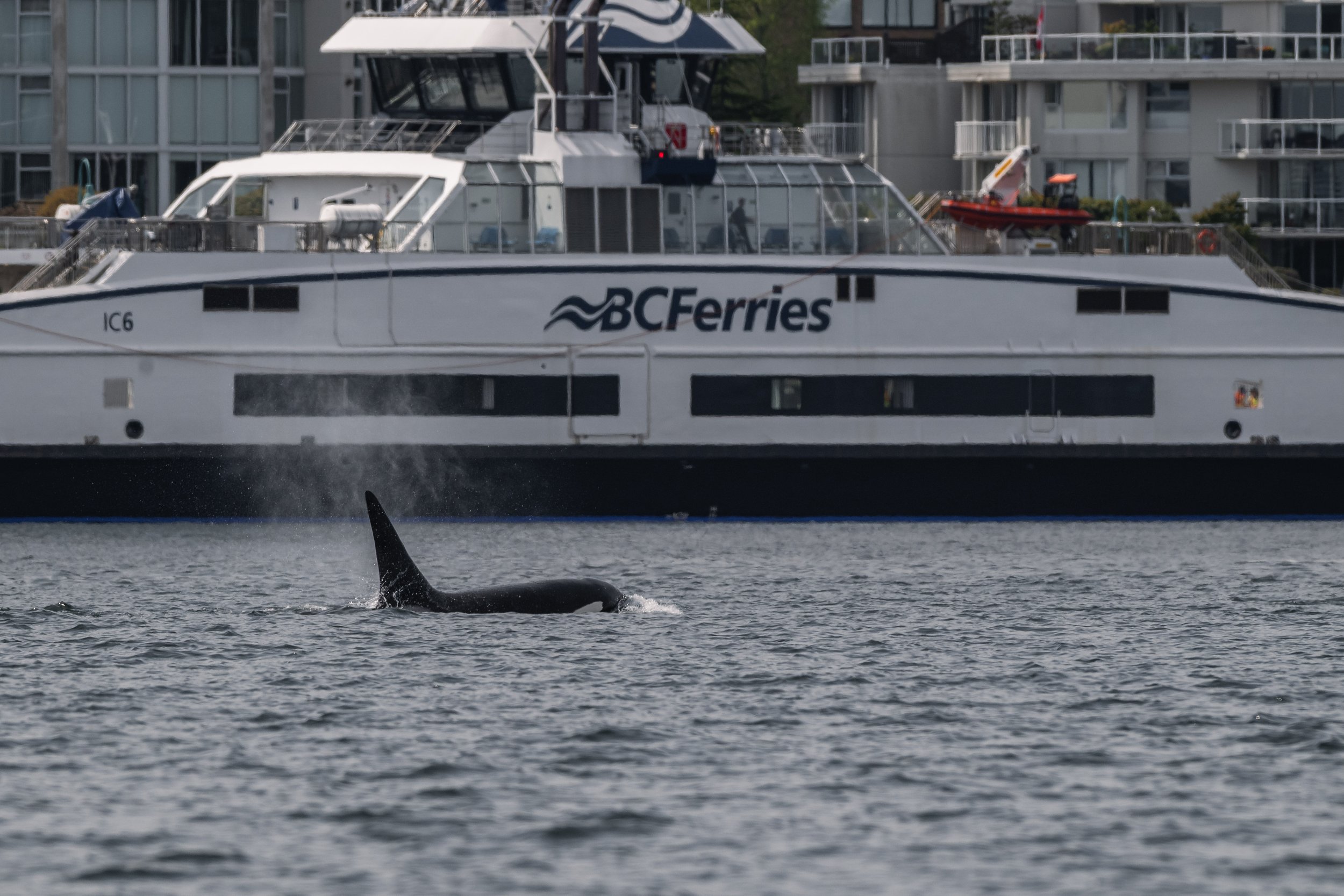
T065B1 Birdsall in front of the Gabriola Island Ferry.