
May 21, 2026 - Seals and Sea Lions sunning in the Salish Sea
We left the dock aboard Keta excited to see what the Salish Sea had in store for us today. Sunshine sparkled across the waves as we made our way out of the harbour, though a lively swell reminded us that the ocean is always in charge. With cameras ready, everyone settled into the search, scanning every whitecap and dark shadow on the horizon for signs of whales.
One of the questions we are often asked on tours is whether the whales are tracked with GPS tags or microchips. The answer is no, the whales we encounter here are not actively tracked or chipped, which means every sighting is made the old-fashioned way: with experienced eyes searching the water. Years ago, some research projects experimented with temporary tags to study whale movement and behaviour. While those studies provided valuable information, researchers also learned that invasive tagging methods could come with risks. In some cases, tags caused irritation or infection, and there were concerns about the long-term impacts on the animals. As well as some of the infections becoming fatal. Modern whale research has shifted heavily toward less invasive techniques such as photo identification, drones, acoustic monitoring, and citizen science sightings. Today, the whales we encounter are identified by natural markings on their dorsal fins and tail flukes rather than by anything attached to them.
That means every whale sighting is truly a wildlife encounter. There is no map showing exactly where they are, no tracker leading us directly to them. We search vast stretches of ocean using knowledge of tides, feeding areas, weather patterns, recent sightings, and years of experience on the water. Some days the whales appear quickly, other days they remain elusive somewhere beyond the horizon. That unpredictability is part of what makes these animals so extraordinary.
With eyes peeled across the rolling waves, our first wildlife encounter came closer to shore. Harbour seals popped up, their large dark eyes watching us curiously before slipping back beneath the surface. Often considered some of the cutest residents of the Salish Sea, harbour seals are also one of the most abundant marine mammals along the British Columbia coastline. Adults are relatively small compared to other pinnipeds, typically weighing between 150 and 300 pounds and measuring around 4 to 6 feet long. Their coats vary tremendously in colour and pattern, ranging from silver-grey with dark spots to nearly black with lighter spotting, helping each individual blend into rocky shorelines and kelp-filled waters.
Unlike sea lions, harbour seals do not have external ear flaps and tend to move on land with a caterpillar-like wriggle. In the water, however, they are incredibly agile predators. These skilled hunters feed on fish, squid, and crustaceans, diving silently beneath the surface with impressive precision. Harbour seals spend much of their time balancing two important activities, feeding and hauling out. Hauling out refers to the time seals spend resting on rocks, reefs, beaches, or log booms to regulate body temperature, sleep, and conserve energy. We watched several lounging in the sunshine while others swam lazily nearby, occasionally lifting their heads above the surface, giving us a good look at their adorable faces.
After spending some time with the seals, we resumed our search for whales. We had originally headed south, but with no fresh signs ahead, we decided to change course and take a look farther north. The Salish Sea can change quickly, and sometimes a new direction leads to entirely new wildlife encounters.
Not long after, another species of pinniped greeted us from the rocky shoreline, and this one was impossible to miss. Massive shapes sprawled across the sun-warmed rocks while deep growls echoed across the water. Steller Sea Lions, the largest sea lions in the world, had claimed the haul-out for themselves.
Adult male Steller Sea Lions are truly enormous animals, capable of reaching over 11 feet in length and weighing up to 2,800 pounds. Their thick necks, muscular chests, and furry manes give them a lion-like appearance, which is where they get their name. Females are much smaller but still impressive, often weighing around 600 pounds. Unlike harbour seals, Stellers have visible external ear flaps and powerful rotating back flippers that allow them to “walk” surprisingly well on land.
These social animals gather in large groups on rocky islands and reefs, where they rest, interact, and communicate with an incredible range of vocalizations. Their growls, roars, and belches can be heard long before the animals come into view. Stellers are opportunistic predators, feeding on fish such as herring and salmon, as well as squid and octopus. Despite their bulky appearance on land, they are remarkably fast and agile underwater. Watching one launch itself from a rock into the ocean is a powerful reminder of how perfectly adapted these animals are to life at sea.
As the afternoon stretched on, we continued searching for signs of whales, scanning every patch of water and every distant bird flock for clues. Hours passed as we explored the coastline and open channels, but despite our best efforts, the whales remained hidden today. After more than five hours on the water, it was time to begin the journey home and offer our guests complimentary return vouchers so they could join us again another day.
Of course, it can be disappointing not to encounter whales after such a dedicated search. But there is also something deeply meaningful about that uncertainty. The whales here are completely wild animals. They are not confined, trained, or guaranteed to appear. They travel hundreds of kilometres through an immense ecosystem, feeding, socializing, resting, and living entirely on their own terms. While that unpredictability can sometimes be frustrating, it is also what makes every sighting so special. When we do find whales, we know we are witnessing a genuine moment in the lives of free-ranging animals in their natural environment.
Even on days without whales, the Salish Sea still has countless stories to share. From curious harbour seals to towering Steller Sea Lions, today was a reminder that this coastline is alive with incredible wildlife, and every trip on the water offers something unique.
Enjoy the photos below taken by Marine Naturalist Evan Hessels.
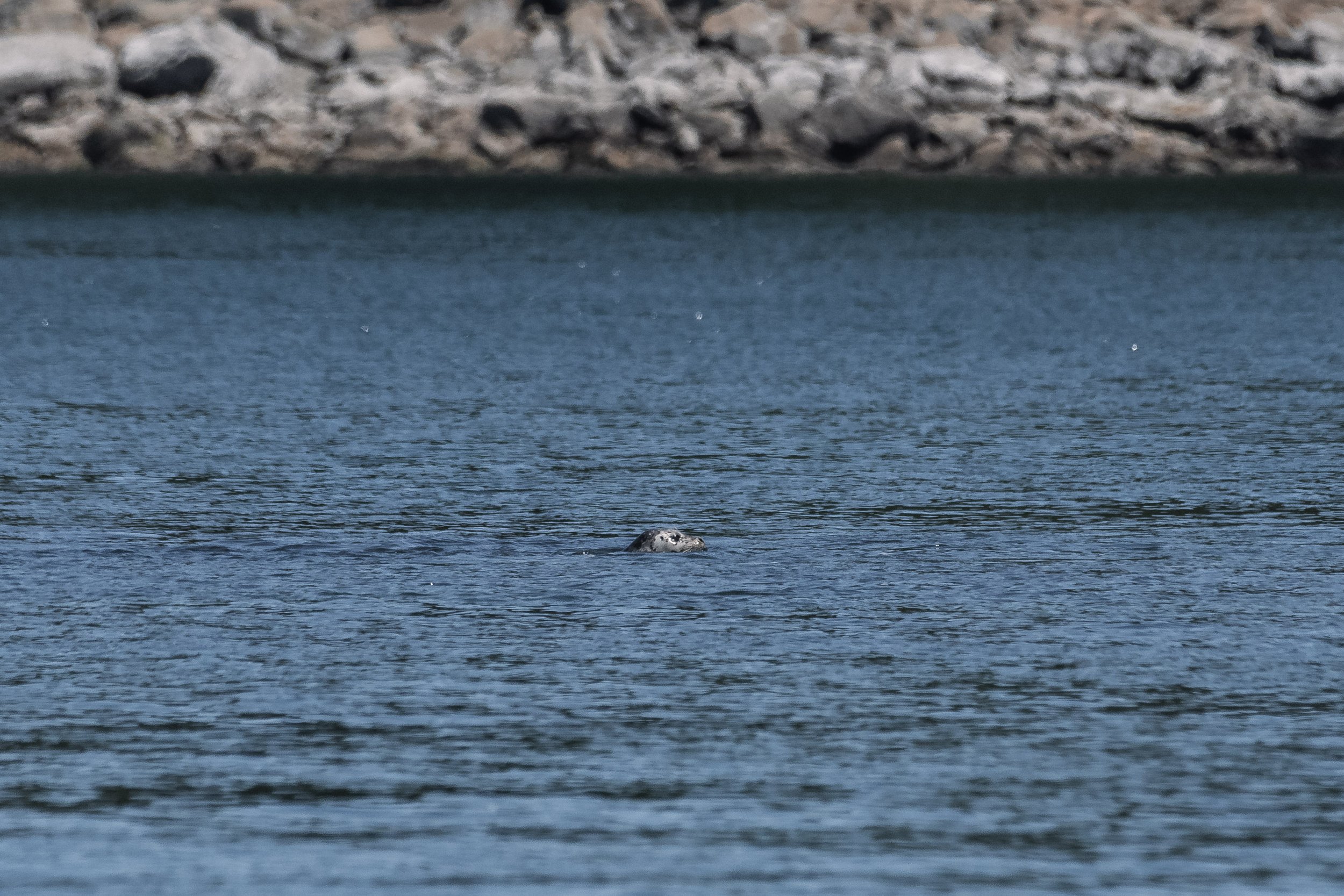
A harbour seal surfacing.
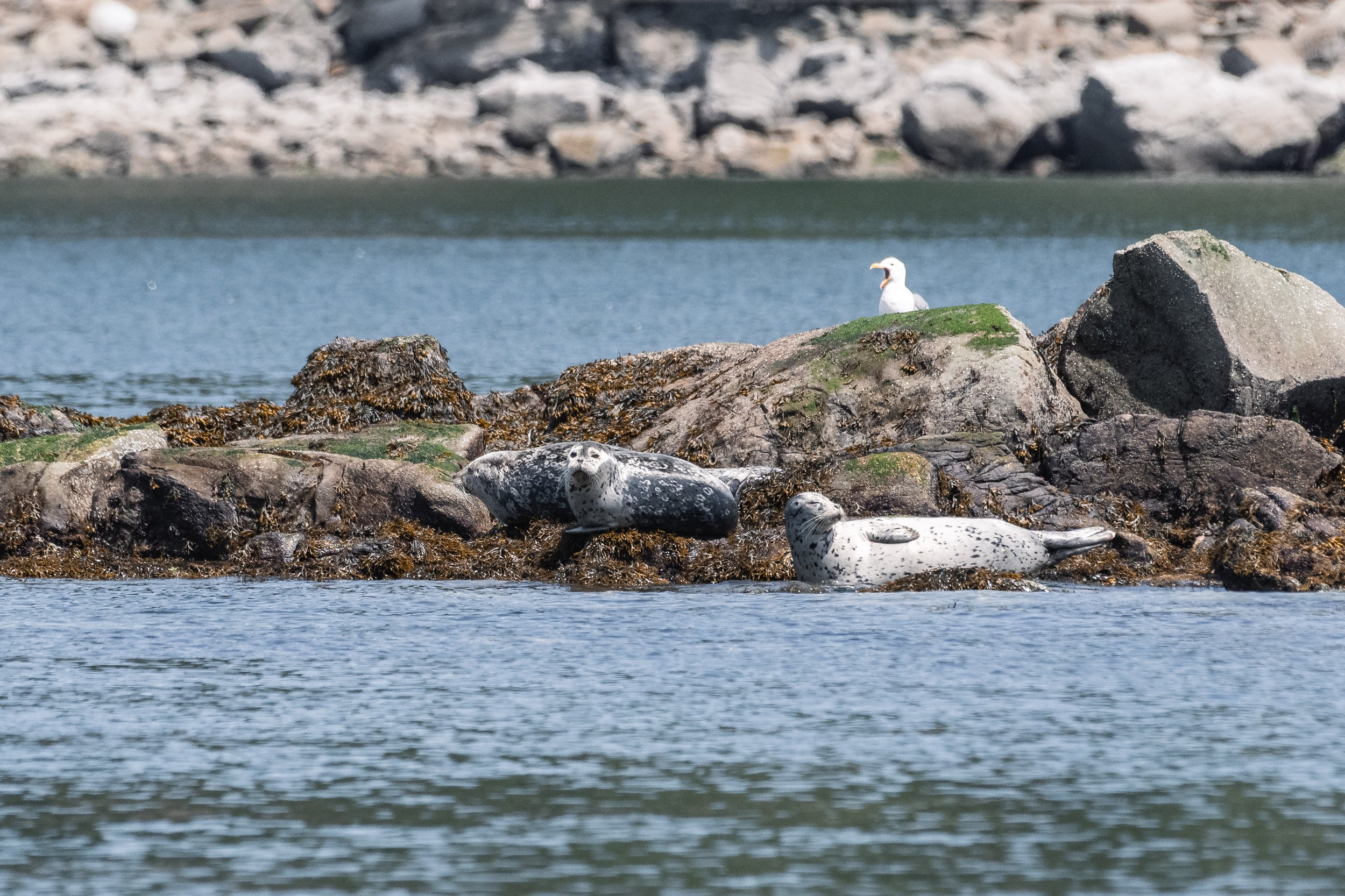
Harbour seals attempting to sleep as a gull yells behind them.
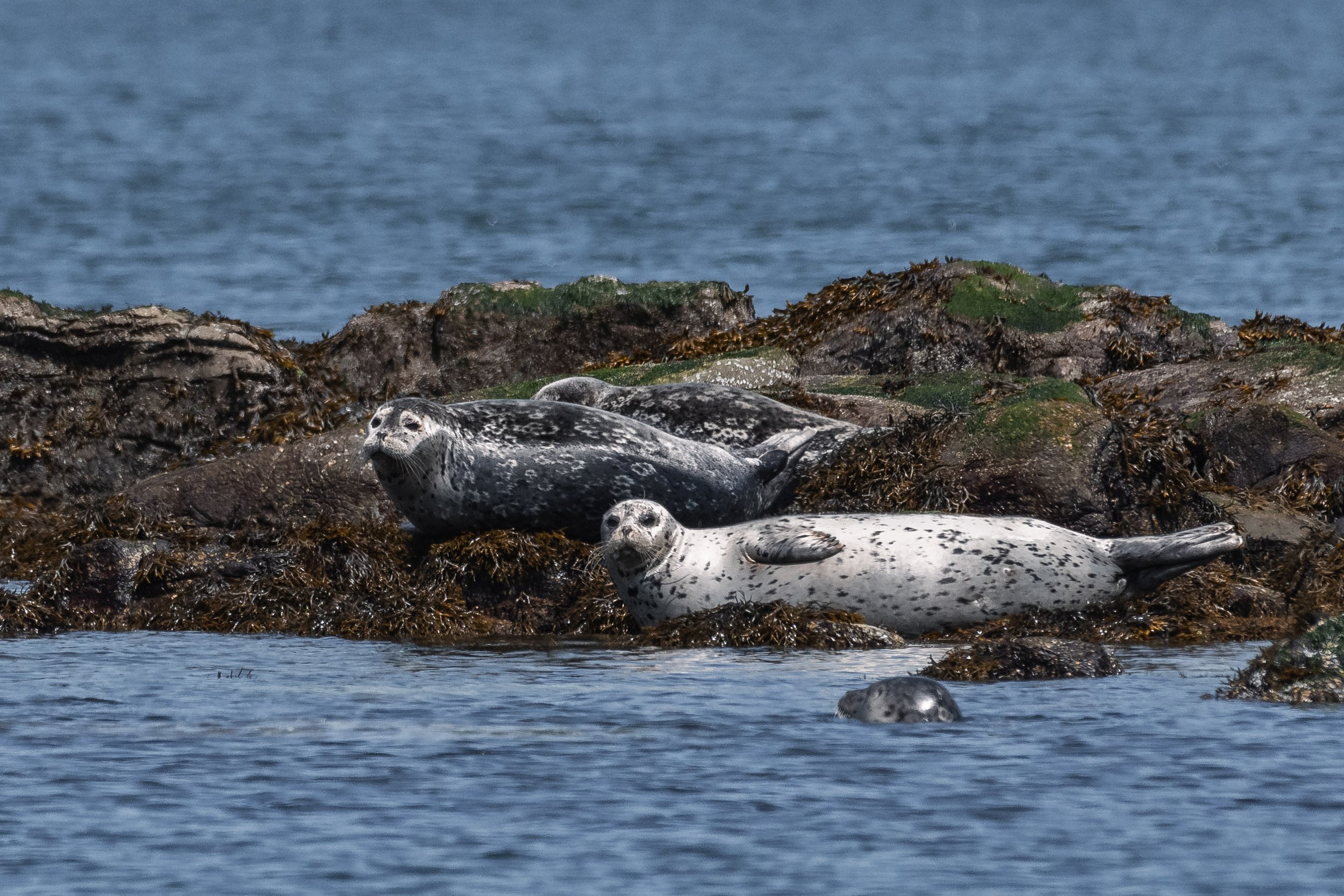
A row of harbour seals.
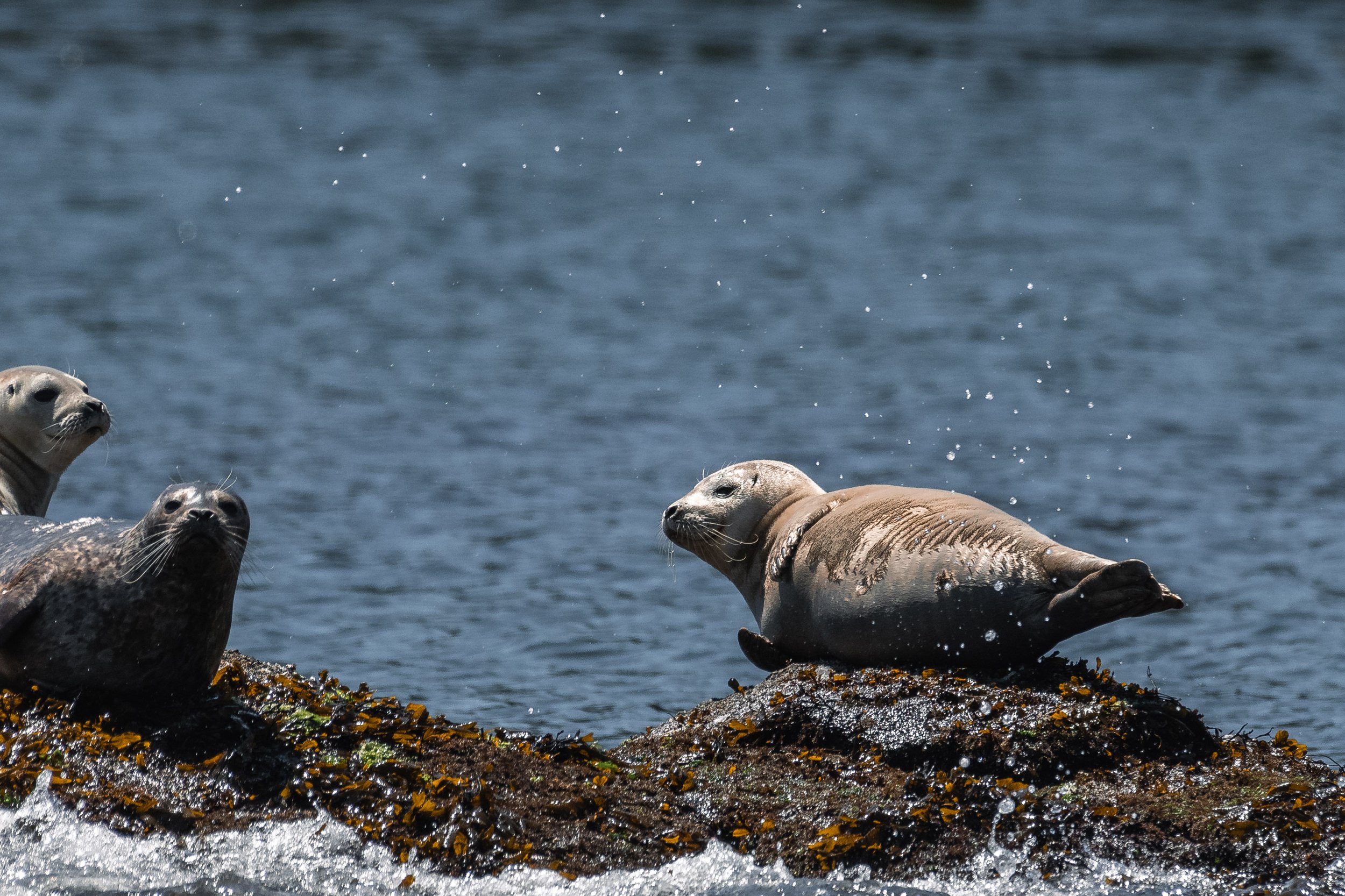
Can you see how fuzzy this seal is?
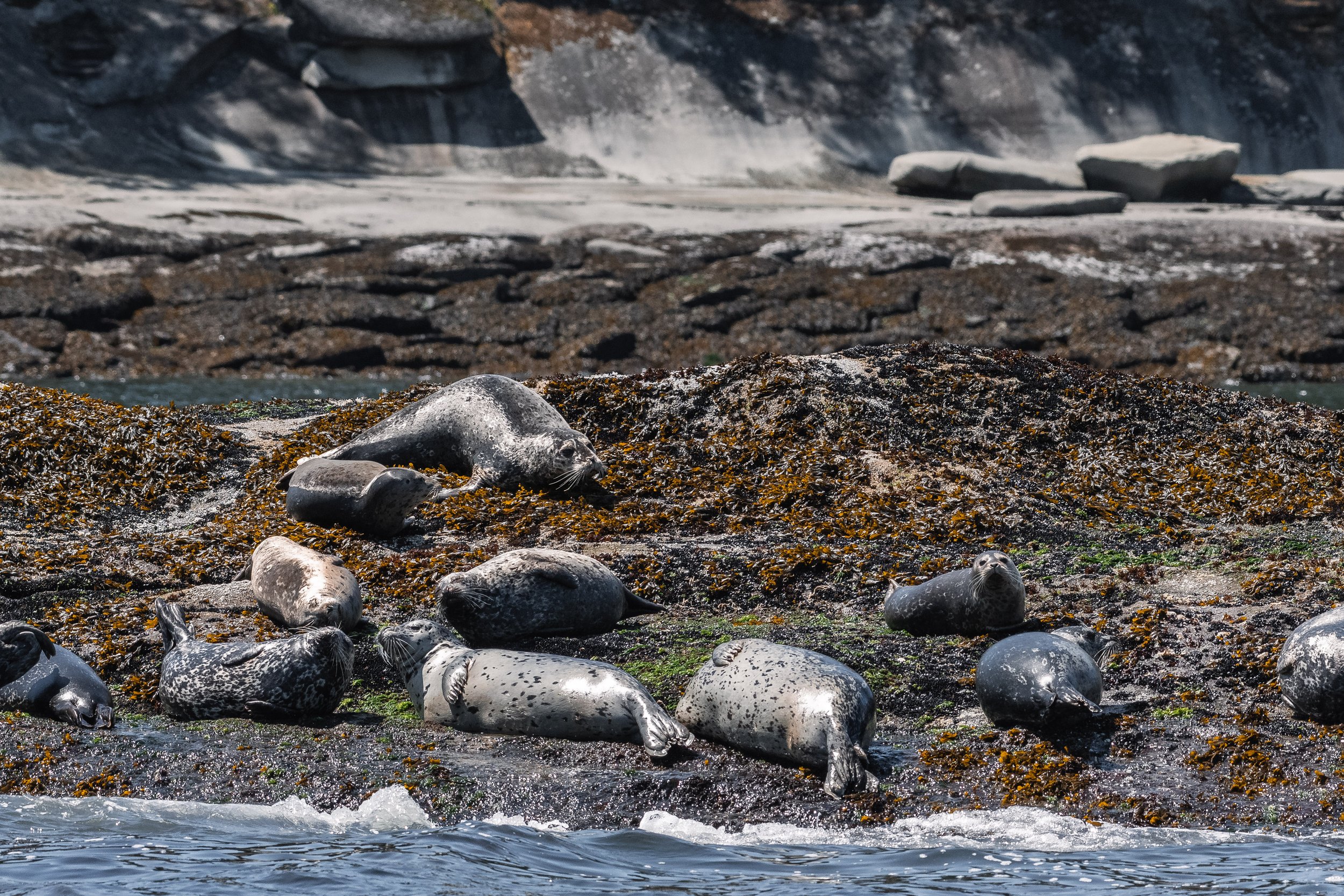
Some snoozing seals.
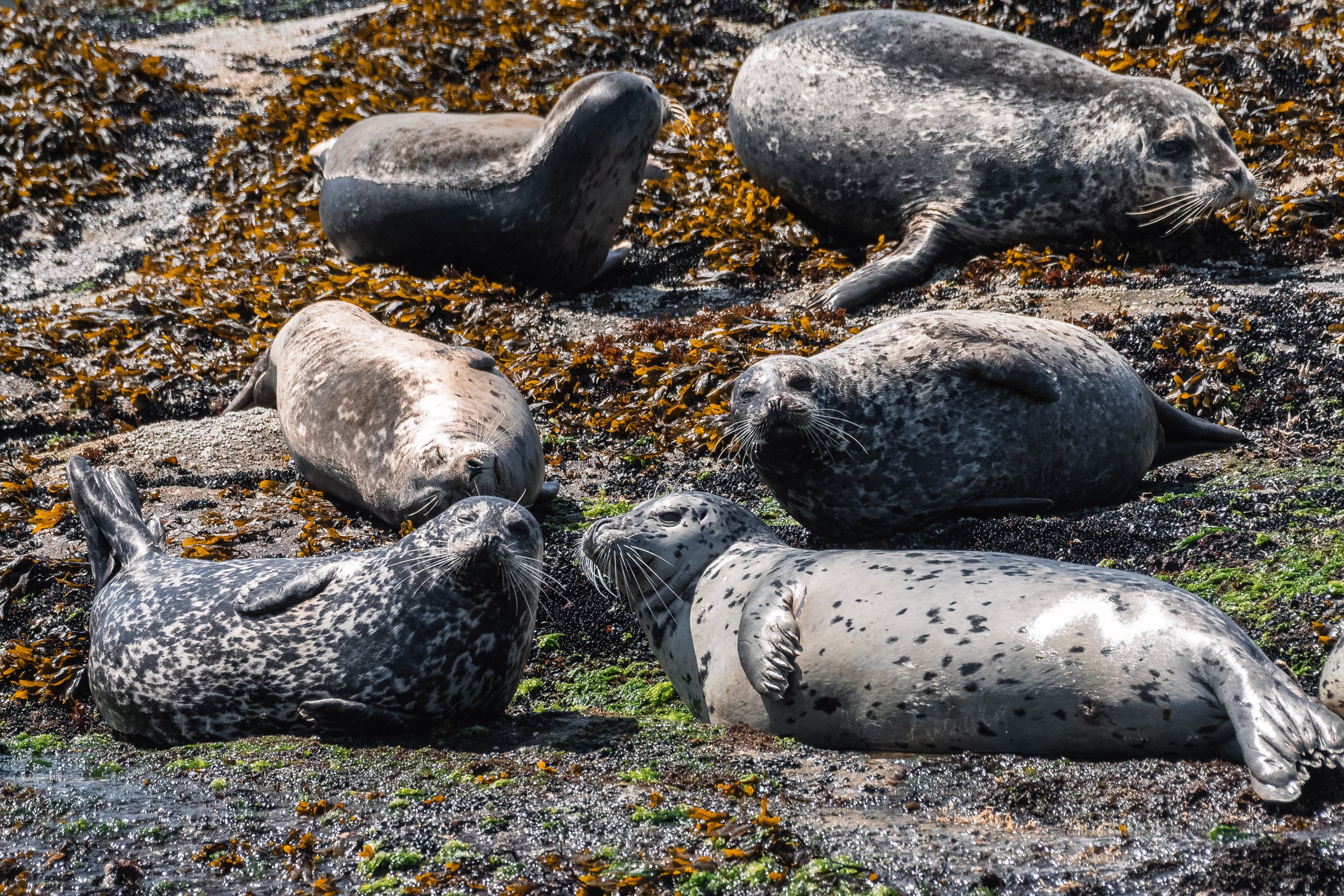
Six sunning seals on shore.
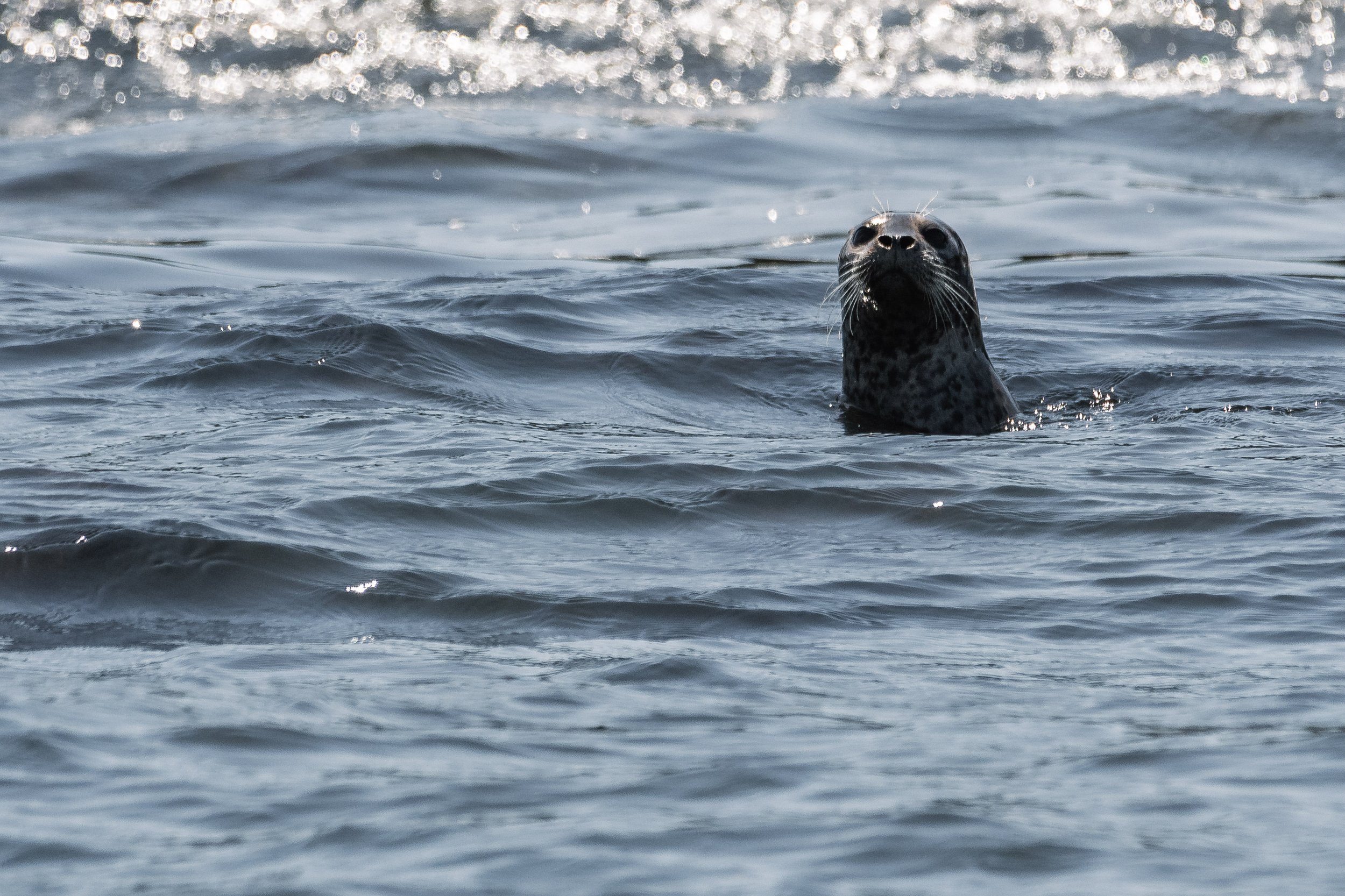
This seal is watching us back.
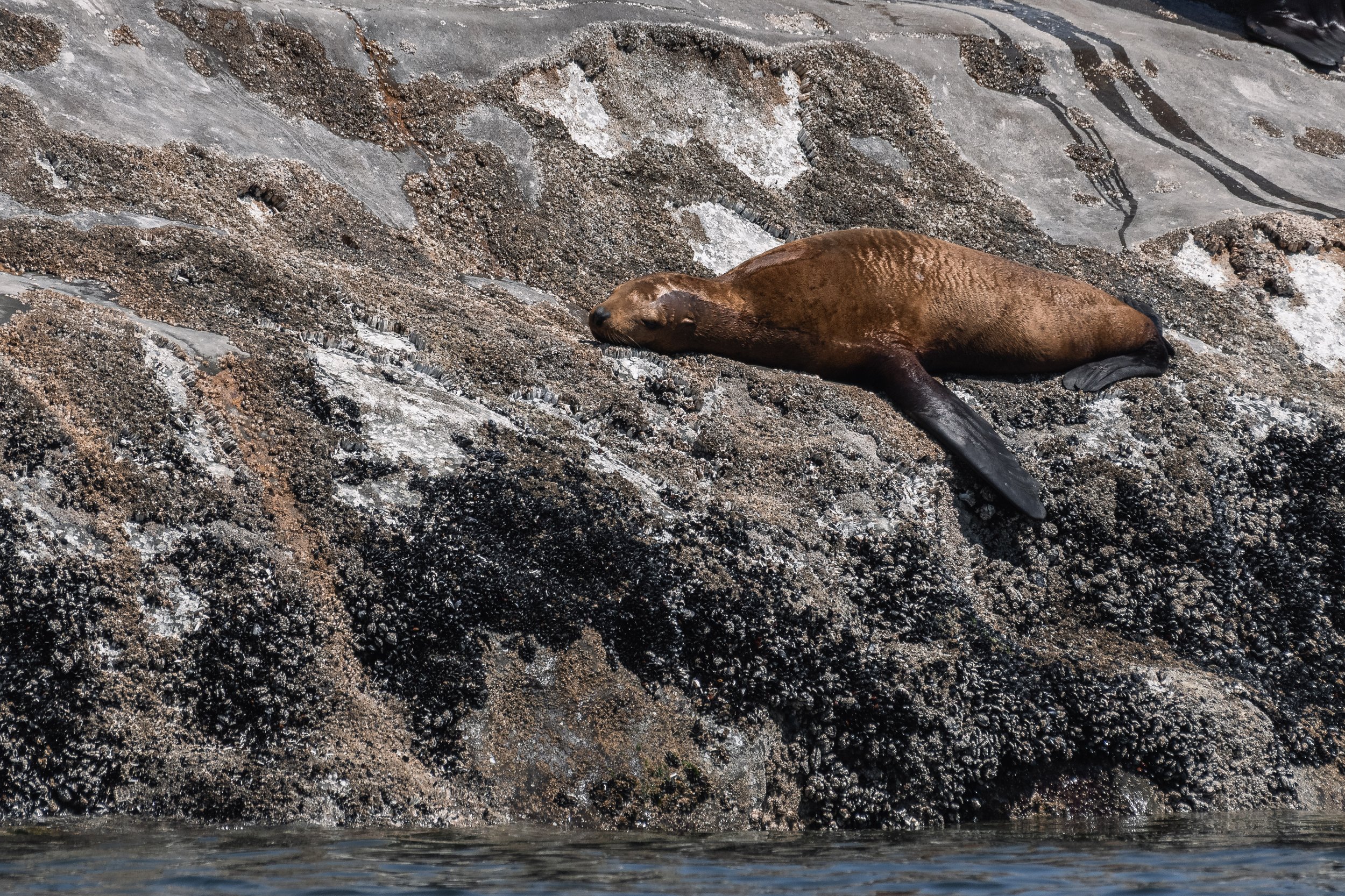
A Steller streached out.
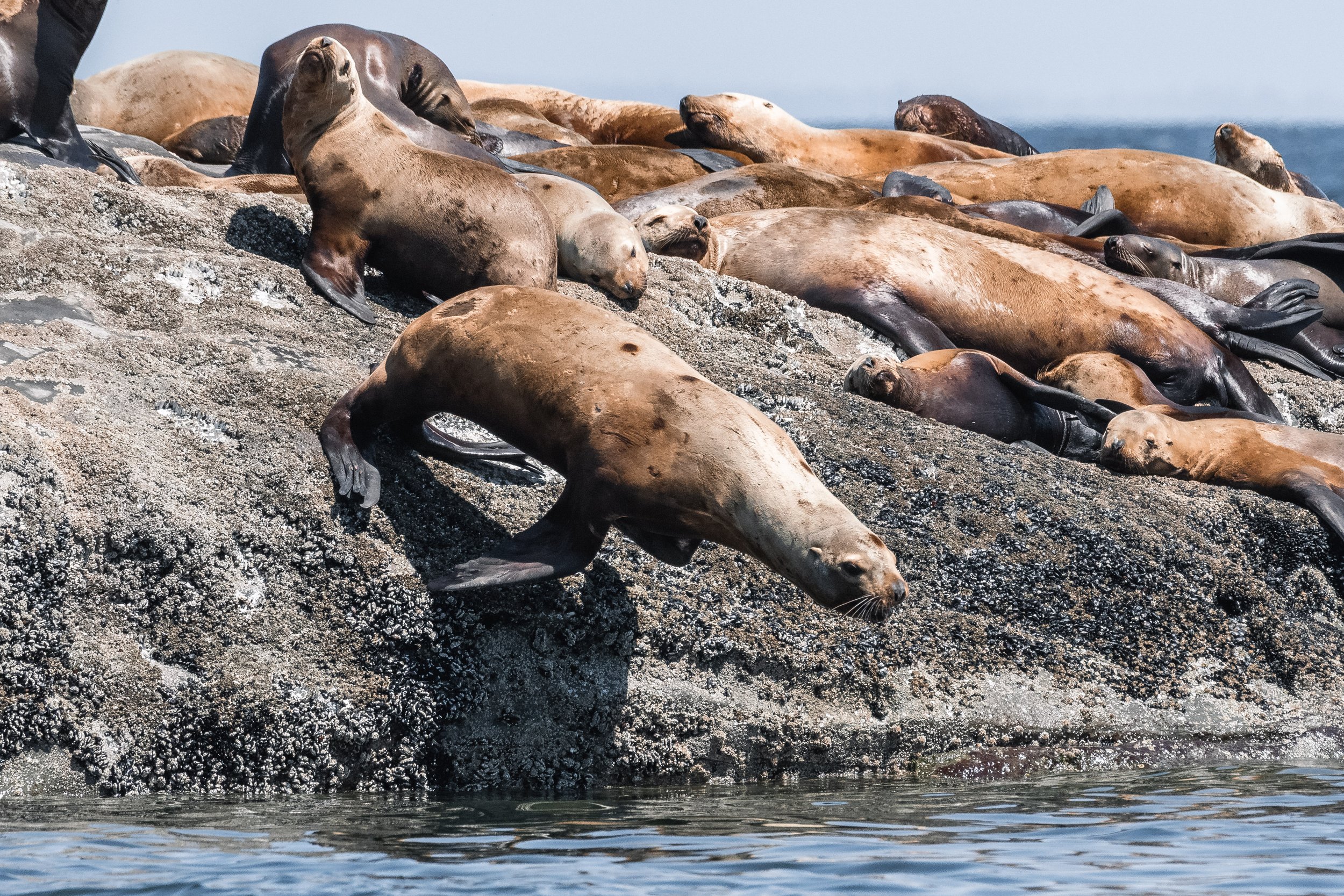
A Steller launching itslef into the water.
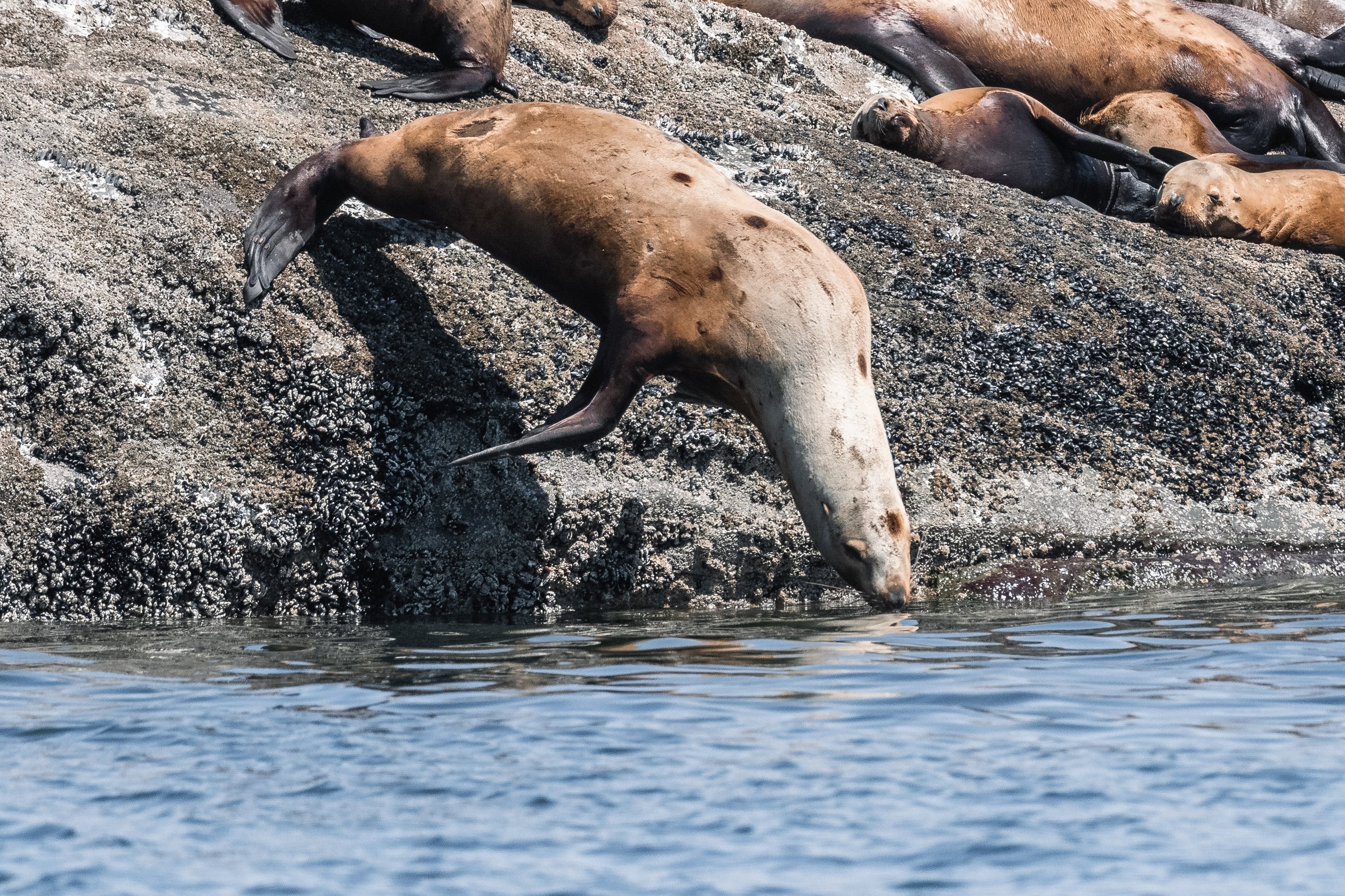
Nosing in.
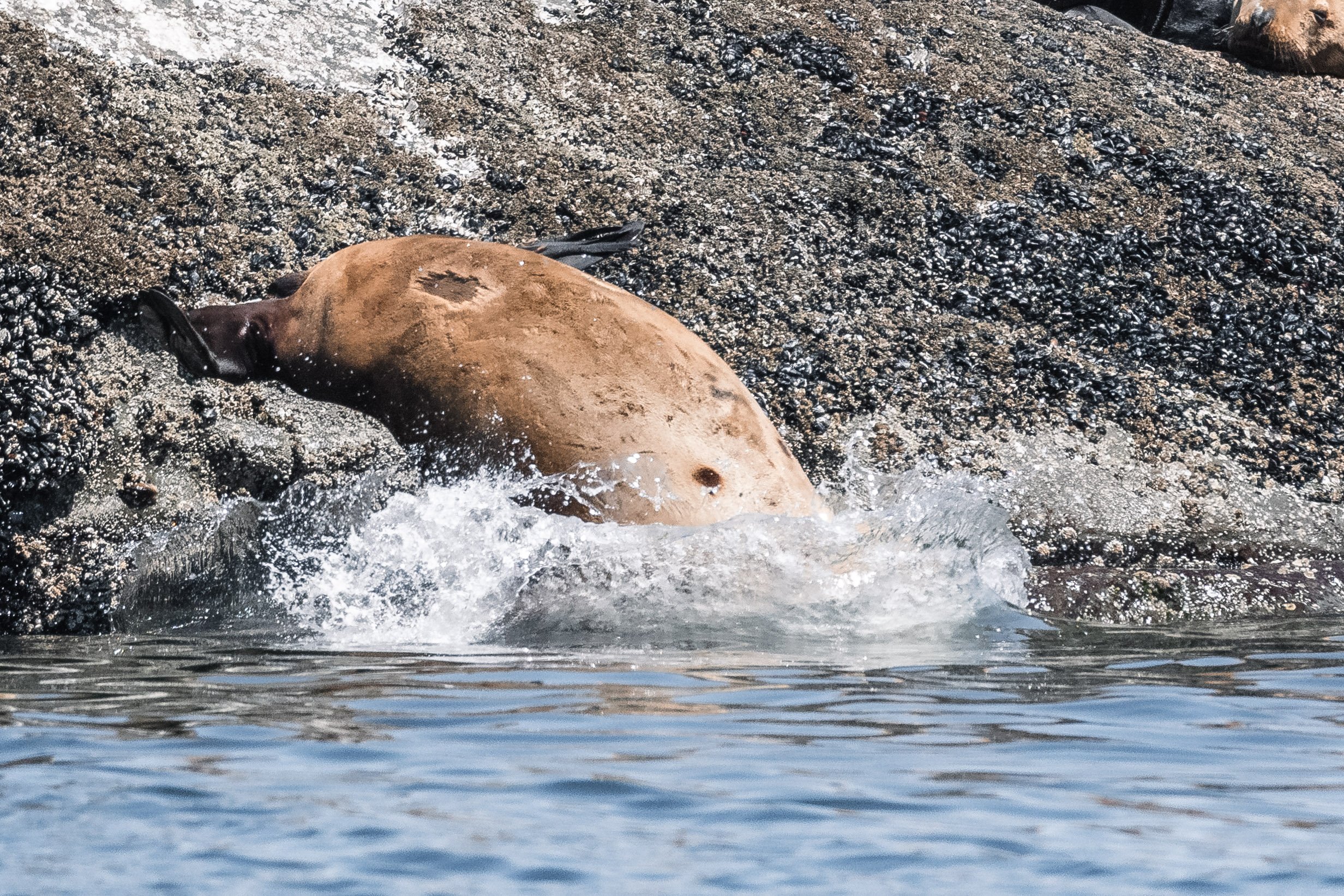
And the splash!
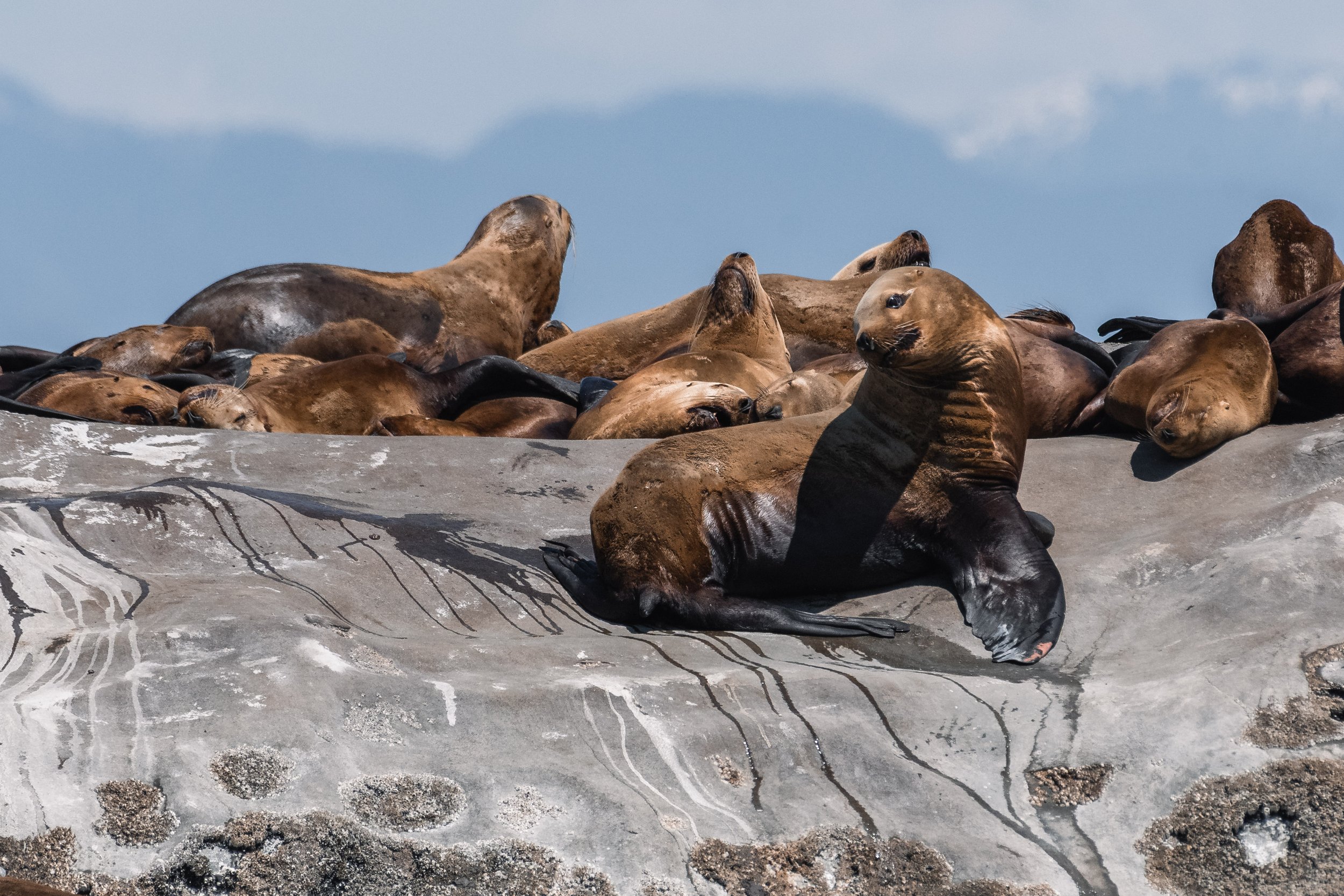
Posing for the camera.