
May 24, 2026 - Humpback Mania in the Salish Sea
It’s that time of year once more, where the humpbacks seem to be back in full force! During the tour, we ended up spotting a whole lot of humpbacks.
Most of the time in early-season humpback sightings, we see only a few individuals trickling in over the course of a few weeks, diving deep below the surface, concentrating on finding food to rebuild their fat reserves, but this year, they seem to be back in a big way. As our vessels travelled out into the Strait of Georgia today, it was a large group of humpbacks that greeted them. At first, it seemed to be just a couple of blows off in the distance, but as we got closer, it became clear that we had found ourselves in “Humpback Land”, an area with a high concentration of whales.
With the humpbacks, this can happen quite naturally, since they look for areas with a high concentration of food for themselves. The food they are after is quite small, only a few inches long at most, so they have to eat a ton of it each day to keep their energy up and rebuild their fat reserves. And that isn’t hyperbole; they literally consume about a ton to a ton-and-a-half of food every single day. So with this many whales around, you know that there must be lots of food for them!
We estimated that there were upwards of about 10 whales in this area, but we spent our time with a smaller portion of them, including: BCX1333calf2025, Pyramid/Monarch/Kraken (BCZ0180), X_pialidocious (KEY0059), BCY0458calf2024, and KEX0084!
These whales were getting up to all sorts of social activity, as we saw them rolling around at the surface, slapping their tails on the water, and sometimes even jumping clear out of the waves in a behaviour called breaching. It was quite exciting to see, but even more so when you know the amount of energy this type of behaviour takes. Each time one of these massive, 35-tonne creatures breaches the surface in this way, they are burning through approximately 2% of their daily energy, or the equivalent of a human running an entire marathon. They need to have a pretty good reason to be doing this, although that reason isn’t always entirely clear.
The leading theories as to why the whales might do these sorts of surface activities fall into three categories:
Parasite Removal
Long-distance Communication
Fun!
Let’s start with the first. Humpbacks and most other whales end up with some ride-along animals that attach themselves to their skin, most commonly barnacles and whale lice. Barnacles have a bit of an easier time finding new whales, since they have a stage of their lives where they are swimming freely through the water column. When the conditions are right, and they find their host, they will settle on it and begin their life cycle. There are two species that can be found on whales: the more typical acorn barnacle and a stranger-looking goose-necked barnacle. Both of these can provide some protection for the whale, giving a hard surface where they settle that can help in defensive maneuvers, but when they become too abundant, the drag they create can negatively impact the whales. So they jump or slap these areas on the water to help dislodge them! They may also have whale lice, but lice are only passed from whale to whale with direct contact, so not every individual has them! They can also cause issues if they become too abundant, so they occasionally try to knock them off as well.
Next up is communication. These sorts of activities have a lot of energy behind them, and the impact of a whale hitting the surface is not only powerful enough to knock off parasites, but it's also releasing a huge amount of sound. On the vessels, we can hear this impact when the conditions are right, and that’s with the sound travelling through the air. Underwater, sound moves much faster than through air, allowing those same sounds to be heard at nearly 3x the distance as above! The sound can therefore travel to other whales, letting them know the others are in the area and potentially signalling something else, like that there is lots of food over there, giving that whale some extra energy!
Finally, it might just be fun for the whales! We often see surface activity from the animals when they are in larger groups and travelling in close quarters. Younger whales are often seen engaging in surface activity more frequently than adults, especially calves. When you get to see them playing at the surface, you really start to see how much they seem to be enjoying themselves in the moment, leading to the final “fun” theory.
Likely, it's more complicated than these simplified ideas and a combination of all the above and more, but no matter why they are doing it, we won’t complain about seeing it!
After spending time with these very exciting whales, it was time to search for other wildlife. We headed south from our Humpback Land and followed the Gabriola shoreline until we reached its south end. Here, there is a lovely pinniped haul-out site which was nearly covered by the tide today. On the last few rocks, there were some Steller Sea Lions holding on to their place, fighting for the best position on whale little rock was left. These Sea Lions, the largest species in the world, are always interesting to see either on the rocks or in the water. The large males here may have weighed up to 2,500 pounds, while the smaller females max out closer to 800 pounds when fully grown. With so little space, most of the Stellers we saw were rafting in the water, keeping close together to help defend against potential predators.
From here, we travelled inside the Southern Gulf Islands, drinking in the scenery as we weaved through some of the narrow passageways. The final stop that we made was to admire the sandstone cliffs along the west side of Gabriola Island. Here, there are not only the tall cliffs, but a large colony of Cormorants that use the cliffs for their nests. The birds draw in predators of their own, as we saw a Bald Eagle keeping an eye on things overhead from a nearby treetop.
It was a great way for us to end the trip, and we returned to the dock pleased with all the whales and other wildlife we saw during the tour today. Please enjoy the photos taken throughout the trip by Marine Naturalists Vanessa Vereschahen and Jordan Robinson, included below!
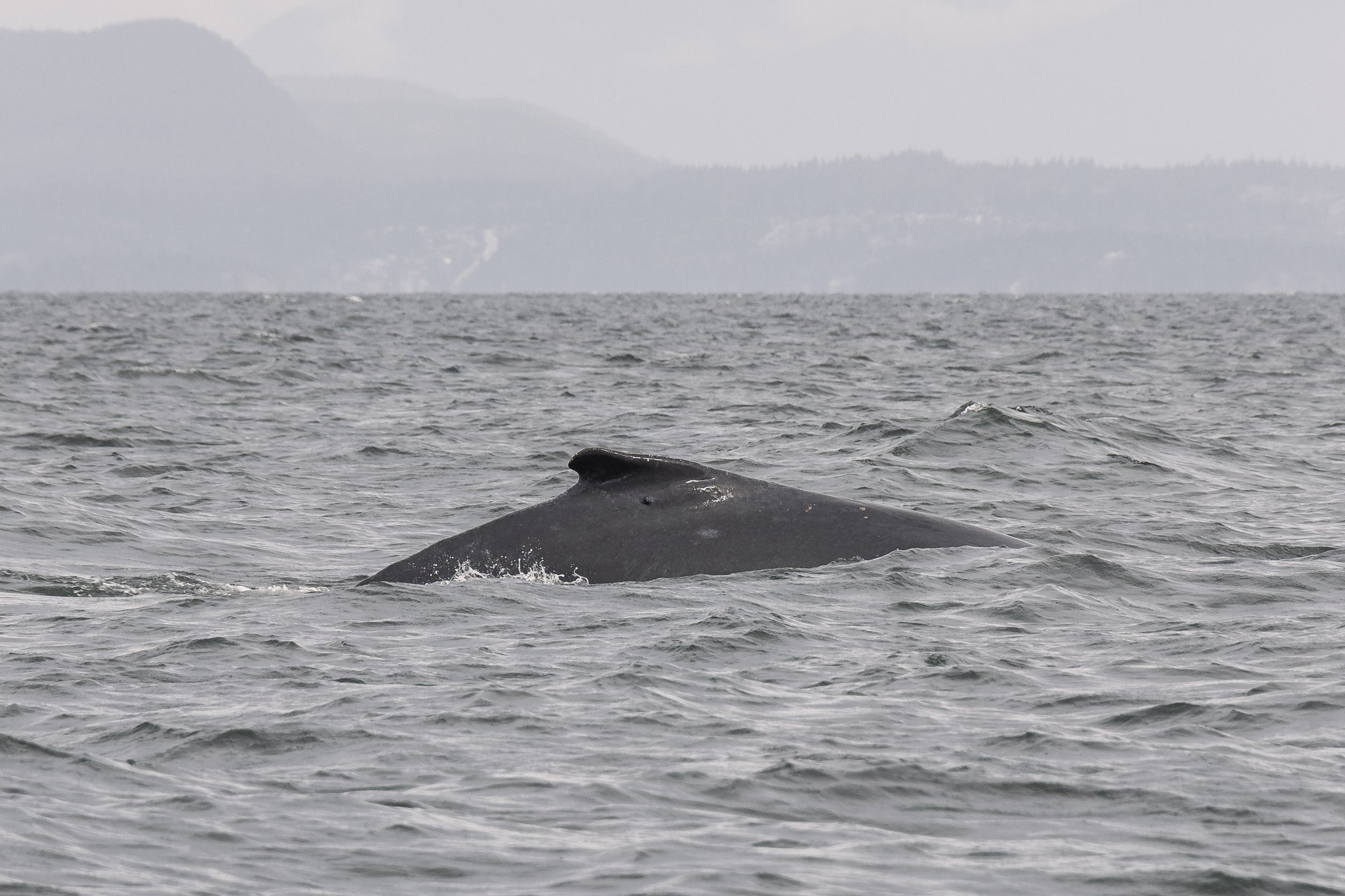
KEX0084 surfacing in the waves. Photo by Vanessa Vereschahen.
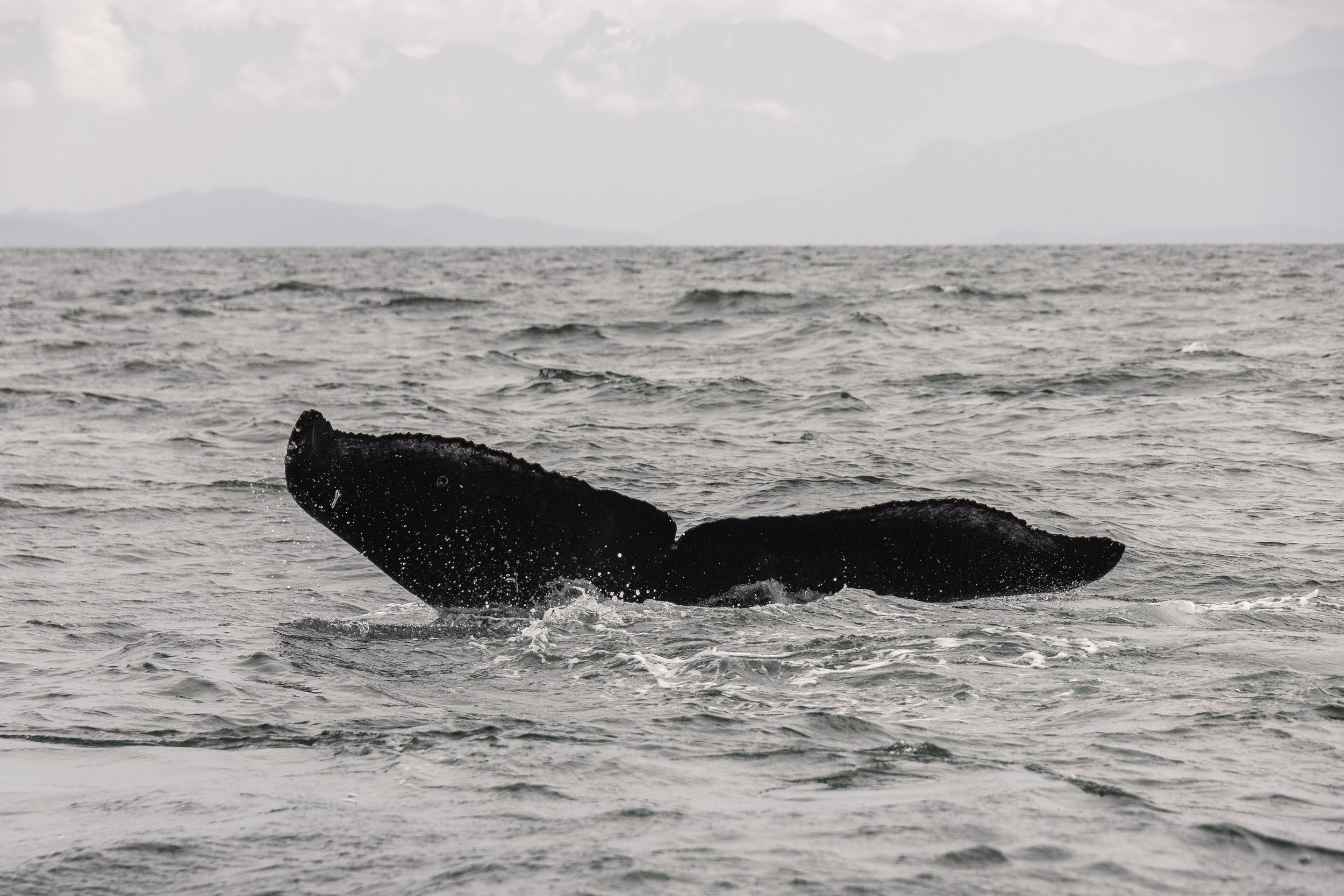
The underside of BCY0458calf2024’s fluke. Photo by Vanessa Vereschahen.
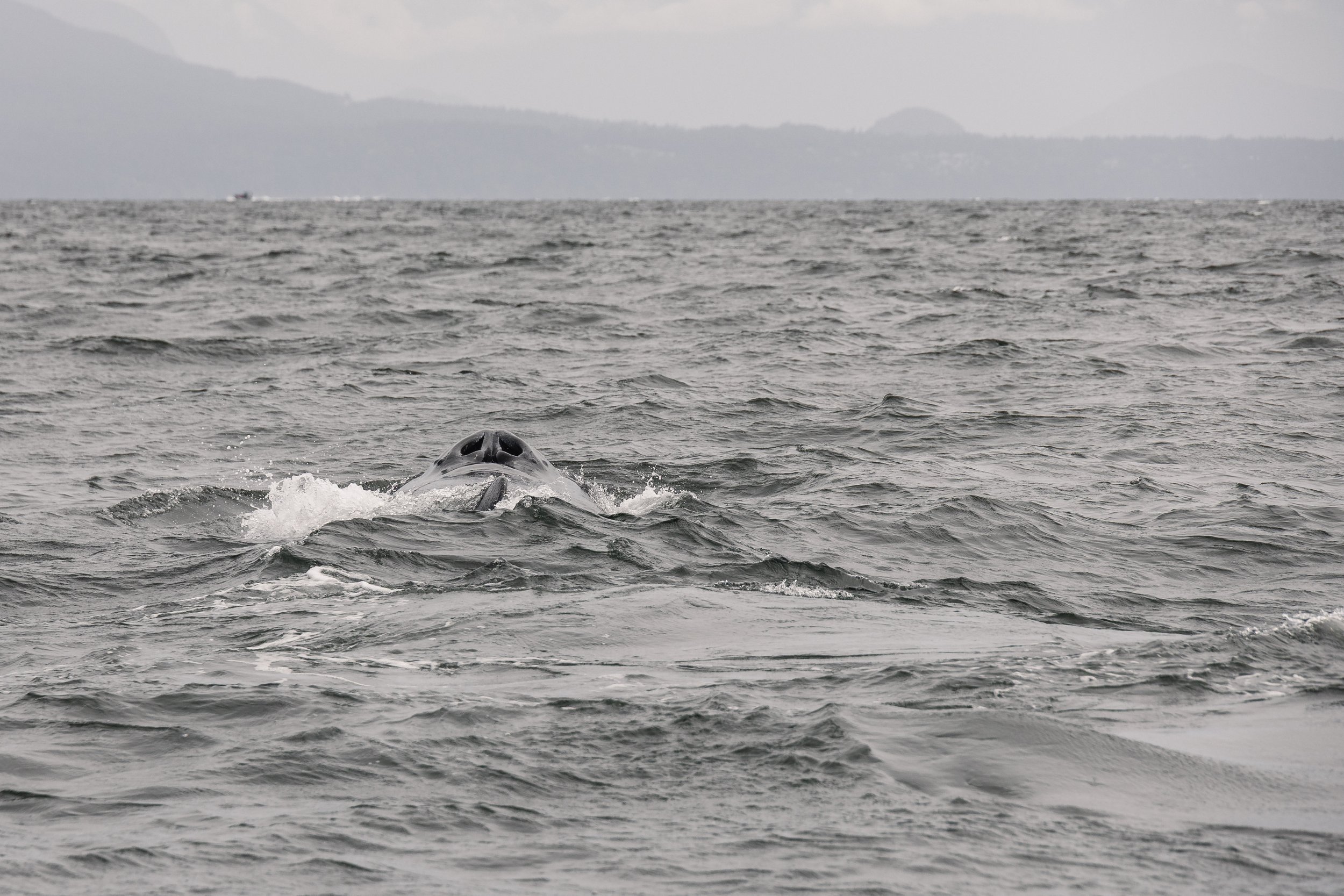
KEX0084 surfacing in the waves, leaving flukeprint’s behind. Photo by Vanessa Vereschahen.
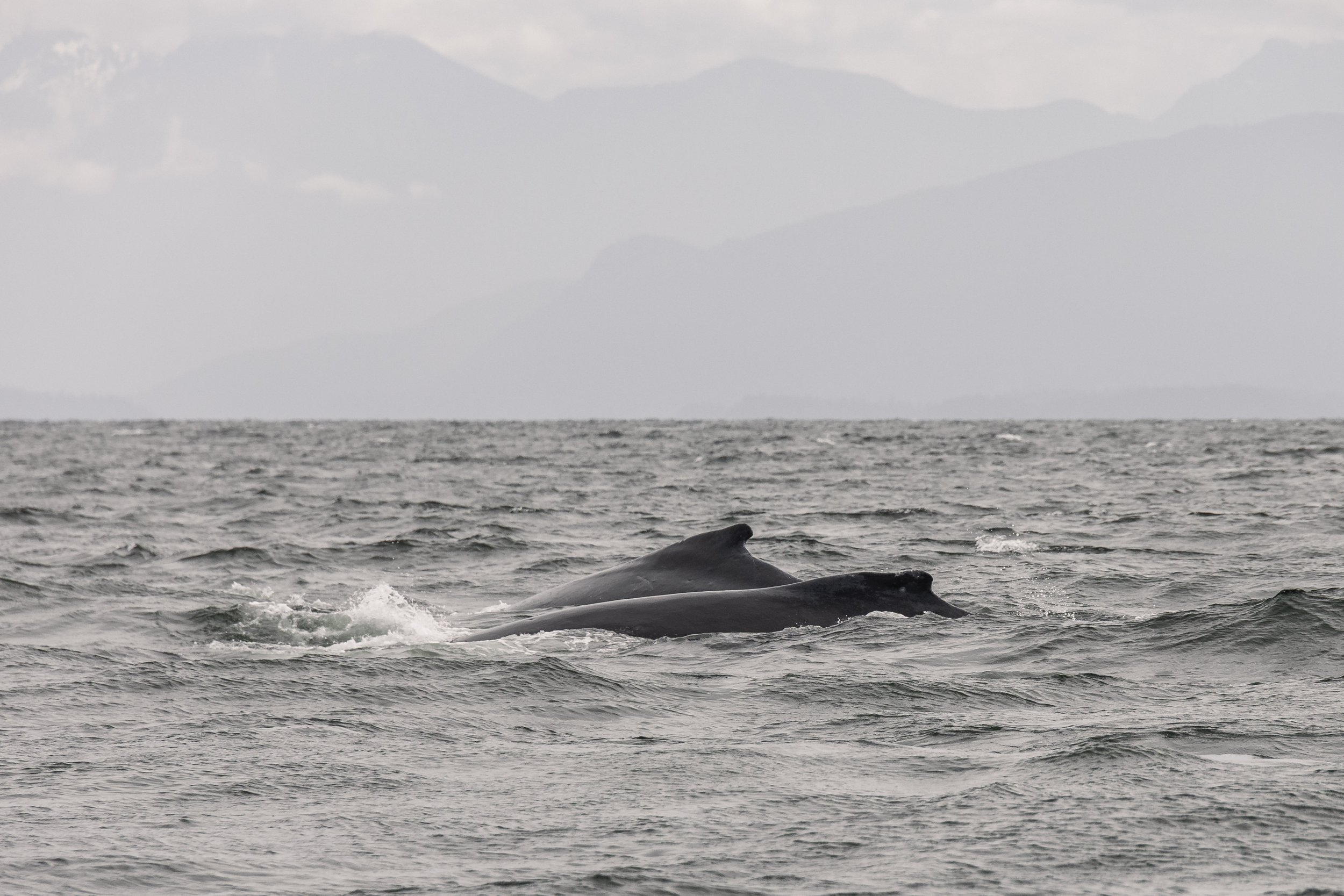
KEX0084 and BCY0458calf2024 surfacing together. Photo by Vanessa Vereschahen.
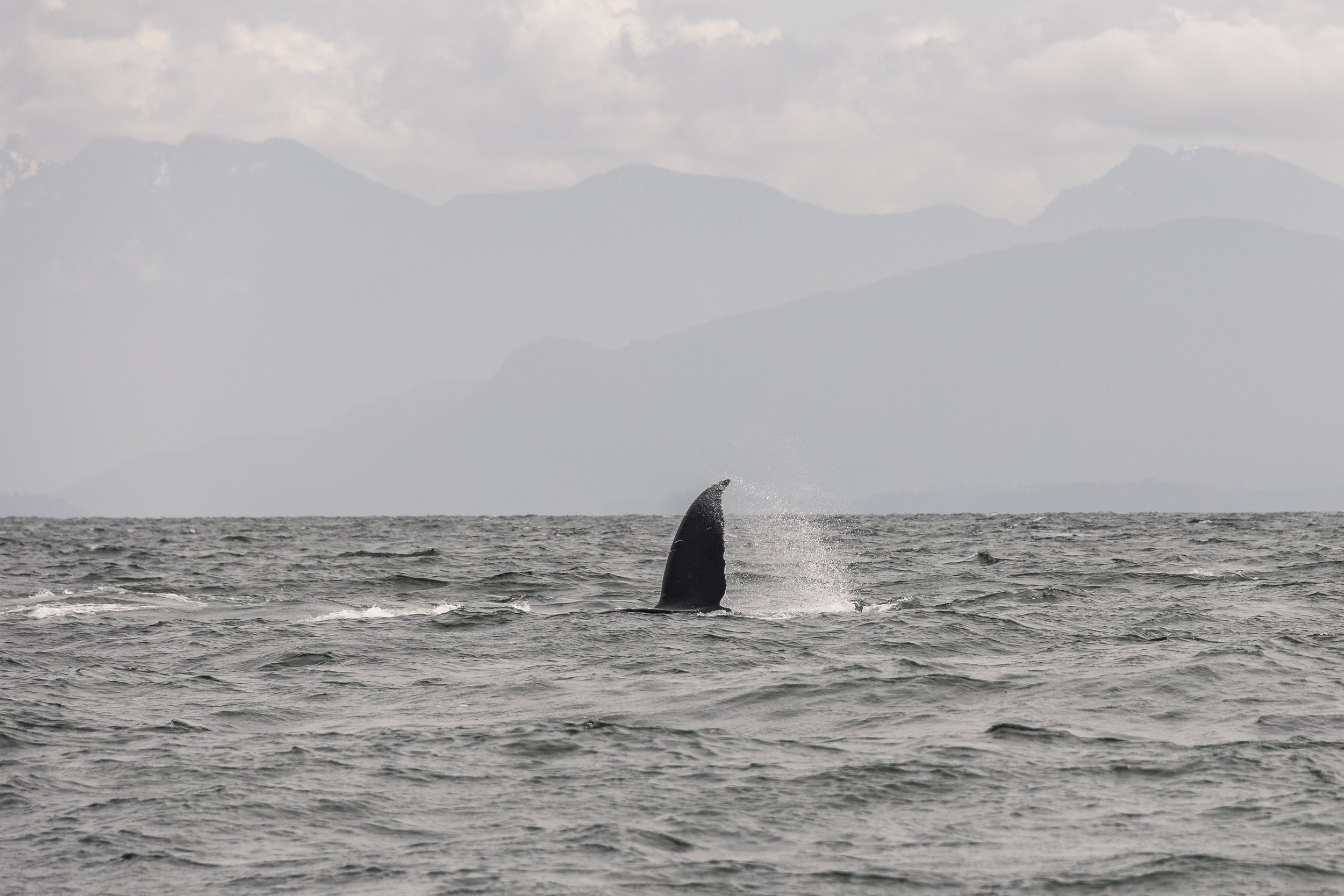
X_pialidocious flicking their tail. Photo by Vanessa Vereschahen.
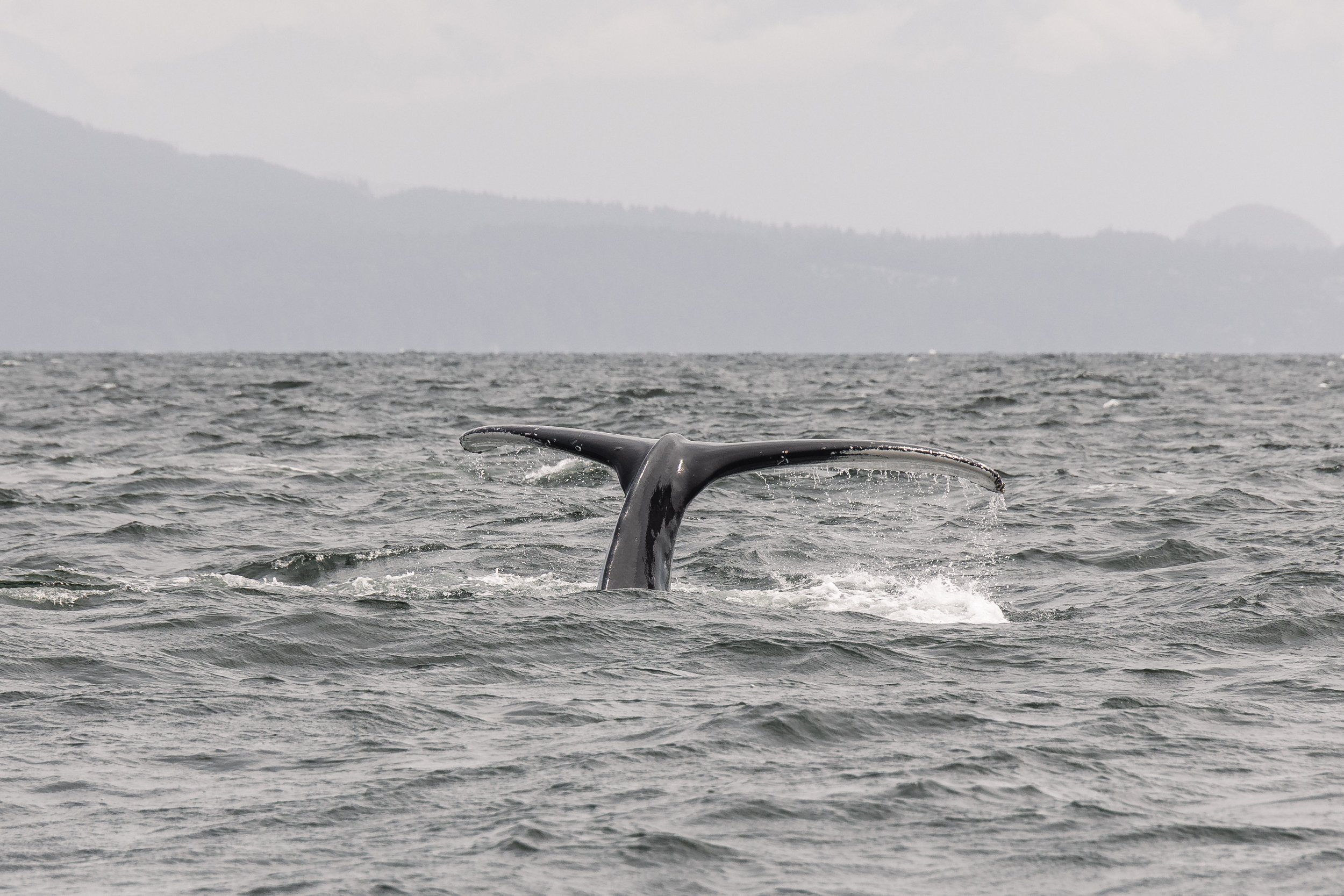
X_pialidocious lifting their tail for a dive. Photo by Vanessa Vereschahen.
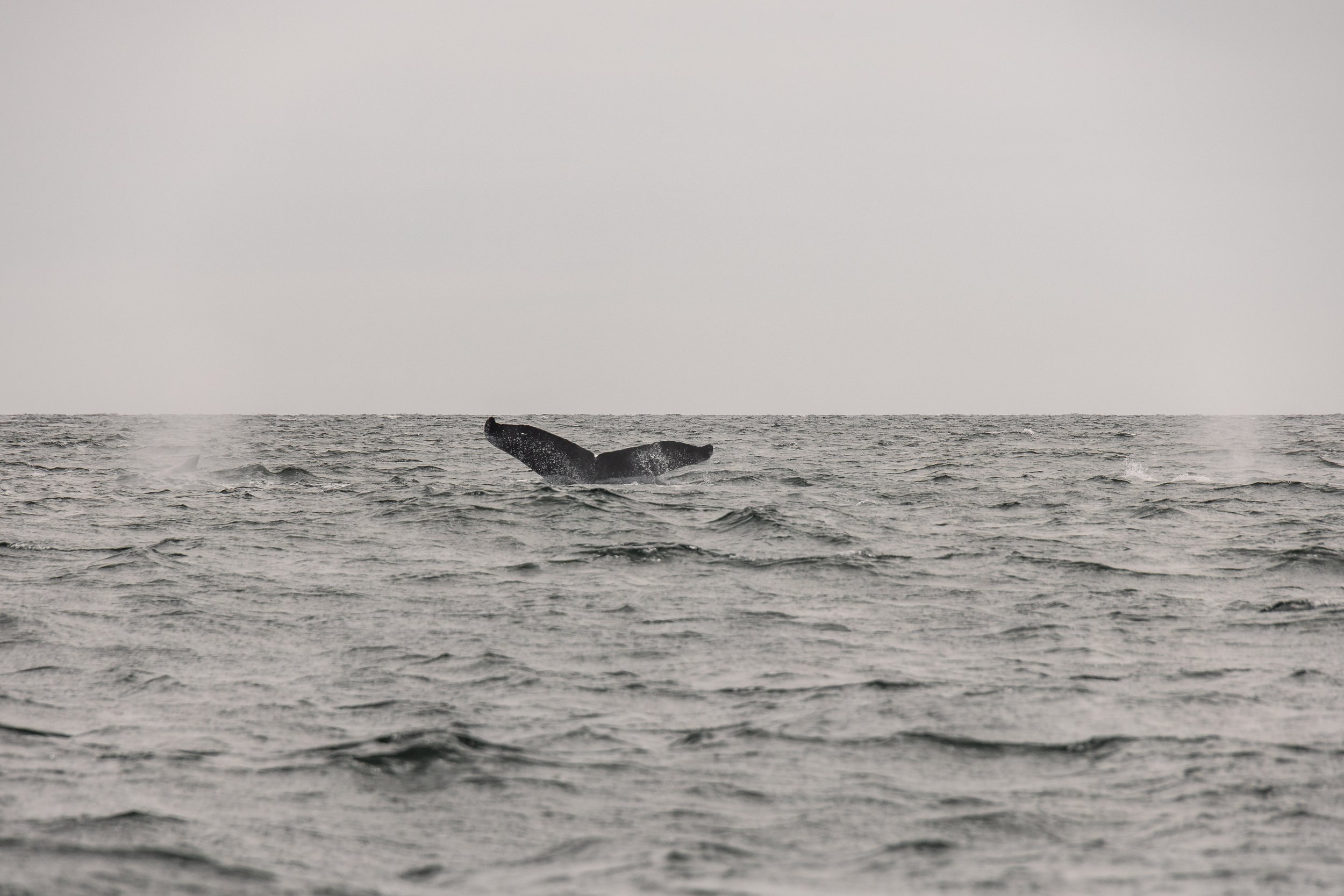
KEX0084 lifting their tail for a dive with a blow on either side. Photo by Vanessa Vereschahen.

BCY0458calf2024 tail slapping in the waves. Photo by Vanessa Vereschahen.
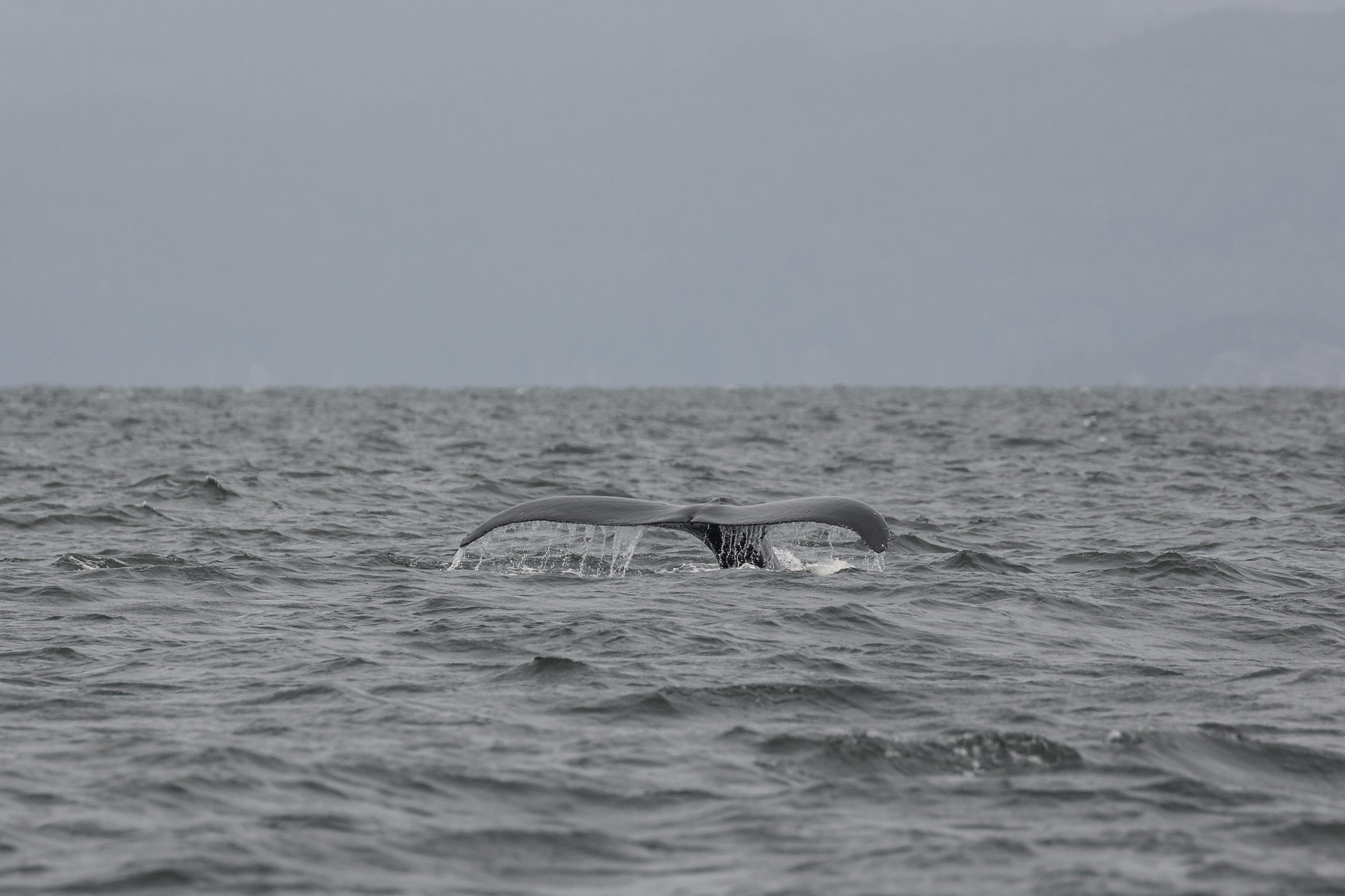
BCY0458calf2024 going for a dive, giving us a fluke waterfall. Photo by Jordan Robinson.
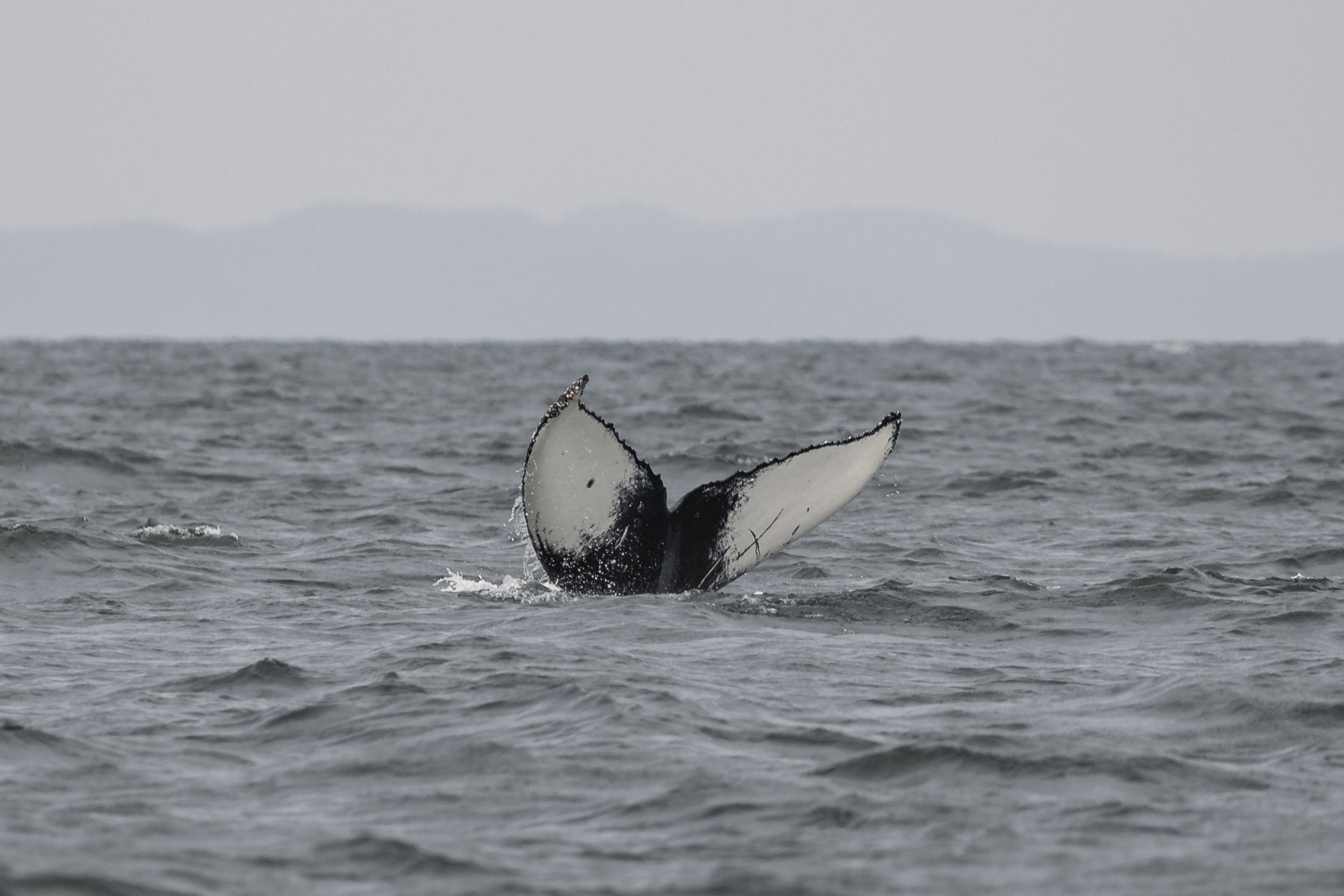
The underside of X_pialidocious’ tail. Photo by Jordan Robinson.
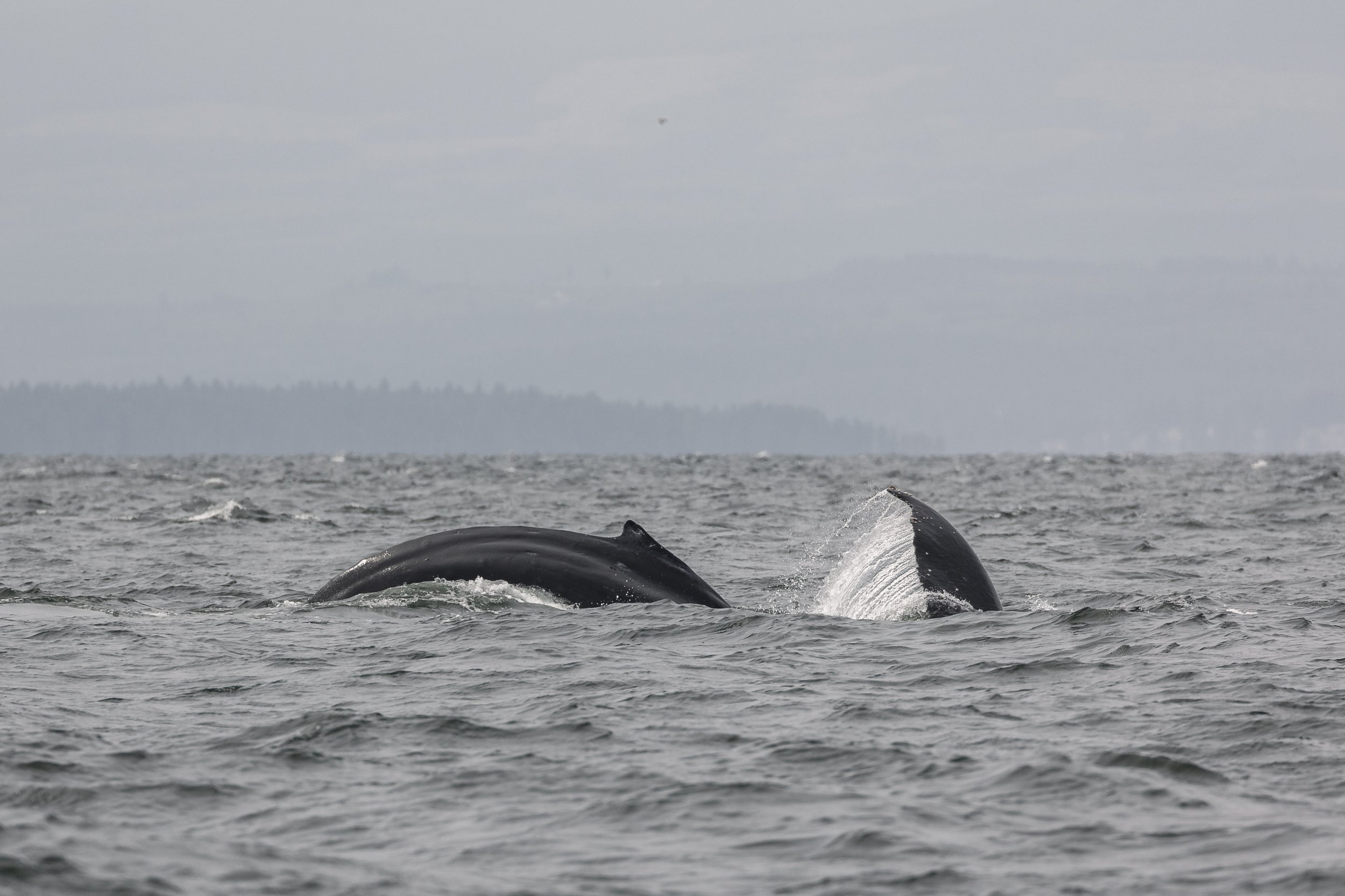
X_pialidocious arching for a dive with Kraken flicking their tail beside them. Photo by Jordan Robinson.

X_pialidocious flicking their tail. Photo by Jordan Robinson.
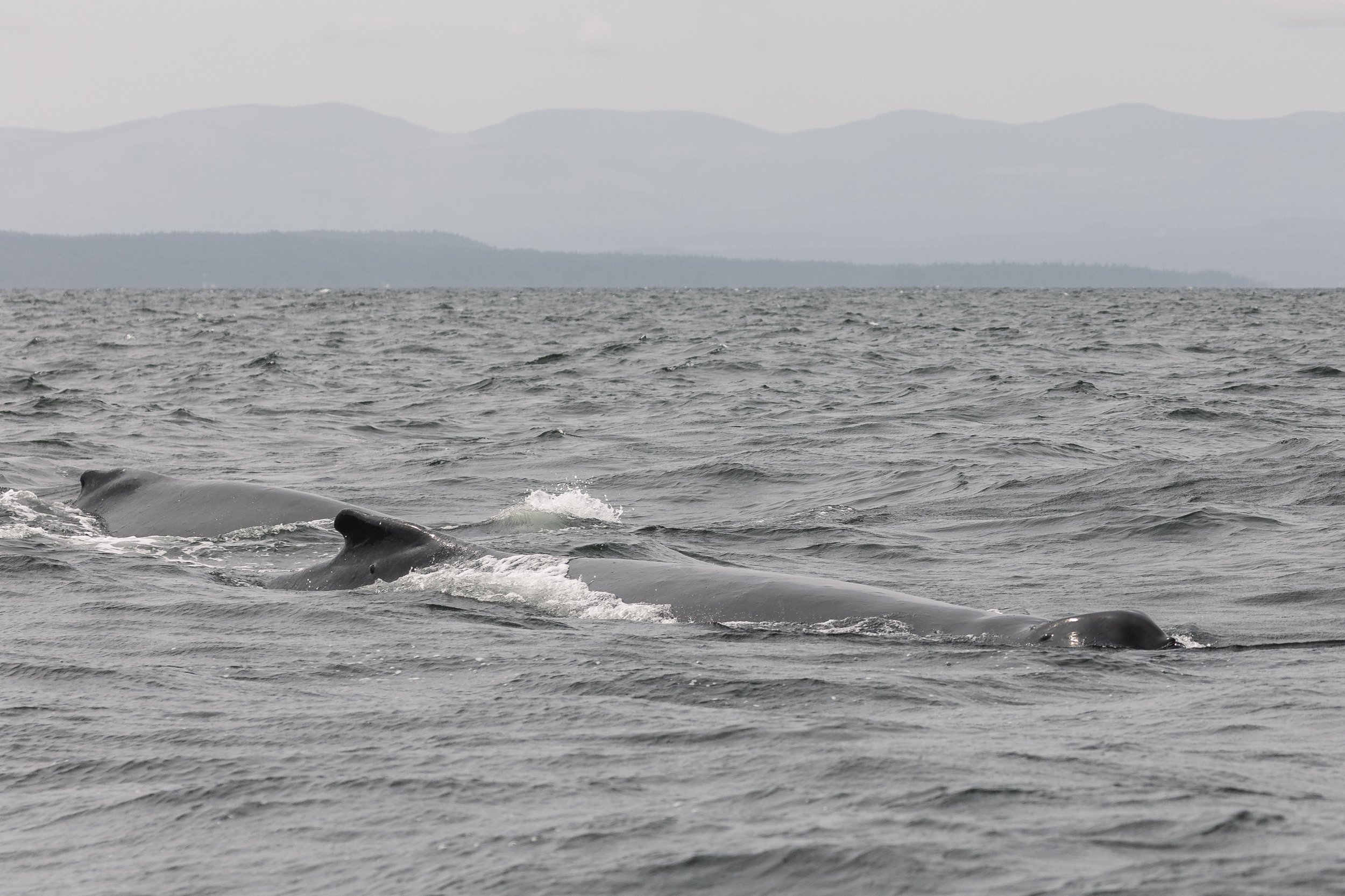
BCY0458calf2024 surfacing just behind KEX0084. Photo by Jordan Robinson.
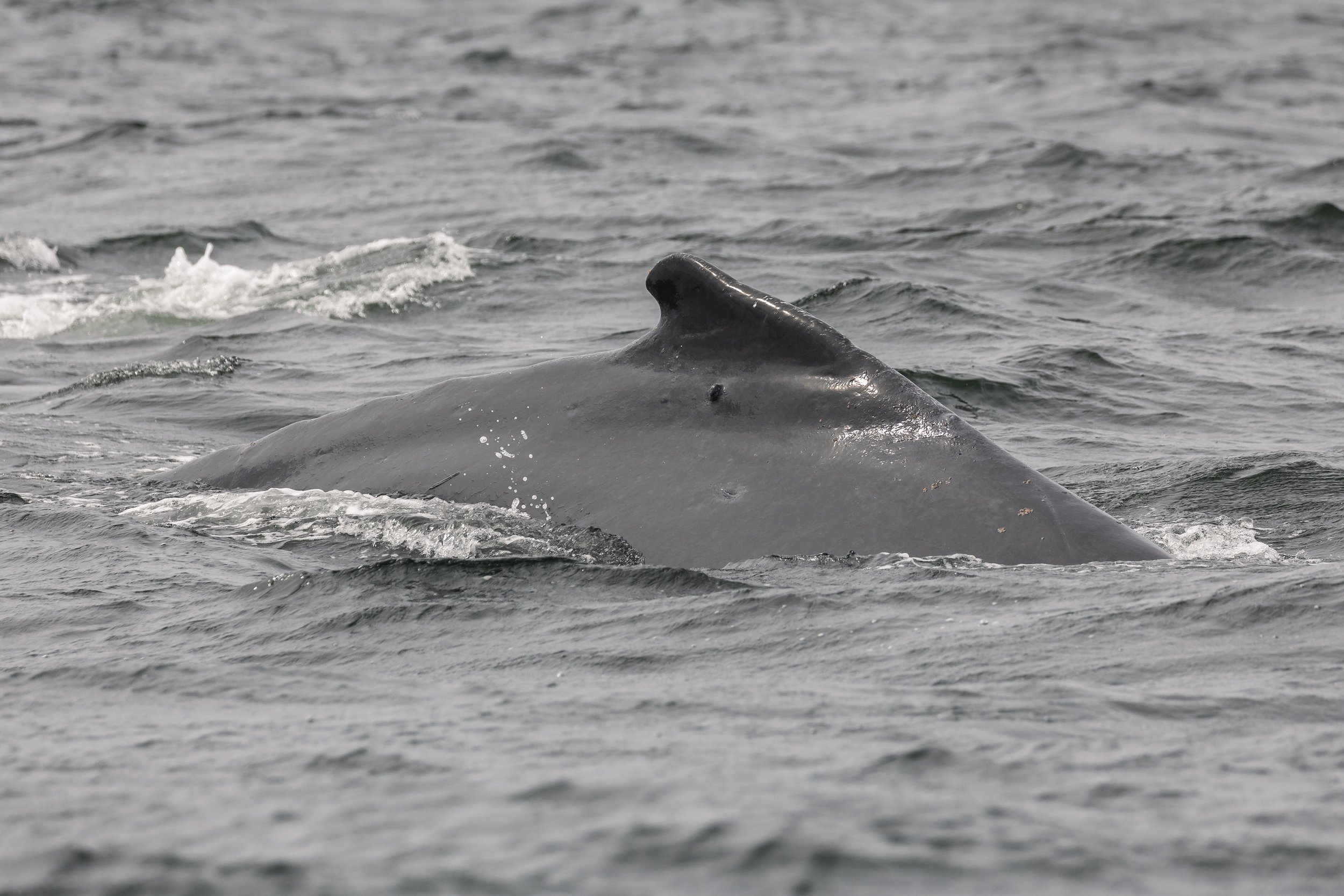
KEX0084 surfacing. Photo by Jordan Robinson.
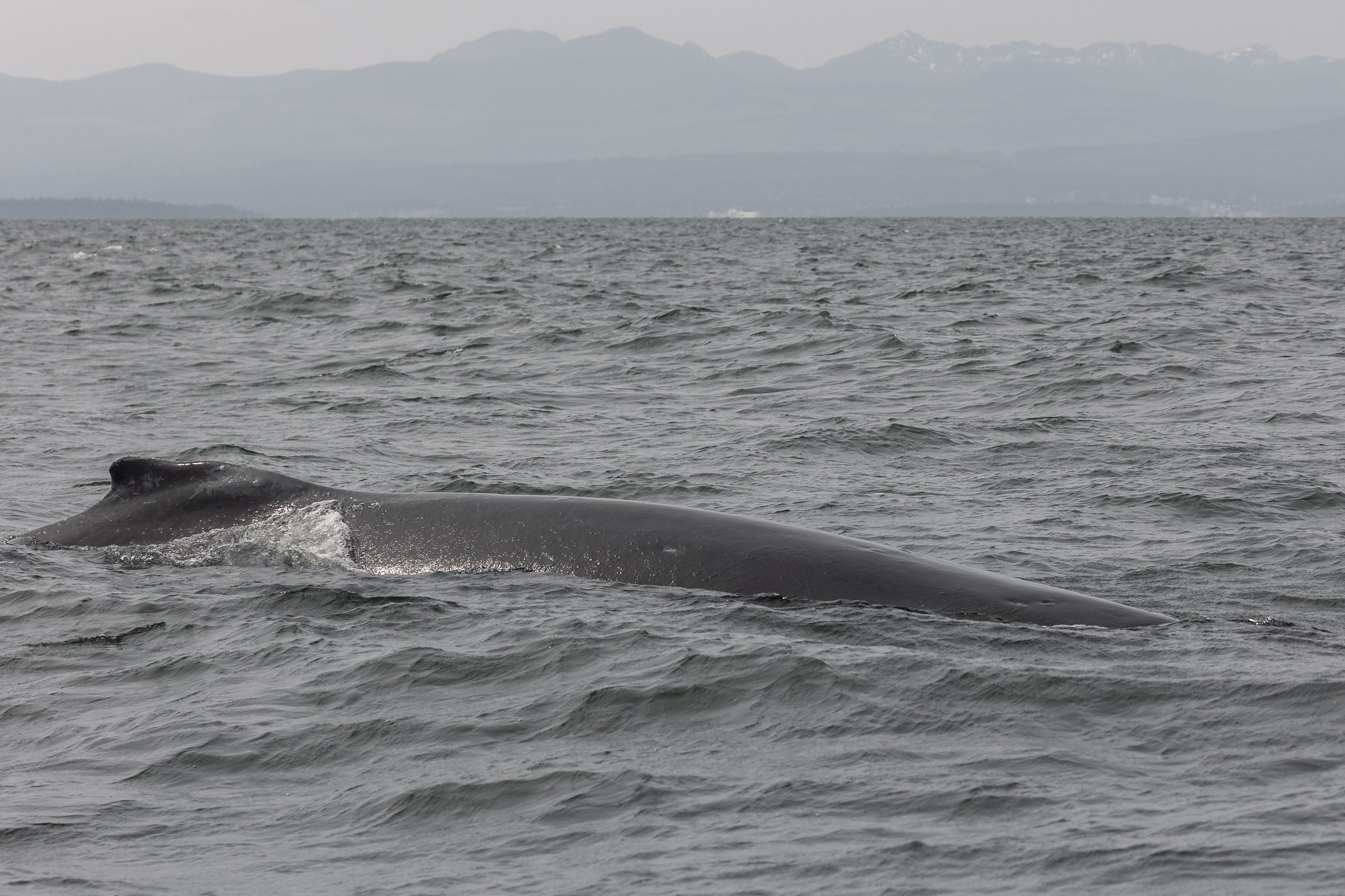
BCY0458calf2024 surfacing with a wave breaking on their back. Photo by Jordan Robinson.
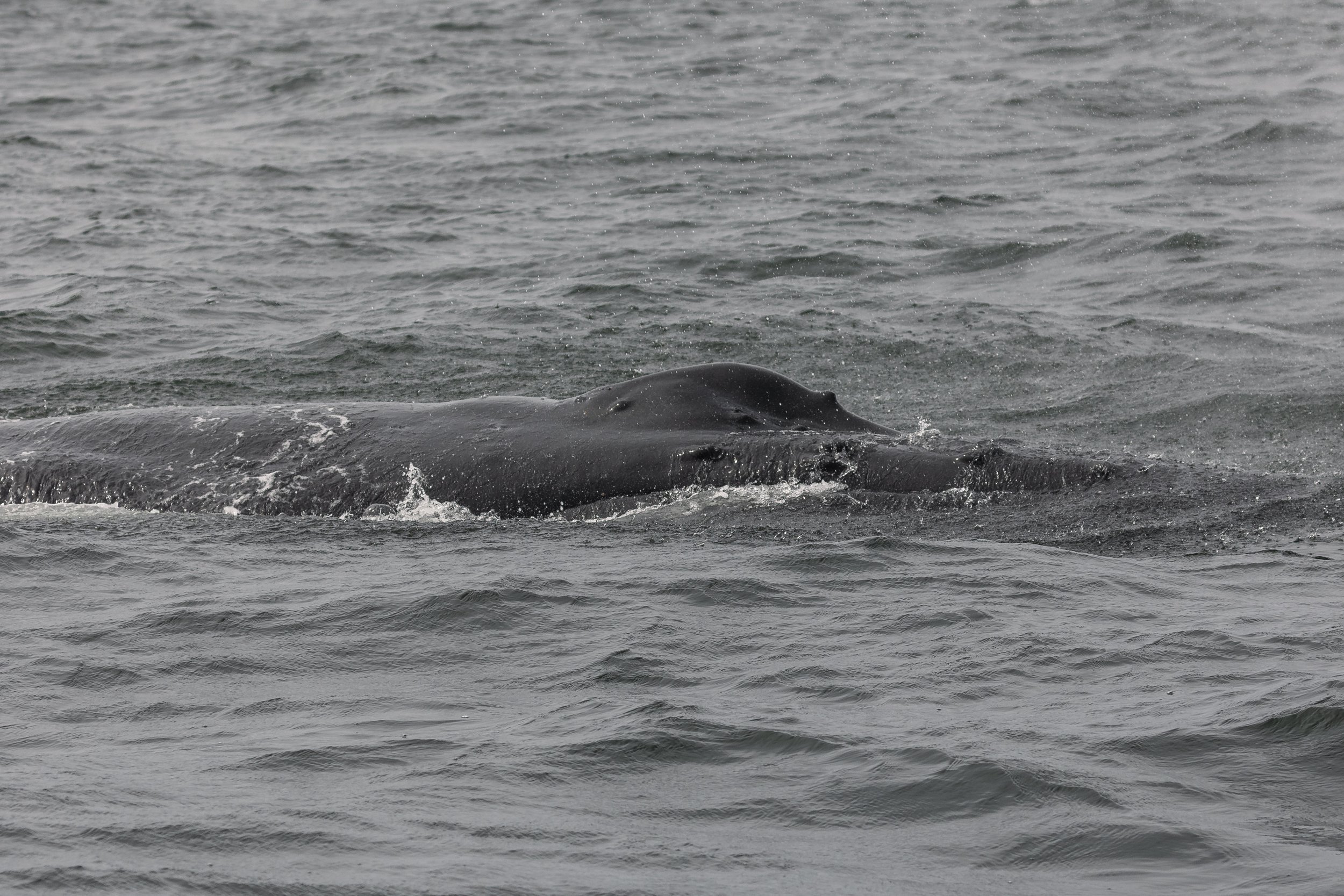
KEX0084 showing off their Rostrum. Photo by Jordan Robinson.
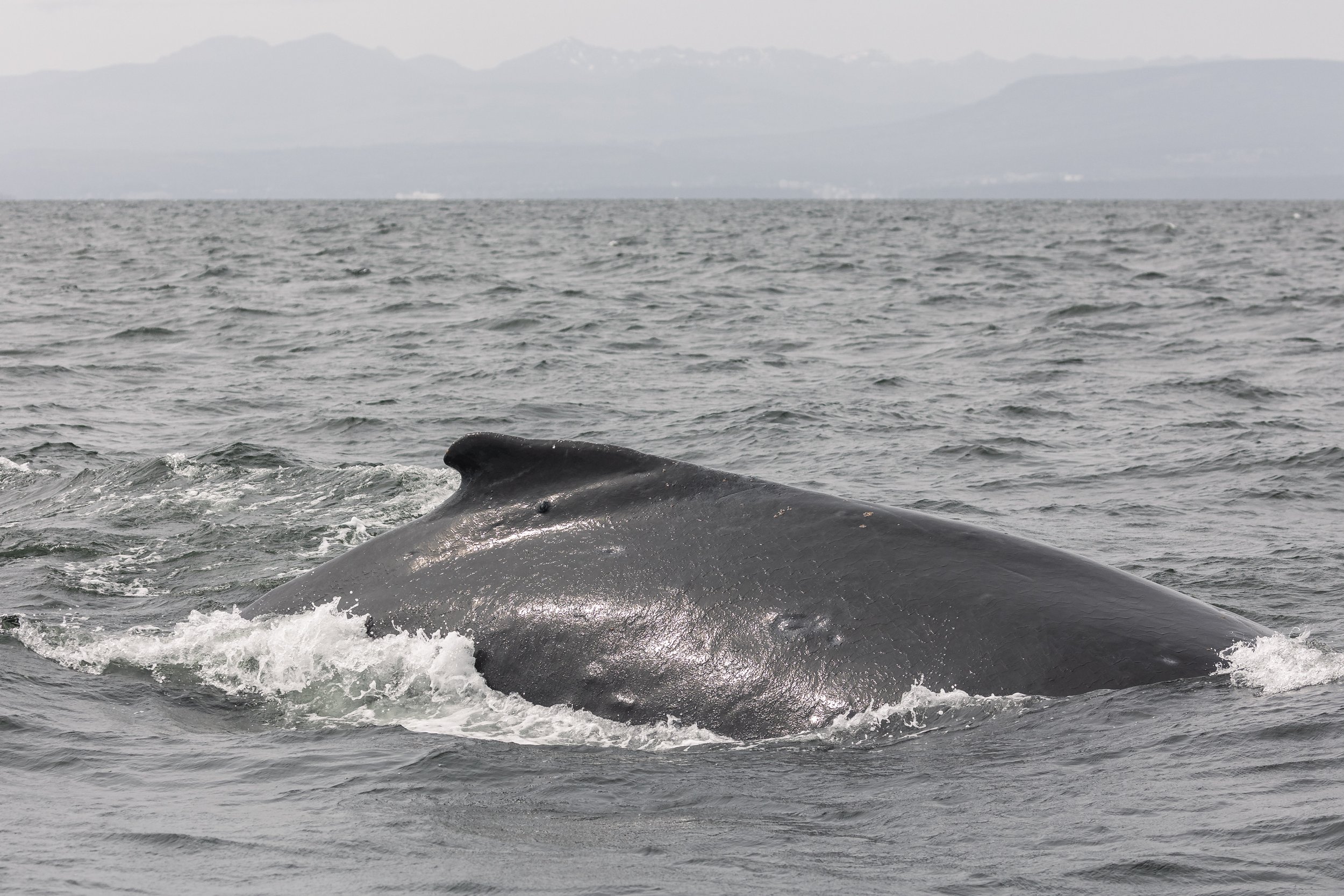
A big surface from KEX0084. Photo by Jordan Robinson.
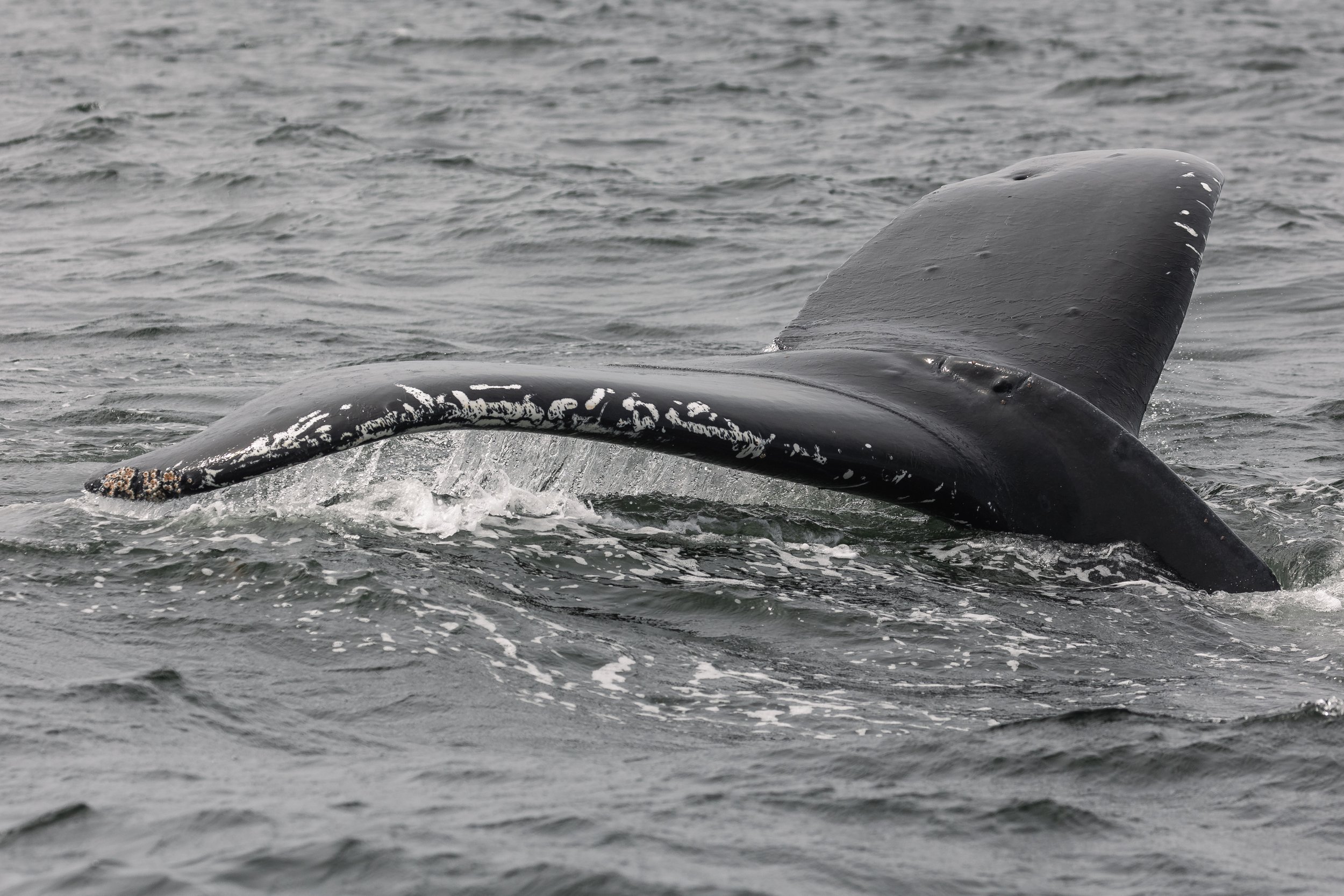
KEX0084 lifting their tail to dive. Photo by Jordan Robinson.
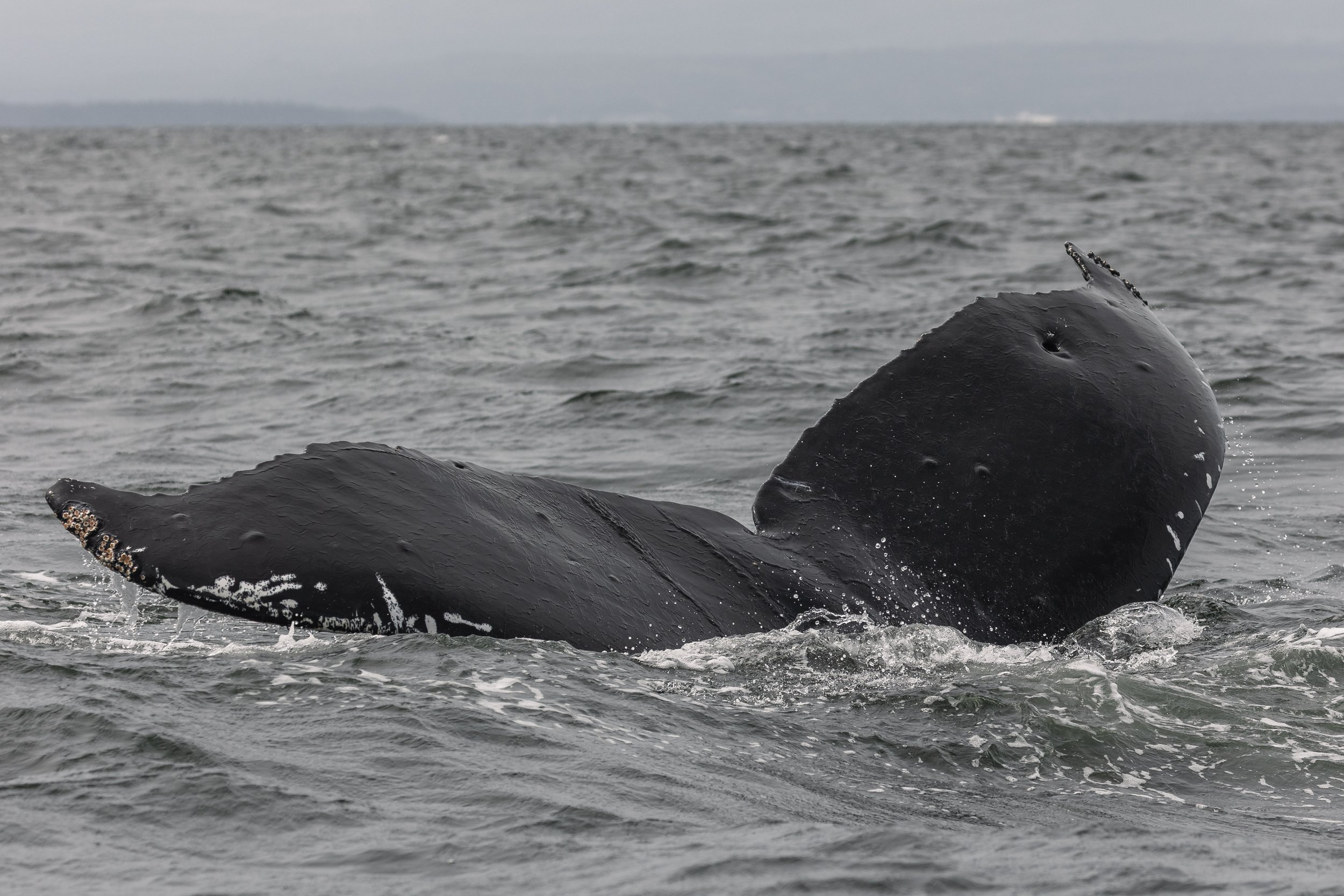
You can see the barnacles off the side of KEX0084’s tail. Photo by Jordan Robinson.
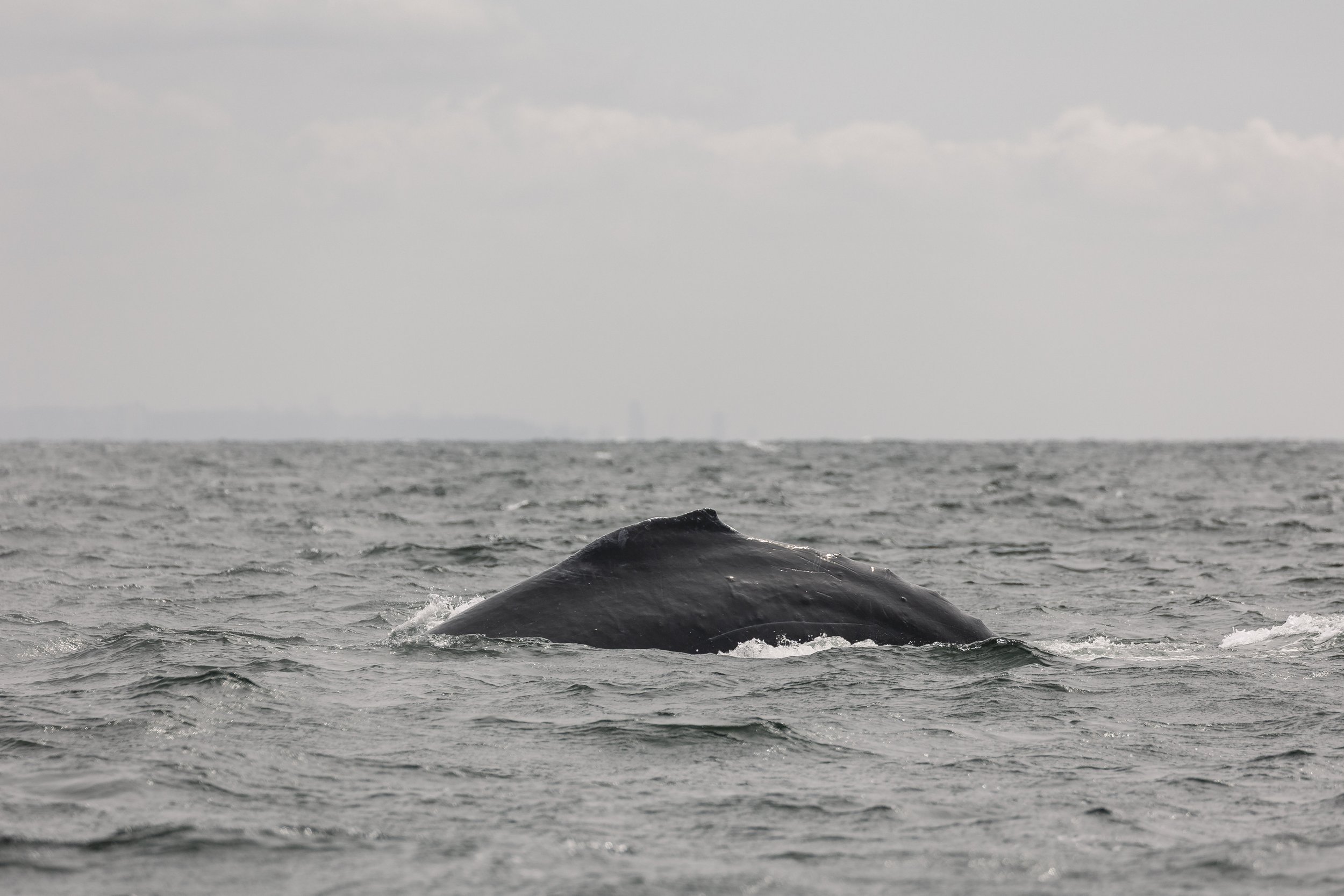
Kraken going for a dive. Photo by Jordan Robinson.
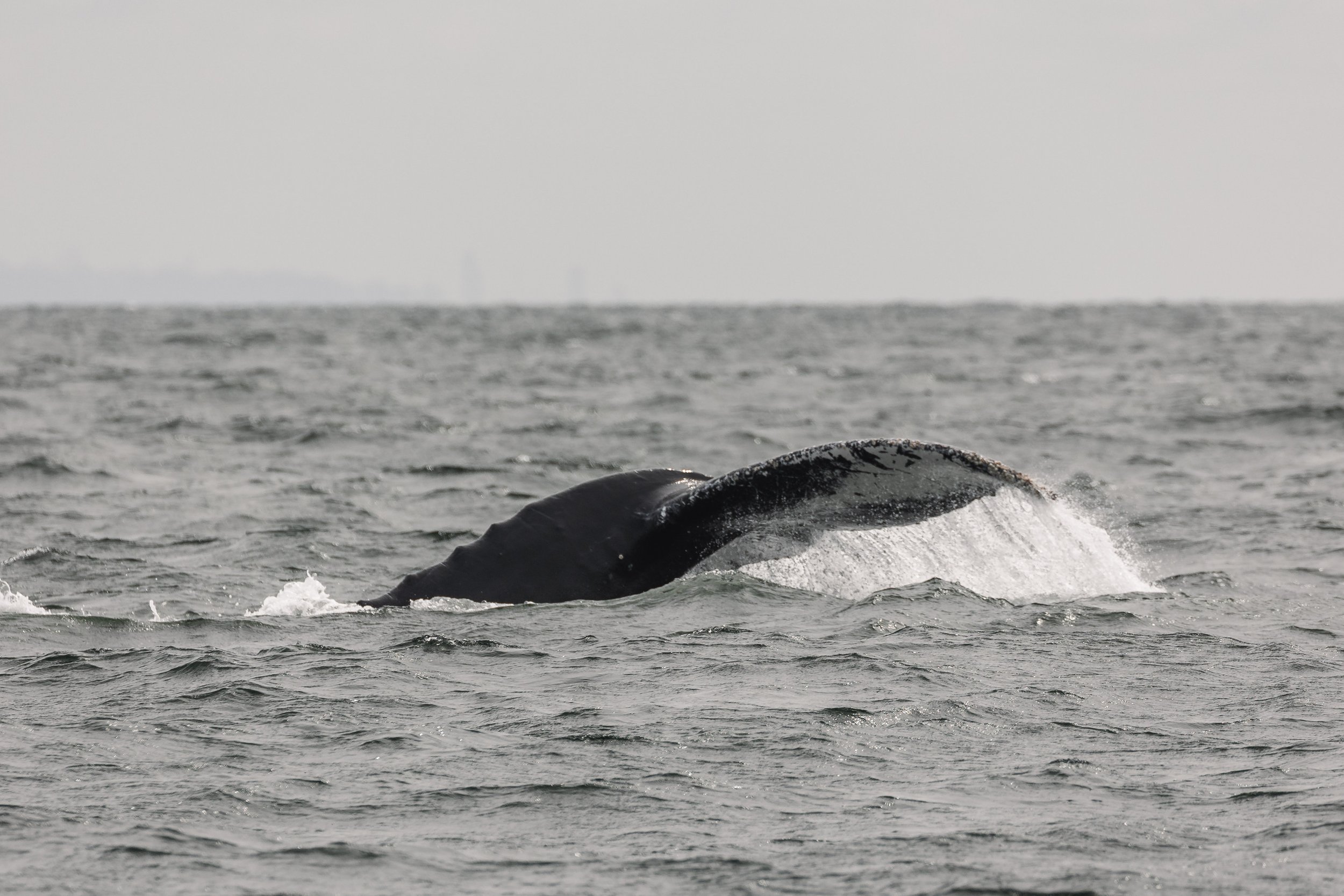
Kraken lifting their tail to dive. Photo by Jordan Robinson.
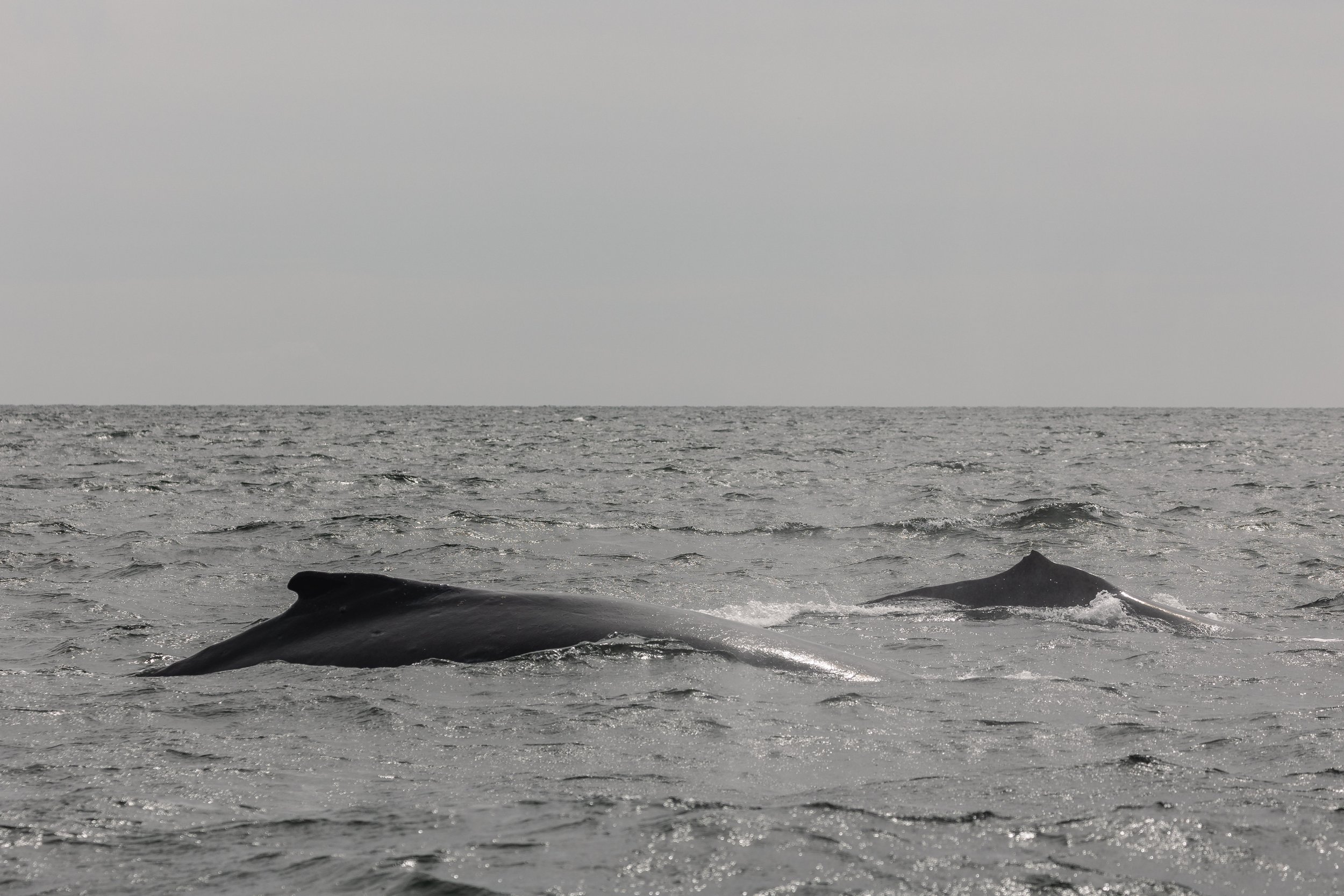
KEX0084 surfacing next to BCX1333calf2025. Photo by Jordan Robinson.
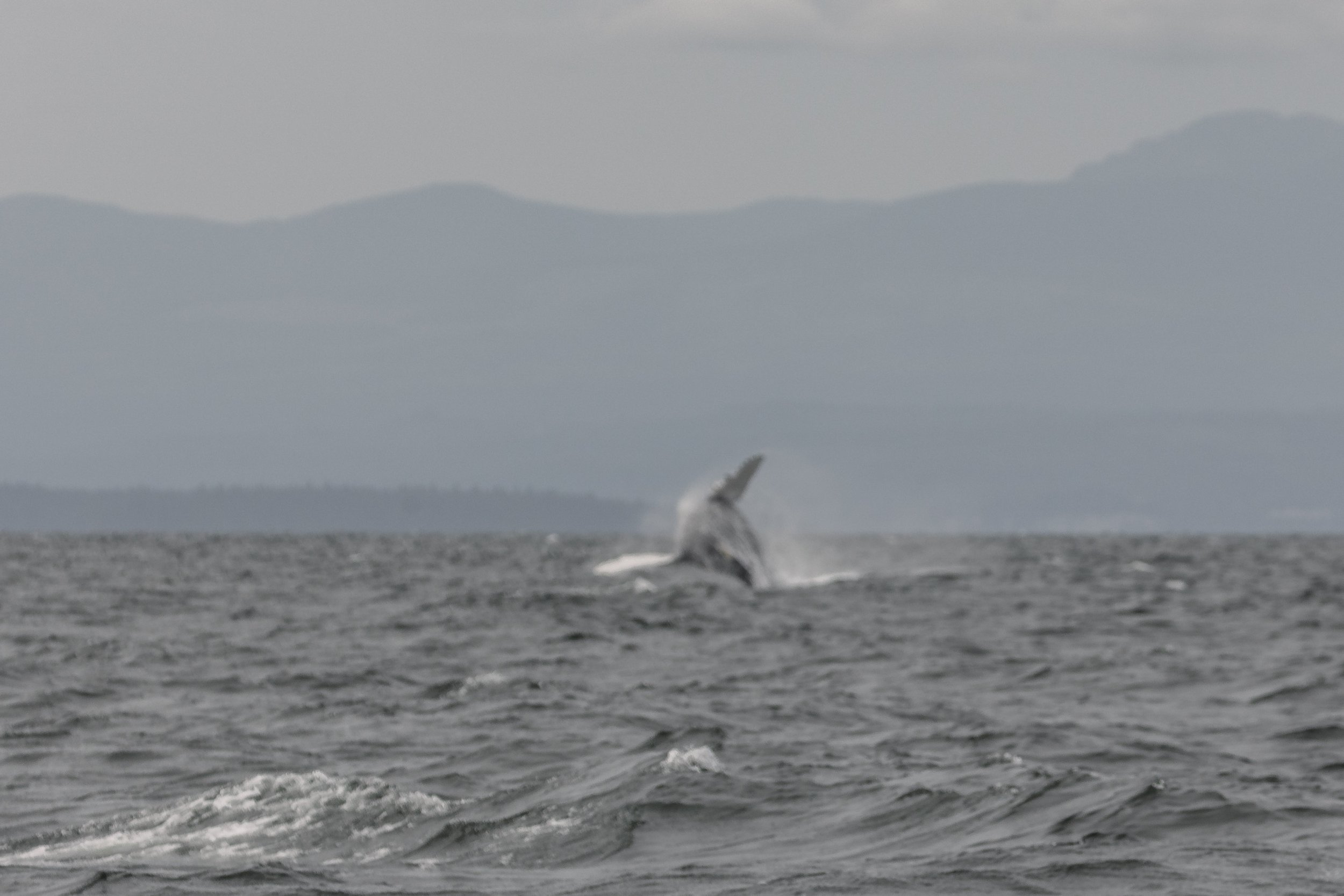
A slightly out of focus breach from X_pialidocious. Photo by Jordan Robinson.
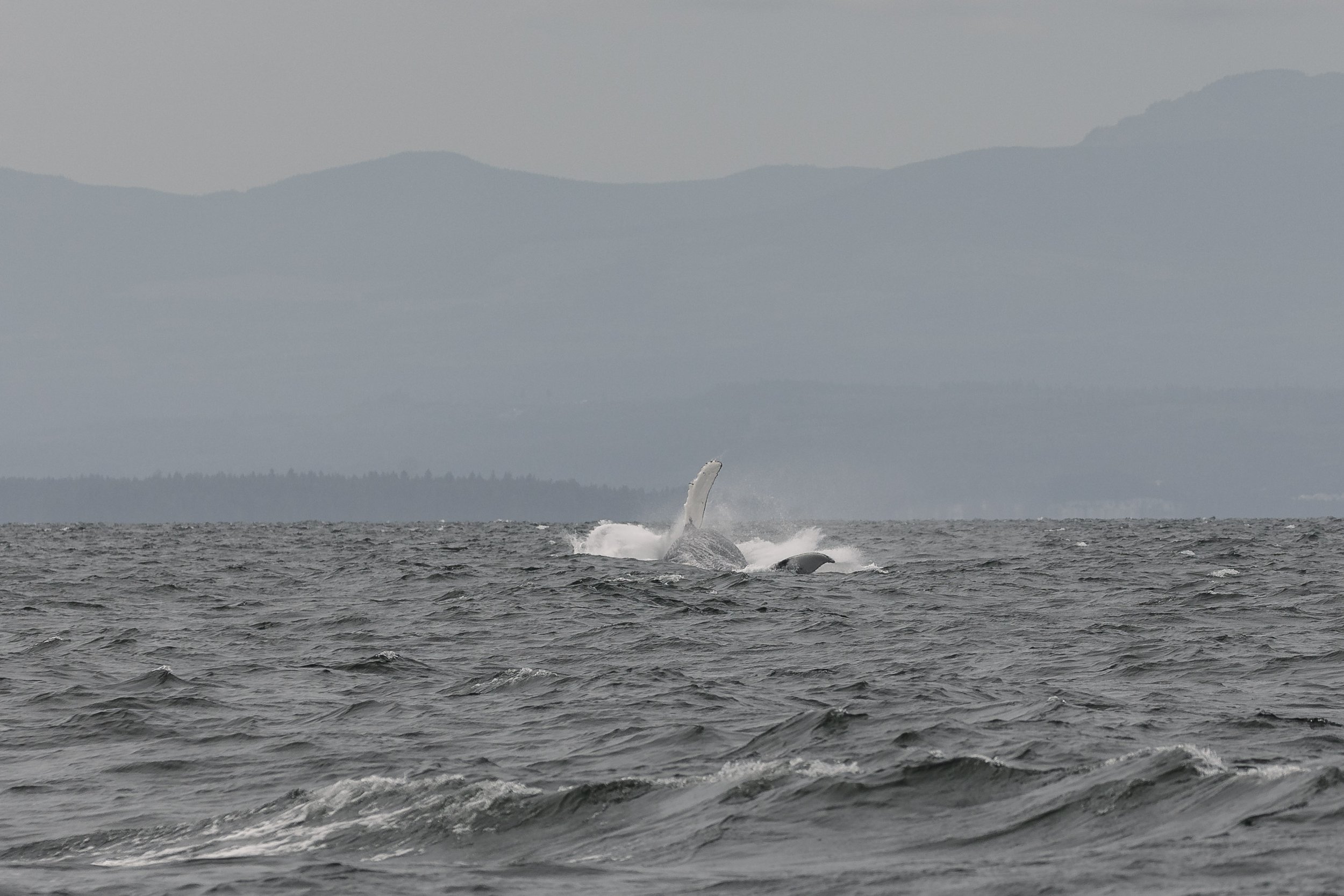
X_pialidocious touching back down after the breach. Photo by Jordan Robinson.
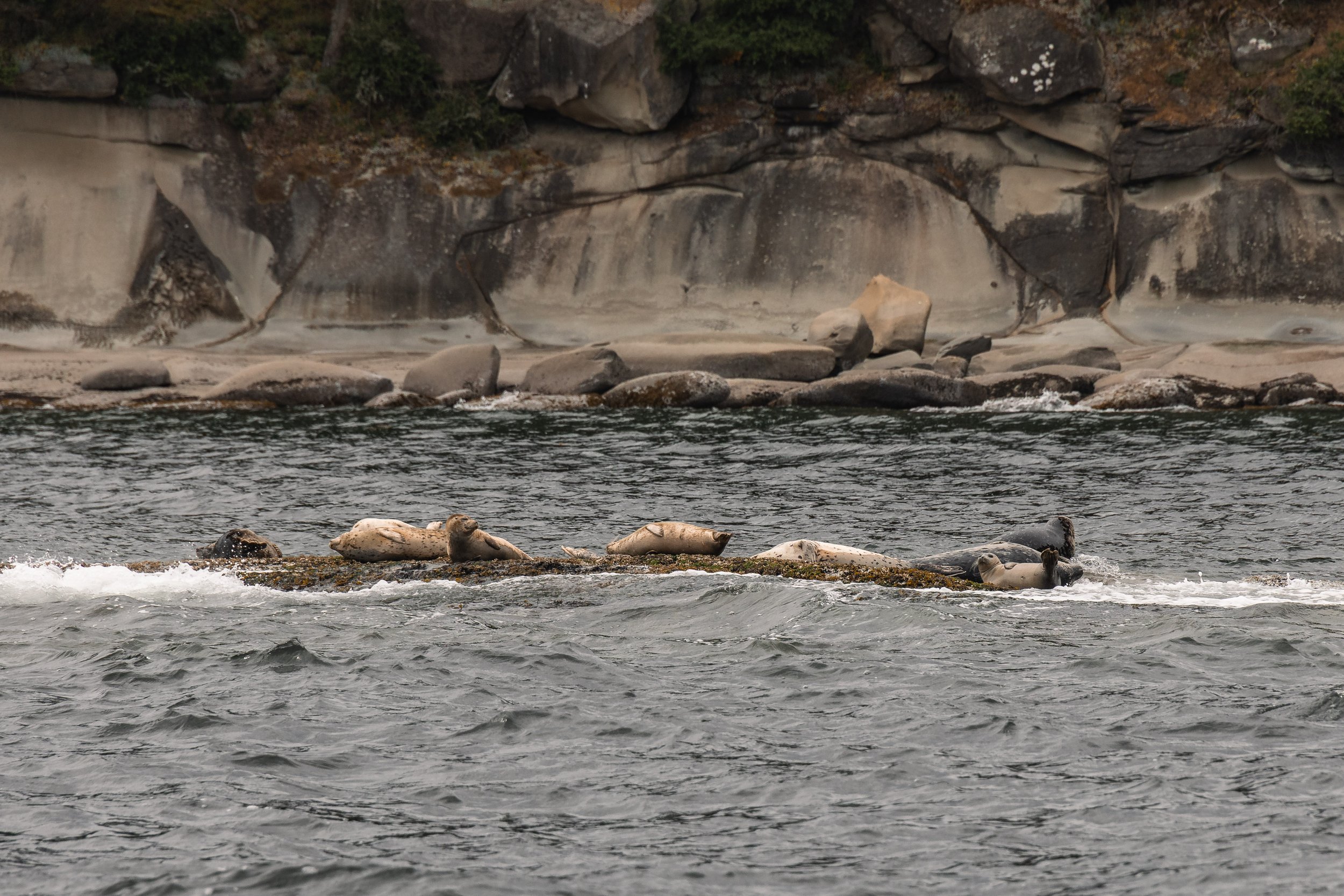
Harbour Seals Hauled out on Stinky Rock. Photo by Vanessa Vereschahen.
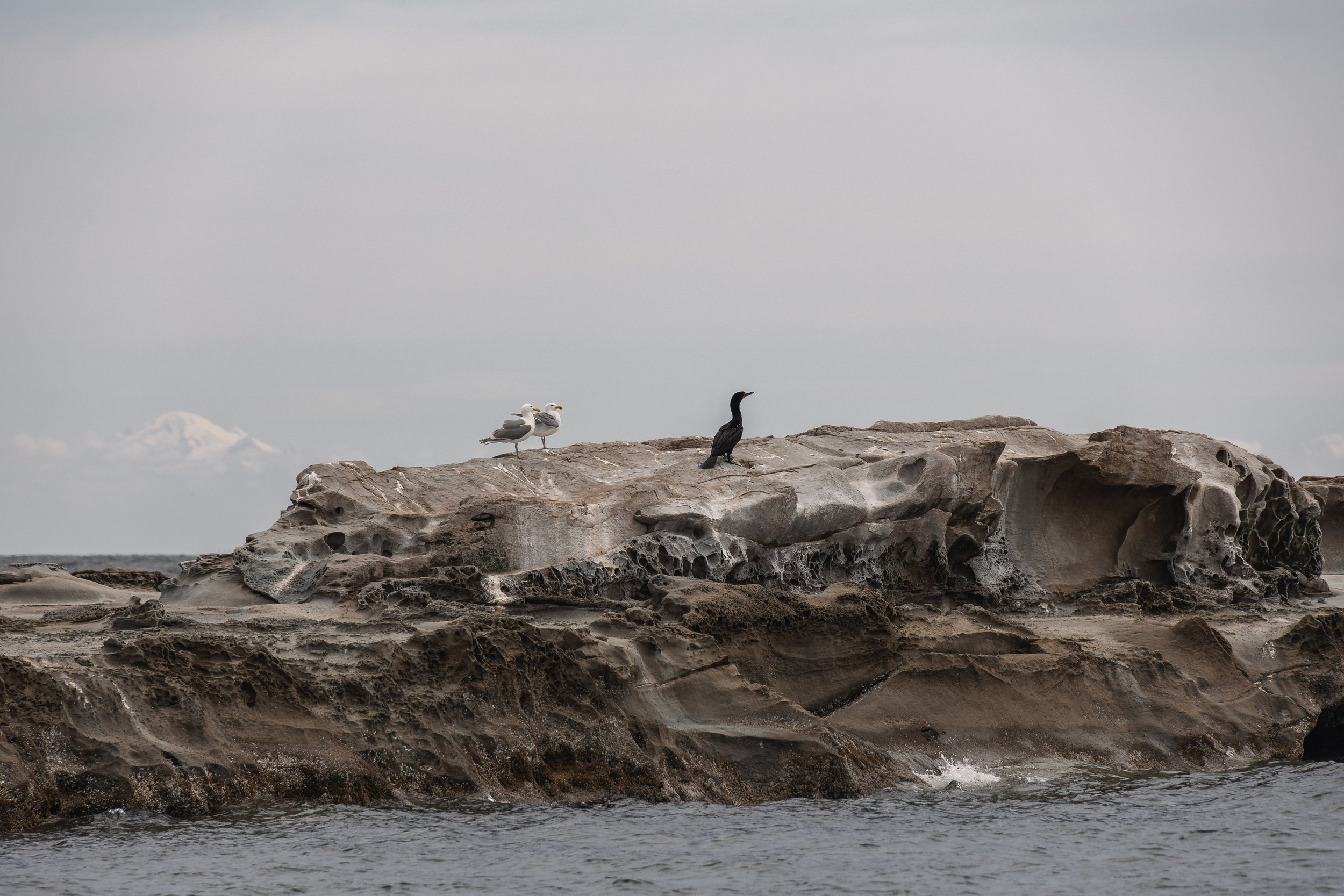
A comorant and some gulls on Stinky Rock with Mt.Baker in the background. Photo by Vanessa Vereschahen.
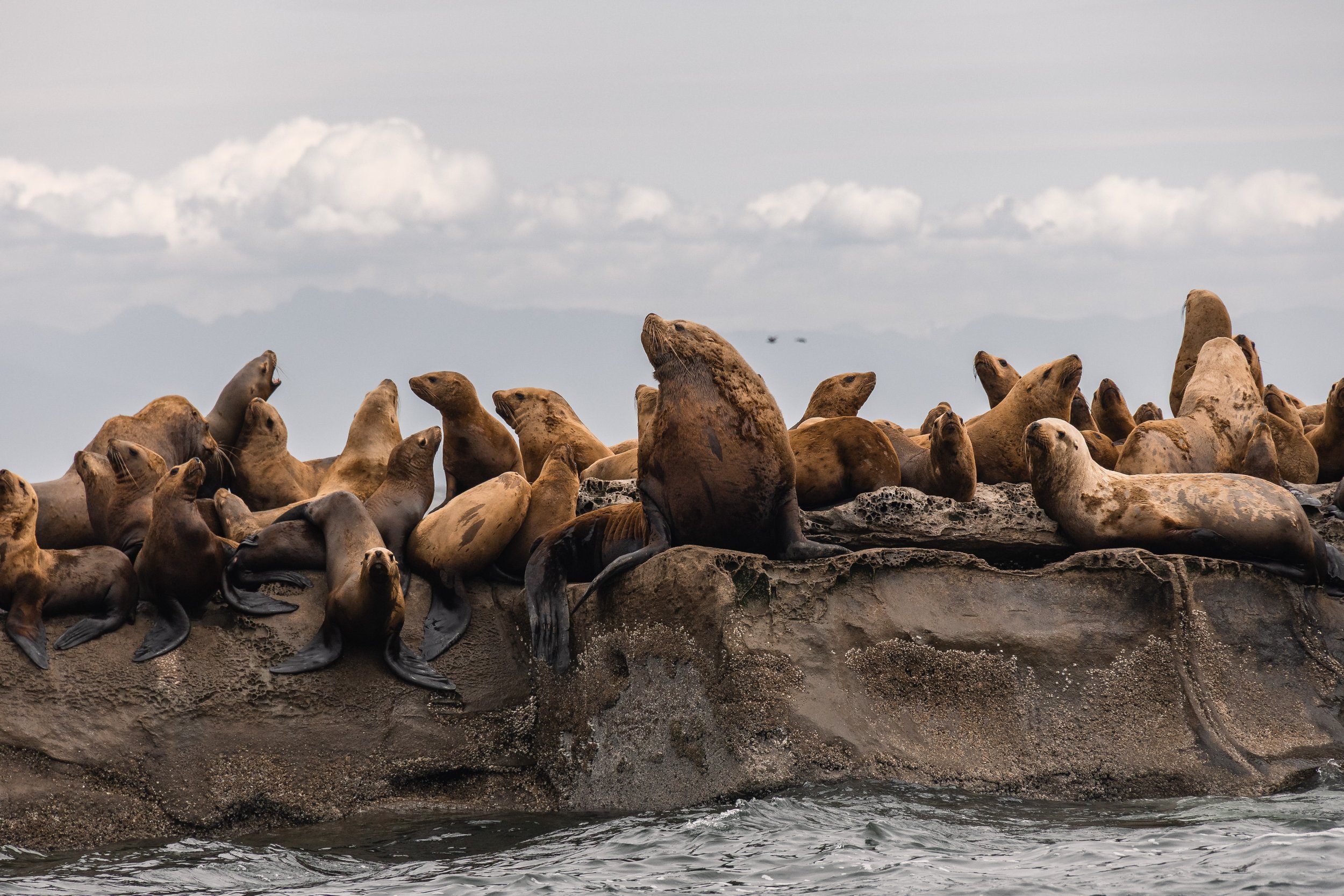
A colony of Steller Sea Lions on Stinky Rock. Photo by Vanessa Vereschahen.
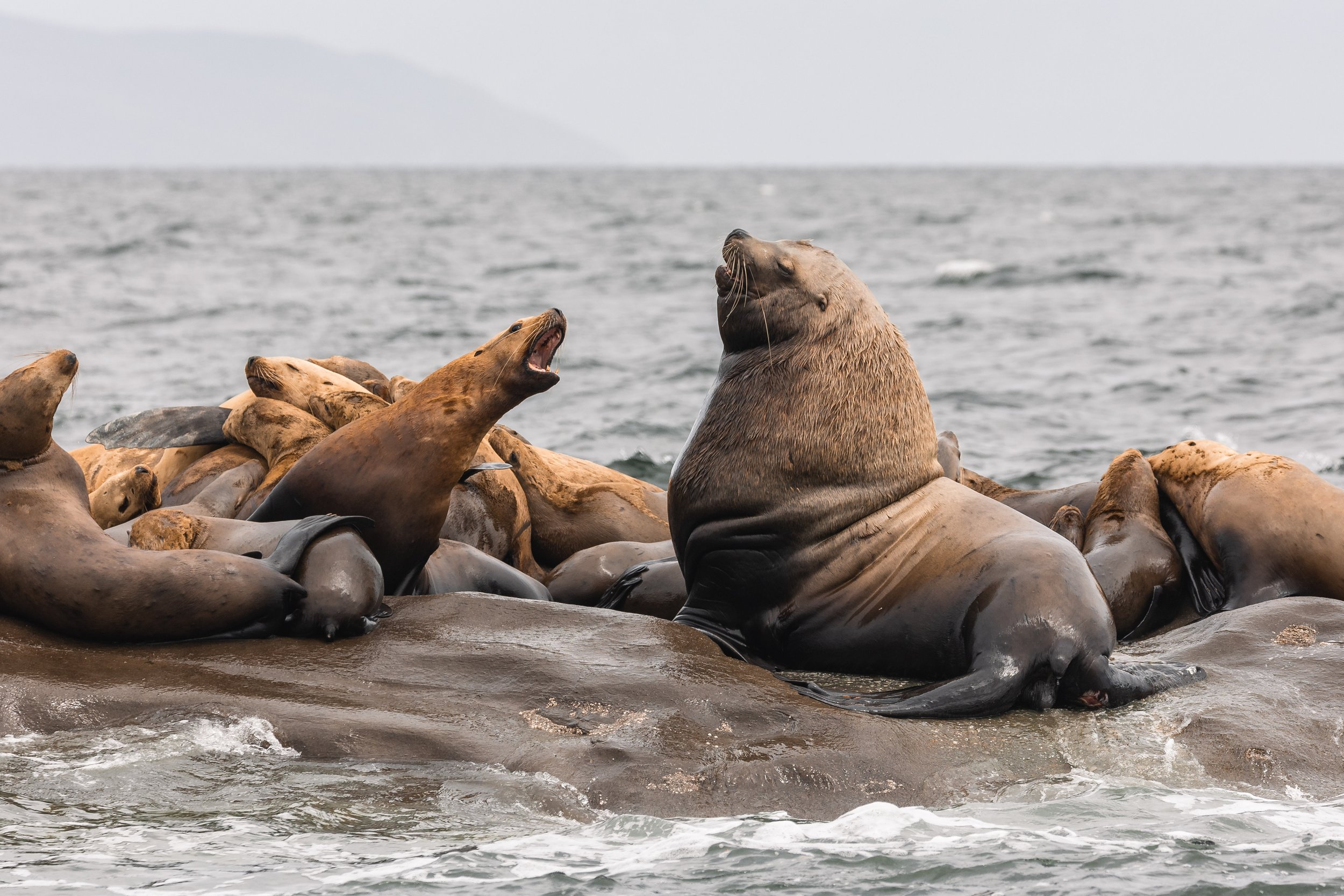
Stinky Steve (the big male) amongst the others. Photo by Jordan Robinson.
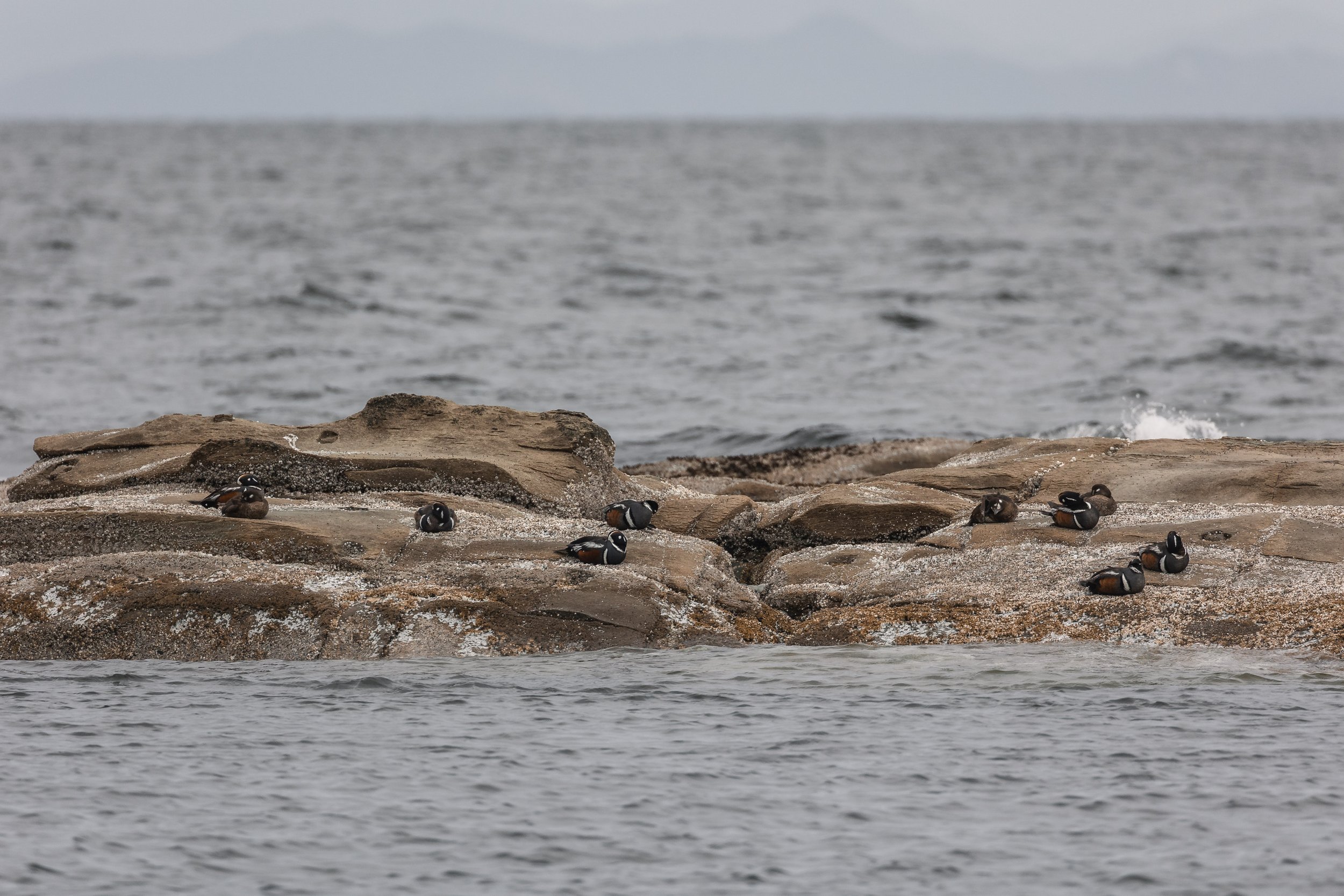
Some Harlequin Ducks on the rocks. Photo by Jordan Robinson.
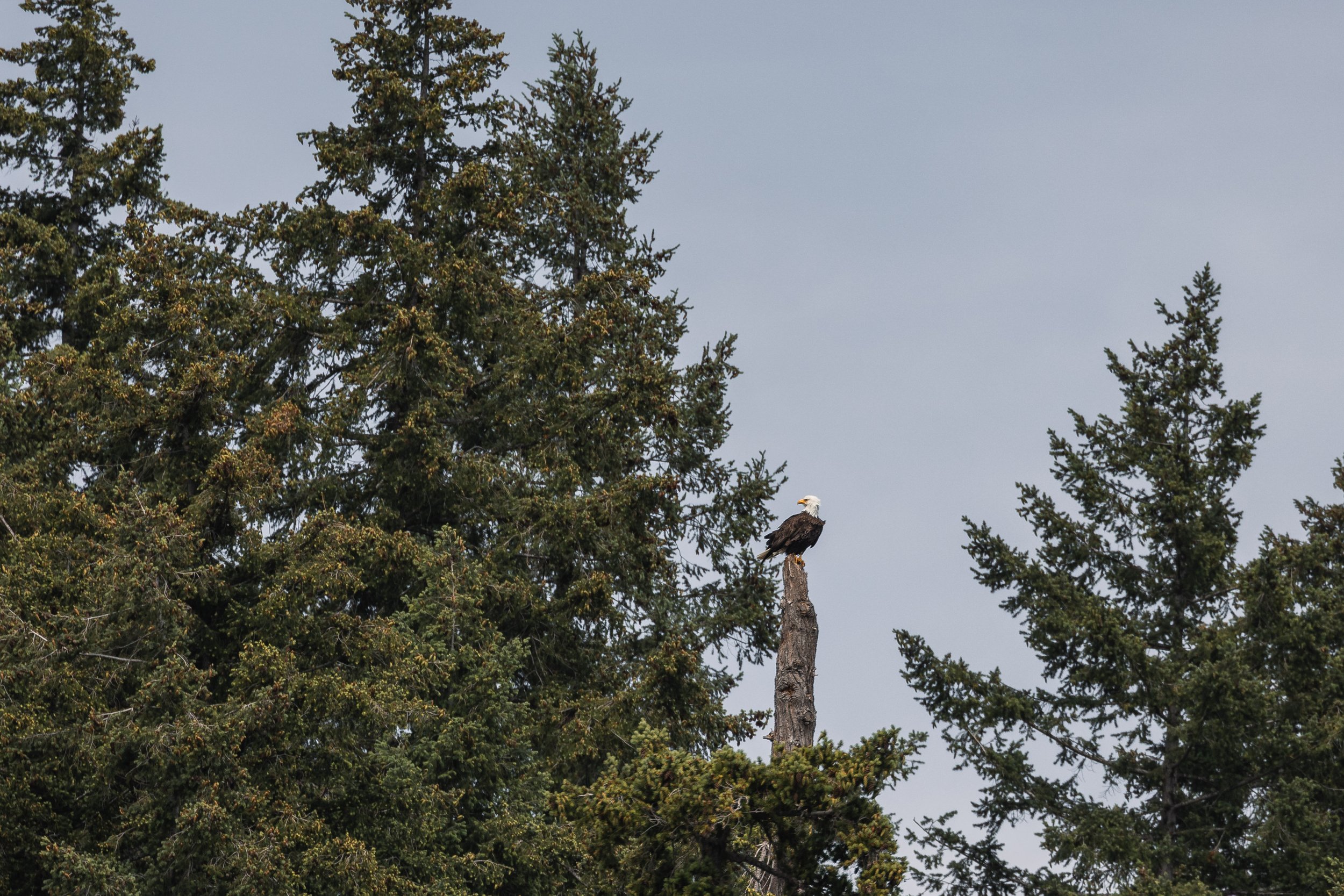
A Bald Eagle watching from the treetop. Photo by Jordan Robinson.