
May 4, 2026 - Chainsaw (and Whidbey II) near Howe Sound!
Sunshine and perfect sea conditions greeted us as we boarded Keta, one of our open Zodiacs. The warmth of summer was in the air as we chose our seats and settled in. Naturalist Val started discussing all the various animals we could see, as excitement buzzed amongst the guests. With many sightings coming in over the past few days, there was no telling where the day’s adventure would take us!
Once we departed the harbour, we picked up speed, and the trip truly started. With near glass-like conditions, travelling was a breeze as we set out across the Strait of Georgia. Scanning all around us, we kept our eyes peeled, peeking around for blows, flukes, or fins. We crossed the Strait and made our way over to Pasley Island, located at the mouth of Howe Sound.
We watched the mountains roll into view, and soon after, we spotted two dorsal fins ahead - cutting through the water and sparkling in the sunlight.
A quick peek at this male was all Val needed to confirm his identity – this was T063 Chainsaw, one of the most iconic orca in the Salish Sea, as well as his mother, T065 Whidbey II:
T065 Whidbey II ♀ (~1971)
T063 Chainsaw ♂ (~1978)
The pair moved steadily along the shoreline, their pace unhurried as they made their way along. There was no sign of urgency, just a quiet, purposeful travel. Much of an orca’s day is spent like this, moving between areas, often from one haul out to another. By not lingering too long in a single place, they reduce the chance of alerting prey to their presence, which could cause extra weariness and make their hunts more difficult.
T063 Chainsaw is incredibly iconic, as his dorsal fin sports two large notches. T065 Whidby II’s dorsal fin, by contrast, is nearly perfect, with only one tiny notch visible right in the middle of her fin.
After spending time with the pair, we continued on our way, leaving them to their path. The day still held more to discover. Captain Joseph turned Keta toward McCall Bank, an area known for its abundance of marine life, and it did not take long for that reputation to reveal itself.
We approached slowly, and soon numerous beautiful hooked dorsal fins were lazily spotted rising from the water before submerging once more. This turned out to be a pod of Pacific White-Sided Dolphins, an uncommon cetacean species in our area, with most sightings occurring much farther north, near Campbell River. This pod has been making headlines on social media recently, with them repeatedly seen travelling at high speed along the shoreline of our coastal communities over the past week. While we are unsure why they have developed such a fondness for our area, we will relish the moment and enjoy every encounter we have with them!
After our visit with the dolphins, we slowly made our way over to a bright yellow marker softly swaying ahead of us. This marker, known as an Ocean Data Acquisition System (ODAS) buoy, collects a range of critical information, including wave heights and wind speeds. It is also a perfect haul-out site for our sea lions.
Many of them were draped over the edges of the marker as we peeked at them. The tips of flippers would dip gently into the cool waters below as they rested. While many of the sea lions were enjoying a relatively relaxing day, one intrepid individual seemed to think the base of the buoy was too crowded. We watched as they climbed up the marker, step by step, until they were perched high above the others, over one of the solar panels, surveying the waters around them, causing giggles amongst Keta’s guests and crew alike.
The encounters did not stop there, though, as we were soon greeted by many tiny triangular dorsal fins zipping through the waters around us. These were Harbour Porpoises, smaller and more elusive than the whales and dolphins we had seen earlier. These speedy animals are often very difficult to photograph because they surface only sporadically; Val captured some amazing moments with them, which can be viewed below.
Once we had spent some time with the porpoises, we turned once more and began our trip back to the harbour. The rolling mountains of Howe Sound faded away, and the open waters of the Strait once again greeted us. Soon Nanaimo’s skyline was once again visible, and as we pulled back into harbour, we recalled the beautiful moments we had experienced over the afternoon gleefully, from our time with the orca to seeing the dolphins and porpoises.
Please enjoy today’s photos taken by Marine Naturalist Val Watson!
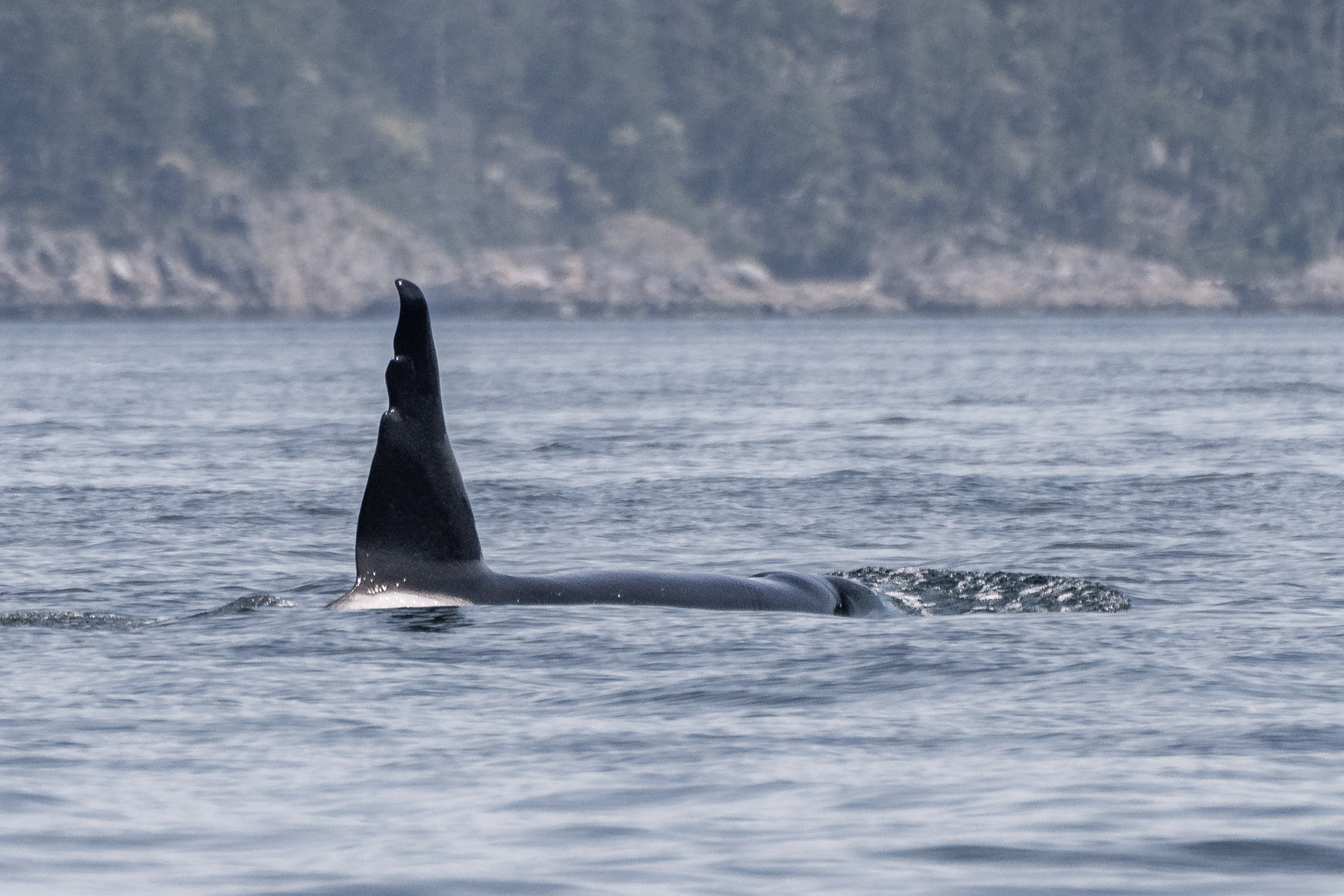
T063 Chainsaw travelling along.
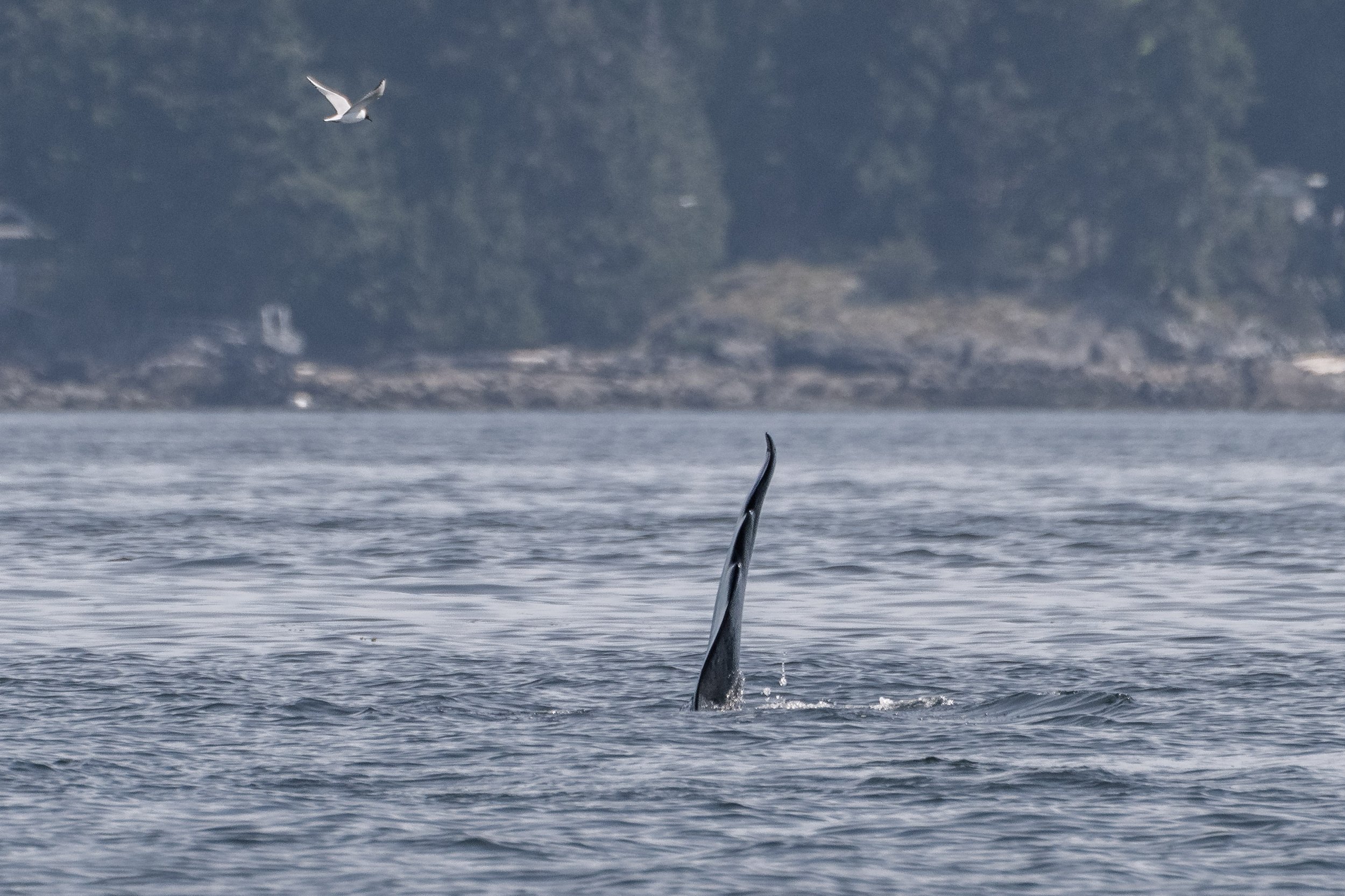
T063 Chainsaw from straight behind!
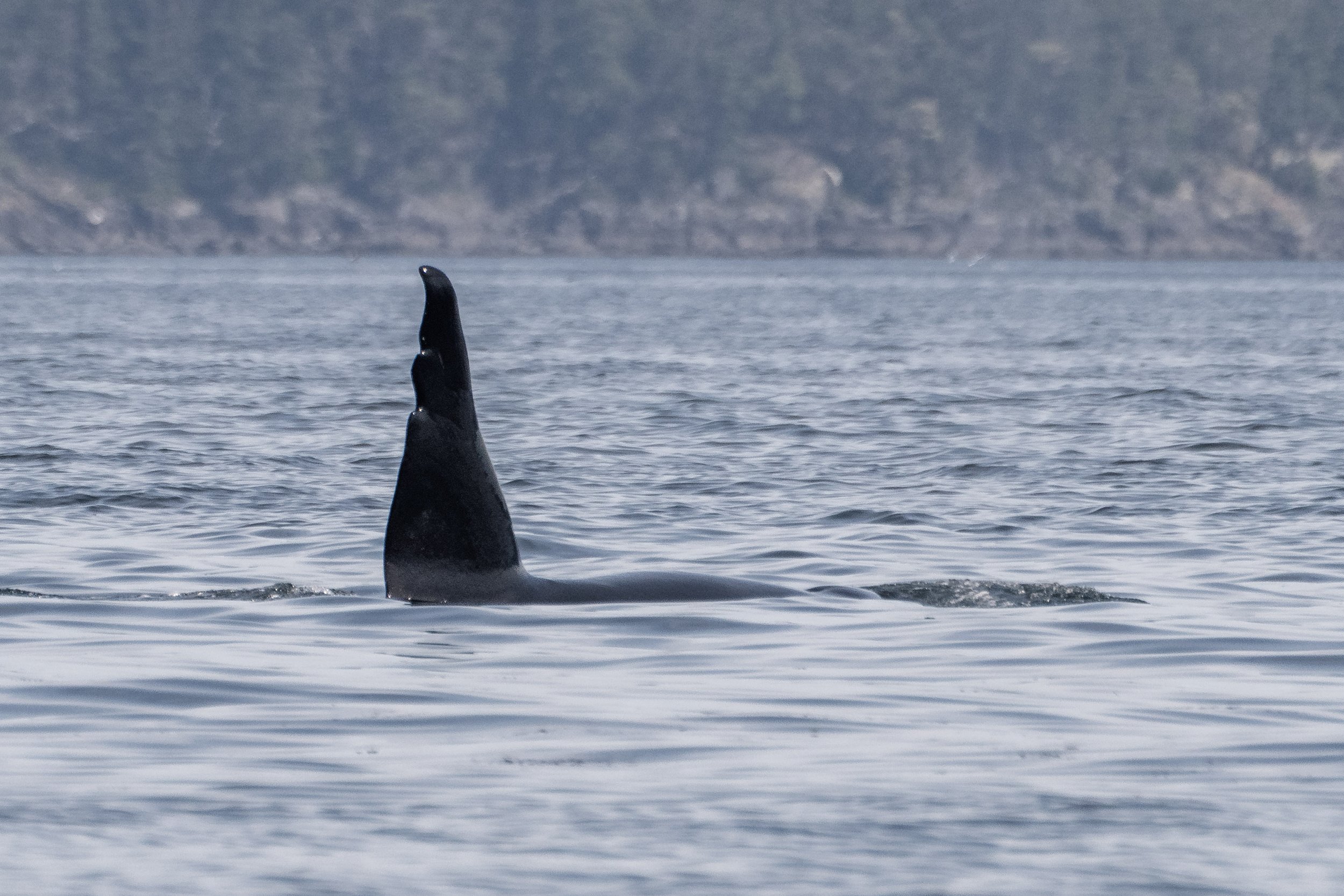
T063 Chainsaw has a very distinct dorsal fin!
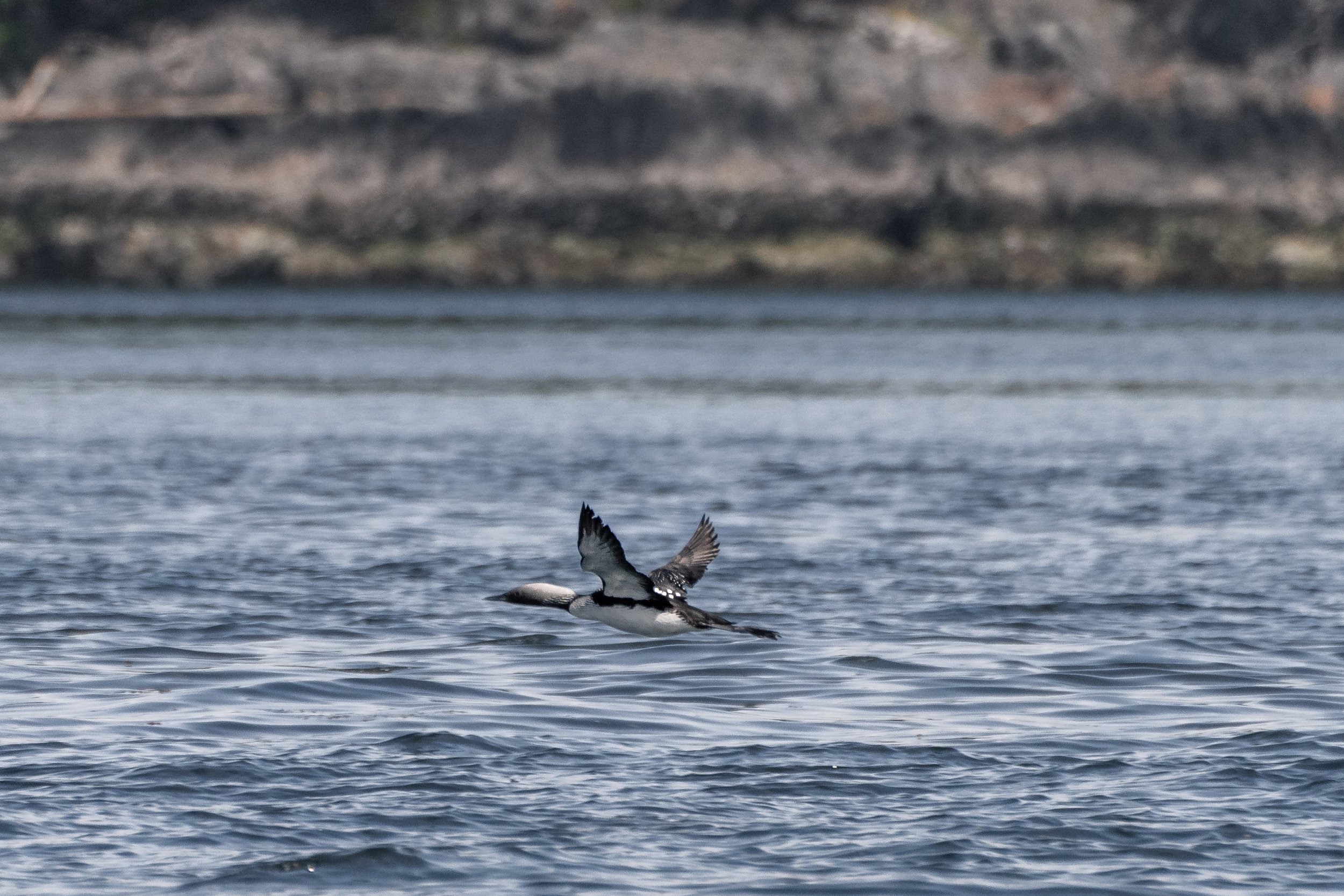
A Pacific Loon in flight.
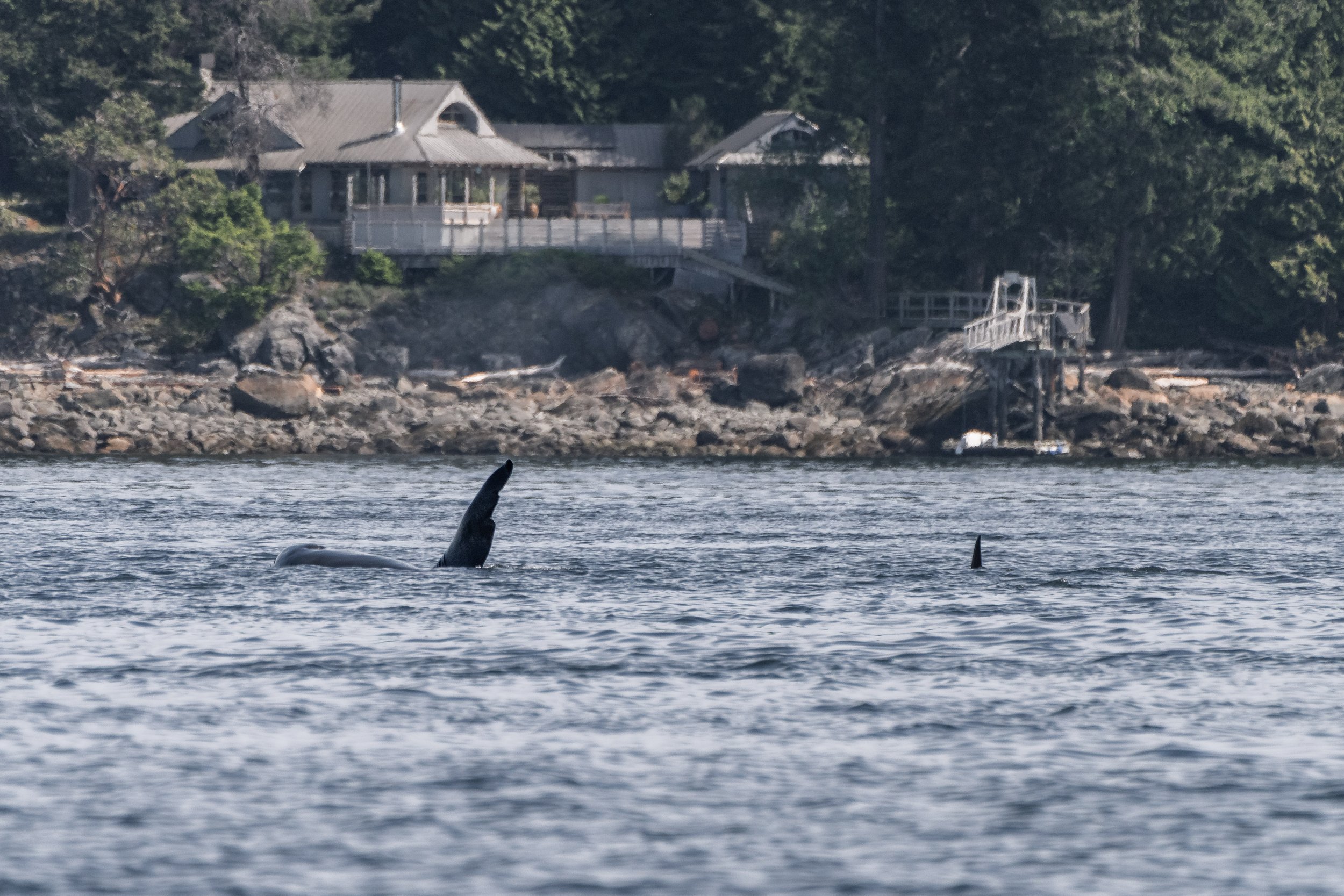
T063 travelling, with the tip of T065 Whidbey II’s dorsal fin visible as well.
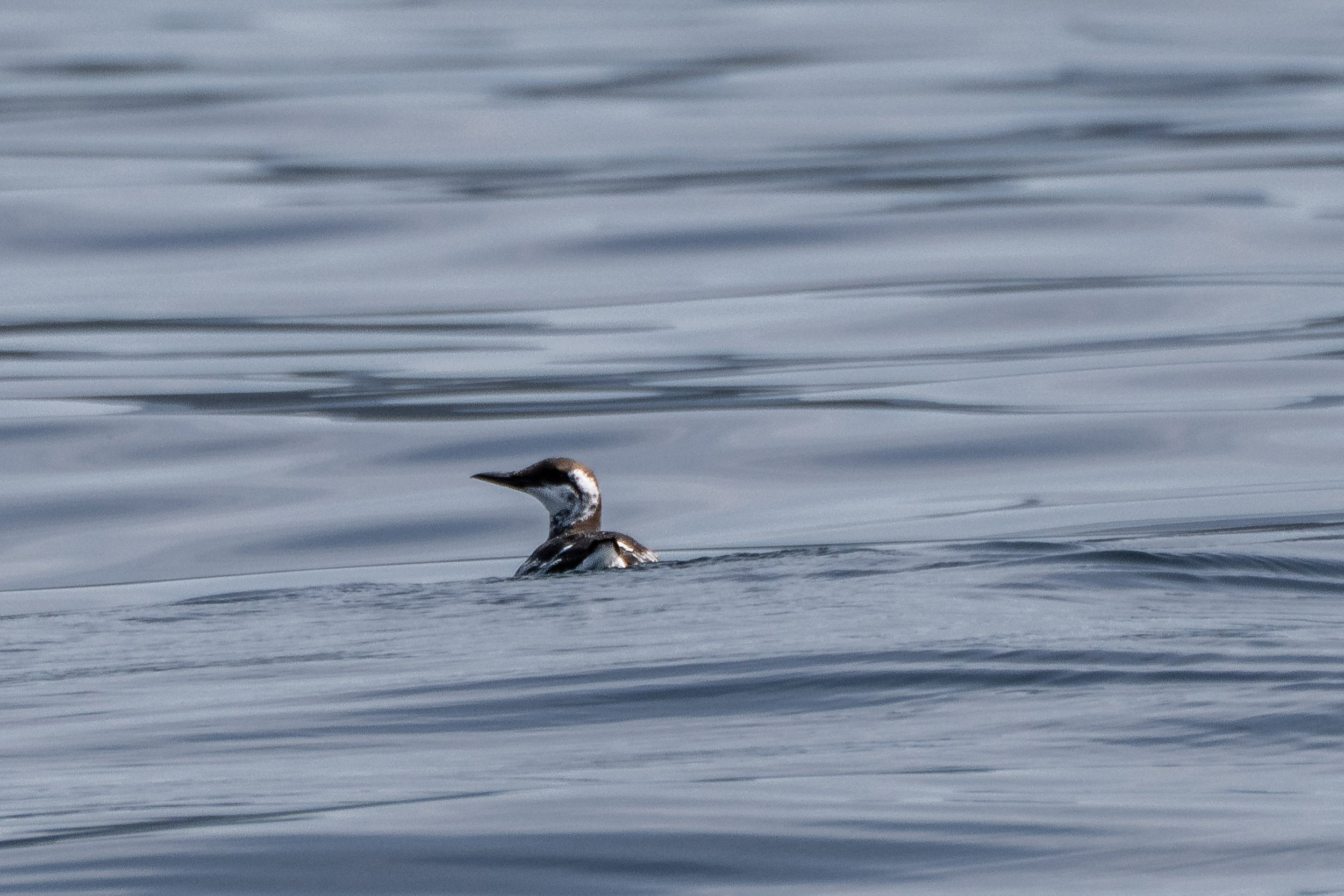
A Common Murre bobbing along.
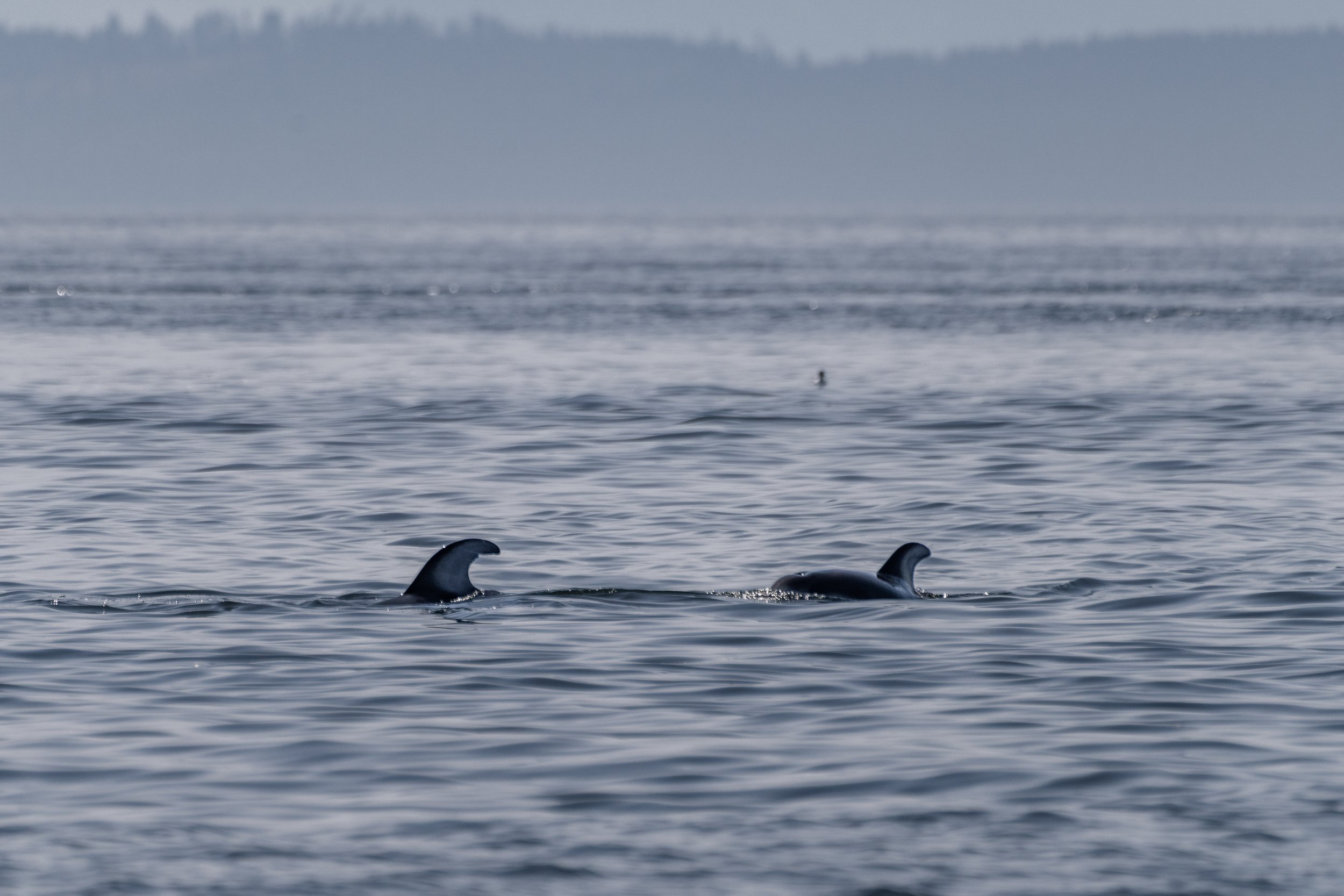
Pacific white-sided dolphins travelling together.
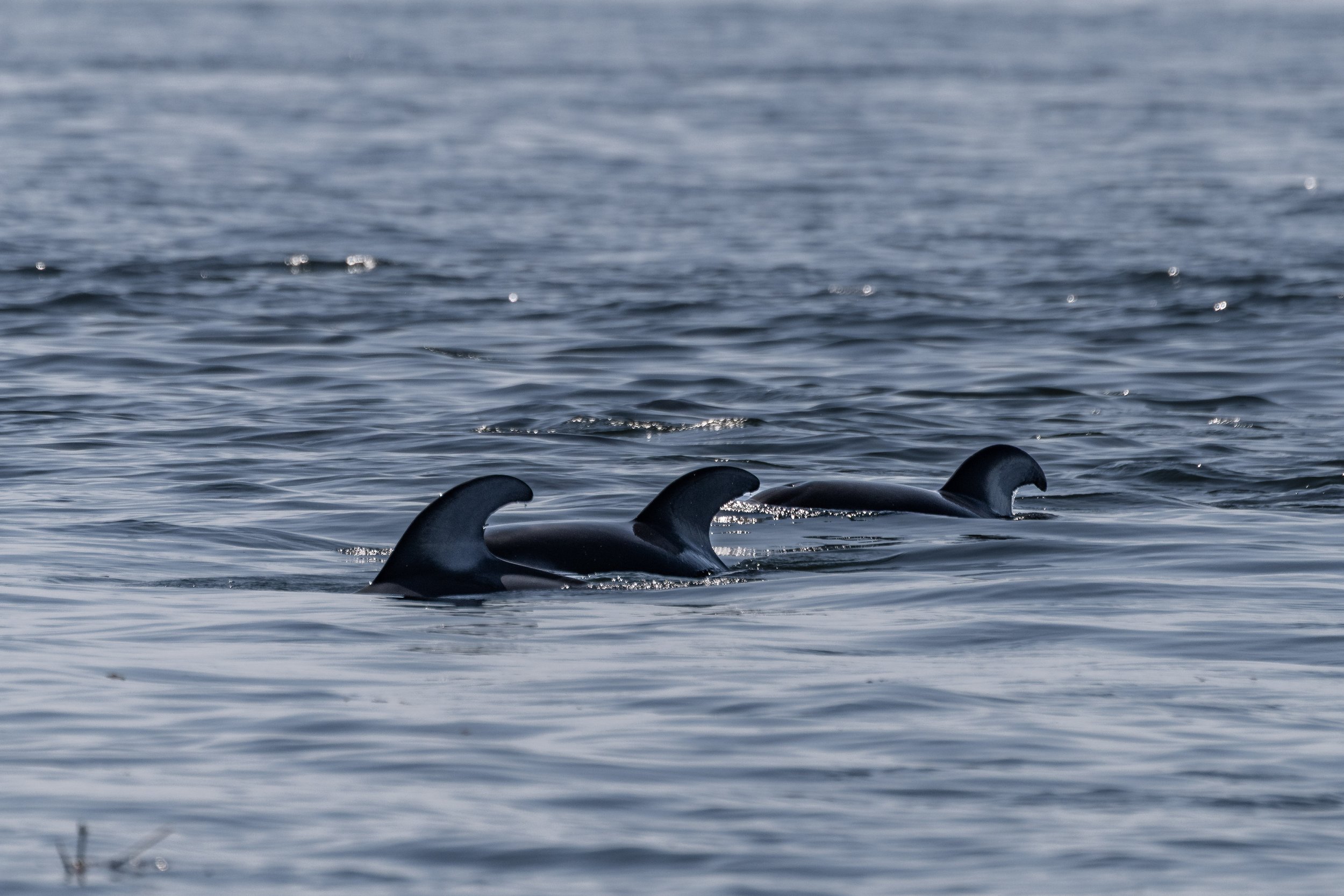
The dual-toned, hooked dorsal fins of Pacific white-sided dolphins are one of their distinct characteristics that are used to ID them!
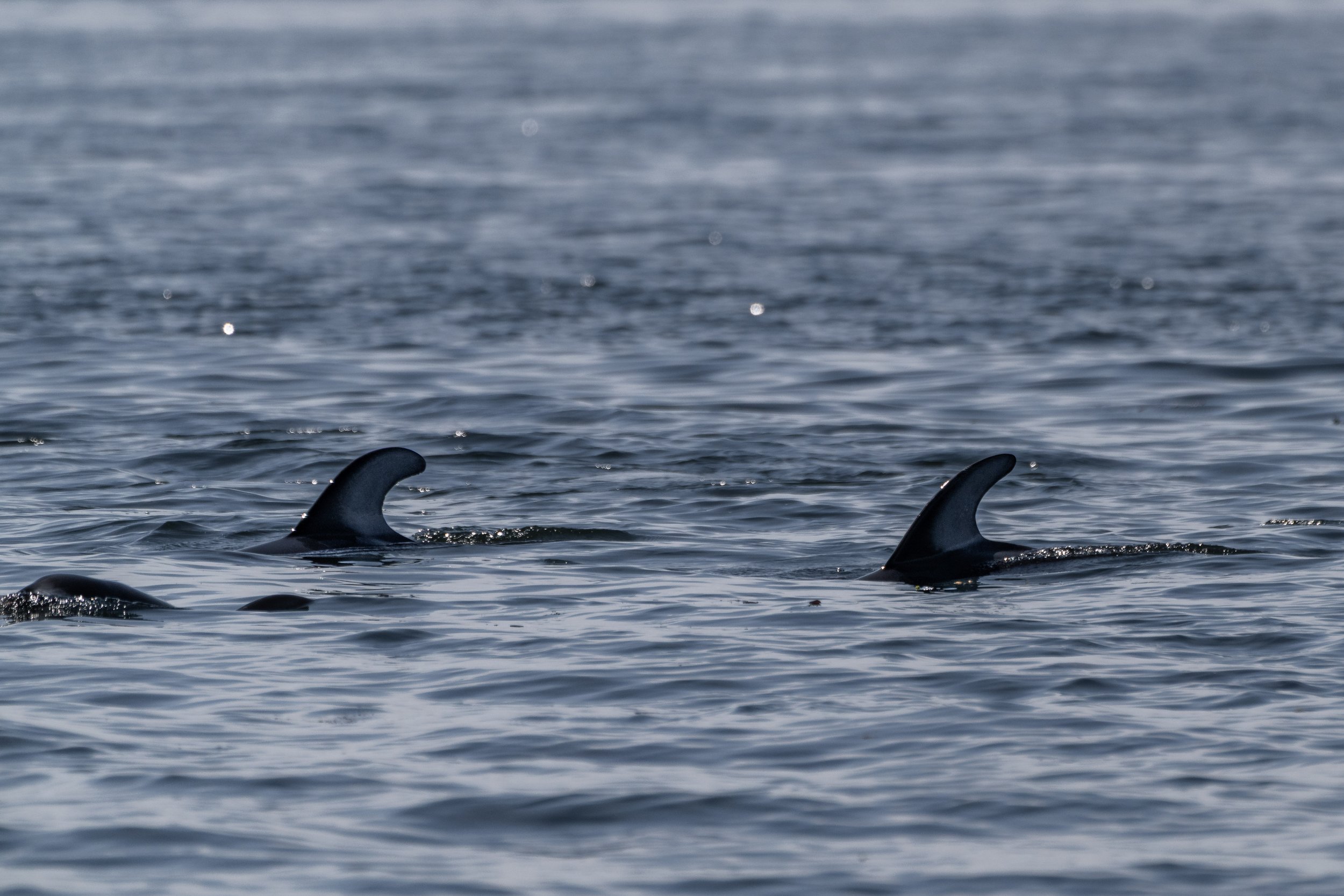
The dolphins’ dorsal fins came in all shapes and sizes, from very hooked to fairly straight!
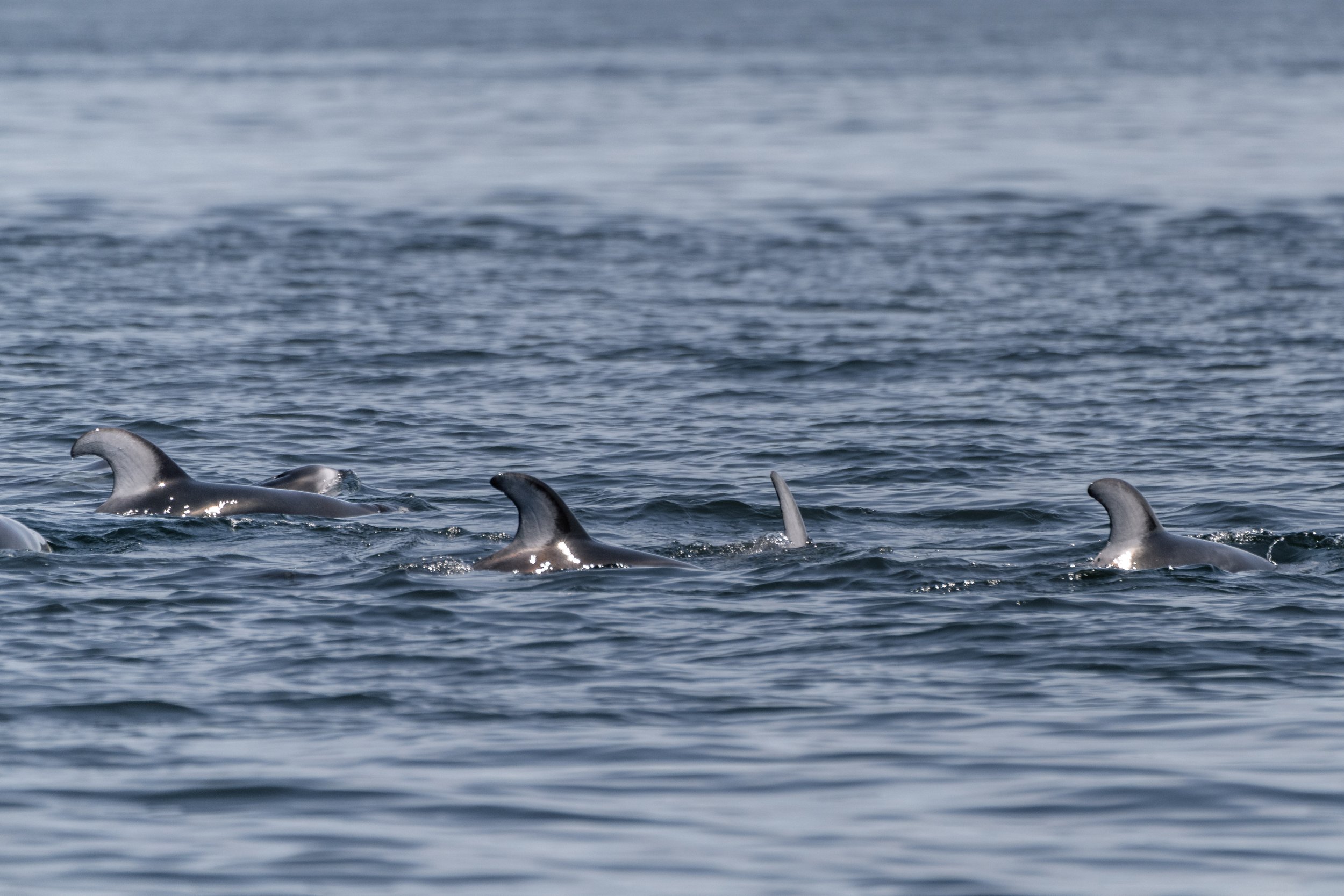
Travelling along together as a pod.
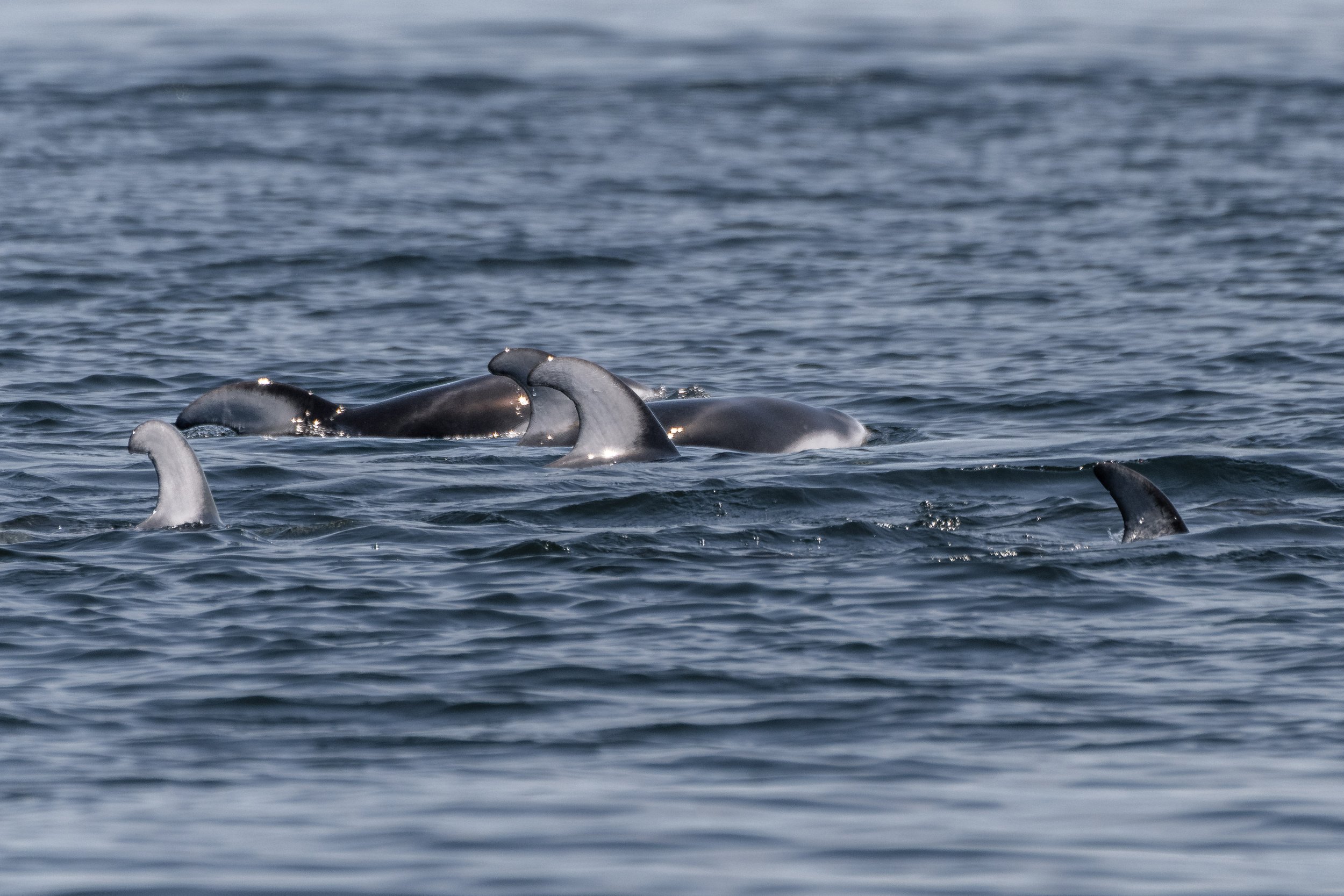
A bunch of the dolphins all bunched together!
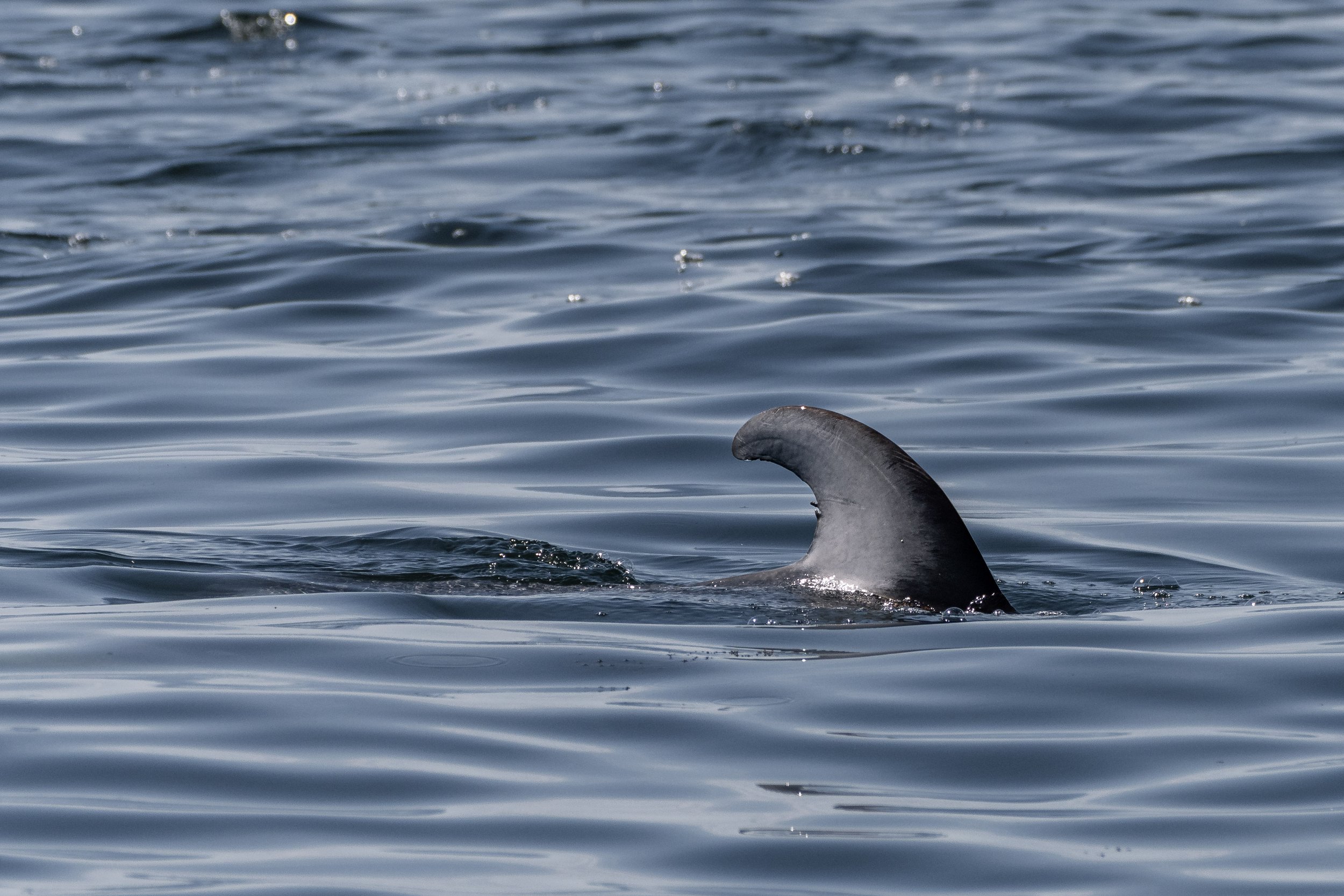
Besides the colourations, some of these dolphins had unique notches in their fins!
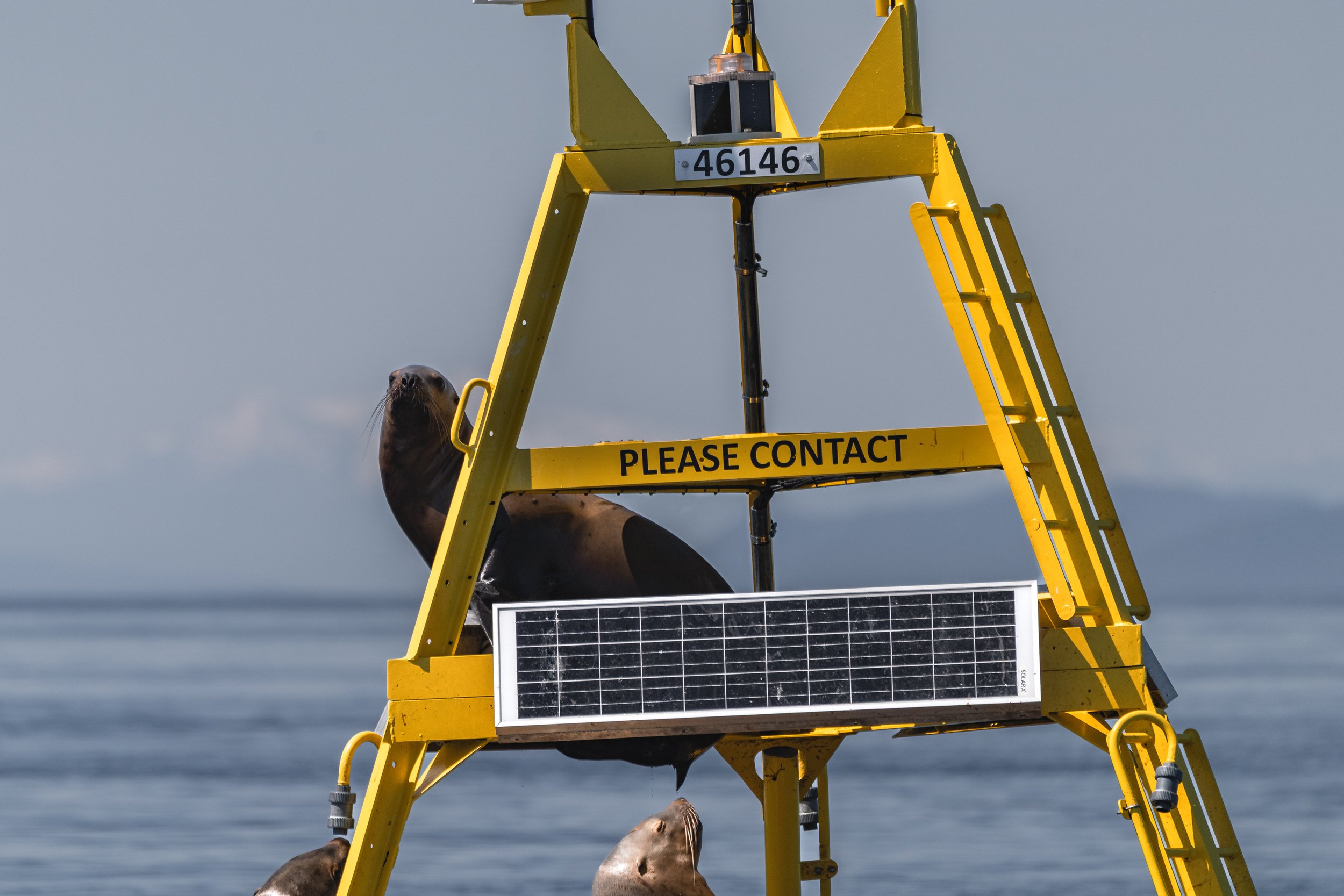
A Steller Sea Lion eyeing us up from the top of the ODAS buoy.
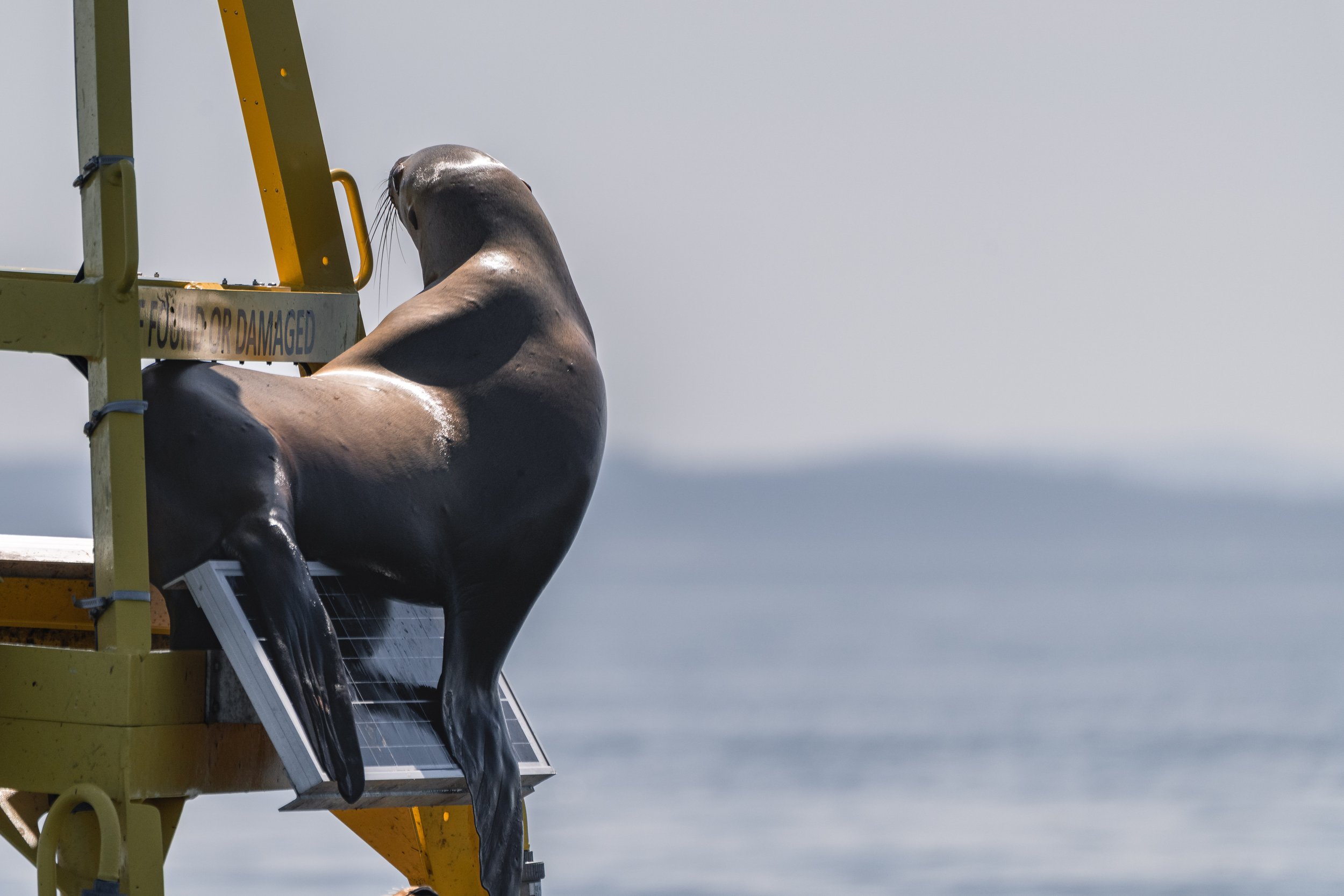
What a unique vantage point!
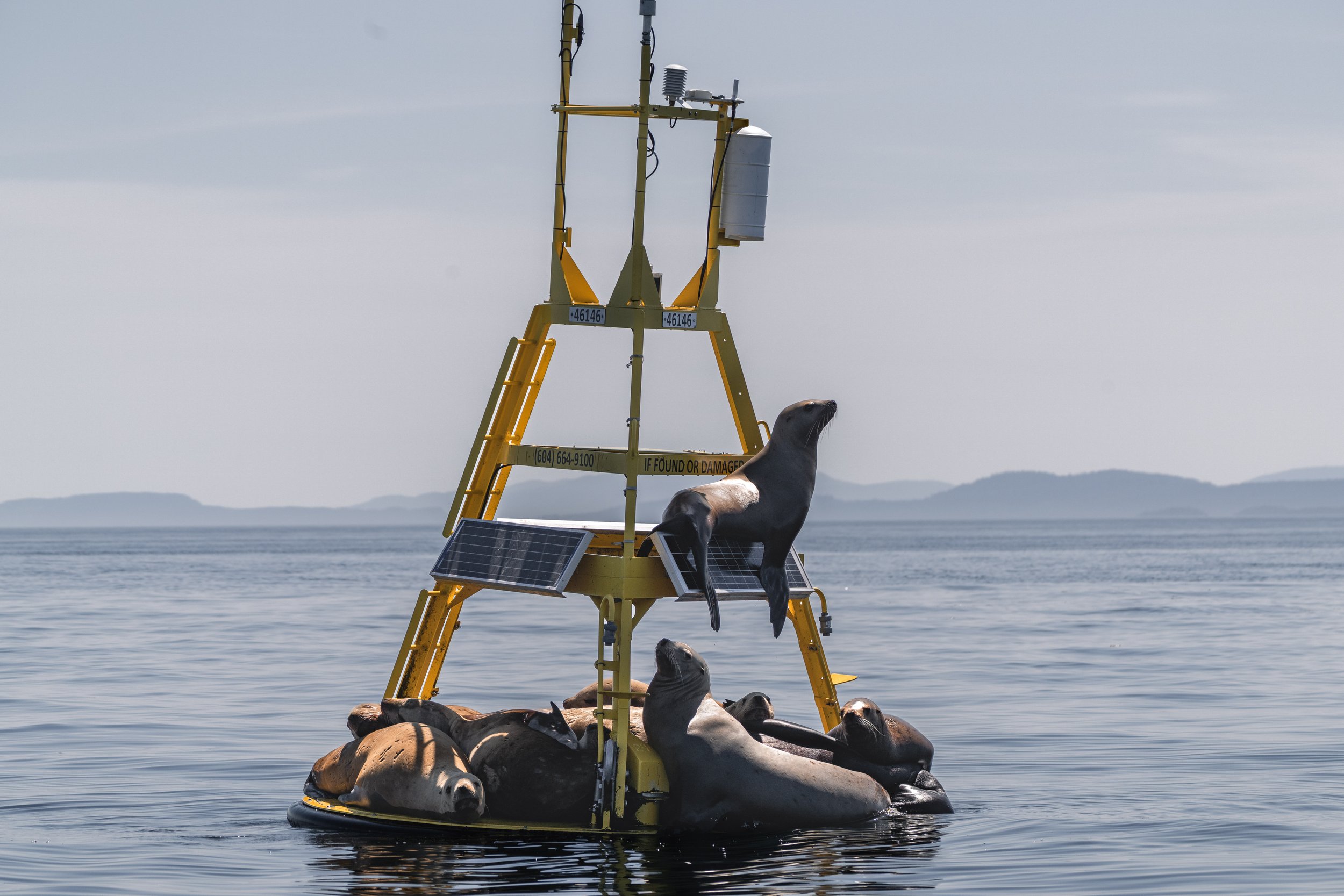
Relaxing in the sunshine.
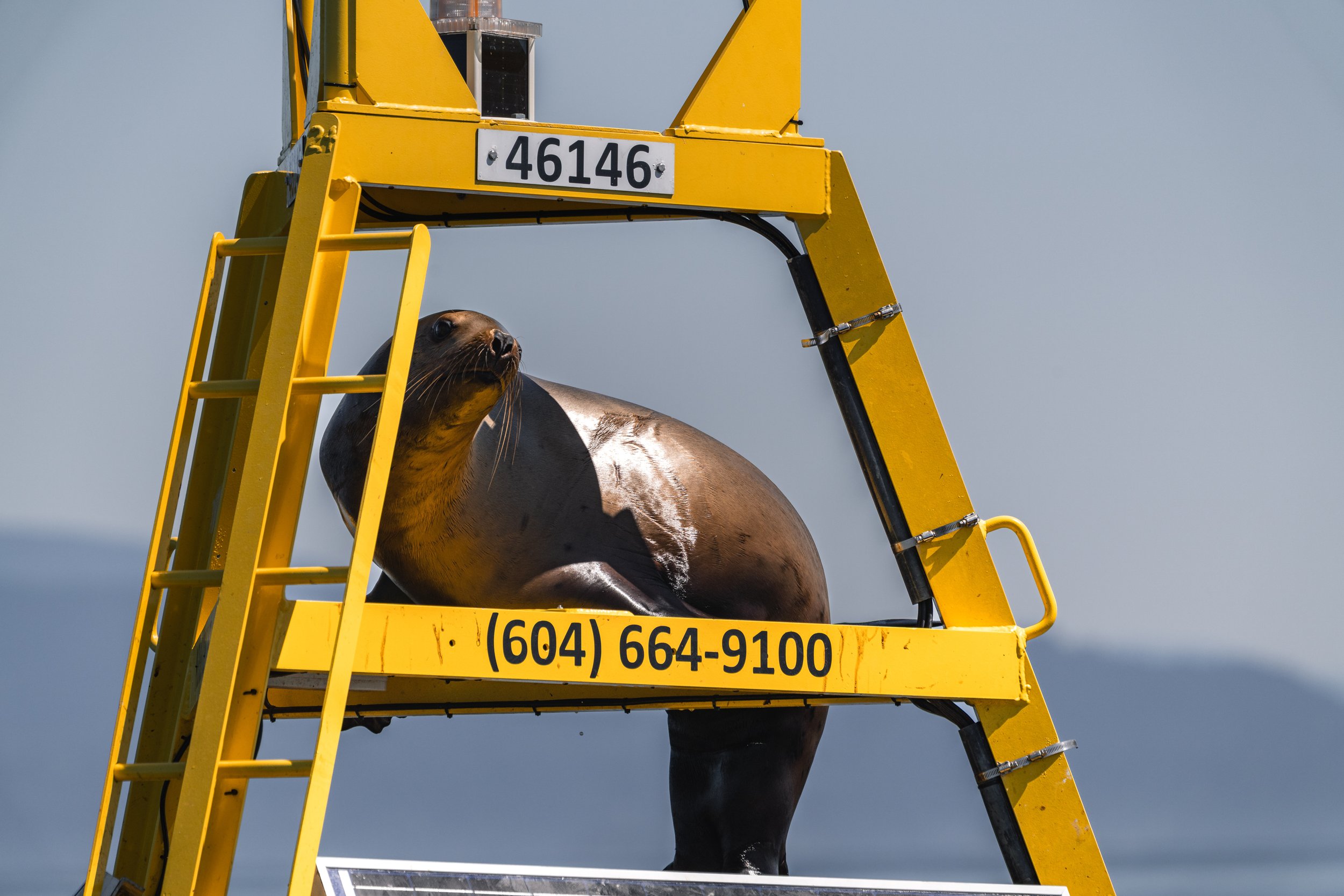
What a comfy spot for a nap!
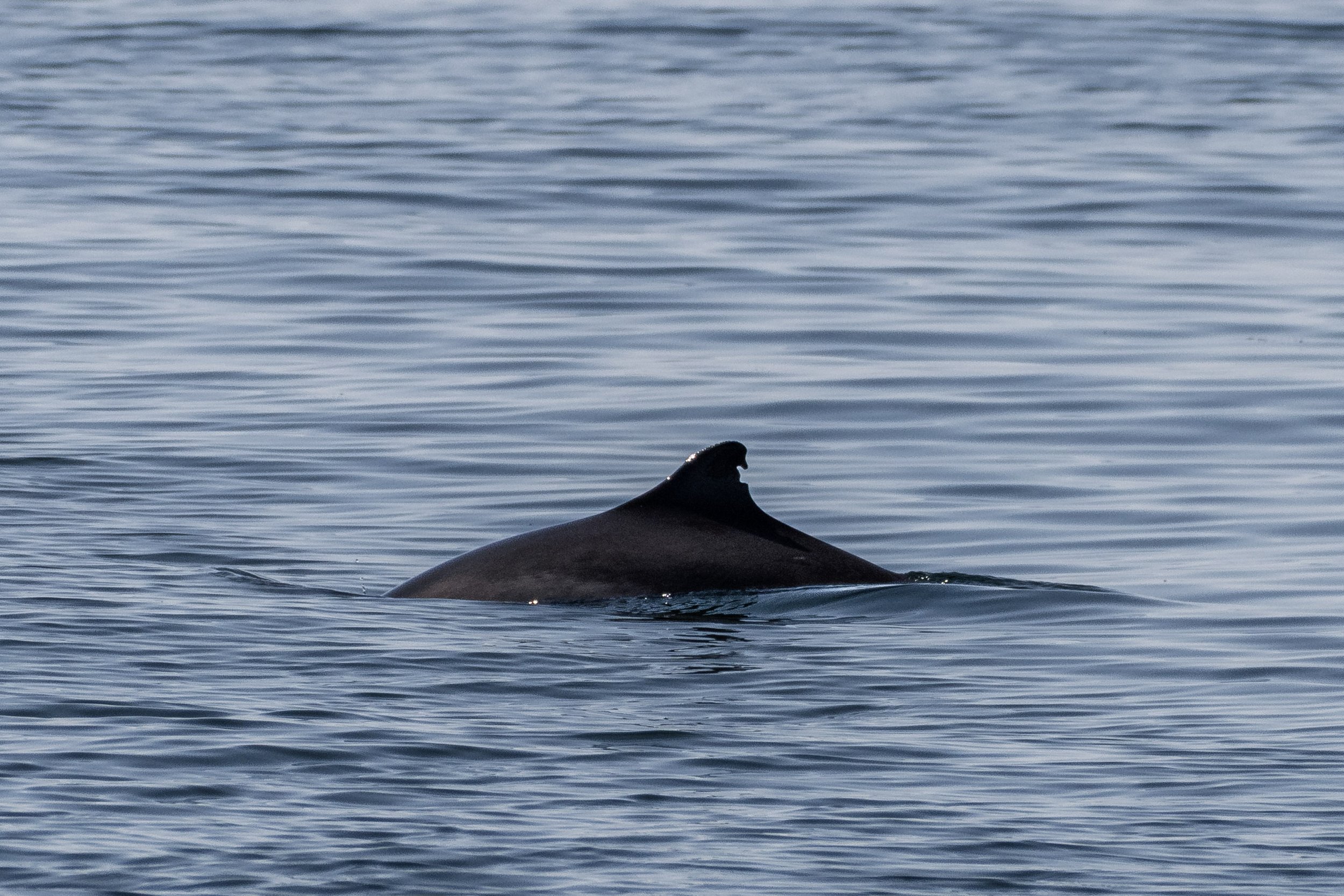
What a unique notch on this Harbour Porpoise!
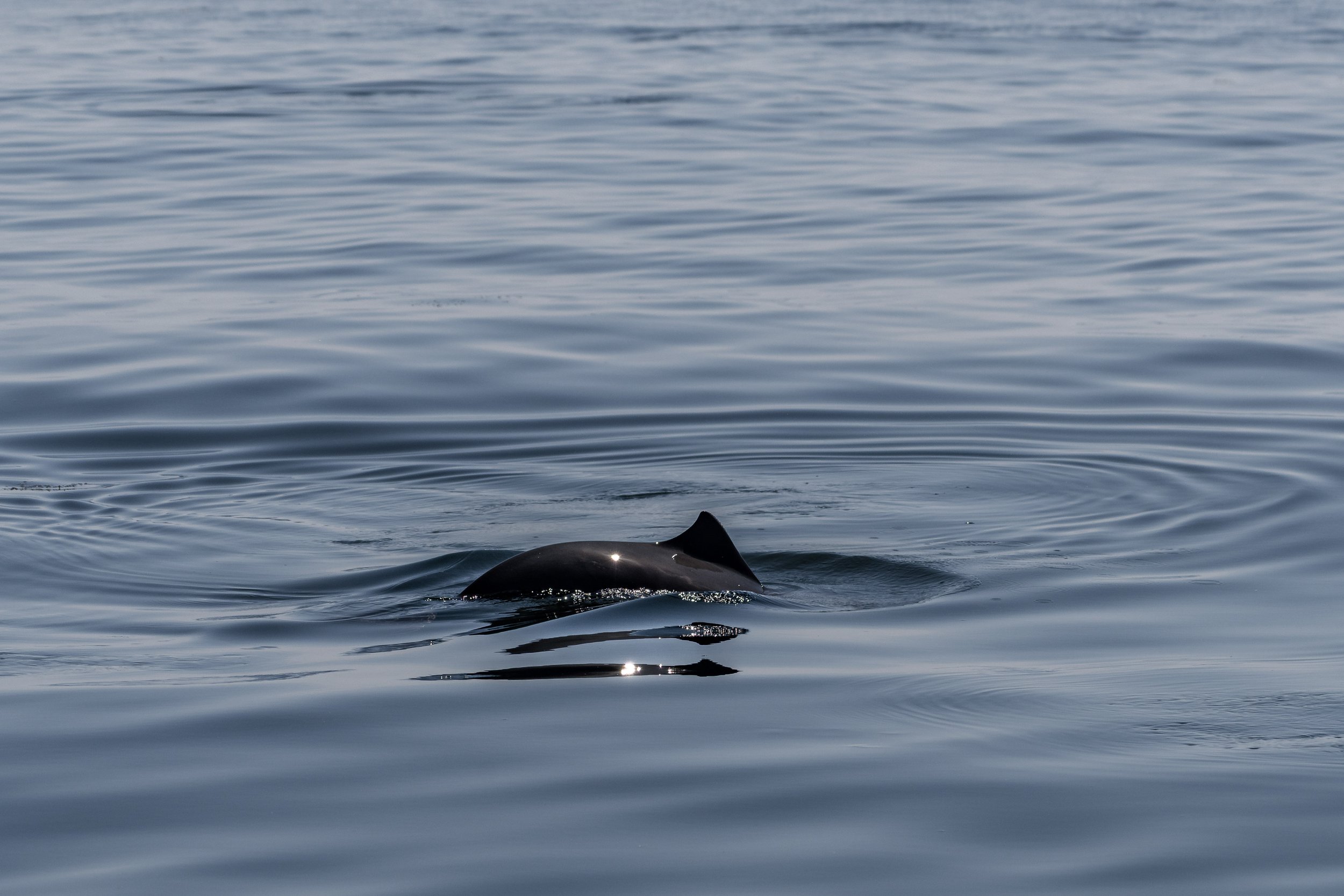
A Harbour Porpoise going for a dive.
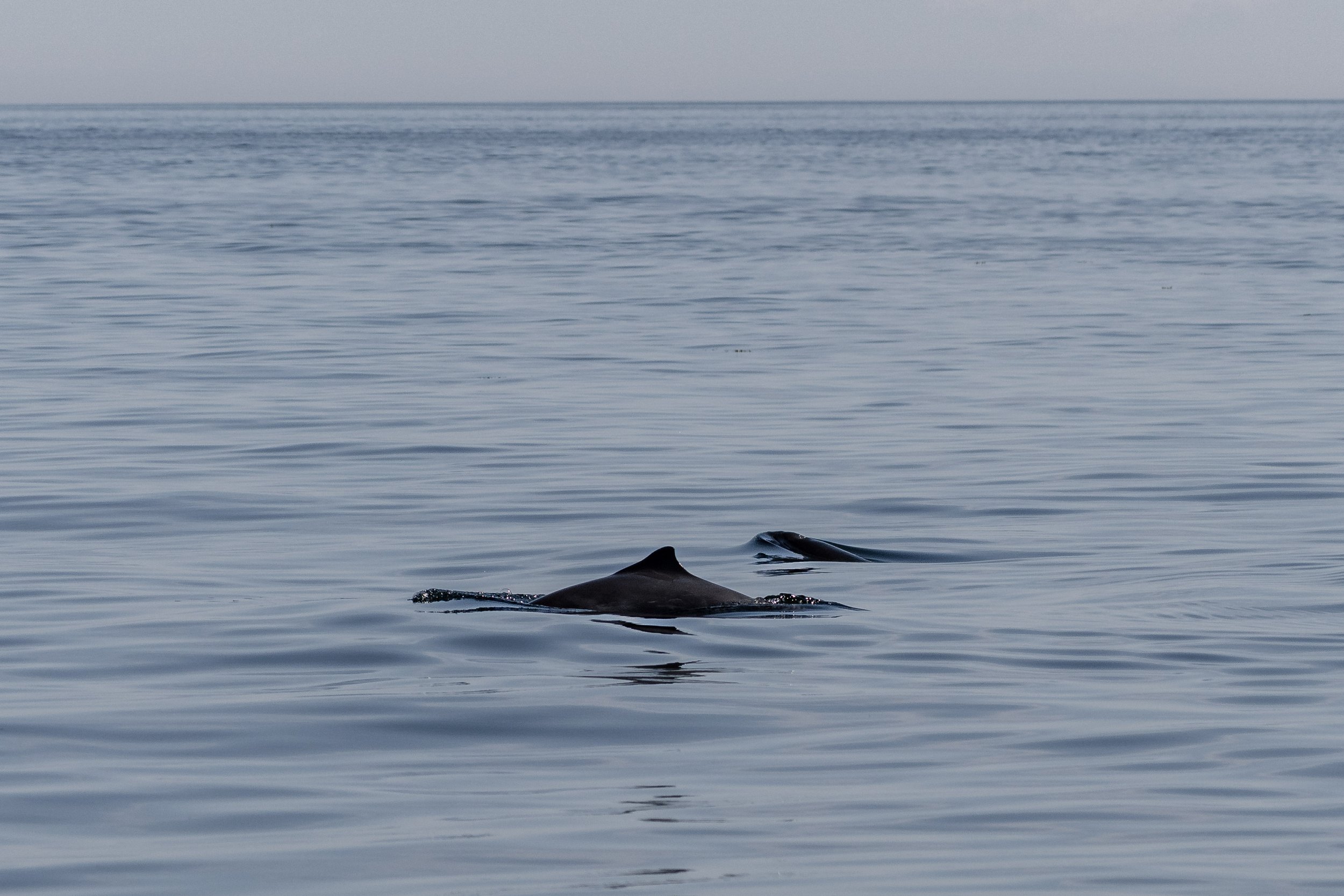
A pair of porpoises!
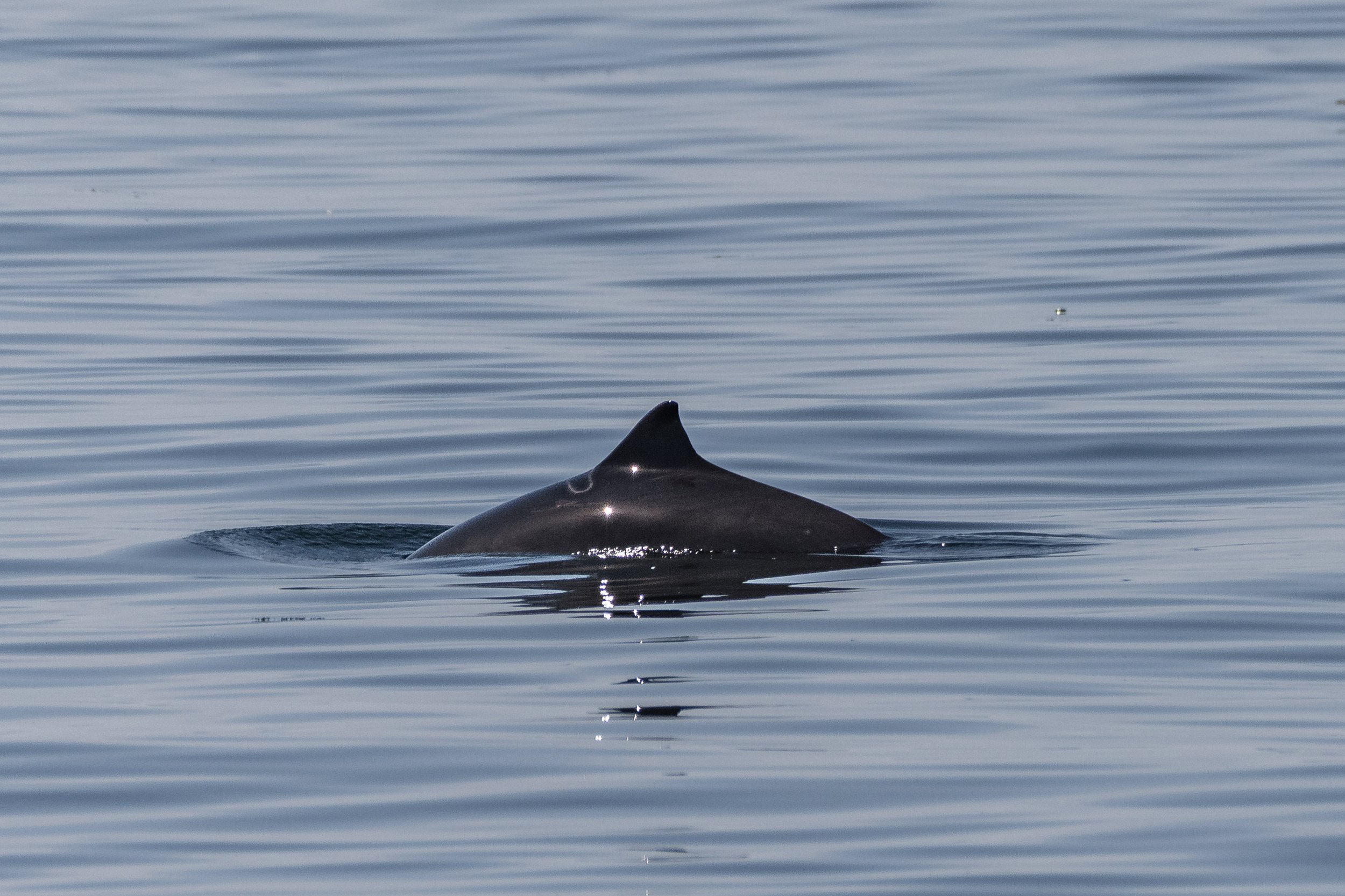
Harbour Porpoises are fairly uniform in colouration.
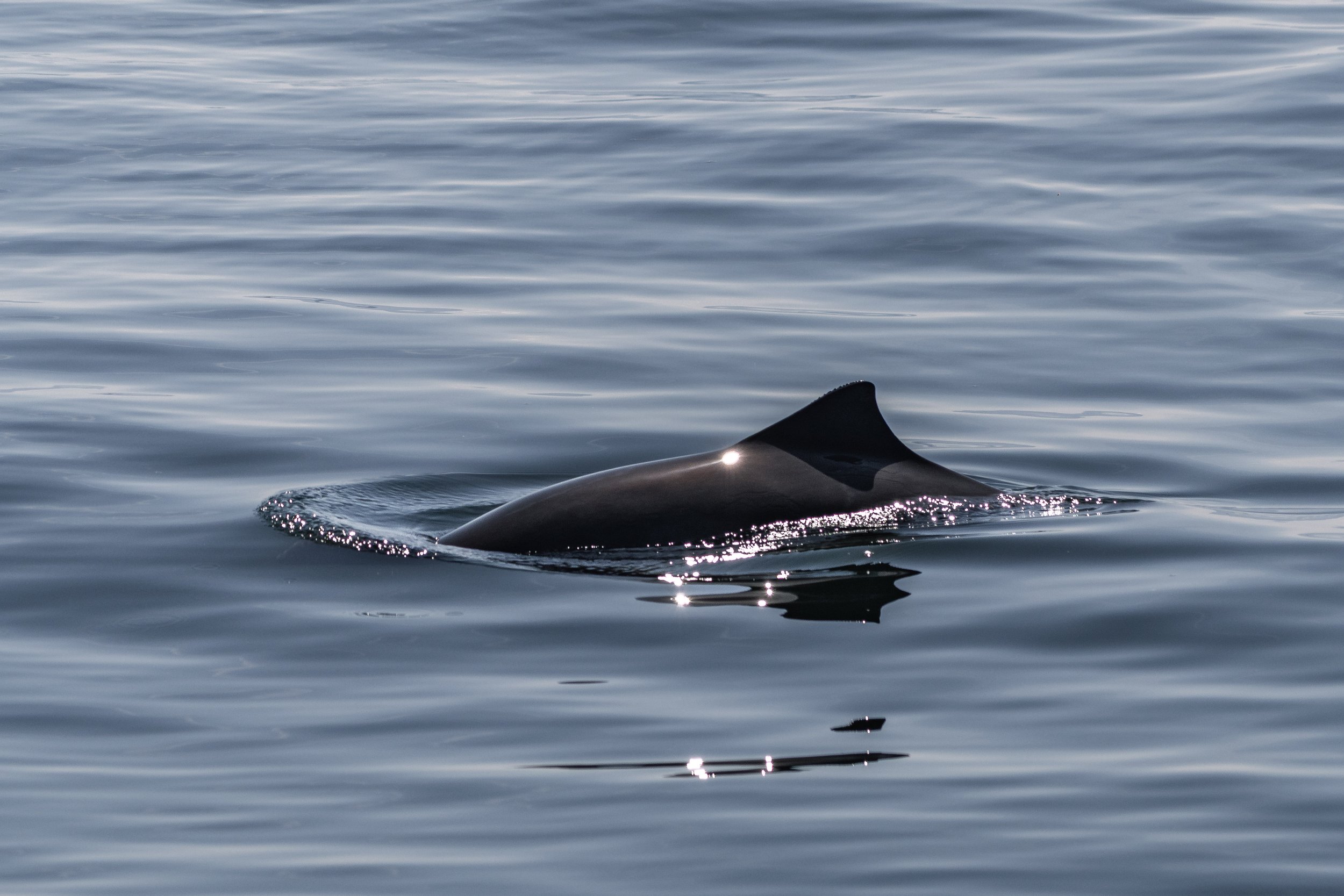
A Harbour Porpoise glistening in the sunshine.
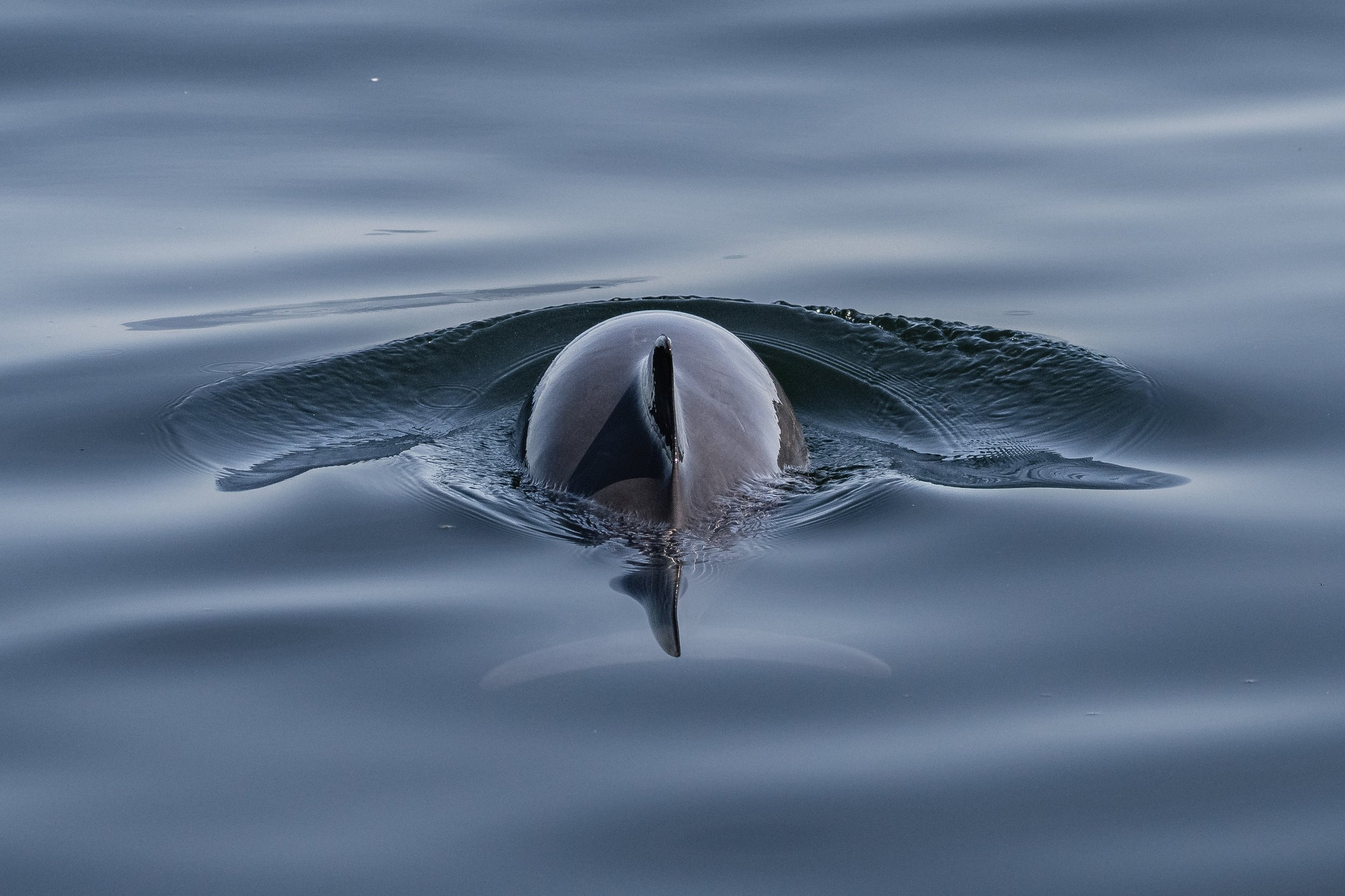
Can you spot this porpoise’s tail under the surface?
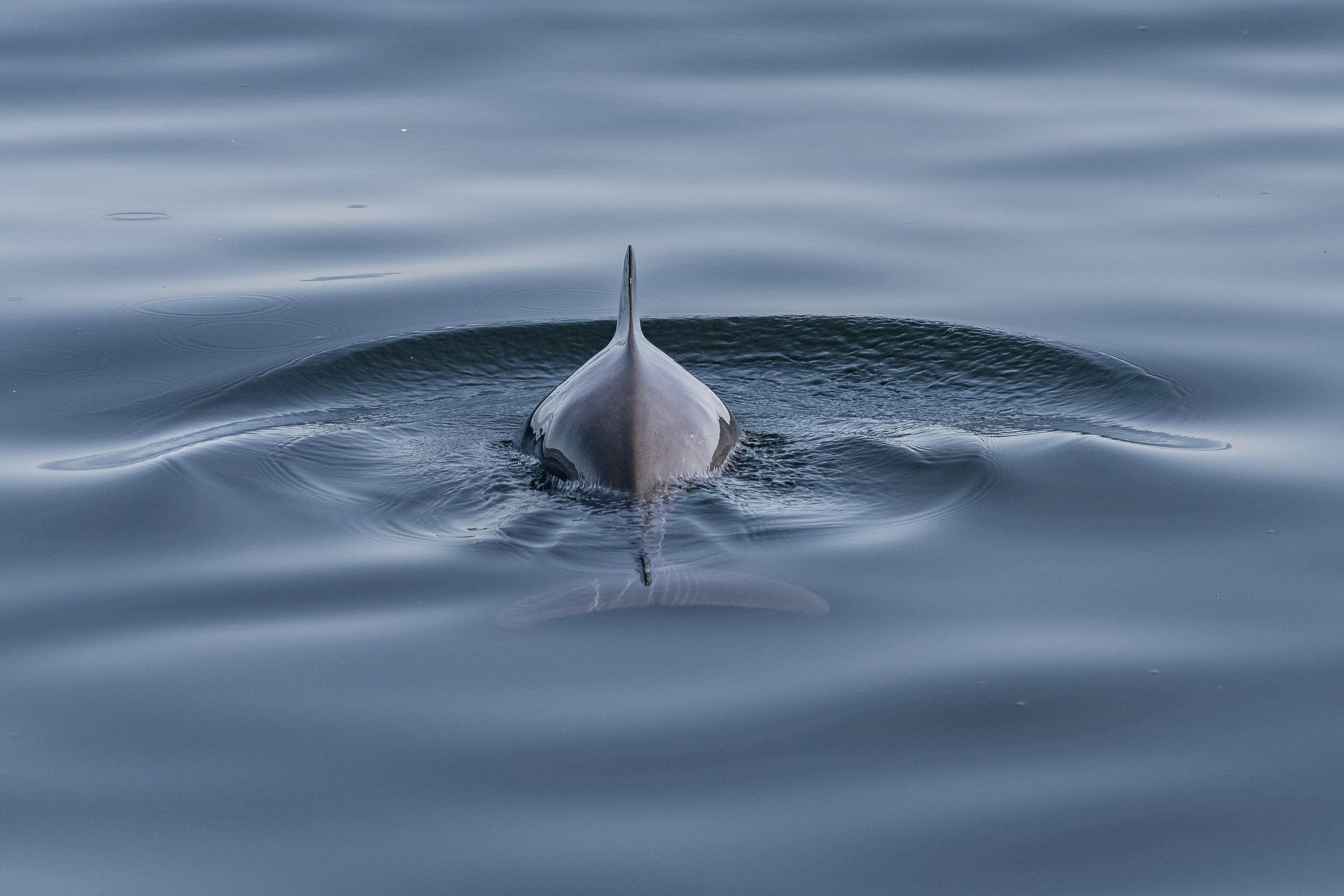
Here’s a bit of a clearer view!
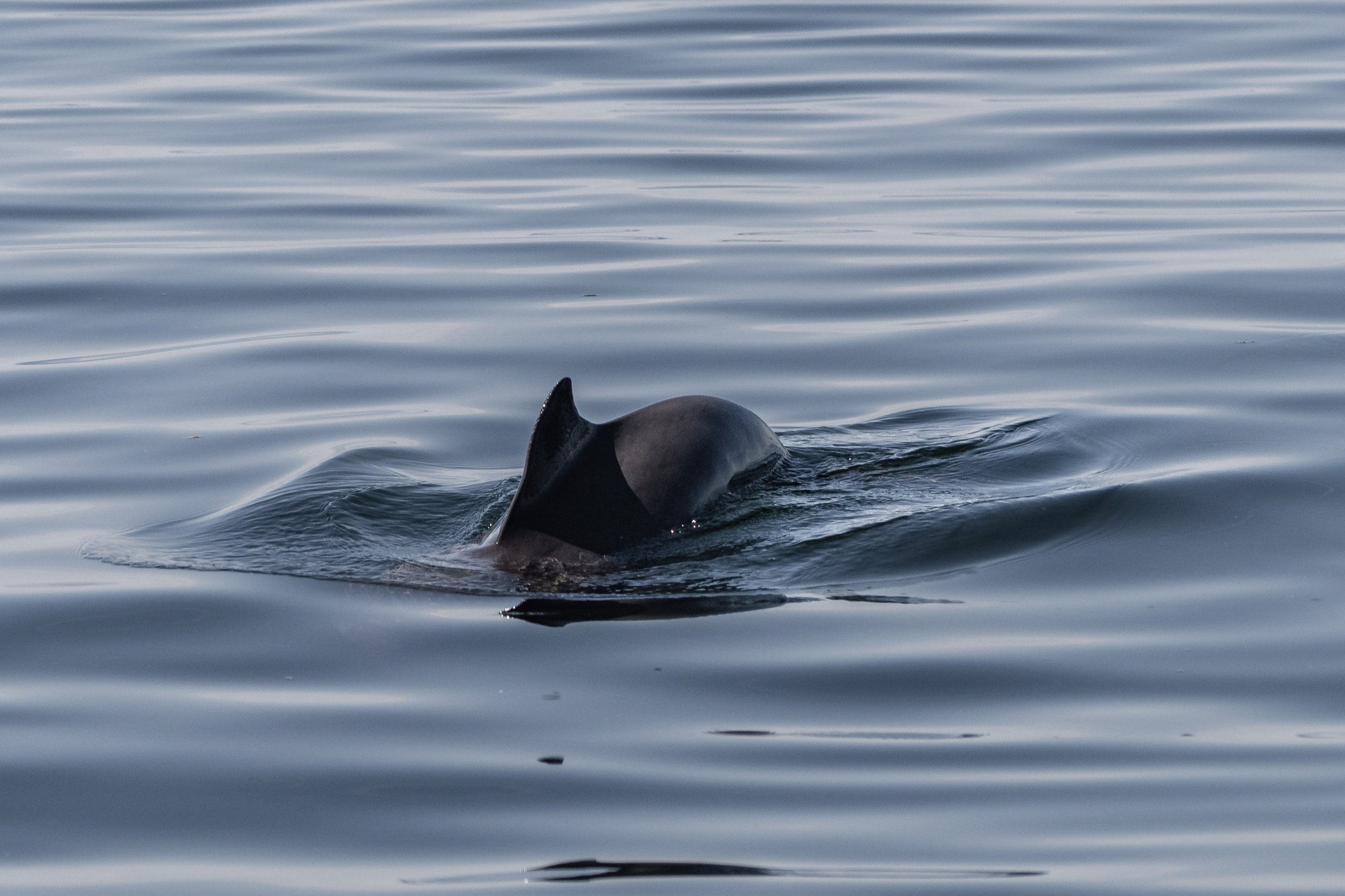
Zooming by!
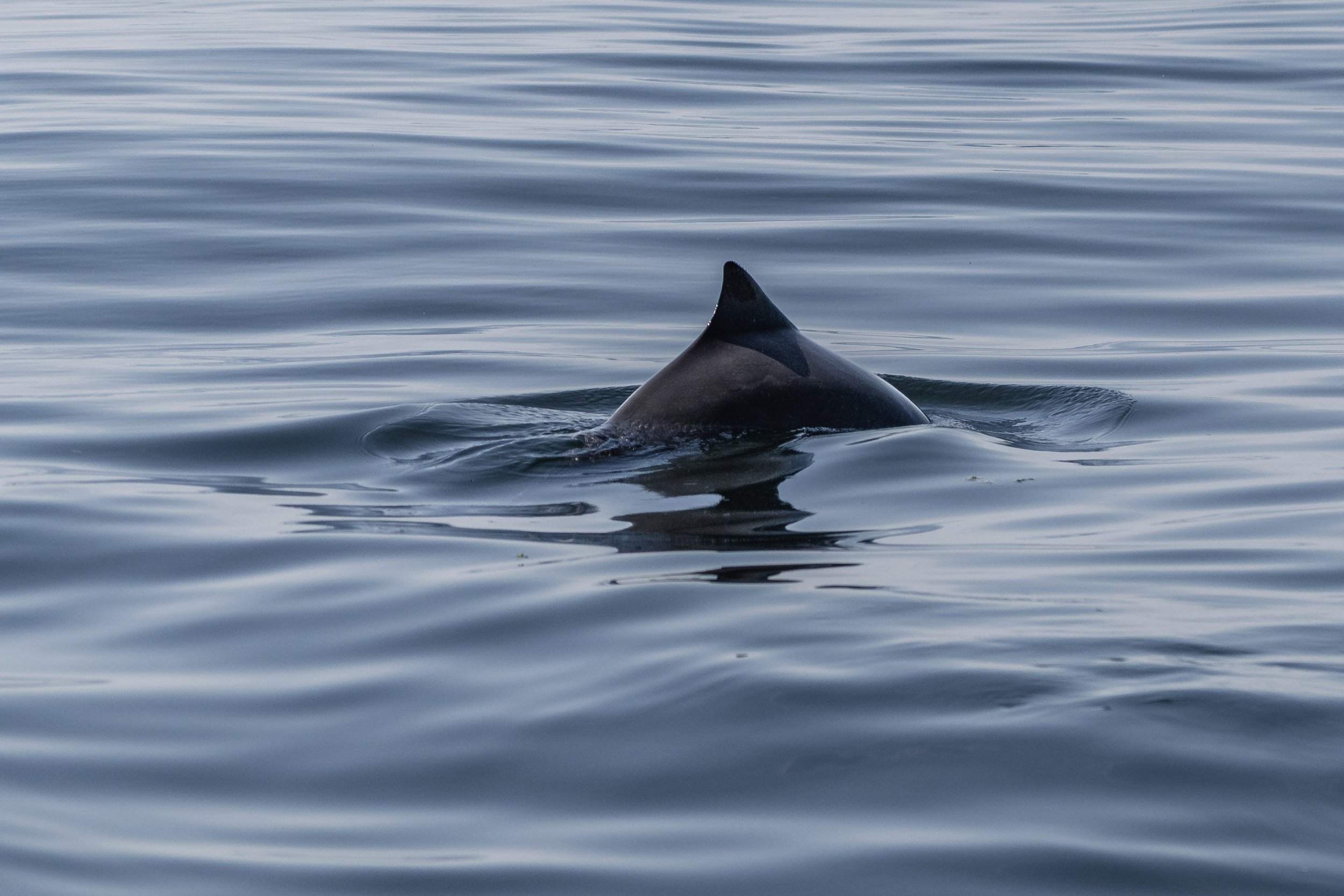
Porpoises can reach speeds of over 22km/hr, so getting in-focus shots of them can be tricky!