
May 3, 2026 - A Sunny Day for a Tour of the Salish Sea!
Clear sunny skies greeted our crew and guests on this lovely morning, the perfect weather for an adventure! Our semi-covered vessel, Kula, set off into the Saish Sea in search of some spectacular wildlife. After leaving the Nanaimo Harbour, guests aboard Kula set off towards the Southern Gulf Islands by heading through Dodd Narrows.
Dodd Narrows is a 60-meter-wide passageway that lies between the rocky shores of Vancouver Island and Mudge Island. The Narrows is an important passageway for vessels that are entering or leaving the Southern Gulf Islands. The rapid currents provide abundant nutrient circulation and oxygenate the waters, similar to the rocky surf on the west side of Vancouver Island. As a result, we see an increase in the number of species both subtidally and intertidally! Large carpets of California Mussels, Mytilus californianus, can be spotted along the rocky bluffs at low tide. This filter-feeding bivalve thrives in high-flow waters such as those at Dodd Narrows. In addition to mussels, many sea stars, anemone, and kelp species can also be spotted in great abundance along the rocky shore. If you wish to get a better look at the Narrows and all the critters that call it home, you can visit it from shore! By walking the Cable Bay Trail, you can adventure through a temperate rainforest until you reach Joan Point Park. This park encompasses the Vancouver Island shoreline along Dodd Narrows and the surrounding area. By spending some time watching the water rip along as the tides ebb and flow, you will start to observe even more wildlife drawn to the area! River otters, seals, sea lions, kingfishers, eagles, and gulls all frequent the area to feed on fish and invertebrates that live among the rocks. Dodd Narrows is best visited when the tide is low, as it expands opportunities for exploration through the rocks and crevices that are normally submerged. Who knows what little critters you might find!
After navigating the strong currents of Dodd Narrows, we enjoyed the calm, pristine waters of the Southern Gulf Islands. On a windy day, vessels seek refuge in the calm, sheltered waters of the Gulf Islands to avoid the larger swells that build in the Strait of Georgia. Along our adventure through the islands, some Harbour Seals were spotted basking in the sun! These seals reach a maximum weight of 280 pounds and only measure up to 180 centimetres (⁓6 feet), with females averaging slightly larger than males. These cute little pinnipeds are considered true seals because they belong to a different evolutionary lineage compared to sea lions. One of the key differences lies in their anatomy: true seals lack external ear flaps (pinnae) and have smaller front flippers. Additionally, their pelvic bones are fused, which limits their ability to move on land, but it gives them a powerful advantage in the water. This adaptation enhances thrust and agility, which are crucial for evading their primary predator: the killer whale.
Once we departed the Harbour Seals, we continued along the inner coast of Galiano Island until we reached Active Pass, which is another narrow passageway between the southeast end of Galiano Island and the northwest side of Mayne Island. Similar to Dodd Narrows, this passageway hosts a large variety of marine life, in addition to serving as a ferry route for Saltspring Island and Vancouver Island from Vancouver! Upon reaching the open waters of the Strait of Georgia, a large plume of mist was spotted on the horizon. It was a humpback whale! As our vessel Kula arrived on the scene, sightings were few and far between. This hungry humpback spent much of its time feeding at depth, with long dives and infrequent, brief surface activity. This humpback has most likely just returned from its winter breeding grounds down south in either Hawaii or Mexico. During a humpback whale’s 4-month migration, no feeding takes place. These gentle giants refrain from seeking food while in their breeding grounds and wait until they reach our polar waters to find krill, copepods, or small schools of fish. This means that some humpbacks go upwards of 6 months without feeding! It's no wonder this whale was spending so much time diving deep, as they need to restore their fat reserves and bulk during the summertime in preparation for their eventual southbound migration.
After observing a brief surface, we departed the shy humpback and continued onward! The tour looped back towards Dodd Narrows, then headed north towards Nanaimo Harbour. Along the way, a majestic Bald Eagle was spotted, with its iconic white head! This eagle species develops its white head after 5 years of maturation. Juvenile Bald Eagles will appear all brown with traces of light spotted on their underside. Upon maturation around the 5-year mark, juveniles will also lose their white splotches on their bodies and tails, developing dark brown bodies and white tail feathers. As bald eagles age, their feathers are not the only thing changing colour! The eyes of immature bald eagles will initially appear brown or grey and change to a stunning yellow as they age. The diet of bald eagles can vary, but consists of fish, small mammals and other birds! In addition to the Bald Eagles, Turkey Vultures were also identified flying along the tree line. These scavengers are easily identified by their small, red, featherless heads.
Among the floating log booms in the industrial Harmac area south of Nanaimo, some more furry friends had been spotted! California Sea Lions were observed soaking up the sun or barking at their neighbours. These sealions can grow significantly larger than their Harbour Seal cousins, maxing out around 700 pounds and reaching upwards of 220 centimetres (⁓7 feet). These sea lions are distinguishable from true seals, like Harbour Seals, by some of the anatomical features mentioned previously. The pelvic bones of sea lions are not fused, meaning they can rotate their hind flippers independently of one another for better locomotion while on land. Additionally, they contain external pinnae (ear flaps) and have larger front flippers! California Sea Lions spend their winters in our polar waters, staying for two very important seasonal migration events, being the Herring spawn in early spring and the salmon run in the fall. California sea lions will arrive here in the fall, just in time for the salmon run, spending their winter as far north as Alaska! Beginning in early spring, the Herring will spawn and provide one more big gorge in food before heading south for the summer. By mid to late spring, these sea lions will start migrating south to sandy, warm beaches to breed from June to early August. This cycle is repeated yearly!
Near the end of our adventure, a report of another humpback came in, this time near Gabriola Island. Although we searched the surrounding area, they eluded us, with no blows or tails to be seen. From there, Kula and her crew set off back towards sunny Nanaimo Harbour. While the whales were elusive today, there is always next time, and every guest on board was given a voucher to join us for another exciting oppurtunity out on the water.
Please enjoy the photos taken throughout the tour by our onboard Marine Naturalist Vanessa Vereschahen, included below!
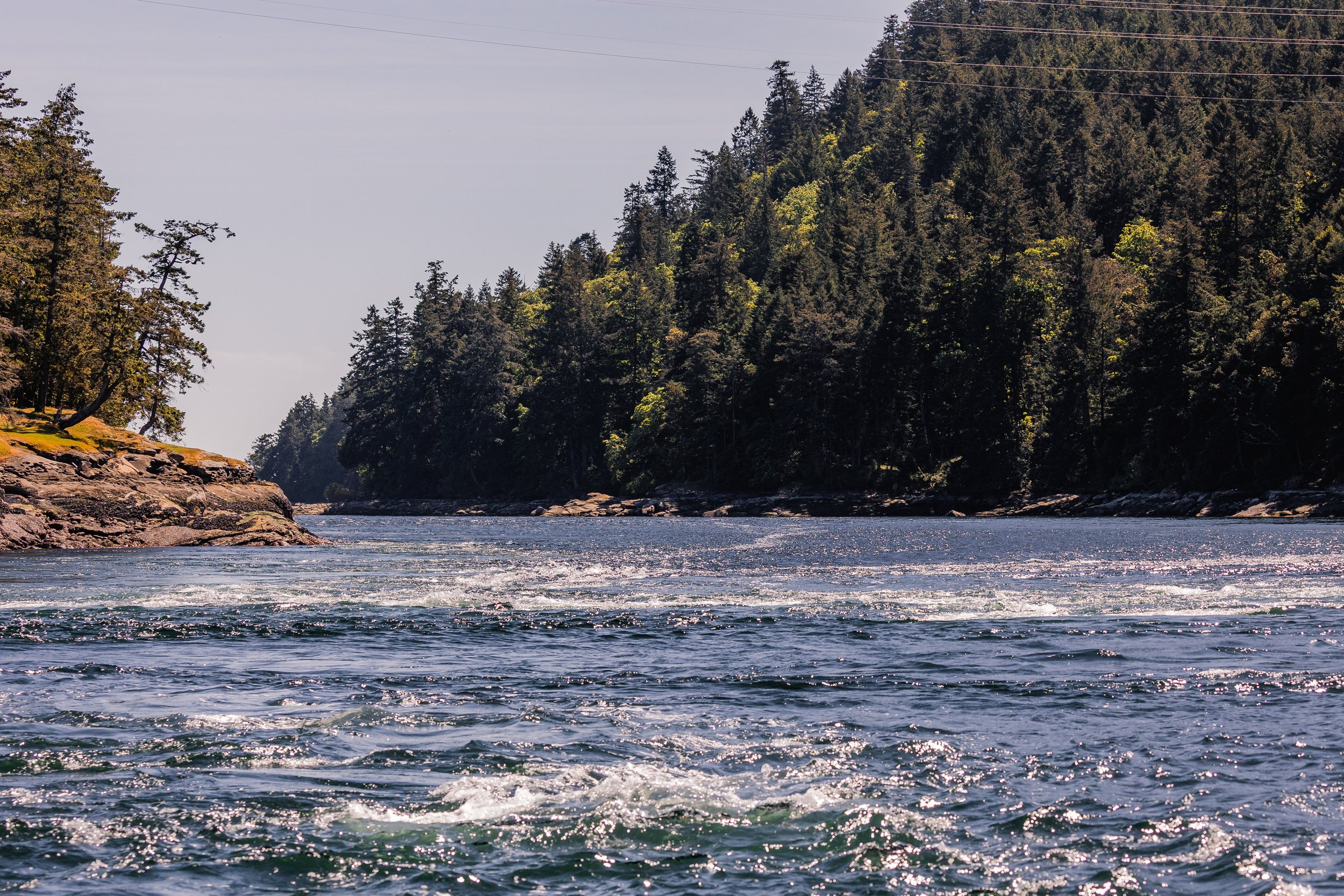
Dodd Narrows viewed from the North. The shore of Mudge Island is seen on the left, while the coast of Vancouver Island is along the right. Notice the turbulent waters resulting from the tide forcing water through the narrows!
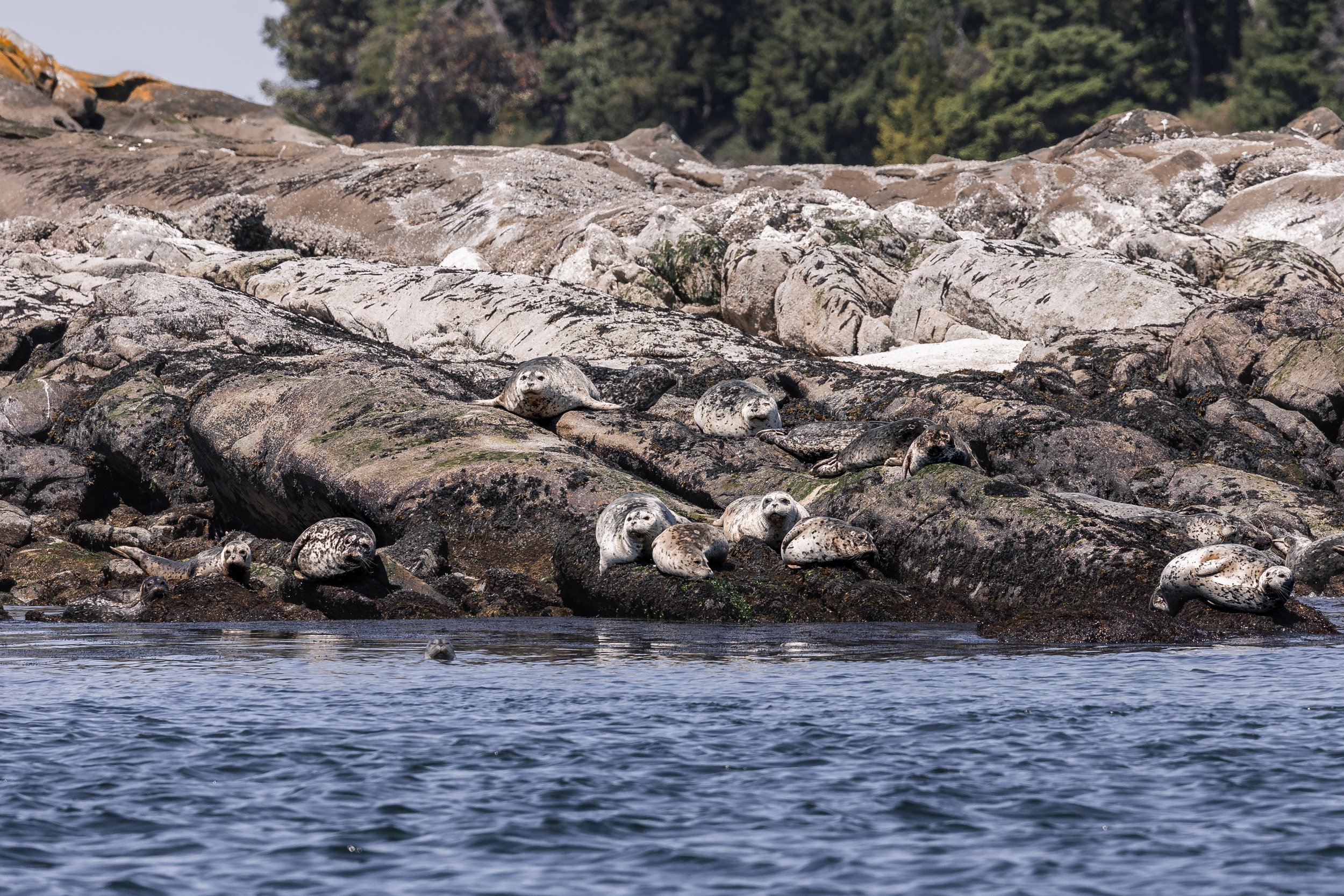
Some curious Harbour Seals, watching us watching them!
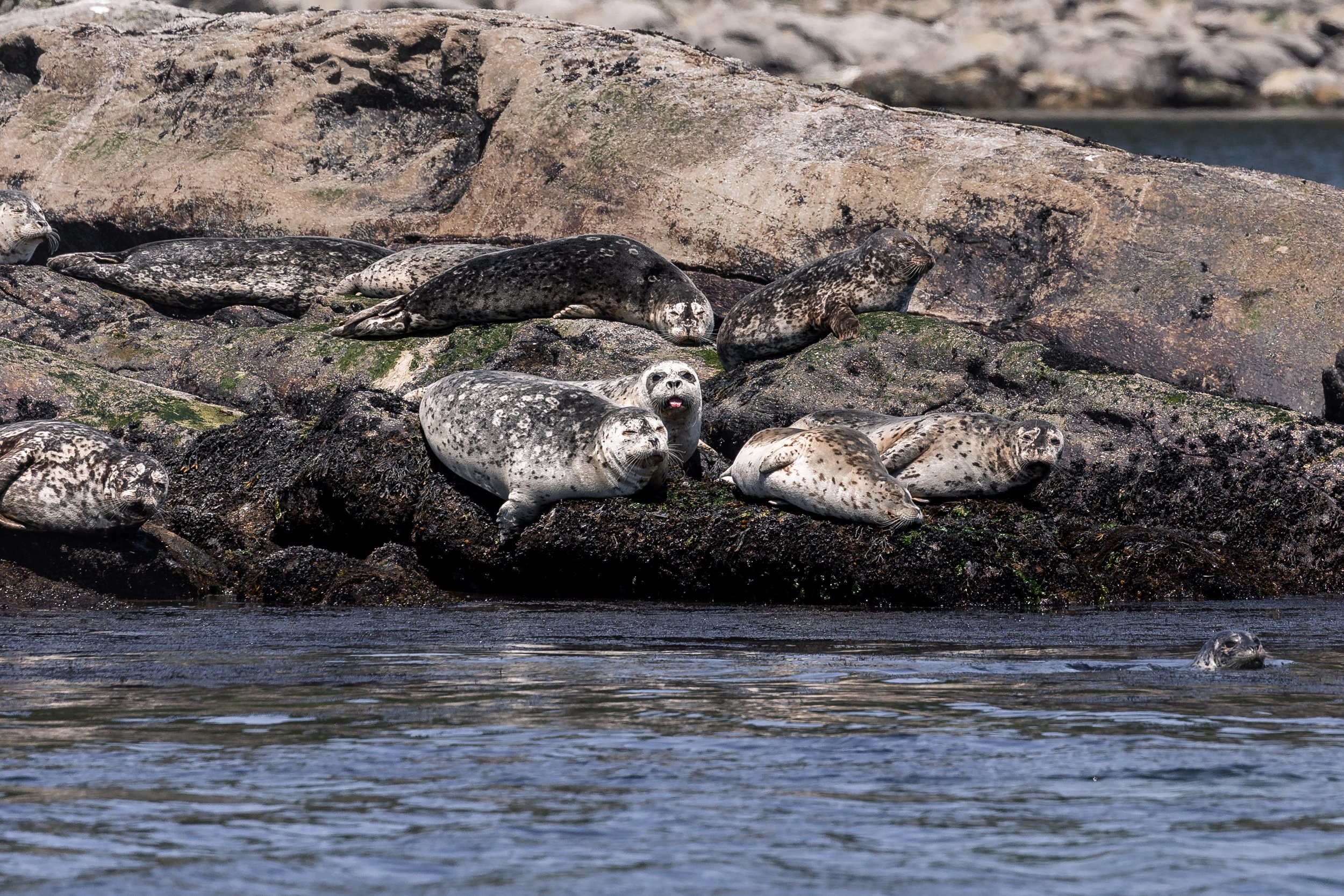
Most of them look pretty sleepy but one was feeling silly.
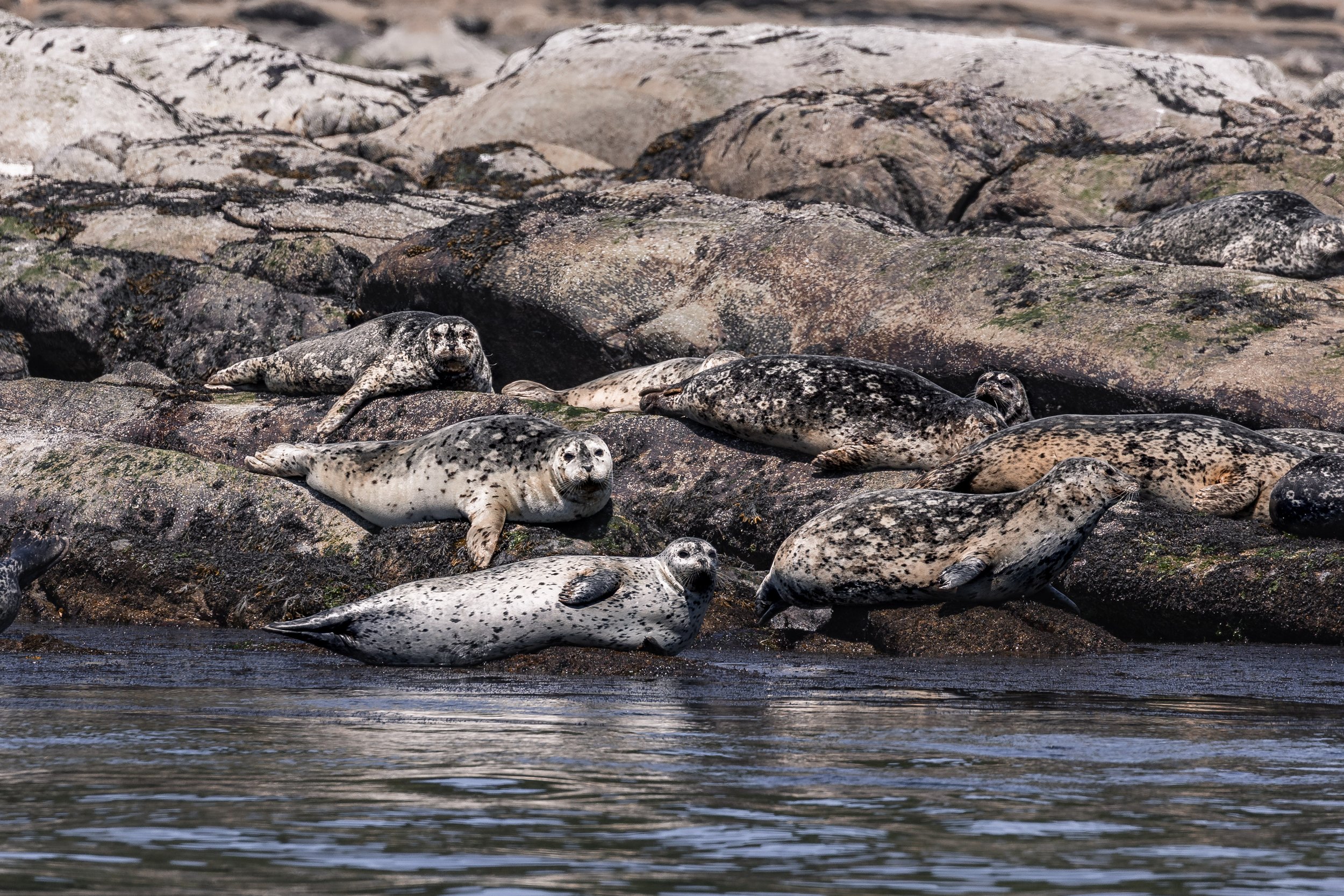
Harbour Seals have thick layers of blubber to insulate them, maintain buoyancy, and protect them from the sharp rocks! It's like having a built-in memory-foam mattress.
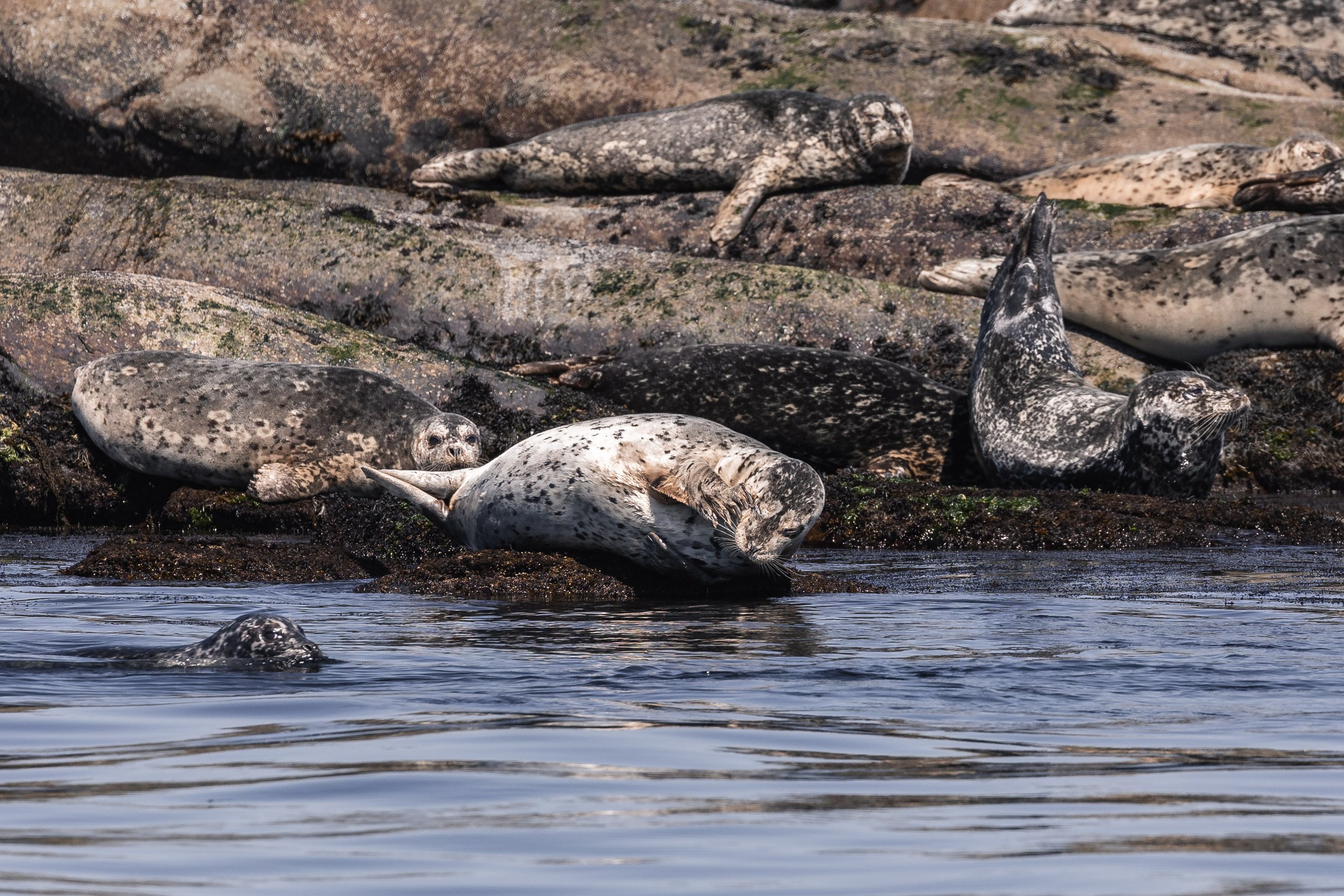
Both seals and sealions actually still have nails! There are still five digits under their webbed flippers, each with claws, mostly used for scratching themselves when itchy or for scrapping with each other.
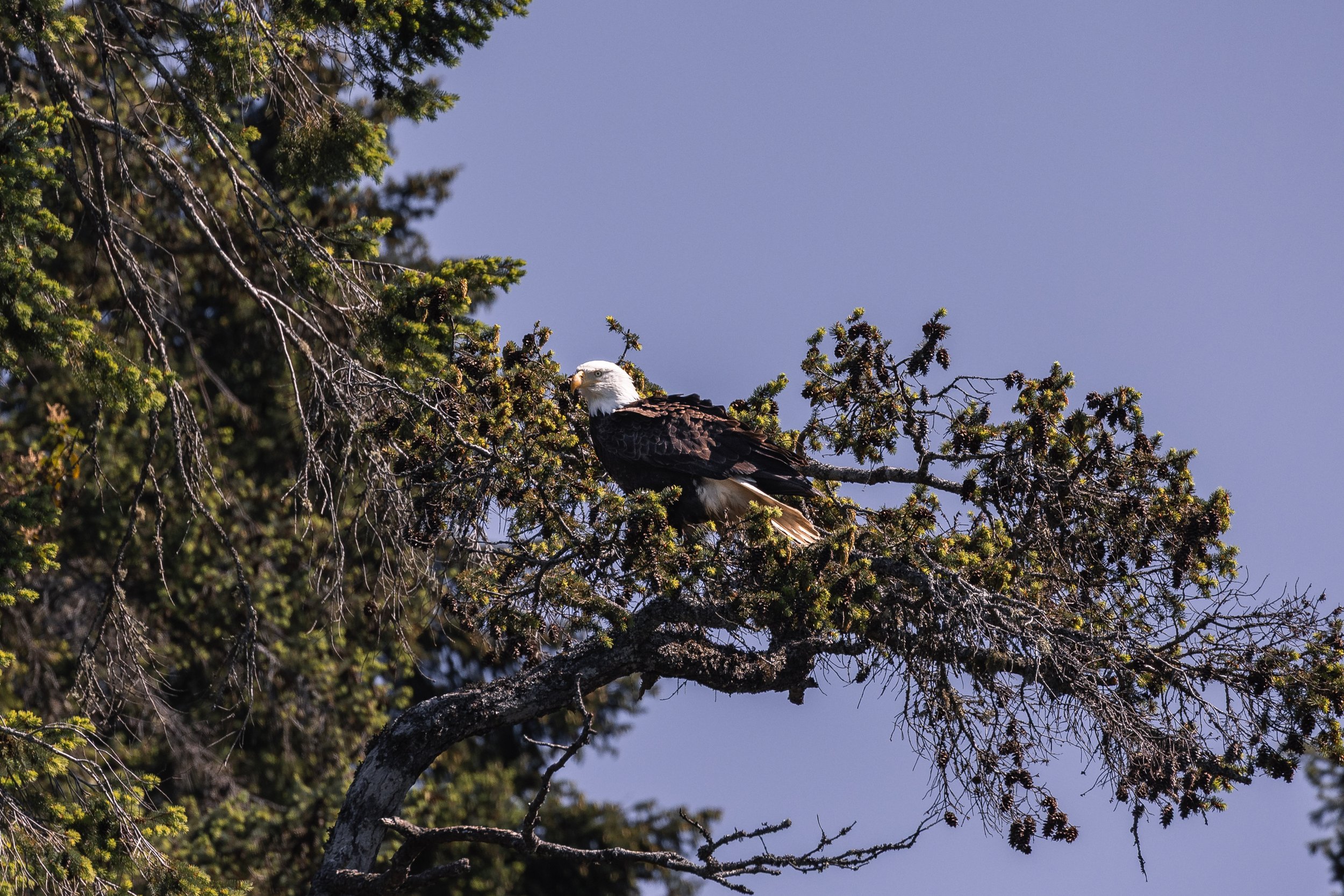
A perched Bald Eagle high in the treeline.
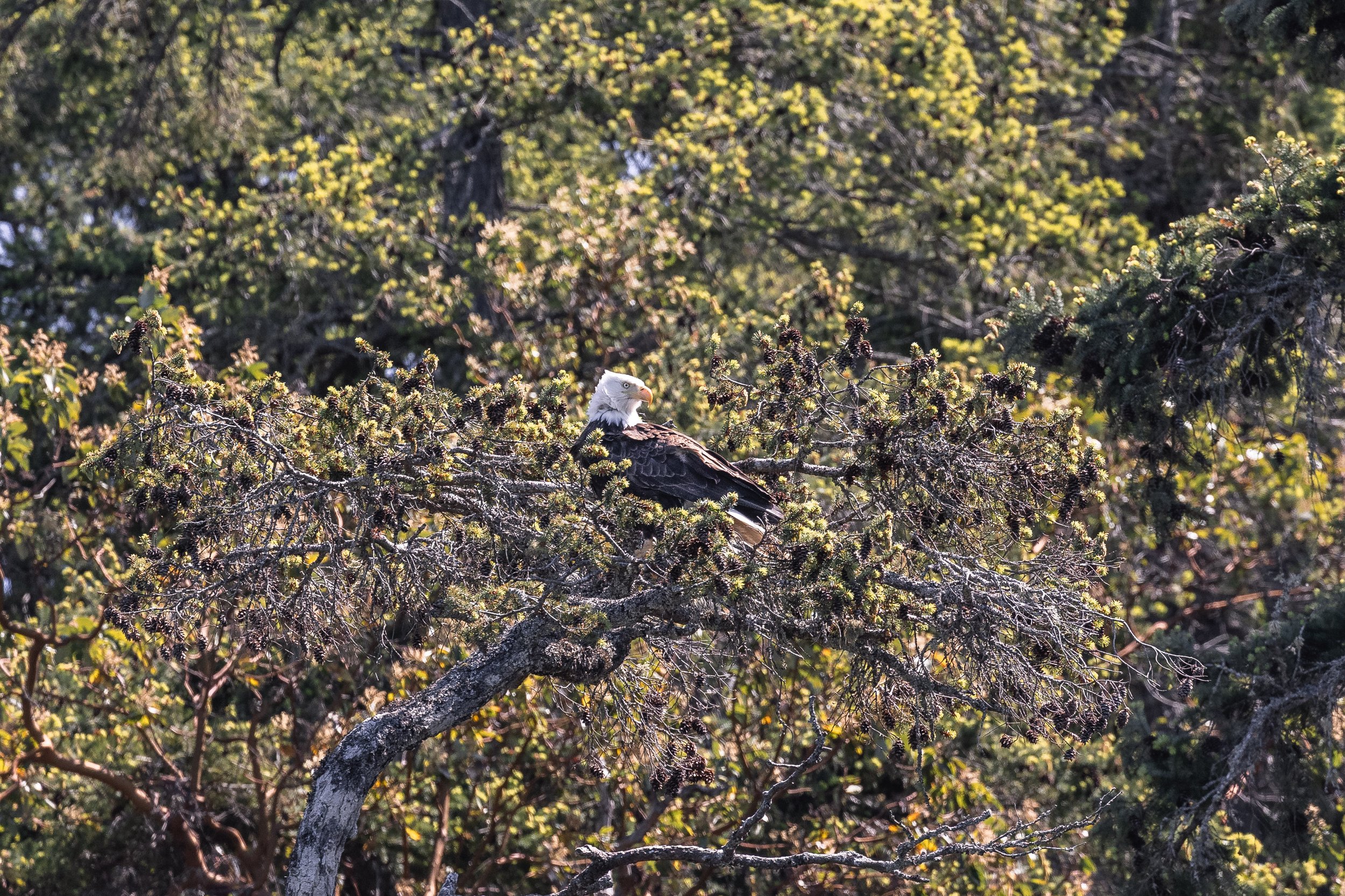
Bald Eagles are excellent fishermen. They have a success rate of 30-40% while fishing!
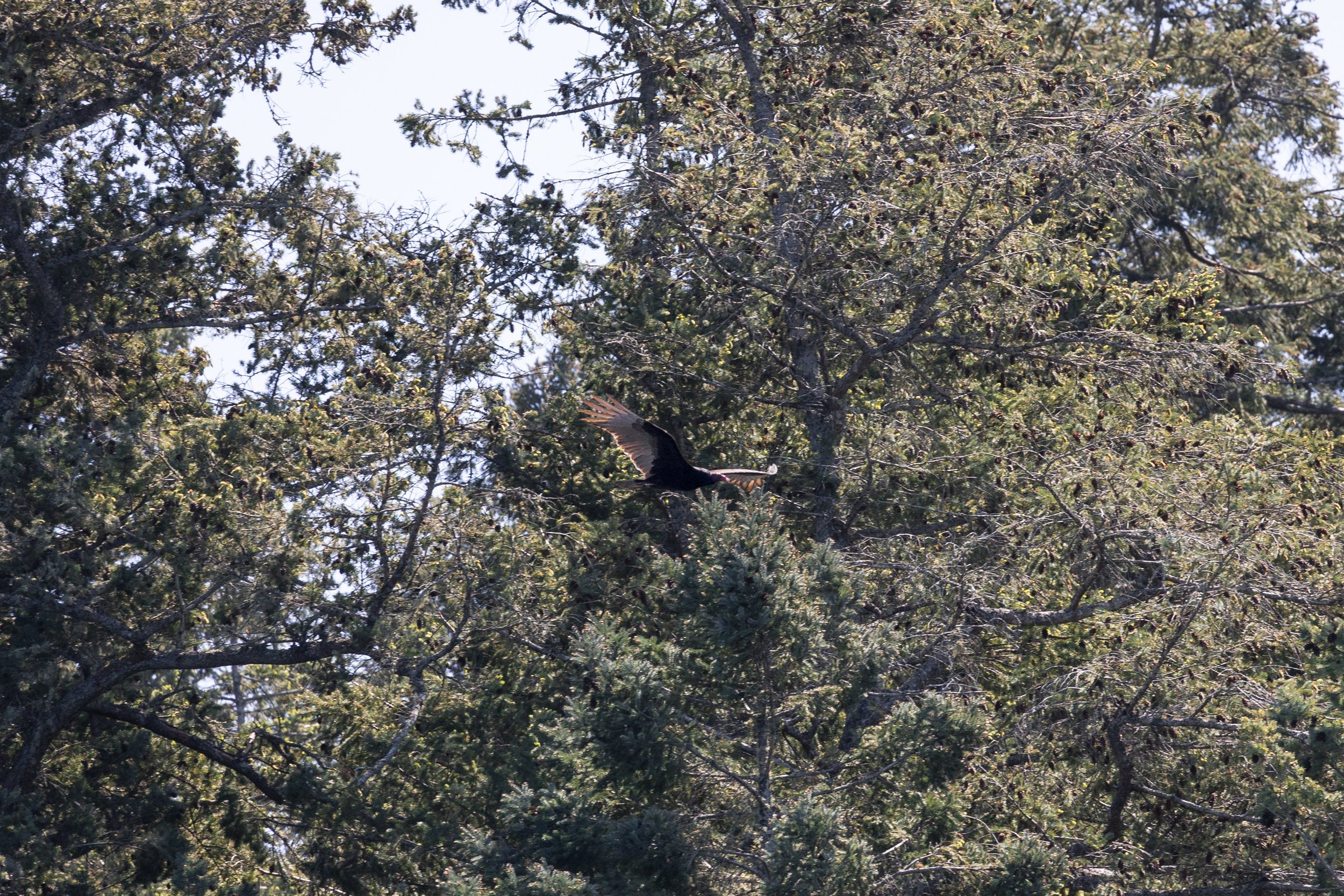
A Turkey Vulture soaring through the trees.
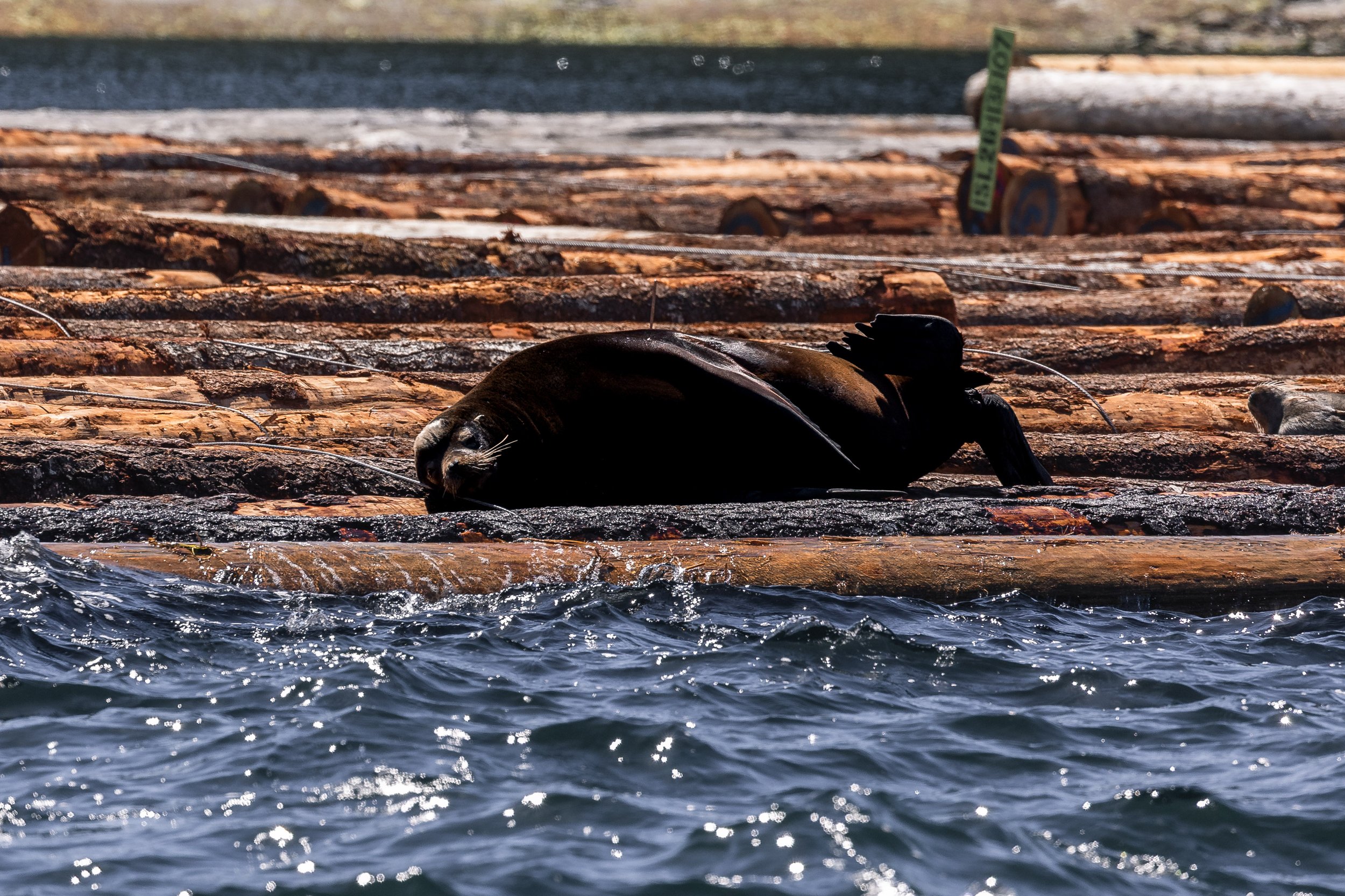
A California Sea Lion Snoozing in the sun!
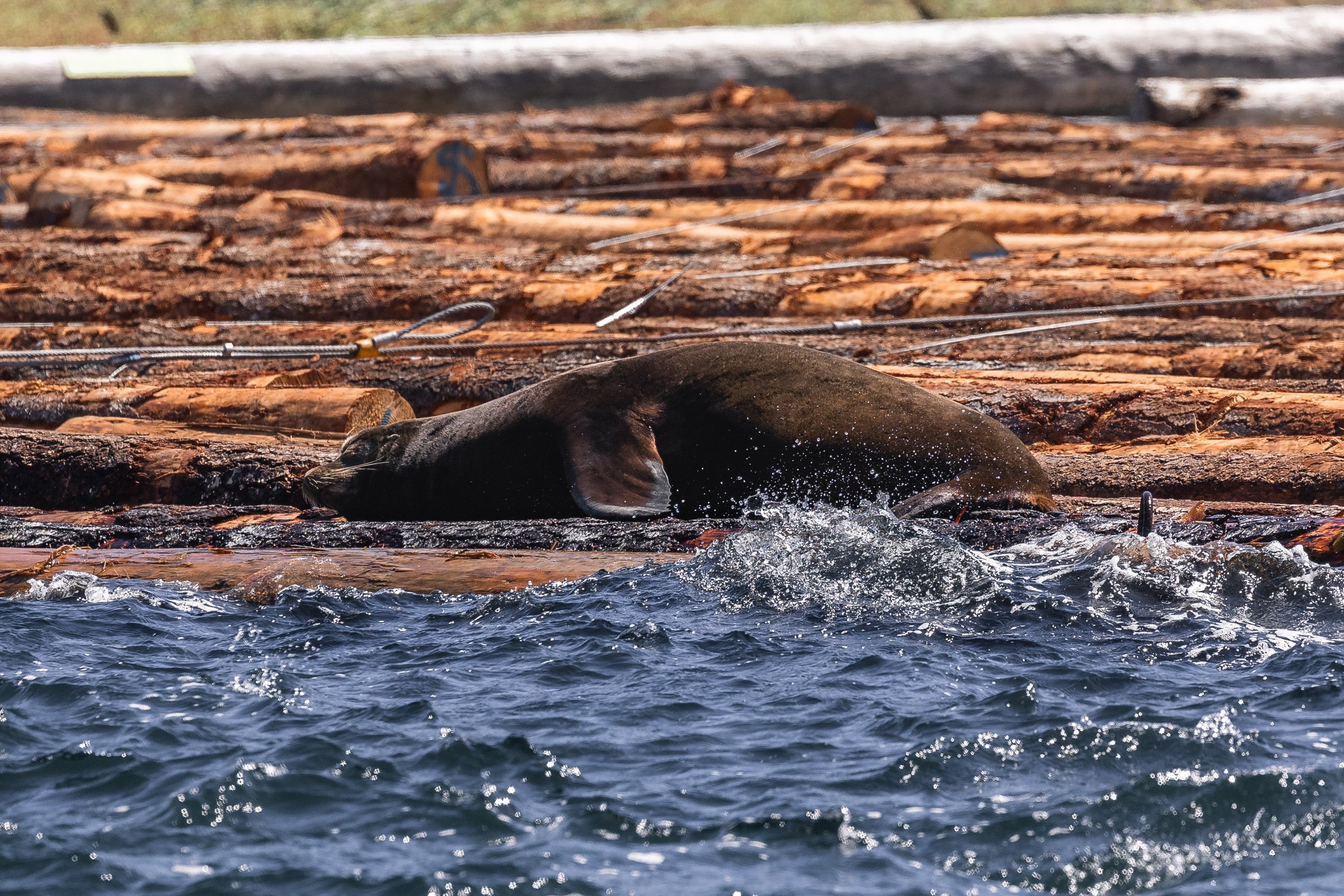
The logs provide a great place for sea lions to nap, because they don't need to worry about the rising or falling tide like they would on land. They still need to worry about the waves, though!
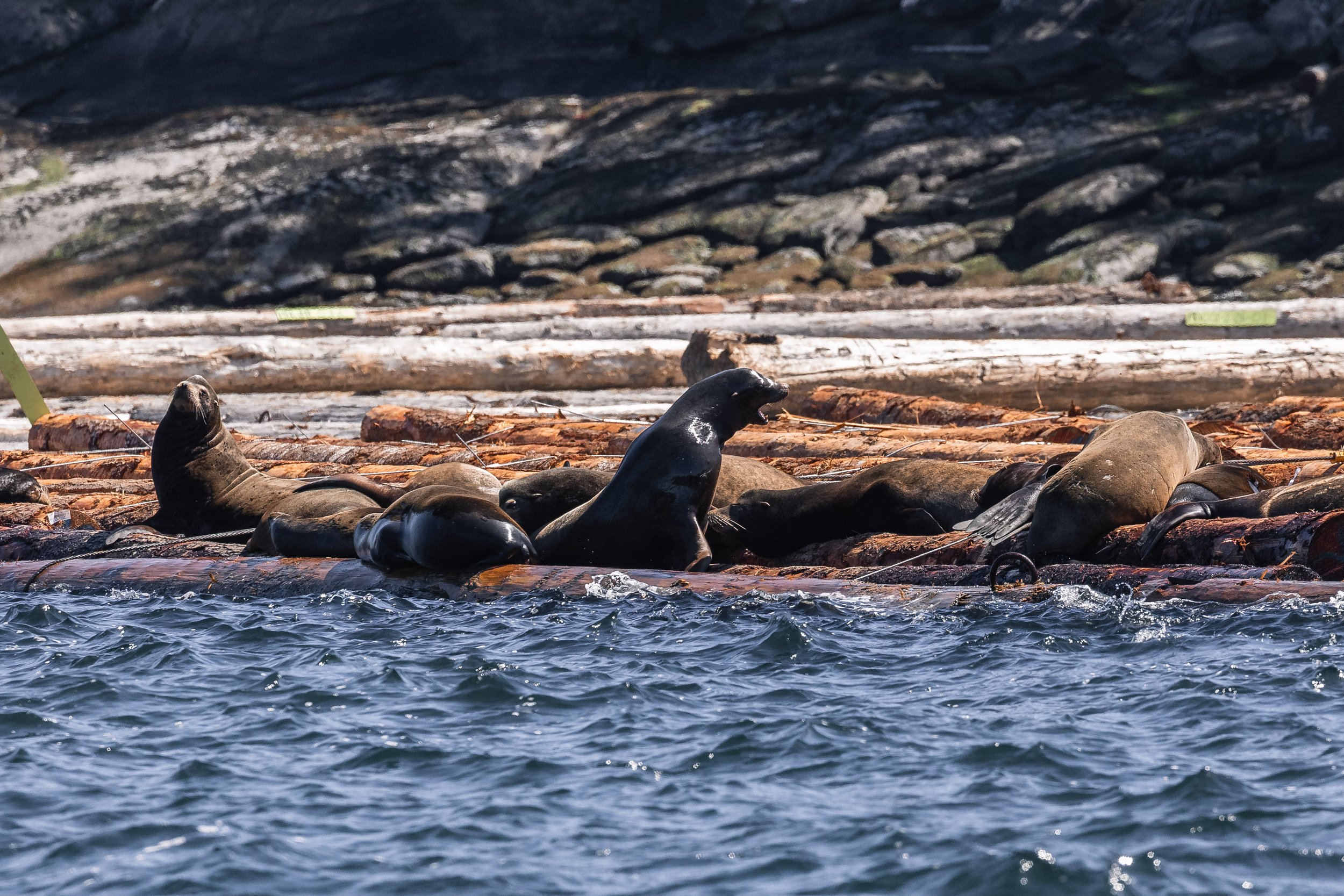
A California Sea Lion getting vocal!