
May 31, 2026 - Orca inside the Islands!
With the full fleet out once more, we boarded and began departing, excitement abuzz as we began the day’s adventure. With windy conditions predicted to the north, we decided to start the day heading south, heading into the Southern Gulf Islands. The fleet split up, heading in slightly different directions as they departed, to cover as much ground as possible as they began to explore.
After a bit of cruising along, peeking at the beautiful scenery all around us, we soon found what we were looking for - a huge black dorsal fin rising from the depths, with several smaller fins all around. A quick series of photos and a catalogue comparison let us determine that this pod was the T002Cs, a matriline with 5 surviving members:
T002C Tasu ♀ (1989)
T002C1 Rocky ♂ (2002)
T002C3 Lucy ♀ (2011)
T002C5 Zippy/Guardian (2020)
T002C6 Yukon (2025)
The large, towering dorsal fin belonged to T002C1 Rocky, T002C Tasu’s eldest son. At an impressive 6 ft (1.8 m) in height, male dorsal fins are often among the first things we spot when we locate a pod of orcas. With female fins usually topping out at around 3 ft (~0.9 m), they are often over double the height of their mother’s and siblings’ dorsals. Little T002C6 Yukon, on the other hand, still has a tiny dorsal fin, likely roughly 1 ft (30 cm) tall.
There was much excitement amongst the pod members as they zipped by, travelling at speed and tail slapping along the way. The youngest pod member, T002C6 Yukon, seemed especially excited and was often spotted porpoising along to keep up with the rest of the family. While the encounter began in the calm waters of the inner gulf islands, the T002Cs soon turned and headed swiftly for Porlier Pass. The waters ahead looked a bit tumultuous, so we bundled up and set out on our exciting trip through the waves. The orca seemed to prepare for this moment, too, and soon they were all porpoising along, bright white eye patches visible as they arched their bodies high out of the water. With bigger swells, orcas will often surface higher than usual to clear the water before breathing.
As the water cascaded off their backs, we watched in awe as they continued their journey out into deeper waters. At this point, our time with the T002Cs was up, and we headed out once more in search of other exciting encounters. Many haulouts, or sheltered islands, can be found around the Gulf Islands, and soon we were on our way to explore them! With many options to explore, the fleet separated once more, heading out on their own mini adventures.
Small dappled bodies were soon spotted nestled deep into kelp-covered rocks. Raising their heads towards us, we were soon greeted by many pitch-black eyes curiously watching us. These were Harbour Seals, the smallest of the pinnipeds we commonly spot. Their mottled appearance is a form of natural camouflage, and their variety of coat colours, from dark with light spots to light with dark spots, helps strengthen it. Once hunted extensively, there are no protective orders in place to help protect them. Their population has now stabilized and is at a healthy carrying capacity, which is ideal for our area, as they are among the most common prey for the Transient orca we spotted earlier in the day.
Loud growls and belches could be heard from a nearby rocky island. Large lumbering sandy-coloured individuals could be seen strolling and snoozing high up on the rocks. These were Steller Sea Lions taking full advantage of the beautiful sunny conditions. These giants spend a considerable portion of their day conserving energy by sprawling out on haulouts above the water. Haulouts are vital for pinnipeds, as they provide safe areas to rest without fighting the ocean’s currents. They also provide areas for them to hide, helping them avoid predation by our Transient orca. While you might think one of these large males, weighing over 2,400 lbs (~1100 kg), would be too big for an orca to take down, it still occasionally happens!
Soon, it was time to head back towards Nanaimo. Kula made a small detour, though, and had a quick peek at a different report off the tip of Gabriola Island. Soon, another large dorsal fin came into view, sporting two large notches. This dorsal fin was infalliable - it was T063 Chainsaw, one of the most famous orca in the population, travelling with his mother T065 Whidbey II:
T065 Whidbey II ♀ (~1971)
T063 Chainsaw ♂ (~1978)
This encounter was of the briefest kind, though, and after a photo or two, Kula headed back into the sheltered waters of the Gulf Islands once more, leaving Chainsaw and Whidbey II to continue their travels.
Navigating the many tiny waterways in the inner waters, we headed north again, crossed Dodd Narrows, and made our way back to Nanaimo Harbour, wrapping up a wet and wild adventure!
Please enjoy these photos by Marine Naturalists Val Watson, Vanessa Vereschahen, and Evan Hessels of the orca and other wildlife we viewed during this trip!
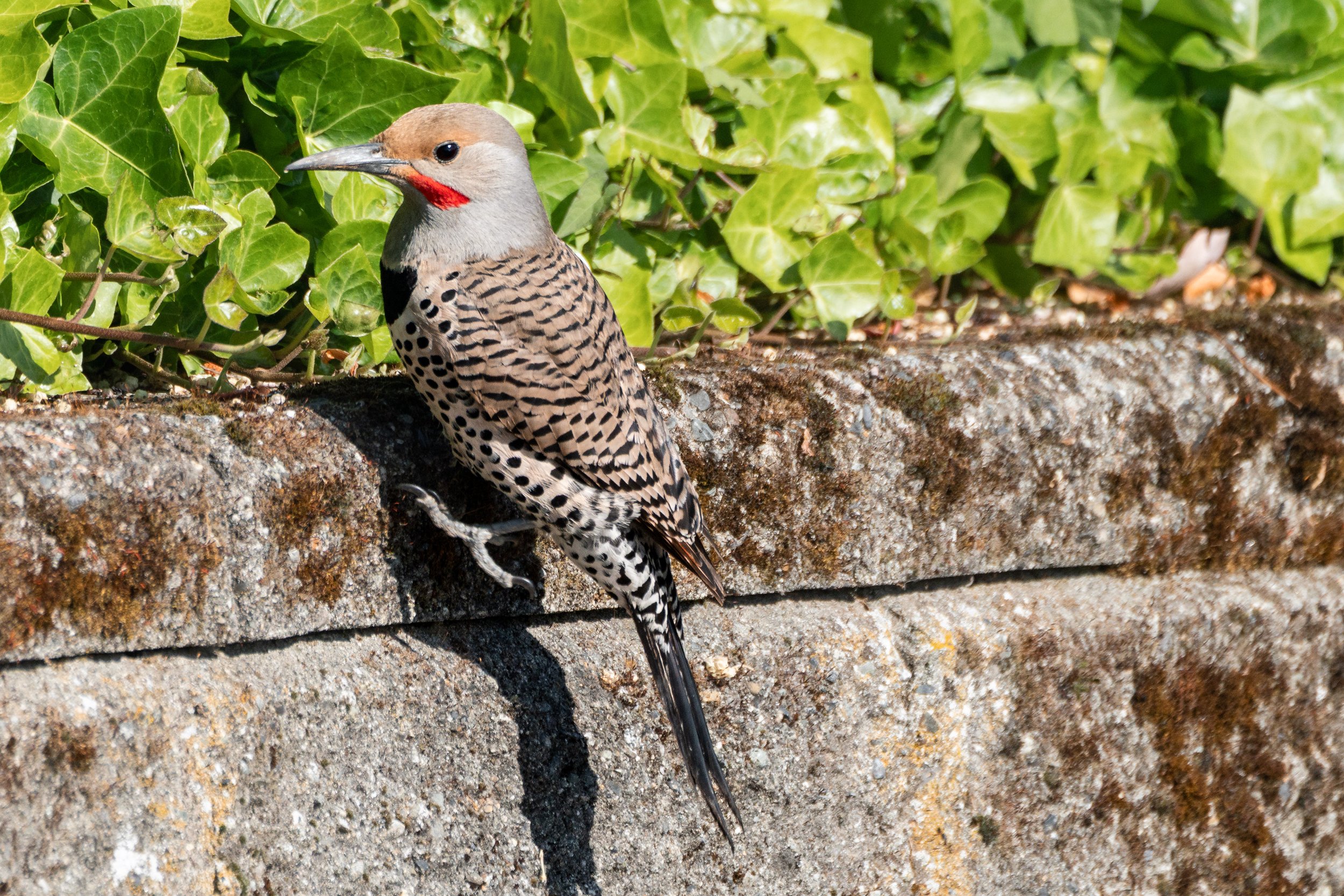
A Northern Flicker hugging the rock wall before the trip! Photo by Val Watson.
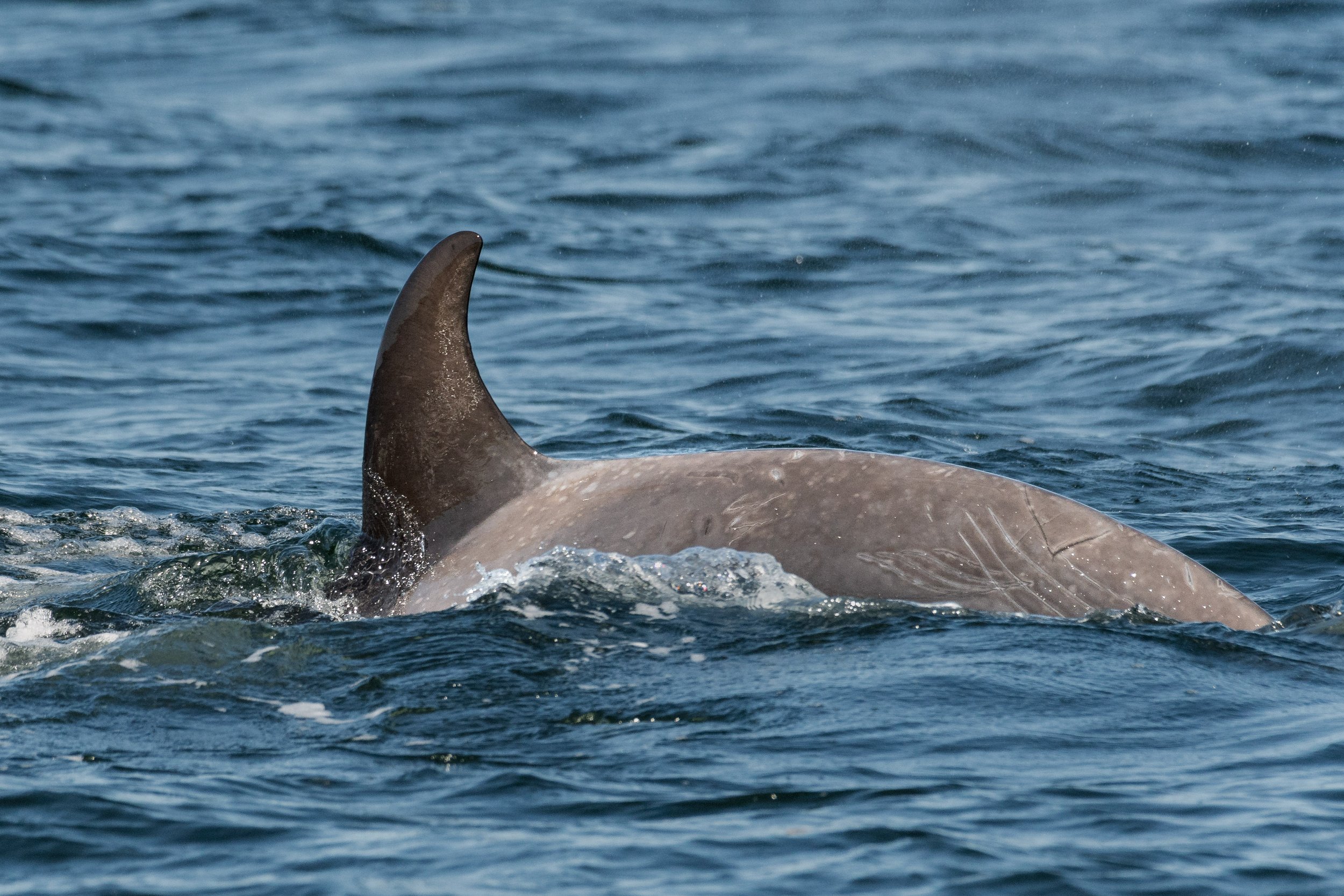
T002C5 Zippy/Guardian going down for a dive. Photo by Evan Hessels.
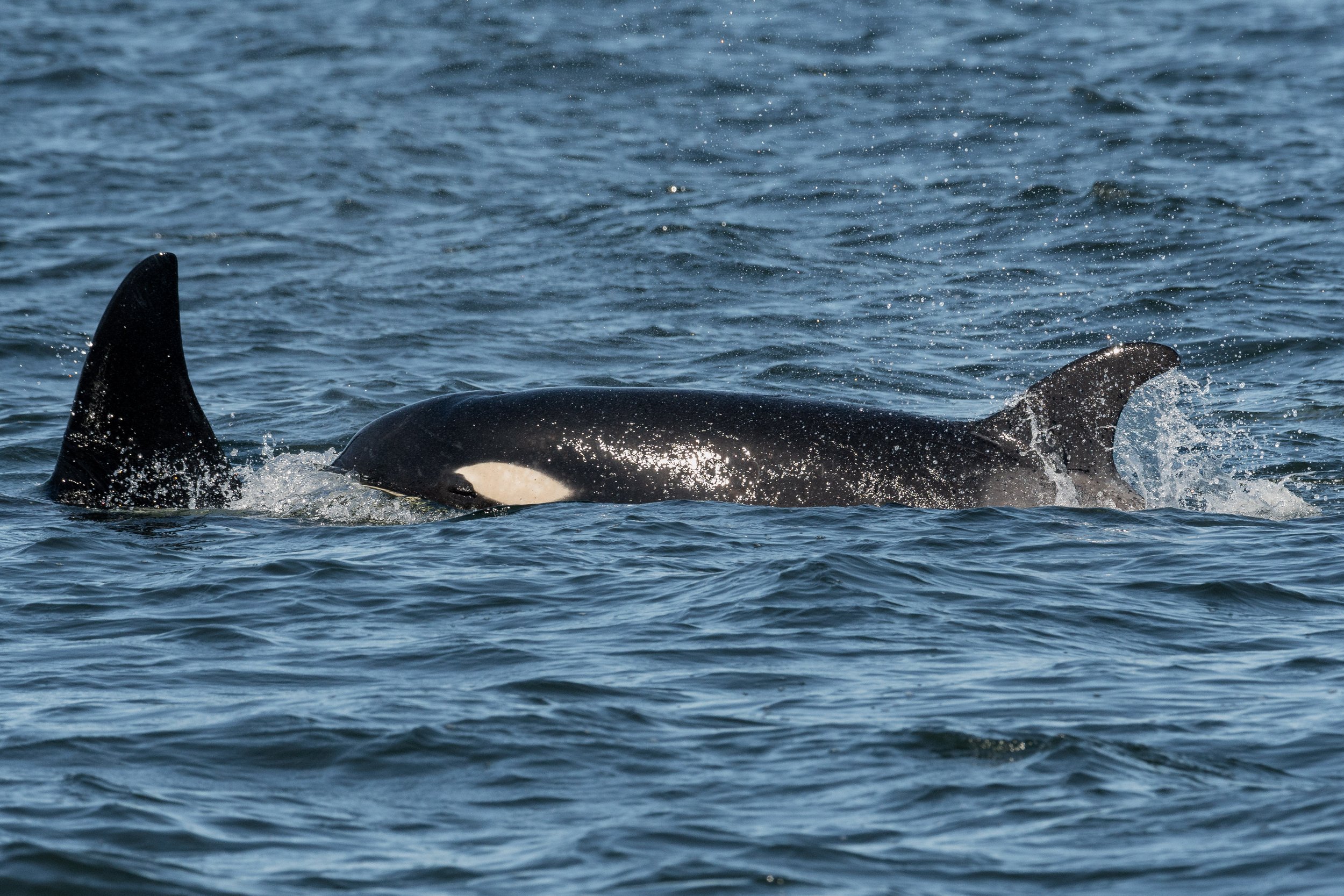
T002C Tasu with her youngest T002C6 Yukon behind her. Photo by Evan Hessels.
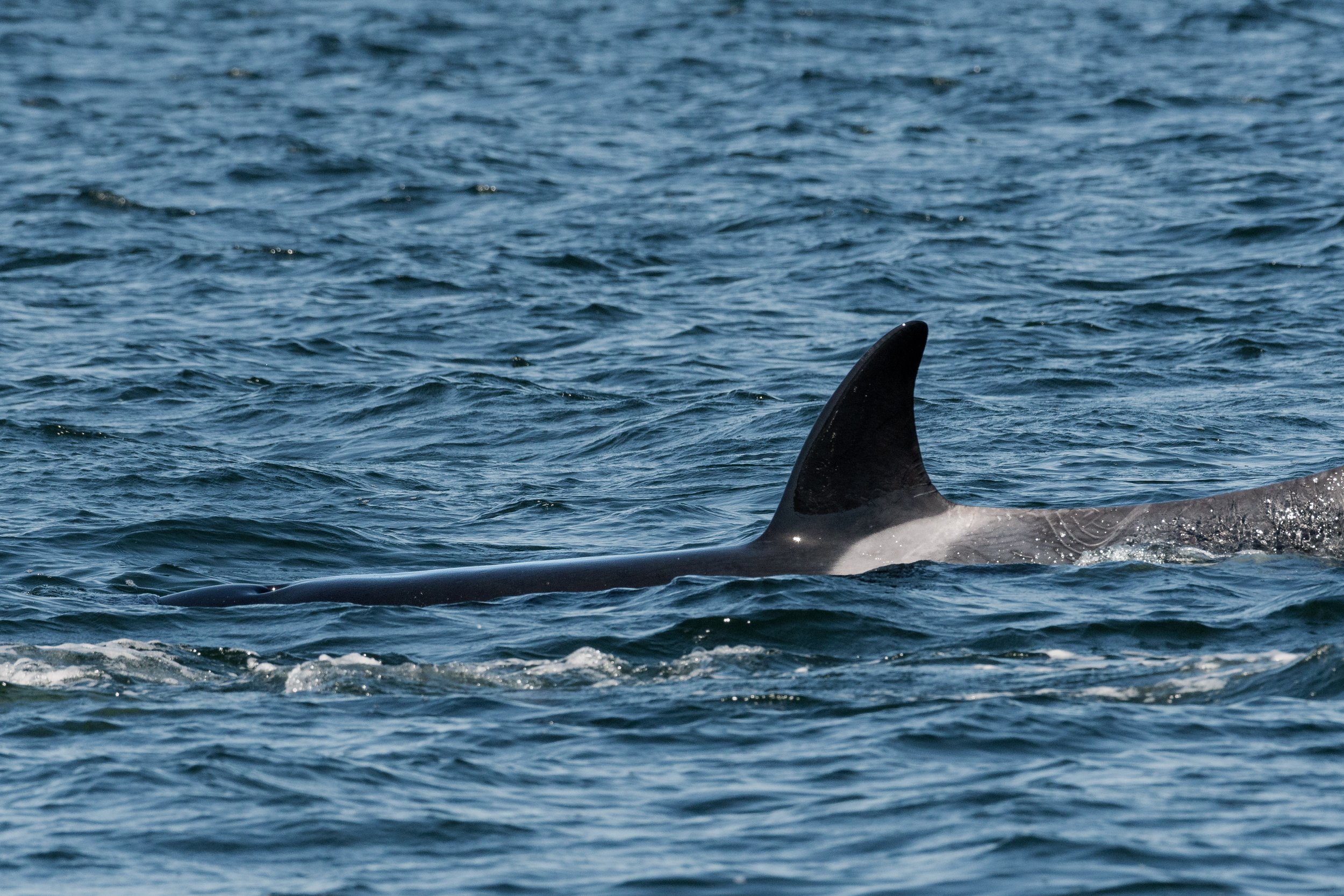
T002C5 Zippy/Guardian starting to tail slap. Photo by Evan Hessels.
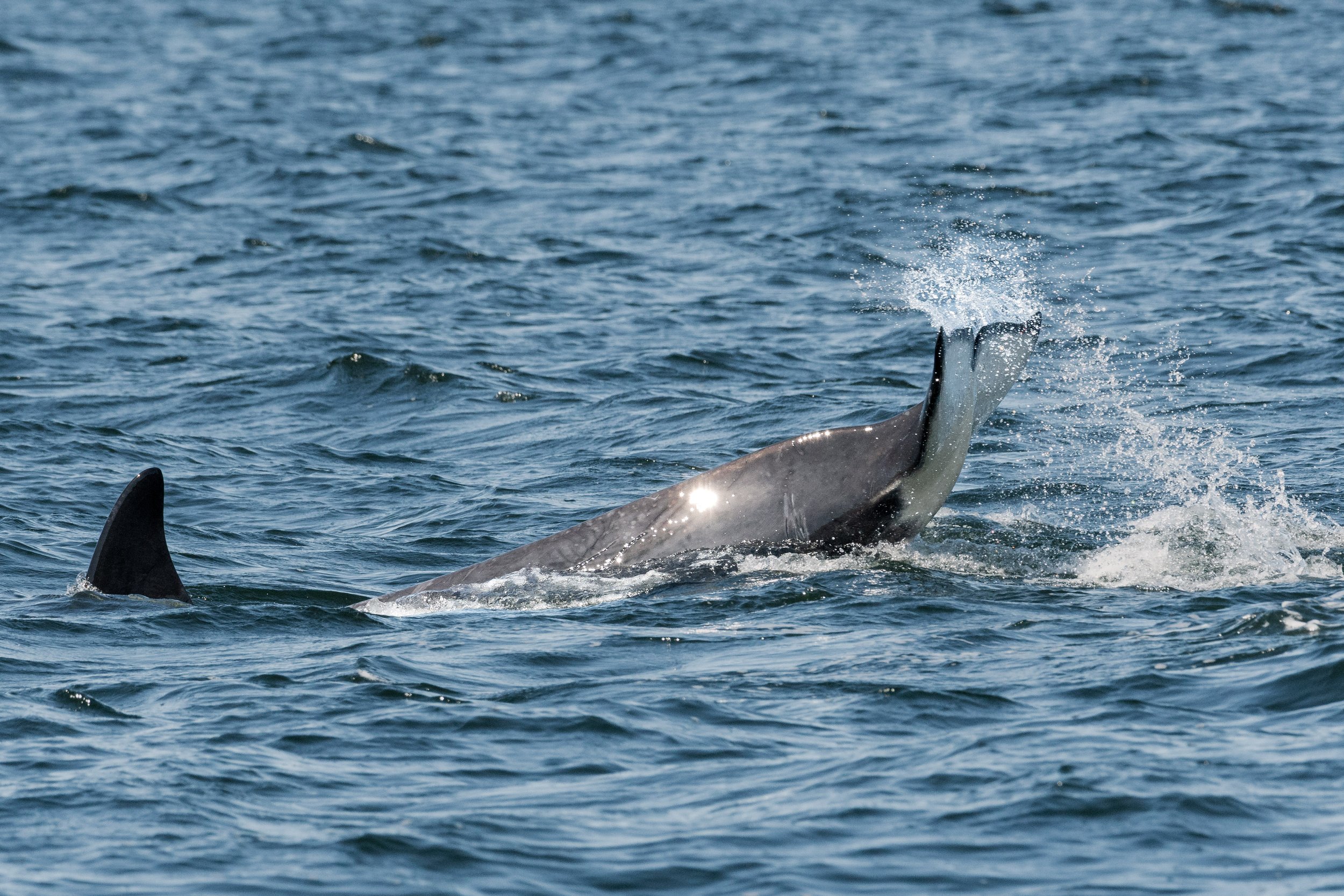
Flukes up with T002C5 Zippy/Guardian! Photo by Evan Hessels.
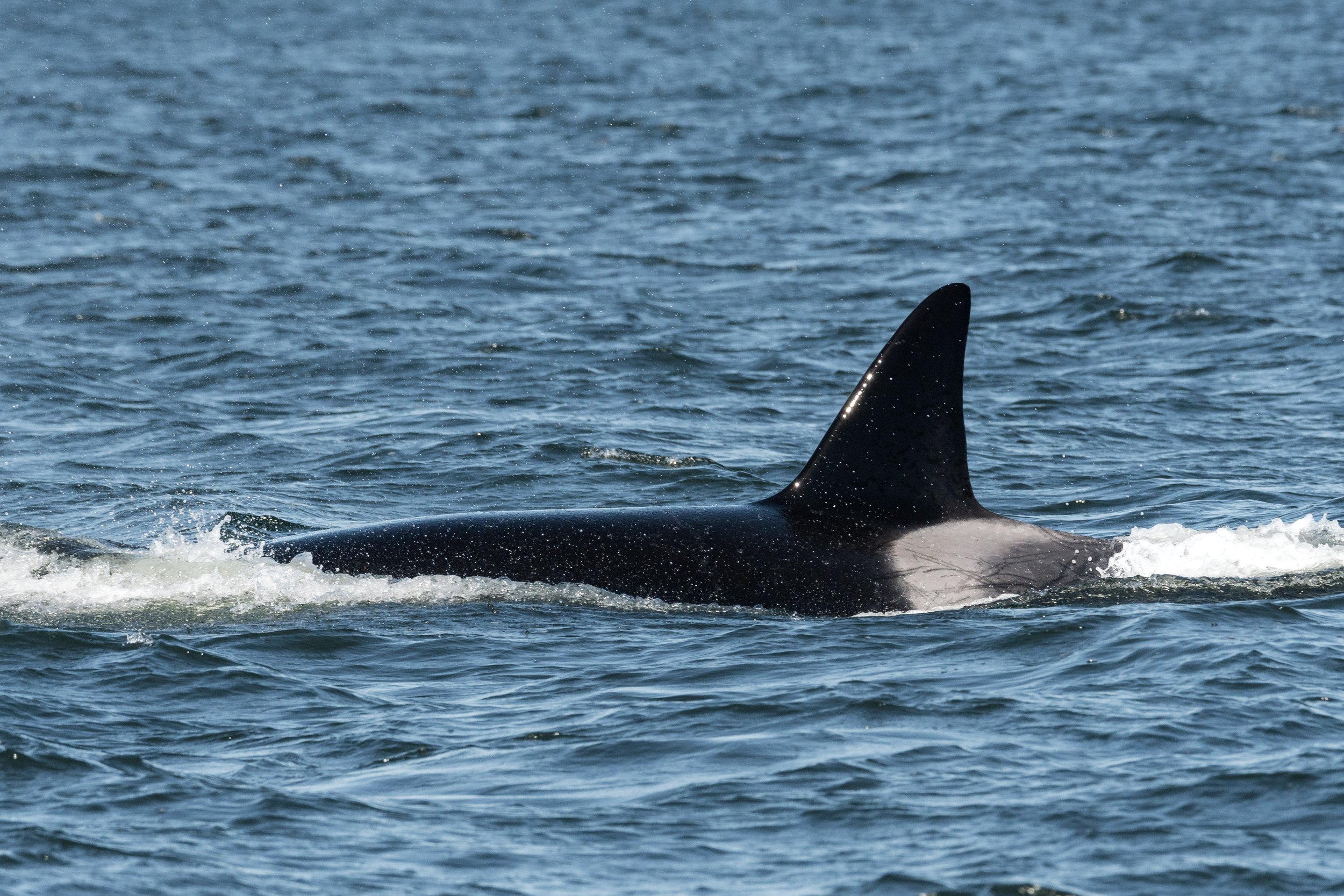
T002C3 Lucy travelling. Photo by Evan Hessels.
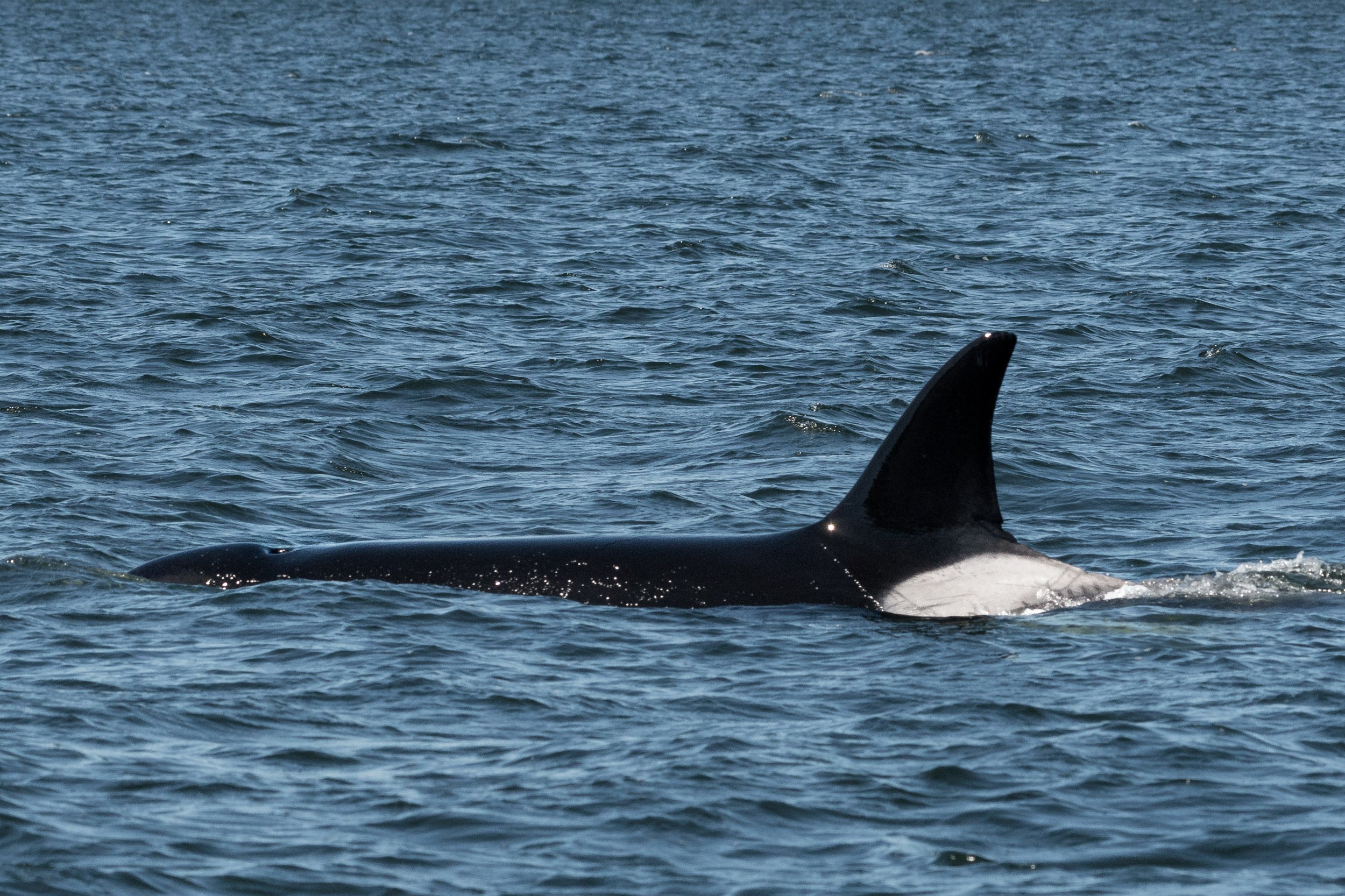
T002C Tasu with her distinct dorsal notch visible. Photo by Evan Hessels.
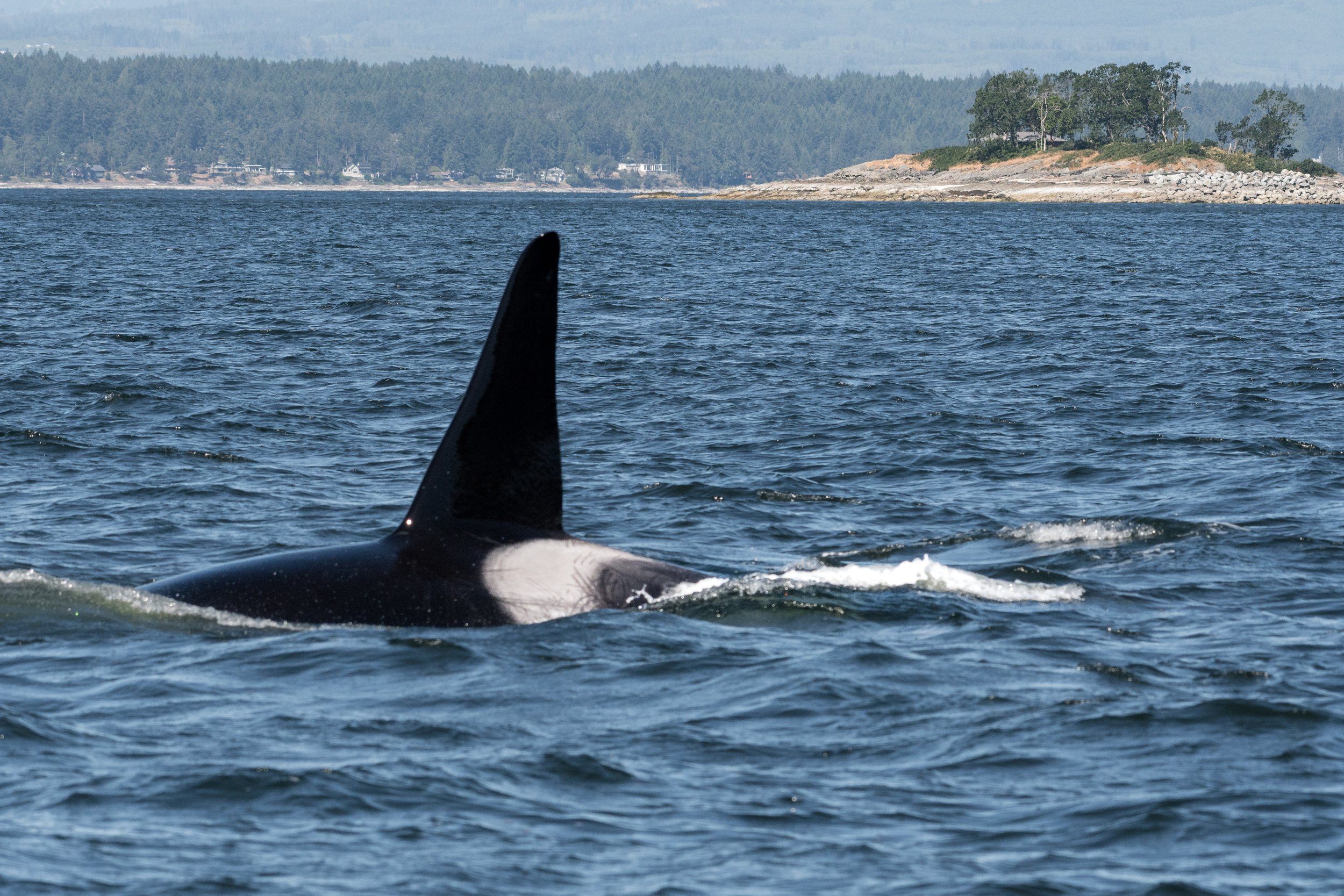
T002C1 Rocky with Tree Island visible behind him. Photo by Evan Hessels.
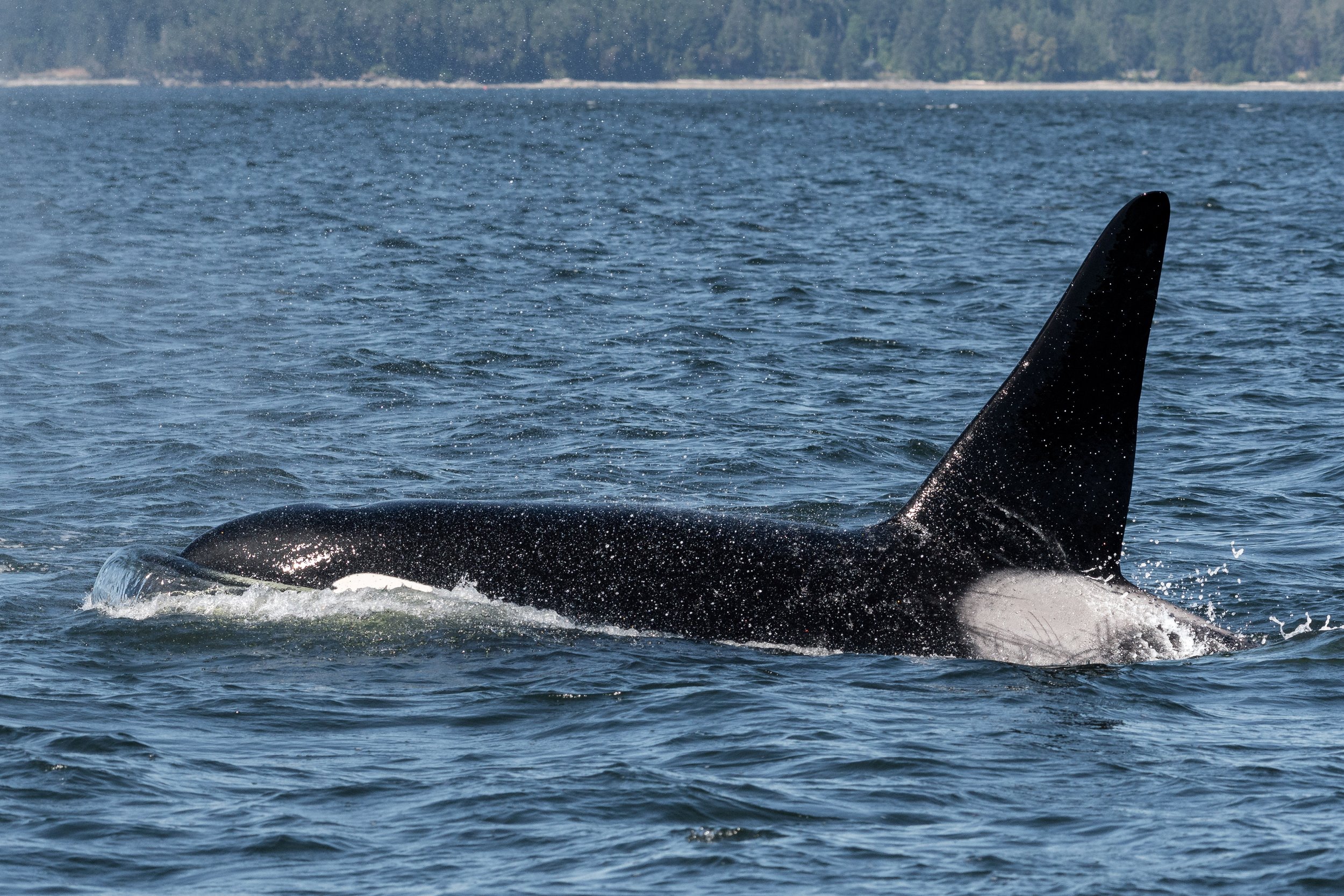
T002C1 Rocky making a little wave ahead of him. Photo by Evan Hessels.
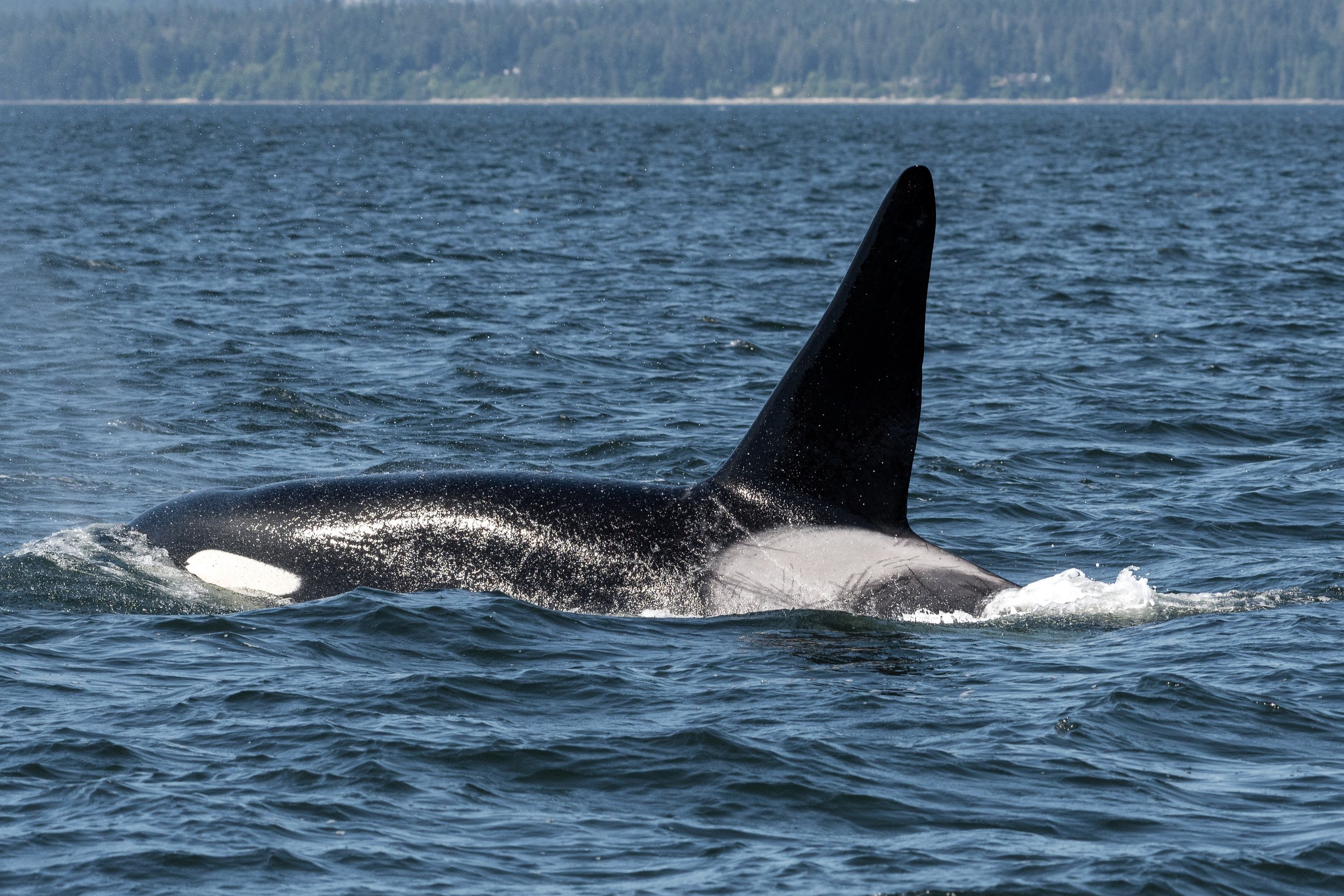
T002C1 Rocky with his eyepatch visible above the waters. Photo by Evan Hessels.
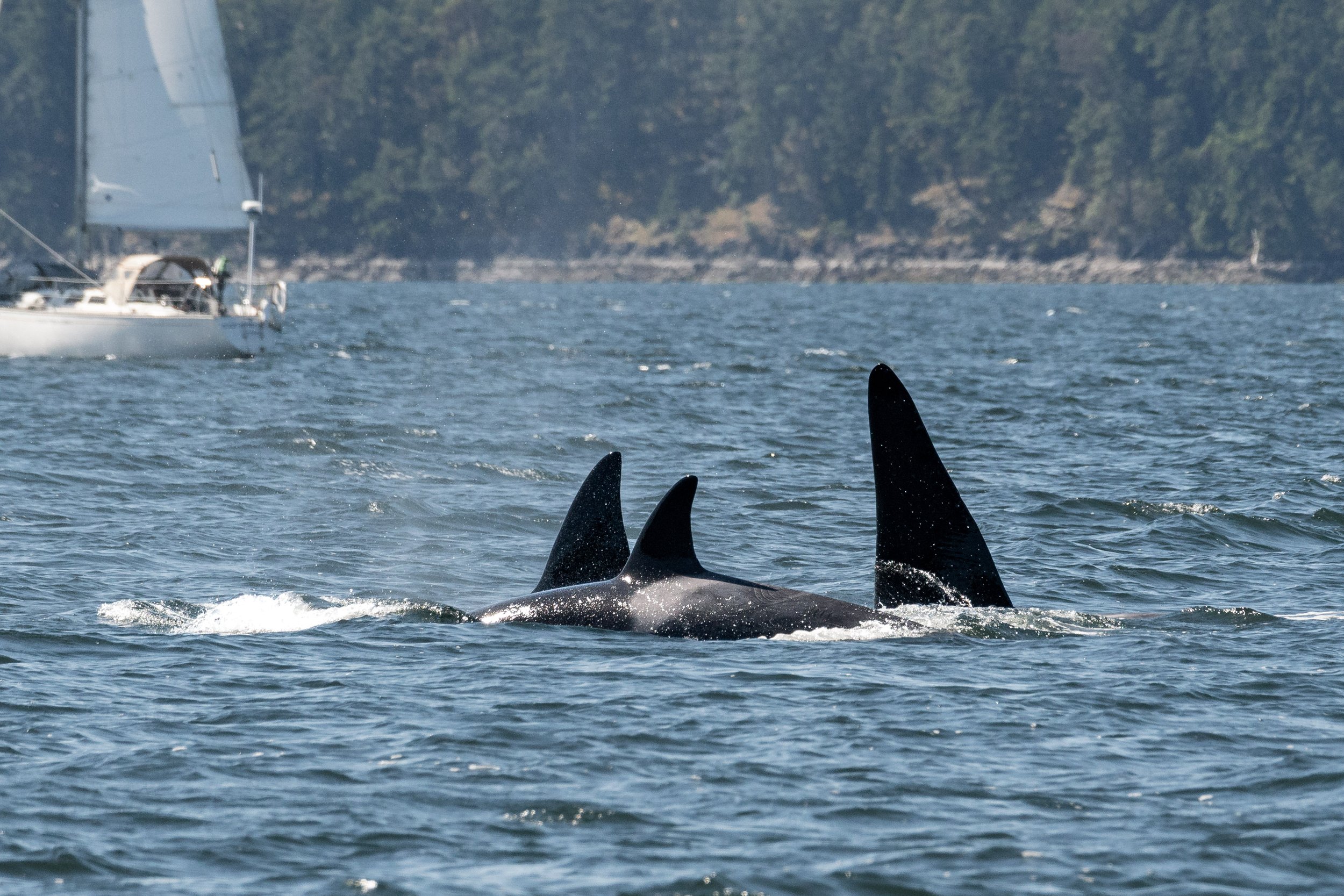
T002C Tasu tucked behind T002C5 Zippy/Guardian, with T002C1 Rocky behind them. Photo by Evan Hessels.
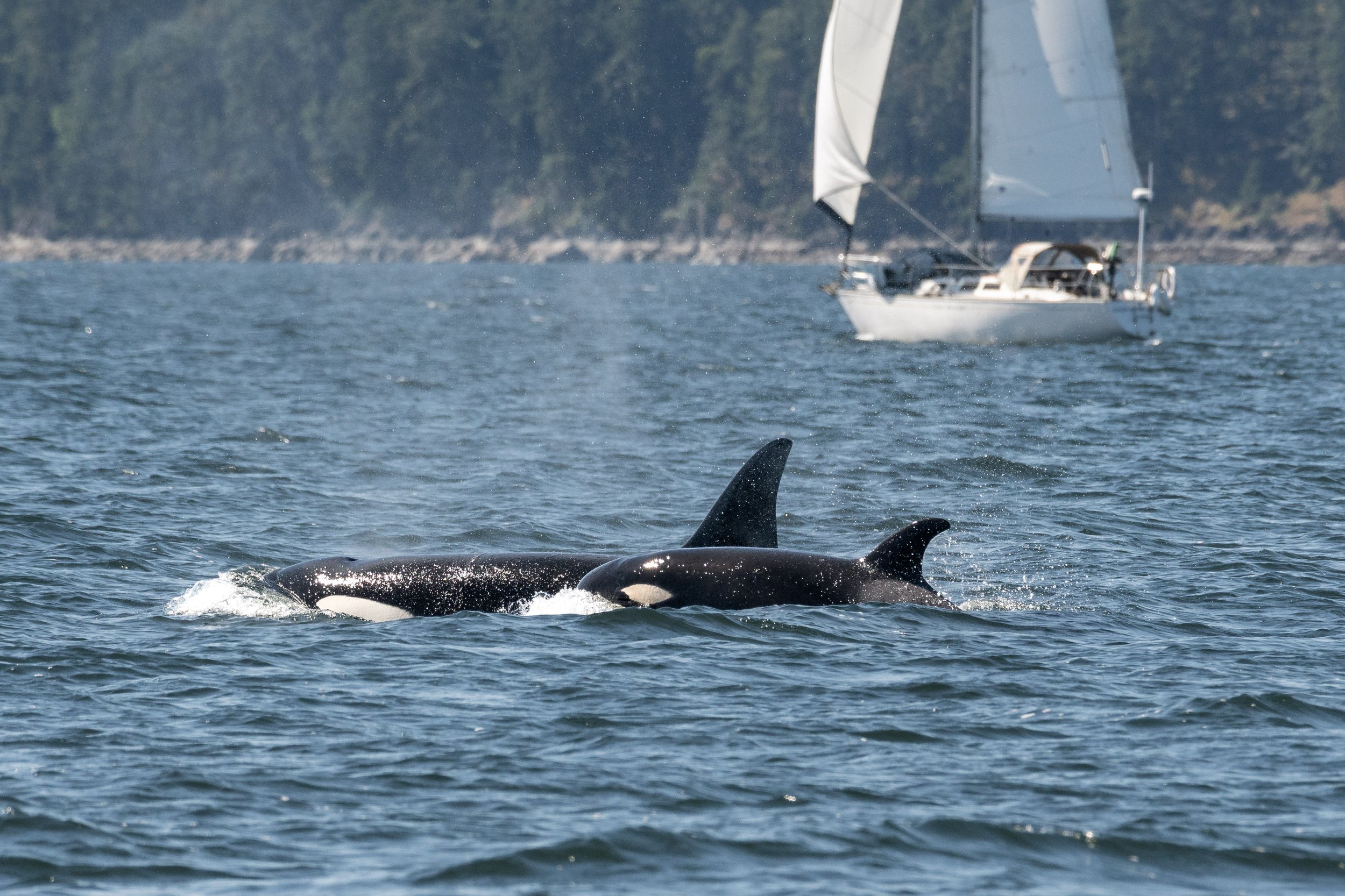
T002C Tasu and T002C6 Yukon, both with their eyepatches visible. Photo by Evan Hessels.
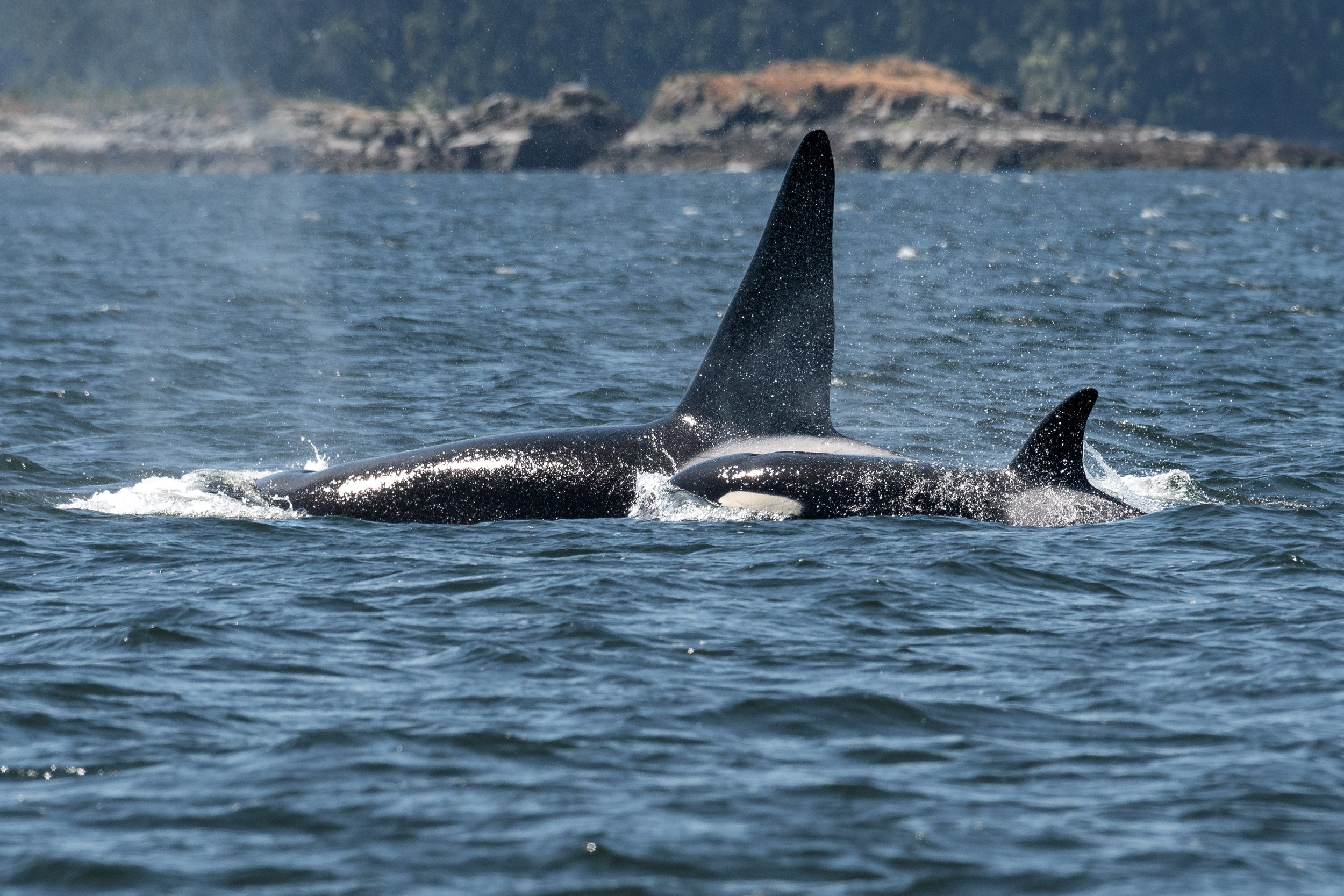
Big brother T002C1 Rocky with T002C5 Zippy/Guardian beside him. Photo by Evan Hessels.
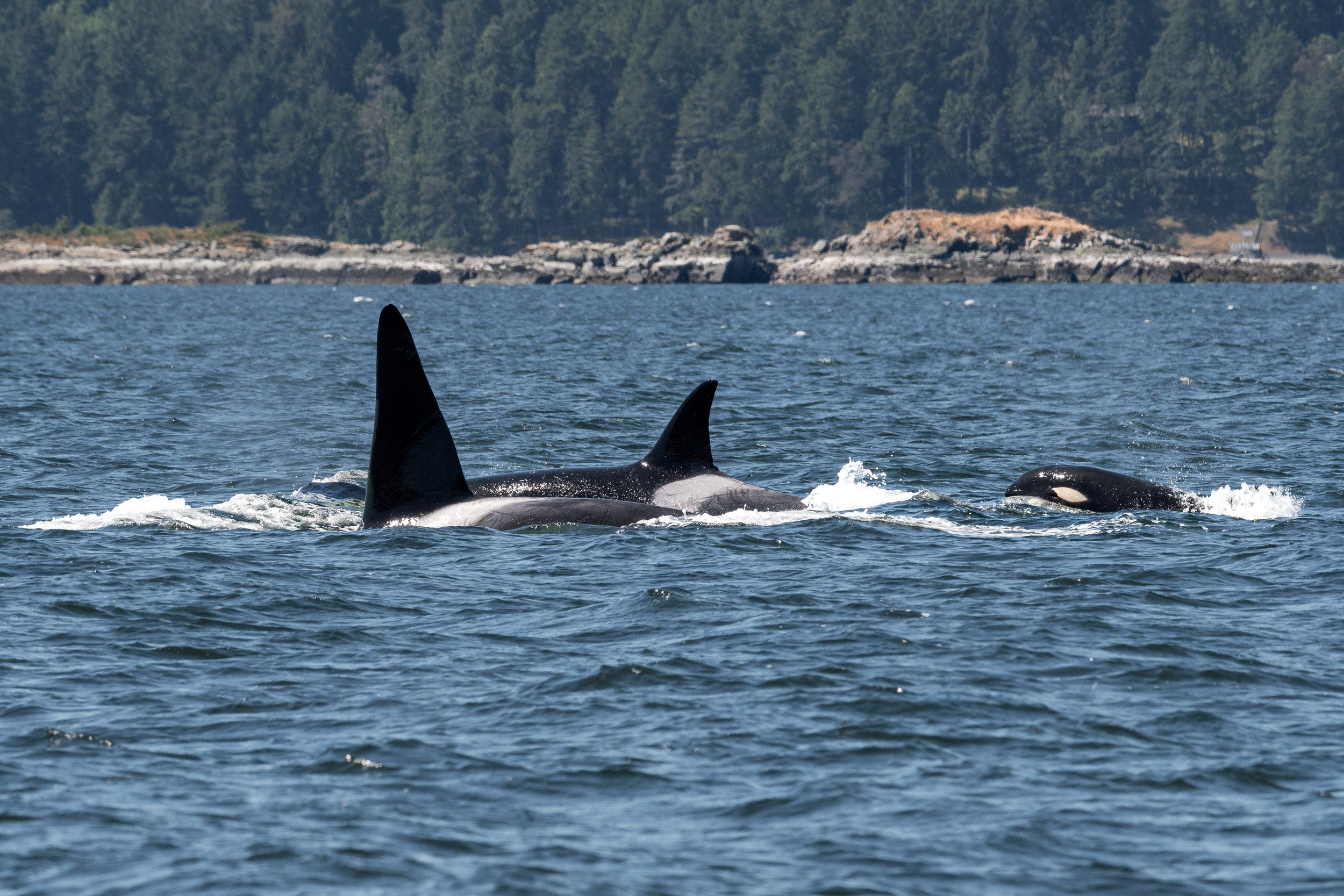
T002C1 Rocky, T002C Tasu, and T002C6 Yukon travelling together. Photo by Evan Hessels.
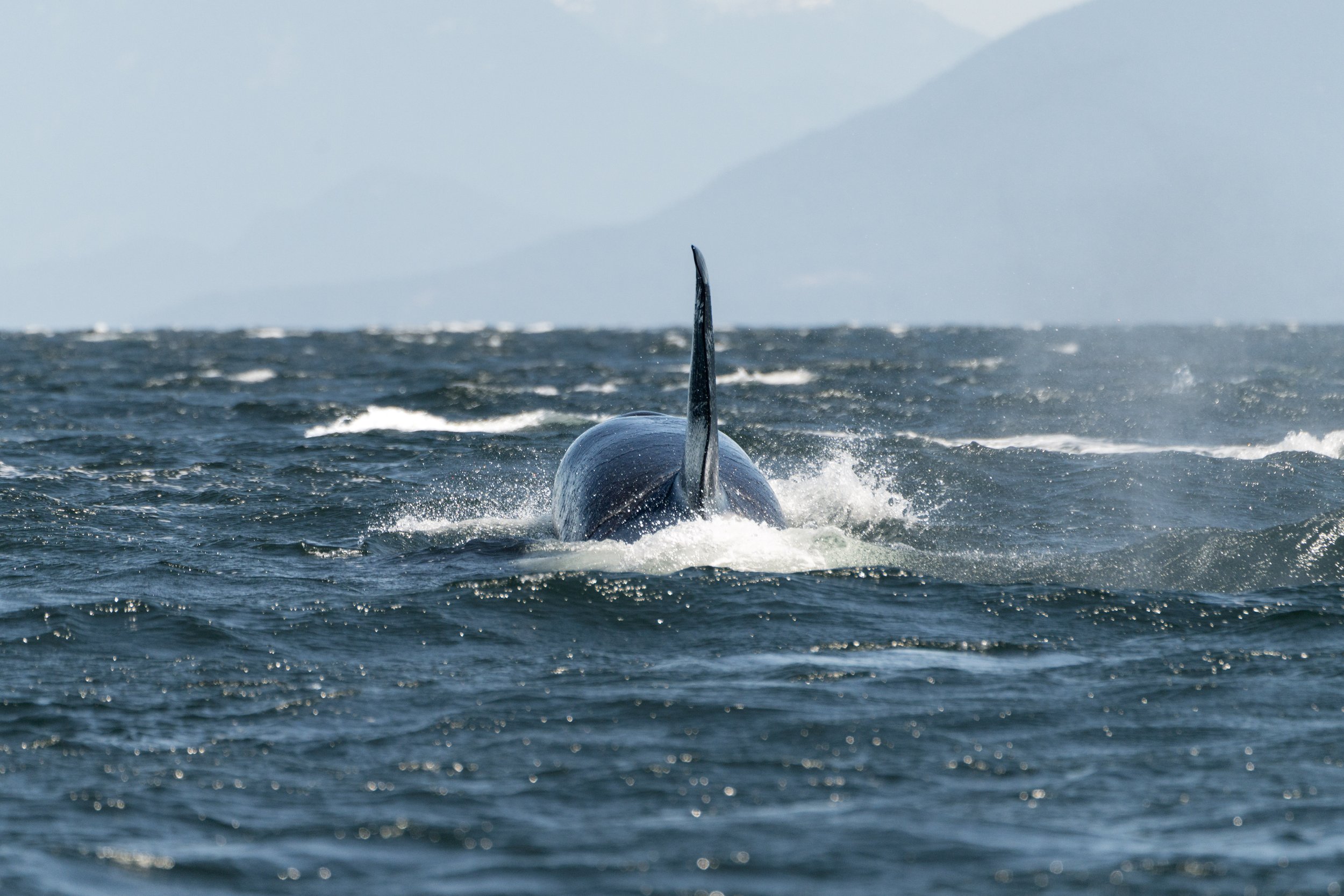
T002C1 Rocky dashing through the waves as they head into the Strait of Georgia. Photo by Val Watson.
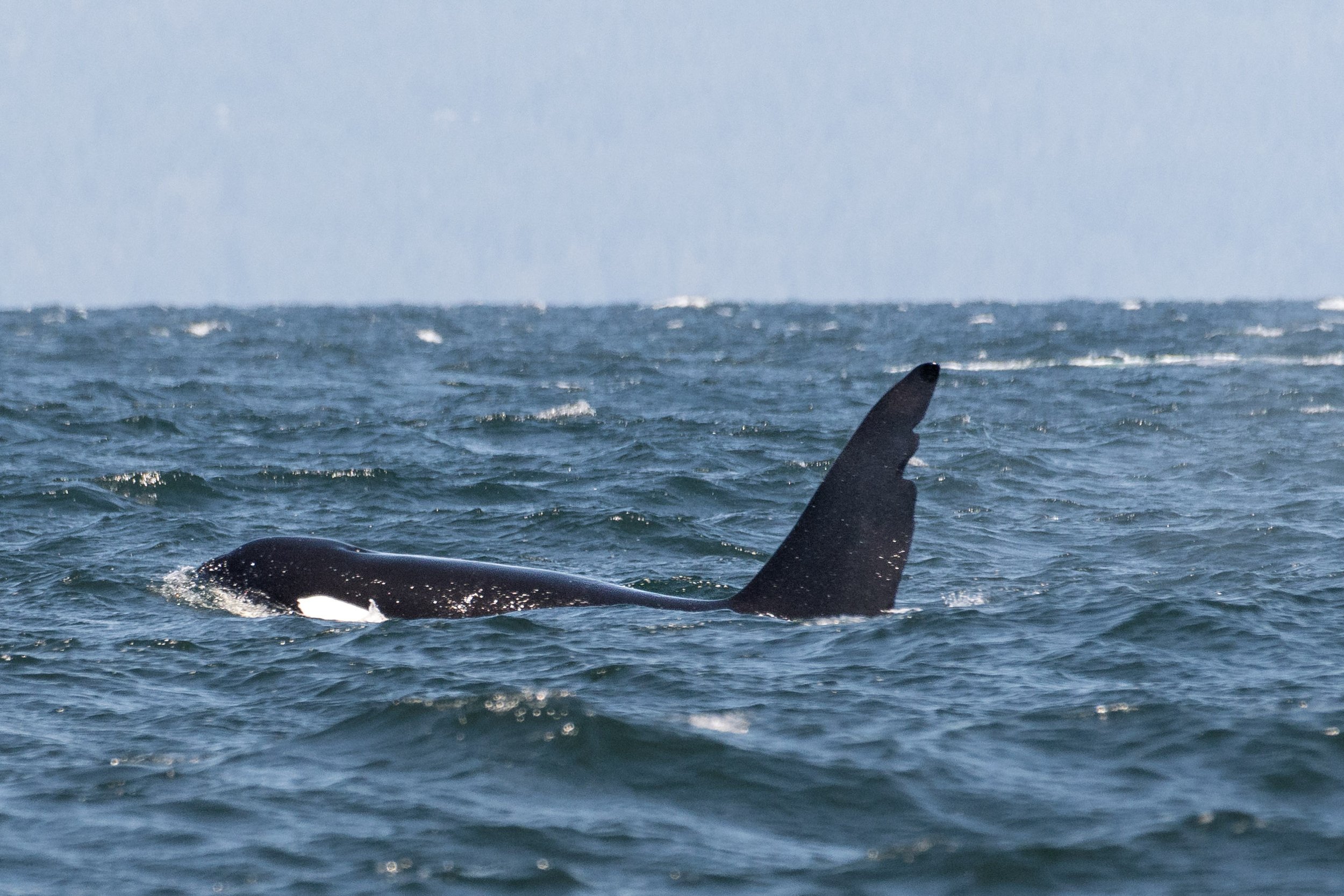
T063 Chainsaw with his distinct dorsal fin visible. Photo by Evan Hessels.
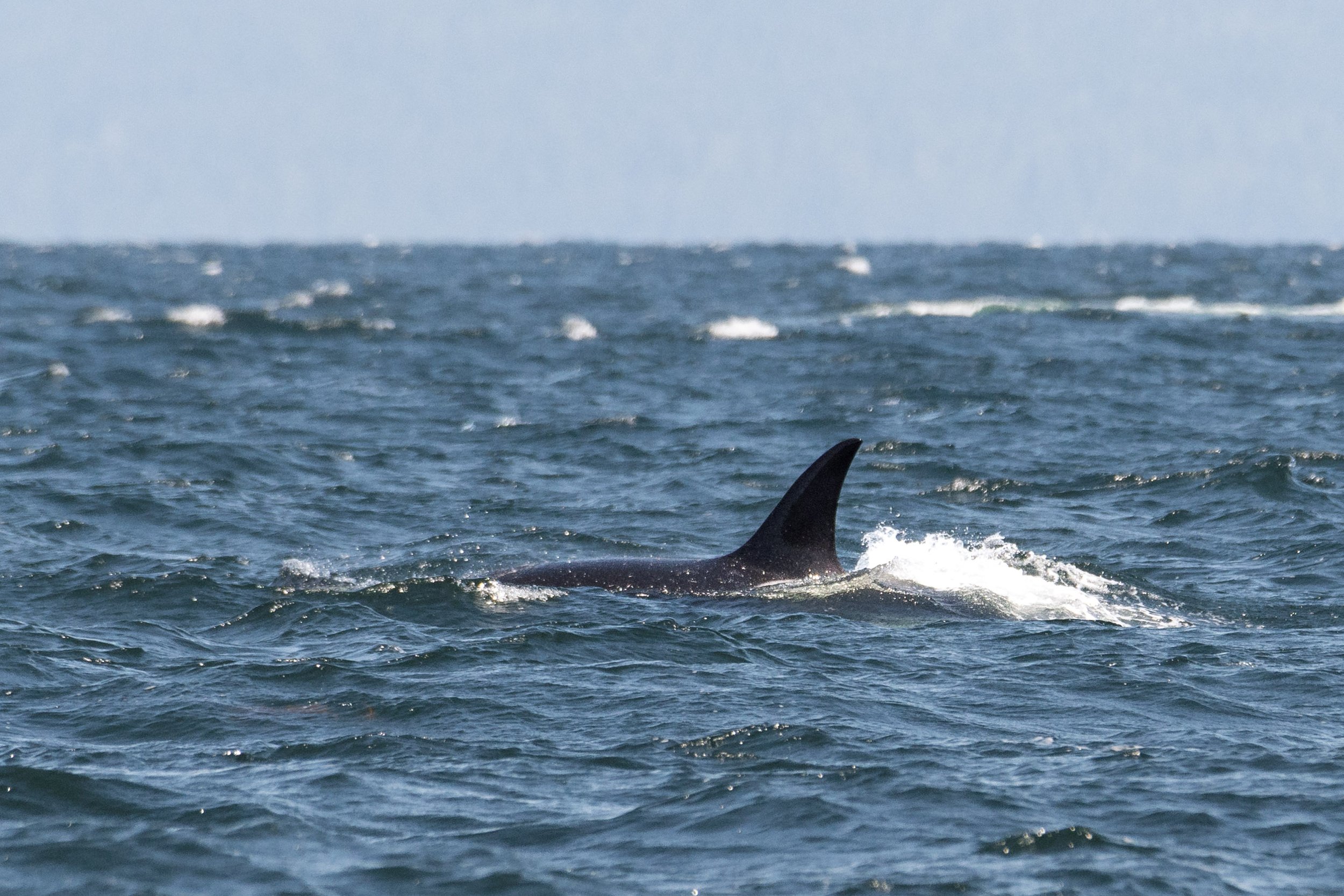
Chainsaw’s presumed mother, T065 Whidbey II. Photo by Evan Hessels.
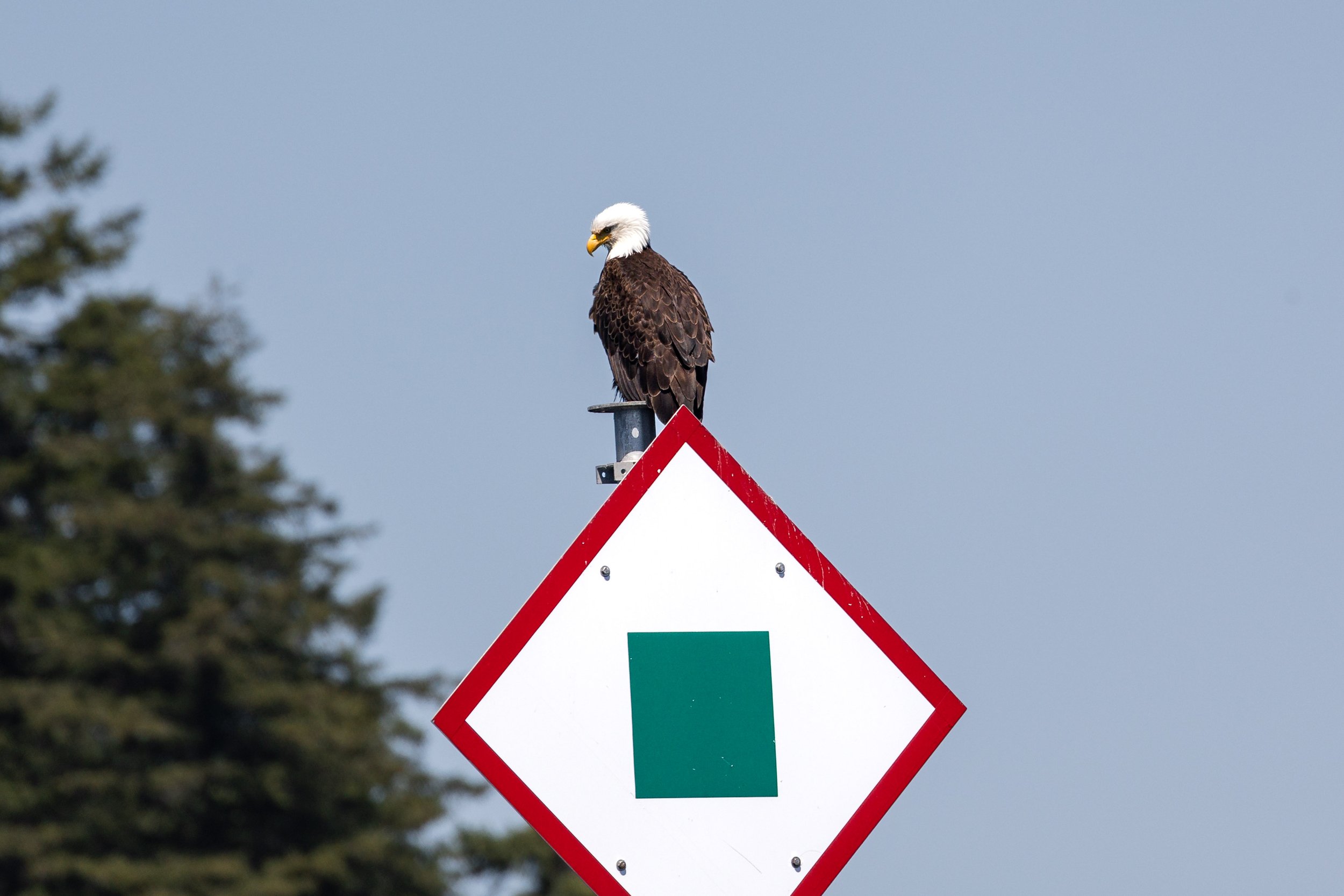
A Bald Eagle perched high up on a marker. Photo by Vanessa Vereschahen.
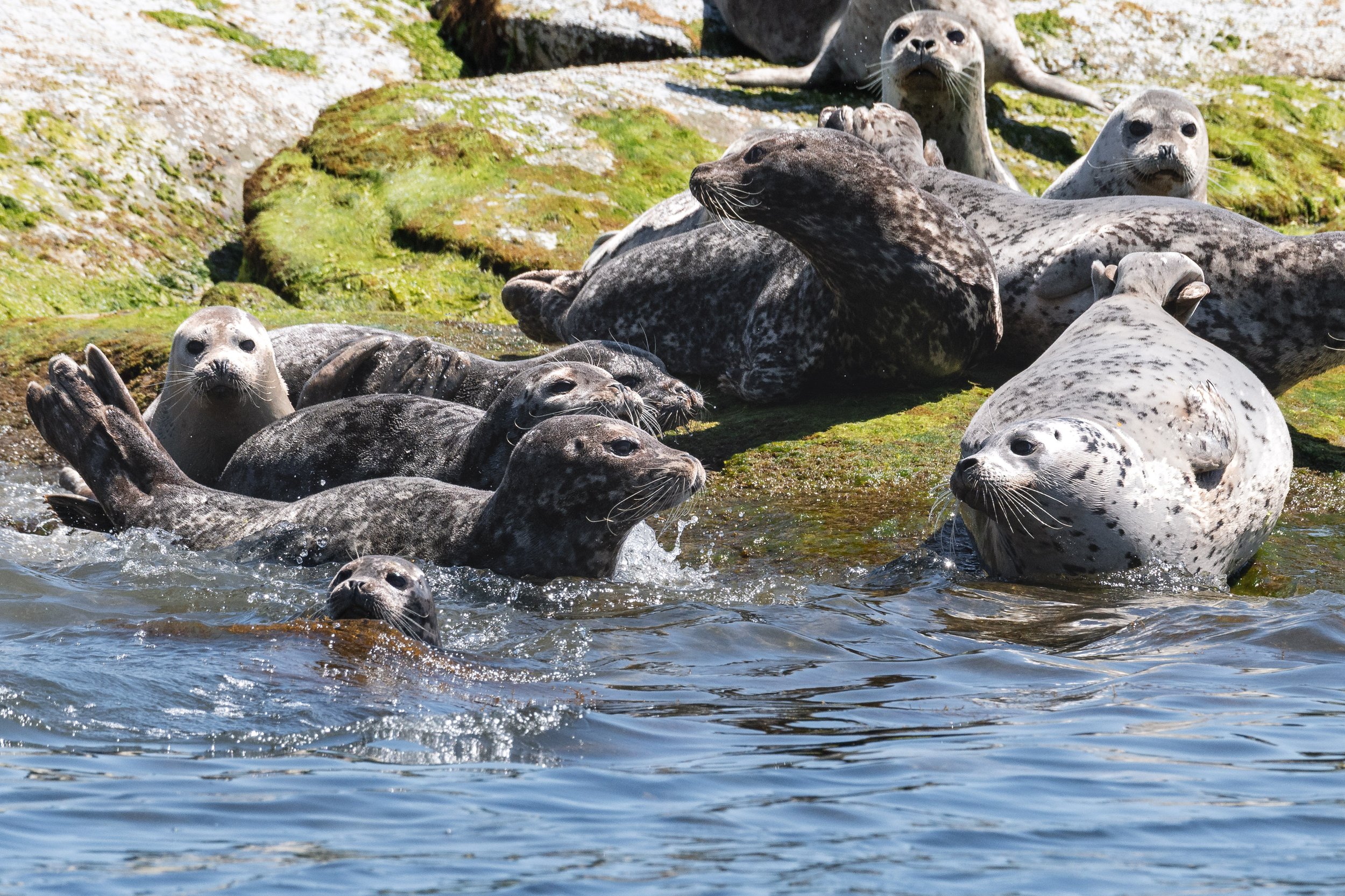
A bob of Harbour Seals huddled together on the shore. Photo by Evan Hessels.
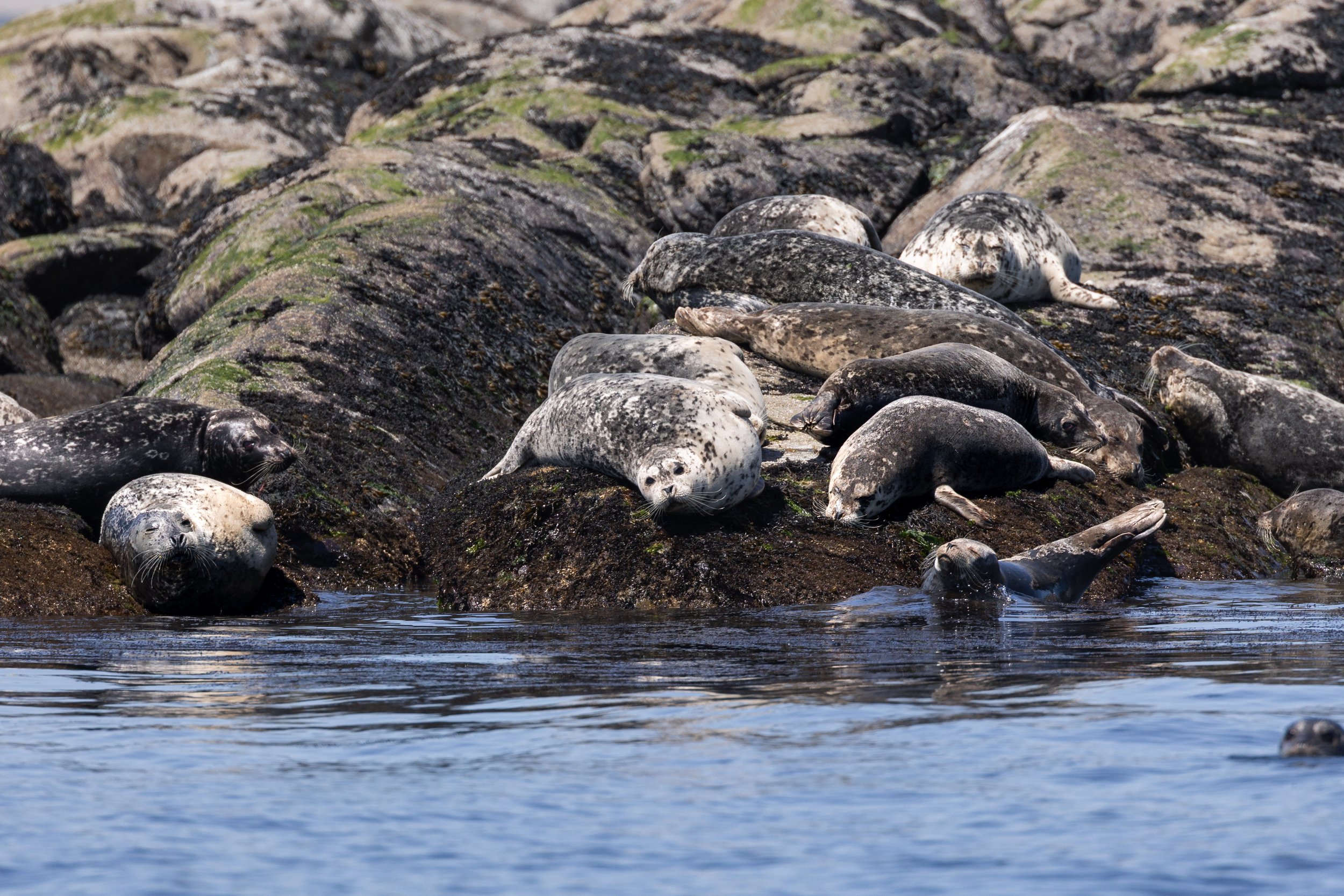
Draped dramatically over the rocky coastline, the Harbour Seals are always an interesting species to take a peek at. Photo by Vanessa Vereschahen.
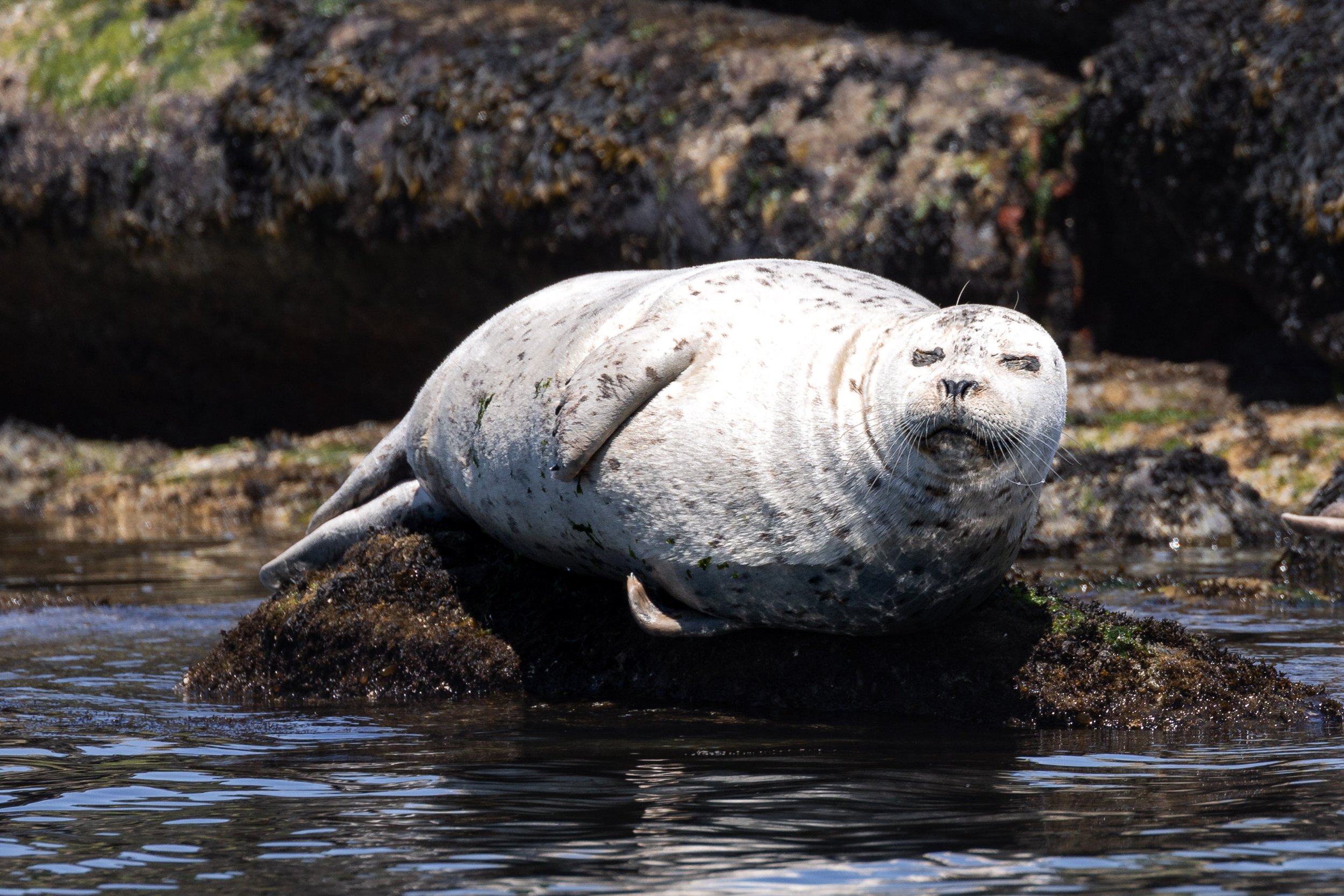
Carefully balanced on a tiny rock. Photo by Vanessa Vereschahen.
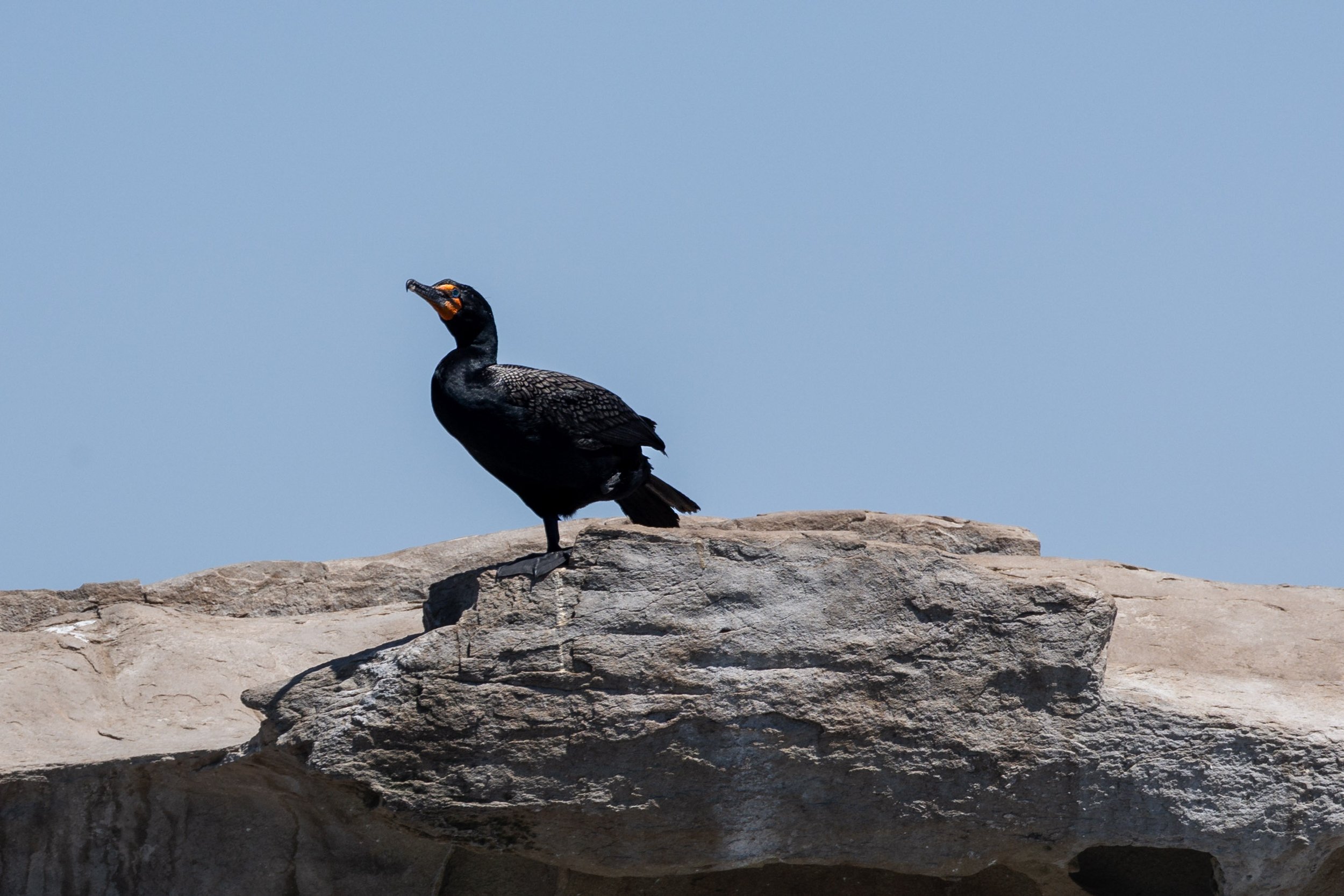
A Cormorant watching from up on the rocks. Photo by Vanessa Vereschahen.
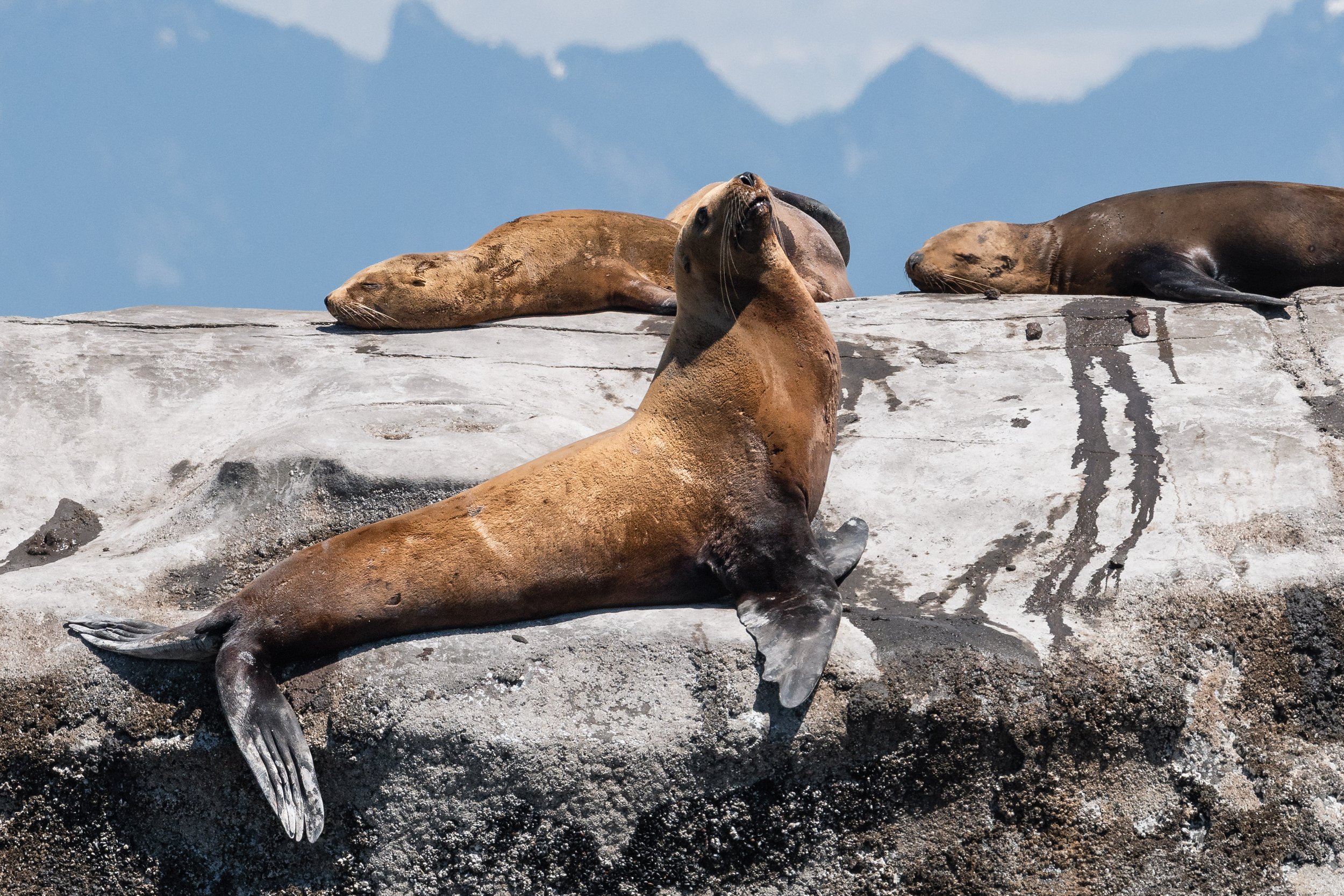
Our Steller Sea Lions can often be seen posing dramatically at their haulouts, as seen here. Photo by Evan Hessels.
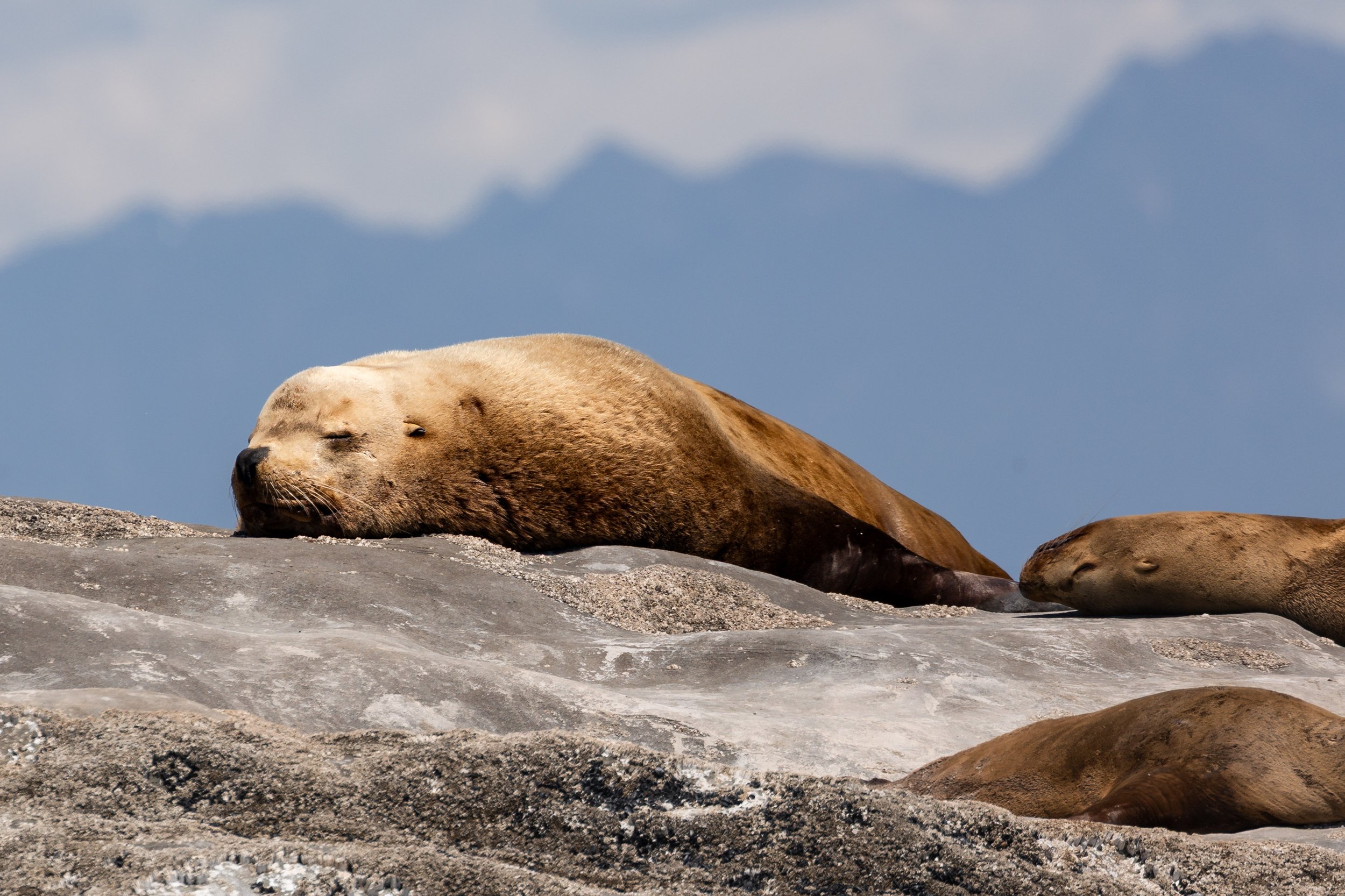
A very large Steller Sea Lion male dozing in the sunshine. Photo by Vanessa Vereschahen.