
June 1, 2026, 10:30 AM - T-Party in Trincomali Channel
It was another beautiful day to spend on the water, with the sun shining overhead, we were all happy to climb aboard our two vessels, Kula and Cascadia and start our search of the Salish Sea. Since the winds made the Strait of Georgia a little choppy today, we decided to look south into the Southern Gulf Islands. Our boats spread out after crossing the narrow passageway of Dodd Narrows and entering Stuart Channel.
Spreading out like this covers more area, increasing our chance of coming across whales in our travels. It was the Semi-covered boat that found the whales today as they were cruising Trincomali Channel. The light had caught the blows of this large group, drawing the crew's attention. They quickly slowed down and got into position, grabbing out the camera to start snapping some ID photos. The captain shared the news of their find, and the open boat headed over to join the fun of watching what quickly became a T-party in action. There were 3 pods spending time together today, with a total of 10 whales present. It was the T101s, T123s, and the T124A4s spending time together, moving quickly north in Trincomali Channel.
T101 Reef ♀ (≤1969)
T101A Rush ♂ (1993)
T101B Lagoon ♂ (1997)
T123 Sidney ♀ (~1985)
T123A Stanley ♂ (2000)
T123C Lucky ♀ (2012)
T123D Darcy ♀ (2018)
T124A4 Sabio ♀ (2010)
T124A4A Strix ♀ (2021)
T124A1A Sabine (2024)
A lot of the time, with large gatherings of individuals like this, they move quite slowly, taking time to socialize with these “new” whales outside their own matriline. But that wasn’t the case today, as these whales maintained a pace between 5 and 7 knots the entire time we watched them. We can speculate about why they were moving so quickly, maybe trying to catch up with other whales or chasing each other in a playful manner. We never saw any other whales join this group, even when we saw them again on the afternoon tour, so it remains a mystery why they kept such a fast pace.
Their speed led to some really great looks at these animals, though, as they came high out of the water, showing us a bit more of their white patches than we would see with a slower pace, like their eye patches and saddle patches. The youngest whale in this group, T124A1A Sabine, was also having to move extra fast to keep up with the older, larger whales, so we saw them porpoise every once in a while. Porpoising is when whales come up out of the water to help them move faster, since travelling with more of their body in the air reduces the drag they face compared to moving entirely through the water.
Some of this white colouration is also found along their bellies, helping them blend in with their environment. It’s called countershading, and many aquatic animals have it in some form. It’s when the top half of the body is dark, and the bottom half is light. This helps them blend in when viewed from the top or the bottom, the light colour blending with the sunlight, and the dark colour blending into the ocean's depths. But did you know that it also helps them blend in from the side? When the light hits the tops of their bodies, it reflects off the darker surface, making them look more like the lighter ventral half. This can help break up their body shape and remain undetected as they sneak up on their prey.
There was no sneaking up today, with how many whales were present and how fast and obvious they were! Lucky for the whales, they have plenty of food and fat reserves that help power them during times when they may not have as high a chance of catching prey.
We enjoyed watching this fast-moving group before it was time to bid them farewell. We headed towards Valdes Island, through Gabriola Pass, and into the Strait of Georgia. Here, just south of the pass, is a great place to spot both Harbour Seals and Sea Lions: Stinky Rock! As we pulled up, we saw both of these species using different sections of the rocks. We were also surprised to see a lone California Sea Lion on here, not far from a Bald Eagle that was posing on the beautiful sandstone formations. While the Harbour Seals are here year-round, both sea lion species should be leaving us for the summer, and most of the places we're used to seeing California Sea Lions over the winter are now empty. This last individual must have just missed the boat and will be migrating slightly later than the majority of the others. We see this difference in departure and arrival times among all migrating animals in the area, so it’s not unheard of to have sightings like this after we expect them to be gone.
The Steller Sea Lions are also supposed to be leaving us for their breeding grounds pretty soon, but we usually have some of the younger individuals stick around in the area, focusing on eating and growing so they can be more successful when they eventually do migrate.
On the way back to Nanaimo from Stinky Rocks, something caught the crew's eye on the open boat: the white head of a Bald Eagle in the trees. When we approached for a closer look, we noticed they were sitting on a nest, and, much to our delight, we could even see a chick inside! Typically, Bald Eagle nests are so huge that you can’t get a good look at the chicks until they are much larger, but this must be a relatively new nest because we could see the baby's grey head. We enjoyed our time watching the adults feed them, but didn’t want to stay too long and cause any disturbance, so we continued on to Nanaimo.
It was an amazing tour packed with wildlife sightings, all of which were captured in photos by the onboard Marine Naturalists Val Watson and Aly Kohlman, and are available for you to enjoy below!
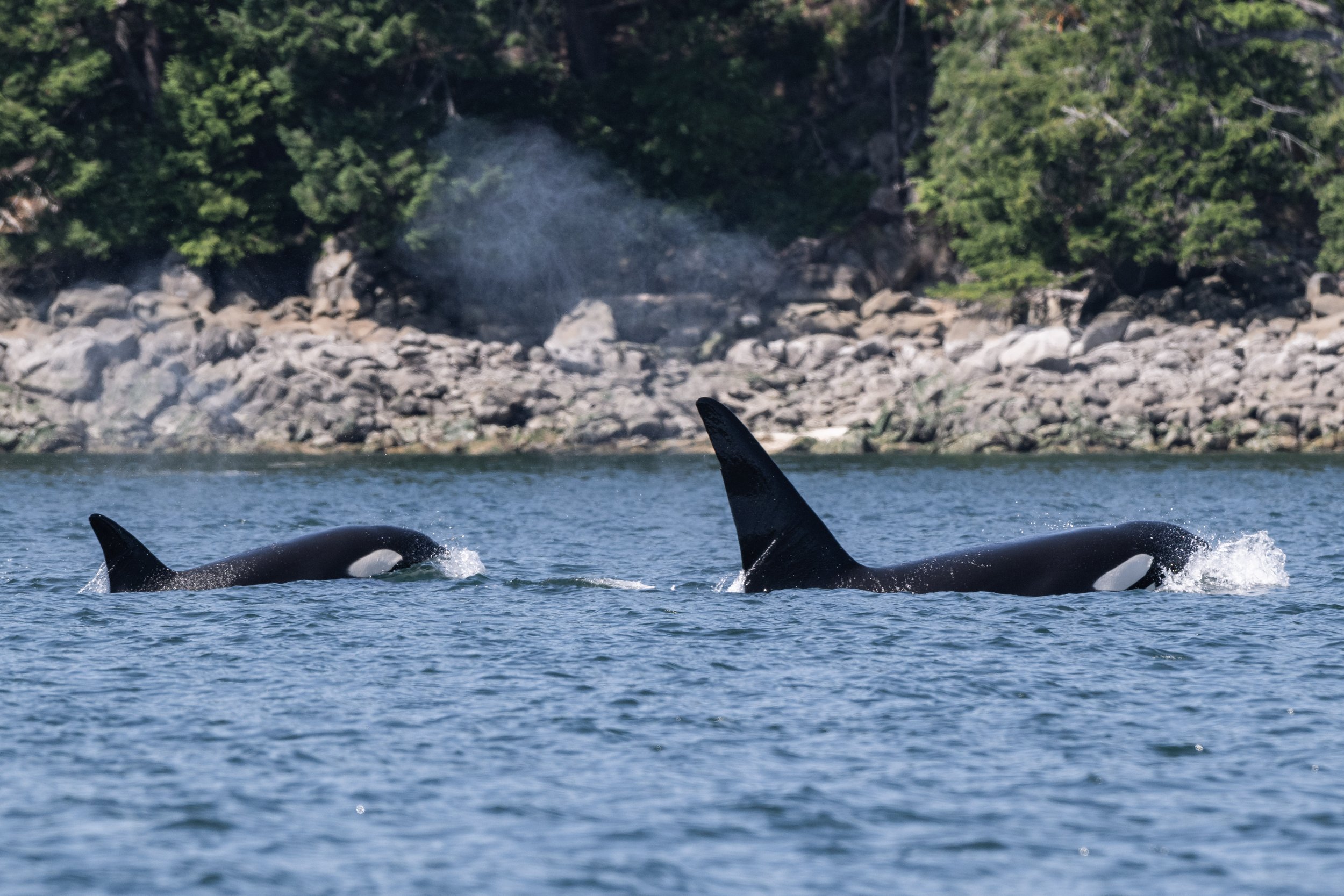
T123A Stanley surfacing ahead of T123C Lucky. Photo by Aly Kohlman.
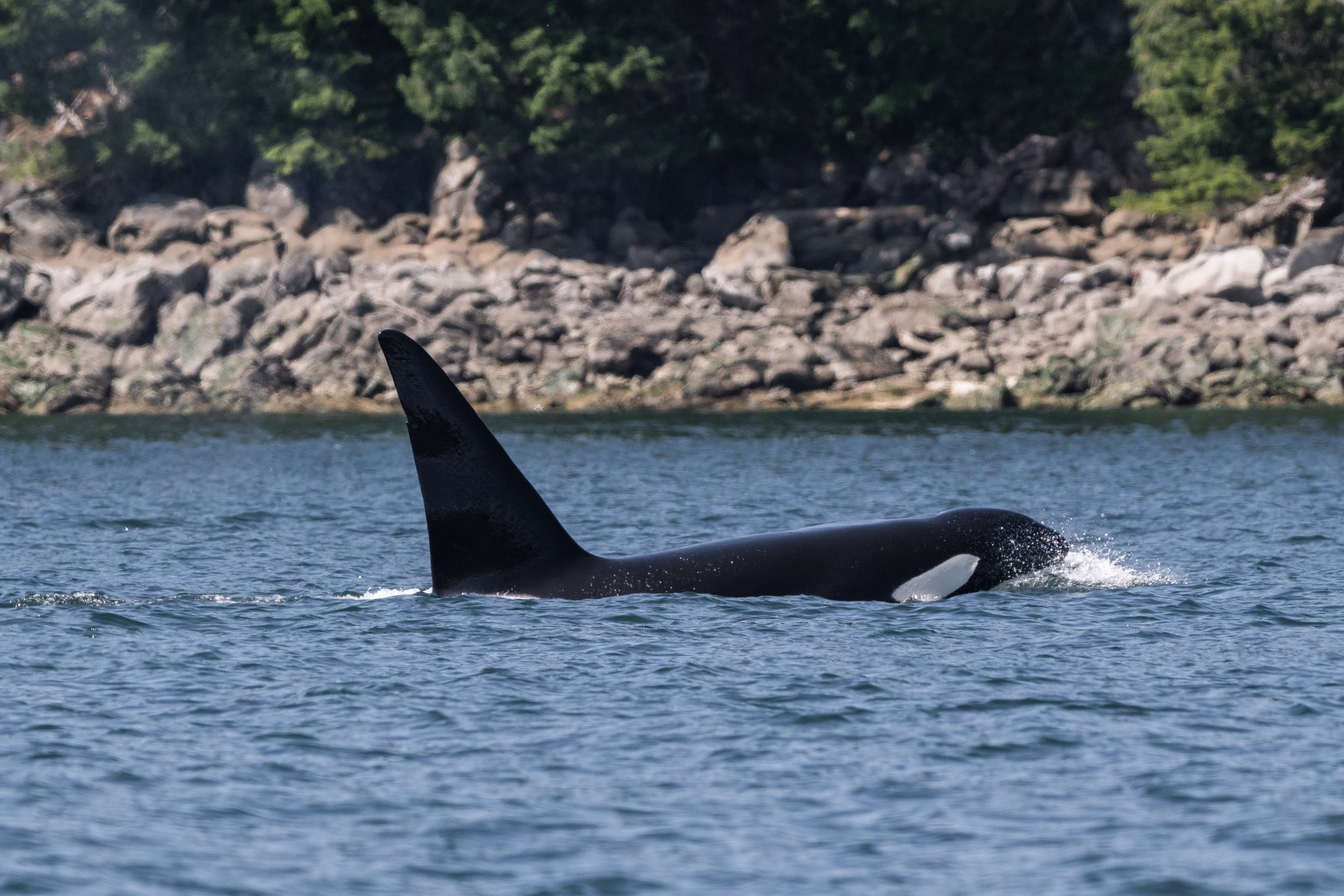
A great look at T123A Stanley. Photo by Aly Kohlman.
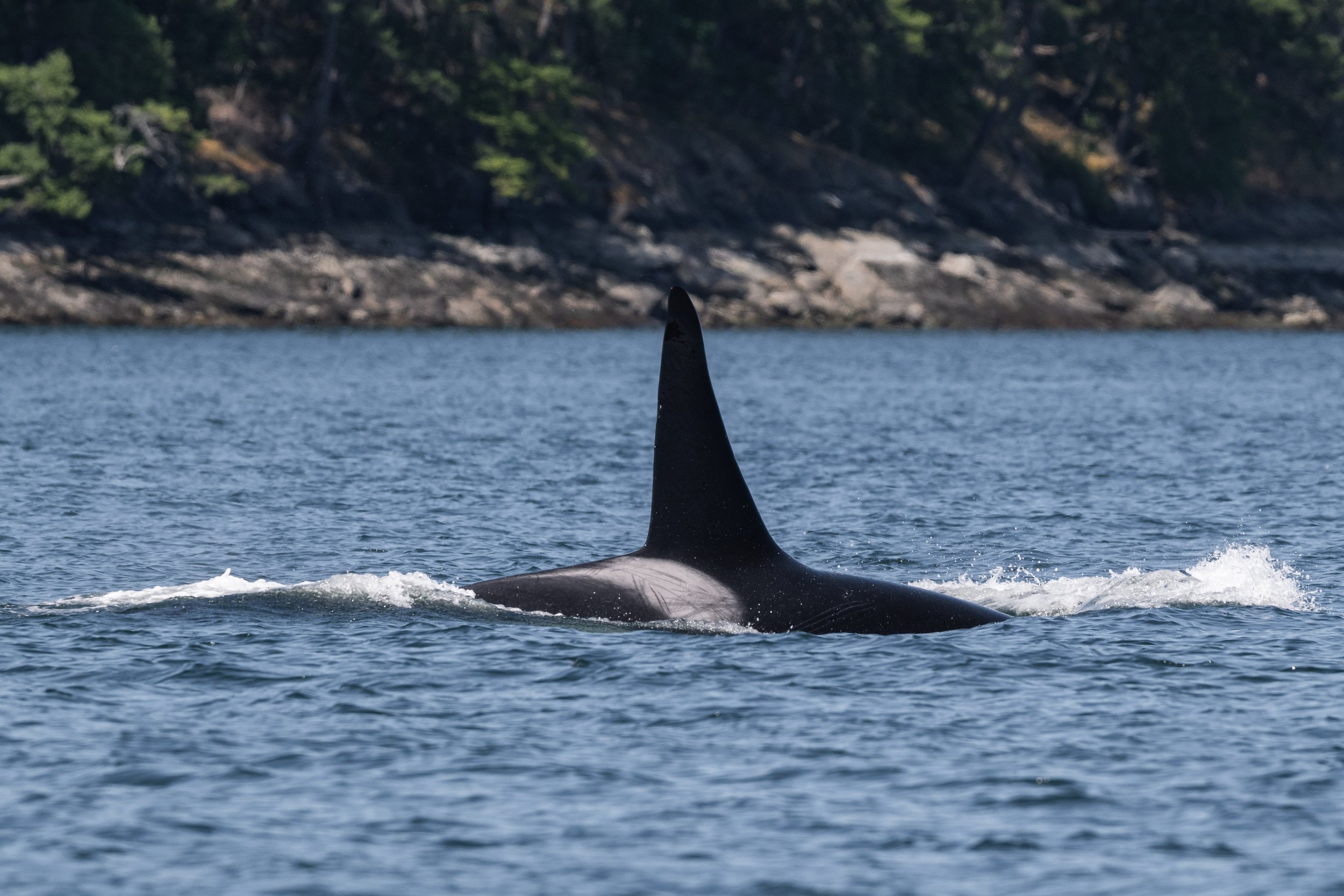
T101B Lagoon showing off his scarred saddle patch. Photo by Aly Kohlman.
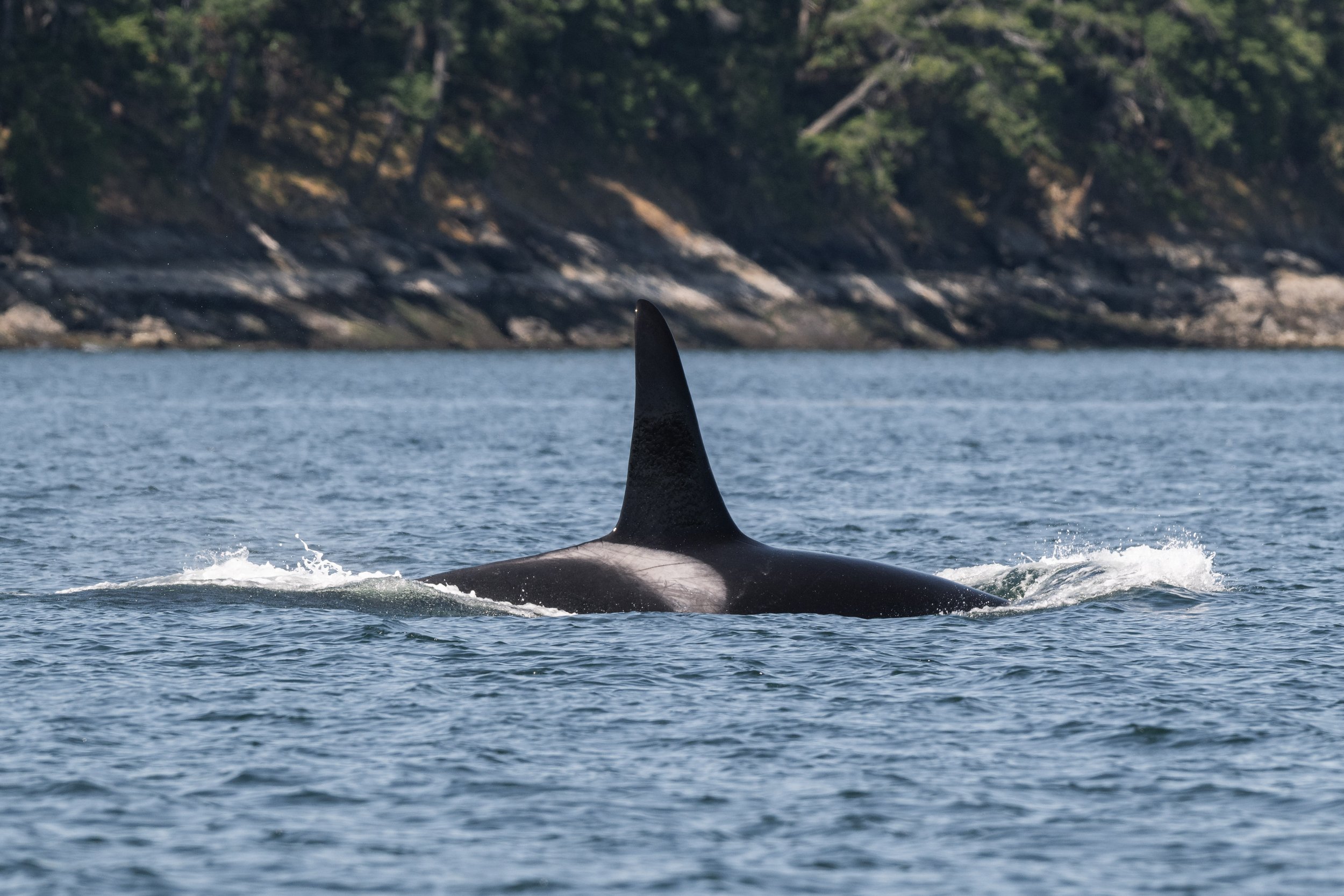
T101A Rush also has a lot of scars. Photo by Aly Kohlman.
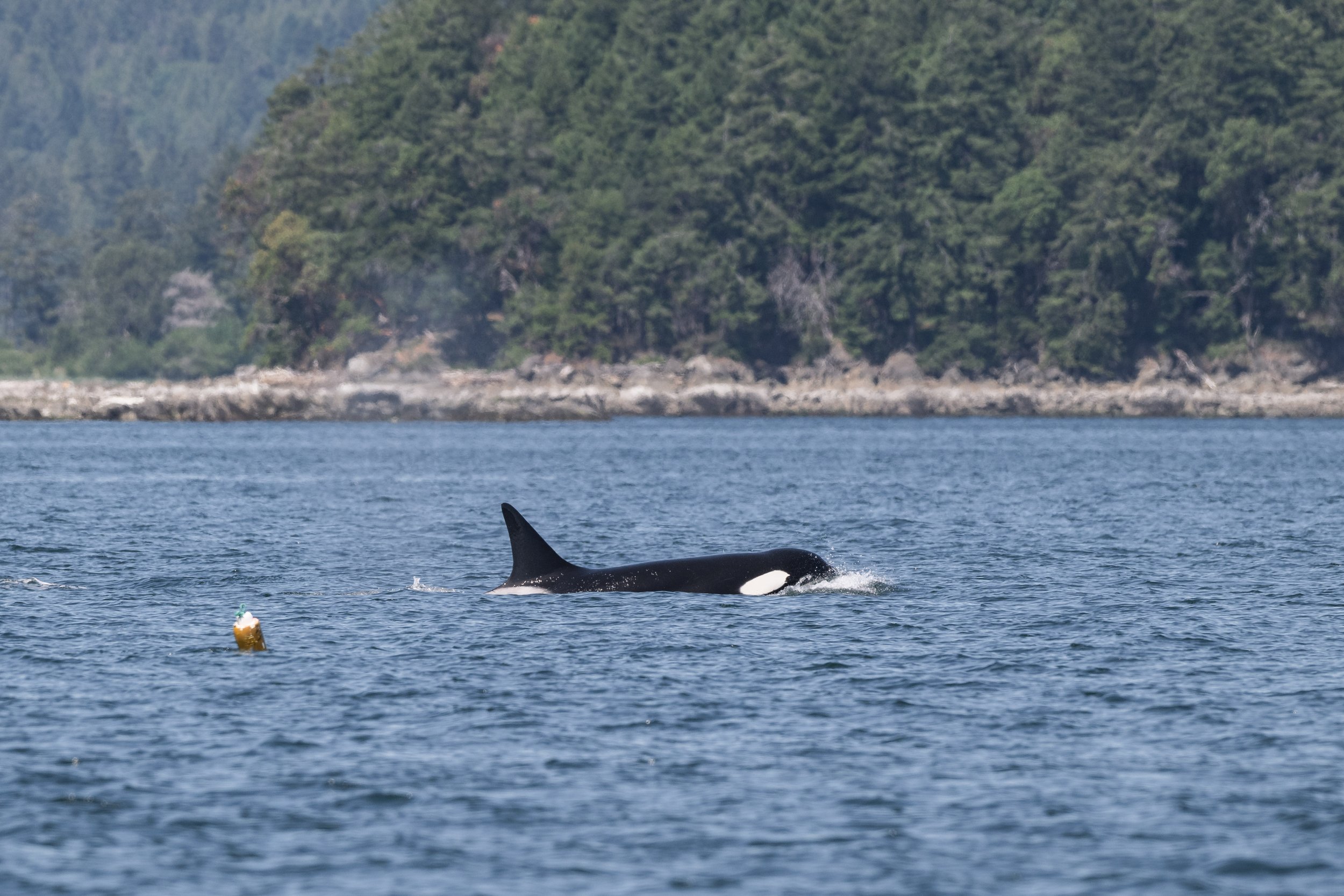
T101 Reef surfacing next to a buoy. Photo by Aly Kohlman.
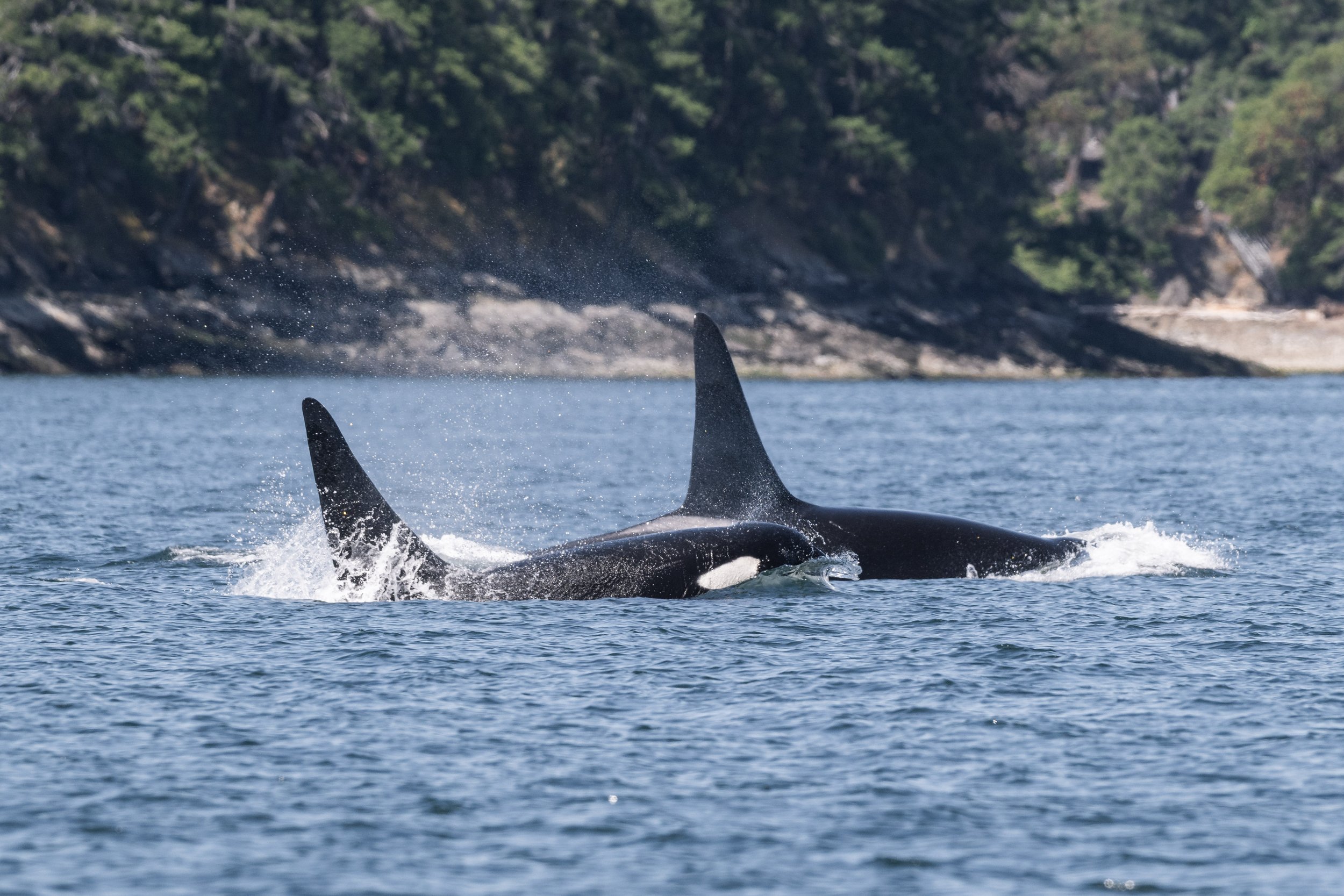
T101A Rush (background) and his brother T101B Lagoon (forground) surfacing in sync. Photo by Aly Kohlman.
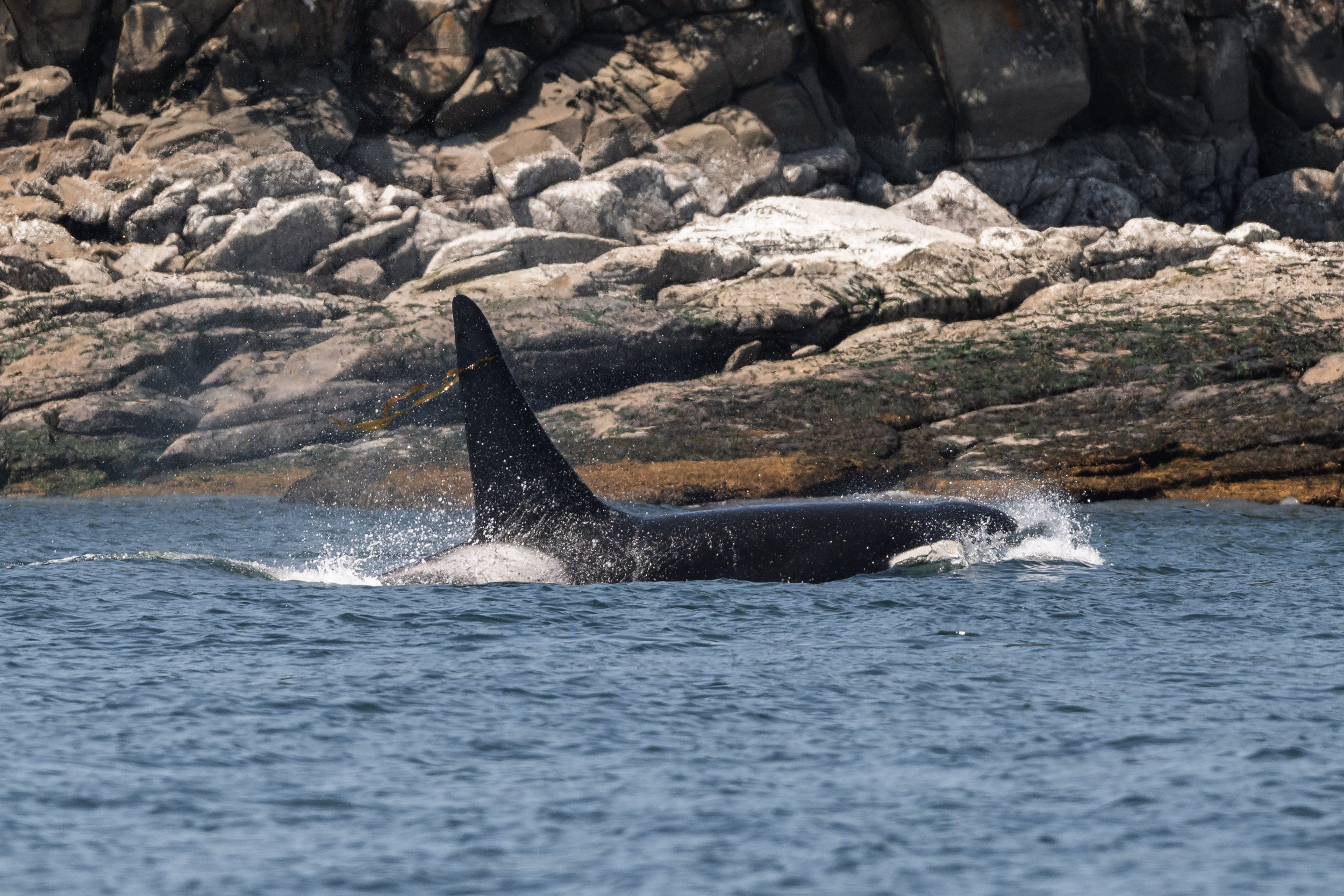
T101B Lagoon with some kelp draped off his dorsal fin. Photo by Aly Kohlman.
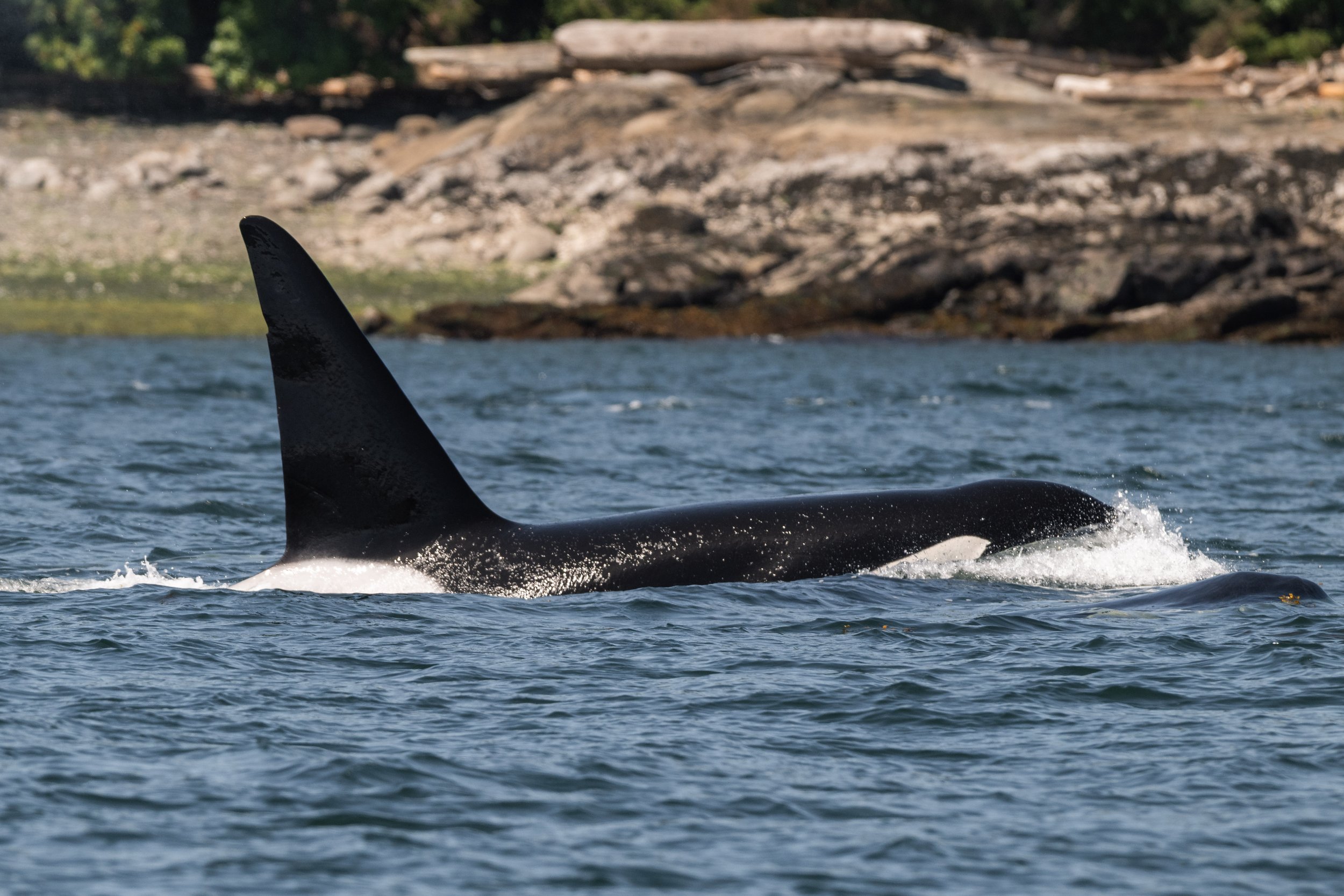
Stanley surfacing with his sister about to break the surface beside him. Photo by Aly Kohlman.
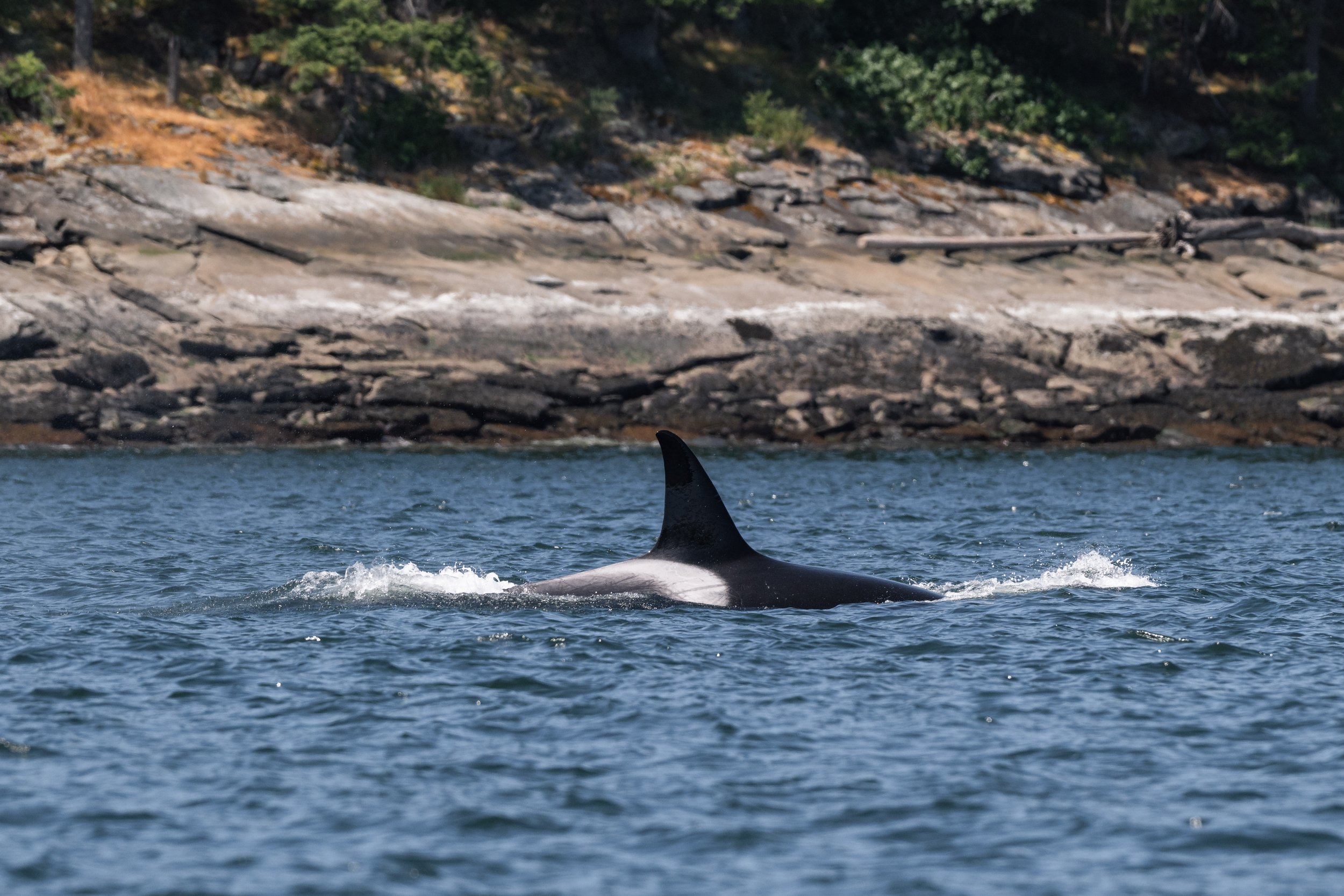
T123 Sidney surfacing with her saddle patching showing. Photo by Aly Kohlman.
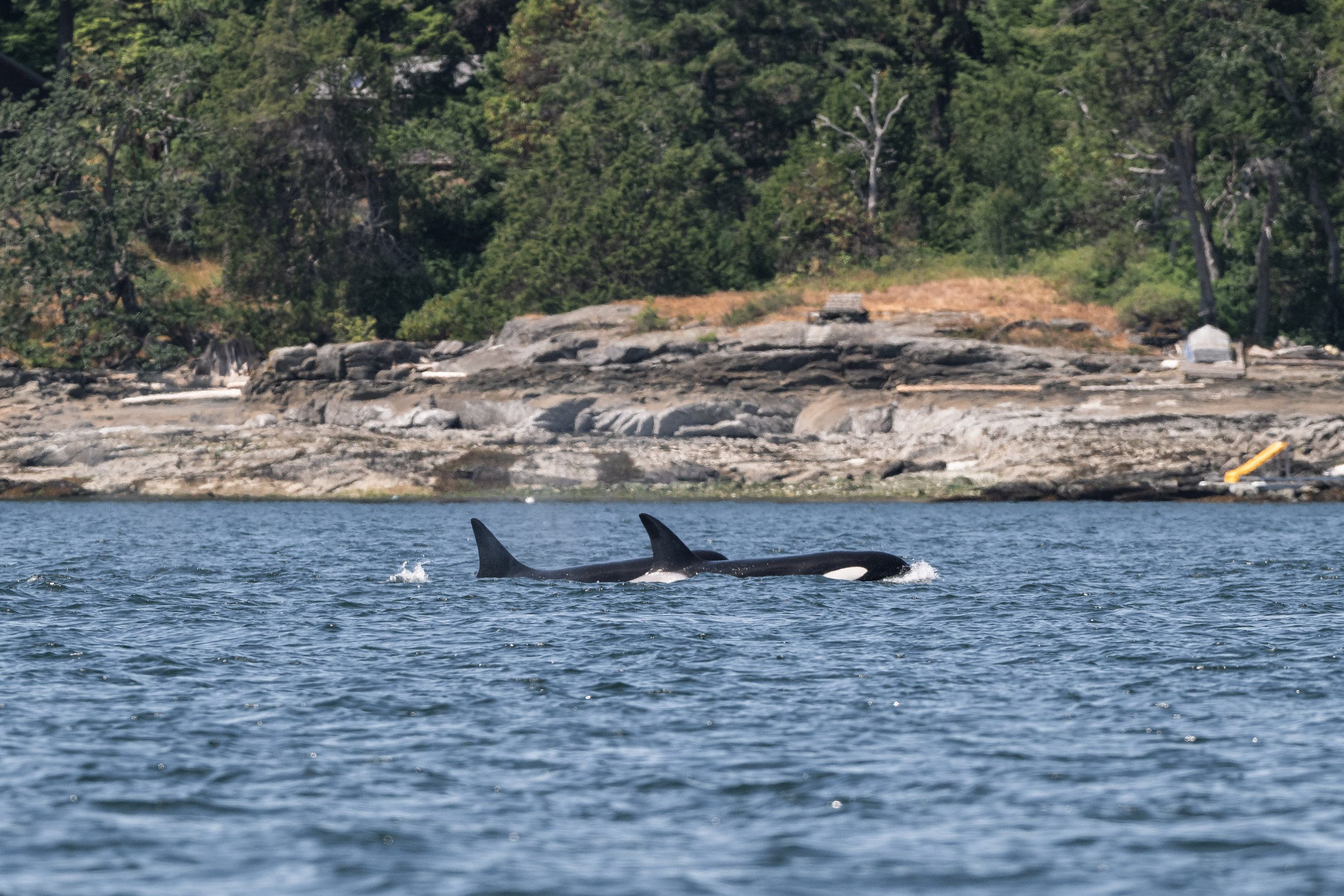
T124A4 Sabio surfacing with T101 Reef. Photo by Aly Kohlman.
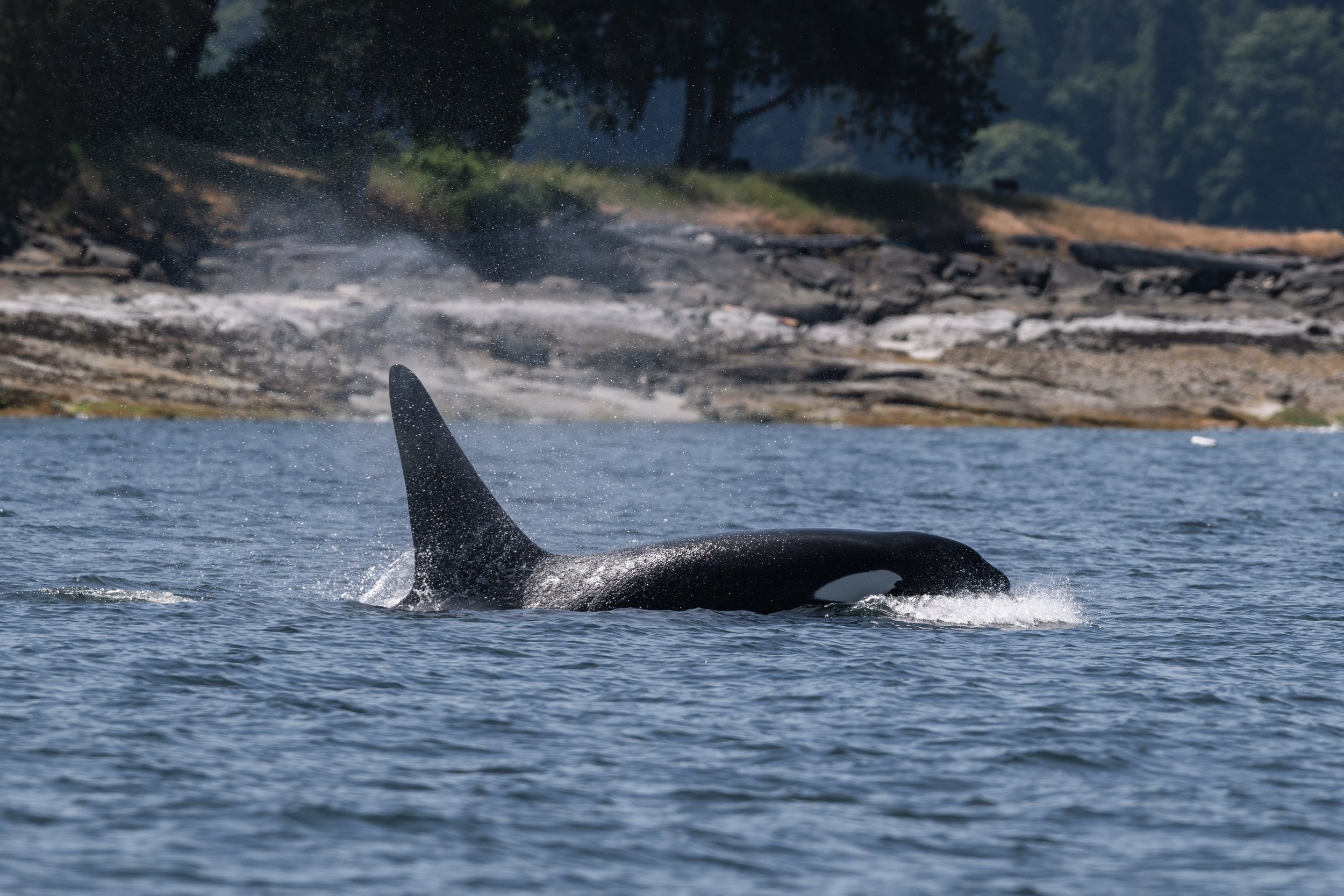
T101A Rush showing his eye patch. Photo by Aly Kohlman.
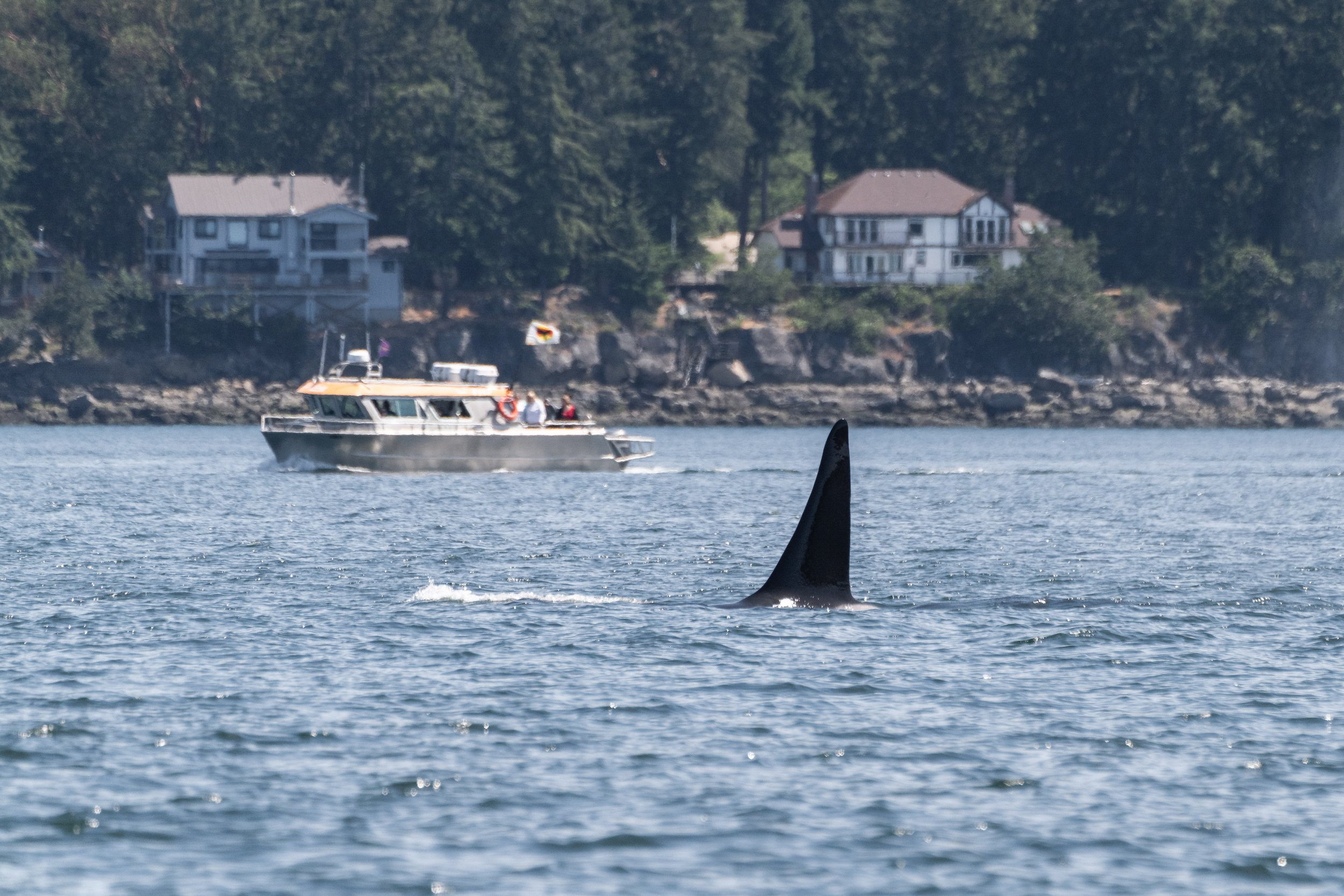
T101B Lagoon surfacing with Kula in the background. Photo by Val Watson.
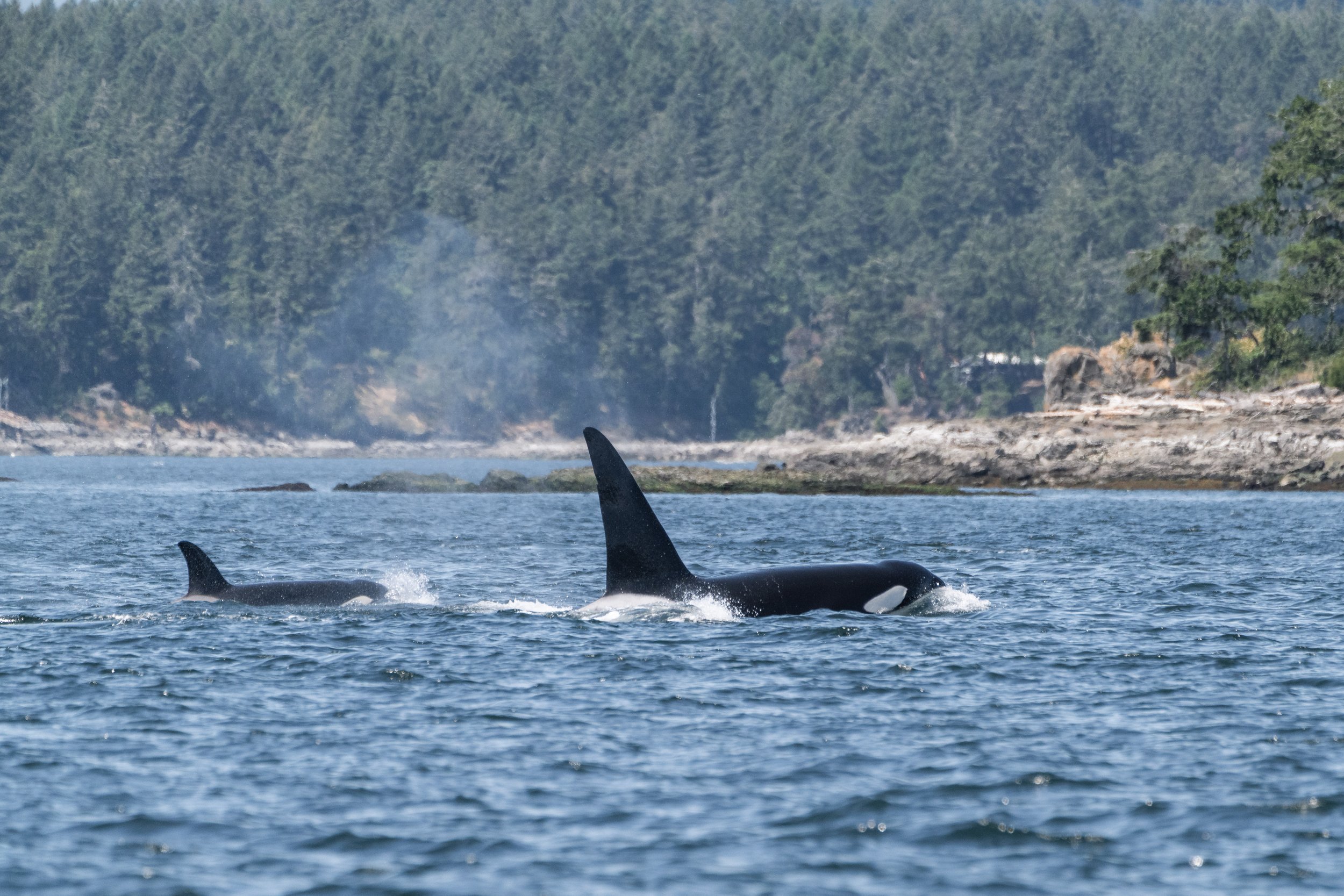
T123A Stanley surfacing with his sister, T123D Darcy. Photo by Val Watson.
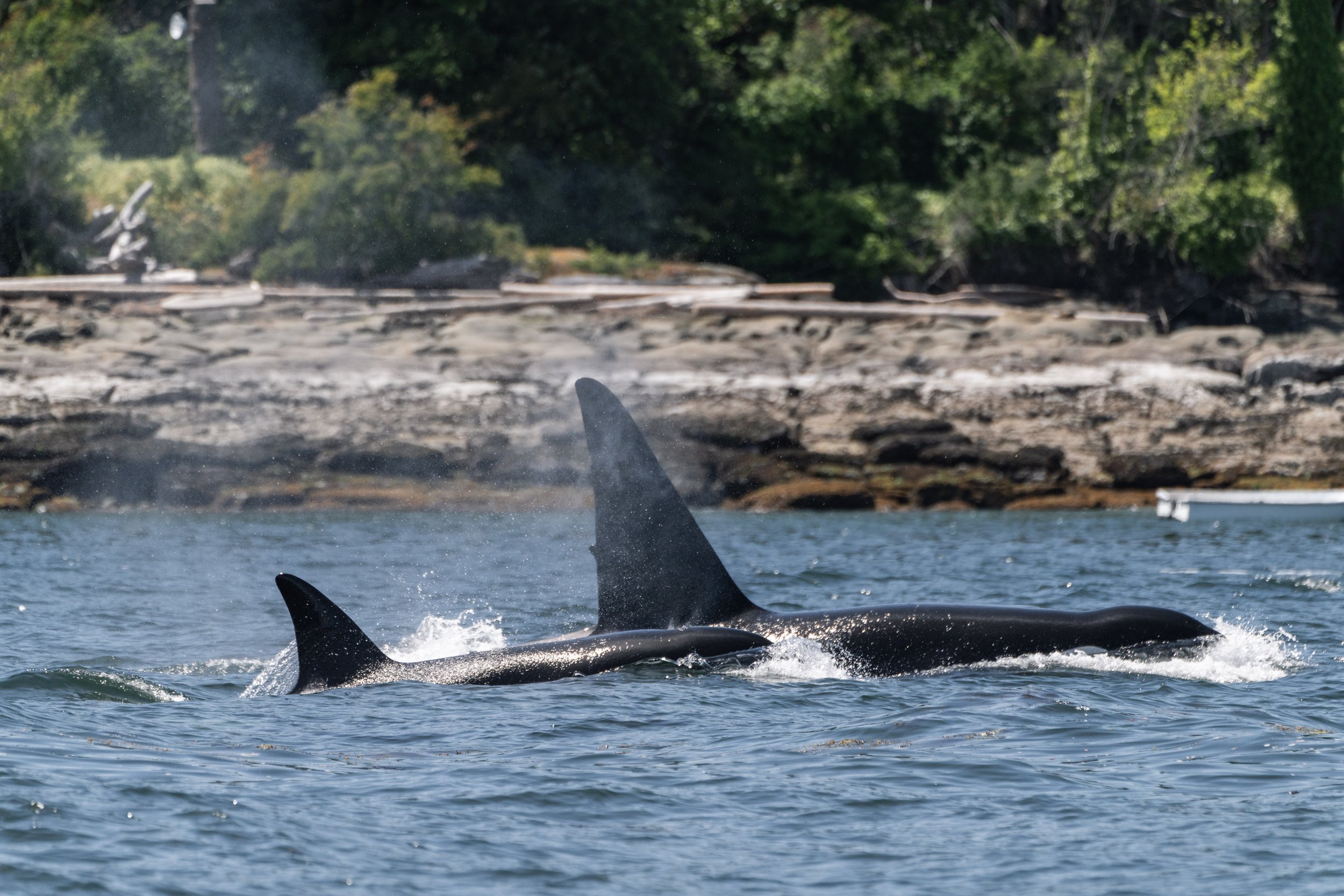
T123A Stanley surfacing with T123C Lucky beside him. Photo by Val Watson.
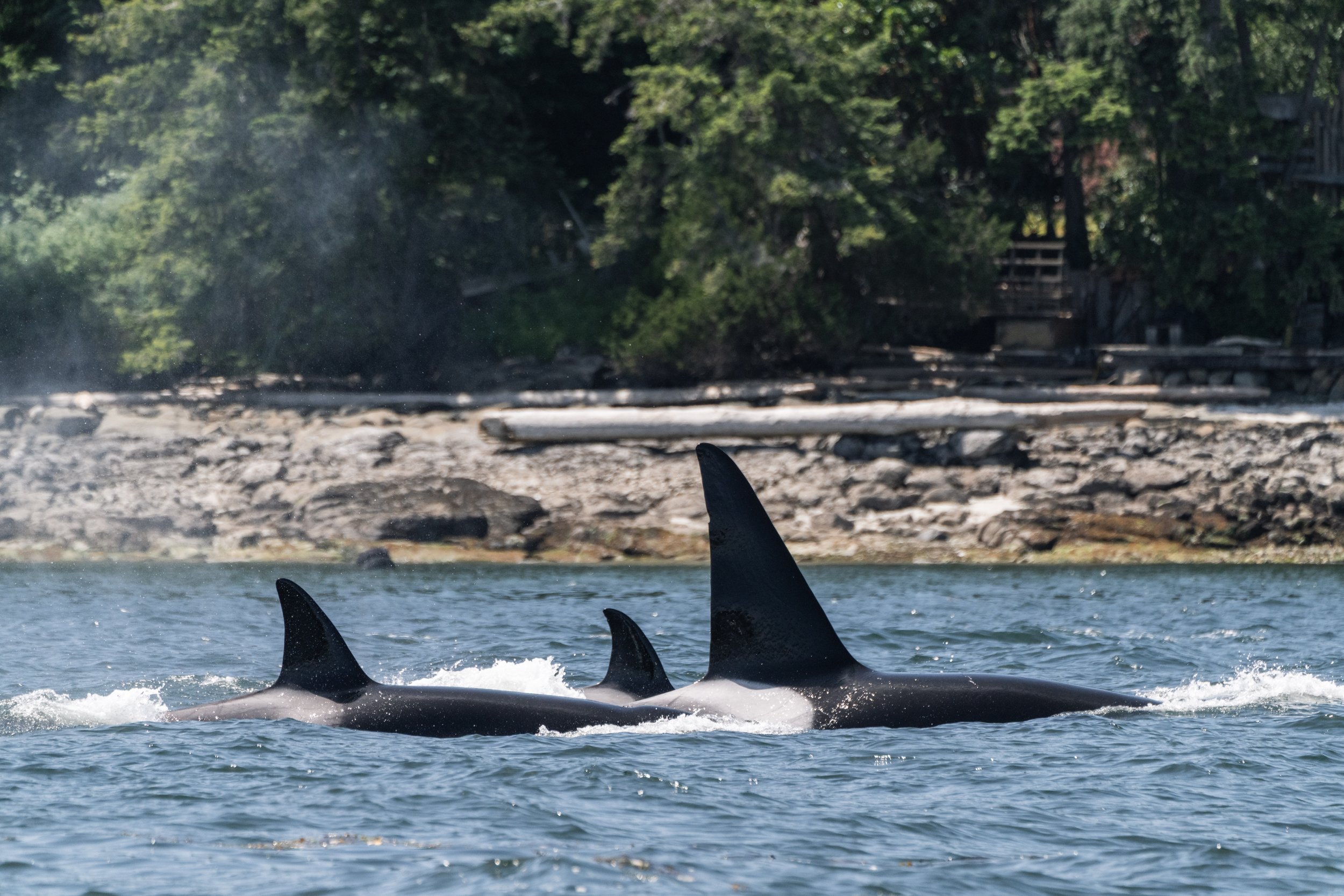
T123A Stanley with his two sisters, T123C Lucky (far left) and TR123D Darcy (middle). Photo by Val Watson.
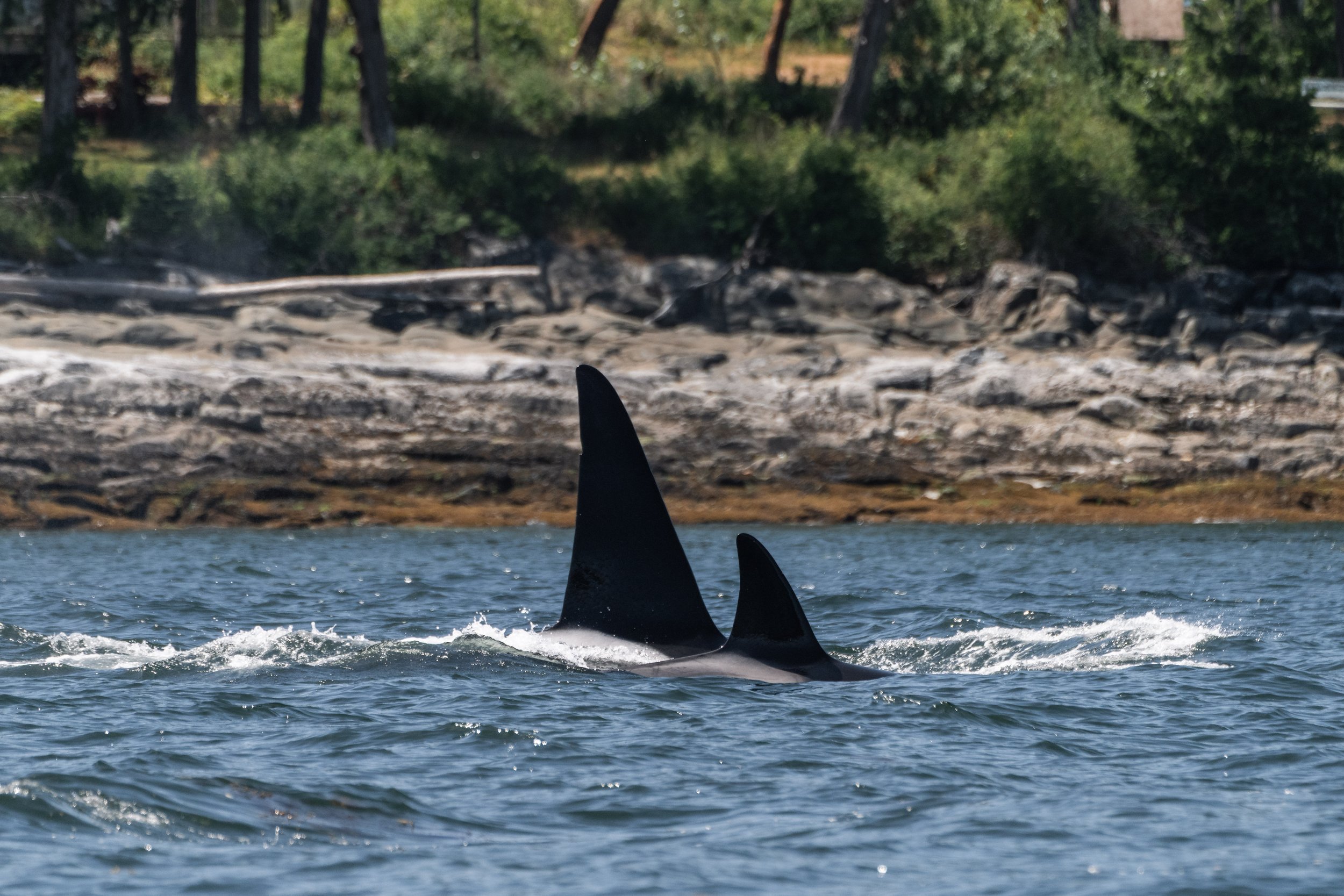
T123A Stanley surfacing with T123C Lucky. Photo by Val Watson.
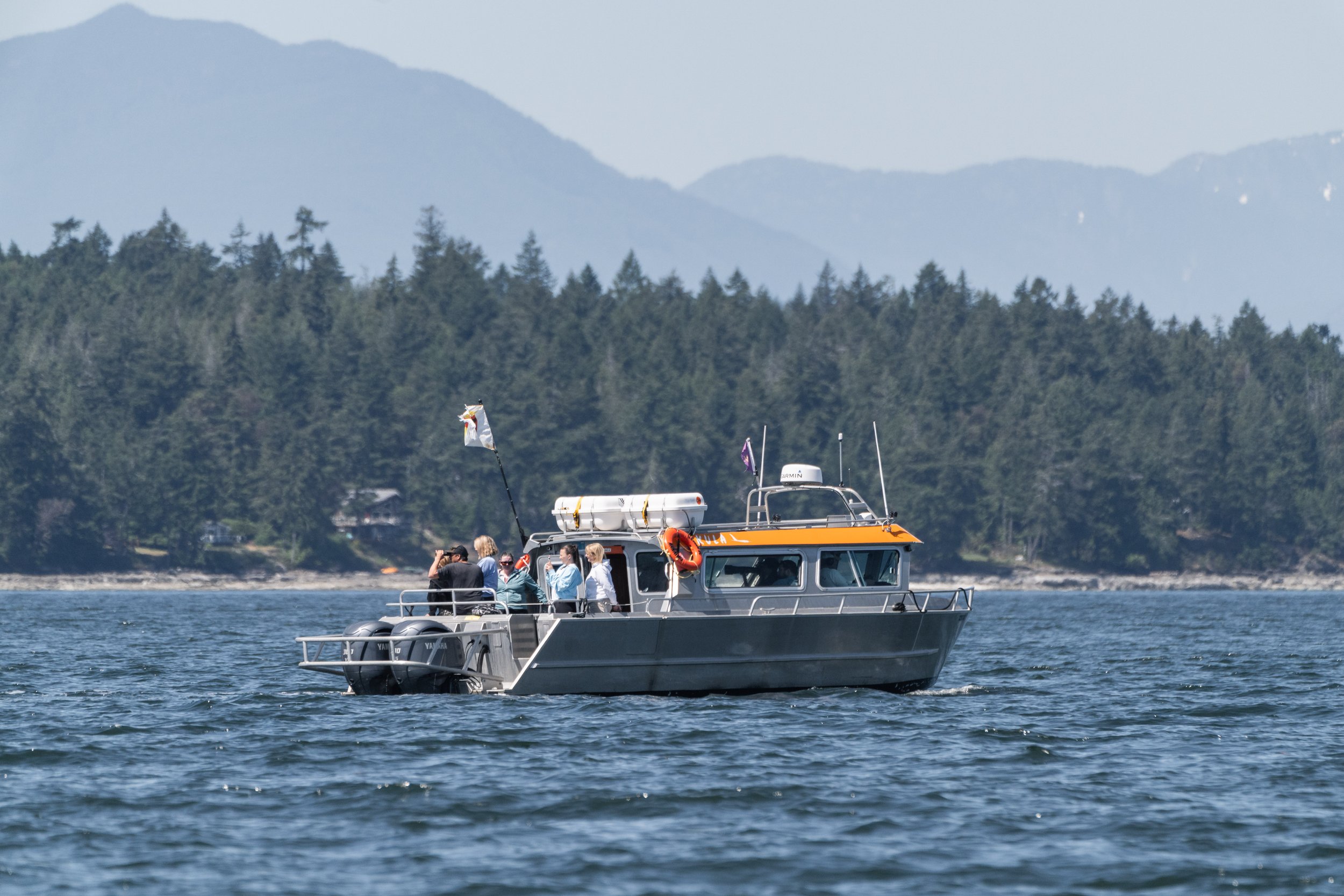
Happy whale watchers on Kula. Photo by Val Watson.
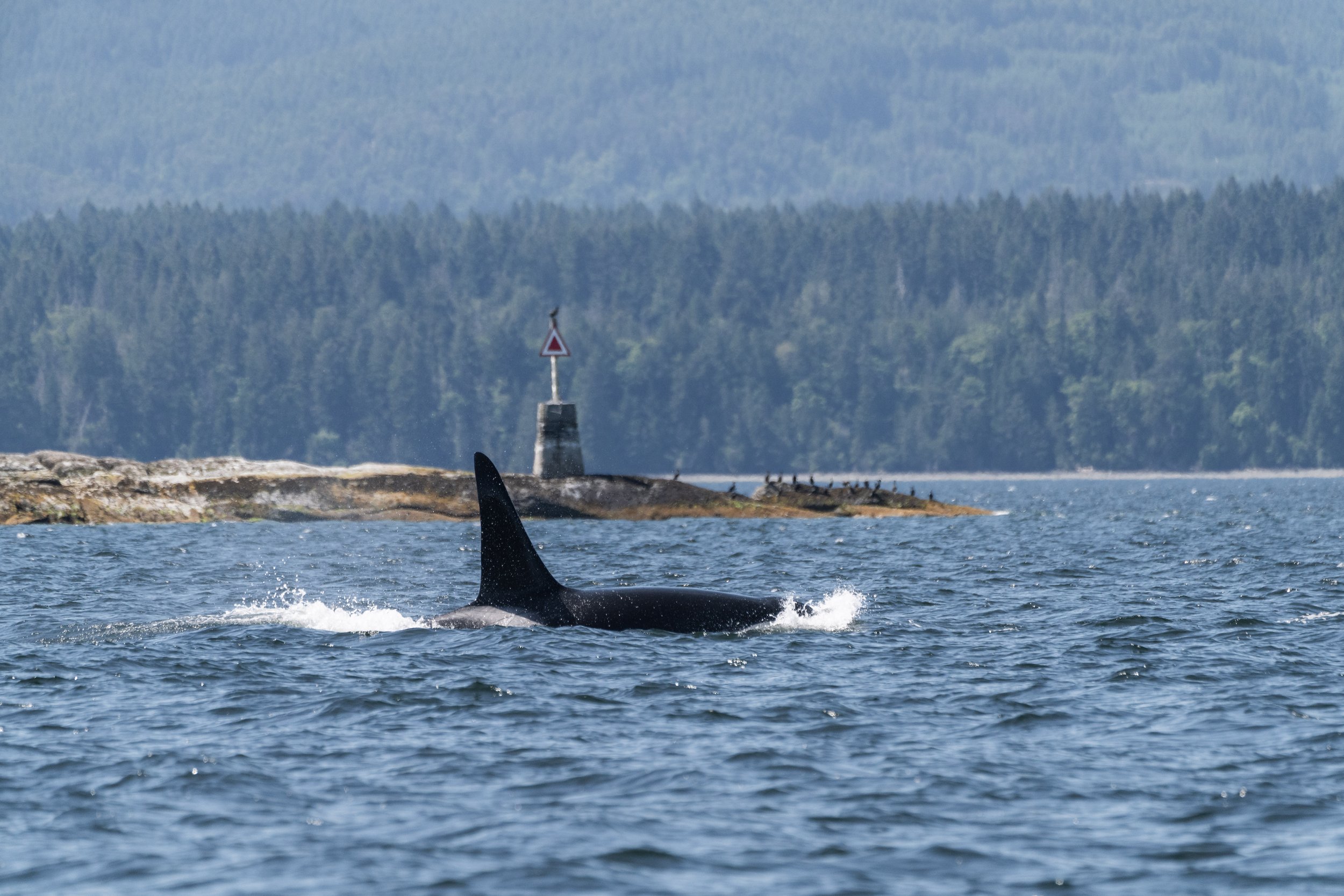
T101A Rush surfacing in the waves. Photo by Val Watson.
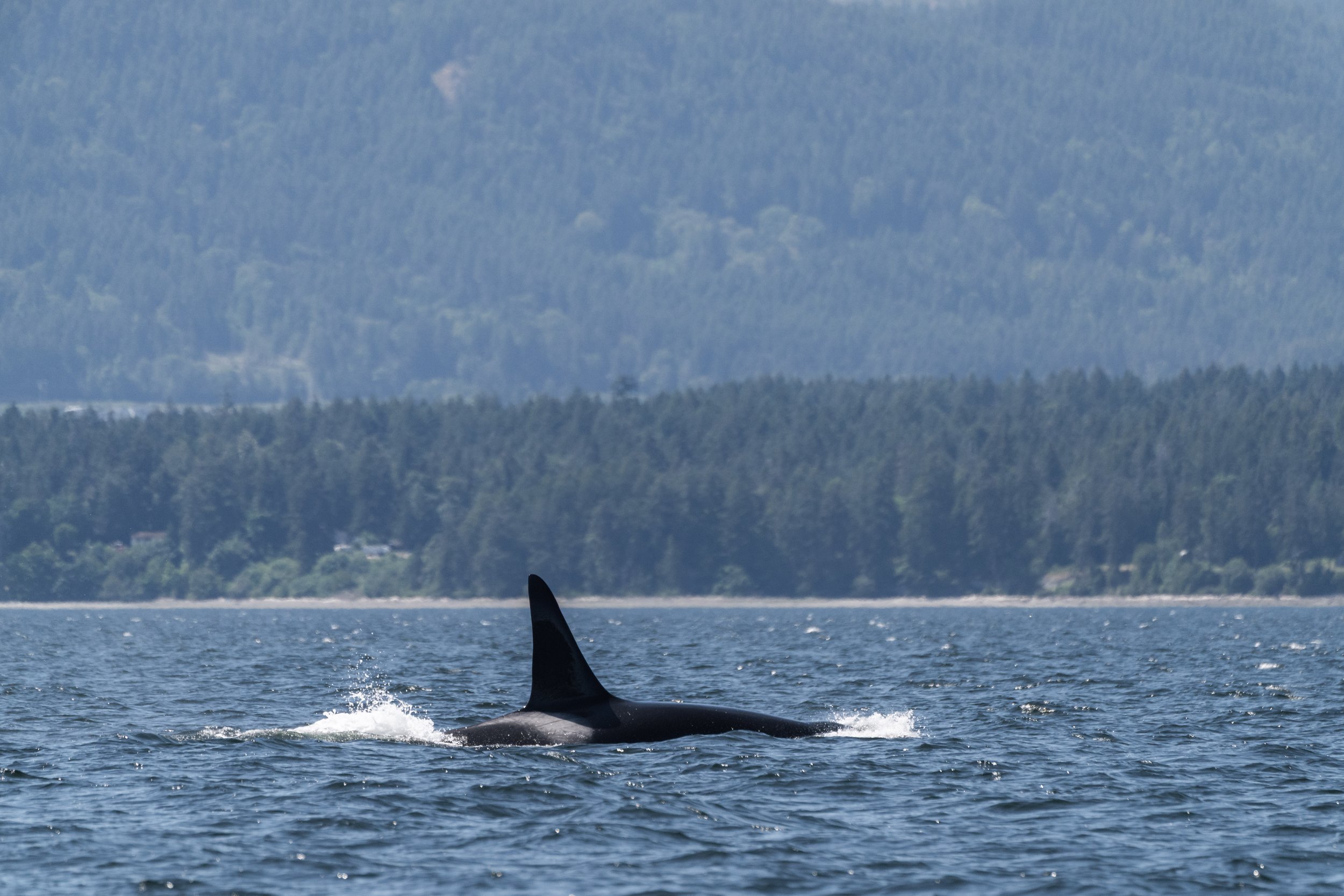
T101A Rush with Cedar in the background. Photo by Val Watson.
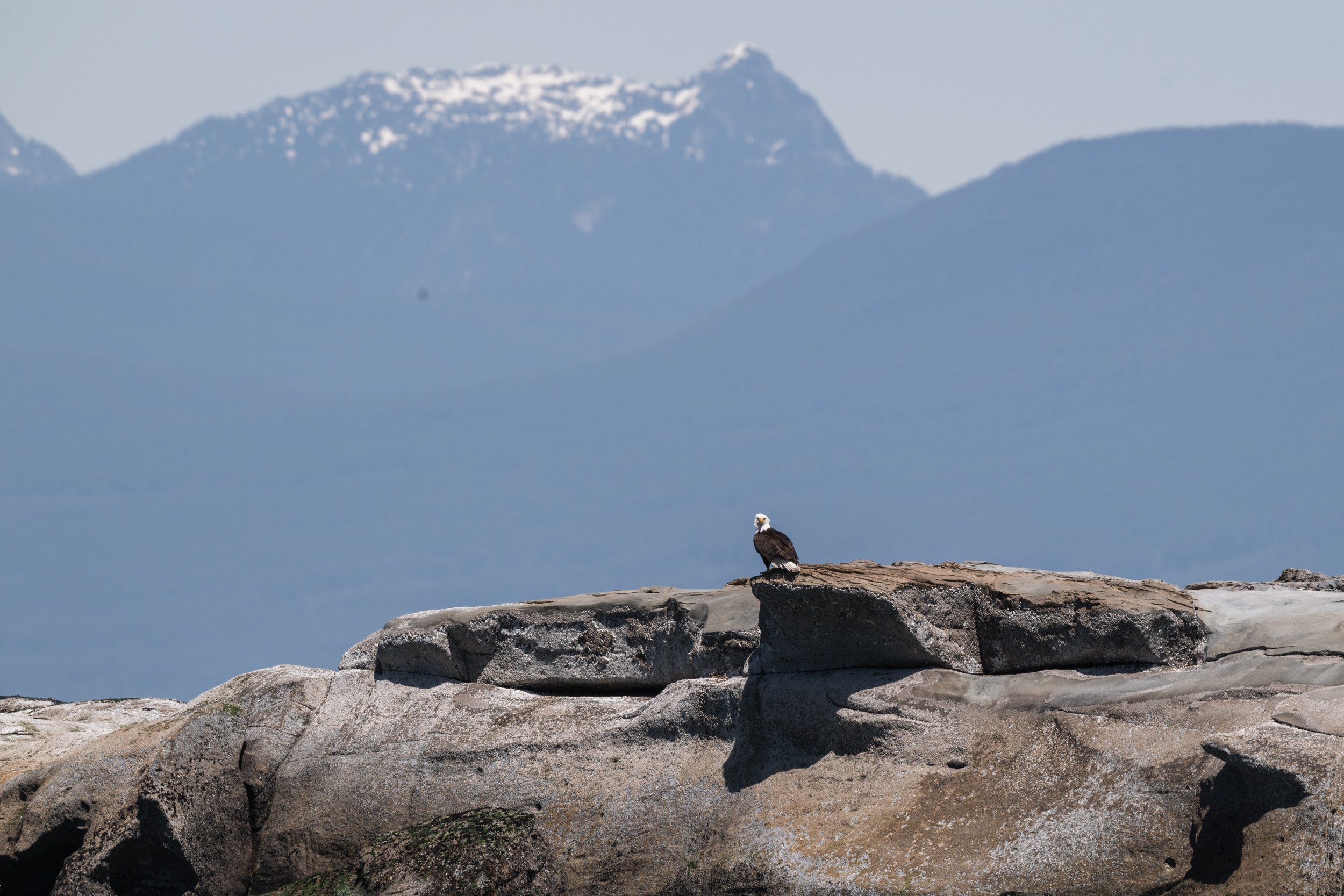
A Bald Eagle Watching us with Mt. Garibaldi in the background. Photo by Aly Kohlman.
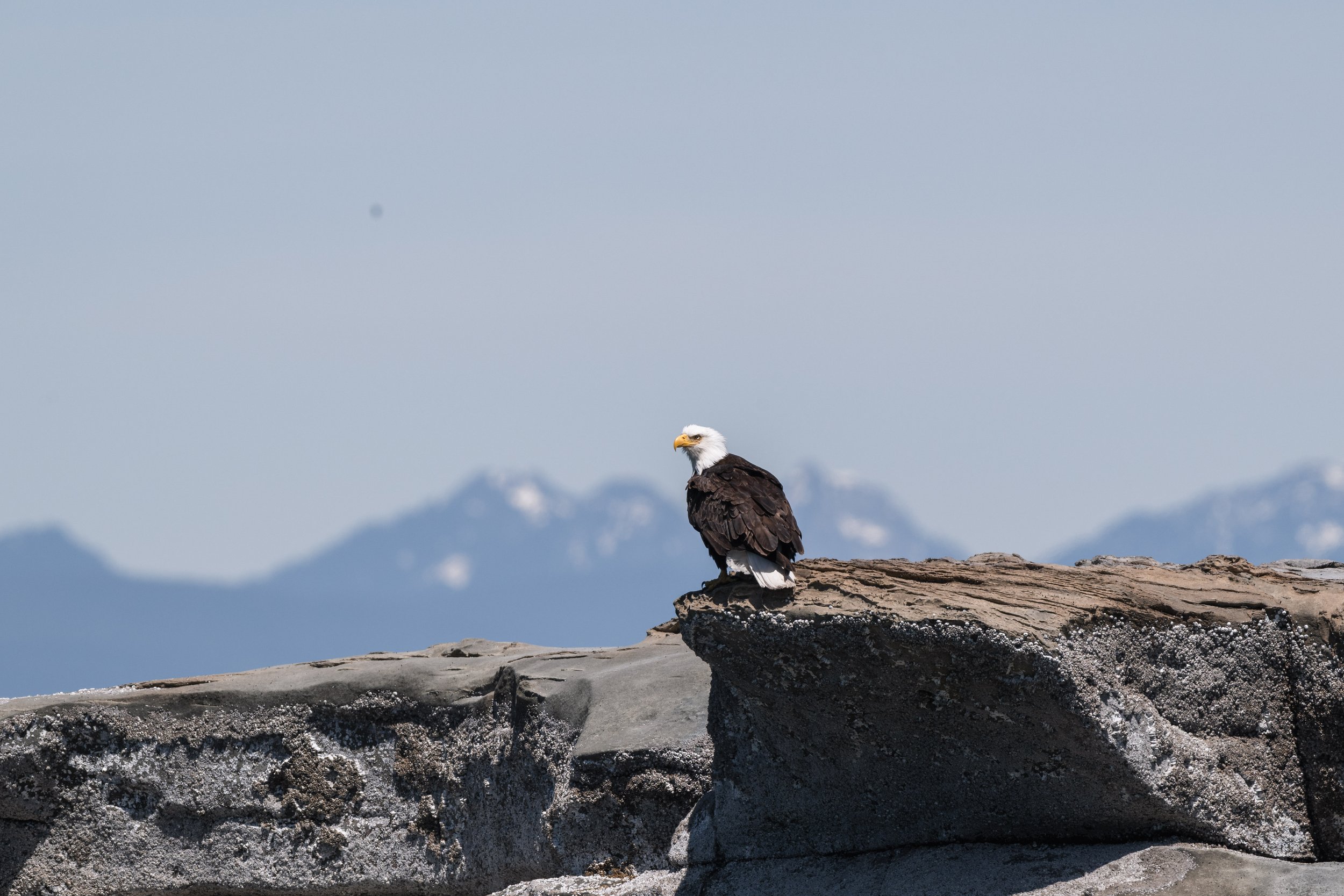
A closer look at the Bald Eagle. Photo by Aly Kohlman.
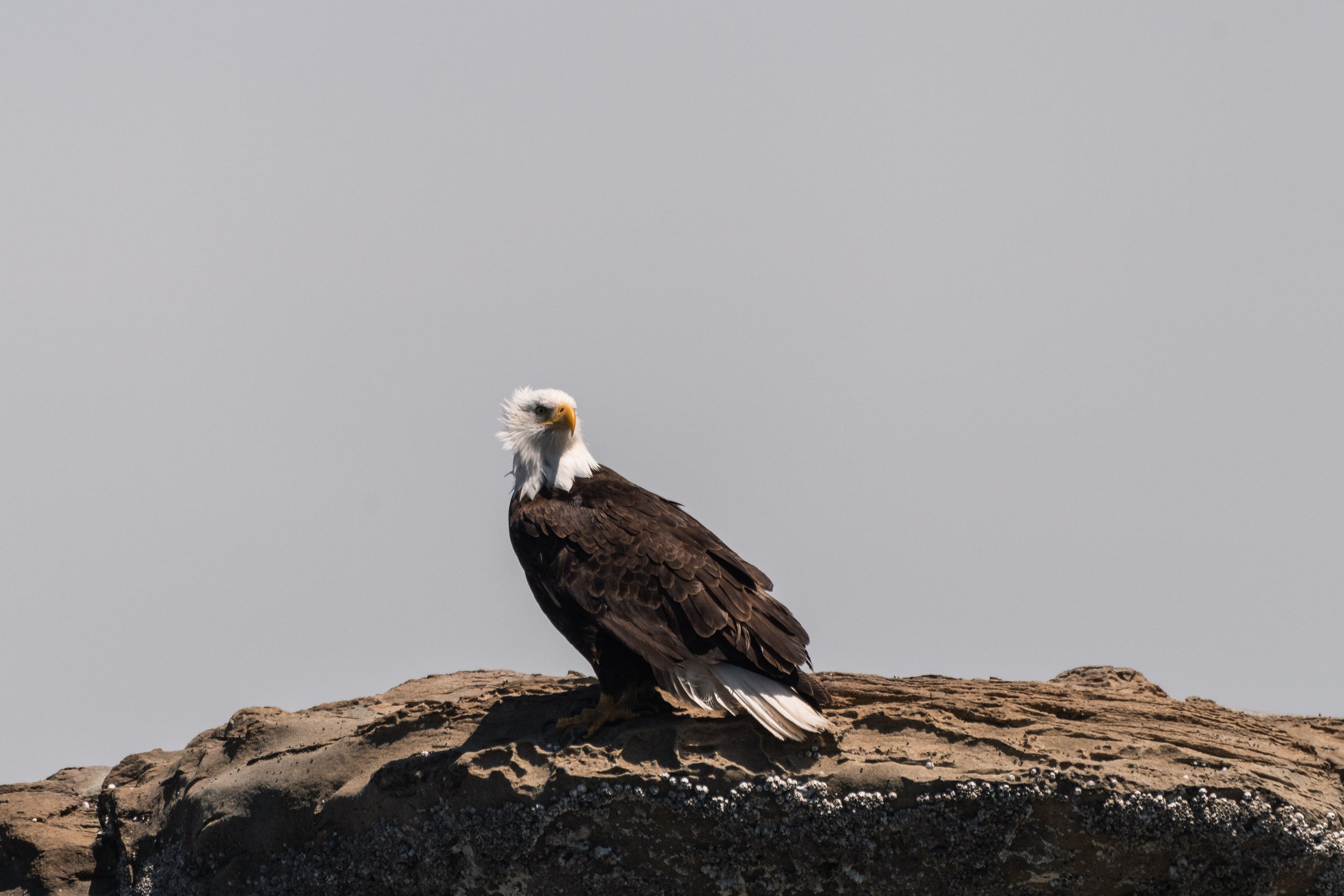
A Bald Eagle ruffled in the wind. Photo by Val Watson.
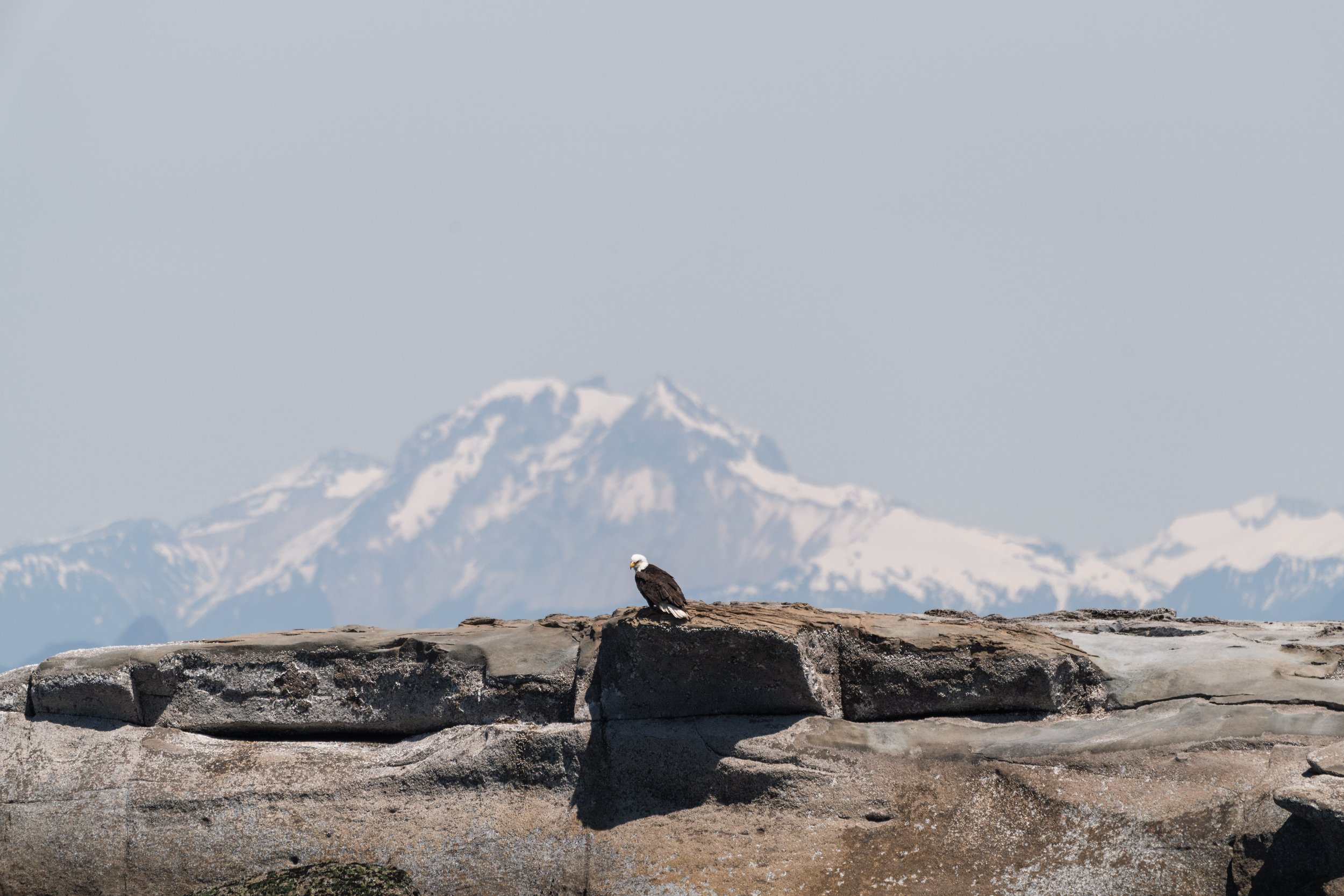
The bald eagle with Mt. Garibaldi in the background. Photo by Val Watson.
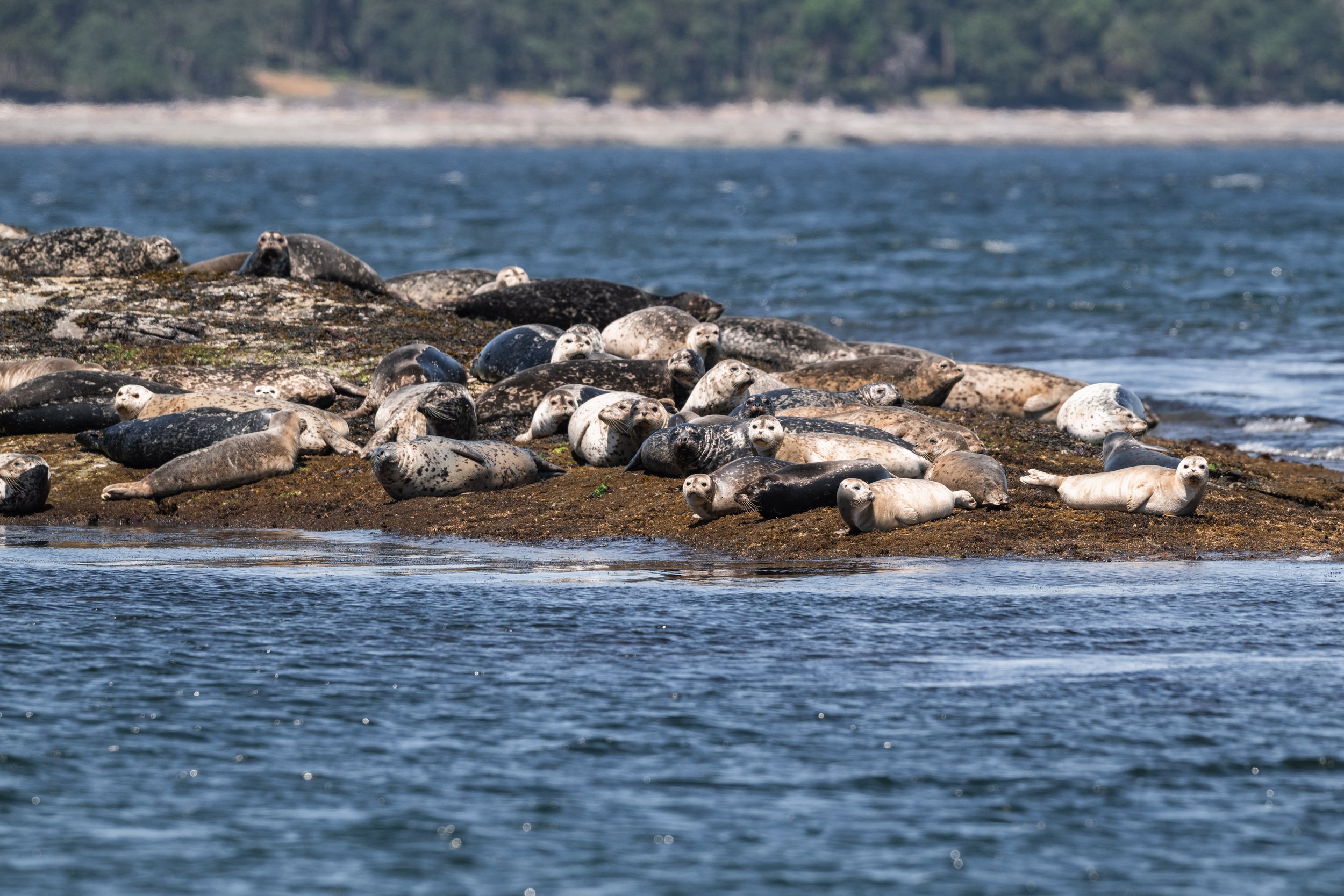
Harbour Seals watching from the rocks. Photo by Aly Kohlman.
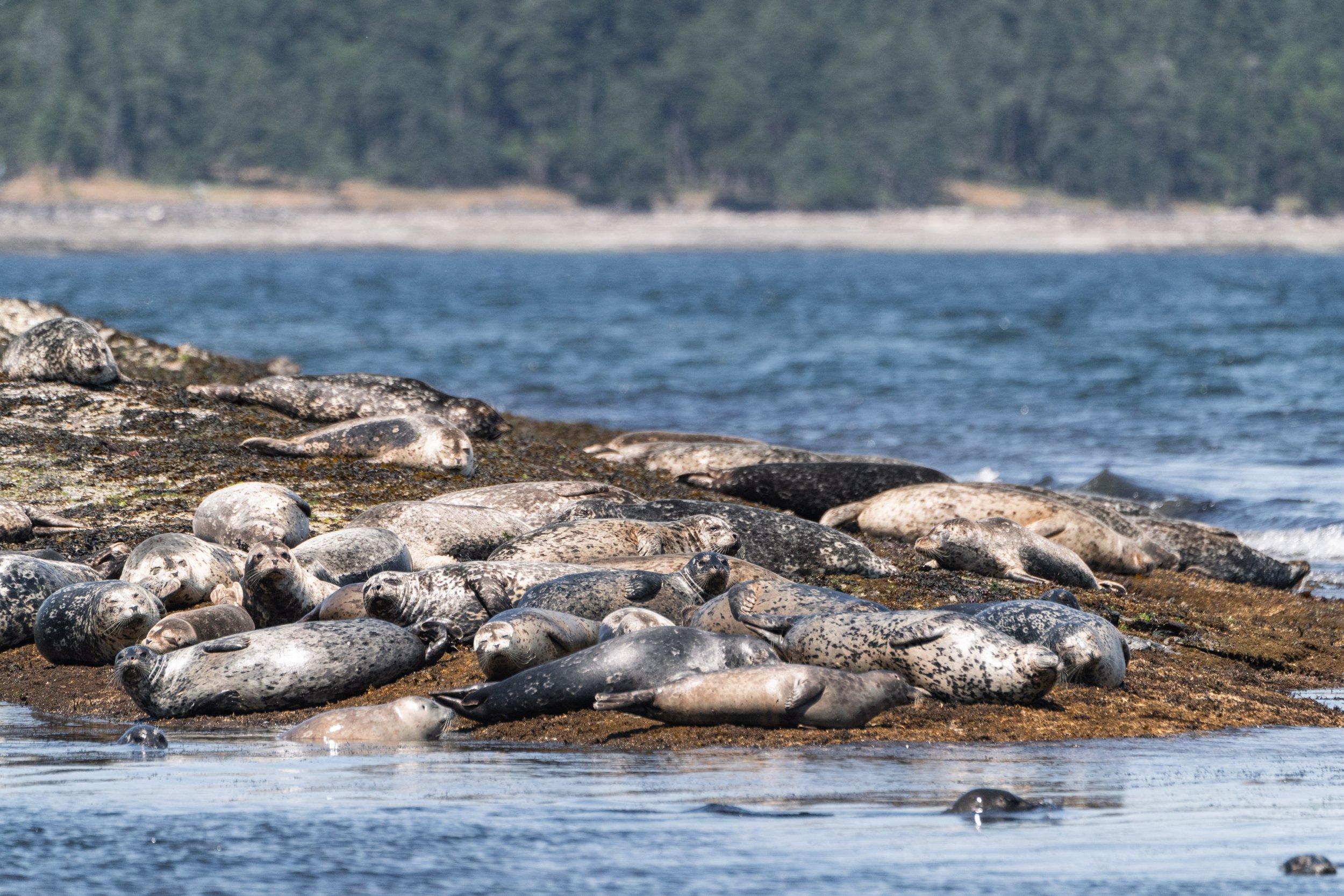
Some Happy Harbour Seals on the rocks. Photo by Val Watson.
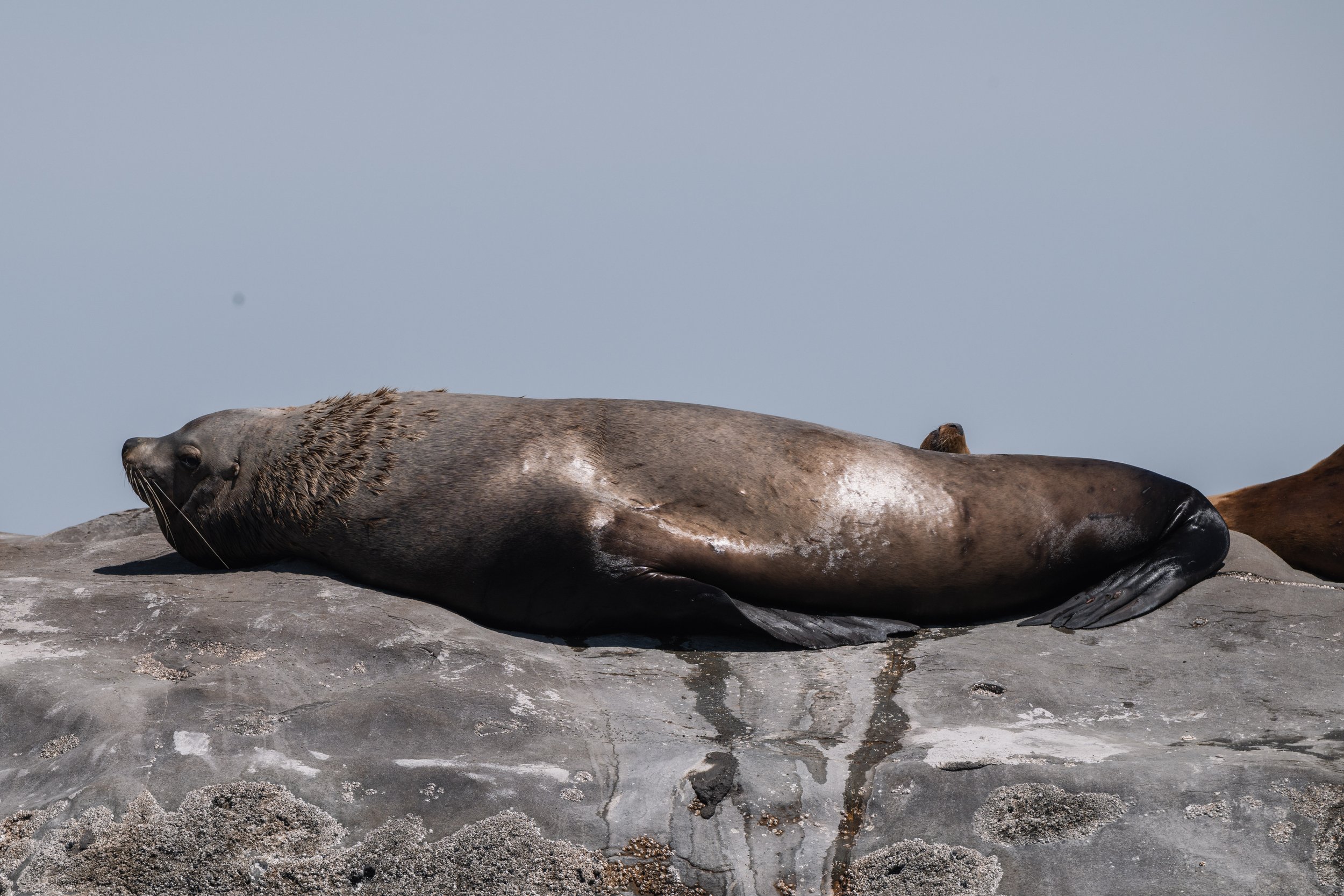
Stinky Steve on the rocks of the haulout. Photo by Aly Kohlman.
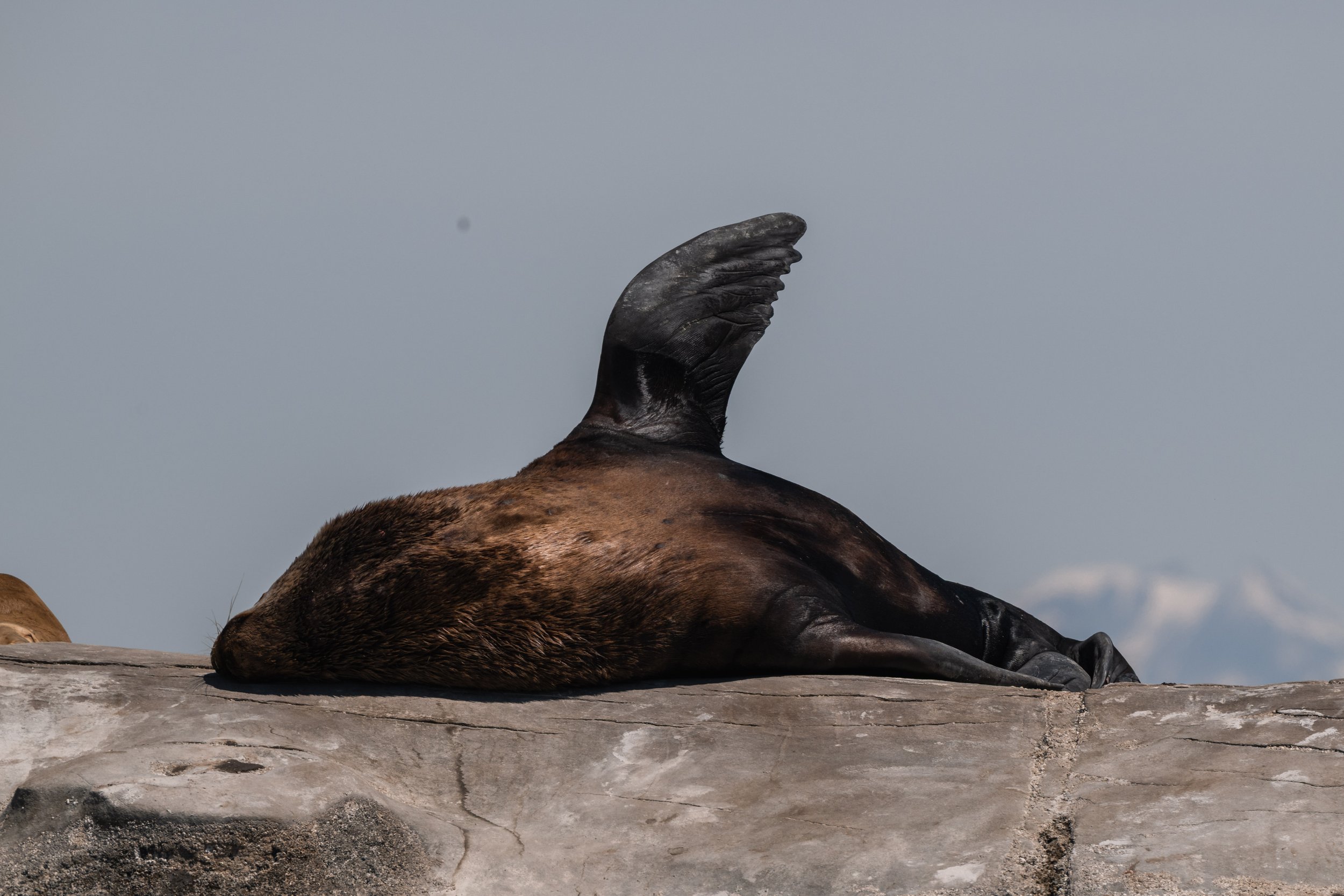
Stinky Steve wit his flipper in the air. Photo by Aly Kohlman.
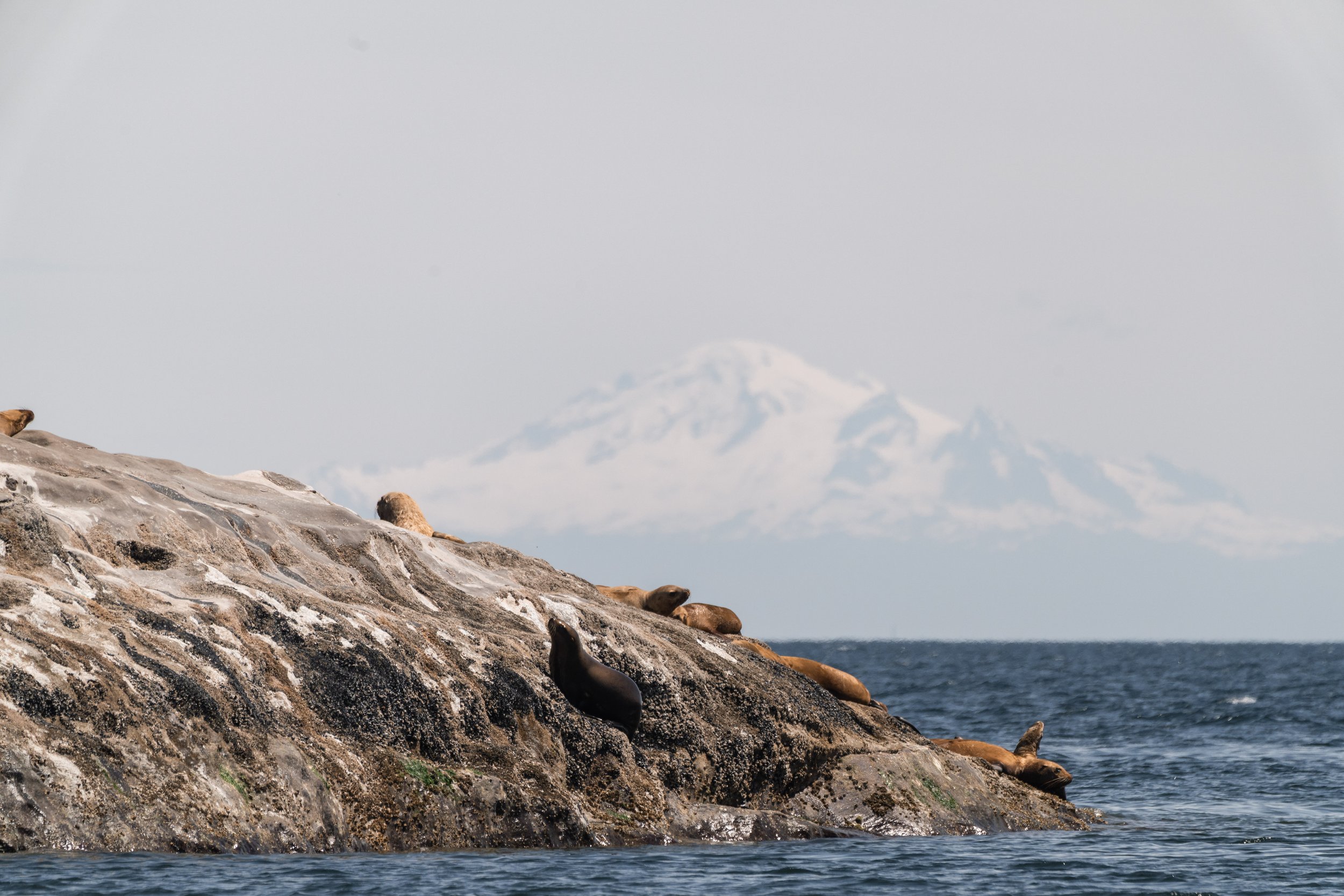
Steller Sea Lions with Mt. Baker in the background. Photo by Val Watson.
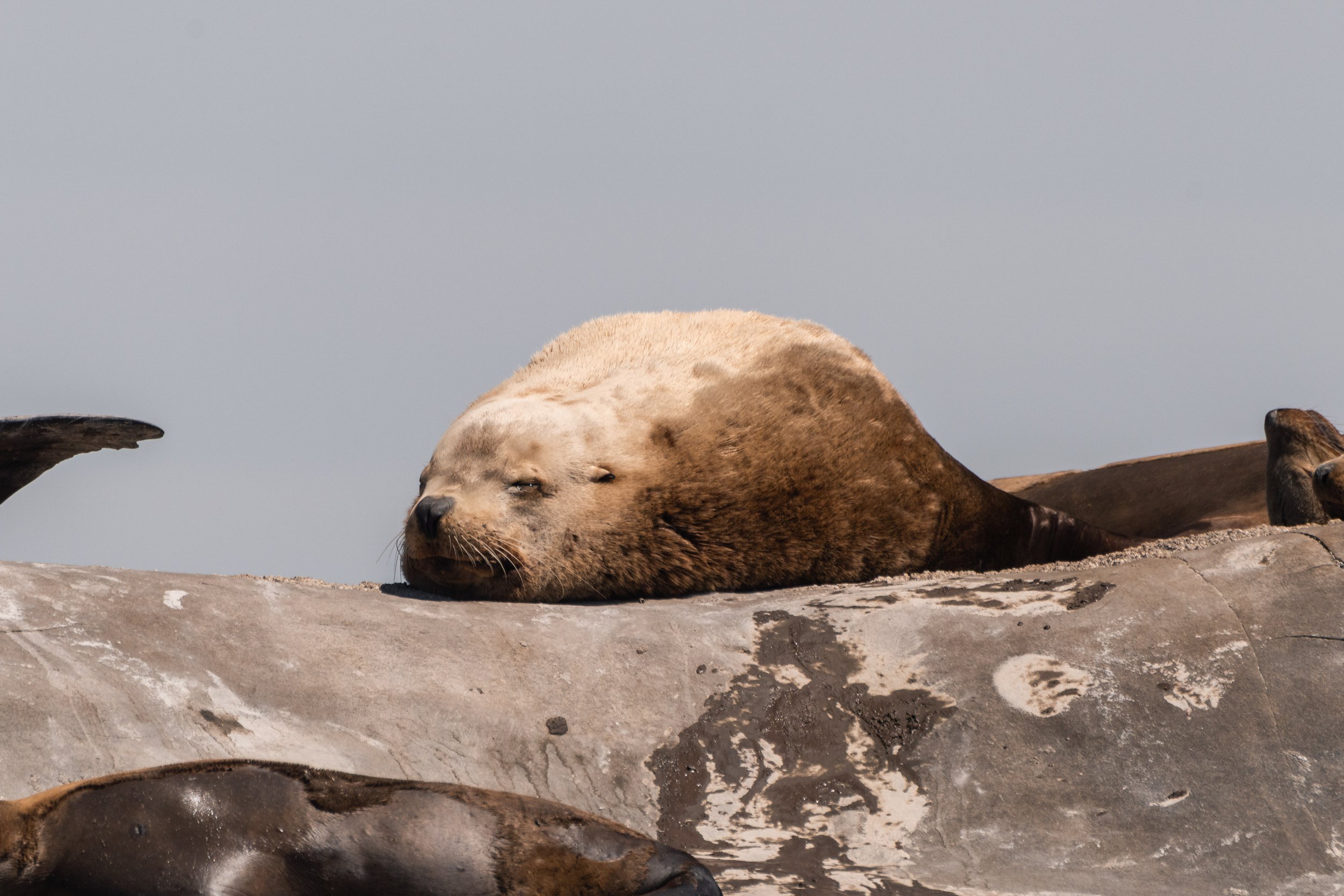
Stinky Steve resting on the rocks. Photo by Val Watson.
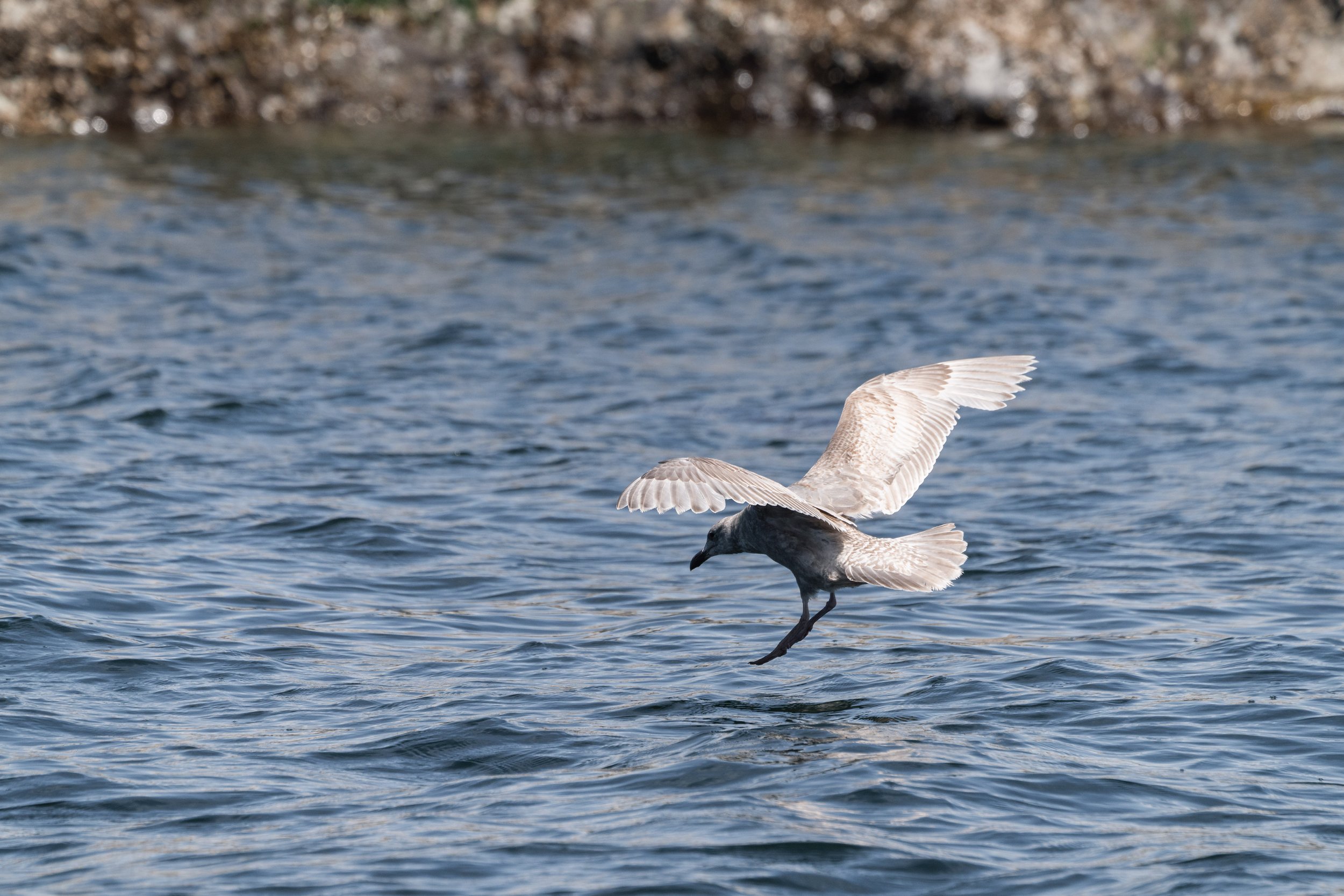
A gull coming in for a landing. Photo by Val Watson.
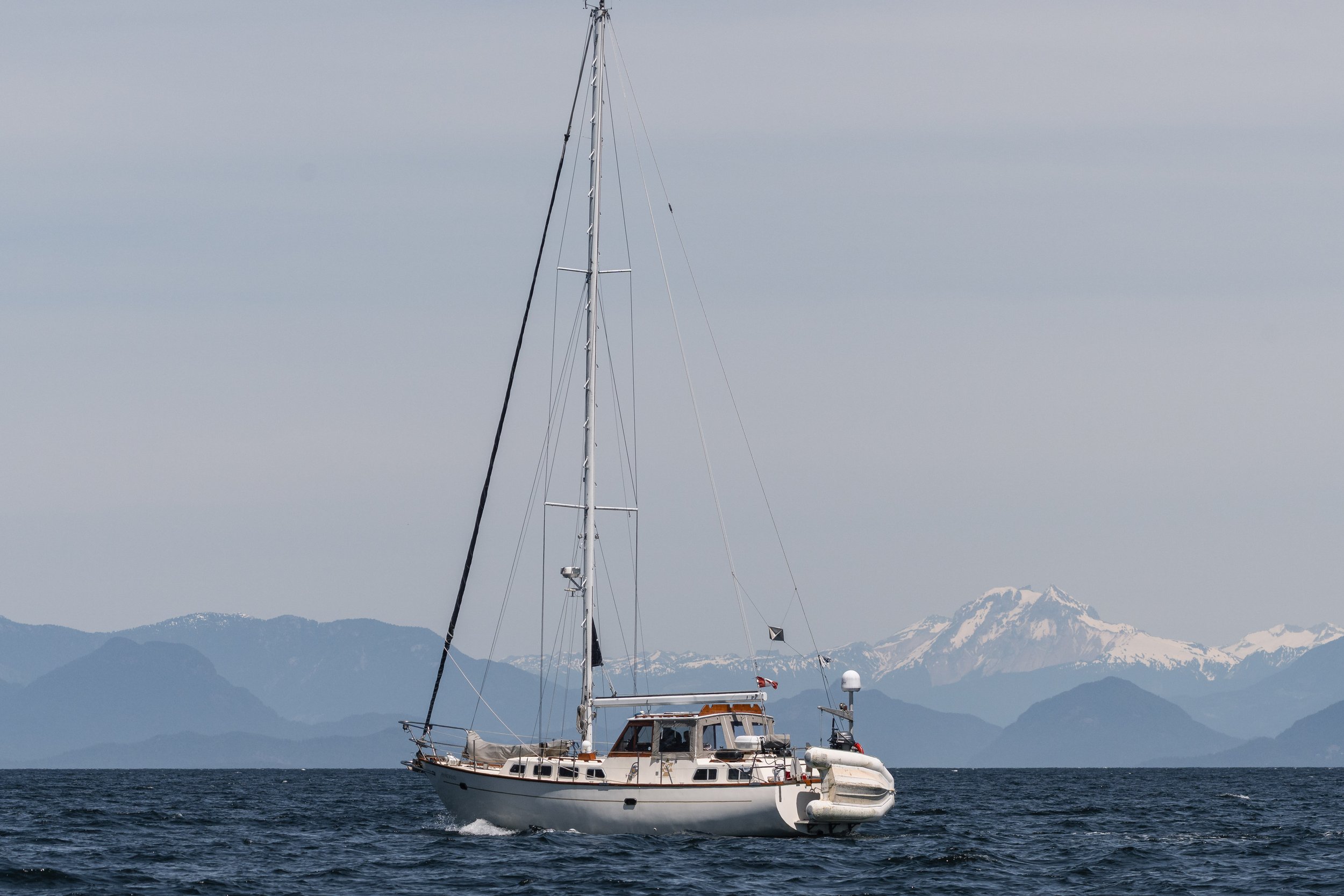
A sailboat in front of the Coastal Mountains. Photo by Val Watson.
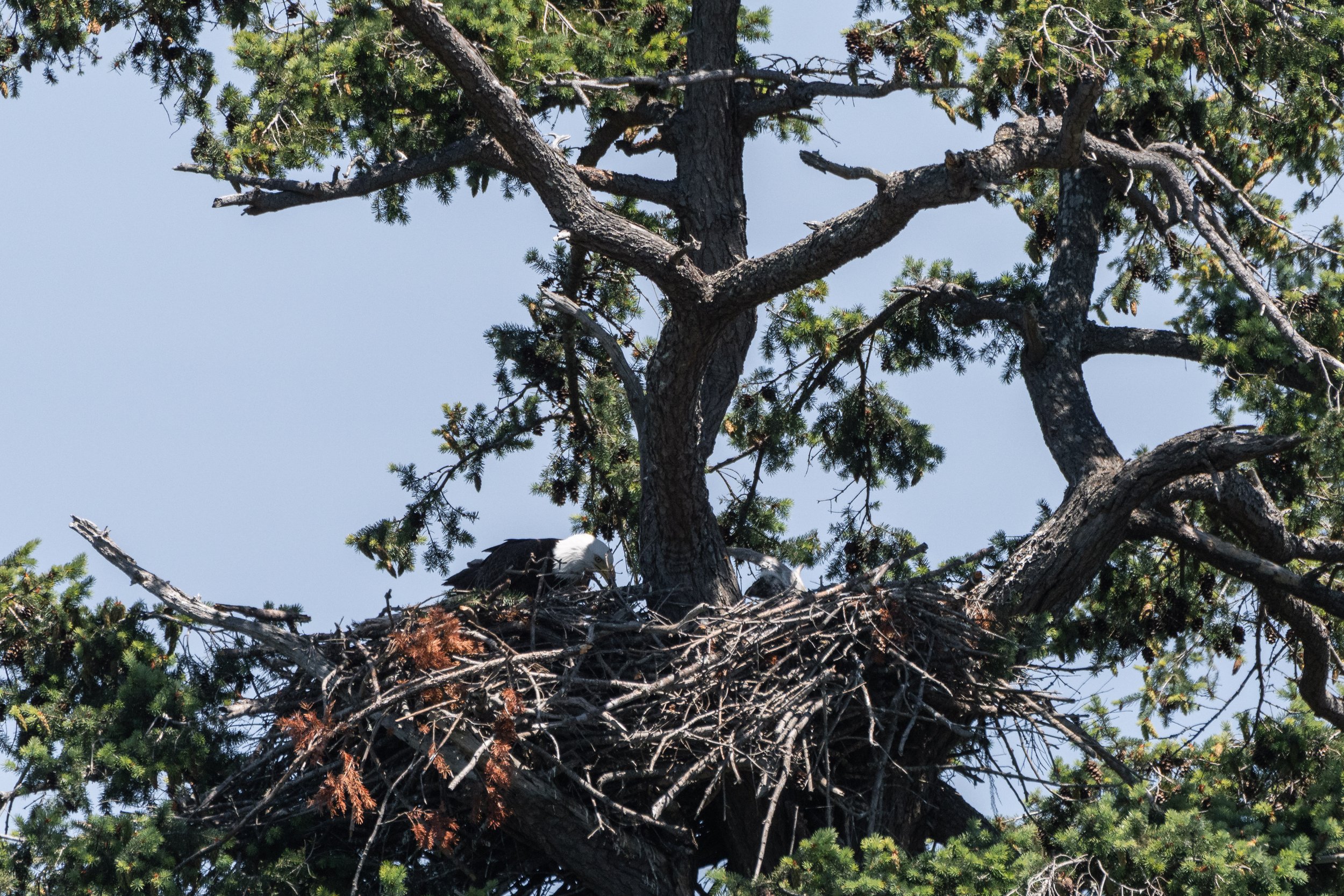
A Bald Eagle with their chick in the nest. Photo by Val Watson.
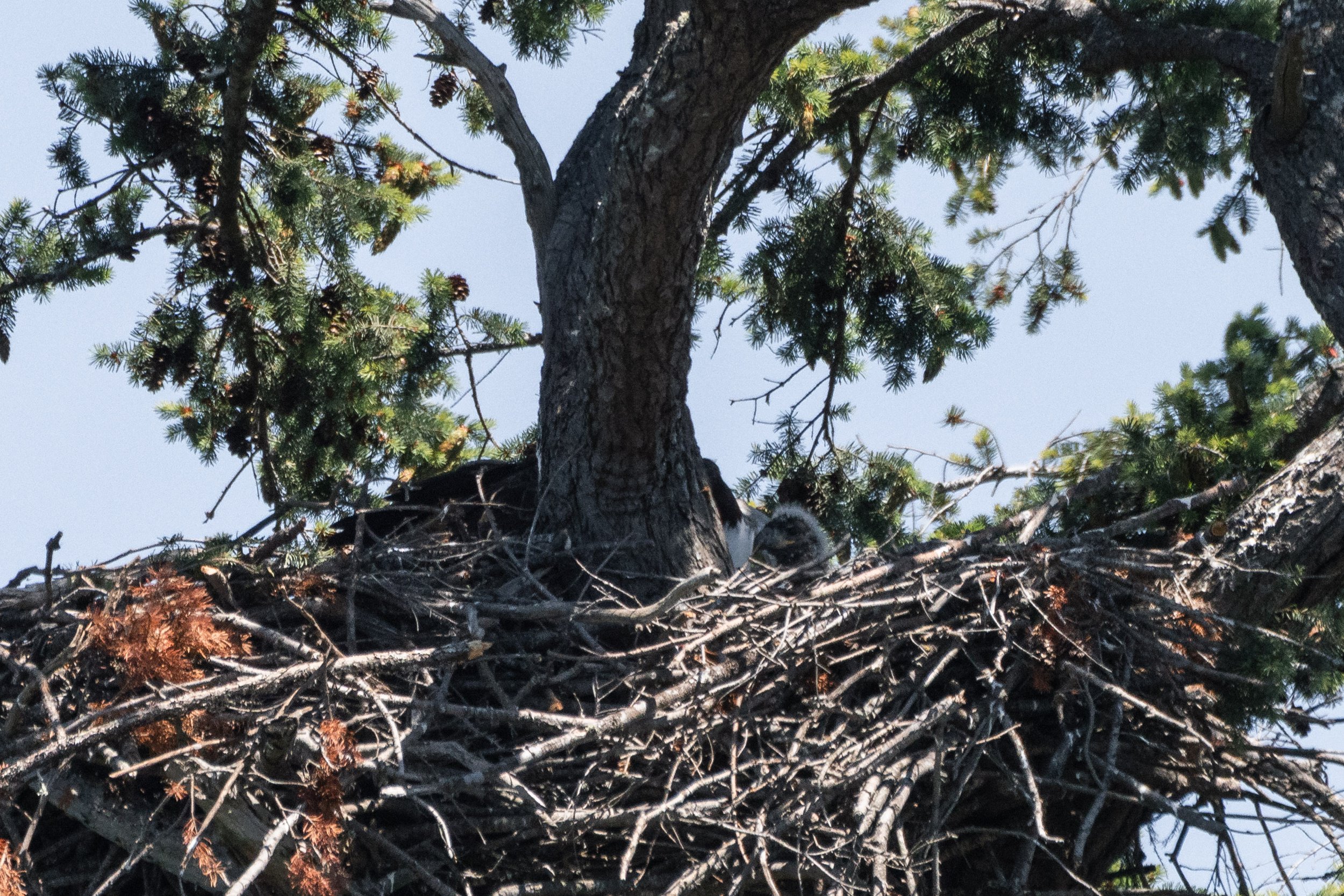
It’s our first baby eagle of the season! Photo by Val Watson.
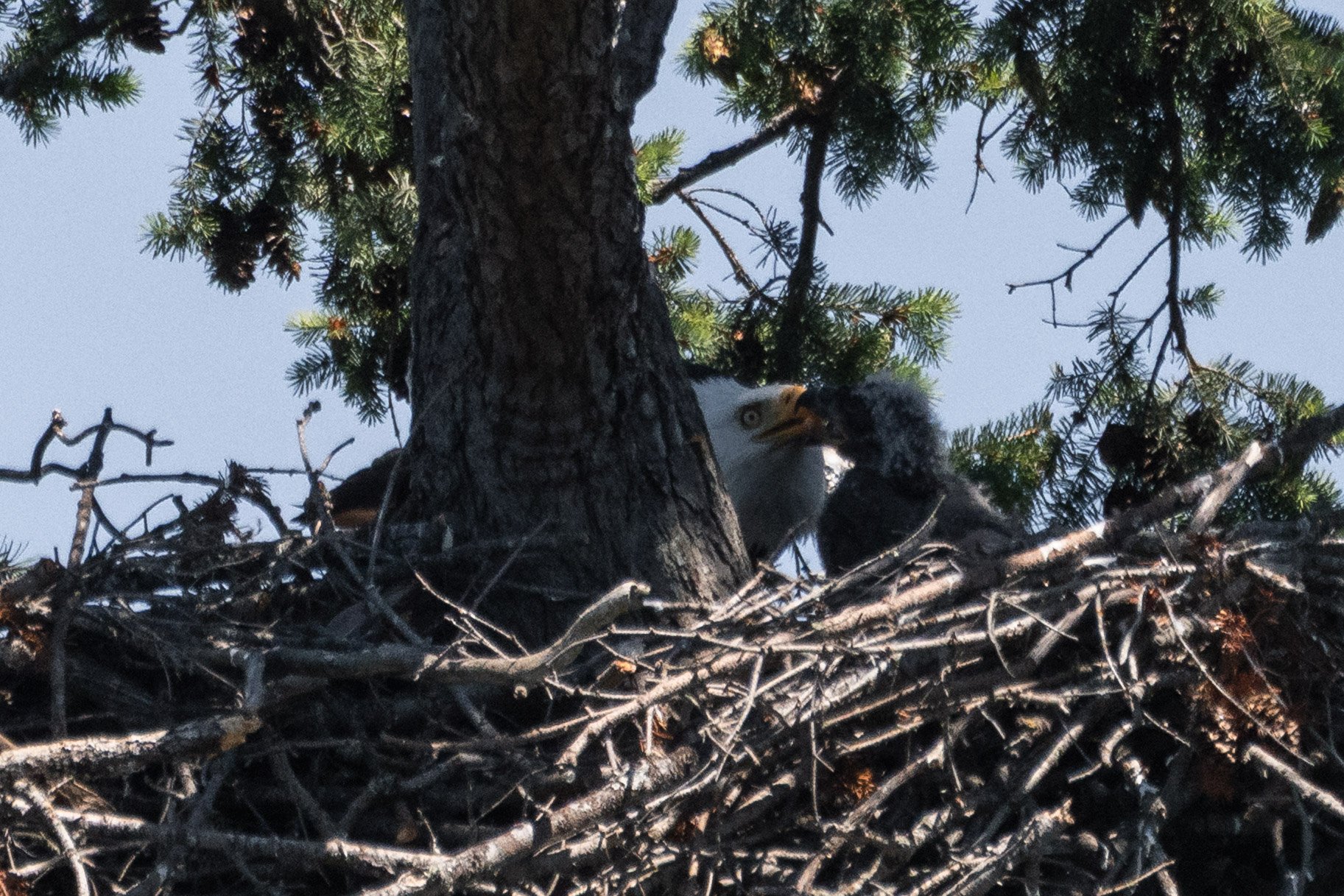
Sharing a meal together. Photo by Val Watson.