
June 11, 2026, 3:30 PM - The T101s plus Chi and Coyote!
You couldn’t have asked for a better day on the water than the one we had in store for us this afternoon. The sun was shining, the winds were low, and there were already a few reports of whales for us to aim for during our tour.
We started the adventure by heading south, travelling through the Southern Gulf Islands, keeping our eyes peeled for wildlife along the way as we headed towards our first target of the day, a pod of orca off the East side of Valdes Island. We know that just because there is a known location for one pod, it doesn’t mean you won't find something else along the way, so with sharp eyes, we kept searching our way there. Luckily, those sharp eyes caught on a white patch along the treetops on the East side of Gabriola Pass, the head feathers of a Bald Eagle! Although their name suggests otherwise, these birds aren’t actually bald. Instead, they are named for the striking contrast between their brown bodies and the white head feathers in their adult plumage, typically seen only by the time they are five years old. Adding an extra layer of excitement to this sighting was the fact that the eagle was sitting on a nest! We’ve seen a chick in this nest this year, which is always a treat. It wasn’t too long ago that these animals were at risk, partly due to the use of the pesticide DDT. It was affecting the eagles' ability to reproduce, which in turn lowered their numbers. Since its ban, the population has been recovering, and it is now close to its highest level on record! Although the chick wasn’t visible this afternoon to show off this population growth, we know it was tucked in the nest, safe and sound, contributing to its amazing recovery!
Next up was a visit to Stinky Rock! Here we got an even better look at one of the local bald eagles as it stuck a pose on the sandstone shore of this local haul-out. From this angle, you can see the other distinctly white part of the Bald Eagle: their tail. Similar to their head feathers, these tail feathers aren’t fully white until they are 5 years old. Although this eagle was a great surprise, the star of the show on this islet was the Steller Sea Lions! Not only are these animals full of personality, but they are also huge! Being the largest species of Sea Lion in the entire world, this is no surprise. We are lucky at this time of year to have some of the examples of this largest size here: the adult males! Steller Sea Lions exhibit sexual dimorphism, meaning that males and females of the species look very different from one another. The males are much larger, weighing a staggering 2,500 pounds, and have much thicker fur and blubber on their necks. Females are still impressive in their own right, weighing close to 800 pounds when fully grown. Making these adults look even more impressive are all the juveniles spending time on the same rocks. They are much smaller, but they will soon grow to match their larger companions. Soon, the adults will leave our waters behind and head south to their rookeries, where the males will defend territory on the beach. Although the males steal the show now, we typically have some of the juveniles spend their summers here, so we will still get to see their antics throughout the summer!
Our next look at wildlife was with another species that shows sexual dimorphism: Orca! They were travelling not too far from where we had just seen the Sea Lions, although they didn’t seem interested in stopping for a meal there today. The males in this group are fully grown and sport the most obvious sign of the difference between the sexes in orcas: a much larger dorsal fin, which can reach heights of nearly 6 feet! These two brothers travel with their mom, who, although she is much older and wiser than her two sons, is often overlooked because her dorsal fin is likely about 3 feet tall. Thanks to the group's composition and the unique dorsal fin shape, we quickly identified it as the T101s.
T101 Reef ♀ (≤1969)
T101A Rush ♂ (1993)
T101B Lagoon ♂ (1997)
These three were spread out when we first came across them, giving us great looks at T101A Rush, who was the closest out of the three. Sometimes, when orca are trying to stay in stealth mode, typically to sneak up on their prey, they will spread out like this. It also has the advantage of covering more ground. Now you might be thinking to yourself, if they were looking for food, why didn’t they just head over to Stinky to try and eat one of those yummy-looking sea lions? Well, that haul-out can be a dangerous spot for the whales, since the Steller Sea Lions won’t go down without a fight and have the advantage of numbers. If one of them gets attacked, the rest of the group will sometimes work to protect it, fighting the predator and employing the “safety in numbers” survival tactic. Even though the T101s are very successful hunters, they might not want to risk injury by taking on an entire haul of Steller’s Sea Lions.
Watching these animals move with such grace and power through the calm waters was truly breathtaking, and we enjoyed every moment. As we were nearing the end of our time with the T101s, we noticed some blows off in the horizon catching the sunlight, a sure sign that there were humpback whales in the area. We headed over there, leaving the T101s to their travels, and were greeted by one of the giants of the Salish Sea: the humpback whale.
This whale was easy to identify by its dorsal fin, with its unique shape and a distinct scar at the tip. It was Coyote (BCY2484)! Travelling not too far from Coyote was another young whale: Chi (BCZ0575). Although these whales weren’t associating today, they were likely brought to the area for the same reason: food! Although not as famous for their hunting skills as orcas are, they consume the most prey around, with nearly a million critters eaten every single day. They accomplish this through filter feeding, taking in massive mouthfuls of nearly 20,000 L and using their baleen plates to extract the delicious morsels. It’s thought to be mostly Krill that brings the humpbacks to our waters, although they are known to eat small schooling fish as well. Sometimes, like this afternoon, the whales will feed on the abundant food source on their own, but other times they may group together. It’s thought that in less abundant times, they feed more efficiently, with some teamwork in play, but with enough food around, it might not be necessary. There are many interesting questions still being asked about how humpbacks use this area and the drivers of their associations, and we can’t wait to learn even more about them as time goes on!
After the humpbacks, we finished our day with a stop at the Gabriola Bluffs, not only to see the impressive sandstone cliffs but also to enjoy the wildlife that uses them as nesting sites. The more obvious species are the cormorants, due to their size and striking black feathers that stand out against the cliffs themselves. These birds will build their nests in the rocky crevasses, cementing them in place by defecating all over them. Alongside these bigger birds, the keen eye of Naturalist Evan spotted a much smaller bird using the small caves: Cliff Swallows! Although both nest in similar areas, the way they do this is much different. Instead of using sticks and seaweed to build a nest, they will collect mud and form a nest layer by layer until it resembles a gourd with a small opening. The birds will line this nest with more cozy materials, like grass, before starting to lay their eggs. It’s amazing how different the two strategies are when you can see them side by side!
It was a fascinating way to end the tour, and we all returned to the dock feeling grateful to have seen such a wide variety of wildlife. Please enjoy the photos below, captured throughout the tour by Marine Naturalist Evan Hessels.
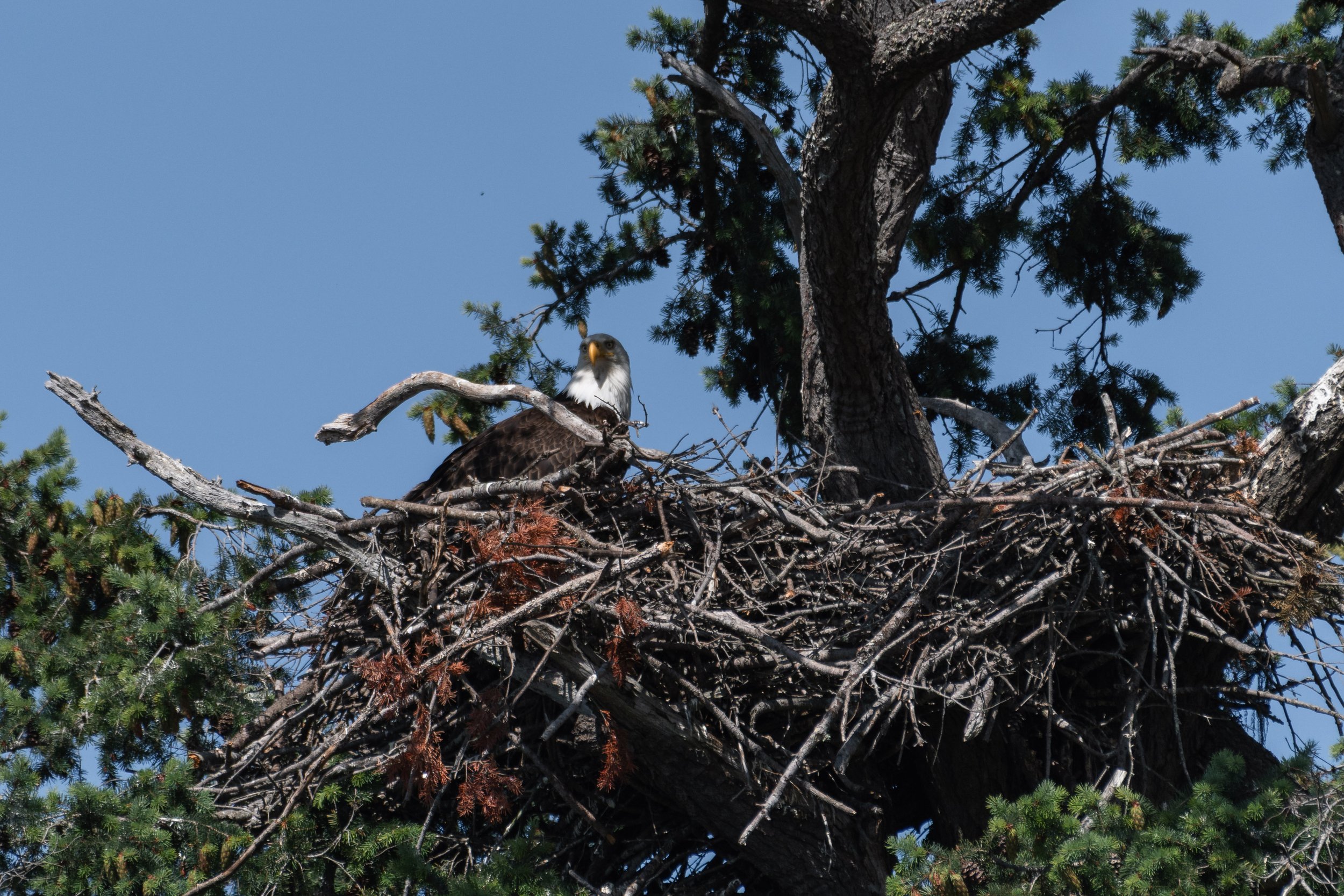
A Bald Eagle tending to their nest.
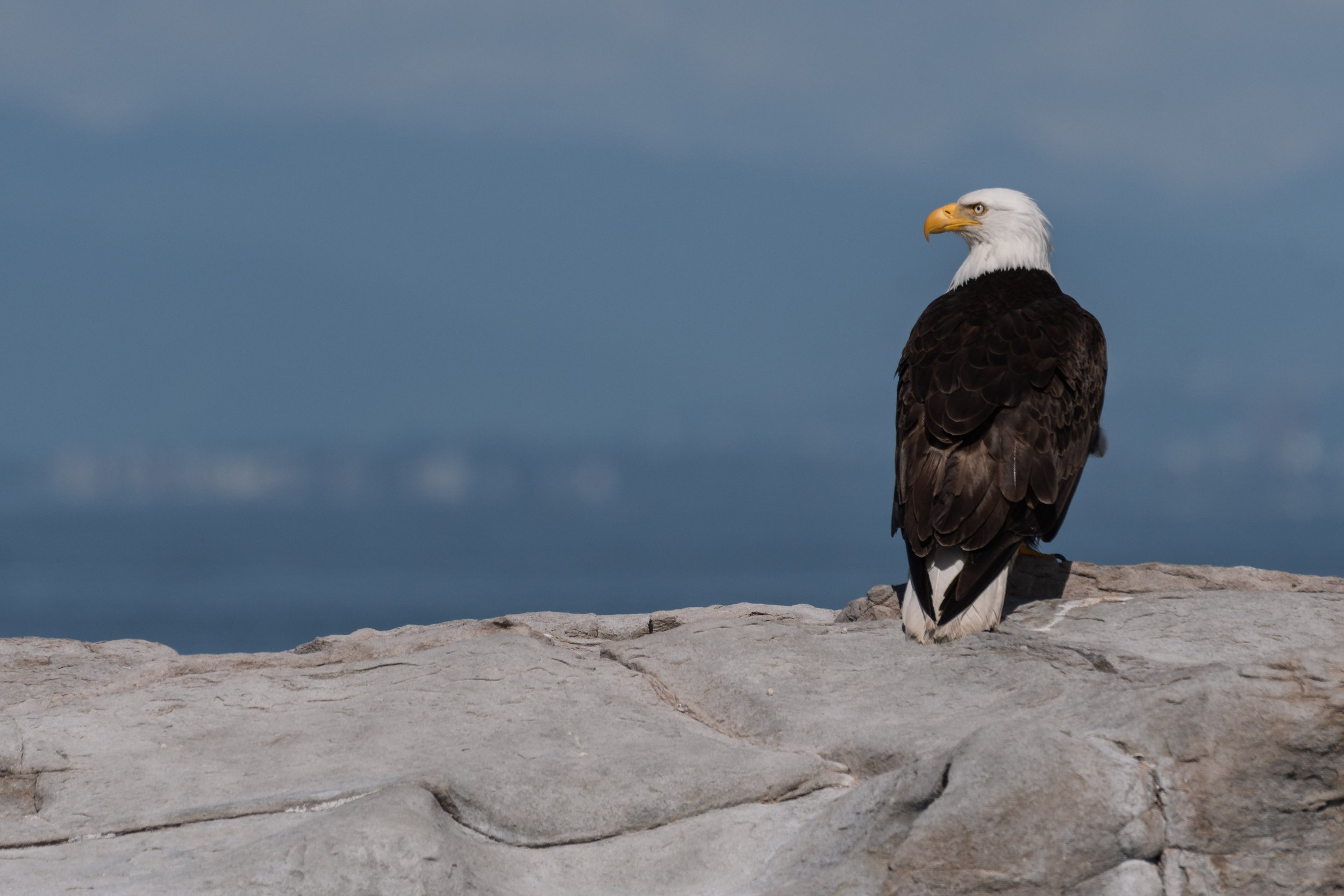
A great look at a Bald Eagle on Stinky Rock.
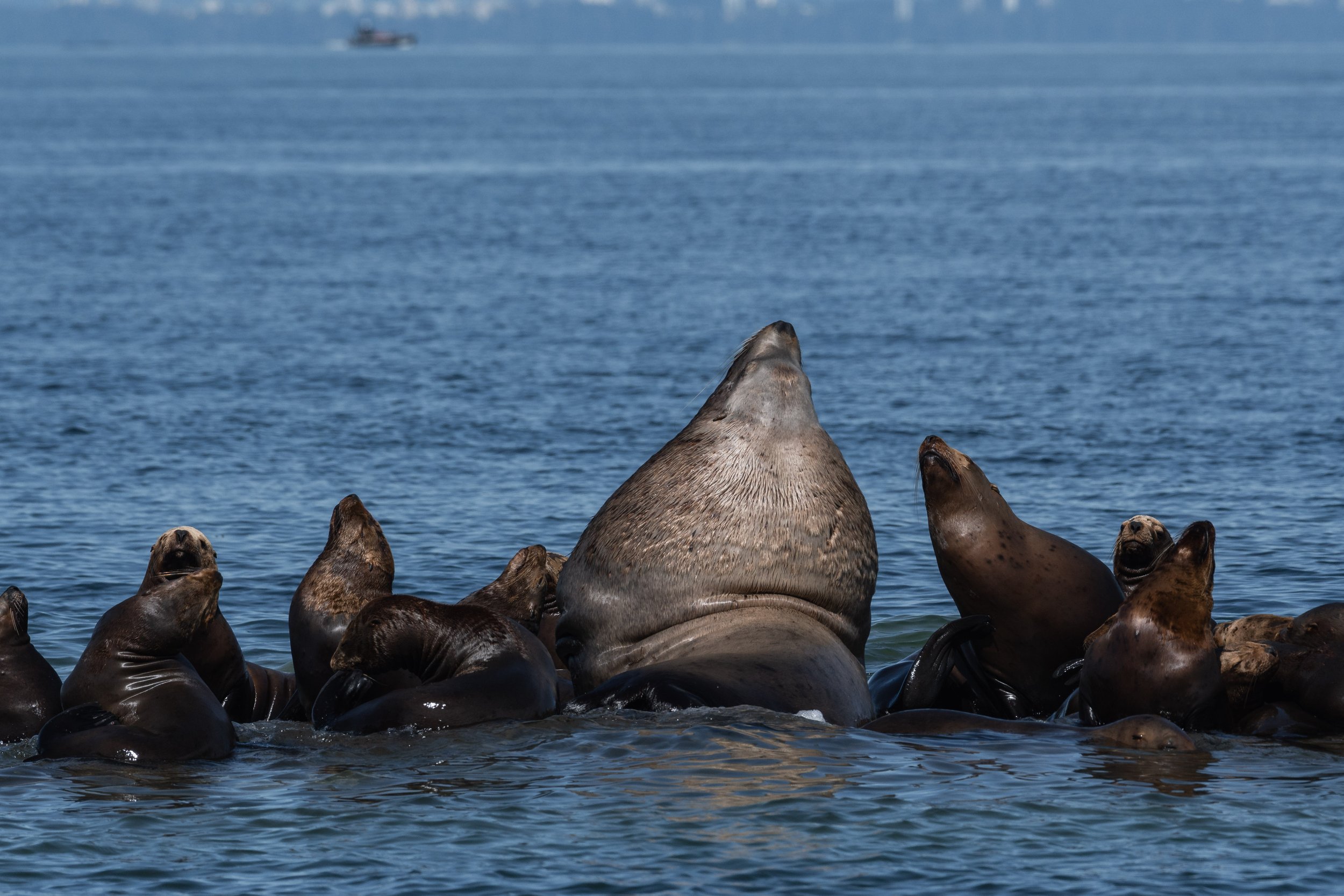
Look how big this adult Steller Sea Lion is.
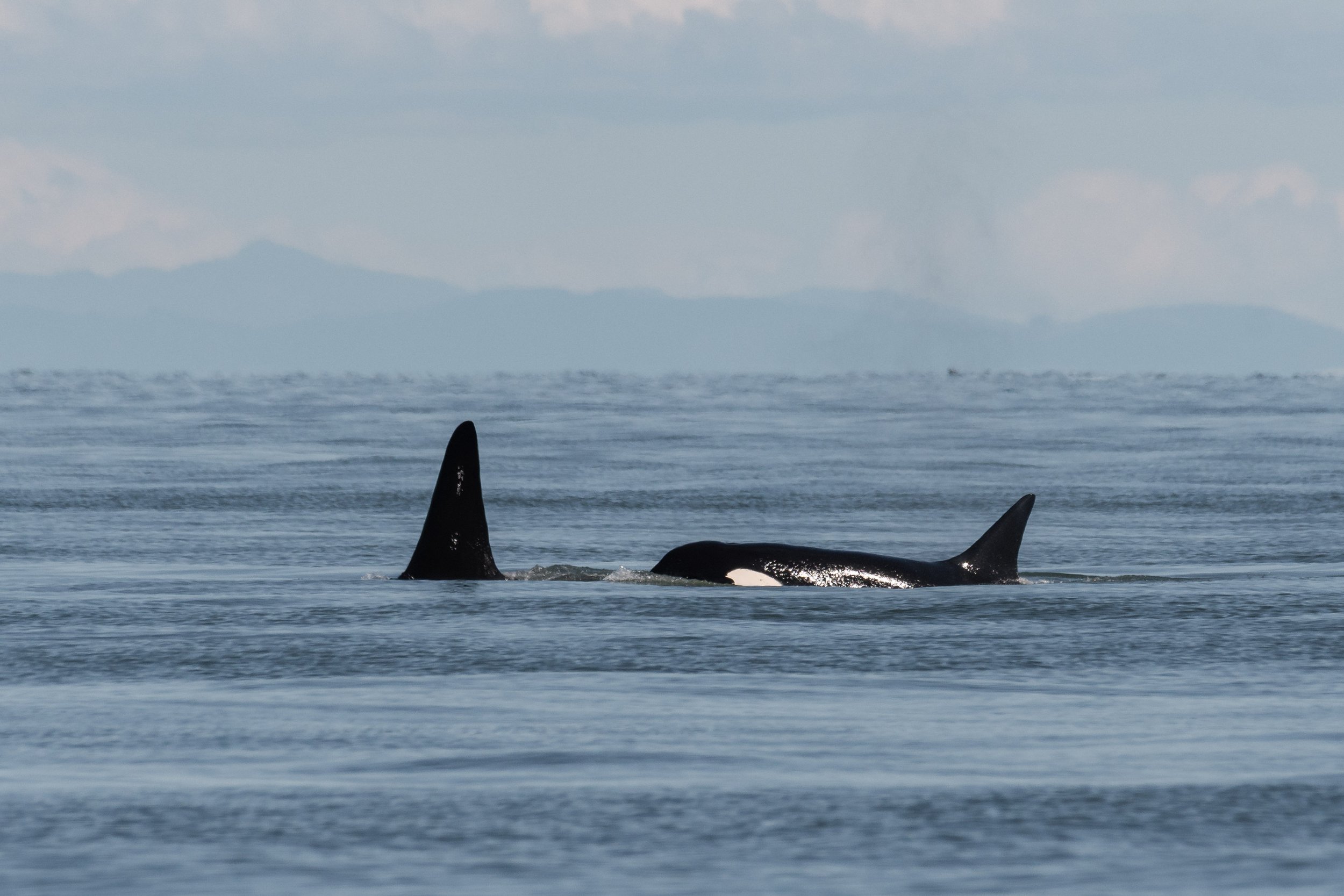
T101 Reef surfacing just behind her son, T101A Rush.
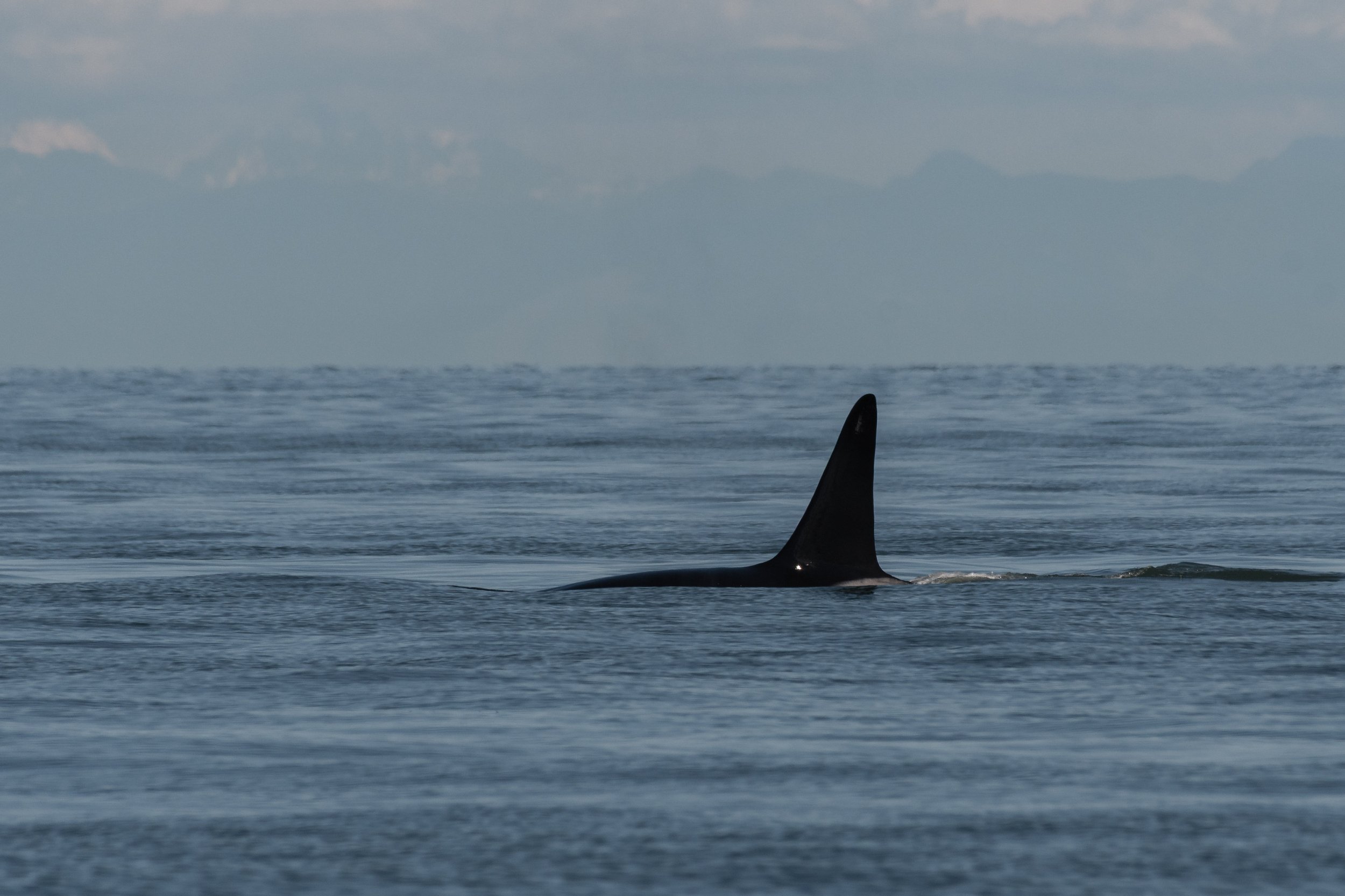
T101 Rush surfacing with the Coastal Mountains behind him.
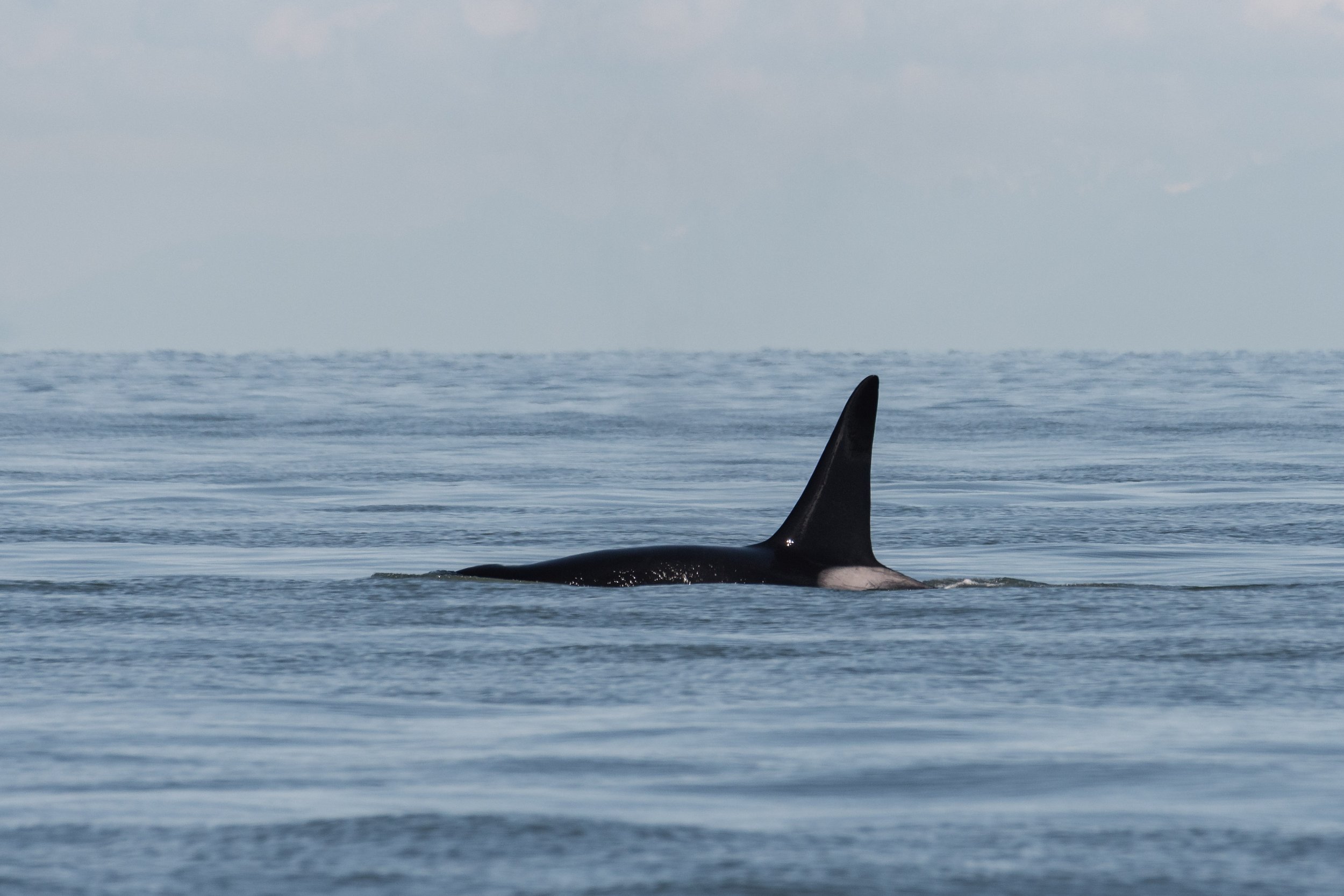
Another great look at T101A Rush as he surfaces.
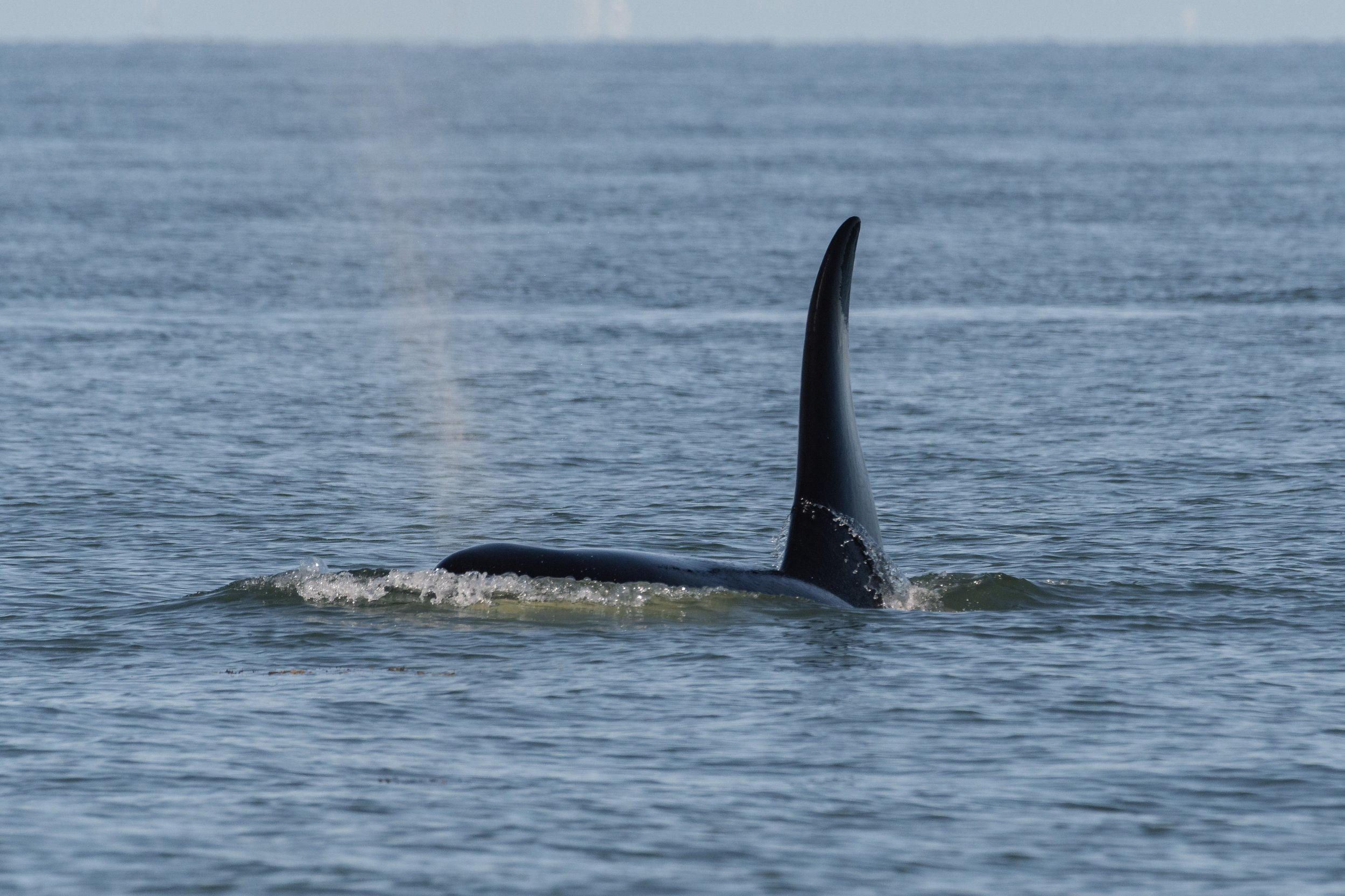
Rush pushing the water as he surfaces.
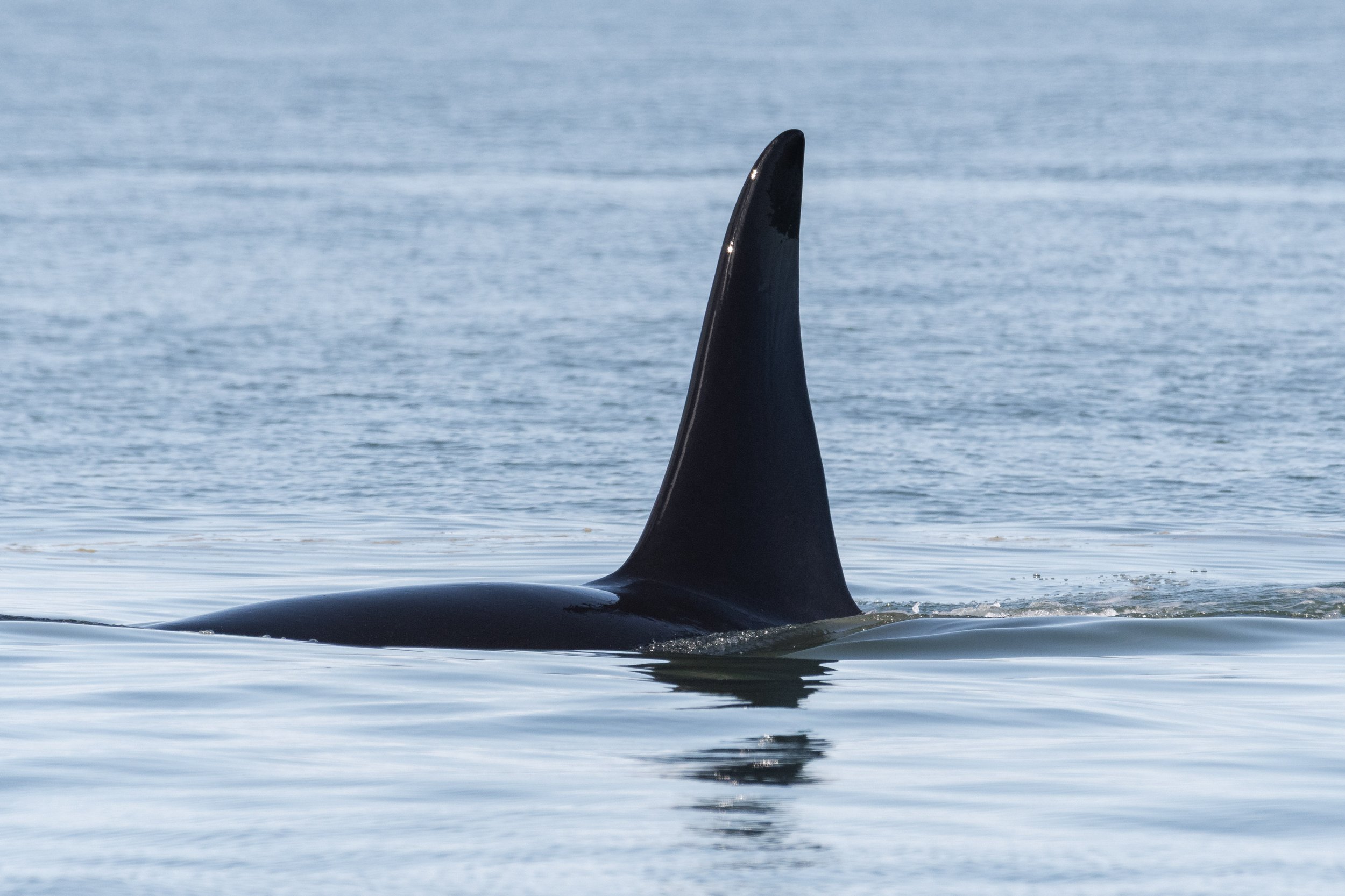
A great look at the bend in T101A Rush’s dorsal fin.
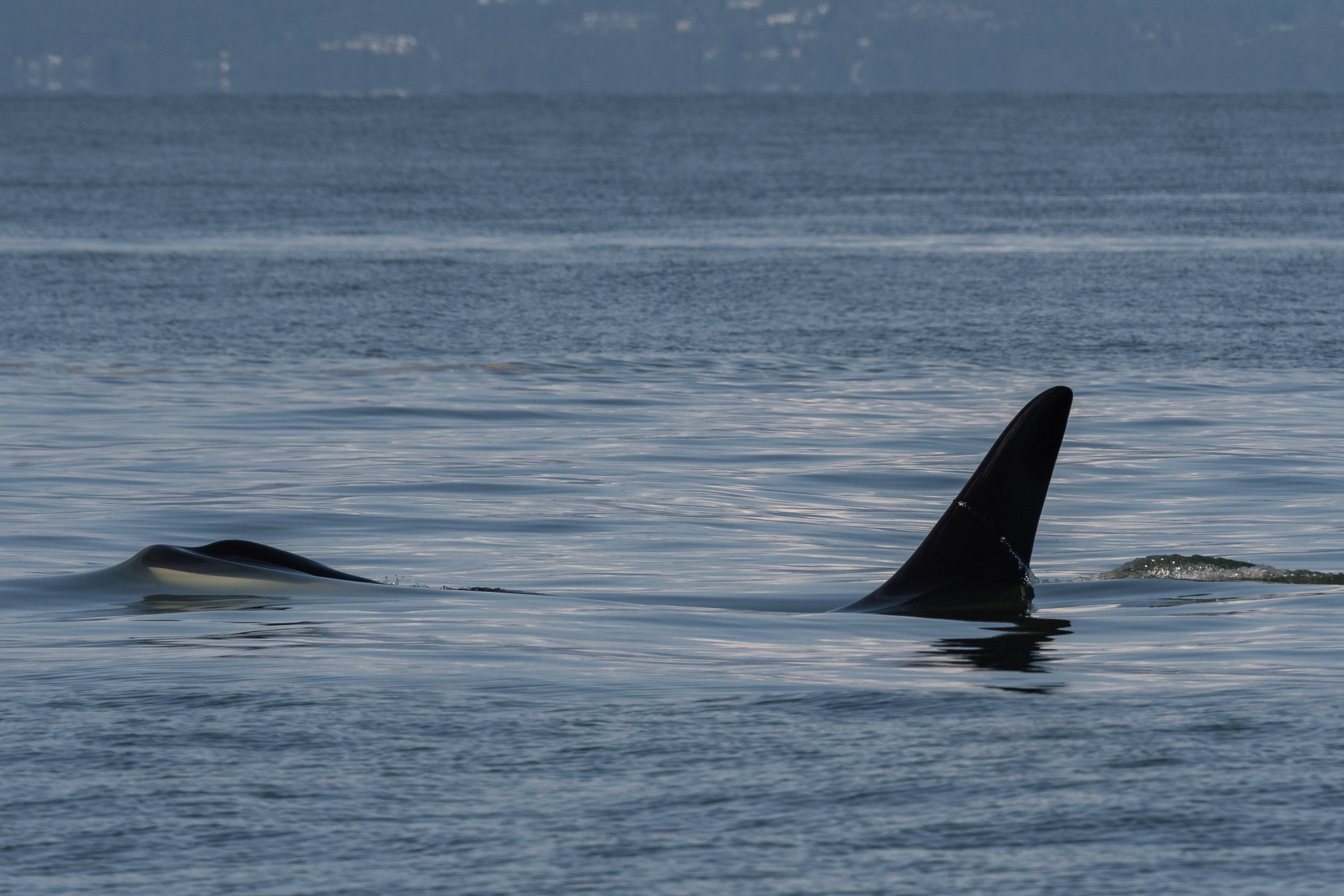
T101A Rush about to break the surface of the water.
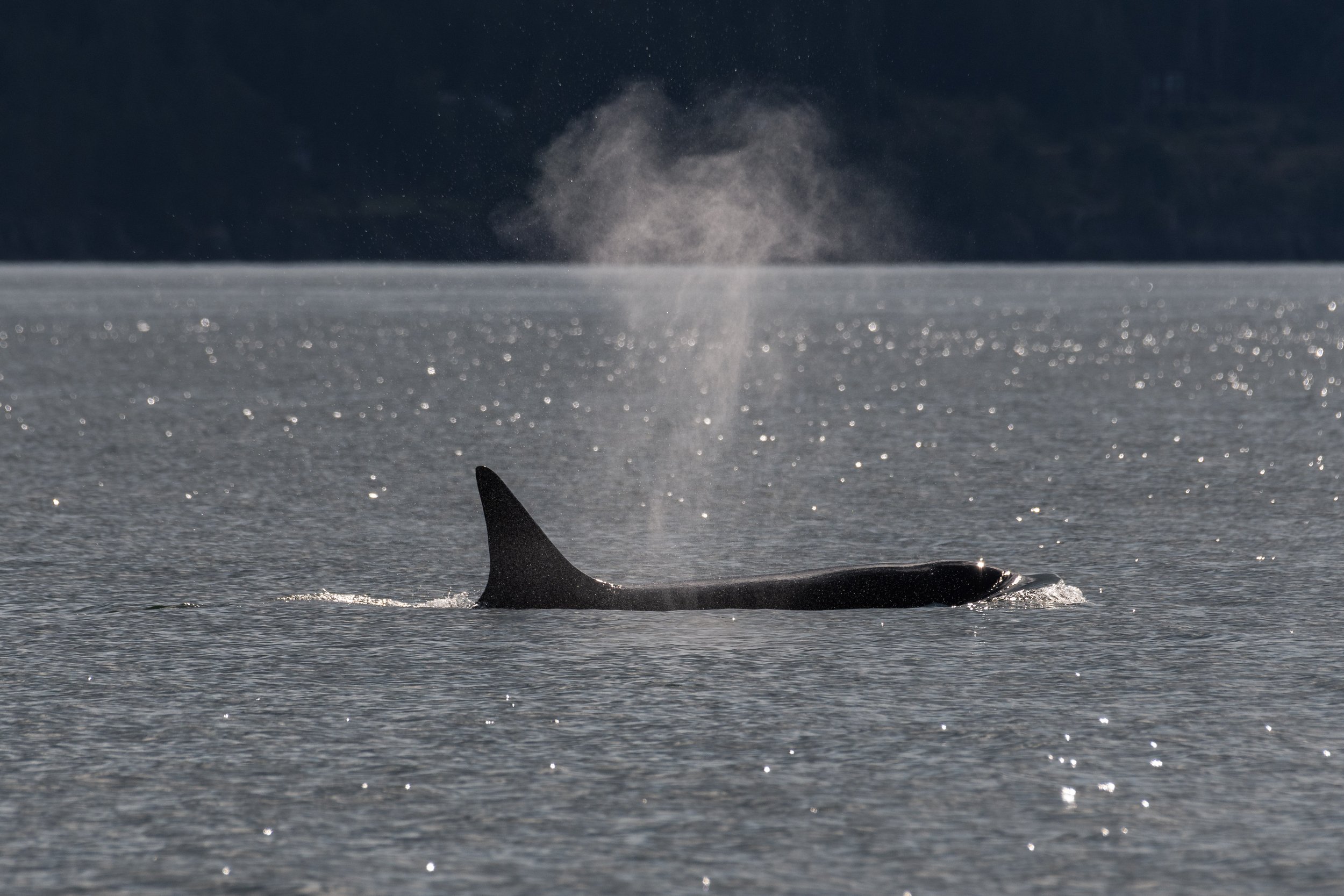
T101 Reef with her backlit blow.
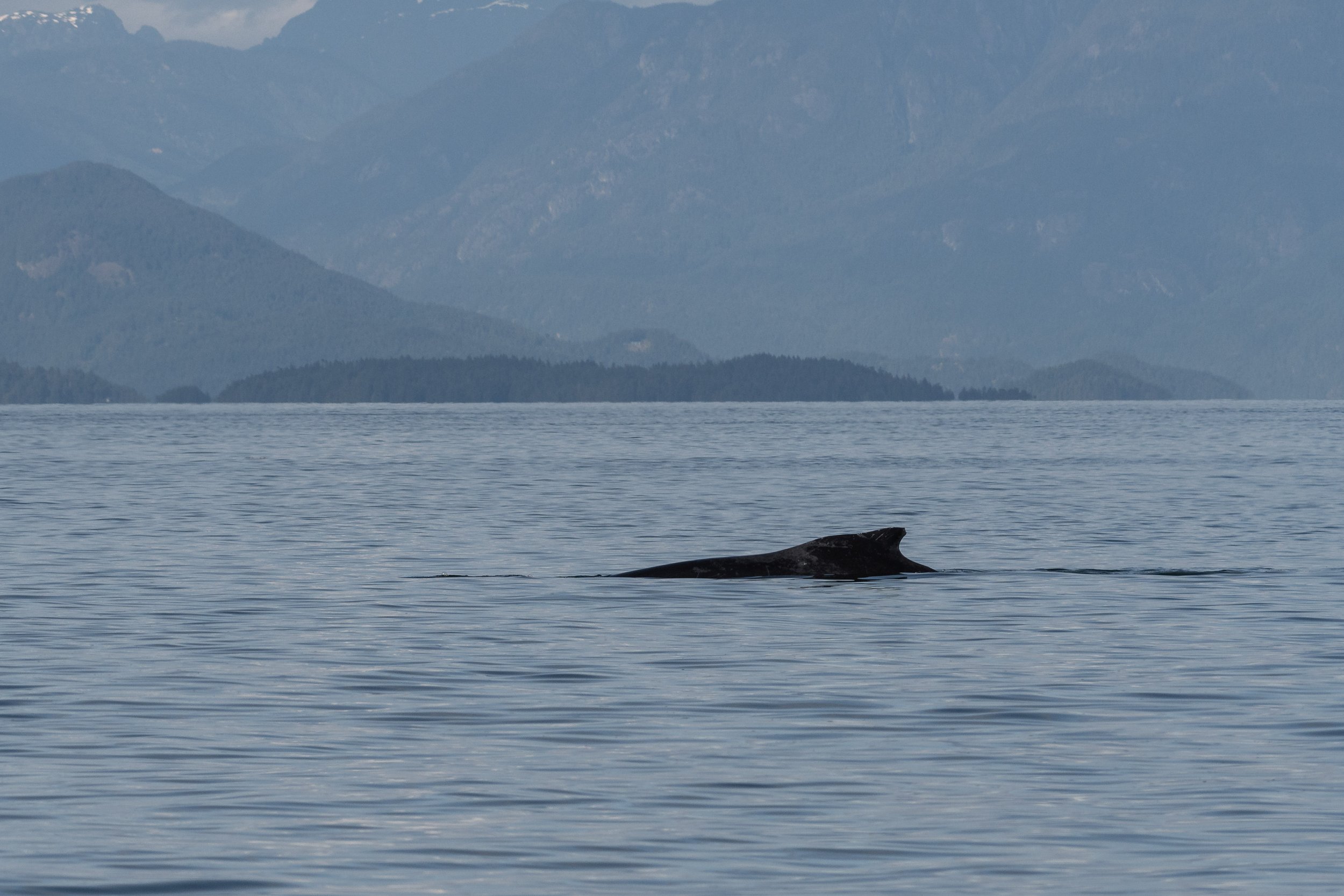
Coyote surfacing in the calm water.
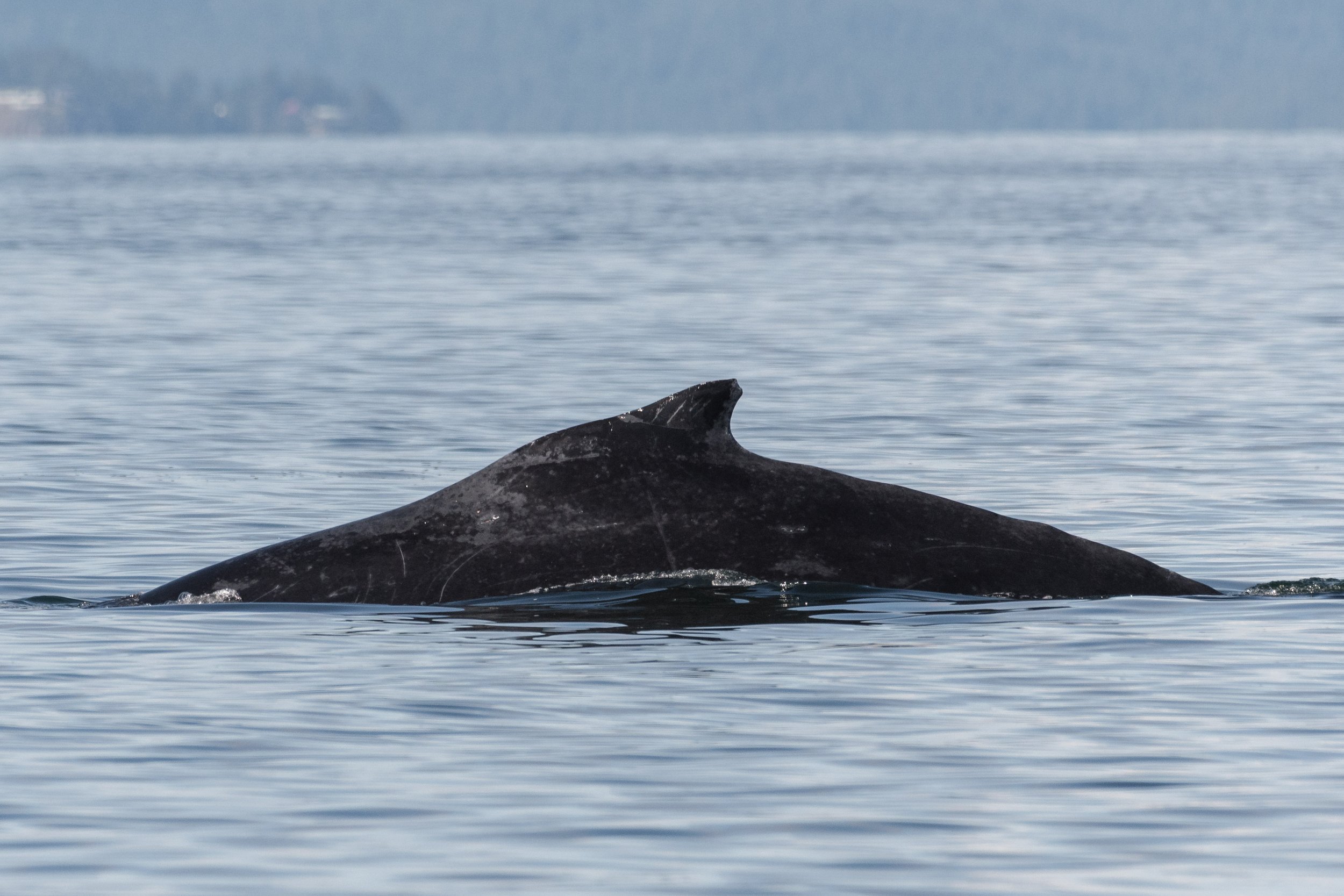
Can you spot the unique notch in his dorsal fin?
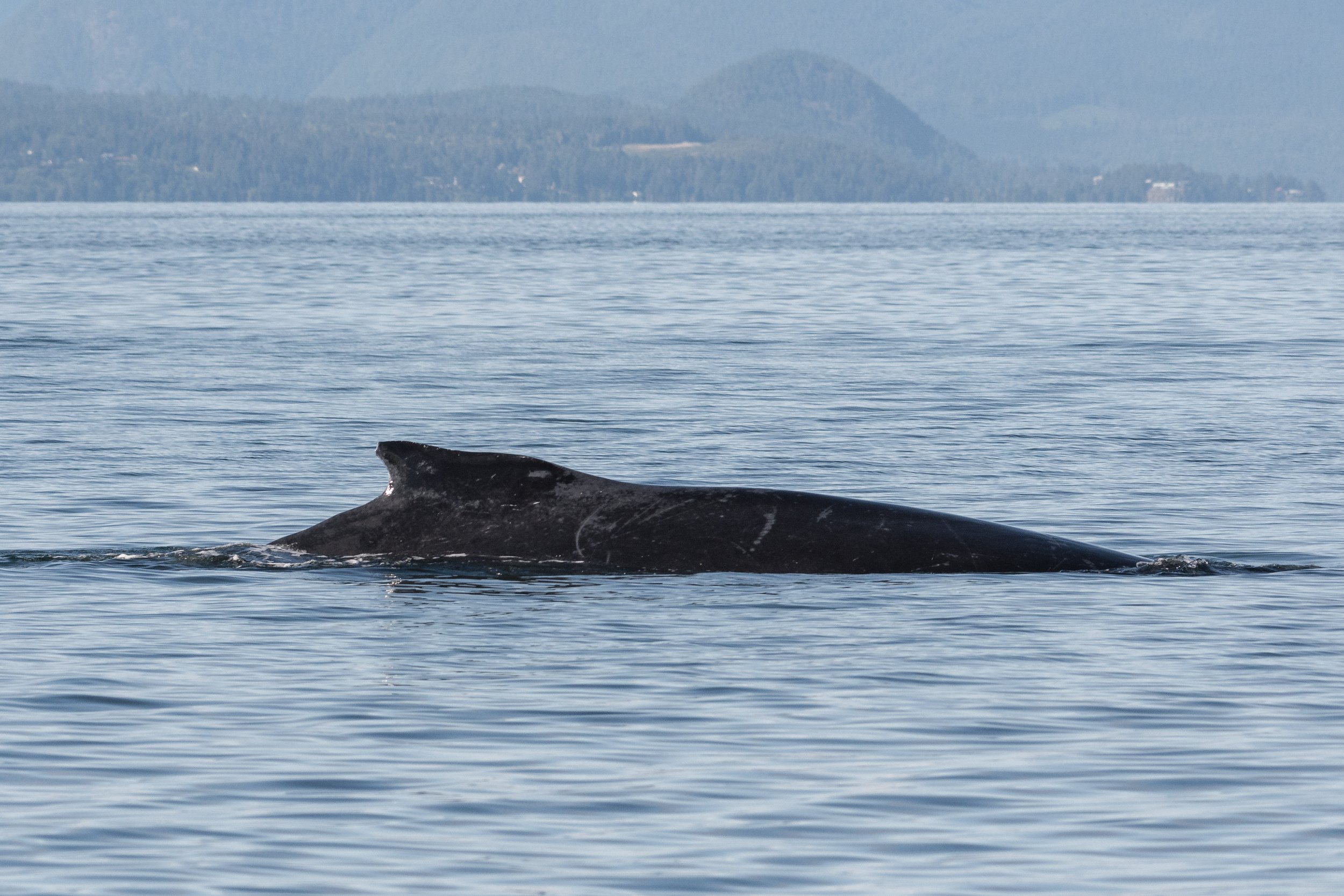
The other side of Coyote’s dorsal fin.
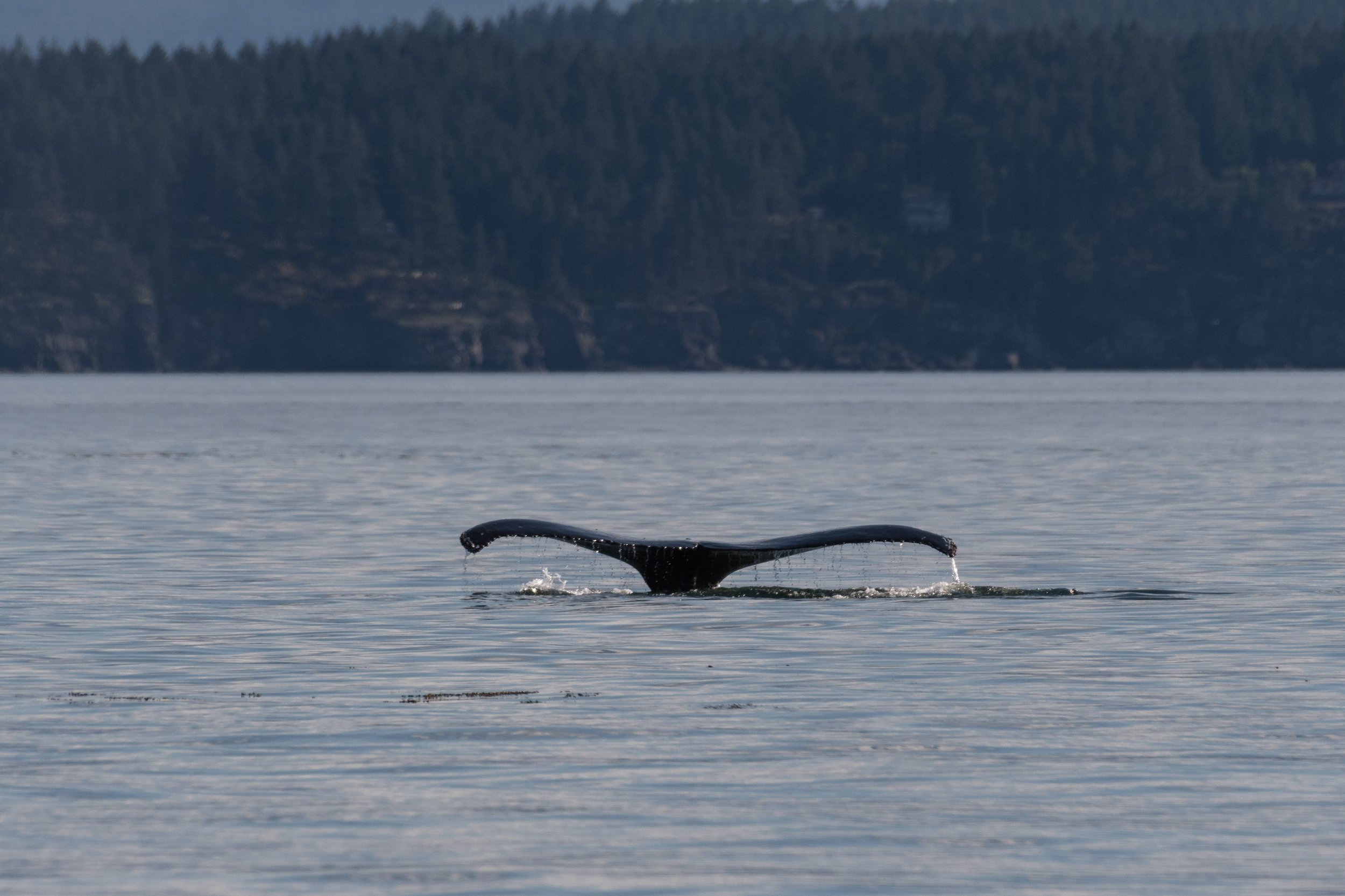
Coyote going for a dive with Gabiola Isand behind him.
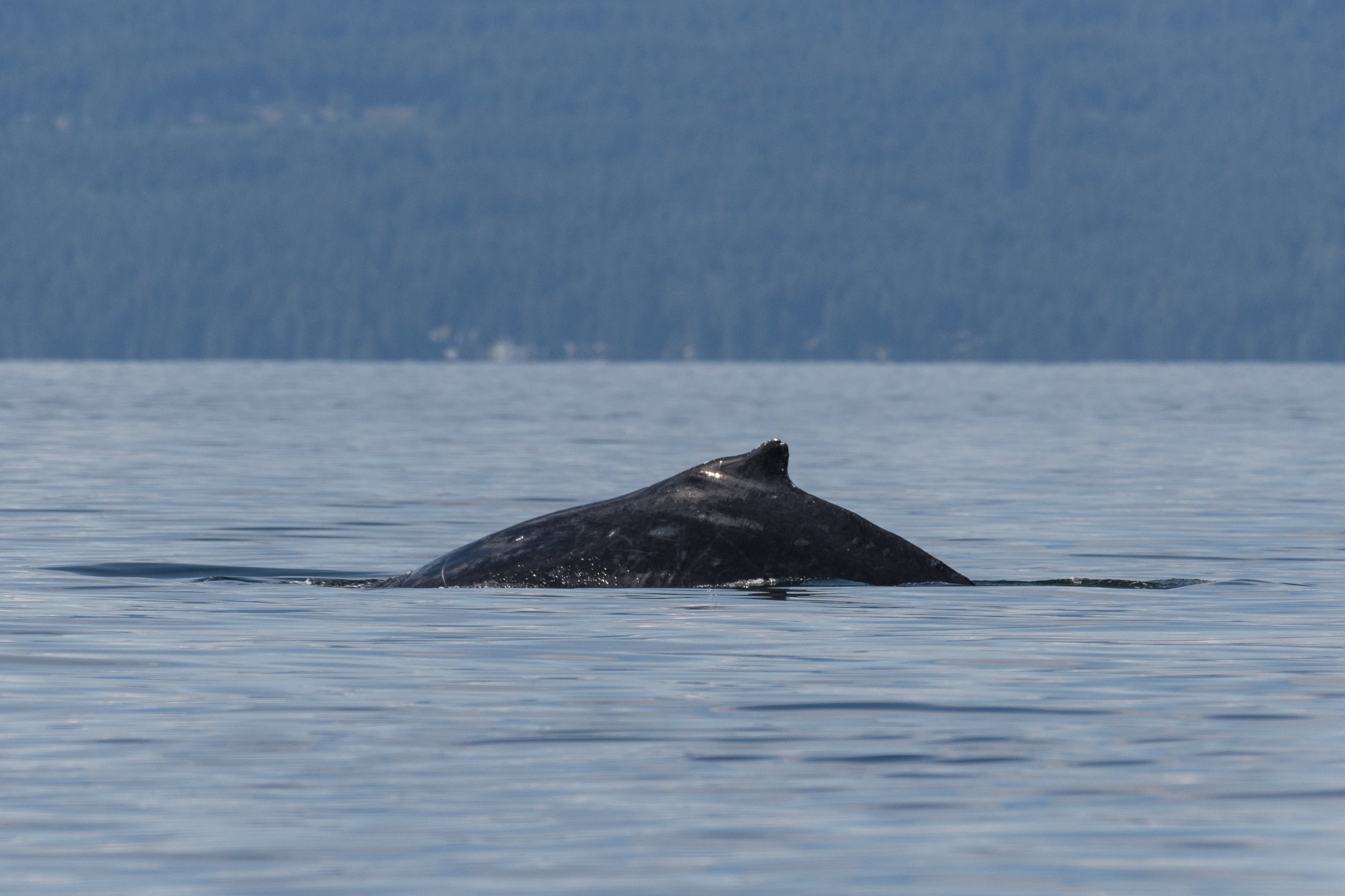
Chi arching for a dive.
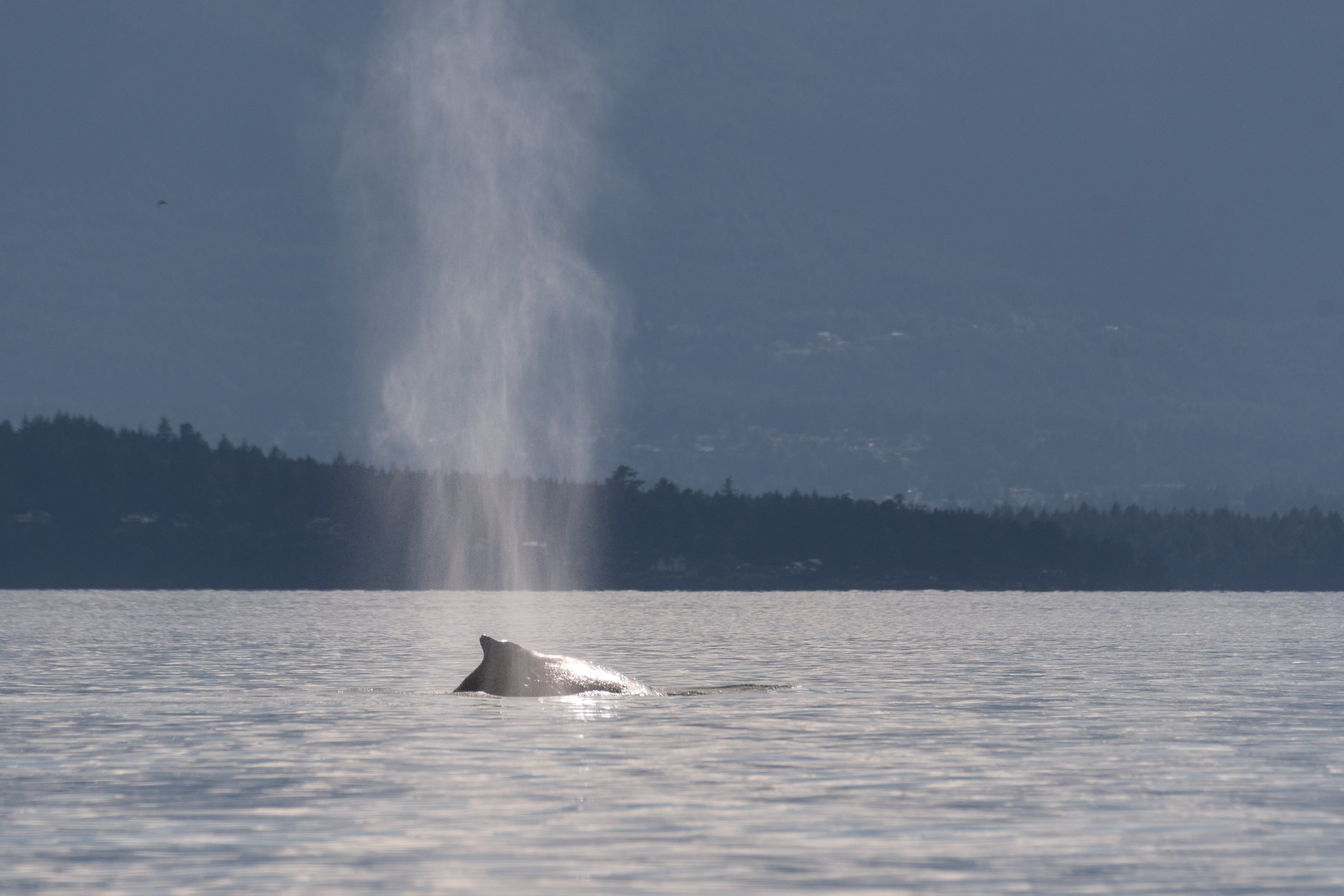
Chi with his towering blow backlit by the sun.
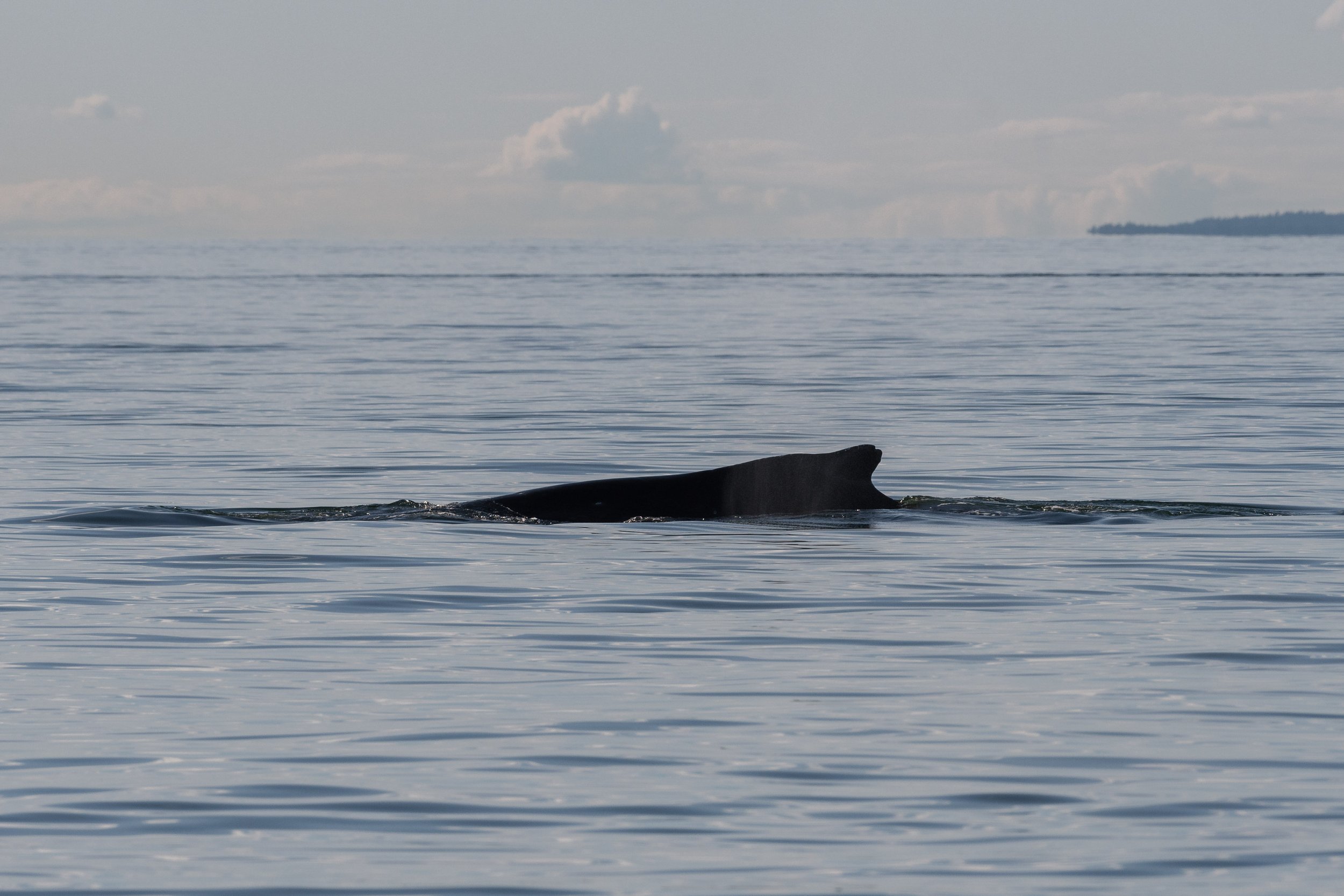
Chi also has a distinct notch visible here.
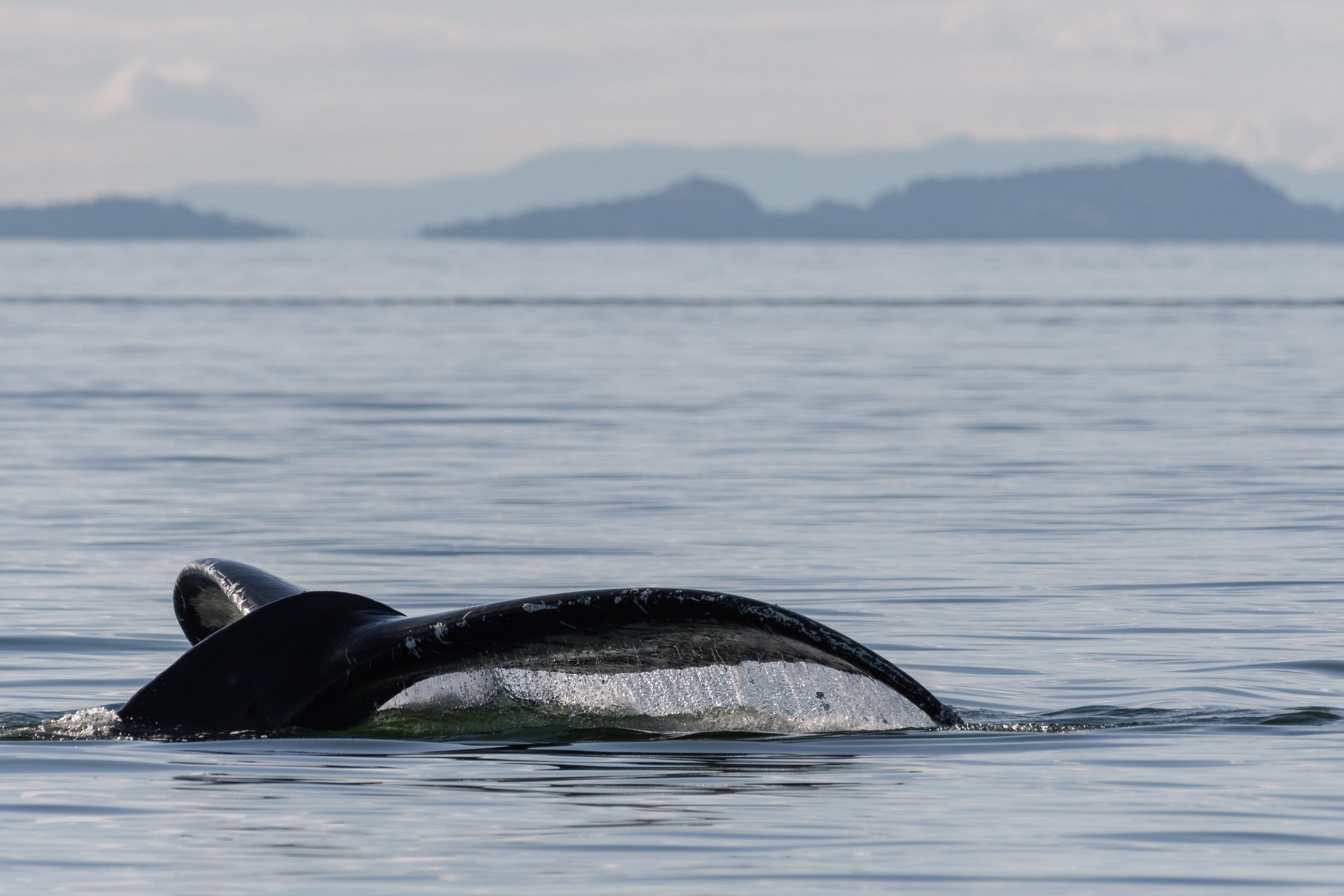
A peaceful scene as Chi dives below the surface.
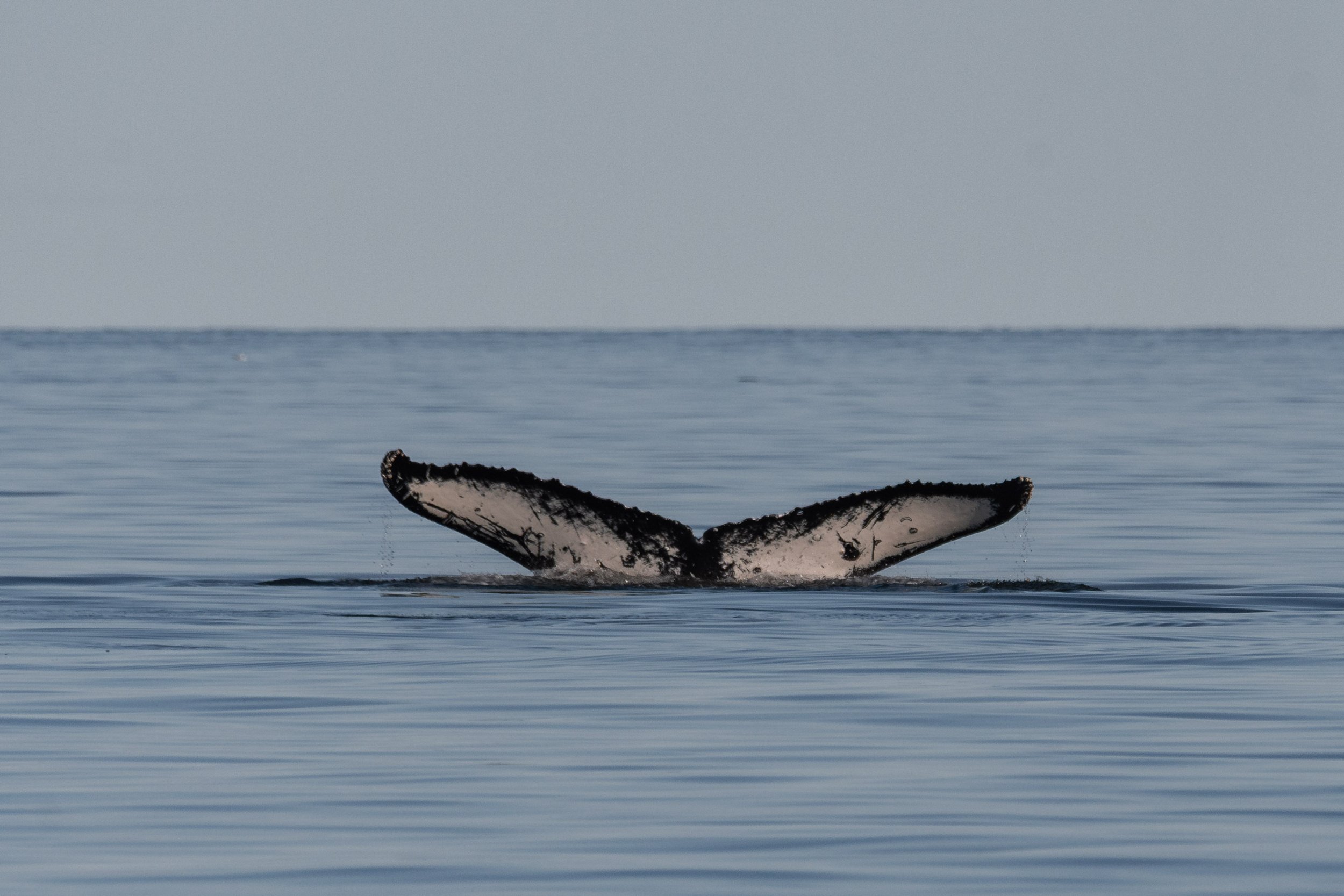
The striking underside of Chi’s tail.
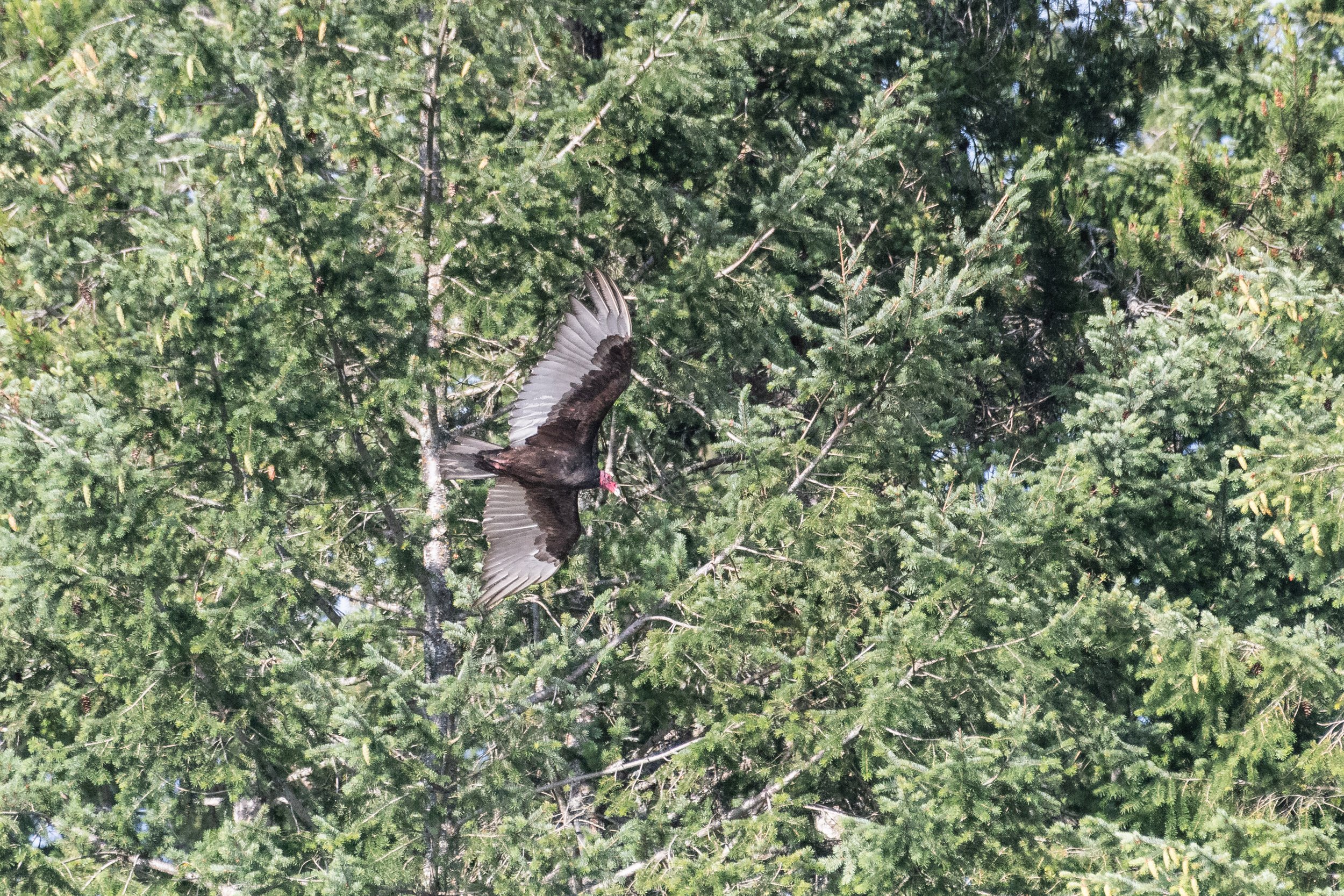
A Turkey Vulture flying overhead.
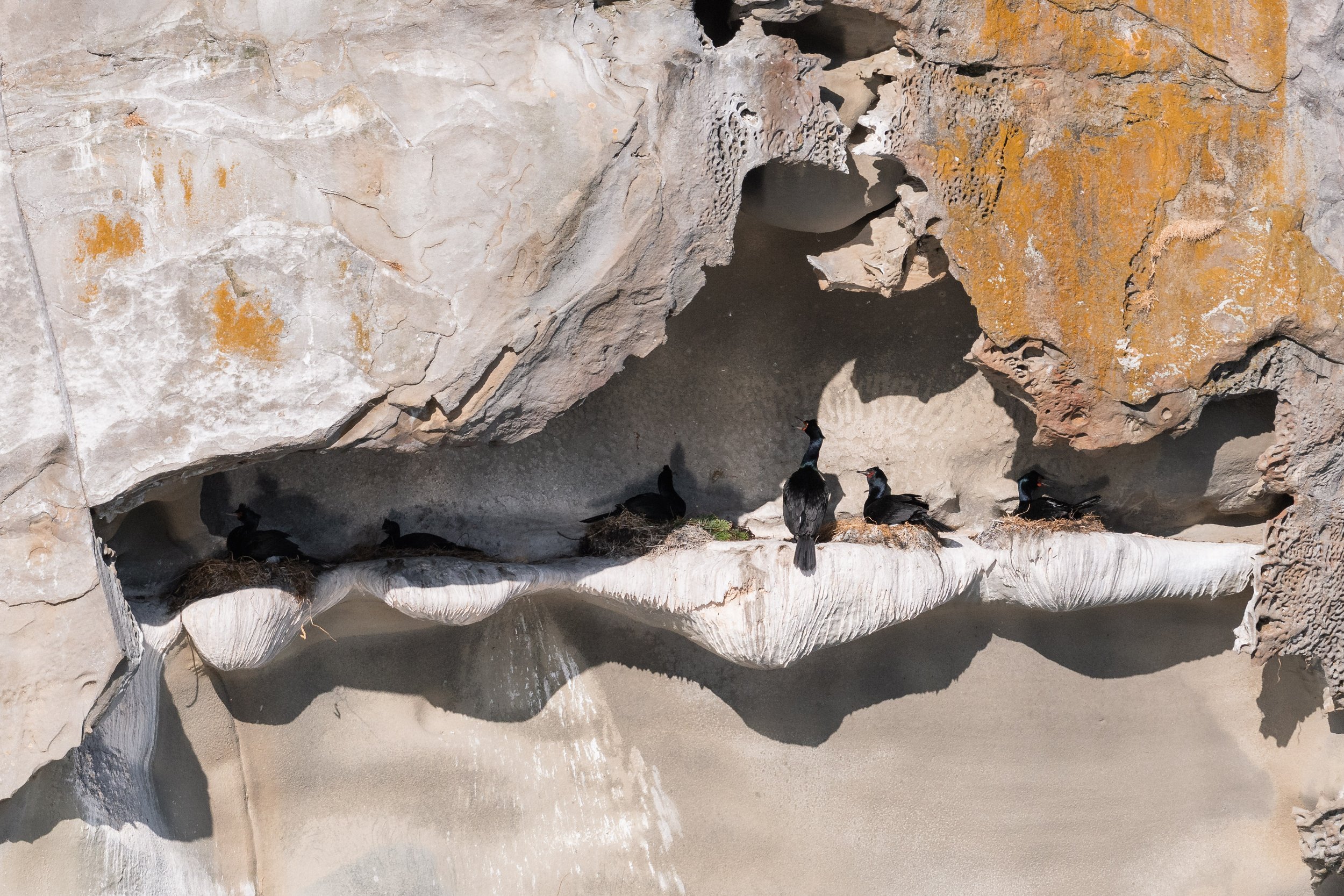
Cormorants on their nests at the Gabriola Bluffs.
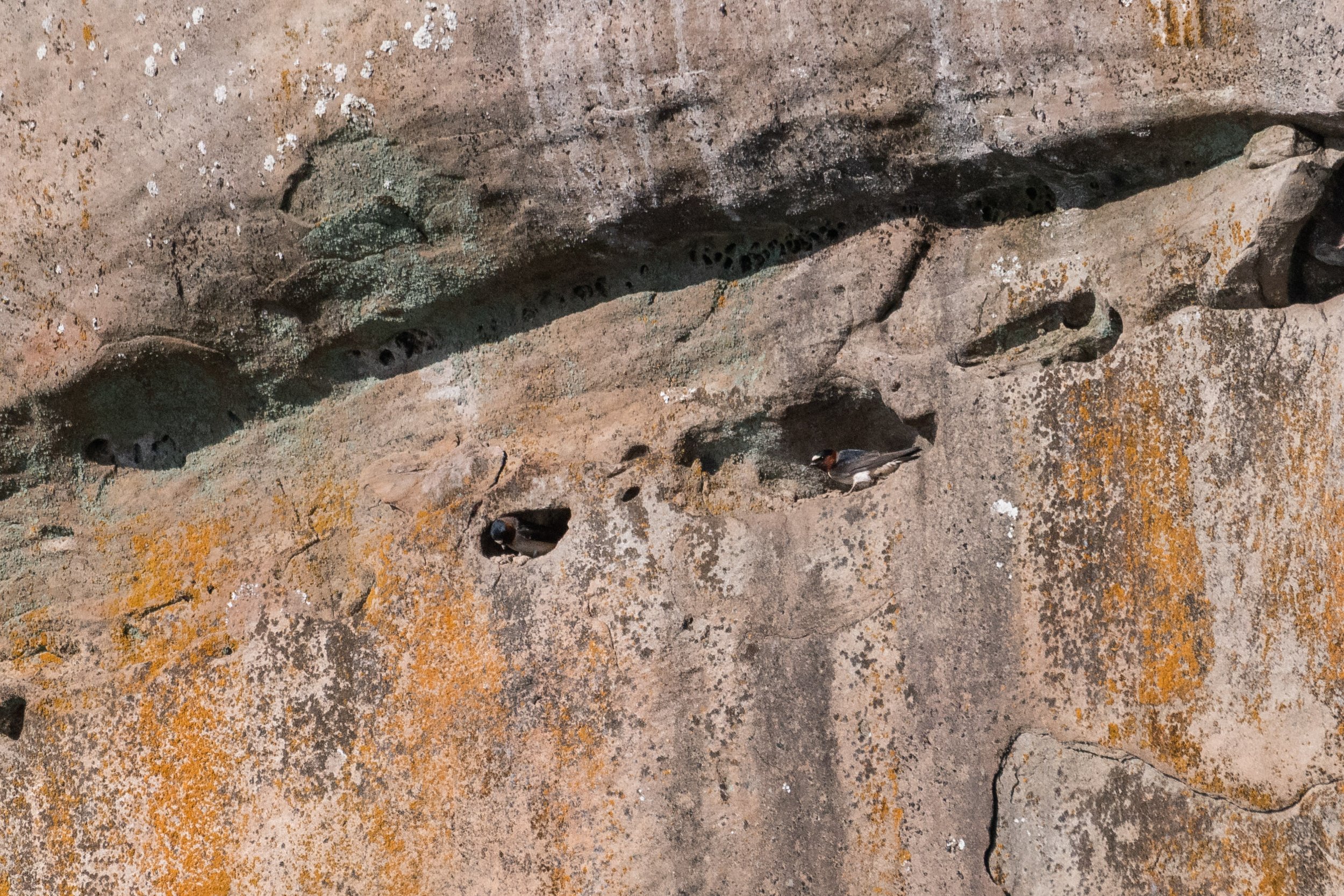
Some Cliff Swallows preparing their nests.
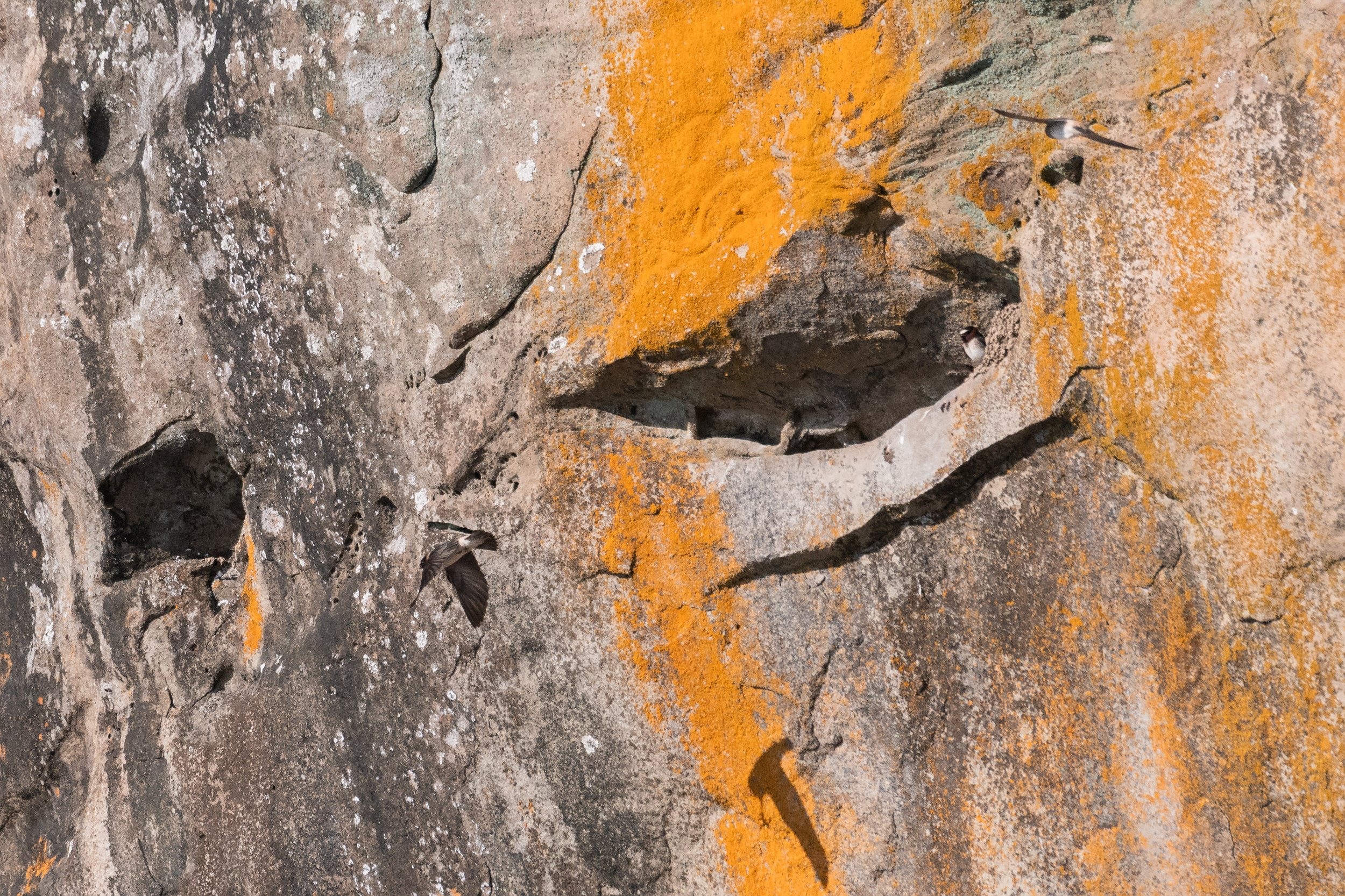
One of the Cliff Swallows taking off!
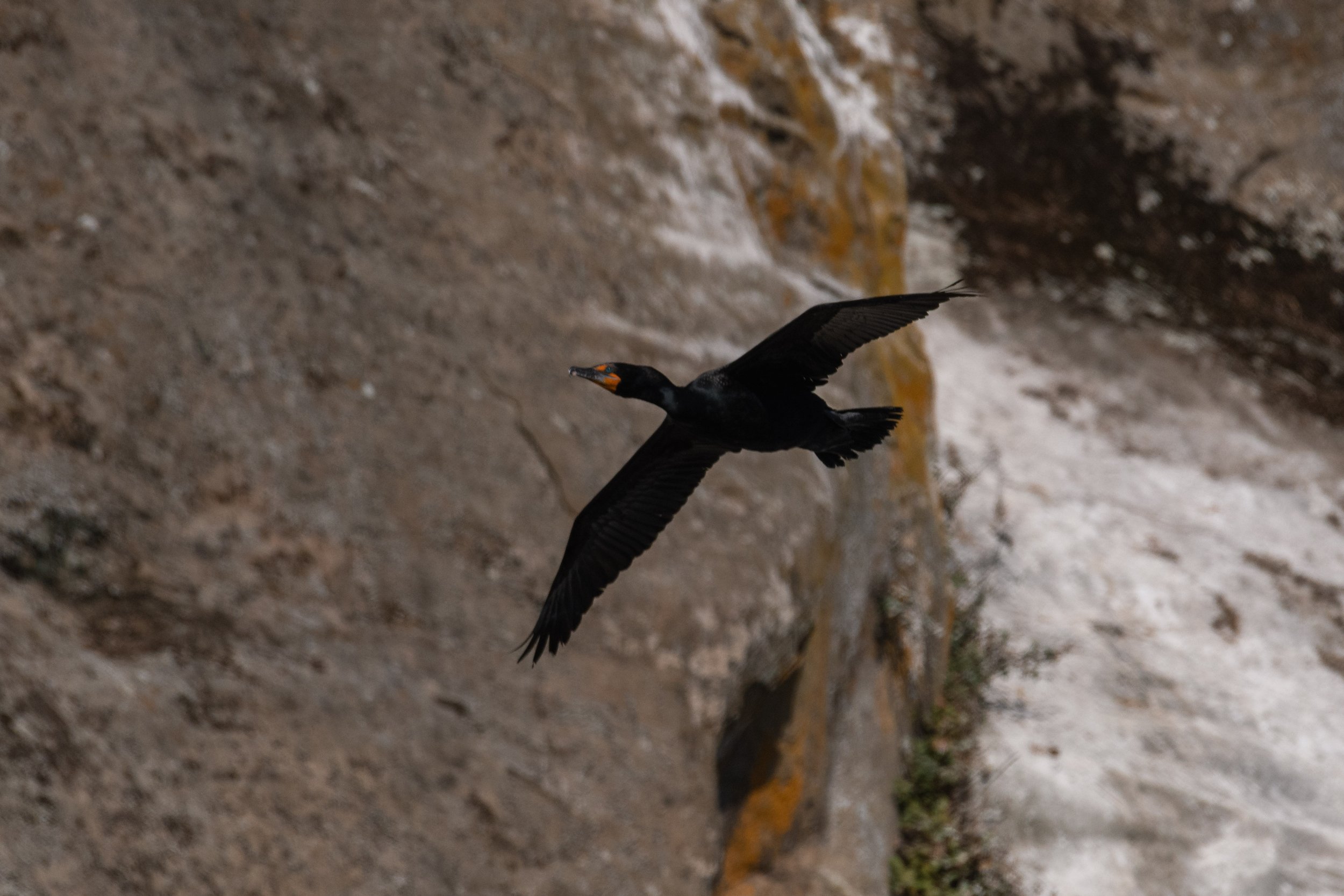
A cormorant flying overhead.