
June 25, 2026 - The T101s in Stuart Channel, plus Astroboy and Slice in the Strait!
It was another great day on the water. Although there were some clouds overhead, we didn’t let that affect our spirits as our two vessels headed out in search of whales. Earlier in the day, we had heard word of a pod of orca crossing through Dodd Narrows, heading south into Stuart Channel, so we followed suit.
We had our eyes peeled as we went, on the lookout for the tall black dorsal fins that we knew should be in the area. After some looping around and waiting for the whales to be at the surface and for us to be in the right place, the pieces finally fell into place, and a yell went out from the Naturalist onboard Kula, Aly, she had spotted the whales! The open boat soon joined the semi-covered in sharing this encounter with the pod that Aly had already identified as the T101s.
T101 Reef ♀ (≤1969)
T101A Rush ♂ (1993)
T101B Lagoon ♂ (1997)
This pod is always exciting to see, partially because of the composition. The two males are impressive, with their dorsal fins towering over their mothers. Although Reef is in charge of this pod, the boys typically get more attention than she does. Often, this pod is reported as “two adults and a baby” since Reef is so much smaller than her boys. But, this is true for all orca. The species displays sexual dimorphism, meaning the males and females look quite different from each other. The main difference is size, most notably with those large dorsal fins. This difference only develops once the whales reach puberty, typically in their early teens. They will be fully grown by the time they are 20; during the intermediate phase, they are called sprouters.
Another interesting thing about orcas is that females go through menopause. Given Reef’s age, she will not be producing any more offspring of her own, but she still has an important role to play in the lives of her sons. Sons will rely on their mom for their entire lives, with her helping them hunt, facilitating social interactions, and much more. Without their mom, males have a much harder time, although with the Transient Orca, it’s not a death sentence. Other ecotypes, like the Residents, are much more reliant on their moms, with an estimated 30% of their daily food intake coming from their moms. Given this increased connection, it’s not surprising that the chance of a male orca passing away increases by 3x in the year following their mother’s death. For mature males, defined as those over the age of 30, this can result in much higher rates, estimated at 8-15% higher!
Although the familial connection is still tight within this group of whales, we wouldn’t expect to see these two pass immediately after their mother; more likely, we would see them travelling as a pair instead. Although you might think this is likely to happen given their ages, females typically live longer lives than males, so while Lagoon and Rush might not live past their 30s or 40s, Reef may survive into her 70s or 80s. This difference is partly due to size and partly to the accumulation of toxins in their bodies. Females can pass those along to their offspring through childbirth and milk production, whereas the males can’t.
All of these whales seemed healthy and happy as we were watching them today, though, no signs of any wear and tear slowing them down in their relatively old age. We enjoyed our time with them until it was time to continue our search, and we continued on our way. The next stop was as we had just entered the Strait of Georgia, just south of Gabriola Pass. It was here that we found our pinnipeds for the day, both Steller Sea Lions and Harbour Seals using different areas of this little rocky outcrop. The two species are easy to tell apart, with the Harbour Seals being much smaller and quieter, with speckling on their coats, whereas the Steller Sea Lions are larger, louder, and have a solid tan colour. Seeing both so close together is always interesting, thanks to these differences.
After our stop at the haul out, both of our boats continued northward, aiming our bows towards Nanaimo, but hoping we might spot something else along the way. Once again, Marine Naturalist Aly spotted a whale, this time a humpback! The open boat once again joined the encounter, and they worked to identify the two whales present as Astroboy (BCX2152) and Slice (BCX2487). Luckily for us, both these whales have very distinct dorsal fins, which helped with their identification today, especially since Slice only showed up once, not fluking before continuing on from their buddy. Astroboy was more inclined to stay around, actually getting curious about one of our boats. During this interaction, the Naturalist on board Cascadia, Evan, captured a shot of the underside of this whale, allowing us to figure out that Astroboy is actually Astrogirl! Determining the sex of a whale isn’t always so easy, since the main difference between males and females is a small, grapefruit-sized lump just down from their genital slit. Although they don’t know for sure what this Hemispherical Lobe does, they know that only females have it.
Soon enough, it also came time to leave these whales behind and return to Nanaimo. It was a great day to spend on the water! Please enjoy the photos included below, taken throughout the trip by Marine Naturalists Aly Kohlman and Evan Hessels!
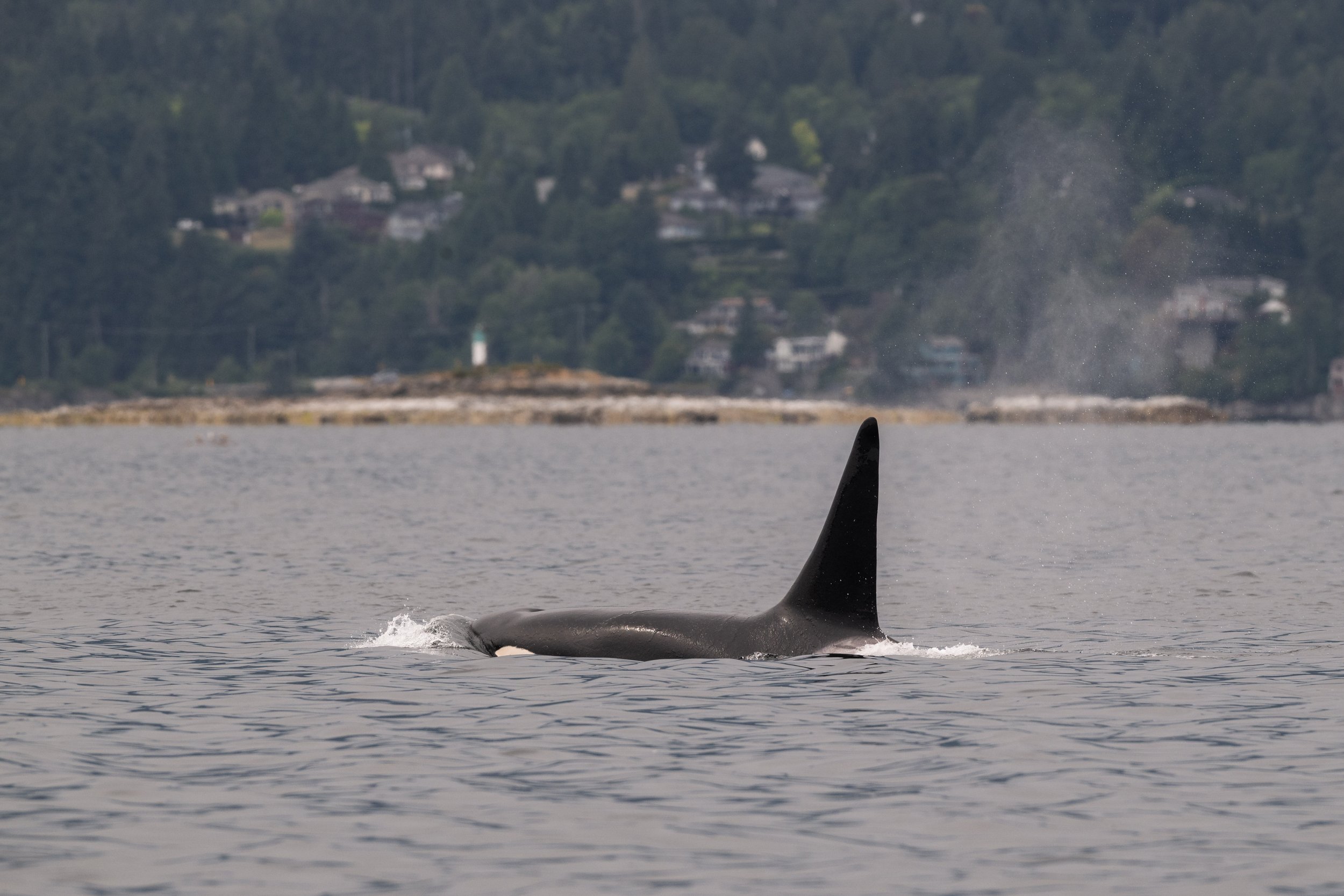
T101B Lagoon surfacing in the calm. Photo by Aly Kohlman.
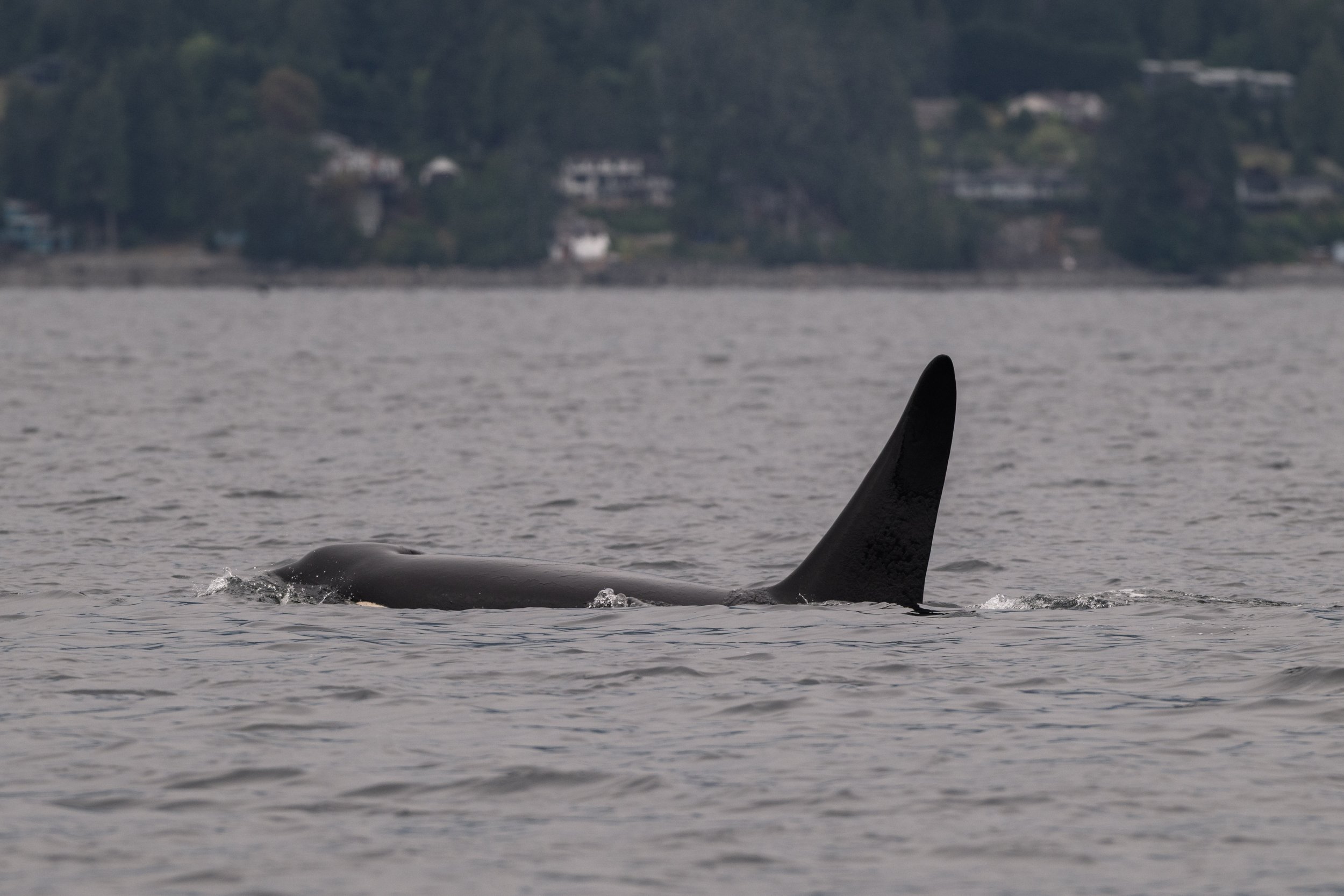
T101A Rush with his tall dorsal fin. Photo by Aly Kohlman.
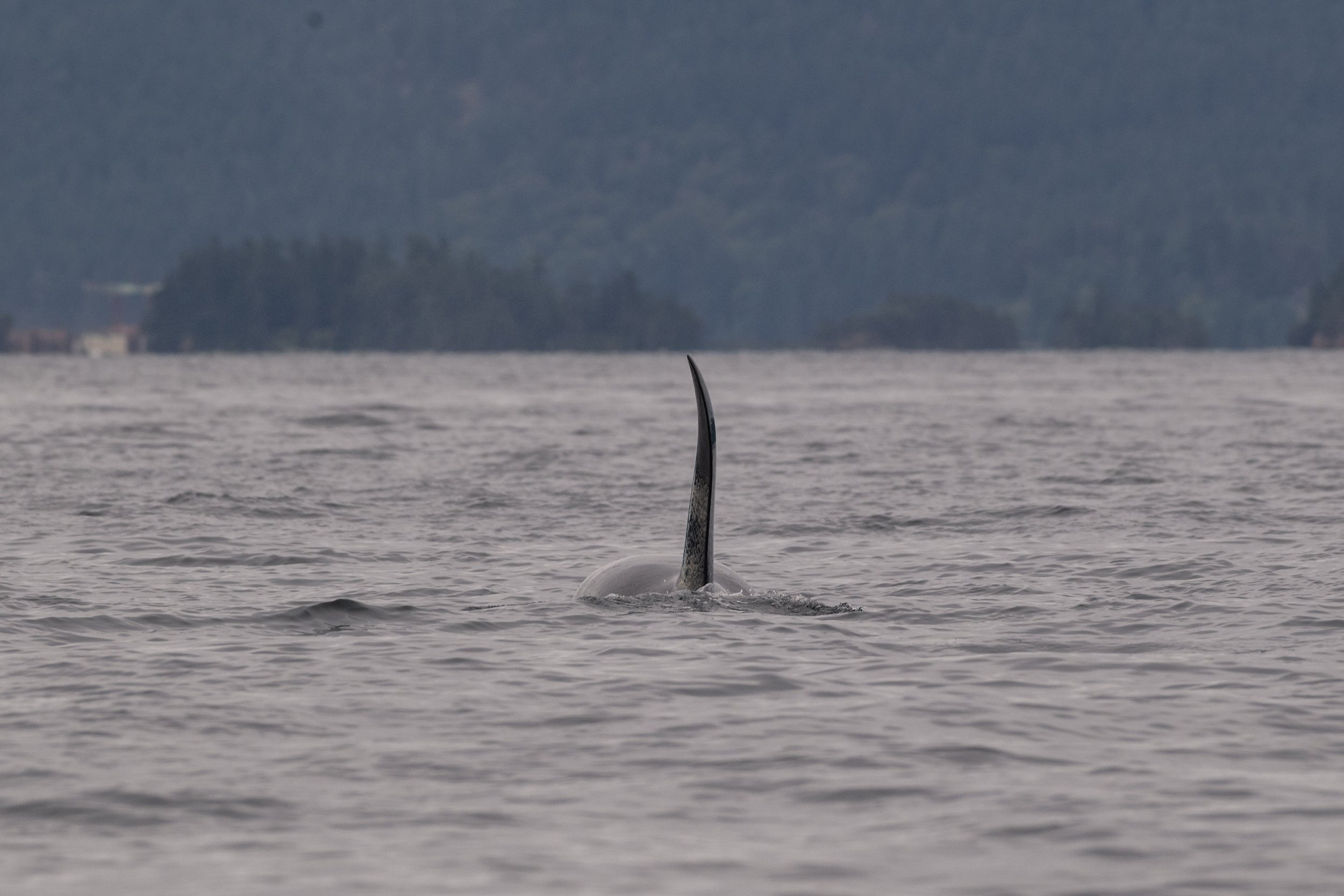
T101A Rush has a slight bend to the top of his dorsal fin. Photo by Aly Kohlman.
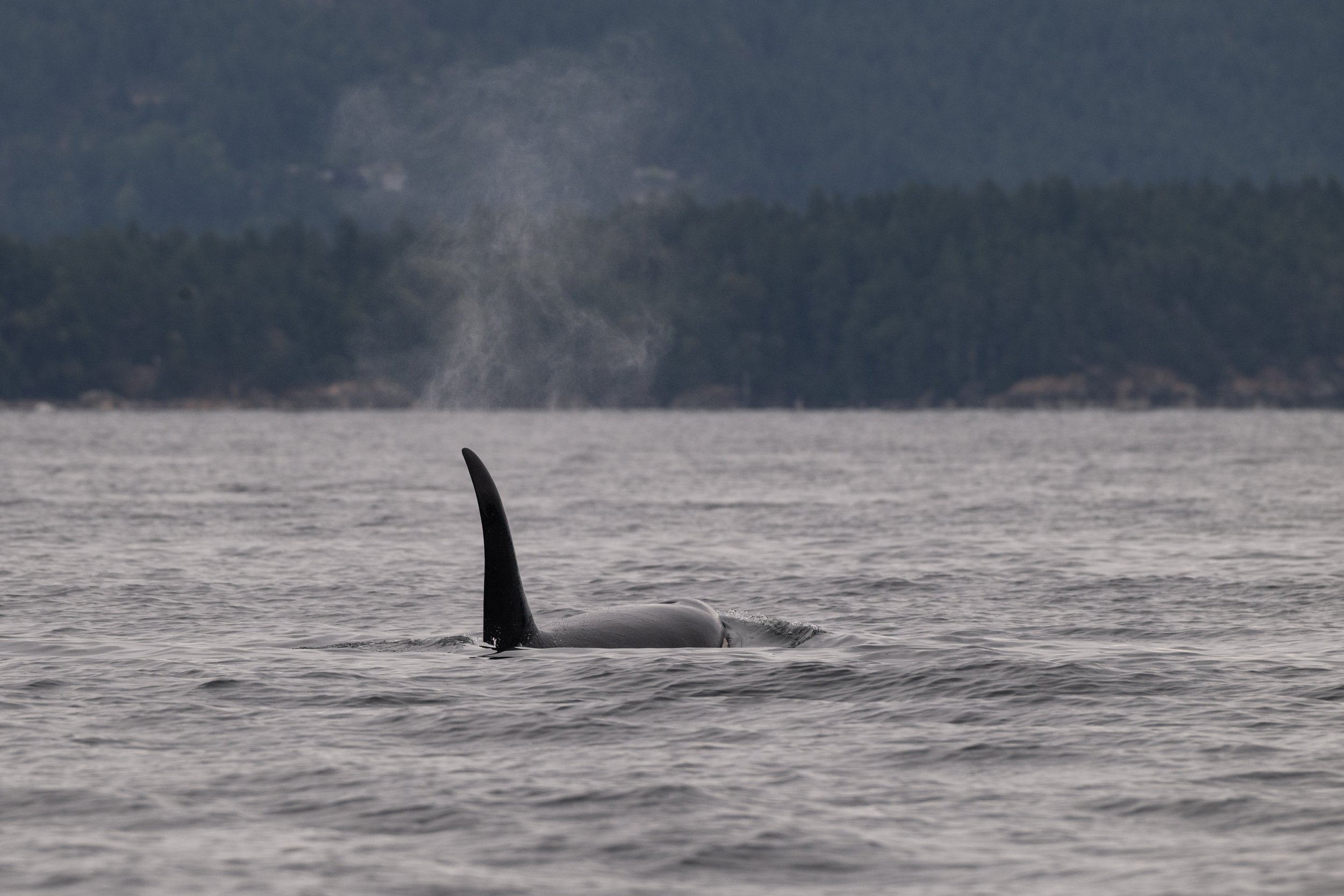
T101A Rush swimming away. Photo by Aly Kohlman.
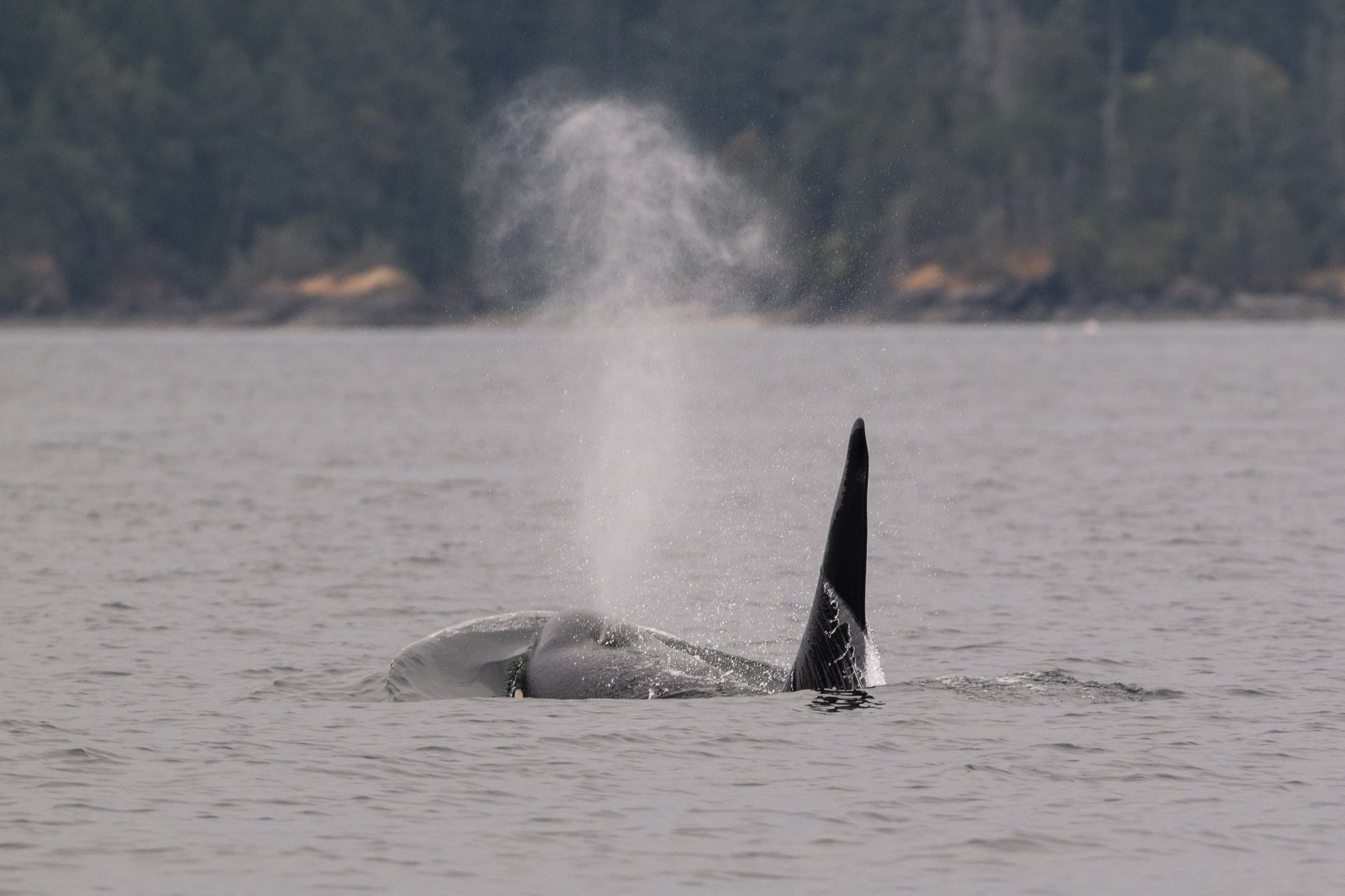
A big exhale from T101B Lagoon. Photo by Aly Kohlman.
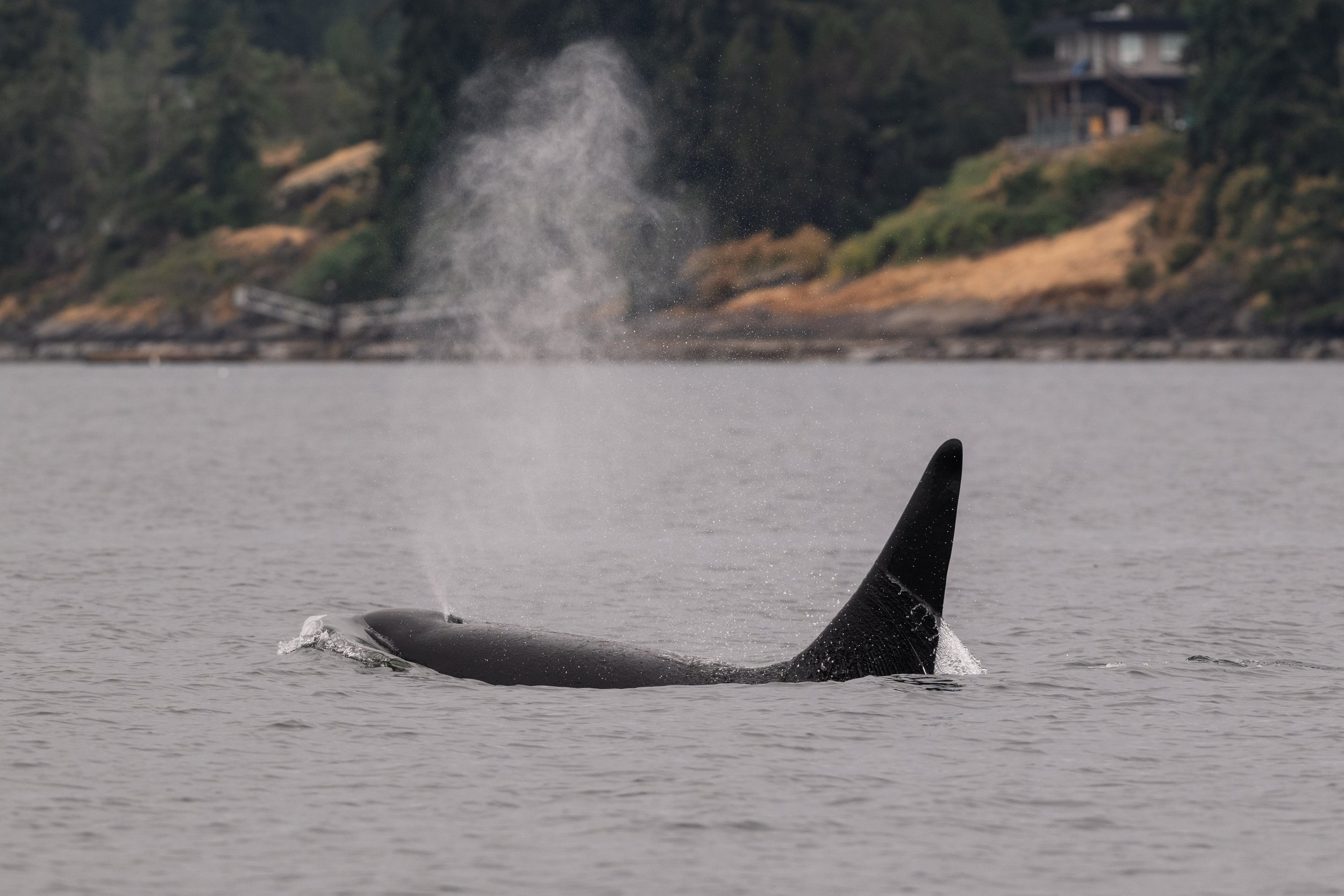
T101B exhaling at the surface. Photo by Aly Kohlman.
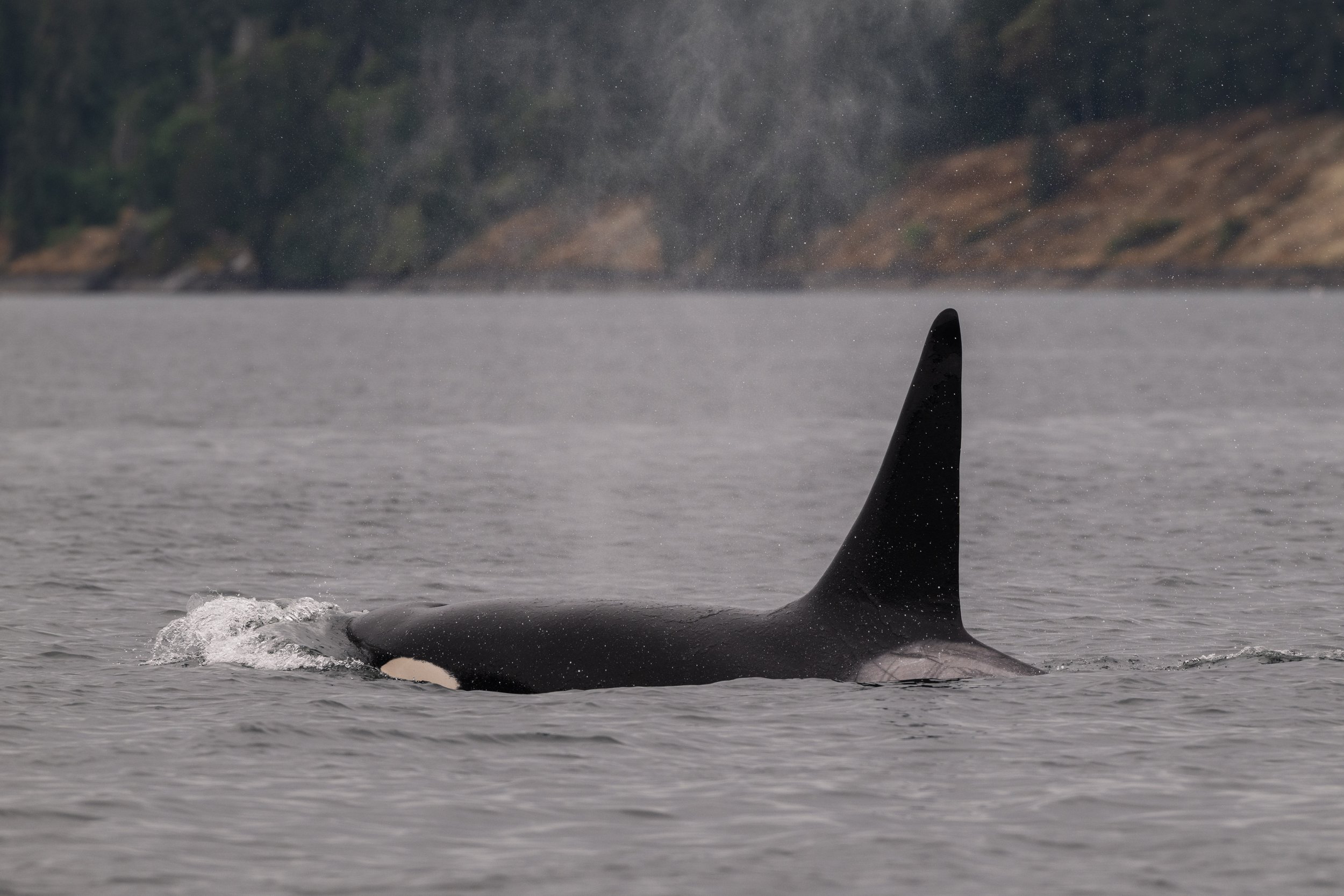
Those scars on T101B Lagoon’s dorsal fin is one way we can tell him and his brother apart. Photo by Aly Kohlman.
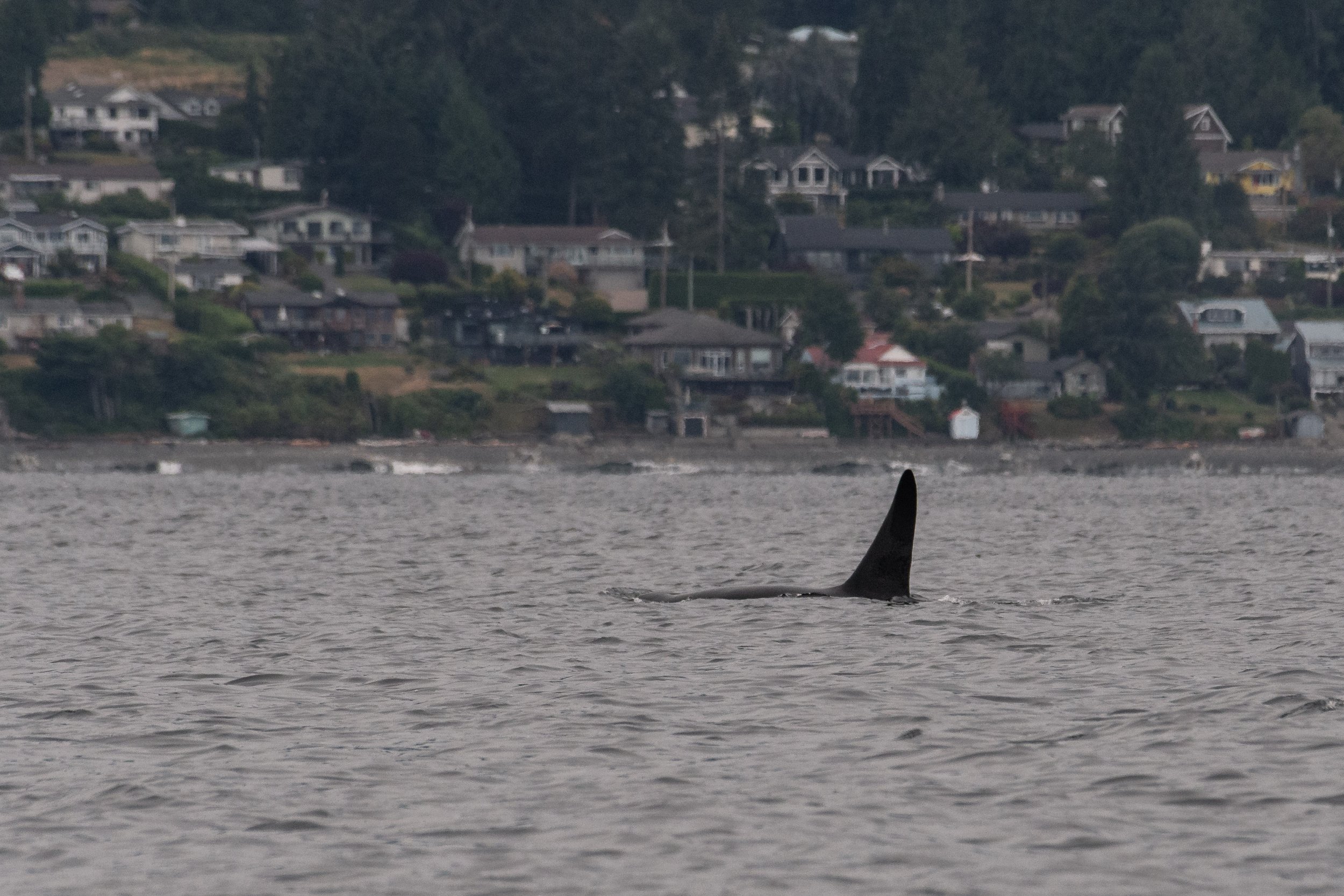
T101A Rush in the distance. Photo by Evan Hessels.
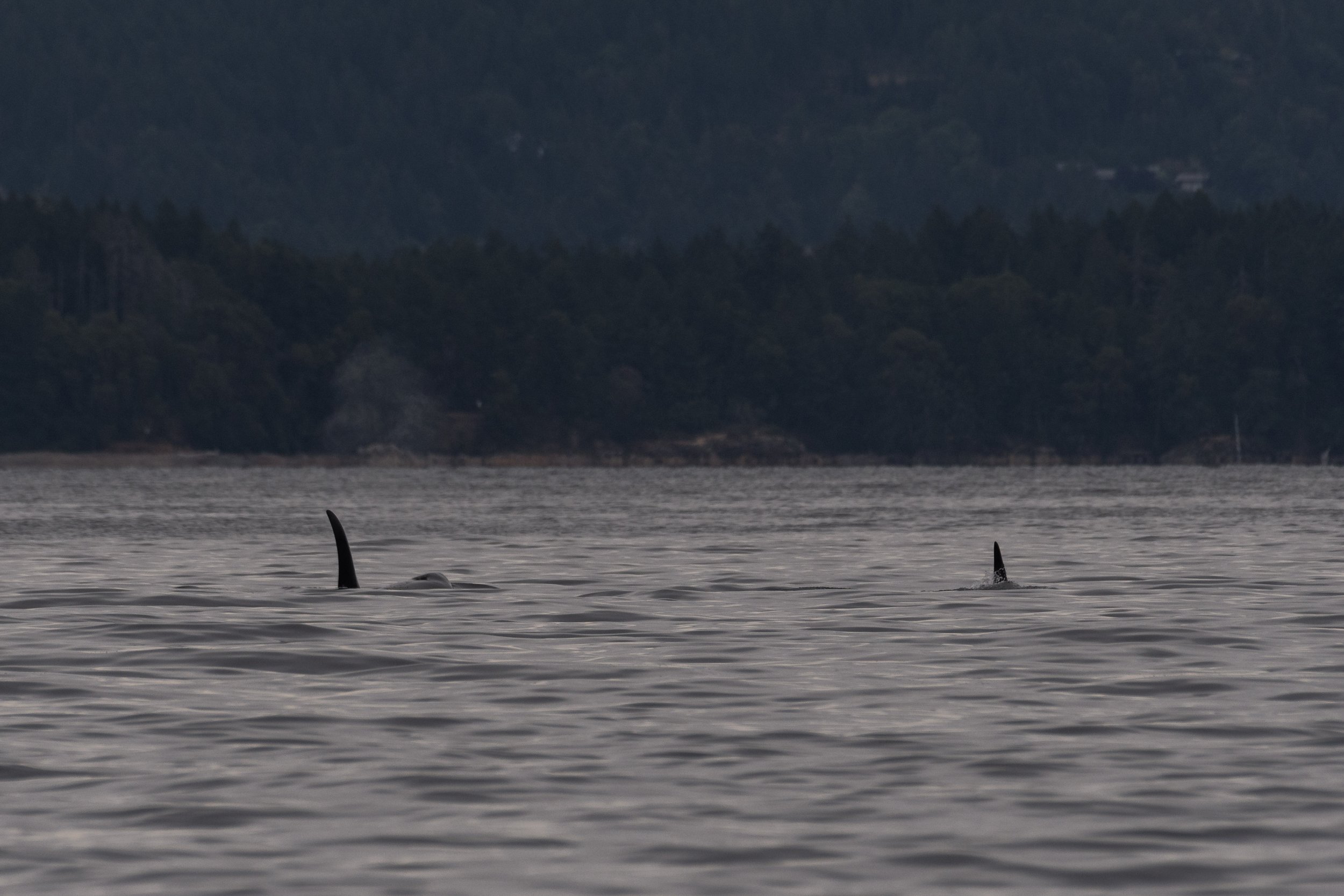
T101A Rush surfacing beside his mom T101 Reef. Photo by Evan Hessels.
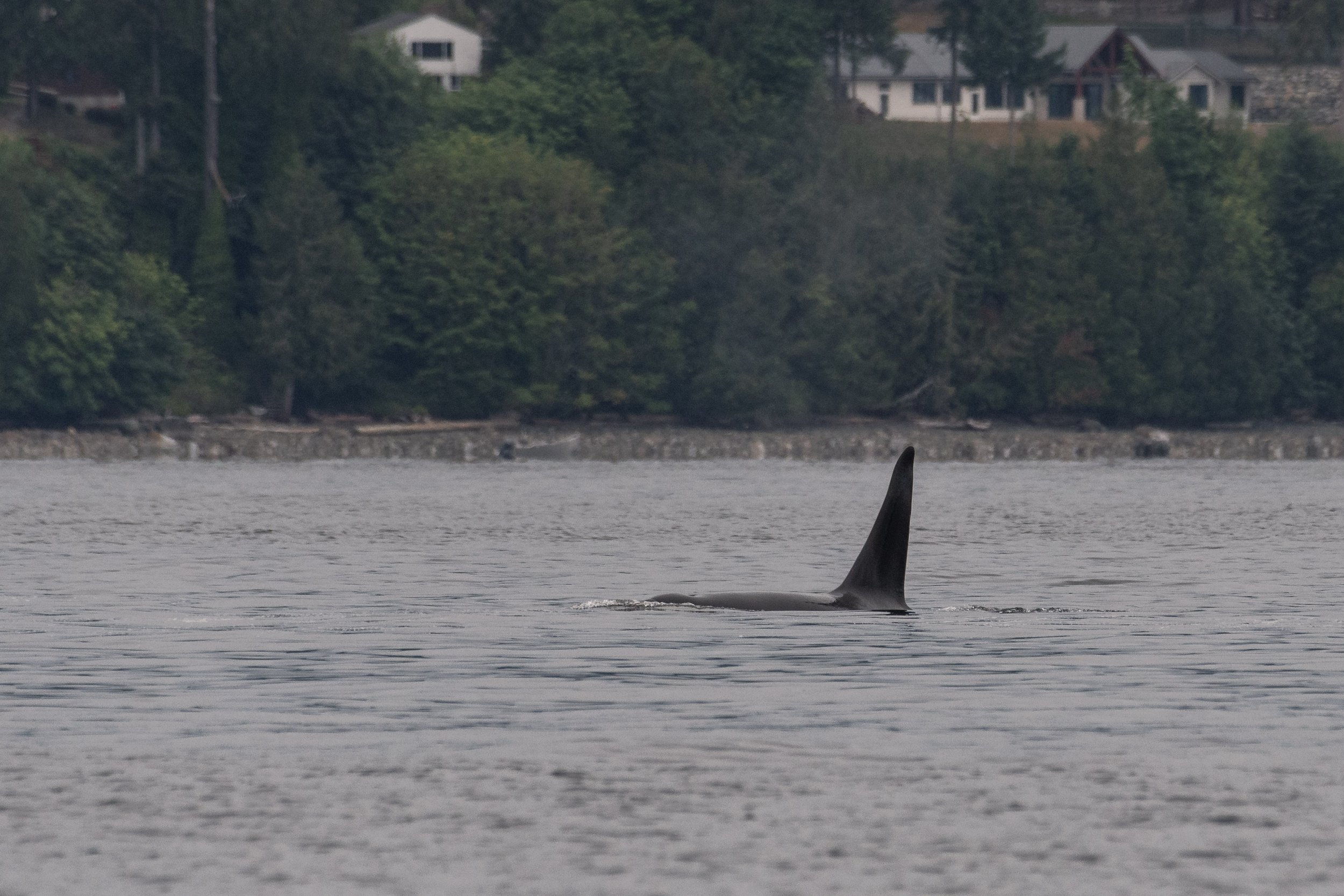
T101B Lagoon surfacing. Photo by Evan Hessels.
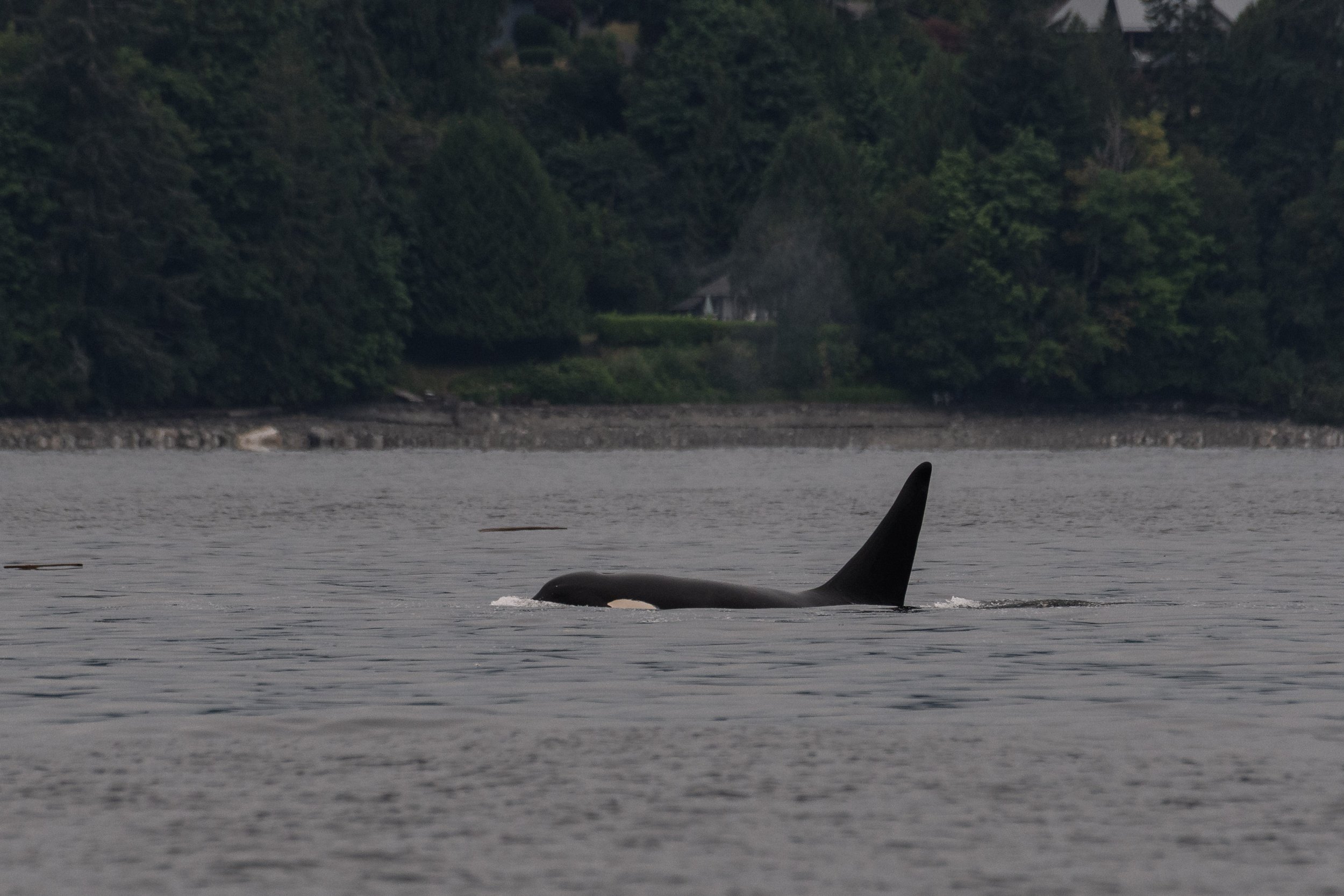
T101B Lagoon showing off his eye patch. Photo by Evan Hessels.
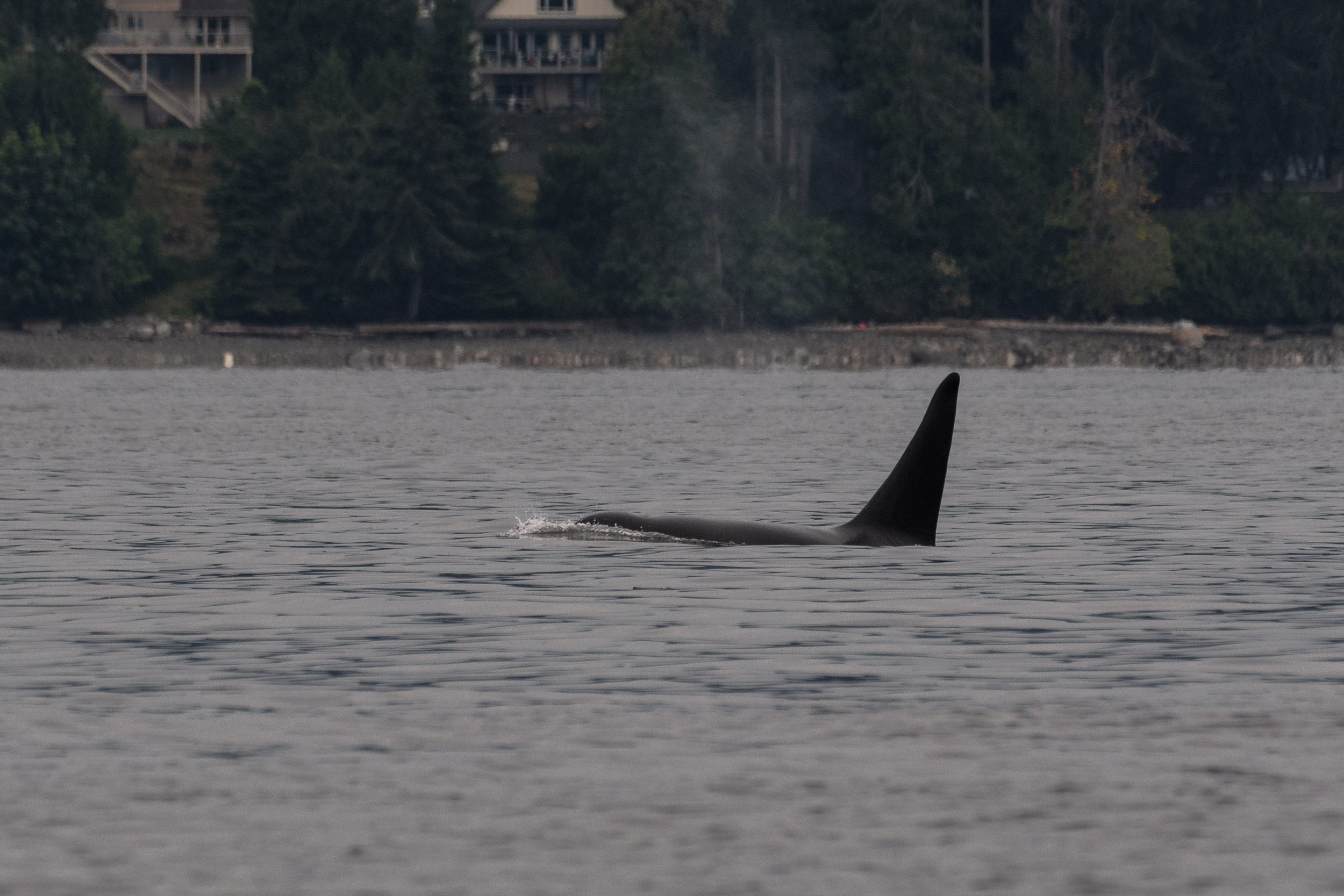
T101B Lagoon surfacing in the calm water. Photo by Evan Hessels.
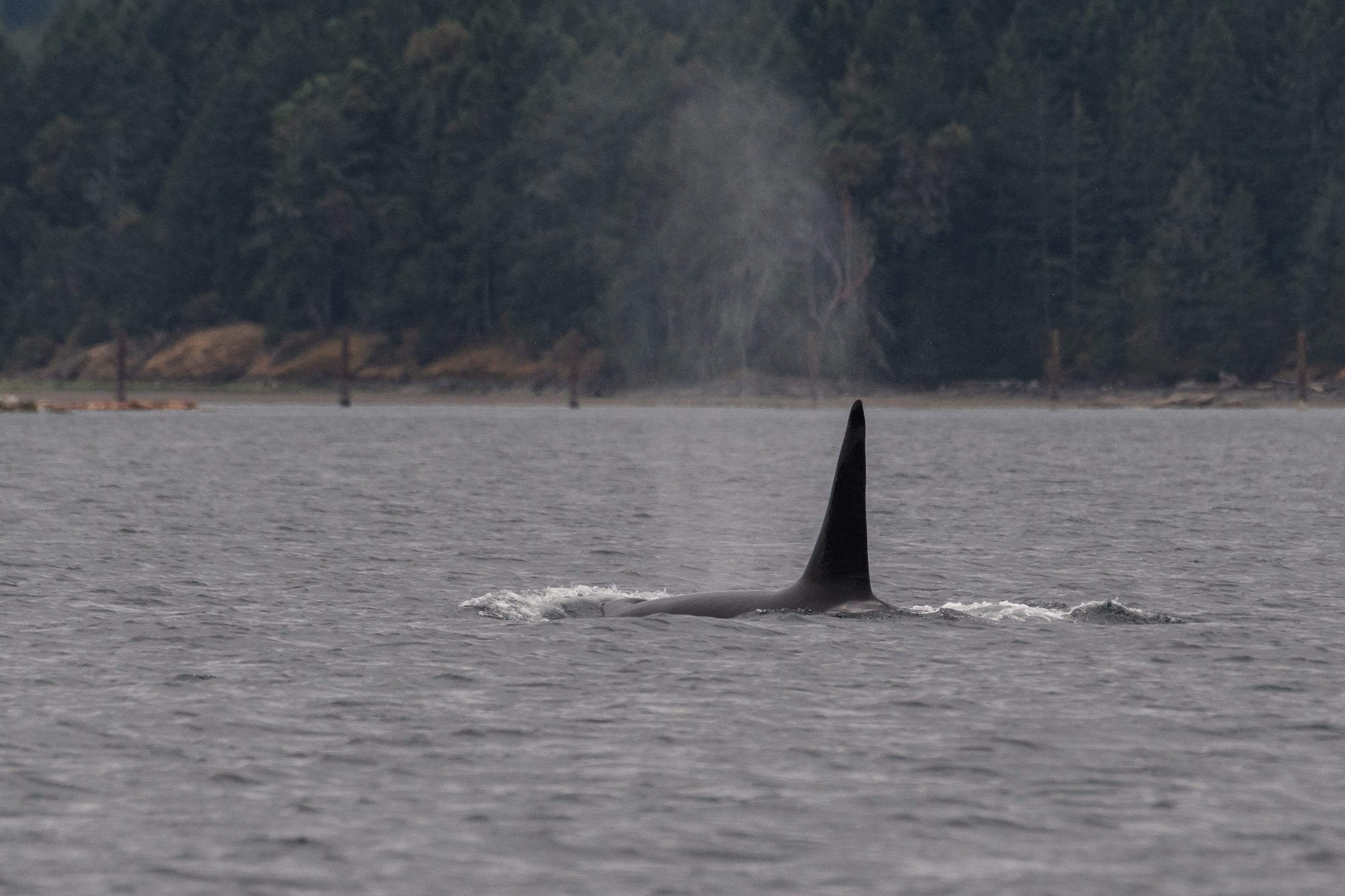
T101B Lagoon swimming off. Photo by Evan Hessels.
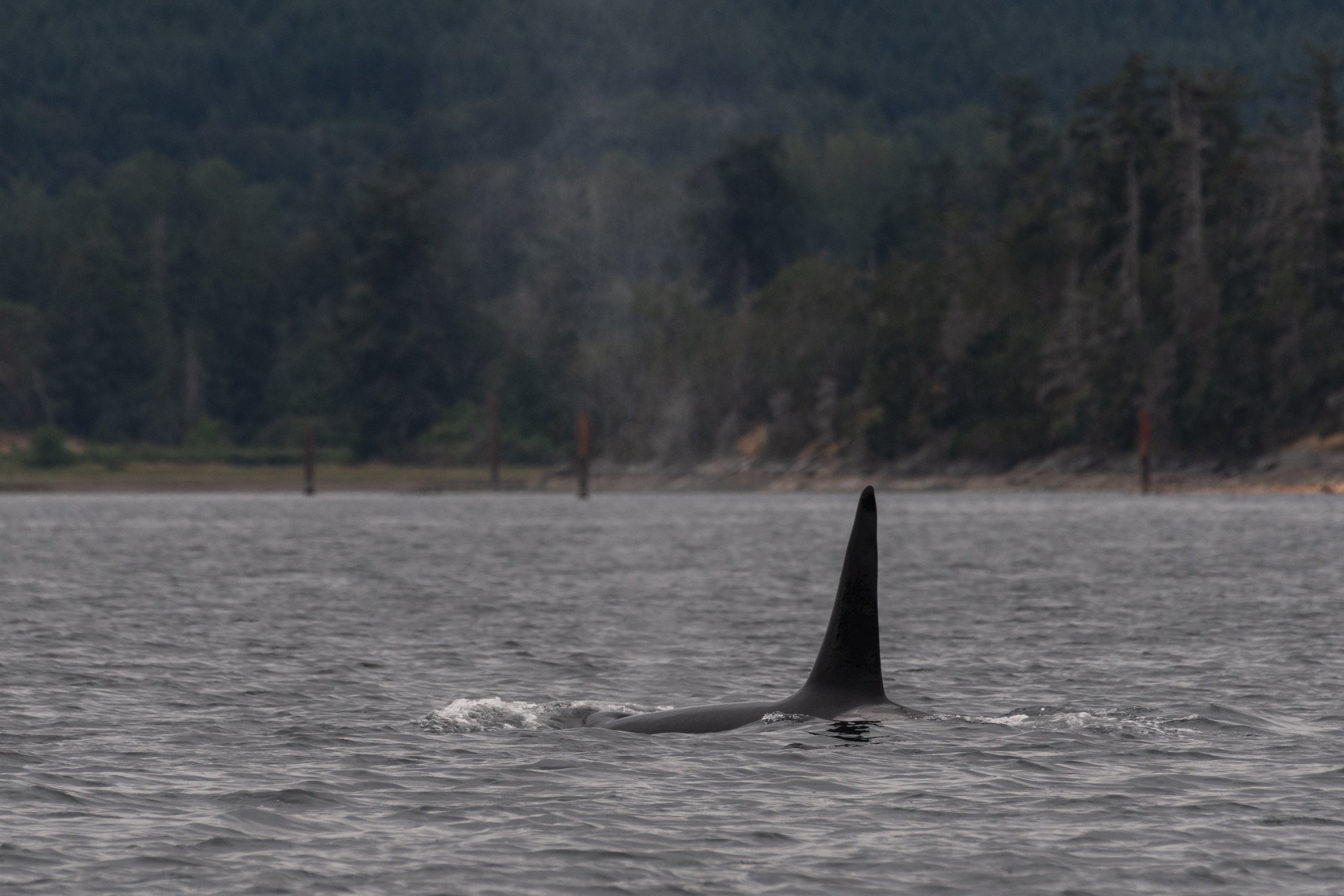
A final look at T101B Lagoon. Photo by Evan Hessels.
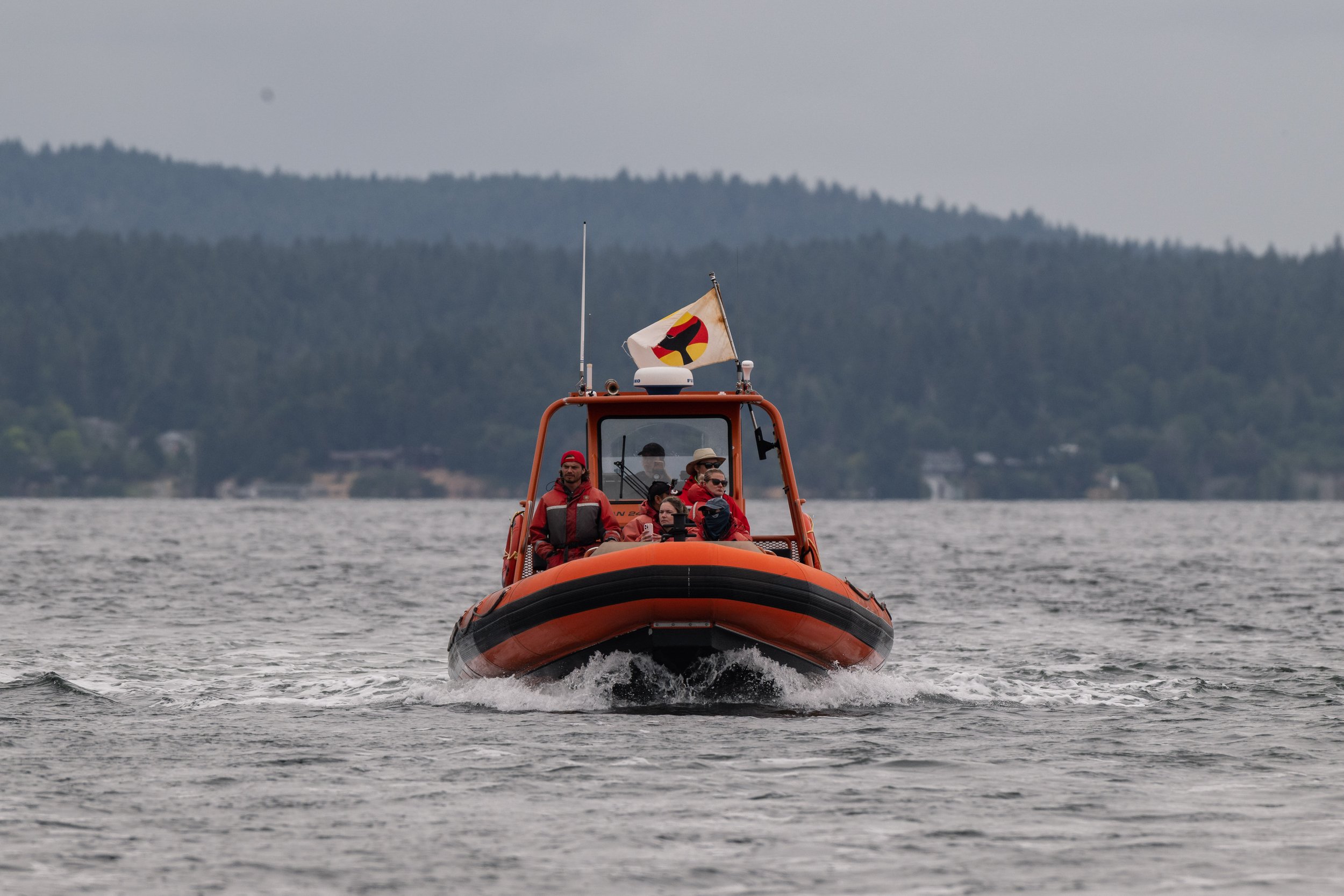
Happy Whale Watchers on Cascadia. Photo by Aly Kohlman.
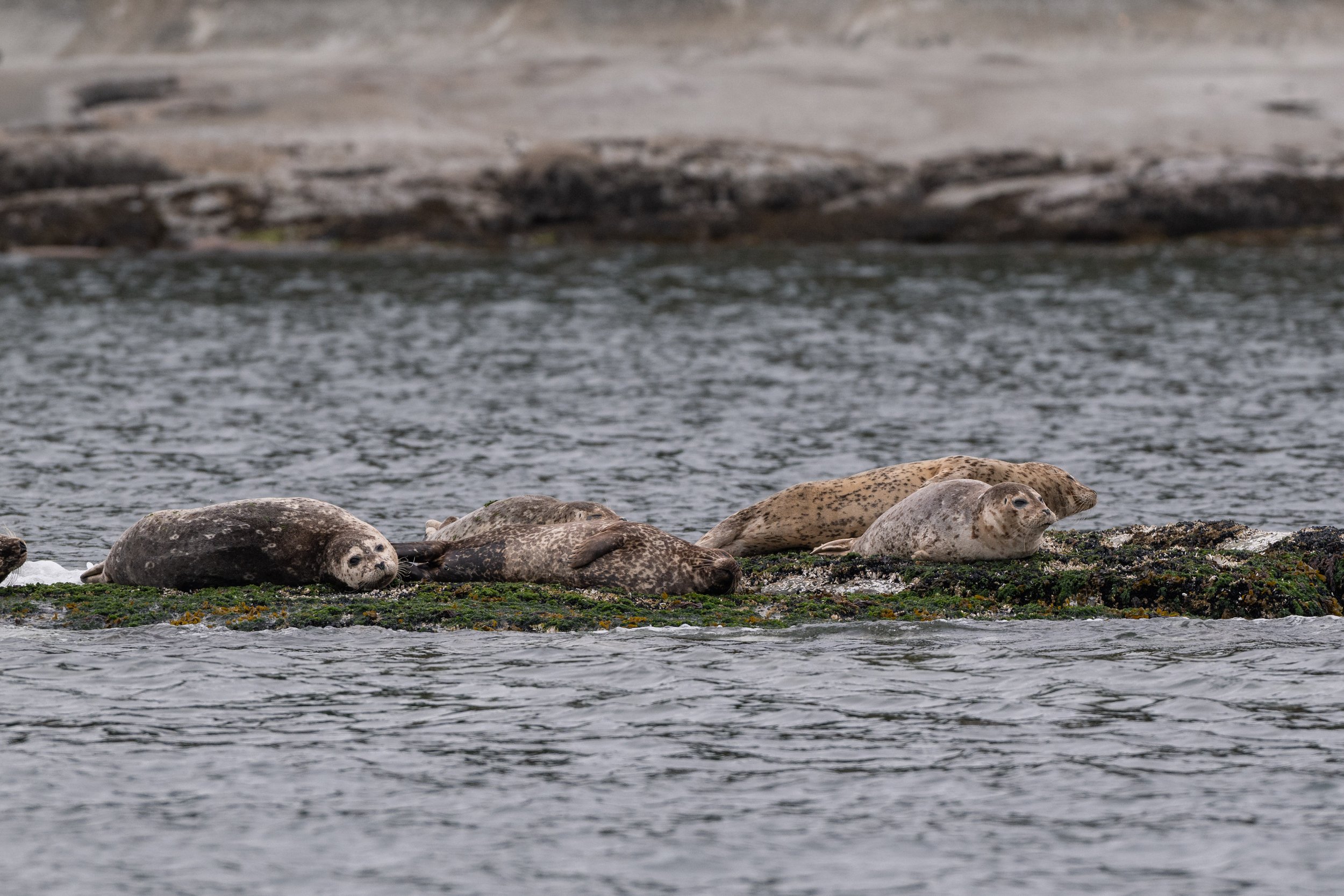
Harbour Seals spending time at Stinky Rock. Photo by Aly Kohlman.
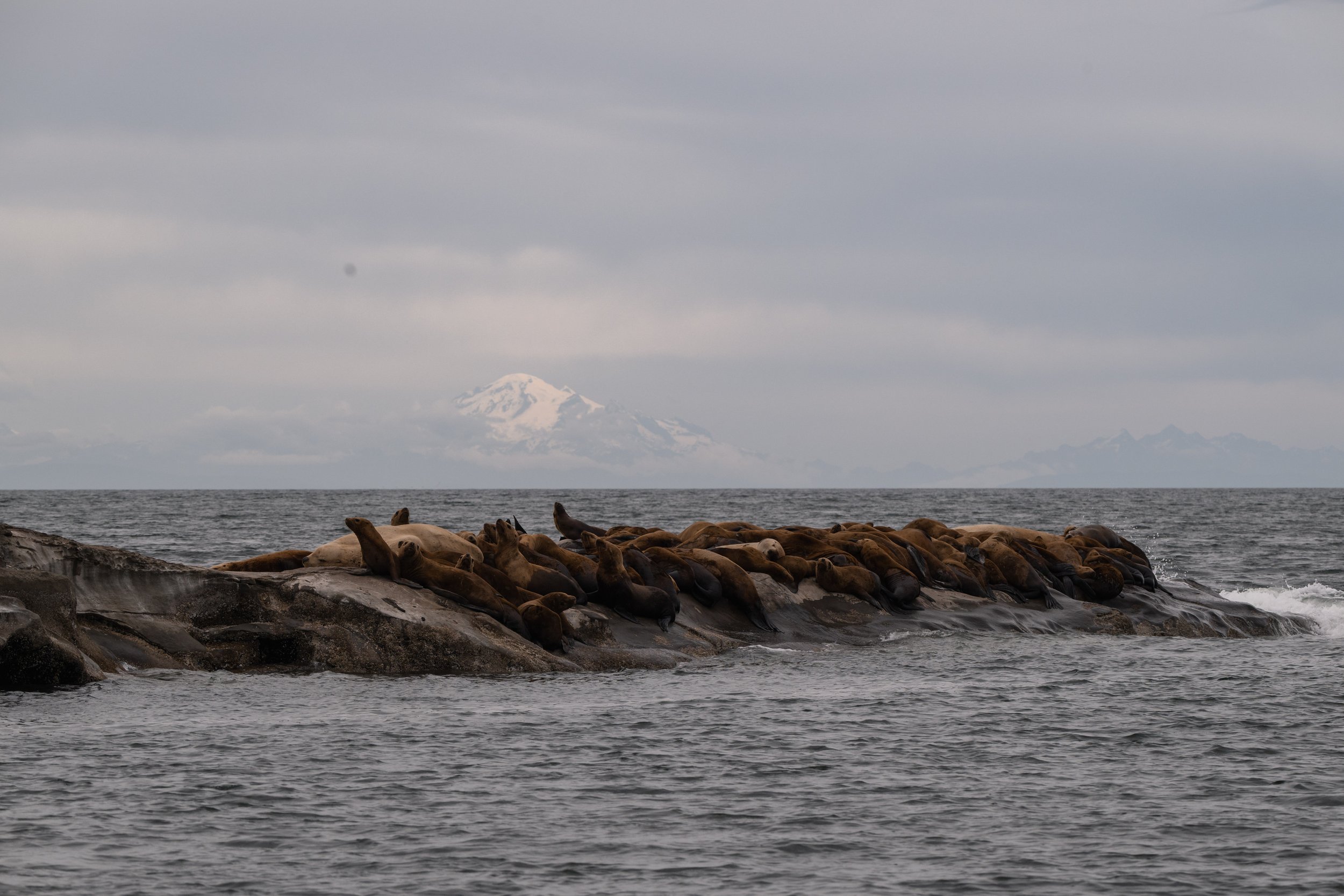
The Steller Sea Lion haul out with Mt. Baker as the background. Photo by Aly Kohlman.
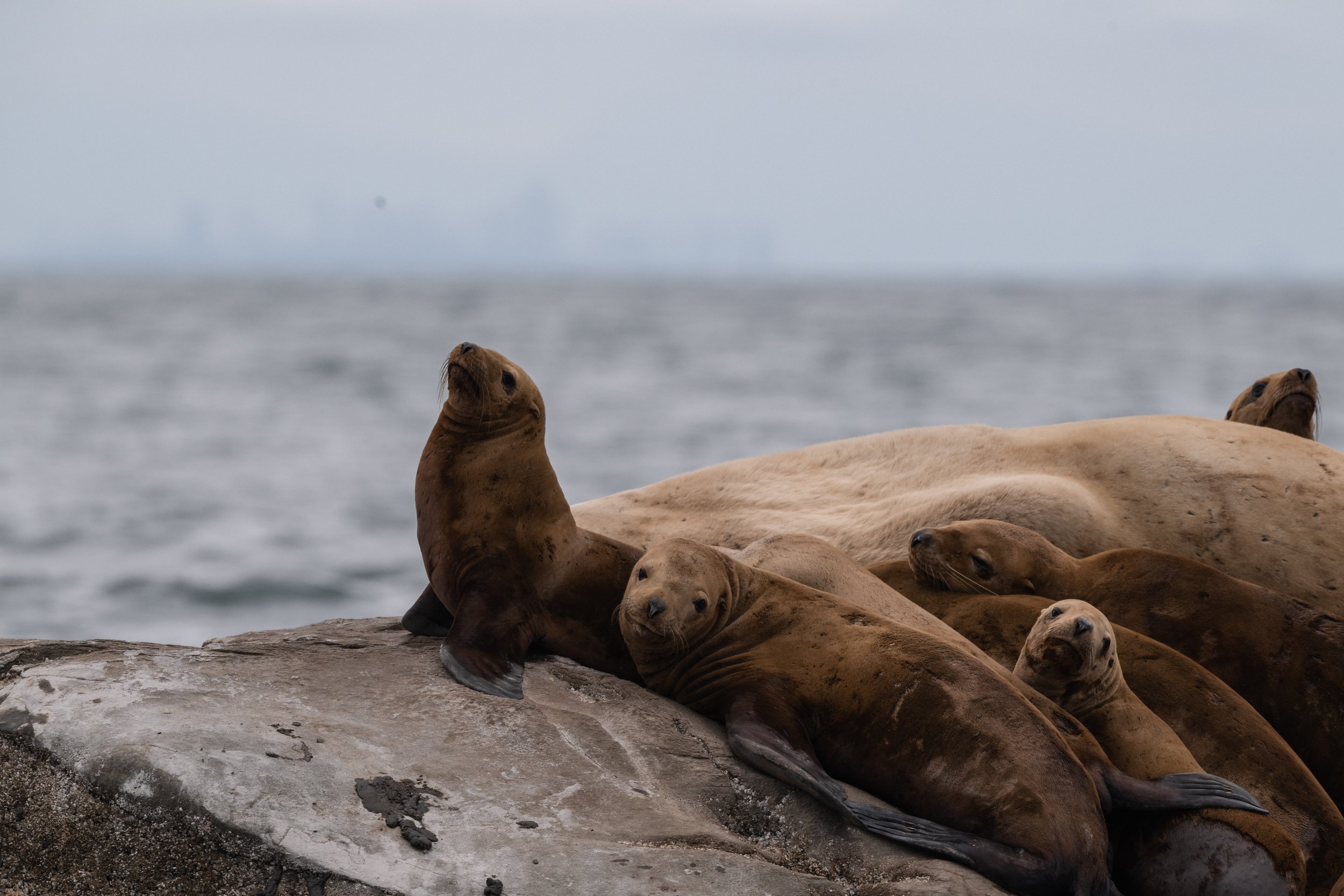
Steller Sea Lions striking a pose. Photo by Aly Kohlman.
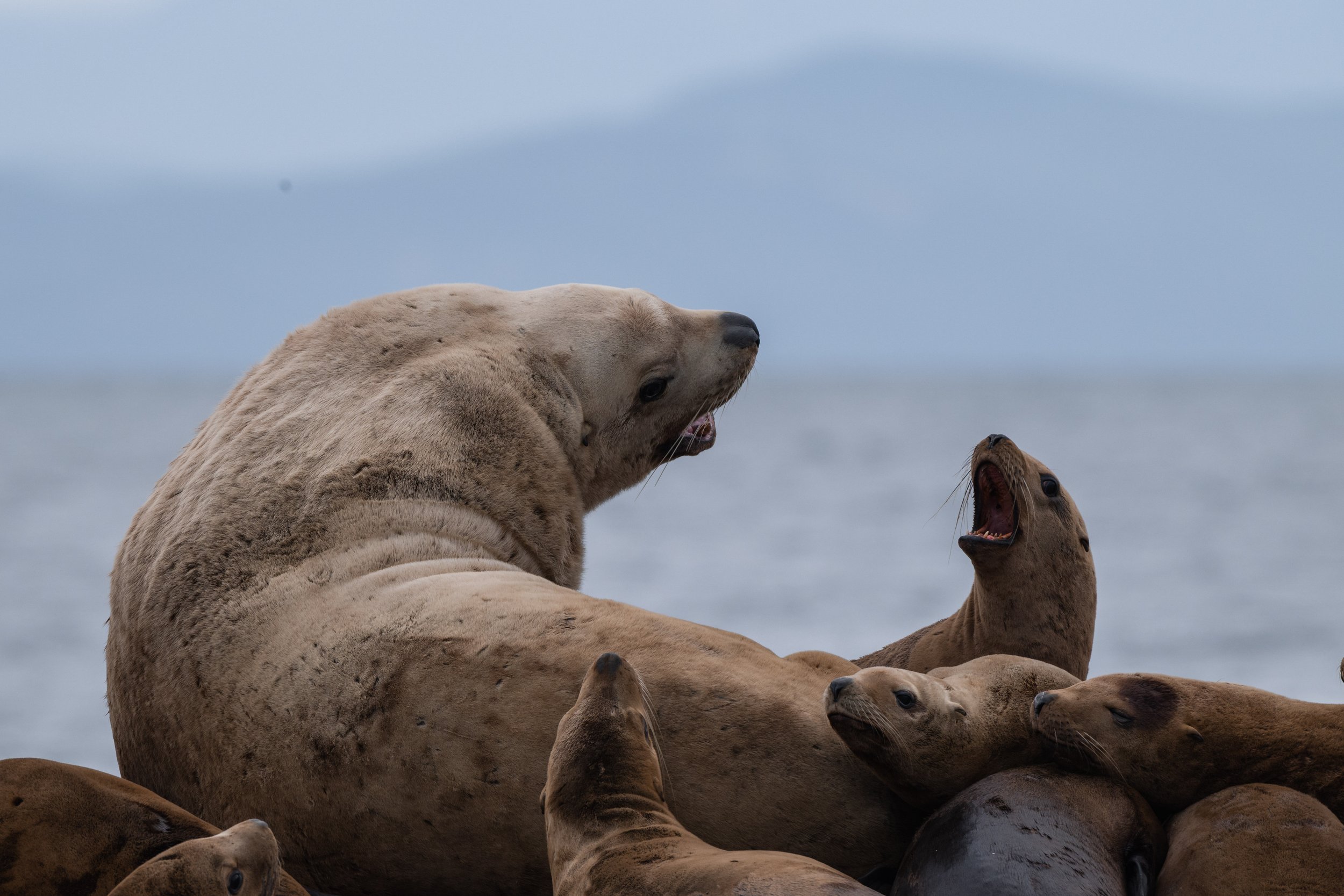
A fight breaking out on Stinky Rock. Photo by Aly Kohlman.
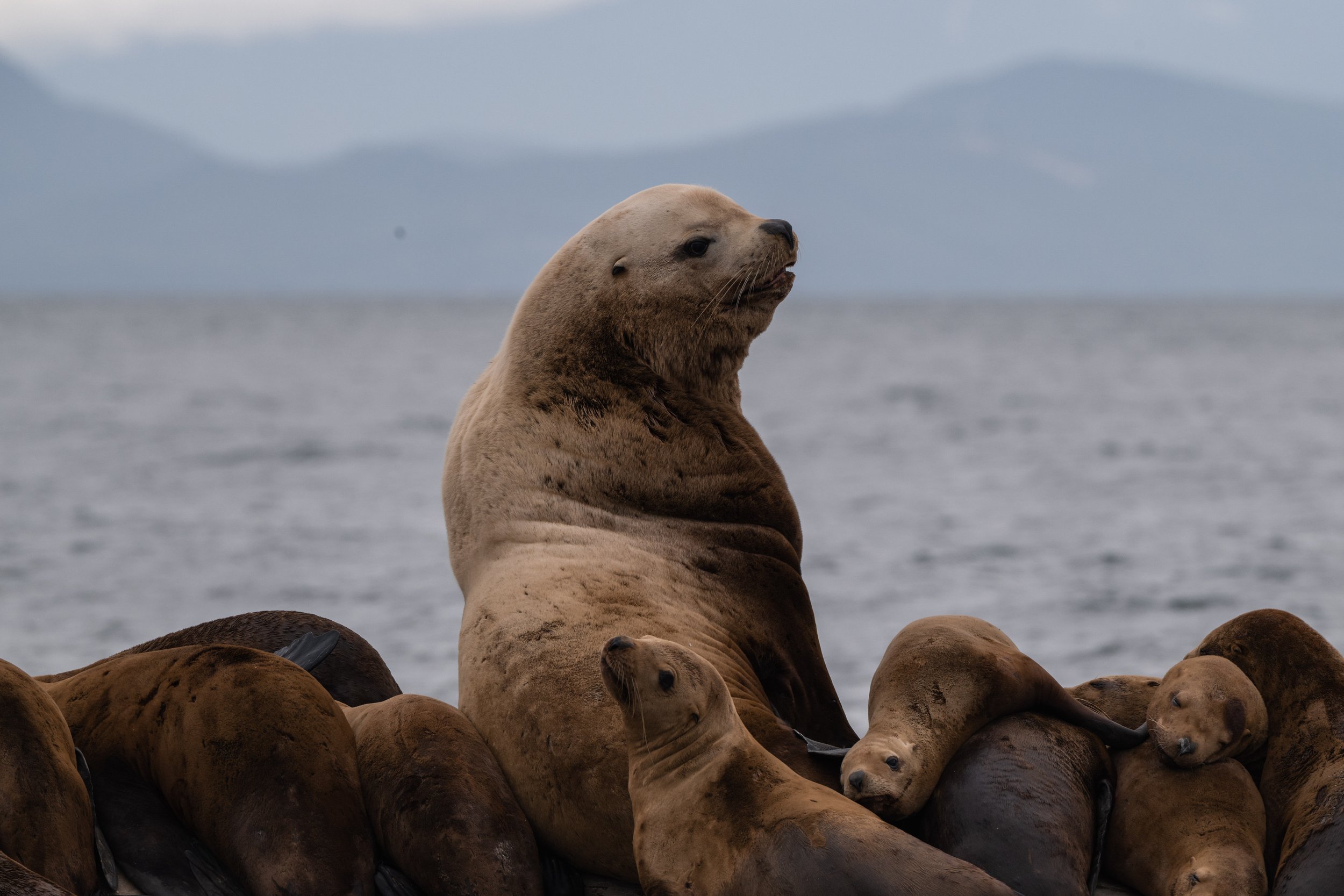
A very funny pose from the big Male Steller Sea Lion. Photo by Aly Kohlman.
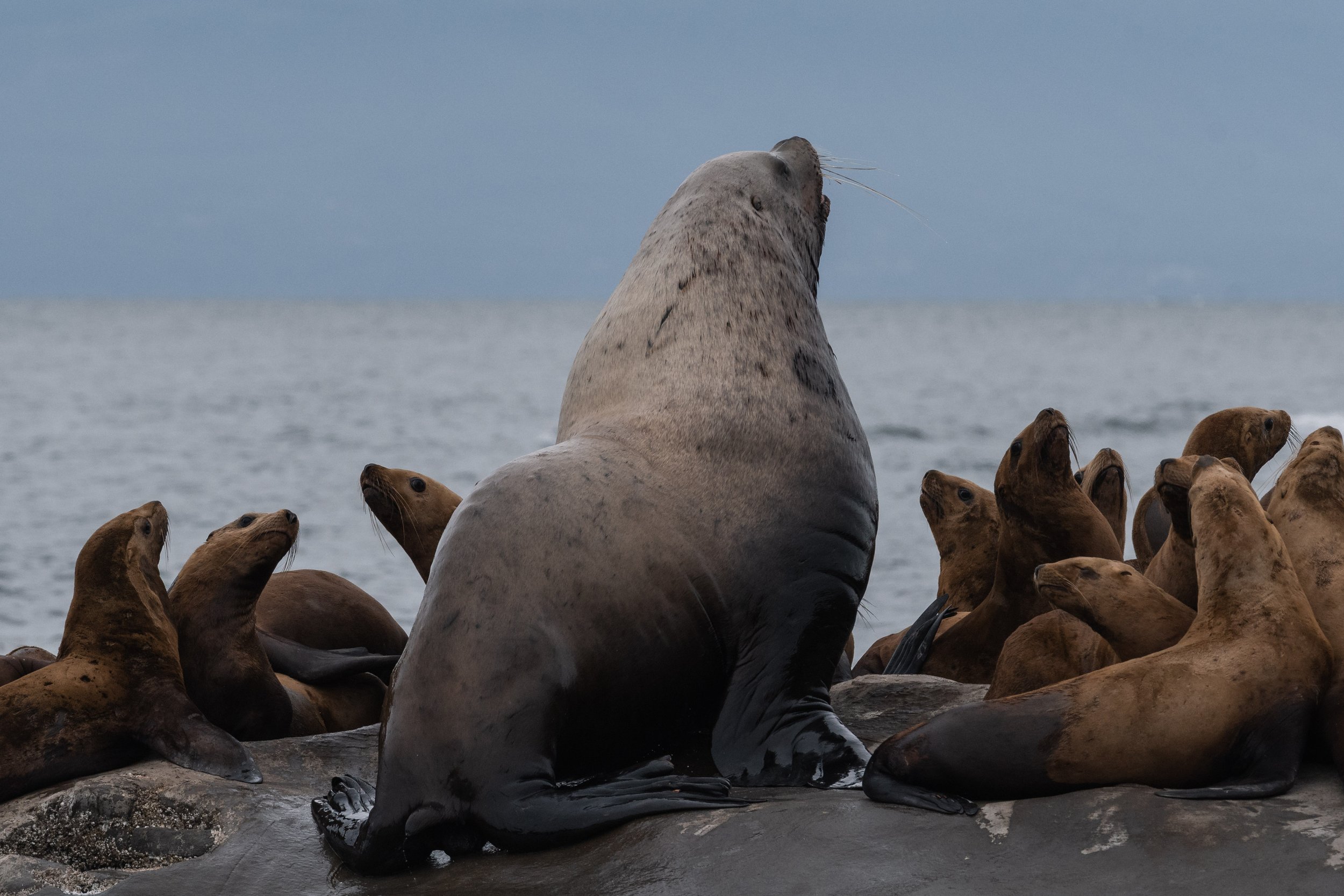
Look how big this Male is compared to the younger ones! Photo by Evan Hessels.
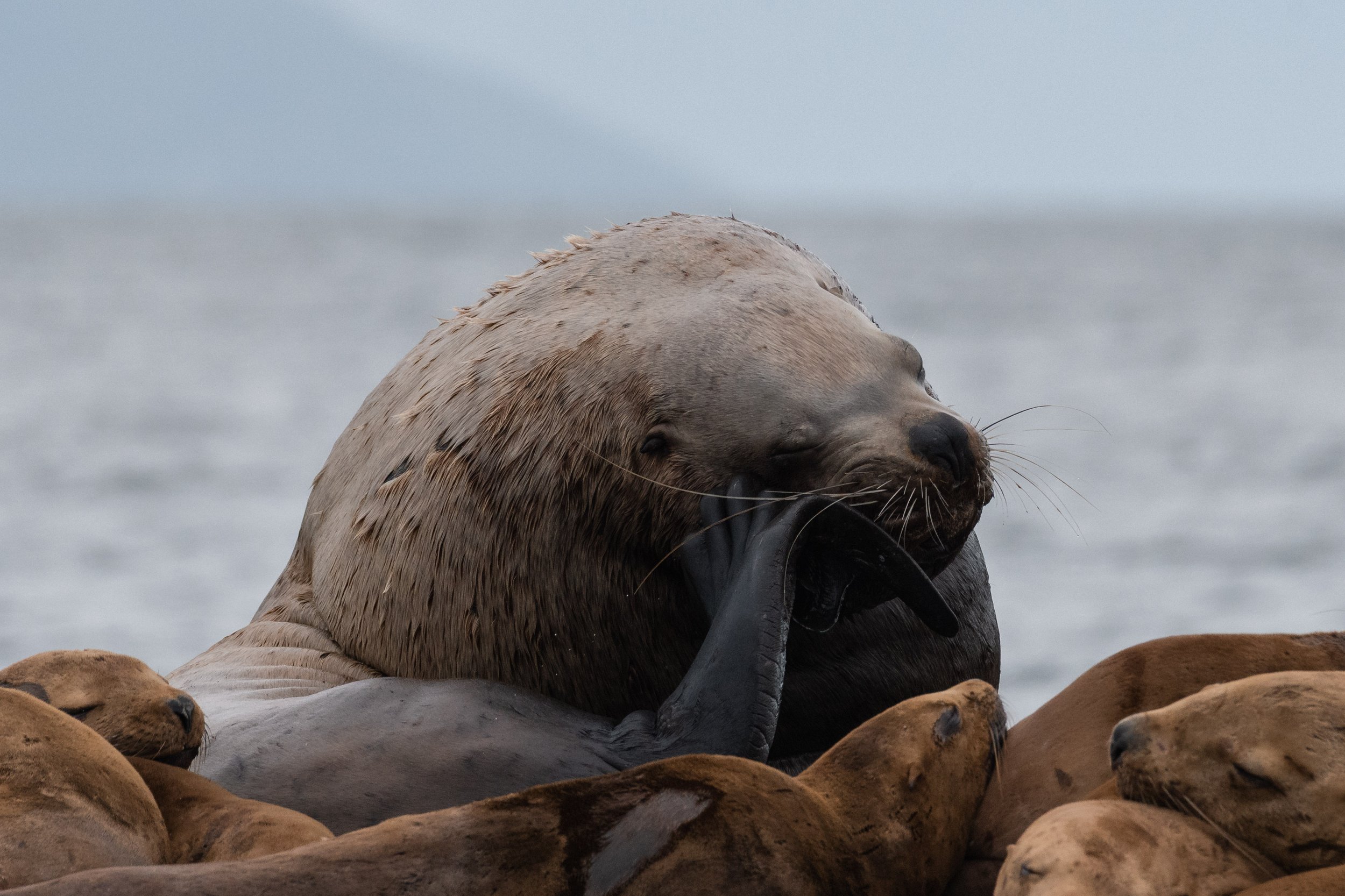
The Male Steller Sea Lion itching his face. Photo by Evan Hessels.
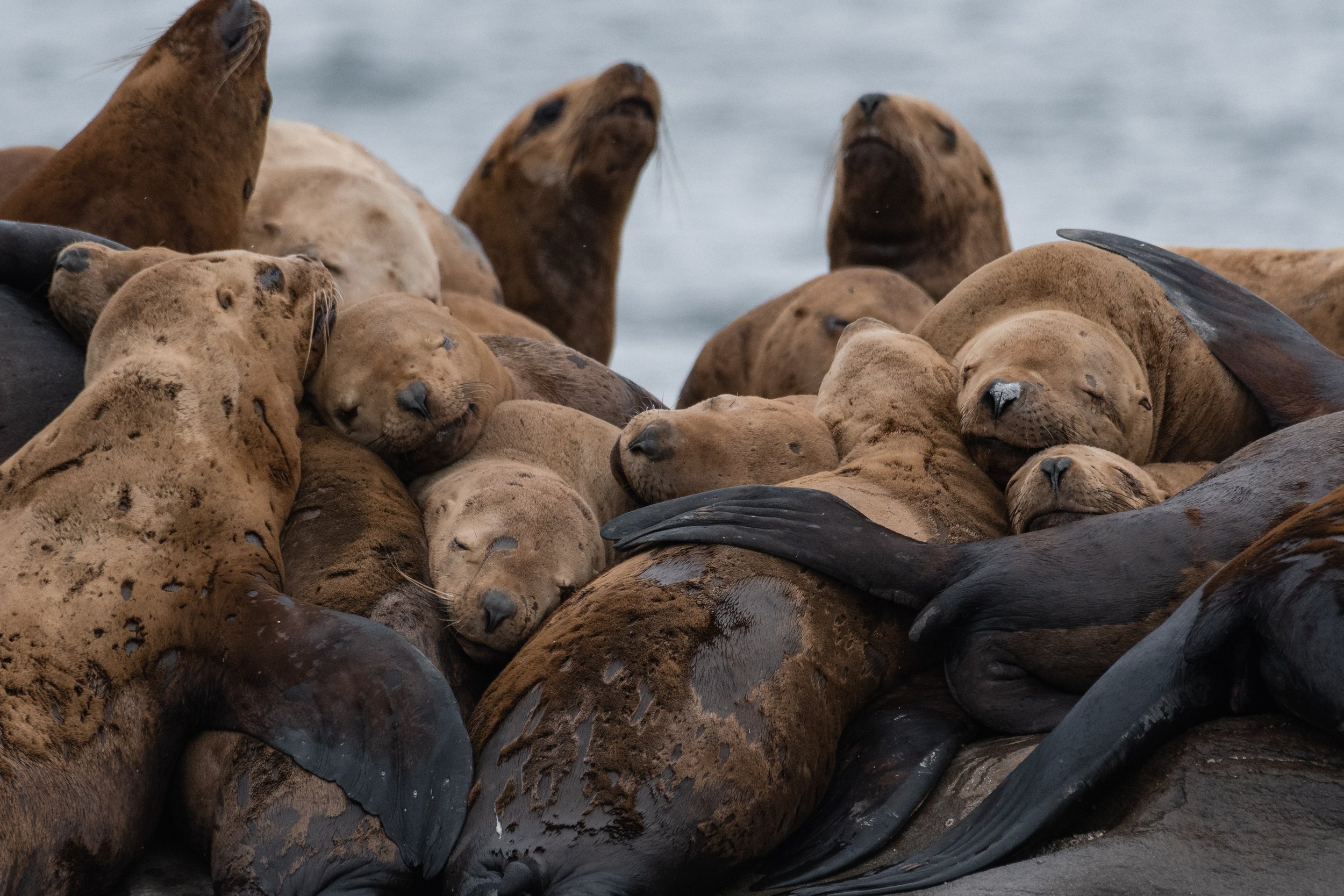
A cuddle puddle of Sea Lions on Stinky Rock. Photo by Evan Hessels.
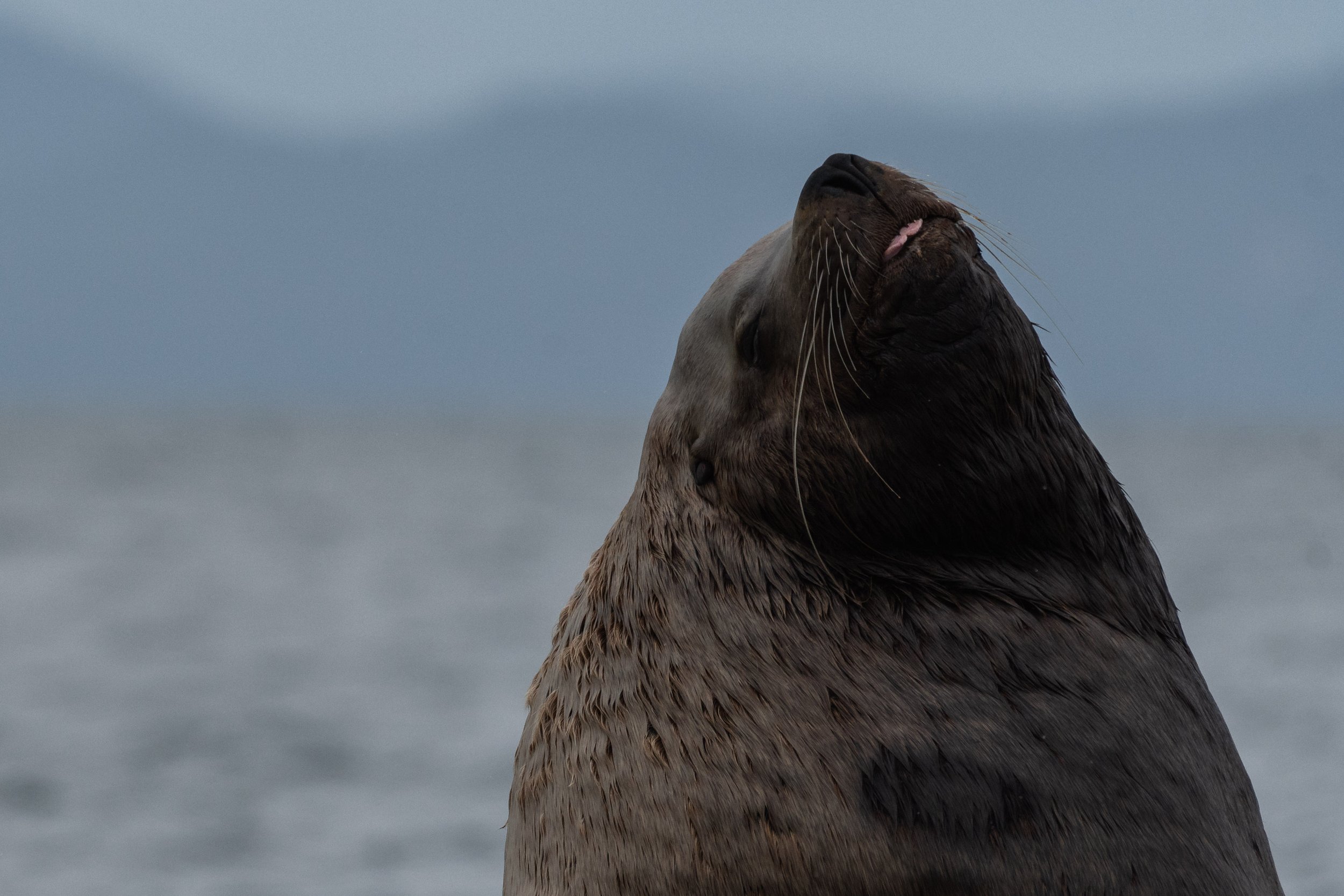
A Blep from the Male Steller Sea Lion. Photo by Evan Hessels.
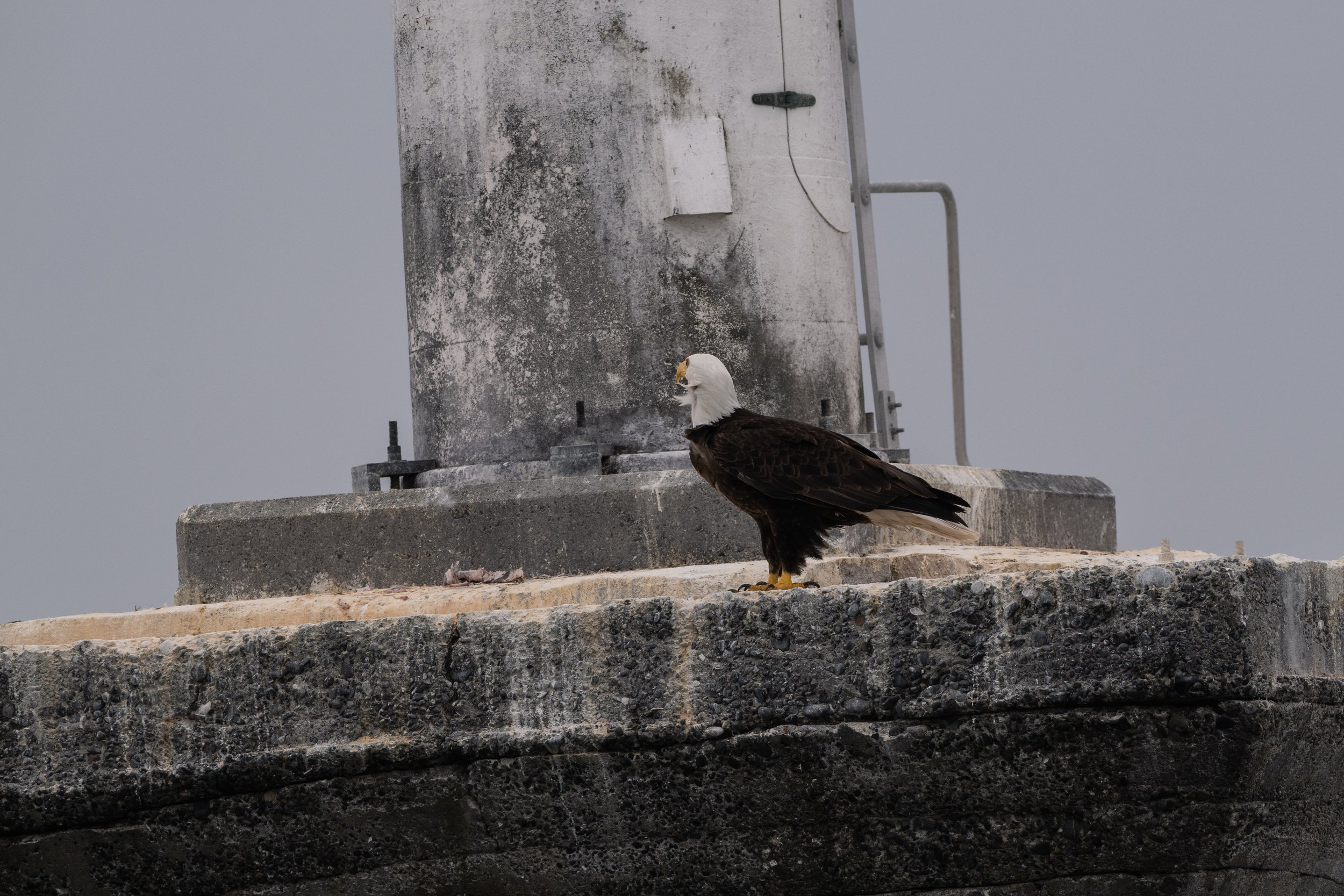
An Adult Bald Eagle on the marker. Photo by Aly Kohlman.
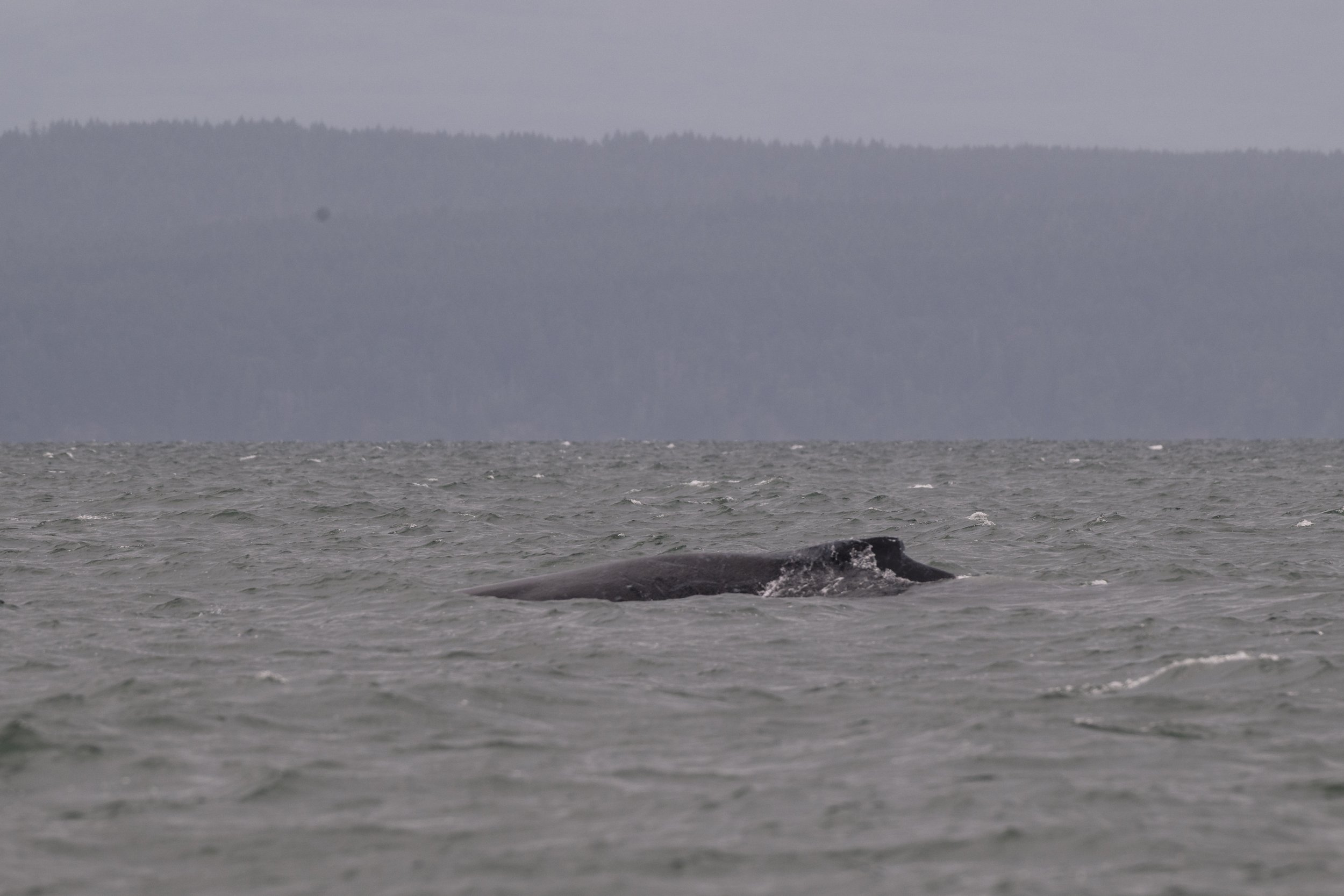
The slightly blurry identification photo for Slice. Photo by Aly Kohlman.
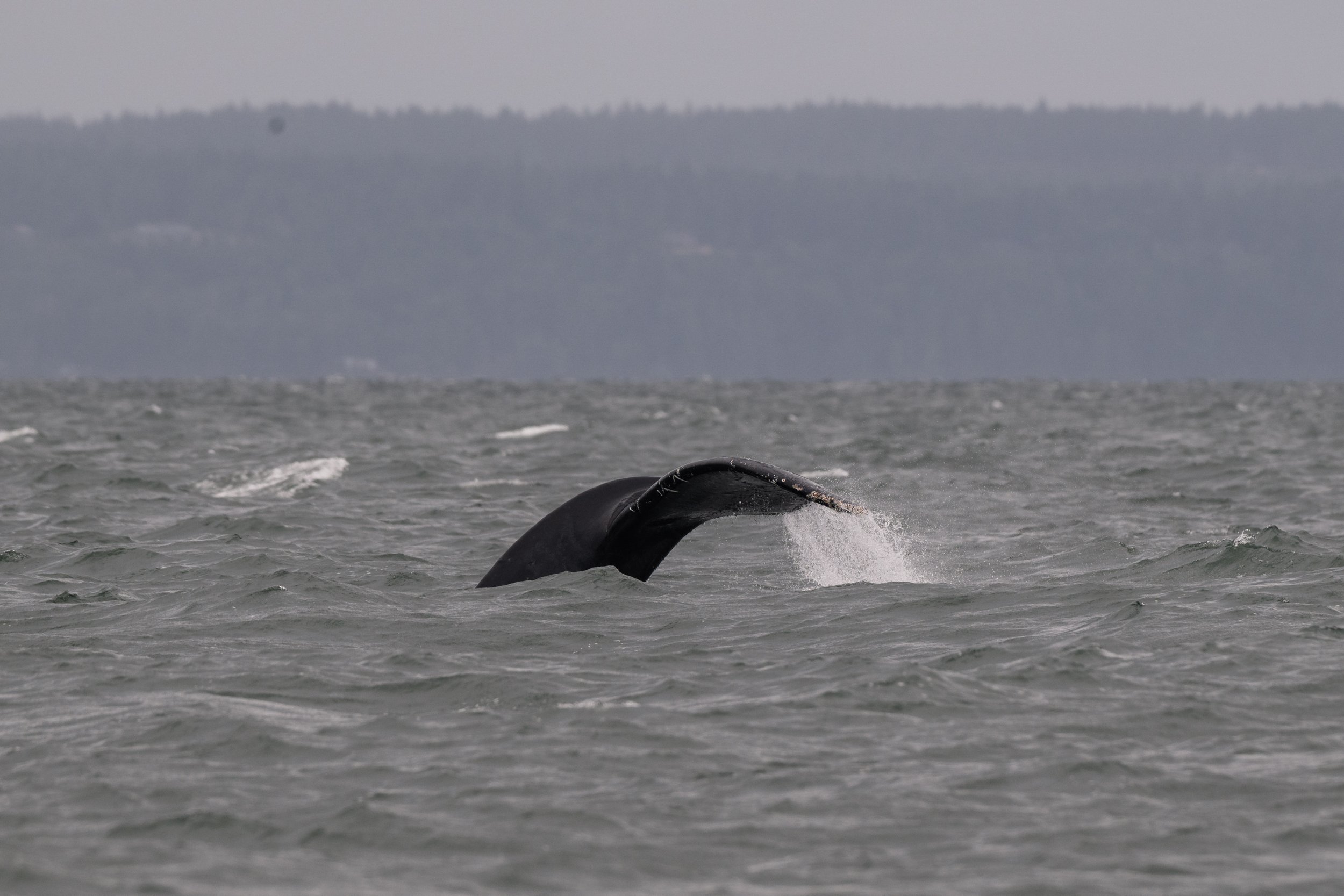
Astroboy lifting her tail for a dive. Photo by Aly Kohlman.
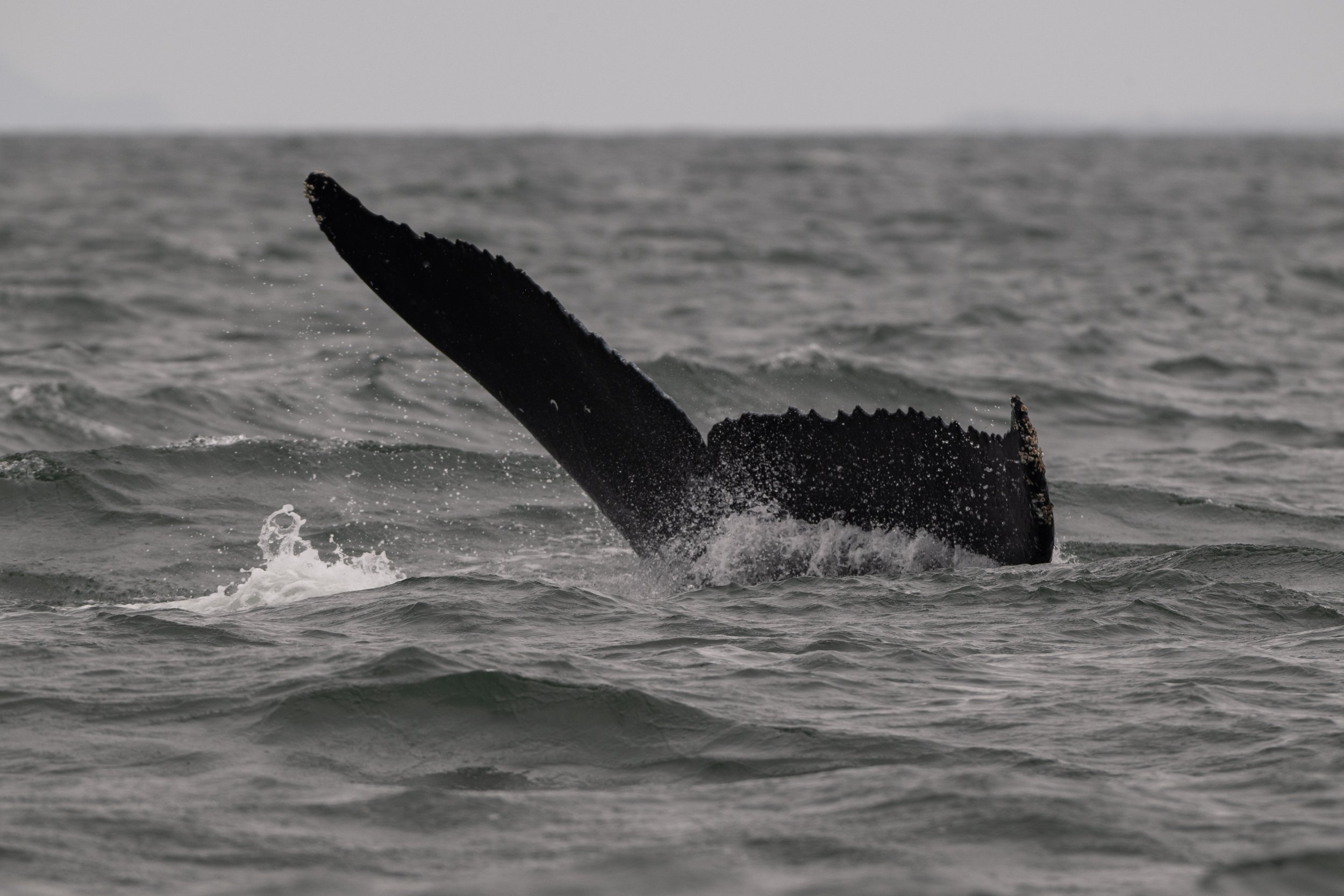
The underside of Astroboy’s tail. Photo by Aly Kohlman.
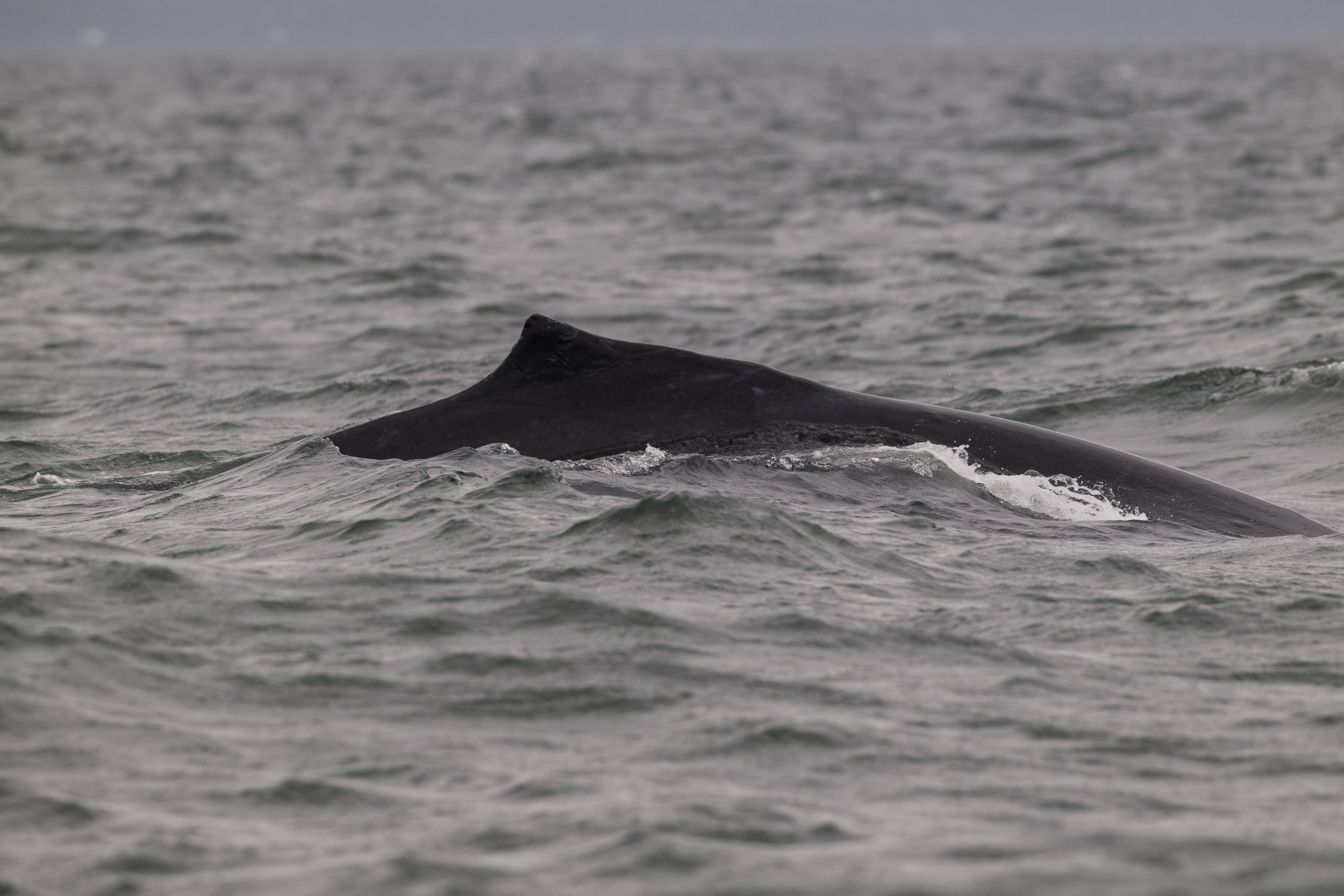
Astroboy’s dorsal fin. Photo by Aly Kohlman.
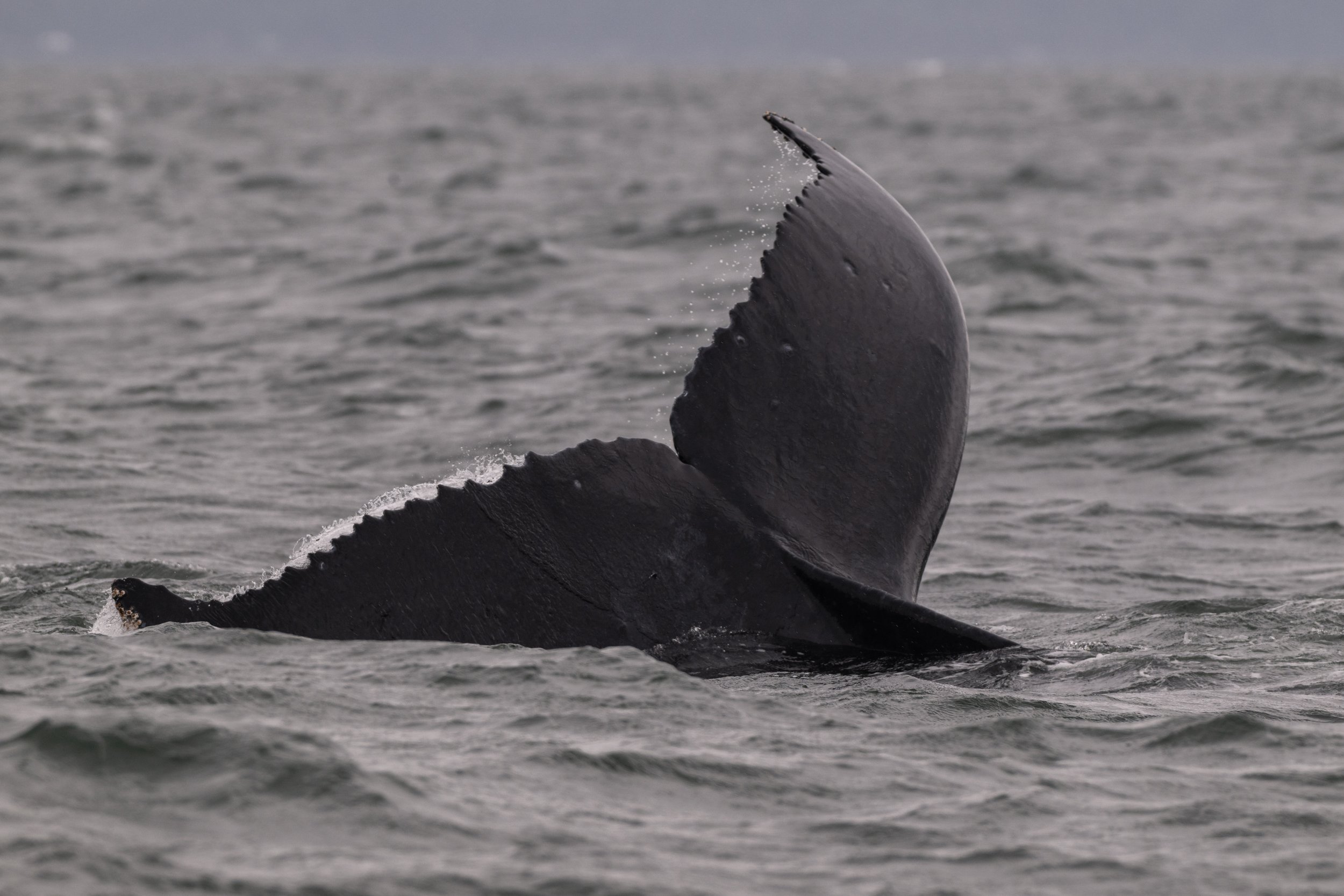
A lovely tail flick from Astroboy. Photo by Aly Kohlman.