
June 8, 2026, 10:30 AM - A whaley great morning!
It was a classic west coast day as we prepared for our whale watching adventure. There were dark clouds overhead threatening rain, but we didn’t let that dampen our spirits! We climbed aboard our semi-covered vessel, Kula, and headed out of Nanaimo into Northumberland Channel. It didn’t take us long to spot something, as Captain Joseph's well-trained eye caught what looked like dorsal fins farther south in the channel. Soon enough, the entire body of one of the whales erupted from the water, confirming that we were indeed looking at a pod of Orca. It seemed like these whales were celebrating a hunt as we approached, as they were breaching, tail slapping, and spy hopping, activity that typically indicates they are happy with full bellies. We also saw behaviour that typically aligns with prey sharing, such as directional changes and moonwalking, with gulls swooping in to help clean up some of the scraps. Once they got back into travel mode, it was easy to figure out which whales we were looking at, as they mostly have distinct markings. It was the T086As travelling with the T137s!
T086A Eider ♀ (1988)
T086A4 Akia ♀ (2016)
T086A5 Siku ♂ (2024)
T137 Loon ♀ (~1984)
T137A Jack ♂ (2002)
T137B Tempest ♀ (2006)
T137D Wright ♀ (2012)
After they appeared to finish up the hunting portion of their day, these whales started moving very quickly, with the majority of their bodies coming out of the water as they moved, called porpoising! This gave us some great looks at the saddle patches and sides of these whales, so much so that, in some cases, we could even see the white undersides of the animals! Orca have countershading, meaning the top of their bodies is dark, and the bottom is light. When viewed in the water, this helps them blend in, no matter which angle you look from! As apex predators, they need to blend into their environment, since they want to sneak up on their prey as often as possible. They have a wide variety of prey to choose from, including Harbour Seals, California Sea Lions, Steller Sea Lions, Dolphins, Porpoises, and even other whales! This variety helps to keep this population of whales well fed; even if one possible food source is lower at any given time, they would still have access to other options.
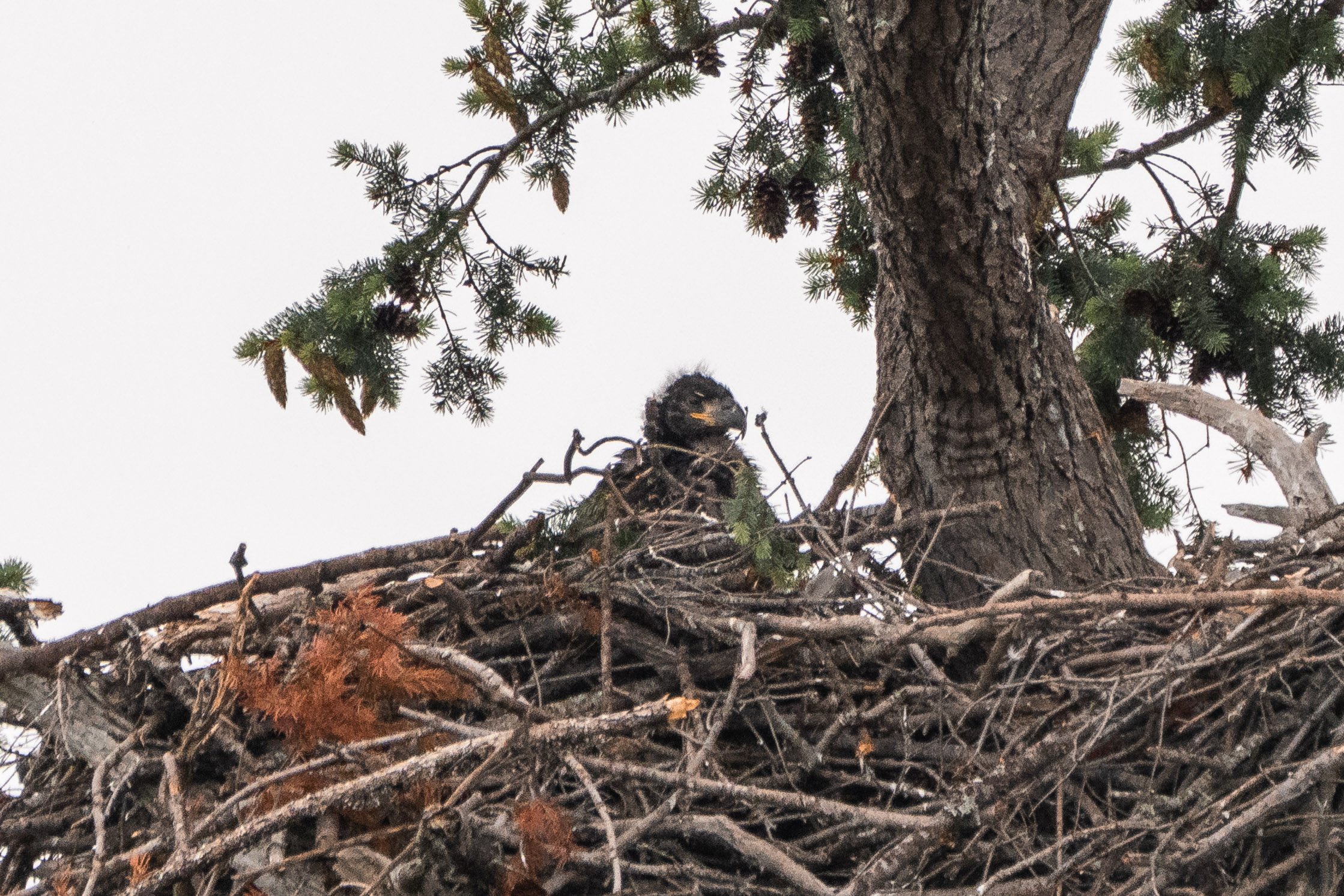
Watching them celebrate and move quickly was amazing, and we enjoyed watching them as they went. They even passed through Dodd Narrows, giving the people watching from shore some great looks! Eventually, we had to leave these whales to their travels and continue on ours, so we pointed our bow towards the Strait of Georgia, travelling through the passageways of the Southern Gulf Islands on our way there. Before continuing our search through those open waters, we made a quick stop at a Bald Eagle nest that we spotted along the way, seeing first one of the adults on a nearby marker keeping an eye out for some fish, and then the nest itself containing a chick that angrily watched us from the bundle of branches. The second adult kept an eye on the nest, spending their time in the nearby treetop.
Next up was a pit stop at Stinky Rock itself to see the Harbour Seals and Steller Sea Lions hauled out there. Both pinniped species need to spend some time outside of the water to maintain their proper body temperature. Even though they have thick layers of blubber and fur to insulate their bodies, the cold water still removes a lot of their heat, conducting it much more effectively than air does. Their time spent out of the water helps maintain their balance, allowing them to stay at the right temperature without expending as much energy. Seeing them on the rocks is always very exciting, since it really puts into perspective how big they are. A fully grown harbour seal may weigh up to 300 pounds and get nearly 6 feet in length, while an adult male Steller Sea Lion can weigh nearly 2,800 pounds! Having them close together shows their size difference really well.
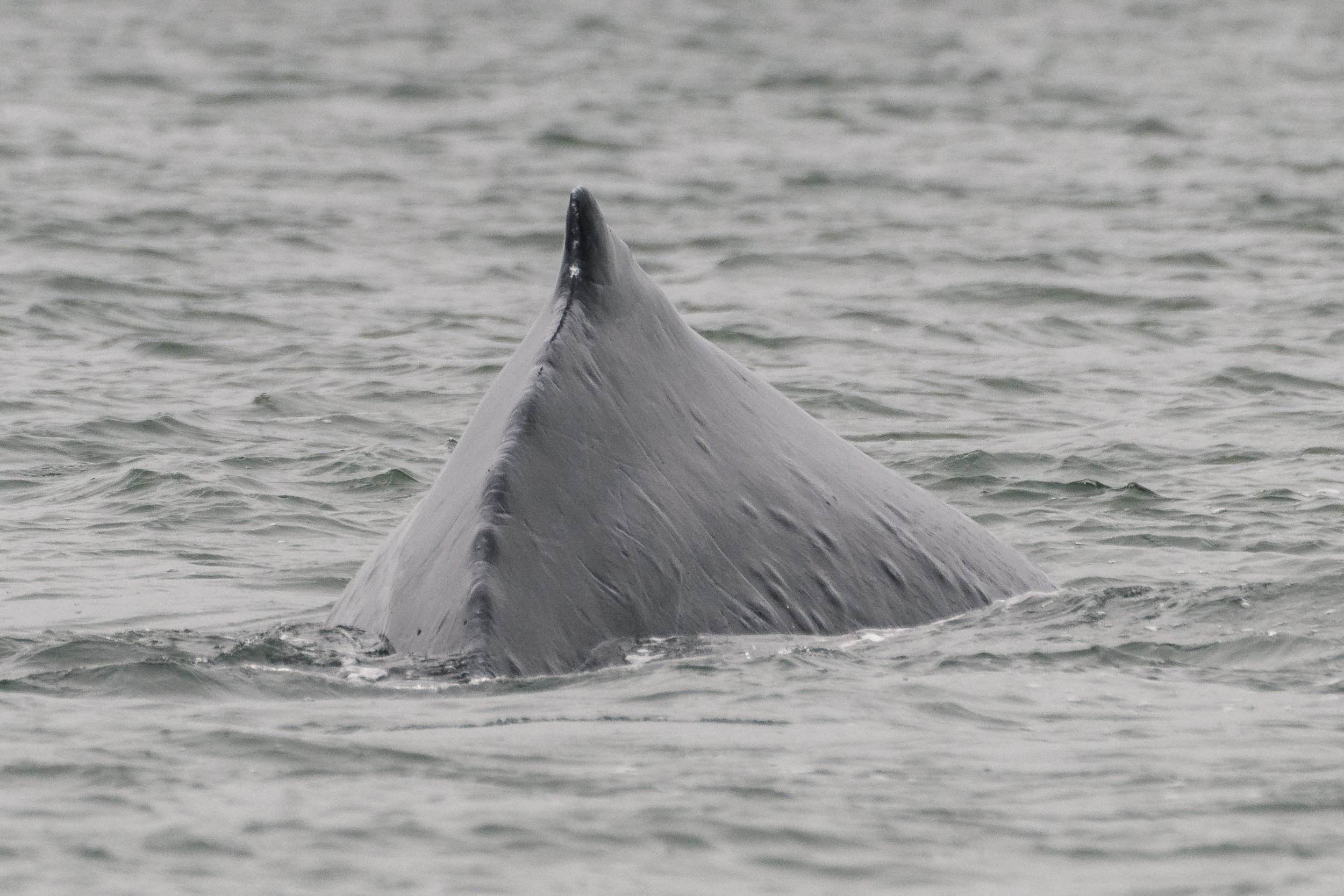
Finally, after our pinniped viewing, we headed deeper into the Strait in hopes of spotting some more whales. We searched our way north, towards a highly productive area known as Halibut Bank. This underwater hill helps mix the water column in the area, introducing more oxygen and nutrients and helping strengthen the base of the food chain. Humpback whales like areas like these because they are very focused on eating at this time of year. After a 5,000 km journey back from their breeding grounds, during which they wouldn’t have been eating, they need to replenish their energy. We ended up spending time with a total of 3 humpback whales today: one by itself and two travelling together, not too far away. The first whale was sporadic in where it surfaced, so we didn’t get any identifiable photos of that animal, but we did of the other two. It was Neptune (BCY1021) and Europa (BCX0854)! Europa was very generous with her tail, lifting it high out of the water each time she dove, while Neptune had to be identified by their dorsal fin, which bore unique scarring.
After watching these whales for a while, gracefully moving through the water, we decided it was time to leave them to it and started the journey back to Nanaimo. We returned to the dock with smiles on our faces after encountering all the amazing wildlife today! Please enjoy the photos taken throughout the tour by the onboard Marine Naturalist Val Watson, included below.
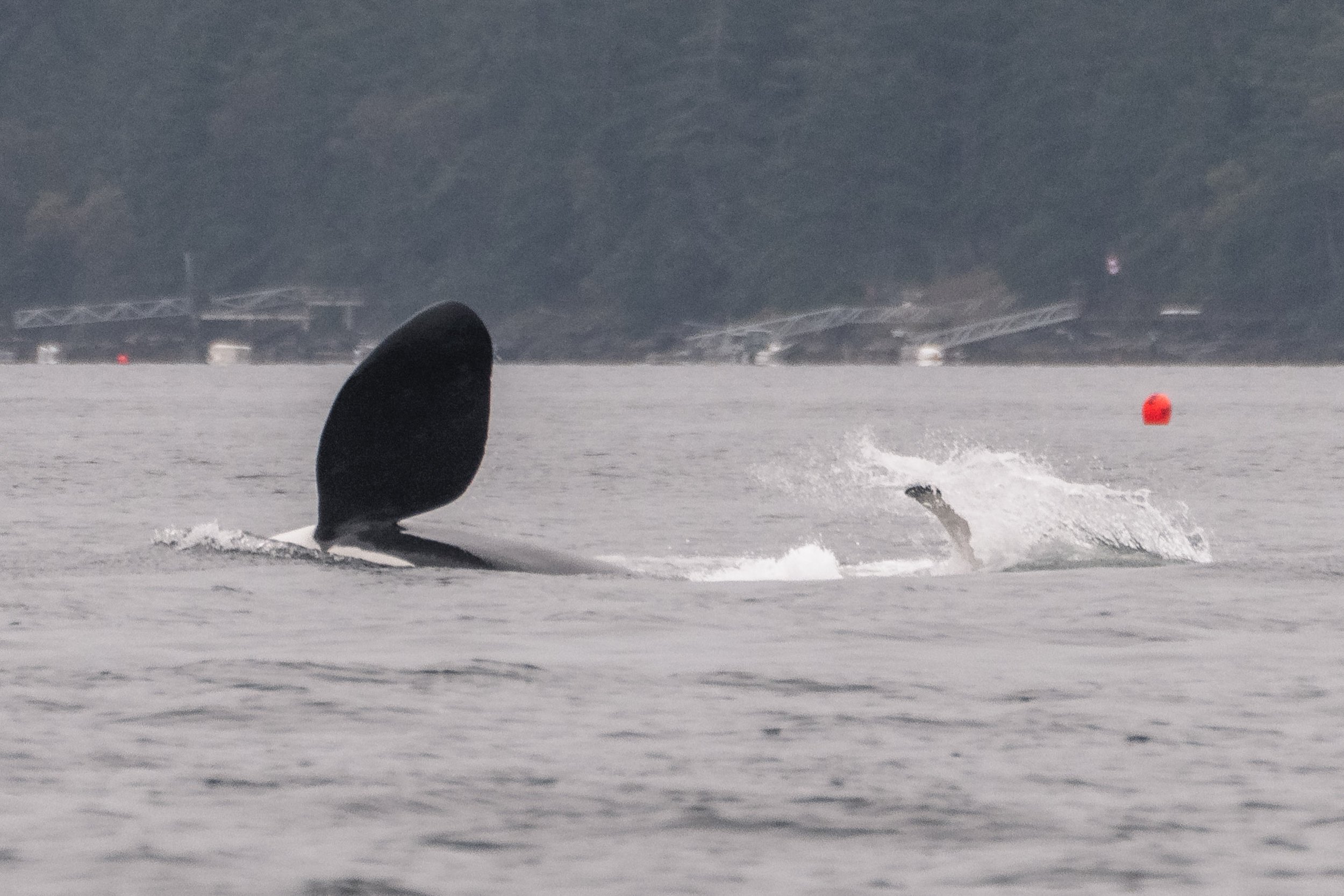
Jack with a big pec slap!
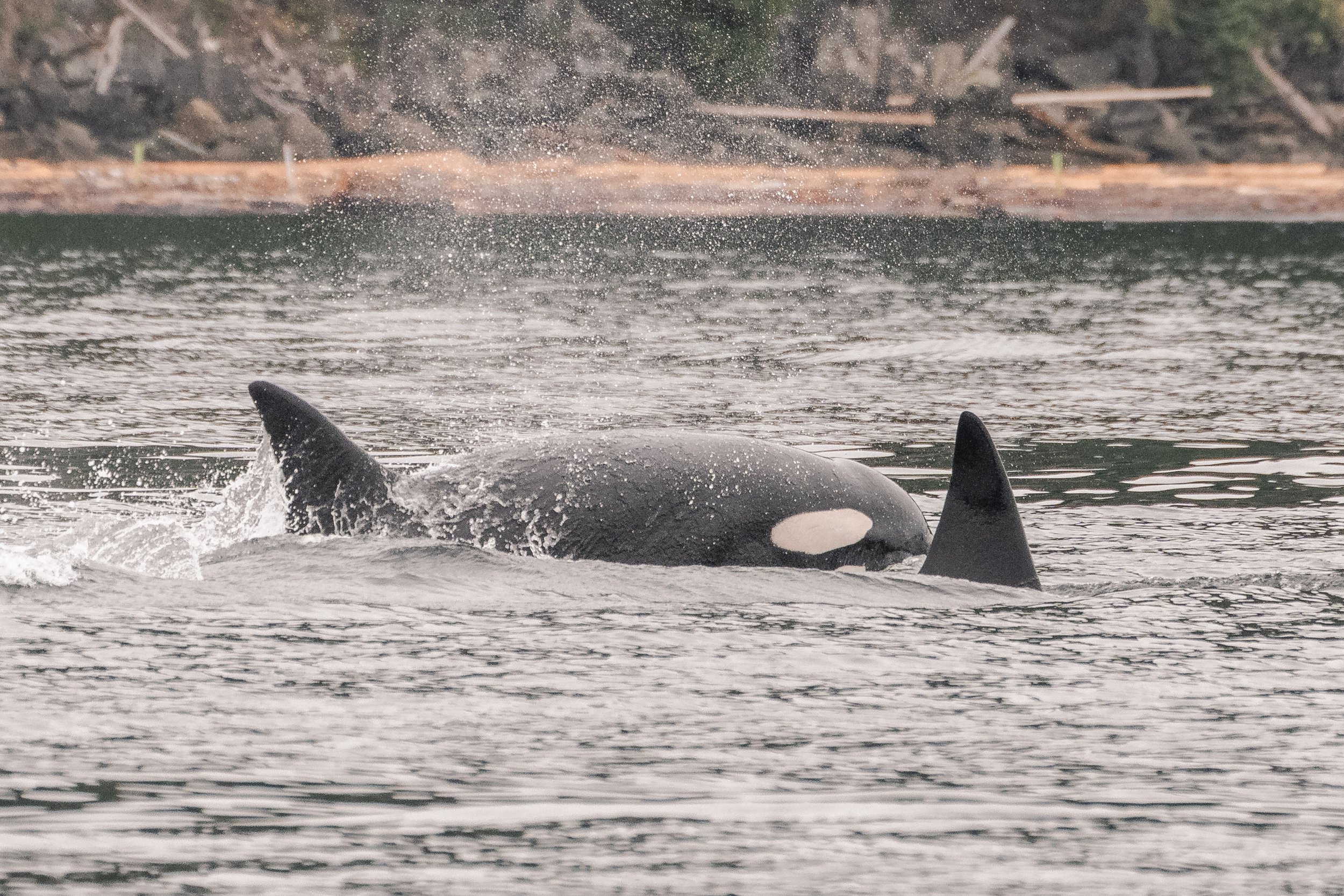
Loon showing off her beautiful eyepatch.
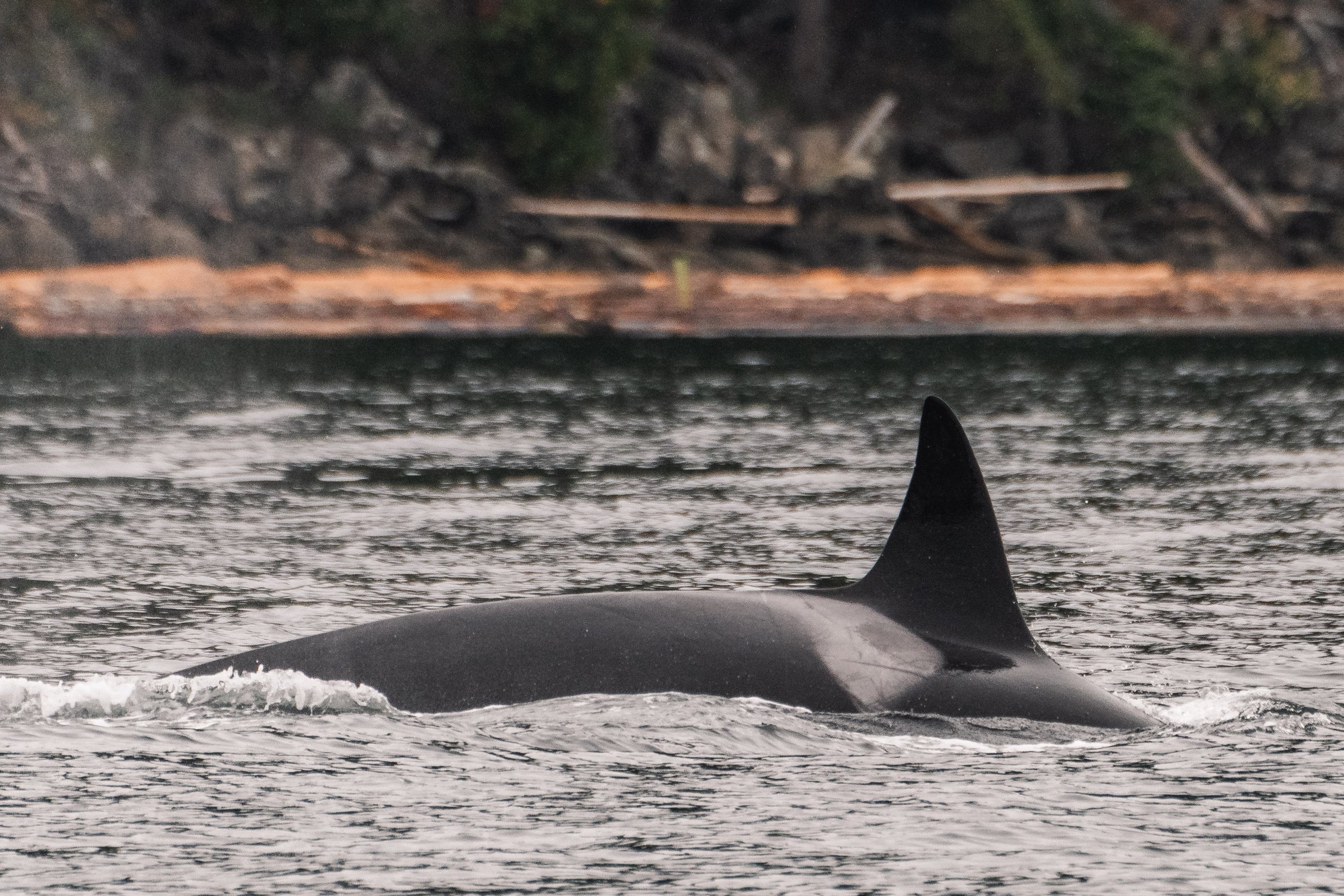
Tempest is Loons oldest daughter. At 20 years old, she has yet to produce a calf.
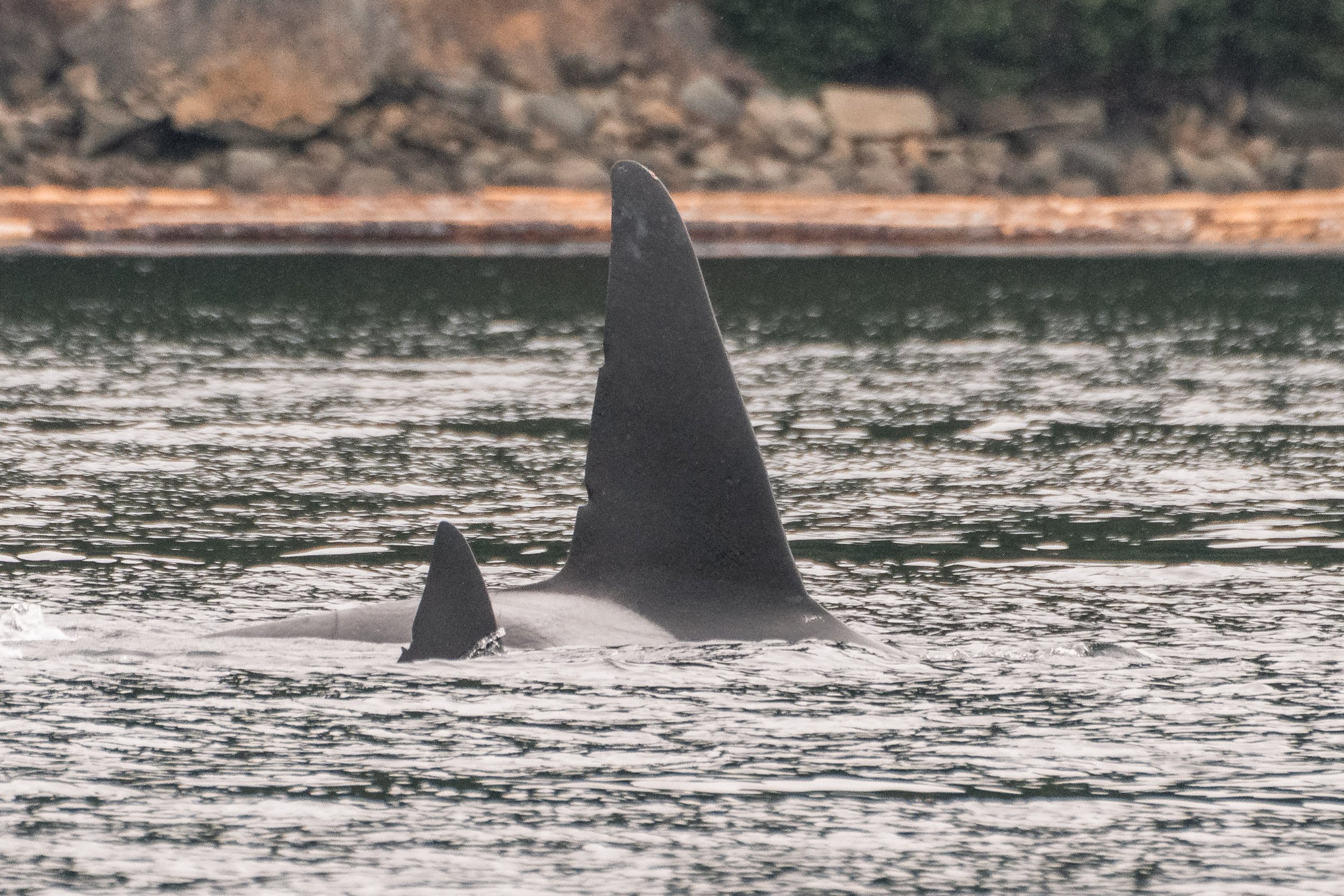
Jack swimming next to his mother Loon.
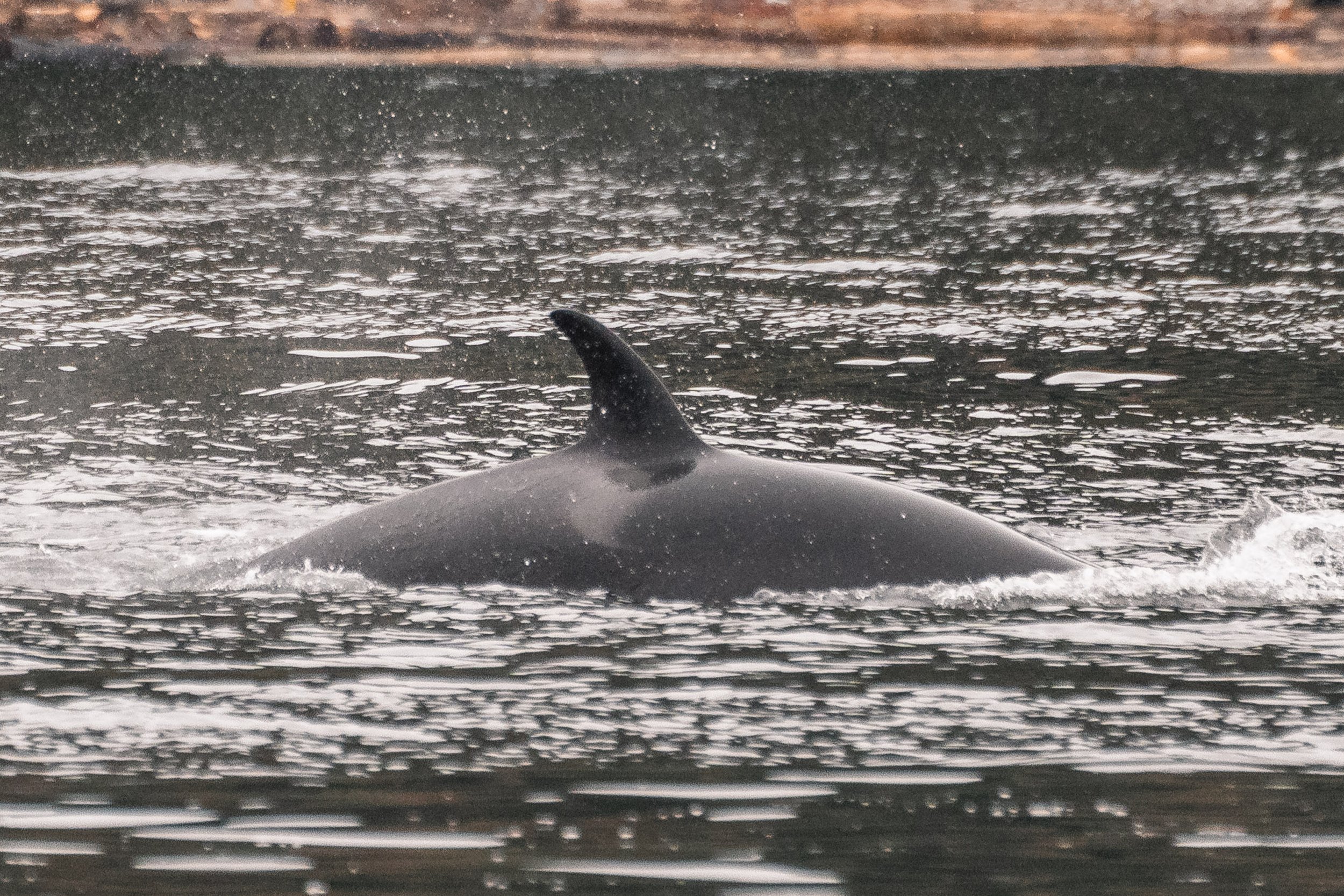
Siku was the youngest whale with our party today at only 2 years old.
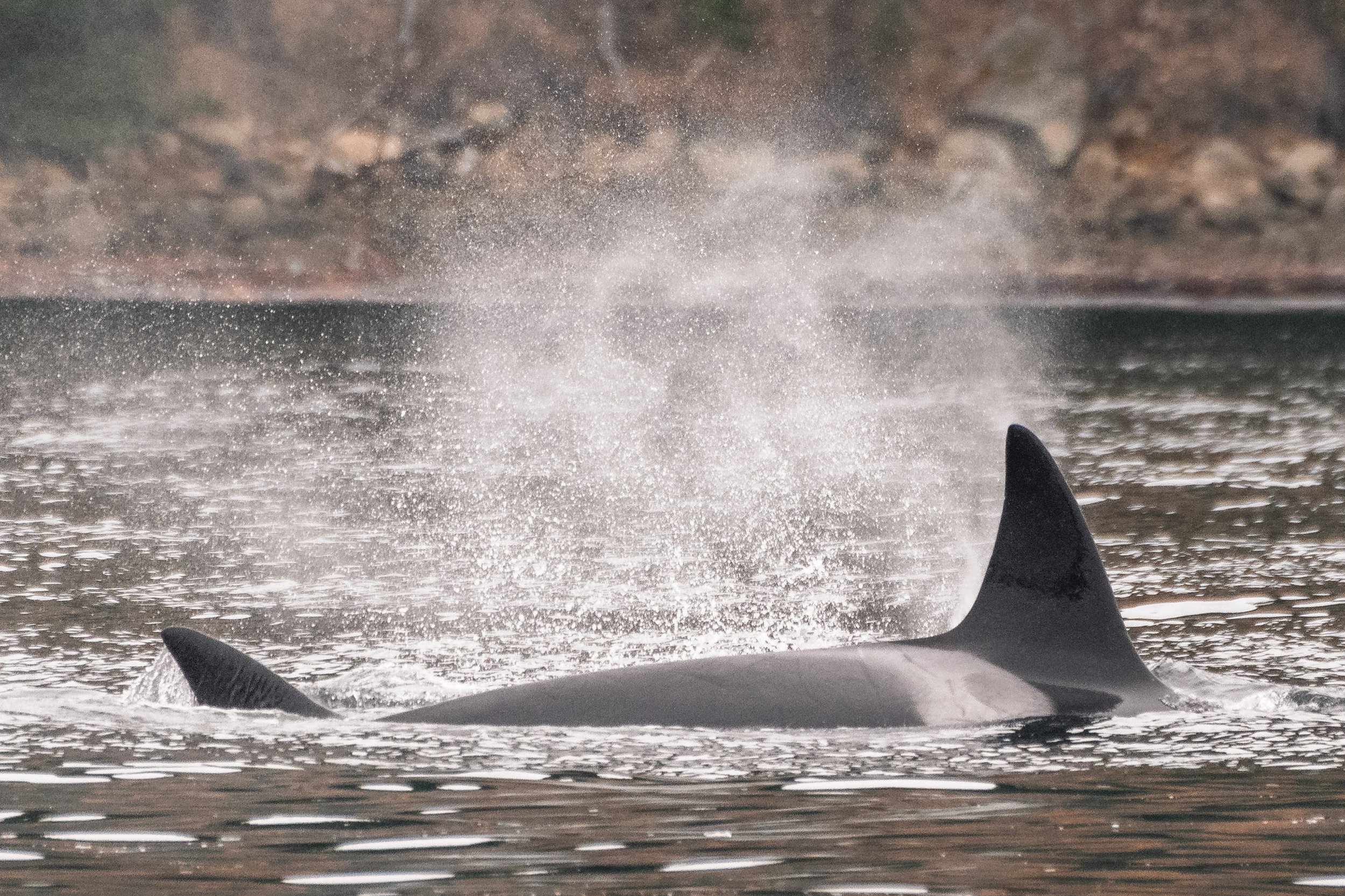
We can ID our orcas using their saddle patches. This one belongs to Tempest.
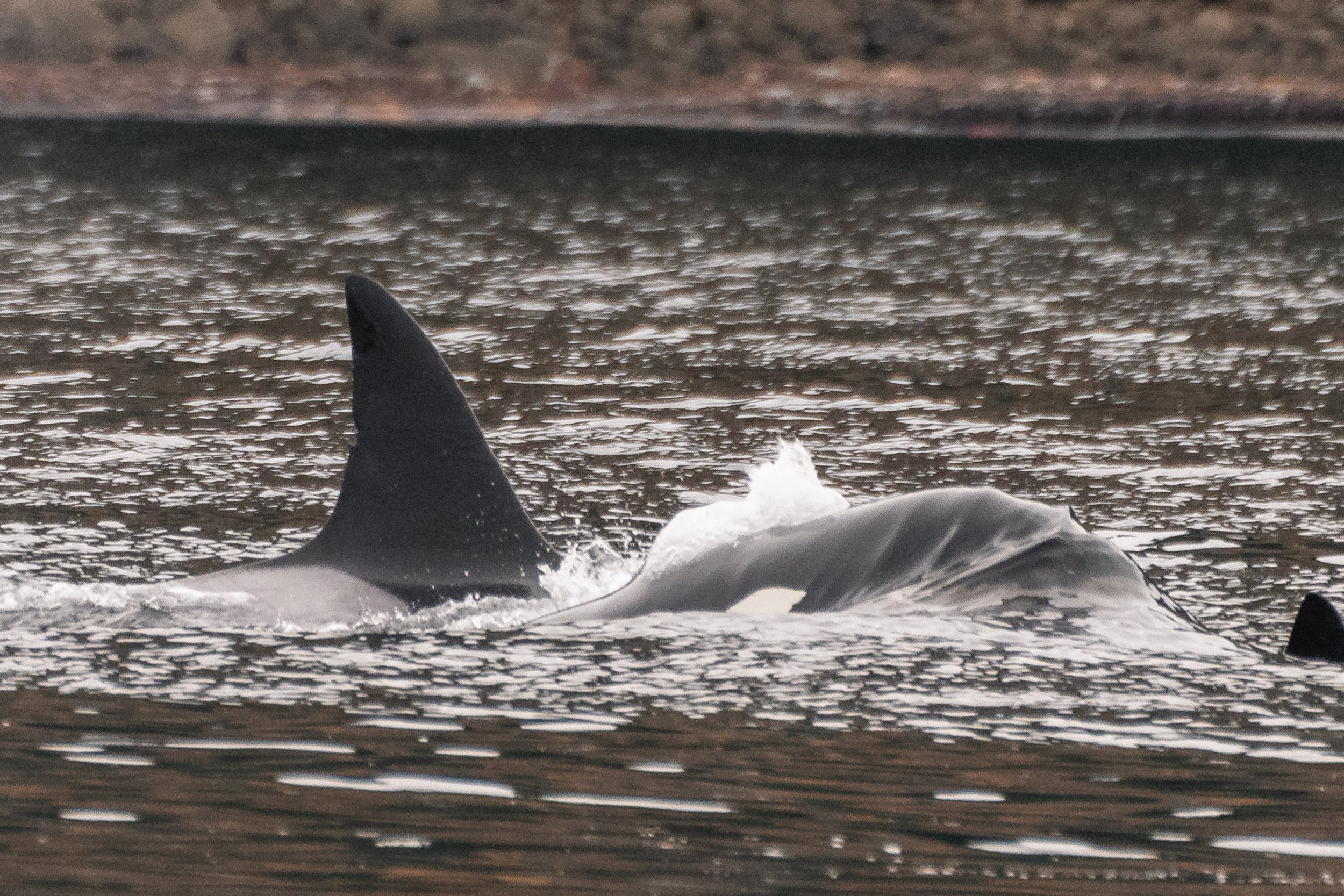
Akia breaking the surface of the water with Loon behind her.
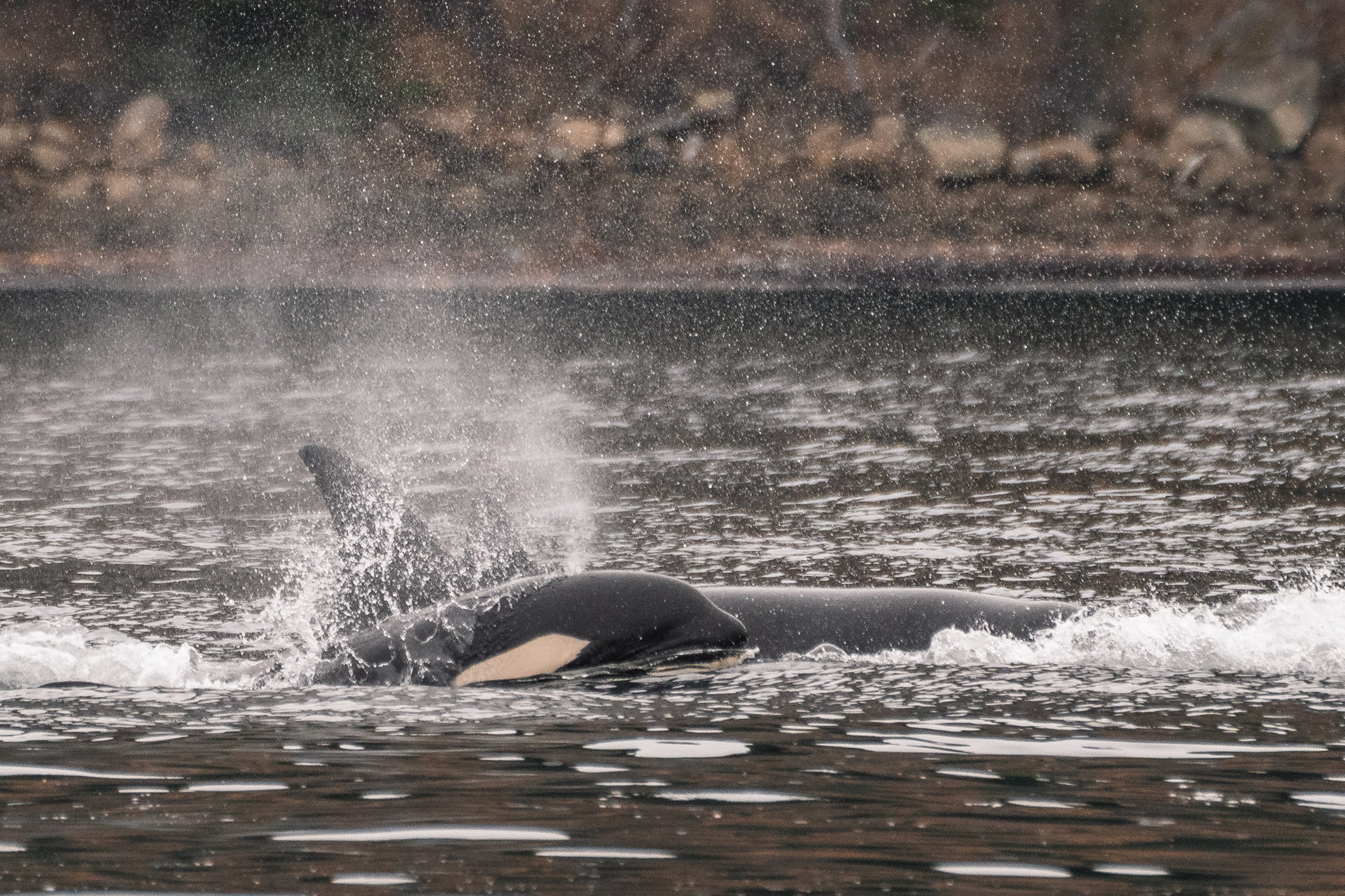
Siku swimming in Eiders slipstream.
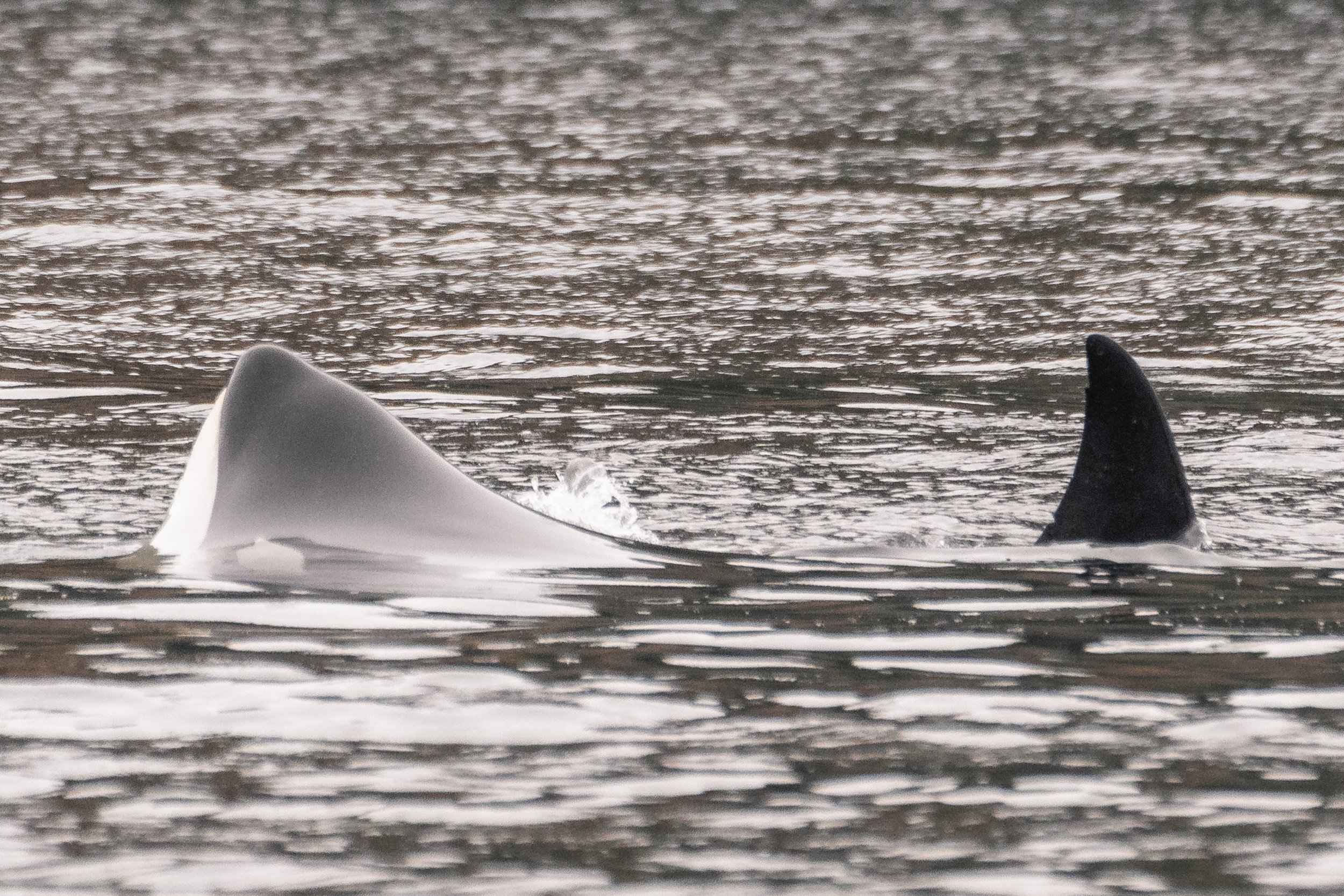
beautiful water tension photo.
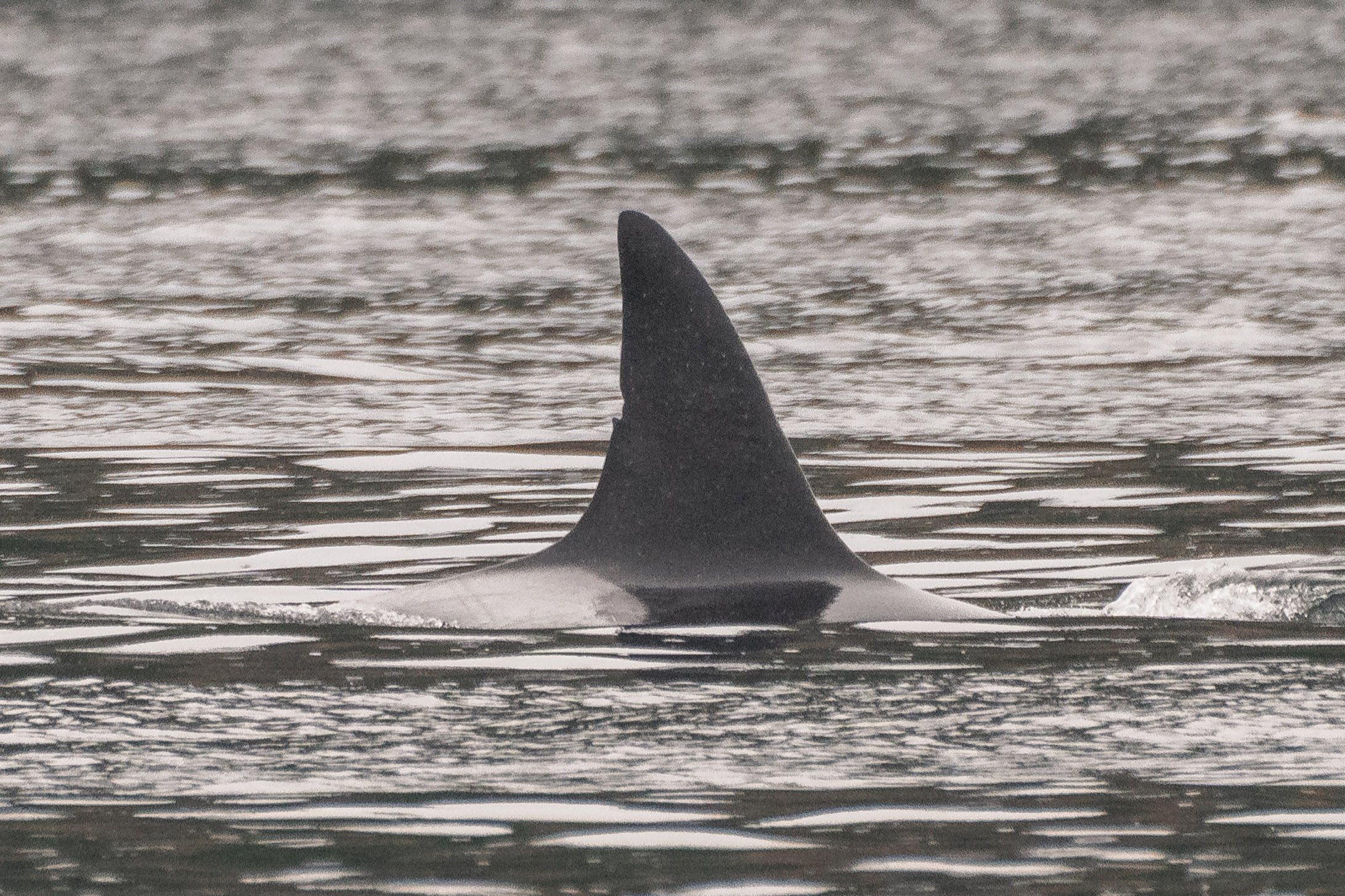
Loon has a very noticable notch missing from the middle of her dorsal fin.
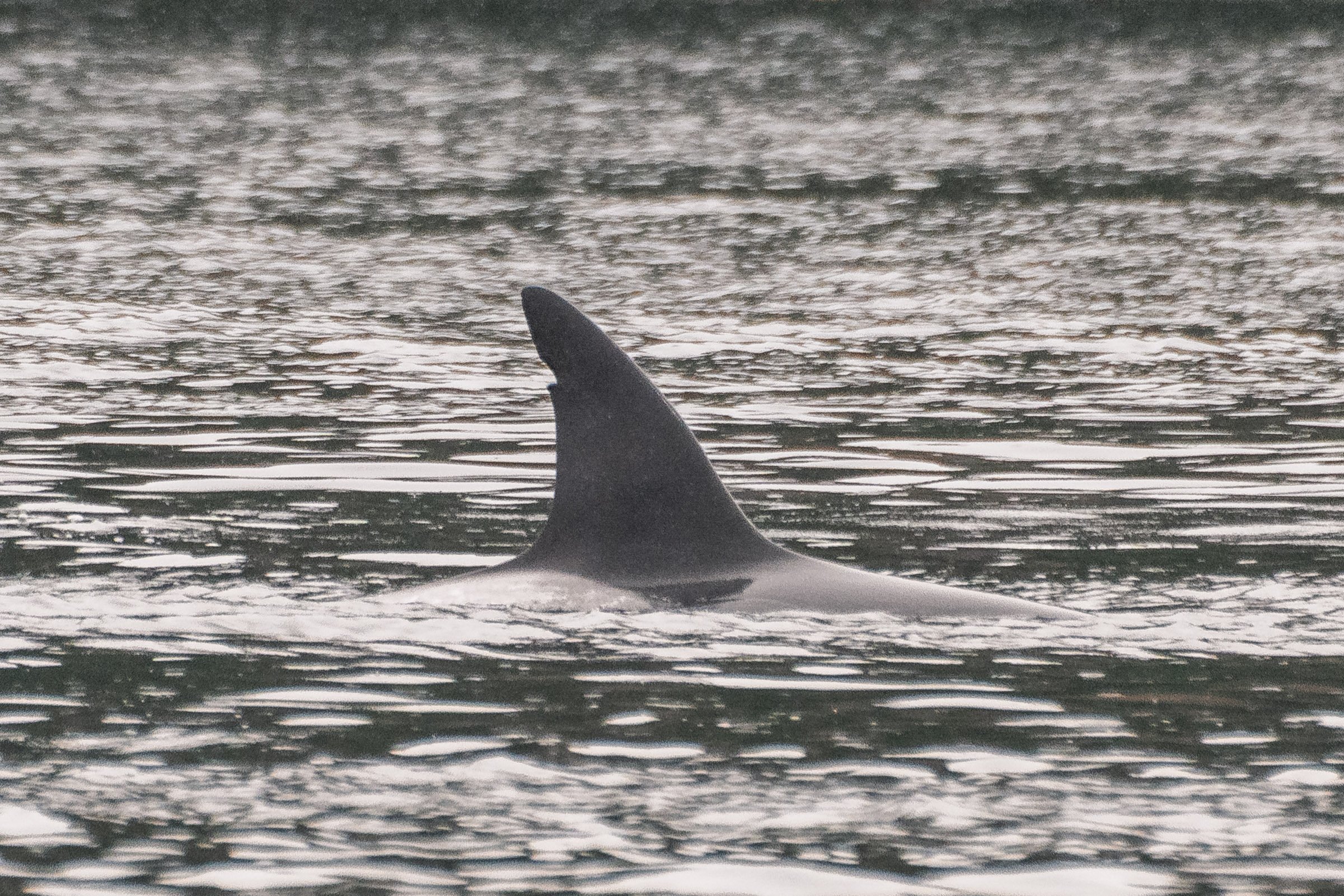
Wright is the youngest member of her family at 14 yeas old.
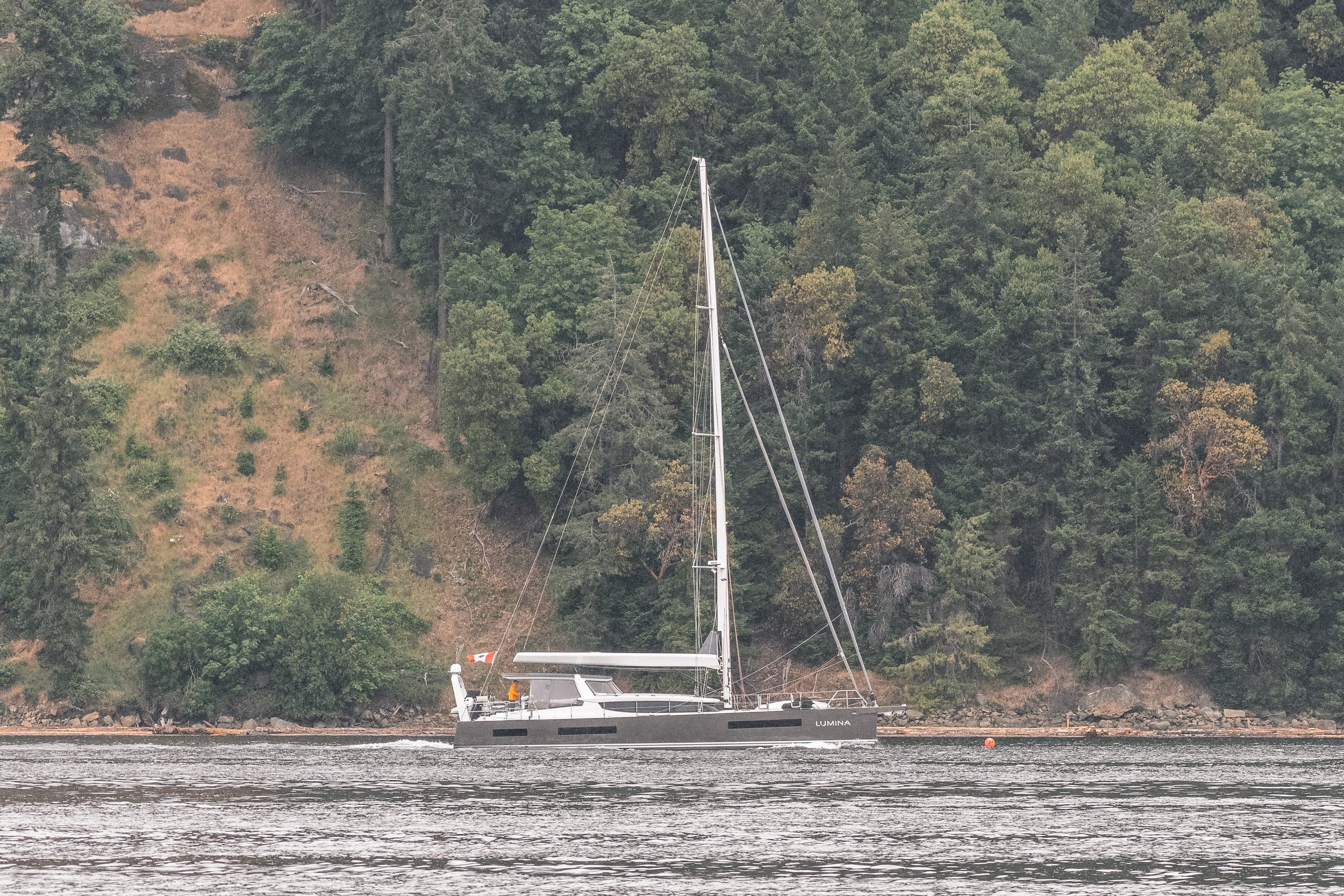
A sail boat up against the Gabriola shore line
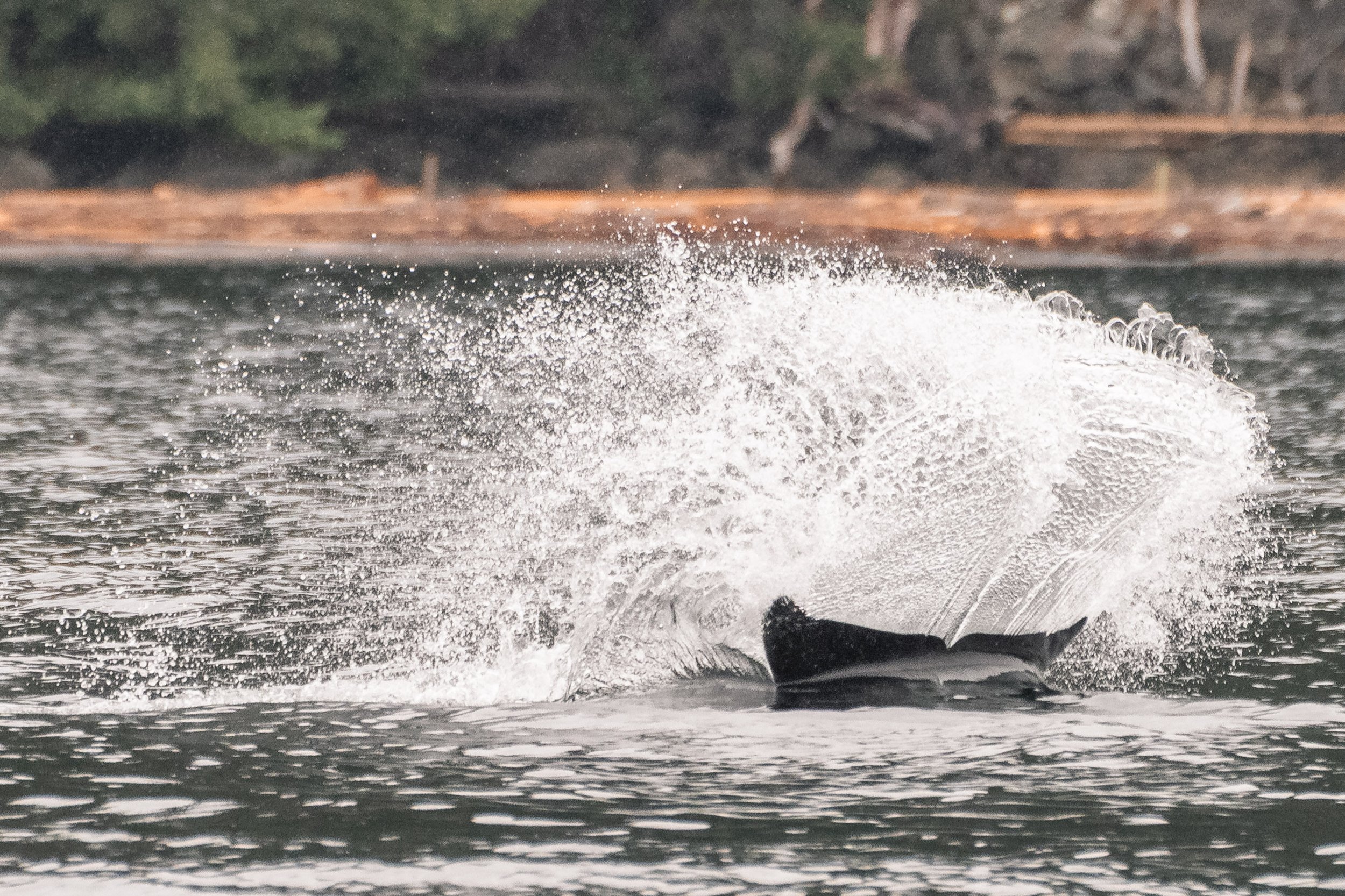
Tail slap!
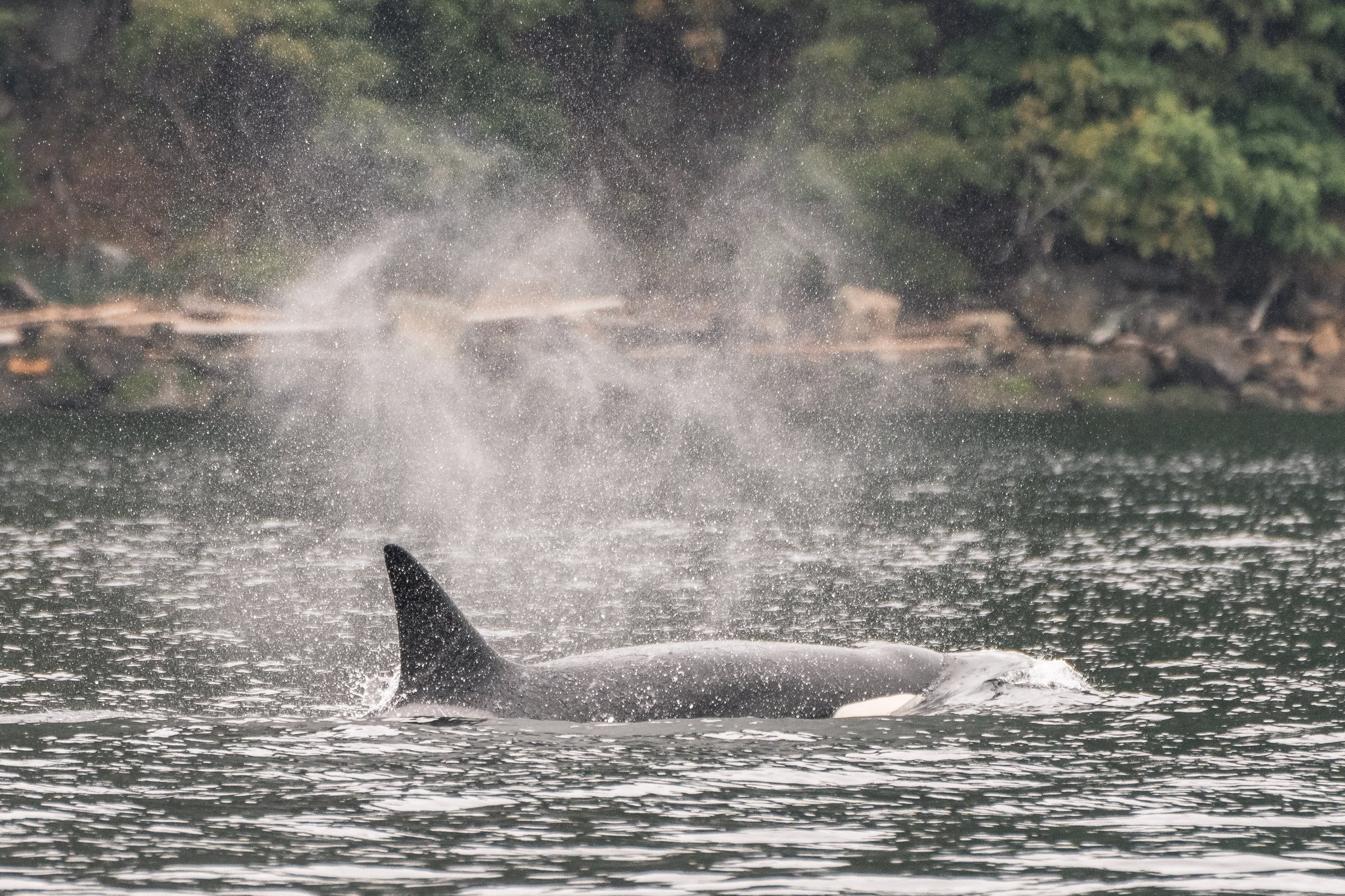
A beautiful backlit blow from Tempest
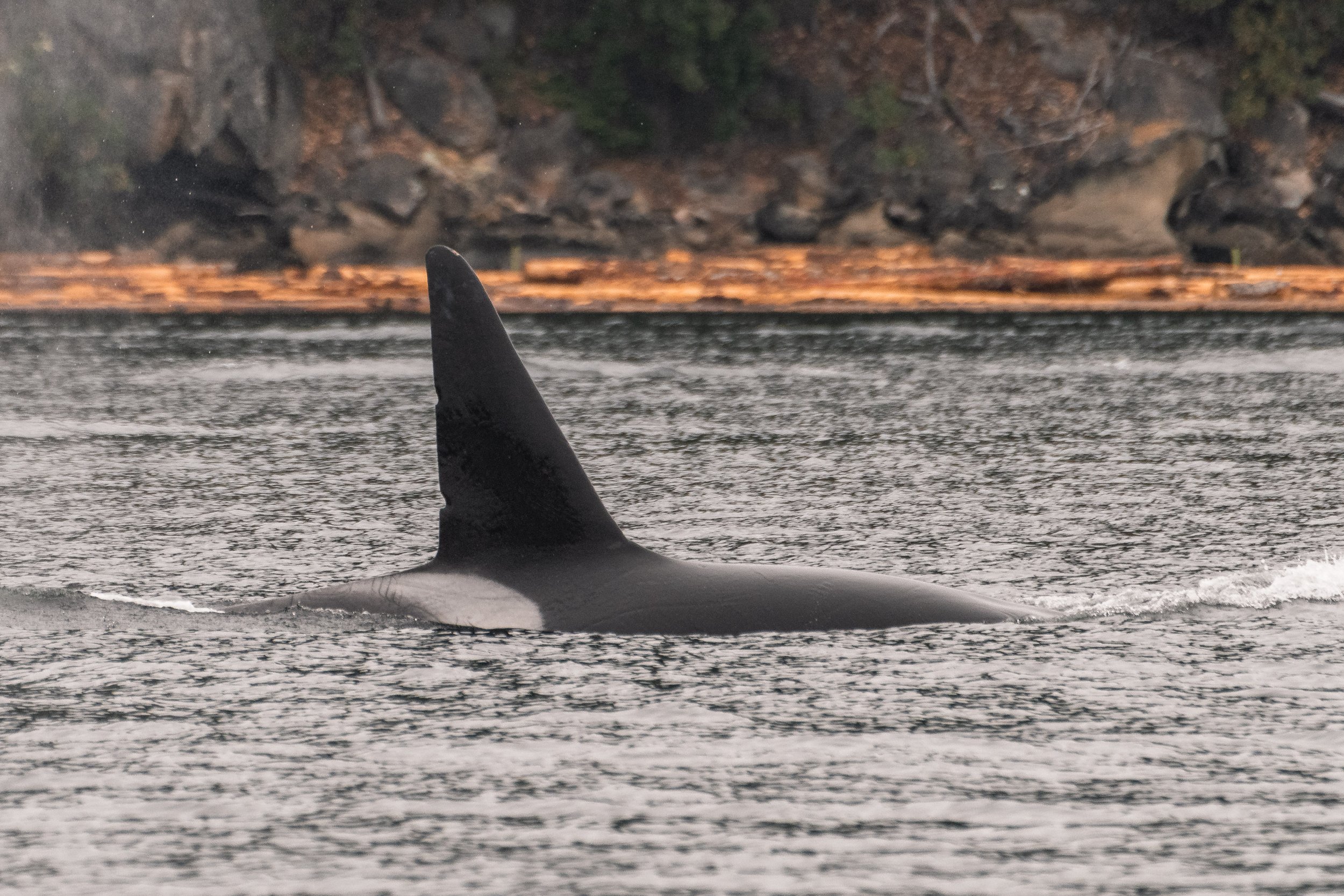
Jack has two notches on his dorsal fin, making him easy to ID.
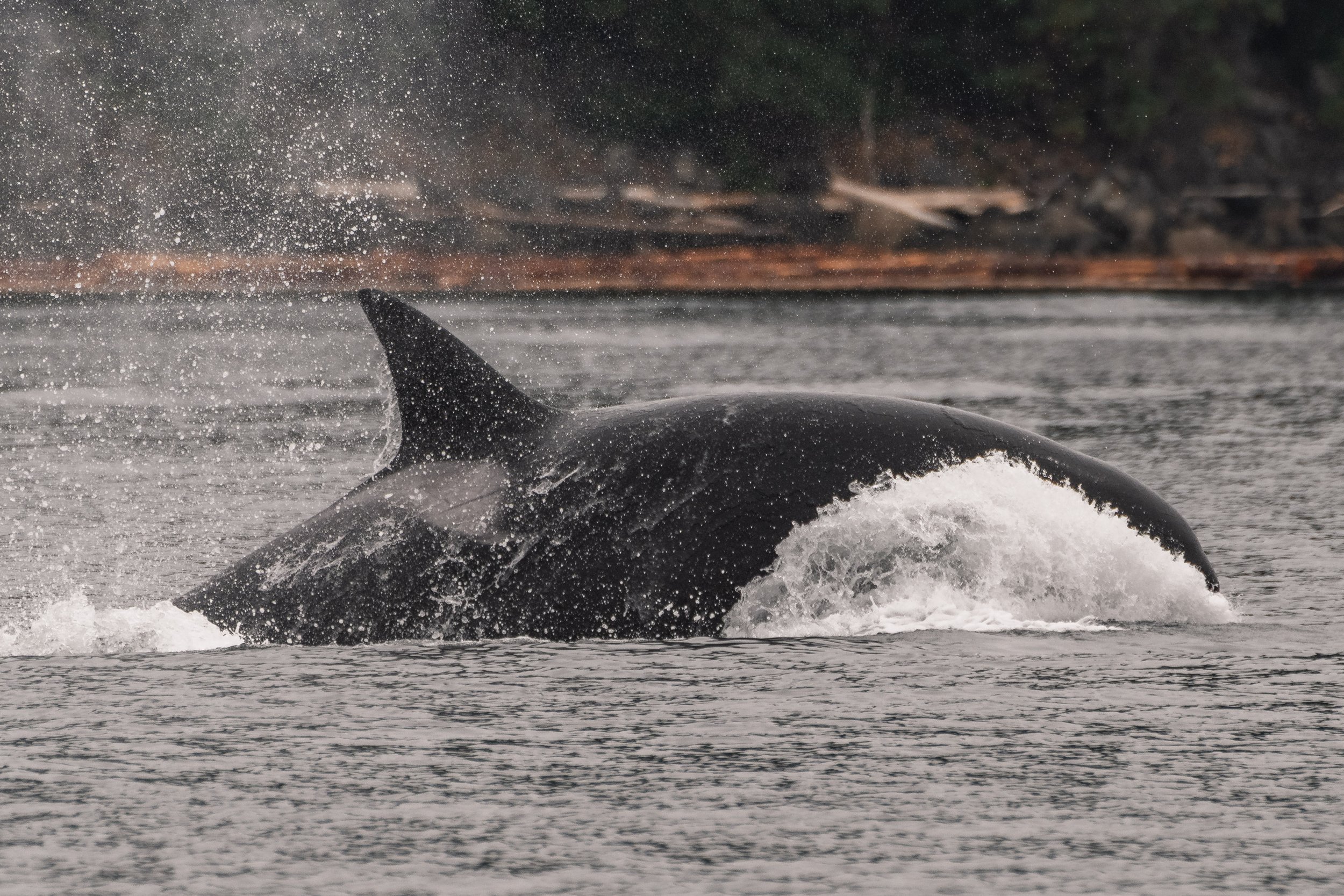
Porpoising is a way for an orca to breath while moving quickly through the water!
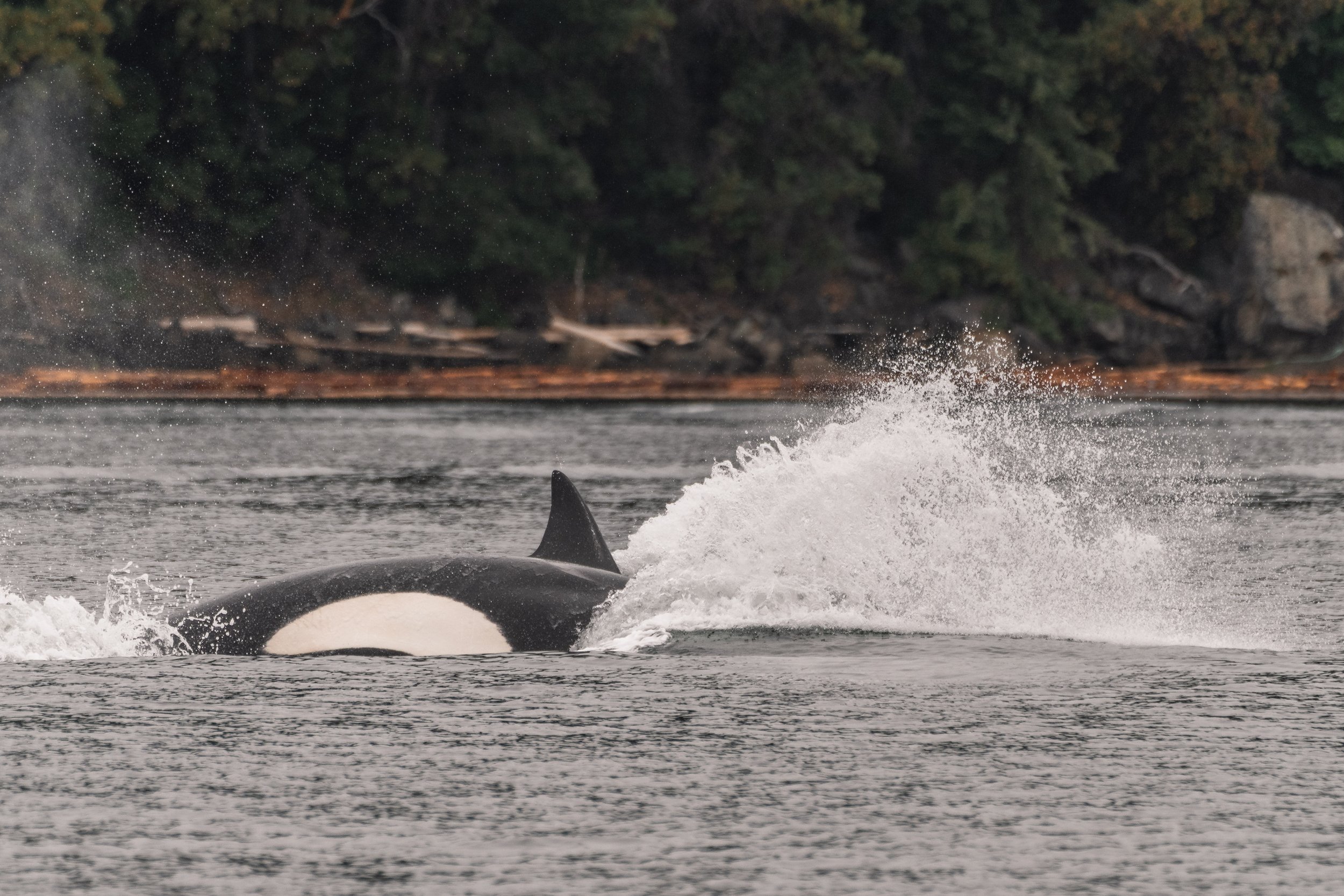
Big Splash!
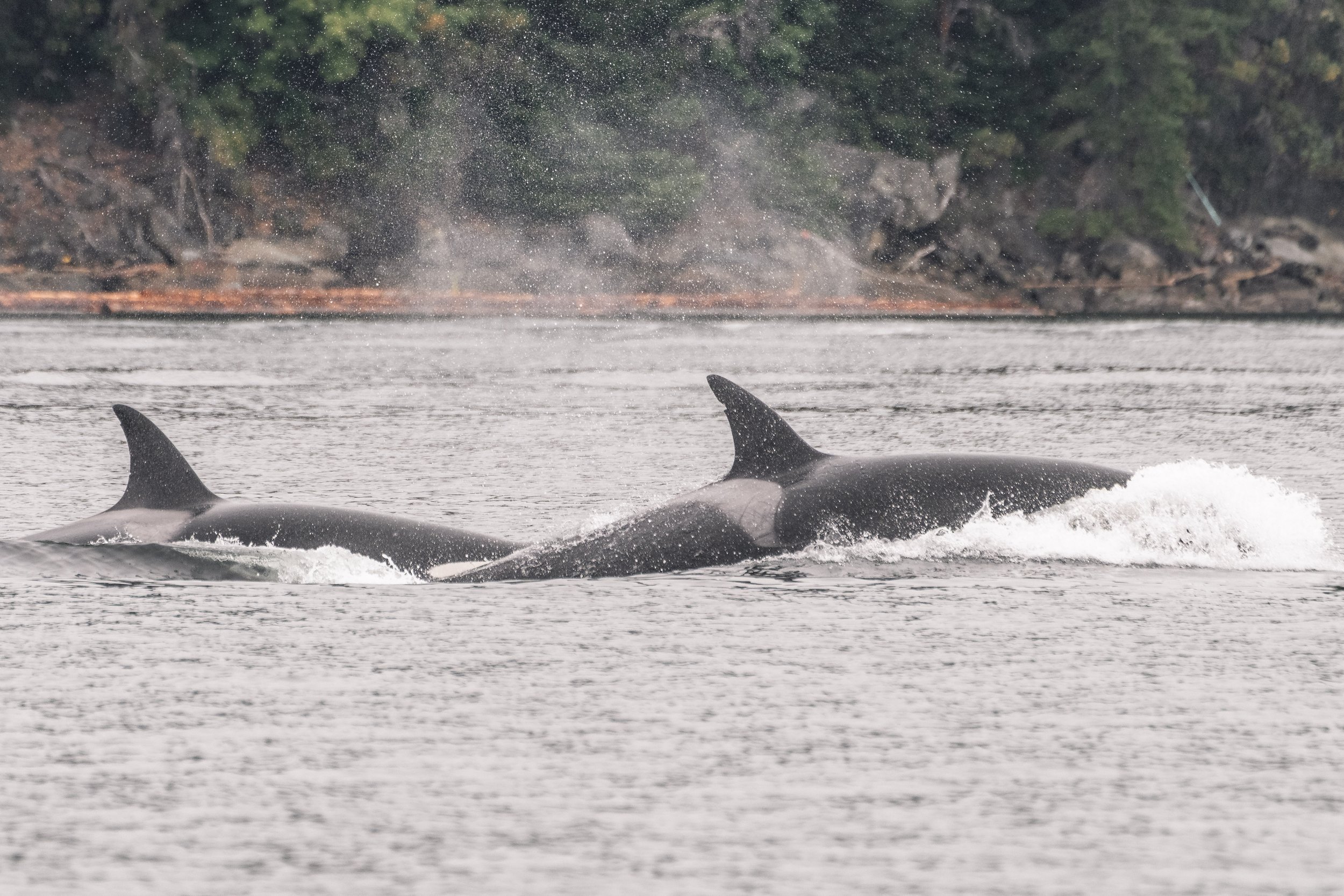
Wright being followed by Eider
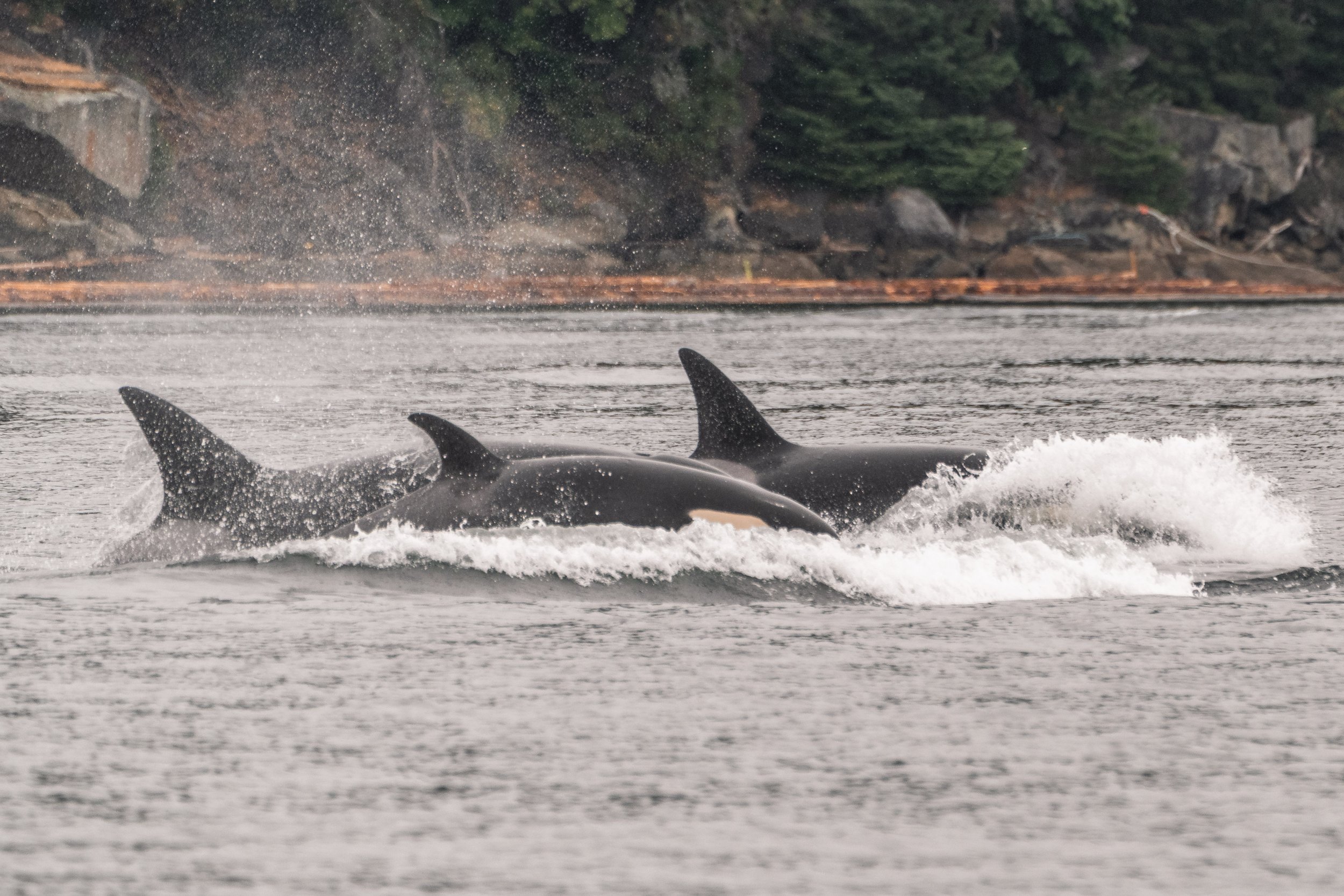
From left to right. Loon, Siku, Tempest.
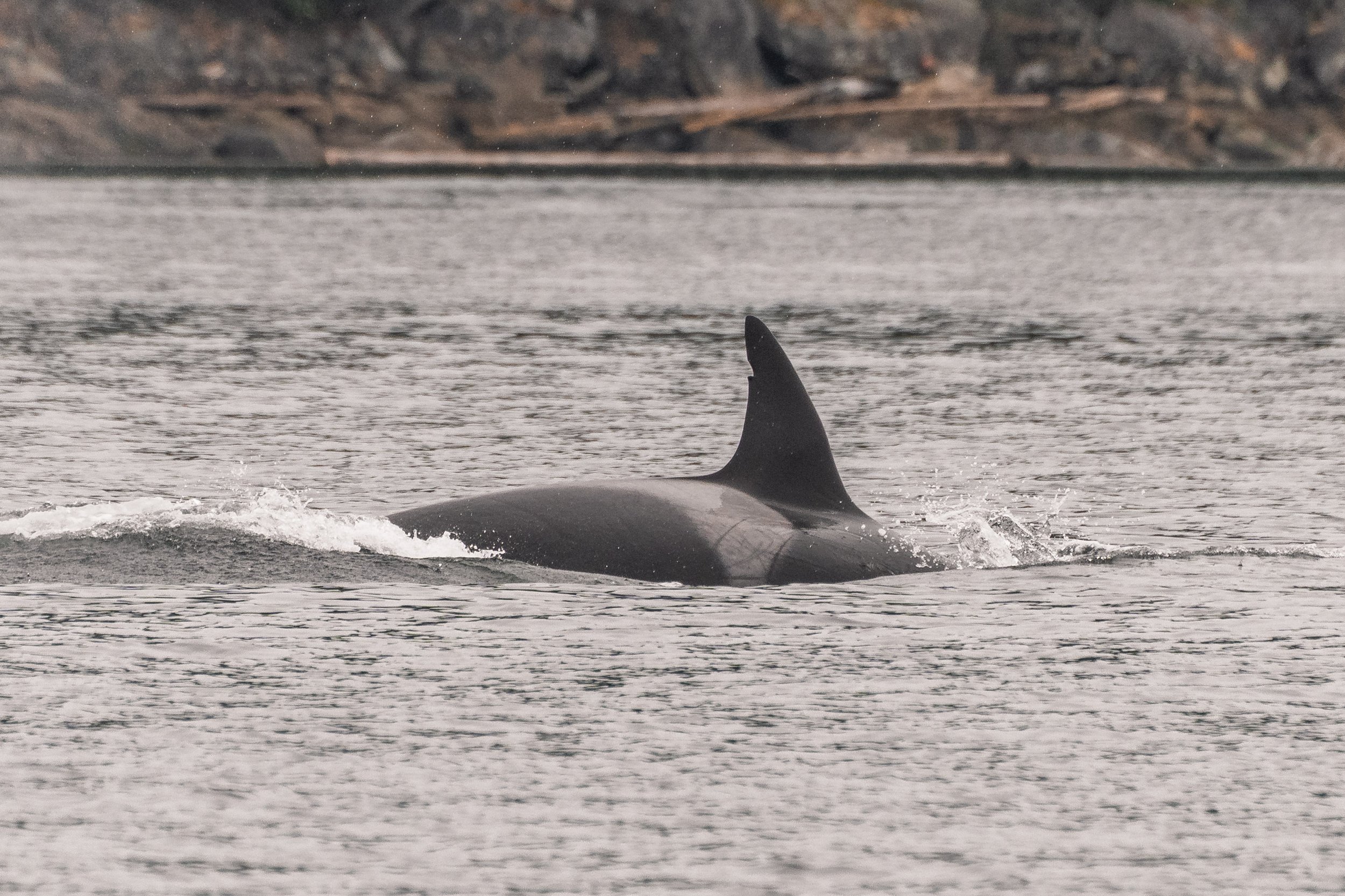
Wright has a distinct notch near the top of her fin.
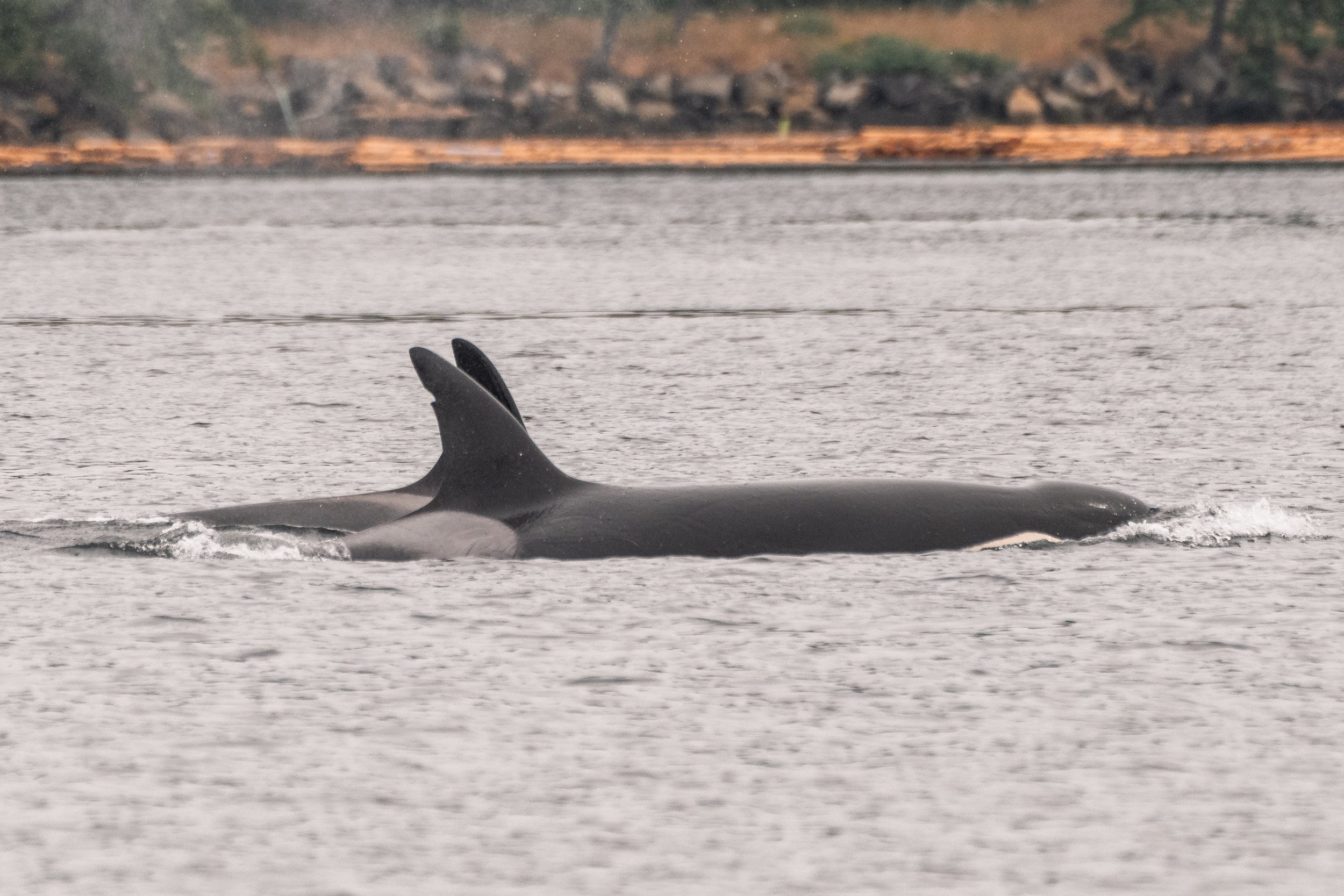
Wright coming up for air!
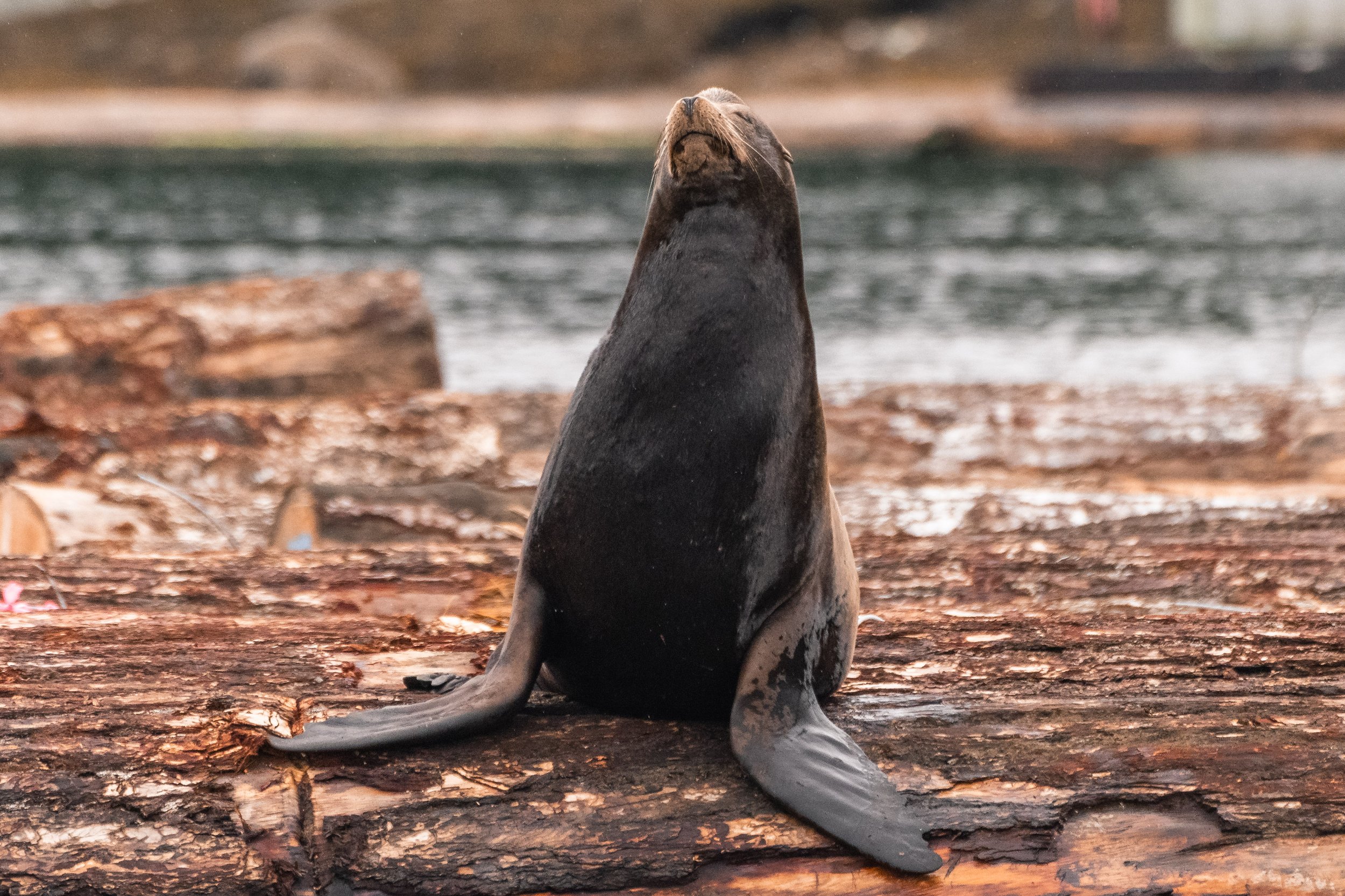
A California Sea Lion chillen on the log booms.
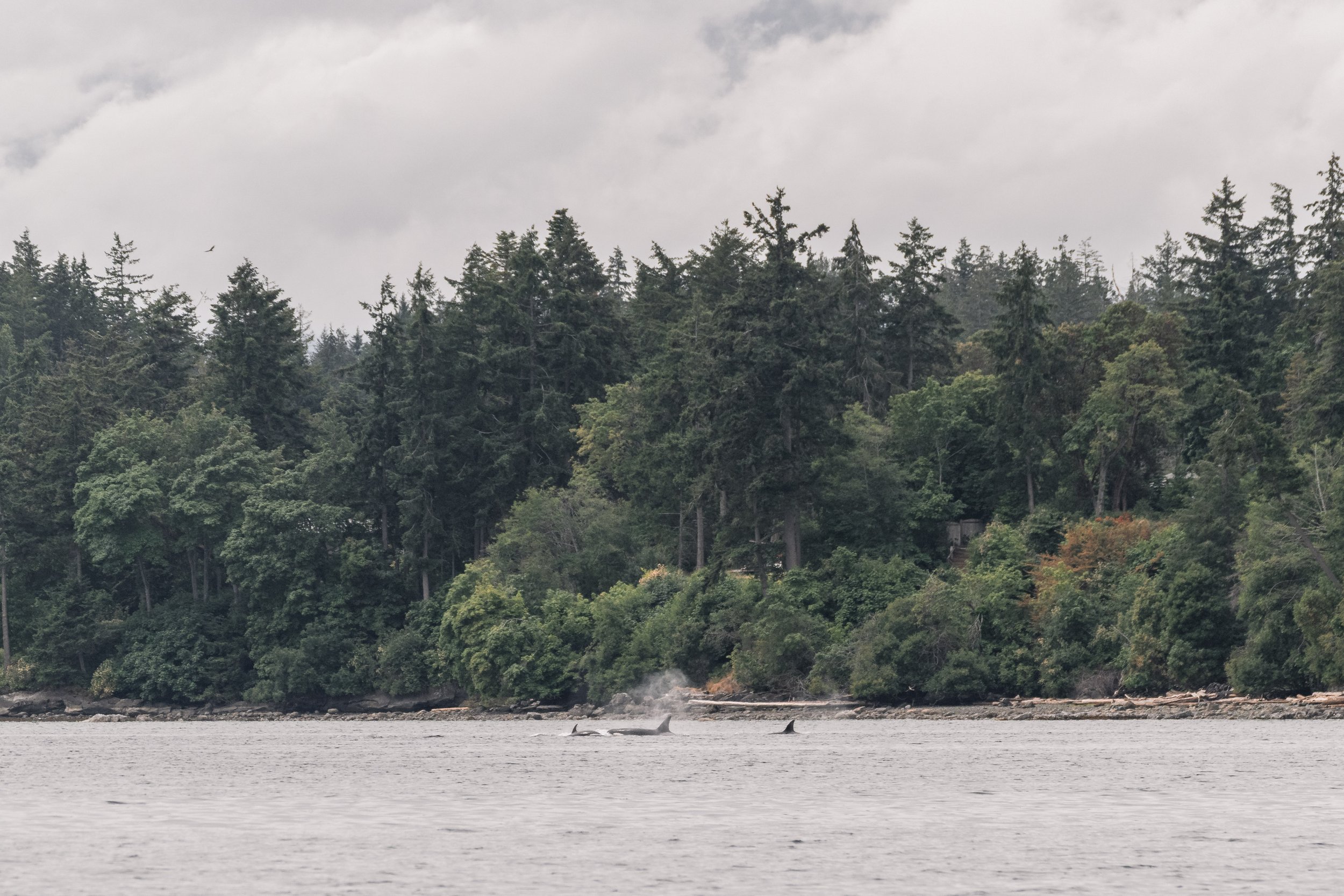
Classic PNW vibes with the moody sky, lush trees and orca surfacing in the distance.
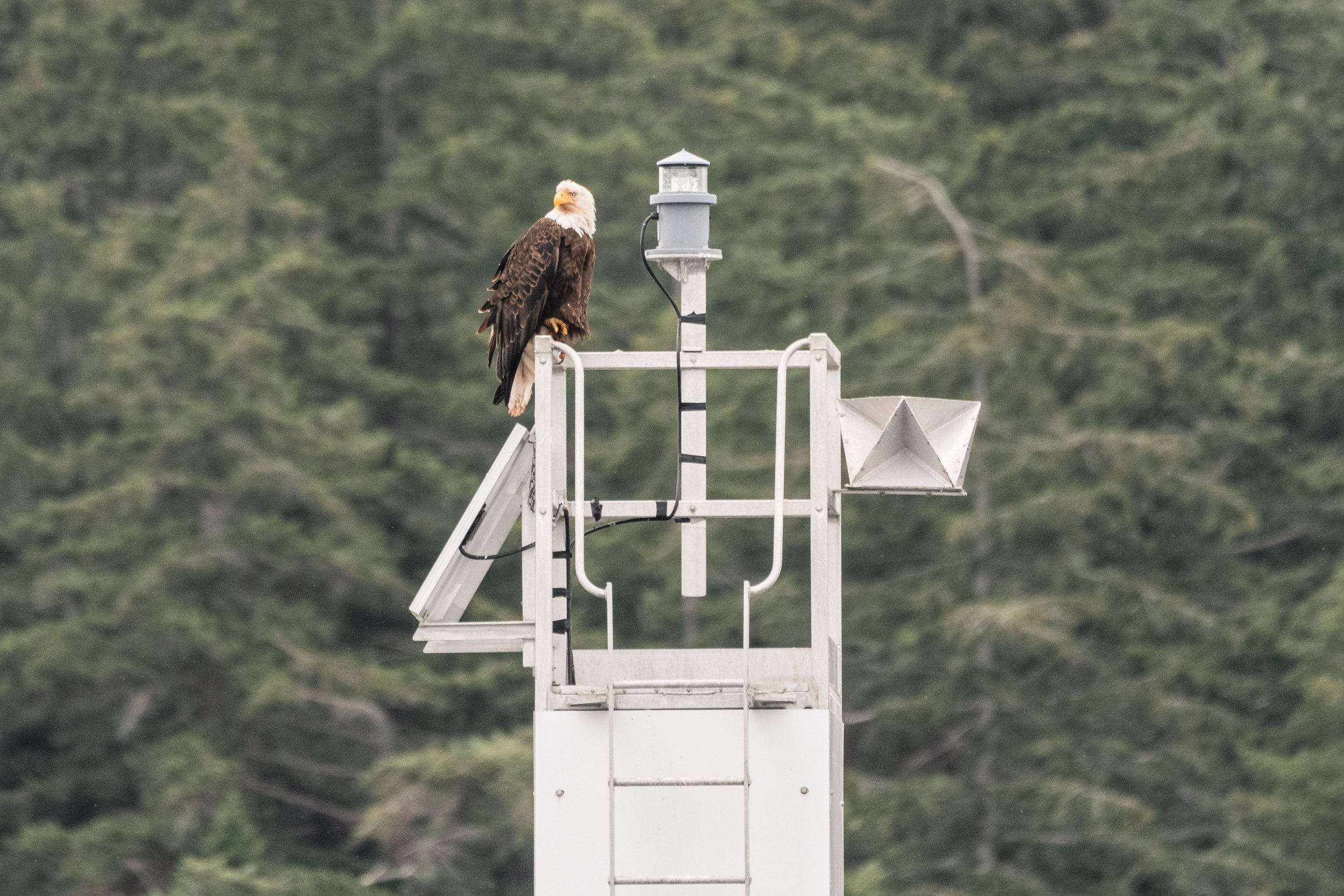
Bald eagle perched on a light post.
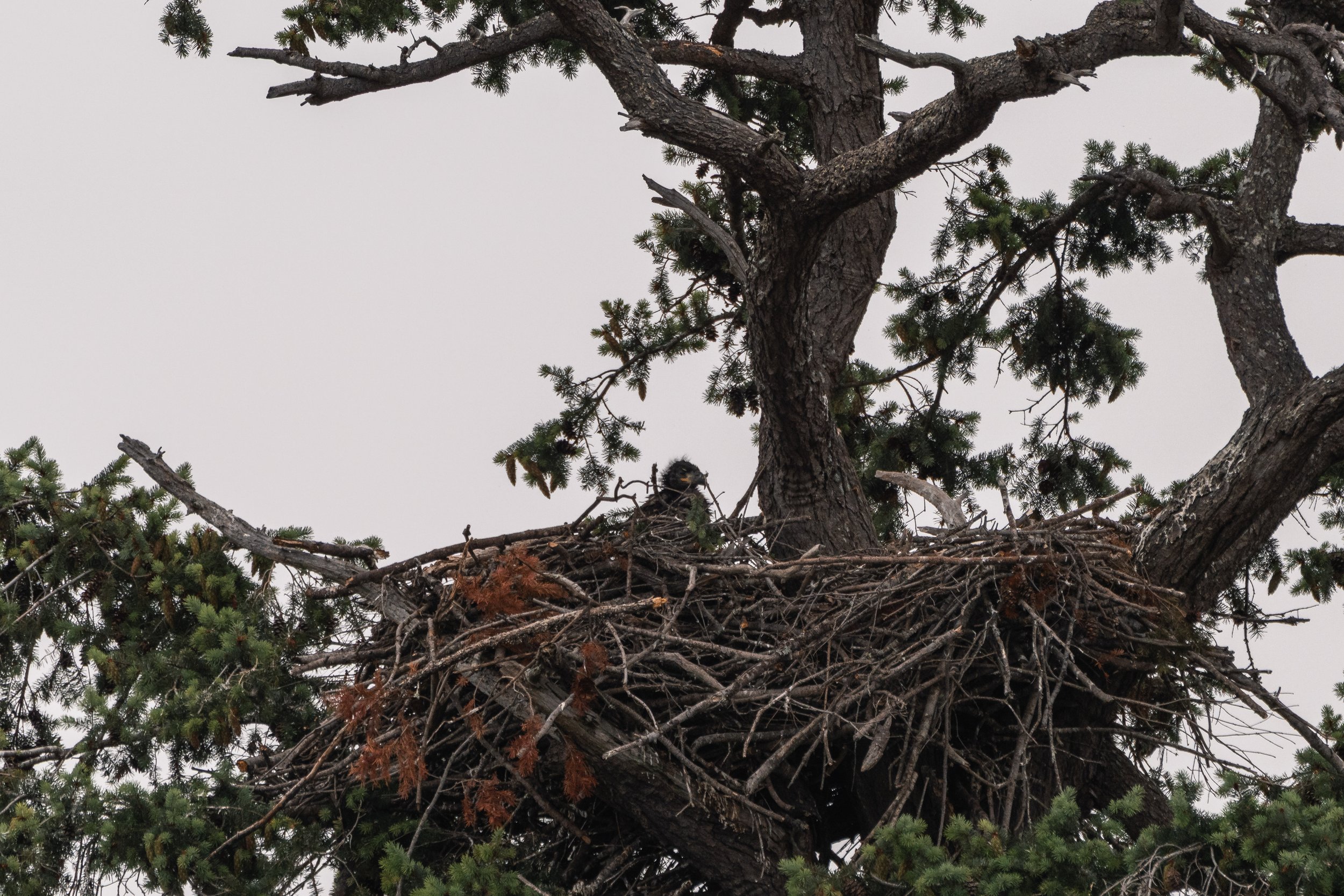
A little eaglet in the nest.
Did you know it takes around 5 years for bald eagles to get that iconic white head?
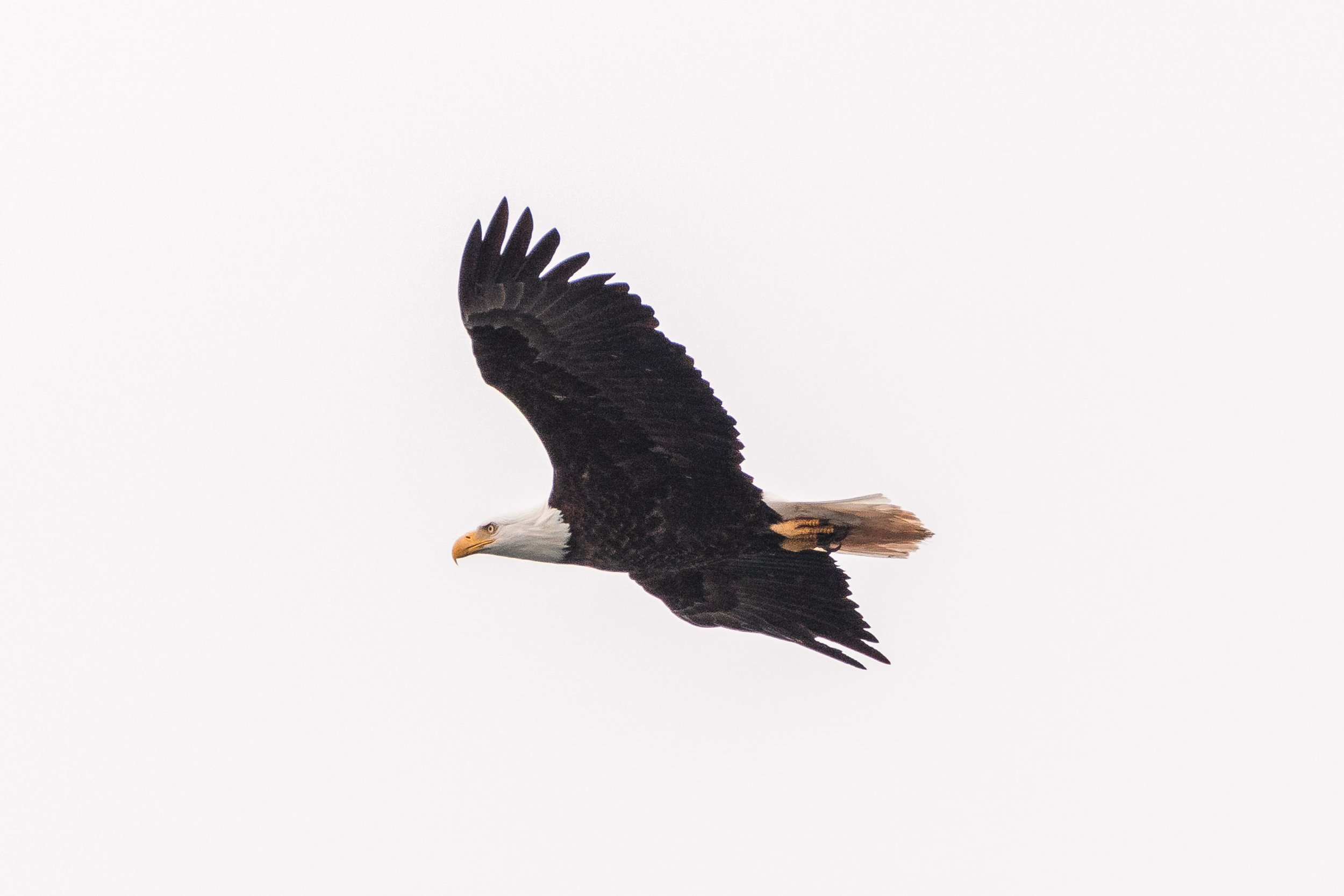
Bald eagles aren’t actually bald! The name bald comes from the old english word “balde” which means white.
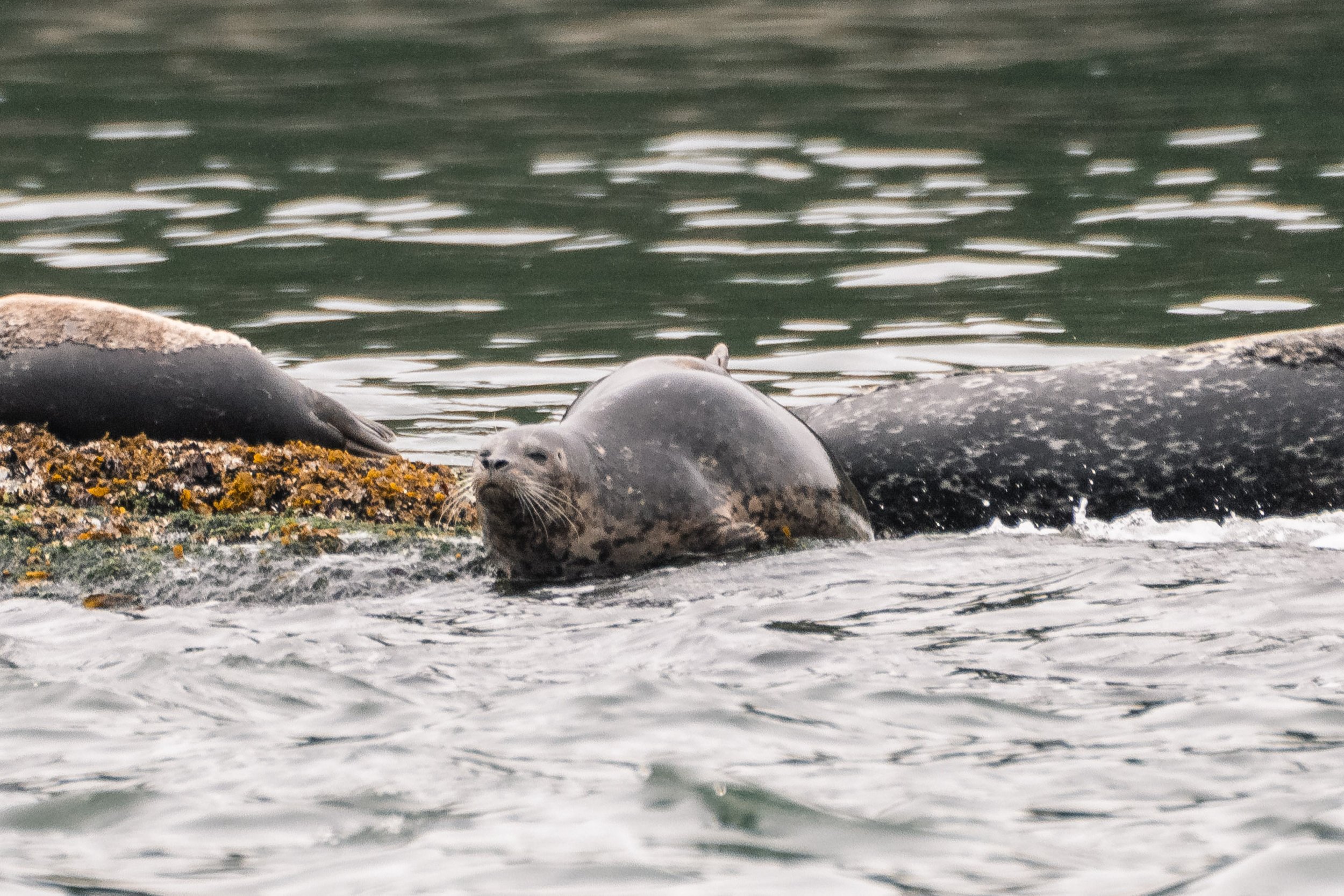
Can you see this harbour seals ear behind his eye?
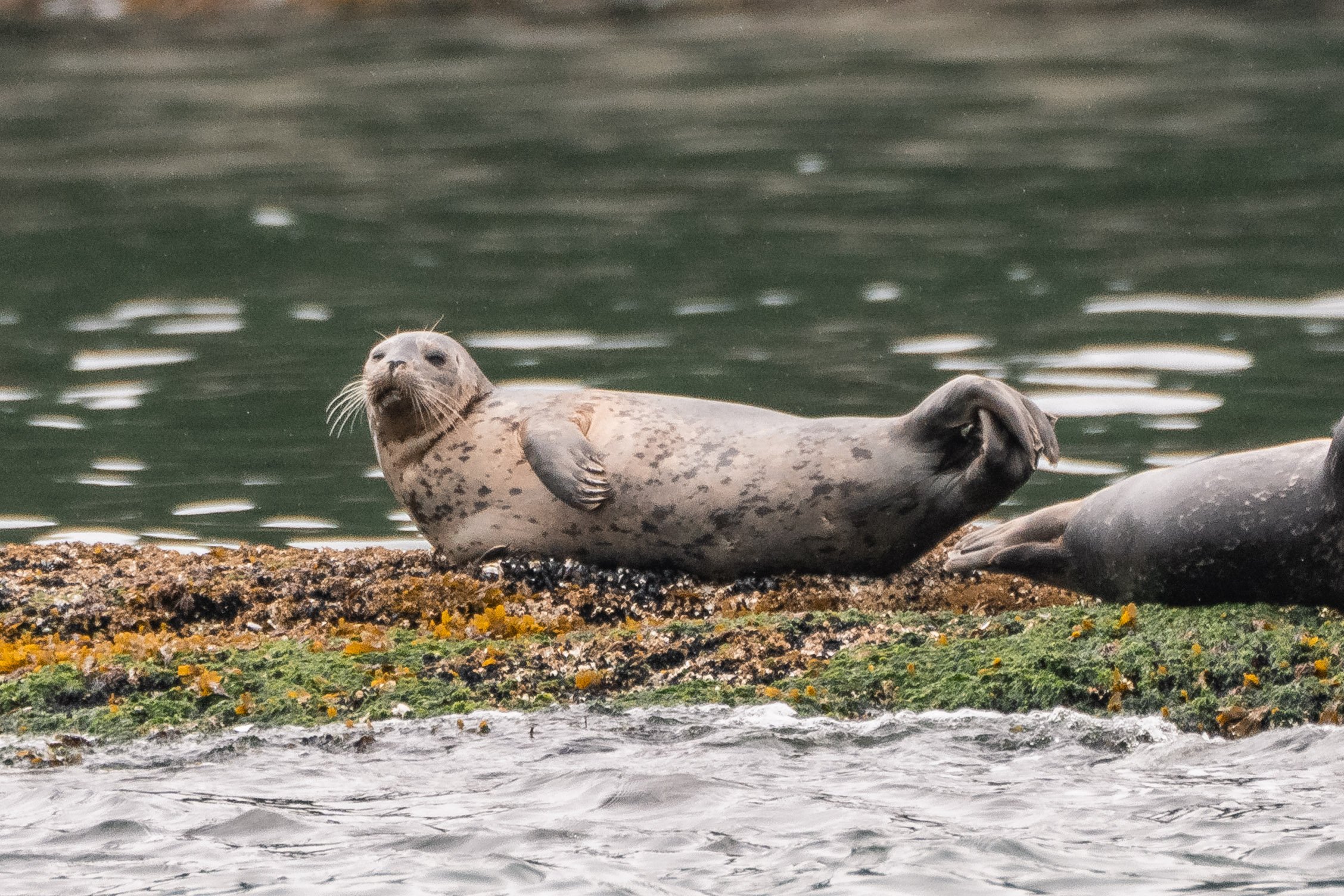
Harbour seal in a banana pose.
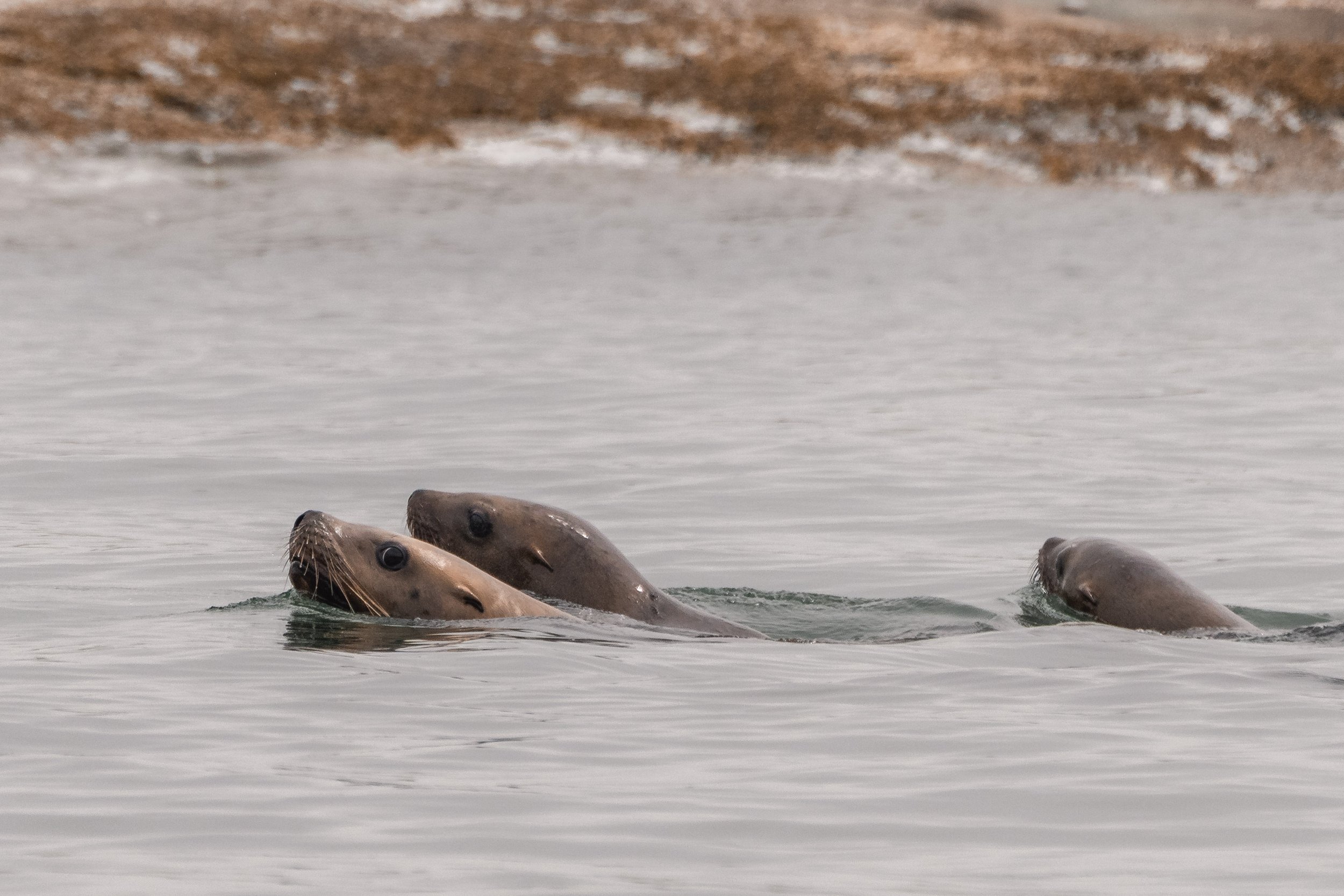
Steller Sea Lions eyeing us up suspiciously
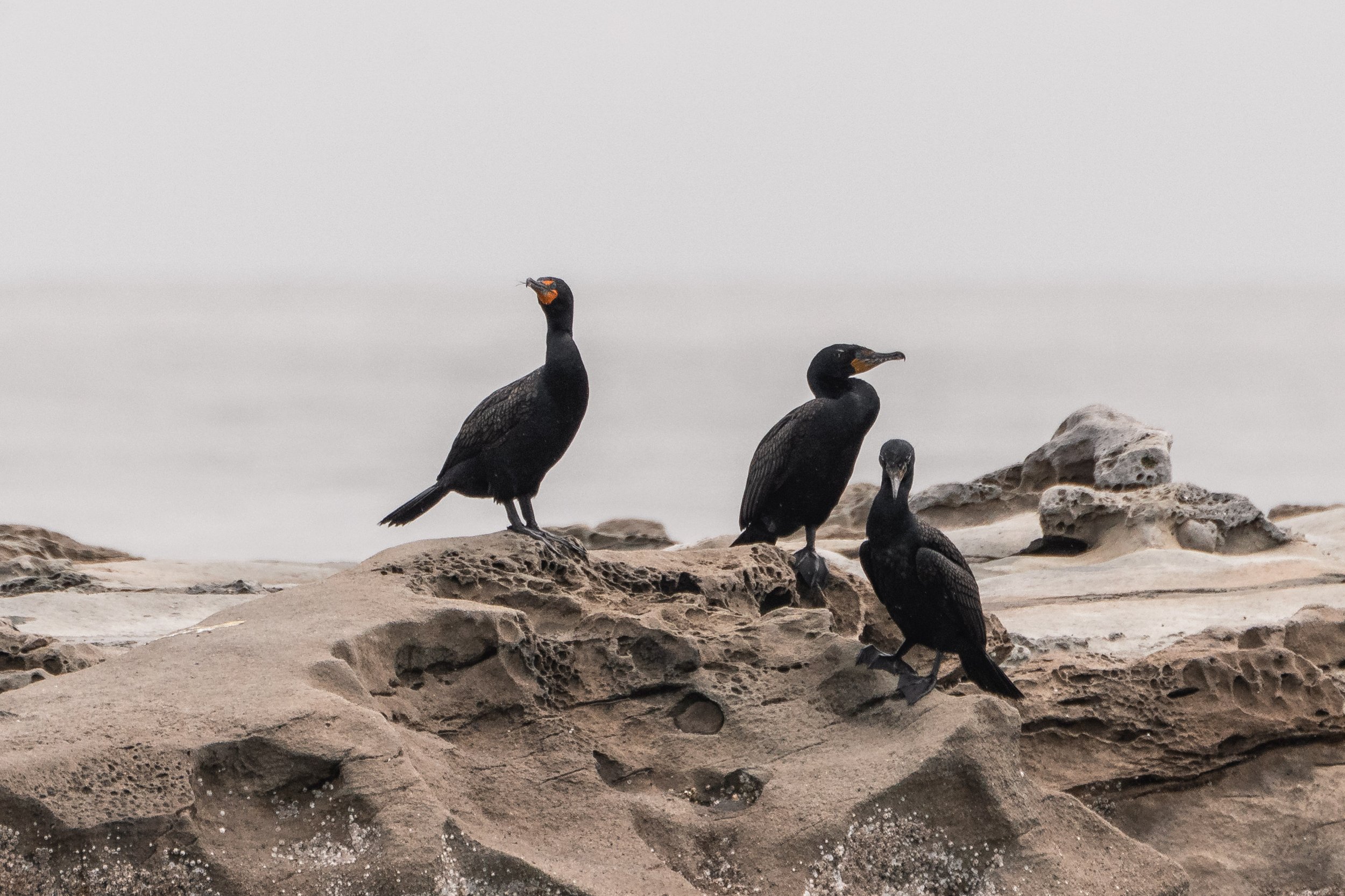
Double crested cormorants resting on a rock.
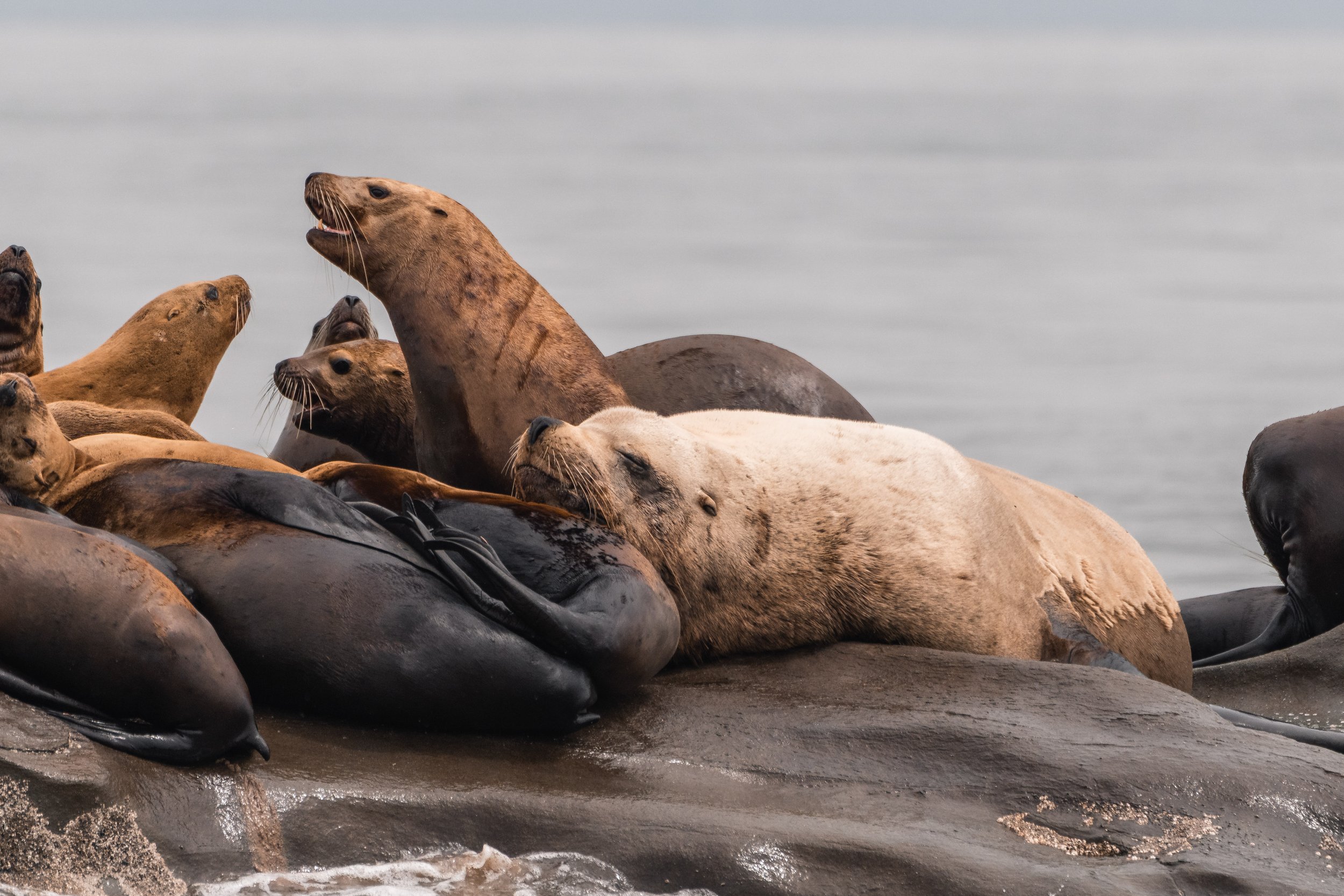
A large male Steller Sea Lion using a small animal as a pillow.
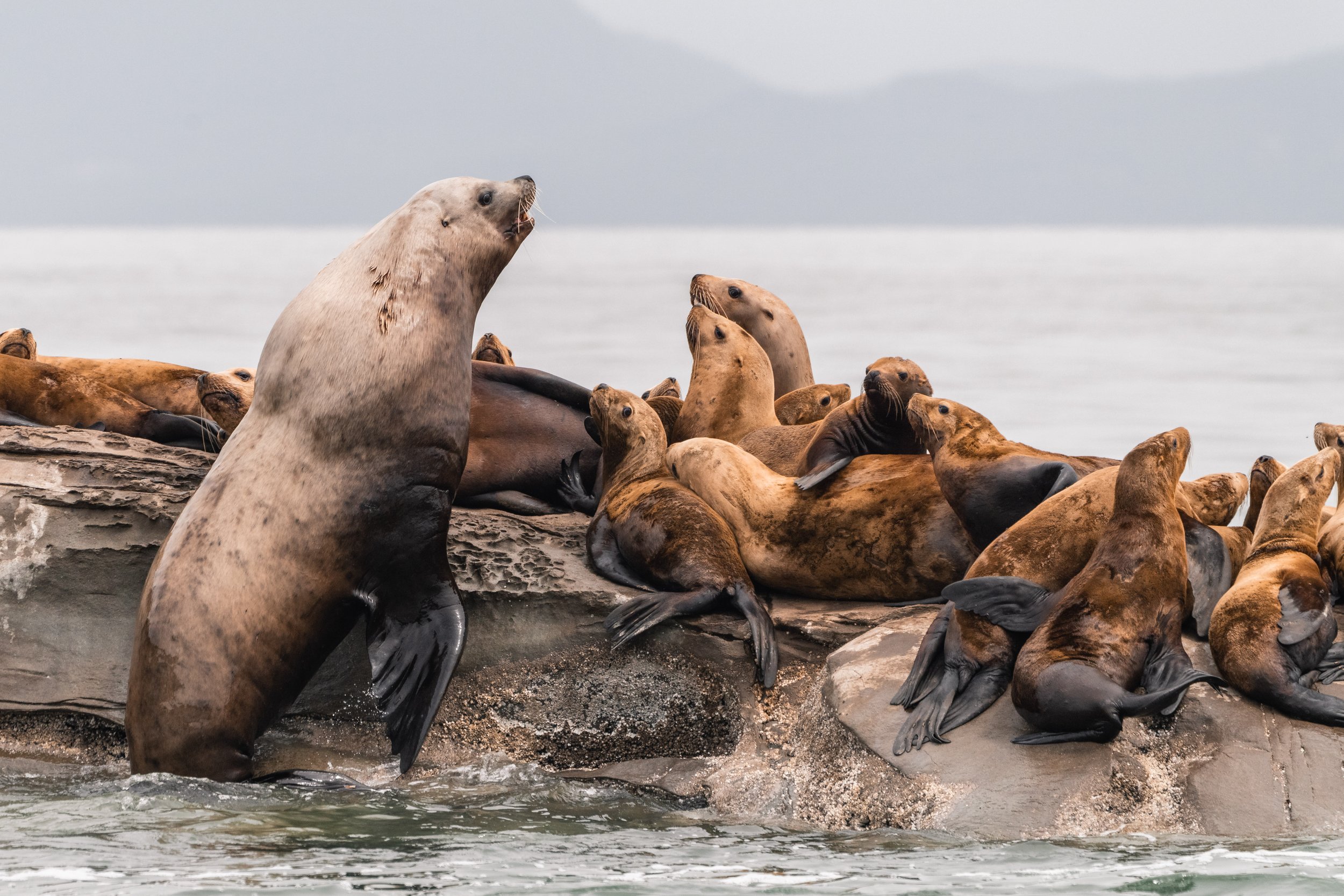
Did you know male Steller Sea Lions can be over twice the size of females?
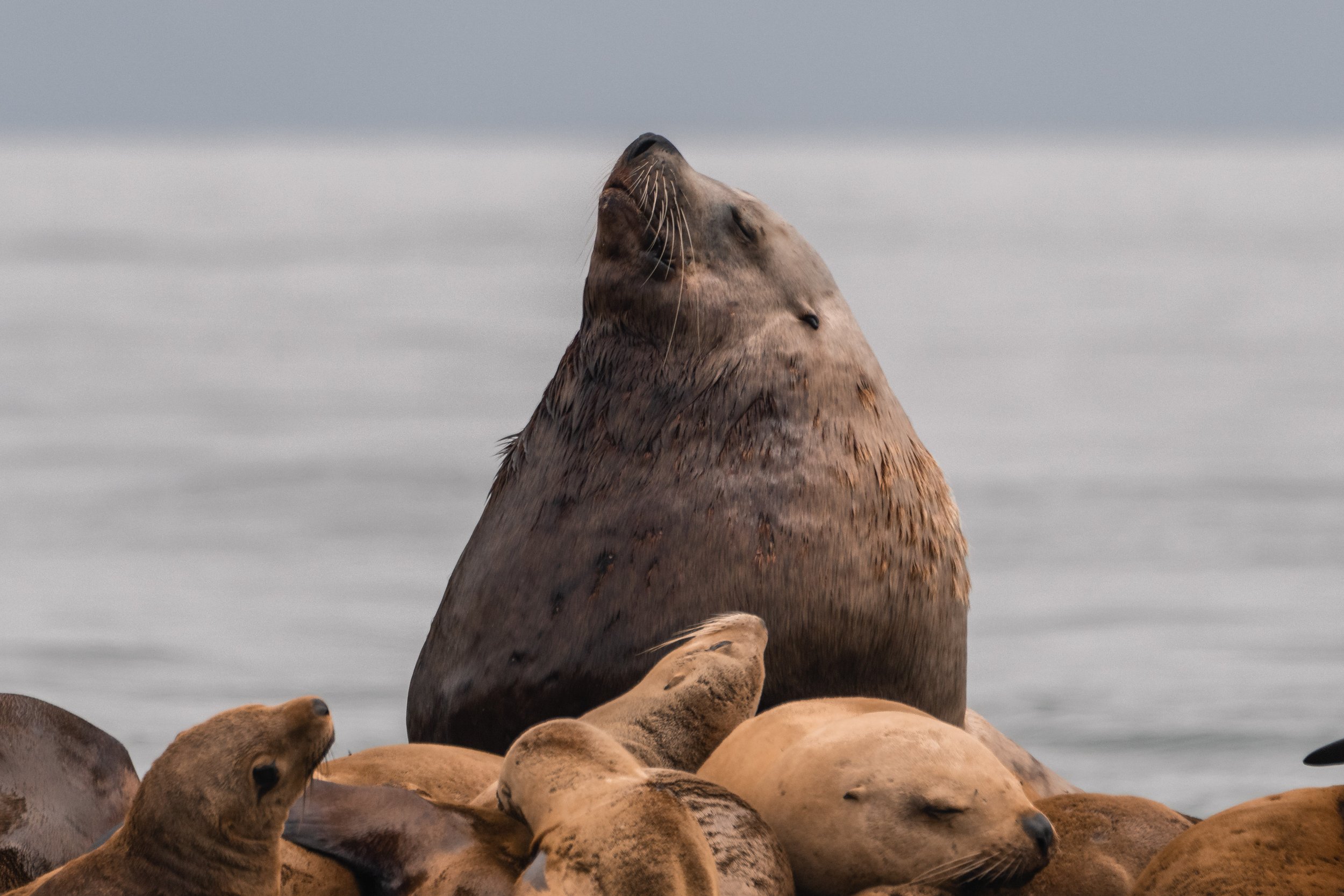
Working on that tan.
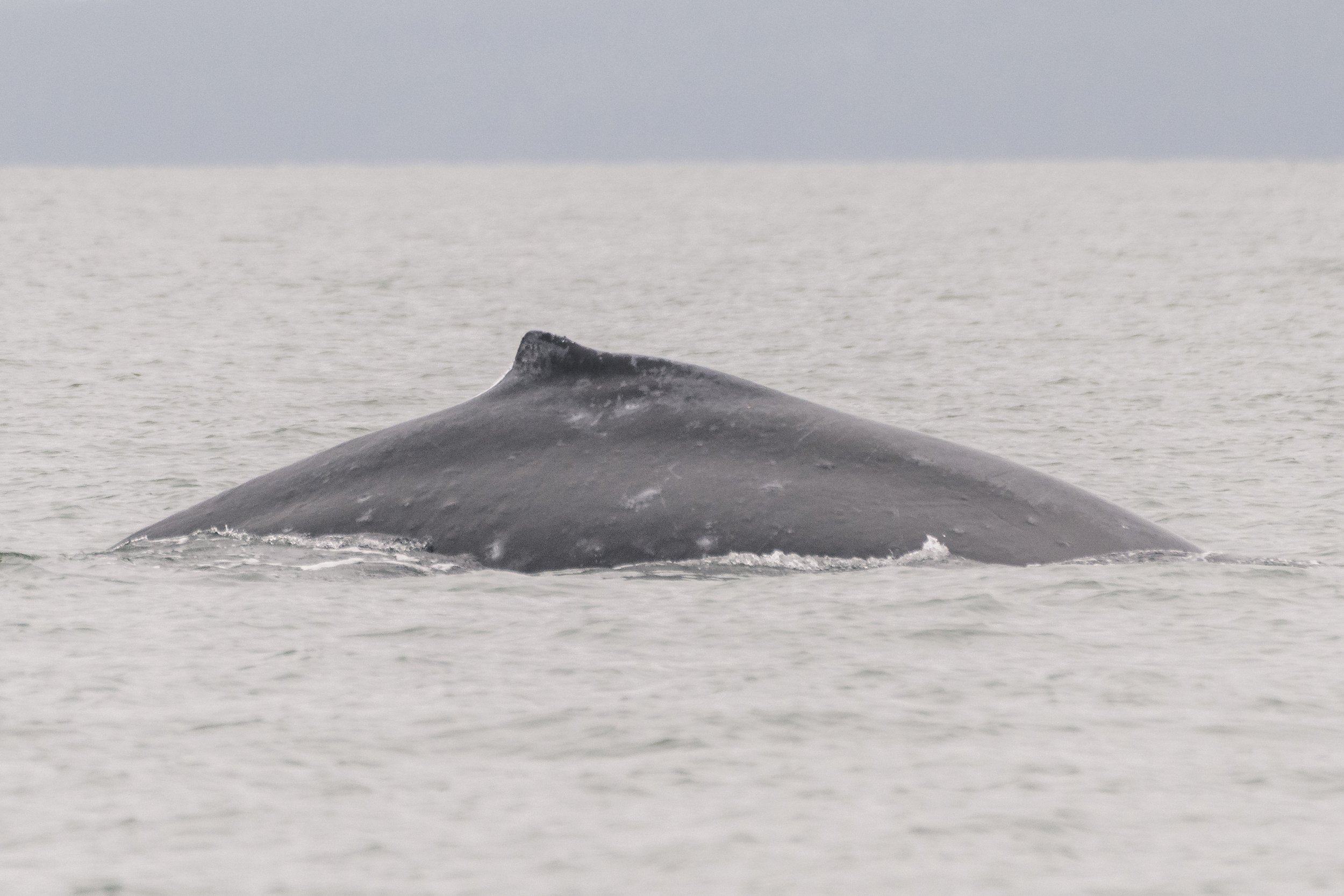
Europa showing off her beautiful dorsal.
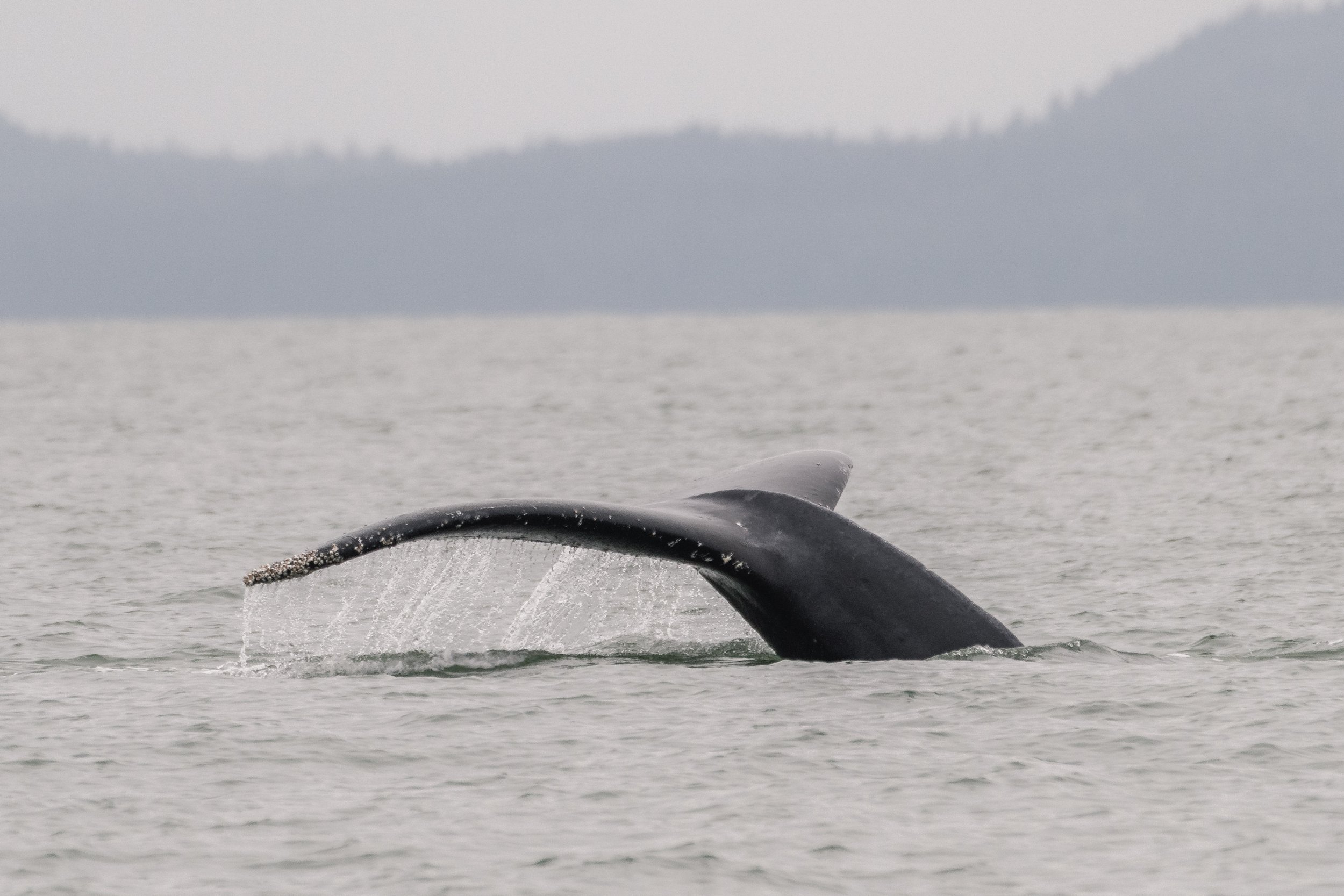
Flukes up!
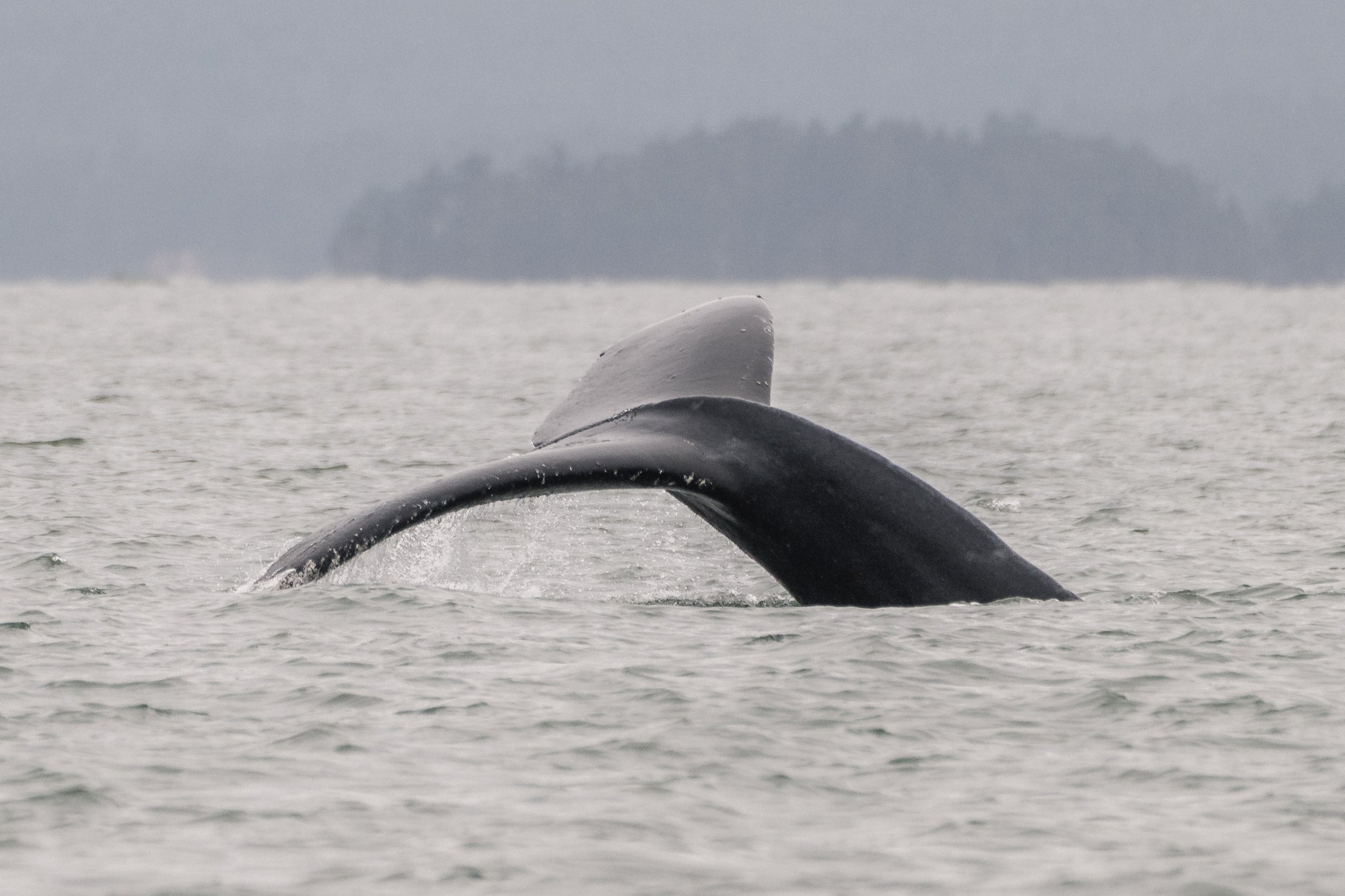
Europa going for a dive!
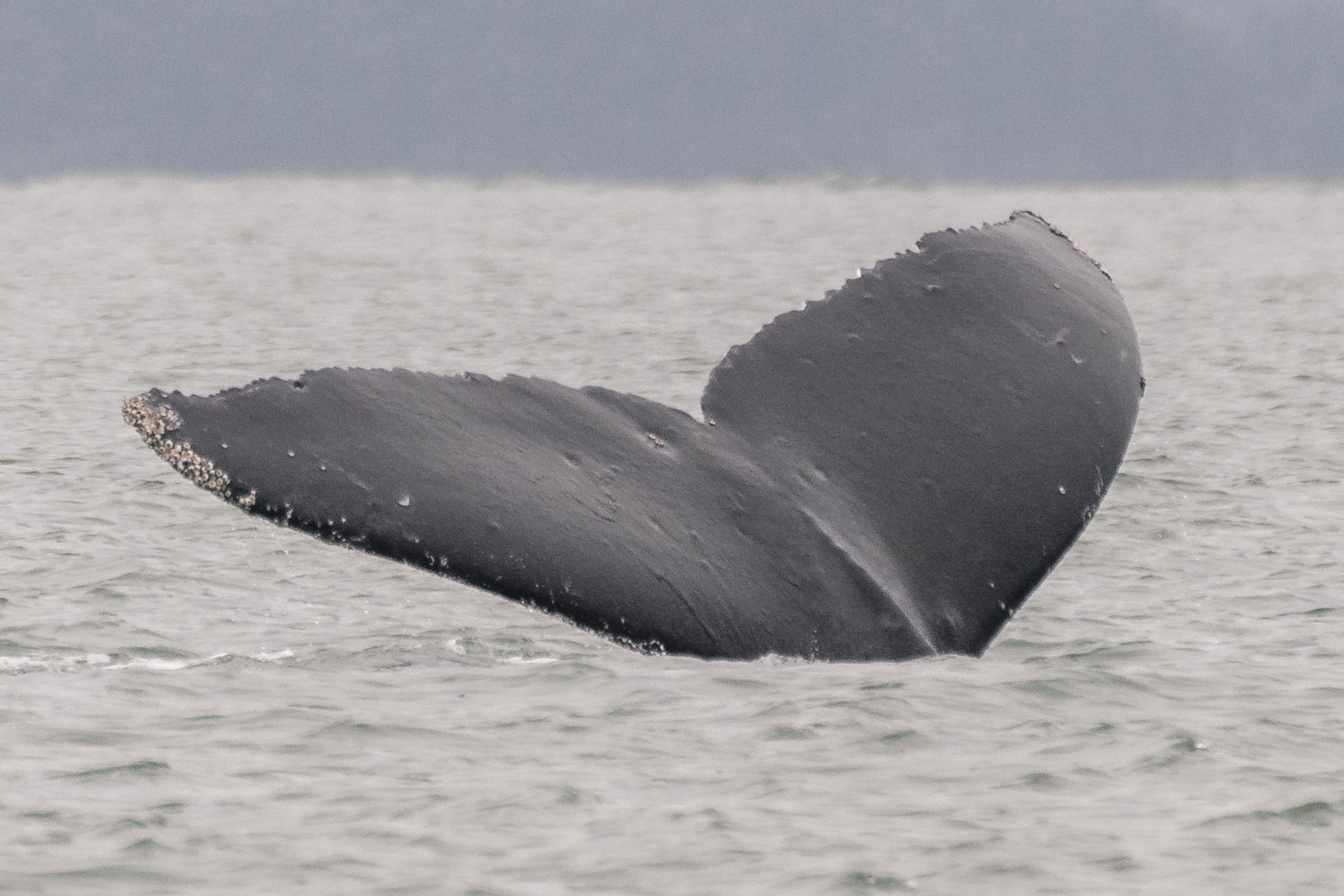
The front side of Europa’s tail.
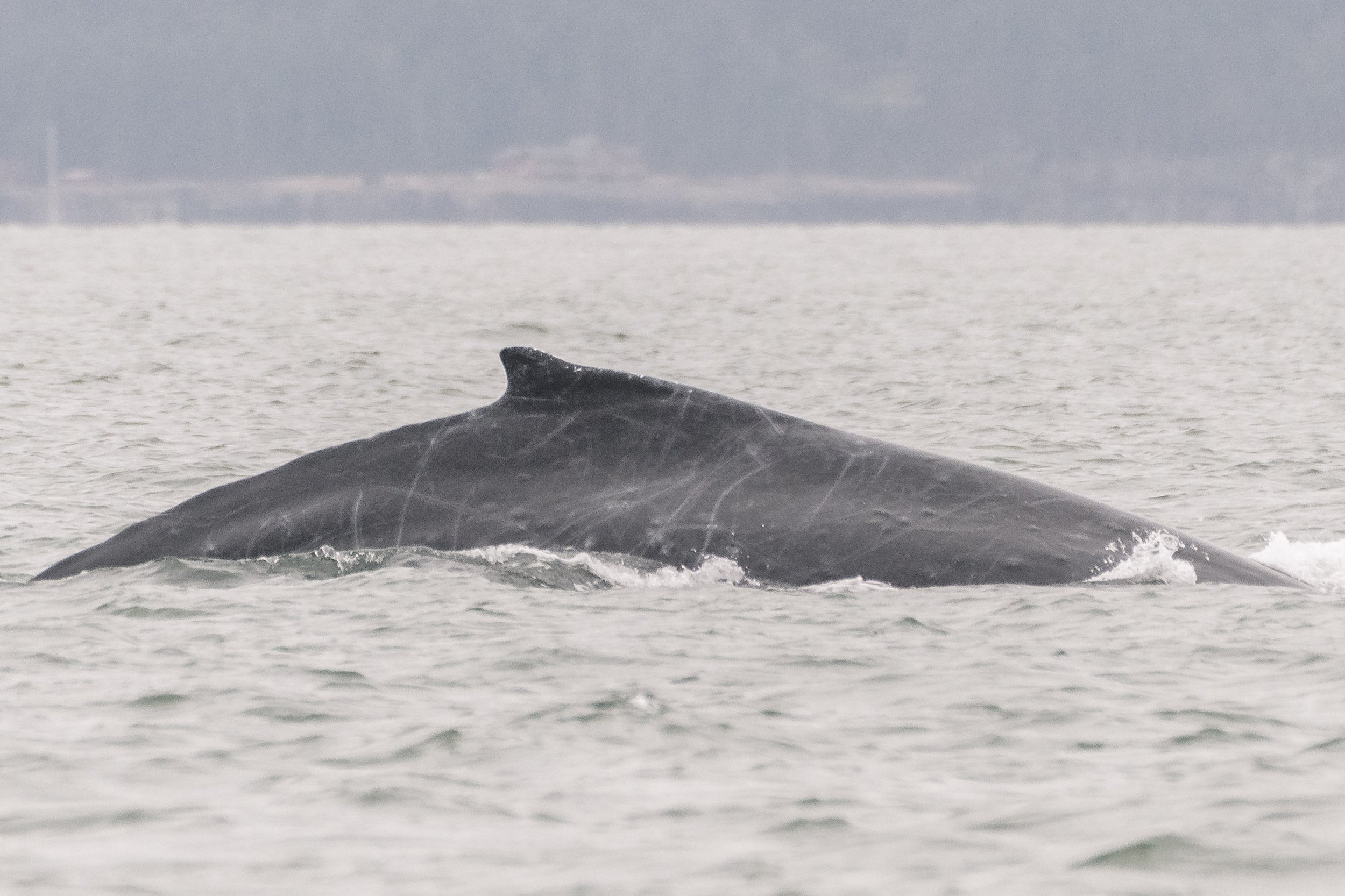
Do you see the lines all over Neptune’s back? Those are scars from being entangled. Unfortunately up to 50% of humpbacks in the Salish Sea have some form of entanglement scaring :( .
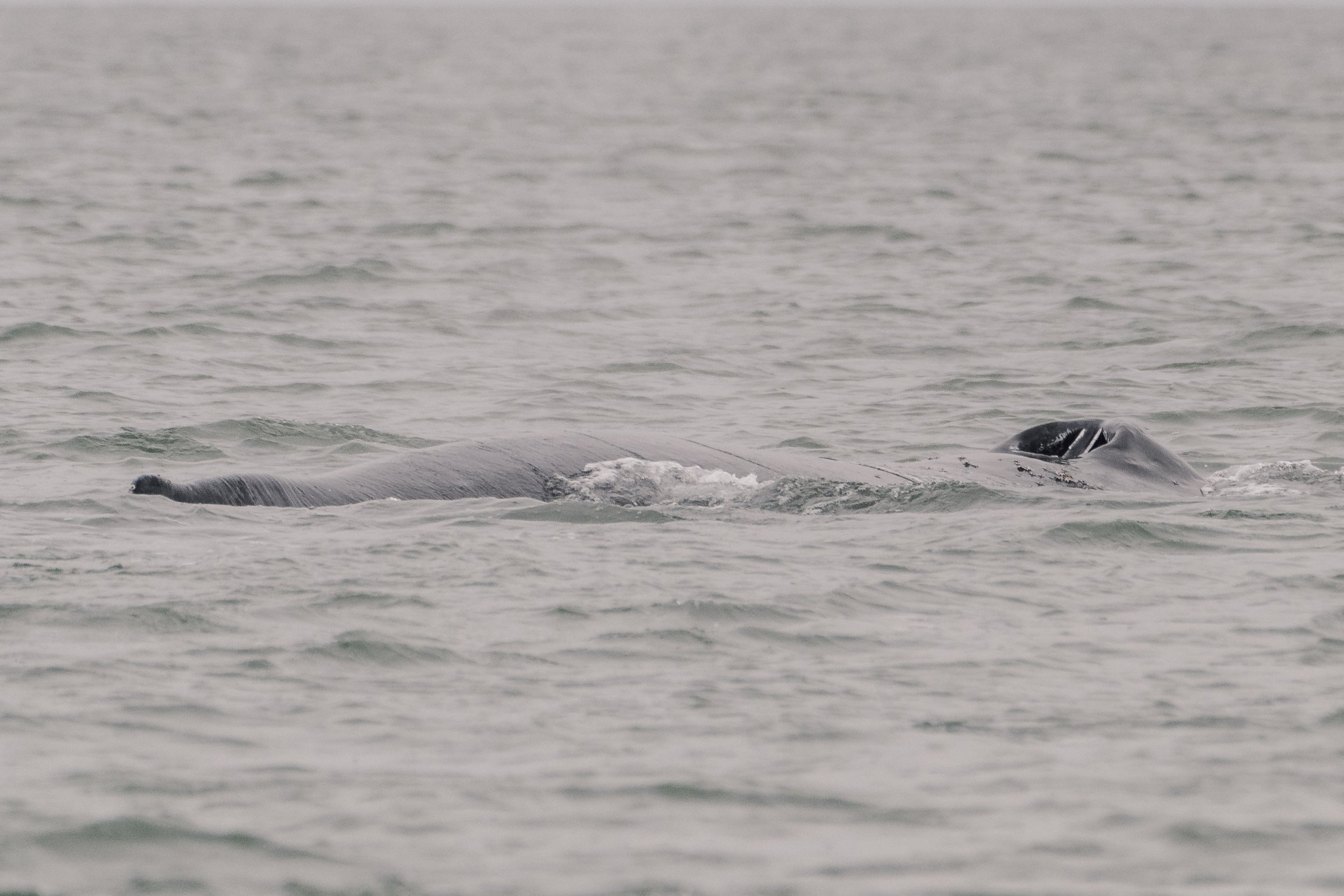
Did you know that Baleen whales (like Humpbacks) have 2 nostrils while Toothed whales (like Orcas) only have 1?
Going for a dive.