
June 8, 2026, 3:30 PM - Splash happy adventures with the orca and humpbacks
The rain began to fall as we pushed off aboard Kula, our semi-covered vessel. Bundled up nice and cozy, we settled into our seats as Naturalist Vanessa began chatting about where we were headed for the trip. We had had luck finding orca inside the Southern Gulf Islands during our morning tour, and we were eager to try and reacquire them for the afternoon.
Tucked inside the heated cabin, we headed off. Captain Joseph steered us southbound, aiming for Dodd Narrows. This tiny waterway is often bustling with activity, from sea lions fighting through the currents to Turkey Vultures lazily looping through the updrafts and Great Blue Herons delicately picking through the shallows.
Making our way along, we headed down through Stuart Channel. The T086As and T137s had been here earlier, but even with it being only a few short hours after that encounter, they could have travelled many miles in any direction. Scanning all around, we kept our eyes peeled, searching for blows or fins. Our efforts soon paid off, as we spotted two small fins surface, with a third towering over them. A quick photo confirmed this was the T137s:
T137 Loon ♀ (~1984)
T137A Jack ♂ (2002)
T137B Tempest ♀ (2006)
However, it was noted that the youngest member of the matriline, T137D Wright, was not present during our encounter. She had been seen with the rest of her family earlier, so where had she gone?
Wright is an interesting whale, as she has previously been spotted taking short “field trips” away from her pod. She is usually joined by her older brother, T137A Jack, though, making this encounter even odder. During the morning, Wright had been spotted travelling closely with the other pod’s matriarch, T086A Eider. At 14 years old, Wright is quickly approaching the age where she may start having calves of her own. She may be spending time with other older females to diversify her knowledge, so she has even more information to pass down to her children in the future.
While with the T137s today, T137A Jack seemed to be in a very feisty mood. Throughout our viewing, he was spotted swimming upside down, waving his pectoral fins in the air and slapping his tail. He didn’t seem to be doing this for any particular purpose, except to potentially bug his mother and sister. As highly intelligent creatures, orca are often spotted simply playing just for the sake of it.
We left the pod behind and headed onward, this time into the Strait of Georgia. We were greeted by some wind and waves, but that did not stop us! Scanning once more, we did not have to wait long before we found what we were looking for – a large Humpback Whale ahead of us. This individual seemed incredibly energetic, as they were soon spotted breaching high out of the water, splashing water high into the sky as they re-entered the ocean below.
Besides breaching, they were also spotted pectoral-slapping (slapping their side fins) and tail-slapping away. Naturalist Vanessa once again took up her camera, capturing shots of the individual as they splashed away. While dorsal fins are typically used for orca IDs, they are used more rarely for humpbacks. Instead, we usually use the underside of their flukes (or tails), which sport unique white and black markings. After a couple of surfaces, the humpback dove raised its tail high out of the water, creating the perfect moment to capture that shot. Ironically, this tail appeared to be a perfectly flat colour, with no distinct markings or pigmentation spots. While this may seem to make it even trickier to confirm who they were, this perfectly black fluke turned out to be none other than Incognito (BCX2053), an apt name for such a simple fluke!
With the winds picking up, we said our goodbyes to our splash-happy humpback and continued our adventure. We headed south once more, skirting the coastline until we approached Valdez Island. As we zoomed along, a set of rocky islets soon came into view. This area, known as “Stinky Rocks”, was peppered with Steller Sea Lions of all shapes and sizes. This haulout is a valuable resting area for pinnipeds, where they can bumble their way up and out of the waters, allowing them to recoup after exploring and feeding in the cold depths. Amongst them, one huge male was the centre of attention, growling and eructating away. Giggles arose amongst the guests as we enjoyed the views.
Soon after we departed, turning back around before venturing back into the Southern Gulf Islands. We made our way back north, once again crossing Dodd Narrows before heading back towards Nanaimo. Soon the skyline came into view, then shortly after, we arrived back on the dock, concluding another excellent adventure through the Salish Sea!
Photos taken by Marine Naturalist Vanessa Vereschahen - please enjoy!
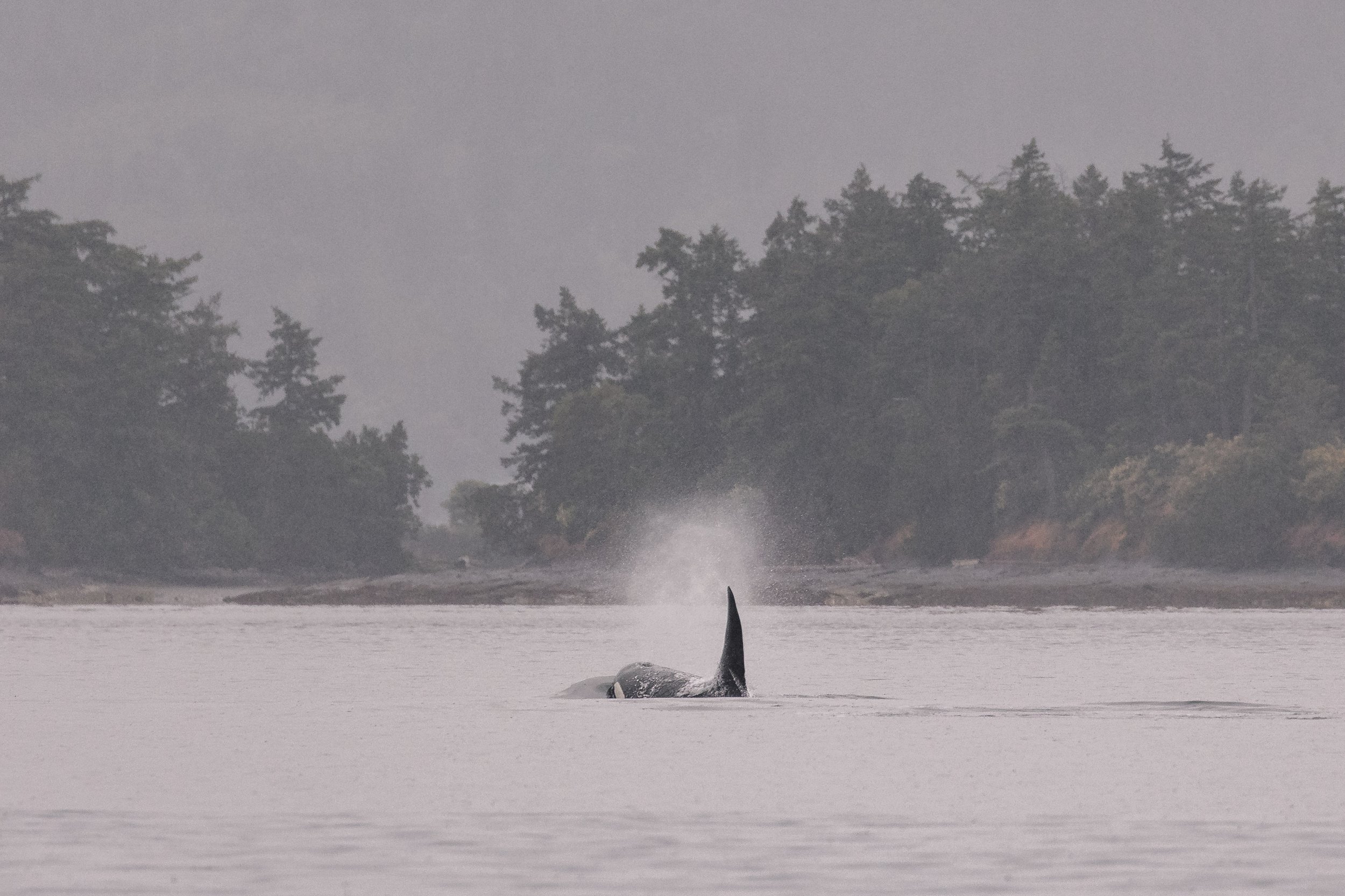
T137A Jack surfacing with his backlit breath.
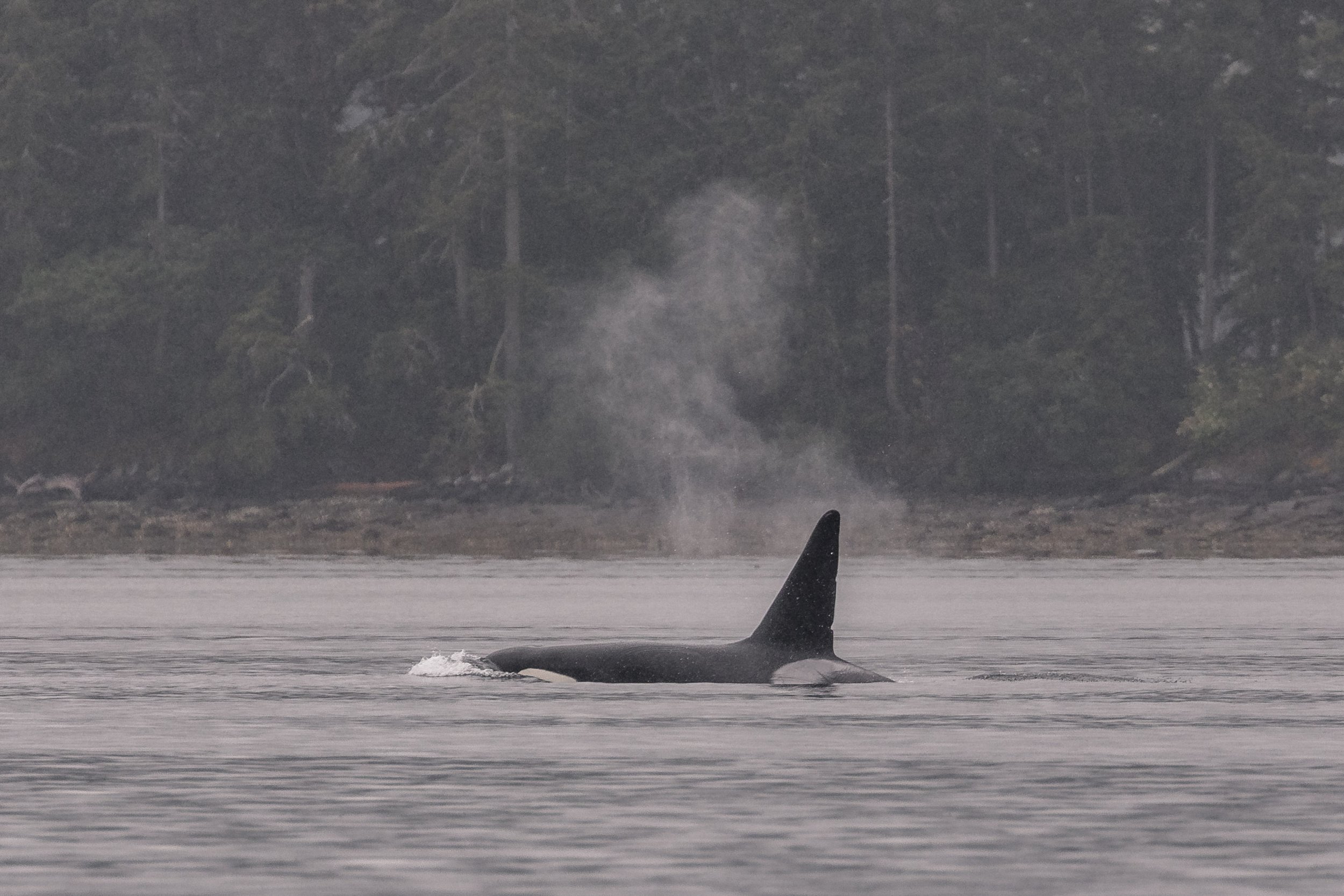
T137A Jack coming up for a breath of fresh air.
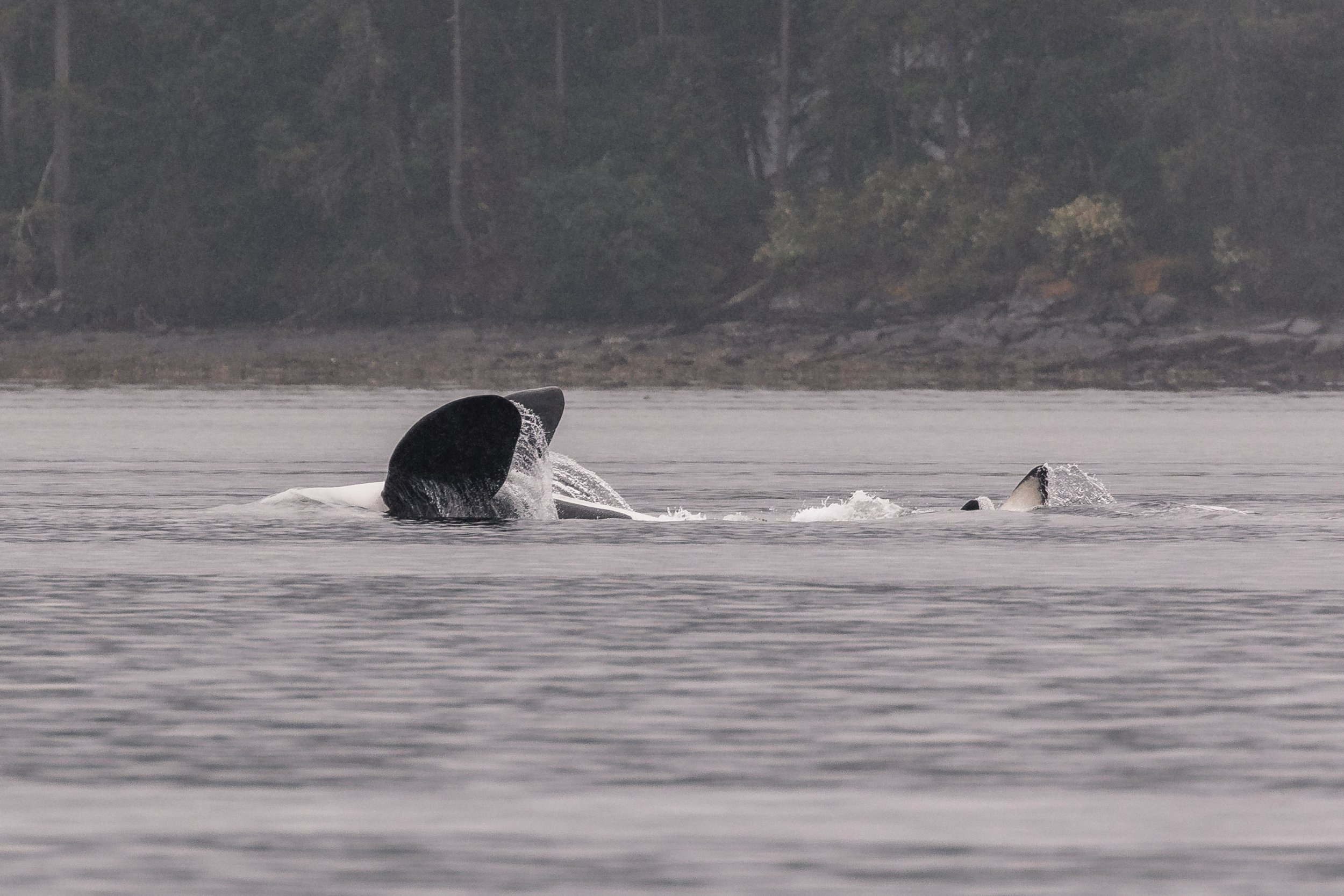
T137A Jack giving a wave.
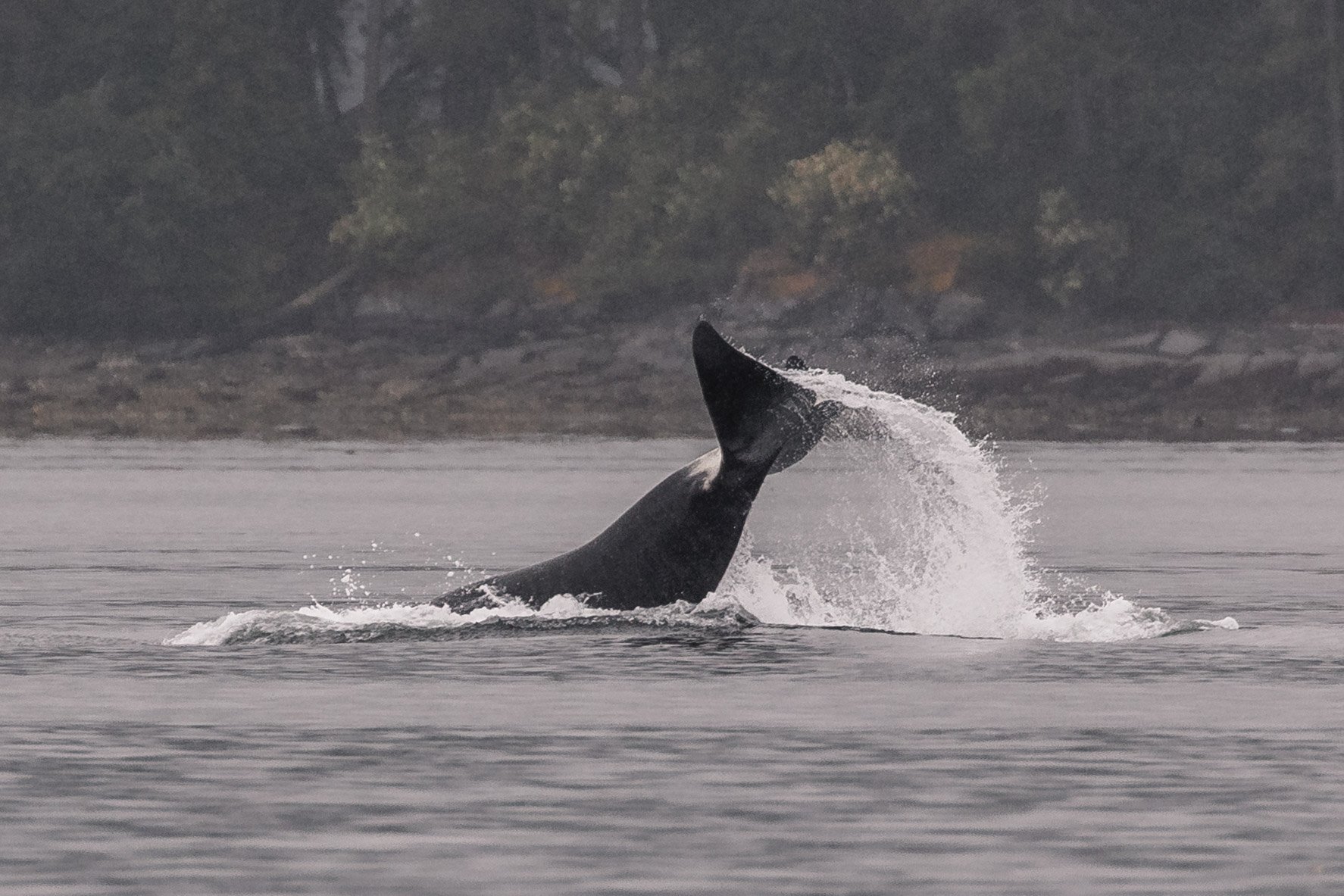
Water streaming off T137A Jack’s flukes.
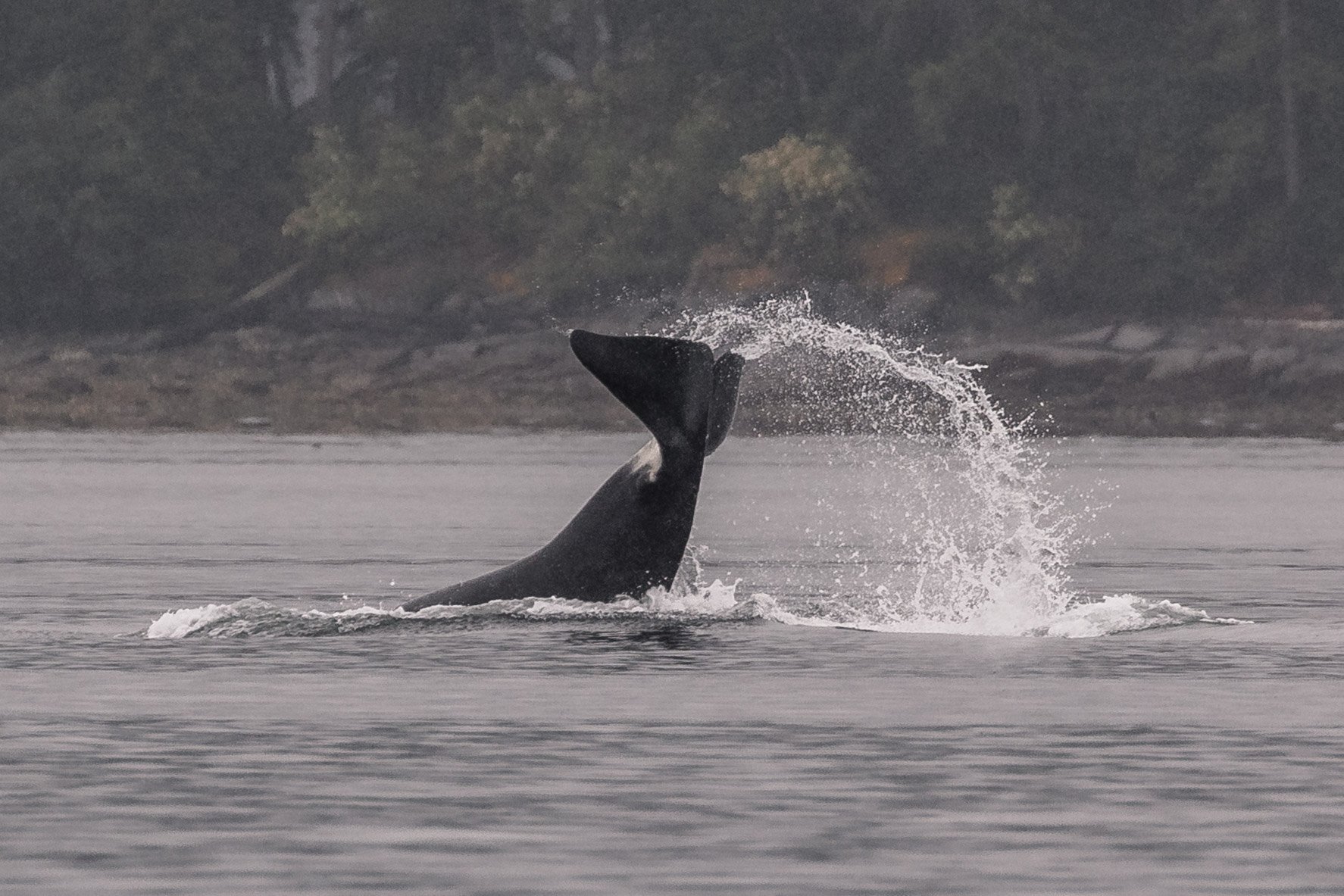
Adult male orcas have curved in fluke fins. That’s how we know this tail belongs to T137A Jack.
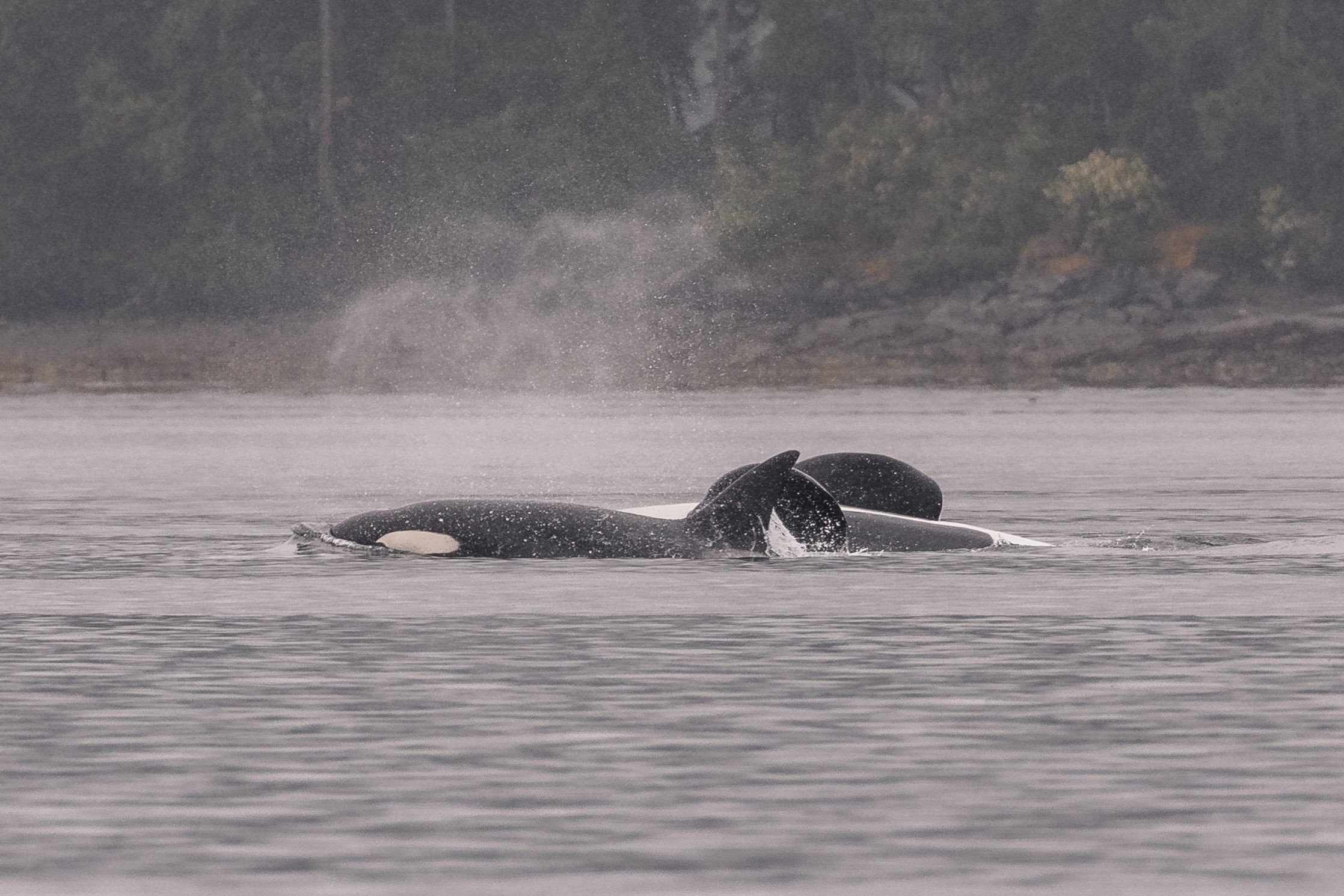
T137B Tempest surfacing and being pestered by her big brother T137A Jack.
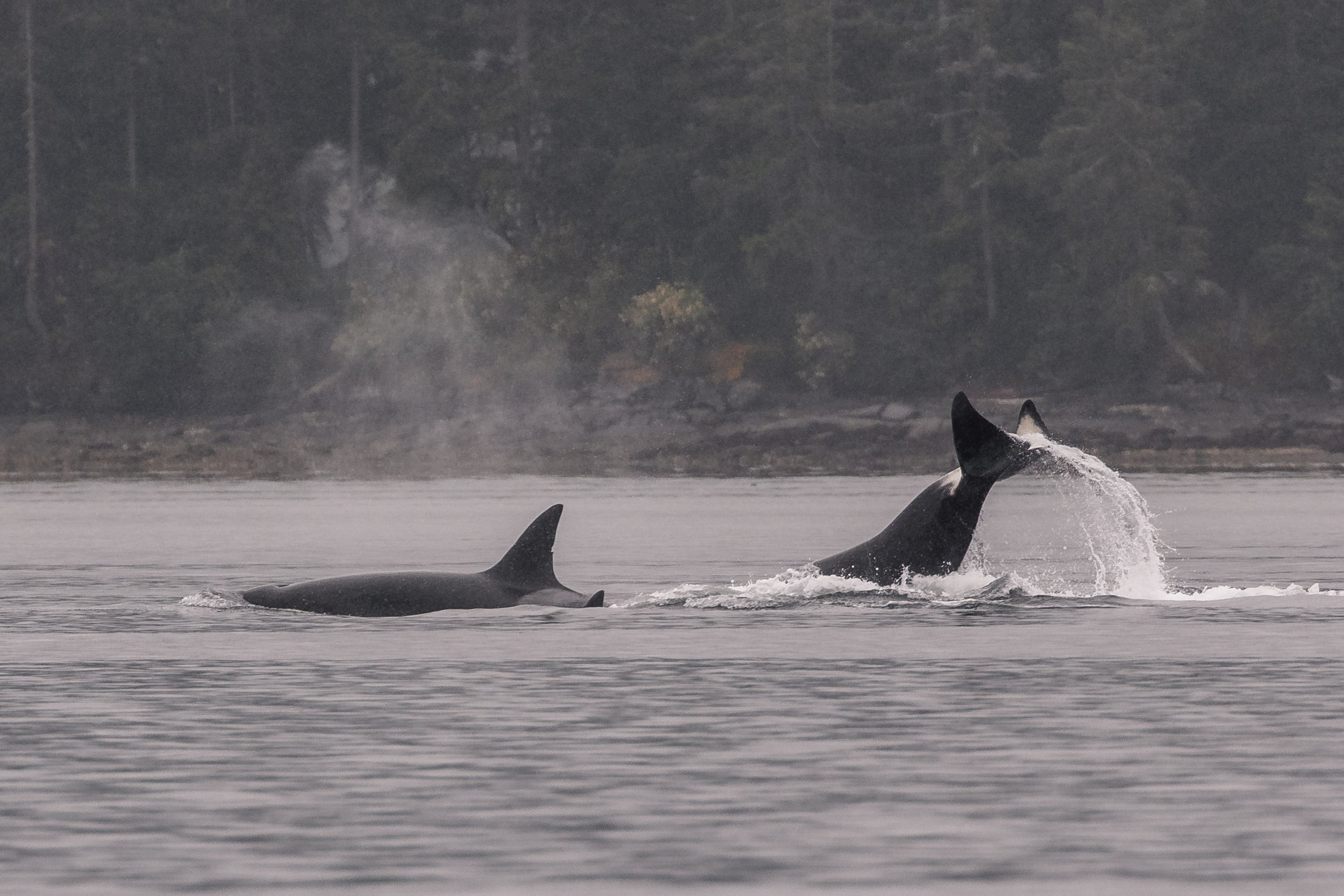
T137 Loon followed by T137A Jack as he tail slaps.
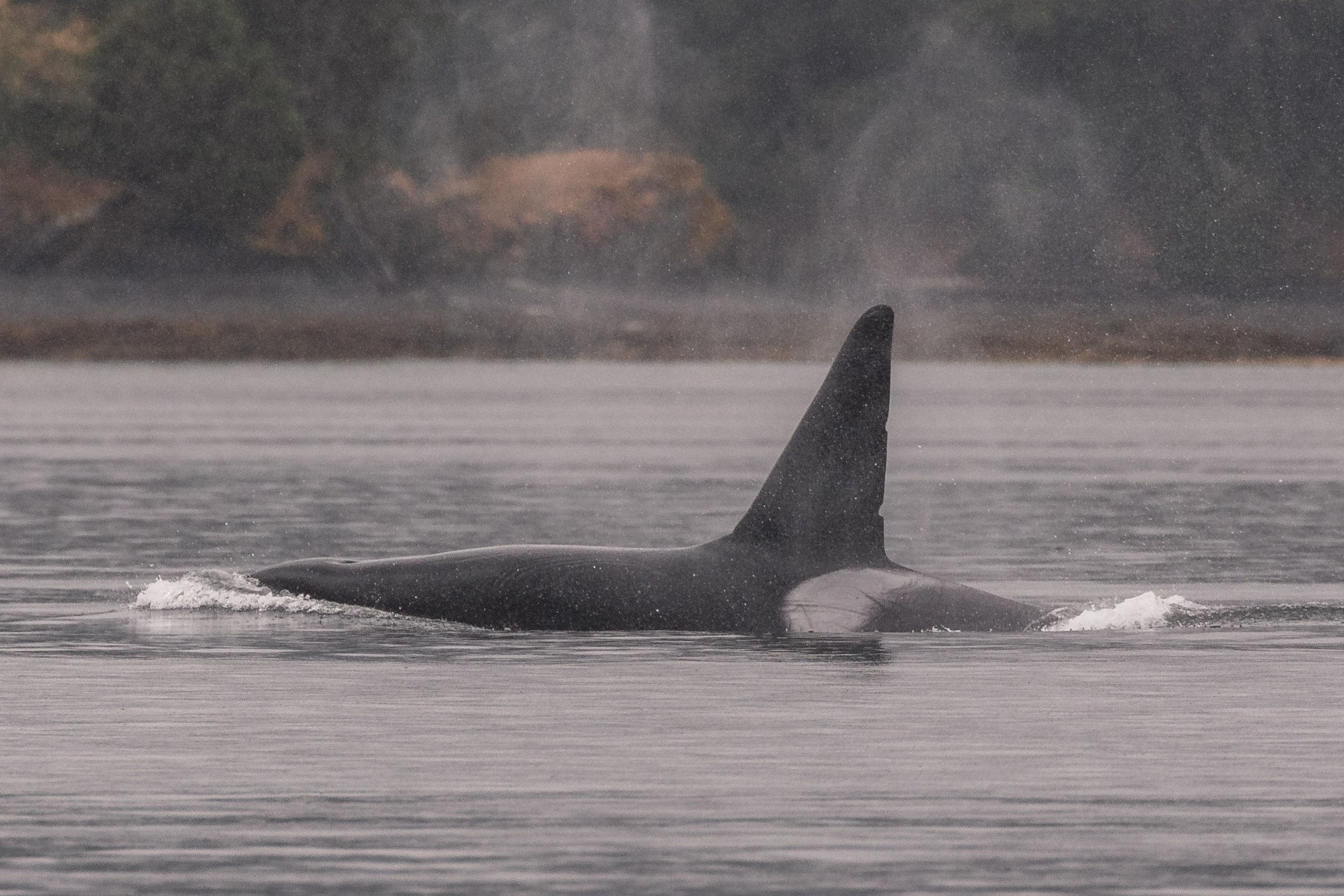
T137A Jack has to distinct notches on his dorsal fin making him easy to to ID.
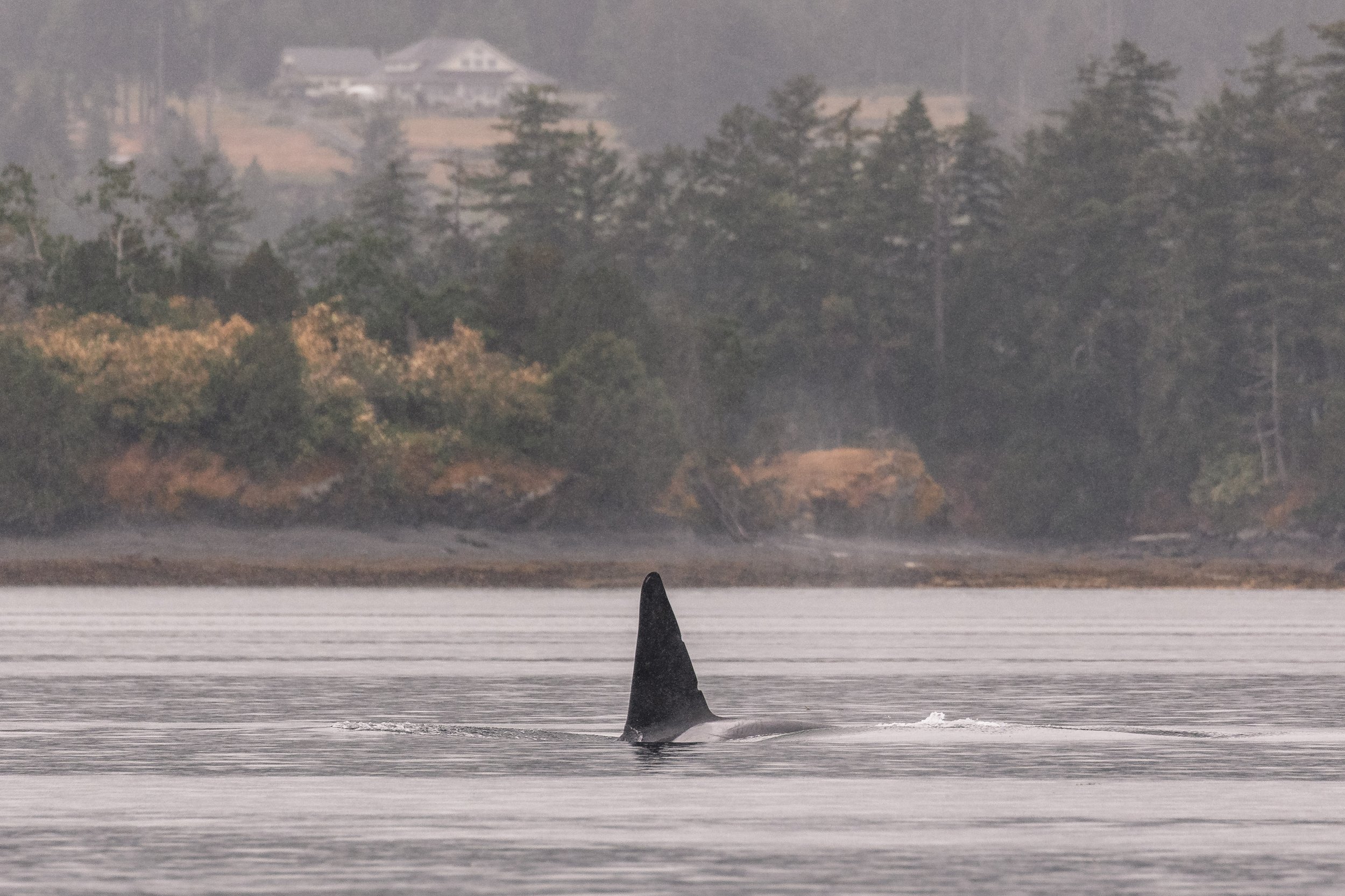
T137A Jack with a beautiful scenic Pacific Northwest-style background.
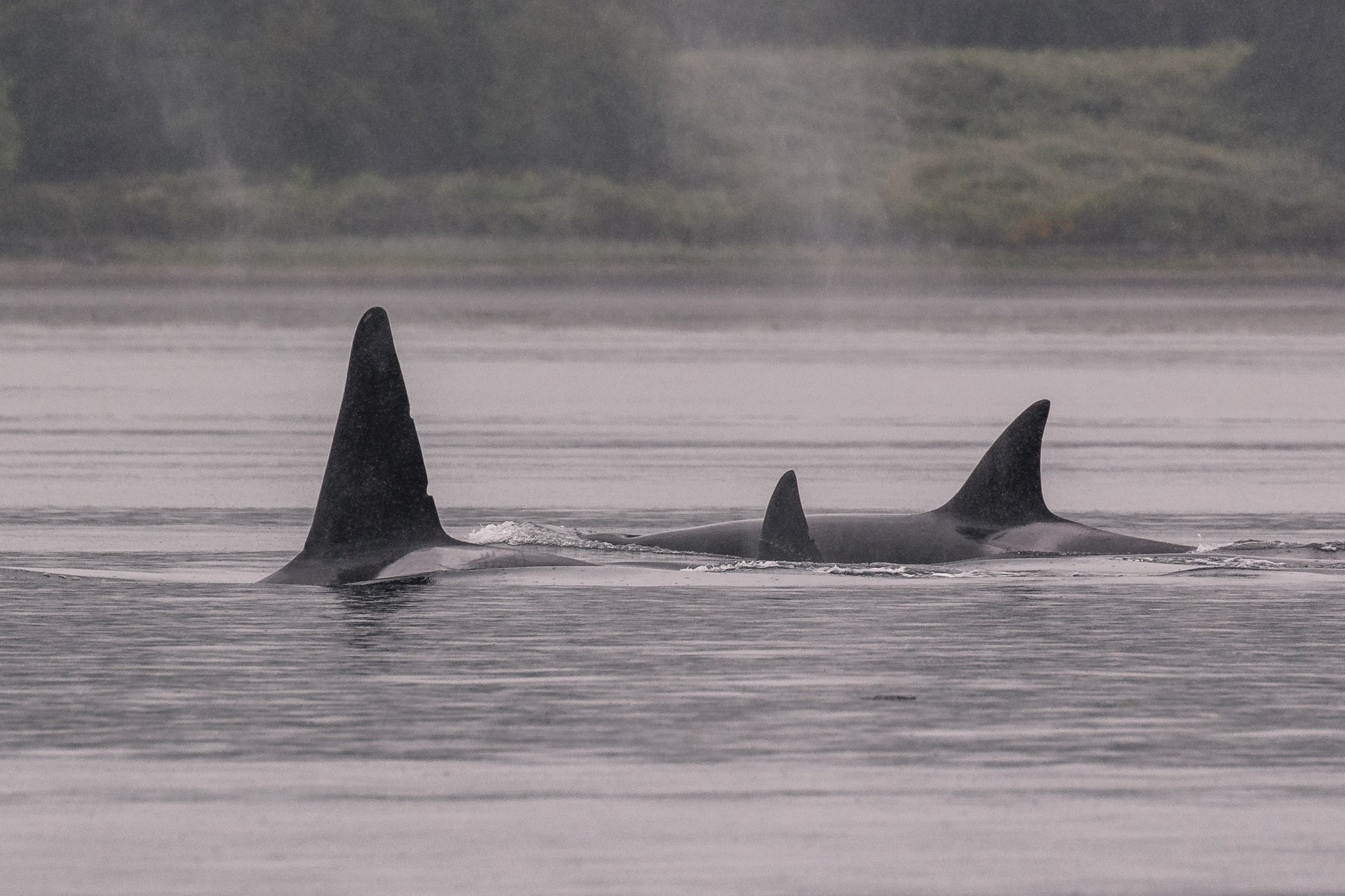
From left to right in order of dorsal fins: T137A Jack, T137 Loon and T137B Tempest.
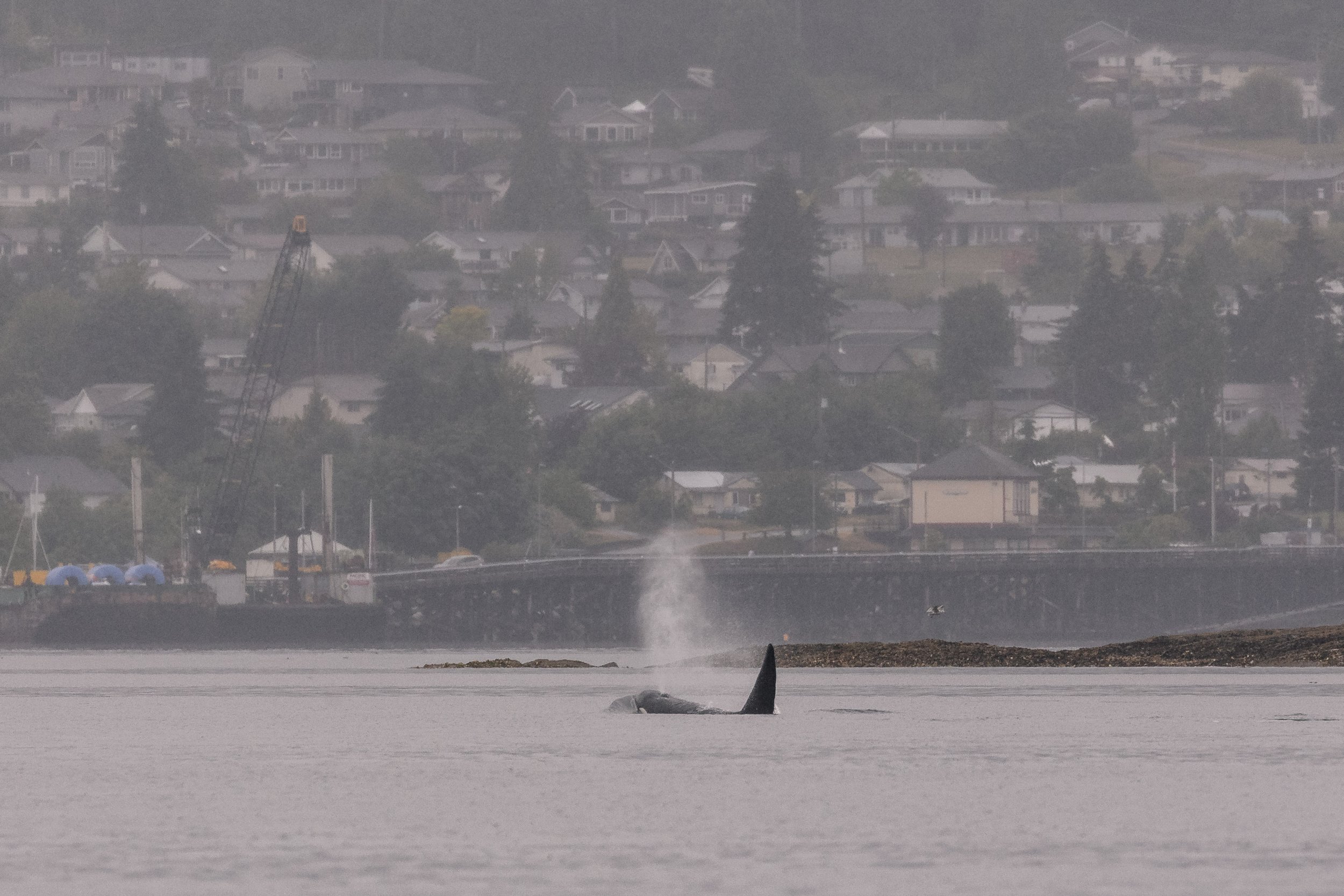
T137A Jack swimming towards Crofton.
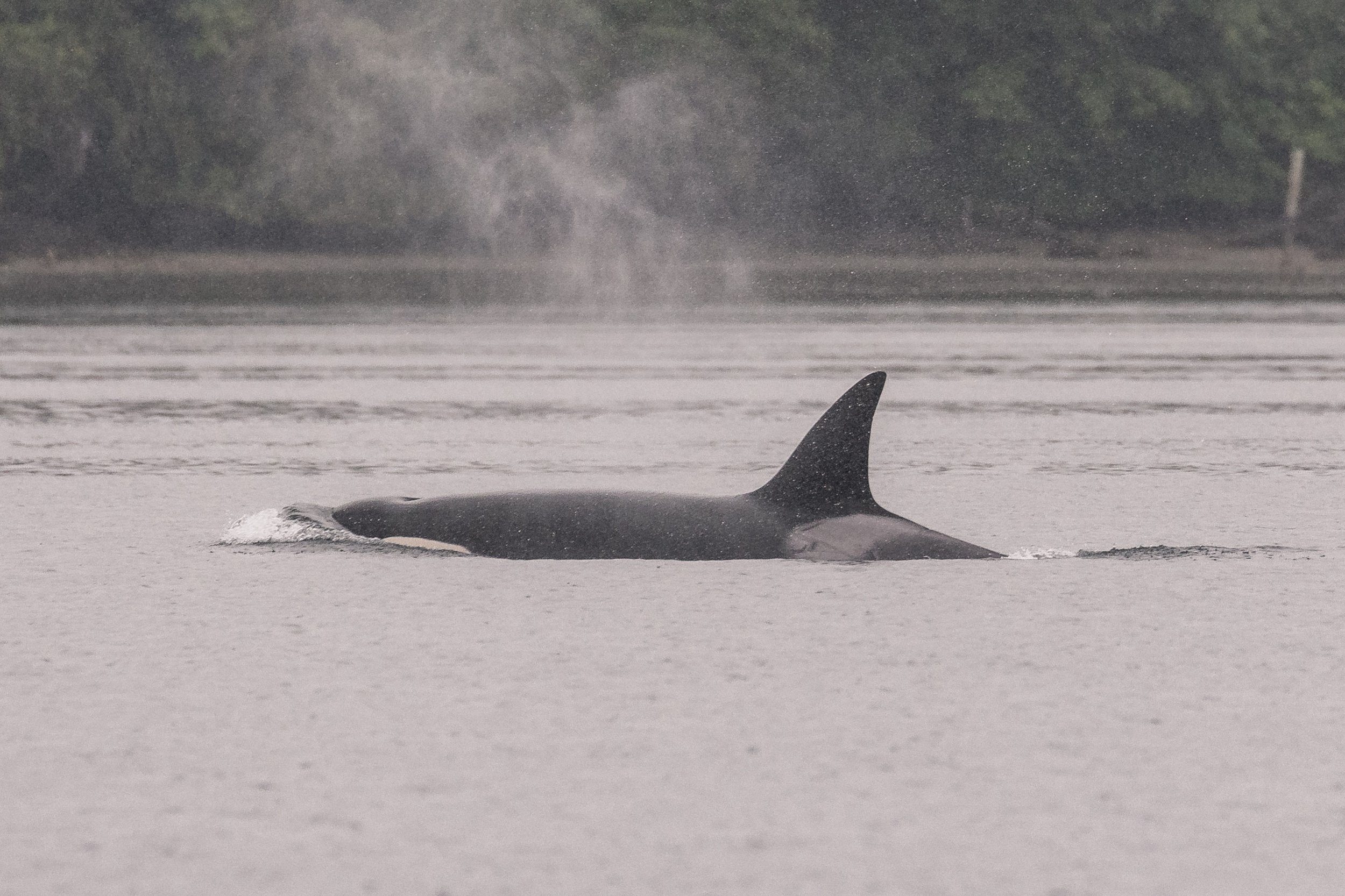
Did you know we can ID orcas using thier dosal fins and saddle patches? That’s how we know this is T137B Tempest.
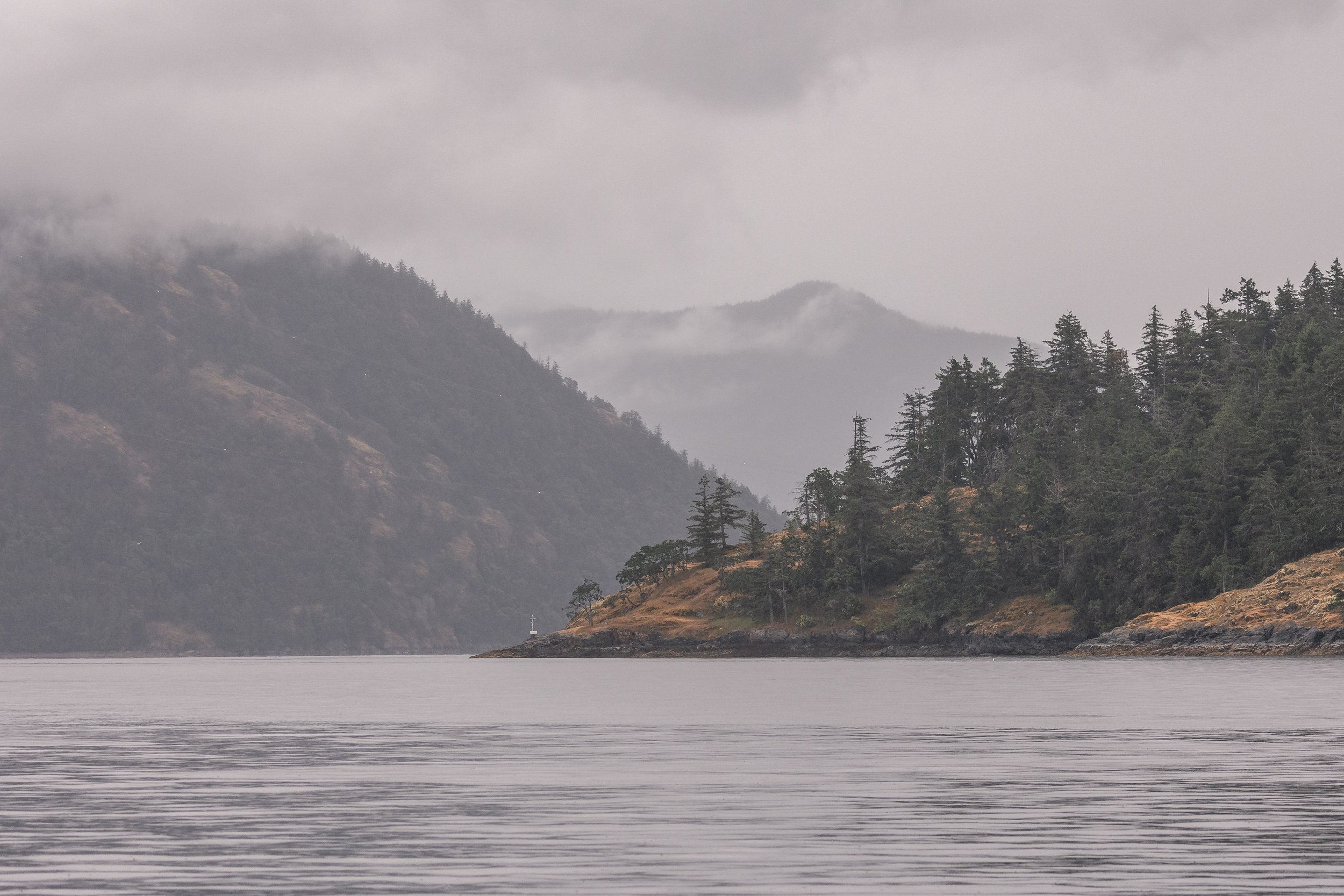
Beautiful scenic view of Sansum Narrows.
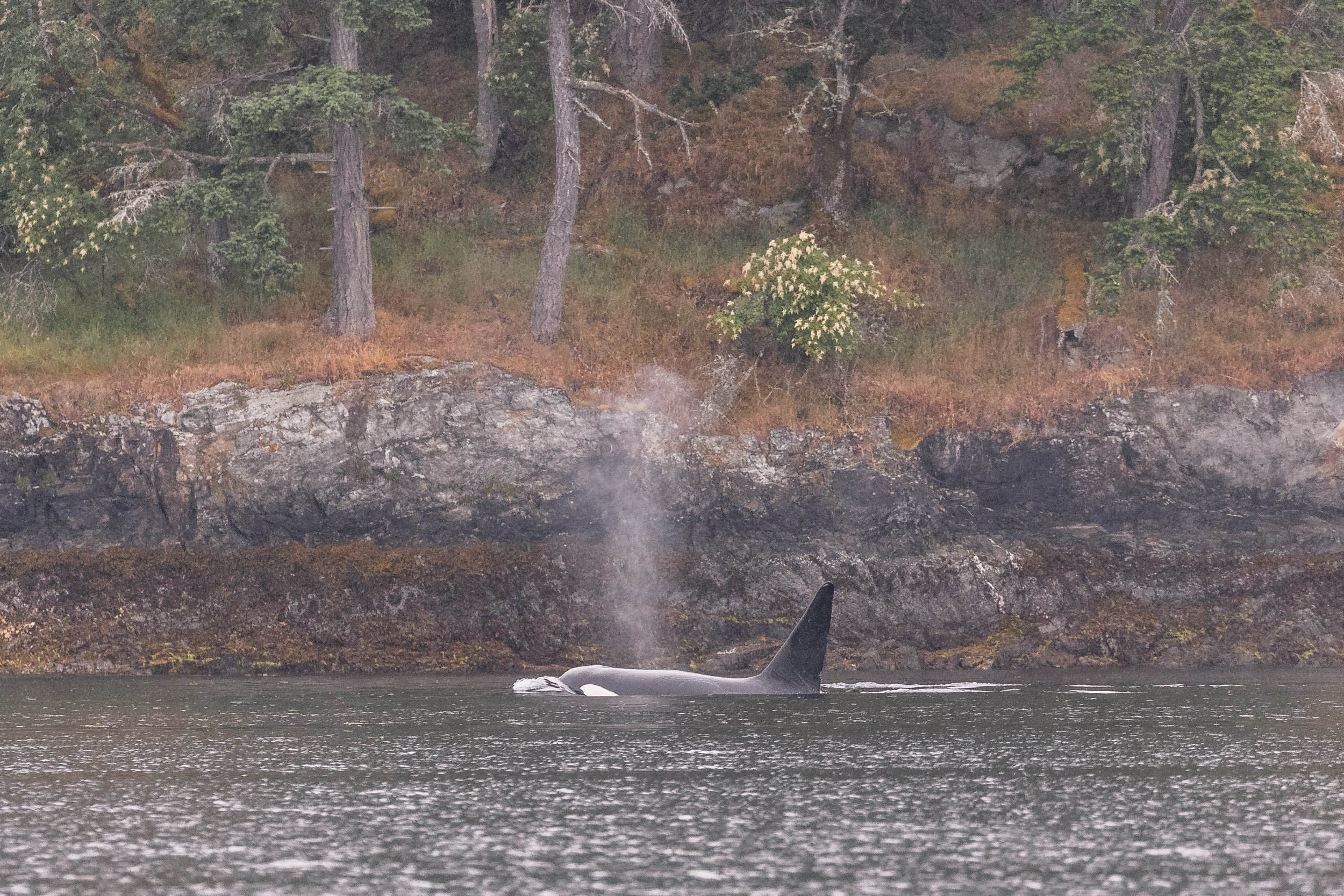
T137A Jack surfacing with a beautiful backlit blow.
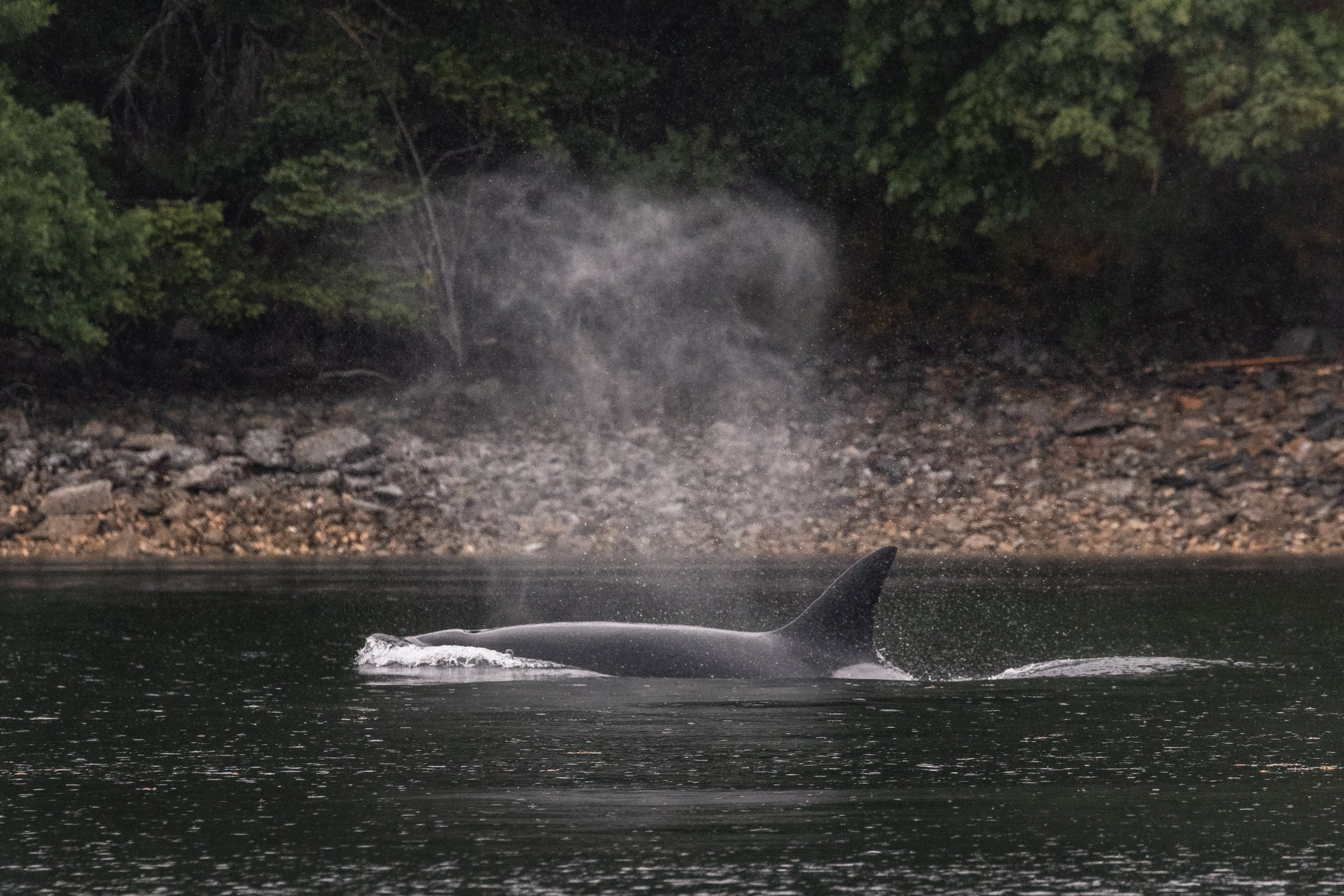
T137 Loon coming up for a breath of fresh air!
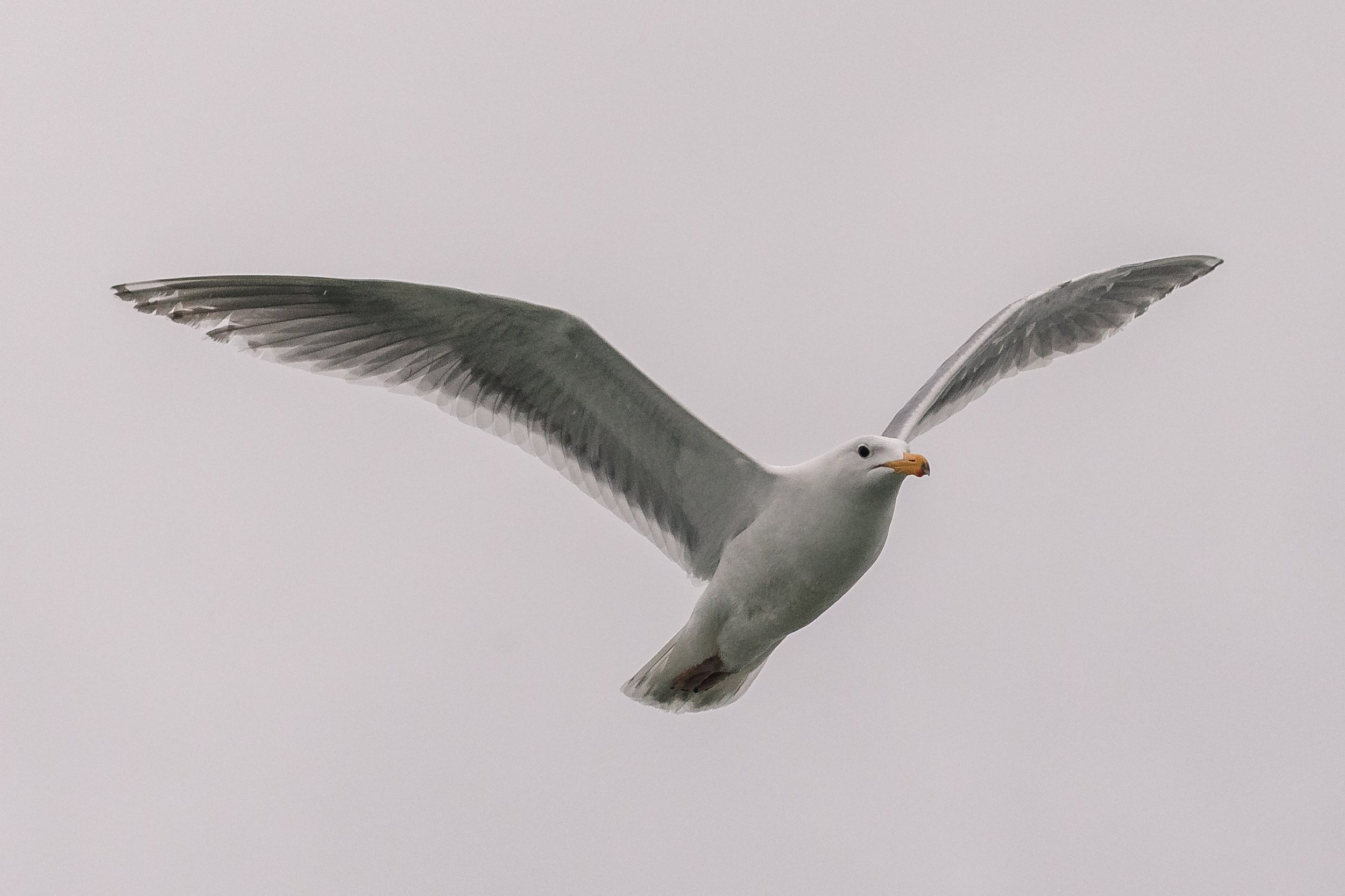
A gull flying over head.
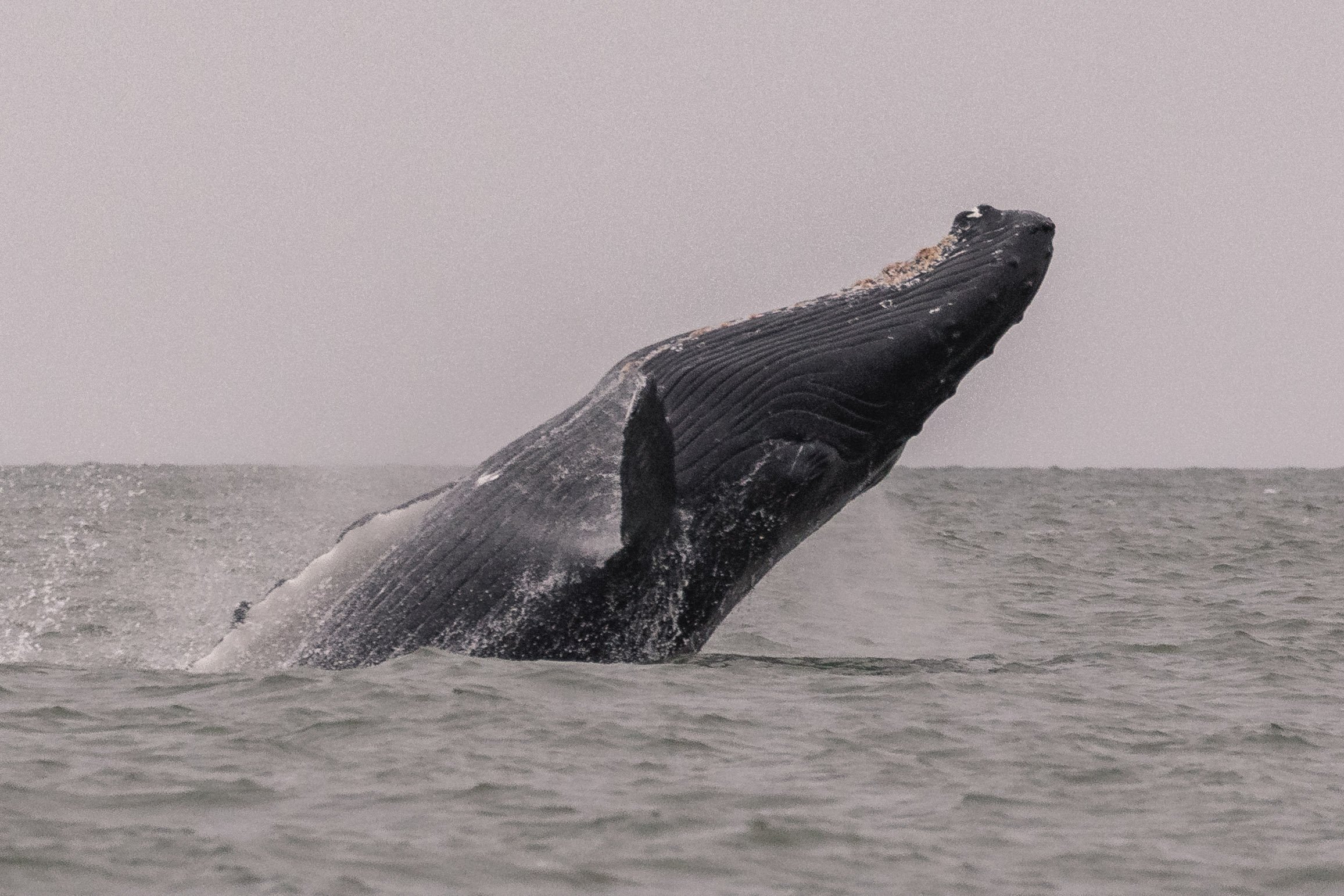
Incognito not being very incognito at all!
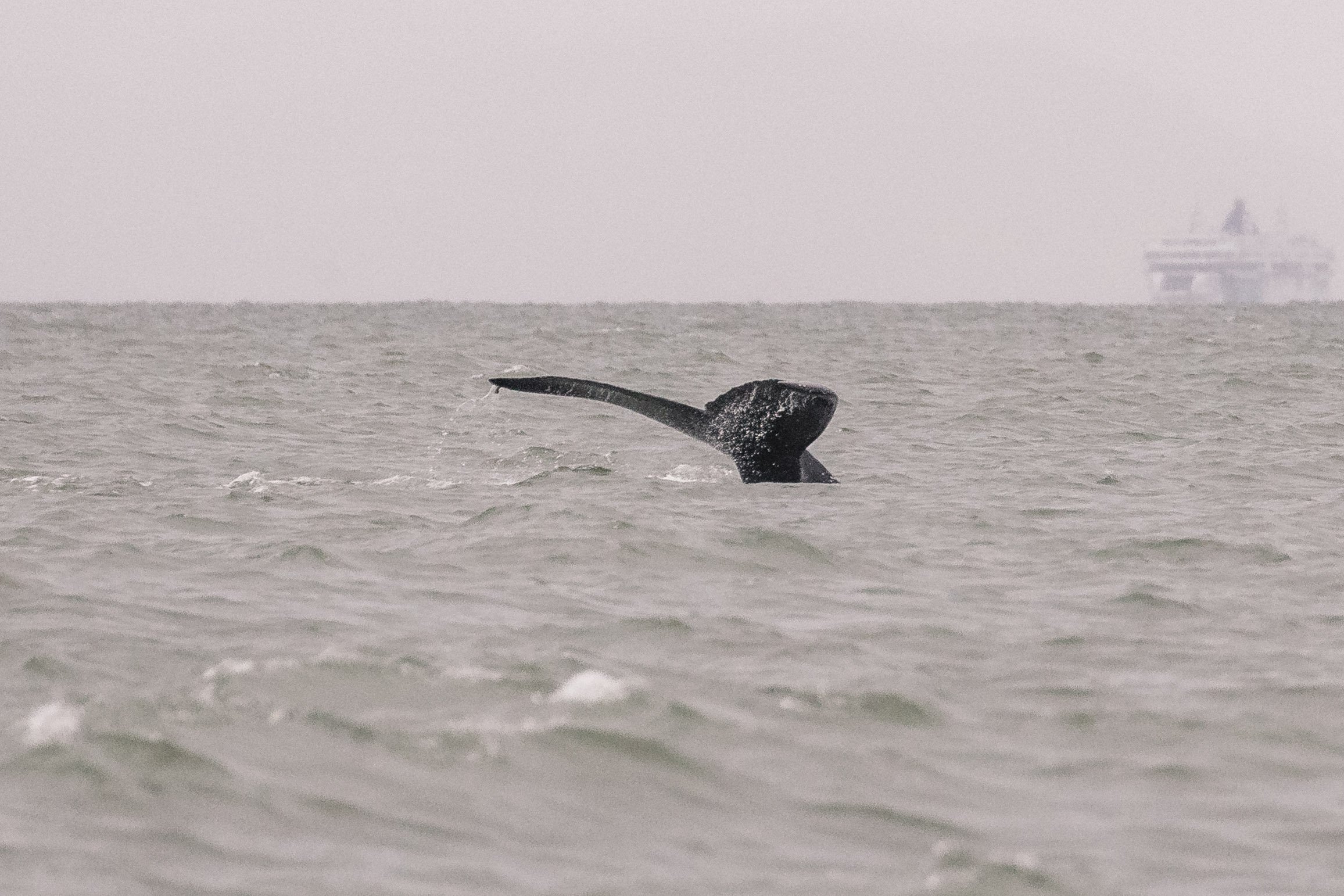
Flukes up!
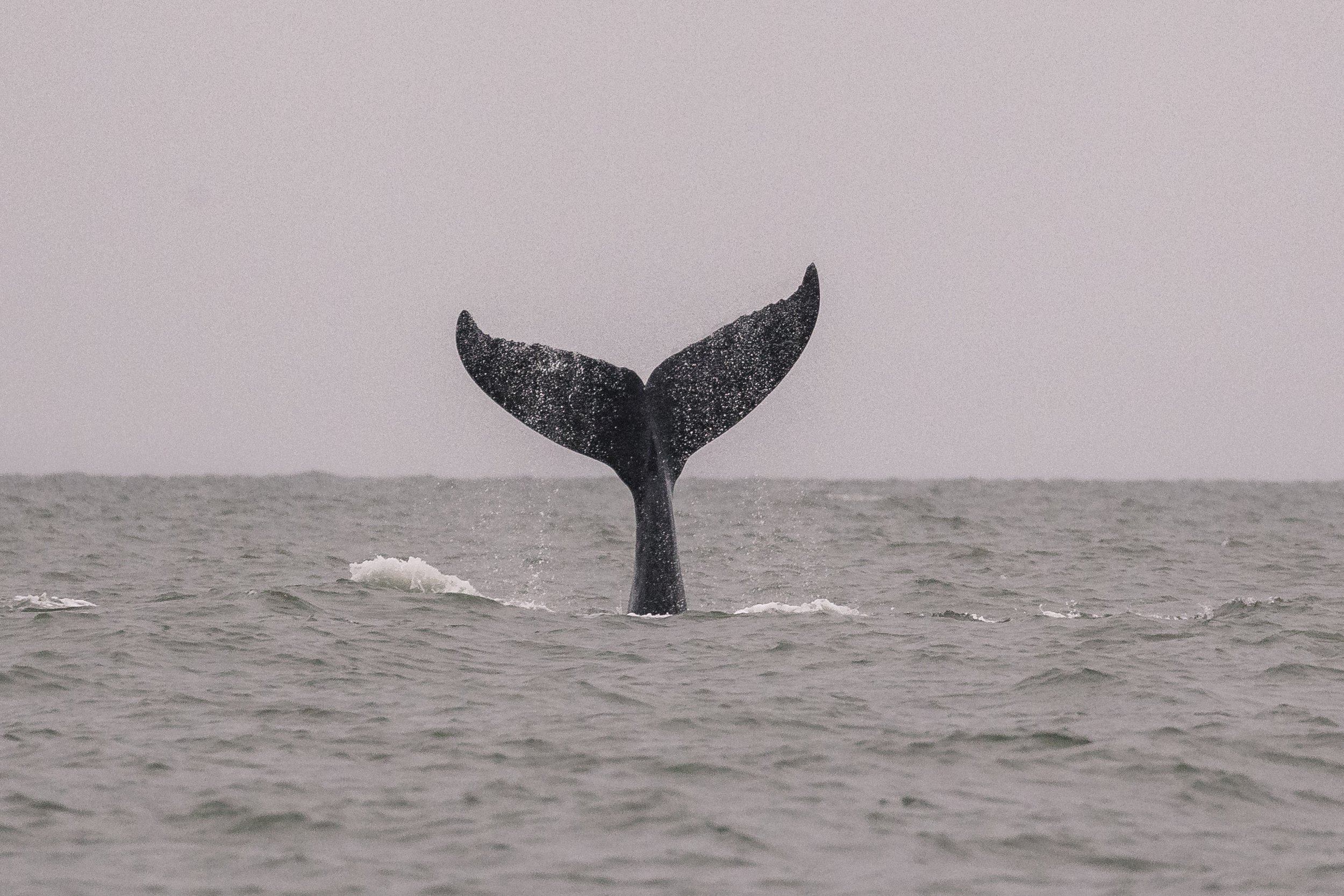
Incognito tail lobbing!
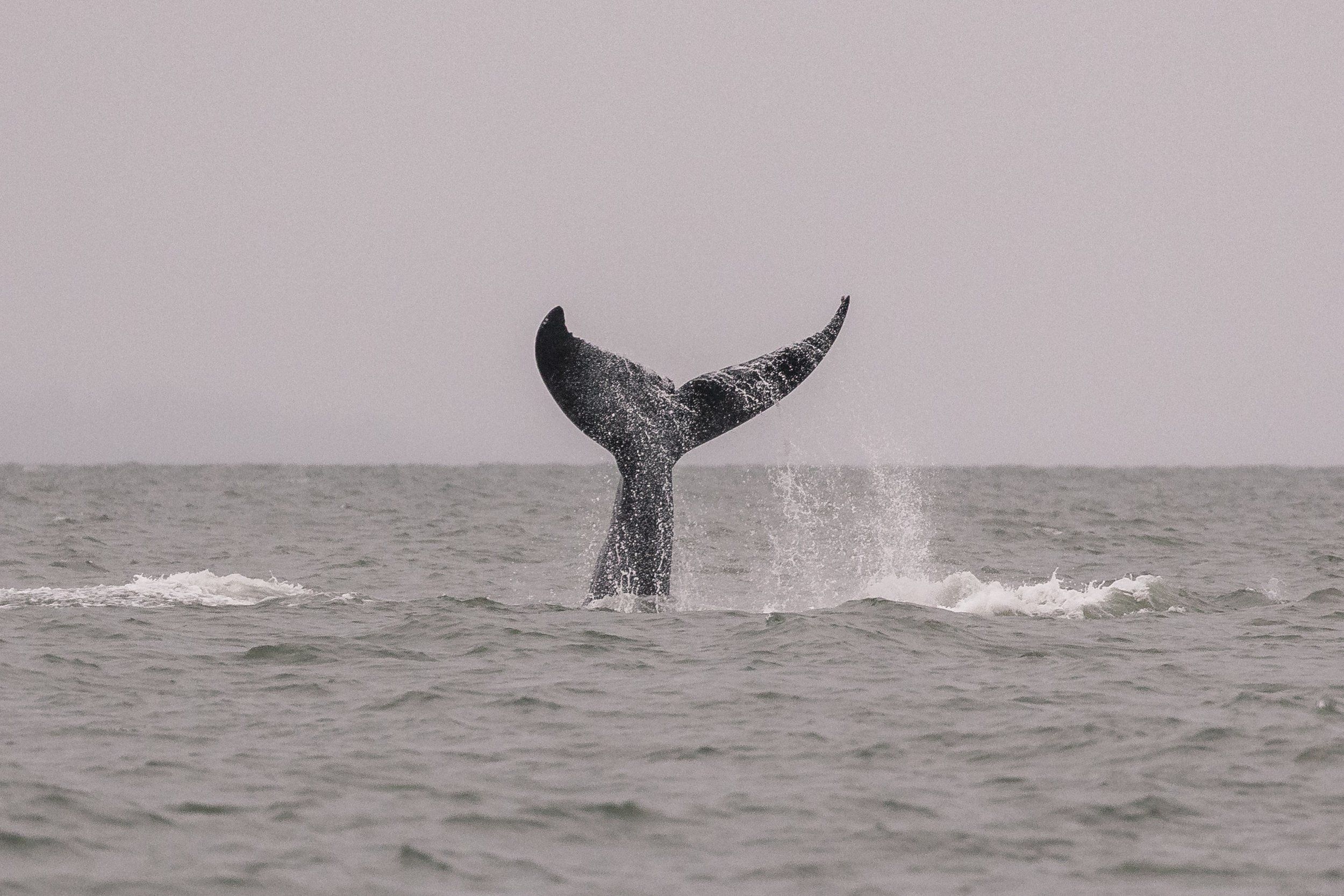
Spalshing around!
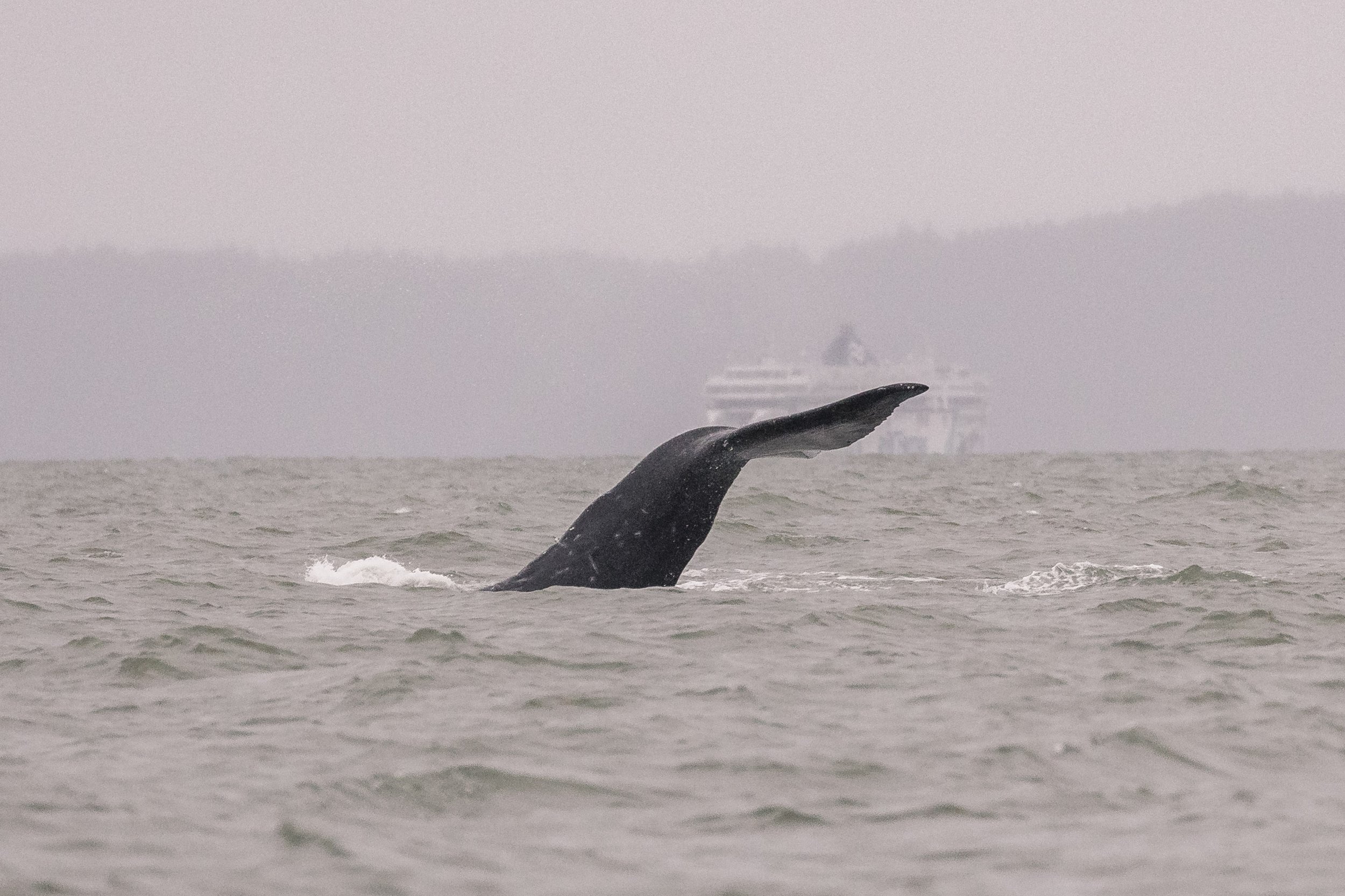
Tail lobbing is one of the ways we can tell if our humpbacks are male or female. We just need them to bring the tail high enough out of the water!
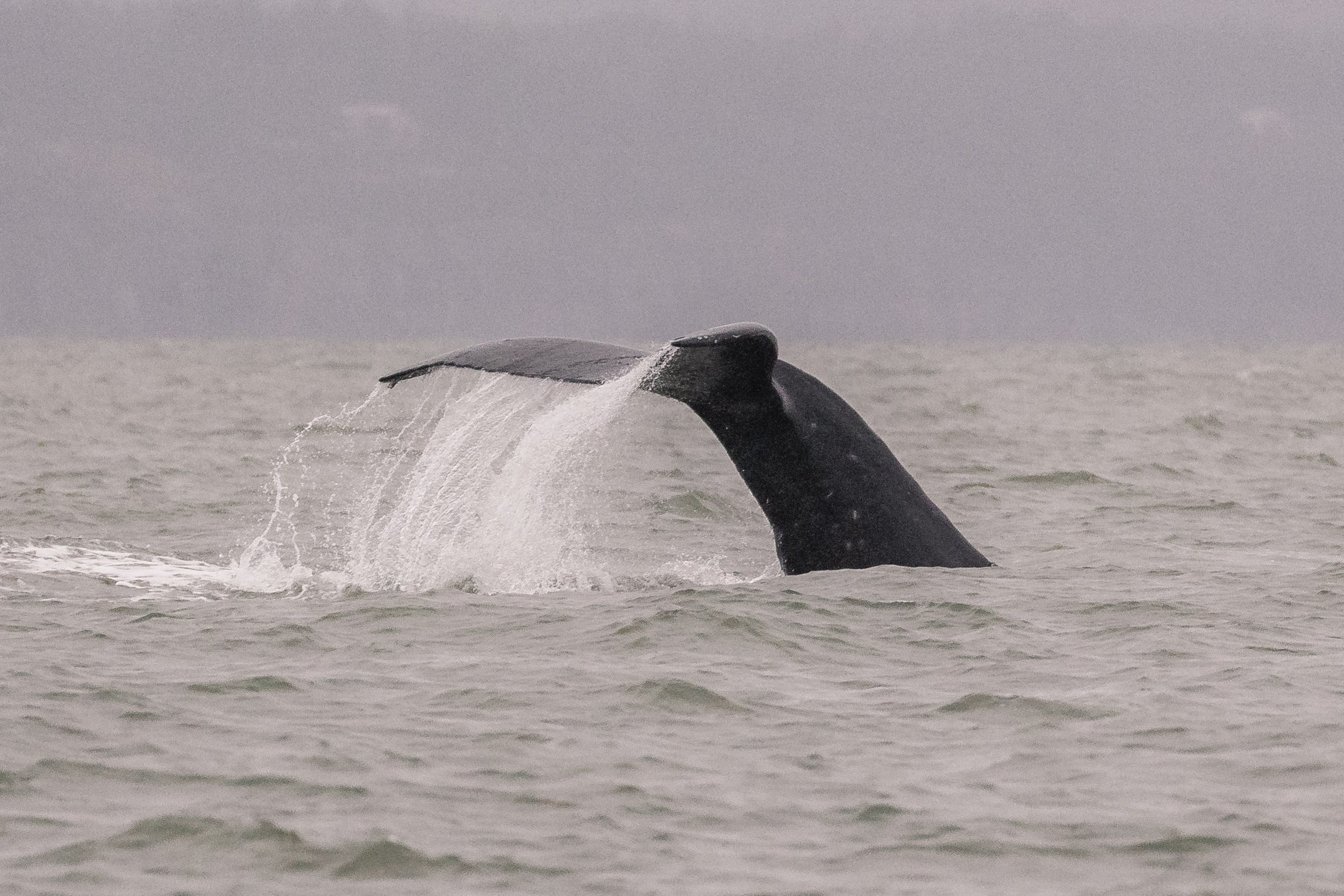
water cascading off Incognito’s flukes.
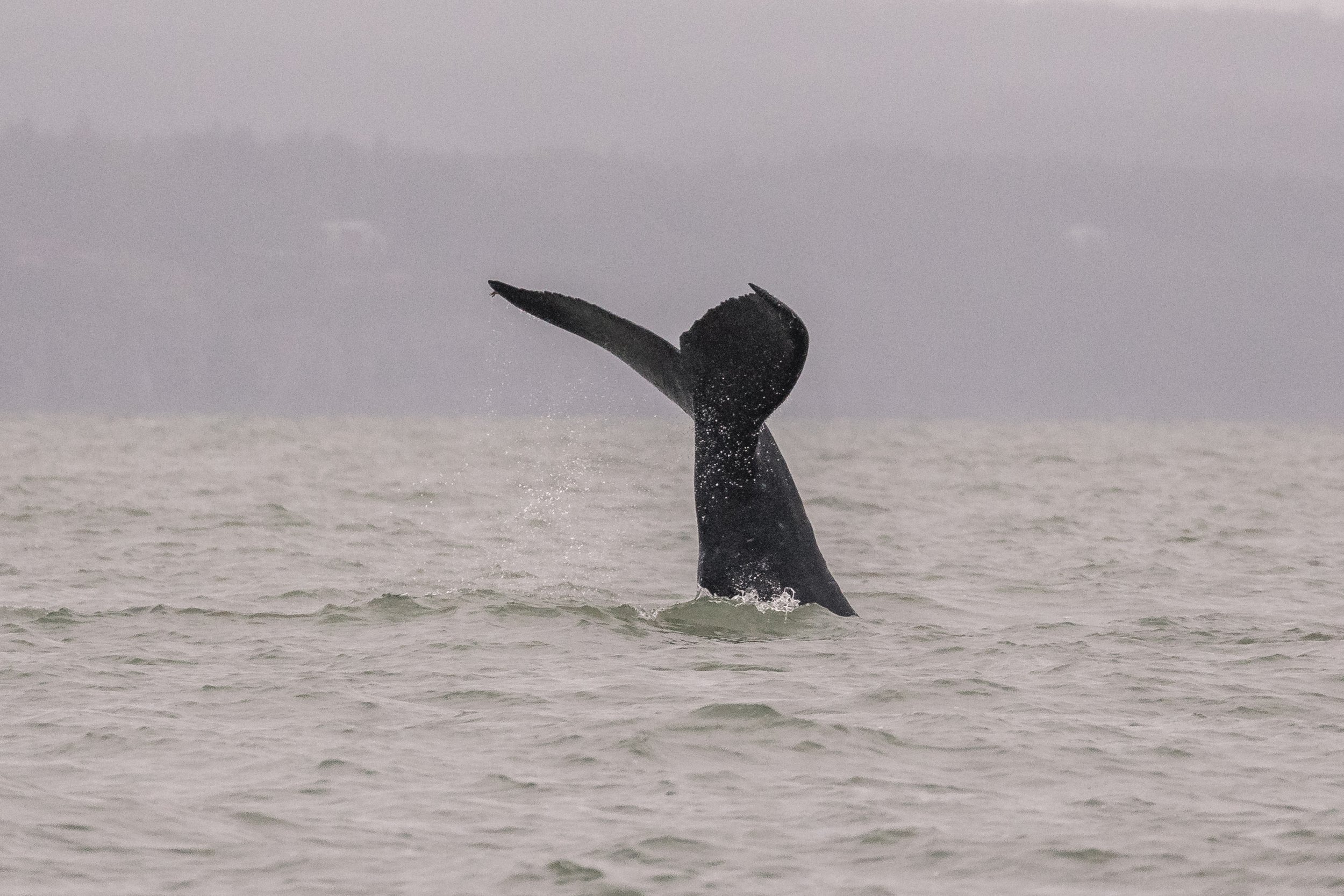
Incognito has an almost completely black fluke. Hence the name.
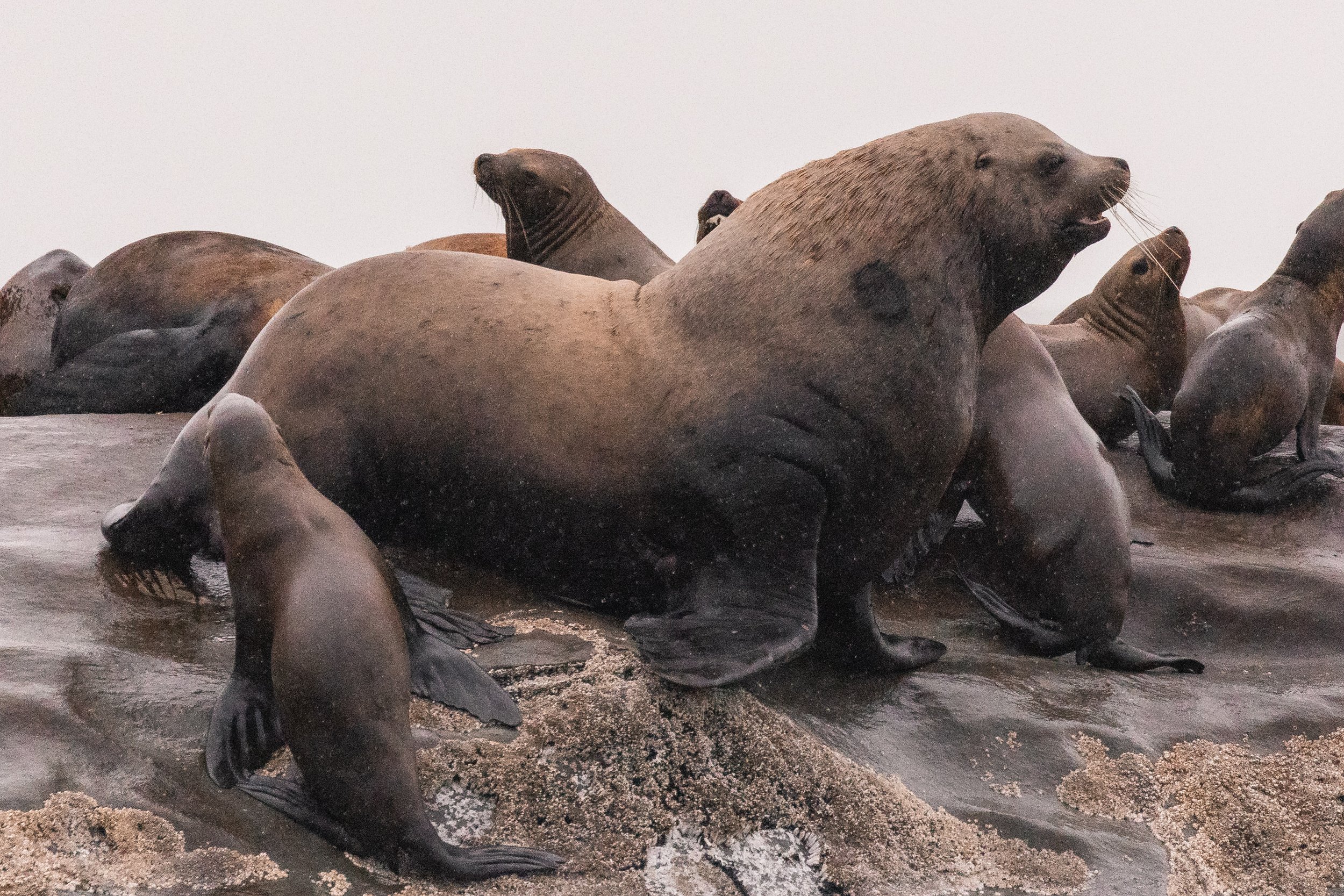
Look at the size difference between this male Steller Sea Lion and the others around him.
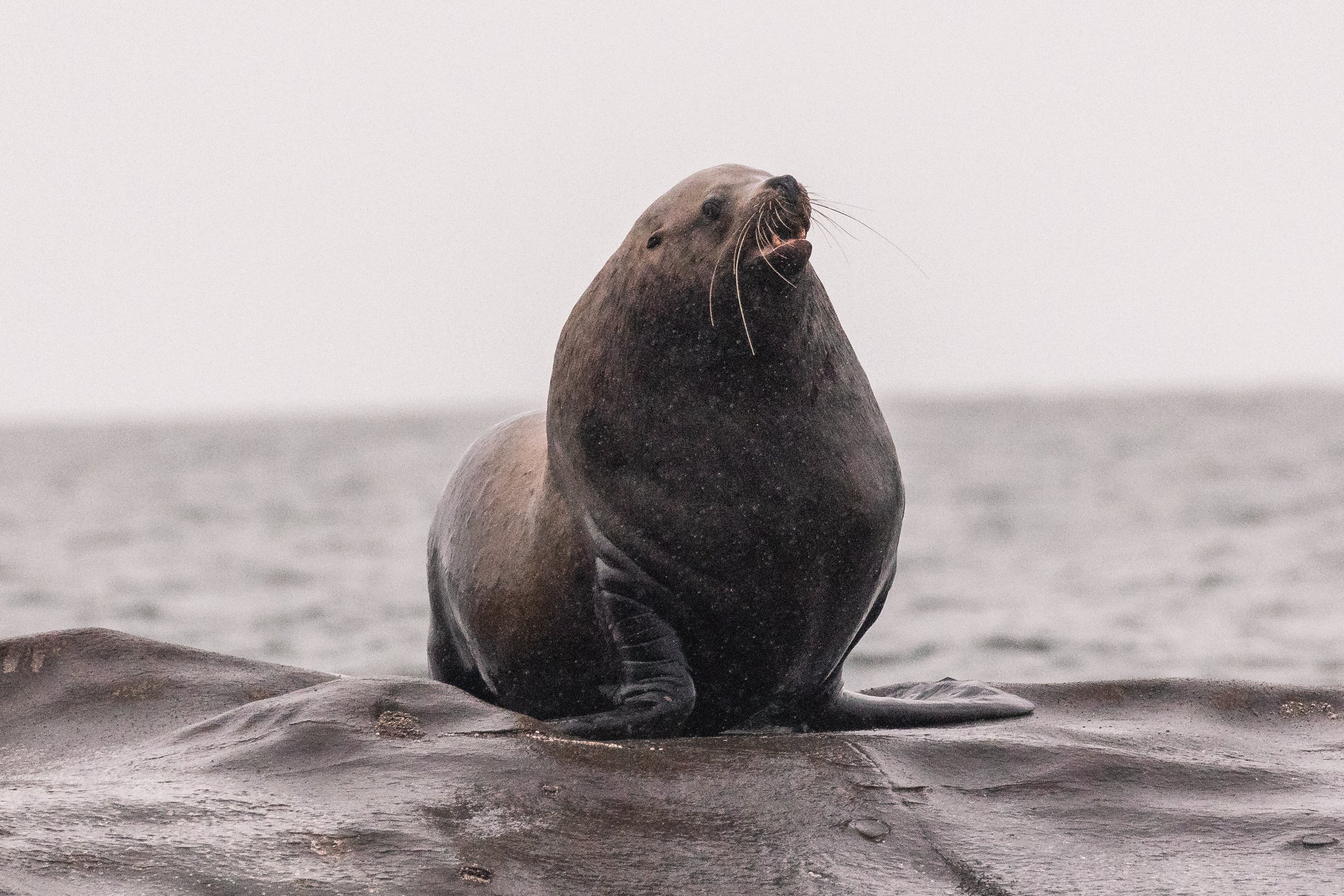
Male Steller Sea Lions can be over twice the size as female.