
June 9, 2026 - Building relationships
It was a wonderful morning to hit the water for a tour. The weather alternated between sunny and drizzly, giving us just enough sun to stay nice and warm on the open boats while also letting us enjoy those moody Pacific Northwest vibes. Immediately after leaving the harbour, our vessels made their way through Dodd Narrows and into the Southern Gulf Islands, which have been a hotbed for orca activity over the last few days. As we made our way deeper into the islands, we received a report of orcas in the area and decided to head there to investigate. After only a few minutes of searching, we noticed big black dorsal fins cutting through the water. As we pulled up to the family of orcas, we were surprised to see the T090 family.
T090 Eagle ♀ (1980)
T090B Piglet ♂ (2006)
T090C Tigger ♀ (2010)
T090D Kanga ♀ (2017)
Two days prior to our encounter, the T090s had been spotted around Campbell River, roughly 185 km north of where we were currently seeing them. What’s more, they were once again northbound, meaning they had likely travelled even farther south than 185 km in two days. This is a prime example of why we never know who or what we will see on our tours, especially with orcas. With our big black-and-white friends, it’s normal for us to see them travel well over 100 km a day, especially with our Transient Killer whales. We often pass by seal haul-outs, and since seals are the favourite snack for our marine mammal-eating Transient orcas, guests will ask, “If the seals are here, where are the orcas?” But because Transients (also known as Bigg’s Killer Whales) live primarily on a diet of marine mammals, everything they hunt has good hearing and intelligence to match. So the best strategy to secure a seal as a meal is to be quiet and unpredictable. If the orcas sat around the seal haul-outs all day, the resource would quickly be depleted, and the element of surprise would be lost. What we see instead is that the orcas will travel long distances daily with matriarchs knowing all the best spots to stop for some fast food.
On this particular tour, our matriarch Eagle was clearly in a hunting mood. As we pulled up to the family, it appeared they had just finished a hunt and were now sharing food. Our Transients are fantastic at sharing. It doesn’t matter who’s involved in the actual hunting; they will all share amongst each other. If they are hanging out with unrelated families, they will even share with those unrelated Transients!!! Hunting and food sharing are obviously important for sustaining life, but they're just as important for creating tight social bonds among whales that can carry on throughout their lifetimes. When the family finished eating their breakfast, they began exhibiting travelling behaviour, moving in a pattern of several breaths at the surface followed by several minutes of diving. After only a few minutes of this, the T090s decided they were still hungry, and the 4 whales spread out with Piglet in the middle of the channel, Eagle a few hundred meters from him and then the two youngest, Tigger and Kanga, checking out the shoreline. Within minutes, Piglet and Eagle went racing towards Tigger, who had apparently made a new kill. People often assume that hunts are brutal and lengthy, but more often than not, they happen so fast that we don’t even realize what's happened until after the fact! While we might not have been privy to exactly what happened, Piglet was definitely excited about the prospect of a fuller belly and fully breached out of the water!!!
As the orcas shared some more food, we left them to their lunch and made our way towards the Strait of Georgia. Before we fully committed to the more open waters of the Strait, we made our way to our favourite Sea lion spot, Stinky Rock, and, of course, guests were lucky enough to find out how it got its name. It’s here we hung out with our gigantic Steller Sea Lions and some relaxed Harbour Seals. Guests on Cascadia were also treated to a river otter lounging in the sun, while guests on Keta watched a bald eagle presumably having its own lunch on the shoreline.
From here, we ventured into deeper waters in hopes of finding some ocean behemoths, and it didn’t take us long to spot our first humpback, Crackle (BCY1227). We hung out with Crackle for a little while before heading to some more whales in the distance. This time, we had a little humpback party forming between Scuba (BCY1225), Yakima (BCX2182), Hendrix (BCY1278), and a friend who rolled in as we were leaving. Unlike the orcas, the humpbacks don’t travel in family groups. That said, they remain incredibly social animals, and as the humpback population continues to grow in the post-whaling era, we are seeing more and more social interactions among individuals. What’s particularly interesting about these social gatherings is that we’ve noticed we often get similarly aged animals all hanging out. For instance, Hendrix and Yakima are bu 5 years old, and Scuba is only 7. Past studies have examined social interactions in feeding grounds and found that females tended to hang out with the same female humpbacks year over year, forming friendships. Females that formed friendships produced more calves over their lifetimes than females that didn’t. Knowing this, we wonder whether these young humpbacks are forming lifelong friendships that could benefit them in the future.
As our time drew to an end, we made one final stop at the Gabriola Bluffs to visit our cormorant nests before returning home. If you would like to see the pictures from this fantastic trip, you can check them out below!!
Photos taken by marine naturalists Aly Kohlman and Hayleigh Hilbert.
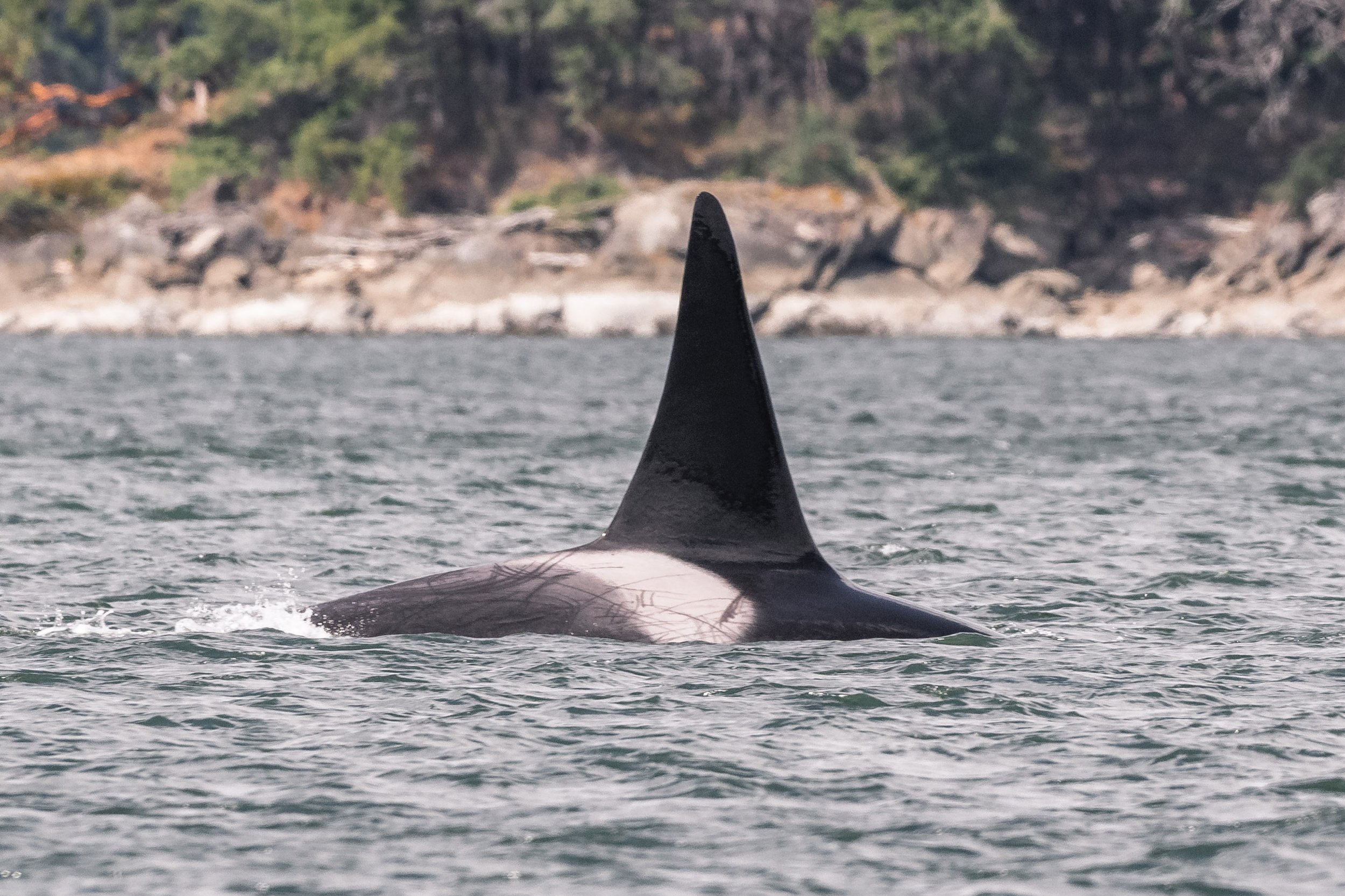
How do we ID orcas? One way is to look at their saddle patches, the white patches behind the dorsal. All those dark black lines are permanent scarring that we can use to tell individuals apart. This whale is Piglet. Photo by Aly Kohlman
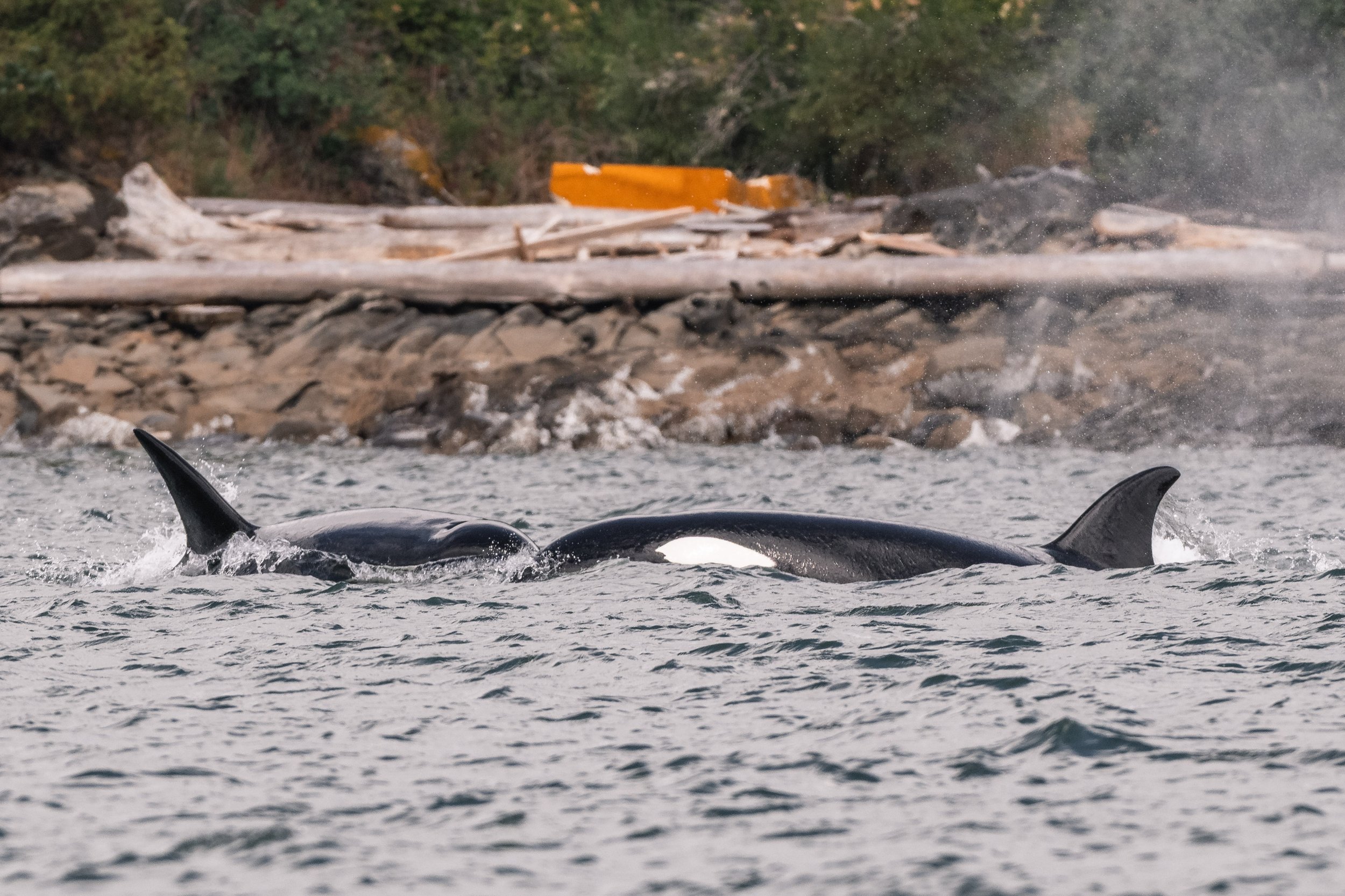
Tigger and Eagle food sharing. Photo by Aly Kohlman
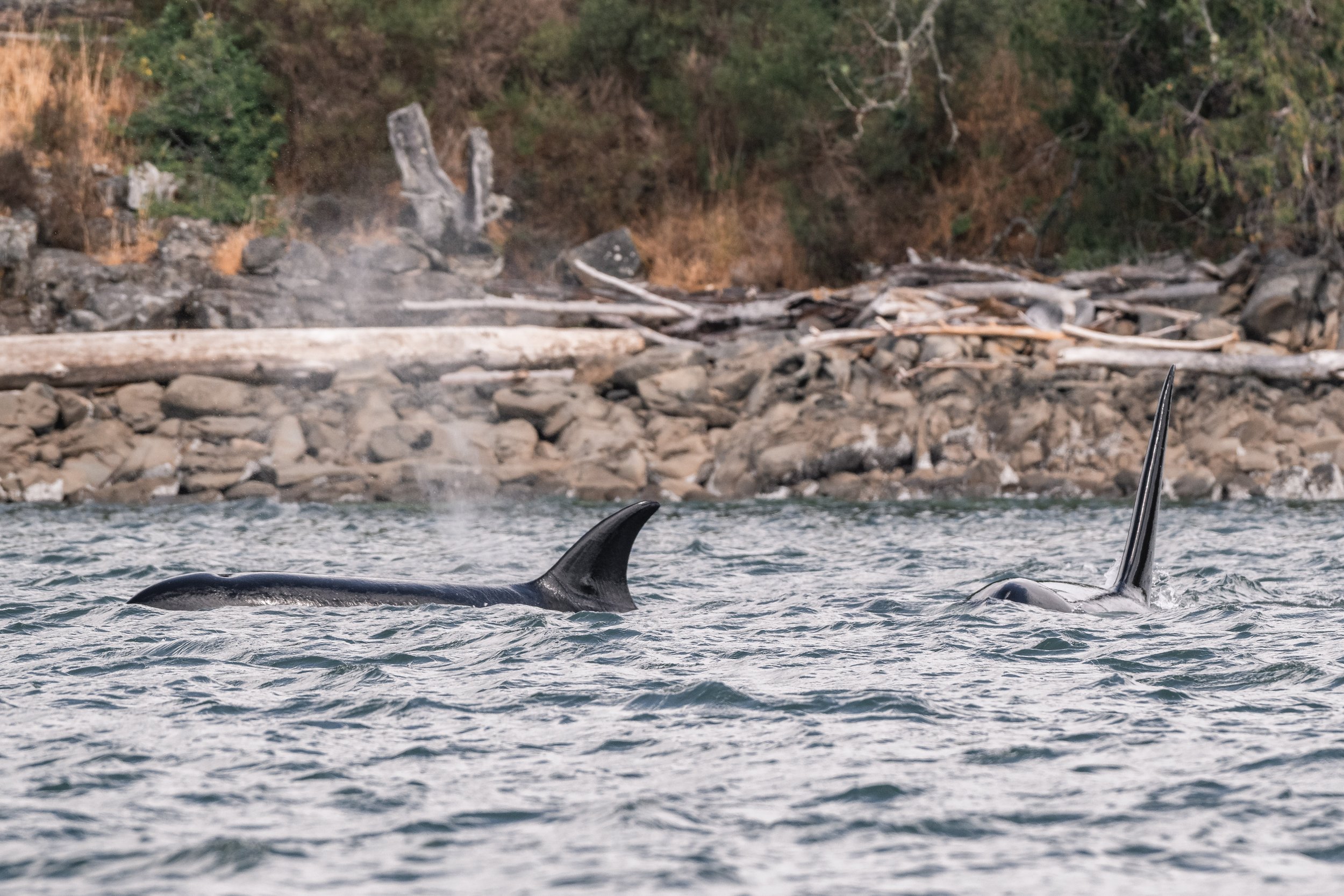
Check out Piglets’ perfectly straight dorsal fin! When male orcas are full-grown, their dorsal fins can be 6 feet tall! Photo by Aly Kohlman
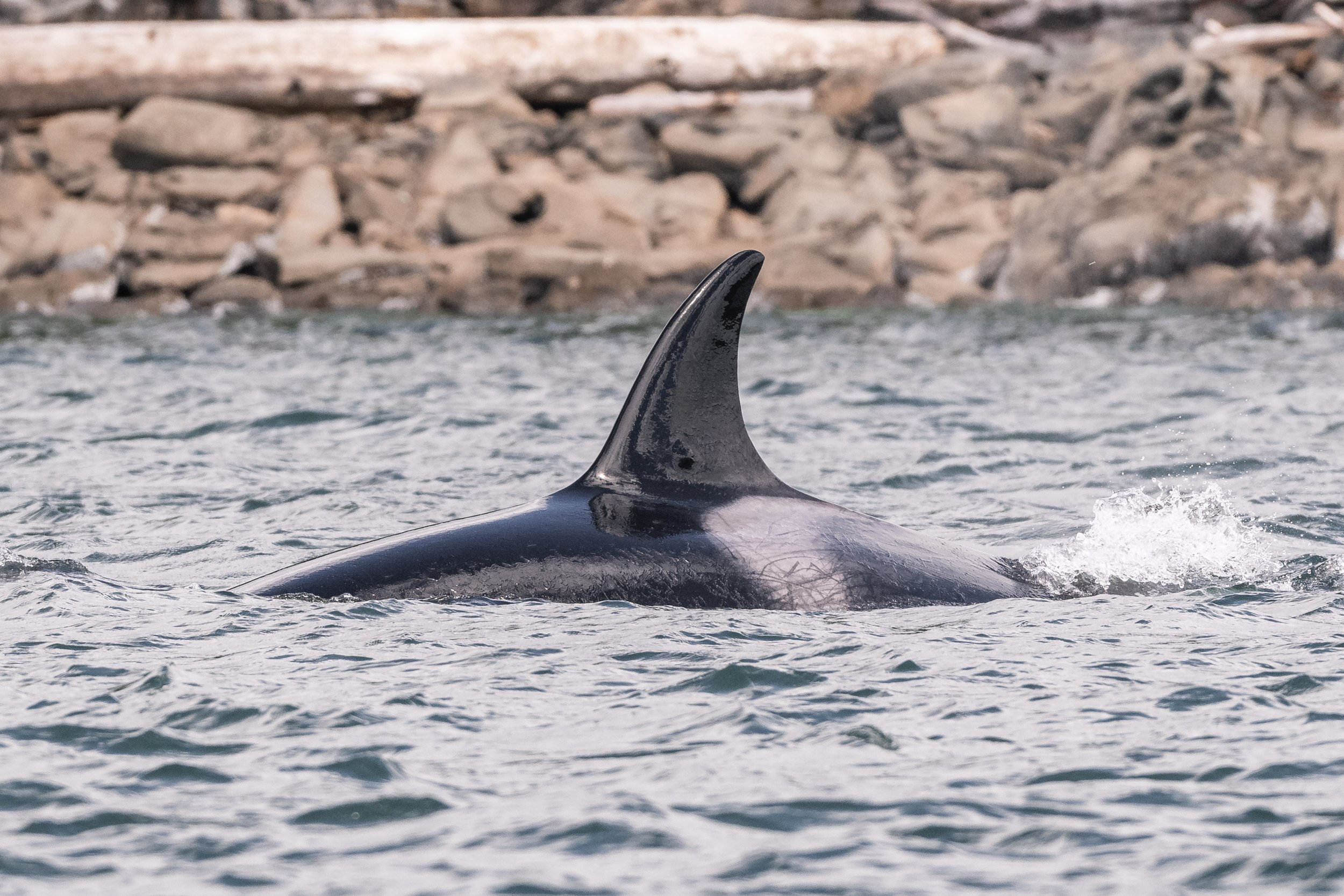
Eagle was satellite tagged in the past. The resulting circular scar from the tag has made her dorsal fin pretty recognizable. Photo by Aly Kohlman
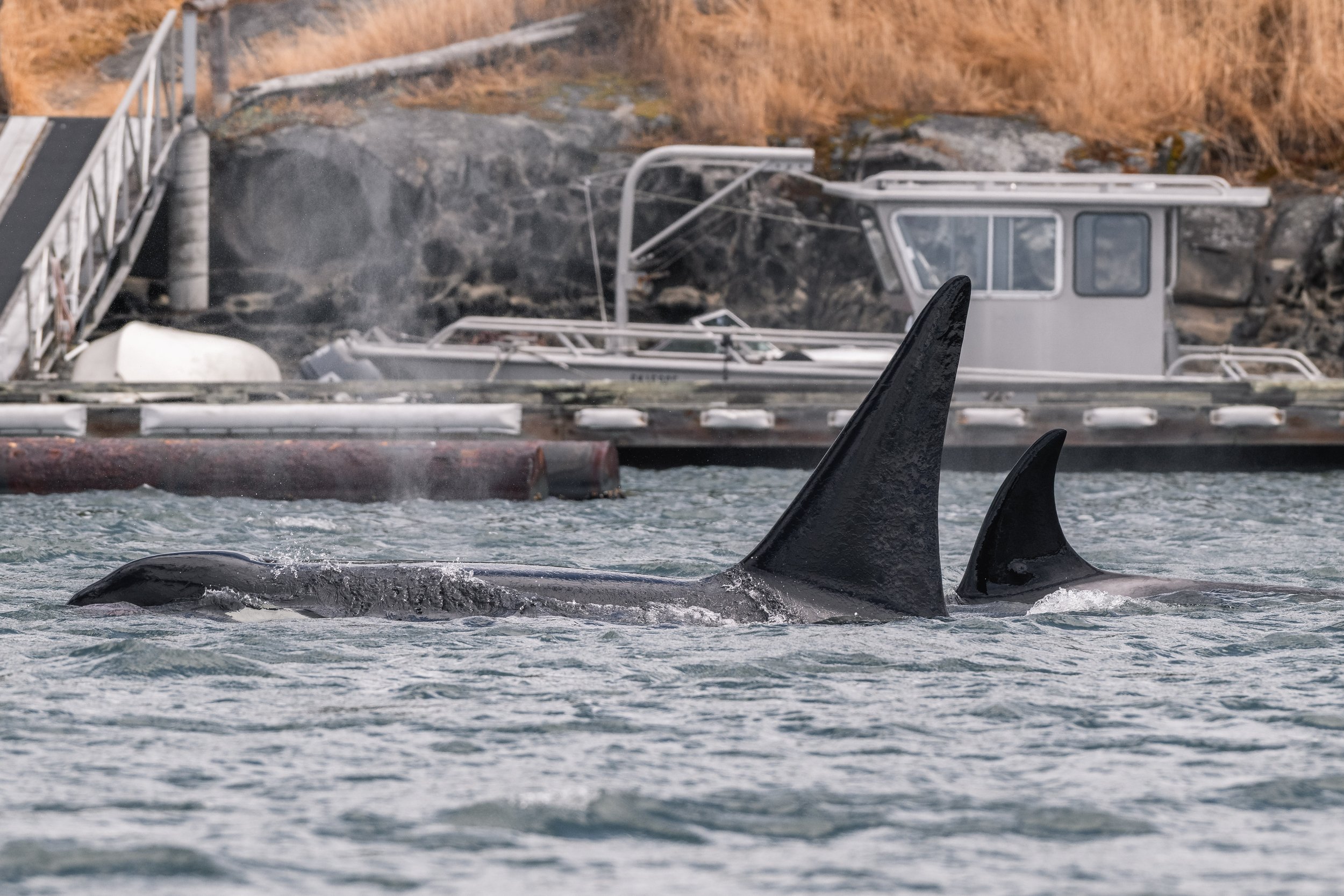
Piglet surfacing in front of mom Eagle. Photo by Aly Kohlman
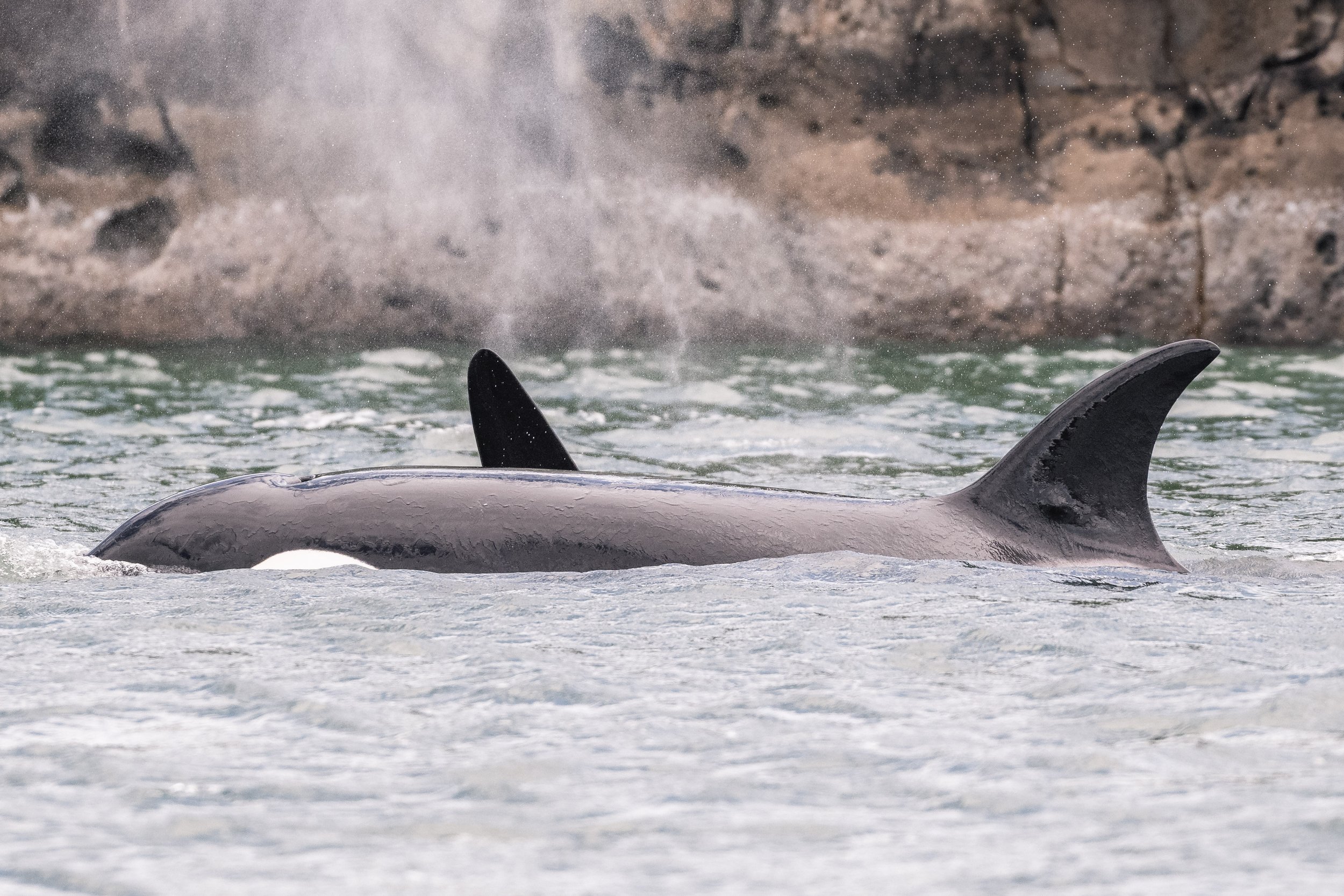
Eagle coming up for a breath of fresh air. Photo by Aly Kohlman
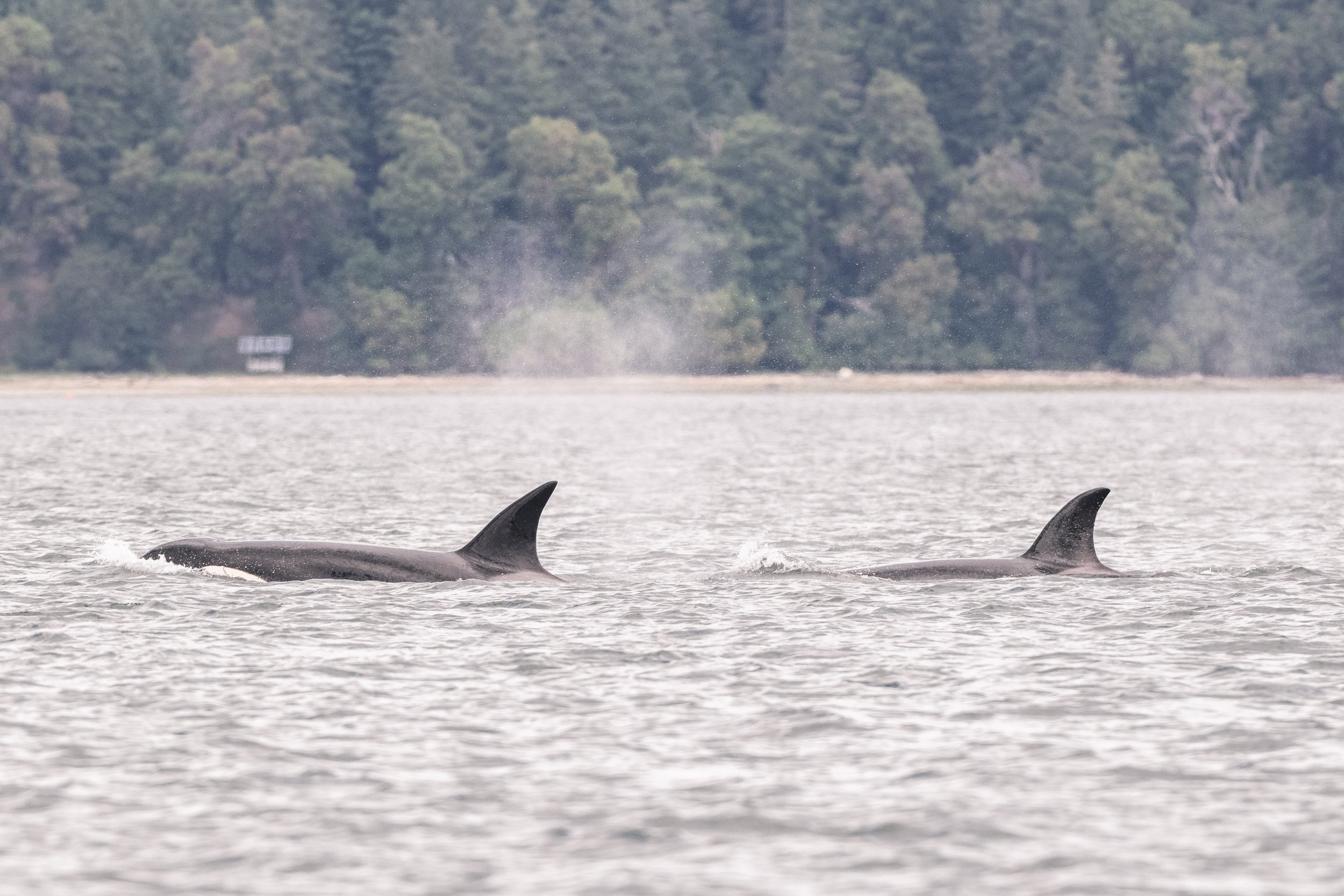
Tigger and Kanga plowing through the water. Photo by Aly Kohlman
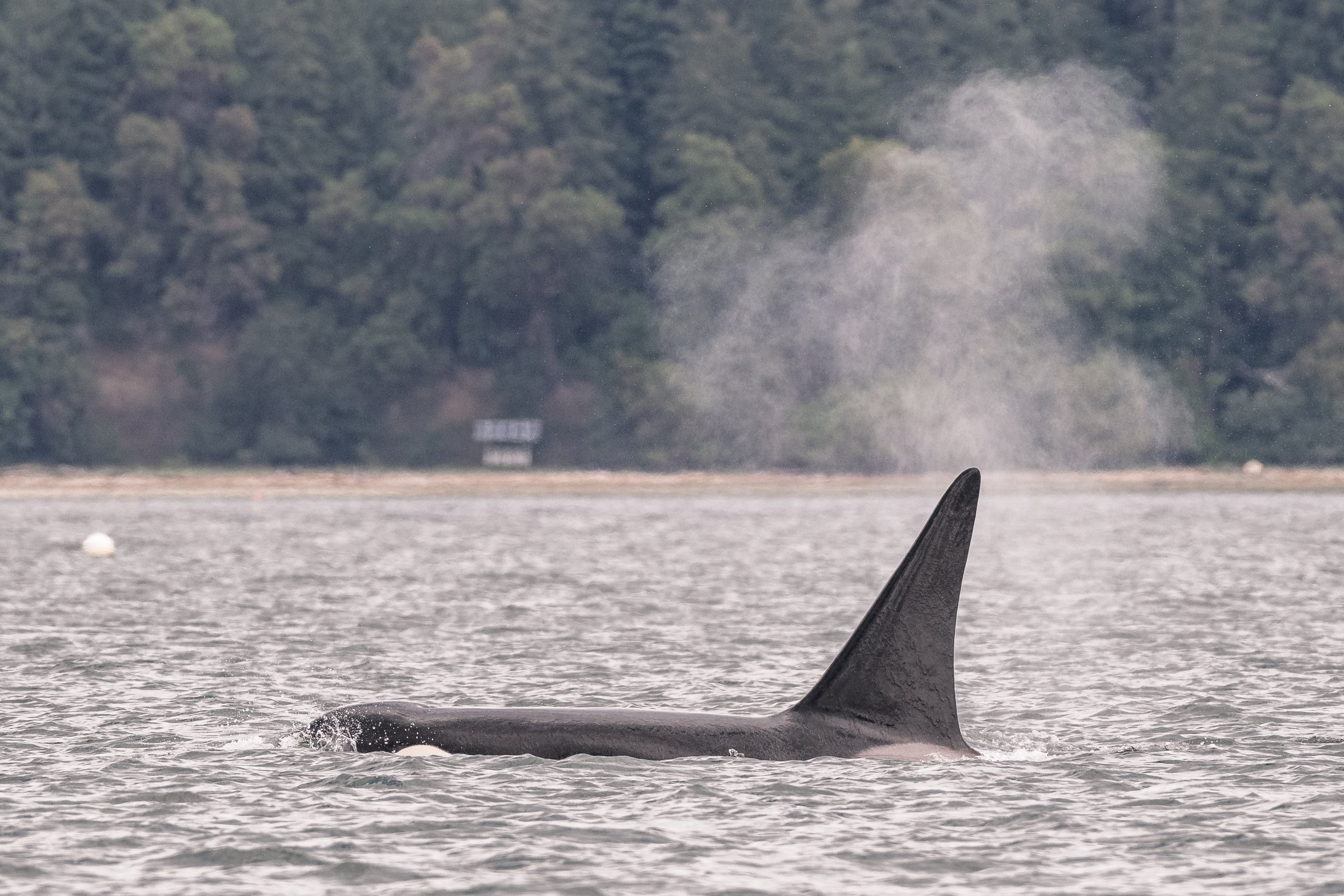
Piglet with the beautiful backlit blow. Photo by Aly Kohlman
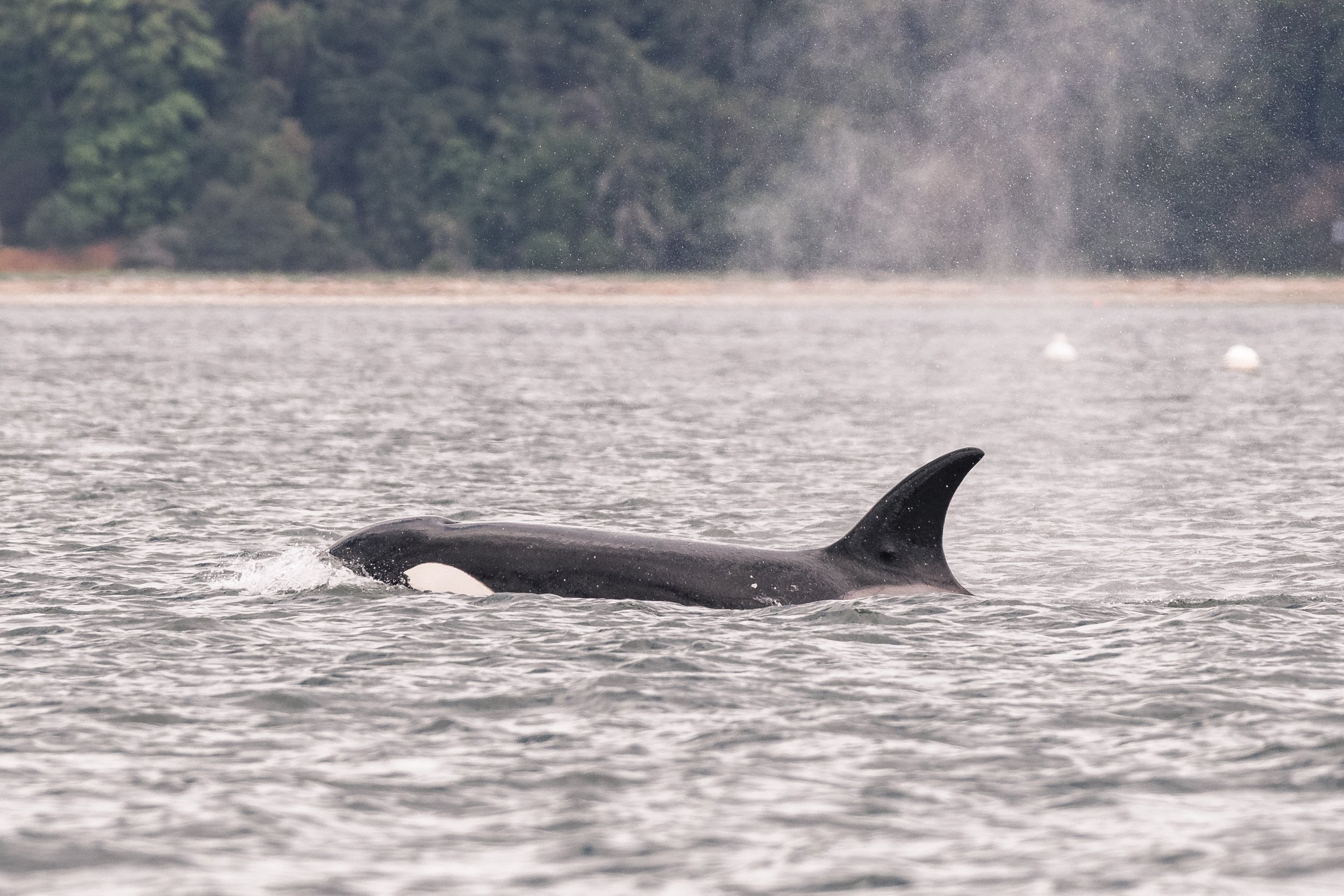
Did you know that every eyepatch is unique, even from one eye to the other on the same animal? This one belongs to Eagle. Photo by Aly Kohlman
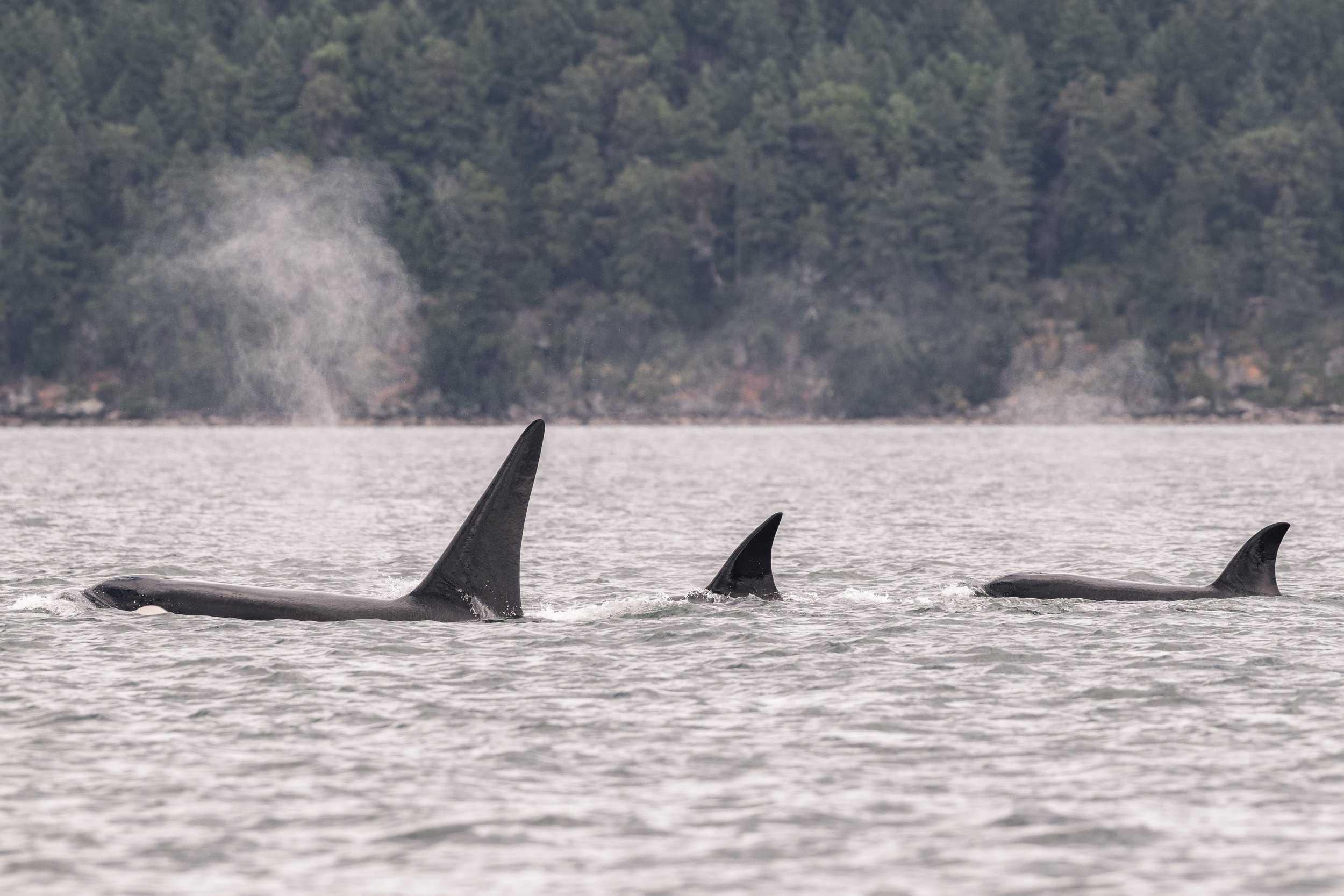
All the kids in one photo, Piglet, Tigger and Kanga. Photo by Aly Kohlman
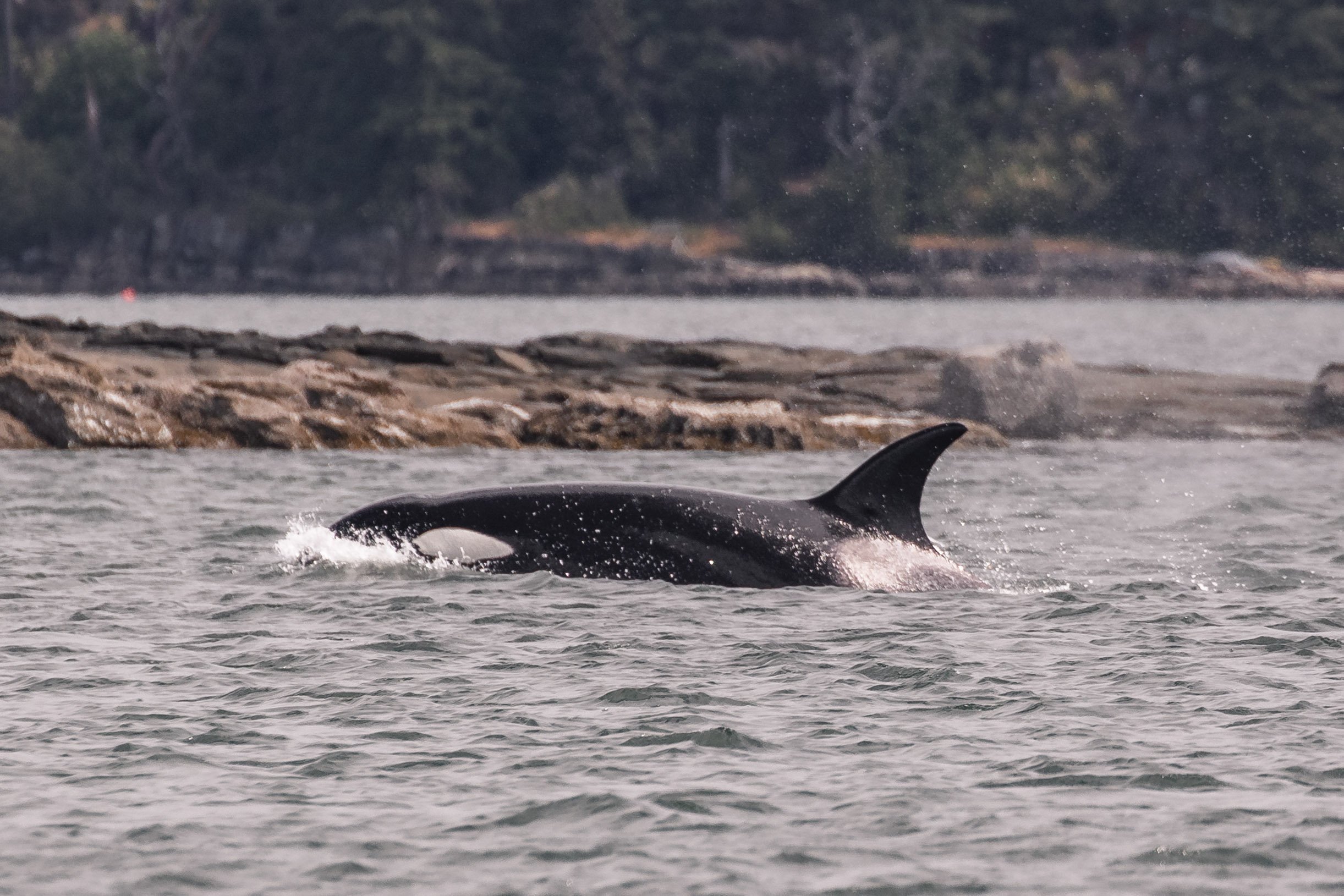
Eagle coming high out of the water! Photo by Hayleigh Hilbert.
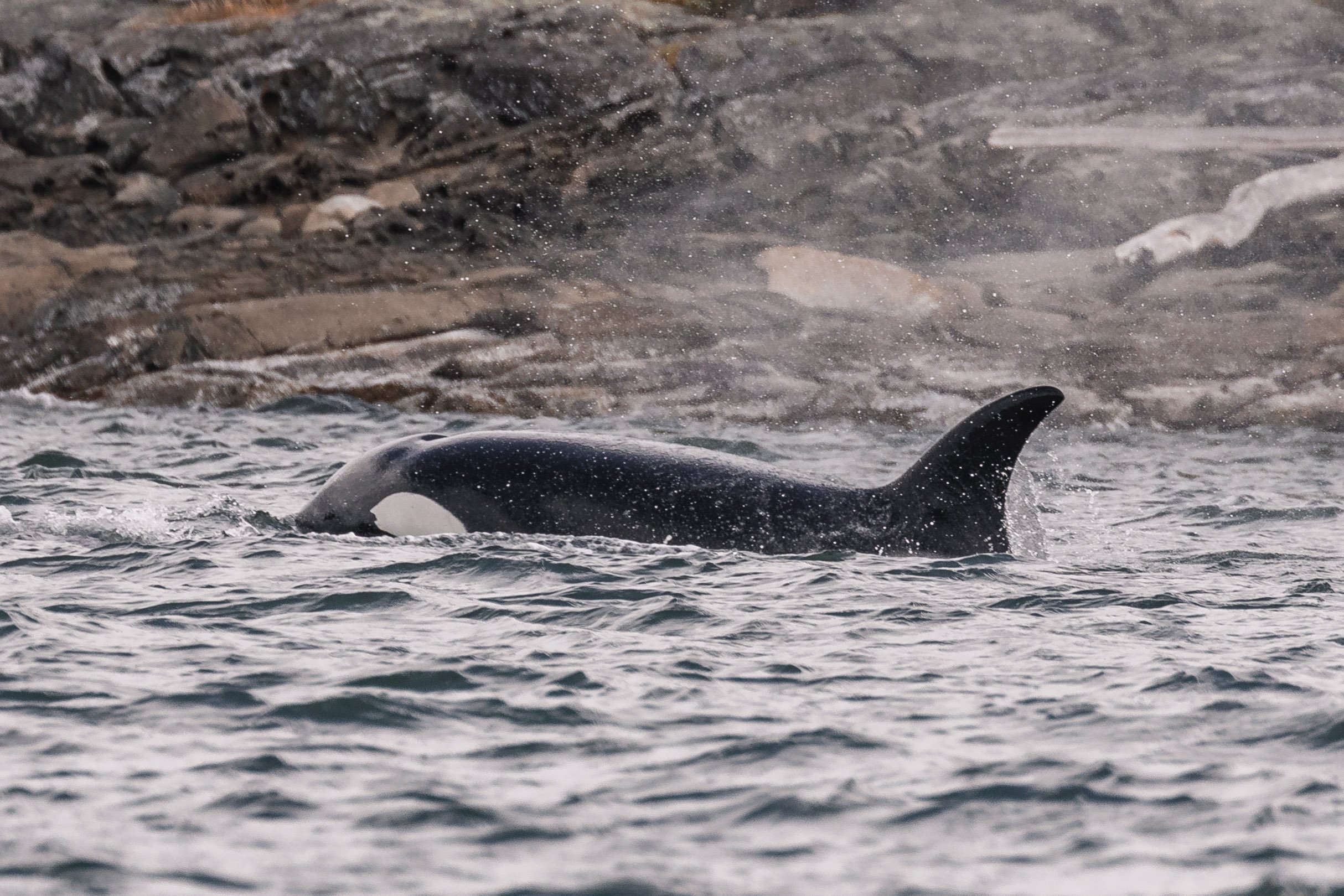
Beautiful matriarch Eagle. Photo by Hayleigh Hilbert.
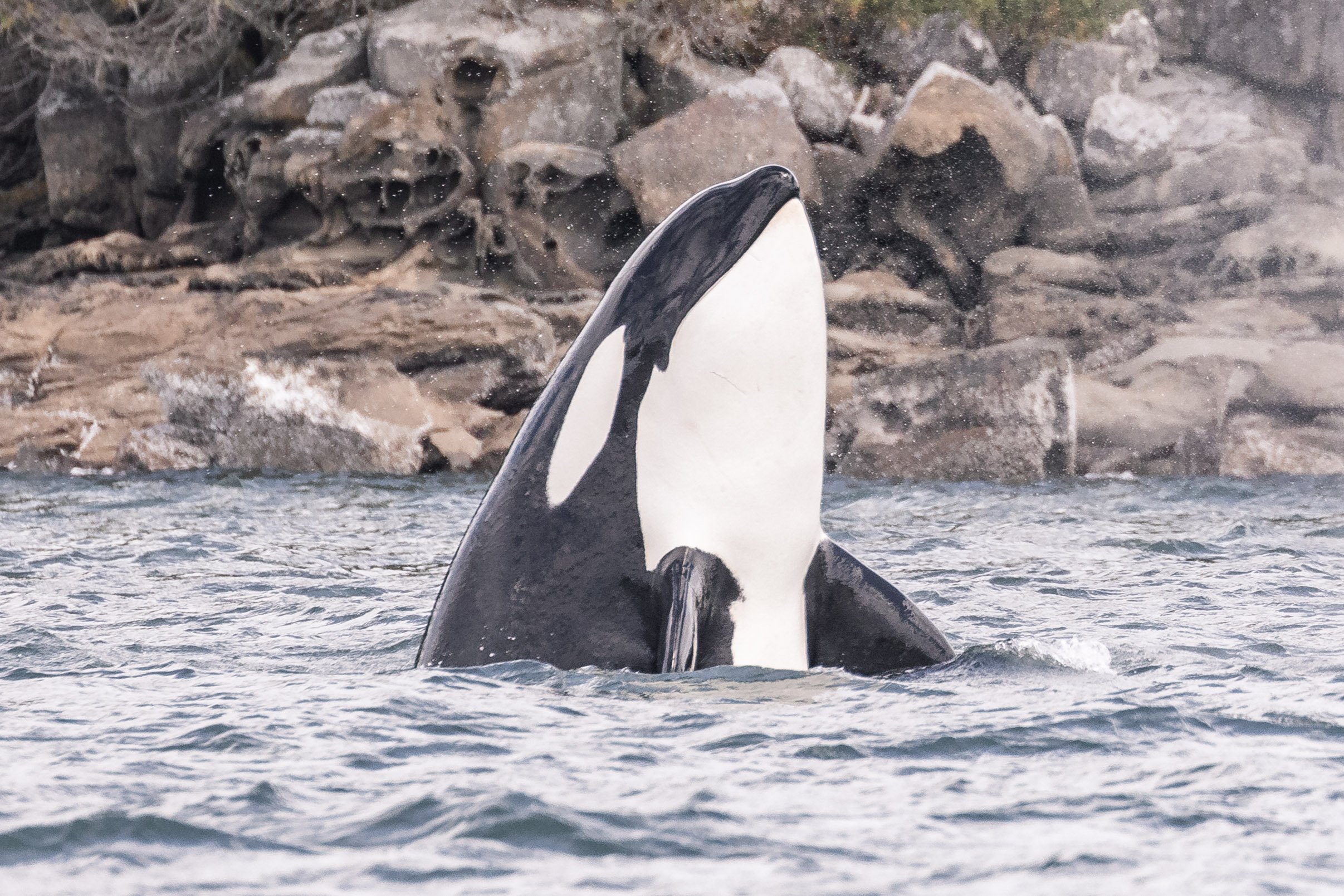
Tigger making sure everyone saw her quick kill. Photo by Hayleigh Hilbert.
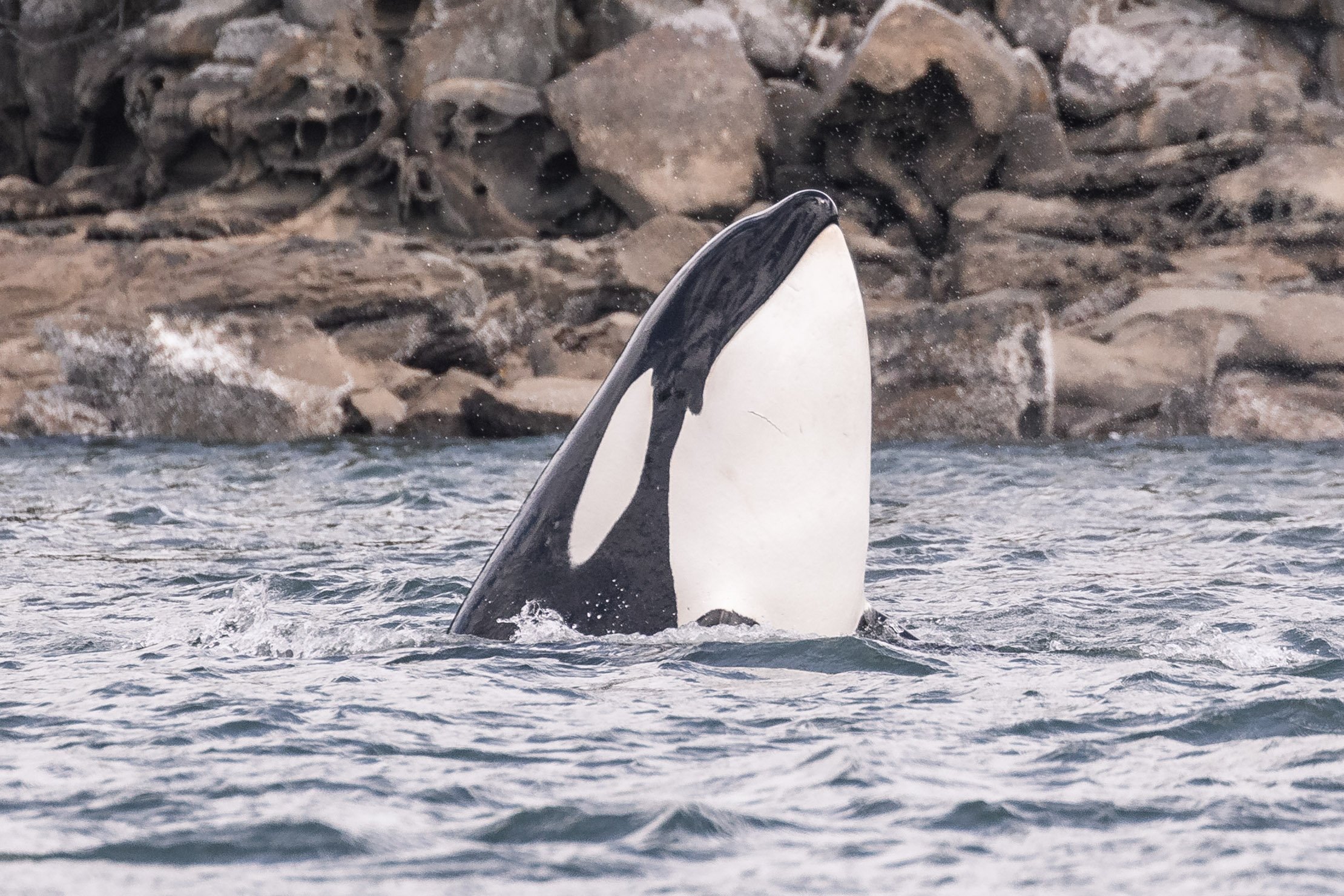
Spyhopping allows orca to see whats going on above the water. Photo by Hayleigh Hilbert.
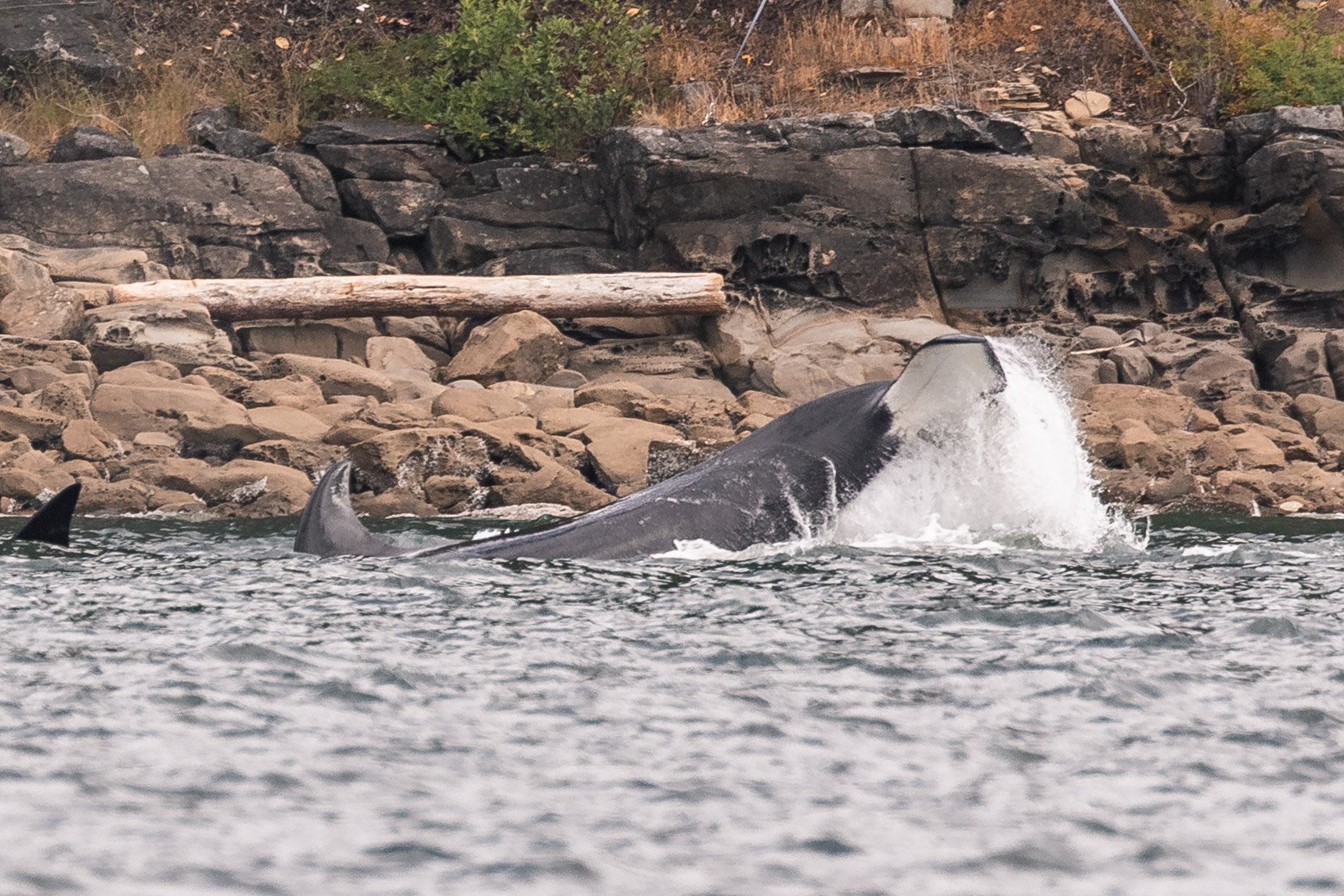
Tail slap. Photo by Hayleigh Hilbert.
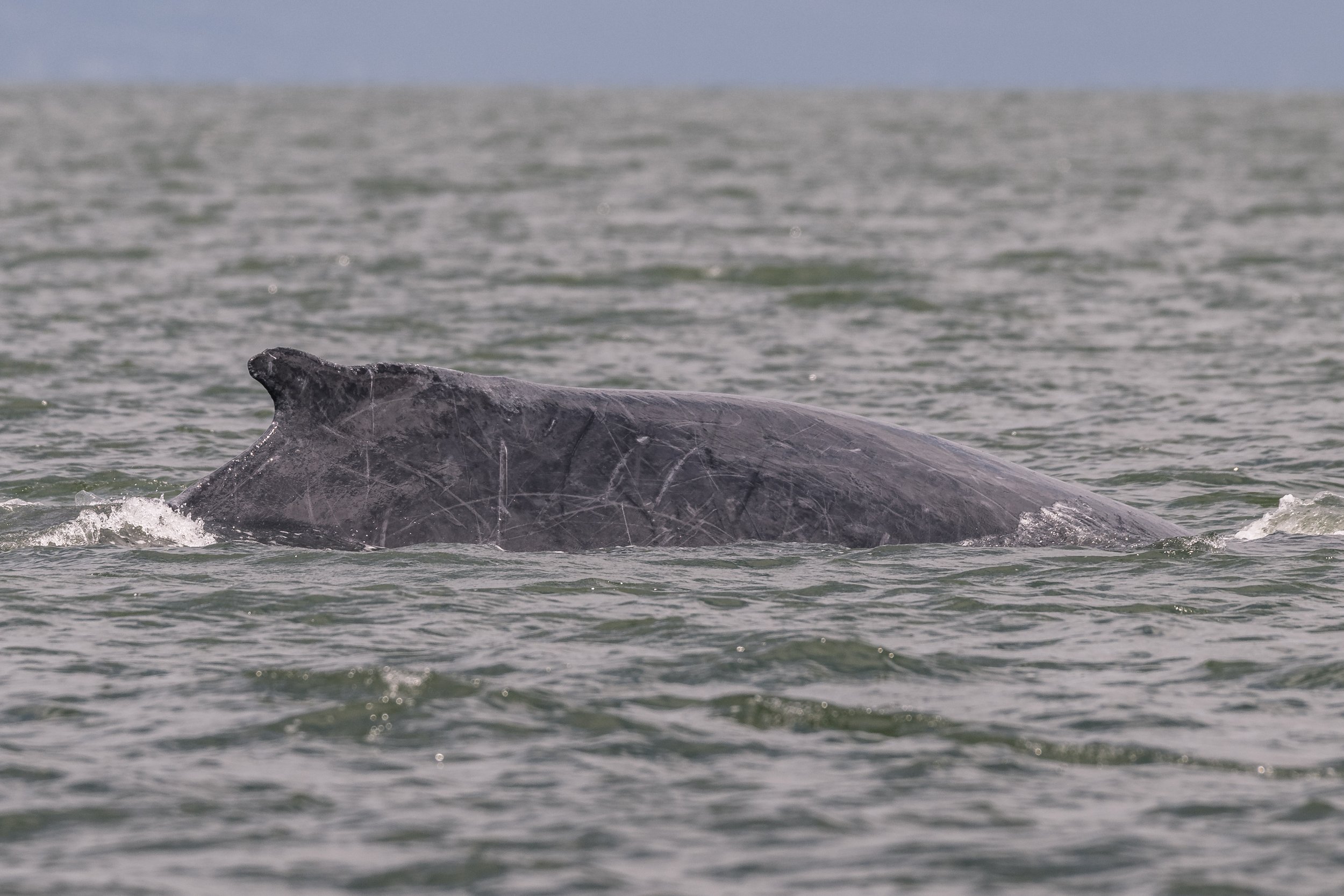
Do you see all the lines on Crackles back? This is scarring from becoming entangled. Photo by Aly Kohlman
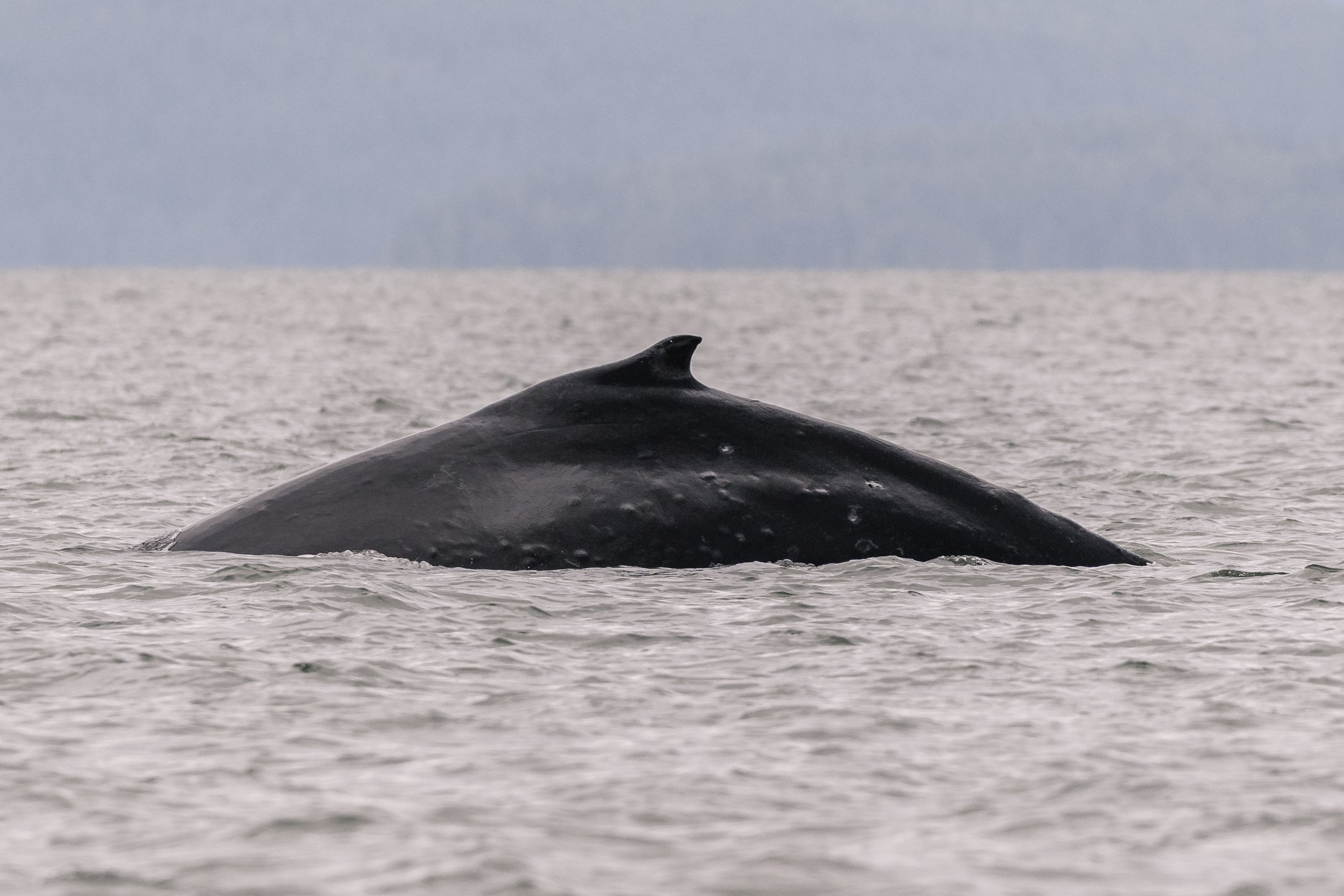
Scuba going for a dive. Photo by Aly Kohlman
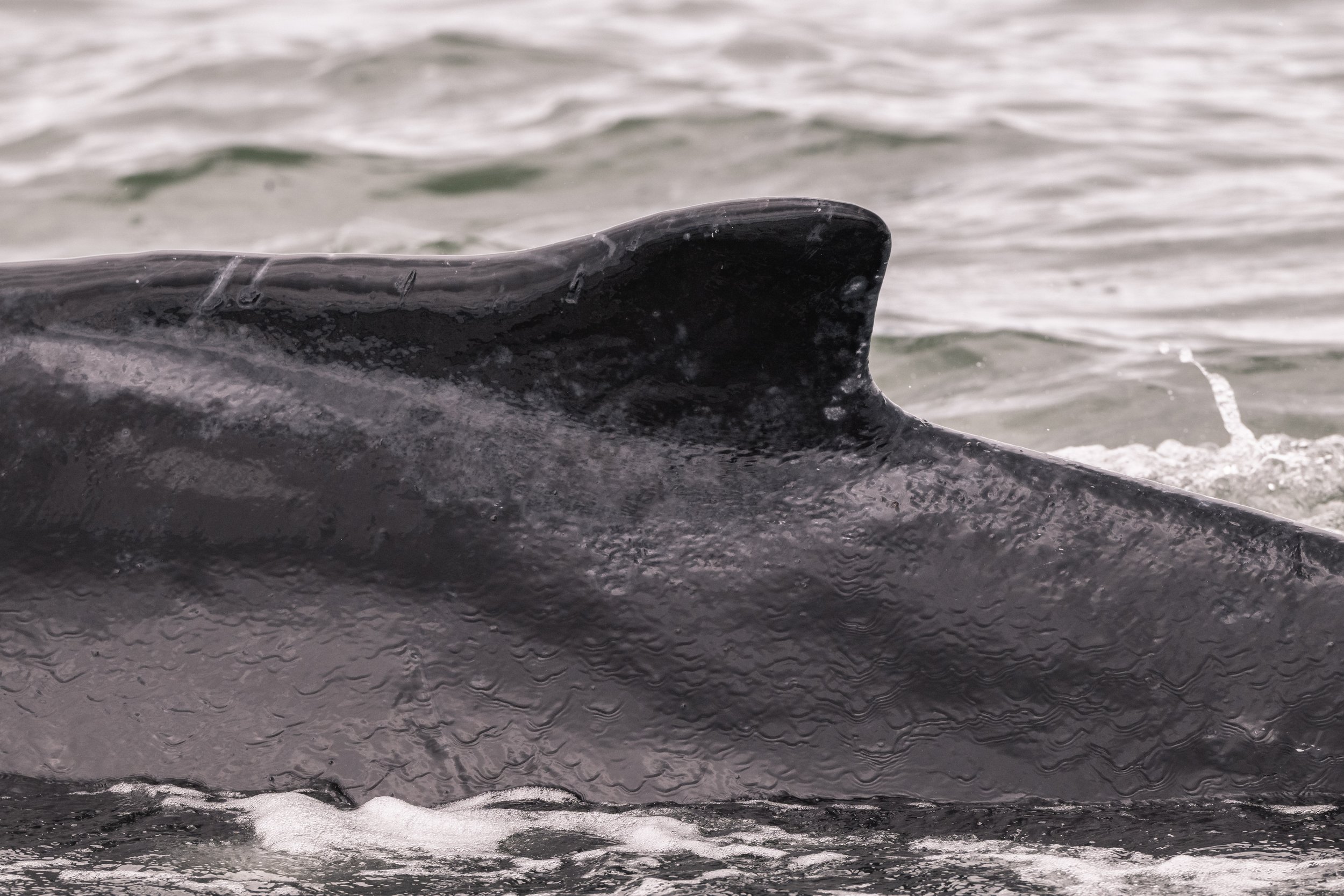
Yakima giving us a close pass. Photo by Aly Kohlman
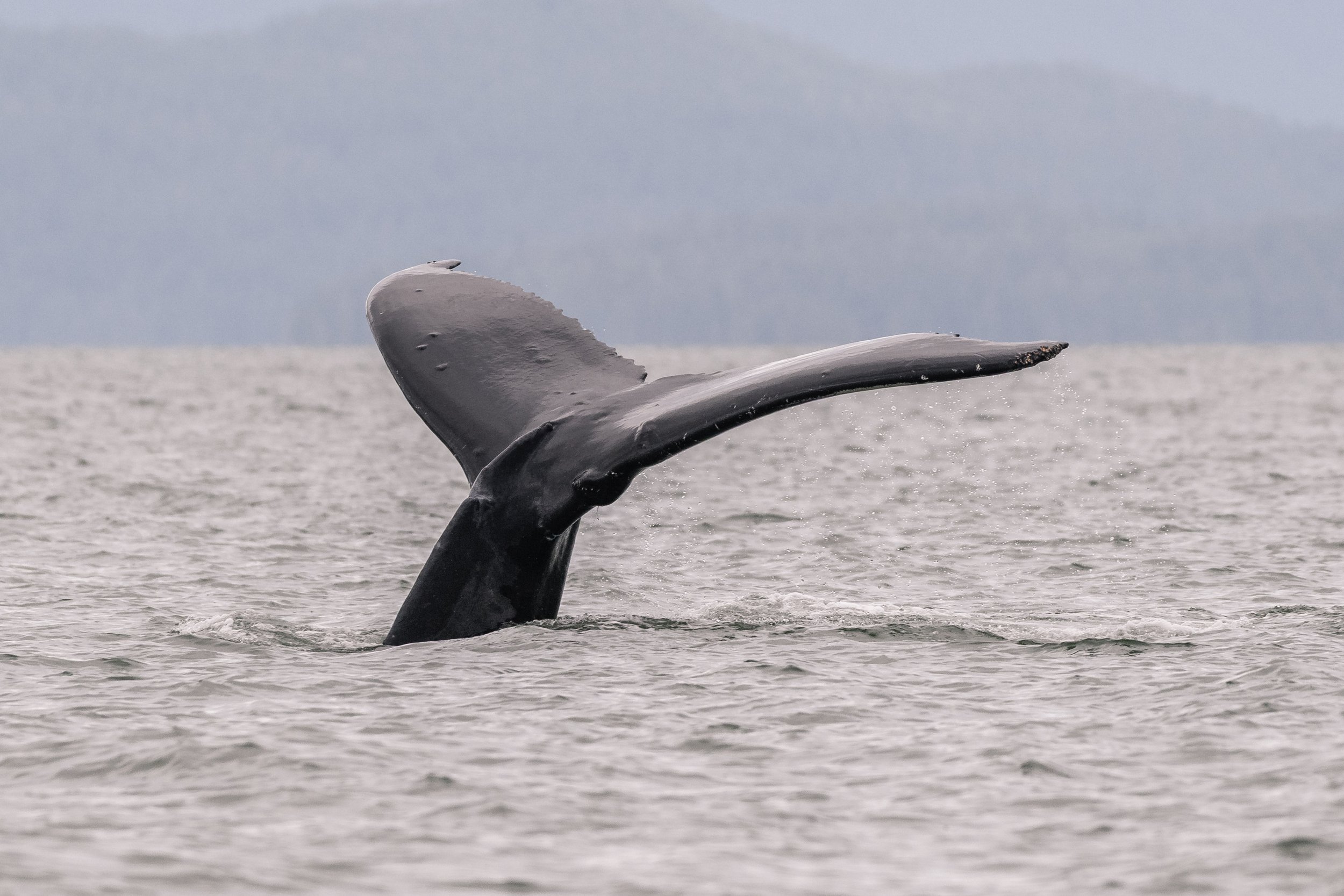
See the lump under Scubas fluke? This is from being entangled. Photo by Aly Kohlman
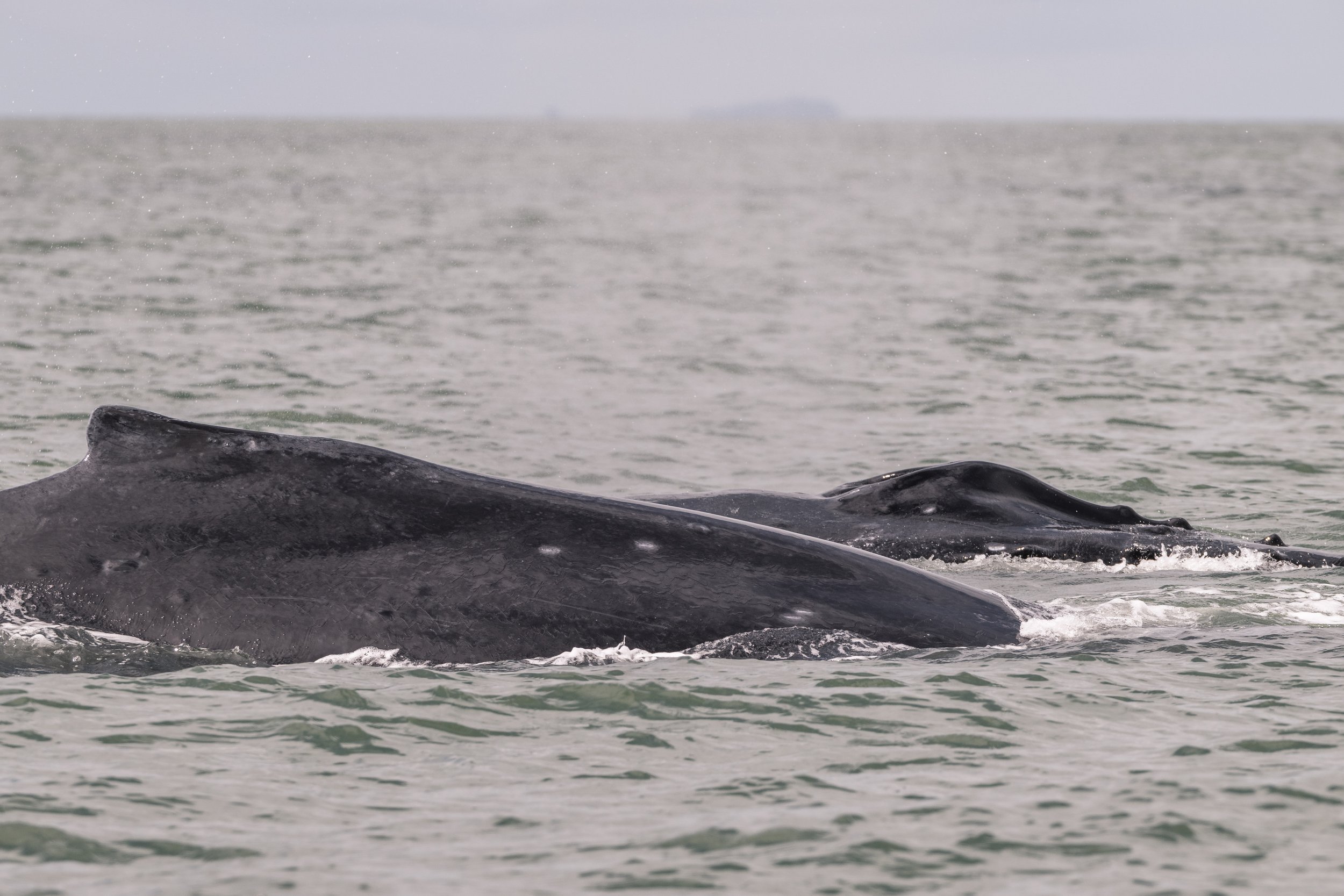
Hendrix surfacing next to a friend. Photo by Aly Kohlman
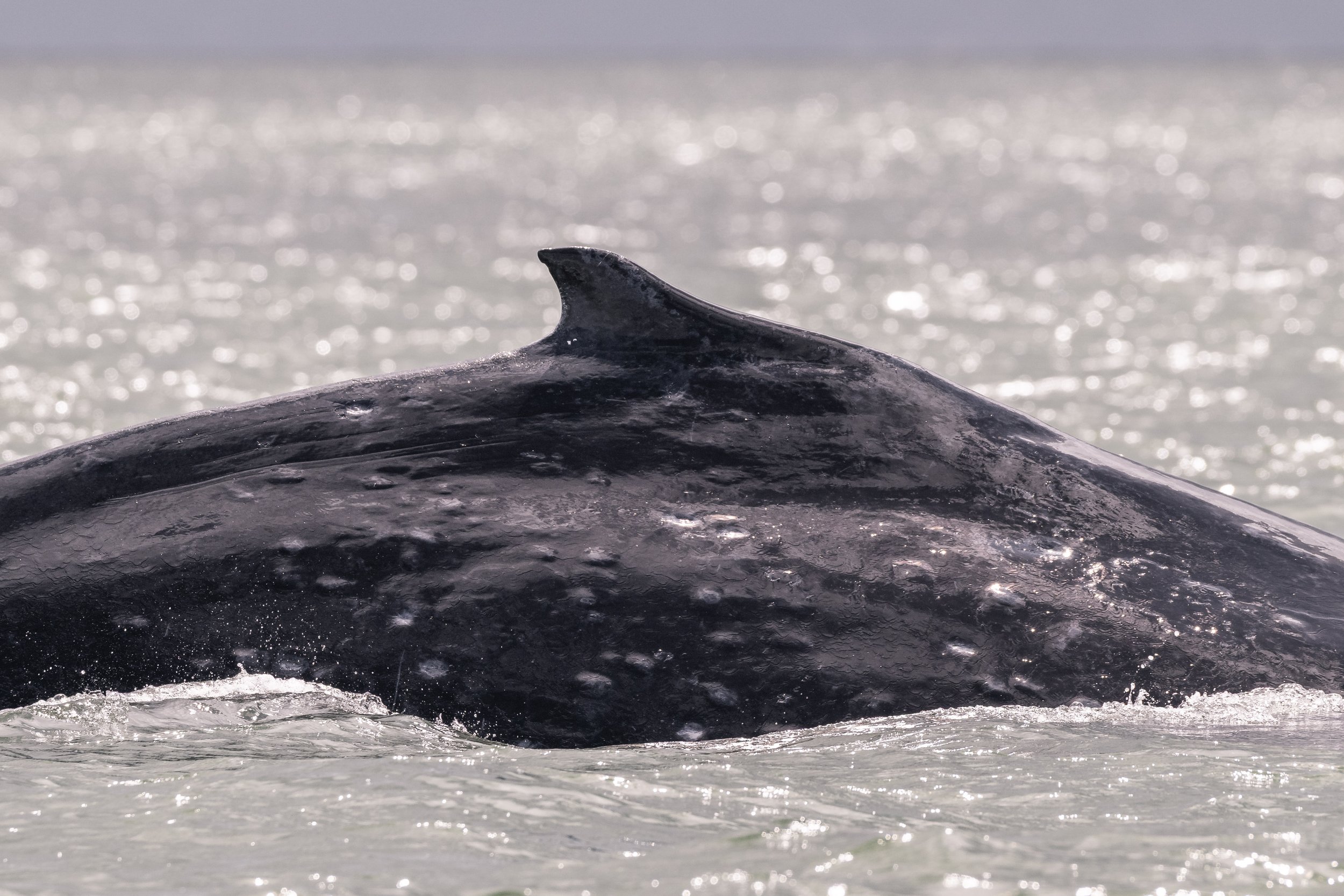
Do you see all the little circular marks on Scuba? These are scars from Cookie-Cutter sharks. Photo by Aly Kohlman
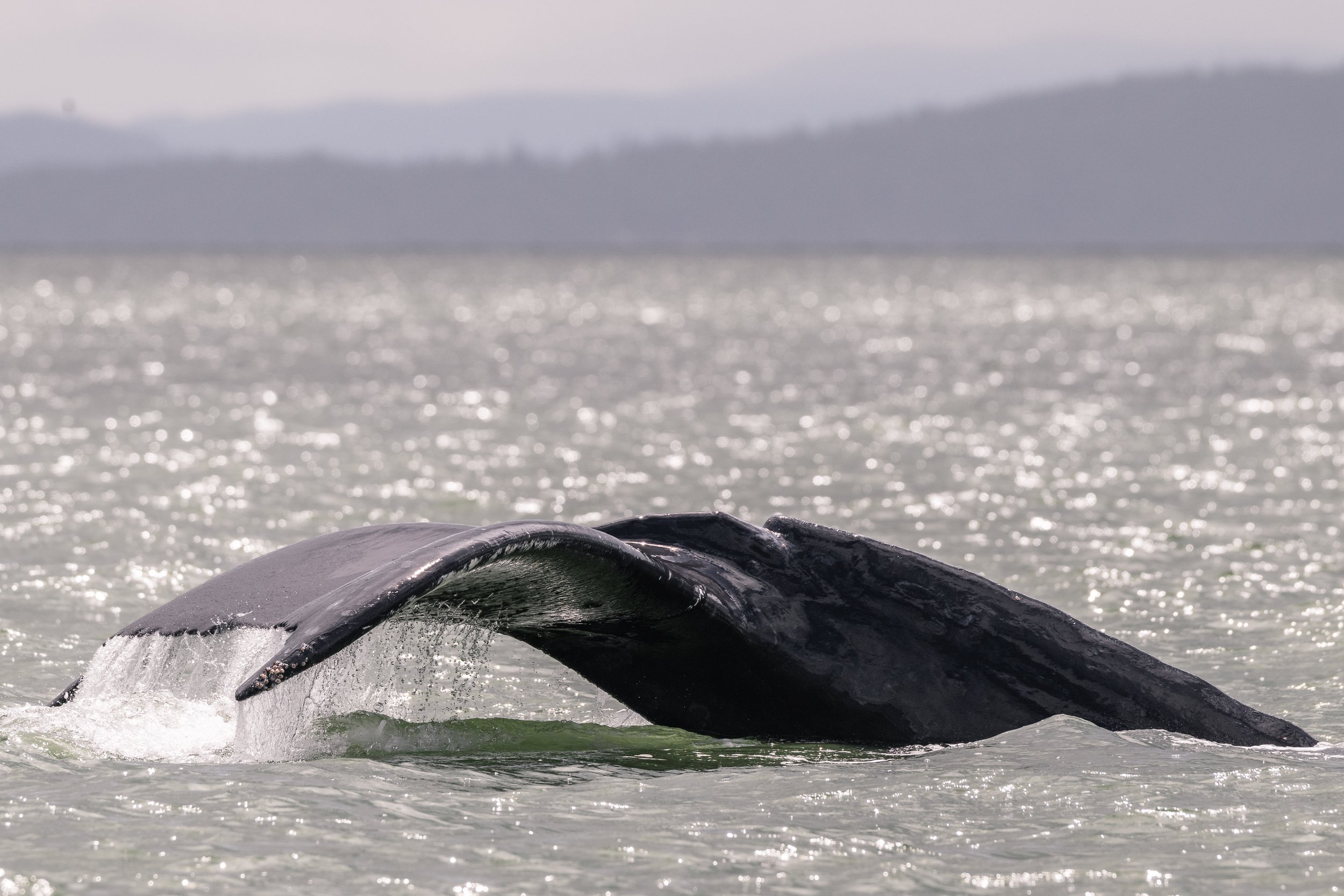
Scuba has a deep gash in the top of his peduncle from is entanglement. Photo by Aly Kohlman
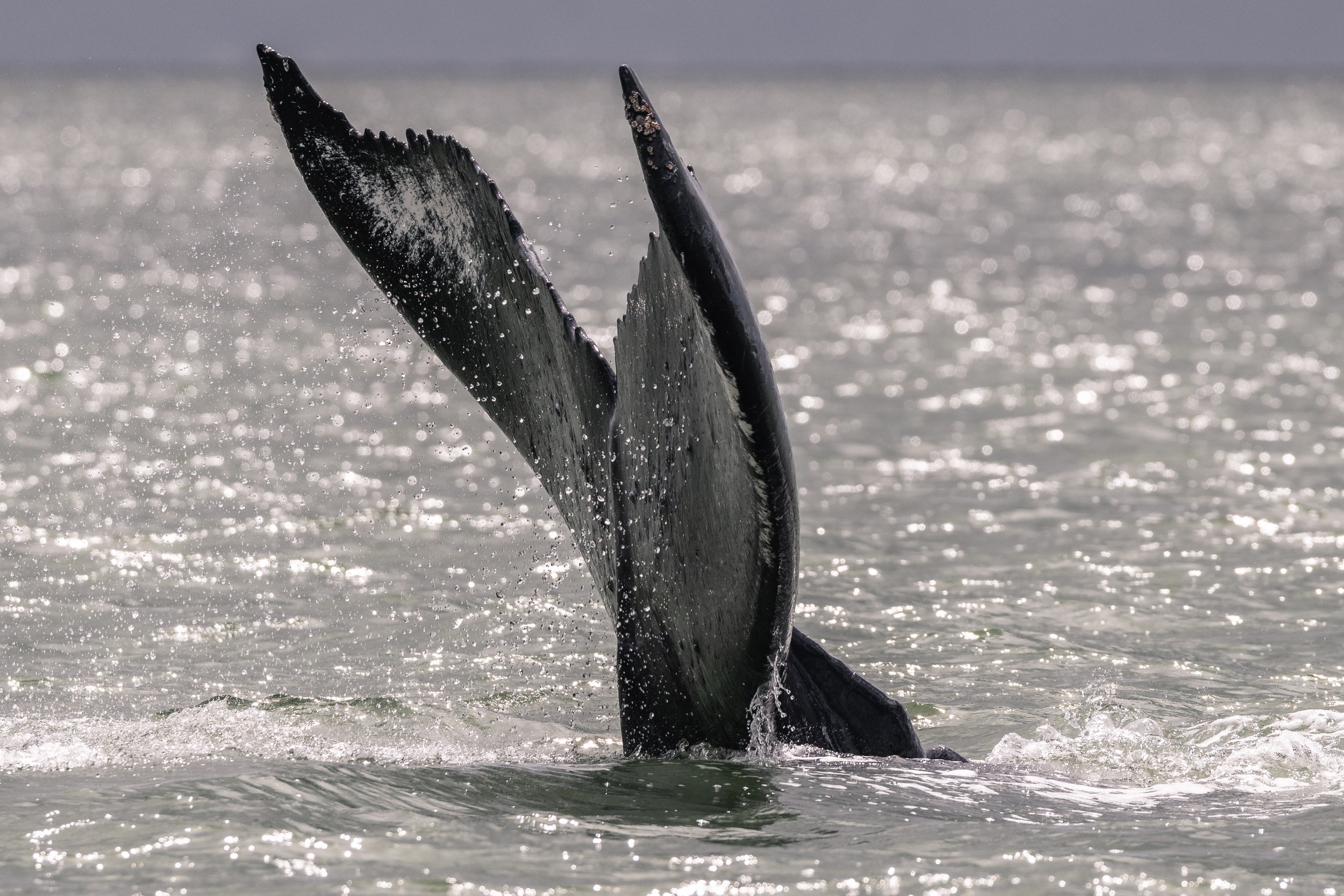
Flukes up! Photo by Aly Kohlman
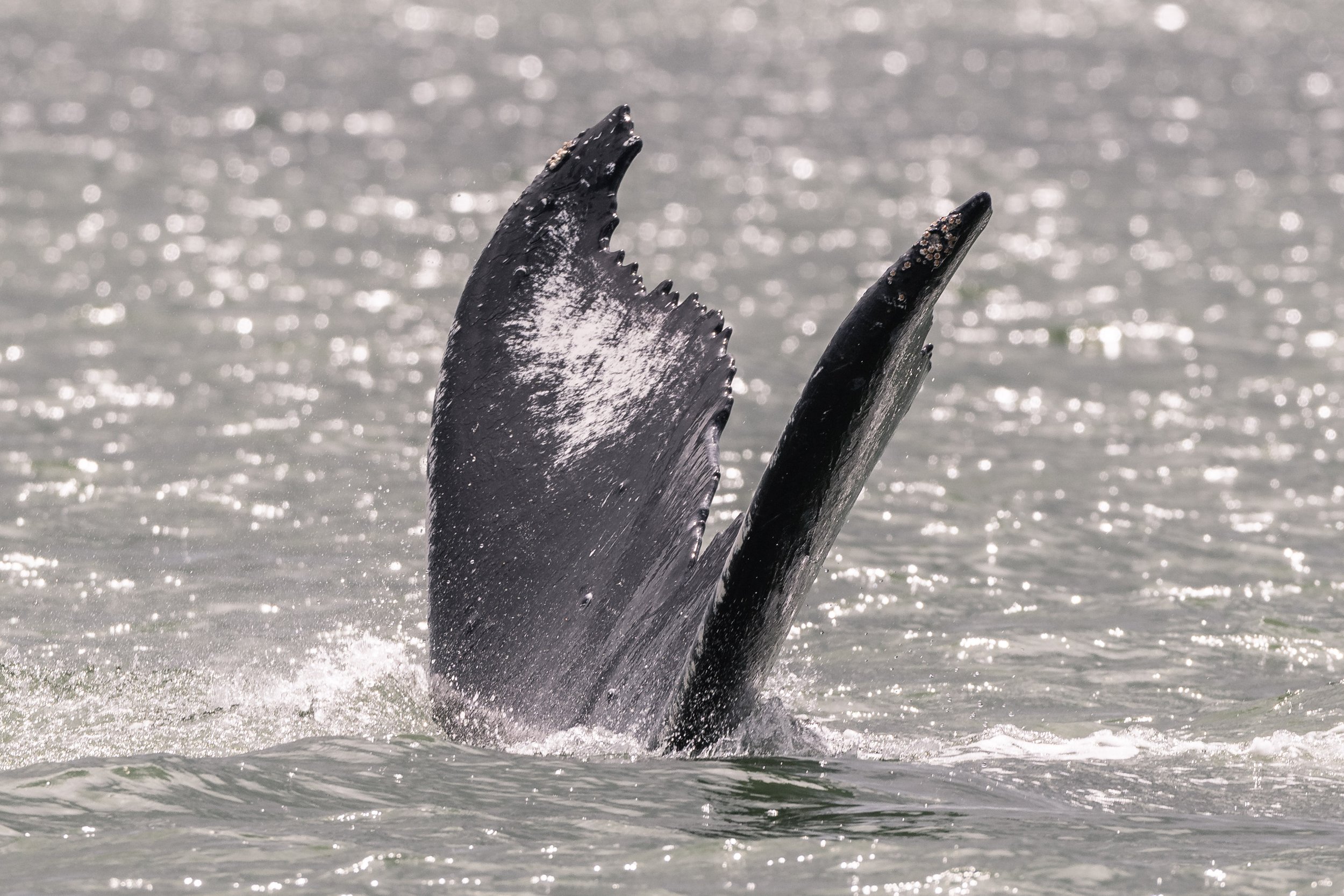
The easiest way to ID humpbacks is by looking at the ventral side of the tail, where the markings are as unique as a fingerprint. This fluke belongs to Scuba. Photo by Aly Kohlman
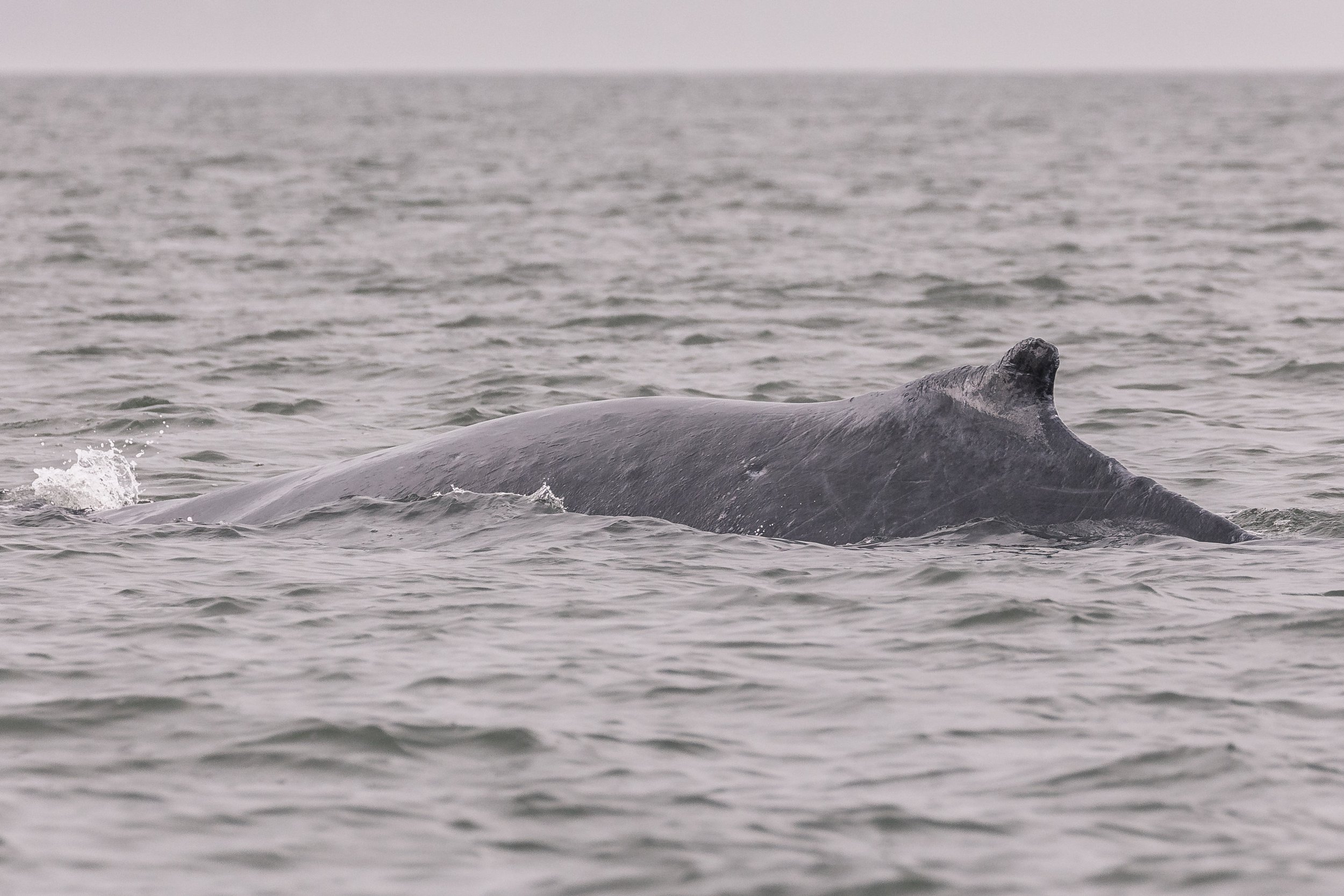
Crackle coming up for a breath. Photo by Hayleigh Hilbert.
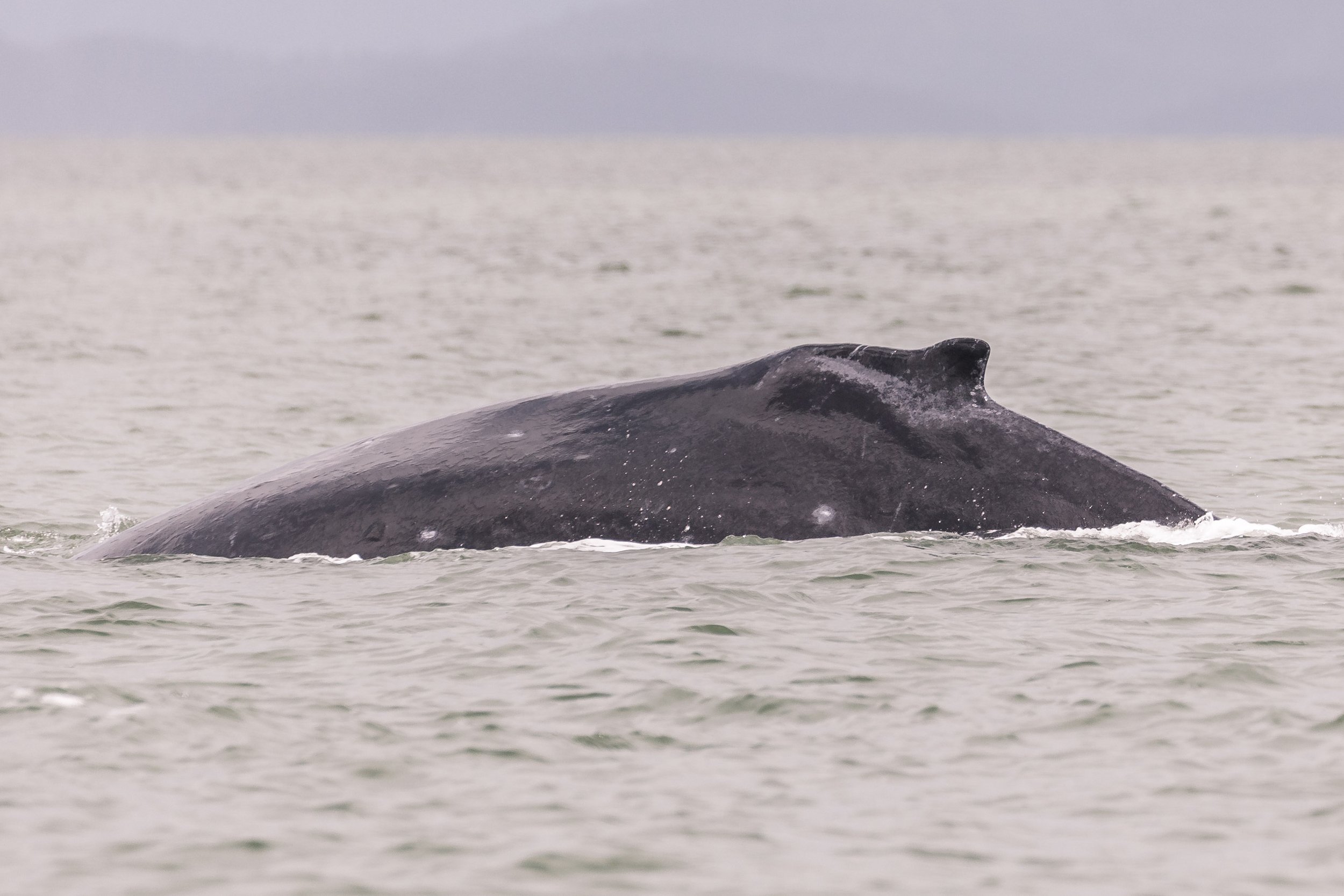
Yakima about to go for a dive. Photo by Hayleigh Hilbert.
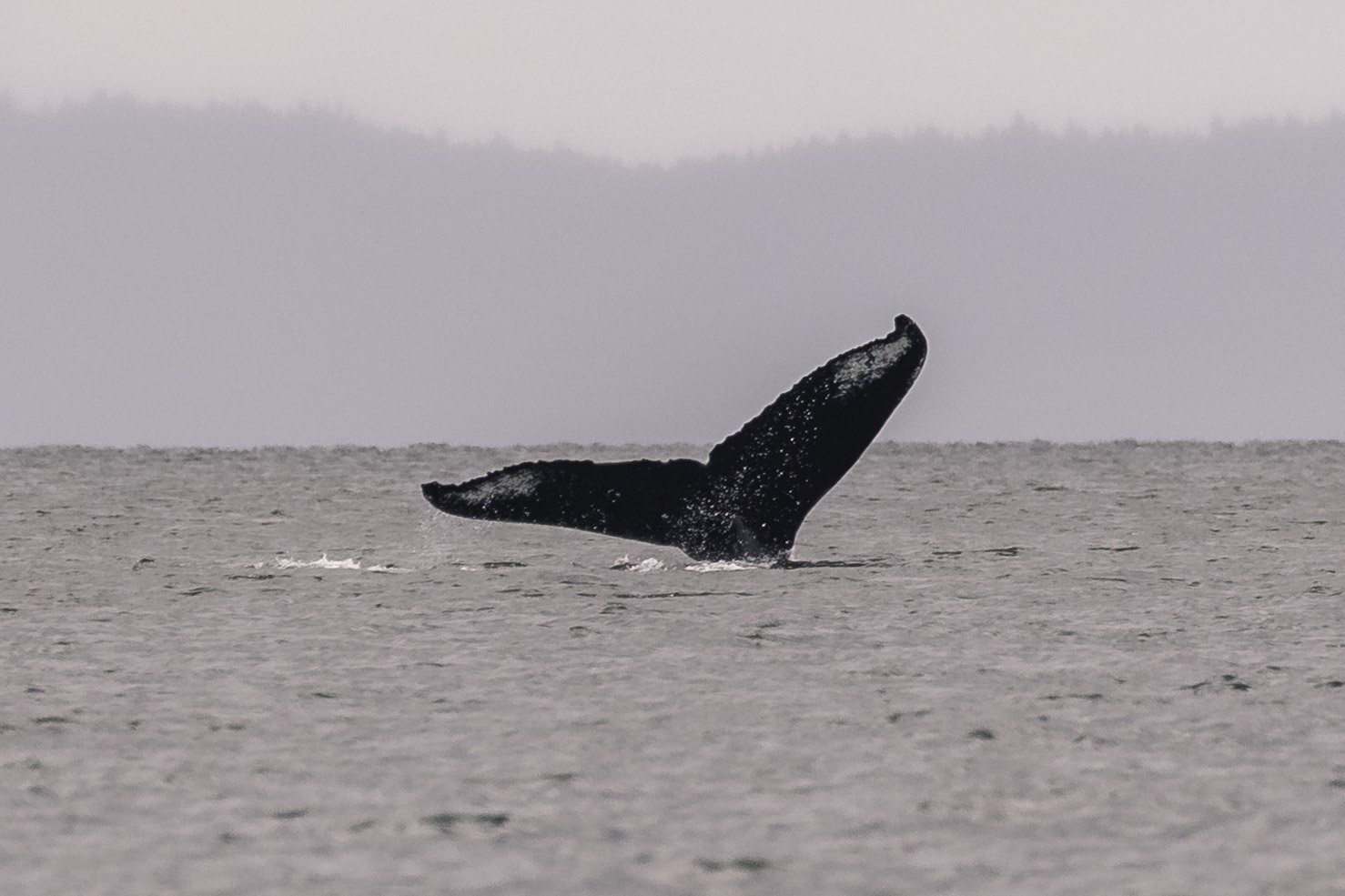
Scuba showing us the beautiful patterns on his flukes. Photo by Hayleigh Hilbert.
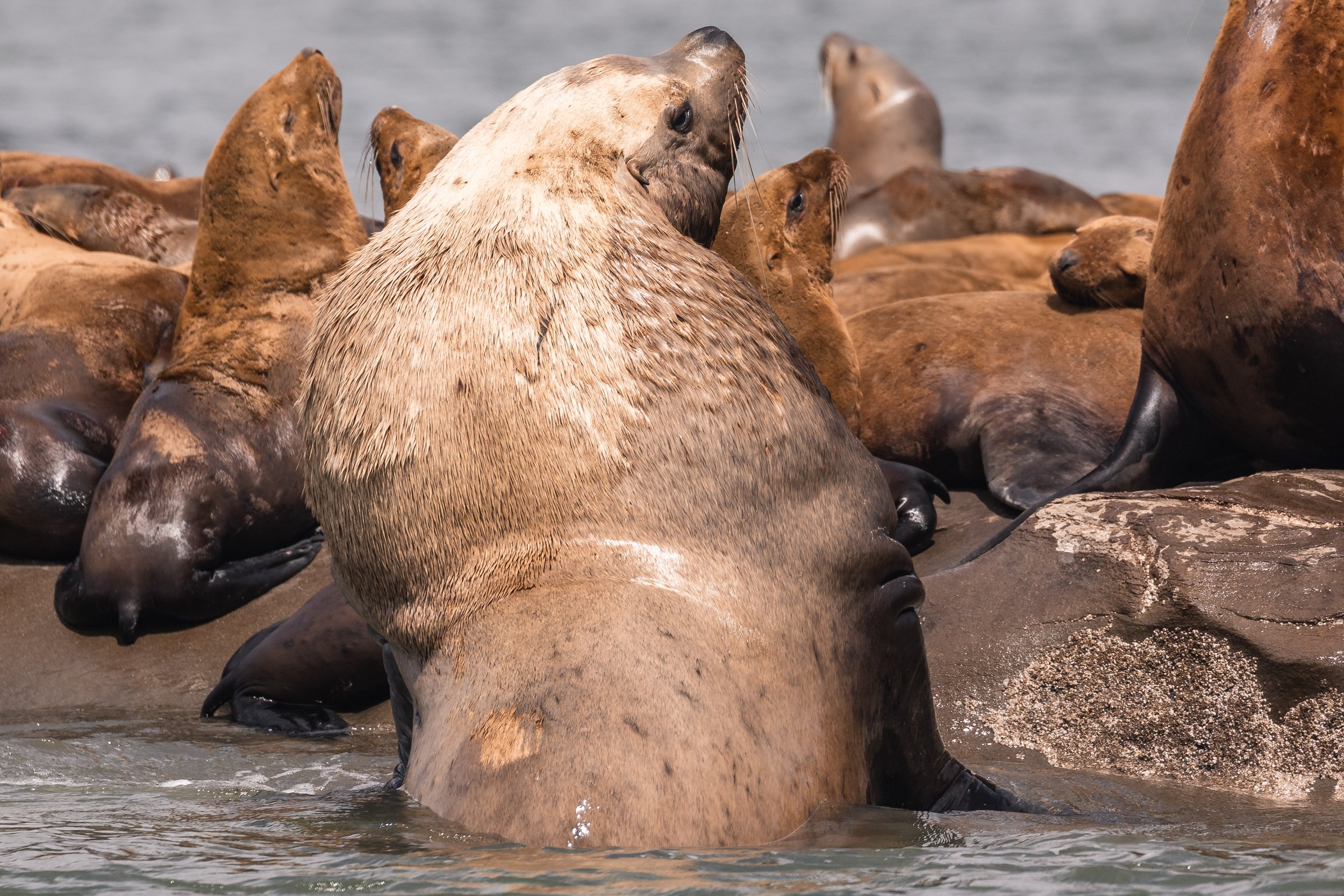
A large male Steller hauling out onto the rocks. Photo by Hayleigh Hilbert.
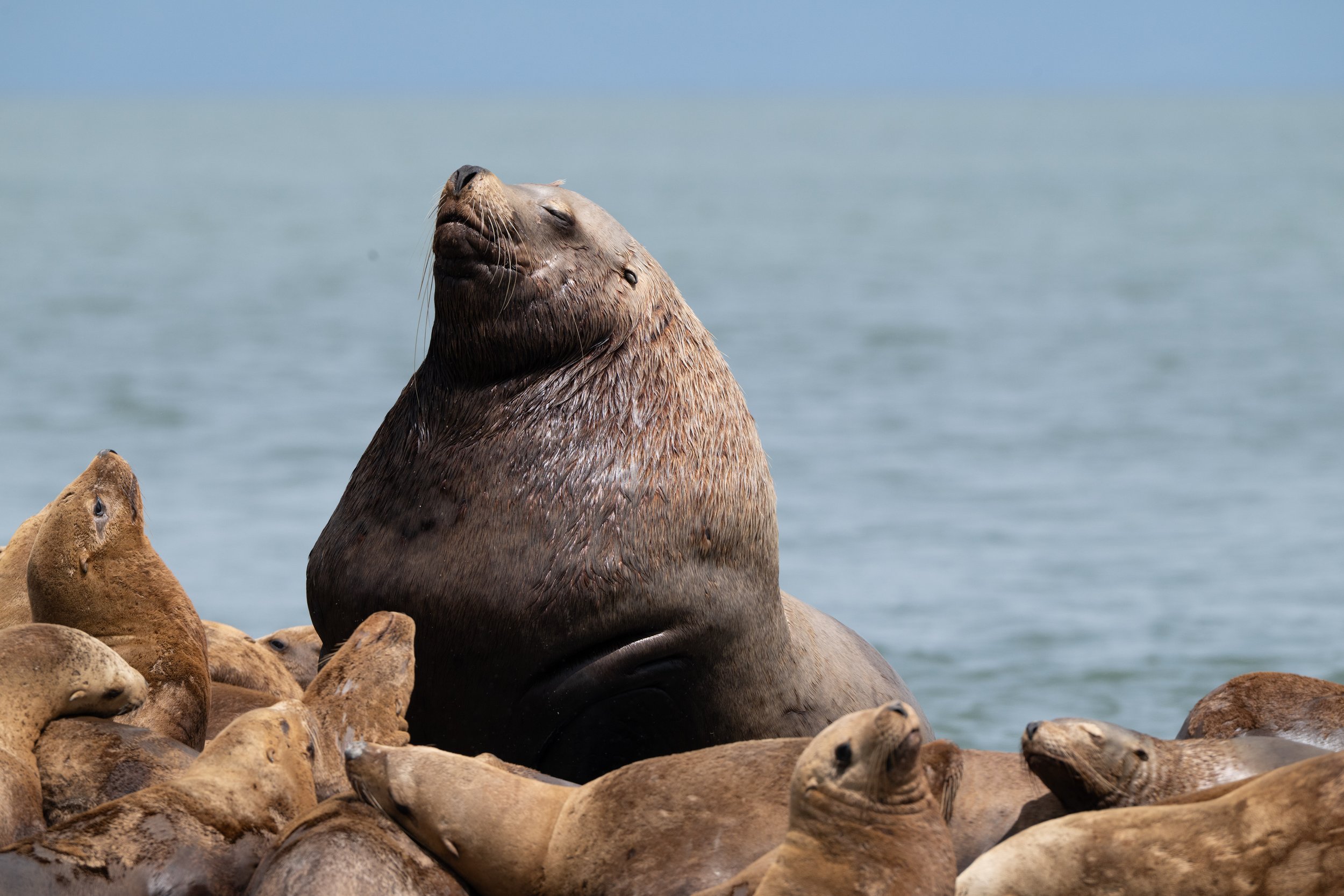
Male Steller Sea Lions can be over 2x larger than their female counter parts. Photo by Aly Kohlman
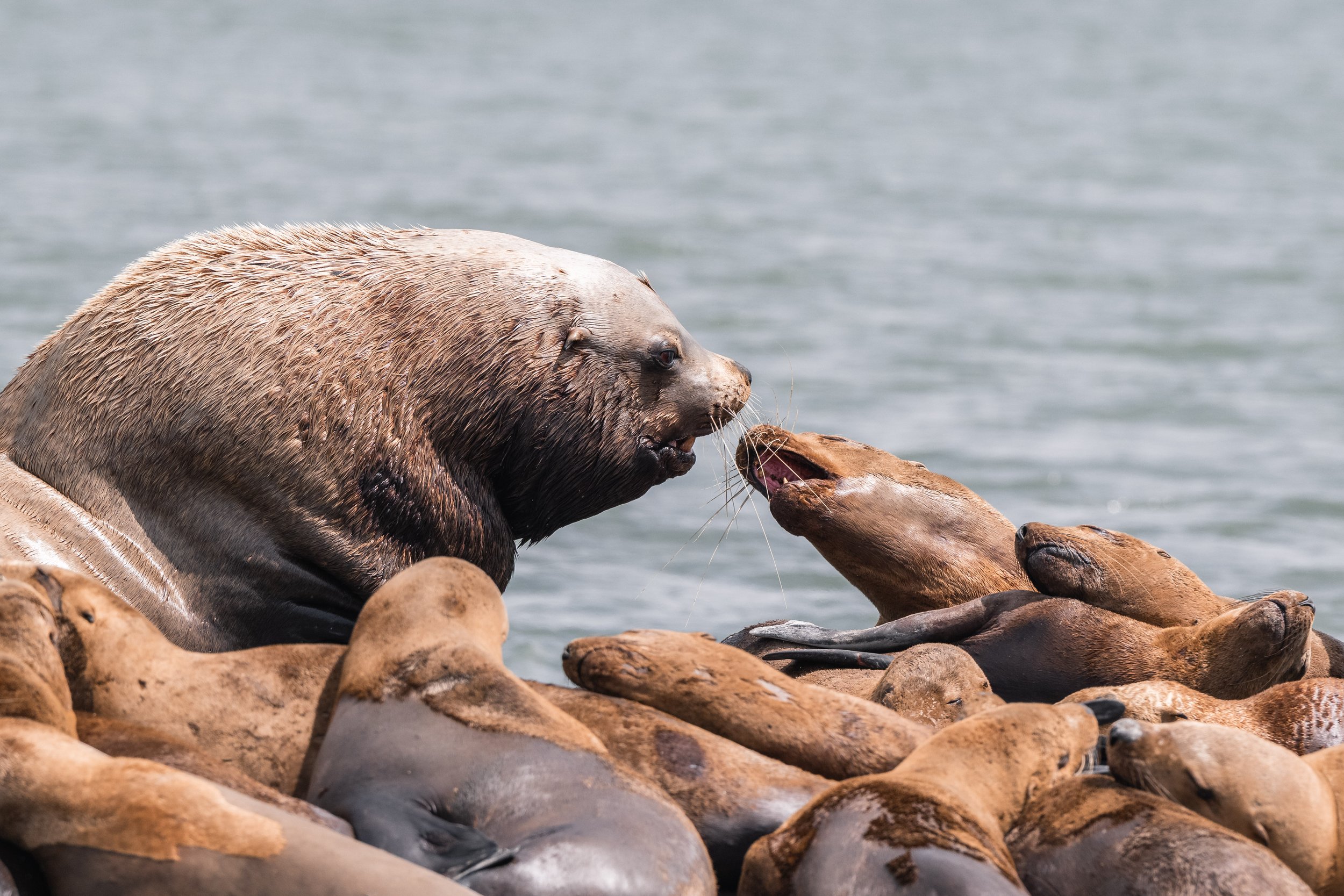
Always a fight for the best spot on Stinky Rock. Photo by Aly Kohlman
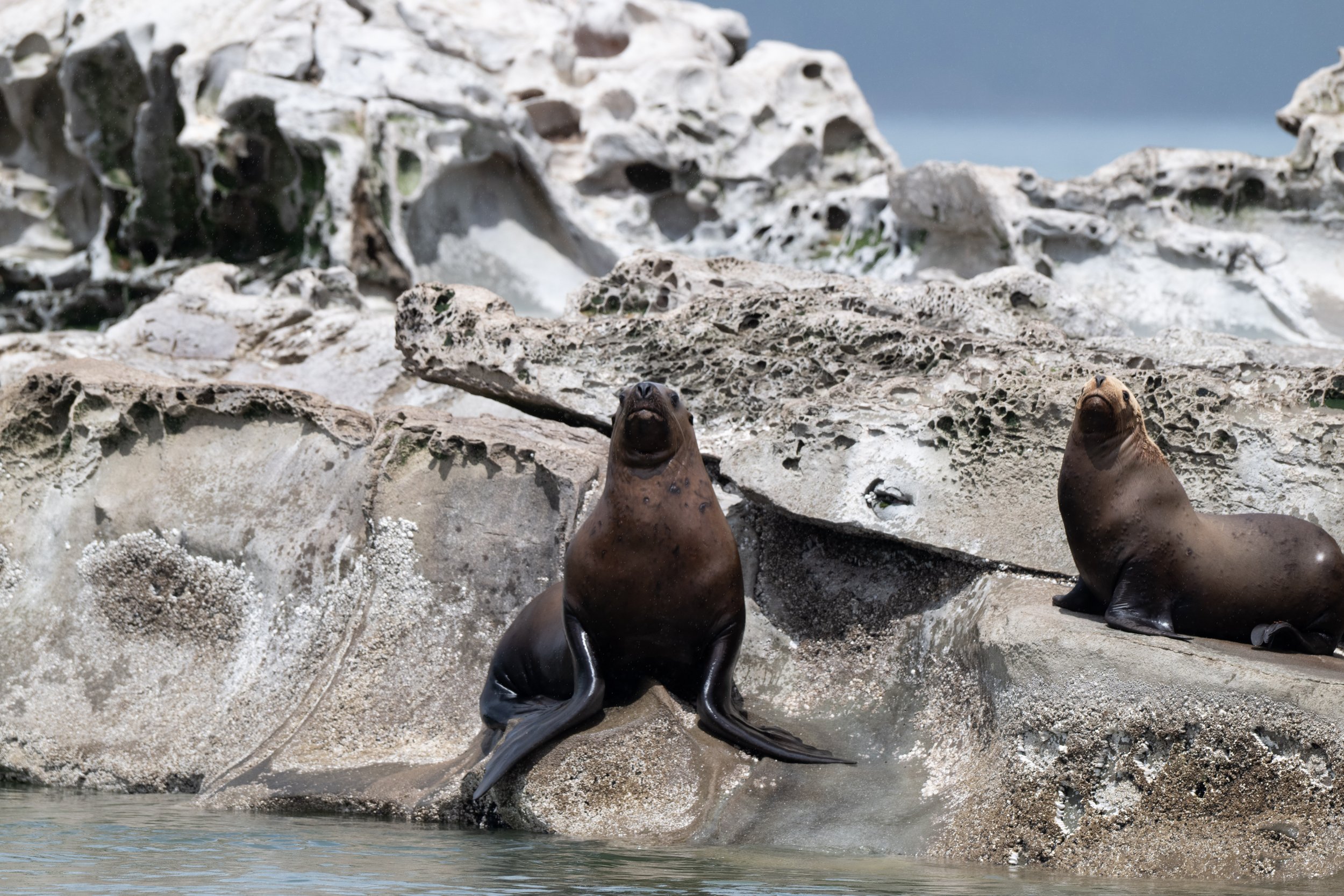
A Steller Sea lion checking us out. Photo by Aly Kohlman
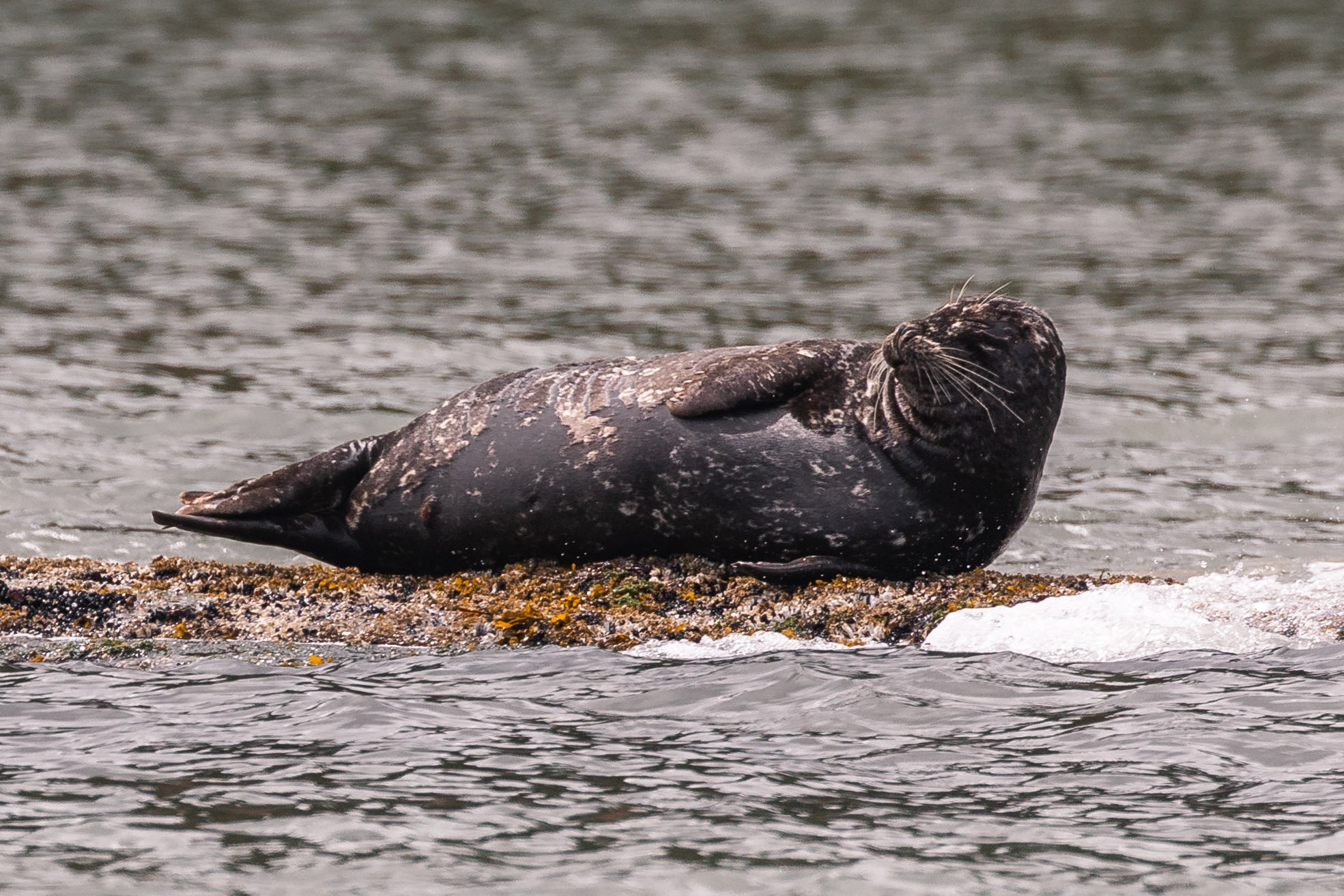
Chunky Harbour Seal enjoying some sun. Photo by Hayleigh Hilbert.
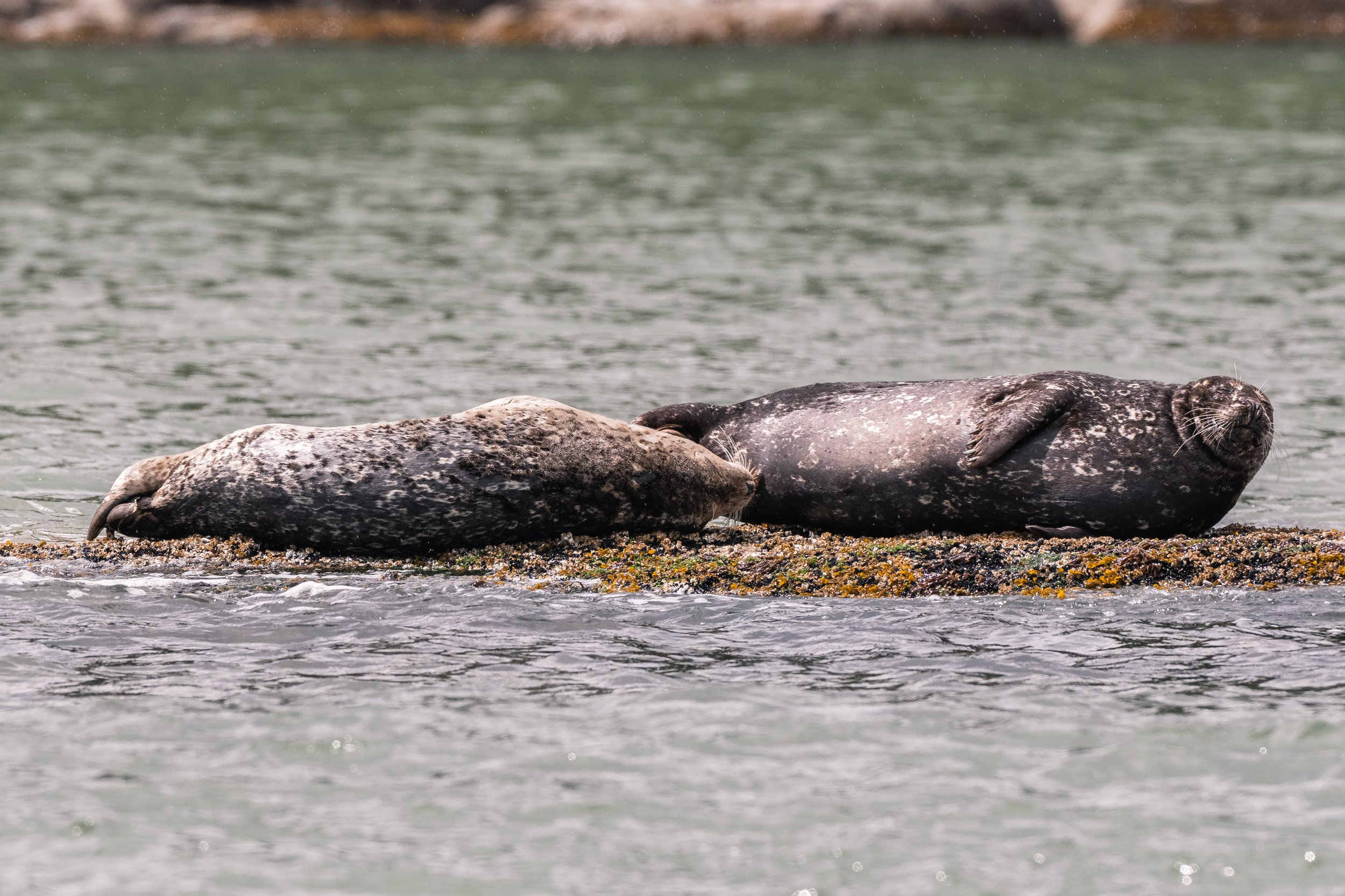
Harbour seals relaxing on a rock. Photo by Aly Kohlman
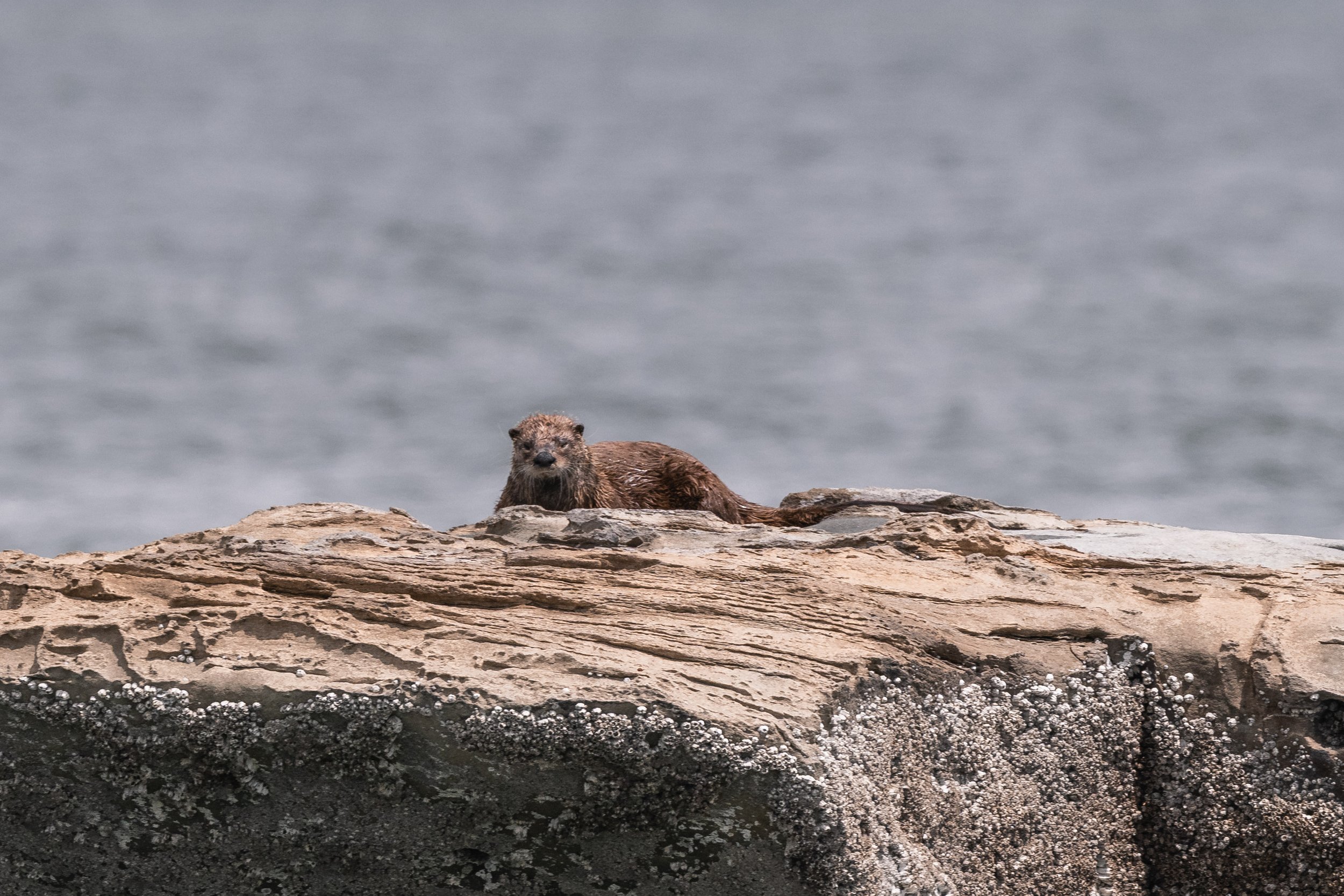
A River Otter enjoying some sunshine. Photo by Aly Kohlman
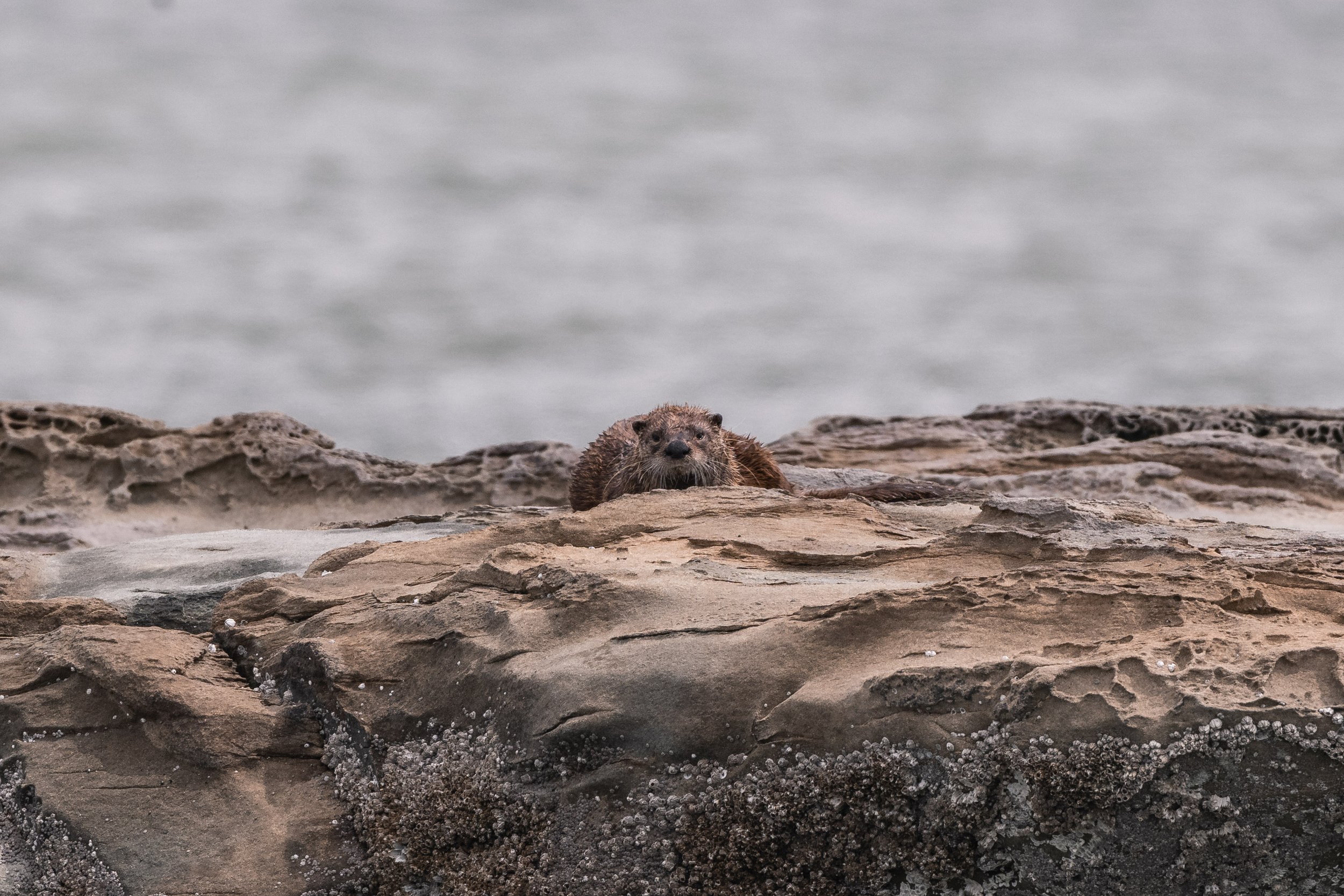
Did you know that Sea Otters were hunted to extinction in Canada? Well, they have since been reintroduced, but they haven’t really made their way back to our area yet. Photo by Aly Kohlman
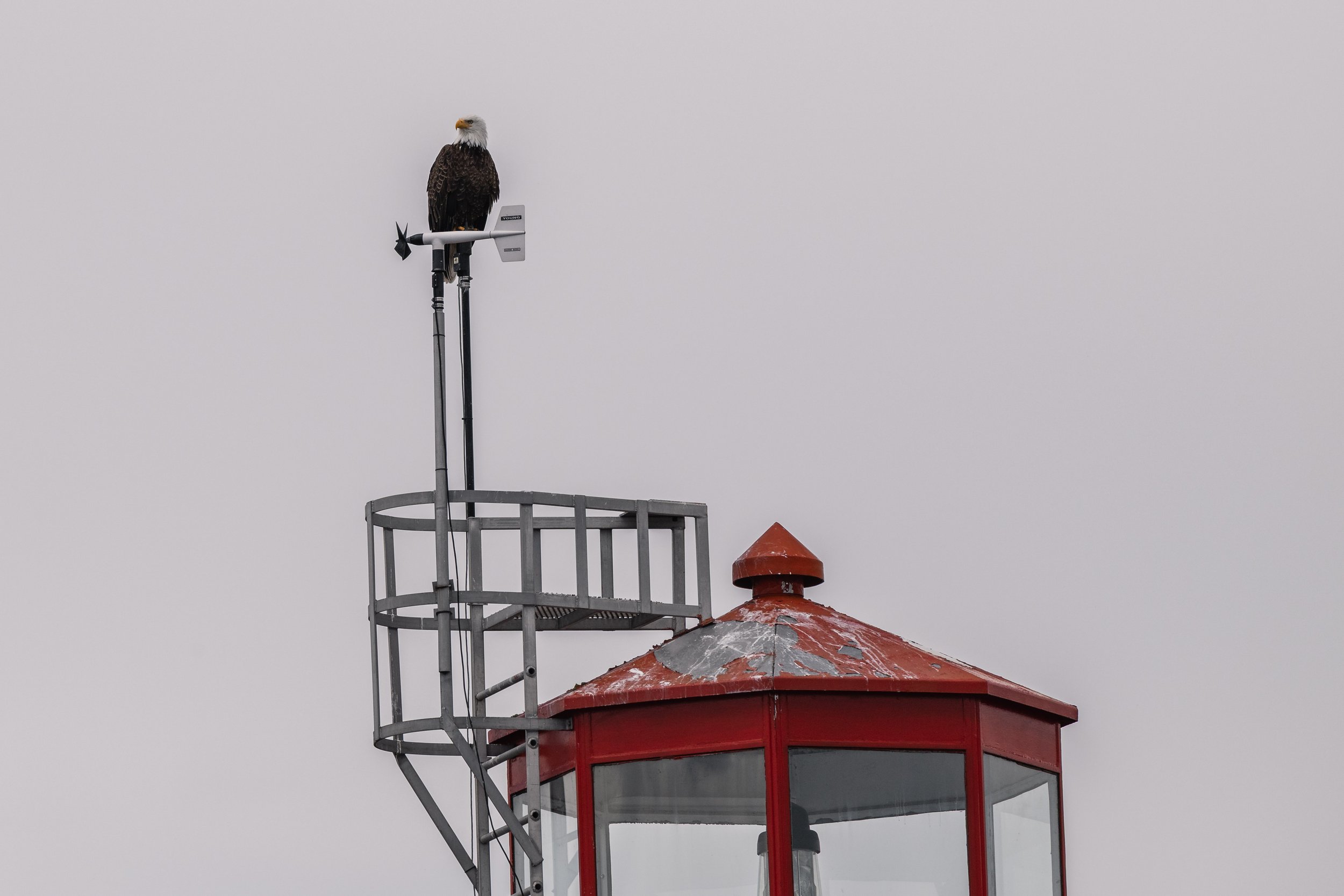
A bald eagle perched on top of the Entrance Island lighthouse. Photo by Aly Kohlman
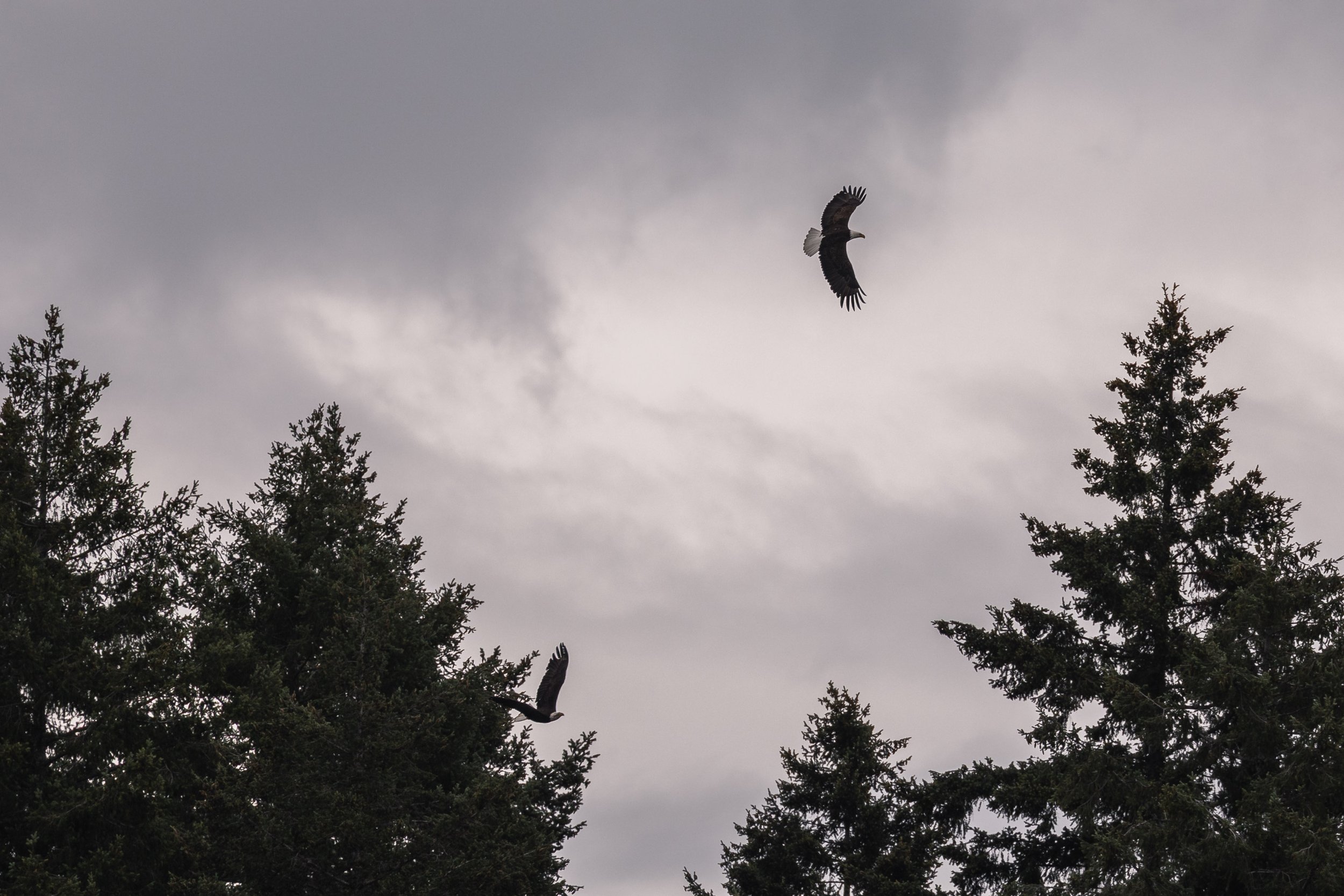
Can you find both bald eagles in this shot? Photo by Hayleigh Hilbert.
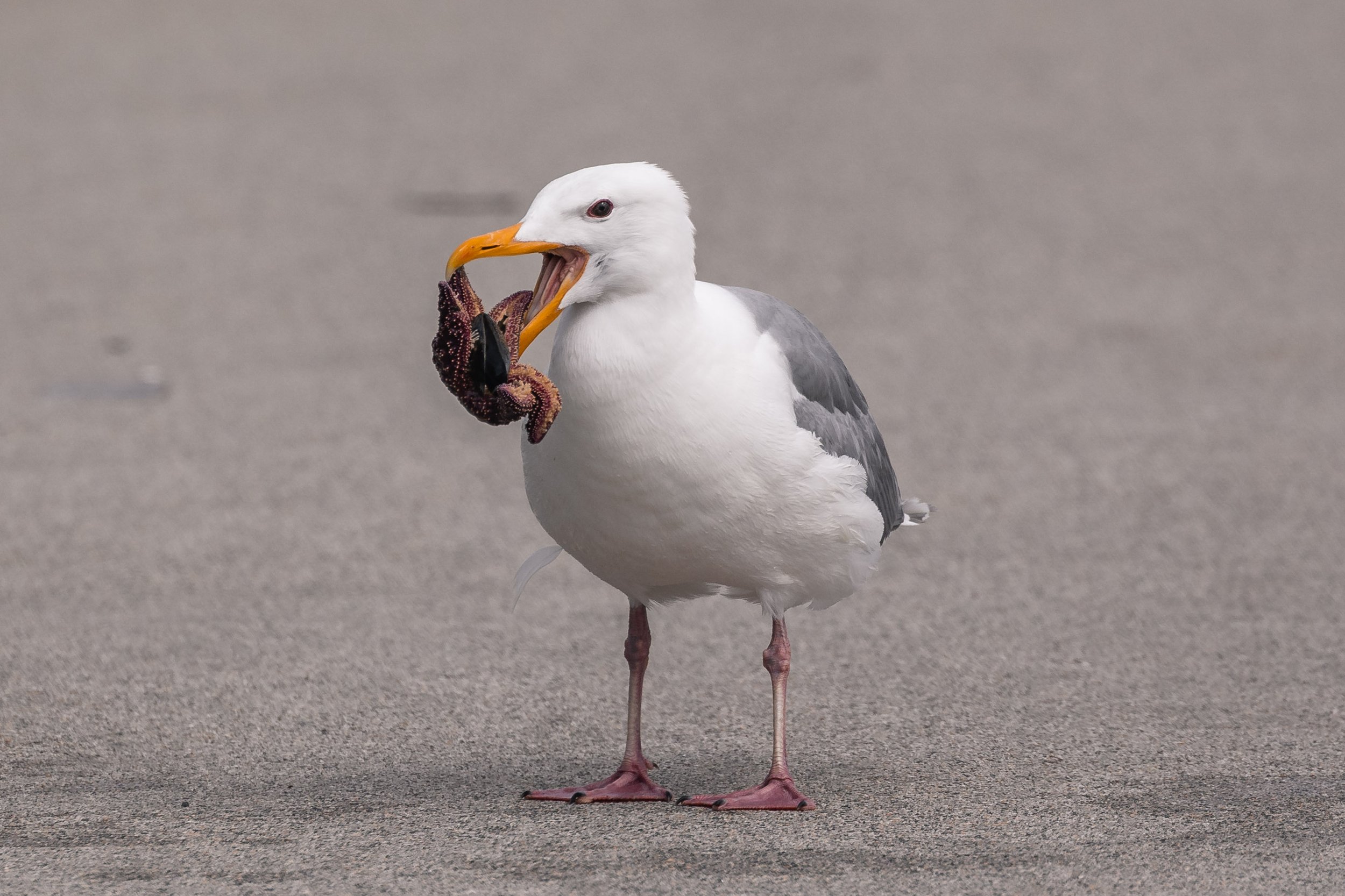
Sea stars aren’t always the easiest thing to eat. Photo by Hayleigh Hilbert.
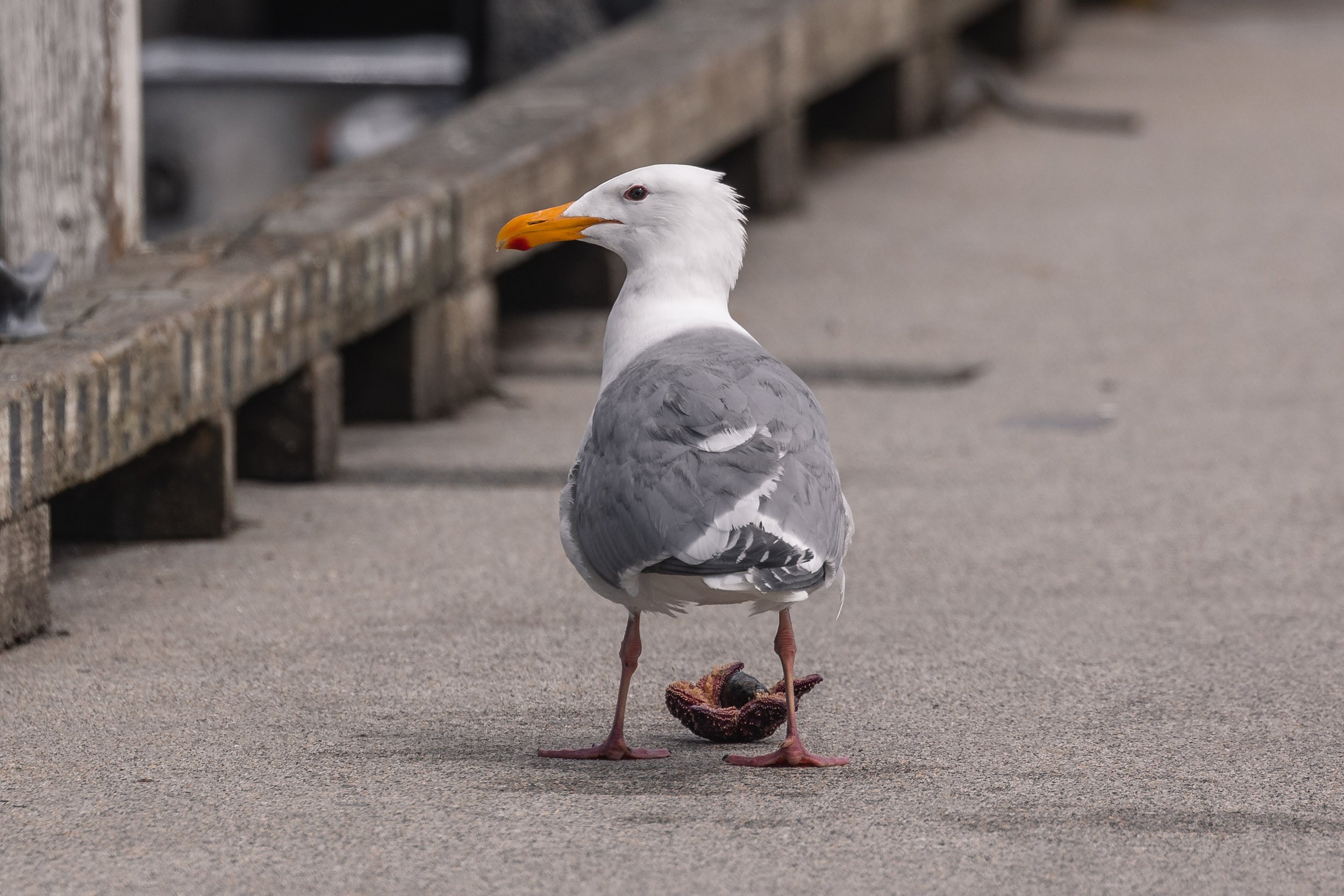
A gull that succesfully snagged himself some lunch. Photo by Hayleigh Hilbert.
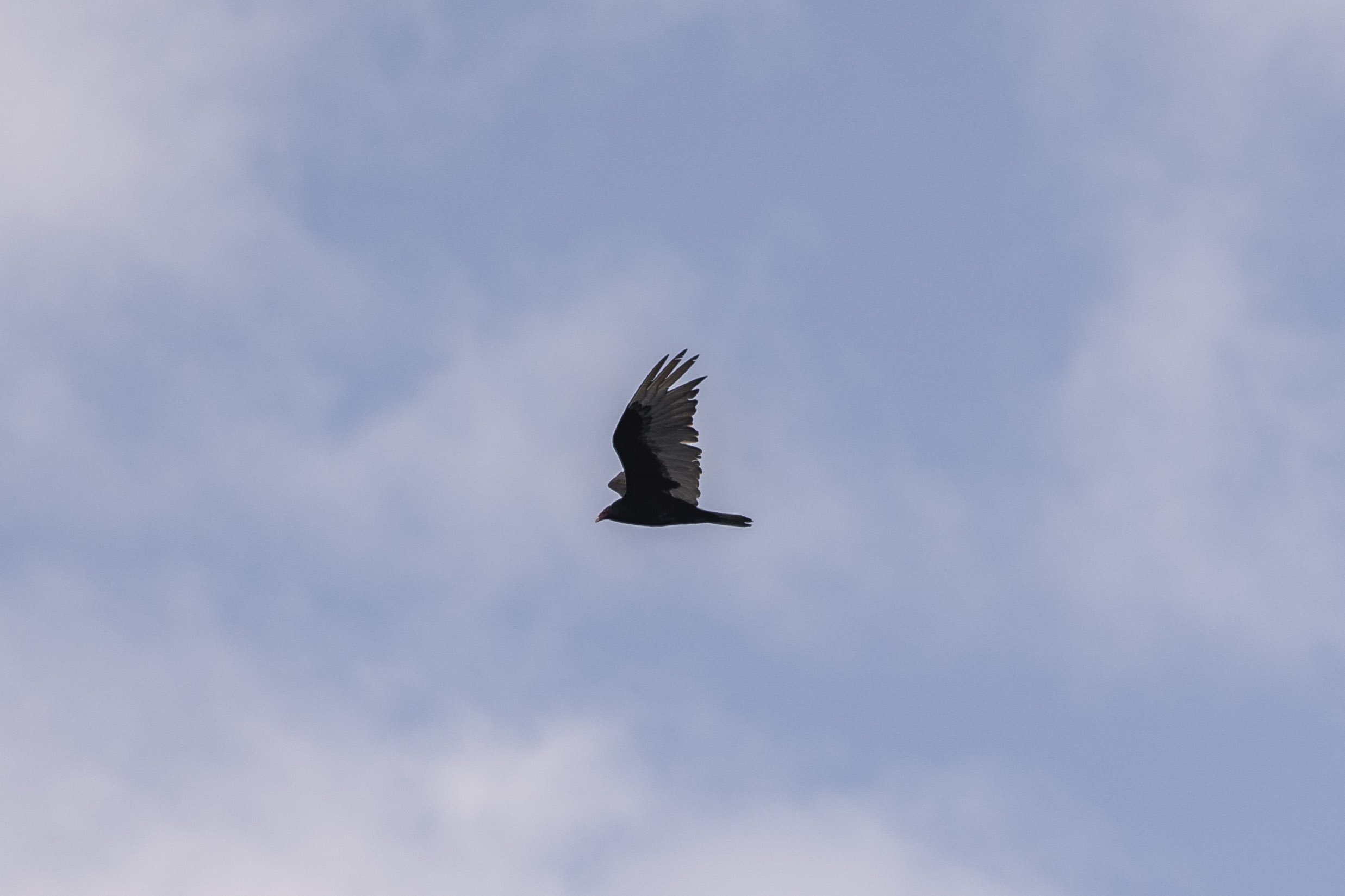
The majestic turkey vulture, soaring above the world in all it’s glory. Photo by Hayleigh Hilbert.
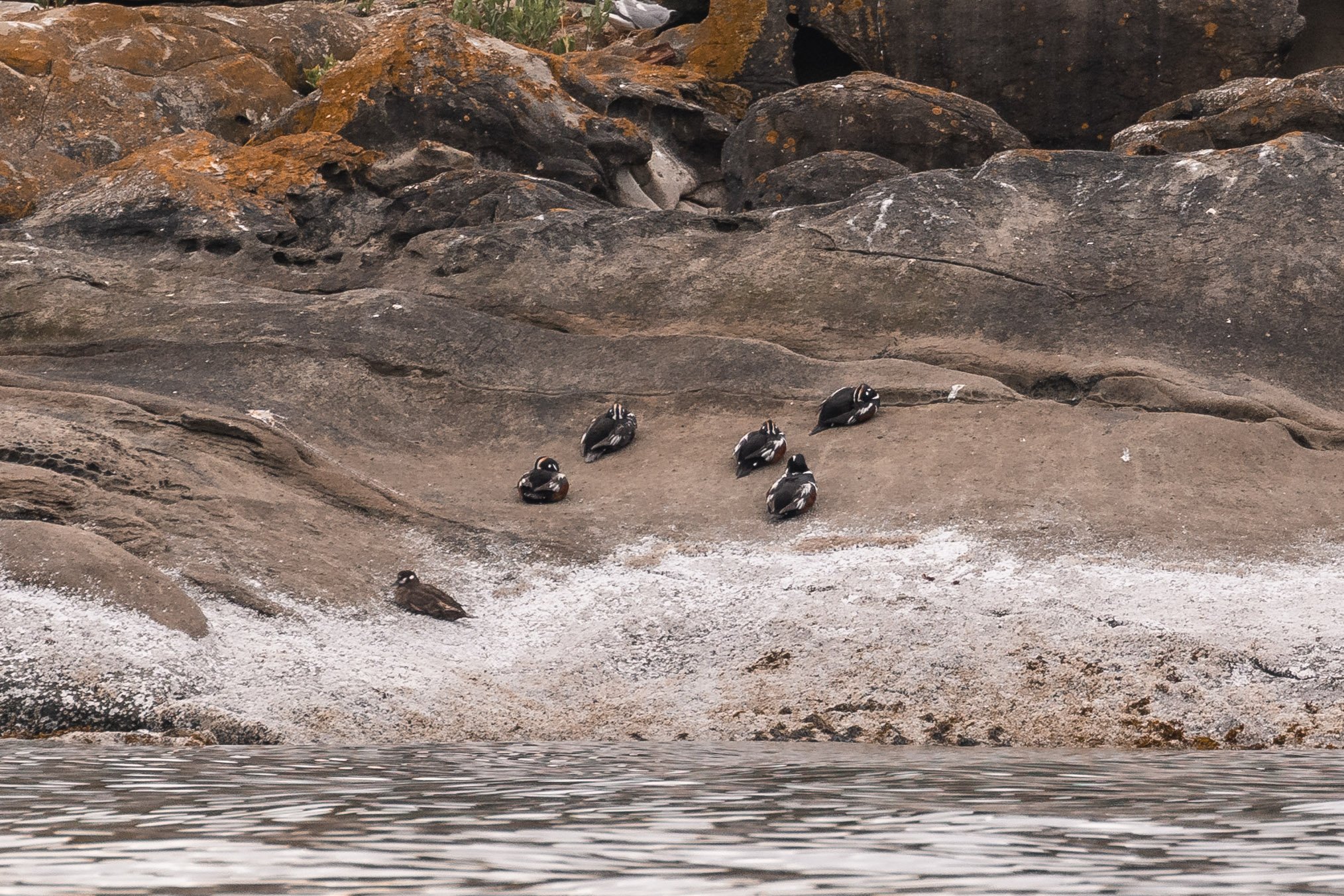
Harlequin ducks resting on the rocks. Photo by Hayleigh Hilbert.
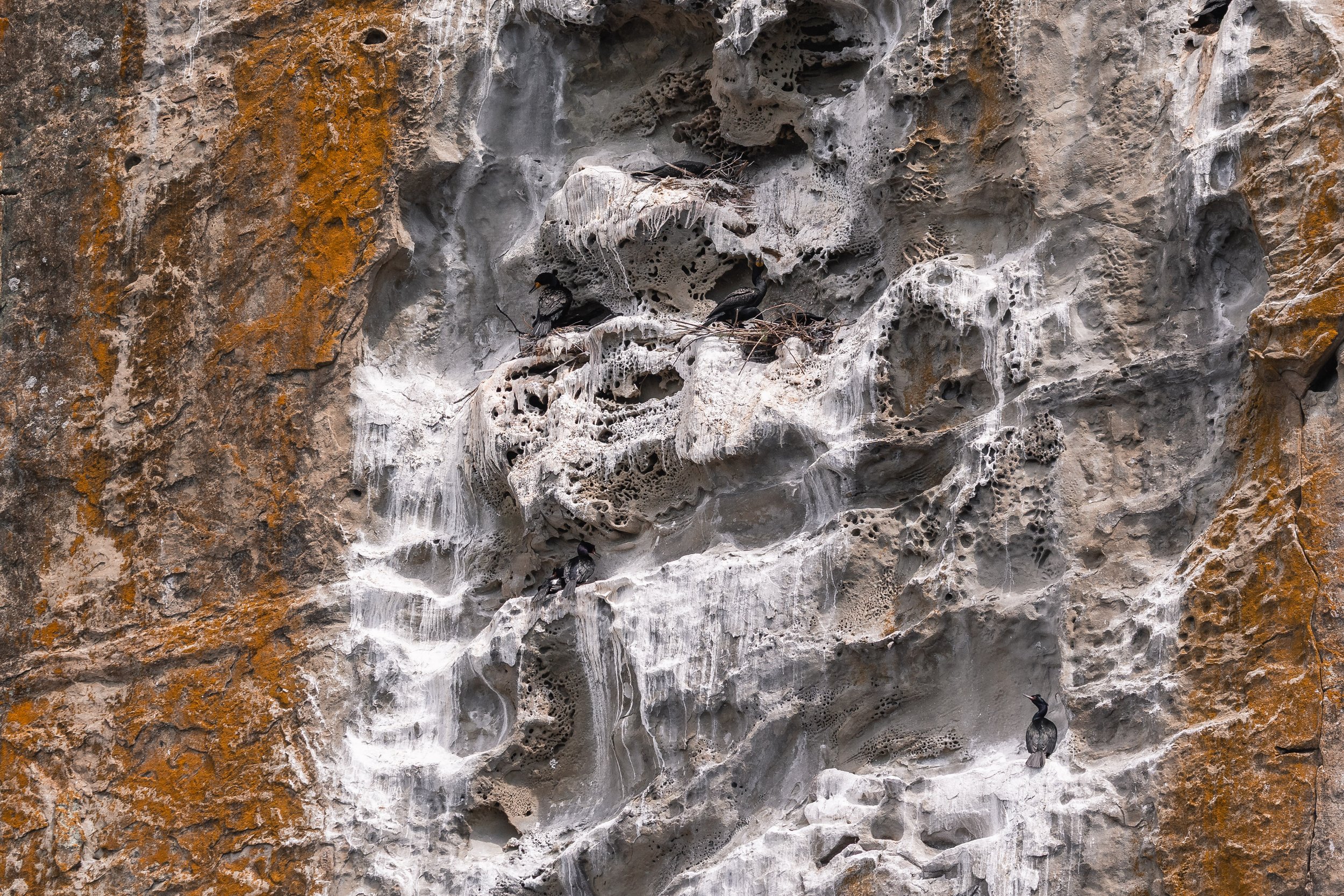
Cormorants in their nests. Photo by Hayleigh Hilbert.
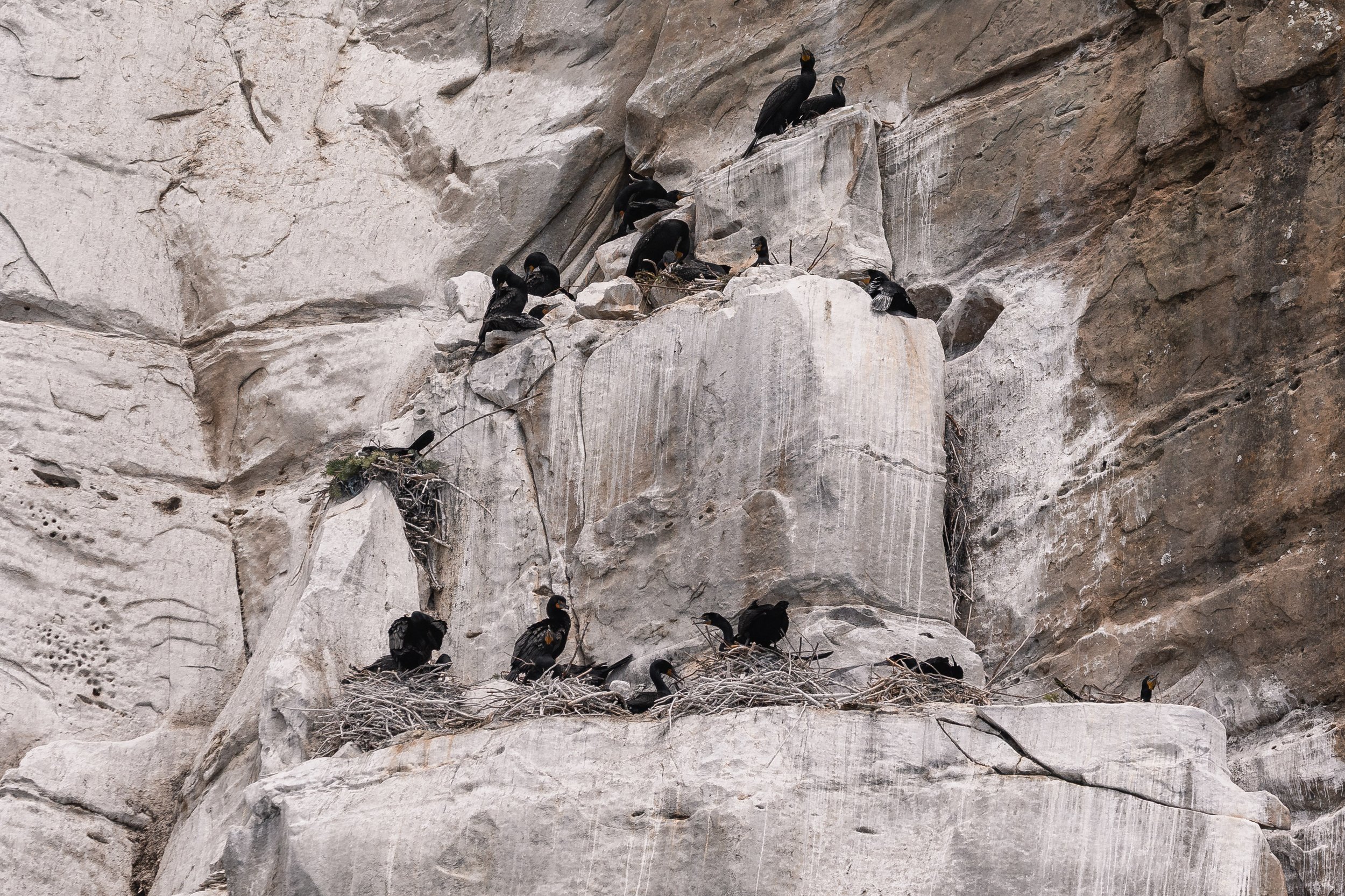
Cormorants at the Gabriola Bluffs. Photo by Hayleigh Hilbert.
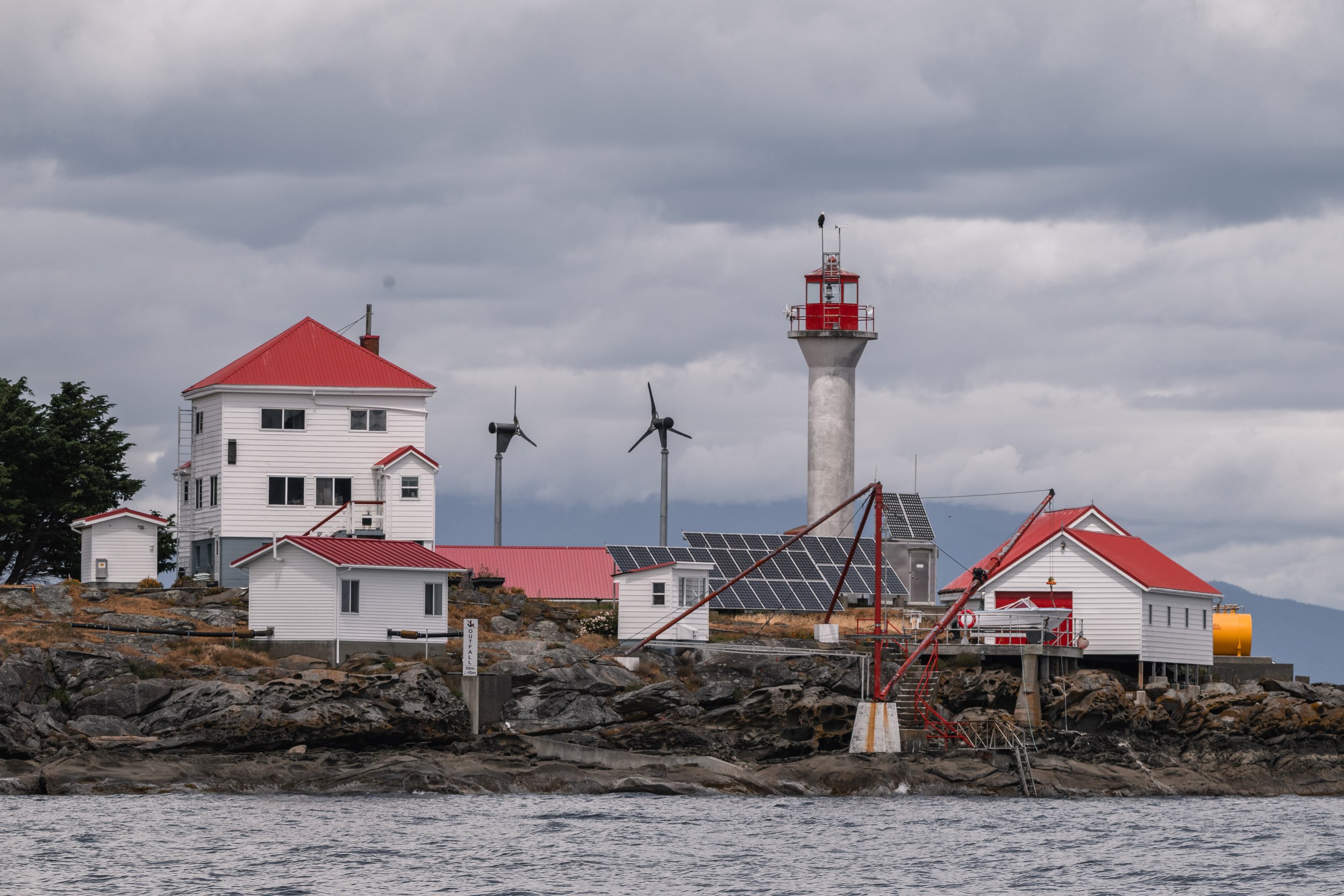
Entrance Island. Photo by Aly Kohlman