
June 10, 2026, 10:30 AM - Humpback Soup!
Both our semi-covered and open boats started the morning by heading south via Northumberland Channel, passing through Dodd Narrows and searching within the Southern Gulf Islands. The islands offer protection from the wind, and today the water was beautifully calm, making conditions perfect for spotting any of the telltale signs of wildlife in the area. The boats branched off from each other, one taking Stuart Channel while the other made their way south in Trincomali Channel, in order to increase their chance of success. Before long, the semi-covered boat spotted a plume of mist erupting above the surface in the distance; the unmistakable sign of a Humpback Whale! As the boat slowly approached, another plume spouted close to the first - there were two humpbacks travelling side by side! Our open boat joined to enjoy the find, and both boats spent some time travelling parallel to the pair as they cruised peacefully south in Stuart Channel.
All humpbacks that visit our area are catalogued, with each individual receiving an ID number and a nickname. We have several ways to identify individual whales. Usually, the easiest way is to get a good look at the underside of their tail flukes as they lift them out of the water. The tails have unique markings, which can include colouring the whales were born with, or scars they may have picked up later in life. Additionally, the trailing edge of the flukes is unique to each individual. The tail of a Humpback Whale can reach almost 20 feet wide, so it provides a lot of information when we’re looking for distinguishing features. Today, however, this humpback pair were ID’ed the less conventional way - by their dorsal fins. Although much smaller than the tails, they also have distinctive shapes and occasionally additional clues that allow us to recognize each whale.
The first whale to be identified in this pair was Helen (BCX2494). Helen’s dorsal fin is so distinctive that it inspired their name; its shape is just like that of Mount St. Helens! Helen’s companion today was Achilles (BCX2500), who has picked up a trio of barnacles in a row along the left side of their dorsal fin. Although the humpbacks come to British Columbia to feed, Helen and Achilles appeared to be travelling today. We don’t often see Humpback Whales within the Gulf Islands, so it’s possible they had taken a wrong turn and were lost, or maybe the two youngsters were just exploring a new area. Either way, our guests got to enjoy the scenery in this beautiful part of BC while watching the whales.
After leaving the pair to continue their journey, the boats made their way out of Porlier Pass, braving choppier waters as they headed north along the shore of Valdes Island. Here, they paused at Stinky Rock, entertained by the Stellar Sea Lions causing a ruckus. A chorus of grumbles ensued as a juvenile sea lion clambered over the backs of numerous others that had been trying to enjoy an afternoon nap. Further along the rocks, the Harbour Seals were hauled out and seemed much more harmonious in each other’s company.
The search for whales then continued, with the boats heading out across the deeper waters of the Strait of Georgia. Before long, another pair of humpbacks presented themselves in front of our boat. These were identified as Prowler (BCX1660) and Forge (BCX2499), this time from the trailing edge of their flukes. Each of them has notches in the trailing edge of their right flukes - Prowler’s is more rounded and towards the centre of their tail, whereas Forge’s is V-shaped, towards the outer edge of their tail.
Three more whales were spotted nearby, so our boats made their way over to see who else was there. Our final trio of the trip were Scuba (BCY1225), Hendrix (BCY1278) and Dalmatian (BCY0994).
As well as the typical ID methods, Scuba can be recognized from a deep notch in their peduncle, just before the base of their tail. Unfortunately, this was created during a period of time when Scuba was entangled in fishing gear. Around 50% of the humpbacks we see have entanglement scarring. Scuba seems to be a particularly unlucky whale as they have been entangled twice now! Thankfully, both times, they managed to free themselves, but not without lasting evidence of the encounters.
As his name may suggest, Dalmatian has a very spotty tail. These white, circular markings are actually scars left over from Acorn Barnacles that, at some point in time, were attached to his flukes before either falling off or being scraped away. This is a good example of how tail markings can change over time.
After many whale encounters, the boats started making their way back toward Nanaimo, passing Entrance Island and taking a final stop along the Gabriola Bluffs. The cliff face was teeming with activity, with Cormorants flying back and forth to their cliff-side nests - some heading home with nesting material, while others made their way out to search for a snack.
Our boats returned to the harbour after a tour full of wonderful wildlife sightings.
Please enjoy the photos below, taken by Marine Naturalists Hayleigh Hilbert and Jordan Robinson throughout the tour. Why not test your ID skills - how many whales do you recognize based on the features described above?
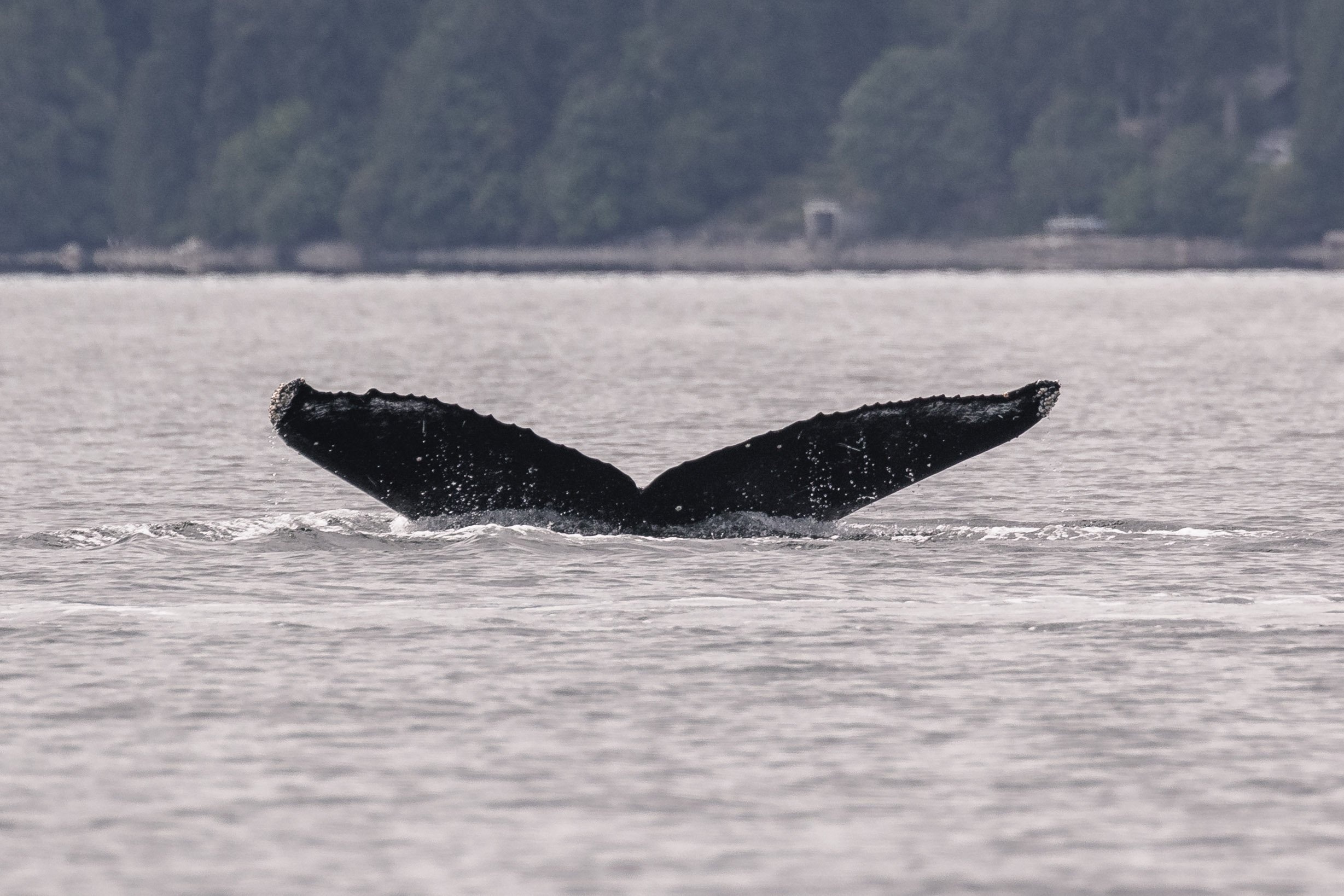
Helen going for a dive. Photo by Hayleigh Hilbert
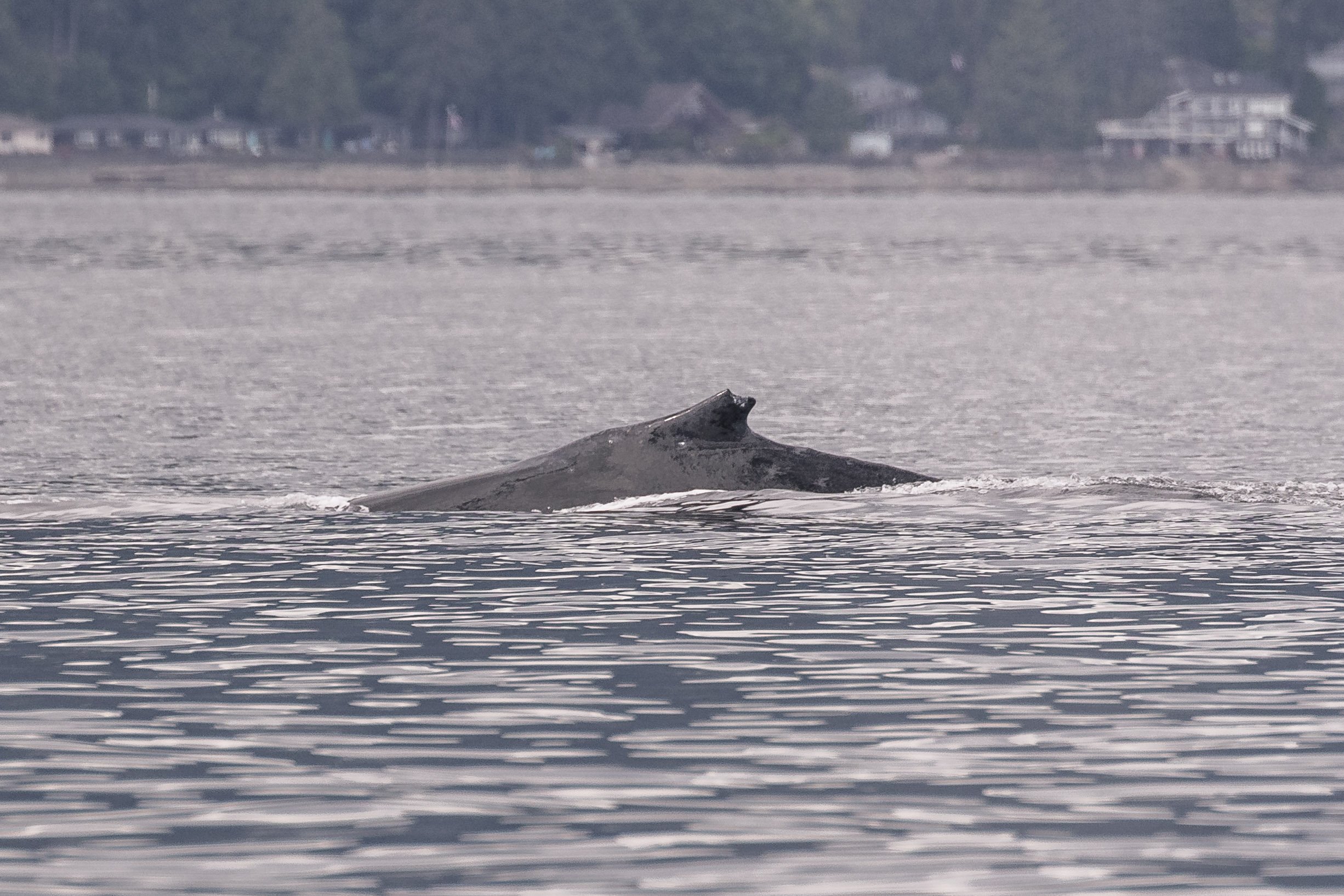
Helen has a very unique dorsal fin which makes them easy to identify. Photo by Hayleigh Hilbert.
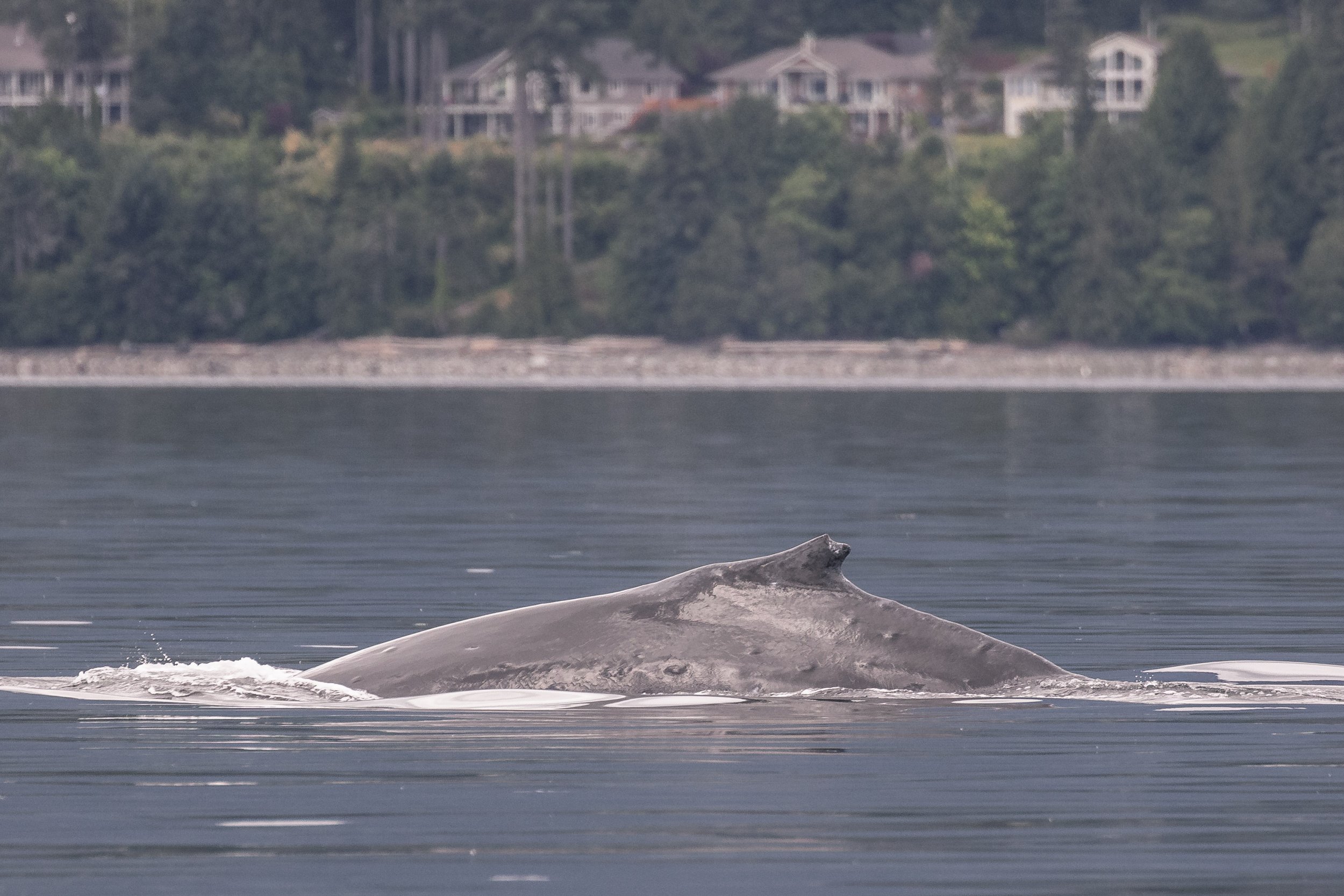
Helen is flat calm water. What a treat! Photo by Hayleigh Hilbert.
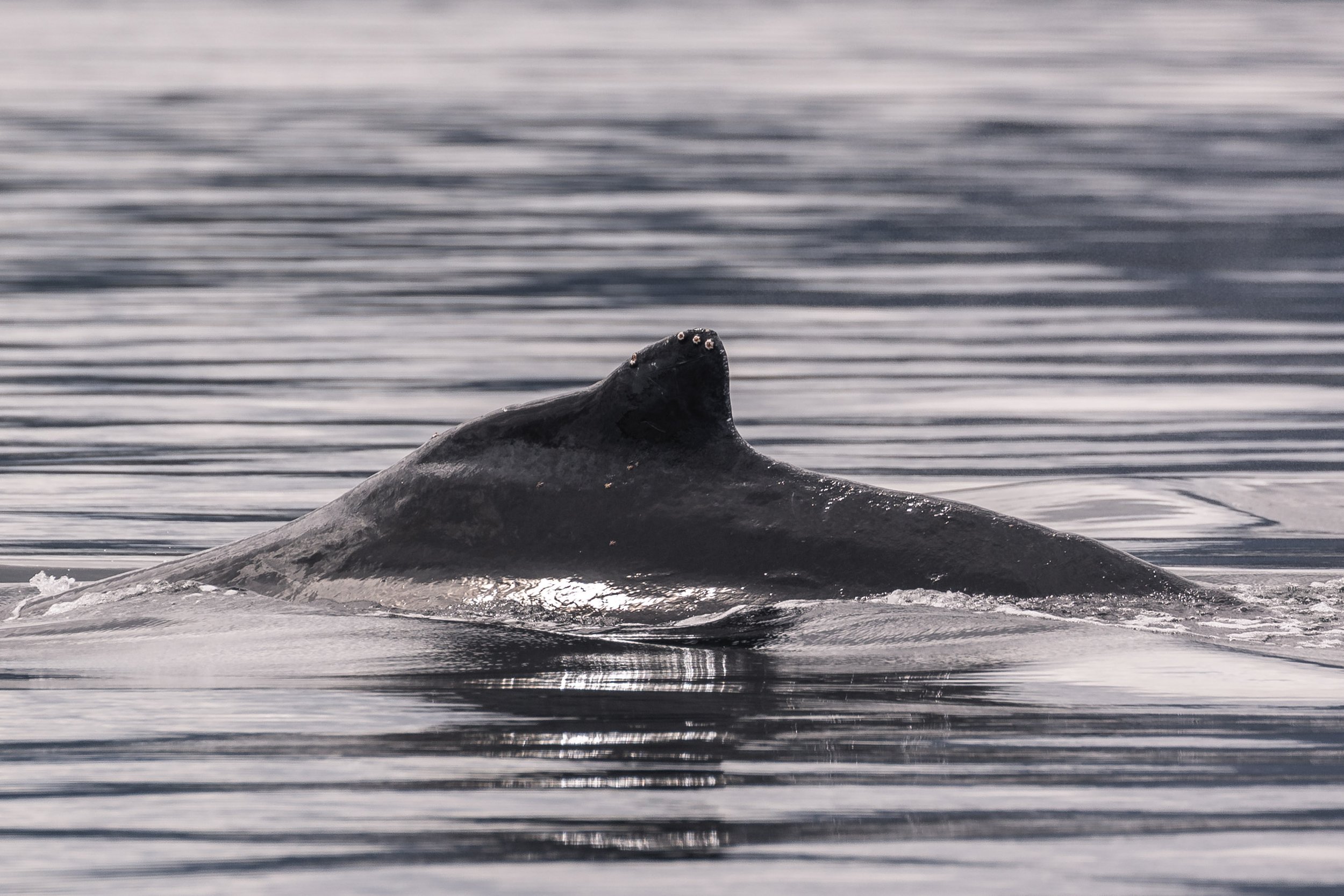
Do you see the three round things on Achilles’ dorsal fin? Those are barnacles! Photo by Hayleigh Hilbert.
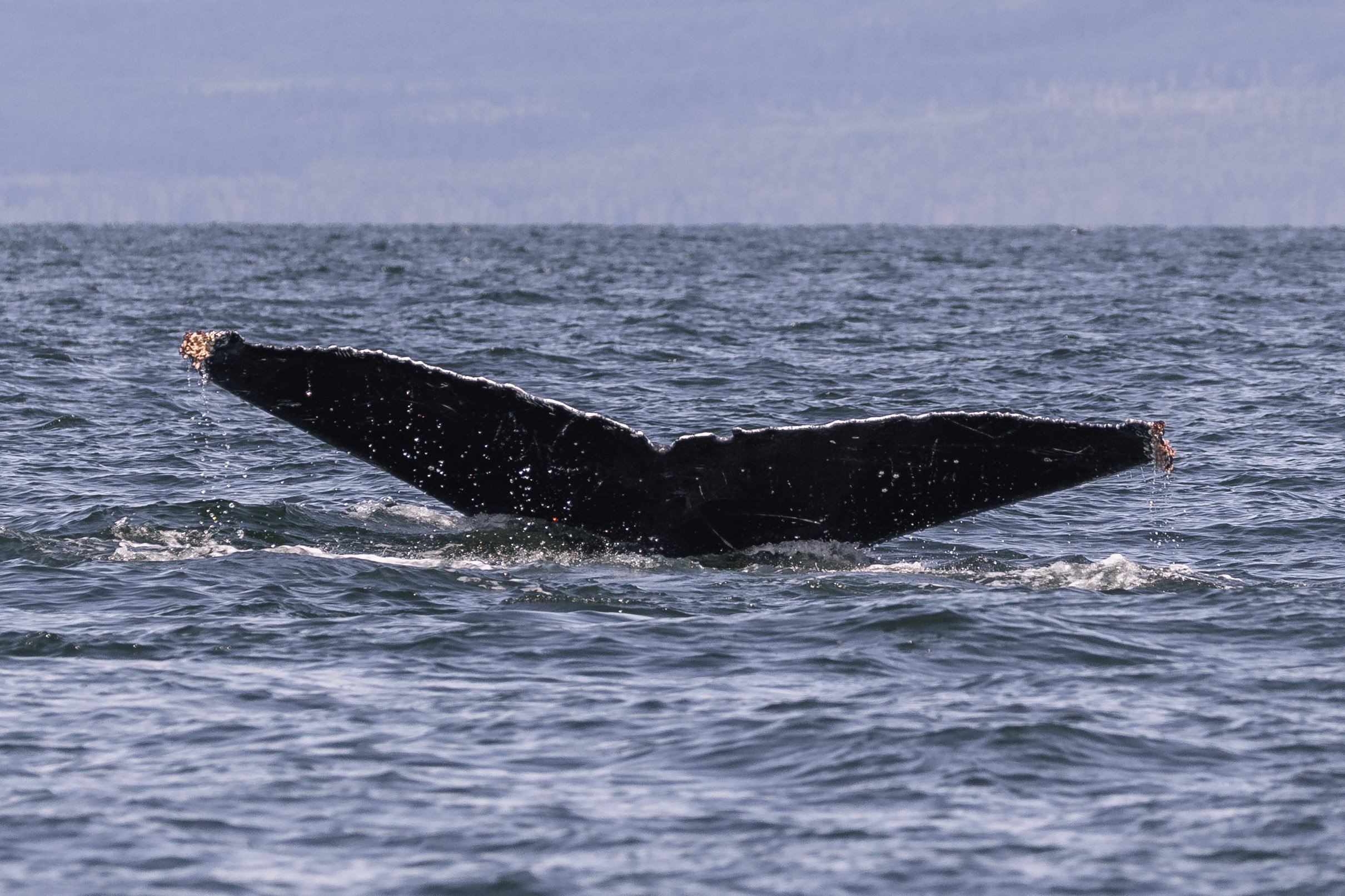
Prowler was first spotted 11 years ago! Photo by Hayleigh Hilbert.
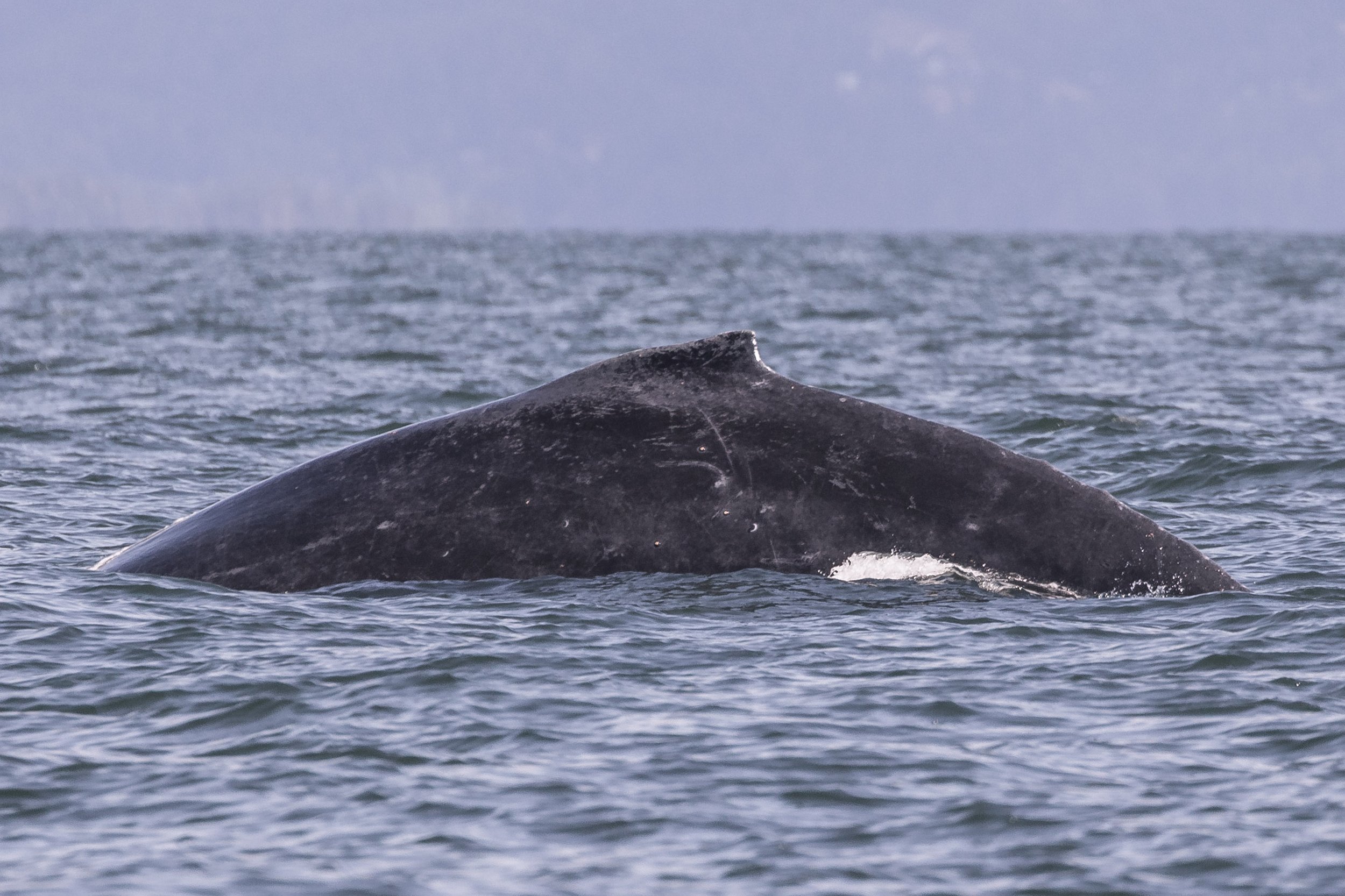
Prowler going for a dive. Photo by Hayleigh Hilbert.
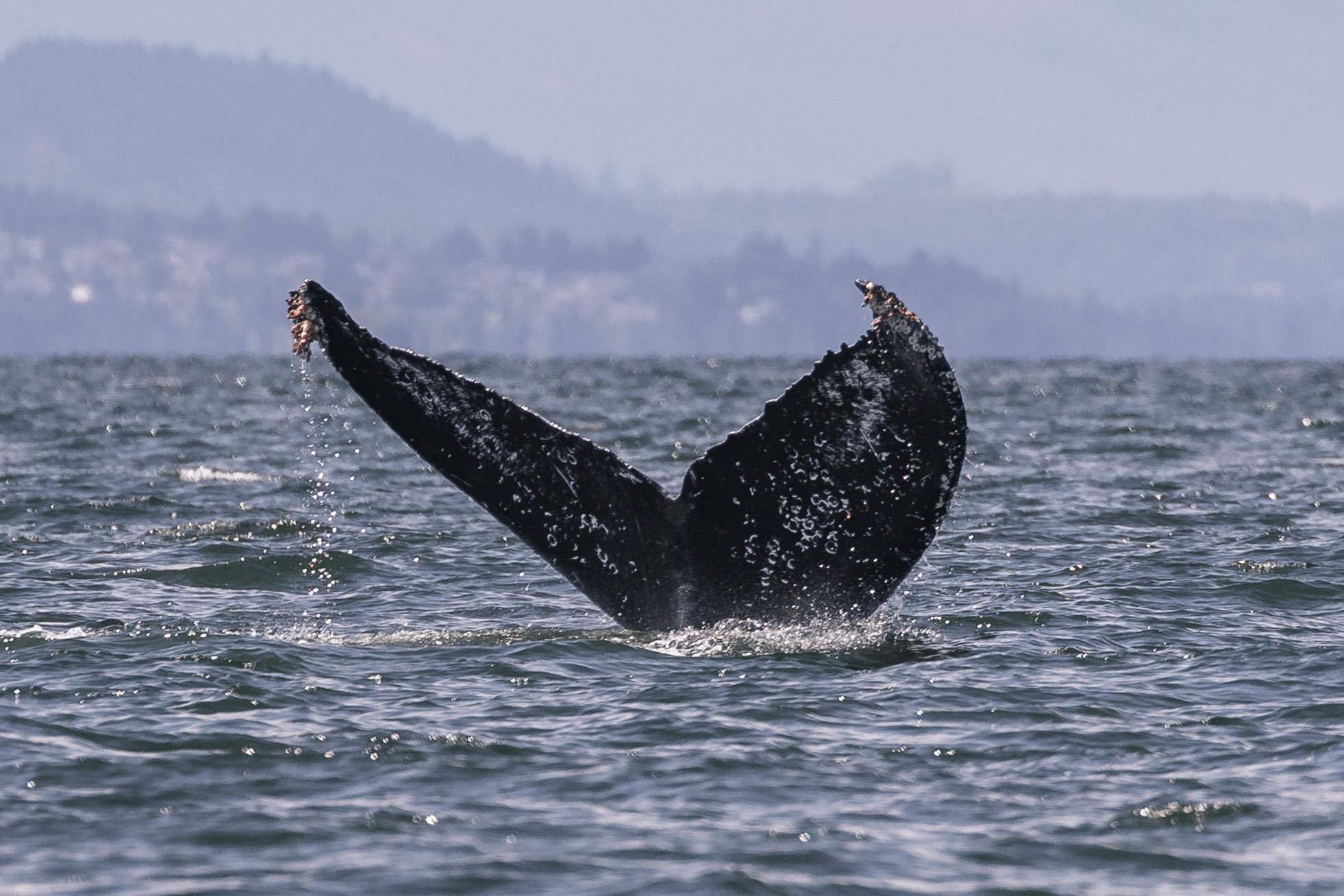
When you see the ventral side of Dalmatian’s fluke, it becomes obvious how they got the name! Photo by Hayleigh Hilbert.
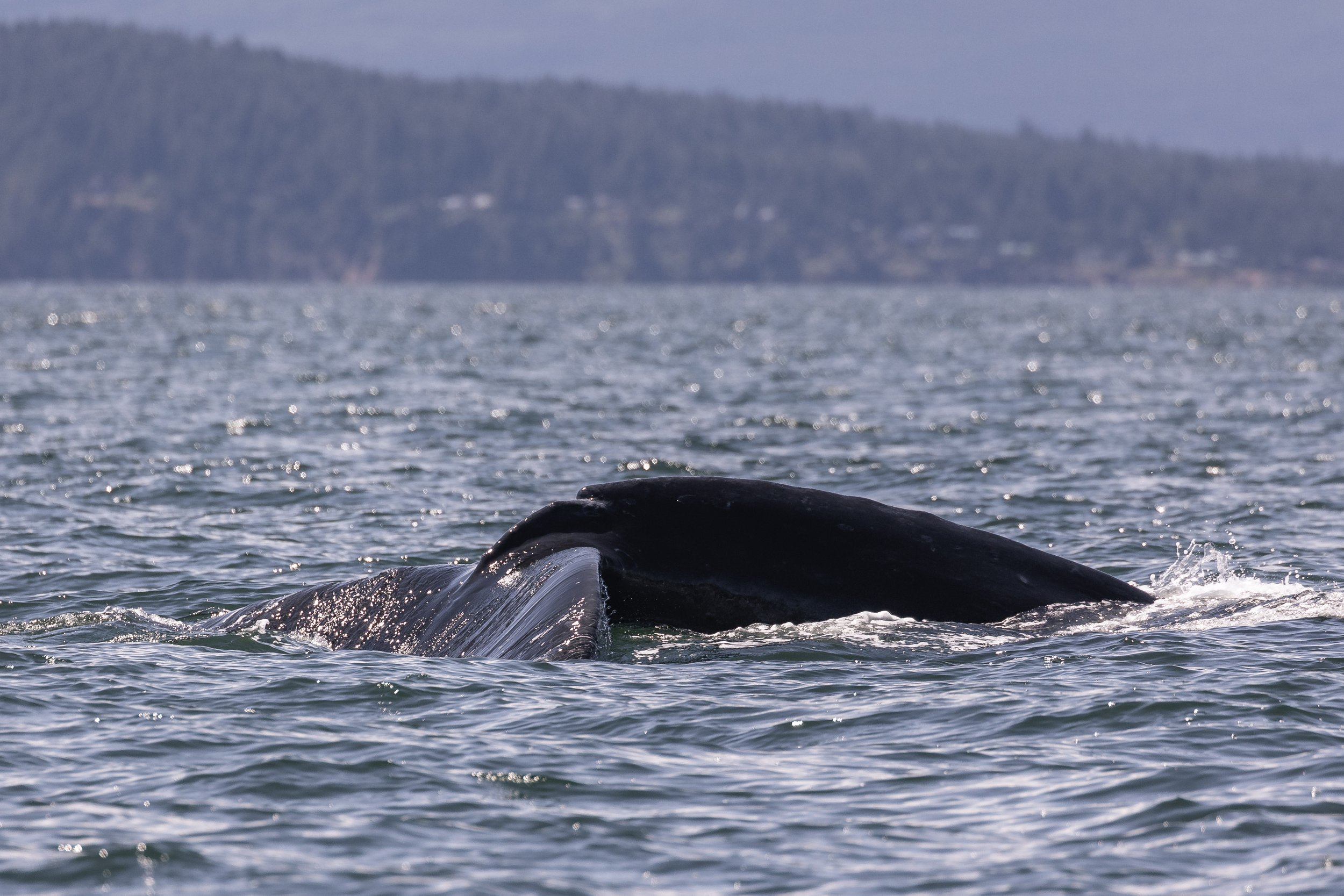
Scuba diving, with their peduncle notch visible. Photo y Hayleigh Hilbert.
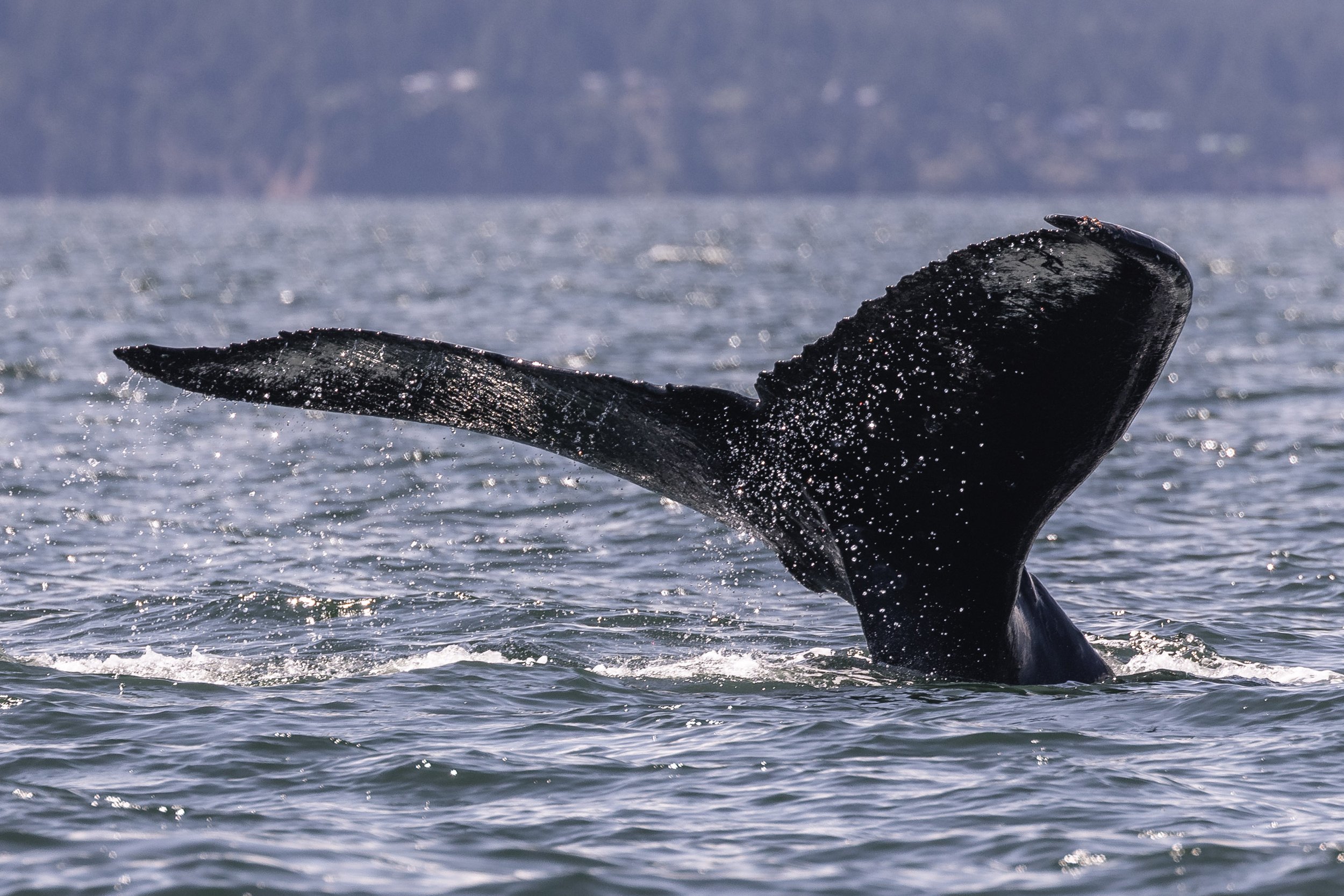
Scuba going for a dive. Photo by Hayleigh Hilbert.
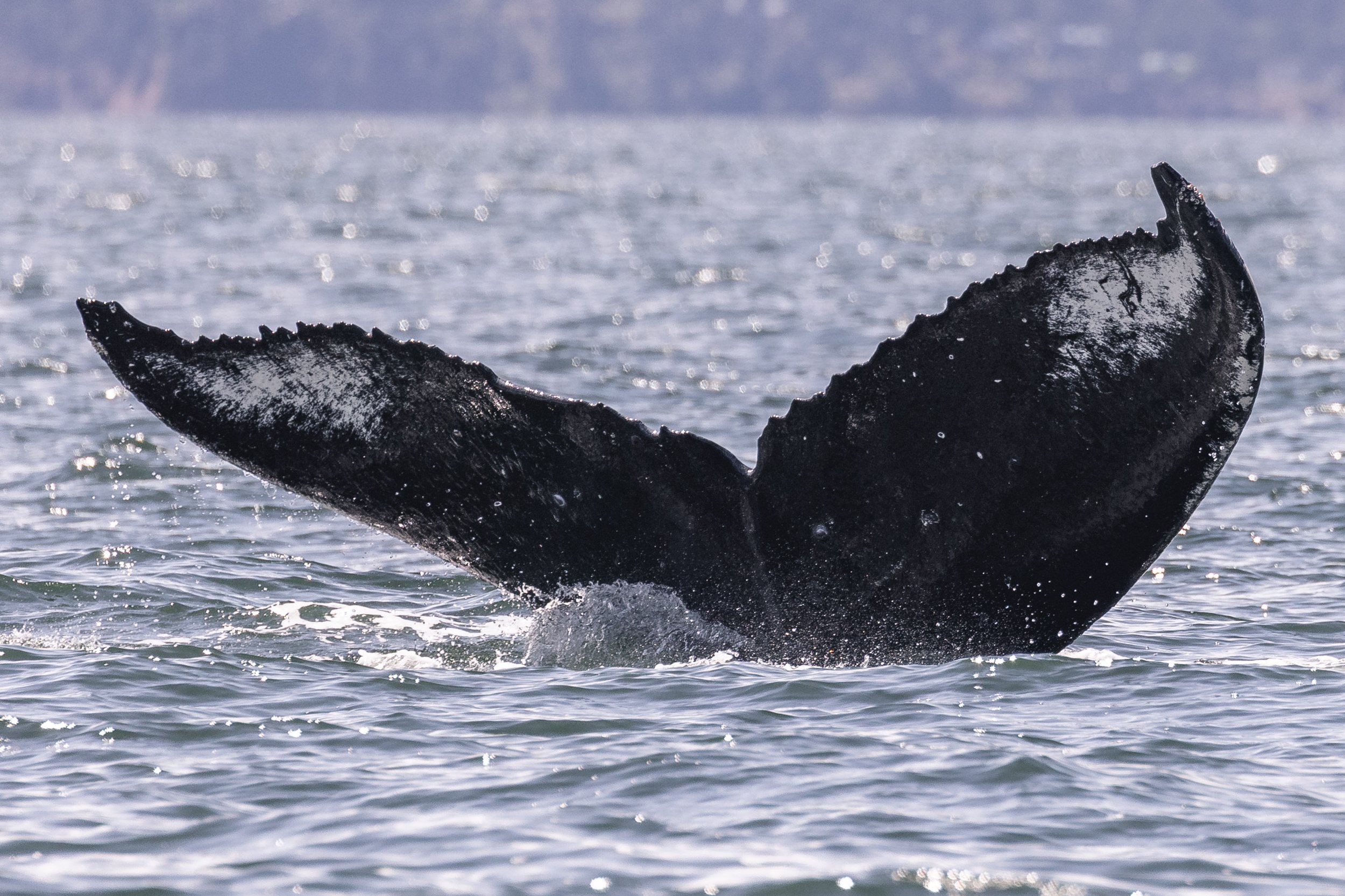
Every fluke is as unique as a finger print. This is Scuba! Photo by Hayleigh Hilbert.
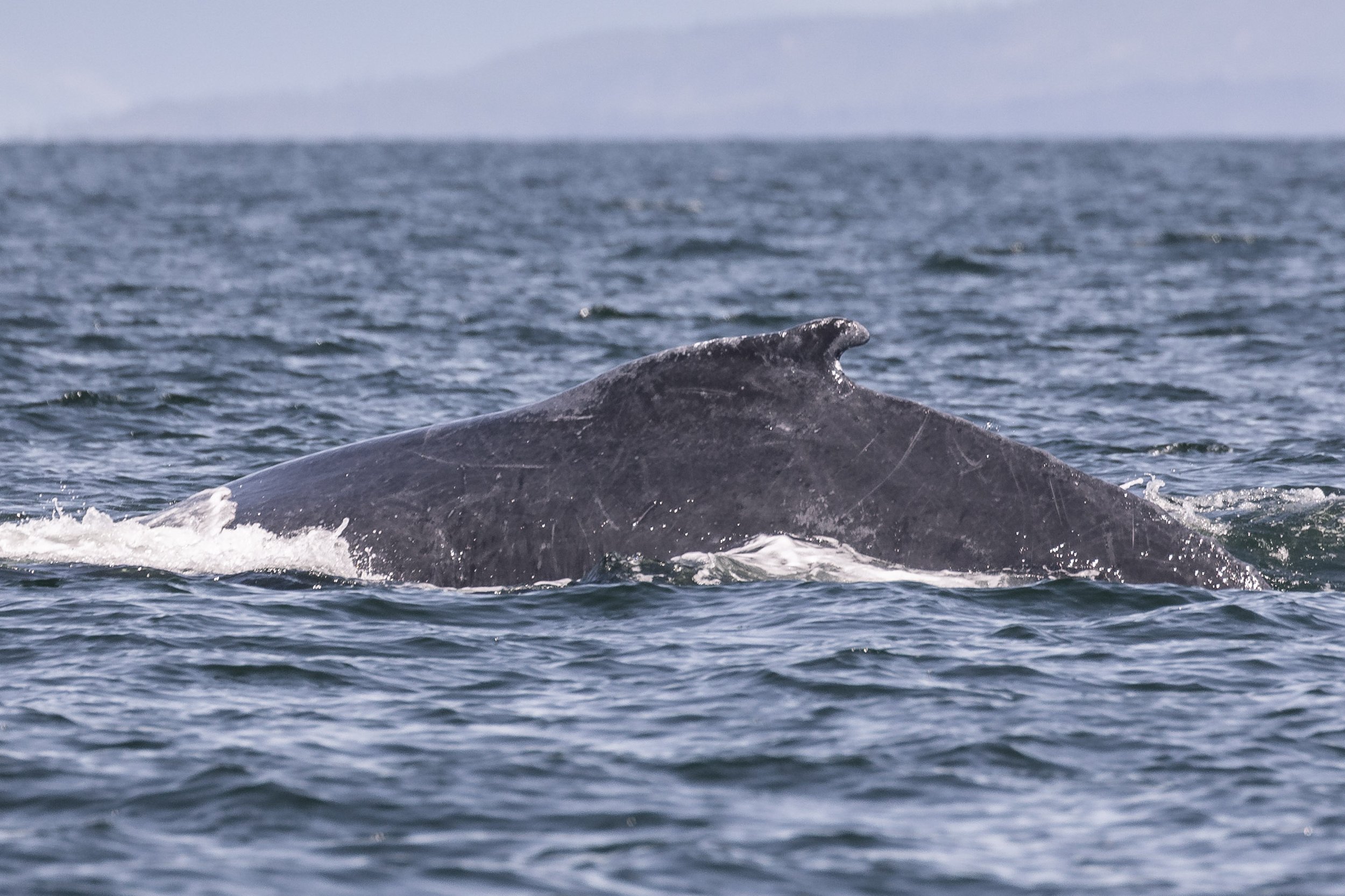
Dalmatian showing off his dorsal fin. Photo by Hayleigh Hilbert.
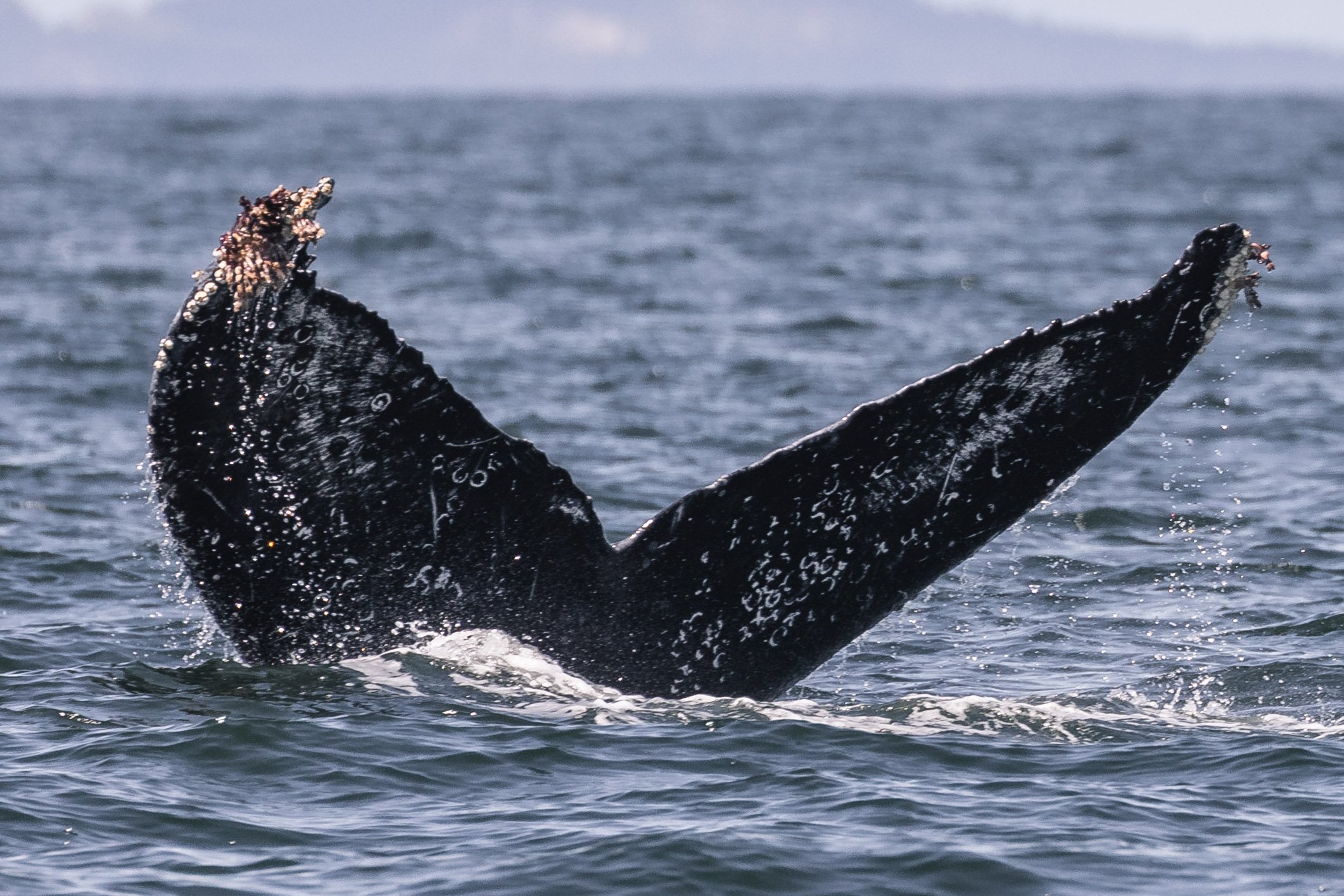
Flukes up! Photo by Hayleigh Hilbert.
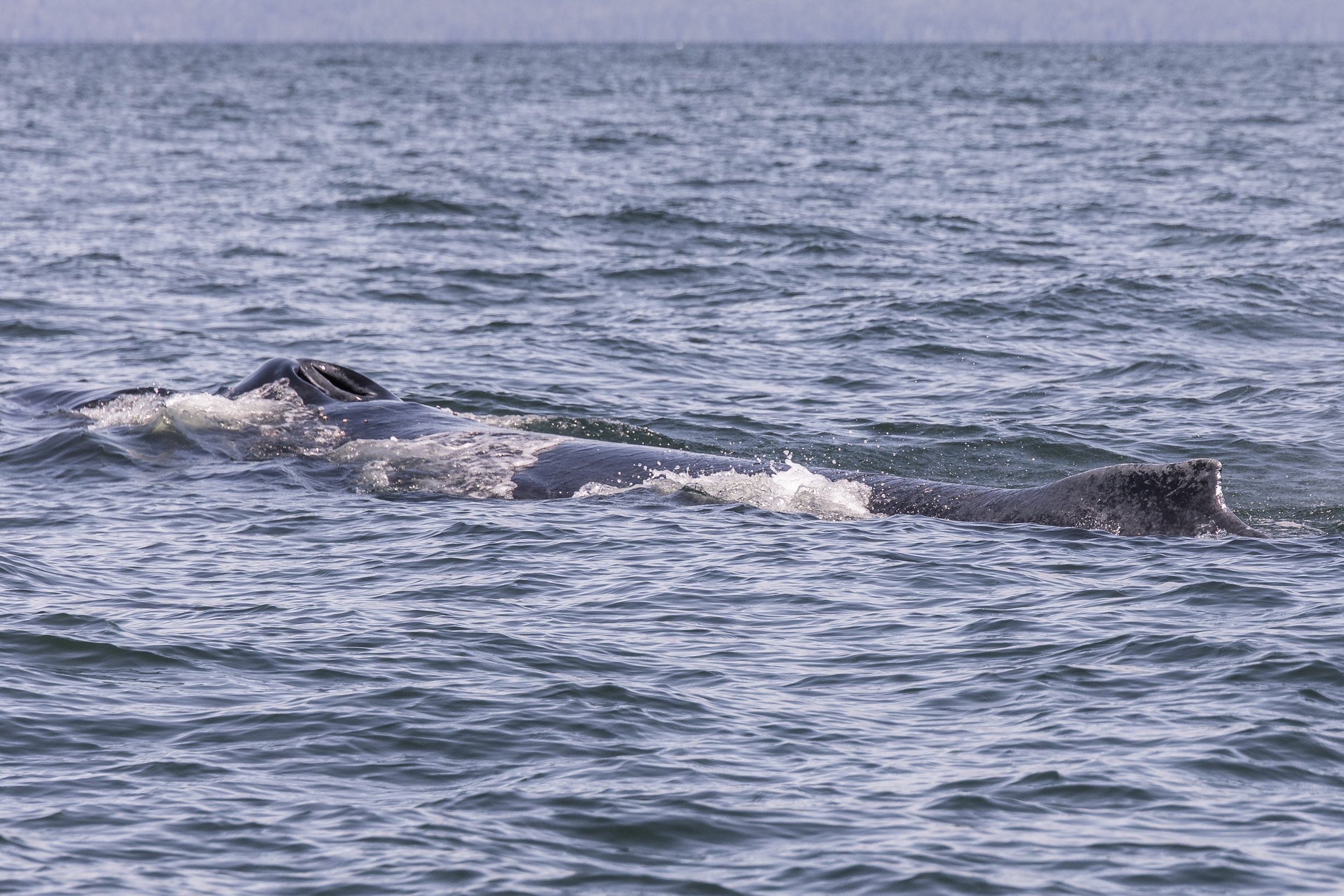
Did you know whales are voluntary breathers? This means they have to actively think about every breath they take in their life. Photos by Jordan Robinson
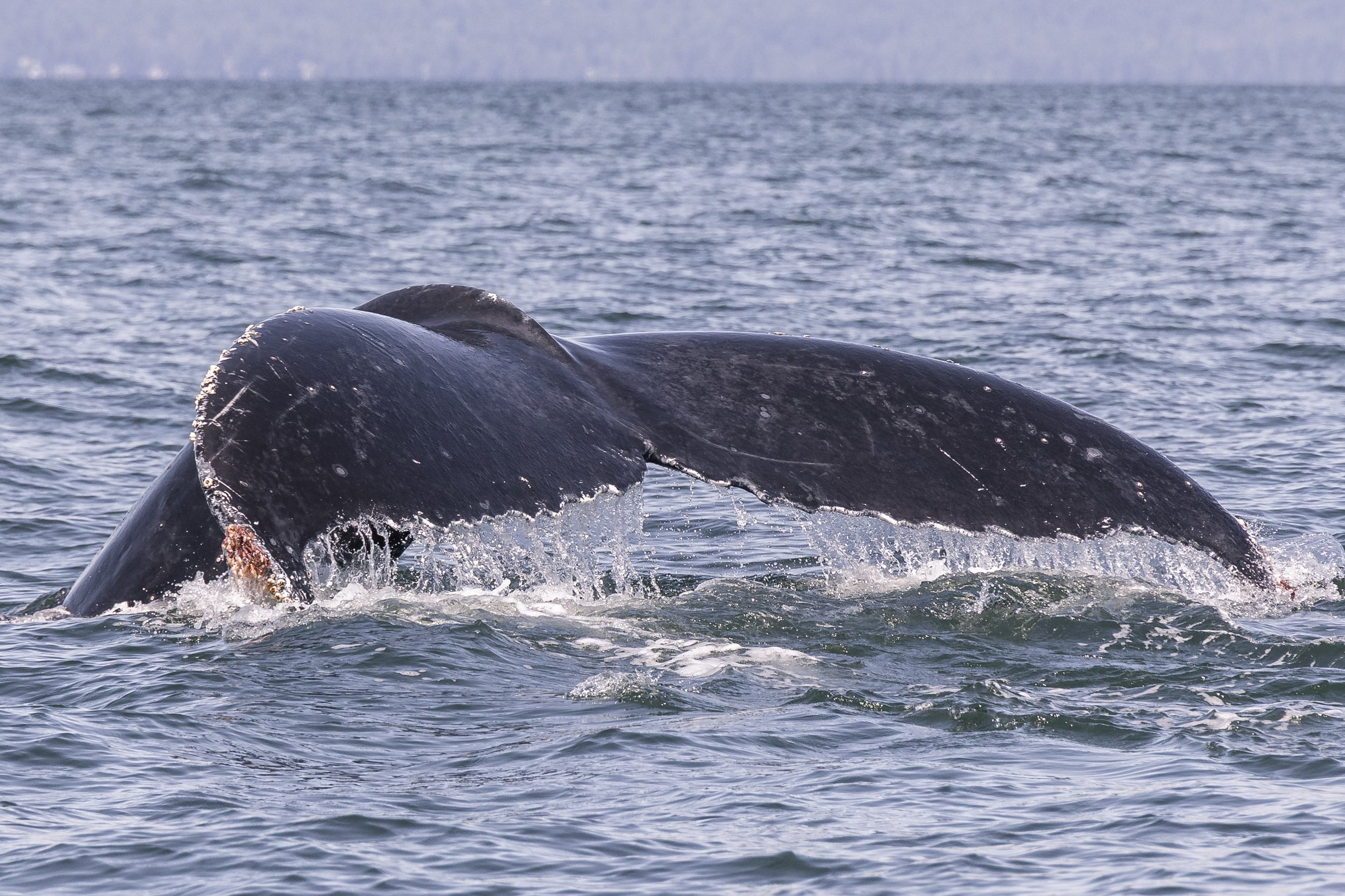
Prowler going for a nice deep dive. Photos by Jordan Robinson
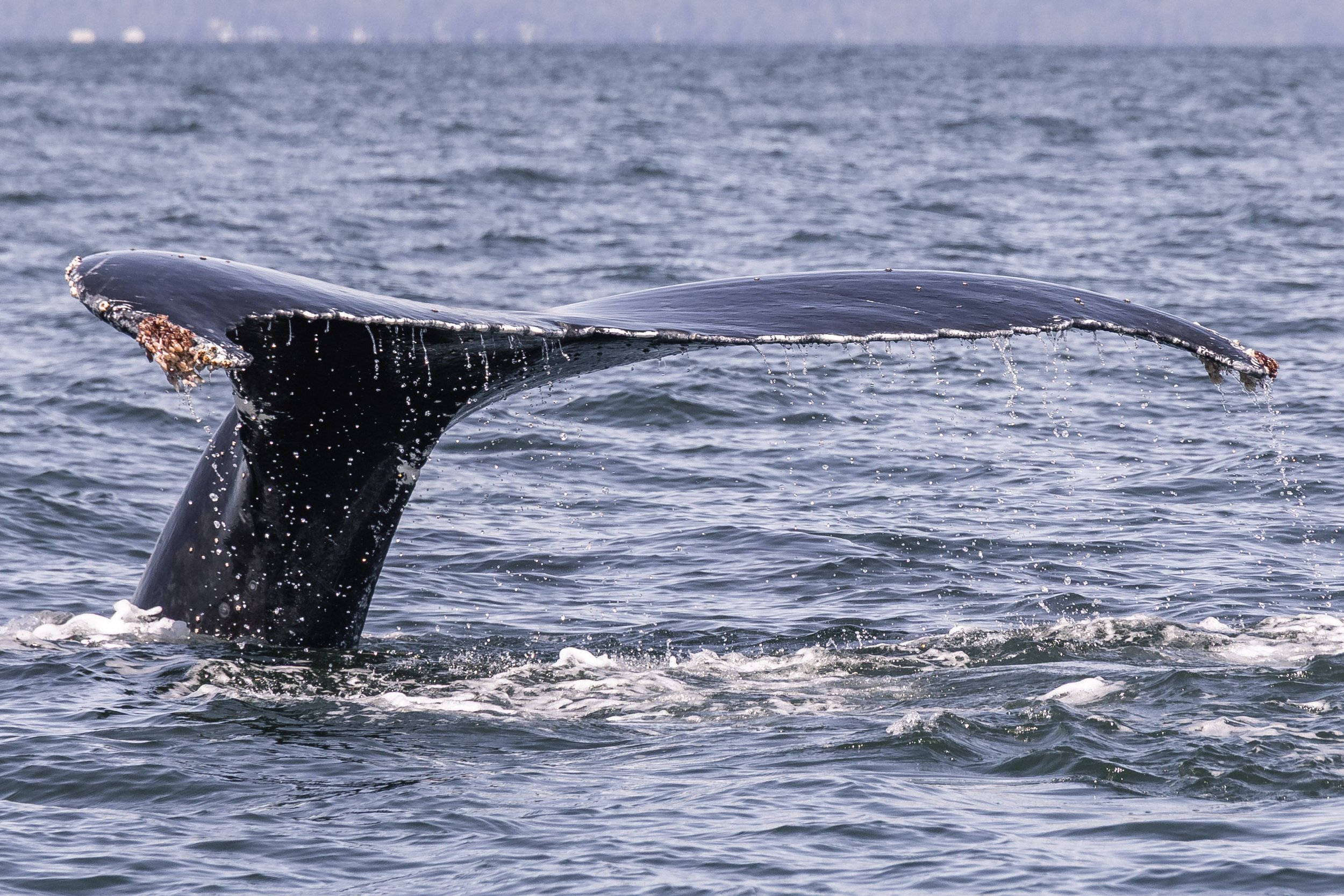
Classic humpback shot! Photos by Jordan Robinson
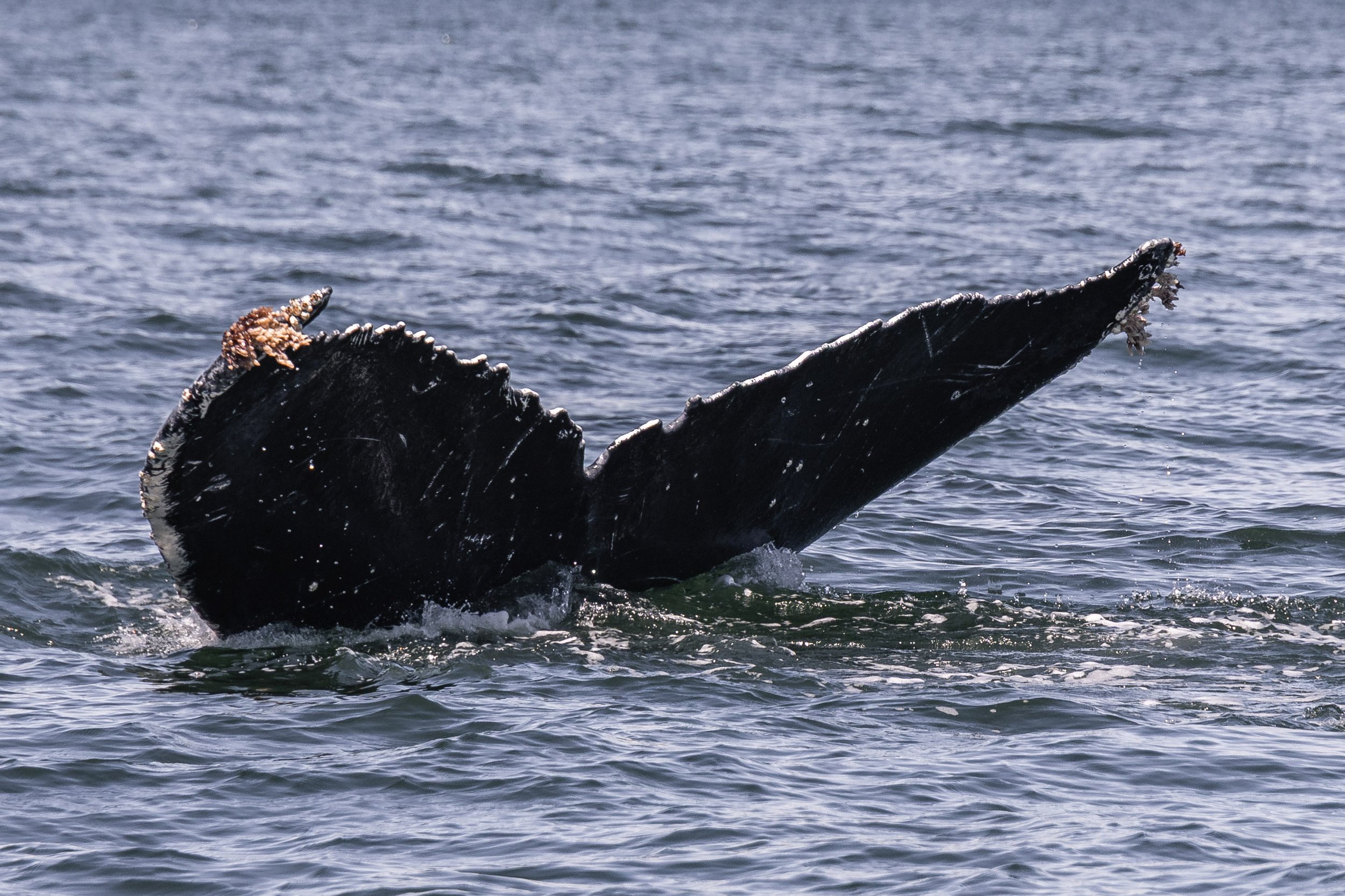
Prowler showing off their beautiful dark flukes. Photos by Jordan Robinson
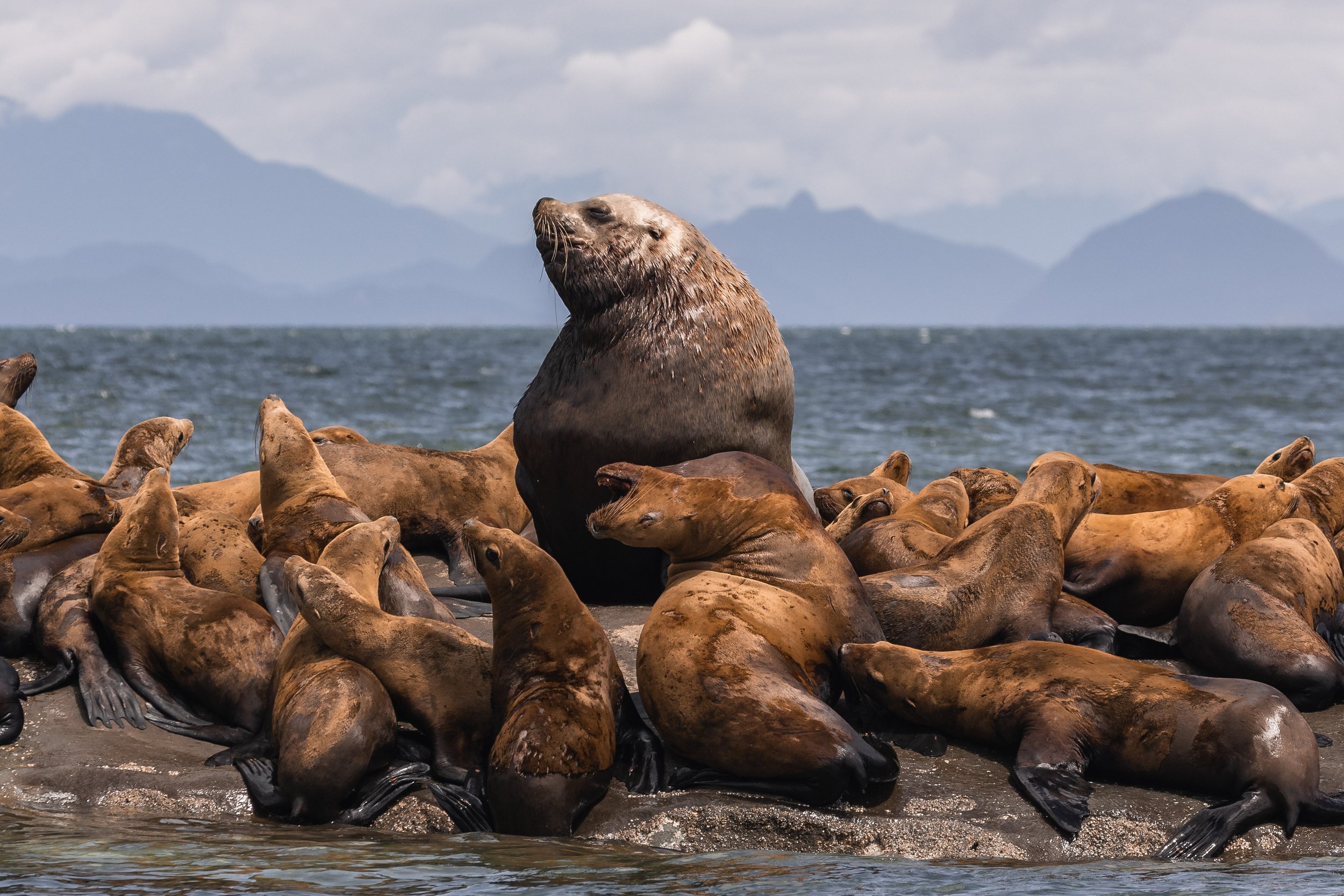
A dramatic sea lion in front of a large male. Photo by Hayleigh Hilbert.
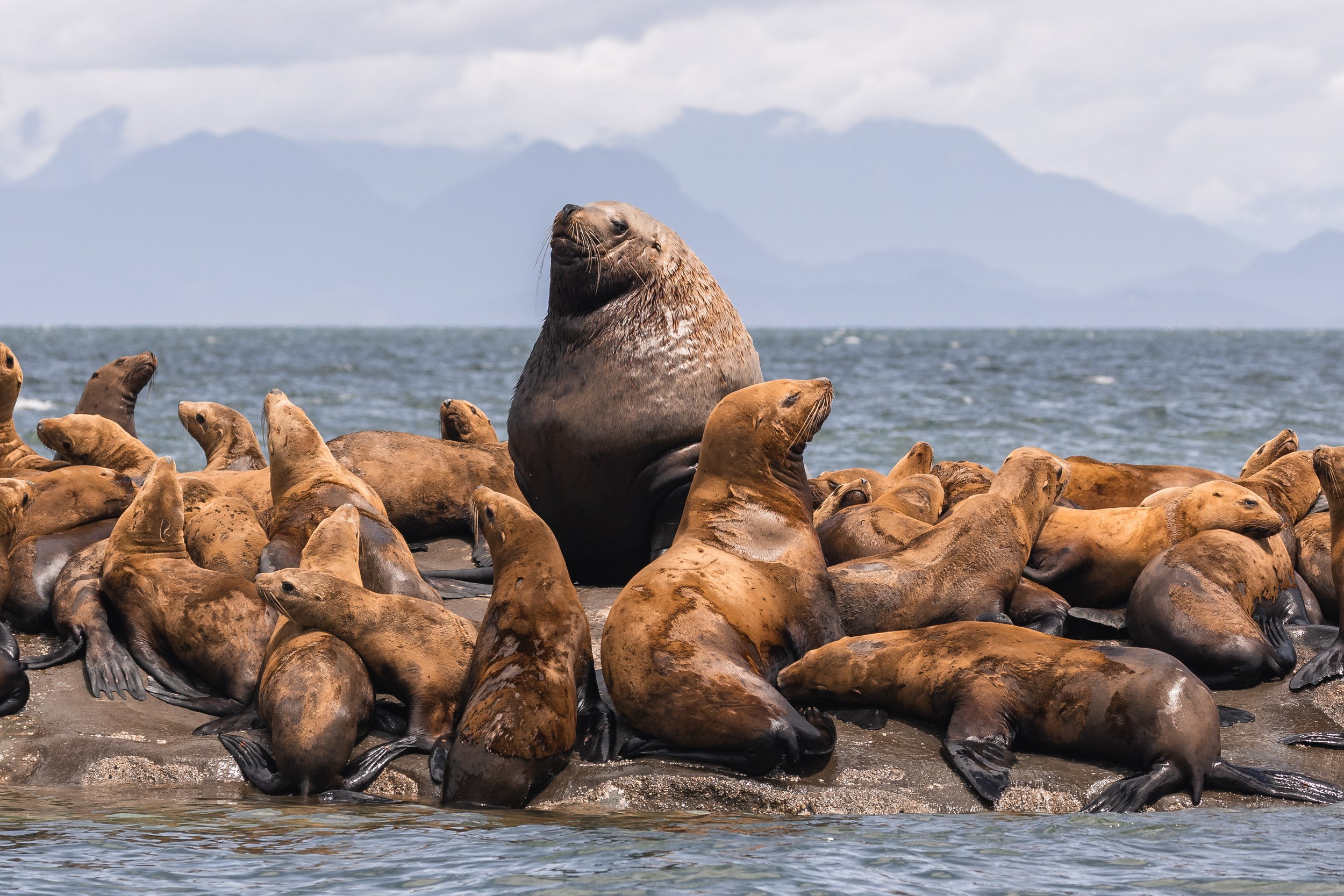
It’s almost breeding season for the Steller Sea Lion and chances are looking good for this big boy! Photo by Hayleigh Hilbert.
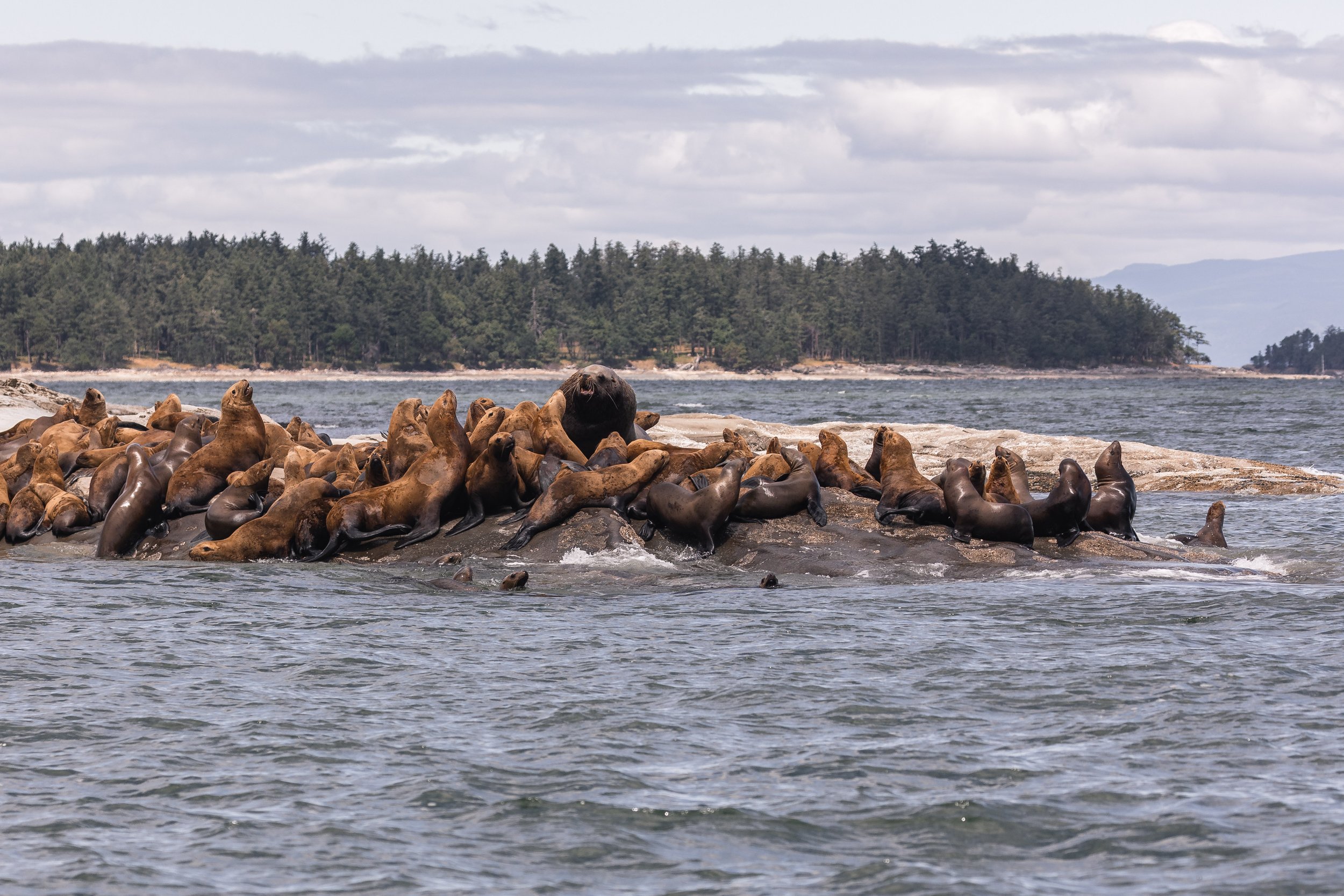
Steller Sea Lions at Stinky Rock. Photo by Hayleigh Hilbert.
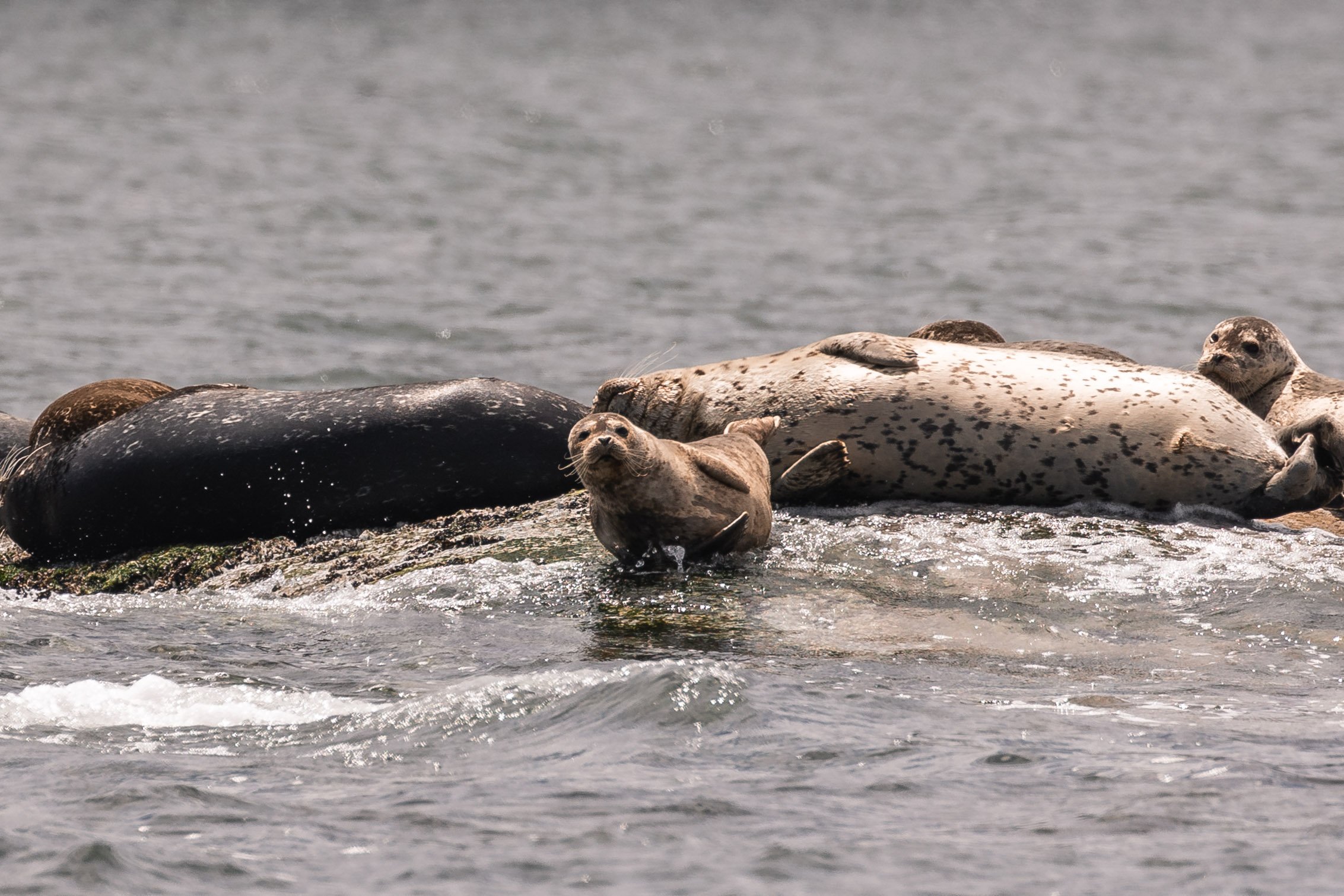
A young Harbour seal checking out the boats. Photo by Hayleigh Hilbert.
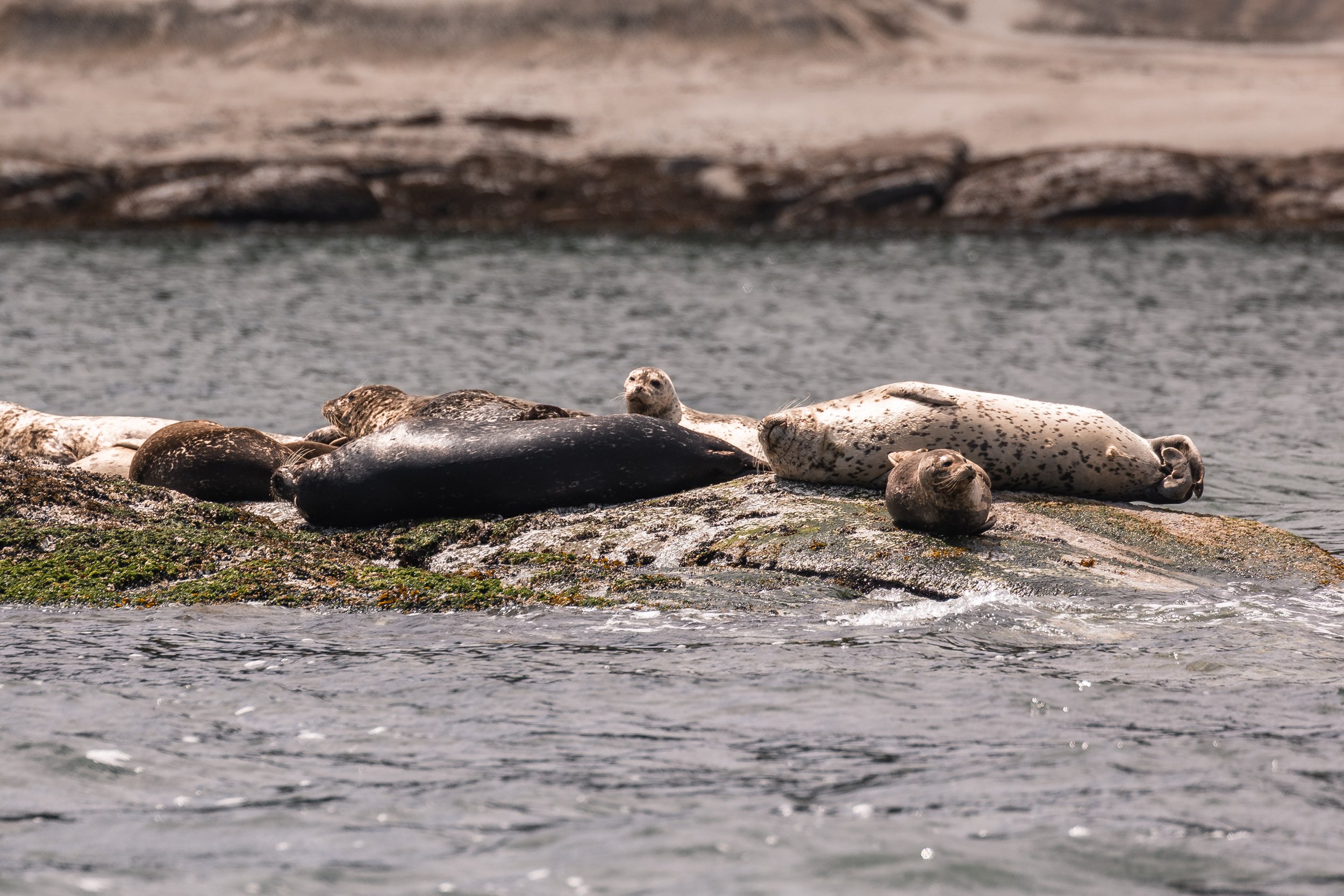
Harbour seals soaking up the sun. Photo by Hayleigh Hilbert.
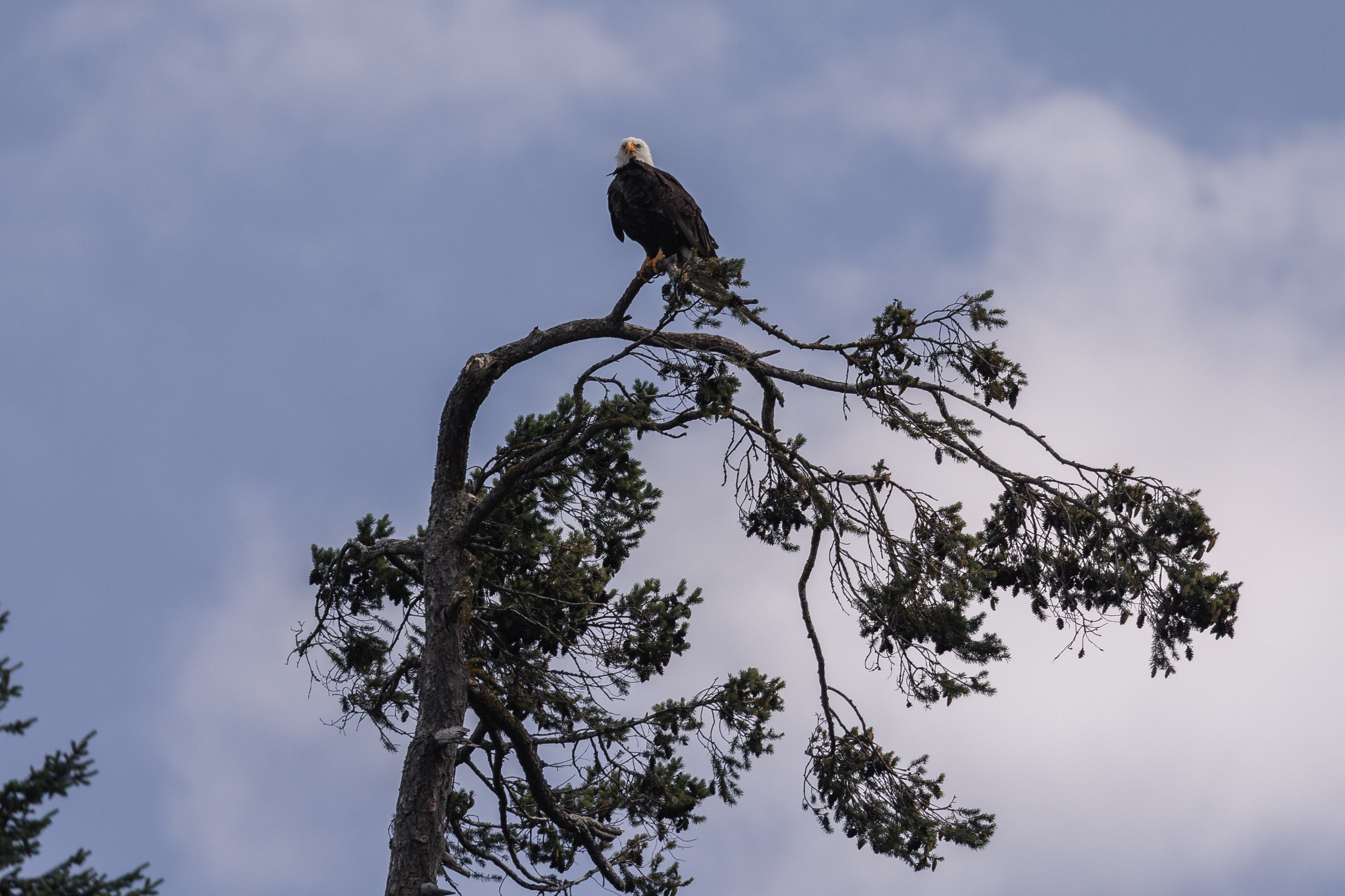
Bald eagle pearched on top of a tree. Photo by Hayleigh Hilbert.
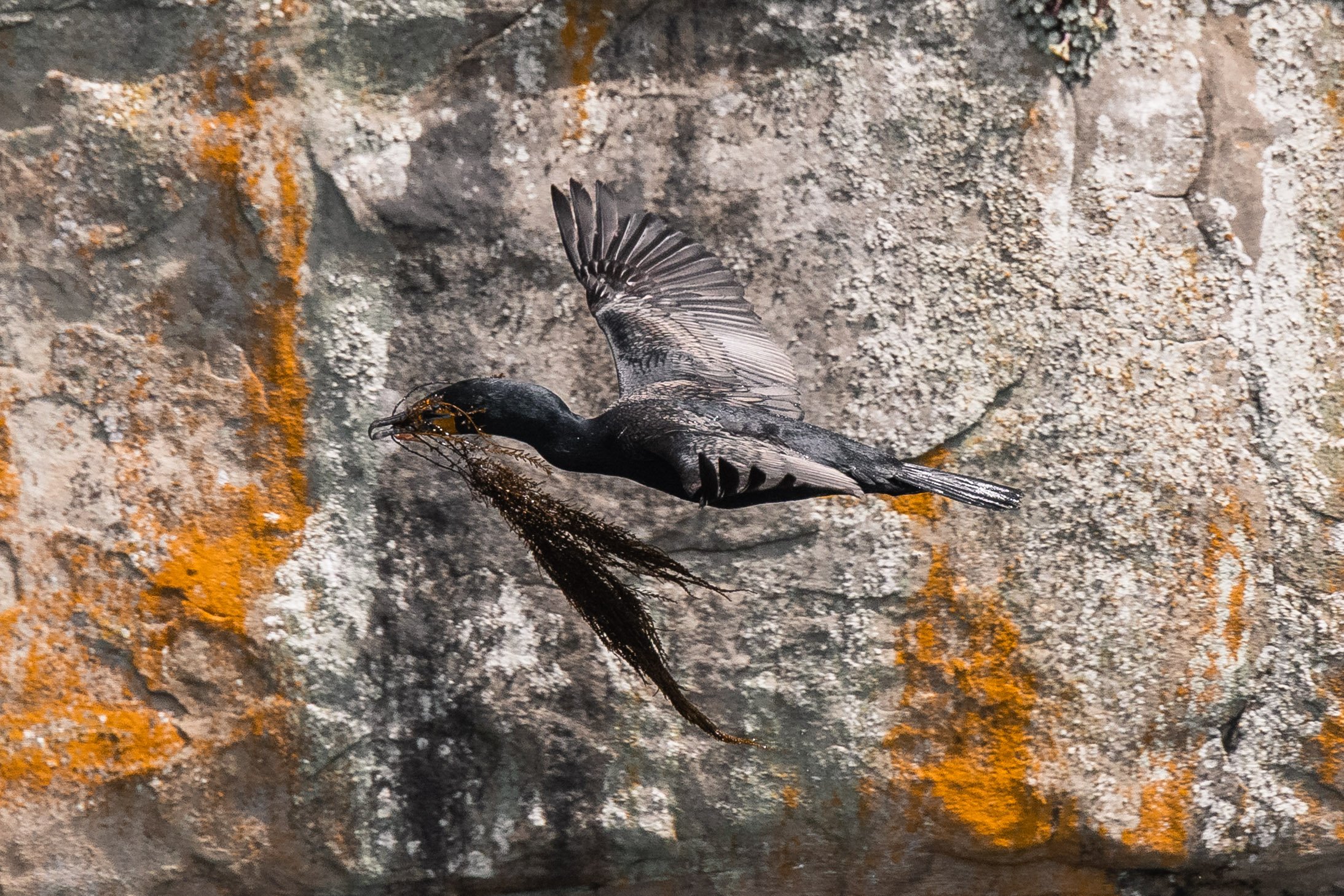
A cormorant carrying nesting material. Photos by Jordan Robinson.
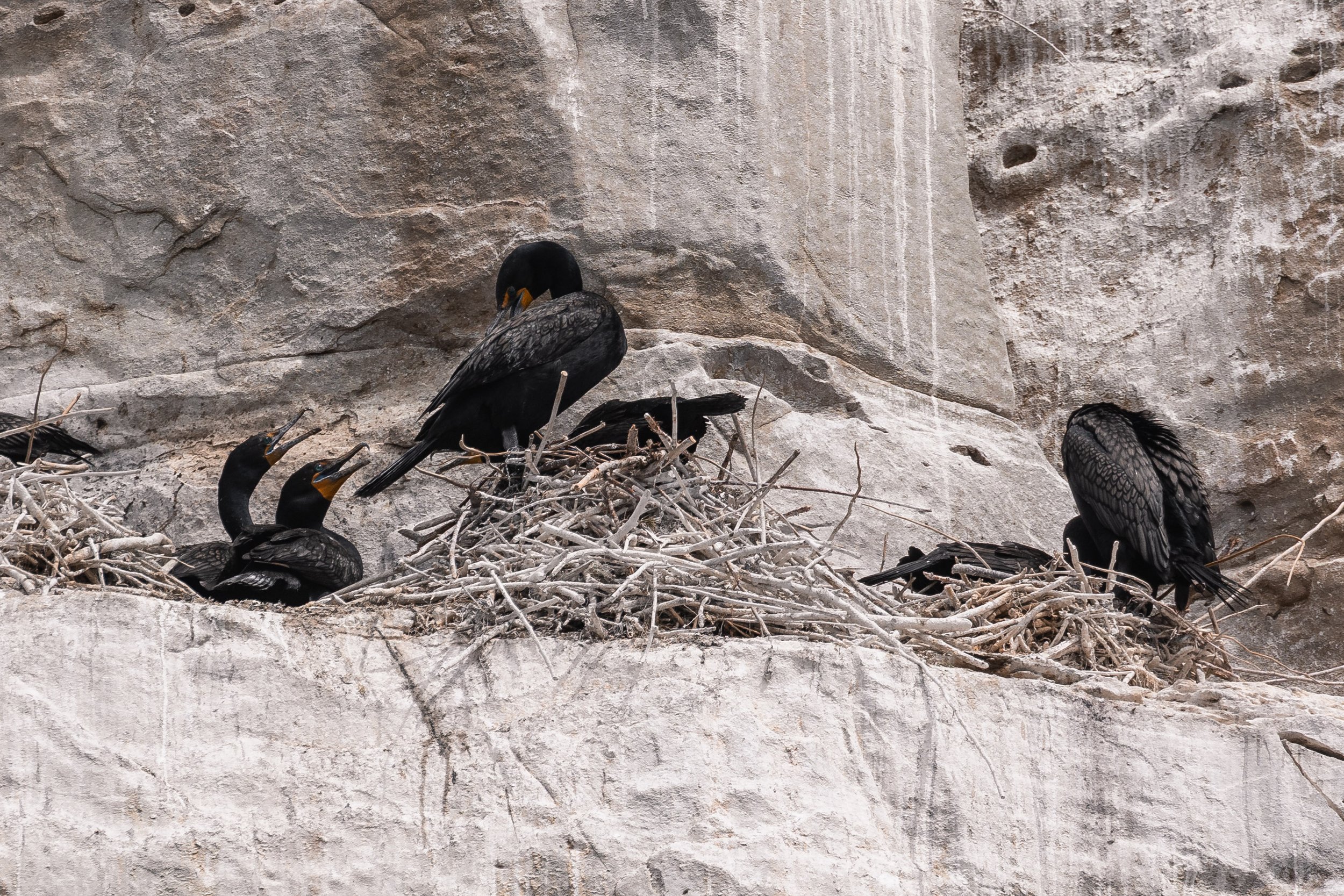
Cormorants enjoying a nice sunny day in their nests. Photo by Hayleigh Hilbert.
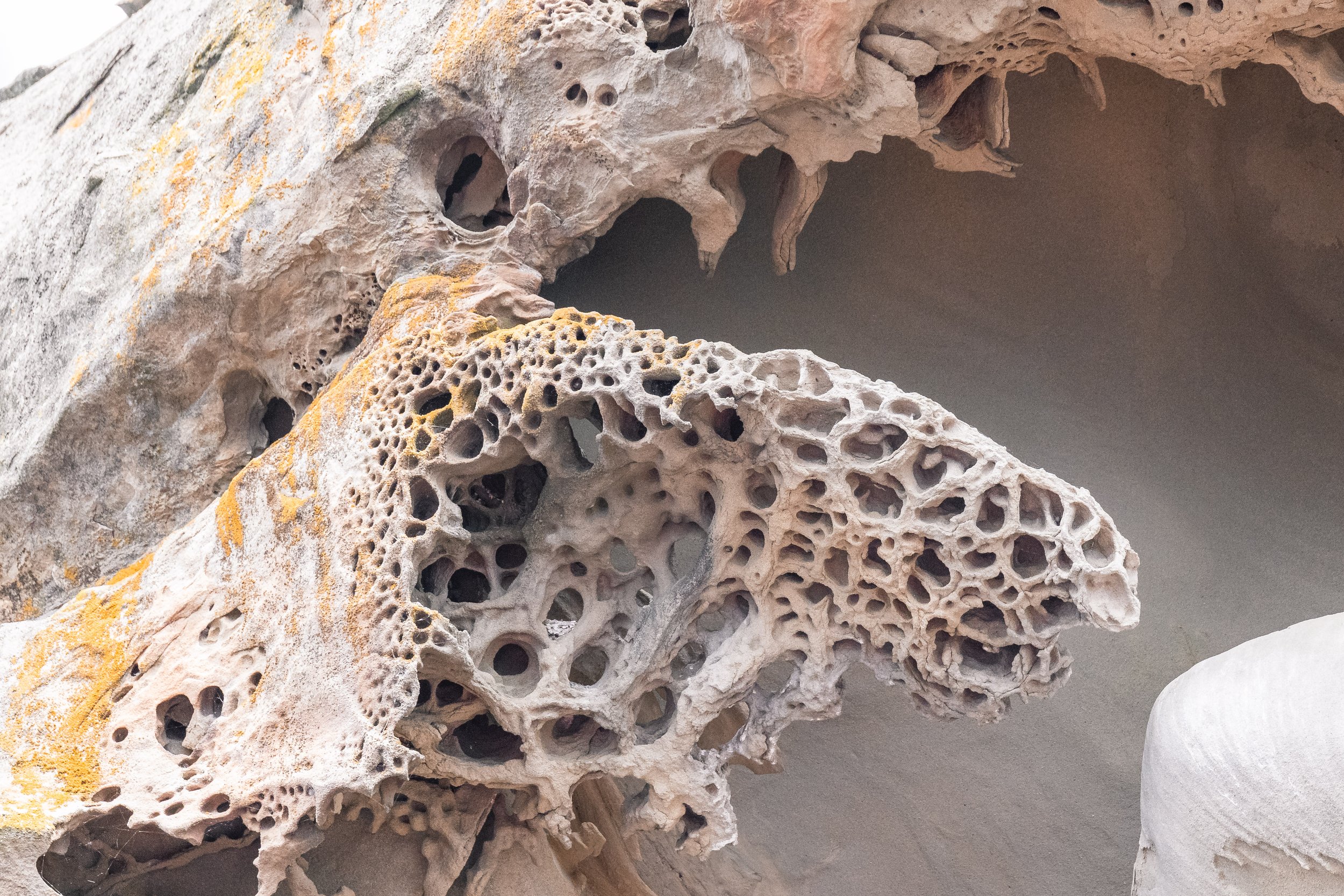
Some of the incredible features from the Gabriola Bluffs. Photos by Jordan Robinson.
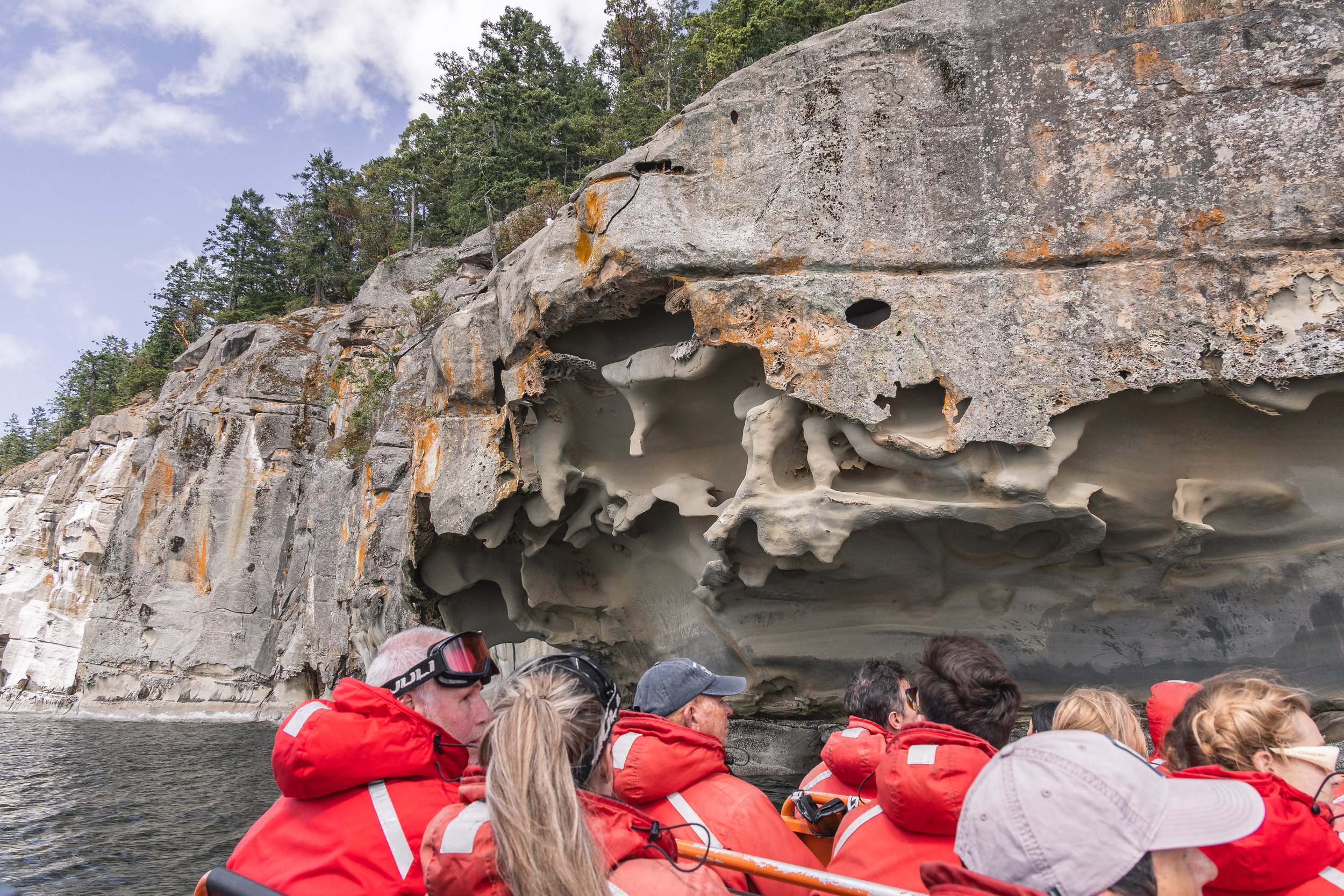
Cascadia’s guests in front of the Gabriola Bluffs. Photos by Jordan Robinson.
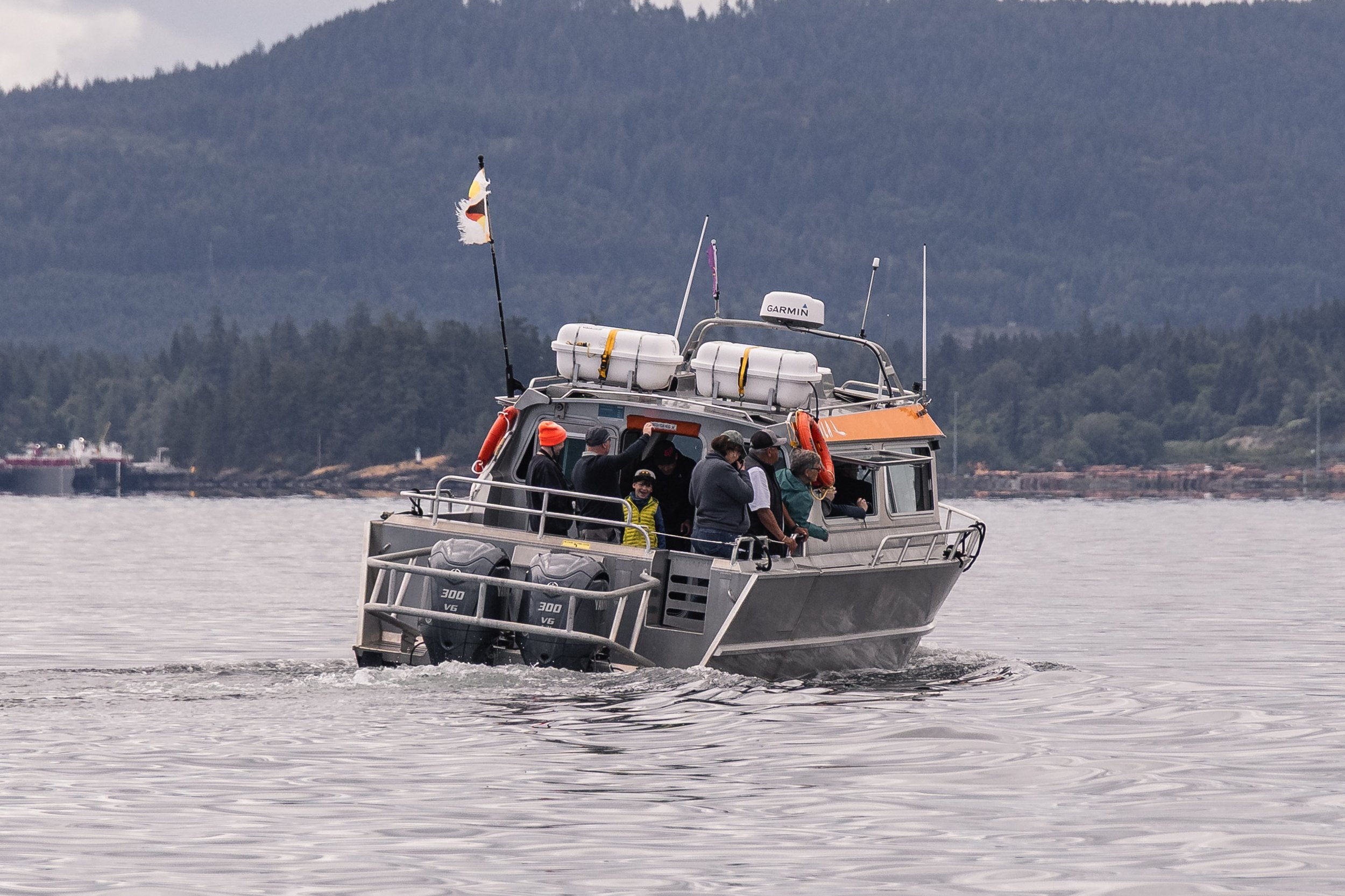
Guests on Kula enjoying the tour. Photos by Jordan Robinson.
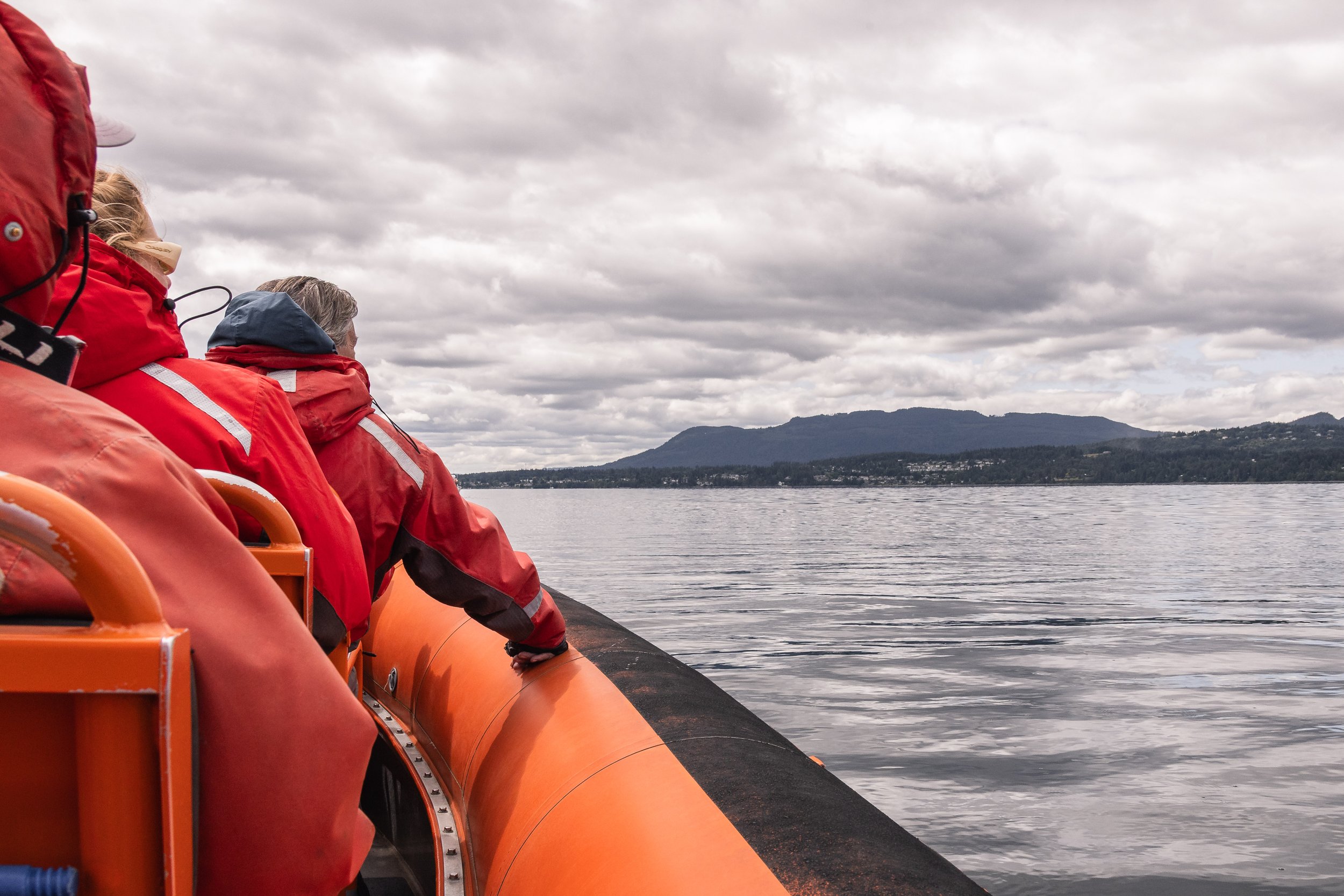
Guests on Cascadia enjoying the calm waters of the Southern Gulf Islands. Photos by Jordan Robinson.
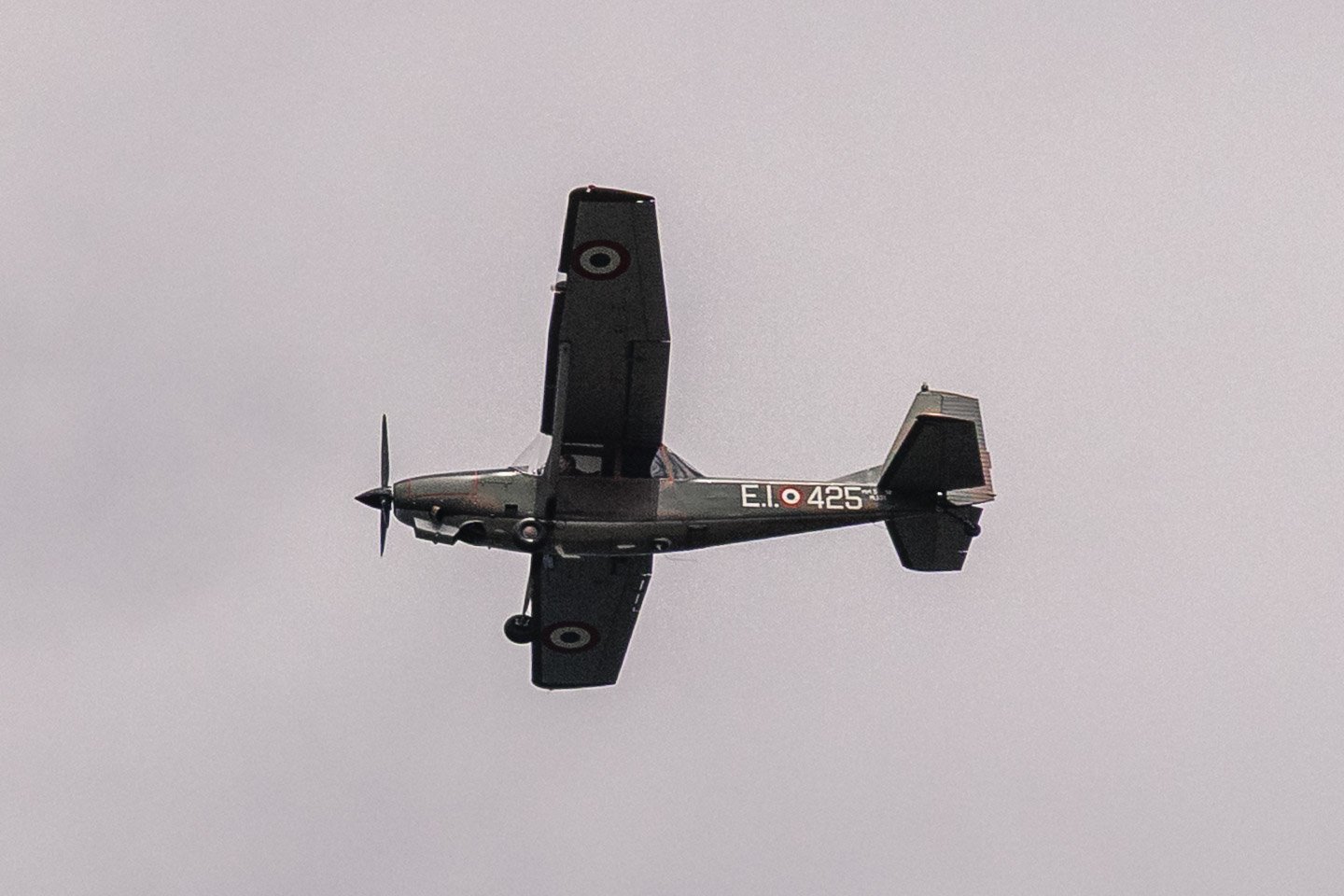
A civillian owned Beaver aircraft painted in Royal Canadian Airforce colours. Photos by Jordan Robinson.
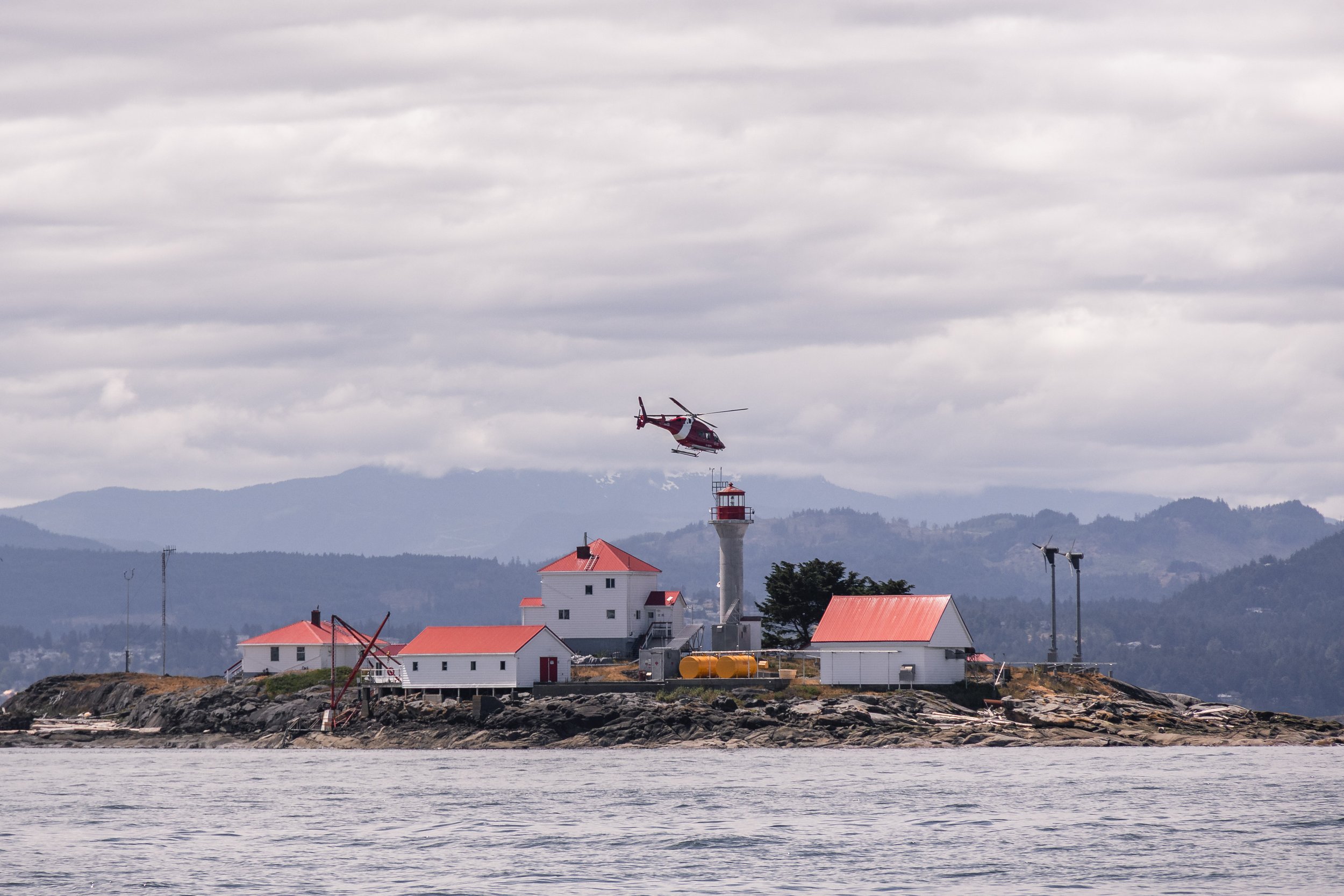
Helicopter over Entrance Island. Photos by Jordan Robinson.