
July 9, 2026, 3:30 PM - Oreo Sandwich!
Grey skies and calm seas welcomed us this afternoon as Keta and Kula slipped away from the dock in Nanaimo. The overcast skies cast that classic West Coast mood across the Salish Sea, while the light winds made for ideal whale watching conditions. With reports of splashing coming from across the Strait of Georgia, our course was set for the Sunshine Coast. The report simply said there were "Oreos" in the area. Now, before you picture chocolate cookies floating around the Salish Sea, we should explain. Among whale watching crews, we have a long-running inside joke of referring to orca as Oreos. It is a nickname inspired by their unmistakable black-and-white colouration, and after hearing it enough over the radio, it has become part of the local whale watching vocabulary. Every captain knows that hearing "Oreos" over the radio is usually a very good sign! Fortunately, this report proved to be exactly what we hoped.
As we approached, Aly and Evan quickly reached for their zoom lenses. Every encounter begins with a bit of detective work. While we are excited simply to see whales, identifying them allows us to better understand their lives and contribute valuable sighting information to researchers. One clear photograph of the tall dorsal fin belonging to the adult male was all it took. The family before us was the T123s.
T123 Sidney ♀ (~1985)
T123A Stanley ♂ (2000)
T123C Lucky ♀ (2012)
T123D Darcy ♀ (2018)
Whenever we arrive with whales, one of the first things we try to determine is what they might be doing. Are they resting? Feeding? Socializing? Travelling? Behaviour tells an incredible story if you take the time to watch.
These four whales were steadily travelling, but one detail caught our attention. The females remained grouped together while the large male, Stanley, travelled some distance away on his own. While we can never know exactly what whales are thinking, one possible explanation is that the family had spread out to improve their chances of finding prey. Bigg's (transient) orca are marine mammal hunters, and food is rarely far from their minds. By covering more water, they may be increasing the likelihood that one member locates a seal, porpoise, or sea lion before the others close in to help.
Always on the move. Always thinking about food.
Kind of like us...
Watching them had us all thinking about Oreos and craving cookies!
After spending time with the T123s, we continued north toward one of our favourite wildlife hotspots, the White Islets. Long before the rocks came into view, our noses knew we were getting close. The White Islets are home to a bustling haul-out of Steller Sea Lions, and these enormous pinnipeds certainly make their presence known. Adult males can weigh well over 2,500 pounds, making them the largest members of the eared seal family worldwide. During the summer months, they gather on these rocky outcrops to rest, socialize, growl at one another, and generally fill the air with an unforgettable aroma that every whale watching guide instantly recognizes.
Sharing the shoreline with their much smaller cousins were several harbour seals. Unlike sea lions, harbour seals lack external ear flaps and move rather awkwardly on land, but in the water they are graceful and agile swimmers. They are among the most common marine mammals in the Salish Sea and play an important role in the coastal ecosystem, serving as prey for transient orca while feeding on fish and squid throughout our local waters.
Above the rocks, the colony was buzzing with seabirds. Gulls called overhead while cormorants perched with their wings spread to dry after diving beneath the surface to hunt for fish. Every corner of the White Islets seemed alive with activity. Leaving the sea lions behind, we aimed for another ecological hotspot that has earned a reputation for attracting wildlife year after year: Halibut Bank.
Beneath the surface lies an underwater hill that rises toward the ocean surface. As strong tidal currents are forced upward over this submerged feature, they create an upwelling that brings cold, nutrient-rich water into the sunlight. Those nutrients fuel blooms of microscopic plankton, which support schools of baitfish, which in turn attract larger predators. It is one of the reasons Halibut Bank is such a productive feeding area and why we so often find whales here.
Today was no exception.
Humpback blows appeared on the horizon, and after carefully photographing their tail flukes and dorsal fins, we eventually identified nine individuals. Corona/Phi, (BCX1416), Velvet (BCY1186), Valiant (BCX1773), Dalmatian (BCY0994), Malachite (BCY1463), Forge (BCX2499), Bond (BCX1640), Helen (BCX2494), and Vanta (BCX1730).
What surprised us most wasn't how many whales there were; it was what they were doing.
Instead of repeatedly diving to feed, these giants seemed much more interested in what seemed like playful behaviour. We watched pectoral fins slap the surface with thunderous cracks before lingering high above the water in graceful pec waves. Massive heads slowly emerged during the rostrum lifts, while others rolled sideways into playful cartwheels, sending water cascading in every direction.
For animals weighing around 30 to 40 tonnes, these behaviours require an incredible amount of energy. Every powerful slap of a pectoral fin or dramatic lift of the head burns valuable calories. So why spend that energy?
One likely explanation is that they can afford to.
When humpbacks are finding abundant food, they often have the energy reserves to engage in these spectacular behaviours. Rather than conserving every calorie, they can invest some into social interactions, communication, or simply behaviours we still do not fully understand. It is another encouraging reminder that the Salish Sea continues to provide rich feeding opportunities for many of the humpbacks that spend their summers here.
Eventually, it was time to point our bows back toward Nanaimo. But the afternoon wasn't finished with us just yet. One final radio call sent us in another direction: "Oreos."
This orca required no detective work at all. Aly immediately recognized them. Her favourite had arrived. It was Jack!
T137A Jack ♂ (2002)
Jack, a whale that has earned quite a reputation throughout the Salish Sea. Jack is known for being bold, and over the years he has occasionally attempted to tackle prey much larger than himself. One particularly ambitious encounter with a Steller Sea Lion left him with a serious bite wound on his peduncle, the powerful muscular section of the body just ahead of the tail flukes. The injury took quite some time to heal, serving as a reminder that even apex predators do not always emerge from a hunt unscathed.
Even though Jack was on his own today, fortunately, transient orcas rarely hunt alone.
These whales are masters of teamwork. Every family is led by an experienced matriarch who carries decades of knowledge about where prey can be found, how to approach different species, and how to coordinate successful hunts. She leads her family from one generation to the next, teaching calves the skills they will rely on for the rest of their lives. Hunting is not instinct alone; it is learned behaviour, passed from mother to offspring through years of experience. Working together, the family can surround prey, cut off escape routes, and dramatically improve their chances of success. Cooperation is one reason transient orca have become such efficient marine mammal hunters throughout the Pacific Northwest.
As Jack continued on his way, we quietly watched him disappear into the calm evening waters, knowing his family is more than likely close by, before finally turning home ourselves.
Days like today remind us why no two adventures on the Salish Sea are ever the same. We crossed paths with orca twice, visited bustling sea lion colonies, explored one of our most productive marine ecosystems, and spent time with active humpback whales displaying behaviours that continue to fascinate researchers and naturalists alike.
And if we're being honest... after an afternoon spent watching "Oreos," we may just have to stop for the edible kind on the way home.
Photos below taken by Aly Kohlman and Evan Hessels.
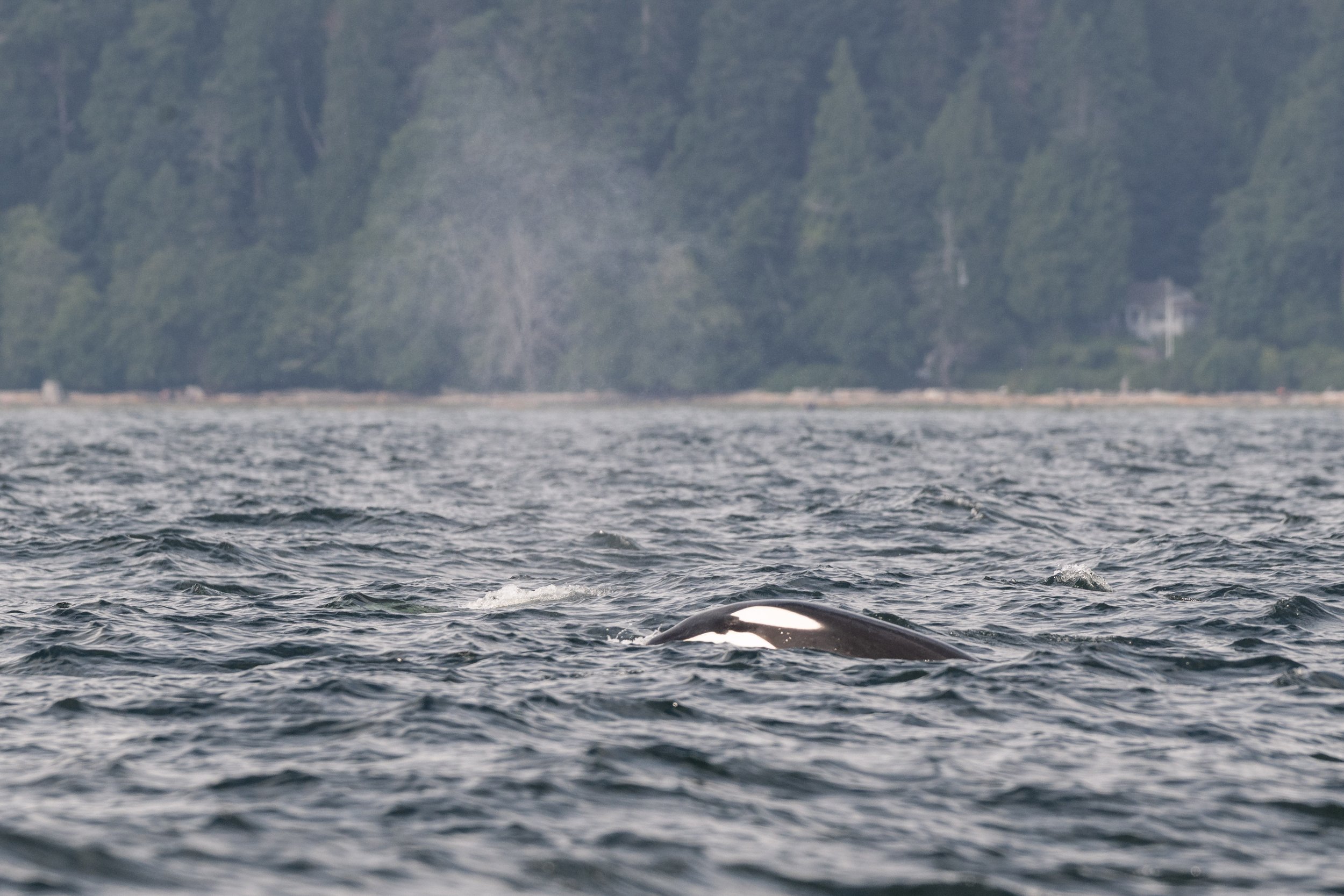
T123D Darcy rolling on her side. Photo by Aly Kohlman.
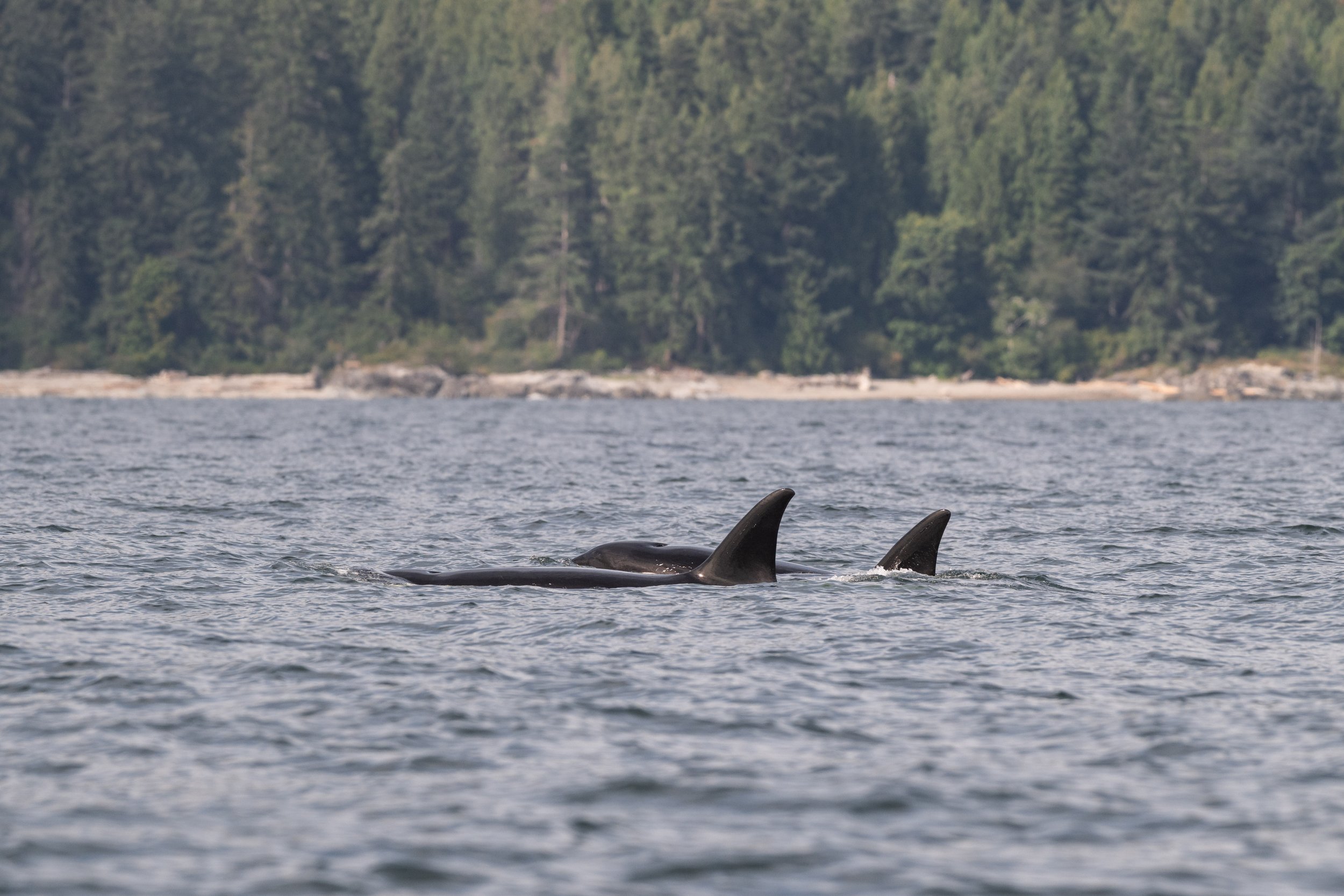
T123 SIdney and T123C Lucky surfacing beside each other. Photo by Aly Kohlman.
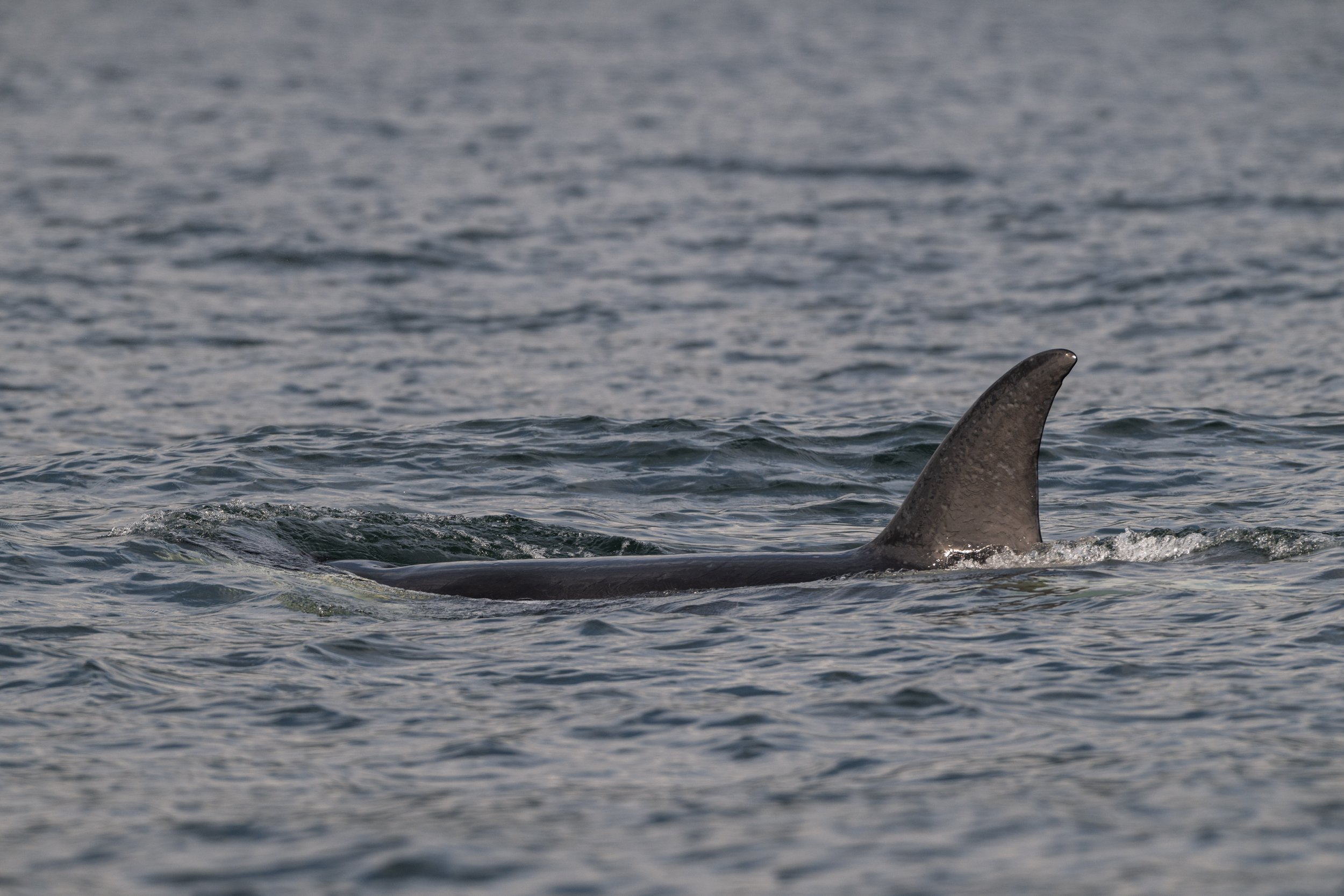
T123D Darcy has a distinct notch towards the top of her fin. Photo by Aly Kohlman.
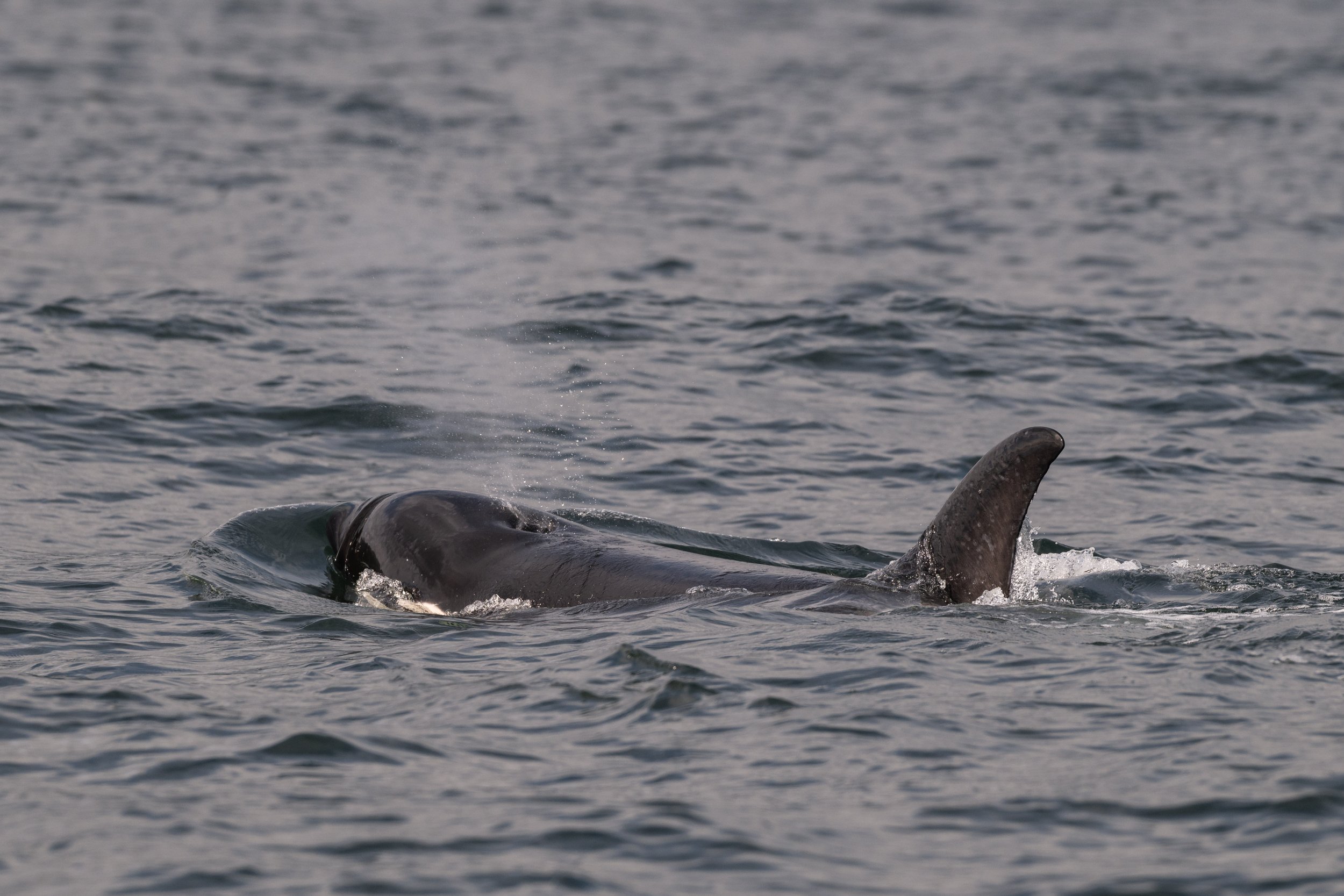
T123D Darcy surfacing with an exhale. Photo by Aly Kohlman.
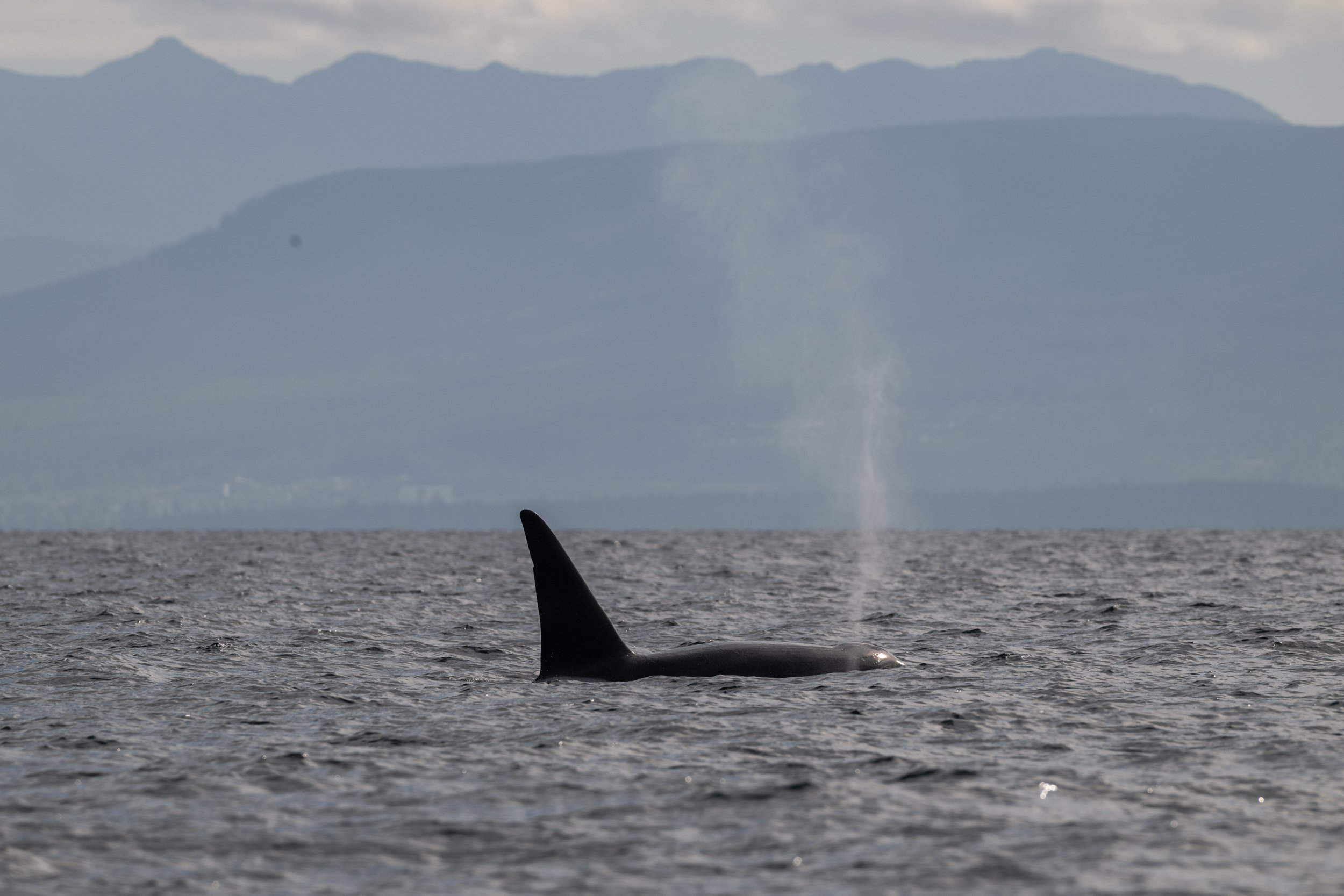
T123A Stanley surfacing in the waves. Photo by Aly Kohlman.
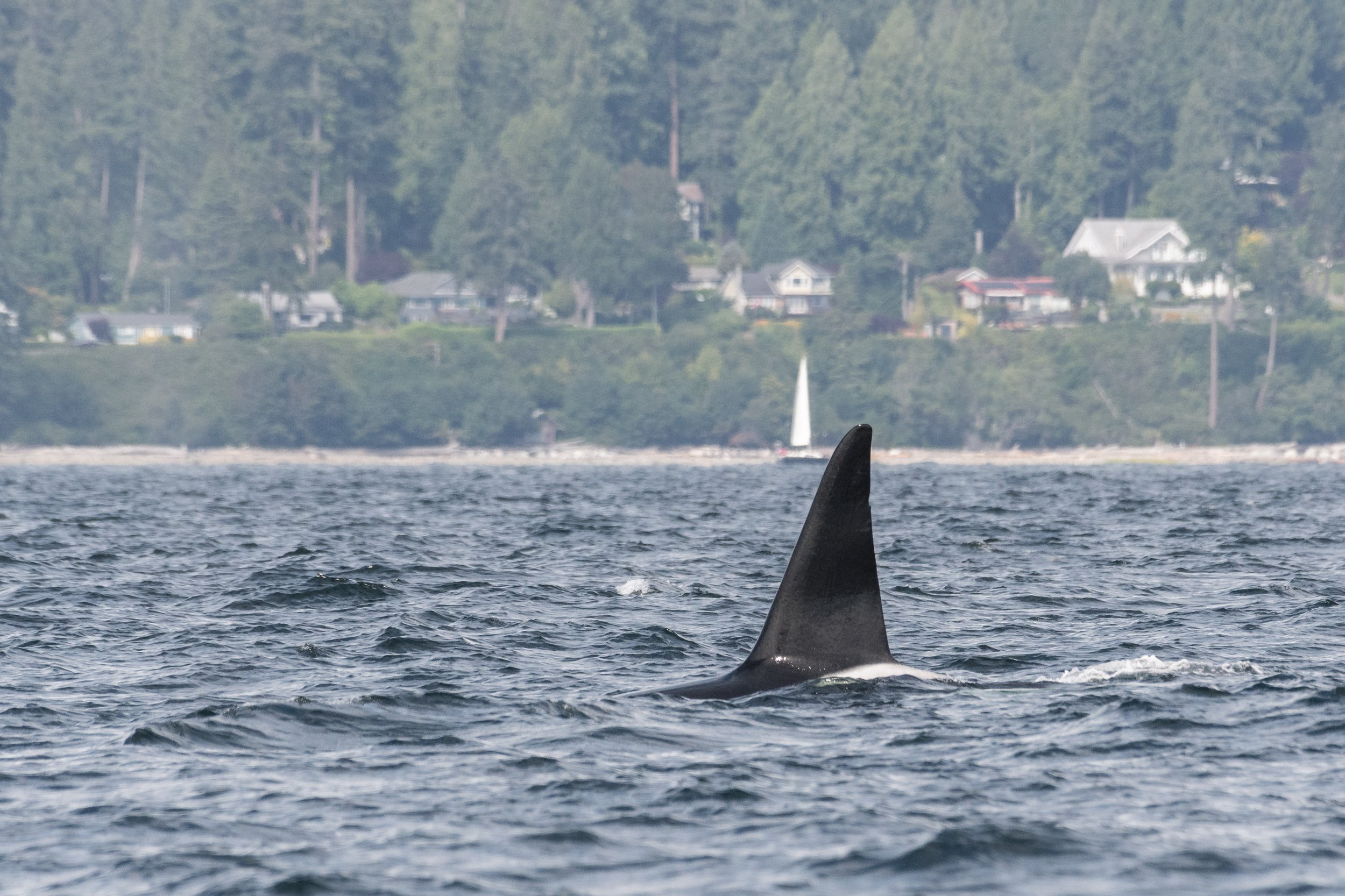
T123A Stanley surfacing in the waves. Photo by Evan Hessels.
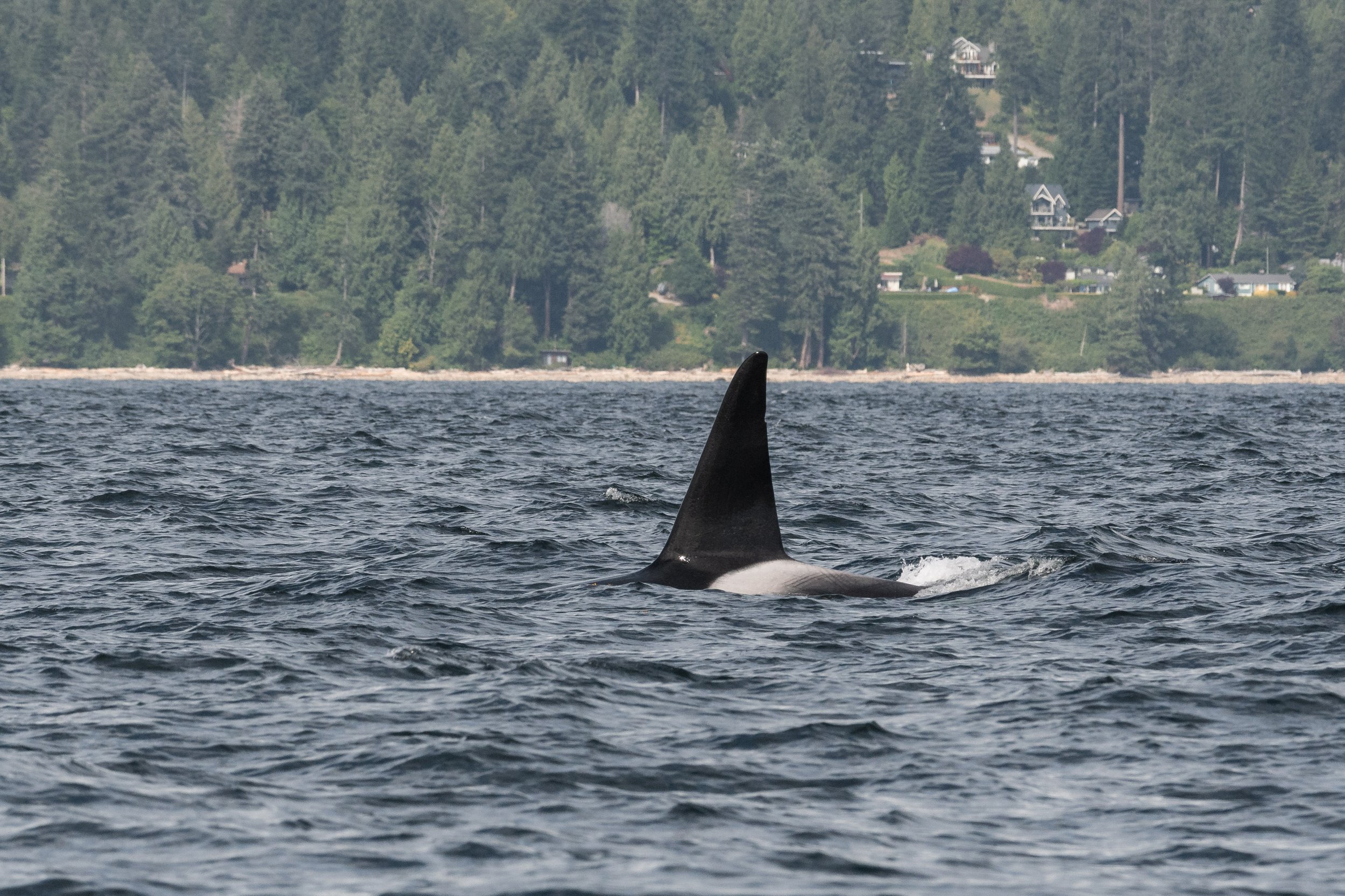
Can you see the scars on T123A Stanley’s saddle patch. Photo by Evan Hessels.
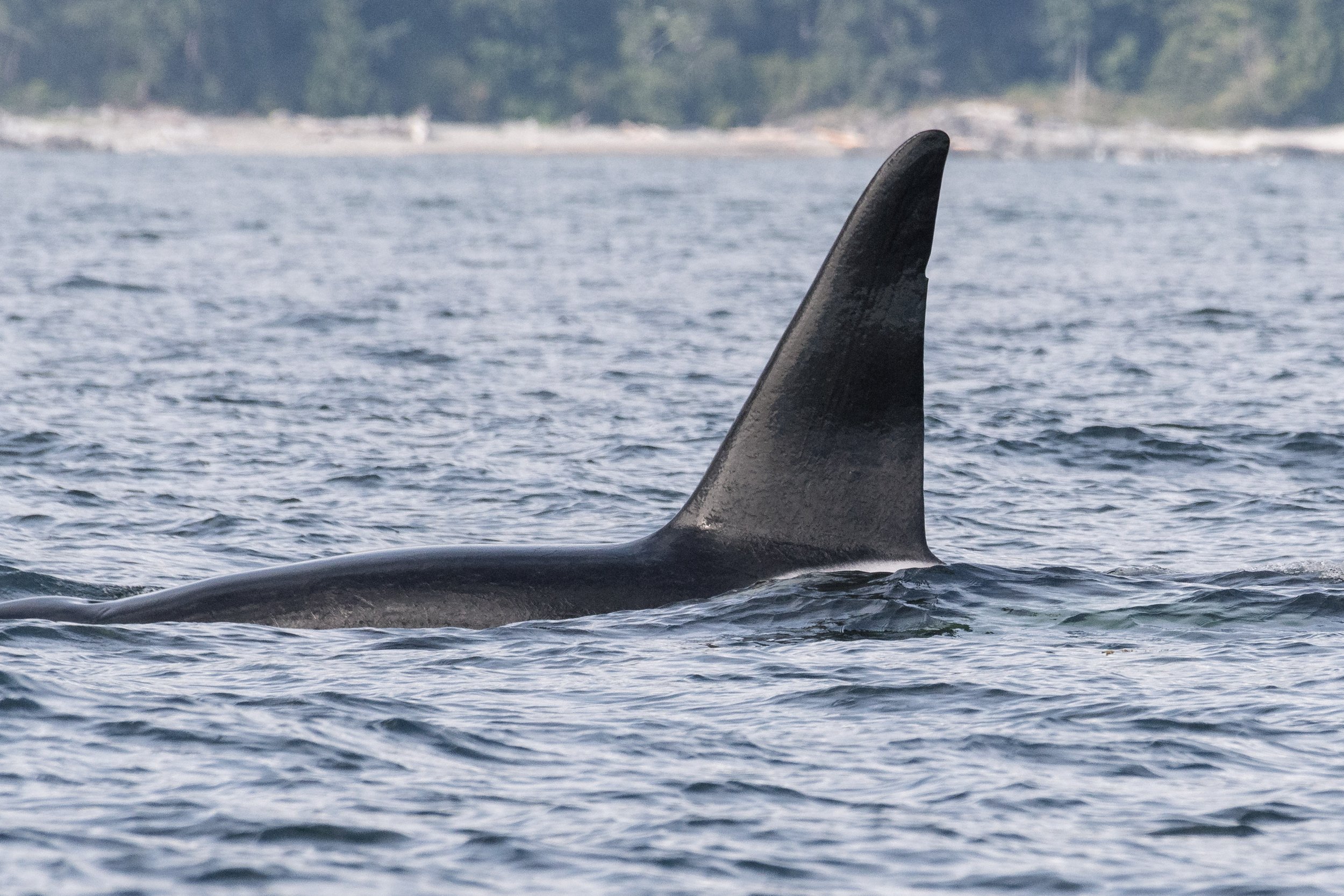
A great look at T123A Stanley’s dorsal fin. Photo by Evan Hessels.
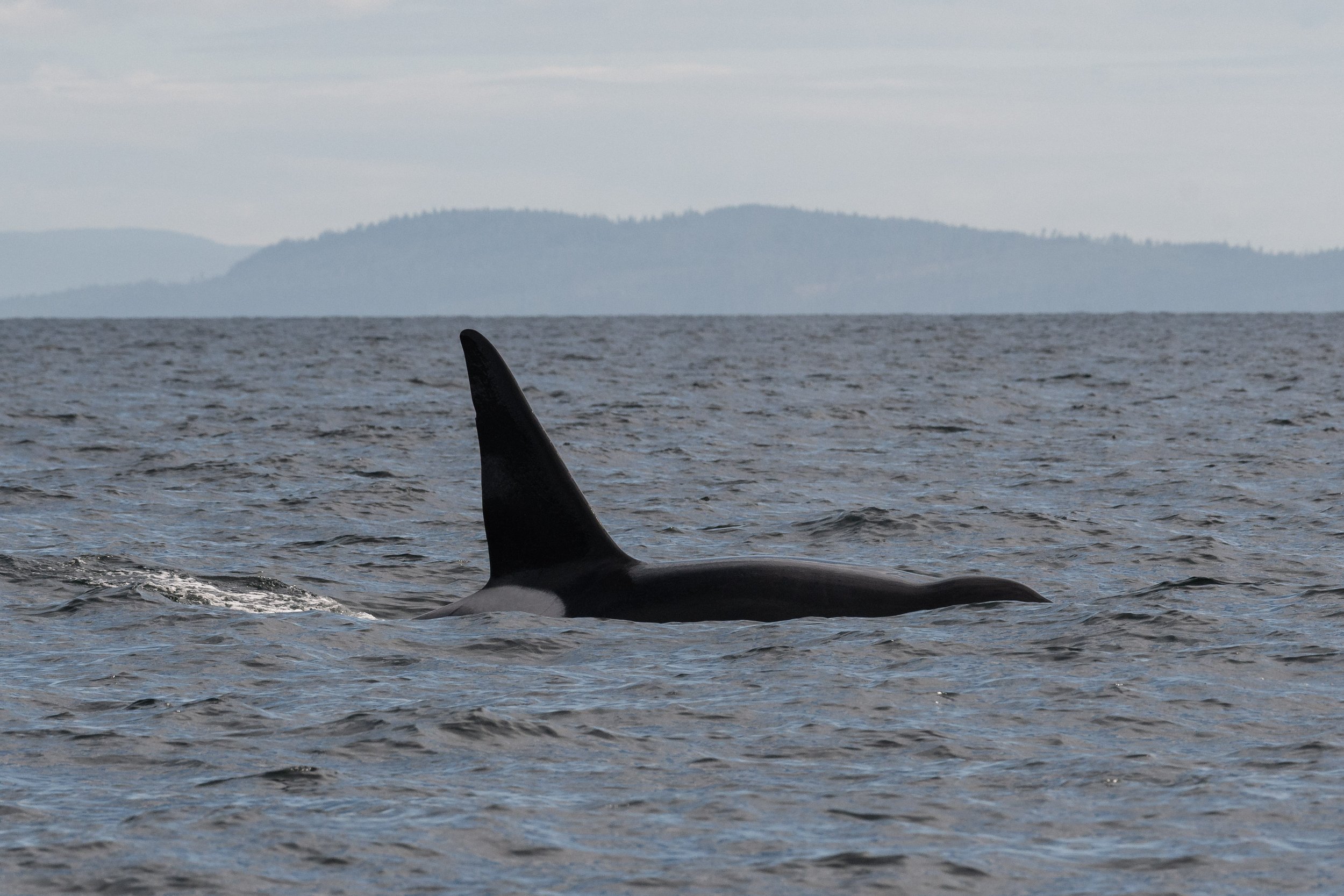
The other side of T123A Stanley’s saddle patch. Photo by Evan Hessels.
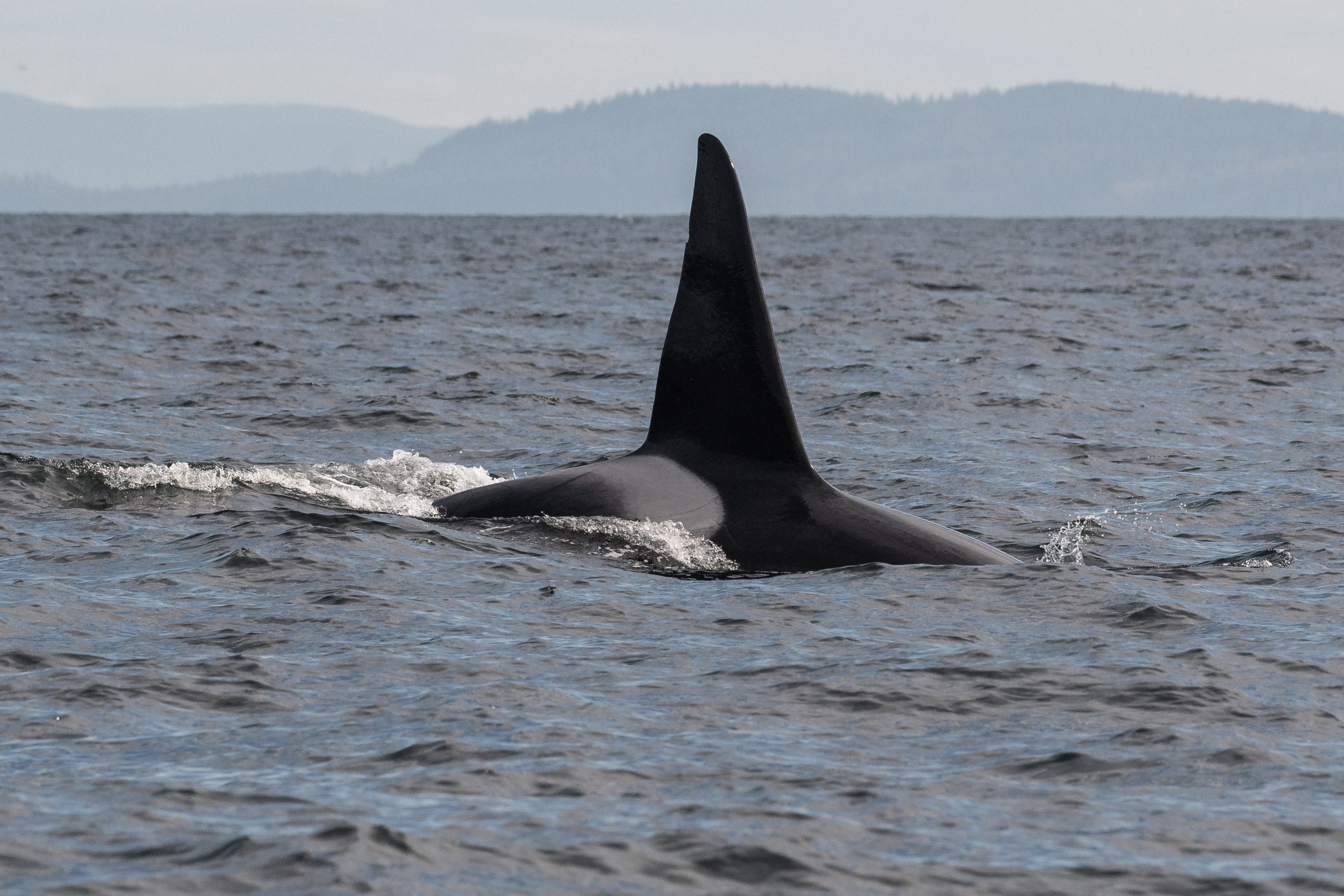
T123A Stanley creating waves as he goes. Photo by Evan Hessels.
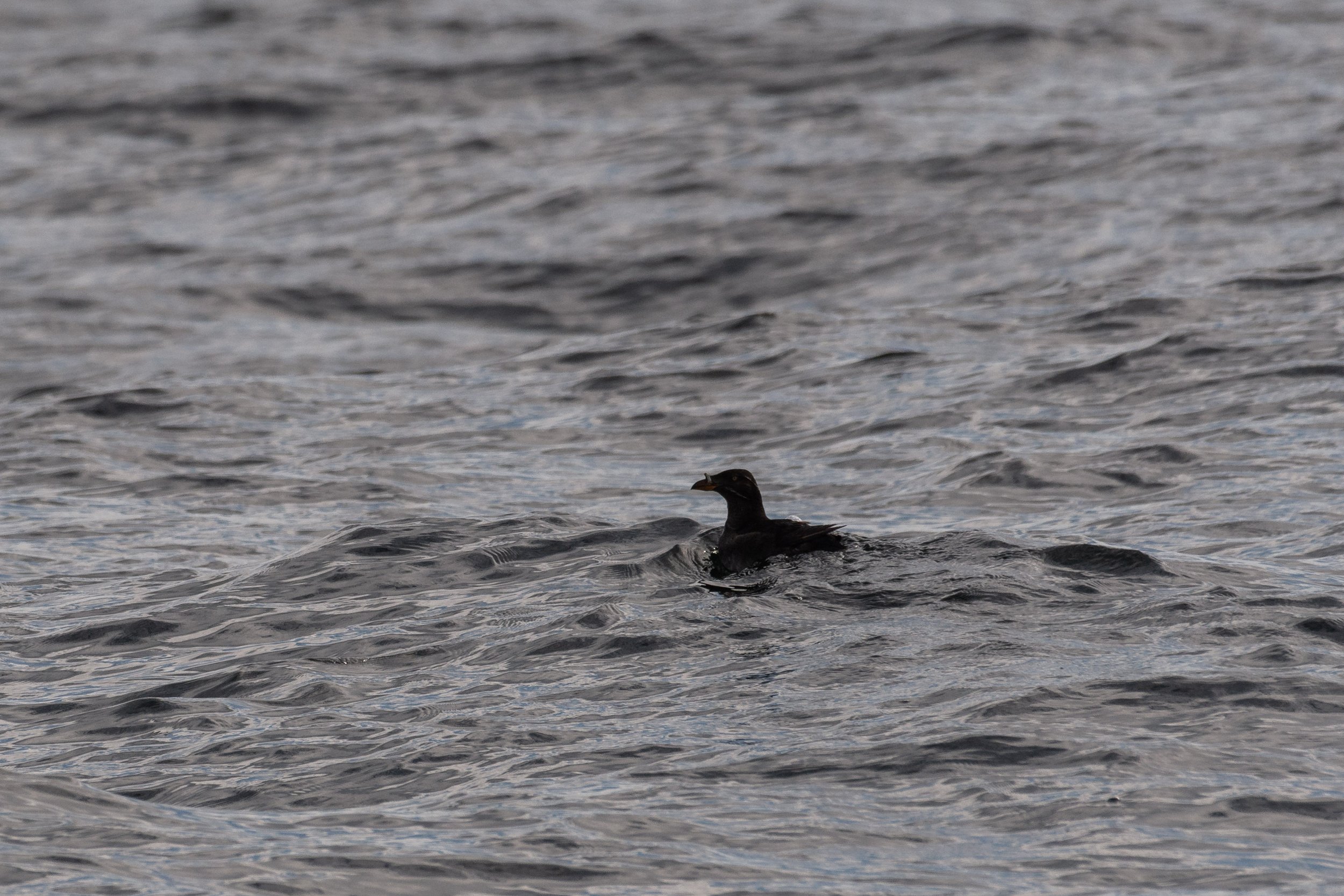
A Rhinocerous Auklet floating by. Photo by Evan Hessels.
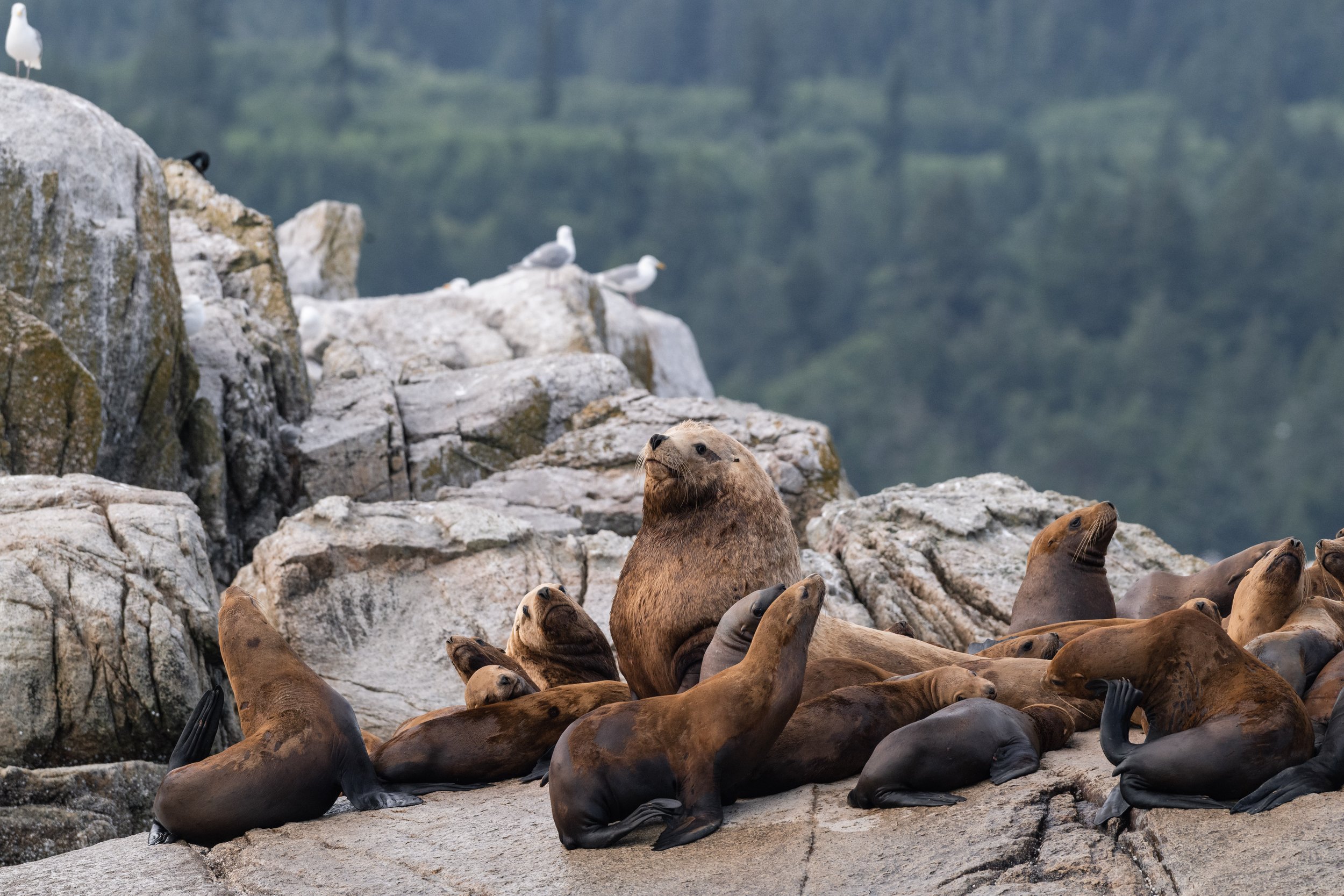
A big male Steller Sea Lion on the White Islets. Photo by Aly Kohlman.
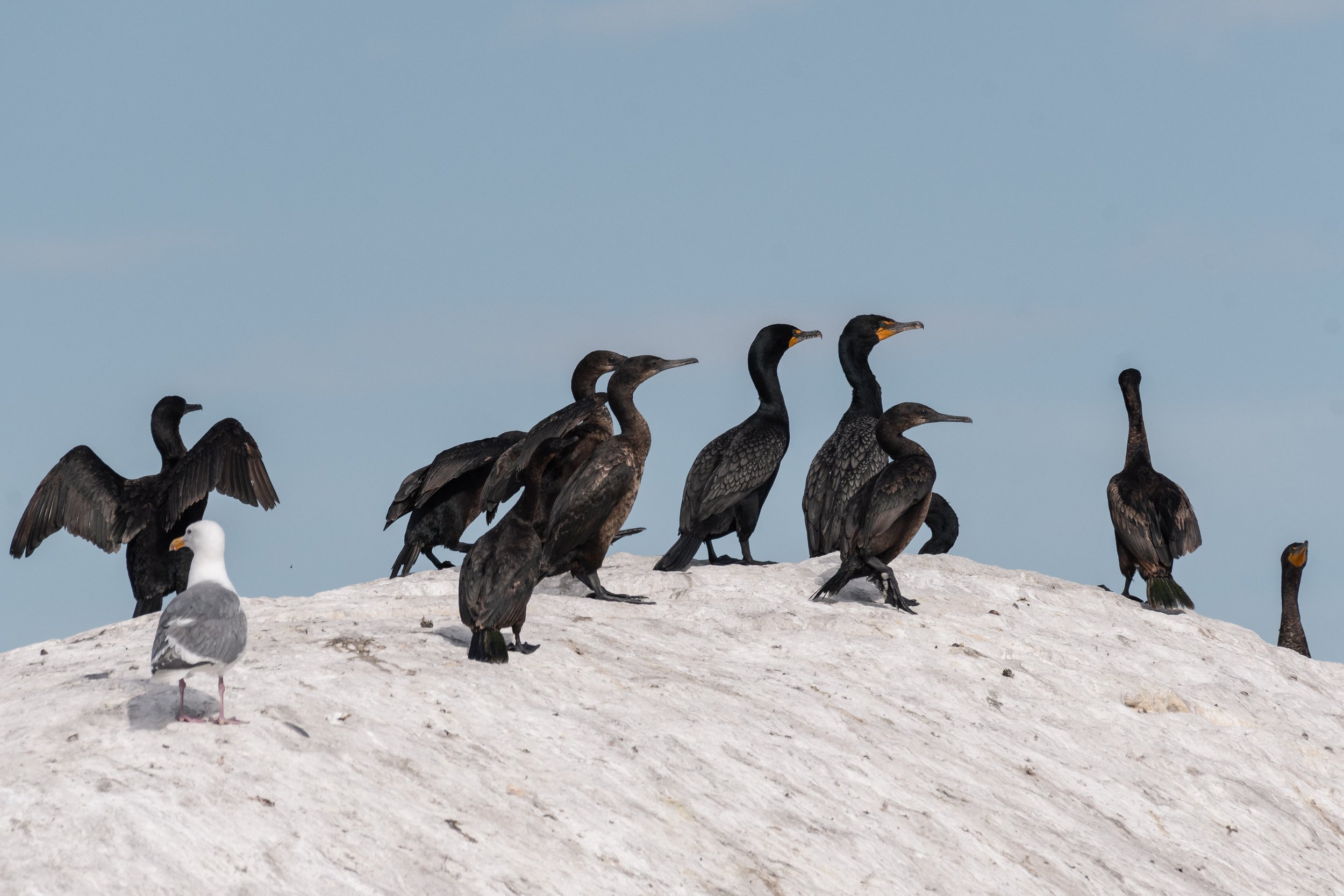
Cormorants drying off on the White Islets. Photo by Evan Hessels.
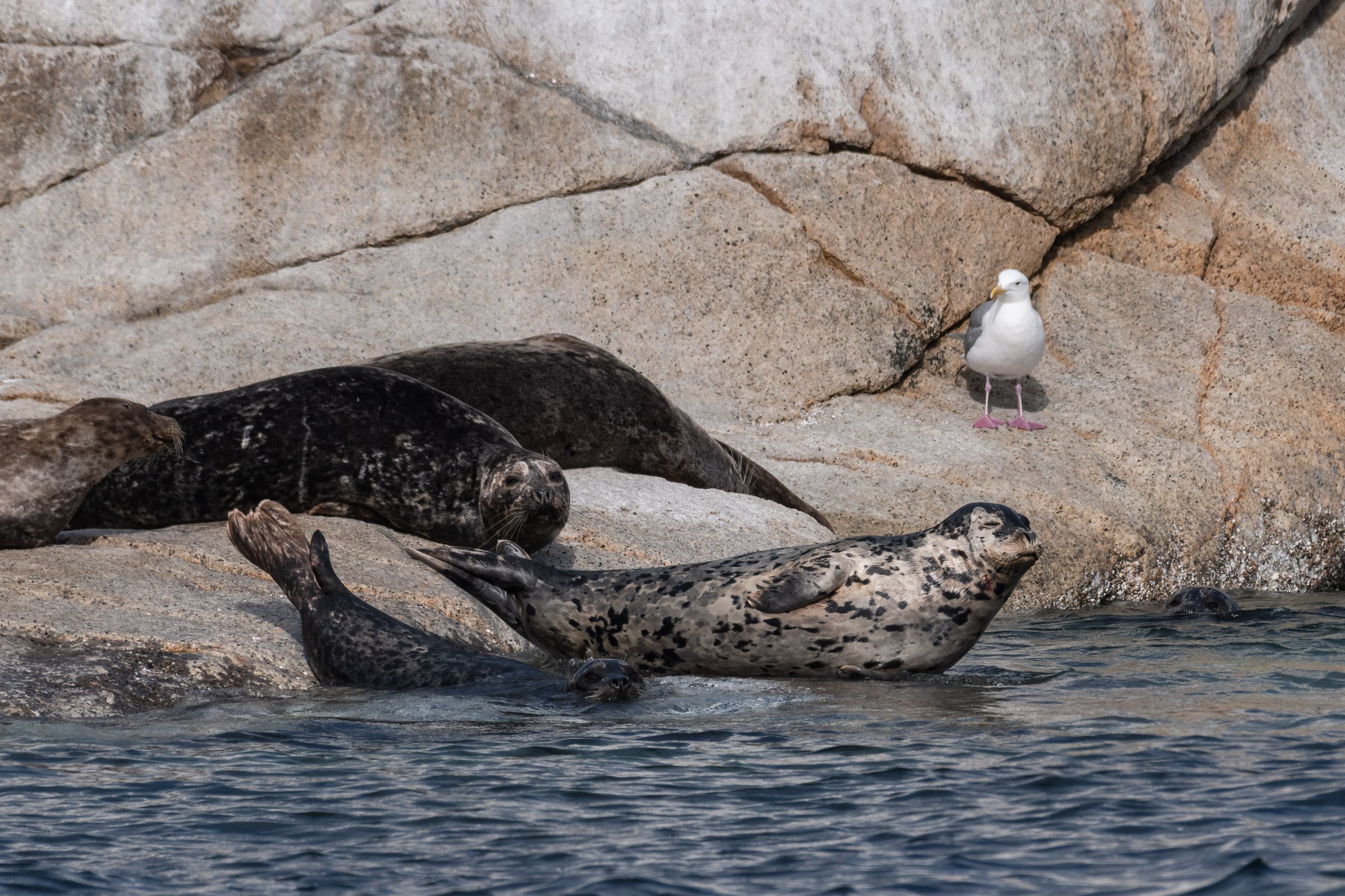
Harbour Seals lounging on the rocks. Photo by Evan Hessels.
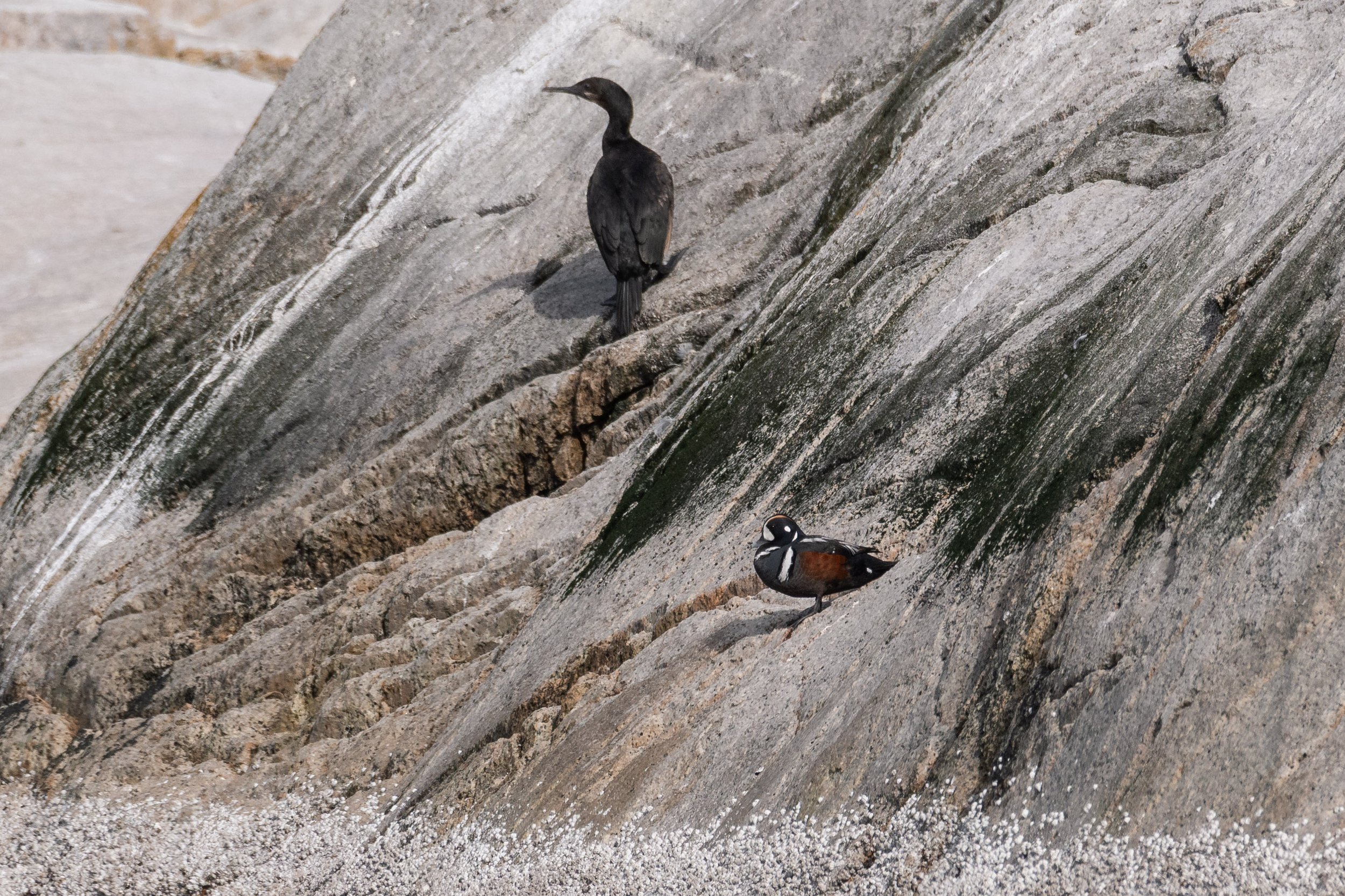
A cormorant and a Harlequin Duck. Photo by Evan Hessels.
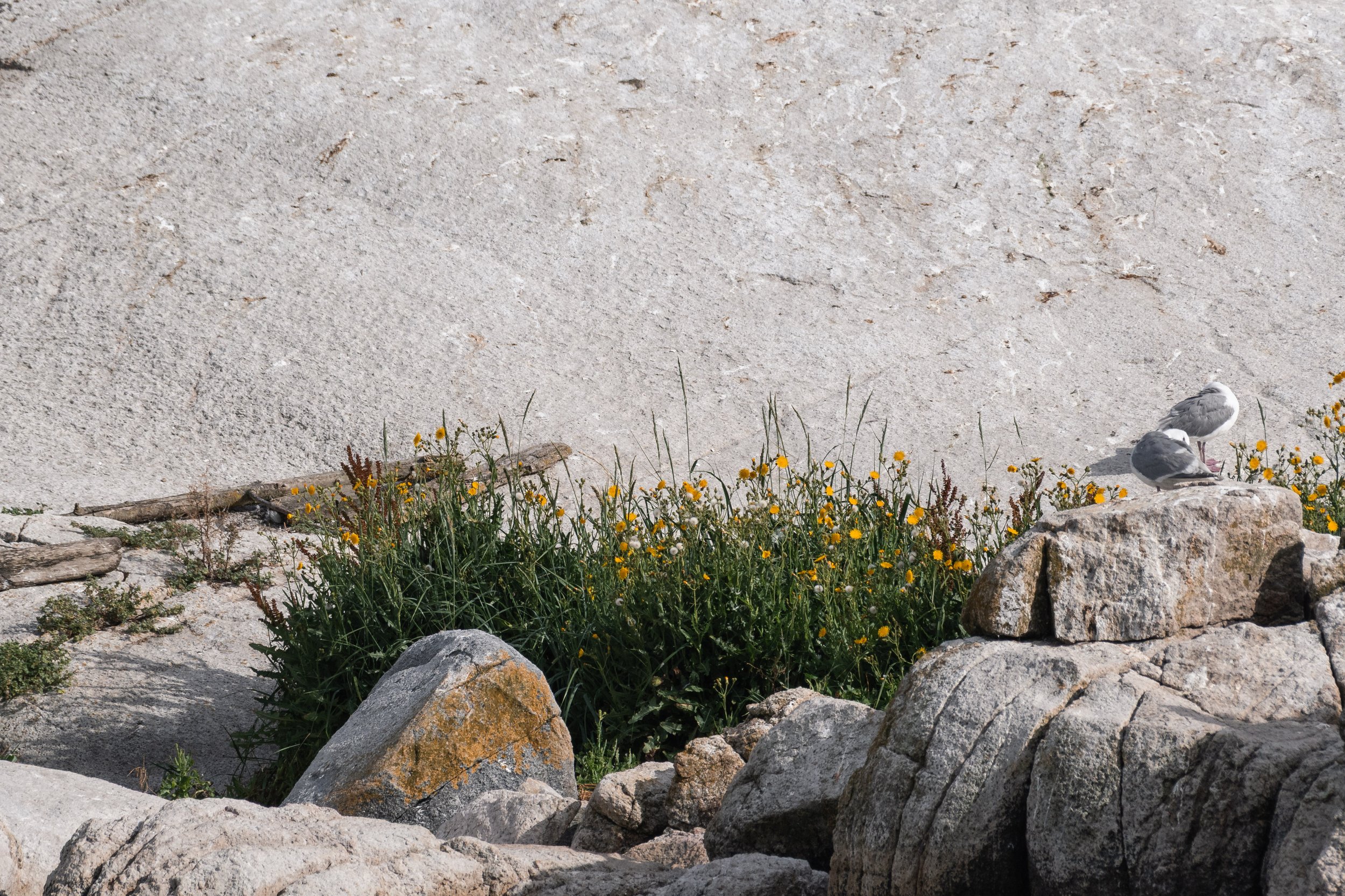
Some beautiful yellow flowers on the White Islets. Photo by Evan Hessels.
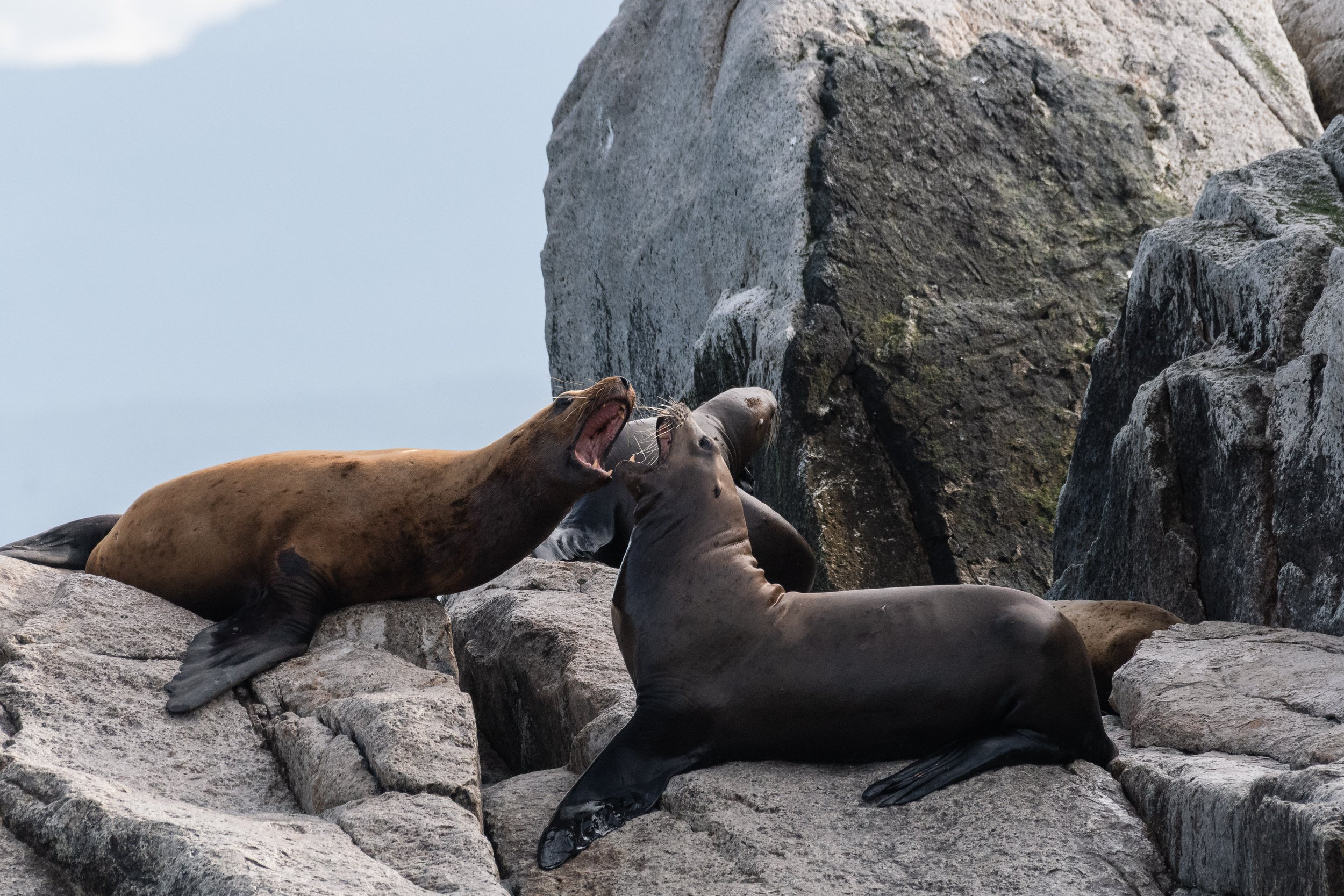
Fighting amongst the Steller Sea Lions. Photo by Evan Hessels.
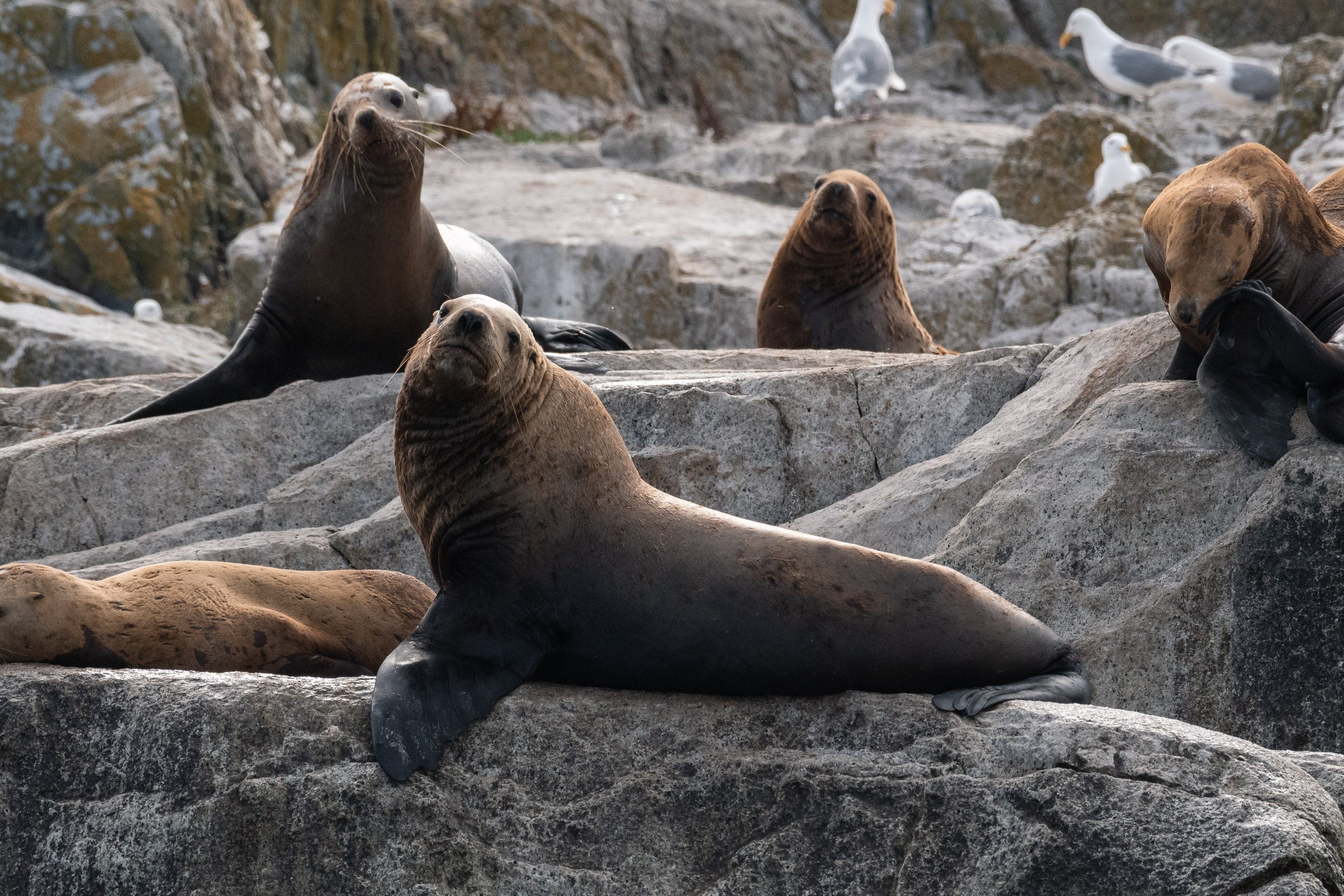
Steller Sea Lions on the White Islets. Photo by Evan Hessels.
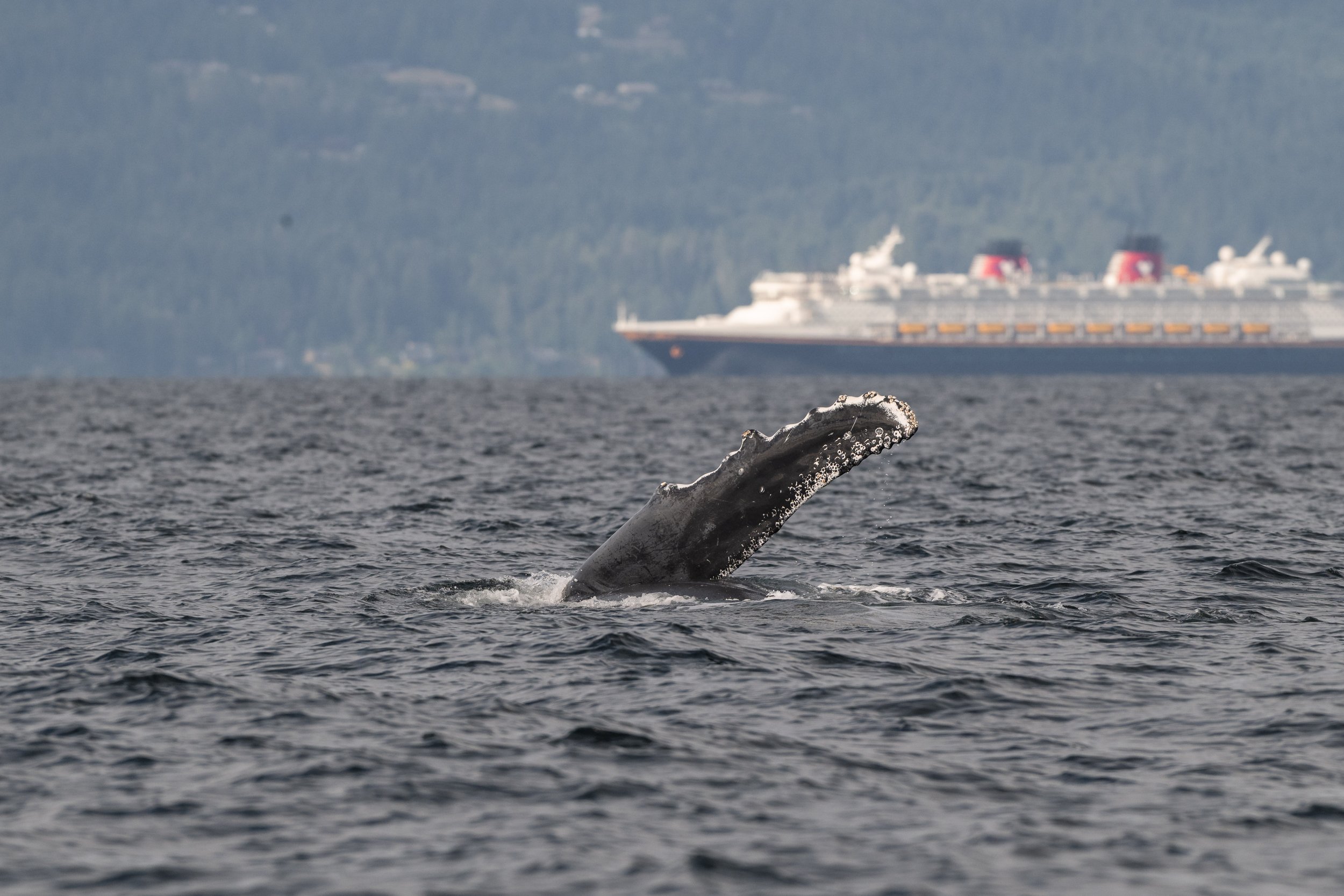
Helen lifting her pectoral fin in the air. Photo by Aly Kohlman.
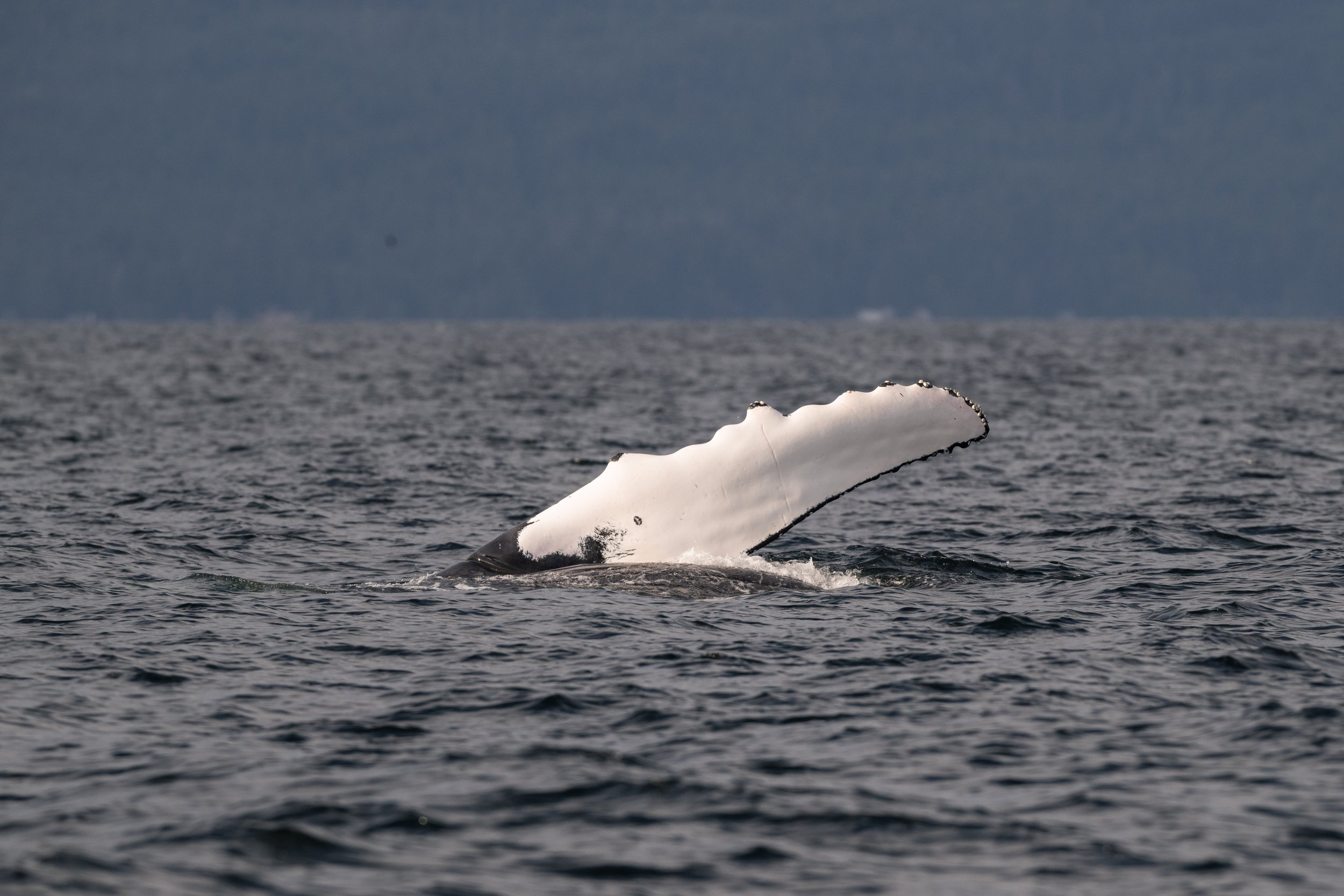
Another Pectoral Fin waving around. Photo by Aly Kohlman.
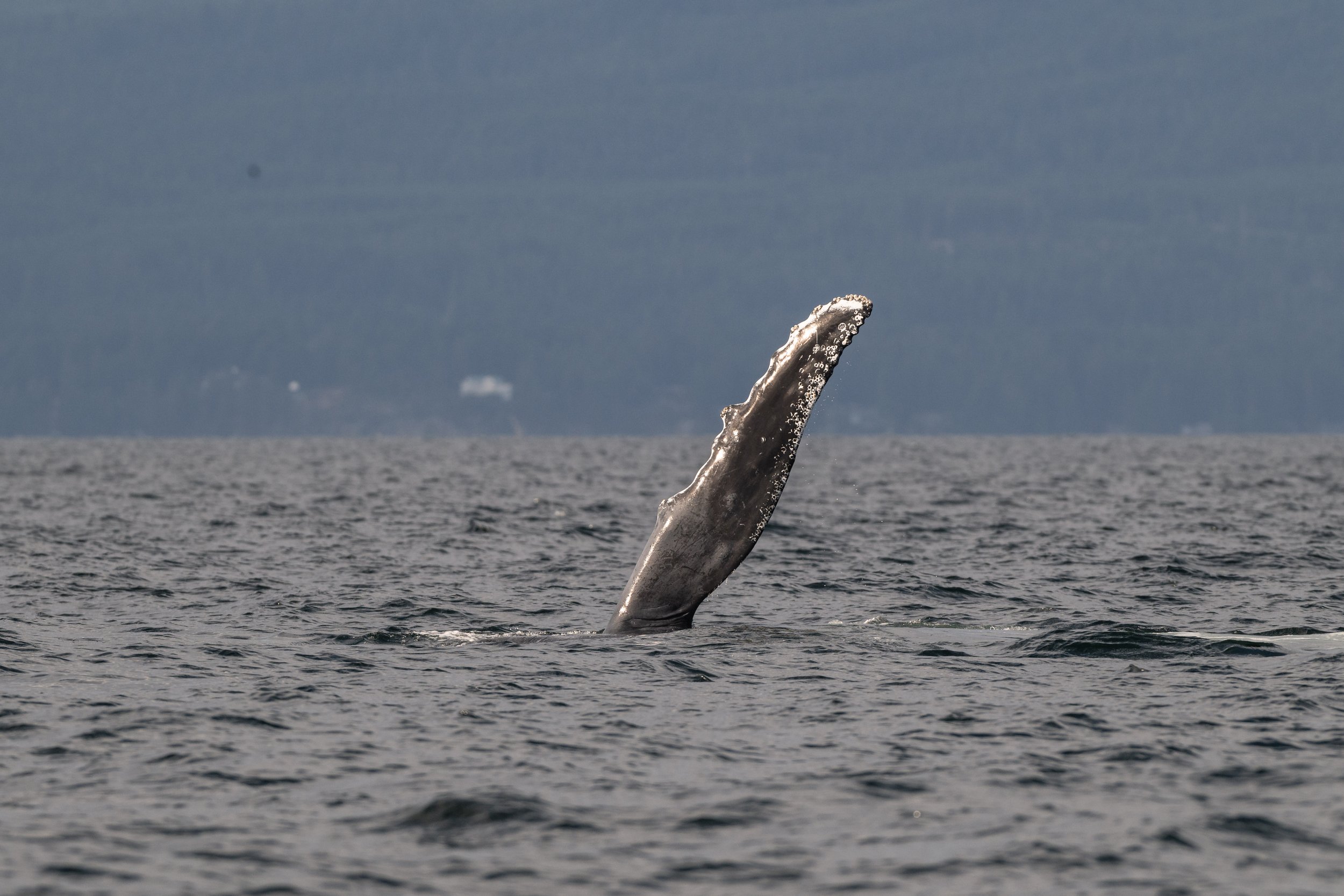
Those circluar scars are left behind by barnacles on this pectoral fin. Photo by Aly Kohlman.
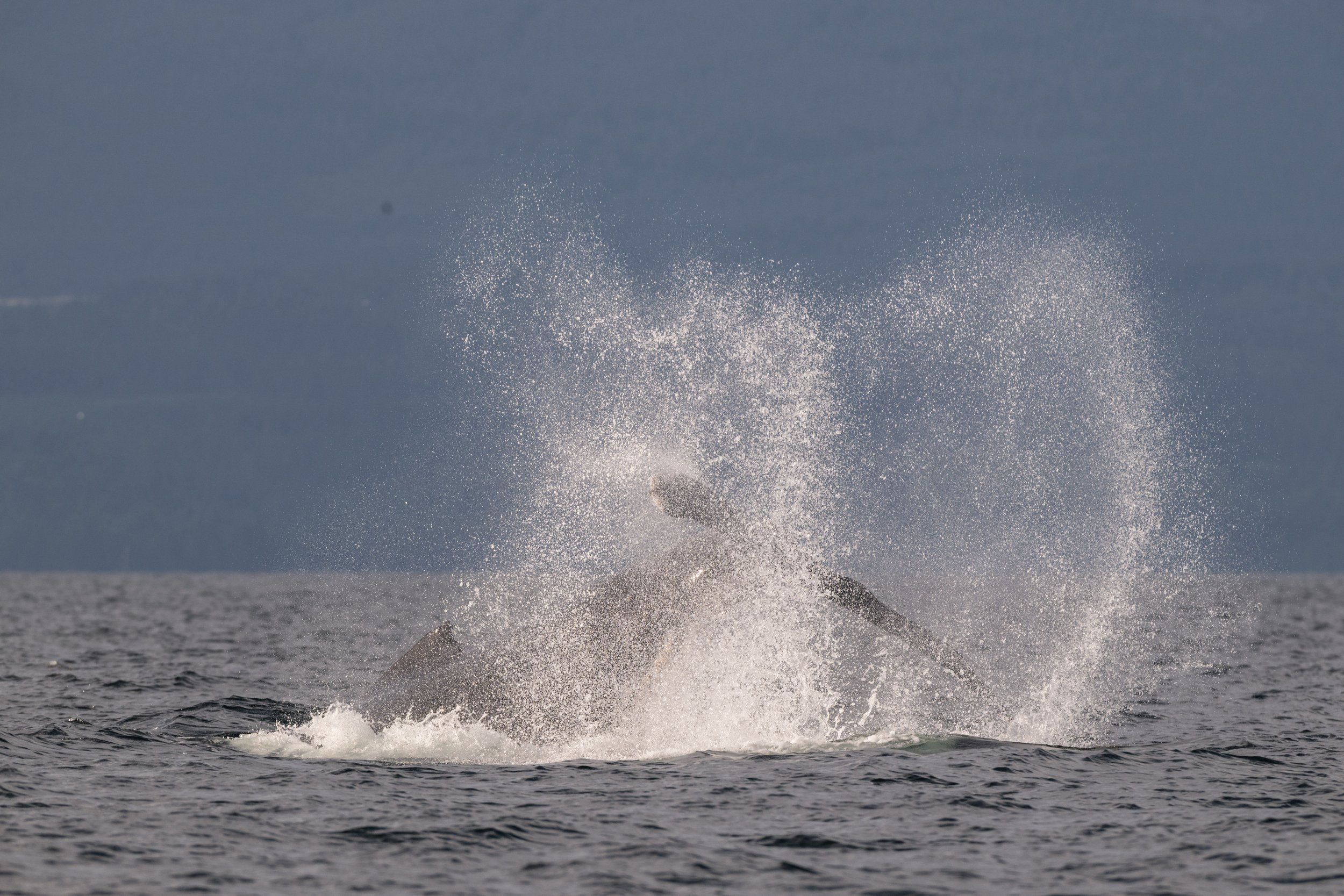
Vanta doing a cartwheel. Photo by Aly Kohlman.
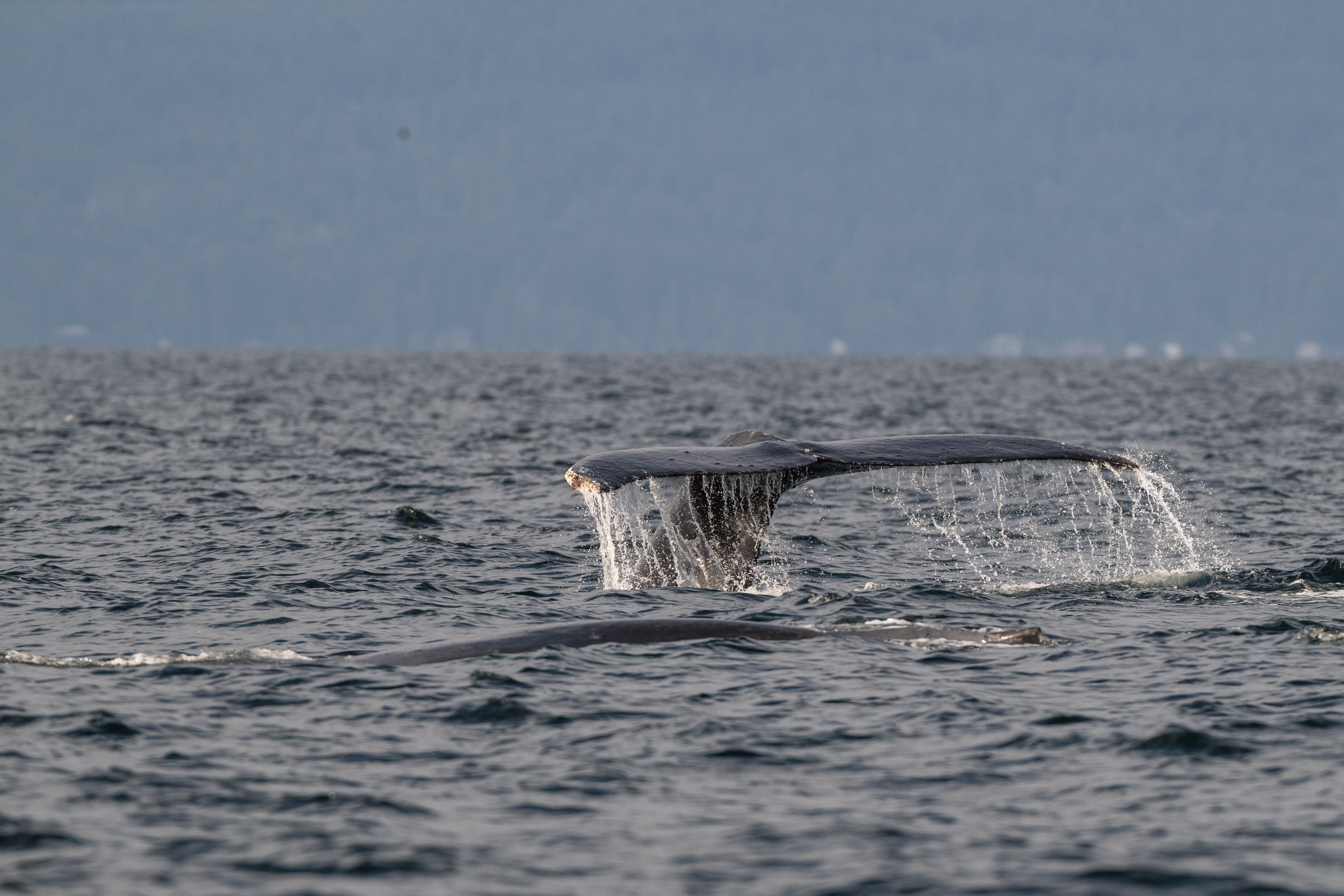
Vanta fluking with Helen surfacing beside. Photo by Aly Kohlman.
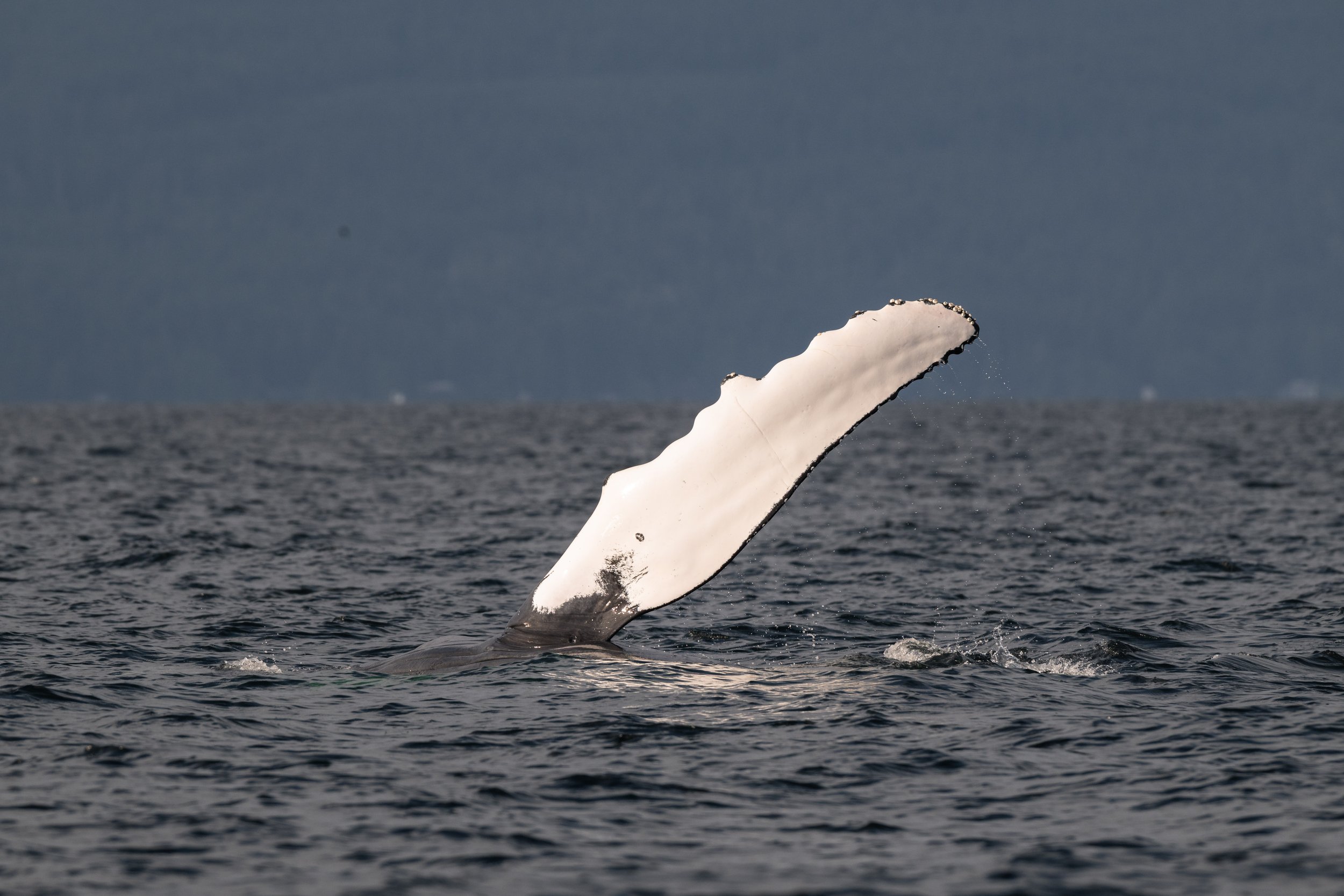
A beautiful white pectoral fin. Photo by Aly Kohlman.
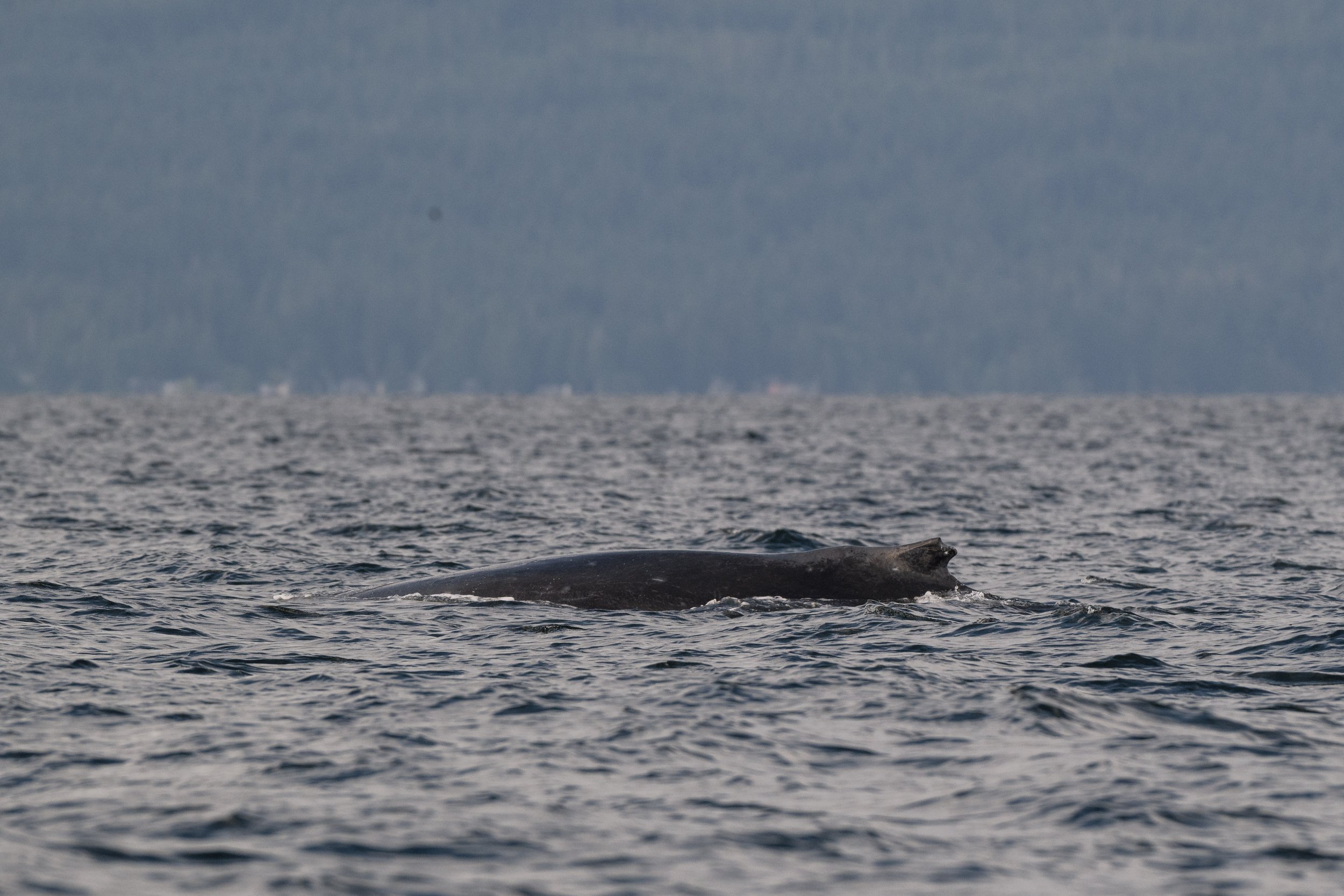
Helen’s distinct dorsal fin. Photo by Aly Kohlman.
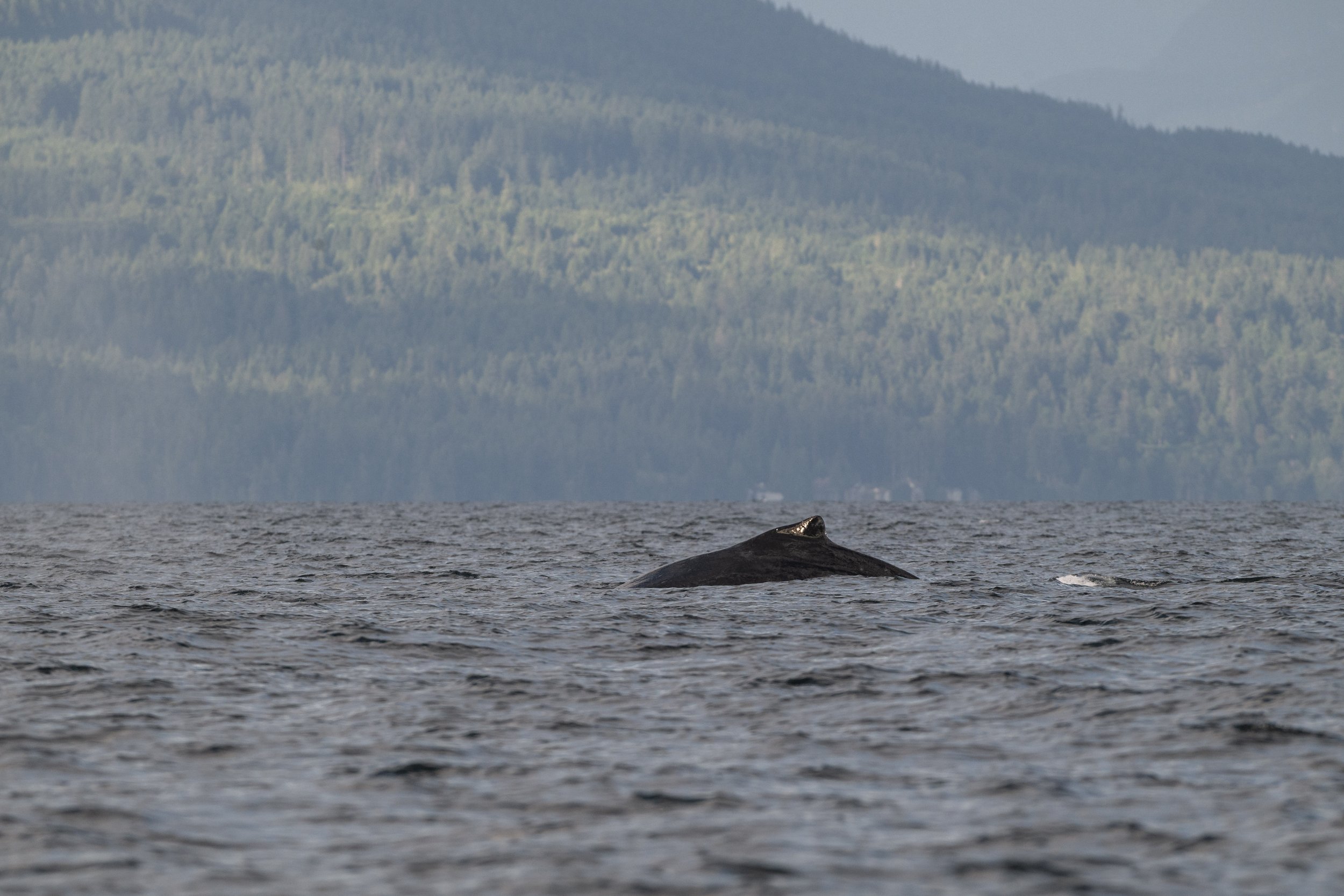
A very scenic photo of Bond. Photo by Aly Kohlman.
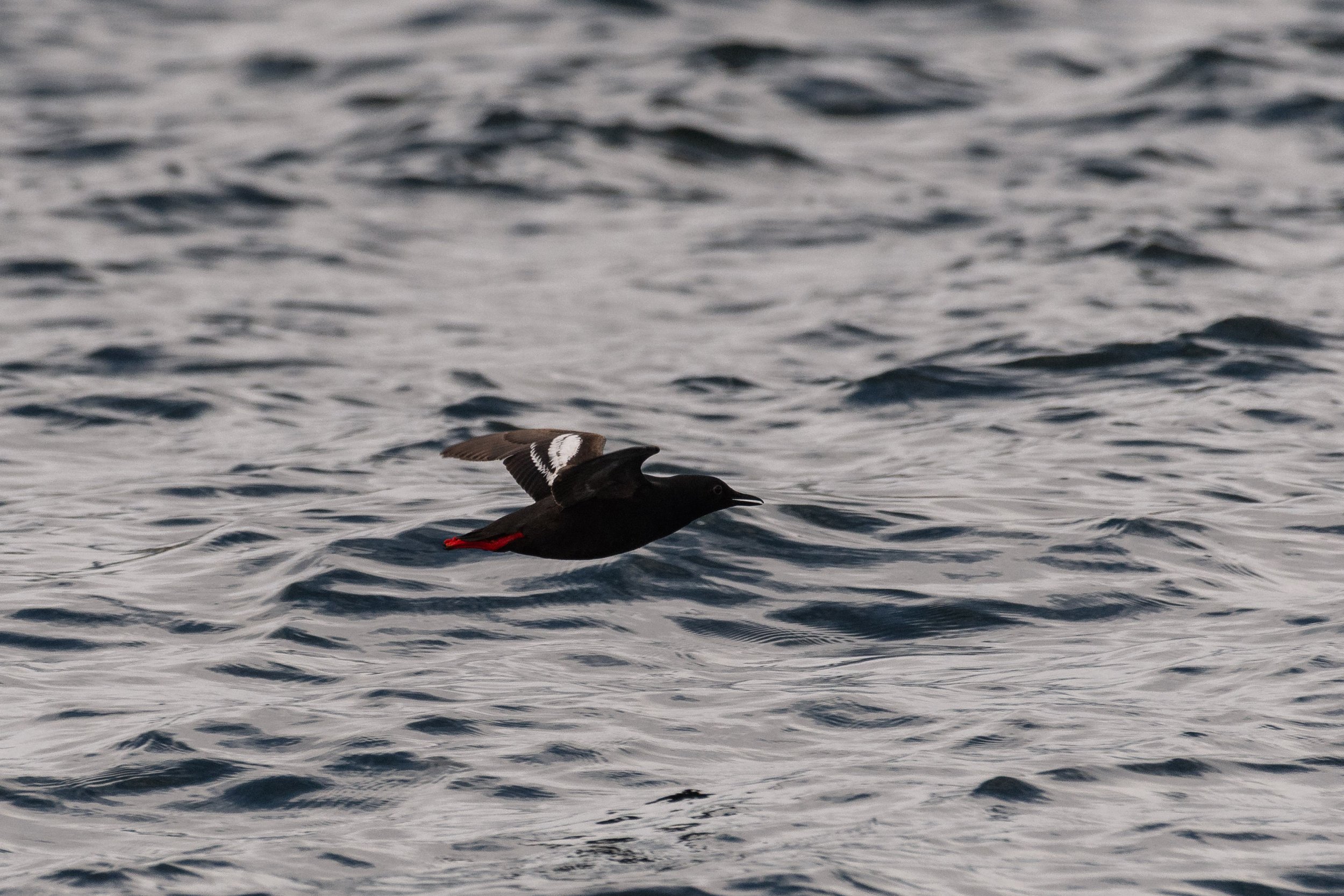
A Pigeon Guillimont flying. Photo by Evan Hessels.
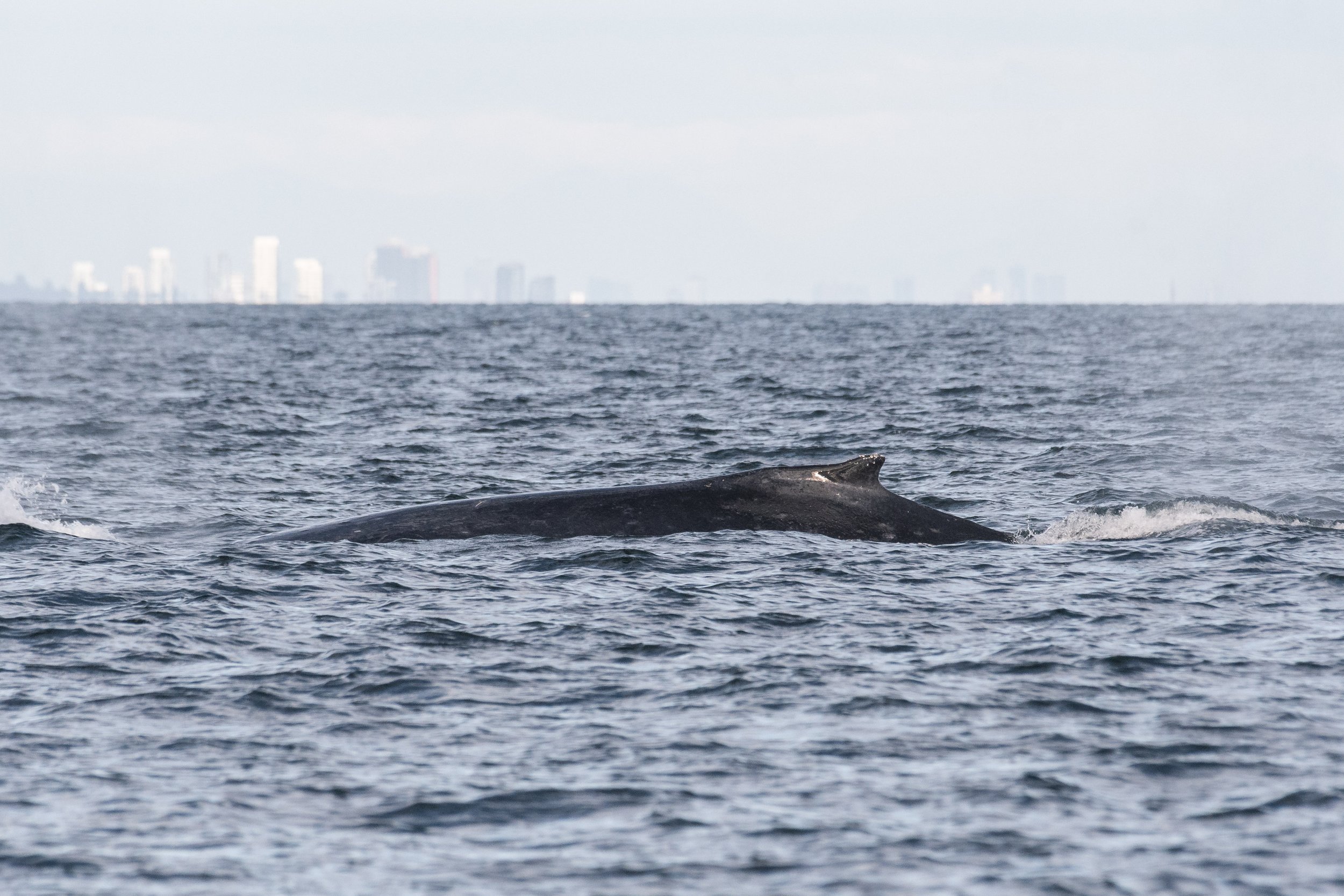
Corona/Phi surfacing. Photo by Evan Hessels.
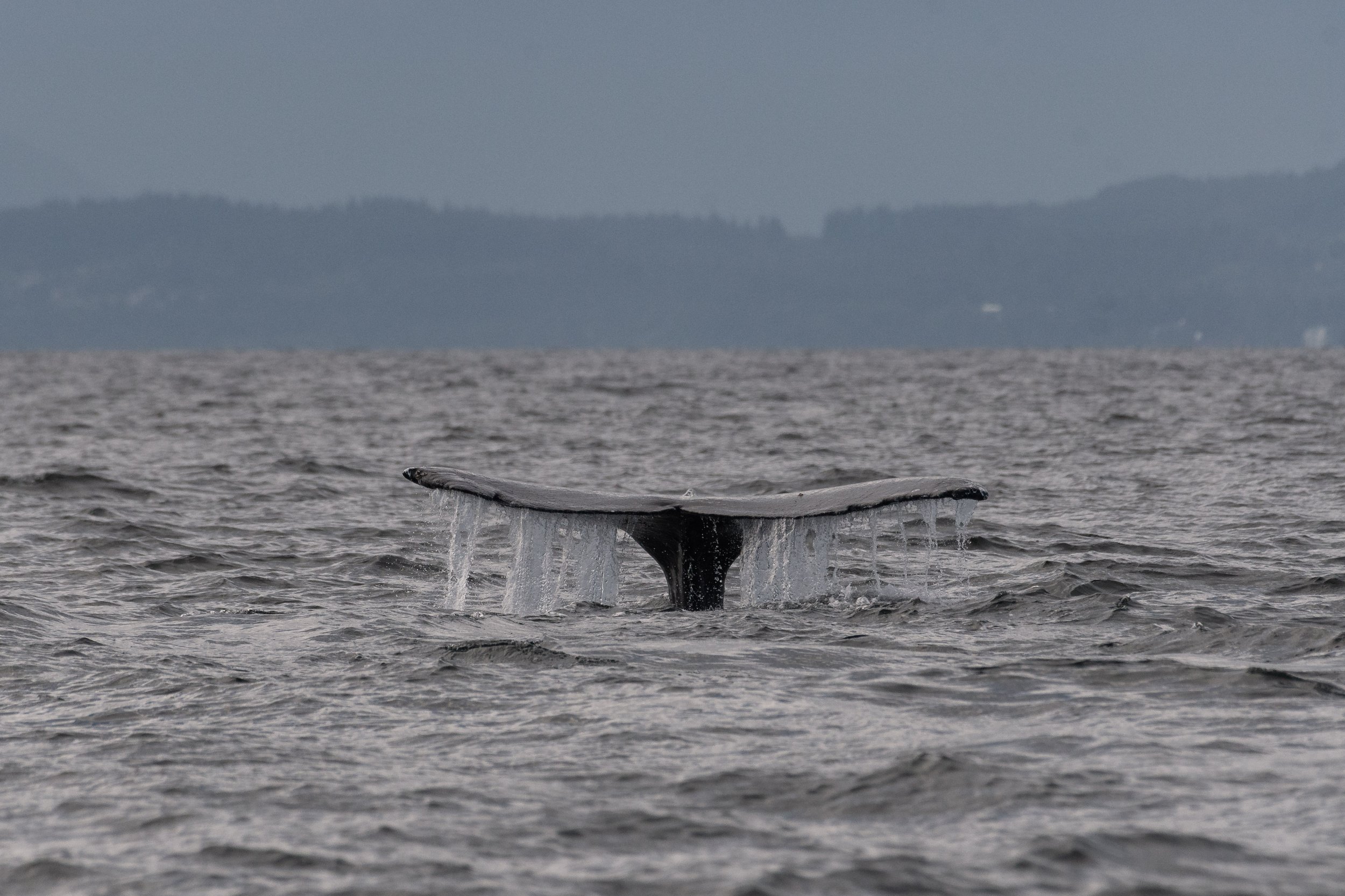
Valiant going for a dive. Photo by Evan Hessels.
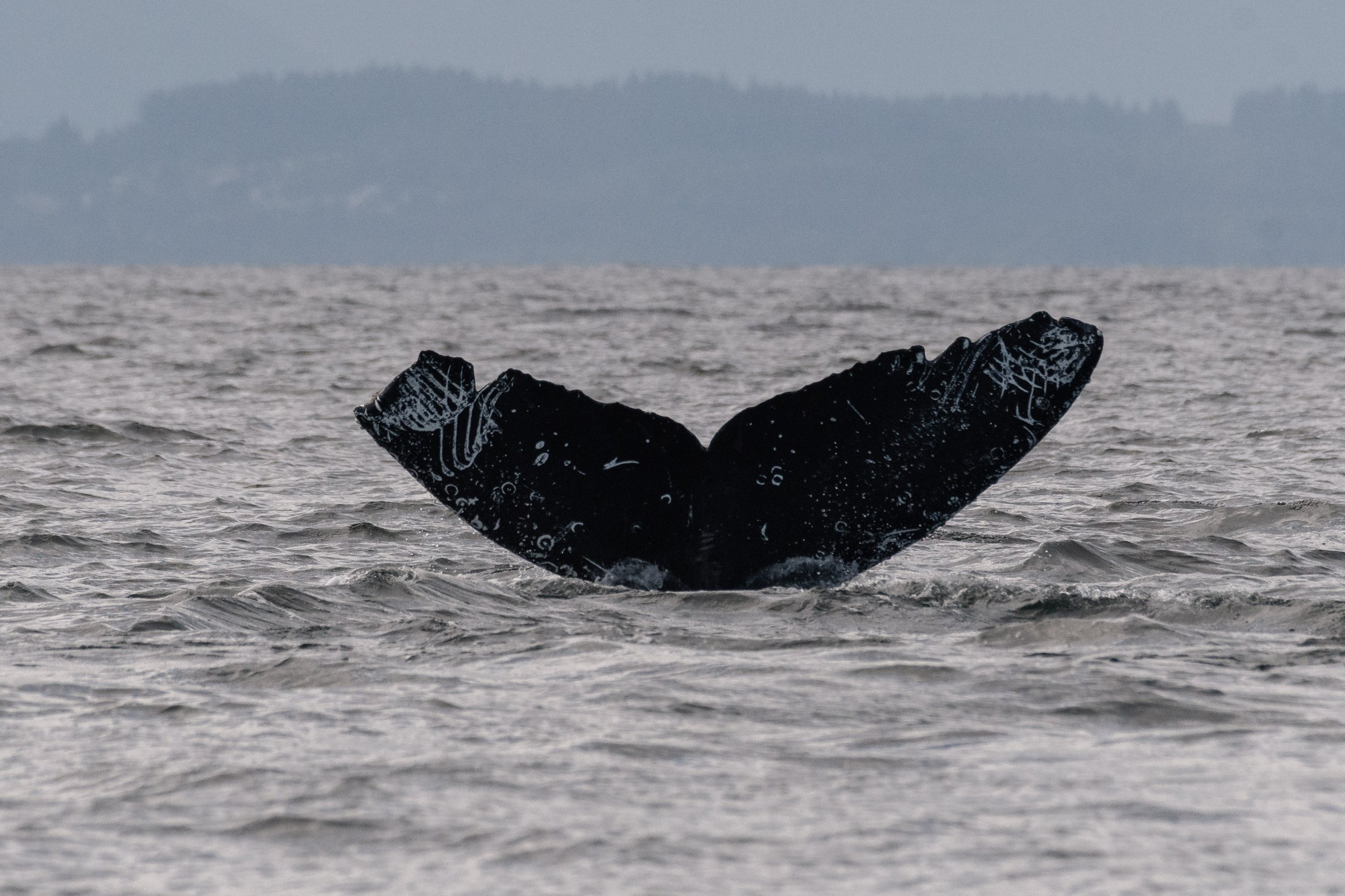
The scarred up underside of Valiant’s tail flukes. Photo by Evan Hessels.
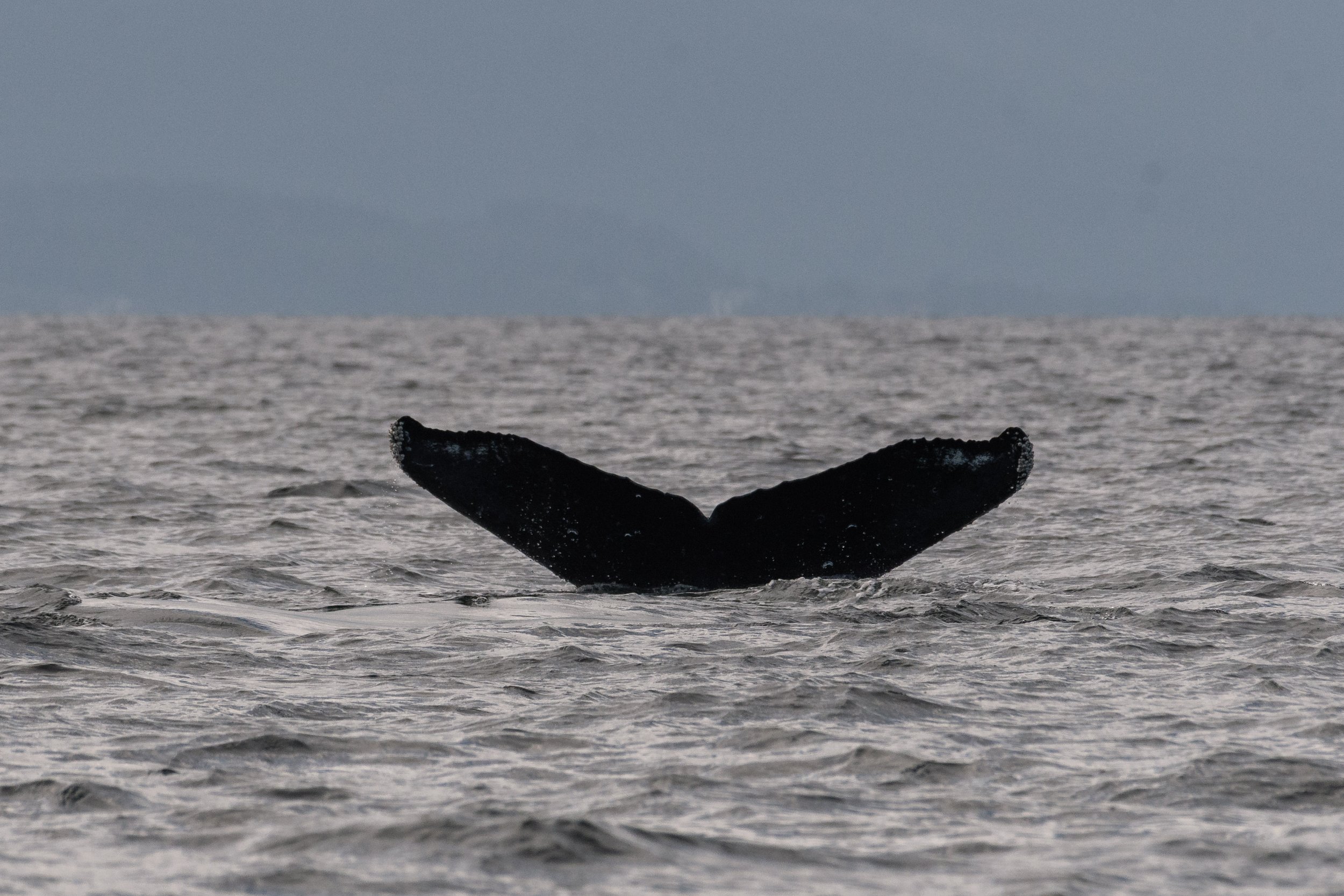
The underside of Corona/Phi’s tail as she dives. Photo by Evan Hessels.
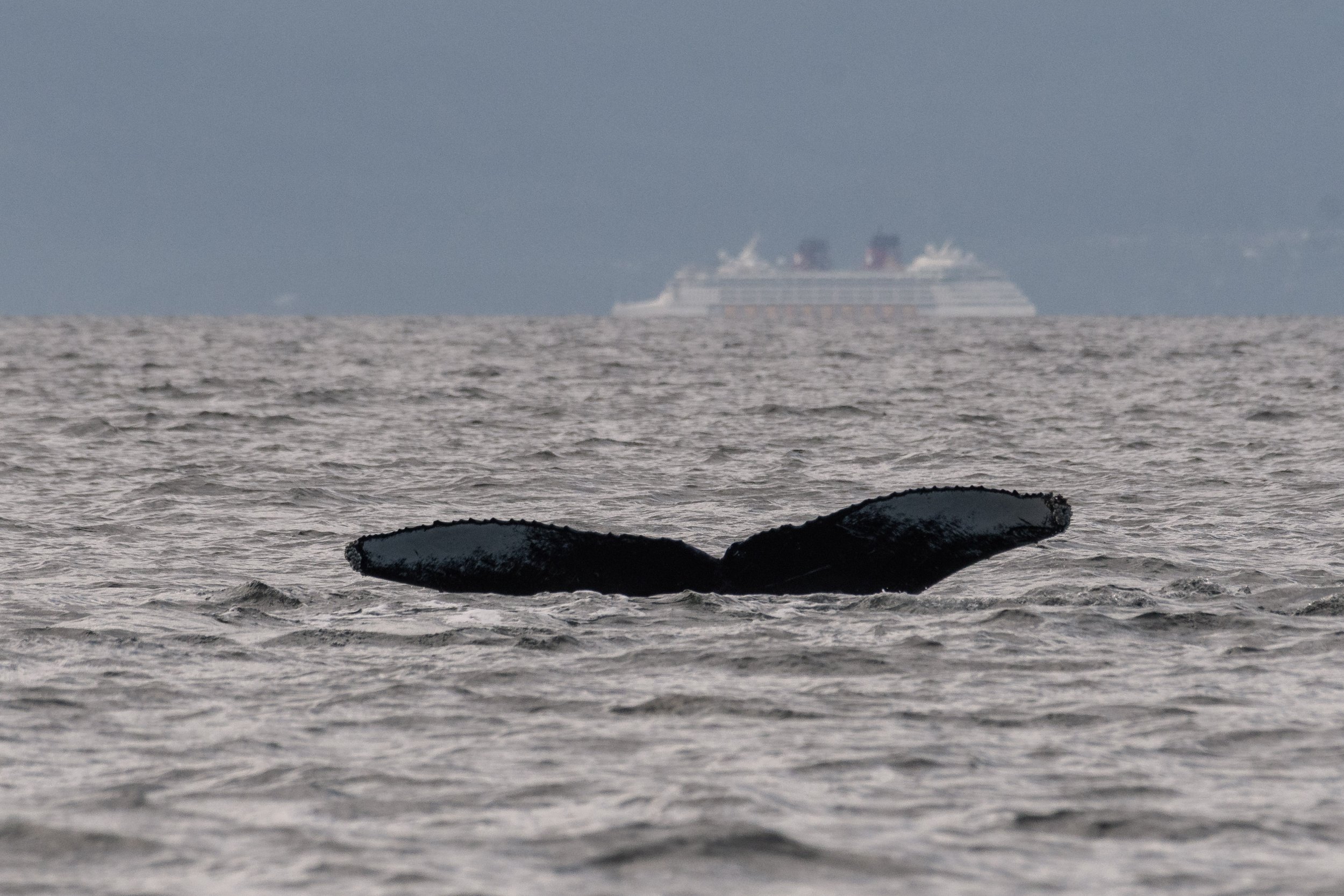
The underside of Velvet’s tail. Photo by Evan Hessels.
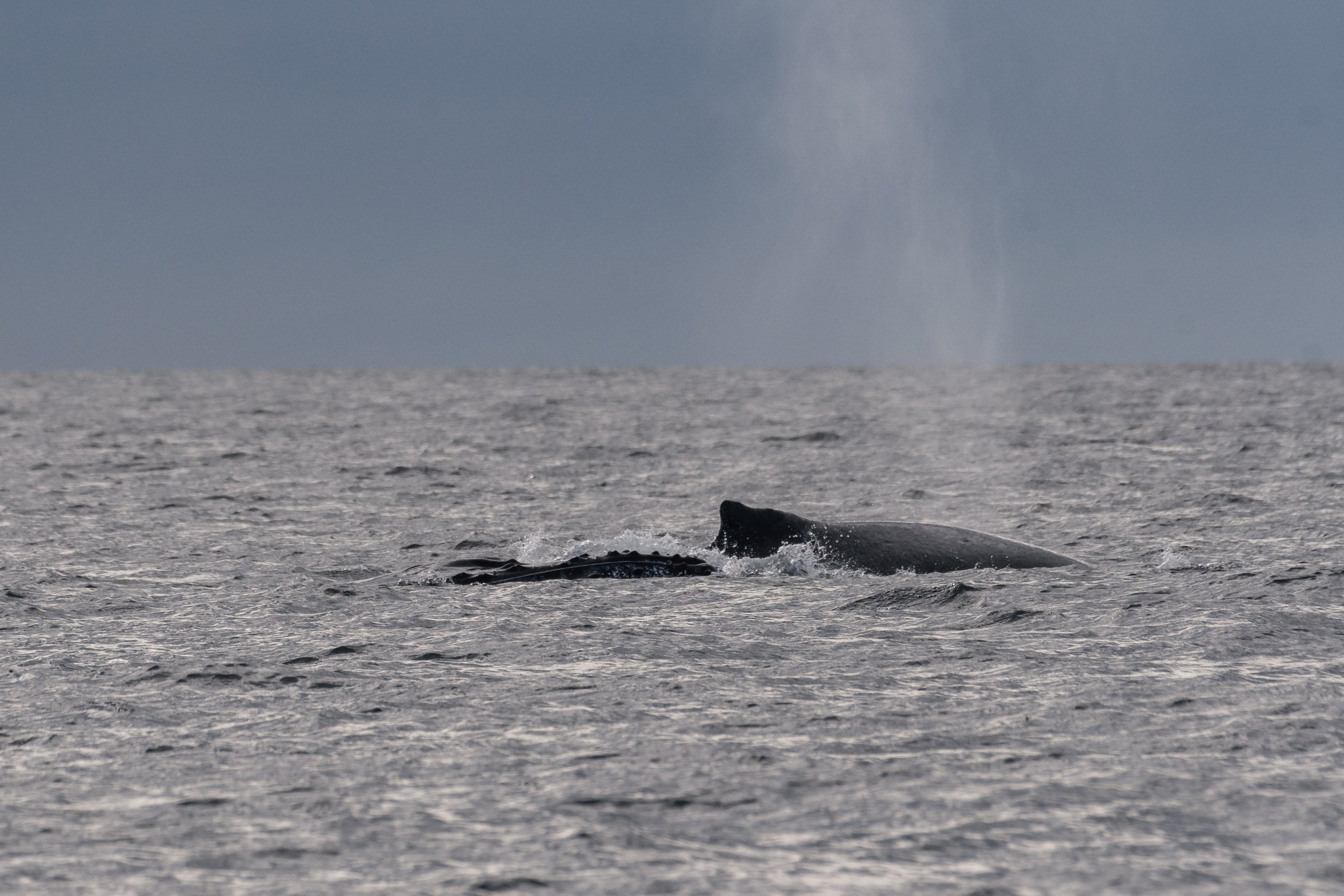
Velvet’s dorsal fin with another’s rostrum out of the water beside them. Photo by Evan Hessels.
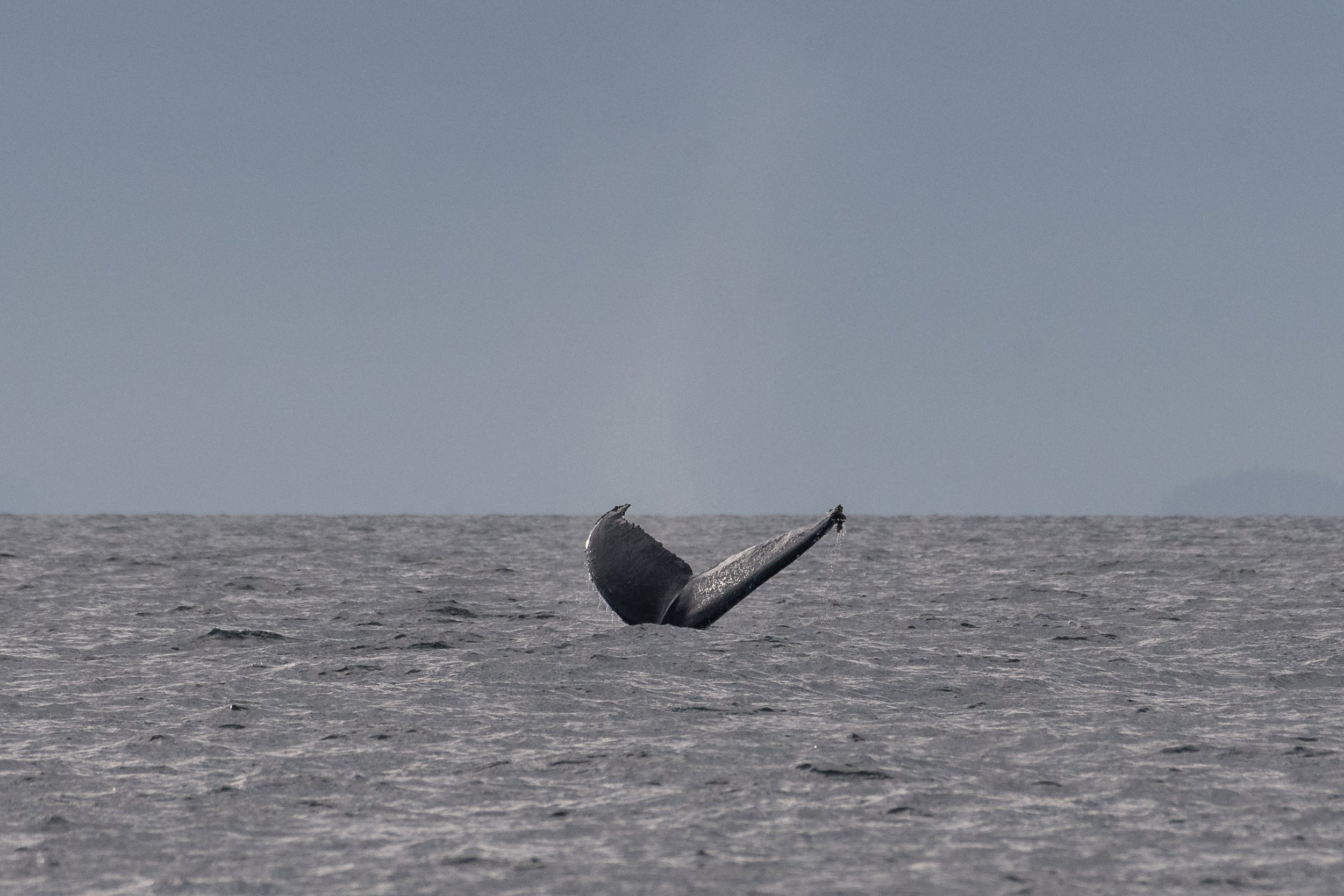
Dalmatian going for a dive in the distance. Photo by Evan Hessels.
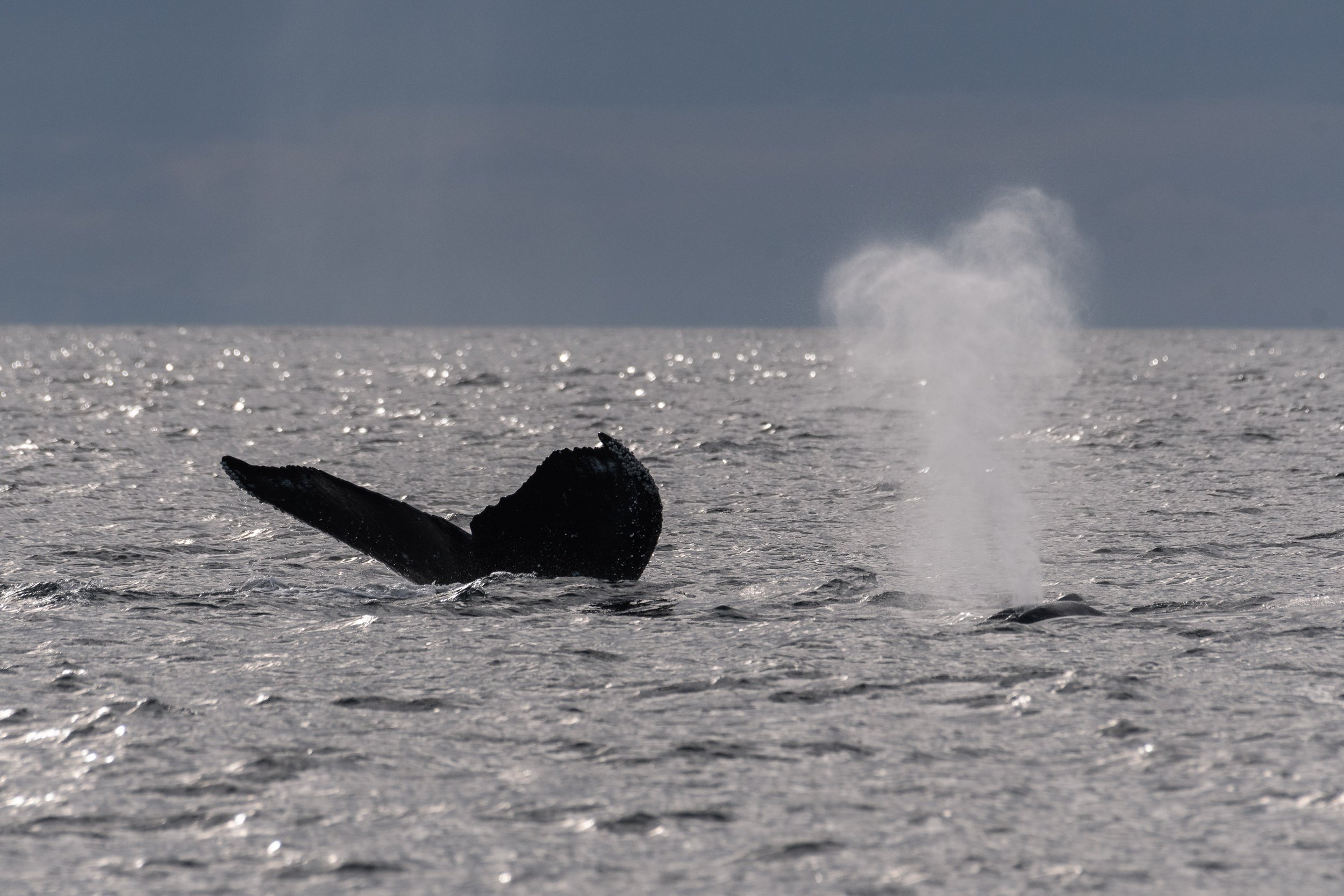
Corona/Phi diving with another exhaling beside her. Photo by Evan Hessels.
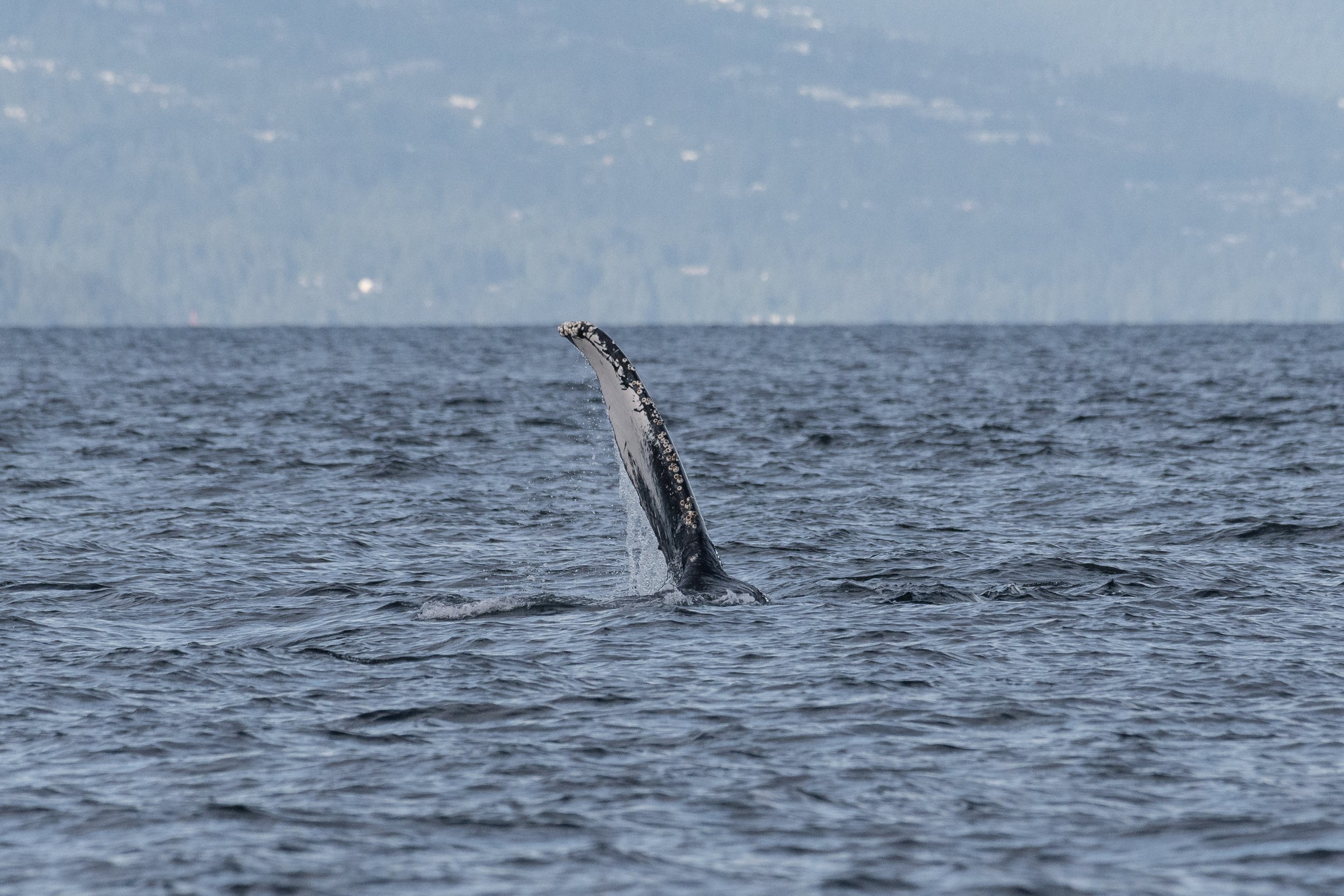
Malachite with his tail sideways out of the water. Photo by Evan Hessels.
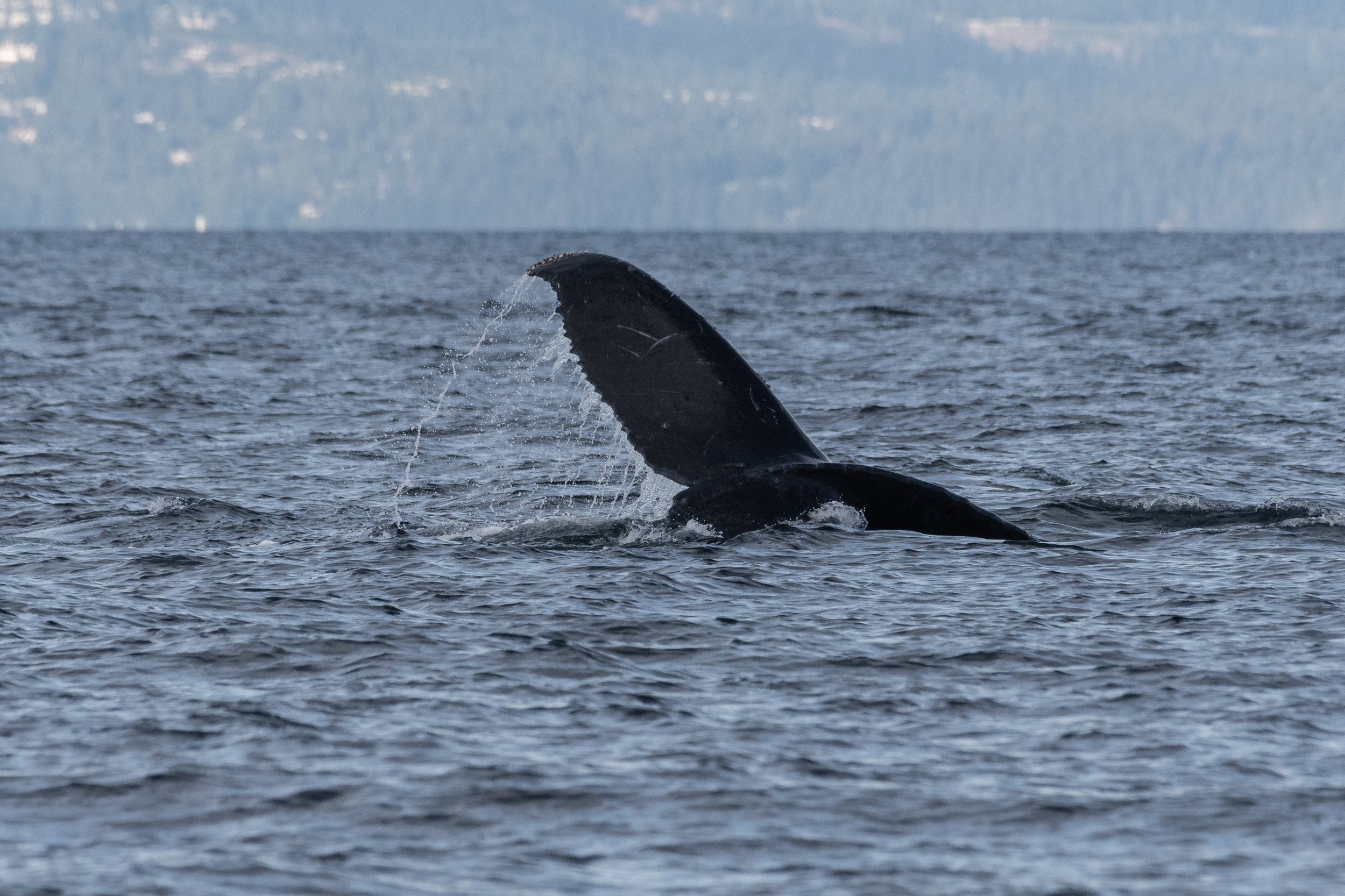
Velvet rolling as they dive. Photo by Evan Hessels.
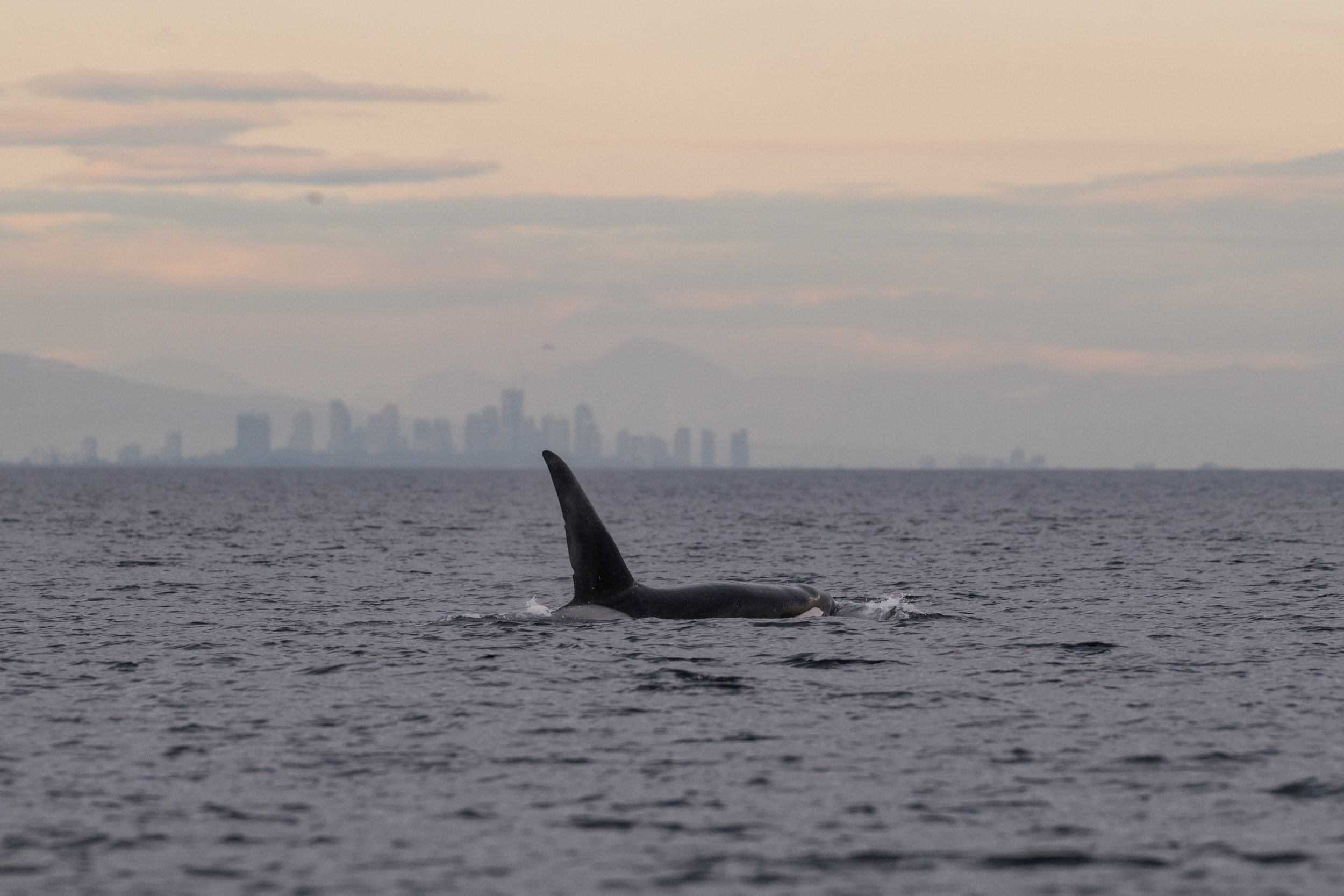
T137A Jack with Vancouver behind her. Photo by Aly Kohlman.
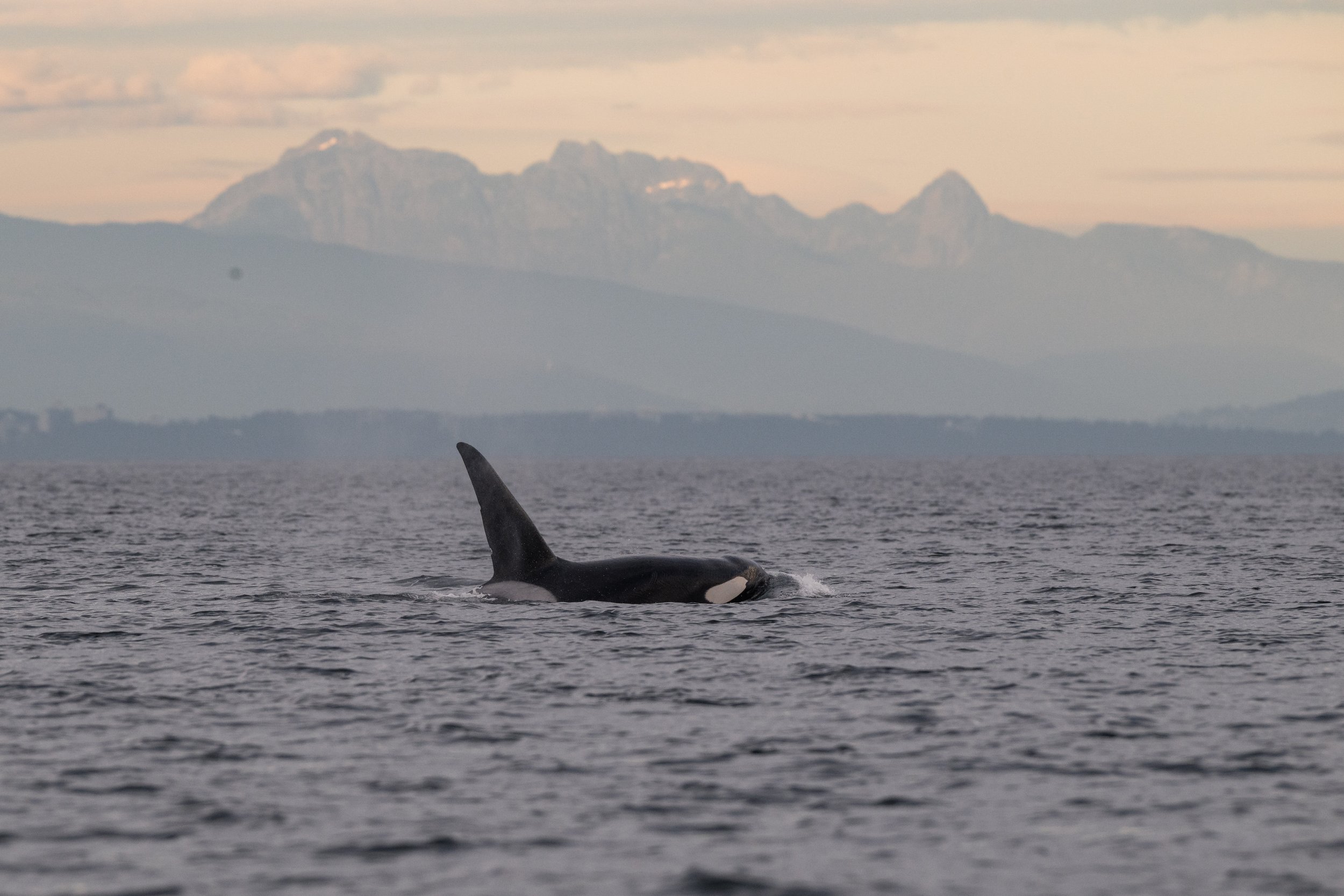
T137A Jack with Mt. Garibaldi in behind him. Photo by Aly Kohlman.
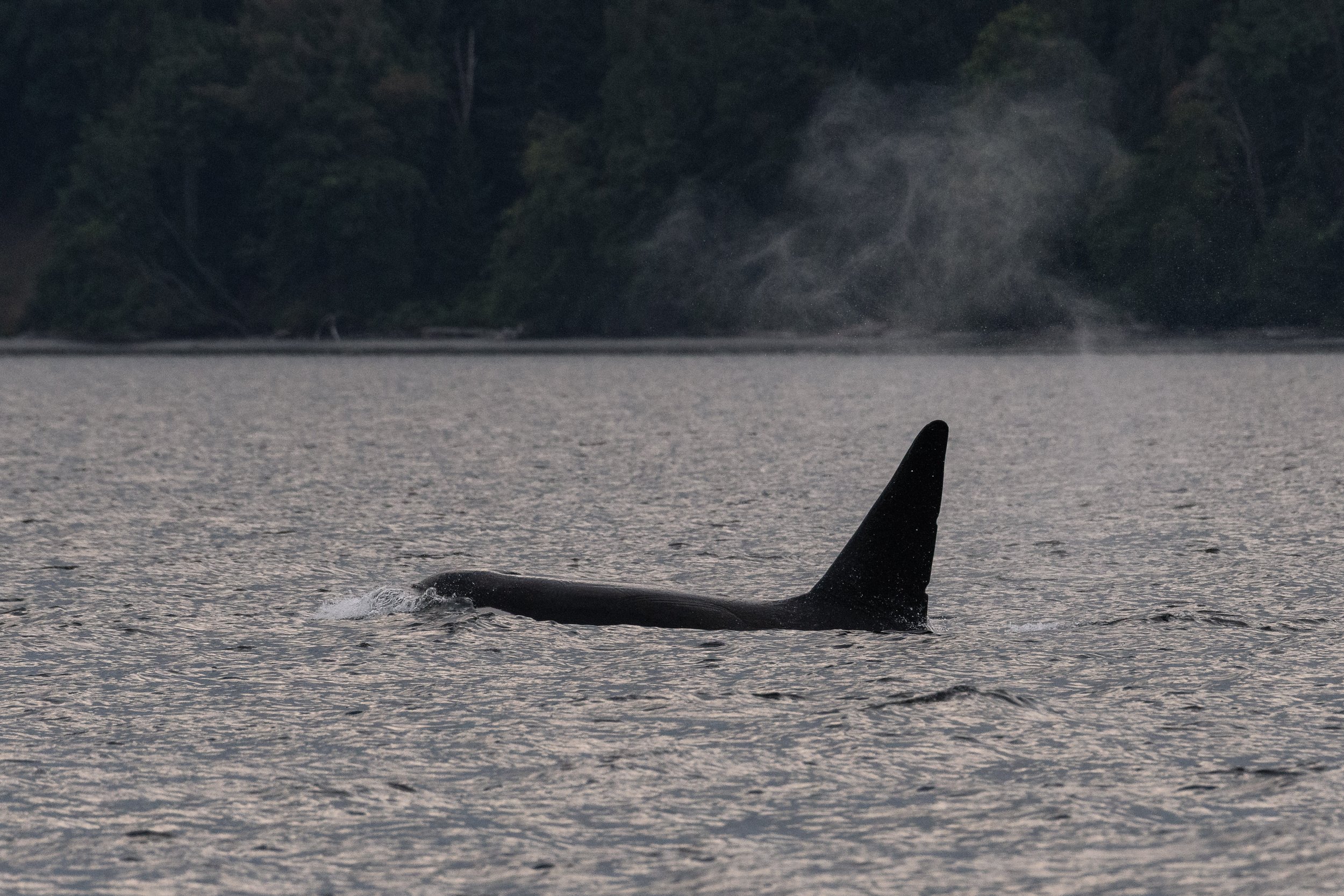
A lovely look at T137A Jack. Photo by Evan Hessels.
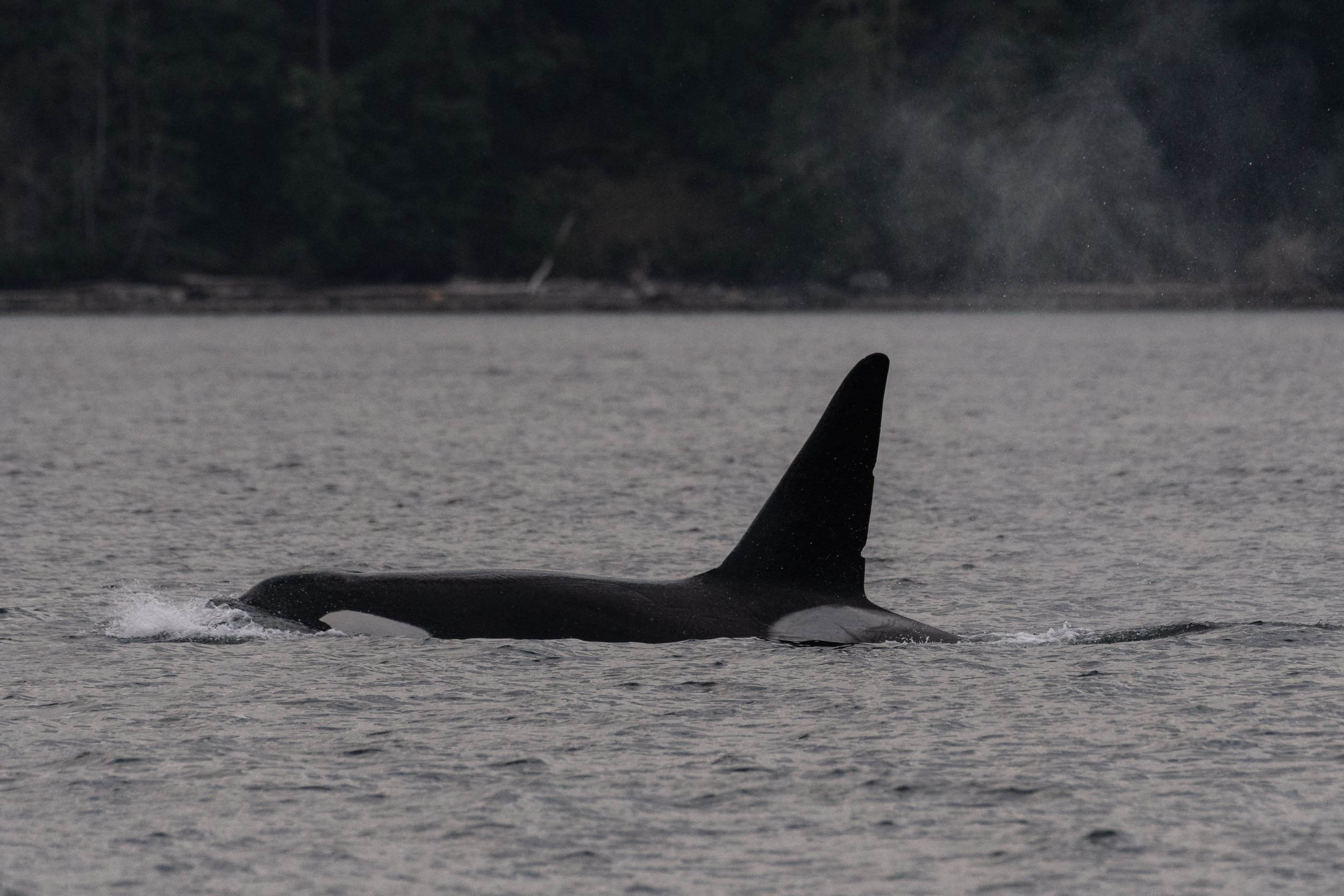
T137A Jack showing off his scarred up saddle patch. Photo by Evan Hessels.
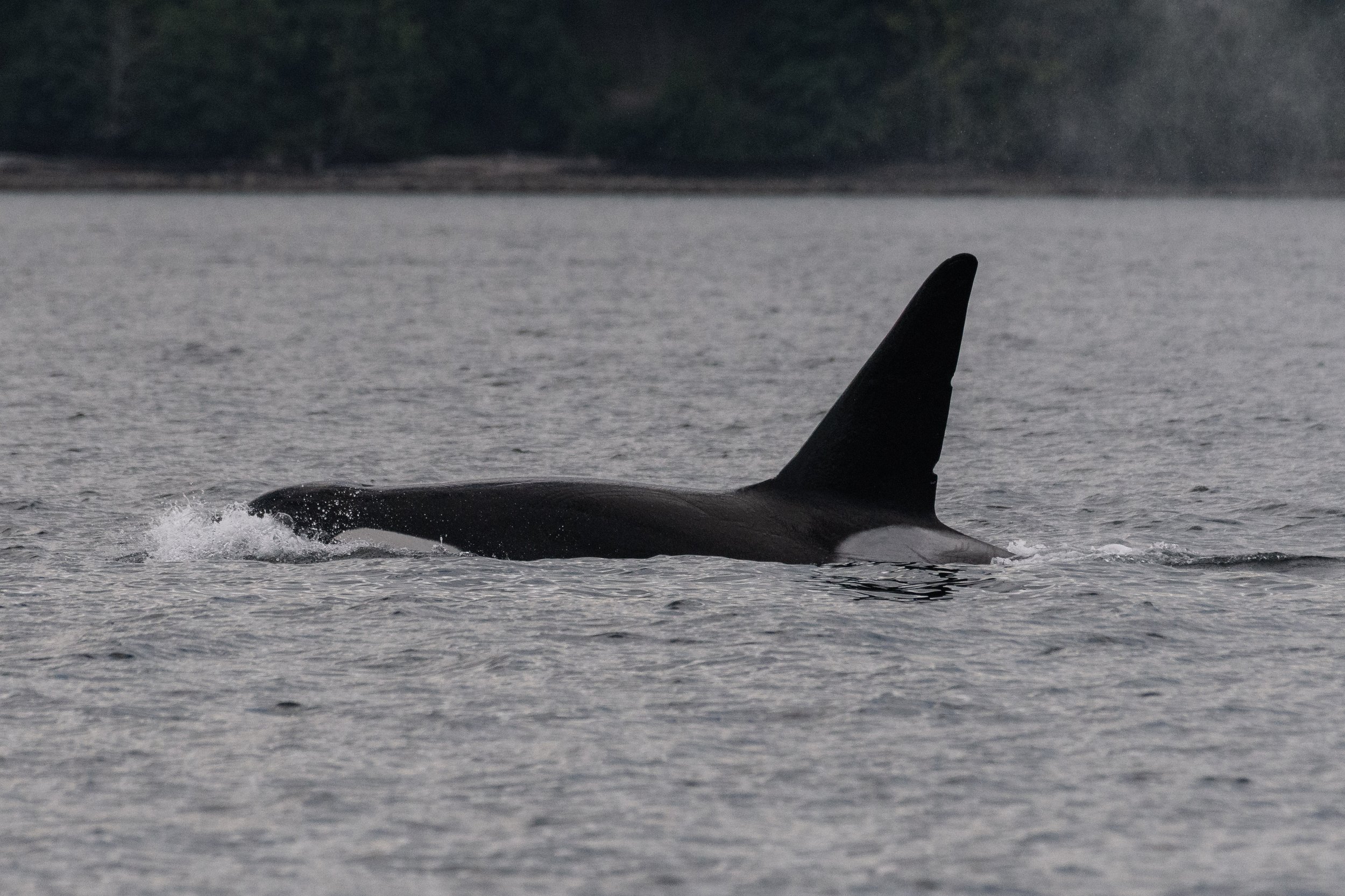
T137A Jack splashing his way through the water. Photo by Evan Hessels.