
July 11, 2026, 10:30 AM - A little family reunion, plus a sibling duo and some humpbacks too!
Eager to get out and begin our explorations, we boarded our entire fleet and discussed the day’s plans. With three vessels out and about, we decided to spread out to cover as much ground as possible. Travelling like this increases our chances of success by extending the range we can cover to find whales; however, this thought process led us to be almost overly successful, as our boats actually found different whales while we were out and about!
Our first vessel to find whales today was Keta, which spotted a pair of humpback whales travelling side by side. Onboard naturalist Evan pulled out his camera and began snapping photos of the duo. Thanks to some beautiful flukes and unique dorsal shapes, it was confirmed that these were Vanta (BCX1730) and Scuba (BCY1225). Scuba is an extra interesting whale to identify, as we can use a less conventional physical feature to confirm their ID. On the top edge of their peduncle, there is a significant ‘dent’ near their flukes. This chunk was caused by a previous entanglement and will likely remain very visible for their entire life. Take a peek at the photos below and see if you can spot the notch!
While Keta was with the humpbacks, Cascadia and Kula found some different whales of their own. A group of orca had been spotted, with fins of various sizes travelling together. Naturalists Hayleigh and Jordan began snapping photos of the individuals, and after comparing these photos to our guides, we confirmed that there were two matrilines travelling together - the T100s and T101s:
T100 Hutchins ♀ (~1979)
T100C Laurel ♂ (2002)
T100F Estrella (2014)
T101 Reef ♀ (≤1969)
T101A Rush ♂ (1993)
T101B Lagoon ♂ (1997)
Further off in the distance, a pair of male dorsal fins could be seen travelling together. It turned out that those two were T101A Rush and T101B Lagoon, who seemed uninterested in joining the party today. T100C Laurel, however, another large male, was right in the midst of the celebrations, tucked in close with the other smaller dorsal fins.
These four orca were travelling close together, surfacing regularly as they went. Travelling along like this takes up a vast majority of an orca’s day. Going from pinniped haulout to haulout, searching for easy prey as they go. Each individual has to eat a couple hundred pounds of meat a day to maintain their weight, meaning a larger group like this one will need to successfully hunt 10-12 Harbour Seals daily to sustain themselves!
It is always interesting seeing these two pods interact, as it is believed that T101 Reef is actually the mother of T100 Hutchins. This means Reef was also visiting her grandchildren, T100C Laurel and T100F Estrella, and Hutchins was visiting her younger brothers. This can be a bit confusing, though, as the alphanumeric codes for these two pods do not accurately reflect this relationship; these errors were more common during the earlier days of Transient orca cataloguing, when fewer of their behaviours and relationships were well documented.
Soon, Keta joined the duo to watch the orca, and then Cascadia and Kula were off once more on their own adventure to try and locate some humpbacks. In no time at all, their search proved fruitful when another pair of blows was spotted nearby. Once more, the Naturalists began to photograph the pair, and soon after, it was discovered that they were Arial (BCY0767) and Valiant (BCX1773), travelling together.
Arial and Valiant, similarly to Vanta and Scuba earlier, were travelling together while fluking and diving. Soon after arrival, though, their behaviours changed - Arial launched himself up out of the air, cartwheeling along before crashing back into the water. Valiant soon joined, and the pair was popping out of the water together like popcorn! Breaching is a very interesting behaviour, as it is very calorically intensive, so it is always awe-inspiring to see these gentle giants do it. It is likely an indicator that they are both feeding very well, which is always a great thing to see!
After enjoying a few views with their respective whales, all three vessels continued onward. With a double-species trip already under our belts, it was time to try to find other wildlife species. The fleet cruised on along, making their way down to Valdez Island. Close to the coastline, a few small rocky islets rose above the surf. This area, cheekily named “Stinky Rocks”, is one of the plentiful haulouts that can be found around our area. Today, a handful of Harbour Seals could be seen precariously balancing at the tip of the rocks, with more of them in the waters all around. Nearby, the loud and proud Steller Sea Lions grumbled and growled, flexing against each other as they fought for the best spots to rest on the rocks. A couple of adventurous individuals were also spotted launching themselves from the top of the rocks into the shallows before, causing a loud THUD to echo out as they landed.
Once we had had our fill of time with the pinnipeds, we set off once more. We were beginning our journey back towards home port through the Southern Gulf Islands when suddenly, another pair of dorsal fins was spotted by Cascadia and Kula! A few quick photos of these two confirmed that it was a sibling pair travelling along - T077C and T077E:
T077C Neftali ♂ (2006)
T077E Misneach (2016)
Just like the T100s and T101s earlier, this duo was simply travelling along, with T077C Neftali towering over his much younger sibling. It was getting late in the afternoon though, so after a few brief moments, we said our goodbyes and were soon off once more, heading north back towards Nanaimo.
The boats began entering back into harbour, and soon after, the tour concluded. It had been an amazing day exploring and learning about all sorts of interesting creatures that call the Salish Sea home, from the little seals to the giant whales!
Please enjoy these photos by Marine Naturalists Evan Hessels, Hayleigh Hilbert, and Jordan Robinson.
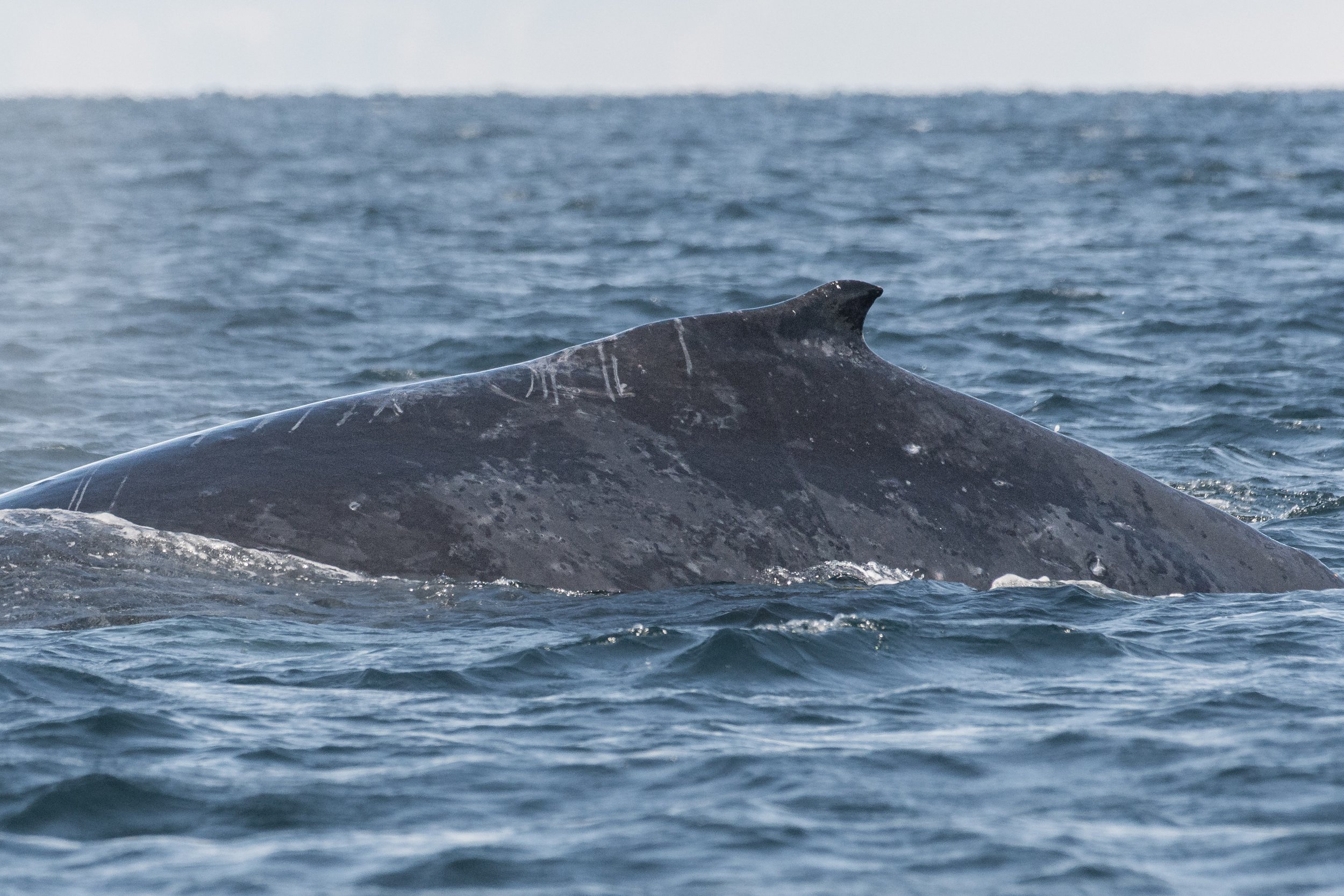
BCY1225 Scuba traveling along. Photo by Evan Hessels.
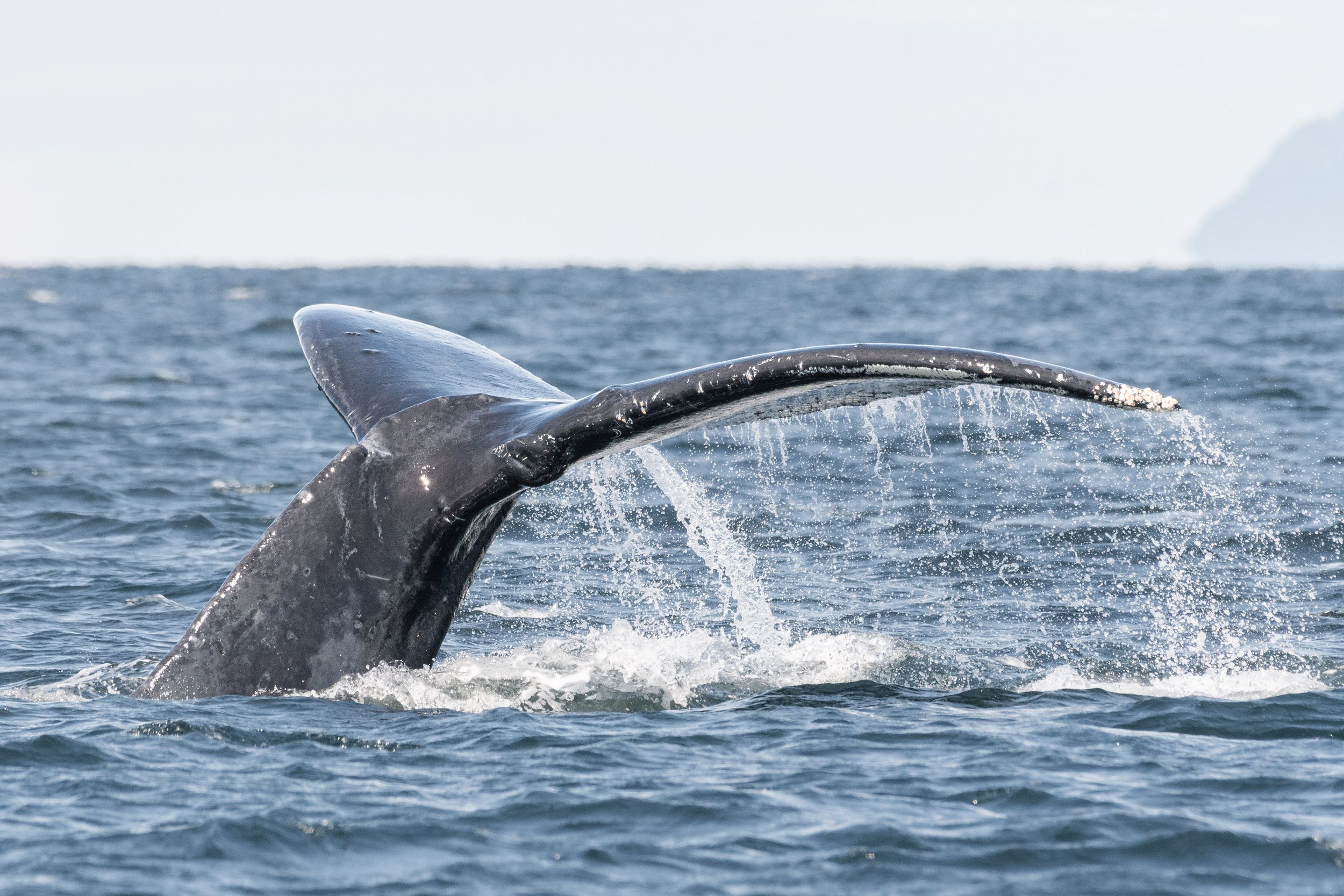
BCY1225 Scuba fluking, their peduncle notch visible. Photo by Evan Hessels.
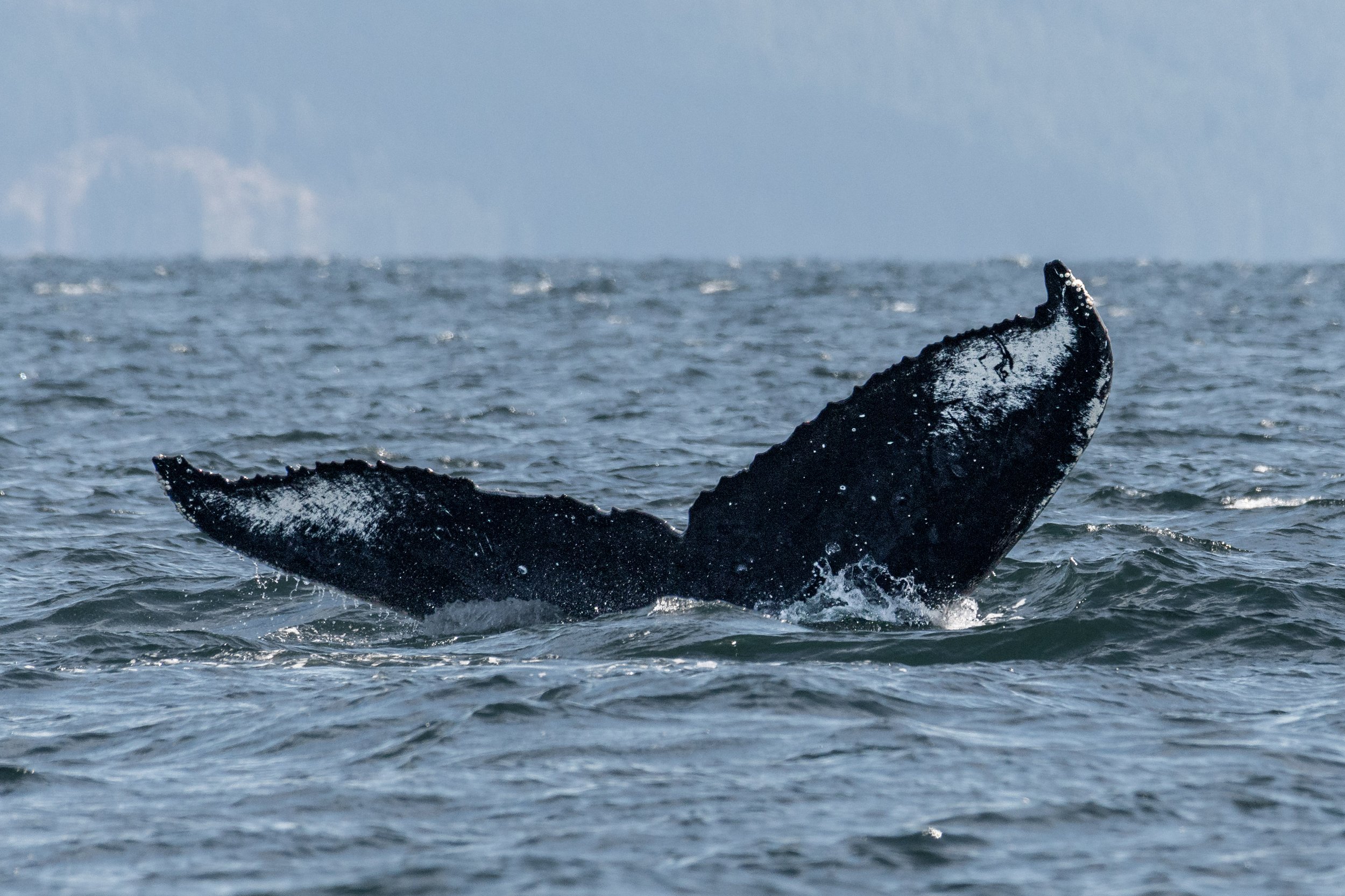
BCY1225 Scuba’s tail fluke. Photo by Evan Hessels.
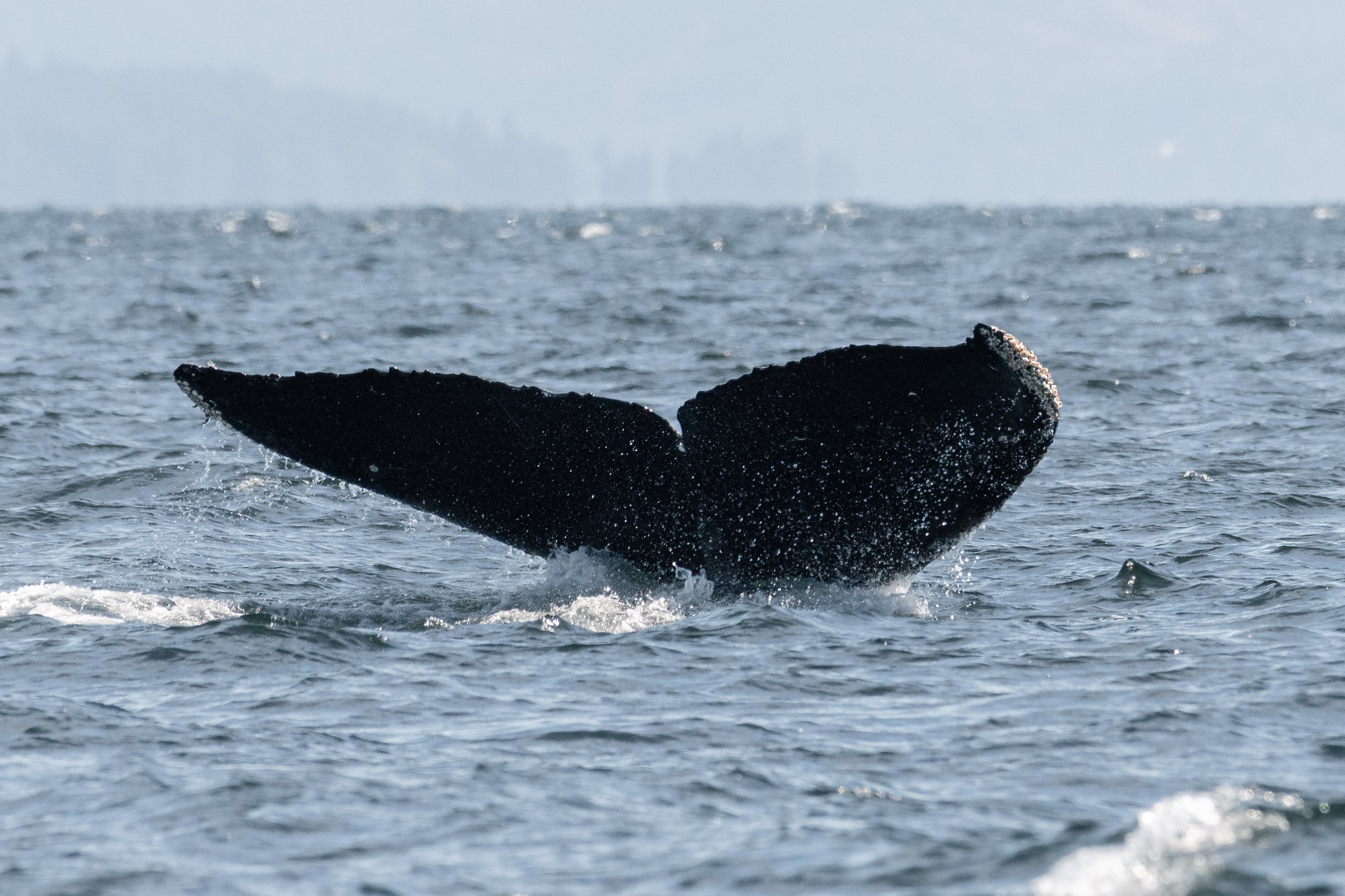
BCX1730 Vanta’s tail fluke. Photo by Evan Hessels.
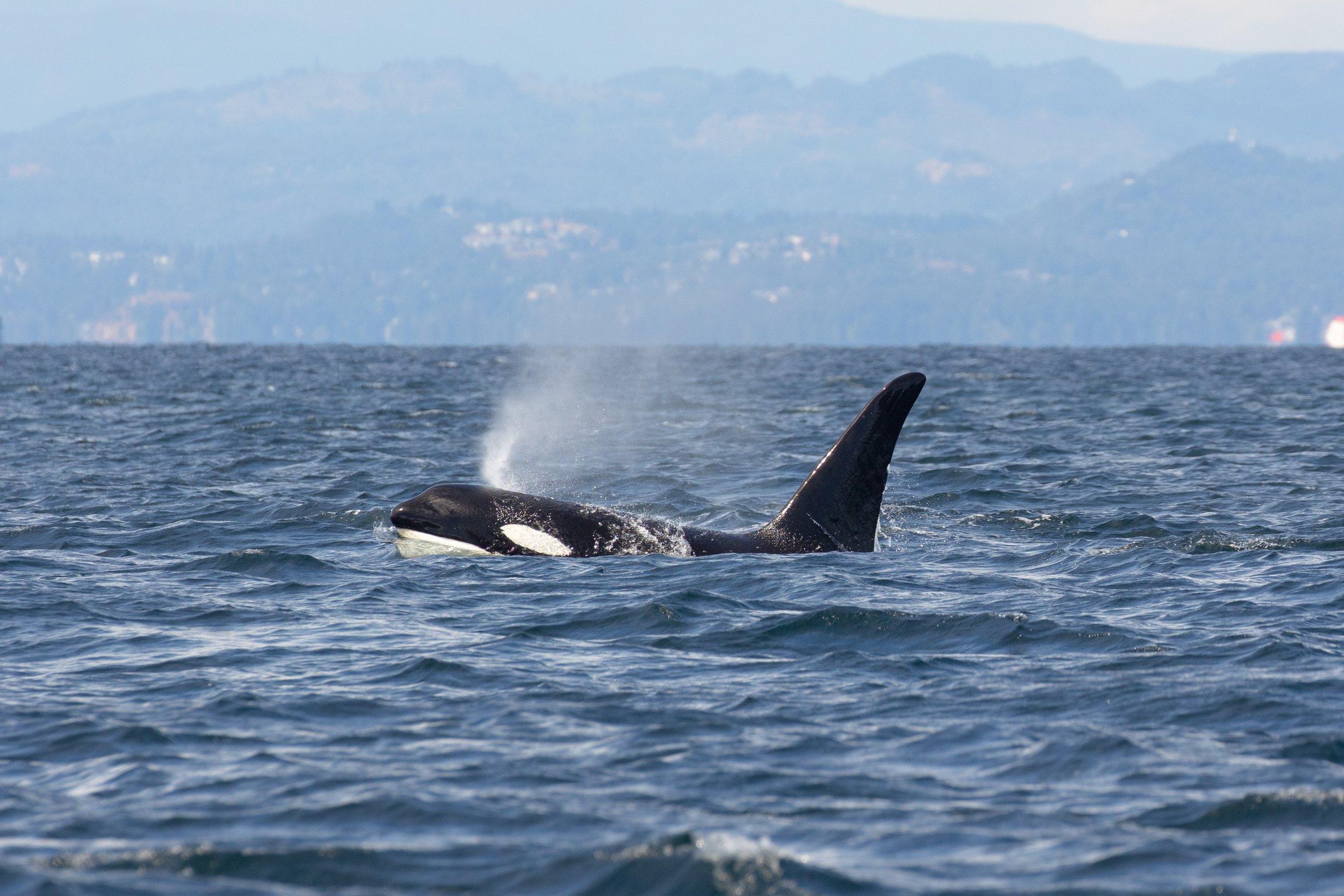
T100C Laurel moving through the waves. Photo by Jordan Robinson.
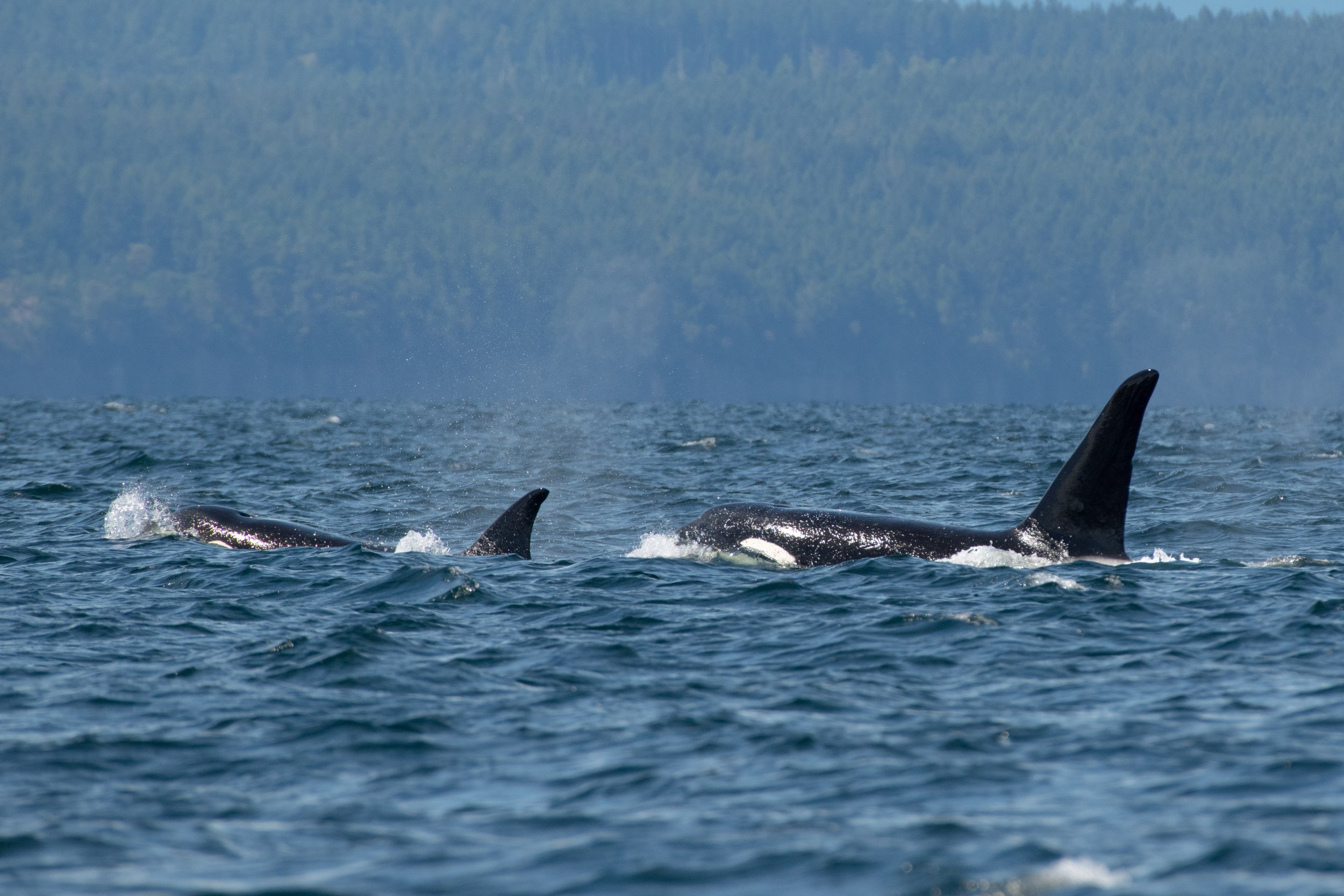
T100 Hutchins traveling with her son T100C Laurel. Photo by Hayleigh Hilbert.
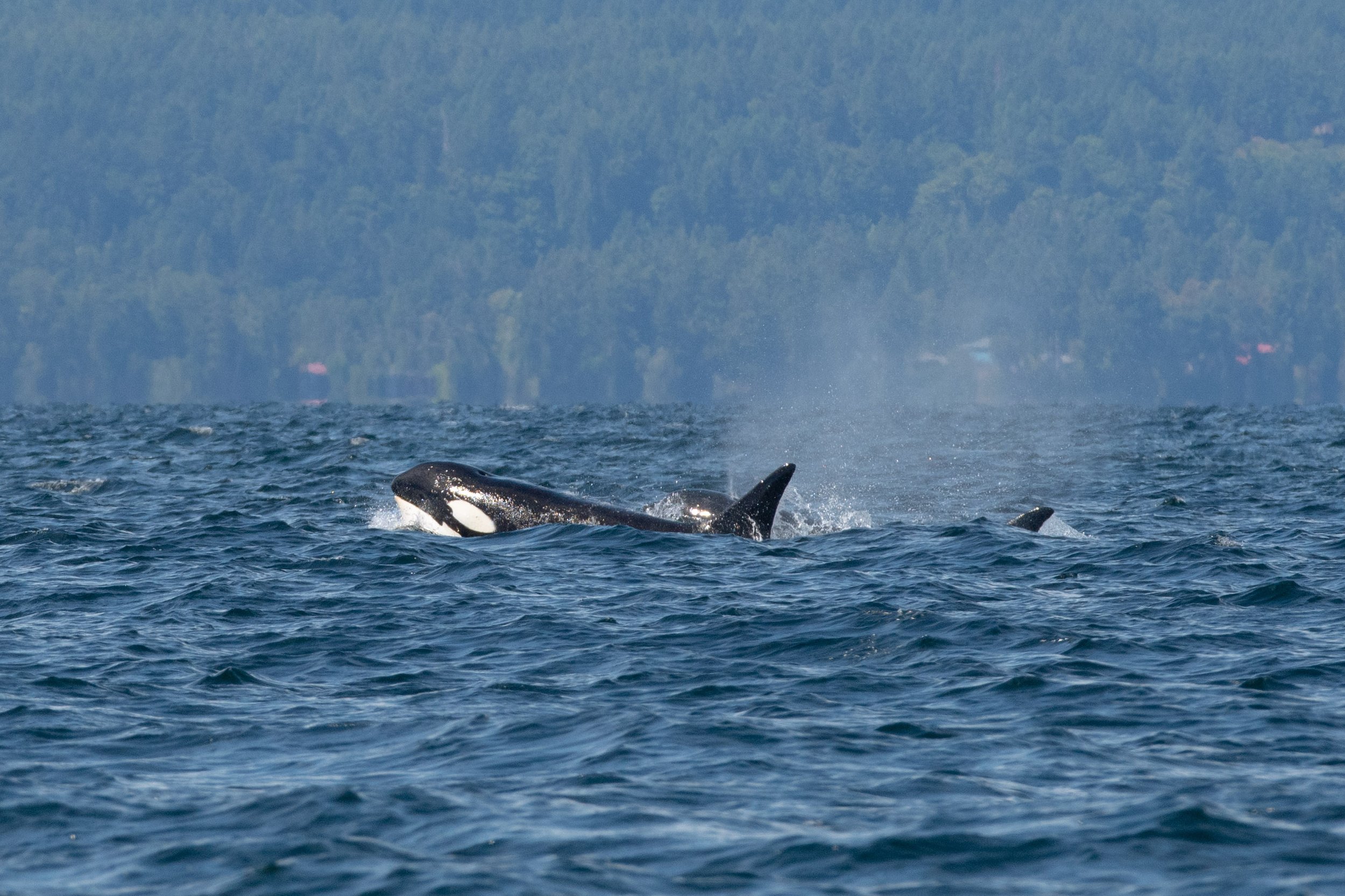
T101 Reef traveling with her grandchildren! Photo by Hayleigh Hilbert.
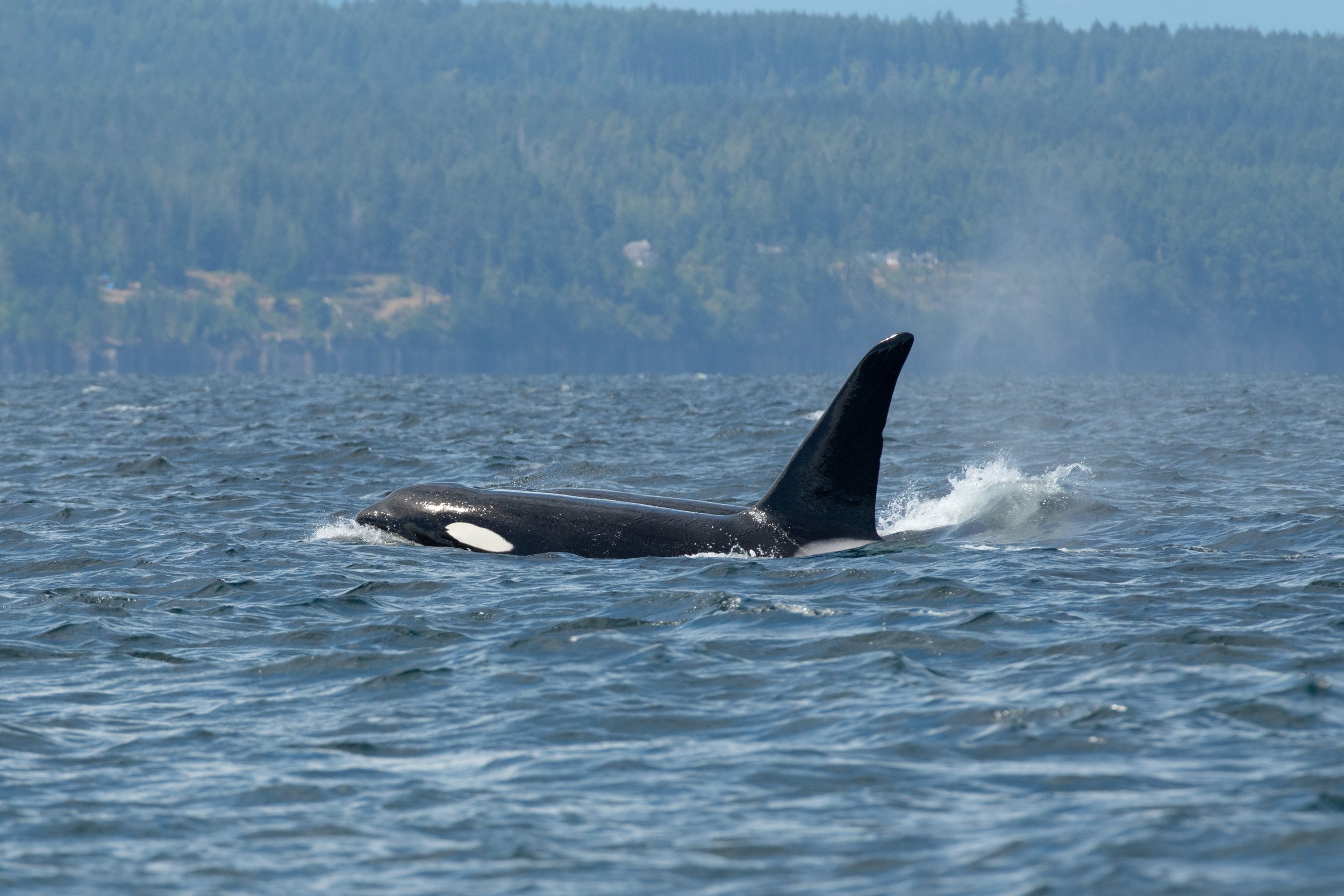
T100C Laurel moving along. Photo by Hayleigh Hilbert.
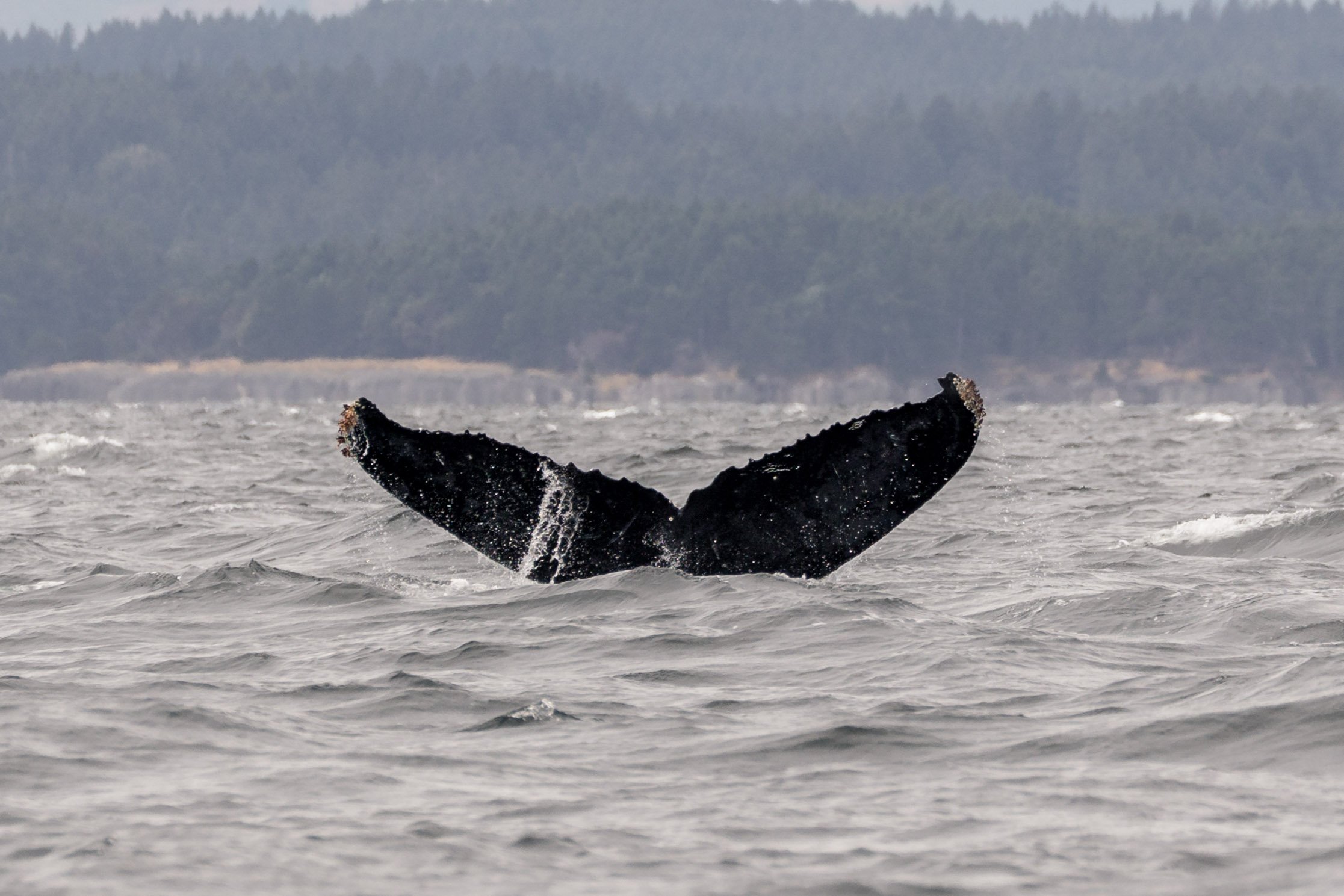
BCY0767 Arial fluking before a dive. Photo by Jordan Robinson.
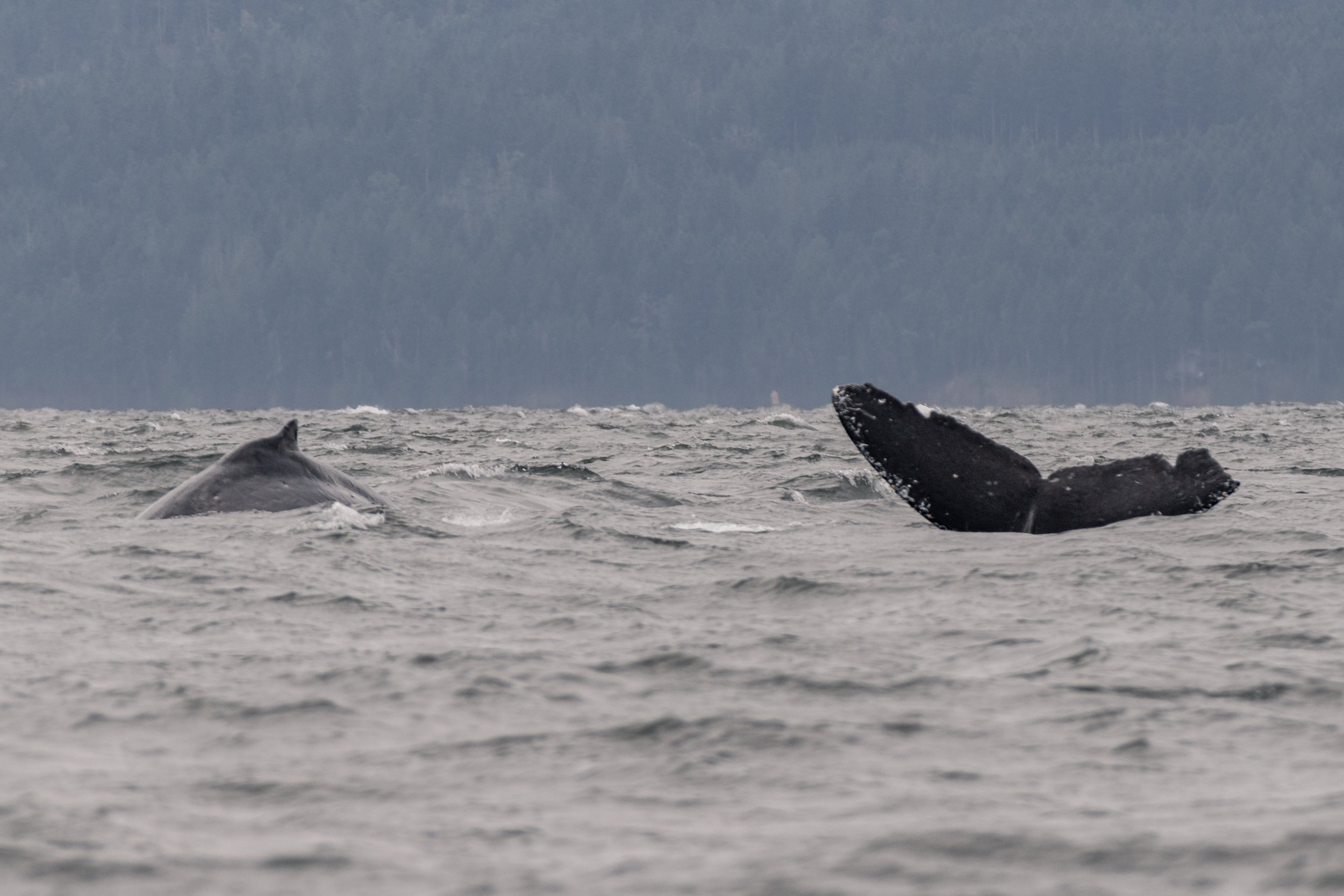
BCX1773 Valiant (Right) fluking while BCY0767 Arial(Left) gets ready for a dive. Photo by Hayleigh Hilbert.
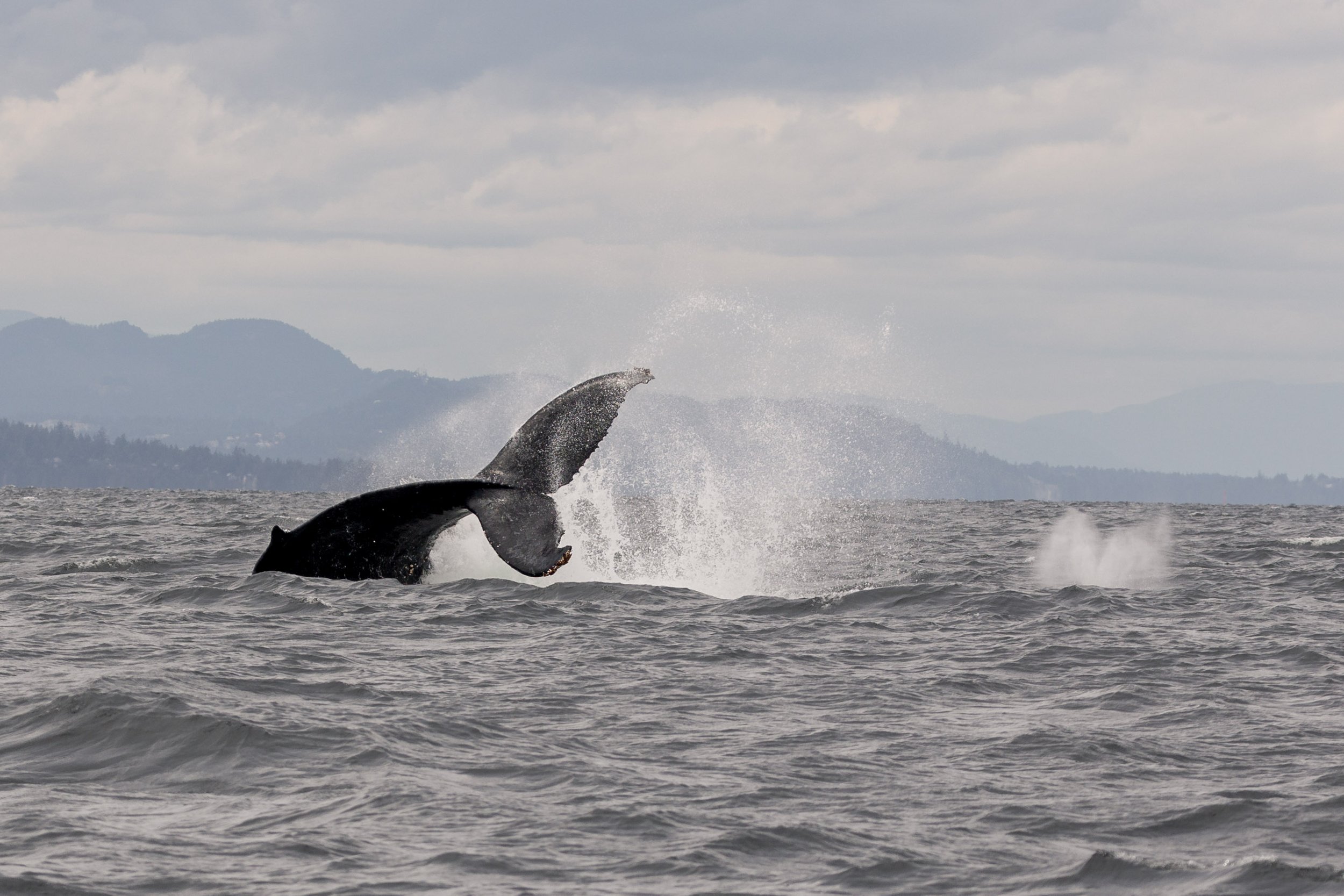
A big cartwheel from BCY0767 Arial with BCX1773 Valiant surfacing on the right. Photo by Jordan Robinson.
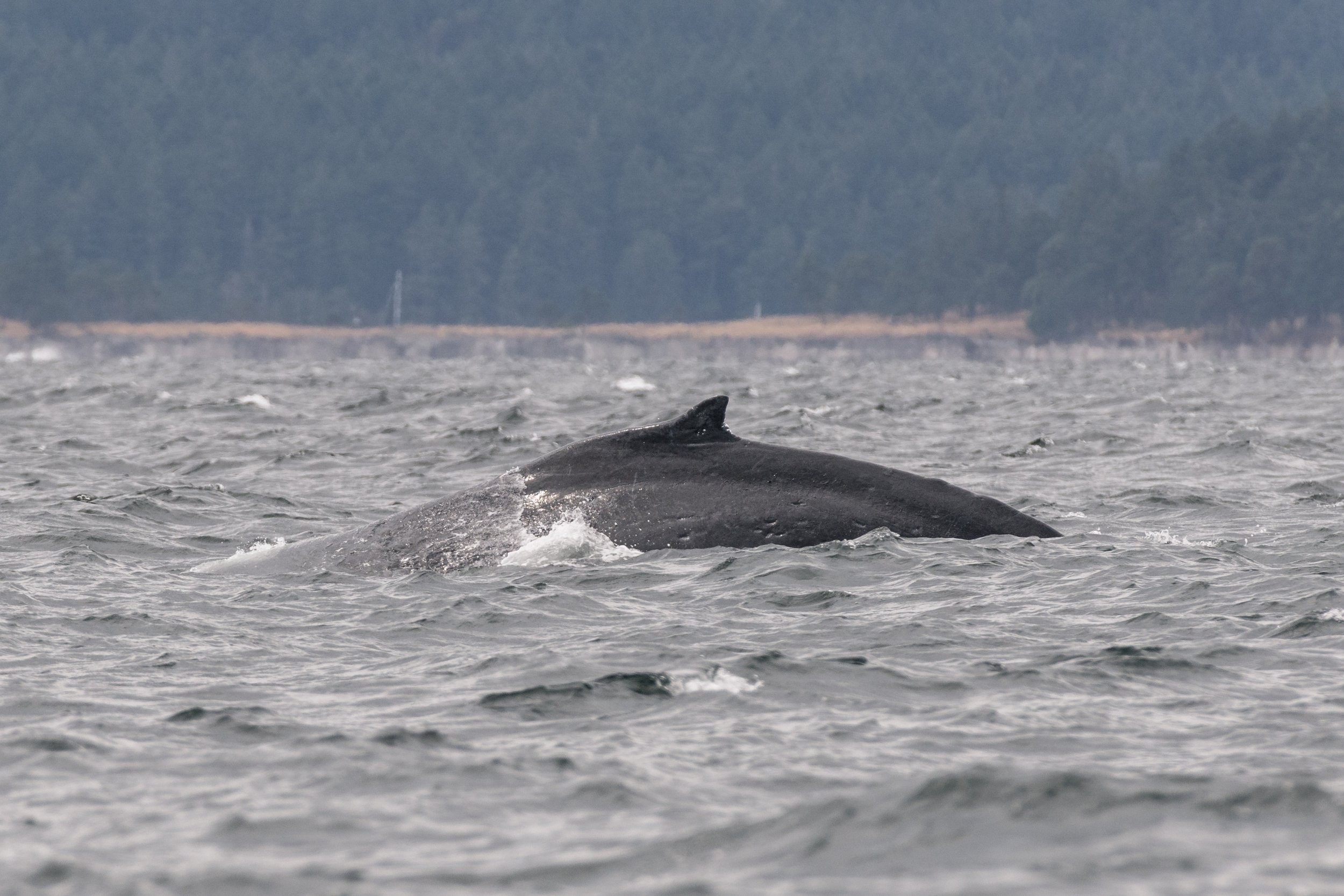
BCY0767 Arial traveling along. Photo by Haylaigh Hilbert.
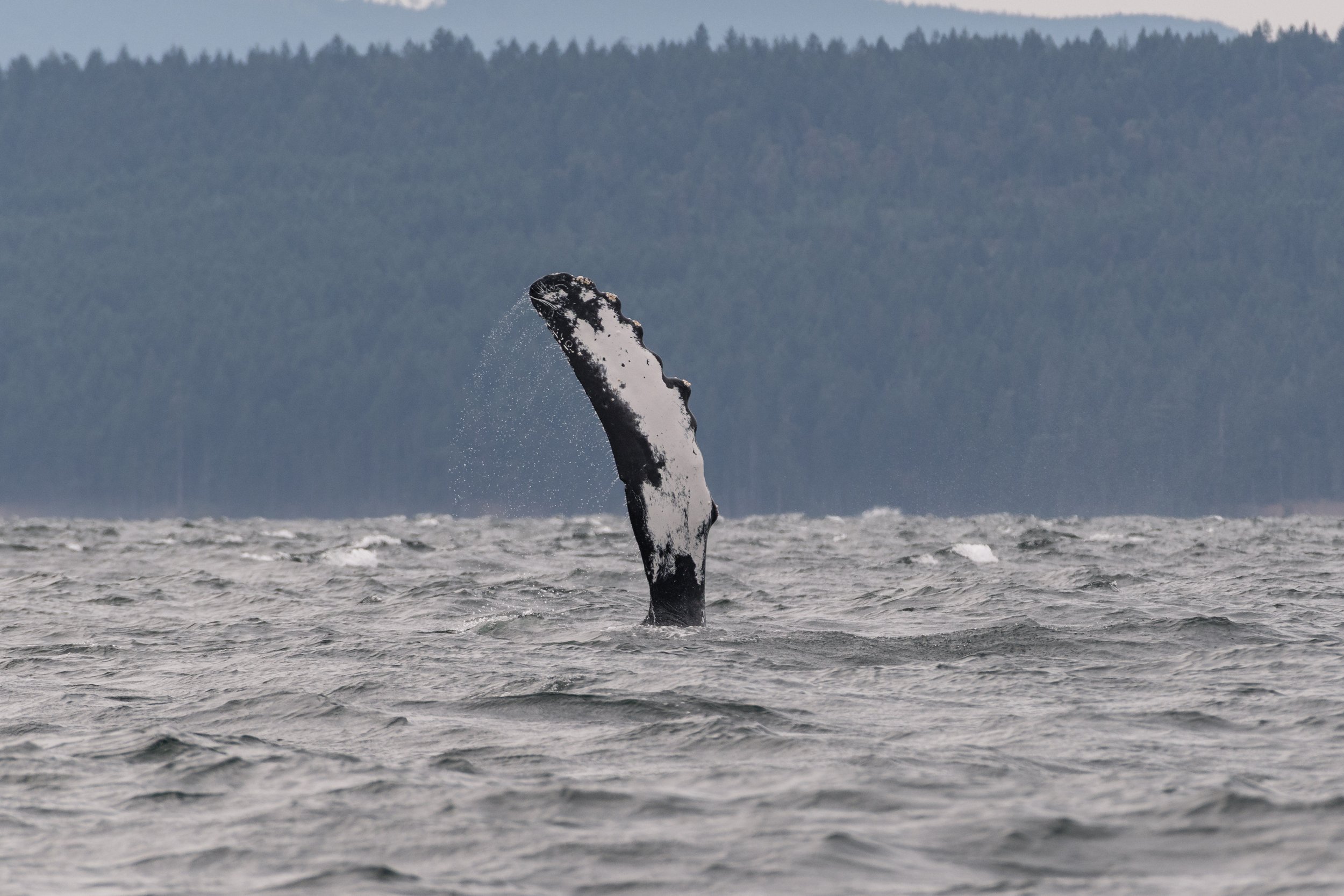
A big pec wave! Photo by Hayleigh Hilbert.
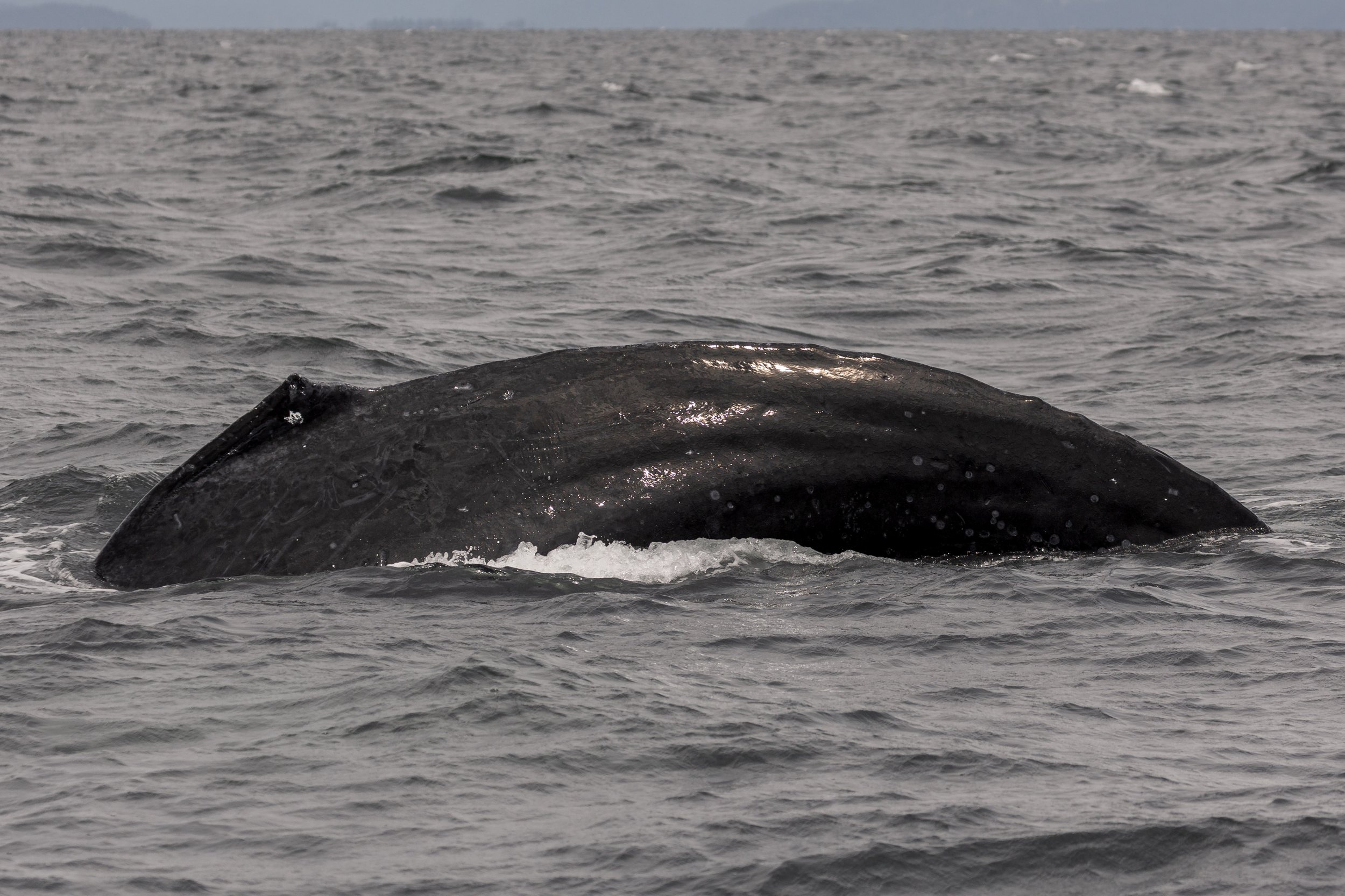
BCX1773 Valiant getting ready to fluke. Photo by Jordan Robinson.
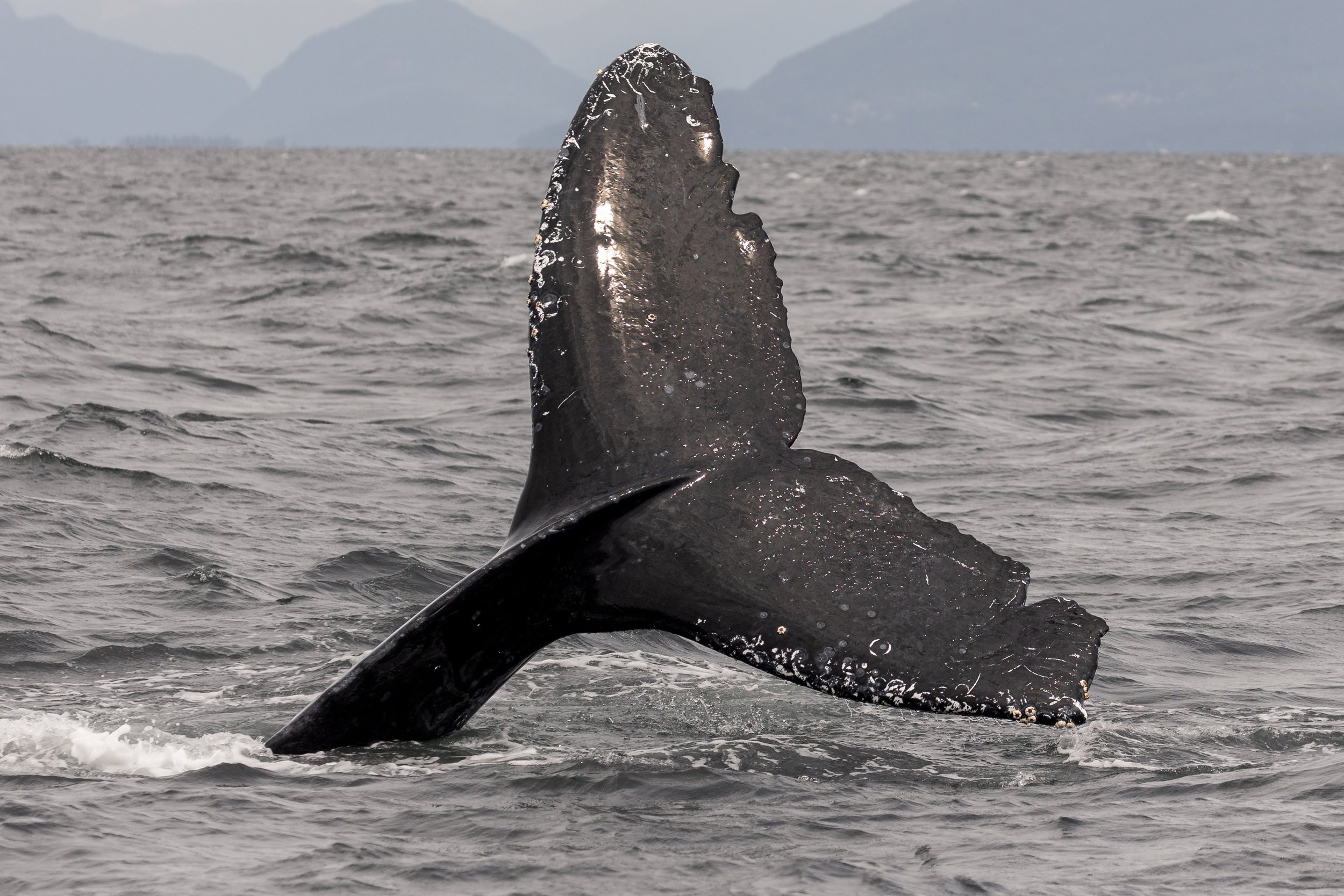
The top of BCX1773 Valiant’s tail fluke. Photo by Jordan Robinson.
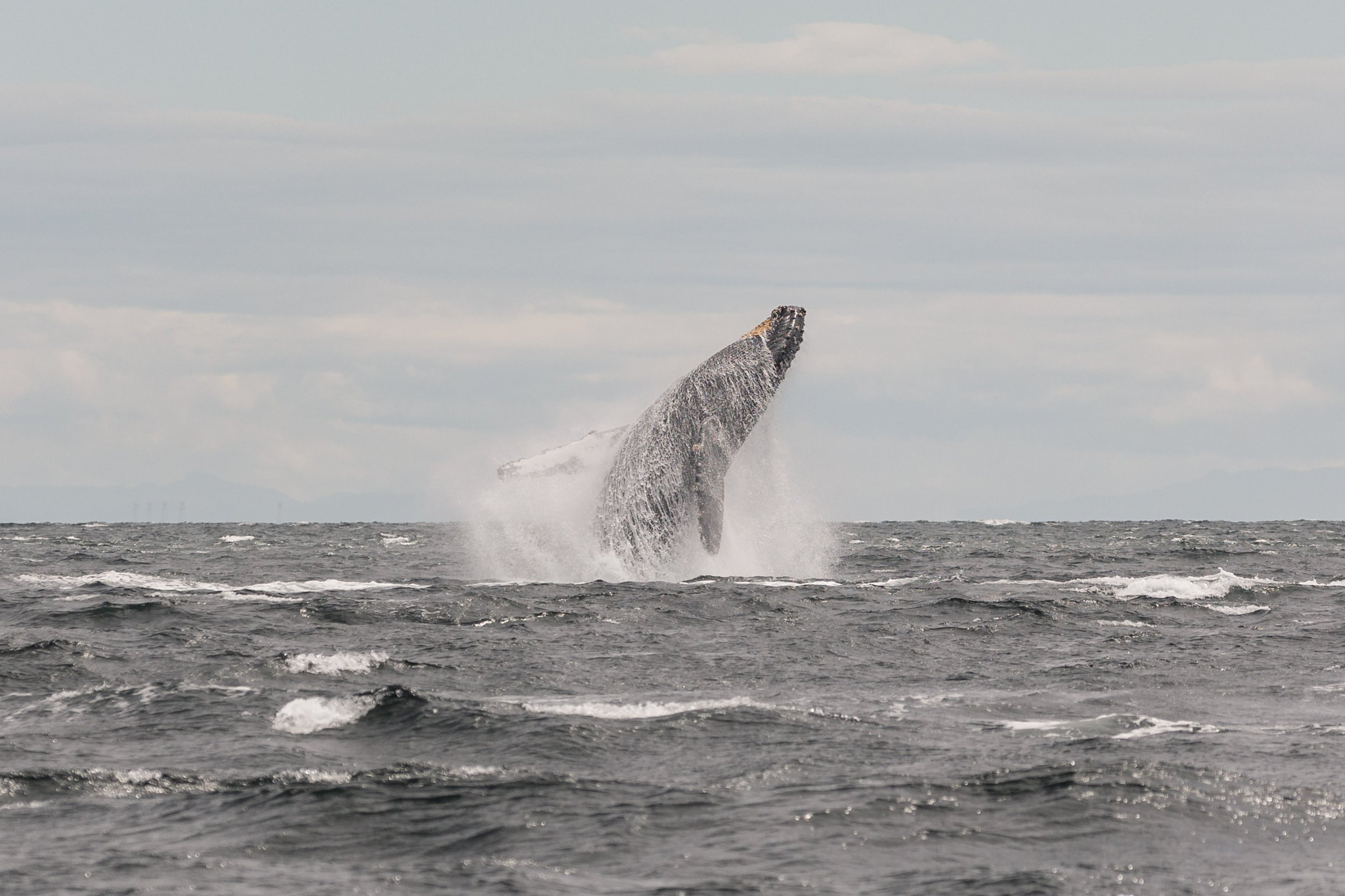
Big breach in the distance! Photo by Jordan Robinson.
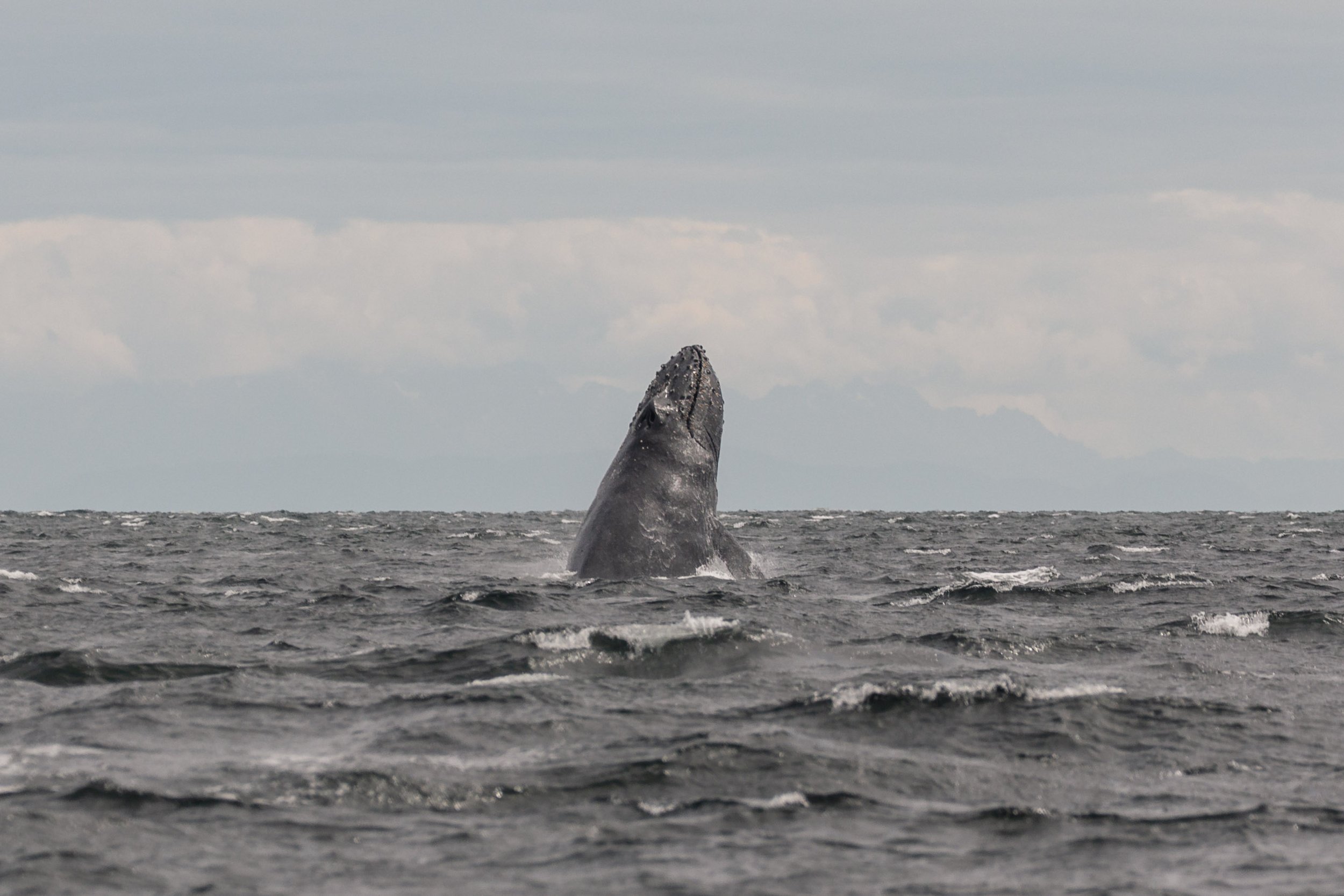
A big chin slap. Photo by Jordan Robinson.
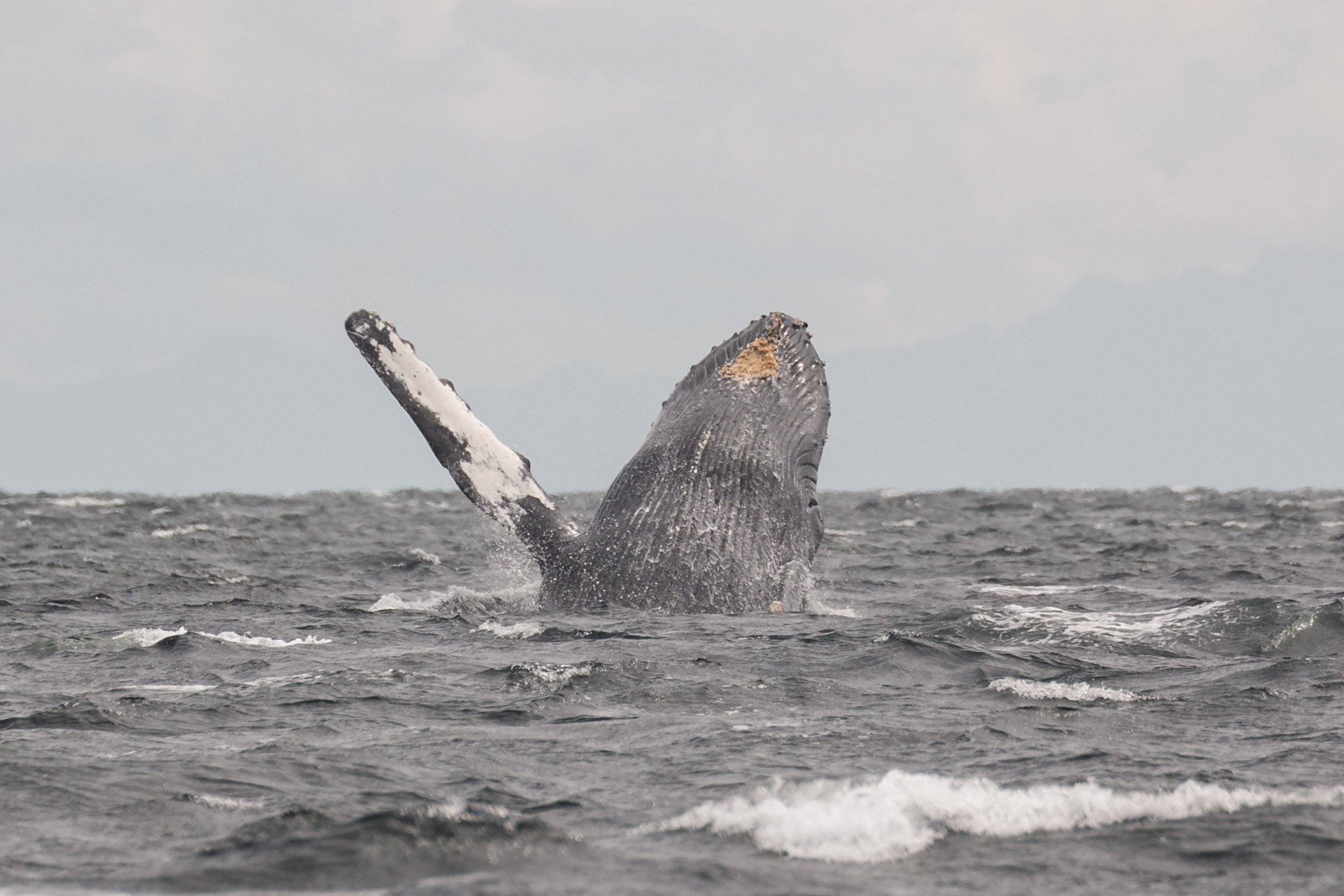
Doing the backstroke! Photo by Jordan Robinson.
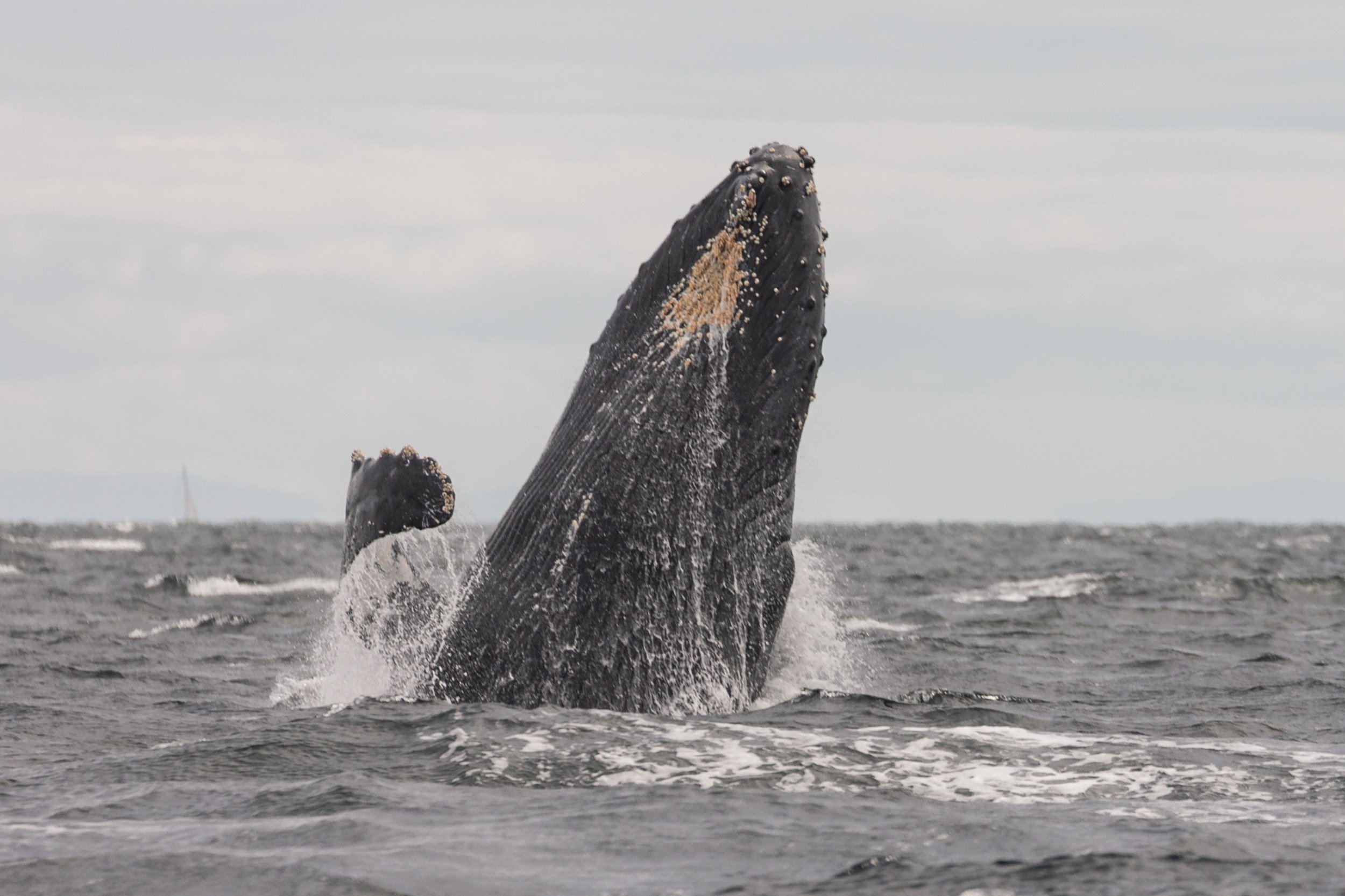
Breaching through the waves. Photo by Jordan Robinson.
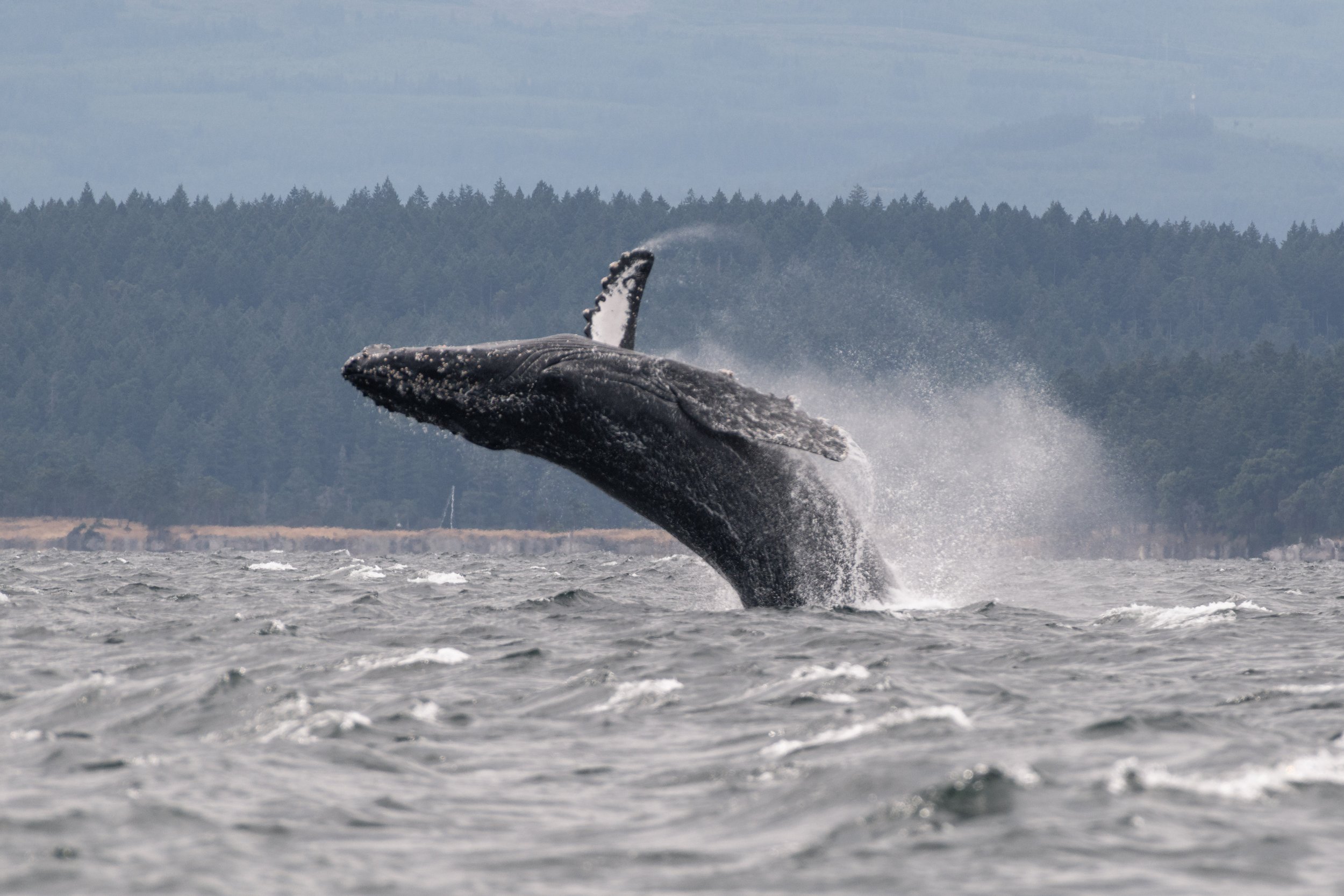
A beautiful arch as they come in for a landing. Photo by Hayleigh Hilbert
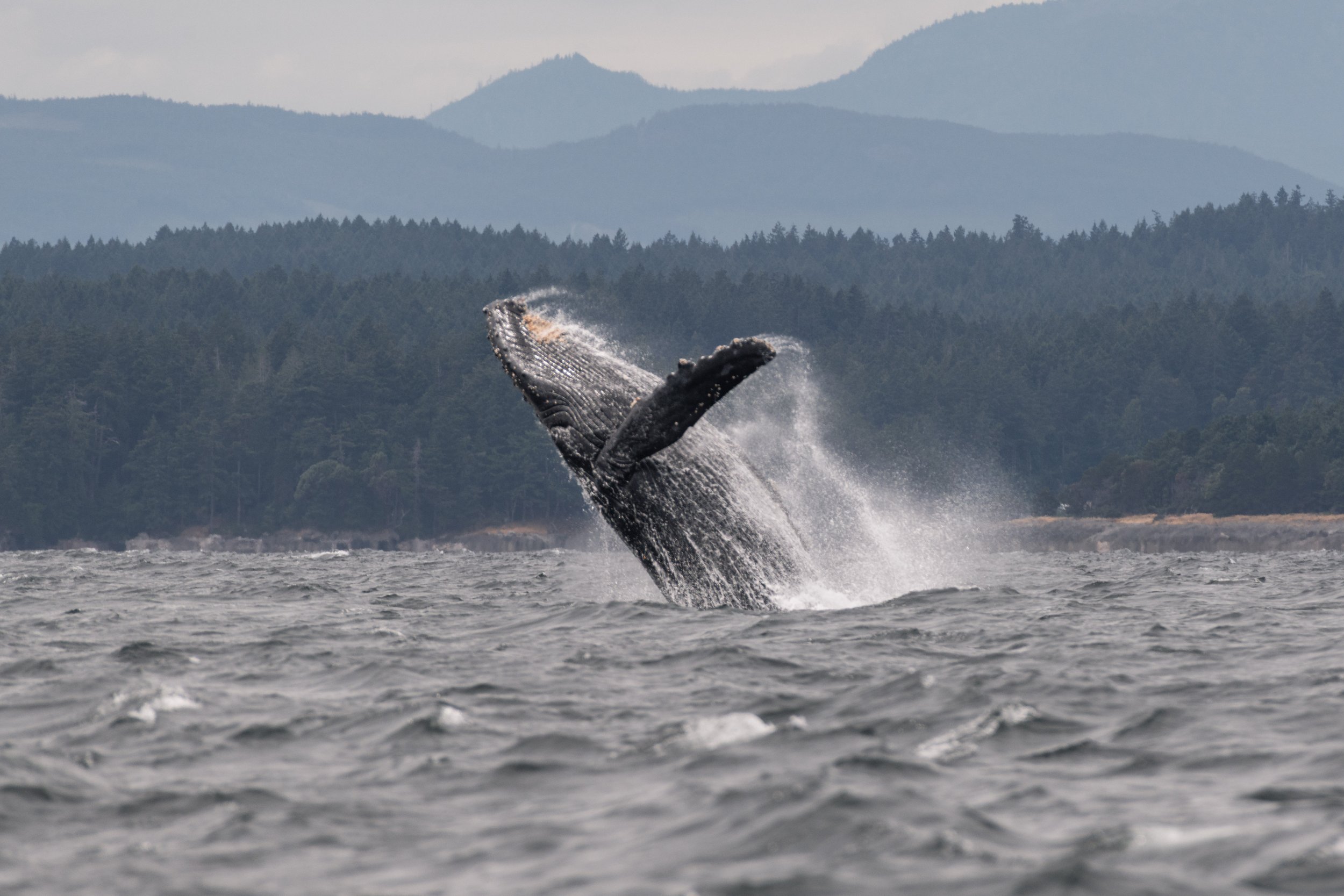
Breaching through the waves. Photo by Hayleigh Hilbert.
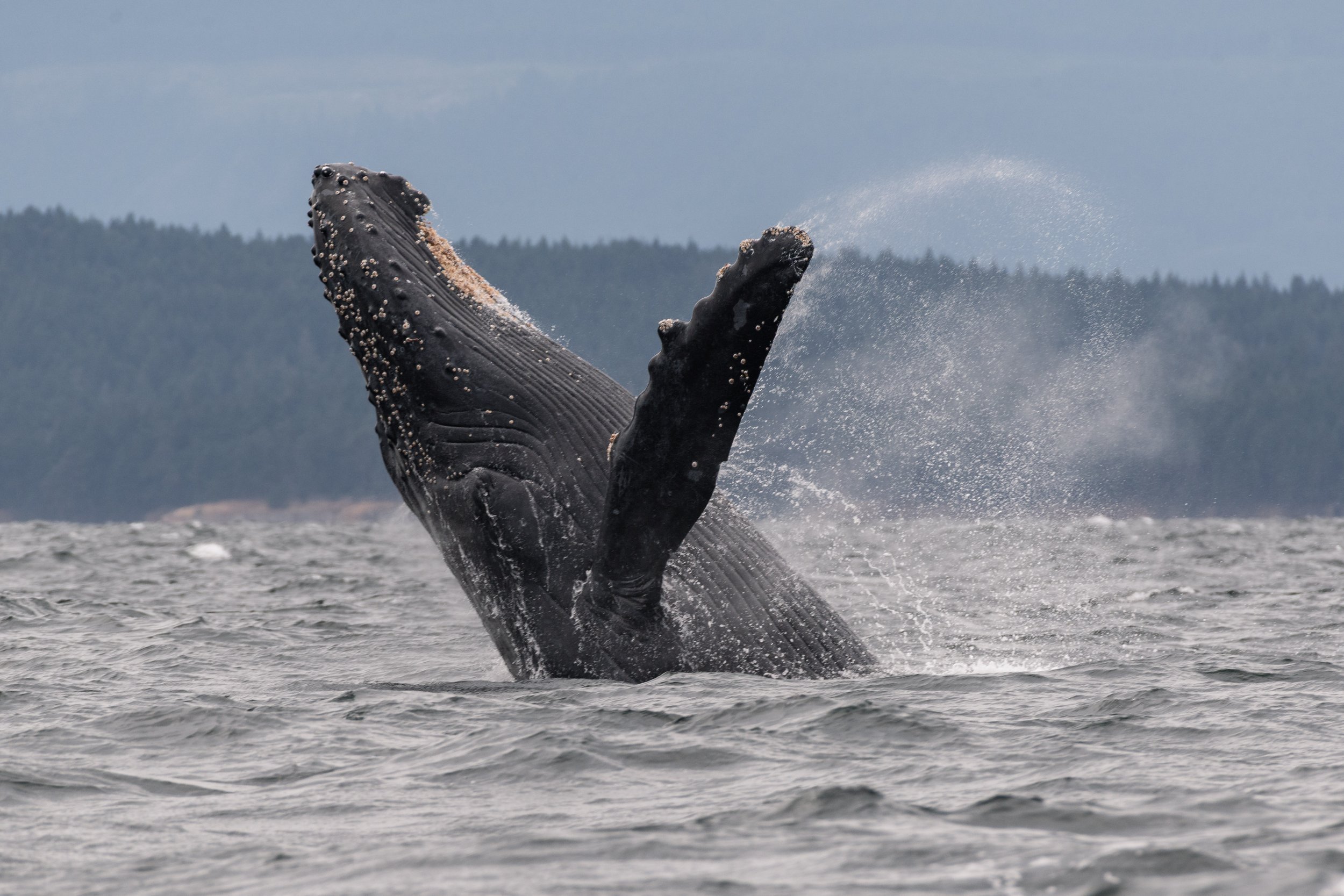
A side profile shot of what a back dive can look like. Photo by Hayleigh Hilbert.
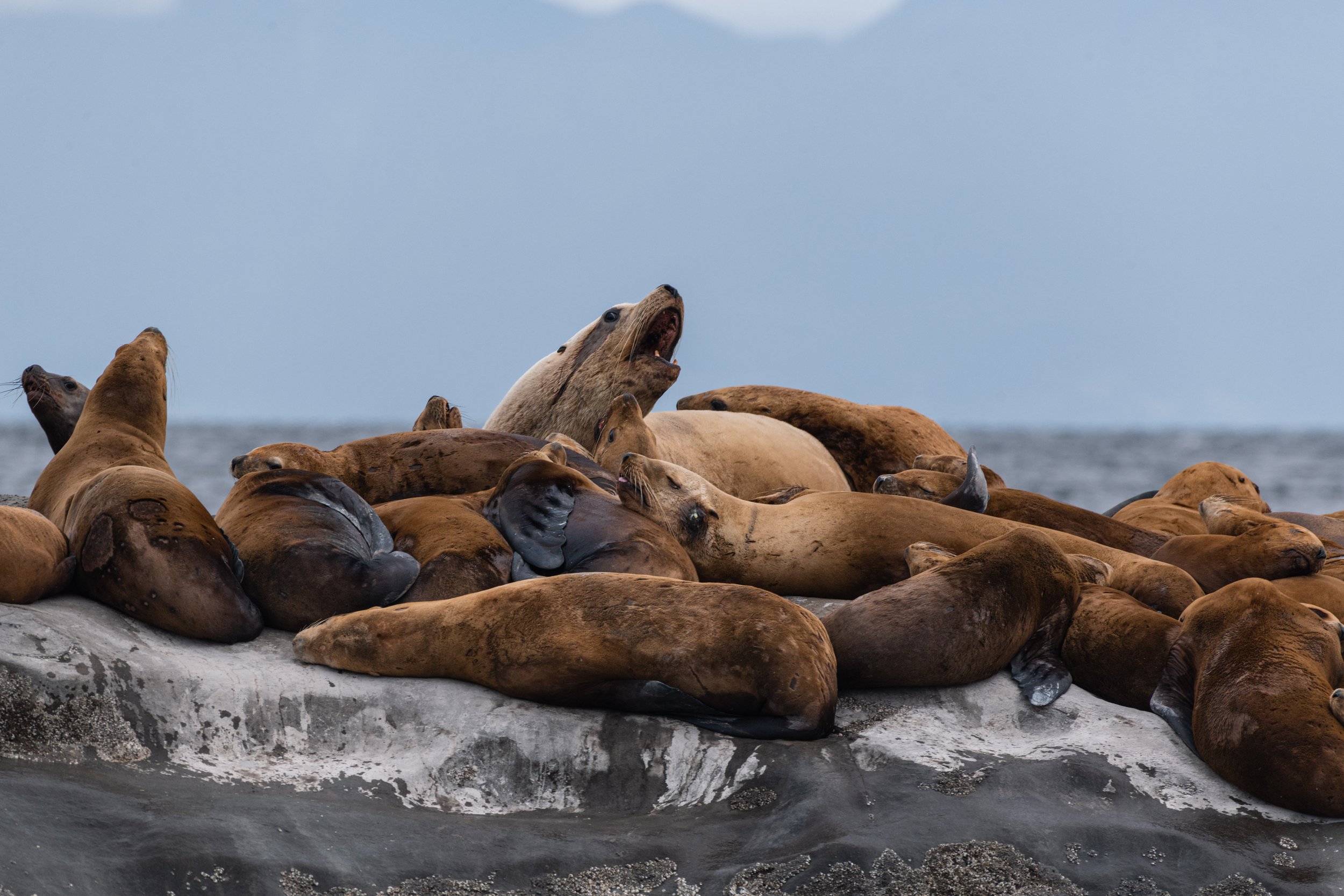
Relaxing, sea lion style! Photo by Hayleigh Hilbert.
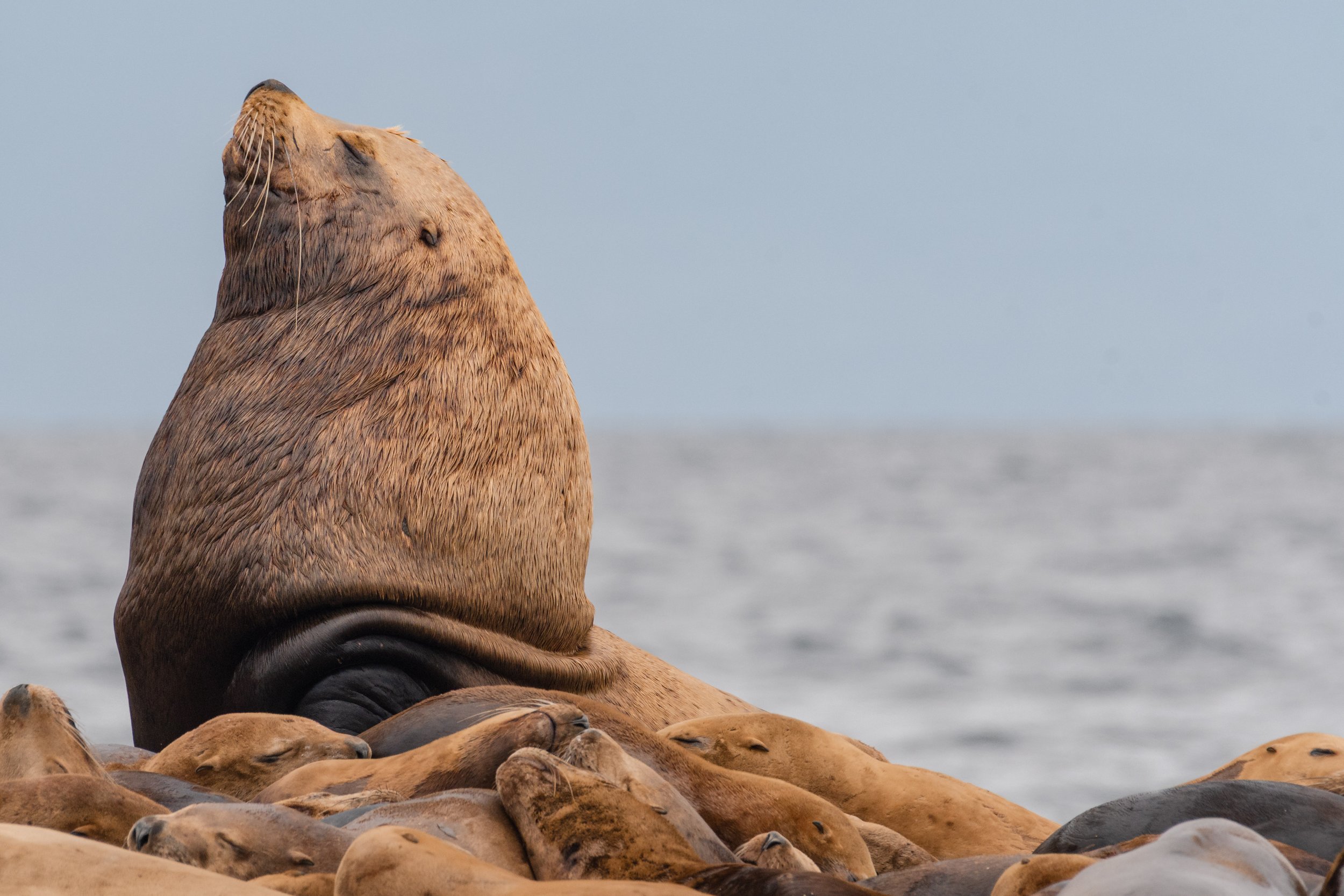
A very chonky Steller Sea Lion male with large neck rolls. Photo by Evan Hessels.
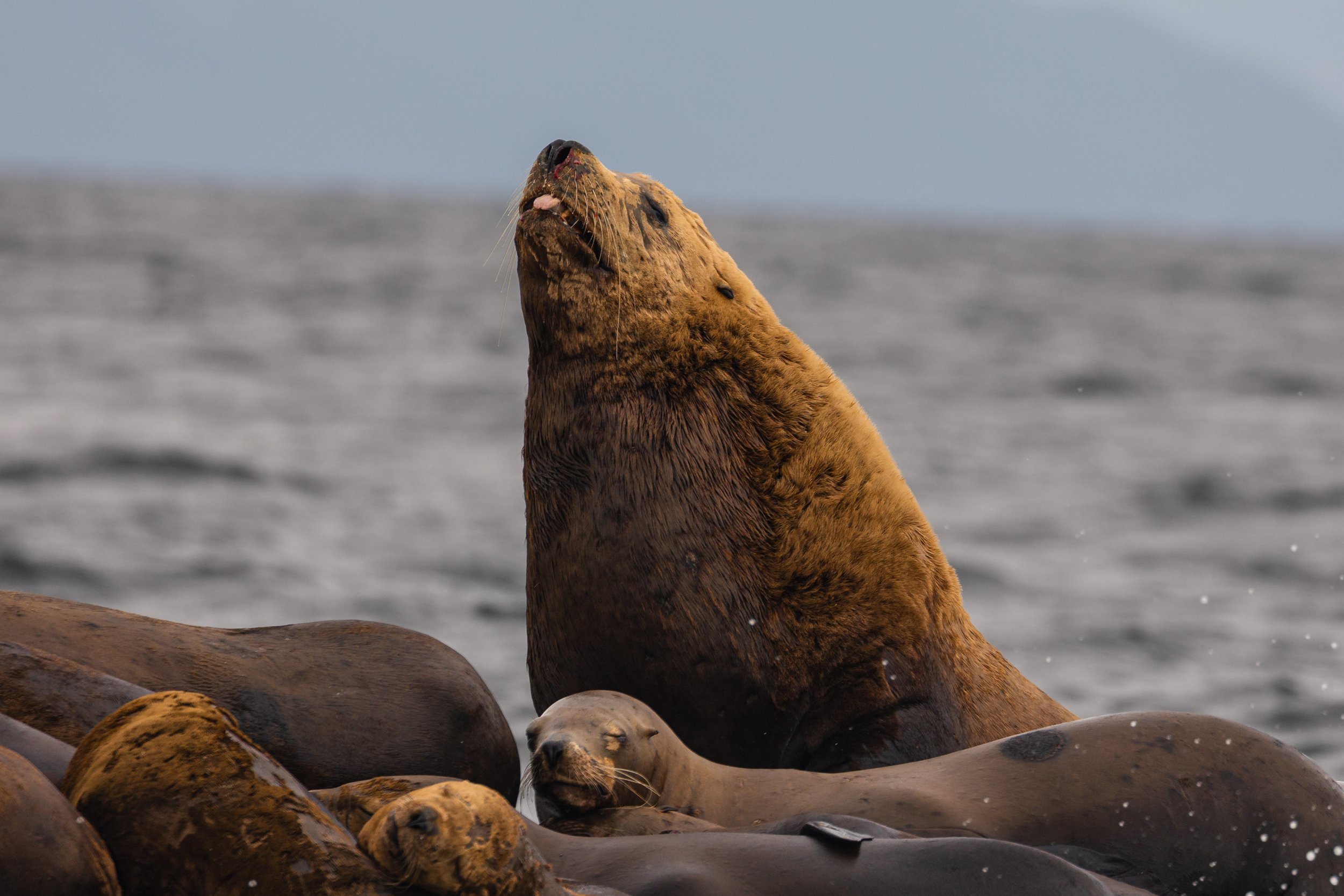
A little blep from a Steller Sea Lion male. Photo by Jordan Robinson.
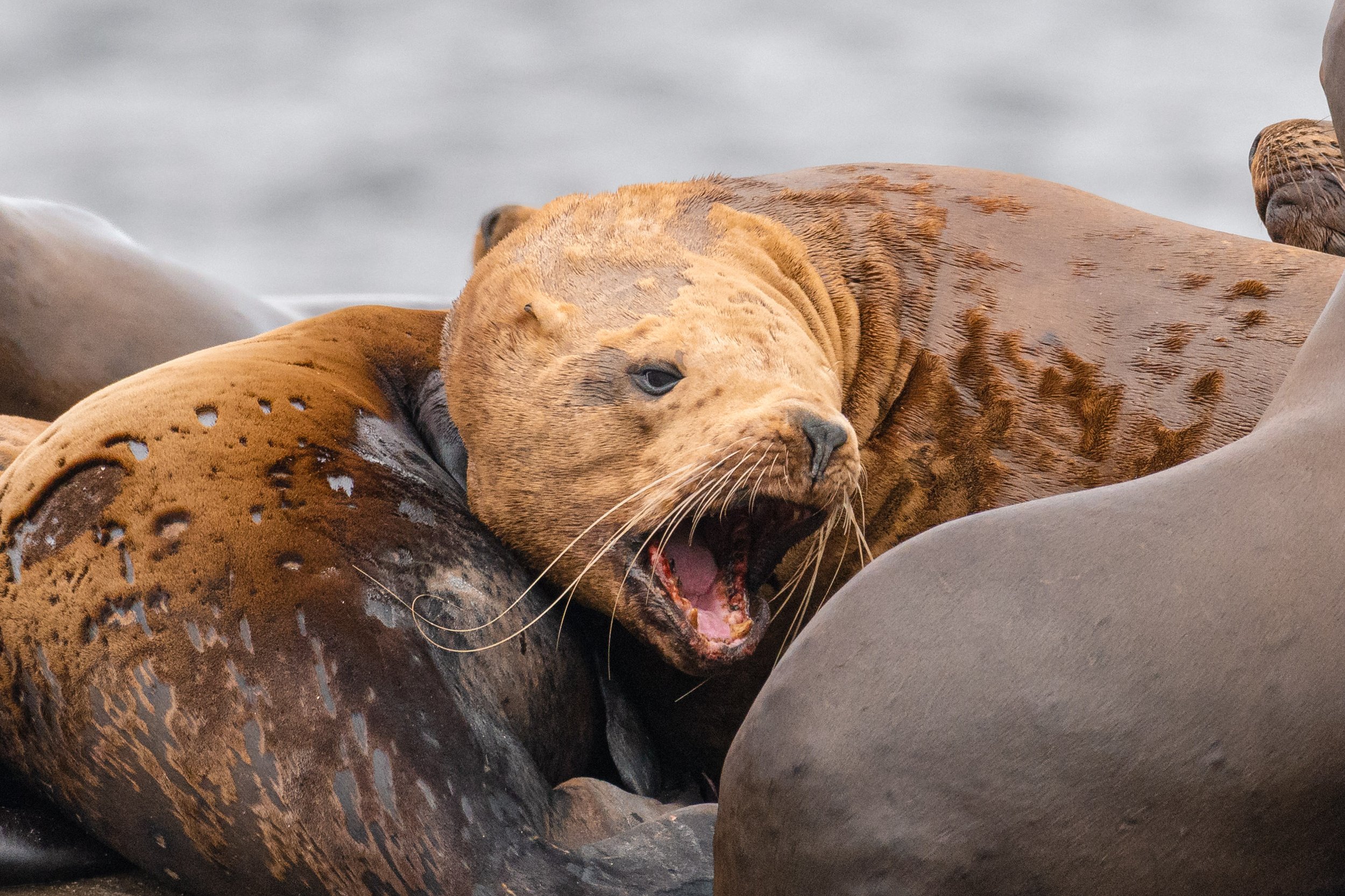
Going in for a big bite! Photo by Evan Hessels.
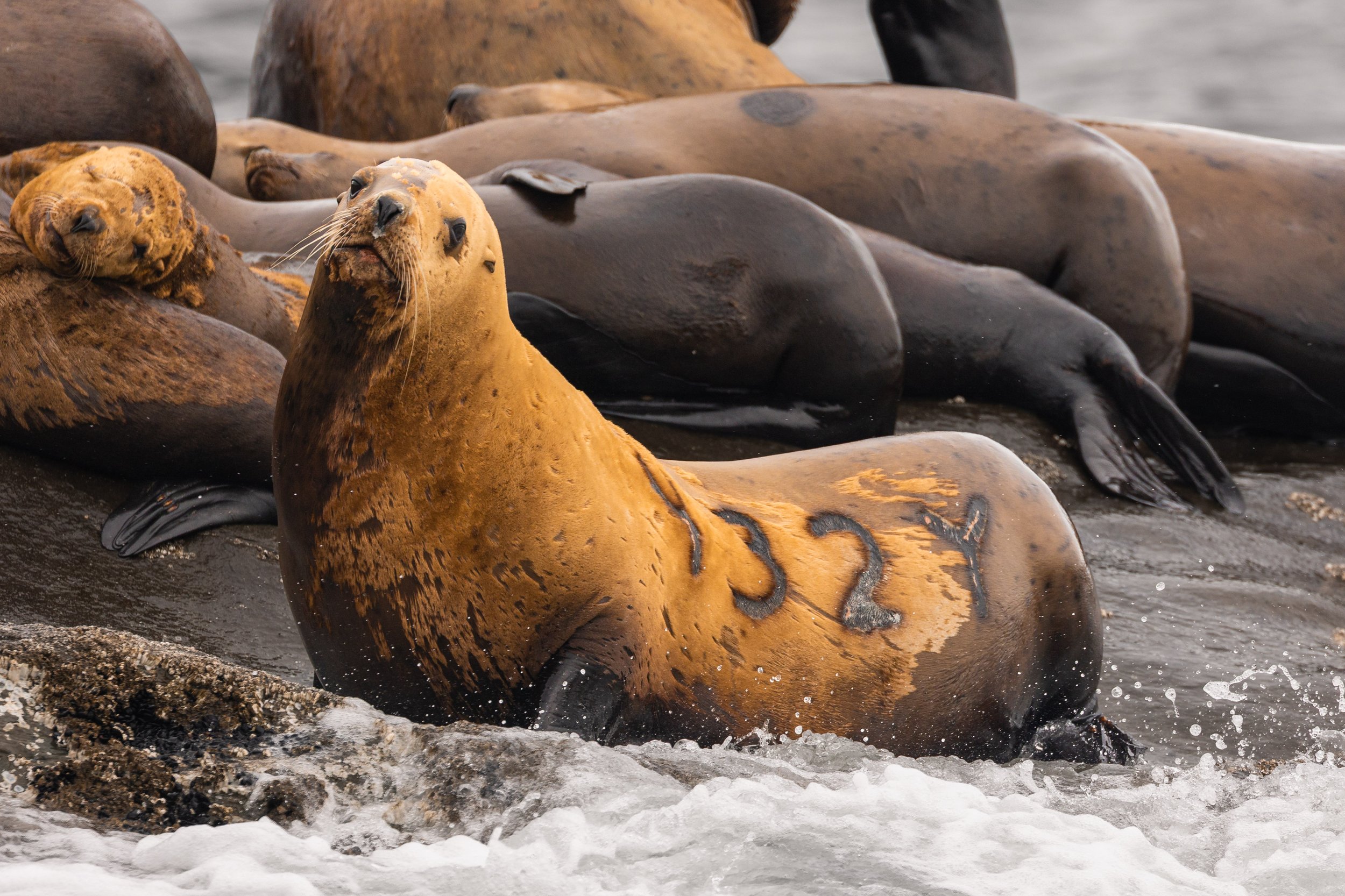
A branded Steller Sea Lion. This female was branded at Rogue Reef, OR in 2013! Photo by Jordan Robinson.
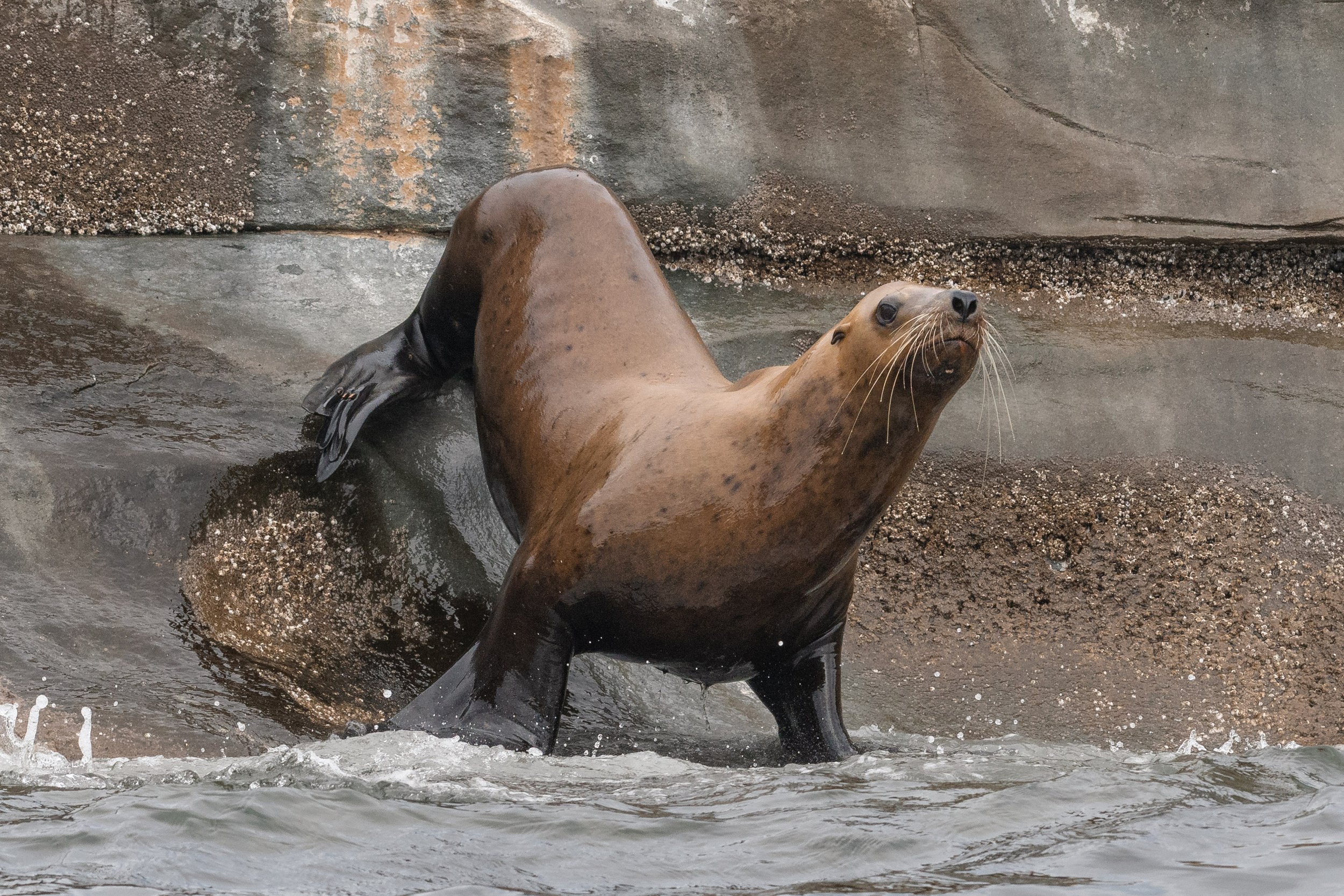
A Steller Sea Lion entering the water. Photo by Evan Hessels.
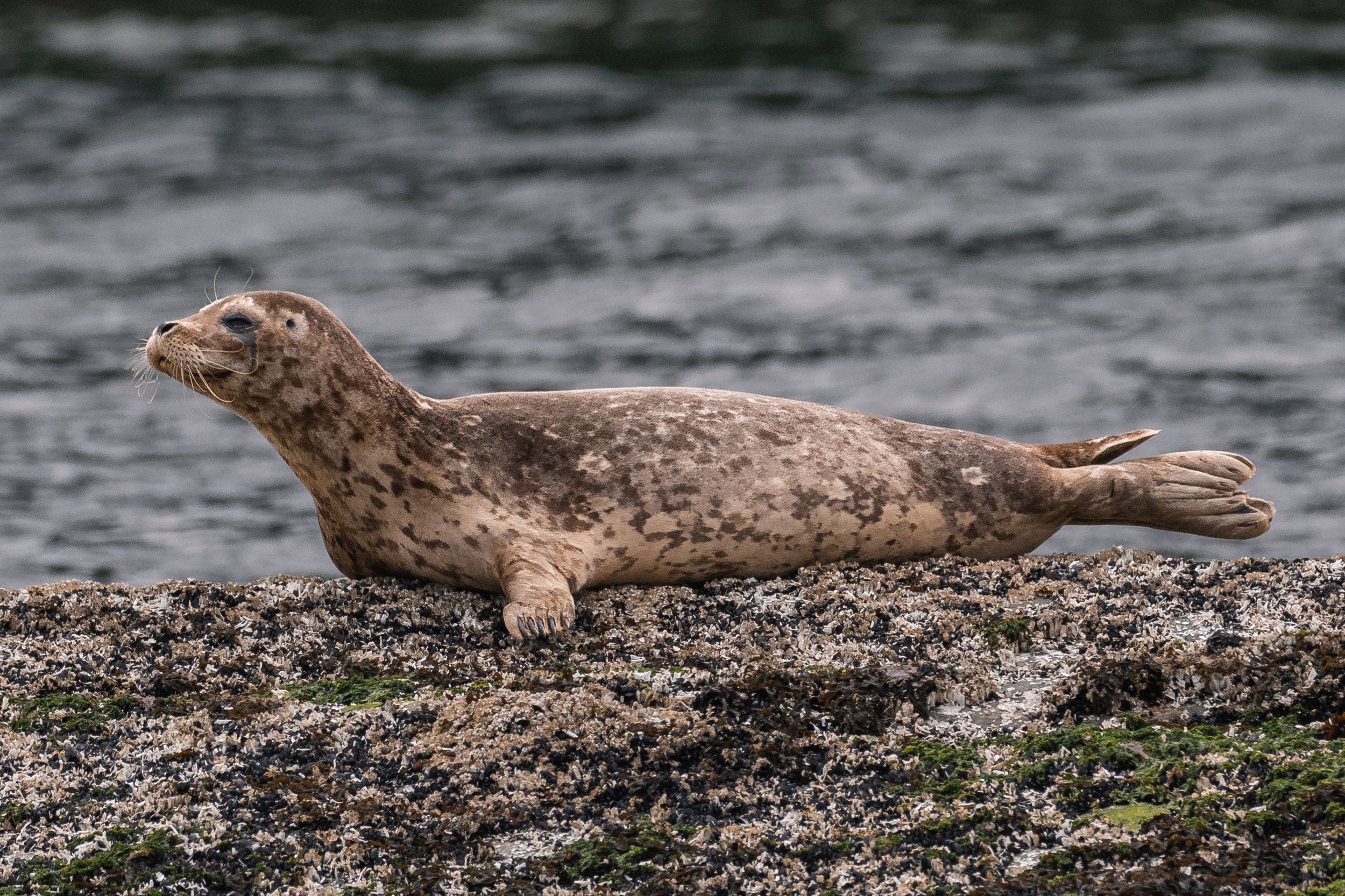
A carefully balancing Harbour Seal at the top of the rocks. Photo by Evan Hessels.
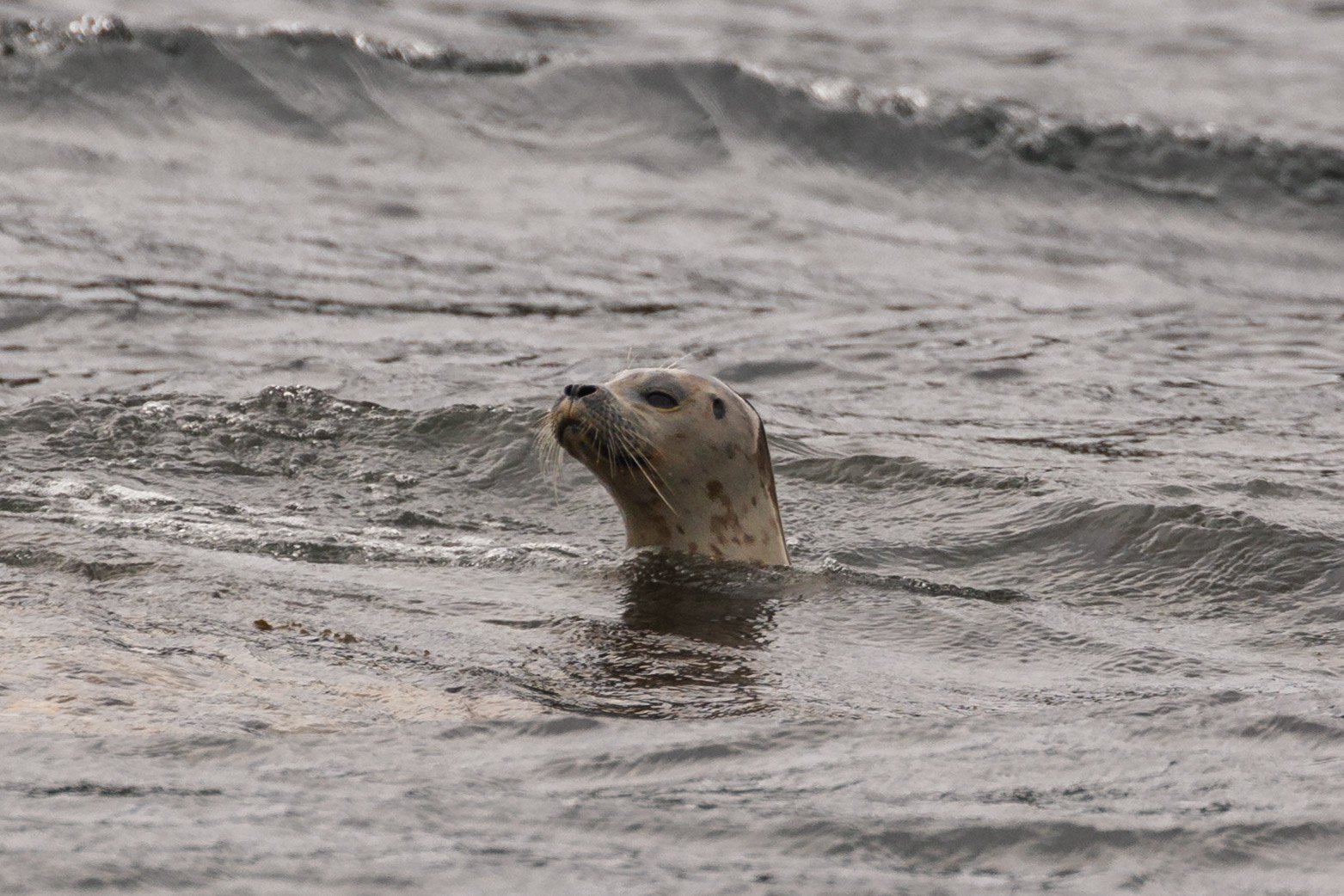
A Harbour Seal poking its head above the water. Photo by Jordan Robinson.
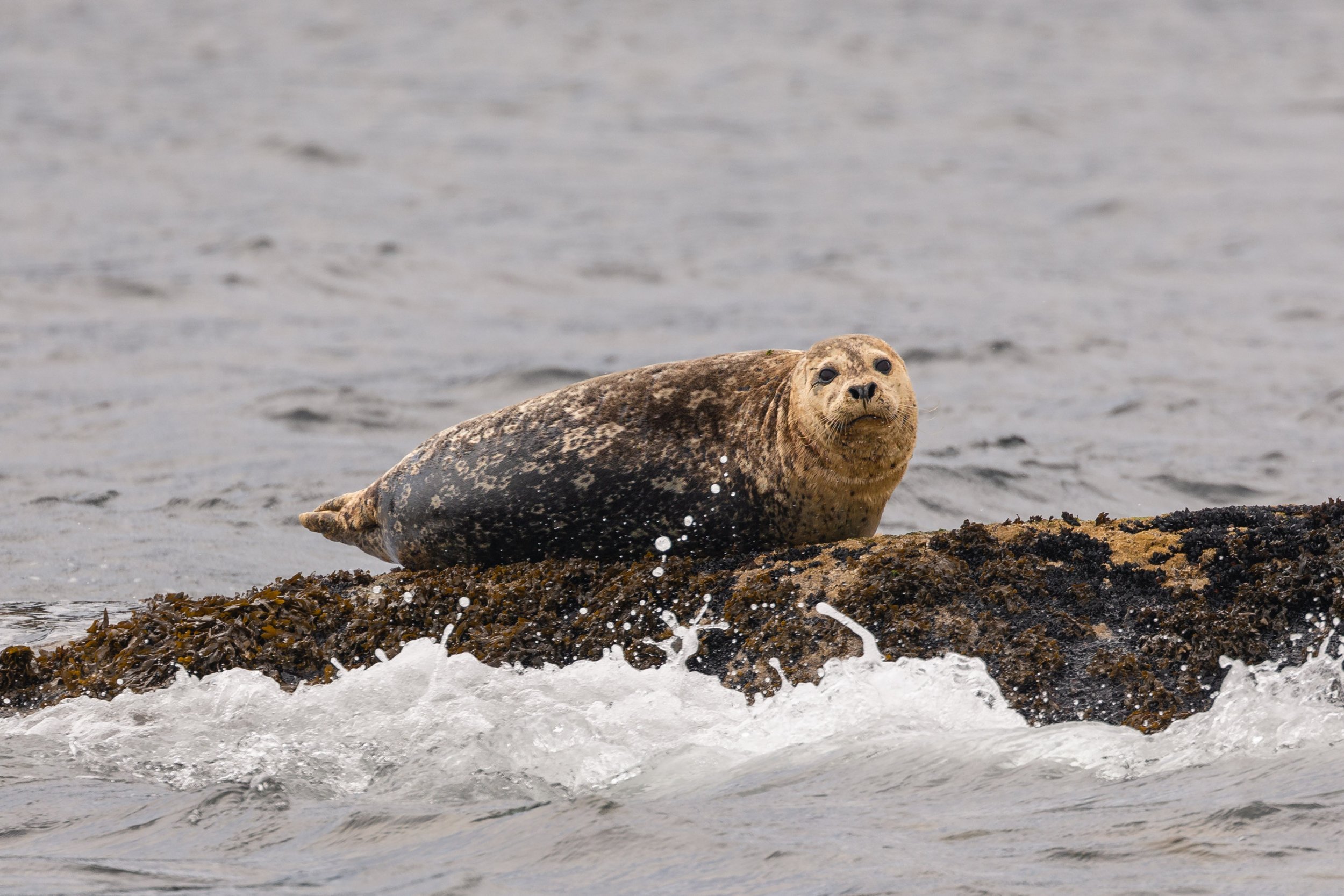
A very rotund Harbour Seal balancing on the rocks. Photo by Jordan Robinson.
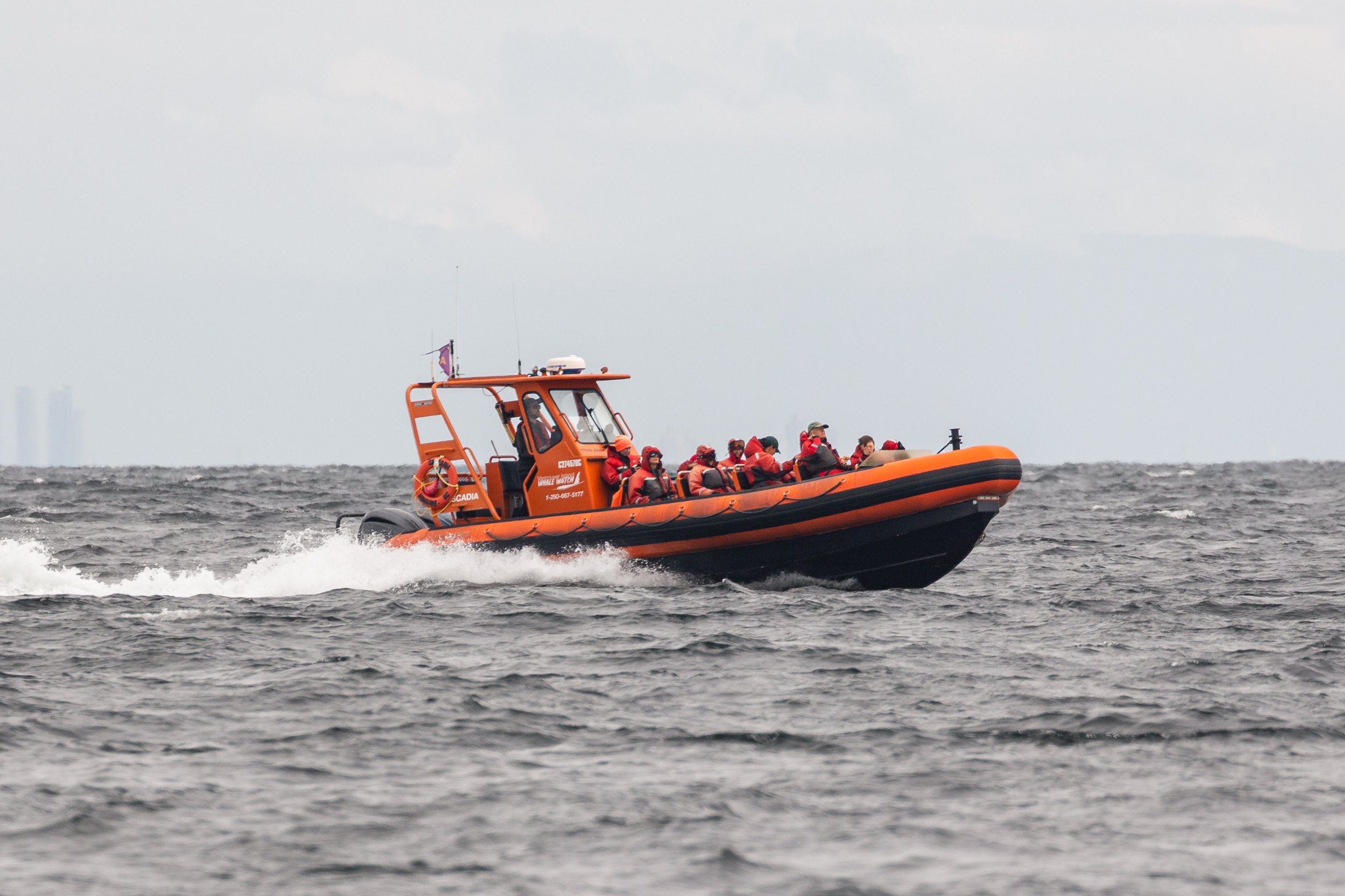
Cascadia travelling along. Photo by Jordan Robinson.
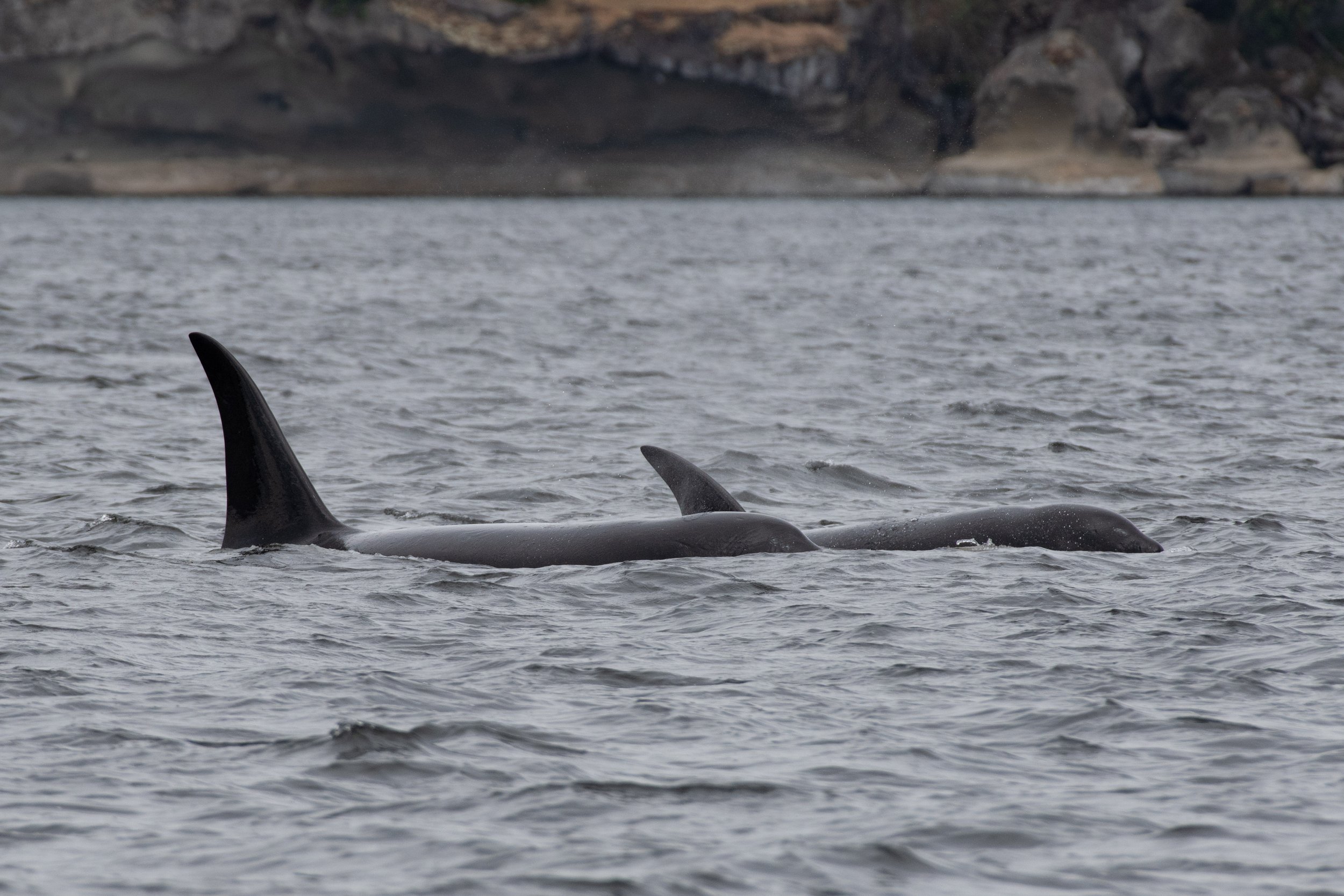
T077C Neftali and T077E Misneach. Photo by Hayleigh Hilbert.
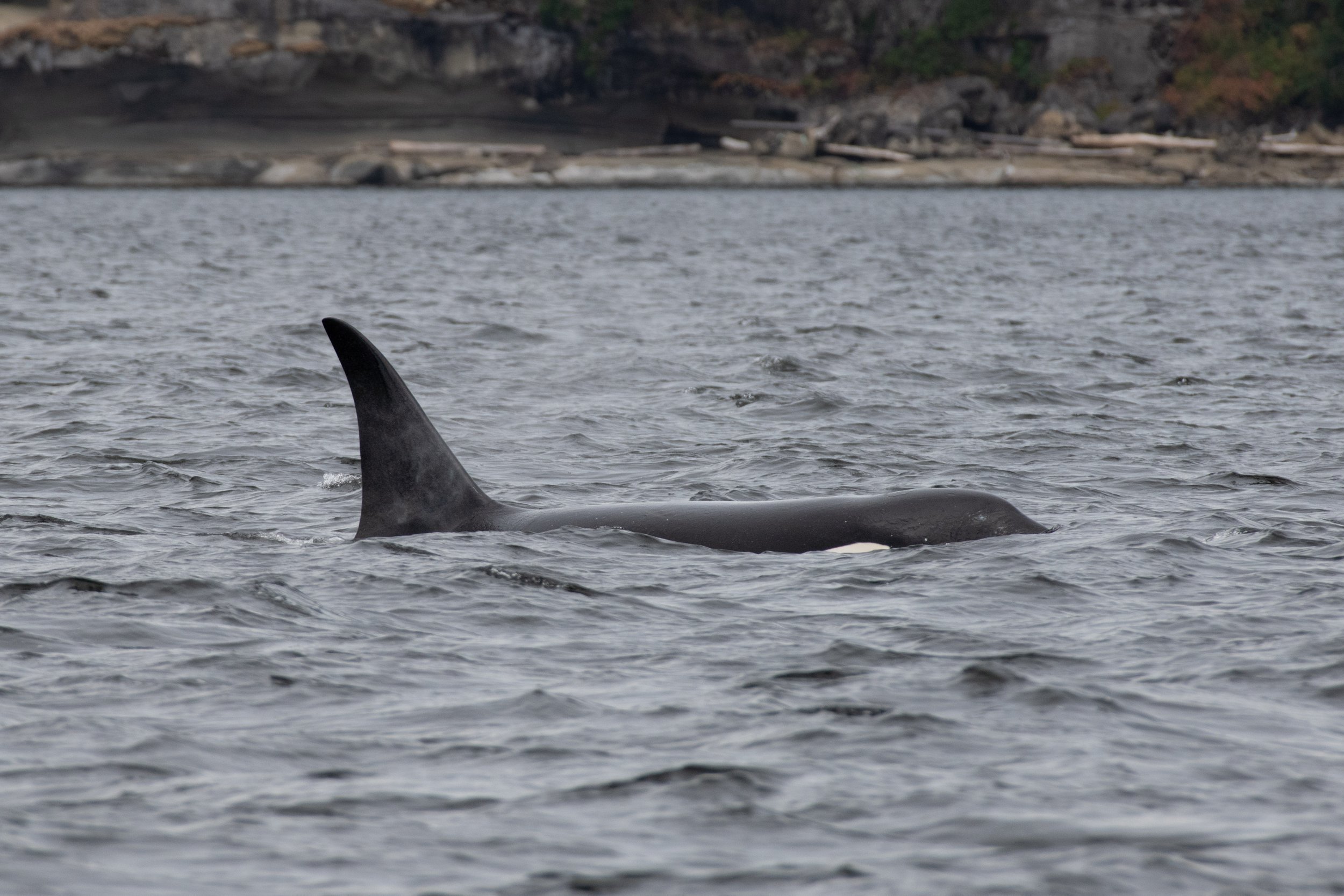
T077C Neftali travelling. Photo by Hayleigh Hilbert.
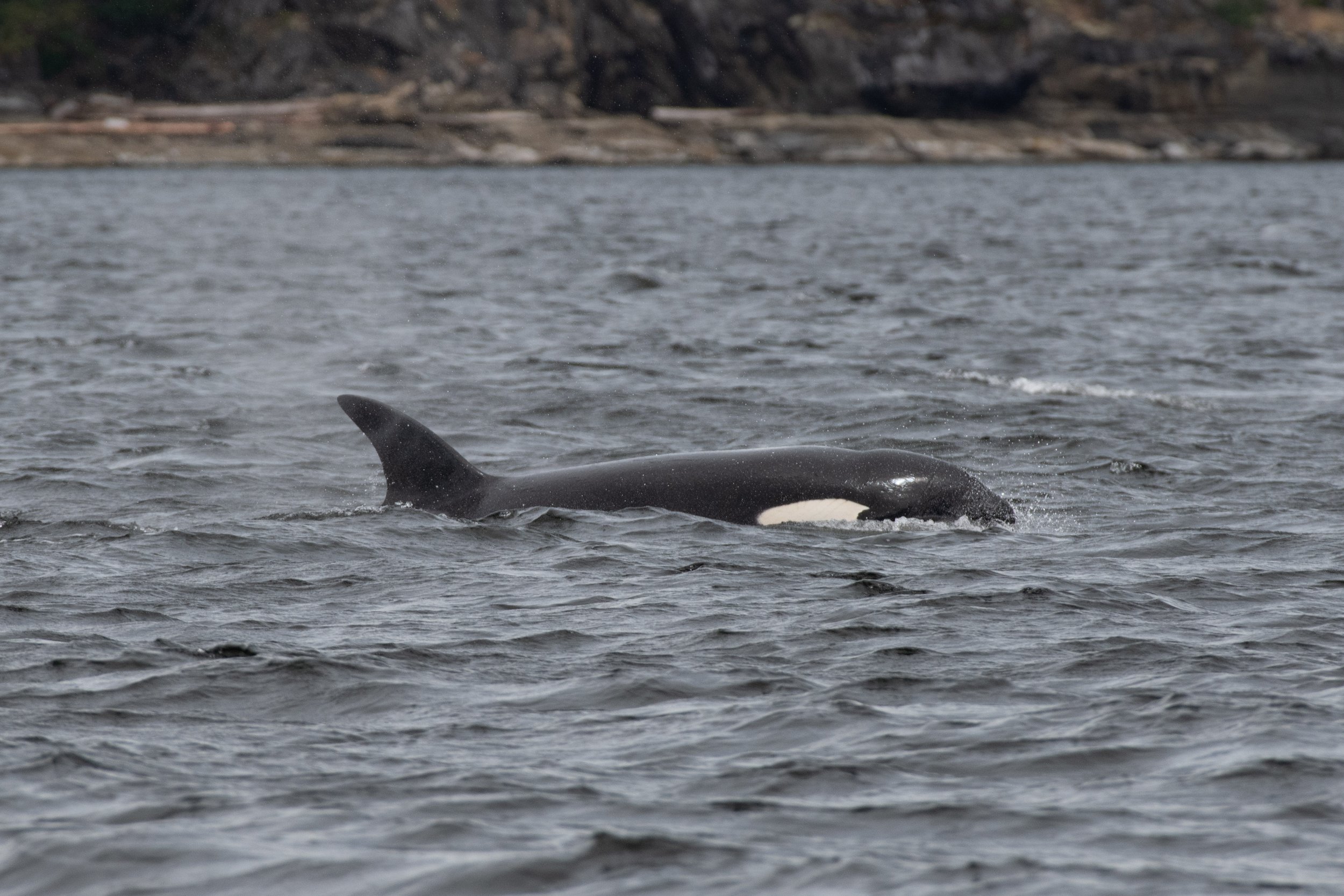
T077E Misneach has a very scarred eyepatch with a scallop-edged front tip. Photo by Hayleigh Hilbert.
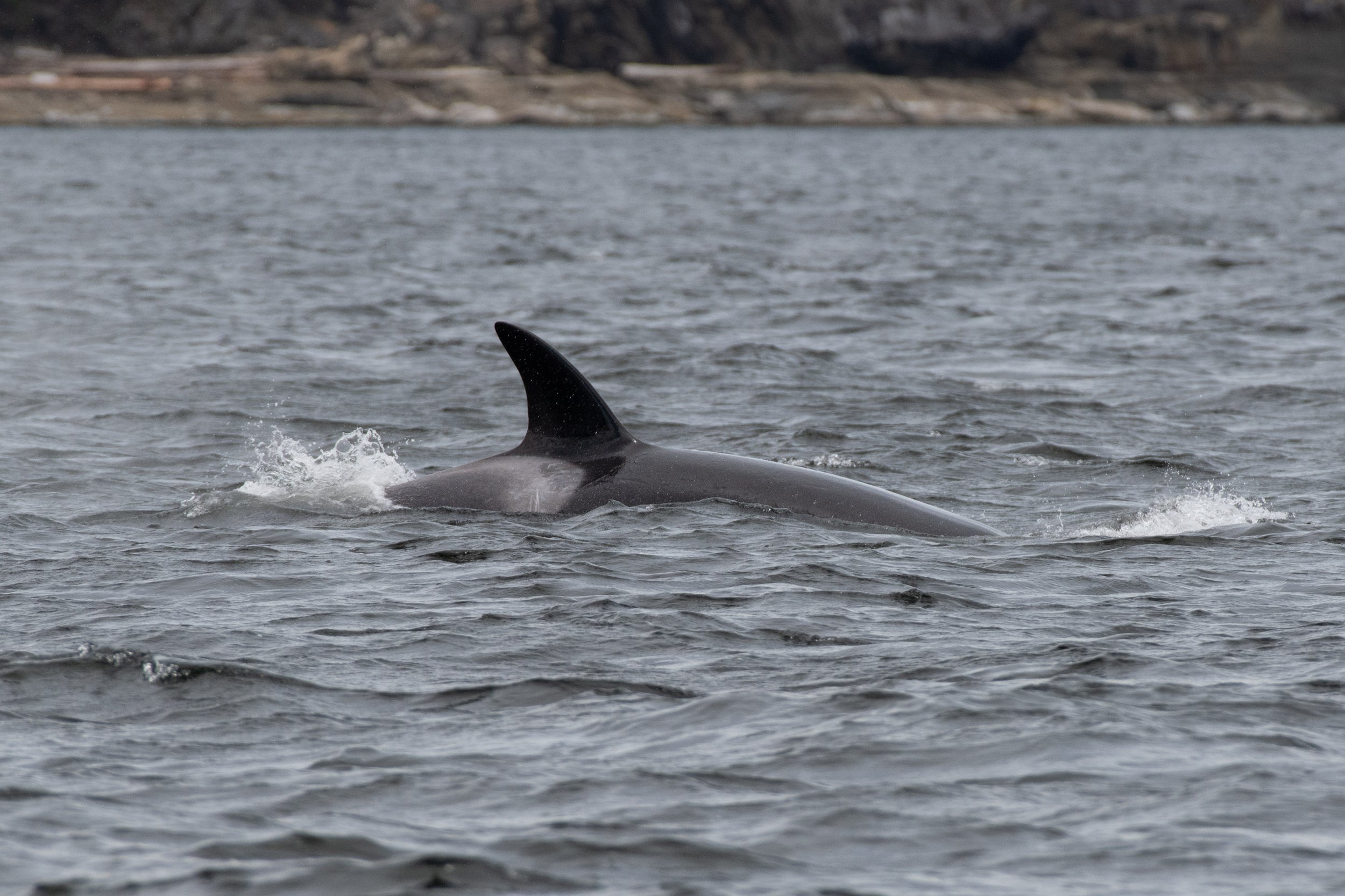
T077E Misneach travelling along. Photo by Hayleigh Hilbert.