
July 12, 2026, 10:30 AM - The Gentle Giants vs. The Wolves of the Sea
Beautiful conditions greeted us as our full fleet departed from the dock. With many sightings spotted throughout our range lately, we were incredibly eager to see what we could find. Our onboard Naturalists chatted about what we could see and what we should look for, and with that, the search was on. Glass-like seas were visible as far as the eye could see, leading to amazing spotting opportunities all around us.
To start the day, we headed out northbound, through the Salish Sea. Angling towards the mainland of British Columbia, Cascadia, Keta, and Kula spread out for a slow scan before approaching Halibut Bank. This area is teeming with bioactivity, leading to all kinds of wildlife encounters. This was exactly what we were betting on, and this panned out soon after, as a lone blow was spotted on the horizon. We slowly got into position, and soon the Naturalists got to work to identify who we were with. A beautiful fluke photo, paired with a couple of dorsal shots, confirmed that this was Arial (BCY0767), a well-known male humpback that has returned to our area many summers in a row.
What started off as a typical humpback encounter of blows, dives, and flukes soon took a splashy turn, as Arial began pectoral slapping. This behaviour is always incredible to see, as a humpback whale’s pectoral fins are over 15 ft. (4.5 m.) long! This is an intriguing behaviour as we don’t truly know why they do it. Scientists have a couple of different theories, though: it could be a form of communication, as that powerful slap sends huge sound waves through the water column, to warn other whales of potential dangers or to invite them over to join in on a large meal; it could be to remove parasites, as the impact could help dislodge them from their skin; or it could simply be them having fun and expressing their enjoyment.
After spending some enjoyable time with Arial, we said our goodbyes and continued on. After a very brief travel session, we spotted even more blows - and this time, they were accompanied by black dorsal fins rising above the waters. We had found a pod of orca a few mere minutes from our original whale sighting! Once more, the Naturalists raised their cameras, capturing the moment to confirm who was present. After a few glimpses and ID guide comparisons later, it was discovered that we were travelling with the Transient orca pod known as the T046B1s and T046C2:
T046B1 Tread ♀ (2003)
T046B1A Tsakani ♀ (2015)
T046B1C Tide ♂ (2022)
T046B1D Tashi (2025)
T046C2 Sam ♀ (2009)
But that wasn’t all - nearby, a couple of blows were spotted, accompanied by a set of smaller, stubby dorsal fins. These orca were not alone - there was a duo of humpbacks travelling right next to them!
While humpback and orca interactions are not considered common, they do seem to be happening more and more as the years progress. As both populations increase in size, it makes sense that accidental encounters may occur as well. Humpbacks typically do not enjoy accompanying orca, and are generally considered natural ‘enemies’. So much so that humpback whales have been documented ‘protecting’ prey species before, such as seals. While we aren’t entirely sure why they do this, it is believed it may be a way to discourage orcas from travelling in certain areas. By preventing them from hunting and, by proxy, encouraging them to hunt elsewhere, they could help protect future mother-calf humpback pairs in the area, as calves are a potential prey item for Transient orca.
However, today’s Humpback vs. Orca encounter was not an intense moment. Surprisingly, it was quite tranquil, and appeared to be more of a moment with two incredibly powerful whale species simply coexisting side-by-side. Of course, while this was going on, we worked on identifying which cheeky little humpbacks were staying so close by. It turned out to be Holey Moley (BCY1220), the 2018 calf of Scoop (BCX0870), and Coyote (BCX2484), the 2021 calf of Tempest (BCX0837). At only 8 and 5 years old, respectively, these youngsters could have been ‘testing the waters’ to see how far they could egg on the orca before they react. Tread and her pod didn’t seem to care at all, though, and paid no attention to the pair as they frolicked away together. The youngsters of the pod, T046B1C Tide and T046B1D Tashi, were very energetic, tail-slapping along as the older individuals gracefully glided through the waters. Their antics may have gotten them in trouble, though, as T046B1D Tashi was at one point smacked out of the water by one of the older orca! While this parenting technique may seem bizarre to us, it is likely this is the orca equivalent of telling the young ones to stop misbehaving.
Eventually, Holey Moley and Coyote appeared to grow bored of the orca, and changed direction. Soon after, they popped up, facing Kula. Kula shut their engines off and sat still, waiting for them to give us space to move away. After a quick peek at us, the duo dove, and once they were away, we started back up and made our way away. It is always paramount that whenever you are observing whales, you are very aware of your surroundings, as you never know when they may change their behaviour like this!
Soon it was time for us to depart, and once more, we set off and began our travels. It had been an incredibly exciting day, and after once more crossing the Strait, Nanaimo came back into view. We concluded the tour chatting about the wonders we had seen today, from the rambunctious and splashy Arial to the interesting Humpback and Orca encounter by Halibut Bank.
Please enjoy today’s photos taken by Marine Naturalists Jordan Robinson, Evan Hessels, and Vanessa Vereschahen.
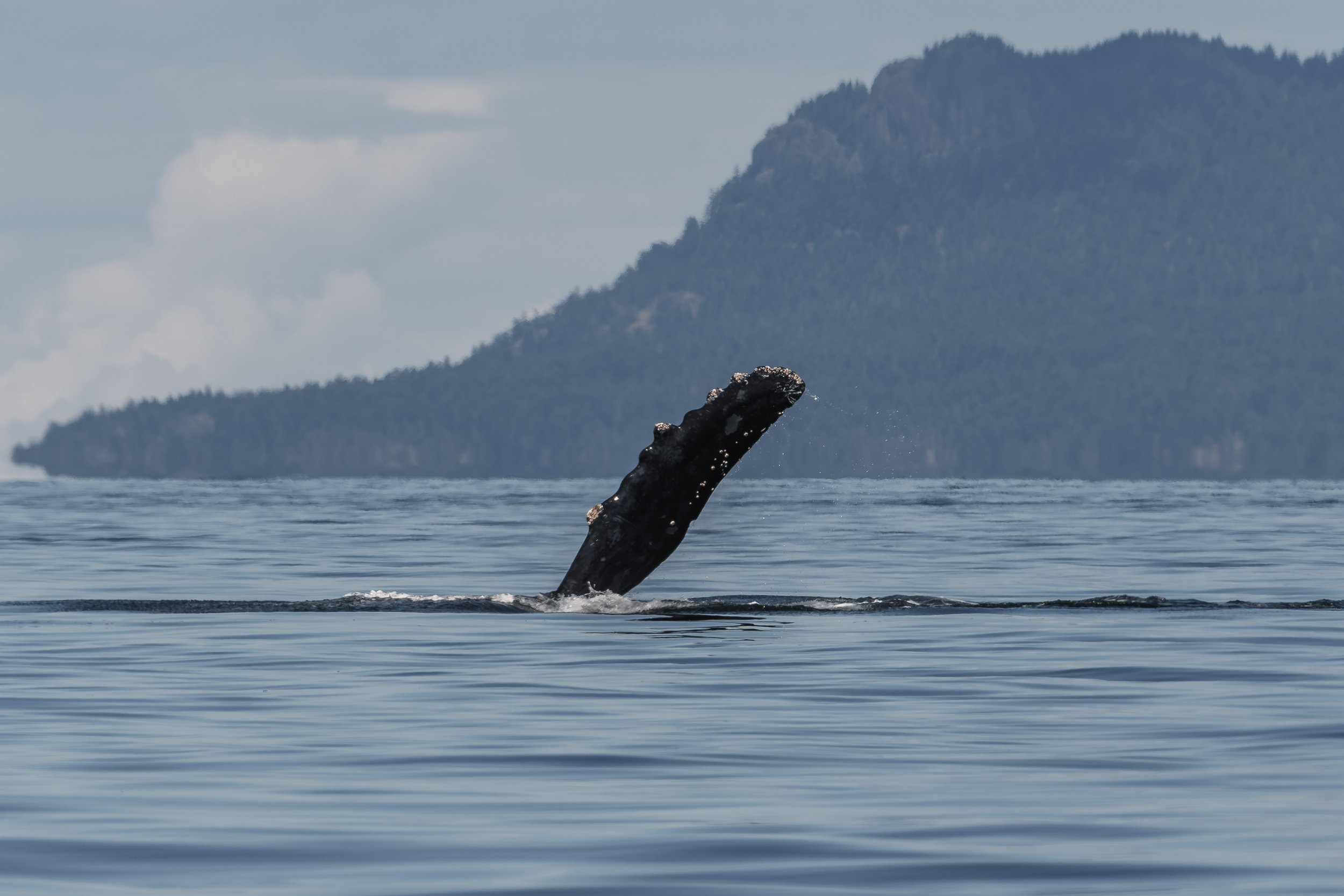
Arial pec slapping. Photo by Evan Hessels.
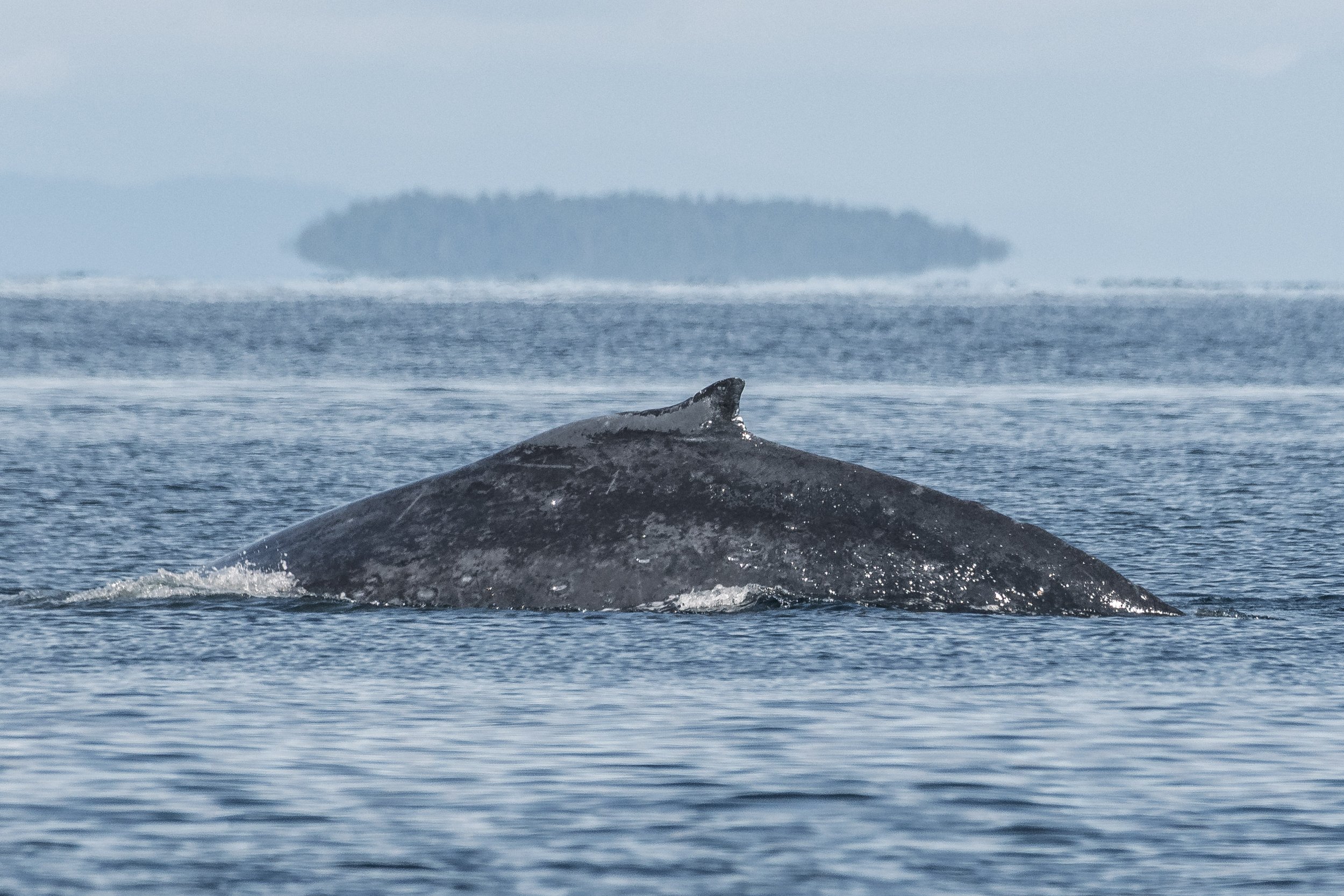
Arial’s dorsal fin. Photo by Evan Hessels.
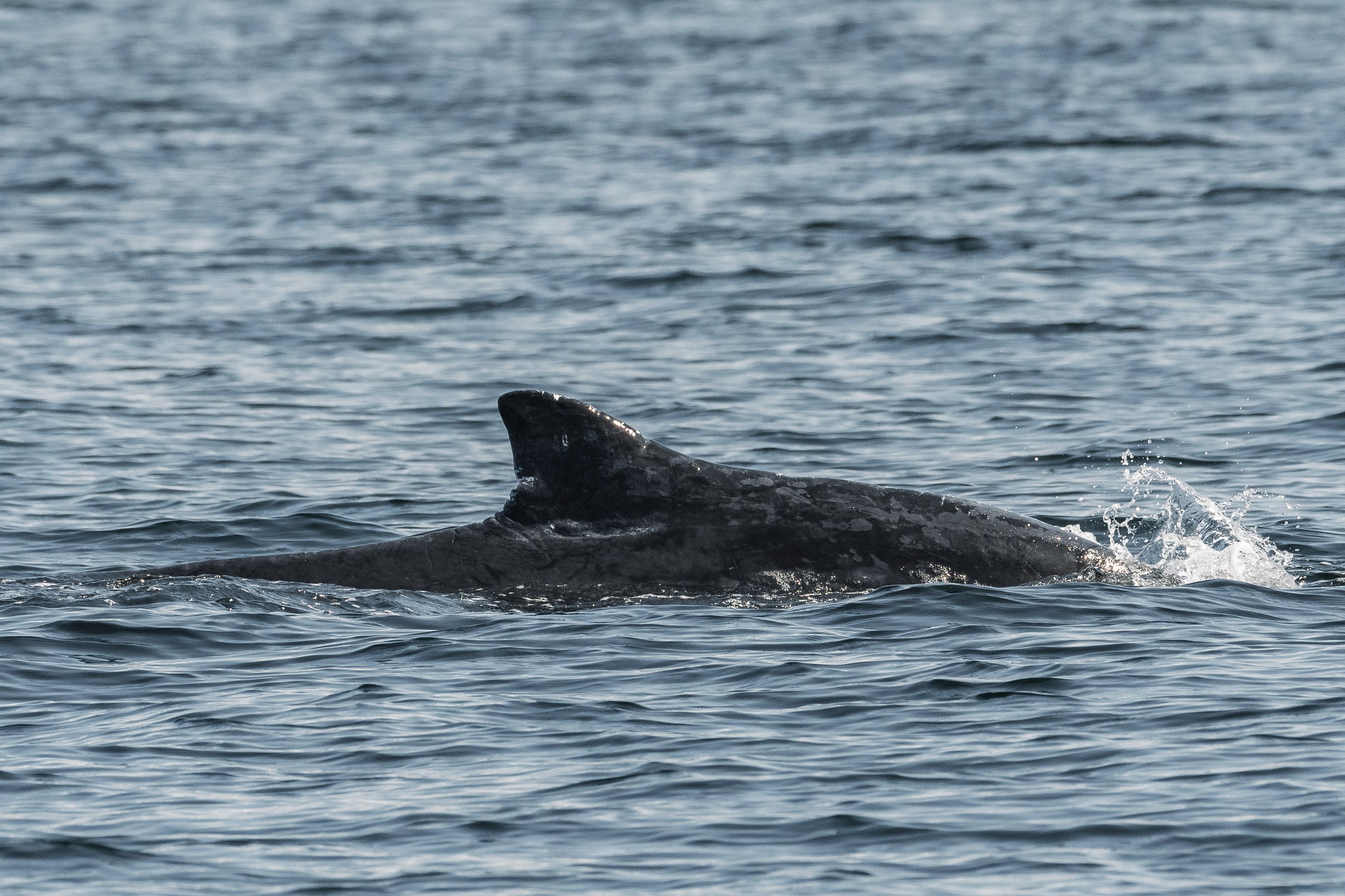
The other side of Arial’s dorsal. Photo by Evan Hessels.
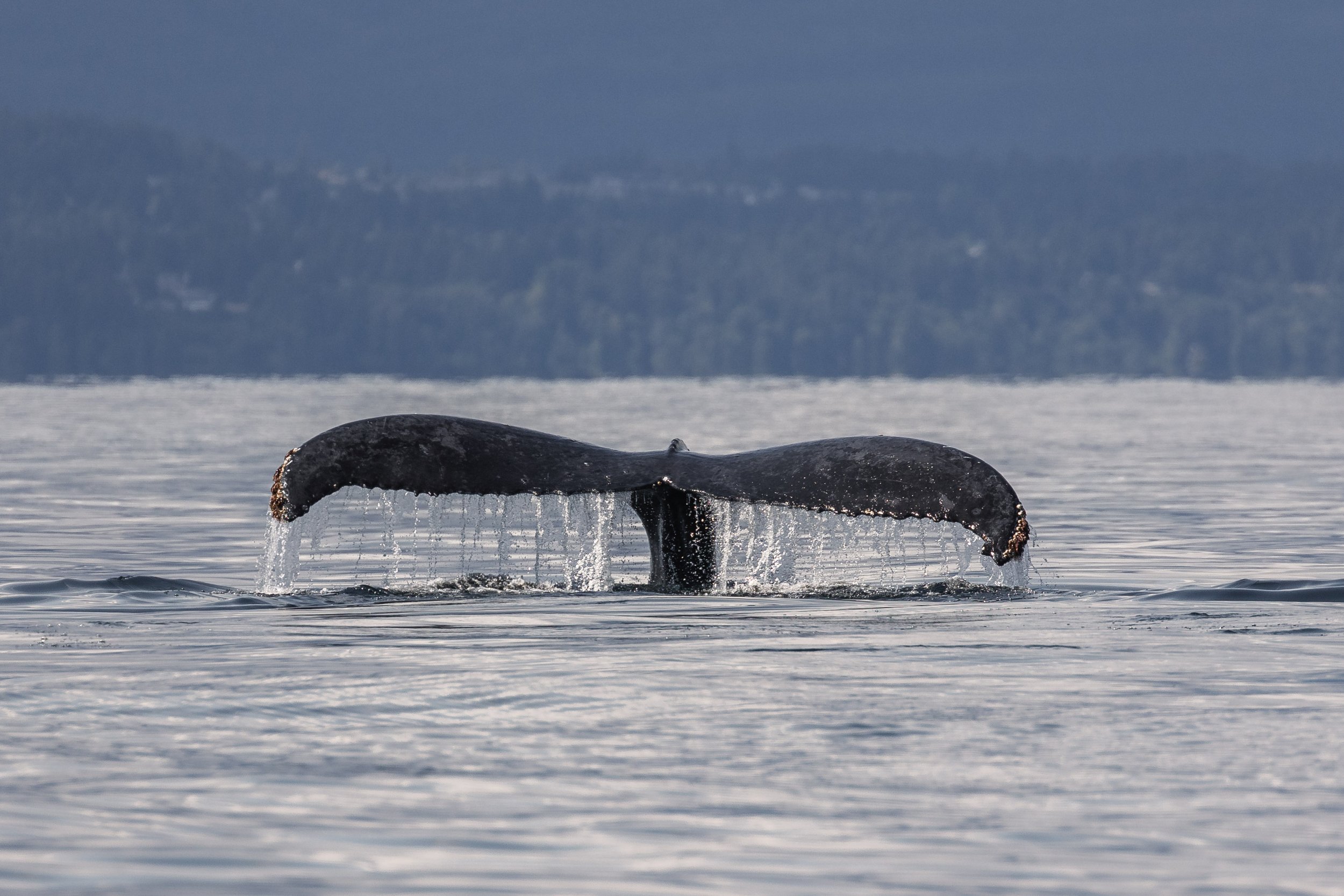
A fluke waterfall from Arial. Photo by Vanessa Vereschahen.
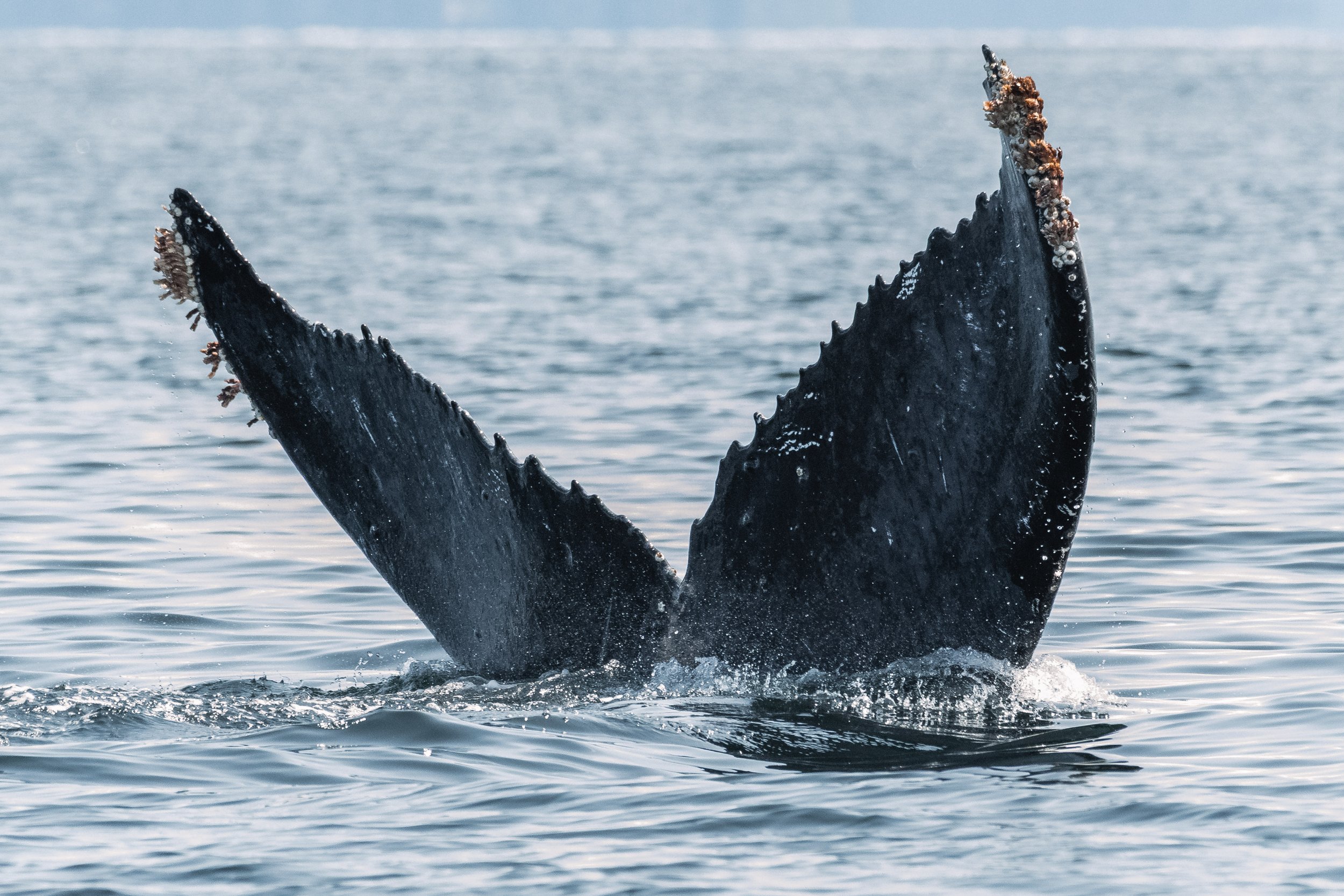
The unique tail of Arial. Photo by Evan Hessels.
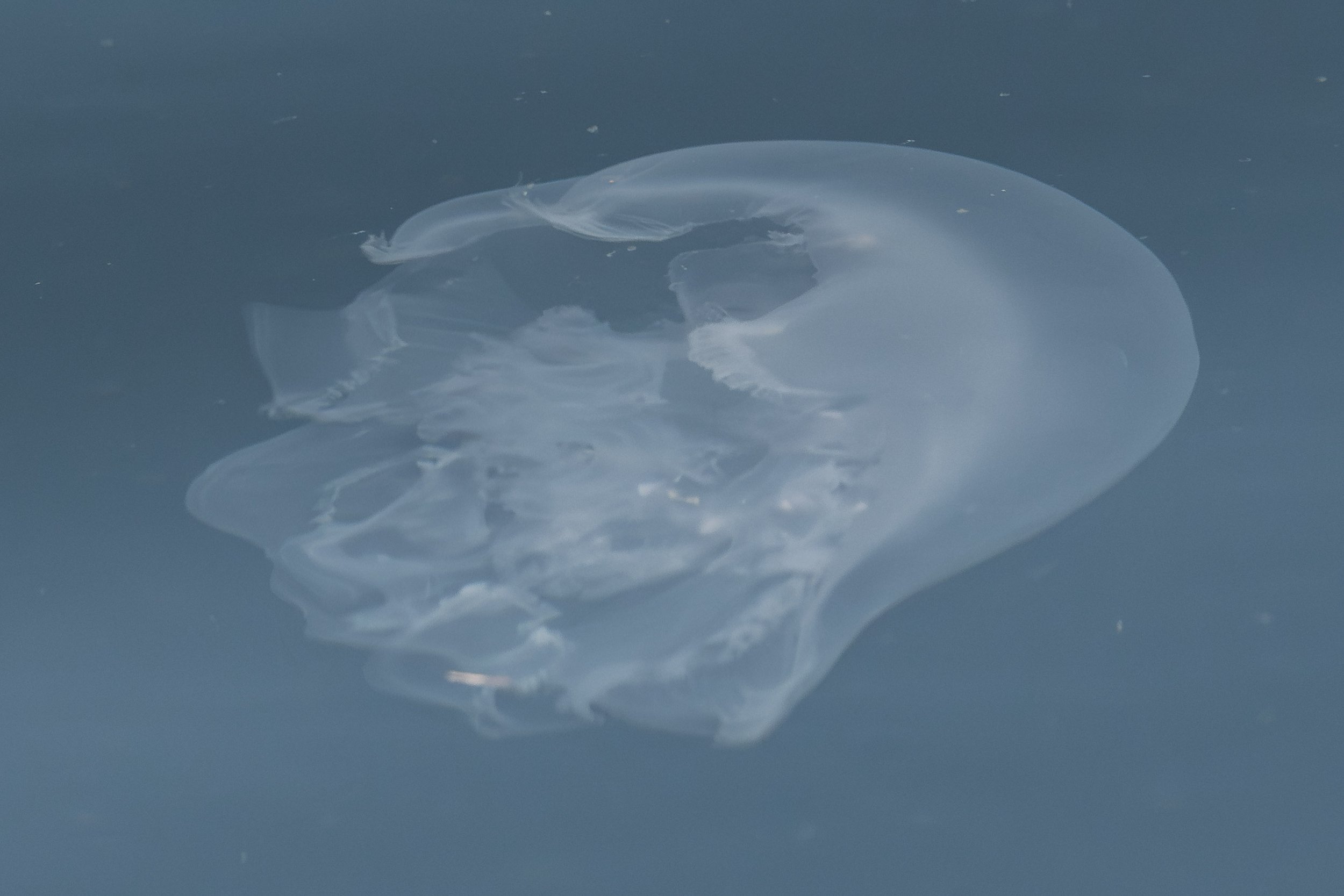
A jellyfish floating past. Photo by Evan Hessels.
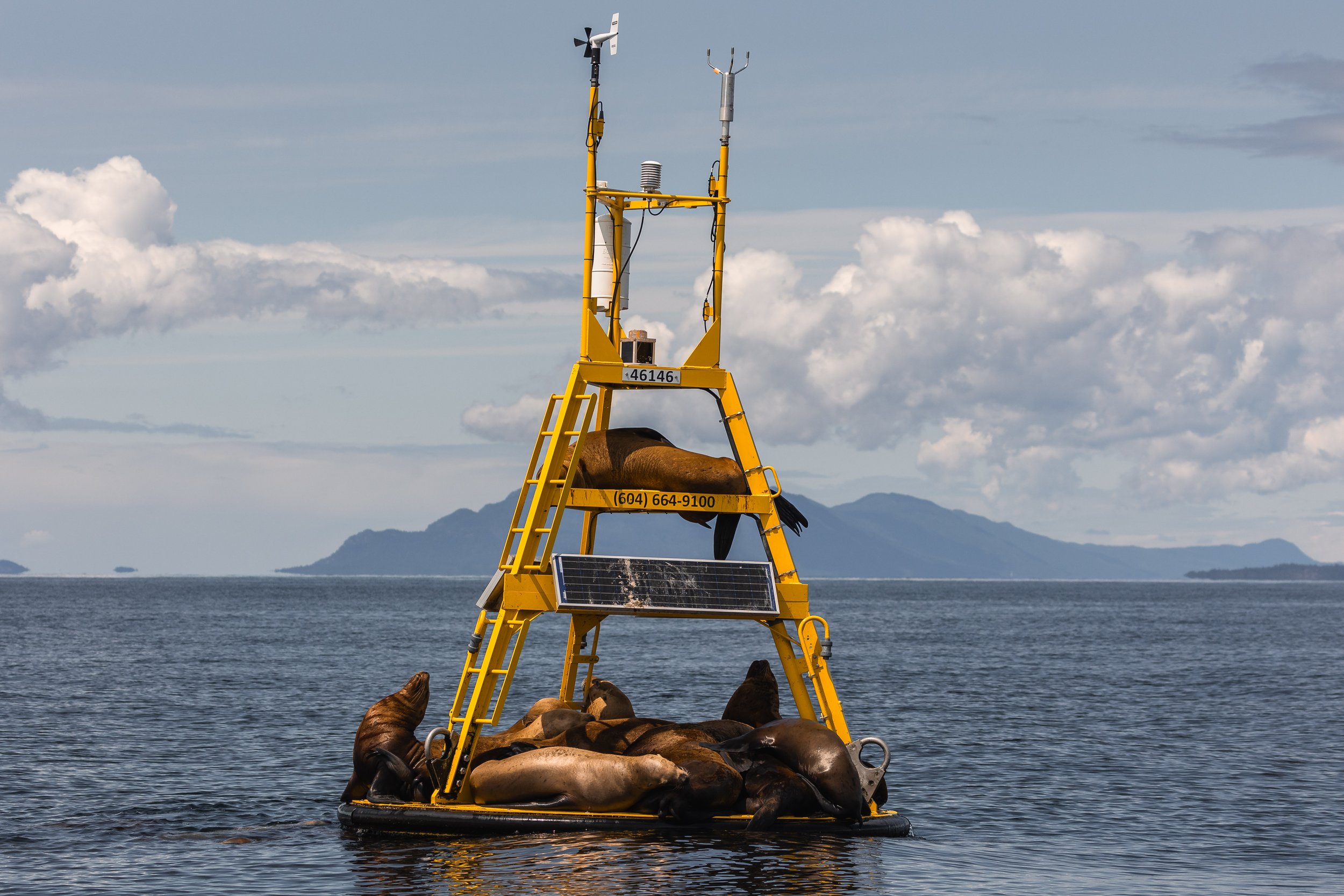
Steller Sea Lions on the bouy at Halibut Bank. Photo by Vanessa Vereschahen.
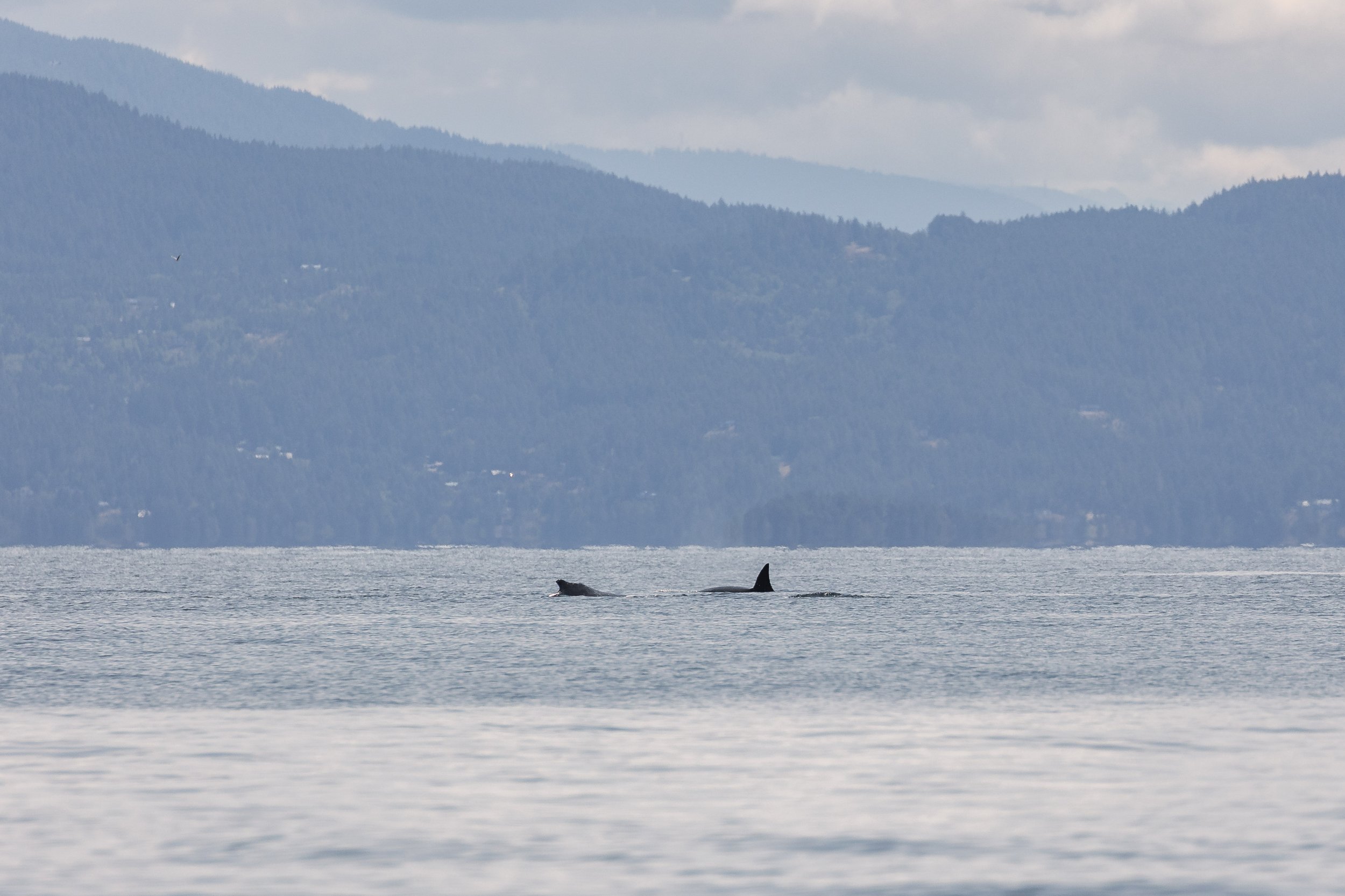
Orca on the right humpback on the left, a head to head interaction. Photo by Vanessa Vereschahen.
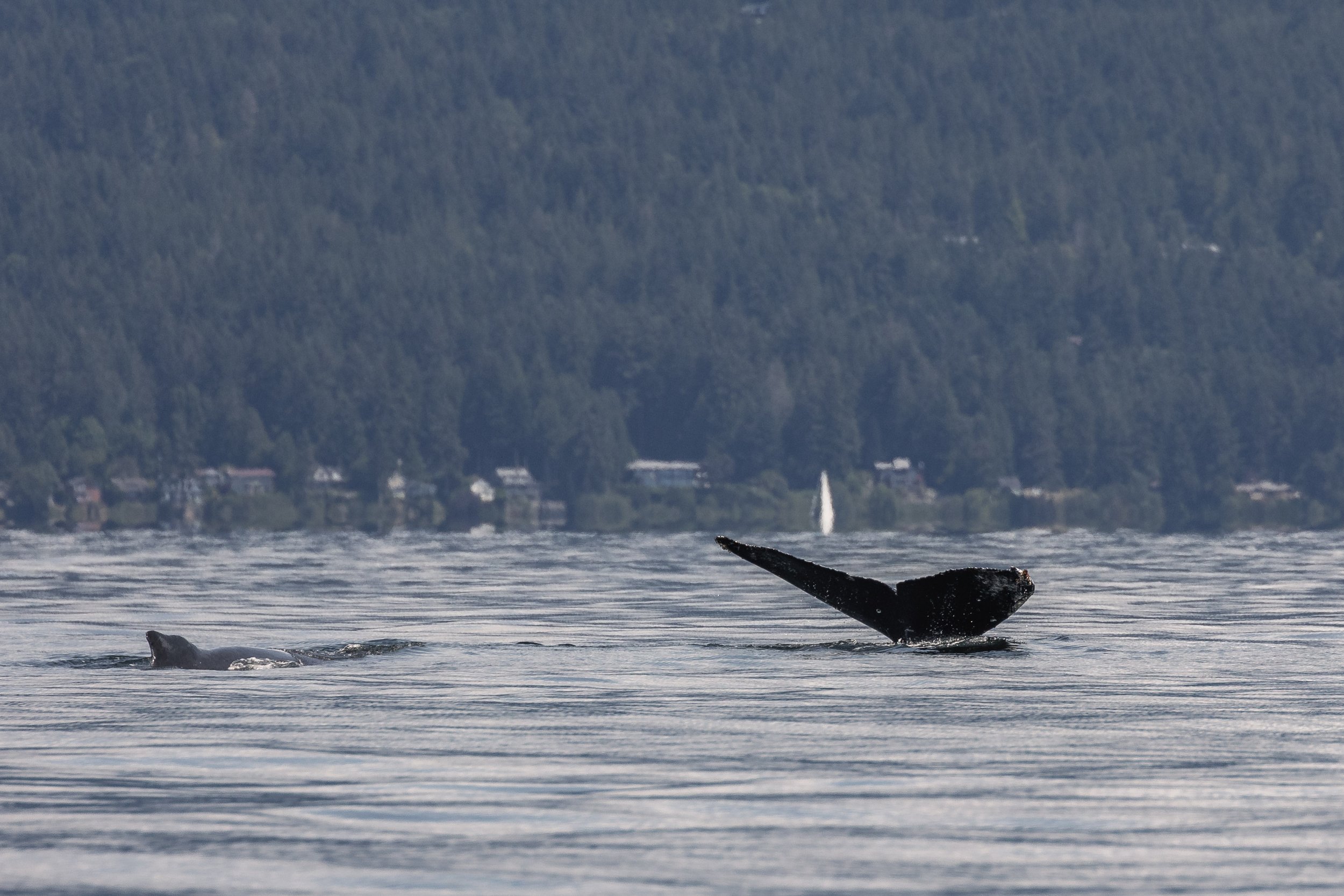
Holey Moley fluking as Coyote surfaces beside. Photo by Vanessa Vereschahen.
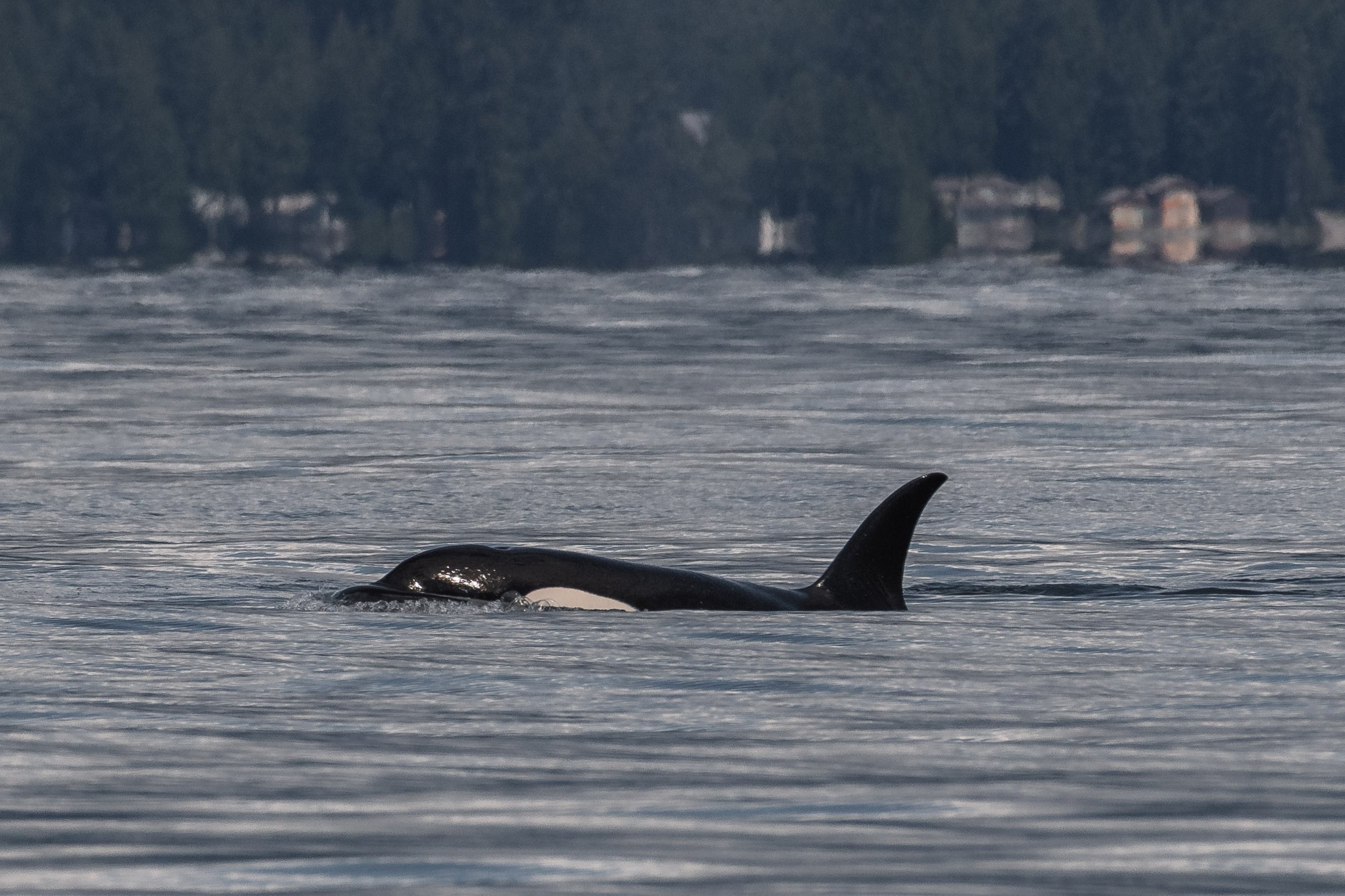
T046B1A Tsakani surfacing. Photo by Evan Hessels.
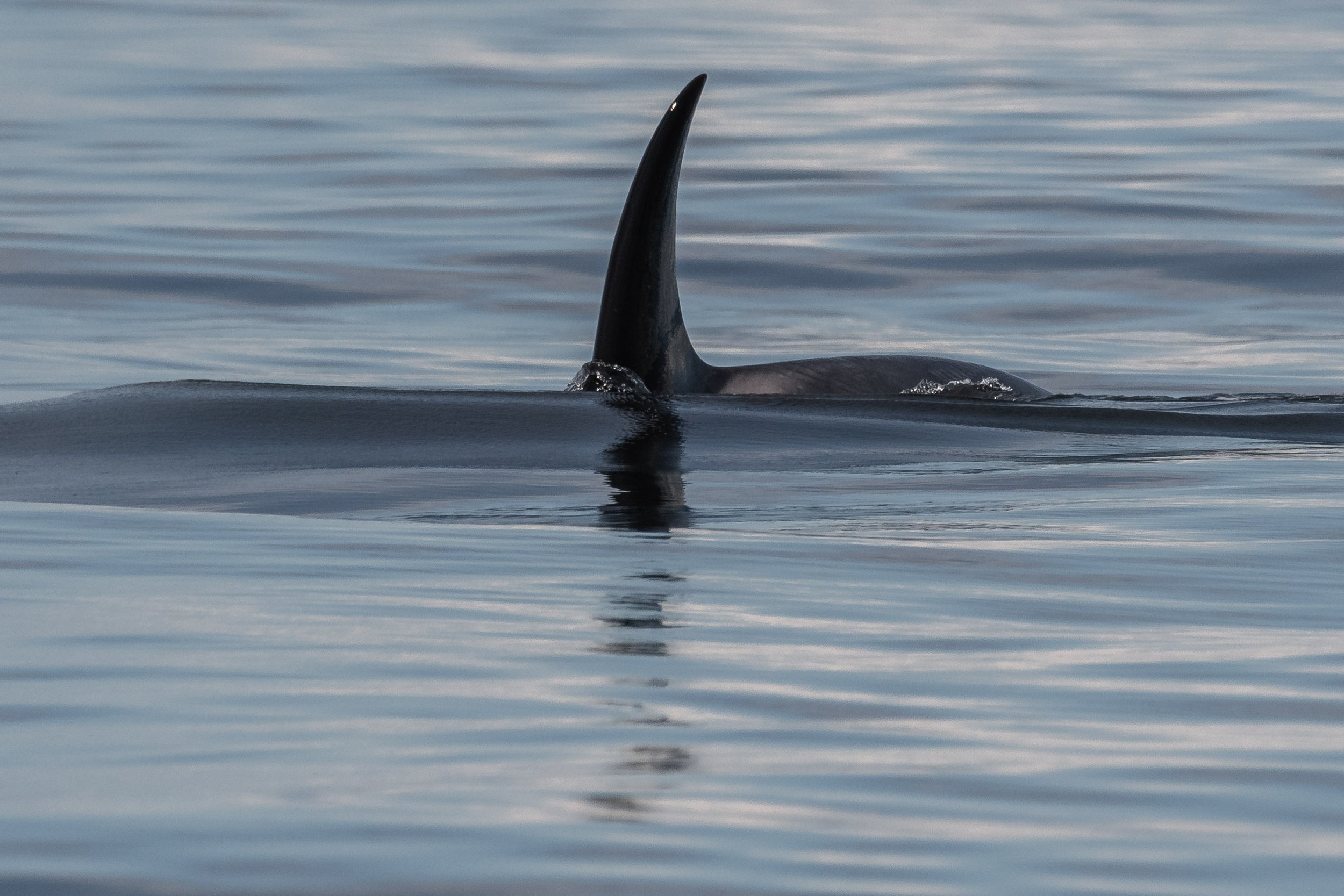
T046B1A Tsakani in the calm water. Photo by Evan Hessels.
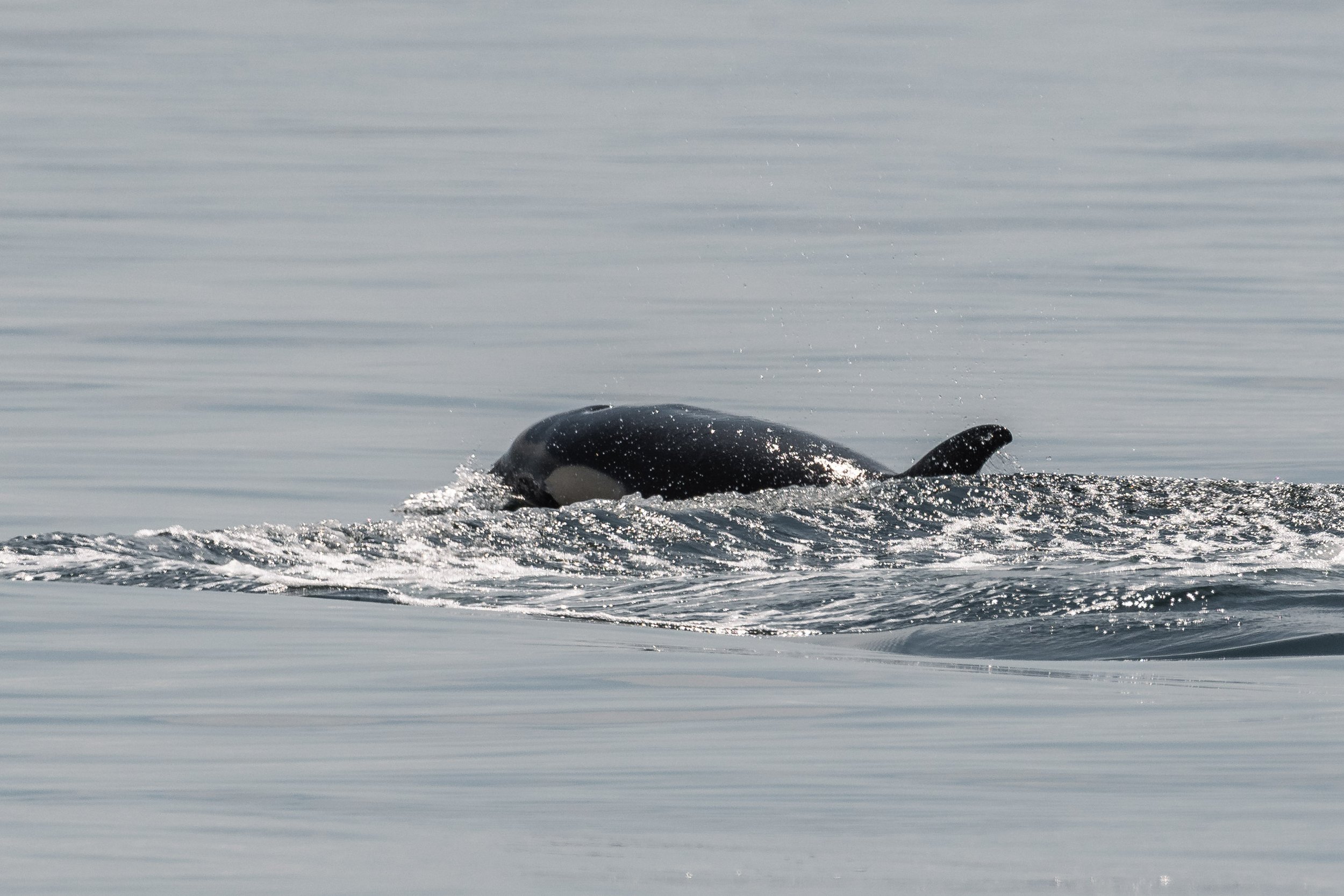
T046B1D Tashi picking up speed. Photo by Evan Hessels.
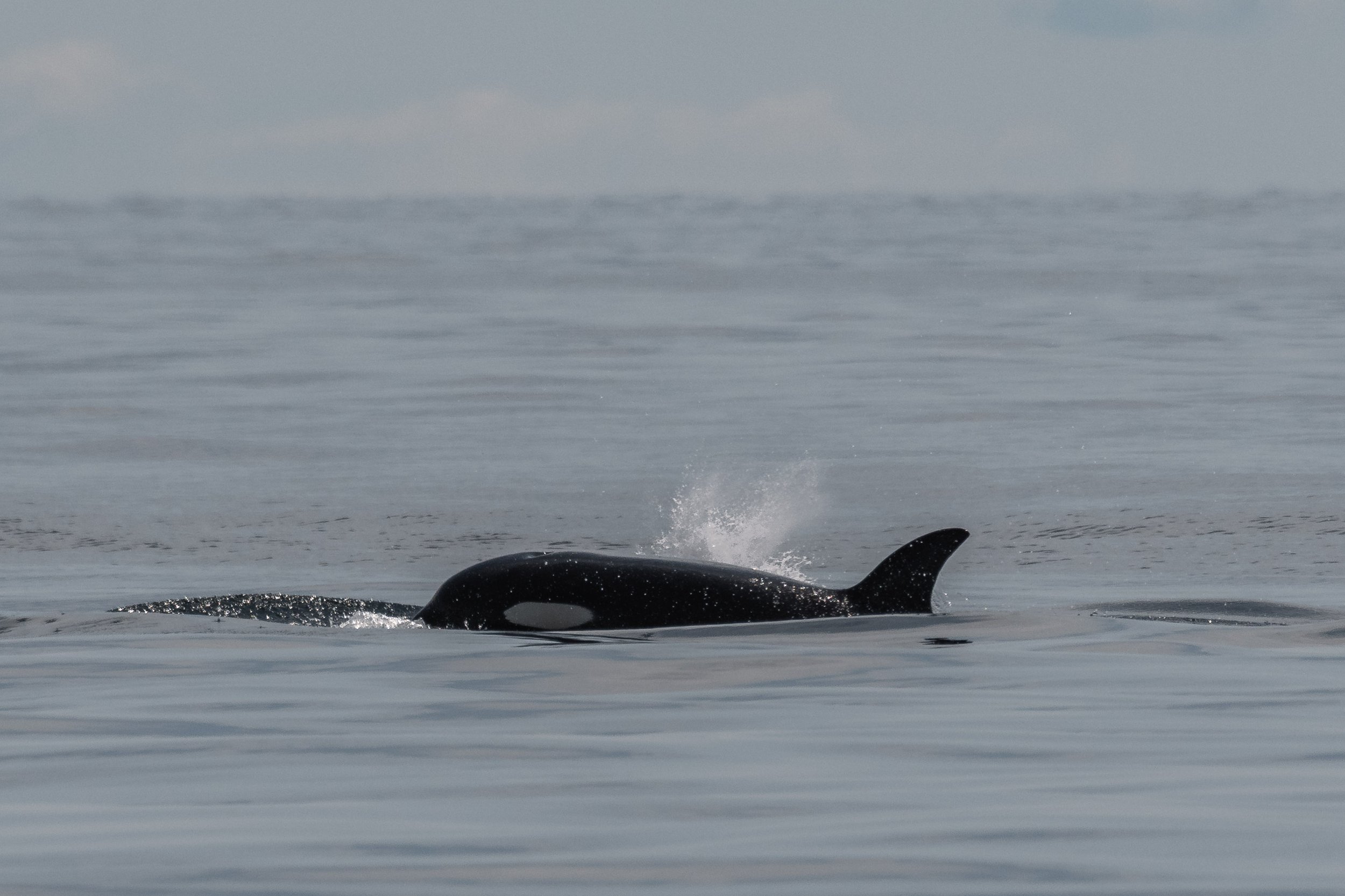
T046B1C Tide surfacing. Photo by Evan Hessels.
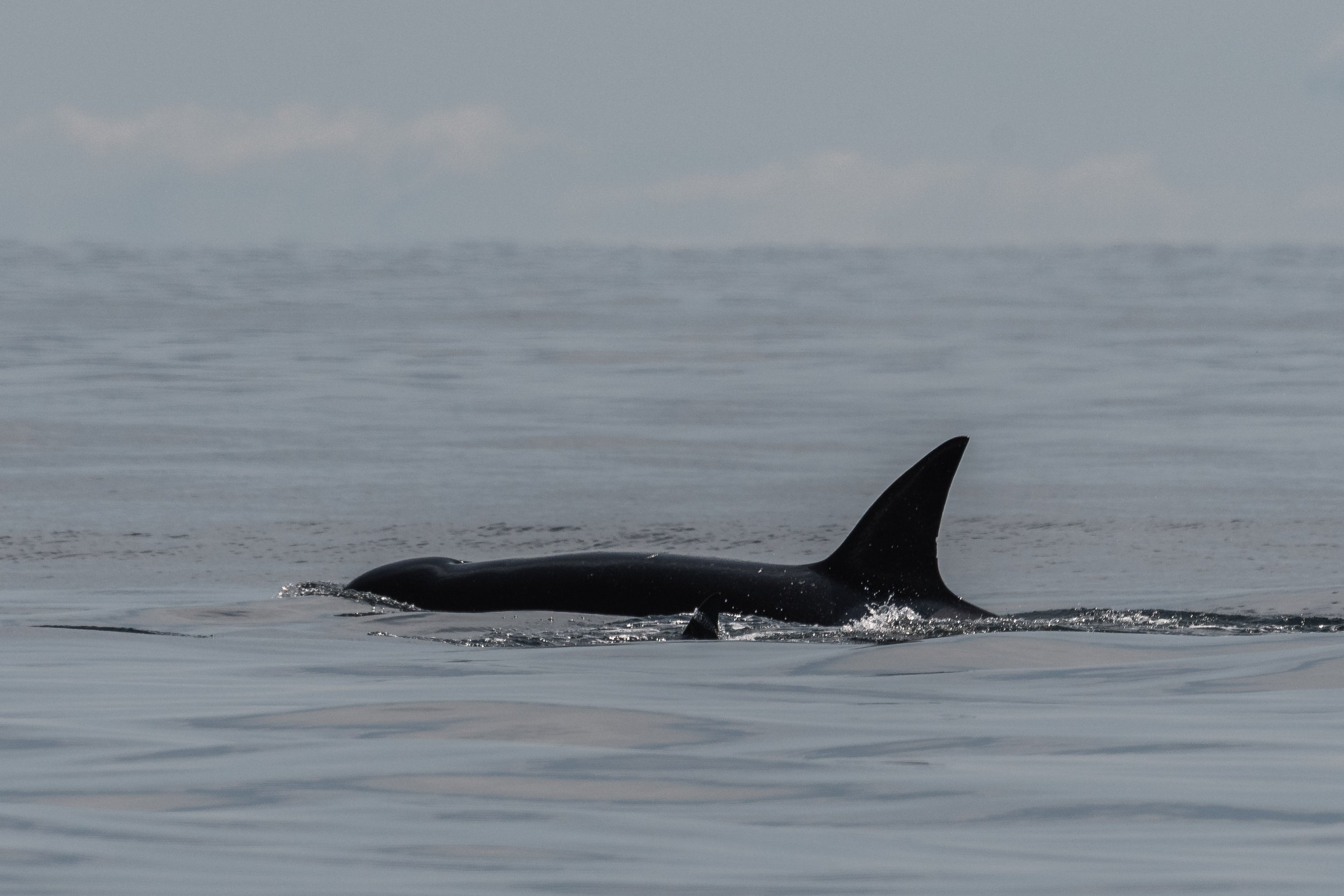
T046C2 Sam with another going down beside her. Photo by Evan Hessels.
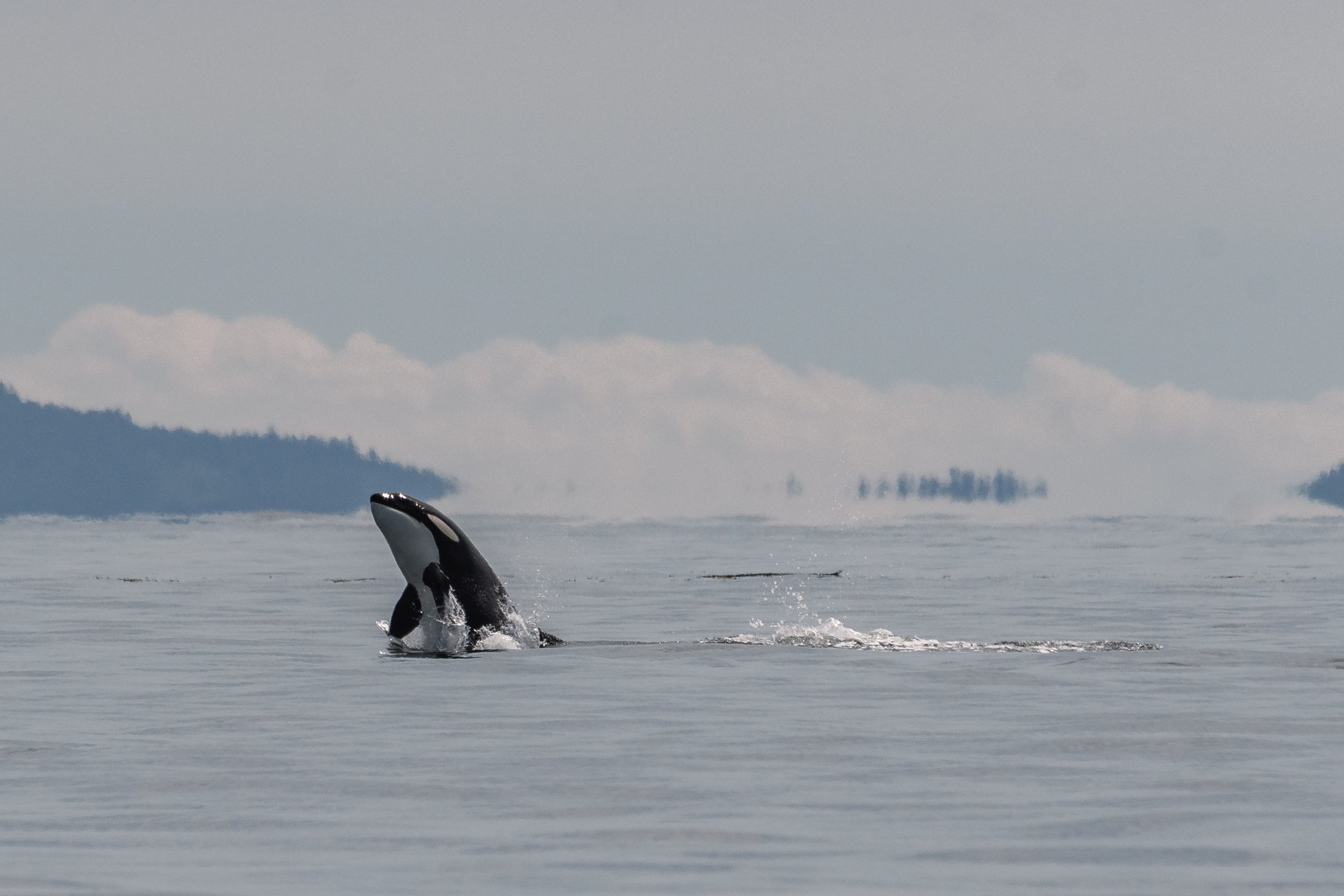
A breach for the sky! Photo by Evan Hessels.
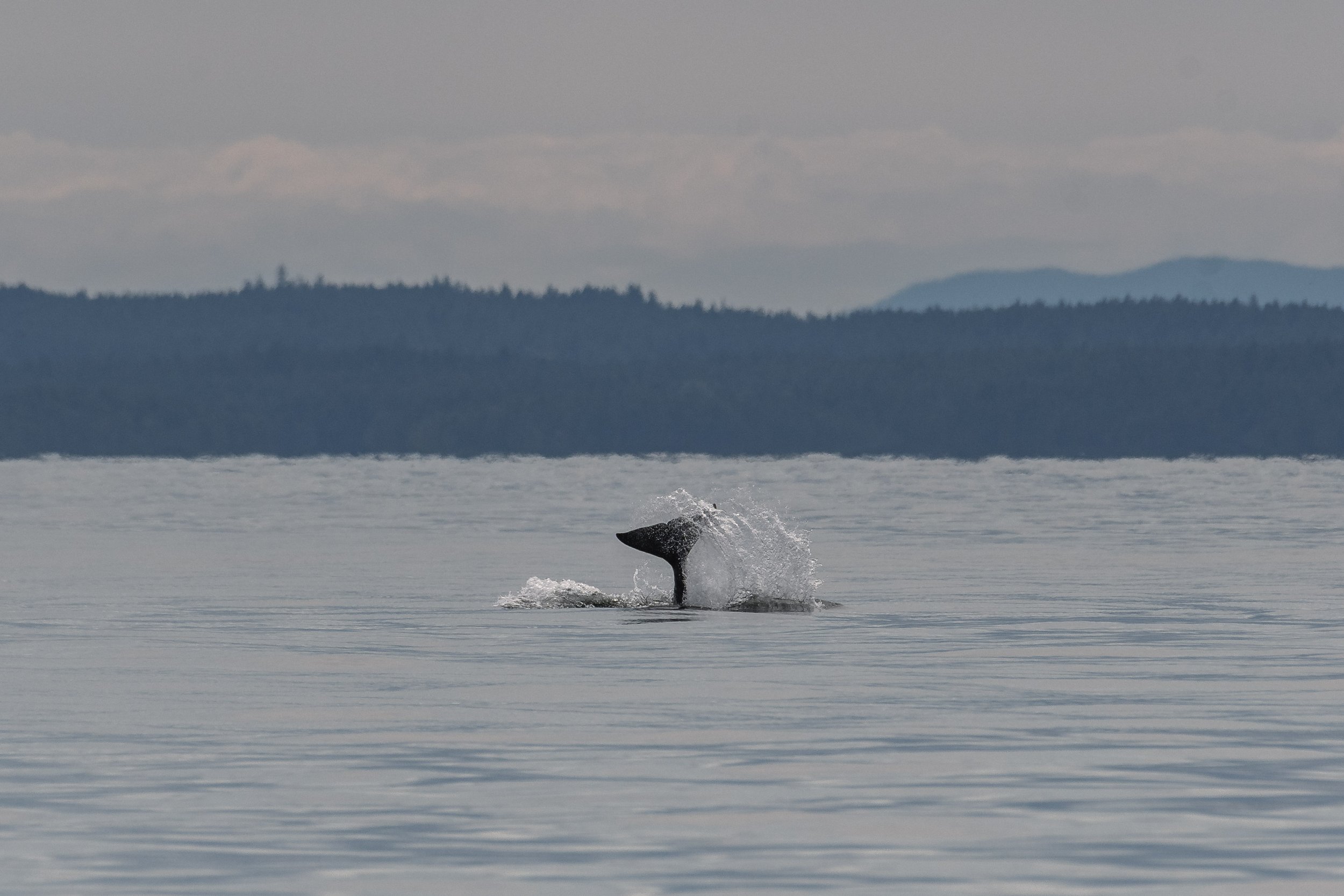
A tail slap from one of the orca. Photo by Evan Hessels.
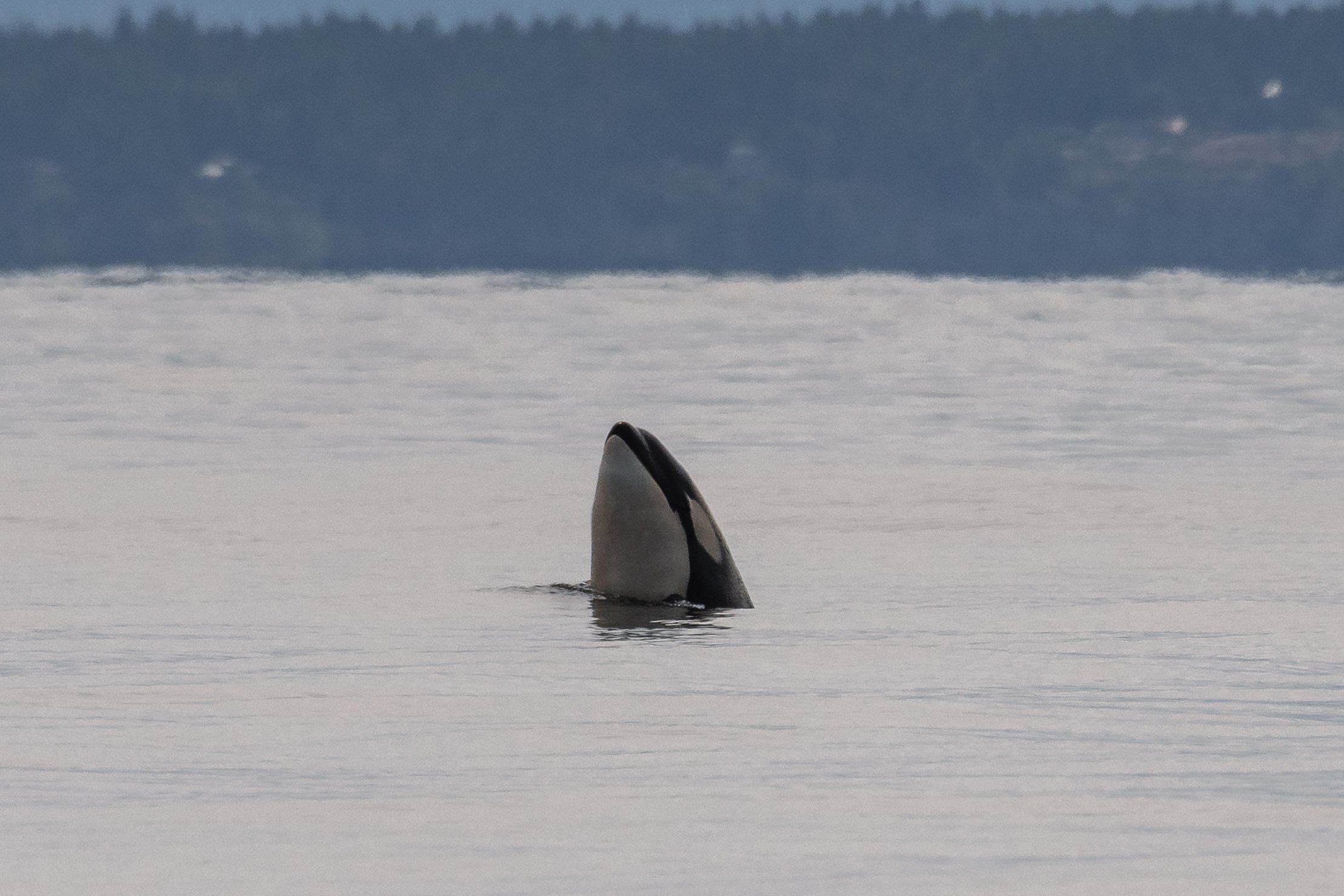
T046B1A Tsakani spy-hopping. Photo by Evan Hessels.
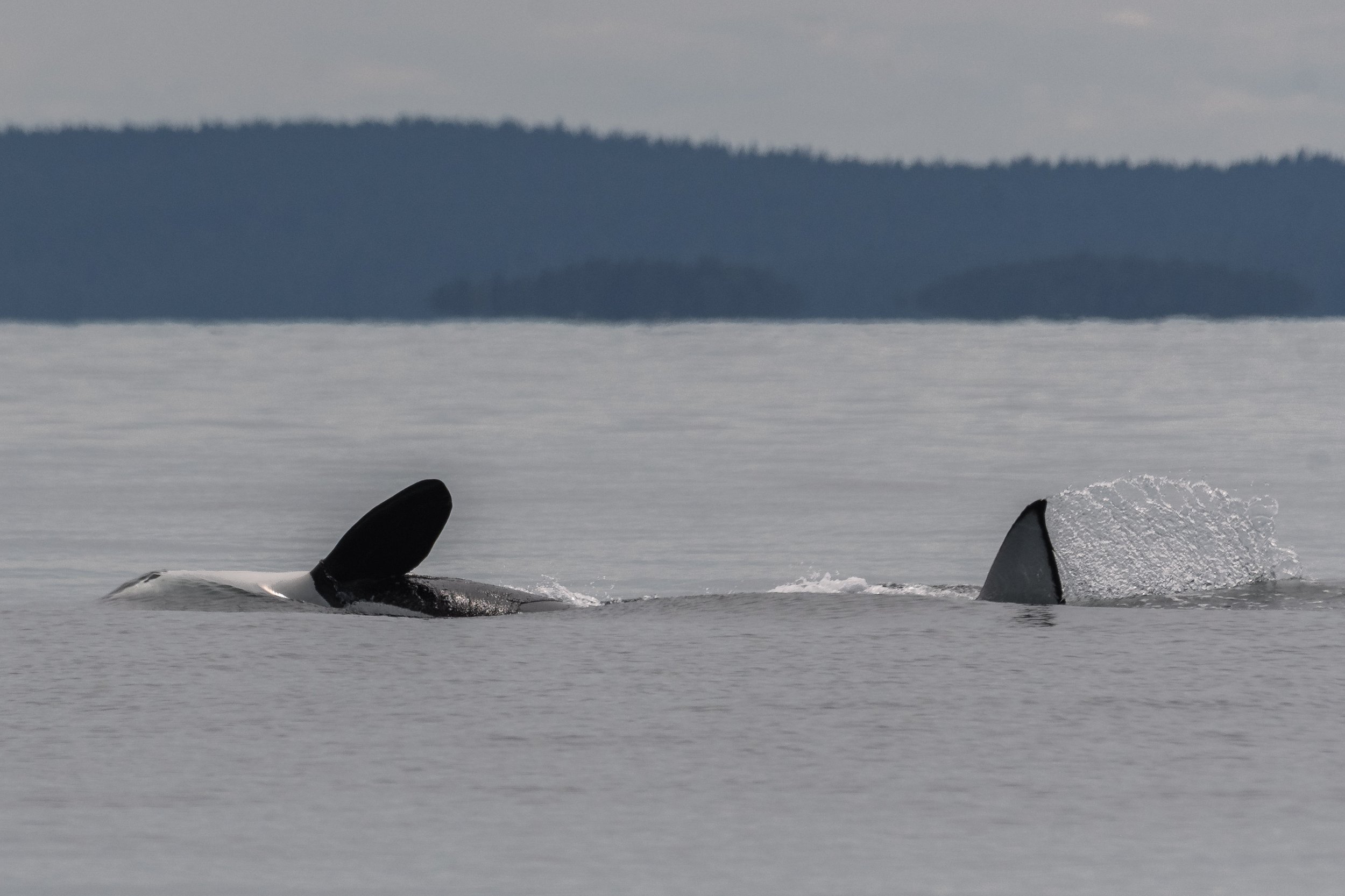
Swimming sideways. Photo by Evan Hessels.
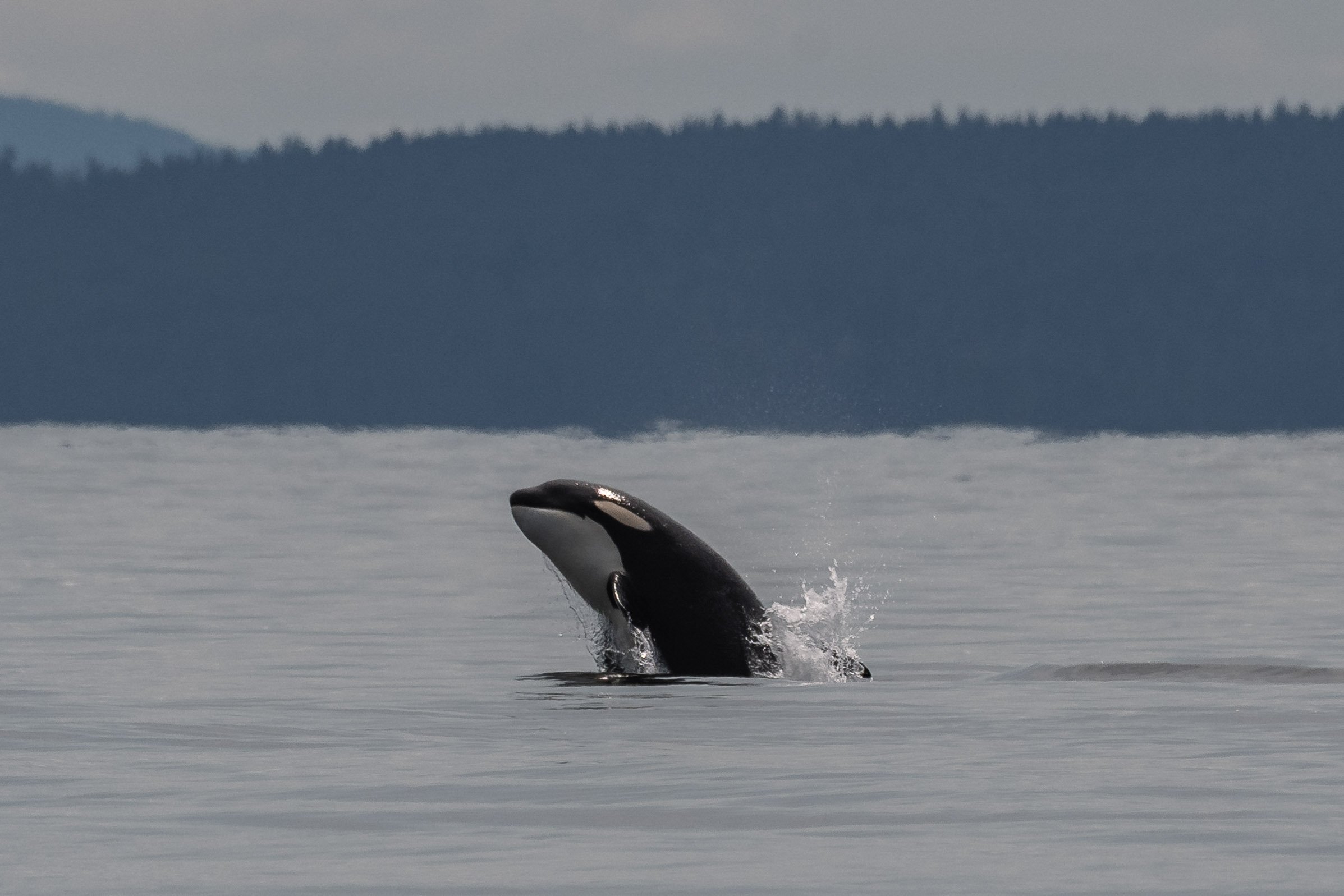
T046B1C Tide breaching. Photo by Evan Hessels.
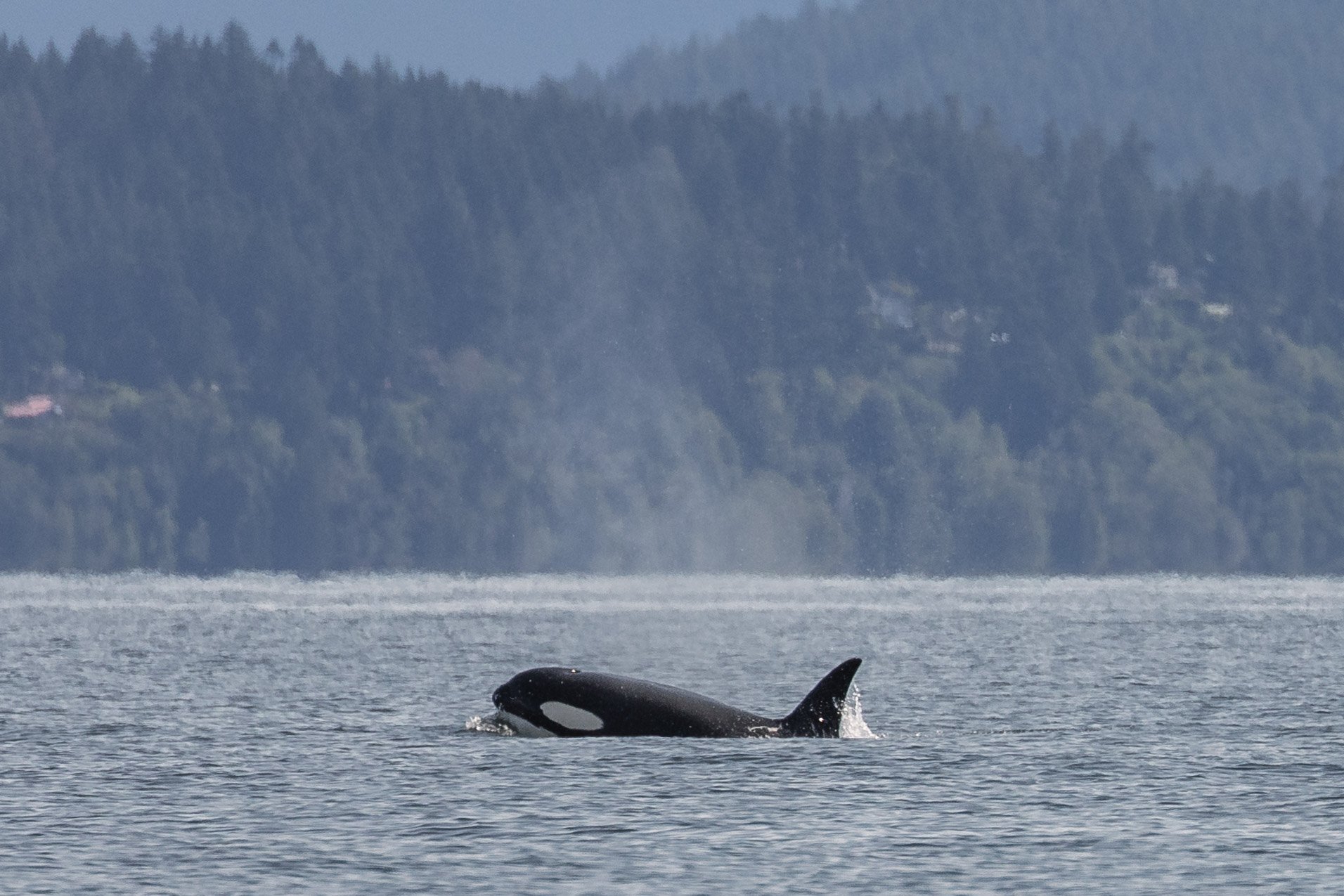
T046B1 Tread the matriarch surfacing. Photo by Vanessa Vereschahen.
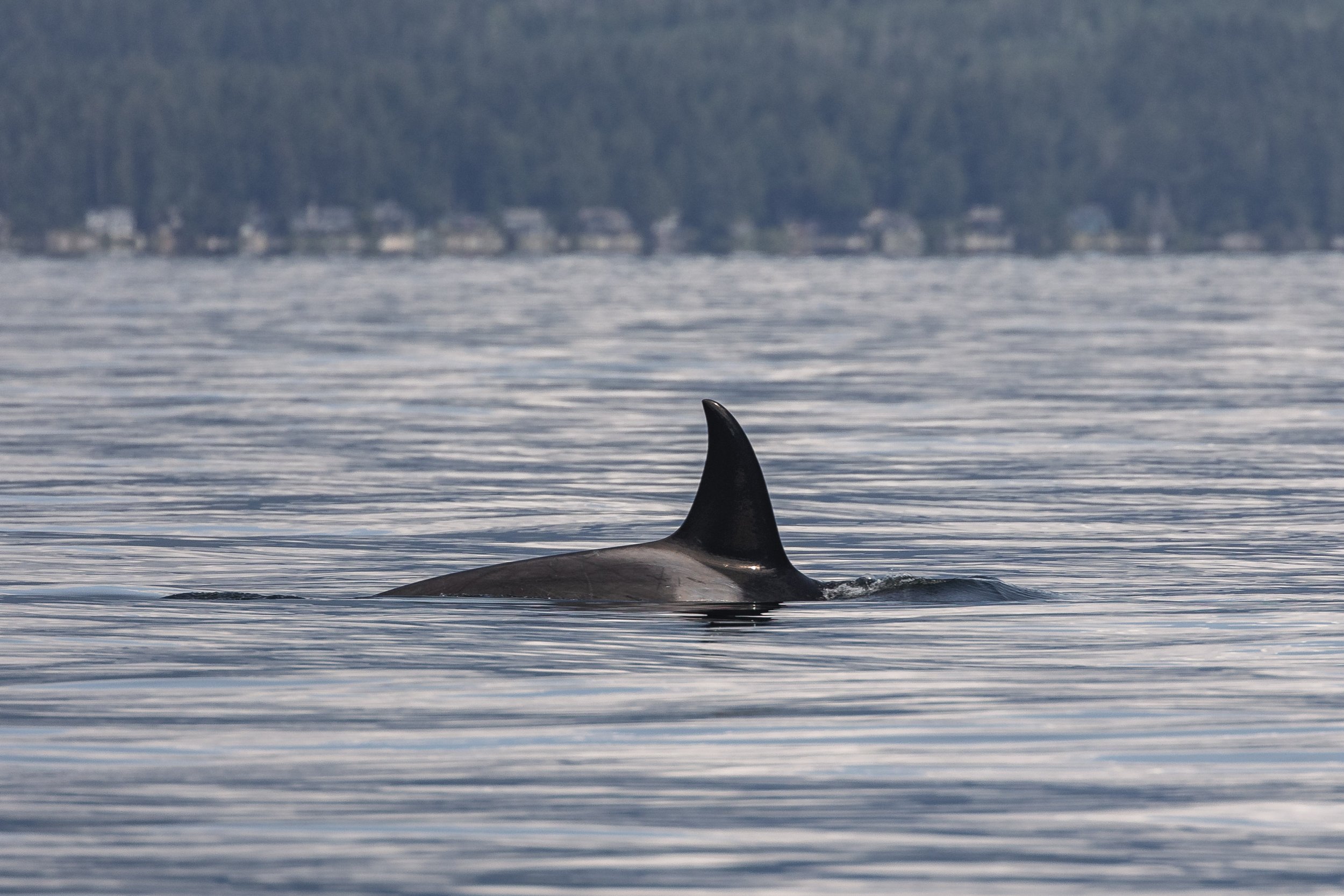
T046B1A Tsakani making waves. Photo by Vanessa Vereschahen.
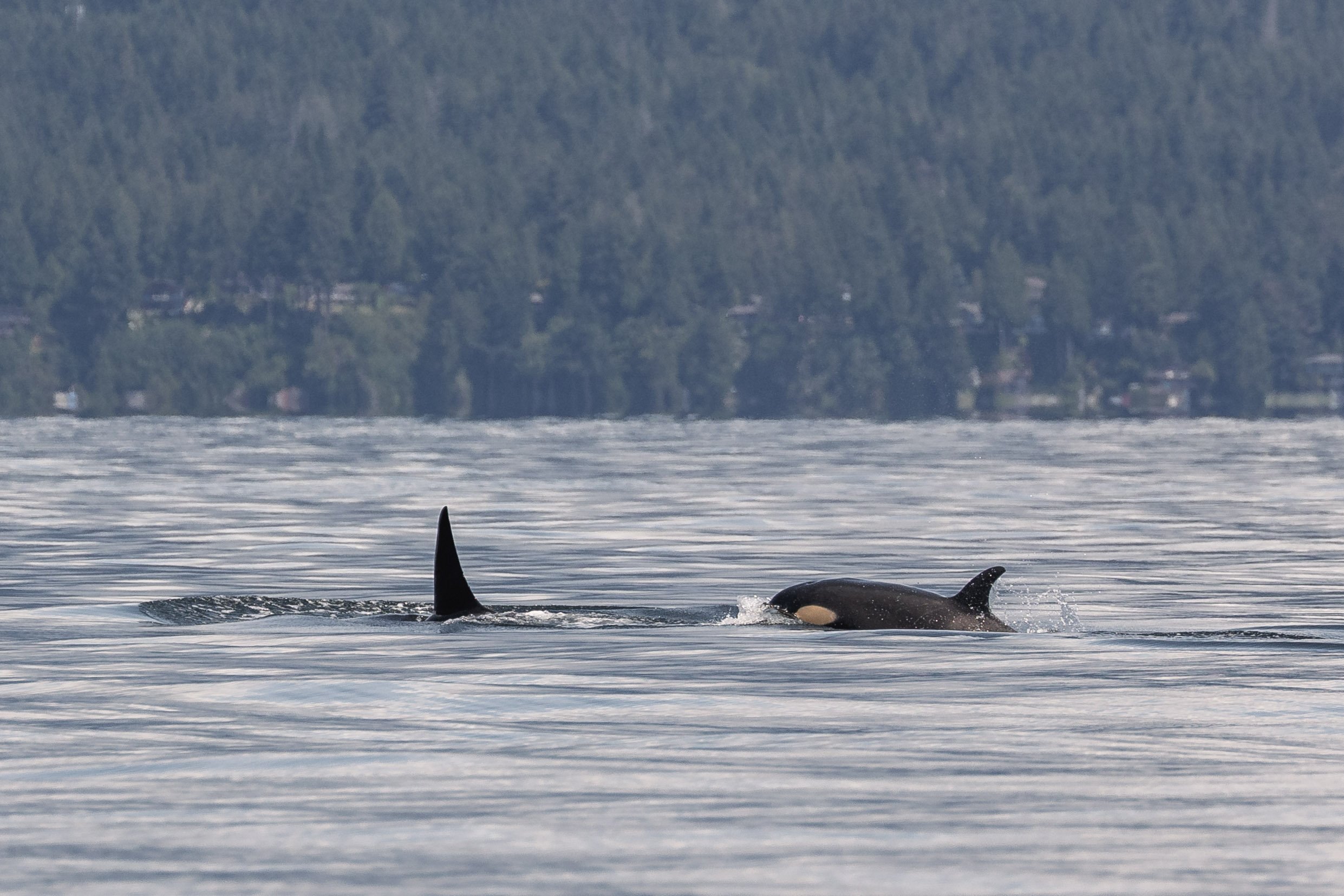
T046C2 Sam with T046B1D Tashi in tow. Photo by Vanessa Vereschahen.
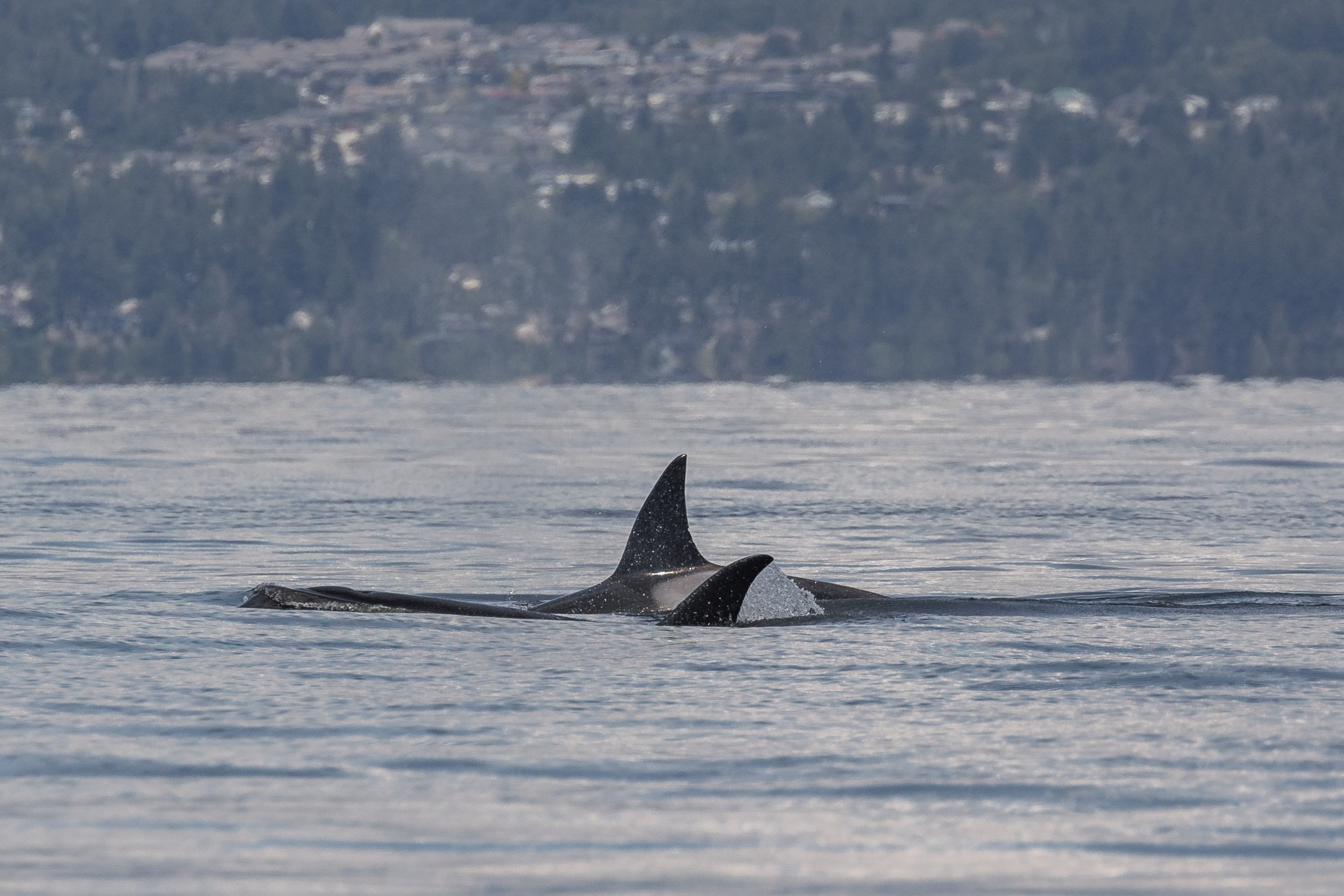
T046C2 Sam with the notches in her dorsal with T046B1A Tsakani surfacing beside. Photo by Vanessa Vereschahen.
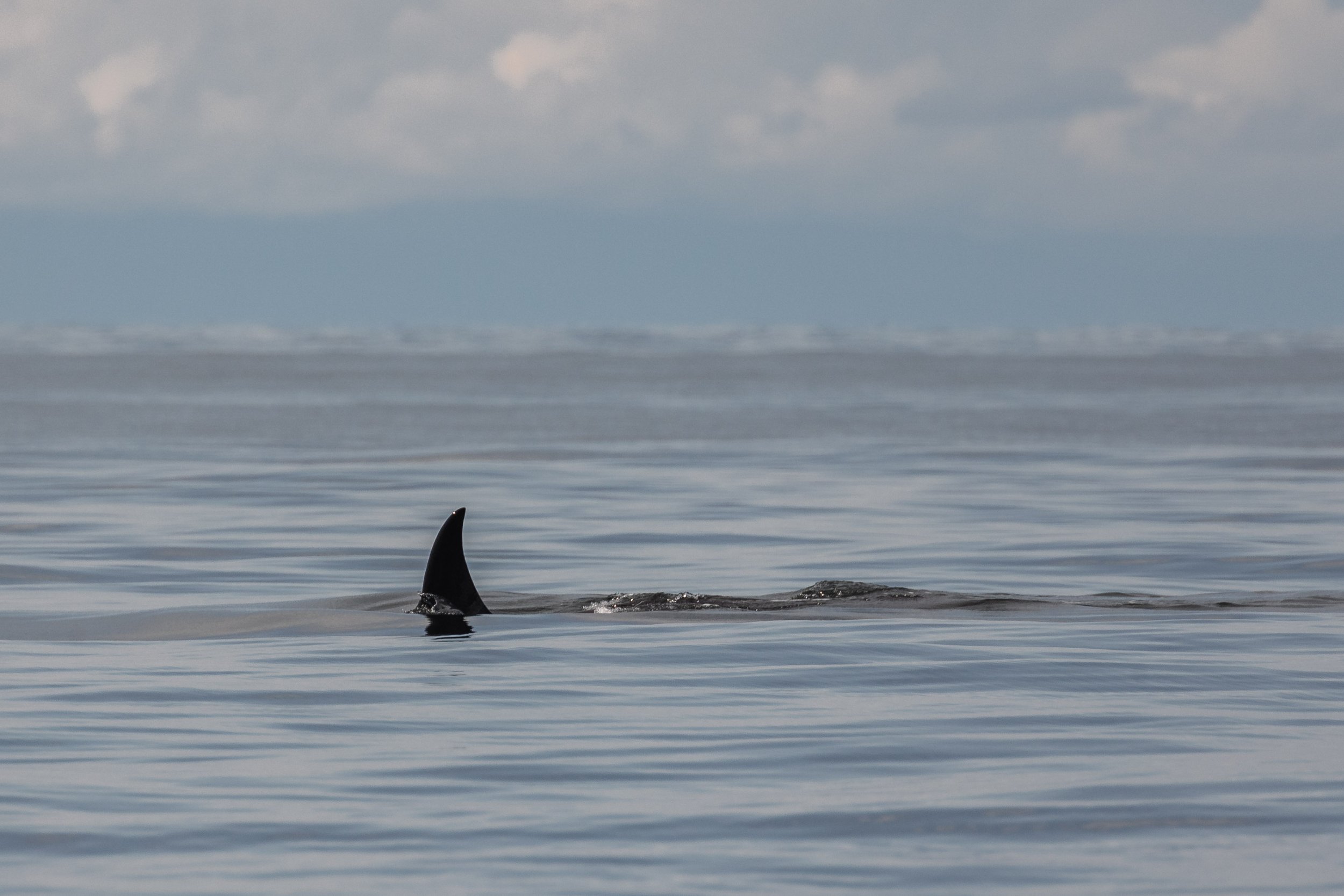
T046B1A Tsakani slipping beneath the surface. Photo by Vanessa Vereschahen.
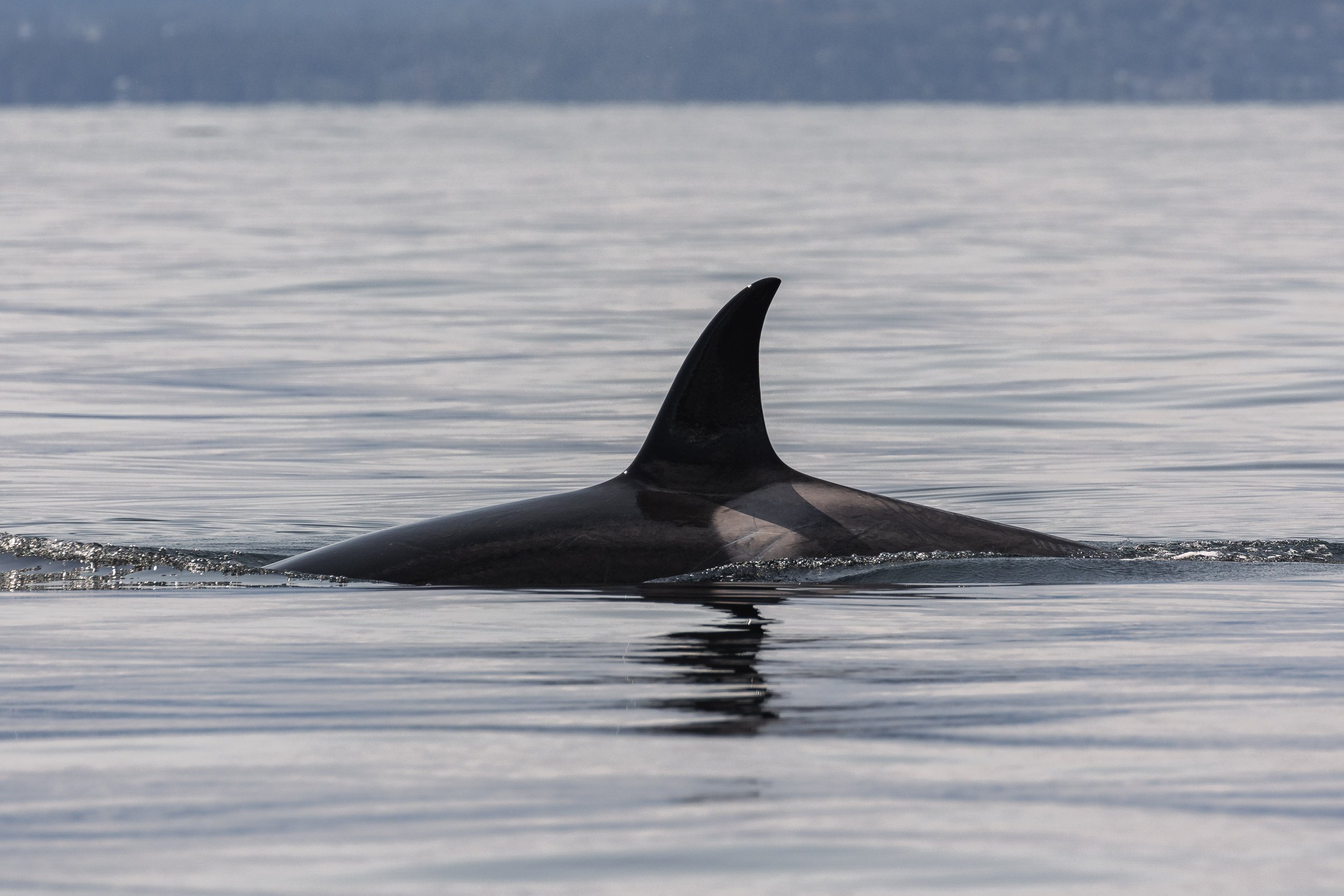
T046B1A Tsakani cruising past. Photo by Vanessa Vereschahen.
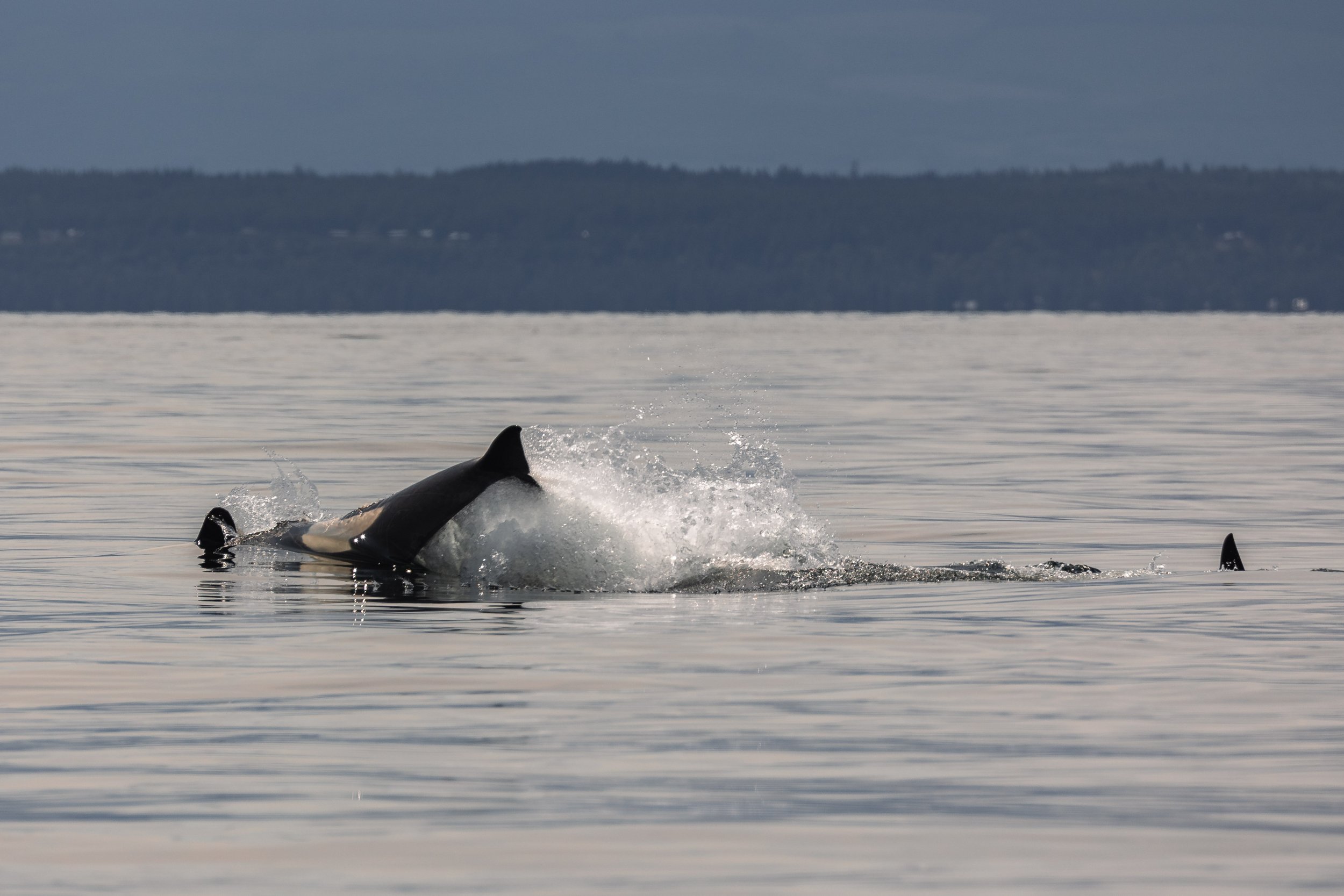
T046B1D Tashi getting punted! Photo by Vanessa Vereschahen.
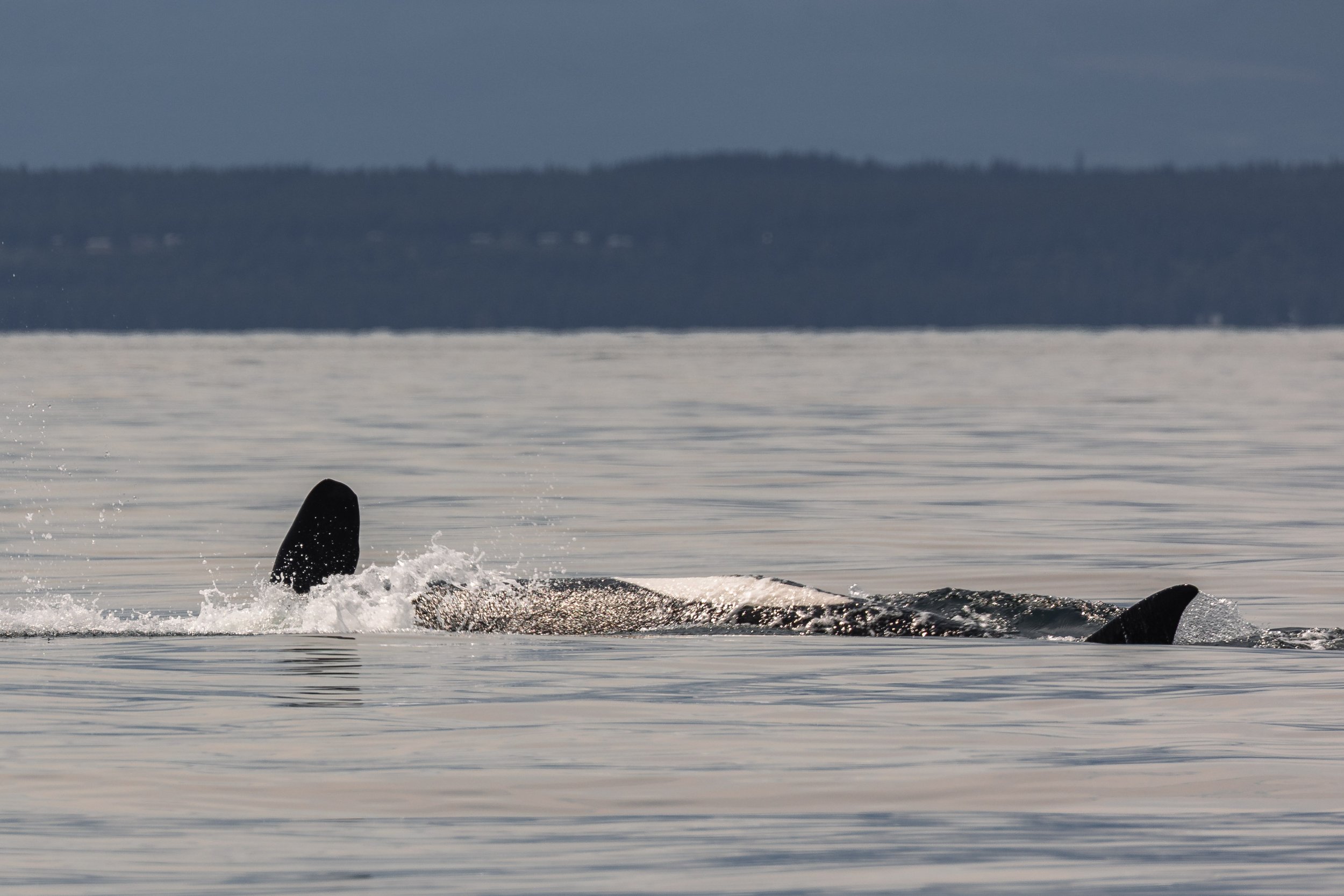
Swimming on their side. Photo by Vanessa Vereschahen.
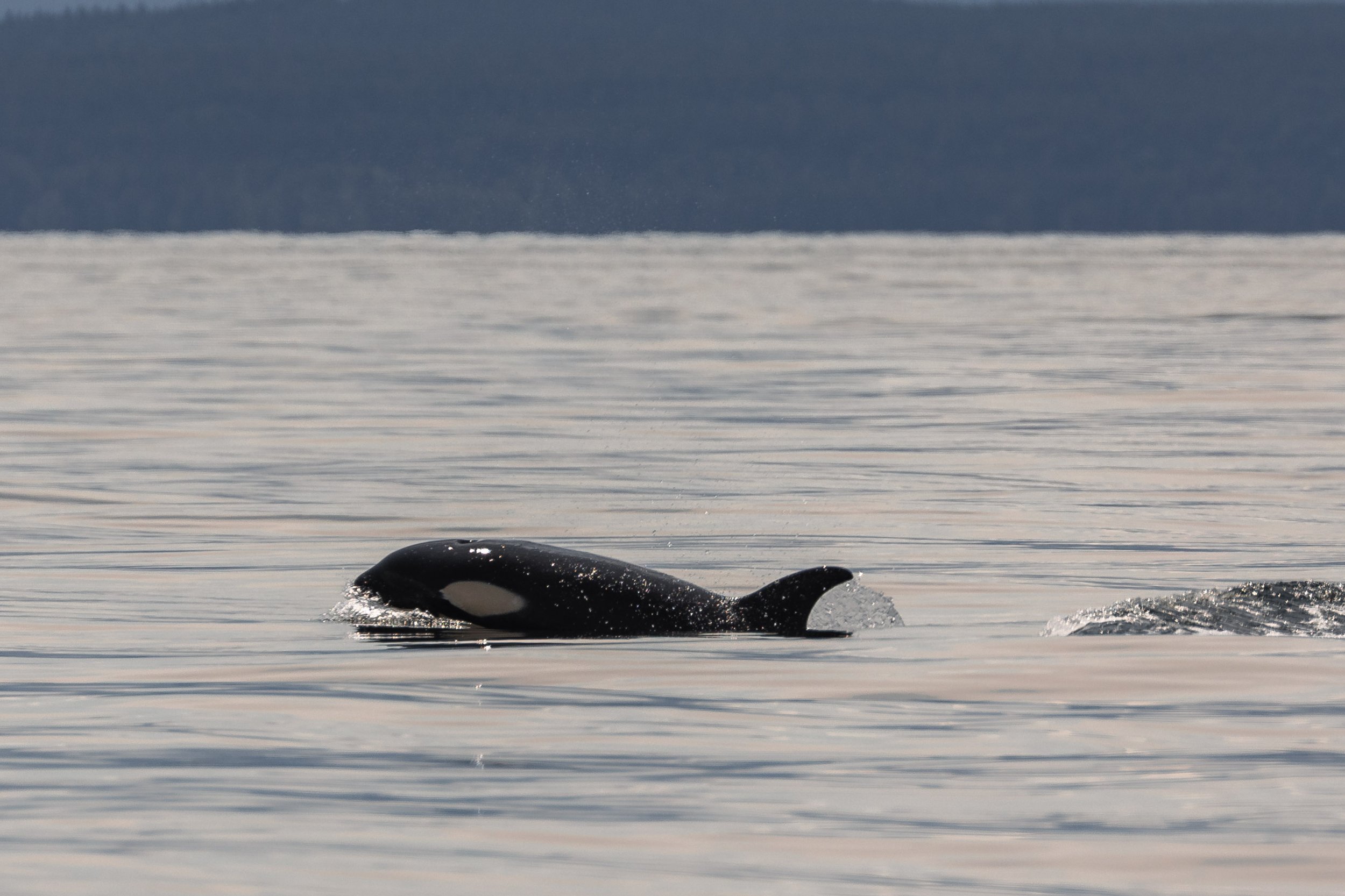
T046B1D Tashi powering ahead. Photo by Vanessa Vereschahen.
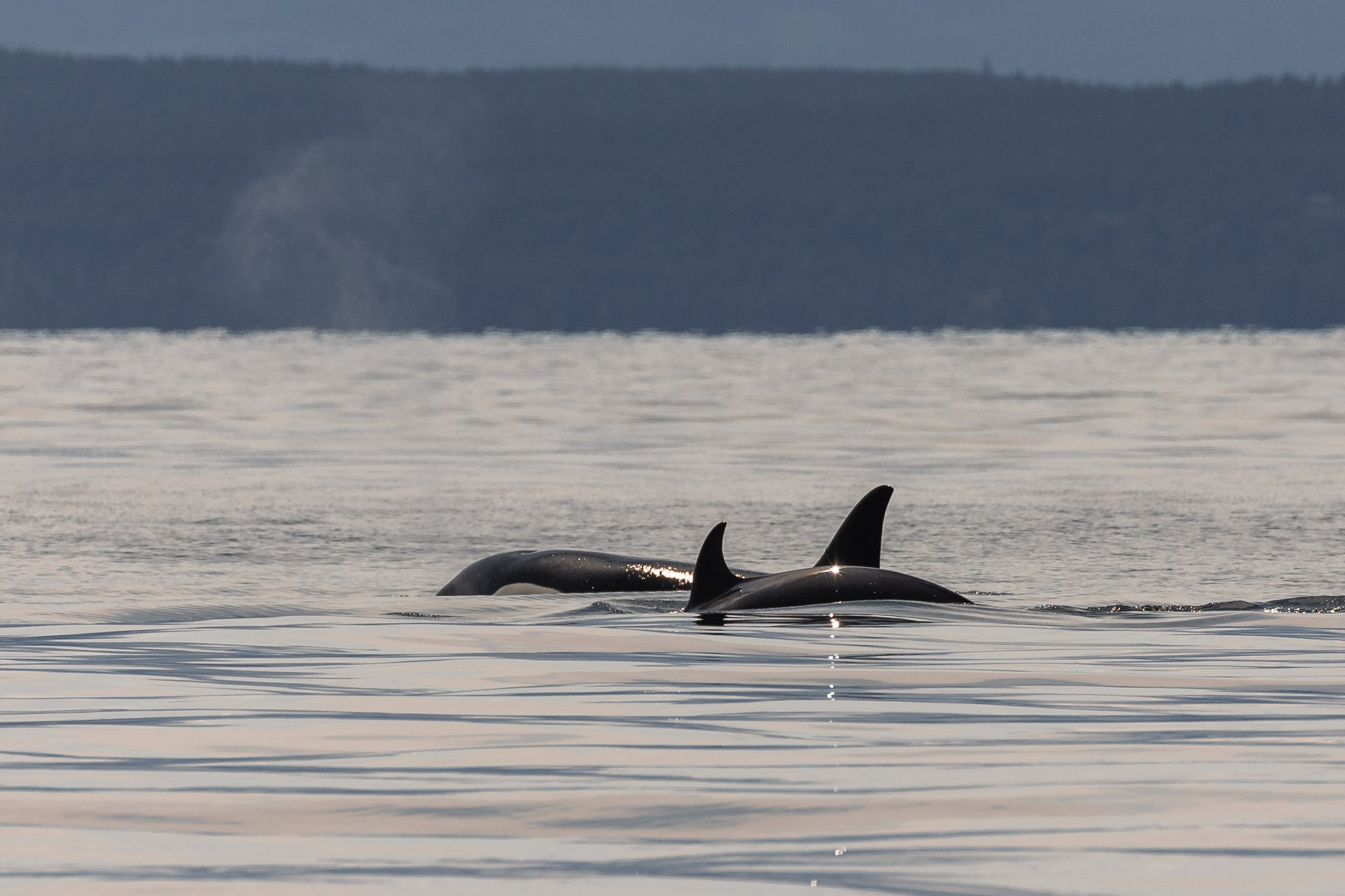
T046B1 Tread with her youngest T046B1D Tashi at her side. Photo by Vanessa Vereschahen.
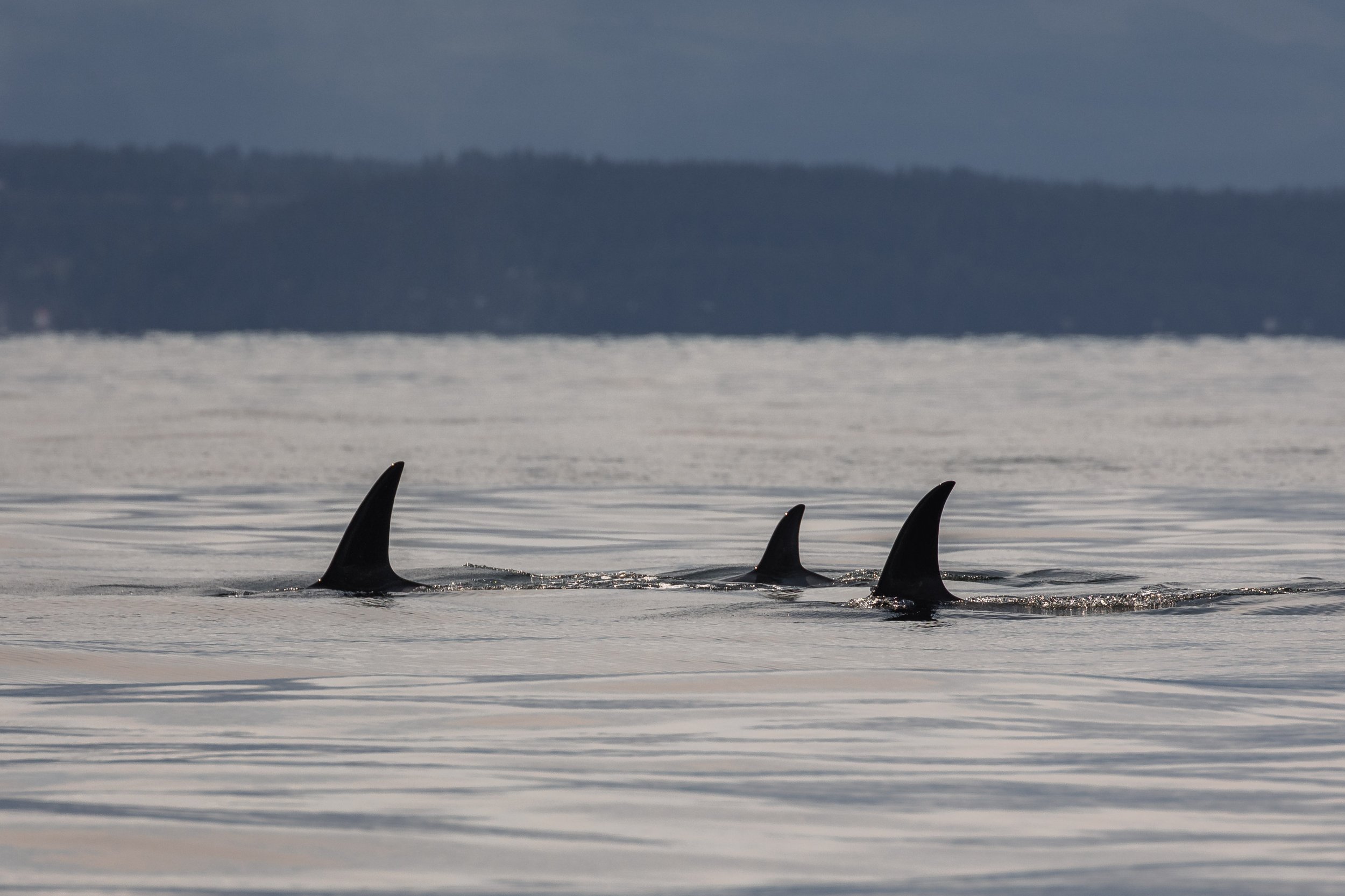
T046B1 Tread in the lead, T046B1D Tashi in the middle and T046B1A Tsakani behind them. Photo by Vanessa Vereschahen.
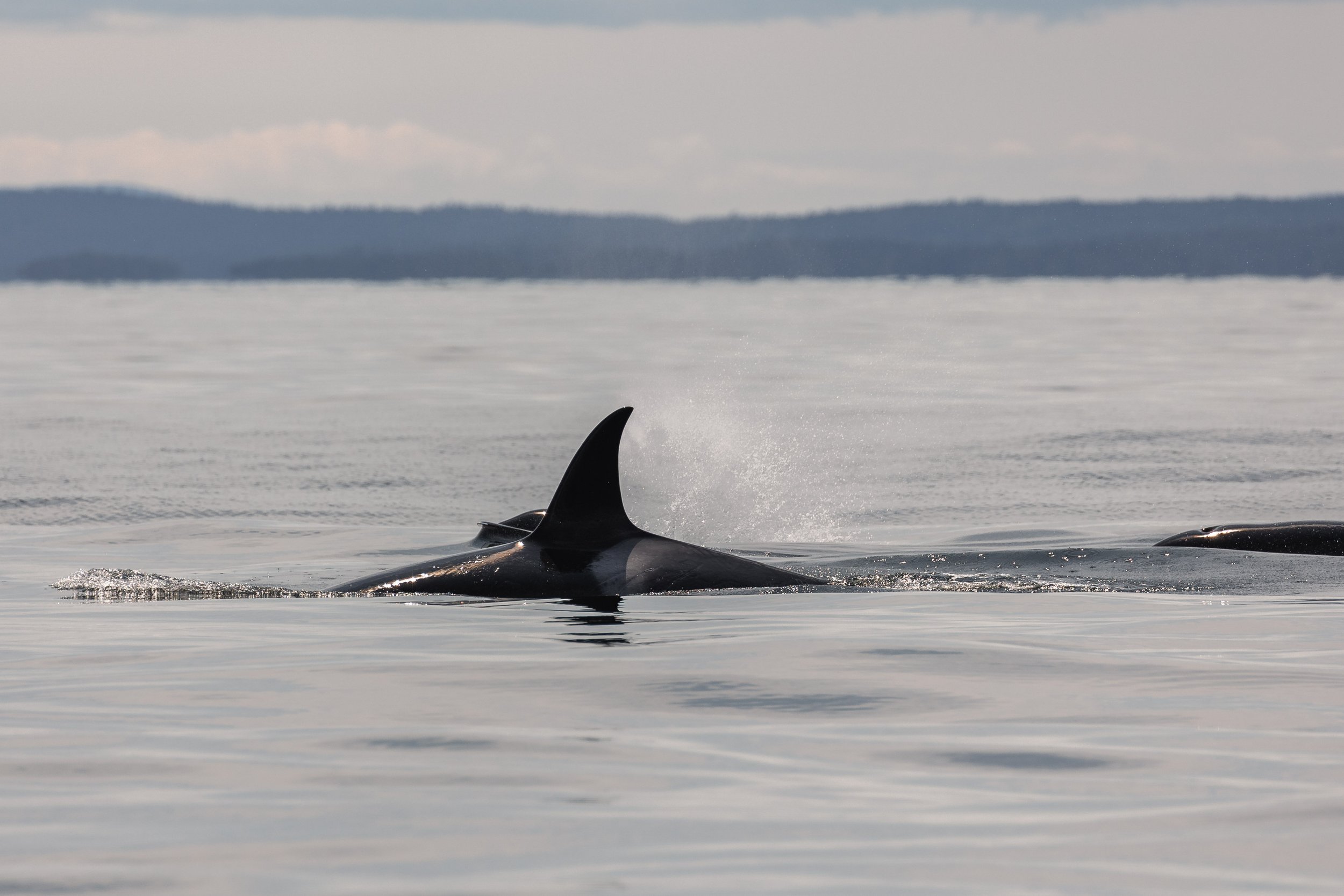
T046B1A Tsakani surfacing. Photo by Vanessa Vereschahen.
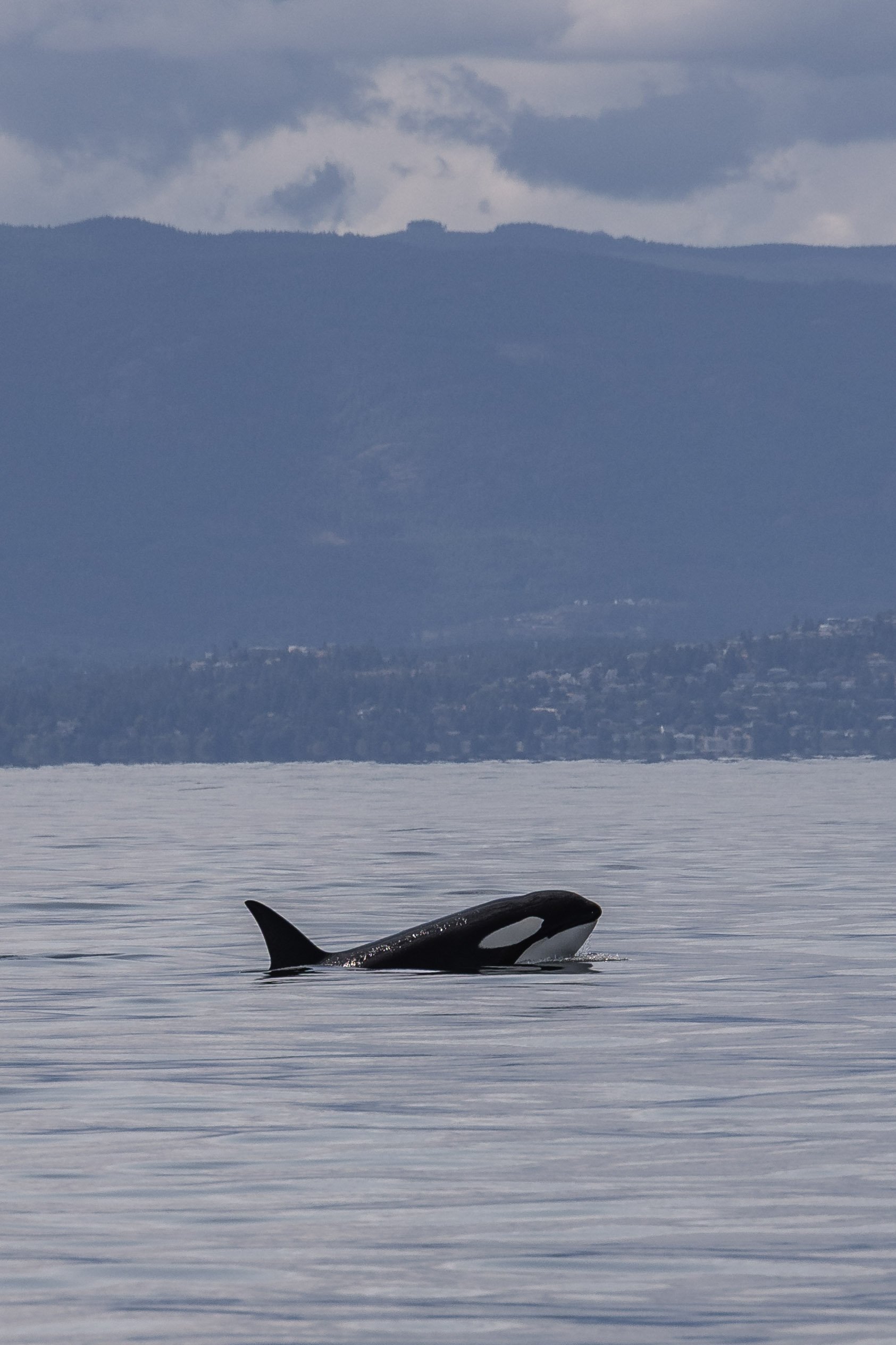
T046B1 Tread surfacing. Photo by Jordan Robinson.
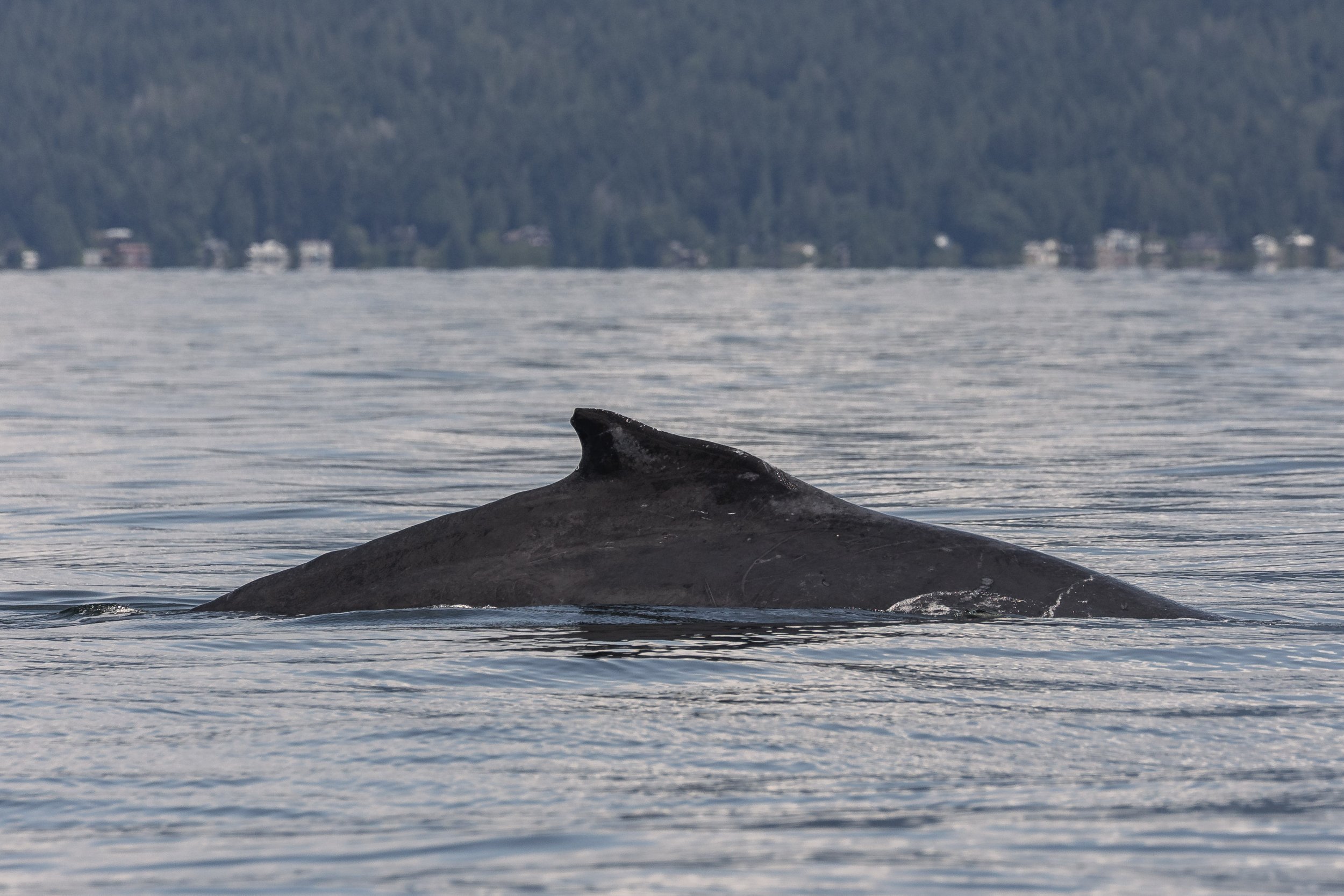
Coyote’s dorsal fin. Photo by Vanessa Vereschahen.
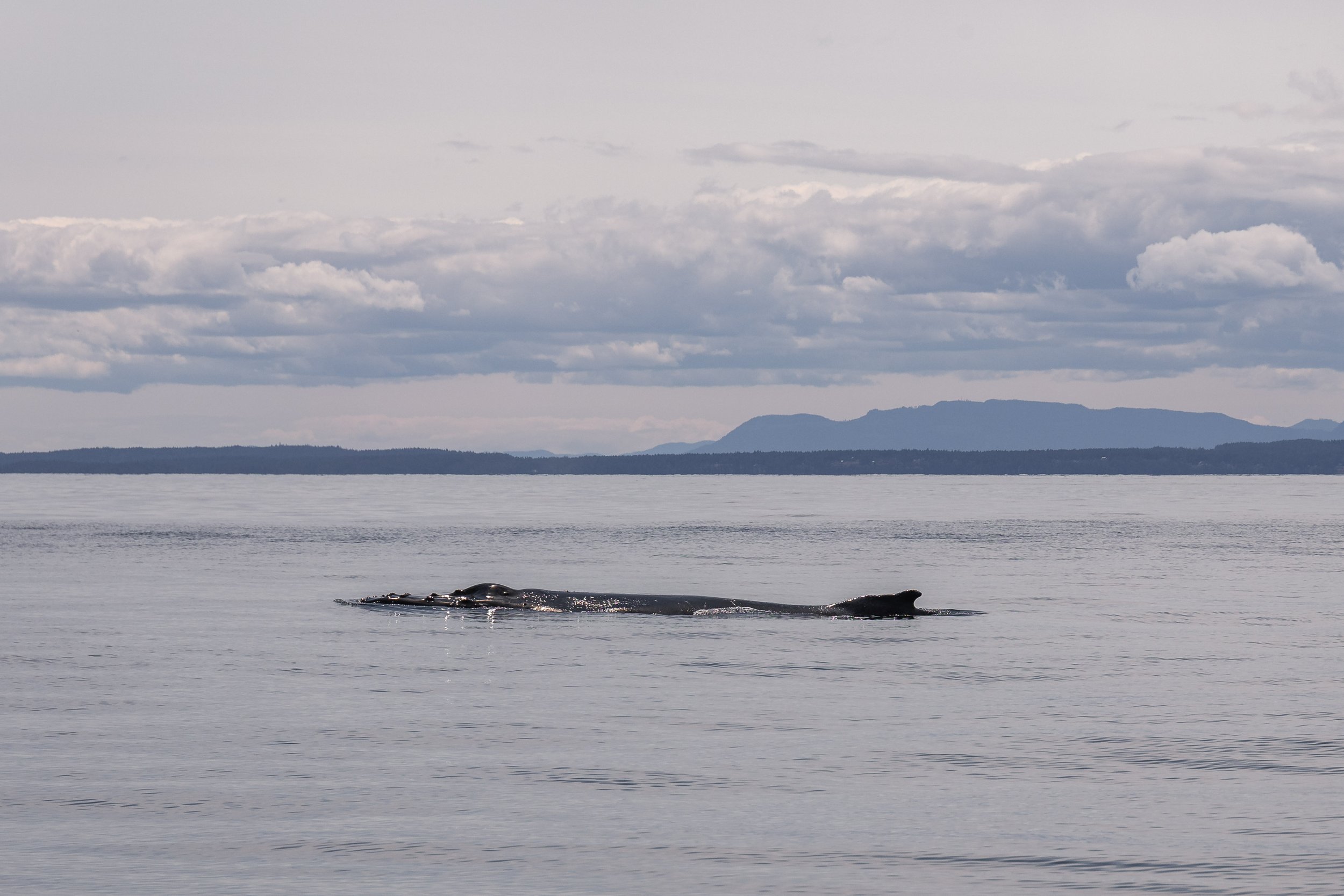
Holey Moley in the calm water. Photo by Jordan Robinson.
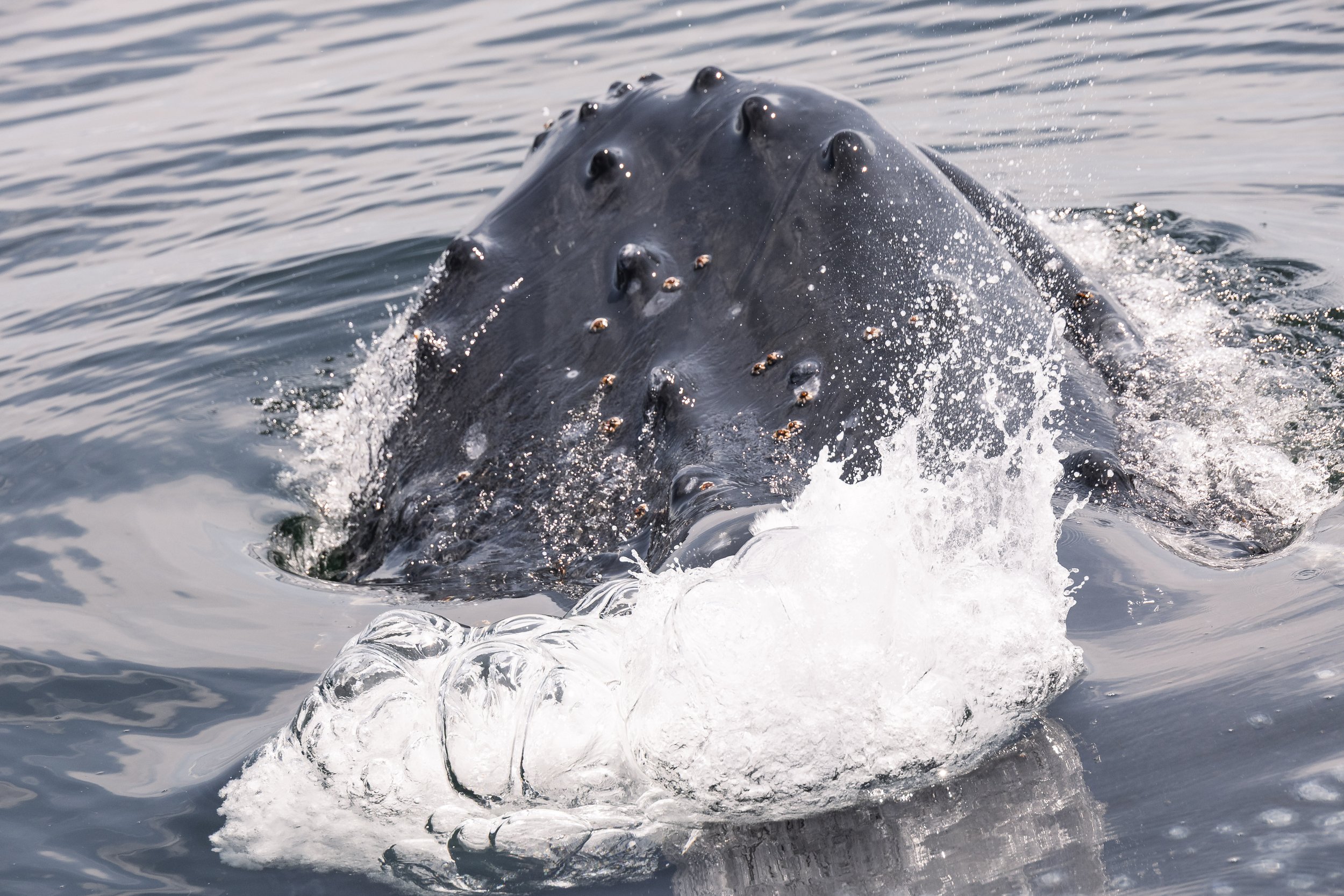
Blowing bubbles. Photo by Jordan Robinson.
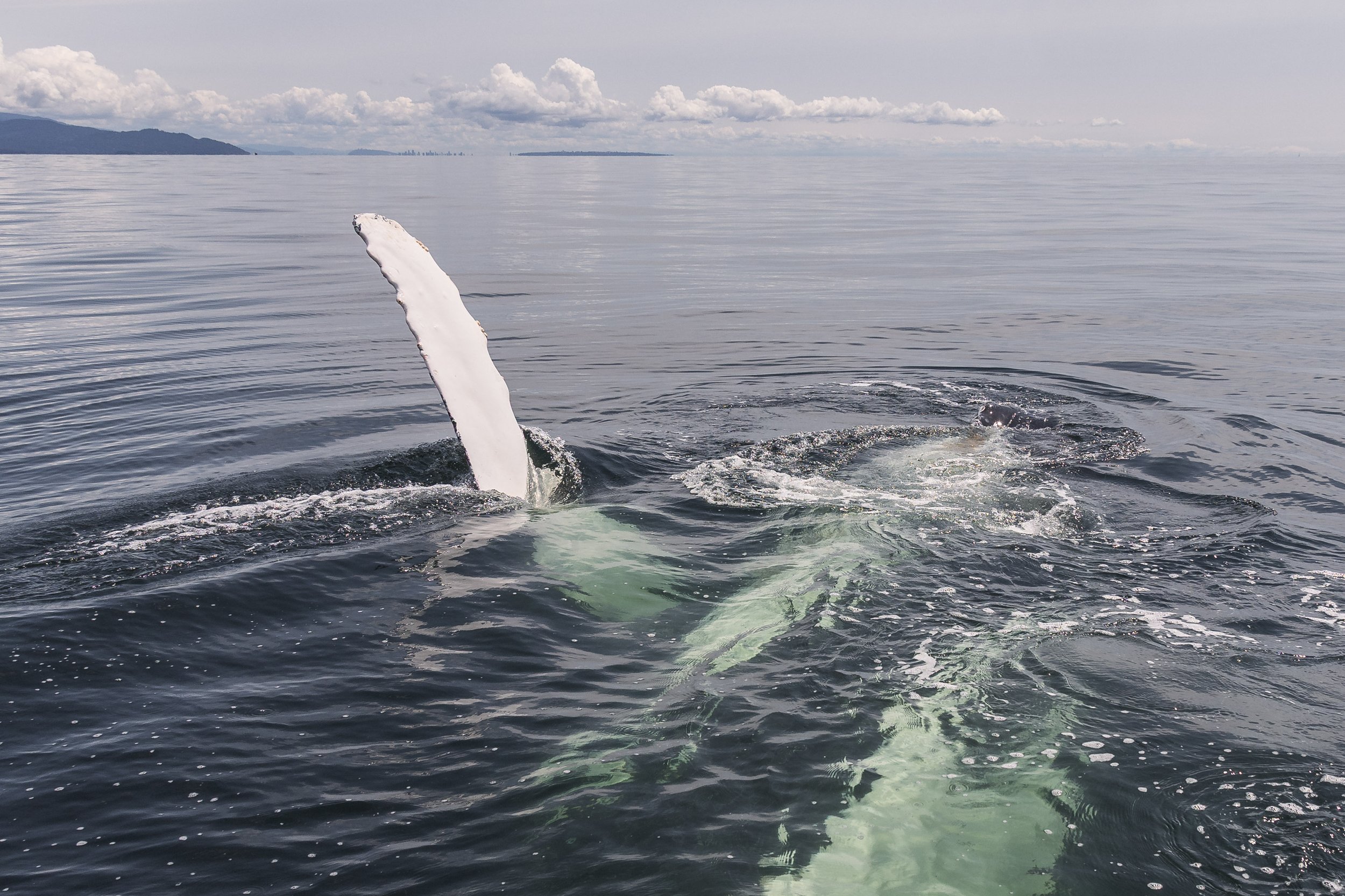
Another pectoral slap. Photo by Jordan Robinson.
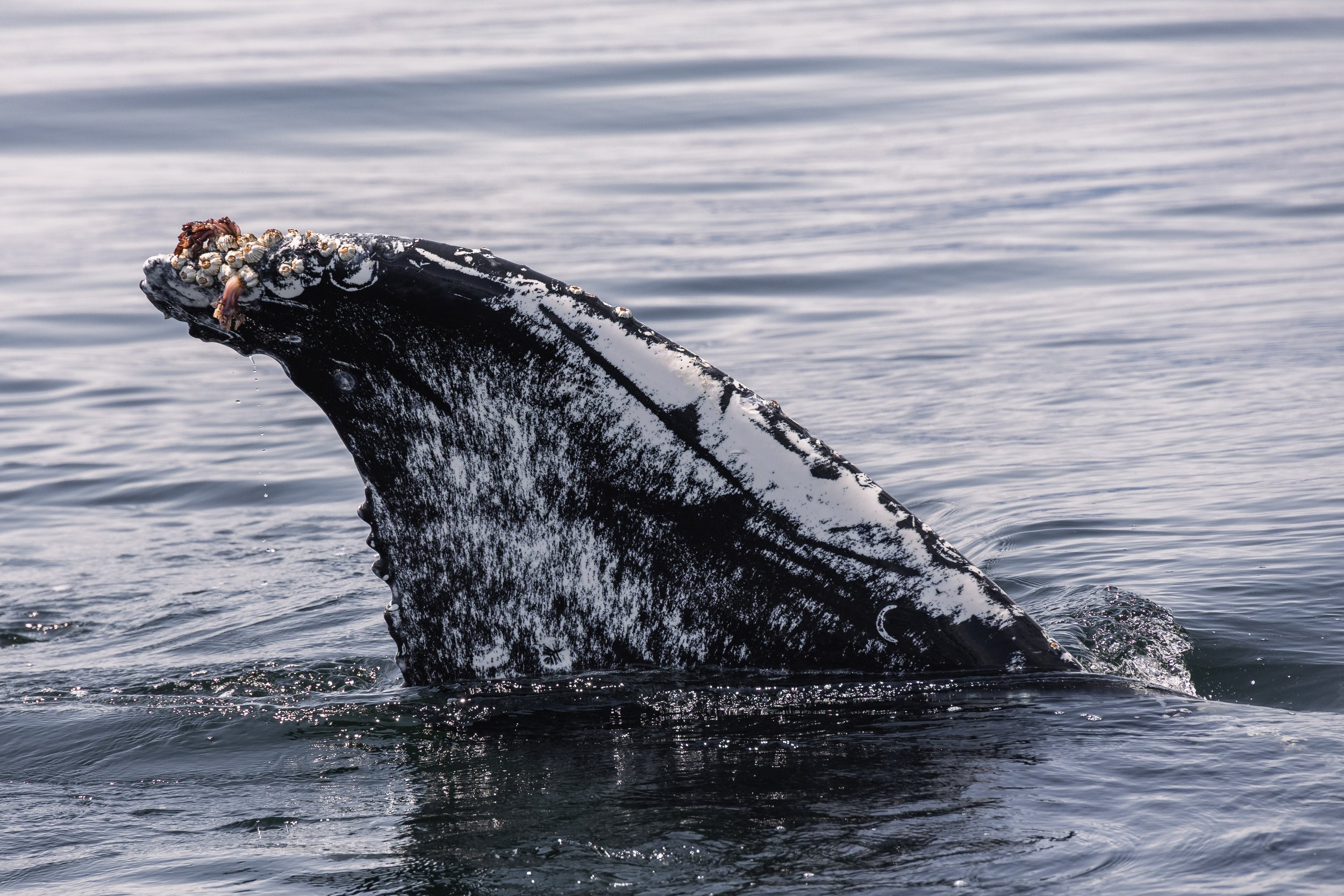
The corner of Holey Moley’s fluke. Photo by Jordan Robinson.
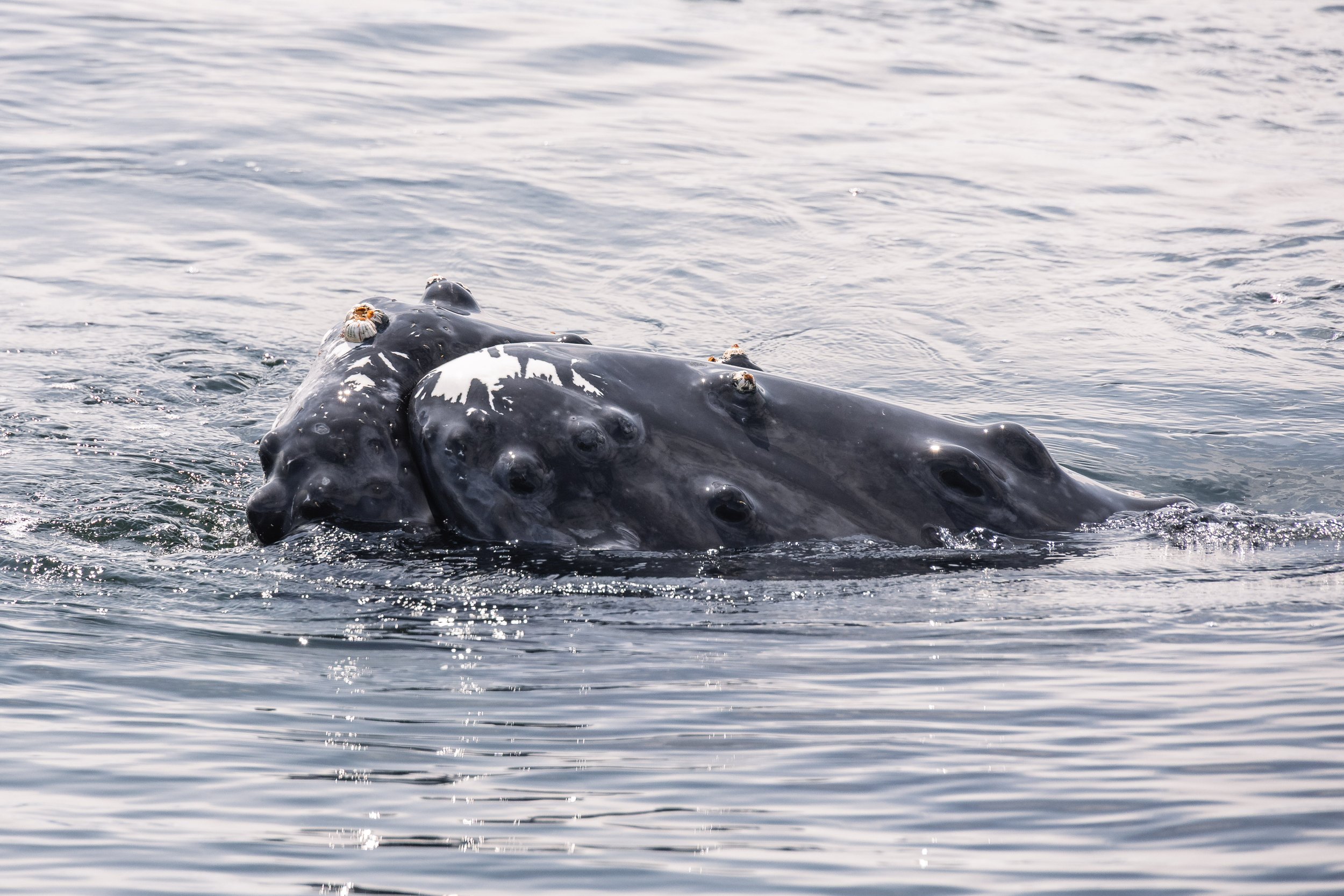
Can you spot the barnacles on the rostrum? Photo by Jordan Robinson.
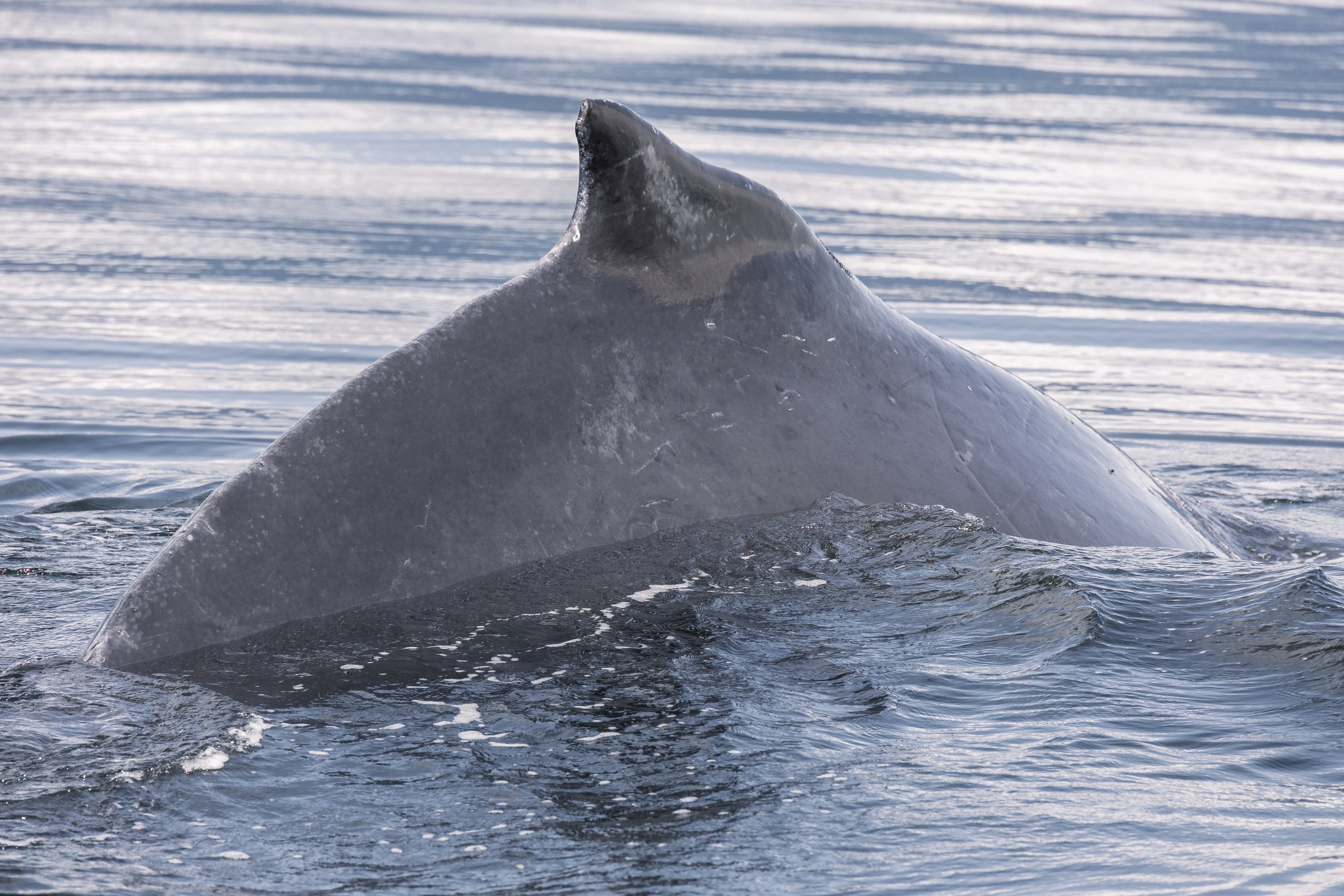
Coyote arching to dive. Photo by Jordan Robinson.
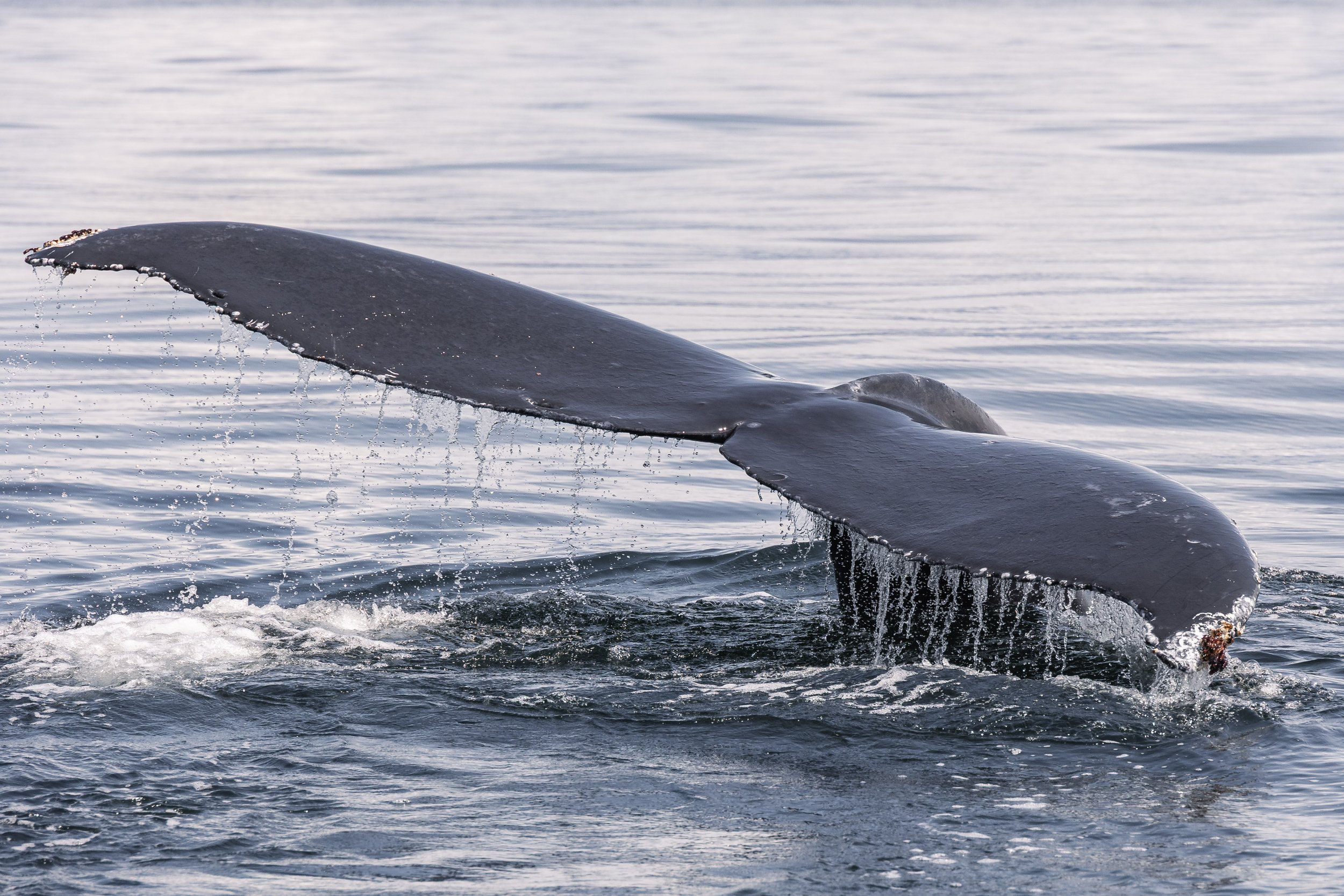
Holey Moley going down. Photo by Jordan Robinson.
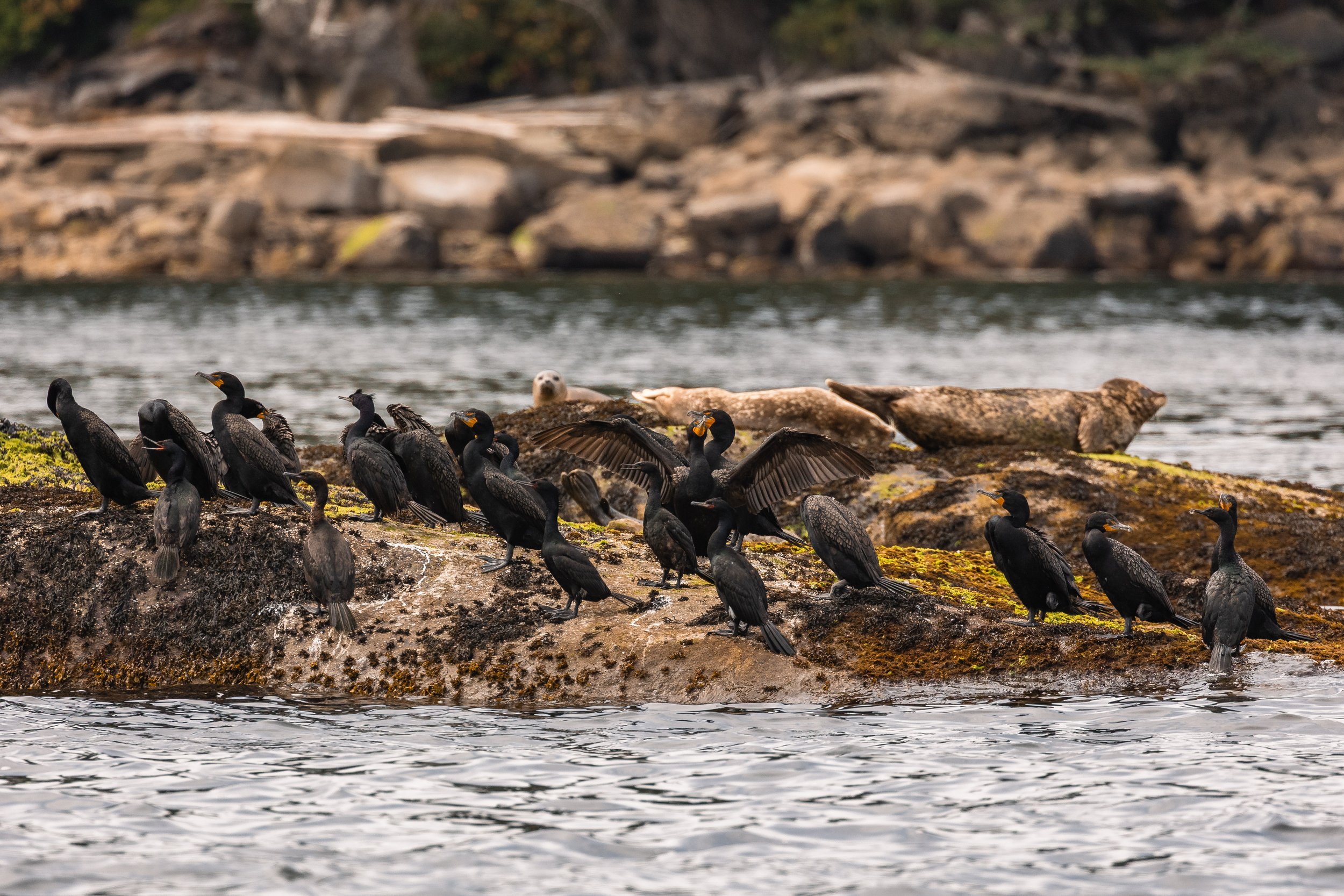
Cormorants gathered on the rocks. Photo by Vanessa Vereschahen.
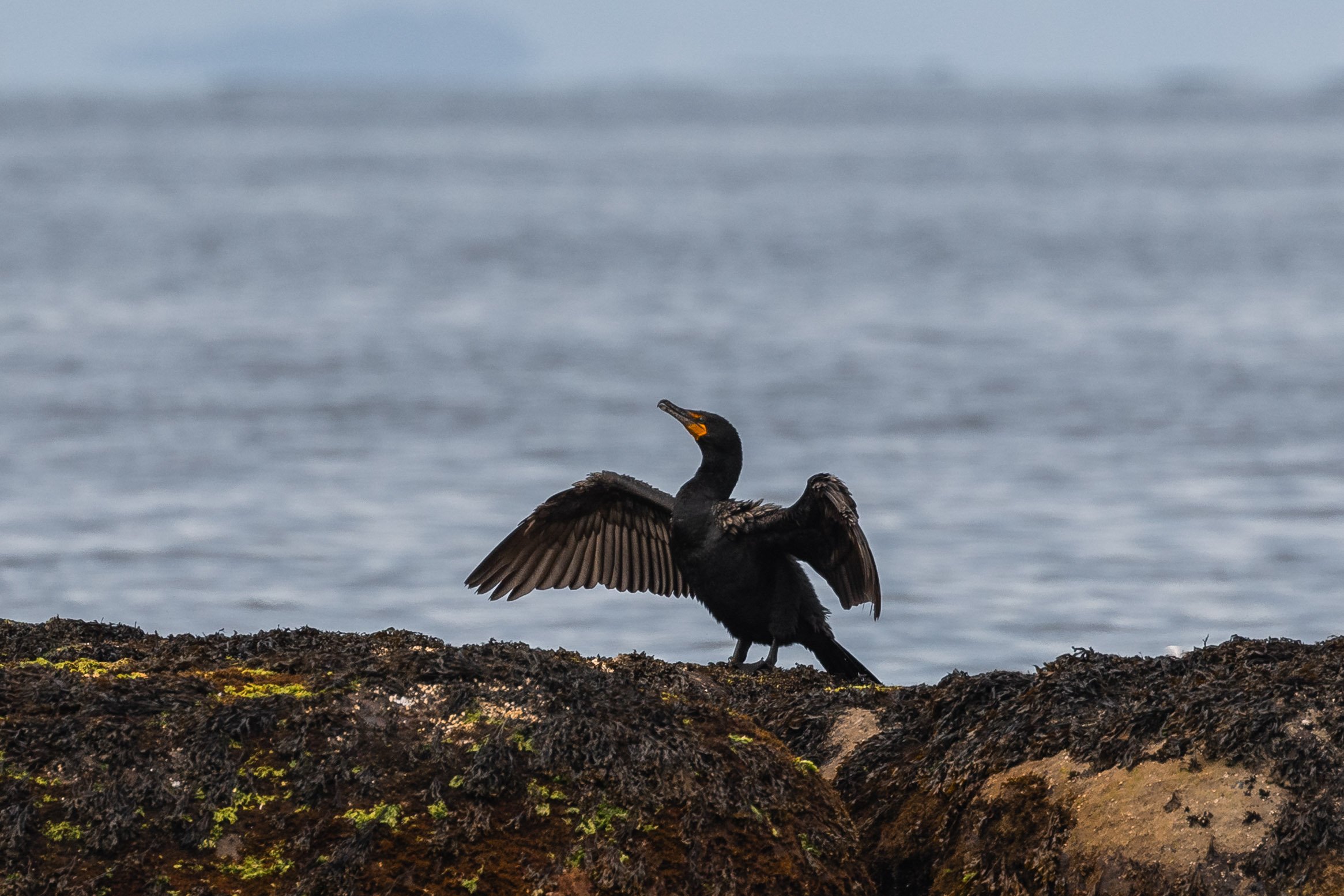
A cormorant drying off. Photo by Vanessa Vereschahen.
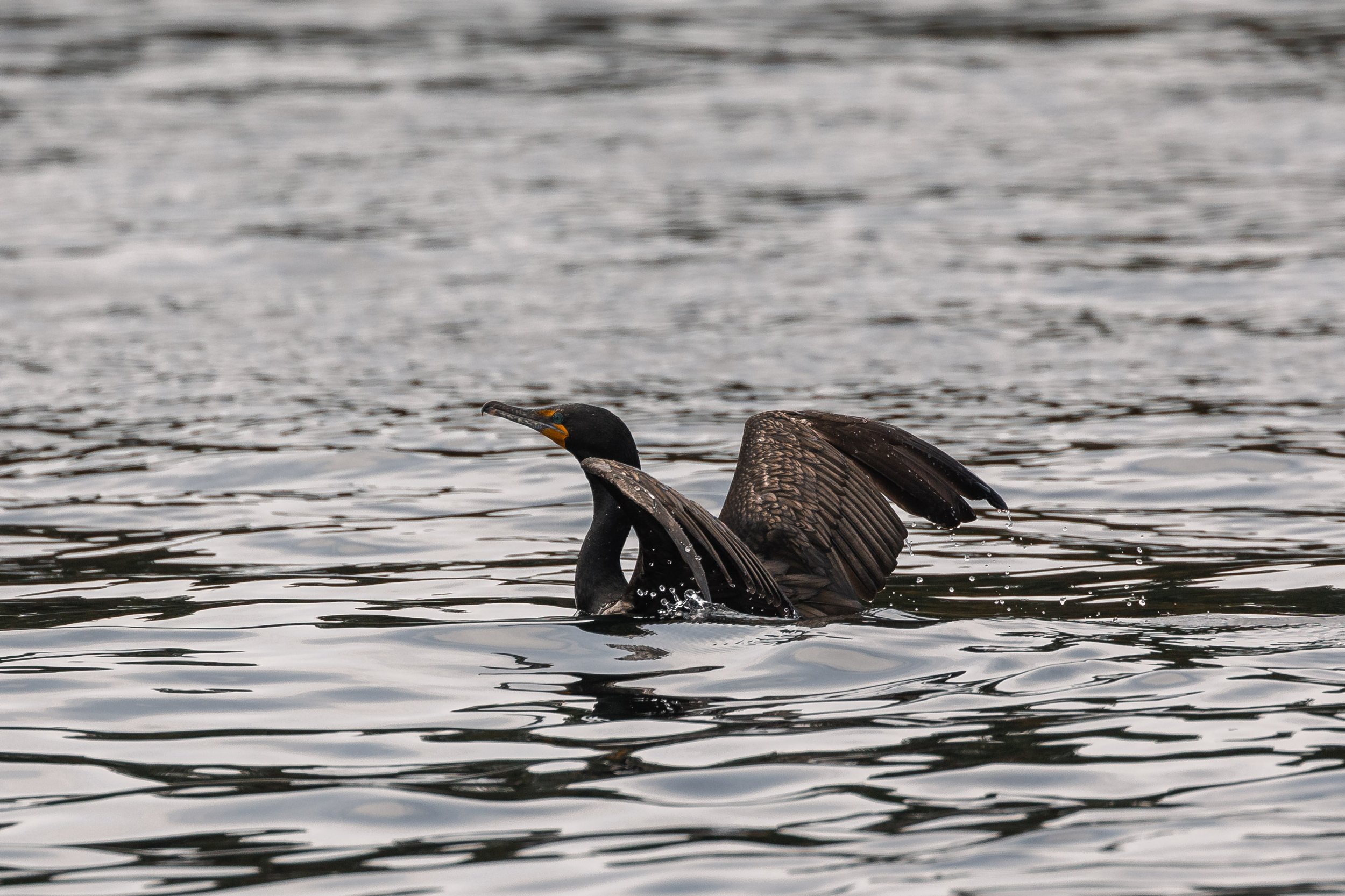
This cormorant is preparing for take off. Photo by Vanessa Vereschahen.
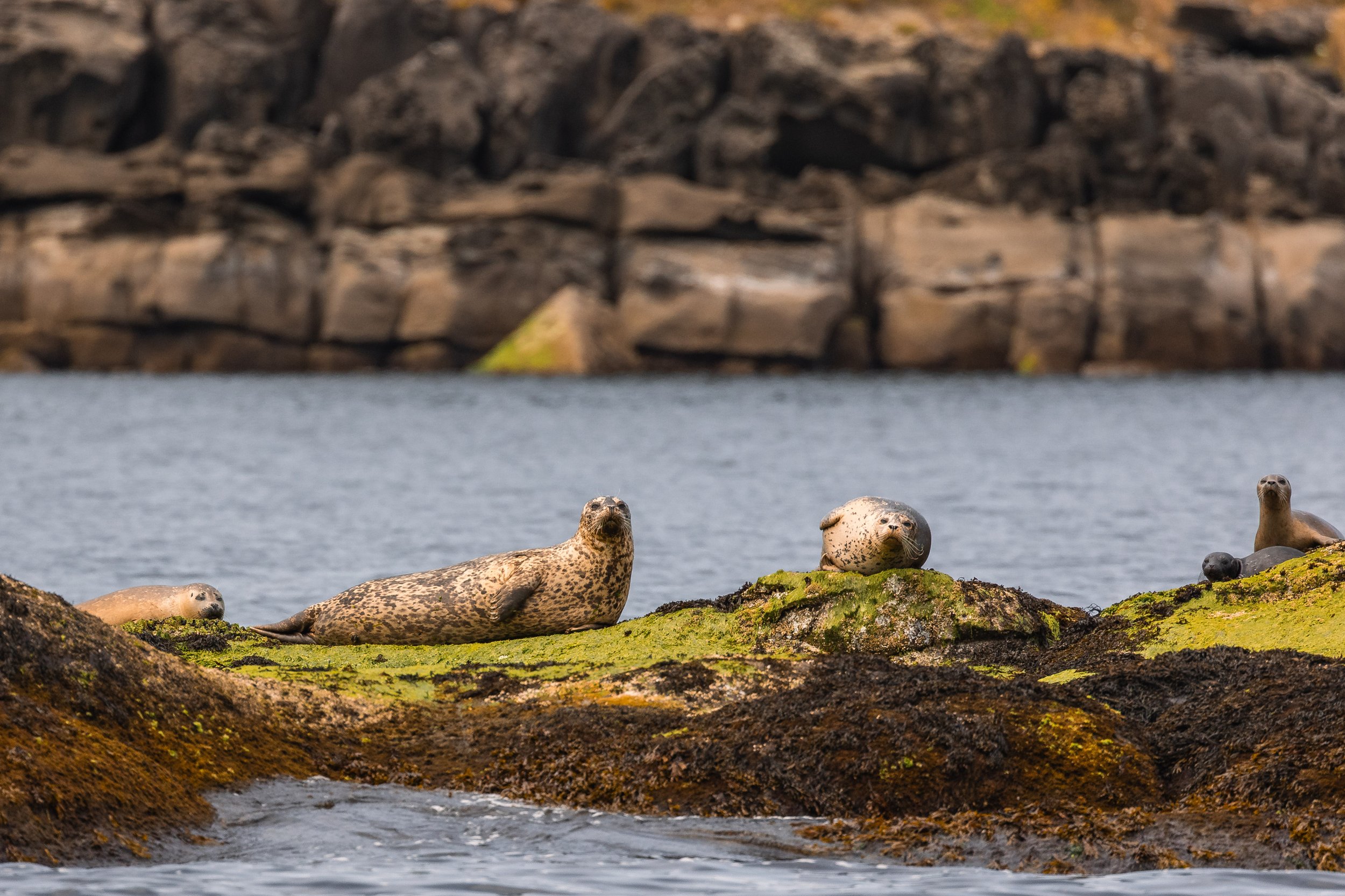
Harbour seals lounging. Photo by Vanessa Vereschahen.
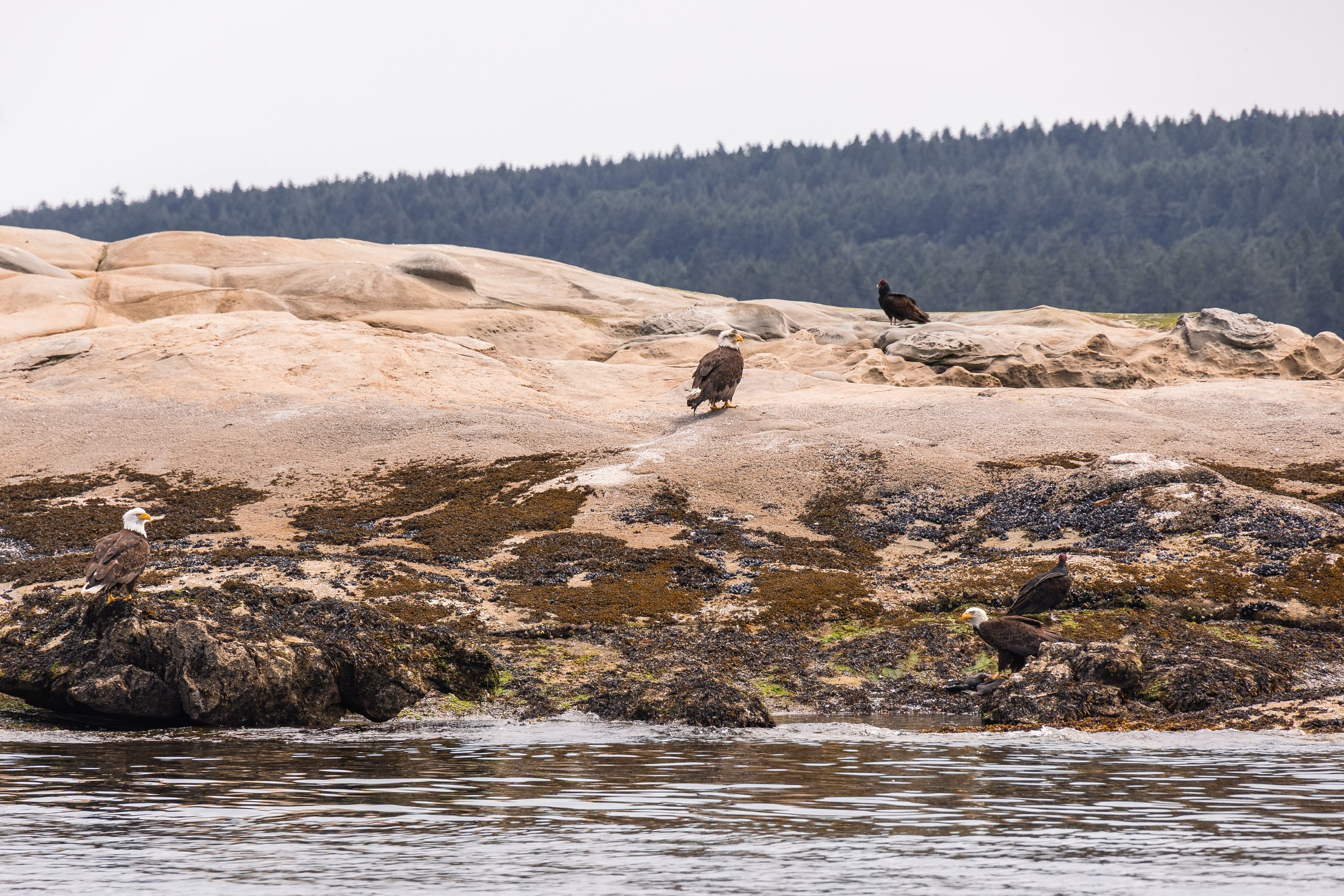
Bald eagles and turkey vultures on the rocks. Photo by Jordan Robinson.
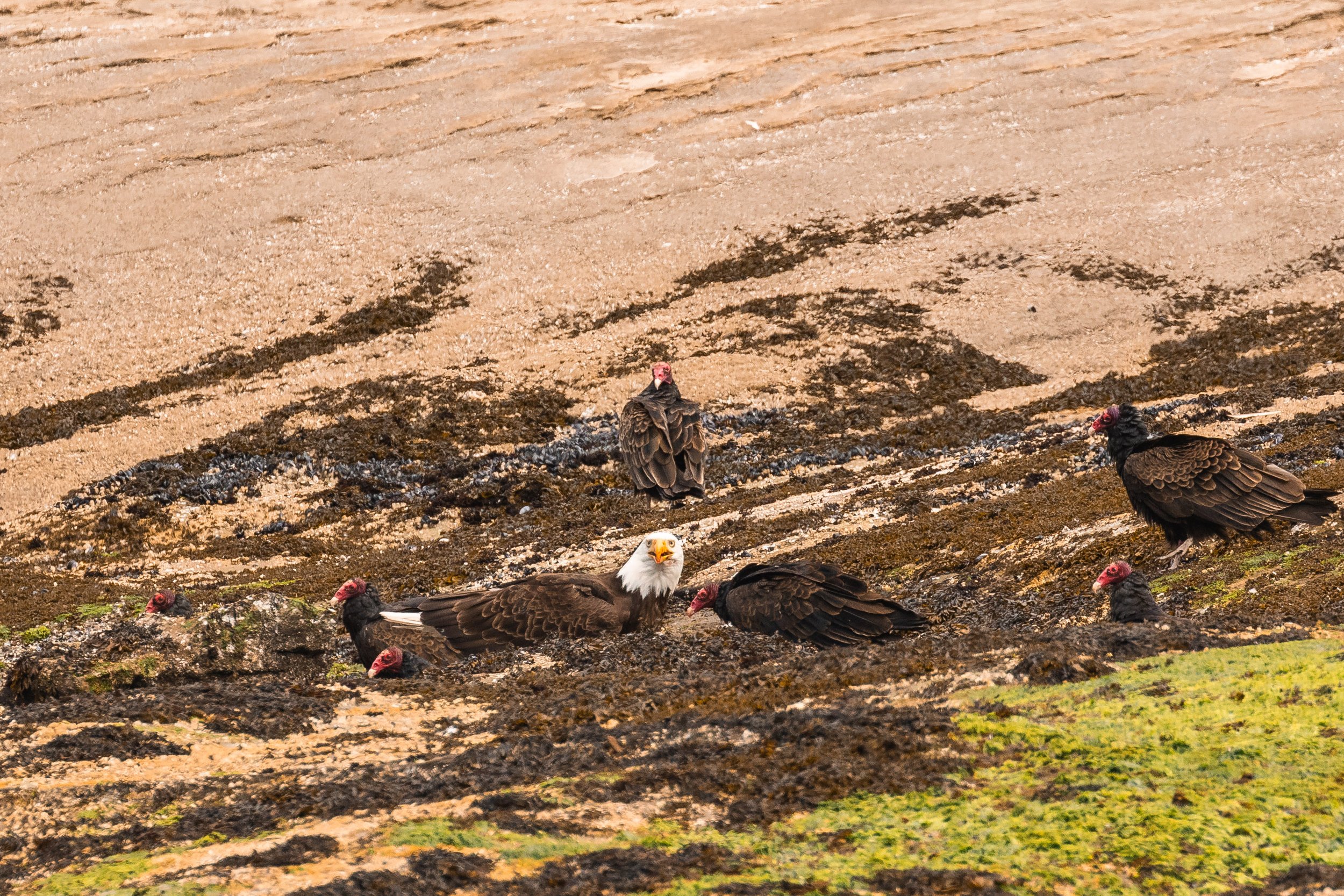
They have found something to eat! Photo by Vanessa Vereschahen.
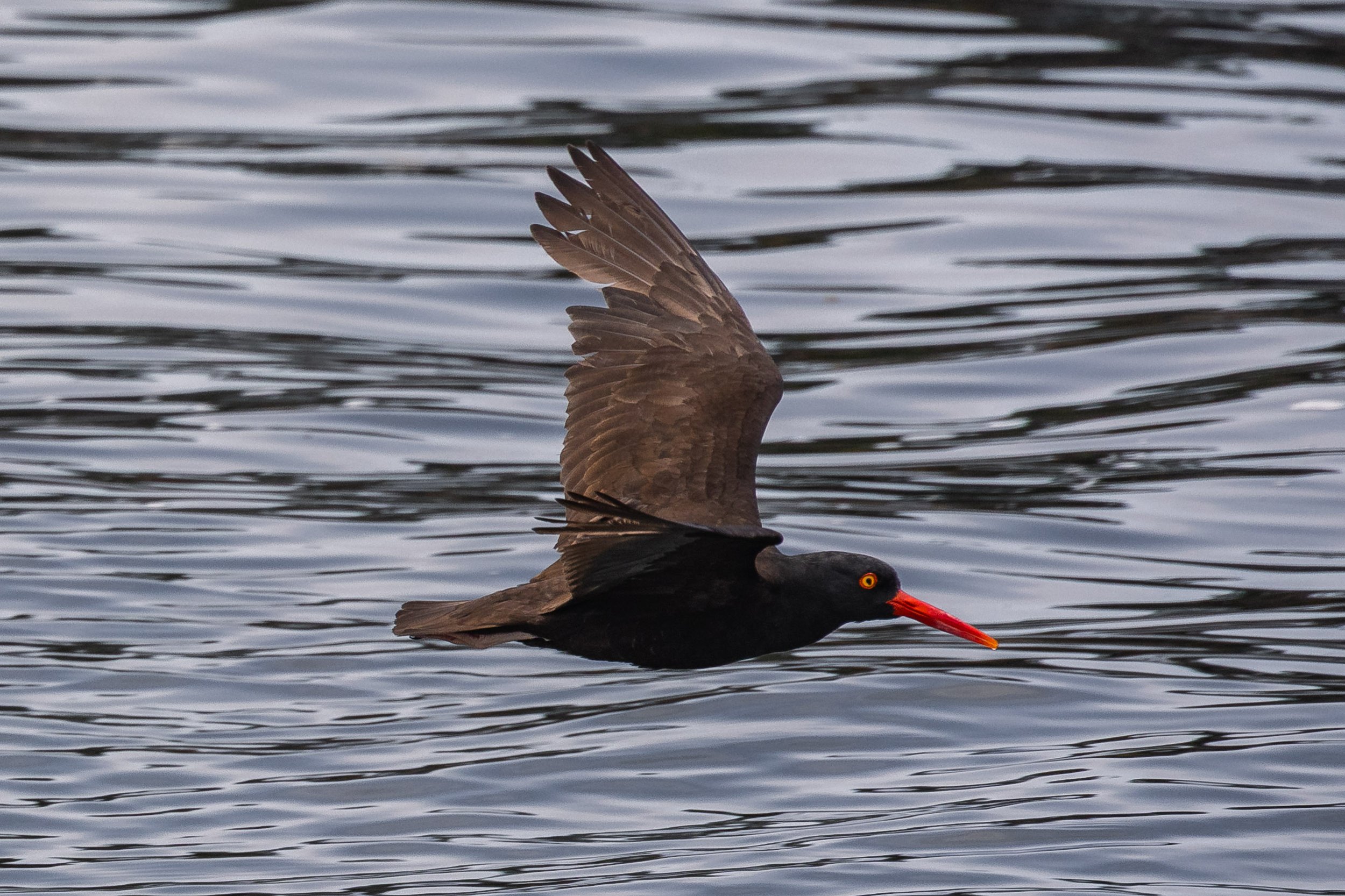
A black oyster catcher flying by. Photo by Jordan Robinson.
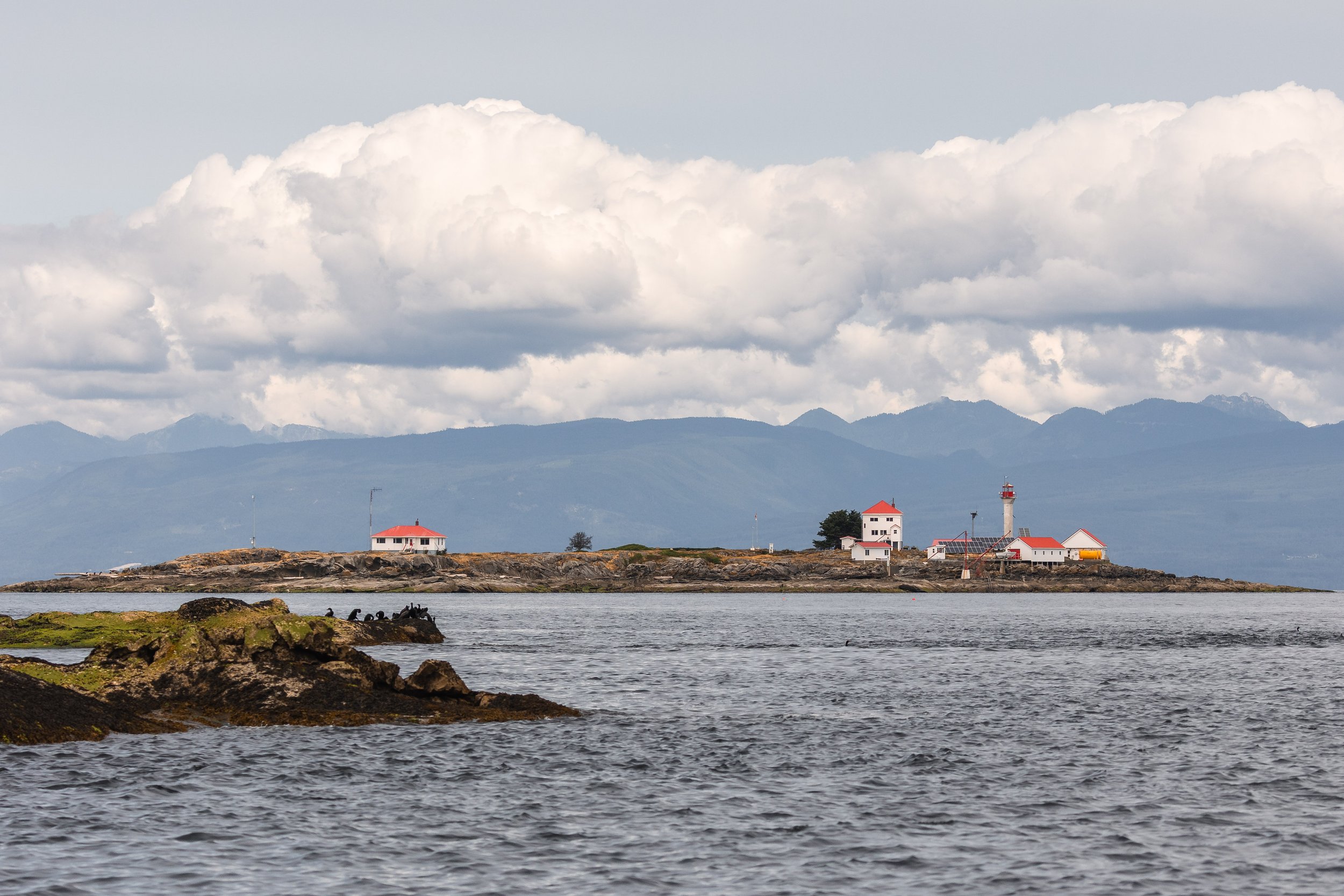
Entrance Island. Photo by Vanessa Vereschahen.