
July 16, 2026 - An ennead of Humpbacks
The seas have been bustling with whale activity lately, and we were excited to get out and explore them once more. Today Keta and Kula were heading out, and after a bit of chatter, the plan was decided to try our luck heading south. The area near Porlier Pass had been extremely productive lately, so we set our sights on the southern waters and set off. Travelling along and scanning as we went, scanning for any signs of whale activity.
Soon we were out in the Strait of Georgia, coasting down Galiano Island. About halfway down the island, we found what we were looking for – big bushy blows, and big grey backs breaking the surface. We were with a group of Humpback Whales!
Both vessels got into position, and that was when the encounter's trickiness unfolded. Typically, humpbacks are seen in groups of two or three – a fairly small group. However, that was not the case today, with whale after whale emerging from the depths. Cameras clicked as ID photos were collected, and whales surfaced in all directions. New fins emerged, then new tails. We collected our photos and began comparing them to our ID catalogues. Soon we discovered that there were at least 9 unique individuals present, in a grouping we lovingly refer to as “Humpback Soup”. Working together, we identified Forge (BCX2499), Scuba (BCY1225), Dalmatian (BCY0994), Valiant (BCX1773), Barge Boy (BCX2514), Corona/Phi (BCX1416), Smiley (BCY0995), Split Fin (BCZ0298), and Incognito (BCX2053).
This larger group was associating in smaller groups as we observed them, with some individuals even trading who they were associating with as we watched. Of note, Scuba and Forge were seen travelling very close together, often diving and travelling side by side. Scuba was later observed with Corona/Phi and Smiley as well, with the trio also associating and travelling together. However, the most interesting association of all was Dalmatian travelling with Valiant. While their behaviours were very typical, simply fluking and diving, their genetics are what made this pair extra interesting. It is widely believed that once a calf leaves its mother's side at roughly a year old, it no longer travels with or socializes with its mother for the rest of its life. While these two are not mother and child, they are uncle (Dalmatian) and niece (Valiant). Are they aware of their familial connection, or are they simply enjoying each other’s company? While truthfully we will likely never know for certain, it is interesting to document and speculate on for now!
After a bit of travelling, one of the whales changed up their behaviour. Forge became very active and was soon spotted launching themselves up and out of the water. Breaching is a very calorically expensive behaviour that is still debated in terms of its rationale. It could be used as a form of communication, as the sound wave produced when a large creature slams back into the water travels for many kilometres in all directions. Breaching could also help them remove parasites from their skin, using the force of bursting above the surface to pull barnacles or other irritants off. It could also simply be a form of play, and the whales are just enjoying their time.
The excitement started to die down, and soon after, we began our departure. The day was still young though, and with a last peek at the whales, we headed on out. We ventured back northbound, skirting along the shoreline of the outer Southern Gulf Islands. Once we reached the northern part of Valdez Island, we slowed down for our next stop: Stinky Rocks.
This small, shallow area has several rocky outcroppings that protrude above the water's surface. Here, pinnipeds (fin-footed mammals) get out of the water to rest on land, enjoying the warmth of the sun. Many Harbour Seals could be spotted galumphing along the shoreline. On the larger rocks, Steller Sea Lions grumbled and growled together as they fought for the best spots to rest.
On Valdez’s rocky coast, a different type of wildlife gathering was occurring. Turkey Vultures were slowly circling before landing and hopping up the coast. Soon a wake of Turkey Vultures formed, and it became apparent why - they were gathering to feed on a Harbour Seal slightly above the tideline. Vultures tend to get a bad reputation, as they are associated with death and decay. However, they are vital for maintaining a healthy ecosystem and for cleaning up the remains of those who have passed away.
Heading out, we began our journey once more. Travelling along through the islands, we slowed down near Gabriola Island. The coastline here is very rocky and serves as a nesting area for many bird species. Pigeon Guillemots could be seen poking their heads out from the tiny caves along the rockface, and Cormorants were spotted soaring overhead. We spent a few minutes taking in the beauty of the area before departing one final time. Our Captains turned us around, and we began our last leg of the journey. Nanaimo’s skyline quickly came into view, and soon we were back in the harbour, wrapping up another Salish Sea adventure!
Today’s photos were by Marine Naturalists Evan Hessels and Hayleigh Hilbert - please enjoy!
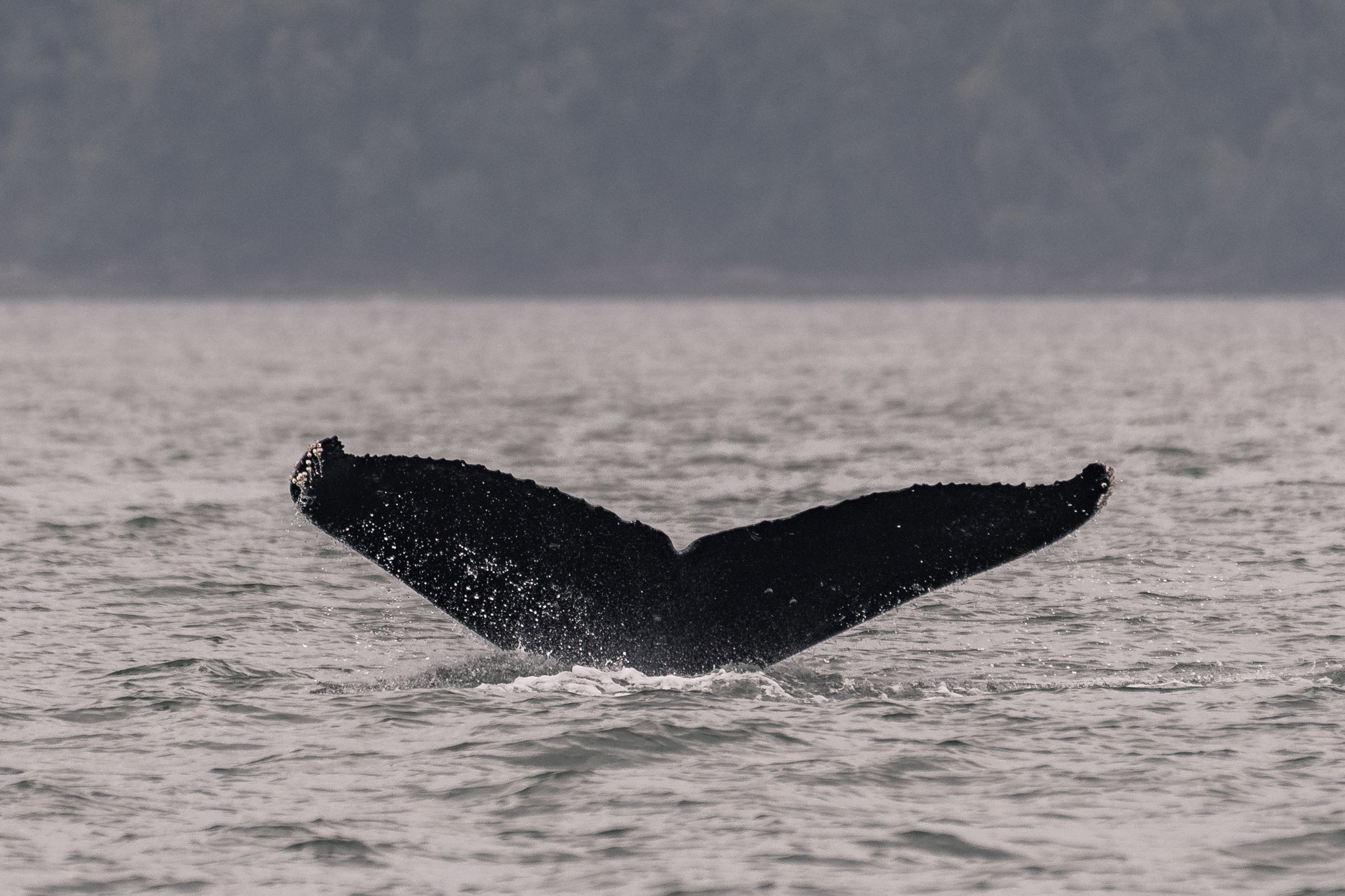
Barge Boy diving. Photo by Evan Hessels.
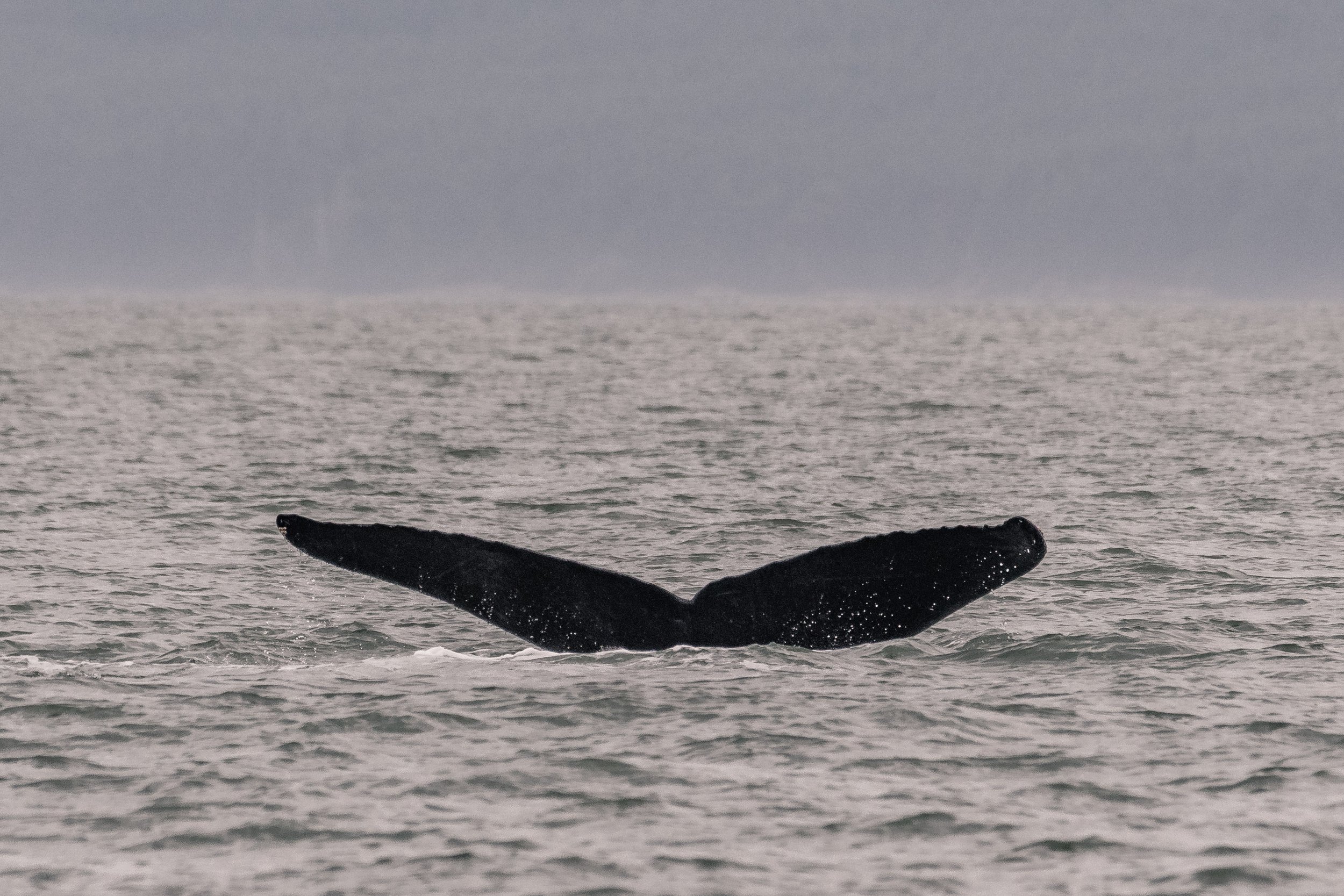
Incognito’s fluke. Photo by Evan Hessels.
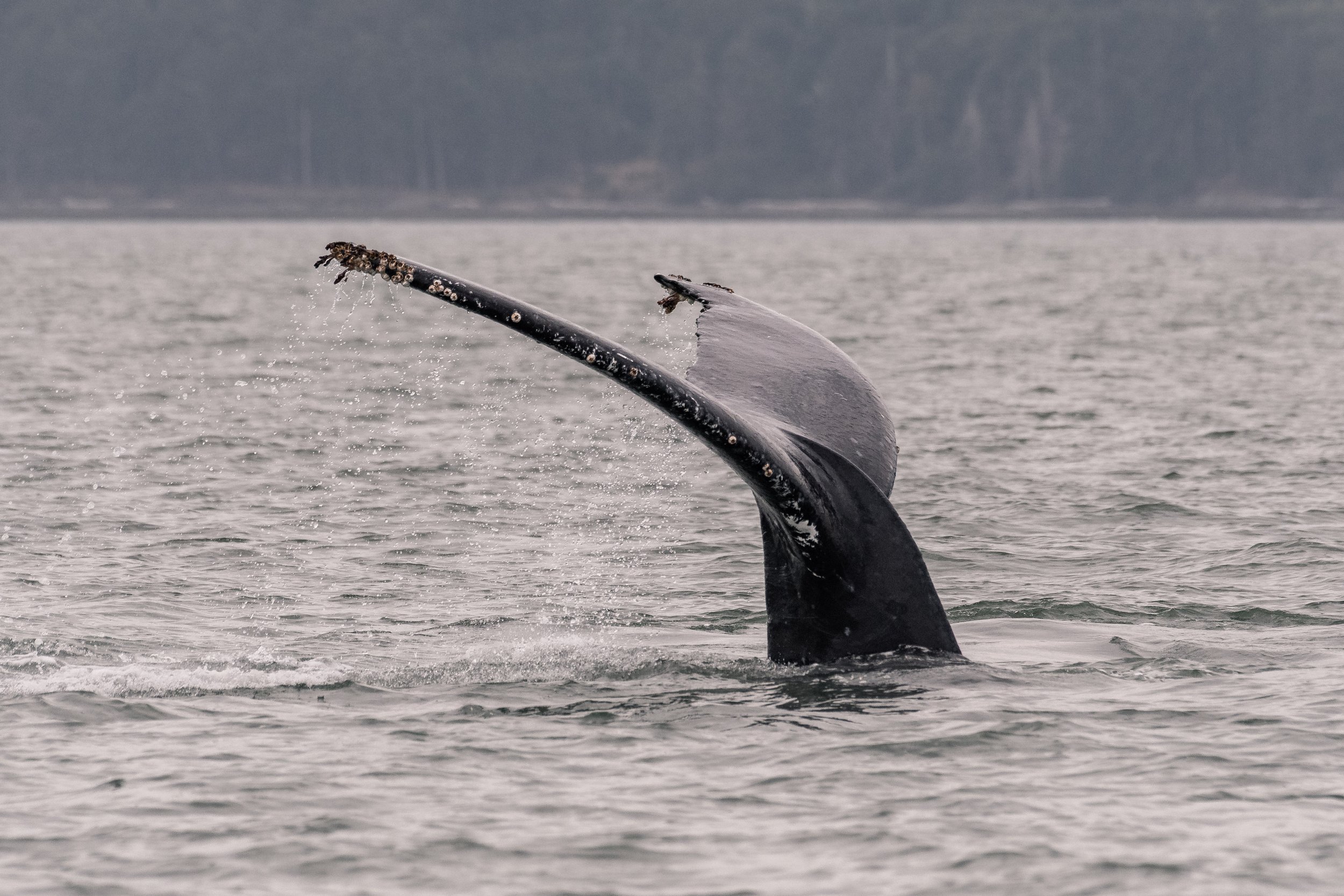
Dalmatian fluking nice and high. Photo by Evan Hessels.
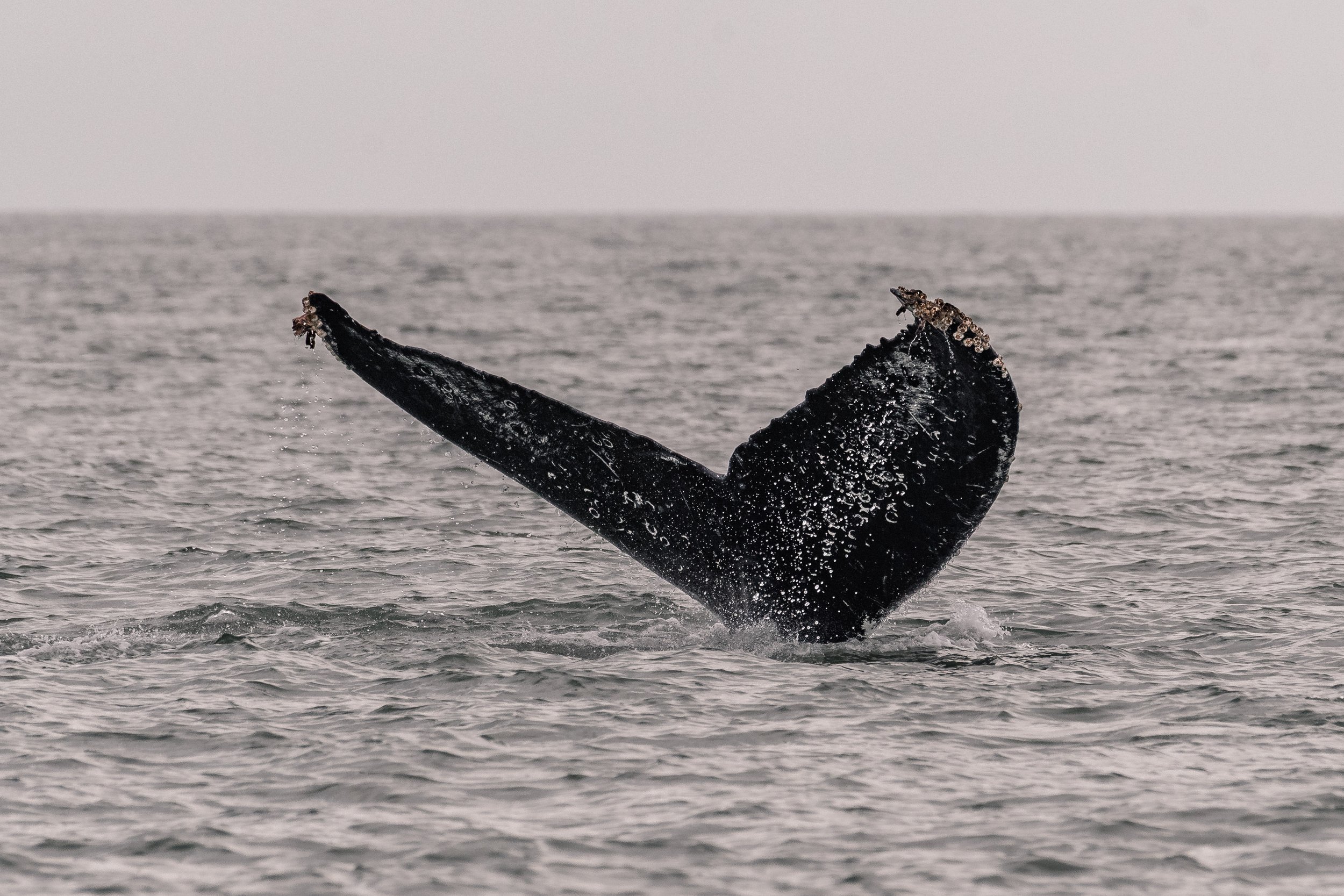
Dalmatian has a stunning fluke pattern, visible here. Photo by Evan Hessels.
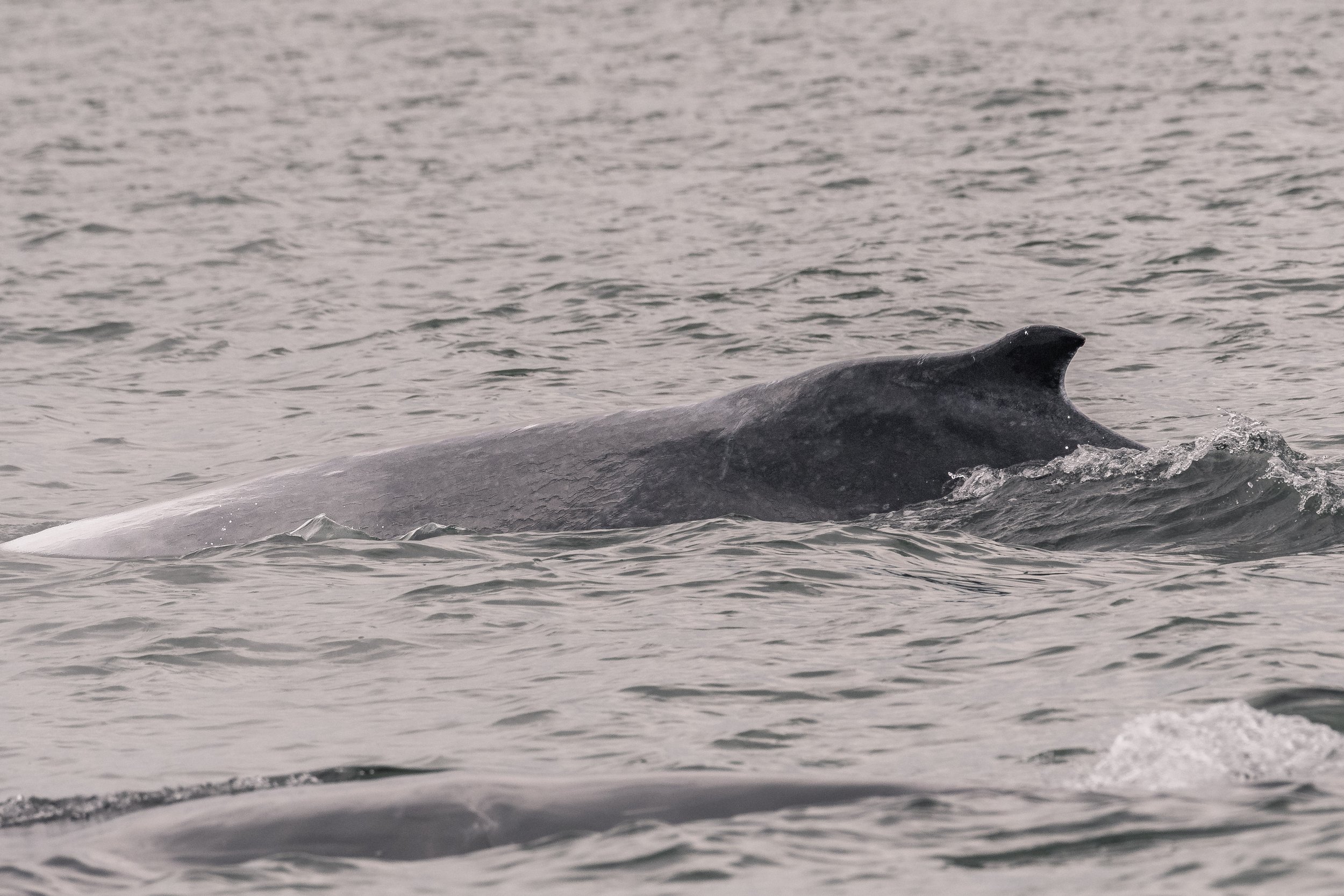
Scuba’s dorsal fin. Photo by Evan Hessels.
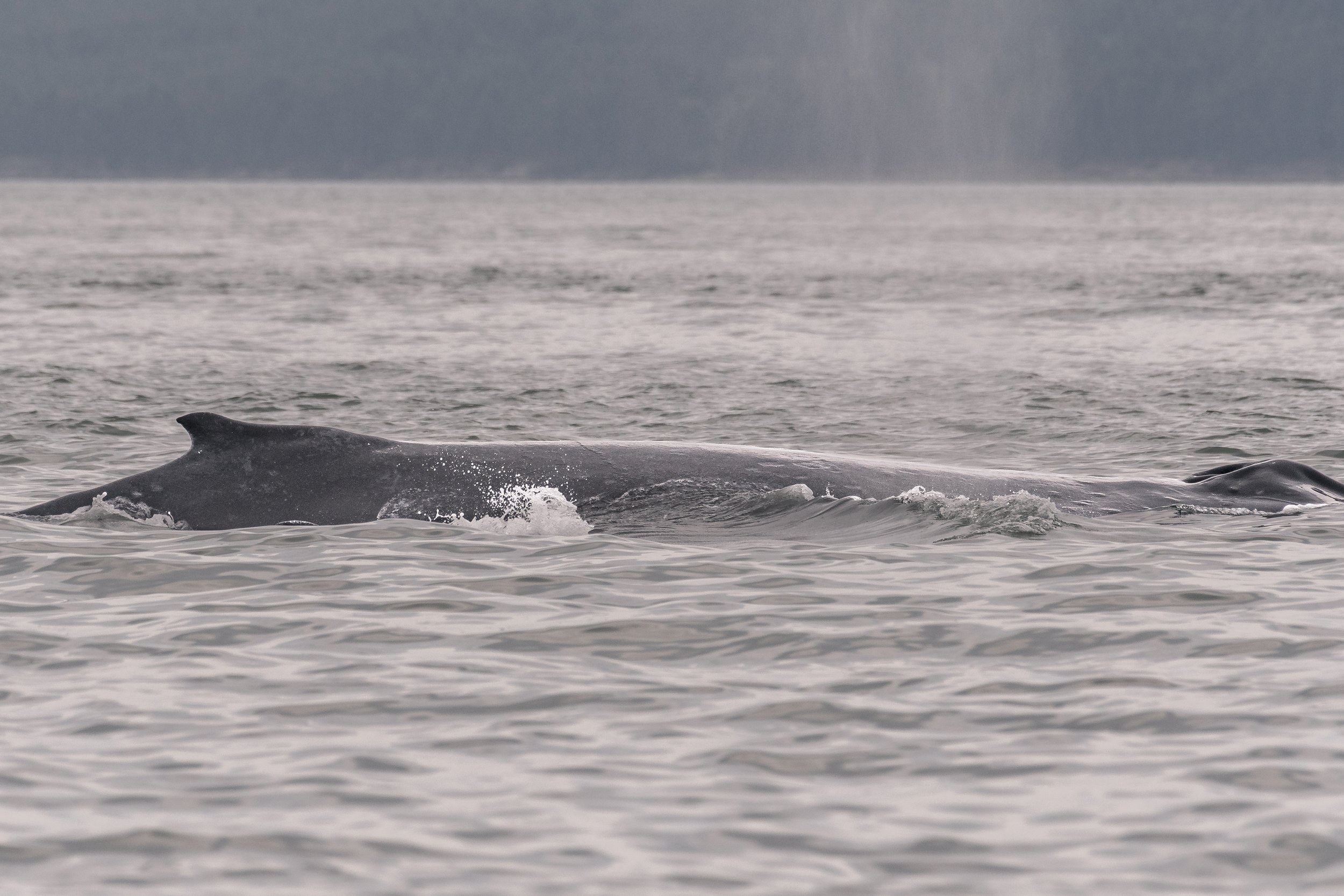
Scuba with their blowholes above the surface. Photo by Evan Hessels.
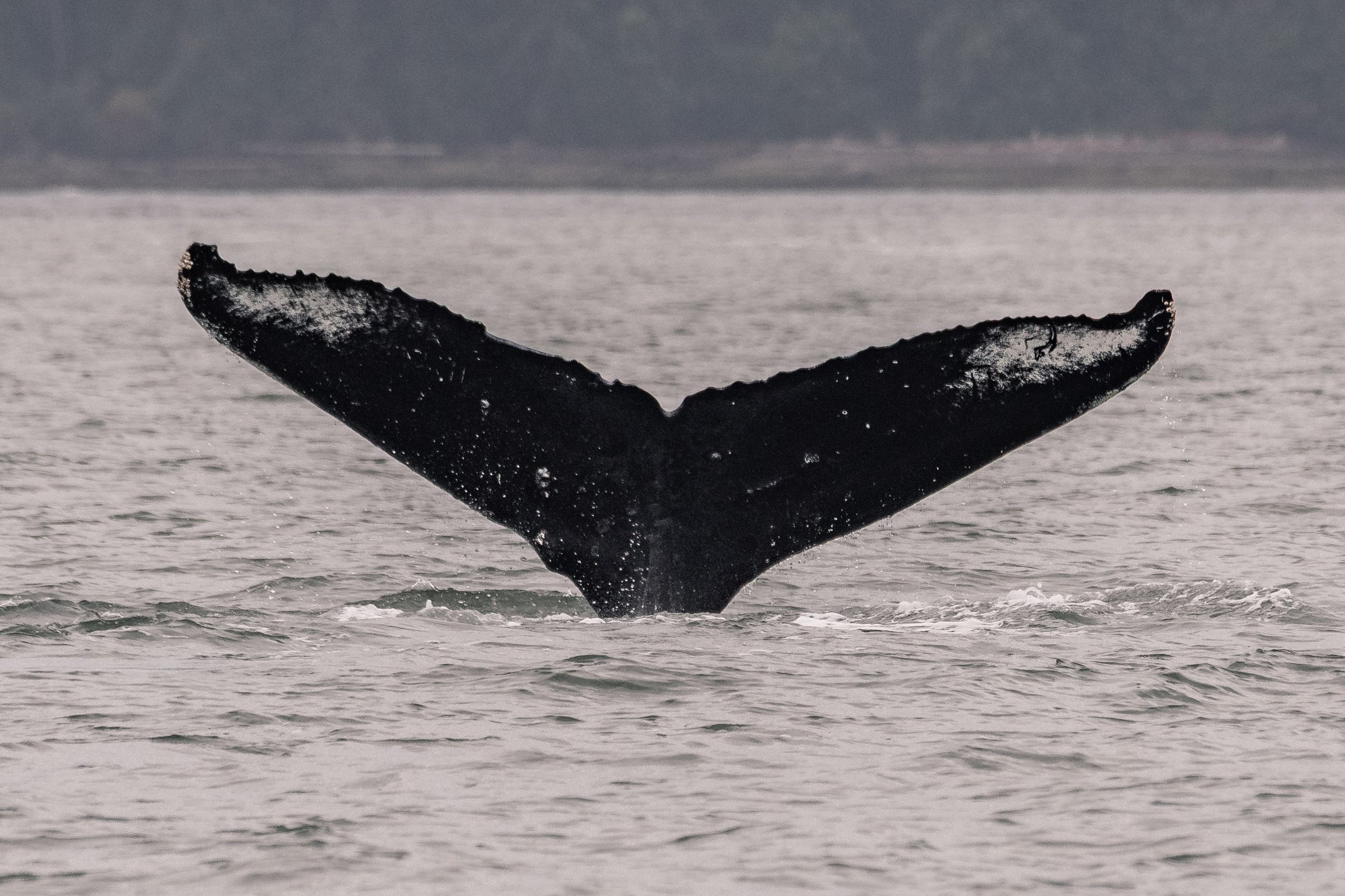
Scuba’s beautiful fluke. Photo by Evan Hessels.
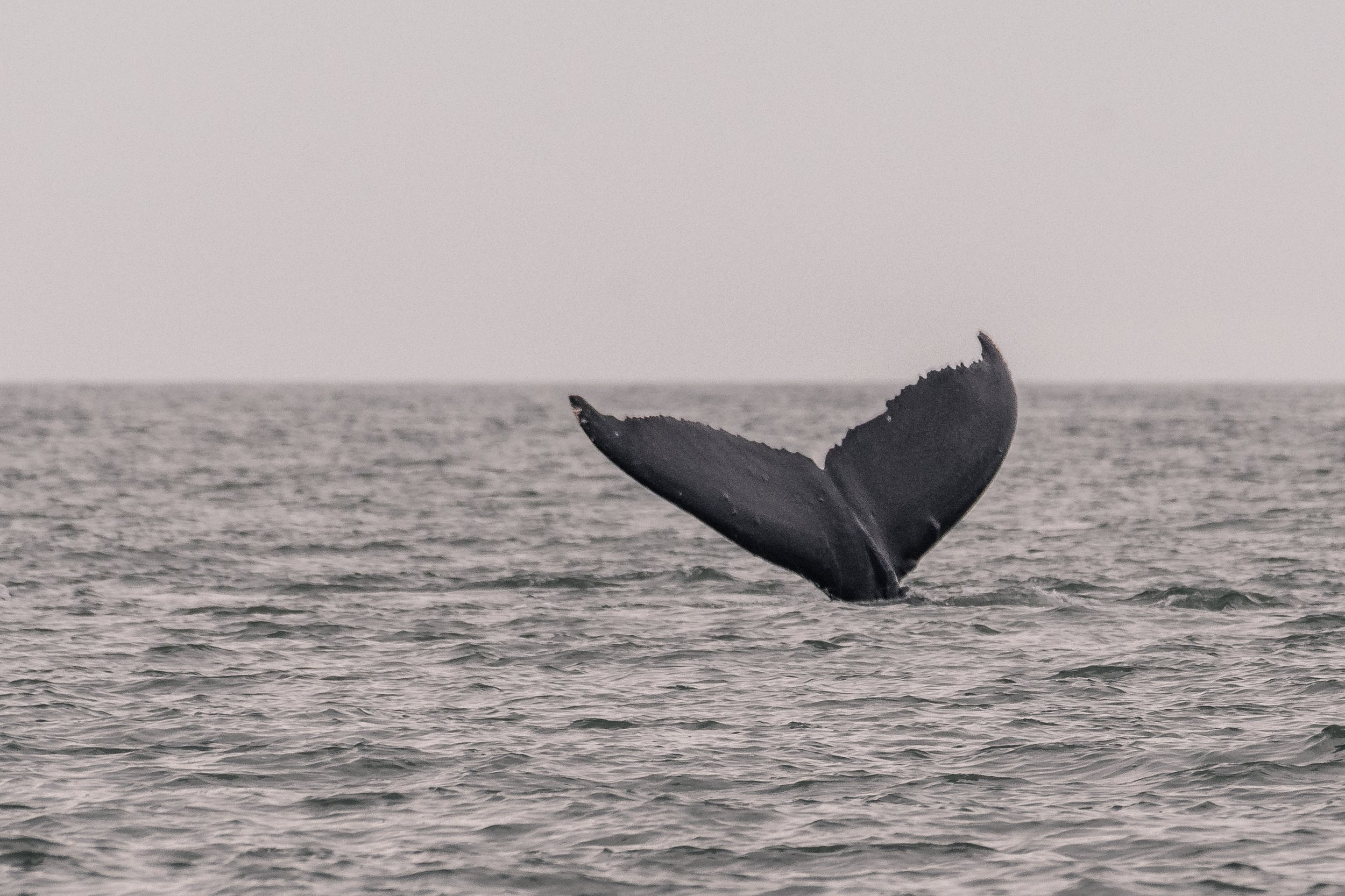
The top of Scuba’s fluke - they can be identified by the long flat edge on their trailing edge. Photo by Evan Hessels.
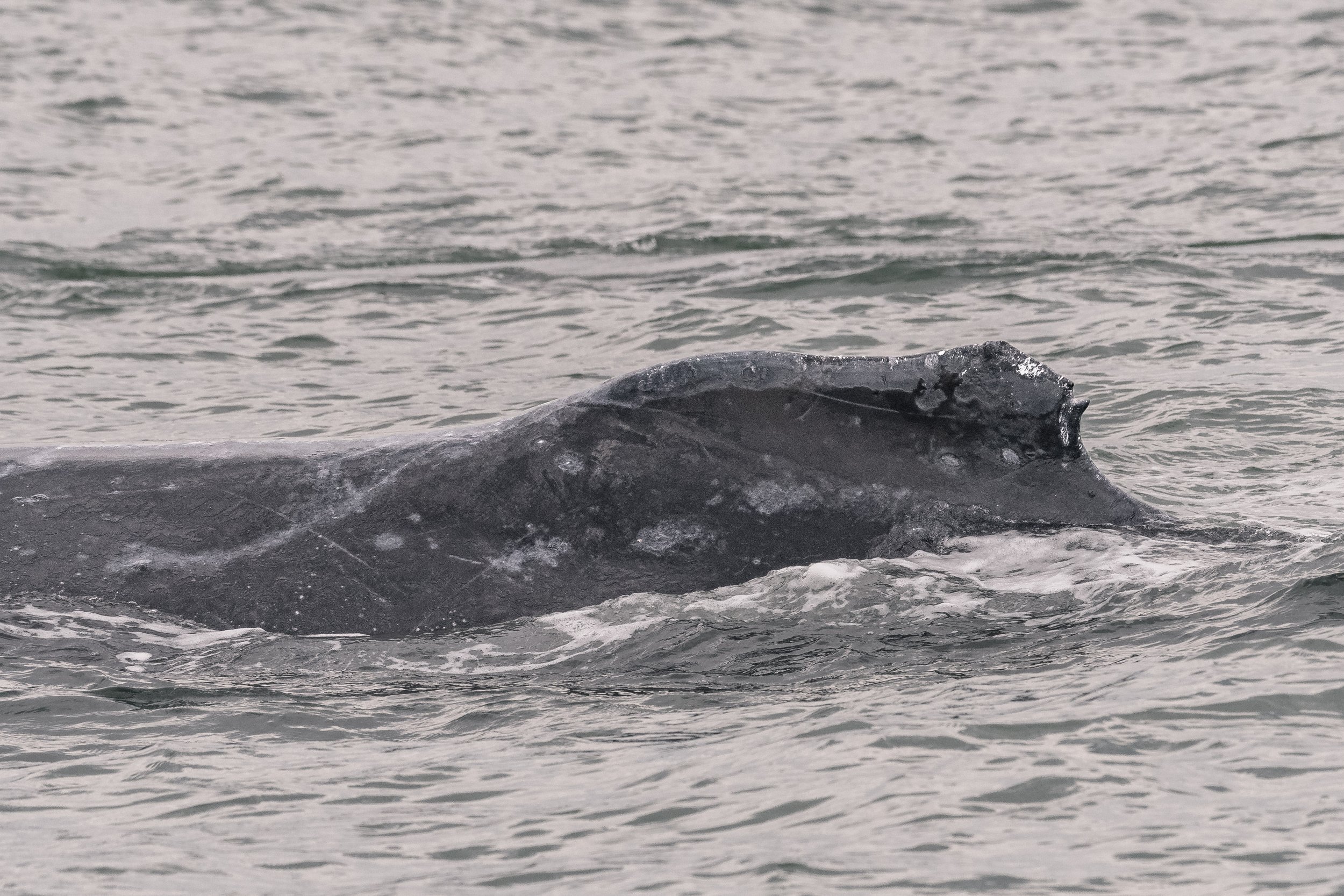
Forge’s unique dorsal fin. Photo by Evan Hessels.
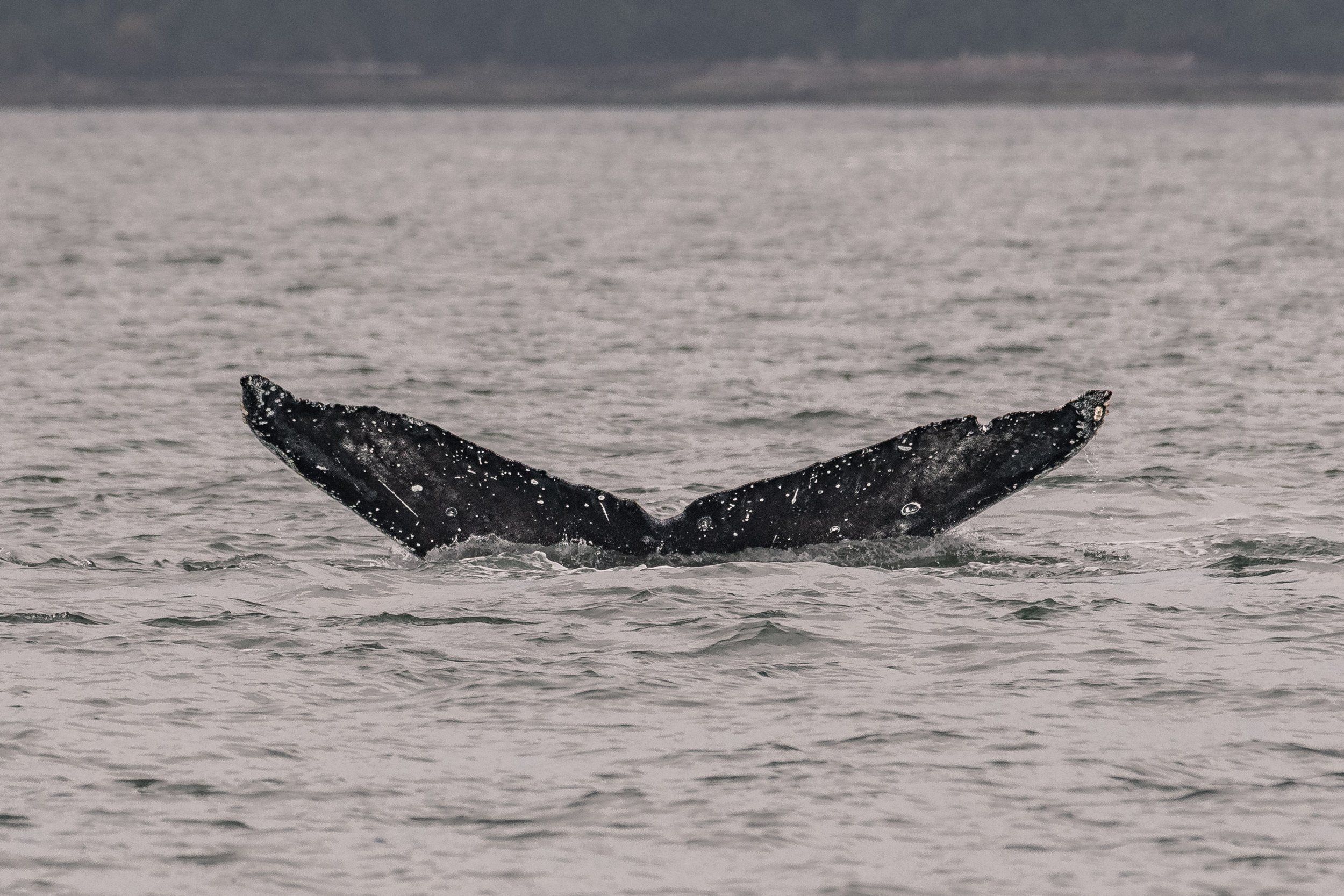
Forge going down for a dive. Photo by Evan Hessels.
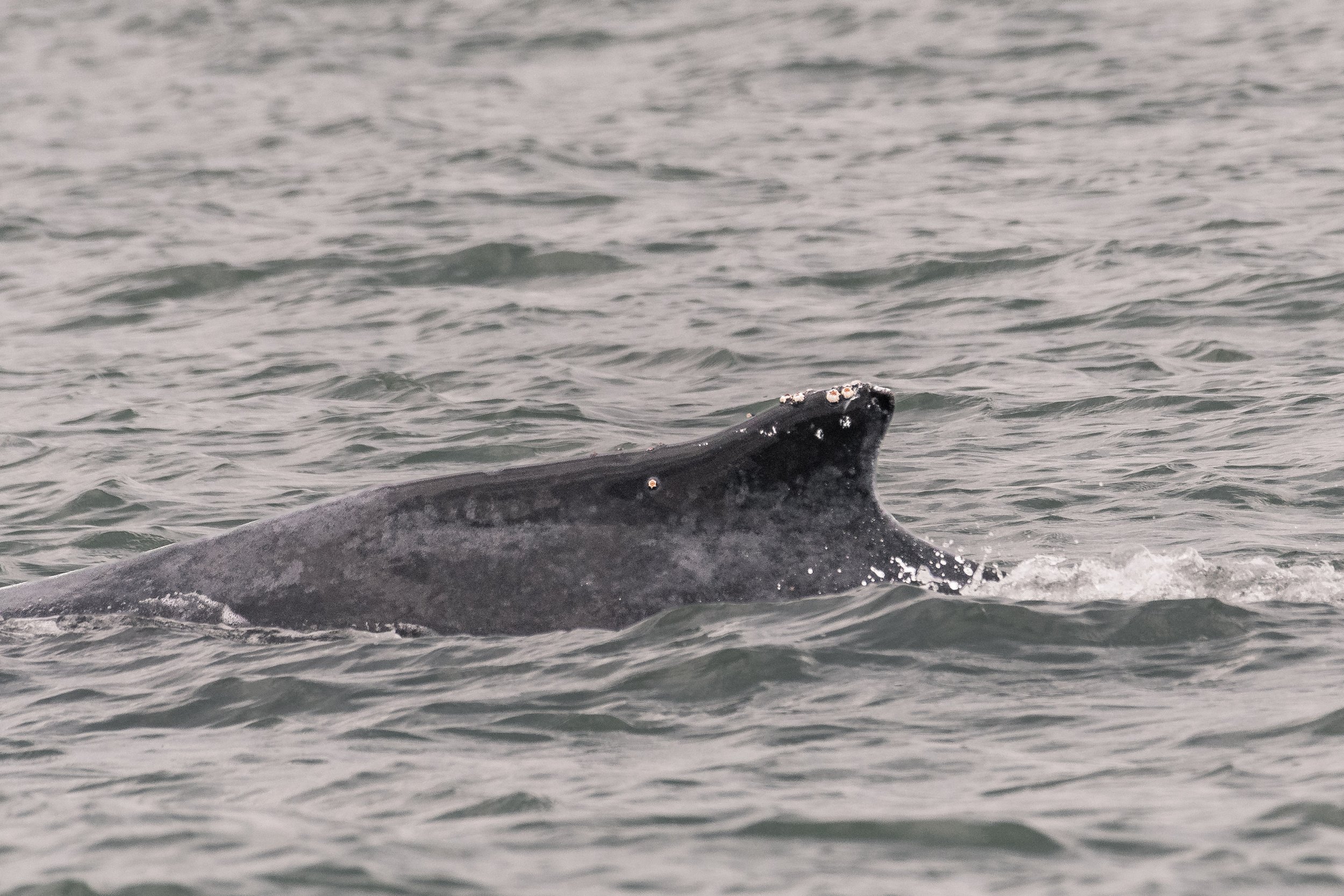
Corona/Phi’s dorsal fin. Photo by Evan Hessels.
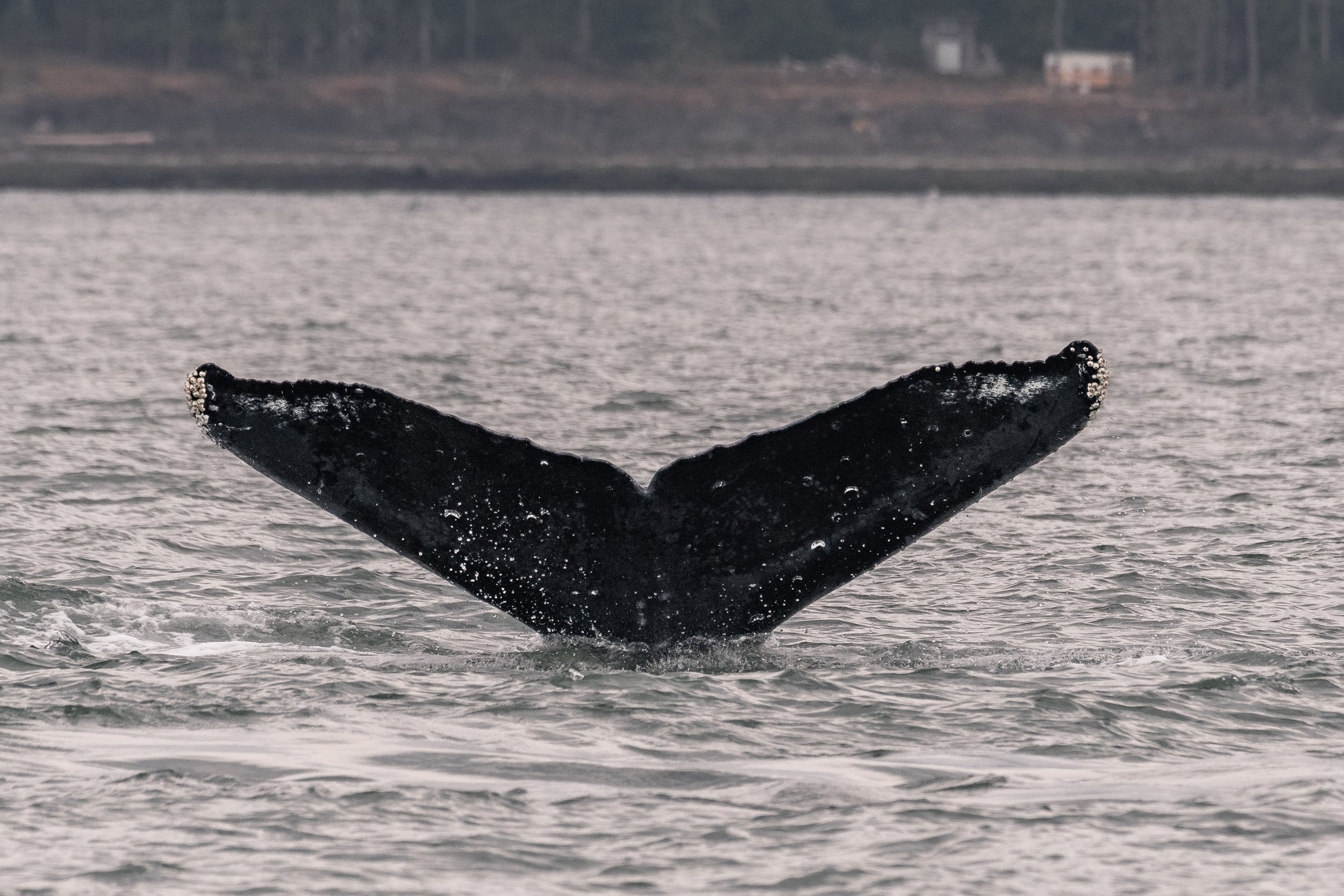
Corona/Phi’s dorsal fin. Photo by Evan Hessels.
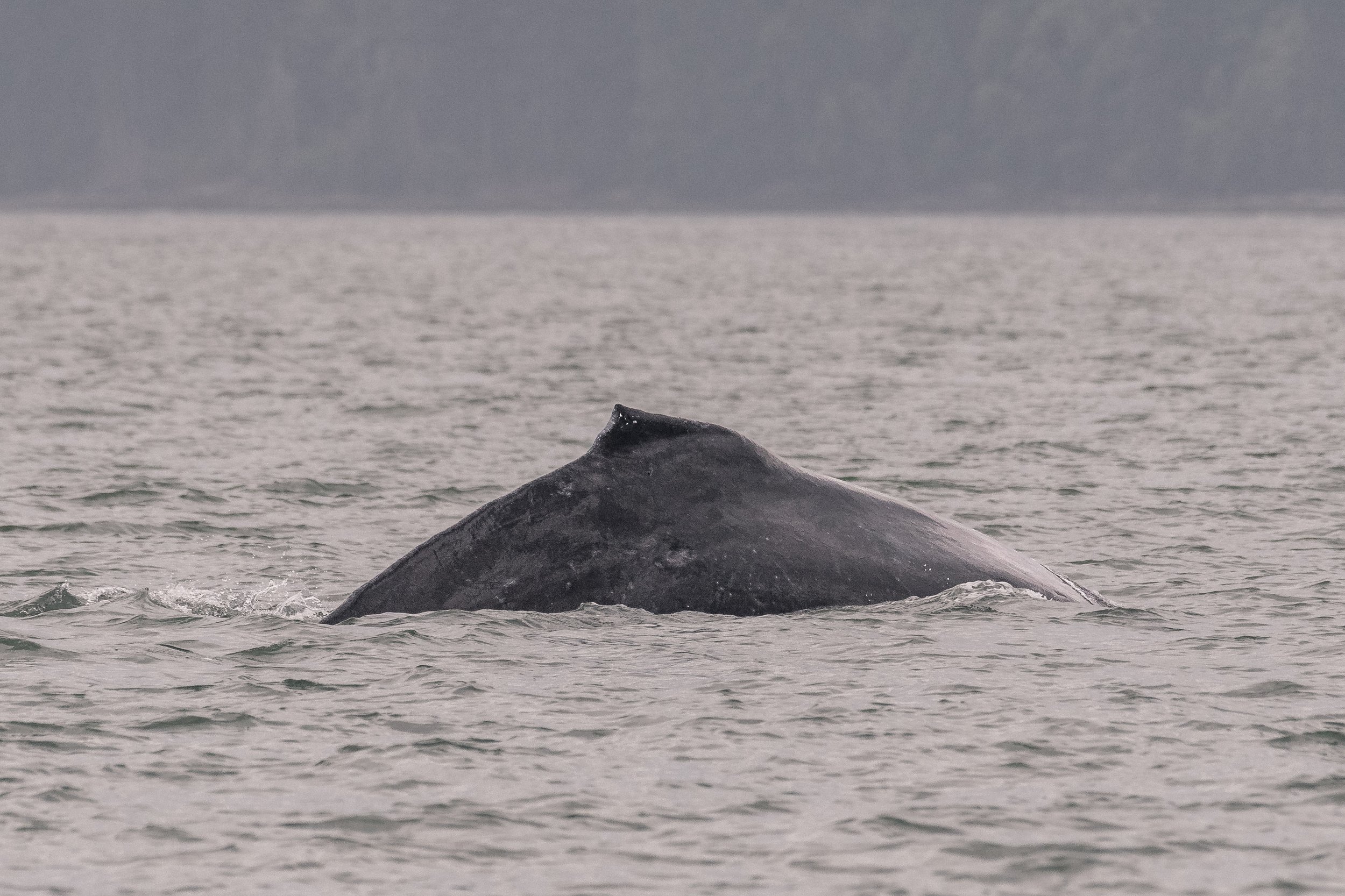
Valiant travelling. Photo by Evan Hessels.
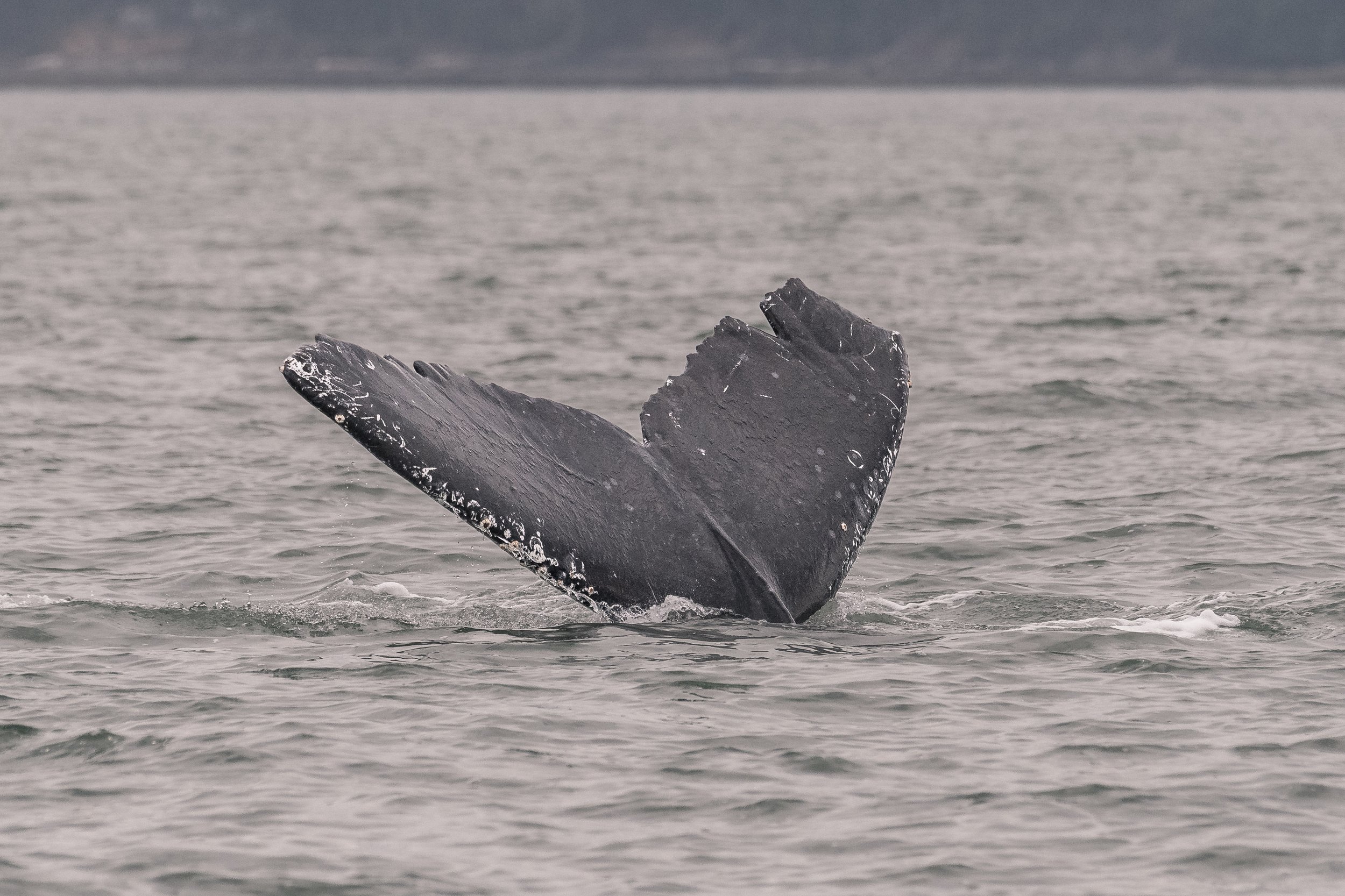
The top of Valiant’s fluke. Photo by Evan Hessels.
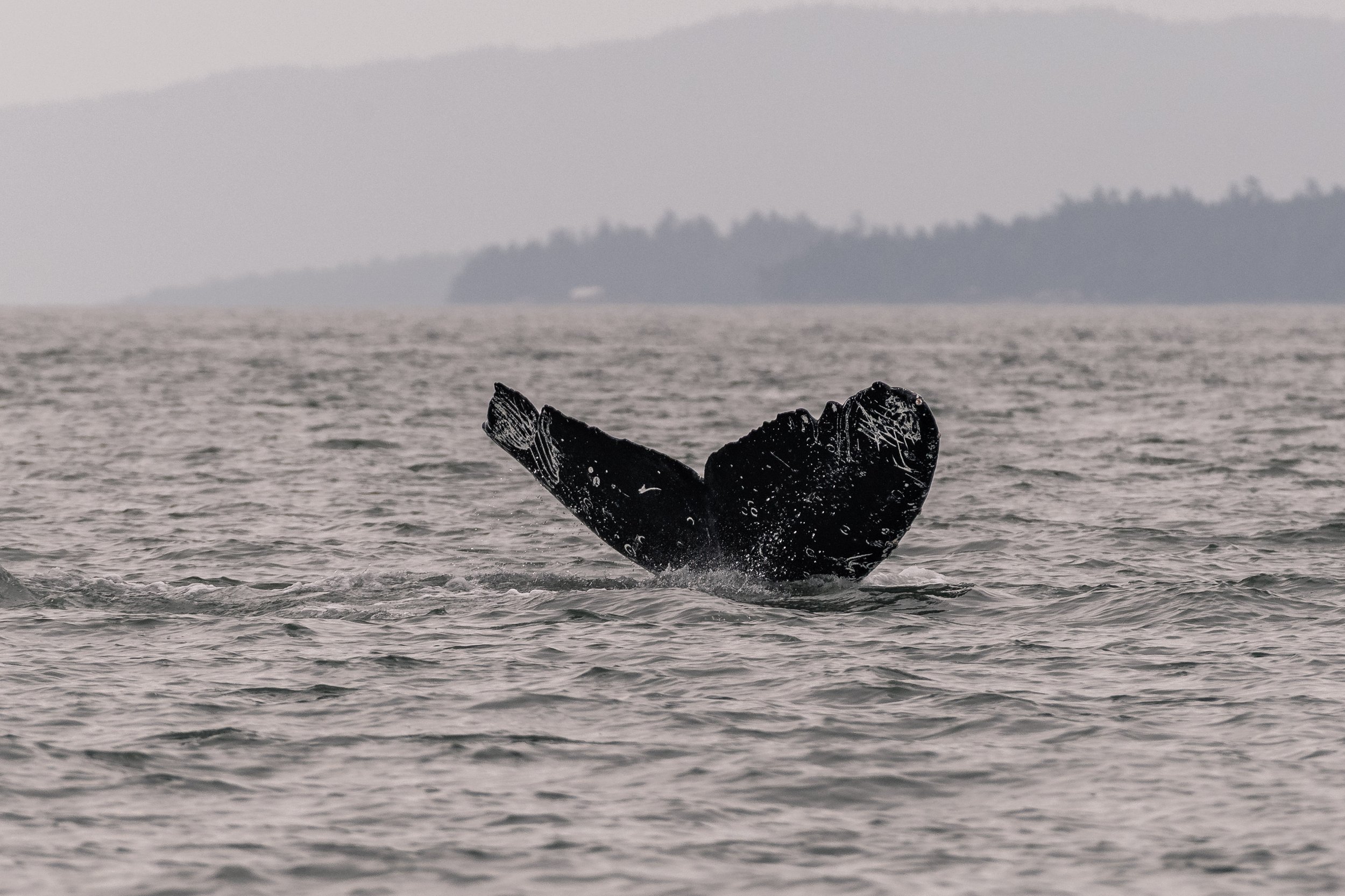
Valiant diving. Photo by Hayleigh Hilbert.
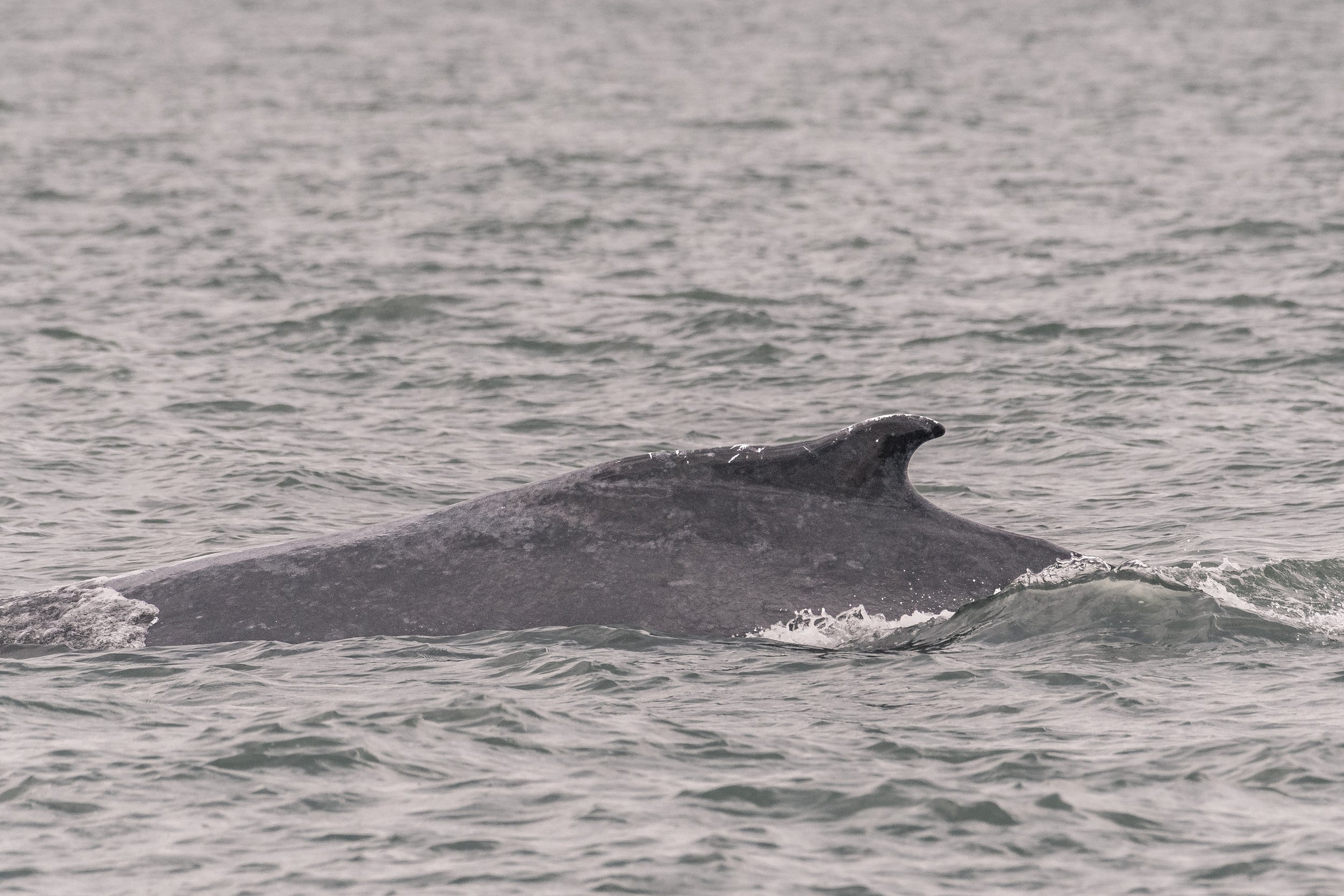
Smiley’s dorsal fin. Photo by Evan Hessels.
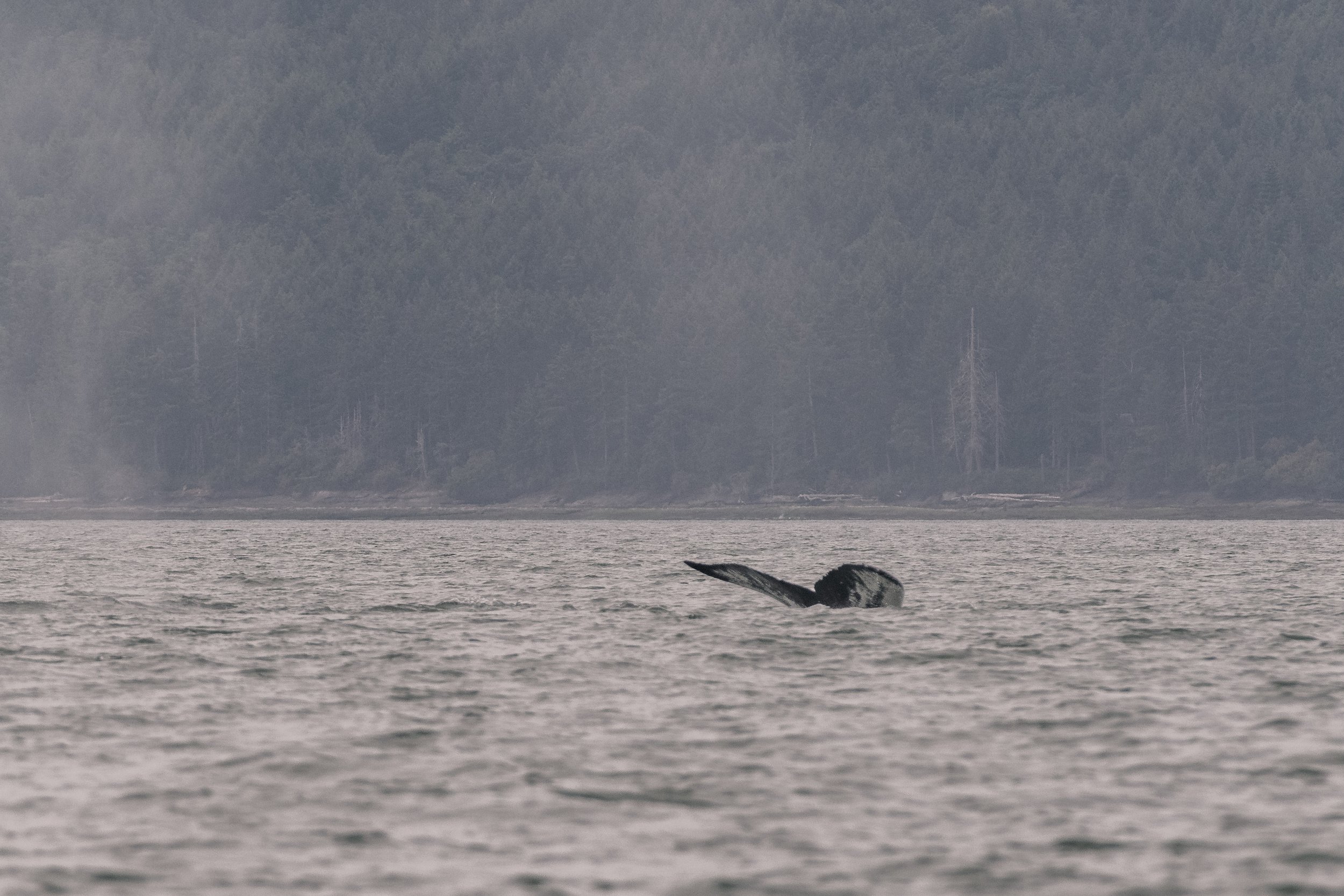
Smiley fluking in the distance. Photo by Hayleigh Hilbert.
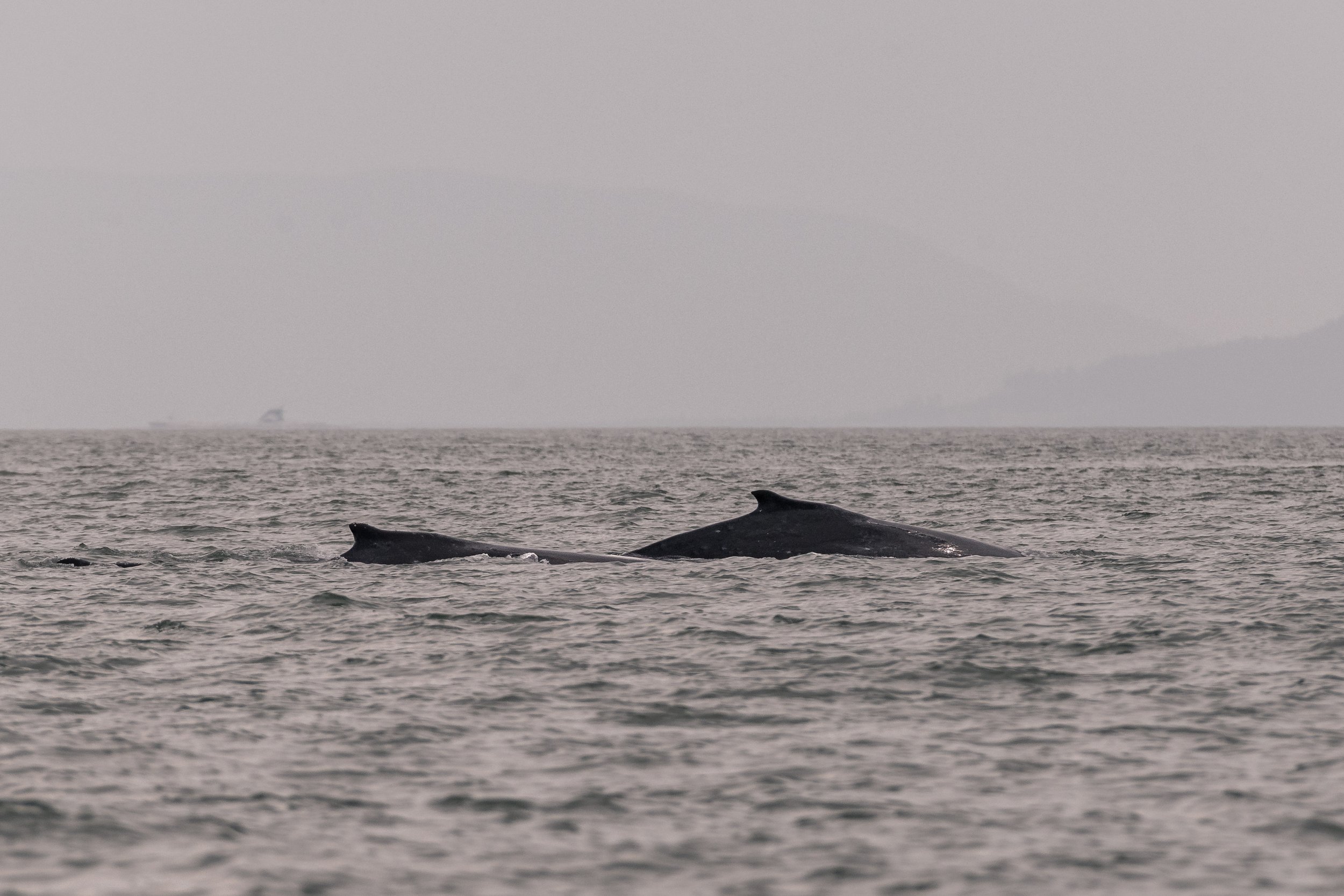
Corona/Phi and Scuba. Photo by Hayleigh Hilbert.
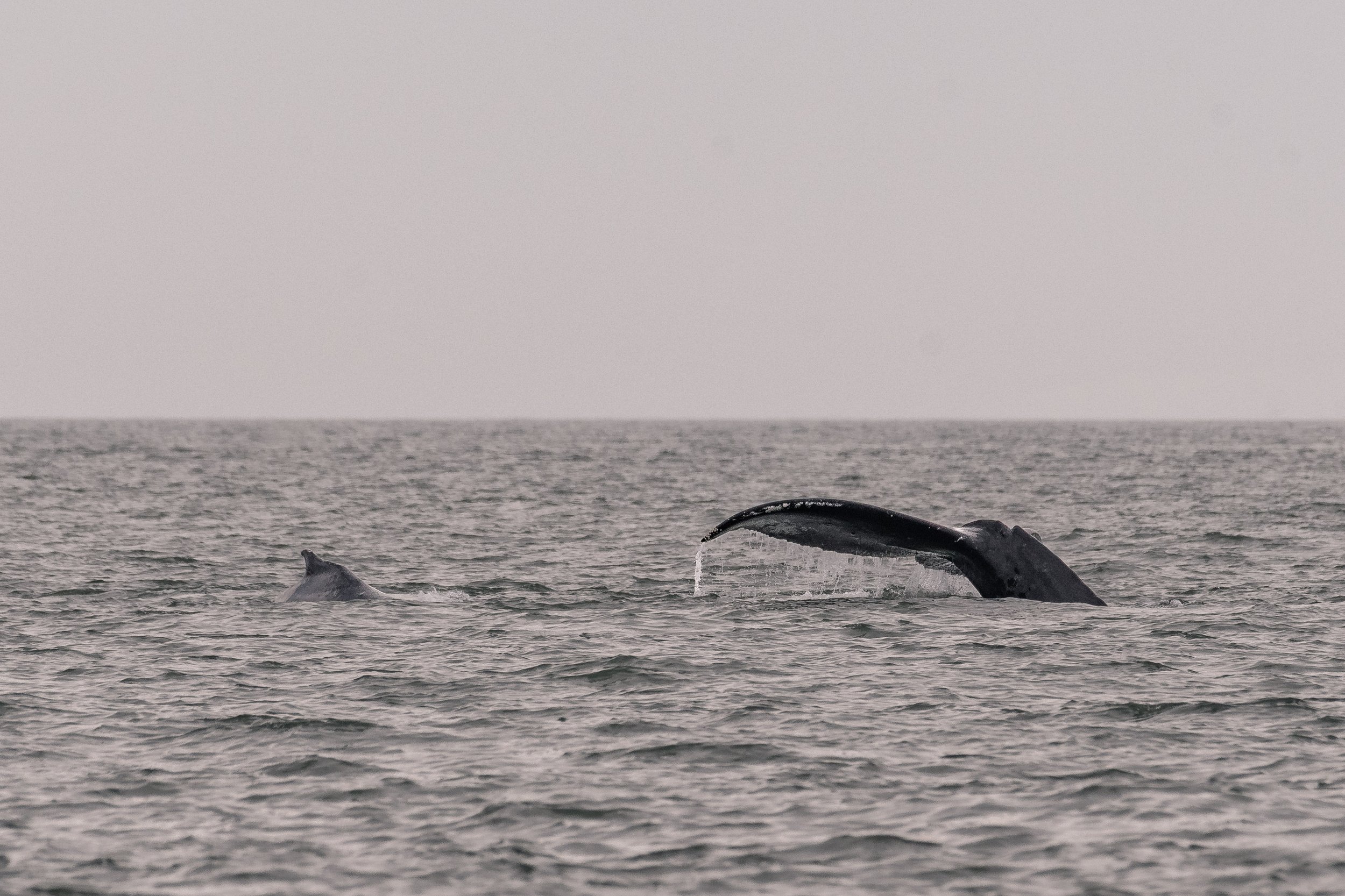
Scuba beginning to dive, their peduncle notch visible. Photo by Evan Hessels.
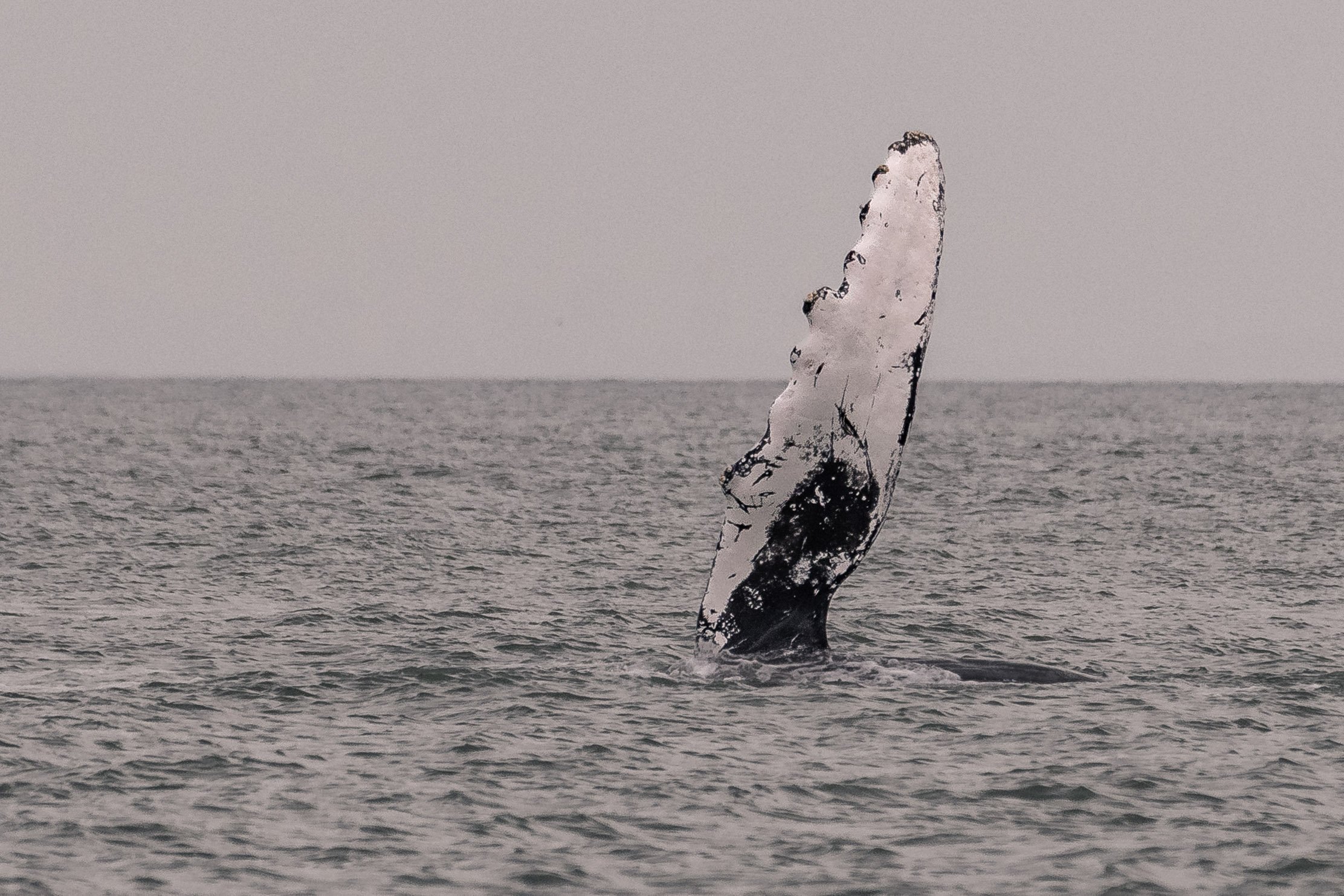
A big beautiful pectoral fin. Photo by Evan Hessels.
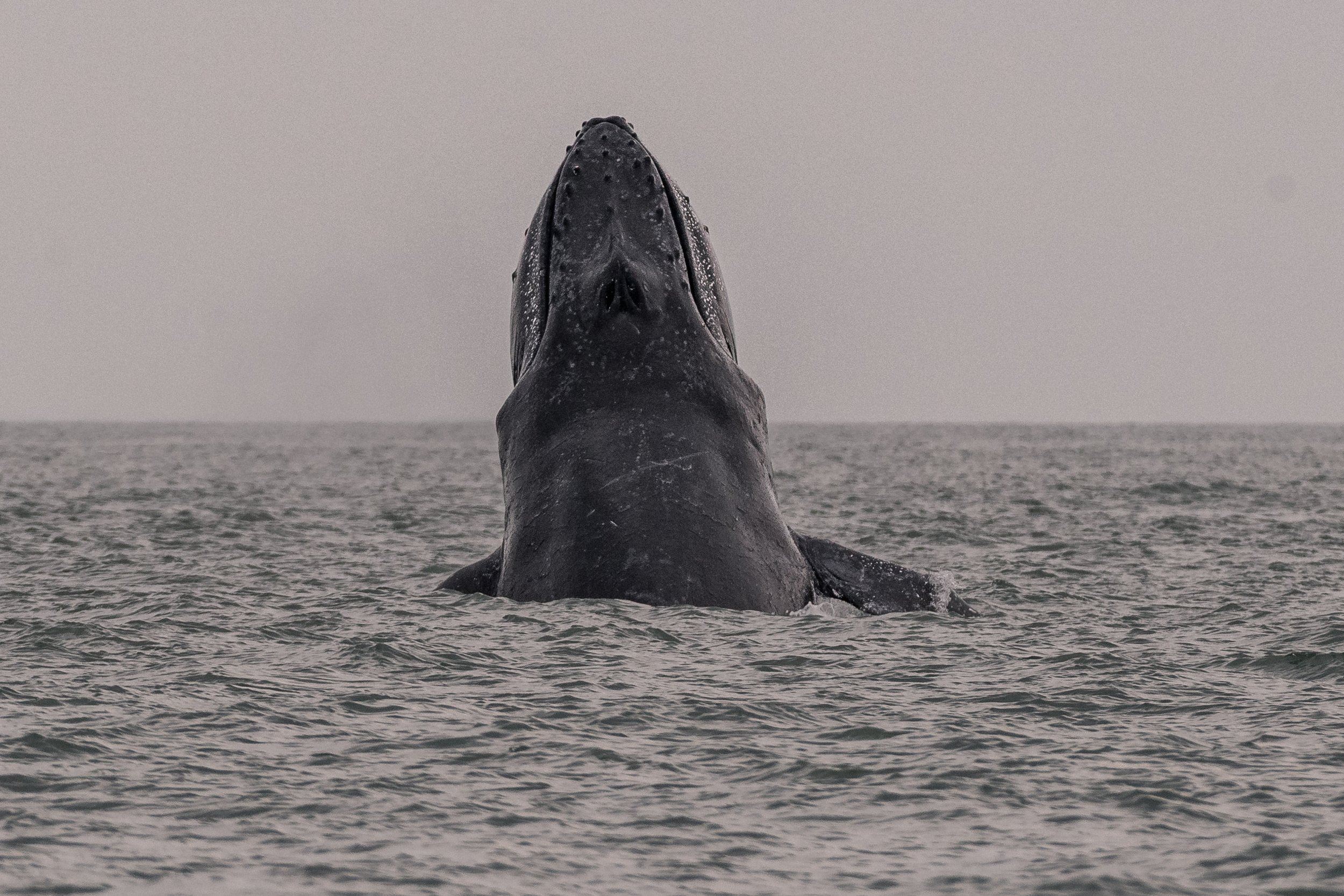
A chinslap from Forge. Photo by Hayleigh Hilbert.
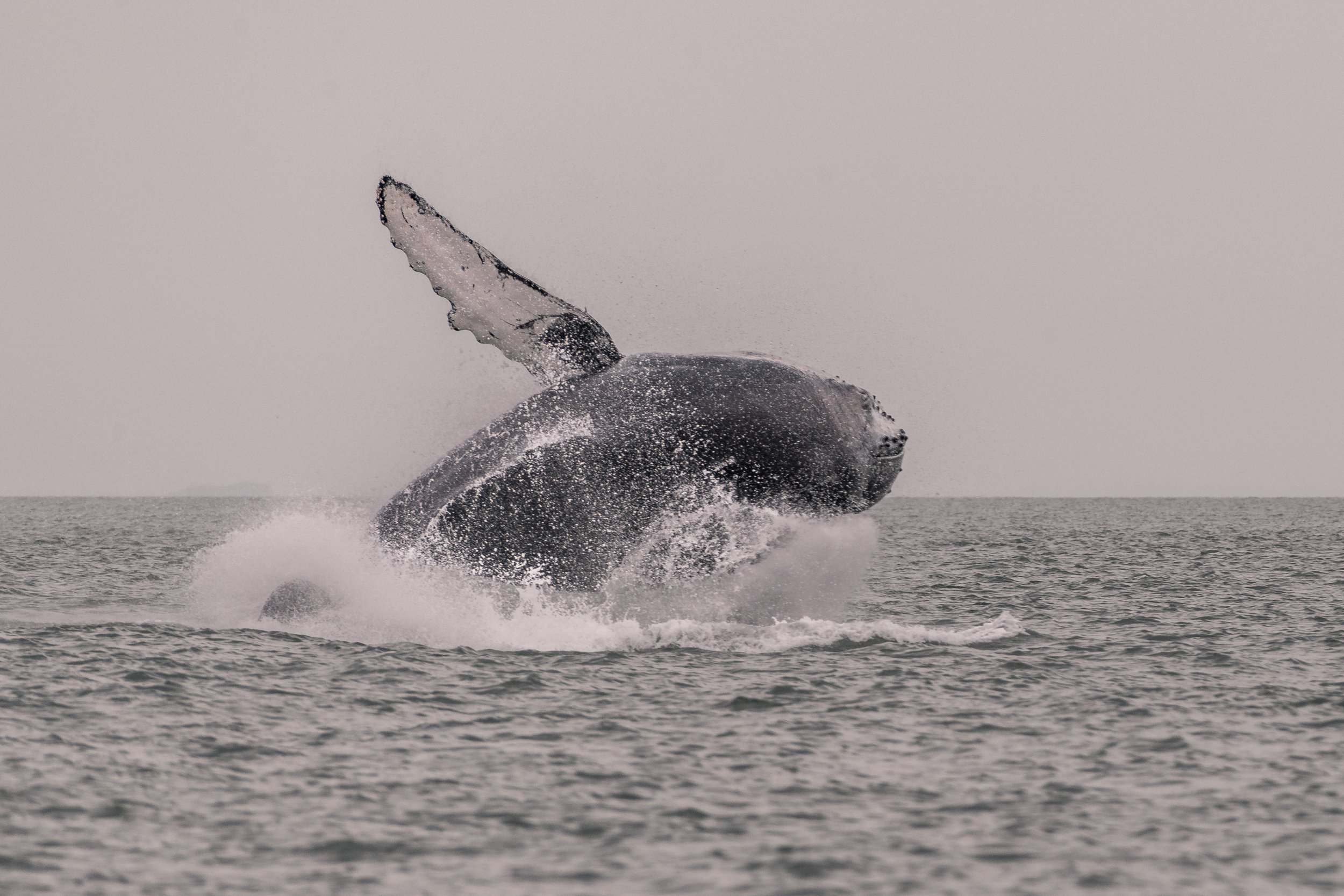
Crashing back into the depths. Photo by Hayleigh Hilbert.
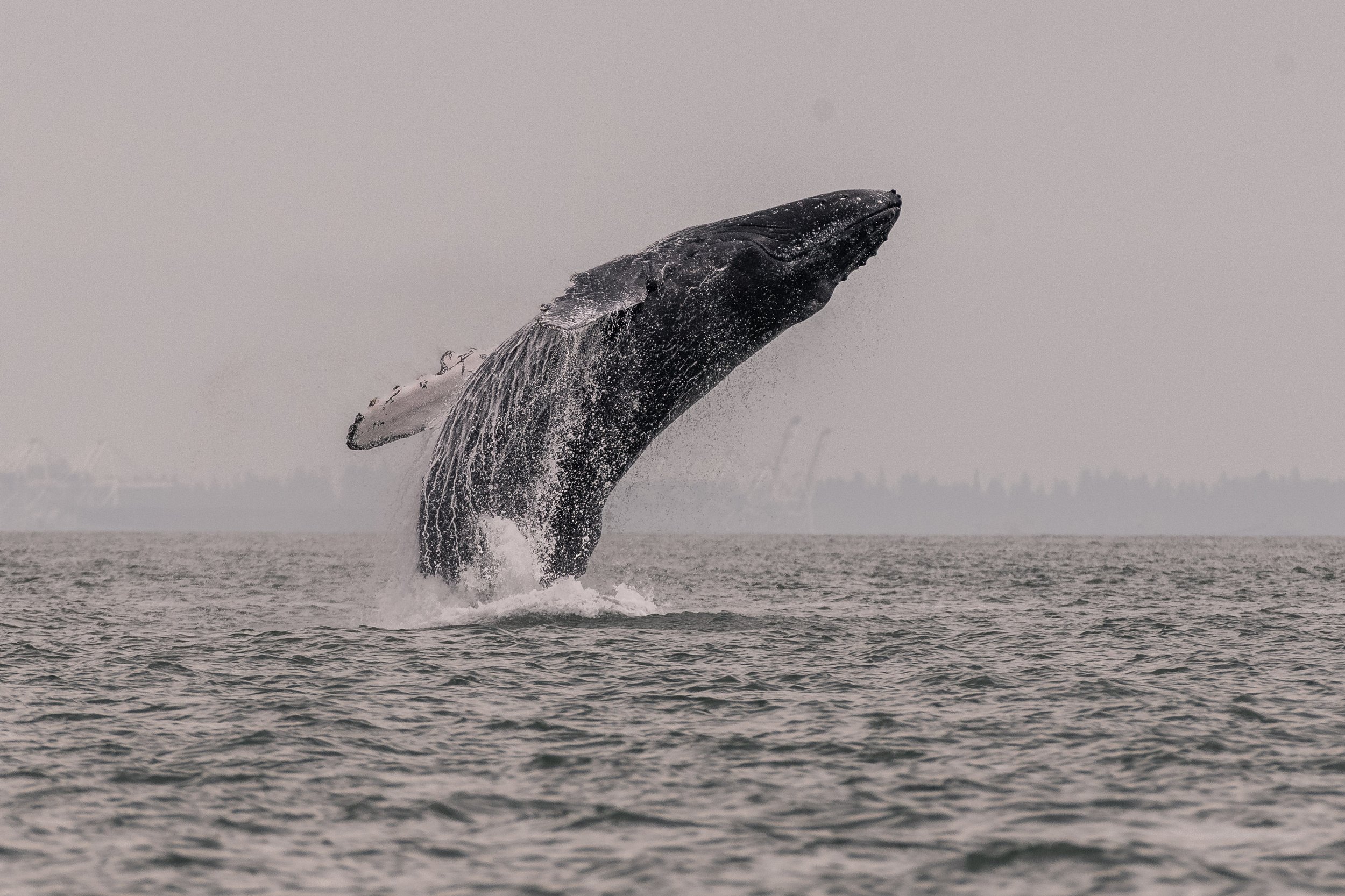
They are beauty, they are grace! Photo by Hayleigh Hilbert.
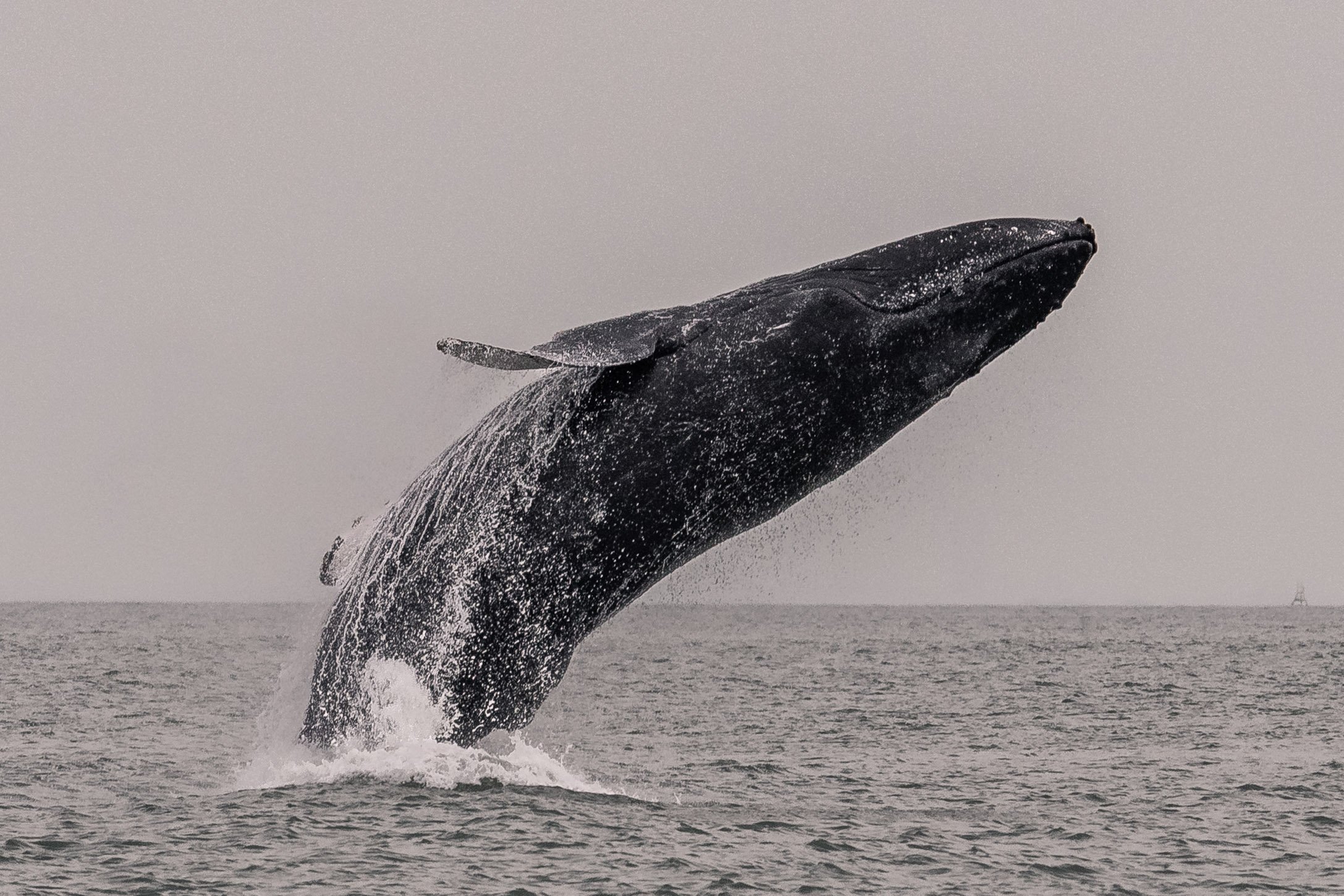
Forge taking to the skies! Photo by Evan Hessels.
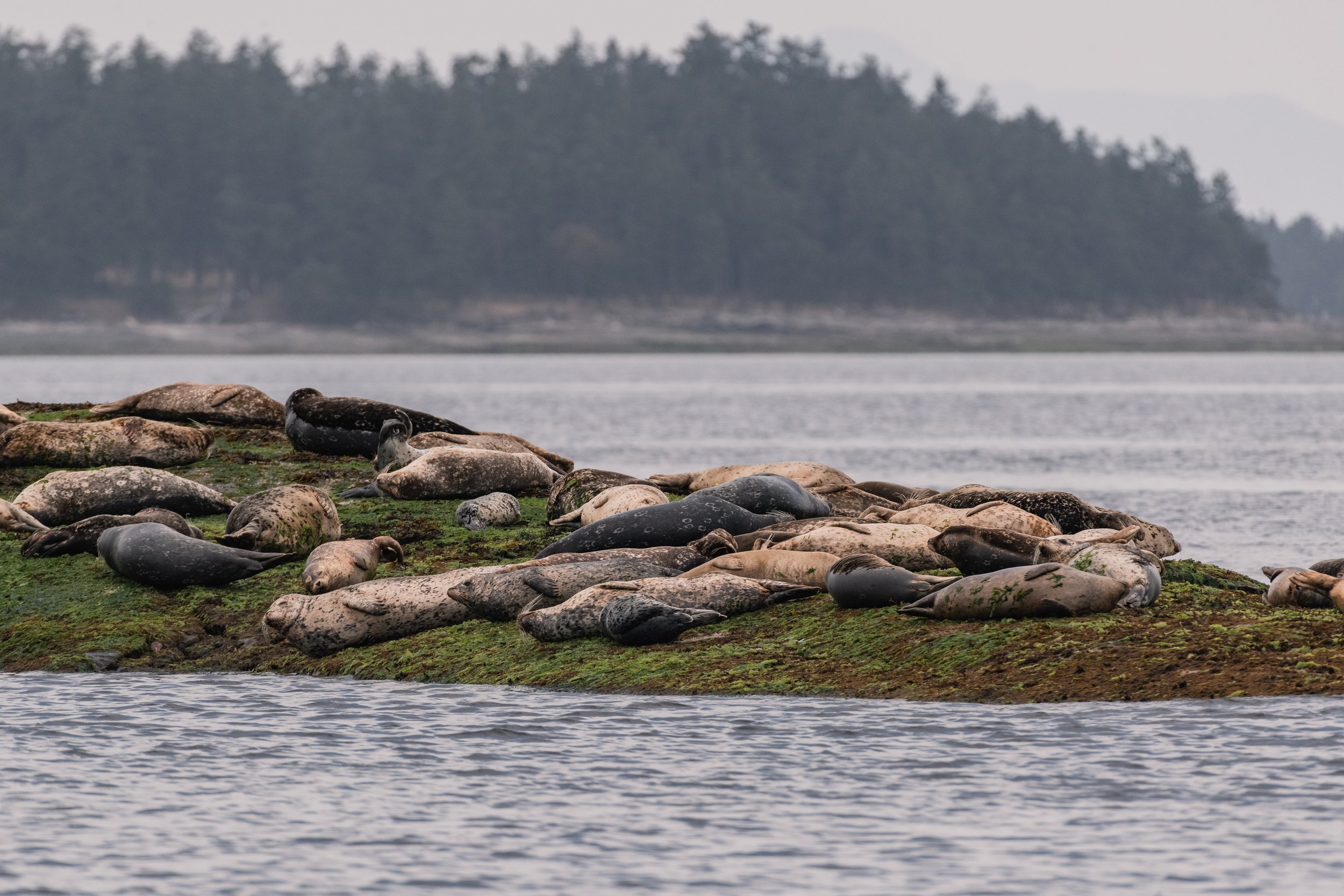
A very full haulout of Harbour Seals. Photo by Hayleigh Hilbert.
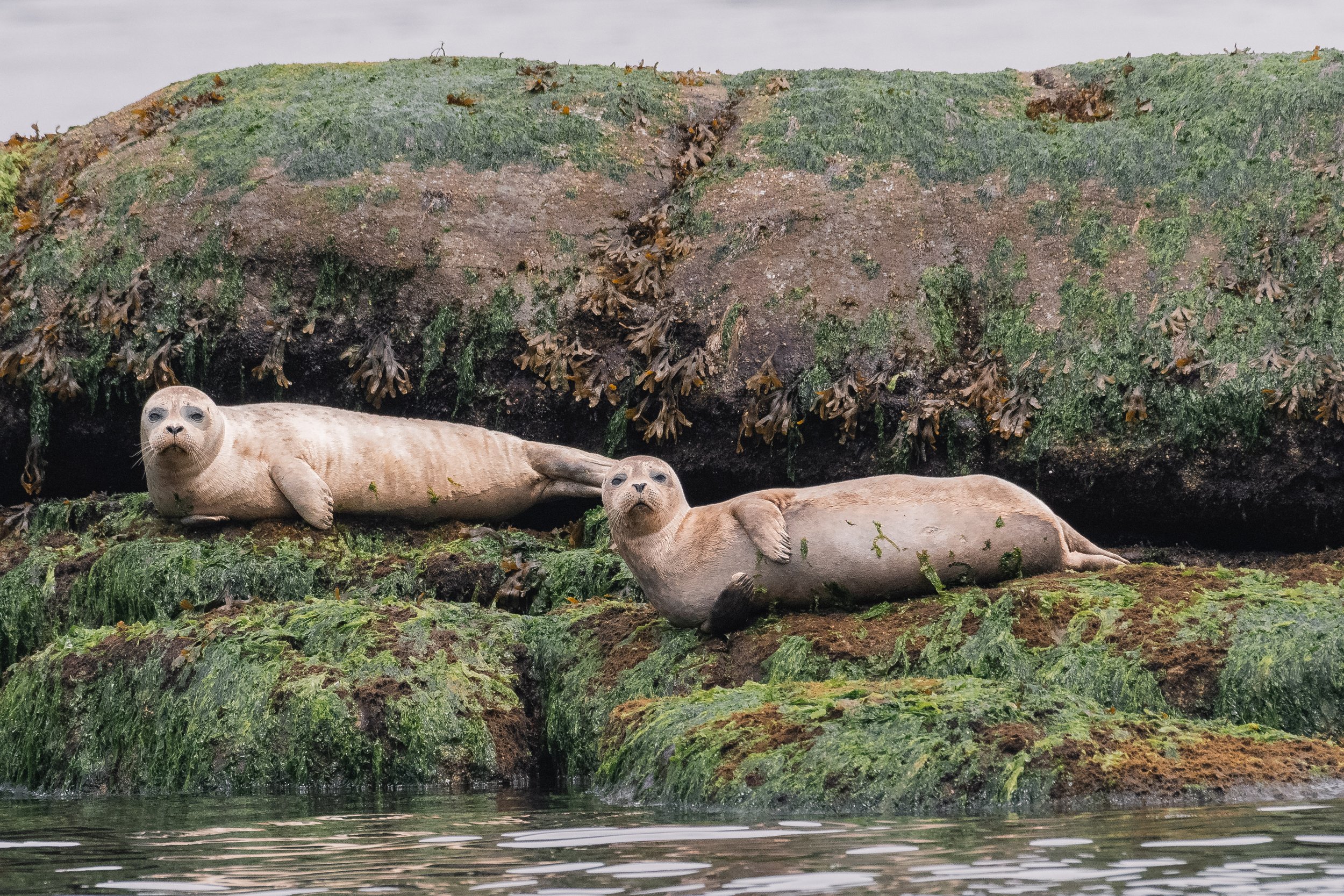
Harbour Seals watching us watch them. Photo by Evan Hessels.
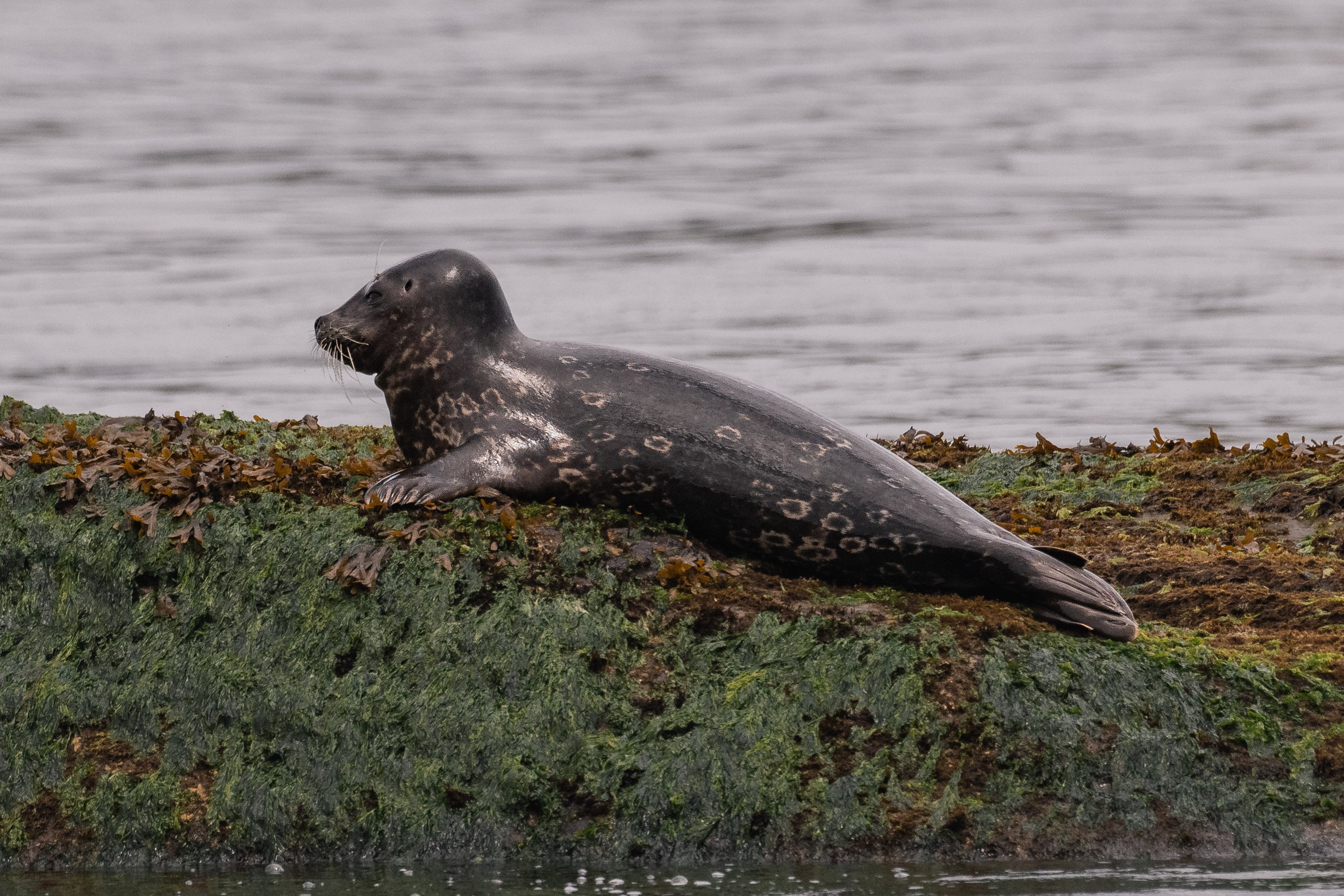
A very soggy seal with its ear hole visible! Photo by Evan Hessels.
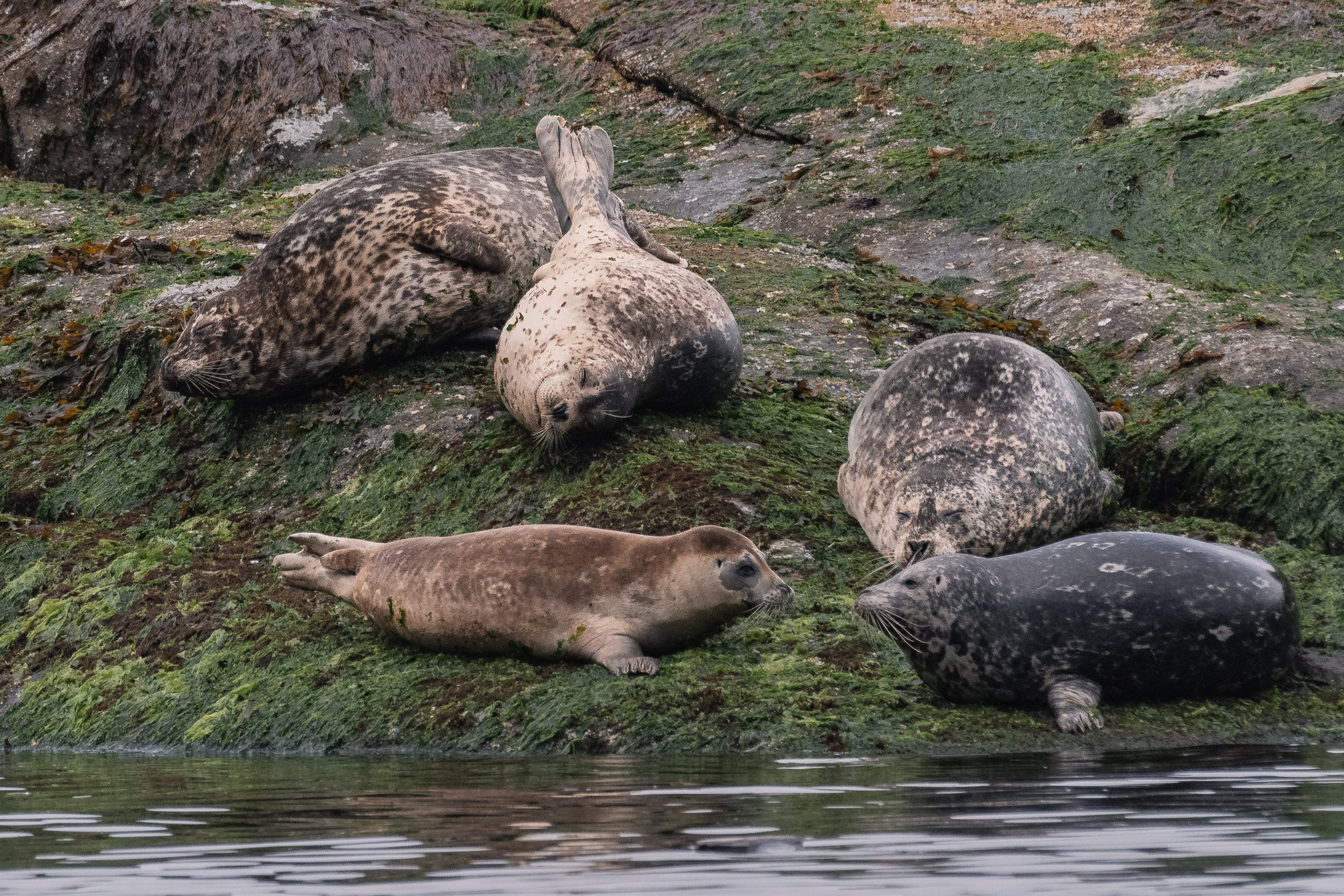
A cuddle puddle of seals. Photo by Evan Hessels.
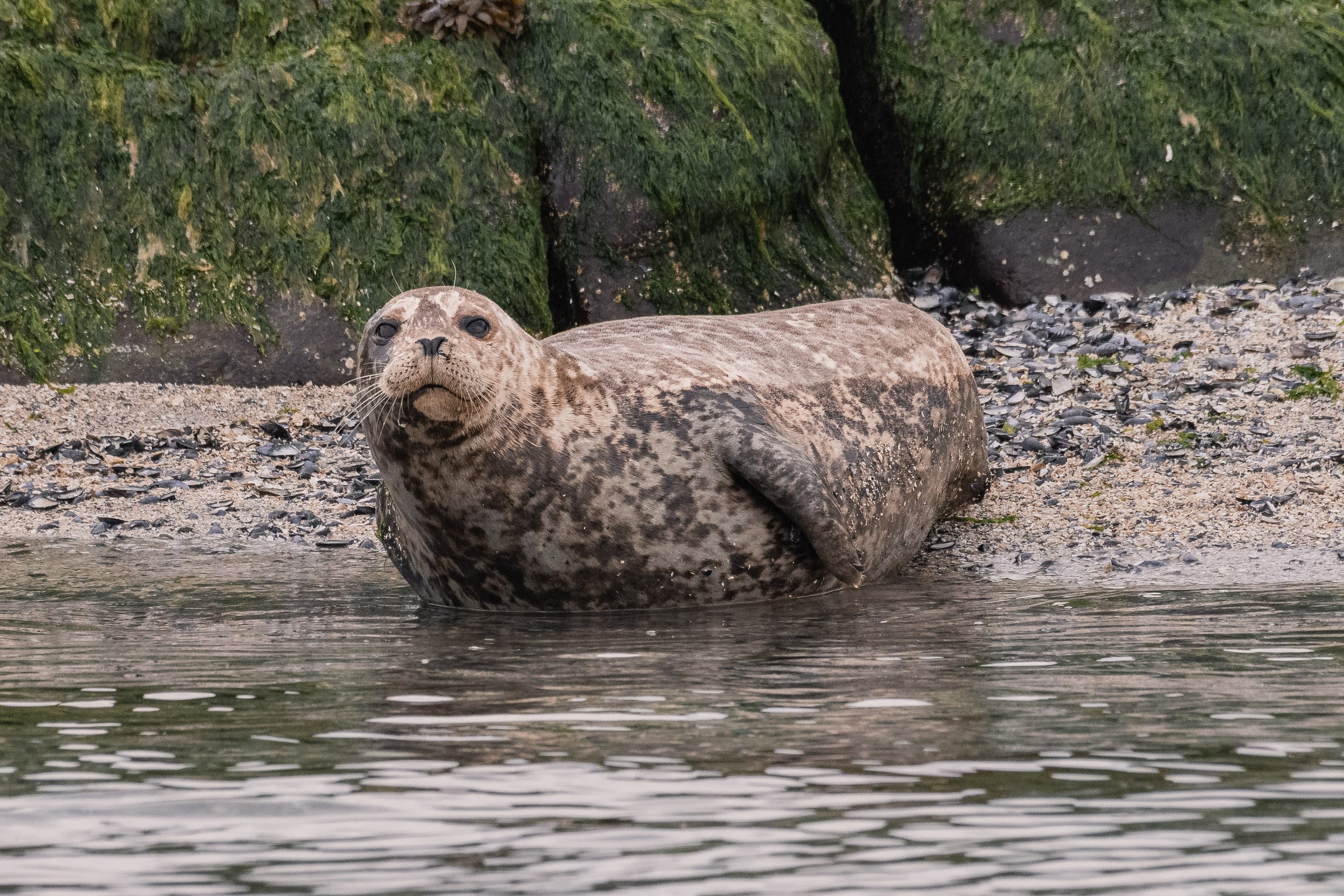
A very rotund and photogenic individual. Photo by Evan Hessels.
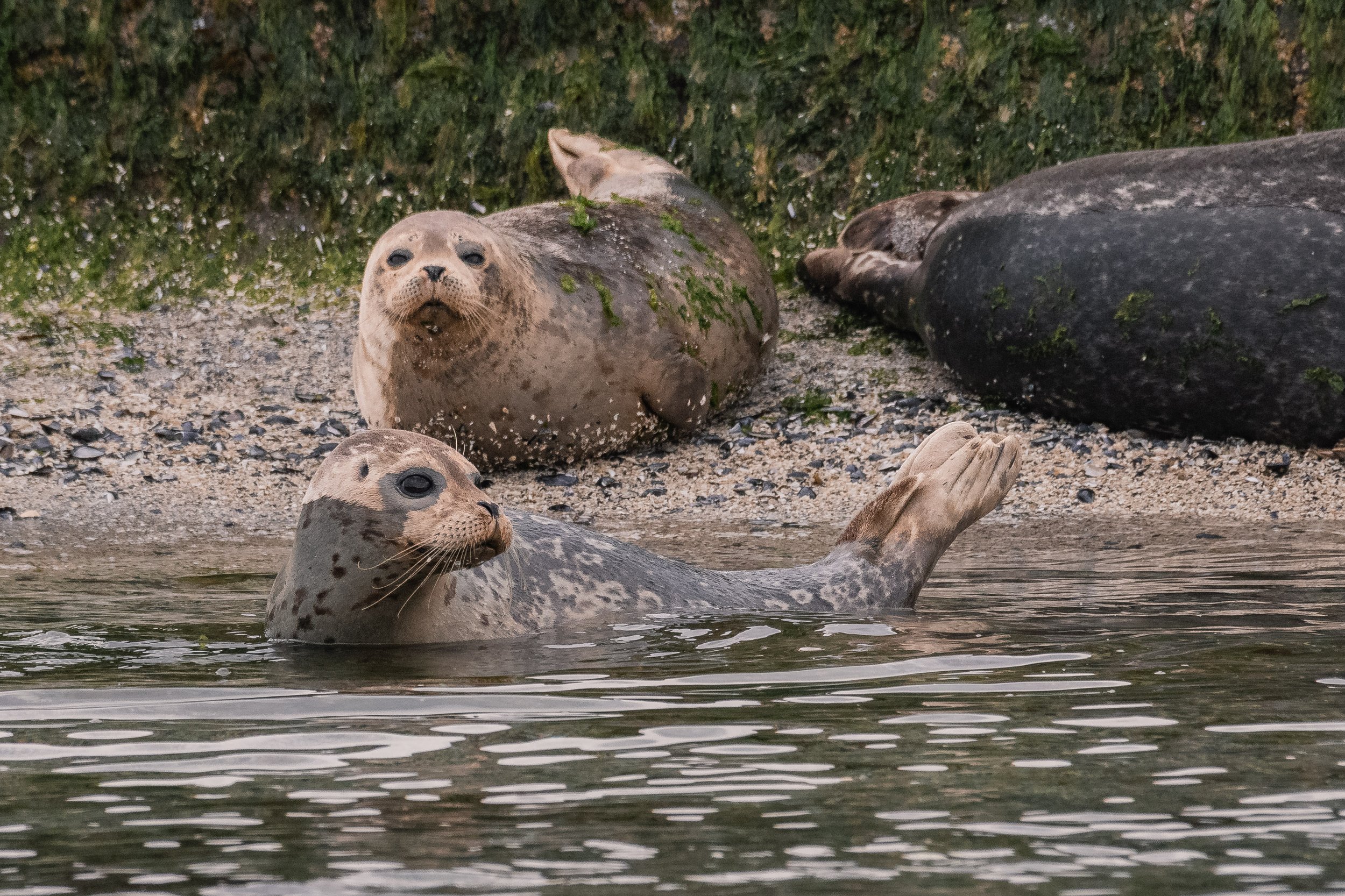
Perfectly balanced in the shallows. Photo by Evan Hessels.
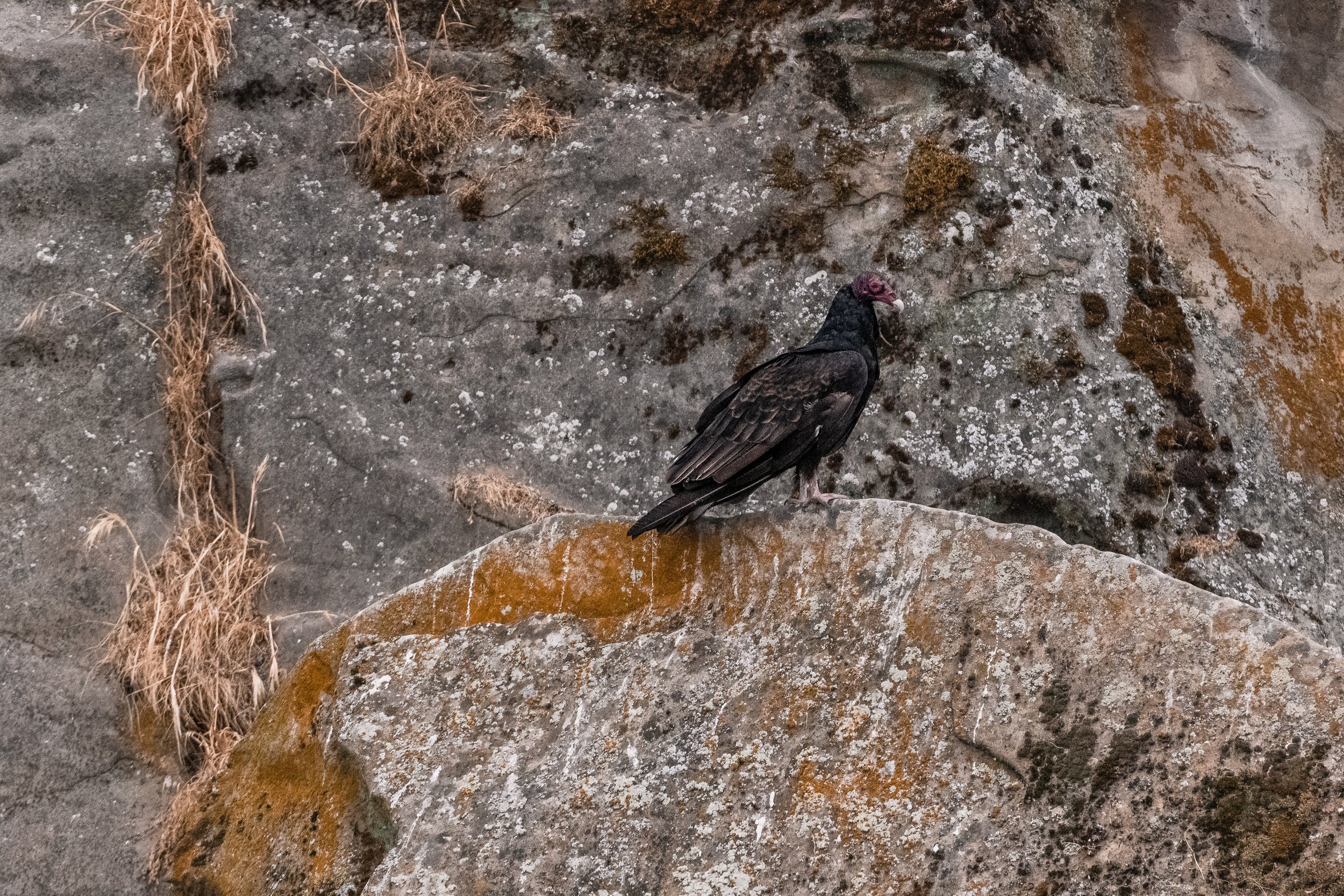
A solo Turkey Vulture perched on the rocks. Photo by Hayleigh Hilbert.
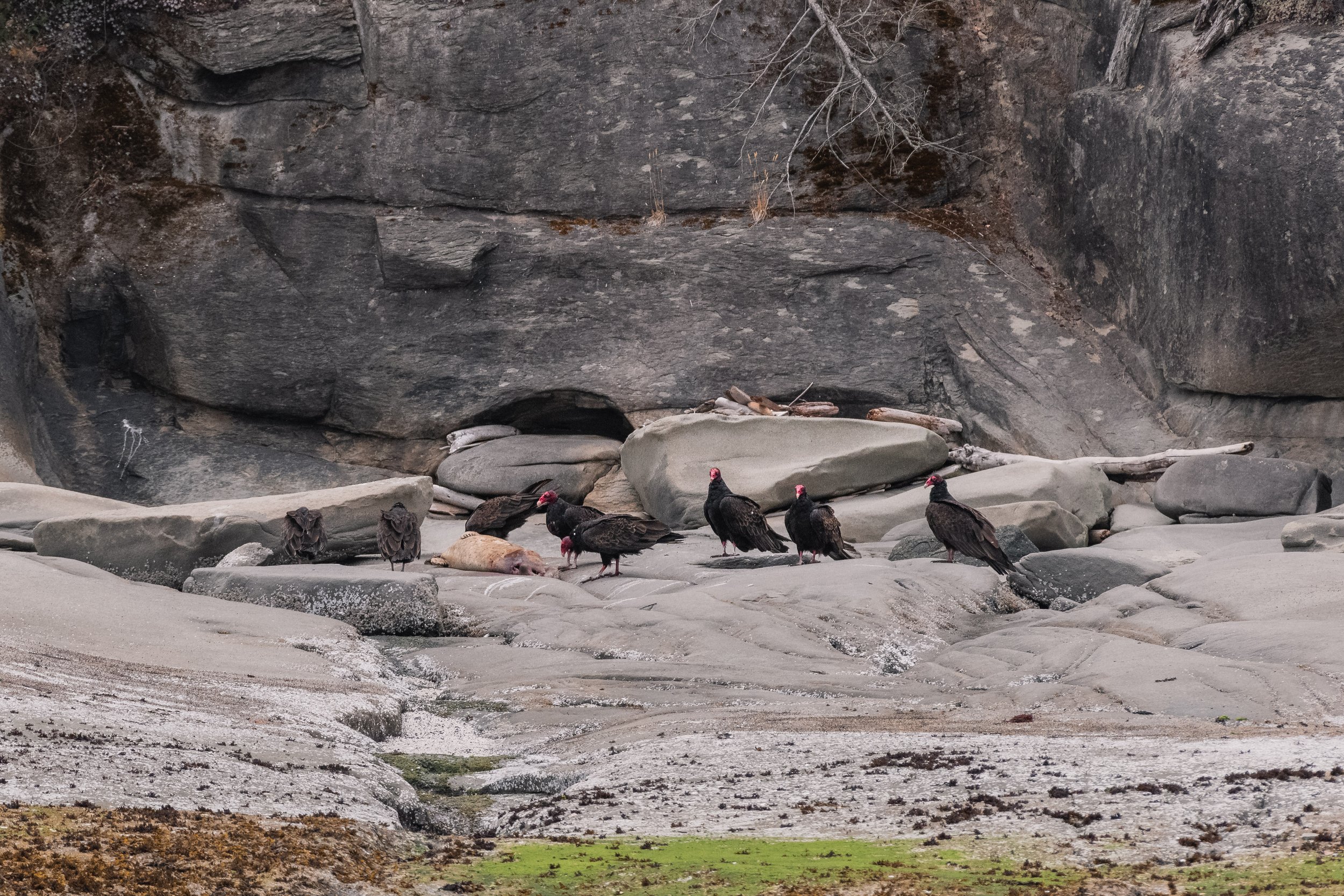
A wake of Turkey Vultures. Photo by Hayleigh Hilbert.
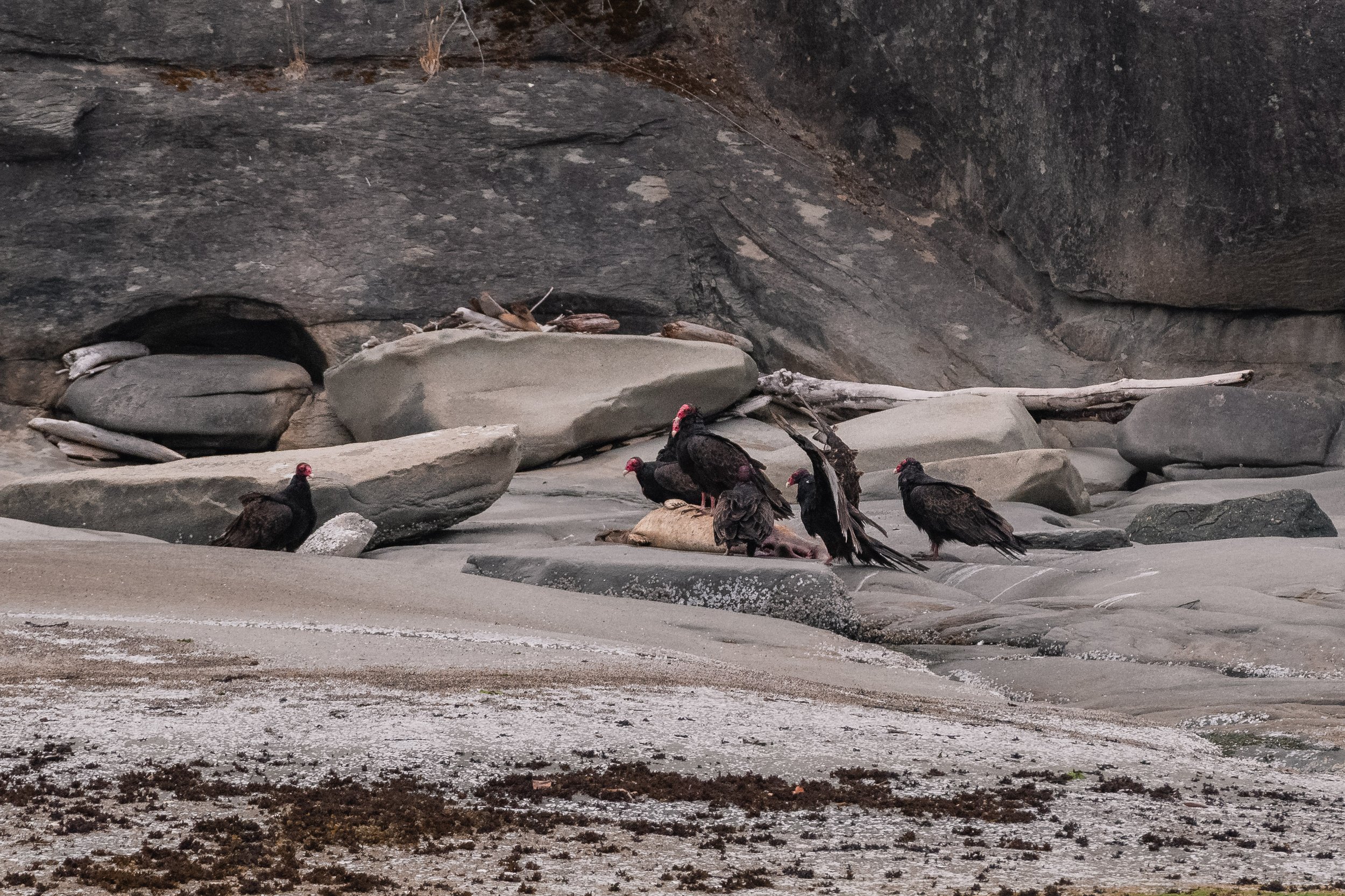
While not the prettiest, Tukey Vultures play an important part in the ecosystem - nature’s cleanup crew. Photo by Hayleigh Hilbert.
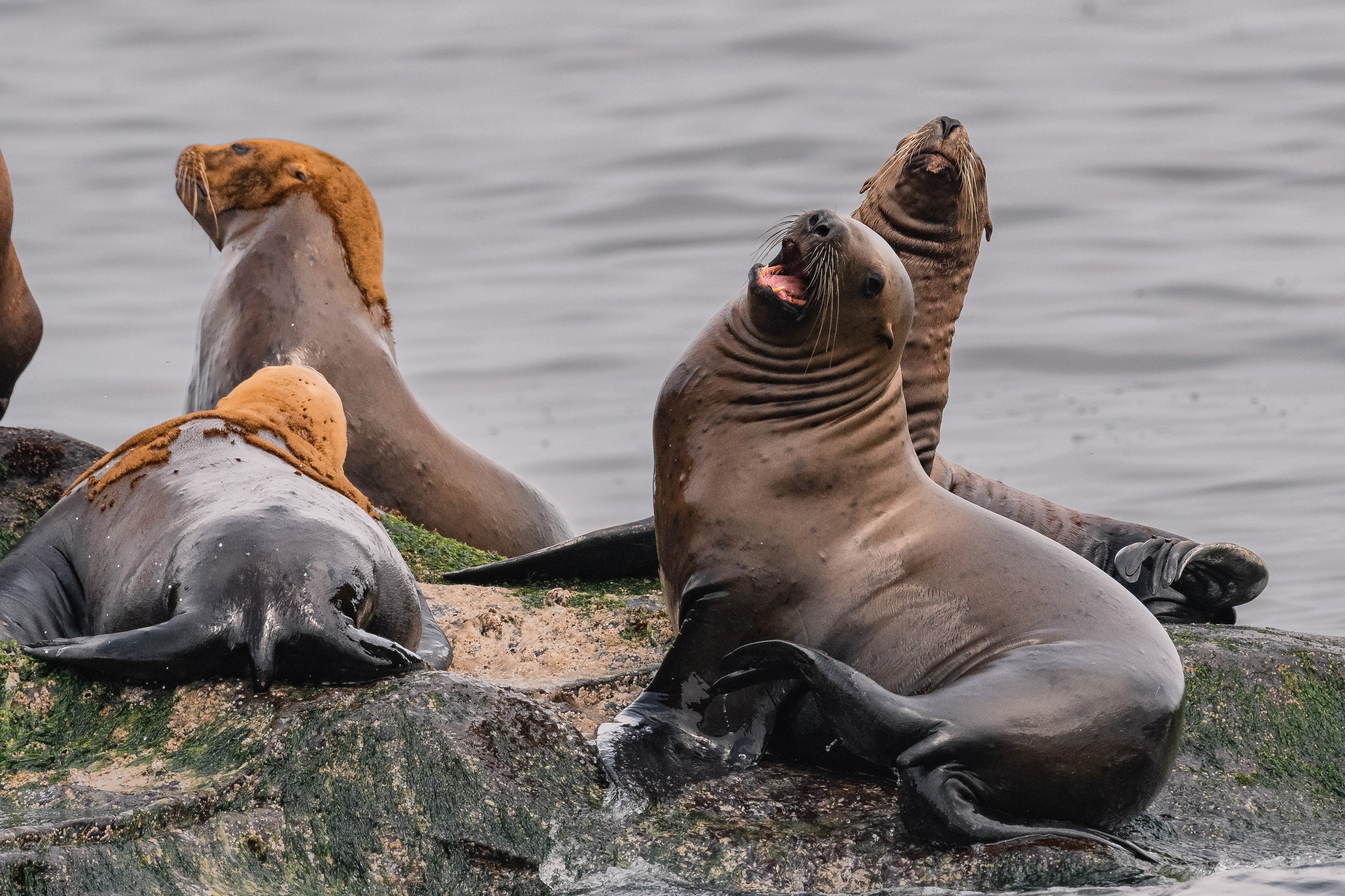
Steller Sea Lions yapping away. Photo by Evan Hessels.
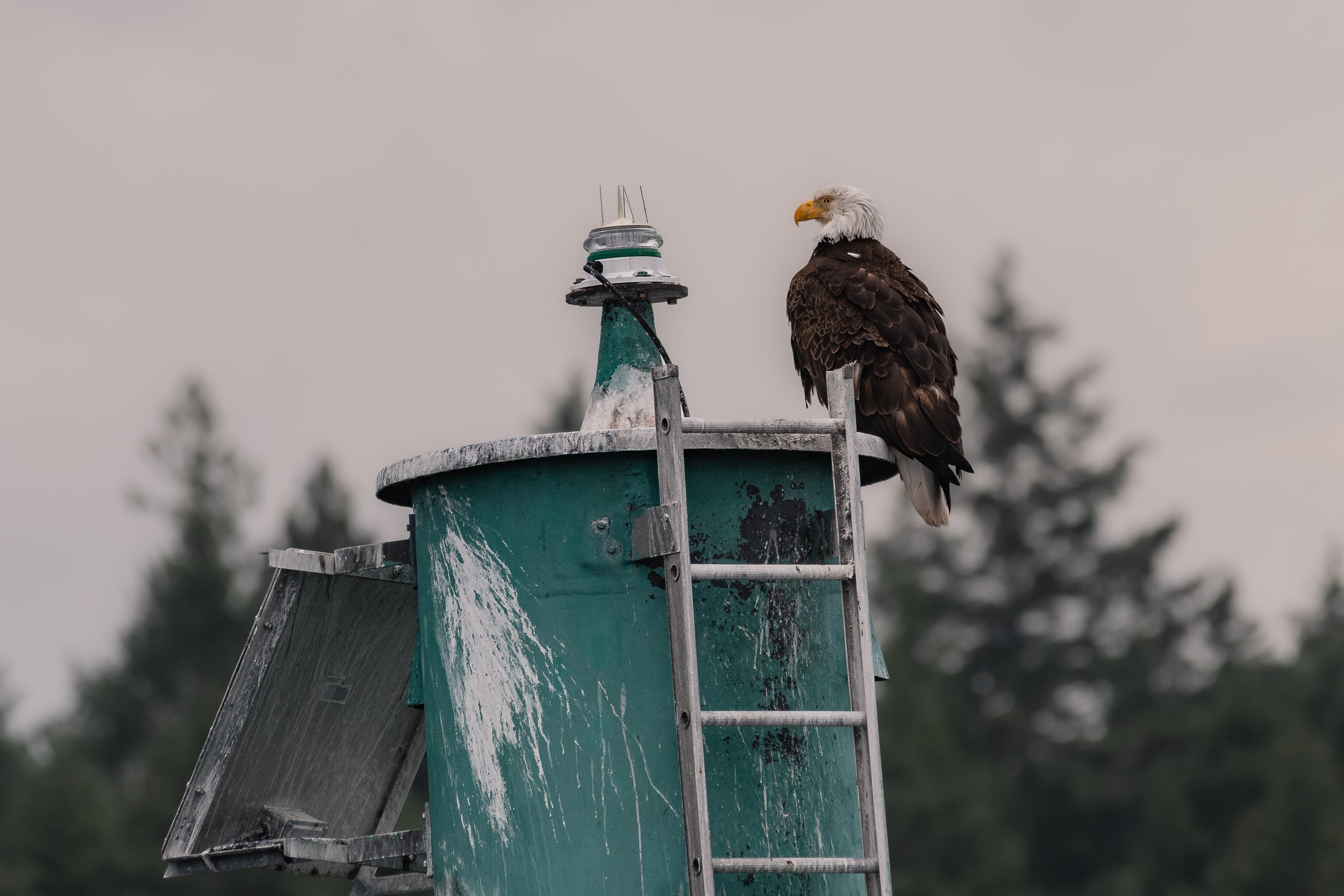
A Bald Eagle perched on a marker. Photo by Evan Hessels.
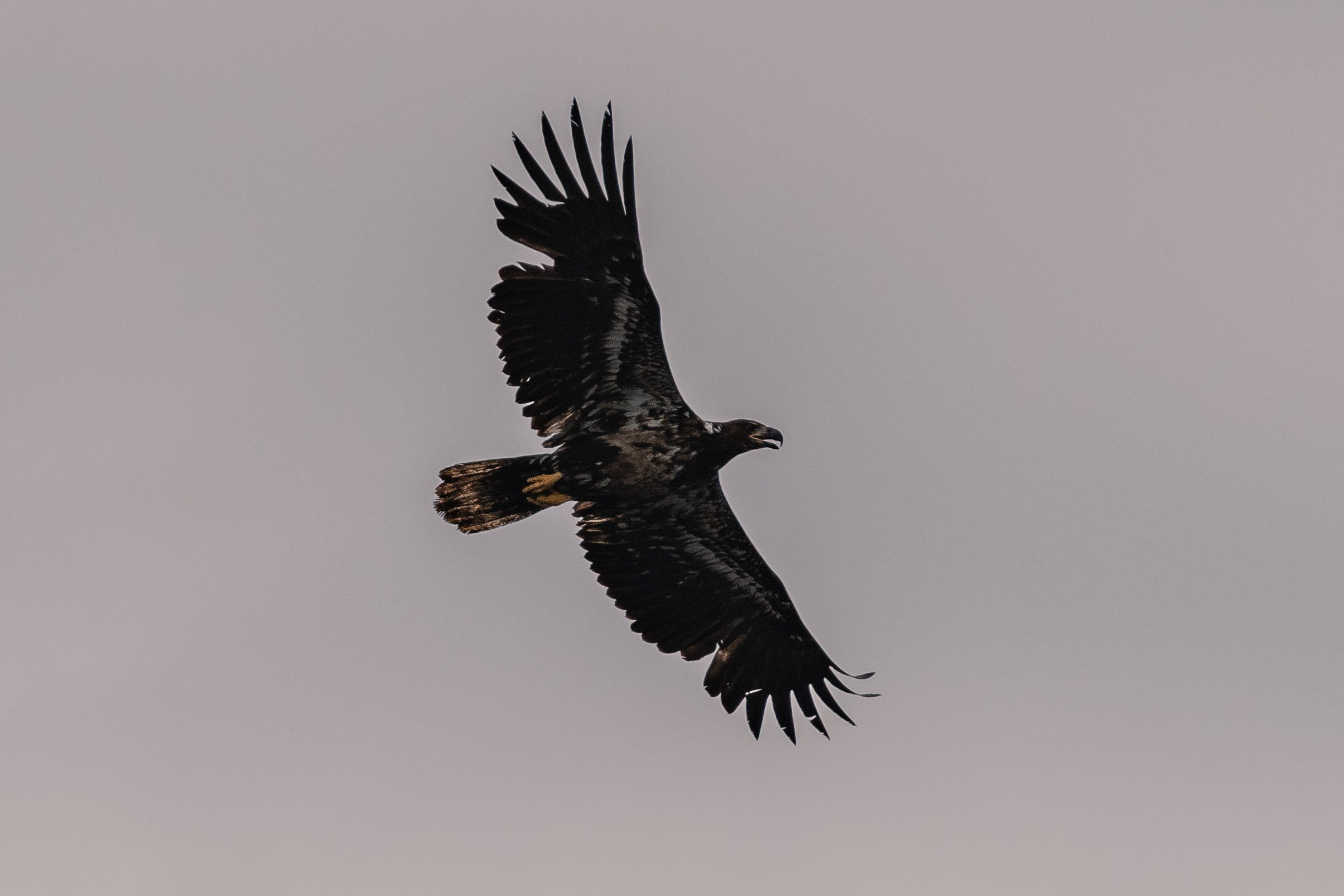
A young Bald Eagle soaring overhead.Photo by Hayleigh Hilbert.
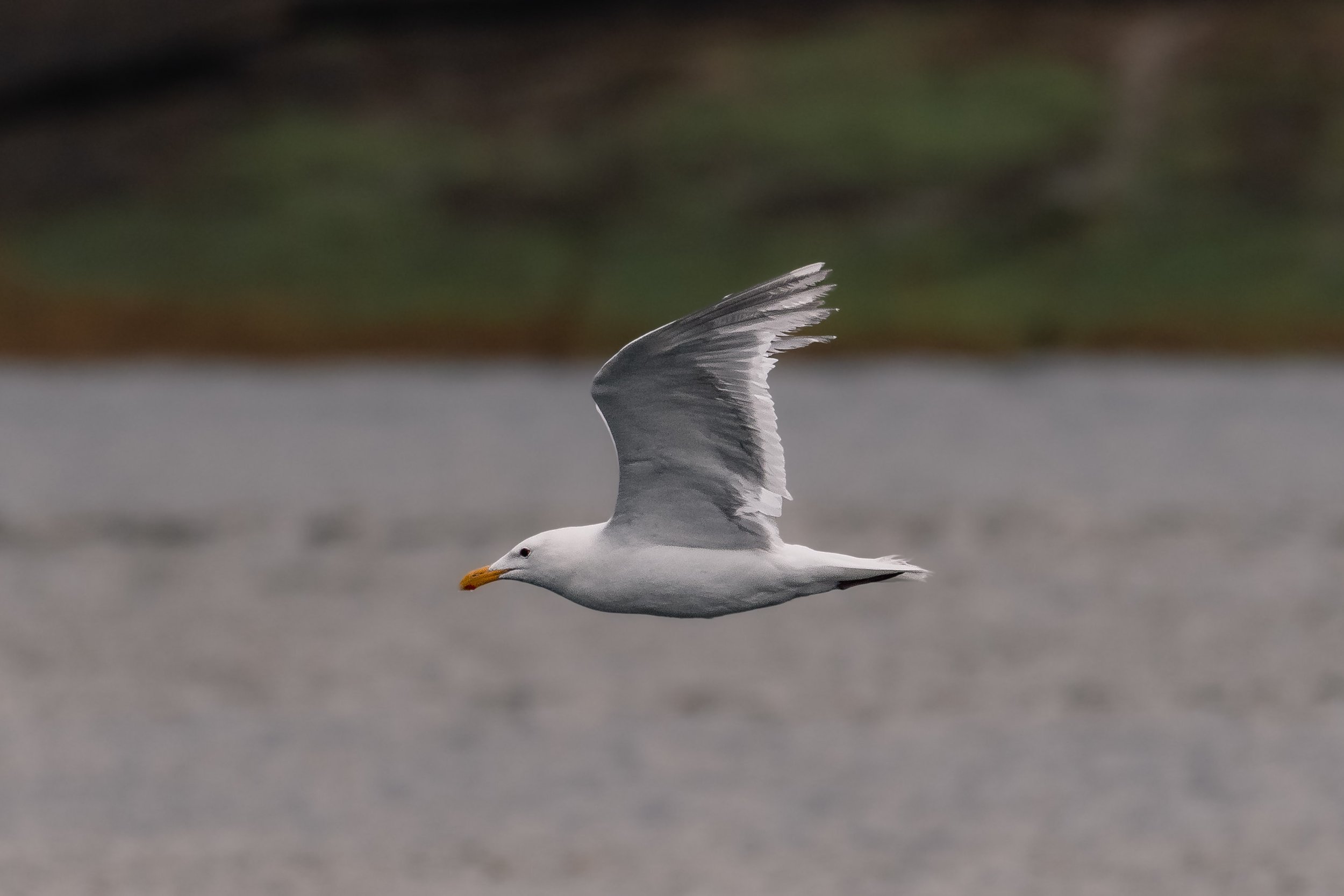
A Gull flying by. Photo by Evan Hessels.
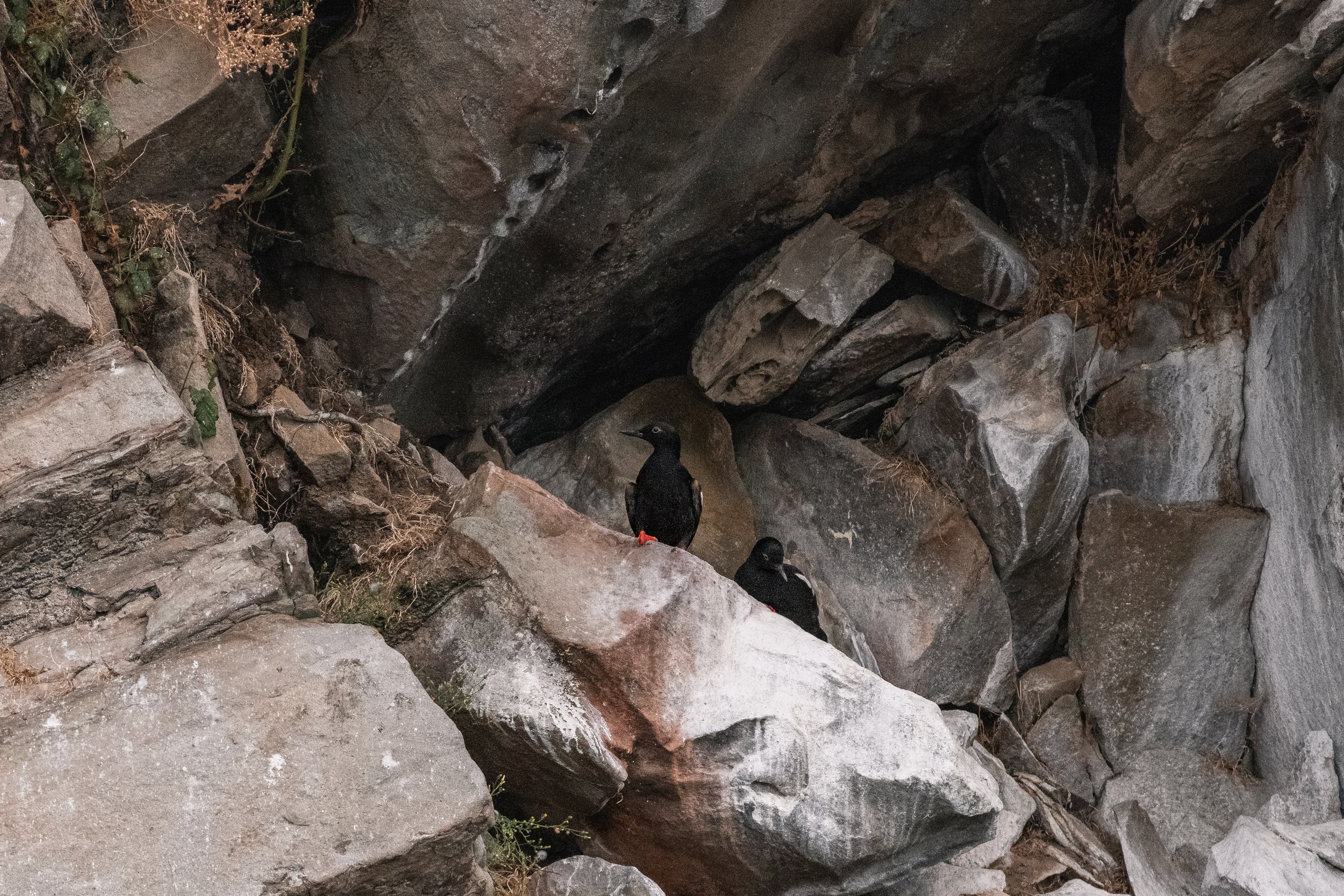
Pigeon Guillemots with their bright red feet visible. Photo by Hayleigh Hilbert.
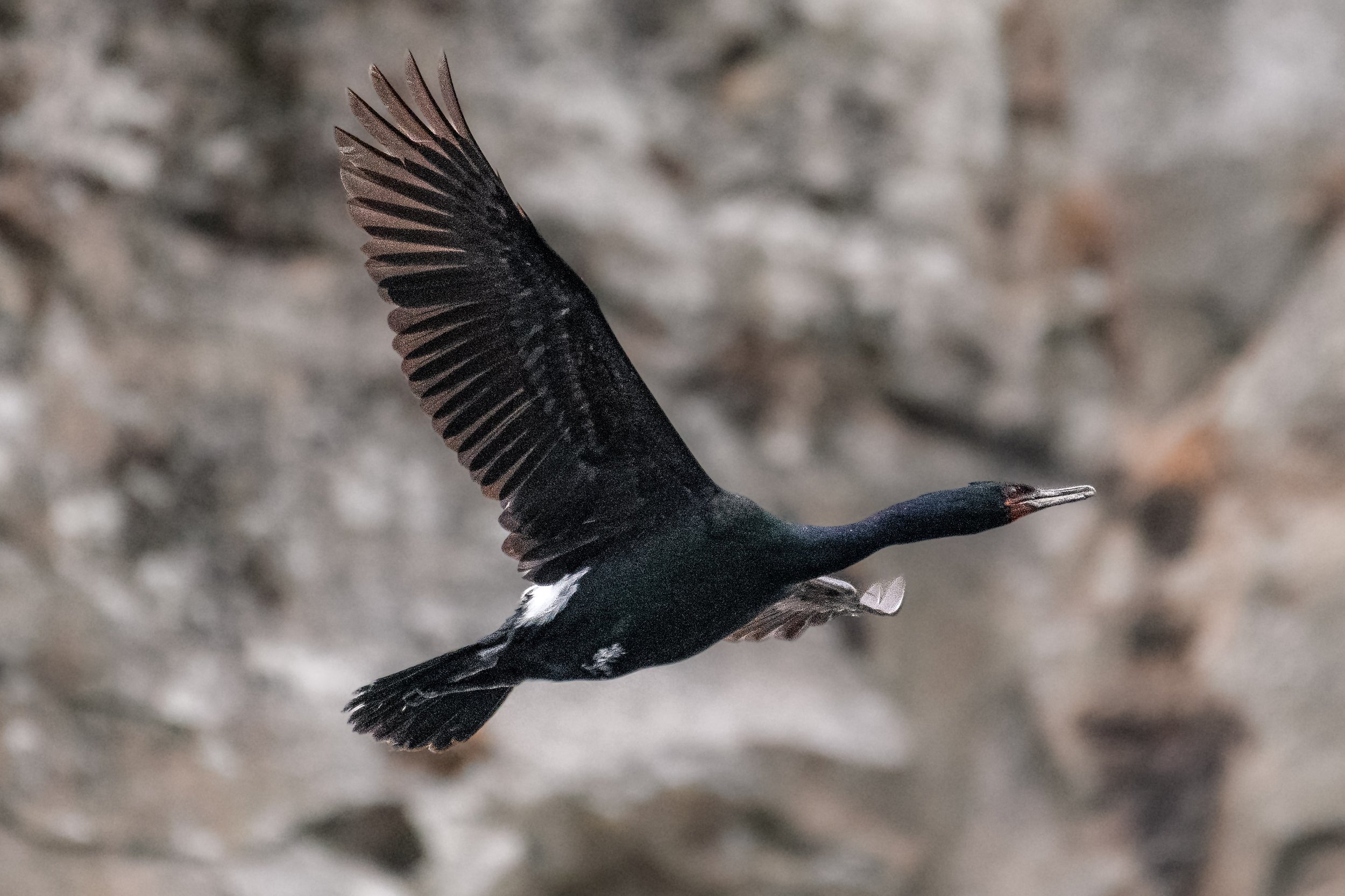
A Pelagic Cormorant in flight. Photo by Evan Hessels.
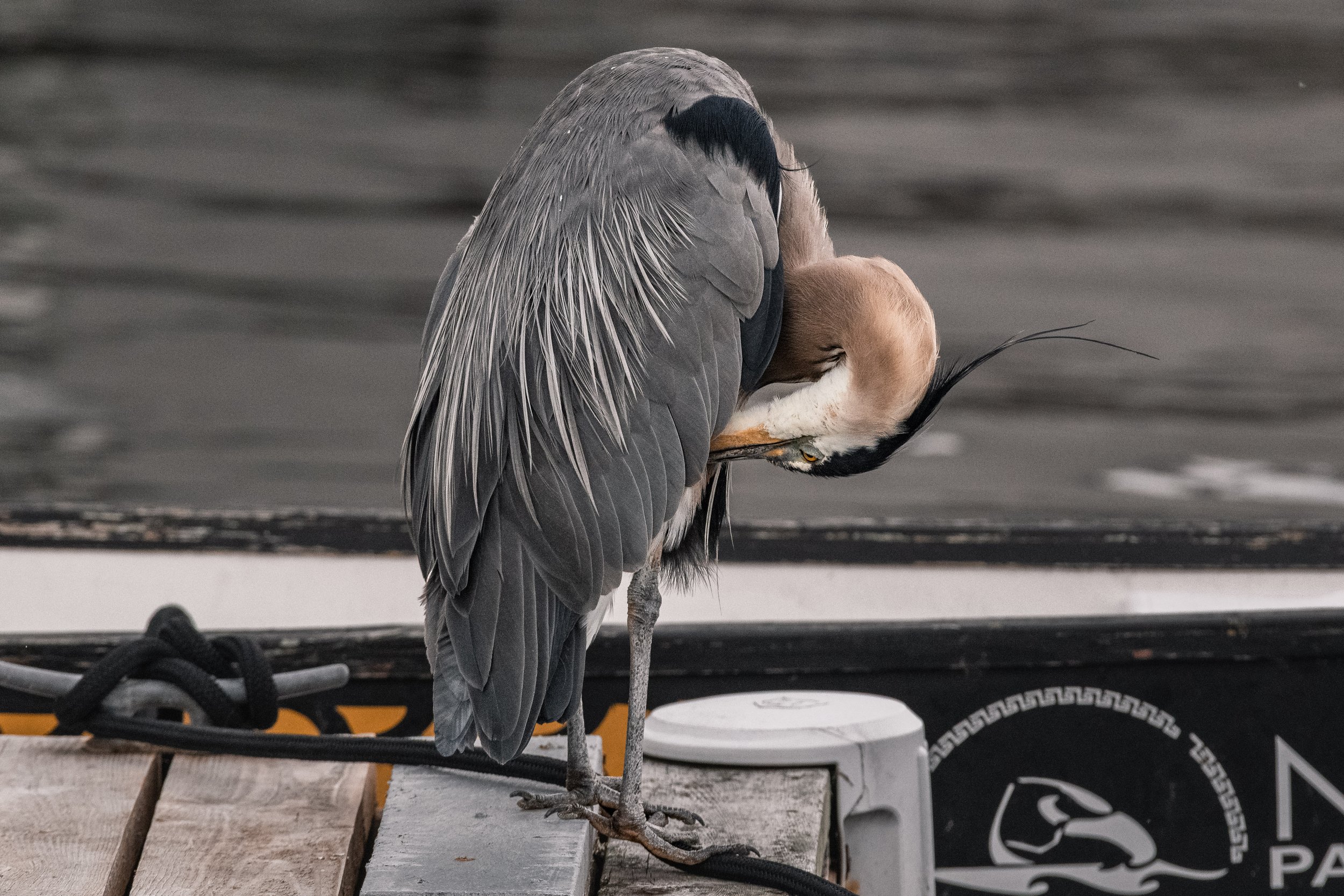
A preening Great Blue Heron. Photo by Hayleigh Hilbert.
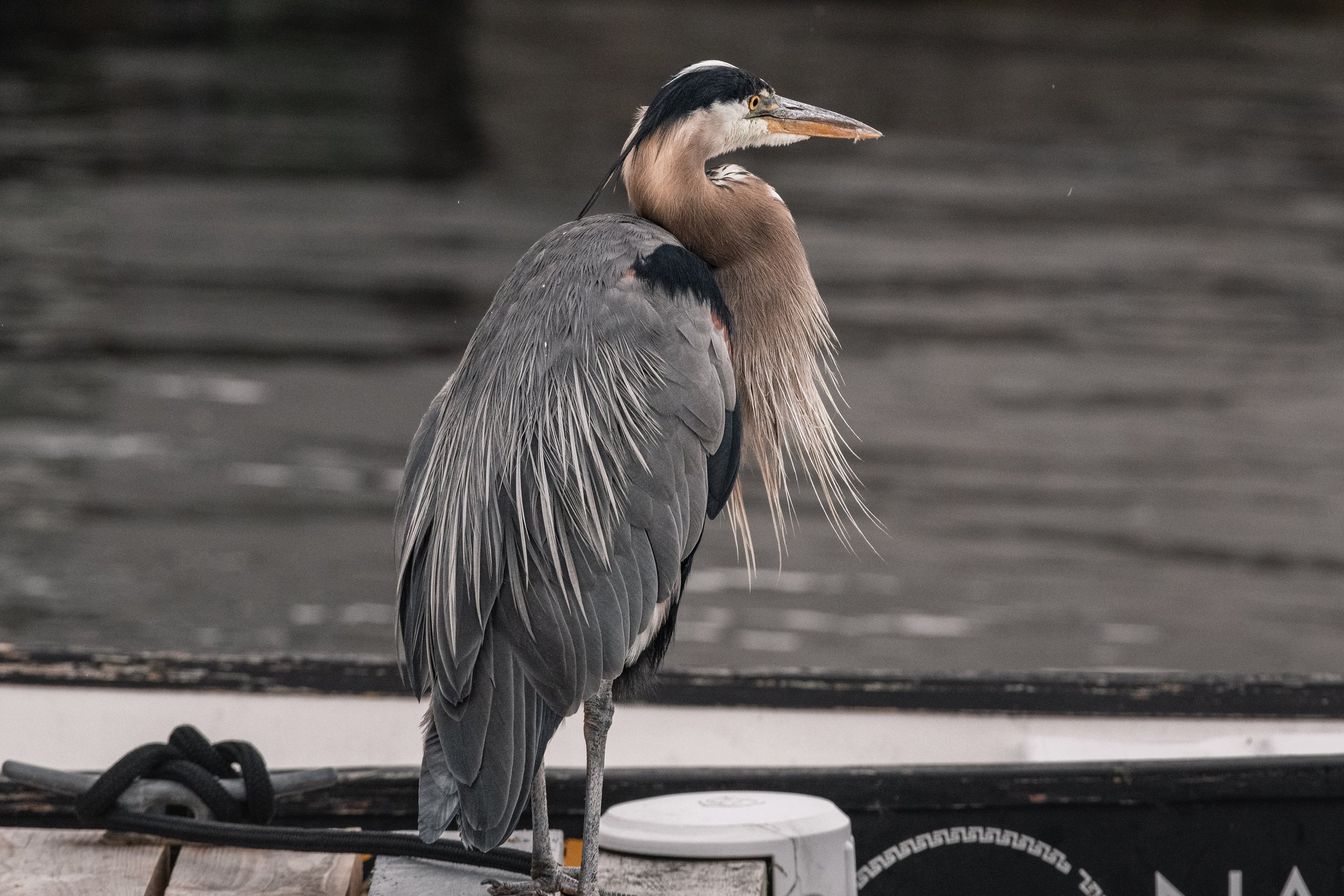
Look at how fluffy it is! Photo by Hayleigh Hilbert.