
July 19, 2026, 10:30 AM - Side by Side in the Salish Sea
There was plenty of excitement at the dock this morning as all three of our vessels prepared to head out onto the Salish Sea. While a steady breeze greeted us as we left Nanaimo, our captains used the geography of the Southern Gulf Islands to their advantage, tucking into sheltered waters where conditions were comfortable and ideal for searching.
One of the greatest challenges of whale watching is that there is no map leading us to the animals. Our whales aren't tagged, chipped, or actively tracked, so every trip begins with a search. To maximize our chances, each vessel headed in a different direction, allowing us to cover a much larger area while staying in communication with one another.
Luck was certainly on our side today.
Less than an hour into our search, a tall white blow appeared near Ladysmith. As we turned toward it, another bushy plume rose nearby. Two humpback whales were travelling together, calmly surfacing side by side through the sheltered Gulf Islands.
As always, our onboard Marine Naturalists immediately got to work documenting the encounter. Every humpback whale has a unique combination of markings on the underside of its tail flukes, along with distinctive scars, pigmentation, and dorsal fin shapes that allow researchers to identify individuals. Today's pair made things a little more challenging, however. They were mirroring each other's behaviour almost perfectly, surfacing together and lifting their tails only slightly before each dive, making it difficult to capture the clear fluke photographs we normally rely on.
After several attempts, we changed strategies and focused on photographing their dorsal fins instead.
The photos revealed we were watching Watson/Cerulean (BCY1461), a five-year-old female humpback whale, travelling alongside Seltzer (BCY1274), another whale first documented in our area five years ago. Both whales migrate thousands of kilometres from the breeding grounds off Mexico to the rich feeding waters of British Columbia each year.
That naturally raises an interesting question: did these two make the incredible journey north together?
The honest answer is, we don't know. But it is certainly possible.
For many years, humpback whales were considered largely solitary animals, only coming together briefly to feed or breed. As humpback populations continue recovering from commercial whaling, however, researchers are beginning to discover that their social lives may be far more complex than once believed. Here in the Salish Sea, we've been documenting more and more associations between individual humpbacks. Some whales seem to spend time together regularly, while others repeatedly appear in the same areas throughout the season.
Encounters like today's are exactly why photo-identification is so valuable. Every time we document which whales are travelling together, we're adding another piece to a much larger puzzle. Were Watson and Seltzer longtime companions? Did they recently cross paths during migration? Or are they simply taking advantage of the same feeding opportunities? While we may never know the full story, every sighting helps researchers better understand the growing social networks of these remarkable animals.
After spending time with our pair as they travelled peacefully through the islands, it was time to continue our adventure.
Our next stop brought us out into the Strait of Georgia to one of our favourite wildlife hotspots, affectionately nicknamed "Stinky Rocks." The name quickly makes sense once you arrive. This rocky haul-out is home to both Steller Sea Lions and harbour seals, and with hundreds of pinnipeds using the rocks year-round, the aroma certainly leaves a lasting impression!
The harbour seals were especially enjoyable to watch this time of year. Summer is pupping season, and many females can be seen resting alongside their young pups on the rocks or teaching them how to swim in the surrounding waters. Harbour seal pups are excellent swimmers almost immediately after birth, allowing mothers to leave briefly to forage while the pups remain safely hauled out nearby. Harbour seals are one of the smallest marine mammals in our region, yet they play an important role in the Salish Sea ecosystem as both predators and prey.
Sharing the rocks were several massive Steller Sea Lions, the largest species of sea lion in the world. Adult males can weigh over 1,000 kilograms (2,500 pounds). Their deep roars, constant jostling for space, and impressive size make them one of the most entertaining animals to observe. Despite their bulky appearance on land, Steller Sea Lions are incredibly agile underwater, capable of diving hundreds of metres to hunt for fish, squid, and octopus.
Continuing along the shoreline, we made another stop beneath one of our local Bald Eagle nests. Bald Eagles are one of British Columbia's greatest conservation success stories. Once threatened by habitat loss and pesticides such as DDT, their populations have rebounded dramatically over the last several decades. They also build some of the largest nests of any bird in North America. A Bald Eagle pair returns to the same nest year after year, continually adding sticks and branches until the structure can measure over two metres across and weigh well over a tonne. Looking up at these towering nests always gives us a new appreciation for the engineering skills of these incredible birds.
Before turning back toward Nanaimo, we made one final stop along the towering cliffs of the Gabriola Bluffs. The rocky ledges were alive with nesting cormorants. These expert diving birds spend much of their day underwater, chasing fish and using their powerful feet to propel themselves through the water. Unlike ducks, cormorants don't have completely waterproof feathers. Their feathers absorb some water, reducing buoyancy and allowing them to dive more efficiently. It's why you'll often spot them perched with their wings stretched wide, drying in the sun after a successful fishing trip.
By the time we pointed the bows back toward home, we'd enjoyed another unforgettable day exploring the incredible diversity of the Salish Sea. From two humpback whales whose friendship continues to raise fascinating questions about humpback social behaviour, to bustling seal and sea lion colonies, soaring Bald Eagles, and thriving seabird nesting sites, today was a wonderful reminder that whale watching is about so much more than whales alone. We can't wait to see what tomorrow's adventure has in store.
Photos below taken by Vanessa Vereschahen, Hayleigh Hilbert and Jordan Robinson.
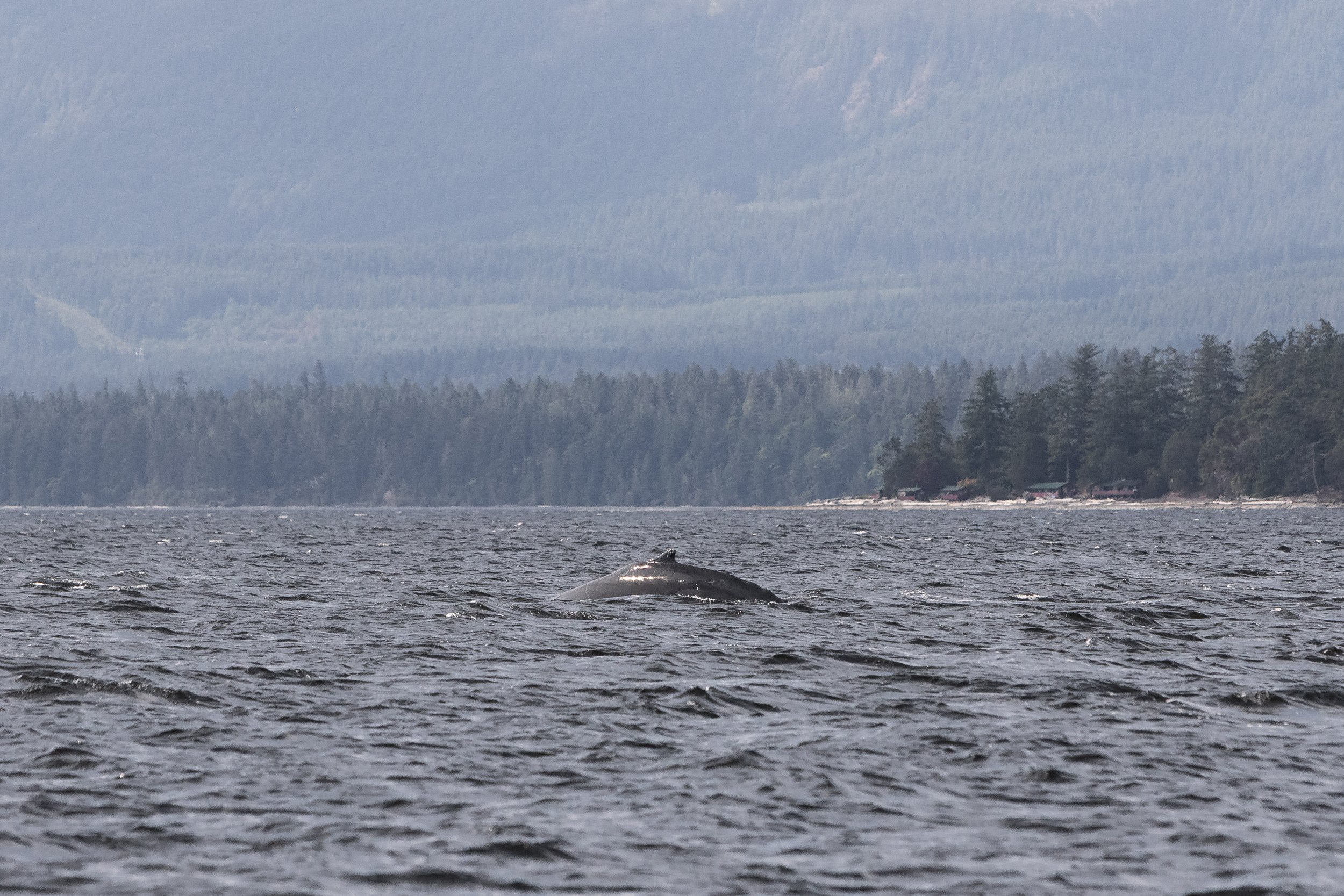
Watson surfacing. Photo by Jordan Robinson.
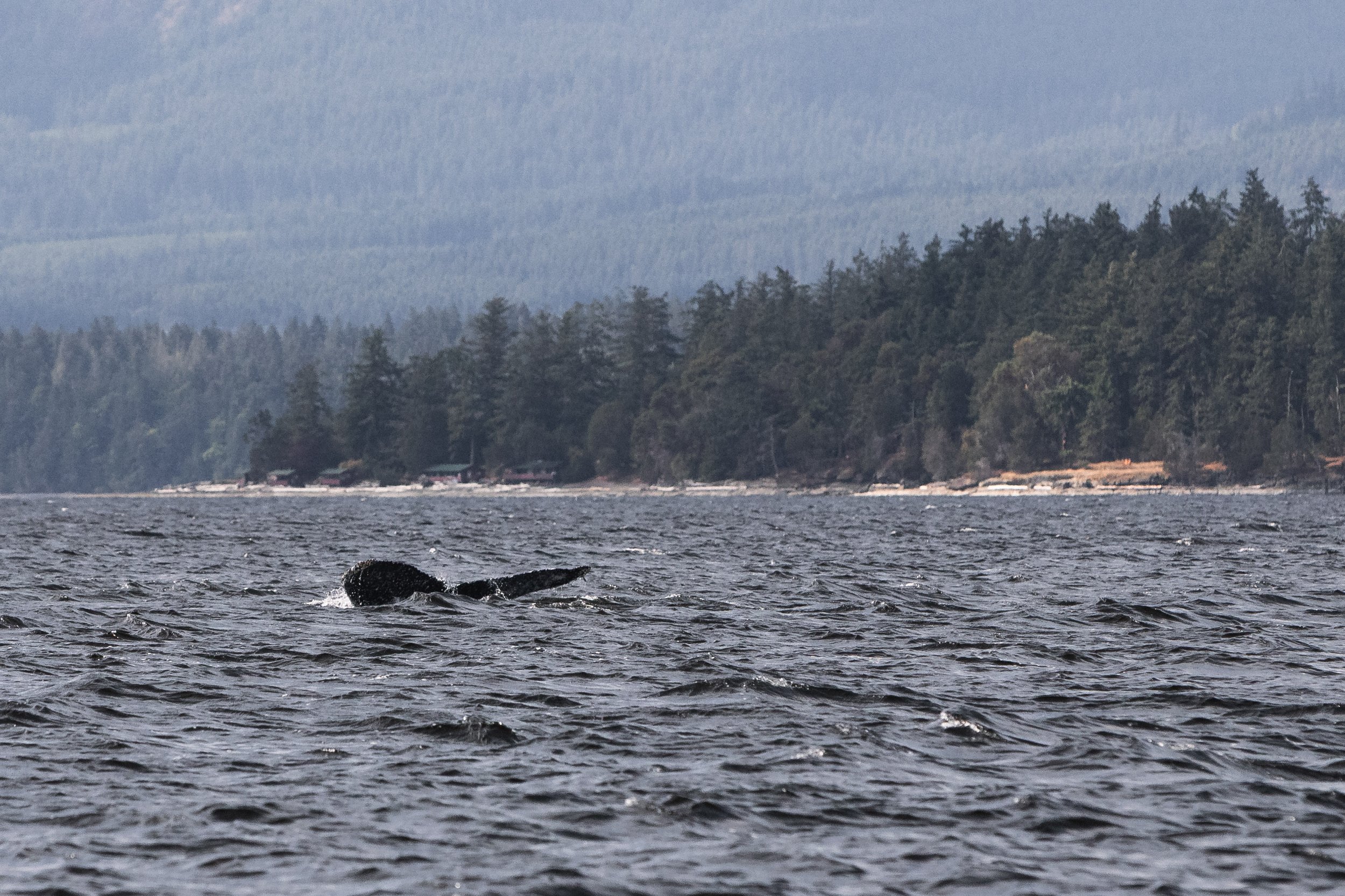
Watson with a low fluke. Photo by Jordan Robinson.
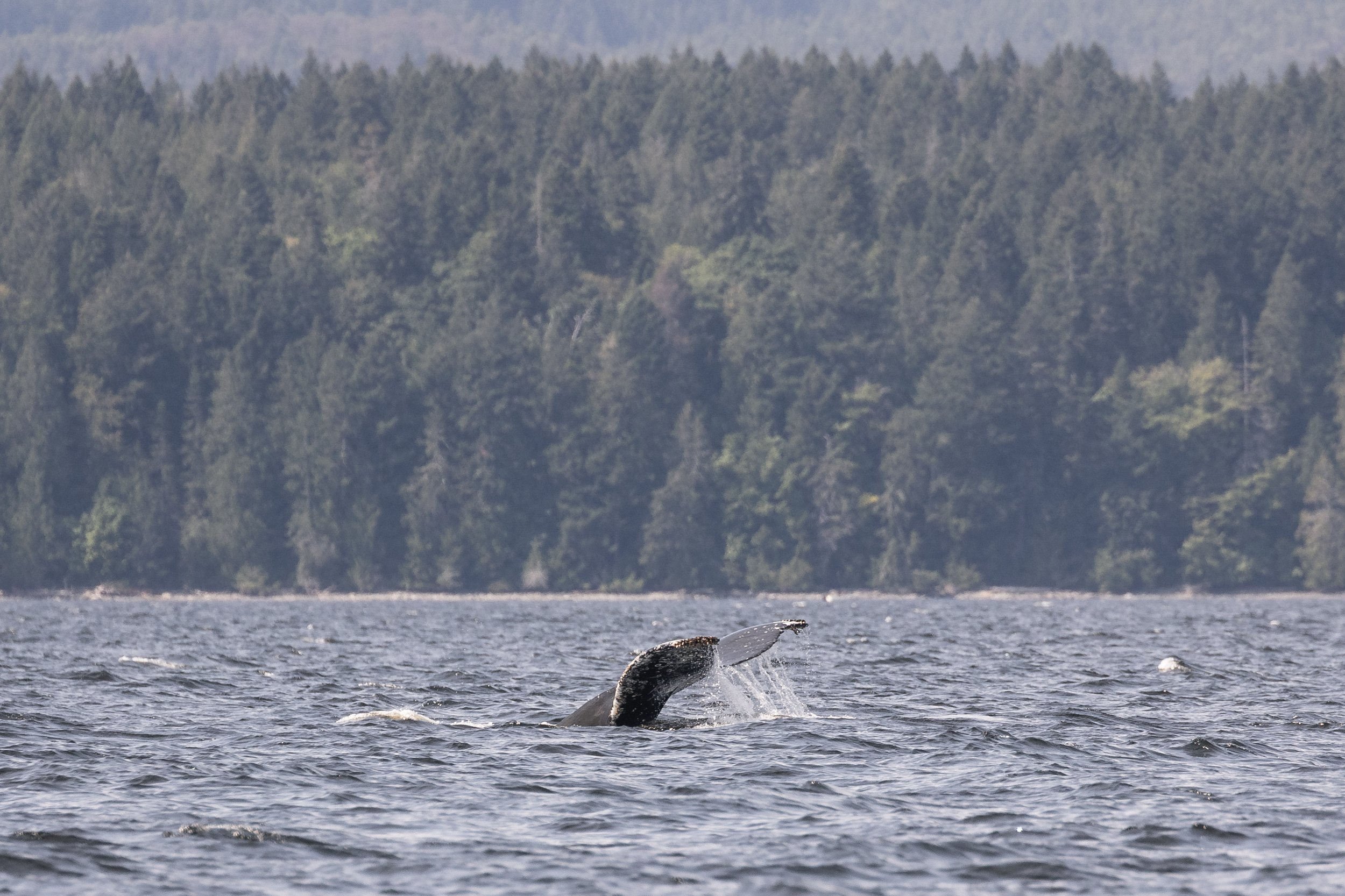
Seltzer going down. Photo by Vanessa Vereschahen.
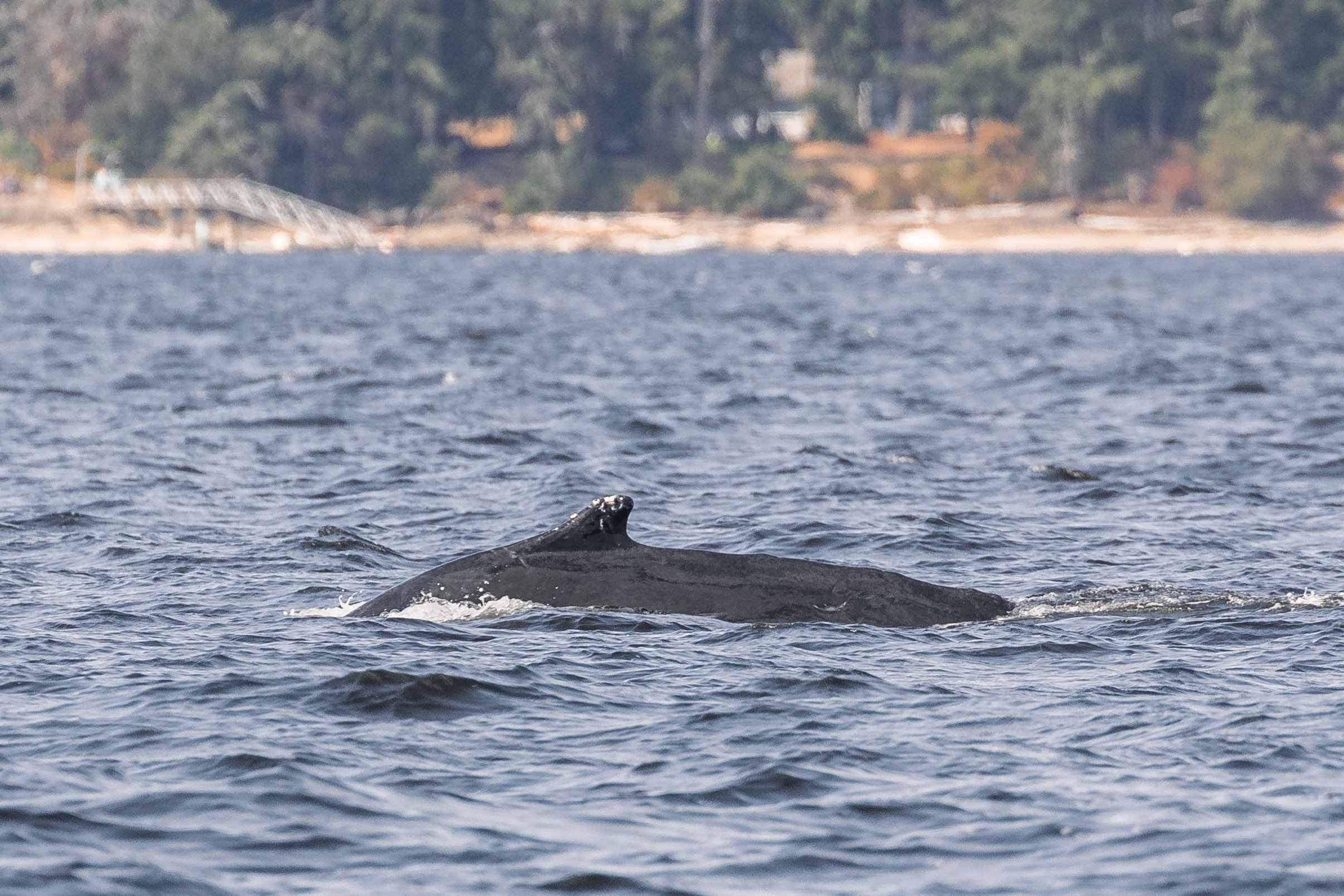
Watson’s dorsal fin. Photo by Vanessa Vereschahen.
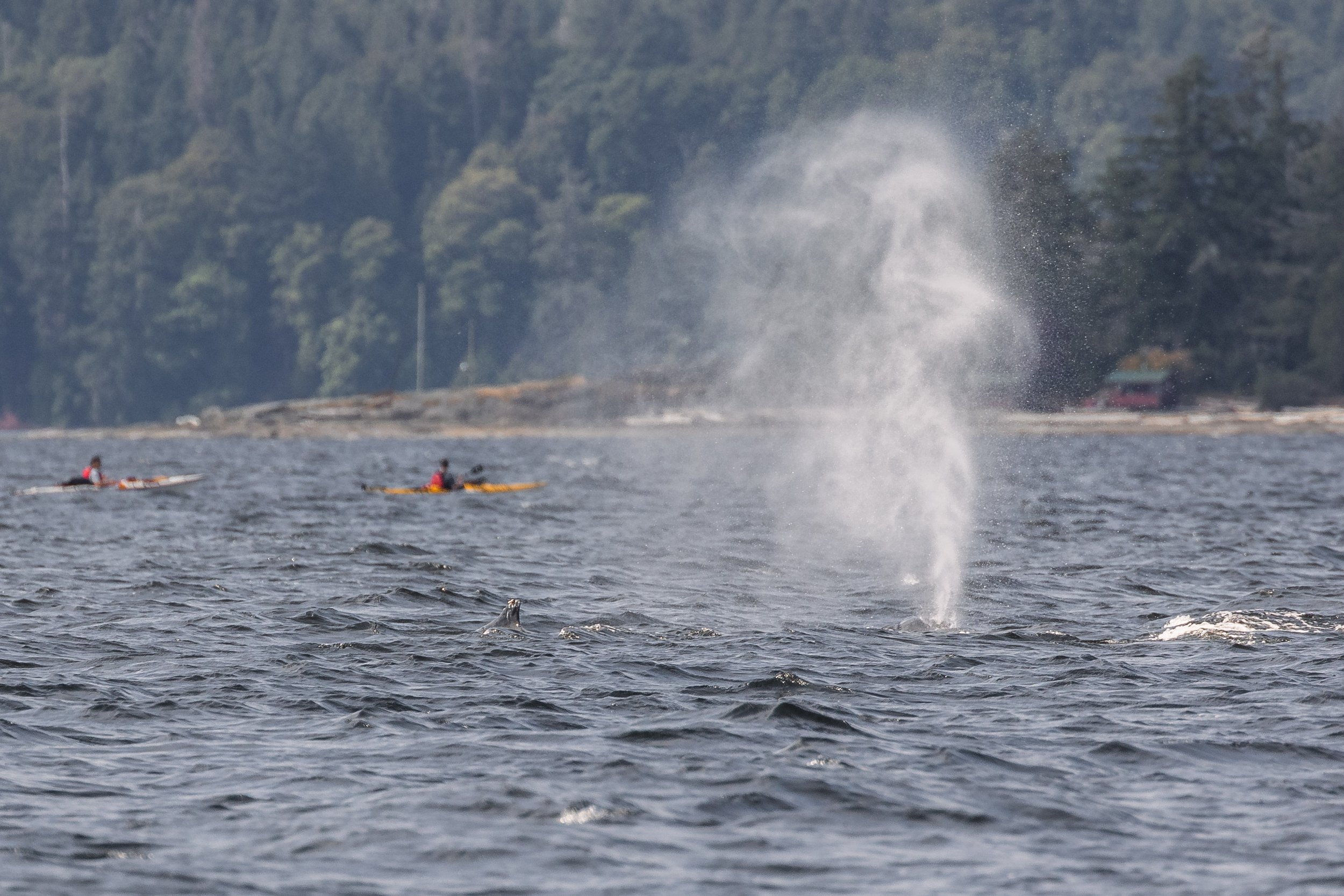
Watson’s dorsal beside Seltzer’s blow. Photo by Vanessa Vereschahen.
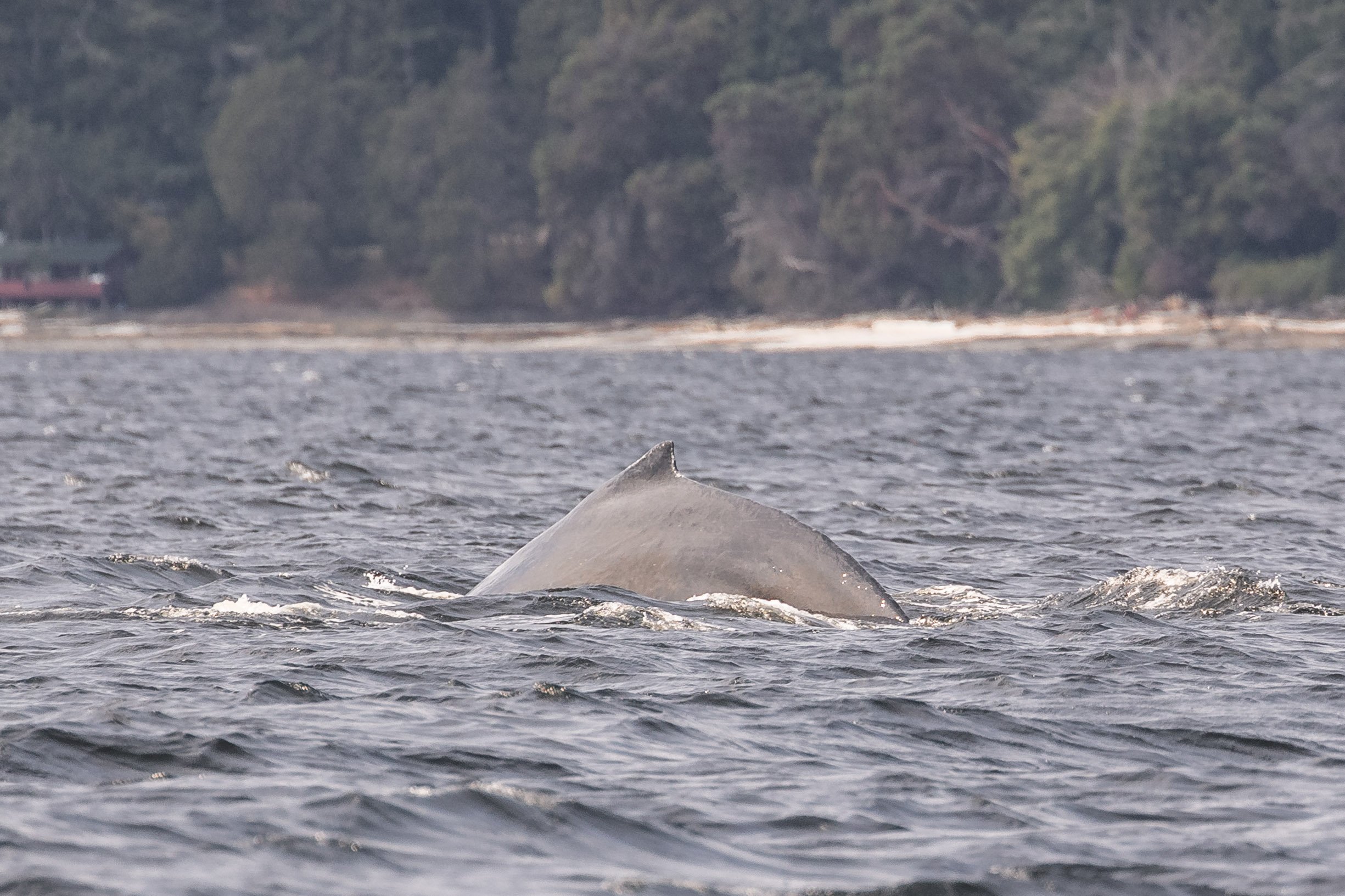
Seltzer arching for a dive. Photo by Vanessa Vereschahen.
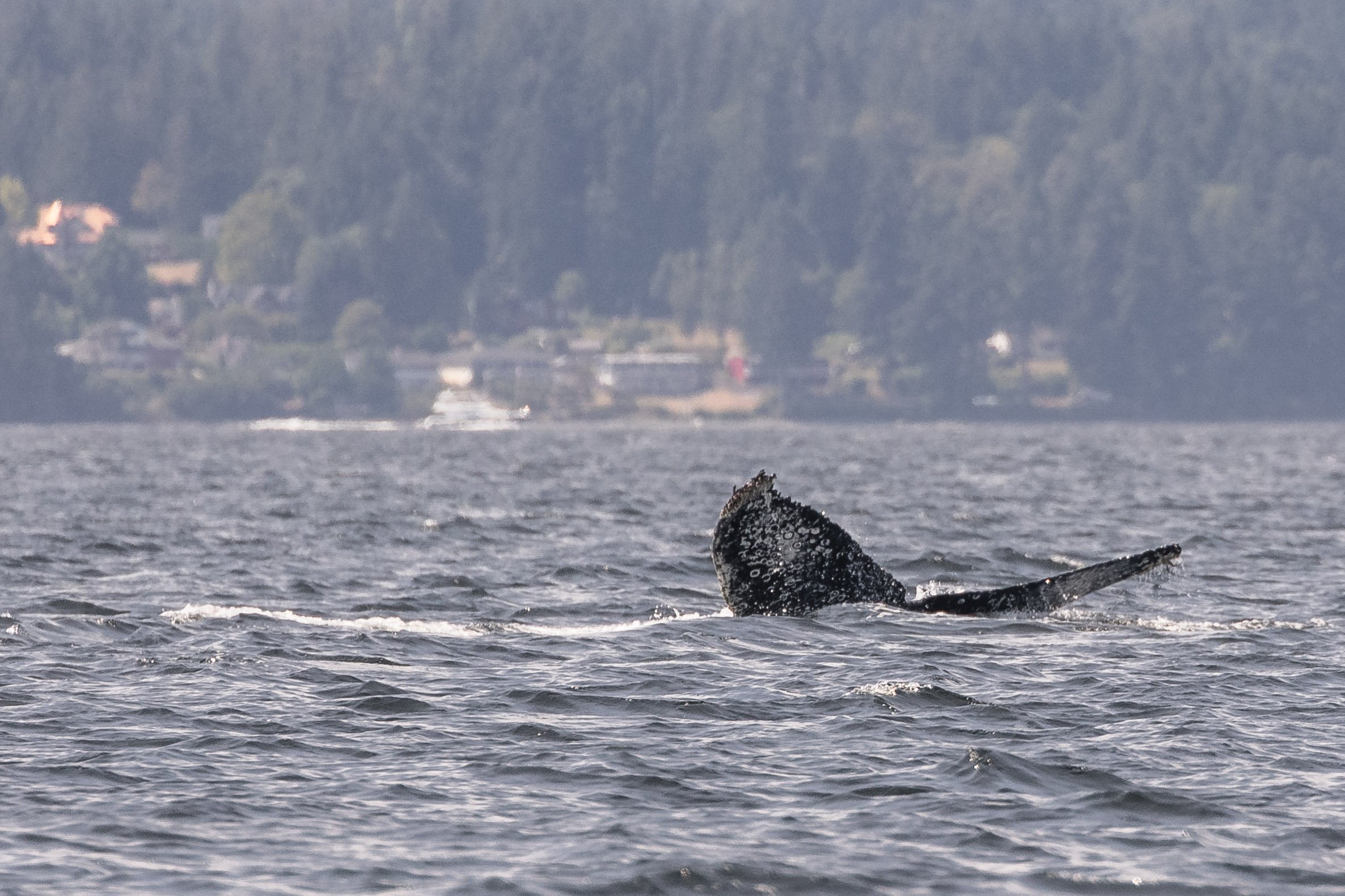
Seltzer with a low fluke. Photo by Vanessa Vereschahen.
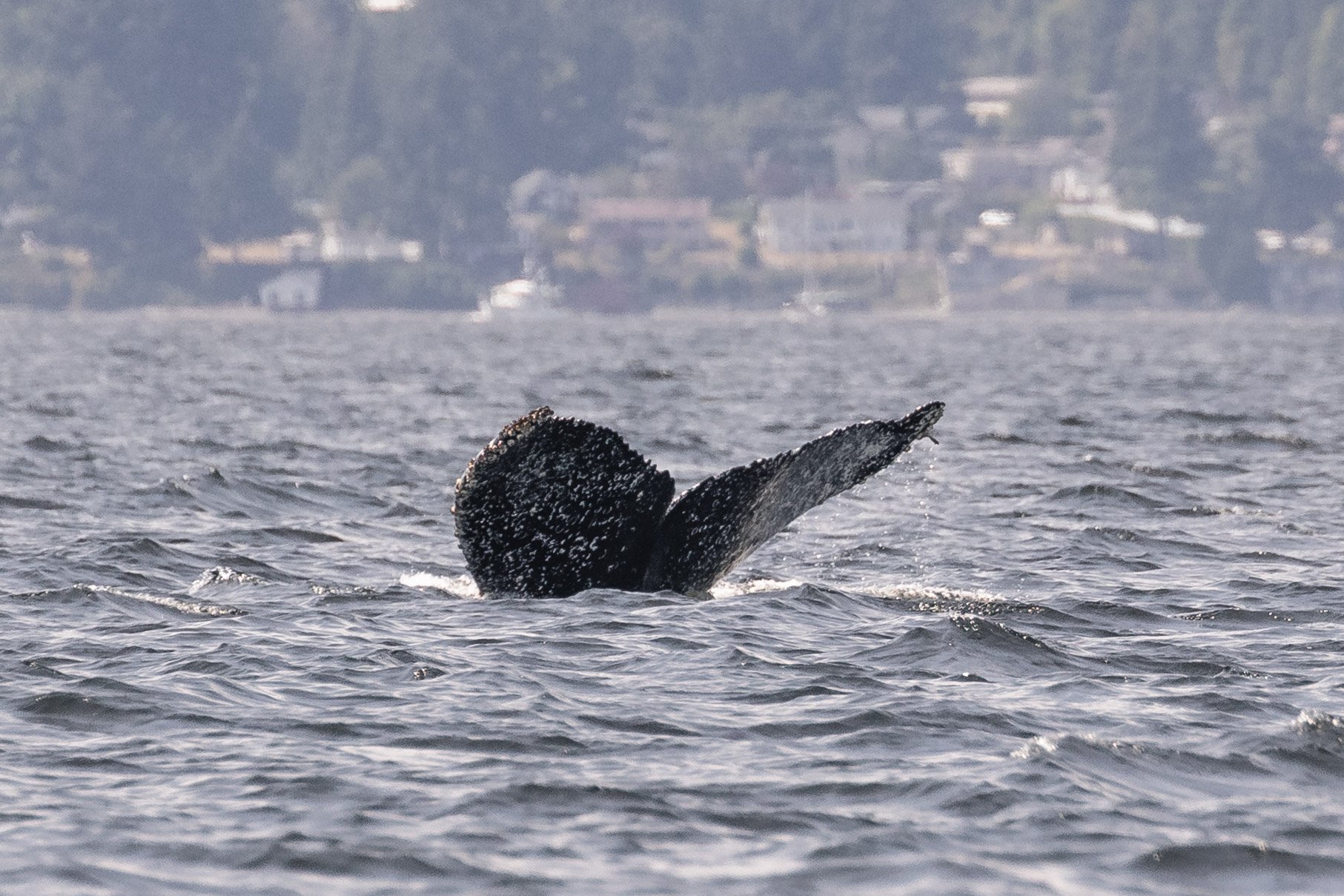
Watson fluking. Photo by Vanessa Vereschahen.
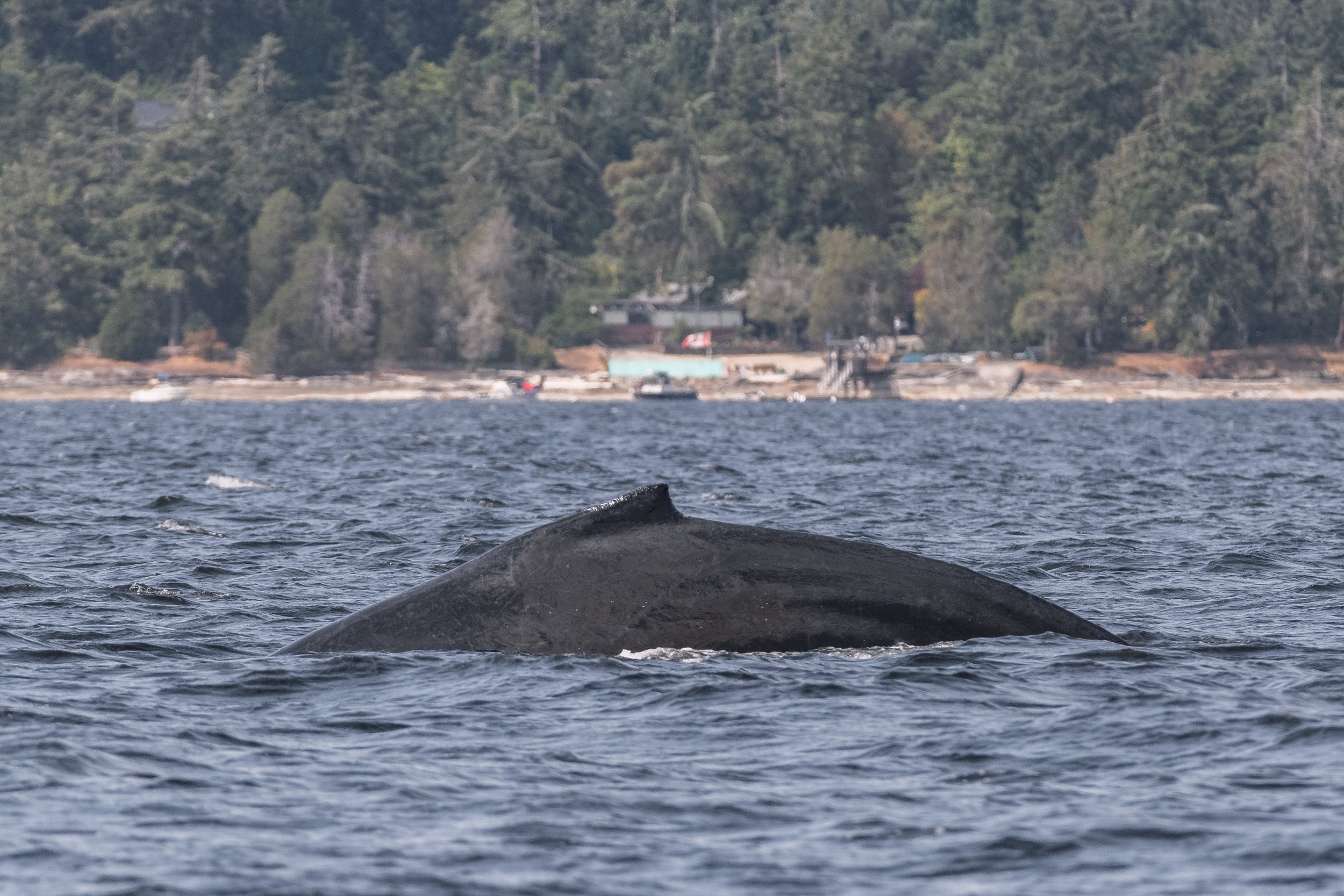
Seltzer’s dorsal fin. Photo by Hayleigh Hilbert.
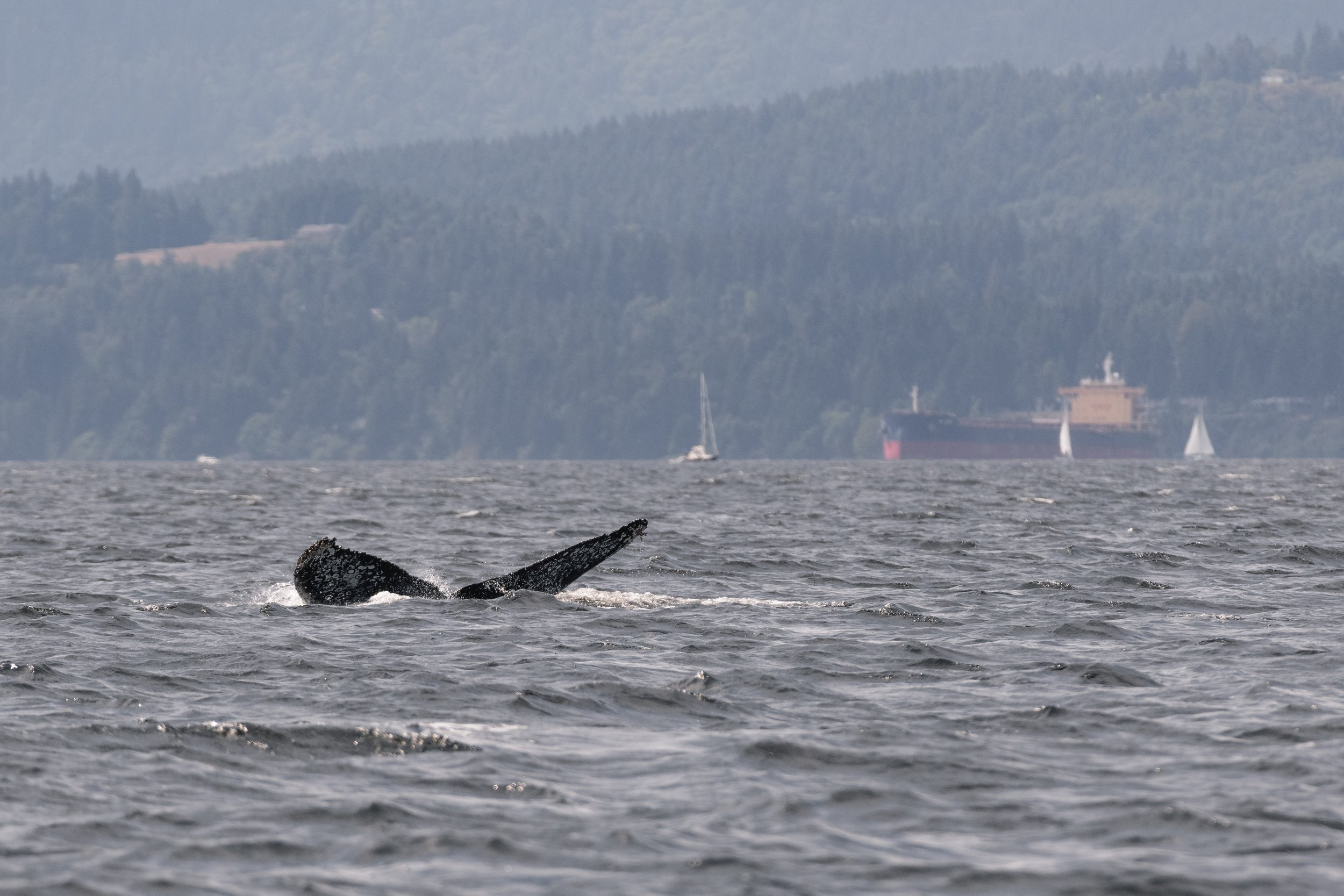
Seltzer diving. Photo by Hayleigh Hilbert.
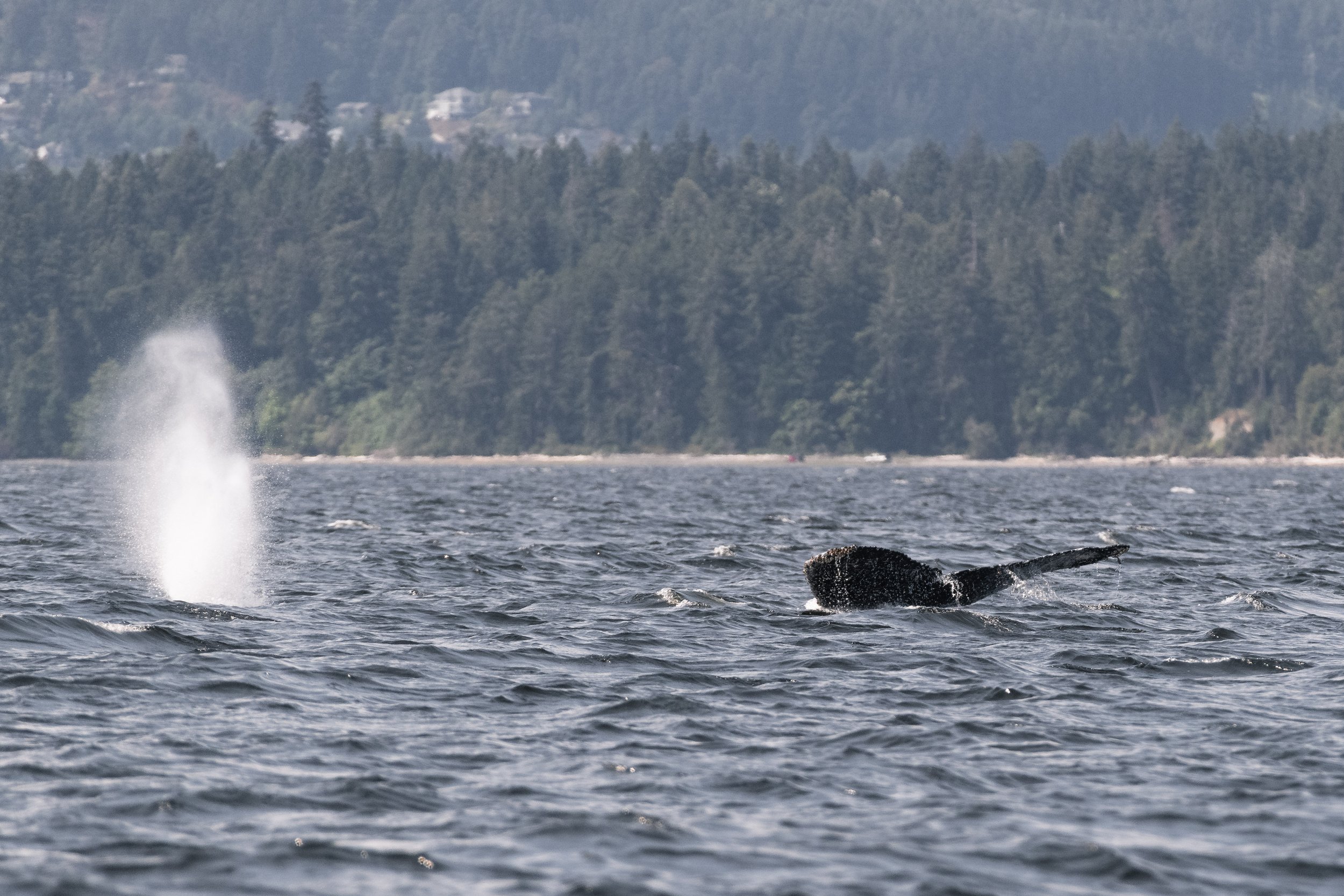
Seltzer surfacing beside Watson fluking. Photo by Hayleigh Hilbert.
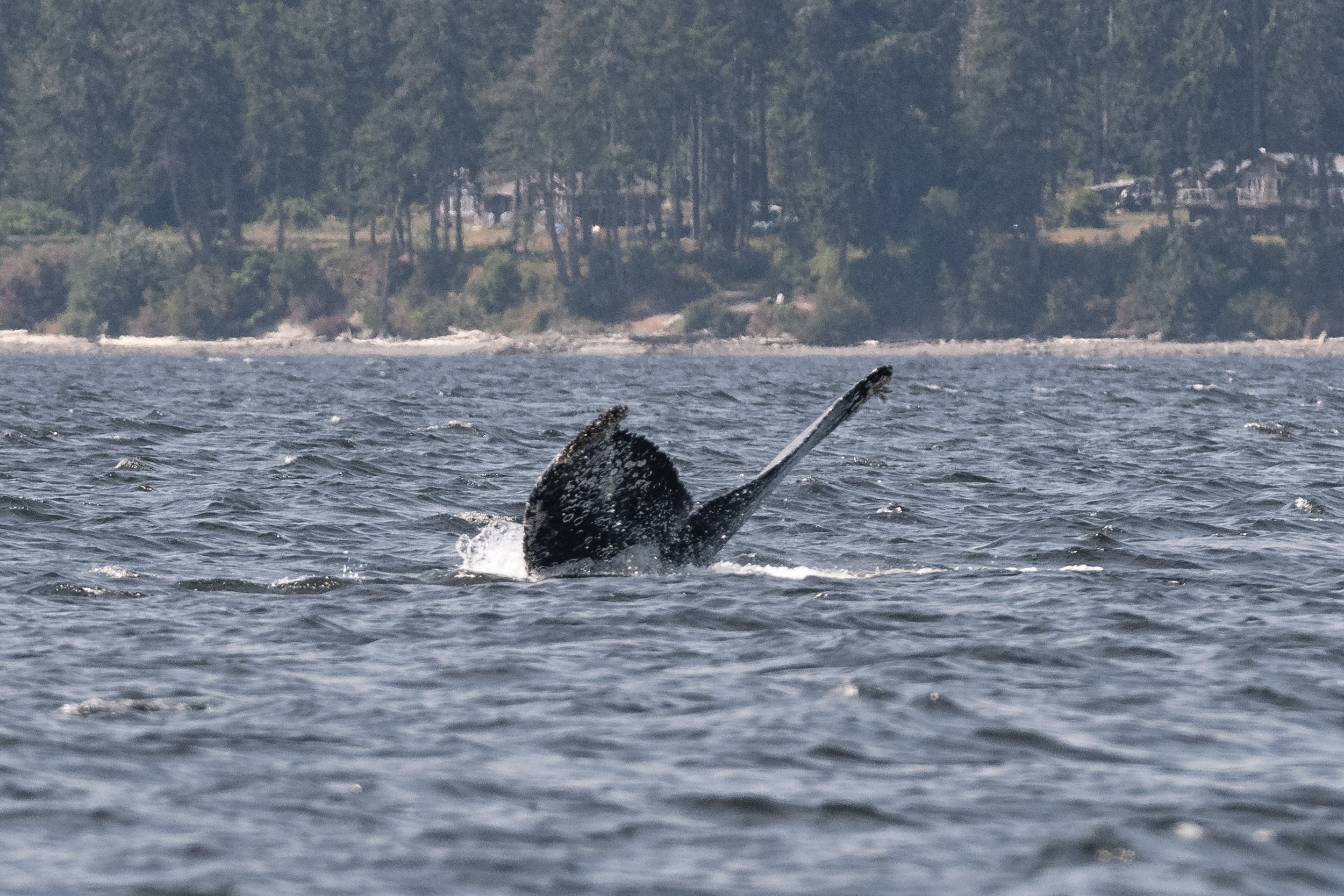
Seltzer fluking. Photo by Hayleigh Hilbert.
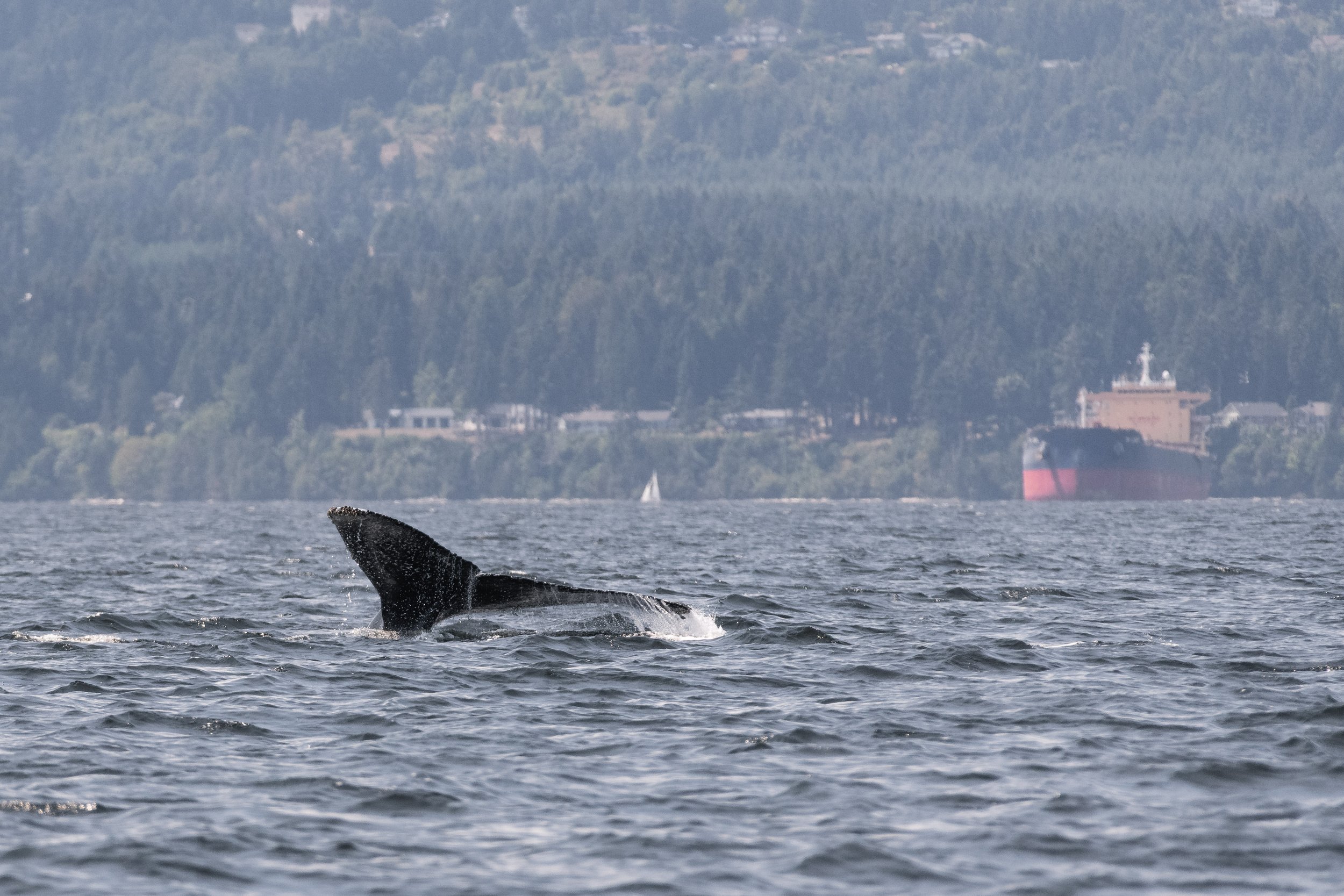
Watson diving. Photo by Hayleigh Hilbert.
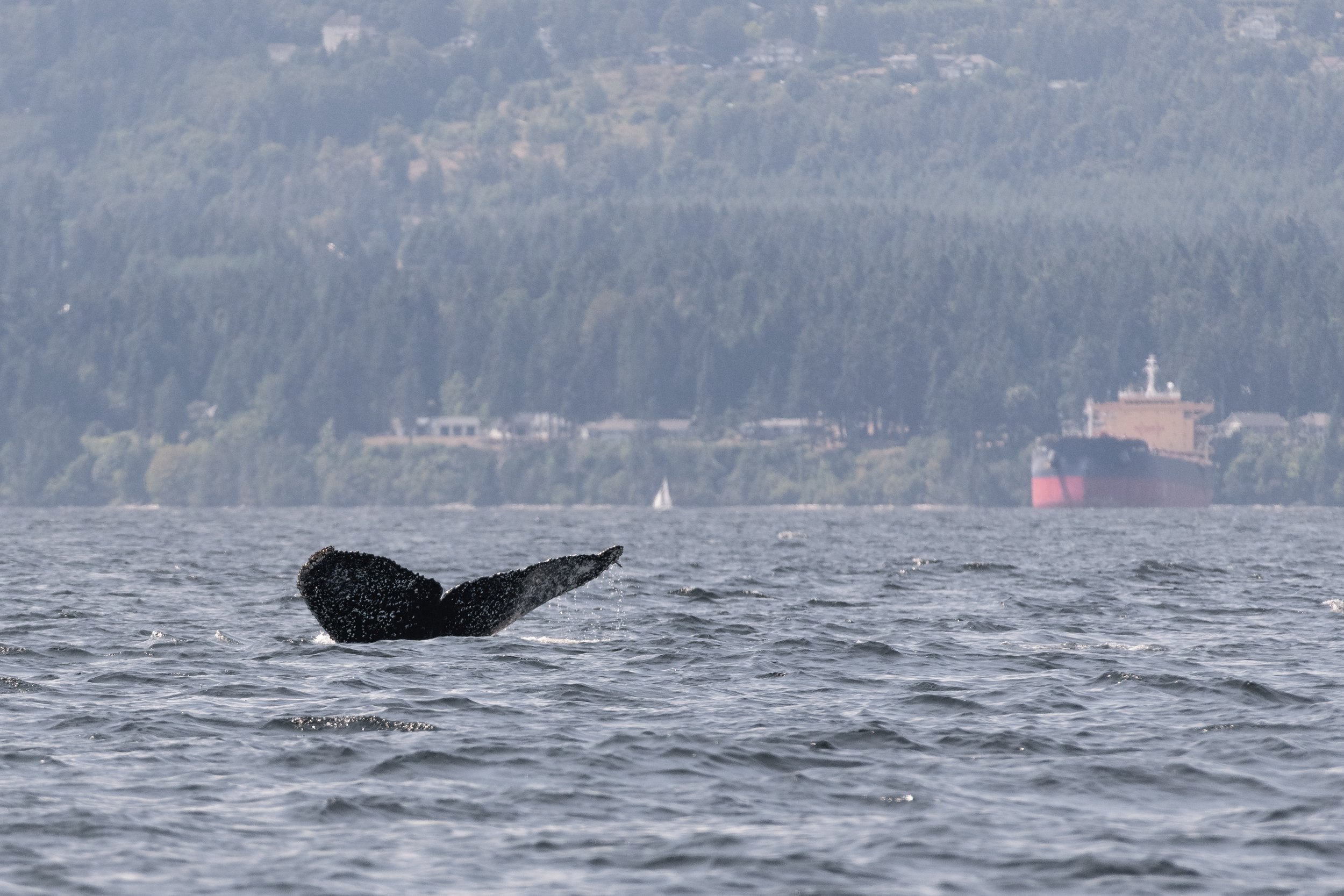
Watson bringing her tail up! Photo by Hayleigh Hilbert.
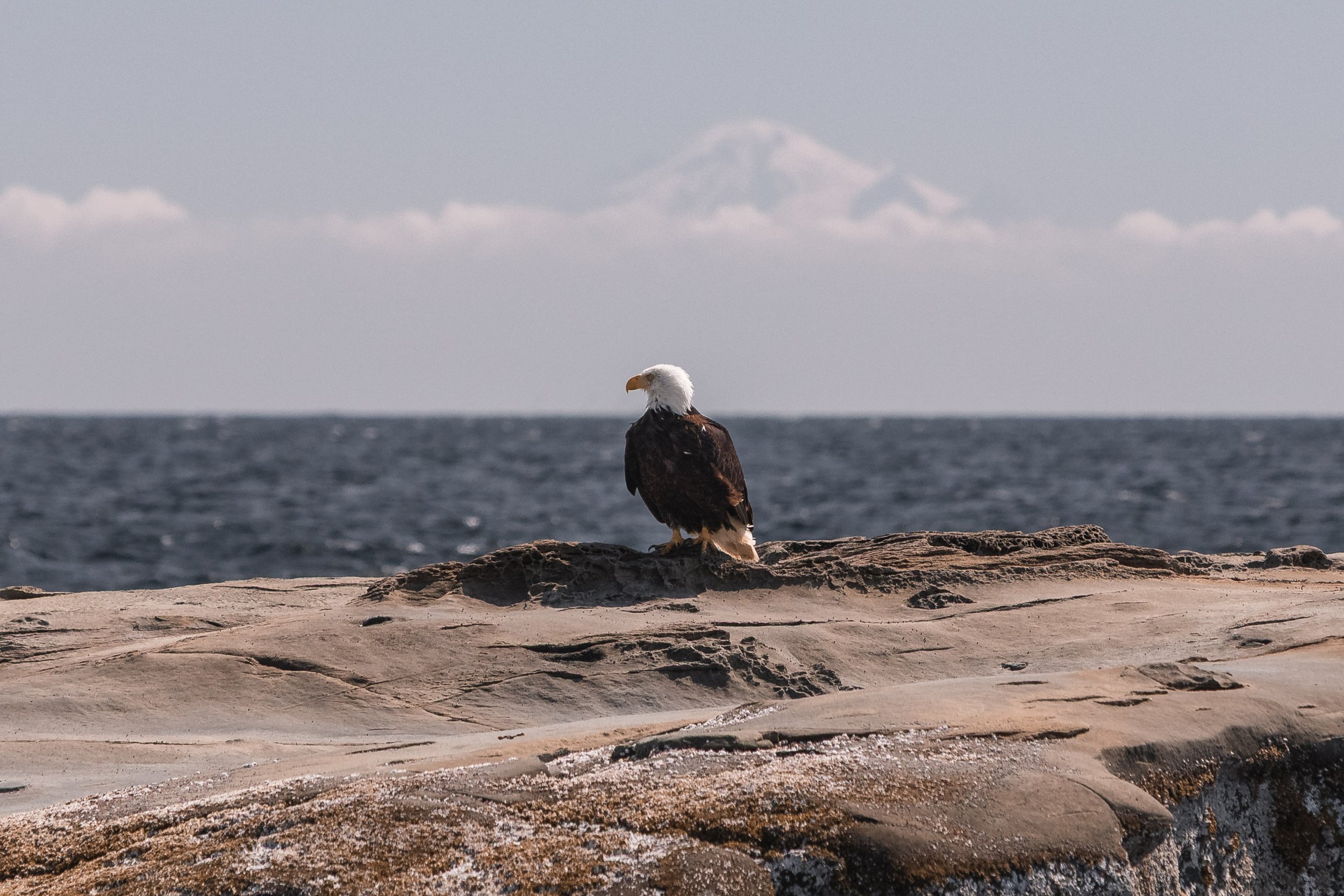
A Bald Eagle with Mt. Baker on the horizon. Photo by Jordan Robinson.
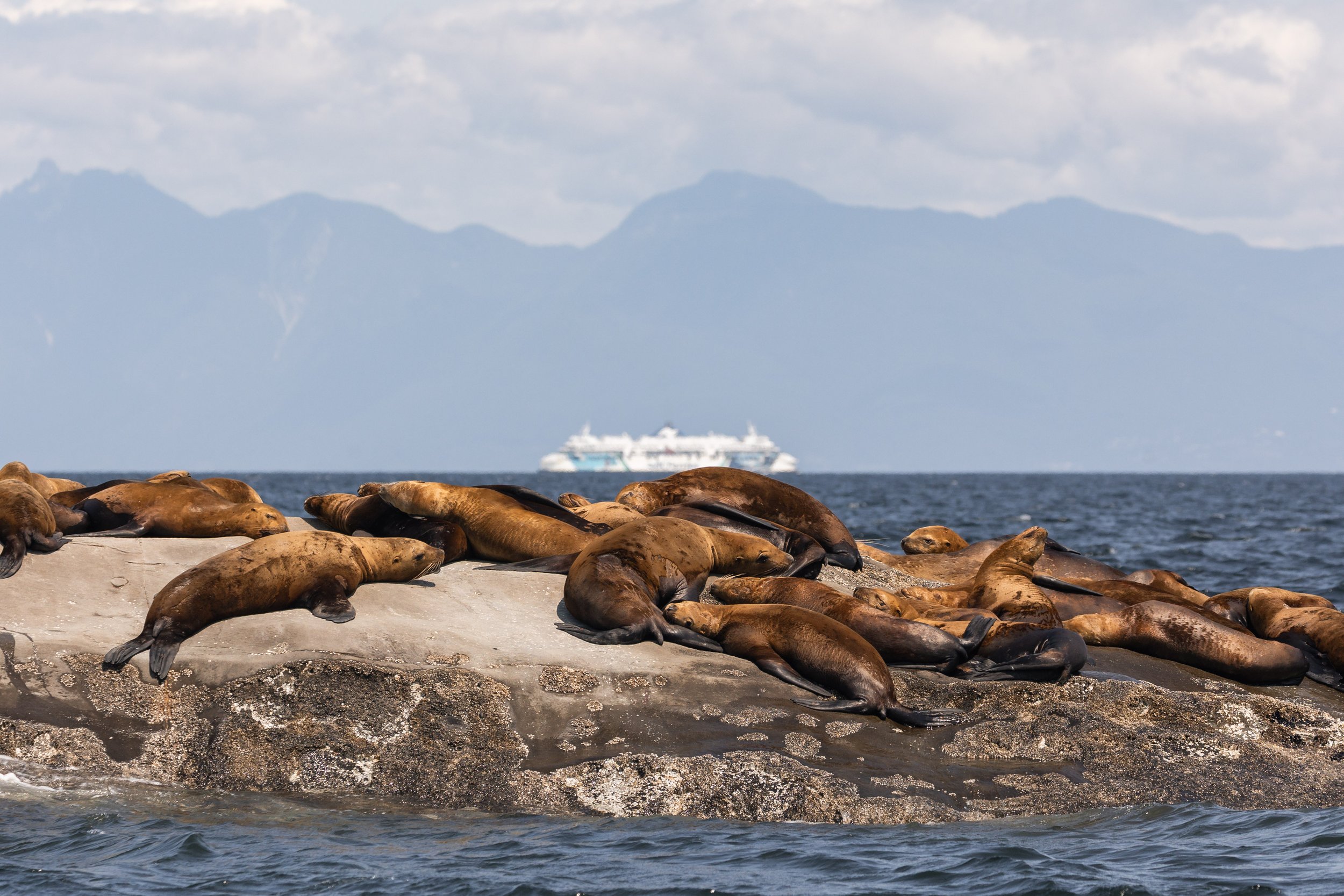
Steller Sea Lions resting on the rocks. Photo by Vanessa Vereschahen.
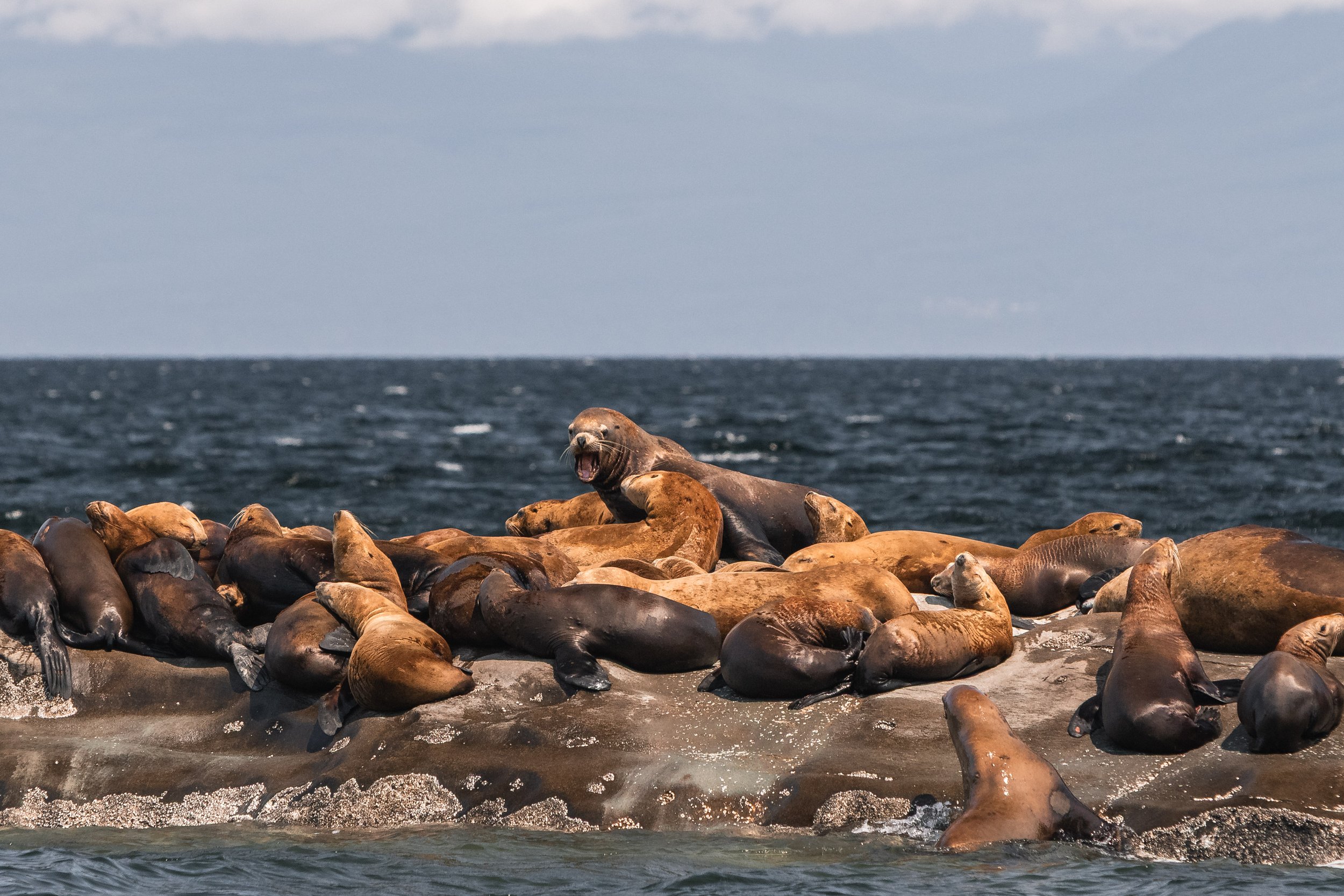
Steller Sea Lions fighting over the best spot. Photo by Jordan Robinson.
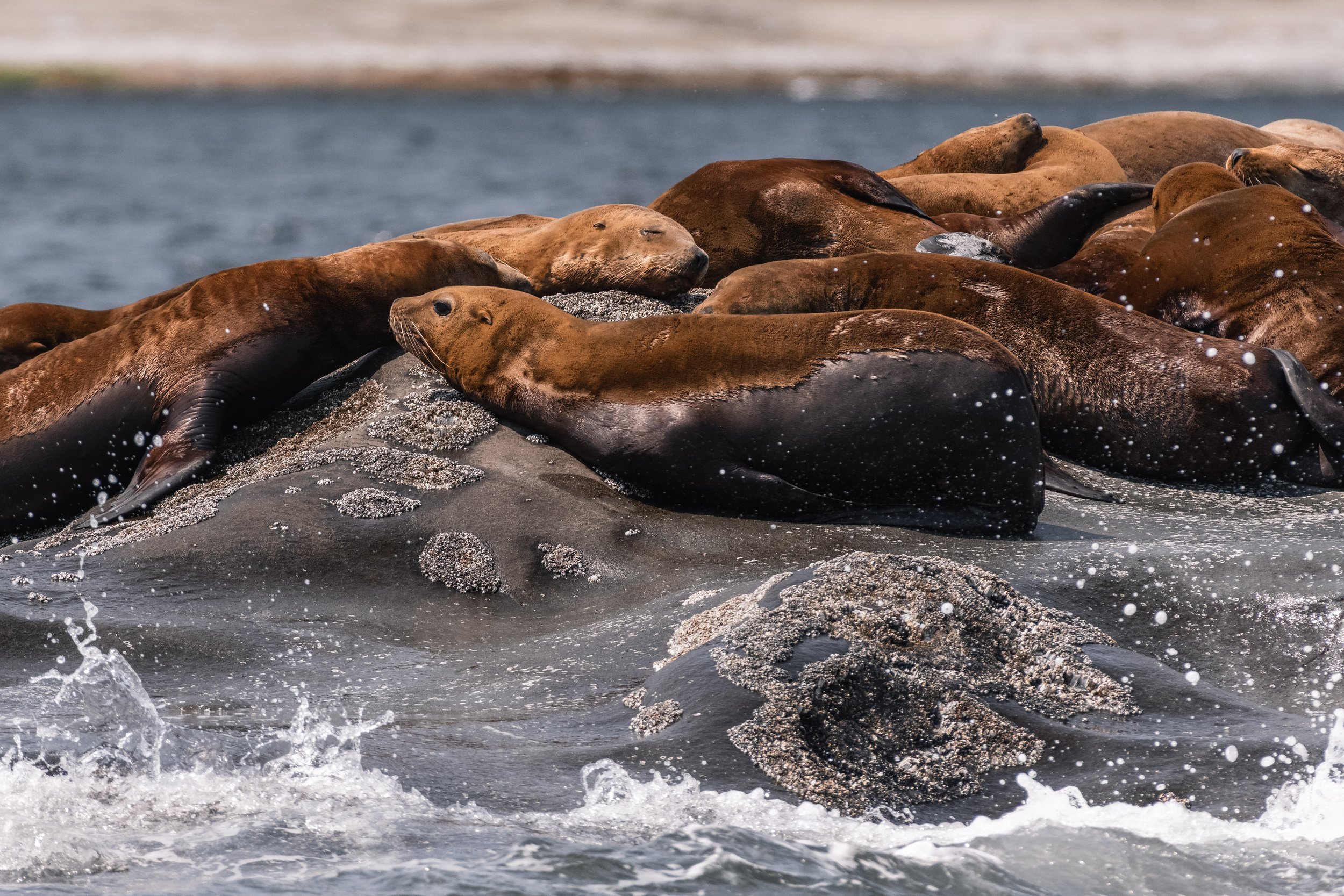
A cuddle puddle of Stellers. Photo by Hayleigh Hilbert.
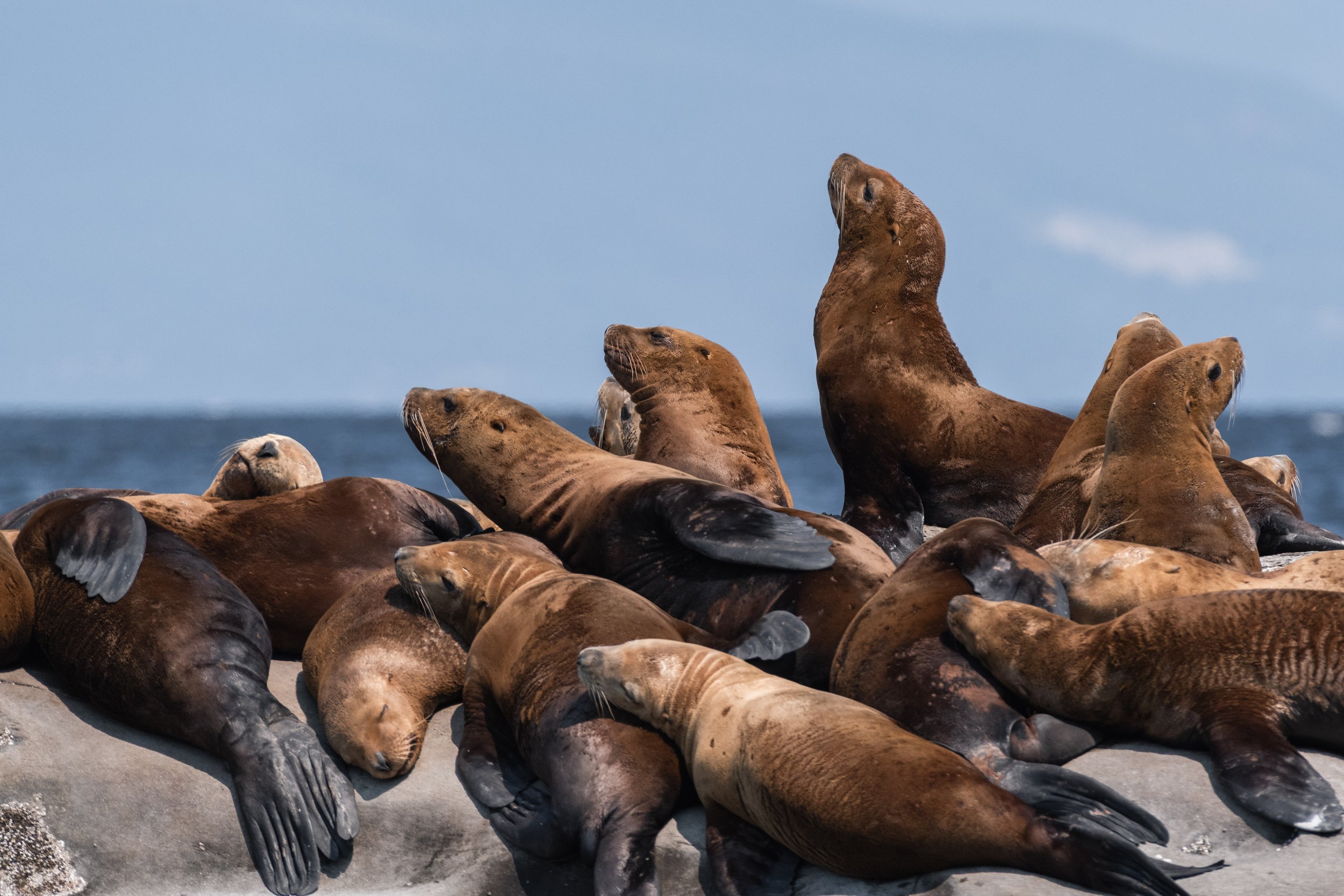
Steller Sea Lions looking at something, must be interesting. Photo by Hayleigh Hilbert.
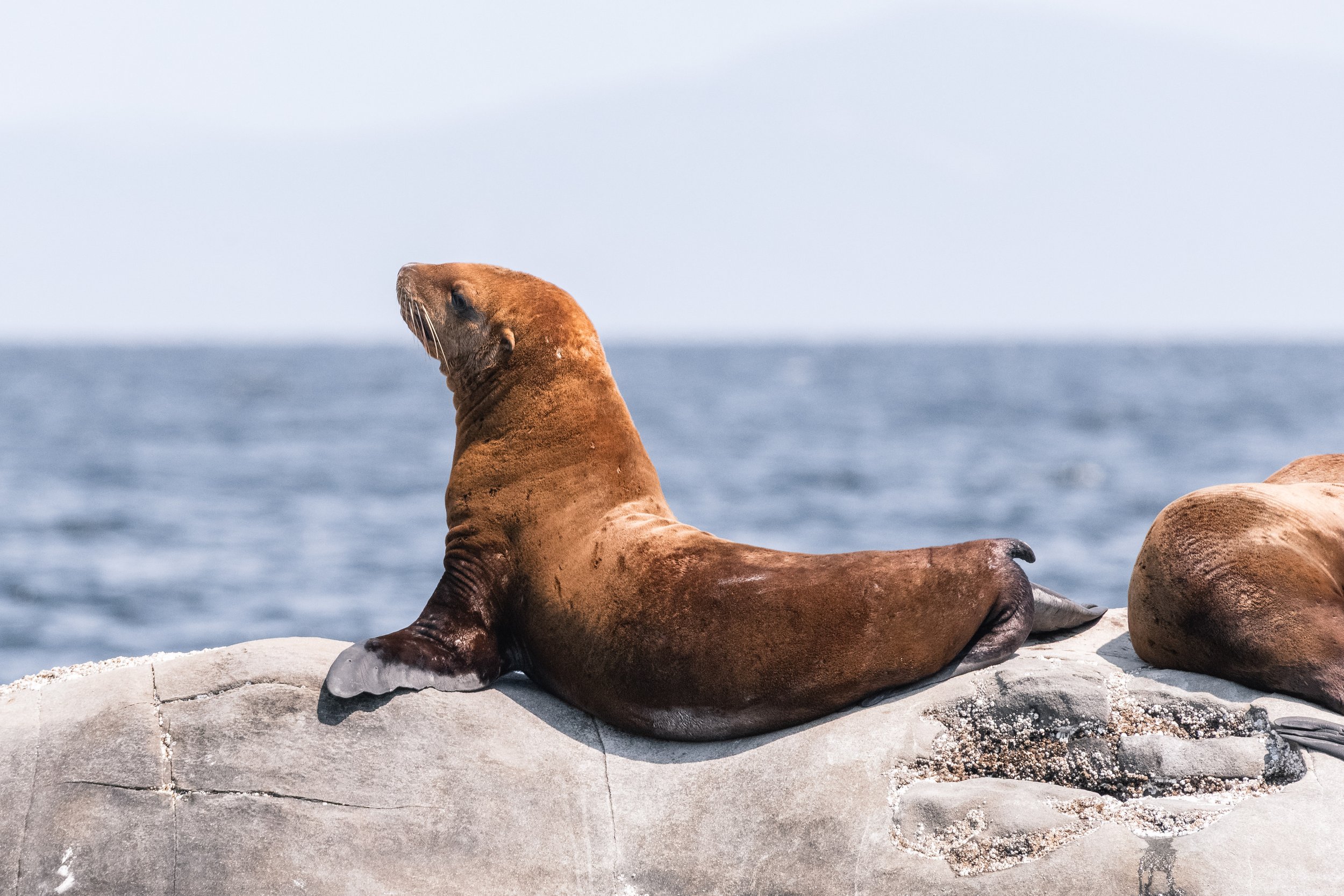
Look at that cute little tail. Photo by Hayleigh Hilbert.
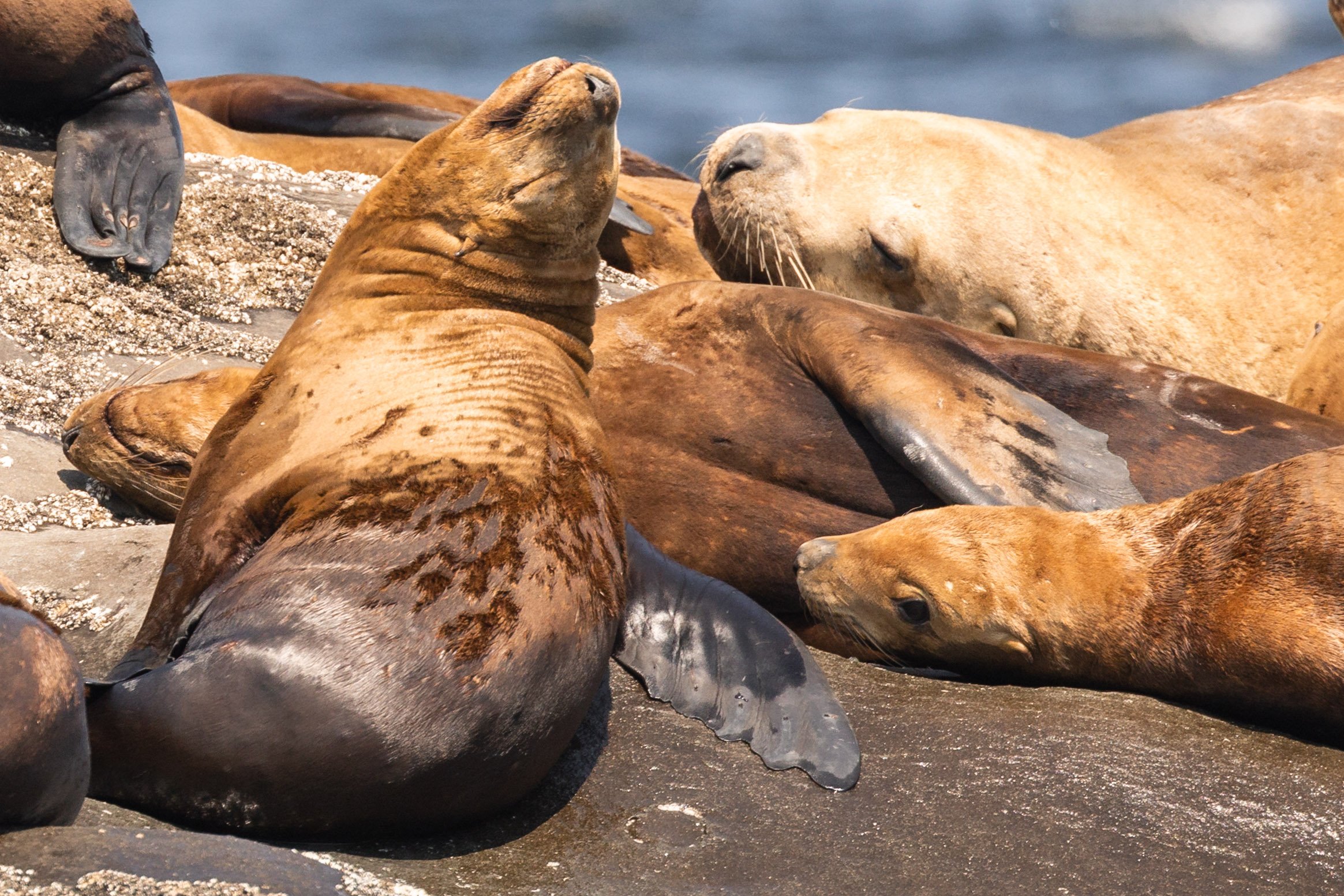
Sleeping in a strange position. Photo by Vanessa Vereschahen.
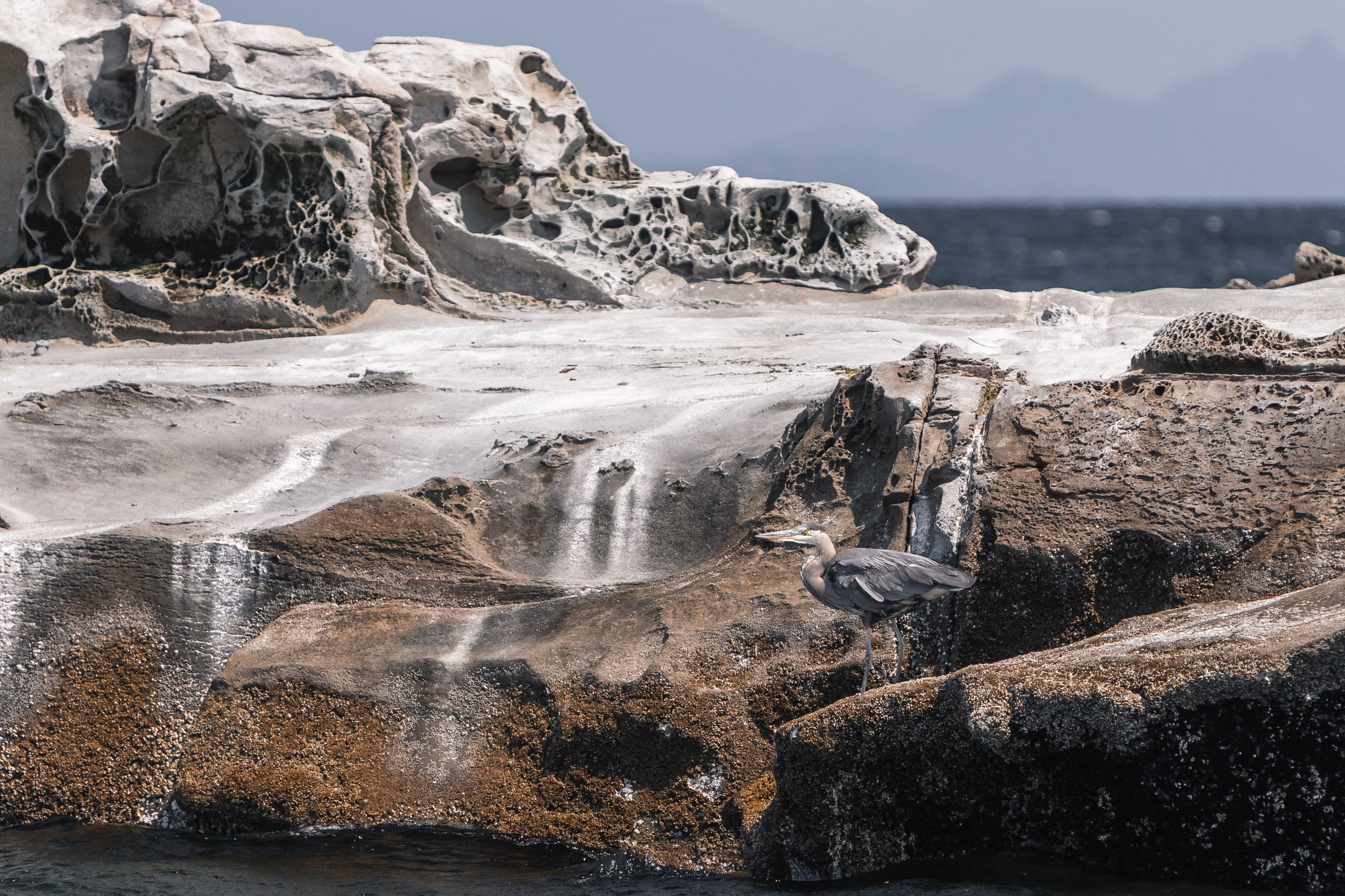
A Great Blue Heron. Photo by Jordan Robinson.
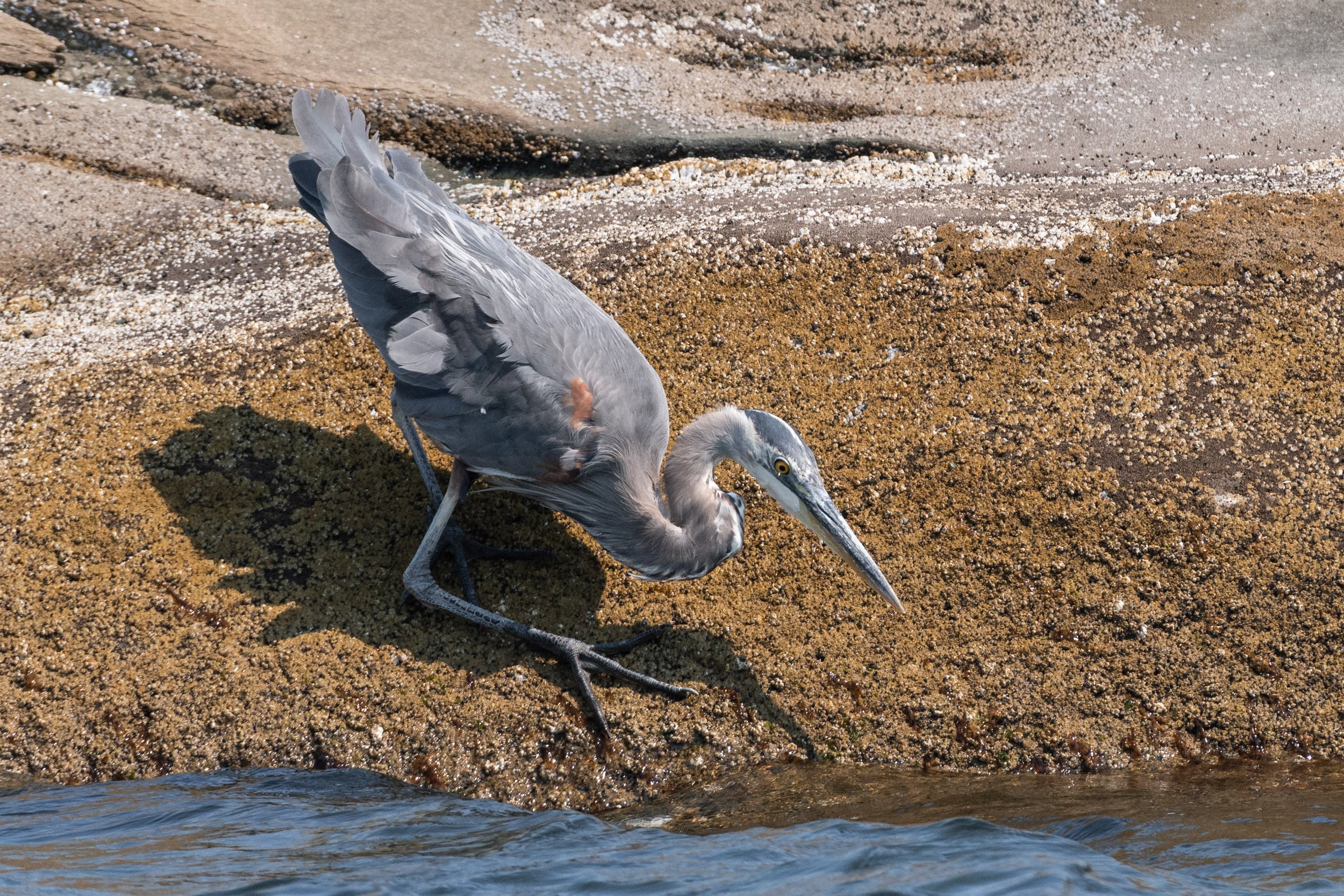
This heron is ready to strike. Photo by Hayleigh Hilbert.
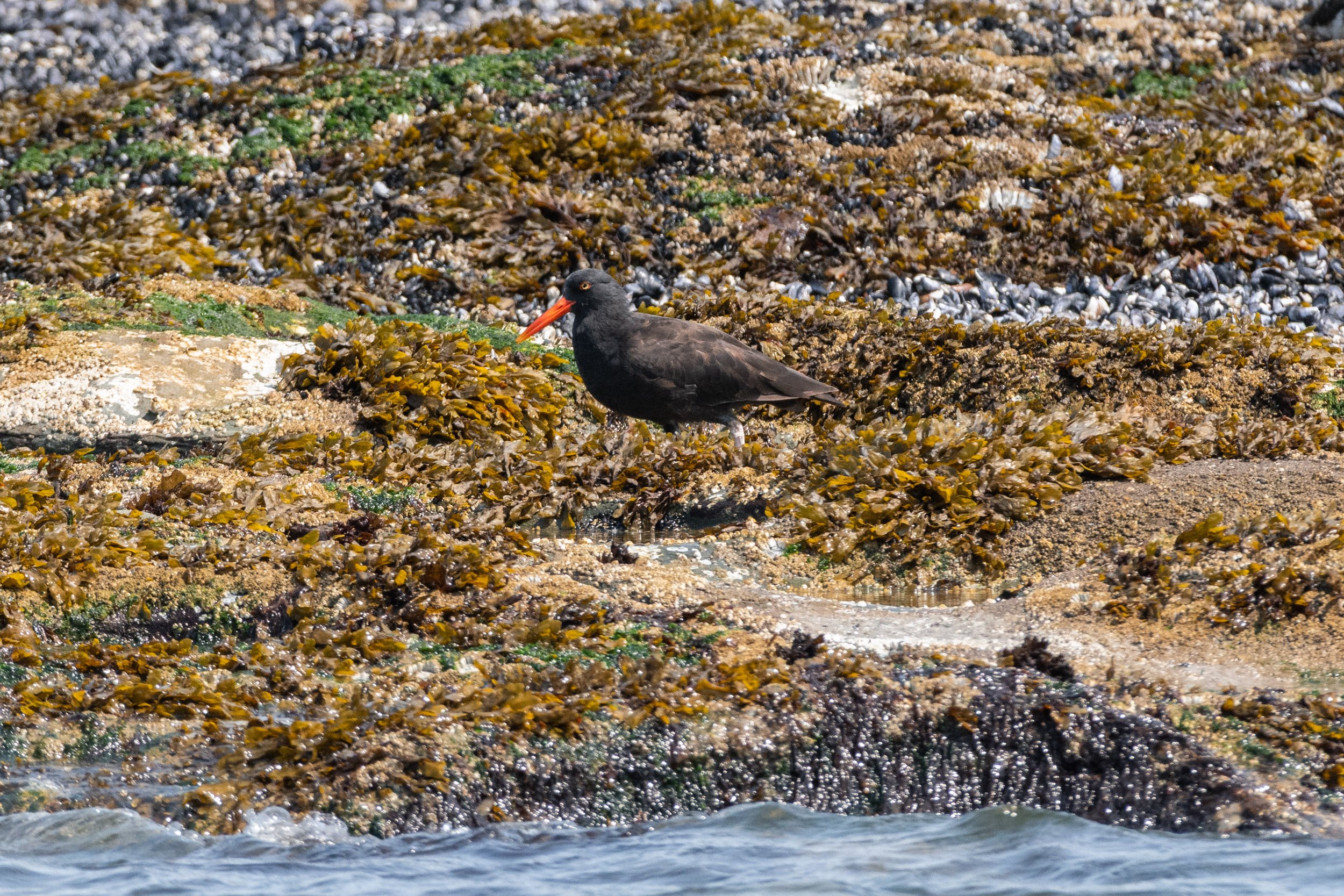
A black oyster catcher. Photo by Hayleigh Hilbert.
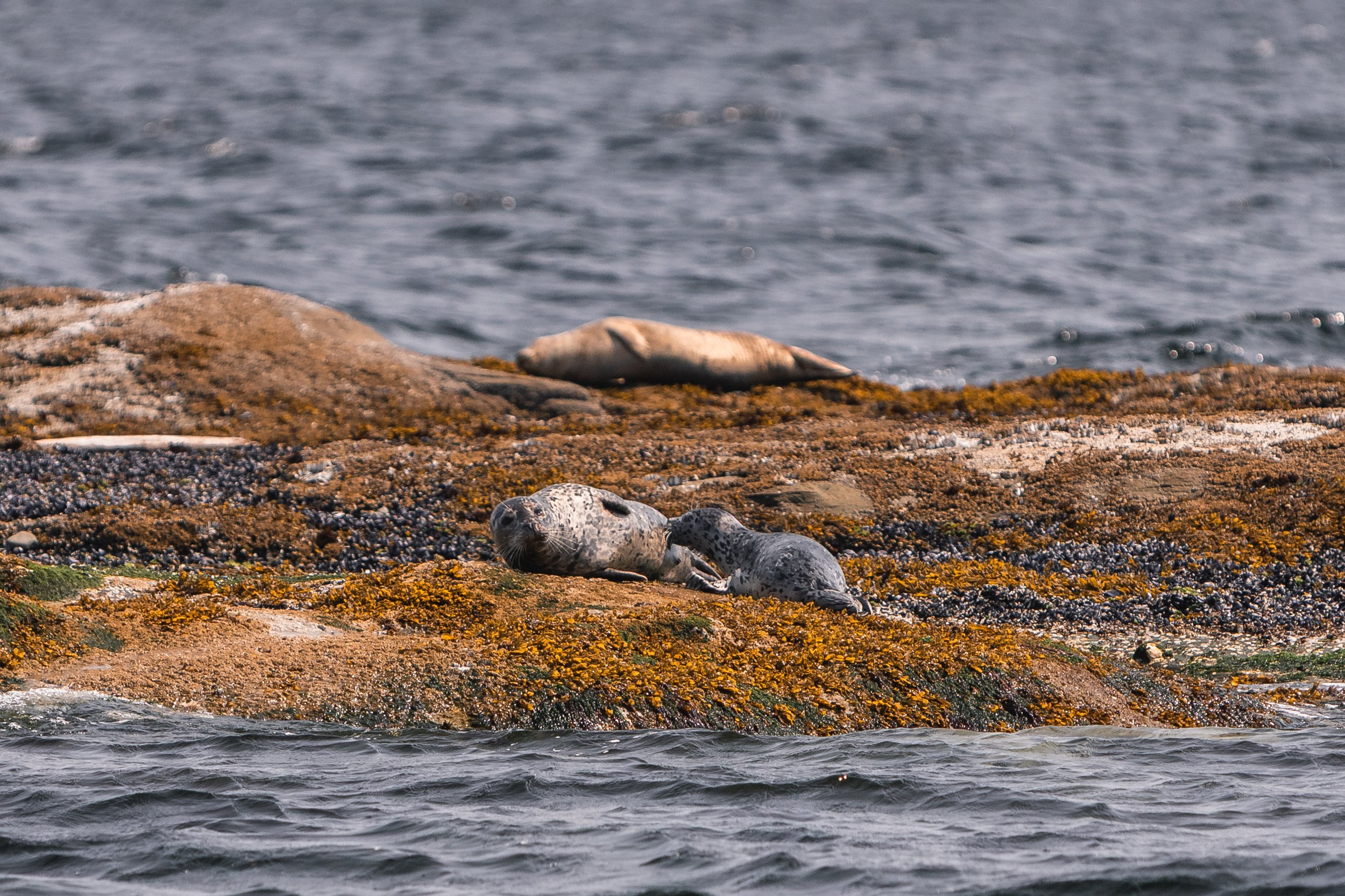
A harbour seal nursing her pup. Photo by Jordan Robinson.
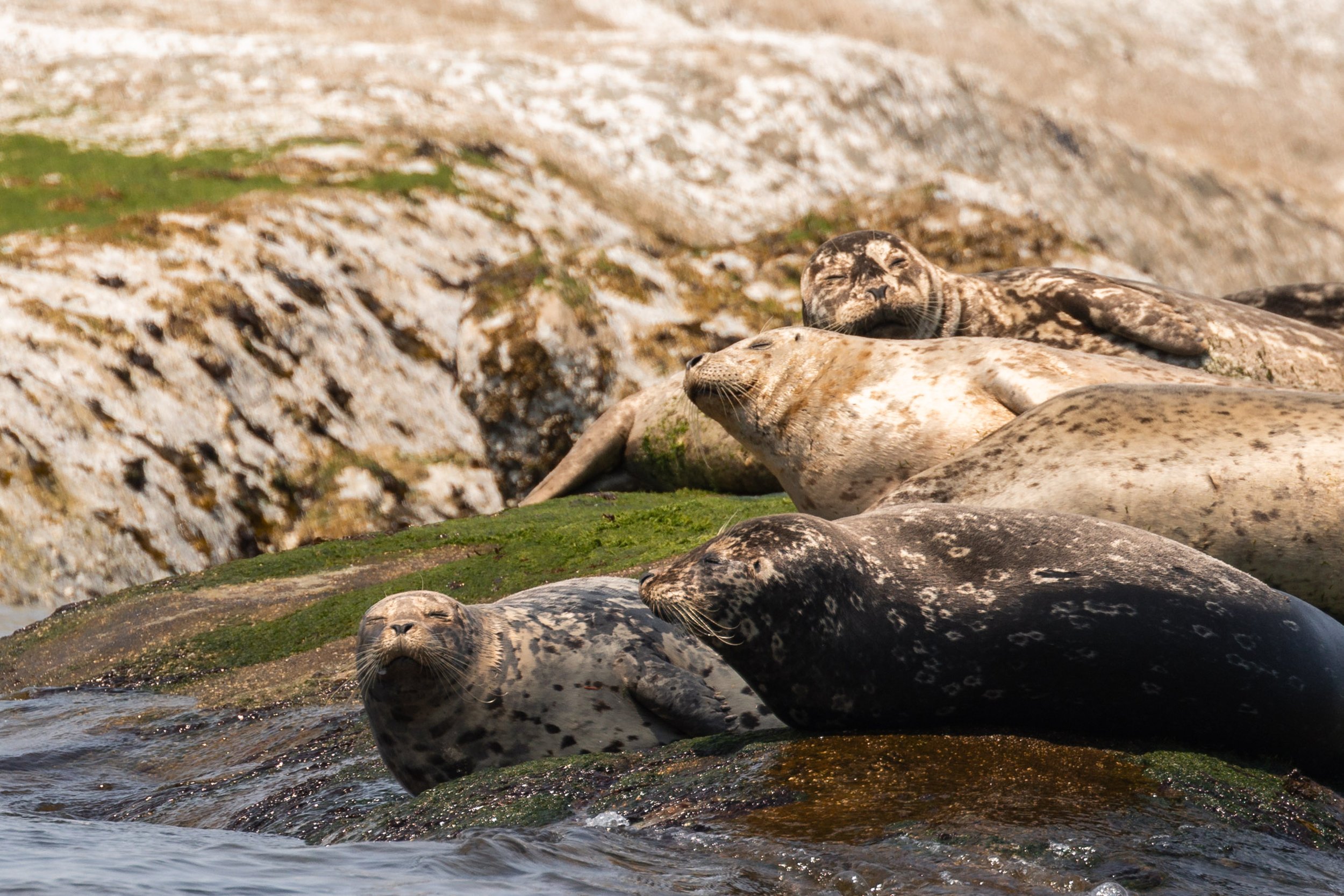
A cute sleepy pile of harbour seals. Photo by Vanessa Vereschahen.
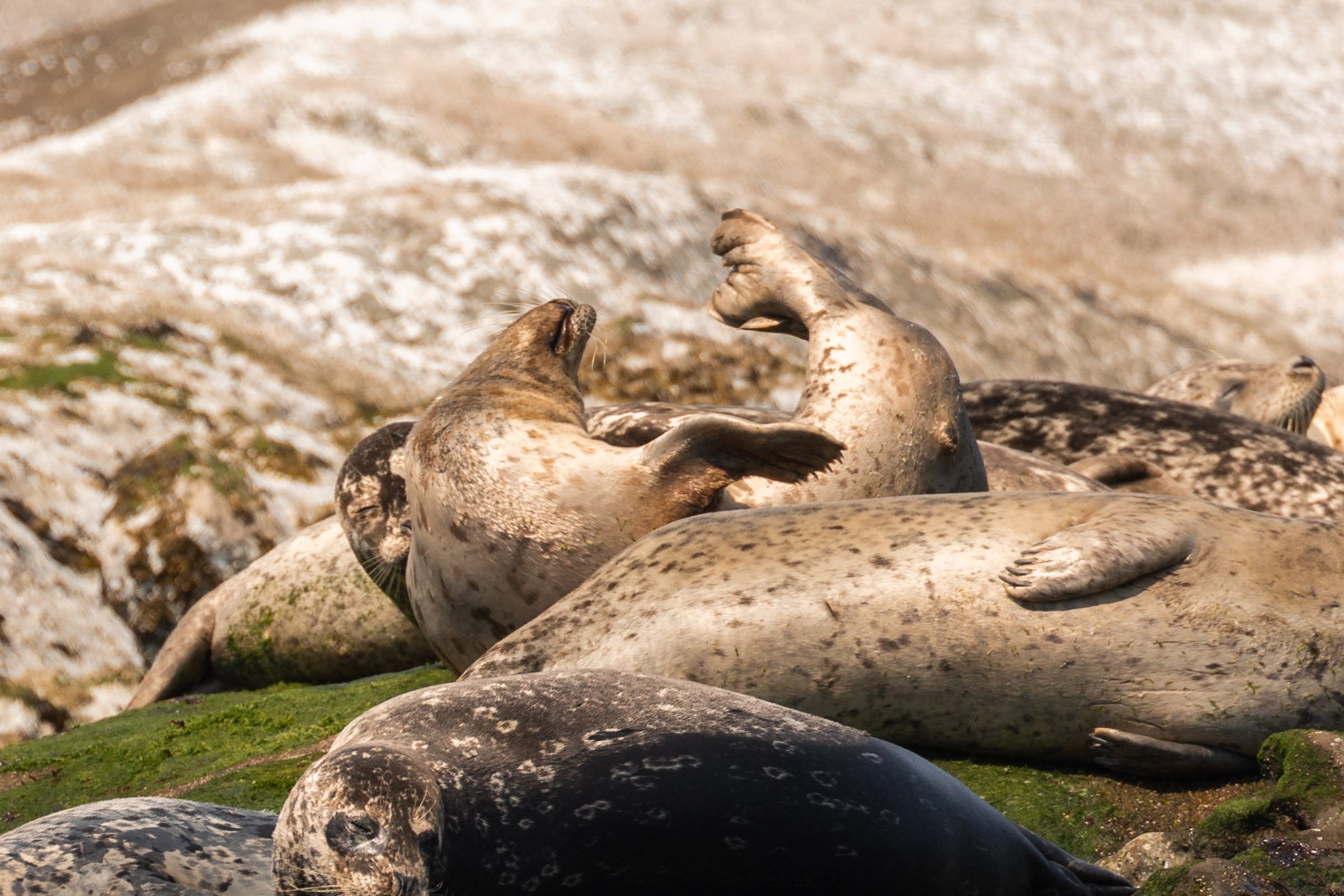
Another interesting sleeping position. Photo by Vanessa Vereschahen.
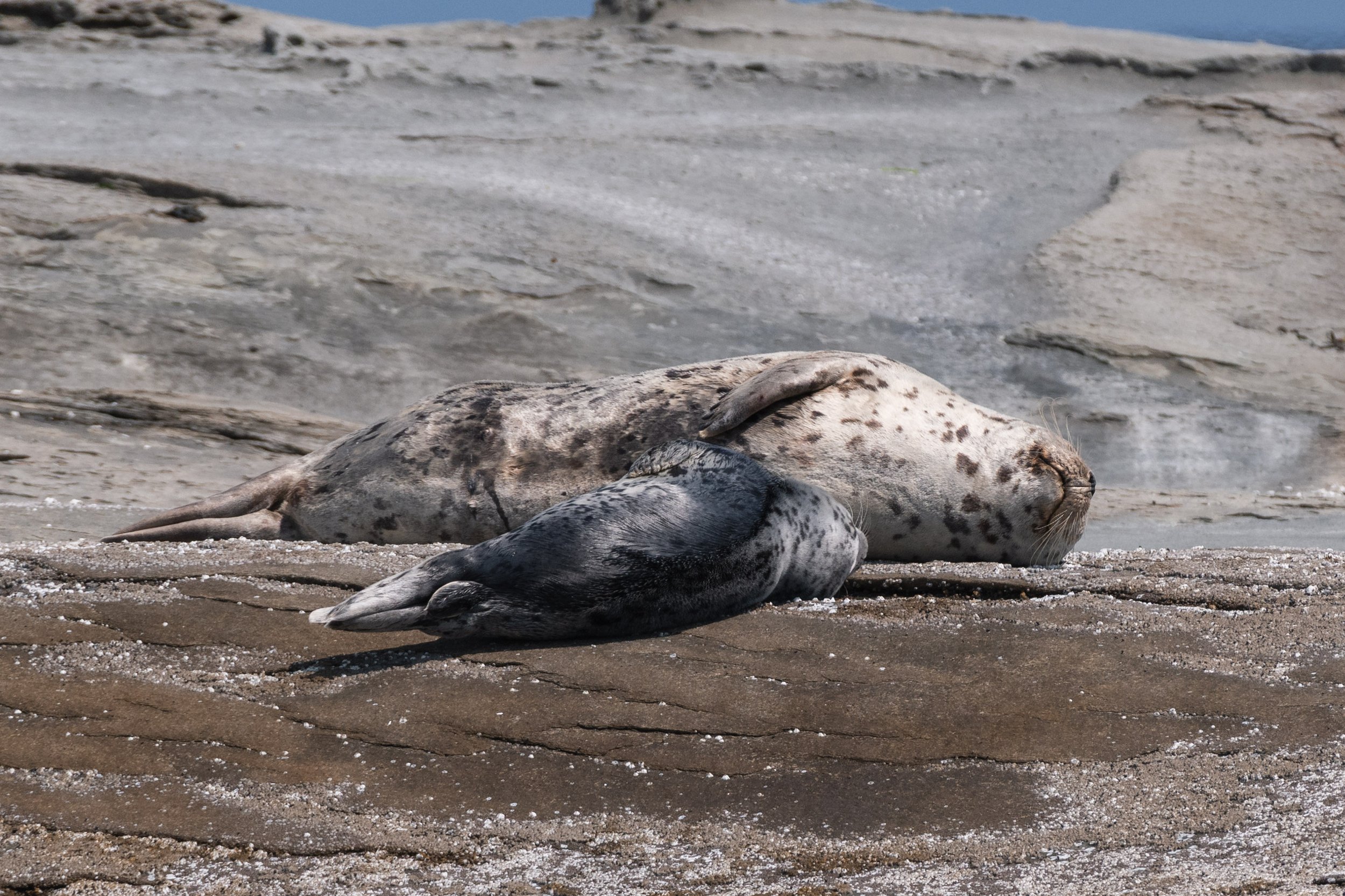
A harbour seal pup with their mother. Photo by Hayleigh Hilbert.
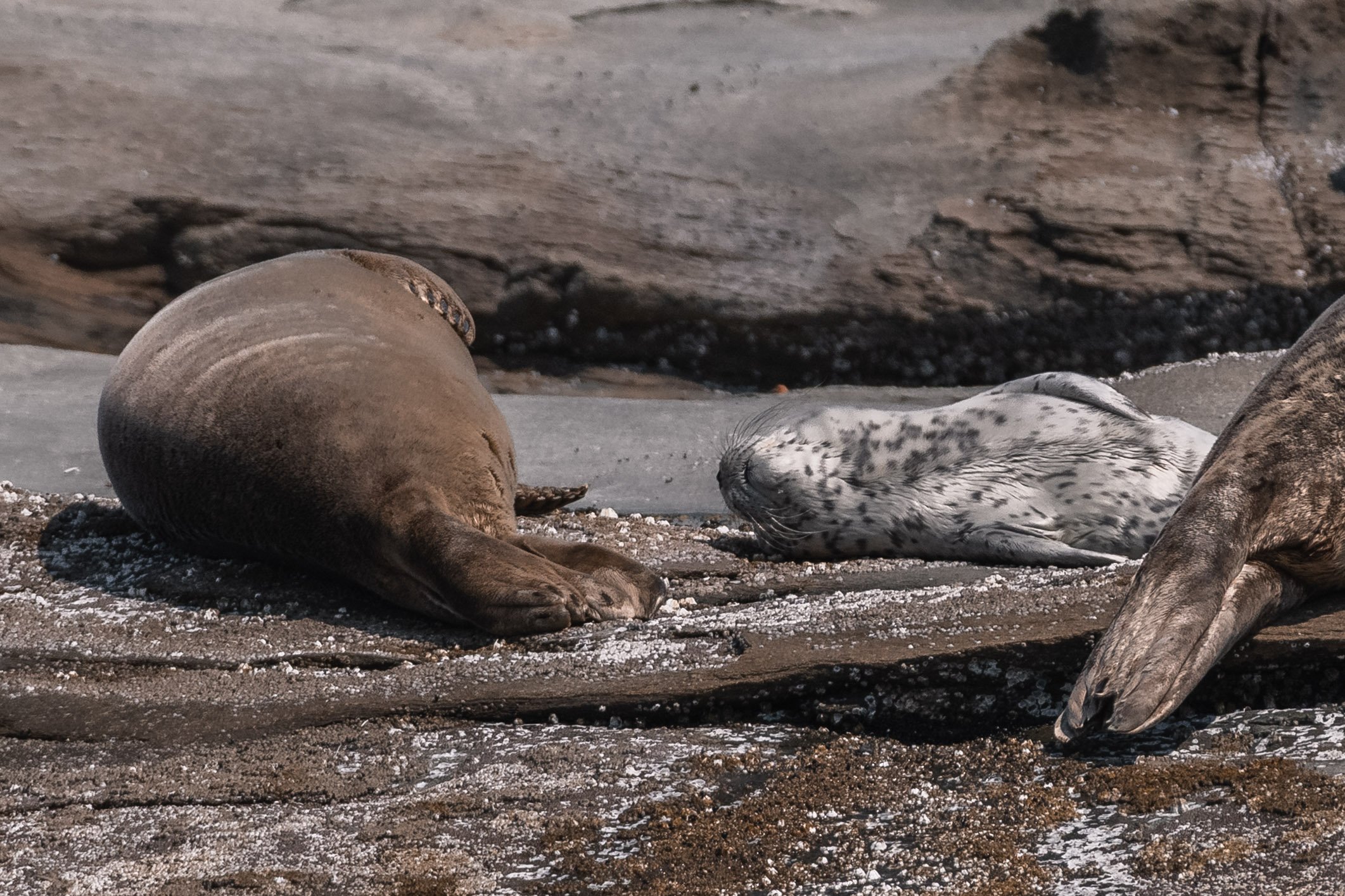
This pup is fast asleep! Photo by Hayleigh Hilbert.
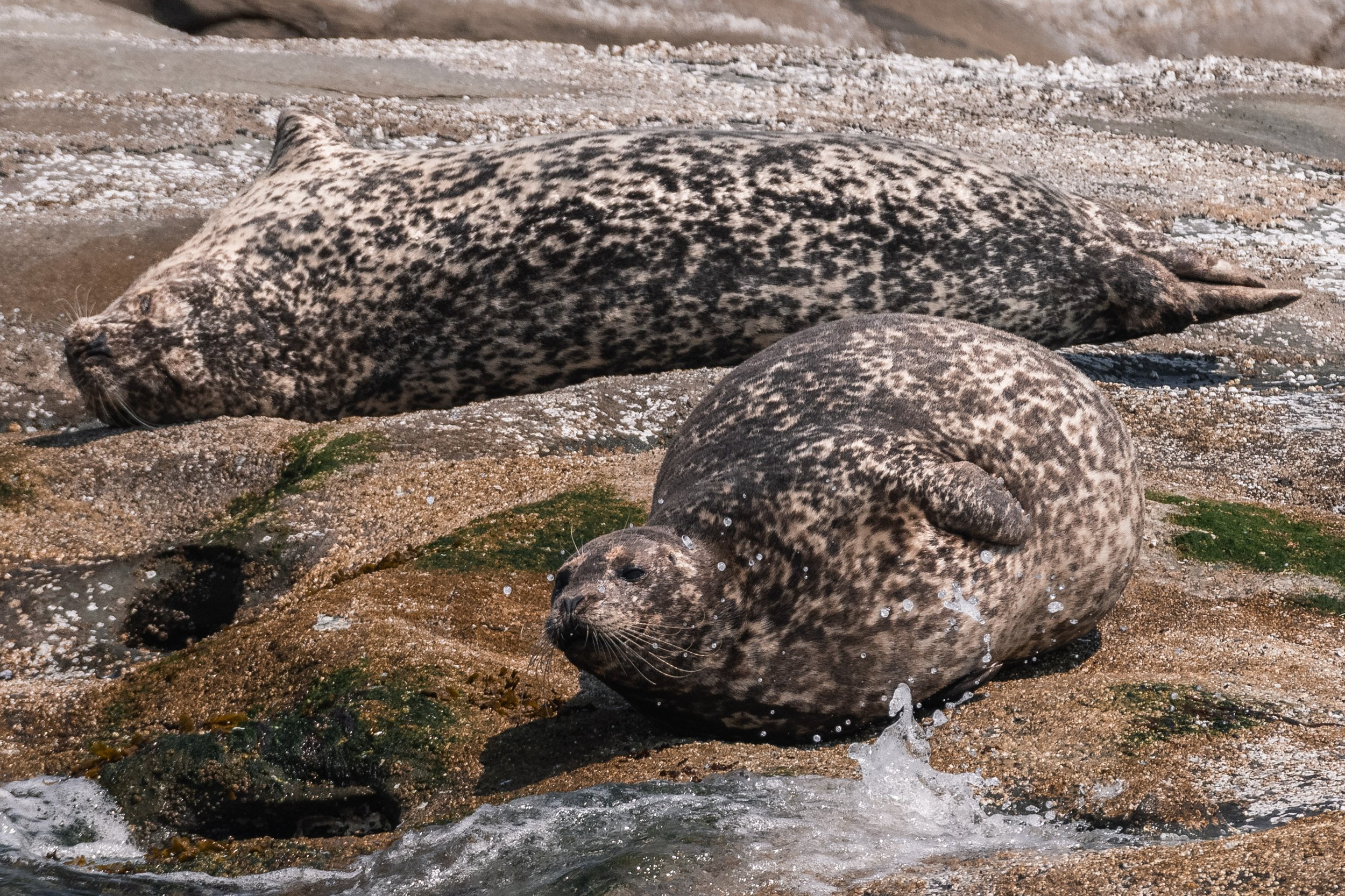
Look how chunky this seal is! Photo by Hayleigh Hilbert.
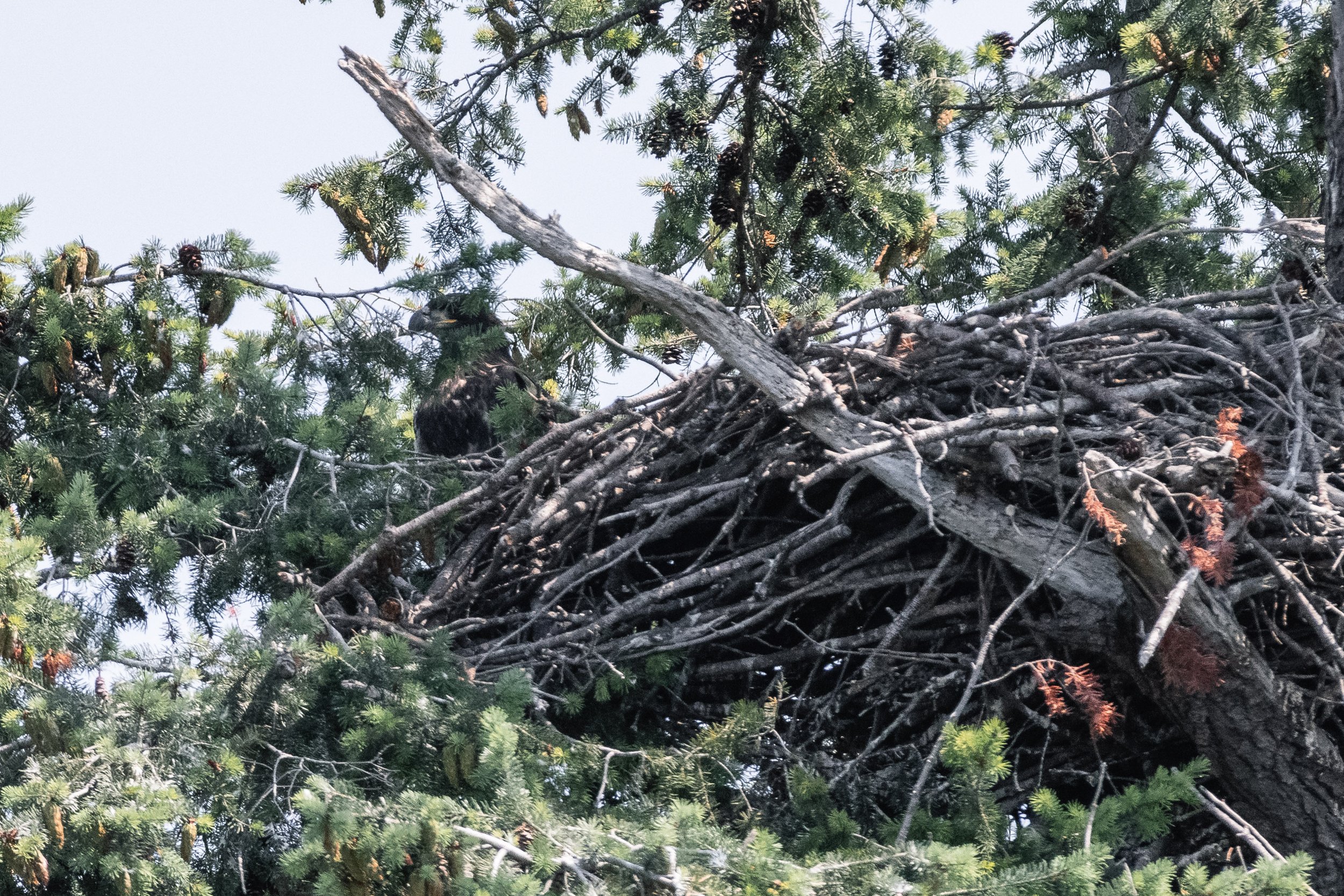
The Bald Eagle chick in the nest. Photo by Hayleigh Hilbert.
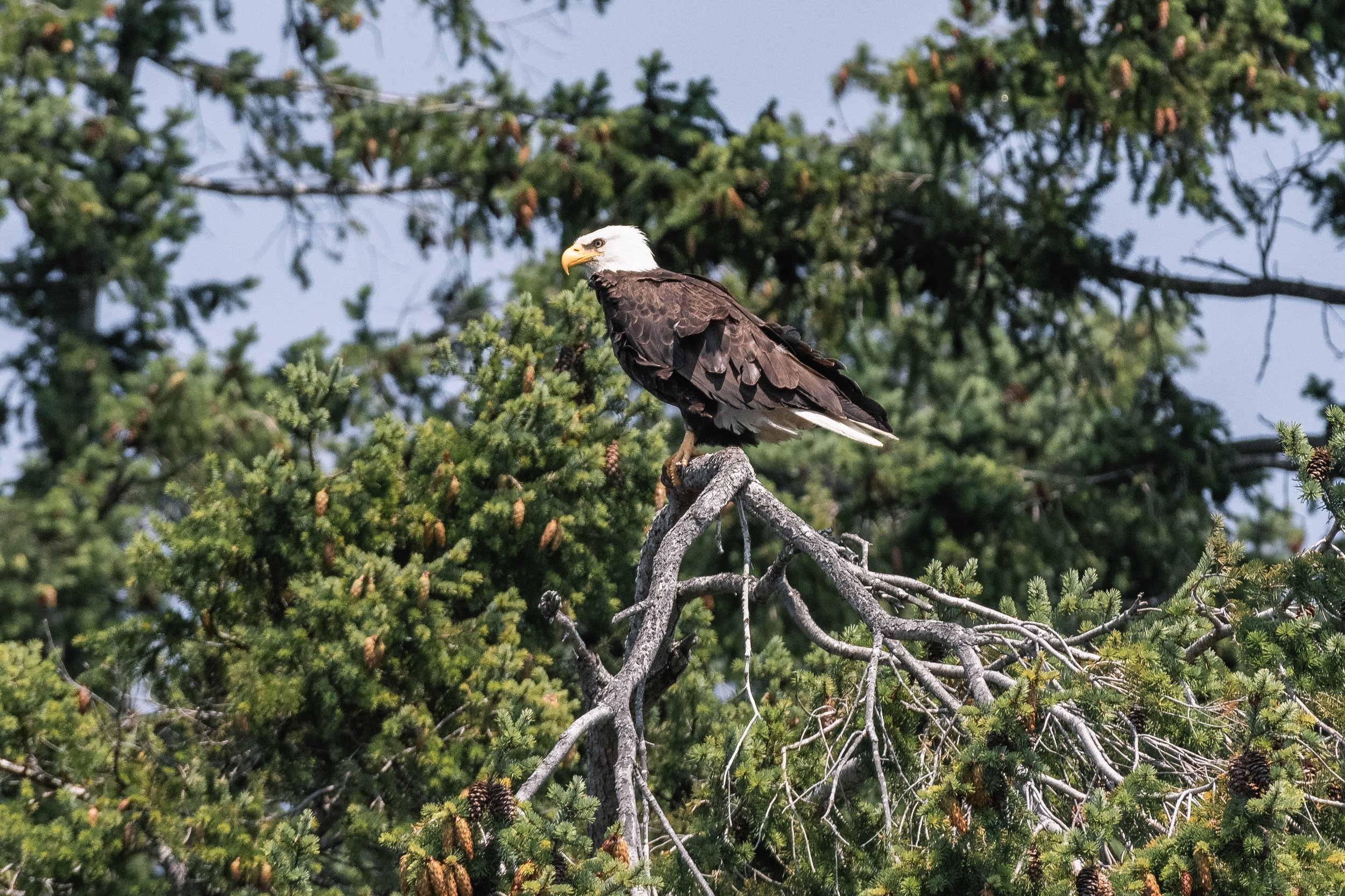
An adult Bald Eagle perched. Photo by Hayleigh Hilbert.
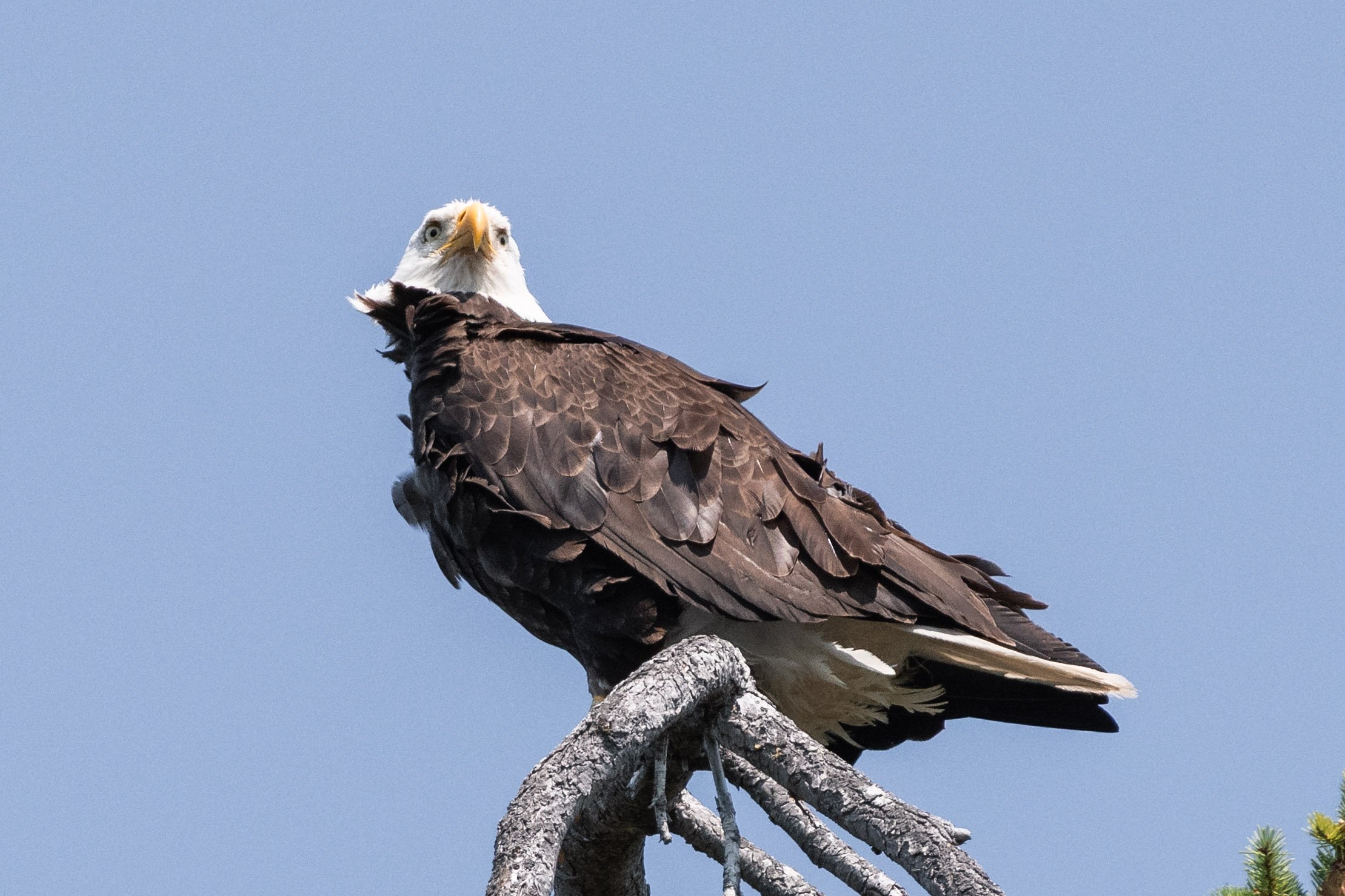
Perched in the breeze. Photo by Hayleigh Hilbert.
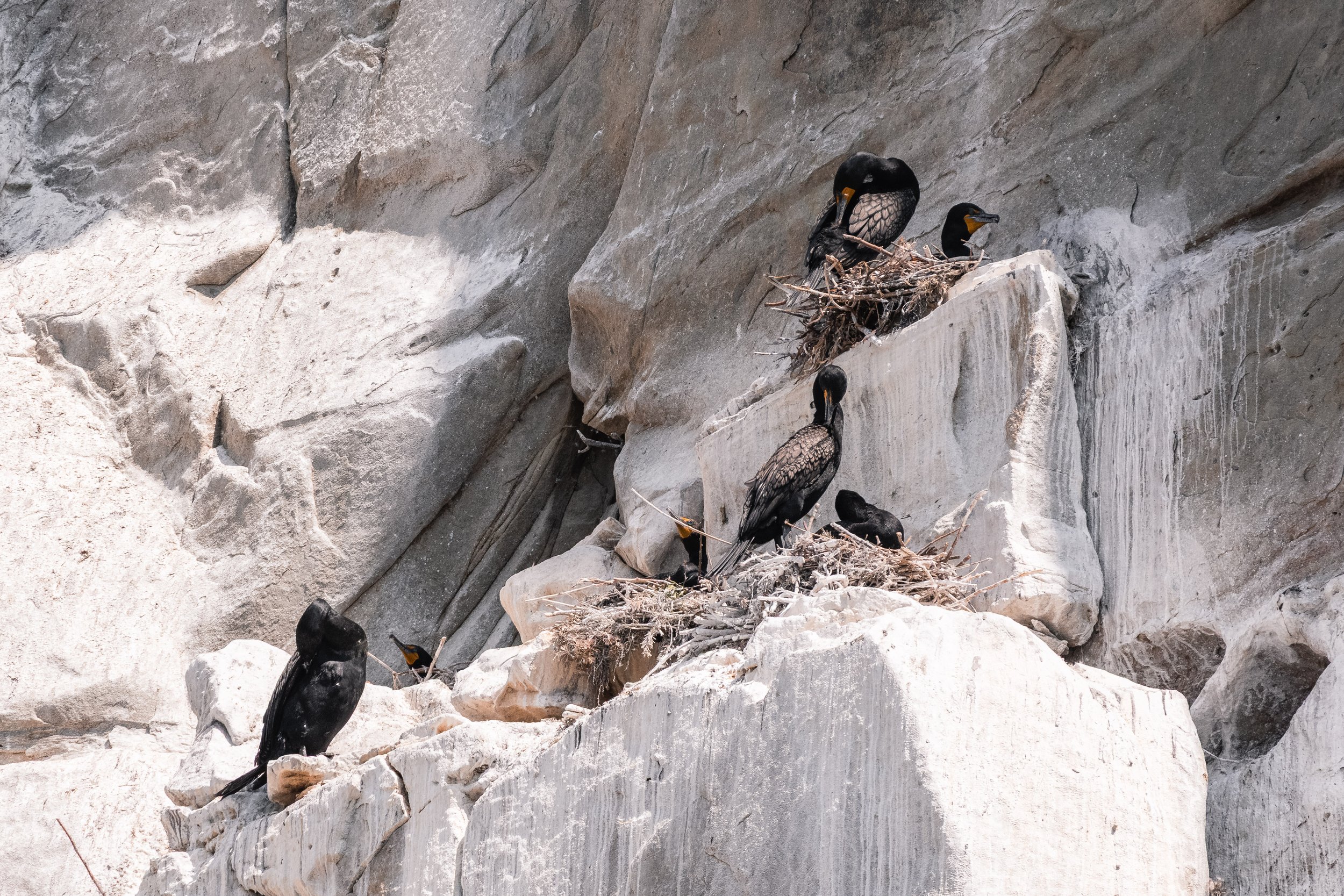
Cormorants in their nests. Photo by Hayleigh Hilbert.
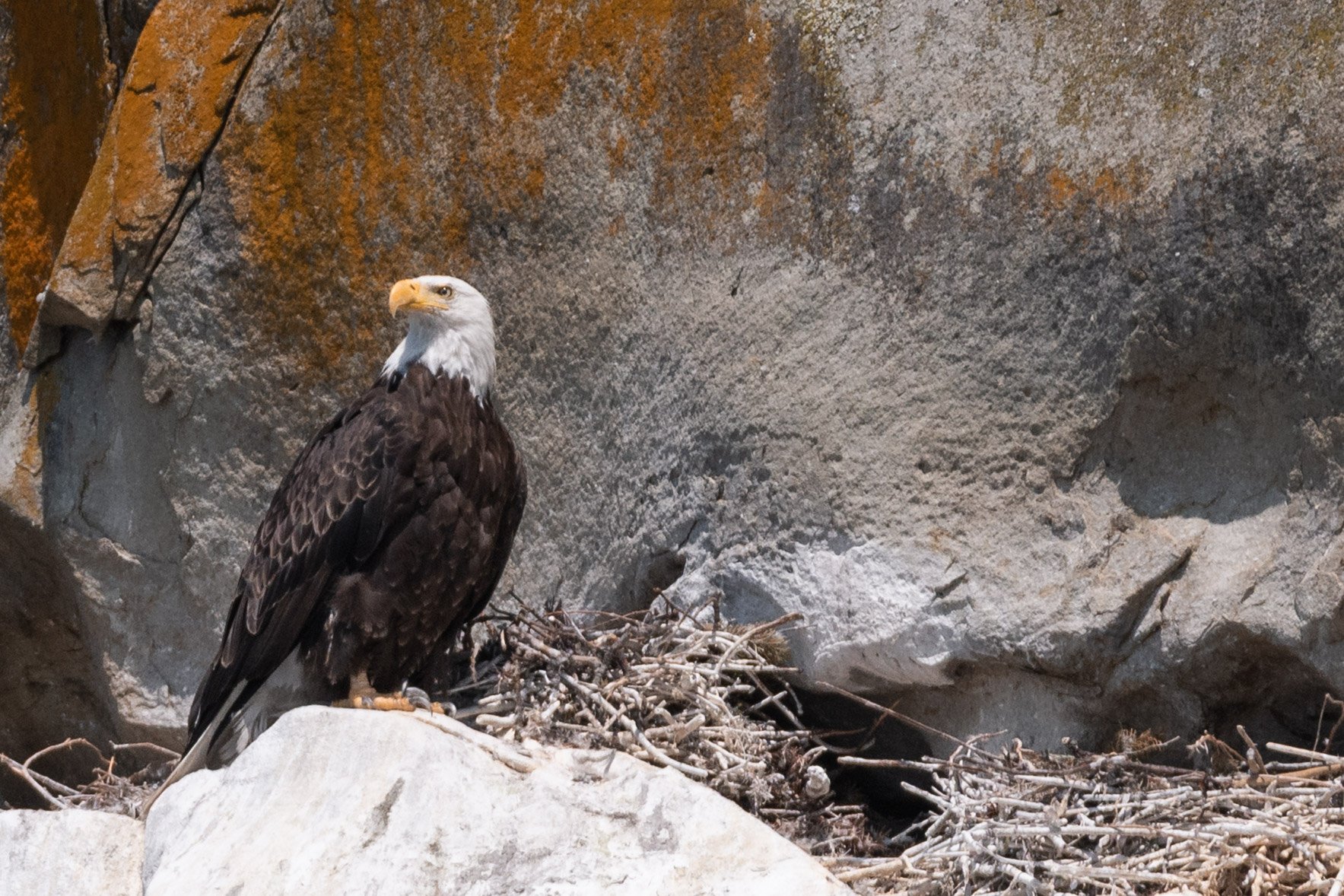
A Bald Eagle raiding cormorant nests. Photo by Hayleigh Hilbert.