
July 20, 2026, 10:30 AM - Split Fluke near Saturna Island.
The forecast greeted us with a blustery morning as Kula departed the Nanaimo waterfront, with whitecaps dancing across the Strait of Georgia. While strong winds can make the open Strait a challenging place to search, one of the greatest advantages of whale watching in the Salish Sea is the incredible geography that surrounds us. The Southern Gulf Islands form a natural barrier between the Strait of Georgia and the more protected inland channels. Their forested shorelines and rugged coastlines absorb much of the wind and swell, often creating noticeably calmer waters on the inside. It's one of the many reasons we're fortunate to have such a diverse area to explore, allowing us to adapt to the conditions while continuing our search for wildlife.
Our Naturalist, Aly, was eager to take a quick peek into the Strait to see if any blows would reveal themselves in the distance. Although the visibility was excellent, the wind was still making its presence known, and the waves reminded us that Mother Nature always has the final say. We hugged the shoreline before making our way to one of our favourite wildlife stops, affectionately known as “Stinky Rock” by our crew. Long before we even arrived, many guests had already guessed how the rocky outcrop earned its nickname. As we approached, the unmistakable aroma announced the presence of one of the Salish Sea's busiest pinniped haul-outs. The first animals to greet us were several Harbour Seals sprawled across the rocks, enjoying a well-earned rest between foraging trips. Among them were a number of mothers accompanied by tiny pups, a heartwarming reminder that harbour seal pupping season is still underway. Unlike their larger sea lion cousins, harbour seals are generally quiet animals. However, during pupping season, the silence is often broken by a series of soft grunts and calls exchanged between mothers and their pups. When a mother returns from feeding offshore, she uses these gentle vocalizations to locate her youngster among the many resting seals. Each pair develops a unique recognition of one another's calls, helping reunite them in what can otherwise appear to be a crowded nursery.
The seals weren't the only voices filling the air. Echoing across the rocks were the unmistakable high-pitched whistles of Black Oystercatchers. These striking shorebirds, with their jet-black feathers, bright orange bills, and vivid pink legs, are year-round residents along British Columbia's coastline. Their loud piping calls carry surprisingly far and often alert us to their presence before we even spot them. Oystercatchers use their powerful bills to pry mussels and limpets from the rocks, making these intertidal habitats an essential part of their lives.
Of course, no visit to Stinky Rock would be complete without its loudest residents. A large group of Steller Sea Lions lounged together on the rocks, filling the air with deep growls and belches that could be heard well before we reached the haul-out. As the largest sea lion species in the world, adult males can weigh well over 1,000 kilograms (2,500 pounds), and they certainly have the voices to match. Between their impressive size, their constant vocal displays, and the abundance of fish-rich waste left behind, it's safe to say they're the primary reason this little island has earned such a memorable nickname. With the wind showing little sign of easing, we returned to the shelter of the Gulf Islands and continued weaving through the maze of channels and forested shorelines.
Searching for whales often requires equal parts patience, persistence, and optimism. None of the whales we encounter are fitted with tracking devices, so every sighting begins with careful scanning, teamwork, and a little bit of luck. Some days they appear within minutes, while other days they make us work for every mile. As we approached the three-hour mark of our search, that patience was finally rewarded. A towering blow suddenly erupted from the water just offshore of Saturna Island, instantly drawing every pair of eyes toward the horizon. Aly quickly raised her camera, ready to capture the identifying markings as the whale prepared for a deeper dive. Moments later, a familiar tail lifted gracefully from the water before disappearing beneath the waves. The distinctive notch running through the side of the fluke made the identification almost immediate. It was Split Fluke (BCX1068), a female humpback whale that migrates to our waters each summer from the breeding grounds off Mexico. Her namesake split in the trailing edge of her tail makes her one of the easiest whales to recognize, even from a single photograph. Like many humpbacks spending the summer in the Salish Sea, Split Fluke was most likely feeding. Humpback whales arrive in British Columbia after making one of the longest migrations of any mammal, travelling thousands of kilometres from the warm tropical waters where they spend the winter breeding and giving birth. Those breeding grounds provide safety for newborn calves, but very little food. Once they return north, feeding becomes their top priority. An adult humpback can consume roughly 3,000 pounds (1,360 kilograms) of small fish and krill every single day, rebuilding the enormous energy reserves needed to sustain another migration south in the fall and the months they will spend fasting in the breeding grounds.
After spending some time admiring Split Fluke's powerful dives, it was time to point Kula's bow back toward Nanaimo. Although the return journey was a long one, there was no shortage of smiles onboard. Days like today are a wonderful reminder that wildlife watching isn't just about the destination; it's about everything we discover along the way. From quiet seals and colourful shoreline birds to roaring Steller Sea Lions and finally the graceful appearance of a familiar humpback, every outing tells a different story. The wind may have dictated our route today, but the Salish Sea rewarded our patience once again. We can't wait to see what tomorrow's adventure has in store.
Photos below taken by Aly Kohlman.
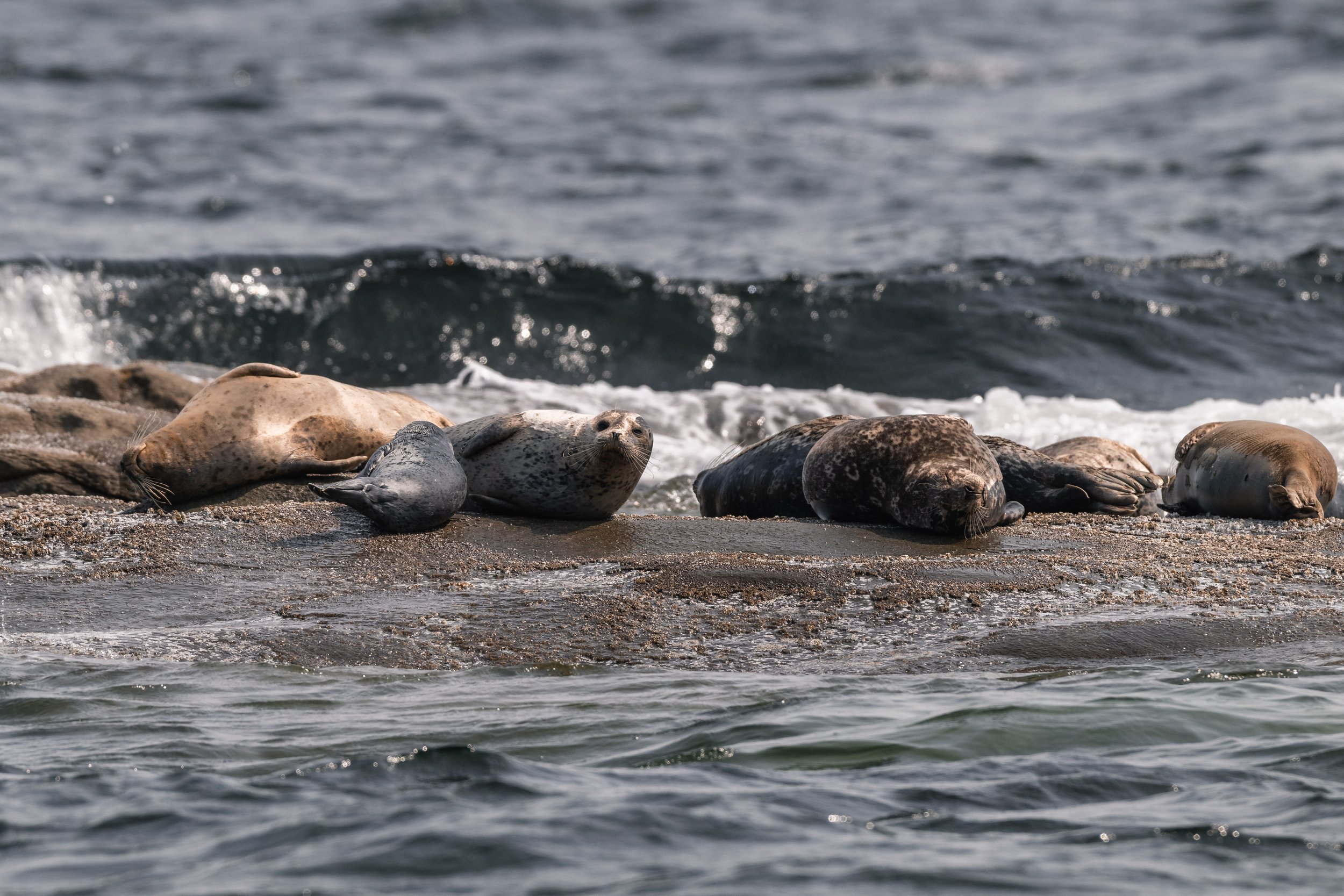
Harbour Seals hauled out at Stinky Rock.
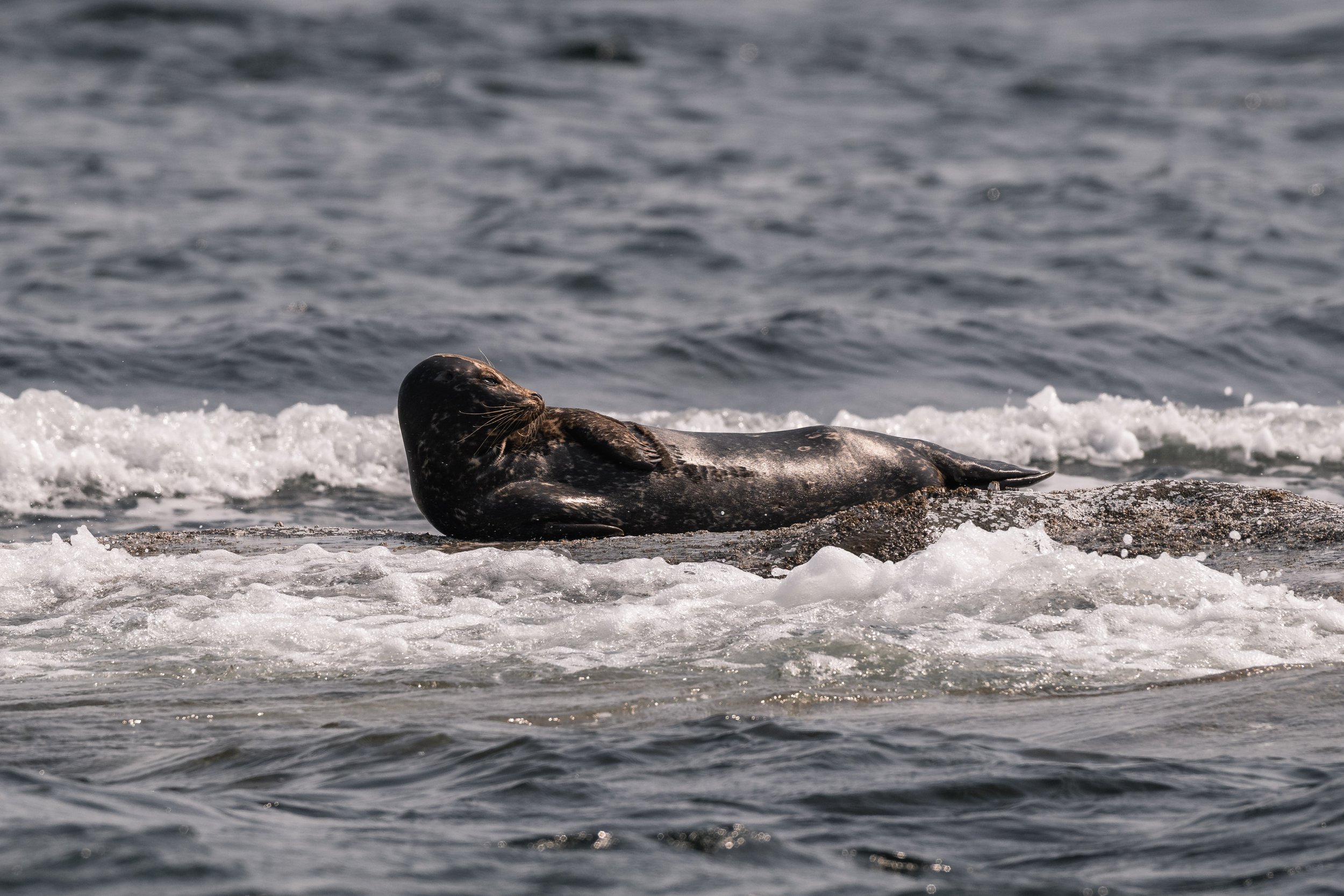
Clinging onto the last of the rock as the tide rises.
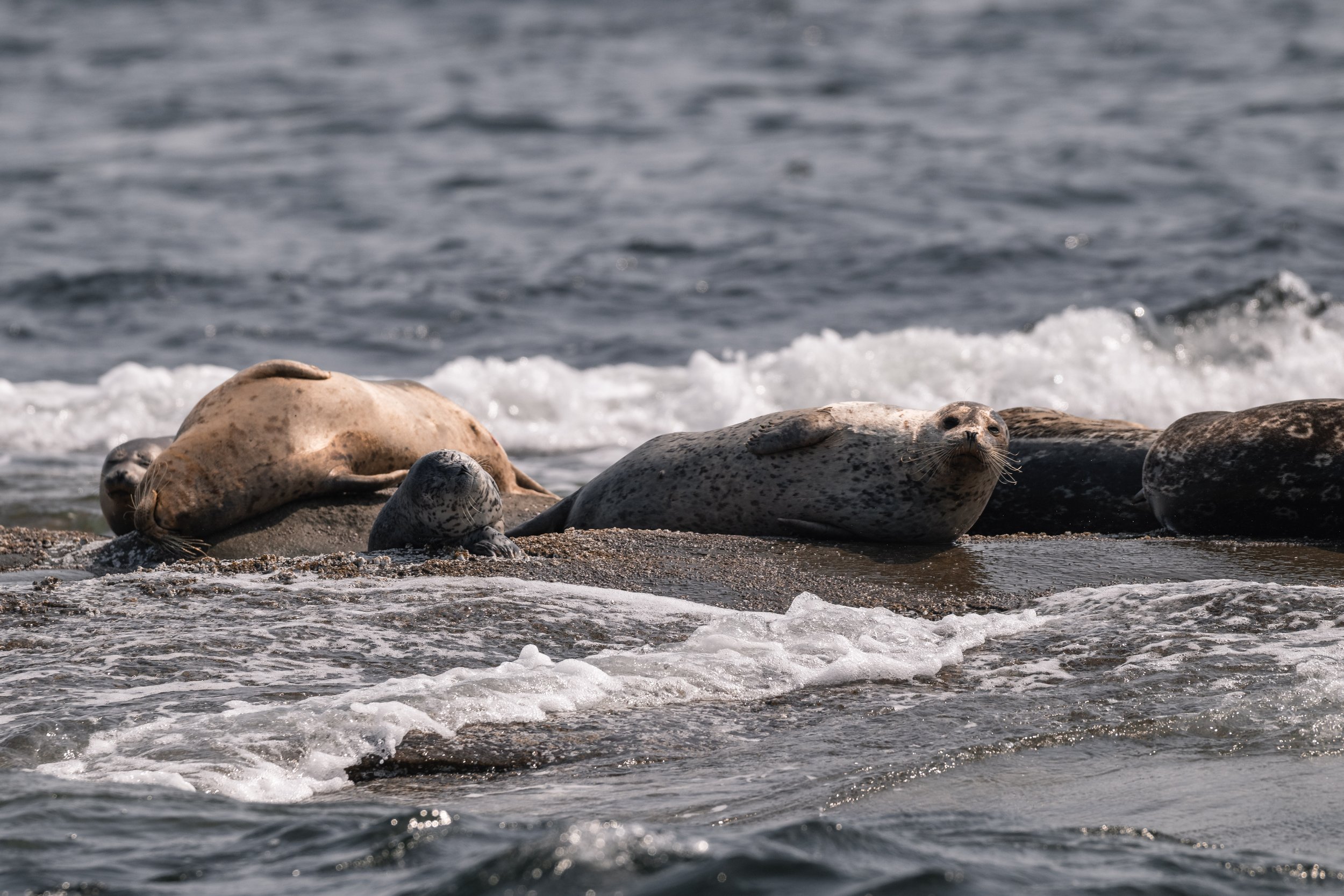
Looking at us, looking at them.
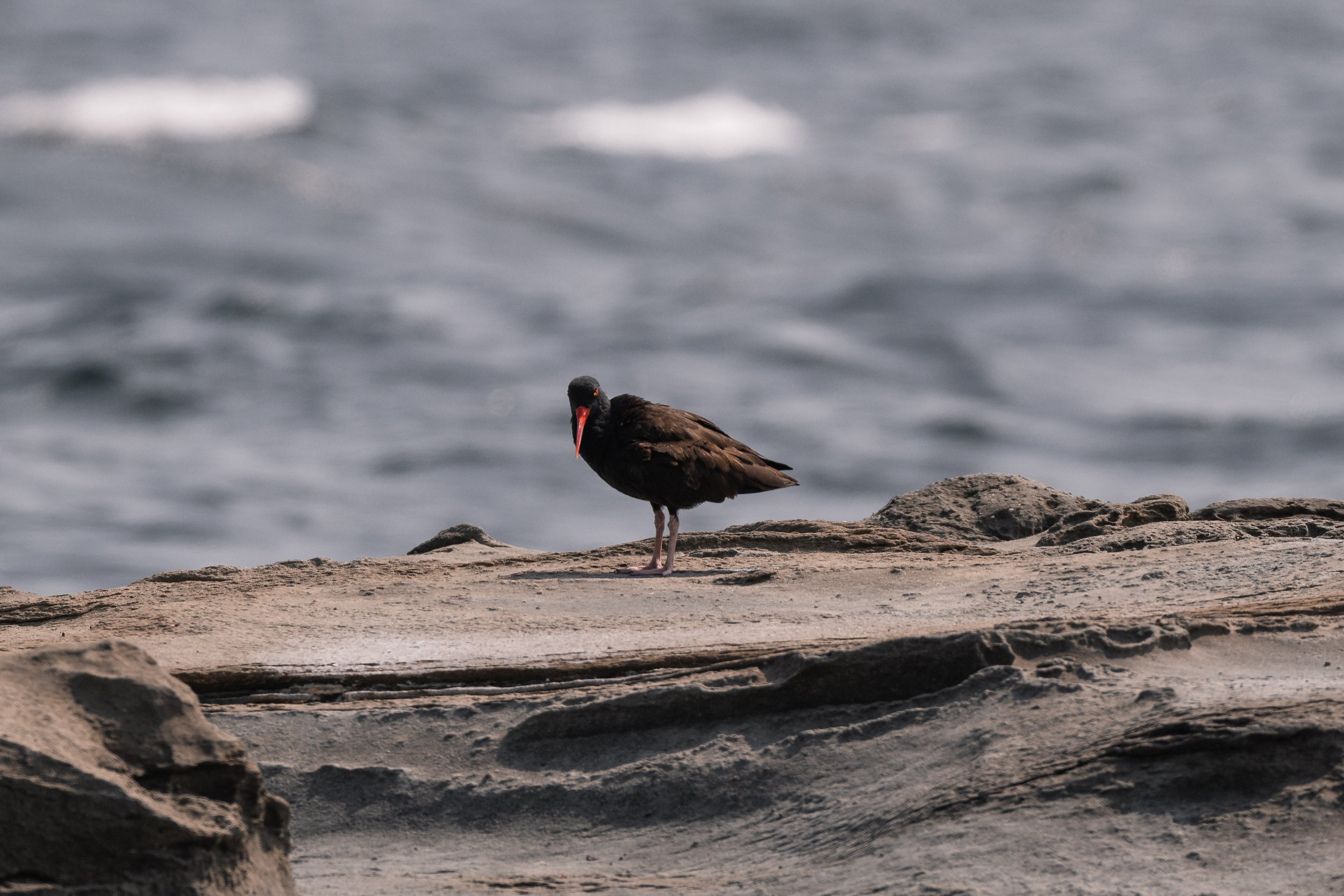
A Black Oystercatcher.
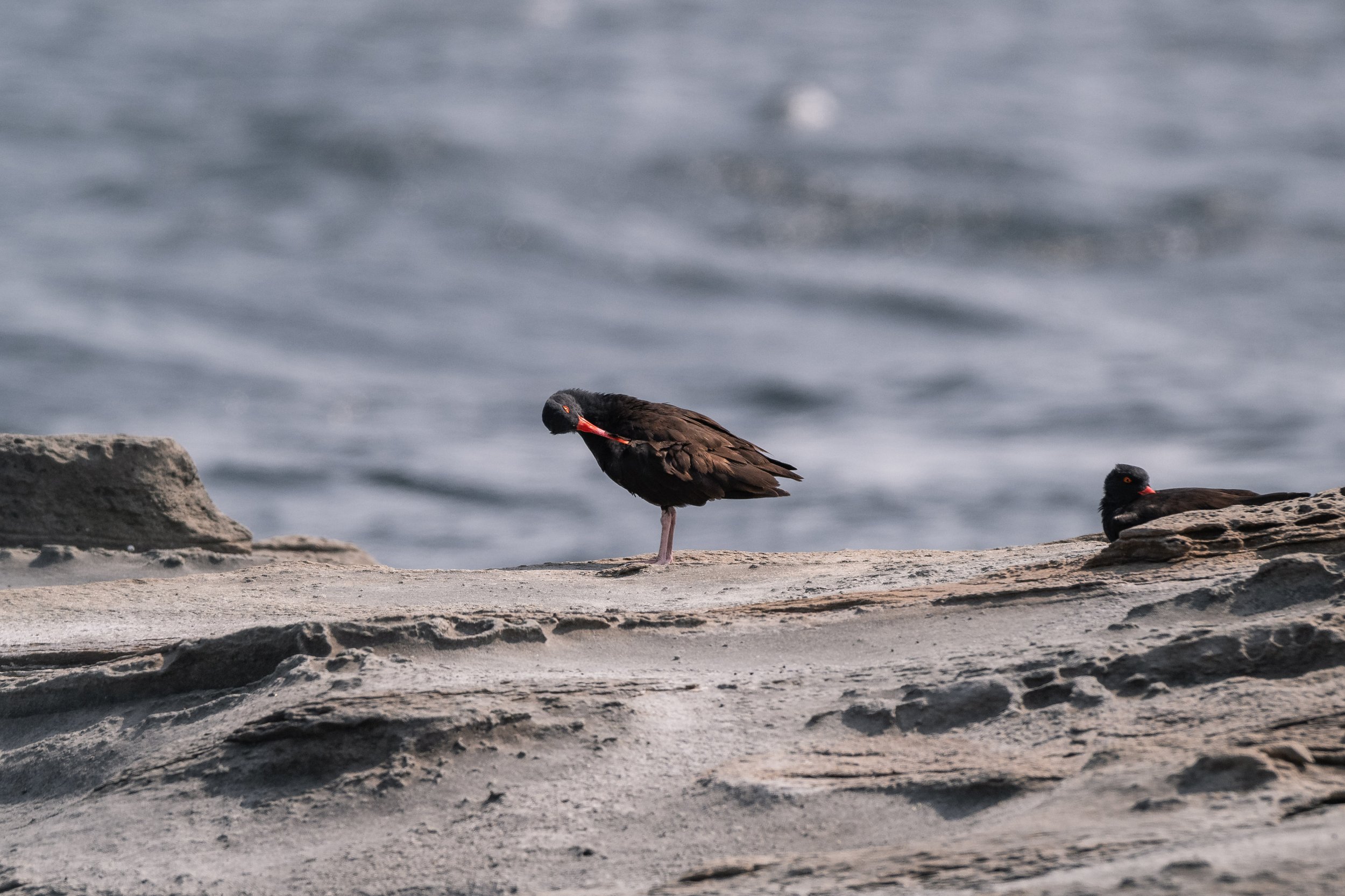
Time for some preening.
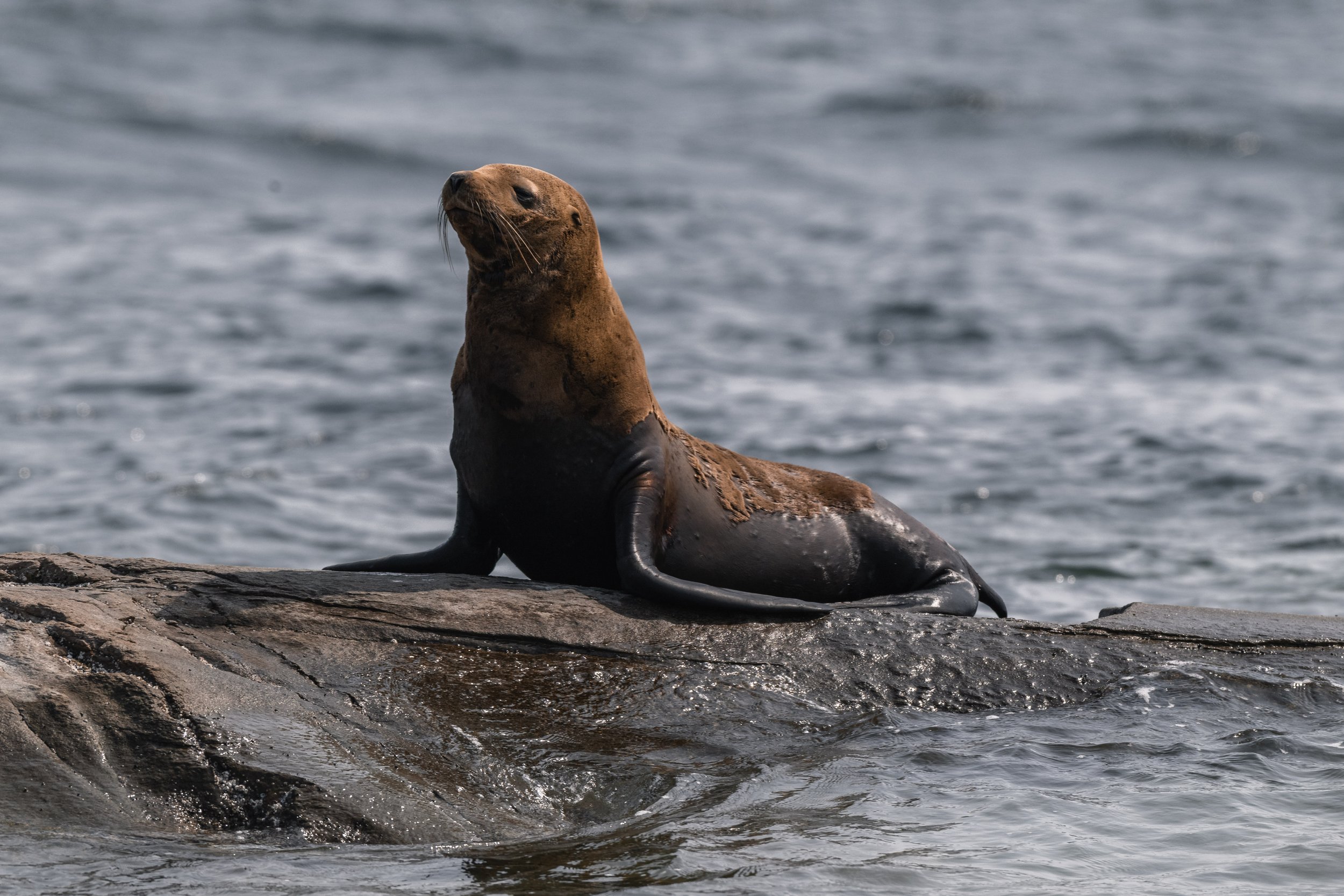
A Steller Sea Lion striking a pose.
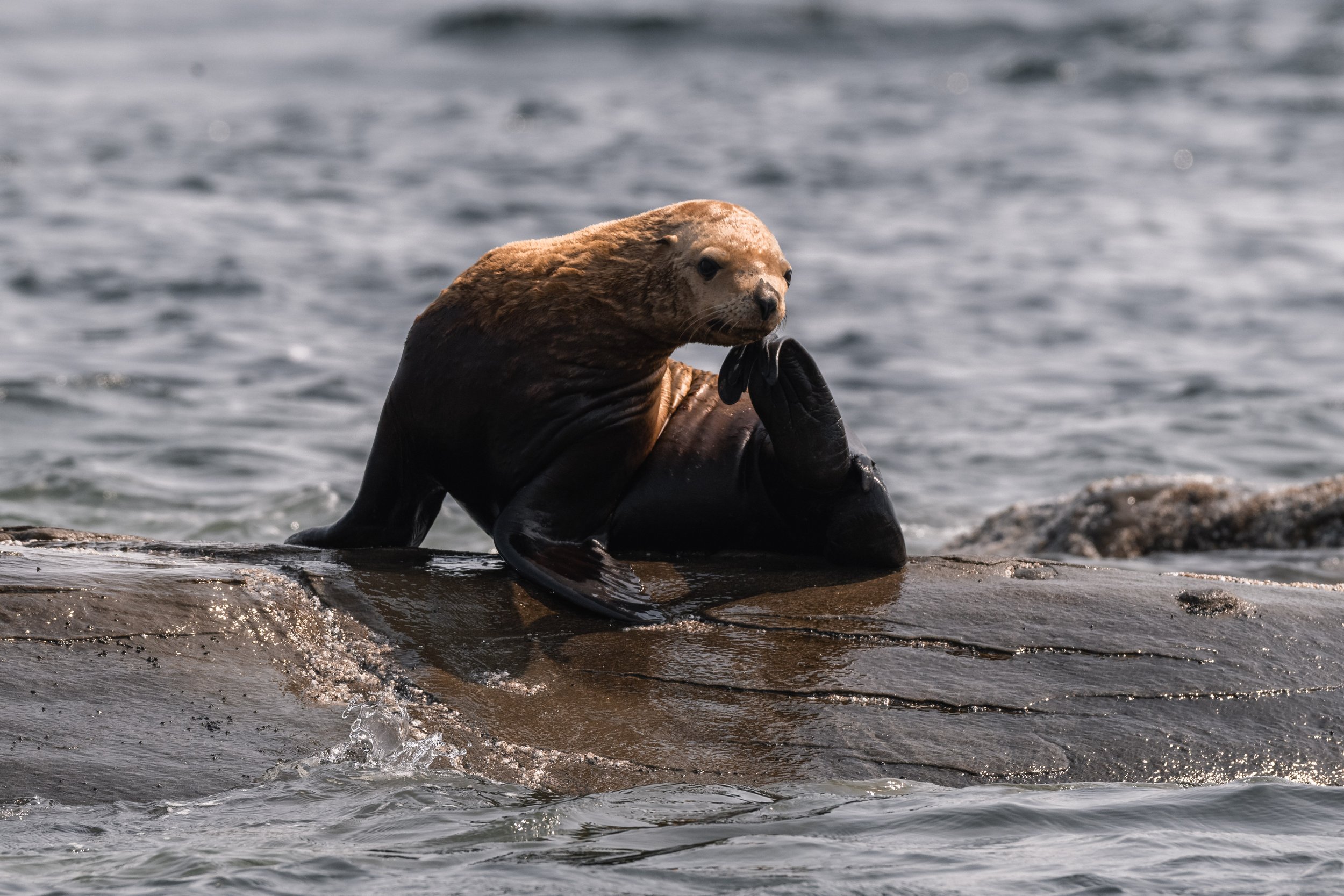
Scratching an itch.
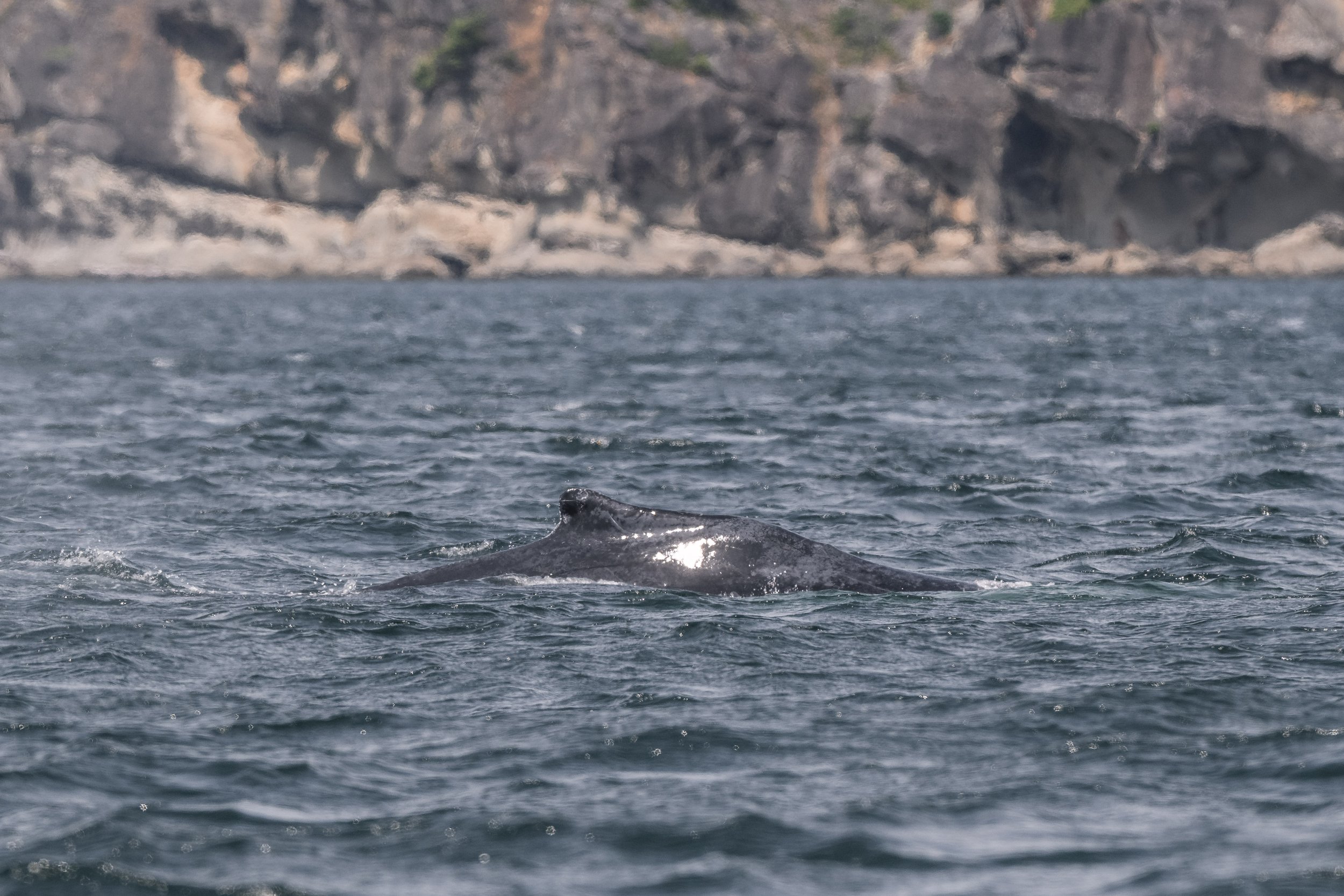
Split Fluke’s dorsal fin.
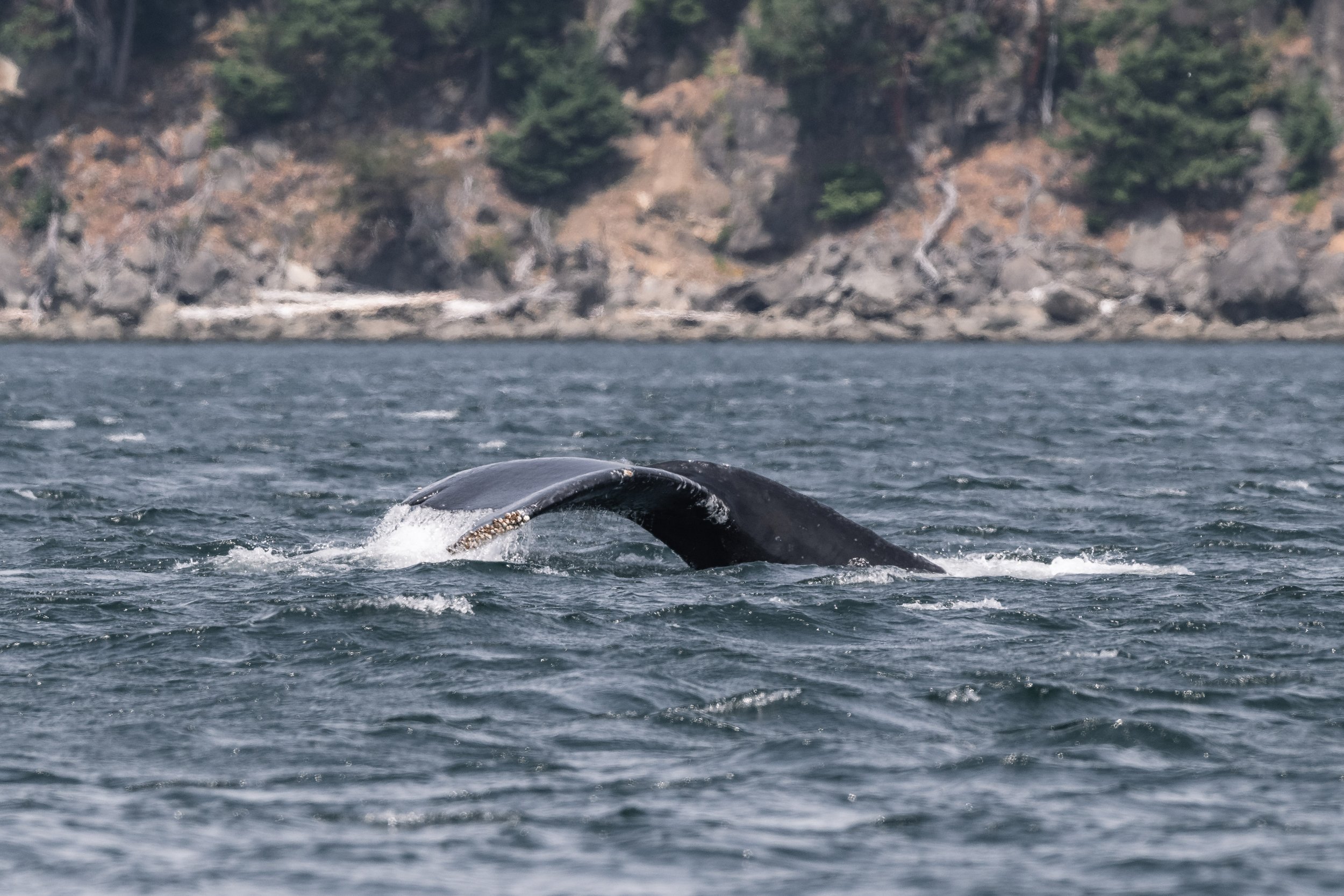
Split Fluke lifting her tail to head to down for a dive. You can just make out the split in her left fluke that prompted her name.
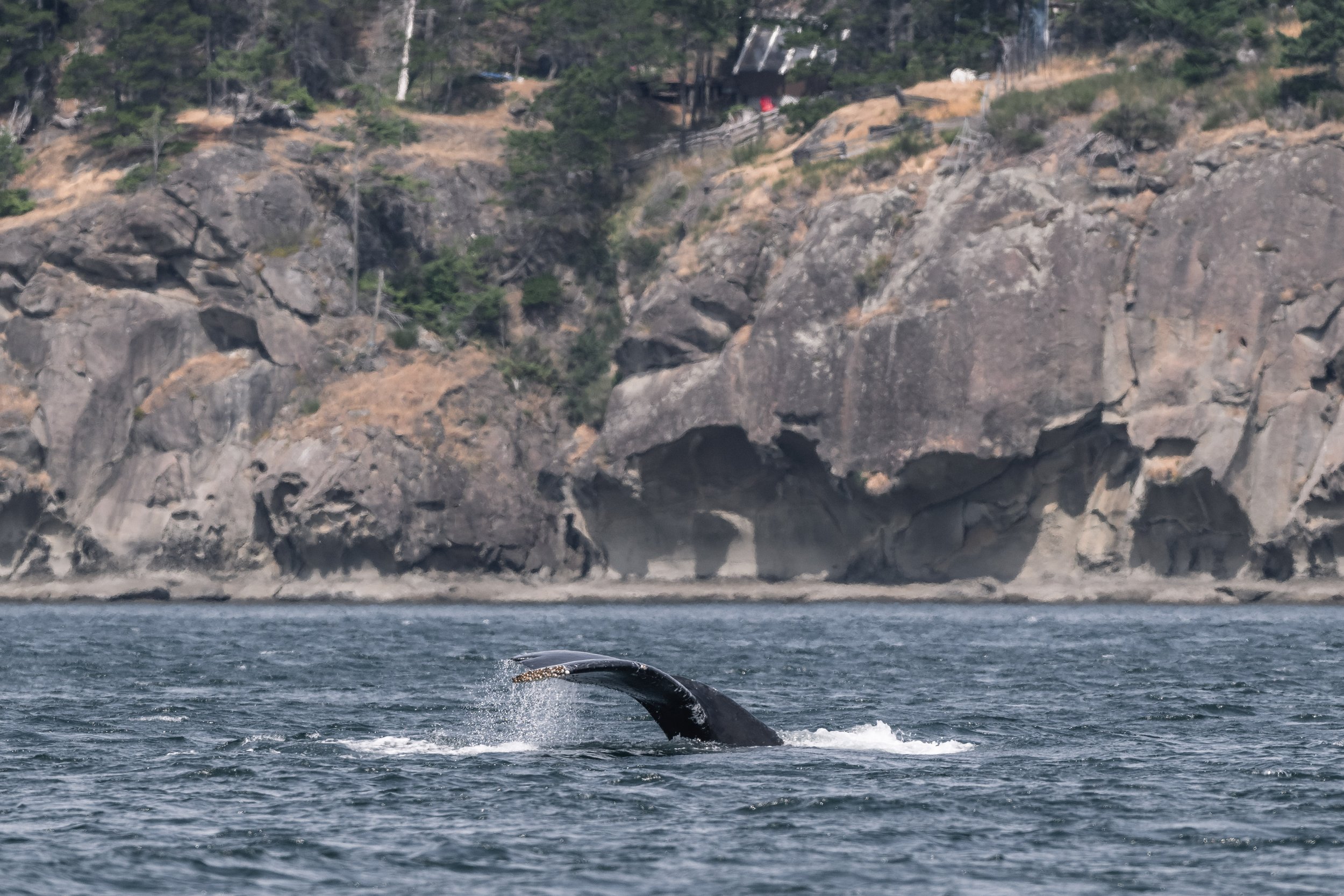
A picturesque look at Split Fluke’s tail with the sandstone cliffs in the background.