
July 20, 2026, 3:30 PM - A New Baby!
As we left for the afternoon tour, we had an idea of where we would be heading, since we had heard a report come in across the Strait of Georgia. We decided to brave the waves and head in that direction. We’re glad we did, as it turned out to be a whole T-party taking place over in Howe Sound.
When we arrived on scene, there were already a couple of Vancouver-based boats that had gotten to the report before we did, so we were able to join them in watching these whales. As we got into position and pulled out our cameras to start identifying these individuals. Although they were quite spread out when we first arrived, over the course of our time with them, we were able to identify the following individuals:
T035A Lester ♀ (1998)
T035A1 Opal ♀ (2010)
T035A1A (2026)
T035A2 Topaz ♂ (2013)
T035A3 Garnet (2018)
T035A4 Agate ♂ (2022)
T038A Dana ♀ (2000)
T038A2 Archer (2020)
T038A3 Quill (2024)
T038C Borrowman ♂ (2008)
T038E Hocker ♀ (2017)
Upon seeing the whales, something stood out to our crew onboard the vessels; there seemed to be a very new baby in the group travelling alongside 16-year-old Opal. It seemed that Opal had had her first calf! Since this sighting and the blog were written, it has been confirmed that this calf is indeed Opal’s baby, with the T035A1A designation. It’s not uncommon to spot new babies amongst the transient orca pods, given that they are a healthy and growing population of whales, but it doesn’t make it any less exciting! The baby was travelling right alongside mom for the entire encounter, playfully moving through the bits of waves as they went.
Young whales tend to bring their bodies higher out of the water than the older ones, as they are still getting used to the fine motor skills that are required to breathe as a Marine Mammal. Since their blowhole is on their head, they need to make sure it's above the water as they inhale, and until they get it down pat, they give a little extra space. Another unique thing about the calves when they are this young is that where adult orca have white, their skin takes on more of an orange hue. This is thanks to the thinner blubber layer present, allowing the colour of the blood vessels to show through their skin. This colour will fade in the first year of their lives, leaving them looking just like smaller versions of the adults.
We were so happy to see the calf looking so healthy and full of energy as we watched the two travelling together. As the encounter progressed, more members of the pod came together, and we soon had all of the T035As travelling in close quarters, with the T038 pods just a little further behind, working to catch up.
Spreading out like this can help the whales find food, since 11 whales travelling together can be rather conspicuous. When spread out, not only do they cover more area, but they are also less likely to be detected as they go, allowing them to sneak up on their prey. It didn’t seem that this technique worked for the group of whales this time, but that’s okay, since we enjoyed watching them travel through the sound peacefully.
It eventually came time to leave these whales to their travels, and we did the same. One of the boats stopped not too far from where they had left the whales to see some Harbour Seals hauled out on a nearby islet; the second boat made a similar stop later on the other side of the Strait of Georgia, near Gabriola Island. Harbour Seals are among the most abundant marine mammals in the Salish Sea. With around 50,000 of them estimated to stay in the Salish Sea year-round, spread across multiple haul-out locations, it's no surprise that we often spot them during our tours. Their abundance has also led to the recovery of the Transient Orca population, as they are their preferred food source. Seeing them resting on the rocks is always a special sight, especially this time of year since it is pupping season. We spotted a few of these young individuals today, looking like a miniature version of the adults. Unlike orcas, which rely on their moms for around 3 years, Harbour Seal youngsters have their mother's support for only about a month, then they are on their own. With plenty of fish and cephalopods for them to eat, their populations are doing quite well, even with the lack of parental care.
Next up on the cross back to Nanaimo was Halibut Bank. This area has particularly high productivity thanks to the extra mixing of the water column that the underwater mountain creates as the tide changes in the large channel. There is a buoy here that typically supports some of the animals that take advantage of this increase in productivity. The Steller Sea Lions must have been ready to rest as the waves died down, since we saw them mostly lazing on the flat bottom of the buoy or rafting together nearby in the water. Sometimes, there would be more fighting breaking out amongst the group, but it was all about rest for them today. They need to spend some of their day outside of the water to maintain a proper body temperature, since the cold waters of BC will try and sap that heat from them. Even with their thick fur and blubber, around half their day is still spent hauled out like this.
The final stop of the day was close to home port, at the Gabriola Bluffs. These bluffs support a wide variety of bird life, most notably the cormorants. There are 3 species of Cormorant found in BC: the Brant, Double-crested, and Pelagic cormorants. There are also some smaller birds, like the cliff swallows, that will use this area as well. What is even more striking while spending time here is the cliffs themselves. They represent millions of years in the cliffs, with each centimetre having been one metre of seafloor. Over time, the pressure creates the sandstone, and tectonic activity pushed it up to form the lovely cliffs we see today. It was a great way for us to end this tour.
Please enjoy the photos below captured throughout the tour by the onboard Marine Naturalists Val Watson and Aly Kohlman.
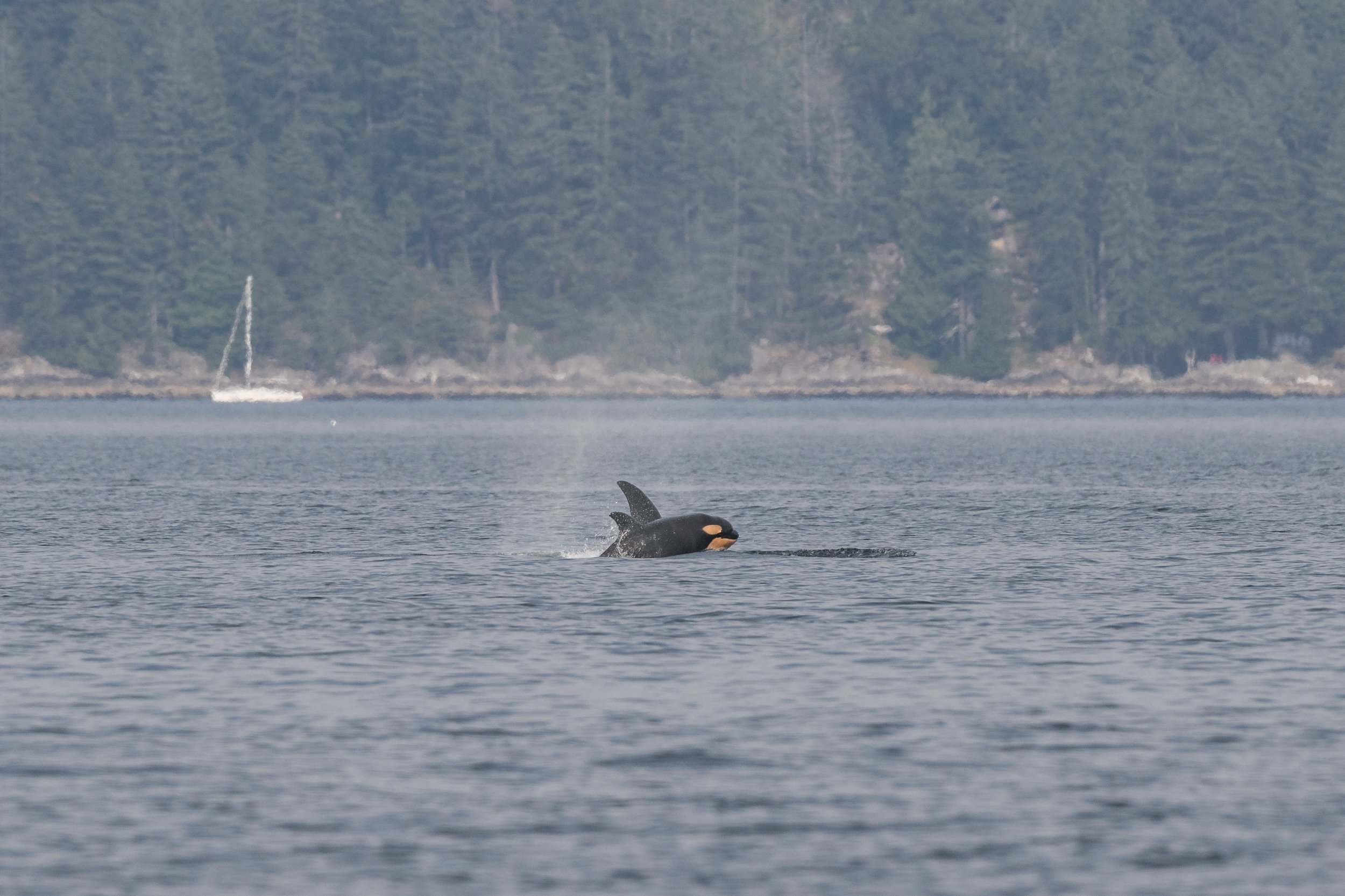
T035A1A surfacing alongside T035A1 Opal. Photo by Aly Kohlman.
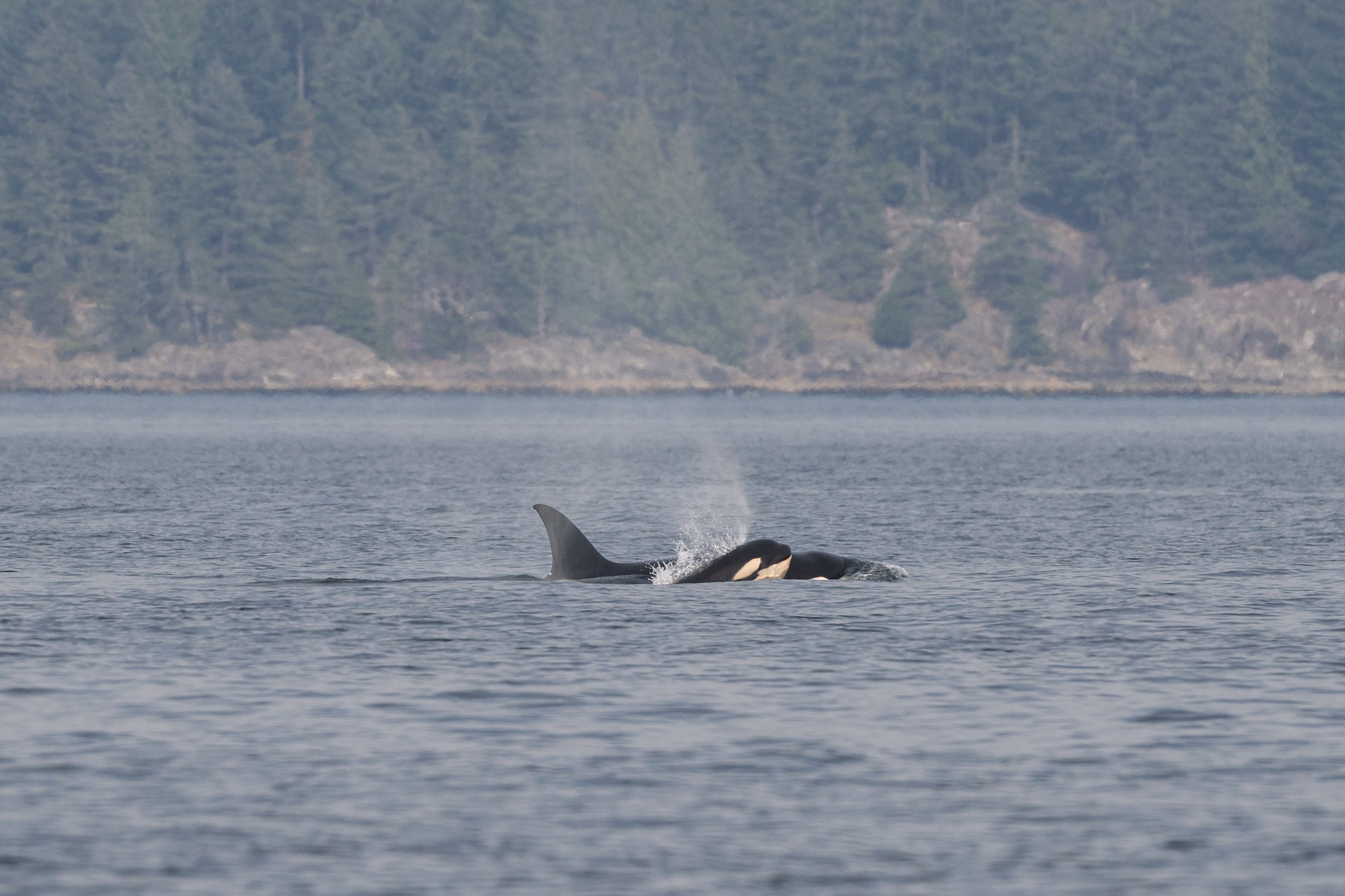
T035A Lester surfacing with her newest calf, T035A4 Agate. Photo by Aly Kohlman.
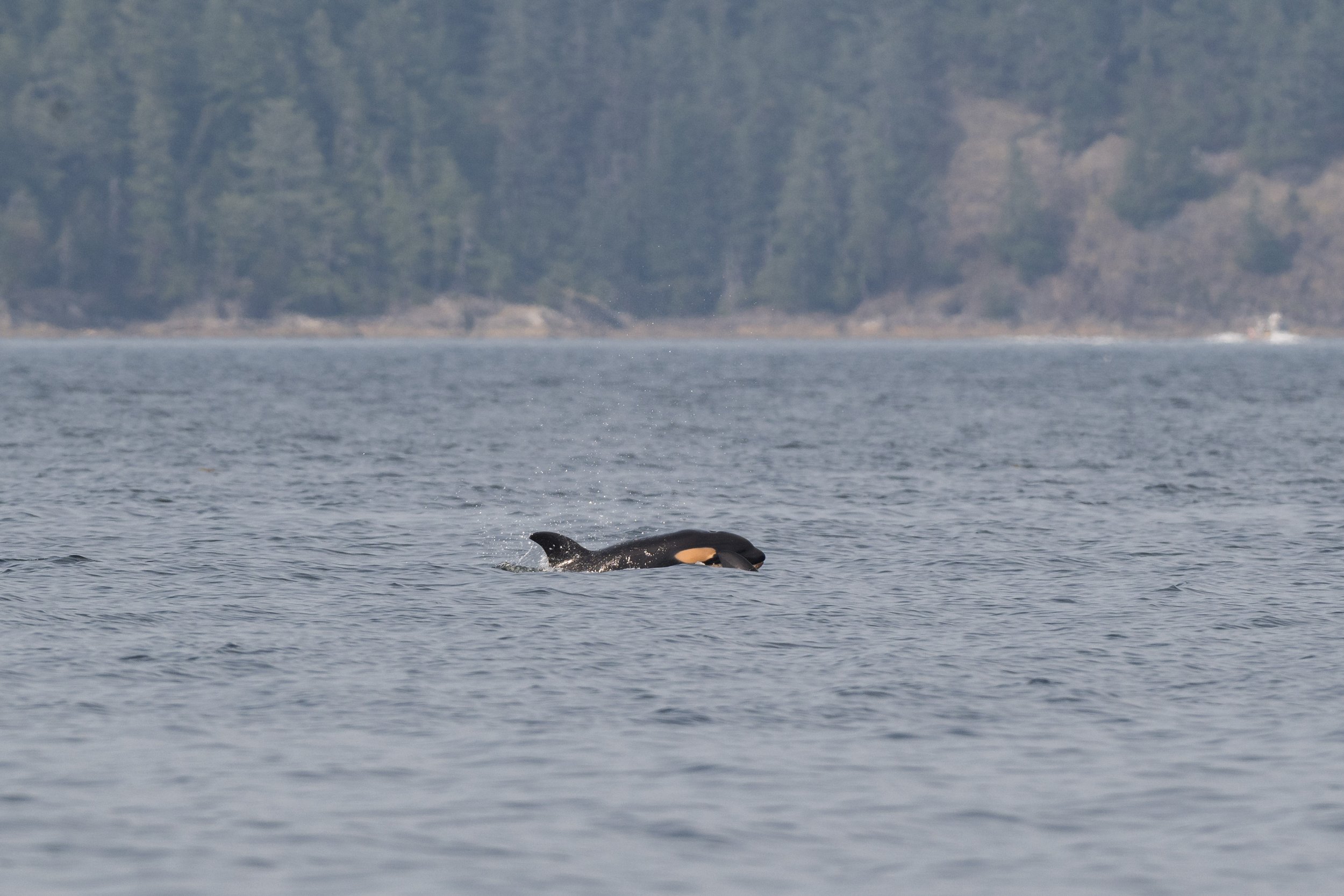
A great look at the new calf, T035A1A. Photo by Aly Kohlman.
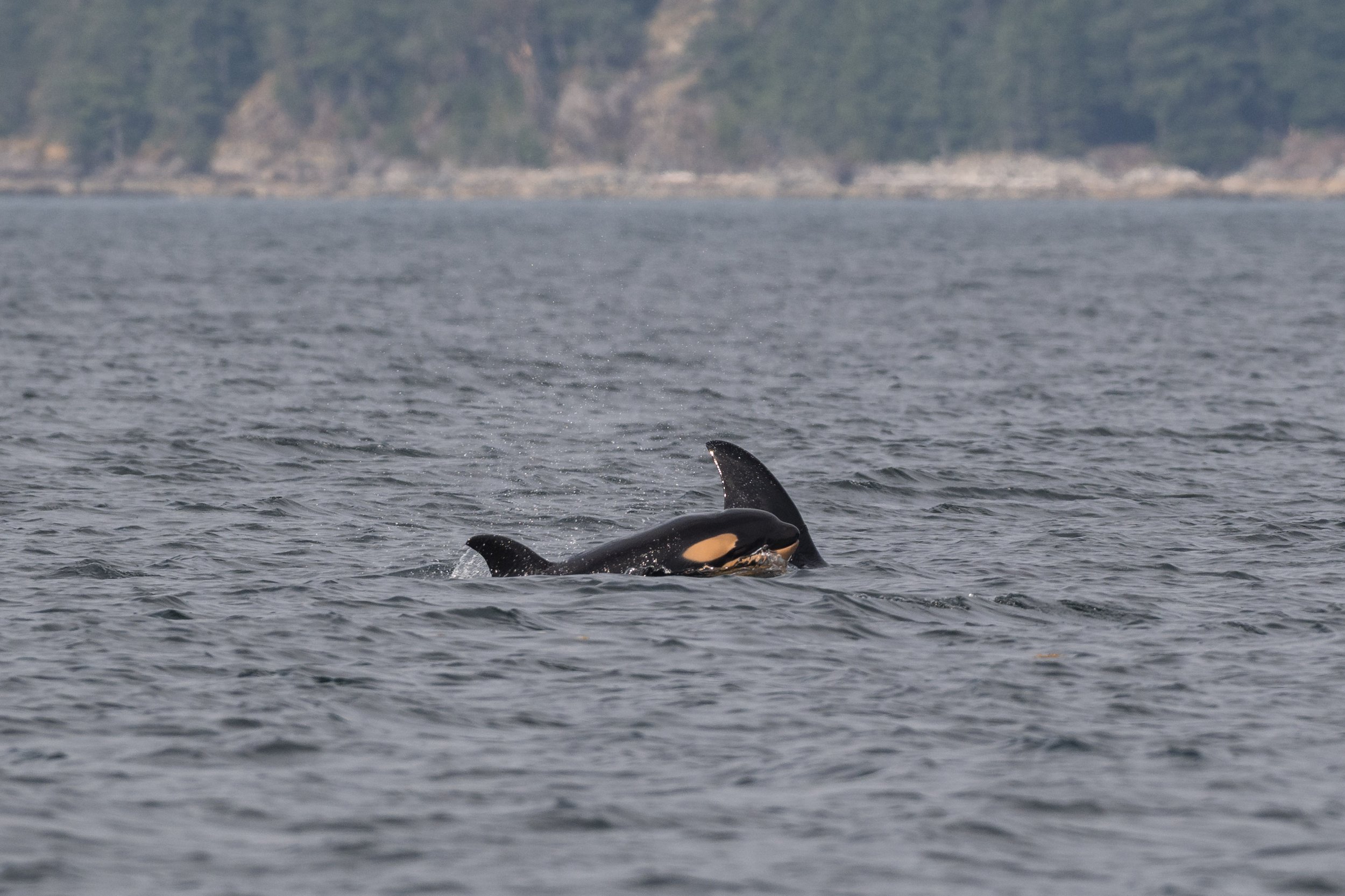
T035A1A surfacing alongside mom, T035A1 Opal. Photo by Aly Kohlman.
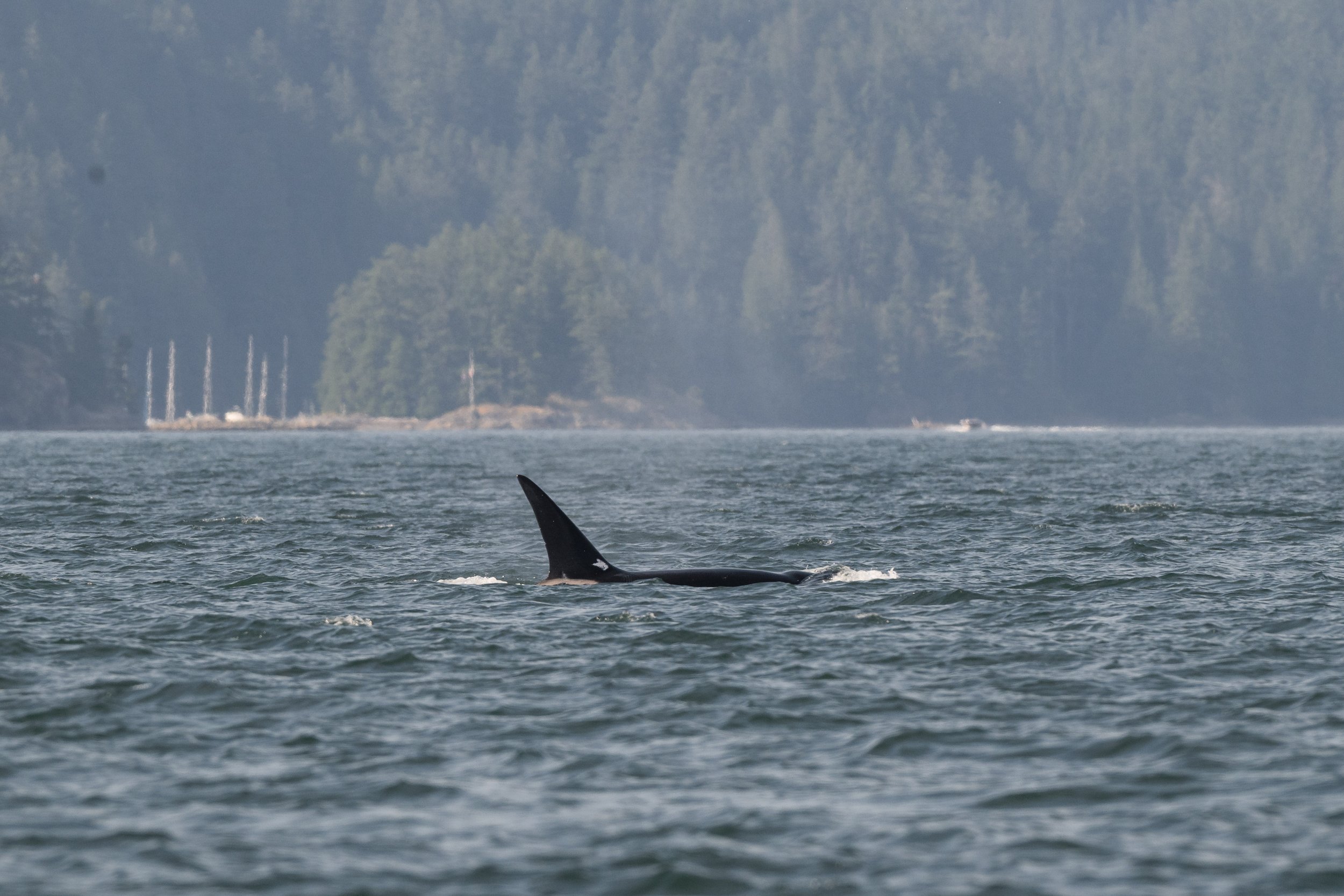
T038C Borrowman surfacing in the waves. Photo by Aly Kohlman.
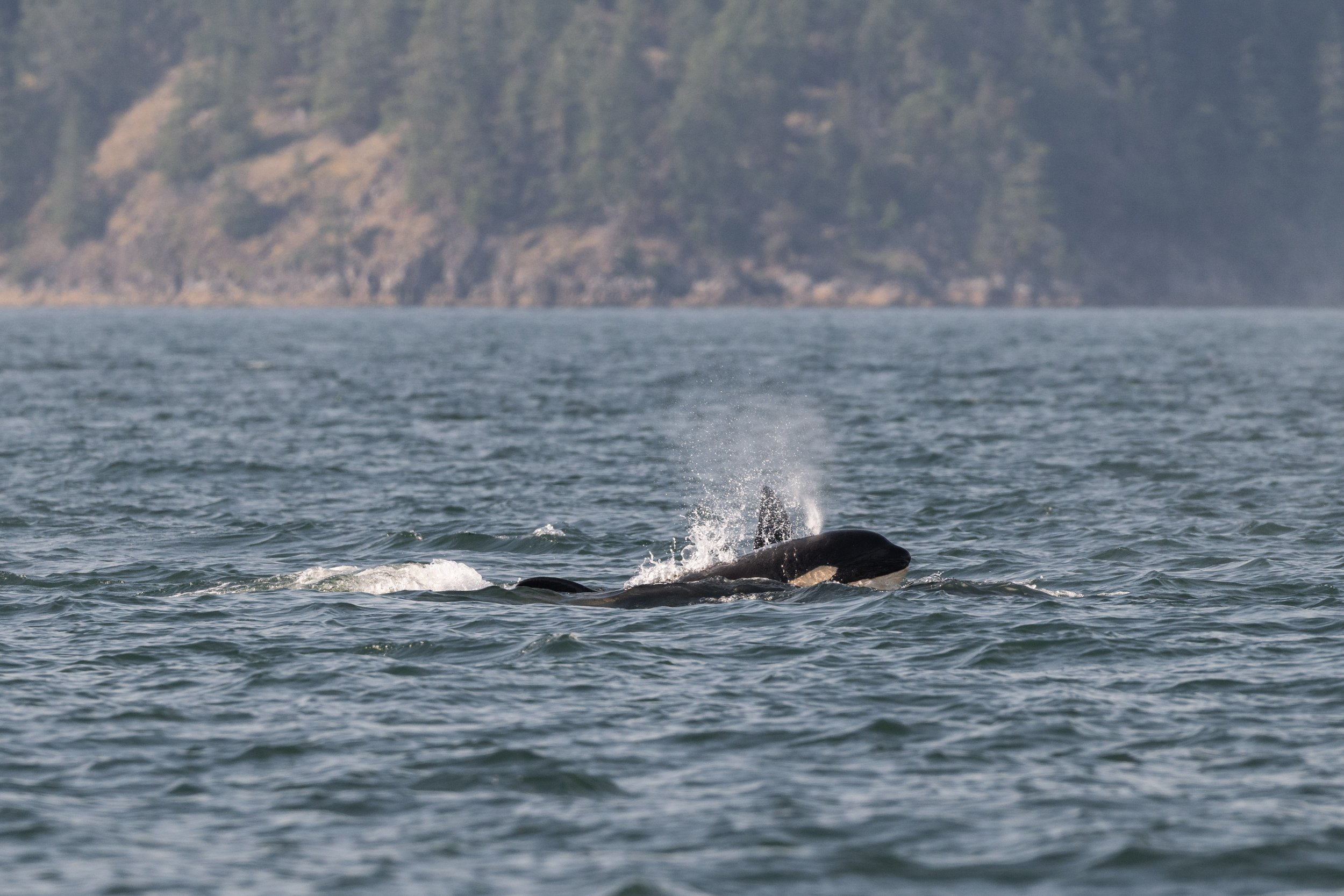
T038A3 Quill breaking the surface. Photo by Aly Kohlman.
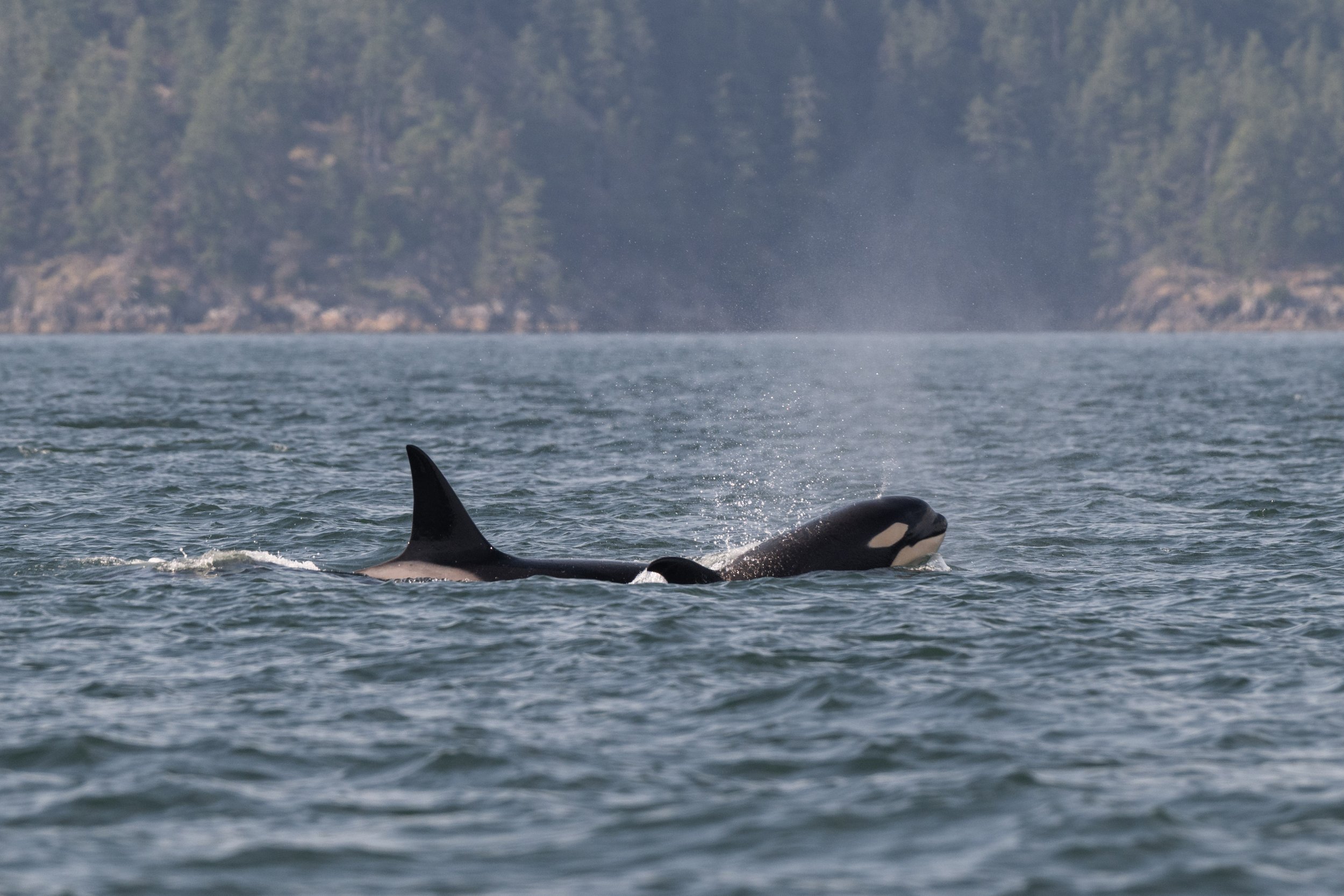
T038A Dana surfacing with her youngest, T038A3 Quill. Photo by Aly Kohlman.
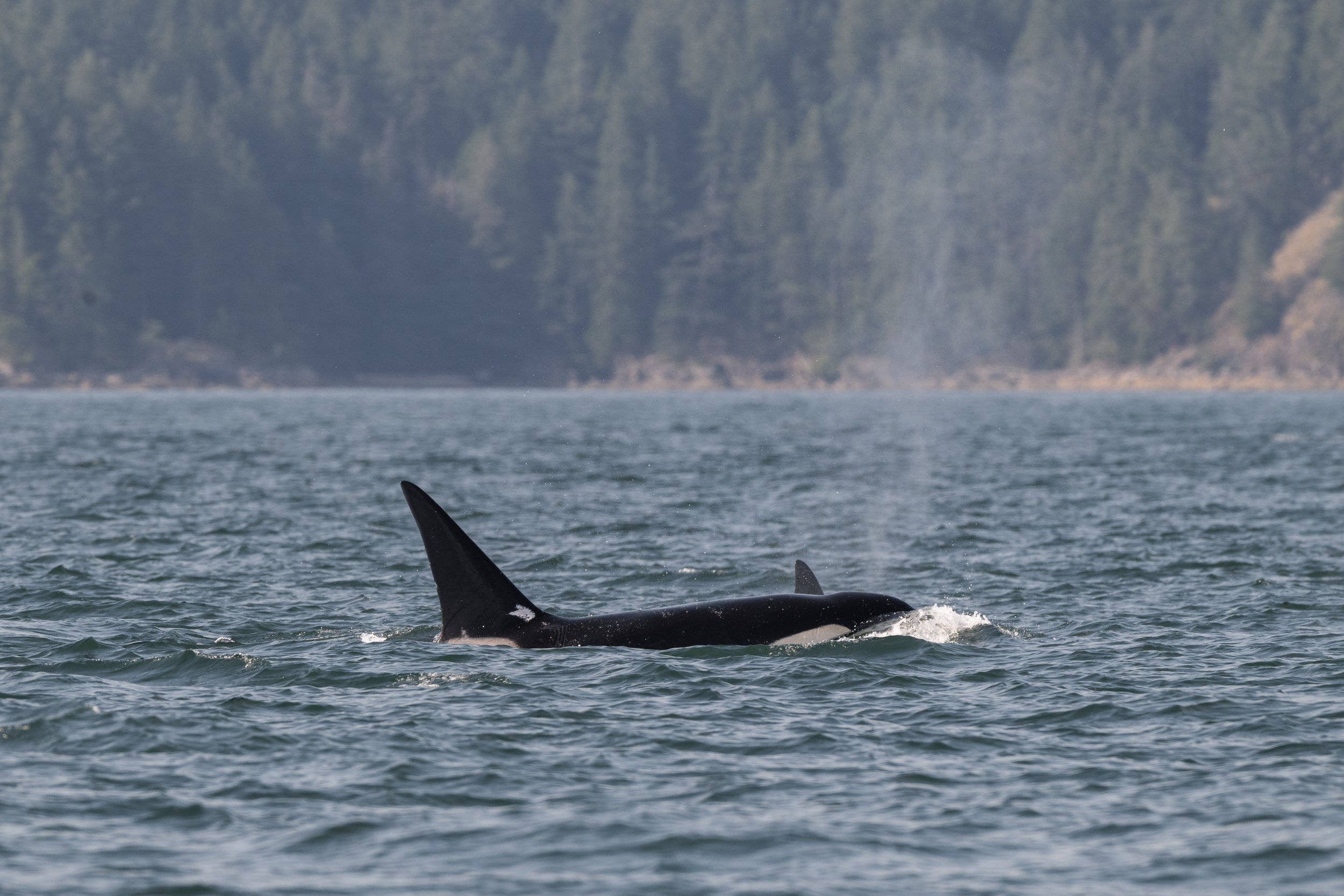
A great look at T038C Borrowmans dorsal fin. Photo by Aly Kohlman.
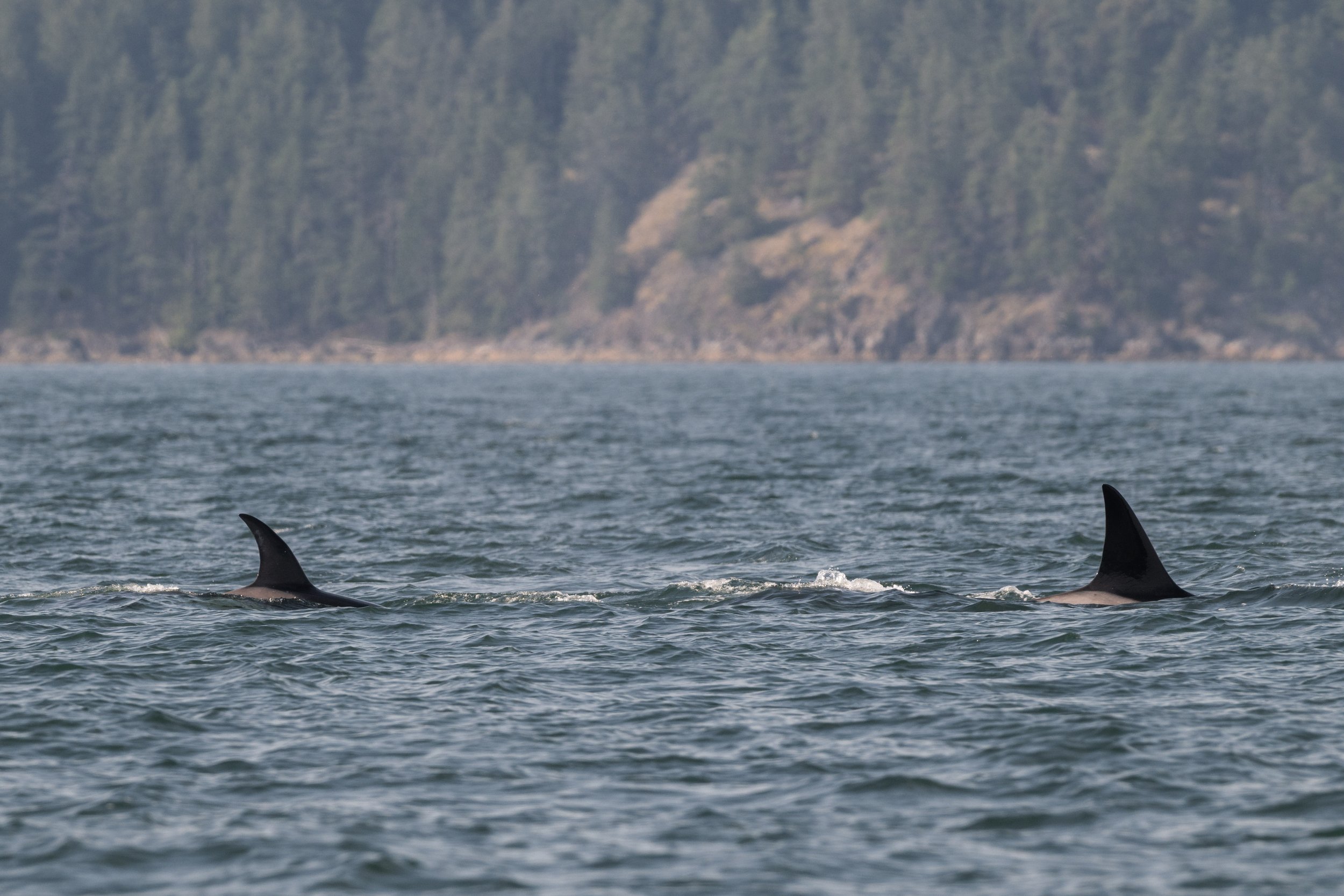
T038A2 Archer and T038A Dana surfacing together. Photo by Aly Kohlman.
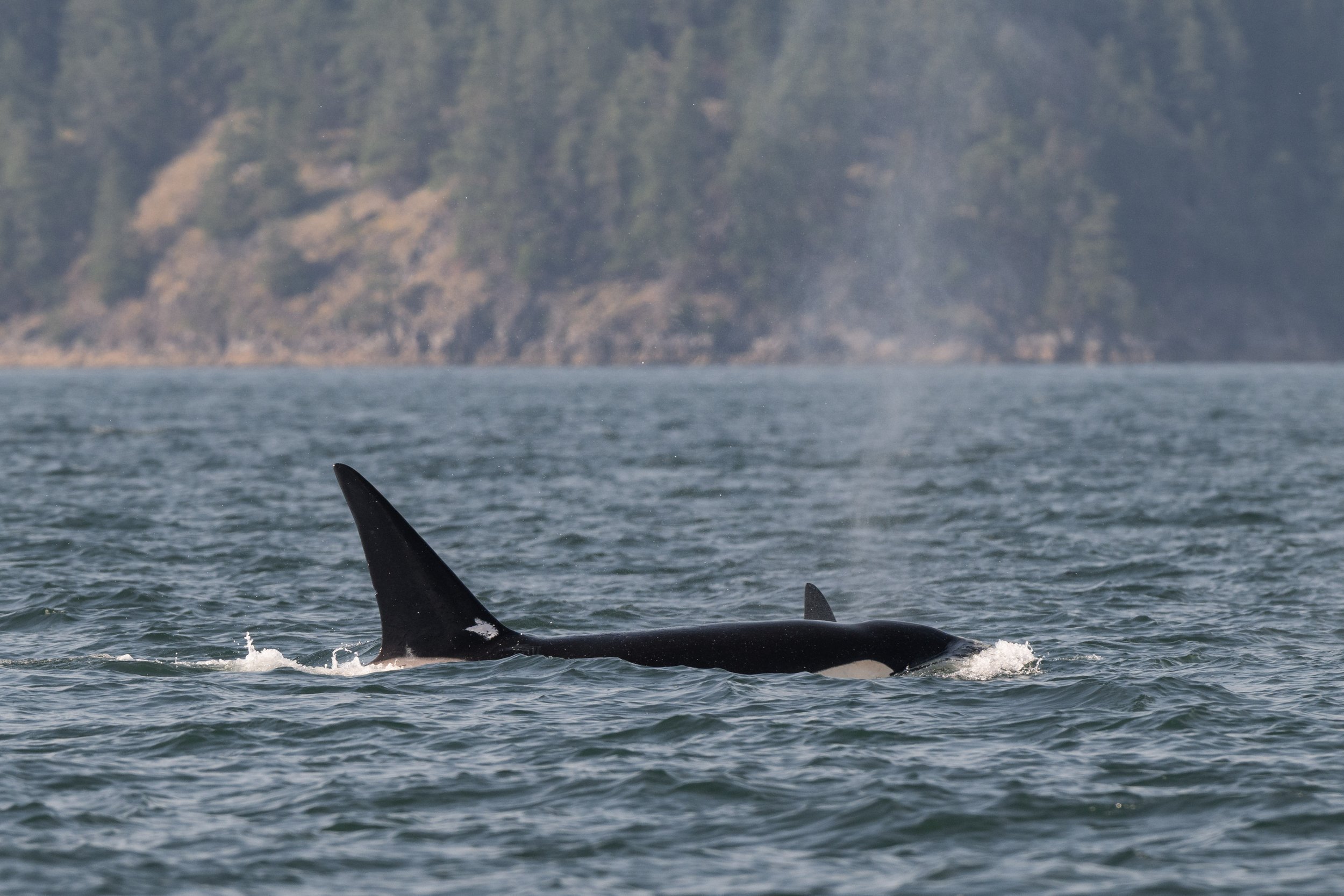
T038C Borrowman surfacing with his eyepatch just above the water. Photo by Aly Kohlman.
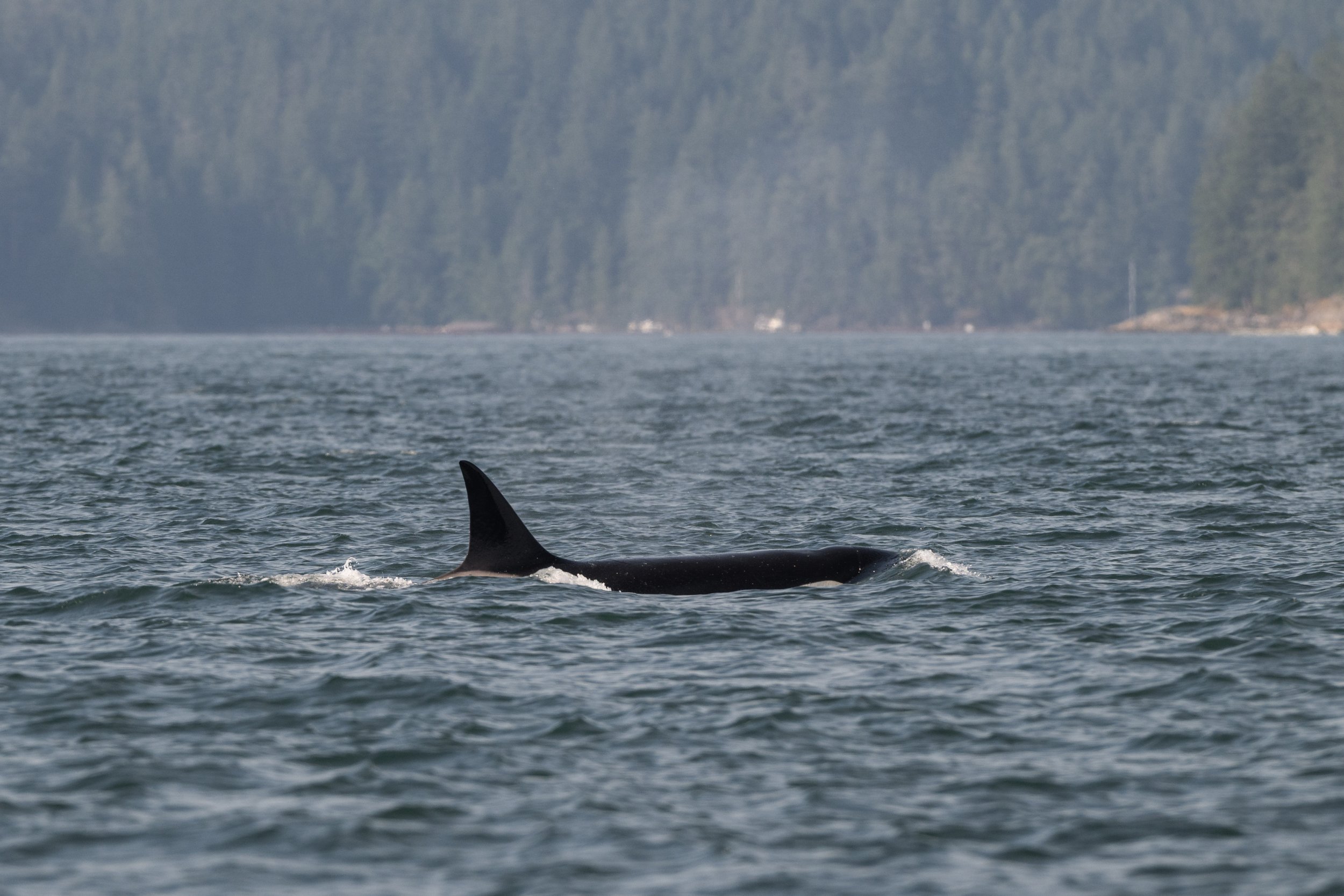
T038A Dana. Photo by Aly Kohlman.
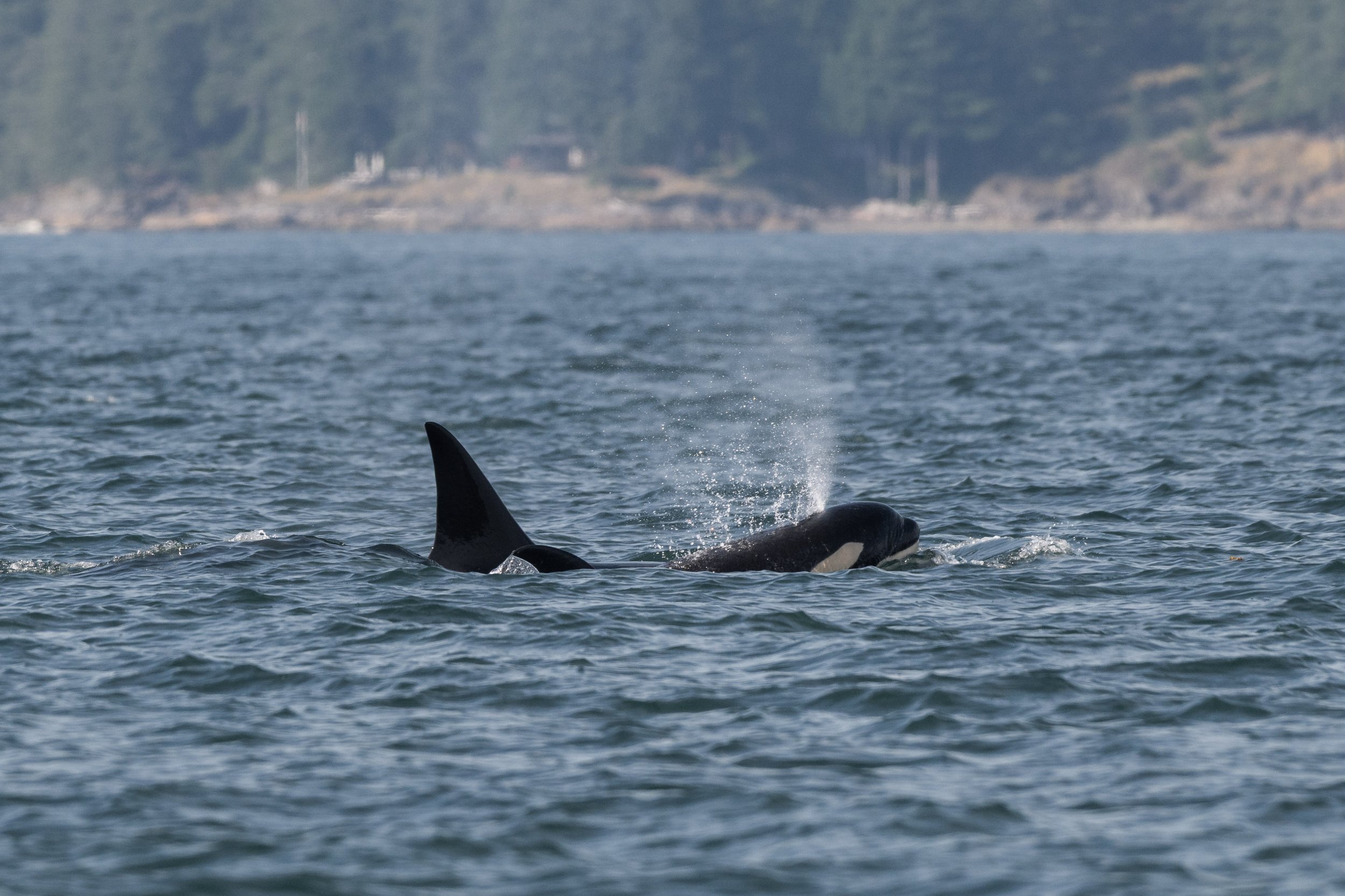
T038A Dana and T038A3 Quill surfacing together. Photo by Aly Kohlman.
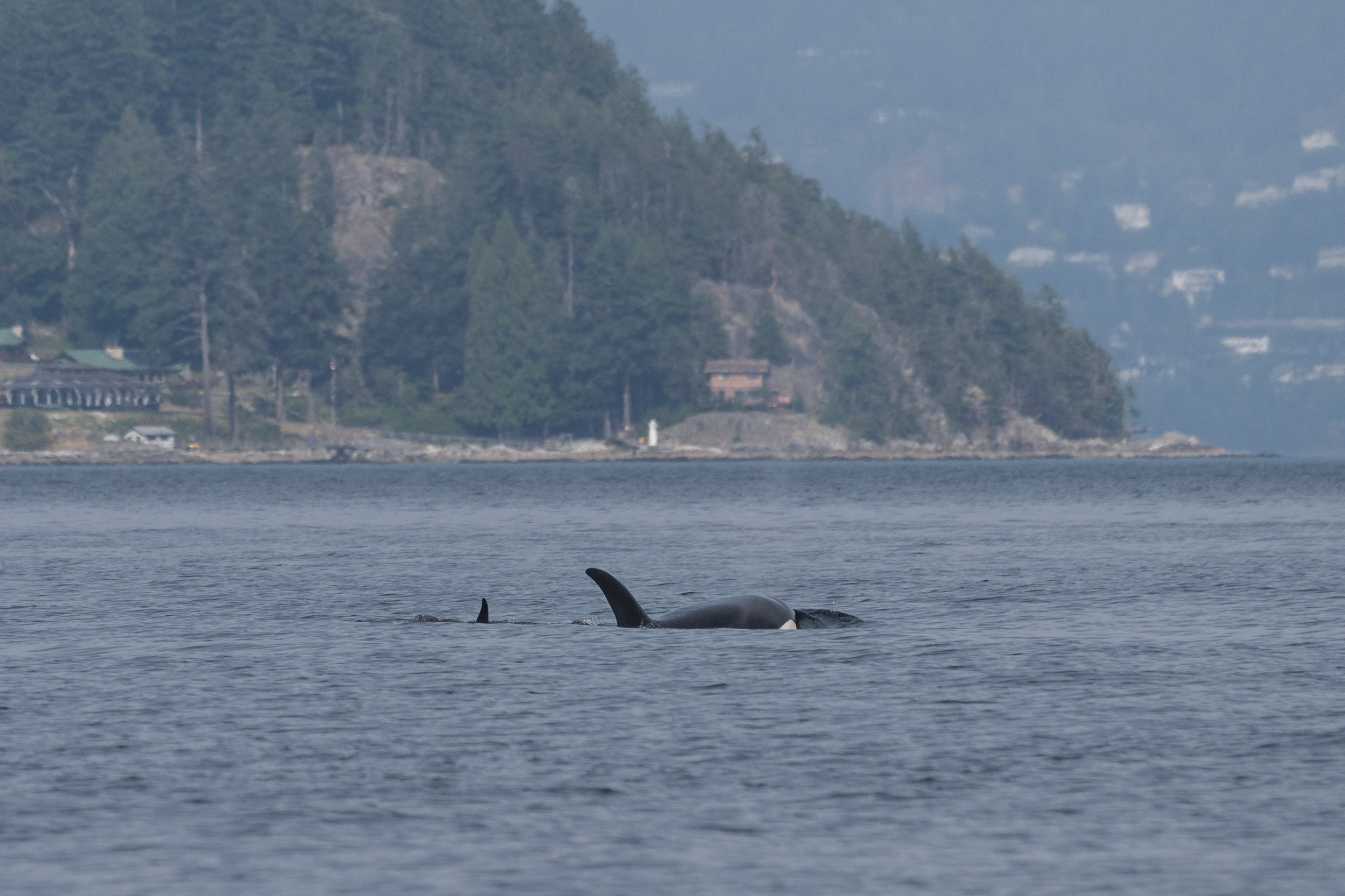
T035A1 Opal and her new calf. Photo by Val Watson.
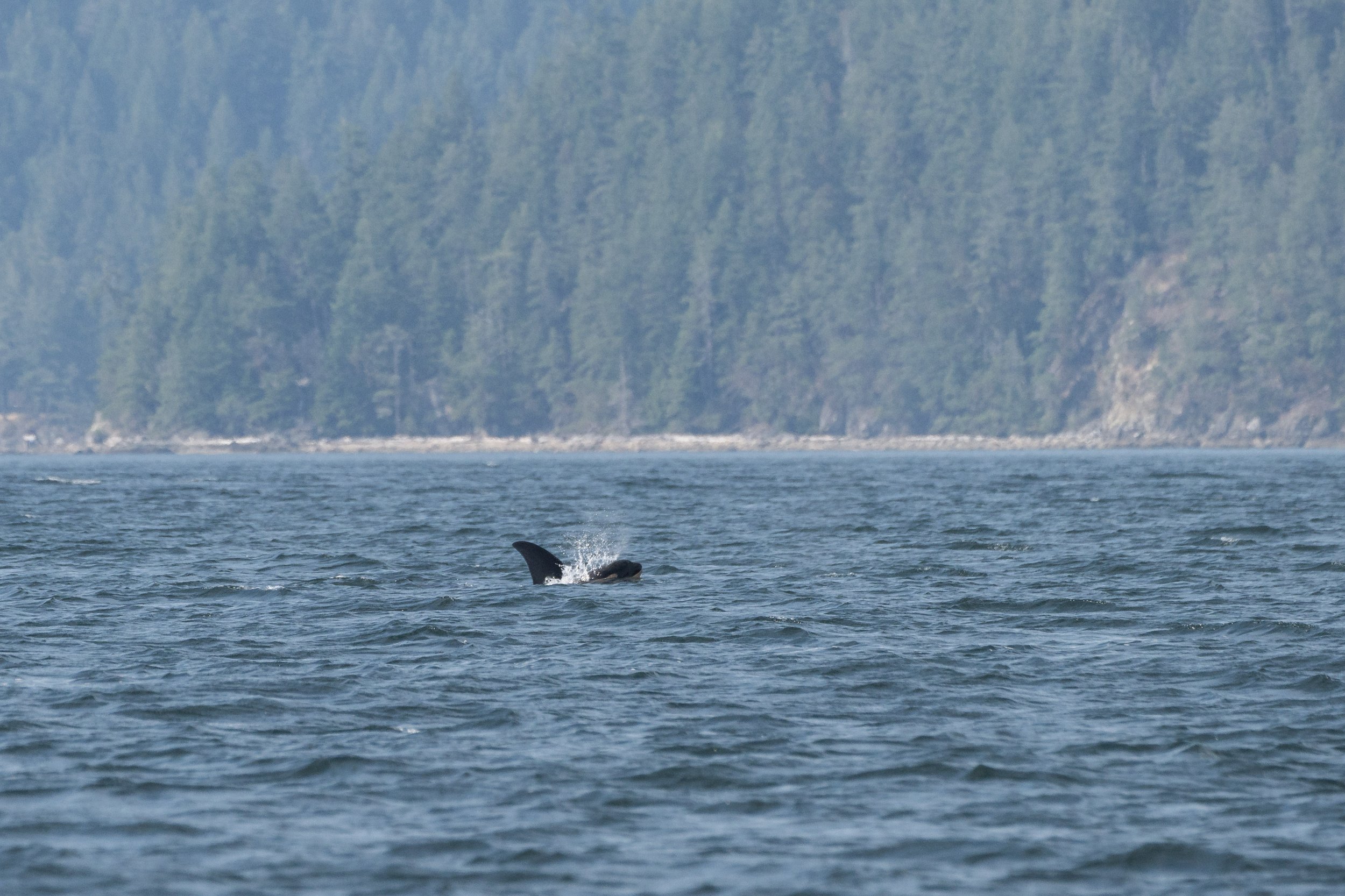
ittle T035A1A breaking the surface of the water. Photo by Val Watson.
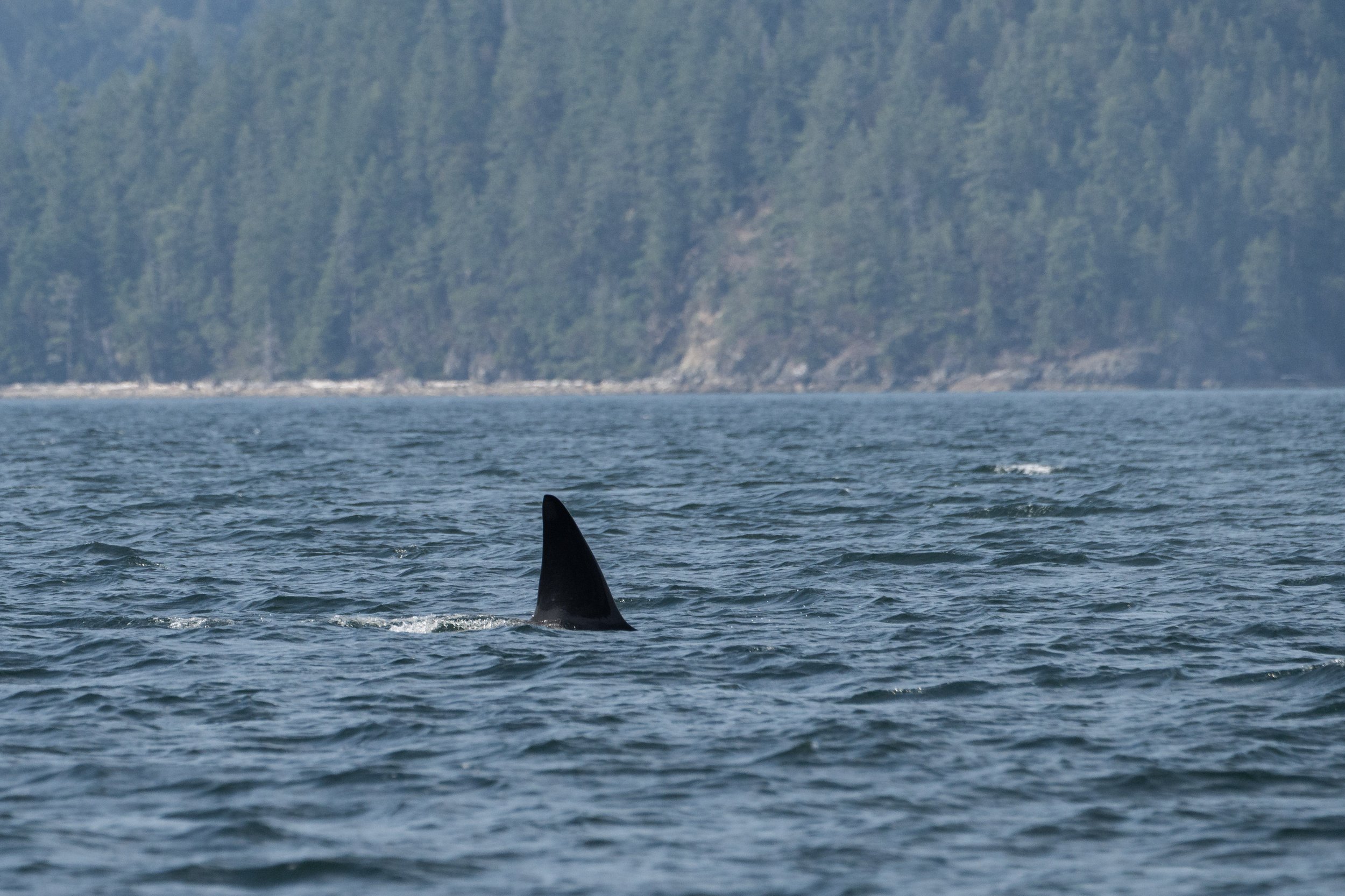
T035A2 Topaz surfacing. Photo by Val Watson.
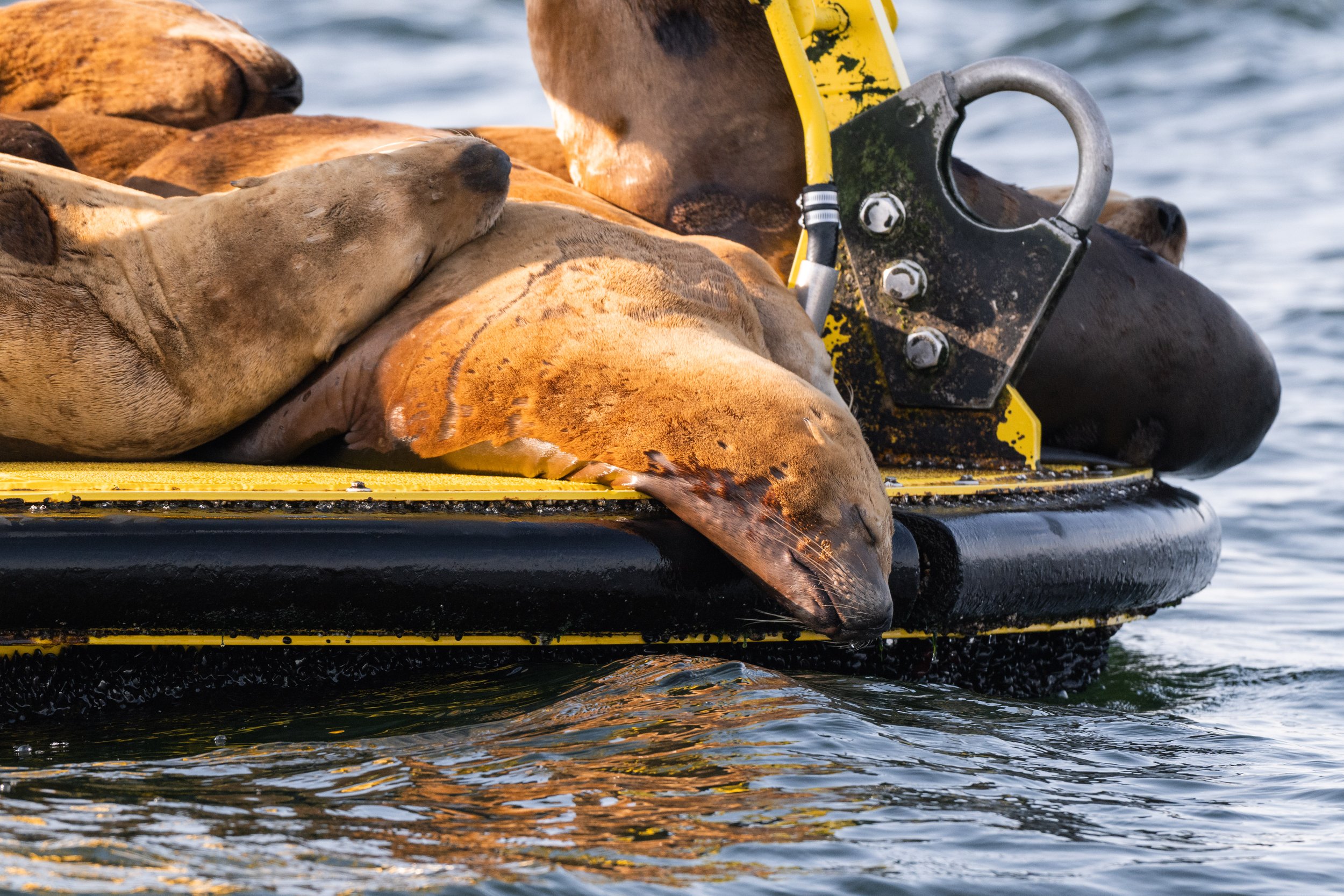
Sleepy Steller Sea Lions on the Halibut Bank Buoy. Photo by Aly Kohlman.
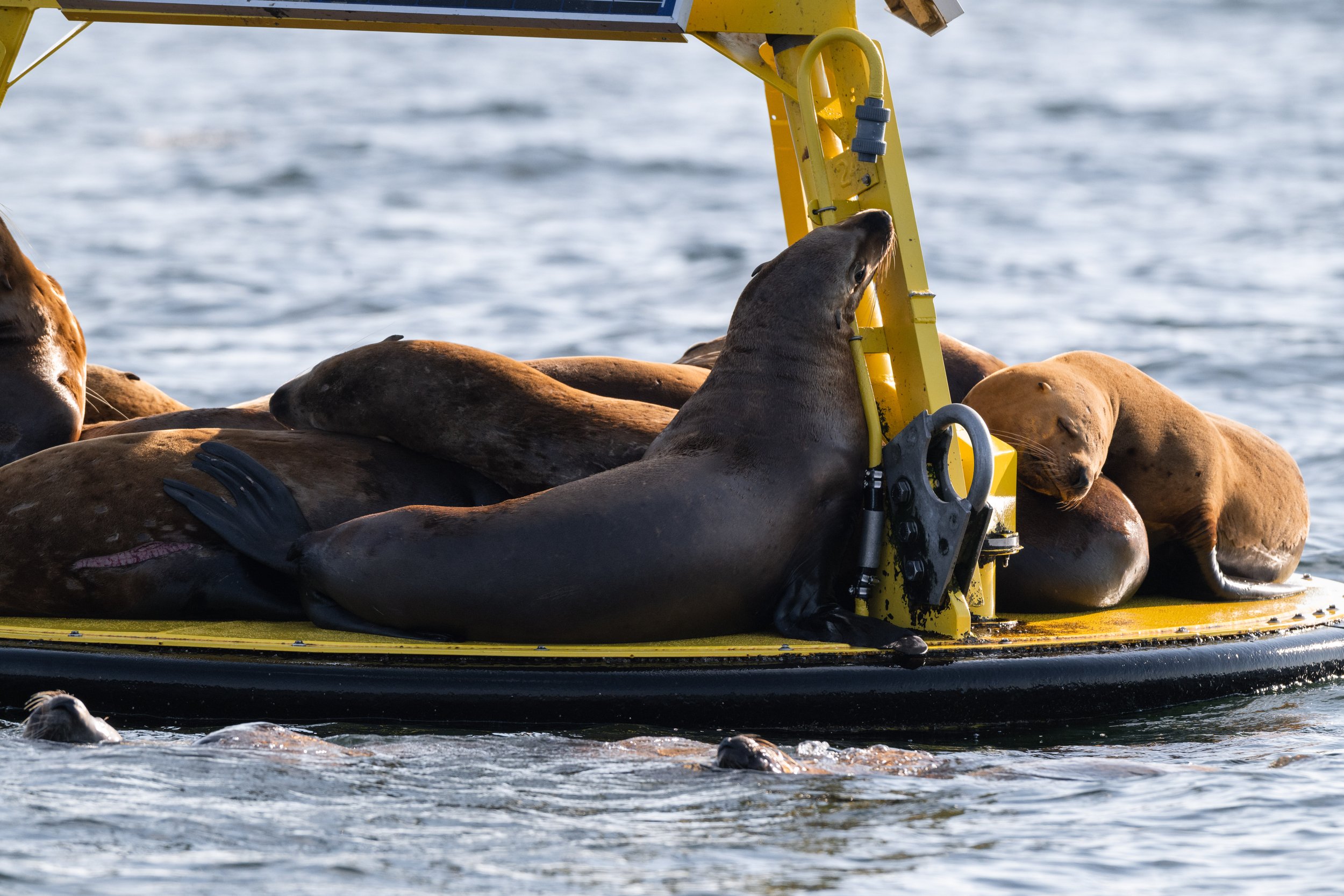
Steller Sea Lions spending time outside the water. Photo by Aly Kohlman.
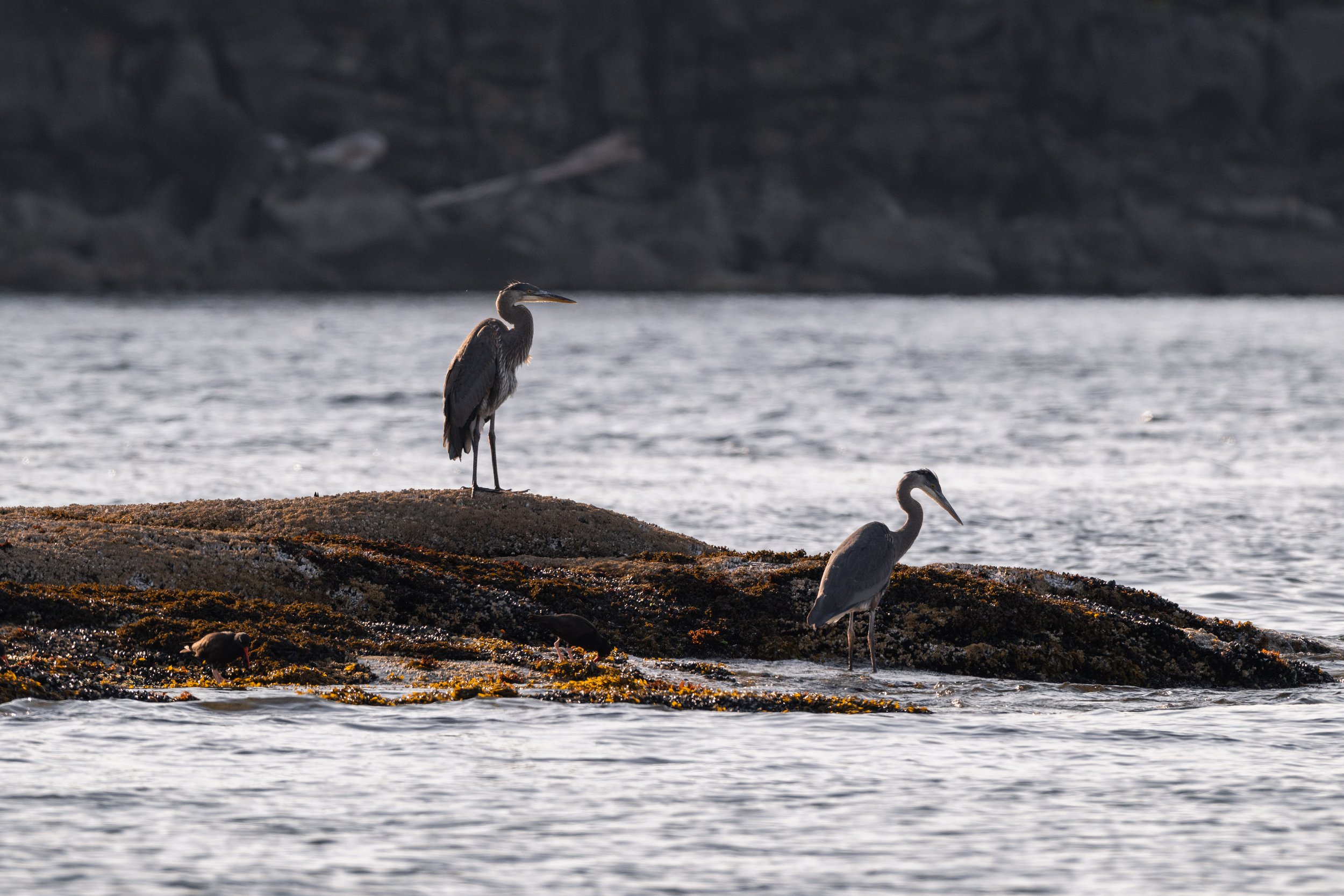
Great Blue Herons on the rocky shoreline. Photo by Aly Kohlman.
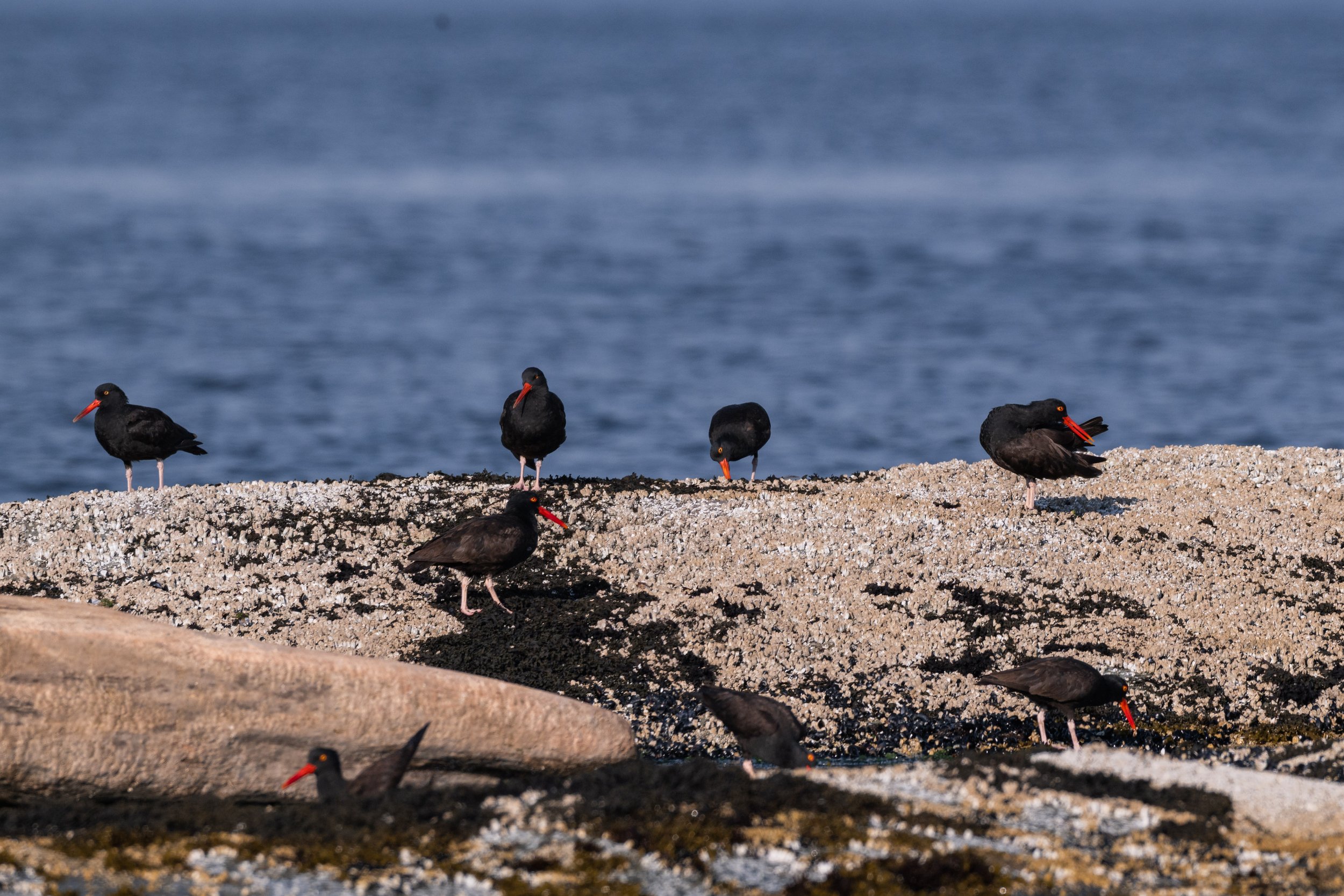
Black Oyster Catchers looking for dinner. Photo by Aly Kohlman.
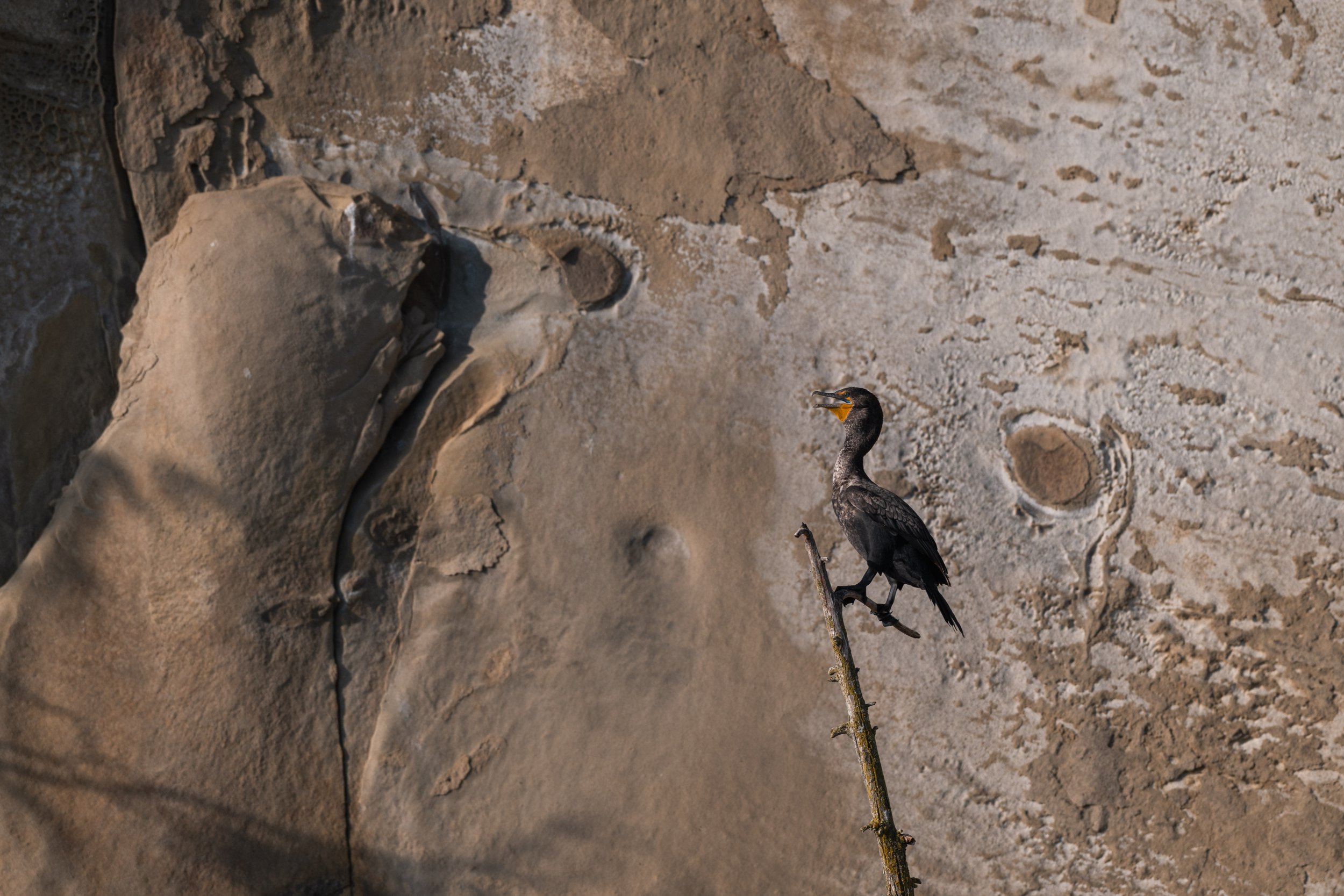
A cormorant on the Gabriola Bluffs. Photo by Aly Kohlman.
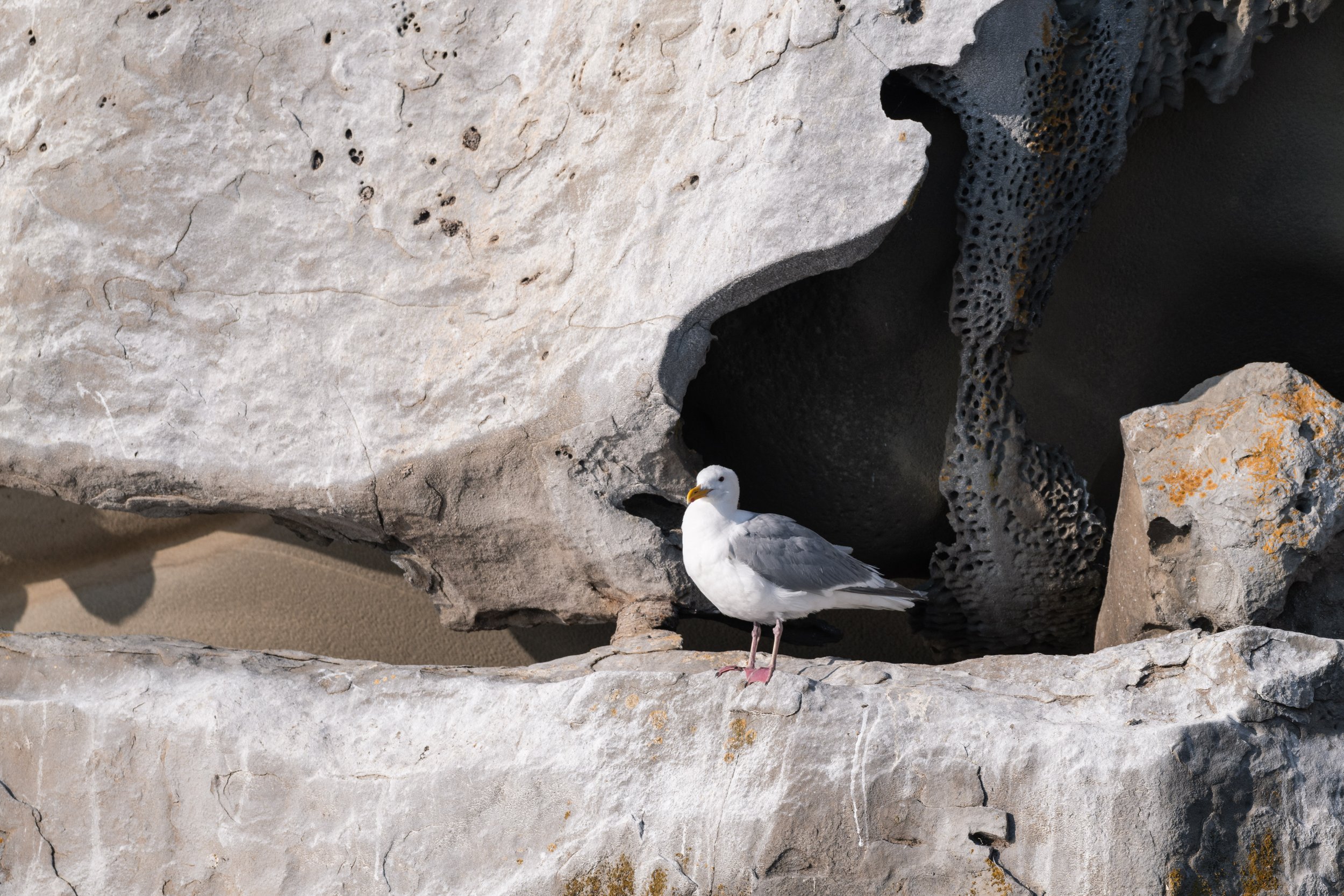
A gull on the Gabriola Bluffs. Photo by Aly Kohlman.
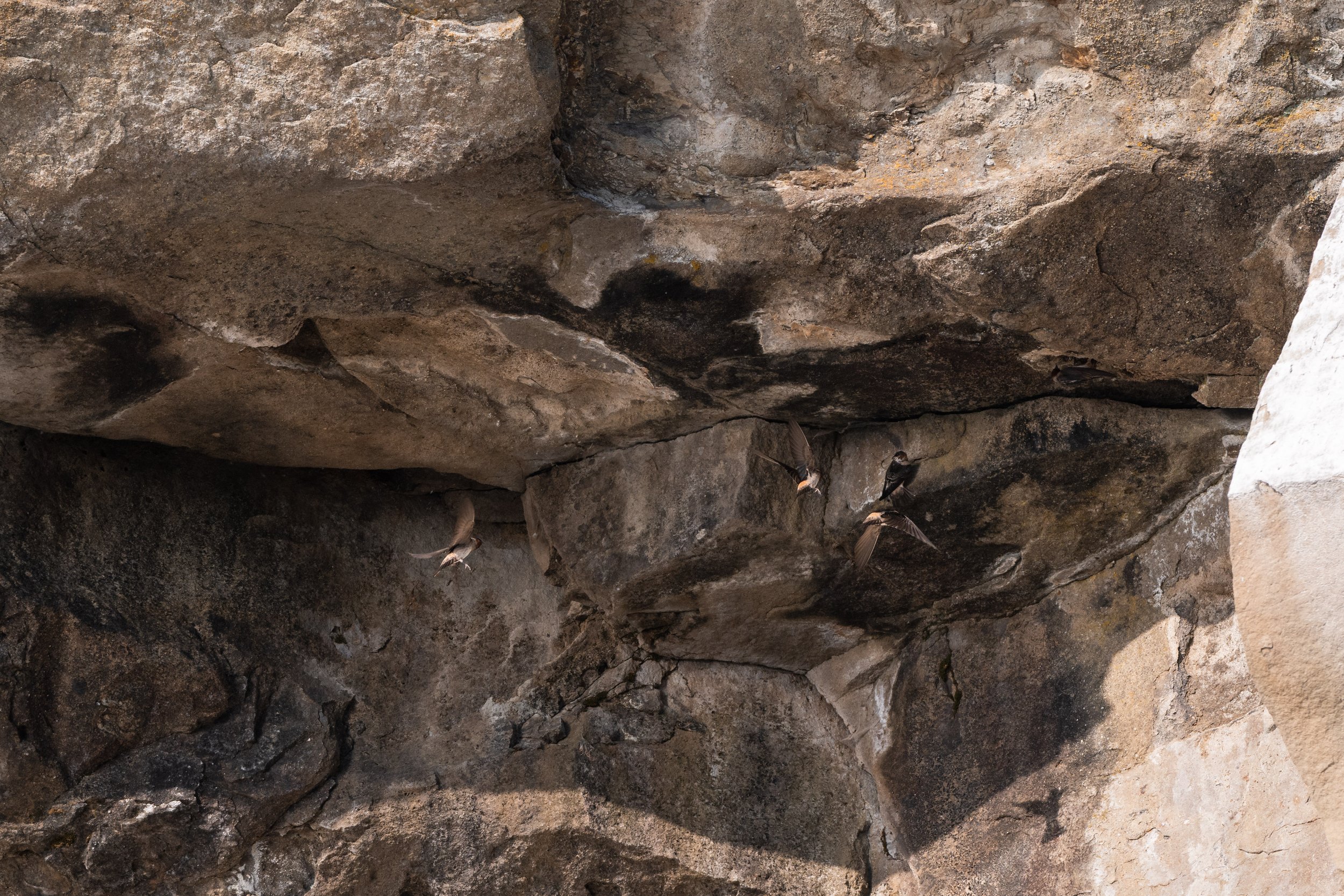
Cliff Swallows flying into their nests. Photo by Aly Kohlman.
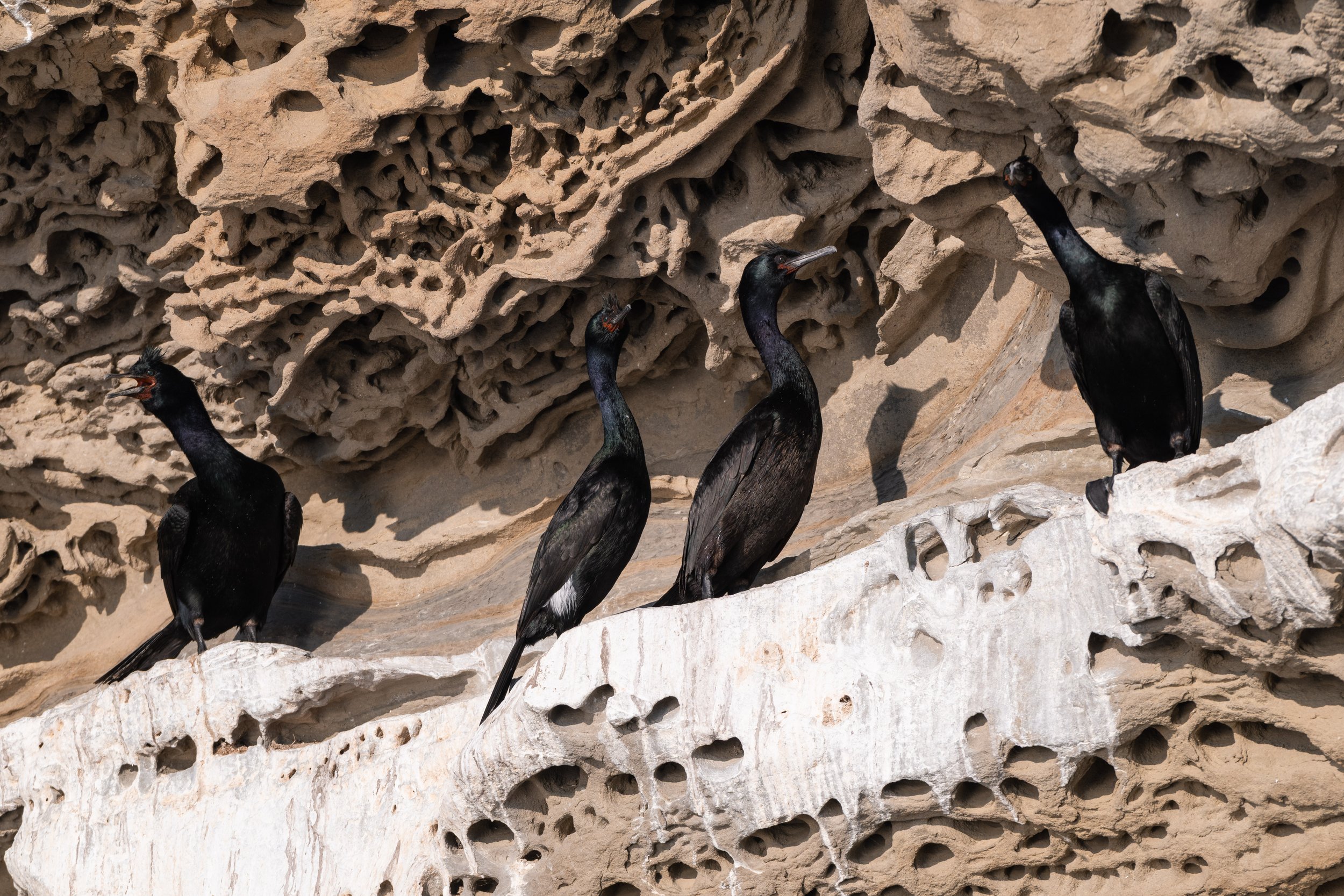
Cormorants enjoying the sunshine. Photo by Aly Kohlman.
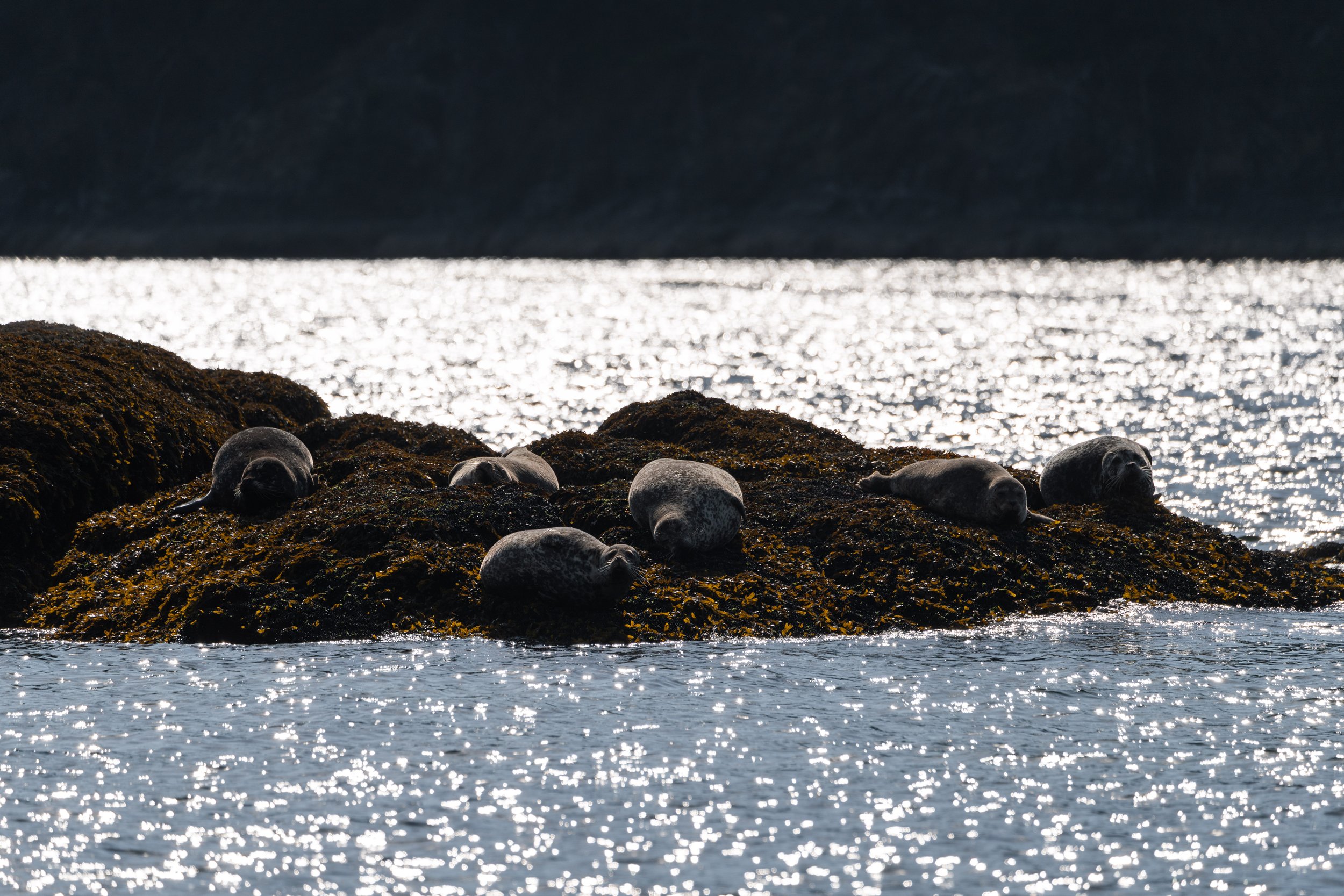
Harbour Seals in Howe Sound. Photo by Val Watson.
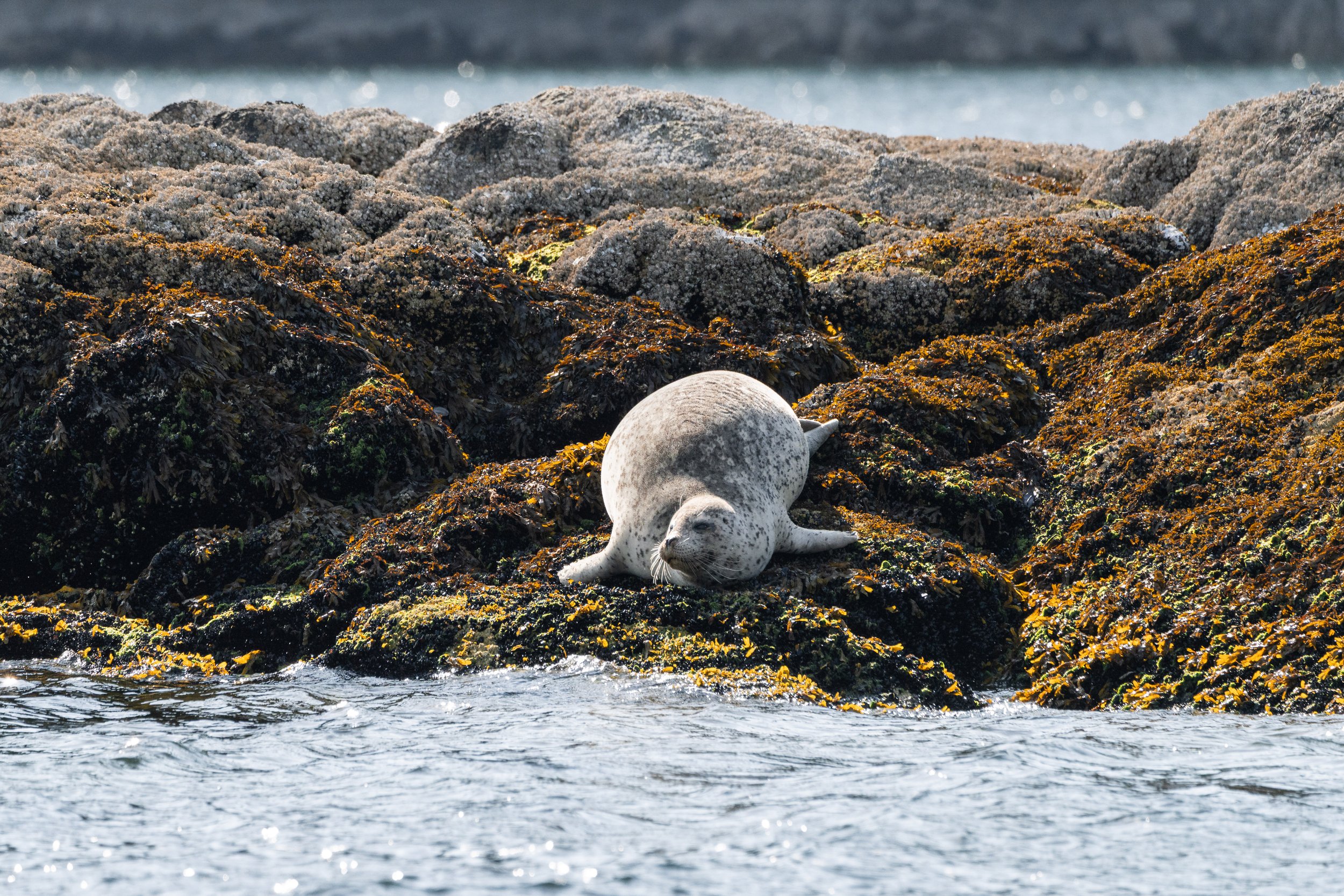
An extra plump looking individual, is there a pup in her near future? Photo by Val Watson.
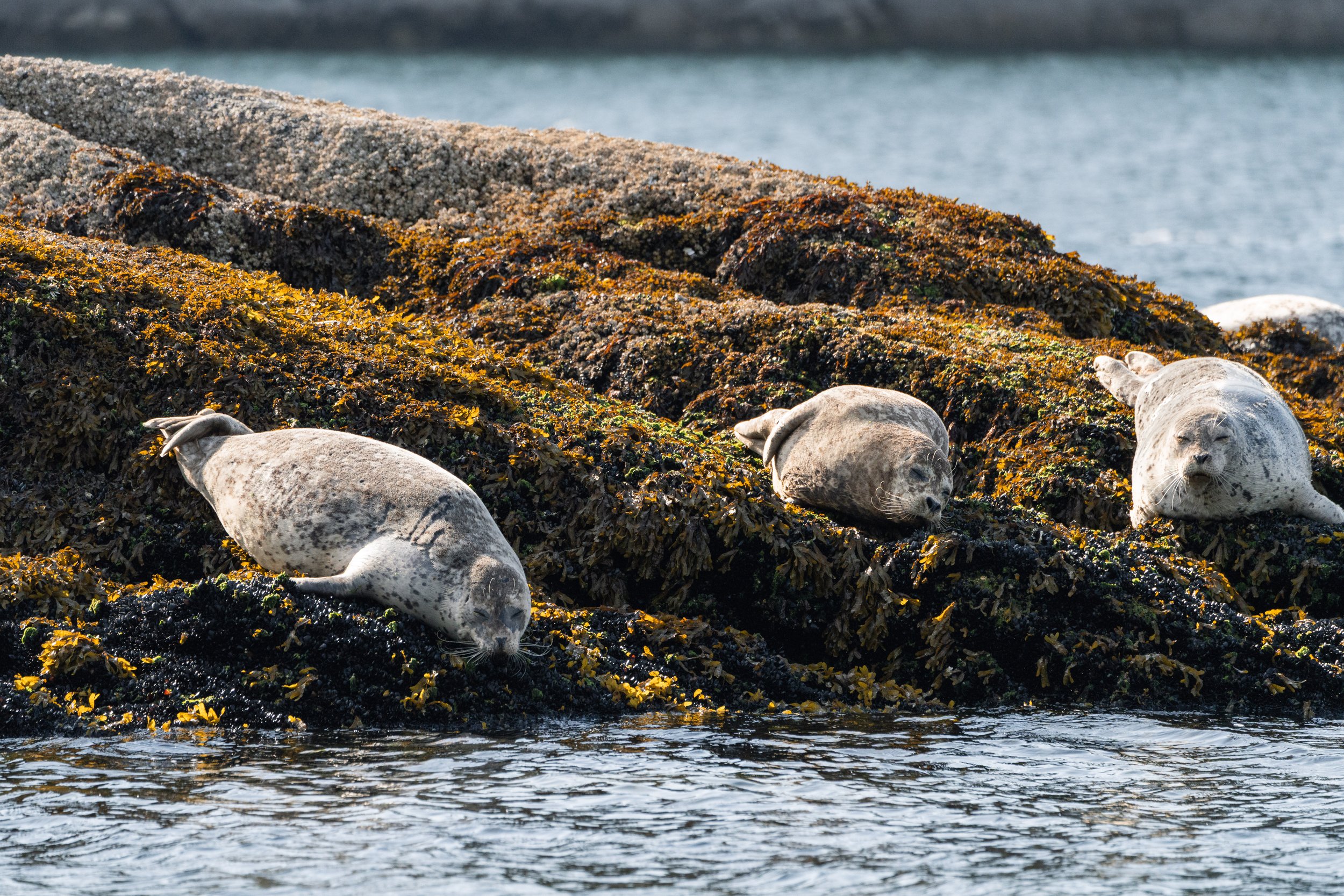
Harbour Seals enjoying the sun. Photo by Val Watson.
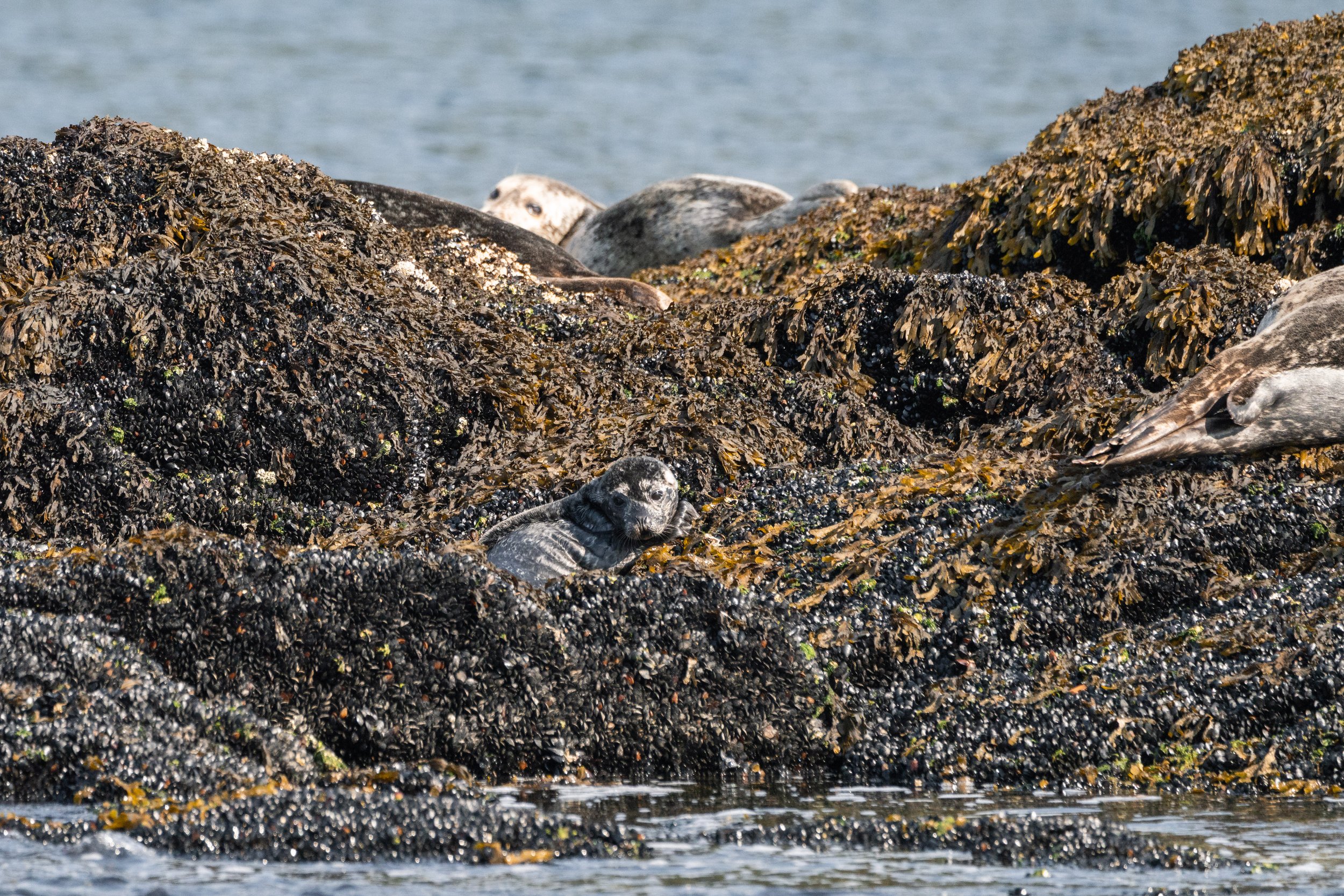
A little pup in the seaweed. Photo by Val Watson.
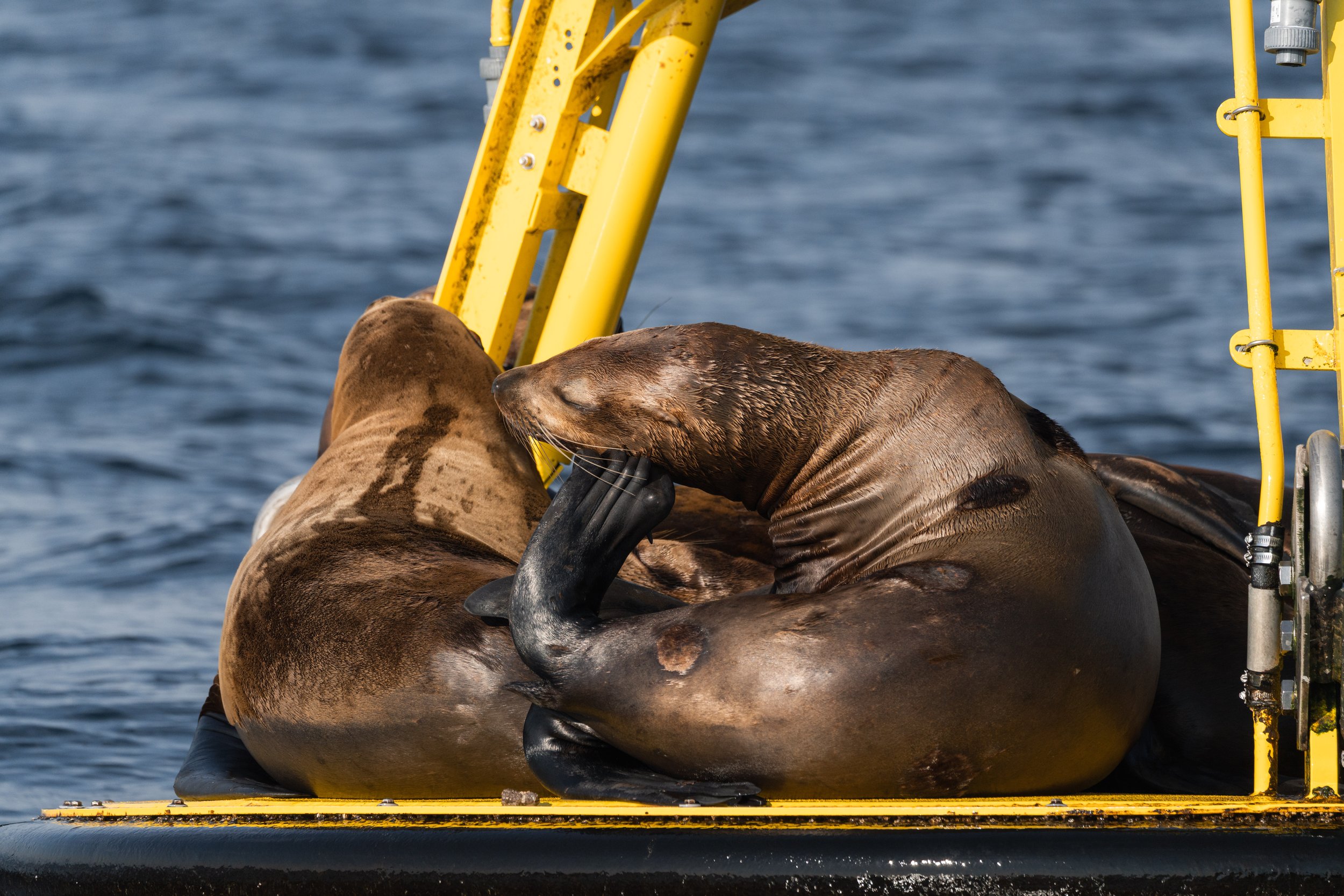
An itchy Steller Sea Lion. Photo by Val Watson.
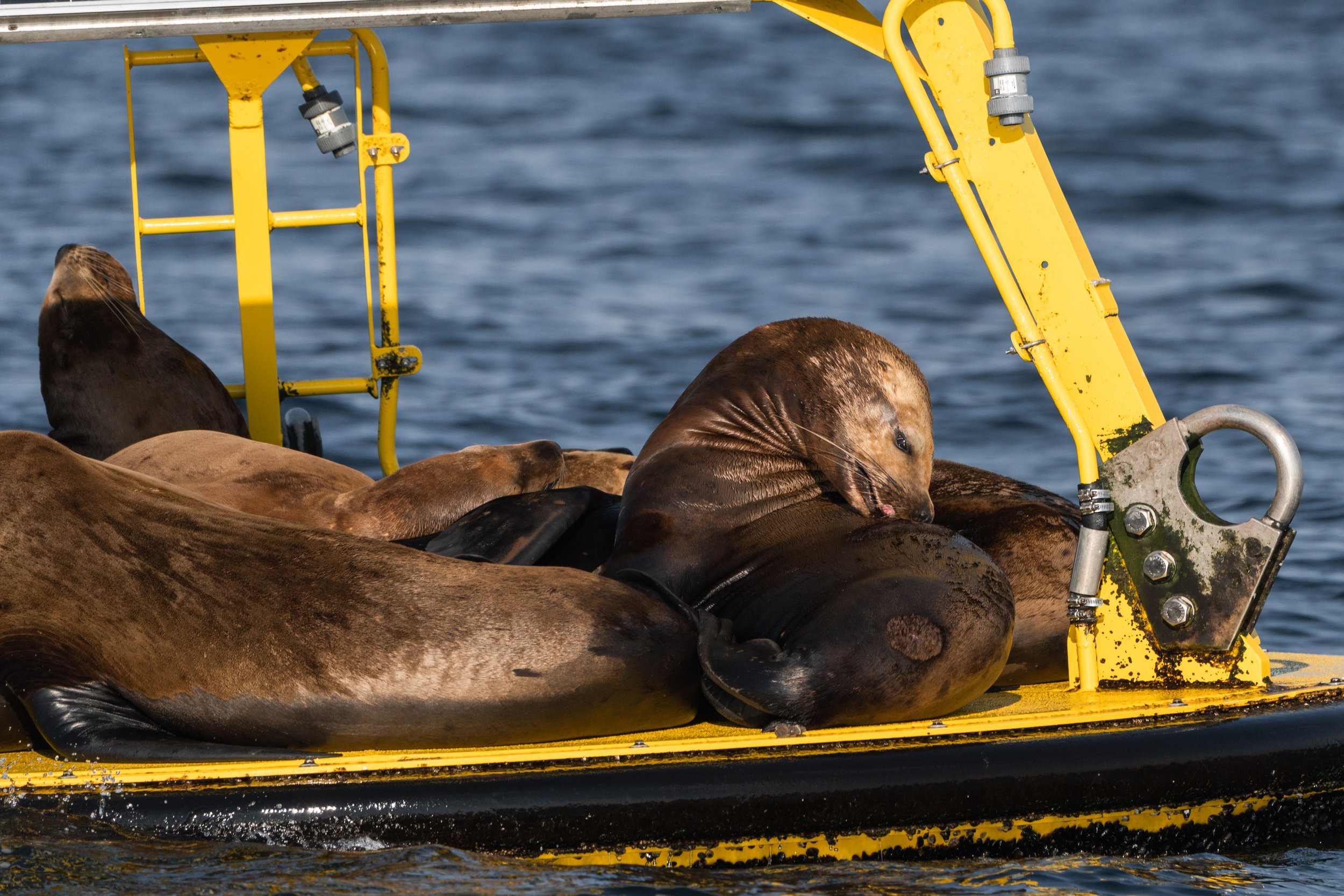
Getting a good scratch in while on the buoy. Photo by Val Watson.
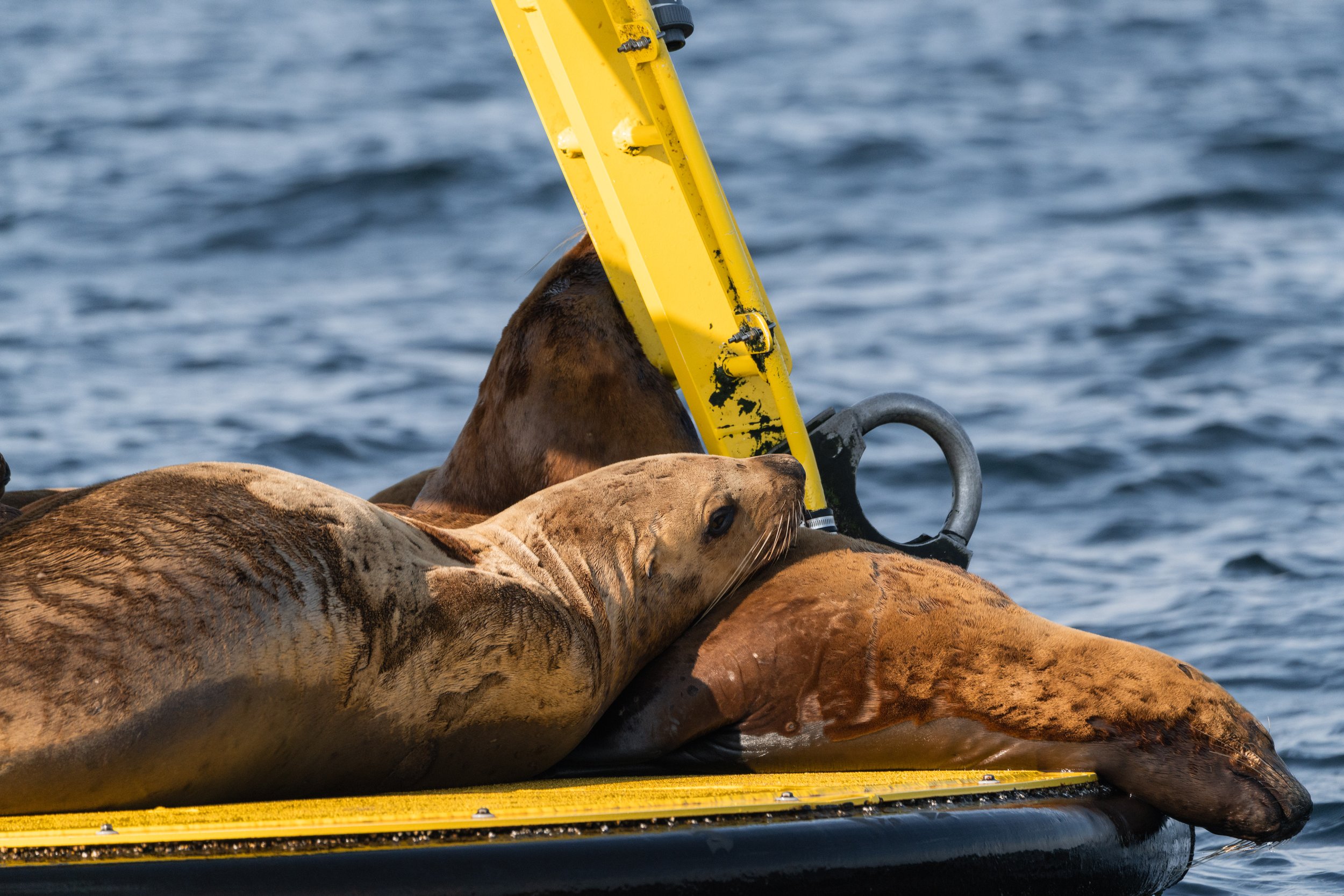
A little cuddle puddle. Photo by Val Watson.
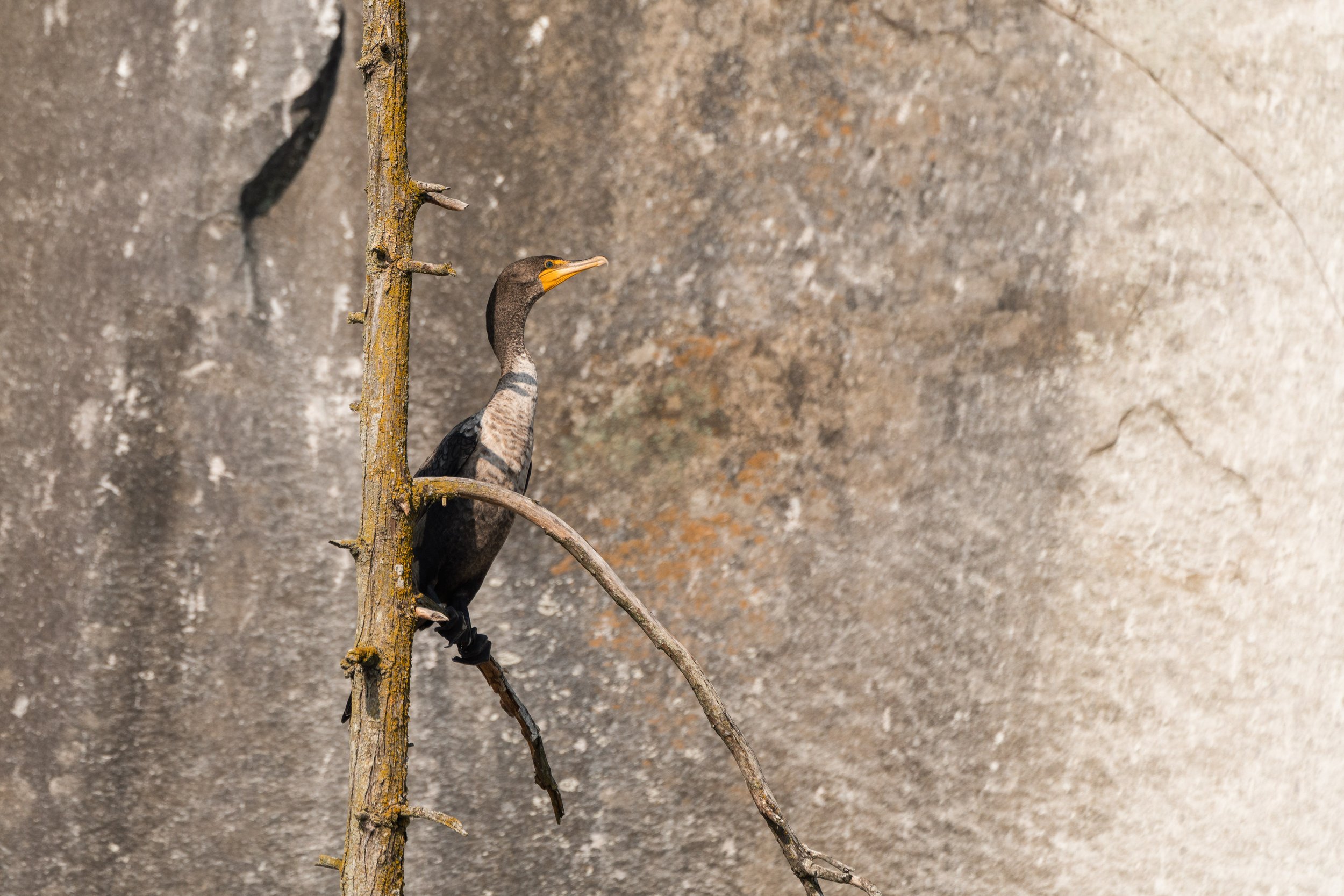
A cormorant overlooking the bluffs. Photo by Val Watson.
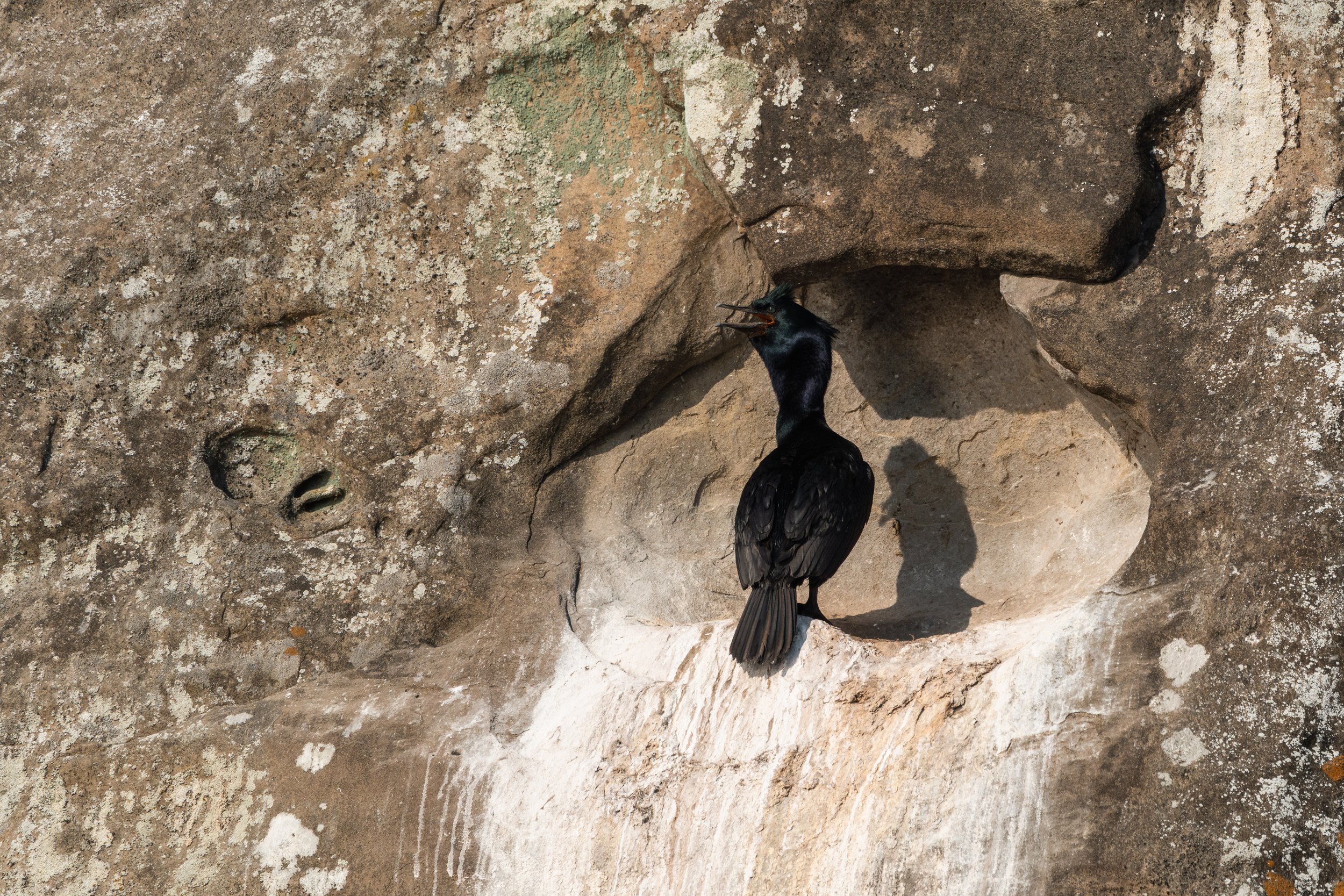
A cormorant chatting to the others. Photo by Val Watson.
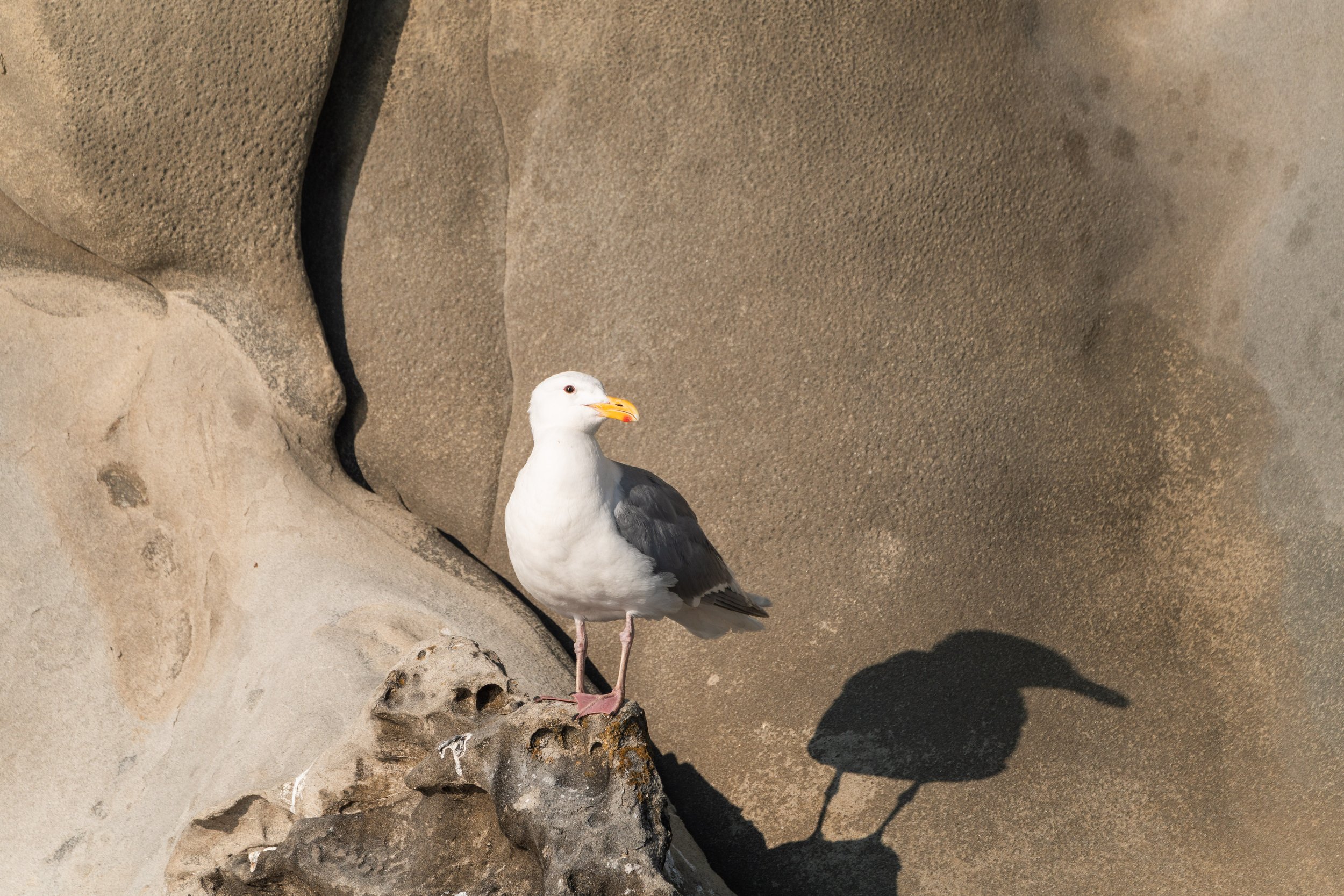
A gull striking a pose at the bluffs. Photo by Val Watson.
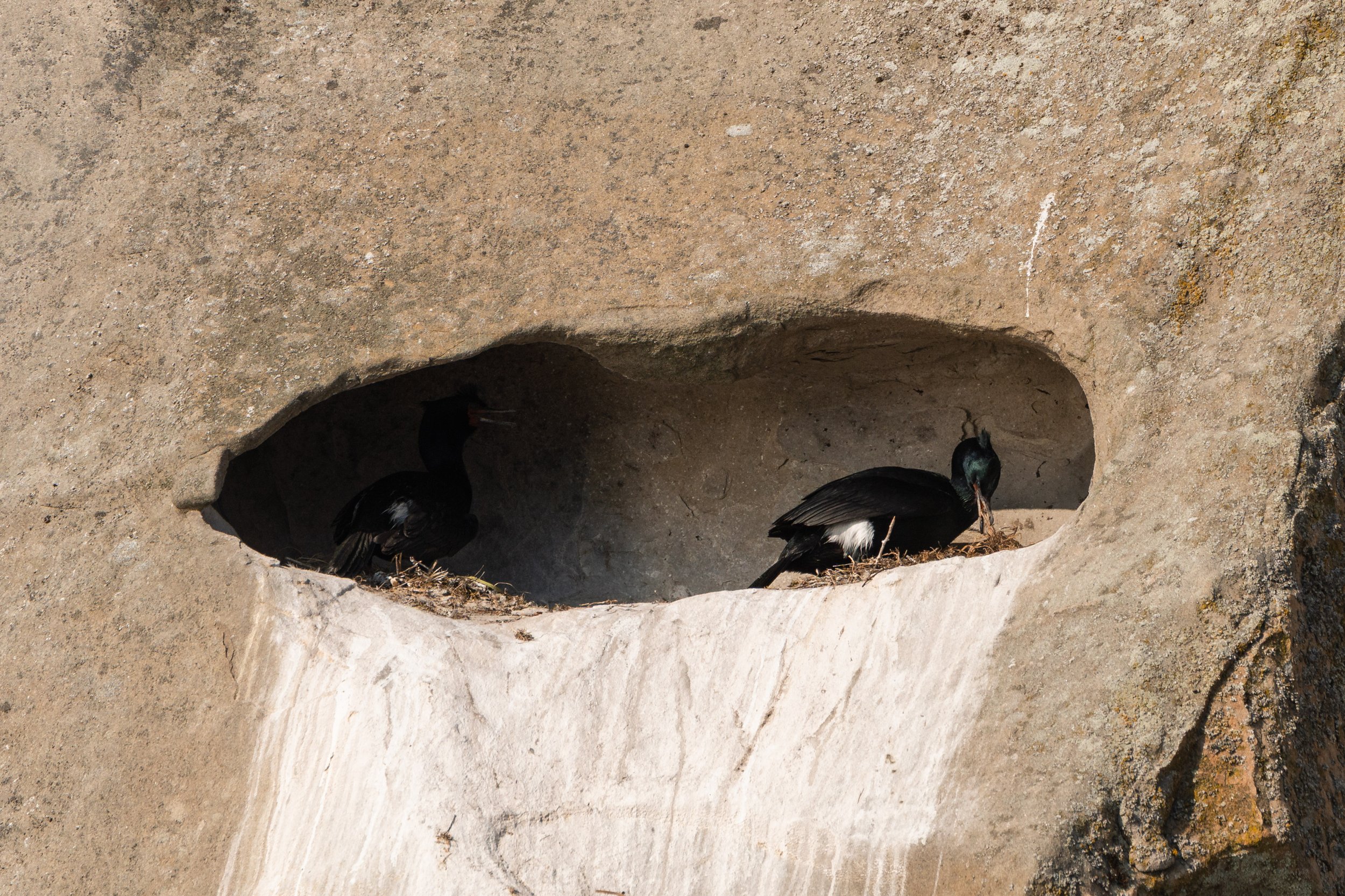
A pelagic cormorant tending to its nest. Photo by Val Watson.
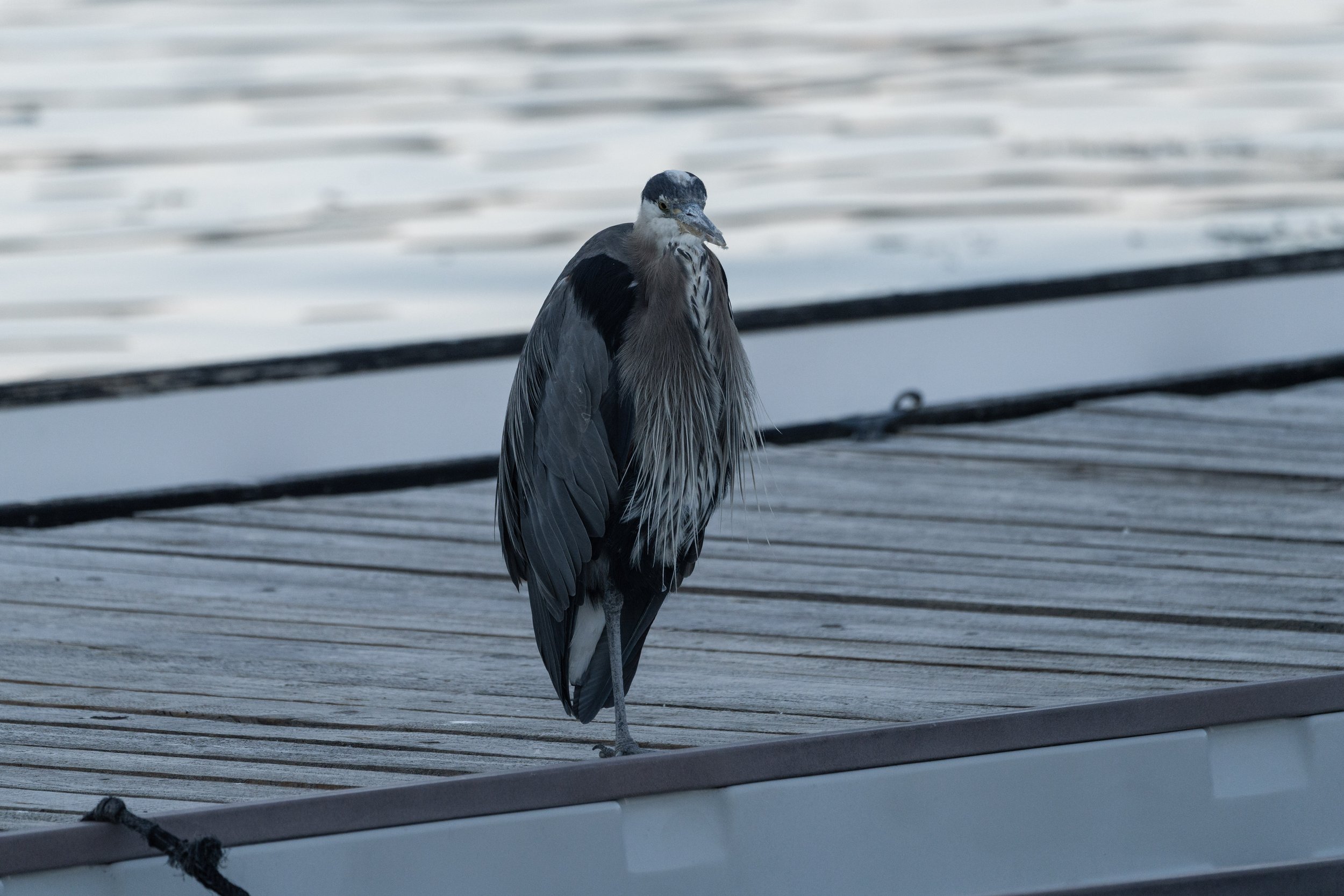
Harold the Heron at the docks. Photo by Val Watson.