
July 21, 2026, 10:30 AM - Humpback Soup
With glassy seas stretching across the Salish Sea, today was one of those classic summer days that reminds us just how special the Strait of Georgia can be. Three of our vessels departed Nanaimo under calm skies, each setting off in a different direction in search of wildlife. Splitting up is one of the best ways to search these expansive waters; without GPS tags or trackers on the whales, every trip begins as a true wildlife adventure.
The Strait of Georgia is one of the most productive marine ecosystems on Canada's west coast. Long summer days provide the sunlight needed for phytoplankton blooms to flourish, forming the foundation of the marine food web. Freshwater flowing from countless rivers delivers nutrients into the sea, while powerful tidal exchanges constantly stir the water. Together, these processes create an environment capable of supporting an incredible diversity of life, from microscopic plankton all the way up to the largest animals to visit our coast.
It wasn't long before each of our vessels found exactly what they had been searching for. In three different parts of the Strait, the unmistakable bushy blows of humpback whales rose above the calm horizon.
One crew encountered a trio travelling together: Europa (BCX0854), Iota (BCY1466), and Malachite (BCY1463). Meanwhile, the other two boats each found a single whale feeding independently: Helen (BCX2494) and Cassiopeia (BCY0796). Watching humpbacks feed in the Strait of Georgia is always a reminder of why they migrate thousands of kilometres every year. After spending the winter breeding and calving in tropical waters, they return to the nutrient-rich Salish Sea to take advantage of the abundant food available throughout the summer and fall.
As impressive as these whales are to watch, they are doing far more than simply feeding themselves; they're helping to feed the entire ecosystem.
Marine biologists often refer to this as the "whale pump." Every dive a humpback makes stirs the surrounding water, gently mixing different layers of the ocean as its massive body moves through the water column. More importantly, humpbacks feed at depth but return to the surface to breathe, where they release nutrient-rich fecal plumes. Those nutrients, particularly nitrogen and iron, become available to phytoplankton living near the surface. More phytoplankton means more zooplankton, more baitfish, and ultimately more food for countless marine species throughout the Salish Sea.
Even more remarkable, humpbacks transport nutrients across entire ocean basins. During their annual migration between northern feeding grounds and tropical breeding grounds, they carry nutrients stored in their bodies and release them in regions where nutrients like nitrogen are naturally scarce. Scientists sometimes call this the "great whale conveyor belt," as these giants help move nutrients both vertically through the water column and horizontally across thousands of kilometres of ocean. In many ways, humpback whales are ecosystem engineers, enriching the very waters they depend upon.
As the afternoon continued, each of our vessels eventually reunited with Europa, Iota, and Malachite, allowing every guest to enjoy this social group of whales. Before long, another pair appeared on the horizon, Uluka (BCX1702) travelling alongside X_pialidocious (BCY1540), bringing our total to six humpback whales encountered during today's adventure.
Of course, the whales weren't the only wildlife making an appearance. Along the way, we also encountered several pinnipeds hauled out on the rocky islets scattered throughout the Strait.
"Pinniped" simply means "fin-footed," and includes seals, sea lions, and walruses. Here in the Salish Sea, we're most likely to encounter Harbour Seals and both California and Steller Sea Lions. Although they spend much of their lives in the water, pinnipeds rely on rocky haul-outs to rest, warm themselves in the sun, avoid strong currents, and socialize with one another. Steller Sea Lions, the largest sea lion species in the world, can weigh over 1,000 kilograms, while Harbour Seals are considerably smaller but are among the most common marine mammals along our coastline. If you ever notice a seal quietly bobbing with just its head above the surface, there's a good chance it's taking a quick nap. Seals are capable of sleeping both on land and in the water, often floating comfortably while remaining alert enough to surface for air.
Days like today perfectly showcase the incredible connections that exist throughout the Salish Sea. From microscopic phytoplankton capturing sunlight to humpback whales transporting nutrients across oceans, every species plays a role in keeping this ecosystem healthy. Watching six humpbacks feeding across the Strait wasn't just an unforgettable wildlife experience; it was a glimpse into the hidden processes that sustain so much life in these productive waters year after year.
We can't wait to see what tomorrow's adventure has in store. Please enjoy the photos from these encounters taken by onboard Marine Naturalists Aly Kohlman, Hayleigh Hilbert, and Jordan Robinson.
Europa, Malachite, Iota
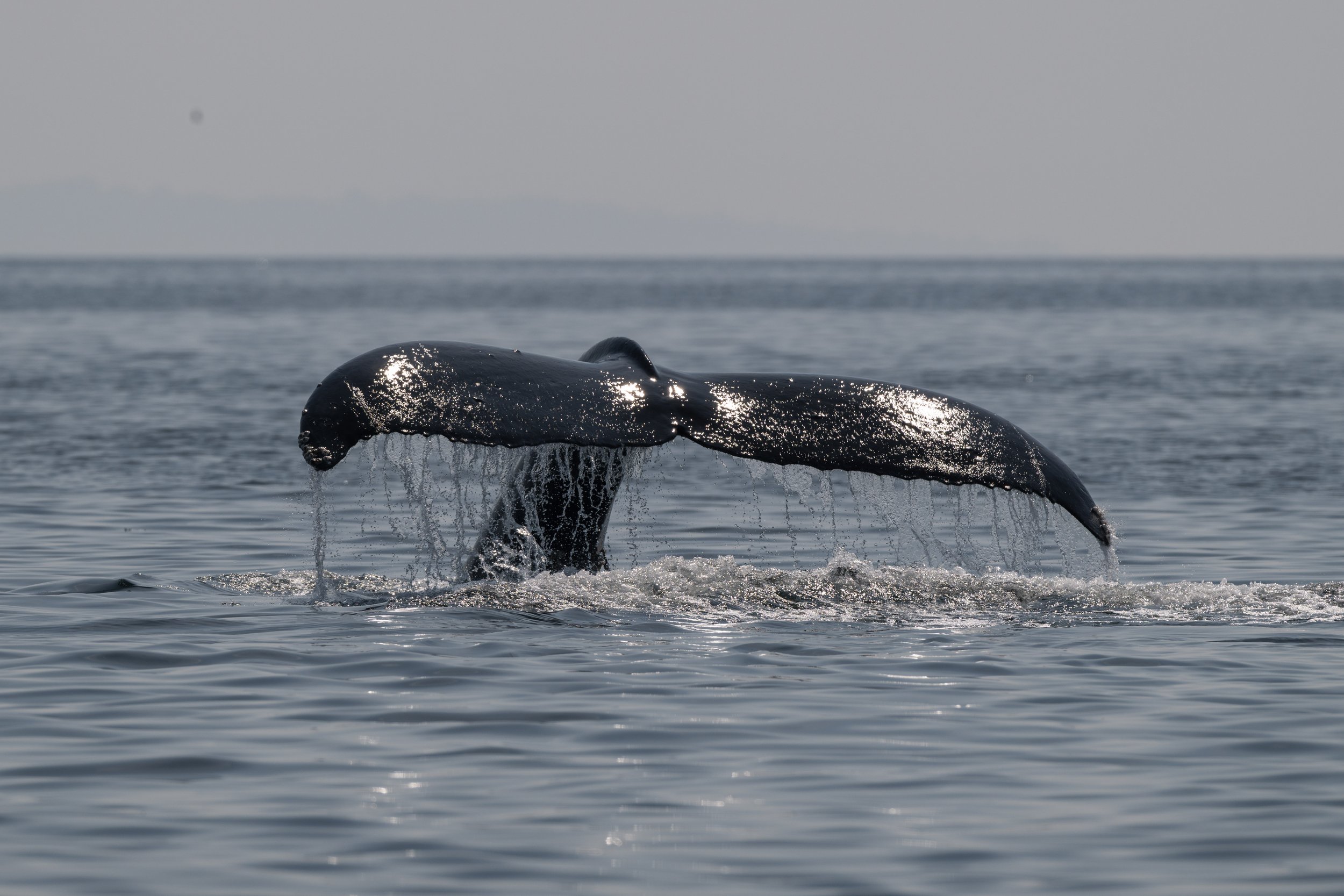
Iota going for a dive. Photo by Aly Kohlman.
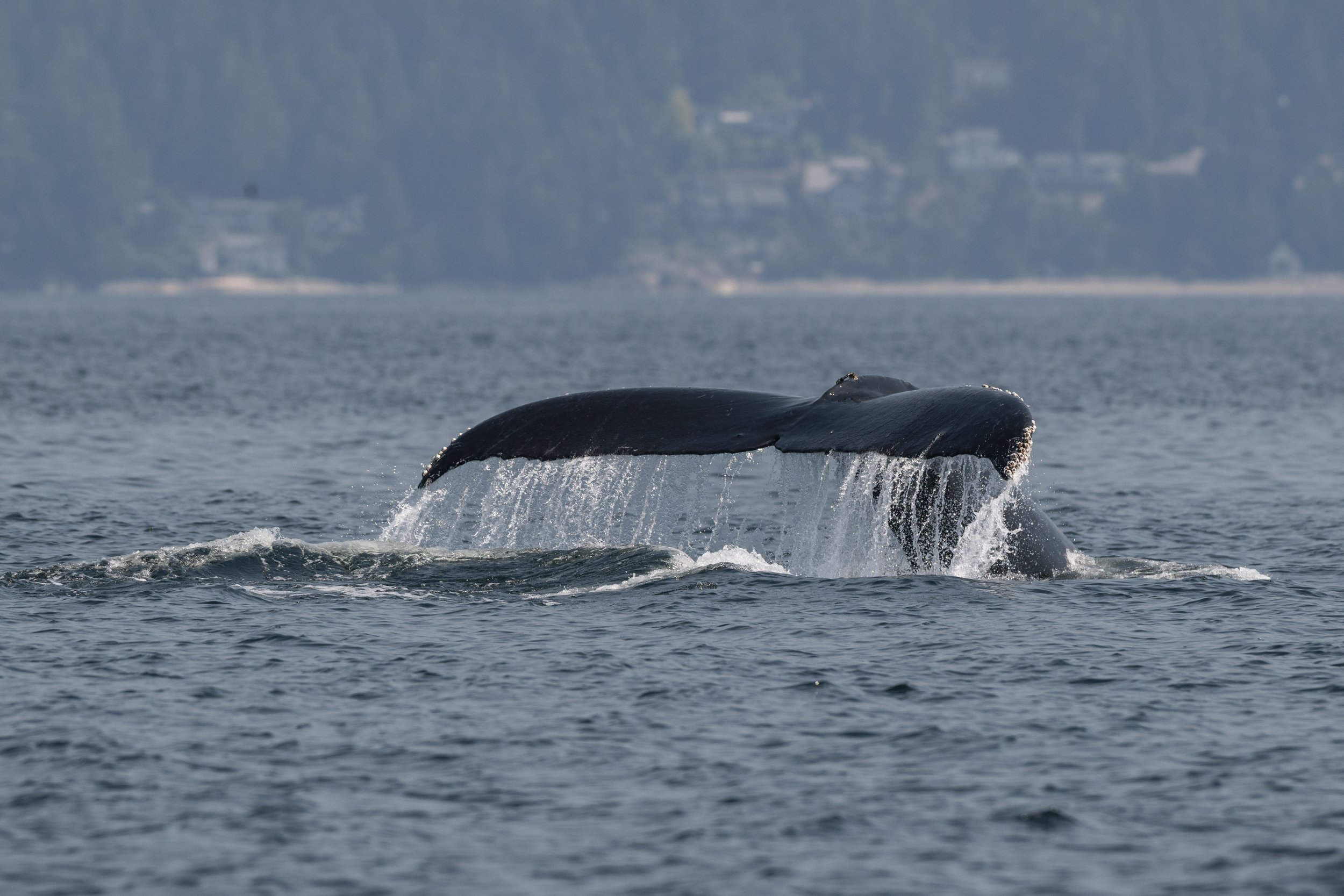
Malachite going for a dive. Photo by Aly Kohlman.
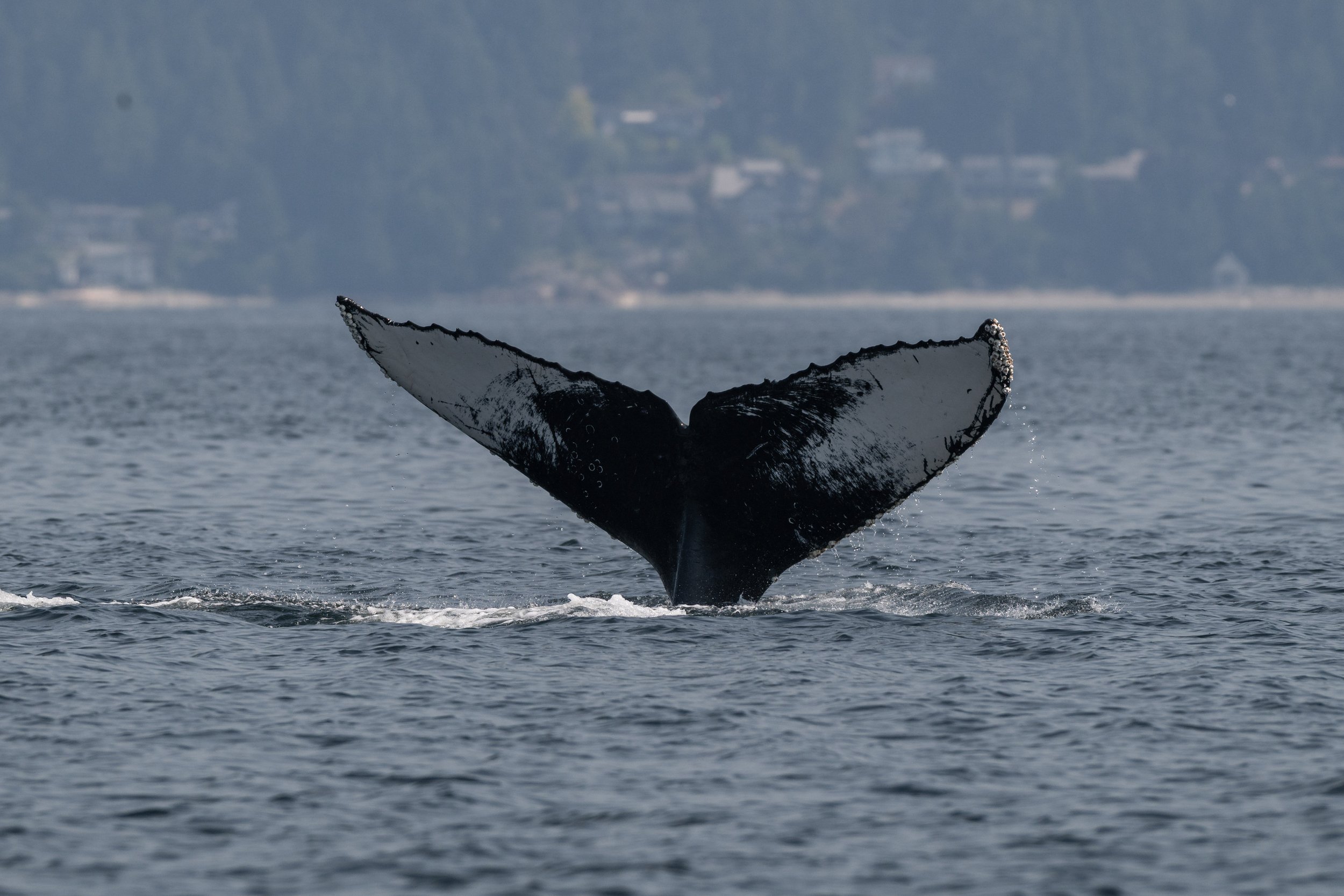
The underside of Malachite’s tail as he dives. Photo by Aly Kohlman.
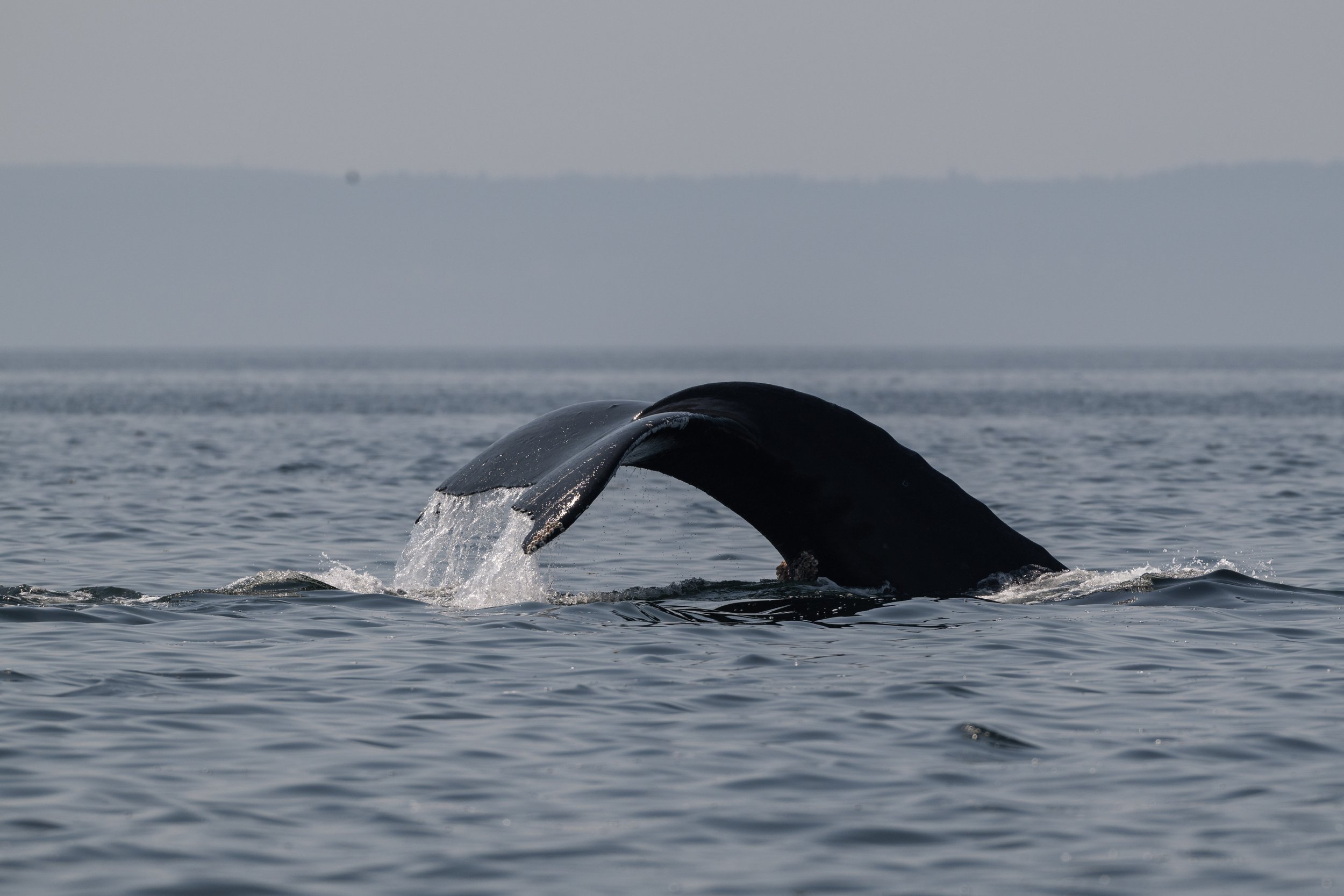
Iota going for a dive. Photo by Aly Kohlman.
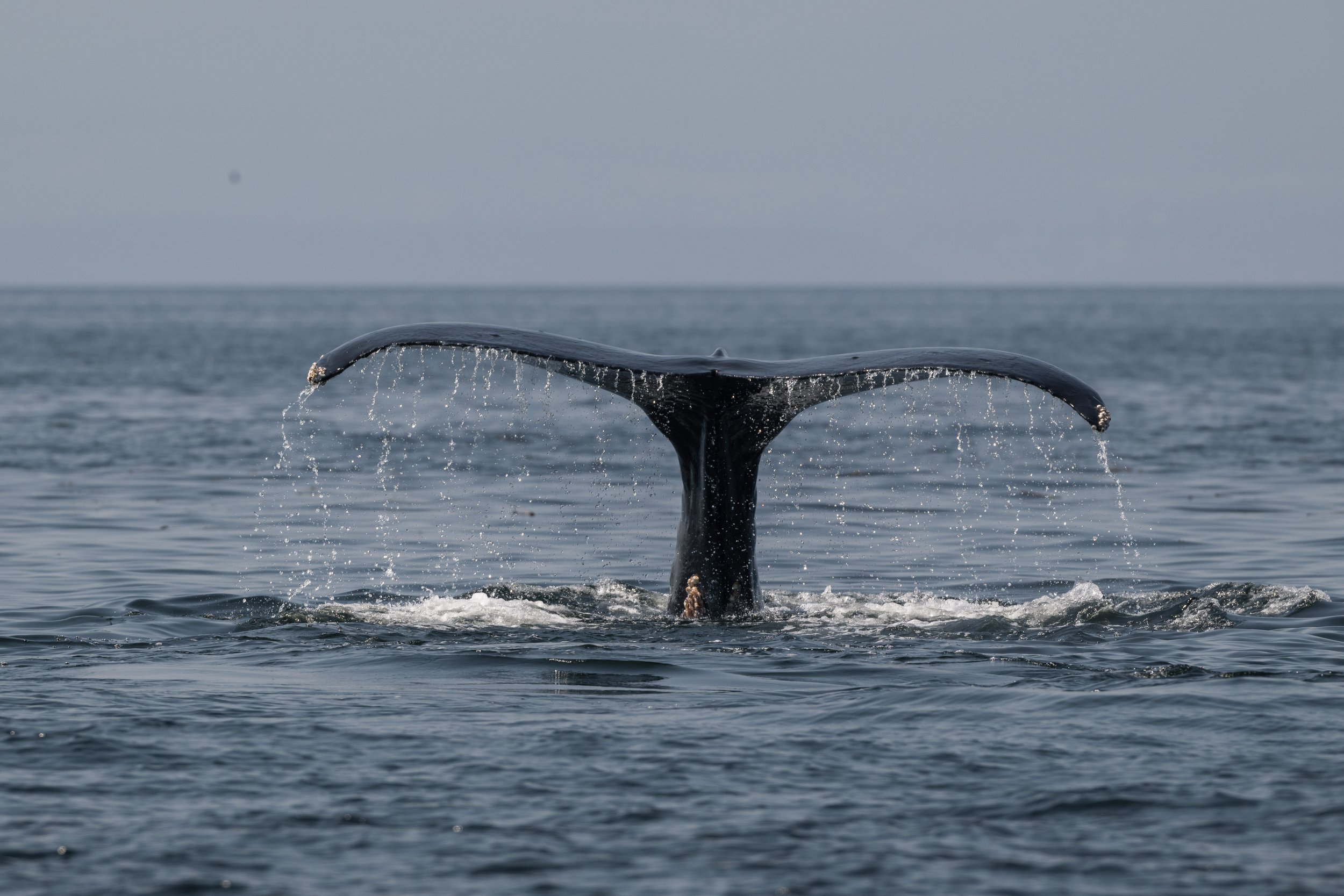
Can you spot the barnacles on the base of Iota’s tail? Photo by Aly Kohlman.
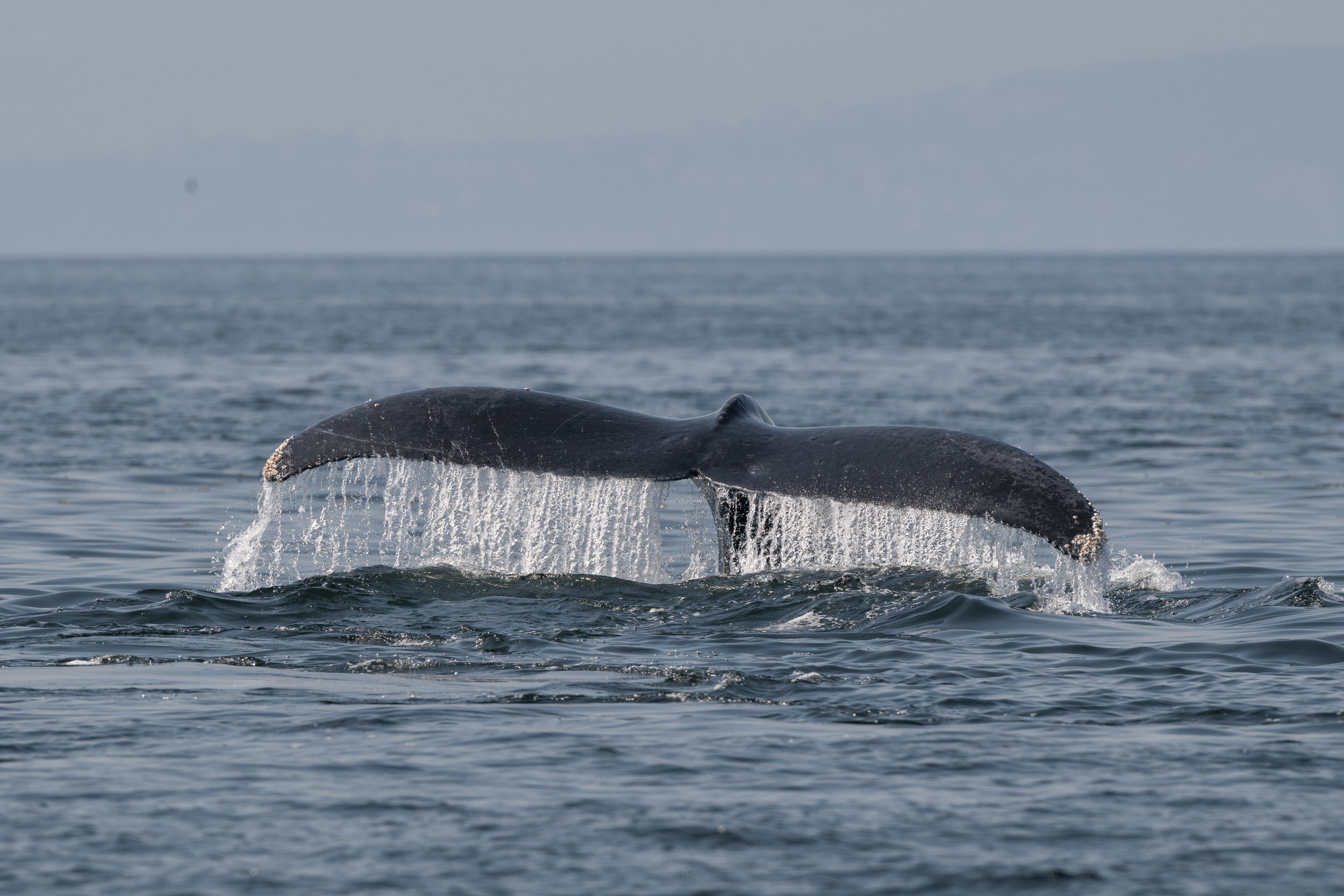
A fluke waterfall from Europa as she dives. Photo by Aly Kohlman.
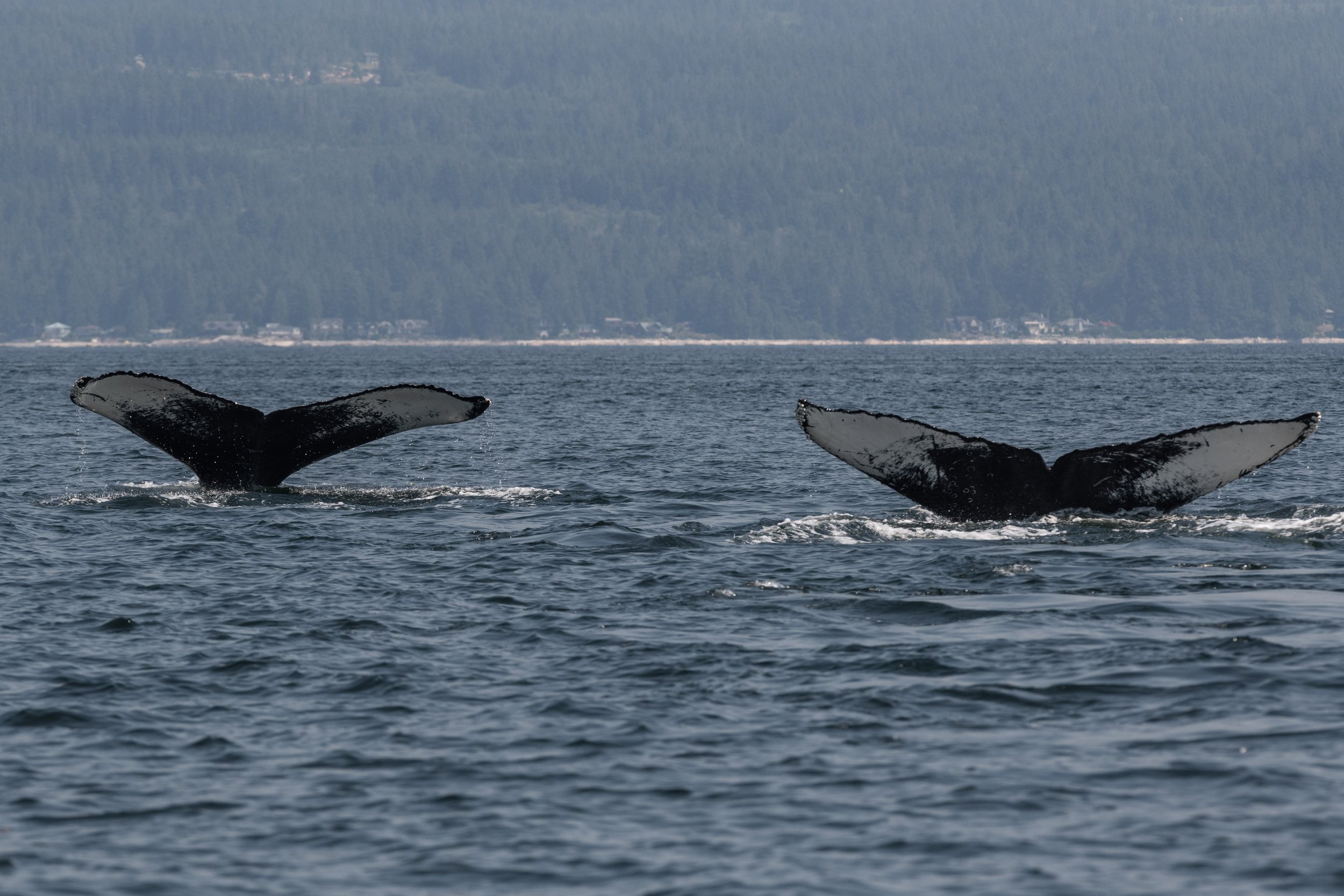
Iota (left) and Malachite (right) going for a dive. Photo by Hayleigh Hilbert.
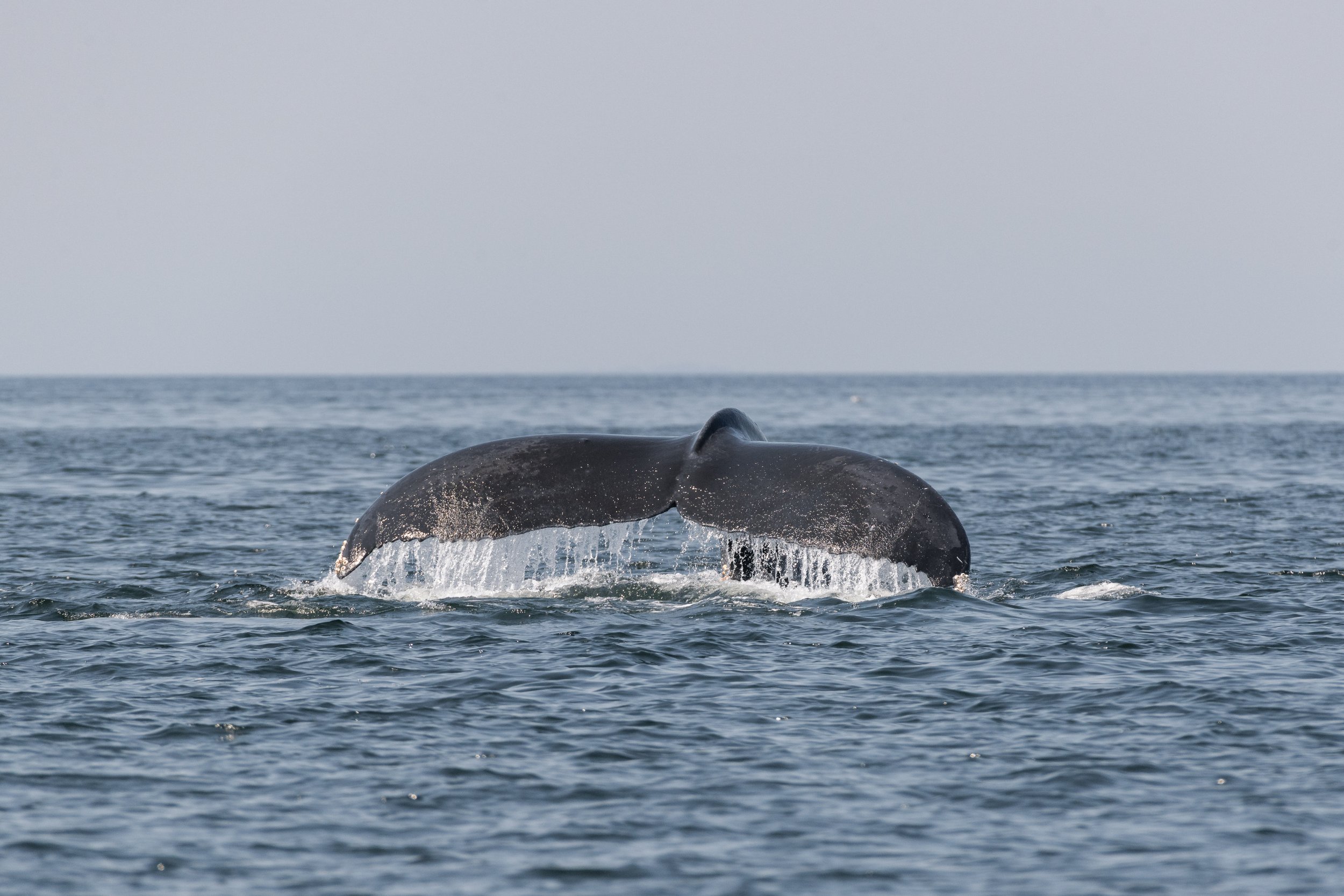
A lovely fluke waterfall from Iota. Photo by Hayleigh Hilbert.
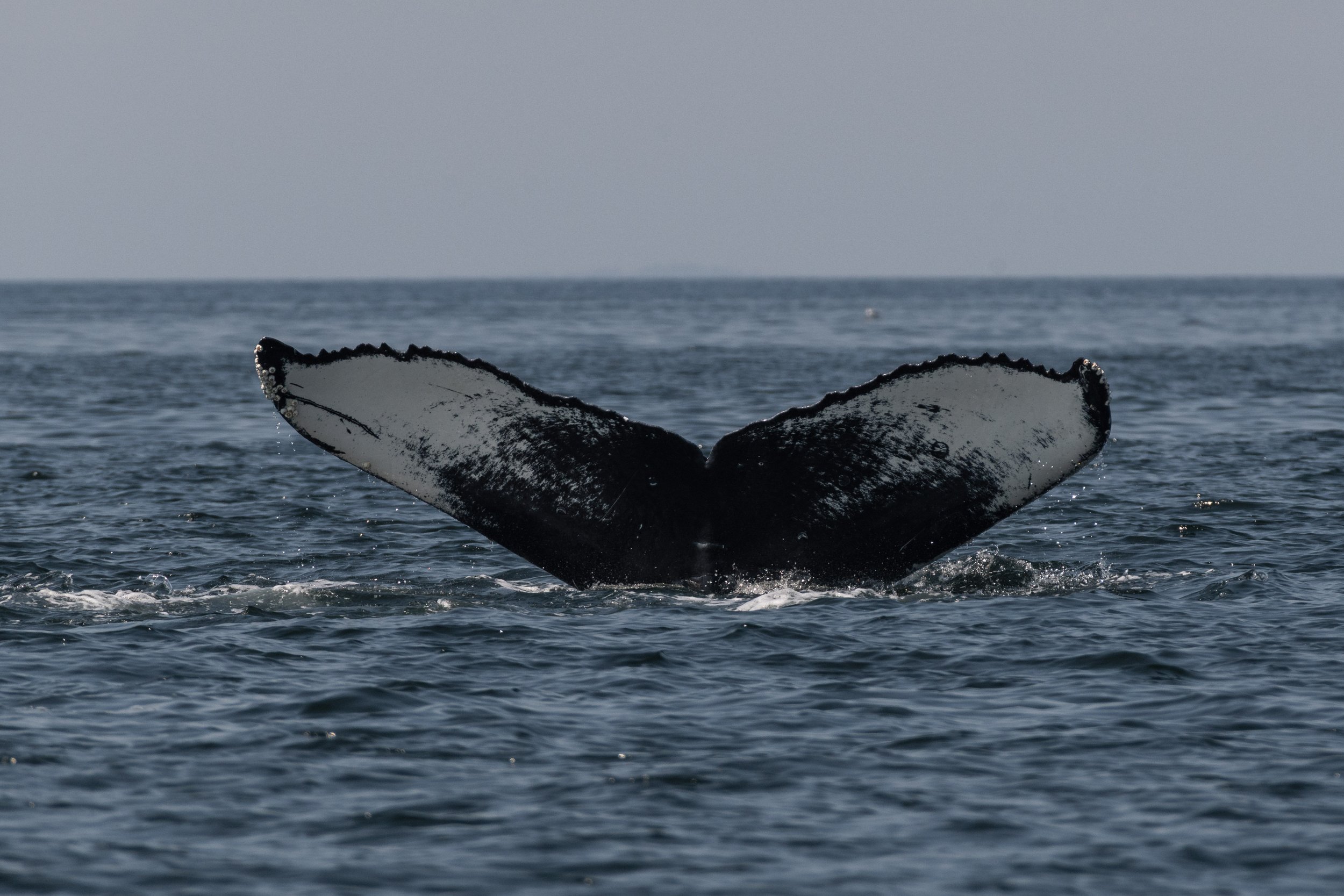
The white underside of Iota’s tail. Photo by Hayleigh Hilbert.
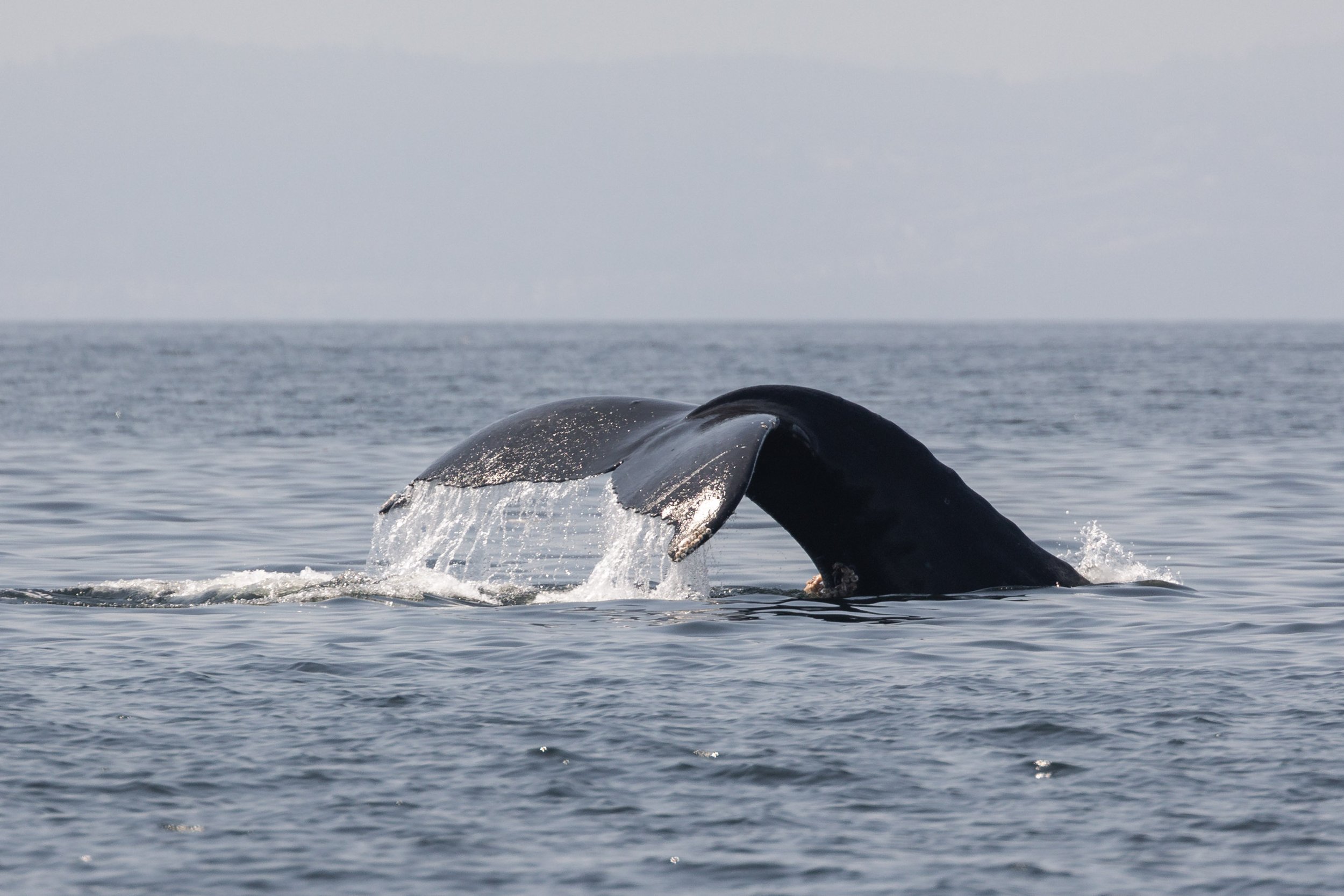
Iota going for a dive. Photo by Jordan Robinson.
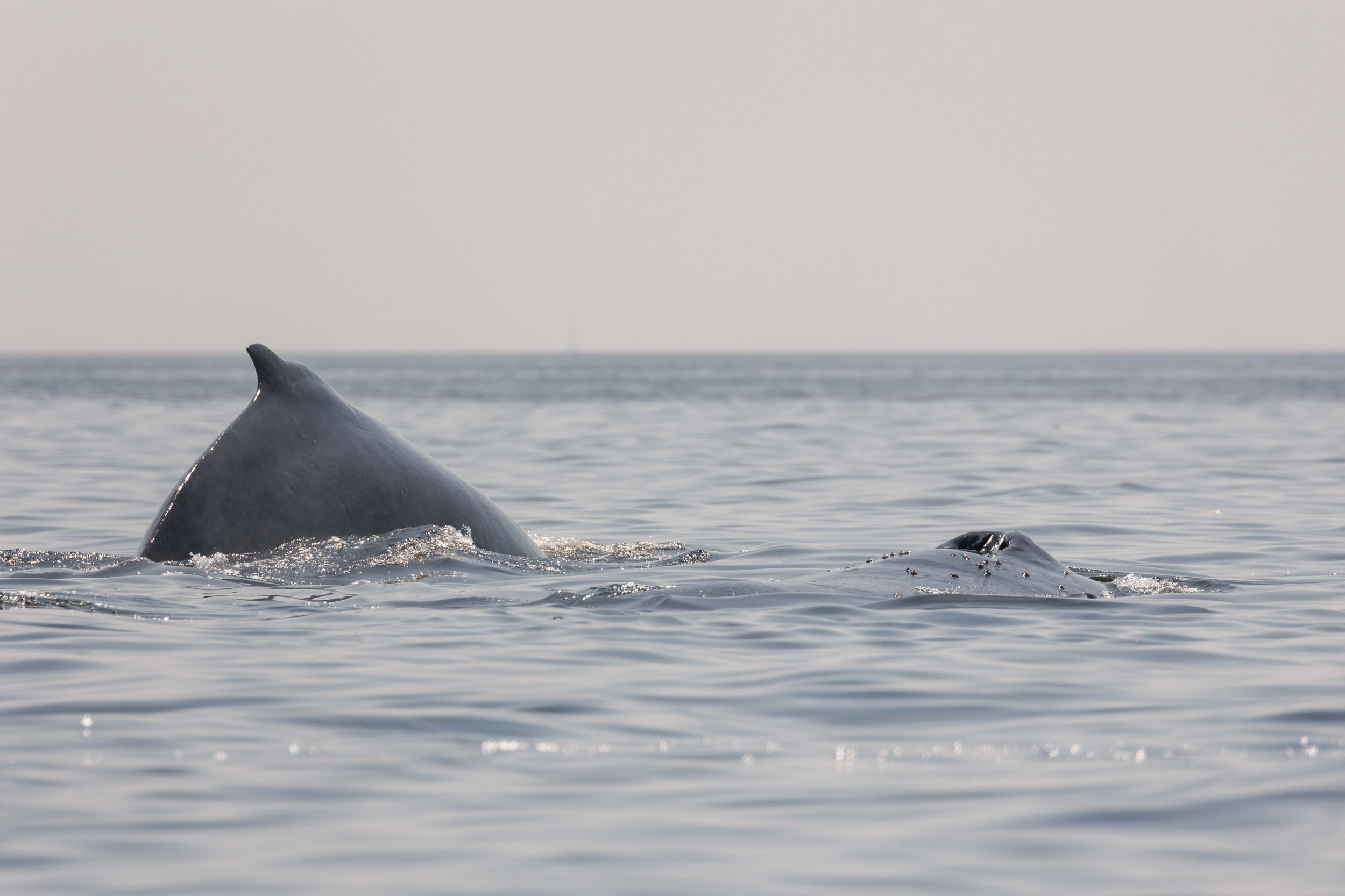
Malachite (left) and Iota (right) surfacing togeter. Photo by Jordan Robinson.
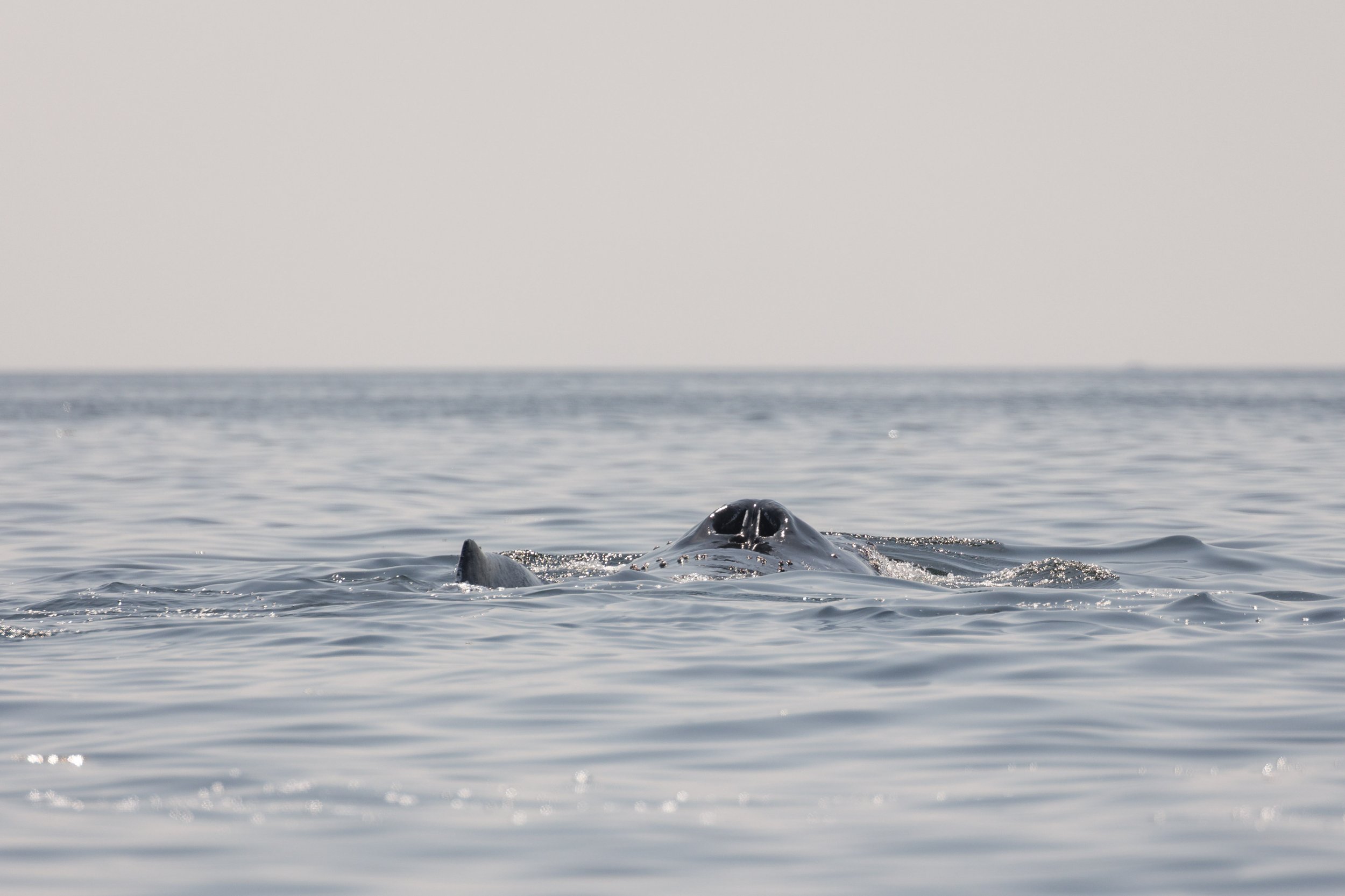
A look down Iota’s Nostrils. Photo by Jordan Robinson.
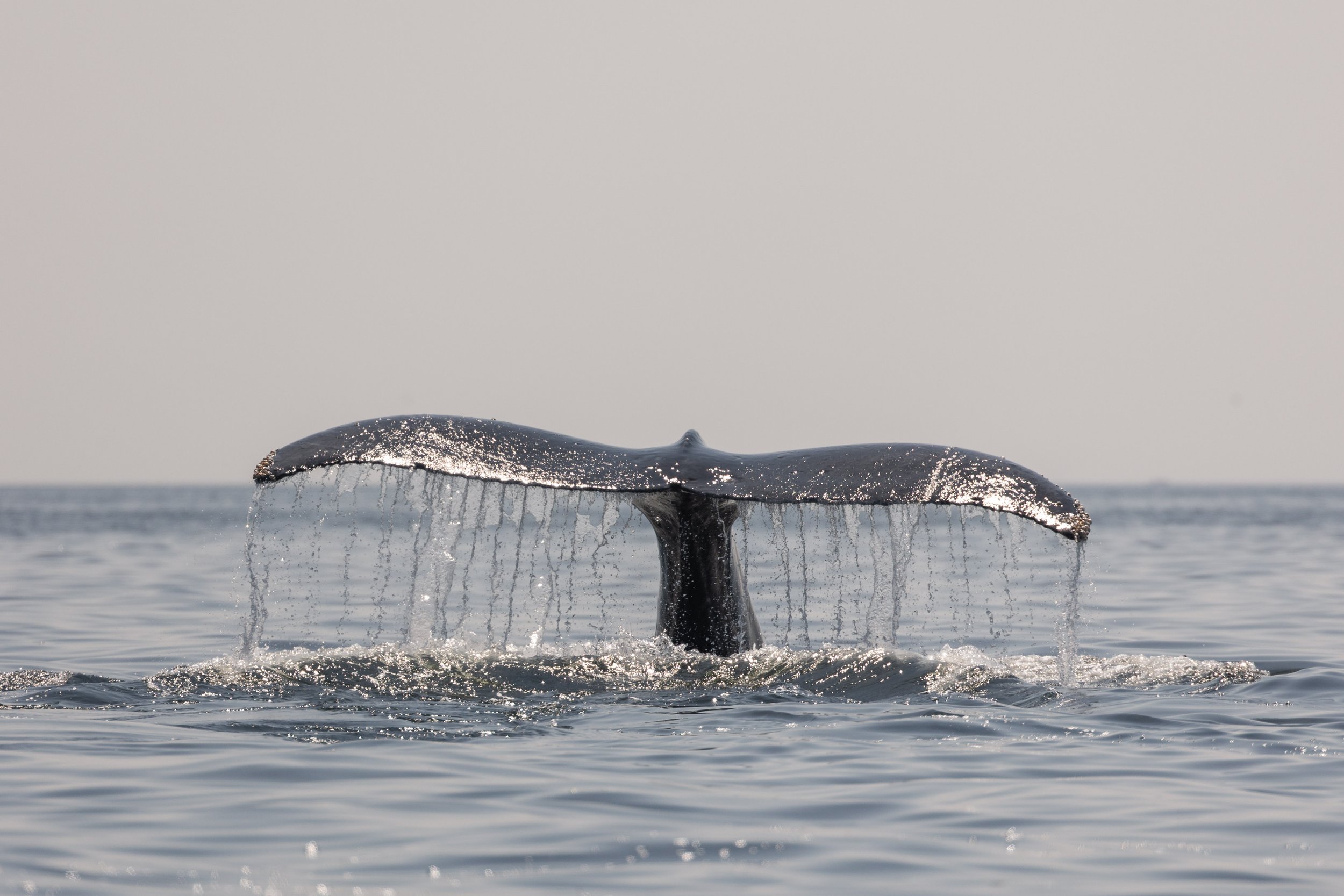
Europa going for a dive. Photo by Jordan Robinson.
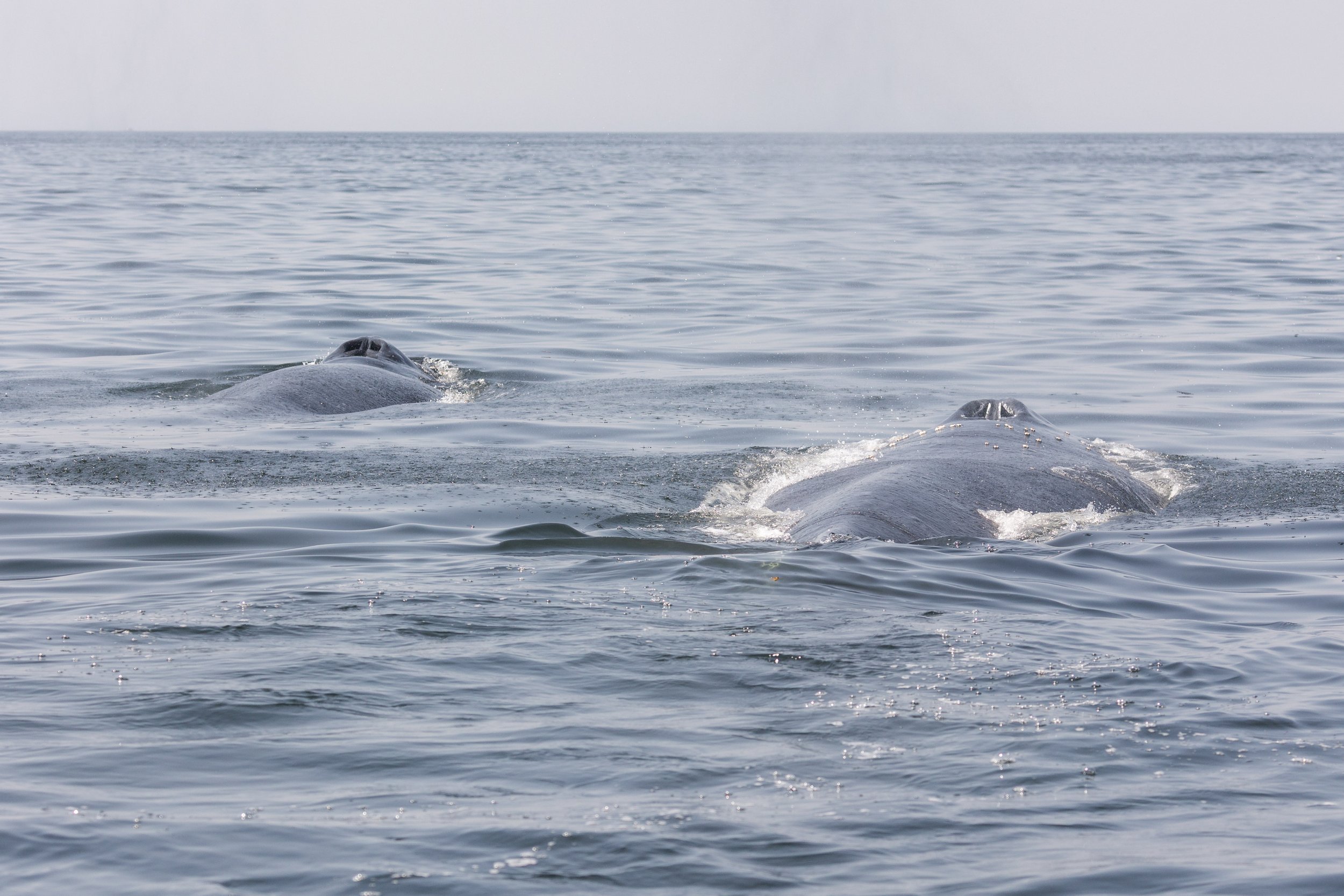
Malachite and Iota surfacing in the calm water. Photo by Jordan Robinson.
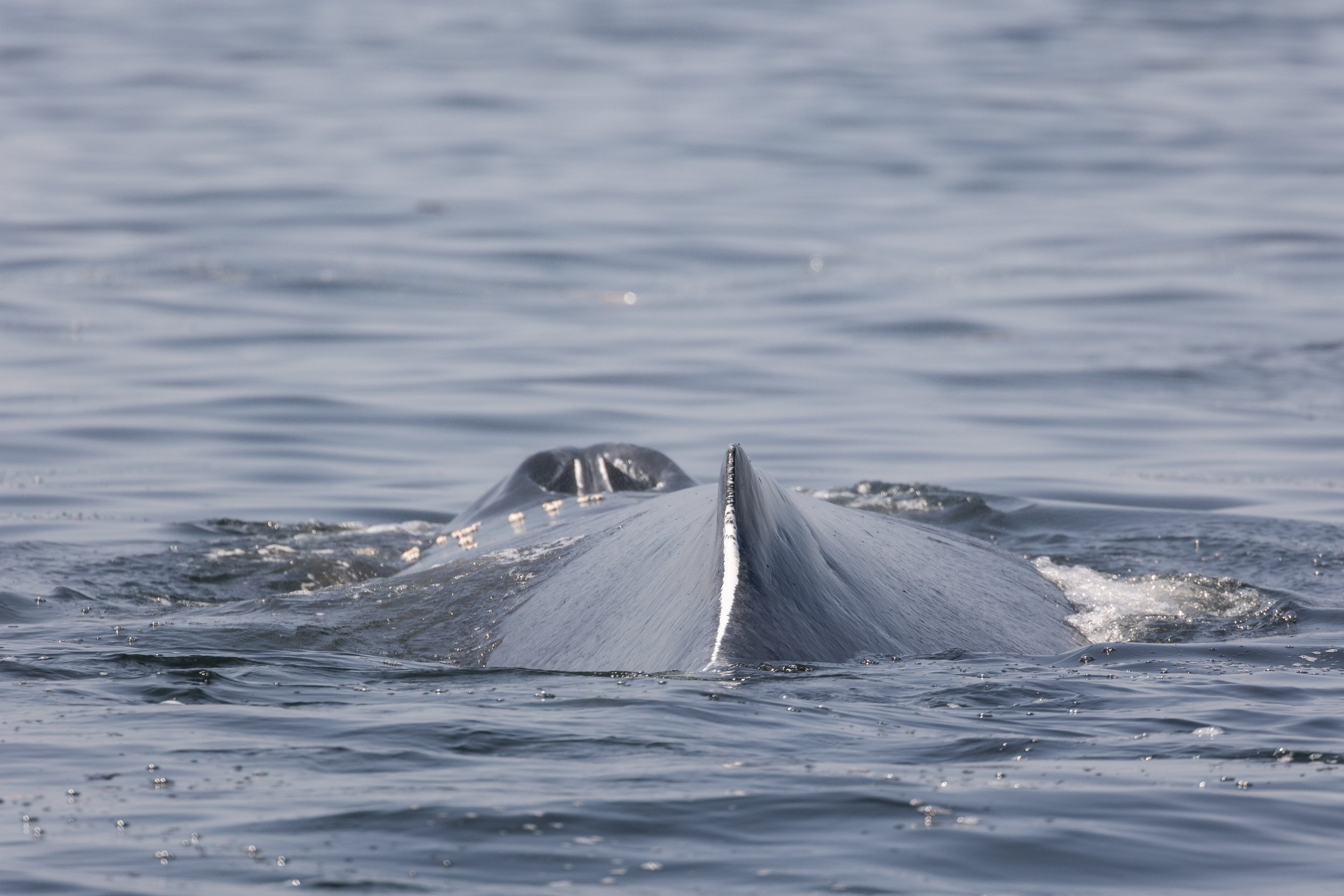
Europa twisting just above the water. Photo by Jordan Robinson.
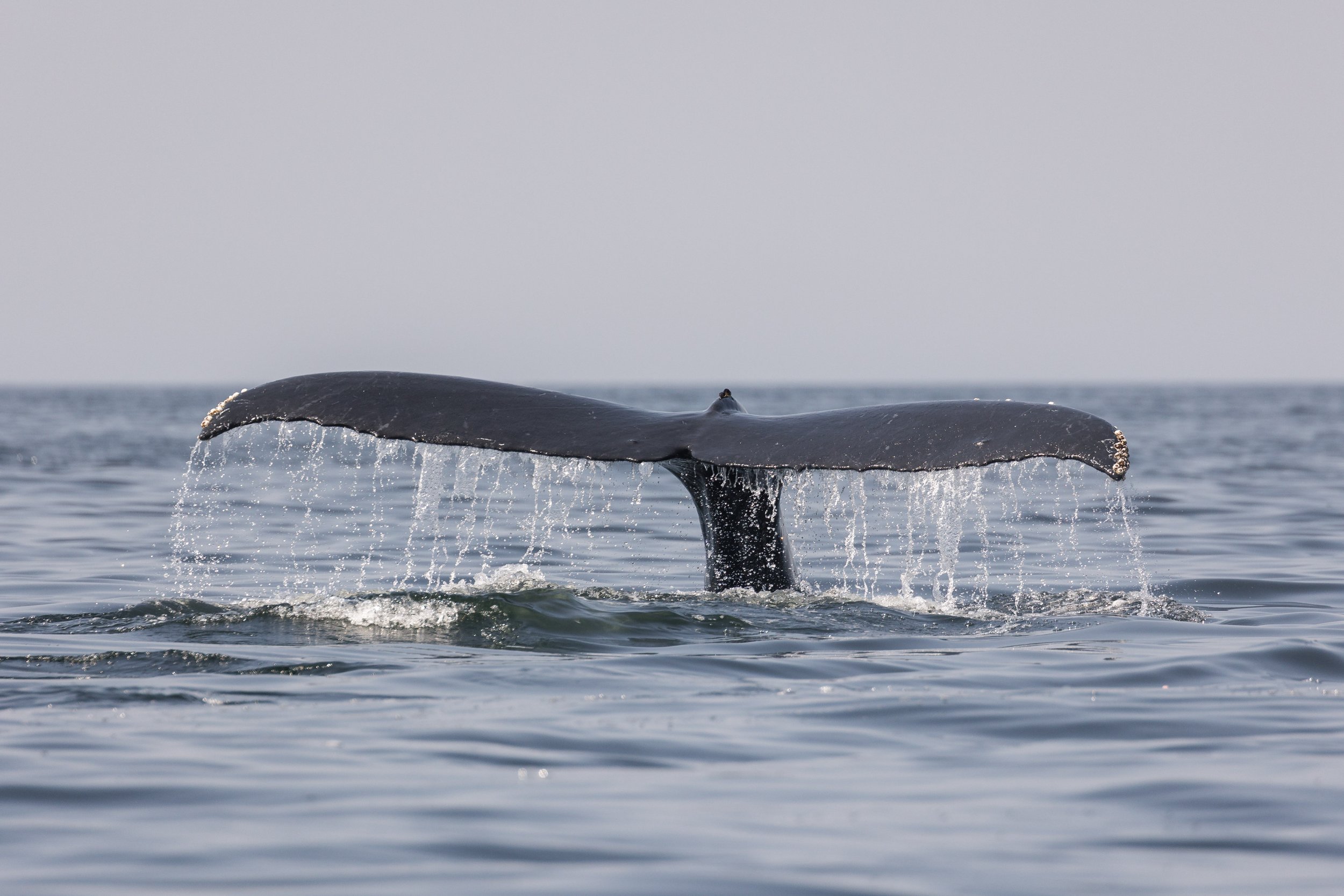
Malachite going for a dive. Photo by Jordan Robinson.
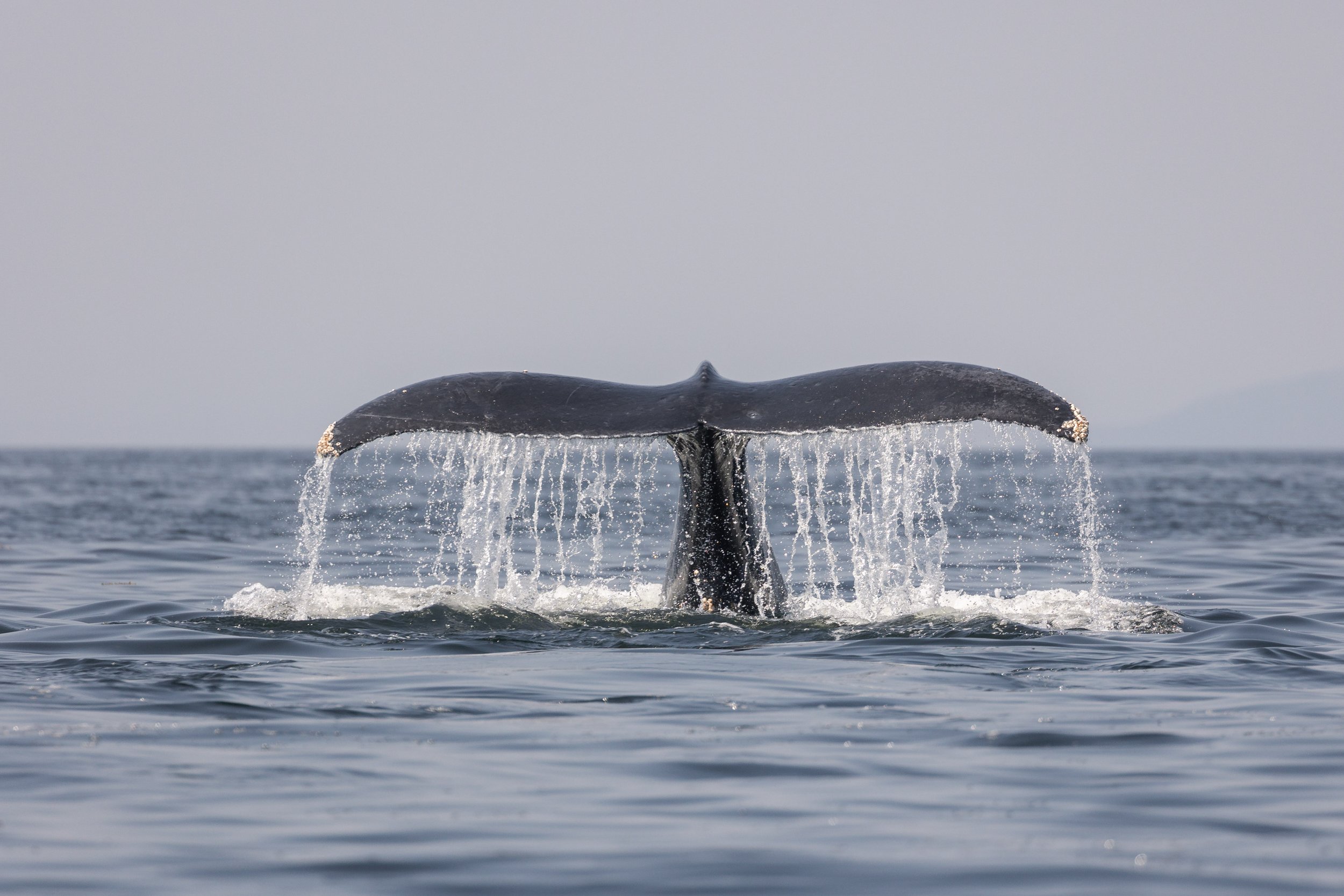
Europa going for a dive. Photo by Jordan Robinson.
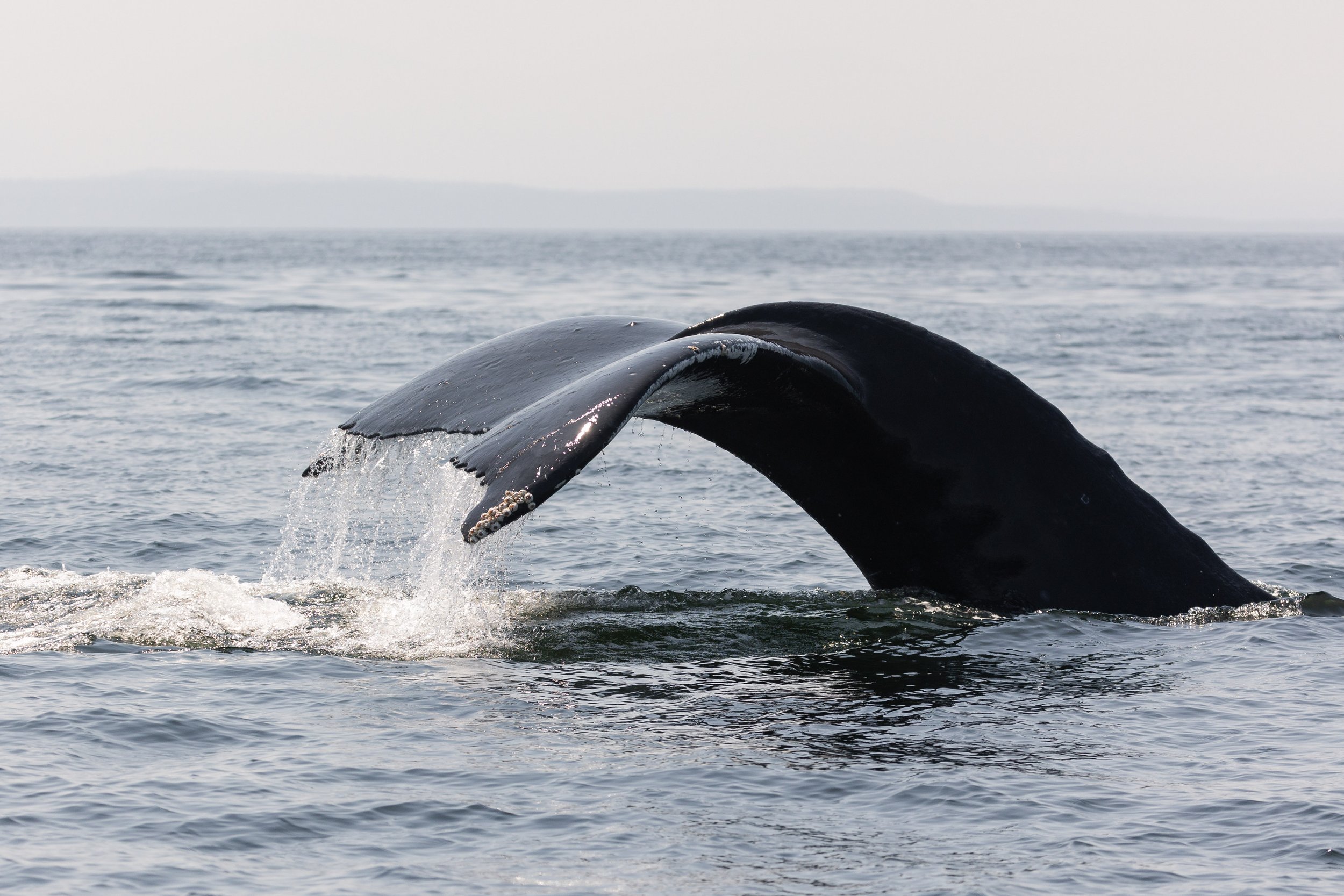
A lovely fluke waterfall from Iota. Photo by Jordan Robinson.
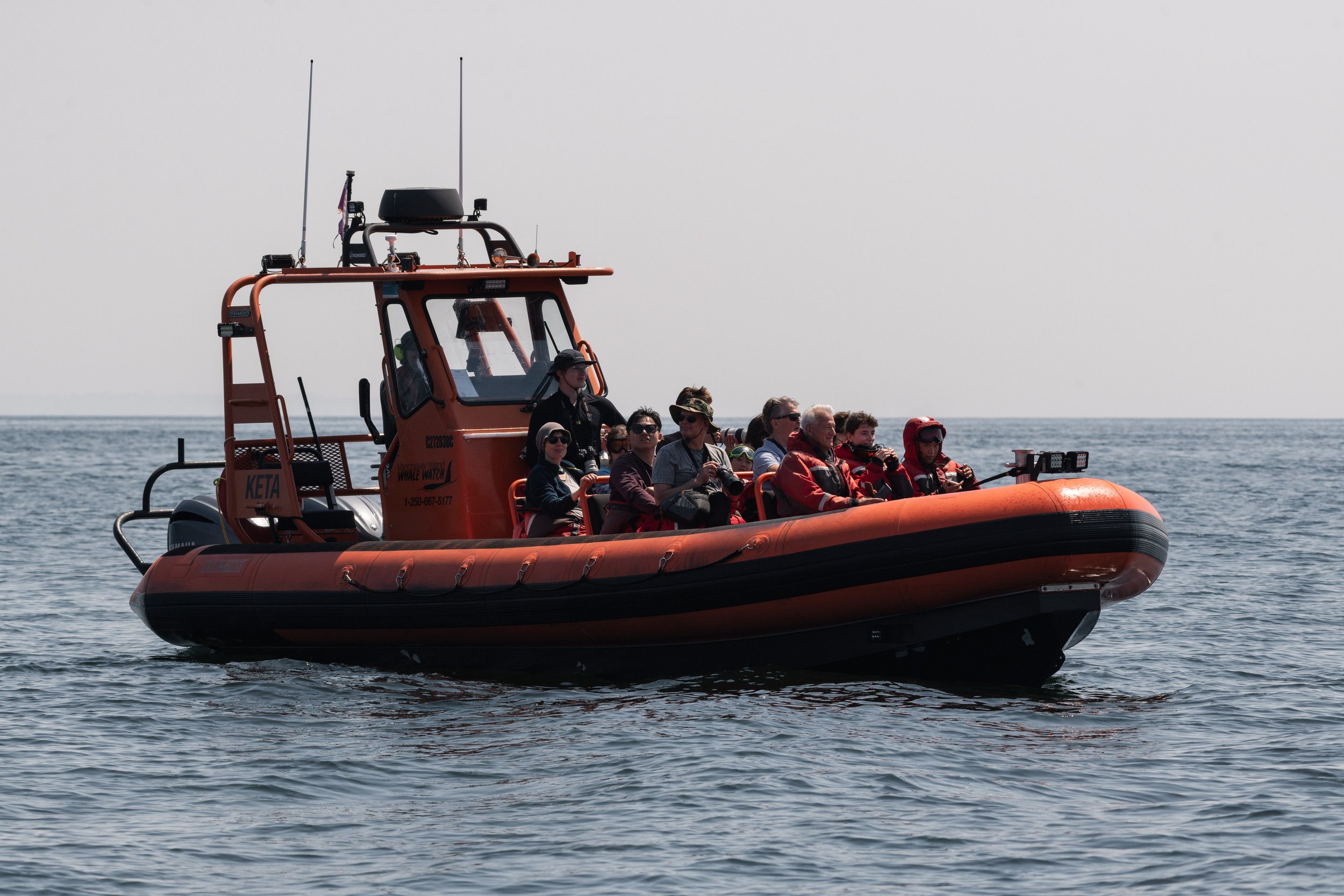
Happy whale watchers on Keta. Photo by Hayleigh Hilbert.
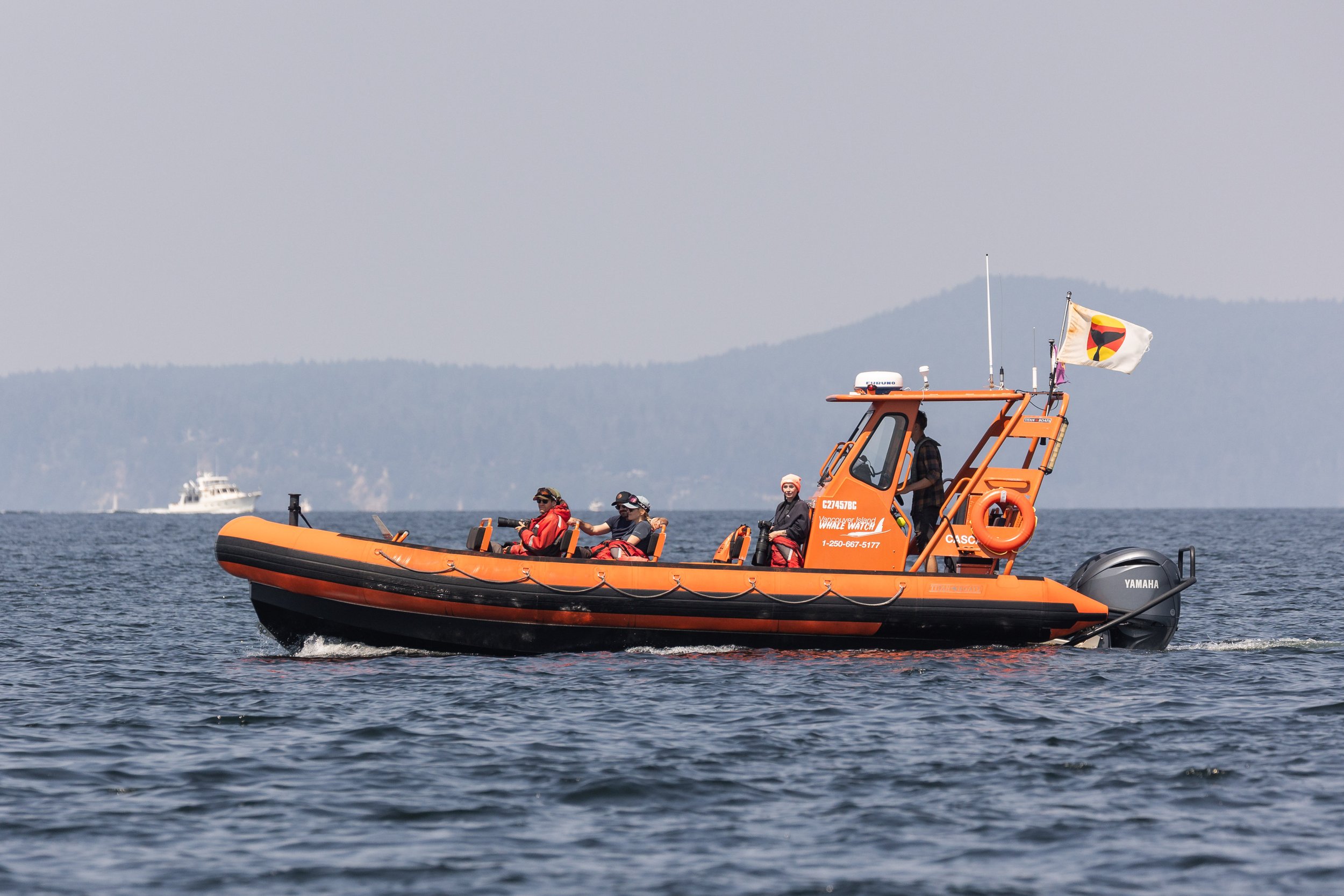
Whale watchers on Cascadia. Photo by Jordan Robinson.
Helen
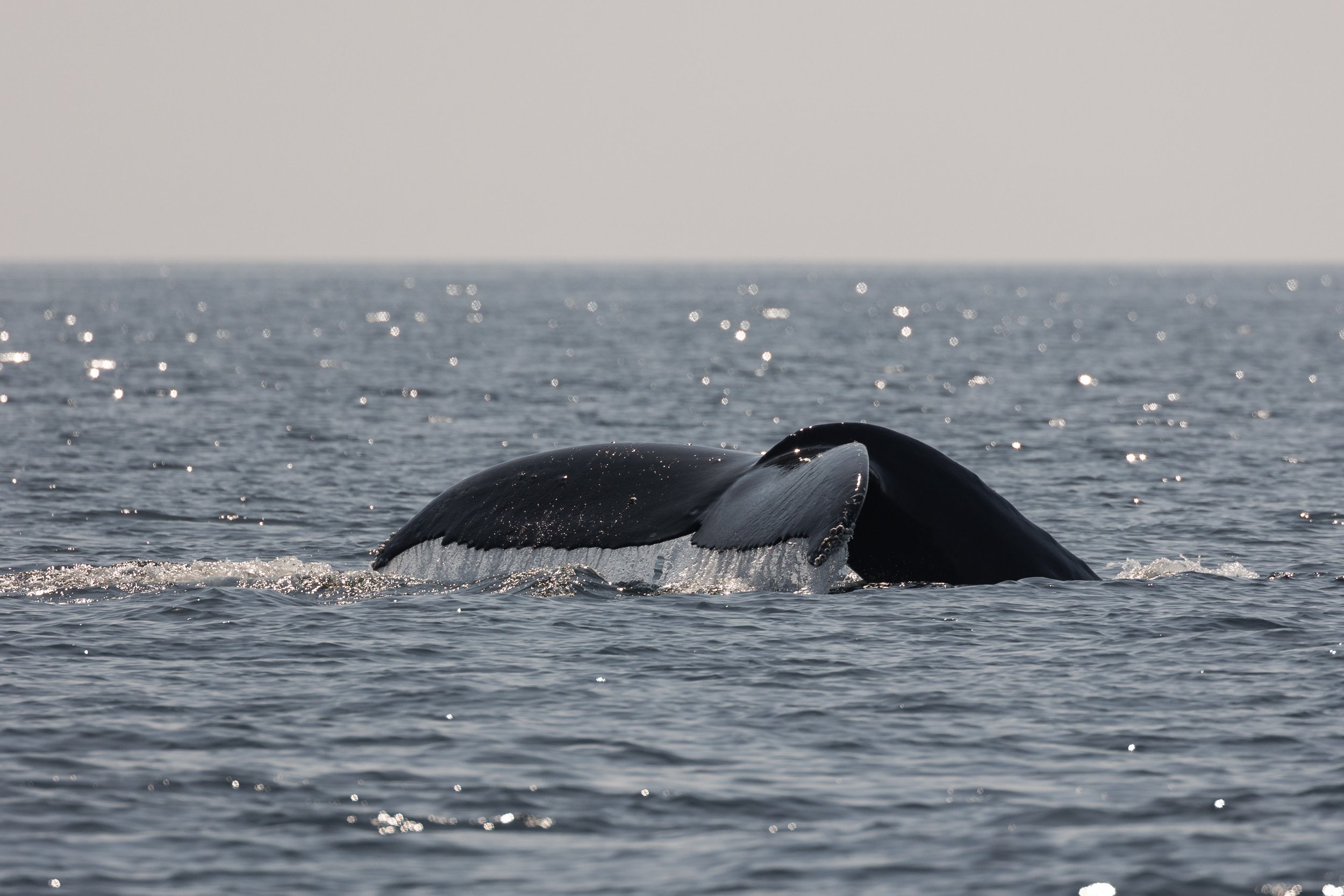
A fluke waterfall from Helen. Photo by Jordan Robinson.
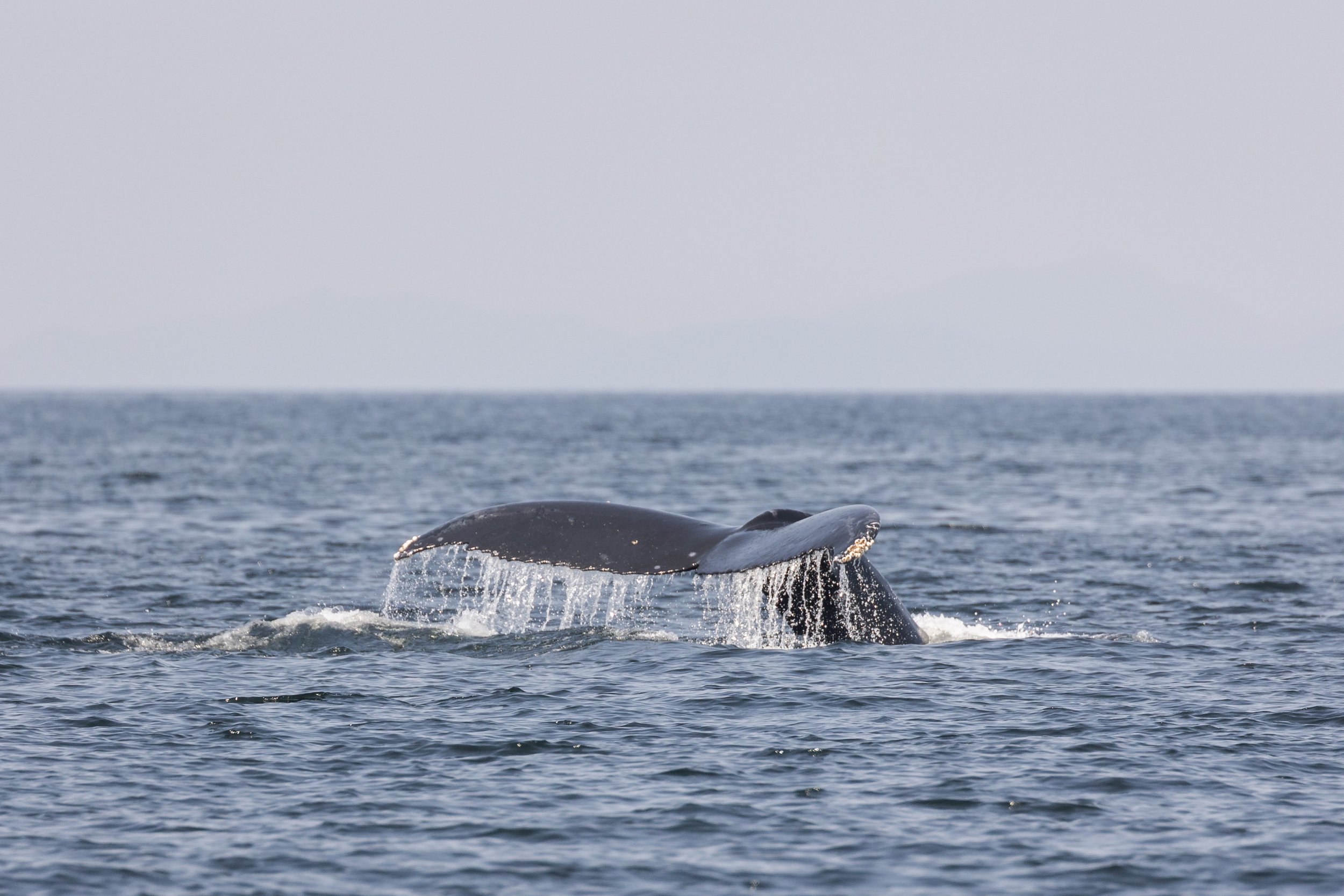
Helen going for a dive. Photo by Jordan Robinson.
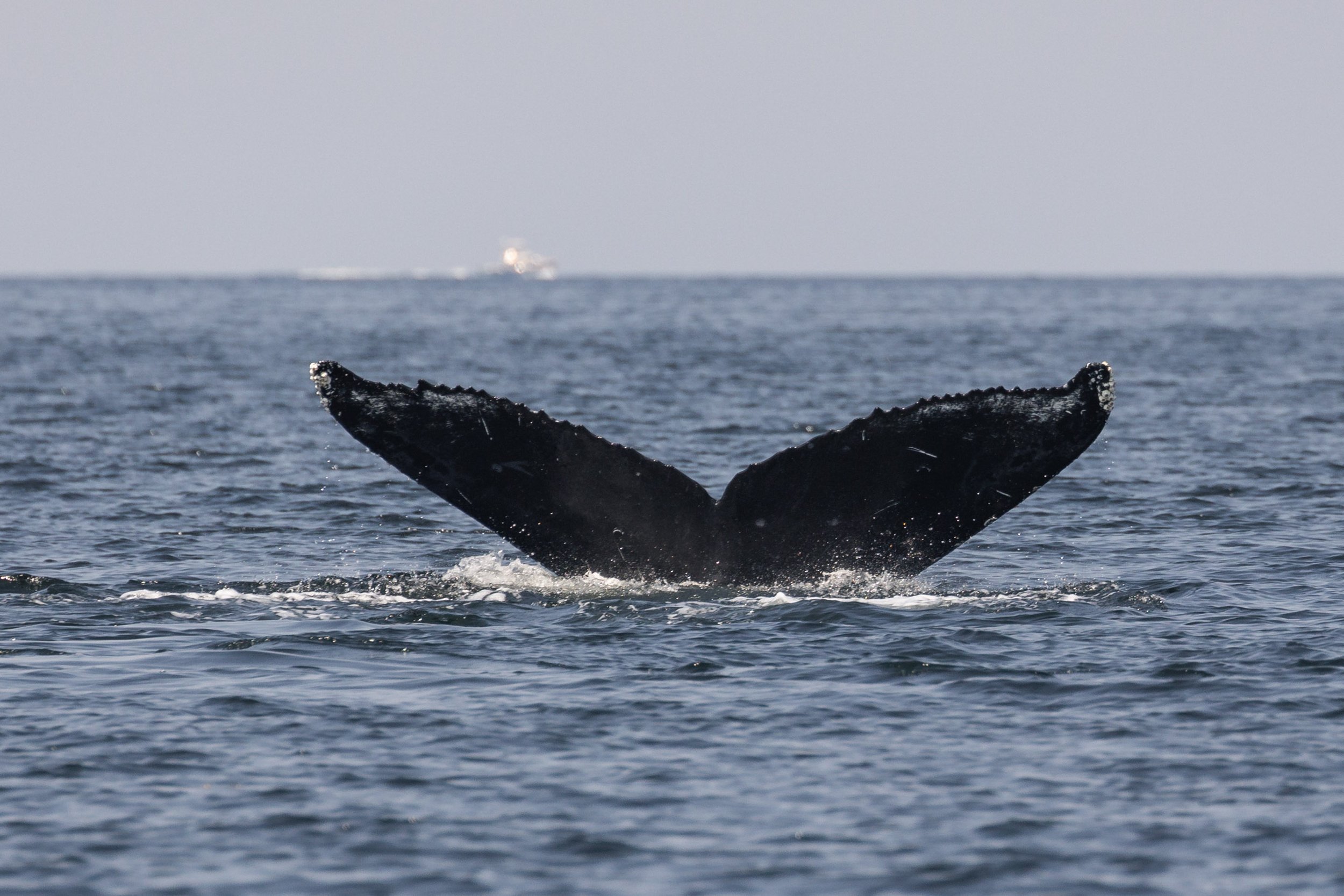
The underside of Helen’s tail as she goes for a dive. Photo by Jordan Robinson.
Cassiopeia
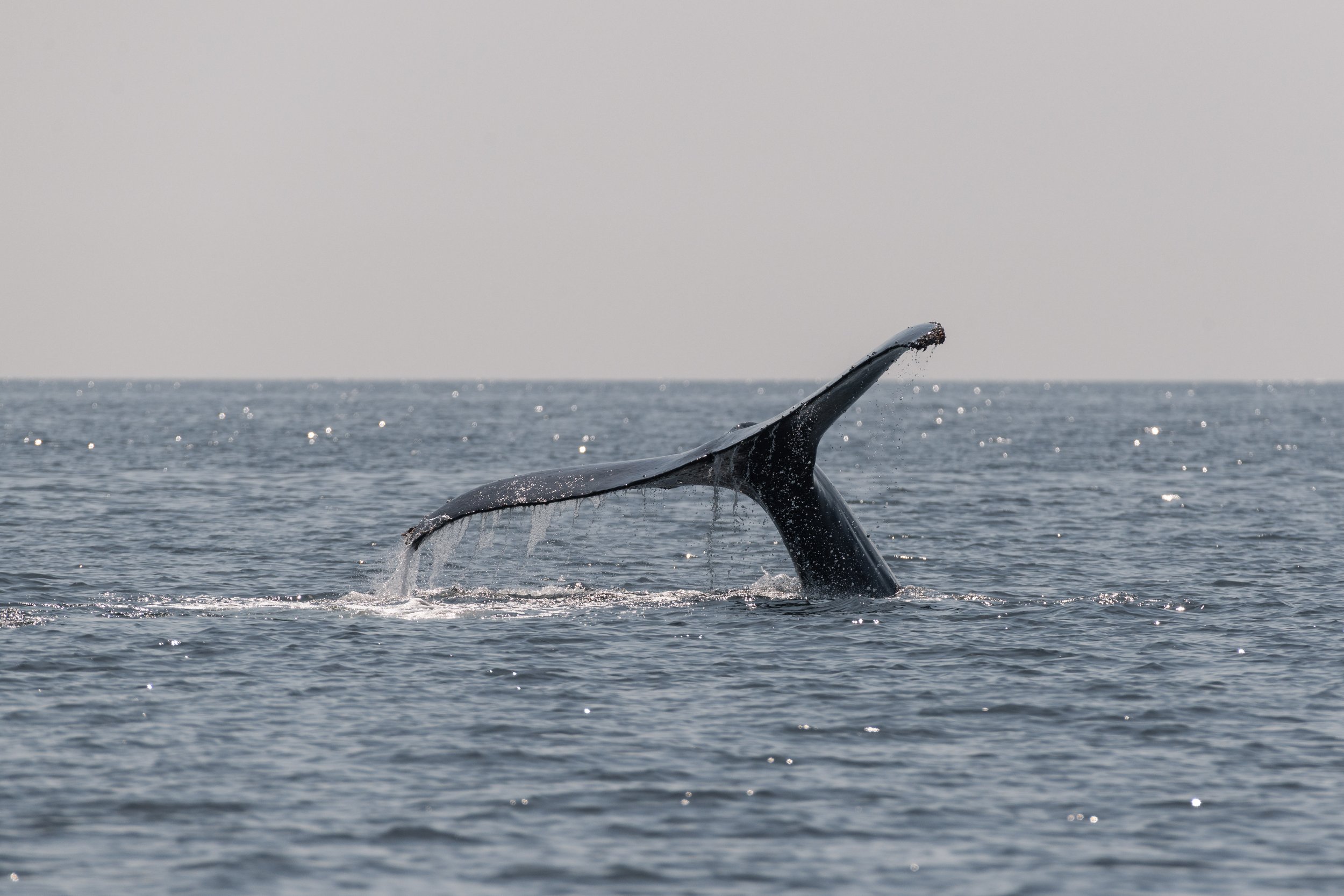
Cassiopeia going for a dive. Photo by Hayleigh Hilbert.
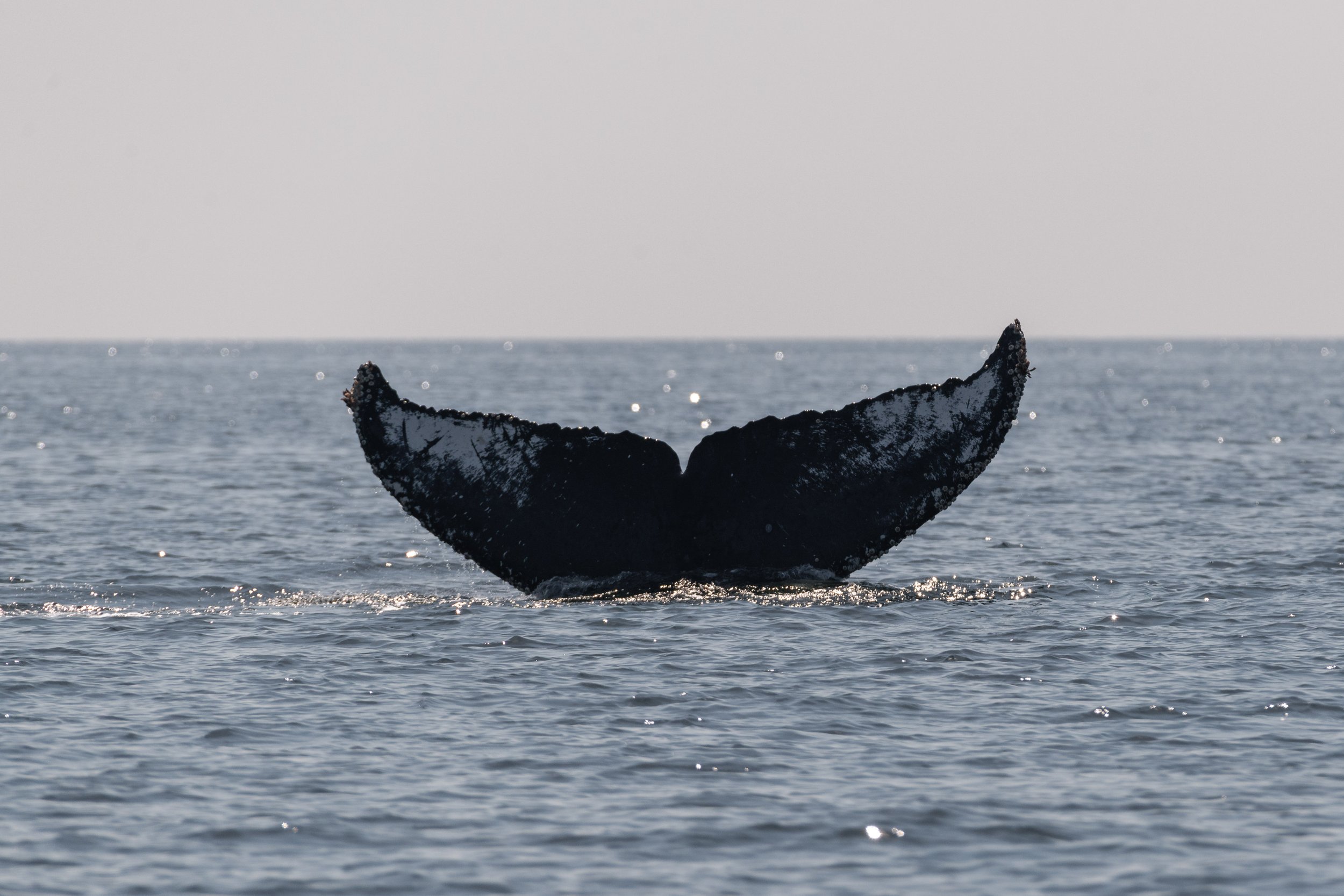
The underside of Cassiopeia’s tail flukes as he dives. Photo by Hayleigh Hilbert.
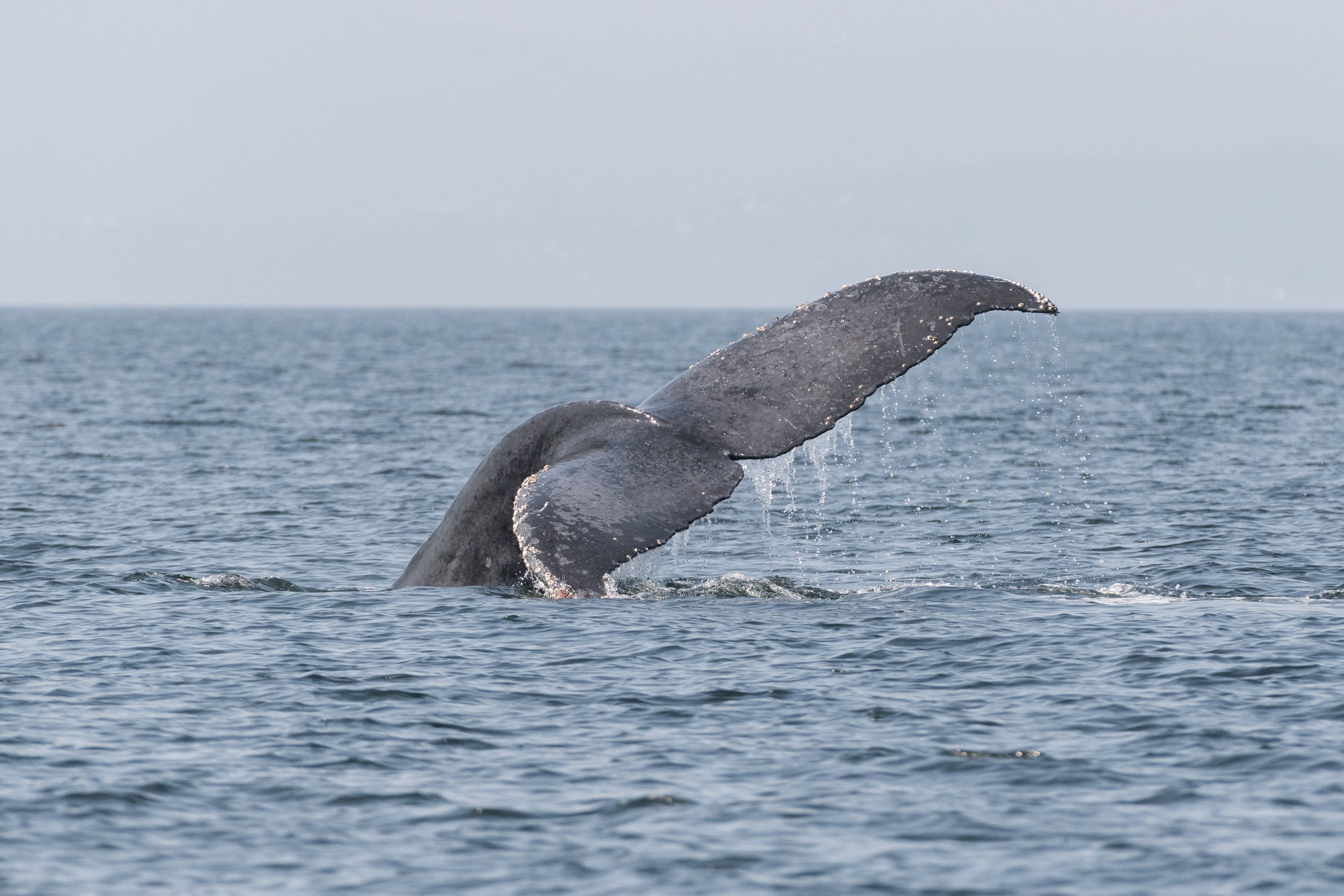
Cassiopeia doing a little sideways fluke as he dives. Photo by Hayleigh Hilbert.
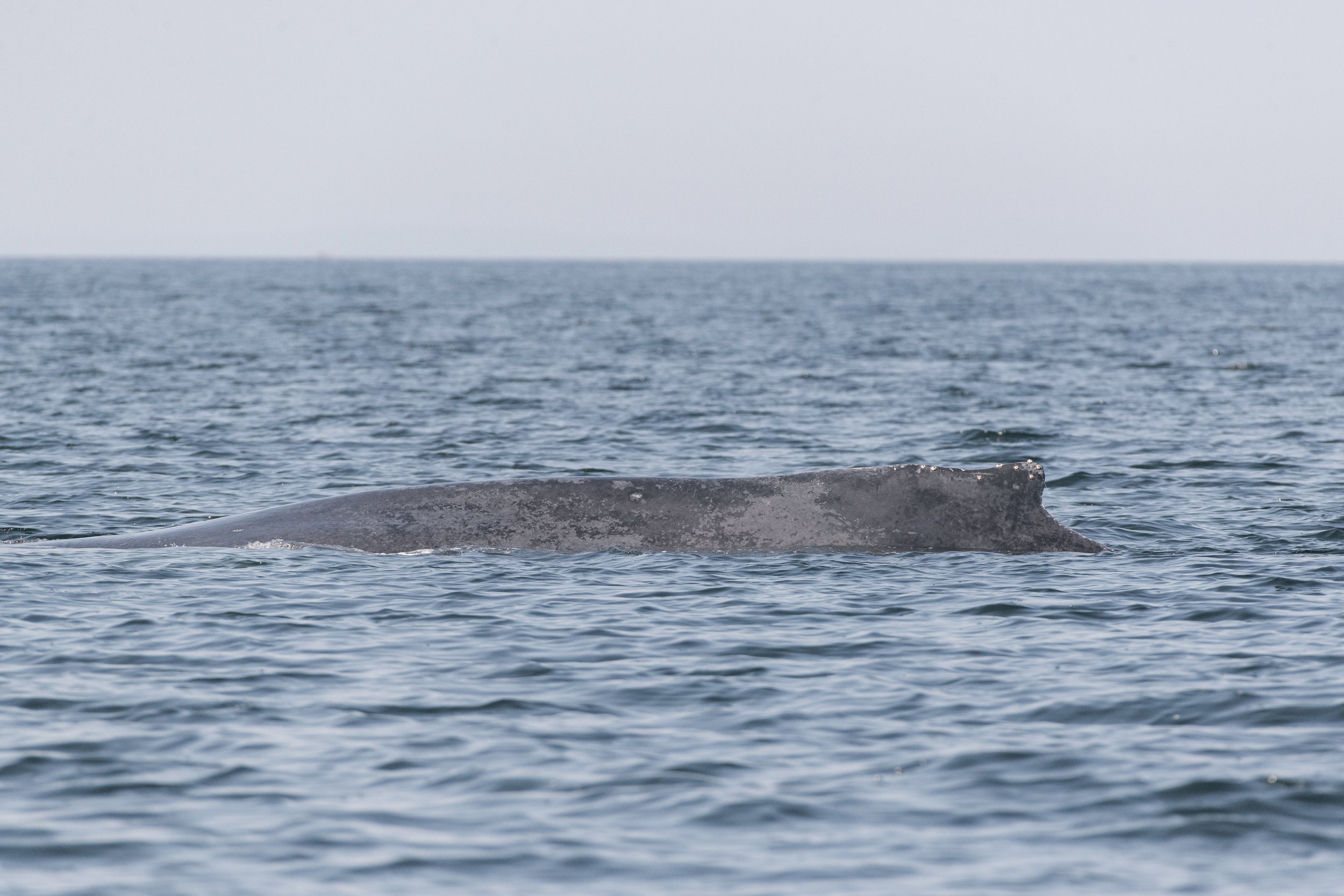
Cassiopeia’s dorsal fin. Photo by Hayleigh Hilbert.
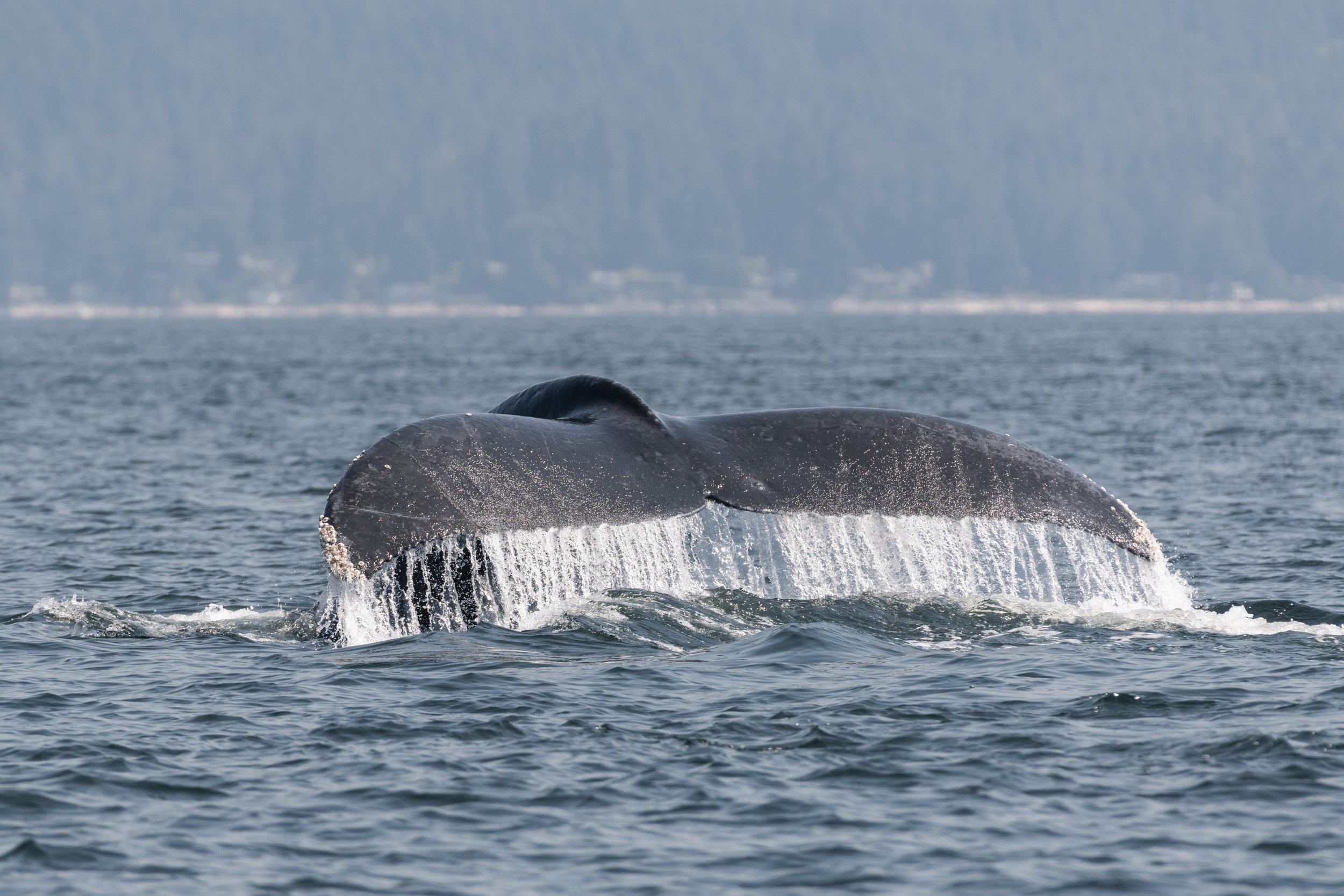
Cassiopeia going for a dive. Photo by Hayleigh Hilbert.
Uluka and X_pialidocious
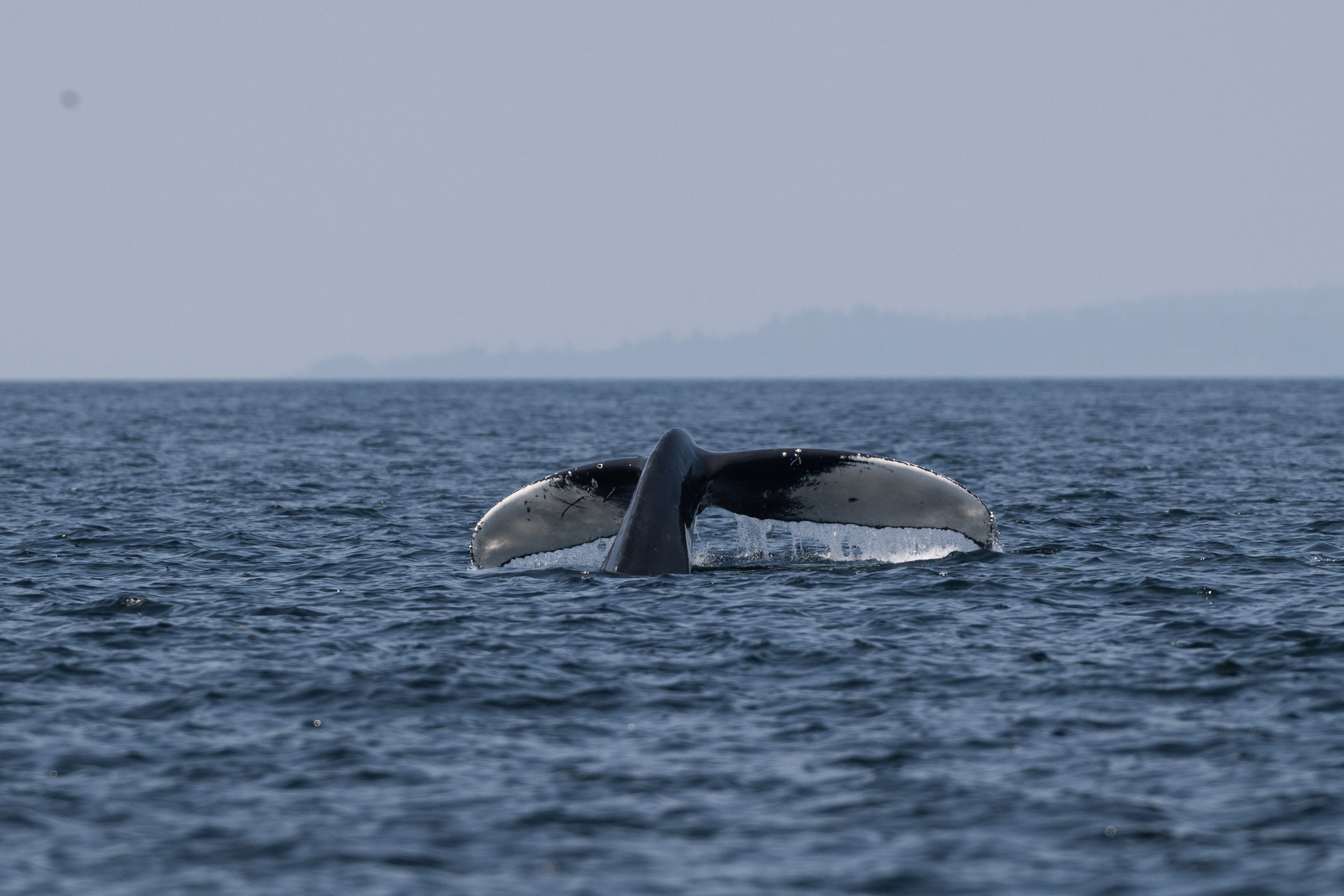
X_pialidocious going for a dive. Photo by Aly Kohlman.
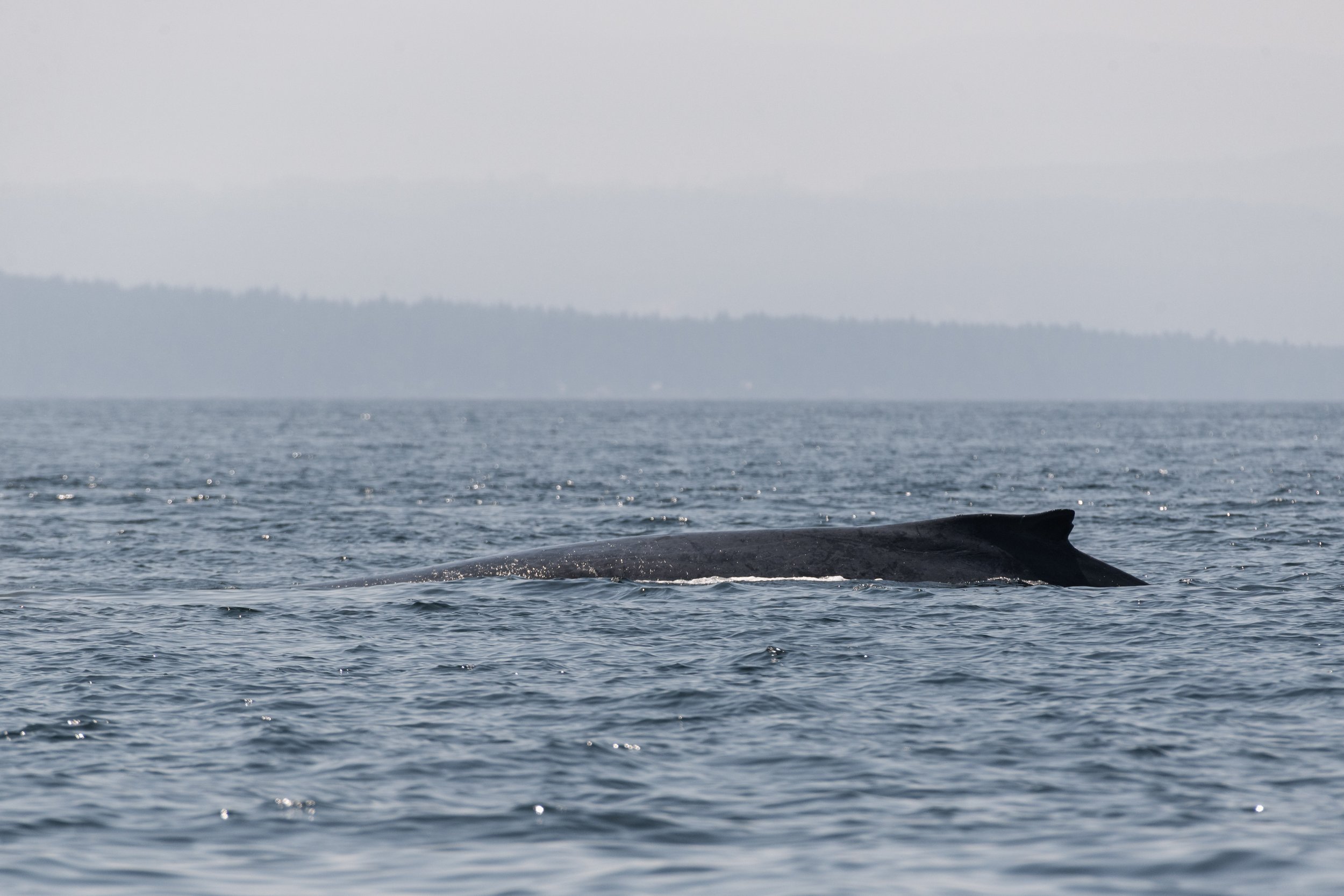
Uluka’s dorsal fin. Photo by Hayleigh Hilbert.
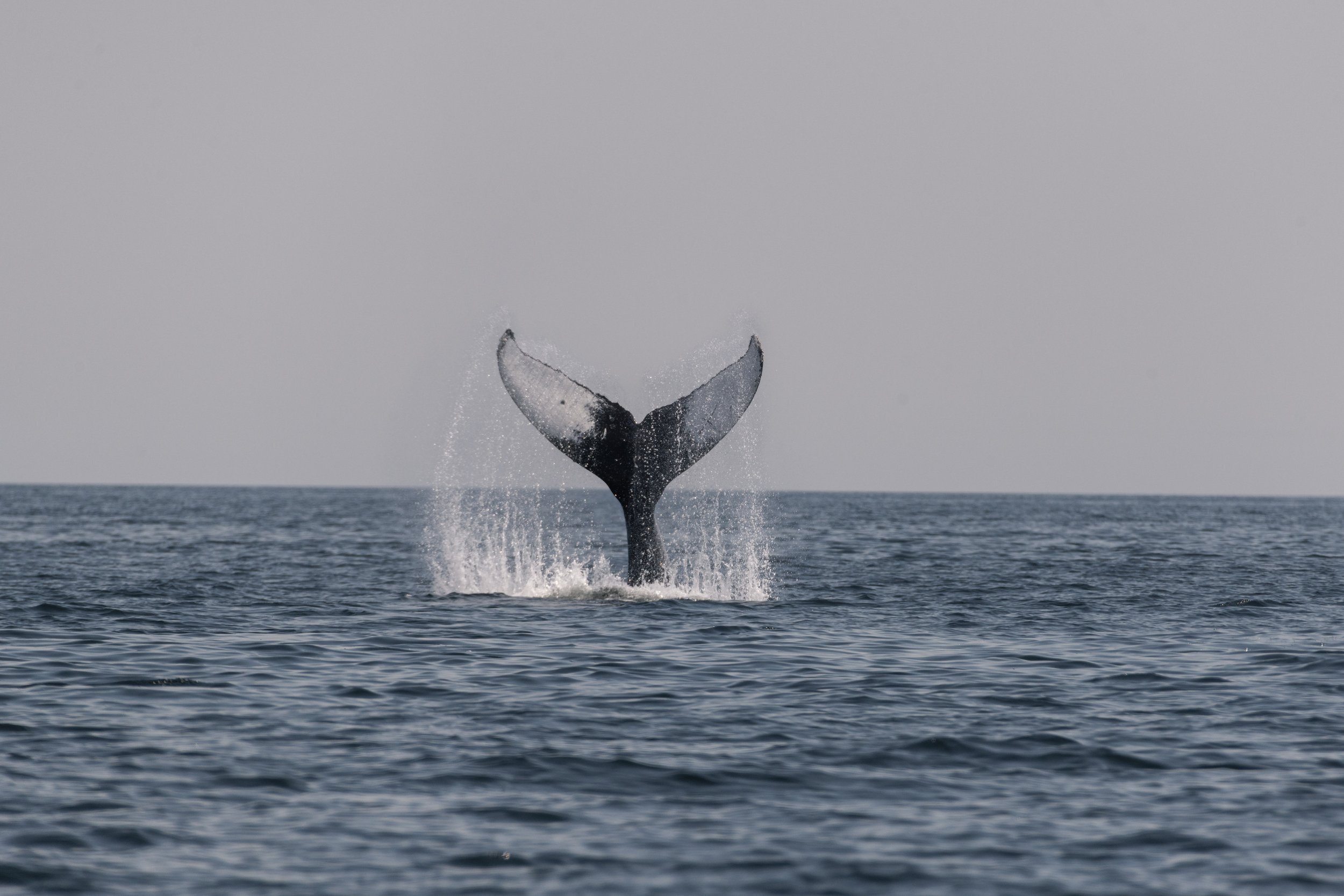
X_pialidocious slapping their tail. Photo by Hayleigh Hilbert.
Other wildlife
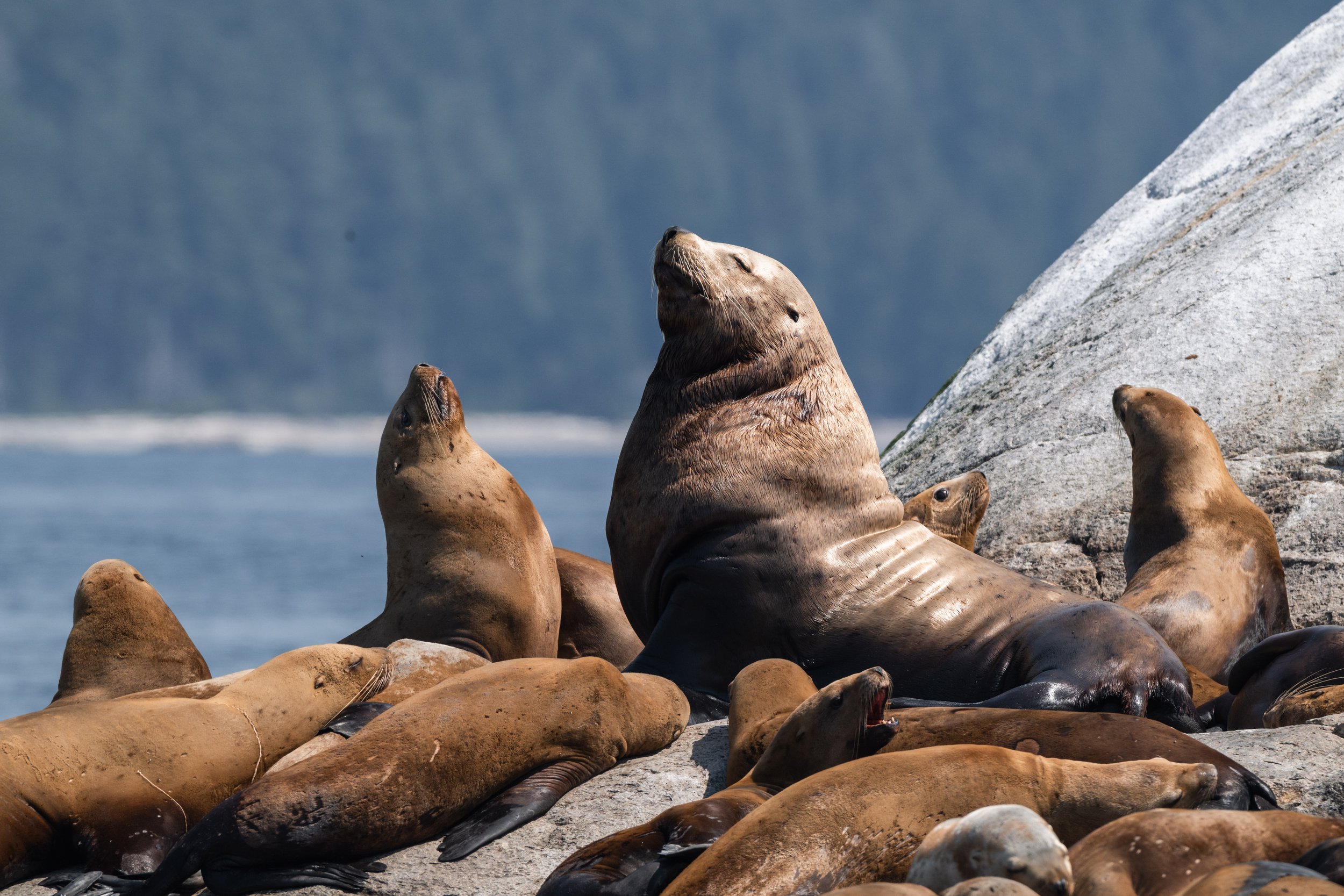
Some Steller Sea Lions striking a pose on White Islets. Photo by Aly Kohlman.
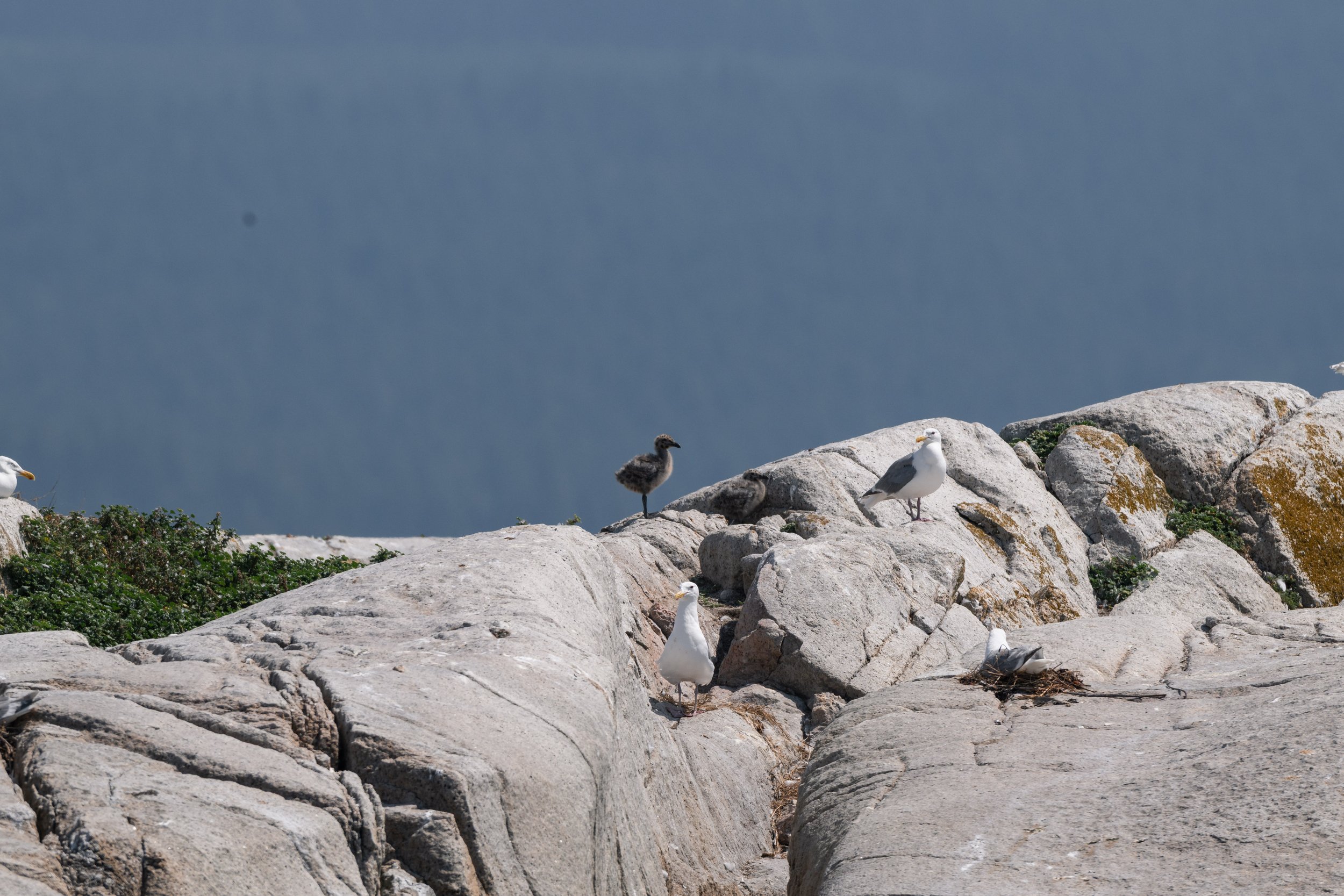
A baby gull, also striking a pose. Photo by Aly Kohlman.
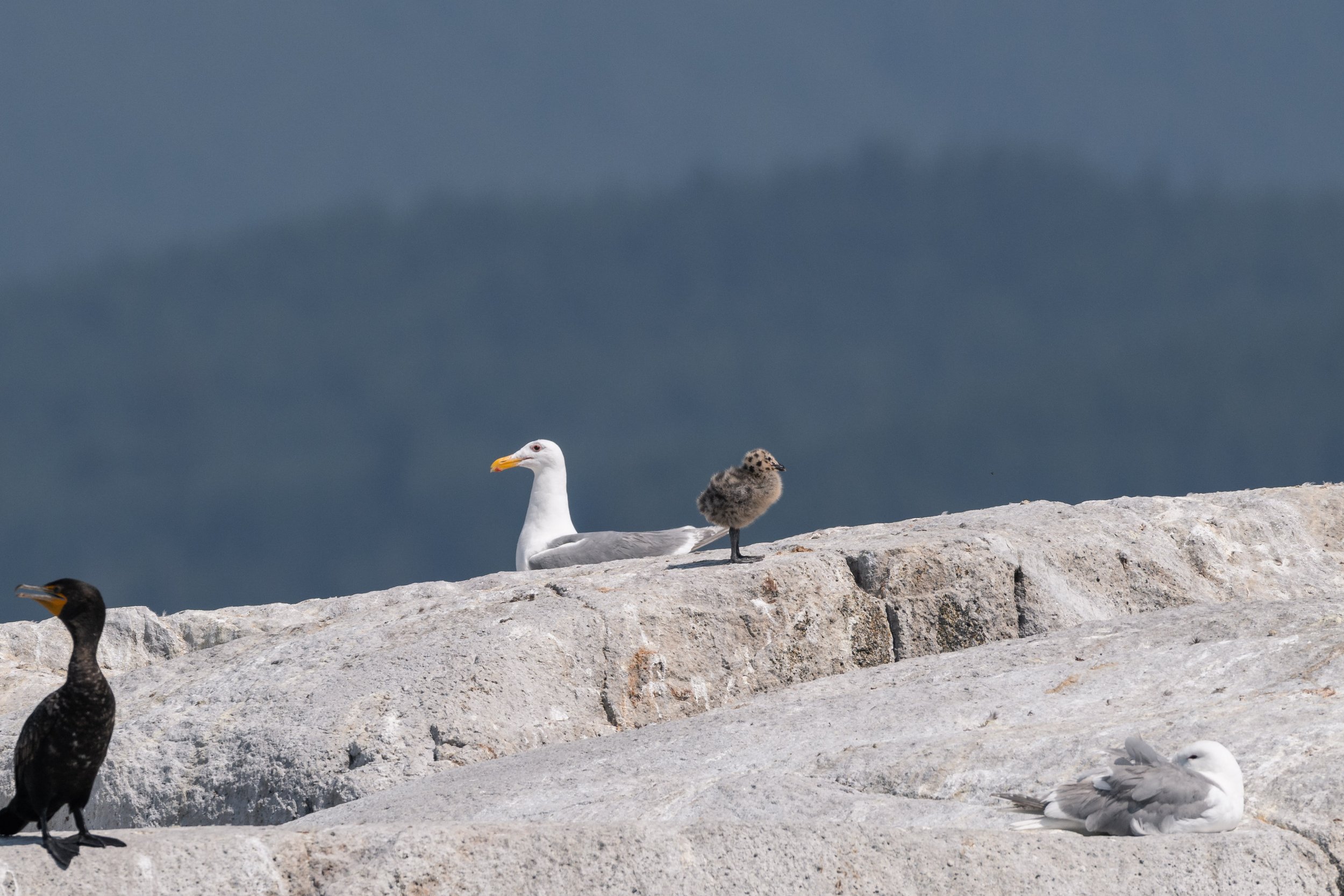
This fluffy baby gull stole our hearts! Photo by Aly Kohlman.
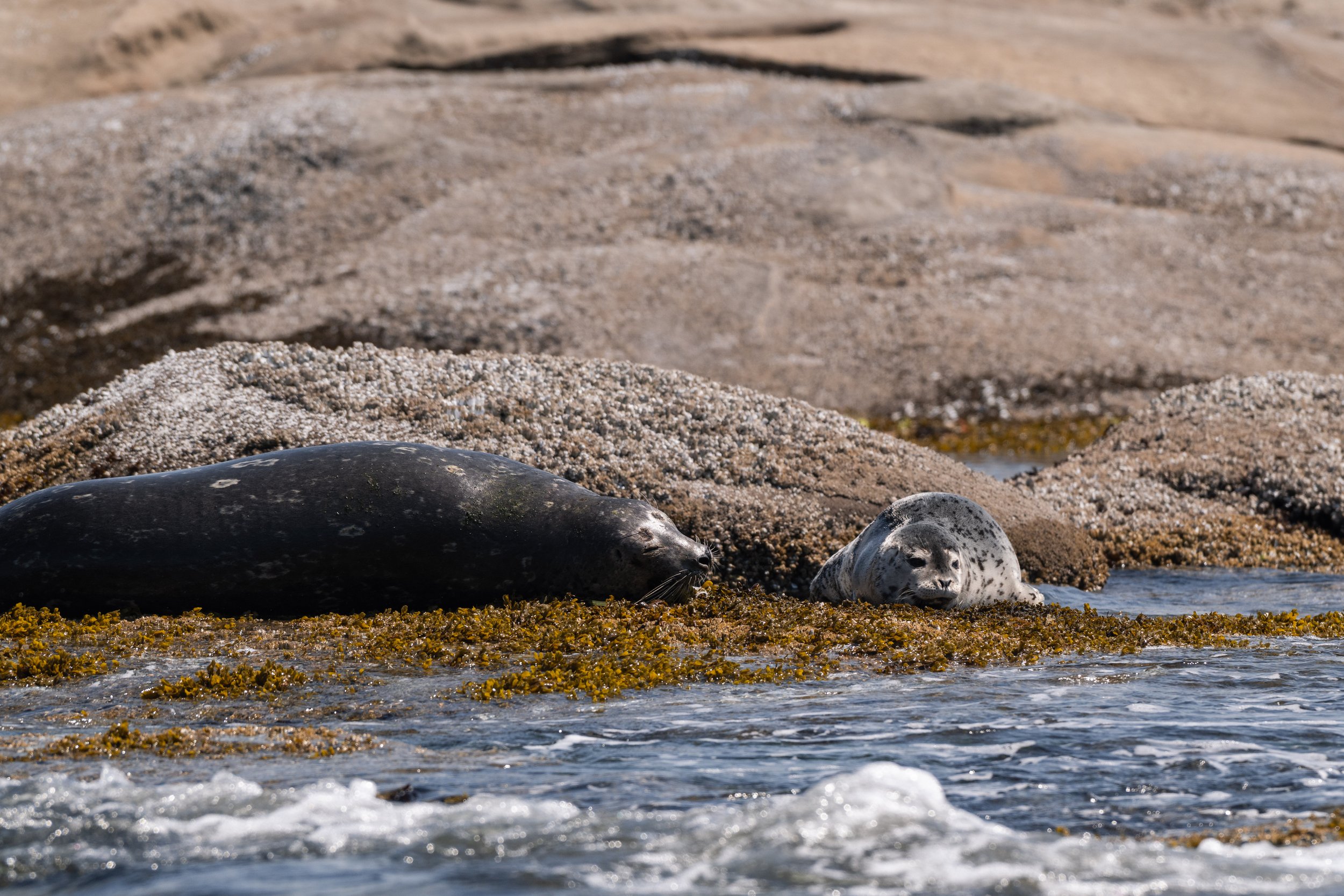
A Harbour Seal mom and pup. Photo by Aly Kohlman.
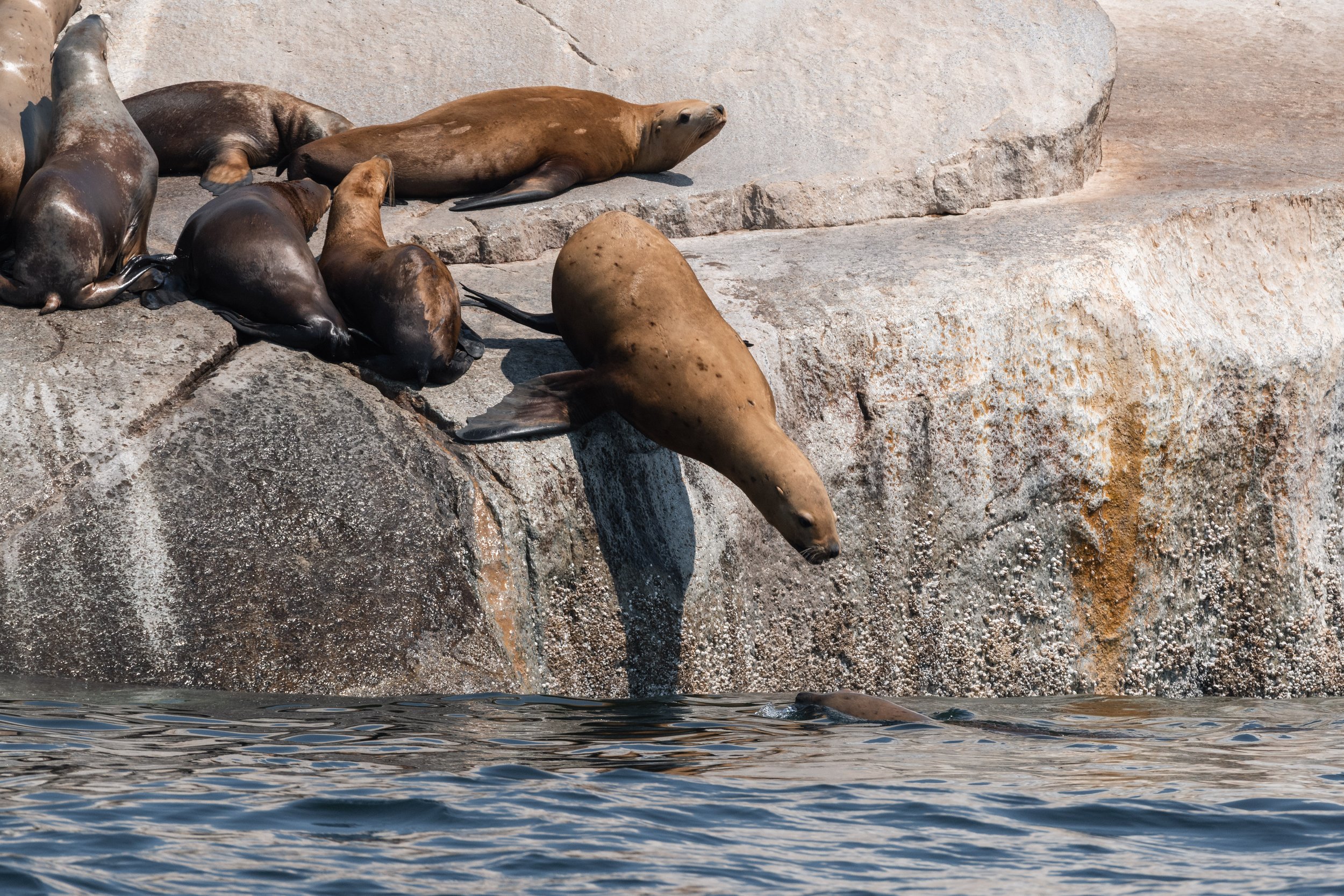
A Steller Sea Lion jumping into the water. Photo by Hayleigh Hilbert.
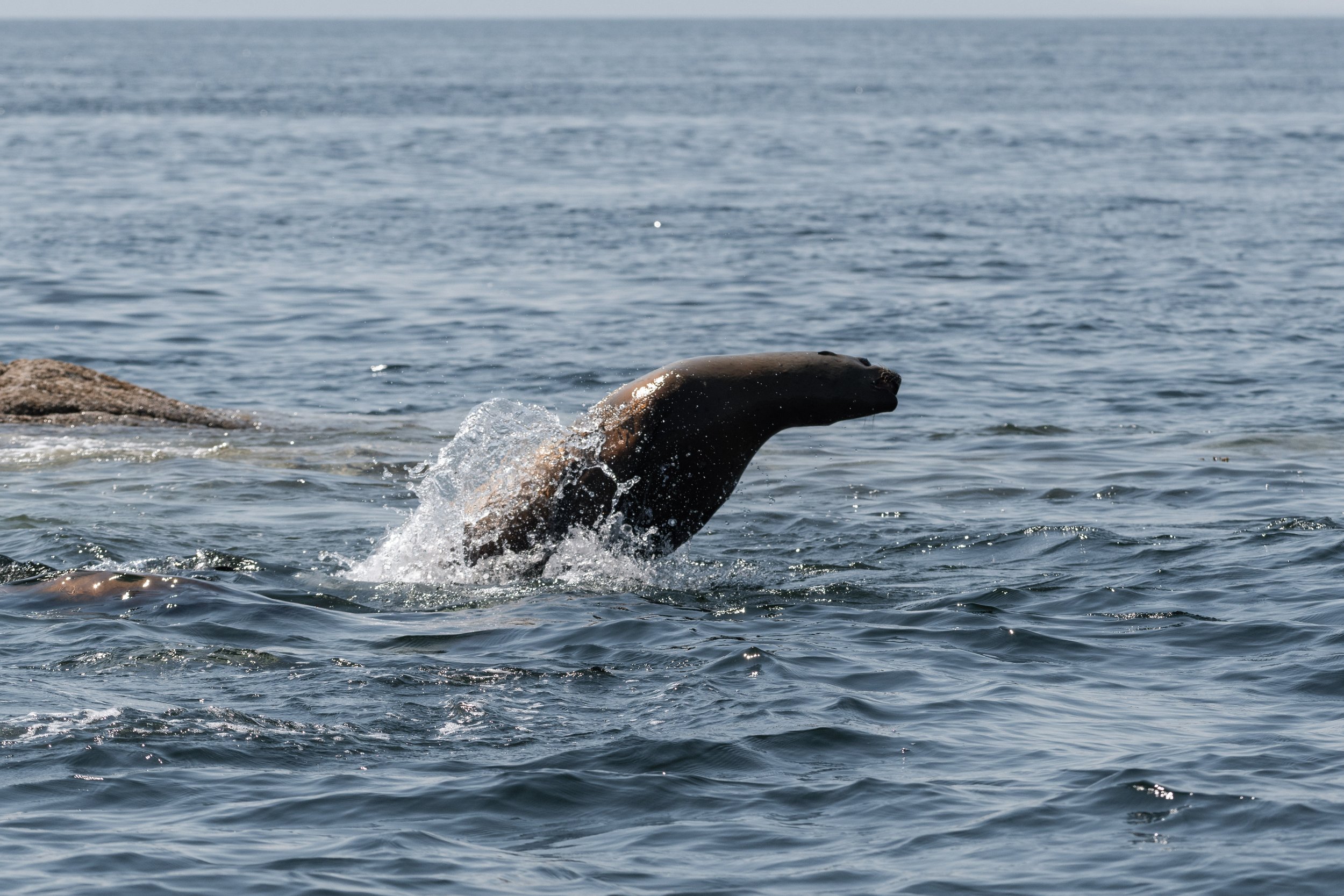
A jumping Steller Sea Lion. Photo by Hayleigh Hilbert.
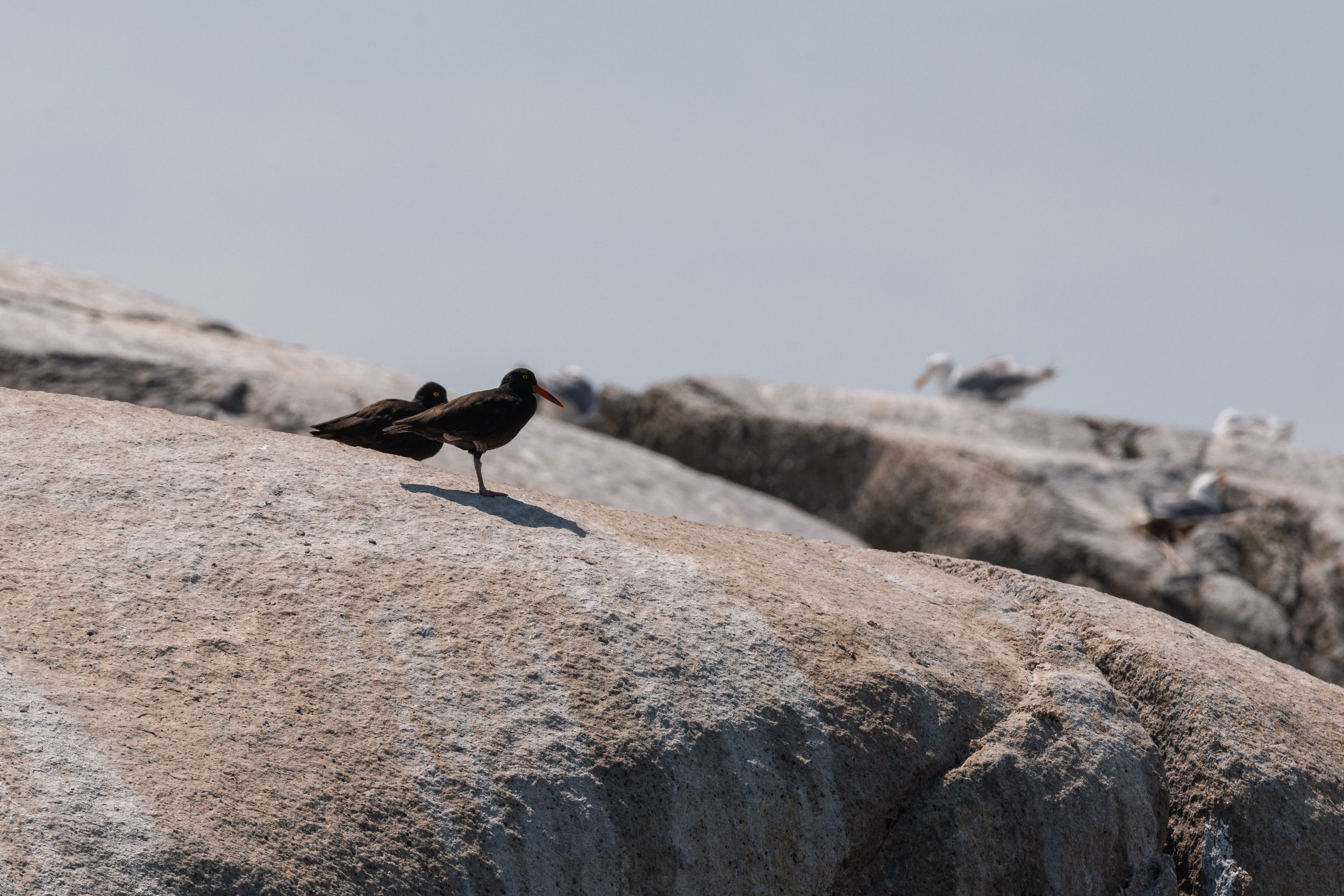
Black Oyster Catchers striking a pose. Photo by Hayleigh Hilbert.
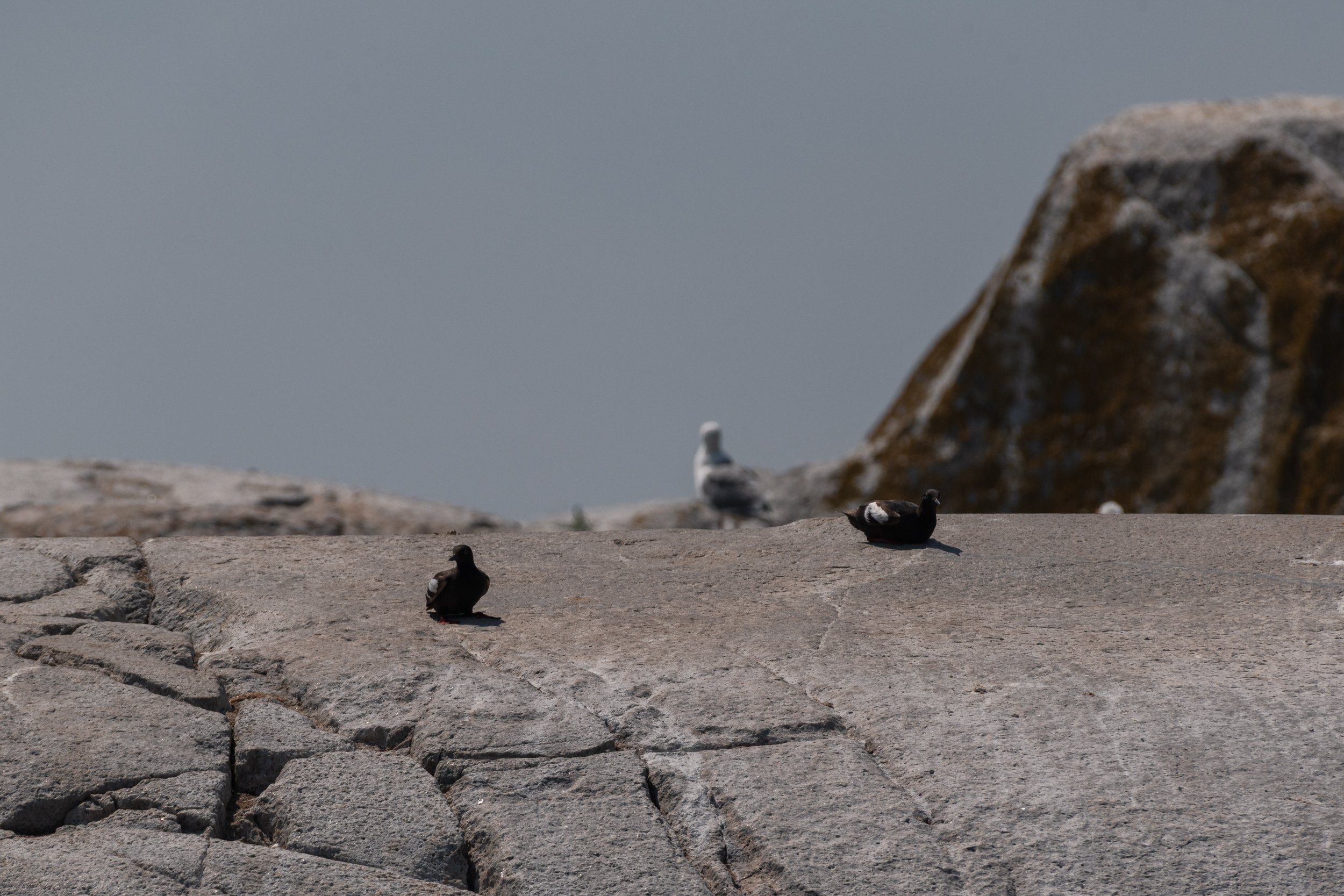
A pair of resting Pigeon Guillimont. Photo by Hayleigh Hilbert.
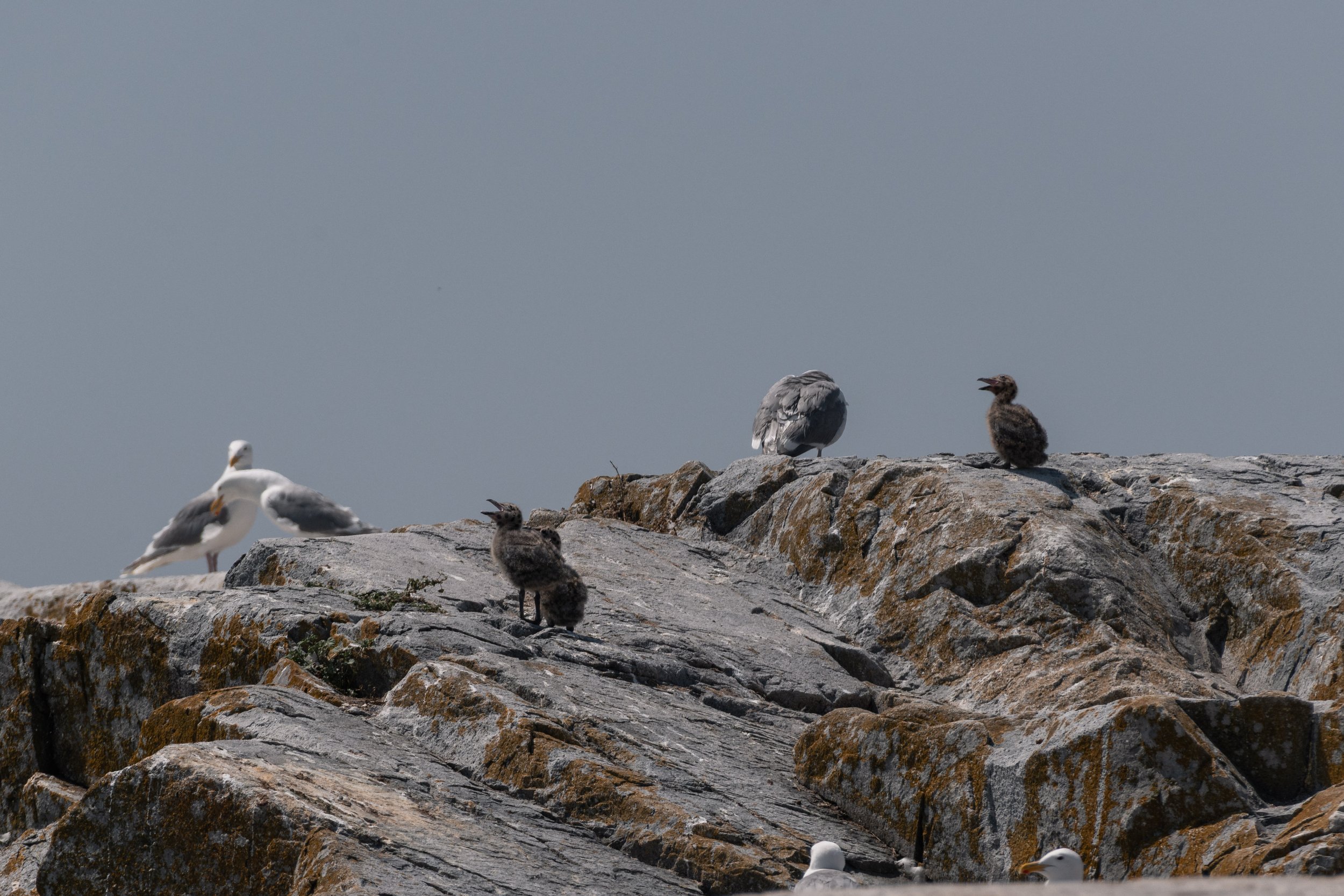
A lovely Gull Family. Photo by Hayleigh Hilbert.
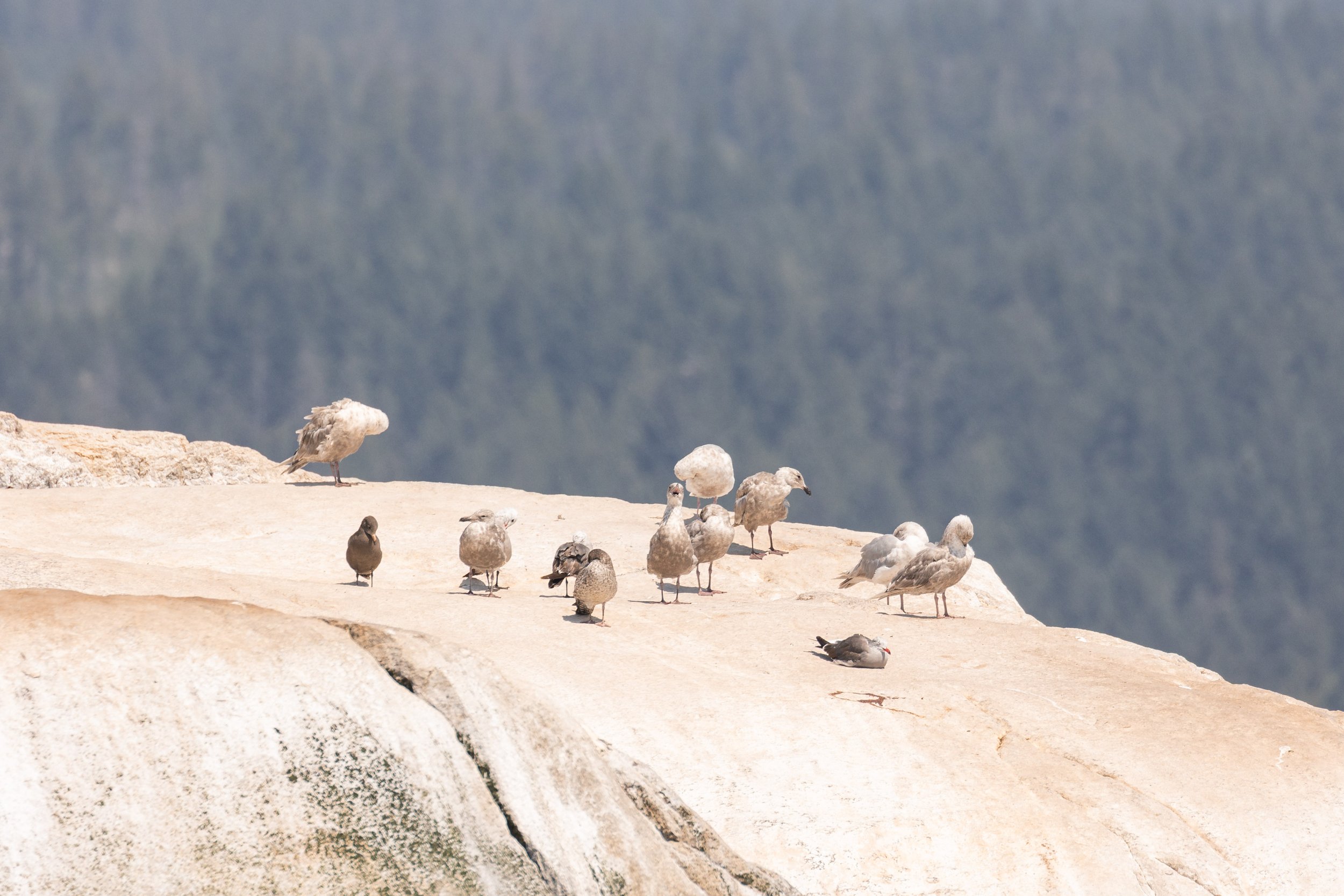
A bunch of Gulls on the white Islets. Photo by Jordan Robinson.
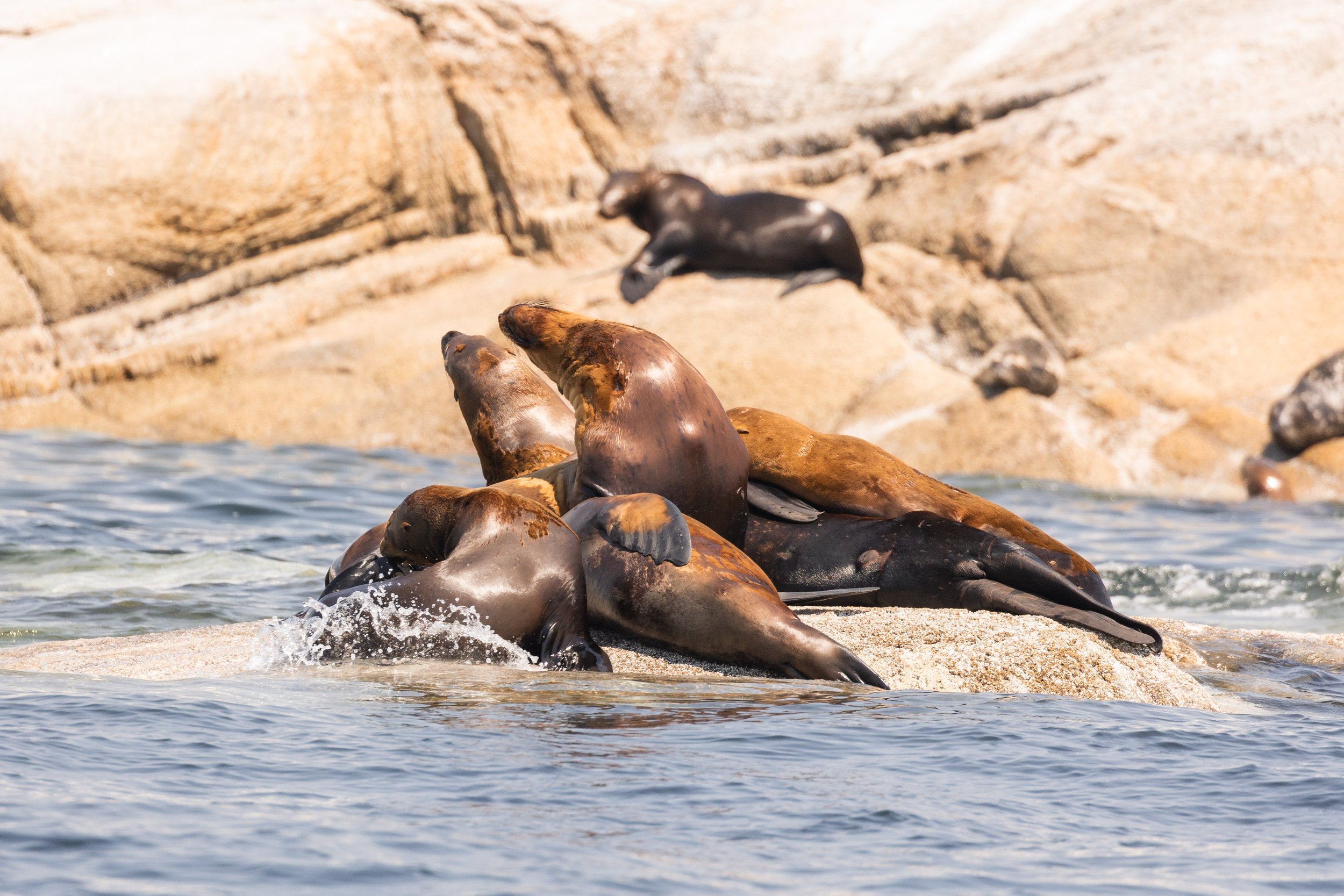
Steller Sea Lions posing on the rocks. Photo by Jordan Robinson.
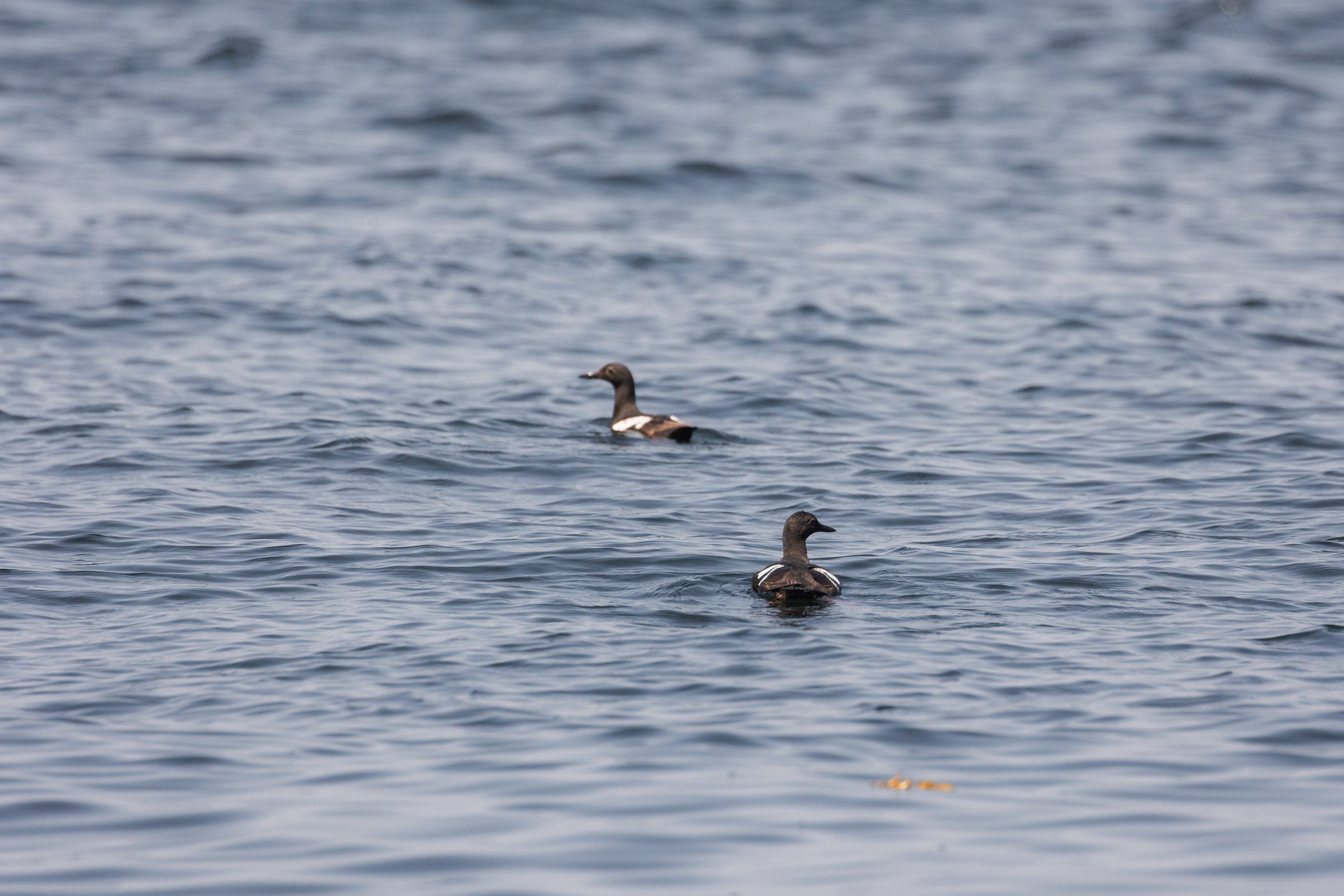
Pigeon Guillimont swimming by. Photo by Jordan Robinson.
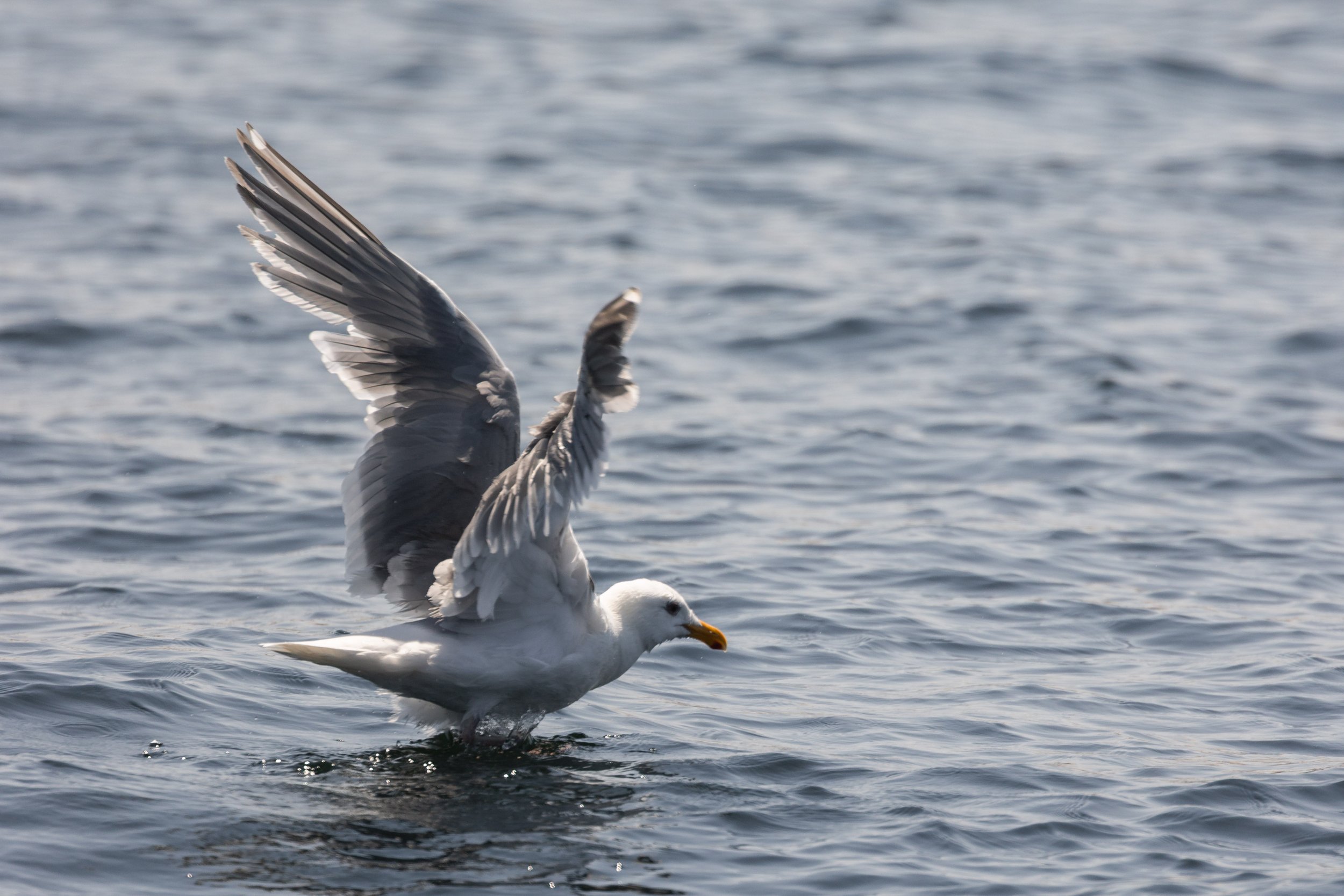
A gull ready for takeoffPhoto by Jordan Robinson.