
July 22, 2026, 10:30 AM - Humpbacks for all!
Another beautiful day greeted us as the full fleet departed from the dock. Semi-covered vessel Kula departed the Nanaimo Harbour alongside both of our open-boat vessels, Keta and Cascadia. Vessels Kula and Keta set off into the Strait of Georgia, scanning the horizon for blows, fins and tails, while our other vessel, Cascadia, searched through the southern Gulf Islands. After some searching, Cascadia and crew headed out through Porlier Pass into the Strait of Georgia.
A few minutes after leaving Porlier Pass, a guest aboard Cascadia spotted a splash along the north end of Galiano. Although it appeared to be a wake at first glance, a blow appeared a few moments later, followed by another one; it was multiple humpbacks travelling together! Marine Naturalist Jordan snapped photos of the dorsal fins to help identify the unknown whales. Although the underside of the tail is the gold standard for humpback whale identification, the dorsal fin can also be used to identify individuals by more seasoned naturalists. With the help of his colleagues, Jordan confidently confirmed the whales' identities as Banya (KEY0074), Phi (BCX1416), and “Double Double” (BCX2492).
This trio of humpbacks was travelling in tight unison, surfacing and diving together with only short, shallow dives between breaths. As Banya, Phi, and Double Double approached the mouth of Porlier Pass, the sound of their powerful exhalations carried across the water as the whales navigated strong water currents and boat traffic through the pass. When whales expend more energy (like swimming in strong currents), they need more oxygen to sustain the increase in effort. The harder an animal has to physically work, the larger or more frequent their breaths need to be. So while Banya, Phi, and Double Double passed through the strong currents of Porlier Pass, loud and powerful blows echoed along the water's surface to meet that increased oxygen demand.
Not long after Cascadia found the trio, vessel Keta arrived on scene to enjoy the view. Along the way, however, crew and guests caught sight of another humpback whale in the distance. After a single surface, it disappeared beneath the waves and never resurfaced within view. While that may seem unusual, it's actually well within the range of normal humpback behaviour. Here in British Columbia, humpback whales typically remain underwater for 2–10 minutes between breaths while feeding, but they can hold their breath for up to 45 minutes during longer dives!
These three humpback whales eventually travelled along the north-east shore of Valdes Island, where they continued along the shoreline.
All the while, guests and crew aboard Kula continued their adventure through the Strait of Georgia in search of whales, and it didn’t take long! Some blows had been spotted in the distance. Captain Joseph closed the gap while Marine Naturalist Hayleigh snapped some photos of the tail fluke in the distance. The humpback whale was Incognito (BCX2053)! Similarly to Cascadia’s solo humpback earlier in the day, though, Incognito was being very elusive, and after a brief viewing, they disappeared.
Not to worry, though, as after another brief search, Kula located another humpback whale - this time it was Valiant (BCX1773). Valiant is an easy humpback whale to distinguish from others due to her pointy dorsal fin as well as her fluke, which has multiple rake marks on either corner of it. It is possible that while she was still a calf, travelling with her mother, Split Fluke (BCX1068), orca may have grabbed her, resulting in the scarring. Valiant was travelling along as we observed her, fluking occasionally as she headed for the depths.
While the day had already been full of whale activity, we still had many other encounters ahead of us. Departing the whales and continuing our travels, we made our way over to “Stinky Rocks”, a pinniped haulout off of Valdez Island. Multiple plump Harbour Seals yawned and stretched in the sunlight, enjoying the warmth. We are in the middle of pupping season now, and a few tiny adorable faces could be seen amongst the adults. Seal pups have to grow up very fast, though, as by about 6 weeks of age they are starting to fend for themselves, foraging and finding their own resting areas. Further out, loud belches could be heard bouncing off the landscape. These originated from Steller Sea Lions lumbering at their own haulout. While many of our sea lions have left our area to breed, a small population has remained here. We spent a couple of minutes watching the seals and sea lions enjoy their day before heading on out.
Once more, we set off, and once more we briefly stopped to take a peek at other wildlife. The towering Gabriola Bluffs are home to many different bird species, and it is always interesting to see what is around in a given day. A Pigeon Guillemot was busy with its lunch (a fish) when we arrived. The fish was nearly as large as the bird - it was quite the sight to behold!
We turned and picked up speed one final time to head back into the harbour. We had spent the day seeing half a dozen unique humpbacks, plus many other wildlife species, and we happily chatted about it as the tour came to an end and we disembarked from the vessels.
Photos by Marine Naturalists Evan Hessels, Hayleigh Hilbert, and Jordan Robinson - please enjoy!
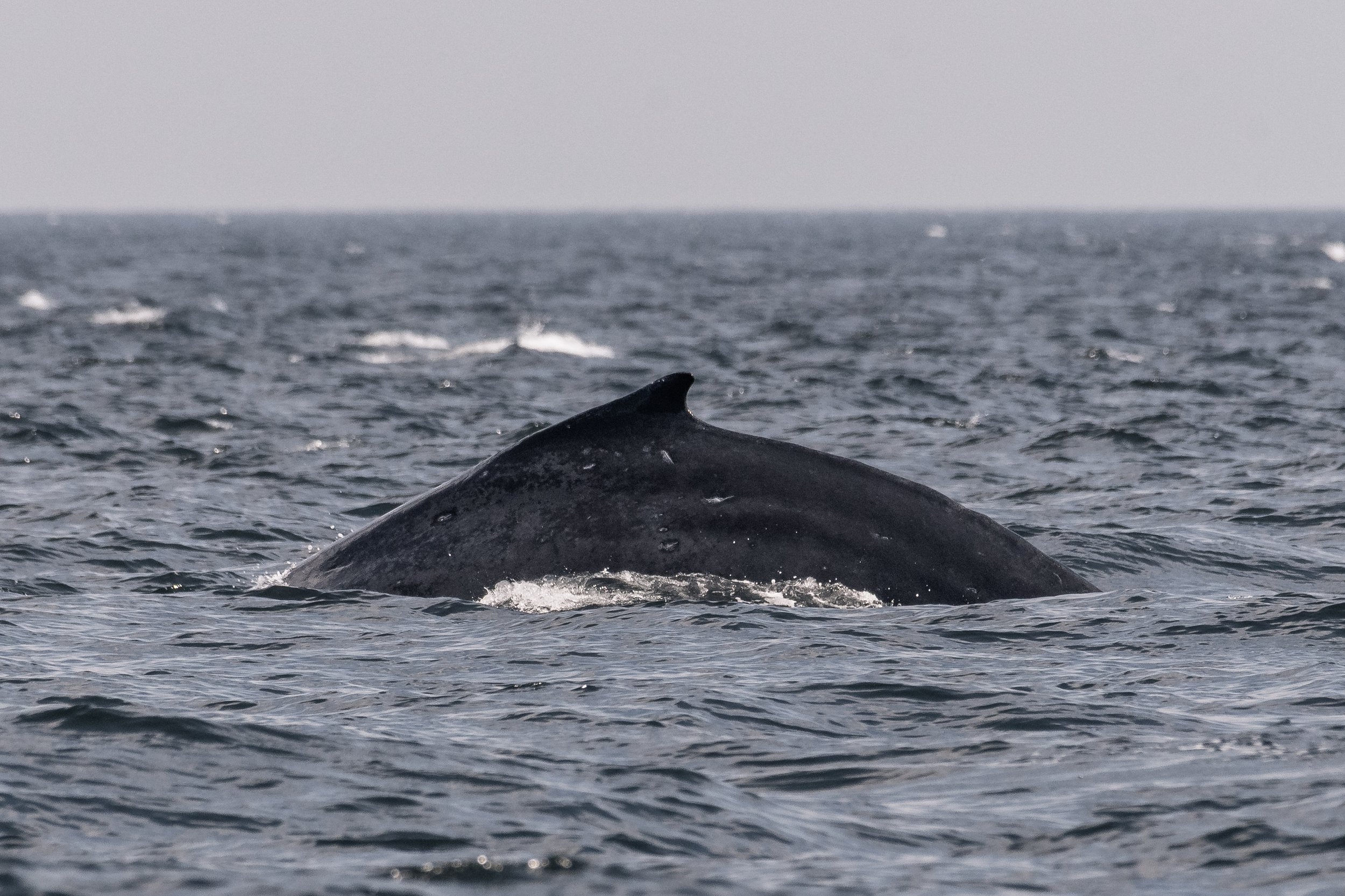
Banya’s dorsal fin. Photo by Evan Hessels.
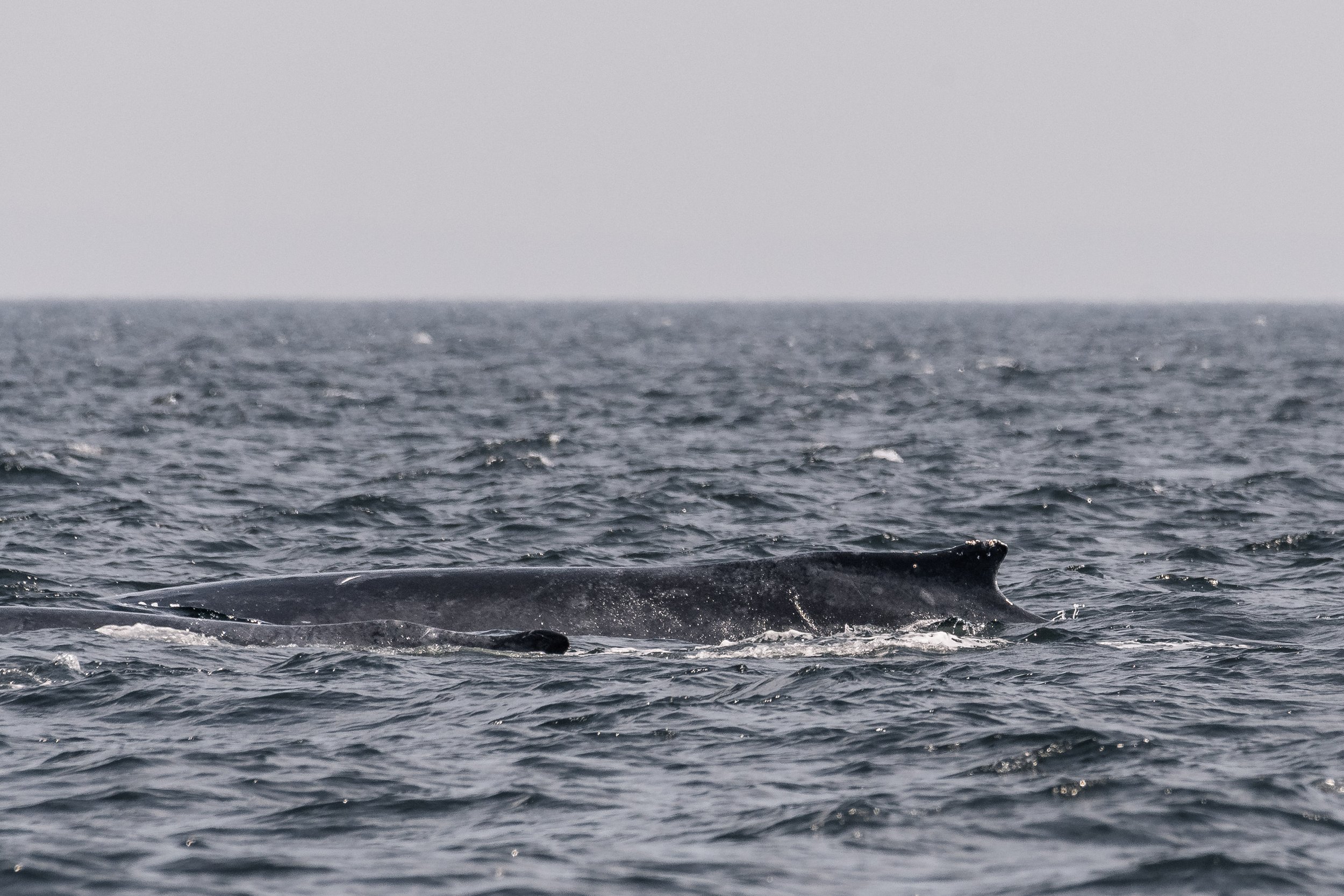
Phi/Corona’s dorsal fin with “Double Double” beside them. Photo by Evan Hessels.
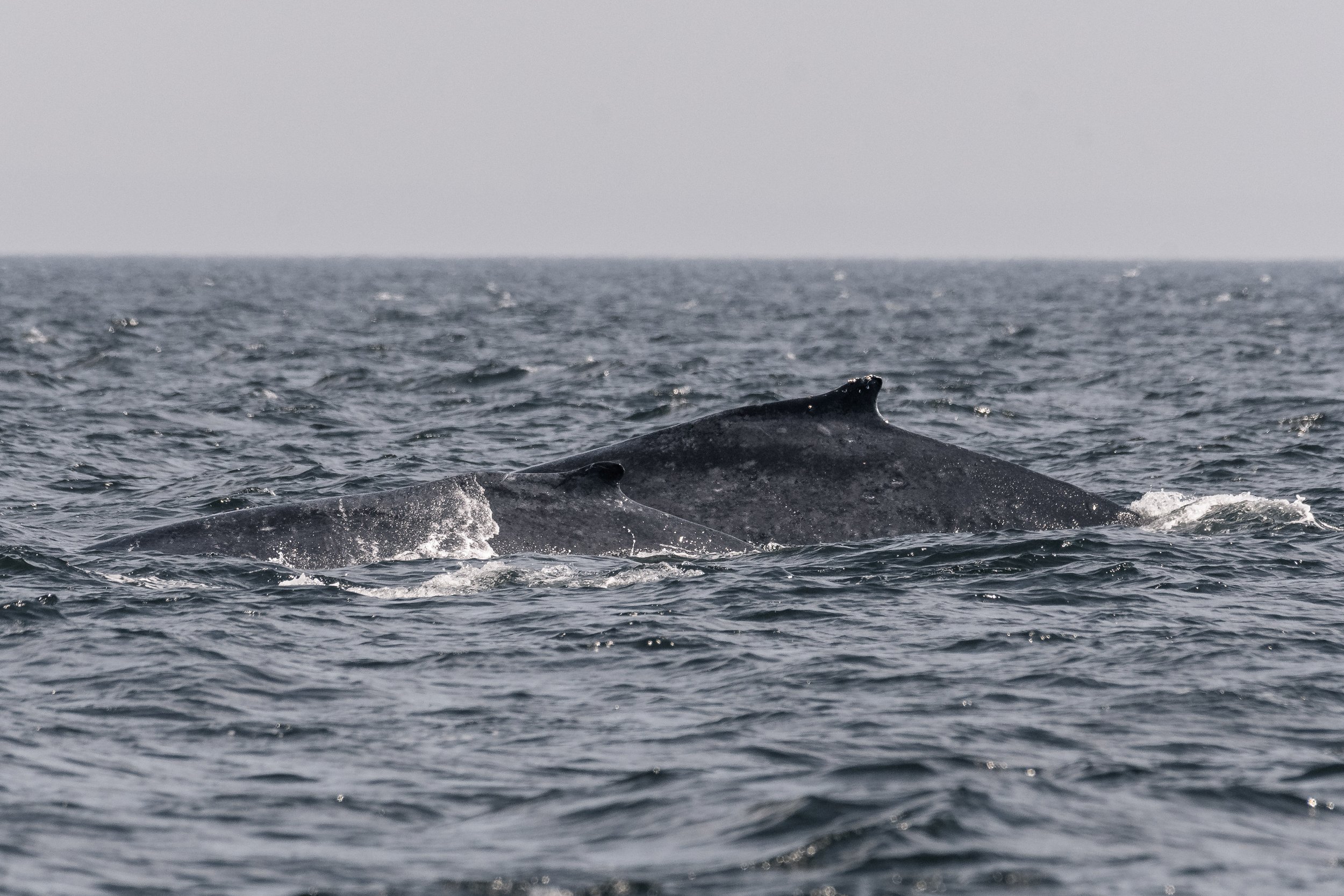
The size difference between “Double Double” and Phi/Corona is quite impressive! Photo by Evan Hessels.
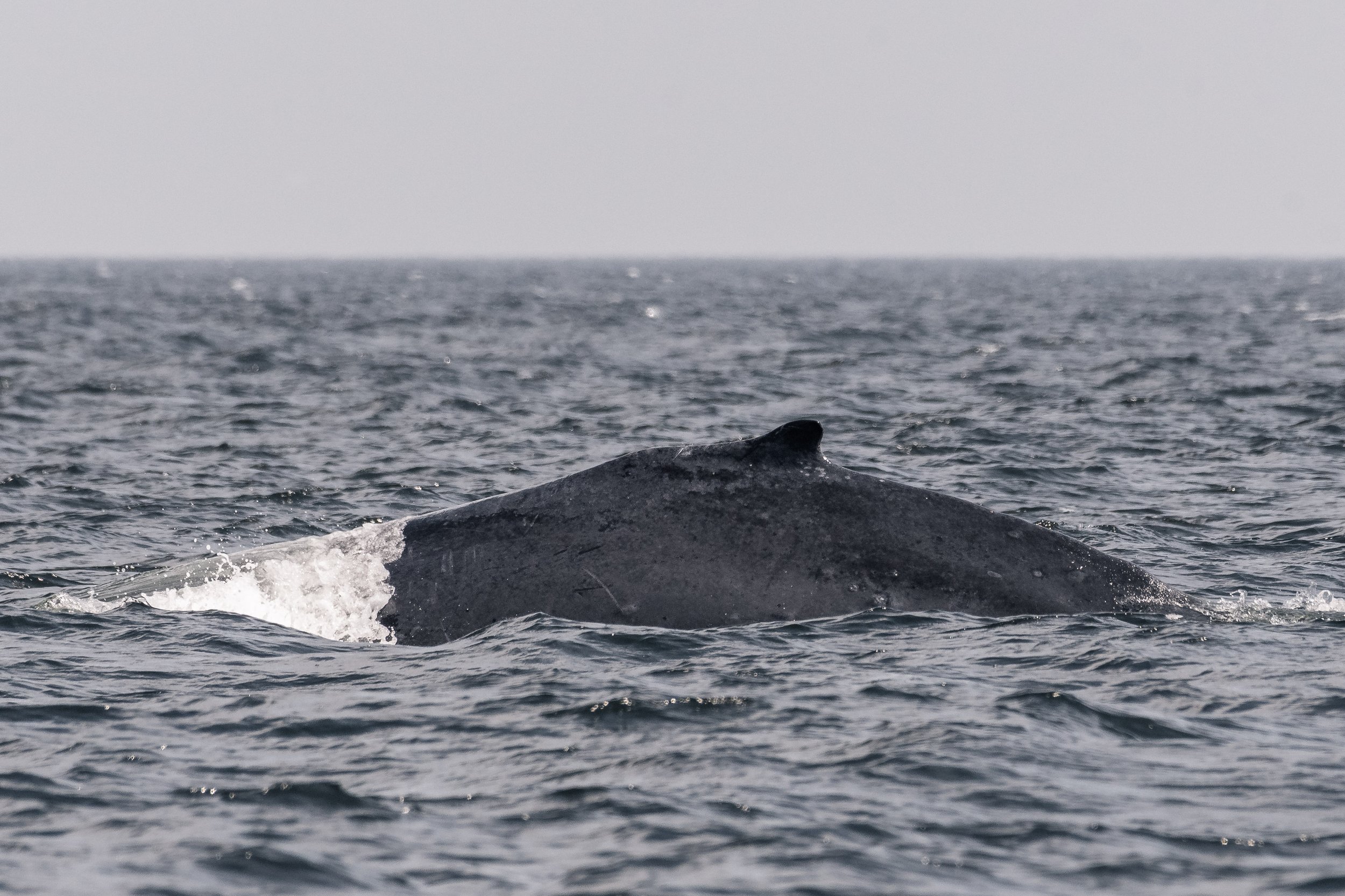
“Double Double” with water cascading over them. Photo by Evan Hessels.
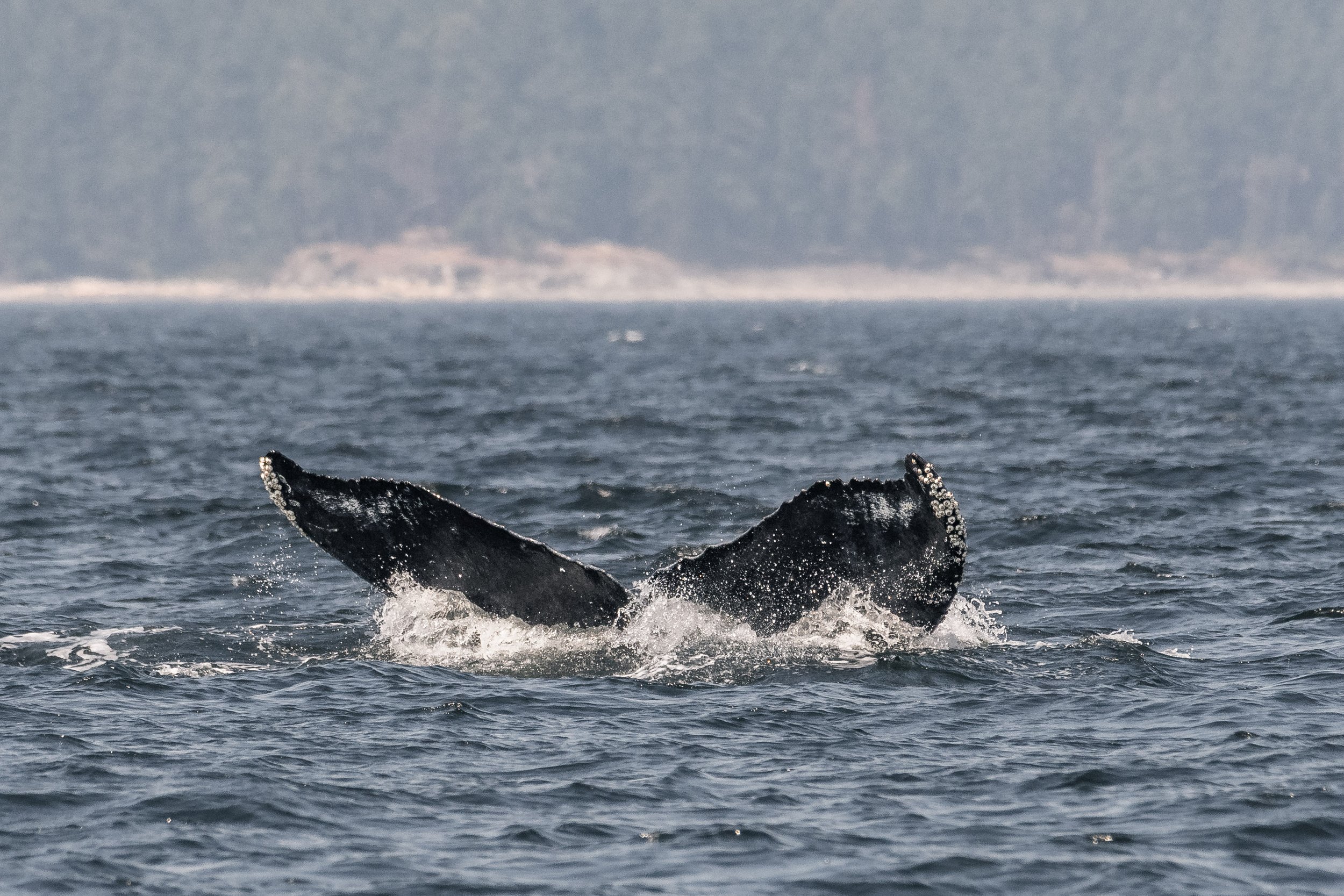
Phi/Corona’s fluke as they dive. Photo by Evan Hessels.
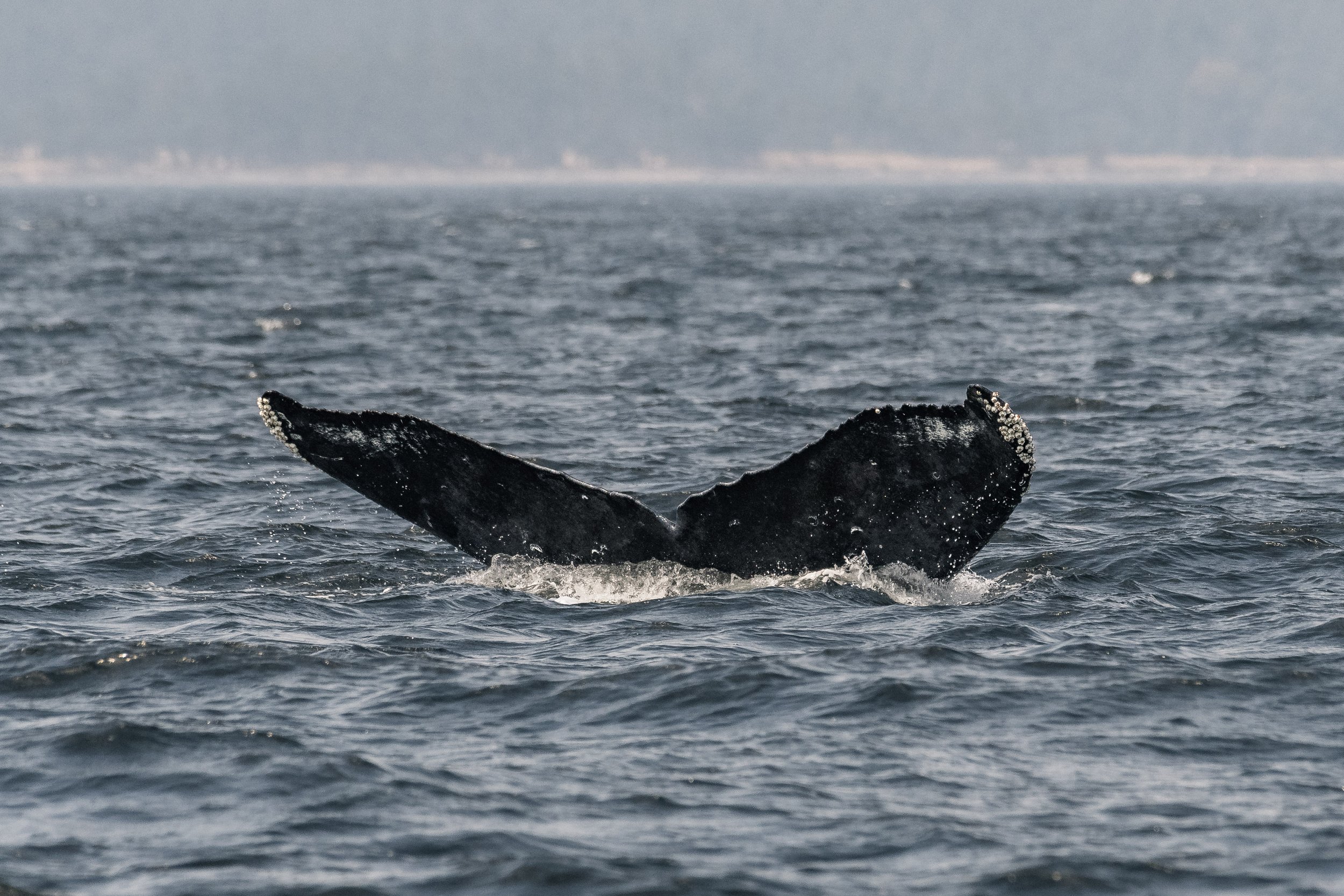
A clearer shot of Phi/Corona’s beauiful fluke pigmentation. Photo by Evan Hessels.
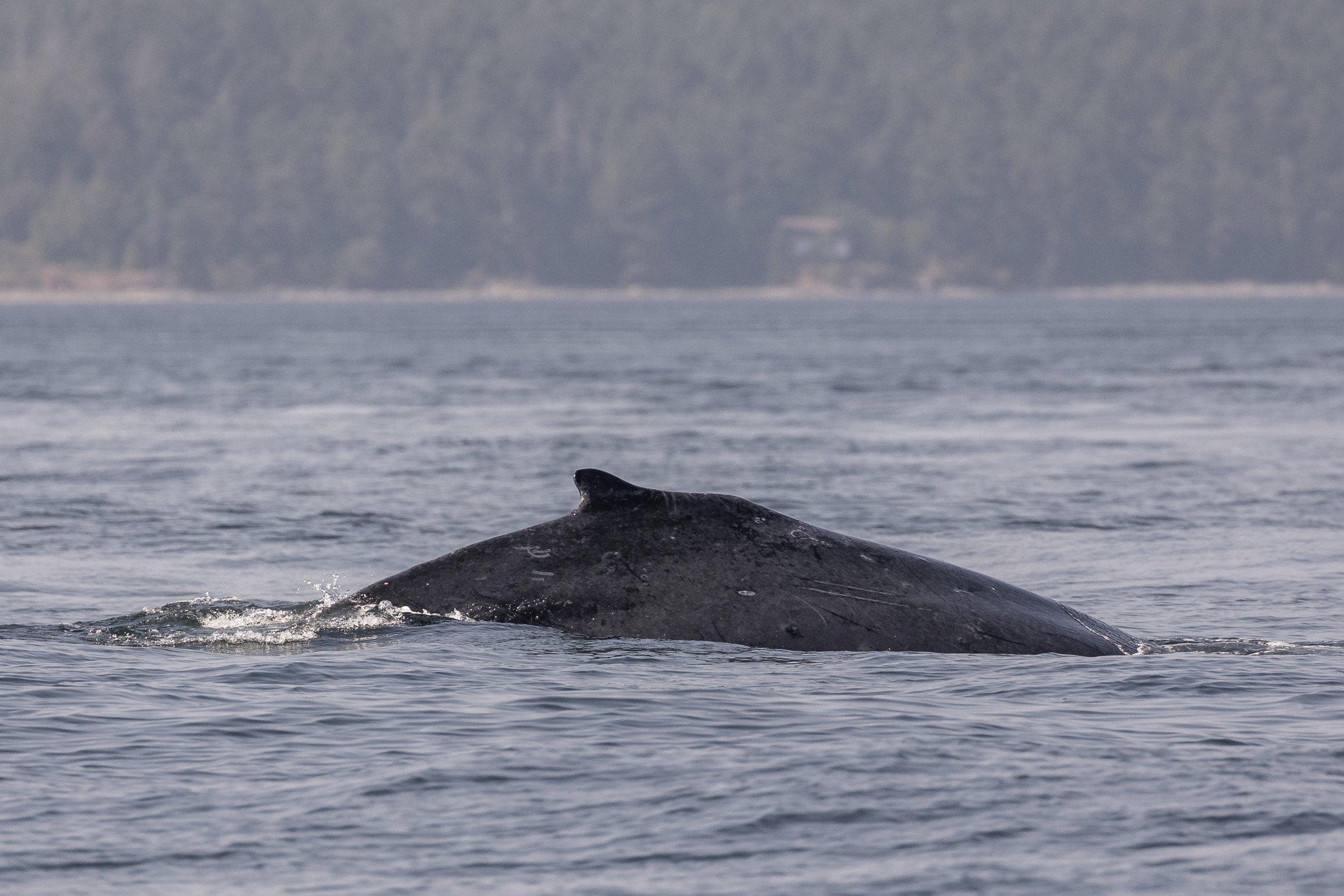
“Double Double” making their way along. Photo by Jordan Robinson.
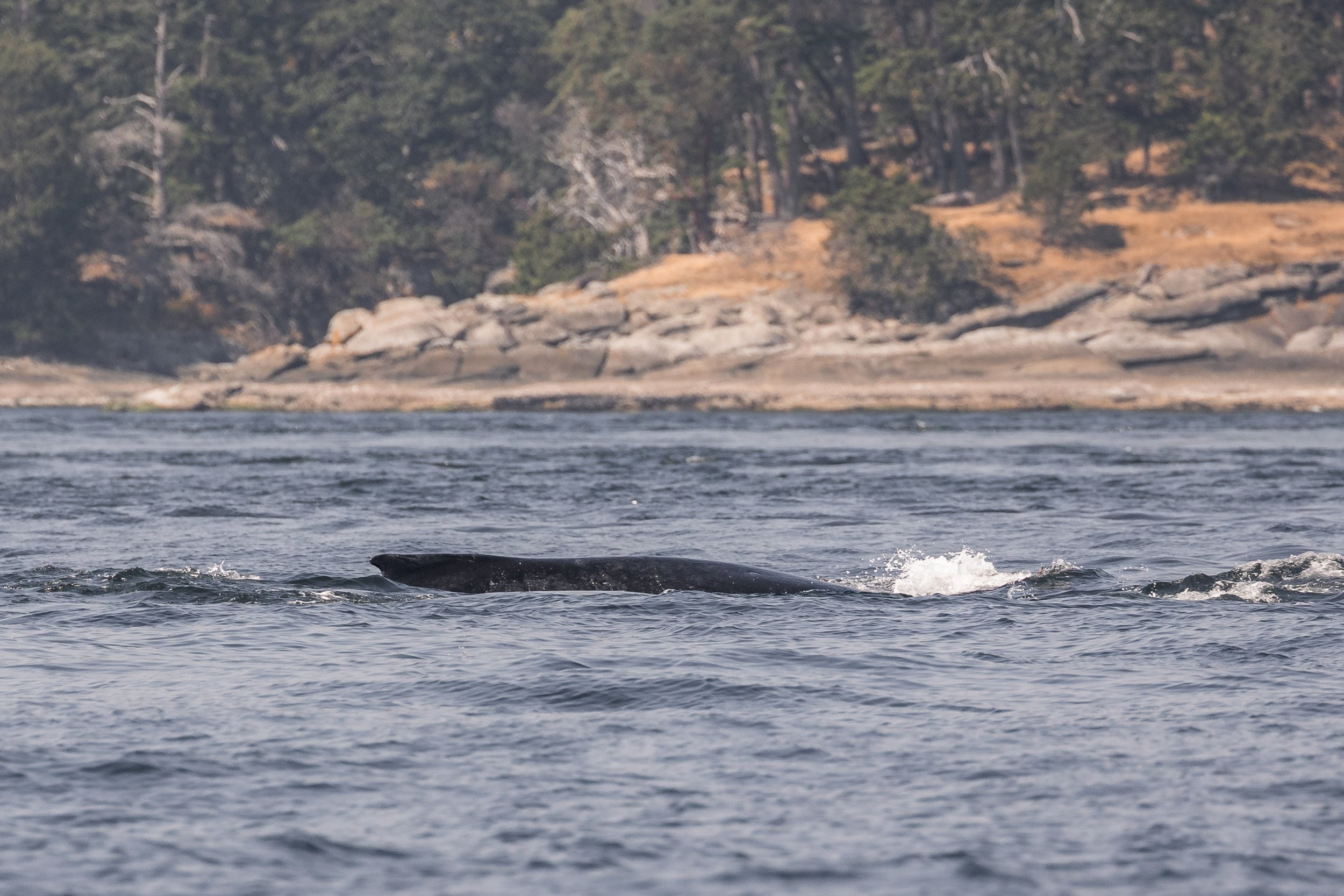
Banya shallowly surfacing. Photo by Jordan Robinson.
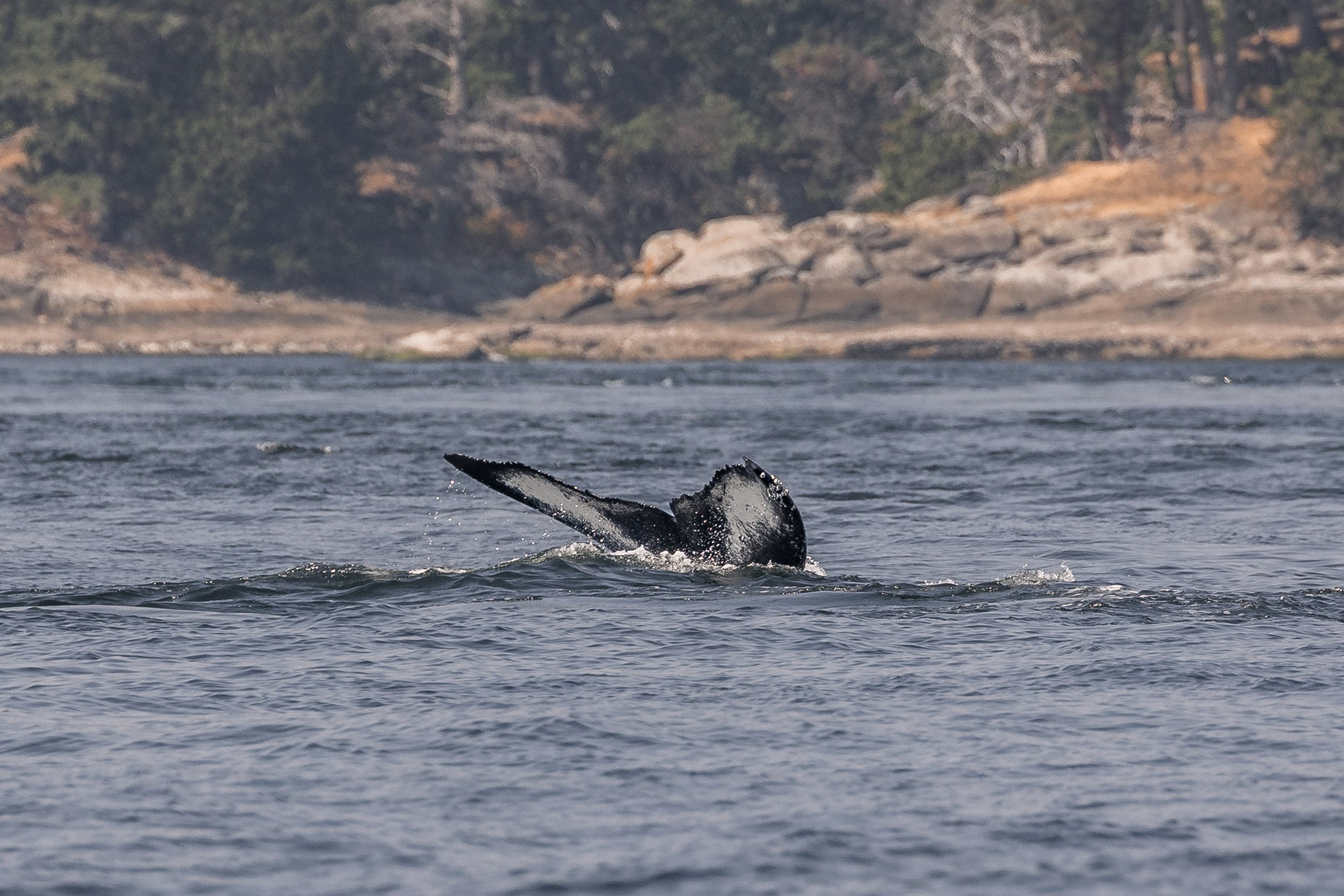
Banya diving. Photo by Jordan Robinson.
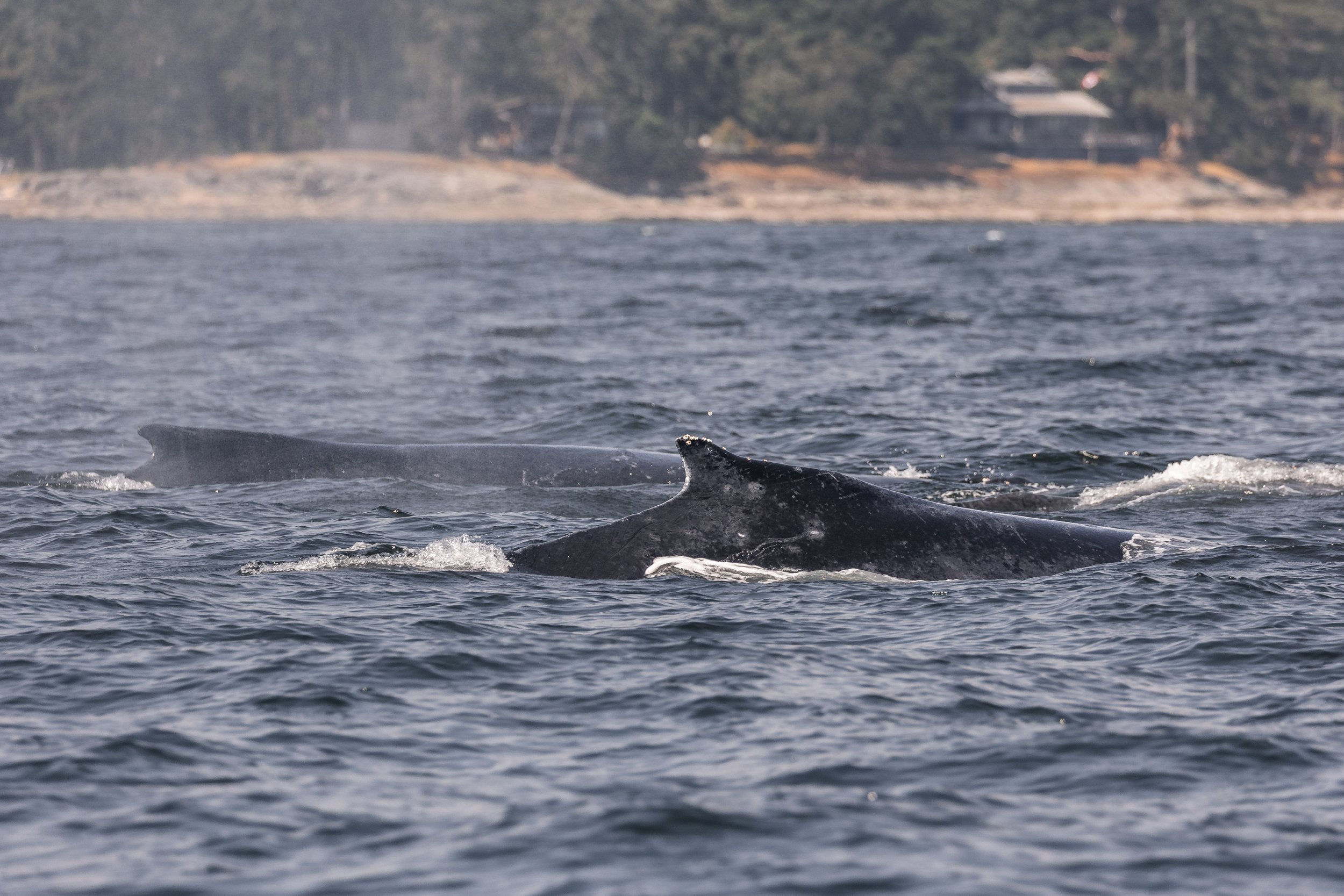
Banya and Phi/Corona. Photo by Jordan Robinson.
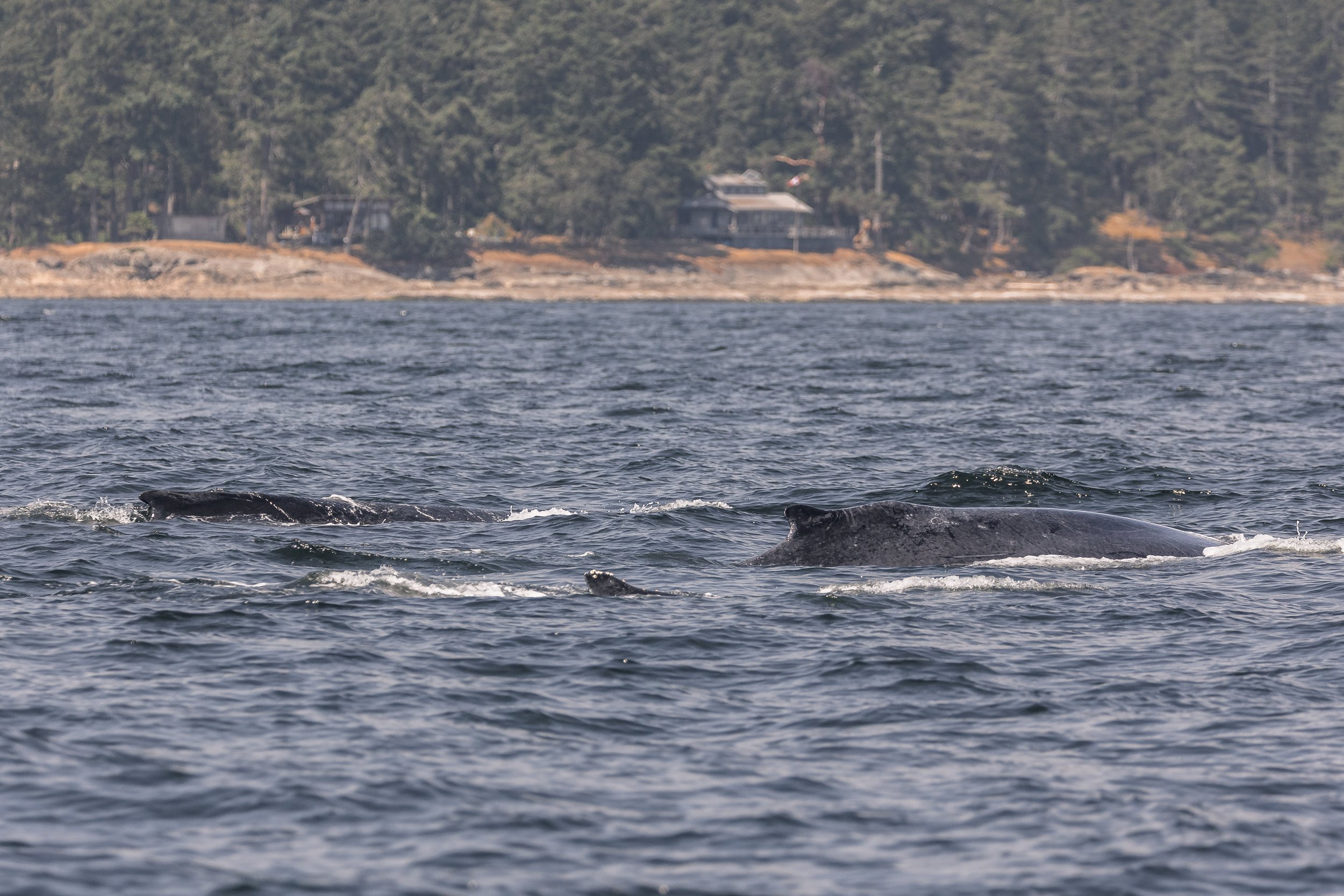
The trio all together! Photo by Jordan Robinson.
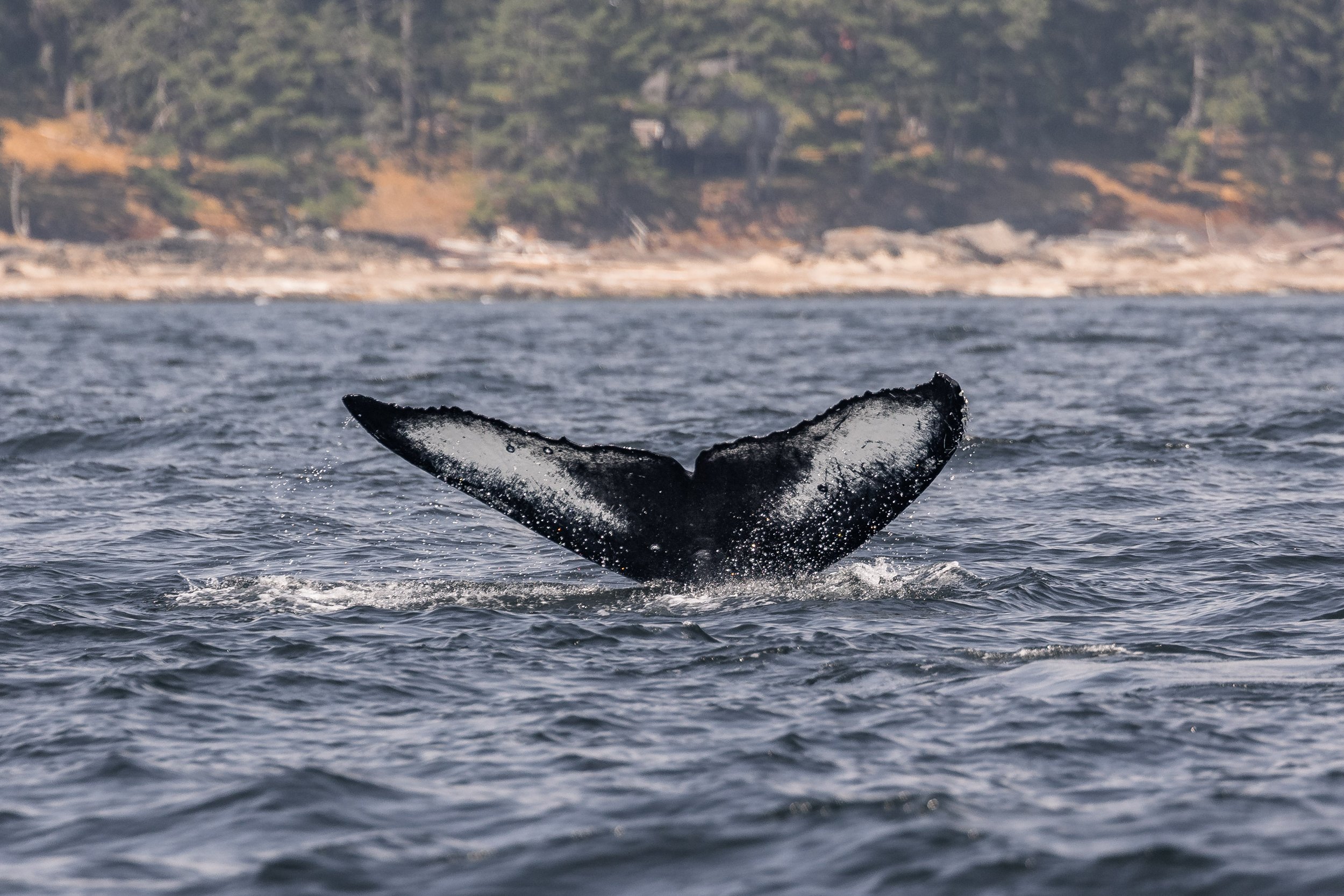
Banya’s beautiful fluke. Photo by Jordan Robinson.
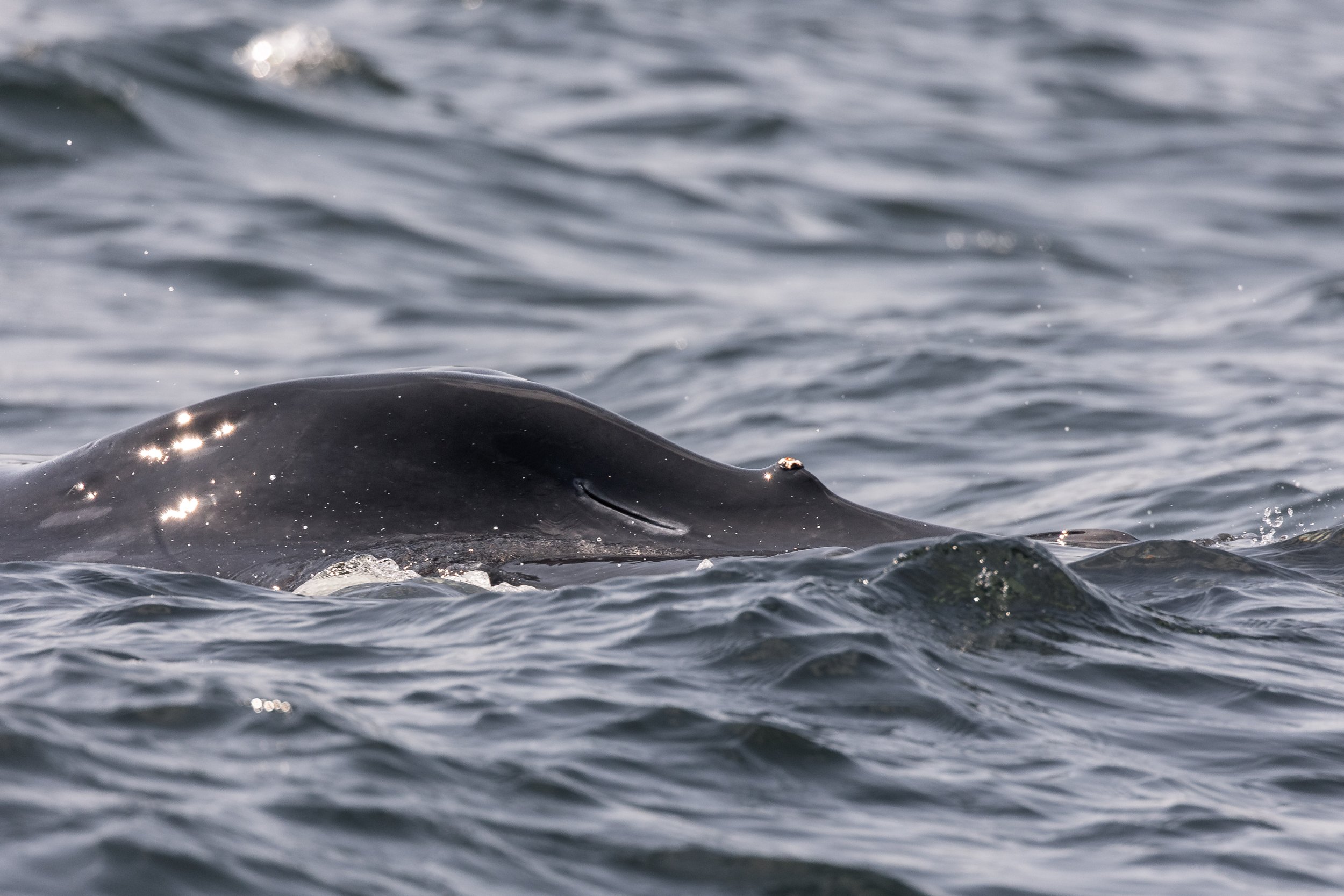
Look at the texture on this whale’s skin! Photo by Jordan Robinson.
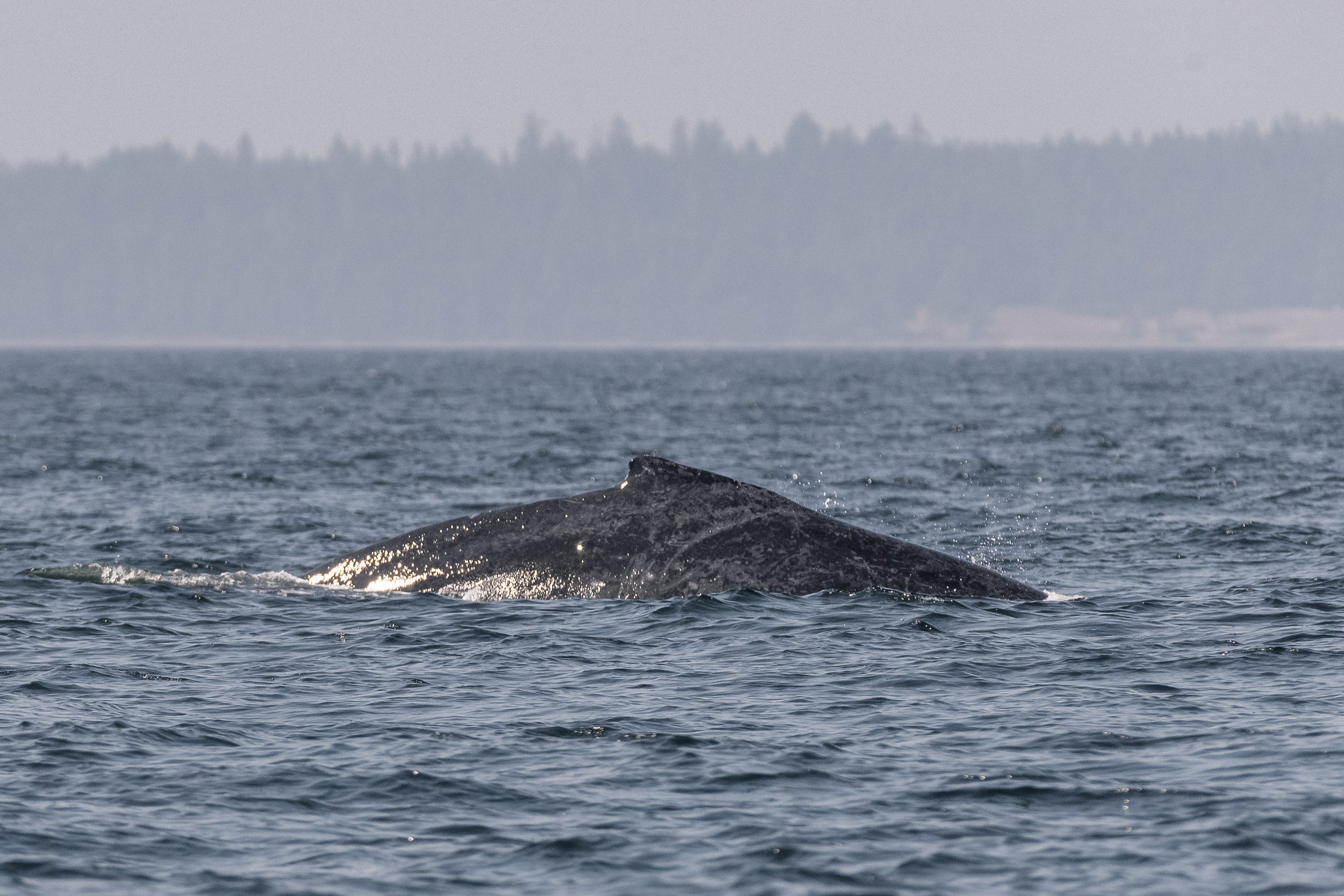
Incognito’s dorsal fin as they travel long. Photo by Hayleigh Hilbert.
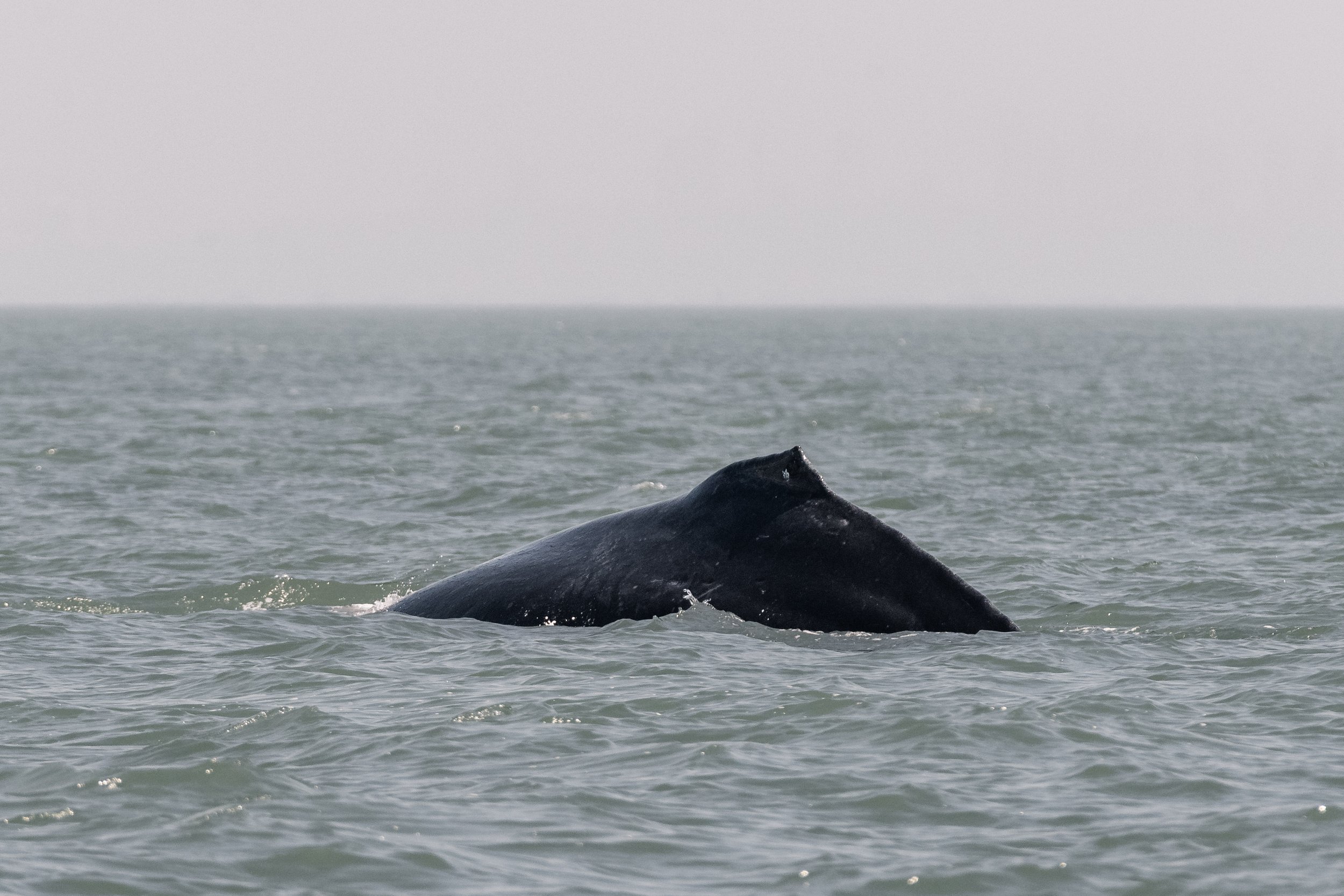
Valiant’s pointy dorsal fin. Photo by Hayleigh Hilbert.
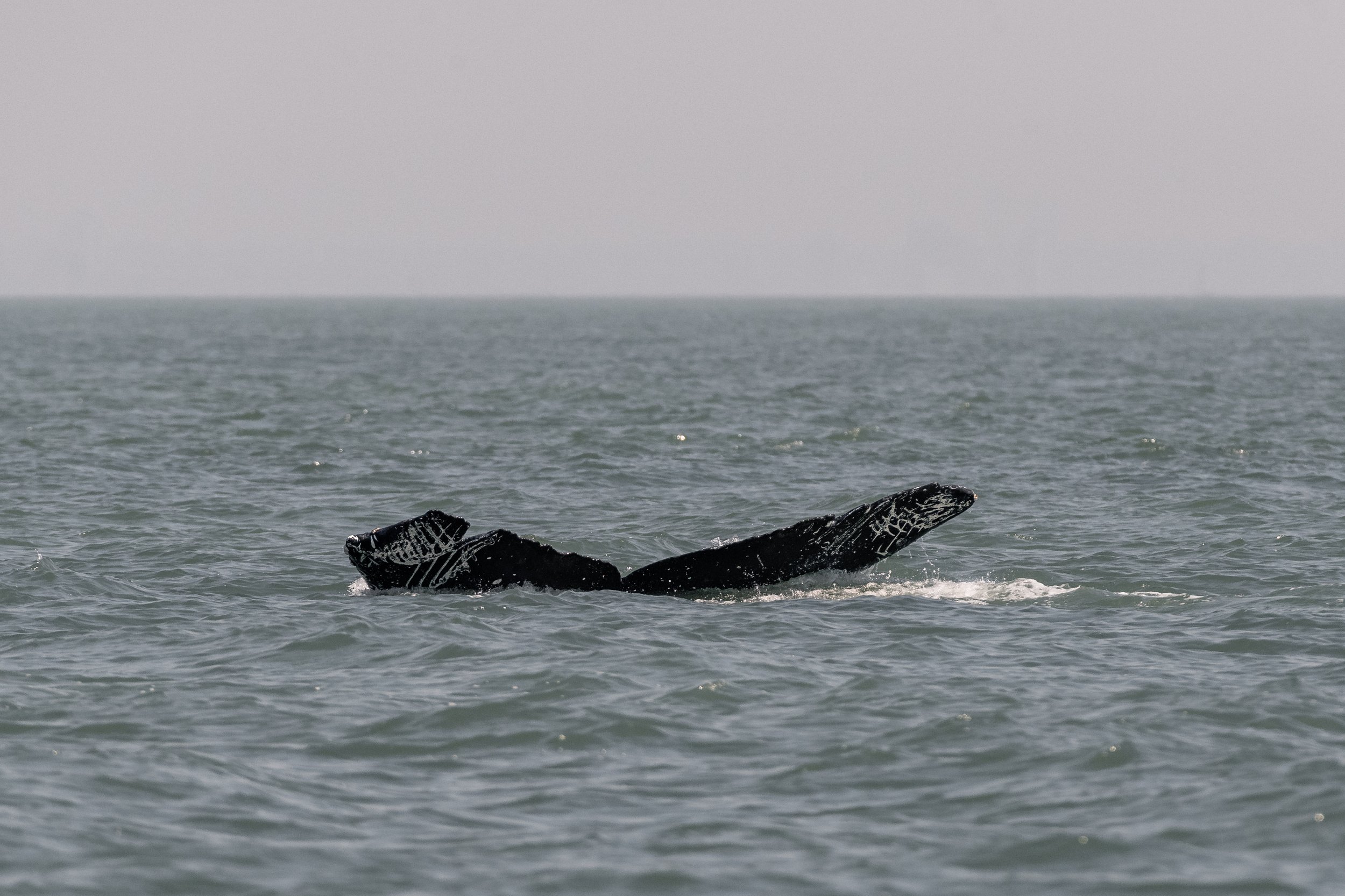
Valiant fluking shallowly. Photo by Hayleigh Hilbert.
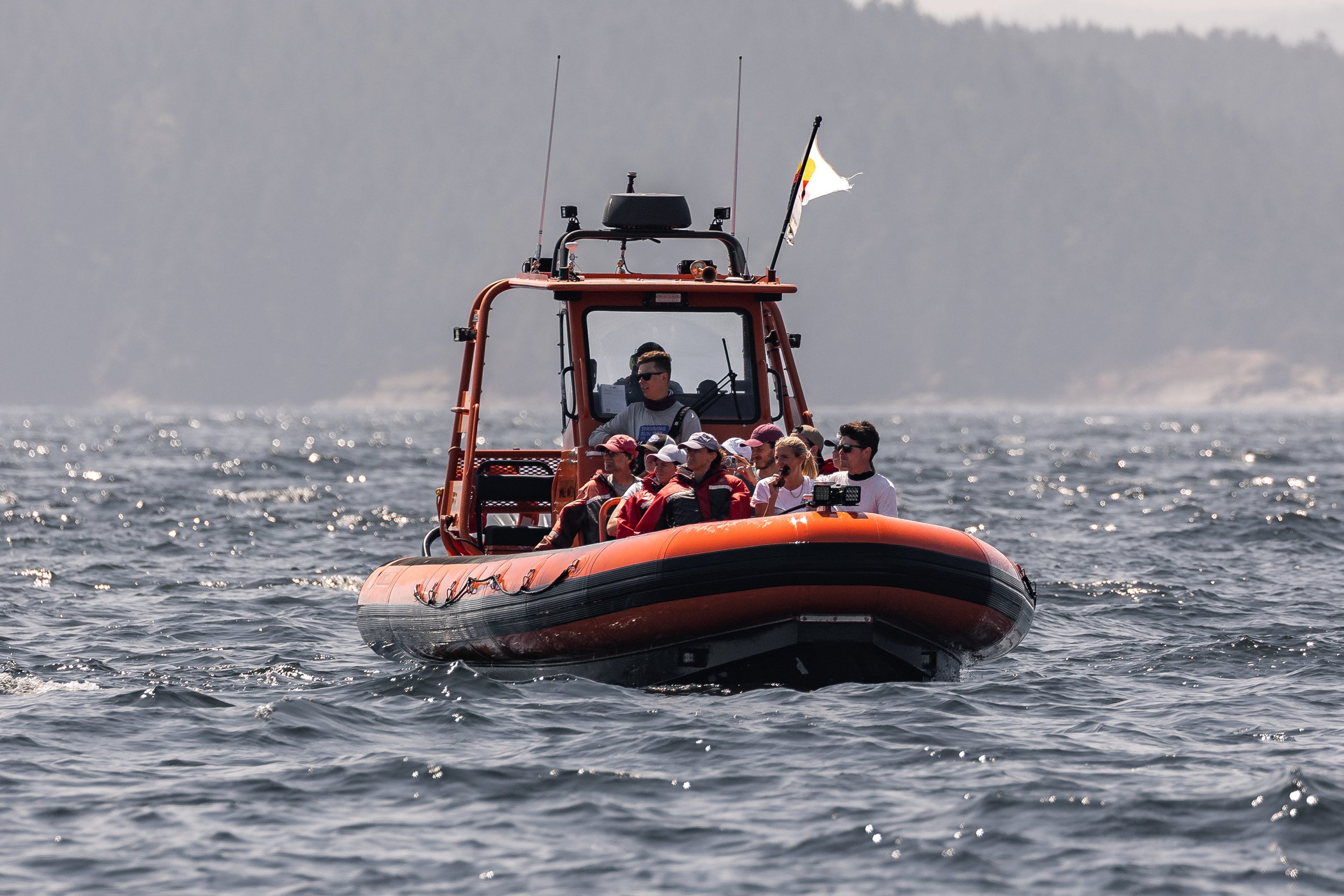
Keta watching the whales. Photo by Jordan Robinson.
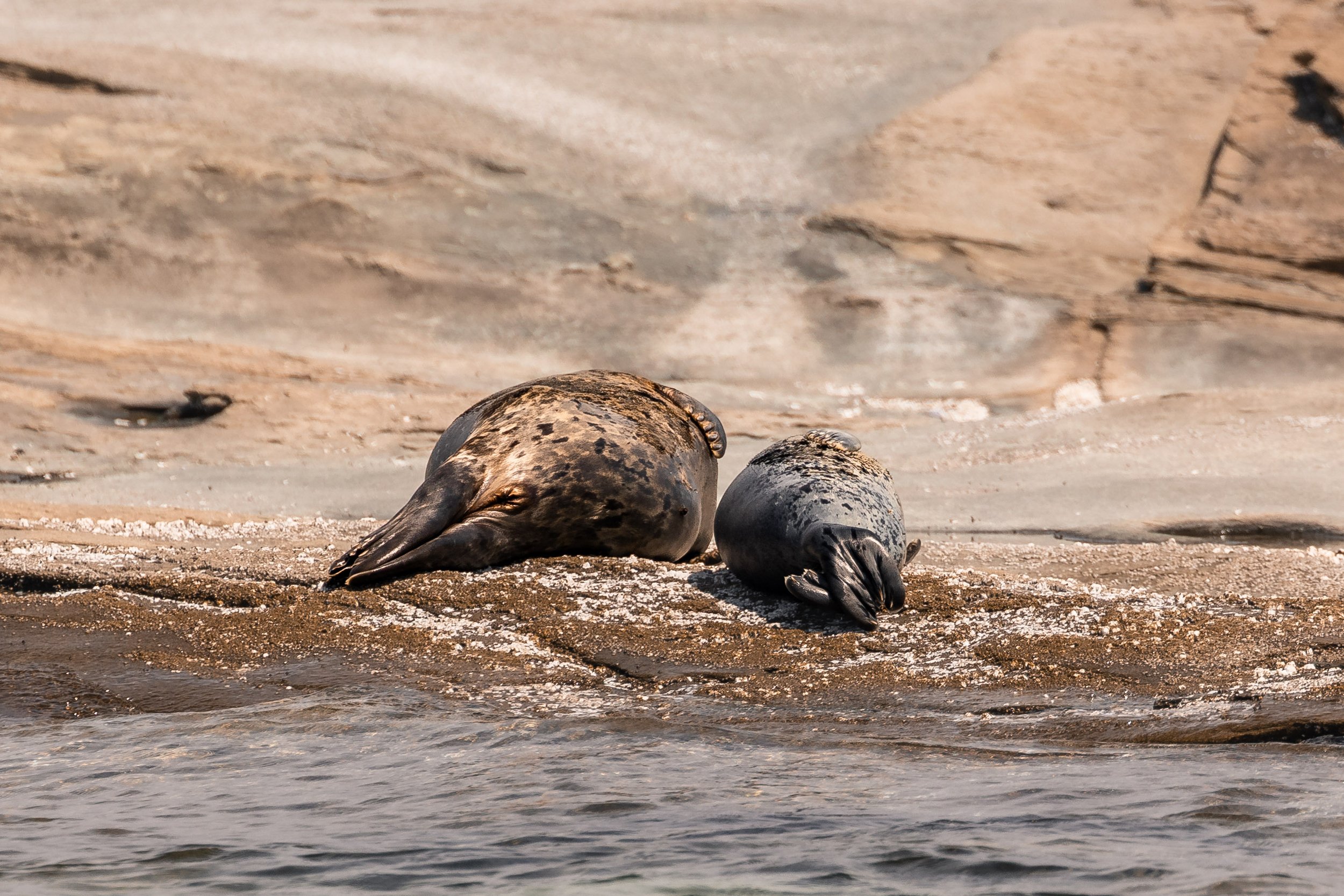
Harbour Seals resting together. Photo by Jordan Robinson.
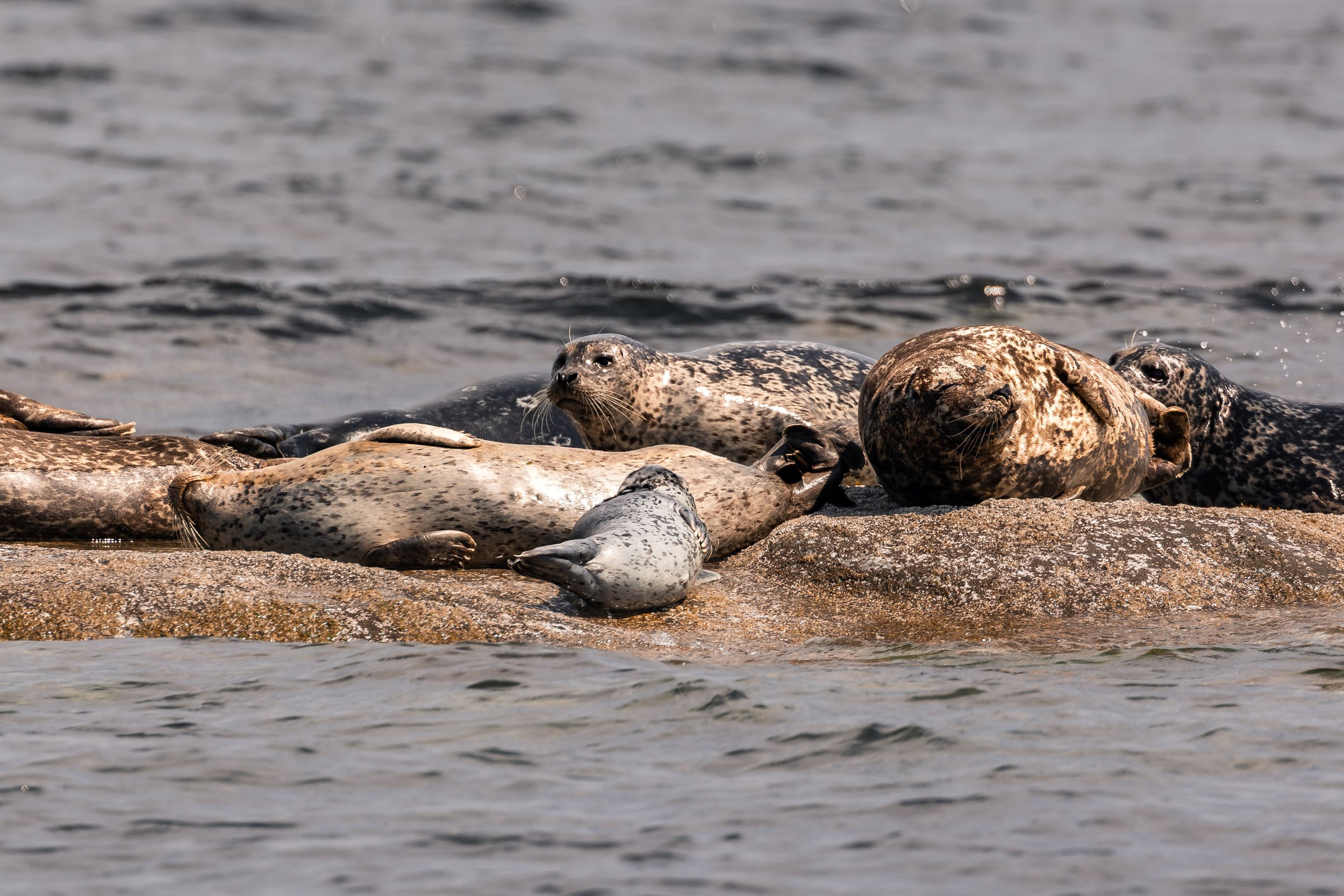
All hauled out. Photo by Jordan Robinson.
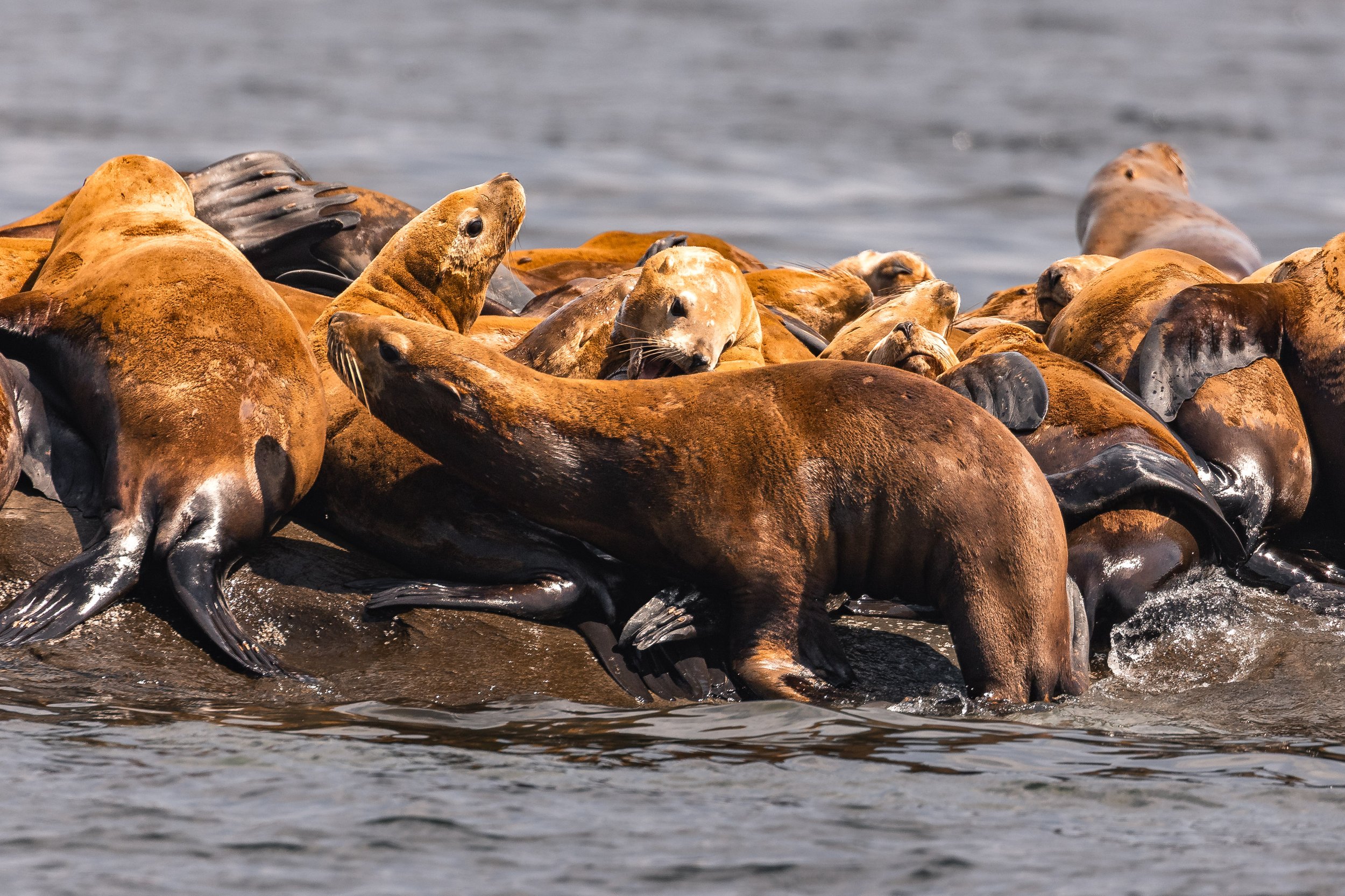
Crowd surfing to get to the best spots on the haulouts. Photo by Jordan Robinson.
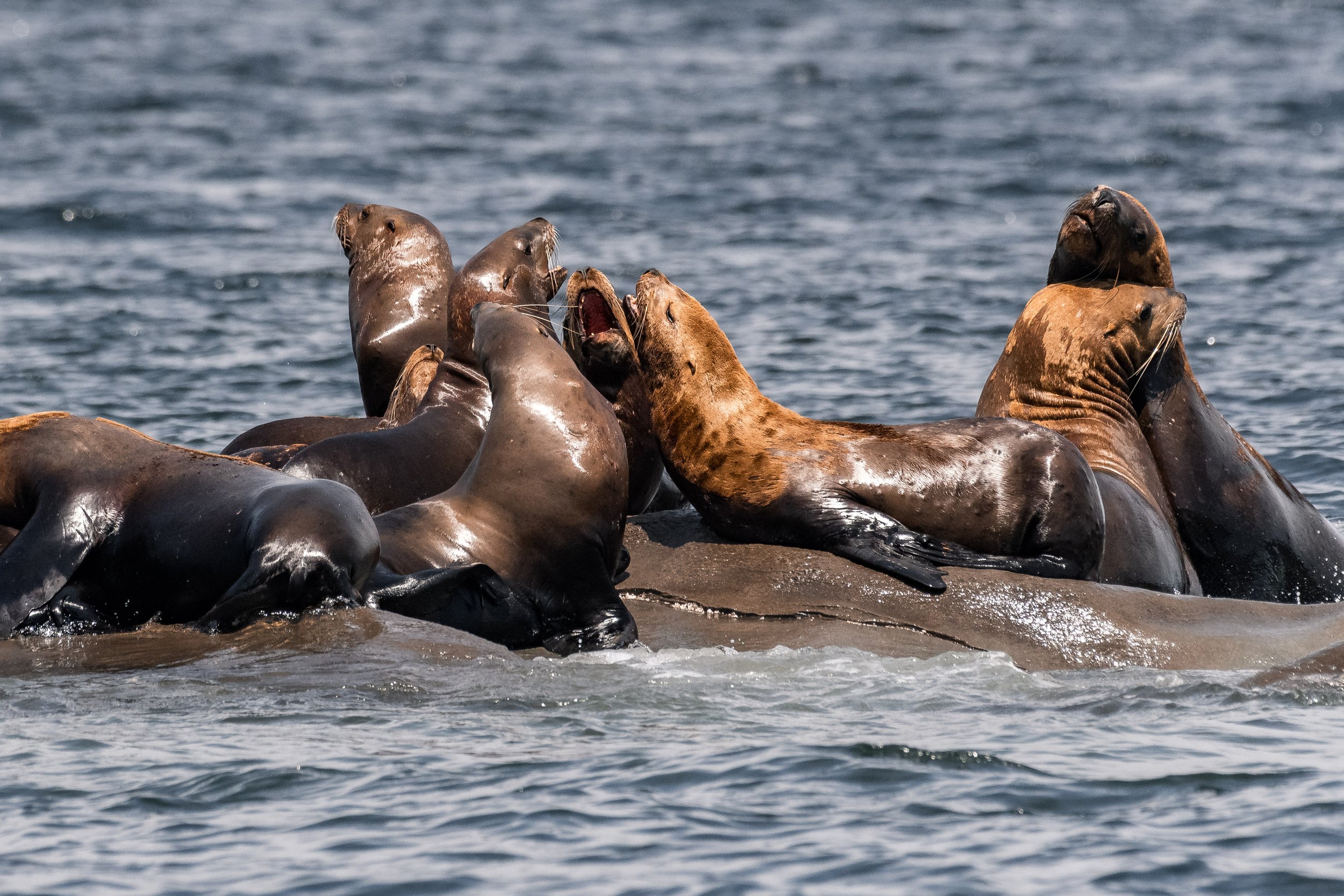
Bickering amongst the sea lions. Photo by Evan Hessels.
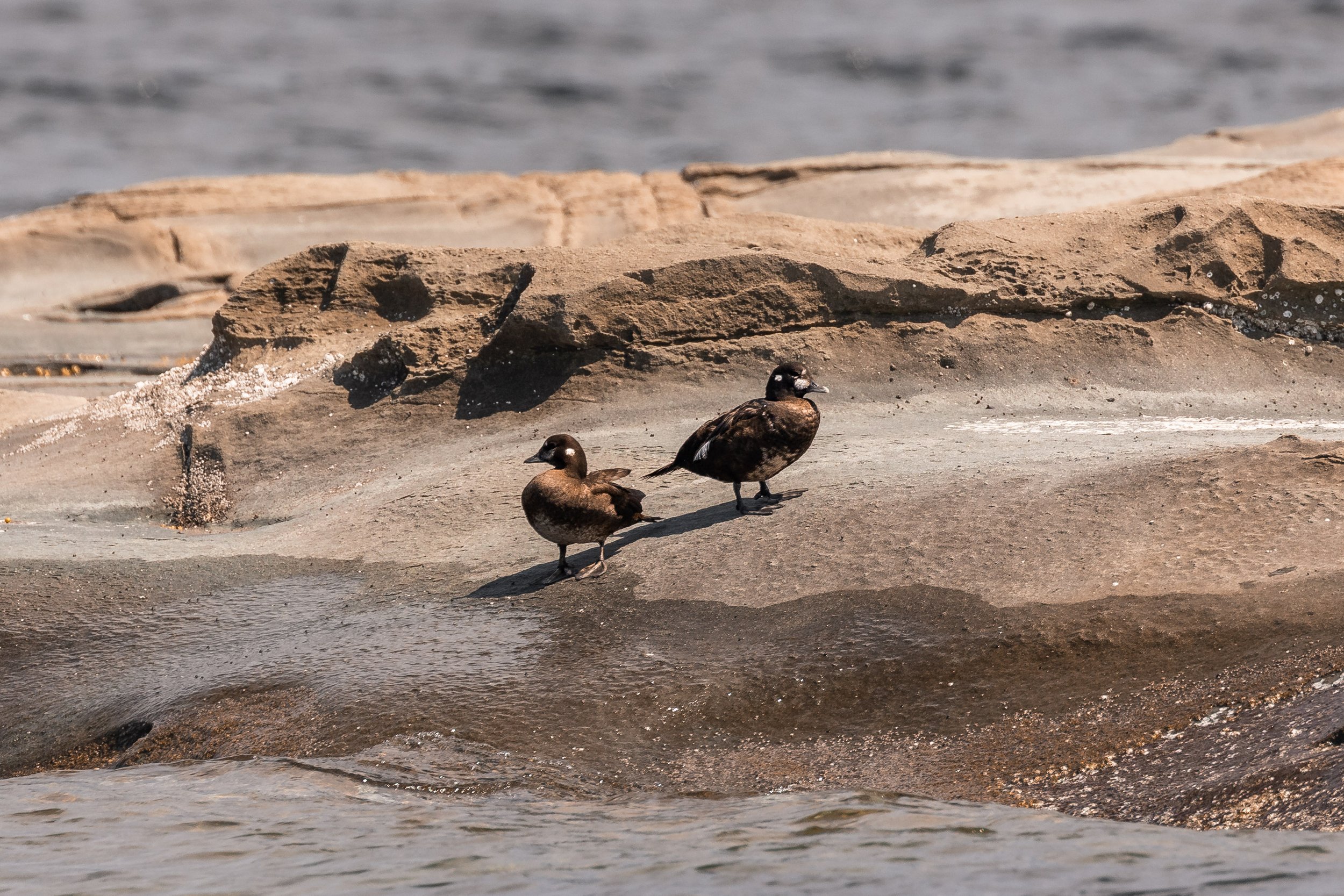
A pair of female Harlequin Ducks. Photo by Jordan Robinson.
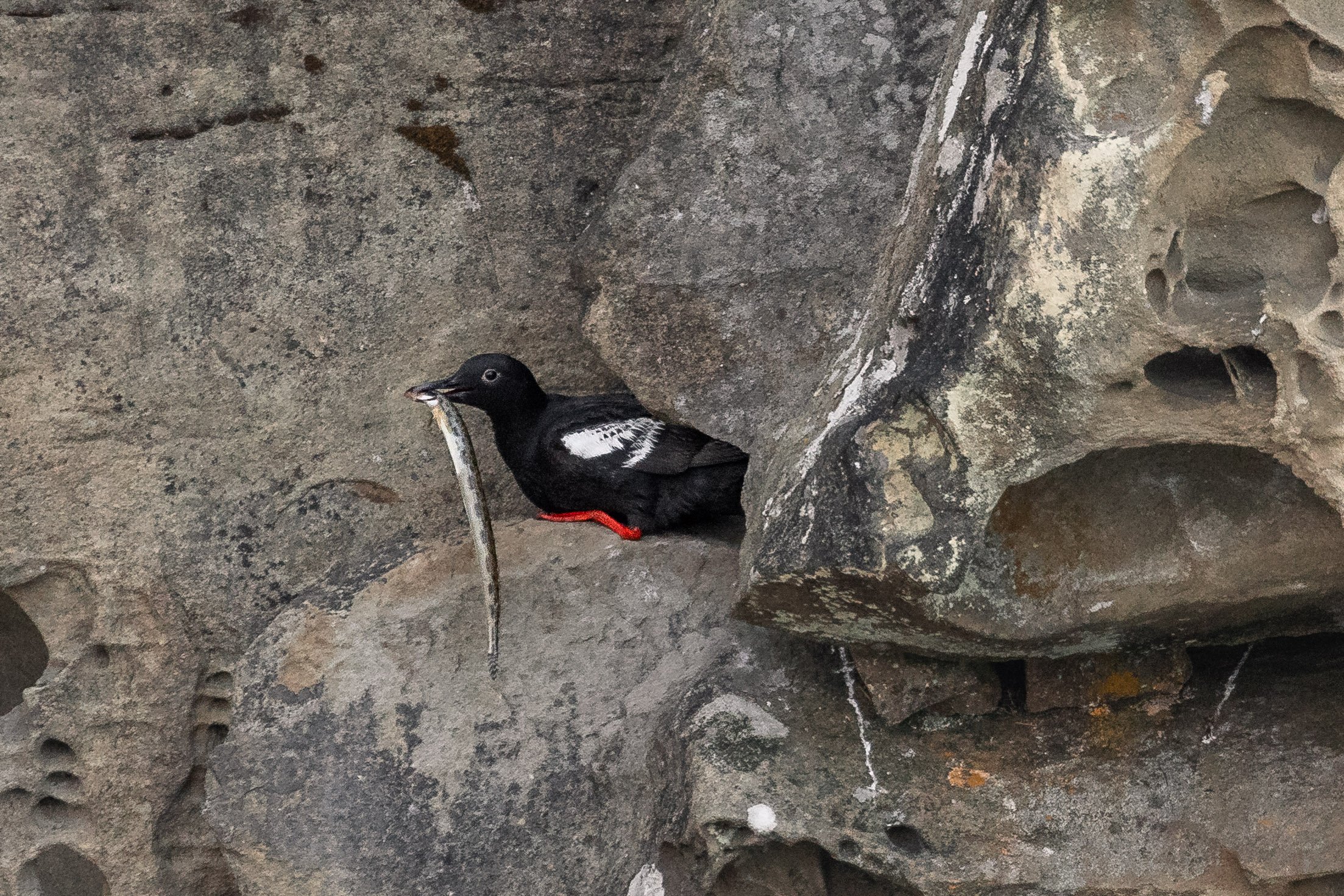
A Pigeon Guillemot eating a little fishy snack. Photo by Jordan Robinson.
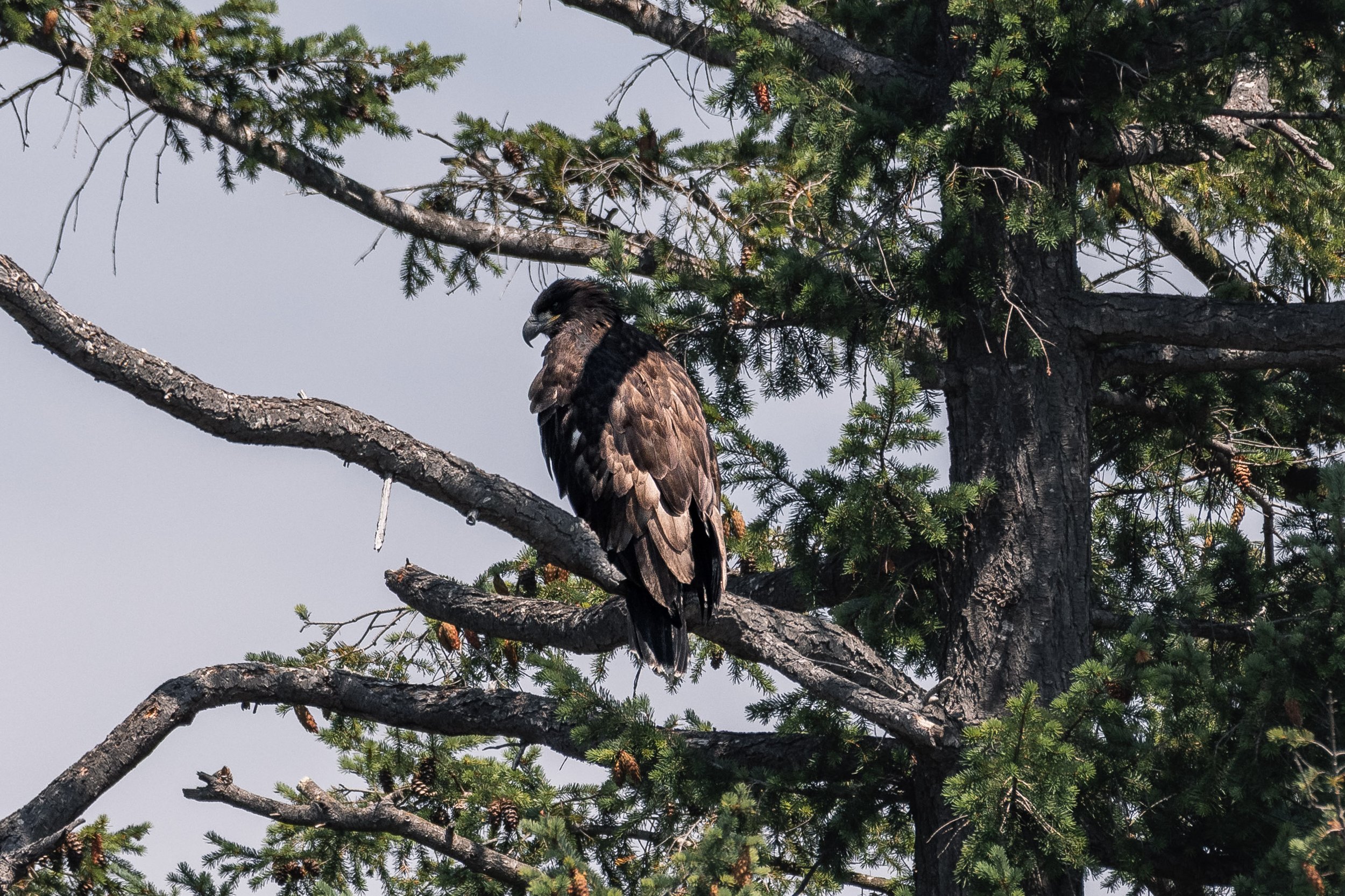
An immature Bald Eagle high in the trees. Photo by Evan Hessels.
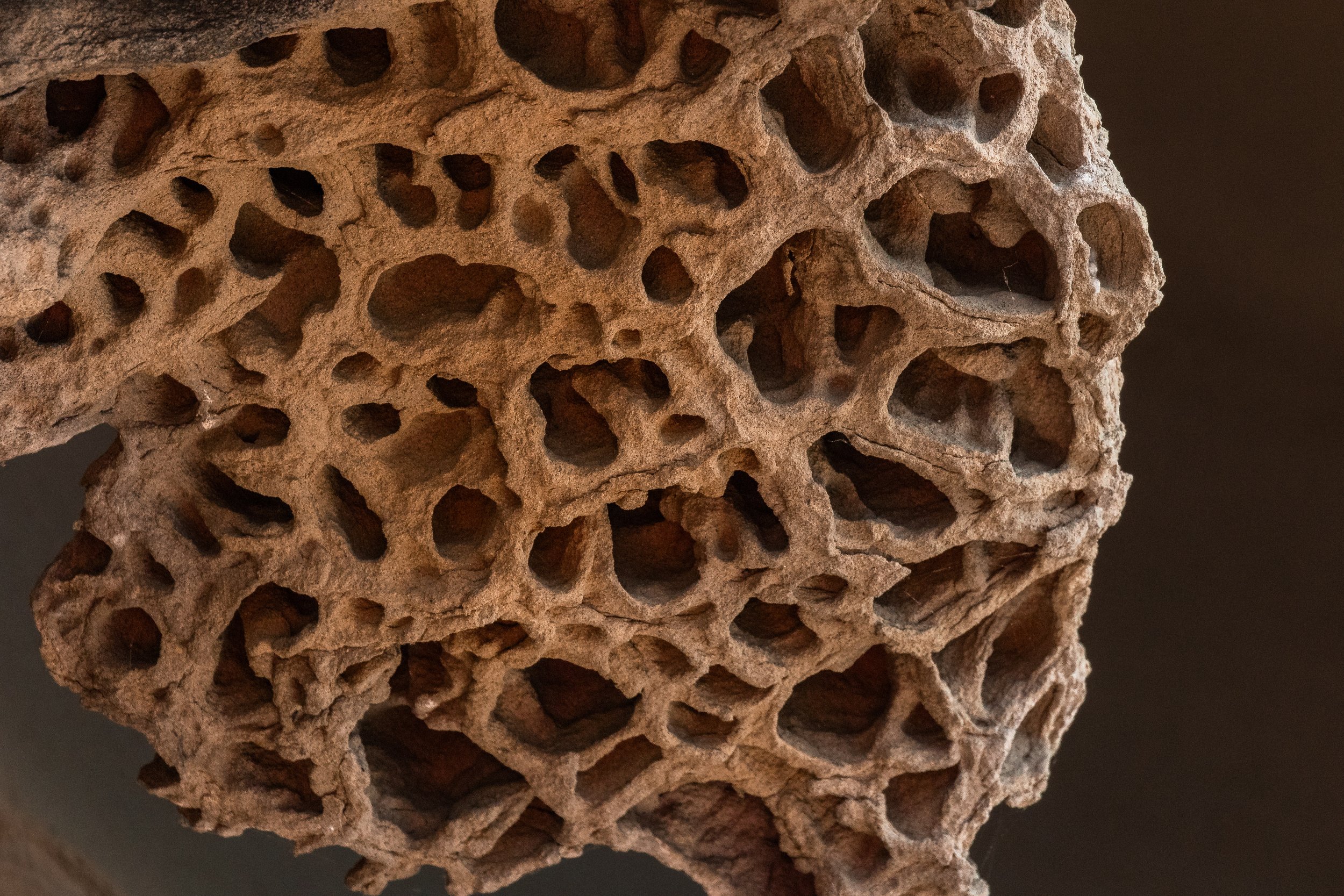
Some of the intricate rock formations at the Gabriola Bluffs. Photo by Jordan Robinson.