
July 24, 2026, 3:30 PM - Humpbacks at Halibut and and T-Party on the Sunshine Coast.
It was an afternoon filled with excitement as we left the dock aboard our semi-covered vessel Kula and our open vessel Cascadia. We took advantage of the low winds and decided to head out into the Strait of Georgia. This time of year is when we find our humpbacks acting a little predictable, unlike our orca, who are always on the move. Our humpbacks tend to hang around rich feeding areas, so off to the nutrient-rich Halibut Bank we went. With just over an hour of searching, Cascadia had found something; in no time at all Aly could tell we had a humpback whale. How do we tell the difference between a humpback and an orca? The blow itself can be an indication: the smaller the whale, the smaller the blow. Next, we observe what we can see at the surface. A dark back with a small hooked dorsal fin, or is it a large dorsal? We have a secret weapon for determining species and identifying individuals. We use a telephoto zoom lens so even from a distance we can start to put together the bigger picture. After we determine the species, we use specifics to find out who is who.
With the humpbacks, we want a photo of their tails. These tails can be 16 to 18 feet across and have unique colouration, markings and scarring. We also use the dorsal fin for individual identification as each one is different. After snapping a few photos, Aly knew this humpback was X-Ray (BCX1851). Not too far from this location, Kula had another big, bushy blow; Hayleigh excitedly raised her camera to snap a few ID photos. This whale has a very distinct dorsal fin, so even before she saw the tail, she knew it was Coyote (BCX2484). These humpbacks travel from tropical breeding grounds each season to feed.
Often, through websites, we can tell where they come from, but today we are not sure, as neither of them has been spotted or documented in a breeding ground. We have some clues that can help us make an educated guess. We don’t know much about X-Ray’s story as we have little data on them. However, we do know Coyote is the calf of Tempest (BCX0837), and Tempest has been documented migrating to Mexico. Tempest would have had Coyote at her side for around a year after their birth, so it is probable Coyote migrates there as well. After spending time with these humpbacks, it was time to migrate away and get back into search mode. Sticking to the Sunshine Coast, we scanned the water for signs of wildlife. It was Cascadia who came across the whales again; this time the blows looked a bit different, smaller.
Then Aly spotted what she was hoping to see: the unmistakable black dorsal fin of the orca. With the orca, we are looking for specific features to identify them as individuals: the dorsal fin, the saddle patch located directly behind the dorsal, and each eye patch is unique. These orca were not making it easy to get identification, as they were engaged in what we call a T-Party, when transient (mammal-eating) orca come together. We had breaching, pec slapping, and tail slapping at the party! Eventually, between Hayleigh and Aly, they were able to tell how many were there; we had 14 whales at the get-together.
T002C Tasu ♀ (1989)
T002C1 Rocky ♂ (2002)
T002C3 Lucy ♀ (2011)
T002C5 Zippy/Guardian (2020)
T002C6 Yukon (2025)
T035A Lester ♀ (1998)
T035A1 Opal ♀ (2010)
T035A1A (2026)
T035A2 Topaz ♂ (2013)
T035A3 Garnet (2018)
T035A4 Agate ♂ (2022)
T038A Dana ♀ (2000)
T038A2 Archer (2020)
T038A3 Quill (2024)
Of course, we cannot say with certainty what this gathering was all about, but could it have been a meet-and-greet for Opal’s new and first calf? We may never know, but it sure seemed like a possibility.
As the sun began to set lower in the sky, our bows turned back toward Nanaimo. As we headed back, we reflected on the beauty of the Salish Sea and all the life it had to offer, including a new fin!
Photos below taken by Aly Kohlman and Hayleigh Hilbert.
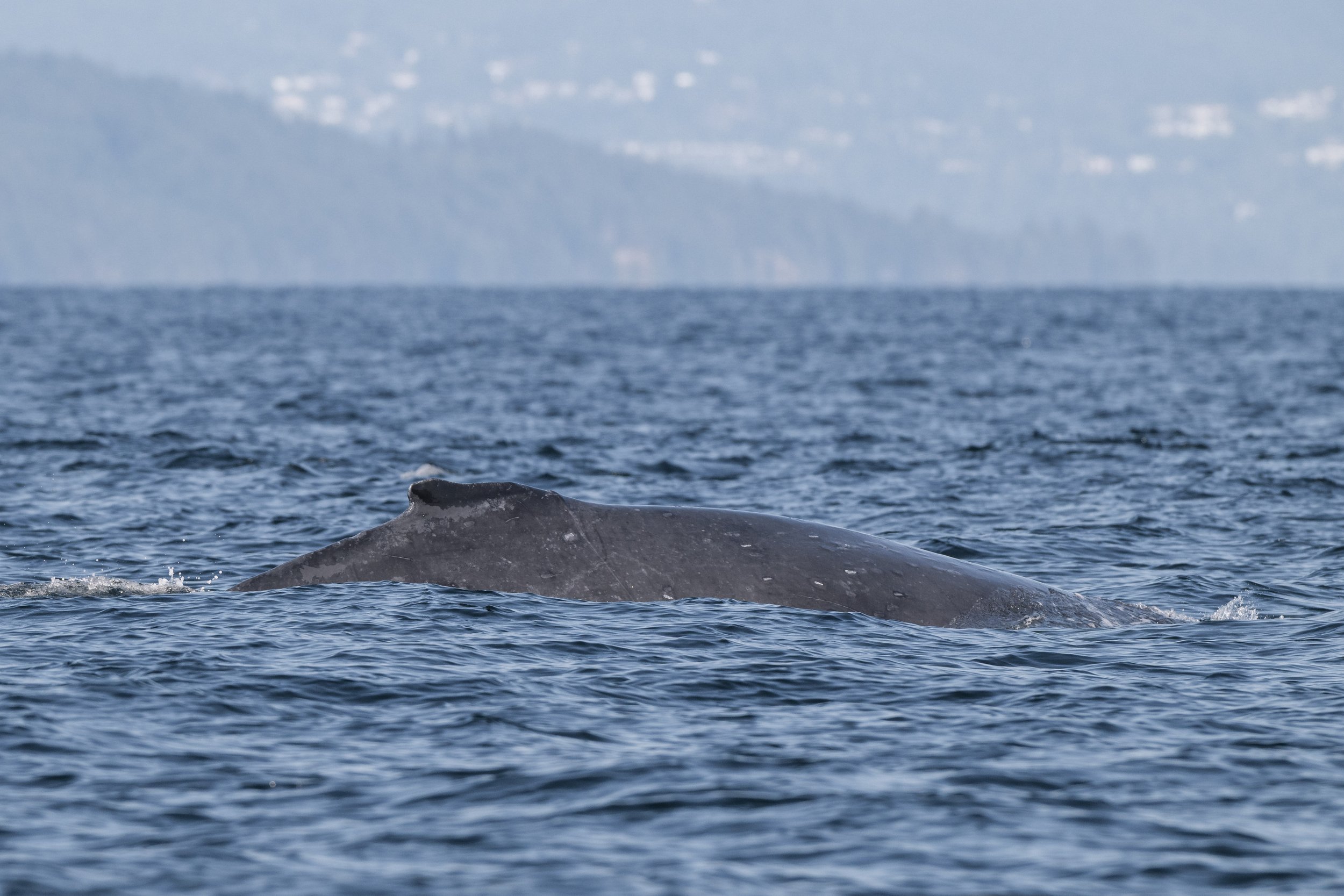
X-ray’s dorsal fin. Photo by Aly Kohlman.
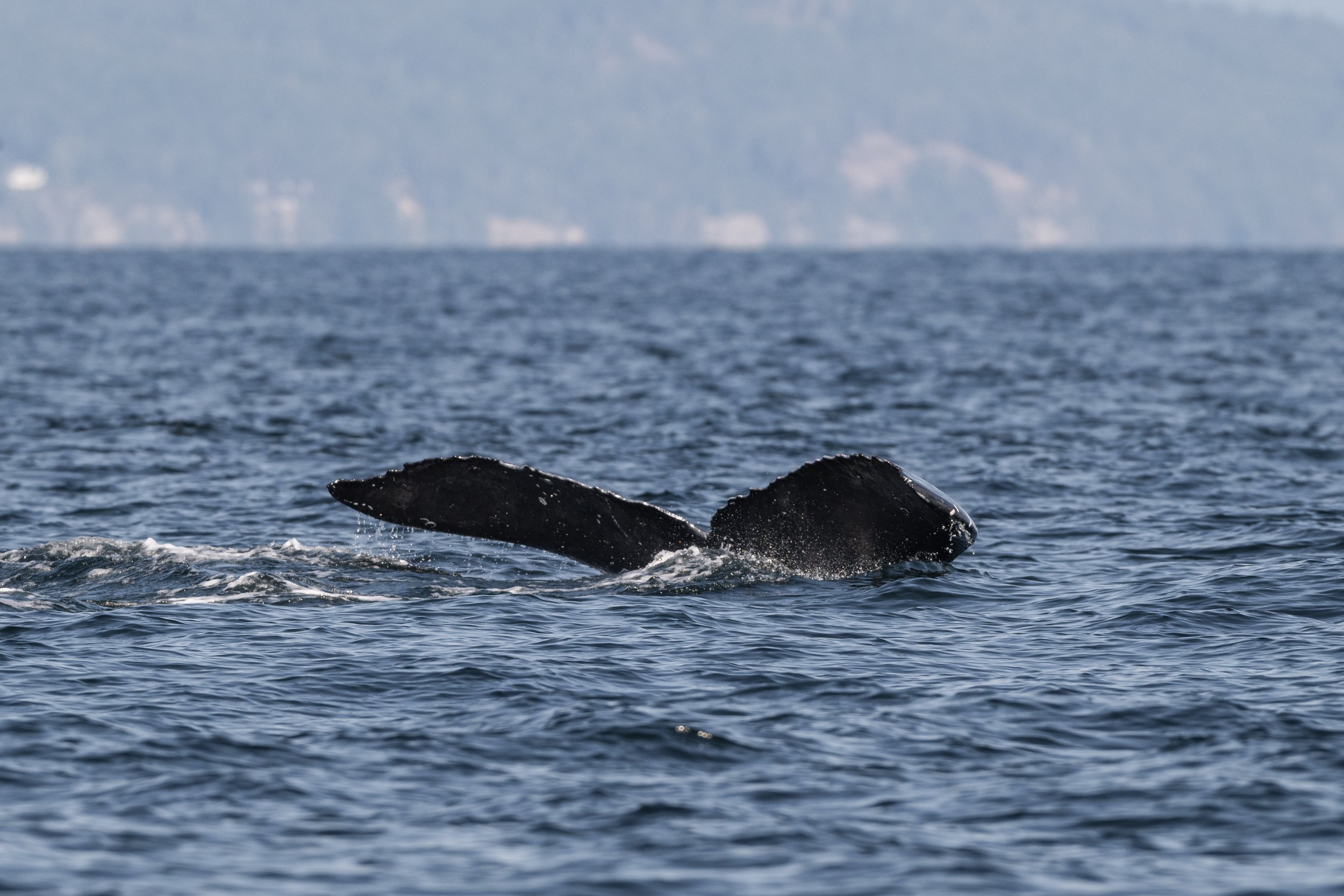
X-ray going for a dive. Photo by Aly Kohlman.
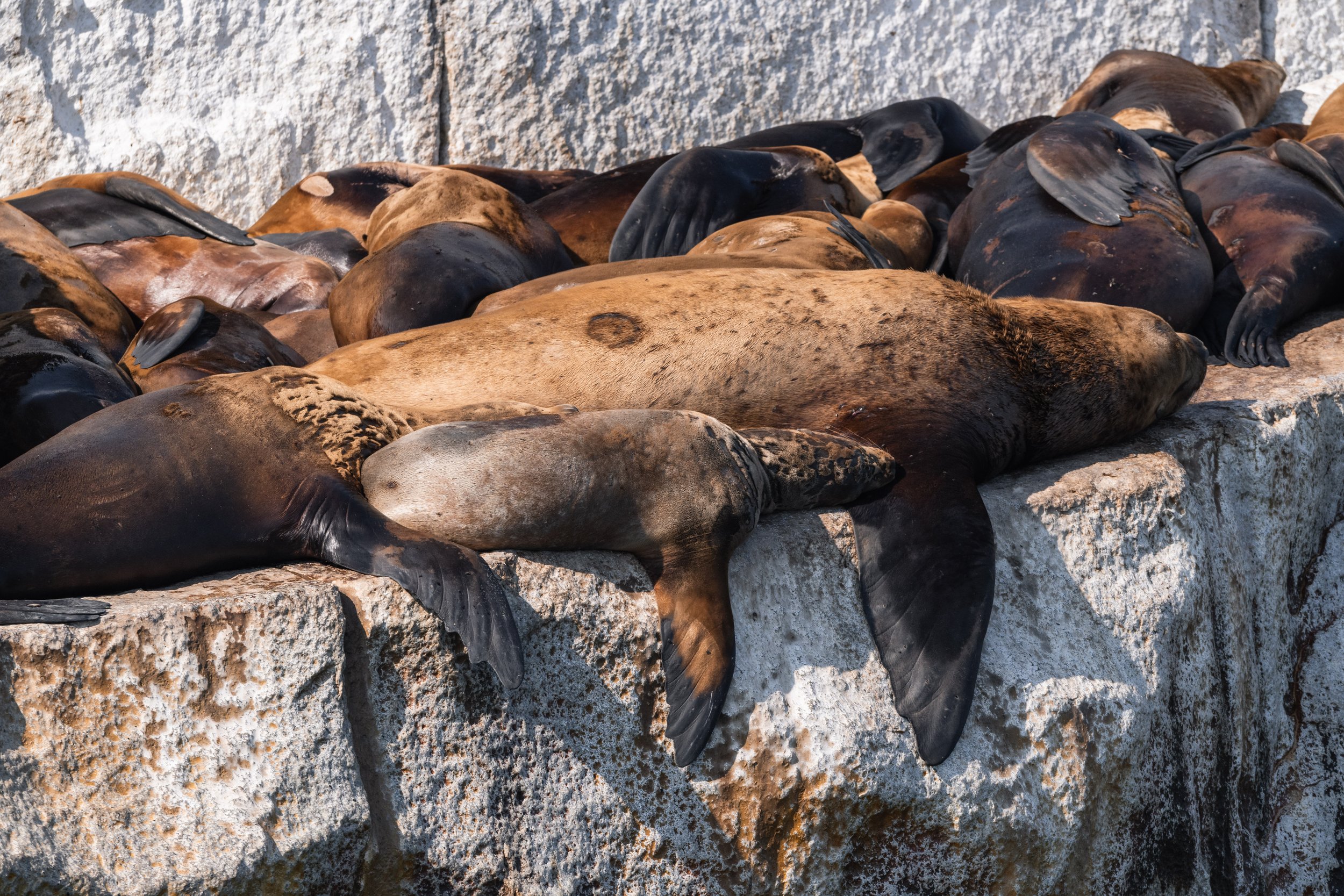
Steller Sea Lions lounging on the White Islets. Photo by Aly Kohlman.
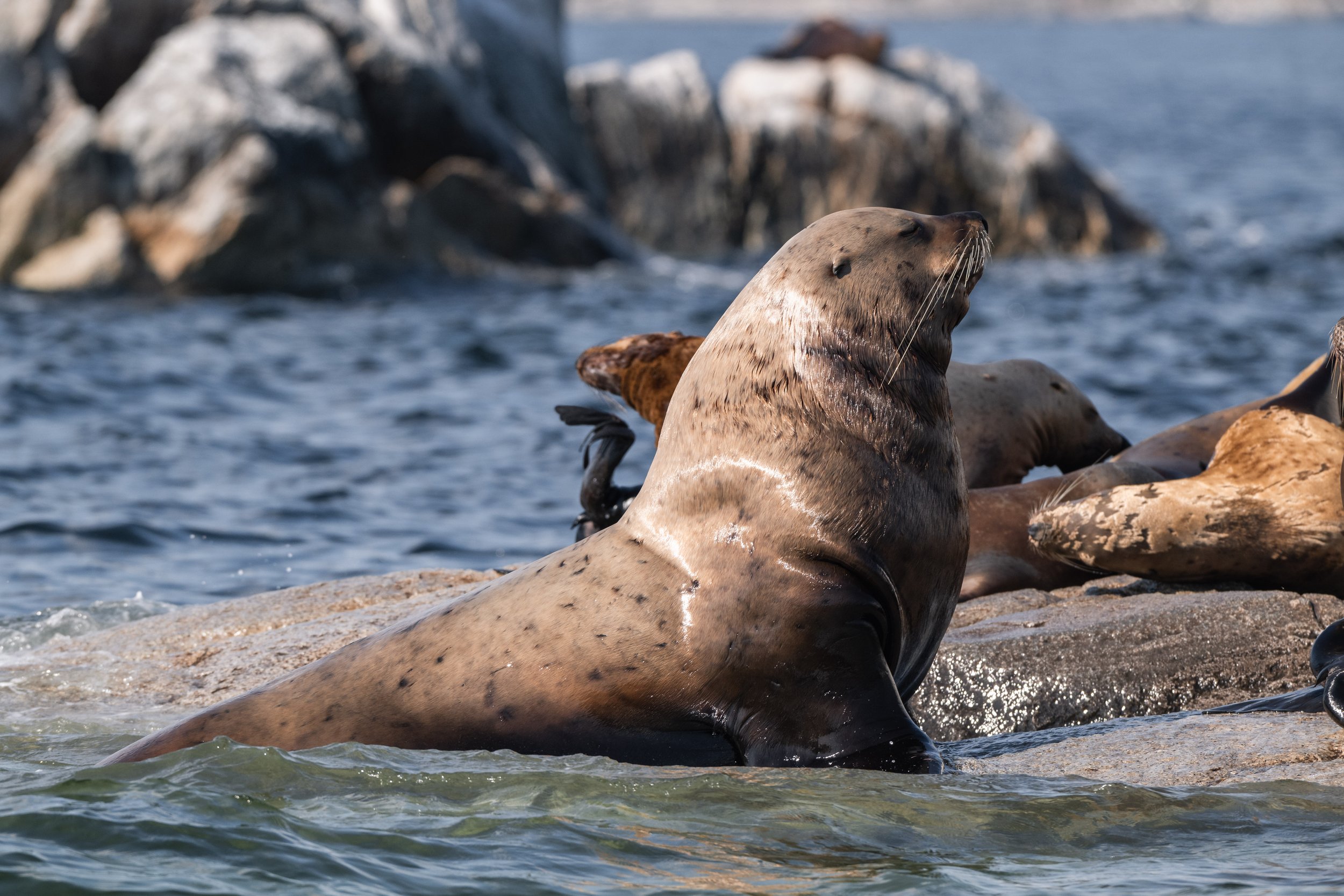
A large male Steller Sea Lion. Photo by Aly Kohlman.
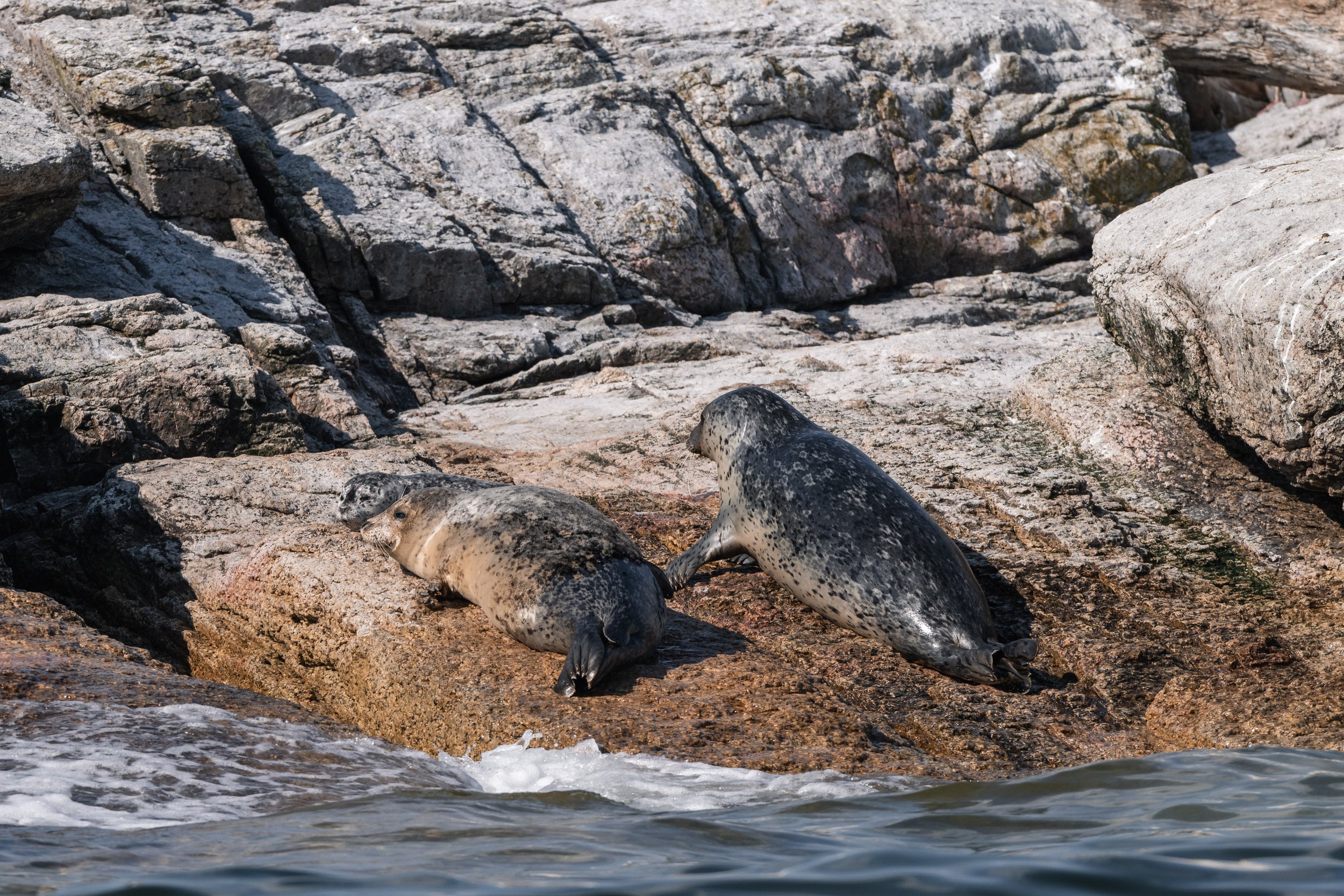
Harbour Seals making their way up the rocks. Photo by Aly Kohlman.
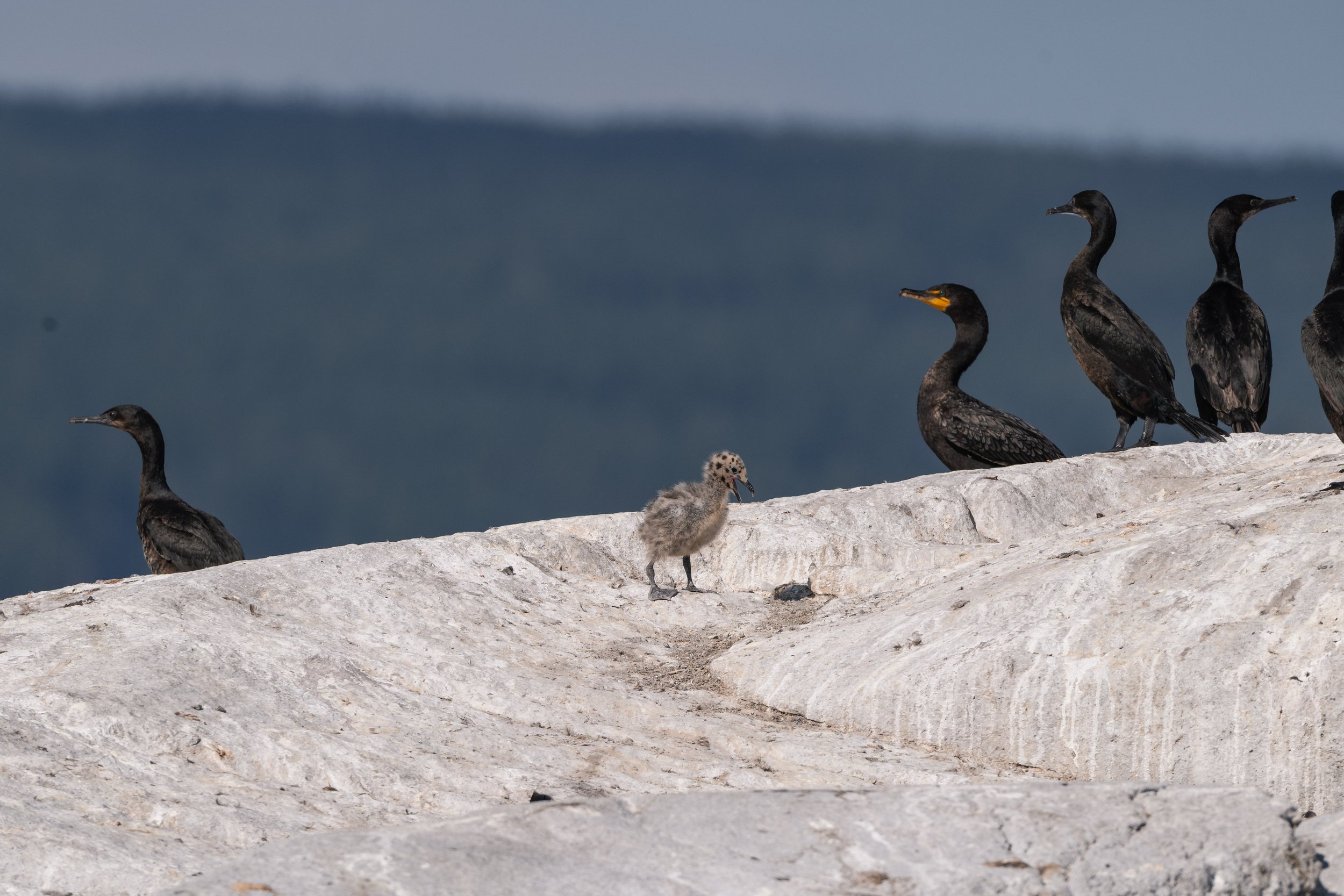
Anm adorable baby gull with some Cormorants in the back. Photo by Aly Kohlman.
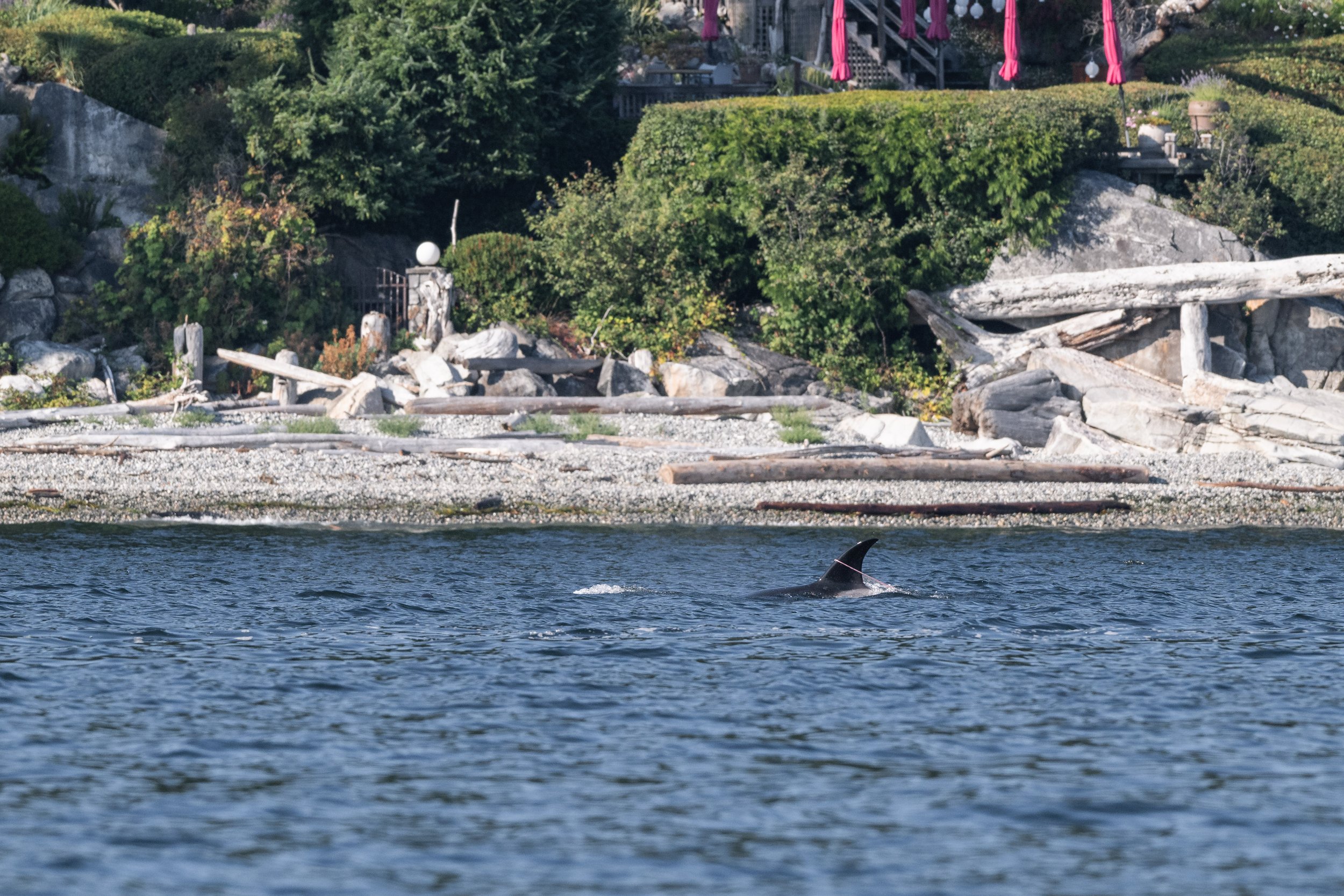
T038A2 Archer with some intestine drapped on their dorsal. Photo by Aly Kohlman.
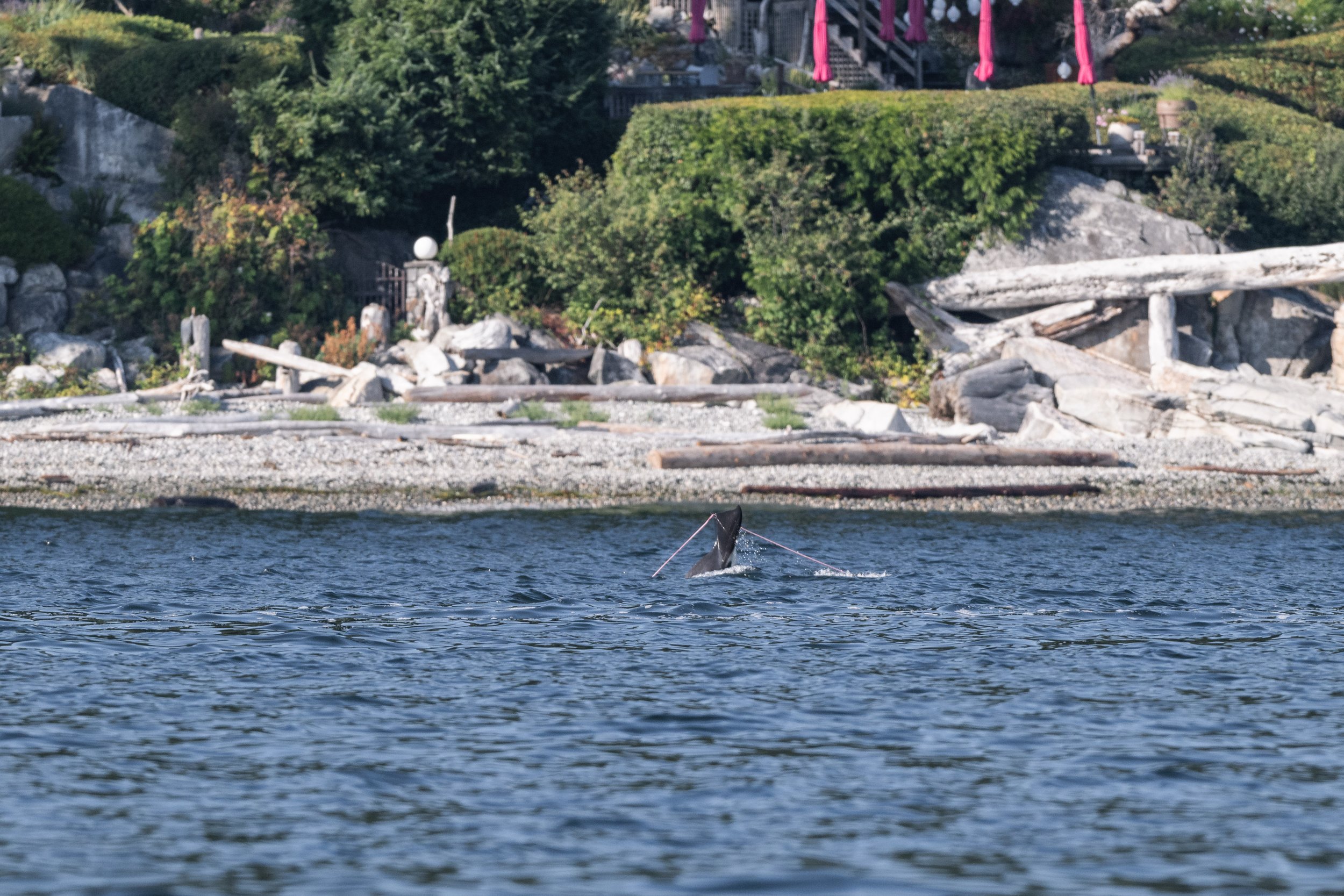
Somebody flossing their tail with the guts! Ewww. Photo by Aly Kohlman.
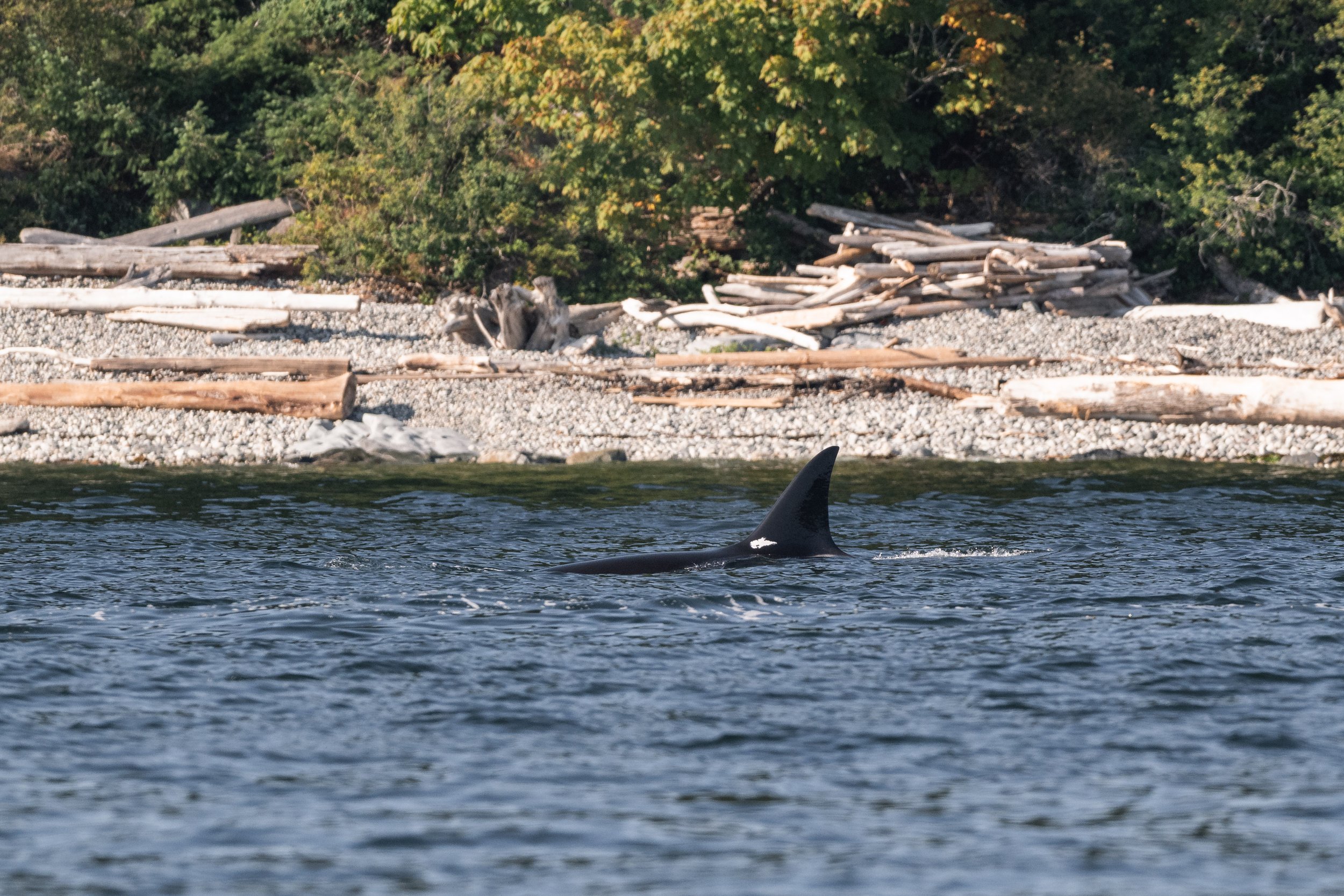
T038A Dana is easy to spot from this side thanks to this white mark. Photo by Aly Kohlman.
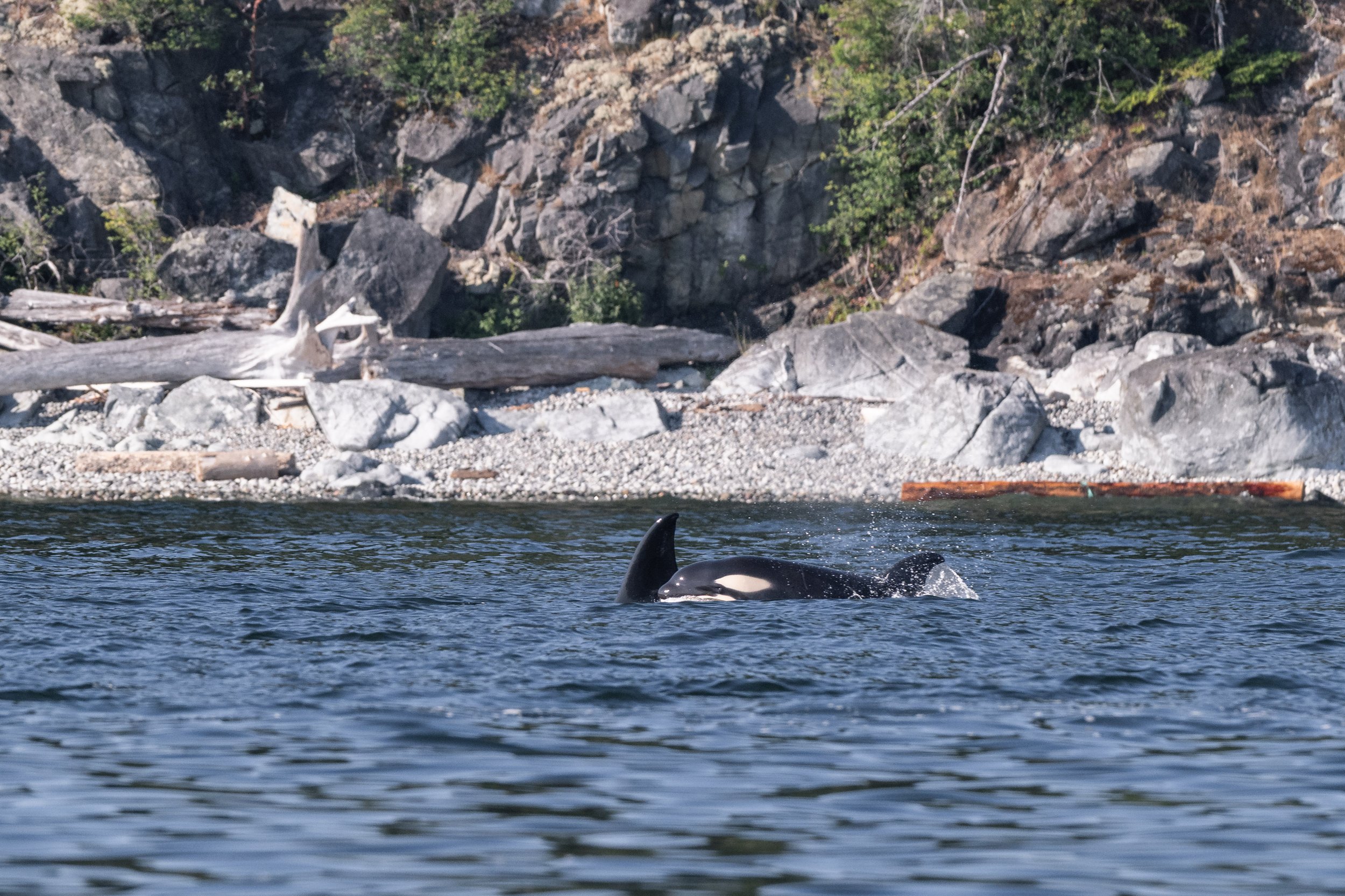
T035A Lester travelling with T035A4 Agate. Photo by Aly Kohlman.
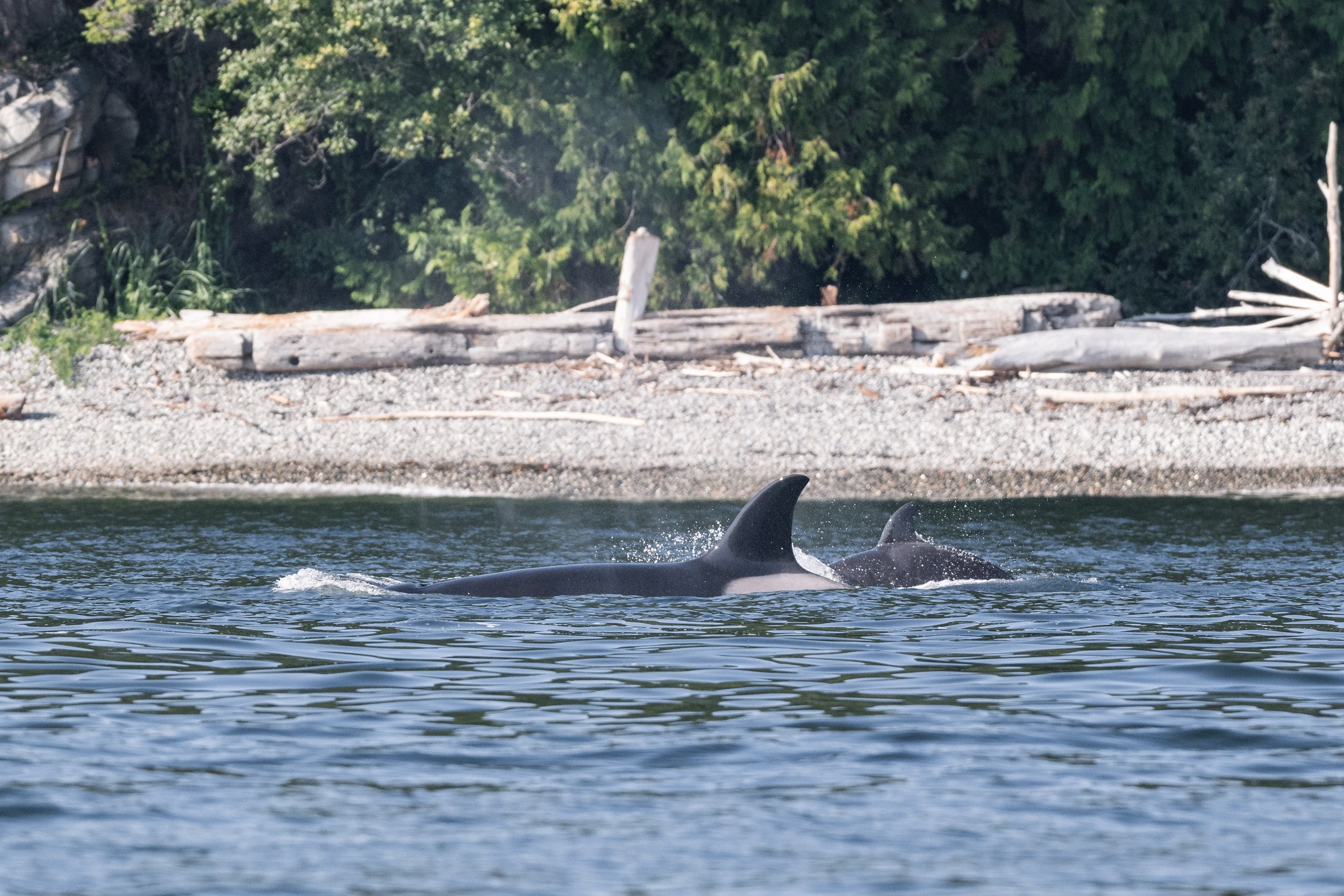
T035A1 Opal with her new calf, T035A1A. Photo by Aly Kohlman.
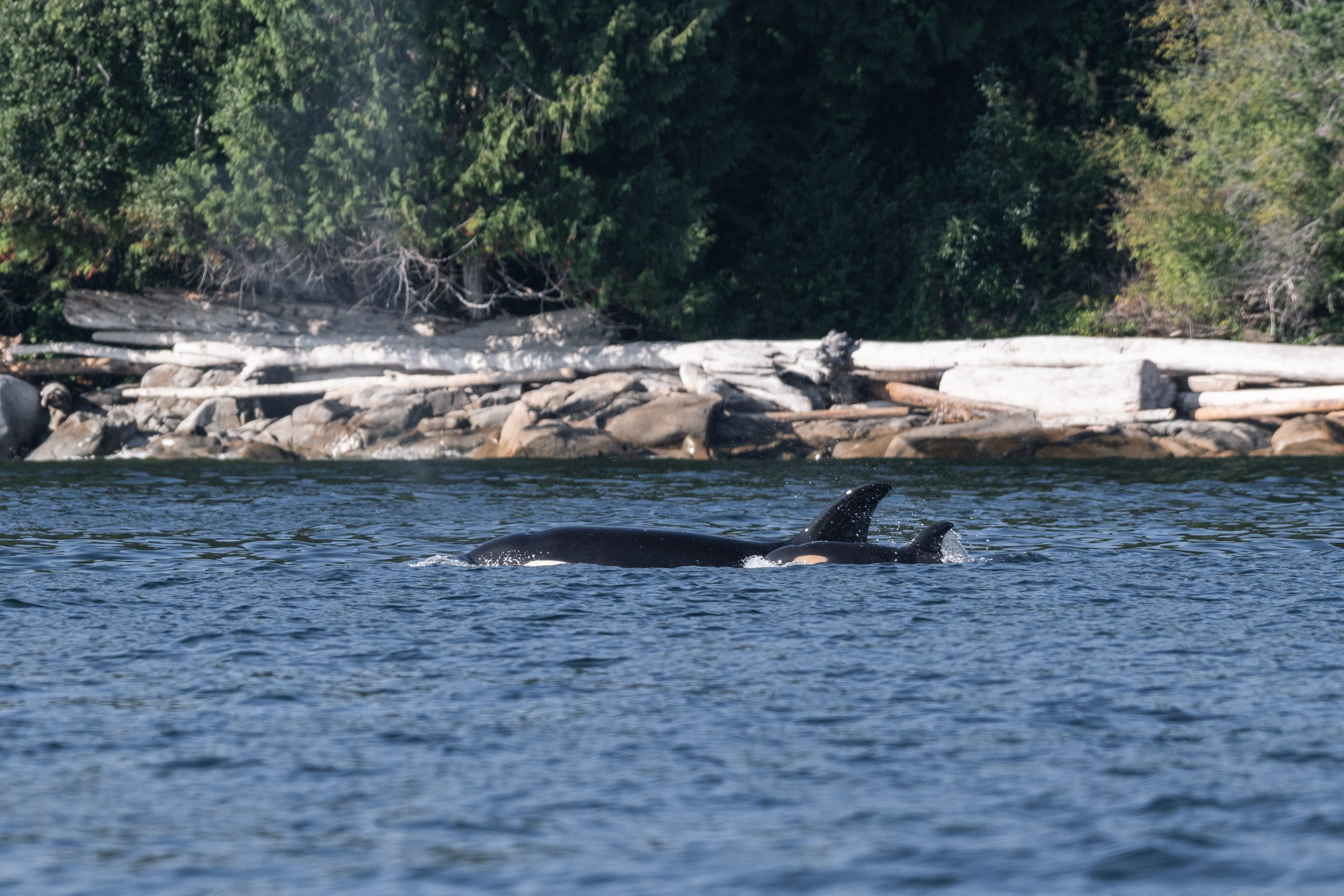
Another great look at T035A1 Opal and her calf. Photo by Aly Kohlman.
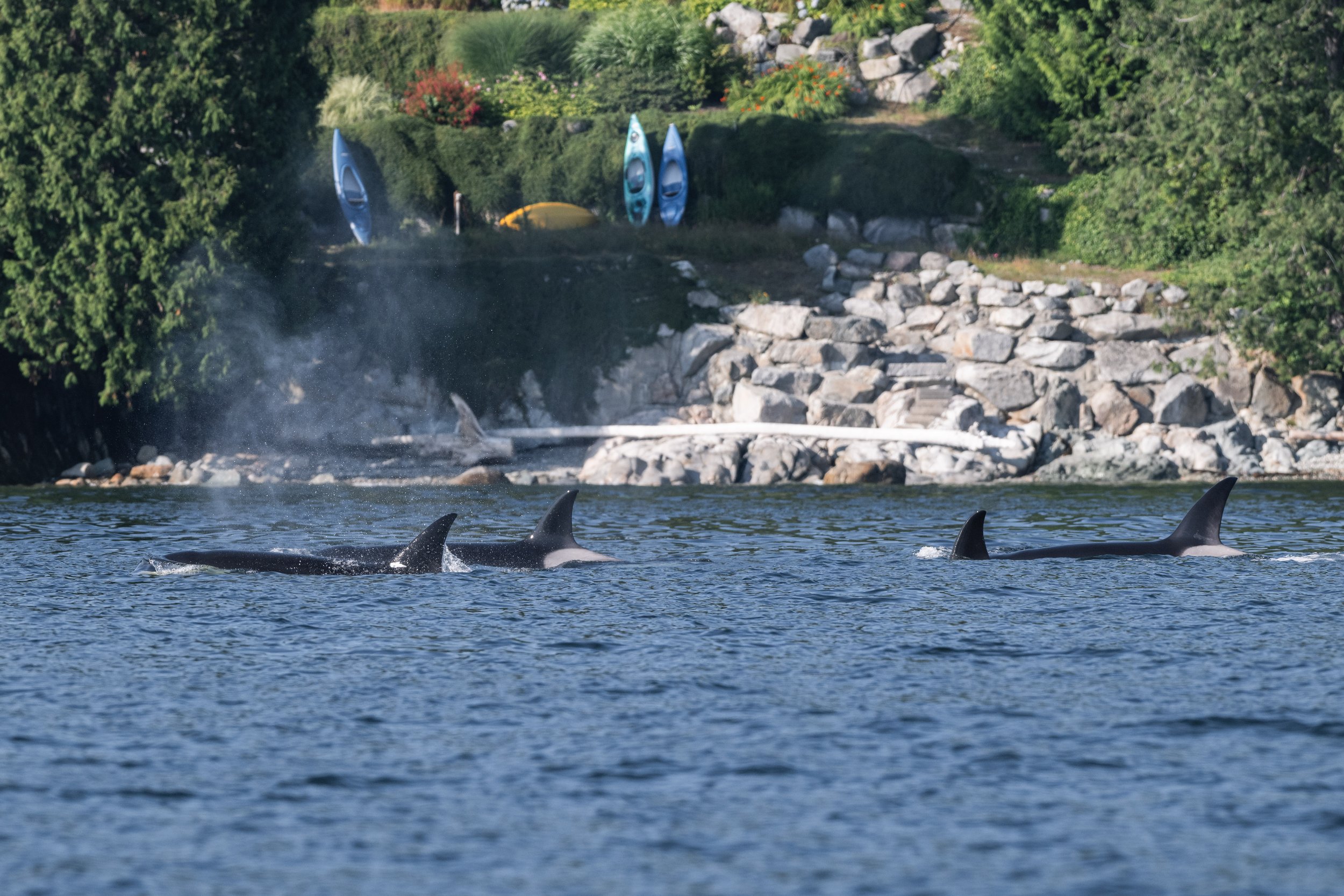
T038A Dana, T035A Lester, T035A1 Opal, and T035A2 Topaz. Photo by Aly Kohlman.
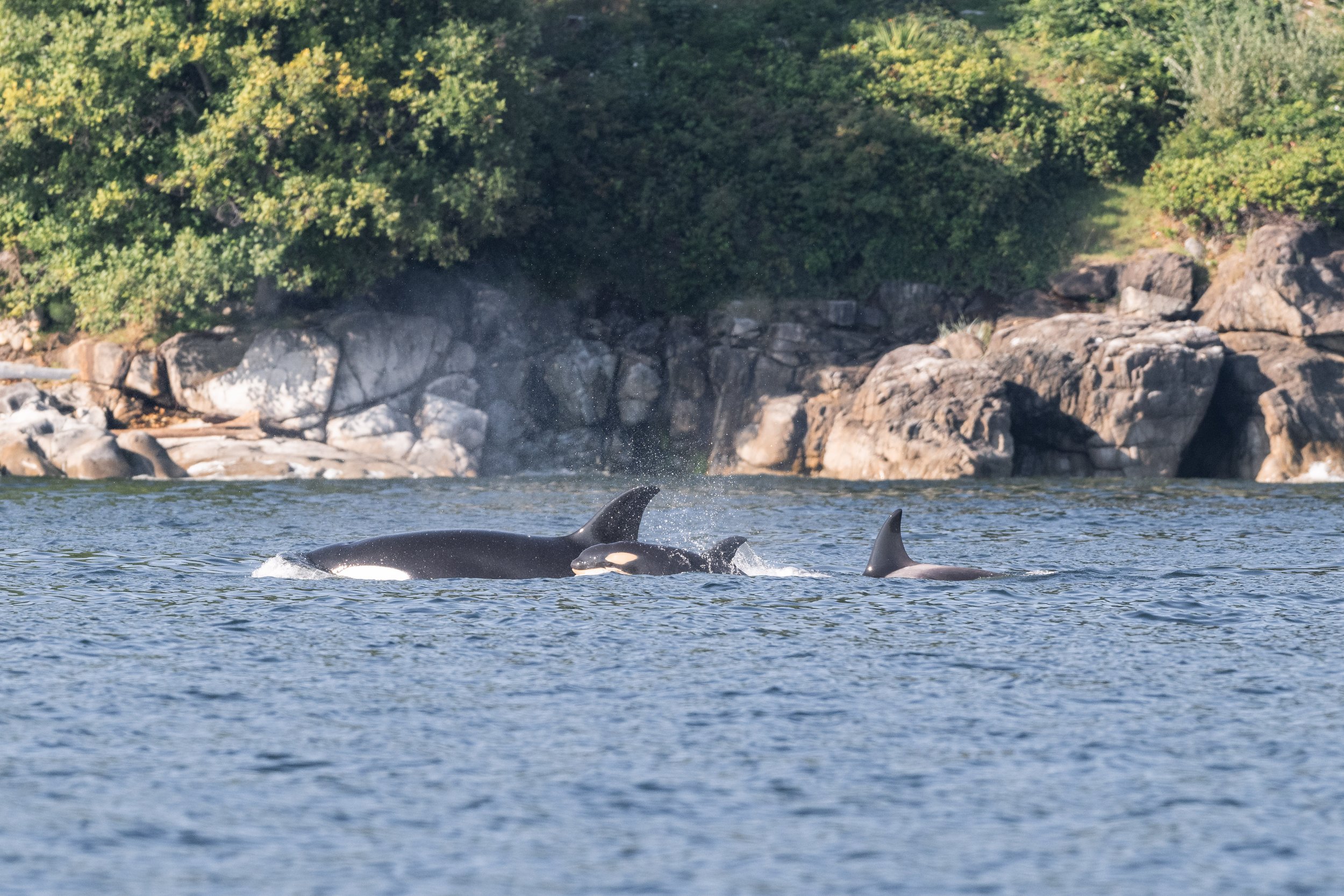
T035A1 Opal with her calf travelling with T035A4 Agate. Photo by Aly Kohlman.
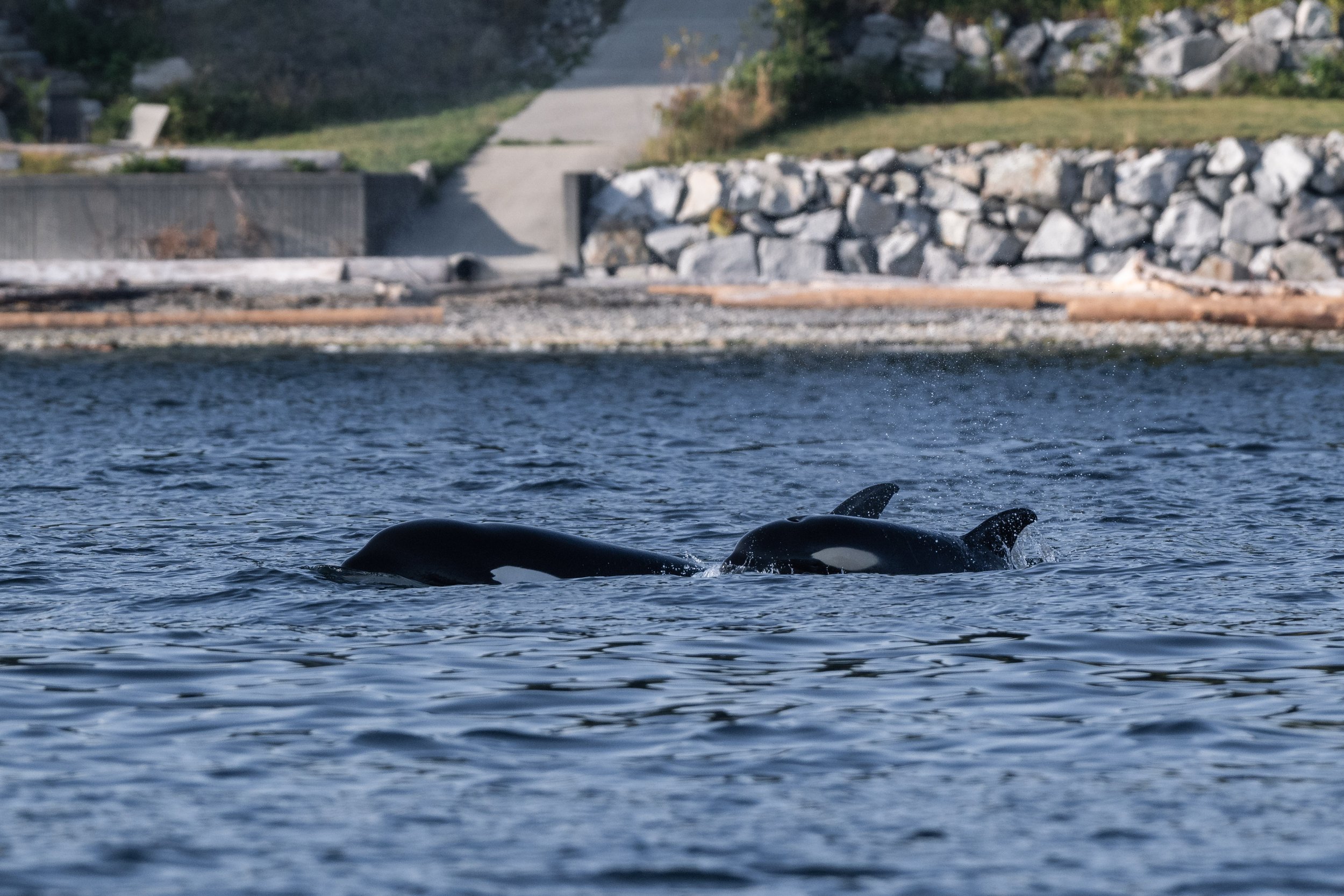
T035A Lester with T035A4 Agate. Photo by Aly Kohlman.
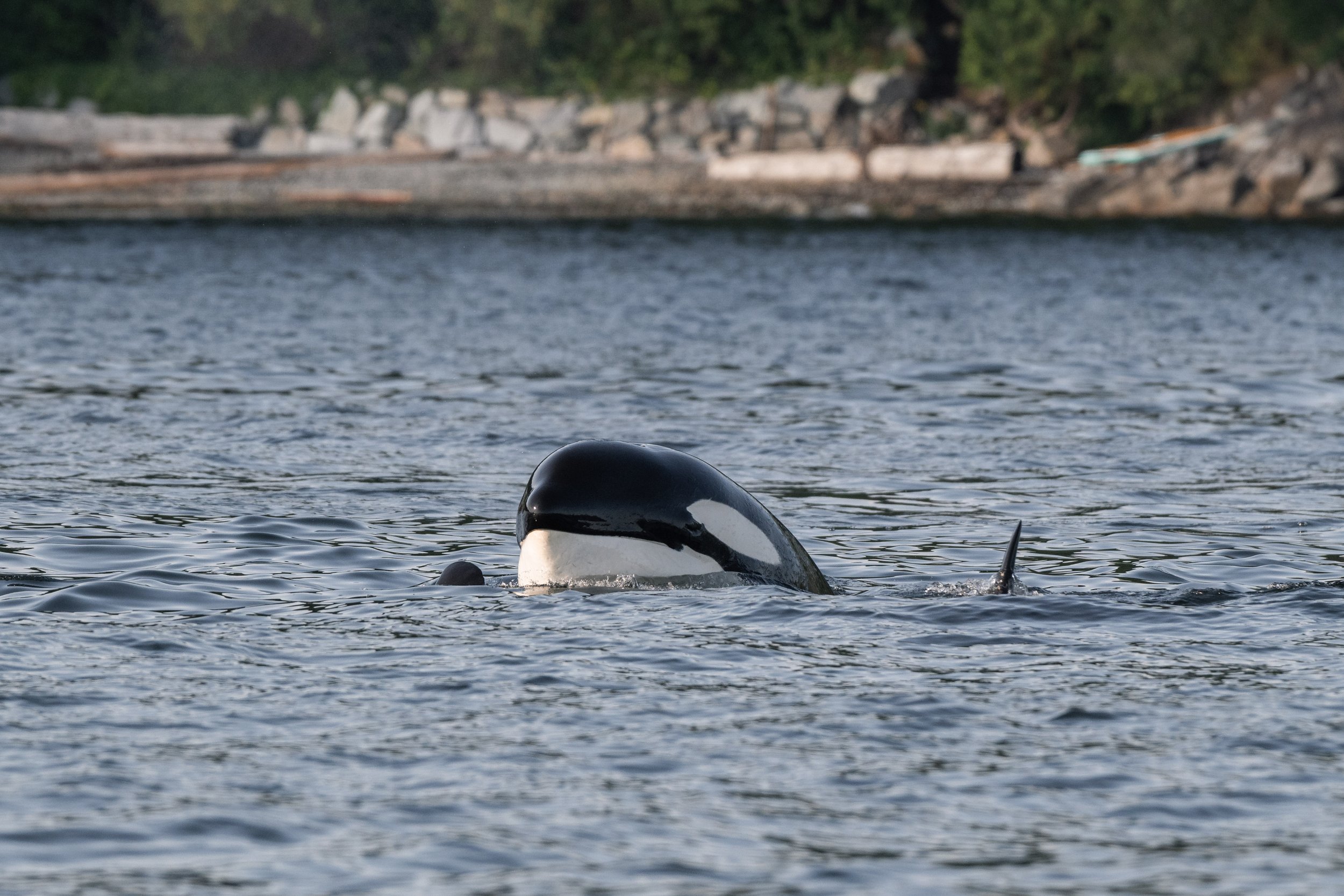
T035A1 Opal peeking her face out of the water. Photo by Aly Kohlman.
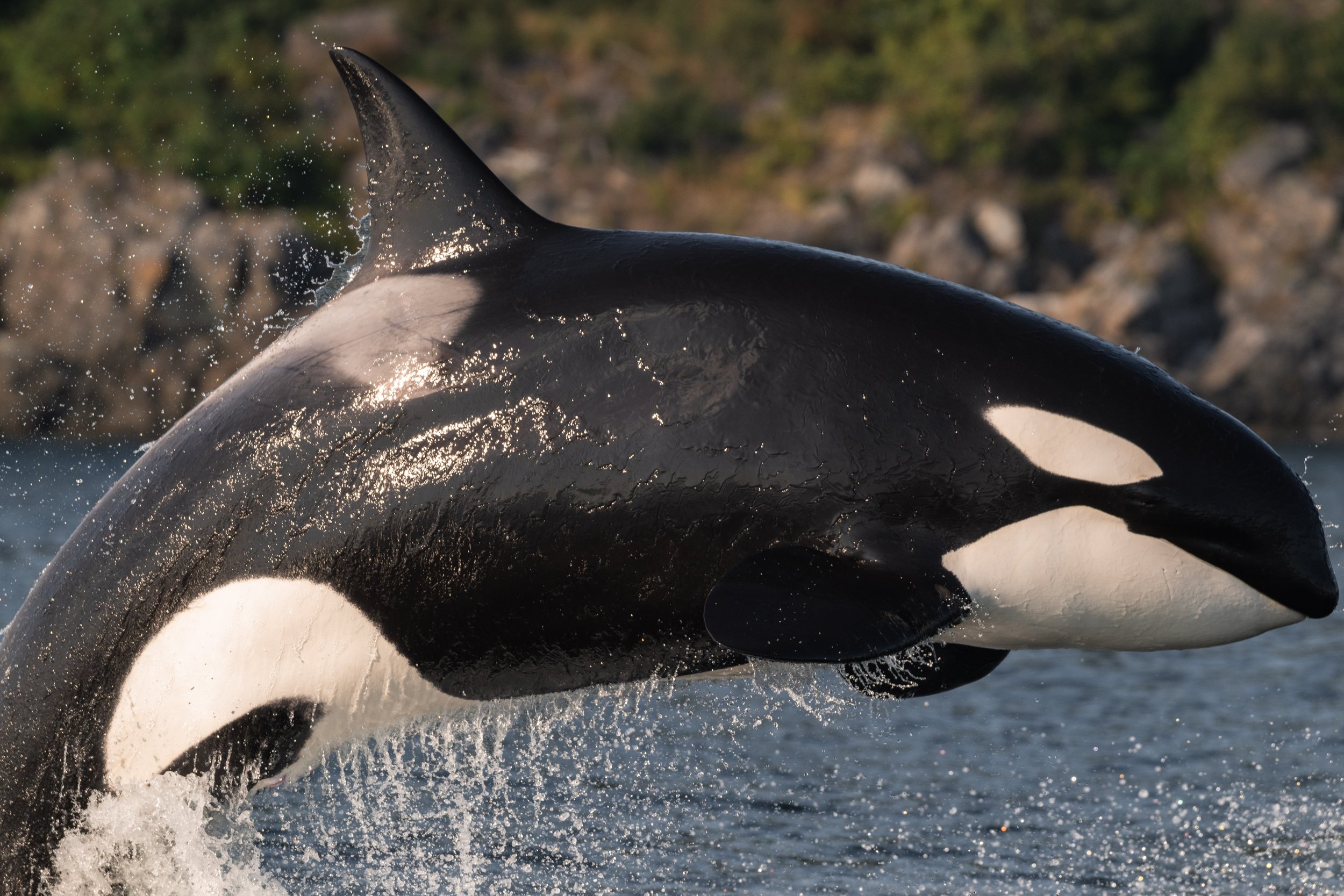
A lovely breach from T038A Dana. Photo by Aly Kohlman.
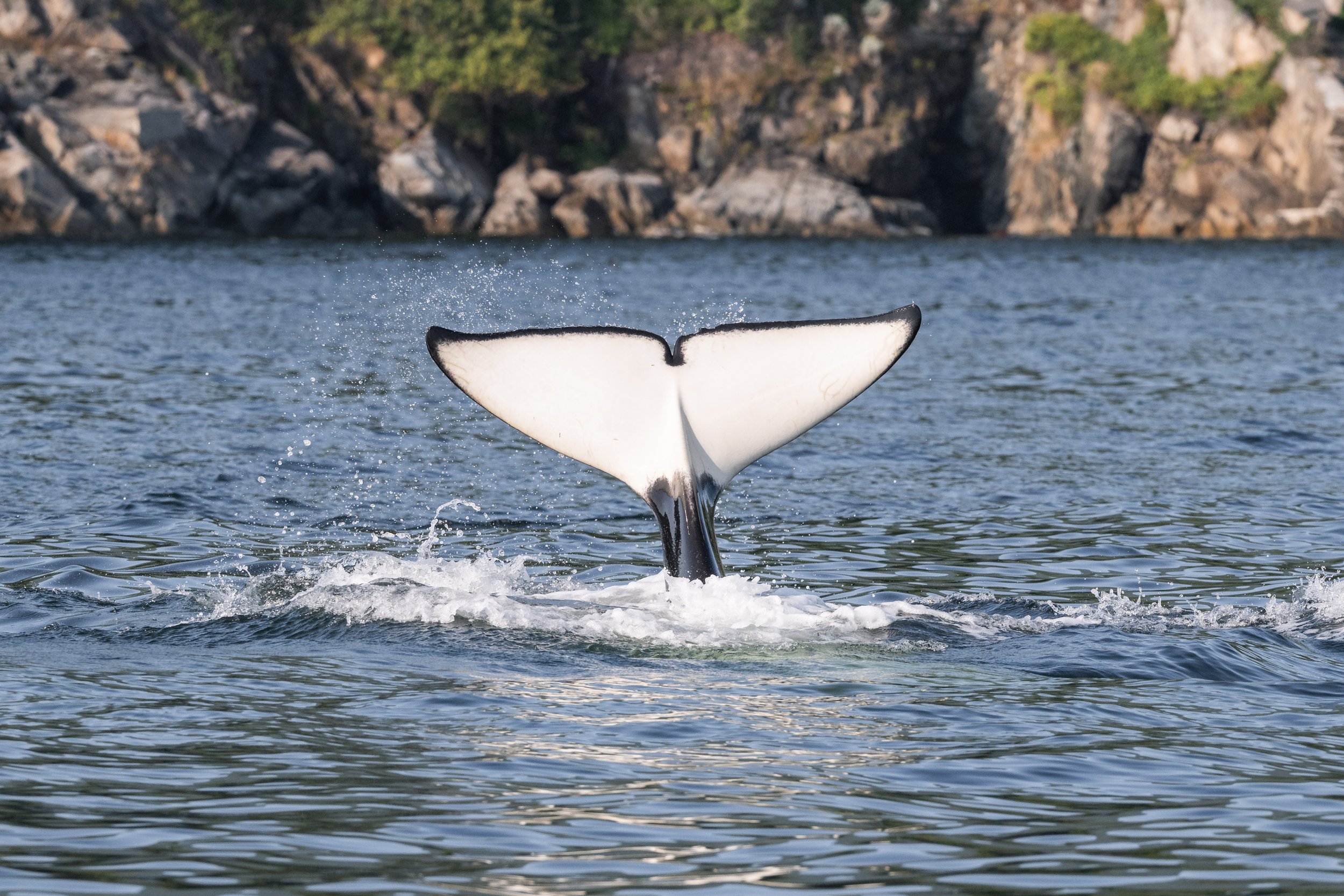
Somebody with their tail in the air! Photo by Aly Kohlman.
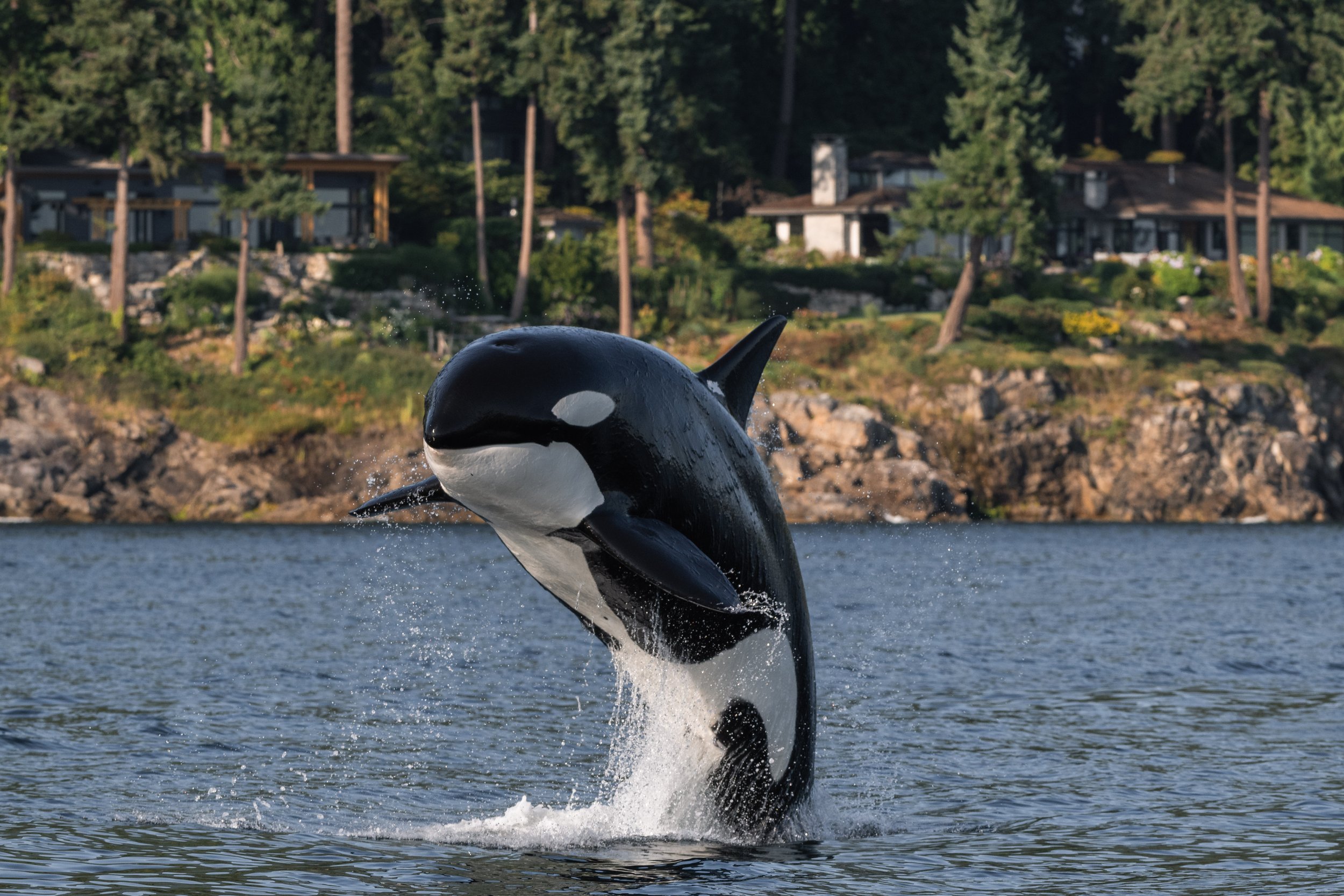
T038A Dana breaching. Photo by Aly Kohlman.
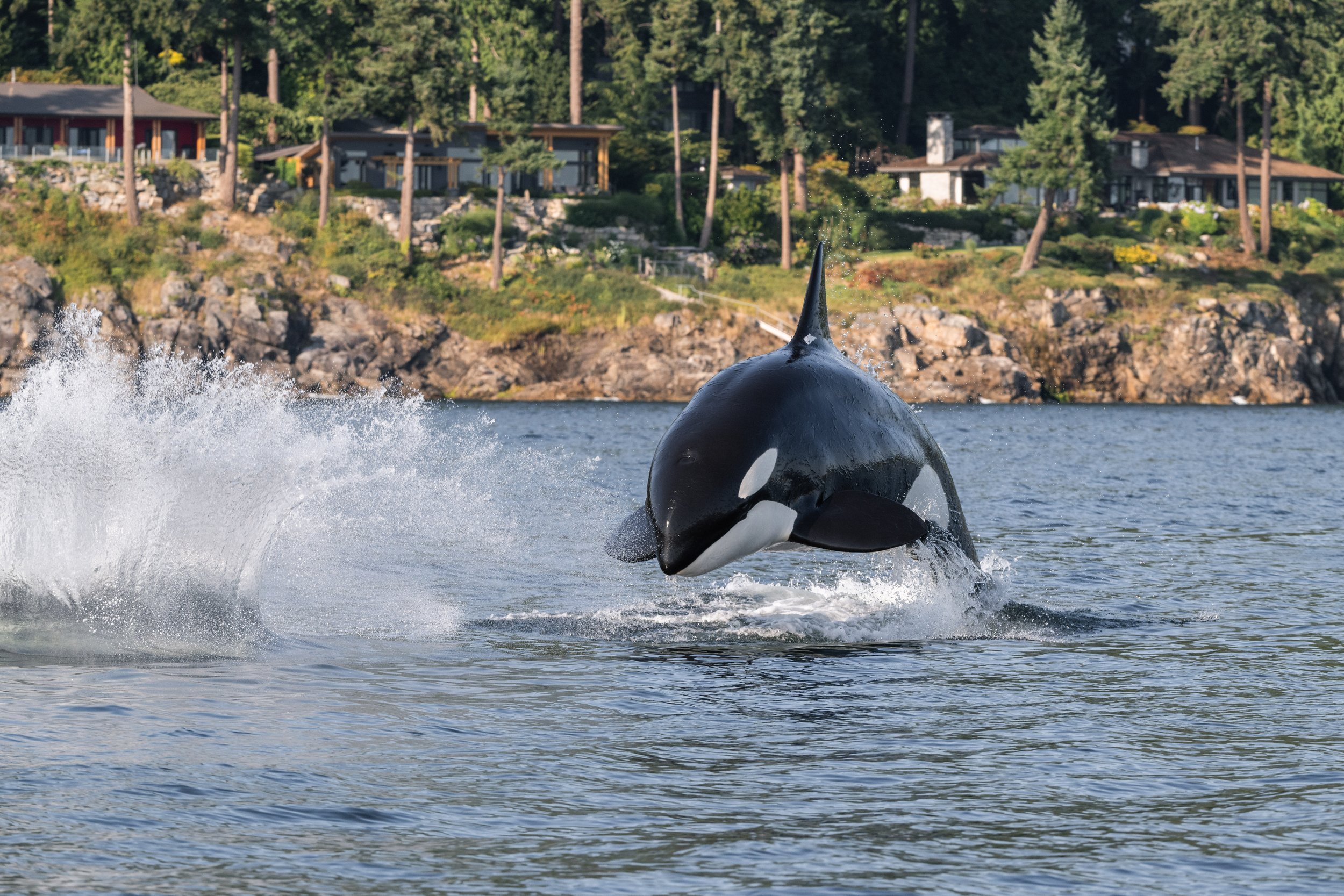
Dana coming in for a landing! Photo by Aly Kohlman.
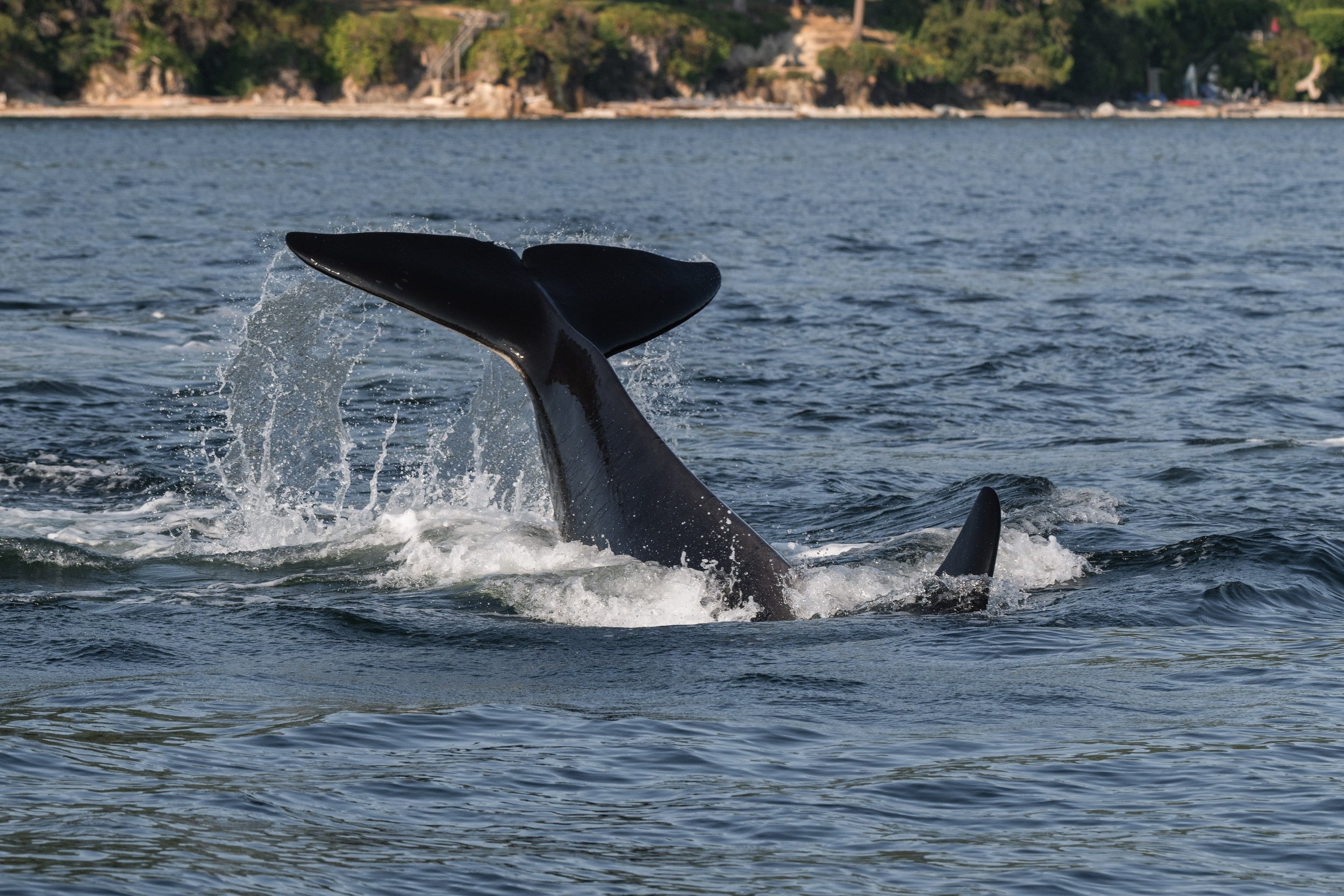
A nice tail slap from one of the whales. Photo by Aly Kohlman.
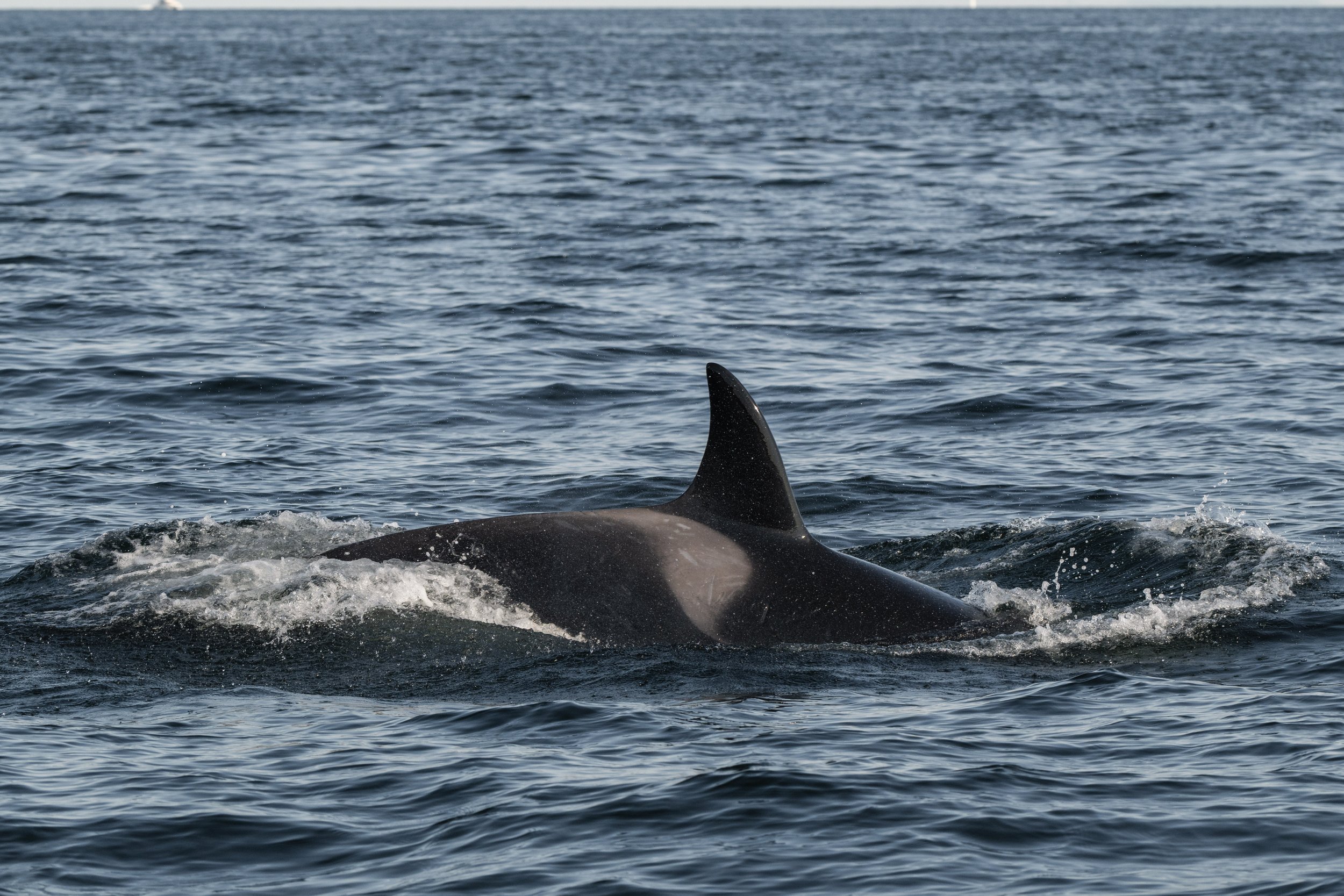
T035A3 Garnet showin off their saddle patch. Photo by Aly Kohlman.
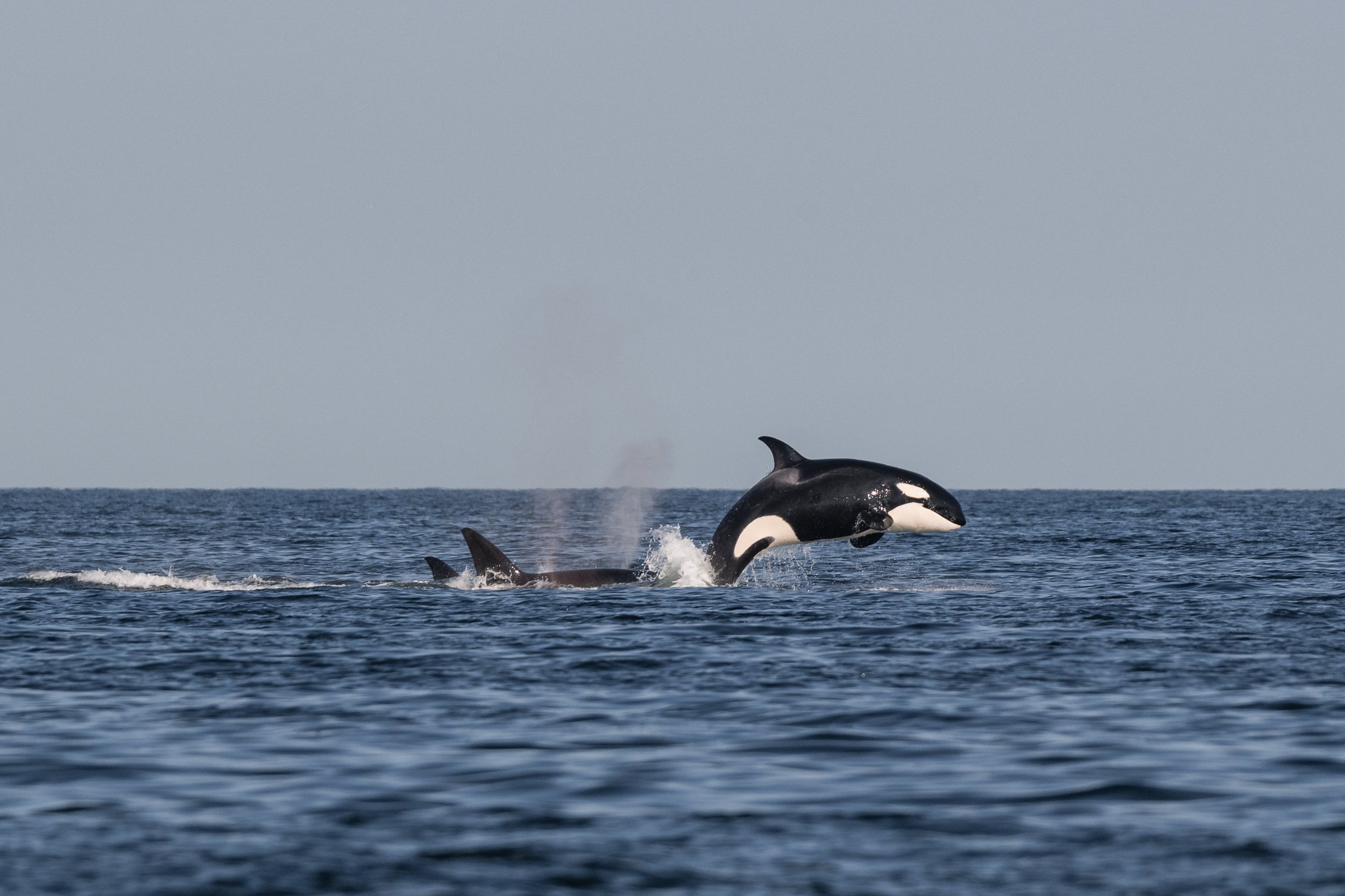
PT035A4 Agate jumping beside her sibilings. Photo by Aly Kohlman.
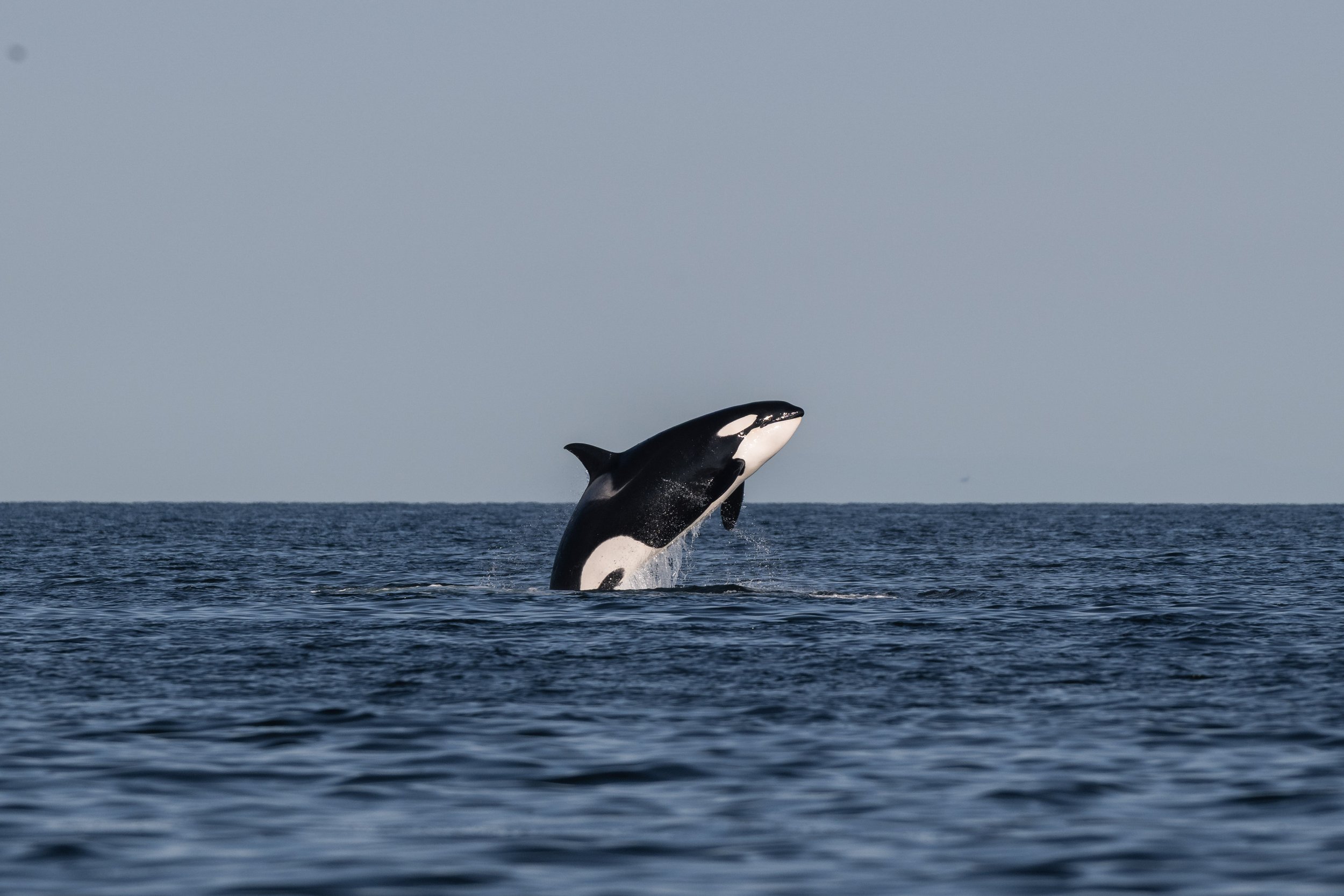
T035A Lester breaching. Photo by Aly Kohlman.
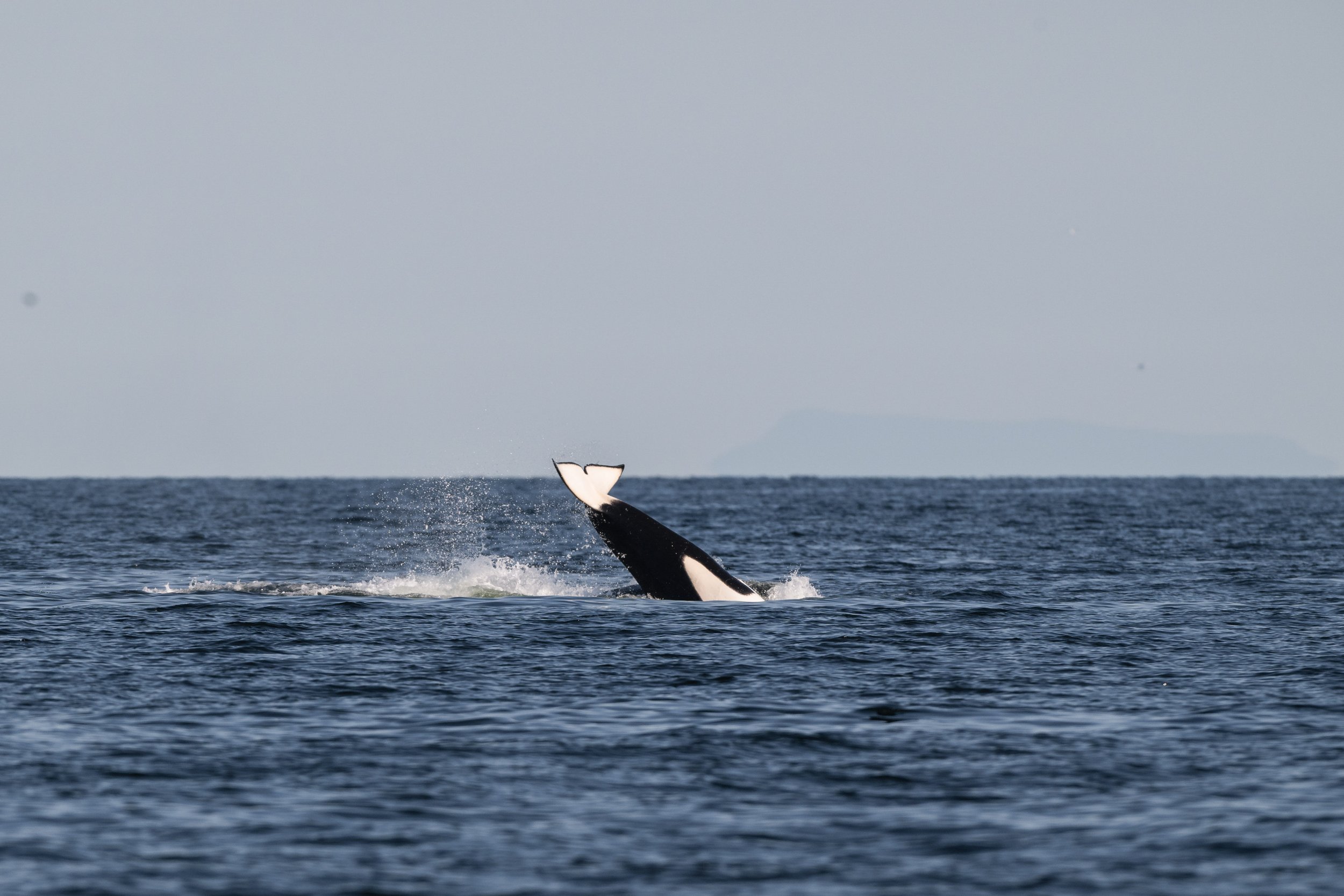
One of the whales tail lobing. Photo by Aly Kohlman.
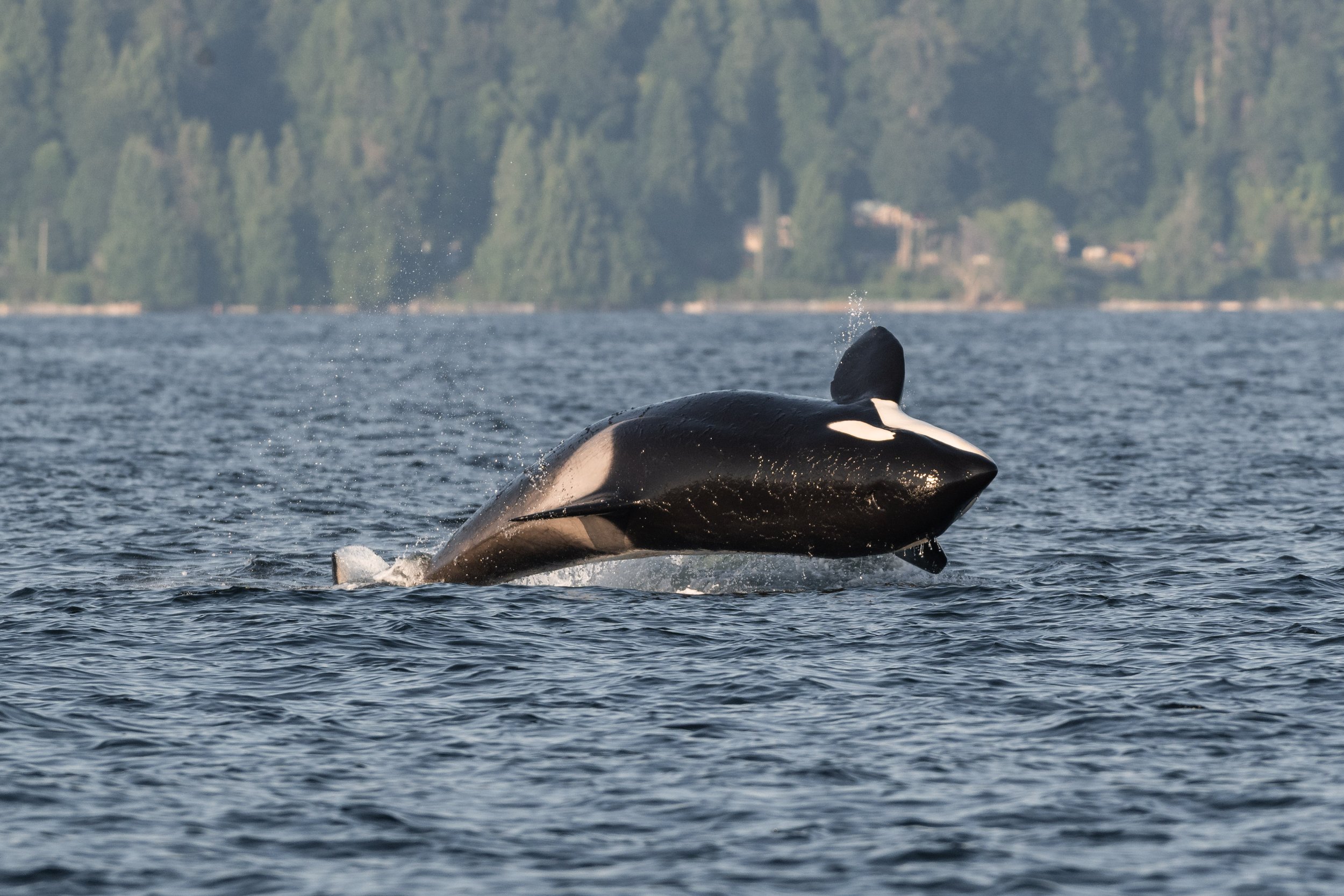
T035A Lester coming in for a landing. Photo by Aly Kohlman.
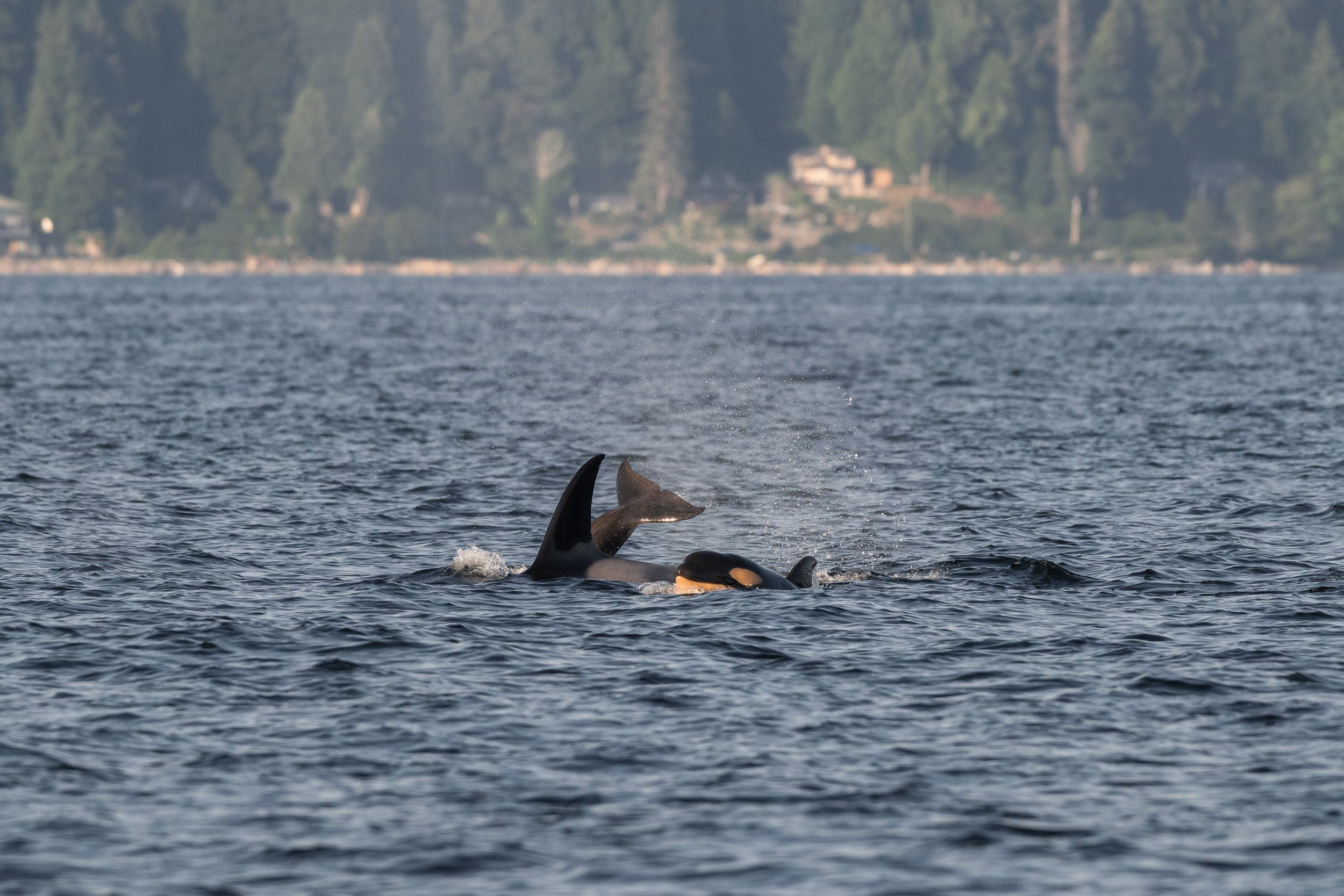
T035A Lester with the new baby. Photo by Aly Kohlman.
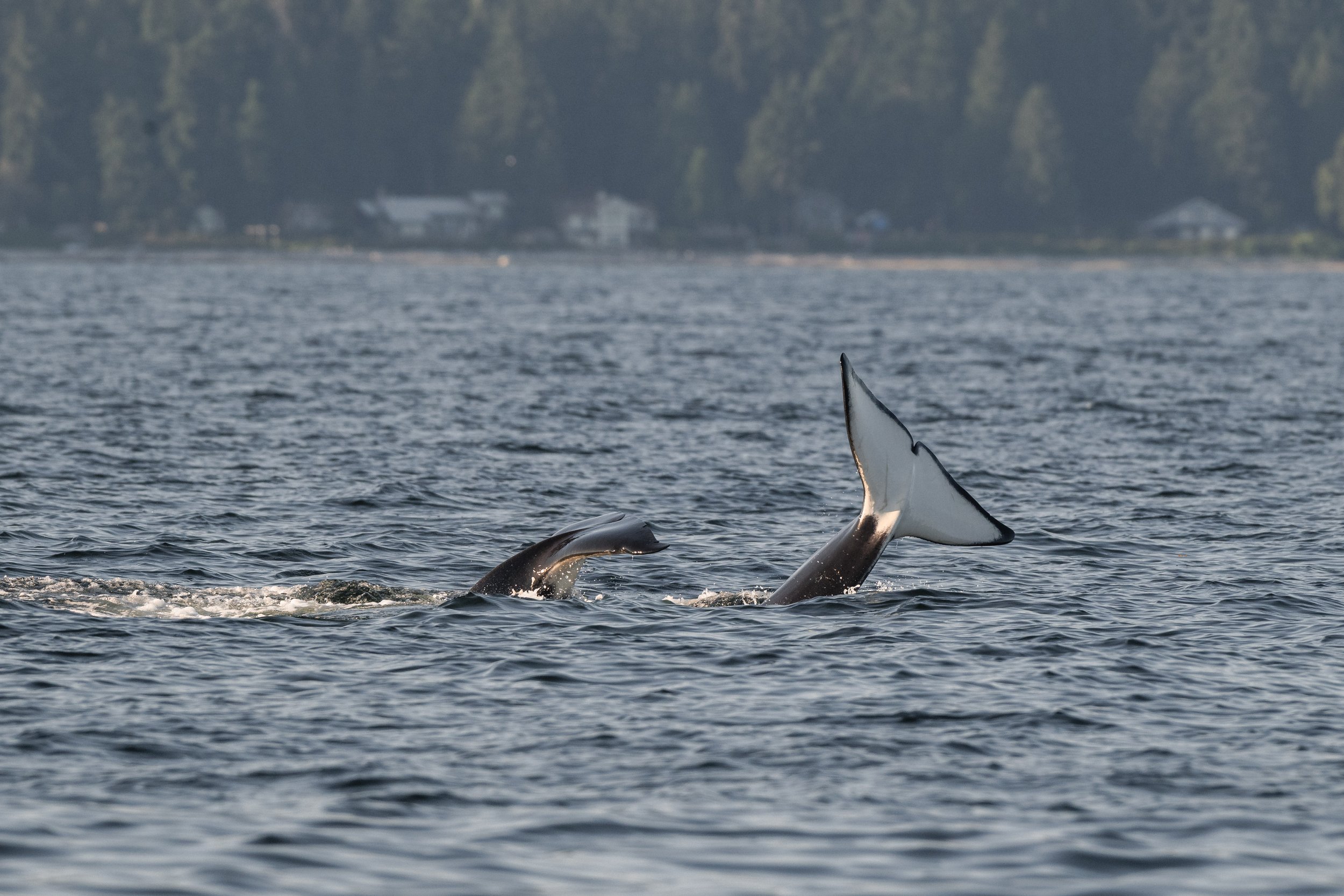
Tails up during the T-party! Photo by Aly Kohlman.
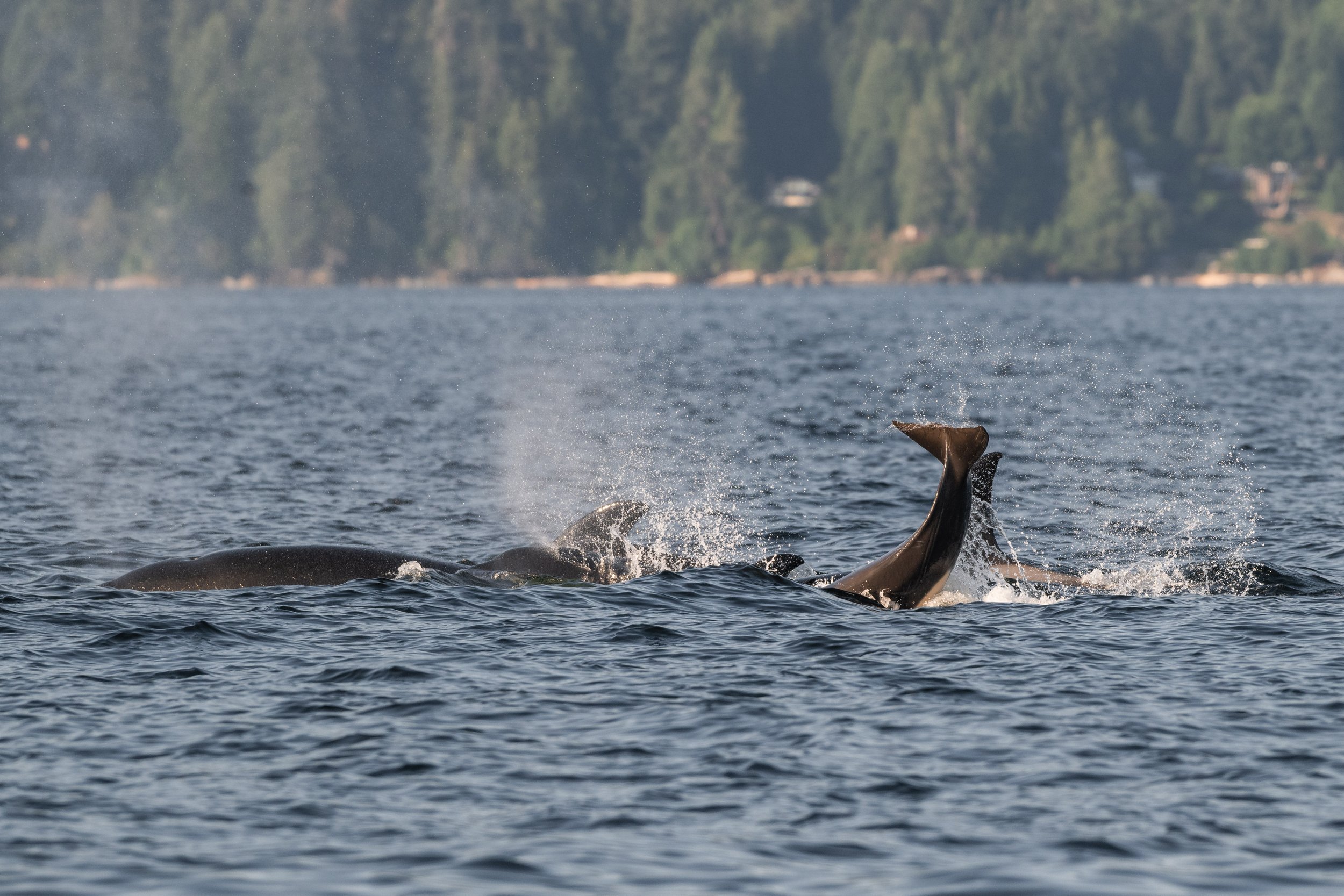
There was a ton of action! Photo by Aly Kohlman.
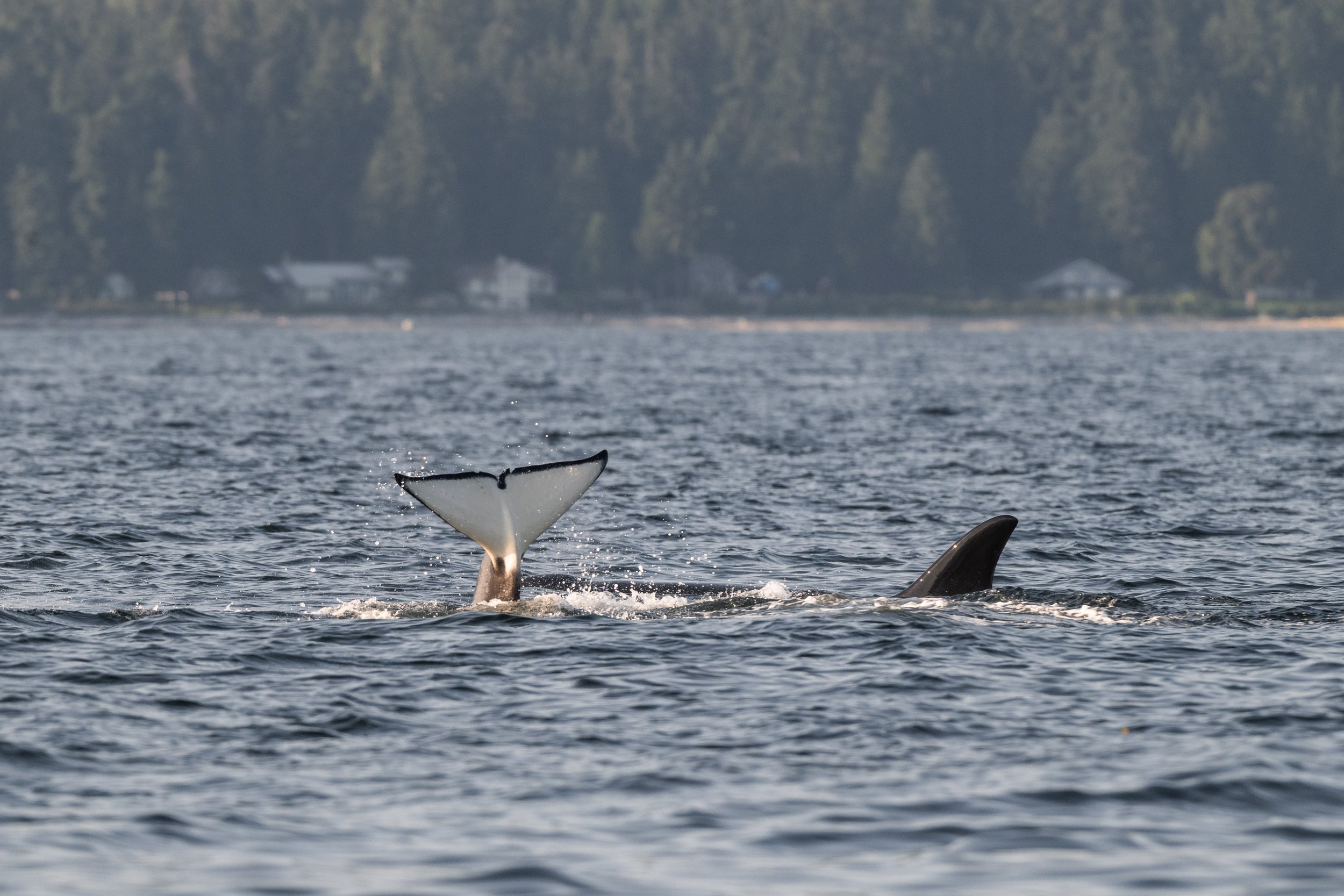
Another tail slap from the group. Photo by Aly Kohlman.
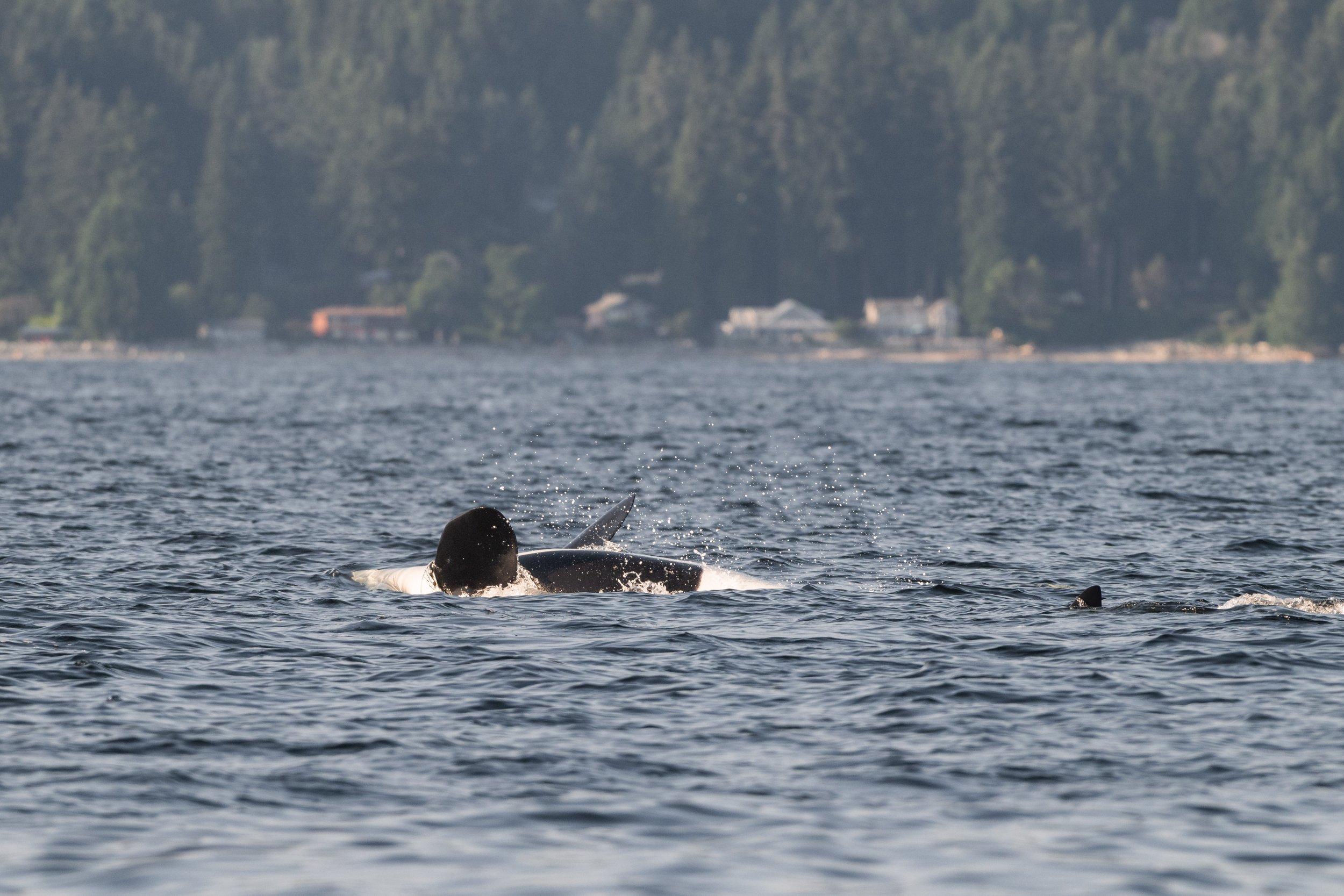
Swimming upside down as they go. Photo by Aly Kohlman.
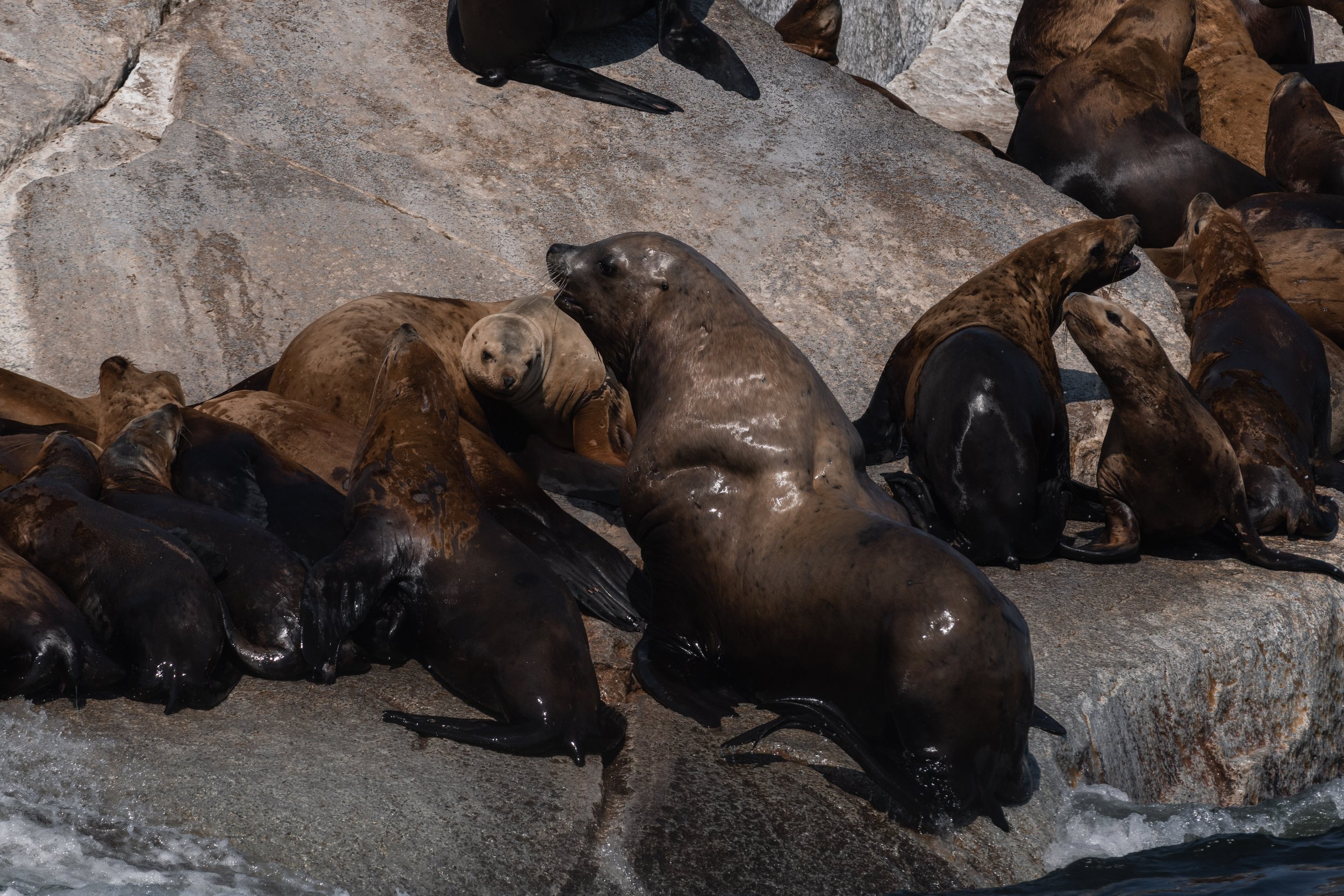
Steller Sea Lions on the White Islets. Photo by Hayleigh Hilbert.
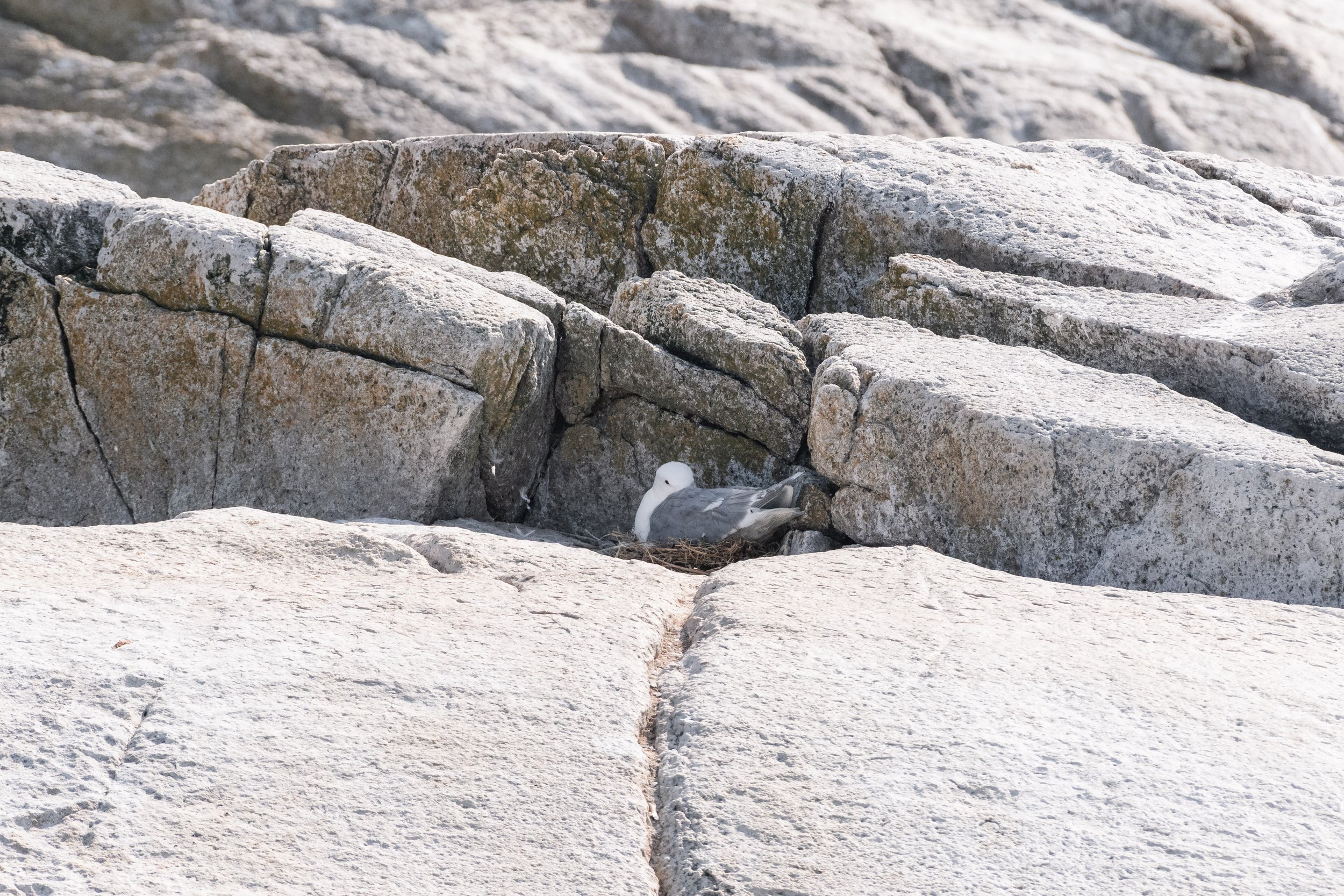
A gull on the Nest. Photo by Hayleigh Hilbert.
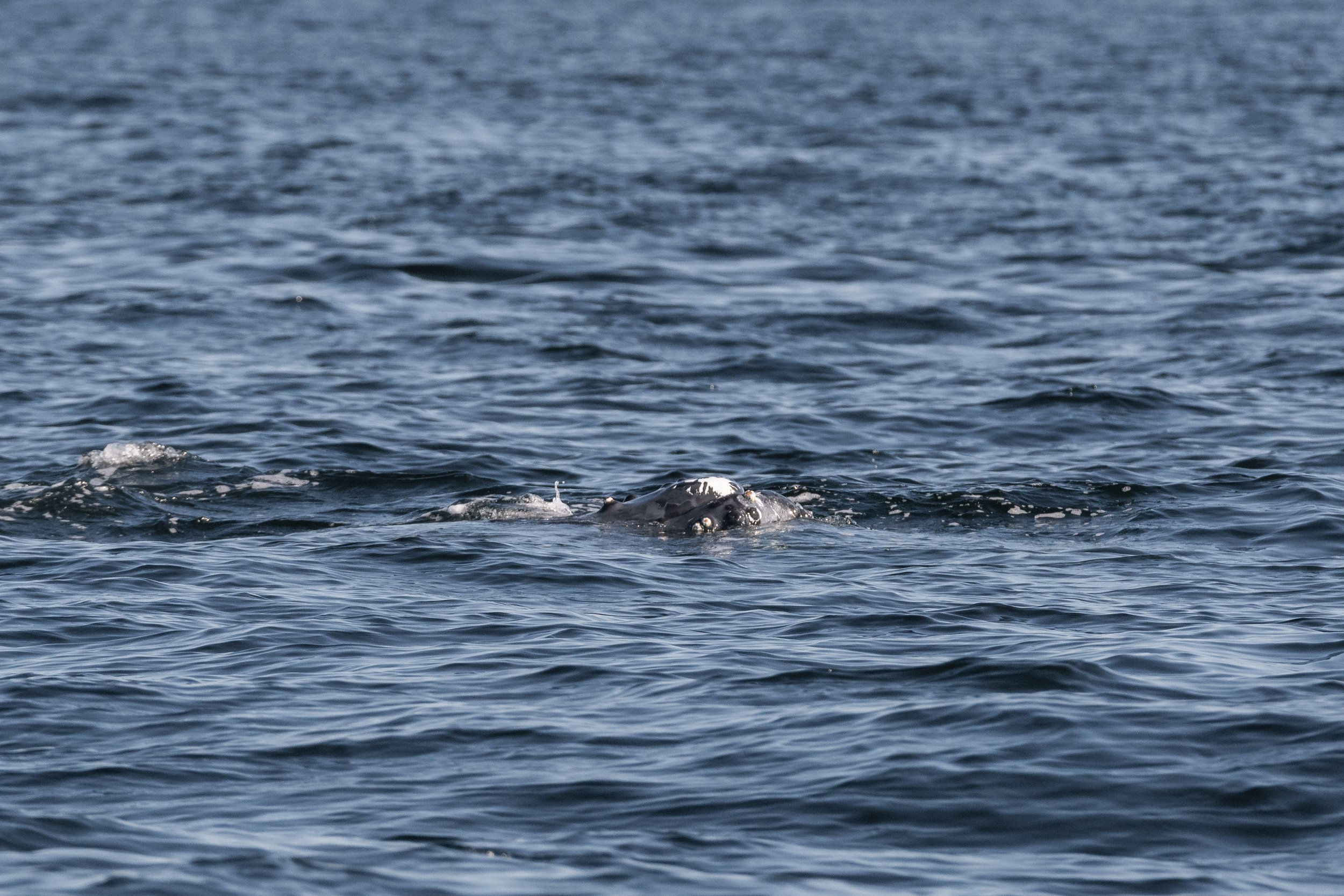
Coyote’s rostrum. Photo by Hayleigh Hilbert.
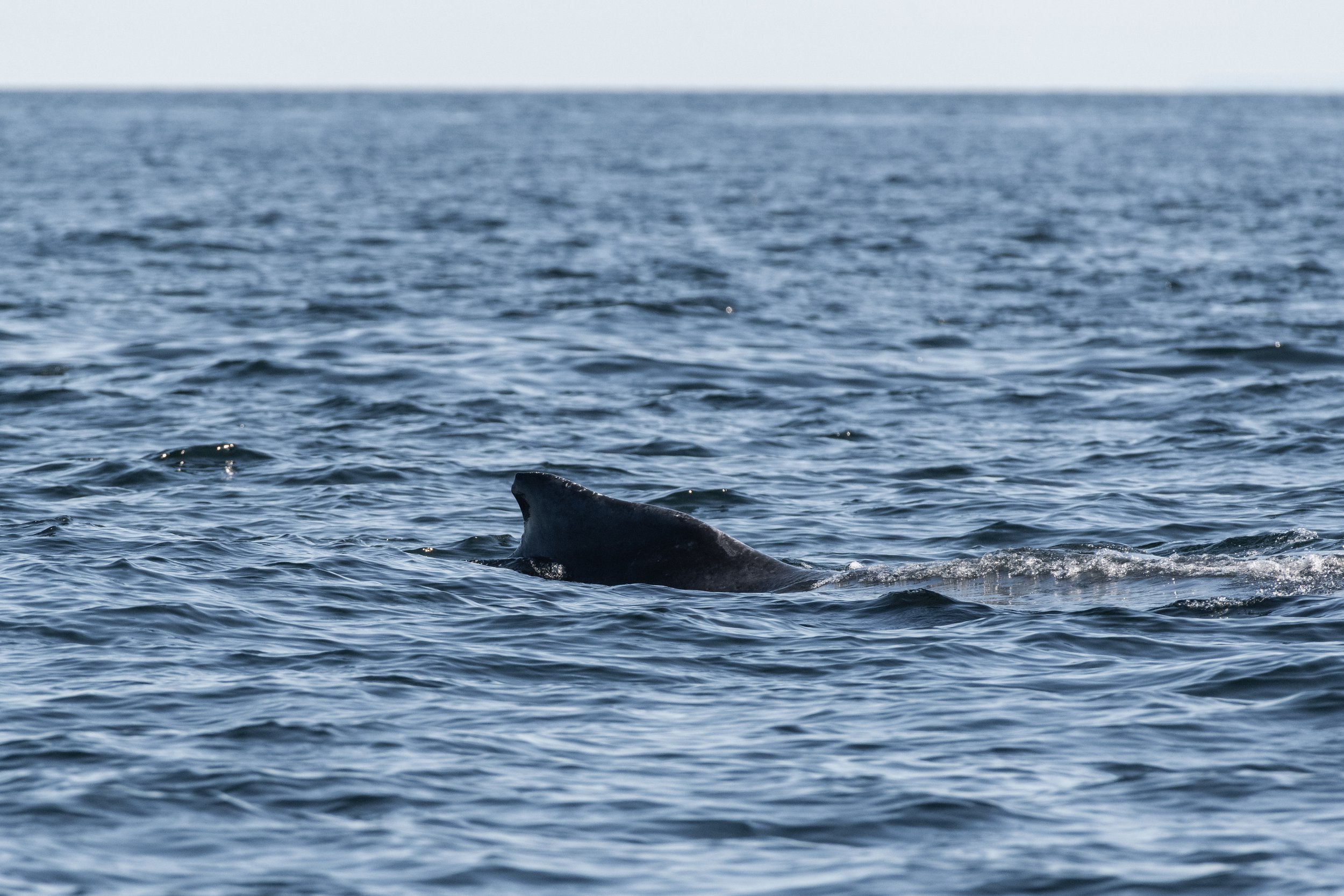
Coyote’s dorsal fin. Photo by Hayleigh Hilbert.
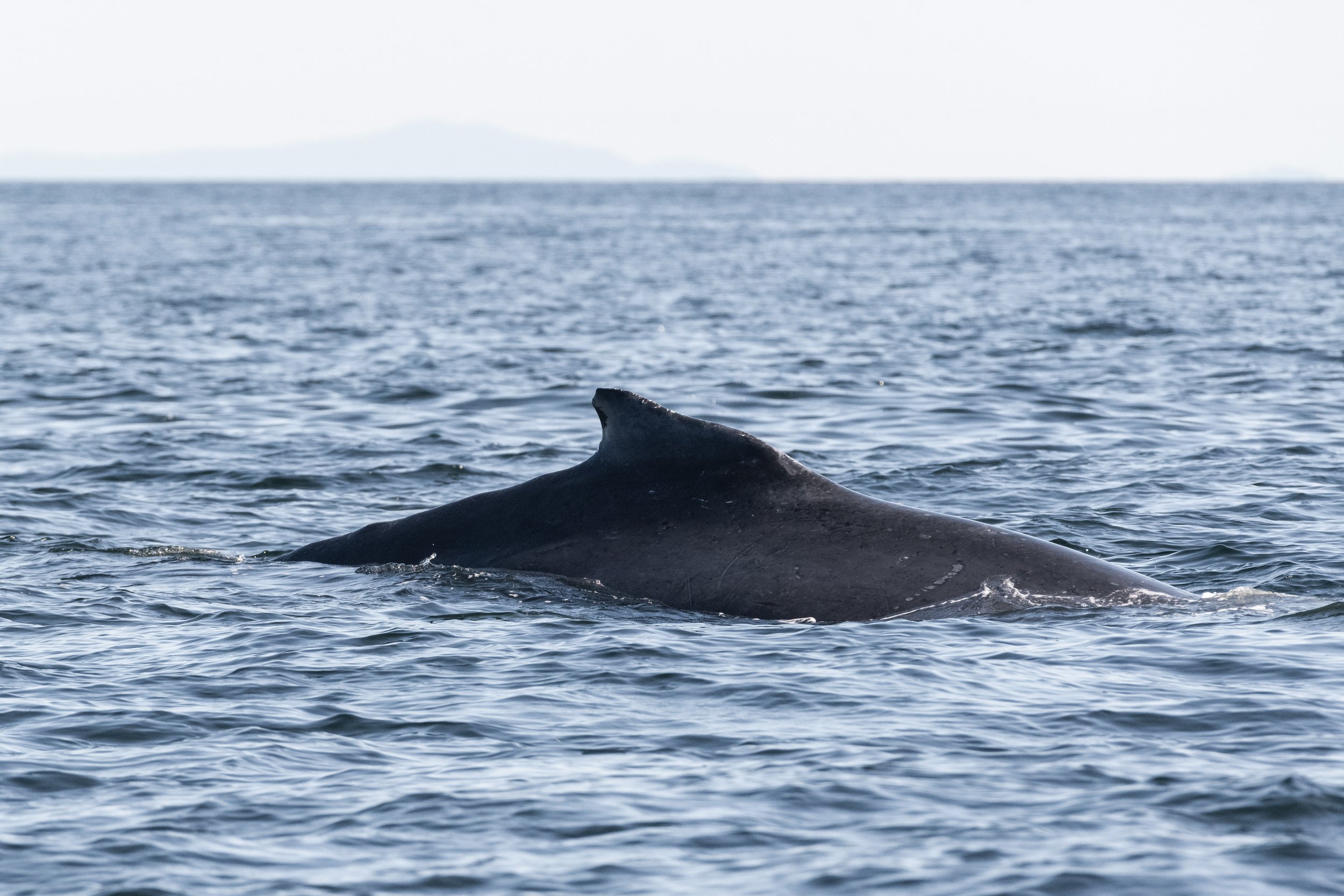
Coyote has a notch at the tip of his dorsal. Photo by Hayleigh Hilbert.
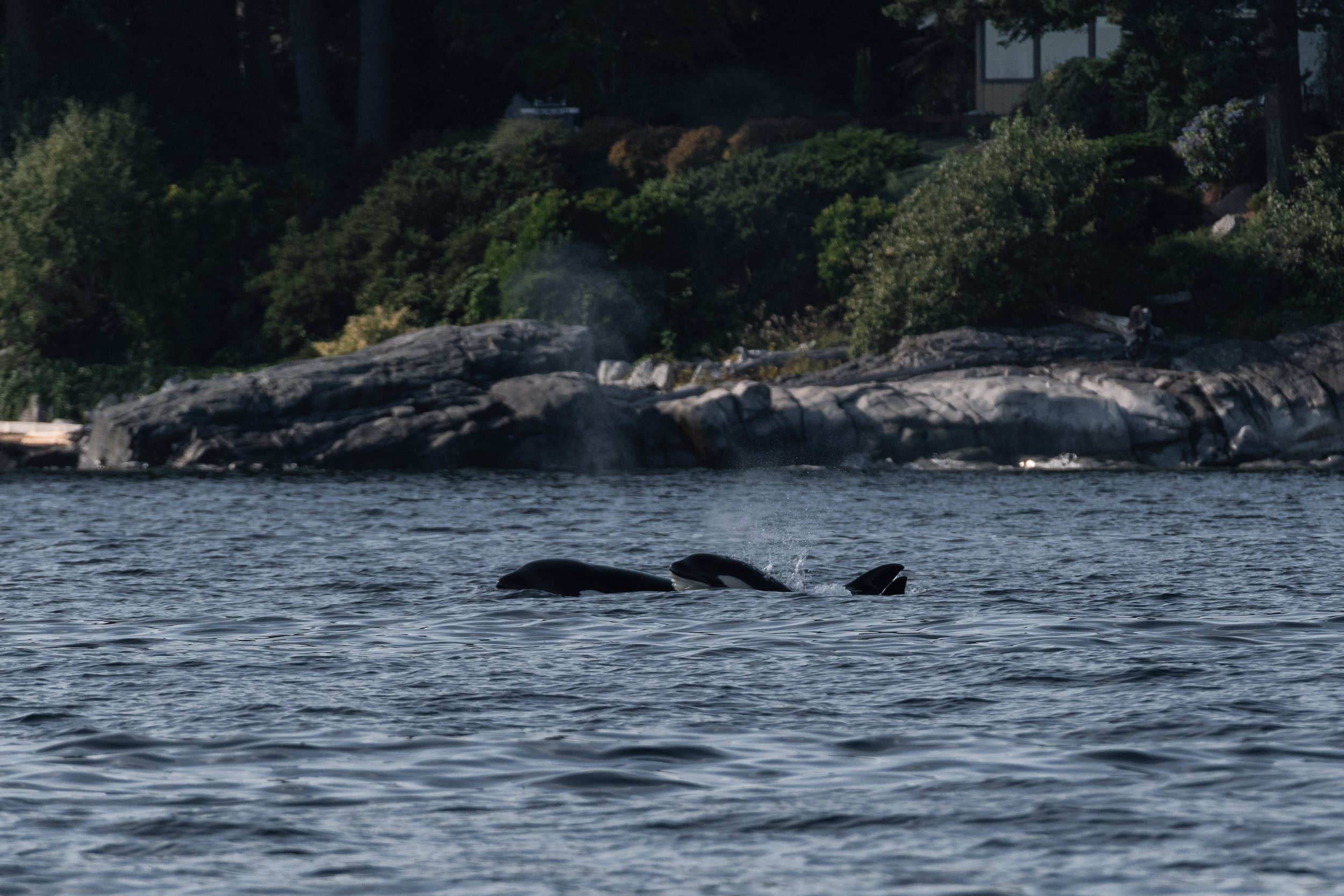
T035A Lester with her calf. Photo by Hayleigh Hilbert.
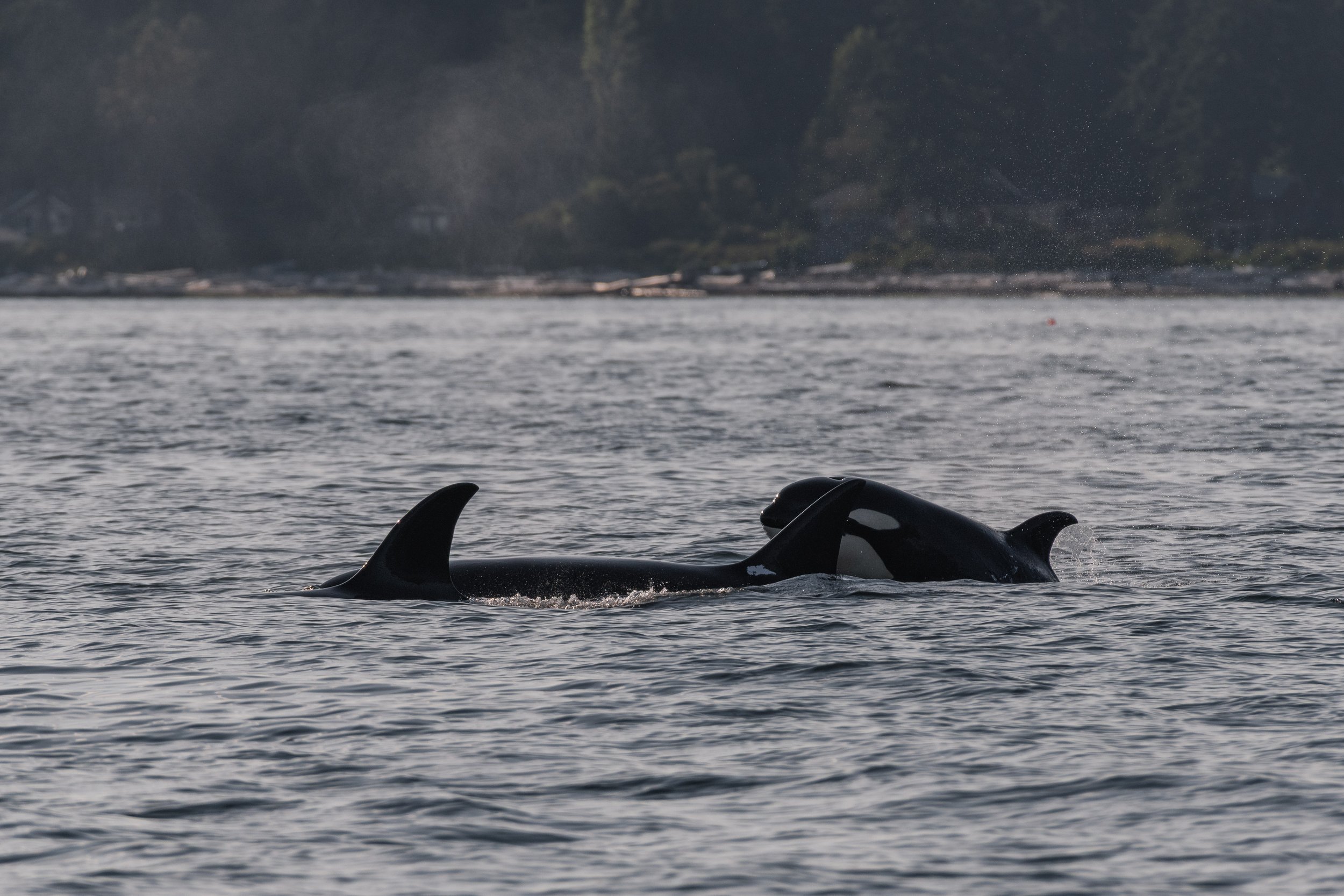
T038A2 Archer, T038 Dana, and T038A3 Quill surfacing together. Photo by Hayleigh Hilbert.
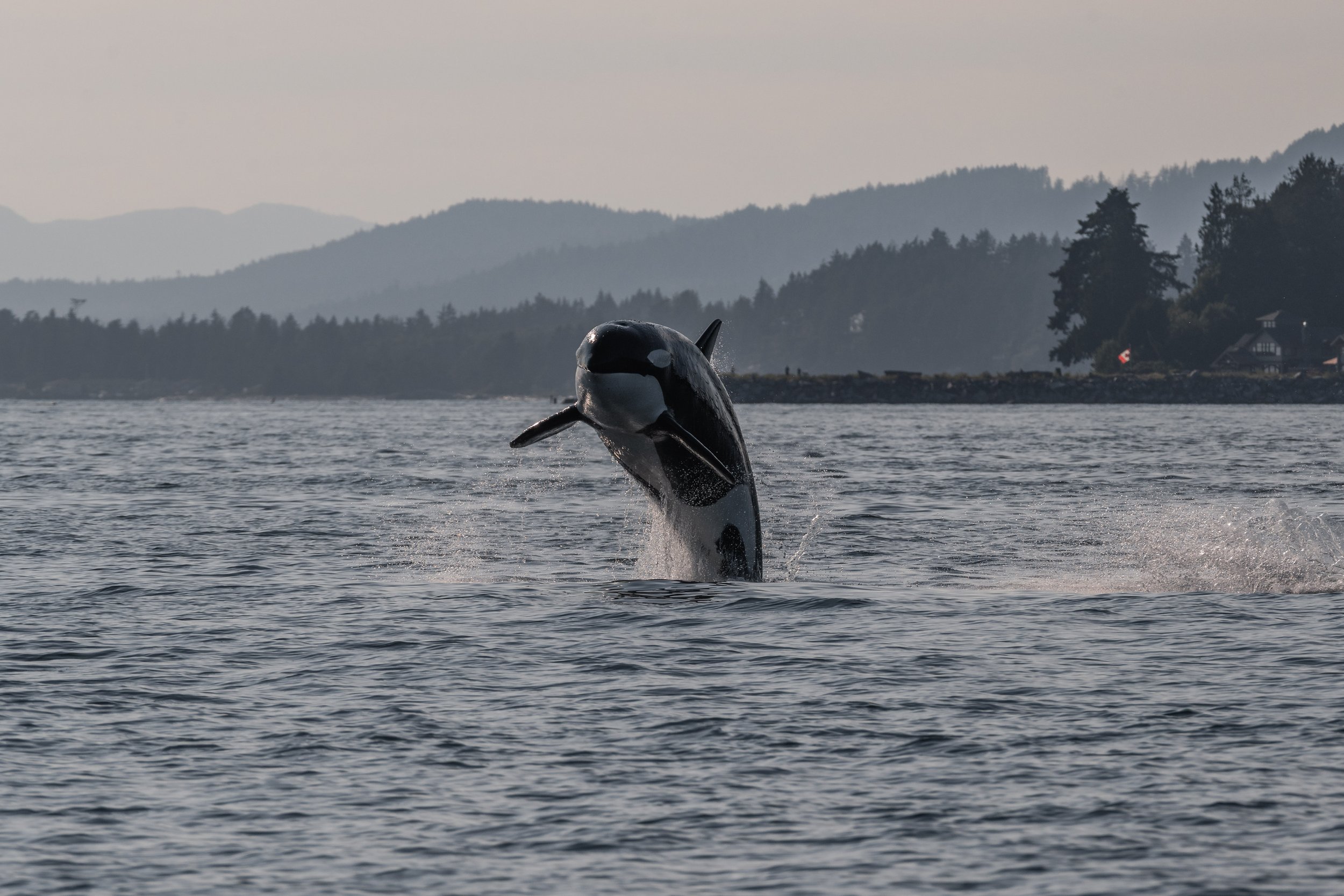
A nice big breach during the T-party. Photo by Hayleigh Hilbert.
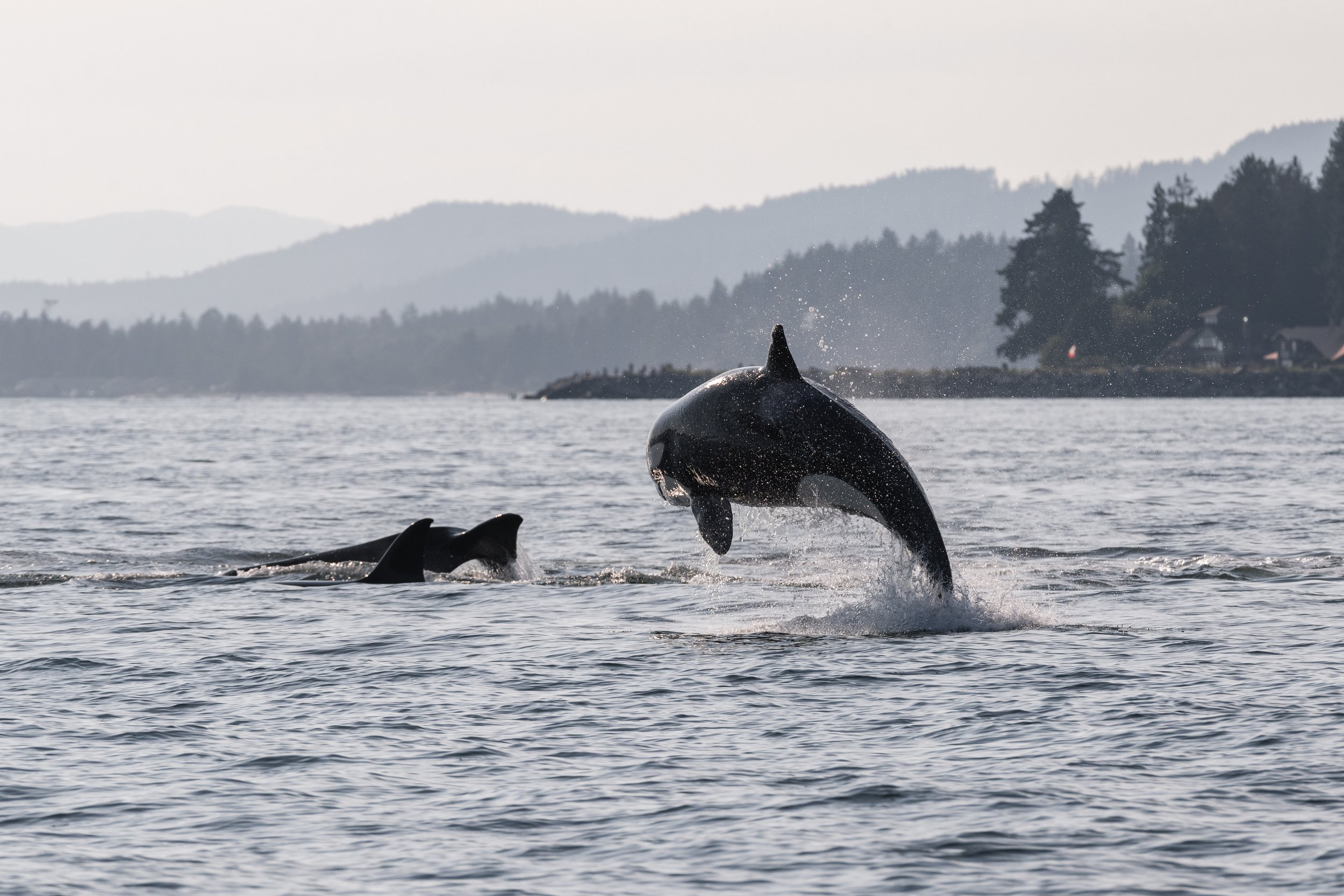
One of the younger wales breaching during the party. Photo by Hayleigh Hilbert.
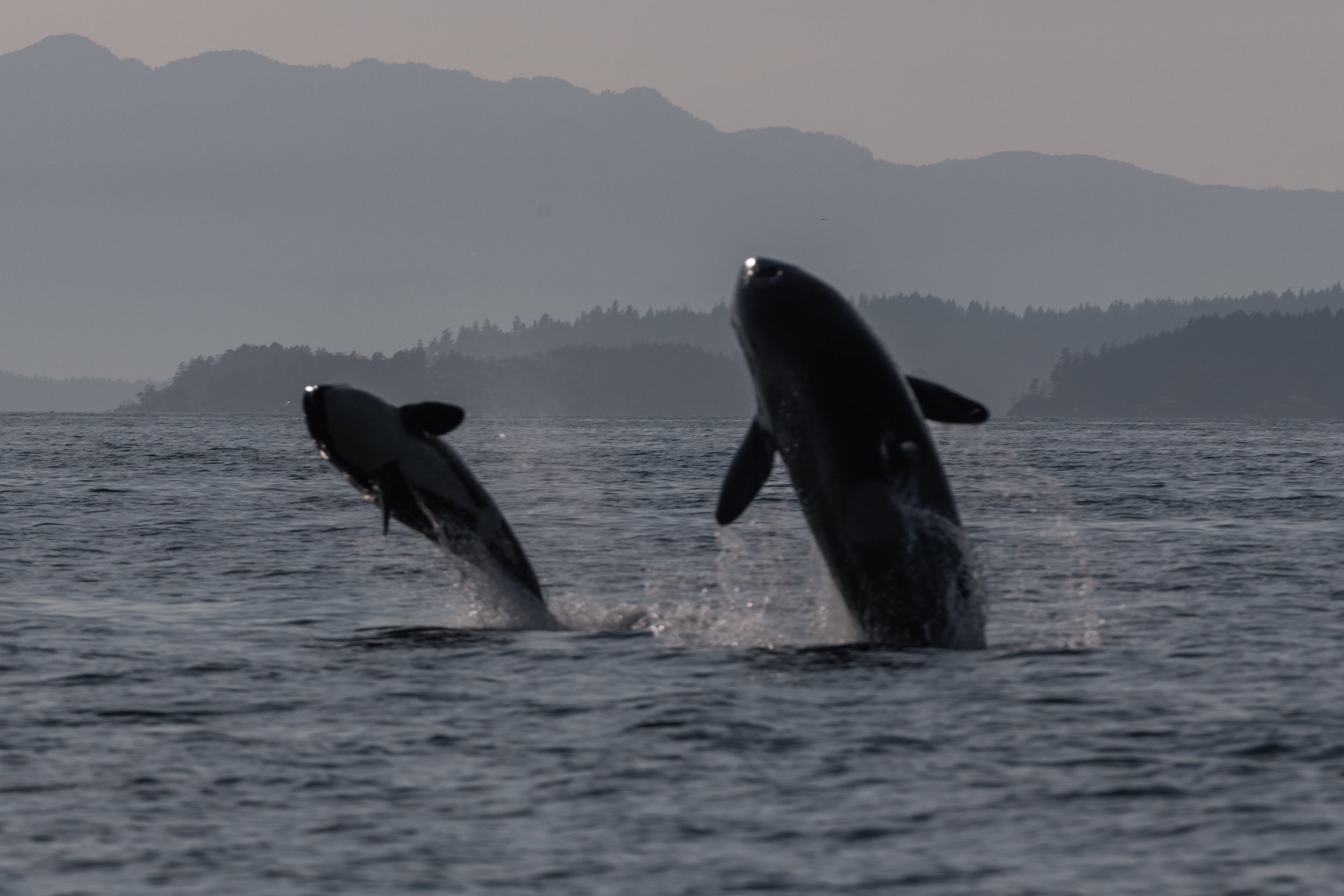
A sightly out of focus double breach with T038A Dana and one of her kids (likely T038A3 Quill). Photo by Hayleigh Hilbert.
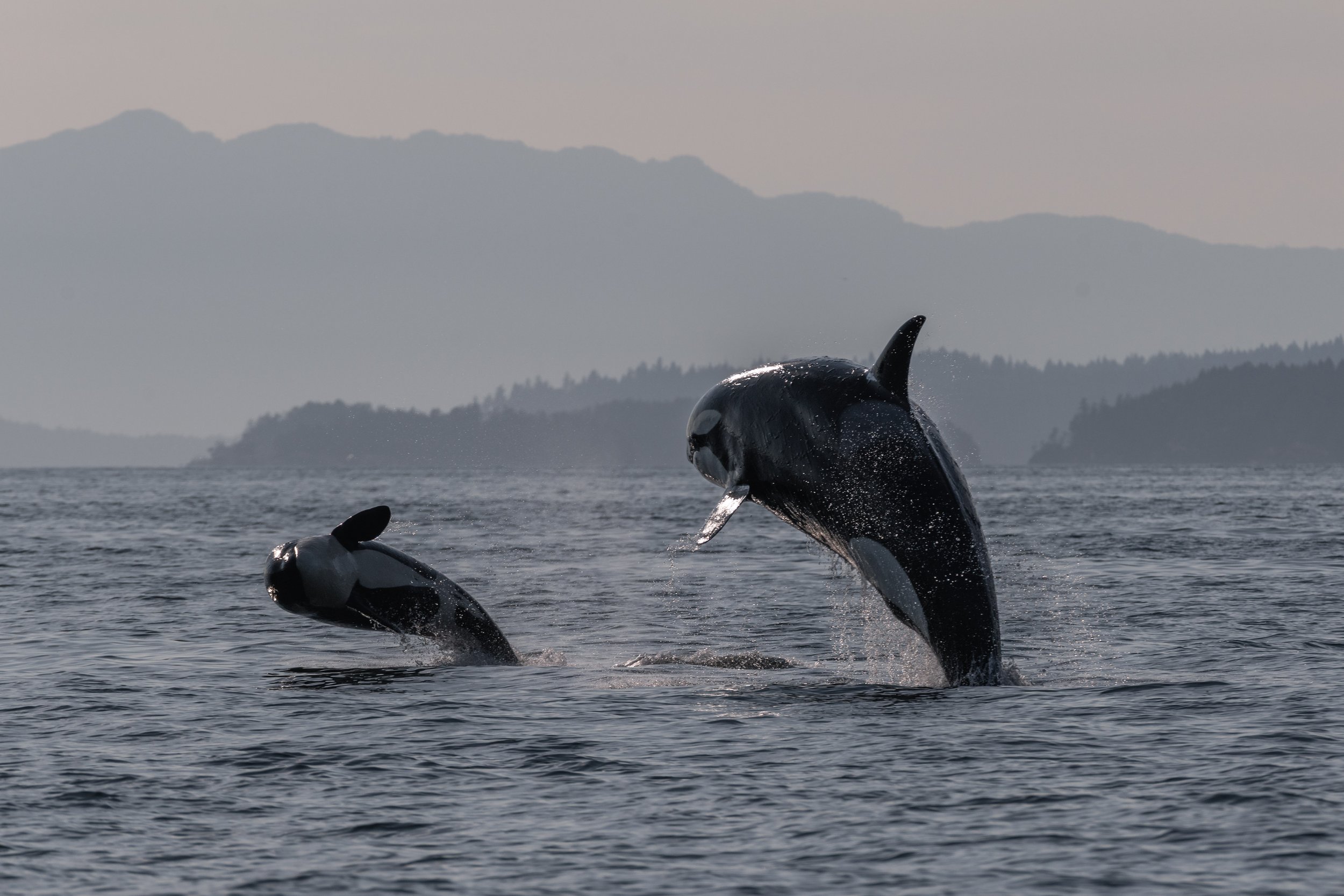
T038A Dana breaching with one of kids. Photo by Hayleigh Hilbert.
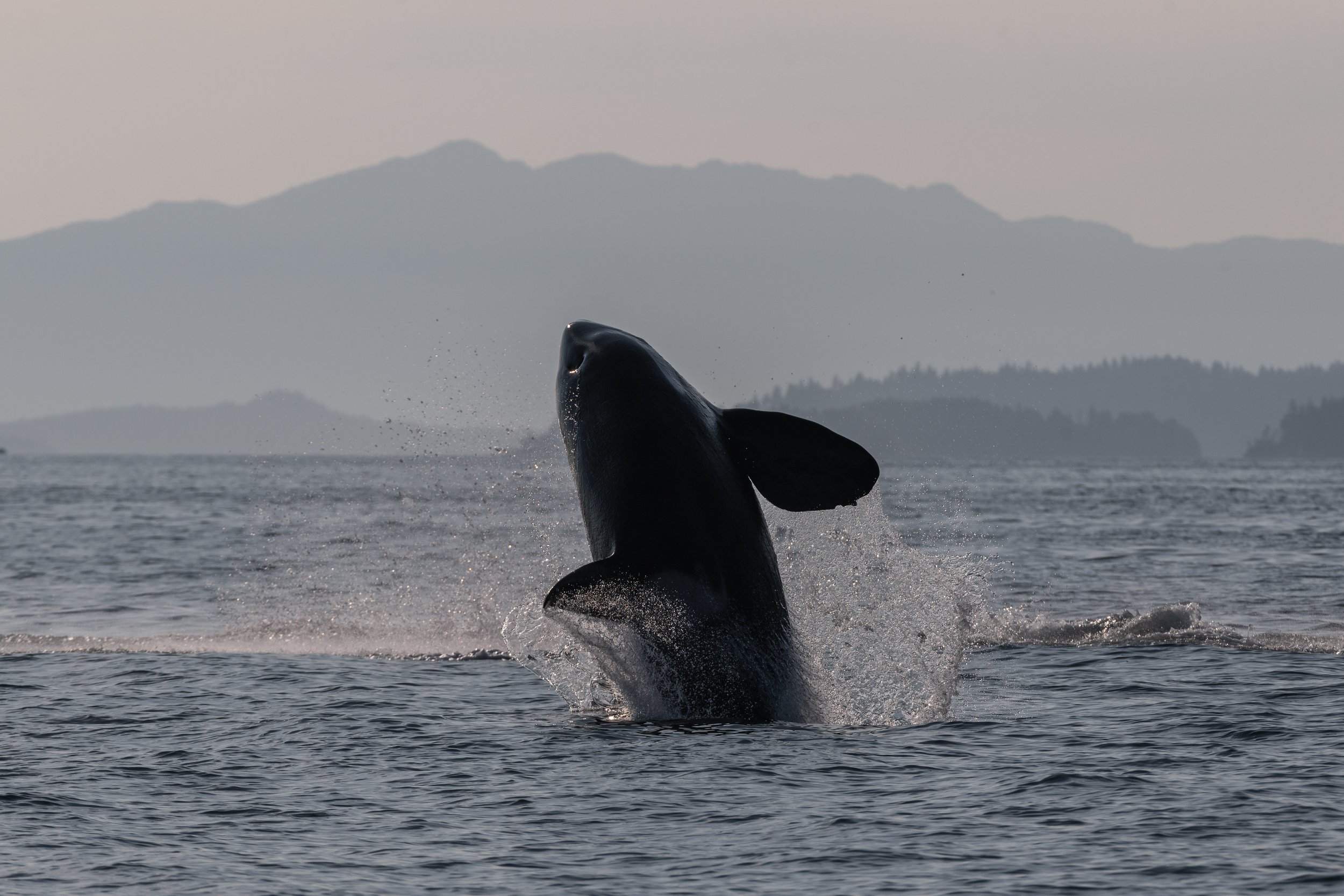
Another big breach from one of the whales. Photo by Hayleigh Hilbert.
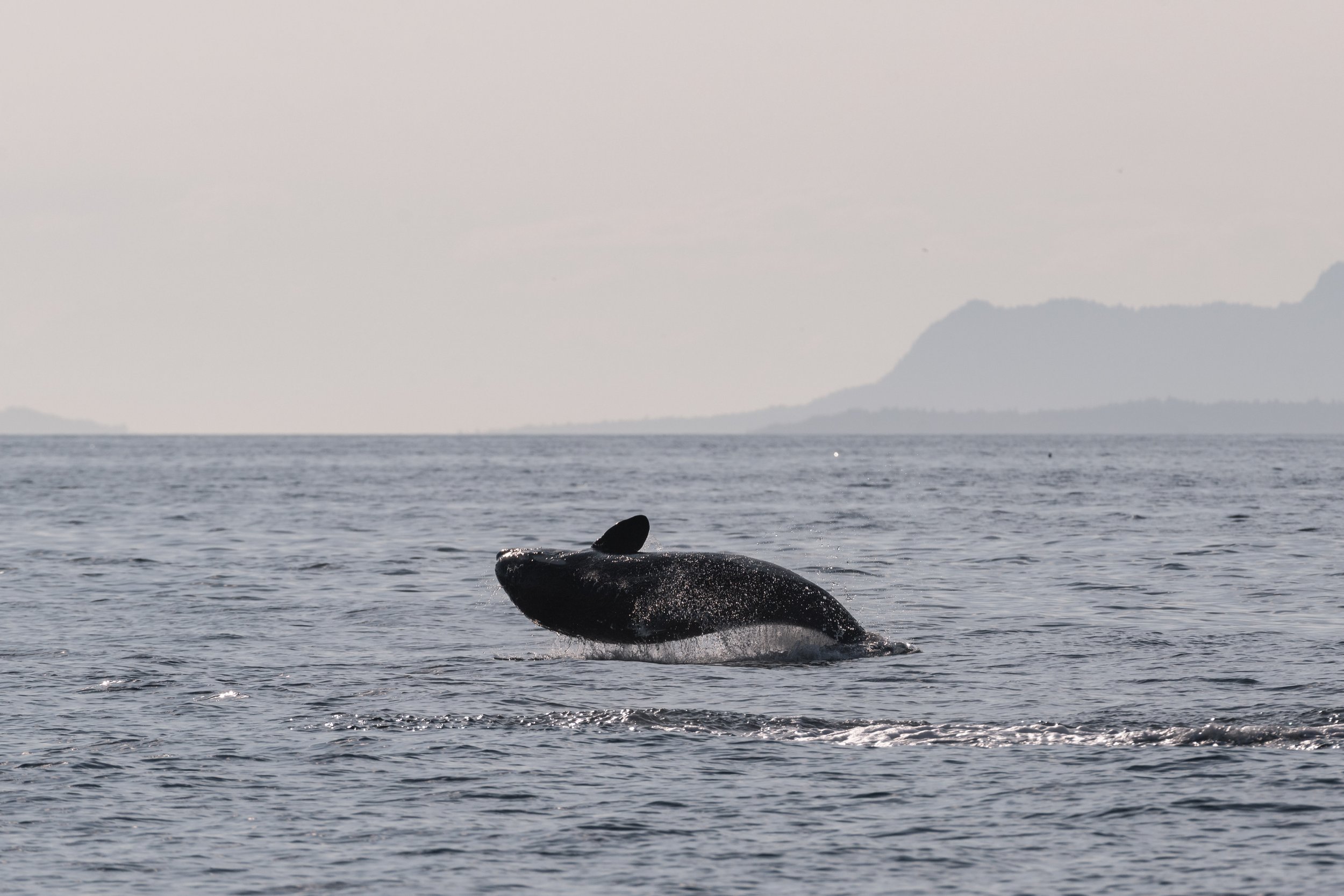
A little breach from the calf. Photo by Hayleigh Hilbert.
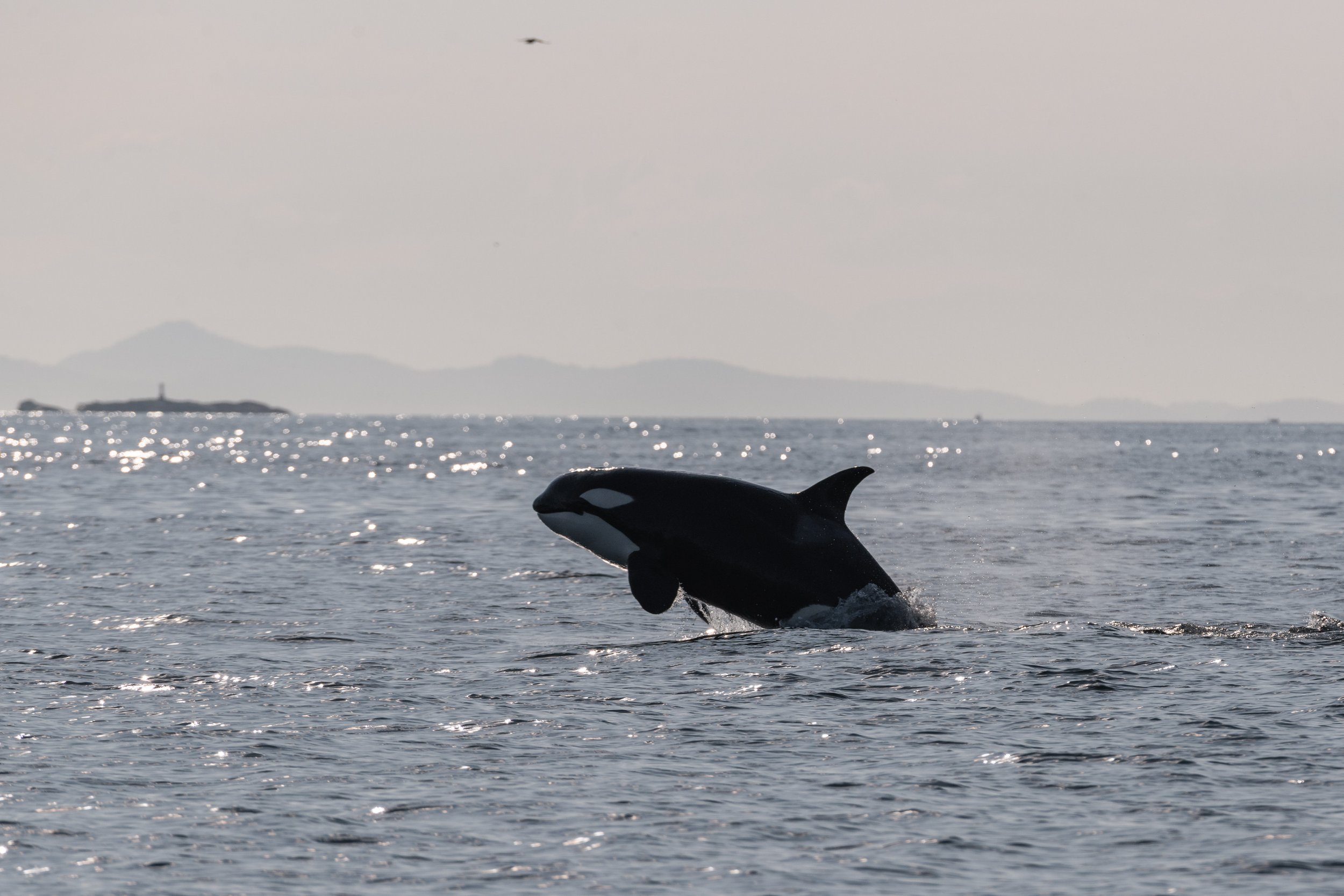
T038A2 Archer breaching. Photo by Hayleigh Hilbert.
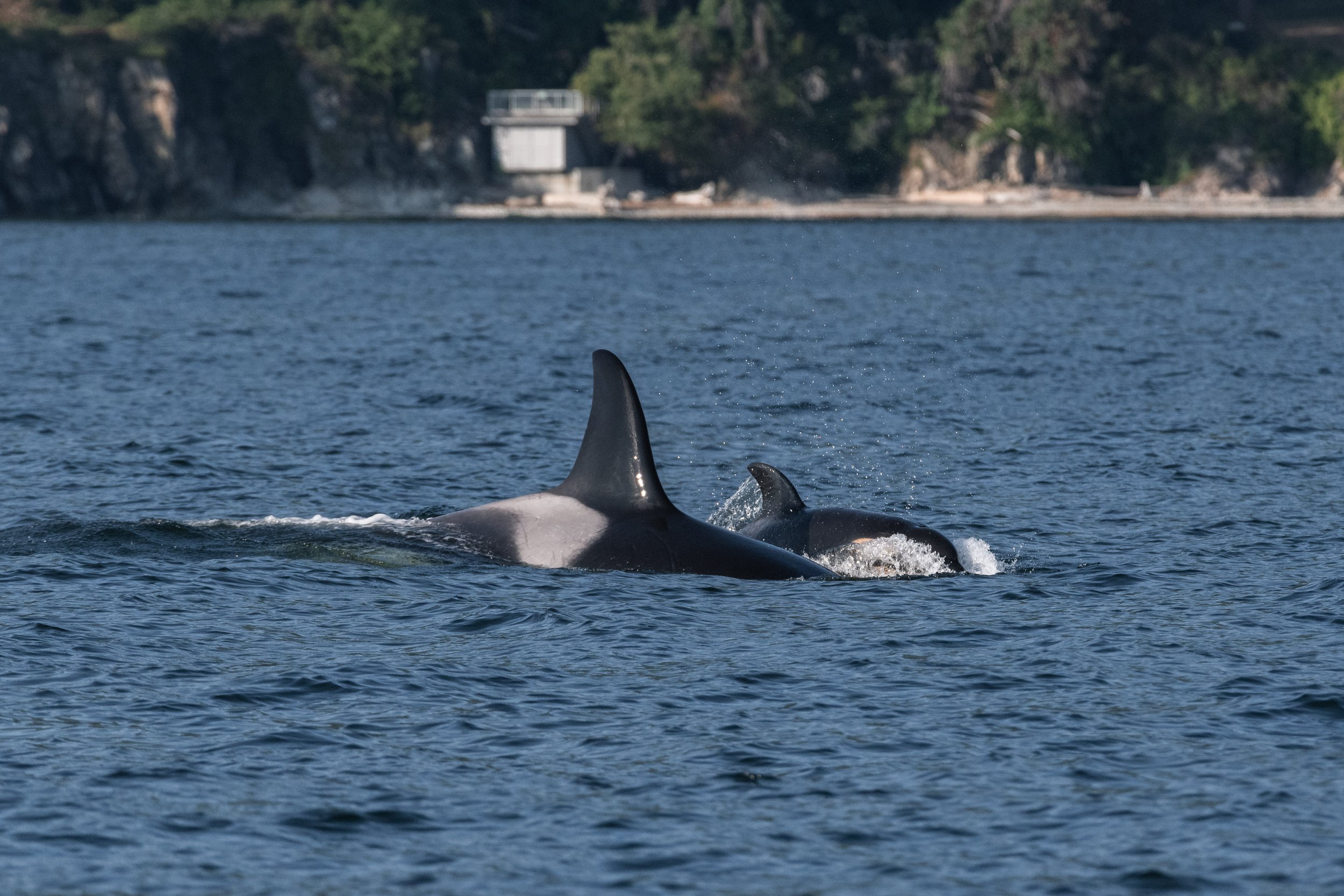
T035A1 Opal with her new calf, T035A1A. Photo by Hayleigh Hilbert.
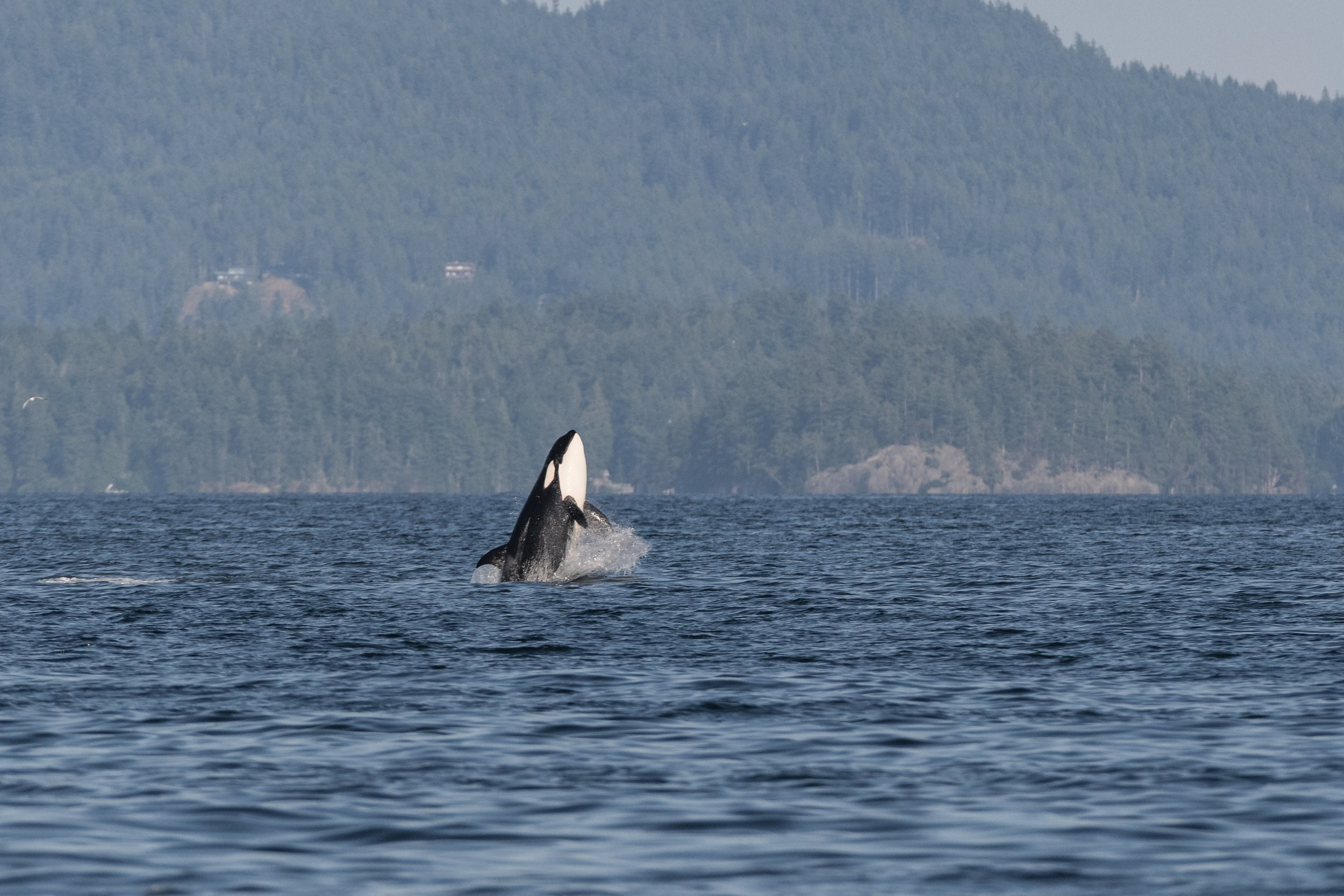
T038A2 Archer breaching. Photo by Hayleigh Hilbert.
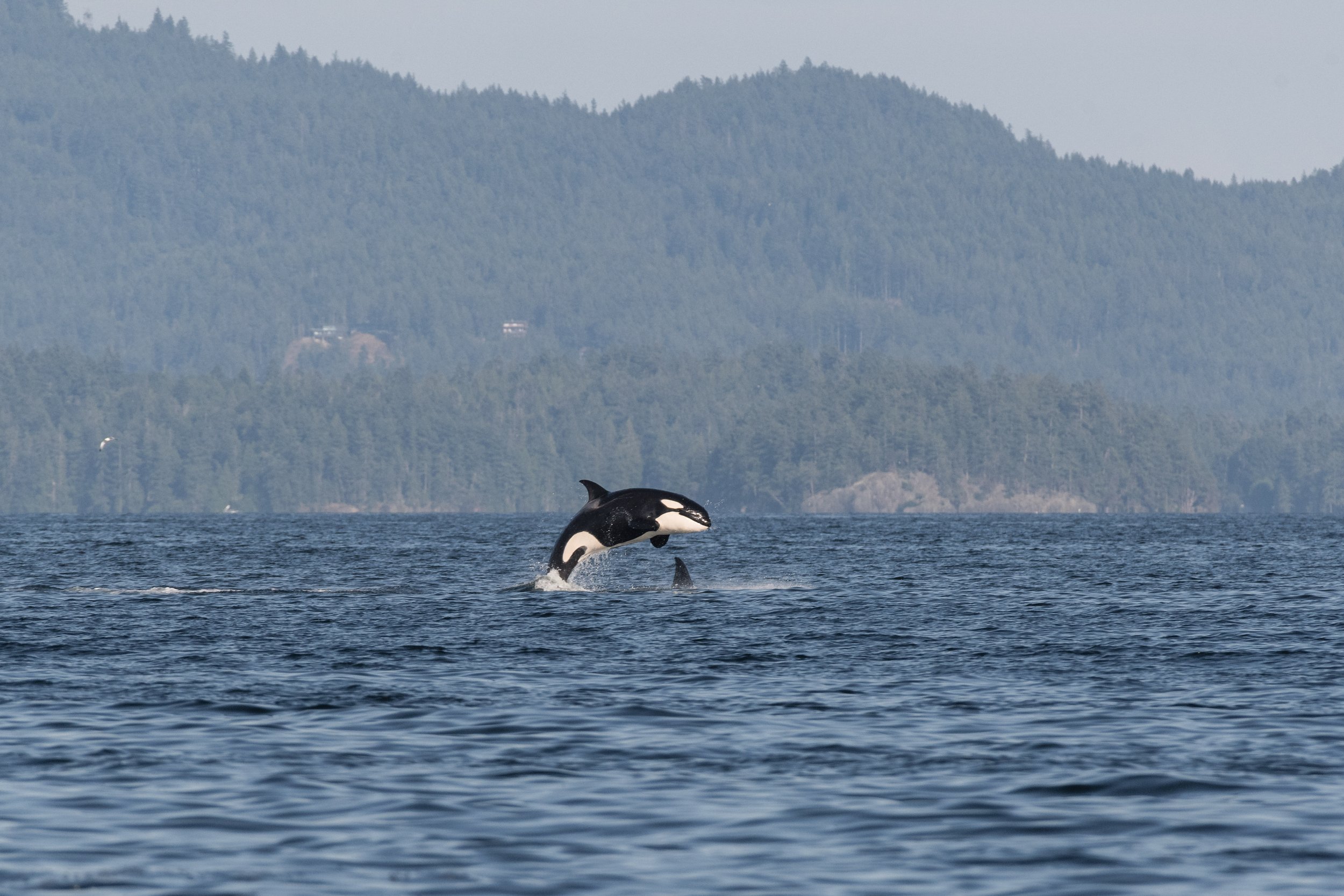
T038A2 archer breaching next to T035A Lester.Photo by Hayleigh Hilbert.
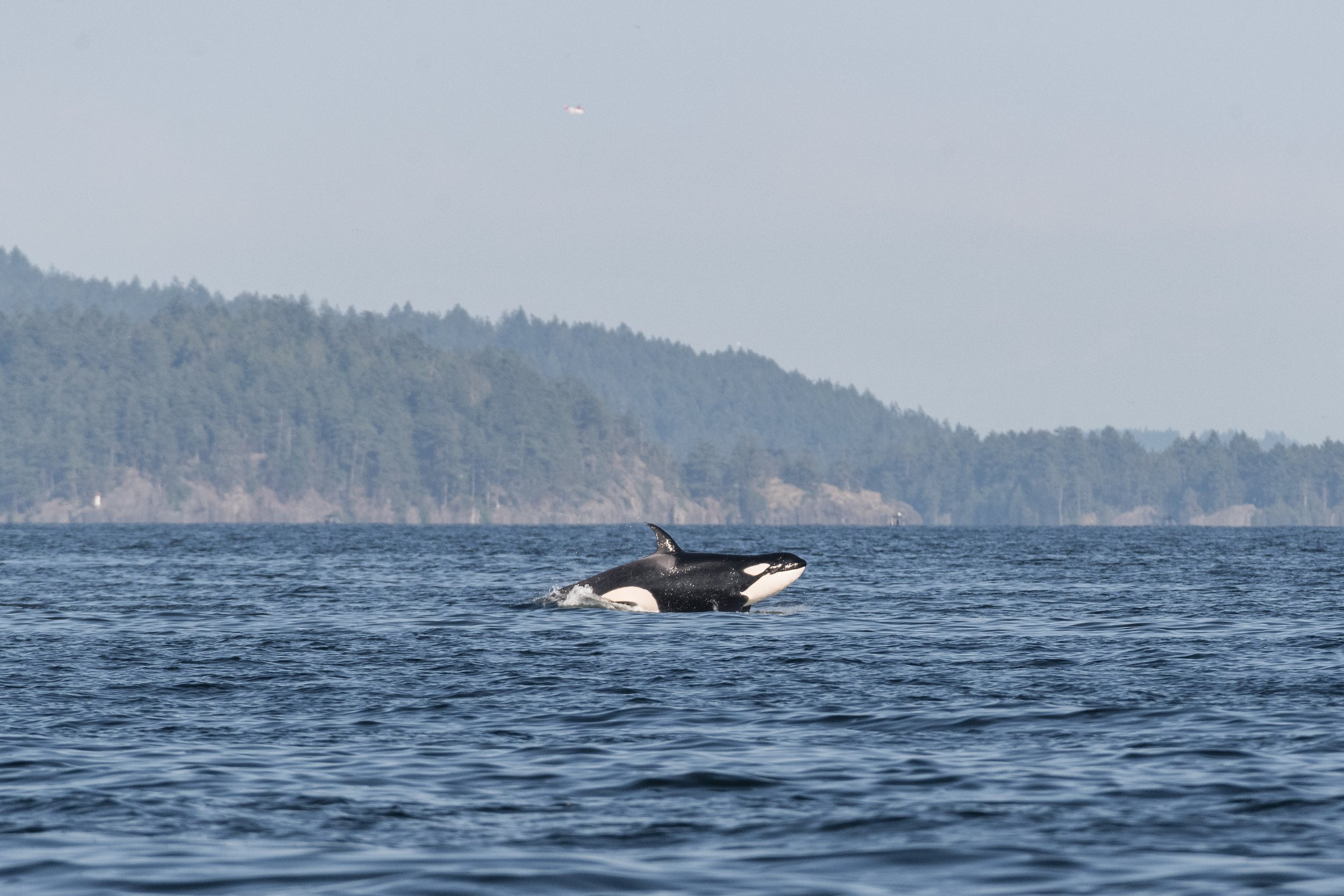
T038A2 Archer coming in for a landing. Photo by Hayleigh Hilbert.
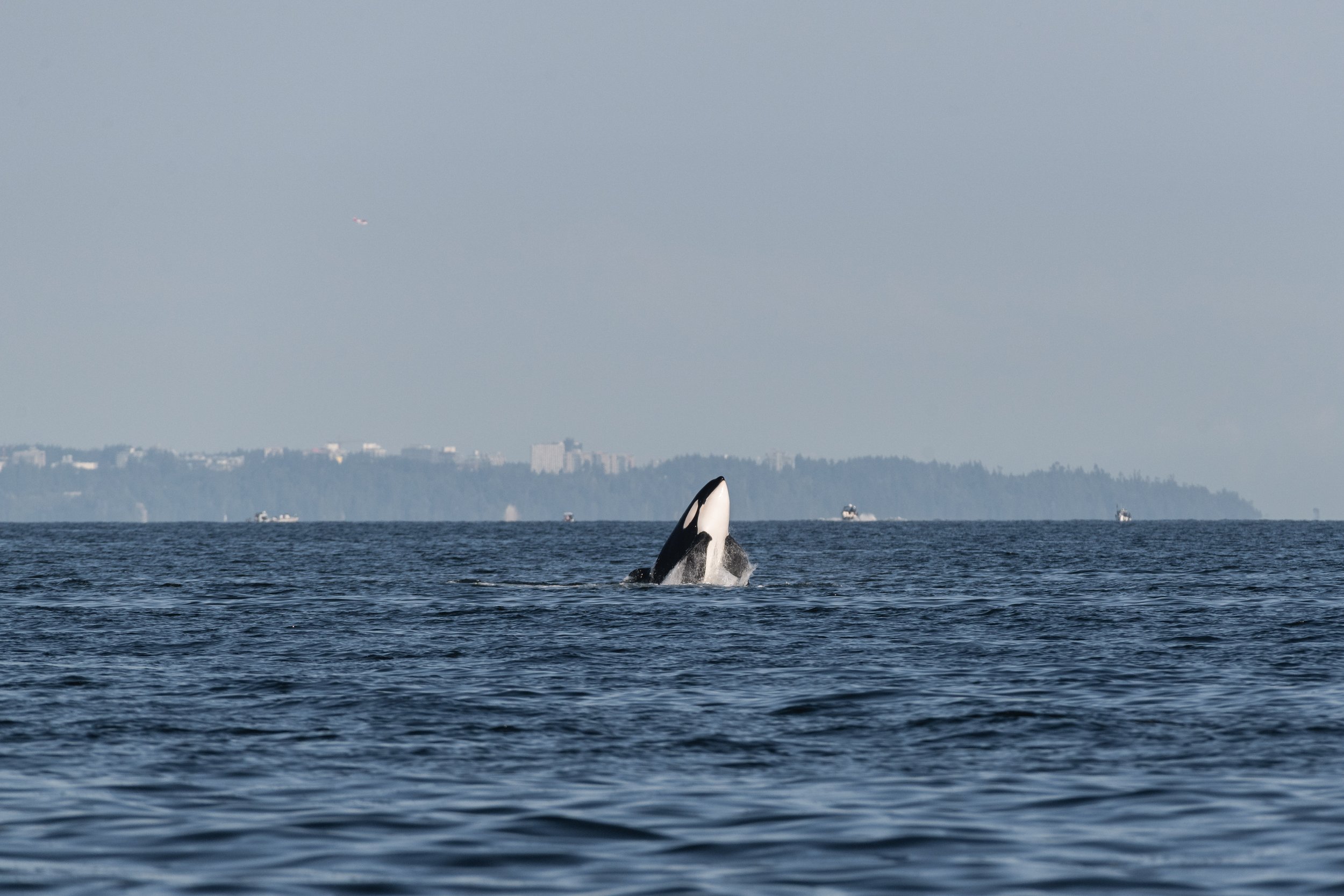
Lester breaching in front of Vancouver. Photo by Hayleigh Hilbert.
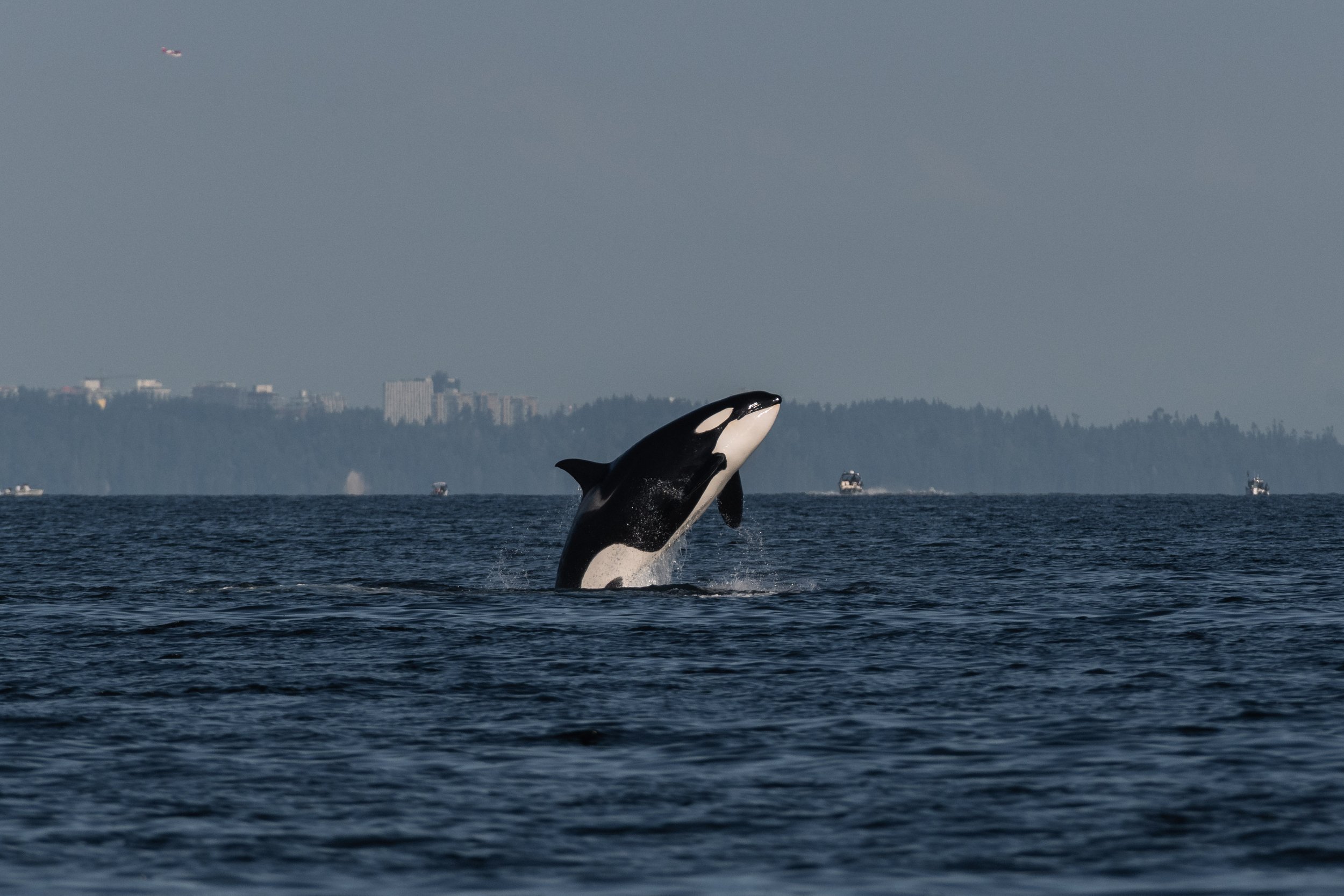
T035A Lester breaching. Photo by Hayleigh Hilbert.
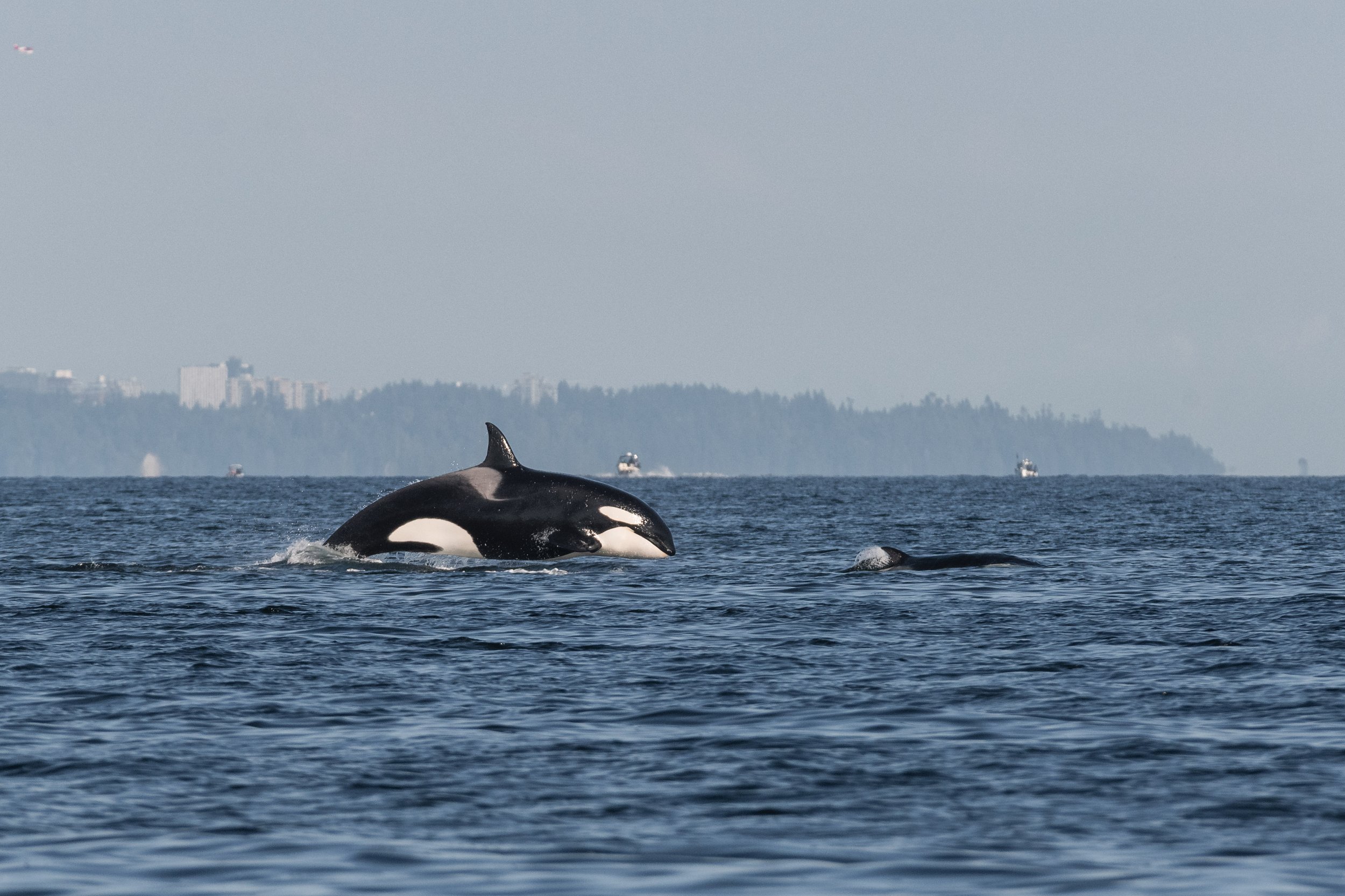
T035A Lester coming in for a landing. Photo by Hayleigh Hilbert.
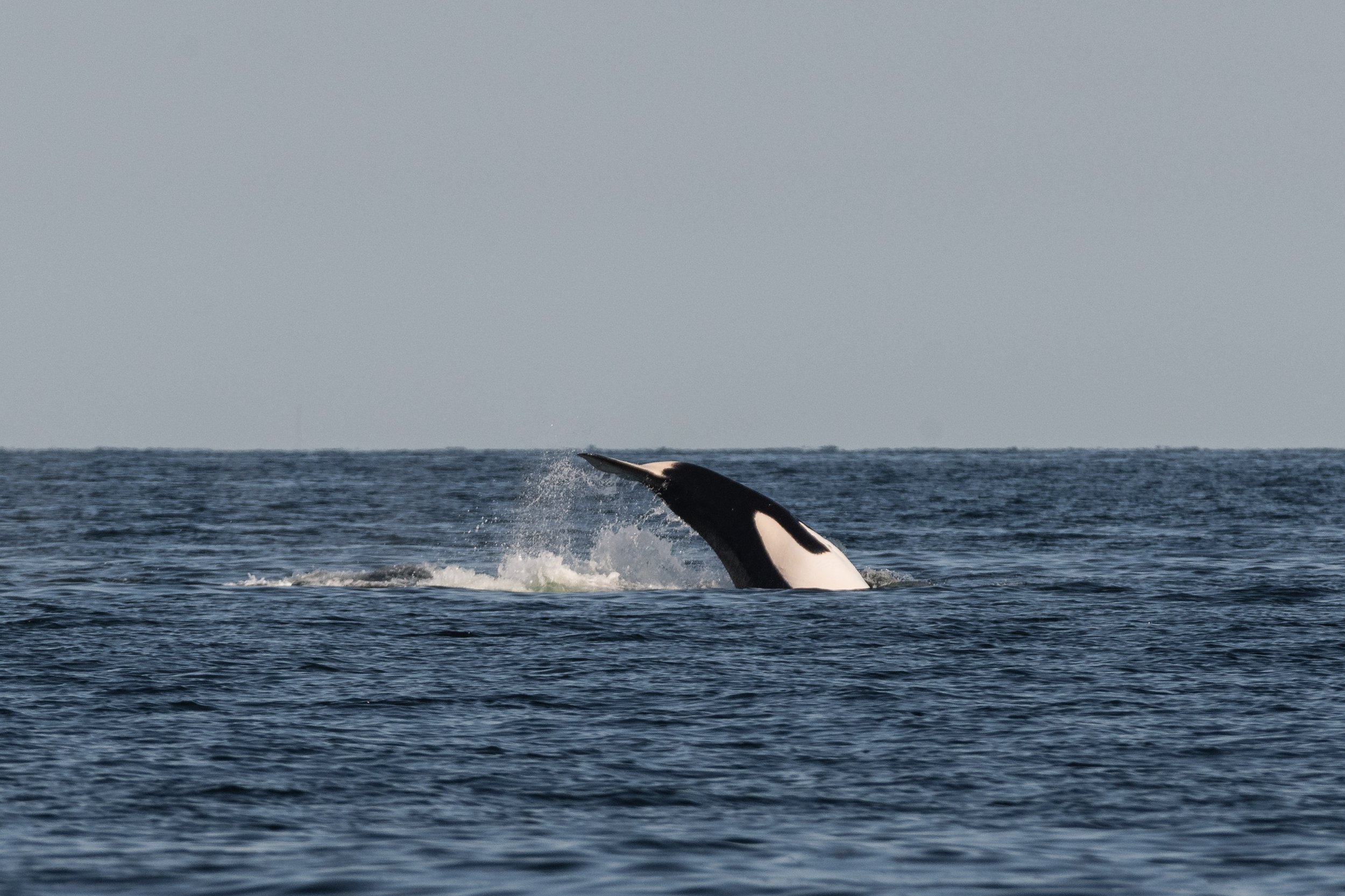
A nice big tail lob from one of the whales. Photo by Hayleigh Hilbert.
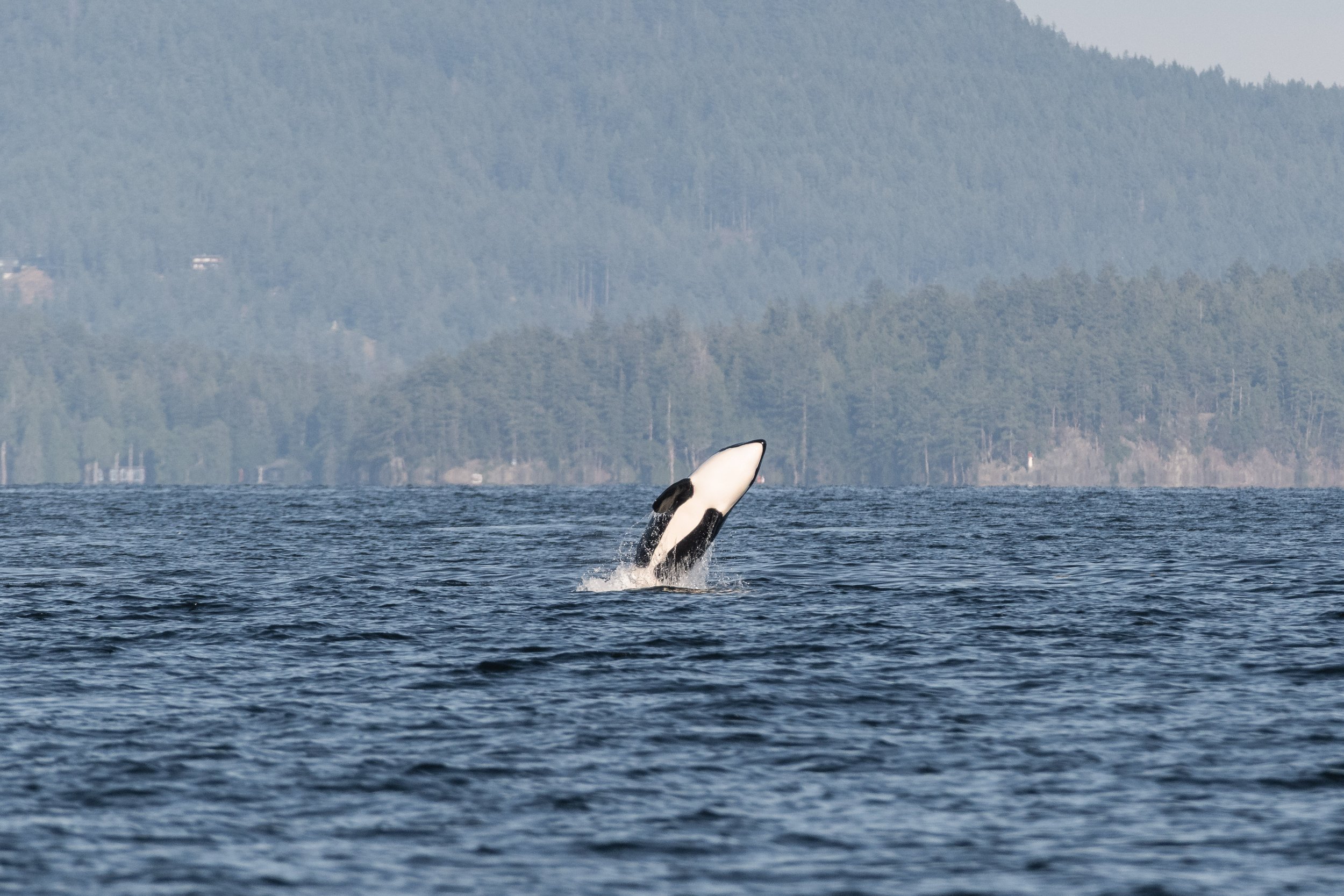
One of the youngsters breaching. Photo by Hayleigh Hilbert.
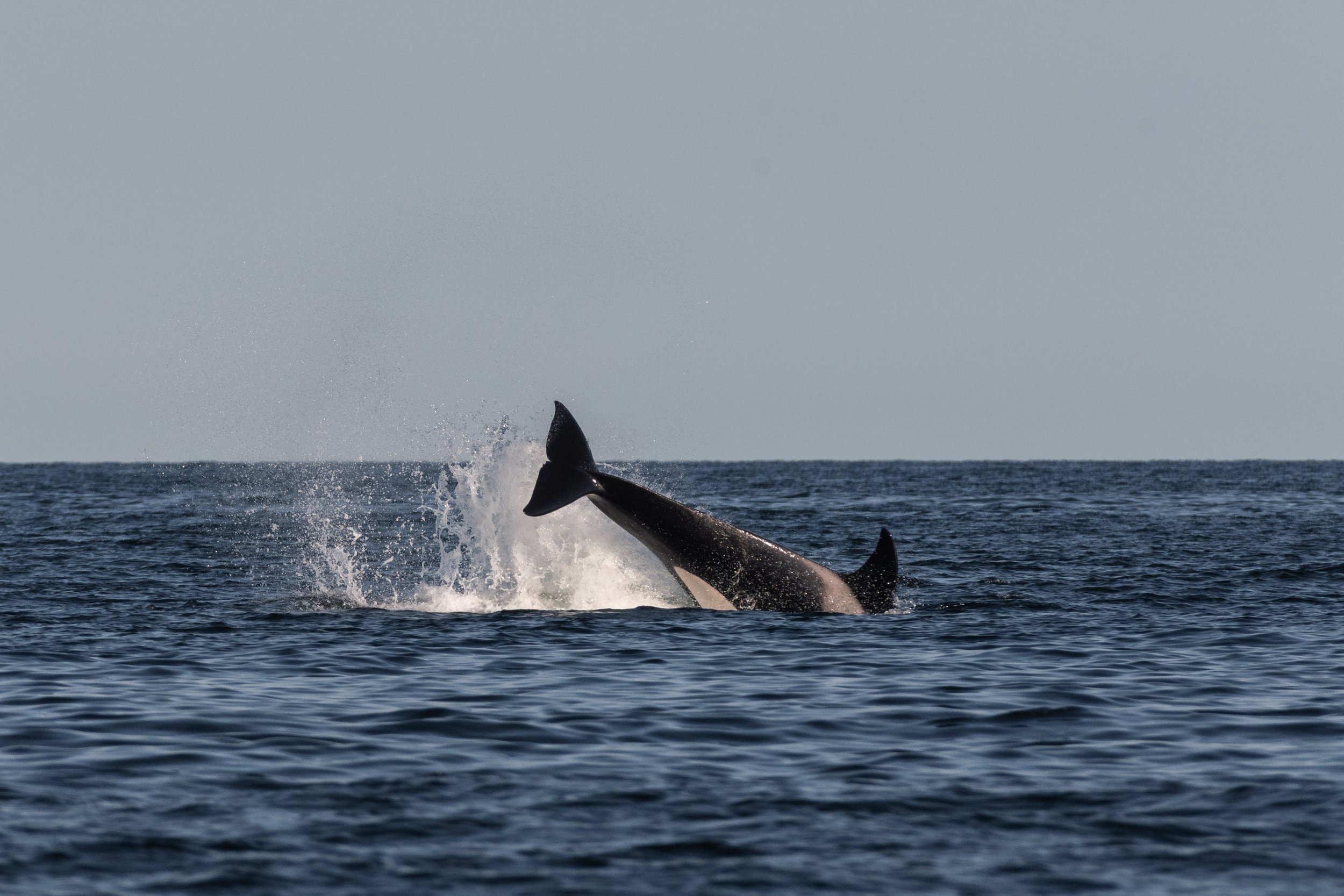
T035A1 Opal tail slapping. Photo by Hayleigh Hilbert.
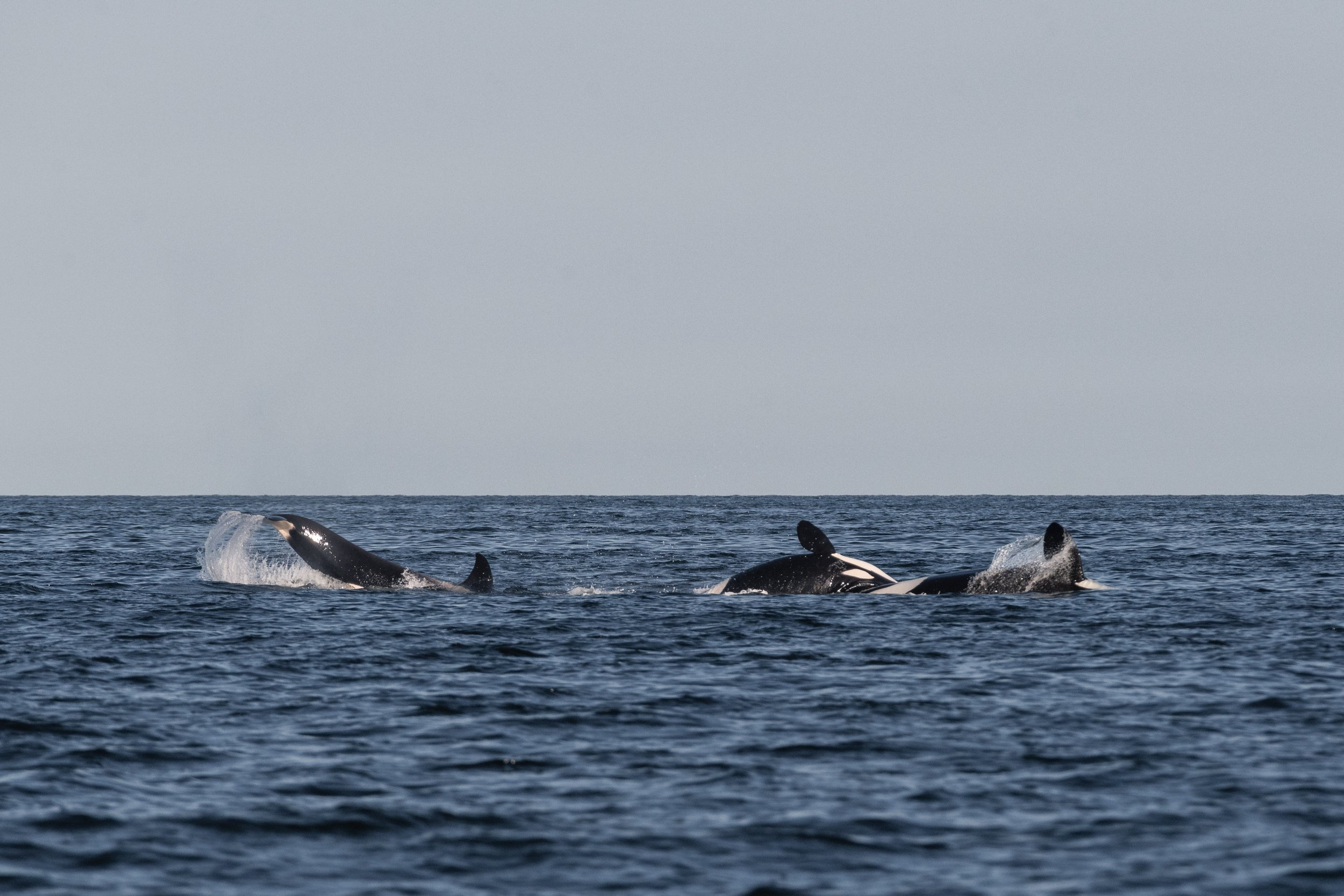
Lots of movement at the surface during the T-party. Photo by Hayleigh Hilbert.
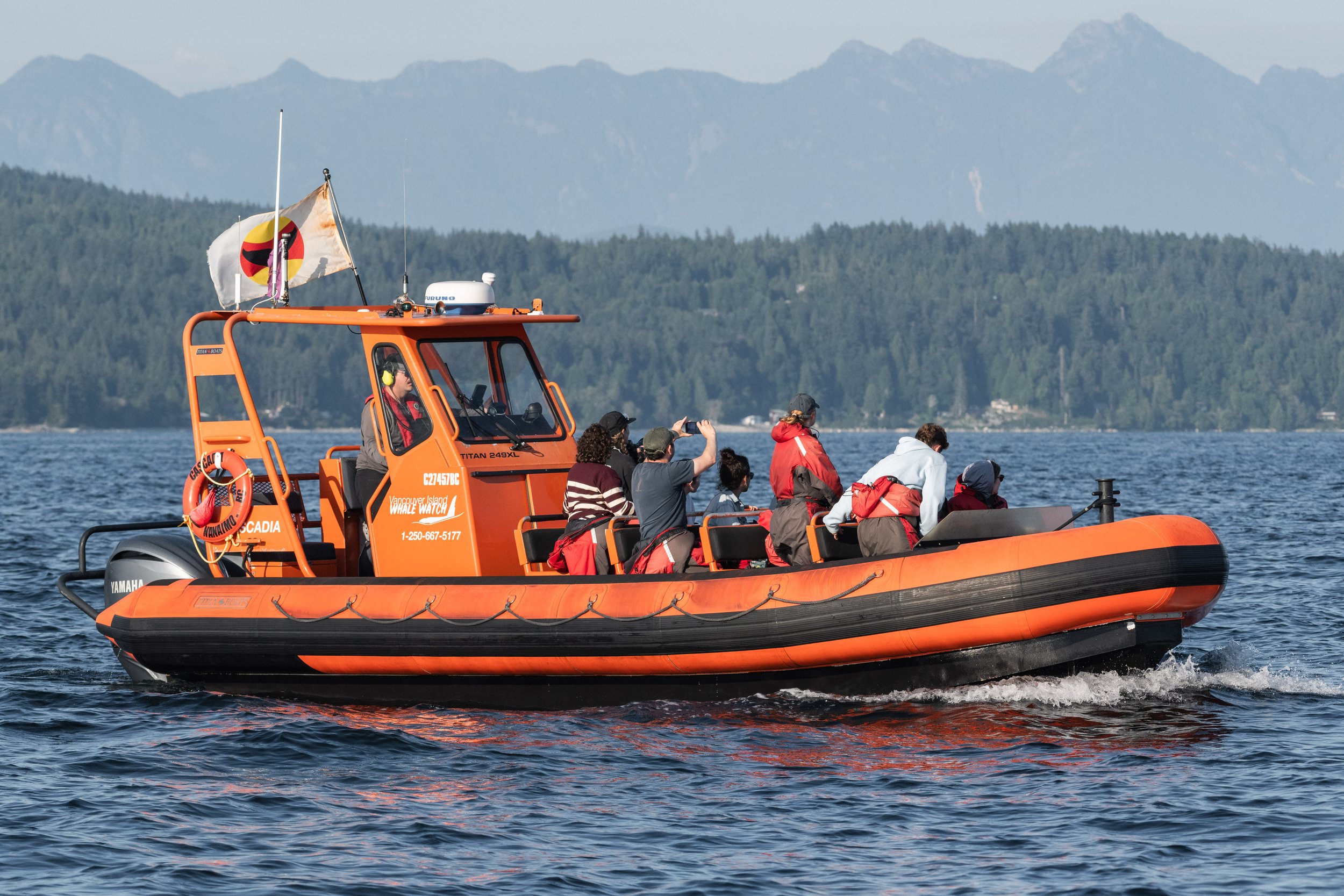
Whale watchers on Cascadia enjoying the T-party. Photo by Hayleigh Hilbert.
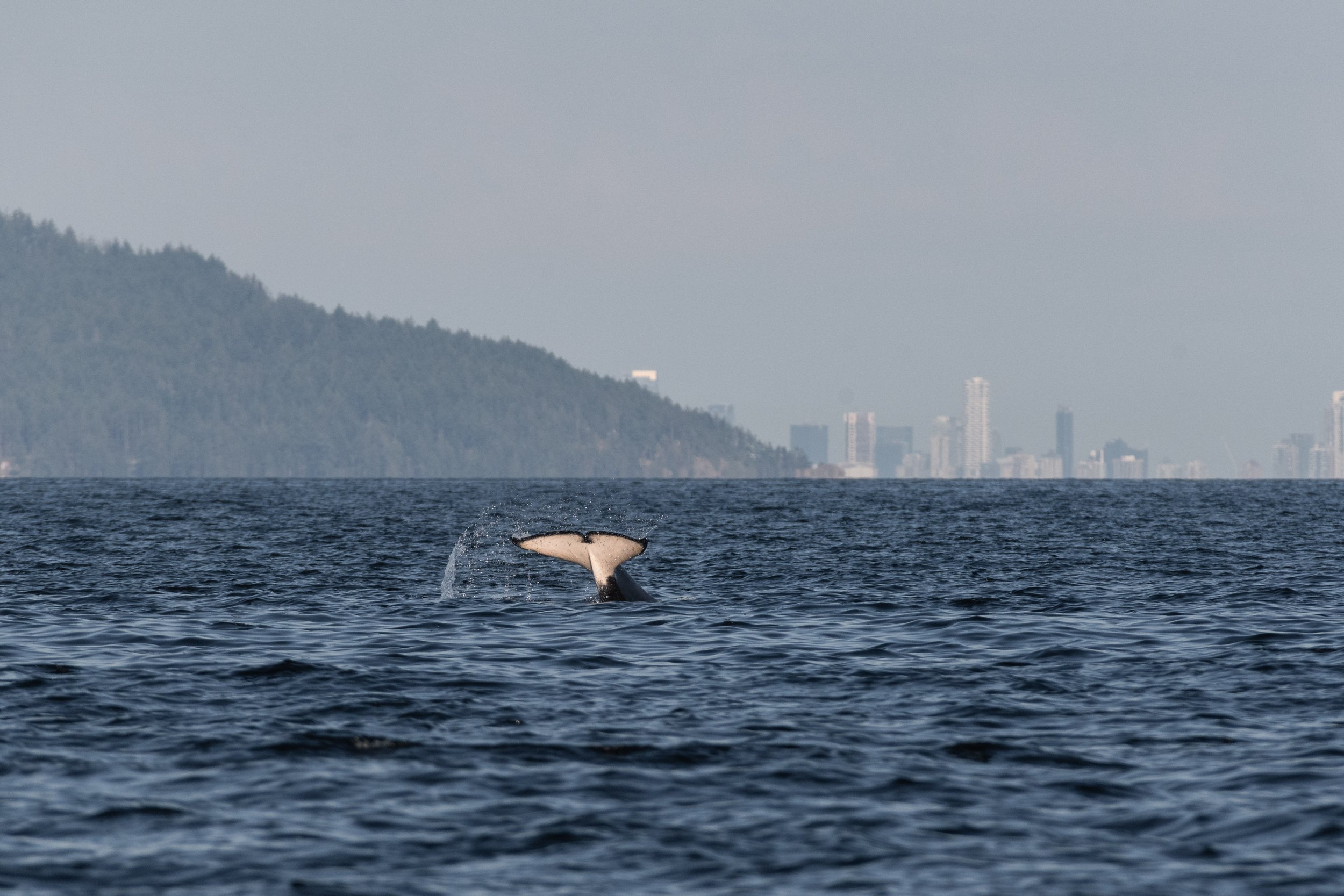
A lovely tail in the air. Photo by Hayleigh Hilbert.
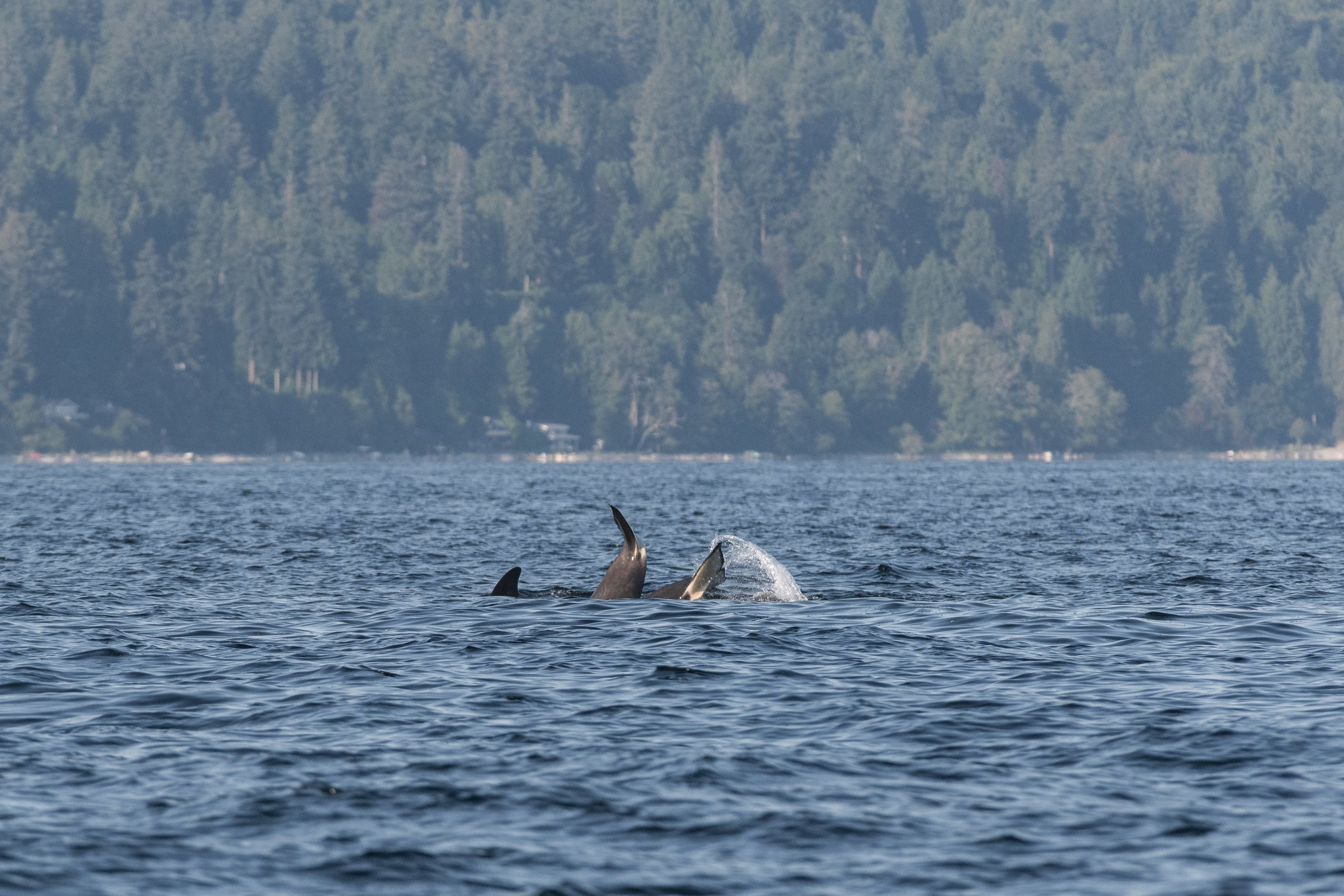
Some tail slaps along the way. Photo by Hayleigh Hilbert.
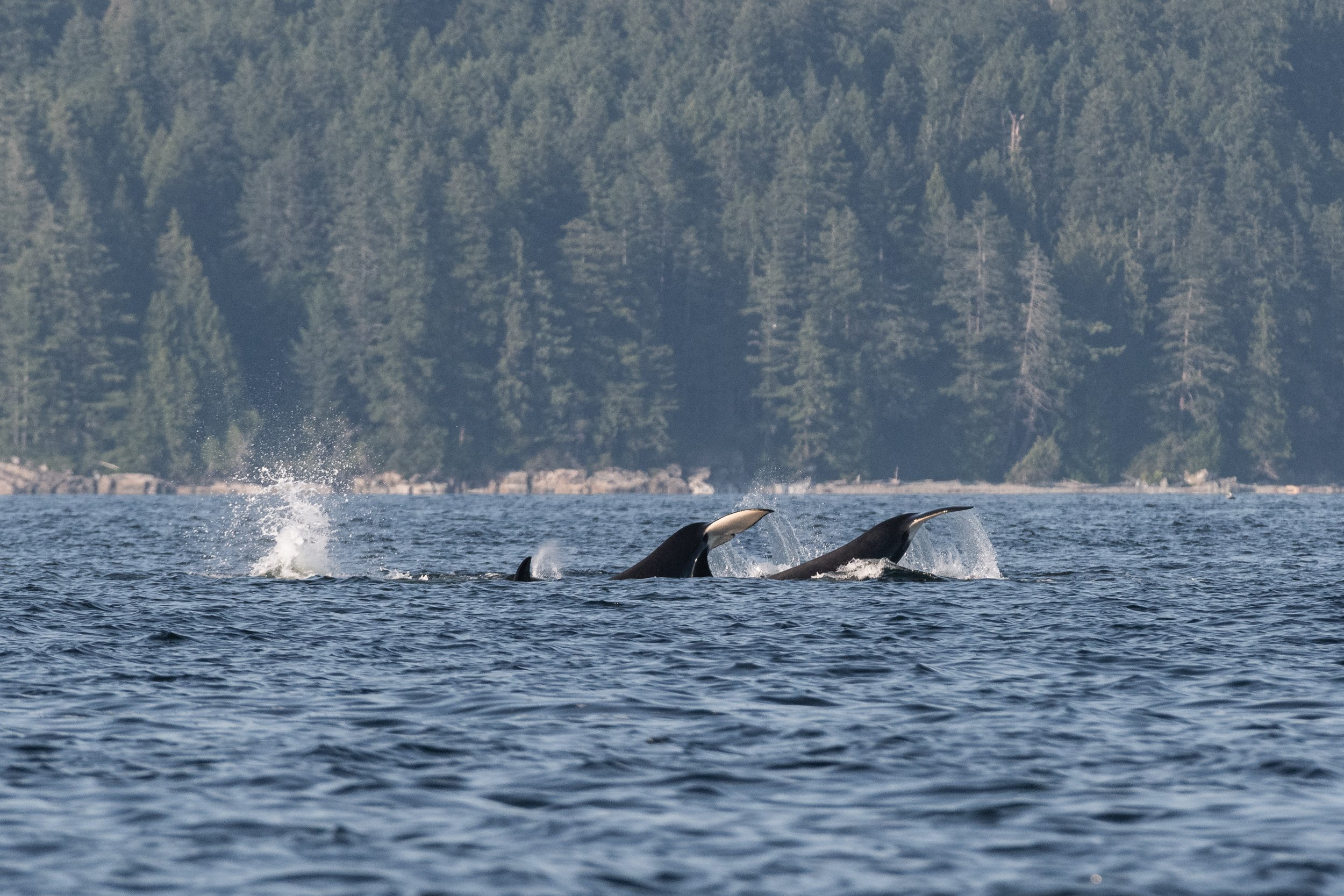
More tail slapping, Photo by Hayleigh Hilbert.
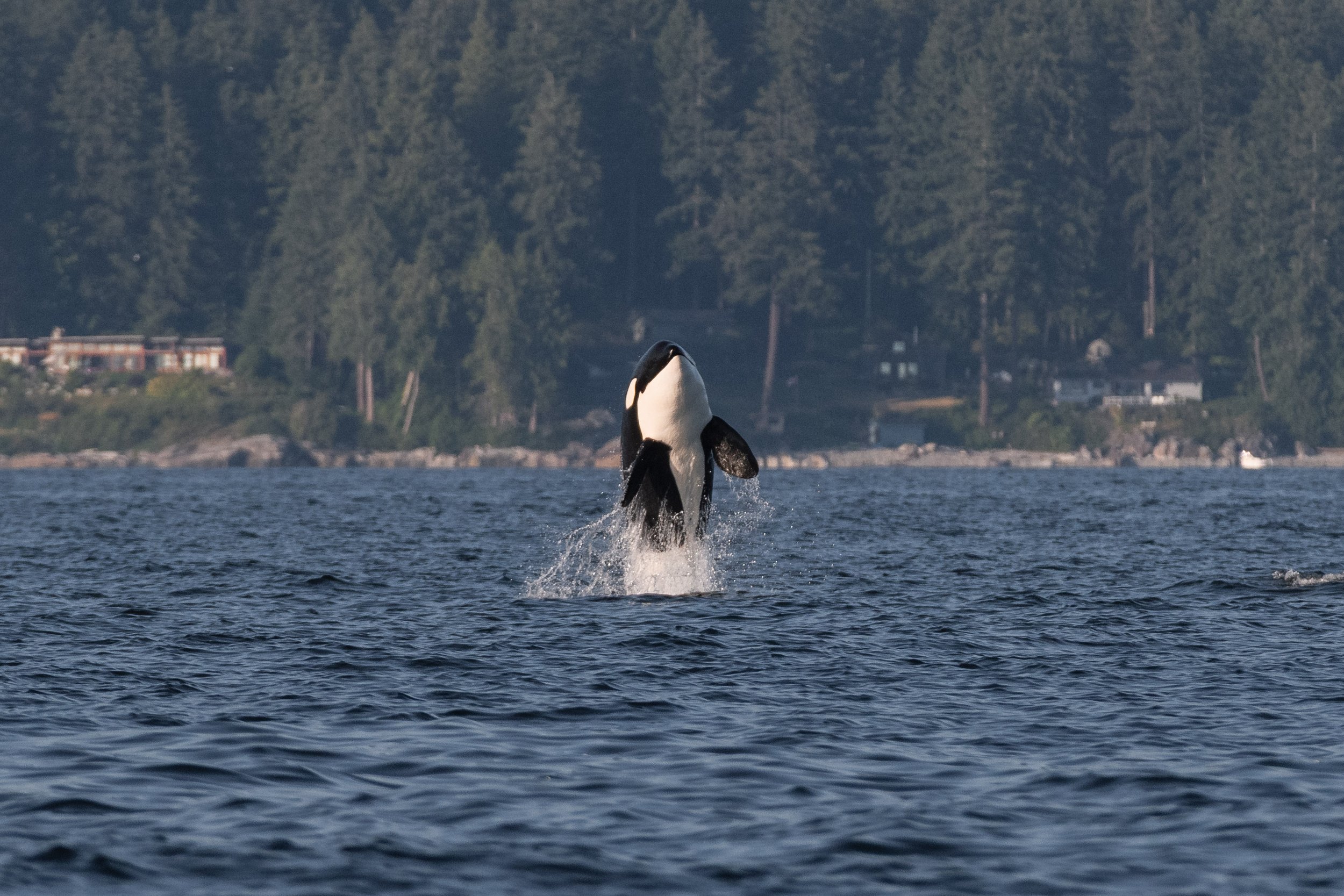
A lovely little breach to end the day. Photo by Hayleigh Hilbert.