
July 24, 2026, 10:30 AM - Associations of the Humpback kind
Another day, another new adventure! Our open-vessel guests boarded Cascadia and Keta, donning bright red Anti-exposure suits, and our semi-covered-vessel guests boarded Kula. The seas have been teeming with whale activity, and after a brief introduction to the area and potential animals to keep an eye out for, we set off and began the day’s search.
Splitting up and searching in different areas is a technique we use to cover as much area as possible and maximize our chances of locating whales. Fanning out, we scanned all across the Strait of Georgia. After a bit of searching, Keta found the first sighting of the day - a pair of blows travelling together near Halibut Bank.
Naturalist Evan raised his camera and began documenting the sighting. After a few shots of flukes and dorsal fins, and a quick comparison to our ID guides, it was determined that this pair was Europa (BCX0854) and Pingu (BCY1110). These two frequently return to our area in the summer to feed before heading to the breeding grounds. While Europa has had multiple crossmatches to the Hawaiian breeding grounds, Pingu surprisingly has yet to be crossmatched, even though their first sightings on Happywhale date back to 2015.
Cascadia and Kula soon came over and briefly stopped for a visit of their own. After a few surfaces and flukes, everyone set off once more, eyes peeled for more blows, fins, or flukes.
The next sighting came from Kula, who spotted a lone blow a bit further away from the initial pair. A quick peek by Naturalist Aly confirmed that this was Incognito (BCX2053), another frequent visitor to the Salish Sea. Incognito is a notoriously fluke-shy whale, though, and after a quick confirmation shot, Kula left to resume searching.
Not long after, another pair was spotted. The fleet made their way over and were soon greeted by two highly distinct flukes rising high out of the water. These whales were Fader (BCY0195) and Split Fluke (BCX1068). Interestingly, Fader also returns to the breeding grounds in Hawaii, as Europa does. Split Fluke, on the other hand, has been cross-matched to the Mexico breeding grounds. This means these two whales likely do not associate at all for half the year, and yet here they were, side by side, diving and fluking together now. The social relationships of Humpback whales remain a fairly understudied area of research, and it is still unknown whether humpbacks form long-term relationships or more short-term seasonal ones.
The sightings kept rolling in, though, as after visiting Fader and Split Fluke, Kula found one more group to observe before beginning their search for other wildlife. Once more the cameras were raised, and once more ID shots were taken of Chomper (BCX2192), X-Ray (BCX1851), Nike (BCX1377), and Smiley (BCY0995). This dynamic pair was not closely associated, but they were all travelling in close proximity. X-Ray is a new-to-us whale this year, though their historical sightings show that they have been coming to the northern Salish Sea since 2018. Nike and Smiley are both regular returners, and Chomper has become a seasonal sight since 2023. As the group travelled, X-Ray and Chomper dove, and suddenly a large cloud of reddish-pink mist formed behind them. This scary-looking substance wasn’t actually scary at all, though - it was simply humpback poop! Humpback diets in our area largely consist of krill, which causes their feces to become this distinct bright colour - similar to why Flamingos have pink feathers!
We had a great time with our humpbacks, but many other wildlife species were still awaiting us. After one final goodbye to the quartet of humpbacks, we departed once more. With many options around us, the fleet spread out and began heading to a couple of well-known wildlife destinations.
Nearby to where our original humpbacks were spotted, a large yellow and black ODAS buoy bobbed and swayed away. On top of this marker, furry brown faces yawned and belched away. These were Steller Sea Lions, and this marker is one of the many man-made structures they frequent for hauling out. Haulouts are critical for seals and sea lions, as they offer a refuge from the oftentimes turbulent seas. Here, they can rest and warm up in the sunshine. On the other side of the Strait, Keta had stopped at a different, more naturally occurring haulout affectionately known as “Stinky Rocks”. Similar to the buoy, the large sea lions were piled on top of each other as they pushed for the best places to have a snooze. Close by, a quieter, smaller pinniped species could be seen - Harbour Seals were also getting comfy and cozy, with one of them letting out a giant yawn as we watched.
Many different birds were also spotted while we were out and about. A pair of Turkey Vultures strutted the shorelines near the Harbour Seals, likely feeding on carrion tucked out of sight. Bald Eagles were also spotted standing atop the rocks and flying overhead. An elegant Great Blue Heron was also busy preening away, fluffing and rearranging feathers as it went. Many Pigeon Guillemots were nestled into the rockside, chattering away at each other, with a few individuals leaping off to dive into the depths for a snack.
After an eventful day, we settled into our seats and enjoyed the final leg of the journey. Pulling back into the harbour, we reflected on the many incredible species we had witnessed throughout the trip, from the tiny birds to the giant humpbacks.
Photos by Marine Naturalists Aly Kohlman, Hayleigh Hilbert, and Evan Hessels - please enjoy!
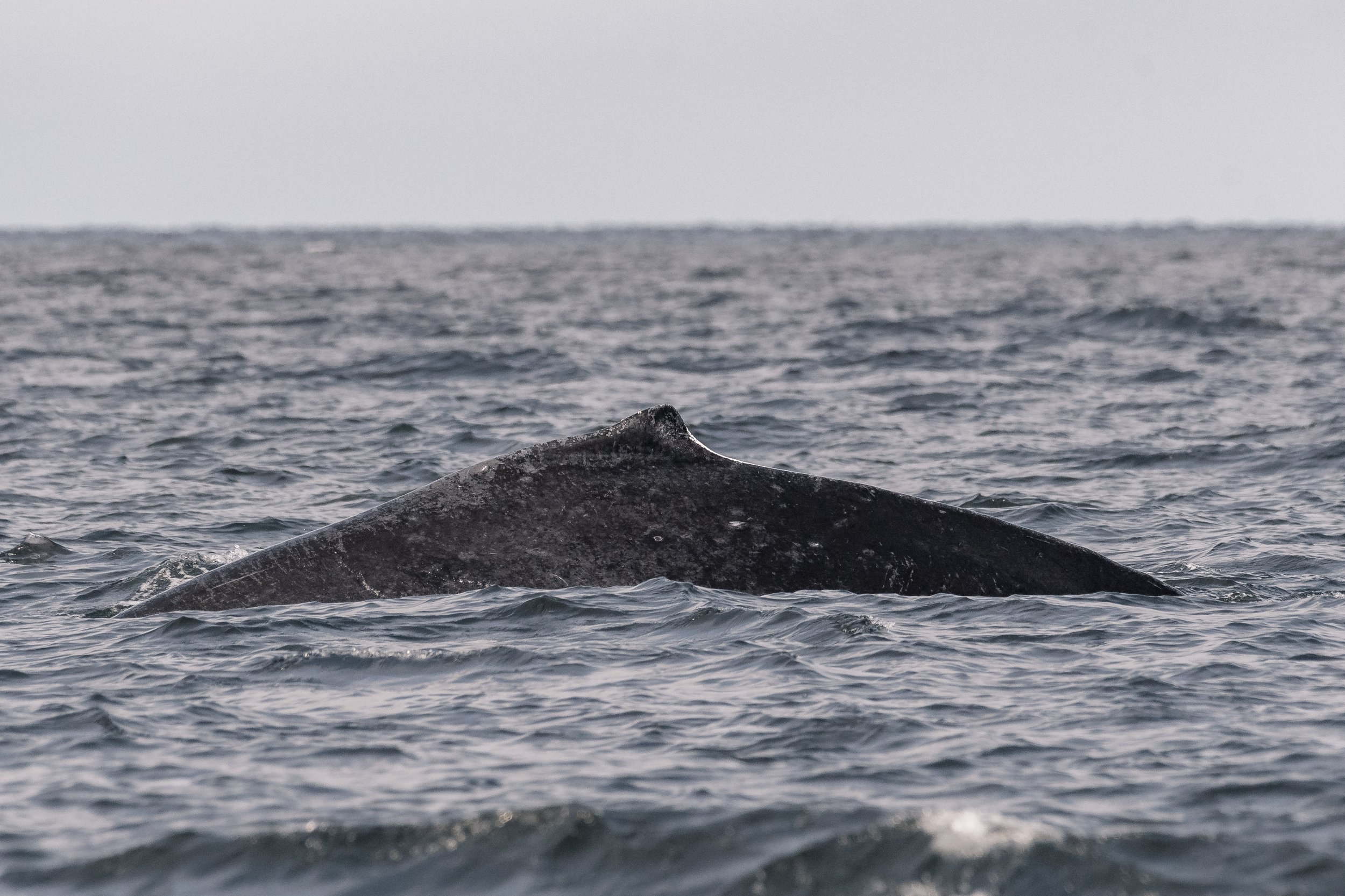
Europa travelling. Photo by Evan Hessels.
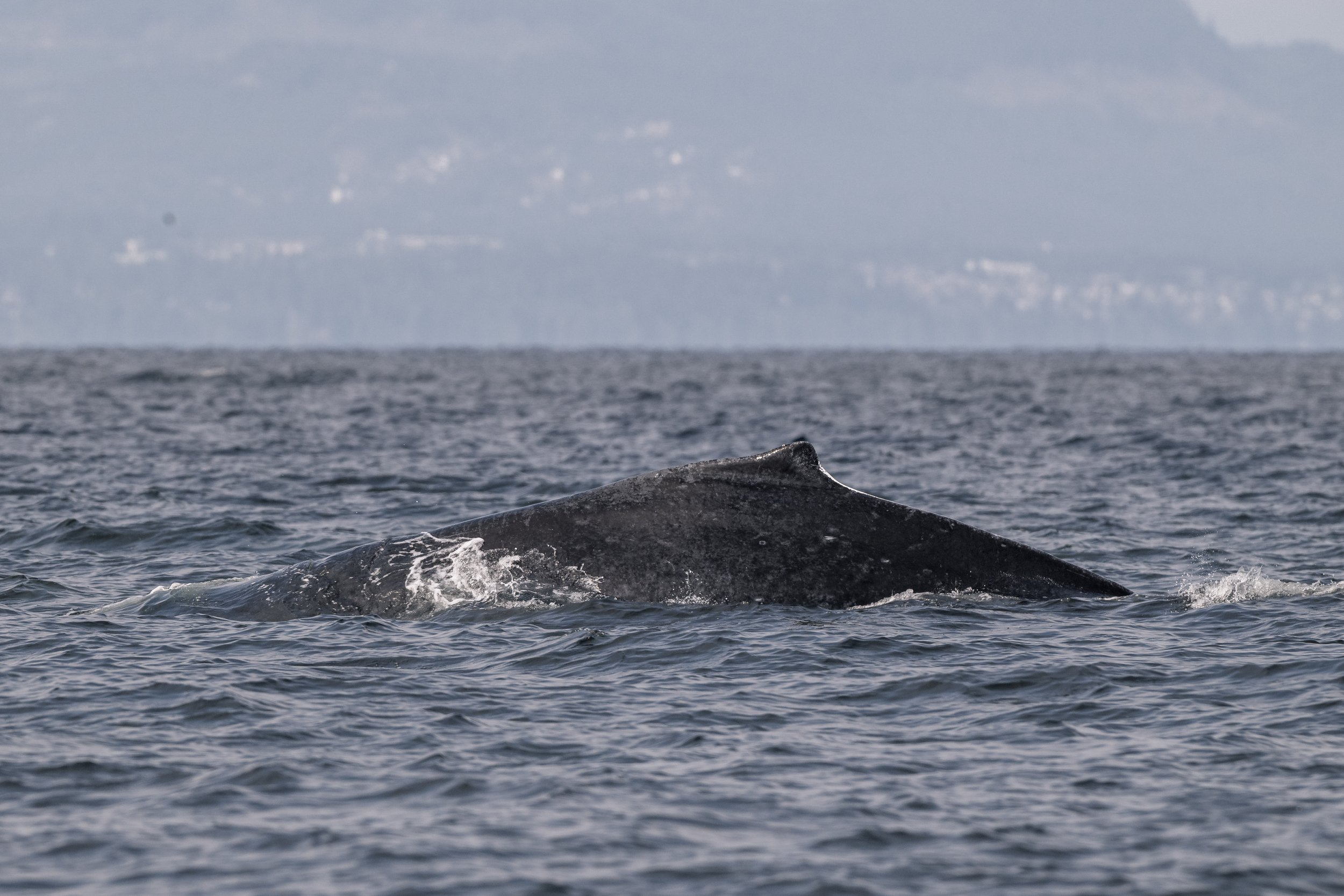
Europa’s dorsal fin. Photo by Aly Kohlman.
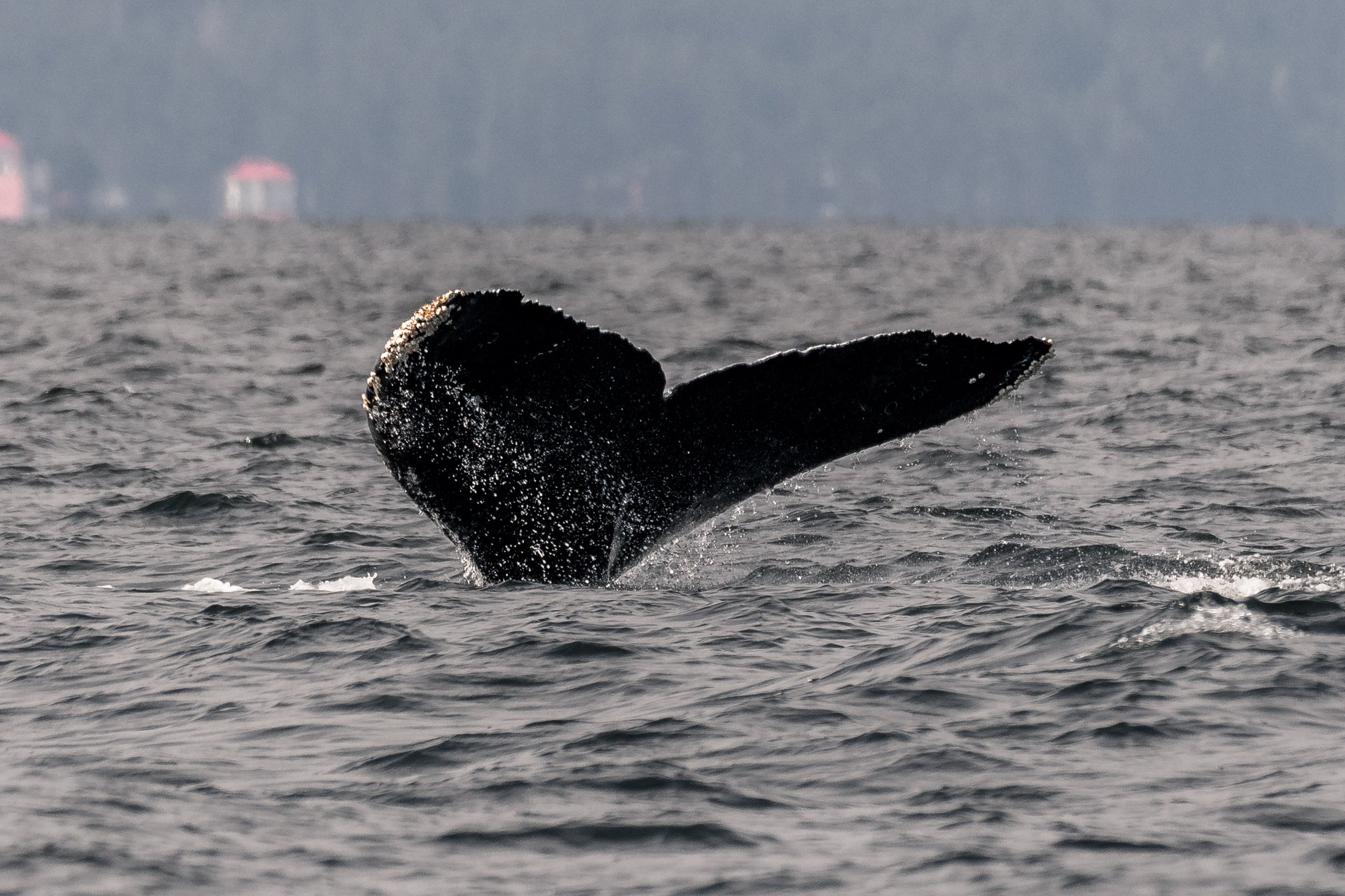
Europa diving. Photo by Evan Hessels.
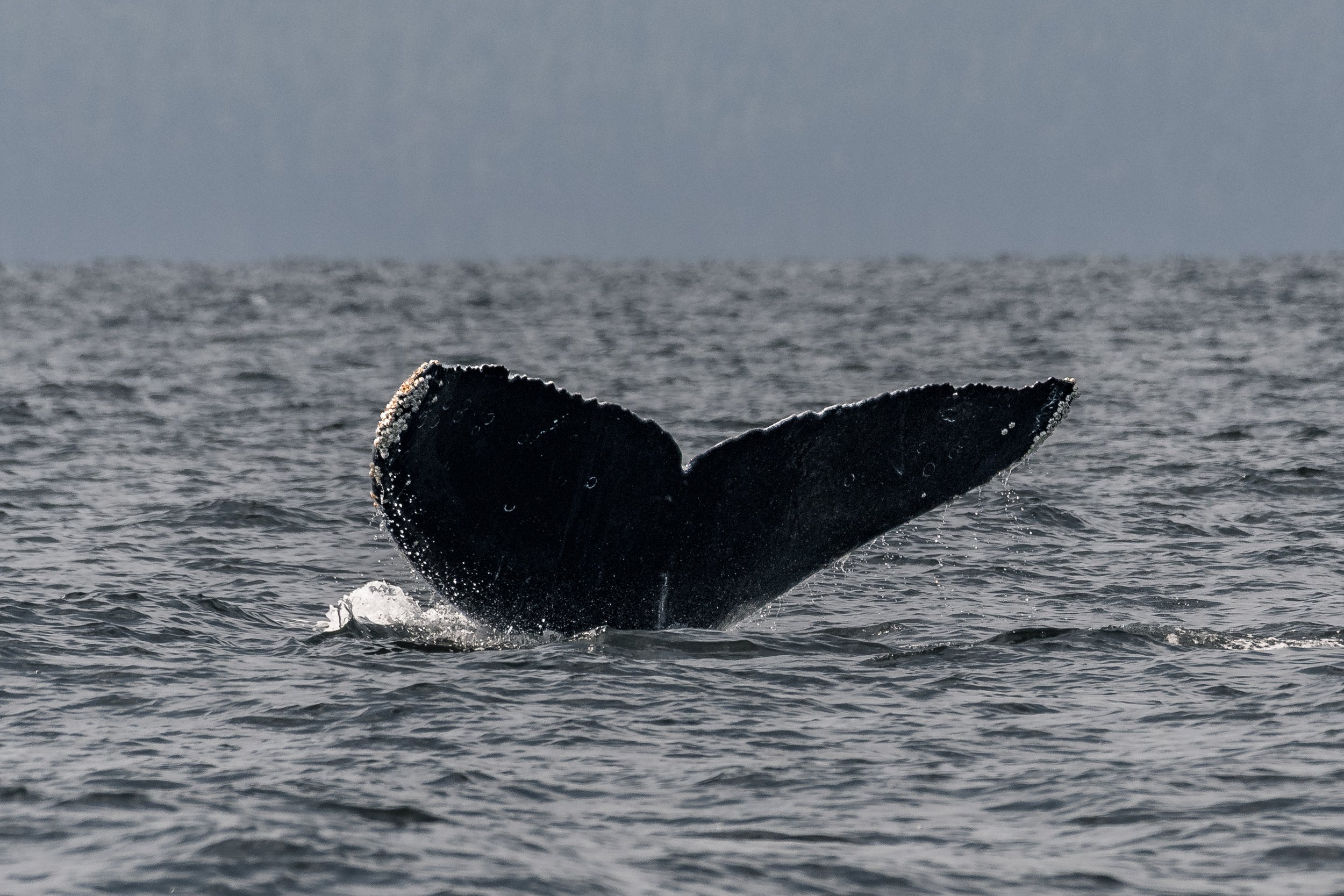
Europa fluking. Photo by Evan Hessels.
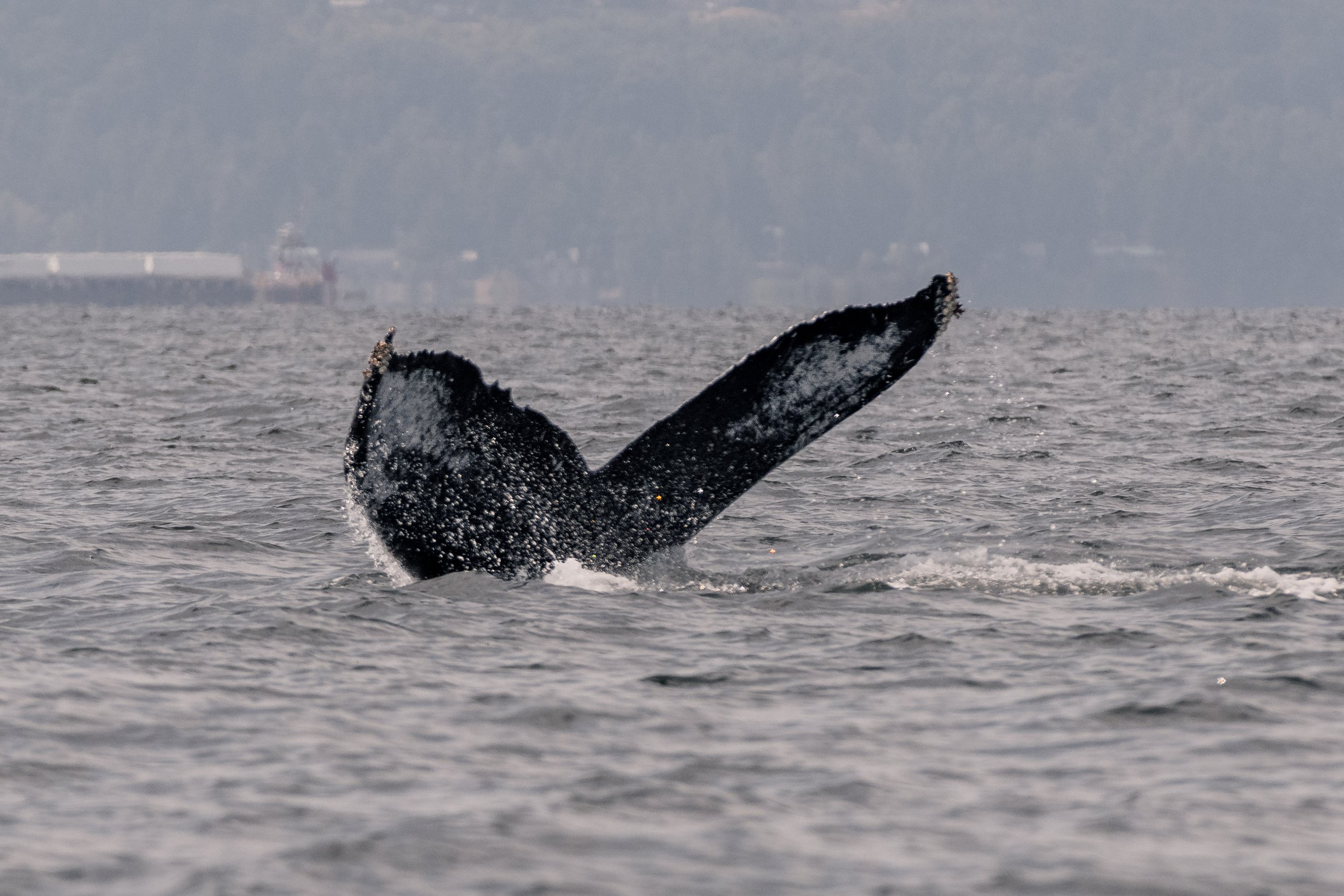
Pingu’s unique fluke pigmentation. Photo by Hayleigh Hilbert.
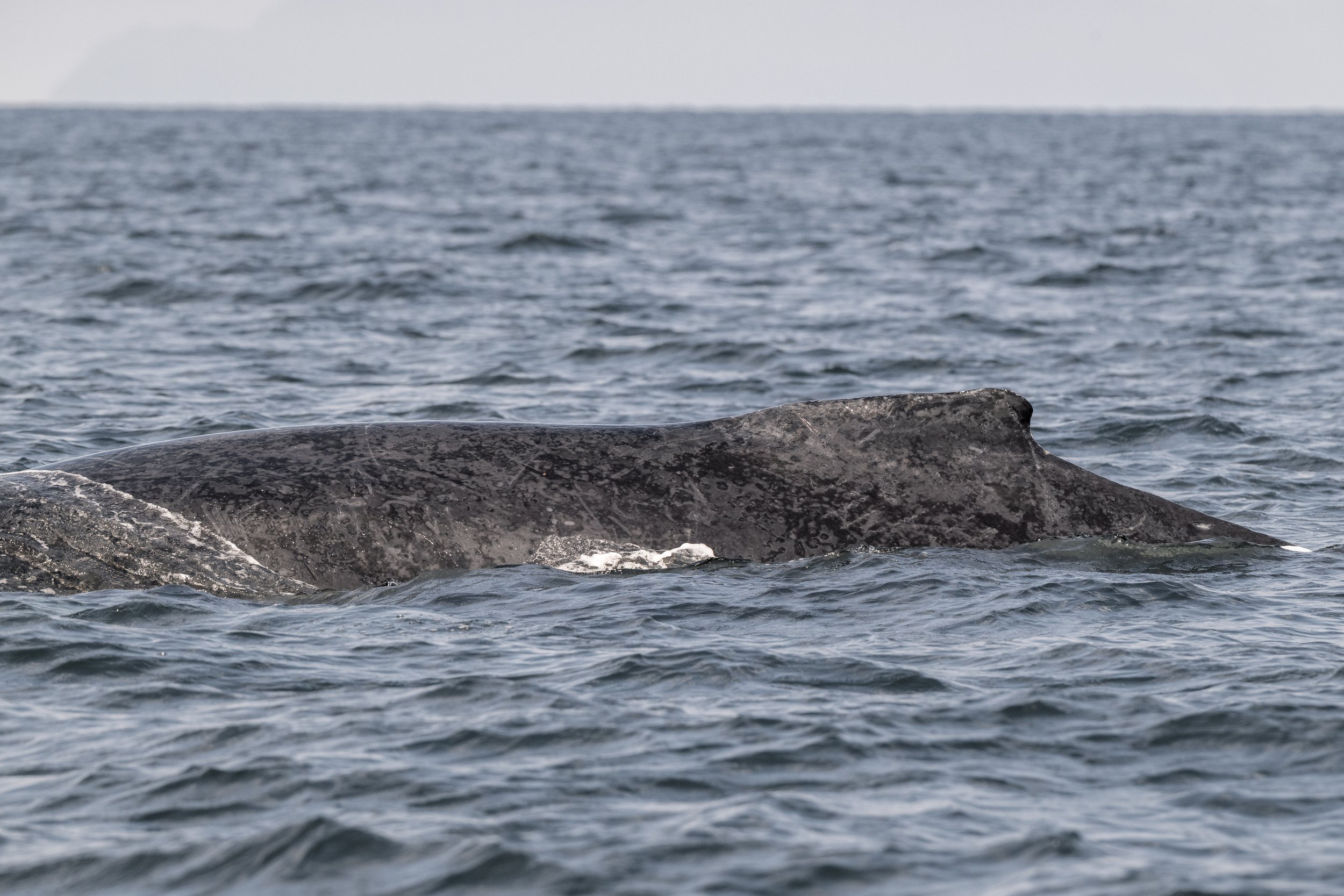
Incognito travelling by. Photo by Aly Kohlman.
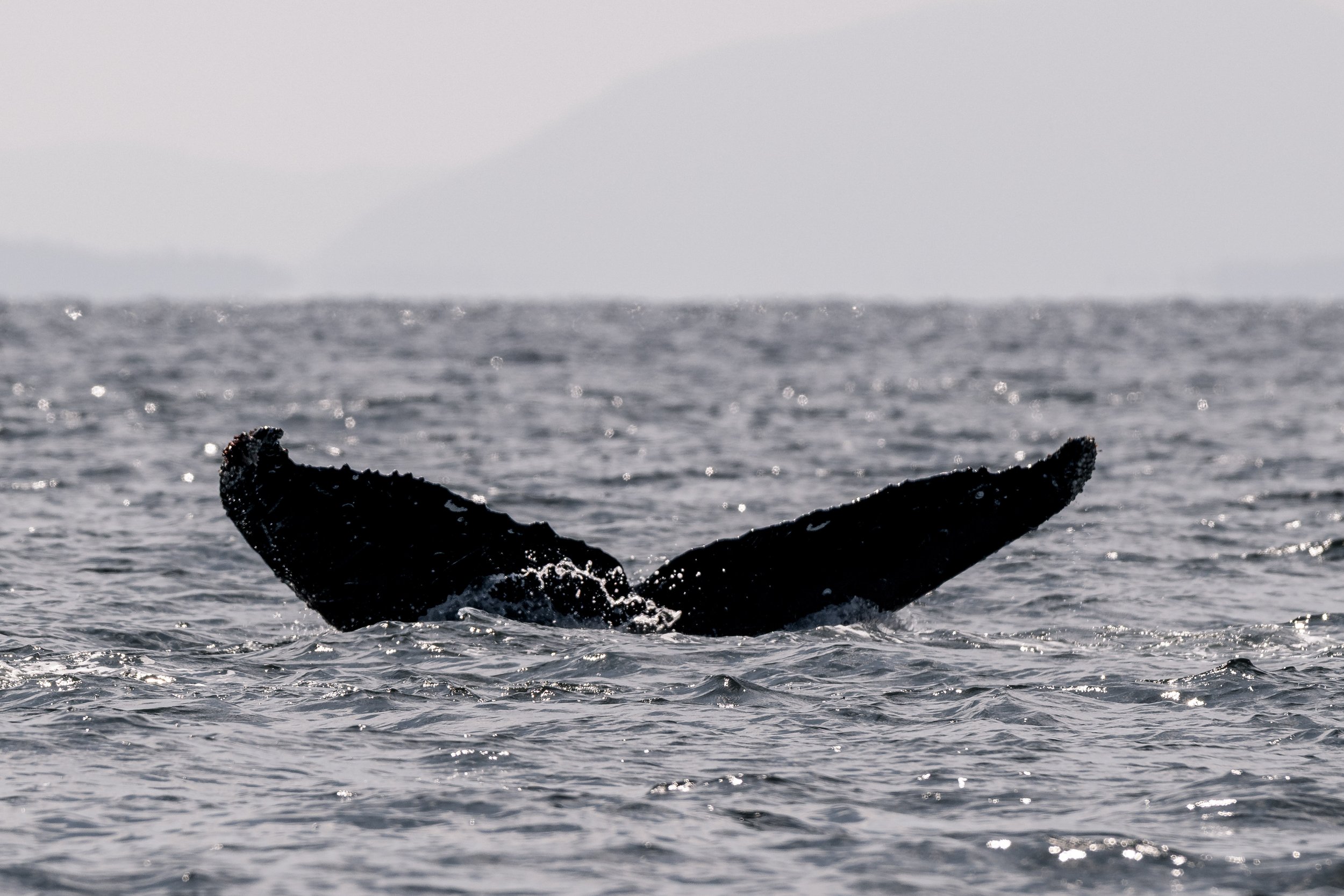
Nike fluking. Photo by Aly Kohlman.
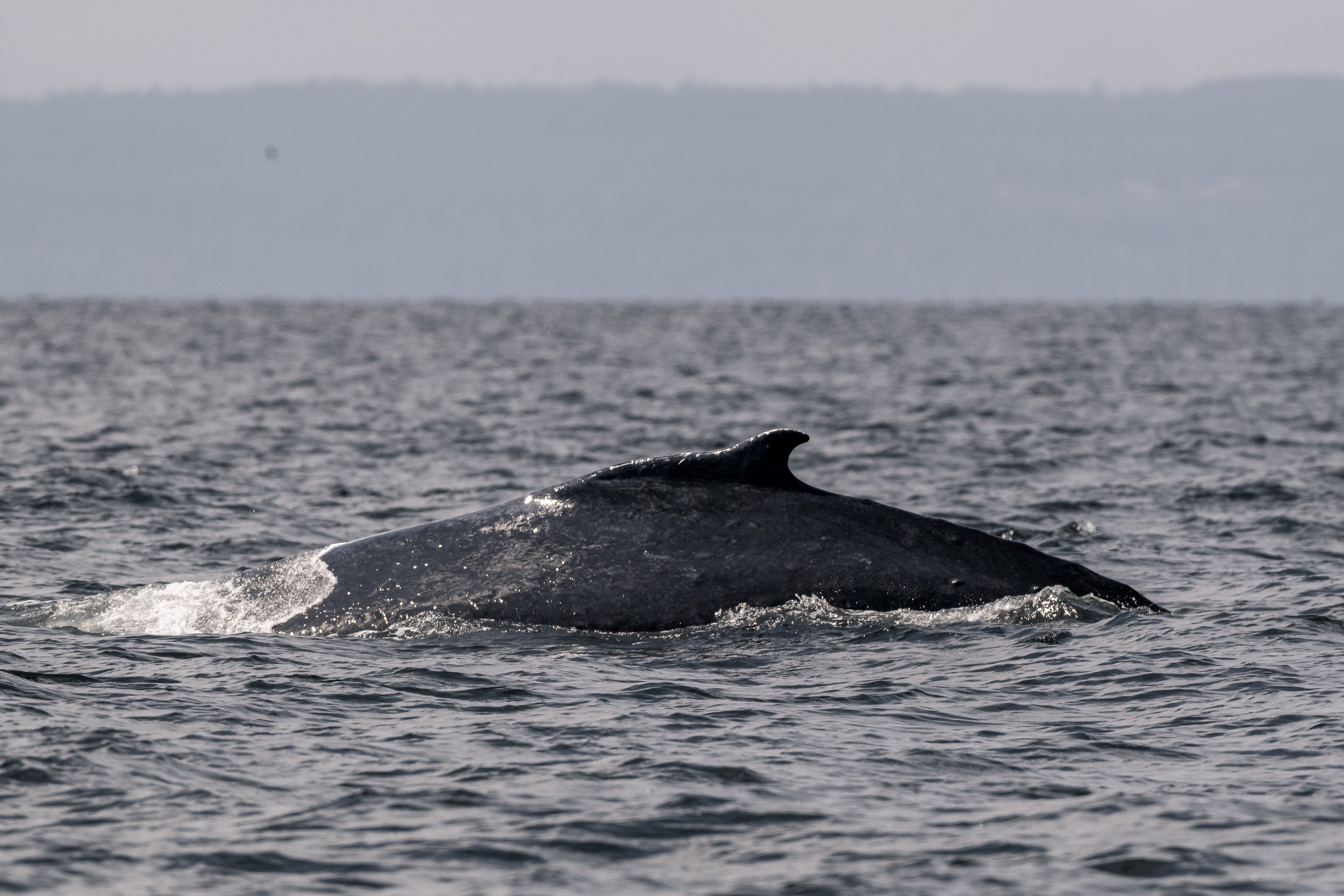
Smiley travelling. Photo by Aly Kohlman.
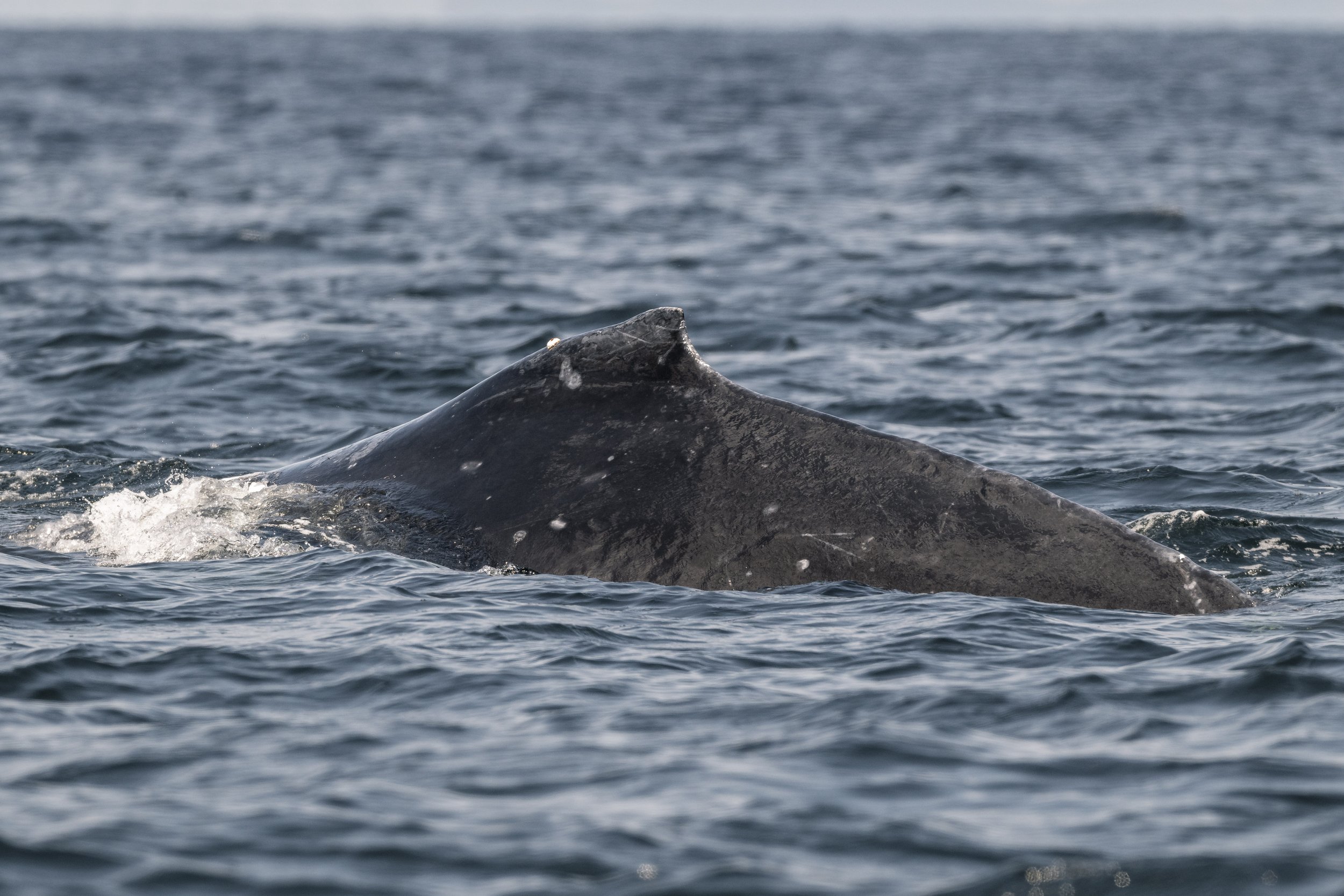
X-Ray’s dorsal fin. Photo by Evan Hessels.
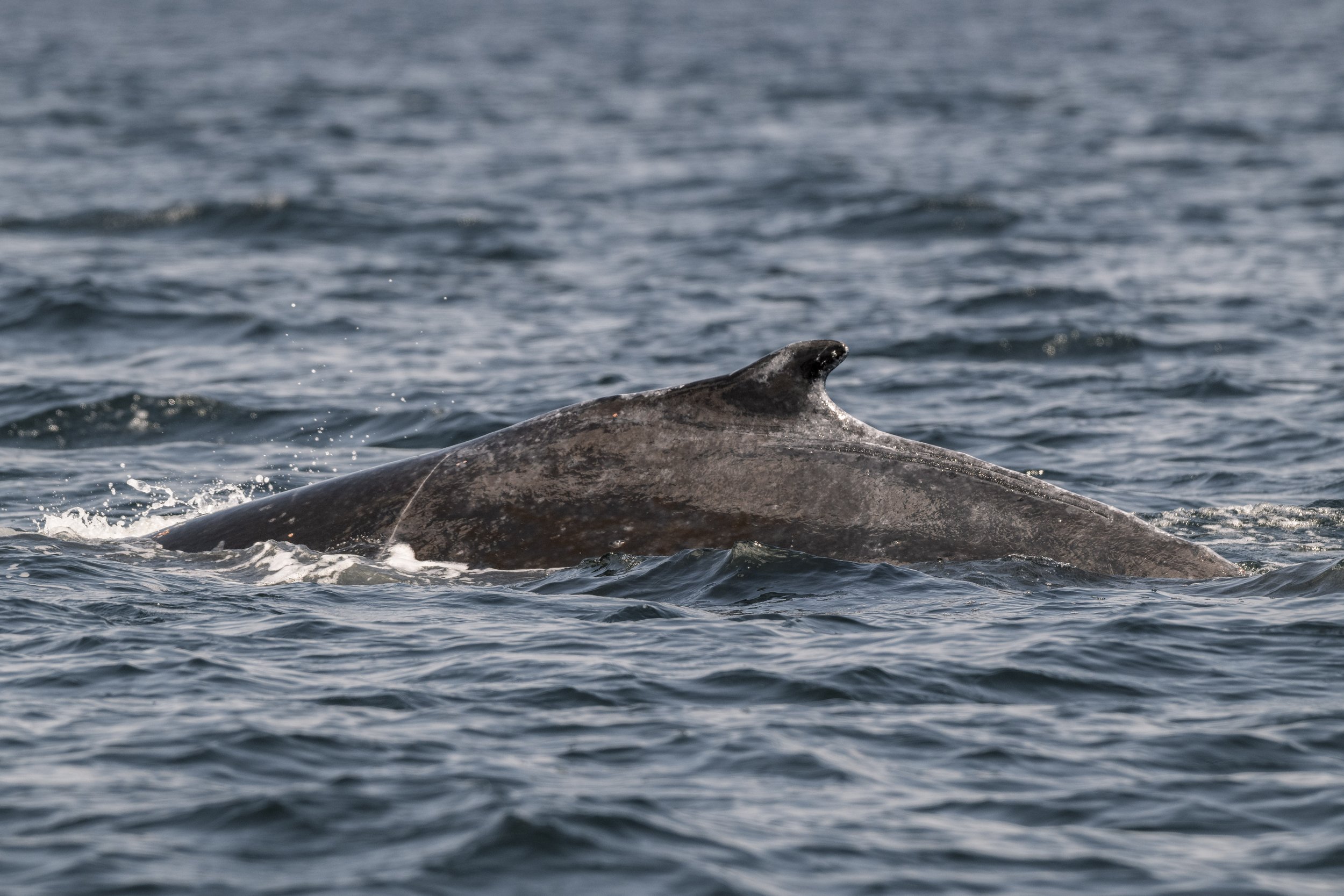
Chomper’s dorsal fin. Photo by Evan Hessels.
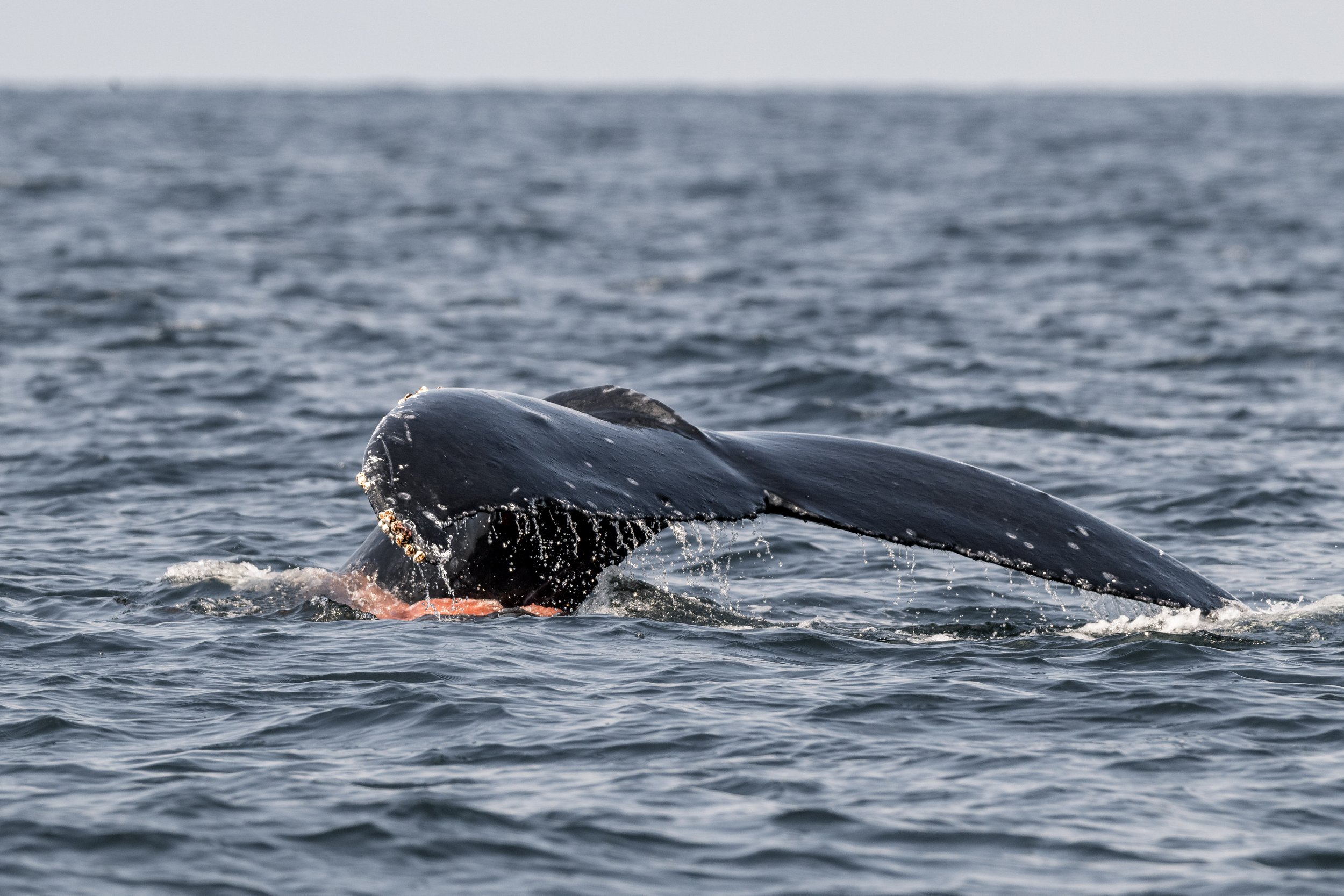
Can you spot the pinky-red in the water? That is humpback whale poop! Photo by Evan Hessels.
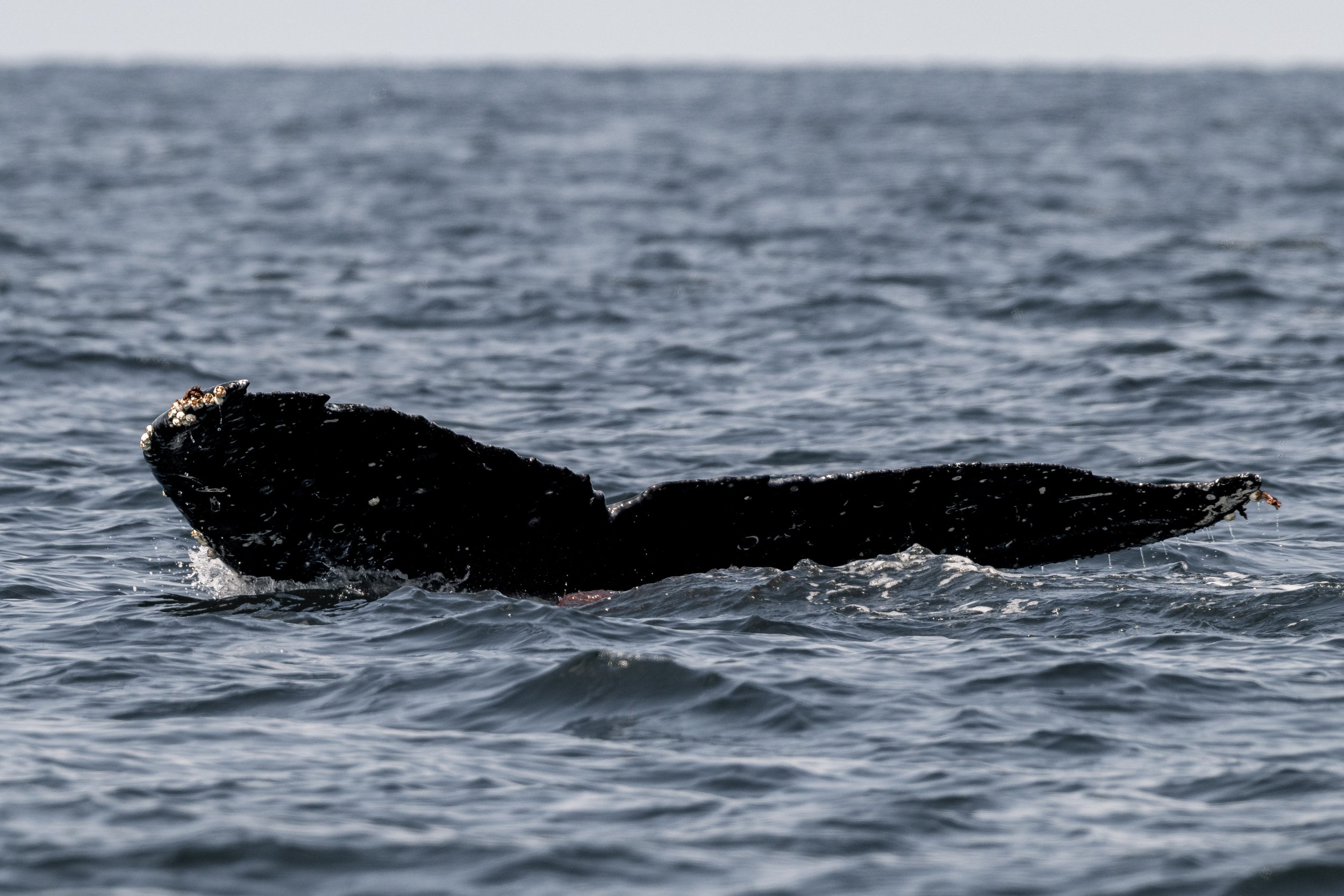
X-Ray’s fluke as they dive. Photo by Aly Kohlman.
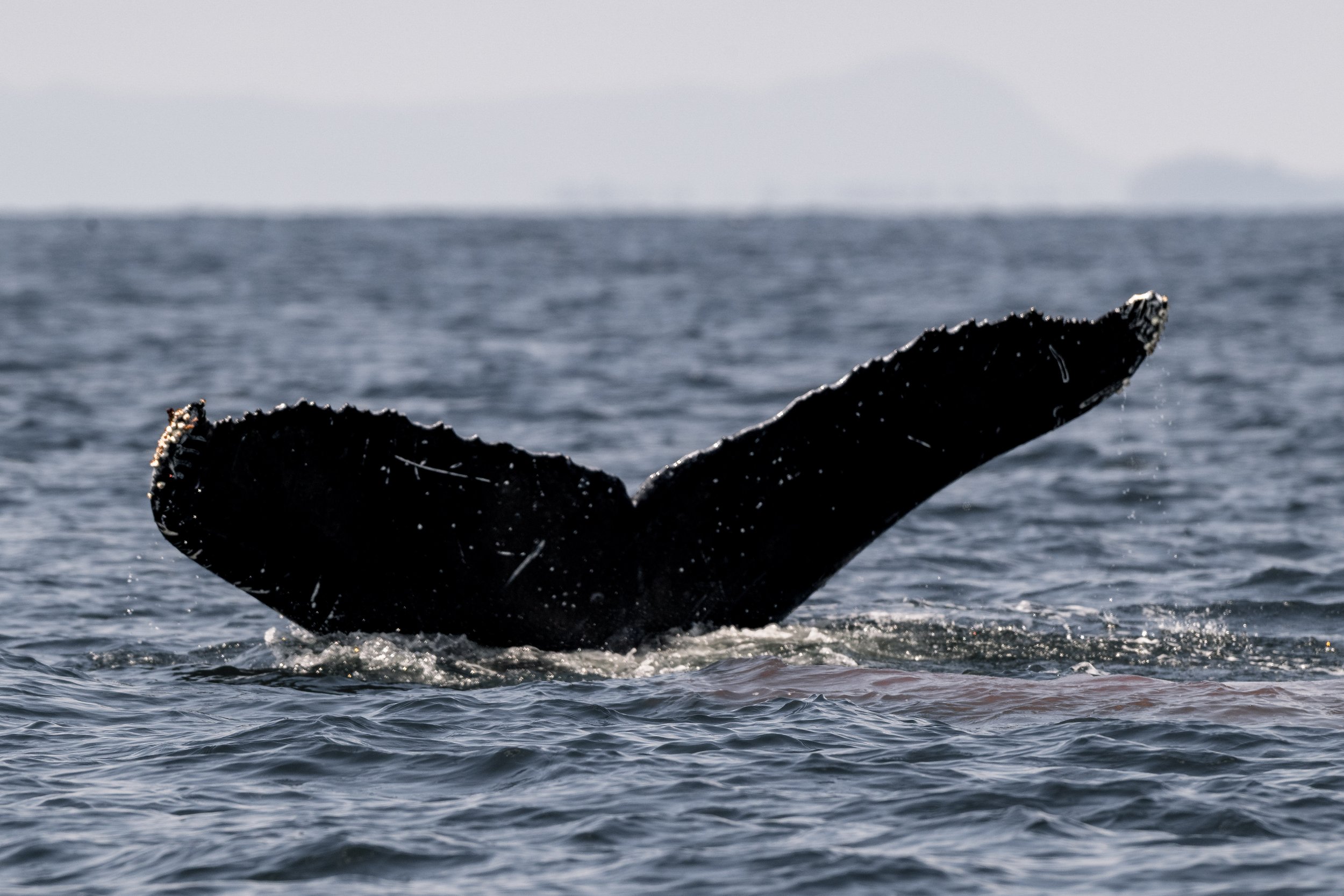
Chomper’s fluke. Photo by Aly Kohlman.
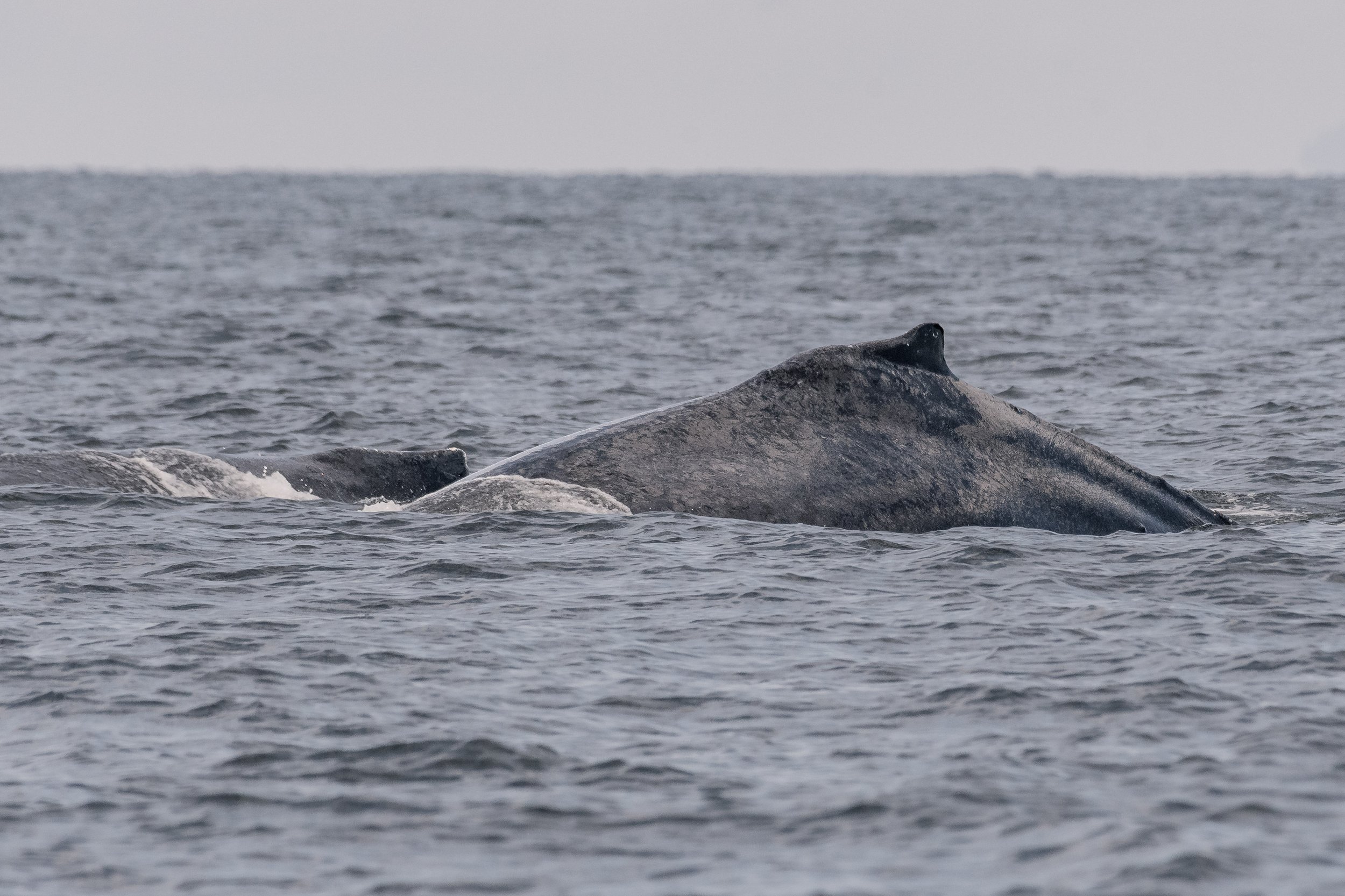
Fader (left) and Split Fluke (right). Photo by Evan Hessels.
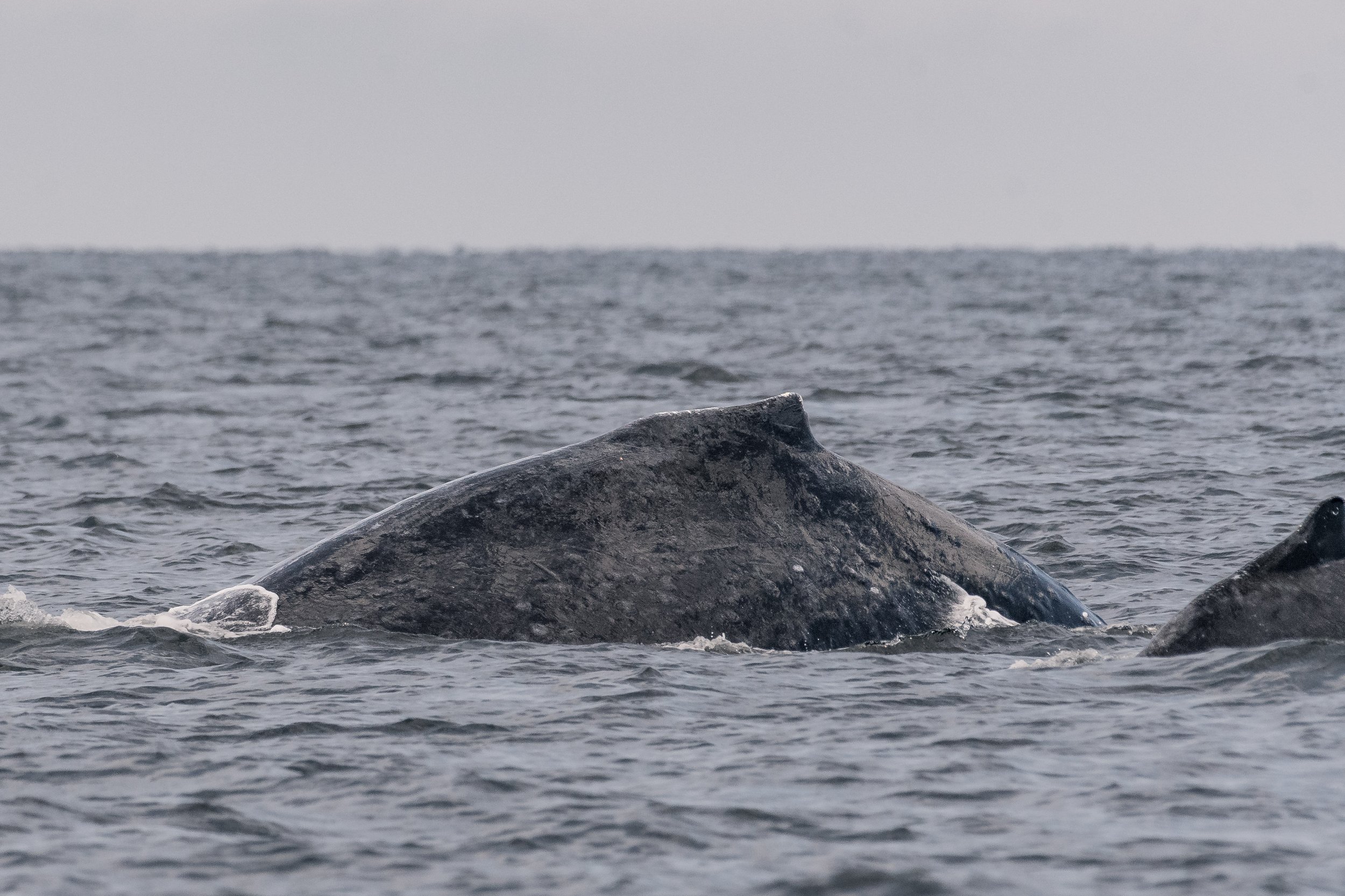
Fader travelling. Photo by Evan Hessels.
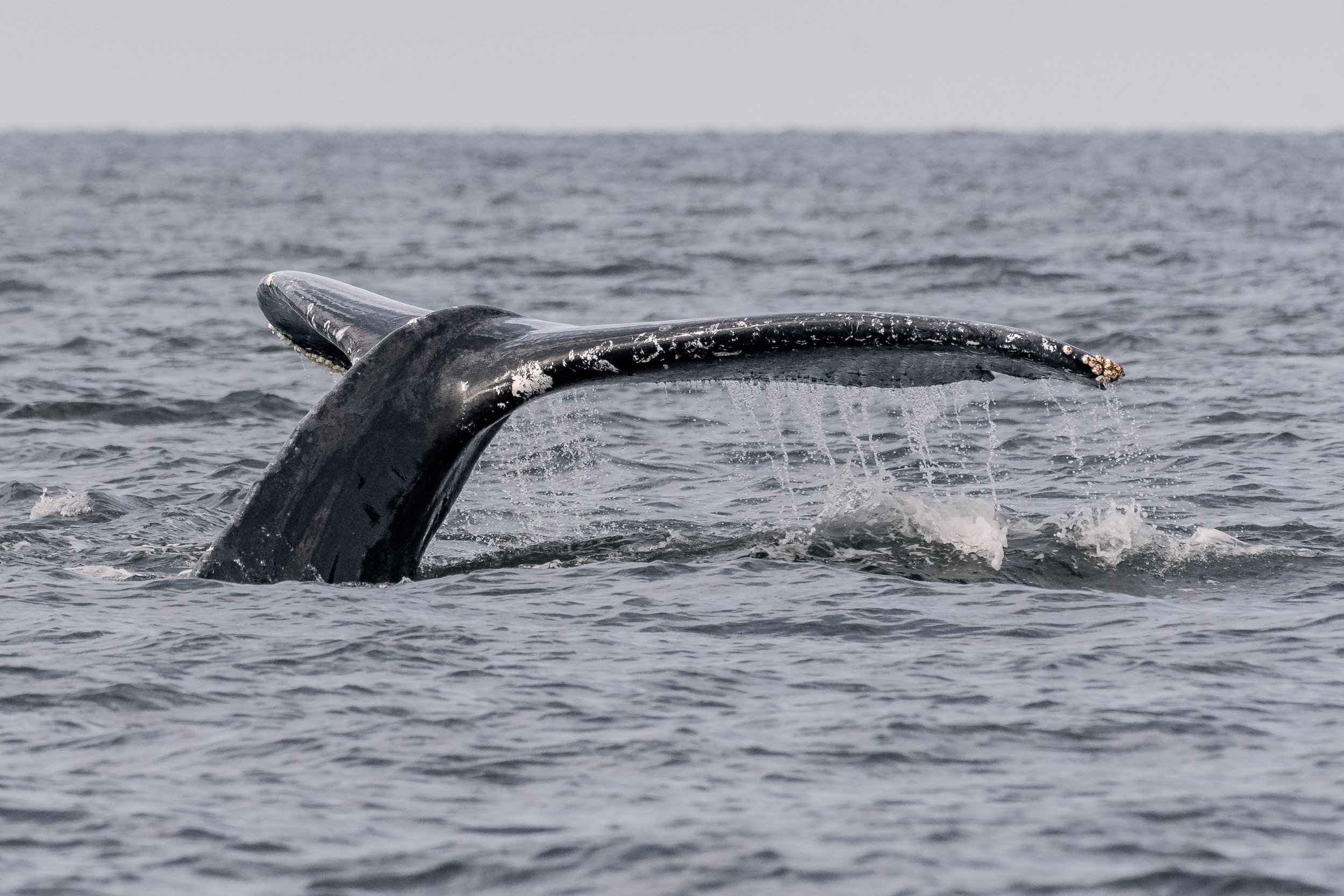
Beginning to dive. Photo by Evan Hessels.
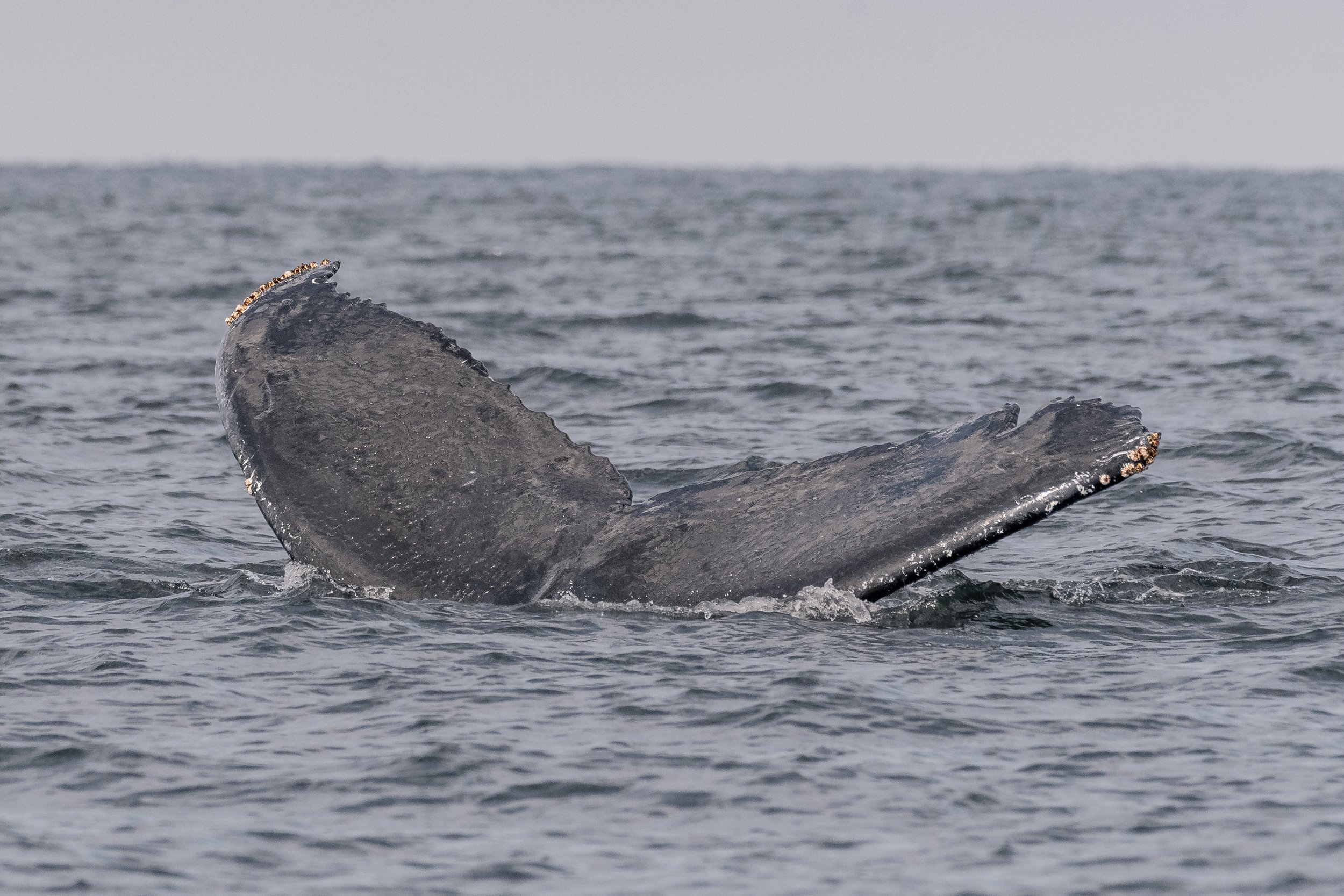
The top of Split Fluke’s fluke - can you see how she got her name? Photo by Evan Hessels.
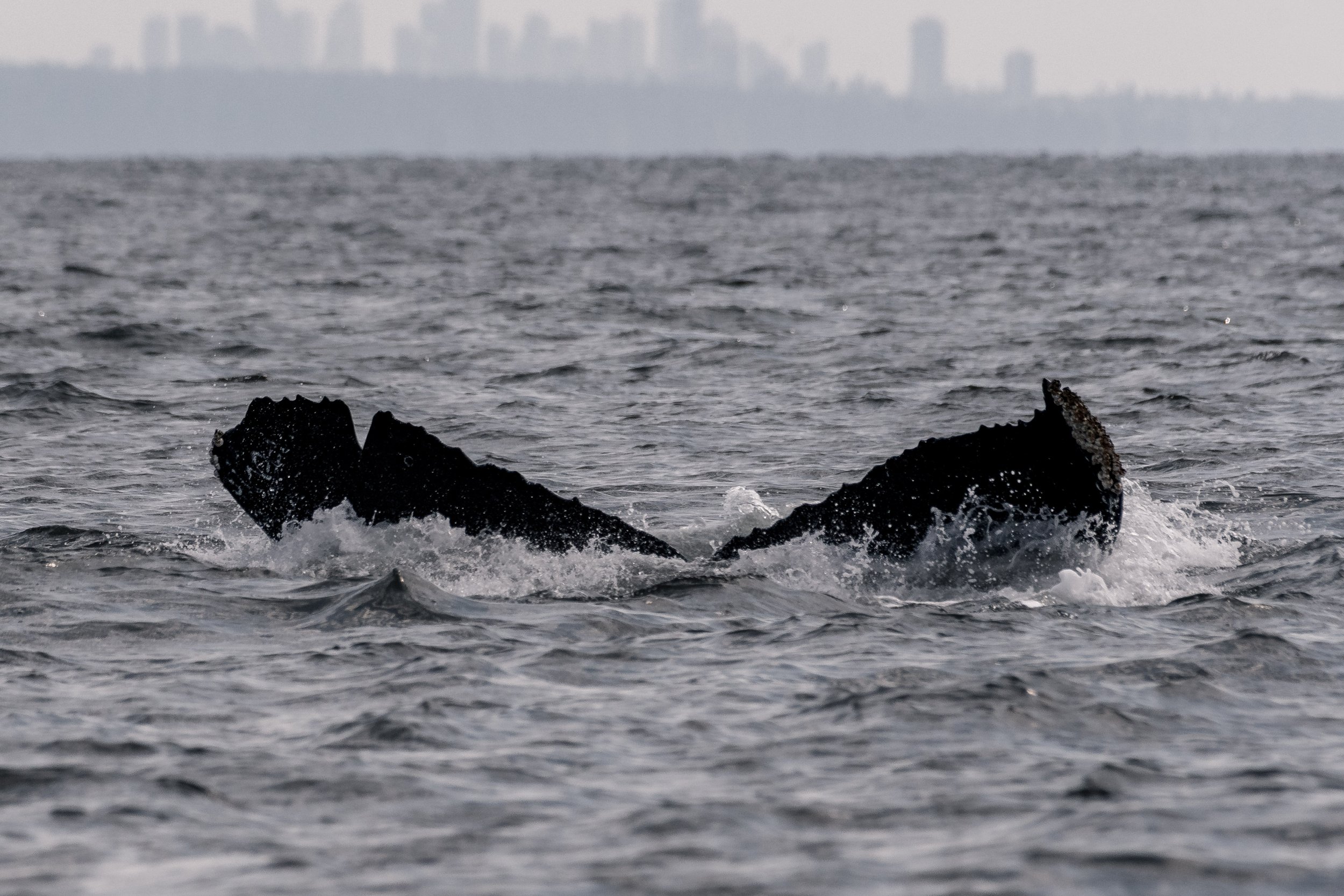
The underside of Split Fluke’s tail. Photo by Evan Hessels.
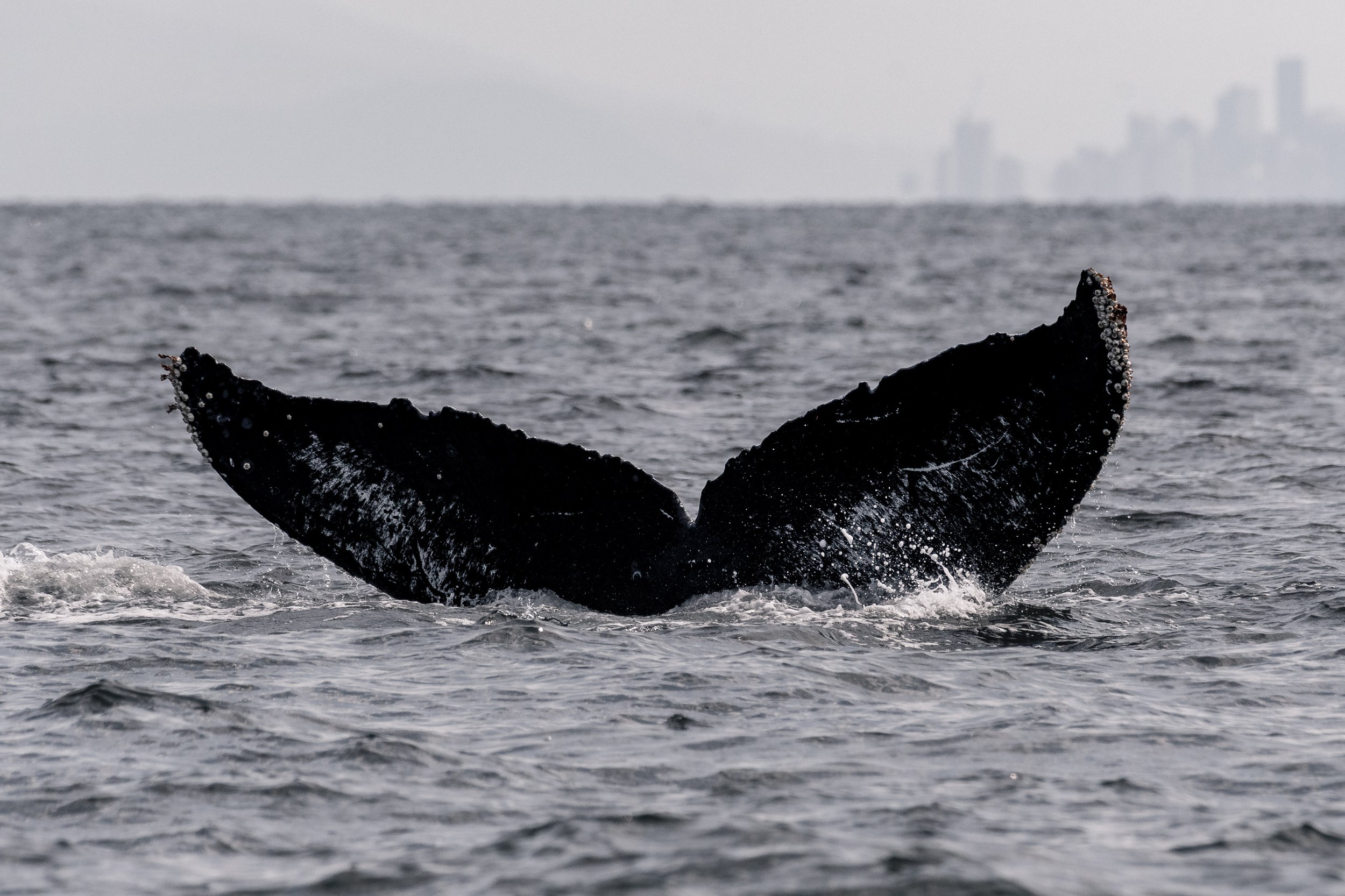
Fader’s beautiful fluke. Photo by Evan Hessels.
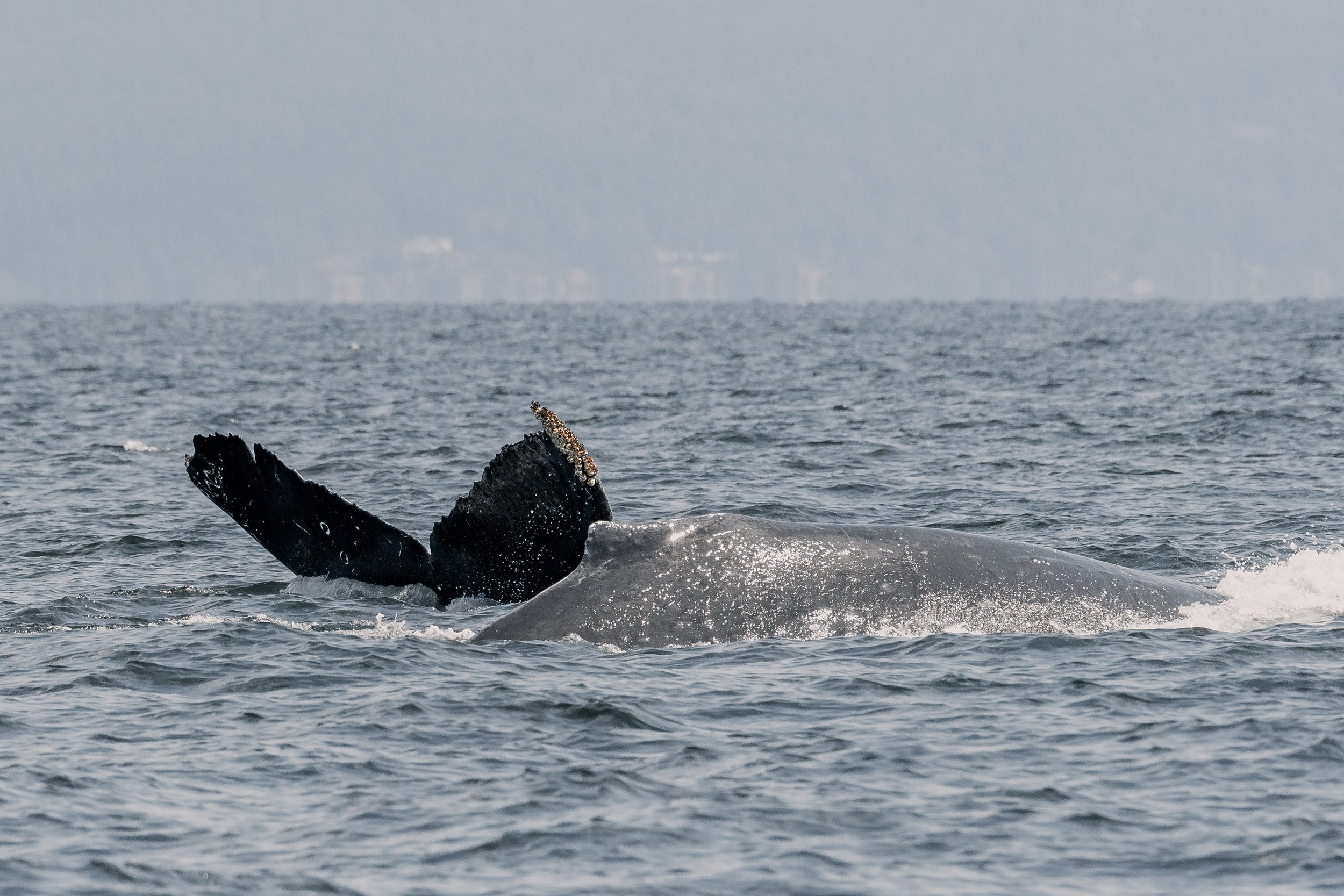
Split Fluke diving beside Fader. Photo by Evan Hessels.
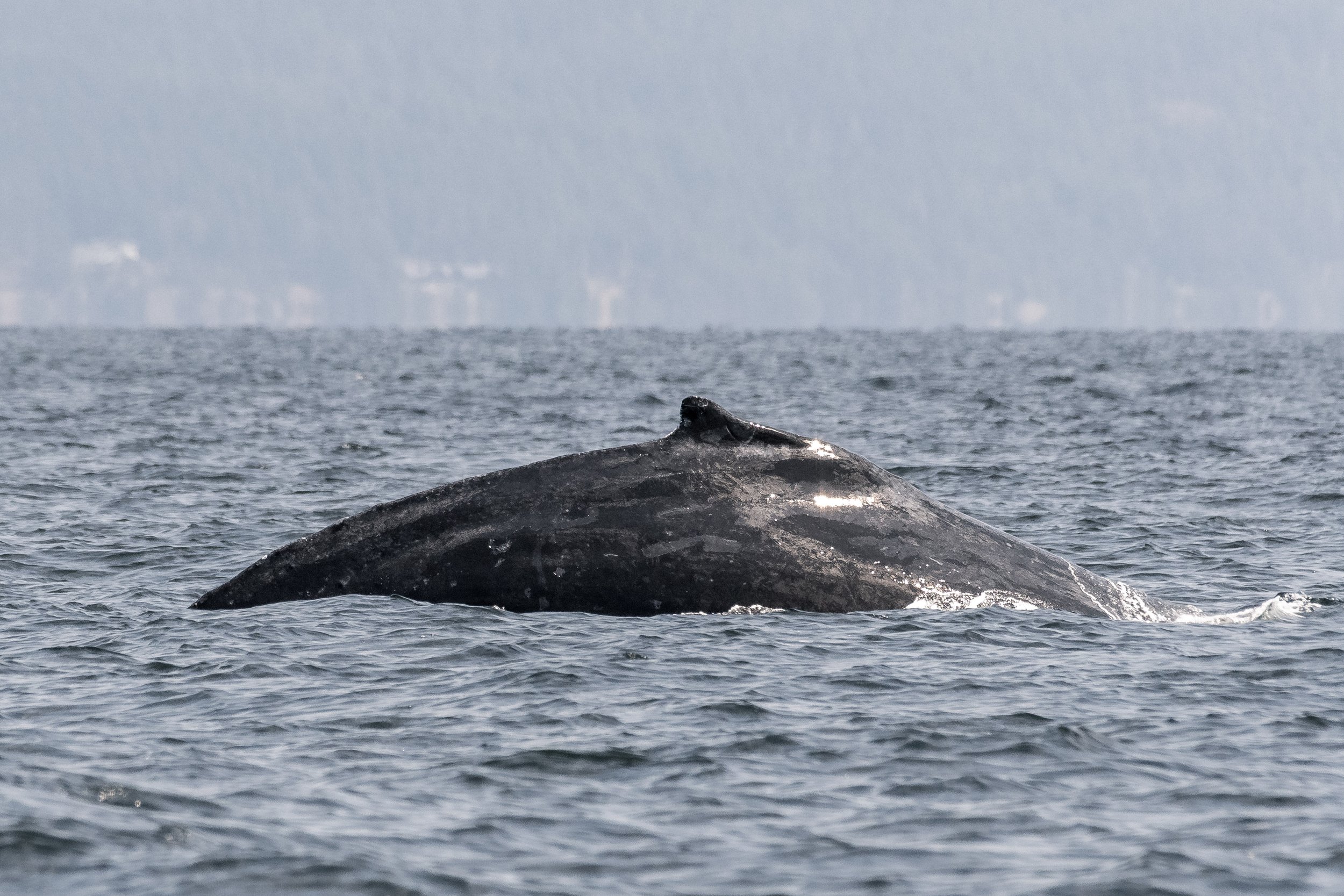
Split Fluke’s dorsal fin. Photo by Evan Hessels.
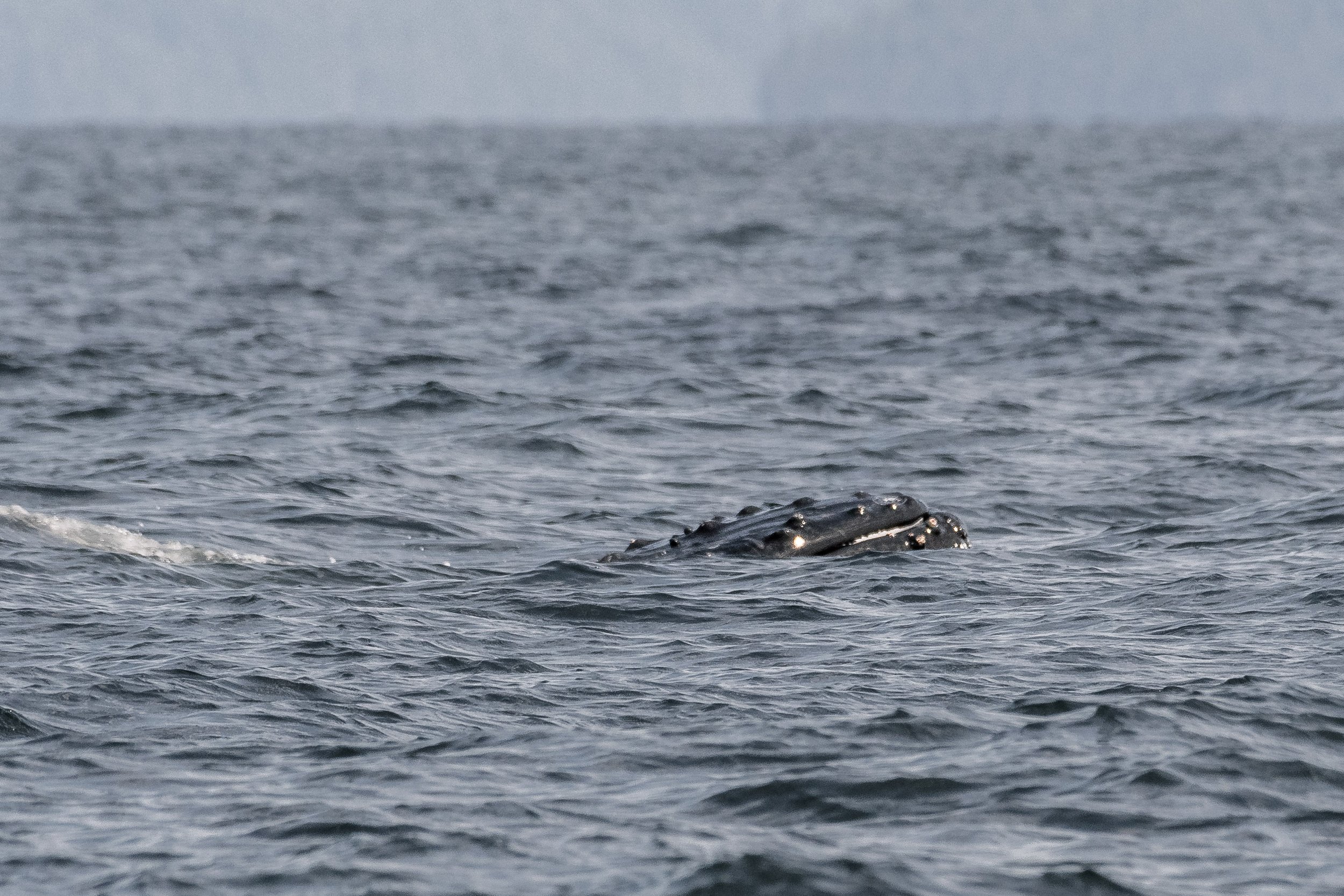
A little rostrum! Photo by Evan Hessels.
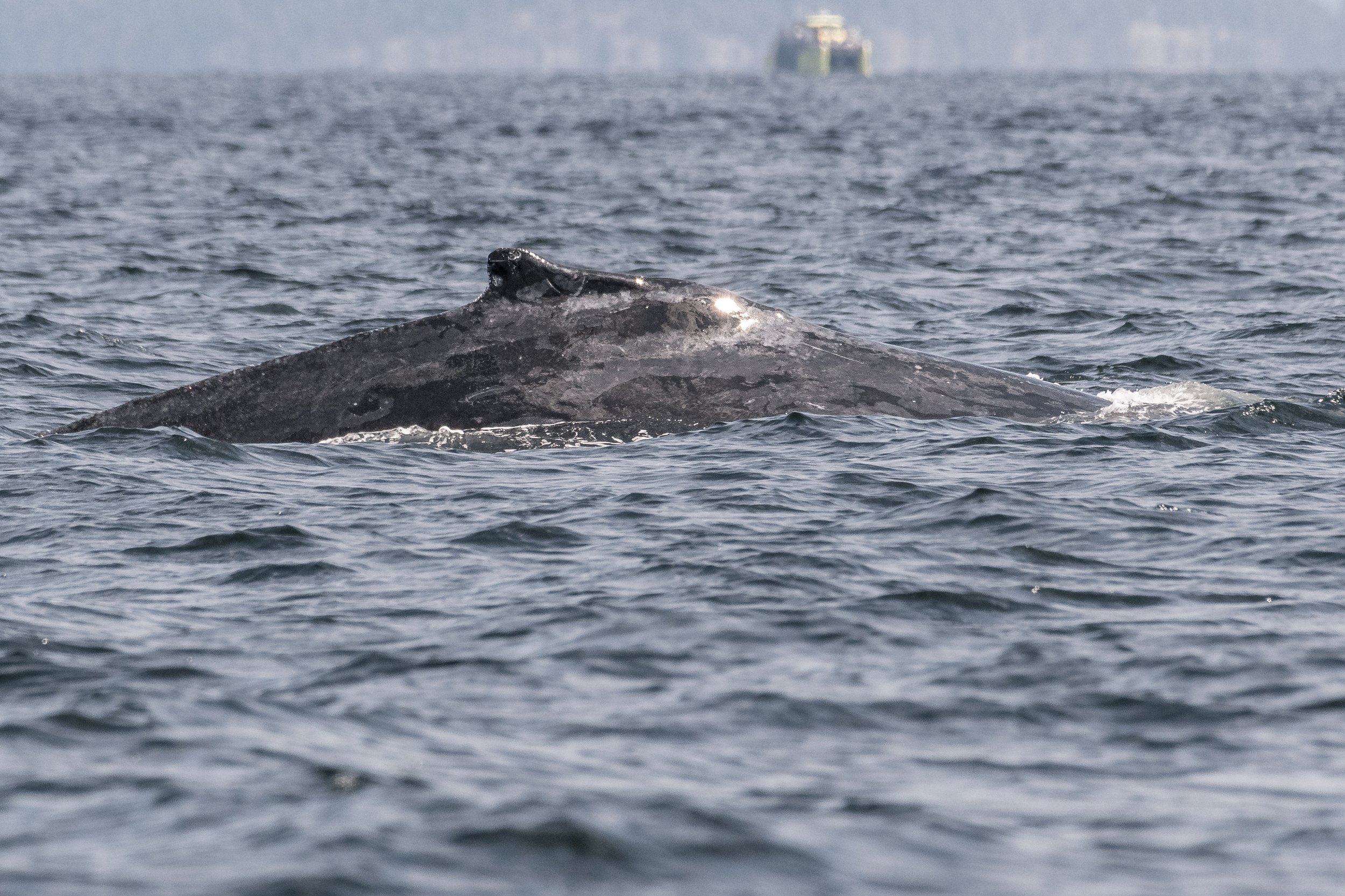
Split Fluke travelling. Photo by Evan Hessels.
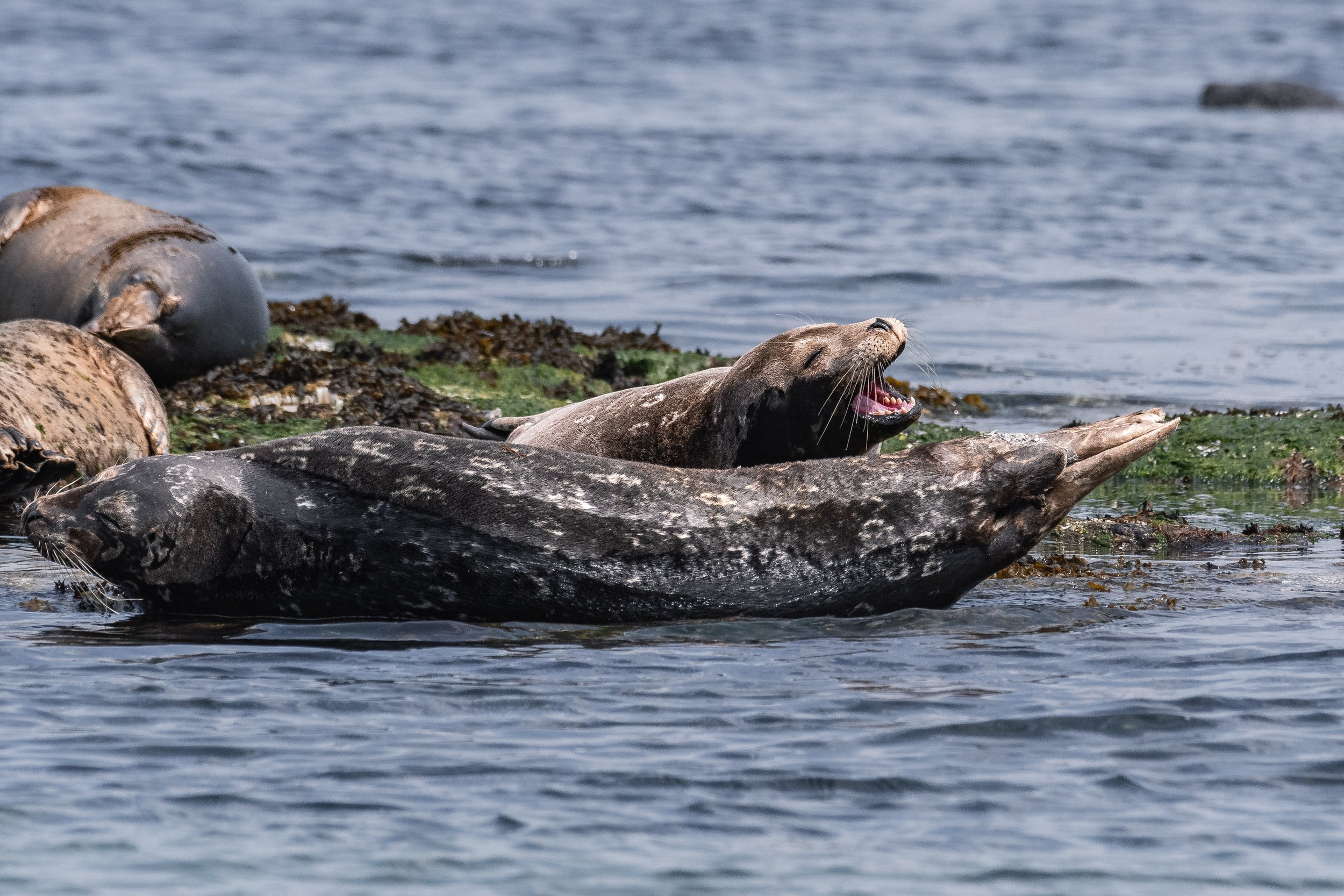
Biiiiiig yawn. Photo by Evan Hessels.
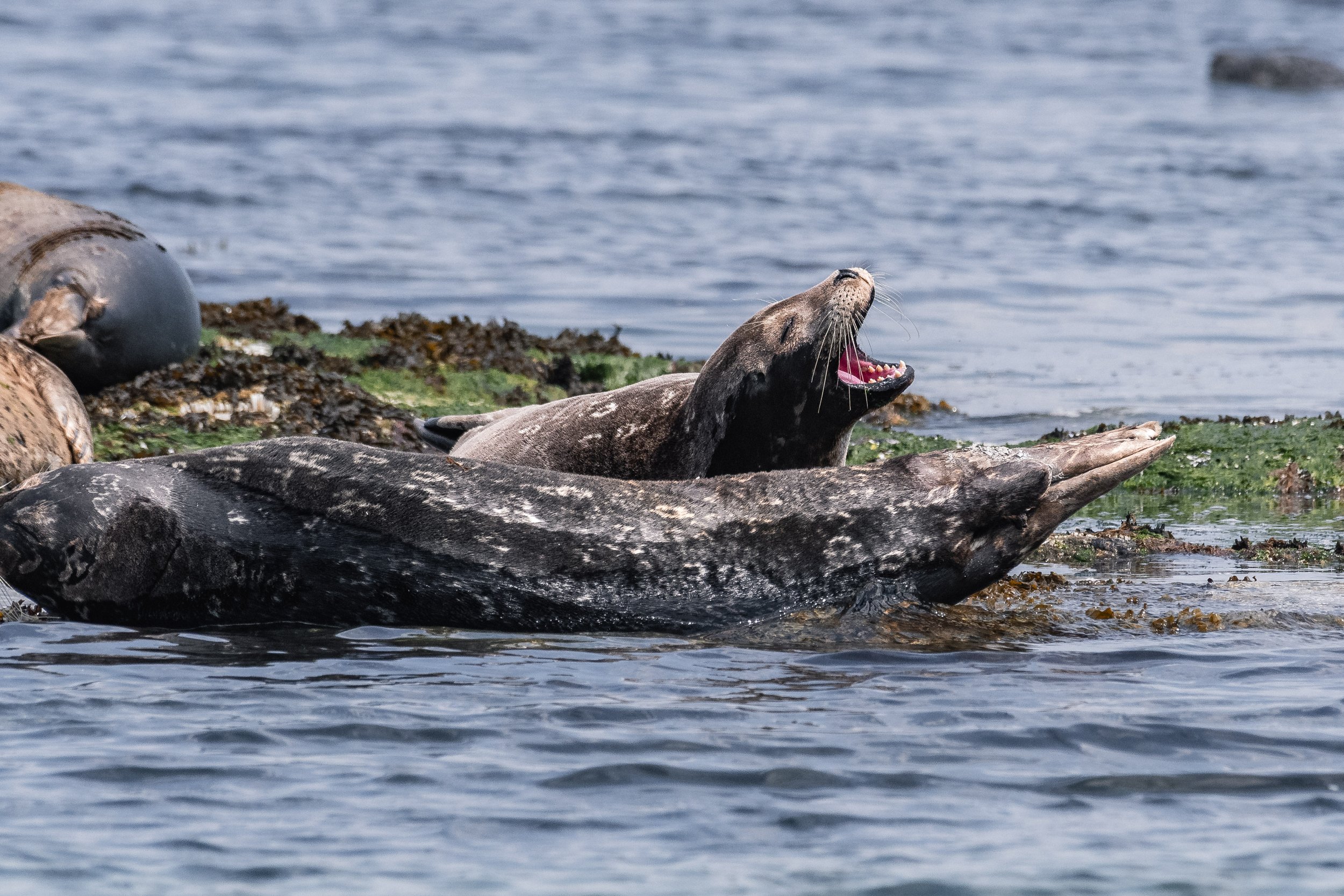
Look at those teeth! Photo by Evan Hessels.
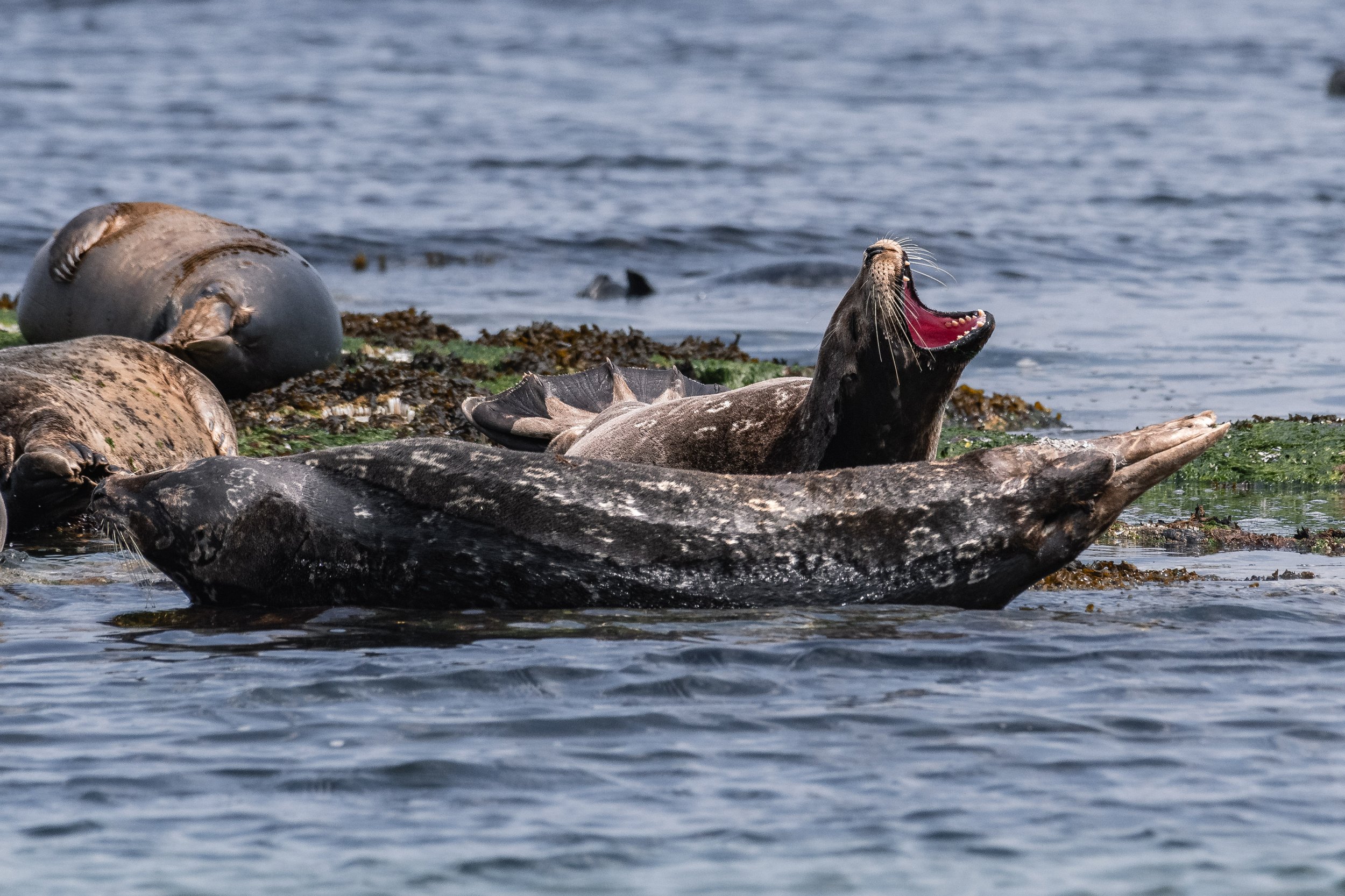
Look at those teeth and toes! Photo by Evan Hessels.
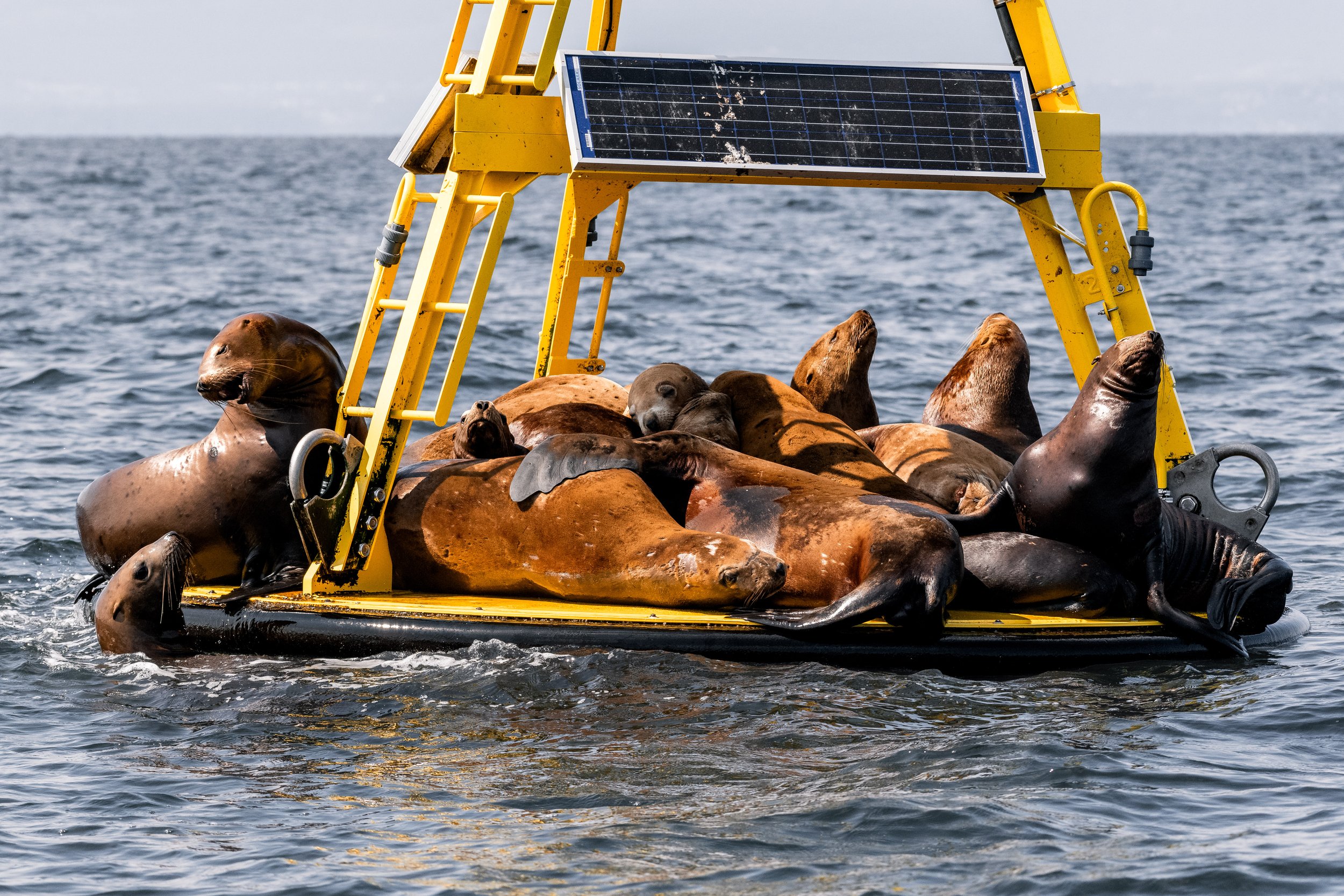
Snoozing with the sea lions. Photo by Hayleigh Hilbert.
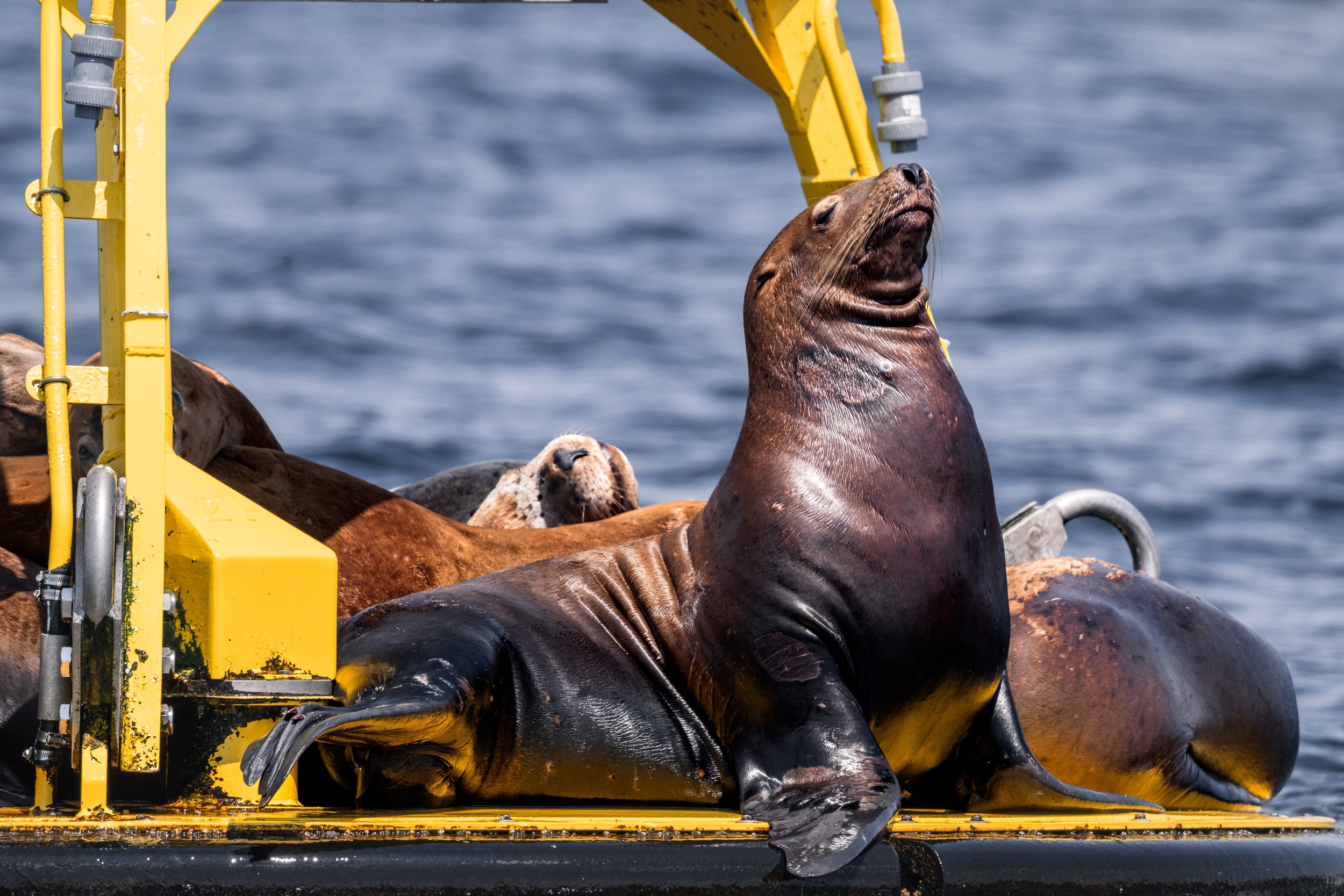
Steller Sea Lions relaxing on the ODAS buoy. Photo by Aly Kohlman.
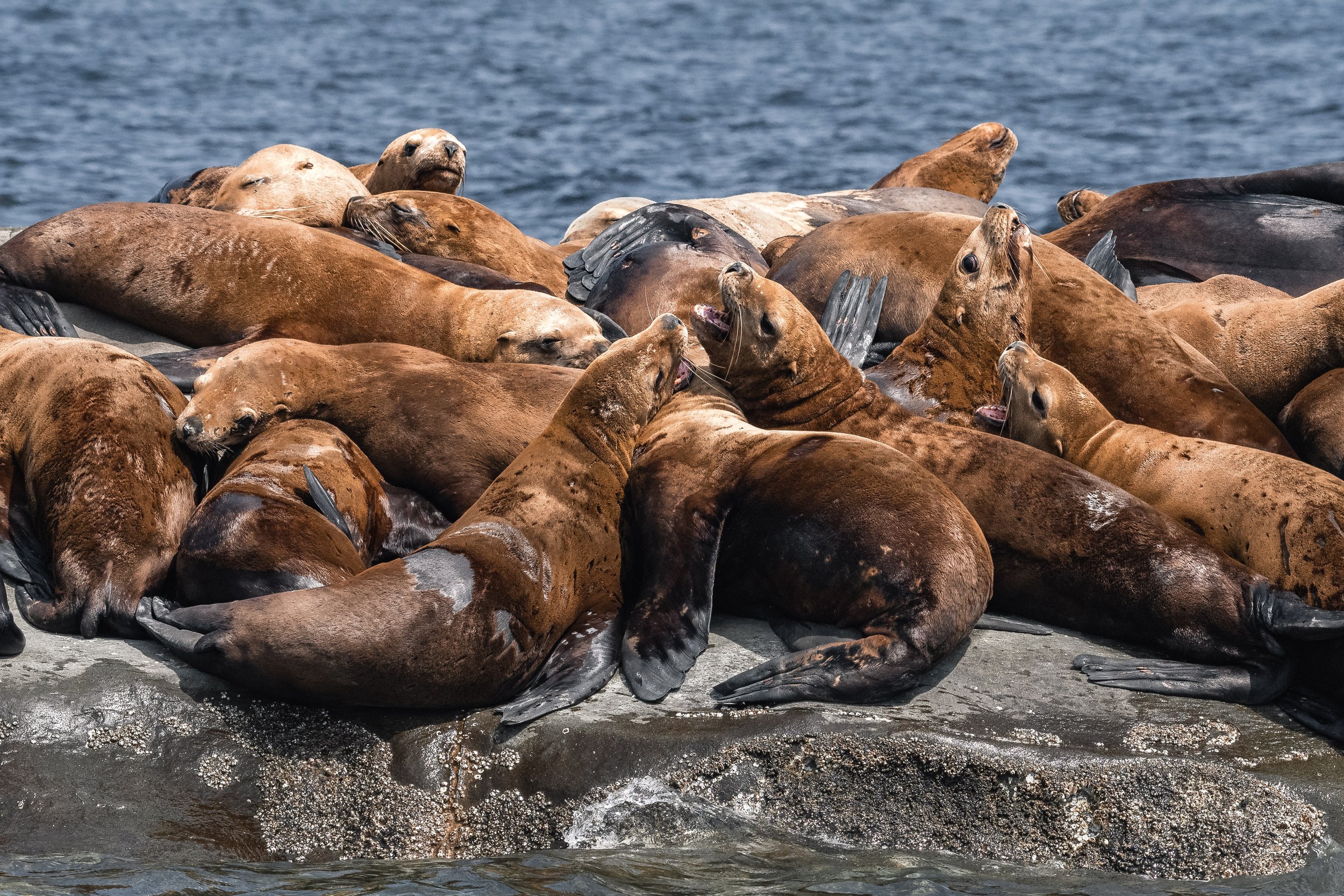
Fighting amongst the sea lions. Photo by Evan Hessels.
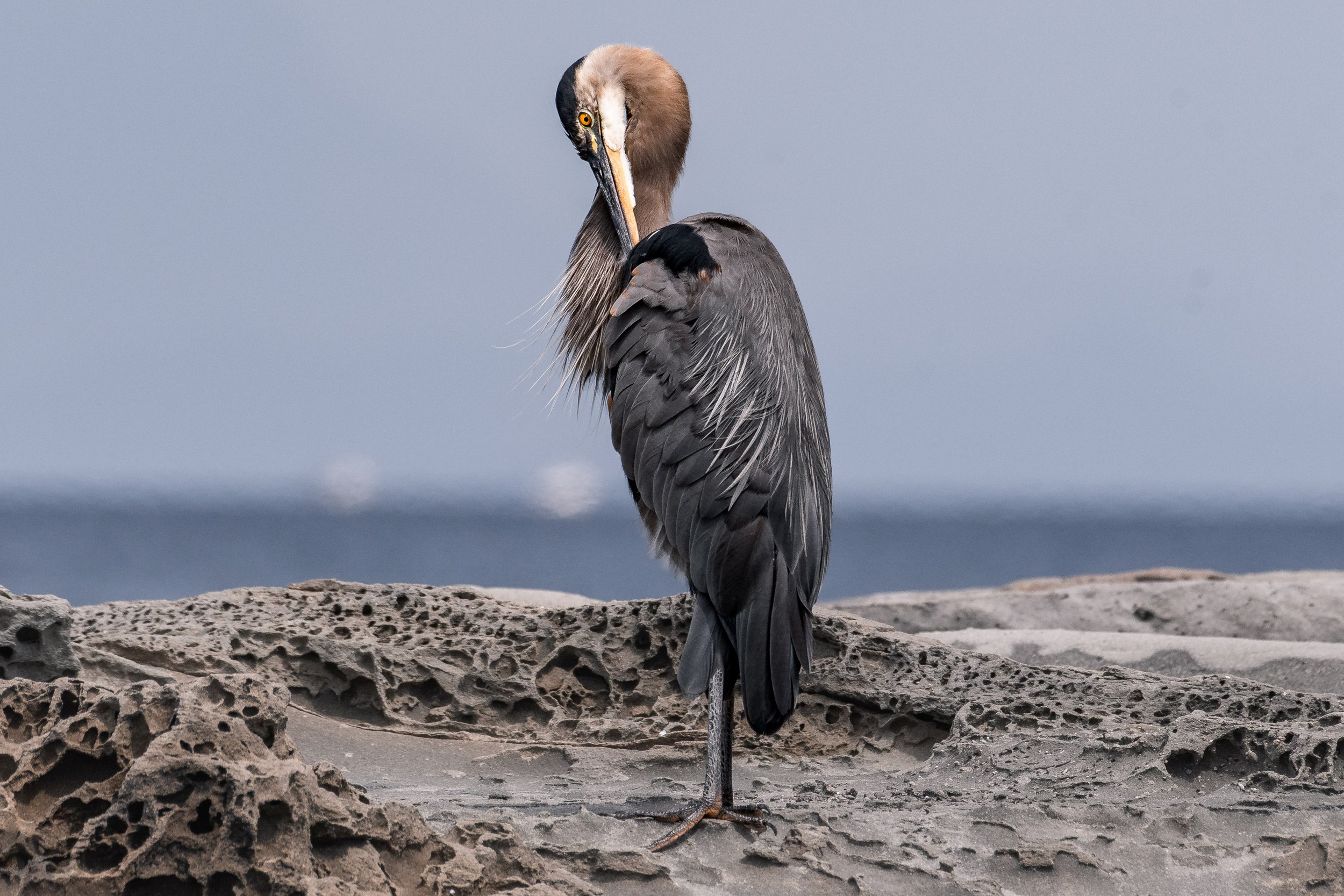
A Great Blue Heron preening away. Photo by Evan Hessels.
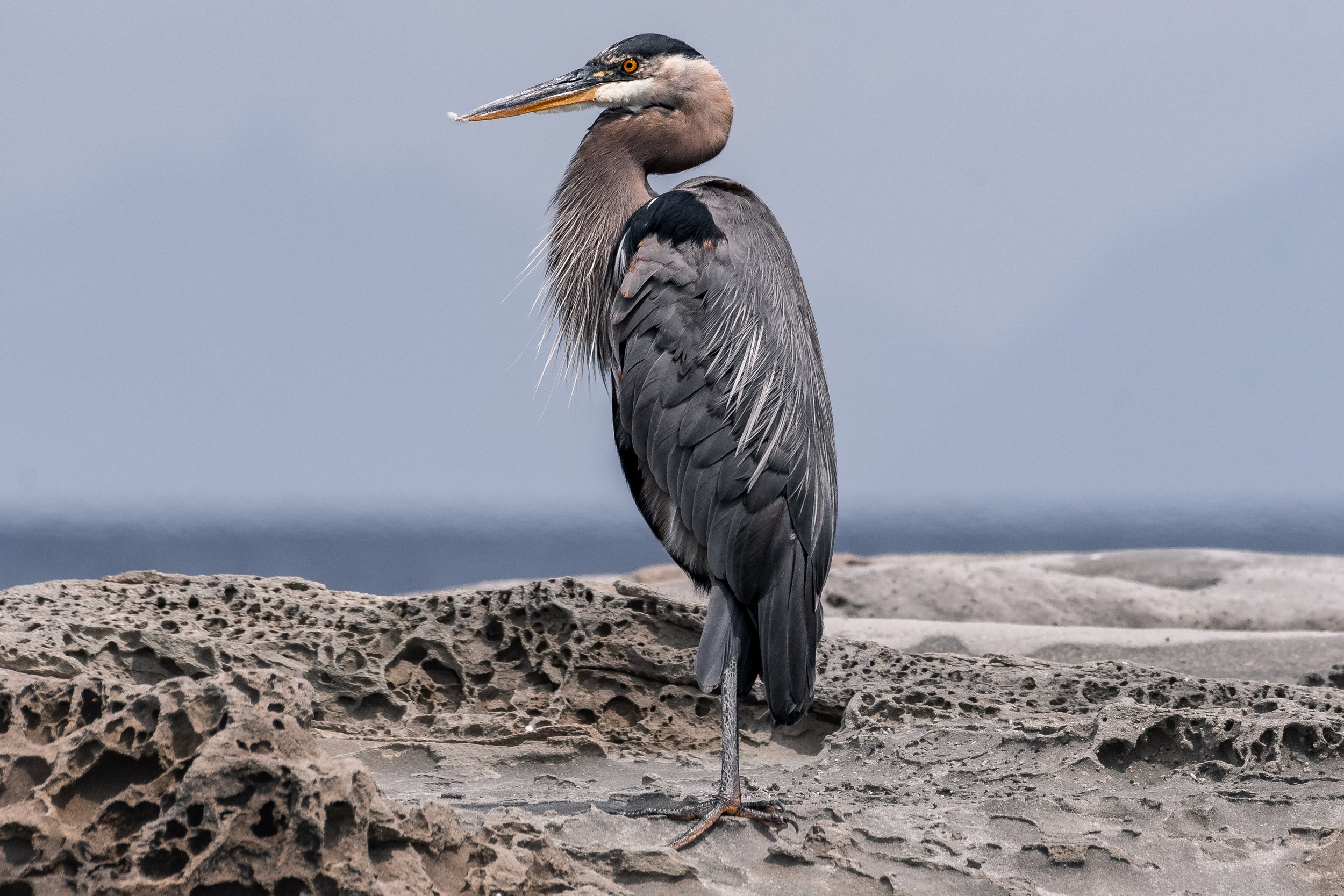
So elegant, so graceful. Photo by Evan Hessels.
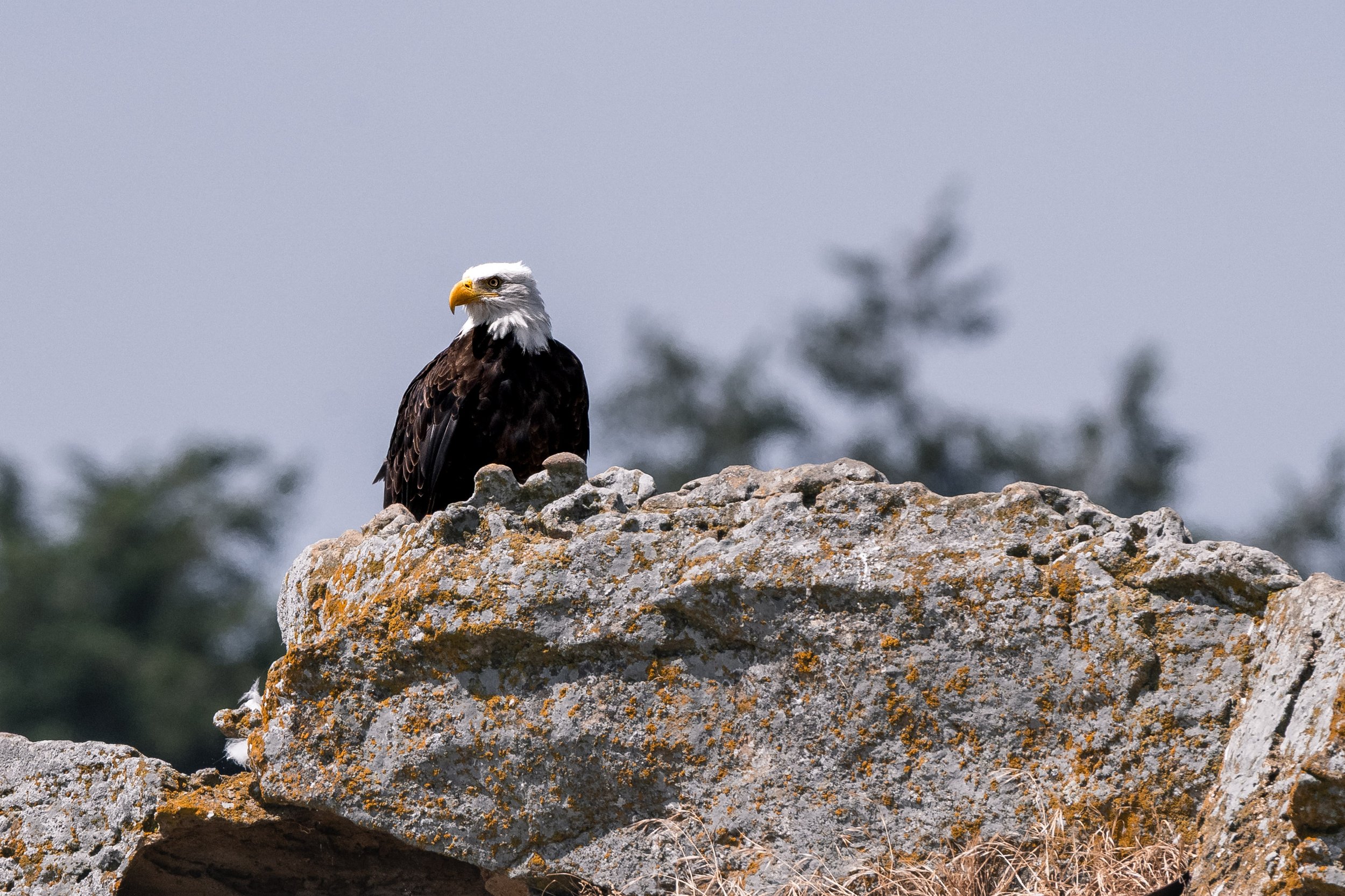
A Bald Eagle surveying the area. Photo by Aly Kohlman.
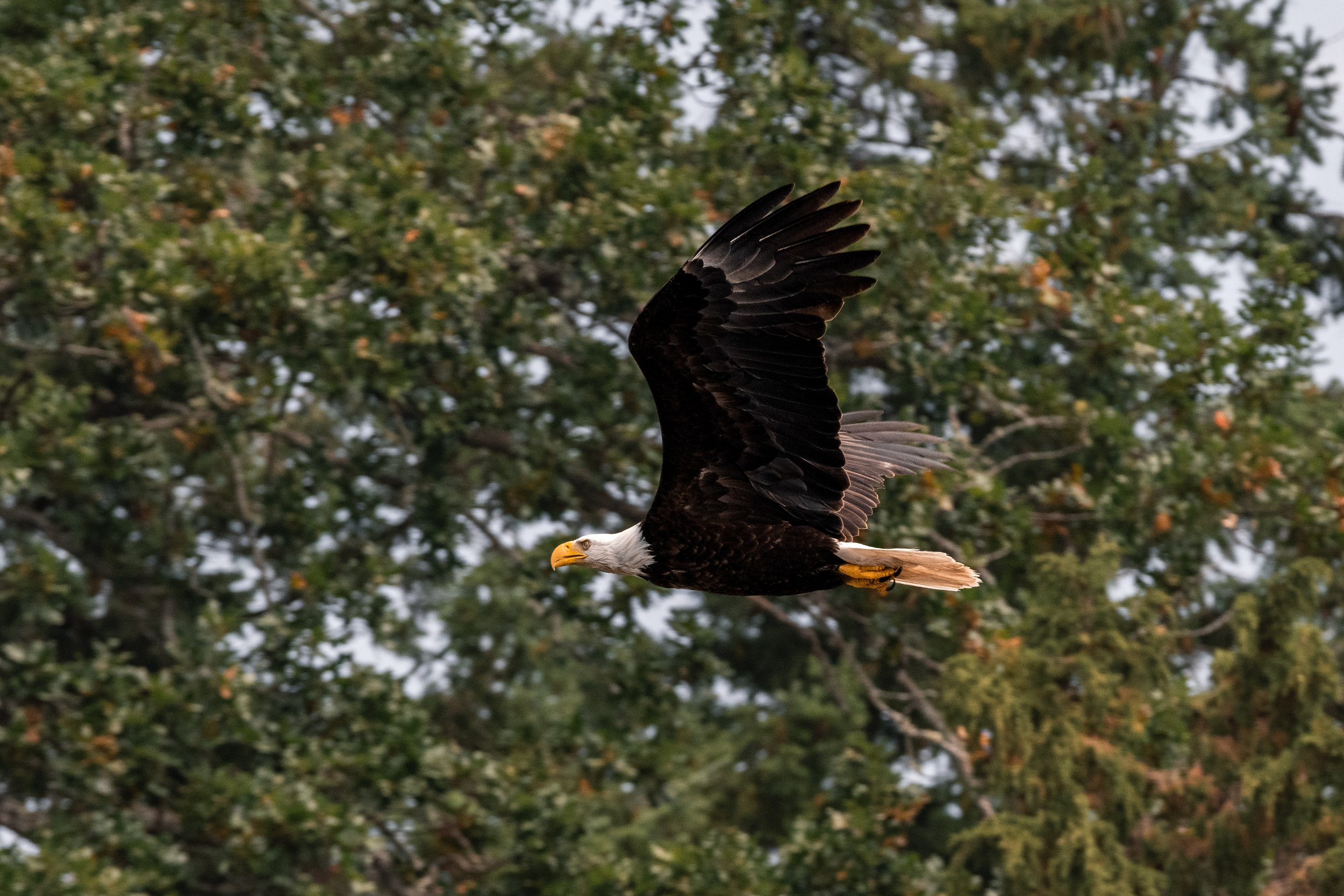
A Bald Eagle in flight. Photo by Hayleigh Hilbert.
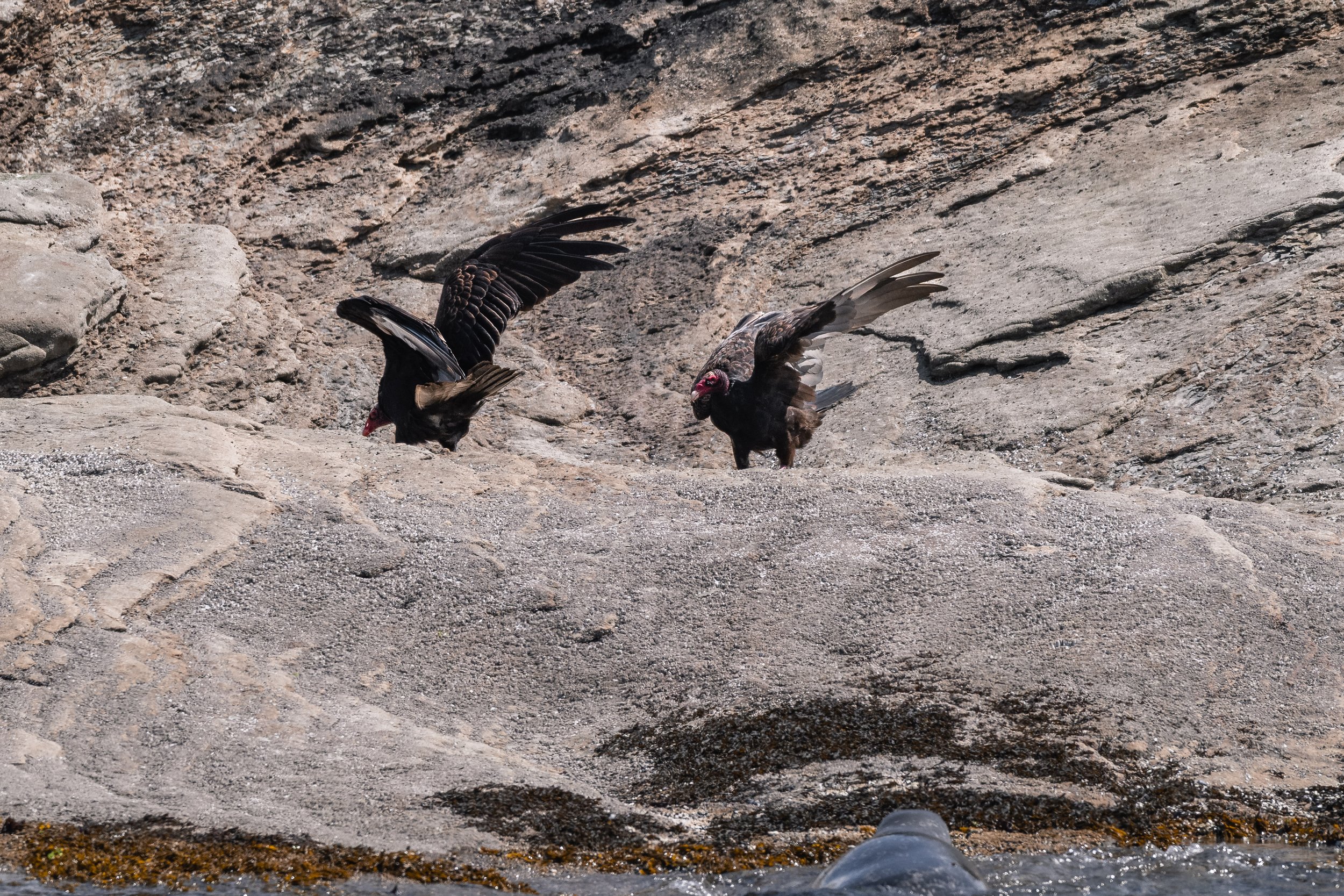
Two Turkey Vultures stretching. Photo by Aly Kohlman.
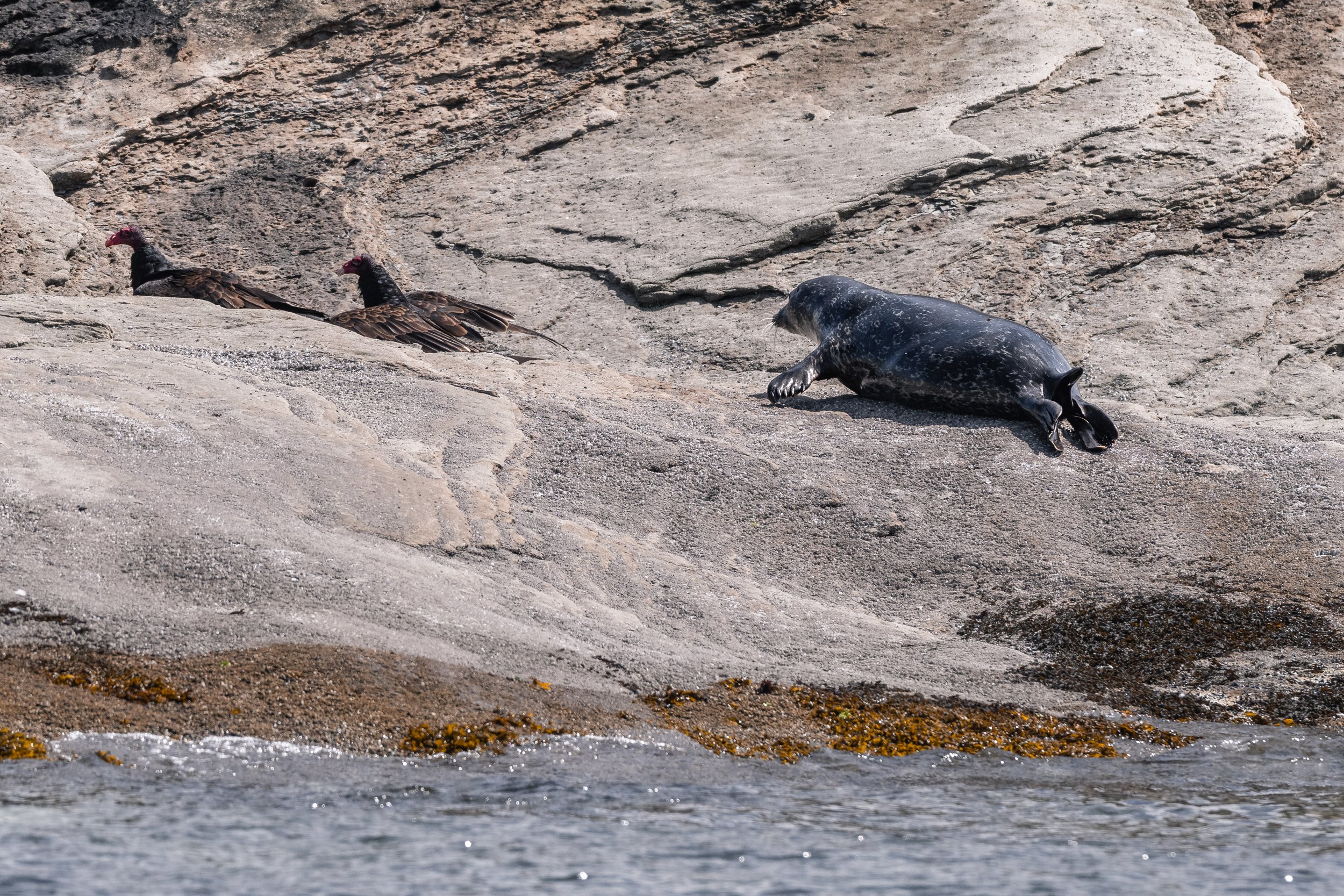
A Harbour Seal approaching the pair of Turkey Vultures. Photo by Aly Kohlman.
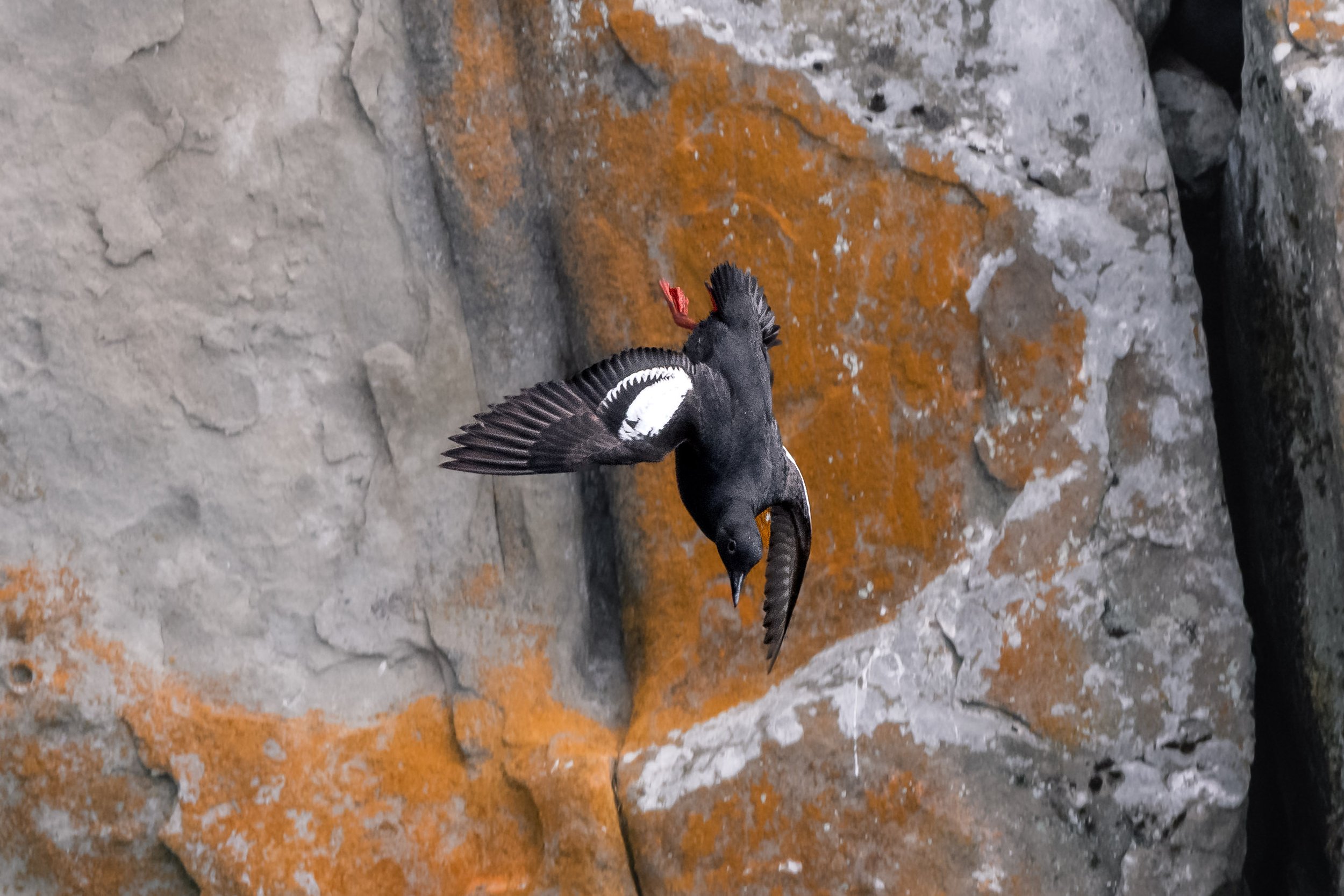
A Pigeon Guillemot going for a dive. Photo by Aly Kohlman.
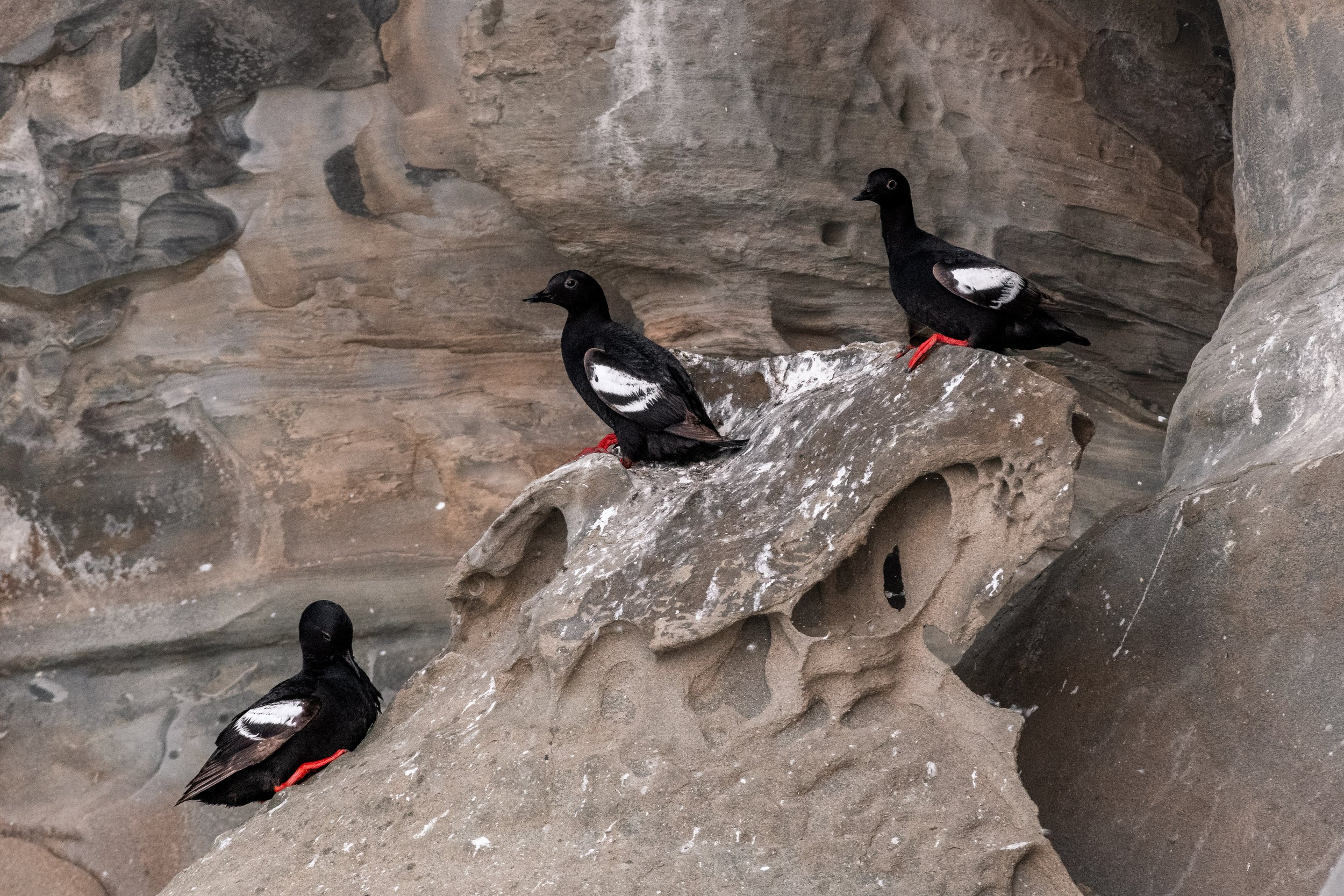
Pigeon Guillemots resting on the rocks. Photo by Hayleigh Hilbert.
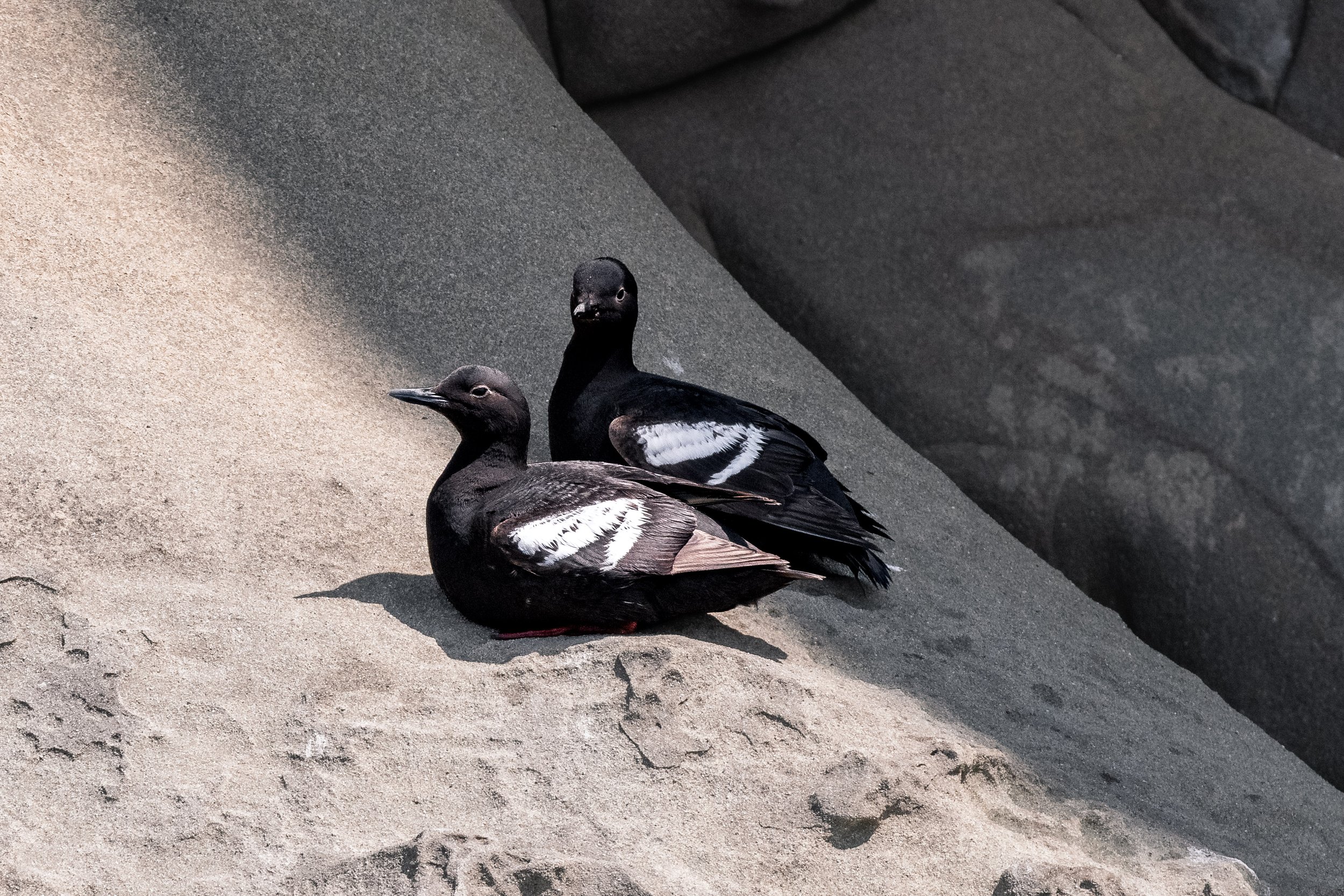
A pair of Pigeon Guillemots side by side. Photo by Hayleigh Hilbert.
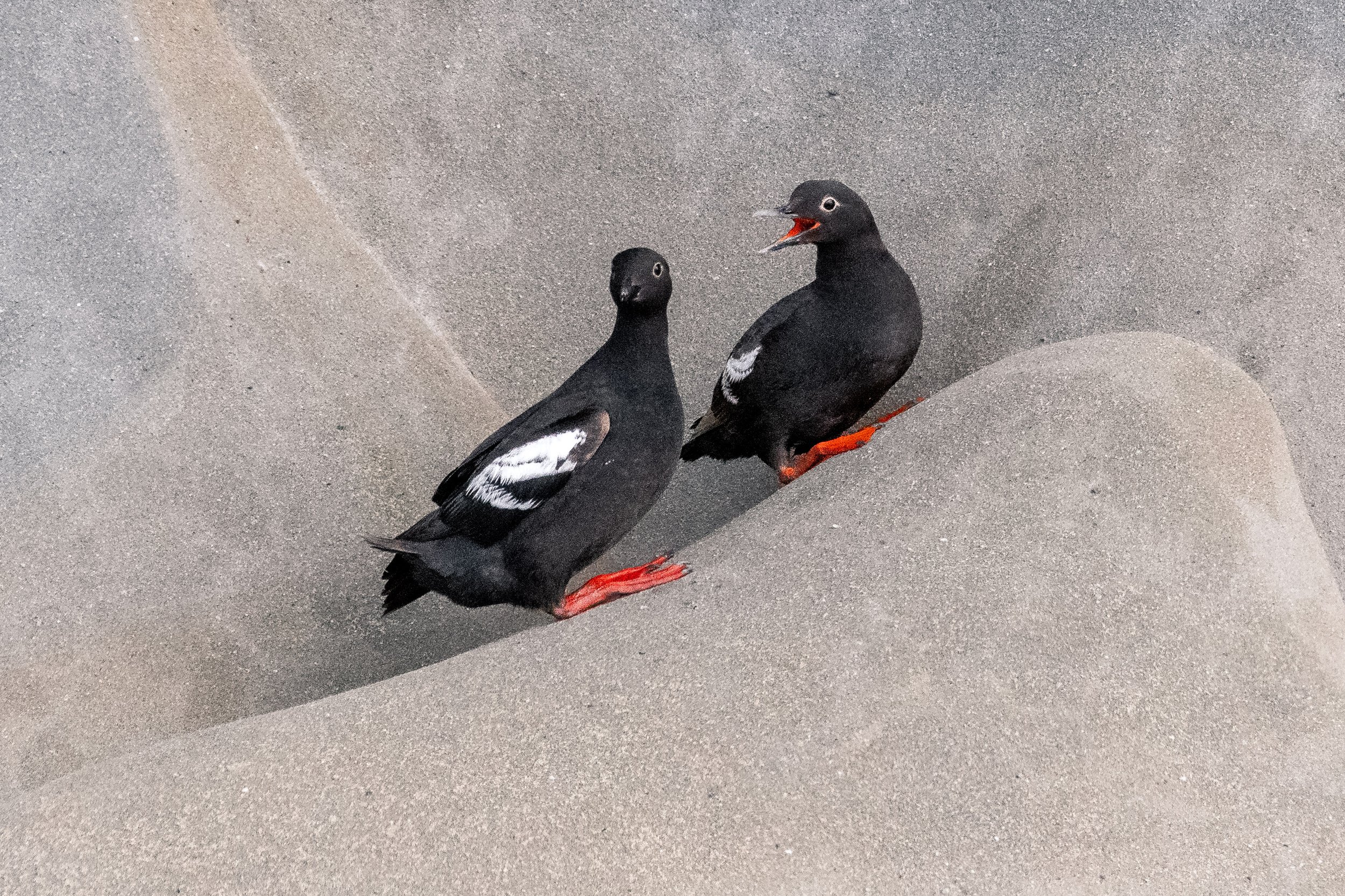
Yapping with eachother. Photo by Evan Hessels.
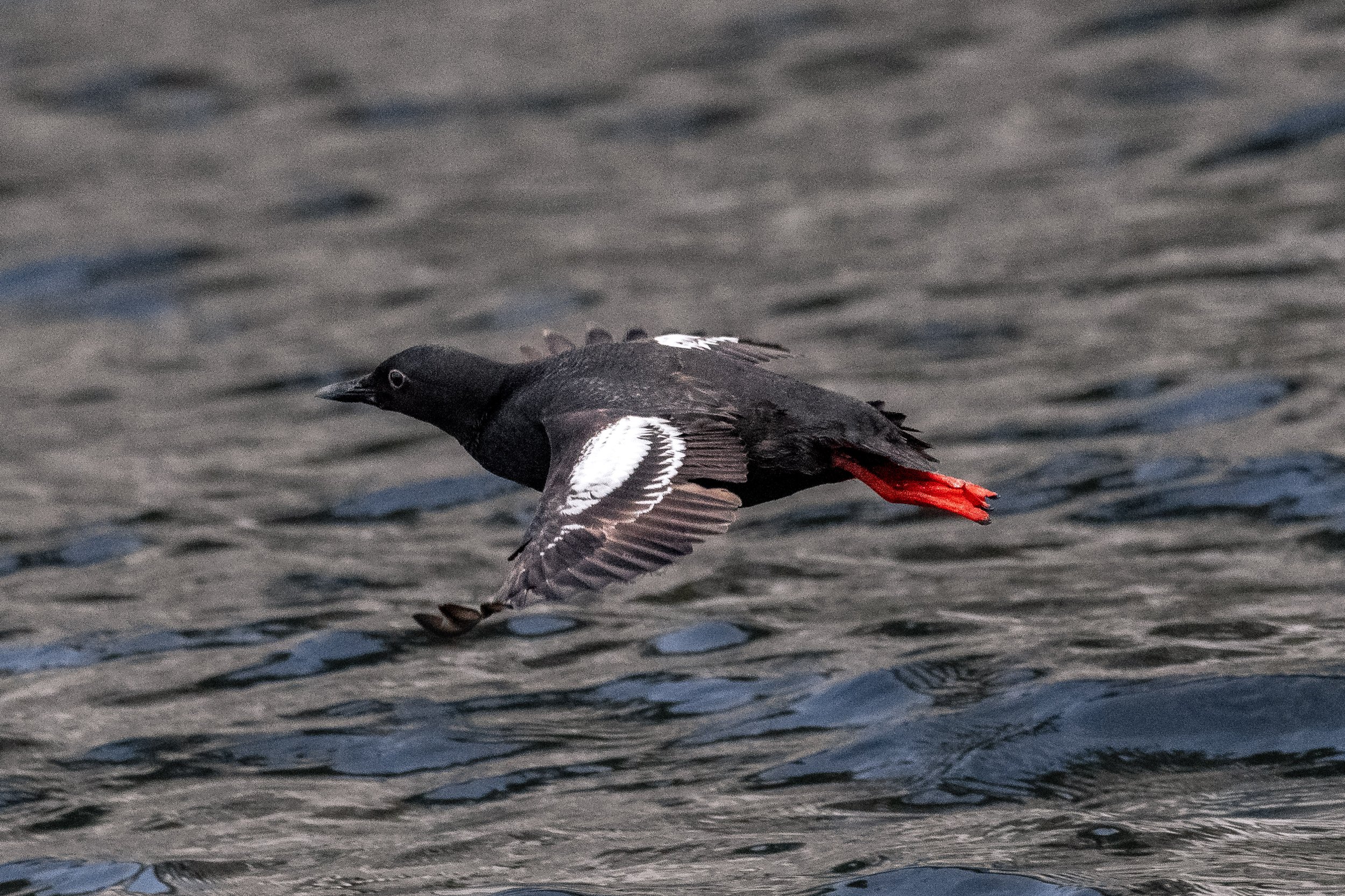
Soaring on by. Photo by Evan Hessels.