
July 23, 2026, 3:30 PM - Signature Whale Watch - A Quartet of Whales near Halibut Bank
Although there were clouds overhead and a storm brewing, we didn’t let that rain on our parade as we loaded on board our boats and started our afternoon adventure. We decided to head south to start the search, the boats spreading out to cover more ground as they travelled through the Southern Gulf Islands. While we kept our eyes peeled, no whales appeared to be in this area today, so we set our sights on the Strait of Georgia, the large channel of water that separates the mainland of BC from the Southern Gulf Islands and Vancouver Island itself. As we headed for these more open waters, the captain spotted other wildlife along the shoreline: Harbour Seals!
These adorable little critters are a favourite of ours to see on our travels, not just because they are so cute with their big, glossy eyes and round bodies, but also because they are a good indicator of a healthy ecosystem. They play an important role here not only as a potential food source for local predators, but also as important predators themselves. They feed on a wide variety of species, including small fish, larger fish like salmon, and even octopus! This variety of prey helps keep many fish species in check, leading to healthier populations. If the Harbour Seal populations get out of control, their own predators will be able to hunt more and control the population as well.
It’s always a special treat to get to see these little pinnipeds, but we still wanted to try and find whales, so we continued along, heading out Porlier Pass and into the Strait.
We travelled north from here, riding the waves and heading towards a spot called Halibut Bank. This is an area in the Strait of Georgia where the depth changes dramatically, going from over 1,000 feet deep to just over 200 feet. This change helps mix the water column here; as the tide changes, water will be pushed upward when it hits this depth change, pushing the surface water around and allowing nutrient exchange. It’s this mixing and nutrient exchange that brings a lot of wildlife to the area, and why we searched our way here. Lucky we did, since soon enough we spotted the big bushy blows of some humpbacks in the distance!
It turned out to be 4 humpback whales travelling together, although they soon broke into two associated pairs. The onboard Marine Naturalist, Vanessa, quickly grabbed her camera and snapped some photos, confirming that these whales were Valiant (BCX1773), Split Fin (BCZ0298), Scuba (BCY1225), and Chomper (BCX2192), who were feeding here.
The humpback whale's entire purpose of coming to the coastal waters of British Columbia is to feed, since they need to build up their fat reserves before migrating down south again. While they spend their time in the feeding grounds of either Hawaii or Mexico, their main energy source comes from burning this fat since there isn’t much (if any) food available to them down there. While they are building that fat, they are sometimes doubling their weight from when they first arrive! This takes a lot of work, given that they will be eating nearly a ton of food each day.
They are filter feeders, so this food is collected in large volumes with water in their mouths before being strained through the baleen. This baleen hangs in 400 sheets from the roof of their mouth, forming a dense sieve that will catch all the krill and small schooling fish that these whales chase. Between 18 and 20 hours of their day is thought to be spent feeding to achieve these huge volumes. It’s what we found these whales doing today, coming to the surface a few times to breathe before lifting their tails into the air to propel their downward feeding dive. We can’t blame them for it, since they have those huge energy requirements to meet!
It was a thrill to watch these whales, but eventually it was time to leave them behind, and we continued home to Nanaimo Harbour. Please enjoy the photos below taken throughout the tour by the onboard Marine Naturalists Aly Kohlman and Vanessa Vereschahen.
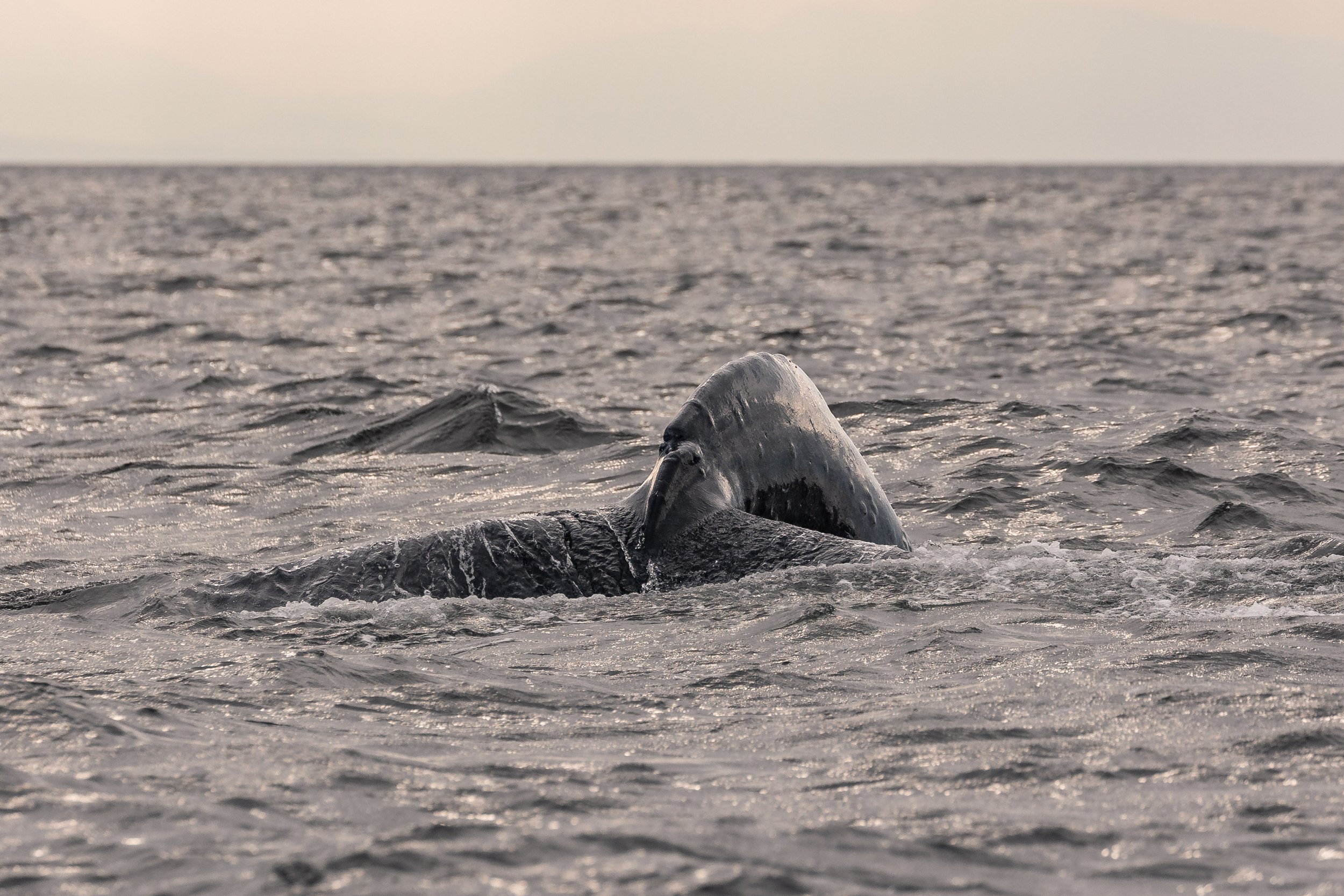
Scuba diving - you can see his peduncle notch in this shot. Photo by Vanessa Vereschahen.
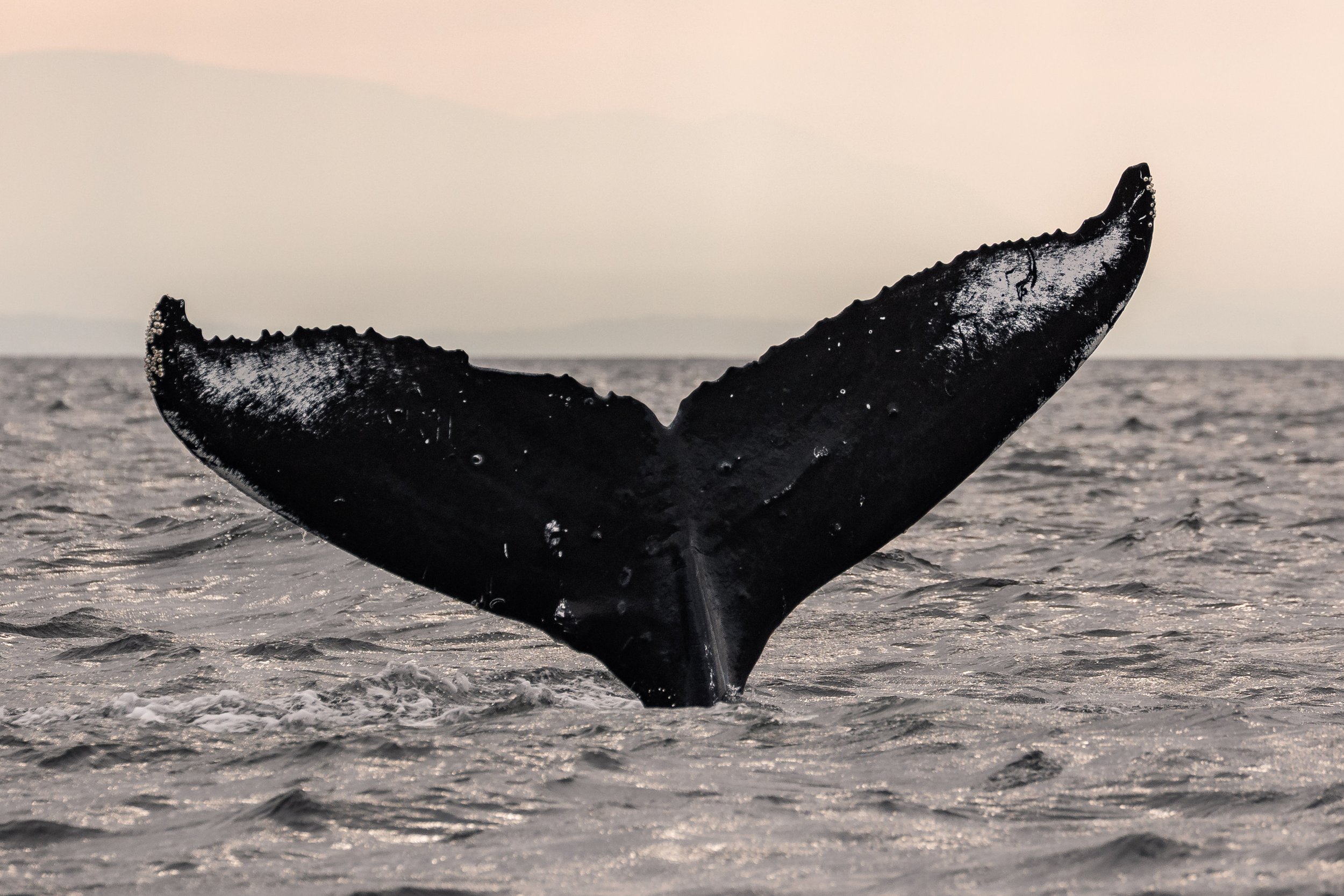
Scuba’s beautiful fluke. Photo by Vanessa Vereschahen.
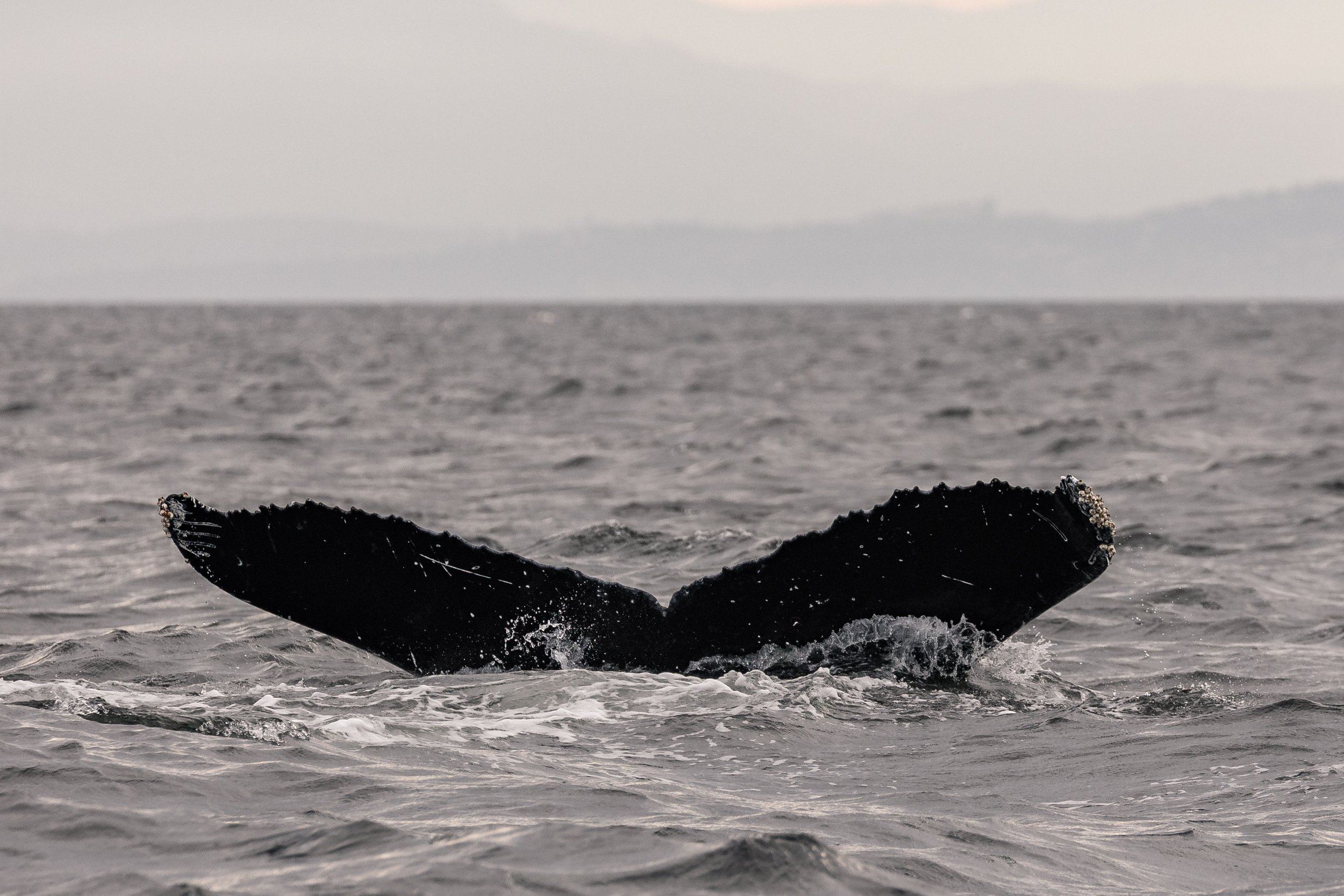
Chomper fluking. Photo by Vanessa Vereschahen.
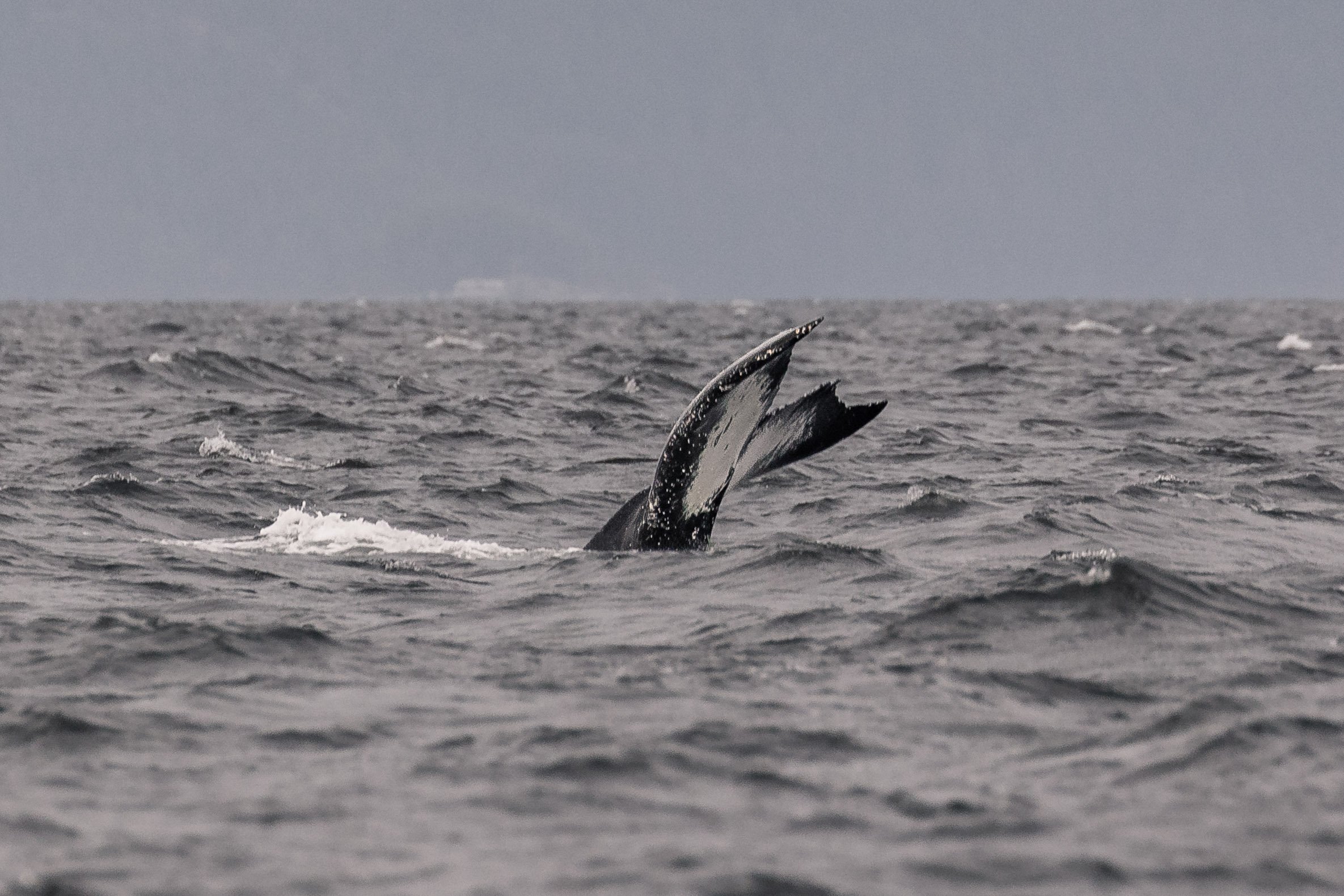
Split Fin diving. Photo by Vanessa Vereschahen.
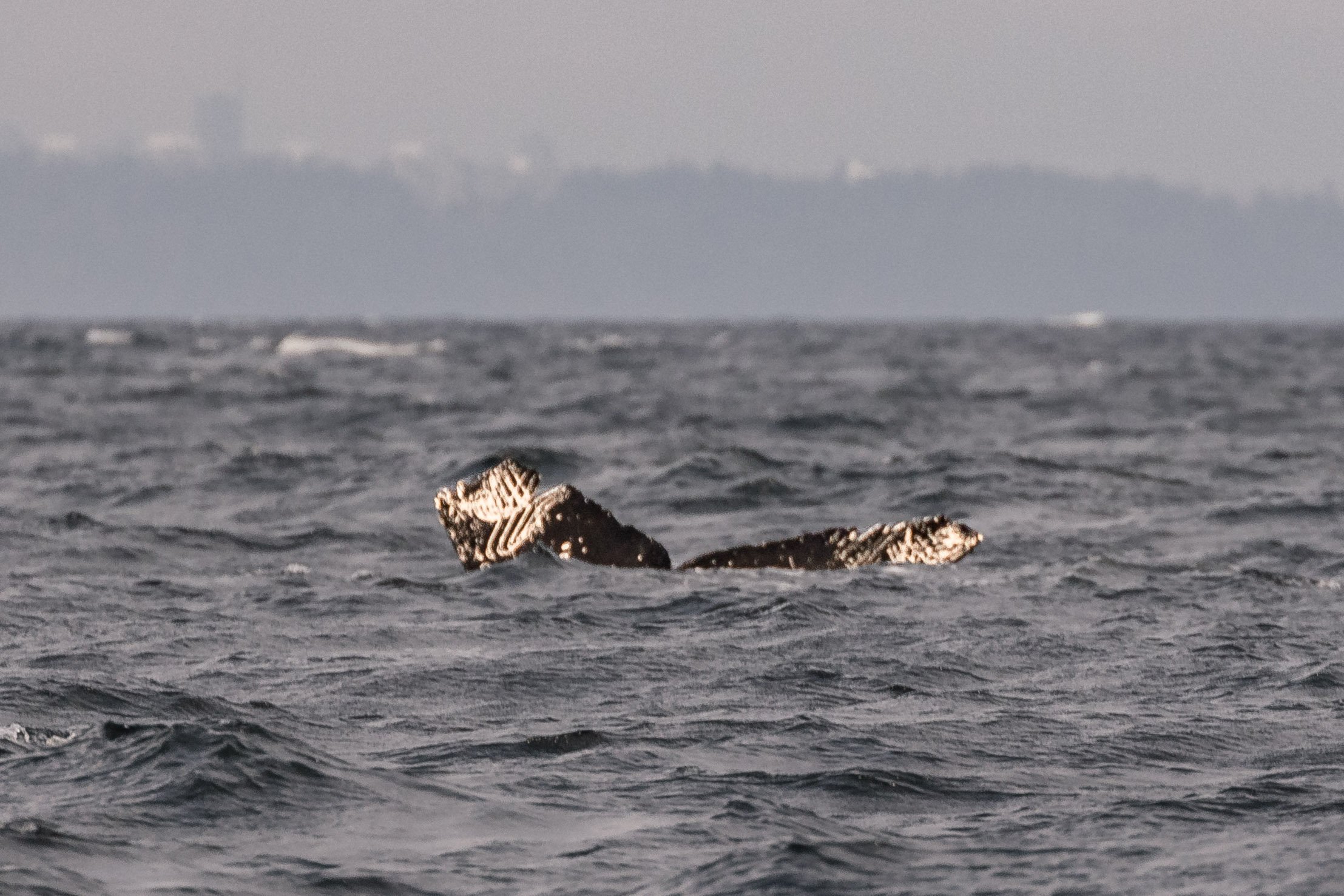
Valiant going for a dive. Photo by Vanessa Vereschahen.
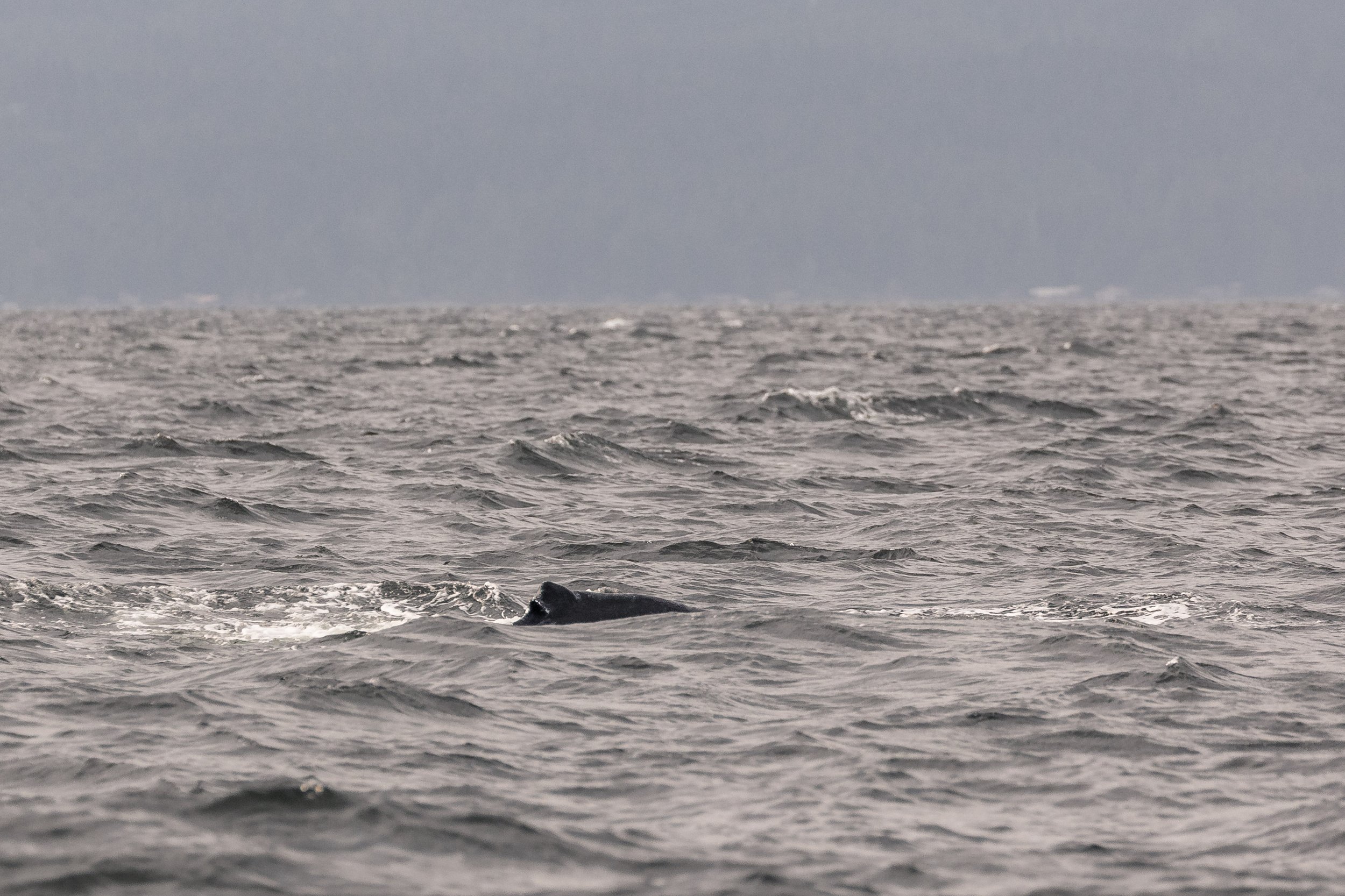
Split Fin travelling along. Photo by Vanessa Vereschahen.
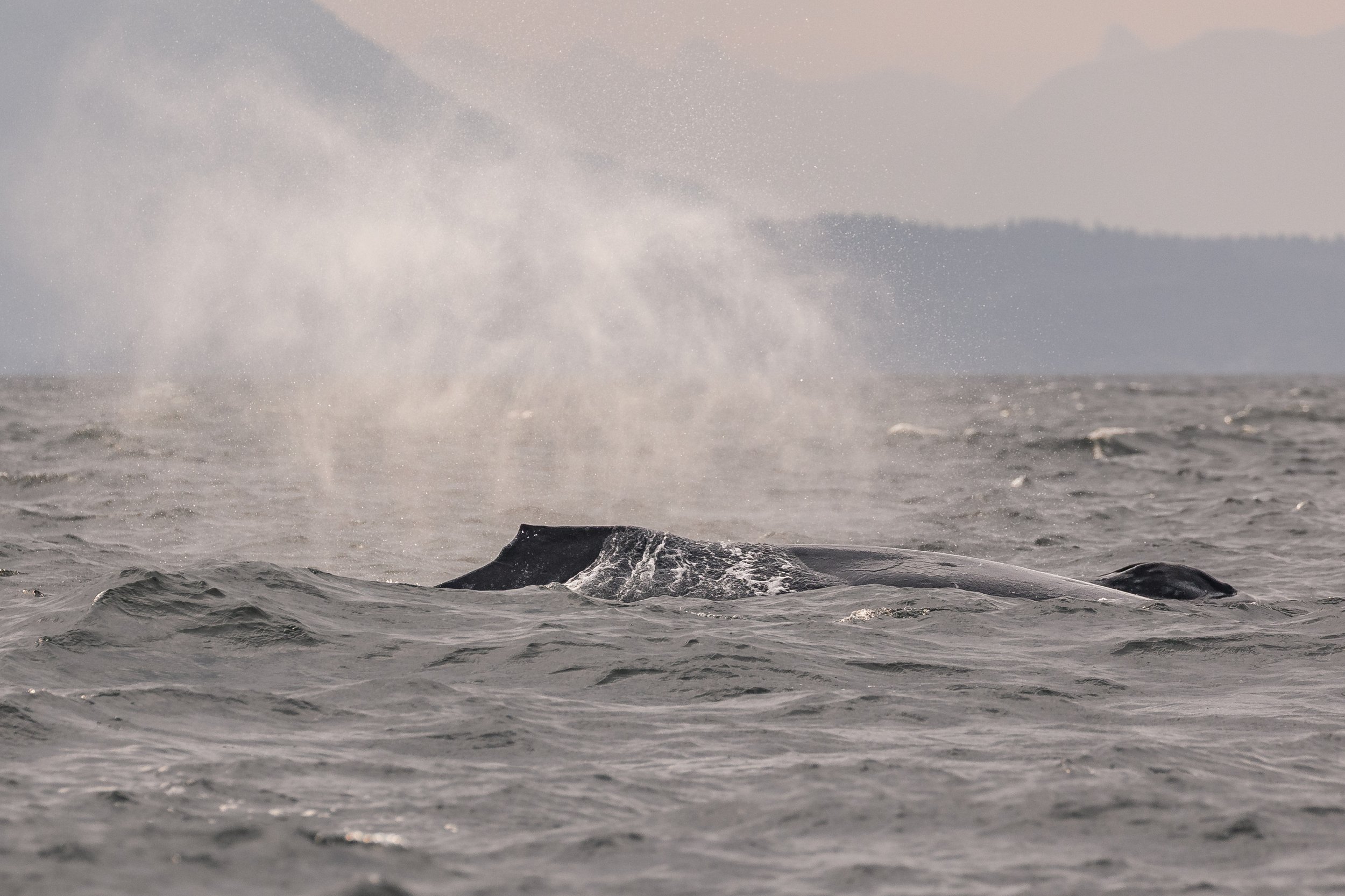
Valiant with a giant blow. Photo by Vanessa Vereschahen.
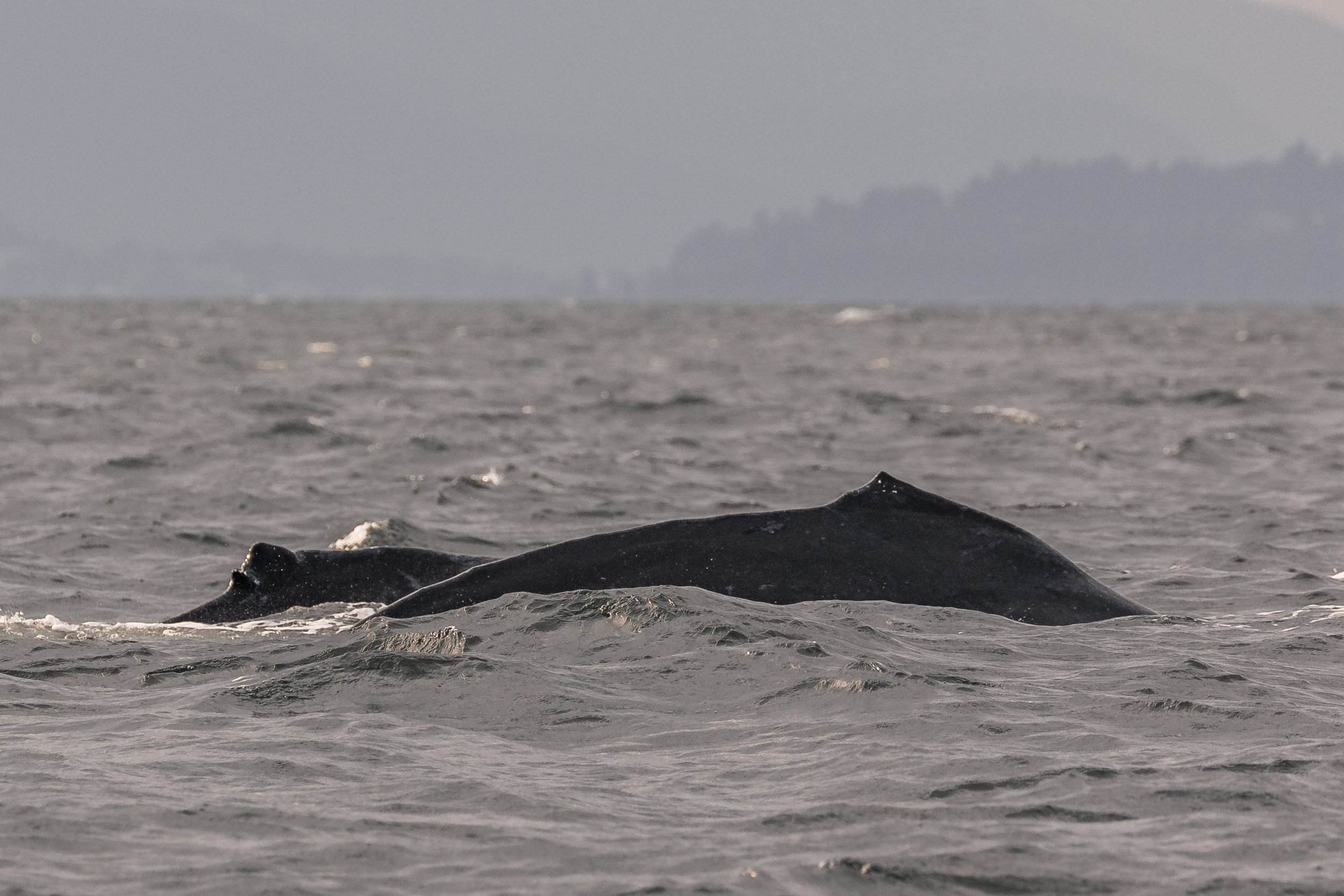
Split Fin and Valiant side by side. Photo by Vanessa Vereschahen.
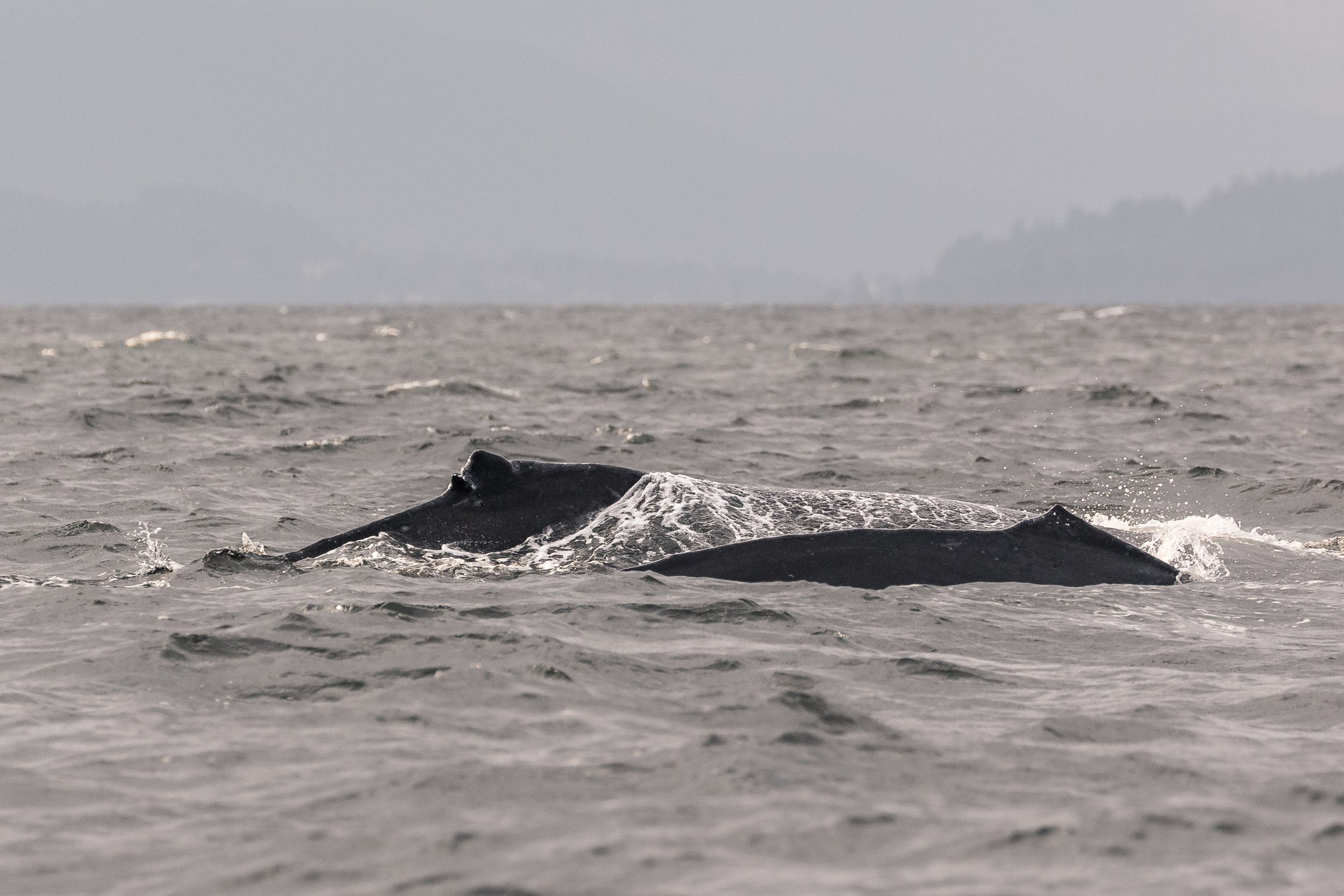
Split Fin and Valiant dipping below the waves. Photo by Vanessa Vereschahen.
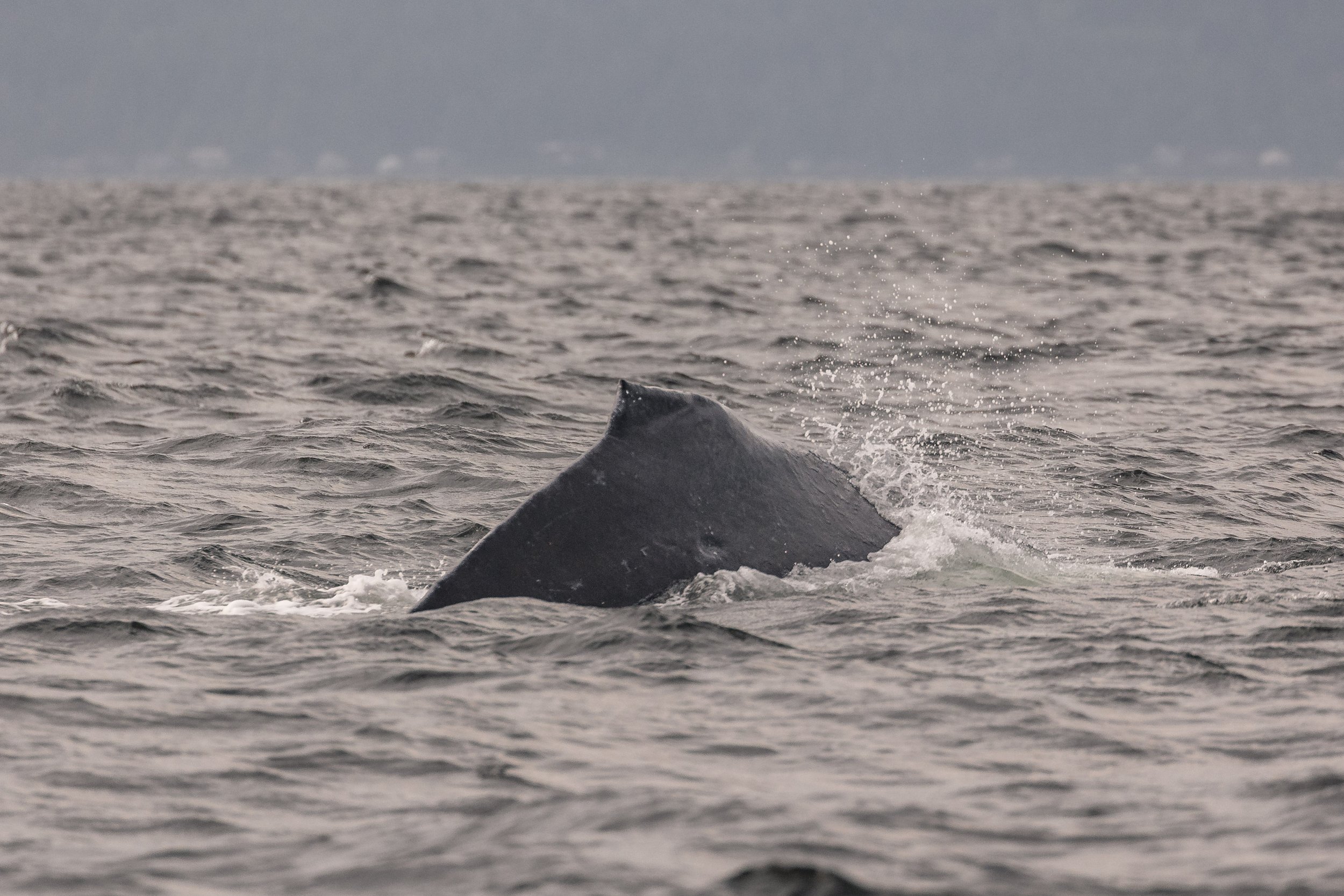
Valiant travelling along. Photo by Vanessa Vereschahen.
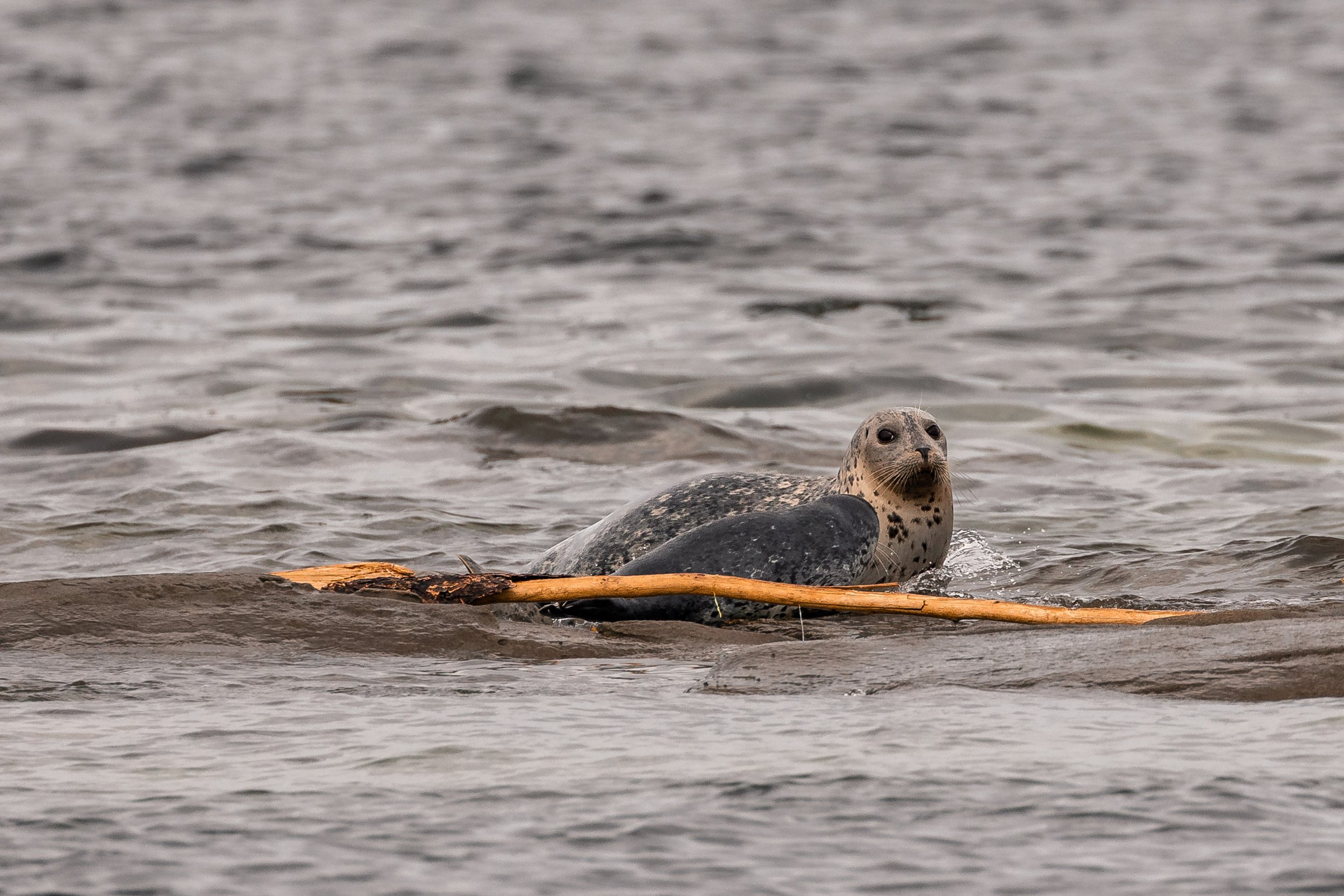
Resting in the shallows. Photo by Vanessa Vereschahen.
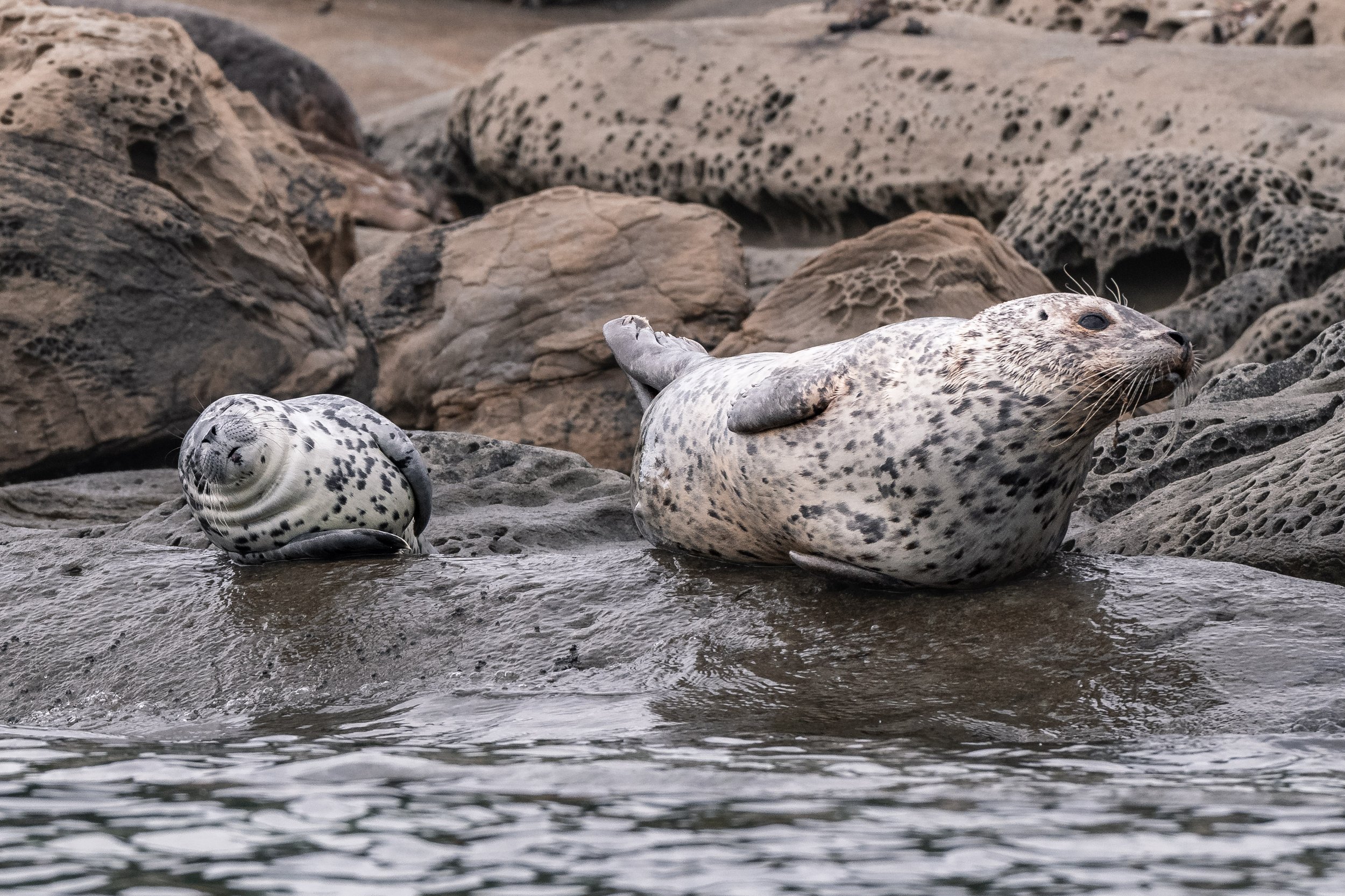
Snoozing together. Photo by Aly Kohlman.
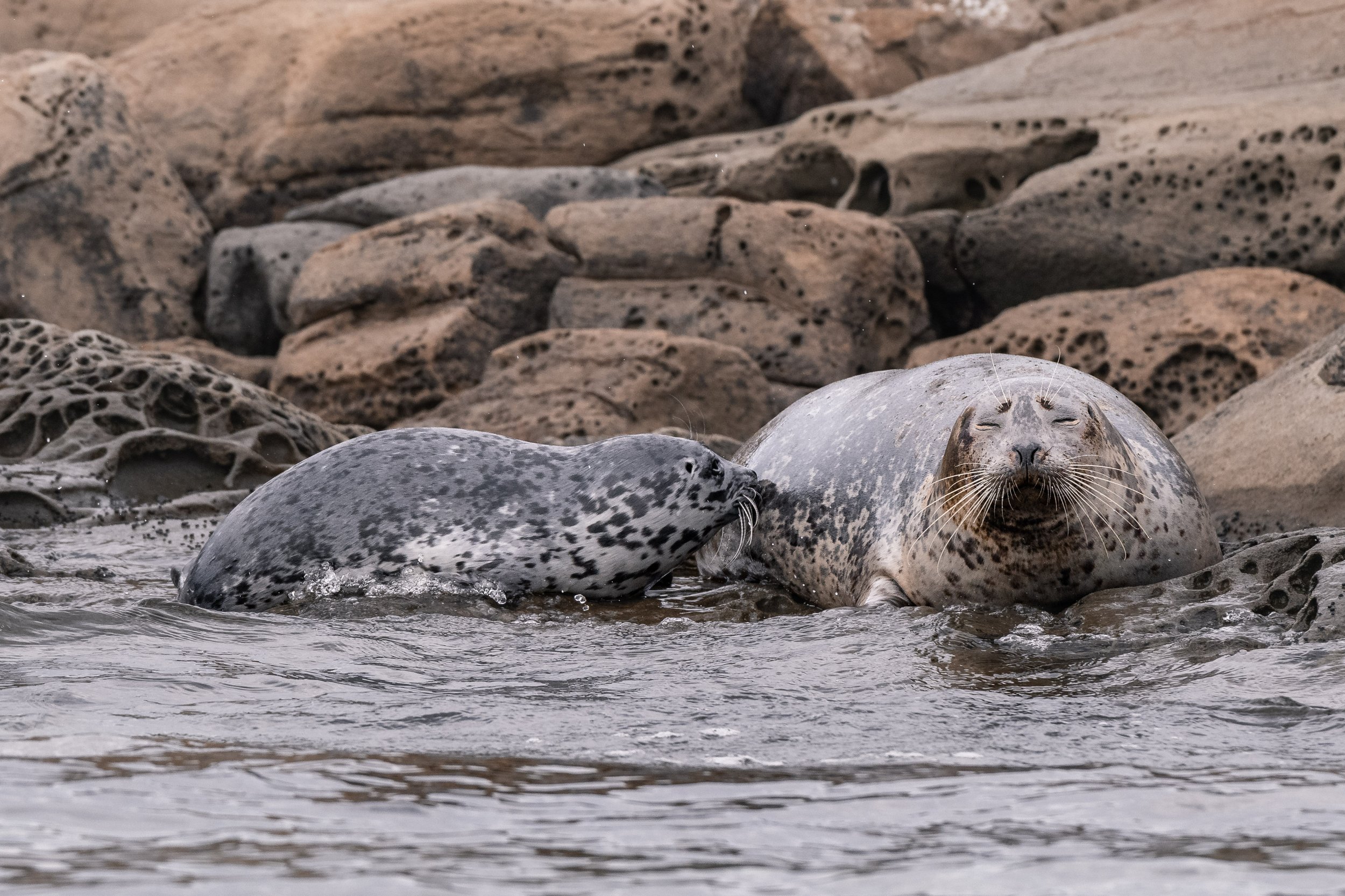
Looking for a little snack. Photo by Aly Kohlman.
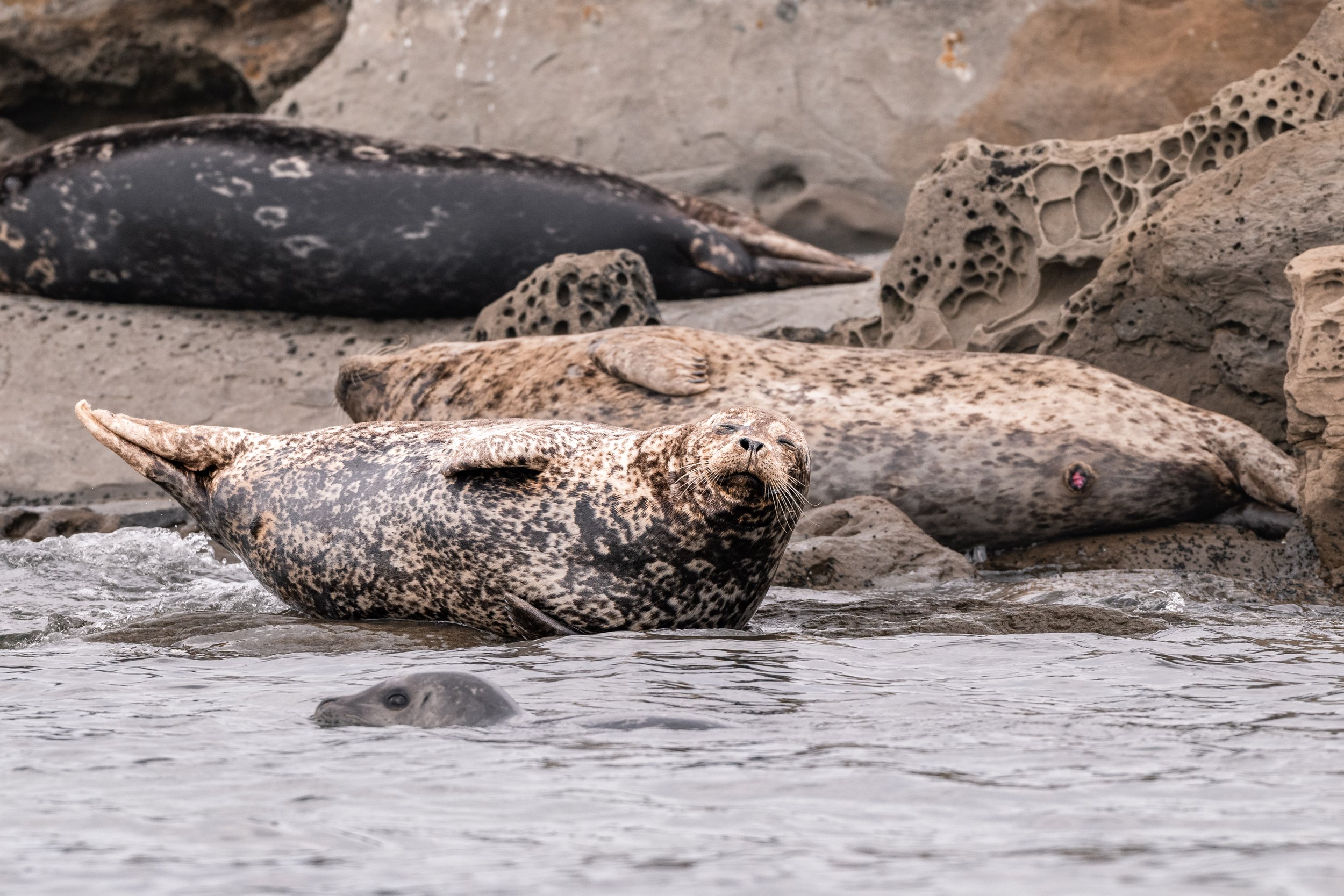
Carefully balanced while napping away. Photo by Aly Kohlman.
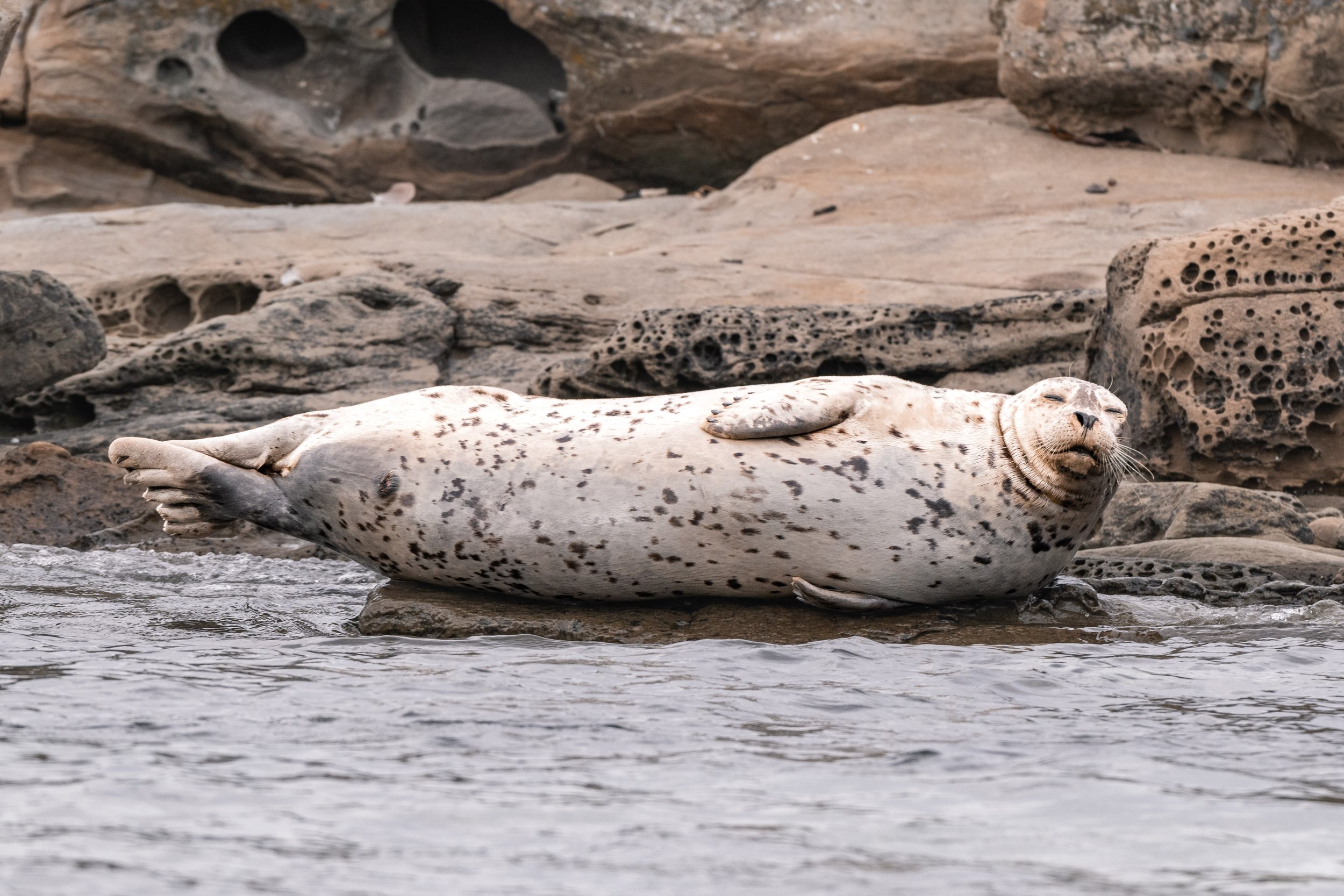
How comfy and cozy. Photo by Aly Kohlman.
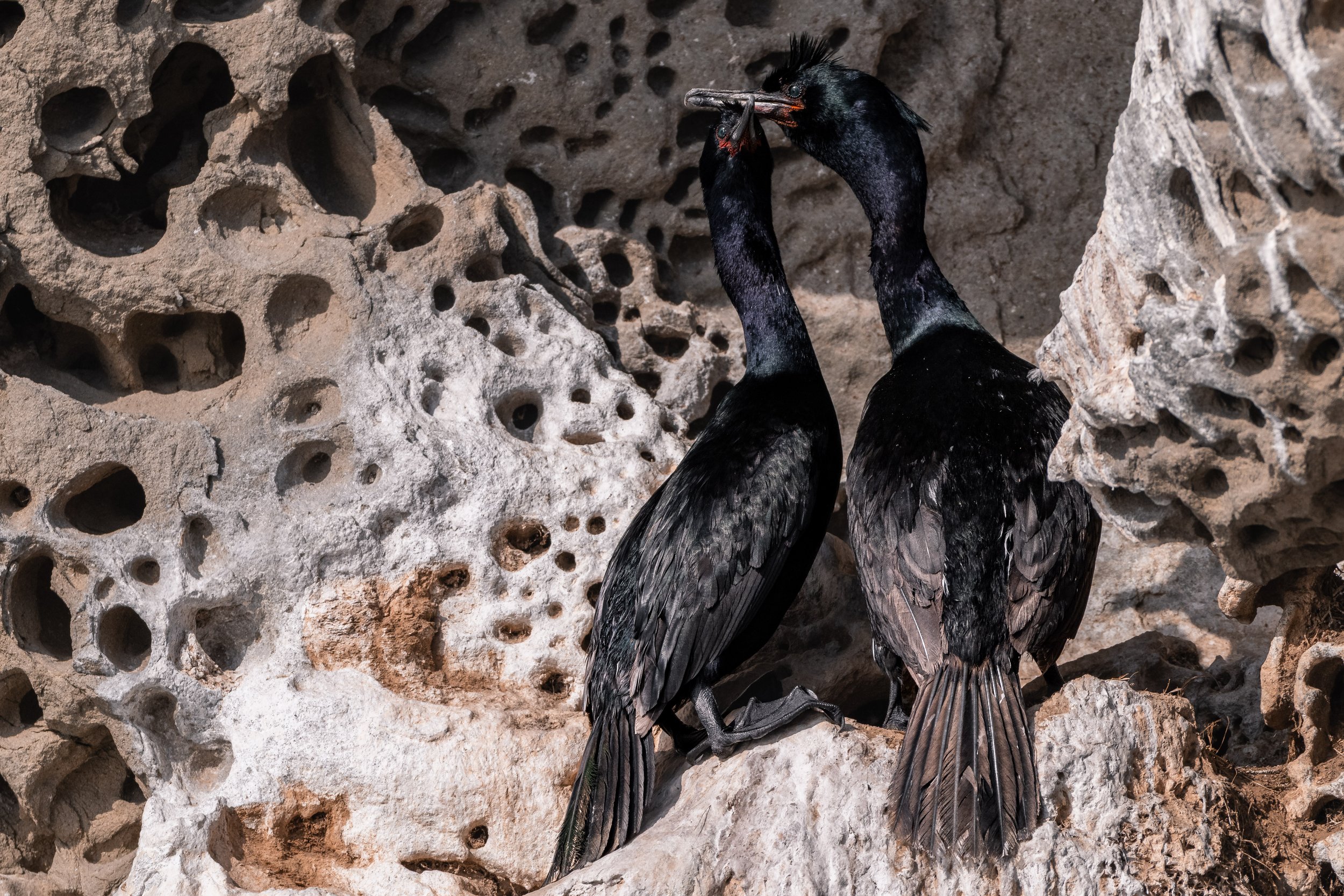
Cormorants at the Gabriola Bluffs. Photo by Aly Kohlman.
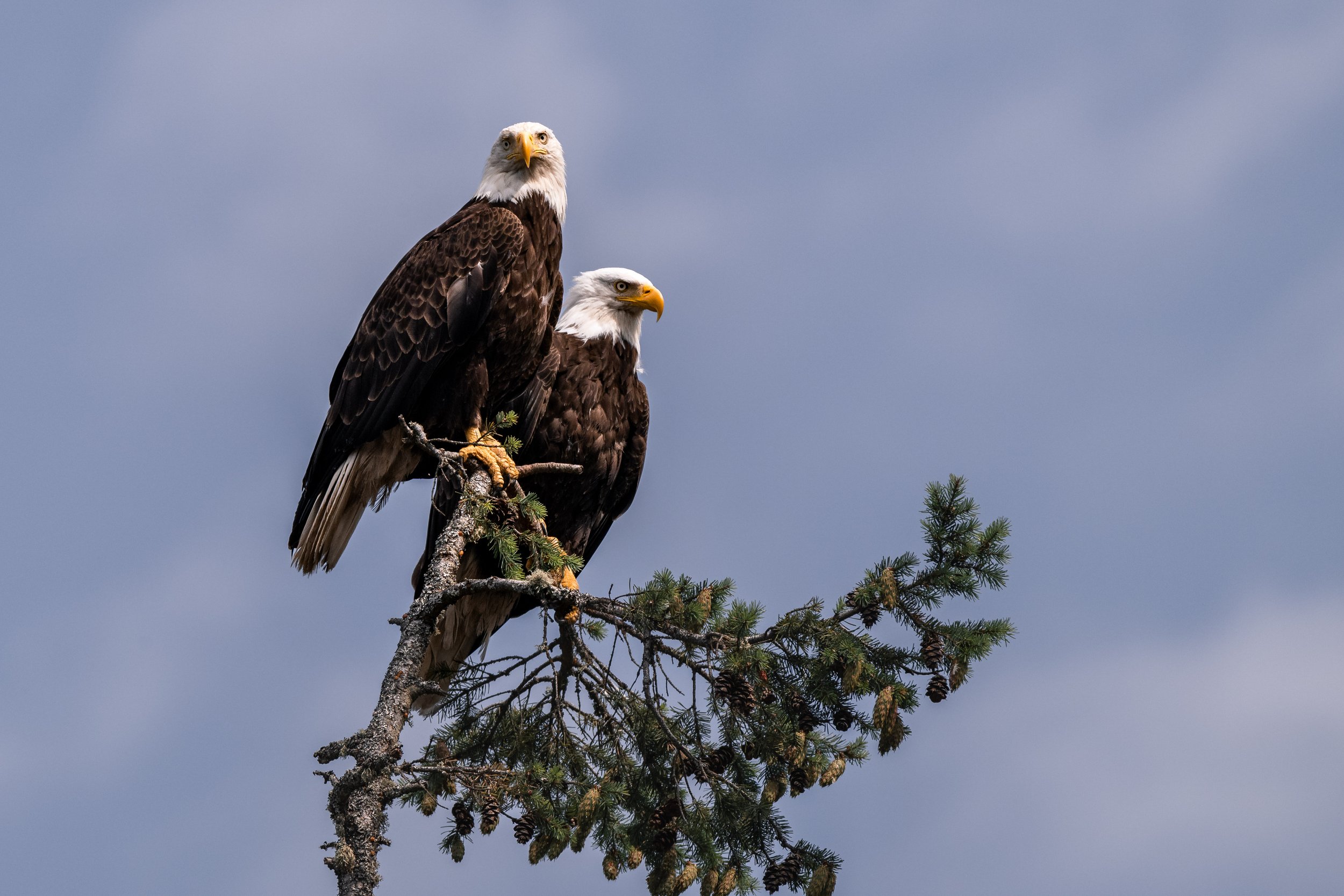
A pair of Bald Eagles overlooking the water. Photo by Aly Kohlman.
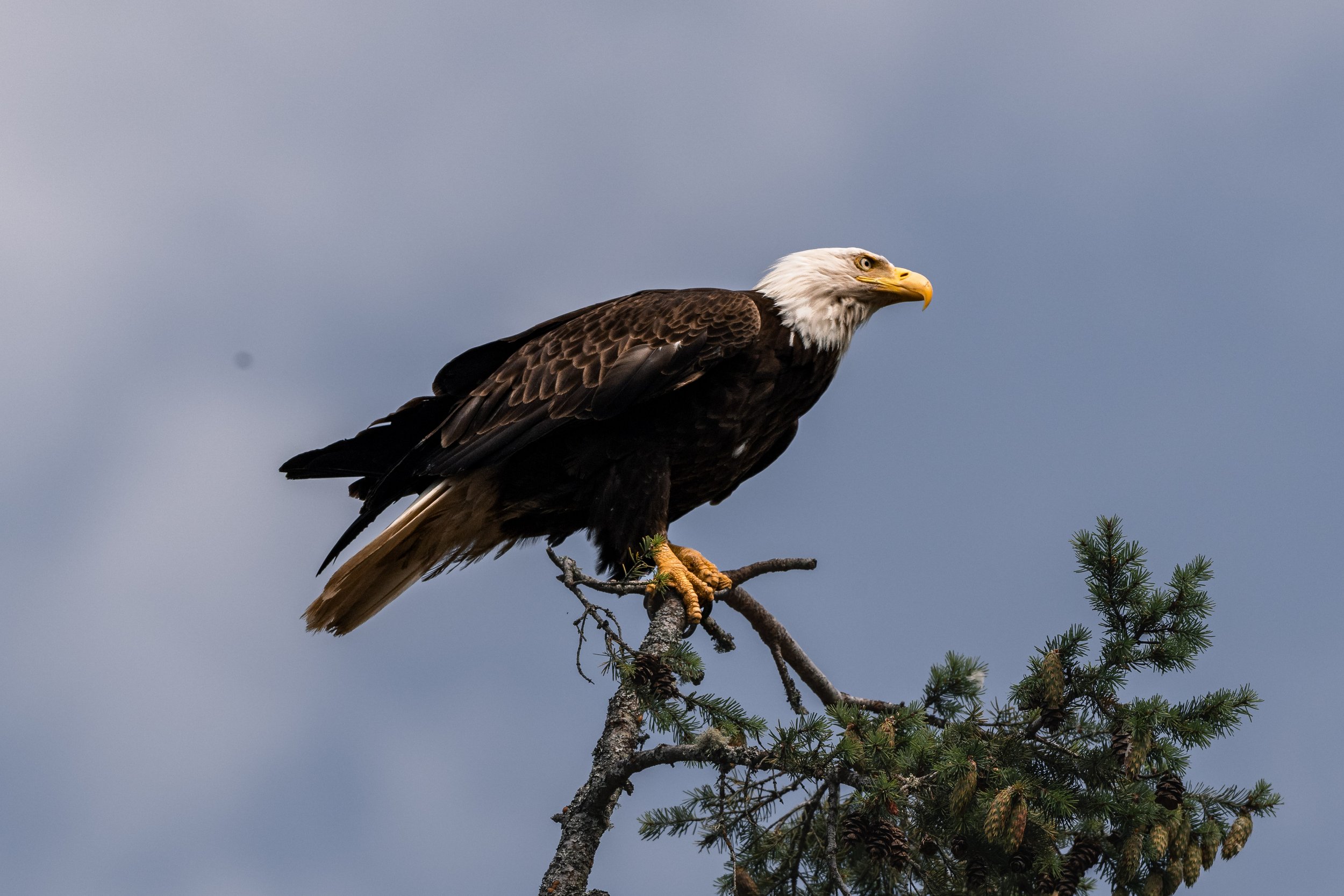
Grasping a branch while preparing for takeoff. Photo by Aly Kohlman.
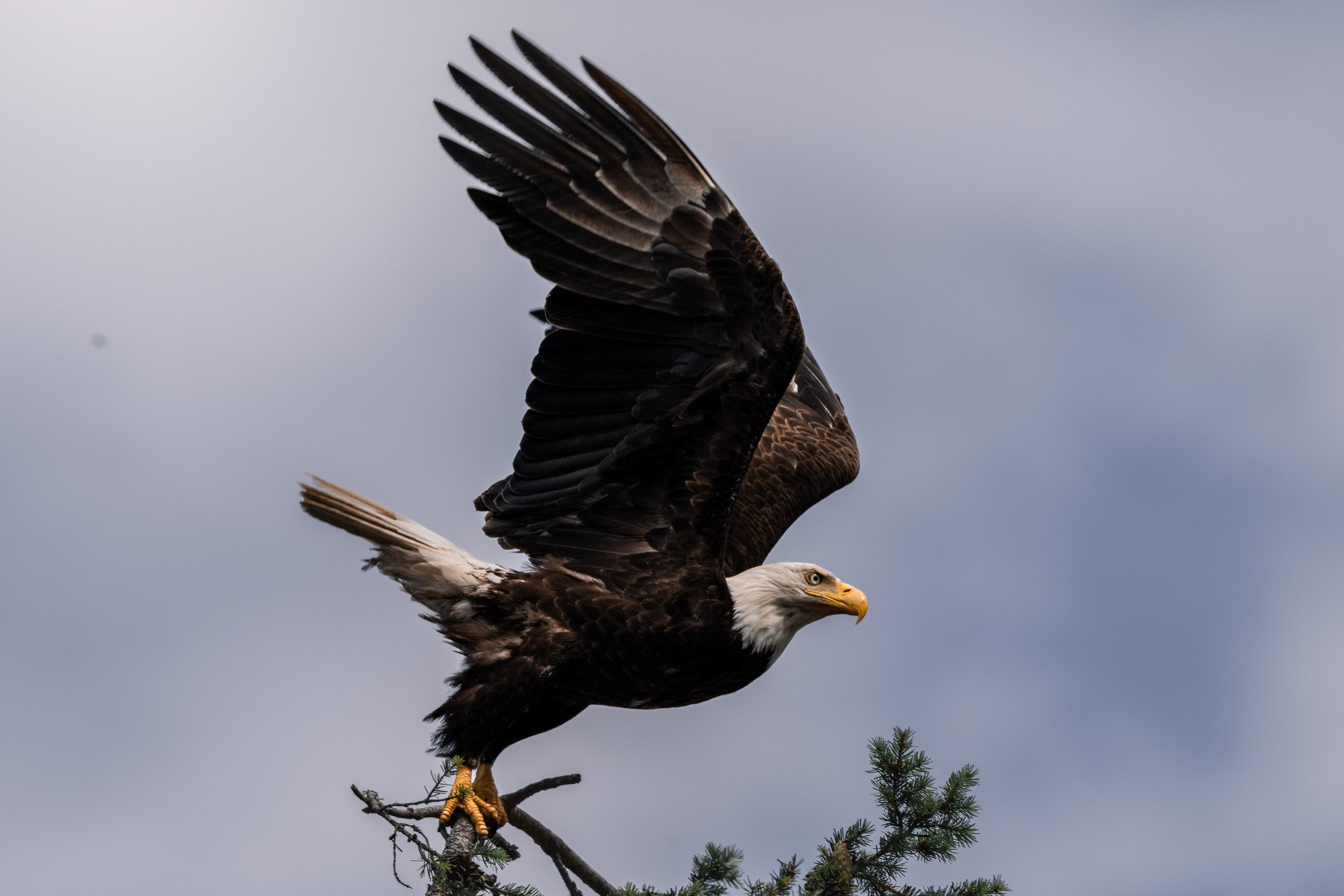
Stretching their wings. Photo by Aly Kohlman.
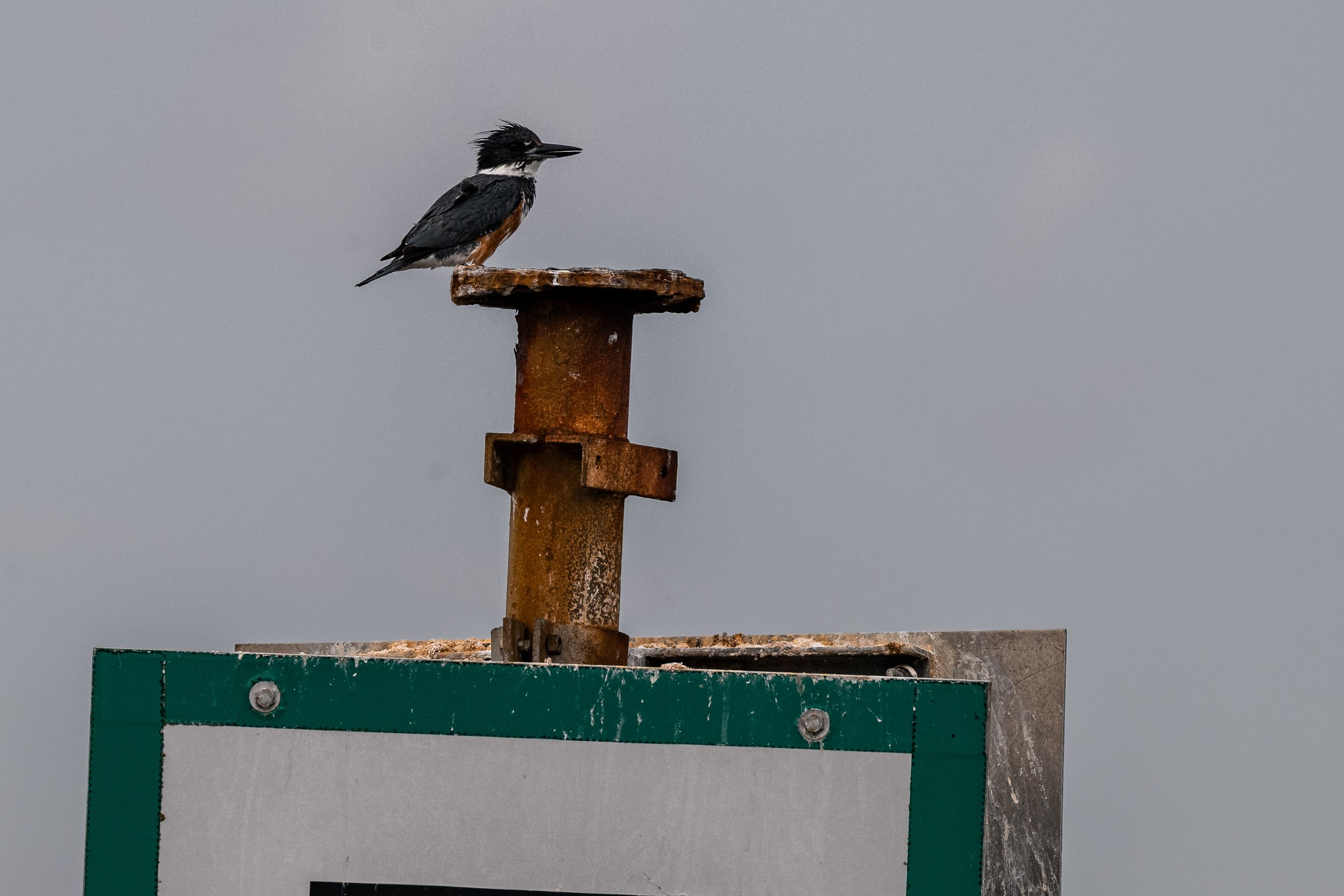
Belted Kingfisher. Photo by Aly Kohlman.