
July 25, 2025, Open Boat - Spending time with Pinnipeds throughout the Salish Sea
Today was another great day on the water, exploring the Salish Sea and what makes it so special. Our boats started the day by heading south, travelling through Northumberland Channel down to Dodd Narrows. We always enjoy the chance to head through Dodd Narrows on a trip, since the area is unique in both its ecology and geology. It's a very narrow passageway that separates Mudge Island from Joan Point on Vancouver Island. The narrowness of the passageway creates a strong current, which mixes the water column, leading to high productivity and abundant wildlife. You will often see animals travelling through the area both in the water and in the air, looking for food that this current is disrupting. While there wasn’t any here today, we will often spot Bald Eagles, Harbour Seals, and Sea Lions feeding here.
Since no wildlife was spotted here today, we continued south, with our boats spreading out to cover more ground within the islands. They searched their way through, with one boat sticking to Stuart Channel, looping south of Saltspring Island, while the other headed into the Strait of Georgia to try their luck there. The boat in the Strait made a stop during their search, stopping at Stinky Rock to view the animals hauled out there. This small, rocky islet off the east side of Valdes Island is one of the favourite places for our two pinniped species to spend their time: Harbour Seals and Steller Sea Lions. The Harbour Seals are found in the Salish Sea year-round, so it’s not surprising to see them spending their time here, but the Steller Sea Lions are migratory, so they are a bit more surprising this time of year.
Although it's becoming increasingly common to see Sea Lions spending their summers here, it seemed that some adults in this group should already be thinking about migrating. They will leave our waters and head either north or south from here. There are large breeding colonies, also known as rookeries, off the north end of Vancouver Island and also in Oregon. While it can be tough to know where they are headed for the summer, we do get clues from brands. NOAA uses a branding program to track the population of Steller Sea Lions in the area, hot-branding a unique code onto their sides and keeping track of when and where the brand was applied. Although it might seem extreme, they’ve found that this is the best way to do it, since these marks are large enough to observe from a distance, meaning you never have to recapture them. While there were no branded ones here today, most of the ones we’ve observed in the past have been cross-matched south to Oregon.
Both boats also got to see Harbour Seals along their journey, finding these little rock sausages on the less steep rocks. They are much more abundant than the Sea Lions are, and they spend their entire year here. Their entire life cycle will be carried out here, with breeding and puping happening around July, given their 11-month gestation period. The little pups we are seeing right now will spend only about a month with mom before they fend for themselves. Given the season and the abundance of food, this brief period of parental care isn’t too bad, and these pups have a survival rate of about 80%.
While natural causes like predation by Bald Eagles and Transient Orca can impact the population, there are also human-caused issues. Unfortunately, we saw one example of this when one of our vessels spotted a Harbour Seal with a piece of garbage wrapped around its neck. Sometimes the animals can get free of this on their own, but sometimes intervention is needed. In this case, the wrap looked quite tight, so we reported the entanglement to DFO, and hopefully they will be able to keep an eye out for this little one to help get him free.
After enjoying the time with the pinnipeds, all the boats continued on their way, with one making a final stop at the Gabriola Bluffs to see the wildlife nesting there. There are quite a few bird species that use this area, but the most obvious are the cormorants. These big black birds can be seen flying in and out from the cliffs where they make their nests. Cormorants are pretty interesting birds given their fishing methods. Instead of applying preening oil as much as some other birds do, they accept the trade-off of being less waterproof in exchange for the ability to dive deeper. They may dive up to 120 feet below to chase down their prey. They are so good at fishing that they are used by humans in some areas to catch larger fish and bring them to the fishermen, who can clean them and sell them at market. Seeing them flying to their nests and fishing in the waters below was a great way to end this adventure.
Although no whales were spotted during today's open-boat tour, all our guests received a voucher that will let them try again in the future. Knowing that wildlife is wild and can be anywhere is part of the excitement of joining a whale watching tour, even if it sometimes means we can go without seeing them. Getting to explore everything else the Salish Sea has to offer is still beautiful, though! Please enjoy the photos taken throughout this tour by Marine Naturalists Hayleigh Hilbert and Jordan Robinson, included below!
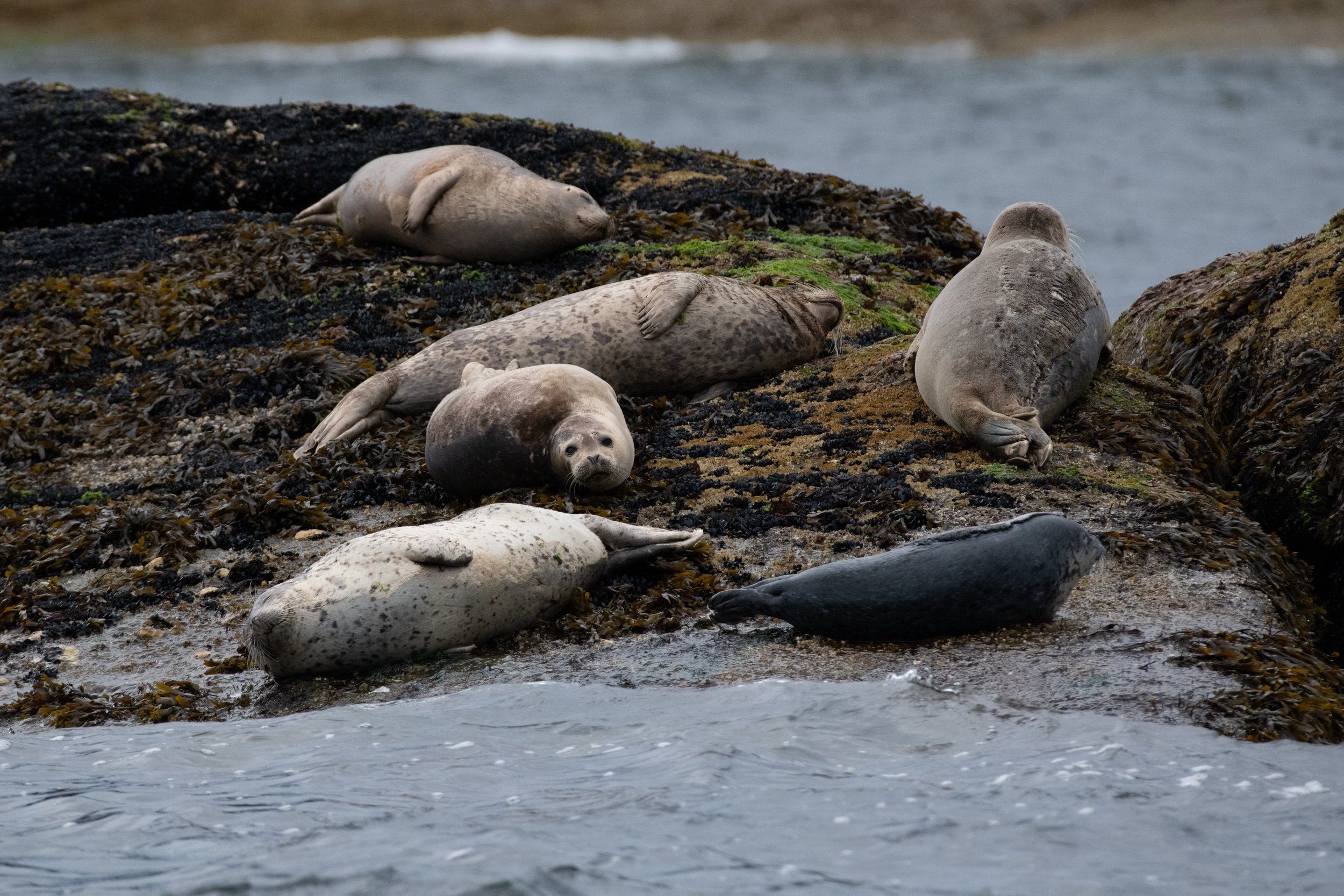
Some Harbour Seals enjoying their rest. Photo by Hayleigh Hilbert.
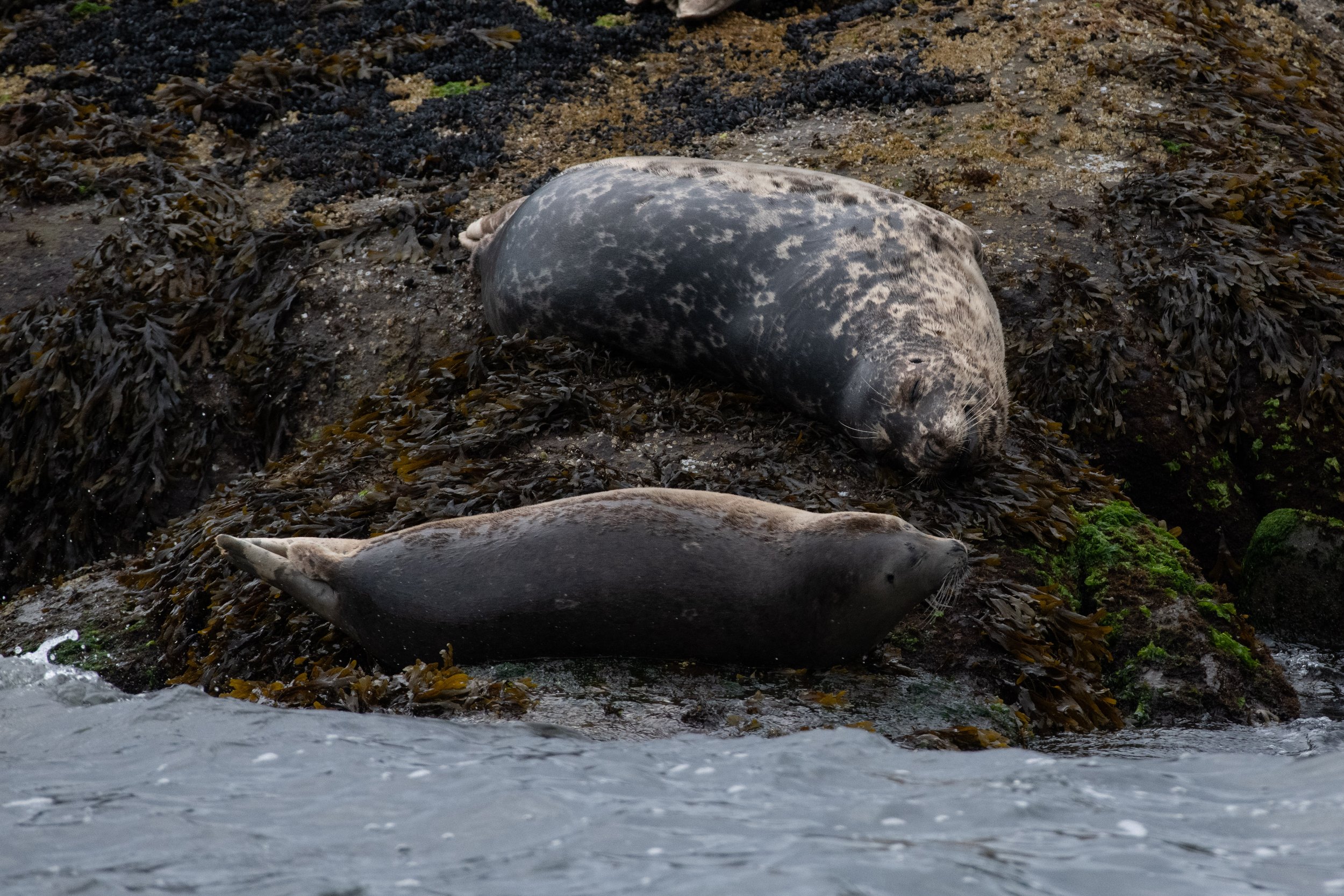
Some very happy looking Harbour Seals. Photo by Hayleigh Hilbert.
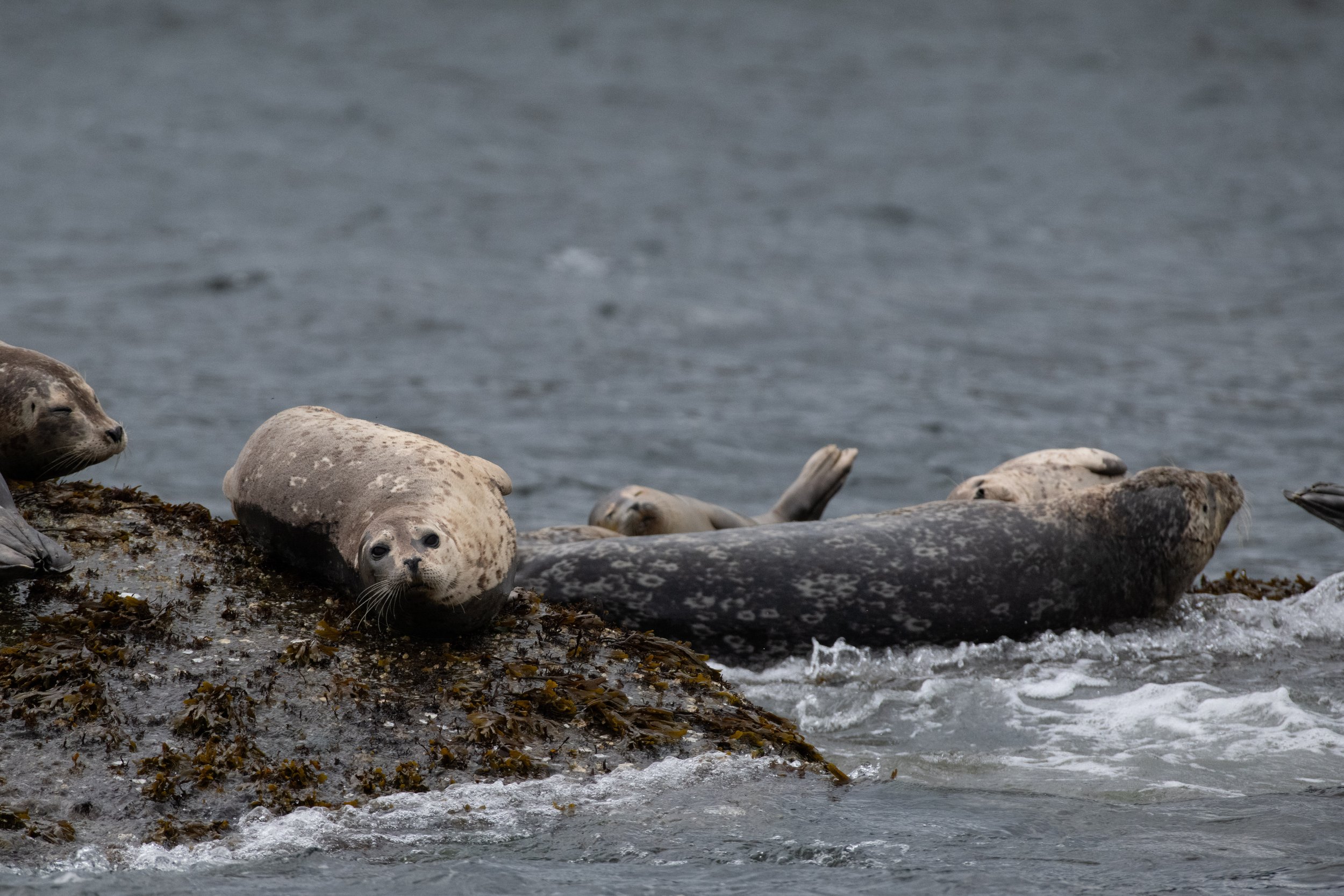
Harbour Seal watching us float by. Photo by Hayleigh Hilbert.
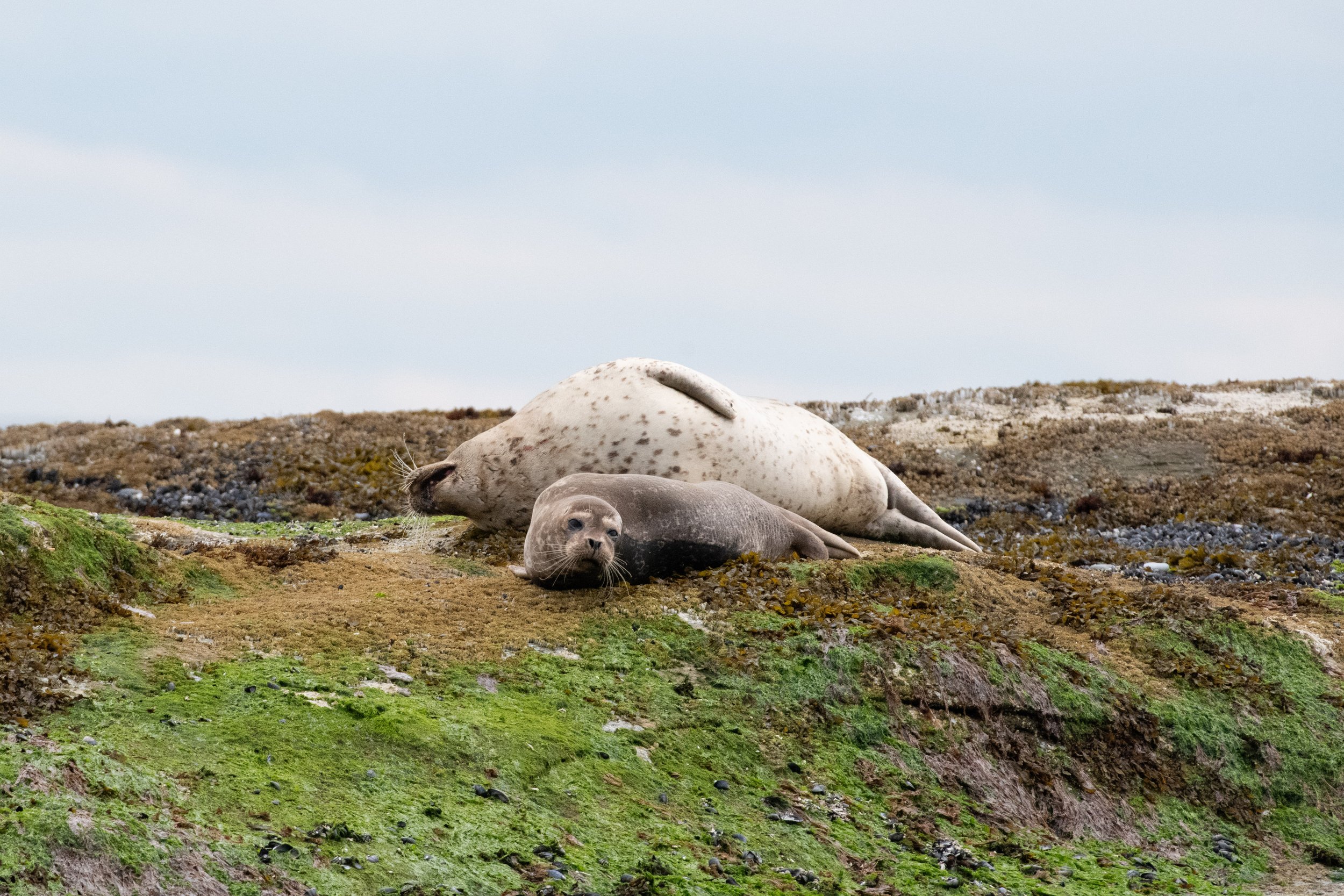
A yawning mom Harbour Seal spending time with her pup. Photo by Hayleigh Hilbert.
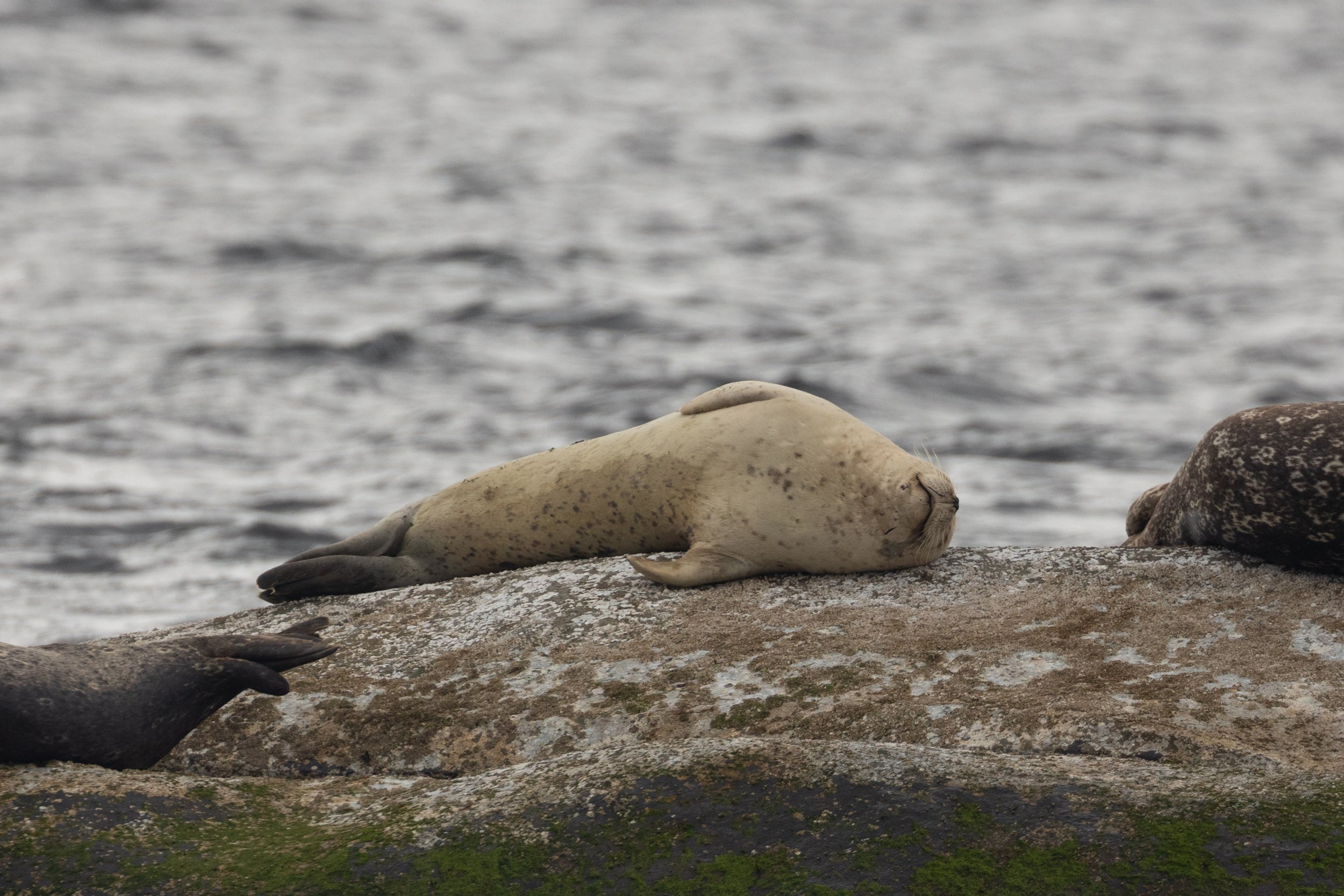
A lounging Harbour seal on the rocks. Photo by Jordan Robinson.
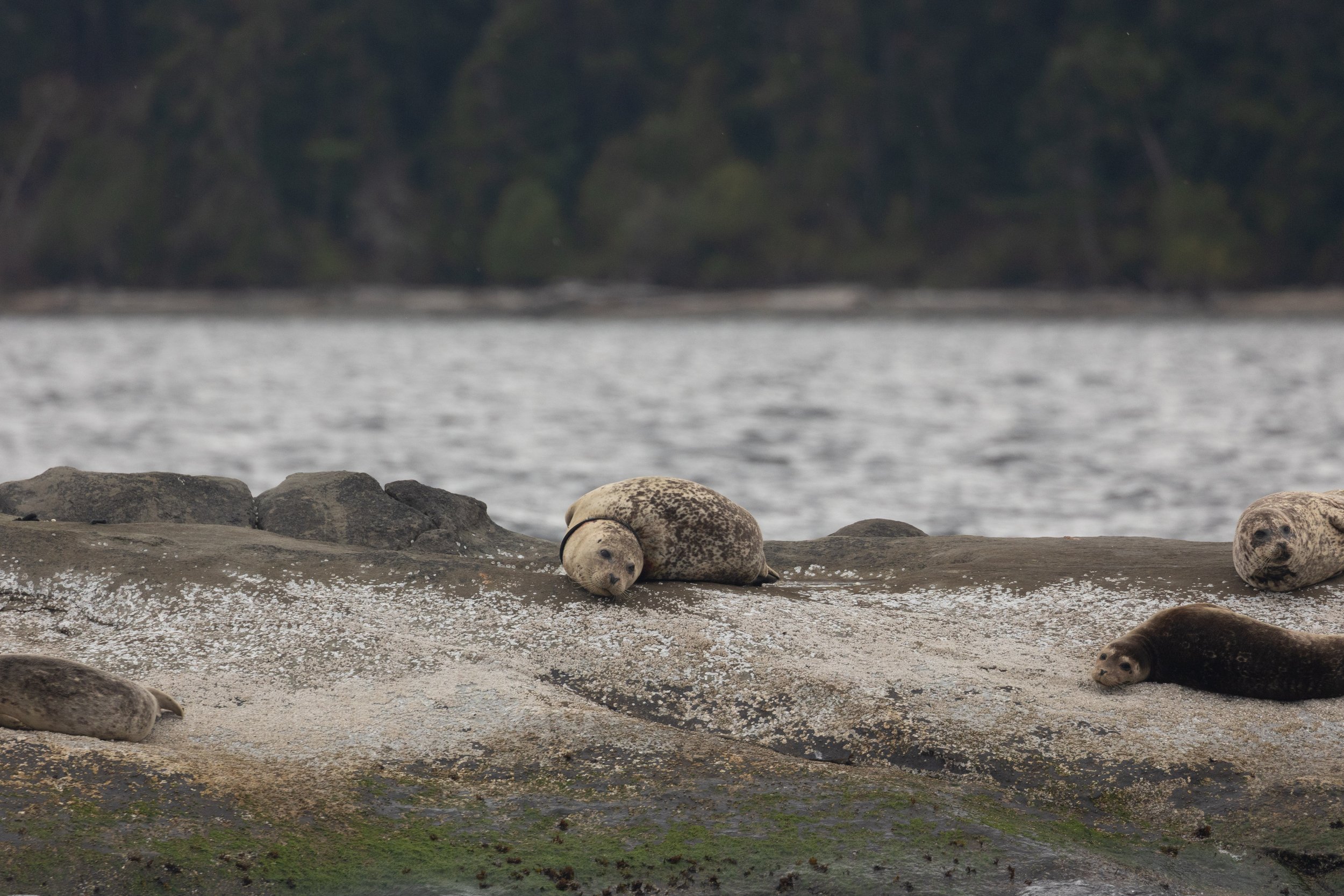
A harbour seal with something around it’s neck. Hopefully us reporting it got it some help! Photo by Jordan Robinson.
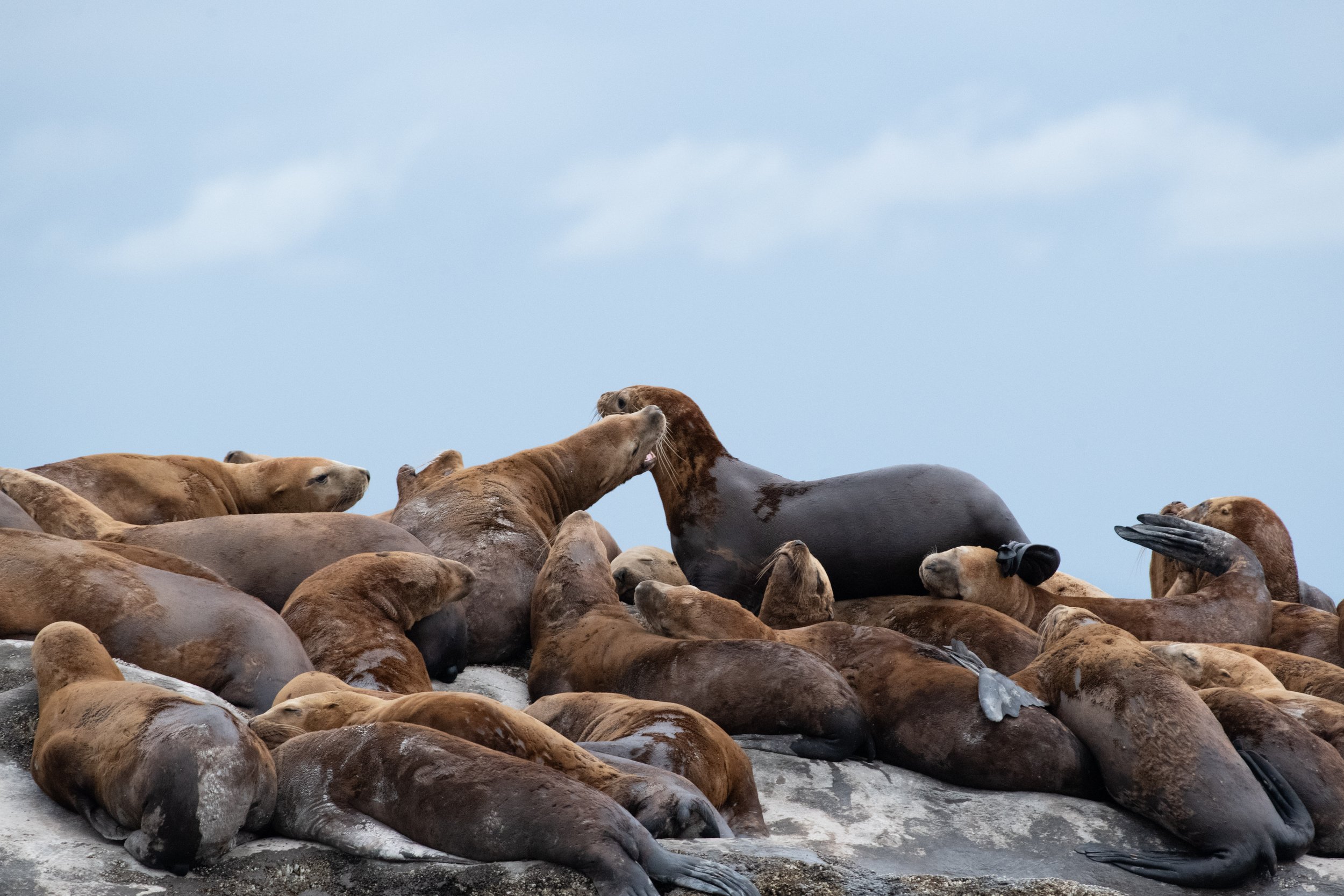
Fighting Sea Lions on Stinky Rock. Photo by Hayleigh Hilbert.
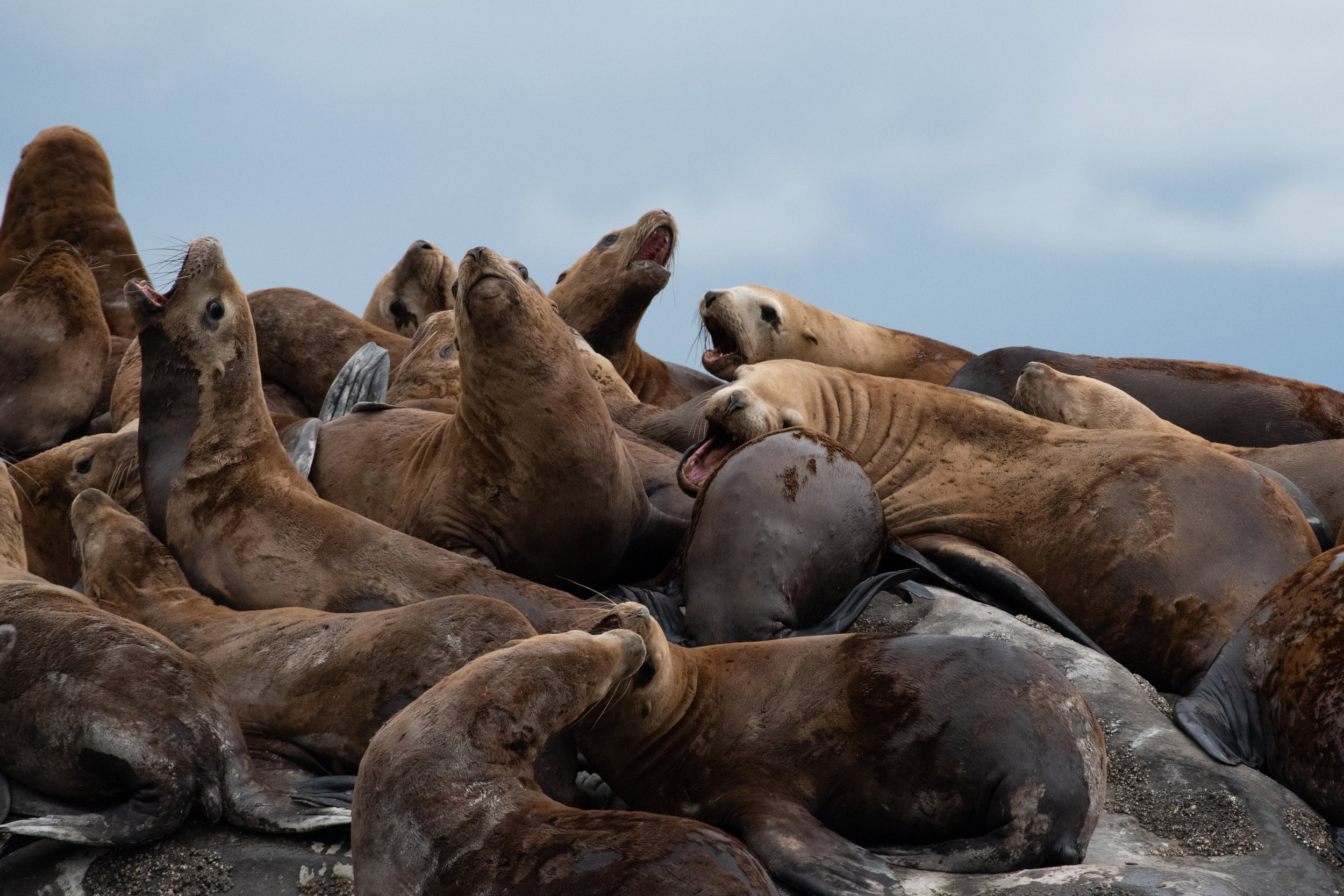
Fighting breaking out amongst the Steller Sea Lions. Photo by Hayleigh Hilbert.
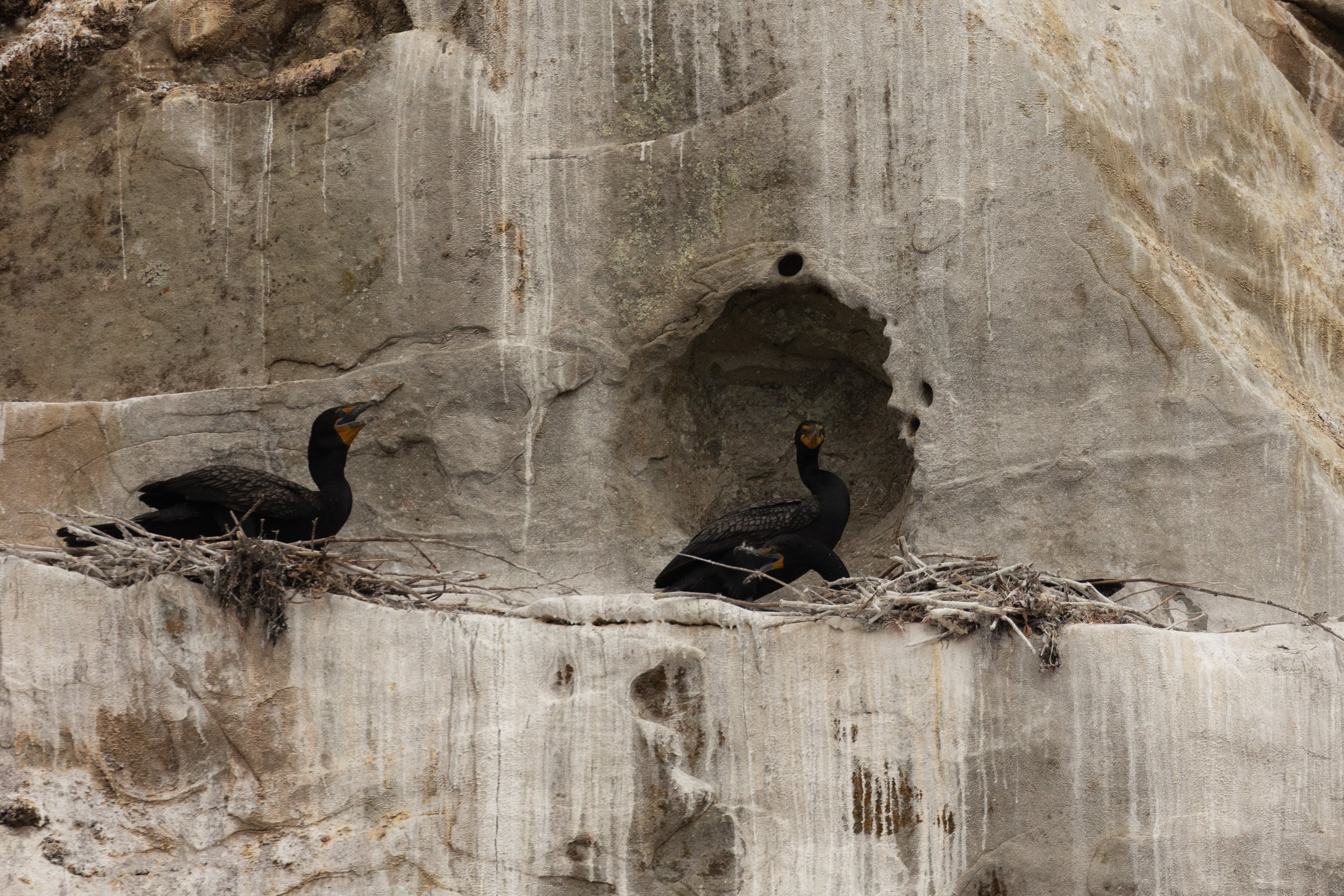
Cormorants nesting on the bluffs. Photo by Jordan Robinson.
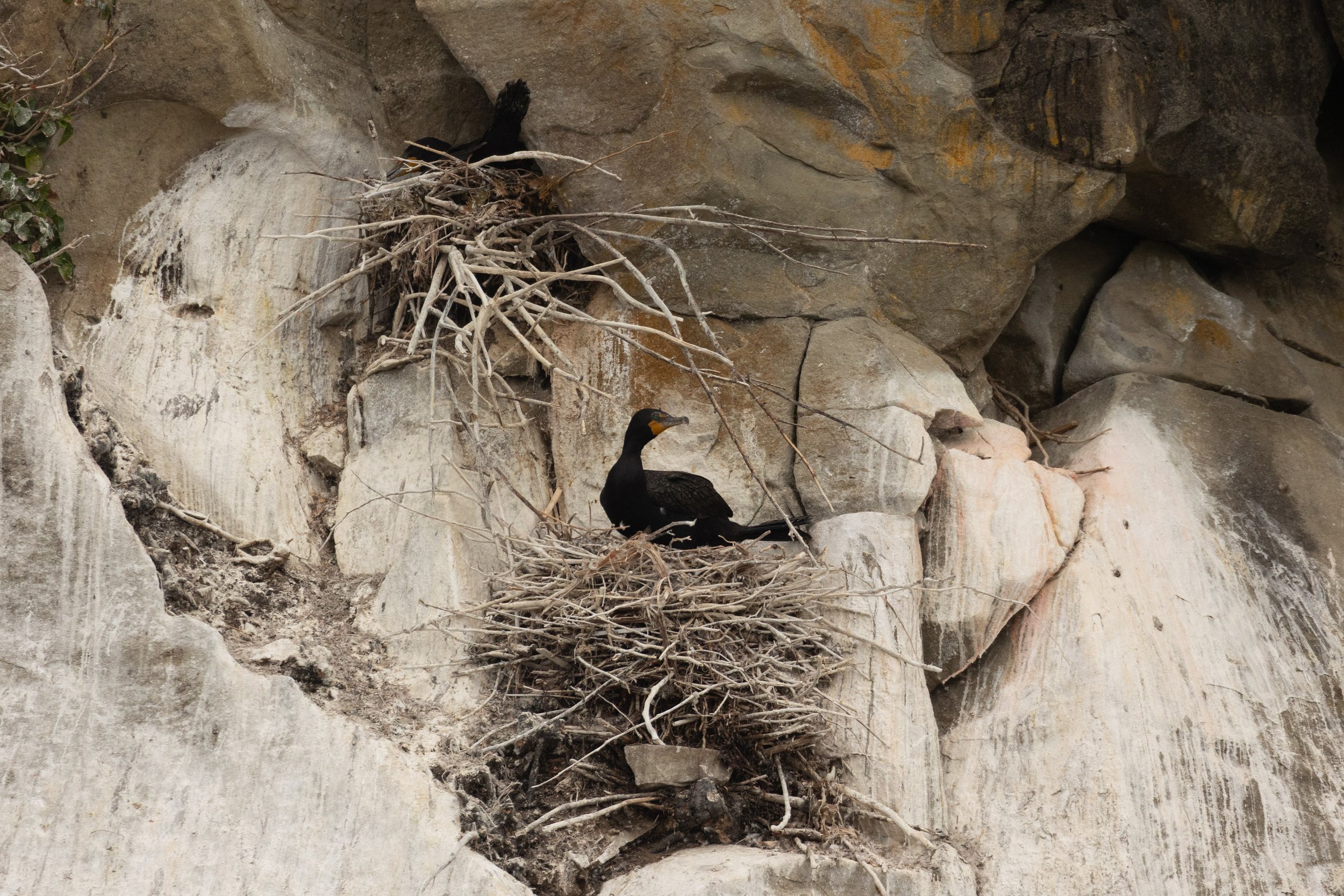
A nice big nest on the Bluffs. Photo by Jordan Robinson.
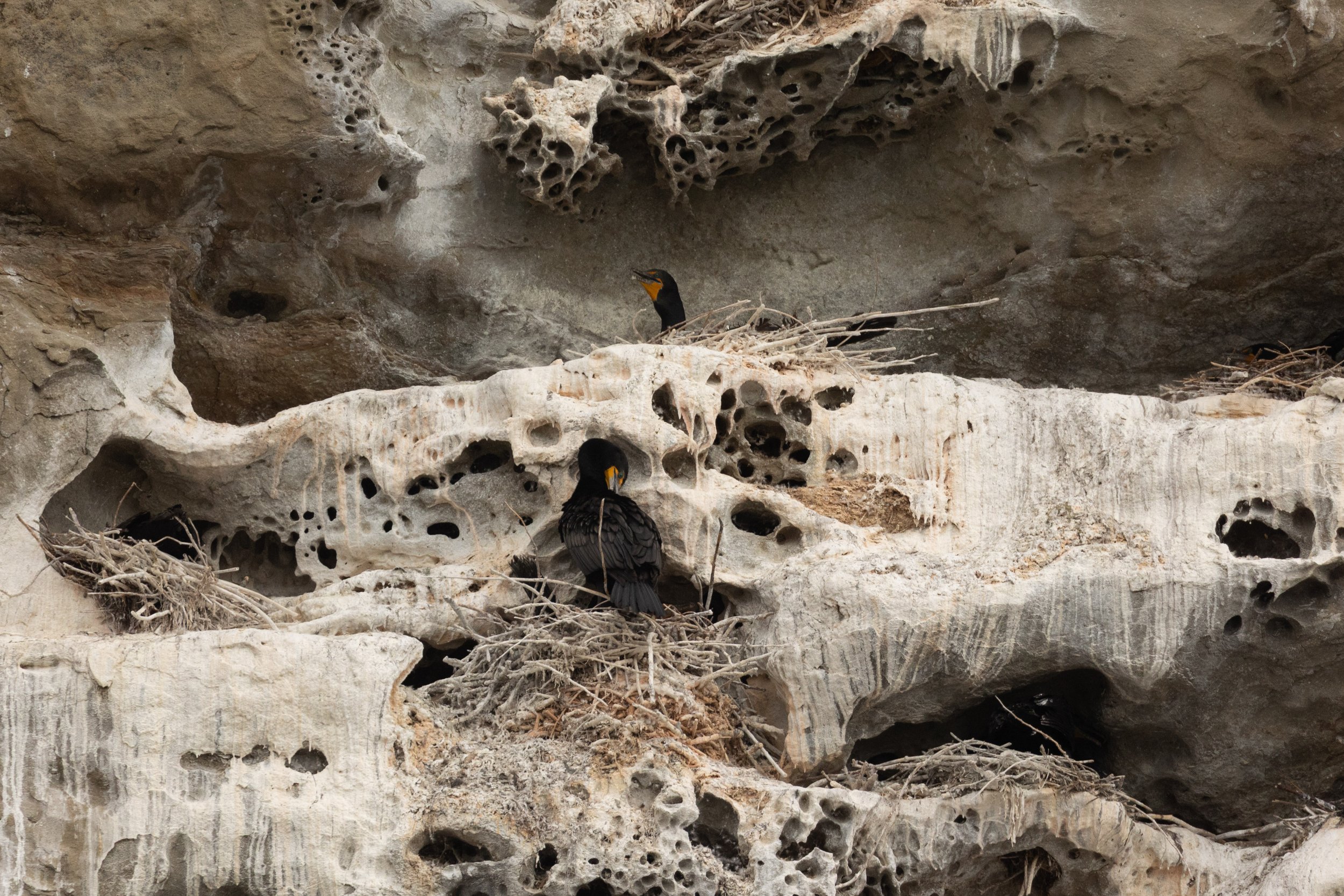
Cormorants preening on their nests. Photo by Jordan Robinson.
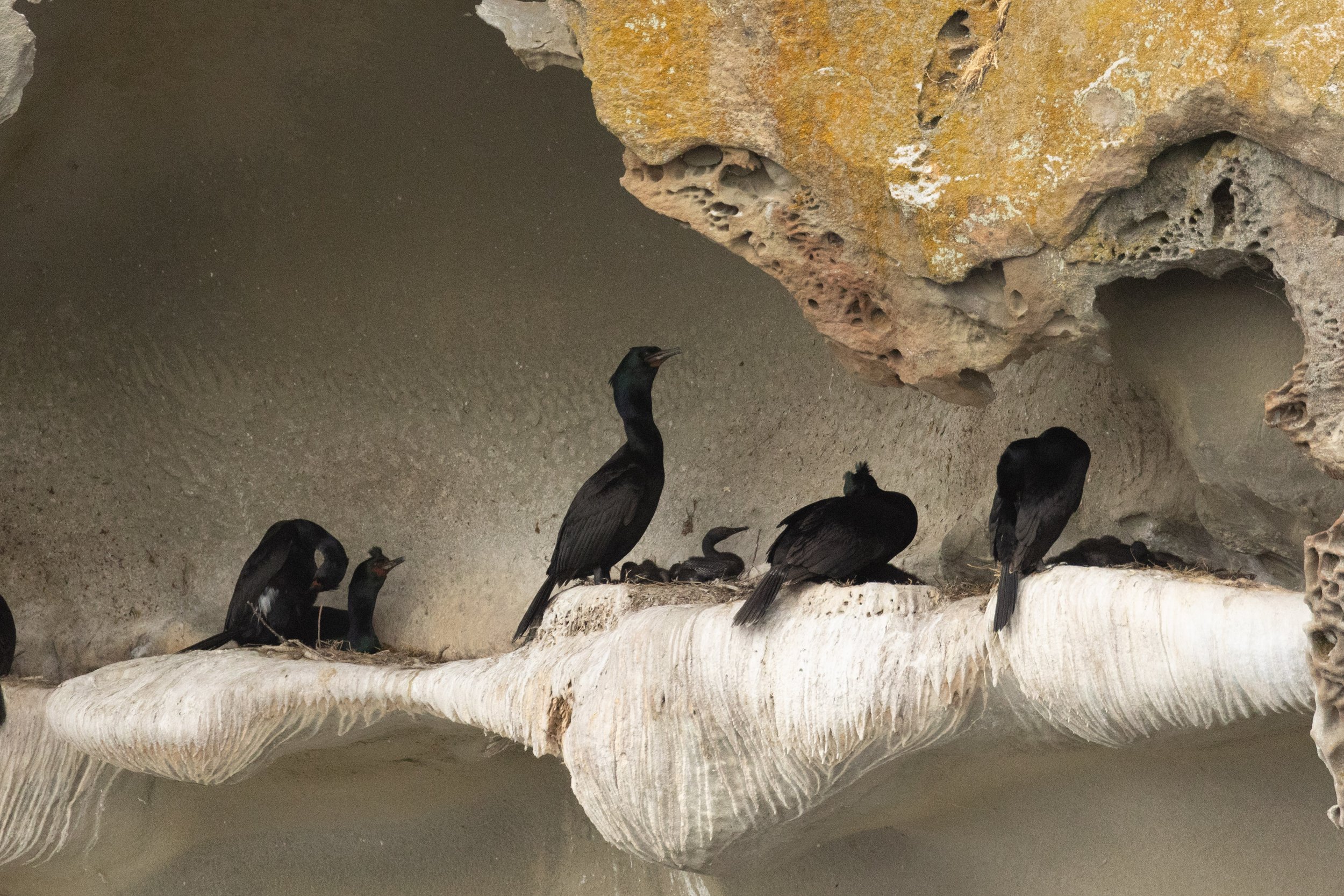
Can you spot the baby cormorants? Photo by Jordan Robinson.
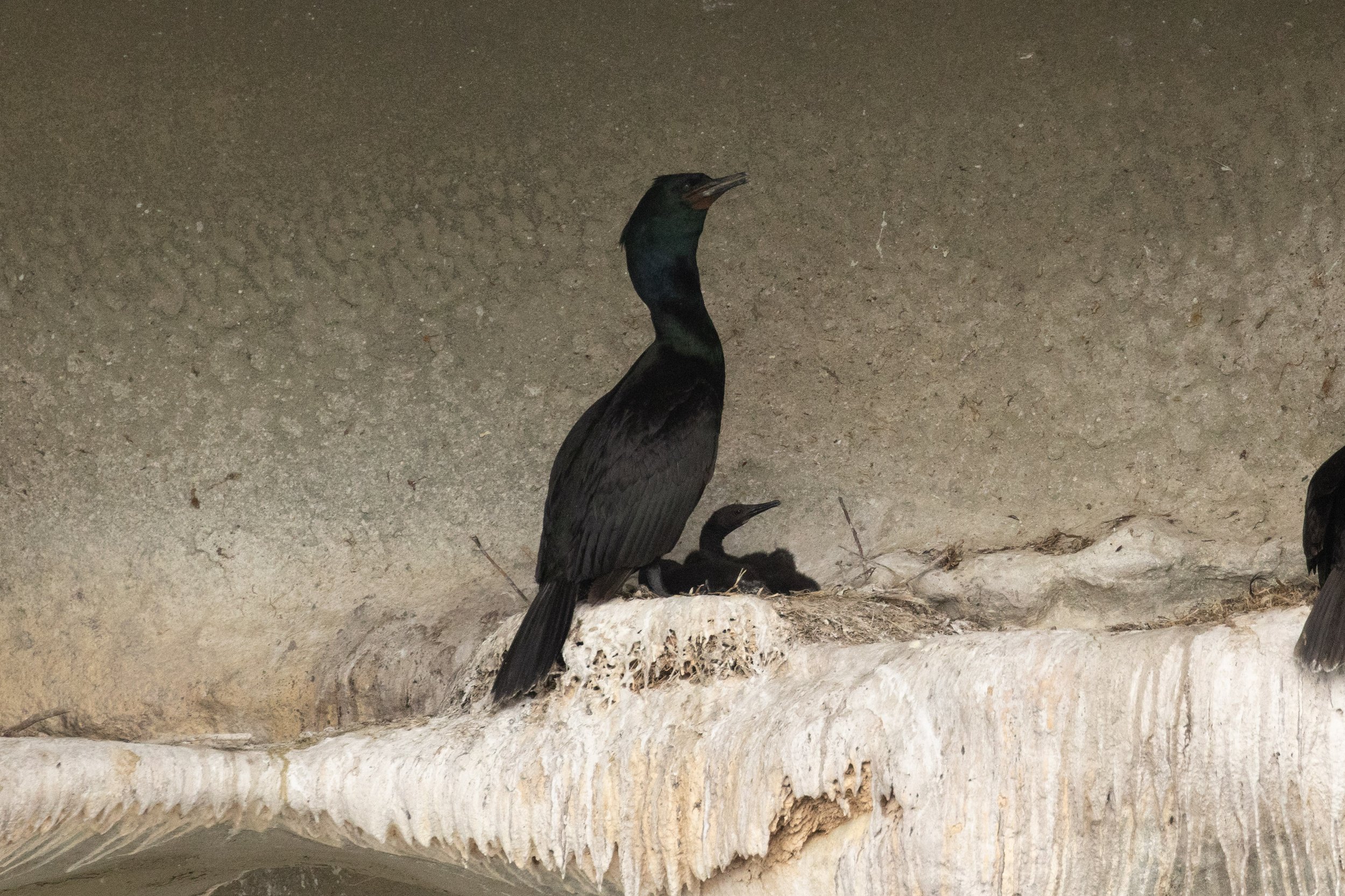
So fluffy! Photo by Jordan Robinson.
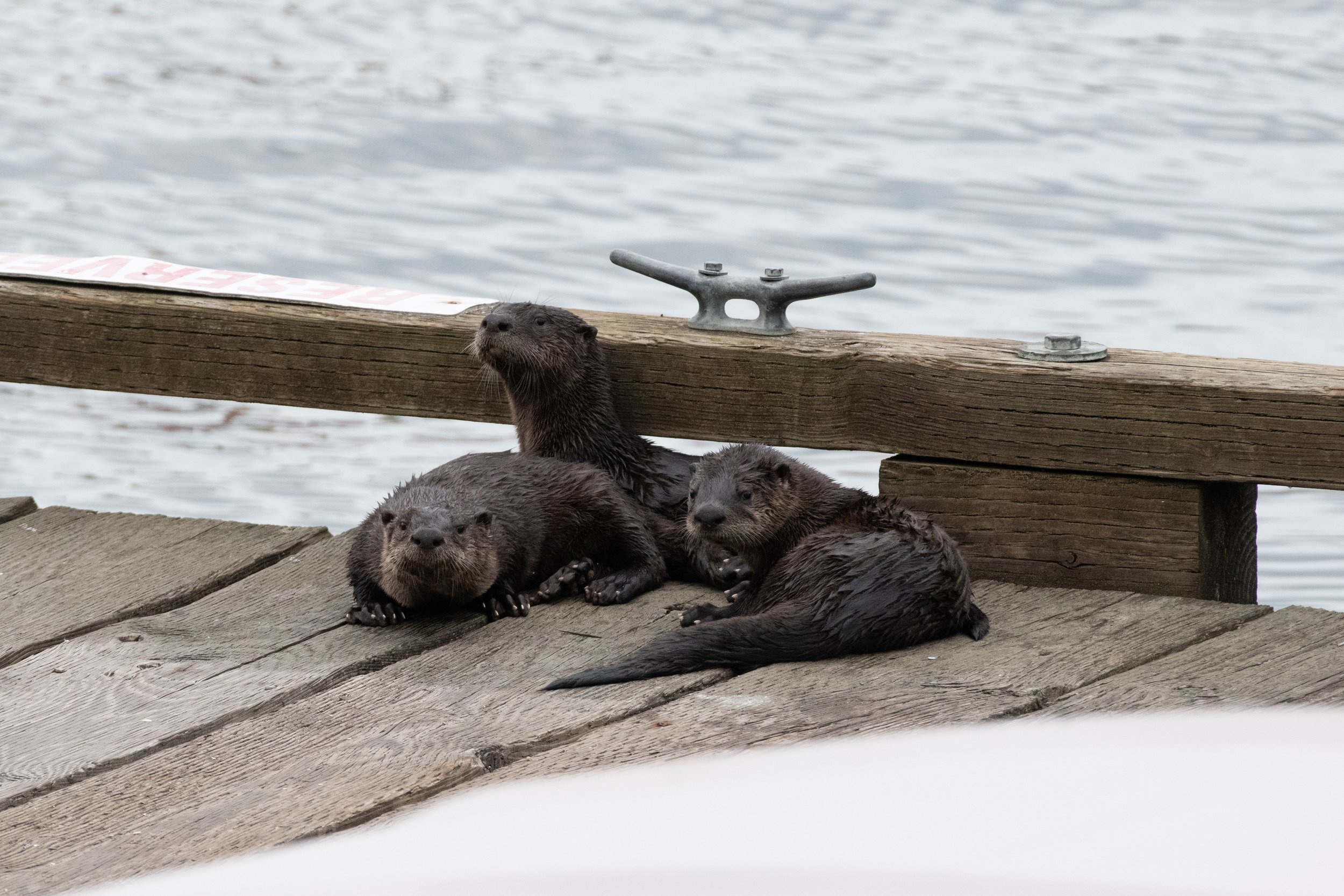
A family of River Otters watching us from the dock. Photo by Hayleigh Hilbert.
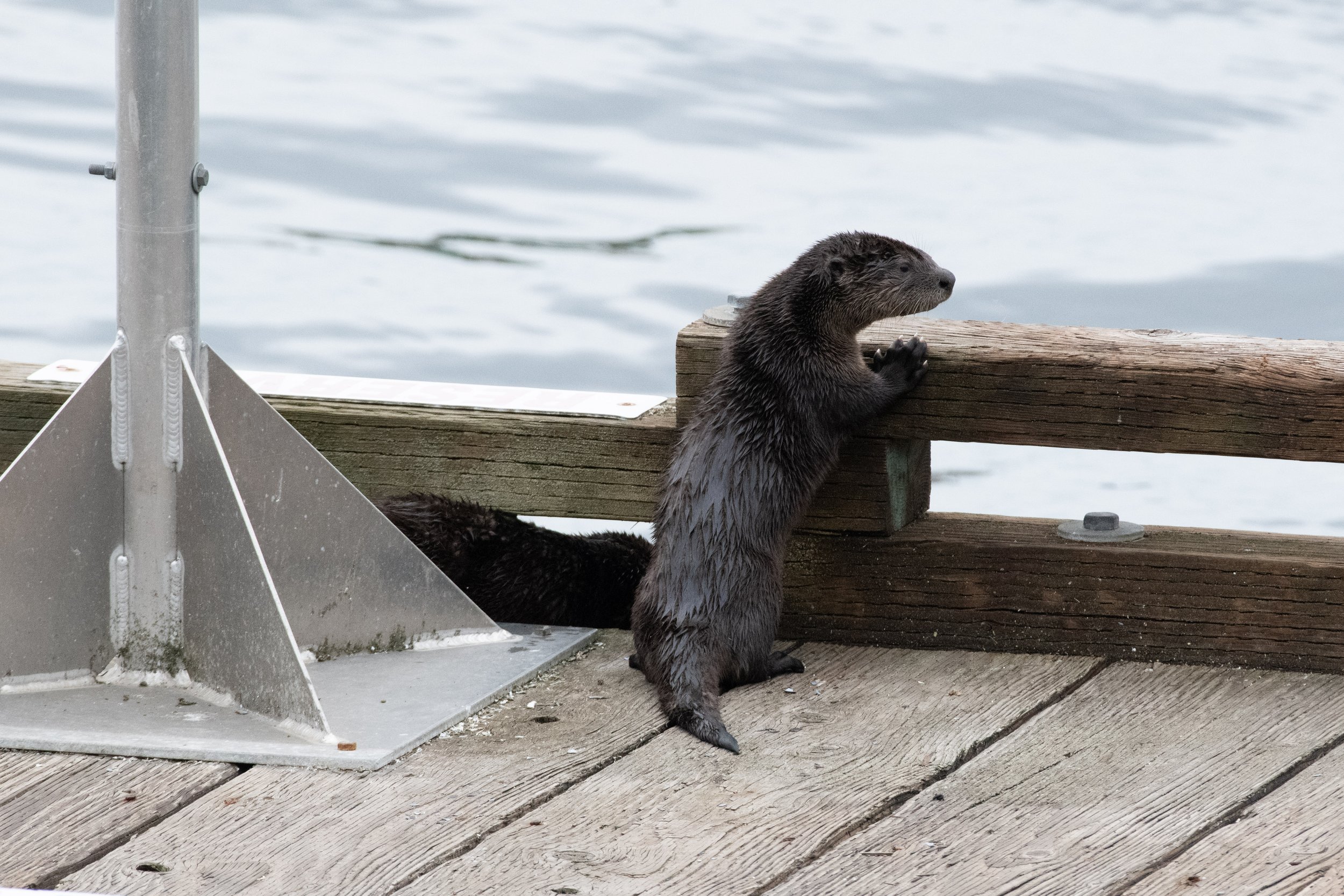
A young River Otter checking out the dock. Photo by Hayleigh Hilbert.