
July 25, 2025, Semi-Covered Boat - Humpback Whales in the Waves 🌊
As we climbed aboard the semi-covered boat, we felt ready to begin the adventure. It was a bit of a stormy day, but we didn’t let the dark skies get us down; in fact, we found the lighting added a certain “West Coast” mood to the experience. After learning a bit about the wildlife that we were going to be looking for as we left the harbour, it was time to start the search! This took us south at first, travelling through Dodd Narrows, into the Southern Gulf Islands, and finally heading out into the Strait of Georgia. Although whales can be found throughout our travels, the Strait of Georgia is especially abundant. There are plenty of reasons for this, such as the influx of nutrients from rivers feeding into the basin, the geography mixing the water, and the animals themselves redistributing nutrients, but no matter the reason, we know the productivity is among the highest in the world!
The primary producers, known as phytoplankton, use nutrients and energy from the sun to grow, forming a strong base for our food chain. The larger, animal-like plankton, known as zooplankton, will come in to feed on the phytoplanktons, and so on it goes down the line until we get to the larger predators. Humpbacks actually feed relatively low in the trophic levels, feeding on the zooplankton itself, as well as some small schooling fish. The humpbacks return to our rich waters year after year to feed over the summer months. The exact timing of their feeding grounds does vary by individual, so some will return and leave earlier or later than others, leading to humpbacks in our waters year-round now. However, none of the whales have been proven to overwinter here; all of them will migrate at some point in the year.
We count ourselves lucky, though, to have these amazing creatures here year-round since they are such a sight to behold. Our guests on the semi-covered boat got to experience this as their search through the Strait of Georgia proved fruitful, and they spotted the blow of a humpback in the distance. This whale turned out to be Europa (BCX0854)! Europa was feeding in the area, taking advantage of the high productivity to bulk up and build fat reserves to prepare for this migration. Not too far from Europa was another whale, Vanta (BCX1730), who was also feeding in the area. Getting to see both of these amazing animals spending their time here was truly a special sight, especially knowing how far they have come to be here. After enjoying our time with them, it was time to return to the Harbour, and we did so, but not before stopping one final time to see the seabirds nesting along Gabriola Island.
These sandstone bluffs are home to a variety of birds that use the cracks and crevices in the rock to nest, including cormorants, gulls, and more. It was a lovely way to end this day. Please enjoy the photos captured throughout the tour by Marine Naturalist Evan Hessels!
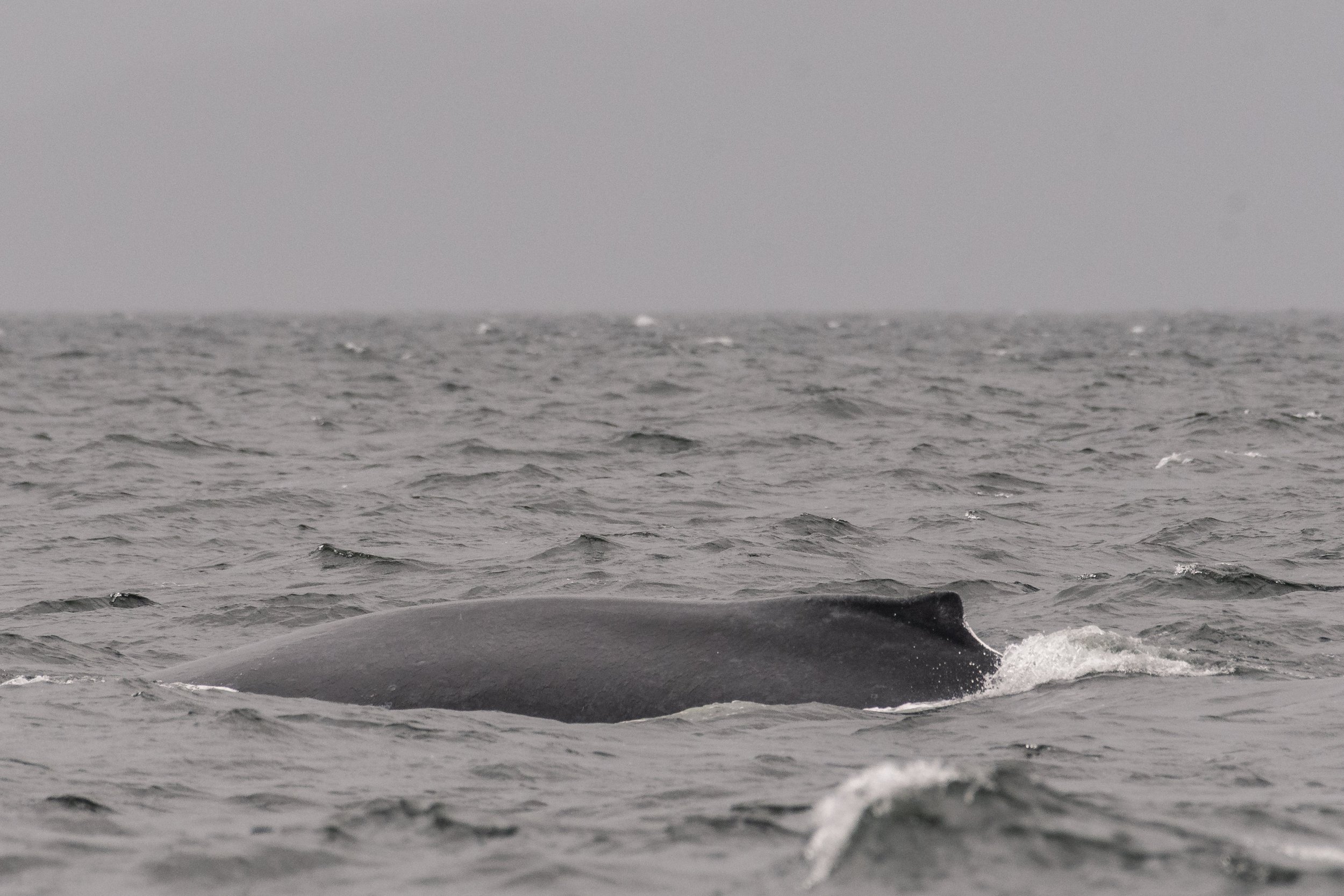
Europa swimming through the waves.
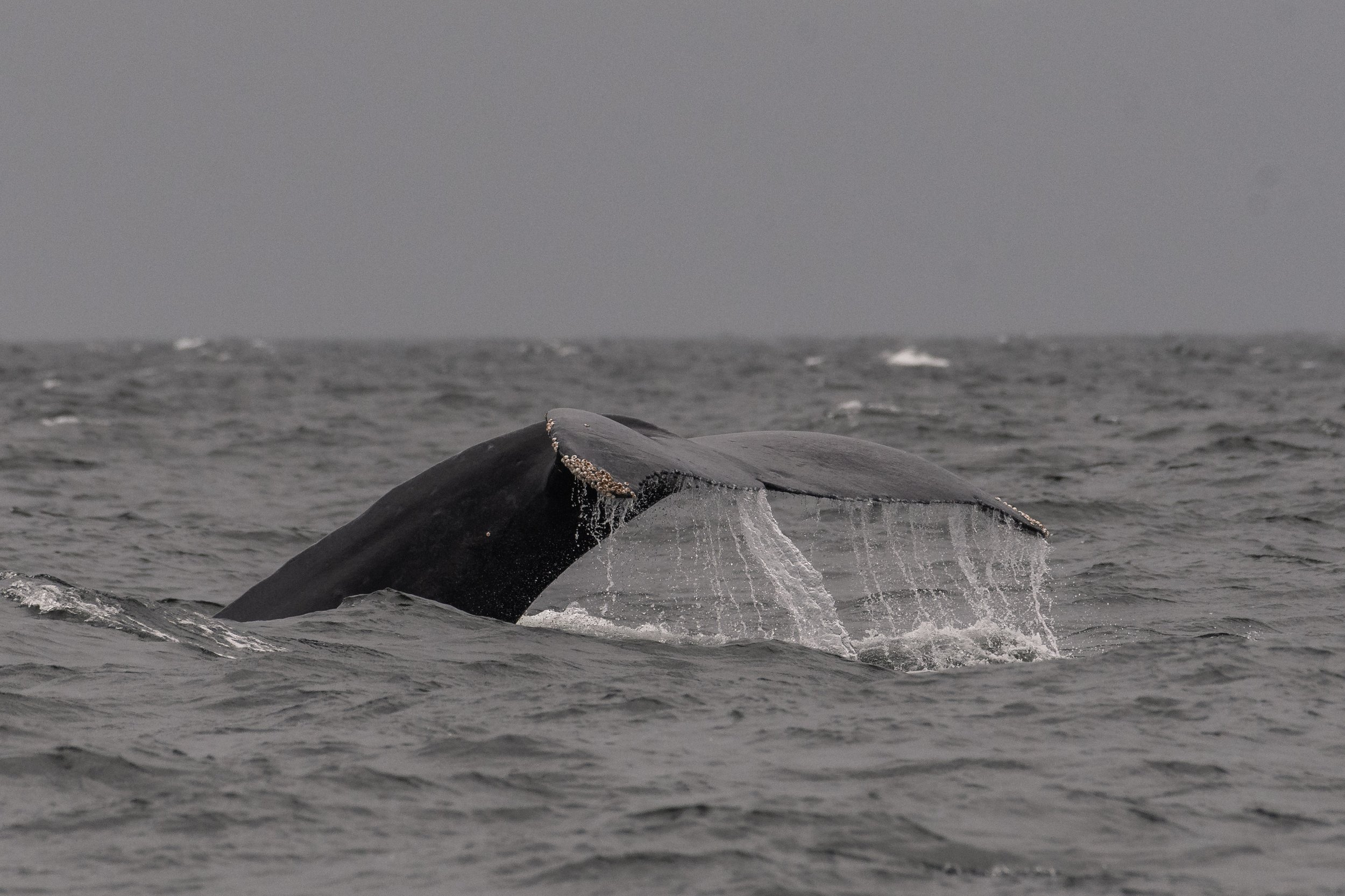
A lovely fluke waterfall from Europa.
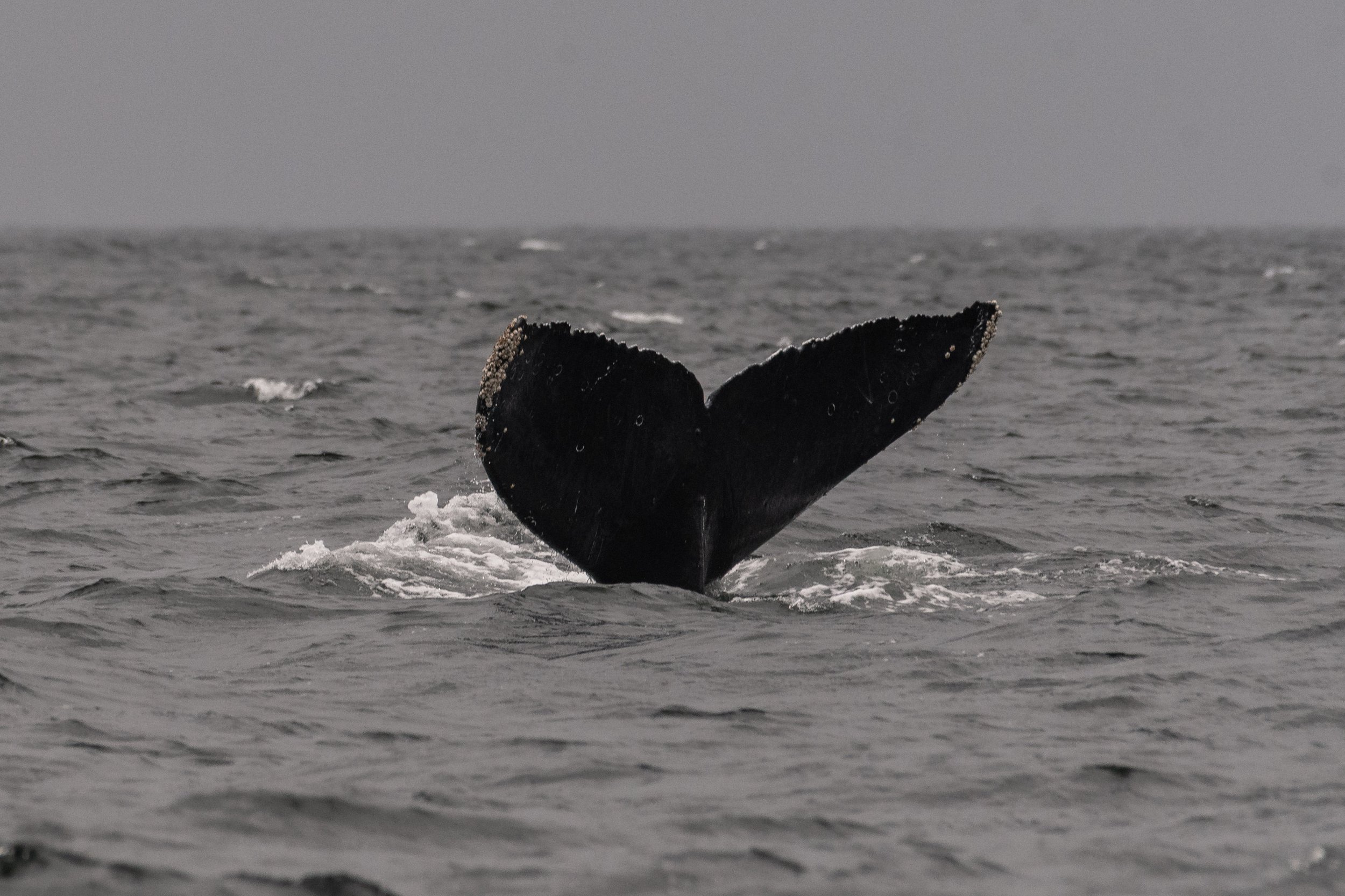
The underside of Europa’s tail flukes.
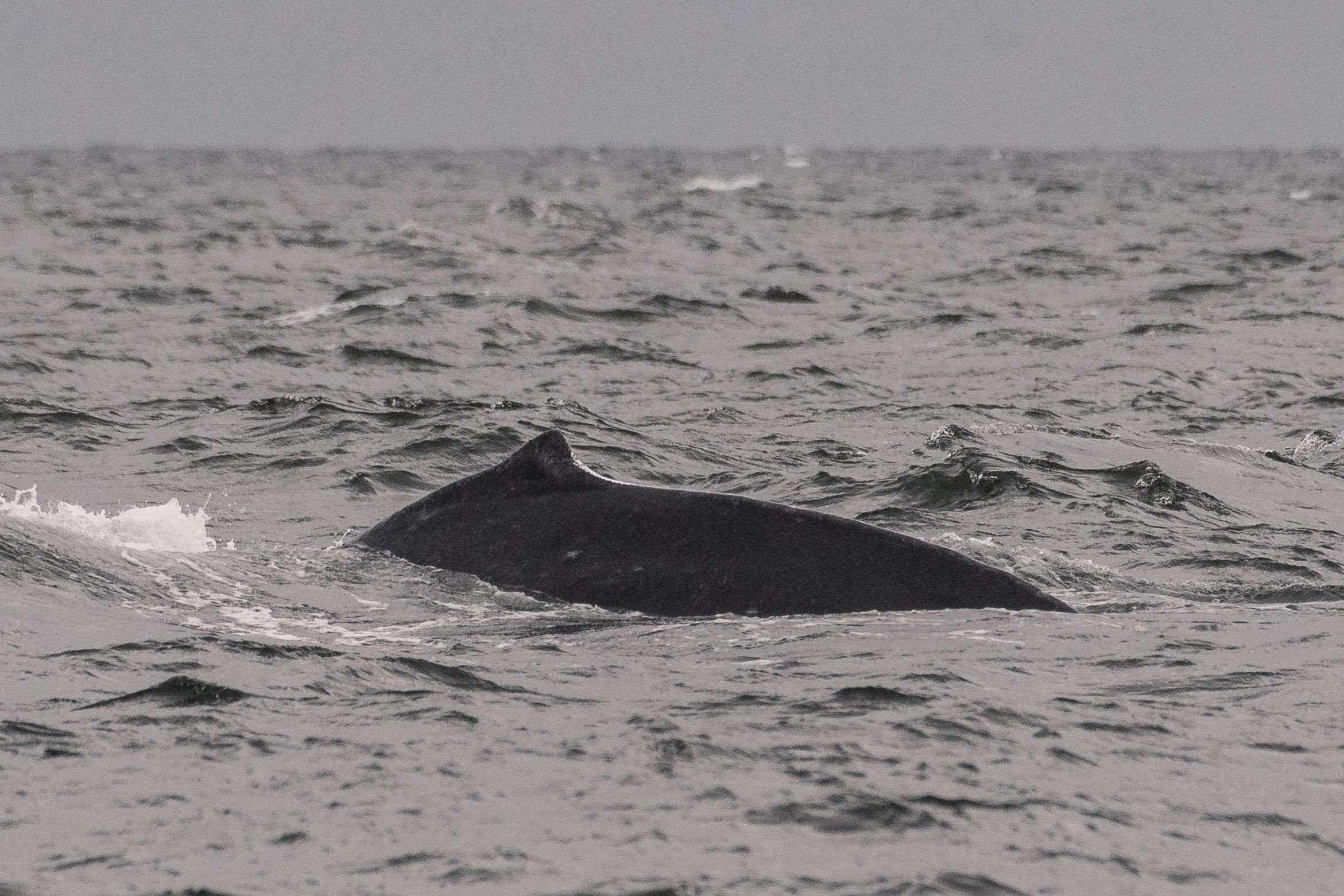
Europa’s dorsal fin.
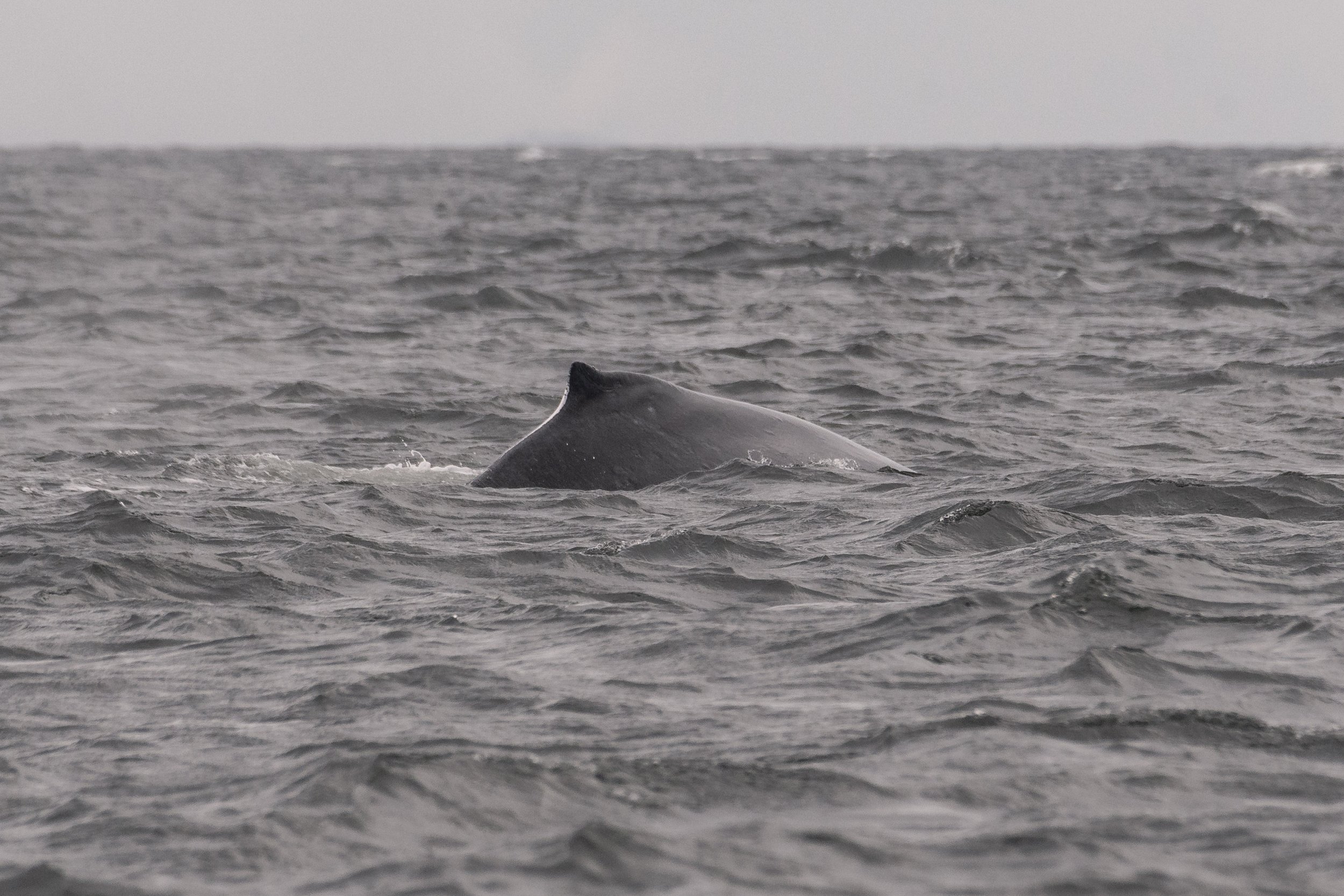
Europa swimming away.
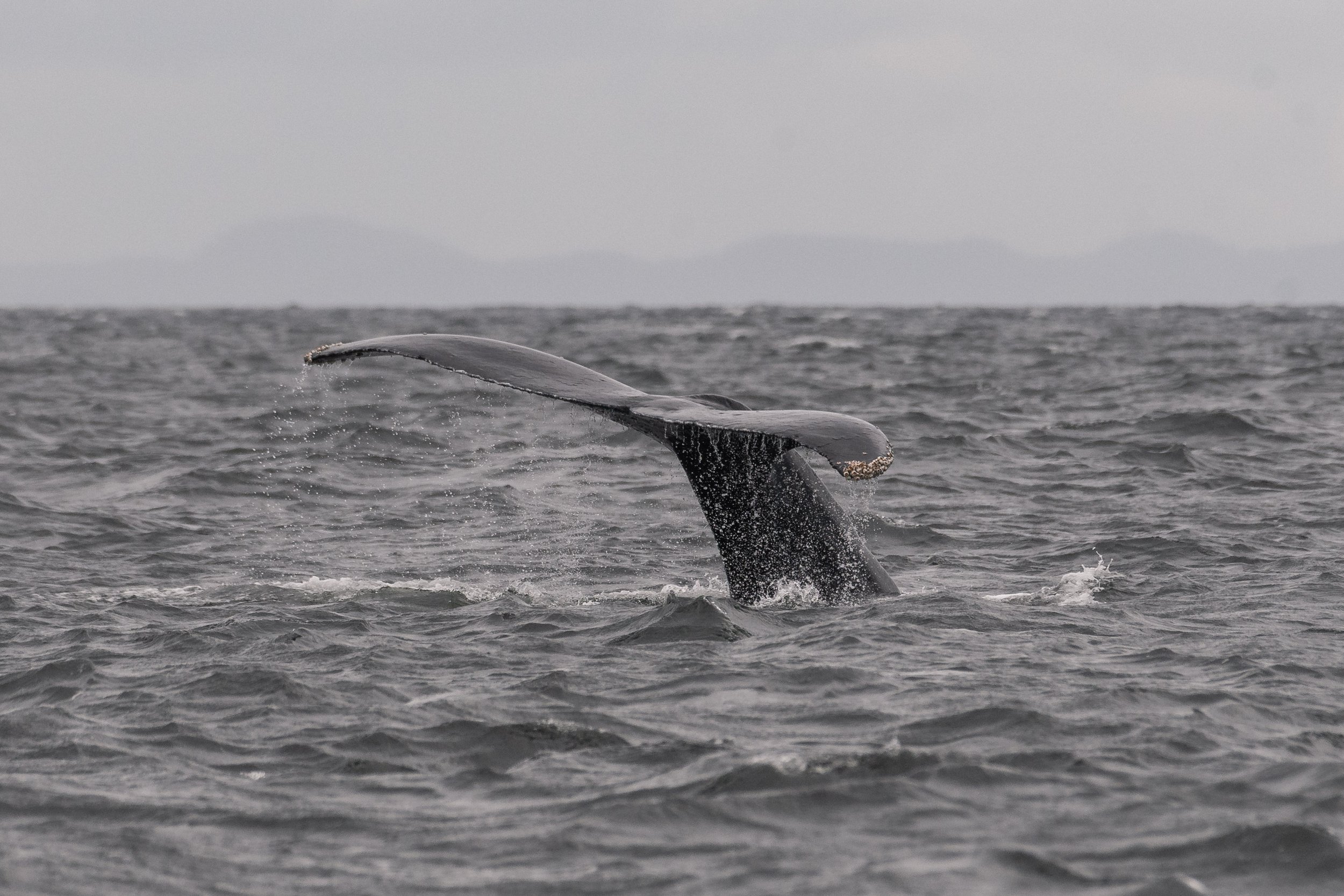
Another high fluke from Europa.
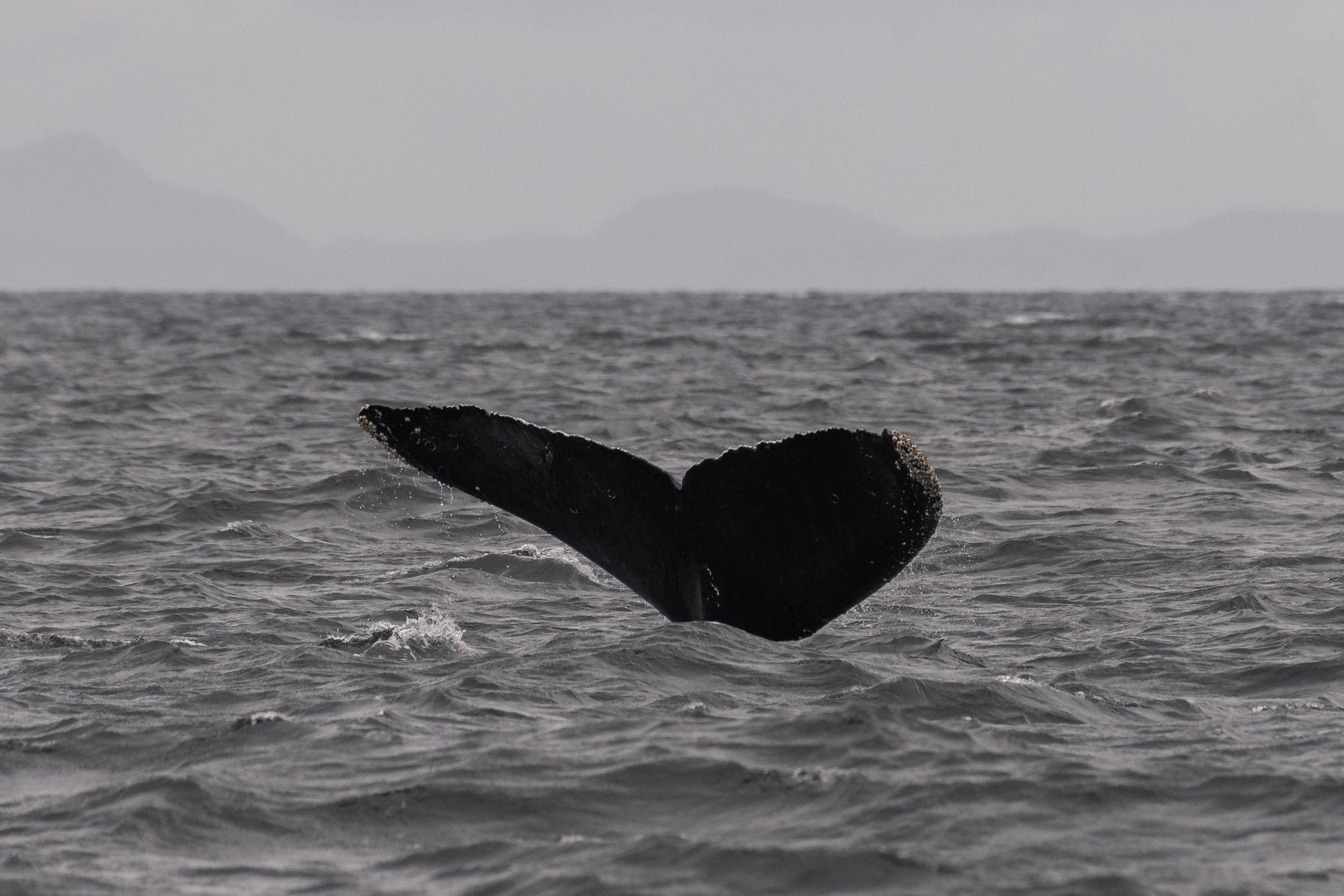
Europa going for a dive.
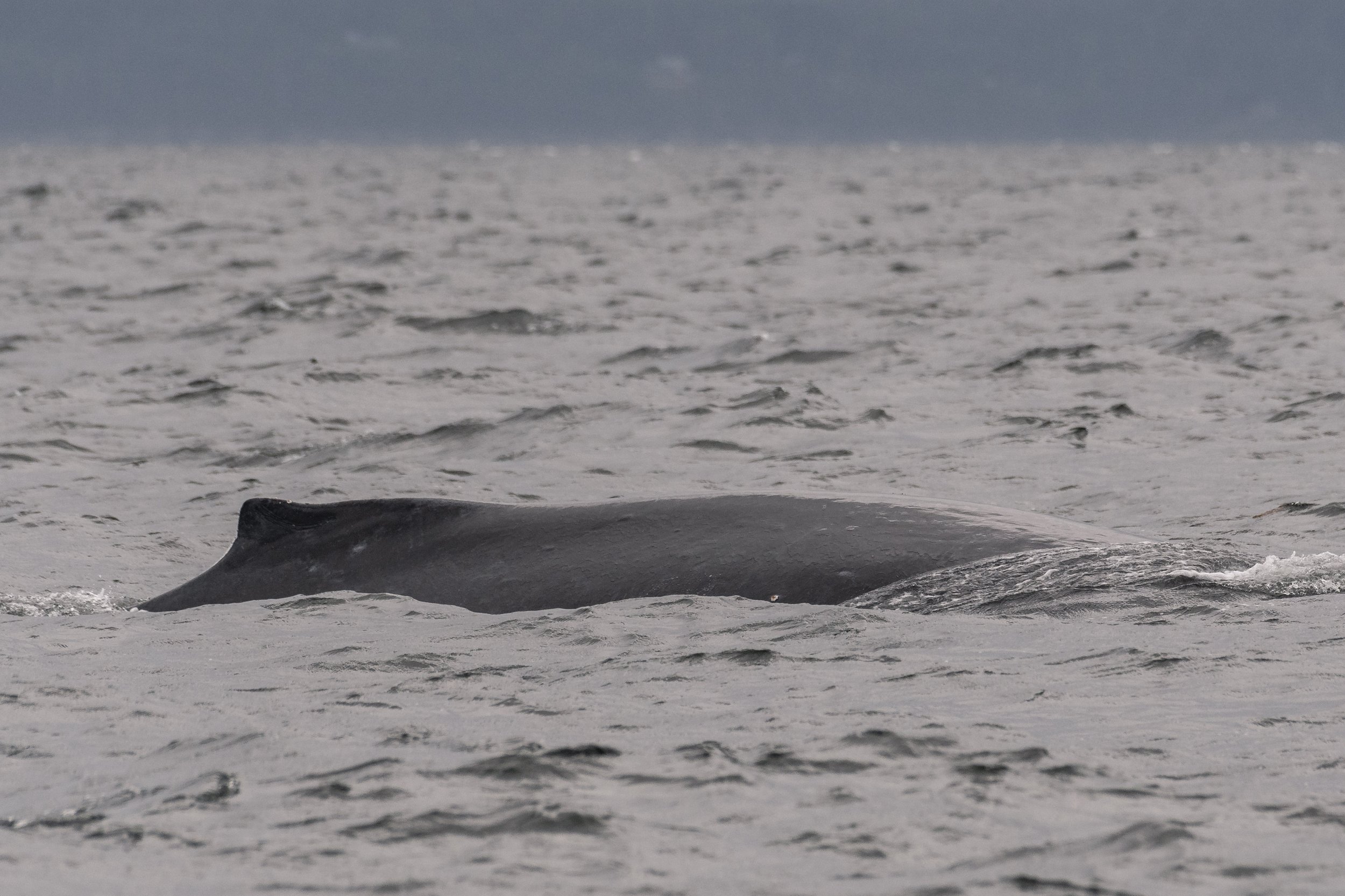
A nice look at Europa’s dorsal fin.
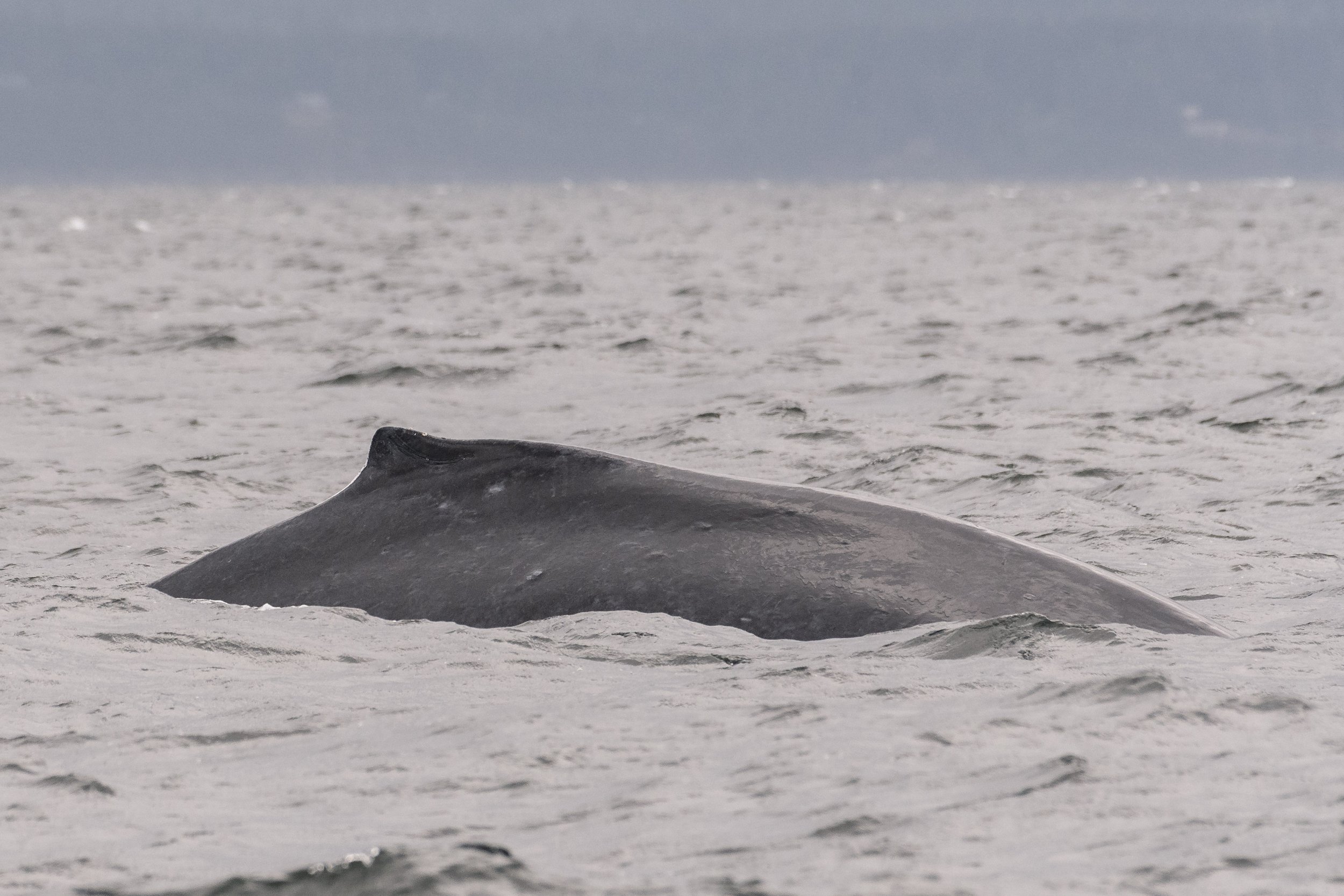
Europa surfacing.
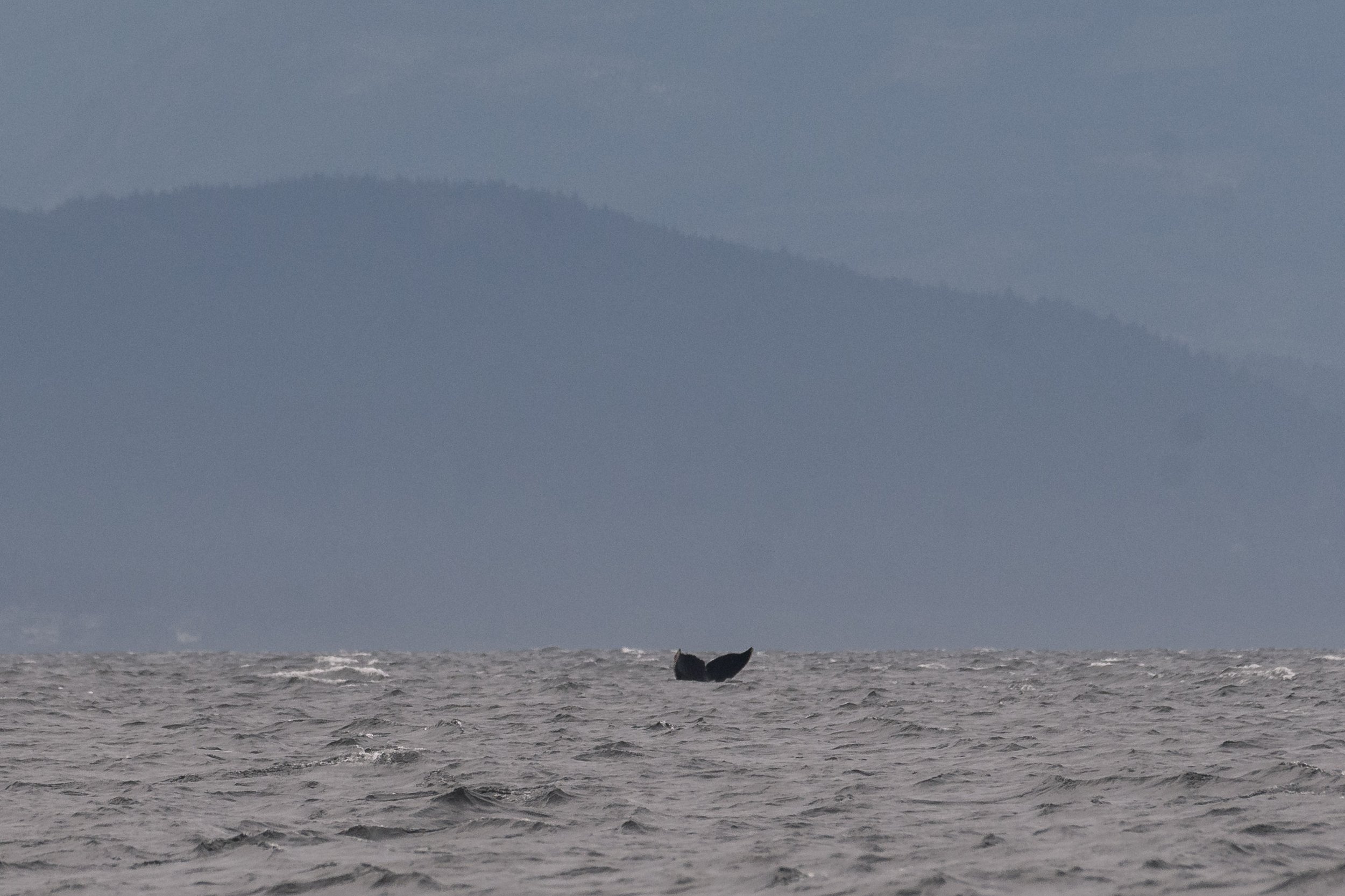
Vanta diving in the distance.
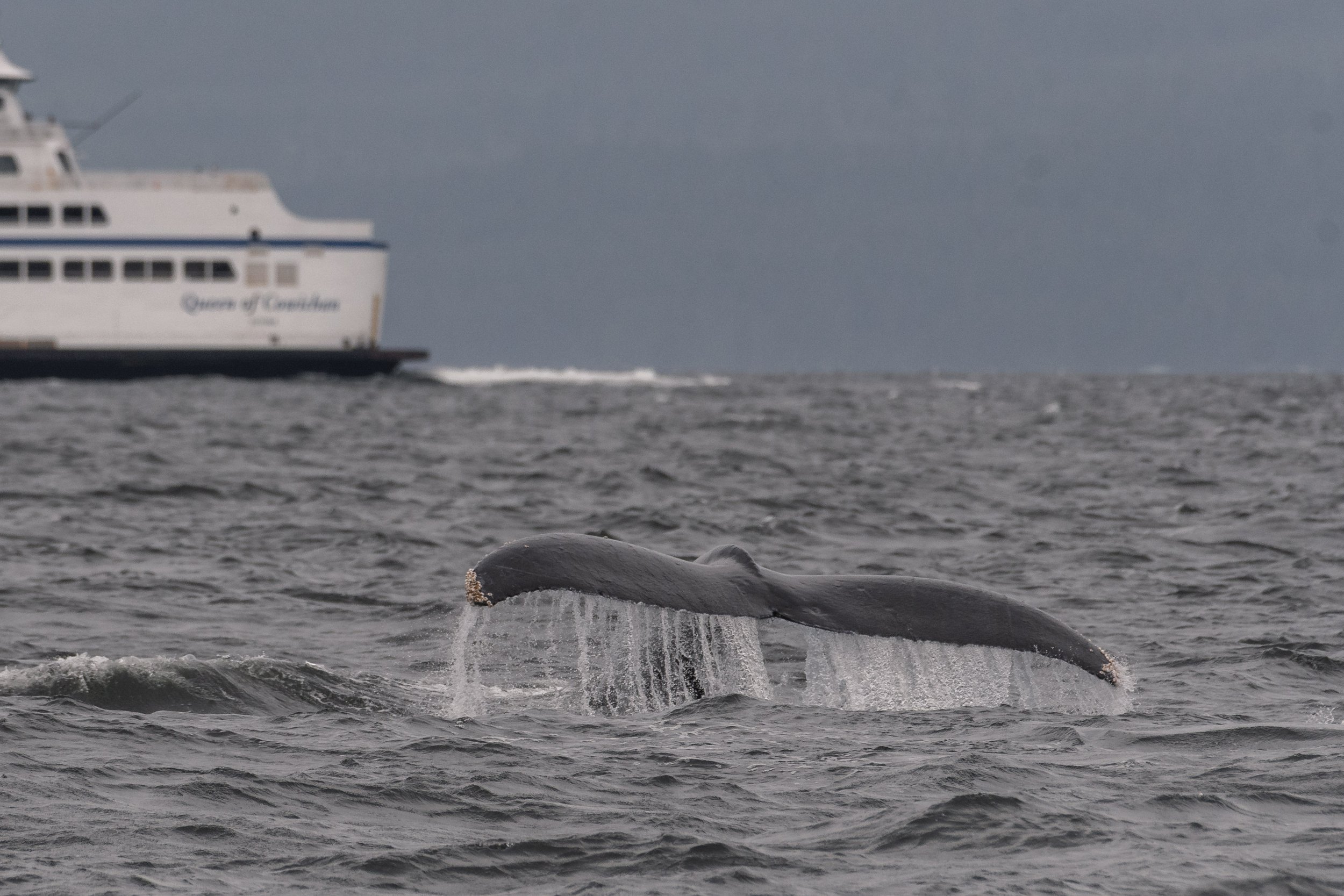
Europa diving with a BC ferry in the background.
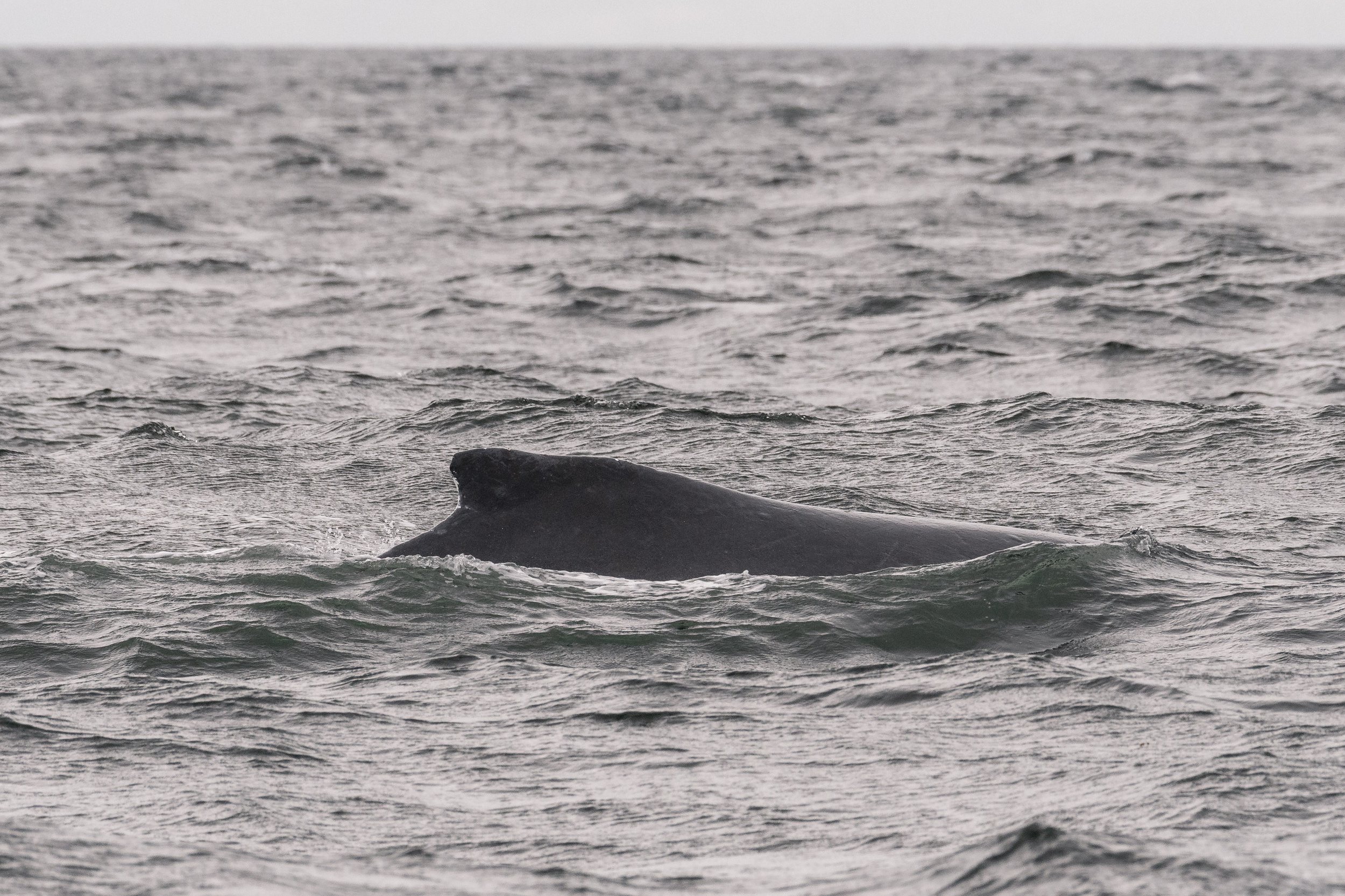
Vanta’s dorsal fin.
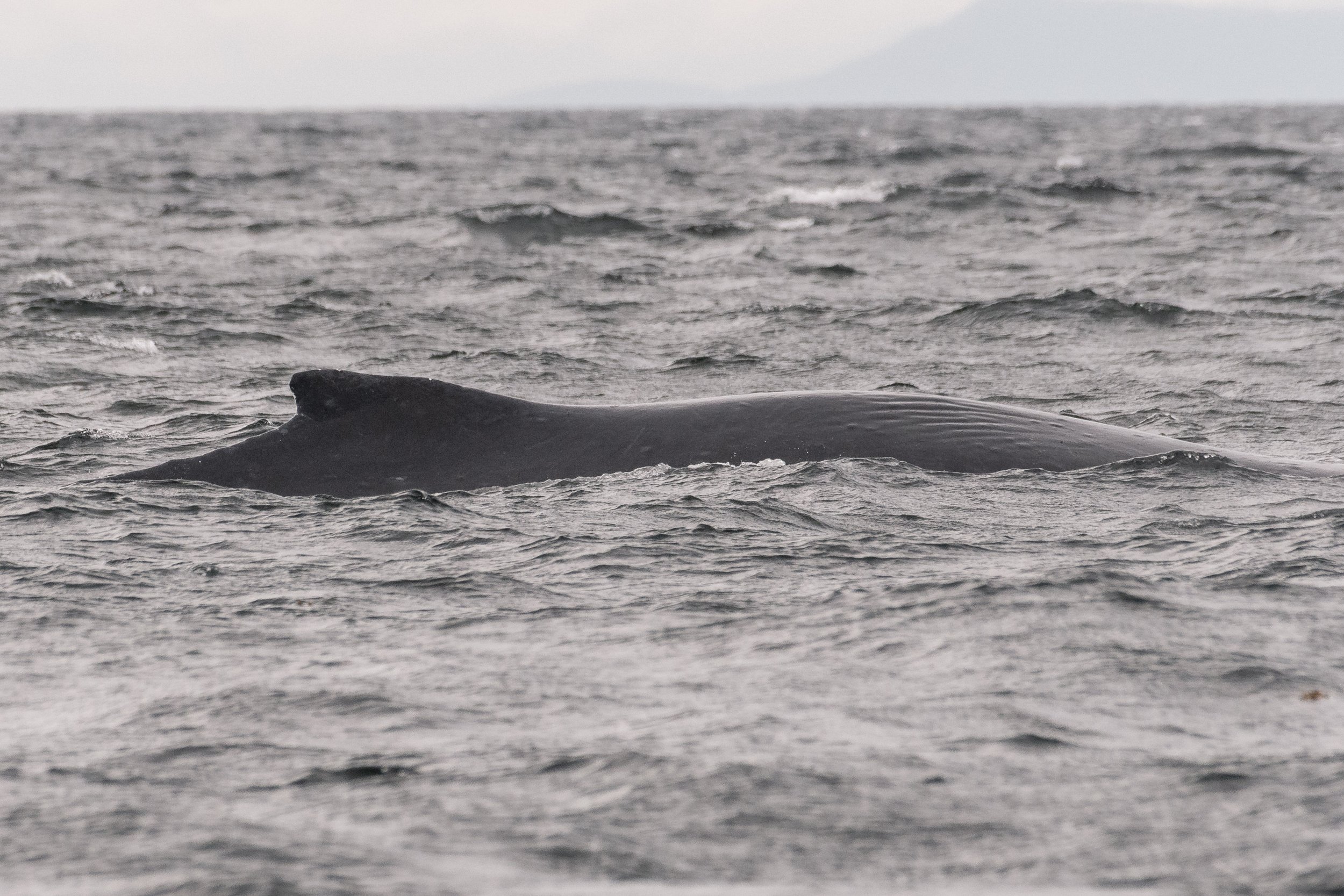
Vanta preparing to dive.
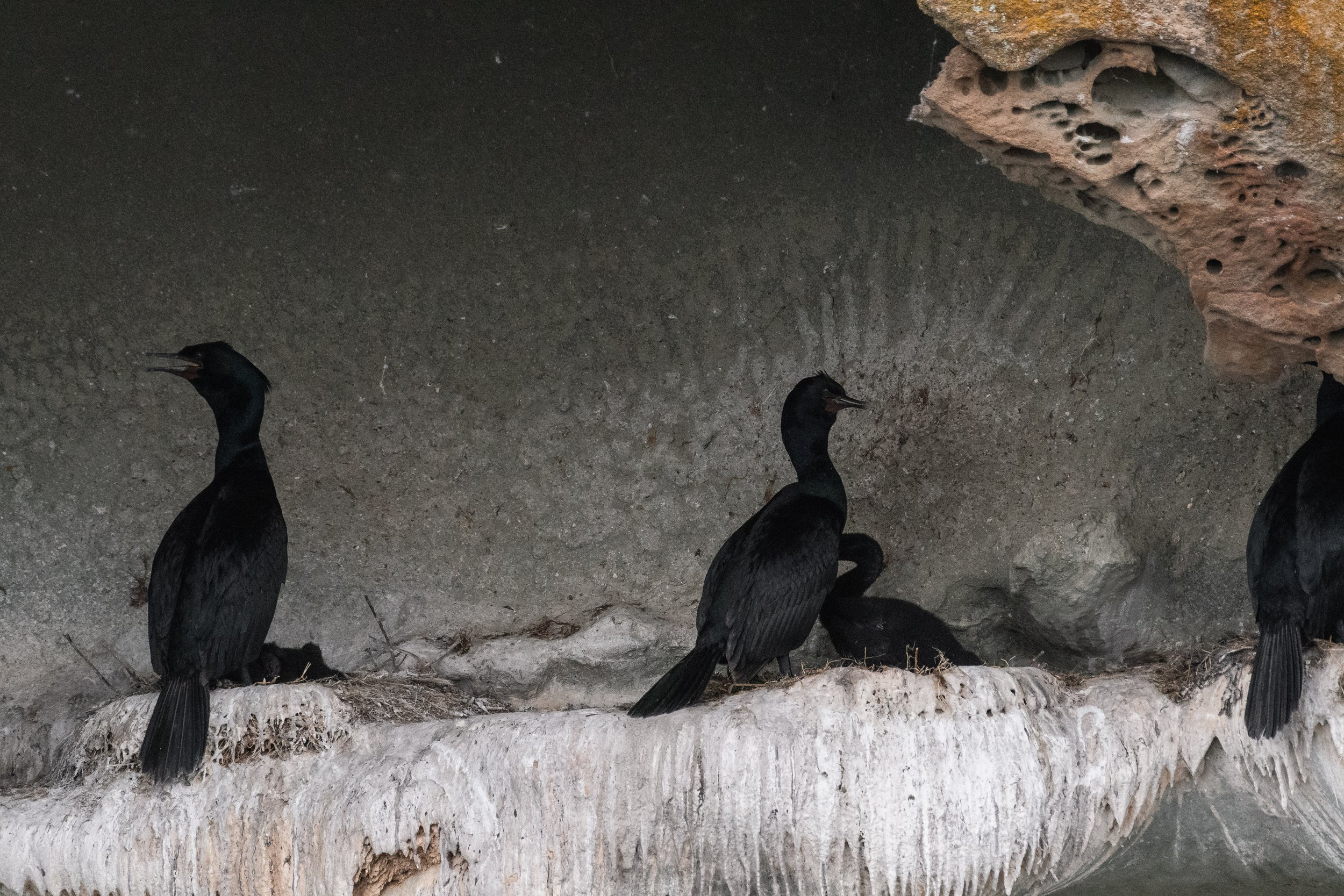
Cormorants nesting on the bluffs.
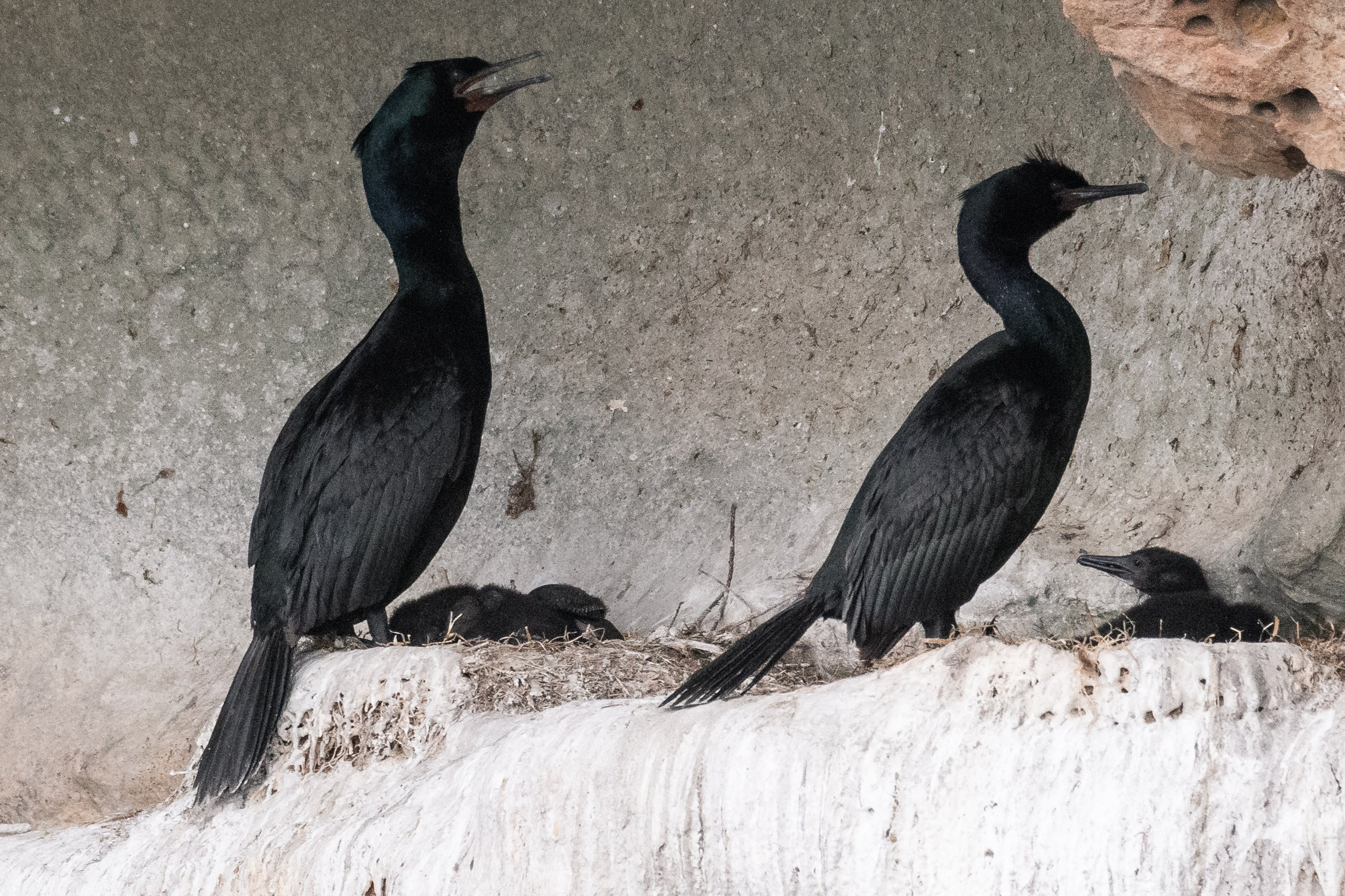
Just look at those cute (sort of) little babies!