
July 4, 2026, 10:30 AM - A mother's love, and a T-party too!
The sun was high in the sky as we boarded our vessels and set out for another fantastic adventure. This morning Kula, our Semi-covered vessel, and Cascadia, one of our Open Zodiac vessels, were out, and everyone onboard was eager as can be to begin our search. With sightings coming in from all over the place over the last few days, we almost had TOO many options for places to search as we headed out, but we decided to start the day to the south.
Scanning as we went, we coasted on around. Eyes were peeking all around, eager to see what could be travelling around while we were underway. Our first stops for the day were near Valdez Island, where many of our non-whale wildlife can be found. High overhead, a large Bald Eagle nest loomed. In it, a young Eaglet could be seen perched beside one of its parents. Further south, pinnipeds could be seen grumbling and resting on the rocks. The Harbour Seals would occasionally galumph along, or move clumsily, along the shorelines. The Steller Sea Lions were busy being stretched out and resting while we watched. After a couple of looks, we turned away and started searching once more.
After a bit more looking around, we soon found our first whales of the day - one large back arching out of the water, with a smaller individual beside them. This turned out to be a mother-calf humpback whale pair travelling together. Naturalists Evan and Jordan began photographing the individuals, and after a beautiful fluke from the mother, we confirmed that this was Smoke (BCX2183) and her 2026 calf (BCX2183calf2026). This ID confirmation was extra exciting, as this is Smoke’s first confirmed calf!
Smoke is a highly interesting whale; we know who her mother is, but she is not one of the whales we typically see. Her mother is Flame (SEAK-1538), an Alaskan female humpback who has never been documented in our waters before. If you take a peek at Smoke’s earliest sightings, you will see they are all up in Alaska, just like Flame - so why would Smoke spend her summers in our waters?
Truthfully, we will never know for certain. However, it might correlate with Smoke sustaining severe damage to their flukes in August 2021, potentially leading them to spend time in our waters to recover. During that time, they would have learned about the valuable feeding grounds along our coastline, and they may have decided to return to this area rather than their natal waters in Alaska, as it is a significantly shorter trip to Hawaii from here than from up there! Whatever the reason, it has been wonderful watching Smoke grow and return to our waters every summer, and seeing her with a calf at her side now makes the experience even more amazing.
Smoke and her calf were being very energetic as we observed them. Besides travelling and Smoke occasionally fluking, the calf was also seen pectoral-slapping at the surface, along with occasionally lifting their rostrum (nose/face) out of the water. Energeticness amongst calves is always a great indication that they are likely well-fed and healthy - both things we are always very relieved to witness!
Soon we had to say our goodbyes and head on out, as we had another sighting to find inside the Southern Gulf Islands. We had caught word of an orca sighting a mere 10 minutes away, and once we were a safe distance from Smoke and calf, we headed on out once more. Crossing through Porlier Pass, we zoomed along until we reached Pylades Island. Soon, a sea of dorsal fins was visible, and once again our onboard Naturalists began working on identifying who was on board. Fin after fin surfaced, and after comparing shots to our ID catalogues, we confirmed the following whales were present:
T065B Chunk ♀ (1993)
T065B1 Birdsall ♂ (2011)
T065B2 Nettle ♂ (2019)
T065B3 Rook ♂ (2023)
T075B Pebbles ♀ (1995)
T075B2 Jasper ♂ (2015)
T075B3 Rubble ♂ (2017)
T075B4 Petra ♀ (2021)
T077 Asja ♀ (1981)
T077D Alycon ♀ (2009)
The T-party (the name we use for multiple groups of Transient orca matrilines that interact together) was travelling fast as we observed them. It is likely that they were busy hunting their next meal, as the individuals zipped back and forth. Every whale needs to eat a couple hundred pounds of meat daily to keep their weight up, which for a group of 10 orca means hunting very regularly throughout the day.
We watched as they continued along, and soon we had to make our way away as well.
We departed the T-party and started making our way back north, back towards Nanaimo. Cascadia crossed through Dodd Narrows first, with Kula following after. Kula was in for one more surprise though, as another large male orca was spotted travelling solo. A quick capture confirmed it was one of our favourite lone males - T049A1 Noah:
T049A1 Noah ♂ (2001)
Noah is an odd whale as male orca usually spend their entire lives by their mother’s side. Noah, on the other hand, has spent years travelling away from his pod. He does occasionally return to his mother’s side, though, as he did earlier this year when T049A Nan gave birth to her newest calf, T049A7 Nimbus, and does occasionally meet up with other lone males for short-lived frolicks. It was getting late in the day, though, and we quickly left Noah and continued on. Soon, Kula also crossed Dodd Narrows and made their way to the trip's final wildlife stop.
Large rocky cliffs loomed overhead as soon as we approached the coastline of Gabriola Island. Here, many sleek, long-necked black birds. These were cormorants, specifically Double-crested and Pelagic Cormorants, and they often nest along this island’s edge. Swooping down to the waters below, they will plunge into the frigid depths to fish for themselves and their chicks. Amazingly, they can dive over 100 ft down to catch their prey. Many of them flew by, with their feathers shimmering in the sunshine, as they continued on their way.
We peeked once more at the birds before we headed on out. We turned and soon saw Nanaimo on the horizon, and soon we were docking and concluding our tour. It was an amazing trip with many amazing moments!
Please enjoy the photos from our trip taken by Marine Naturalist Evan Hessels and Jordan Robinson!
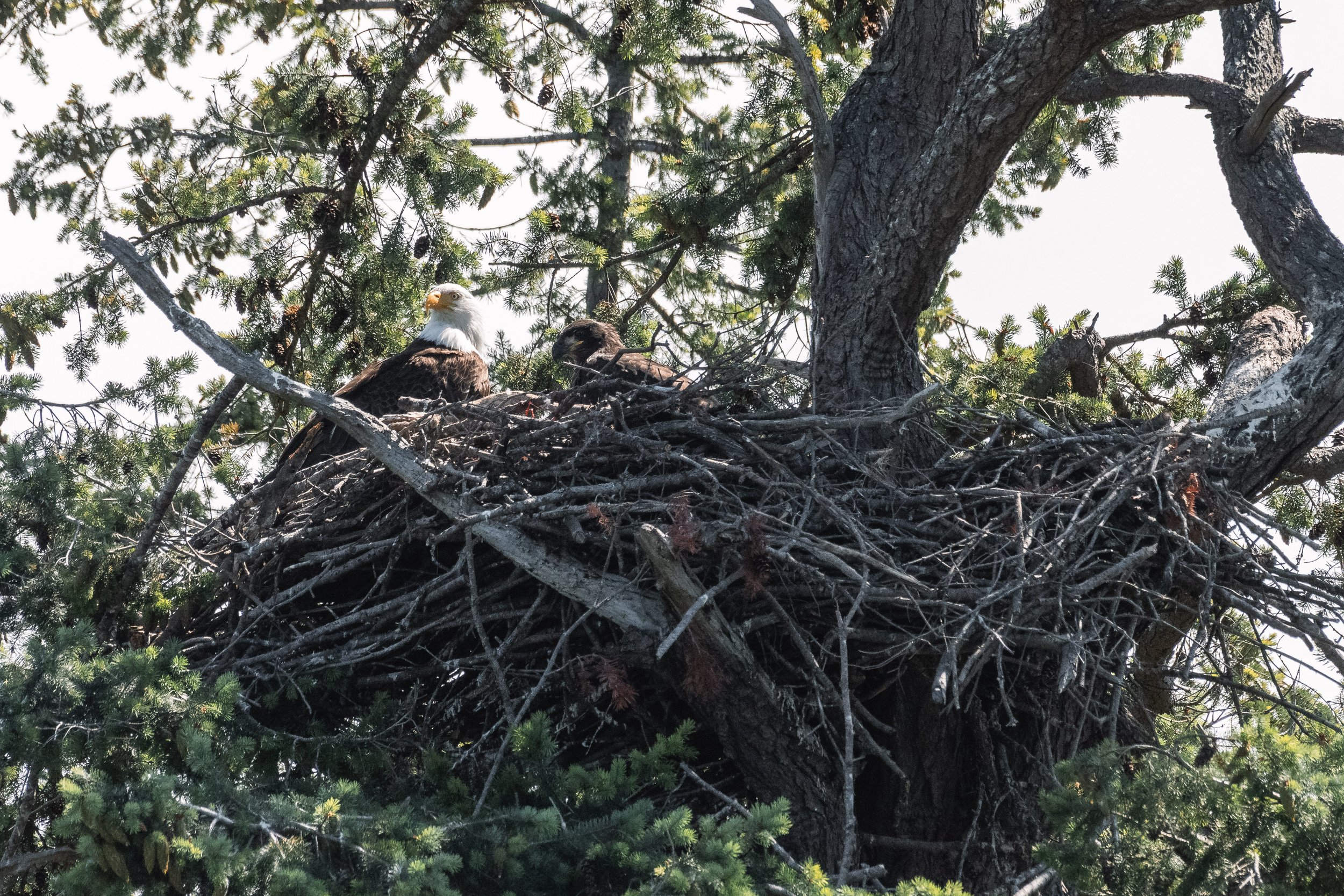
A Bald Eagle with her chick. Photo by Evan Hessels.
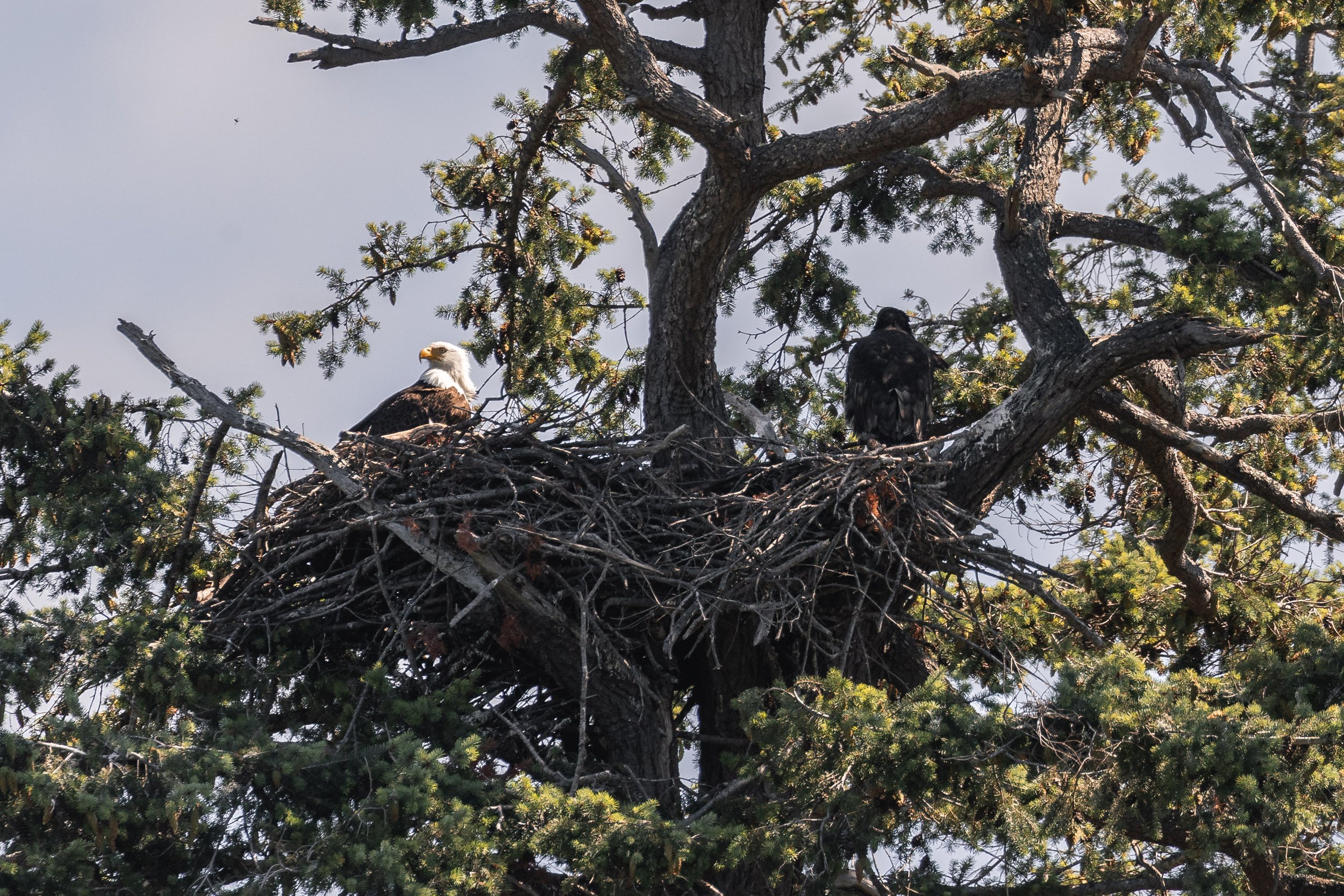
Did you know eagles do not get their white heads and tails until around 5 years old? Photo by Jordan Robinson.
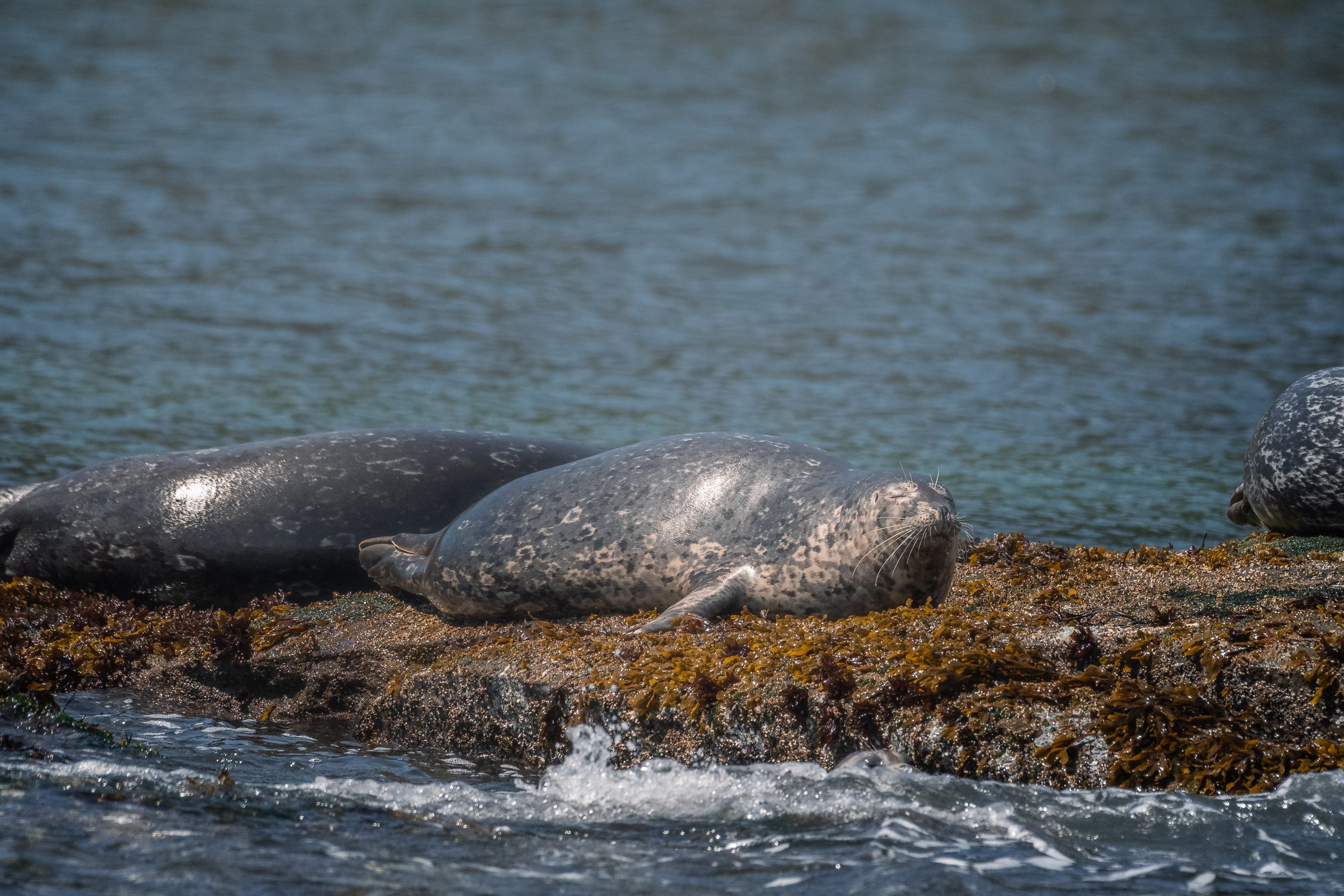
A plump harbour seal sunning. Photo by Evan Hessels.
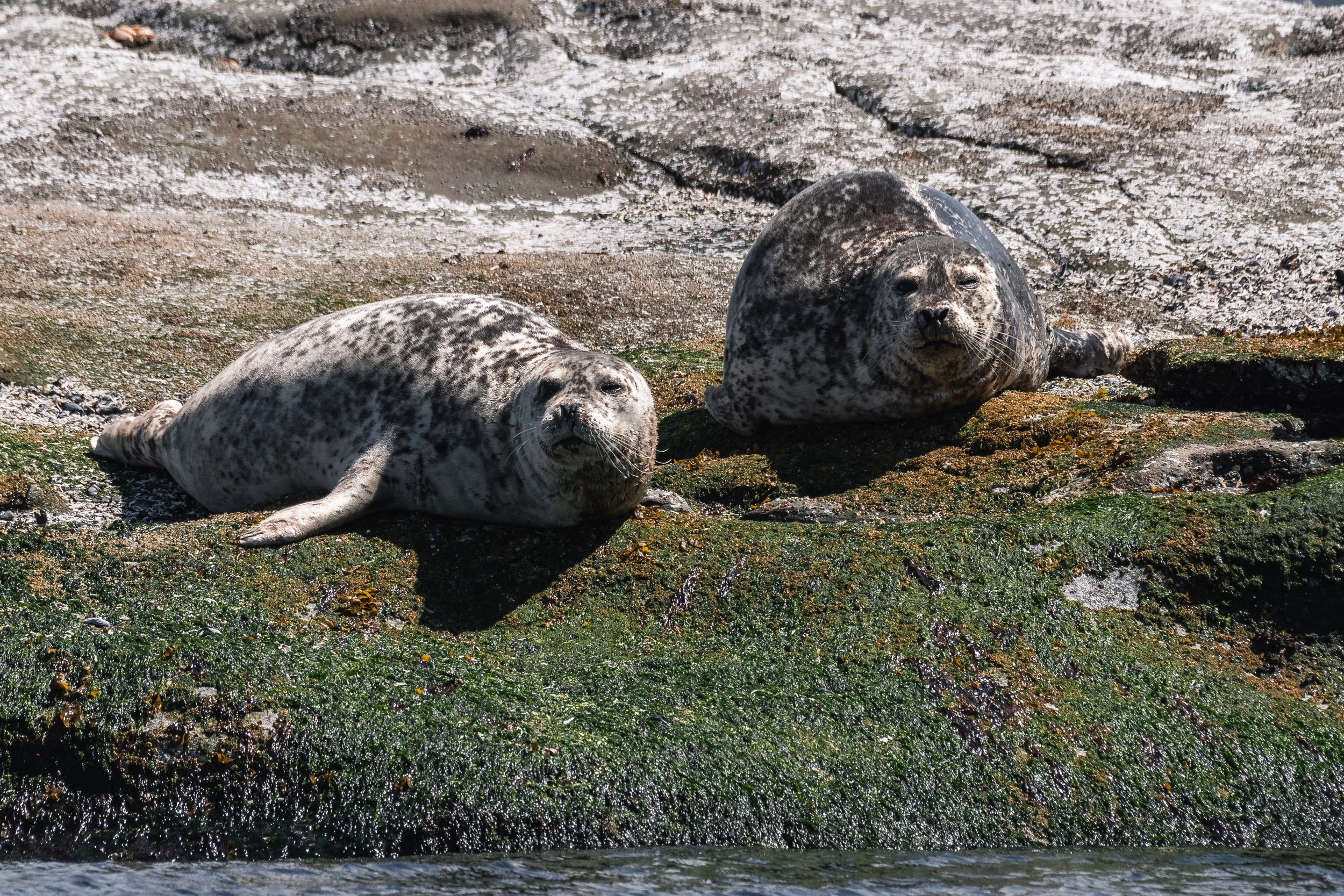
Harbour seals on the rocks. Photo by Evan Hessels.
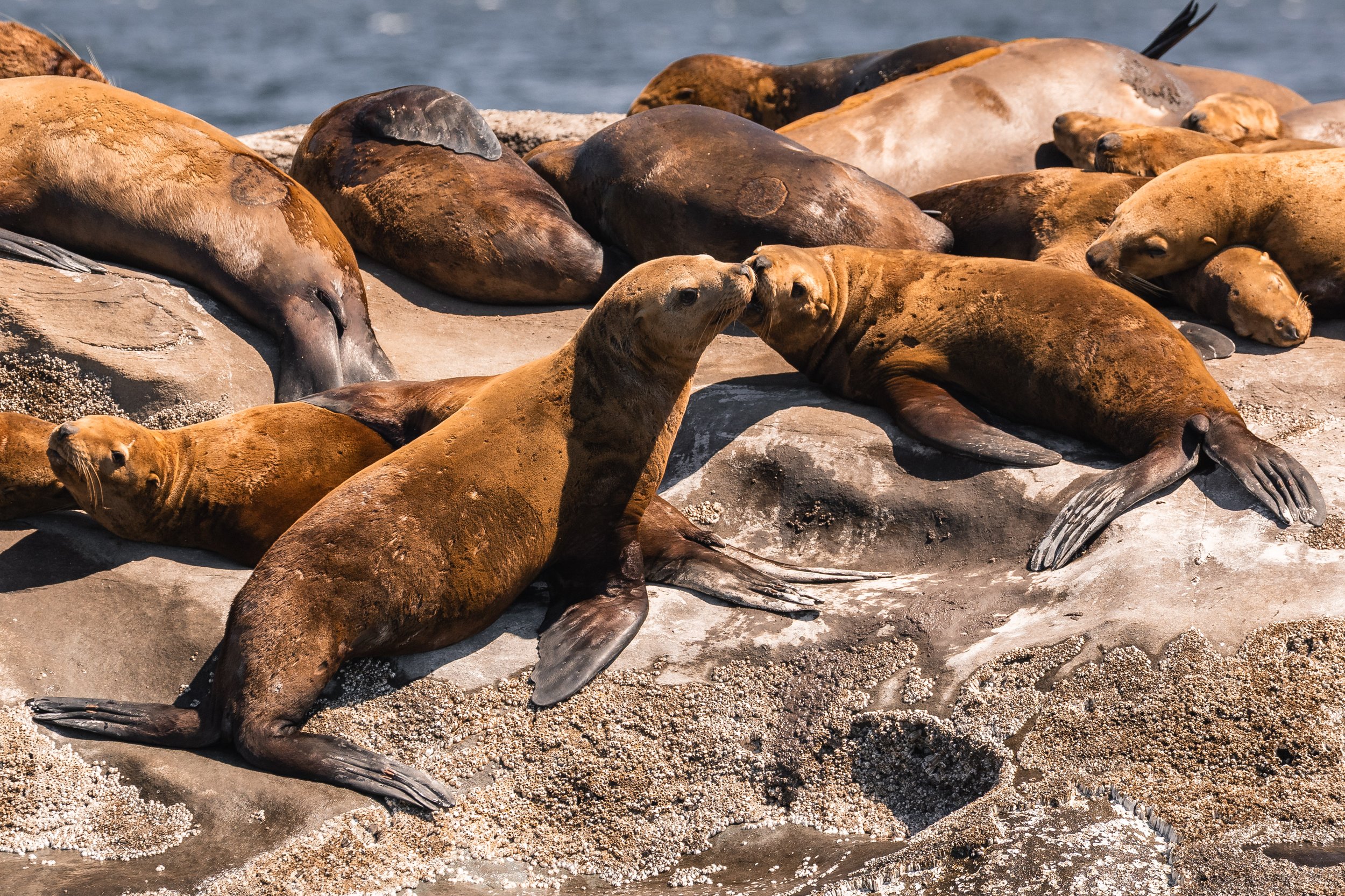
These Steller Sea Lions are fighting over the best spot. Photo by Jordan Robinson.
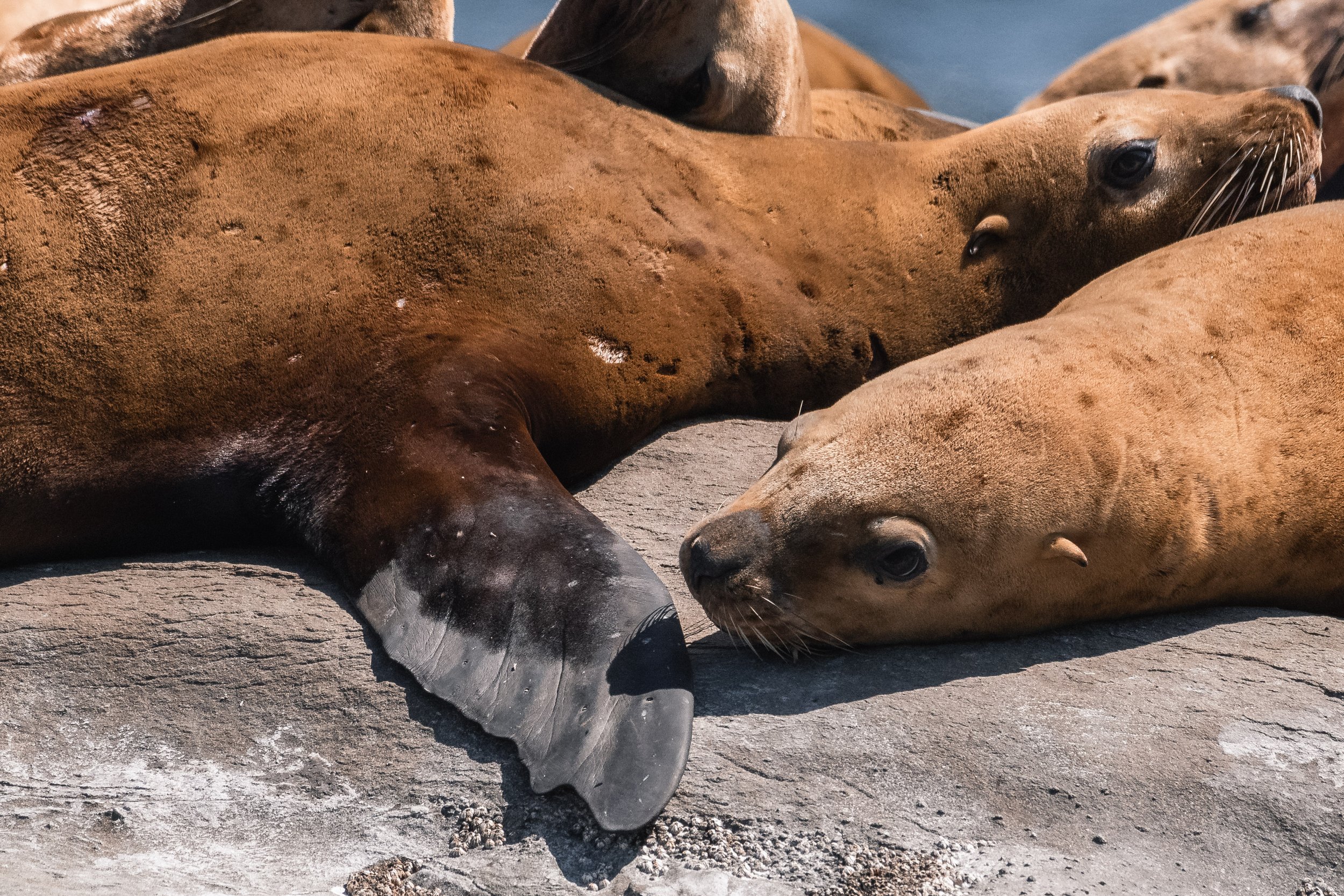
Some sleepy Stellers. Photo by Evan Hessels.
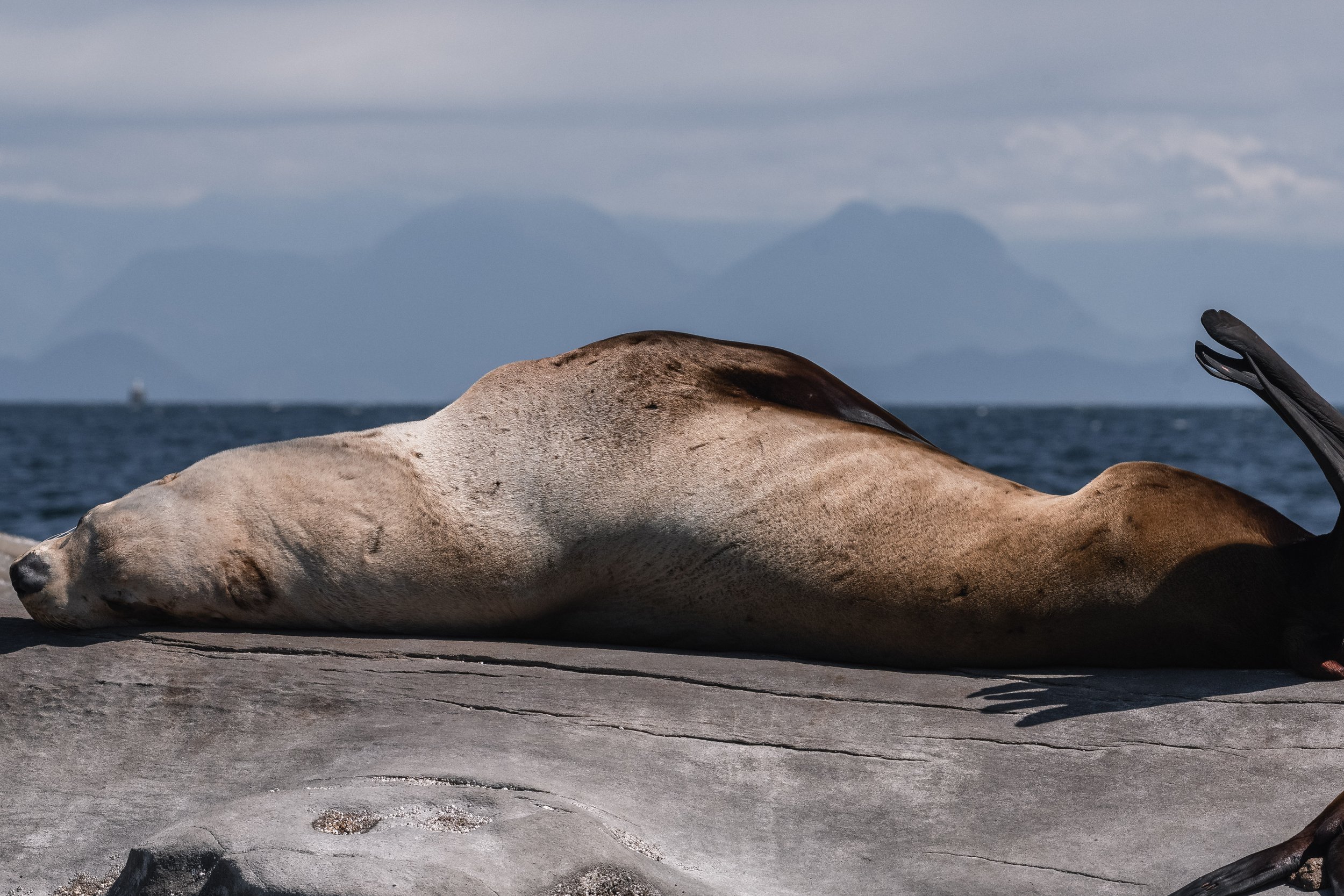
A large male Steller Sea Lion. Photo by Evan Hessels.
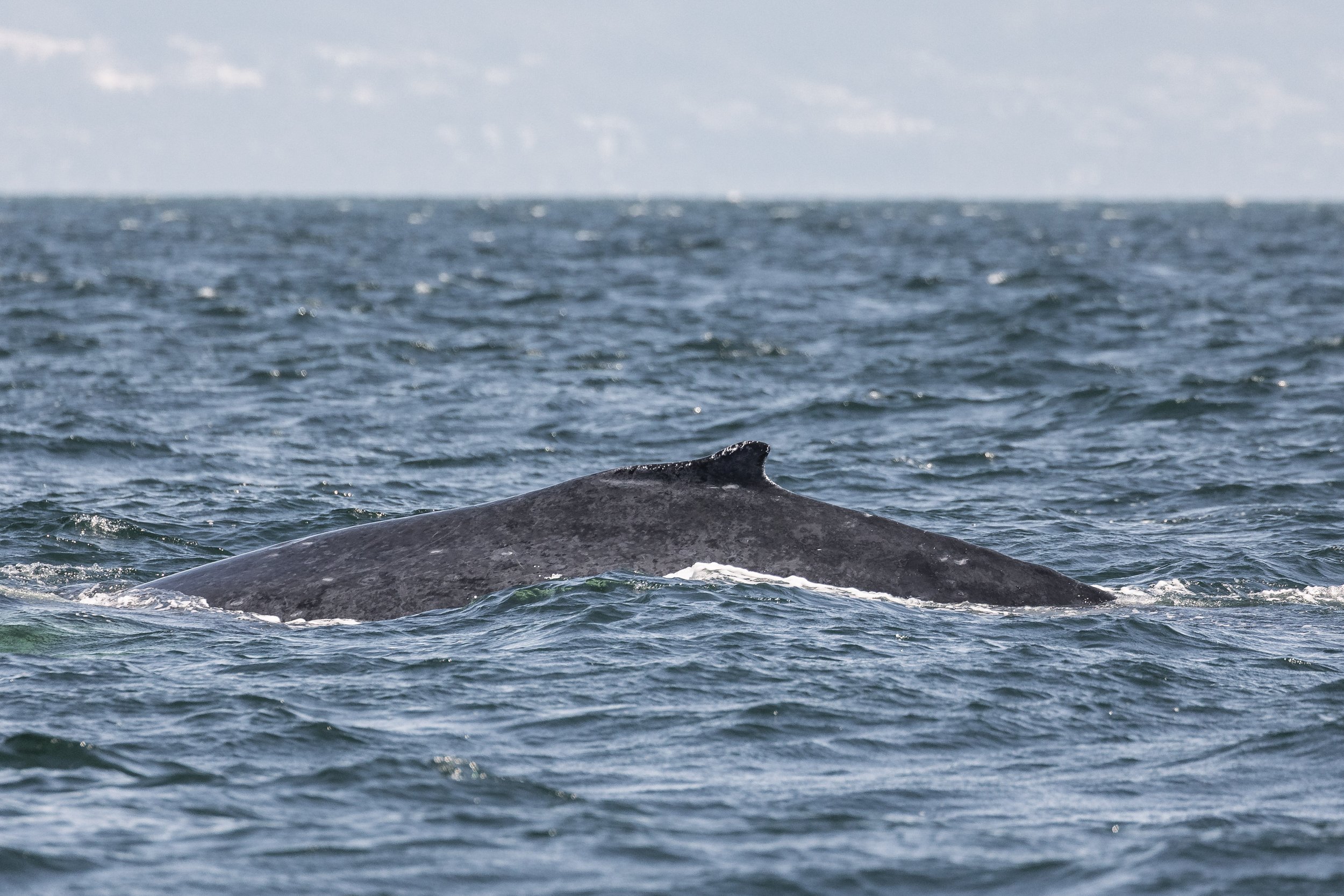
Smoke’s dorsal. Photo by Jordan Robinson.
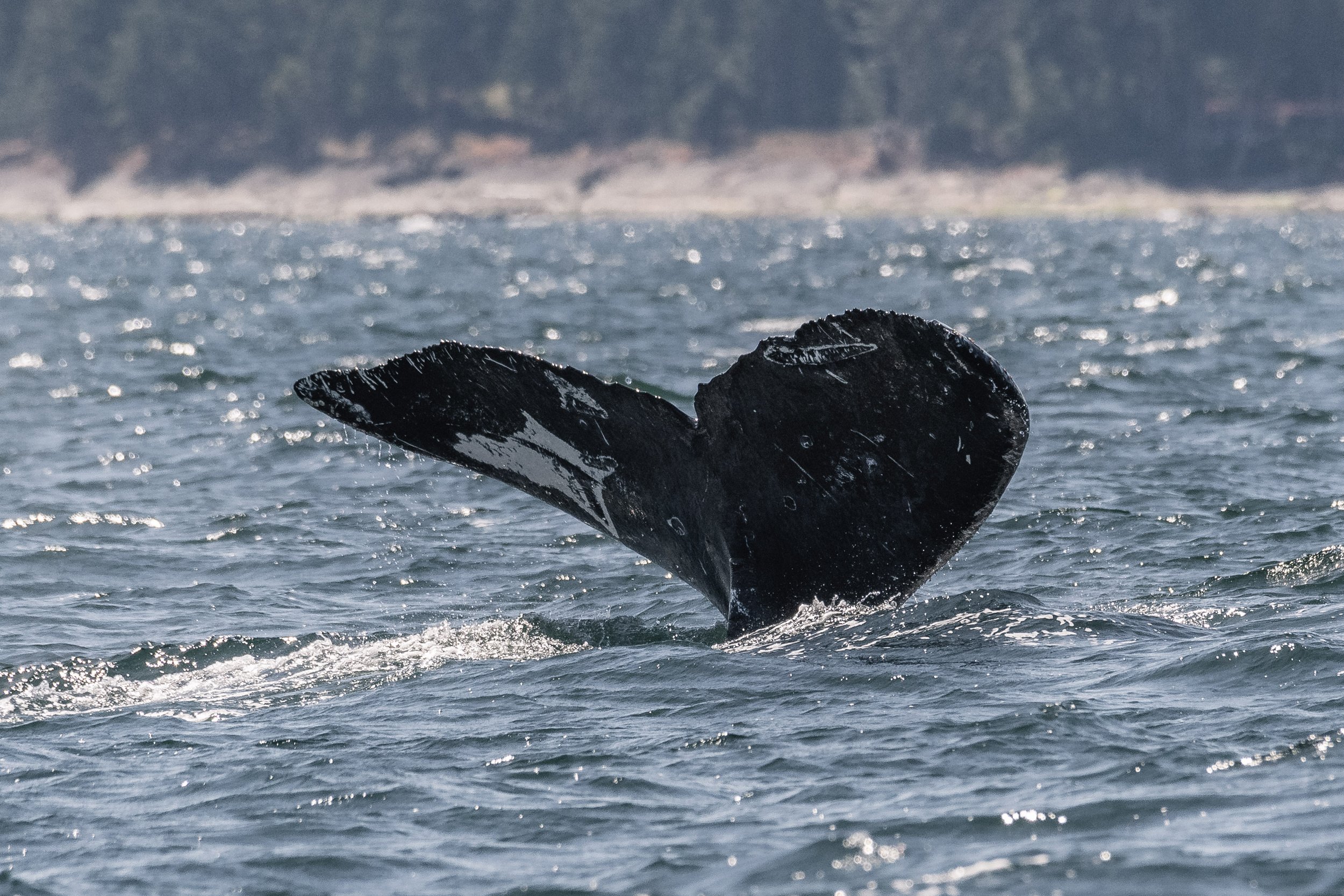
A fluke from our new mother Smoke. Photo by Evan Hessels.
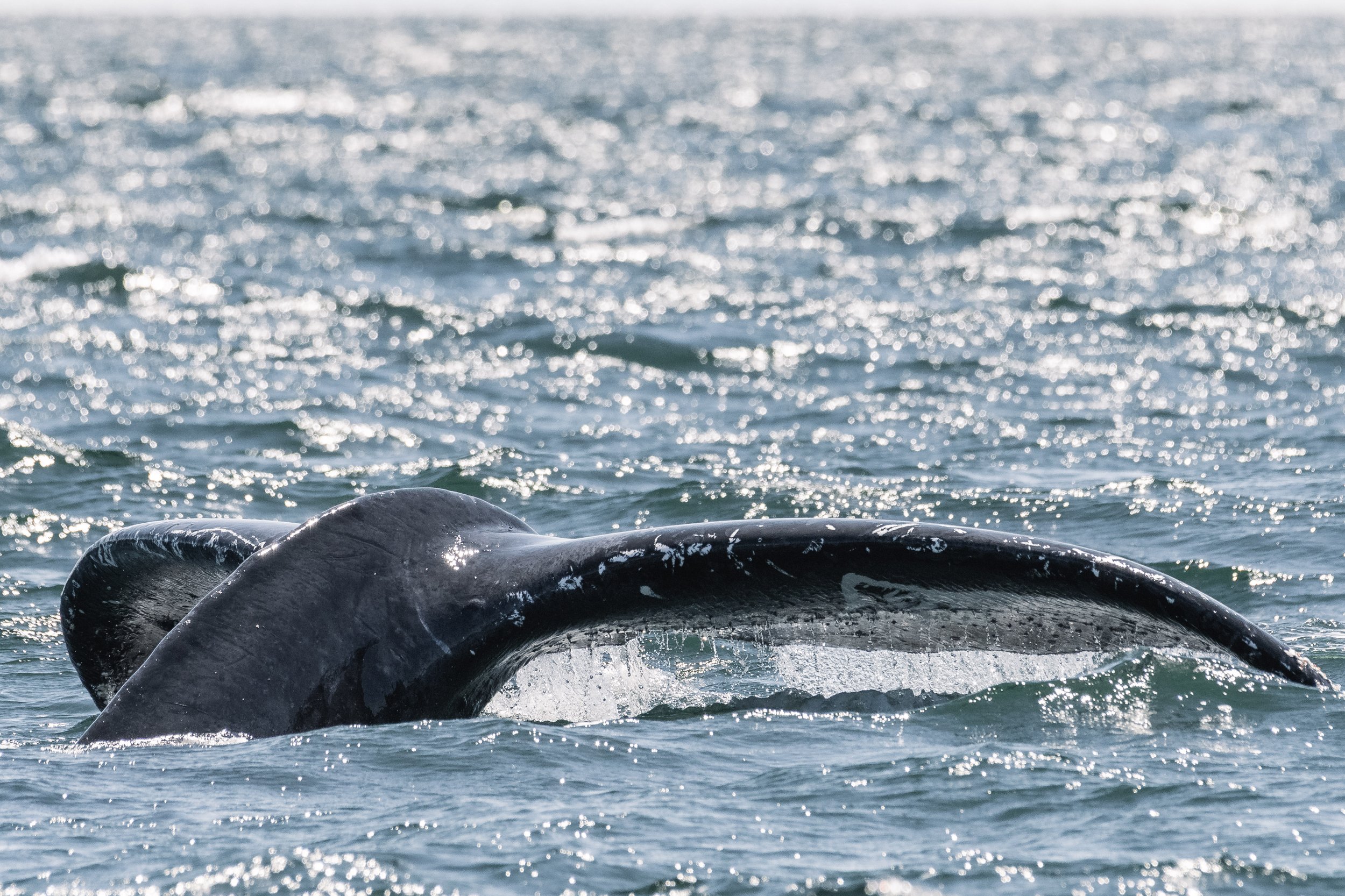
Smoke diving. Photo by Evan Hessels.
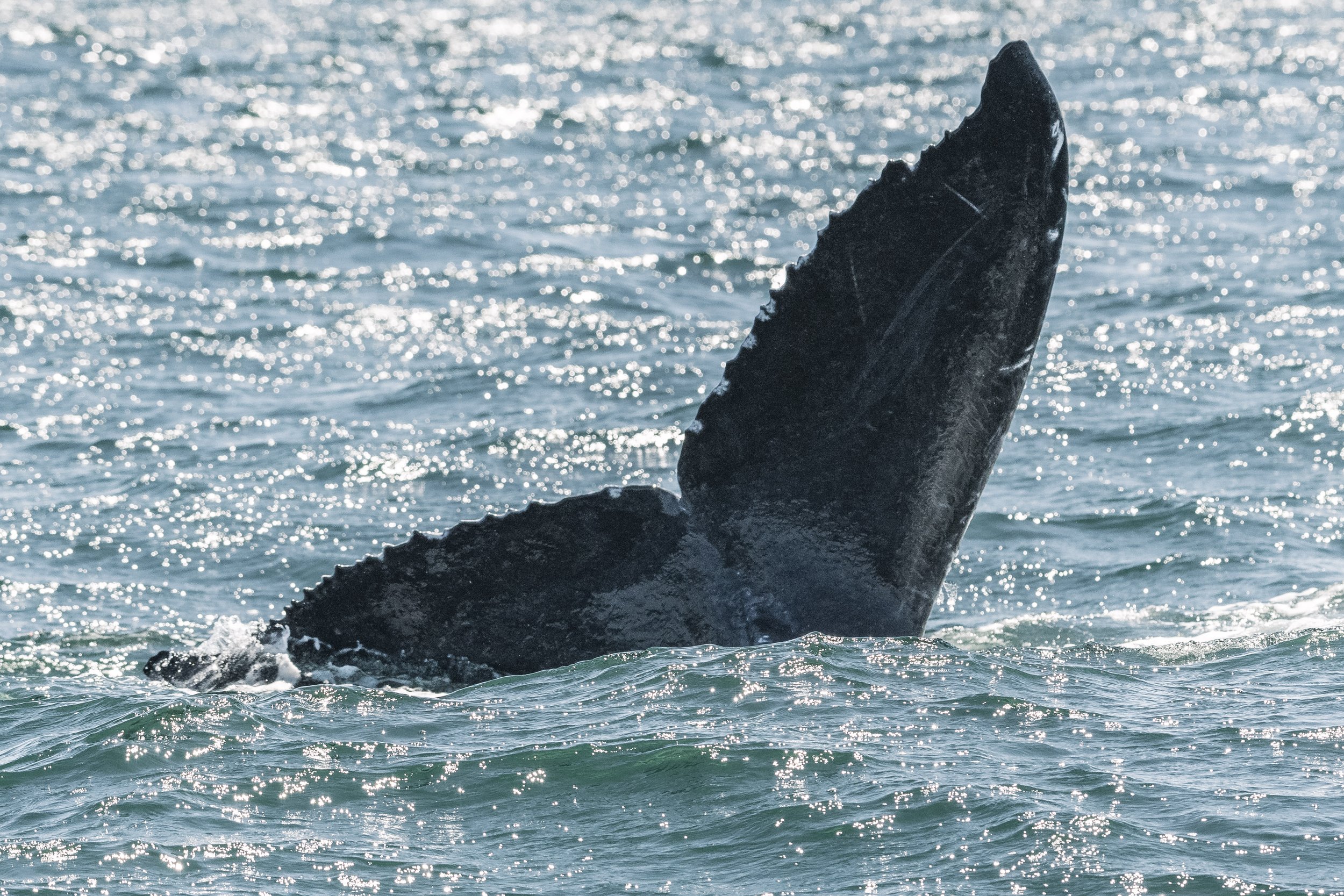
Smoke’s calf lifting their tail. Photo by Evan Hessels.
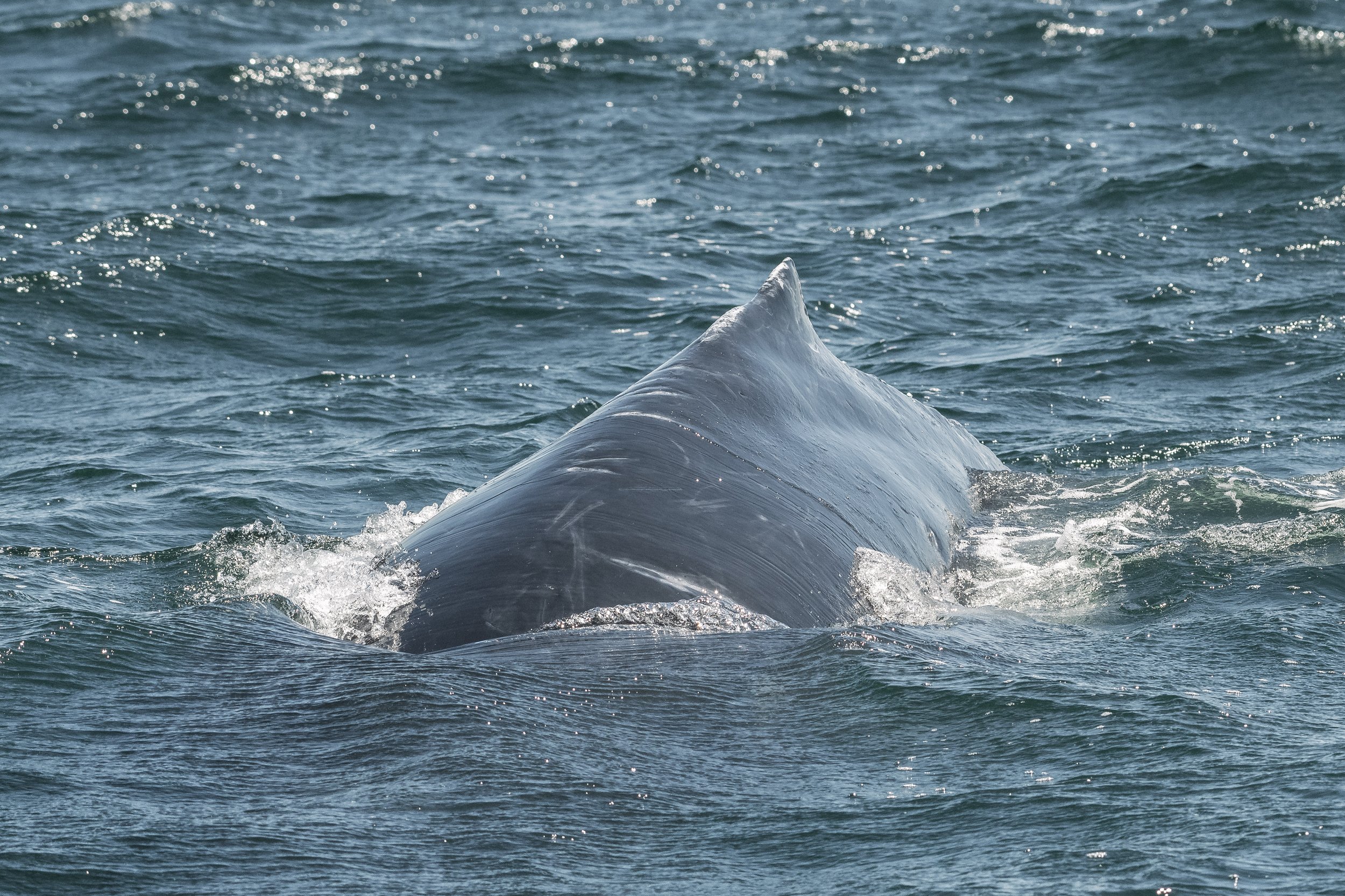
Smoke’s calf surfacing. Photo by Evan Hessels.
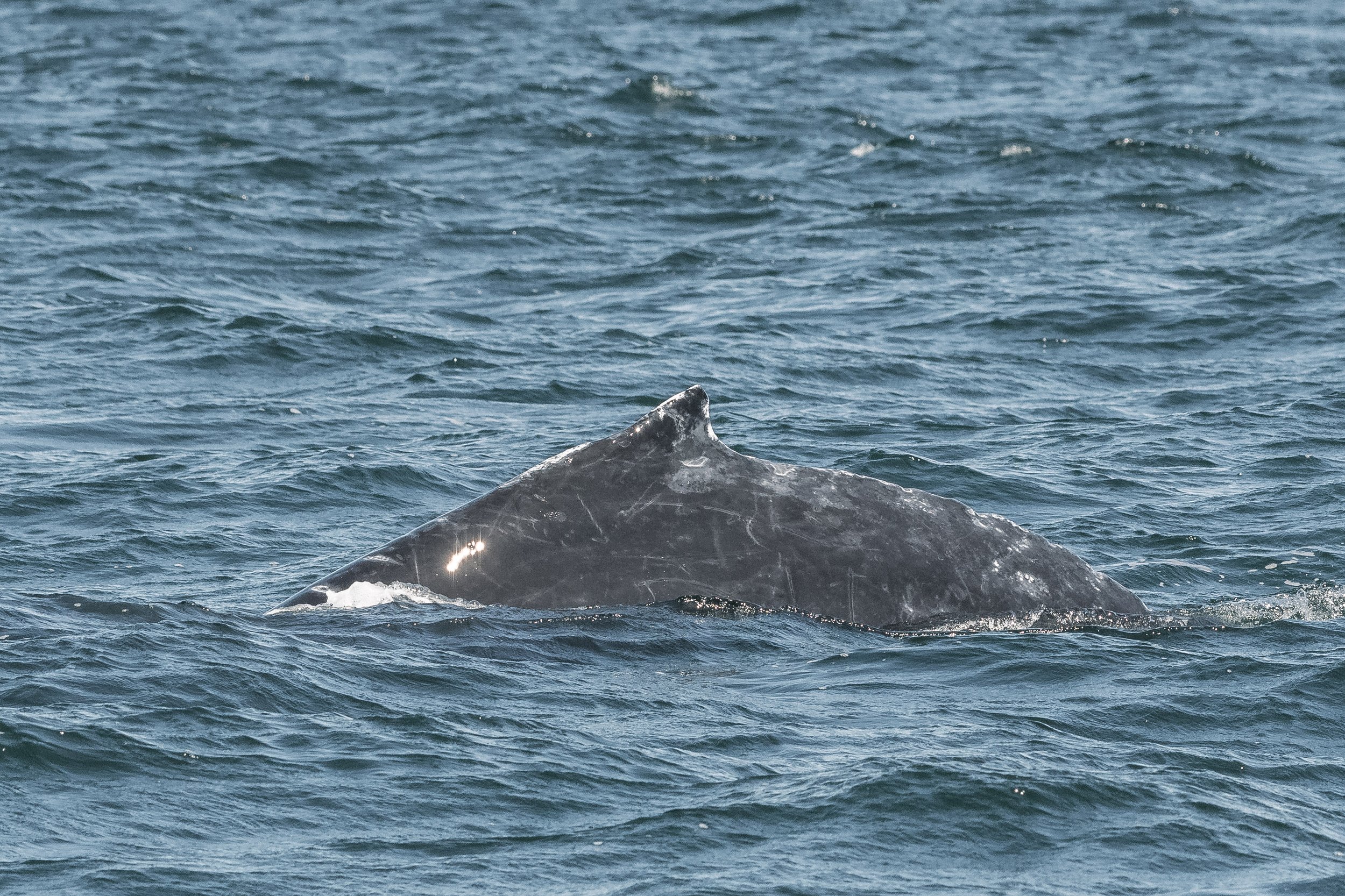
Smoke’s calf’s dorsal fin. Photo by Evan Hessels.
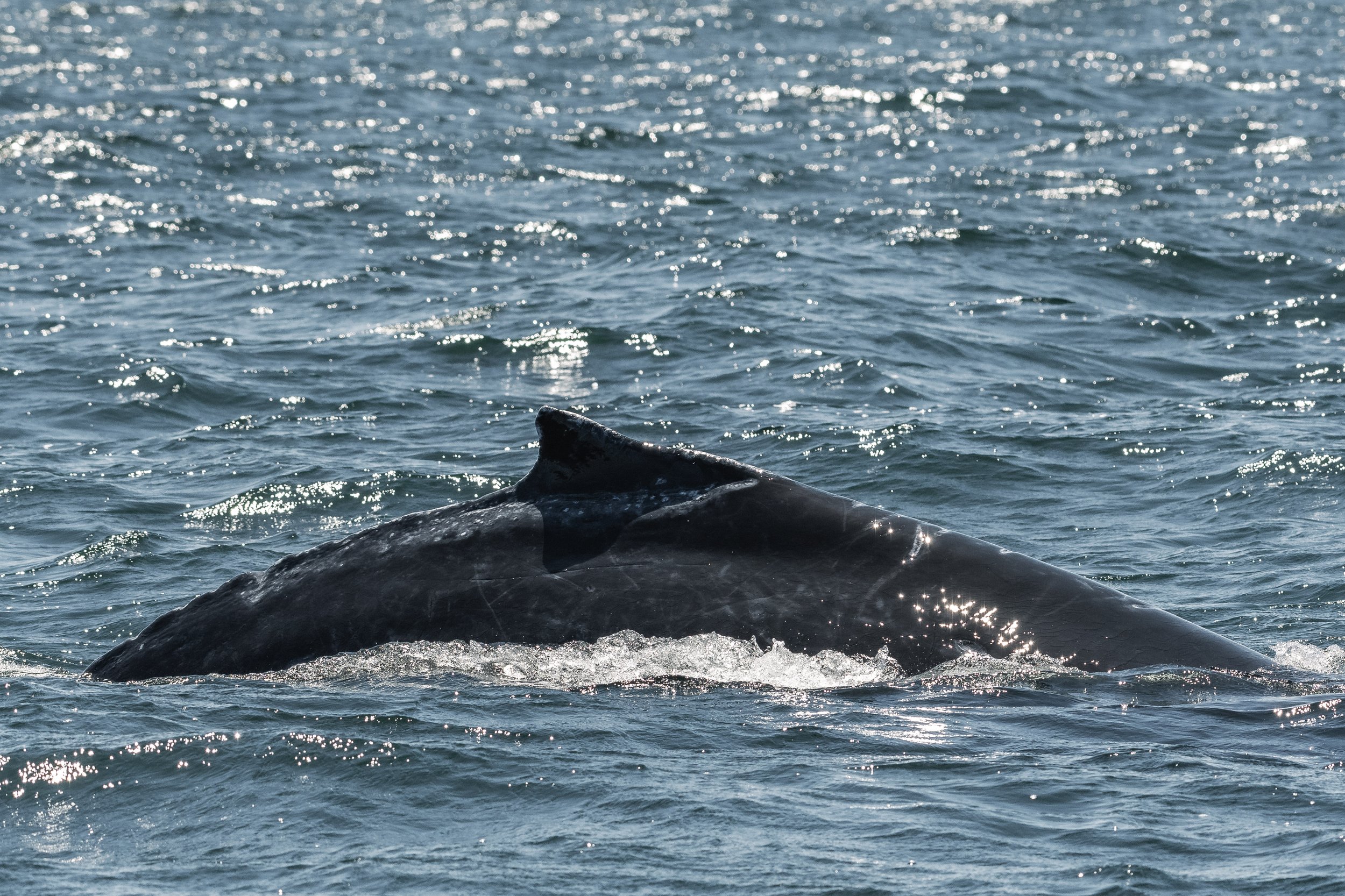
The other side of the calf’s dorsal. Photo by Evan Hessels.
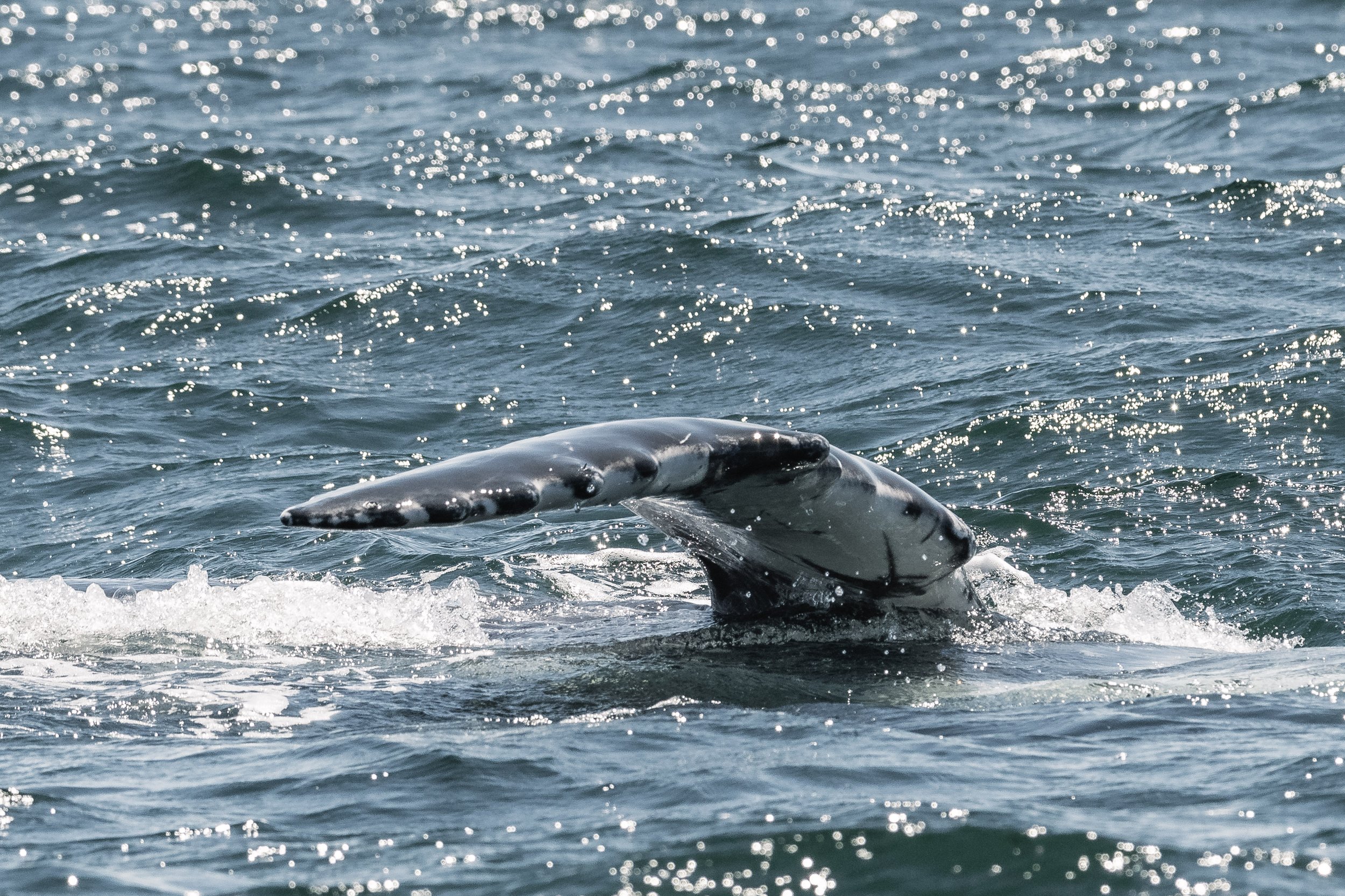
A baby pectoral fin. Photo by Evan Hessels.
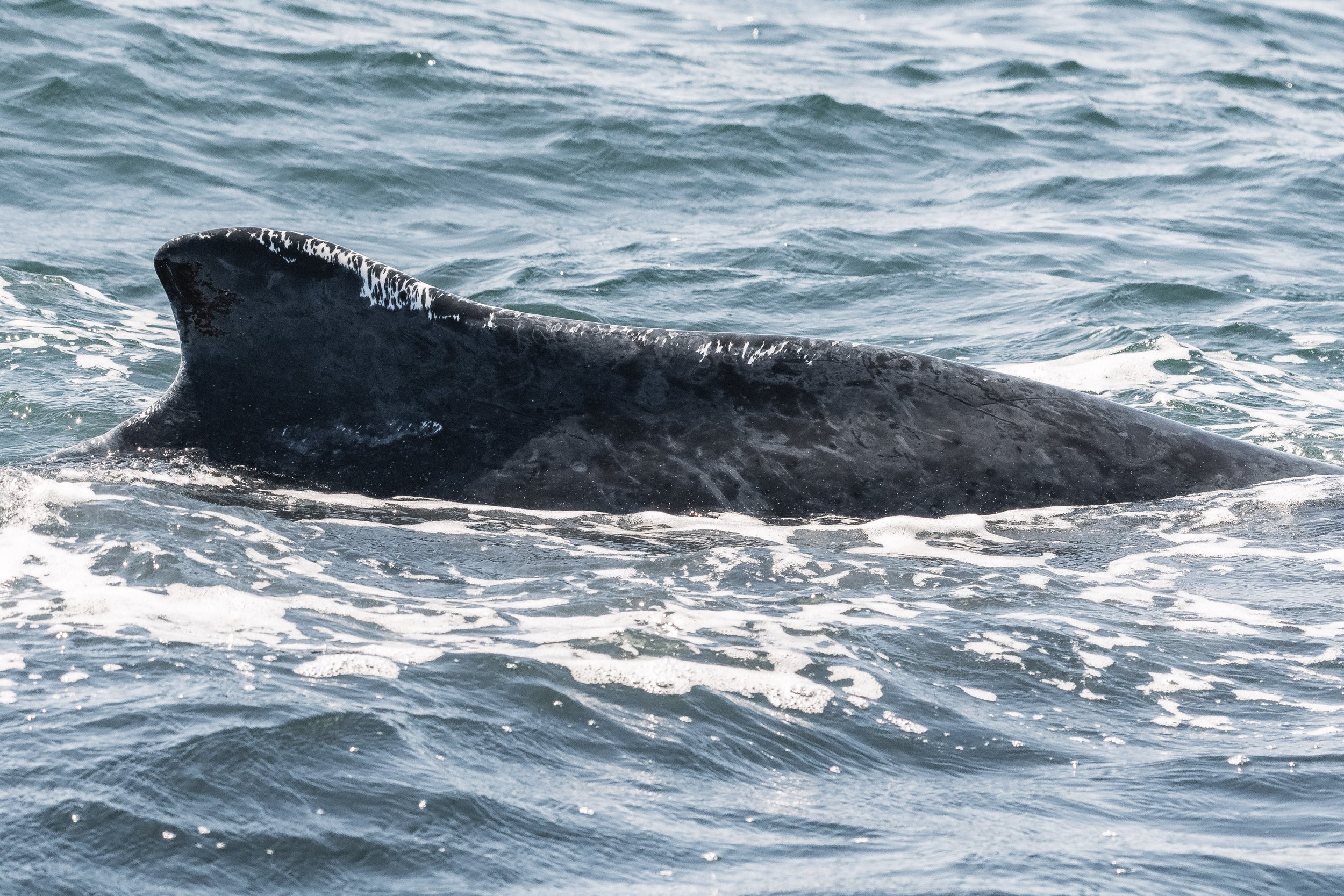
A good look at Smoke’s dorsal fin. Photo by Evan Hessels.
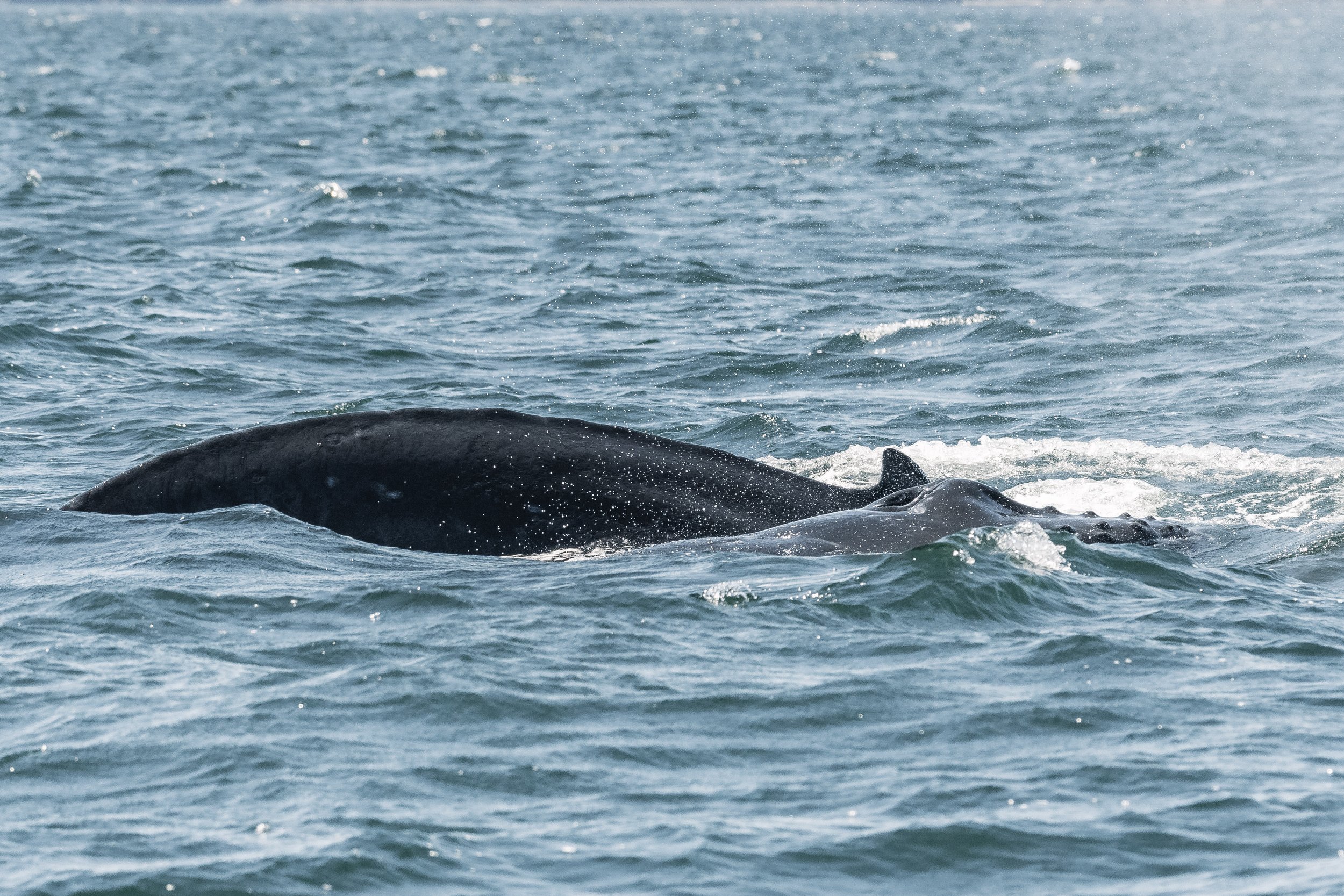
Smoke arching as her baby surfaces beside. Photo by Evan Hessels.
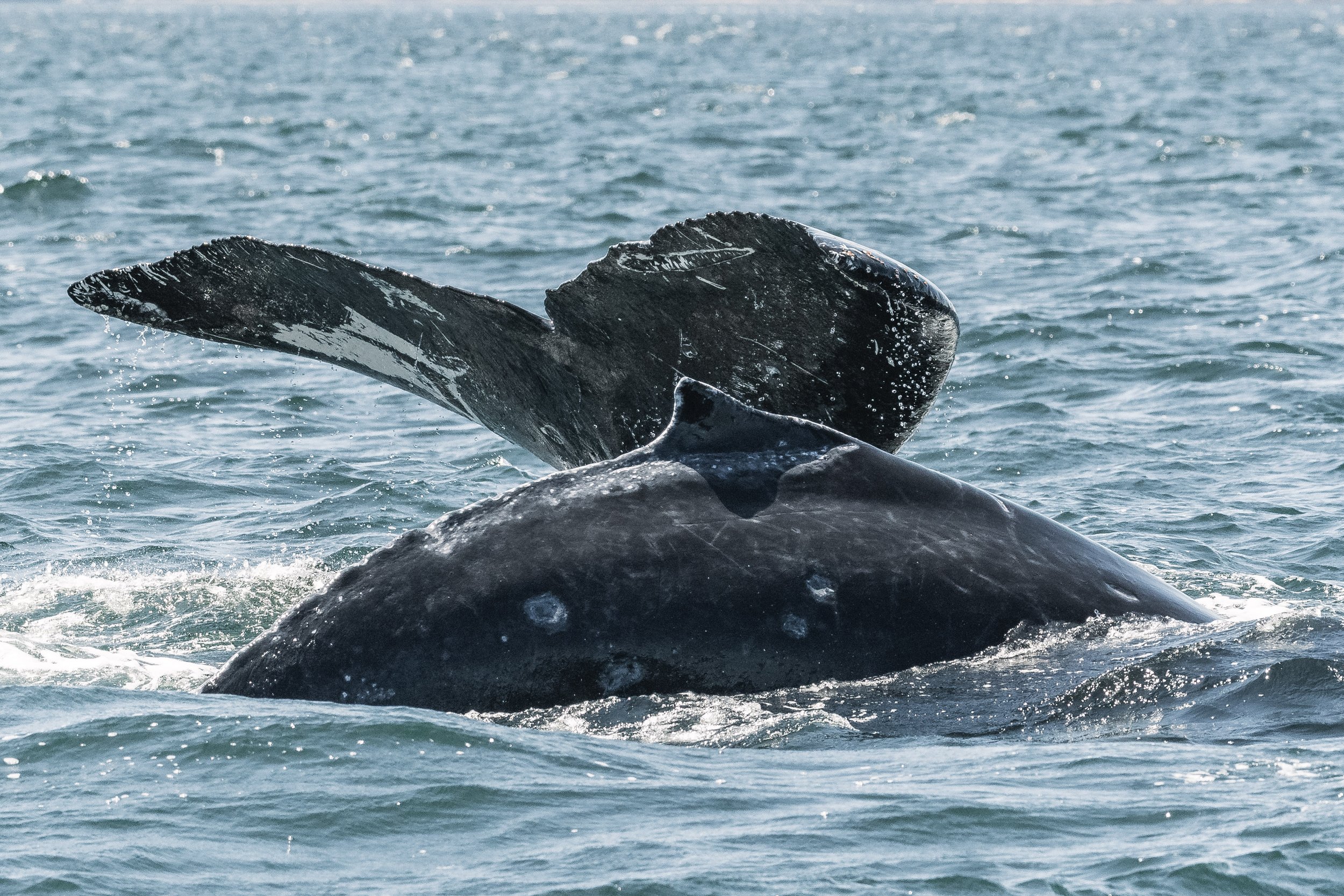
Smoke and her calf going for a dive. Photo by Evan Hessels.
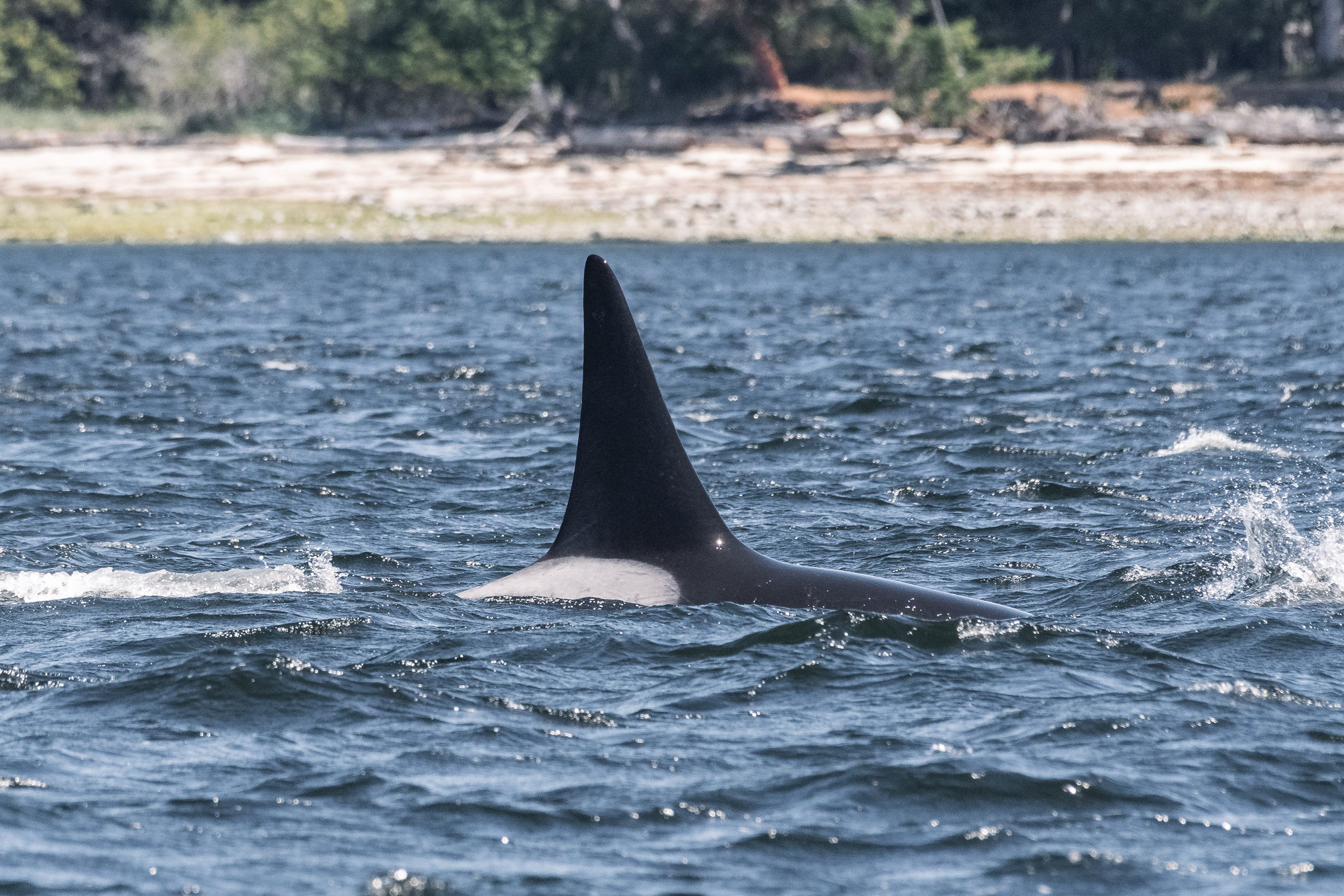
T065B1 Birdsall surfacing in the waves. Photo by Evan Hessels.
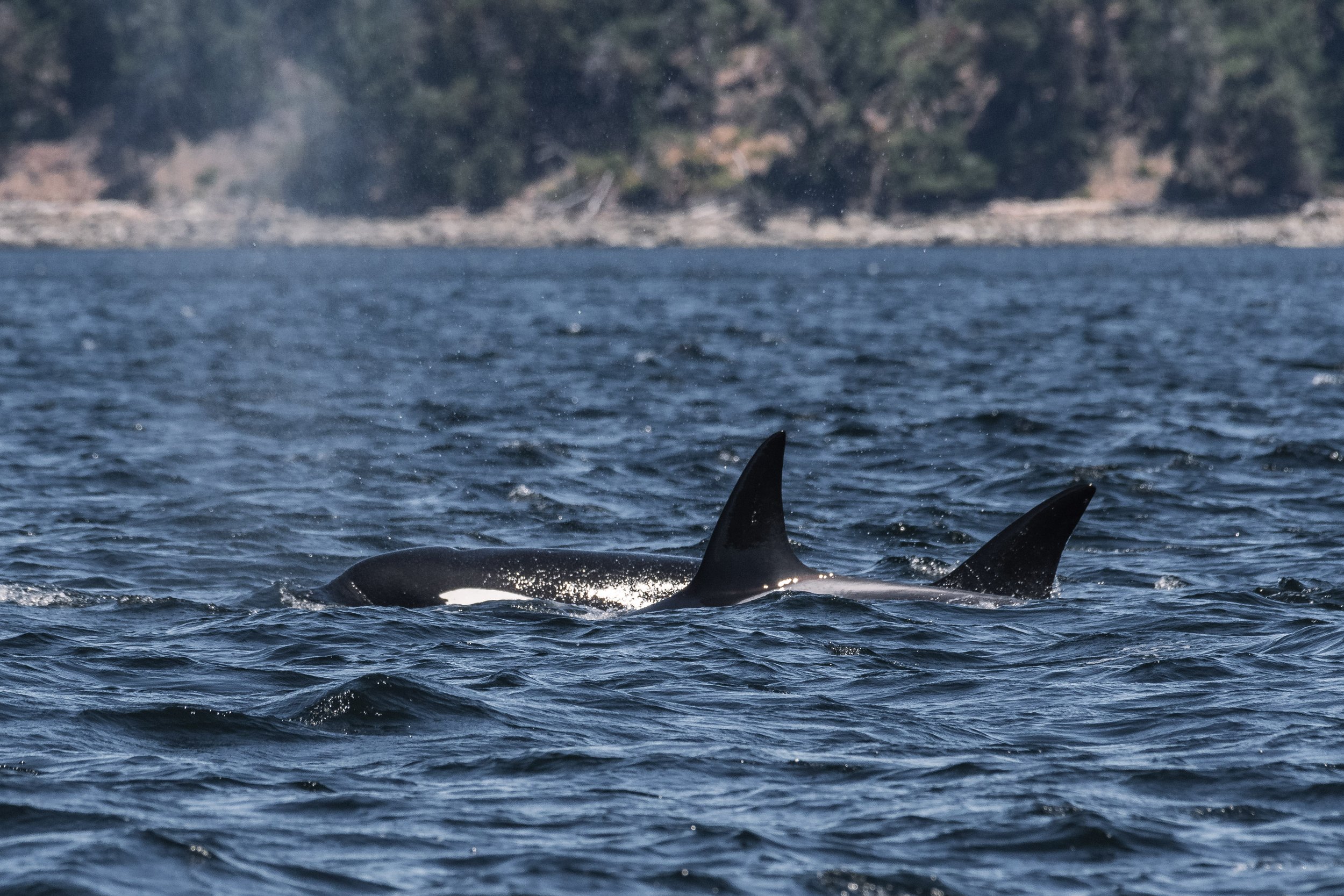
T077 Asja showing her eye patch with T075B Pebbles alongside. Photo by Evan Hessels.
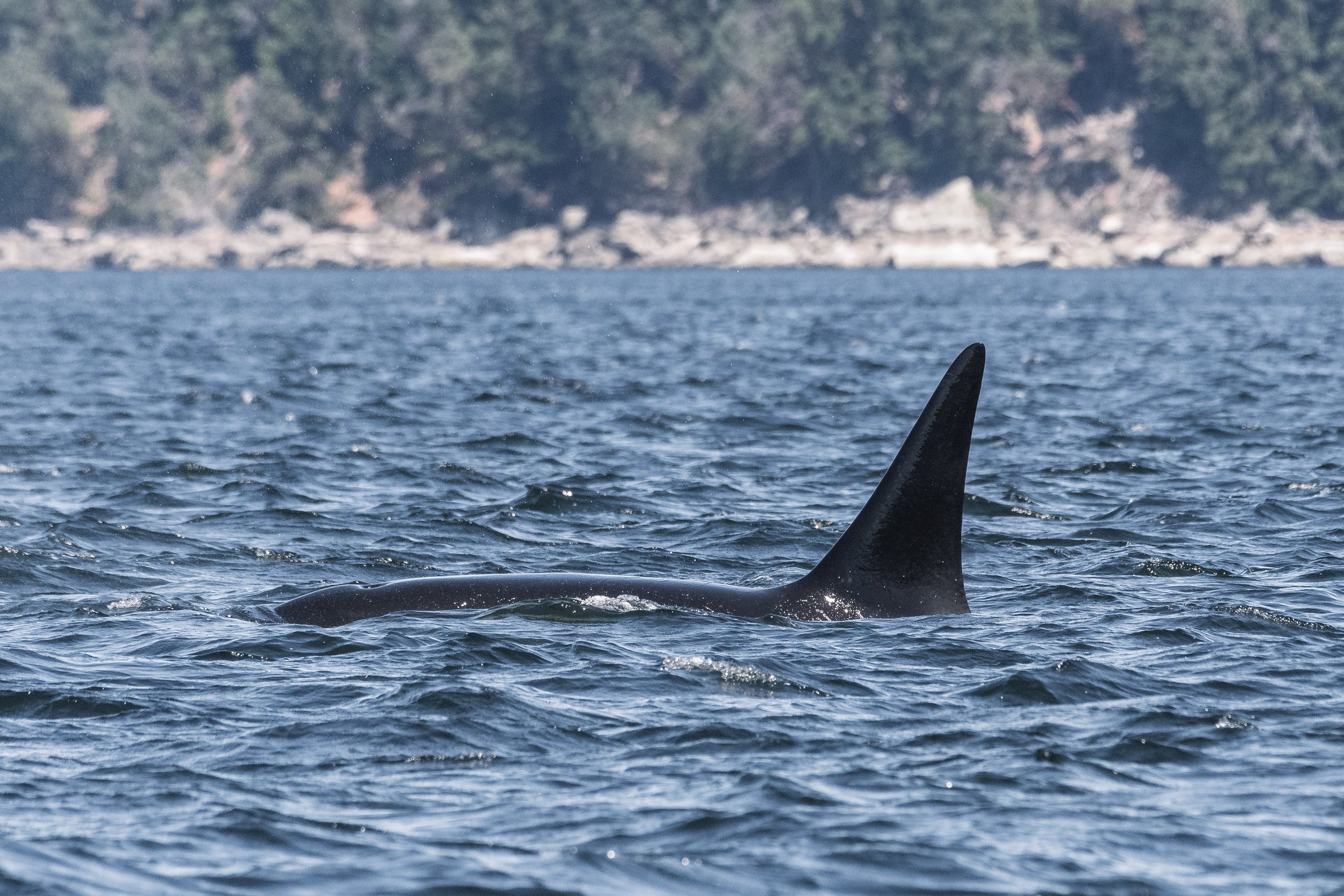
T065B1 Birdsall’s tall dorsal fin. Photo by Evan Hessels.
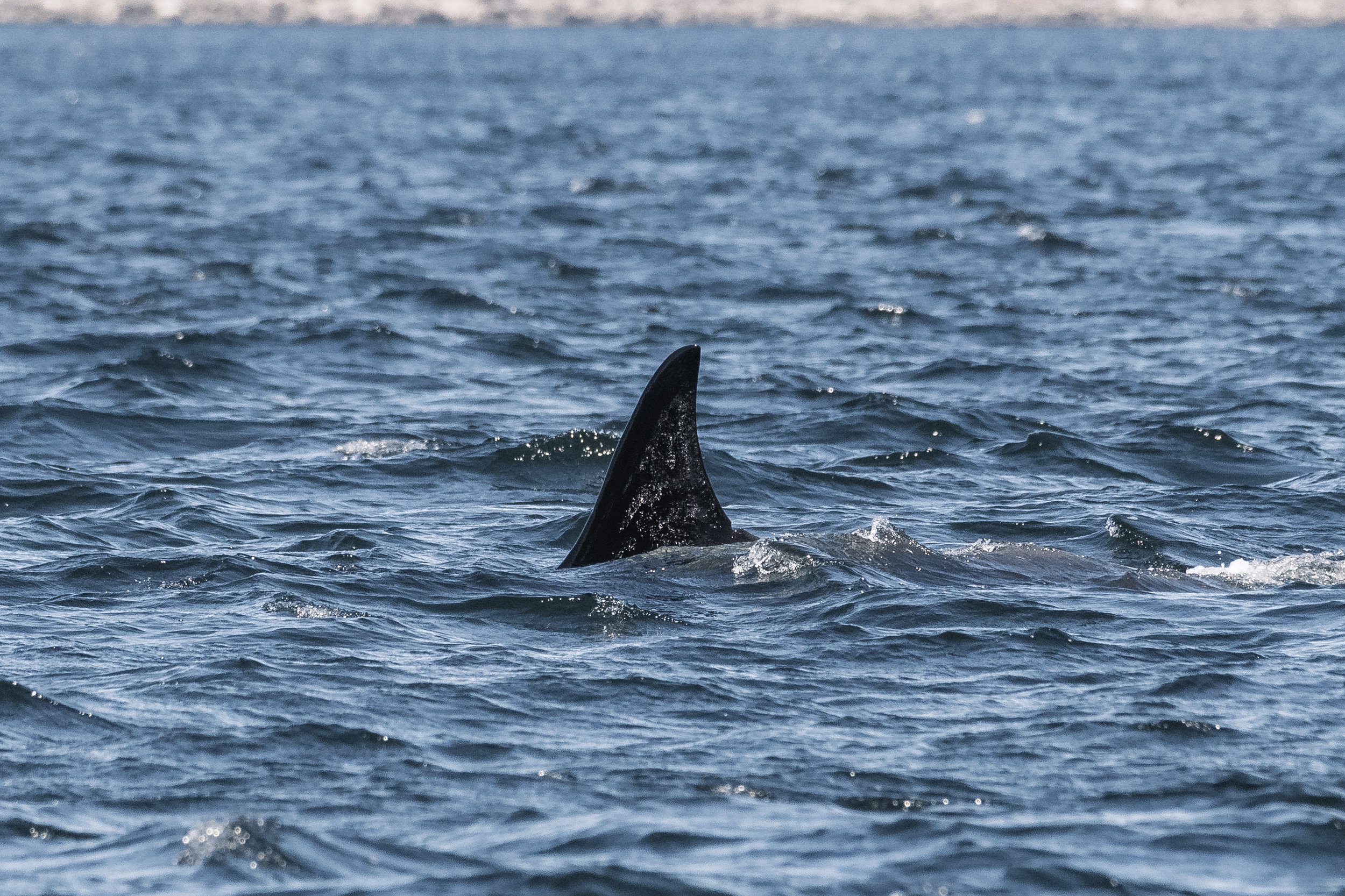
T065B Chunk, can you spot the chunk out of her dorsal? Photo by Evan Hessels.
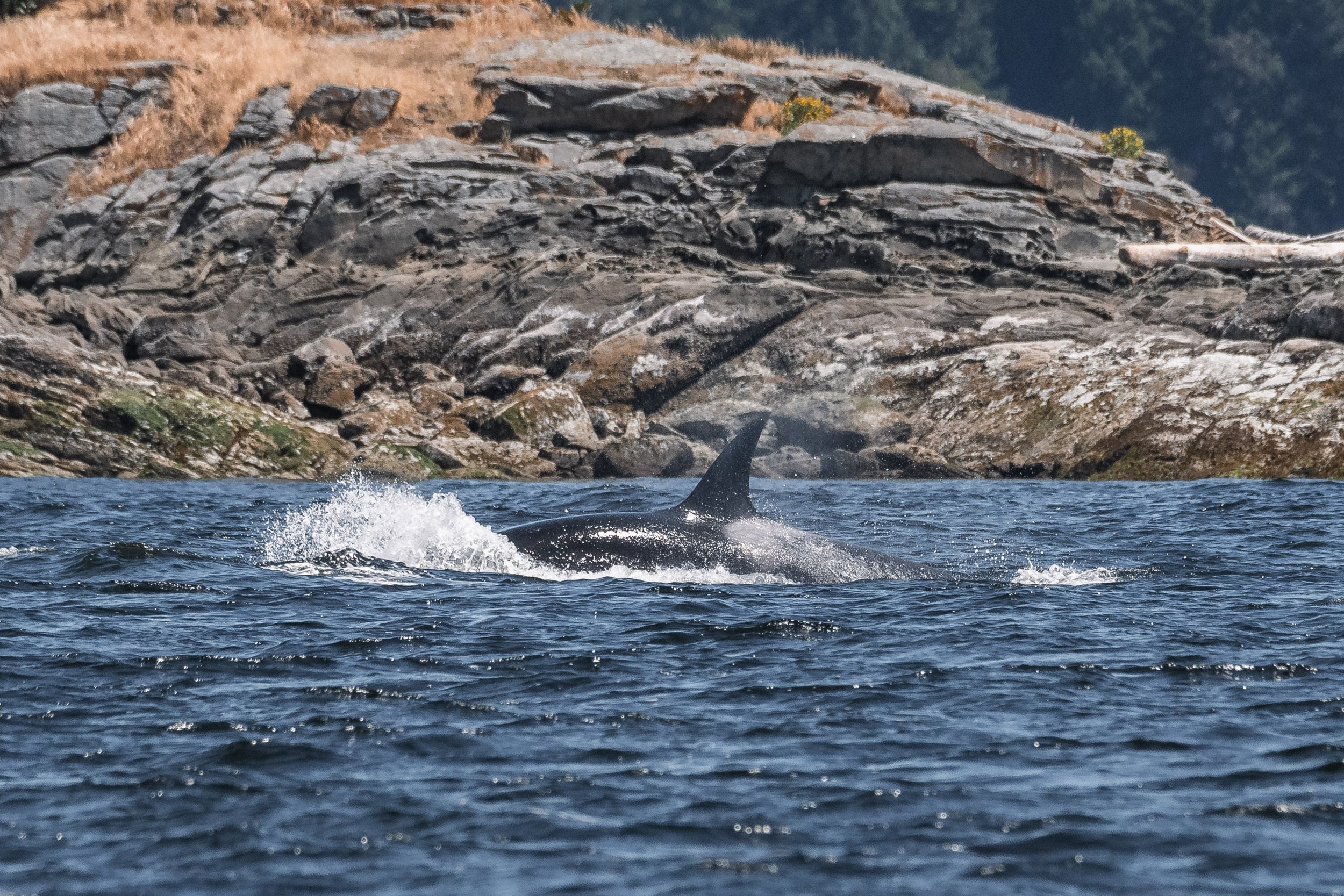
T077 Asja picking up speed. Photo by Evan Hessels.
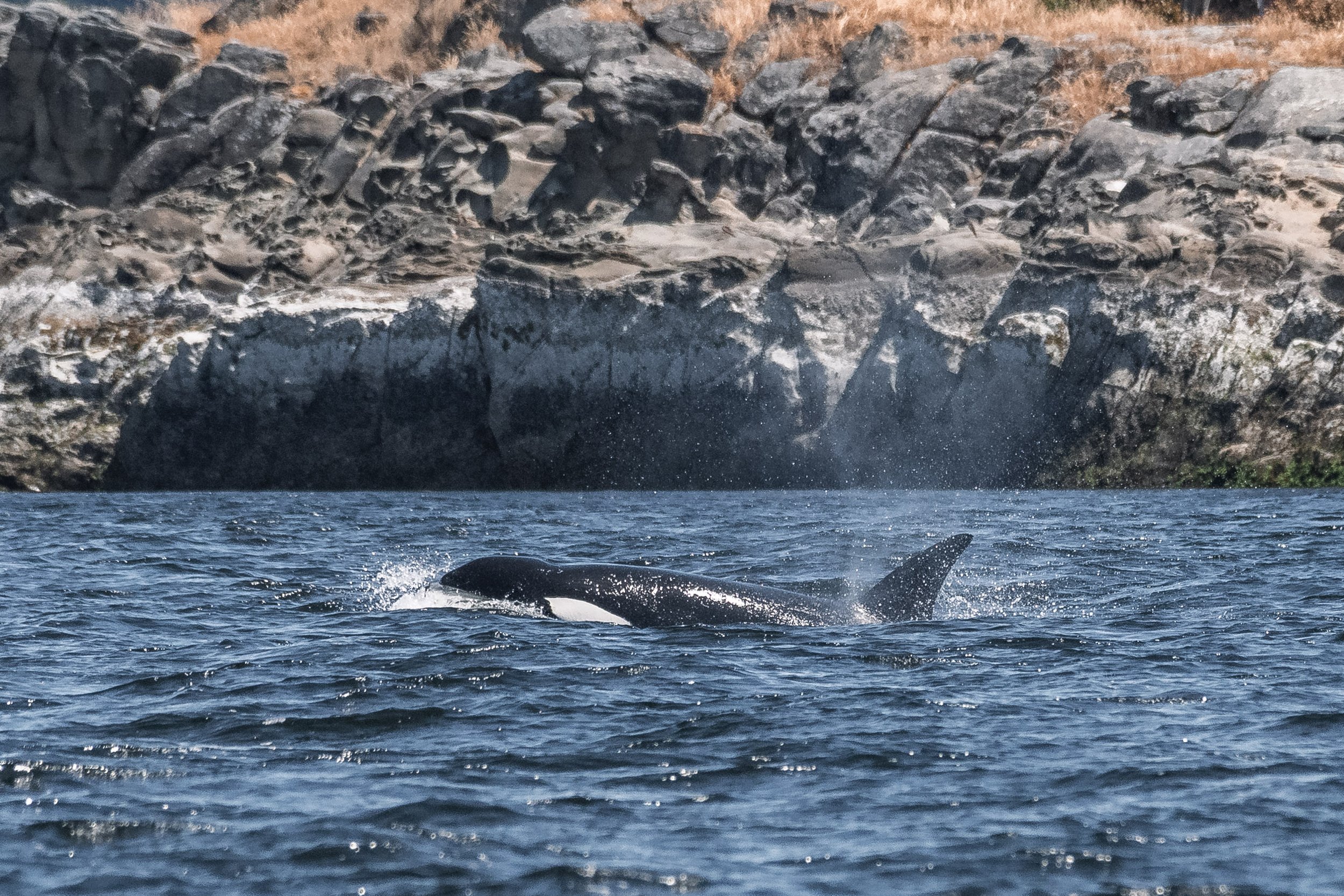
T075B Pebbles speeding ahead. Photo by Evan Hessels.
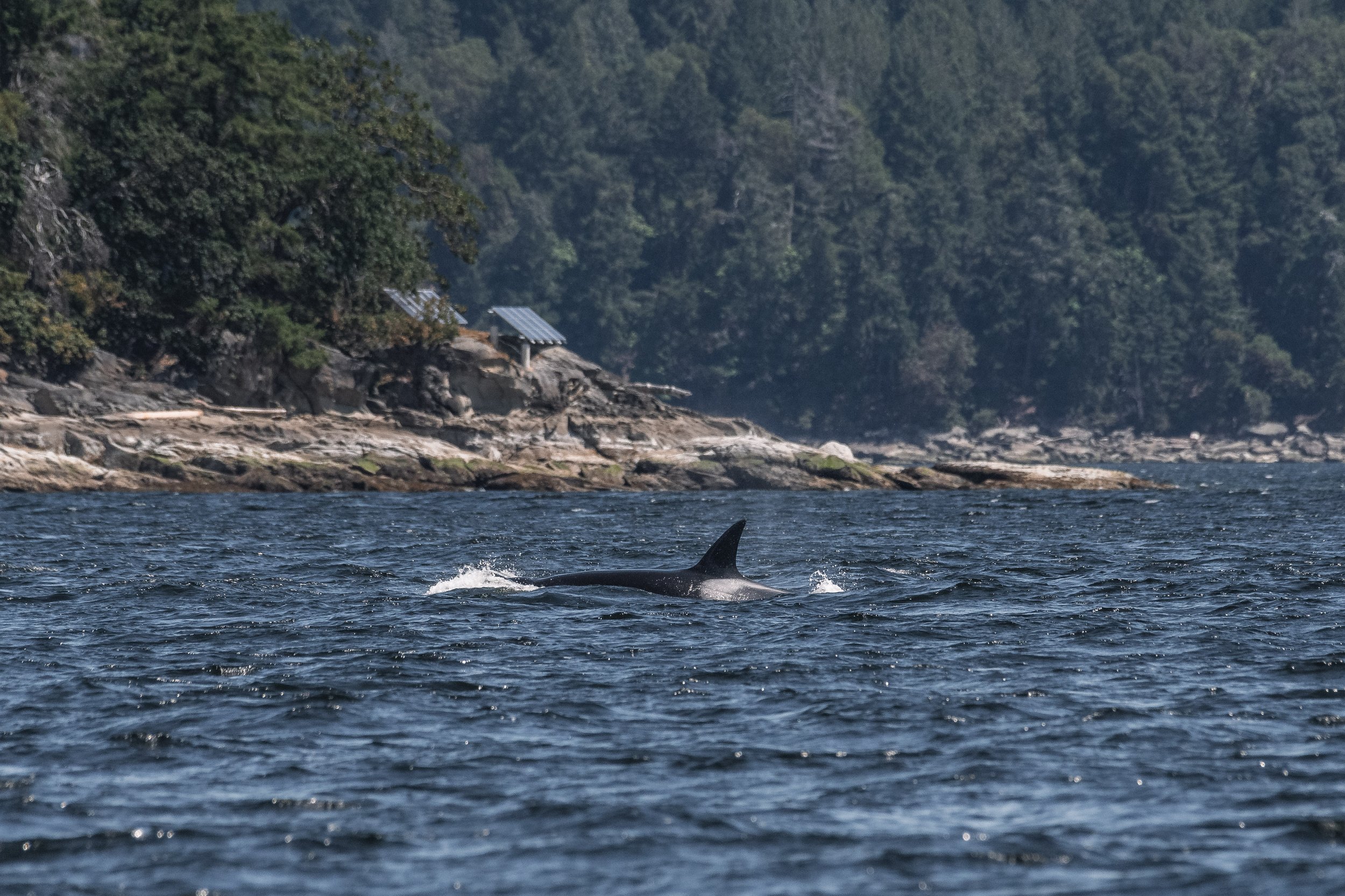
T075B Pebbles surfacing. Photo by Evan Hessels.
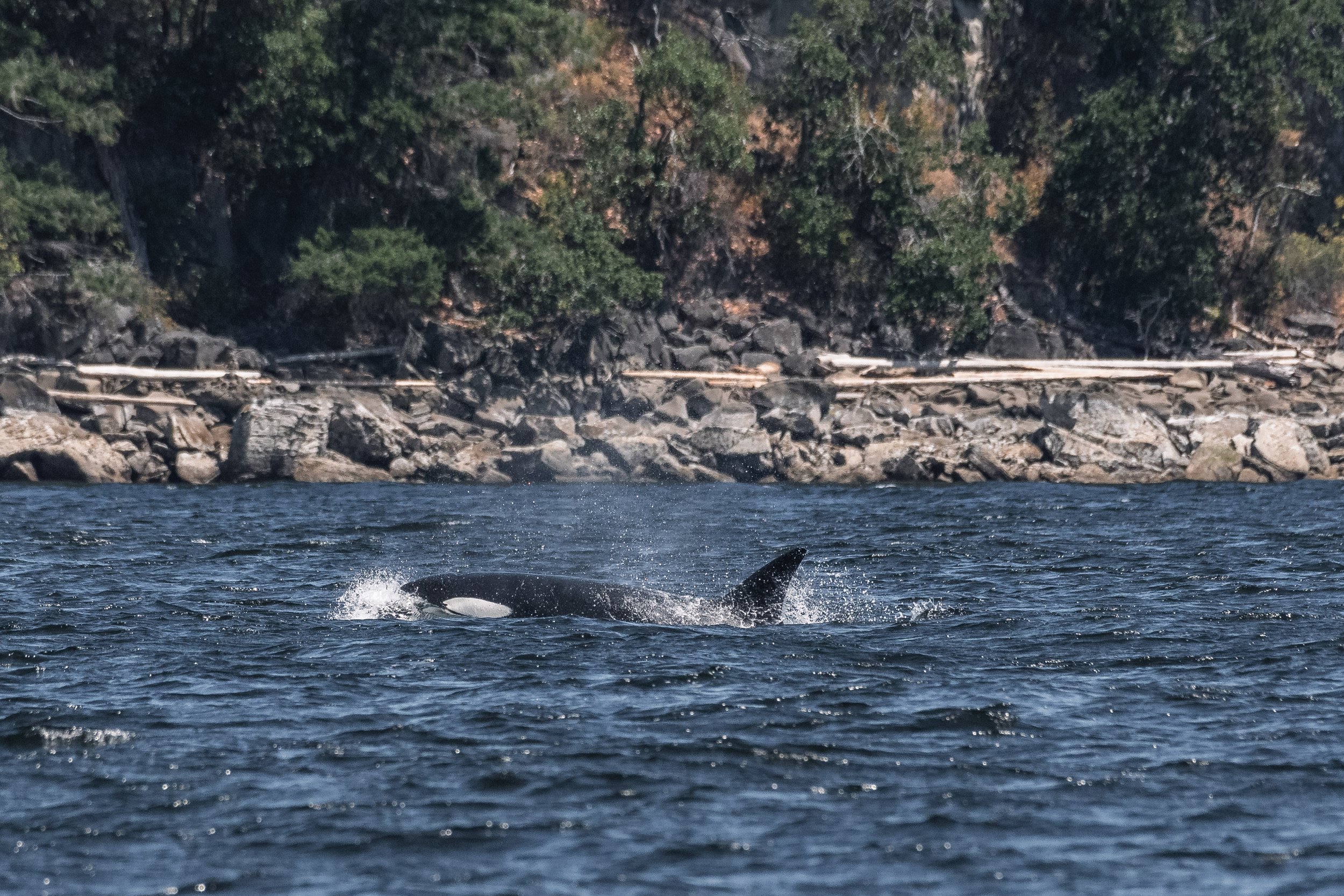
T077 Asja bringing out her eye patch. Photo by Evan Hessels.
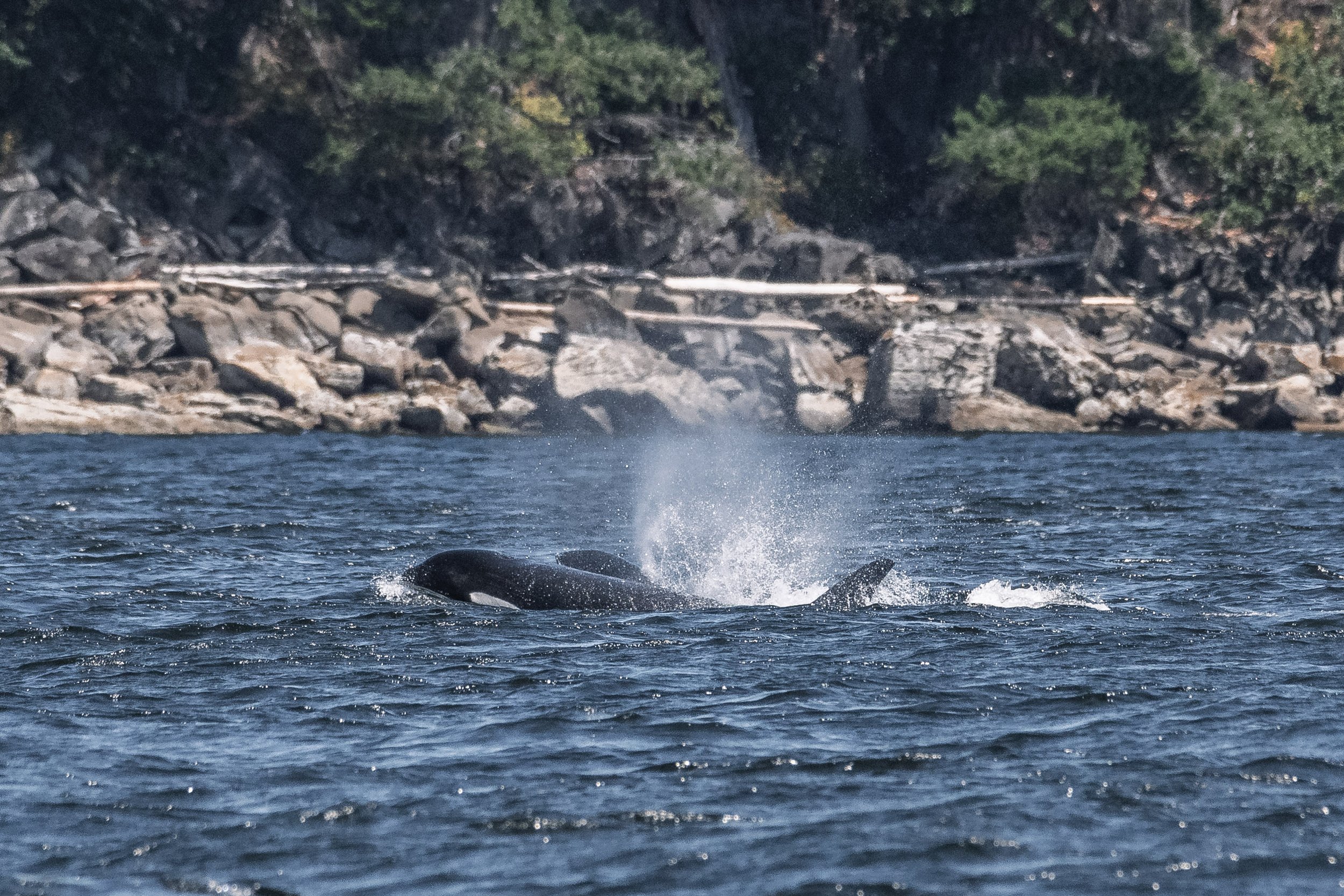
T075B Pebbles with another beside her. Photo by Evan Hessels.
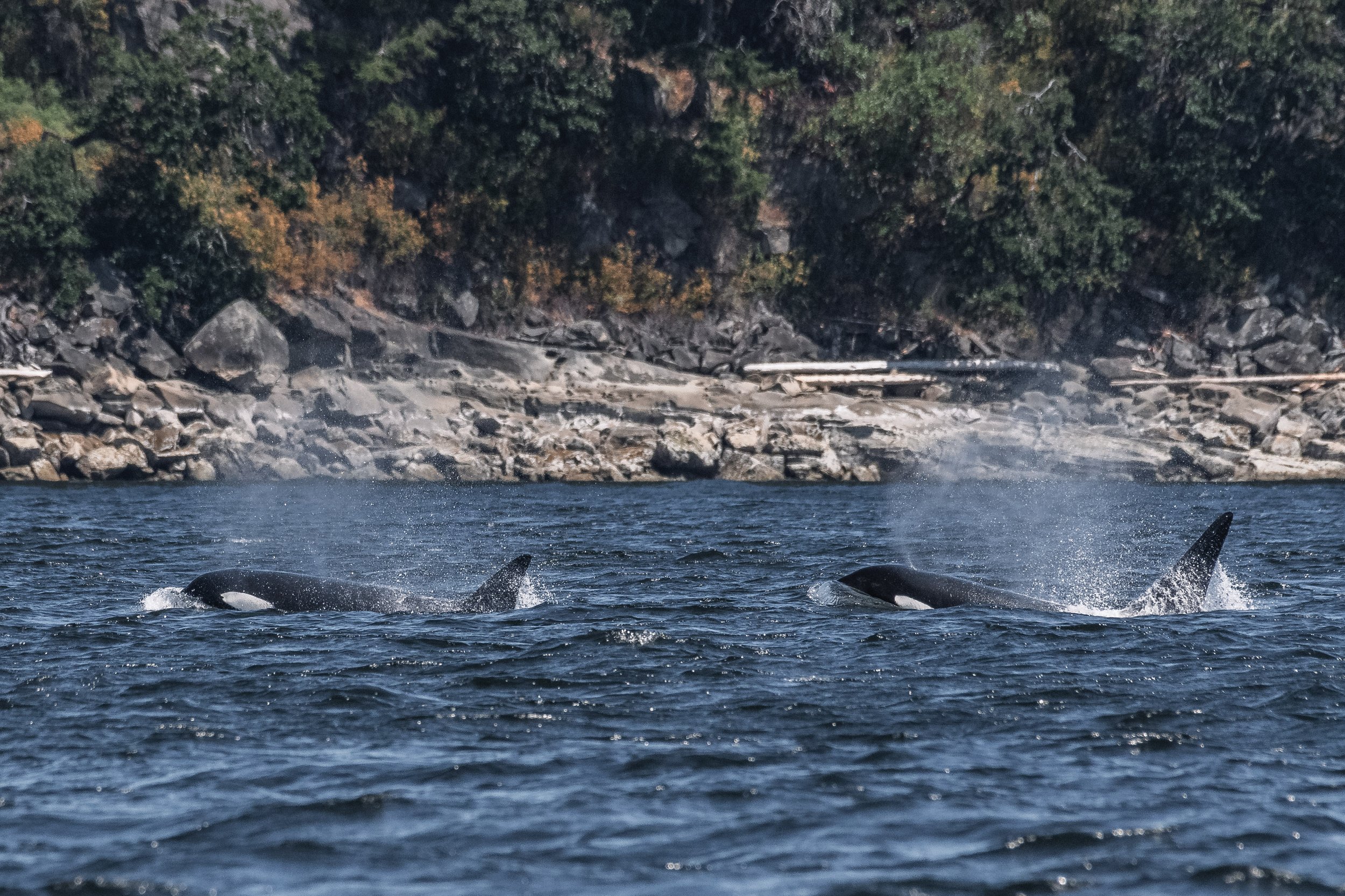
T077 Asja in the lead with T065B1 Birdsall coming up behind. Photo by Evan Hessels.
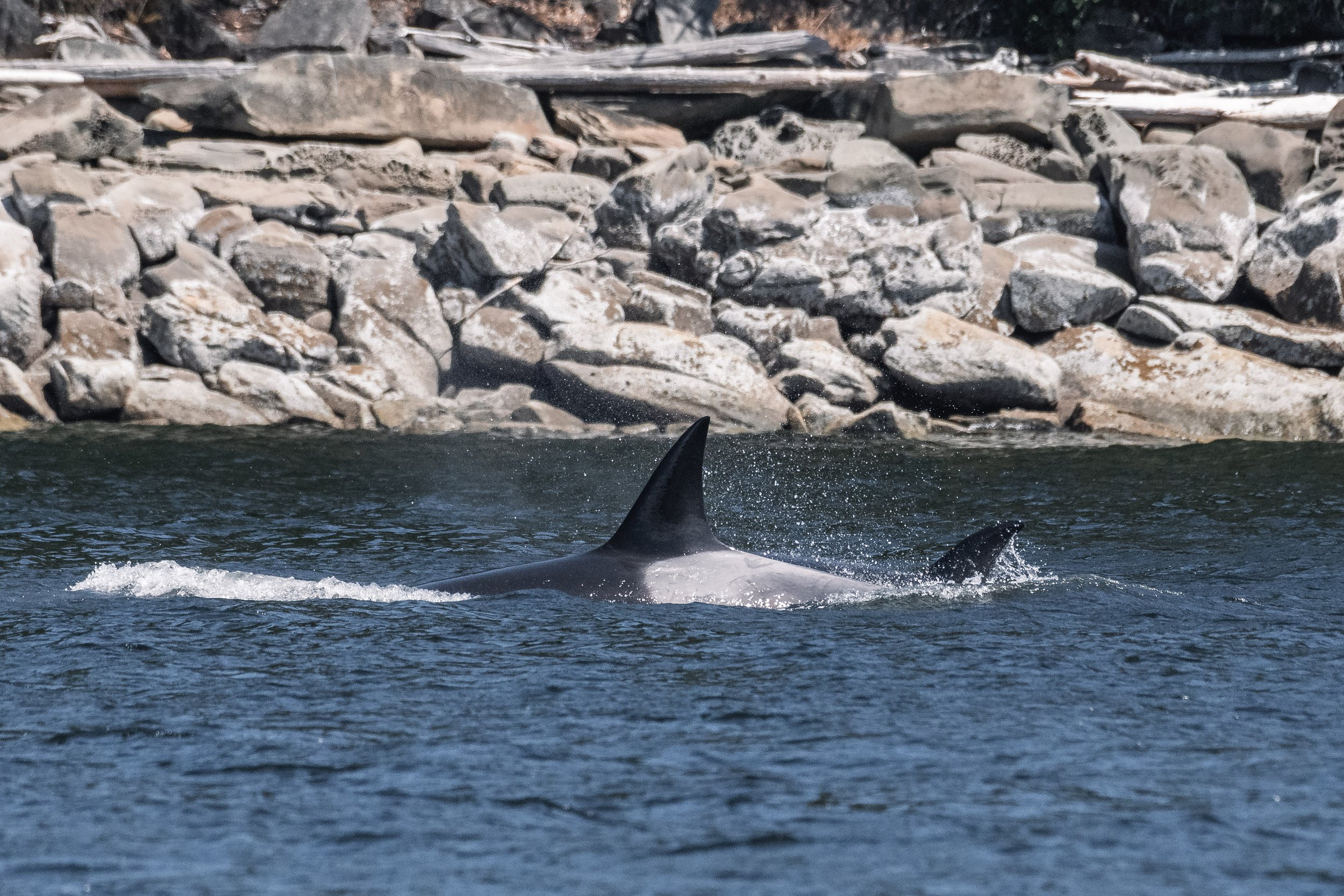
T077D Alycon surging through the waves. Photo by Evan Hessels.
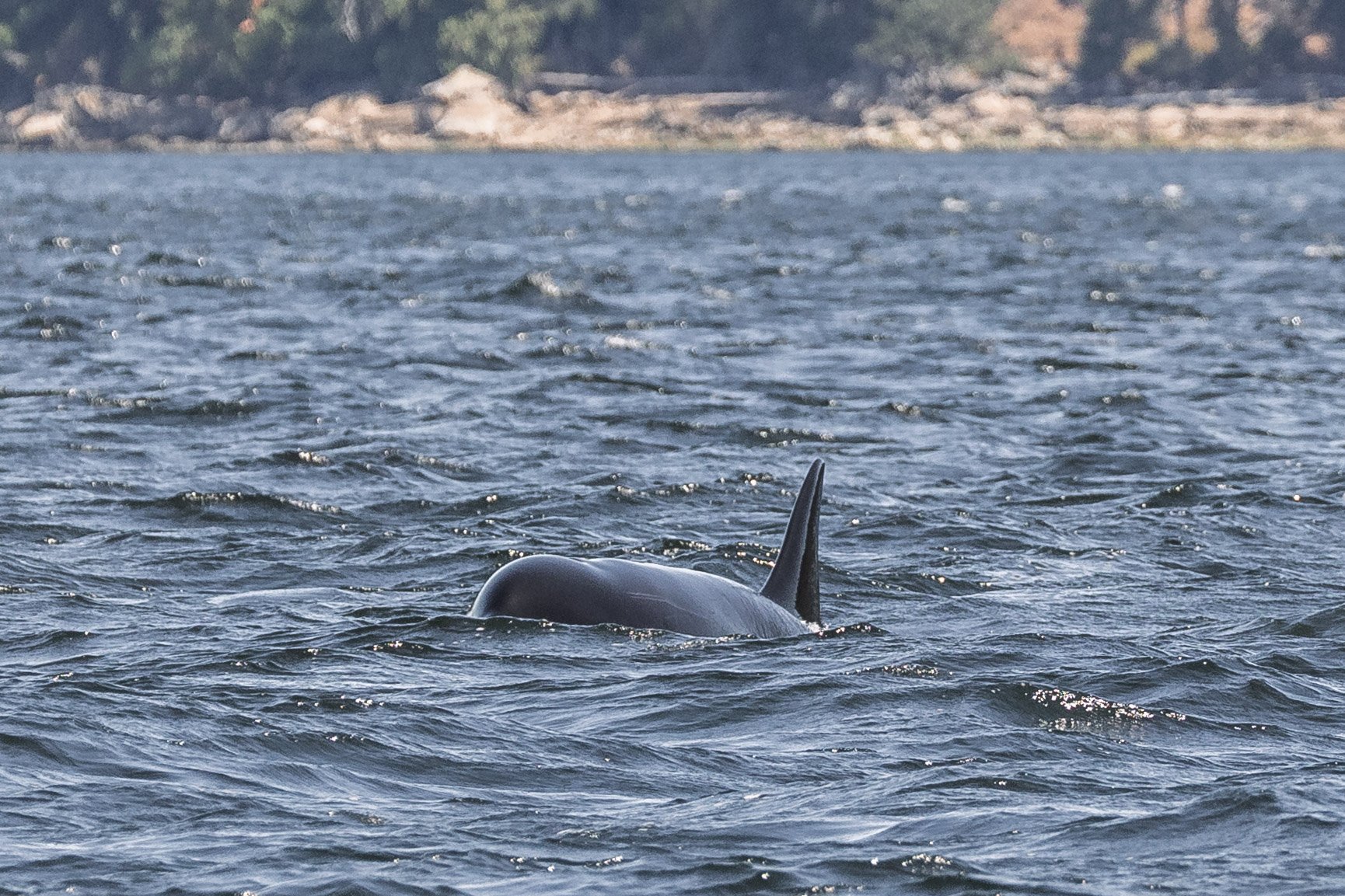
Look how round that melon is! Photo by Jordan Robinson.
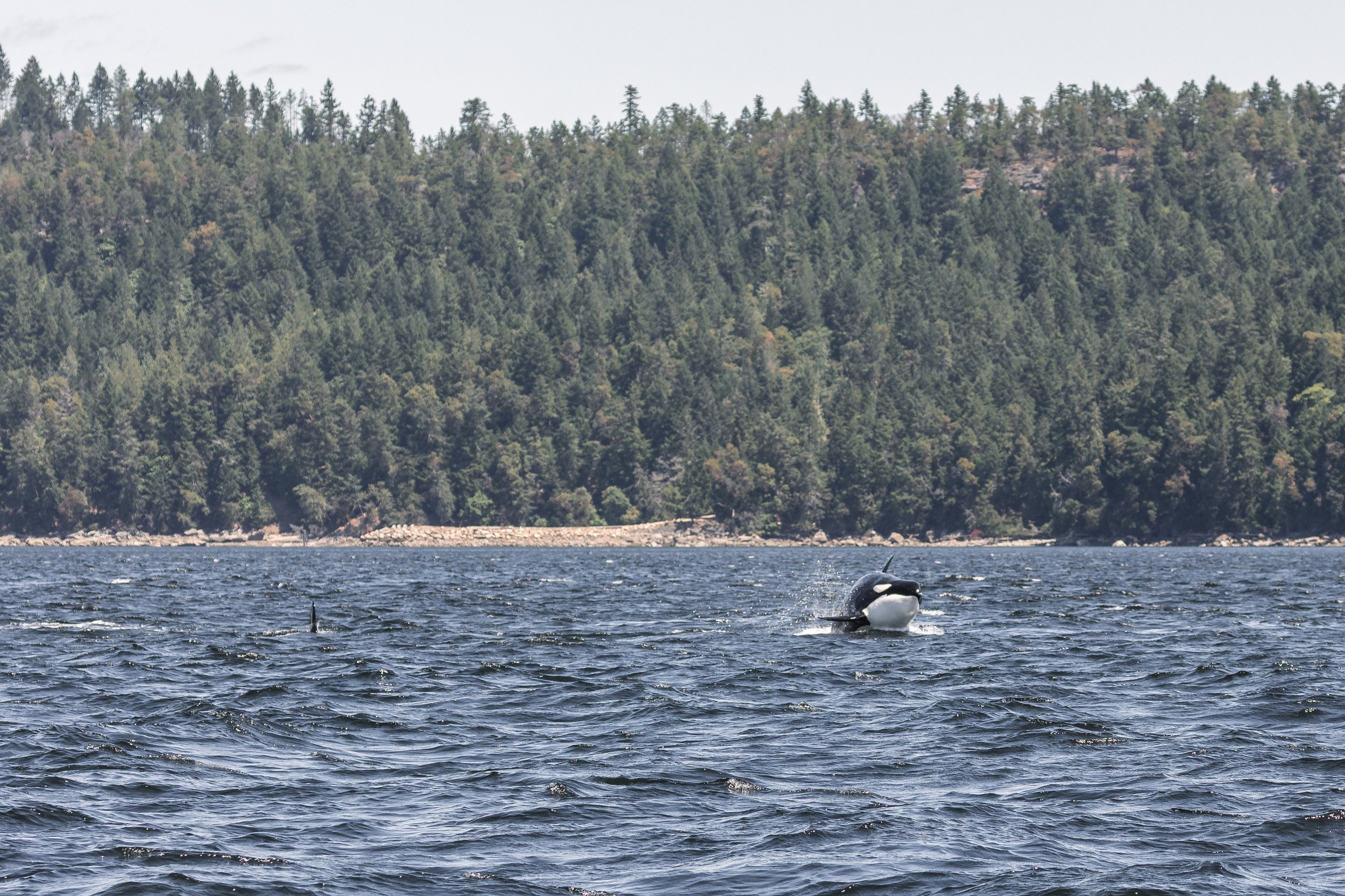
A breach! Photo by Jordan Robinson.
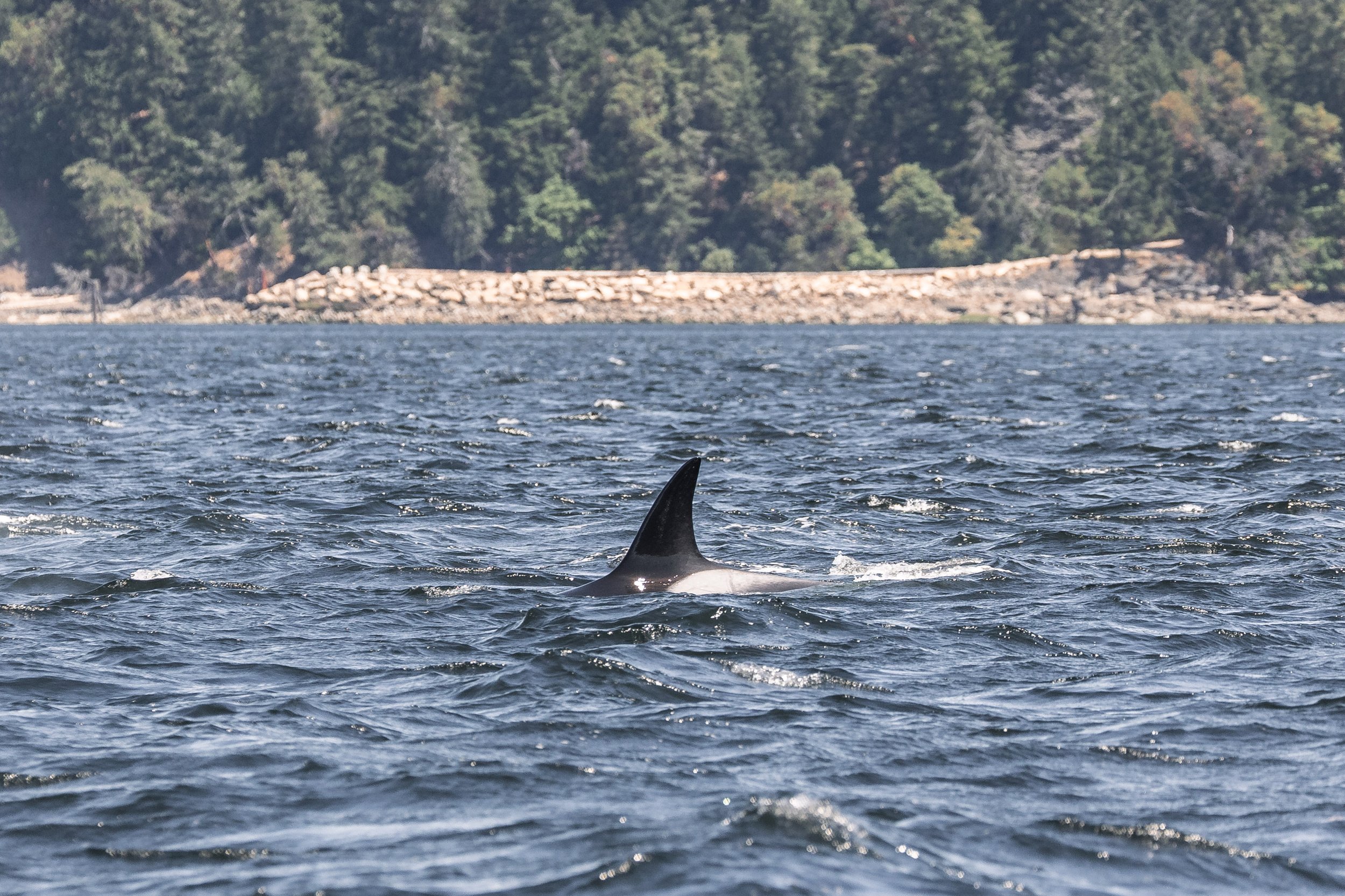
T077 Asja’s dorsal fin. Photo by Jordan Robinson.
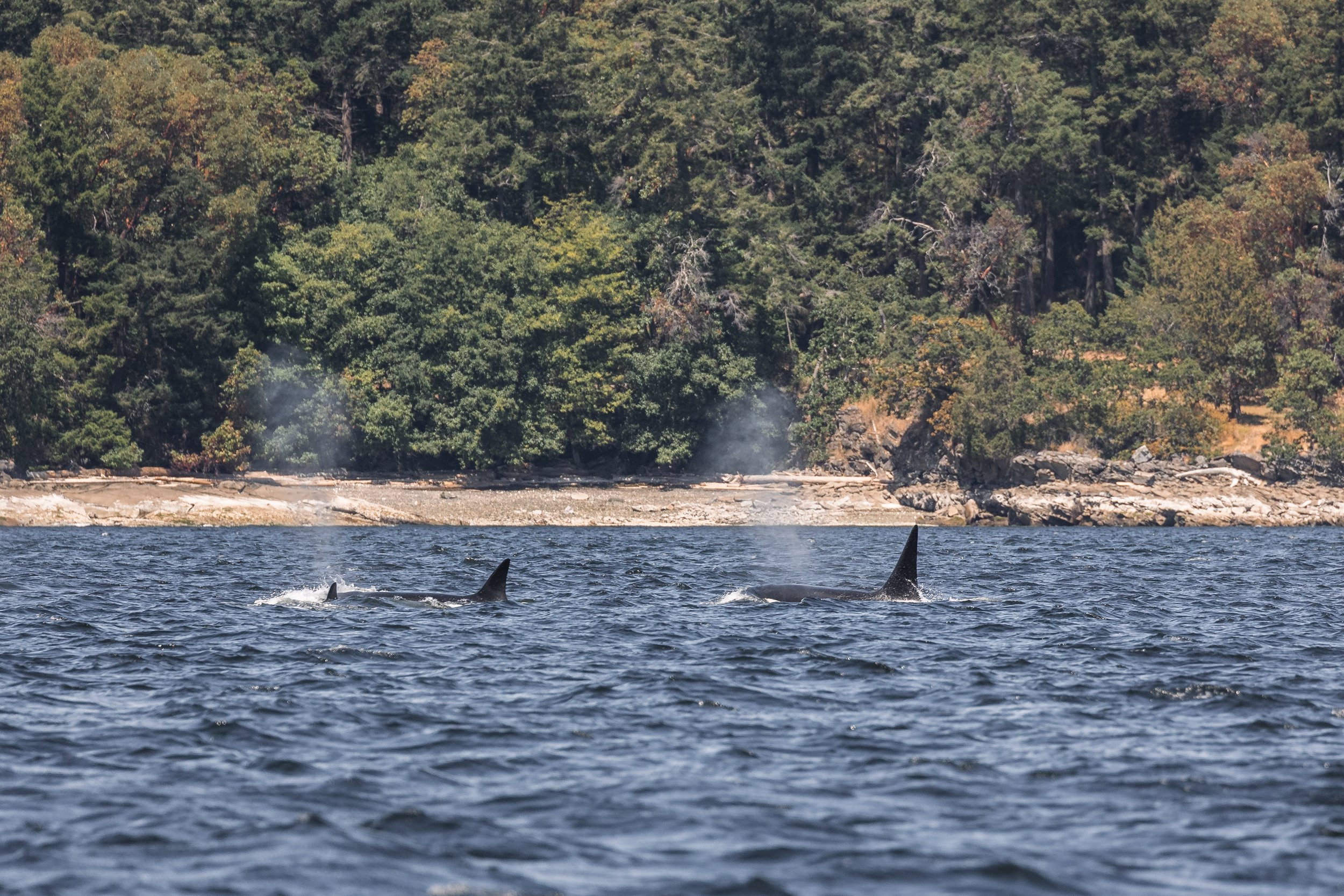
Travelling together. Photo by Jordan Robinson.
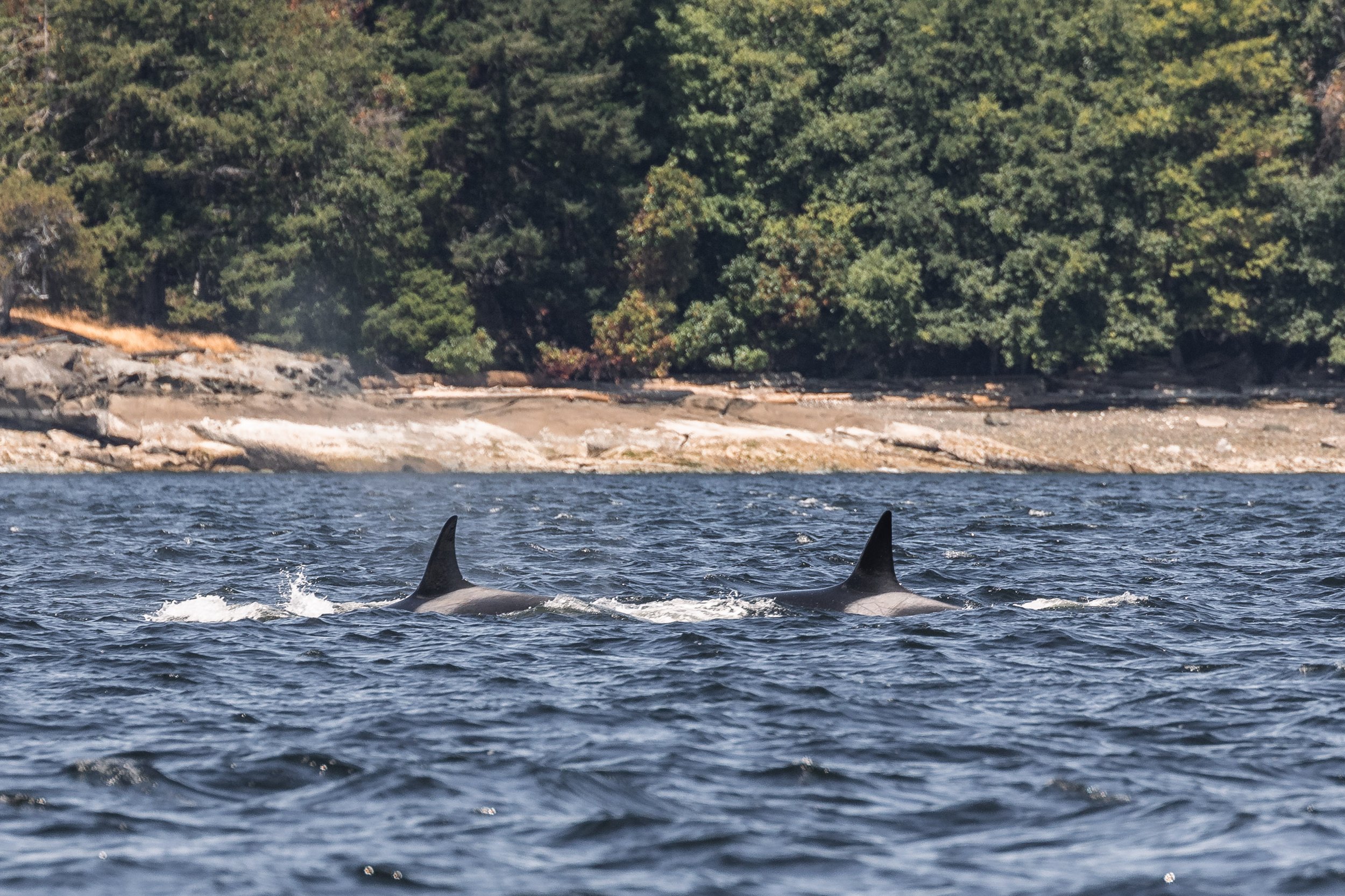
T065B Chunk with T077 Asja in tow. Photo by Jordan Robinson.
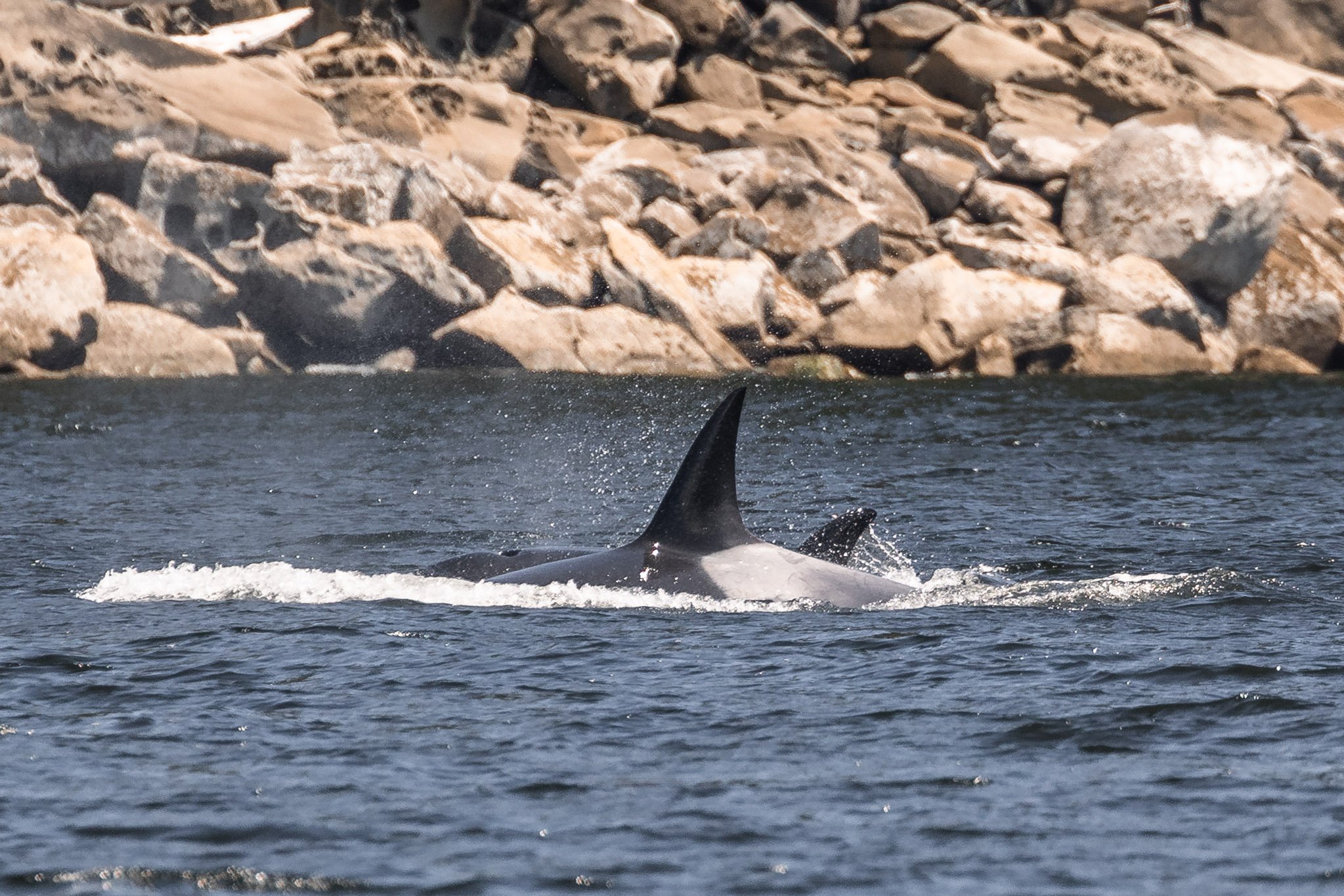
T077D Alycon with another at her side. Photo by Jordan Robinson.
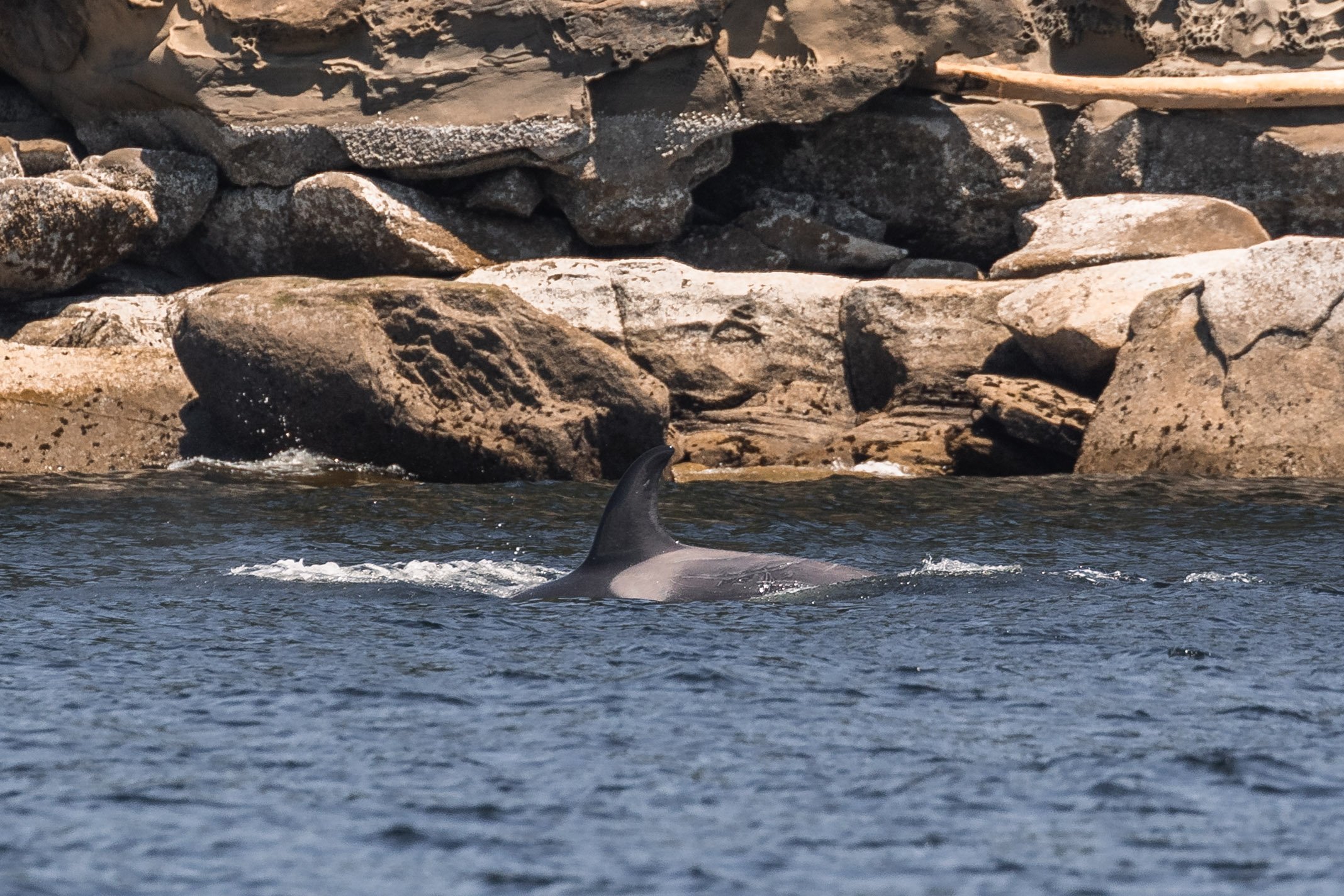
T065B3 Rook in front of the rocks. Photo by Jordan Robinson.
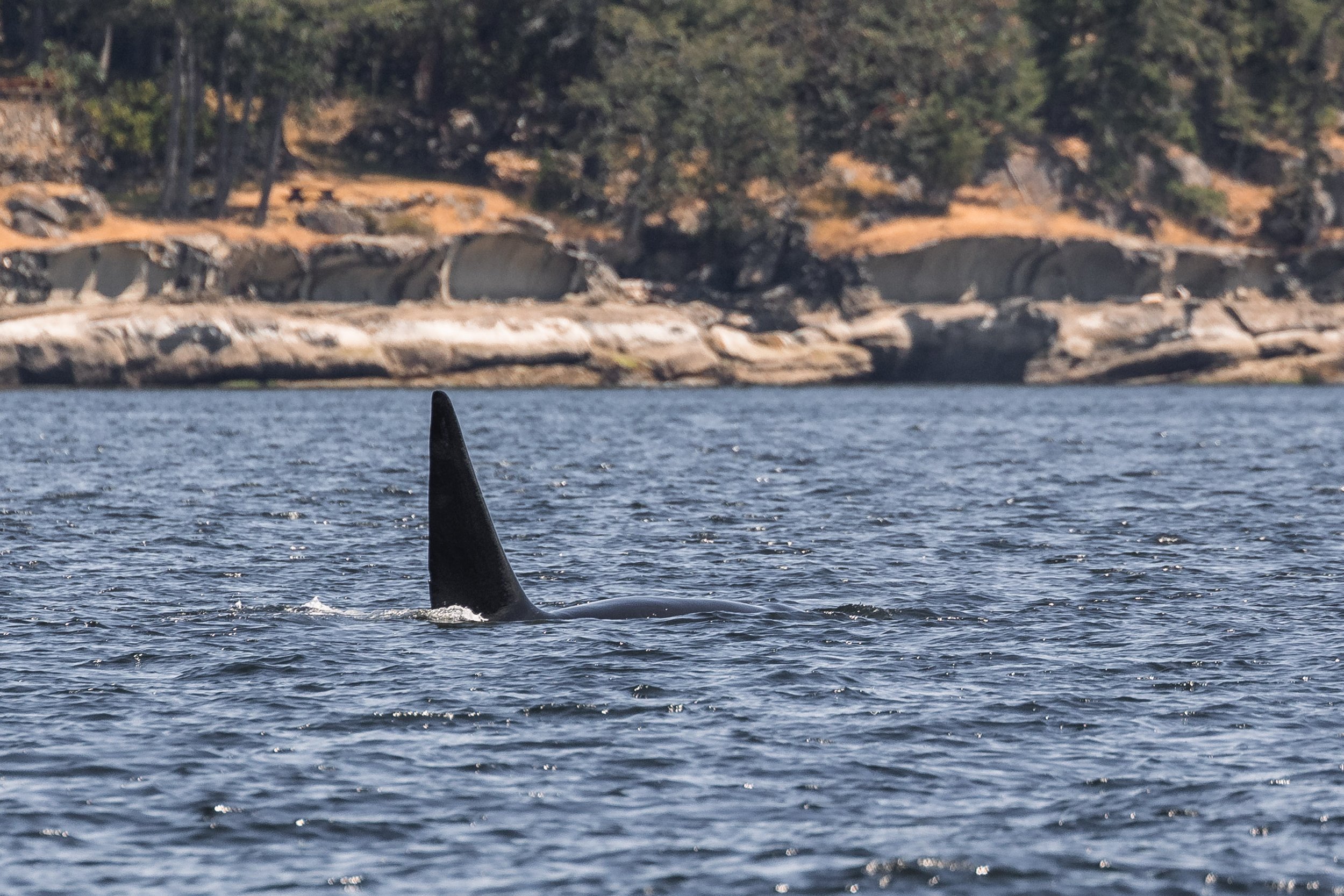
T049A1 Noah makes an appearance. Photo by Jordan Robinson.
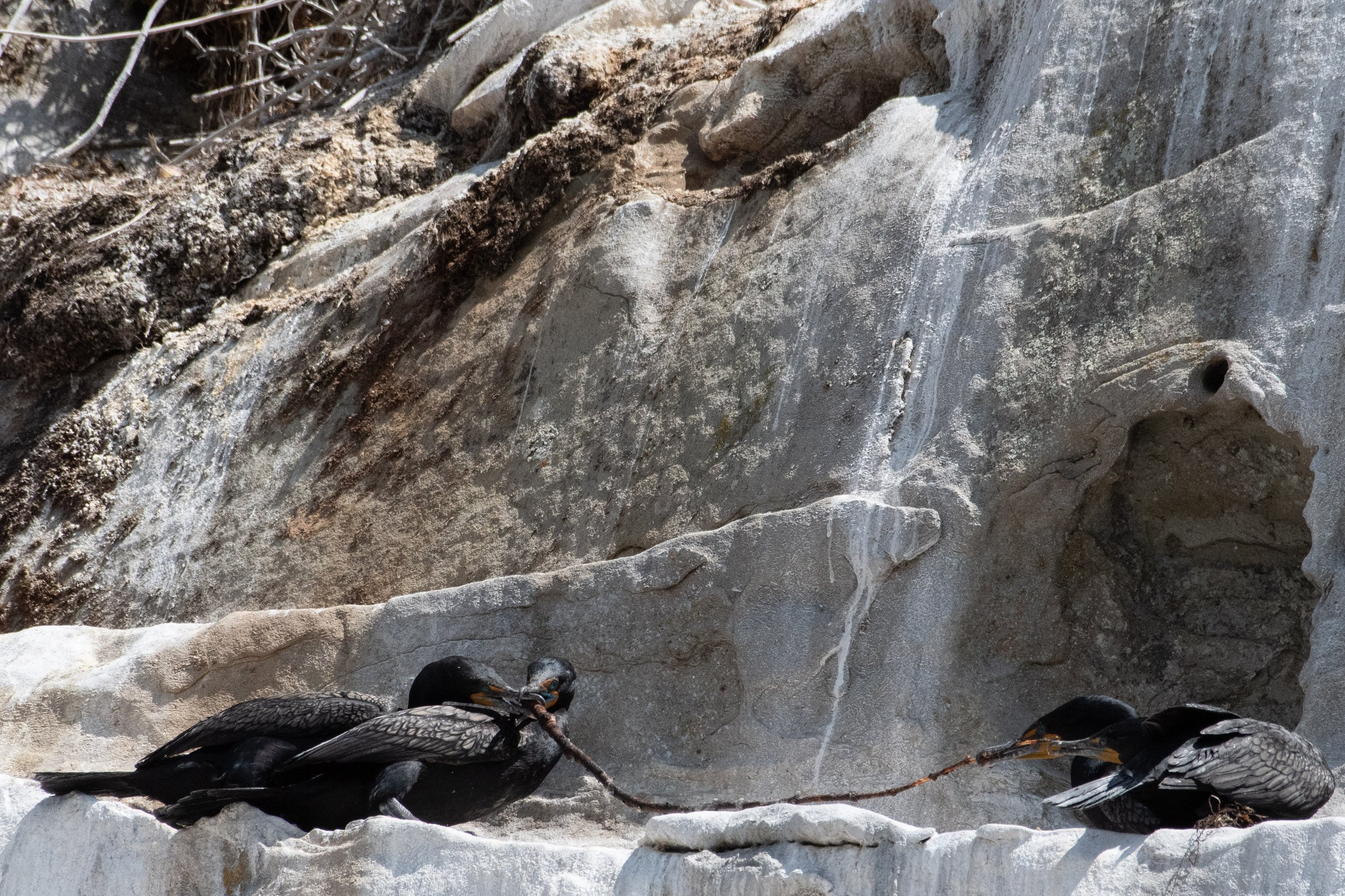
Double-crested Cormorants fighting over a stick. Photo by Evan Hessels.
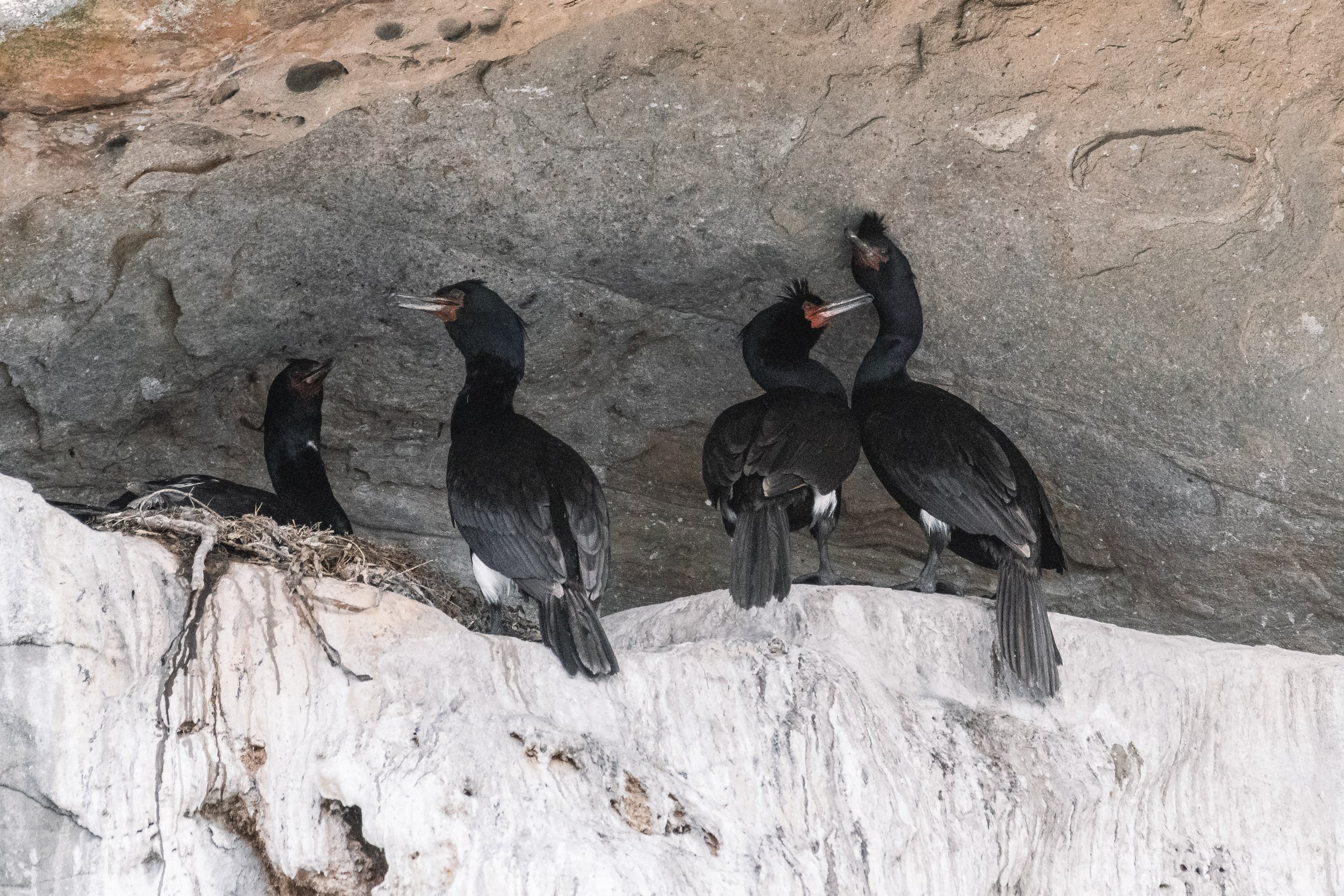
Pelagic Cormorants on the ledge. Photo by Evan Hessels.
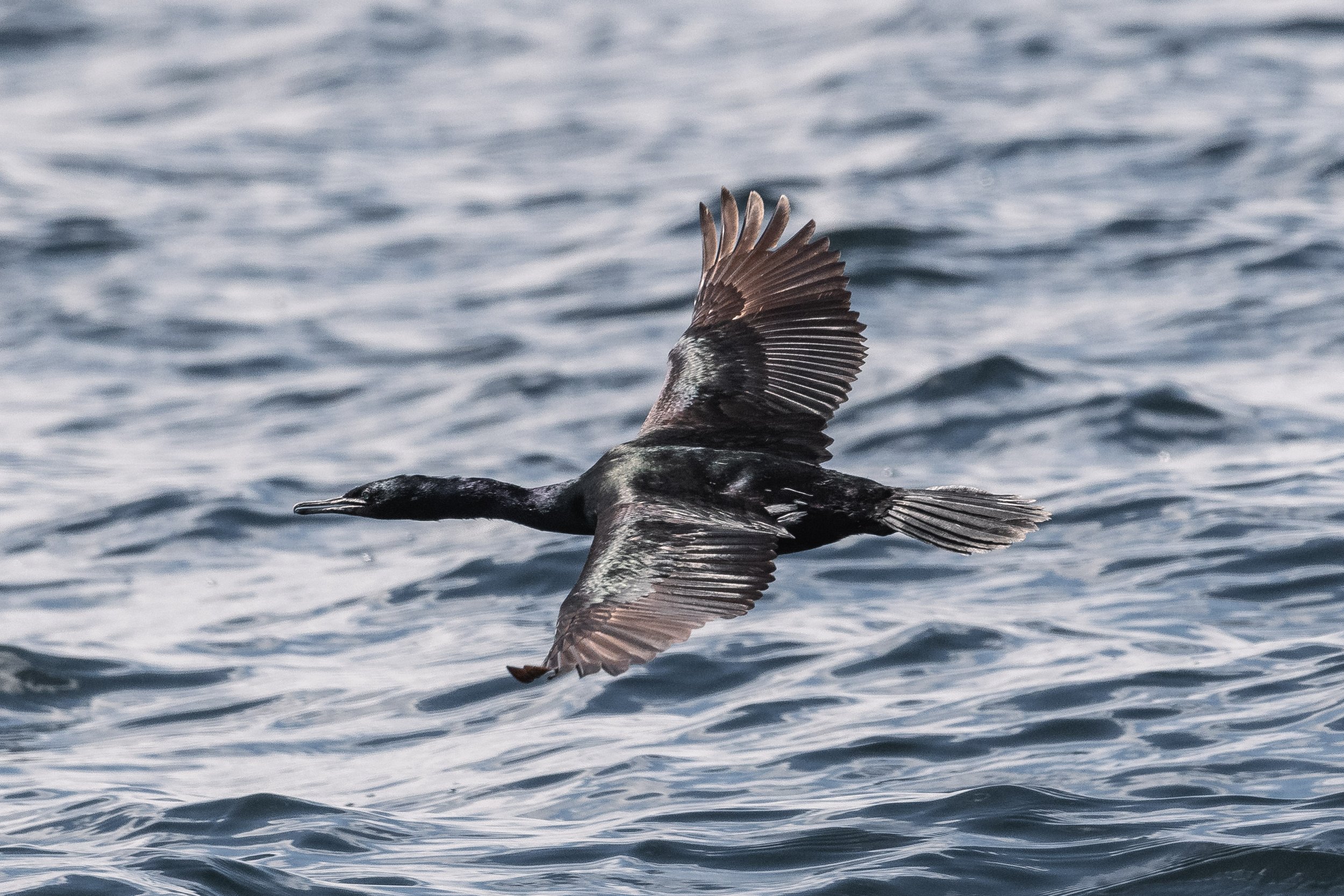
A Cormorant flying by. Photo by Evan Hessels.
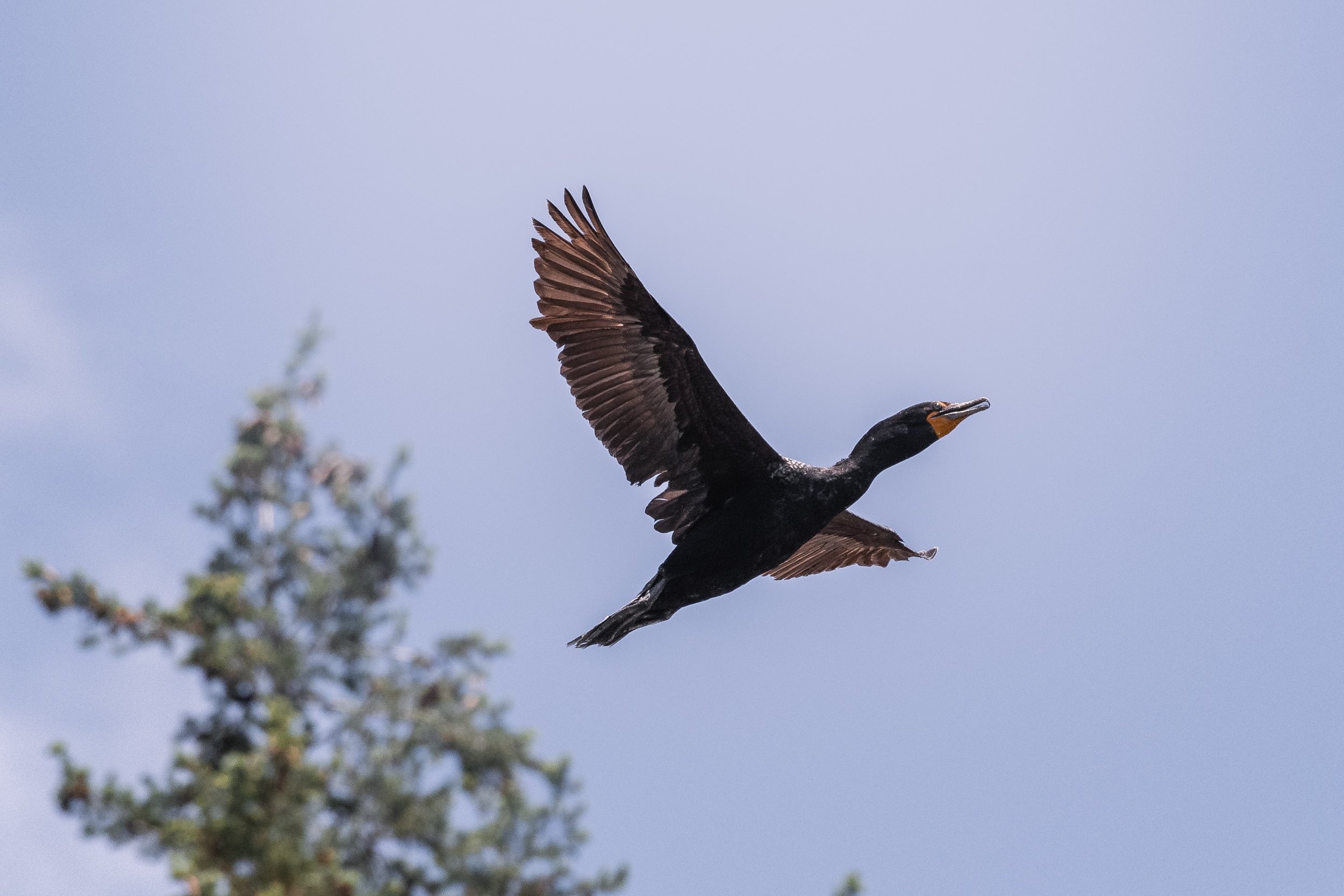
Soaring on by. Photo by Evan Hessels.
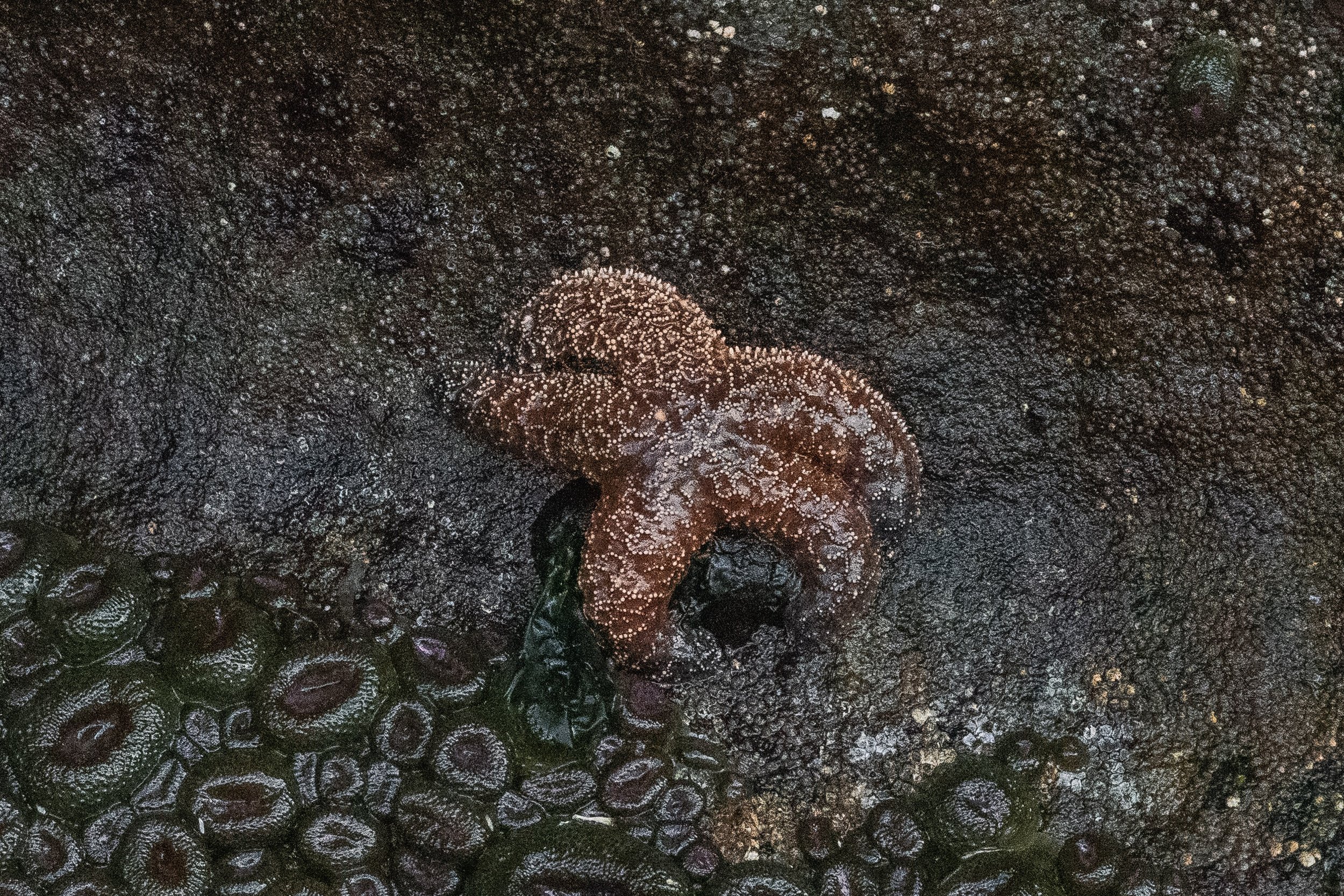
An Ochre Sea Star with many closed anemones around it. Photo by Evan Hessels.