
July 3, 2026, 3:30 PM - The T101s appear outside Nanaimo, Plus more Humpbacks!
There are days on the Salish Sea when everything seems to fall into place. Warm sunshine, calm seas, a gentle breeze, and wildlife around nearly every corner. This afternoon was one of those special days as Kula and Keta slipped away from the dock, eager to see what surprises the afternoon would hold.
One of the questions we are asked most often is, "How do you know where the whales are?" The simple answer is, we don't. The whales we watch are wild animals. They are not chipped, tagged, or fitted with GPS trackers that tell us exactly where they are. Every tour begins with a blank slate. Our captains and naturalists rely on experience, knowledge of whale behaviour, communication with other vessels, and, perhaps most importantly, careful observation. Every blow, dorsal fin, flock of birds, or unusual disturbance on the water can lead us to wildlife. Finding whales with nothing more than trained eyes is one of the most rewarding parts of what we do, and it means that every encounter feels truly earned.
Fortunately, this afternoon didn't keep us searching for long.
Not far from Nanaimo, excitement spread across both boats as two tall black dorsal fins sliced through the calm water. Moments later, a much smaller dorsal appeared behind them. Even before naturalists Evan and Hayleigh had cameras in hand, they had a pretty good feeling about who we were looking at. A few identification photographs later confirmed our suspicions; it was the T101s.
T101 Reef ♀ (≤1969)
T101A Rush ♂ (1993)
T101B Lagoon ♂ (1997)
This small family consists of matriarch Reef and her two sons. They are a wonderful example of one of the most fascinating aspects of transient orca society: sons rarely leave home. Male killer whales are famously devoted to their mothers. Unlike many mammals, male orcas remain with their maternal family for their entire lives, often travelling beside their mother for decades. Even enormous adult males weighing over 10,000 pounds still rely heavily on their mothers for social support, knowledge, and even improved survival. Studies have shown that adult males are significantly more likely to survive when their mother is still alive. The matriarch is the heart of the family, carrying decades of knowledge about hunting grounds, travel routes, and changing conditions throughout the Salish Sea. Female offspring also remain with their mothers for life, creating remarkably stable family units that can stay together across multiple generations. Watching Reef confidently lead her sons through the Strait was a perfect reminder of just how important these family bonds are.
After spending time alongside this incredible trio, we reluctantly continued our search. As it turned out, we barely had time to bring the boats back up to cruising speed before another splash caught our attention. This disturbance looked different: larger blows, broader backs, and the unmistakable shape of humpback whales. Unlike our earlier encounter, these whales made us work a little harder for their identities.
Identifying humpbacks isn't always as straightforward as identifying killer whales. Instead of family groups that remain together for life, humpbacks are much more fluid in their social structure. Every whale has a unique dorsal fin, distinctive scars, and of course, the famous black-and-white pattern on the underside of its tail flukes. By photographing these features and comparing them to our extensive catalogue, we were eventually able to determine exactly who we were sharing the afternoon with. We identified Frankenstein (BCX1358), Corona/Phi (BCX1416), Split Fluke (BCX1068), Niagara (BCY0057), Strike (BCX1675) and Prowler (BCX1660).
Humpback calves have a very different upbringing than young orca. A calf typically stays closely beside its mother for about a year while nursing and learning the skills needed to survive. Although many calves remain with their mothers for around 12 months, some have been documented separating from their mothers as early as 5 months of age. Once independent, they generally travel their own paths and do not maintain the lifelong family groups seen in killer whales. For many years, scientists believed humpbacks were largely solitary animals that only came together briefly to feed or breed. However, as humpback populations continue their remarkable recovery throughout the North Pacific, we are beginning to discover that their social lives may be far more complex than we once imagined.
Researchers have documented associations between certain individuals and repeated companionship over multiple years, and even rare cases in which mothers have reunited with fully grown calves years after separation. These reunions appear to be temporary, but they challenge many of our long-held assumptions about humpback behaviour. The more time we spend studying these whales, the more questions they seem to give us. It's one of the most exciting parts of marine biology. Every season brings new discoveries, reminding us that even after decades of research, there is still so much left to learn about these giants of the Salish Sea. Eventually, it was time to leave the humpbacks to continue their travels and begin our journey home.
On our way home, another familiar landmark came into view, a navigation buoy that doubles as one of the Salish Sea's favourite haul-out spots for Steller Sea Lions. As we approached, dozens of these impressive pinnipeds lounged shoulder to shoulder atop the structure, completely unfazed by one another's close company. The largest sea lion species in the world, adult males can weigh over 2500 pounds and are instantly recognizable by their massive necks and broad, muscular chests. Despite their size, they are remarkably agile both in and out of the water. The buoy was alive with activity as some individuals stretched out in the afternoon sun while others growled loudly, jostled for space, or slipped effortlessly into the sea before hauling themselves back up again. Haul-out sites like this are an essential part of a sea lion's daily routine, providing a place to rest, regulate body temperature, and socialize between foraging trips. Watching such a charismatic gathering offered one more unforgettable wildlife encounter before we made our final stop of the afternoon.
Before returning to Nanaimo, we made one final stop at the towering Gabriola Bluffs, one of the area's most impressive seabird nesting sites. The sandstone cliffs provide ideal nesting habitat for cormorants and several species of gulls, their ledges bustling with activity throughout the breeding season. Above the forest canopy, Bald Eagles soared effortlessly on rising thermals while Turkey Vultures circled overhead, using the warm afternoon air to carry them high above the island without a single flap of their wings.
It was a fitting way to end an afternoon that showcased just how rich the Salish Sea truly is. From lifelong family bonds among killer whales to the evolving mysteries of humpback whale society, every wildlife encounter tells a different story. Some stories we've understood for decades, while others are only just beginning to unfold.
As we tied up back at the dock, guests stepped ashore with cameras full of memories and a deeper appreciation for the incredible wildlife that calls these waters home. Days like today remind us that every tour is an expedition into the unknown. We never know exactly what we'll find, but when patience, experience, and a little bit of luck come together, the Salish Sea never disappoints.
Enjoy the photos below taken by Evan Hessels and Hayleigh Hilbert.
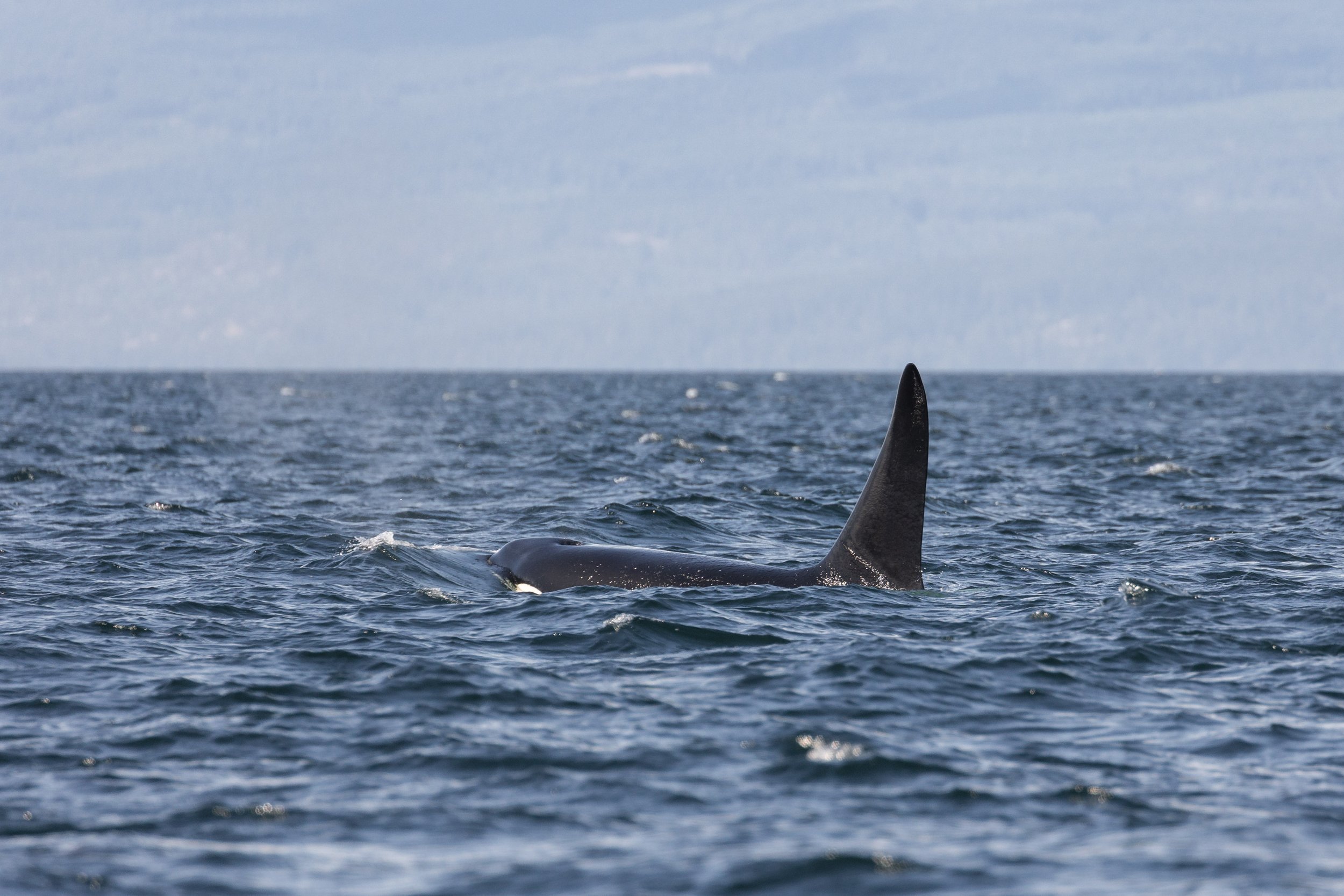
Rush surfacing. Photo by Hayleigh Hilbert.
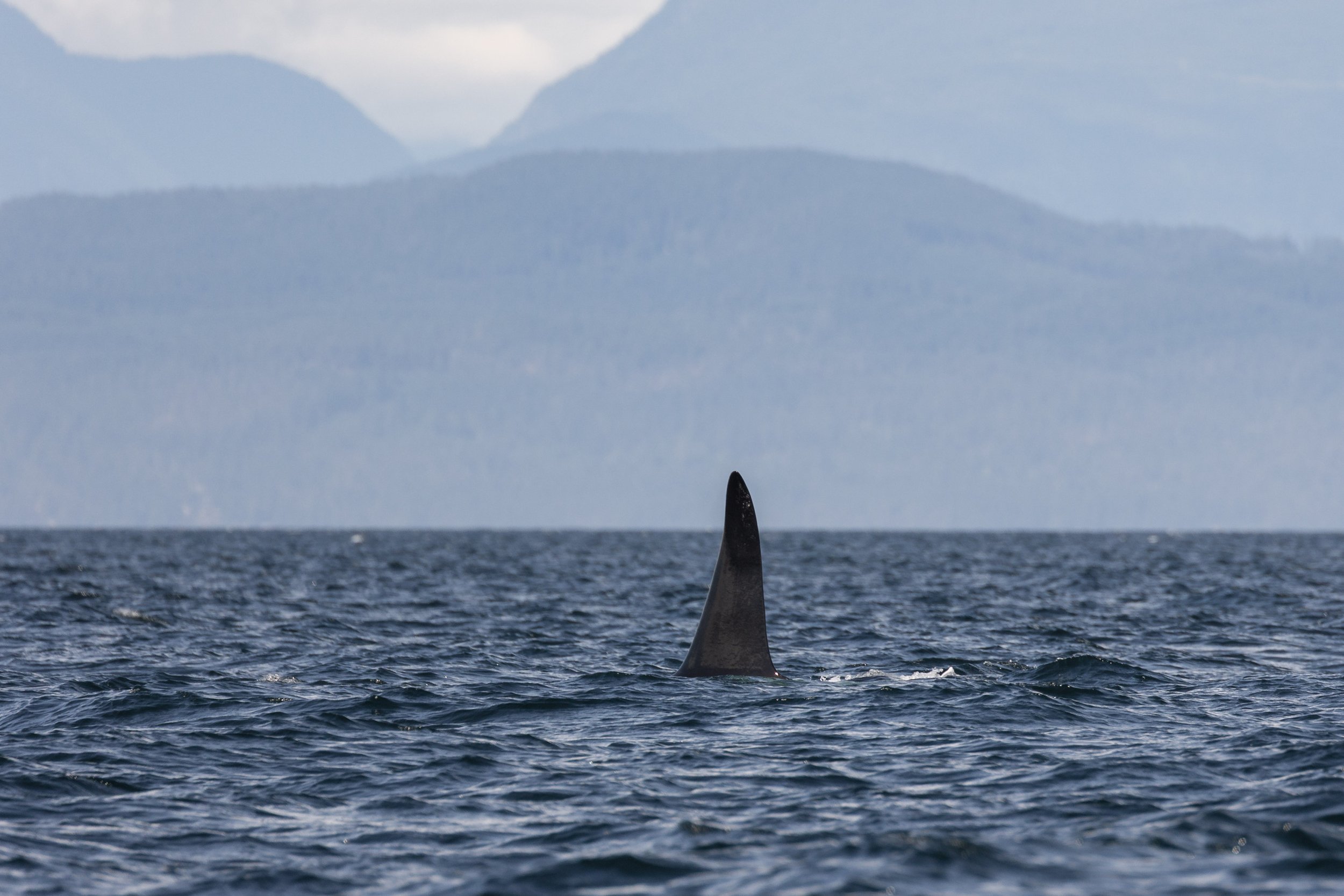
Rush’s tall dorsal fin. Photo by Hayleigh Hilbert.
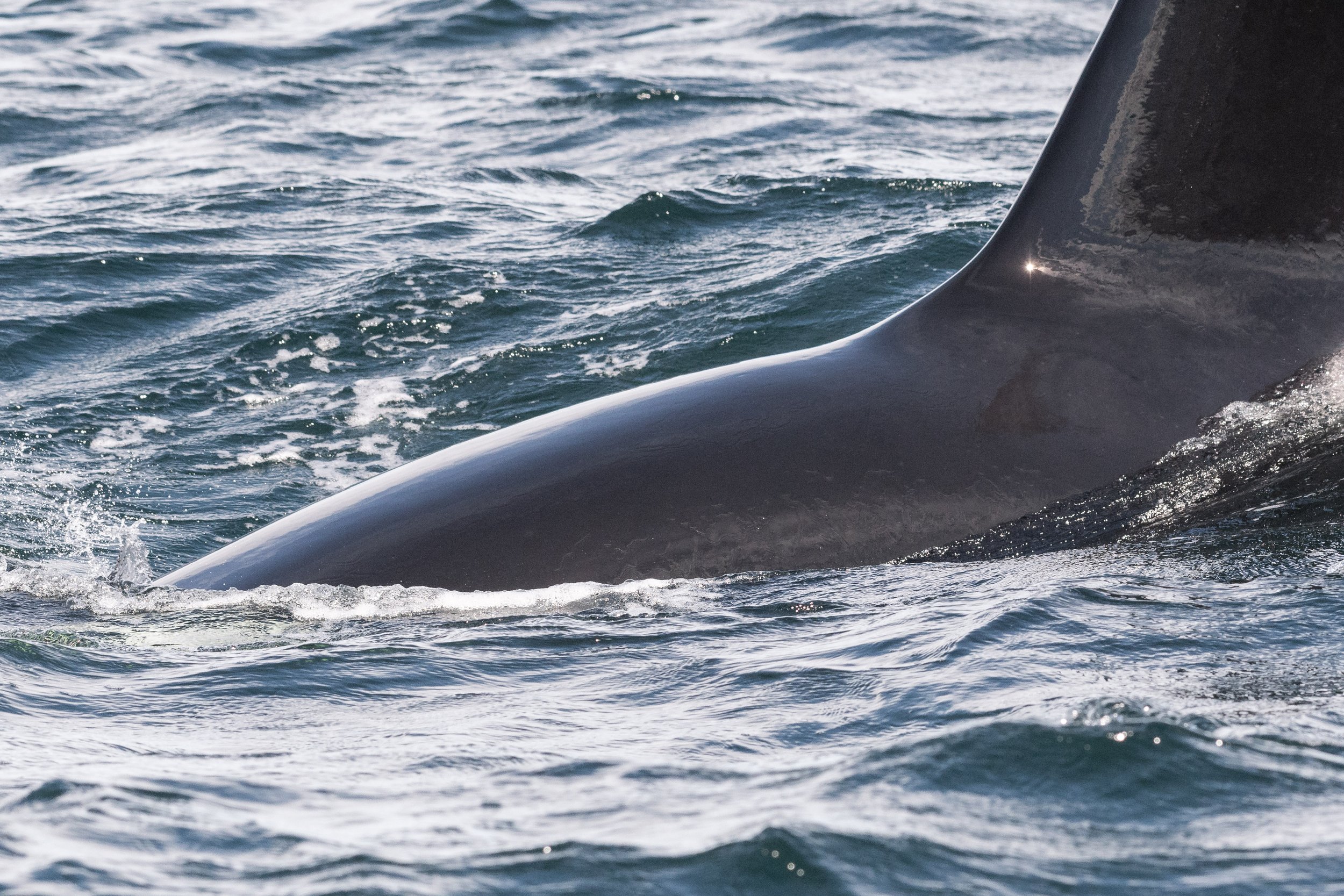
Lagoon passing by. Photo by Evan Hessels.
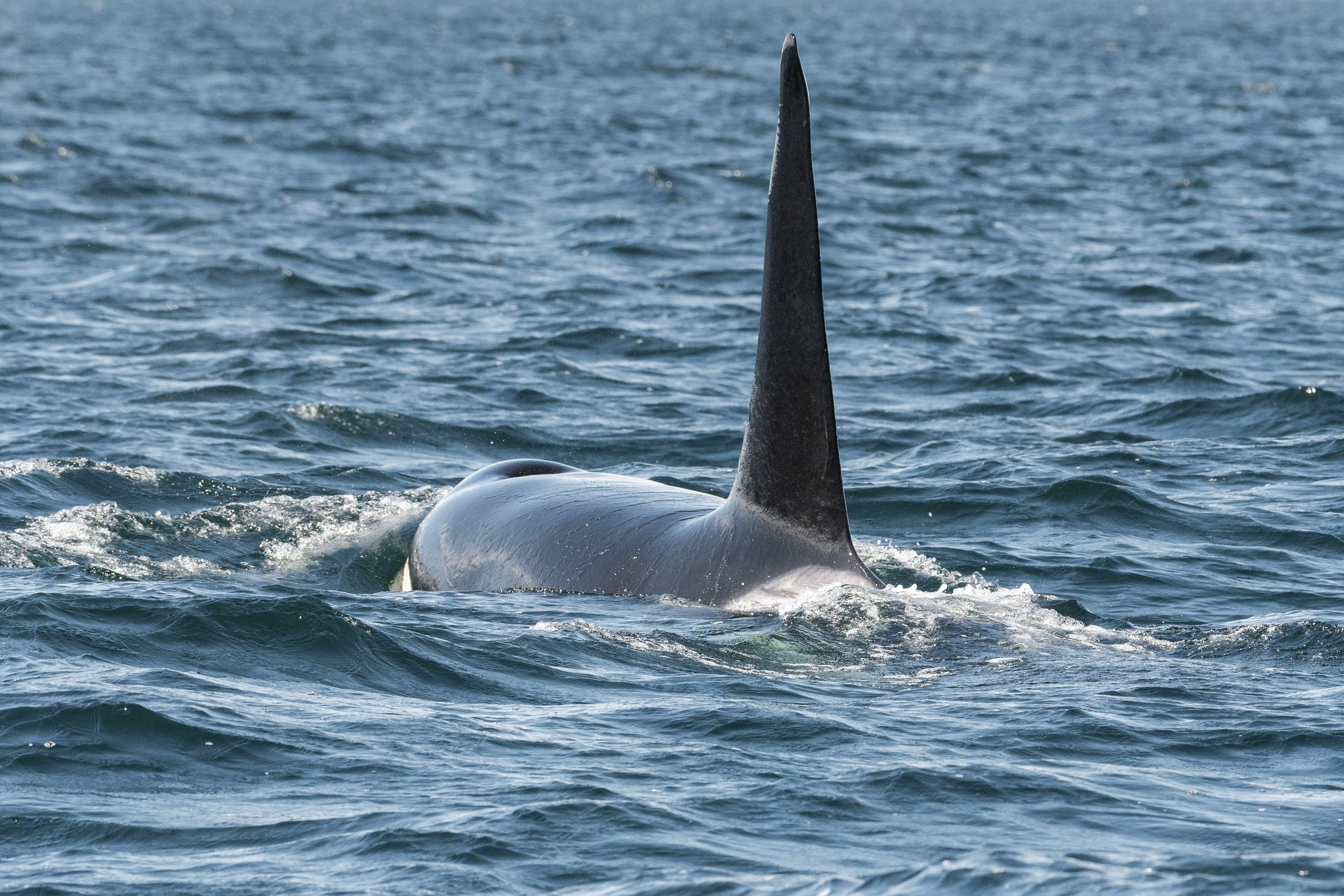
Lagoon making waves. Photo by Evan Hessels.
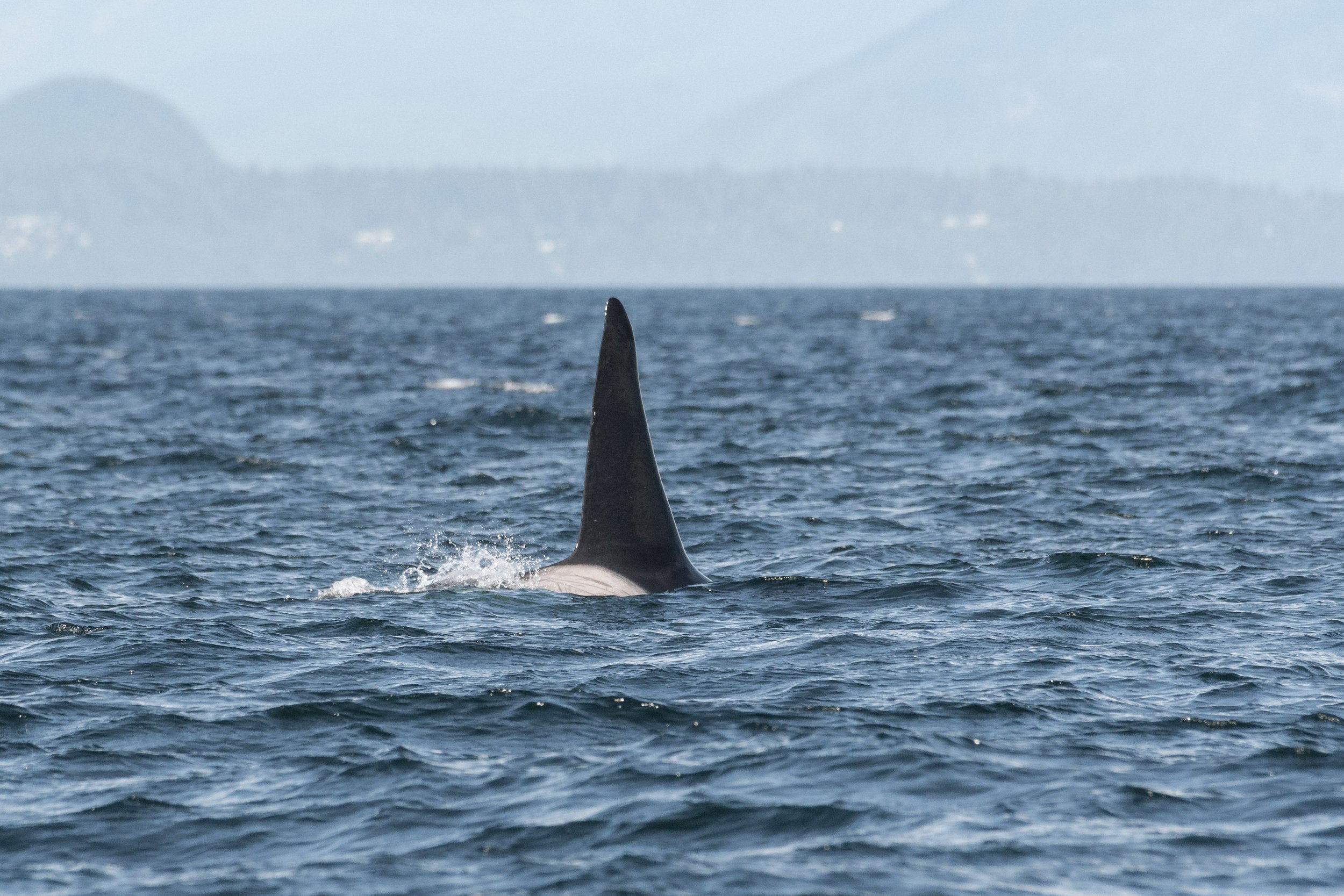
Lagoon’s towering dorsal fin. Photo by Evan Hessels.
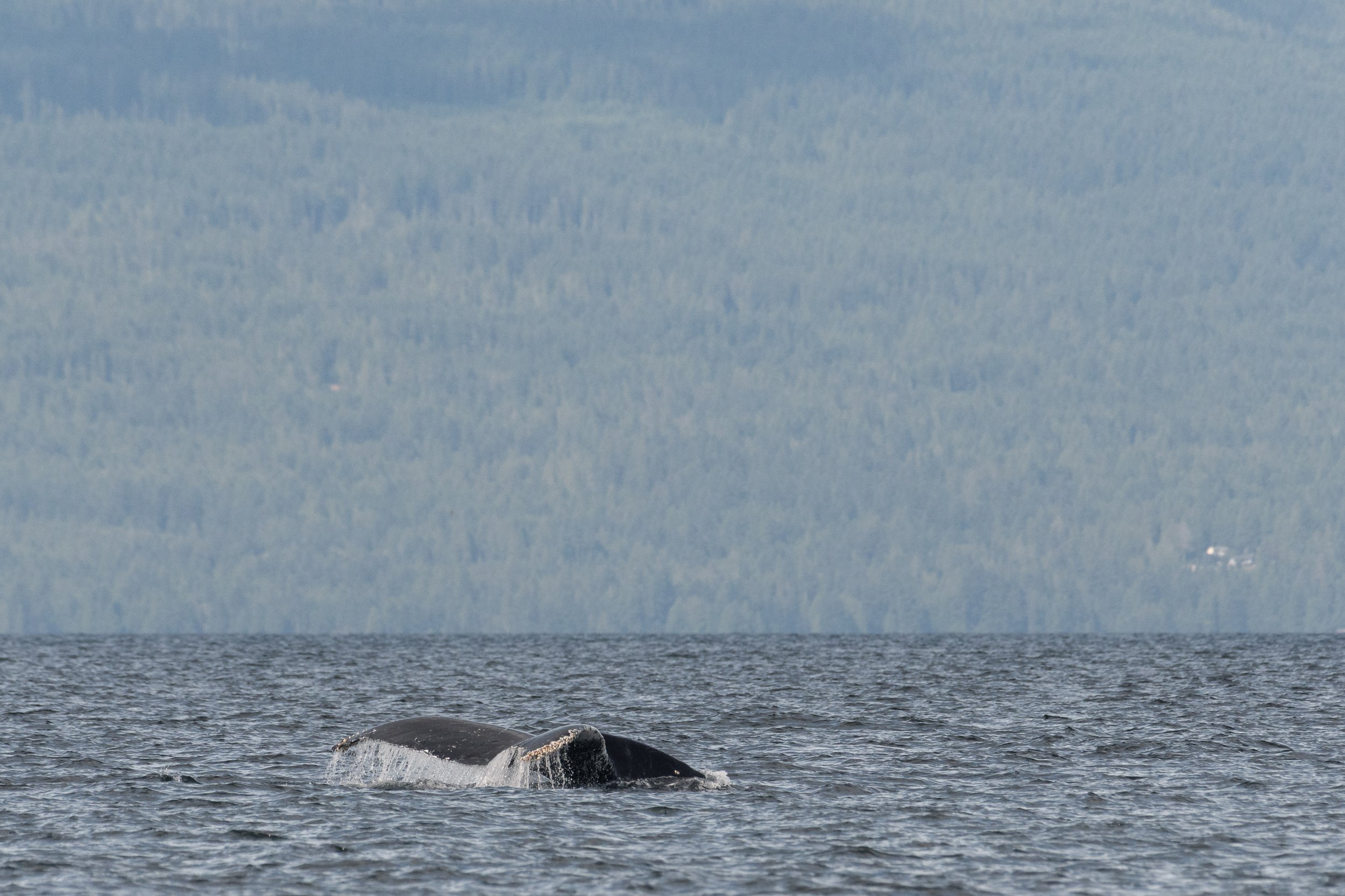
A fluke waterfall from Corona. Photo by Evan Hessels.
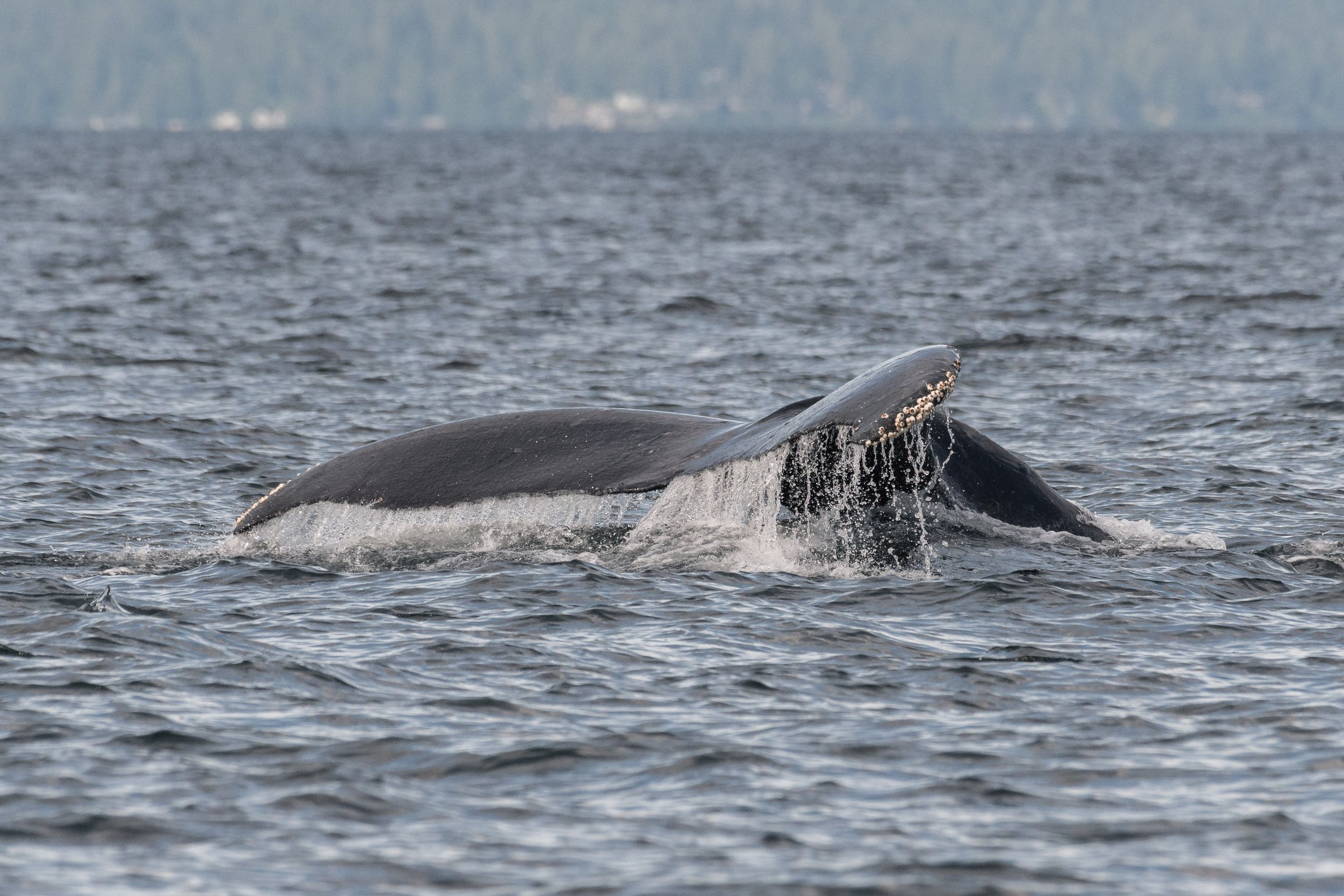
Corona going down. Photo by Evan Hessels.
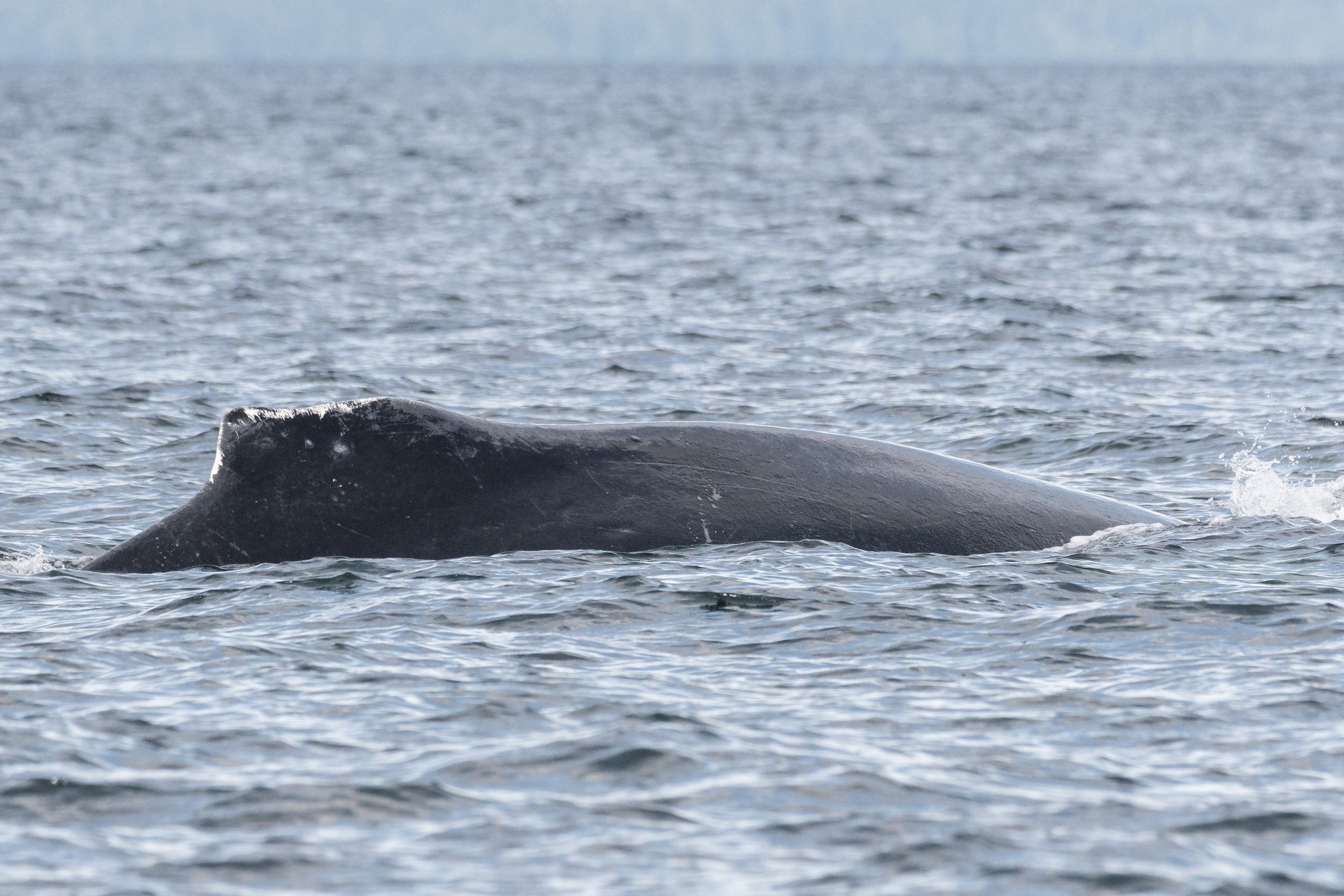
Frankenstine’s dorsal fin. Photo by Evan Hessels.
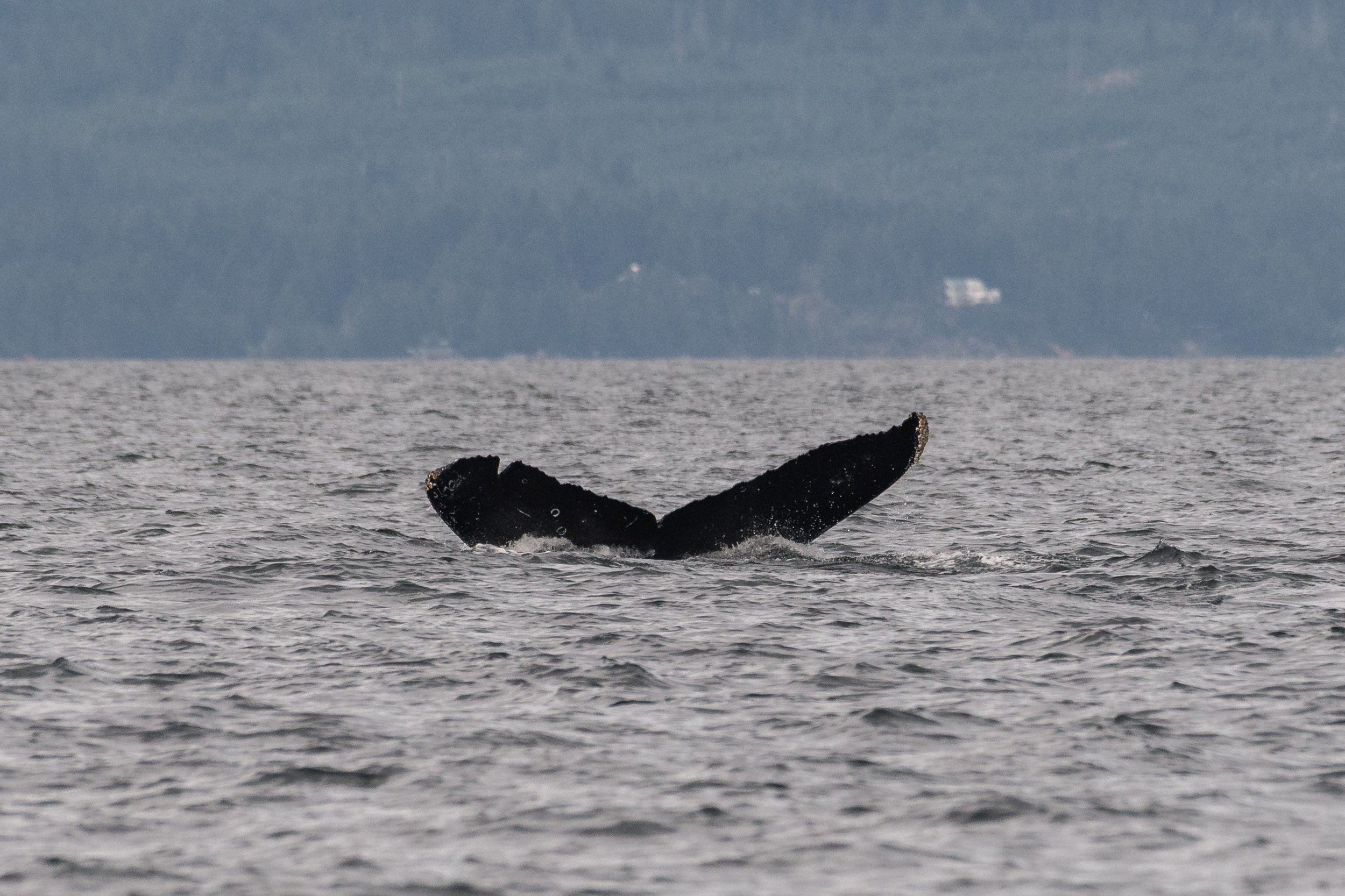
Split Flukes split fluke. Photo by Evan Hessels.
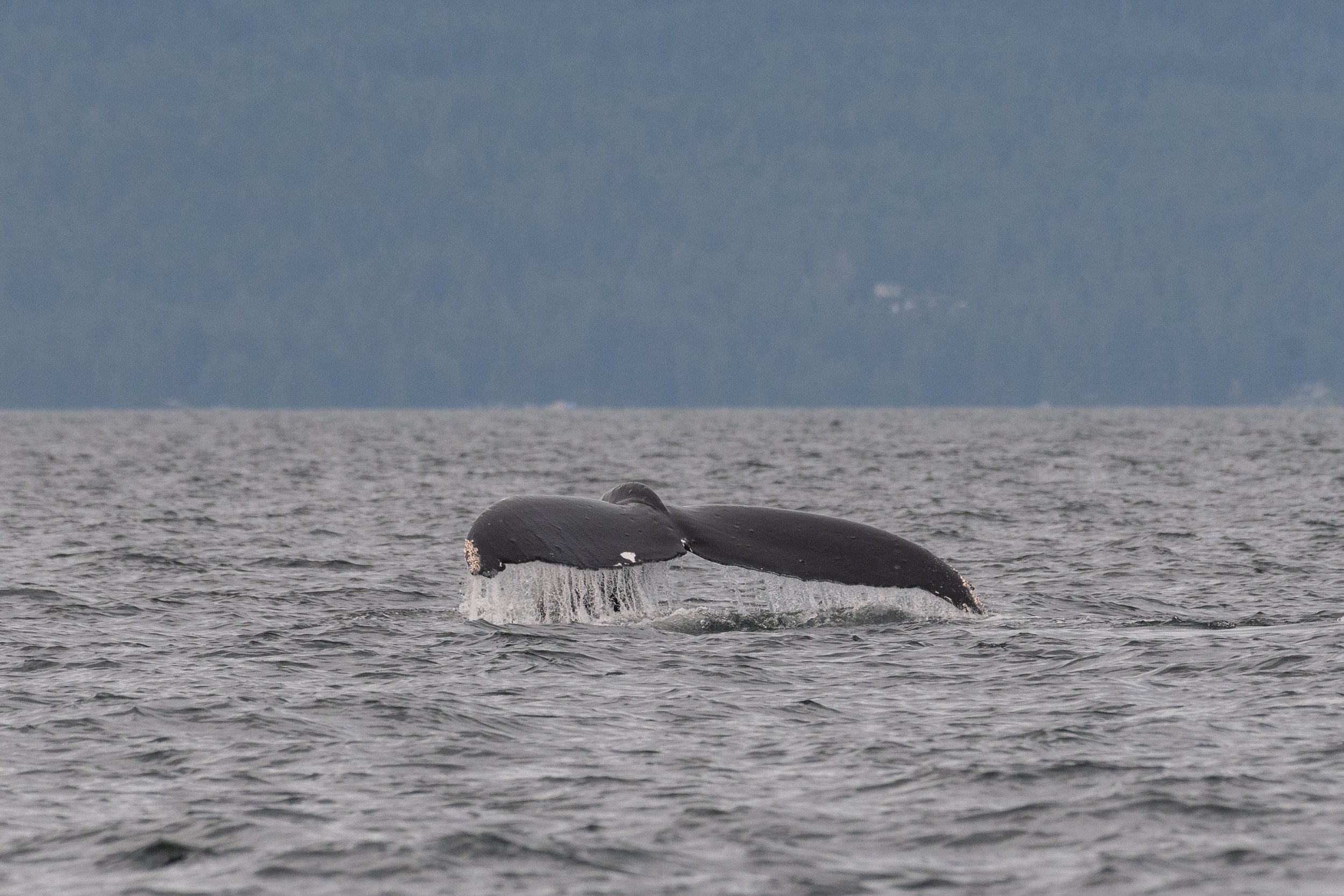
Niagara preparing to fluke. Photo by Evan Hessels.
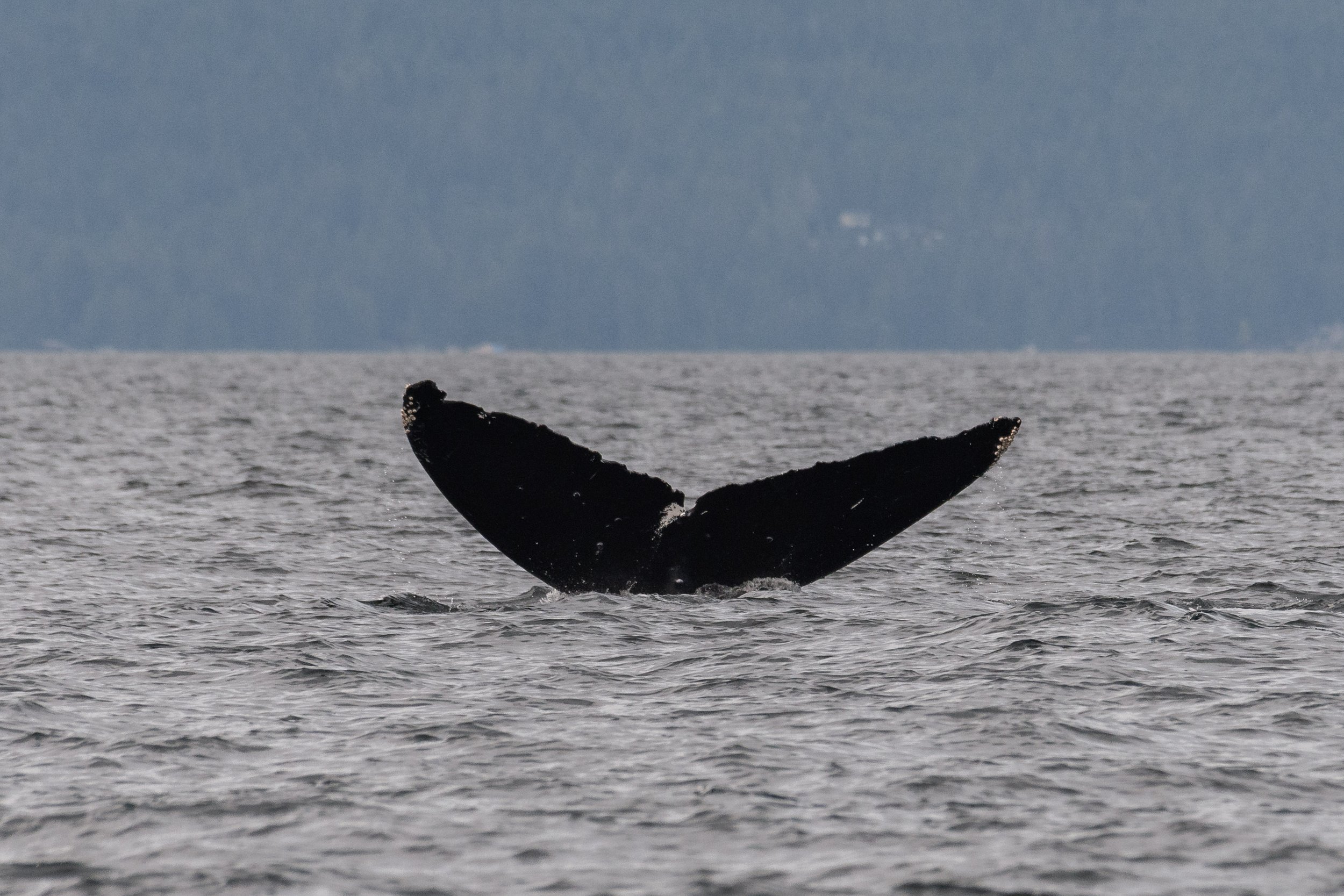
Niagara’s flukes. Photo by Evan Hessels.
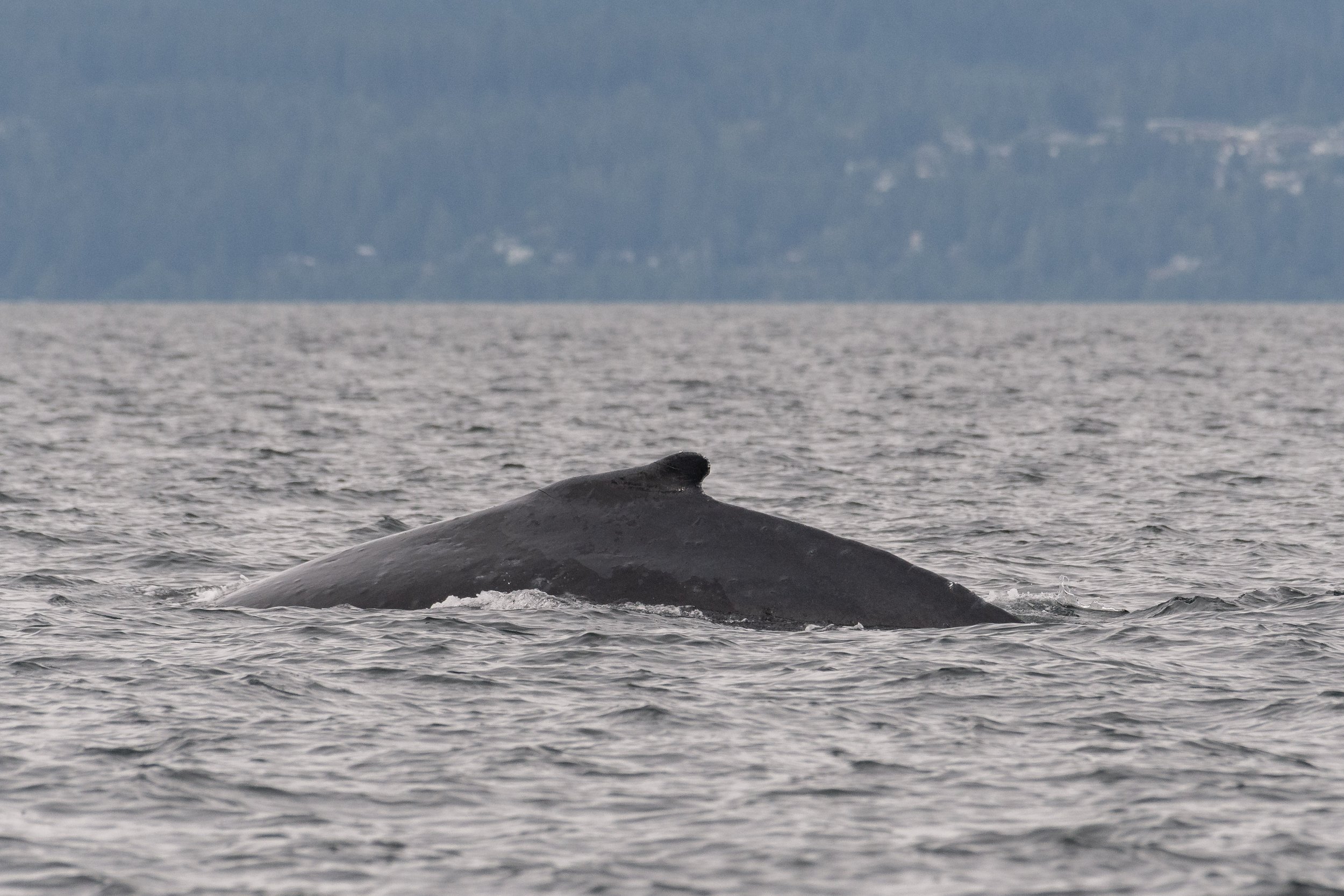
Strike’s chunky dorsal. Photo by Evan Hessels.
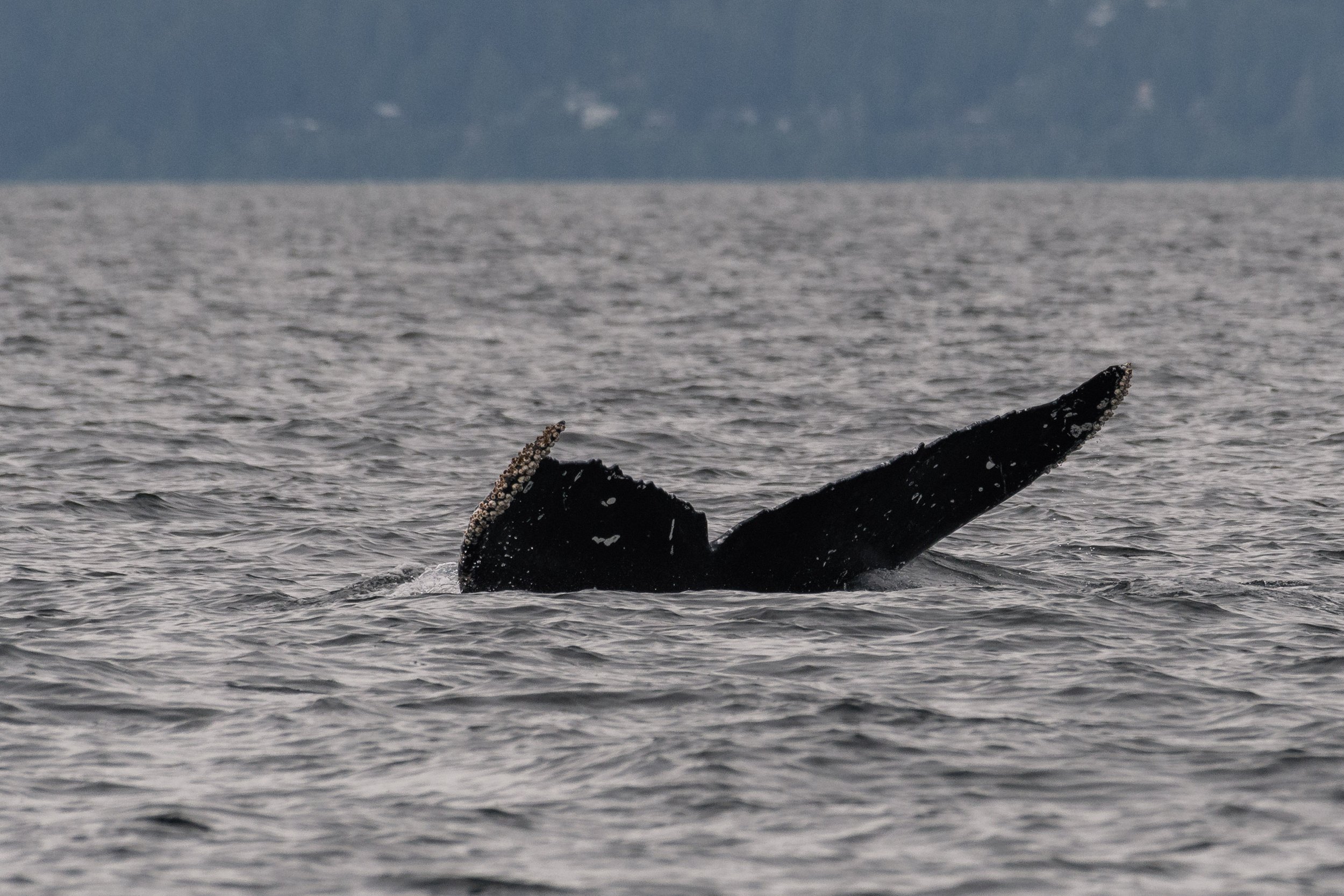
A fluke from Strike. Photo by Evan Hessels.
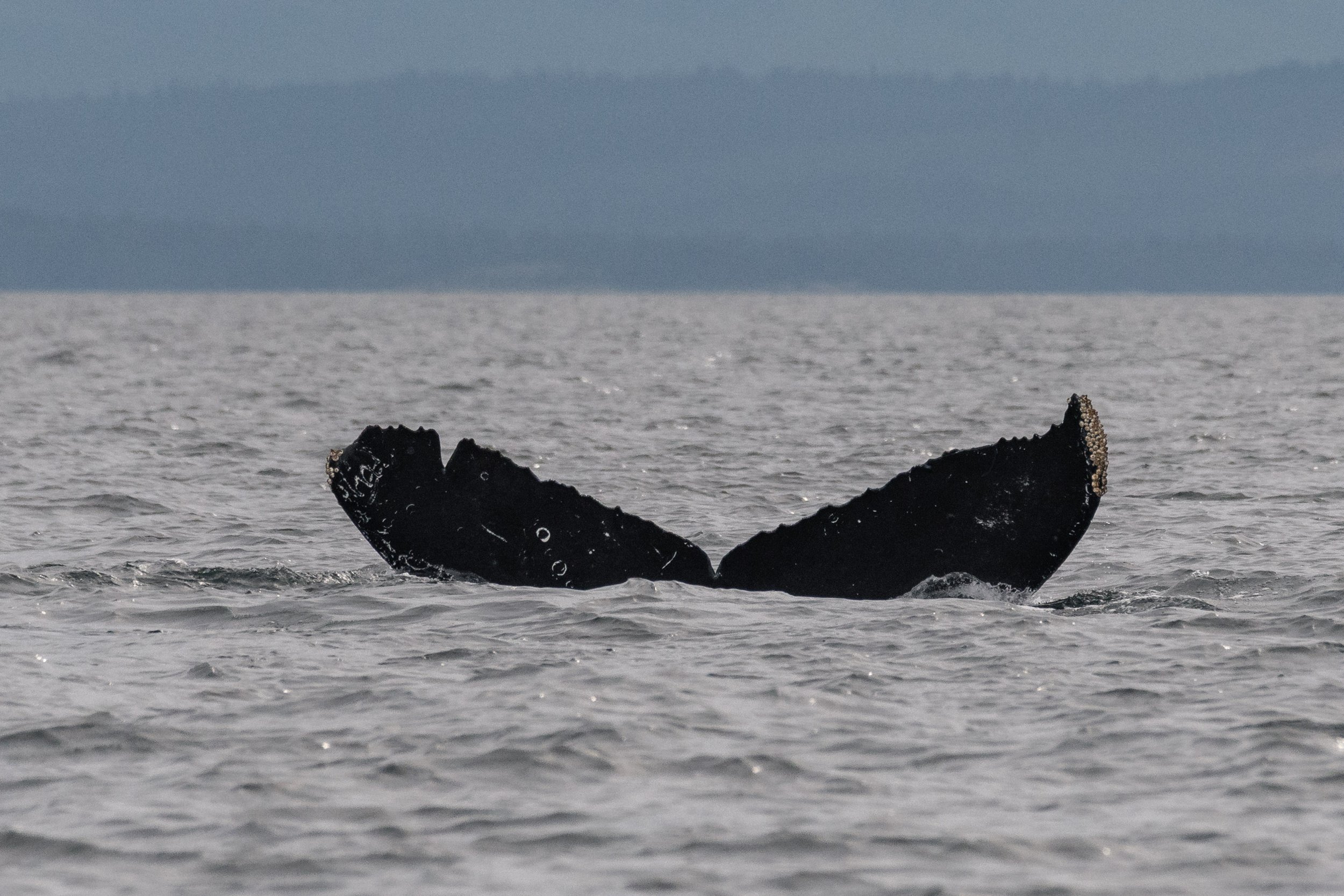
Split Fluke fluking. Photo by Evan Hessels.
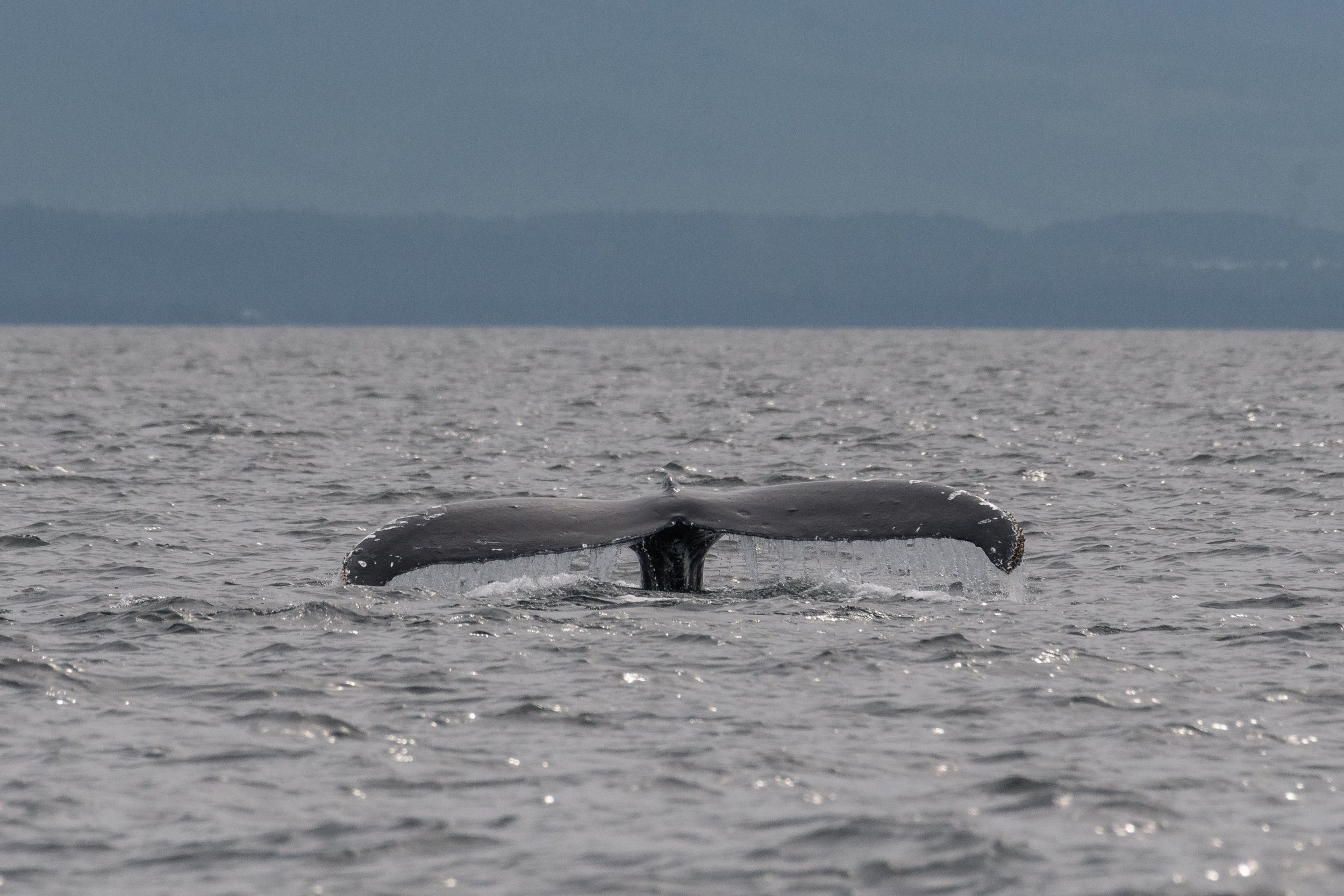
Strike diving. Photo by Evan Hessels.
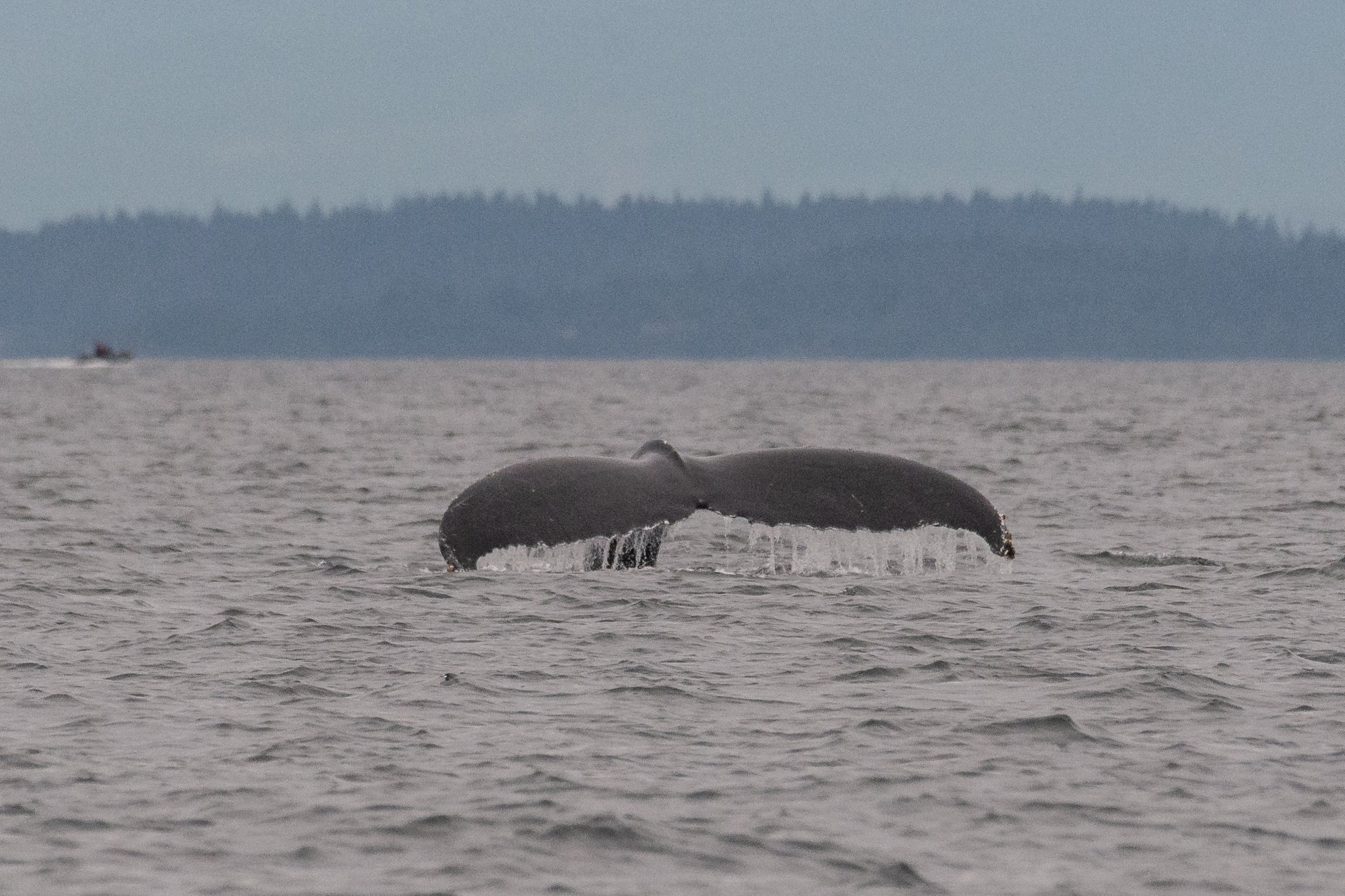
Prowler gearing up to fluke. Photo by Evan Hessels.
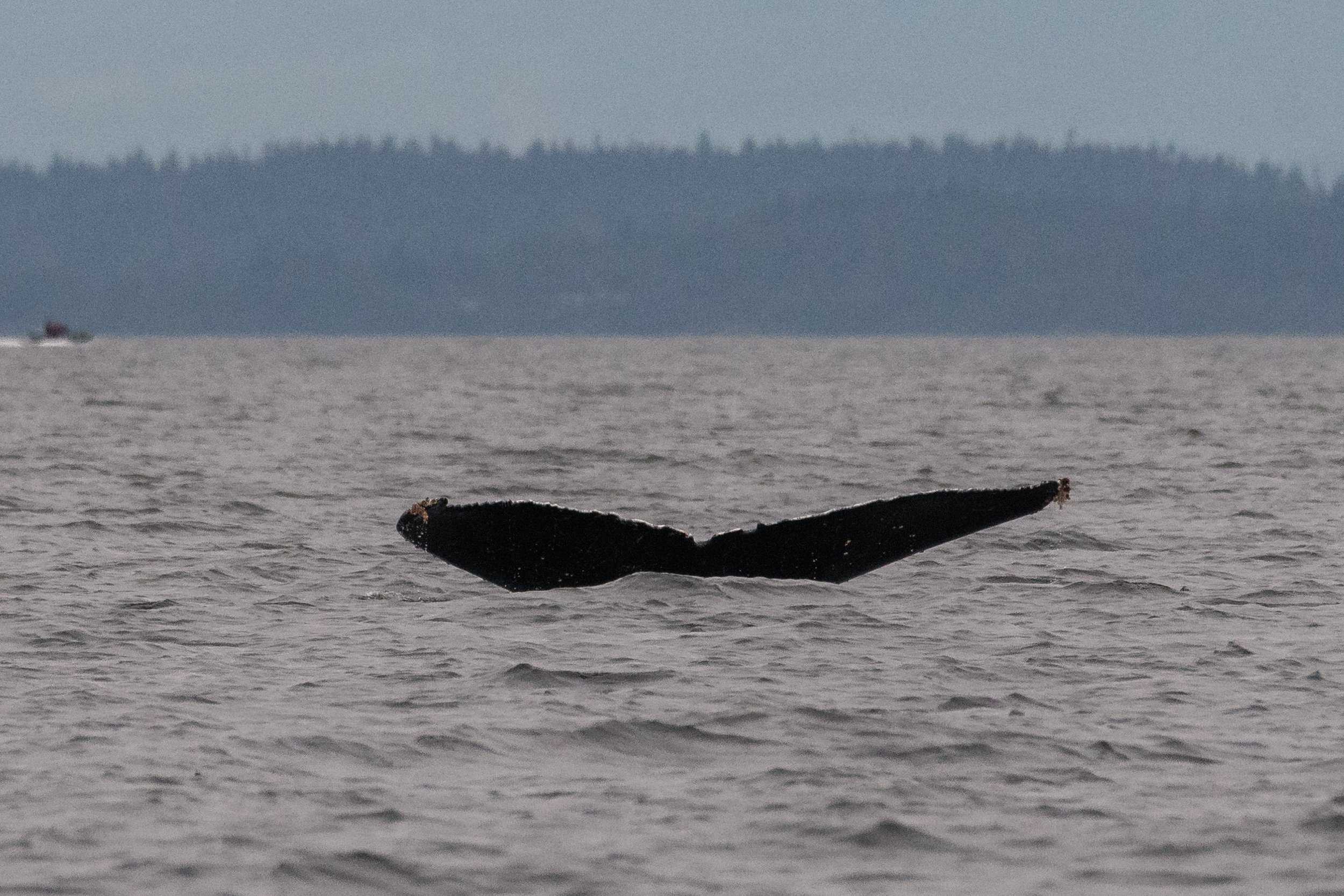
Prowler going for a dive. Photo by Evan Hessels.
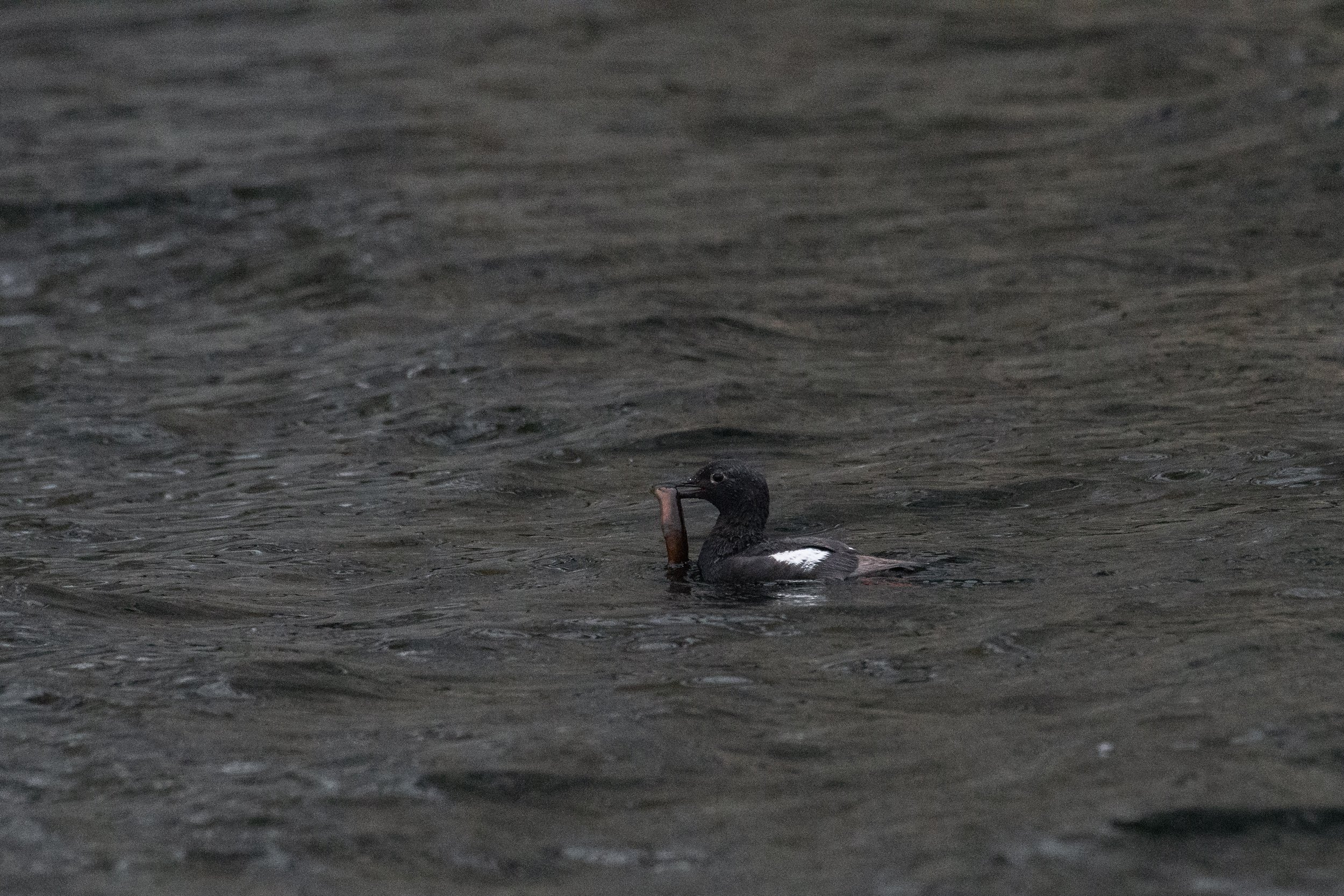
A Pigeon Guillemot with a snack. Photo by Evan Hessels.
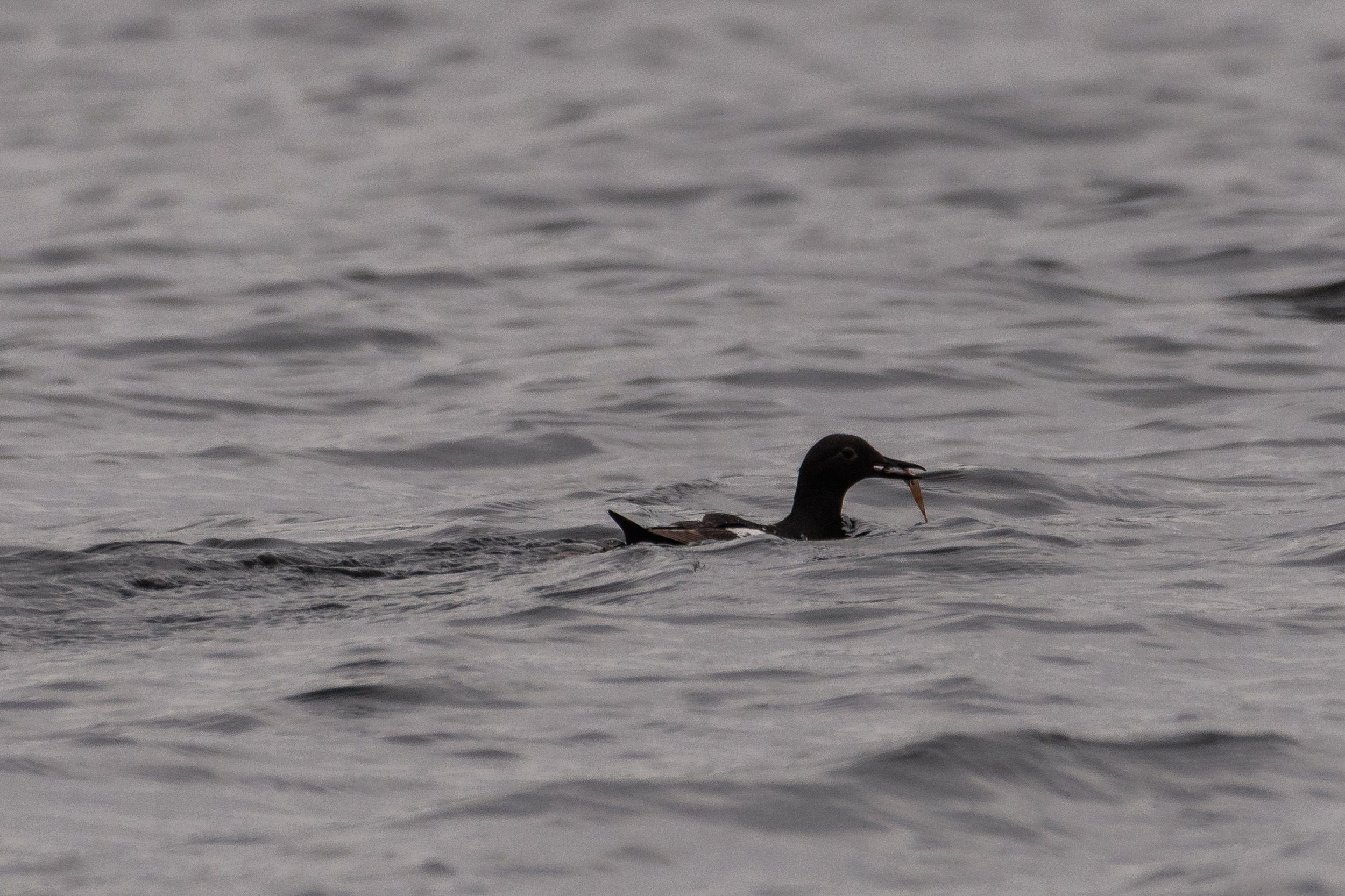
Looks defishious! Photo by Evan Hessels.
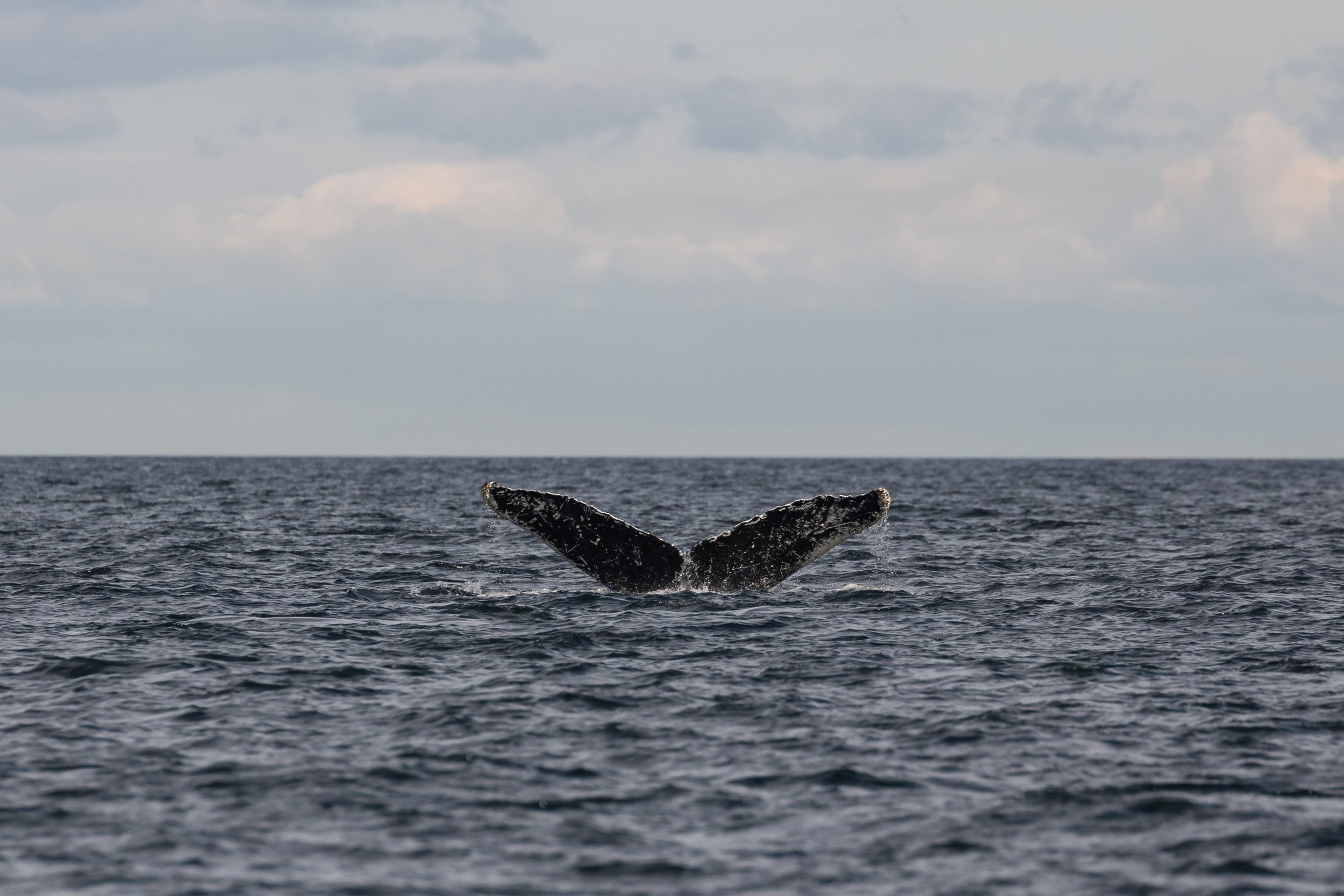
Frankensein’s interesting tail. Photo by Hayleigh Hilbert.
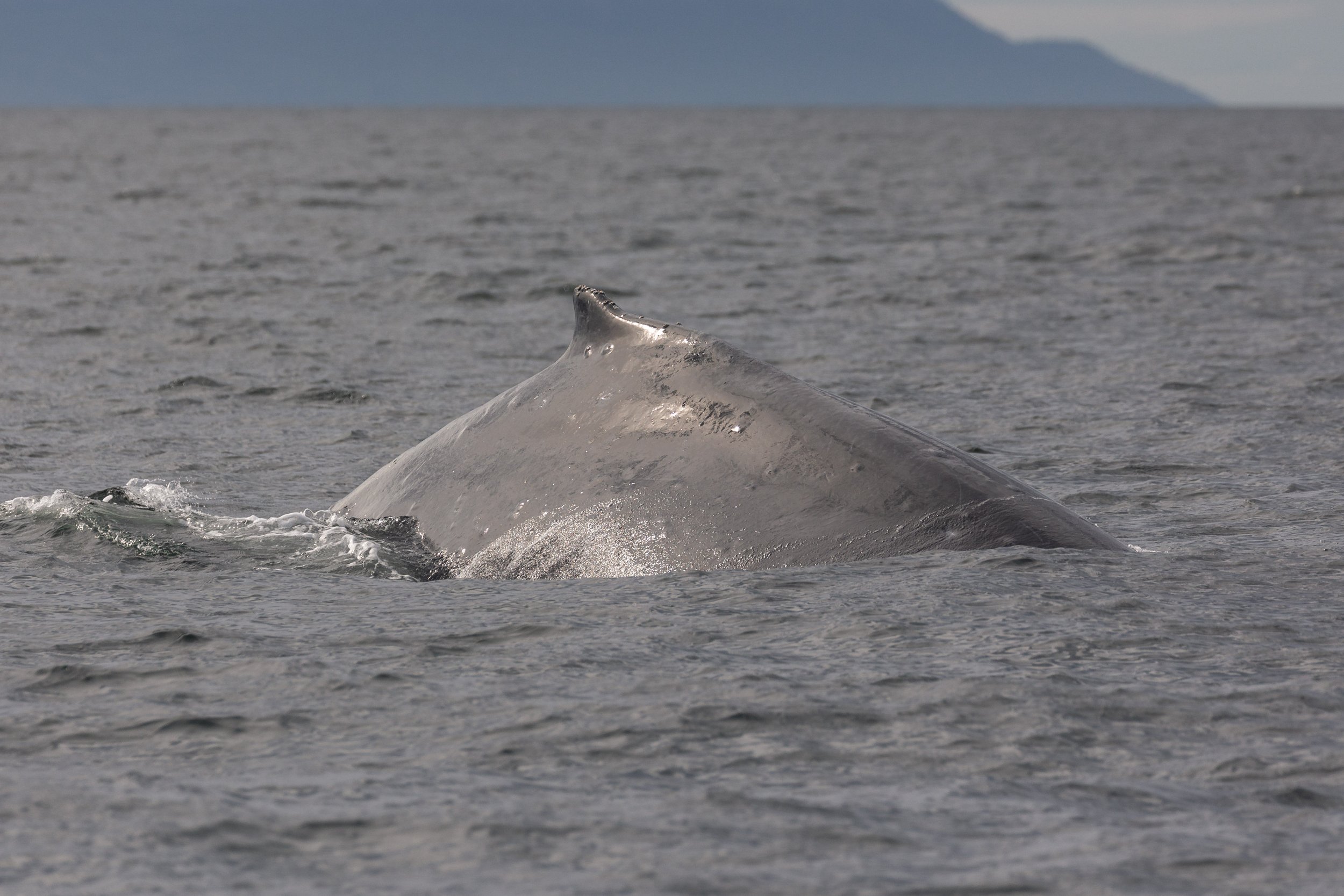
Corona’s dorsal. Photo by Hayleigh Hilbert.
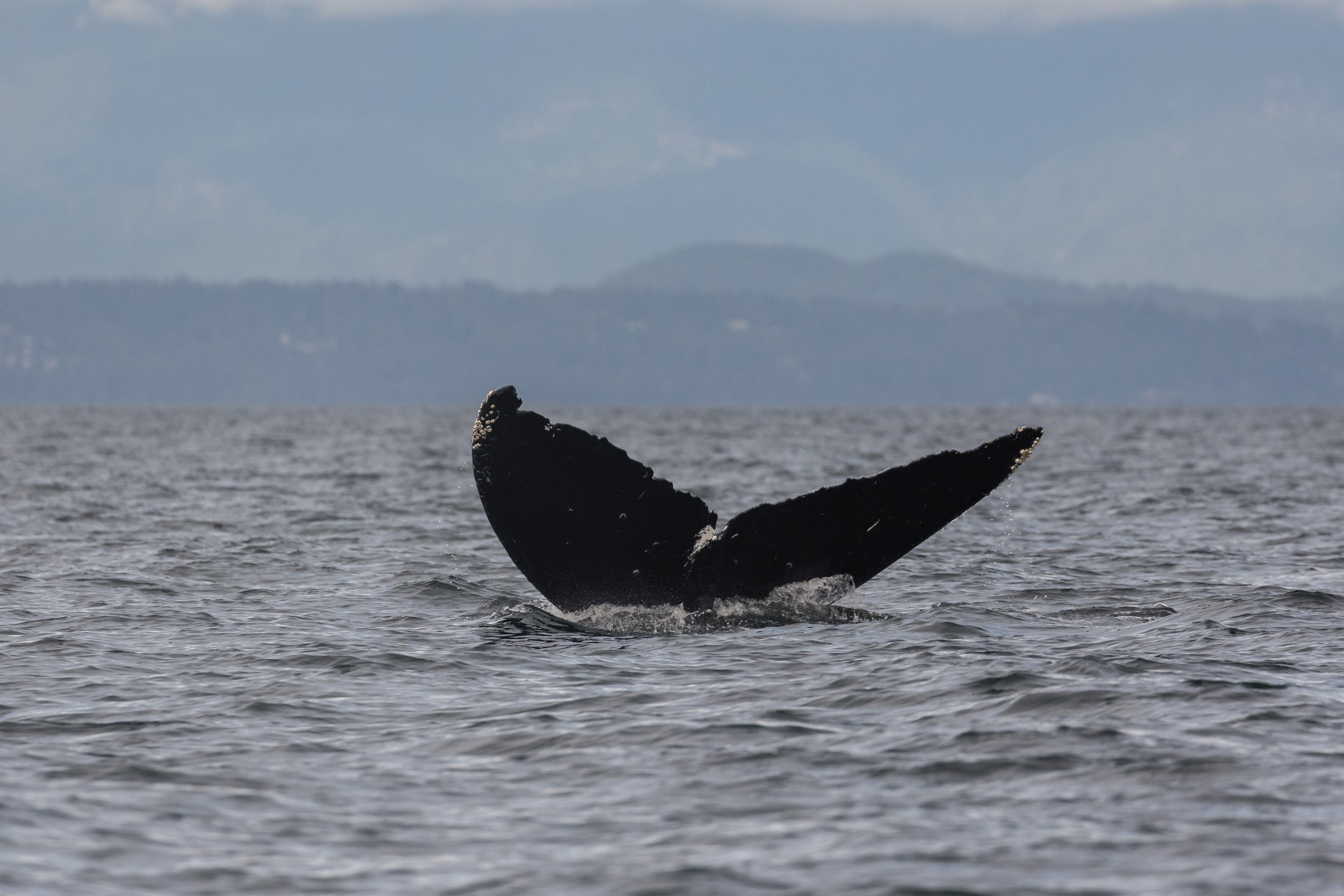
Niagara fluking. Photo by Hayleigh Hilbert.
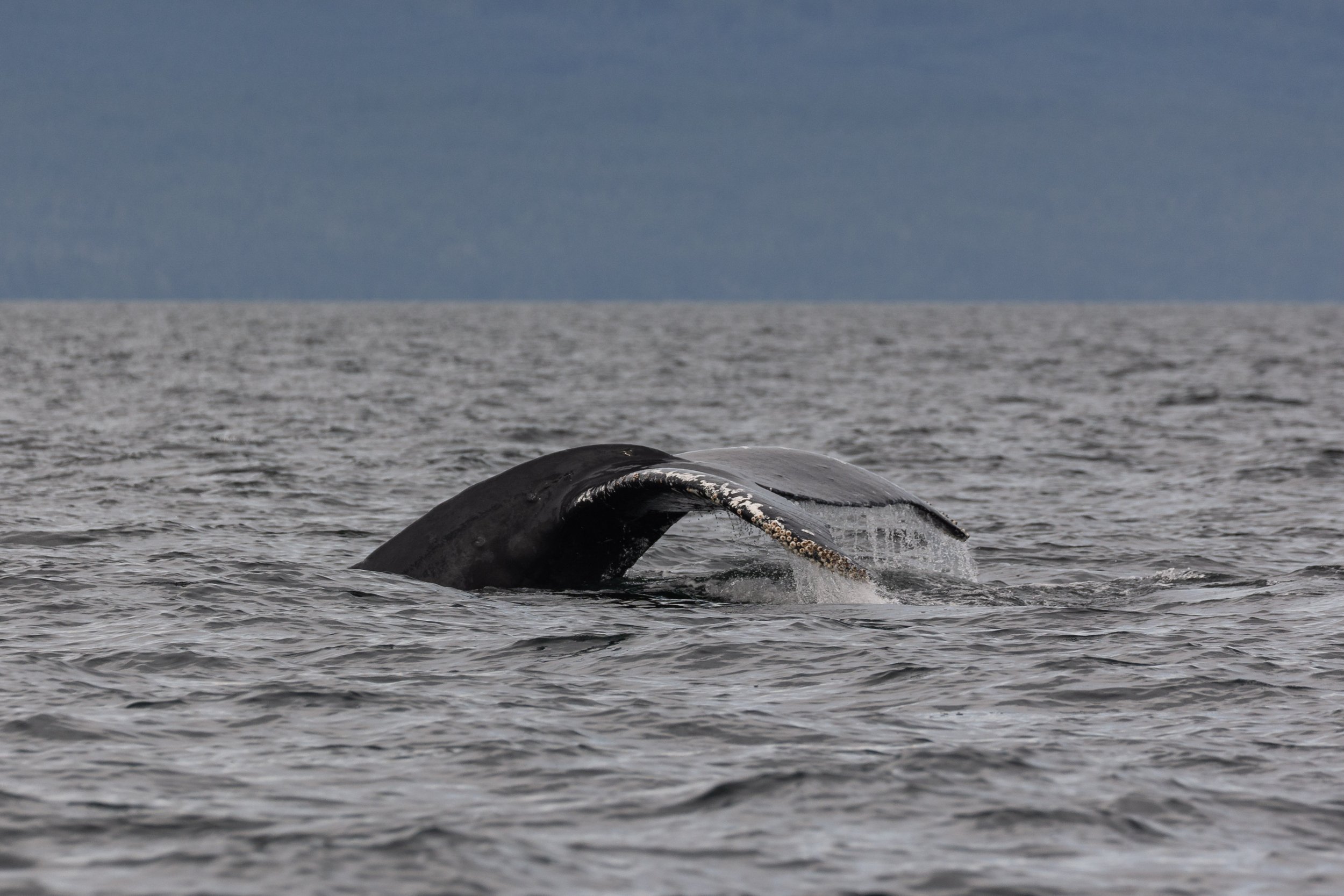
A fluke waterfall! Photo by Hayleigh Hilbert.
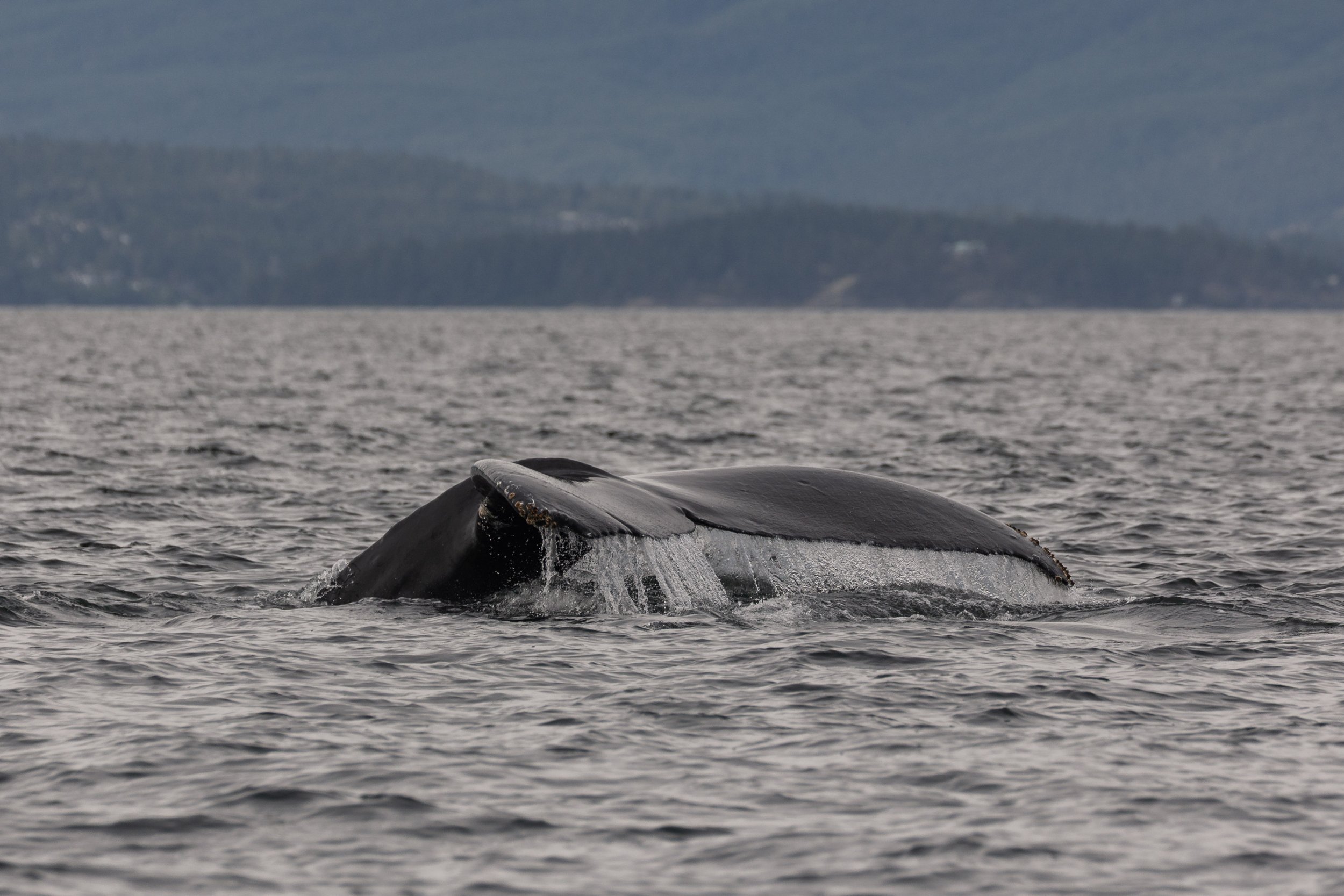
Split Fluke going for a dive. Photo by Hayleigh Hilbert.
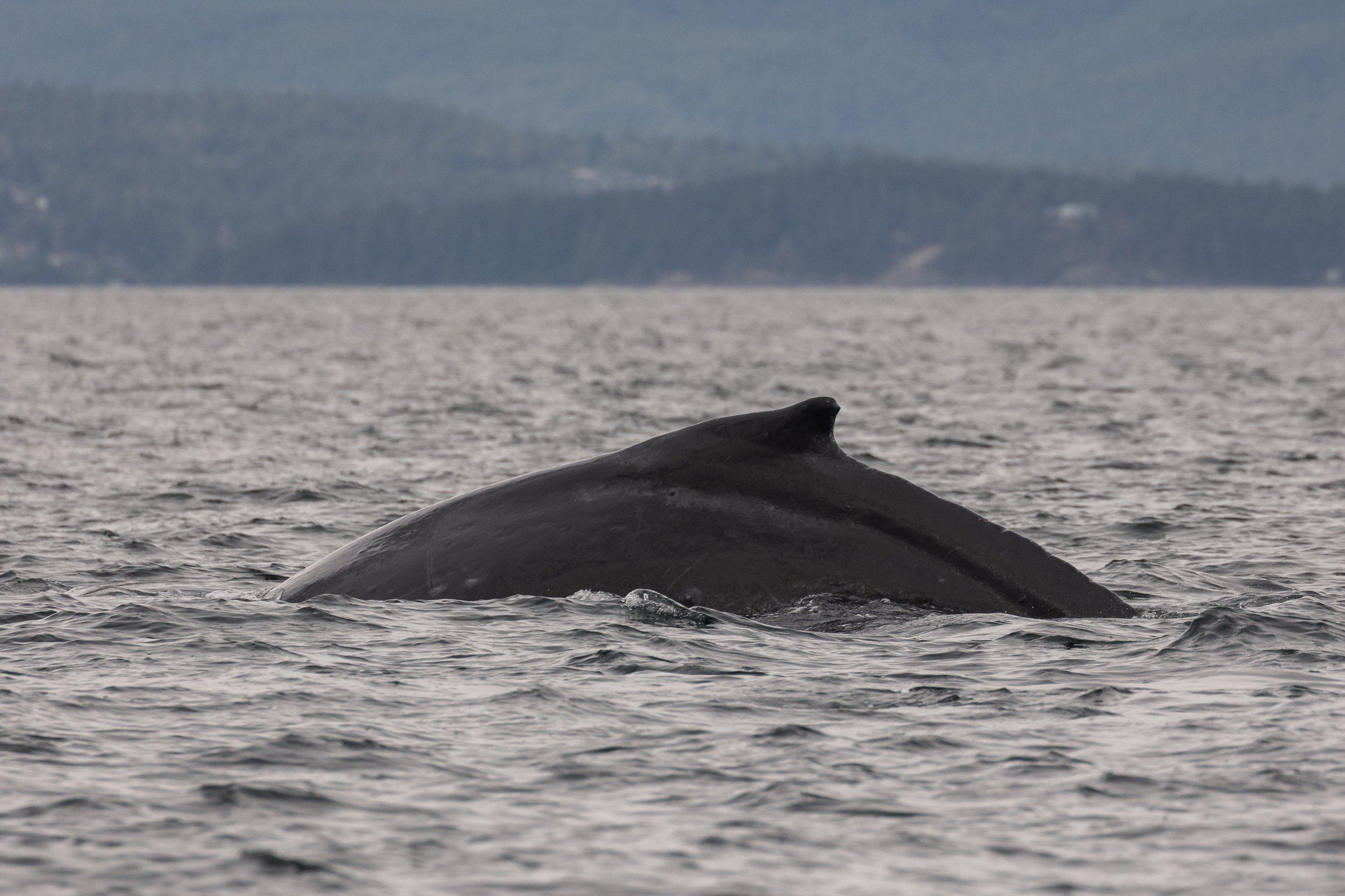
Niagara arching to fluke. Photo by Hayleigh Hilbert.
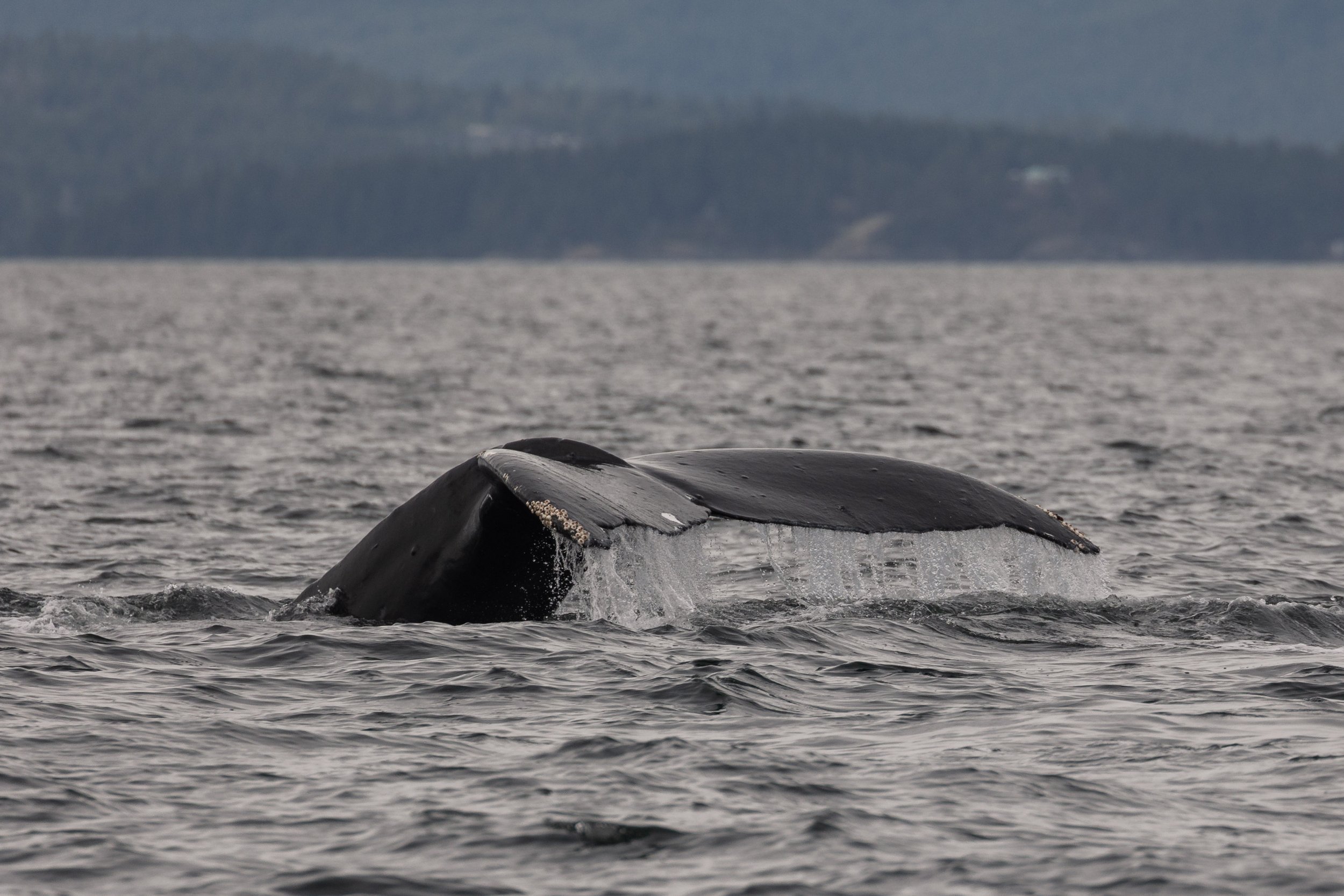
A fluke waterfall from Niagara. Photo by Hayleigh Hilbert.
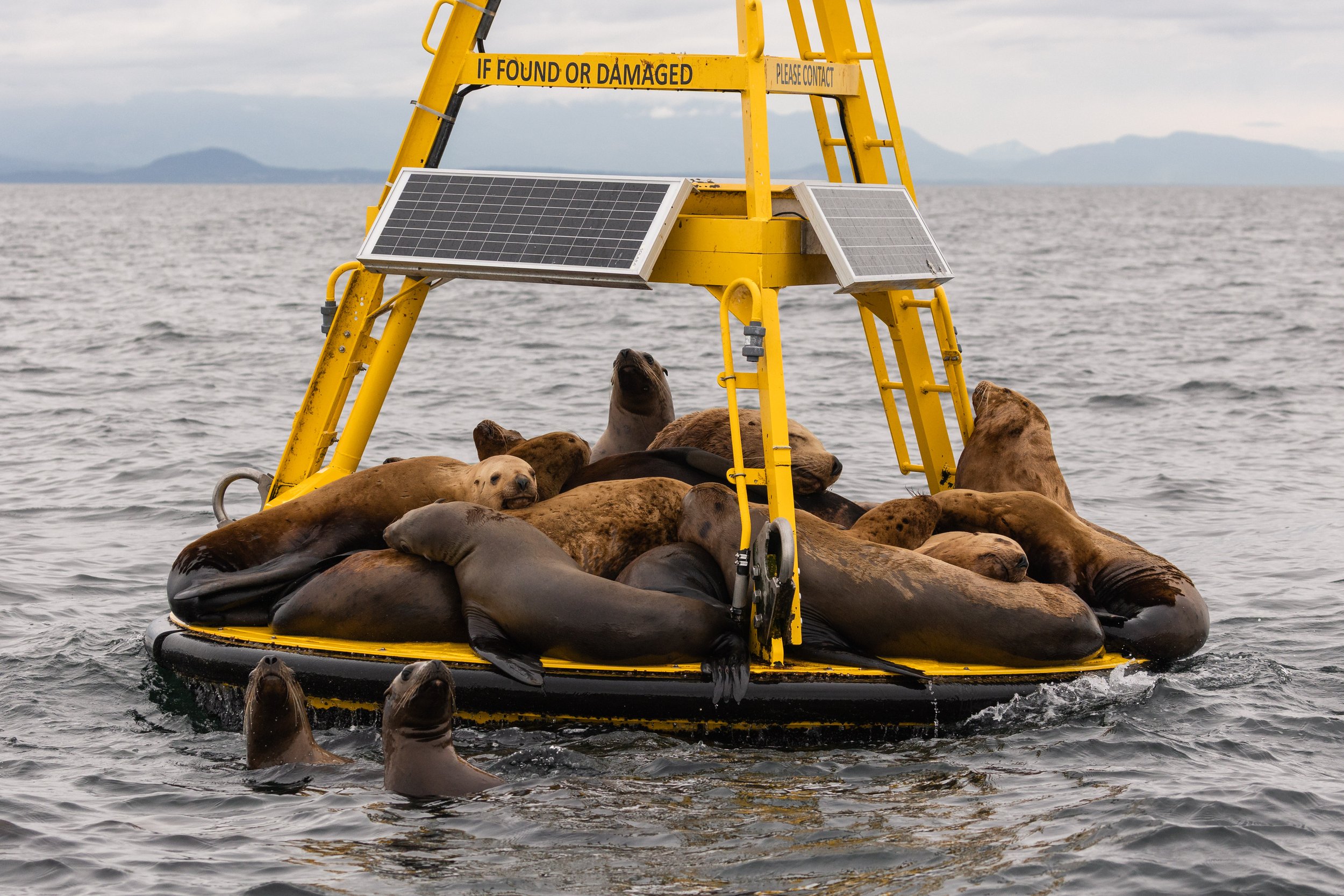
Sleepy Steller Sea lions. Photo by Hayleigh Hilbert.
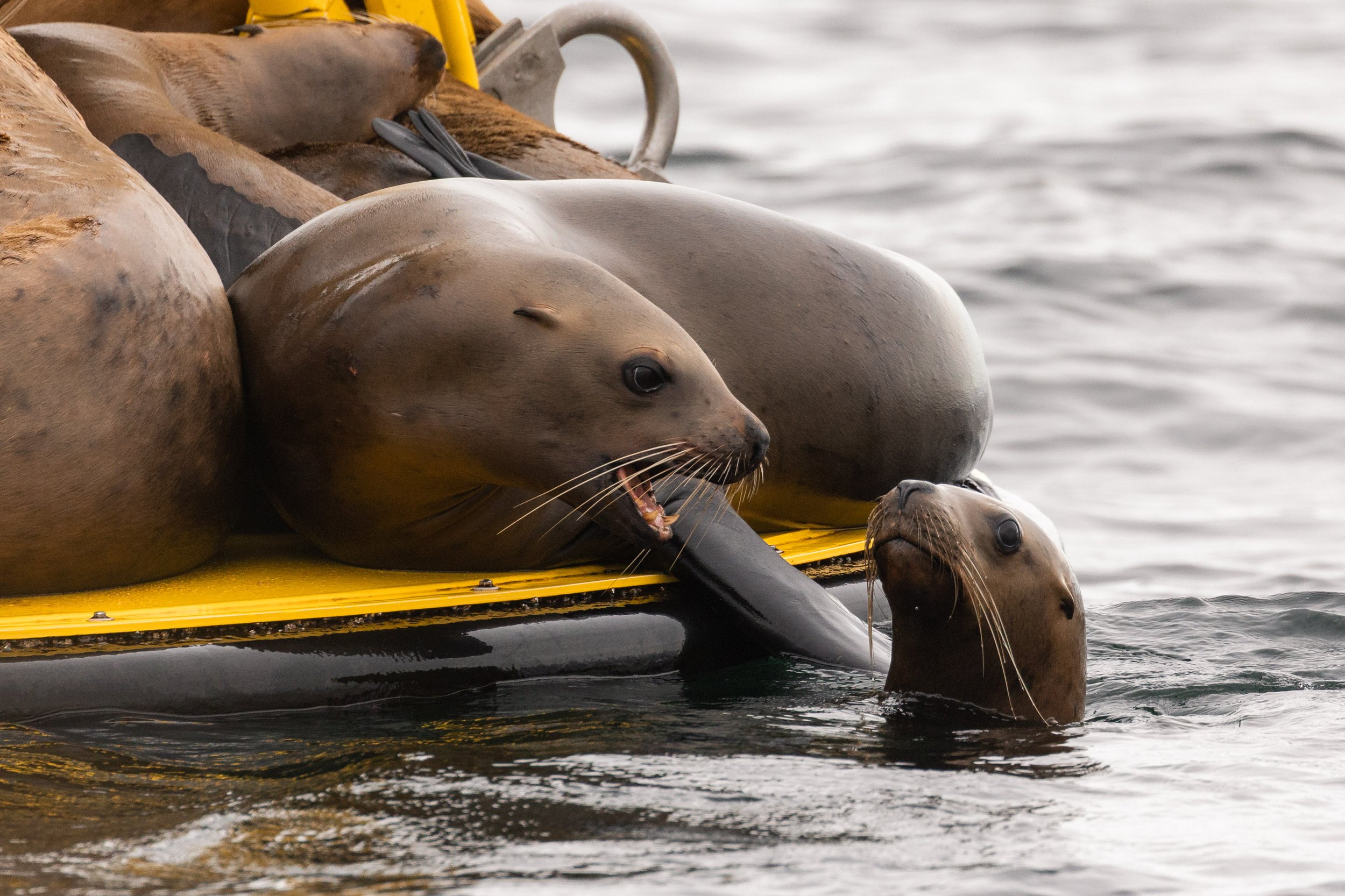
This Steller is not giving up their prime realestate. Photo by Hayleigh Hilbert.
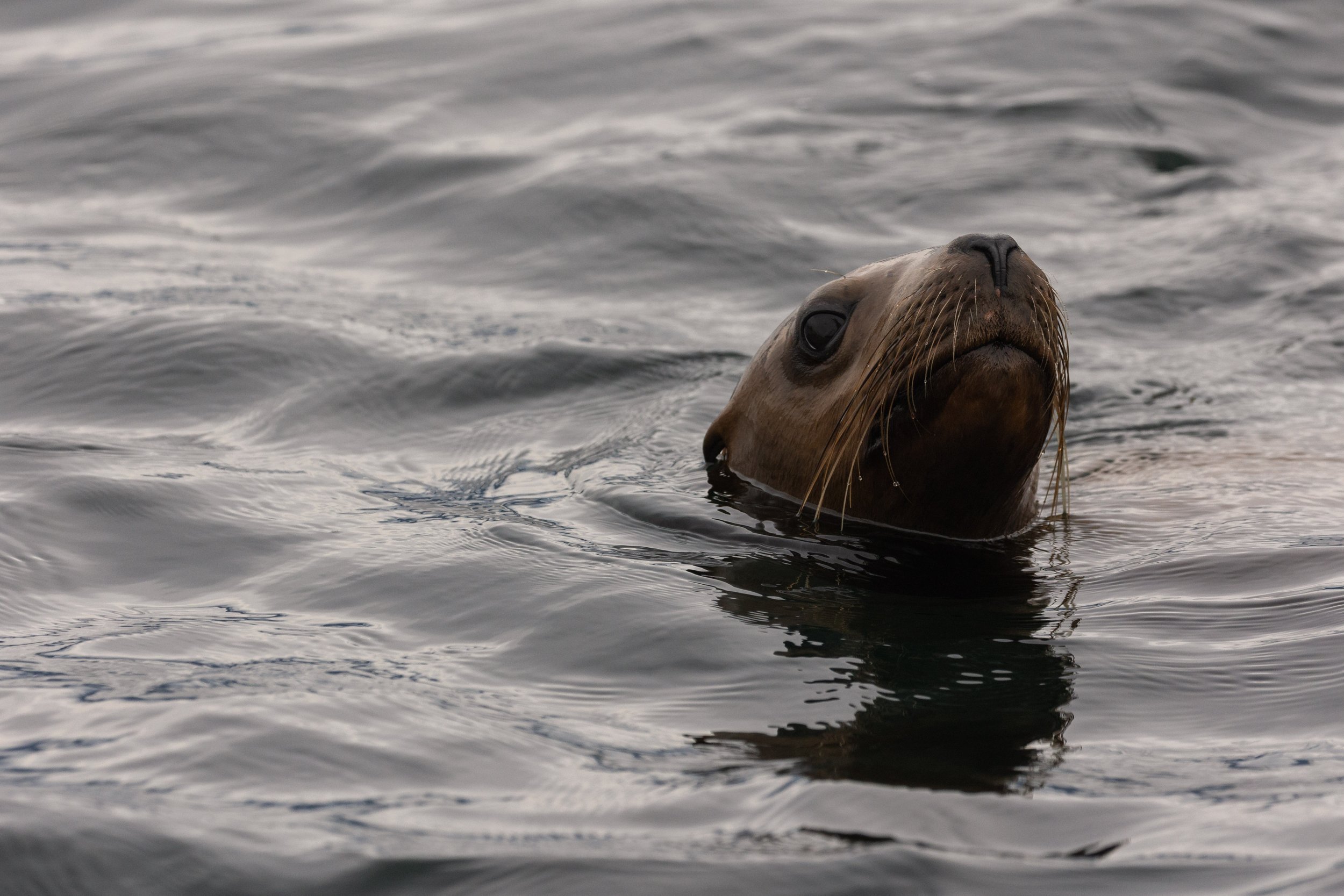
We are being watched back! Photo by Hayleigh Hilbert.
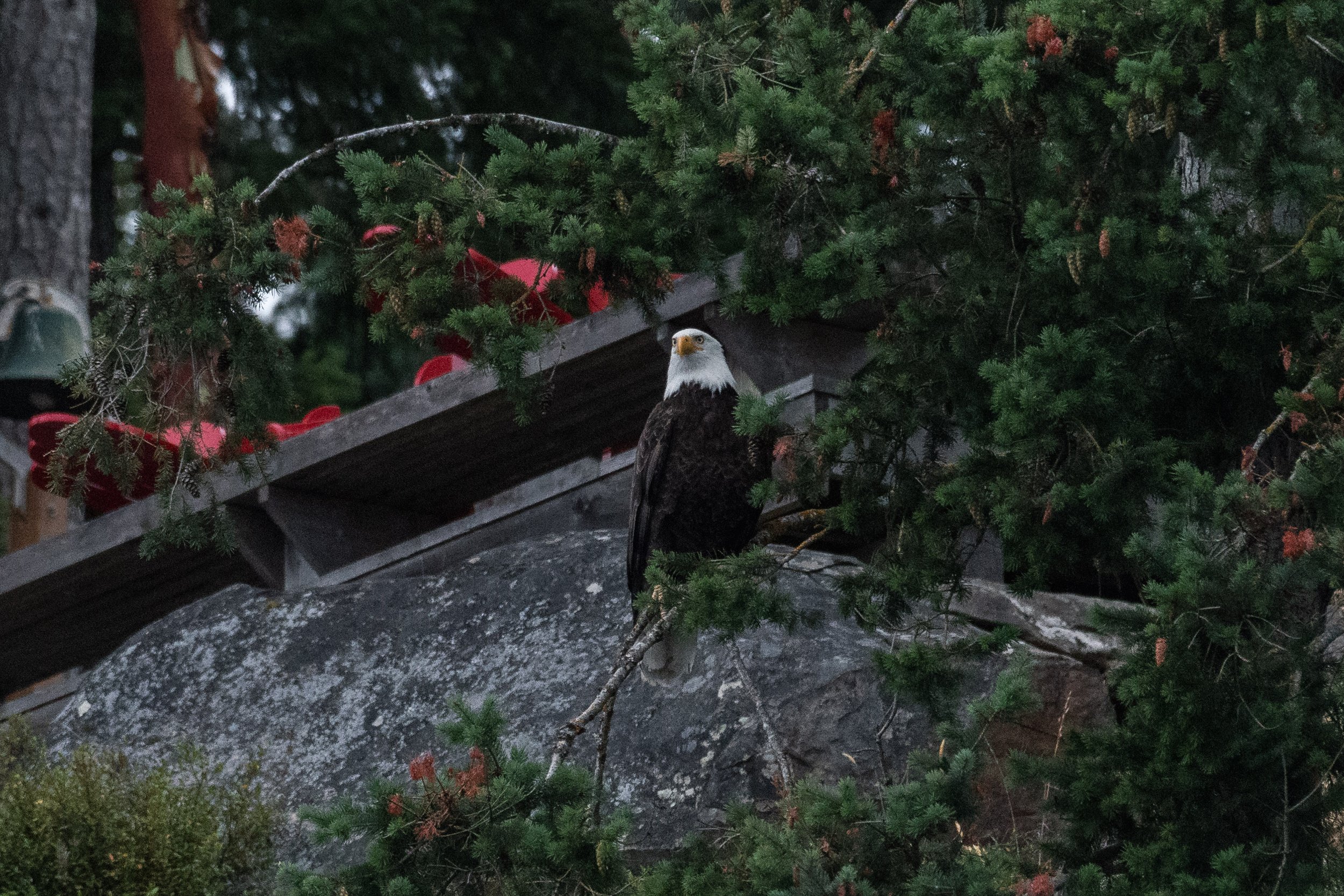
A Bald Eagle perched on the branches. Photo by Evan Hessels.
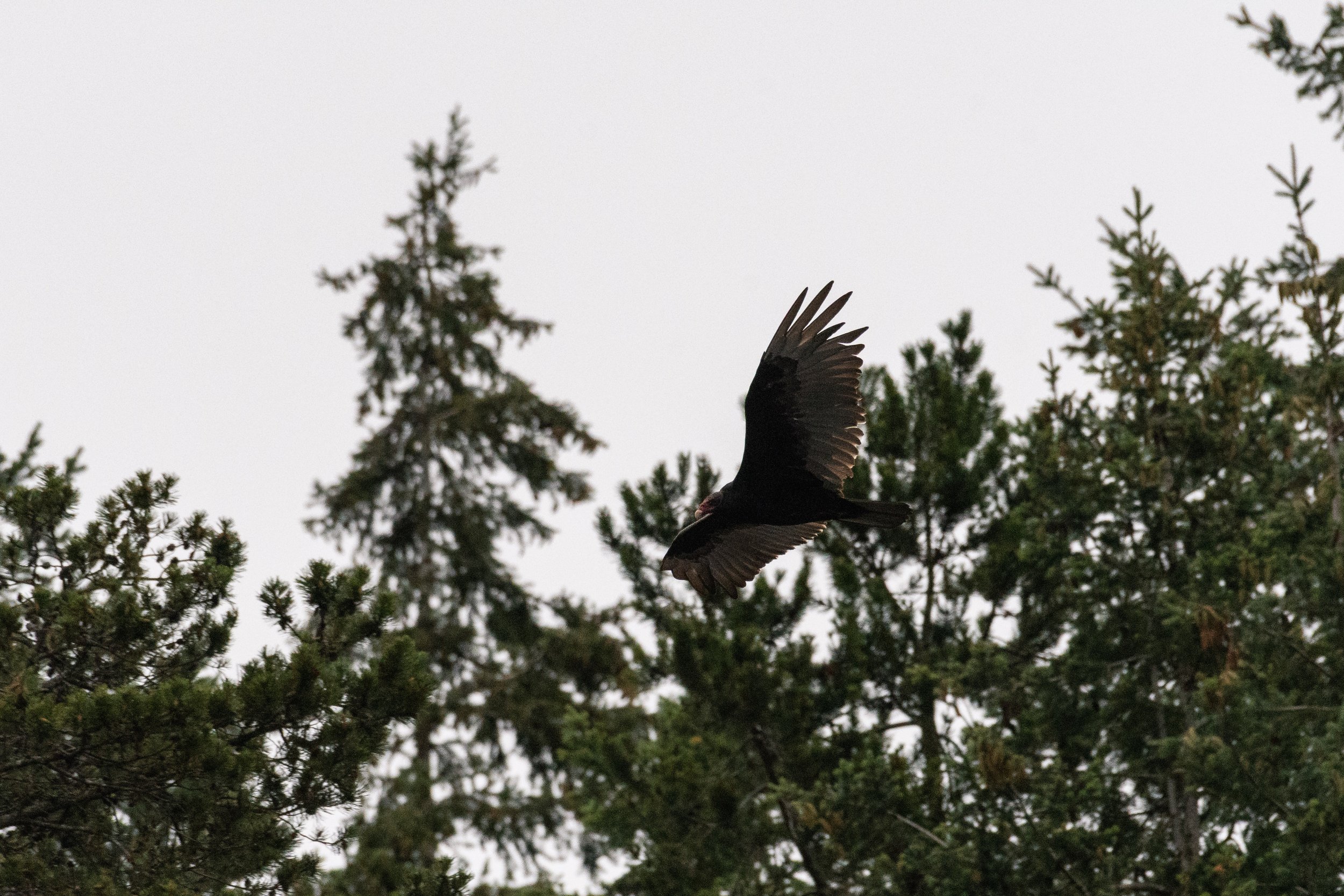
A turkey vulture soars overhead. Photo by Evan Hessels.
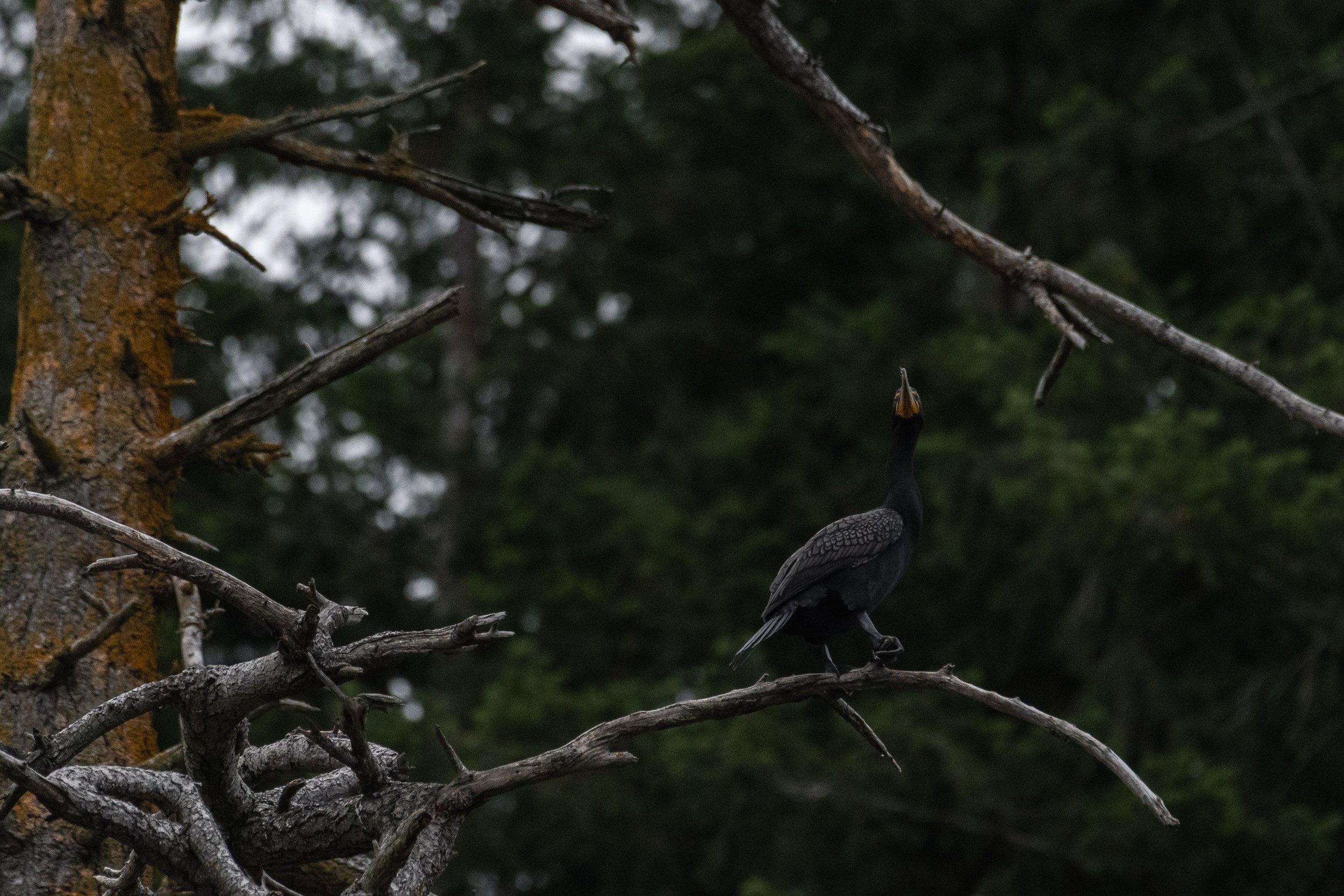
A cormorant perched at the Bluffs. Photo by Evan Hessels.
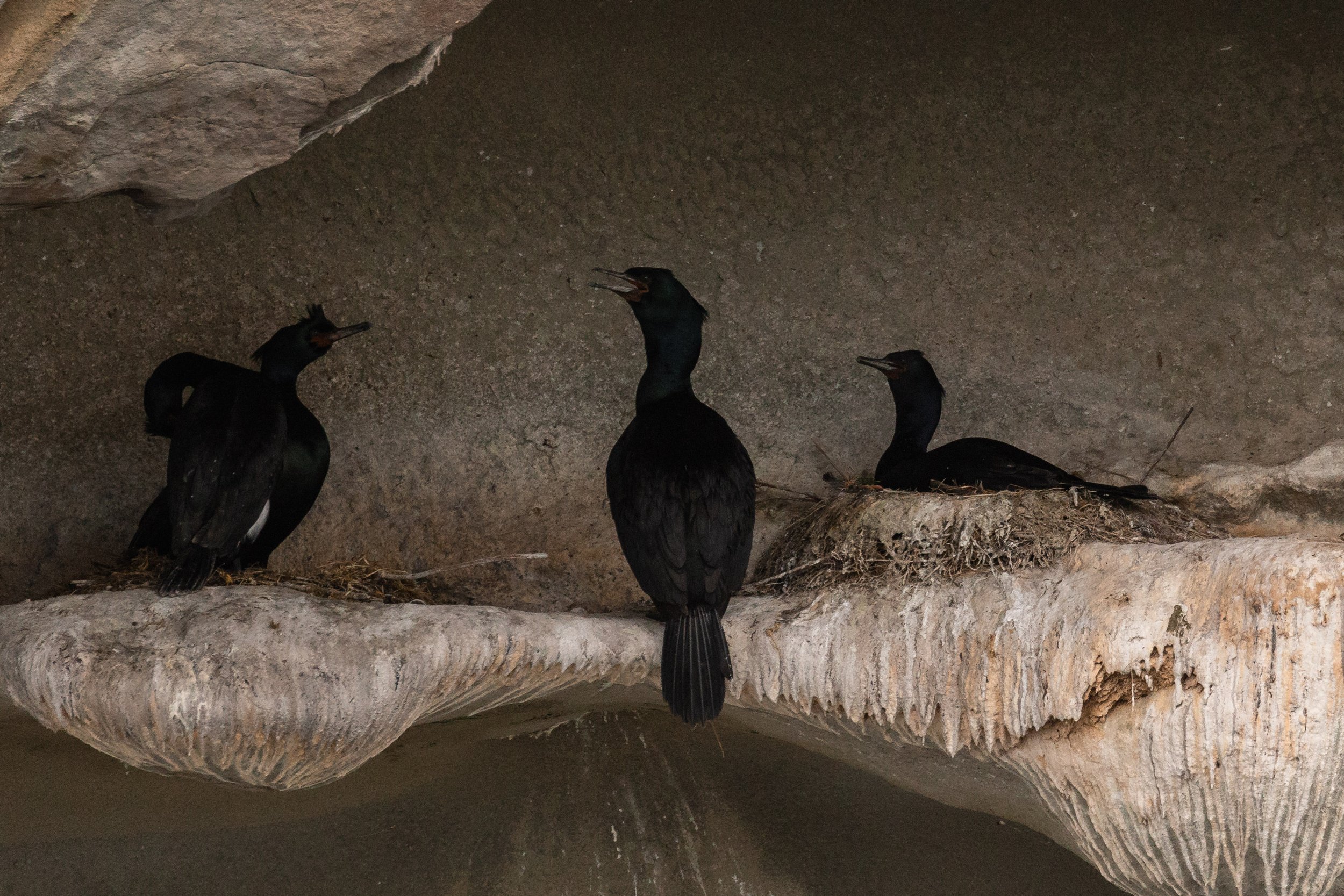
Cormorants in their nests. Photo by Hayleigh Hilbert.
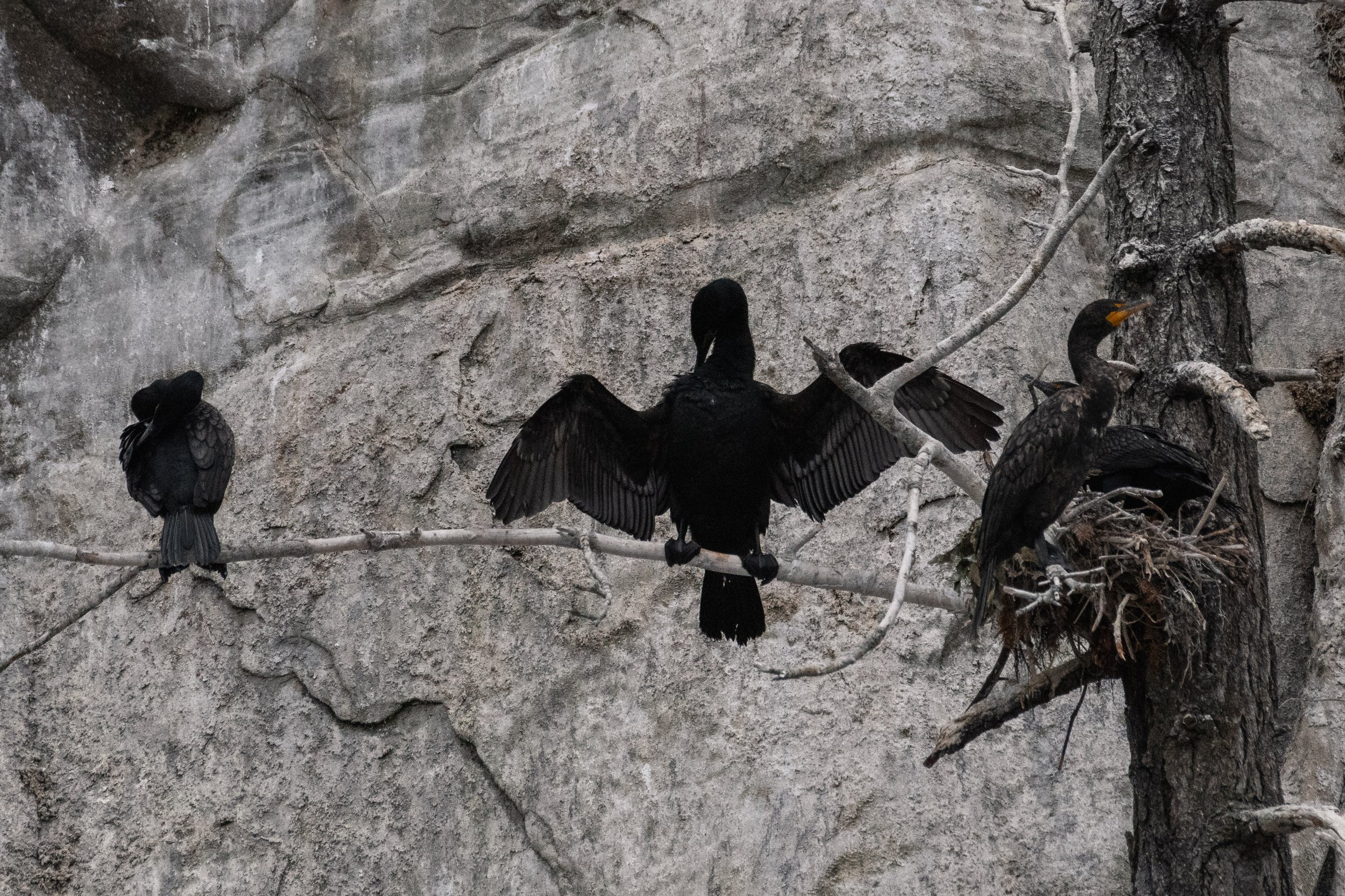
This cormorant is spreading their wings to dry after a dive. Photo by Evan Hessels.
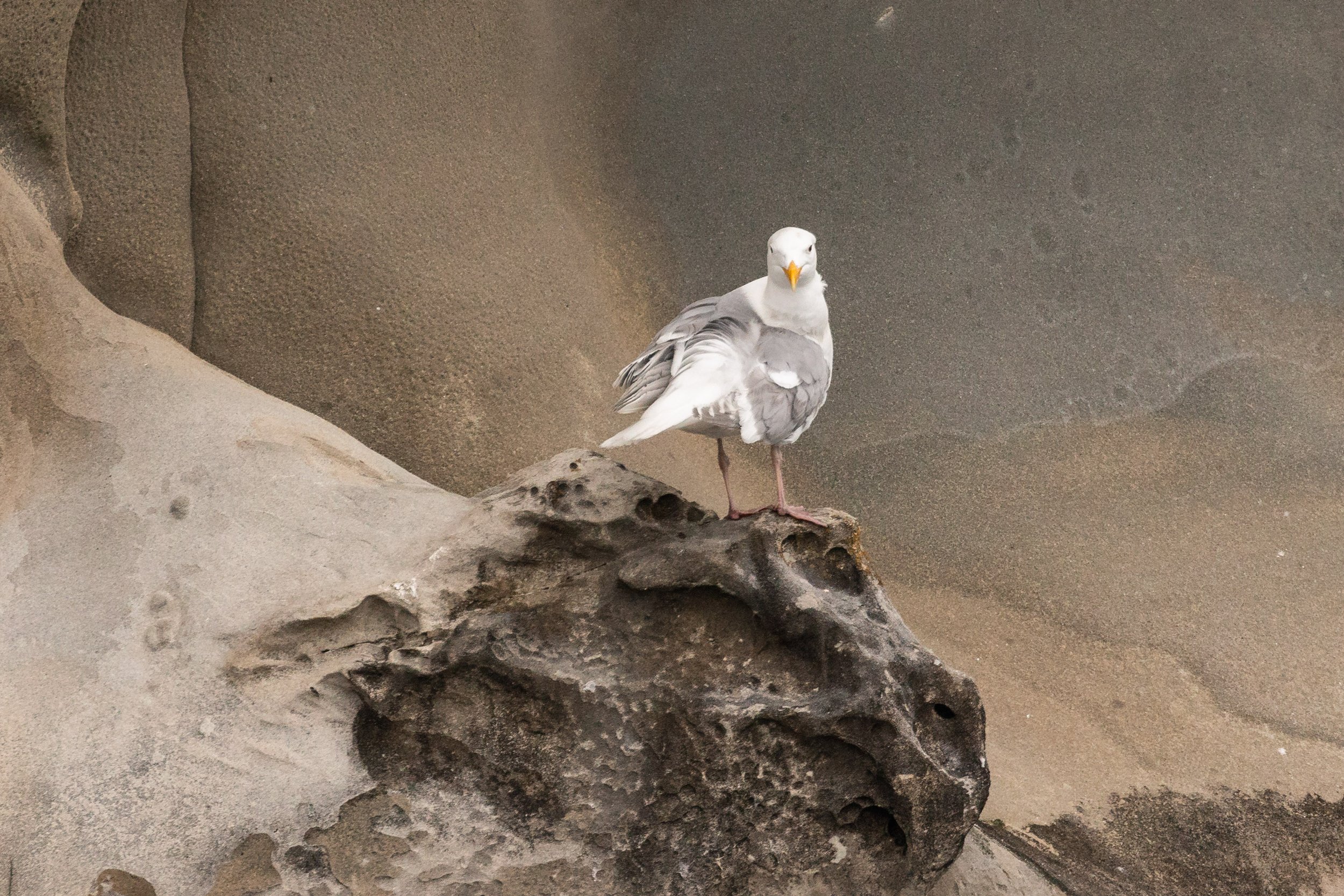
A gull on the unique rocks at the Gabriola Bluffs. Photo by Hayleigh Hilbert.