
July 3, 2026, 10:30 AM - Humpbacks across the Strait plus seeing T049A1 Noah
When wildlife is as abundant as it was today, sometimes the hardest decision is deciding which direction to go. With three vessels departing Nanaimo, each took a slightly different route into the Strait of Georgia, spreading out to cover more water and maximize our chances of finding wildlife. It turned out to be one of those unforgettable days where humpback whales seemed to be around every corner.
The Strait of Georgia is an incredible place to search for whales during the summer months. Rich tidal currents bring nutrients to the surface, creating ideal feeding conditions for baitfish such as herring and anchovy as well as schools of krill. Wherever the food gathers, humpback whales are often close behind, and today they certainly kept our crews busy.
Our semi-covered vessel, Kula, headed north into the Strait and was soon rewarded with a familiar pair of humpback whales: Dolphin (BCY1468) and Yakima (BCX2182). The two whales were actively feeding when they were first encountered, surfacing steadily as they worked through schools of food beneath the surface.
After a while, however, their behaviour shifted. Rather than continuing on their way, the pair became curious about Kula. They slowly approached the vessel, rolling just beneath the surface and surrounding themselves with streams of bubbles. Curious humpbacks will sometimes investigate boats in this way, and while the whales always choose the interaction, these encounters provide a remarkable opportunity to appreciate just how large and graceful they truly are. To the delight of everyone on board, they lifted their massive tails and long white pectoral fins into the air before eventually returning to their own business.
Meanwhile, aboard our open boat Keta, another spectacular humpback encounter was unfolding north of Gabriola Island. Here, three whales—Niagara (BCY0057), Strike (BCX1675), and Split Fluke (BCX1068)—were travelling, feeding, and socializing together. Humpbacks are generally considered solitary animals, but temporary groups often form when food is plentiful. These loose associations can allow several whales to take advantage of the same prey concentration while also interacting socially.
Just before Keta departed, one of the trio, who we believed was Strike, launched into a dramatic breach, throwing her enormous body completely clear of the water before crashing back into the sea. Even after thousands of sightings, moments like these never lose their ability to amaze both guests and crew alike.
Farther south, Cascadia found themselves in the middle of an incredible gathering of humpback whales. Four whales had initially been travelling in the same area before separating into two pairs.
The first pair consisted of Beak (BCX1606) and Barge Boy (BCX2514), who travelled together steadily before eventually splitting up. Nearby, Helen (BCX2494) and Forge (BCX2499) appeared to be resting quietly at first, conserving energy between feeding bouts. Then, without warning, the calm gave way to an incredible display as the pair erupted into synchronized double breaches. Seeing a single humpback breach is exciting enough, but watching two whales launch themselves from the water almost simultaneously is a truly unforgettable sight. The excitement continued with several chin slaps before the pair settled back into feeding once again.
Not far away, Cascadia encountered yet another pair of humpbacks: Watson/Cerulean (BCY1461) travelling alongside Dalmatian (BCY0994). These two moved steadily through the Strait while feeding, surfacing in unison as they travelled. Just before departing, one of the whales performed a beautiful cartwheel at the surface, throwing its tail into the air as it rolled gracefully through the water.
With humpback encounters complete, all three vessels eventually made their way toward one of our favourite wildlife stops: Stinky Rock.
Despite its less-than-glamorous name, Stinky Rock is an important haul-out site for marine mammals. Large groups of Steller Sea Lions stretched across the rocks while curious harbour seals watched from nearby. A playful river otter also made an appearance, weaving effortlessly through the shoreline before disappearing below the surface.
But the adventure wasn't over yet.
Reports indicated that Bigg's killer whale T049A1 Noah was travelling along the Southern Gulf Islands, and all three vessels were able to spend time watching him as he made his way south.
T0491 Noah ♂ (2001)
Bigg's killer whales, also known as transient killer whales, primarily hunt marine mammals and often travel quietly compared to their fish-eating resident relatives. Noah was making purposeful progress along Valdes Island before continuing toward Porlier Pass. Cascadia watched as it briefly appeared he might enter the pass, only for him to continue his journey along the outside of Galiano Island instead. Kula and Keta also enjoyed excellent views of Noah travelling steadily through the Strait before allowing him to continue uninterrupted.
As the afternoon drew to a close, our boats began making their way home. Kula and Keta returned along the eastern shoreline of Gabriola Island, passing a majestic bald eagle perched high in a shoreline tree on the way. Cascadia opted for the scenic inside route through Porlier Pass, Trincomali Channel, Stuart Channel, and finally the ever-impressive Dodd Narrows. Even after a day filled with whales, wildlife continued to surprise us as a family of Canada geese paddled peacefully through the calm waters just south of Dodd.
Today was one of those days that perfectly showcased the incredible diversity of the Salish Sea. Across three vessels, we encountered eleven individual humpback whales displaying everything from feeding and socializing to breaching and curious interactions, alongside a Bigg's killer whale, Steller Sea Lions, Harbour Seals, River Otters, Bald Eagles, and countless seabirds.
Every trip on the water is unique, but days like today remind us just how extraordinary this ecosystem truly is, and why there's always something new waiting beyond the harbour. Please enjoy the photos below, captured throughout the trip by the onboard Marine Naturalists Hayleigh Hilbert, Jordan Robinson, and Evan Hessels.
Yakima and Dolphin
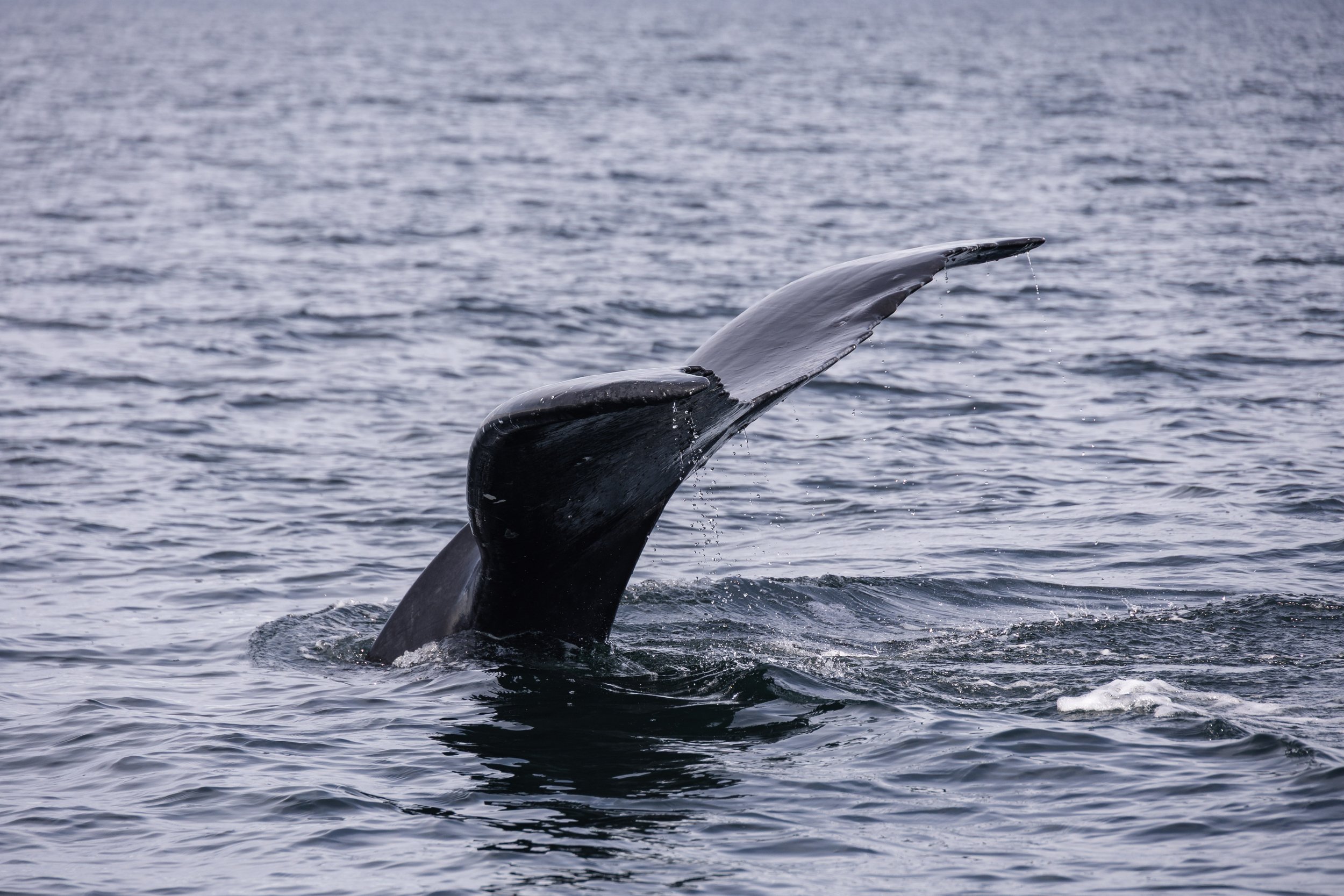
Yakima going for a dive. Photo by Jordan Robinson.
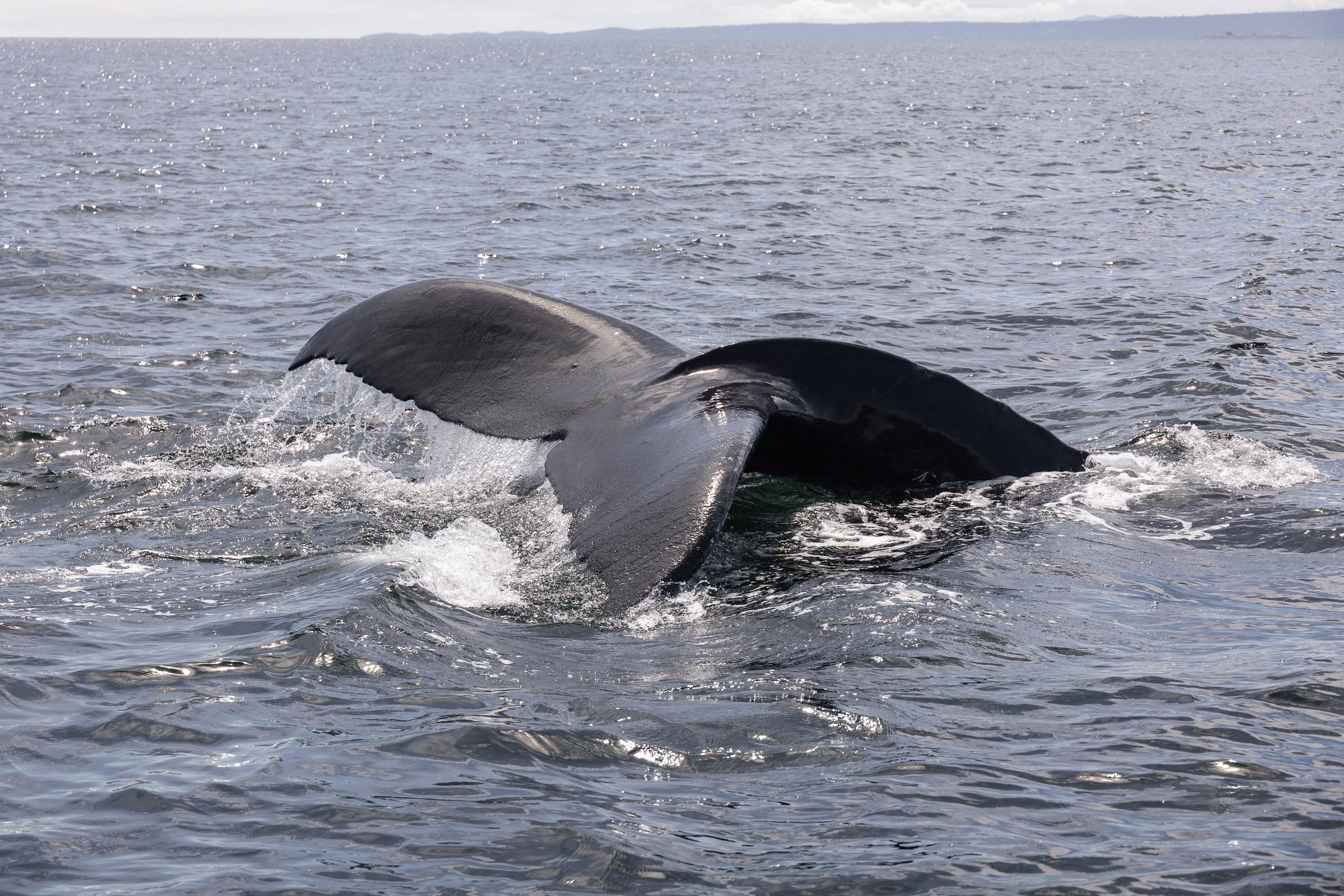
Yakima lifting their tail and giving off a waterfall. Photo by Jordan Robinson.
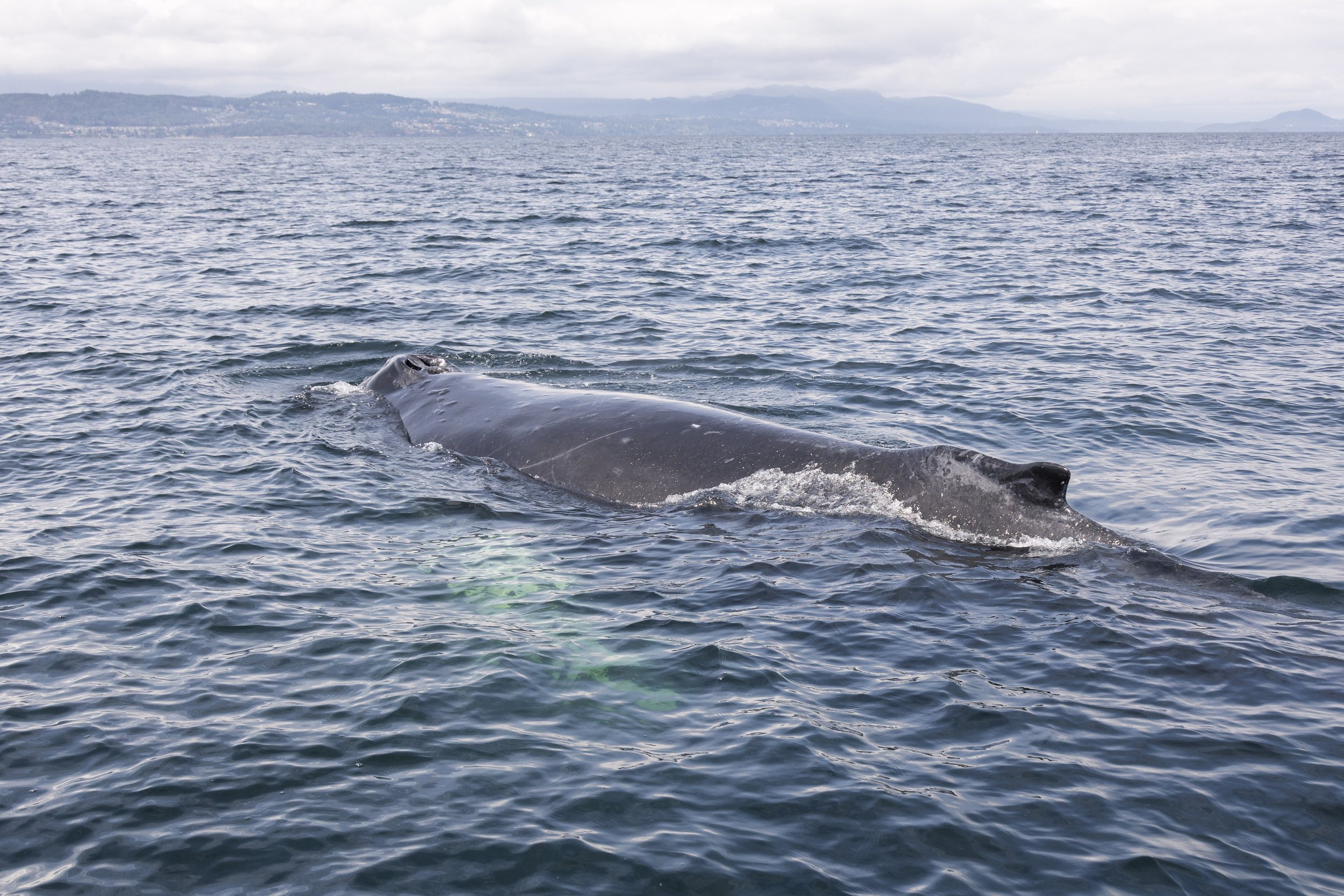
Can you spot Dolphin’;s pectoral fin in the water? Photo by Jordan Robinson.
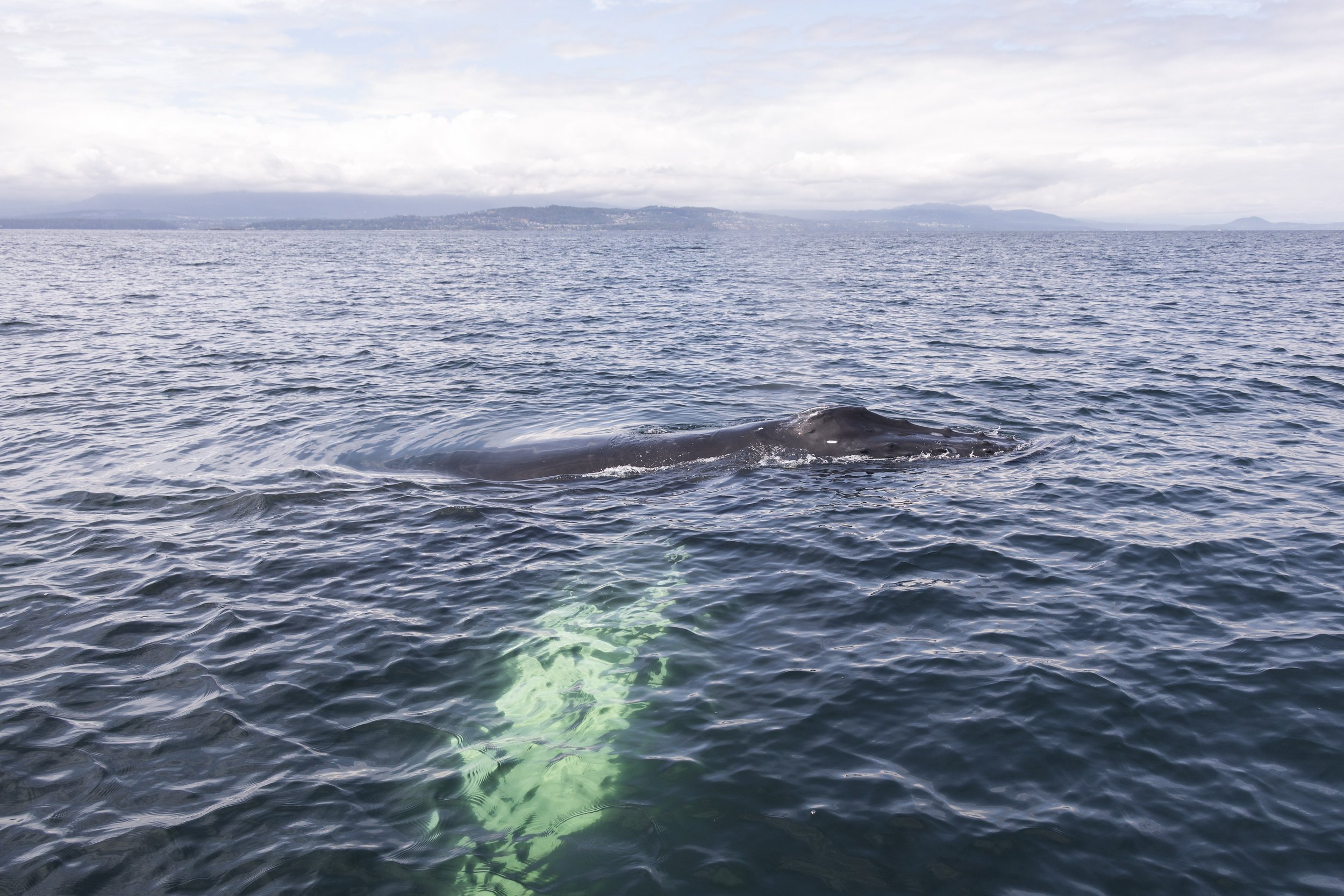
You can see the white pectoral fin really well from this angle. Photo by Jordan Robinson.
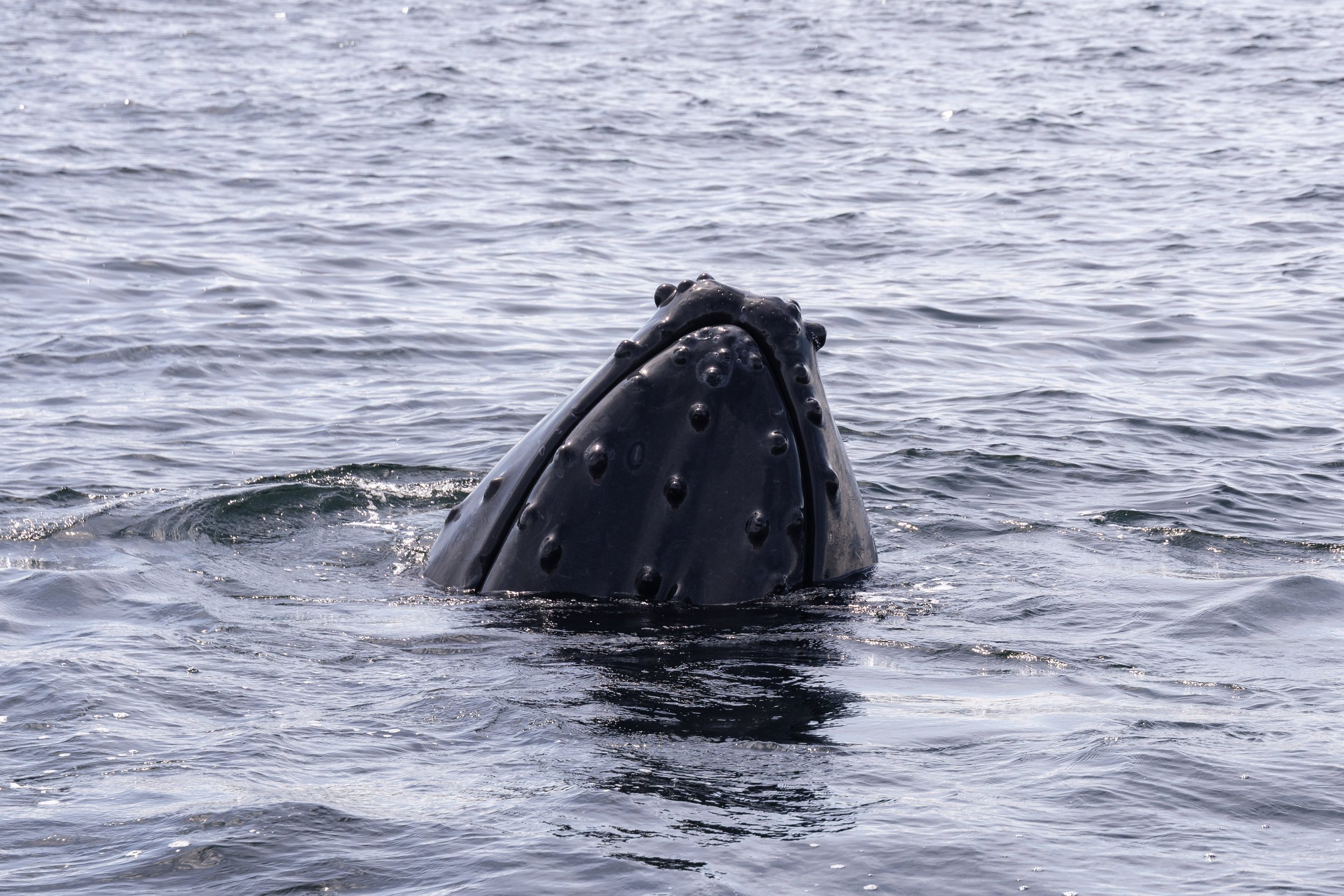
One of the whales with thei rostrum in the air. Photo by Jordan Robinson.
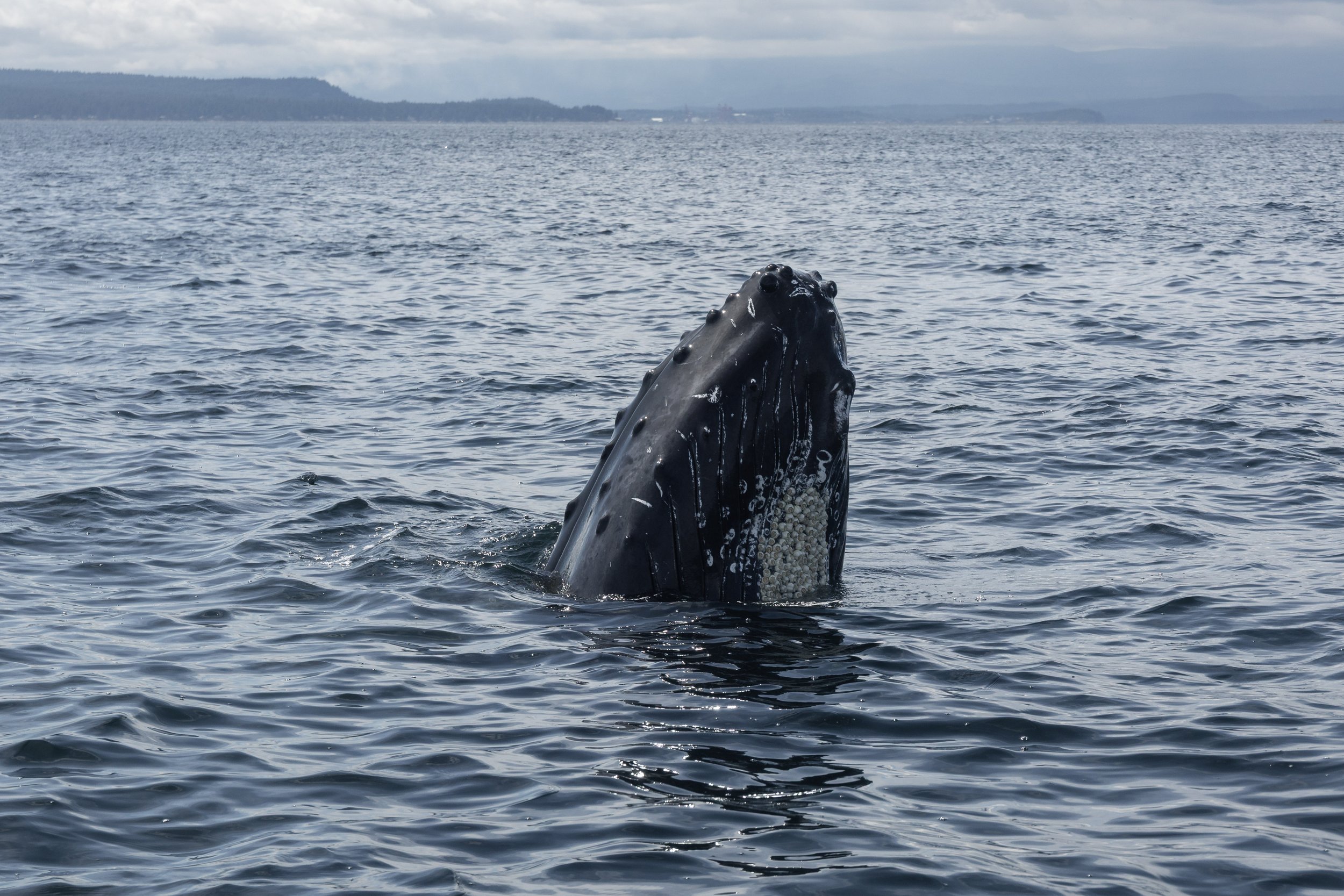
Can you see all the barnacles on this humpback’s chin? Photo by Jordan Robinson.
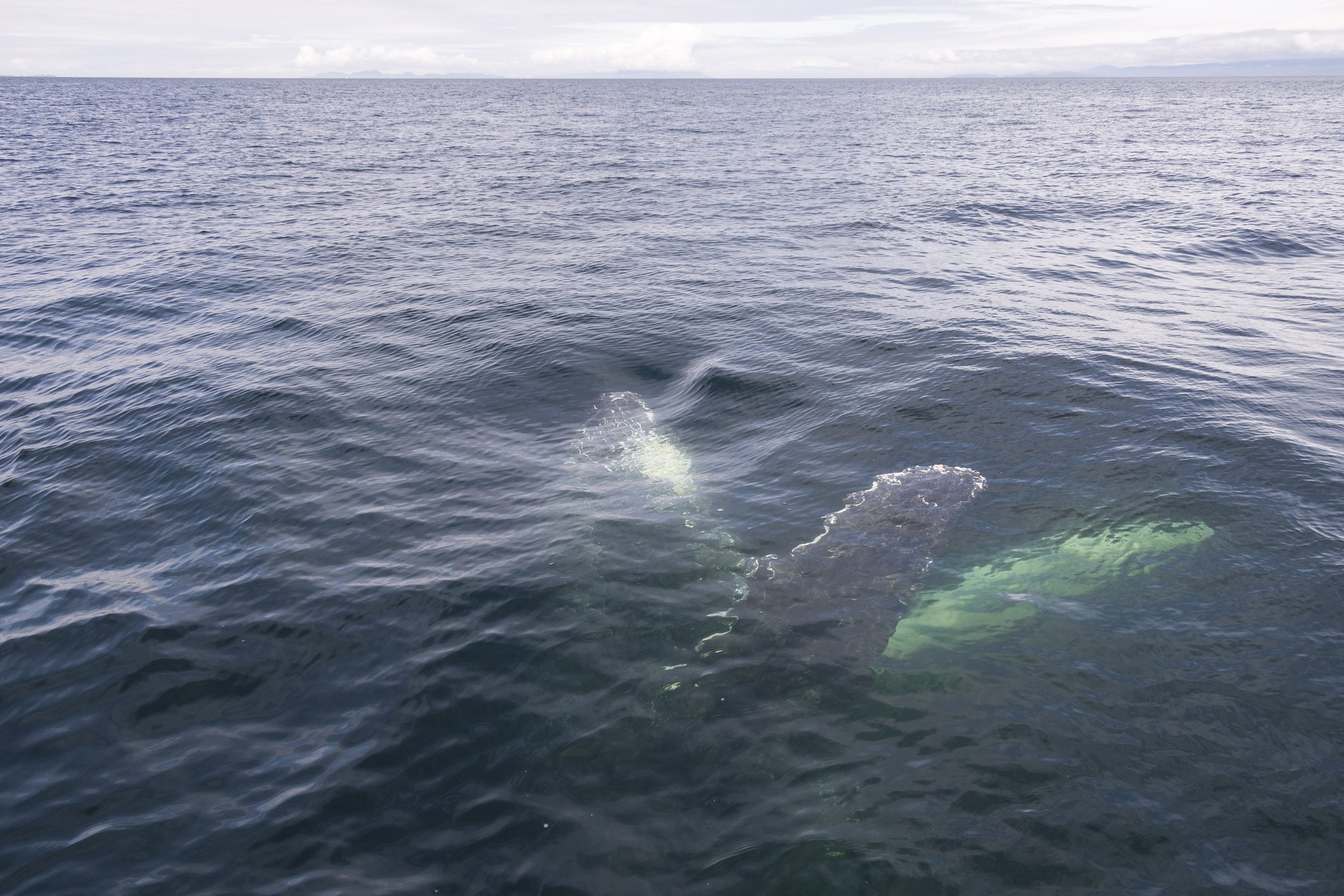
You could see the whale through the clear water. Photo by Jordan Robinson.
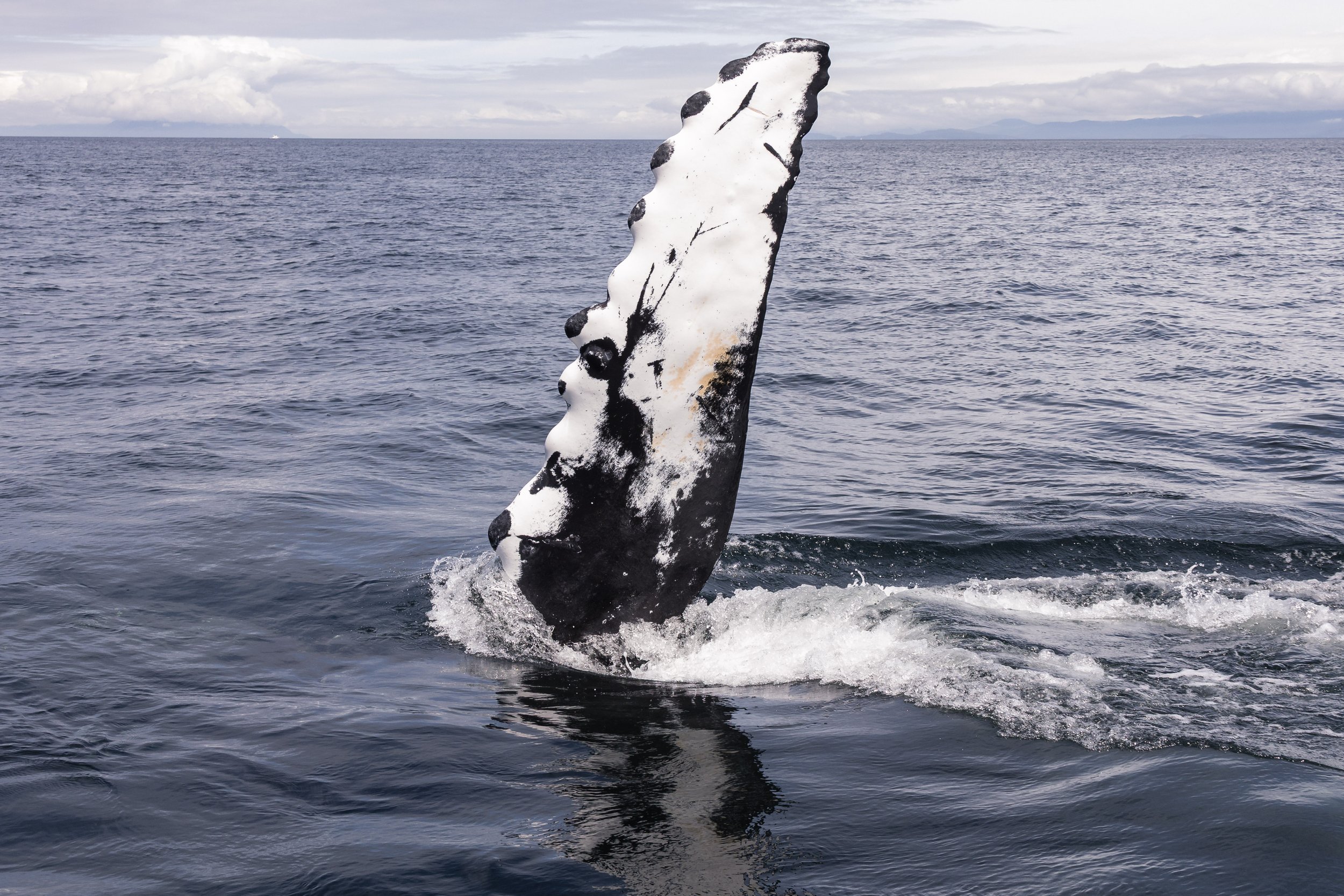
A lovely pectoral fin in the air. Photo by Jordan Robinson.
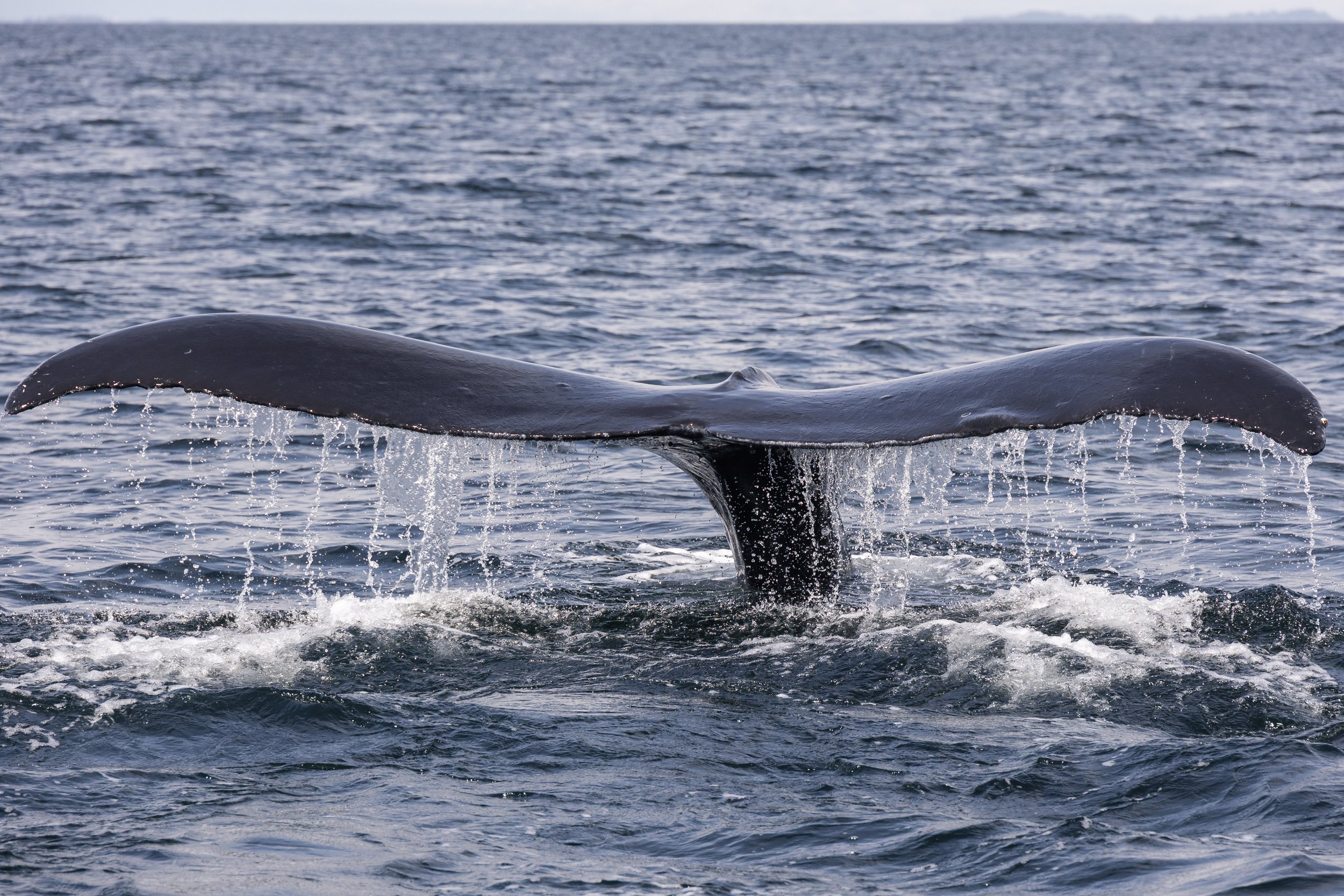
Yakima going for a dive. Photo by Jordan Robinson.
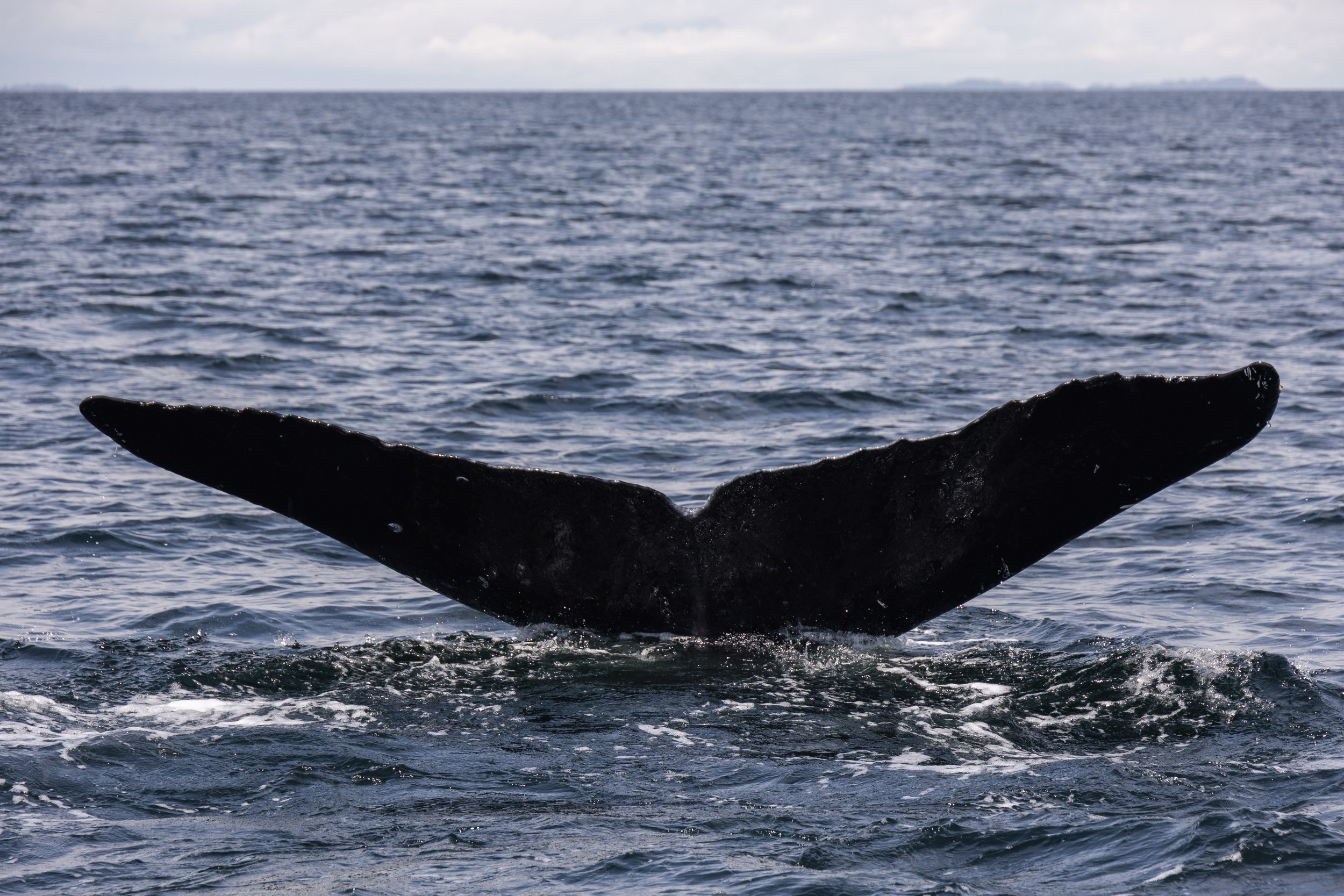
The unedrside of Yakima’s tail. Photo by Jordan Robinson.
Niagara, Split Fluke, and Strike
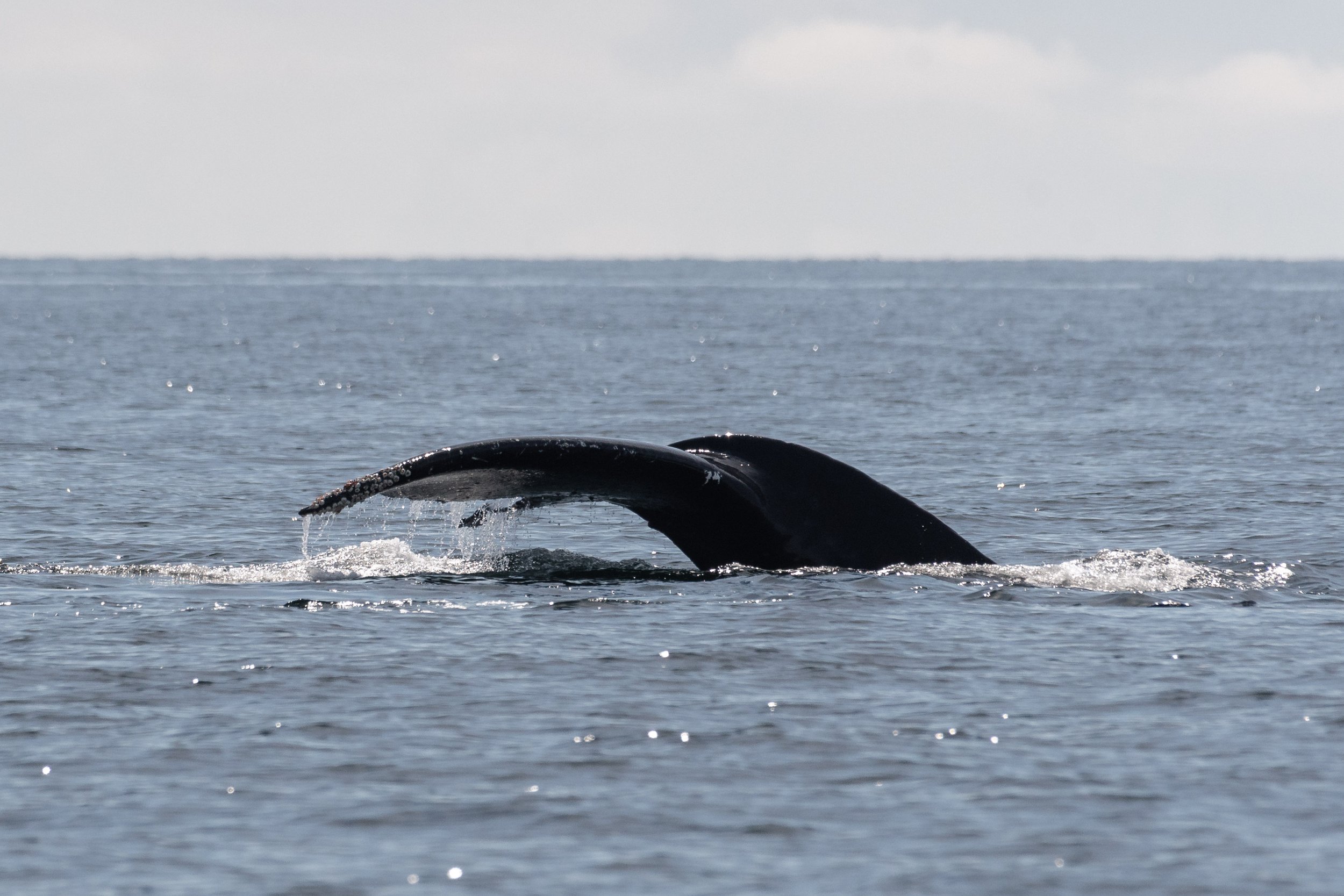
Niagara going for a dive. Photo by Evan Hessels.
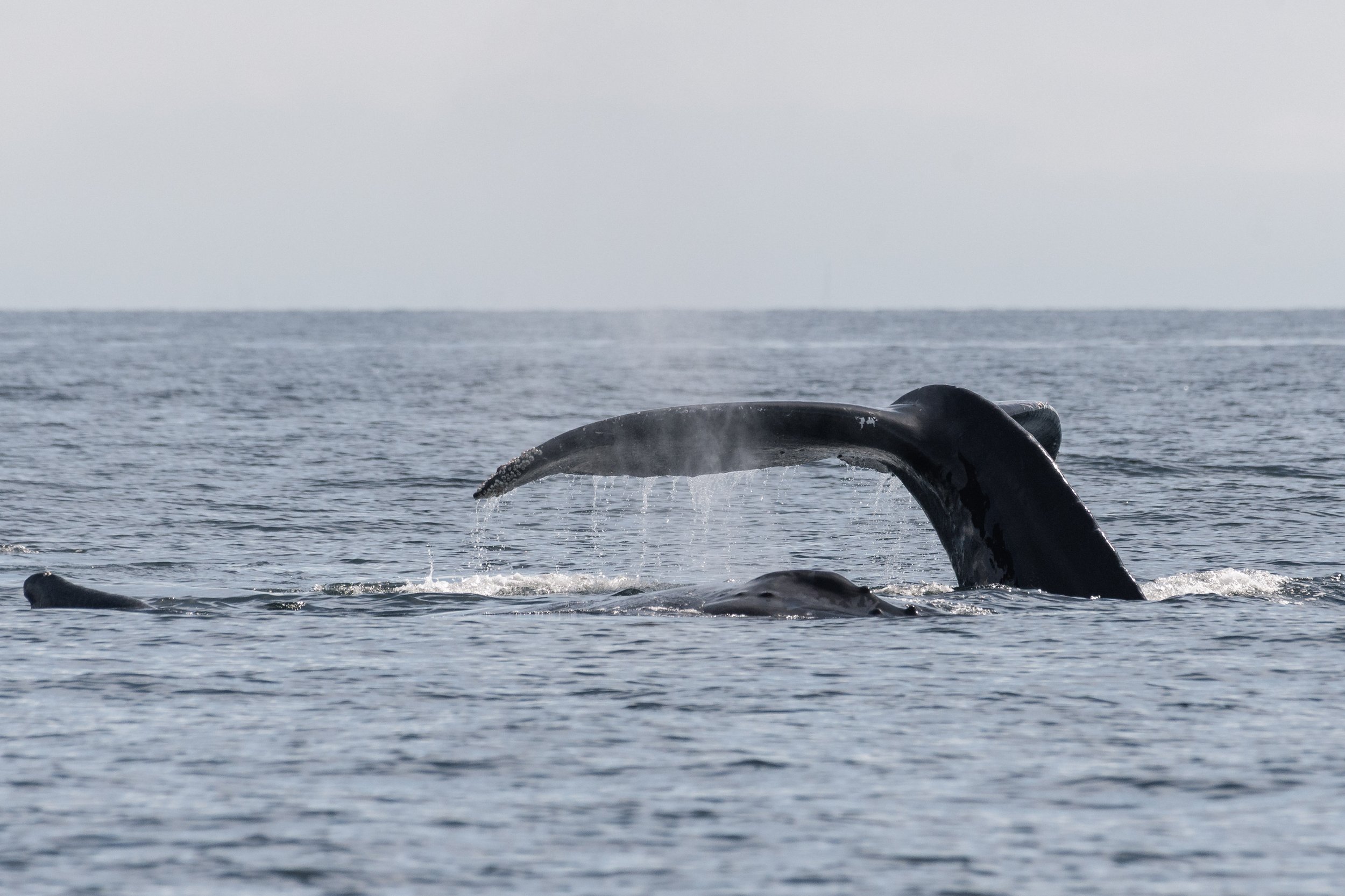
Strike surfacing on the left with Niagara diving beside her. Photo by Evan Hessels.
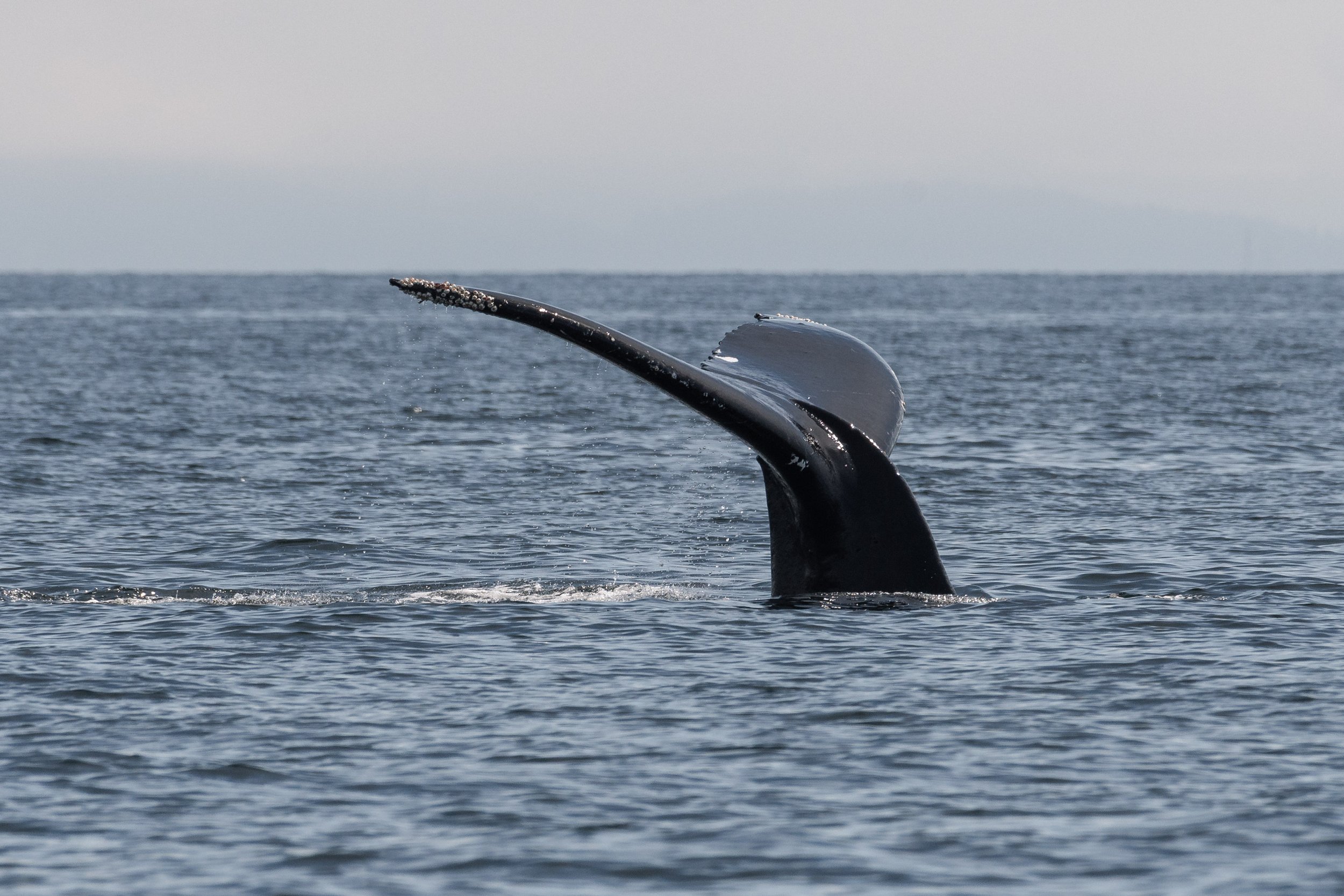
Niagara lifting his tail to dive. Photo by Evan Hessels.
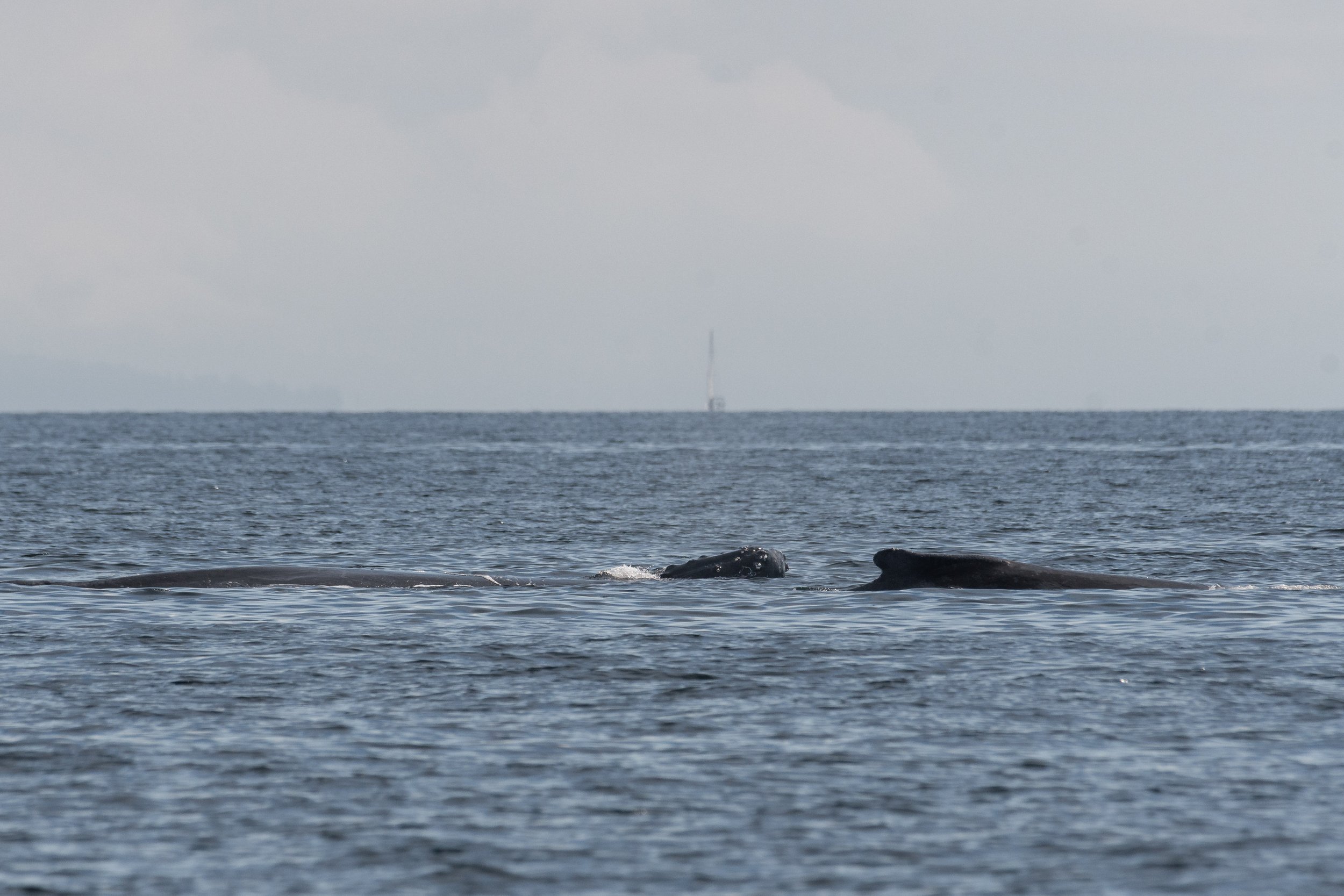
Socalizing happening at the surface. Photo by Evan Hessels.
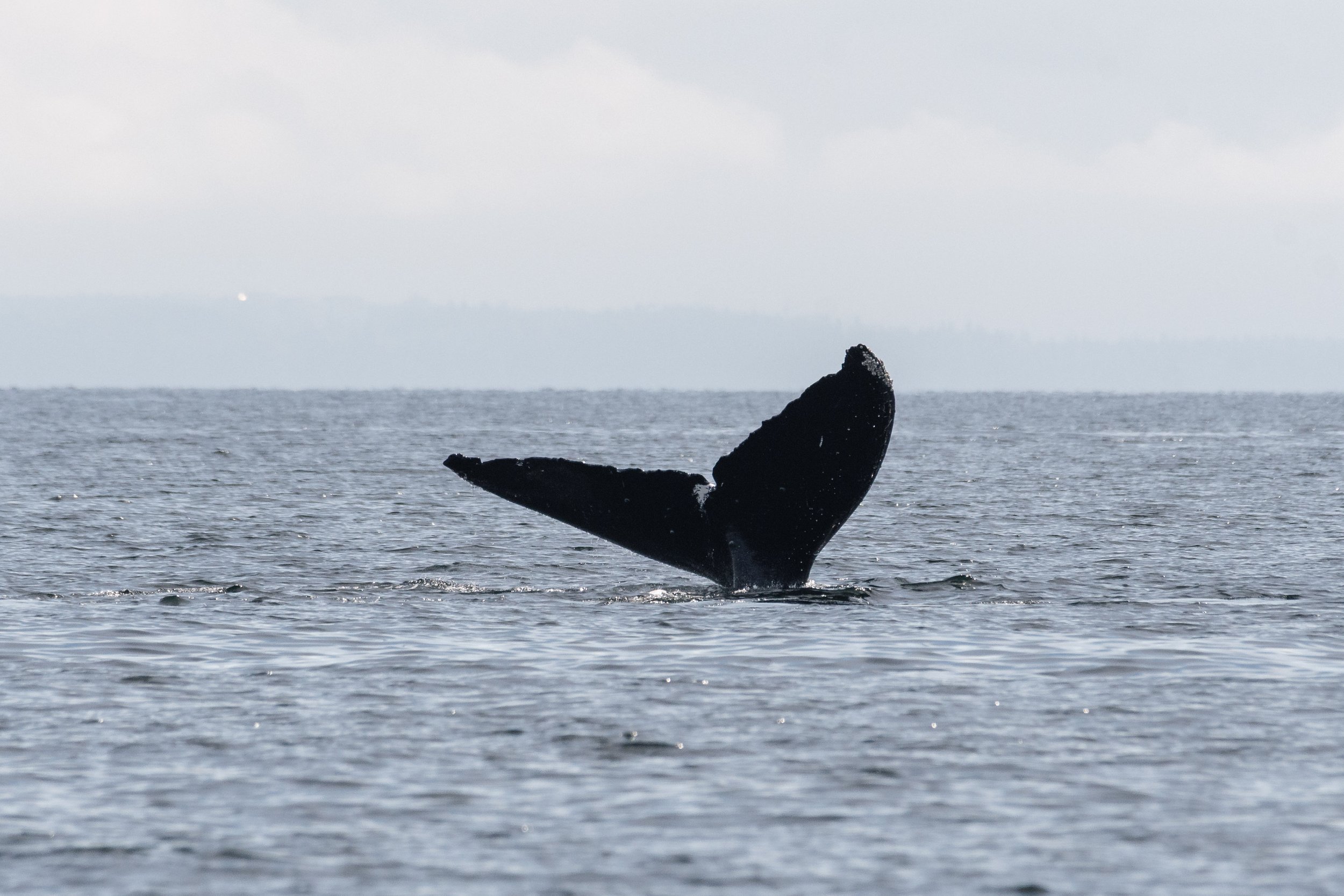
The underside of Niagara’s tail. can you spot the white waterfall mark he is named for? Photo by Evan Hessels.
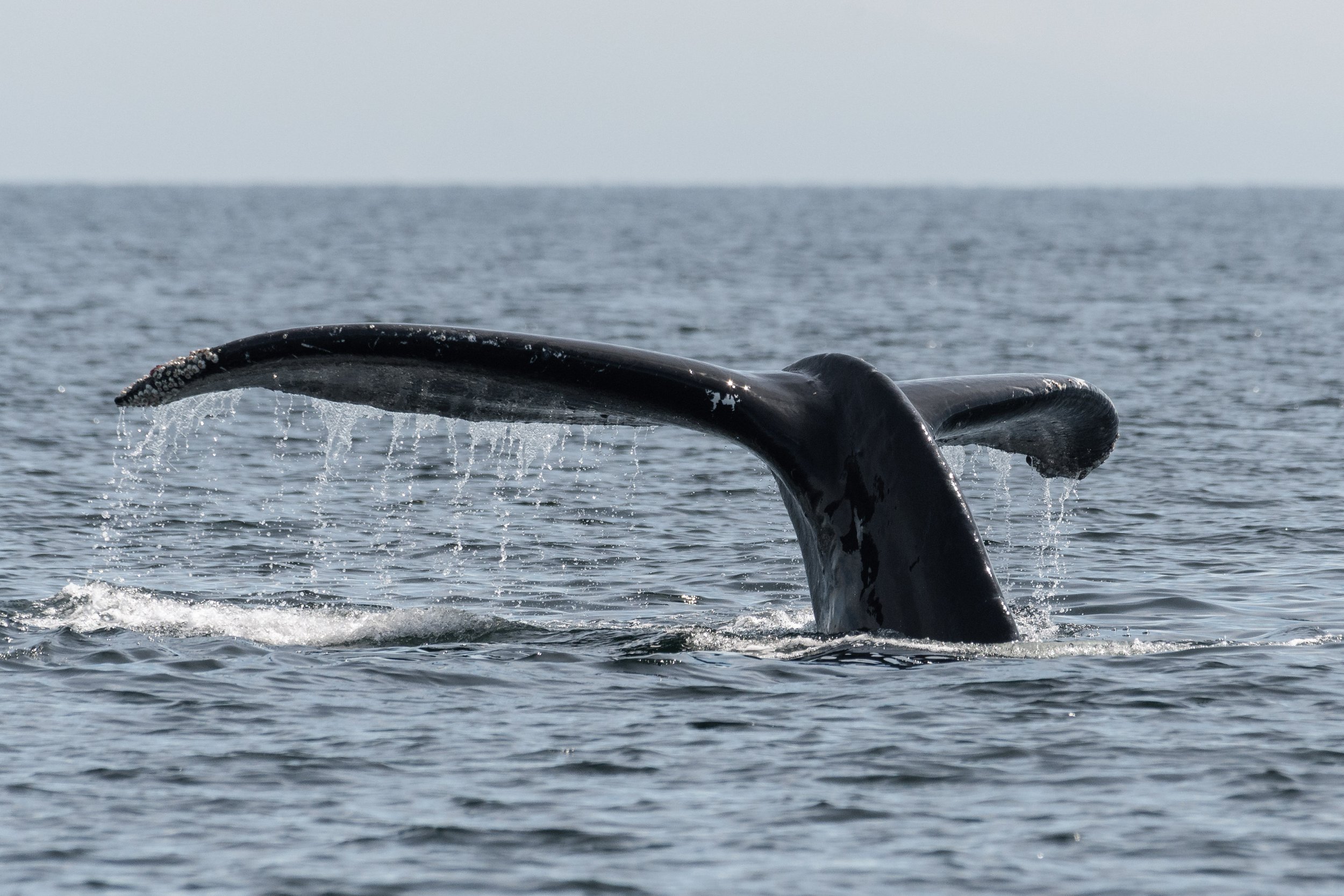
Niagara going for a dive. Photo by Evan Hessels.
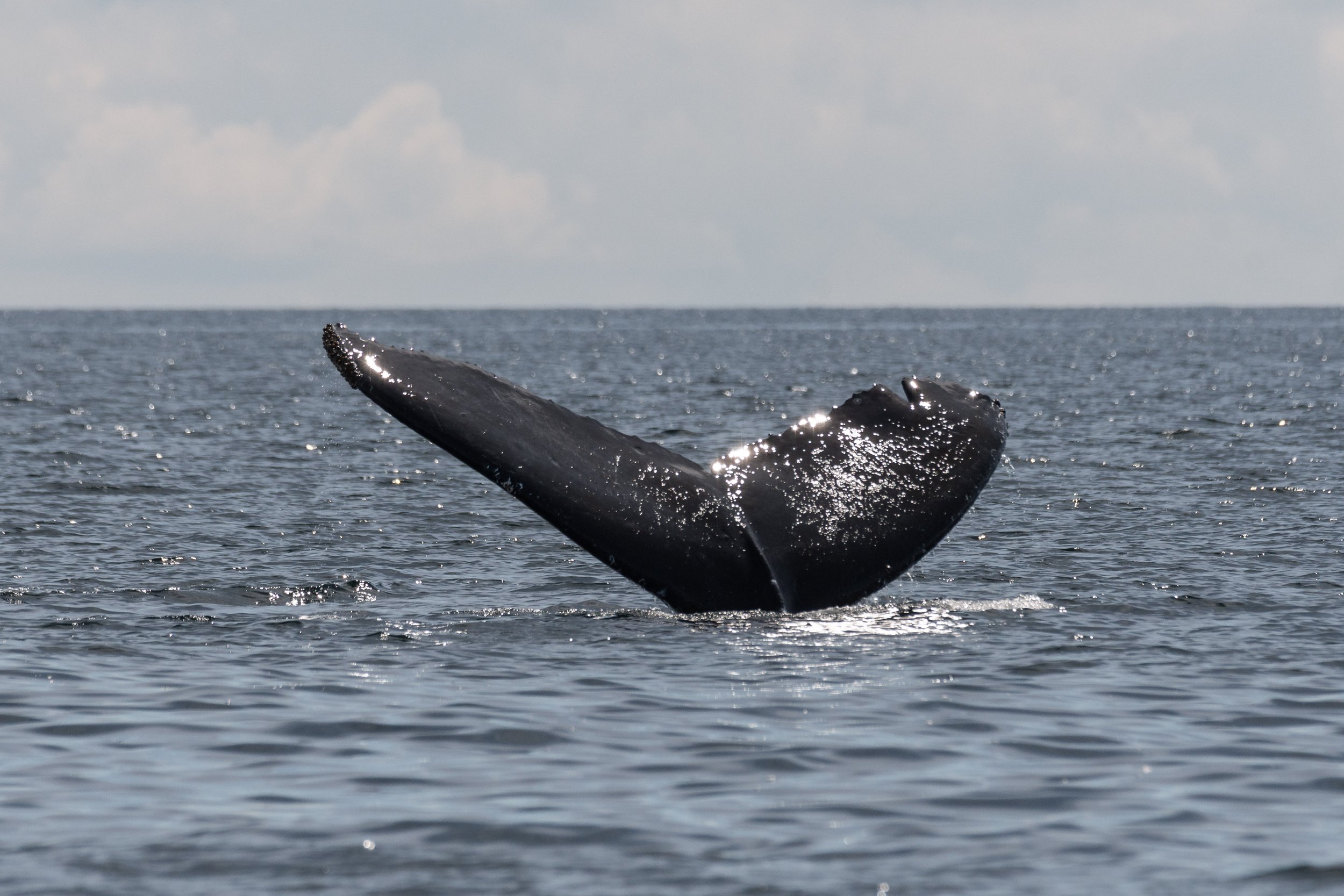
The top of Split Fluke’s tail as she dives. Photo by Evan Hessels.
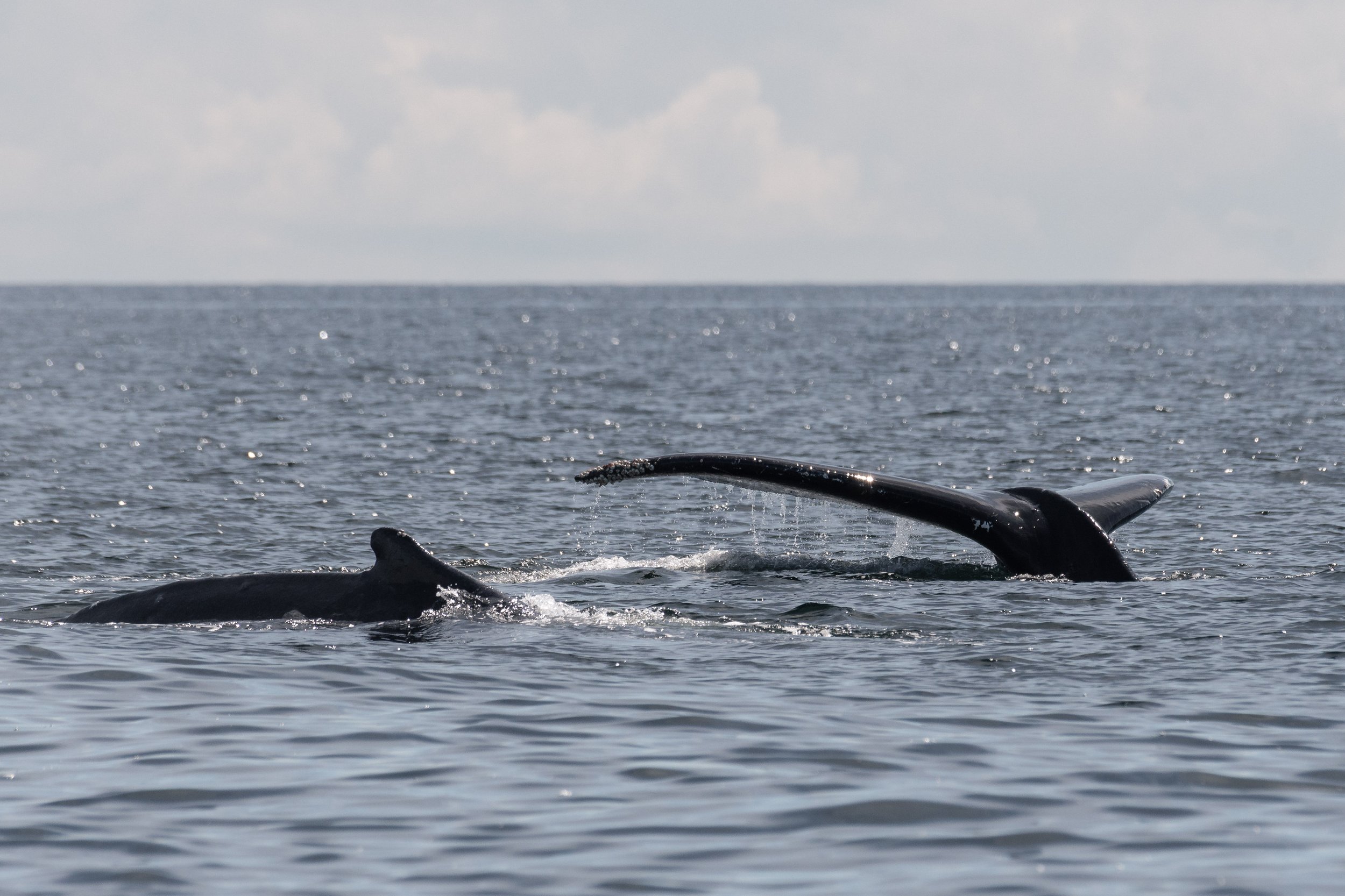
Niagara diving with Strike’s dorsal fin beside him. Photo by Evan Hessels.
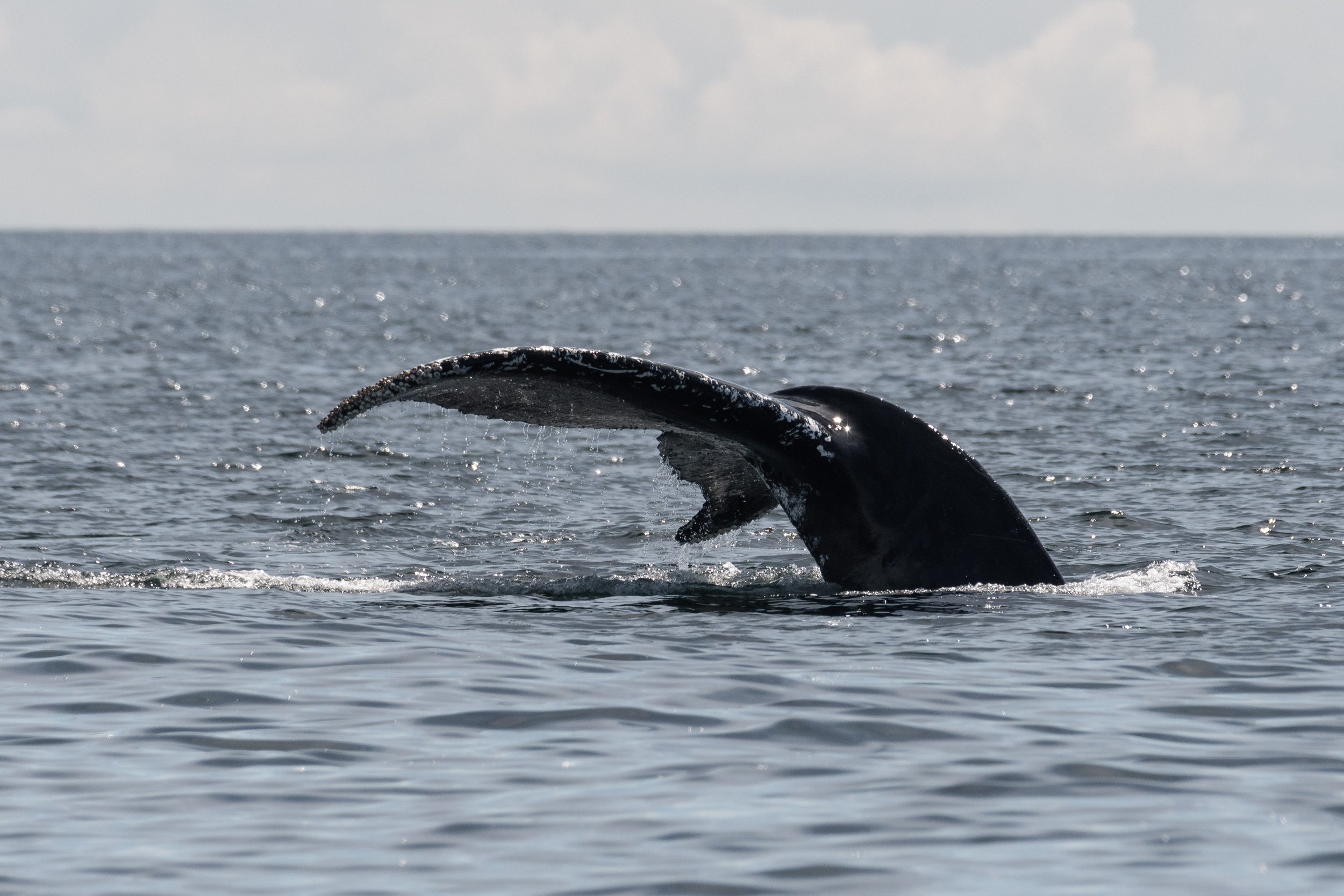
Strike going for a dive. Photo by Evan Hessels.
Beak and Barge Boy
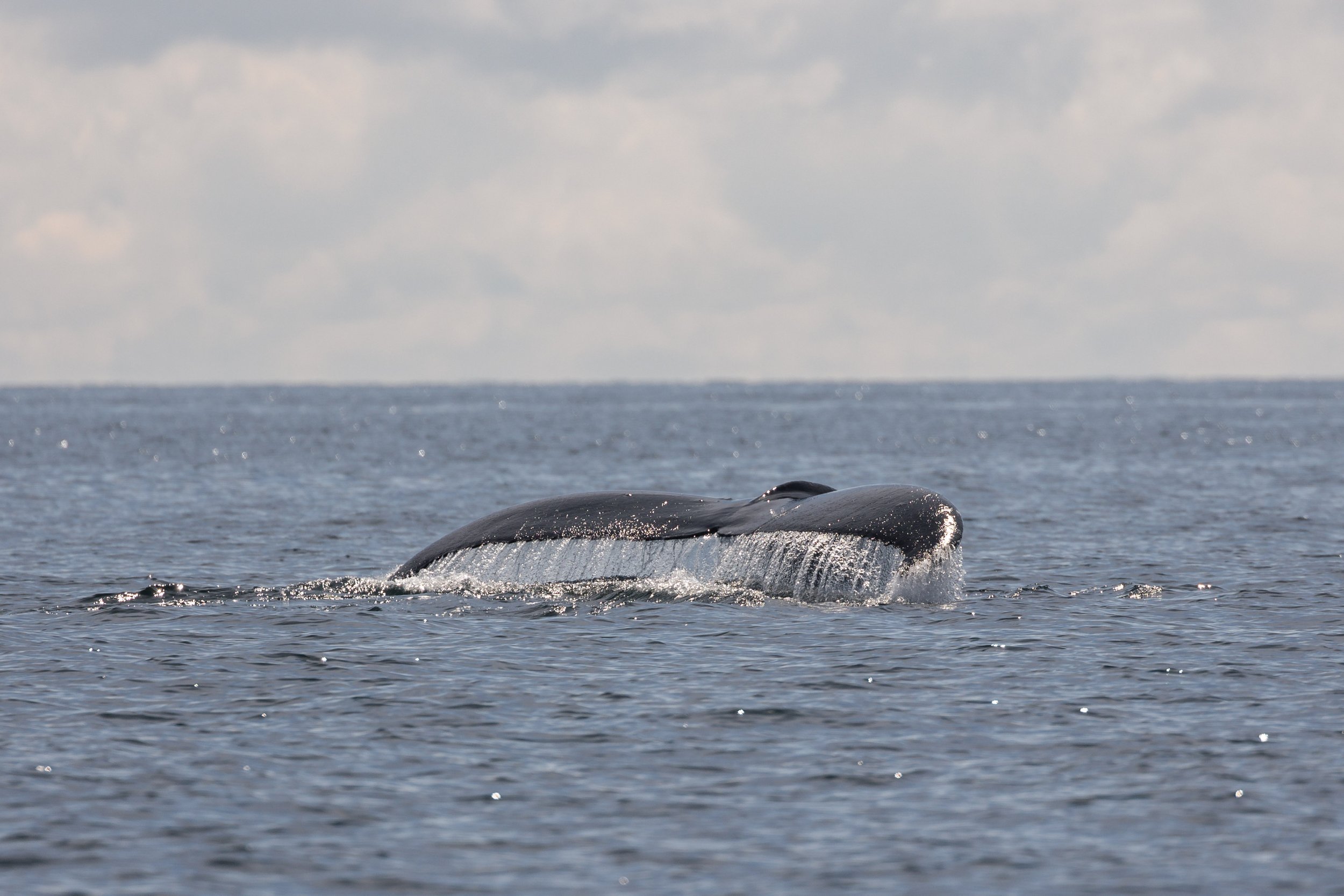
Barge Boy making a fluke waterfall as they dive. Photo by Hayleigh Hilbert.
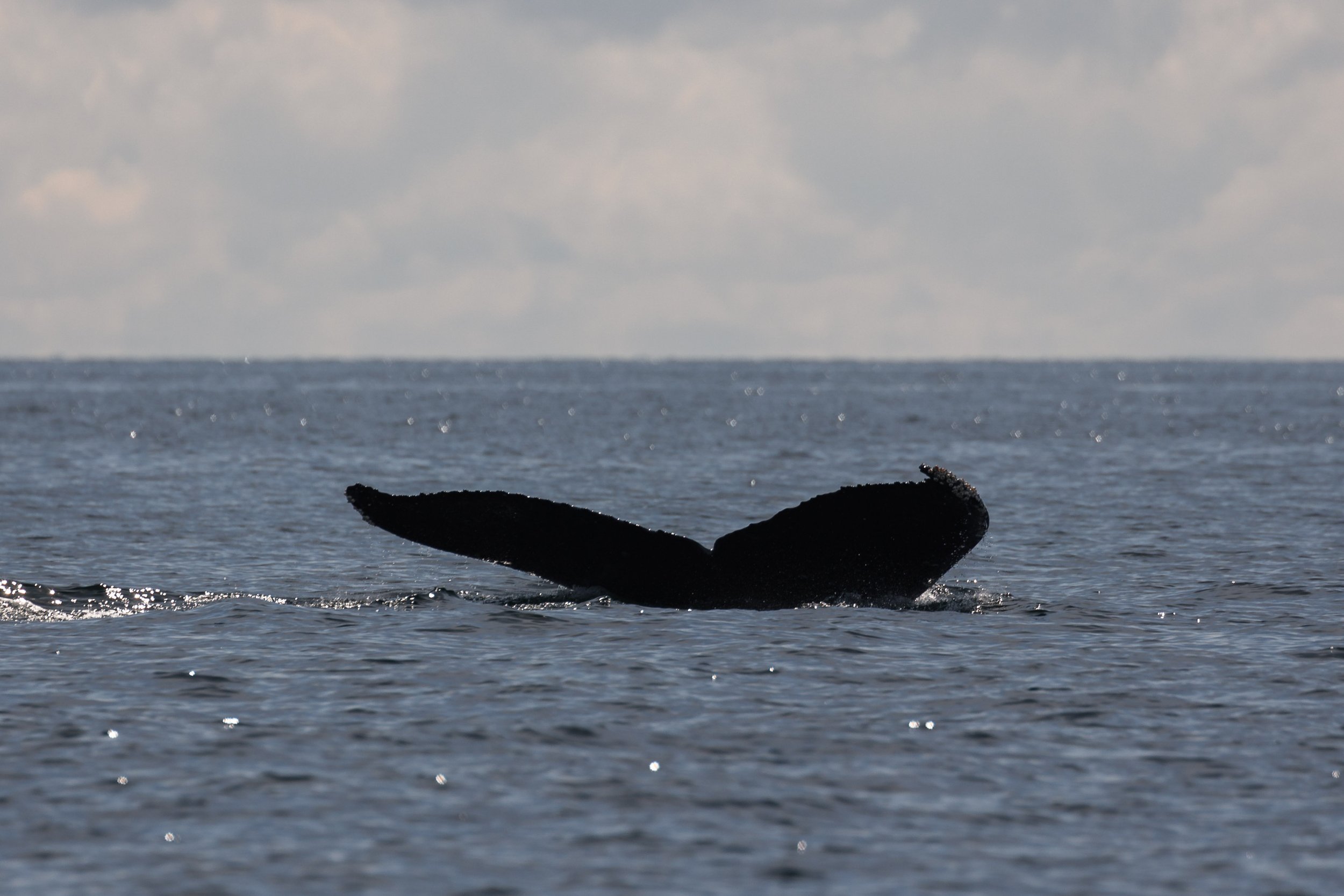
The underside of Barge Boy’s tail. Photo by Hayleigh Hilbert.
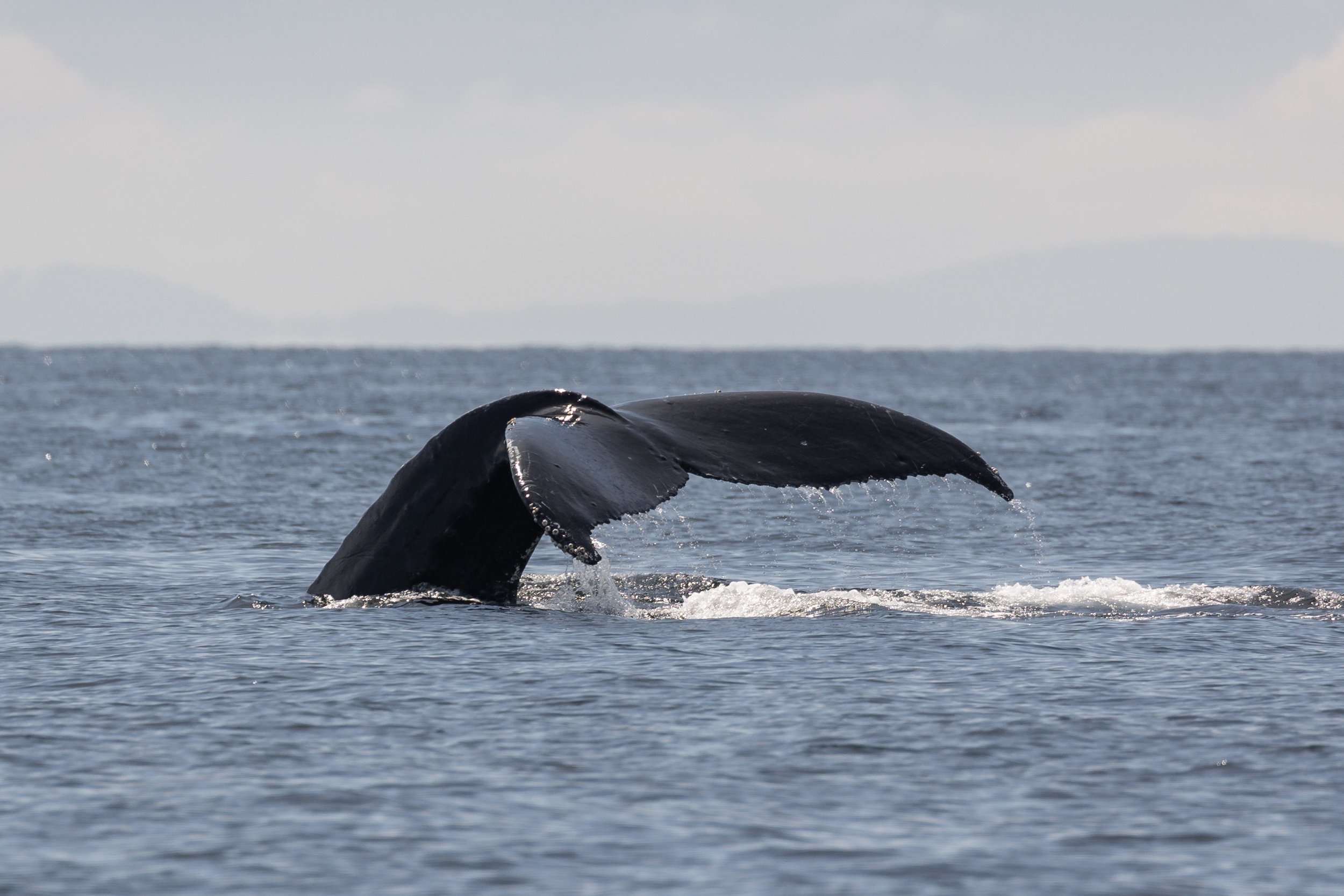
A high fluke from Beak. Photo by Hayleigh Hilbert.
Helen and Forge
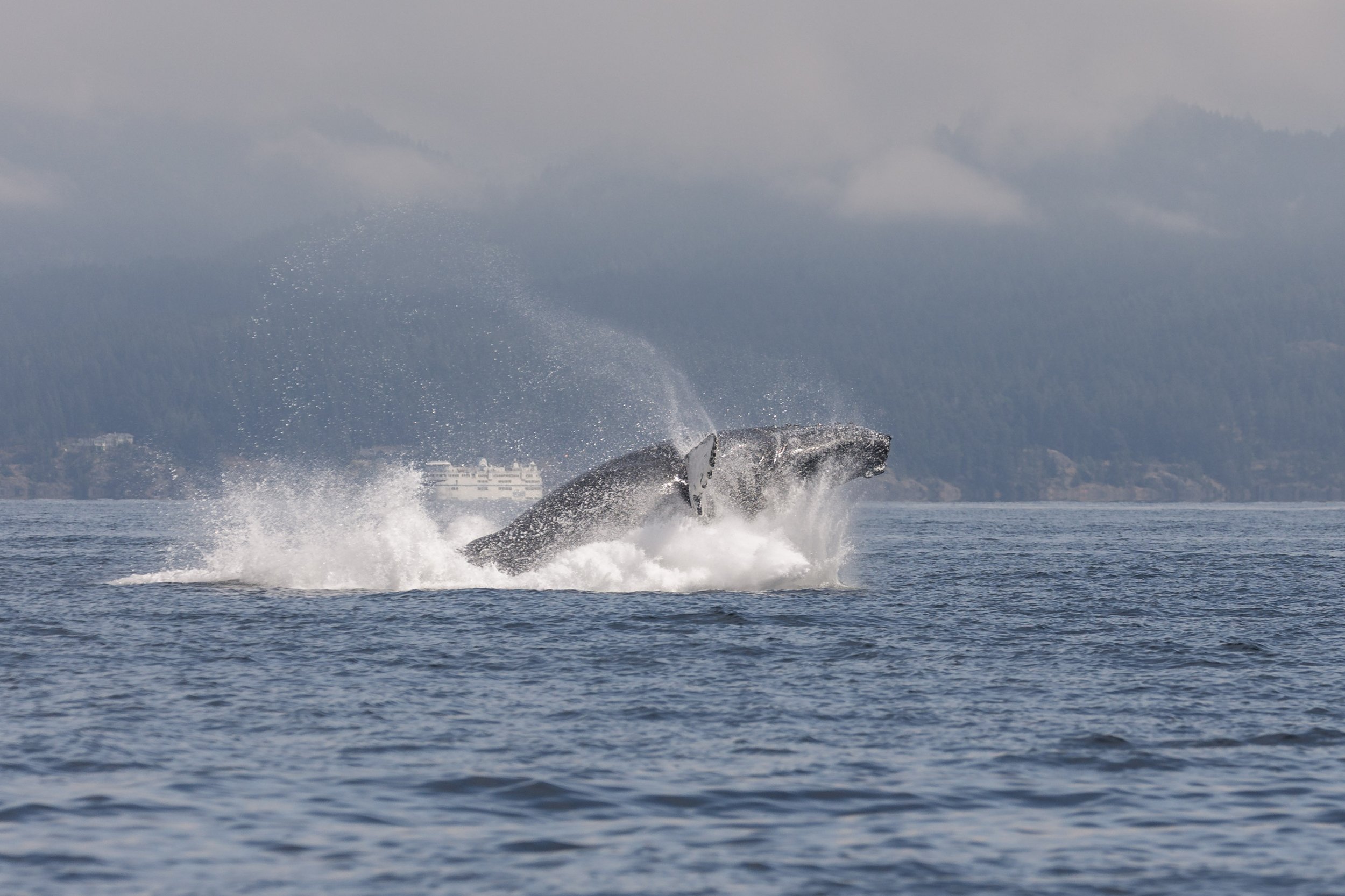
One of the two breachers. Photo by Hayleigh Hilbert.
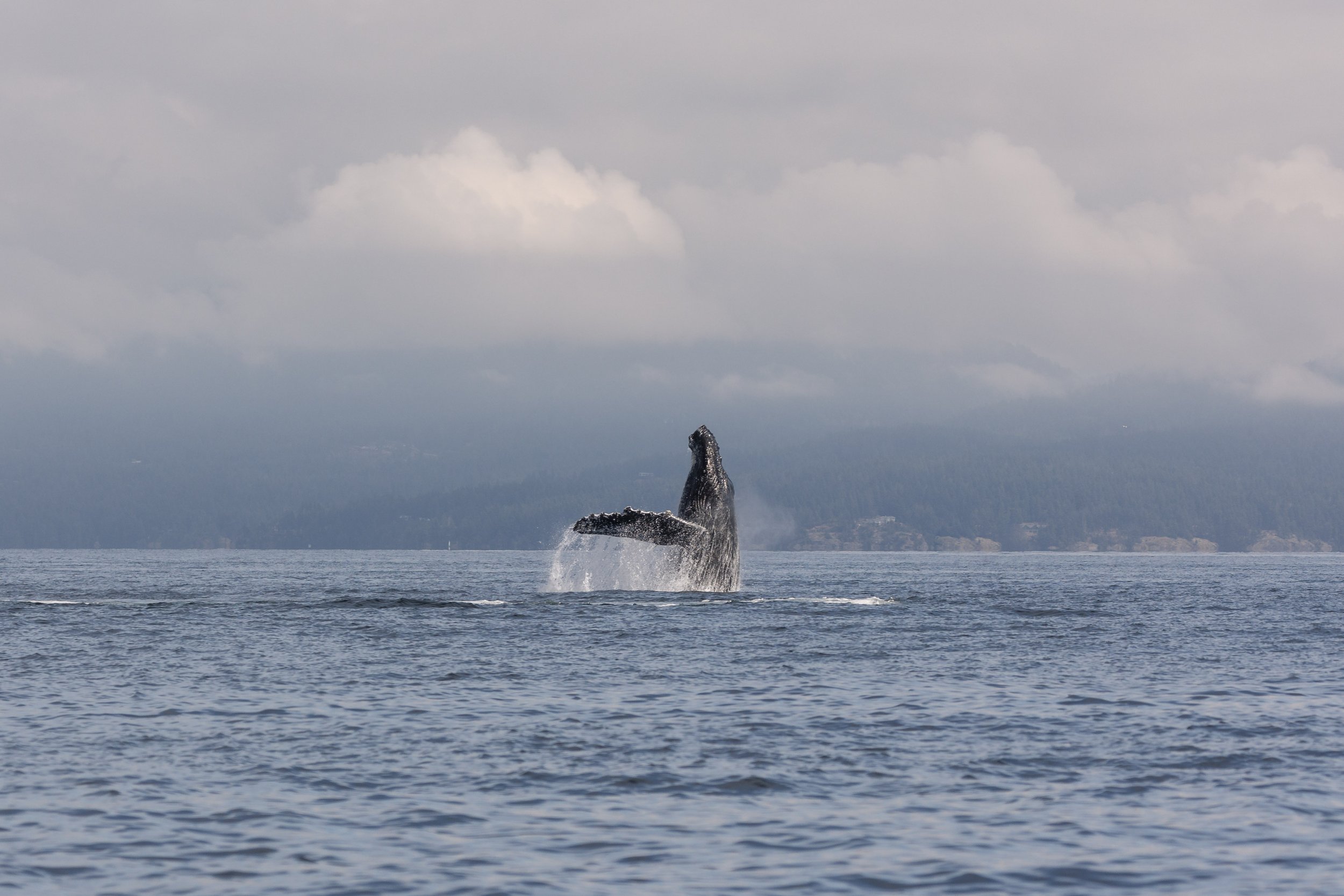
A lovely breach with their pectoral fins outstretched. Photo by Hayleigh Hilbert.
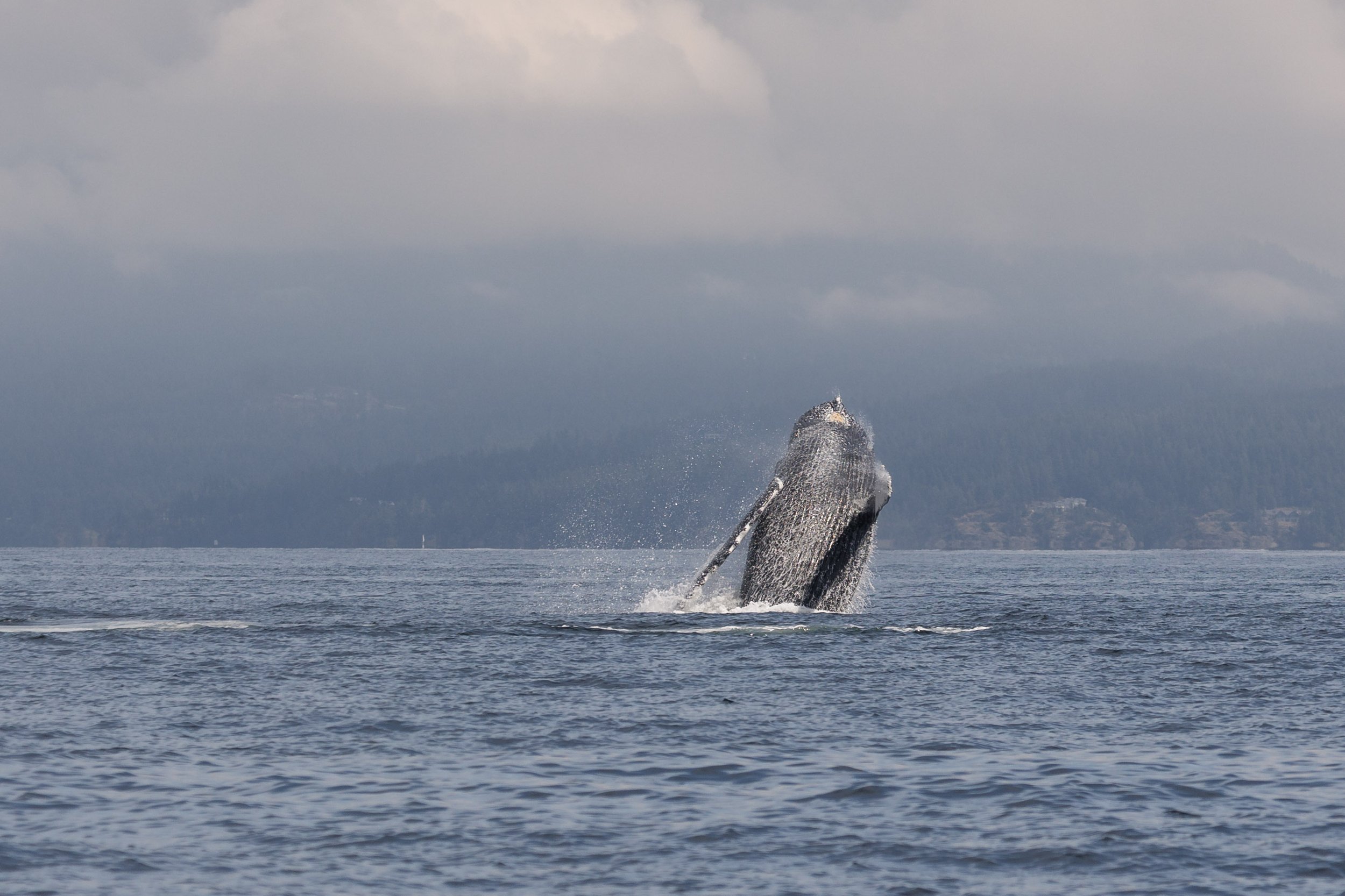
Breach from Helen or Forge. Photo by Hayleigh Hilbert.
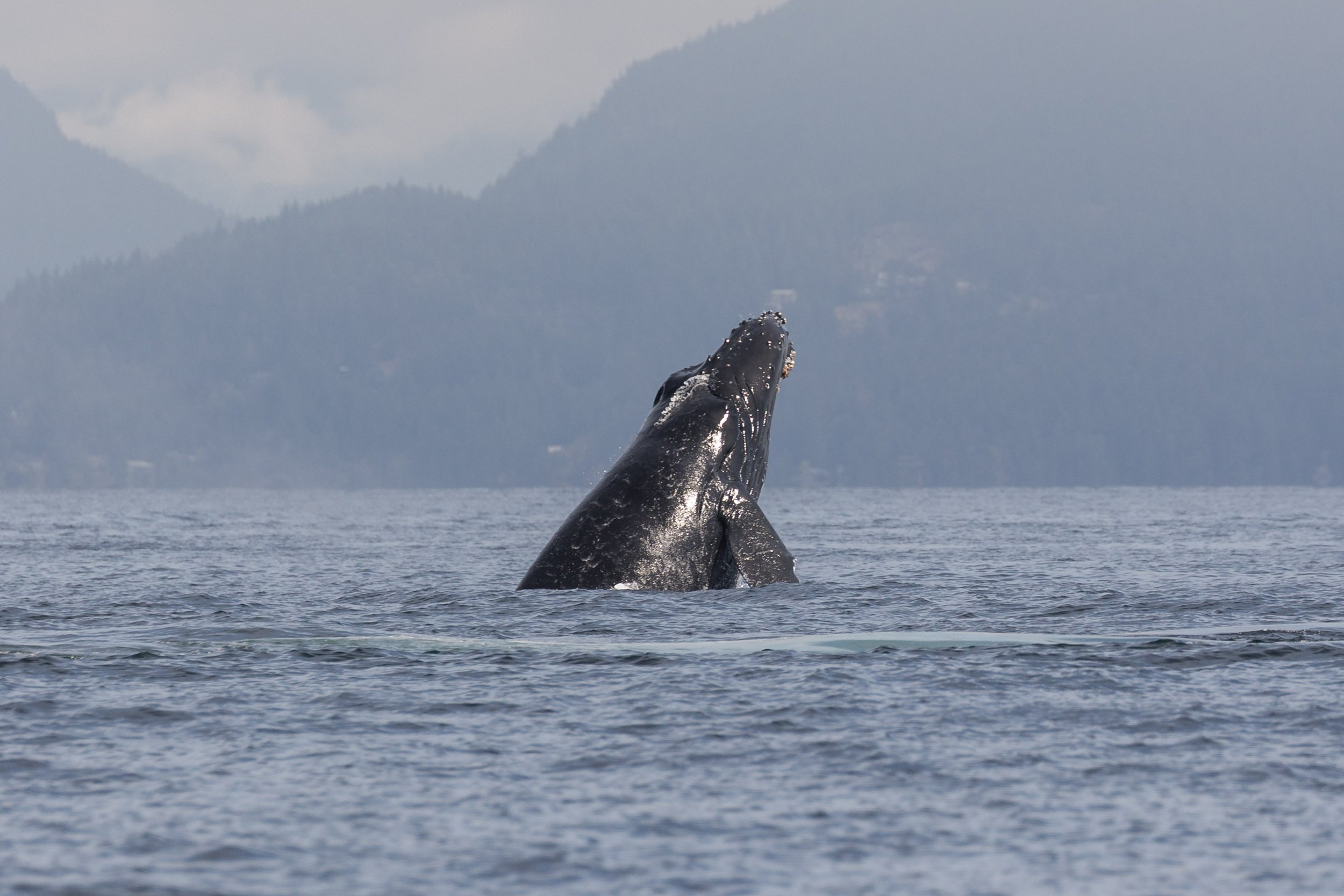
A chin slap from Helen or Forge. Photo by Hayleigh Hilbert.
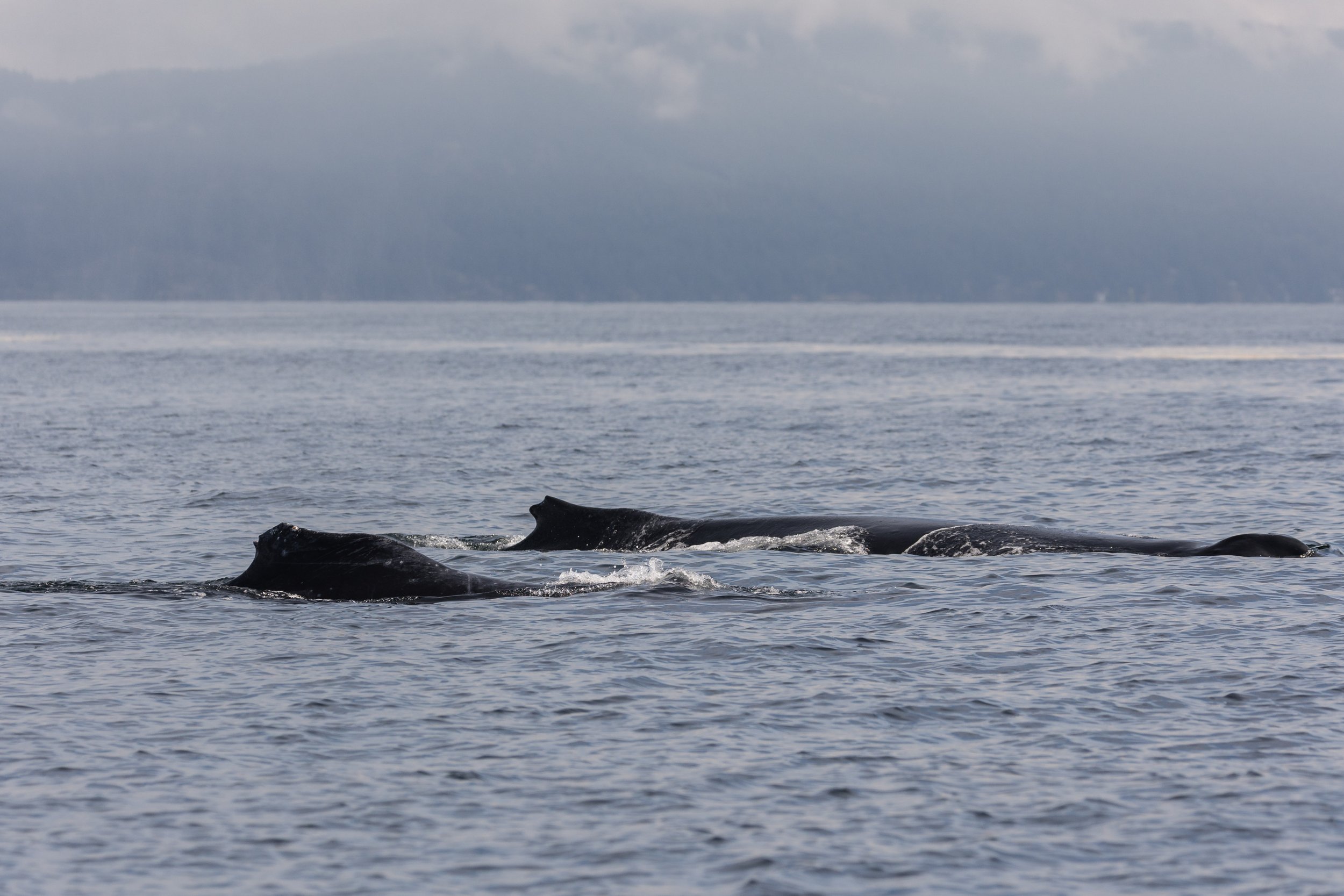
Forge (front) and Helen (back) surfacing side by side. Photo by Hayleigh Hilbert.
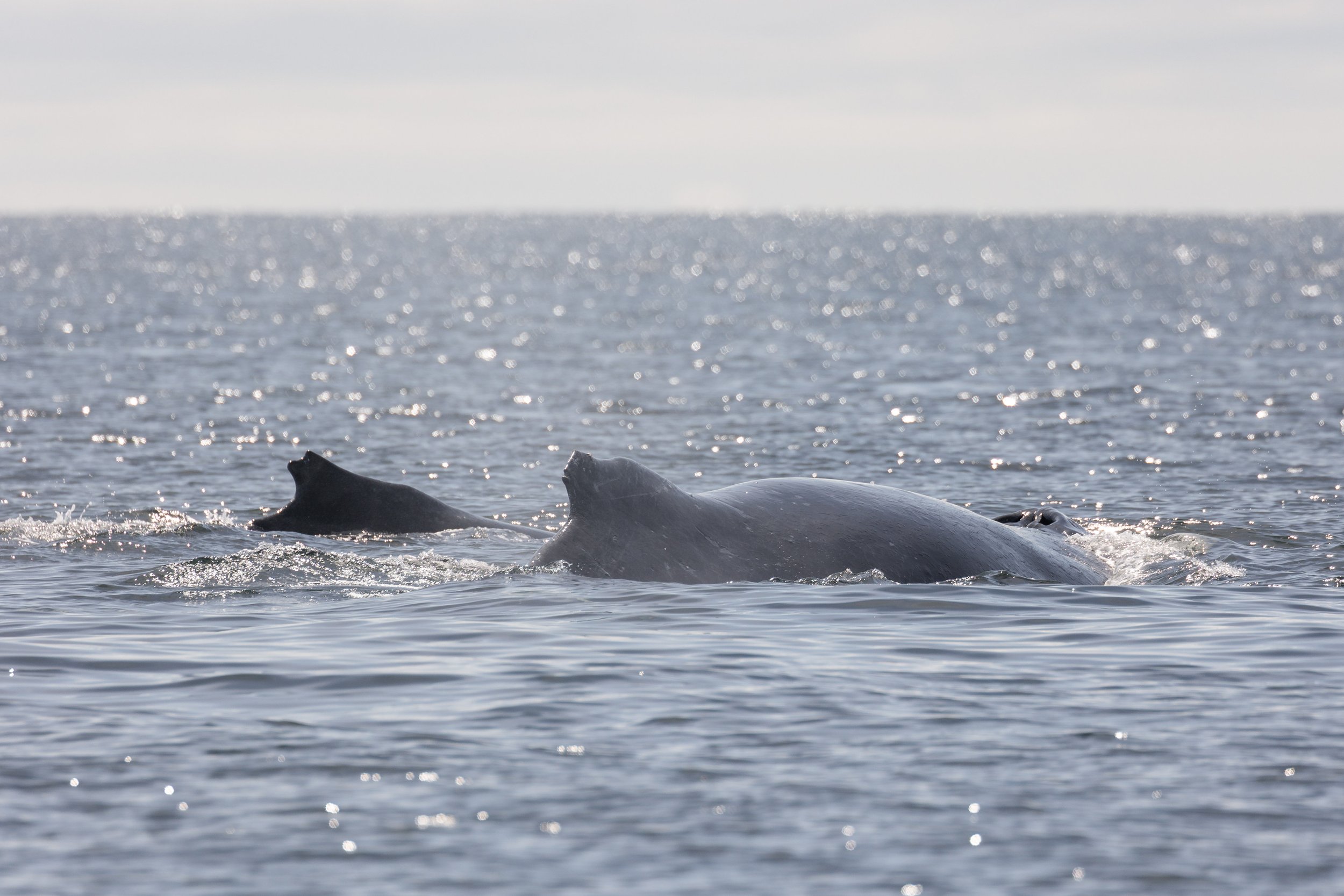
Forge getting ready to dive with Helen surfacing beside them. Photo by Hayleigh Hilbert.
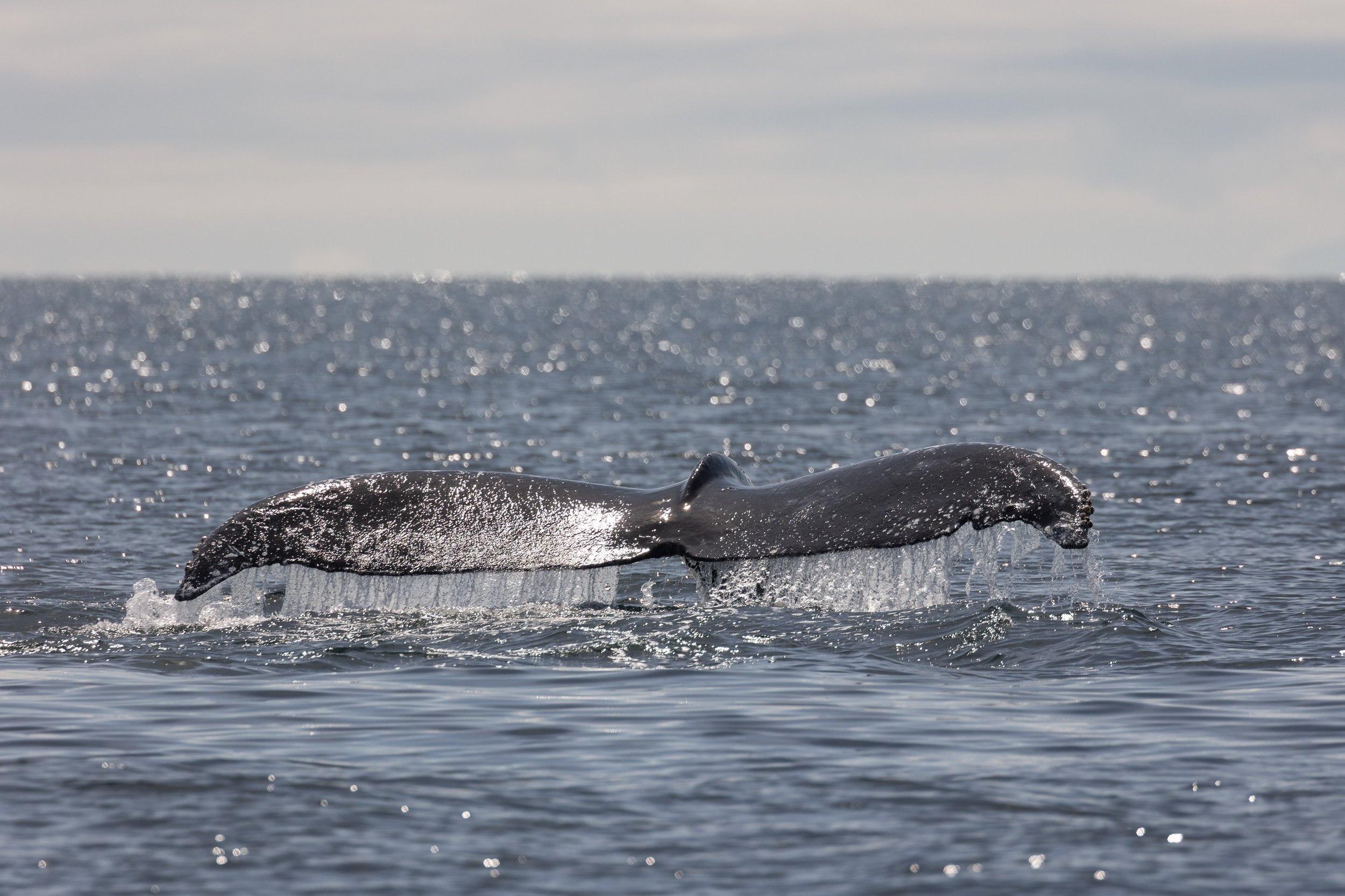
A fluke waterfall from Forge as they dive. Photo by Hayleigh Hilbert.
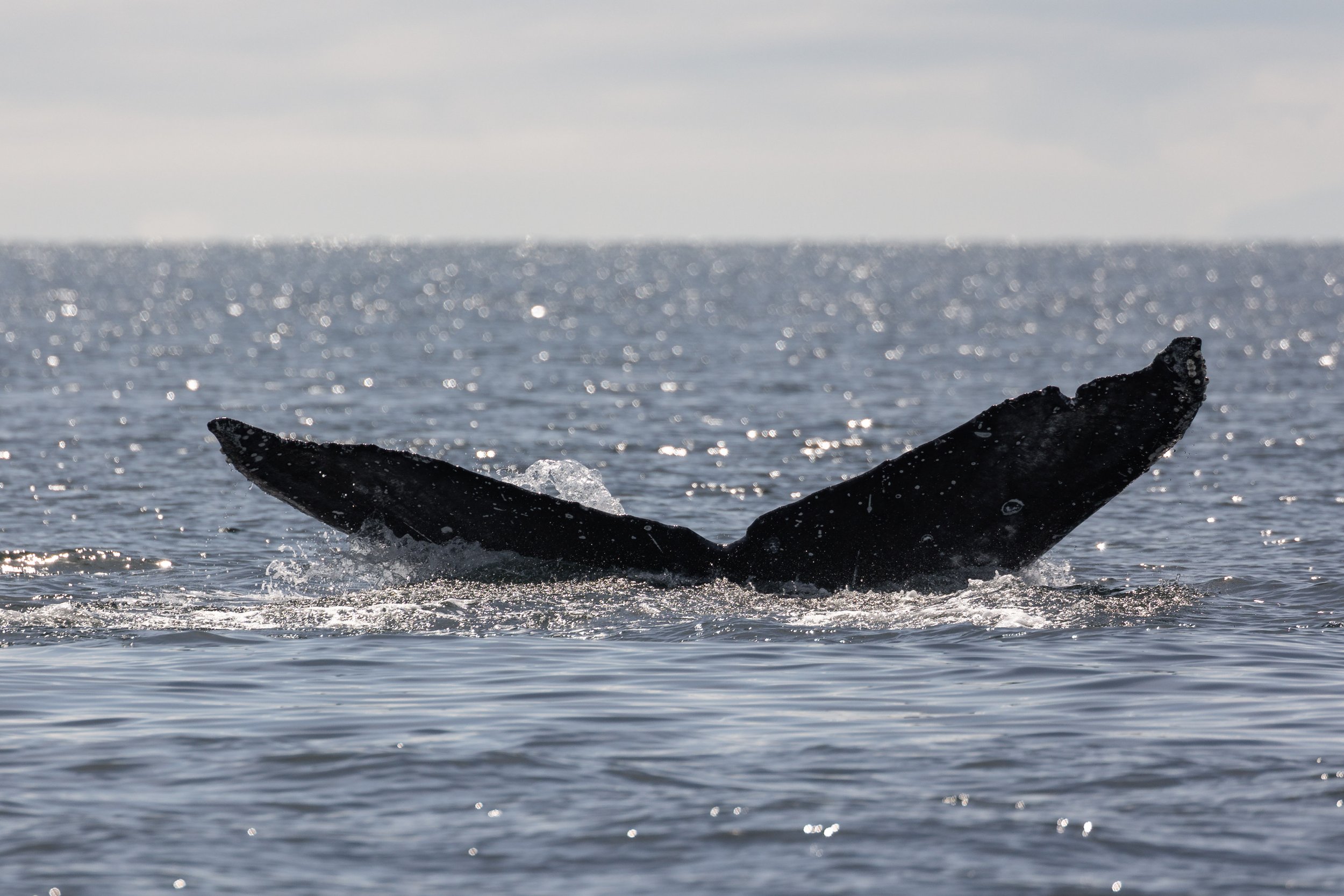
The underside of Forge’s tail. Photo by Hayleigh Hilbert.
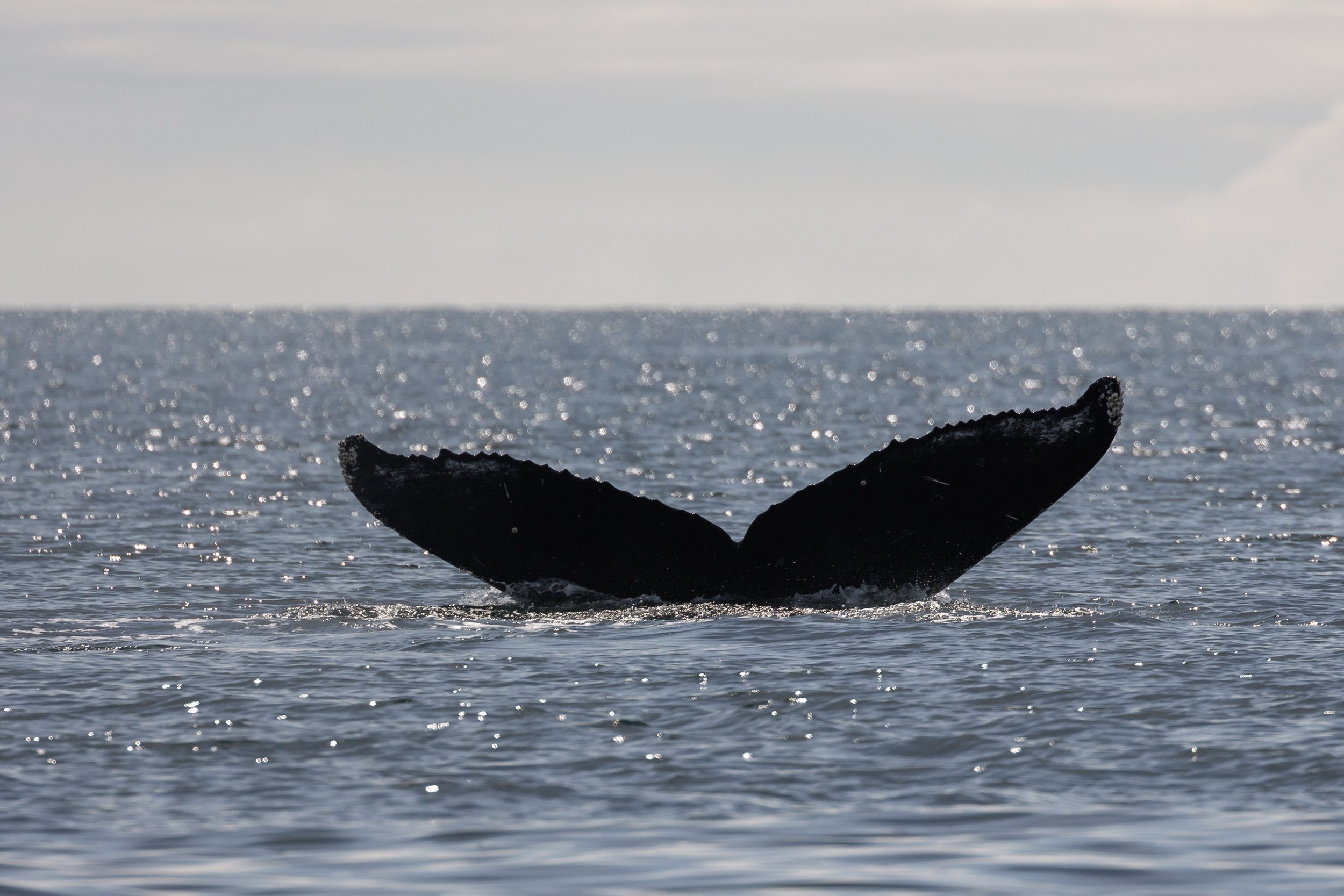
The underside of Helen’s tail. Photo by Hayleigh Hilbert.
Dalmatian and Watson/Cerulean
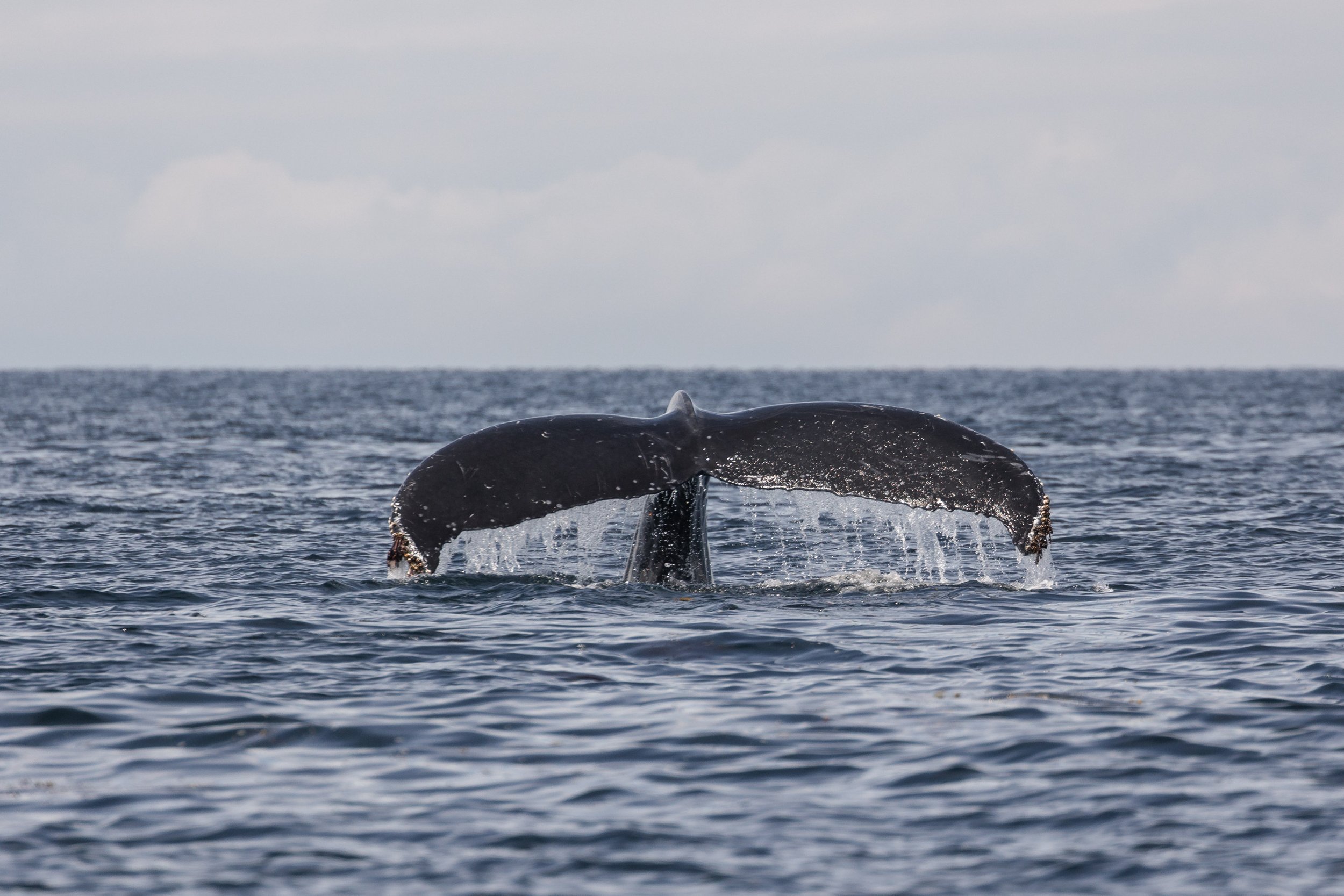
Dalmatian lifting his tail to dive. Photo by Hayleigh Hilbert.
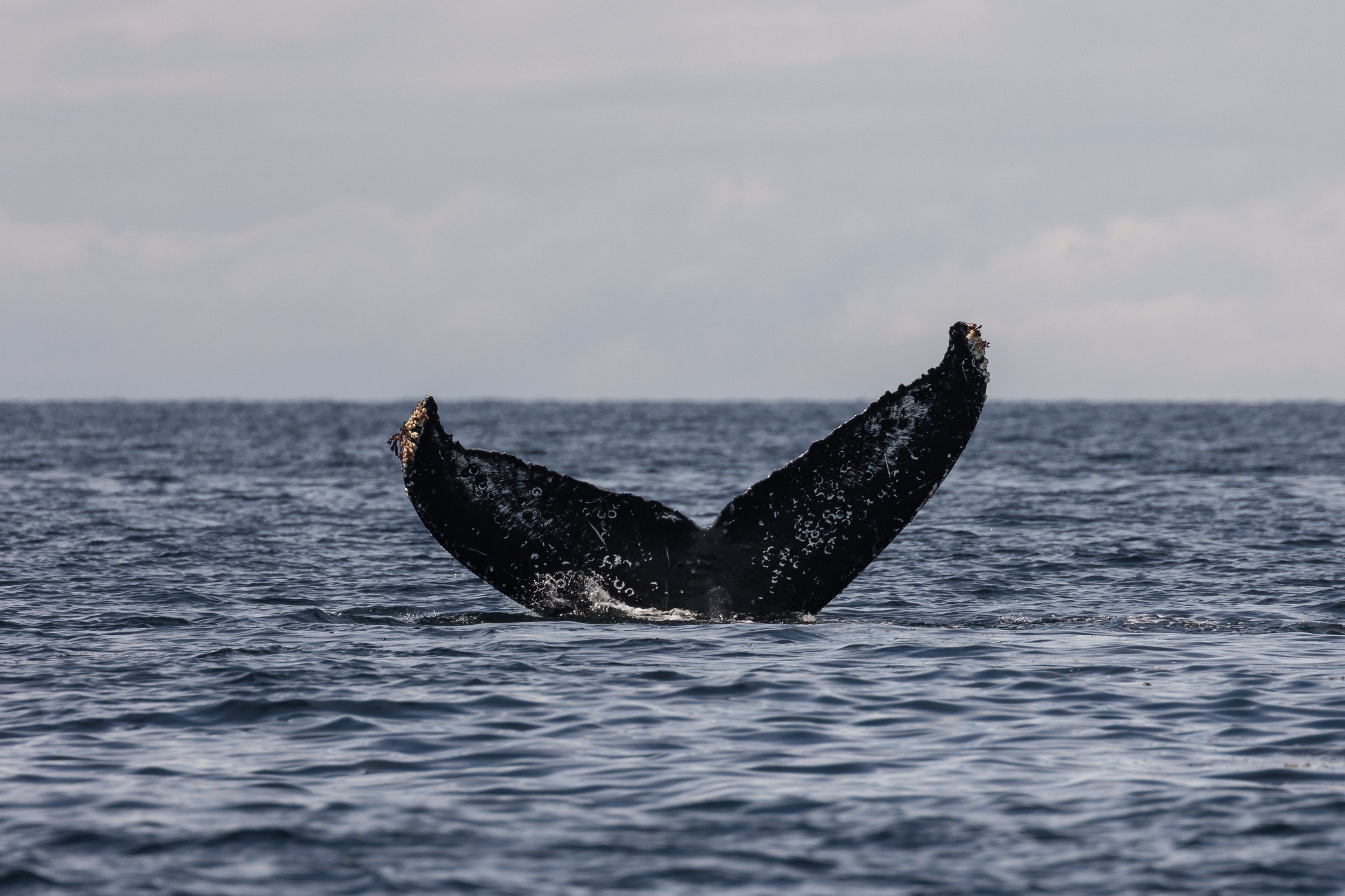
The beautiful underside of Dalmatian’s tail. Photo by Hayleigh Hilbert.
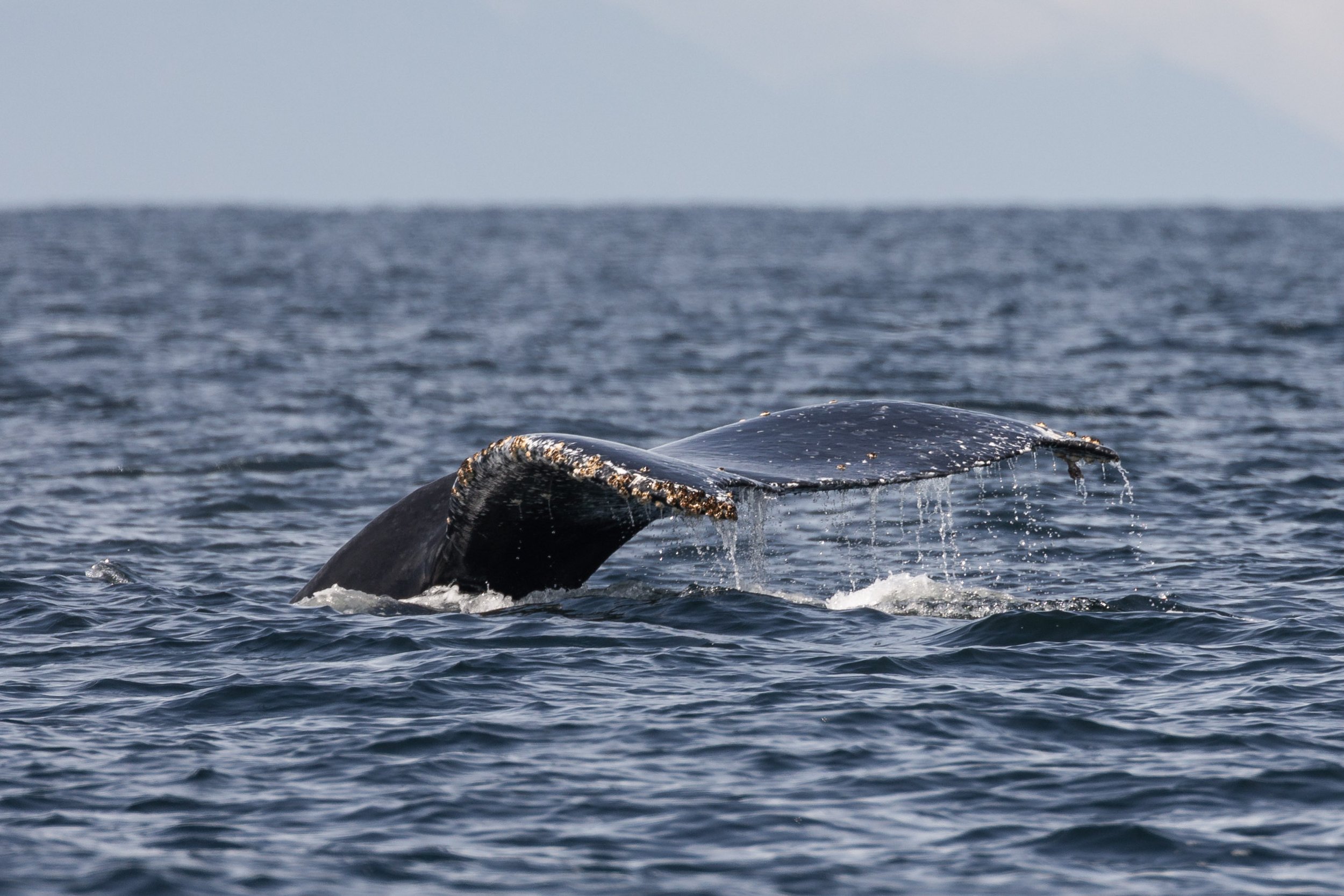
Watson/Cerulean going for a dive. Photo by Hayleigh Hilbert.
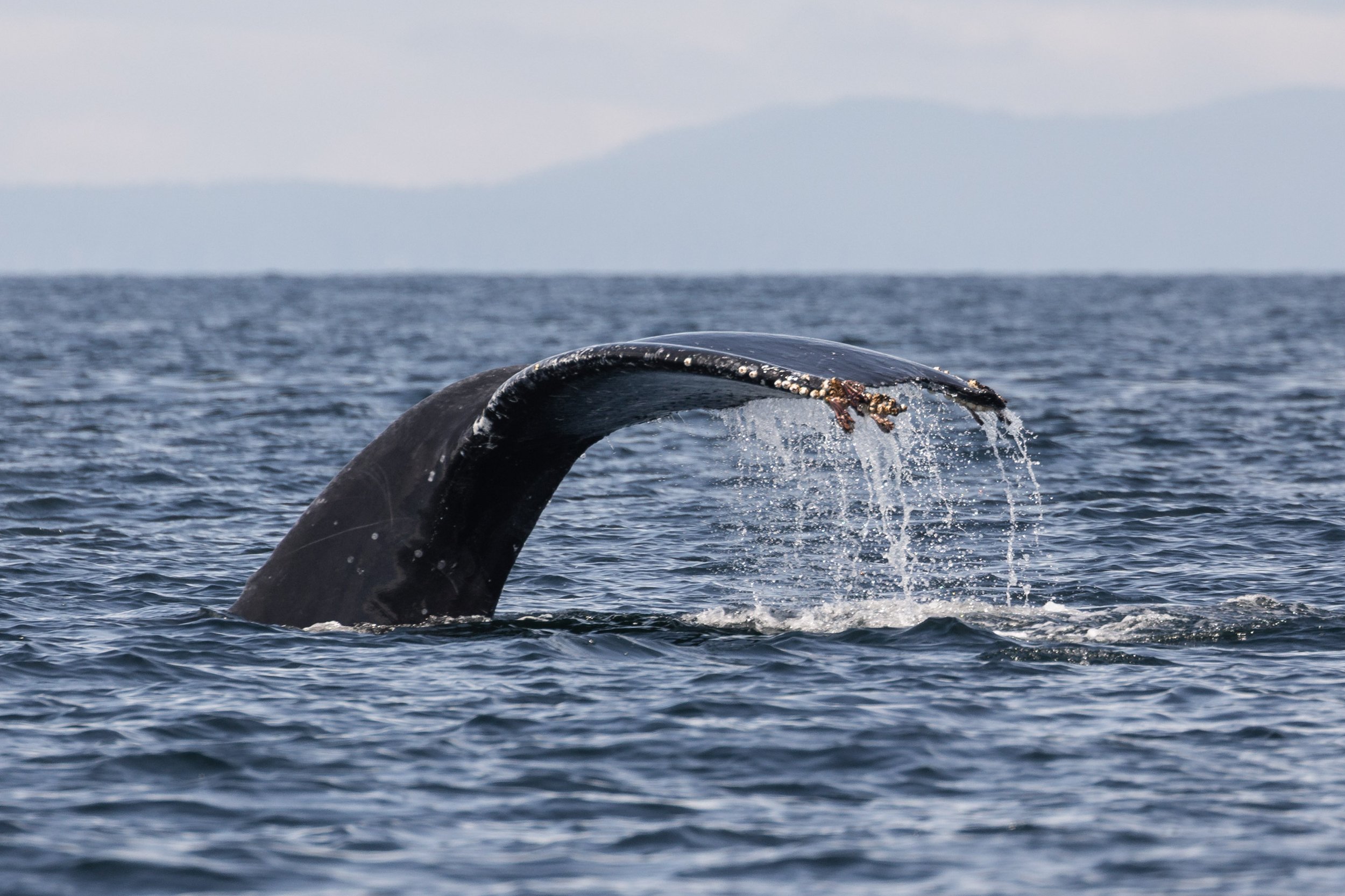
Dalmatian going for a dive. Photo by Hayleigh Hilbert.
Stinky Rock
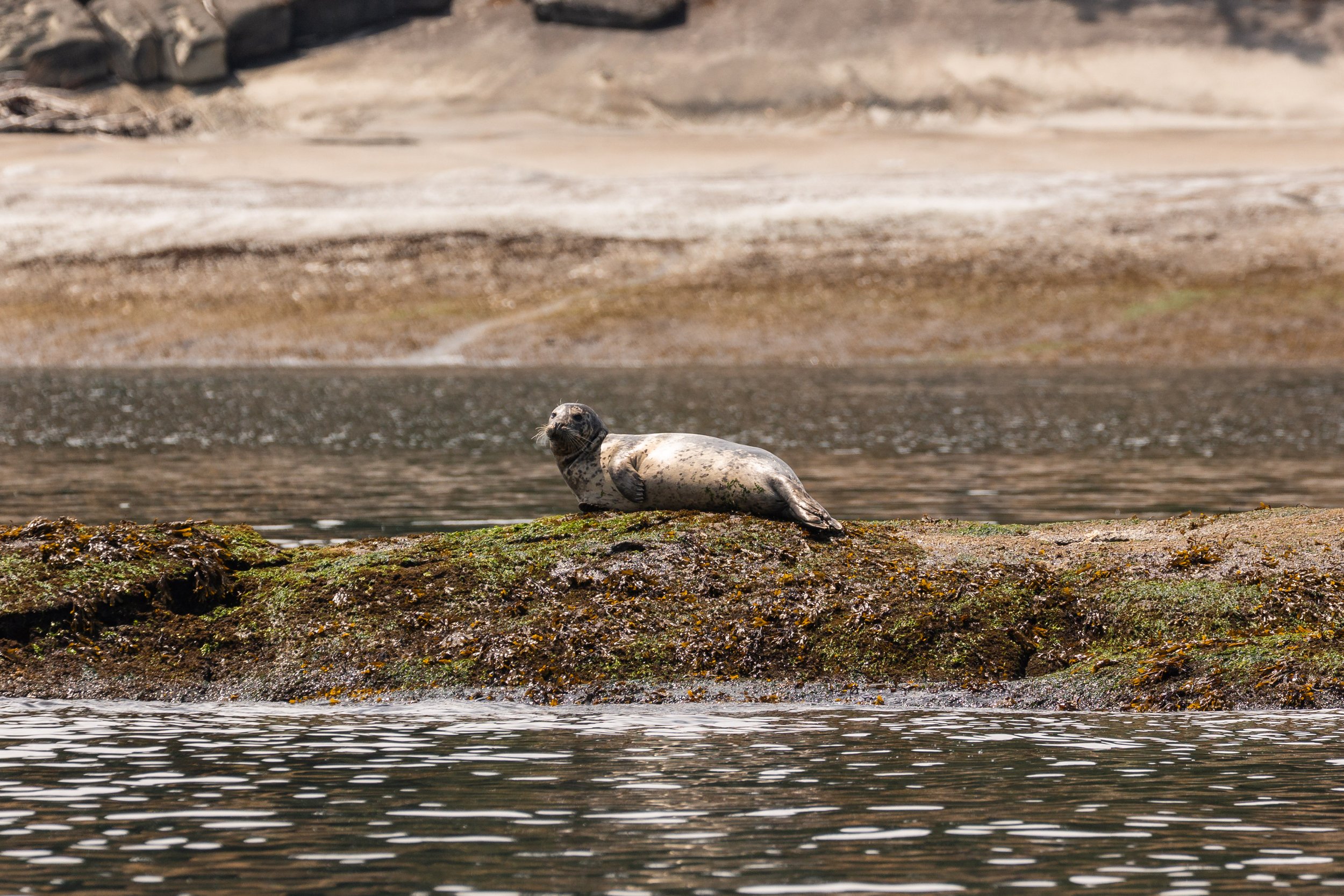
Harbour Seal hanging out on the rock. Photo by Hayleigh Hilbert.
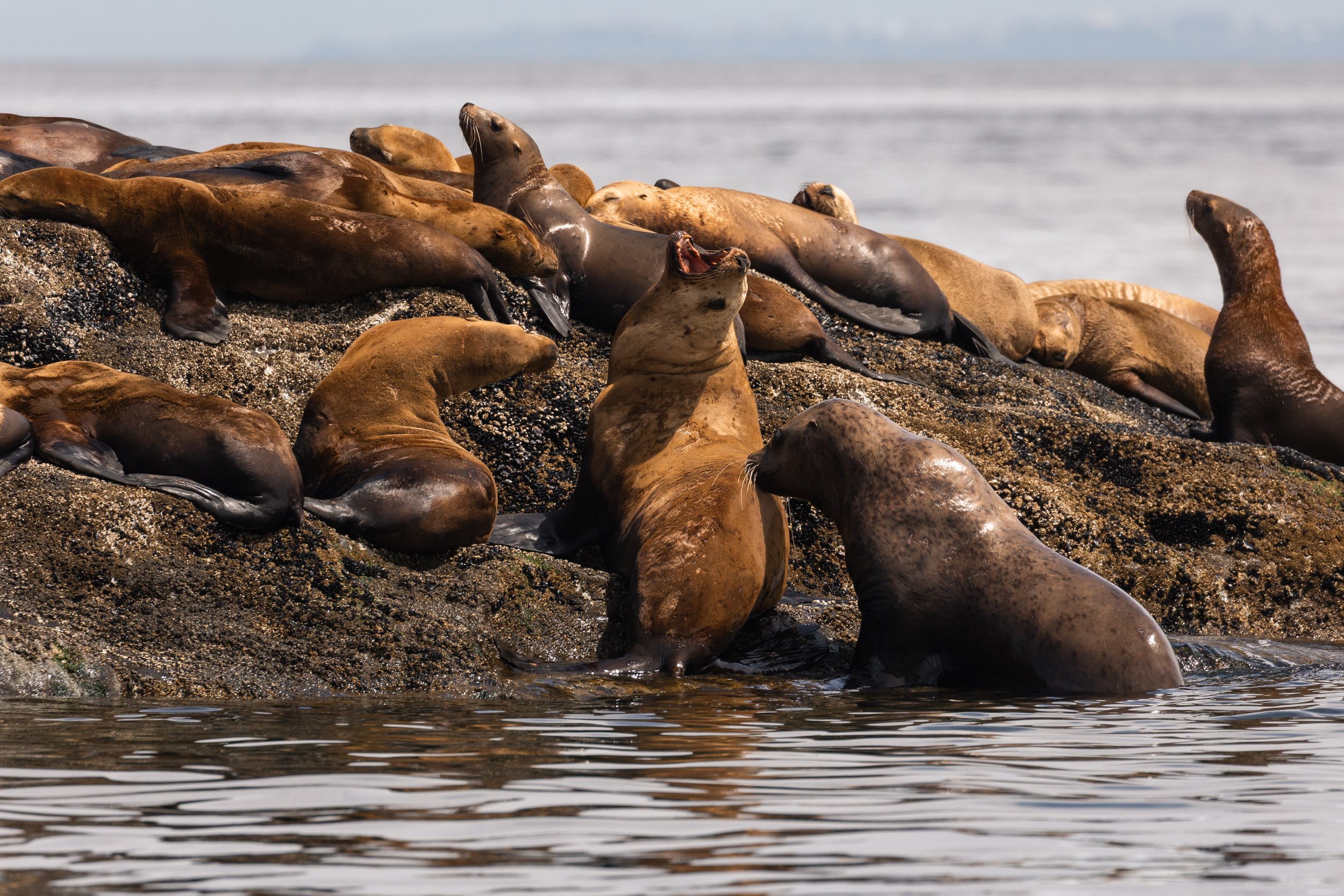
Steller Sea Lions fighting on the rocks. Photo by Hayleigh Hilbert.
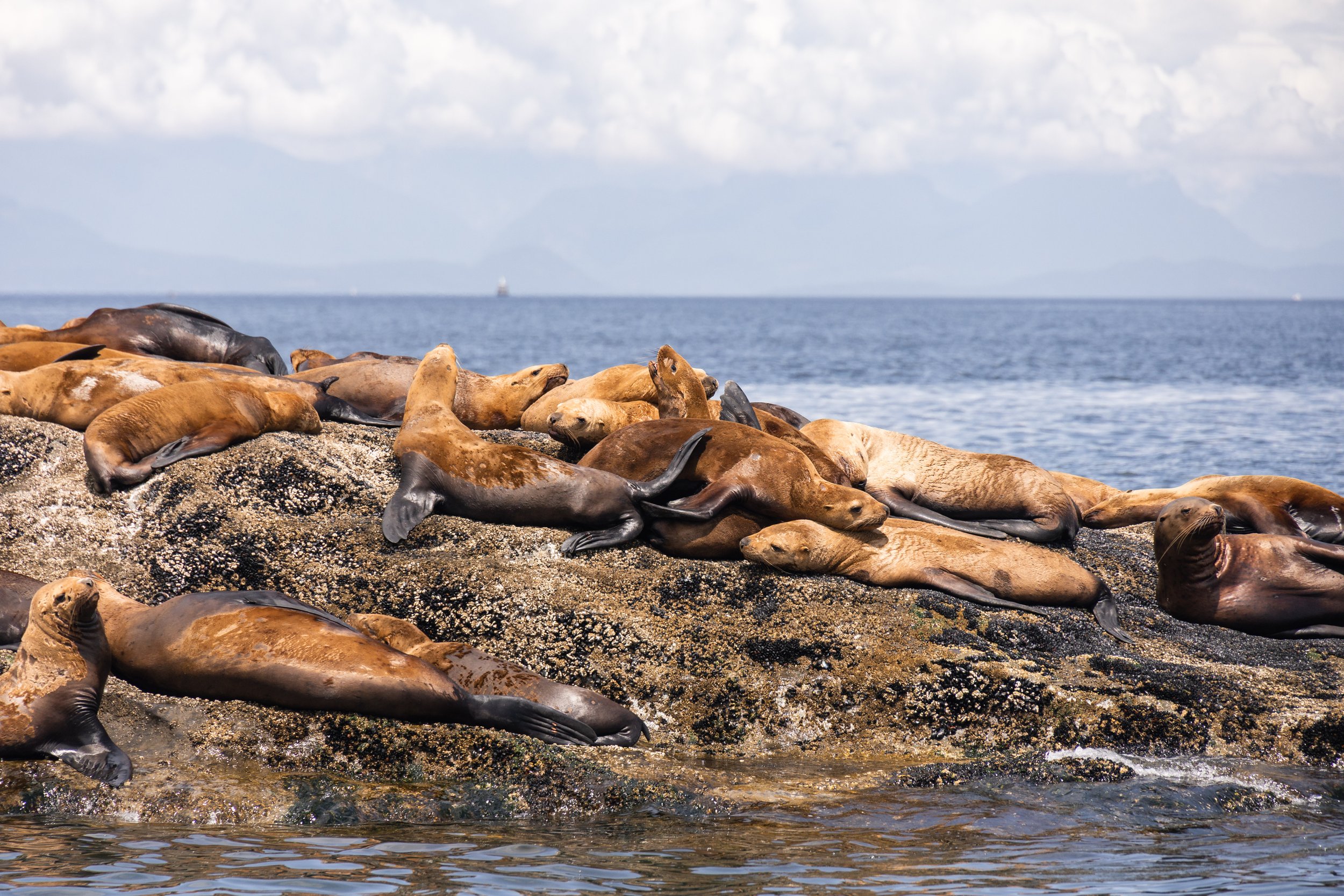
Steller Sea Lions lounging on the rocks. Photo by Jordan Robinson.
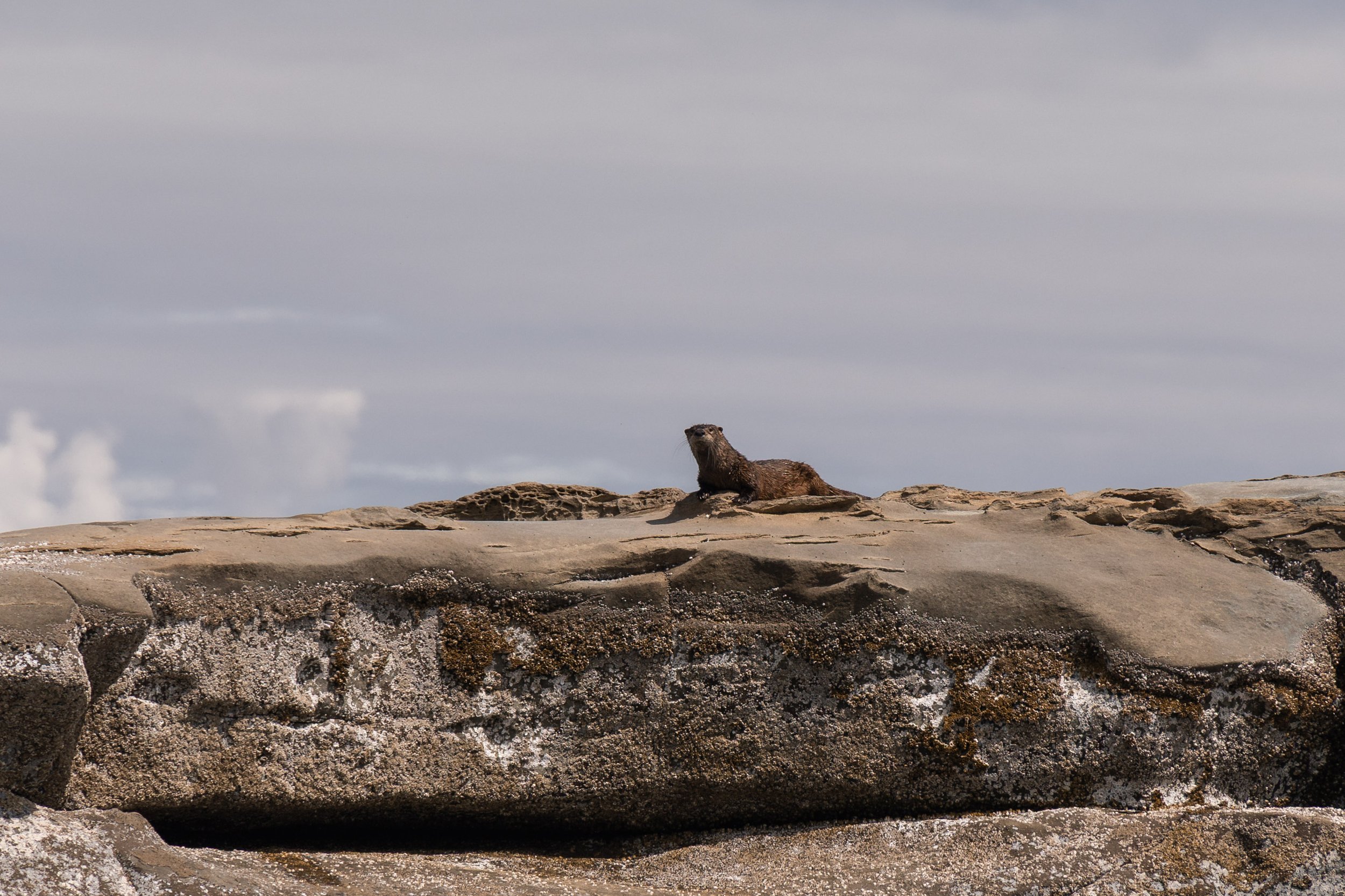
A river otter on Stinky Rock. Photo by Jordan Robinson.
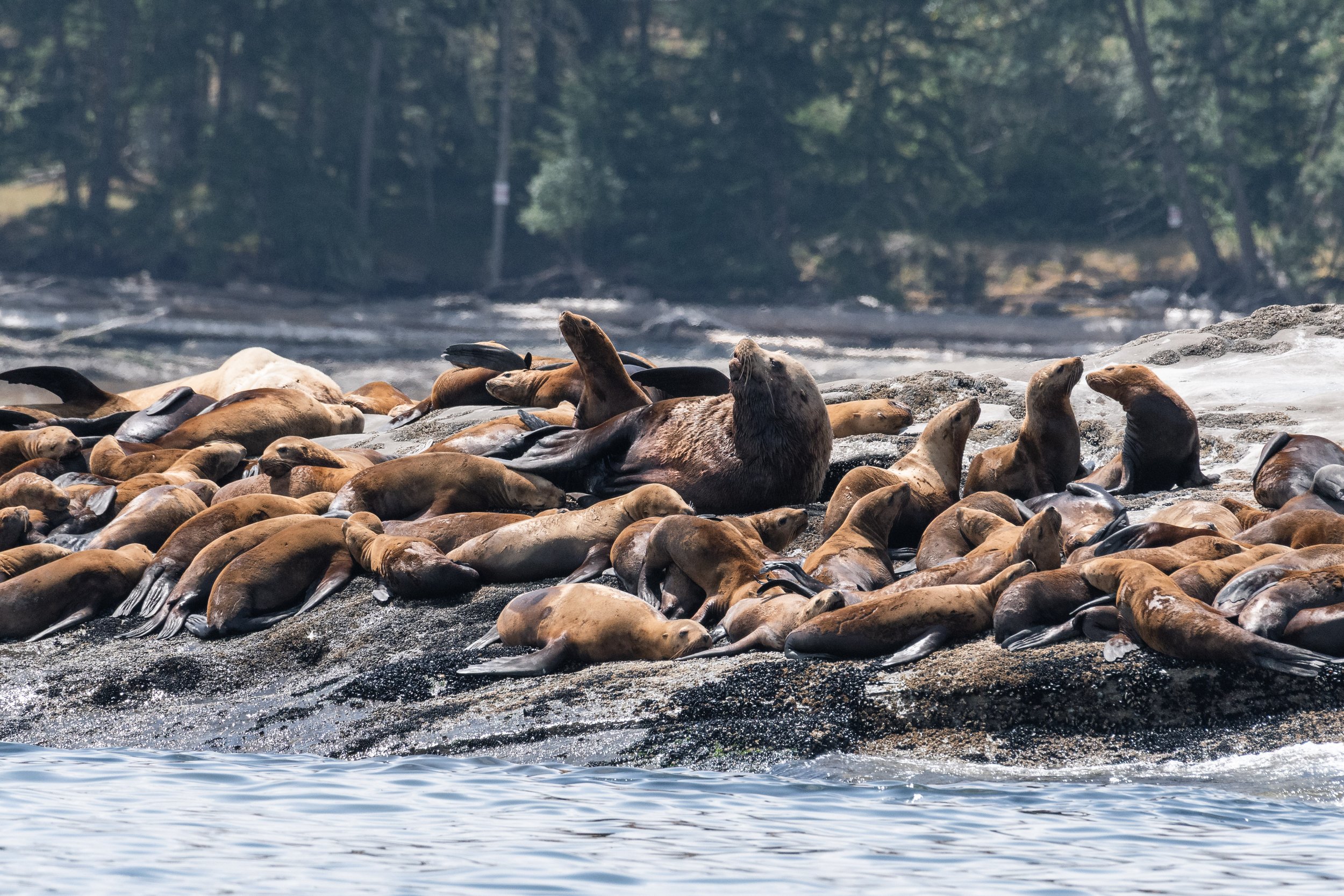
Check out how big the male Steller Sea Lion is! Photo by Evan Hessels.
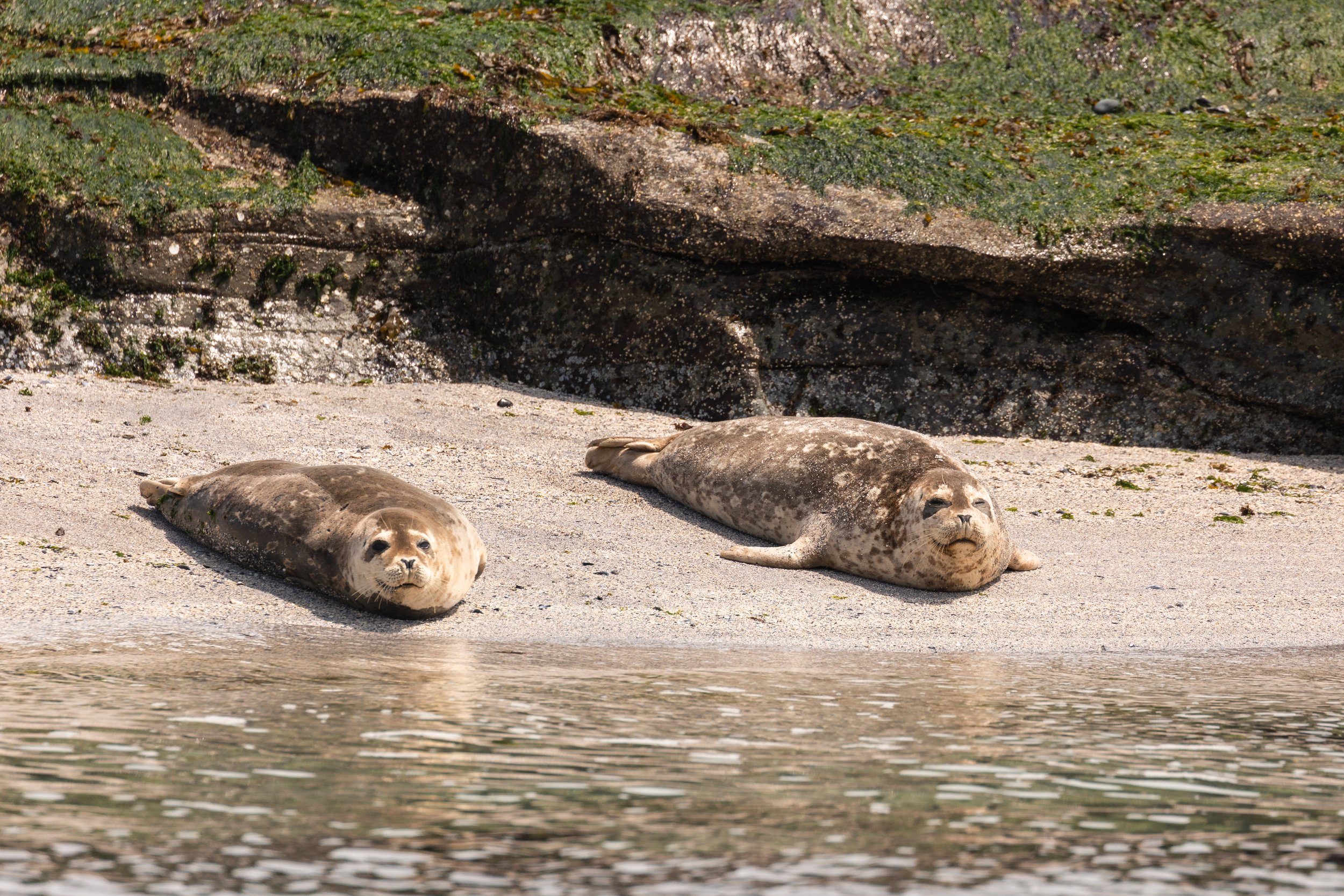
Harbour Seals relaxing on the sandy beach. Photo by Hayleigh Hilbert.
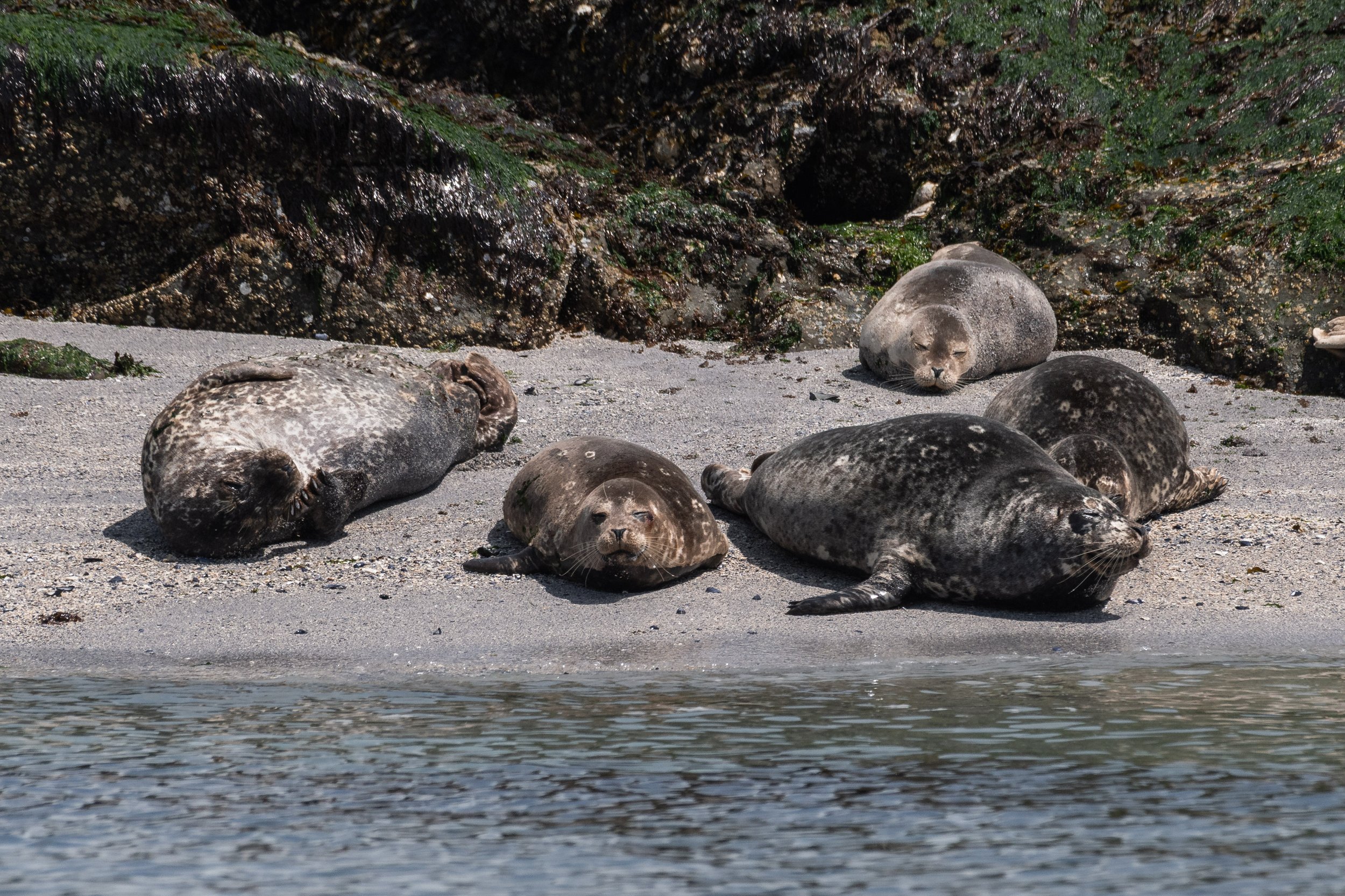
Harbour Seals relaxing on the beach. Photo by Evan Hessels.
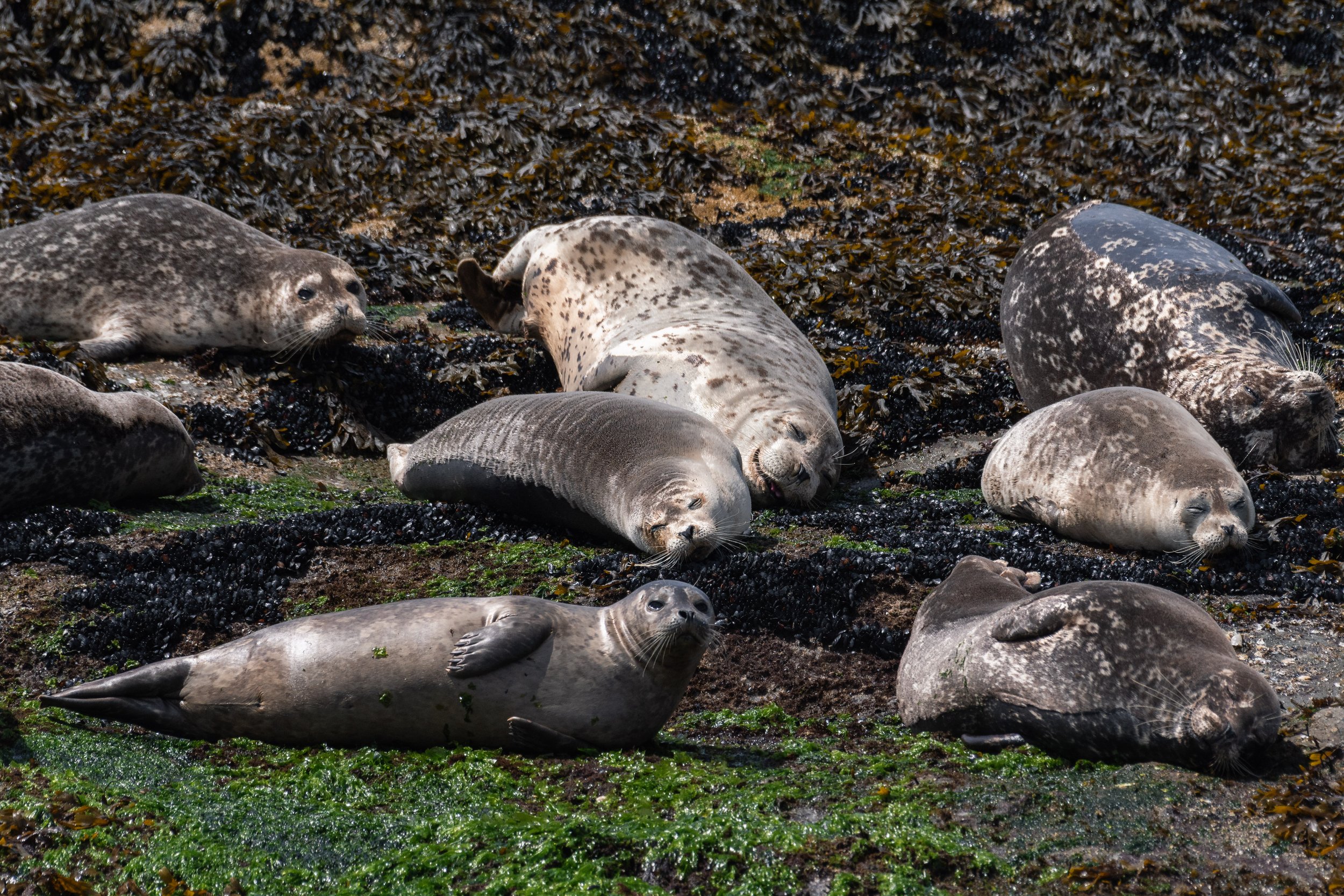
Some very relaxed Harbour Seals. Photo by Evan Hessels.
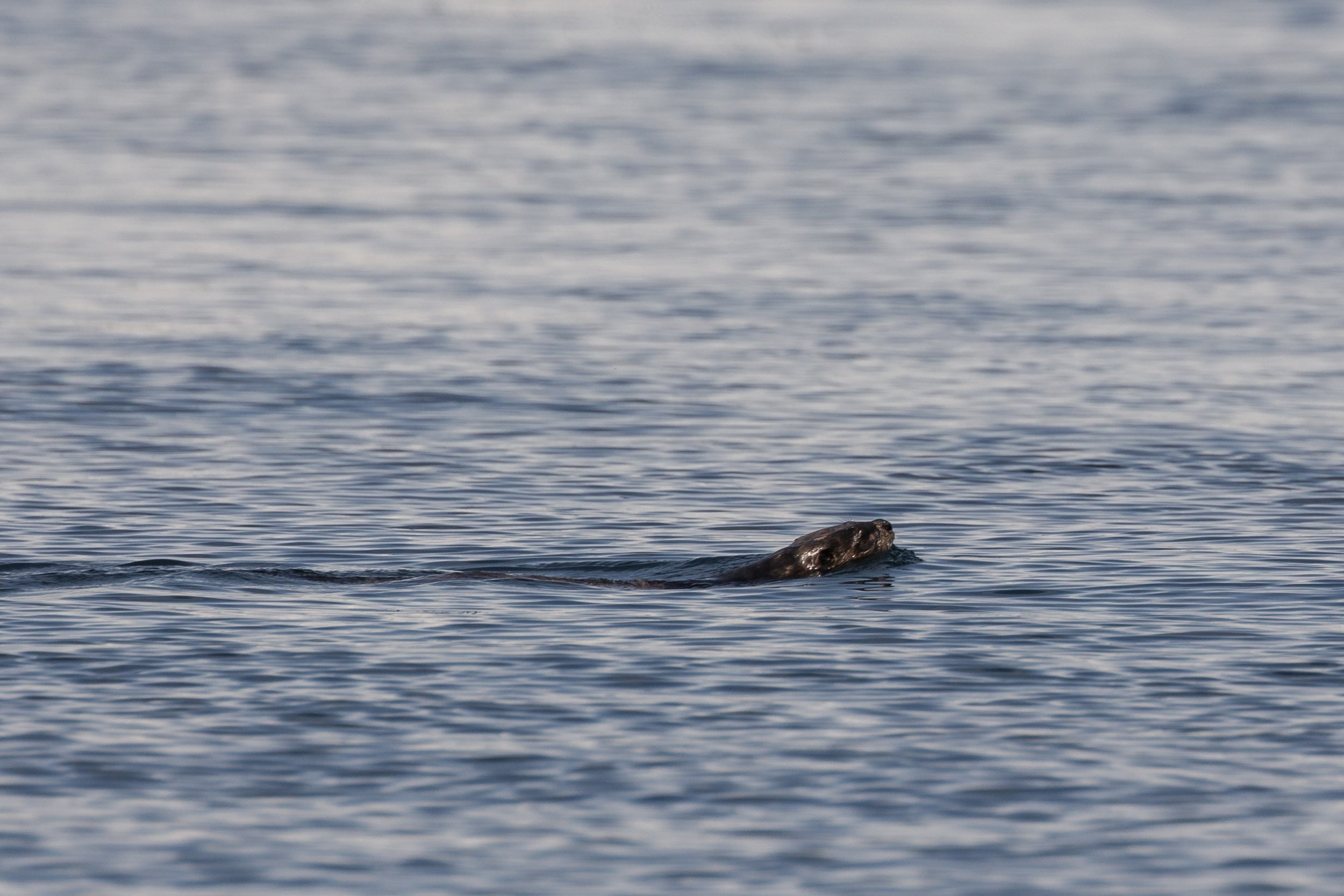
A River Otter flying by. Photo by Hayleigh Hilbert.
Noah
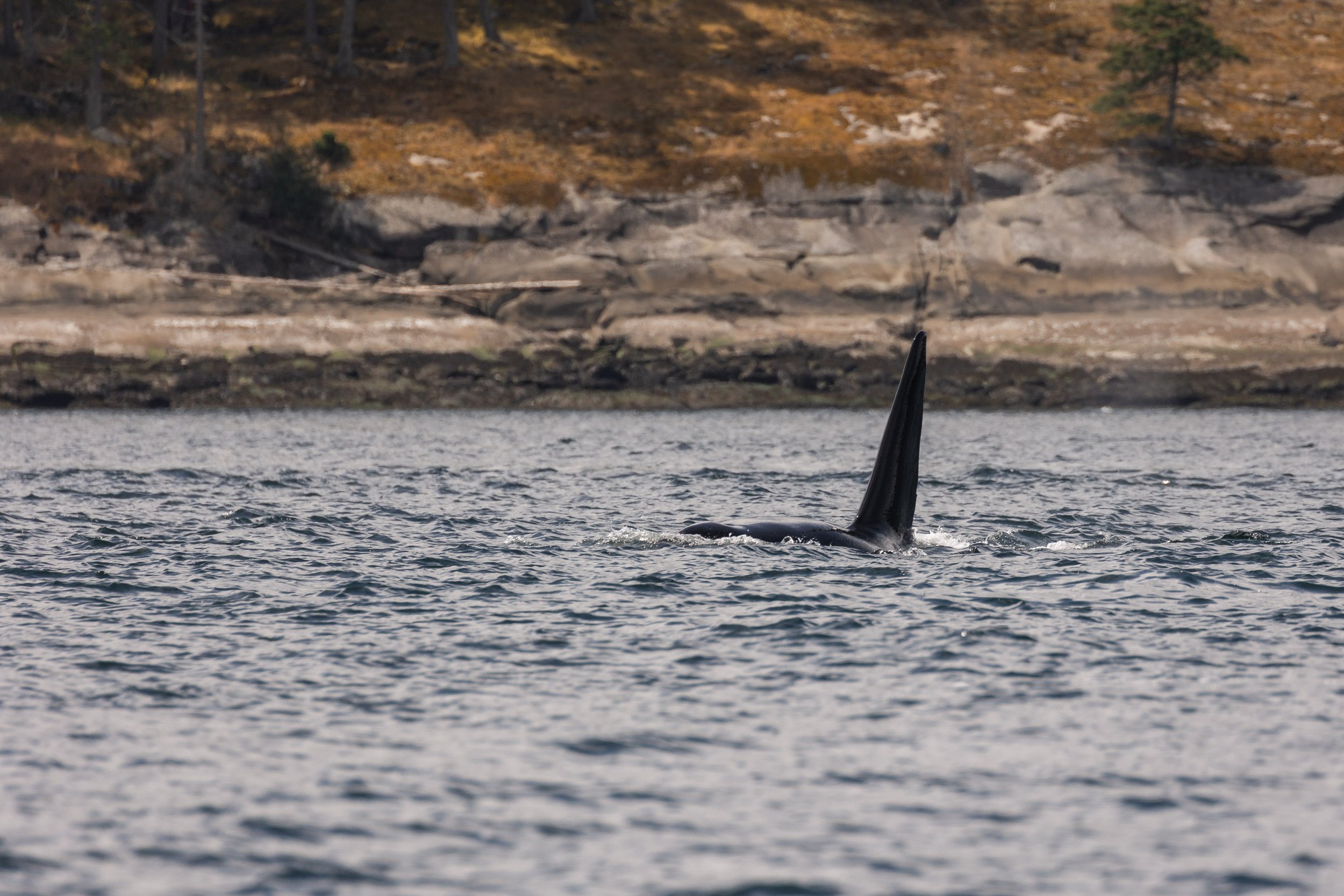
T049A1 Noah surfacing with Valdes in the background. Photo by Hayleigh Hilbert.
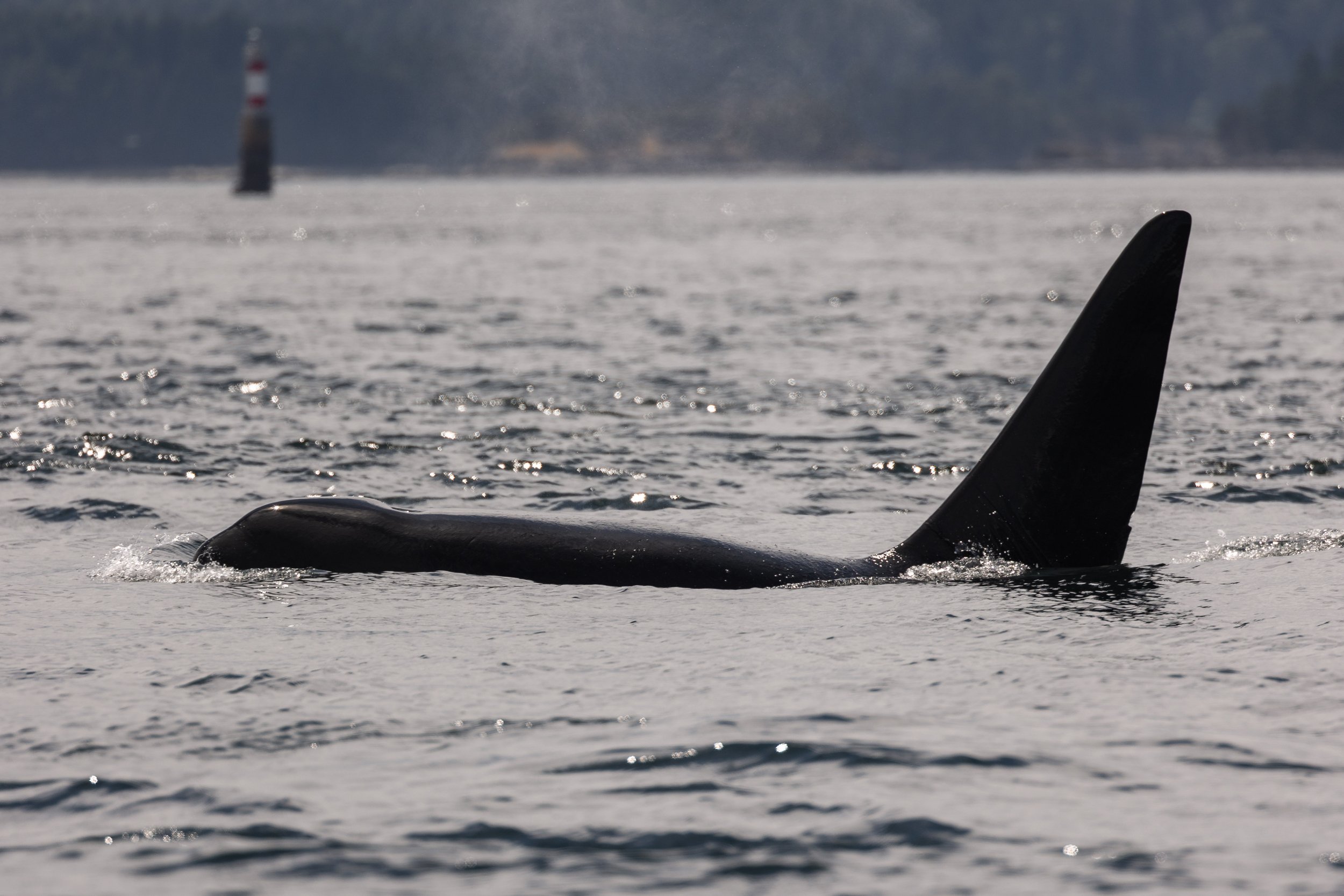
T049A1 Noah surfacing in Porlier. Photo by Hayleigh Hilbert.
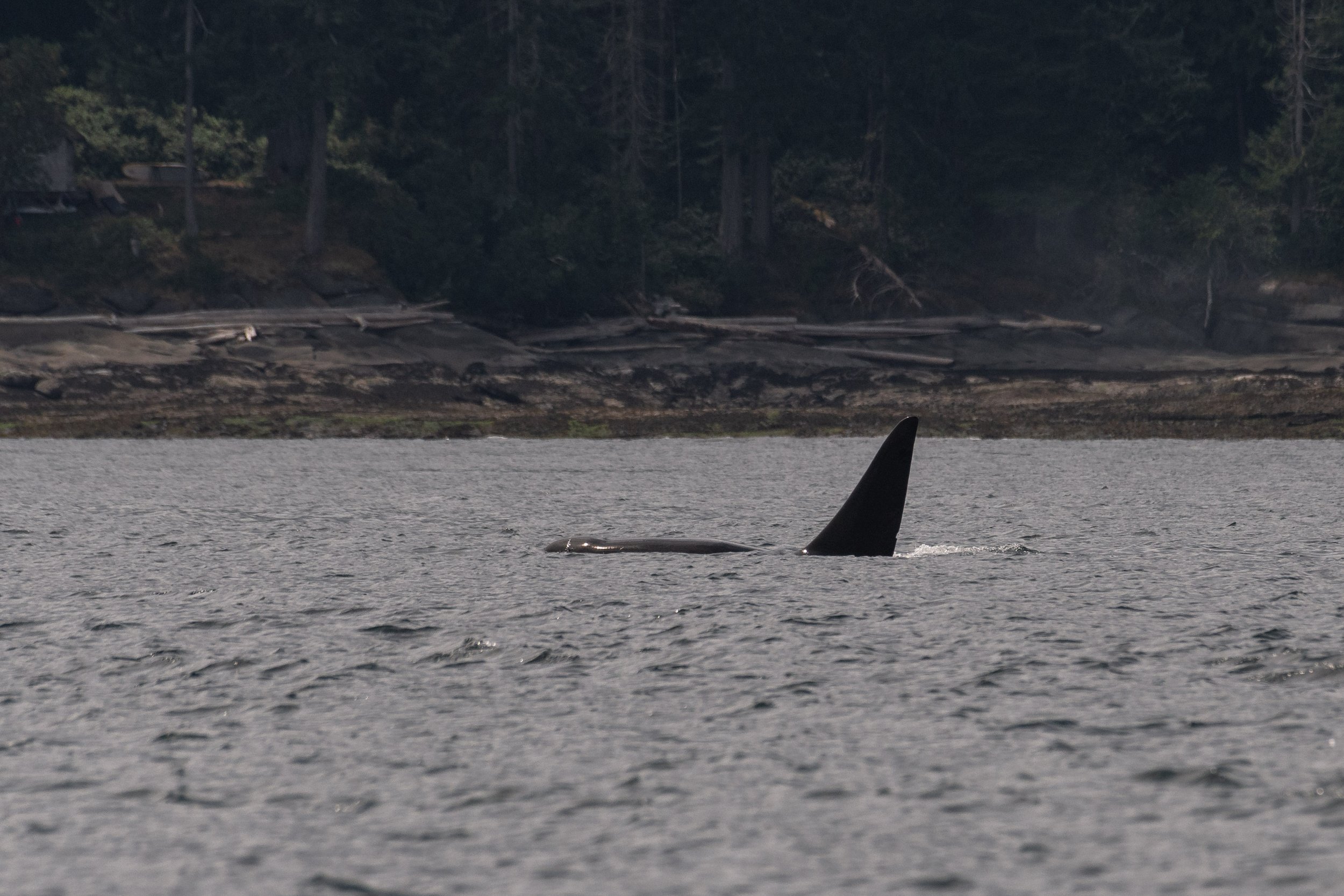
T049A1 Noah surfacing with Valdes Island in behind him. Photo by Evan Hessels.
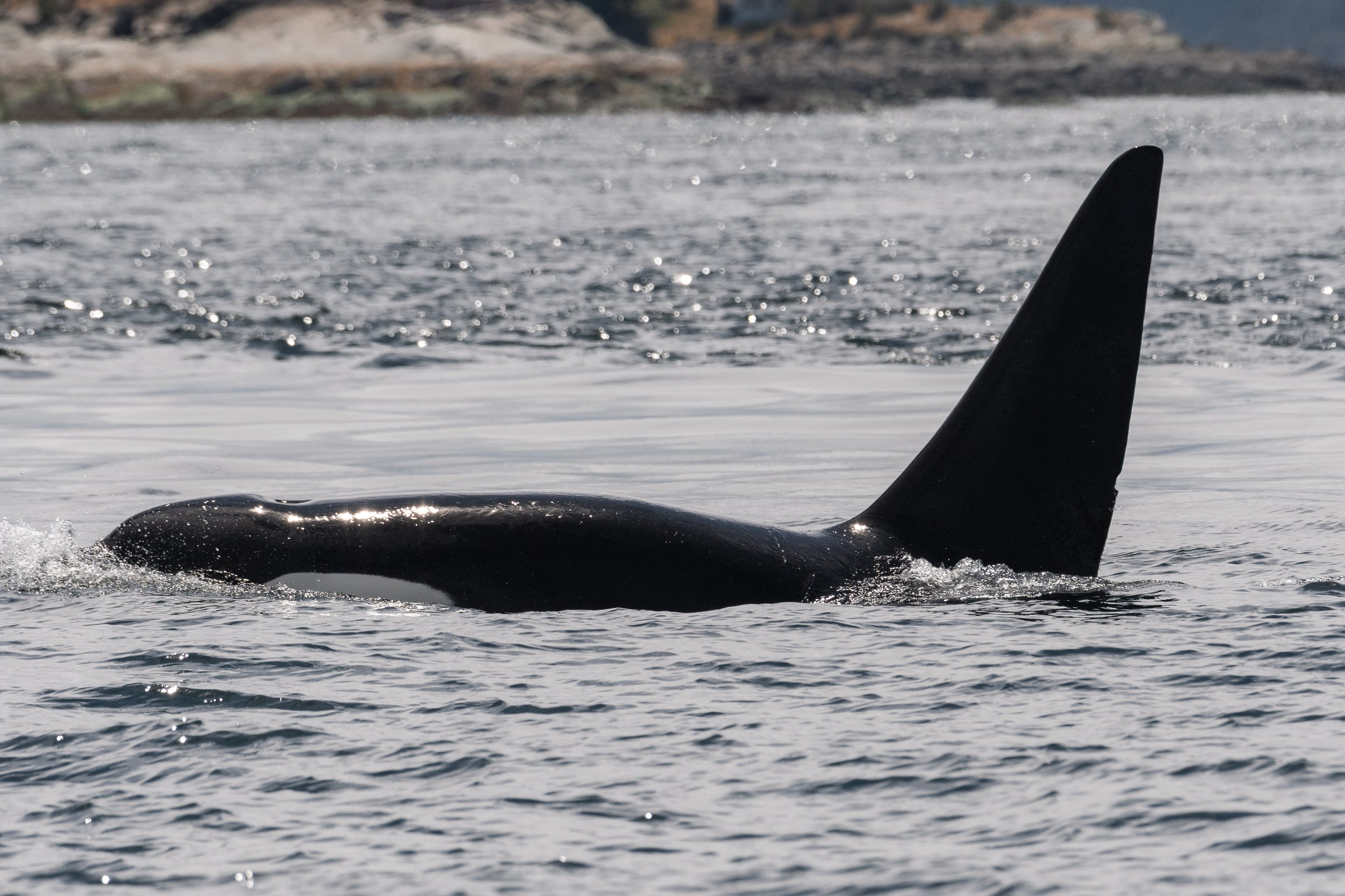
A great look at T049A1 Noah. Photo by Evan Hessels.
Other Wildlife
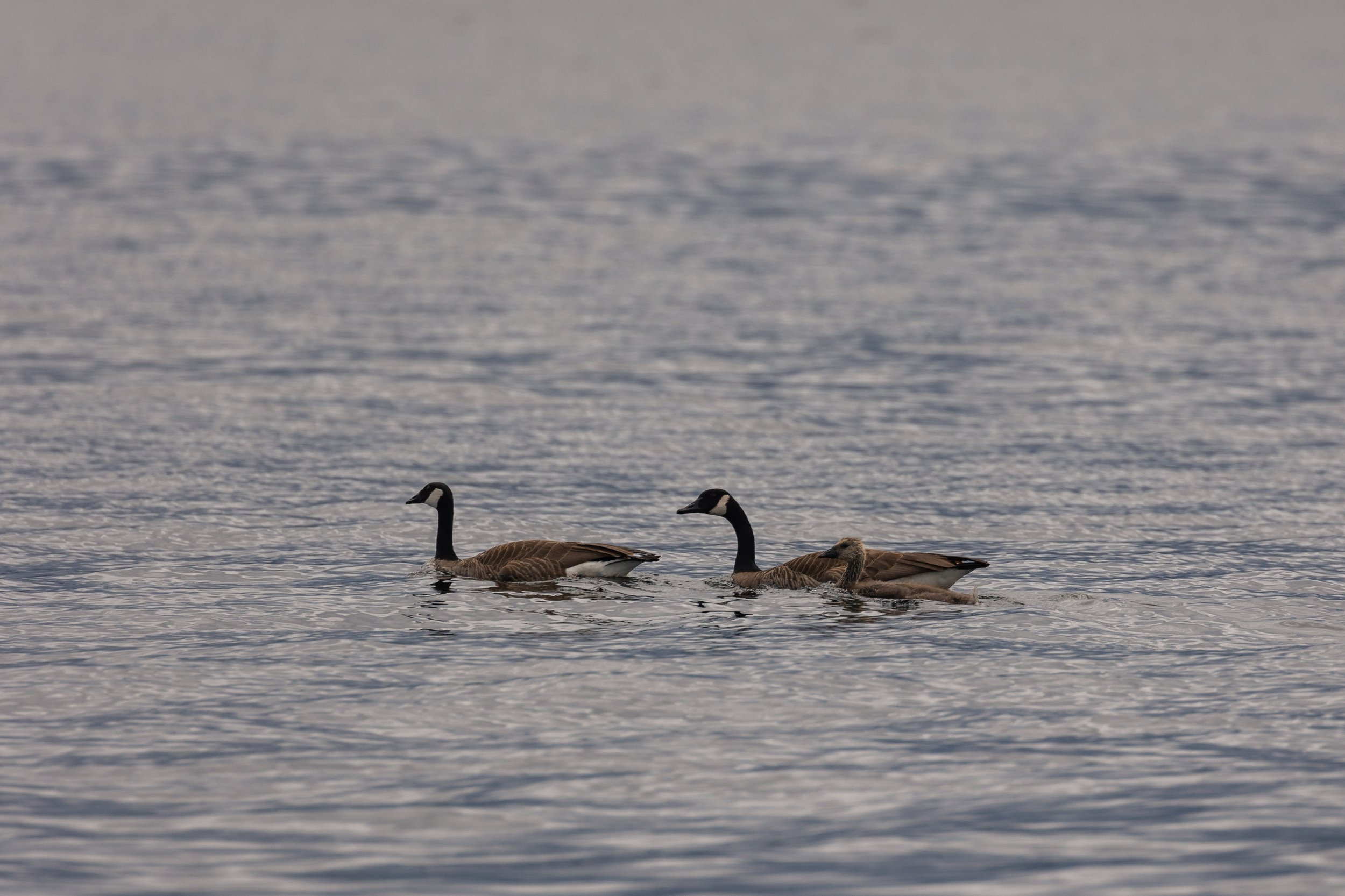
A lovely little canada goose family. Photo by Hayleigh Hilbert.