
July 7, 2026, 3:30 PM - Splashing Around!
Guests stepped aboard Kula this afternoon with plenty of excitement and anticipation, eager to discover what surprises the Salish Sea had in store. As we slipped away from the dock and out through Nanaimo Harbour, our onboard Naturalist introduced everyone to the clues we search for when looking for marine wildlife. Out here, the whales aren't tagged, chipped, or tracked; we find them the old-fashioned way, using sharp eyes, experience, and a little bit of luck.
Today, it didn't take long before our luck paid off.
Far out in the Strait of Georgia, a distant puff of mist caught our attention. A whale blow! We made our way over and settled into position, everyone scanning the water's surface as we waited for the whale to reappear. After what felt like an eternity, the ocean suddenly exploded into action.
A massive Humpback Whale launched completely clear of the water in an incredible breach, sending a curtain of spray high into the air. Before anyone had even finished reacting, the whale did it again... and again! The spectacle continued with several powerful pectoral fin slaps that echoed across the sea before the whale gracefully lifted its enormous tail flukes and disappeared beneath the surface. That brief look at the underside of its tail was all our Naturalist needed to identify the whale as Orion (BCX1251).
Witnessing a humpback breach is one of those moments that never loses its magic. Adult humpbacks can grow between 40 and 60 feet long and weigh as much as 40 tonnes, making them one of the largest animals on Earth. Launching a body that size completely out of the water is no small feat. In fact, a single breach is estimated to require about as much energy as a human running a marathon. It's an enormous investment of calories, which is exactly why displays like this are so memorable when they happen.
Naturally, guests were eager to know what could have inspired such an energetic performance. As our Naturalist explained, there are several theories. The simplest, and perhaps everyone's favourite, is that humpbacks might simply be playing. They are incredibly intelligent and curious animals, and we've seen plenty of evidence that they have playful personalities.
Another possibility is a little more practical. Humpbacks can carry thousands of whale lice along with hundreds of kilograms of barnacles on their bodies, and crashing onto the water's surface may help shake loose some of these persistent hitchhikers.
The final theory is one that seemed especially fitting this afternoon: communication. Sound travels roughly four times faster underwater than it does through the air, and the thunderous crash created by a breaching whale can travel remarkable distances. It's possible Orion wasn't just putting on a show for us, they may have been announcing their presence to any nearby whales.
After watching the series of breaches followed by repeated pec slaps, our Naturalist suggested this explanation seemed the most likely and encouraged everyone to keep scanning the horizon. If Orion was trying to get another whale's attention, perhaps we'd see a response.
Almost as if on cue, enormous splashes suddenly appeared in the distance.
Another humpback was breaching!
With excitement building once again, we carefully made our way over to investigate. Our second whale turned out to be the 2022 calf of Kappa (BCX2492), continuing the afternoon's impressive display. Although we'd arrived just in time to confirm the source of all the commotion, the youngster had clearly finished showing off. After surfacing a few times, it arched its back, lifted its tail, and slipped beneath the surface for a long, leisurely dive.
With two incredible humpback encounters already behind us, we wished both whales well and continued our search across the Salish Sea, eager to discover what other wildlife the afternoon might still have in store.
Our next stop took us to one of our favourite wildlife hotspots near Valdes Island. A bustling pinniped haul-out affectionately known by our crew as Stinky Rock. One sniff of the air and it's not hard to figure out how it earned its nickname!
The Steller Sea Lions were putting on quite the performance. The massive marine mammals had claimed one end of the rock, where a noisy chorus of deep, guttural roars echoed across the water as they argued over the best lounging spots. Every now and then, one would lumber across the haul-out, sending its neighbours grumbling in protest and giving everyone on board a good laugh. Despite all the apparent drama, this noisy social behaviour is completely normal, especially when dozens of sea lions are packed together on a single rock.
The opposite end of the haul-out couldn't have been more different. Here, a group of Harbour Seals had mastered the art of relaxation. They lay sprawled across the warm rocks, soaking up the last of the afternoon sunshine, occasionally stretching a flipper or lazily lifting their heads to watch us drift by. Compared to their much louder neighbours, they seemed perfectly content to let the sea lions have all the arguments.
This time of year makes these sightings even more special, as we've just entered harbour seal pupping season. Tiny pups can often be seen hauled out alongside their mothers, enjoying just three to six short weeks together before the youngsters are weaned and begin life on their own. It's a remarkably brief chapter in their lives, making every opportunity to witness these family moments feel that little bit more meaningful.
Keeping a watchful eye over the haul-out was another iconic resident of the Salish Sea. Perched on the rocks, a Bald Eagle struck a picture-perfect pose, its brilliant white head glowing in the afternoon light. While it certainly looked majestic, we couldn't help but wonder whether it was also keeping an eye on the seal nursery below. Nature is full of beautiful moments, but it's also full of hungry mouths, and even the most peaceful wildlife stop comes with a reminder that every species has its role in this incredible ecosystem.
Speaking of hungry…
After swinging in through Gabriola Passage to search some more within the Southern Gulf Islands, we came across a family of Transient Killer Whales enjoying a meal together. This family consisted of:
T124A2 Elkugu ♀ (2001)
T124A2A Agafia ♂ (2013)
T124A2B Litton ♀ (2016)
Although we'd arrived just after the main event, all the clues pointed to one conclusion - they had just made a successful hunt.
Instead of travelling with purpose, the whales were milling together in a tight area, surfacing close beside one another before disappearing beneath the water for short periods. Every so often, one would deliver an emphatic tail slap. These exuberant displays are often seen following a successful hunt and are thought to be celebratory.
There was another giveaway floating overhead. A flock of opportunistic gulls circled excitedly above the whales, hoping to snatch any leftovers drifting to the surface. While the orcas had done all the hard work, the gulls were more than happy to volunteer as the clean-up crew.
Transient Killer Whales are highly skilled marine mammal hunters, relying on teamwork, stealth, and years of experience to catch prey such as seals, sea lions, and porpoises. Hunts can unfold in complete silence, with each member of the family playing an important role before they gather to share the meal. Although we hadn't witnessed the chase itself, watching the whales celebrate and feed together offered a fascinating glimpse into the social lives of these remarkable predators.
Eventually, dinner came to an end. The family formed back into a travelling line and began making steady progress northward, surfacing every few minutes for a handful of breaths before slipping silently beneath the surface once again. We stayed alongside them for a while longer, soaking up every moment before wishing them well as they continued on their journey through the Salish Sea.
With unforgettable encounters, it was hard to imagine a better way to spend an afternoon on the water. As we cruised back toward Nanaimo, guests were still chatting excitedly about the day's highlights, already reliving the moments that had made this adventure one to remember.
Please enjoy the photos from this trip, taken by Marine Naturalist, Hayleigh Hilbert.
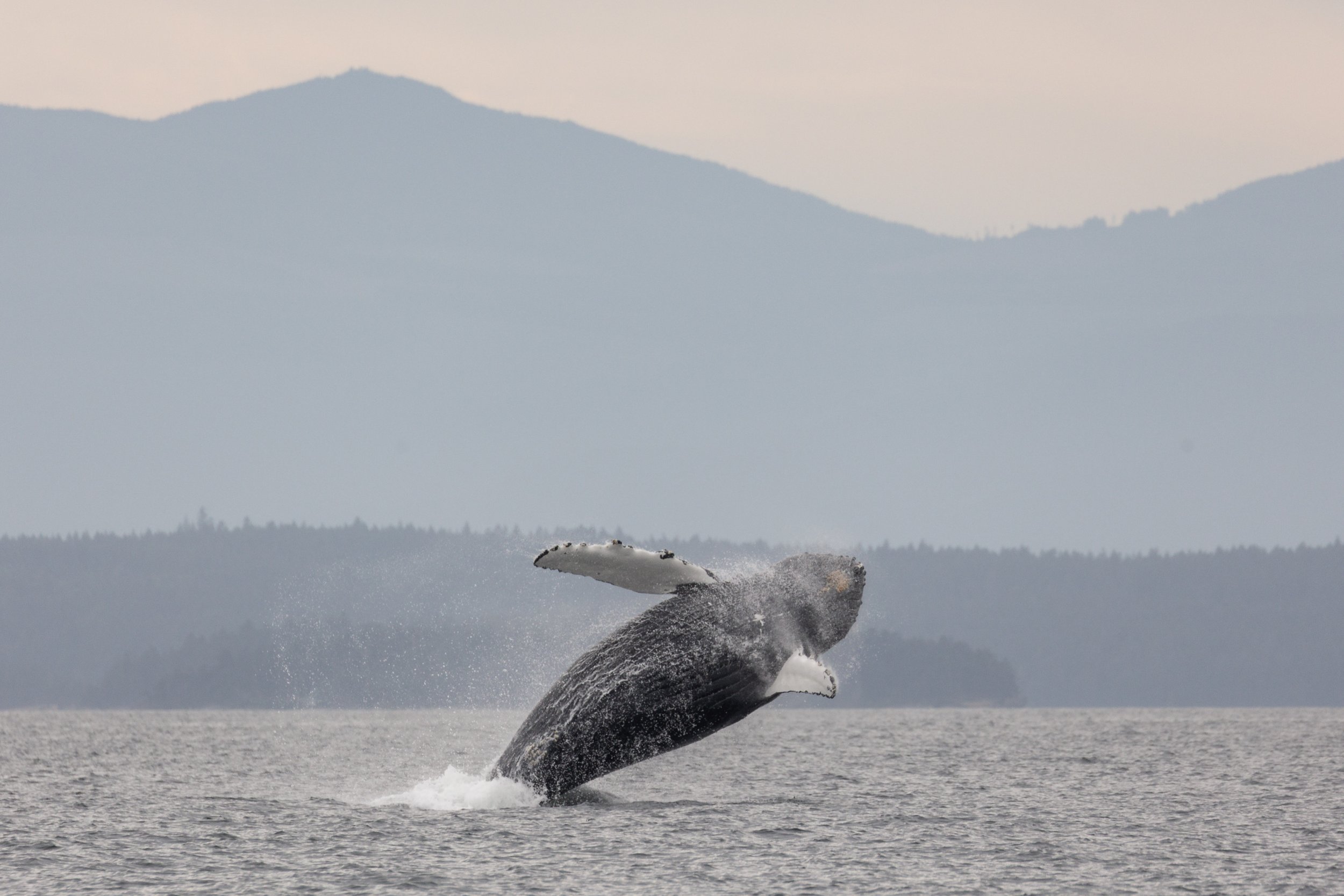
Breach for the sky!
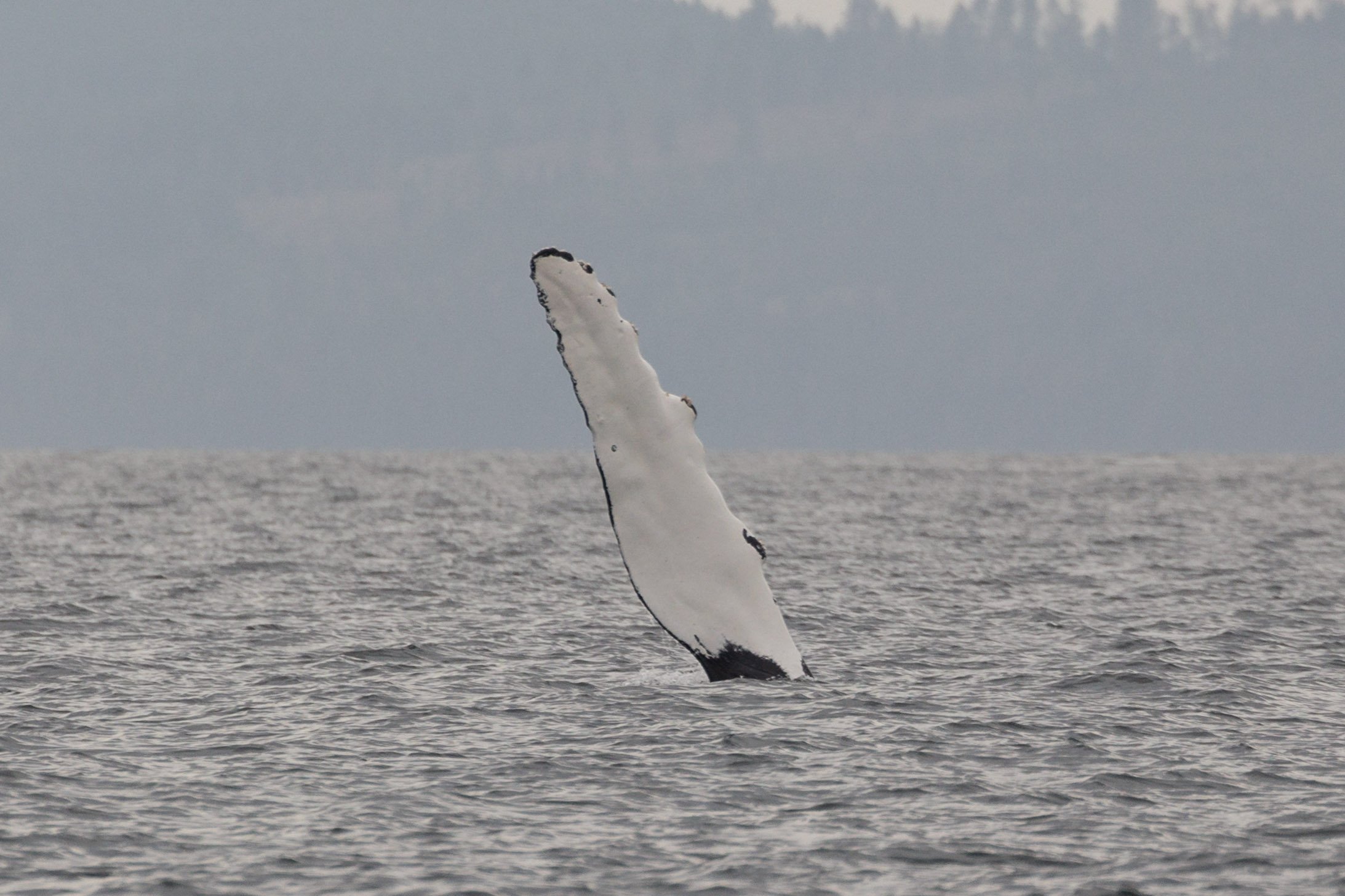
Did you know a humpbacks pectoral fin can be 16 feet long.
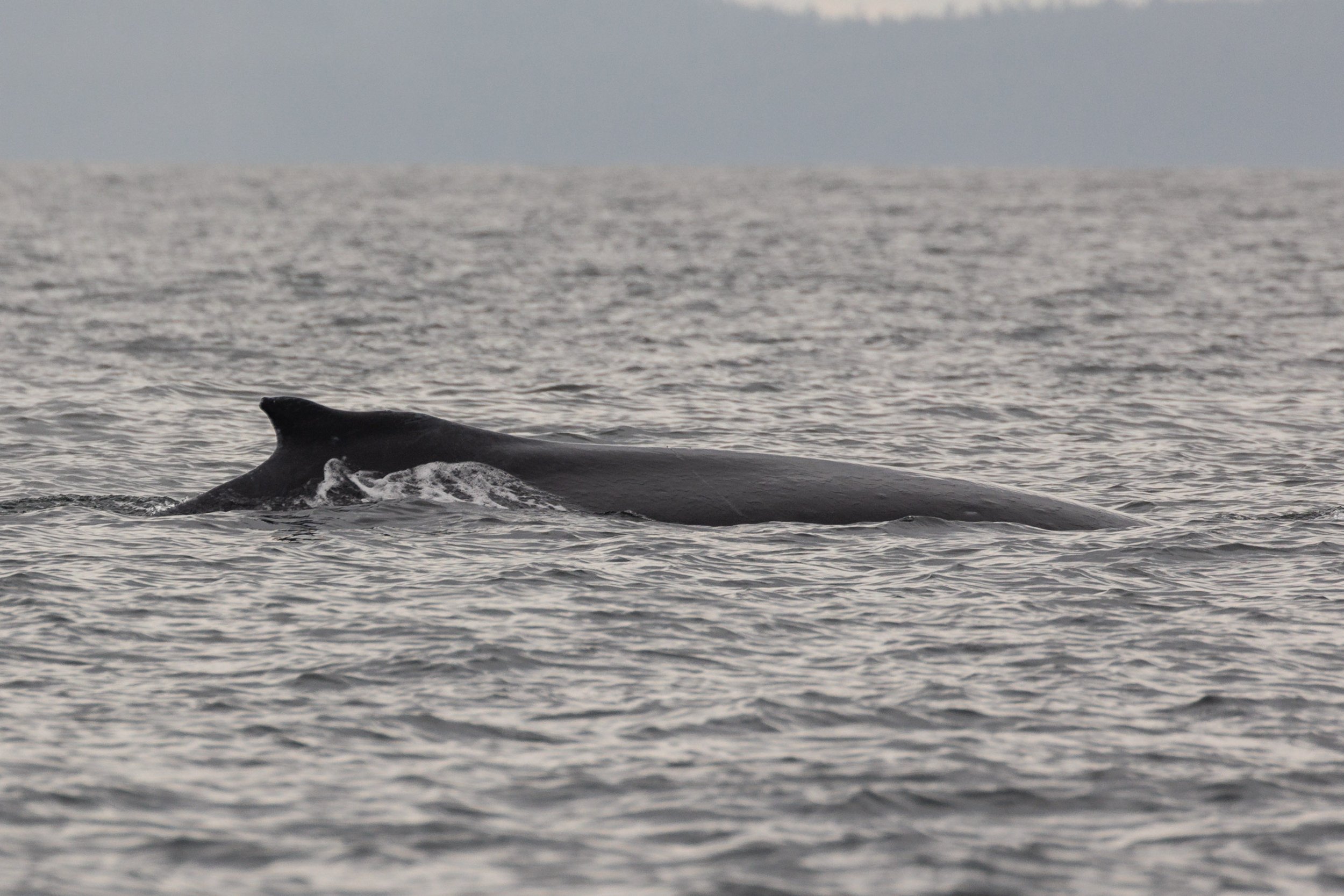
Did you know we can ID humpbacks by their dorsal fin? This is Orion!
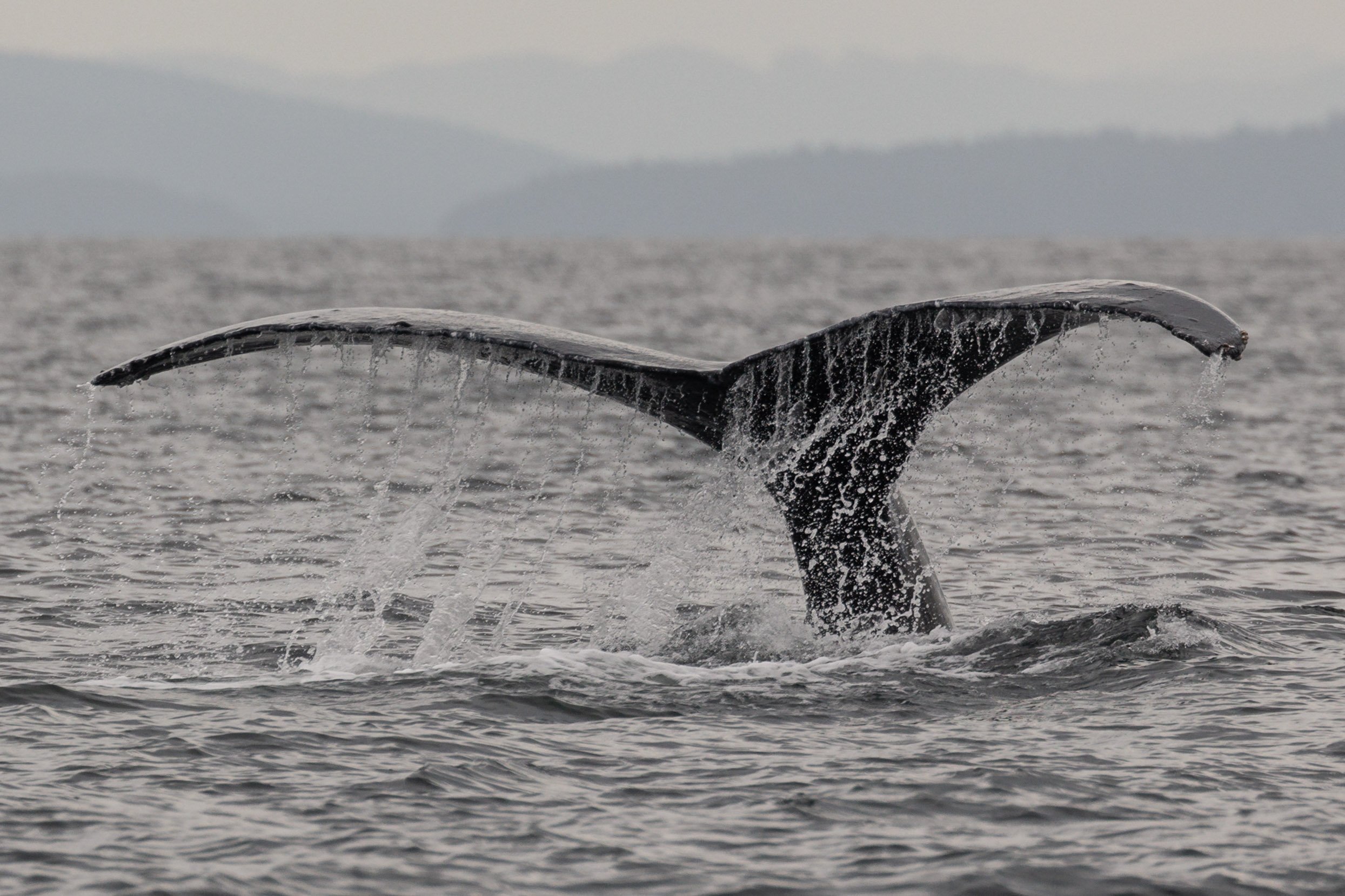
Orion going for a dive.
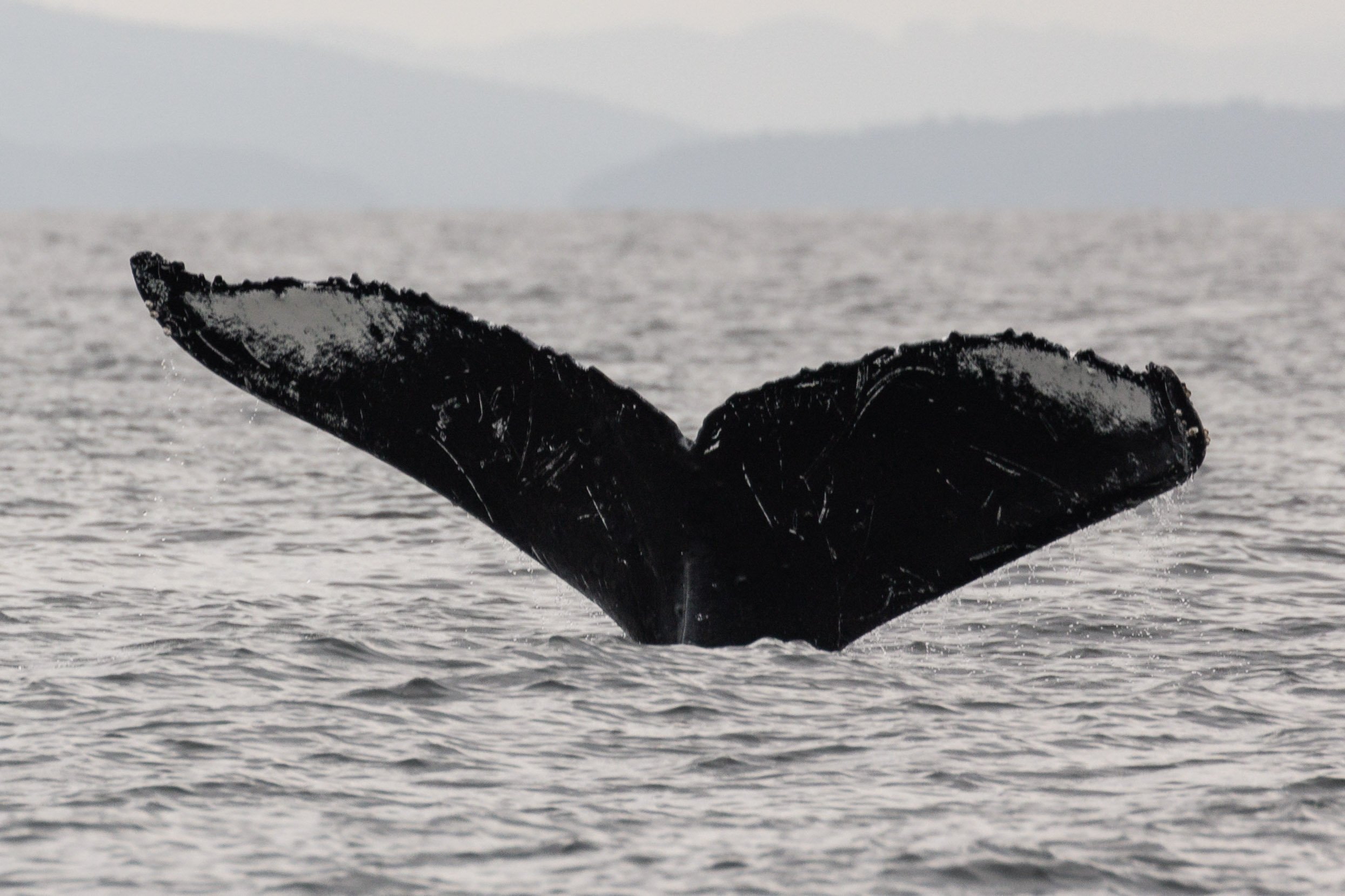
Each fluke is as unique as a finger print. This is Orion!
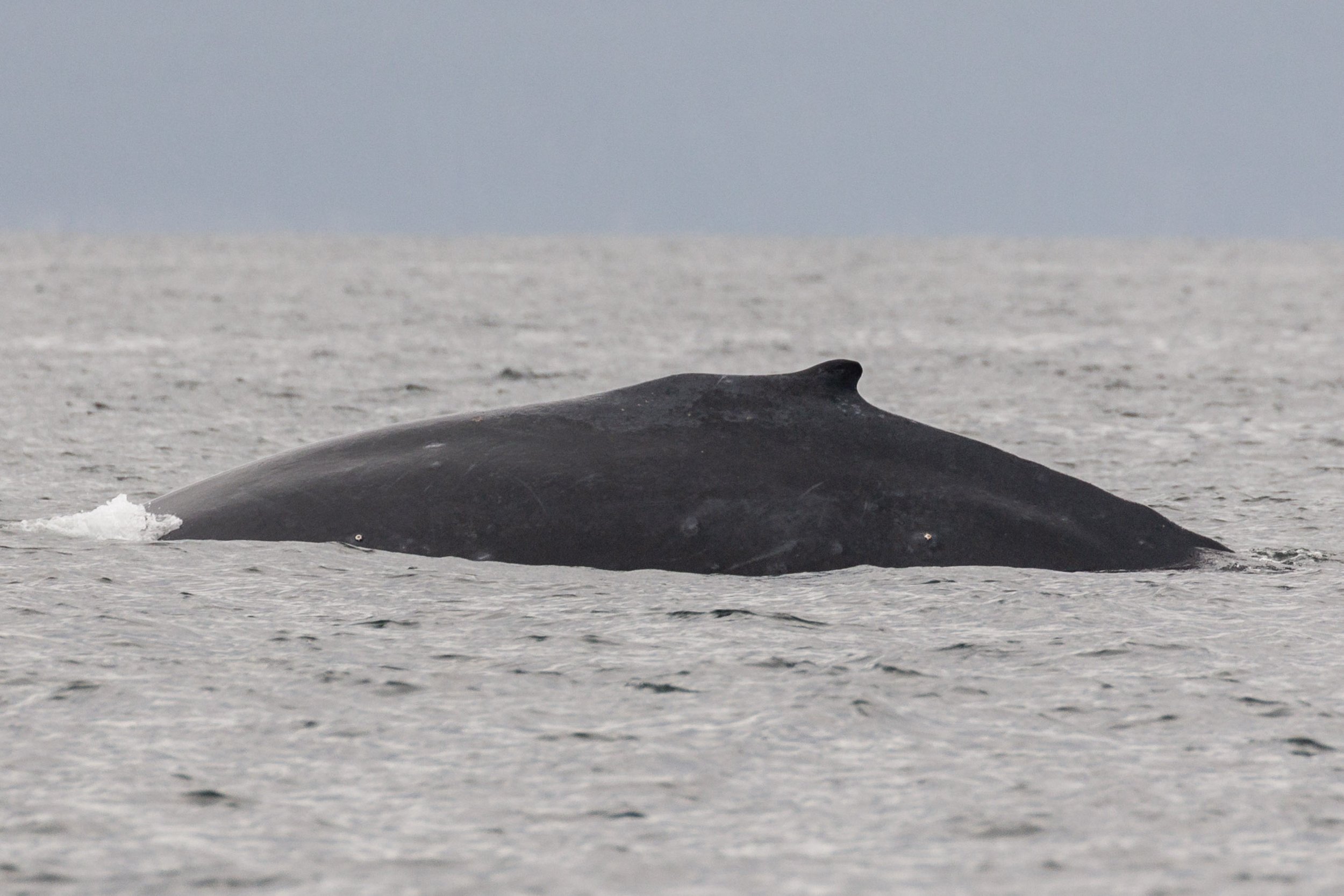
BCX2492 coming up for a breath.
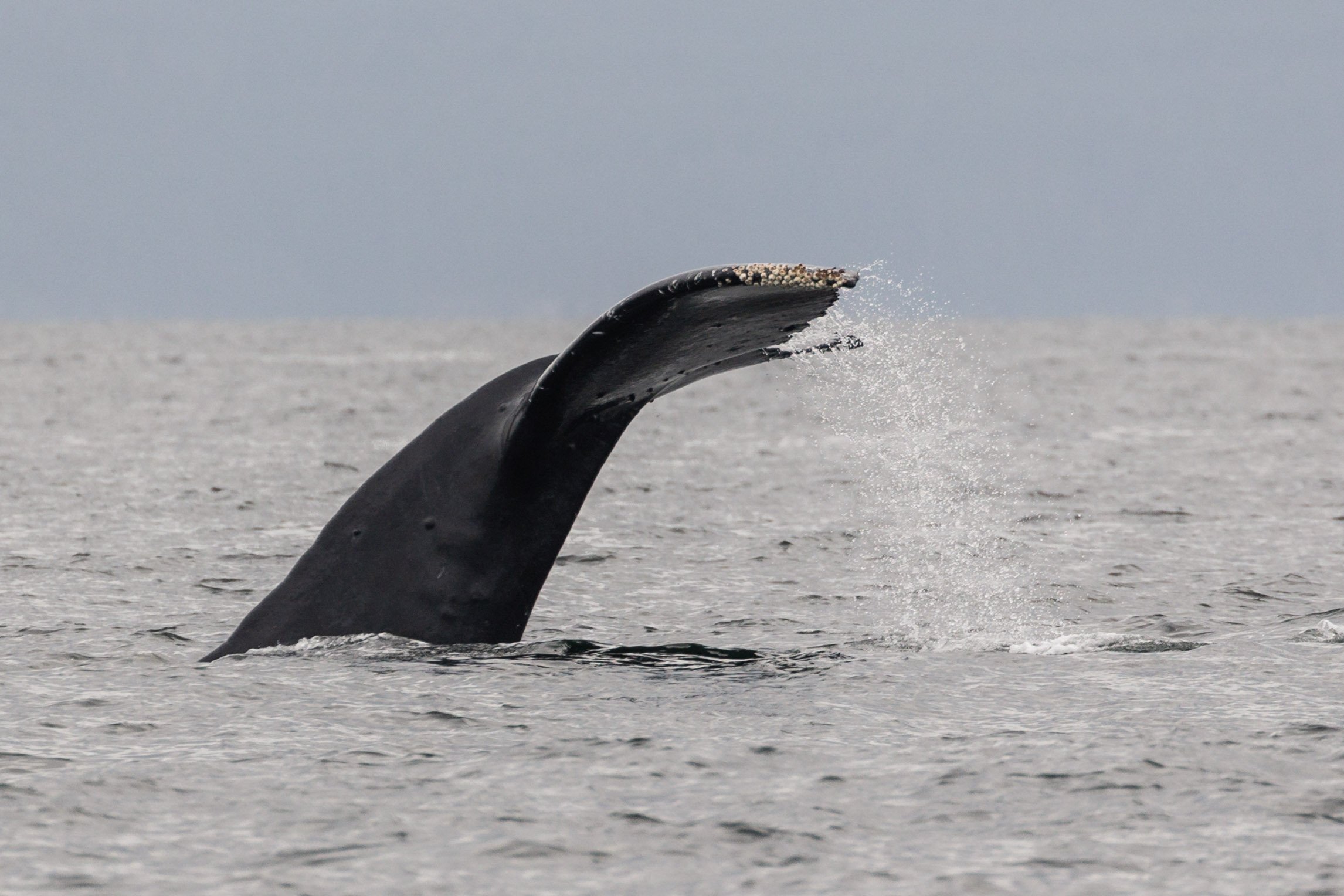
Flukes up!
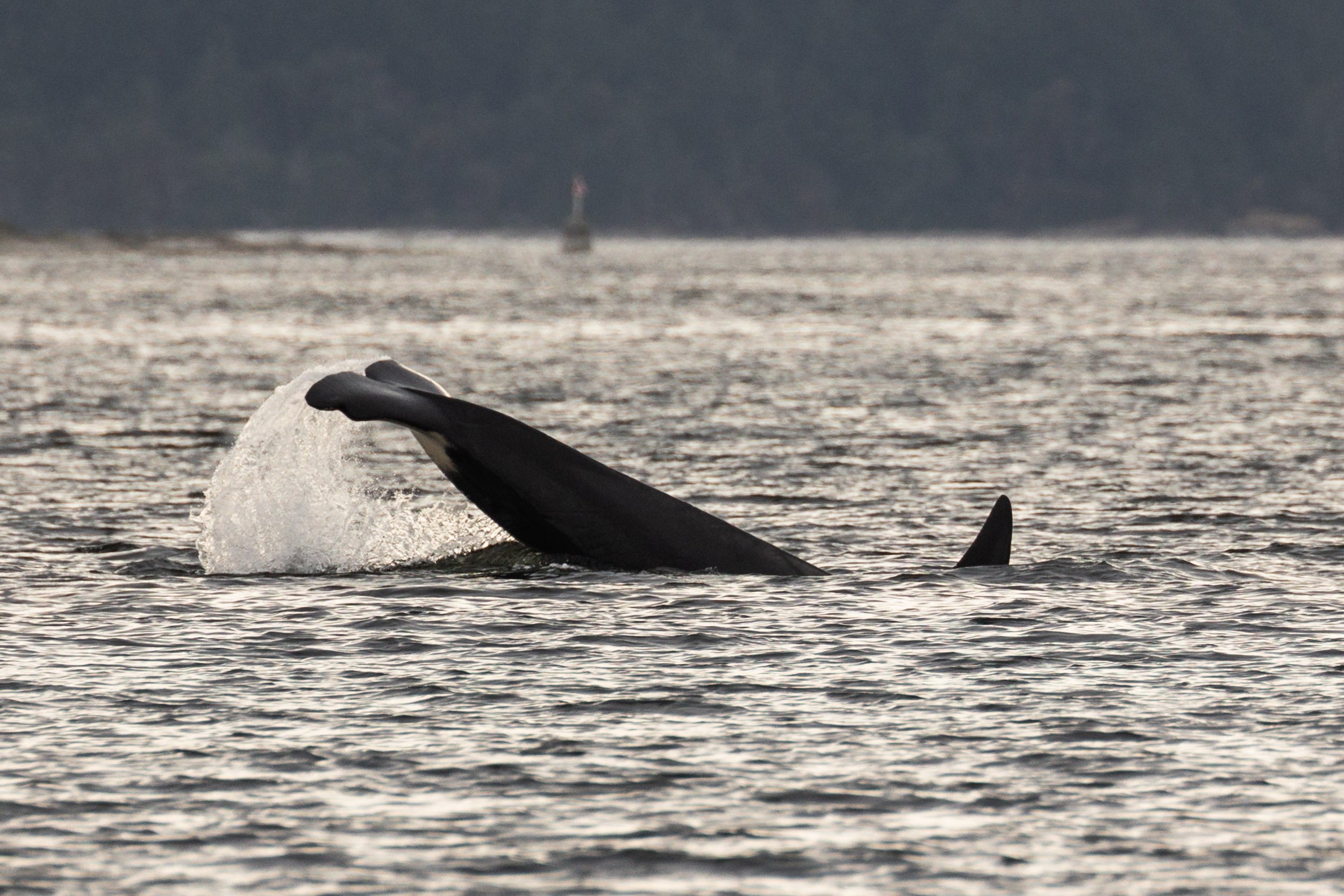
T124A2A Agafia has a unique notch out of his fluke.
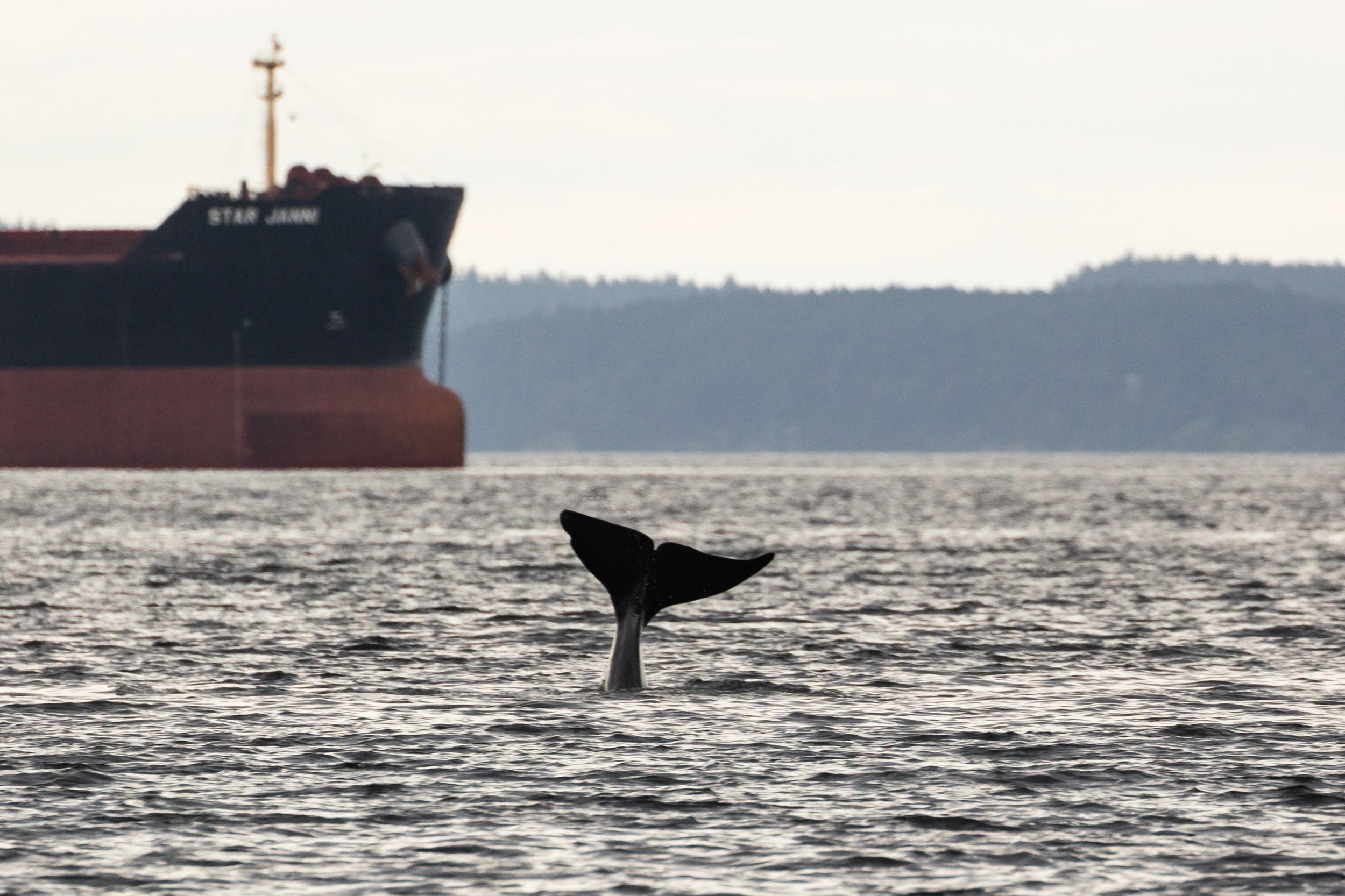
T124A2A Agafia with a scenic tail slap.
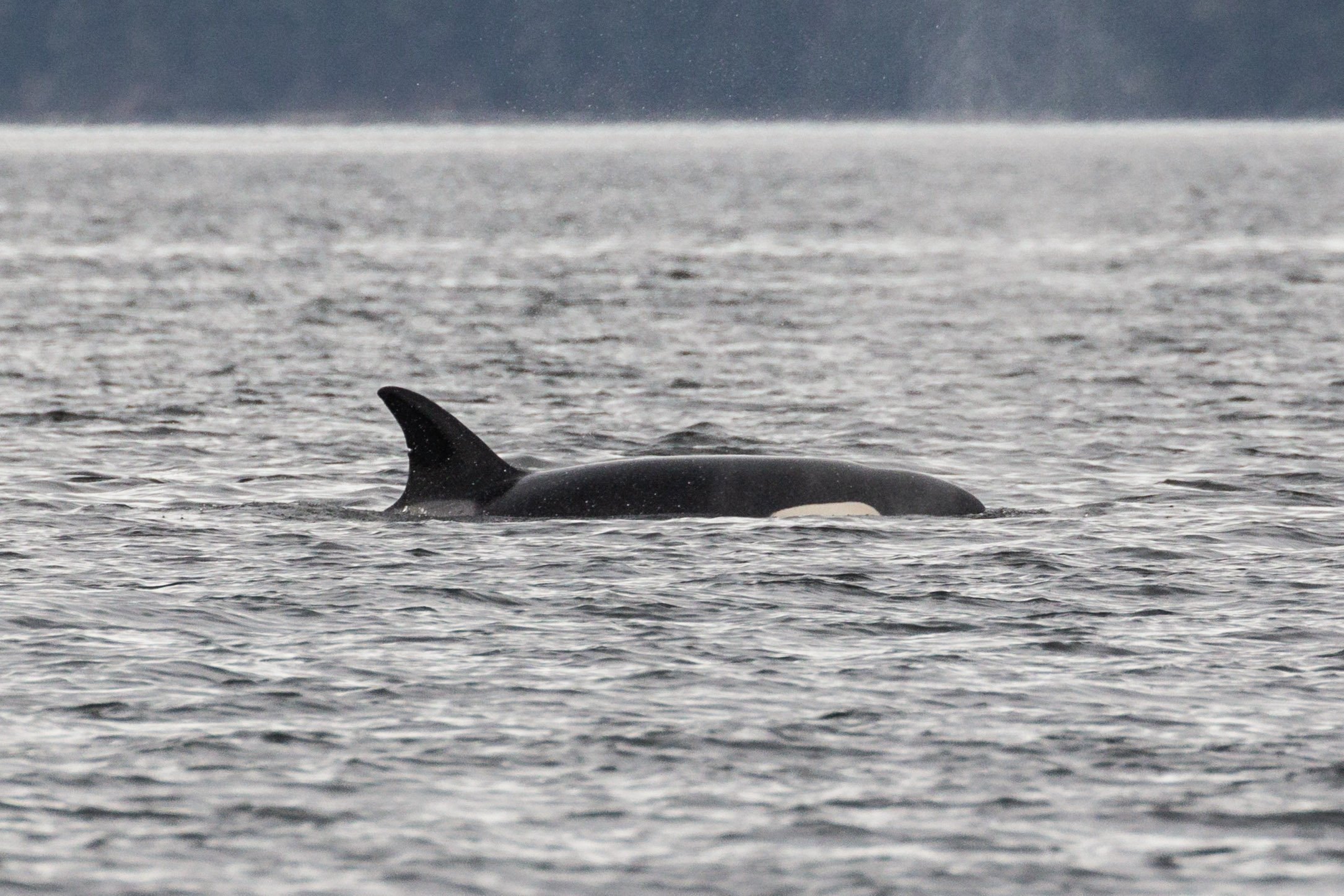
T124A2B Litton is easy to ID with the large notch in the middle of her fin.
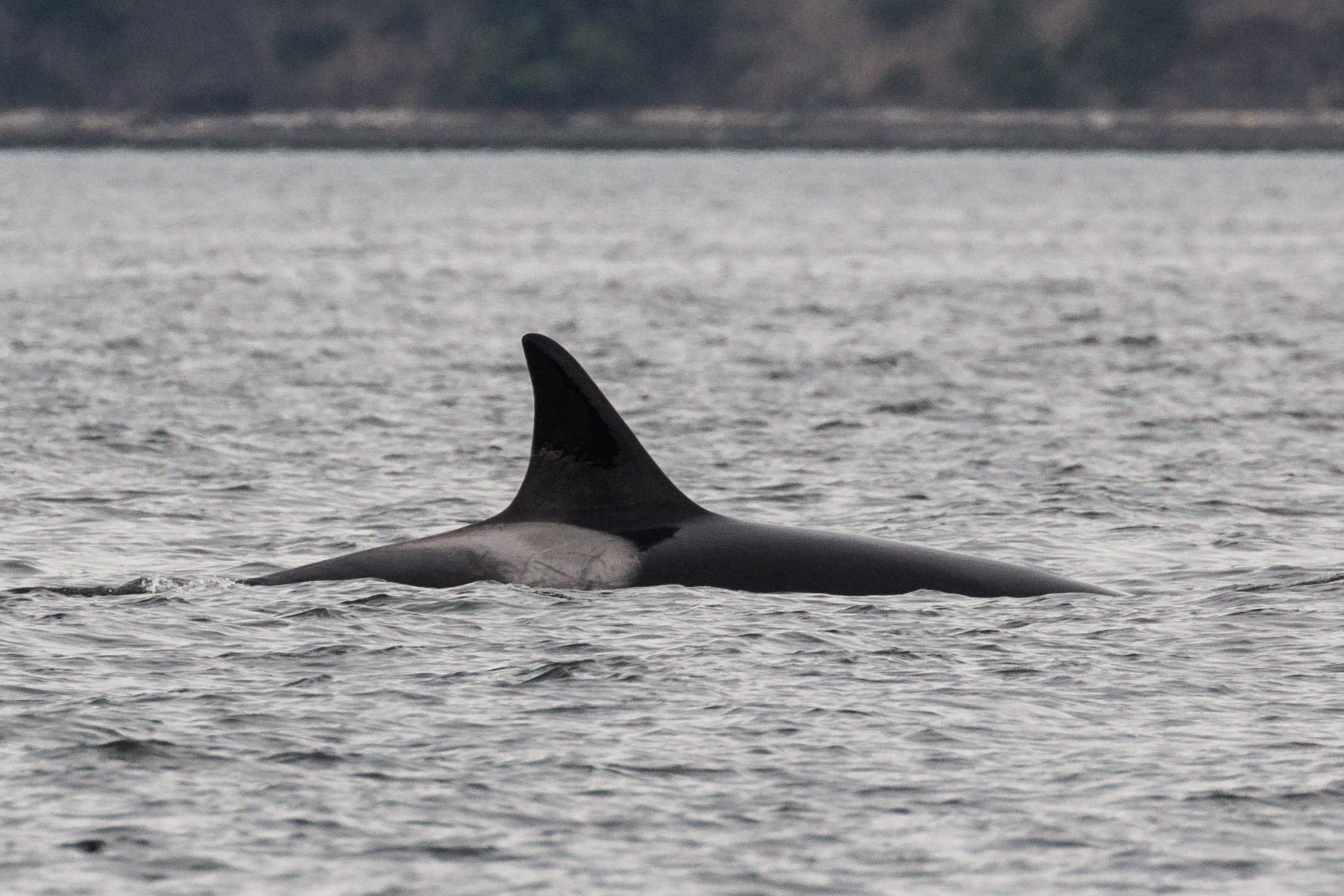
T124A2 Elkugu is the matriarch of the T124A2 matriline.
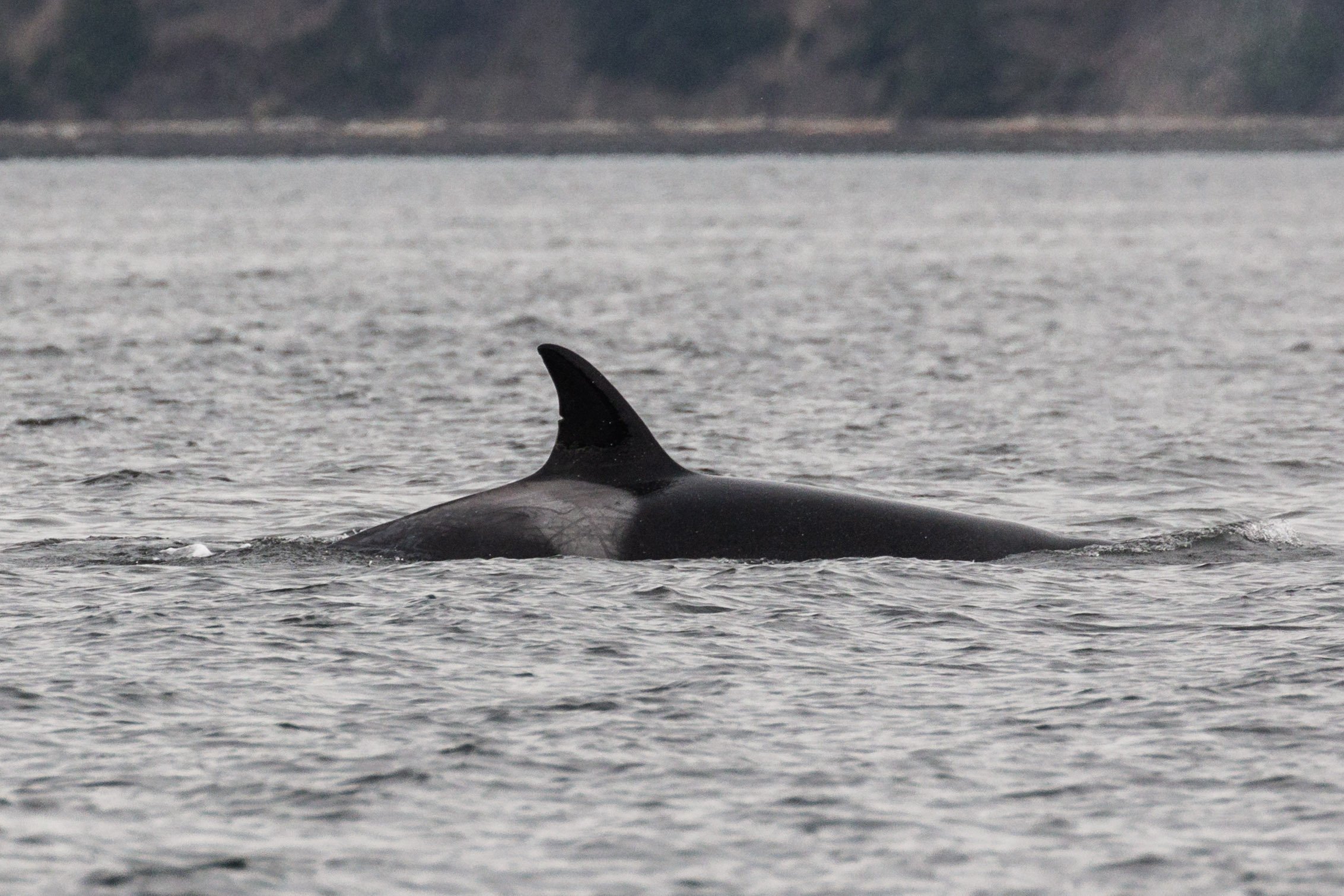
T124A2B Litton is Elkugu’s youngest daughter.
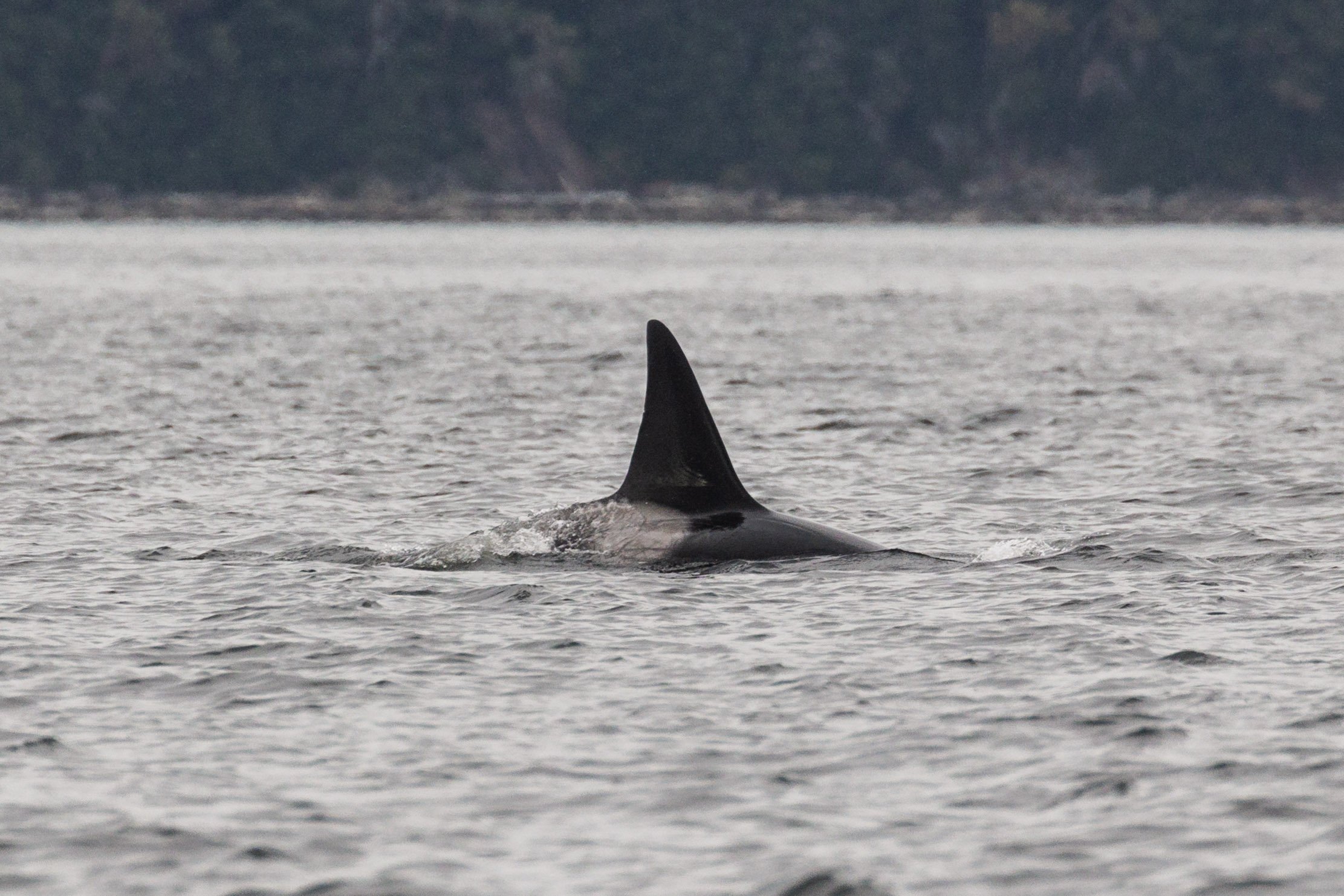
One day T124A2A Agafia’s dorsal fin will be 5-6 feet tall!
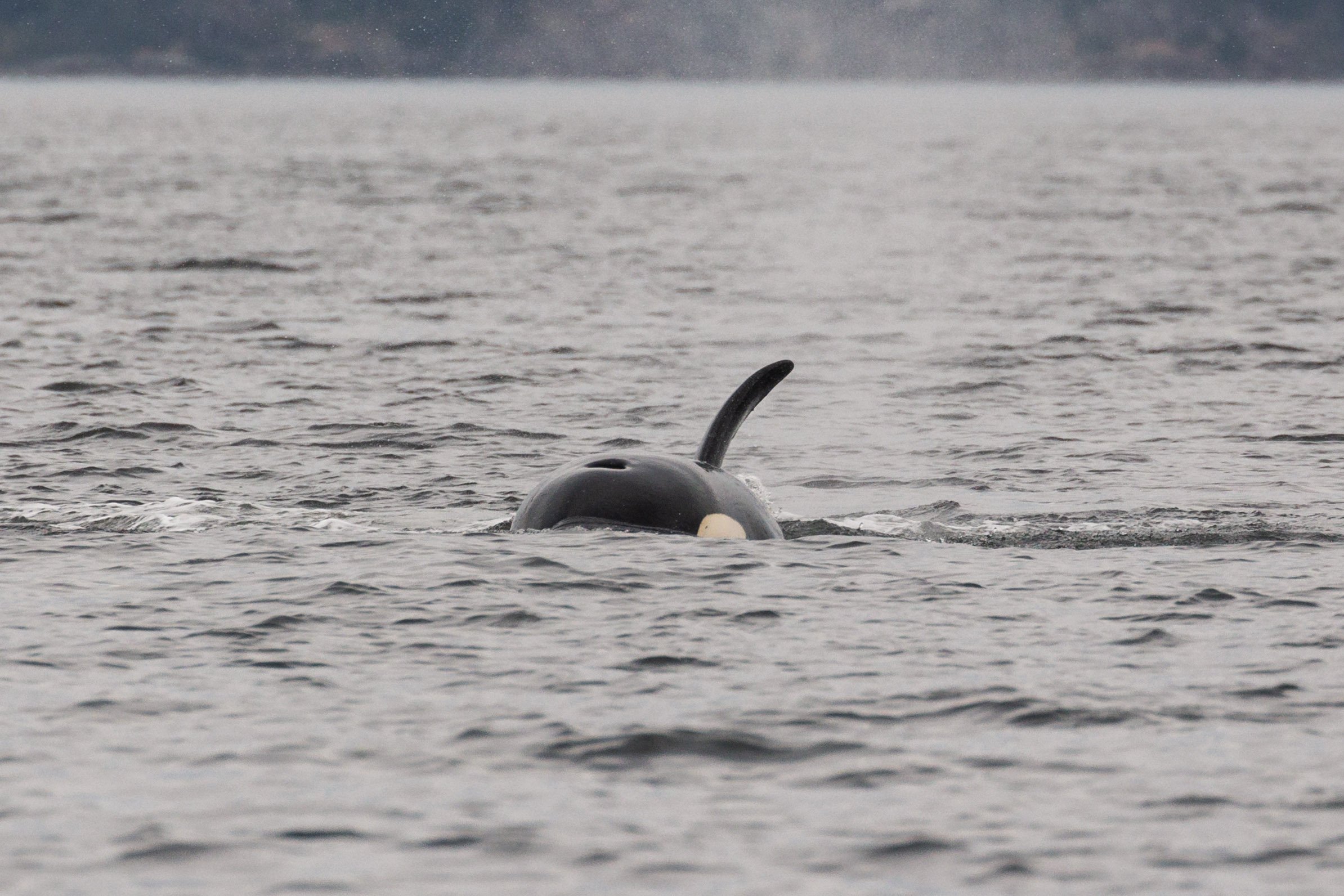
T124A2A Agafia has a freckle on his left eypatch.
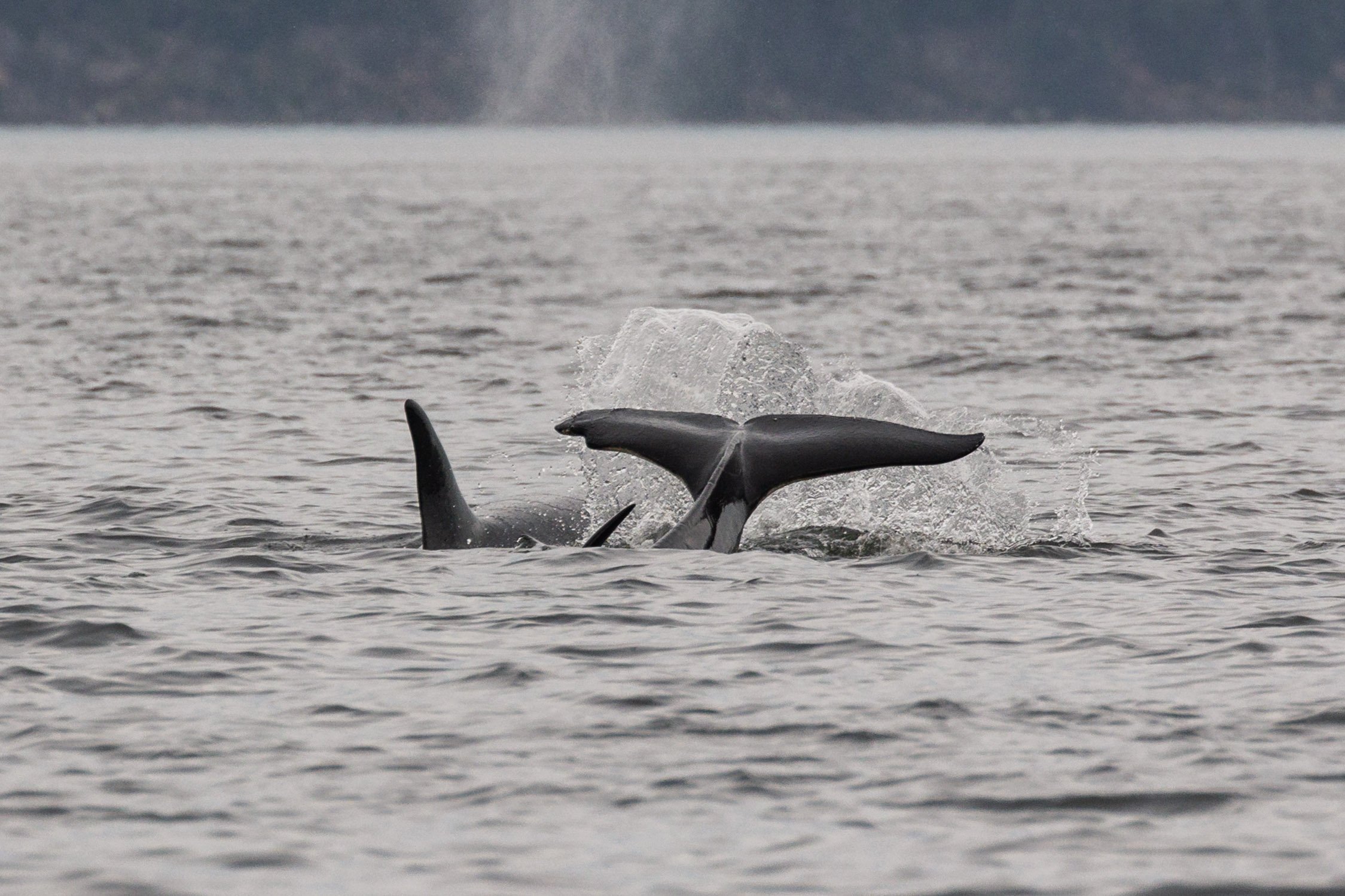
Tail slapping is a fantastic way to communicate.
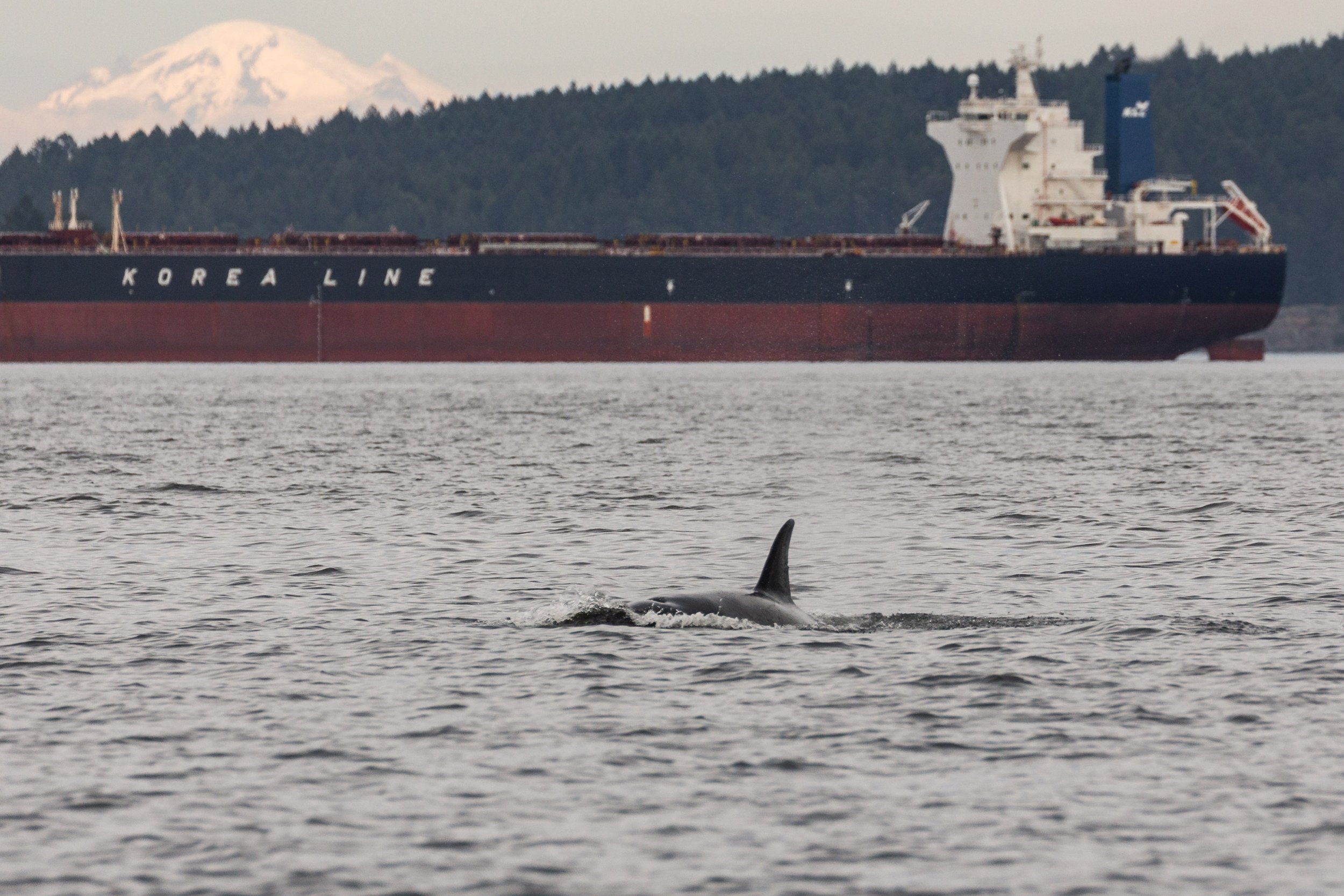
T124A2B Litton with a cargo ship and Mount Baker in the background.
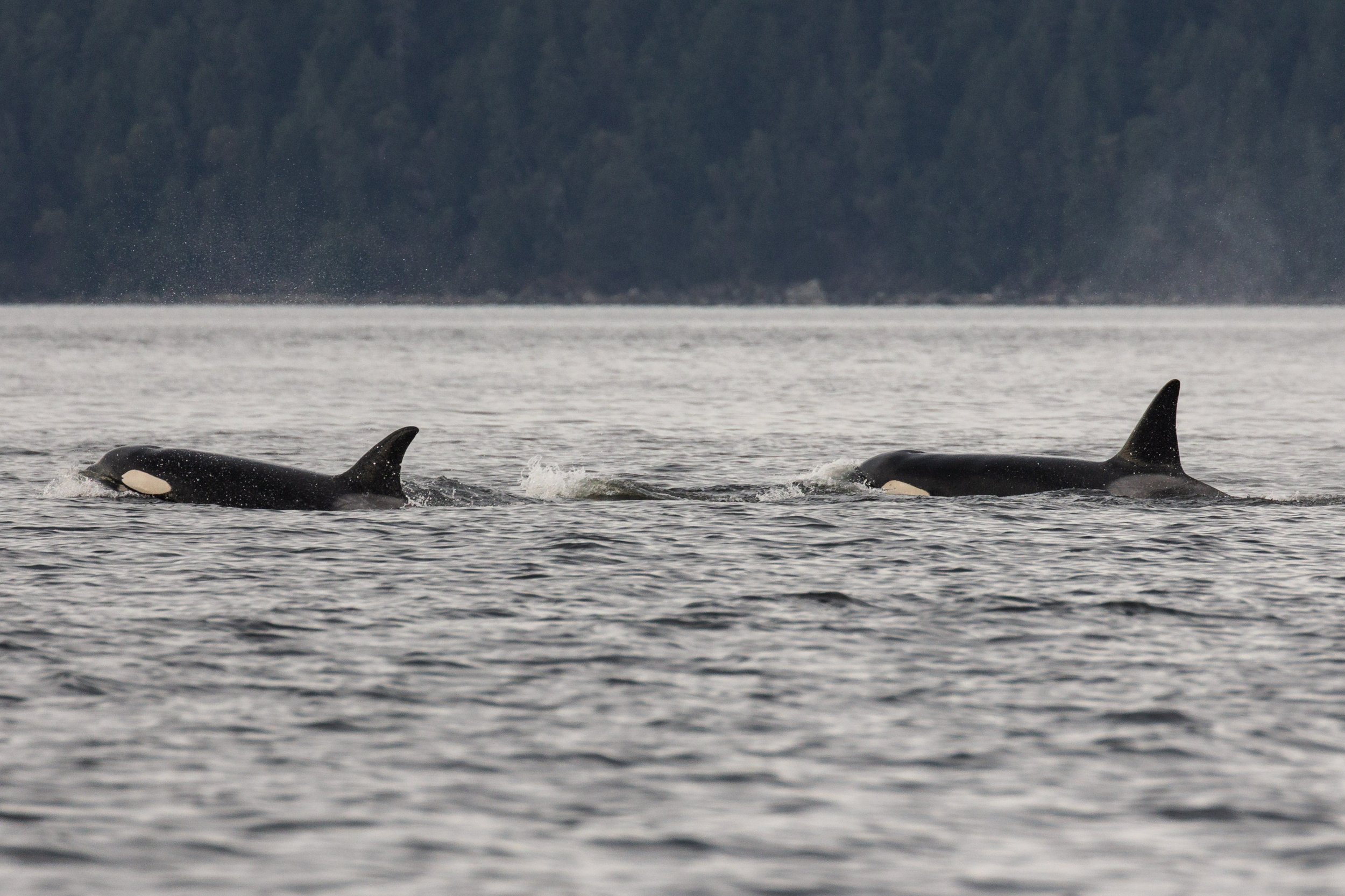
T124A2B Litton being followed by T124A2A Agafia
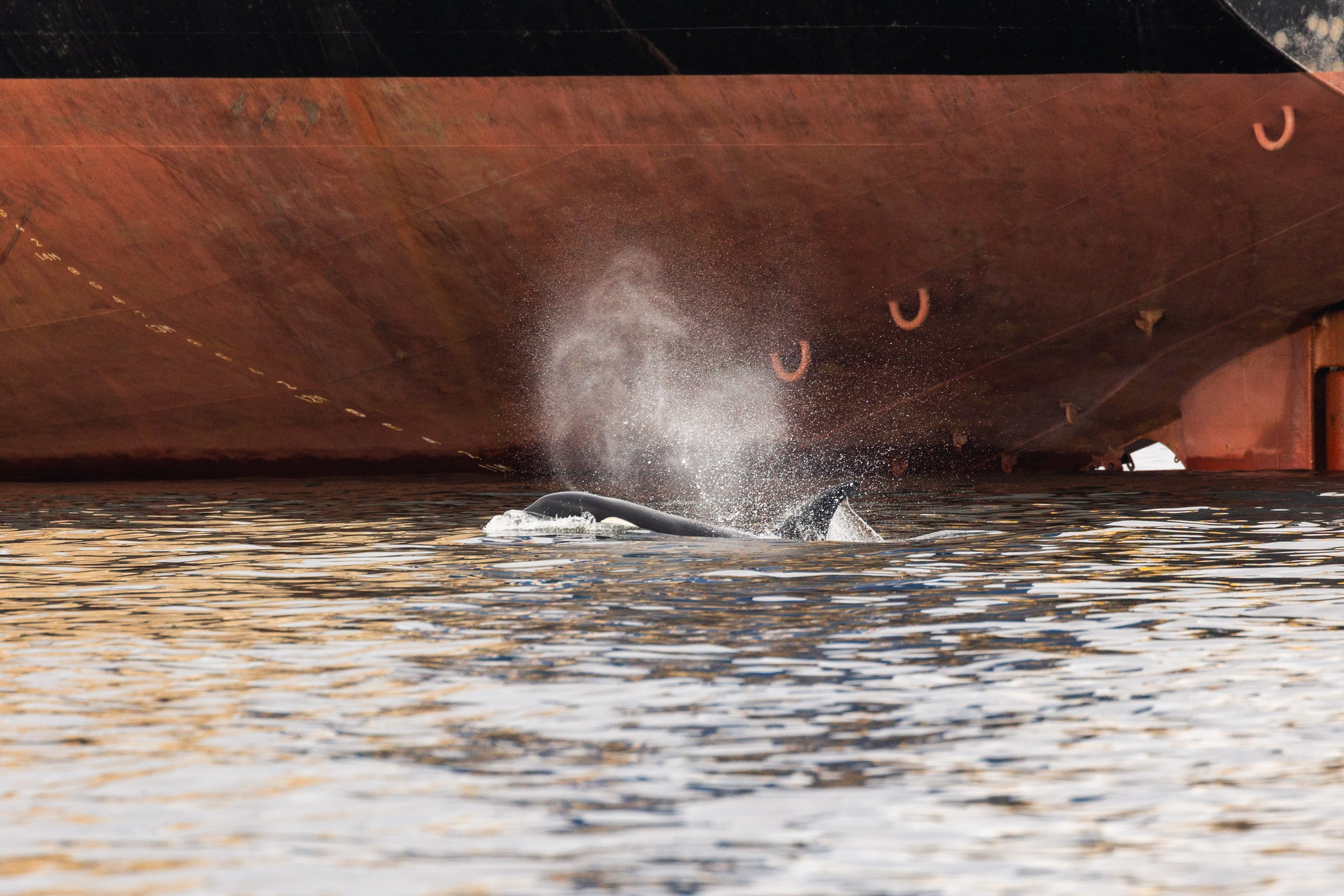
T124A2A Agafia coming up in front of a ship.
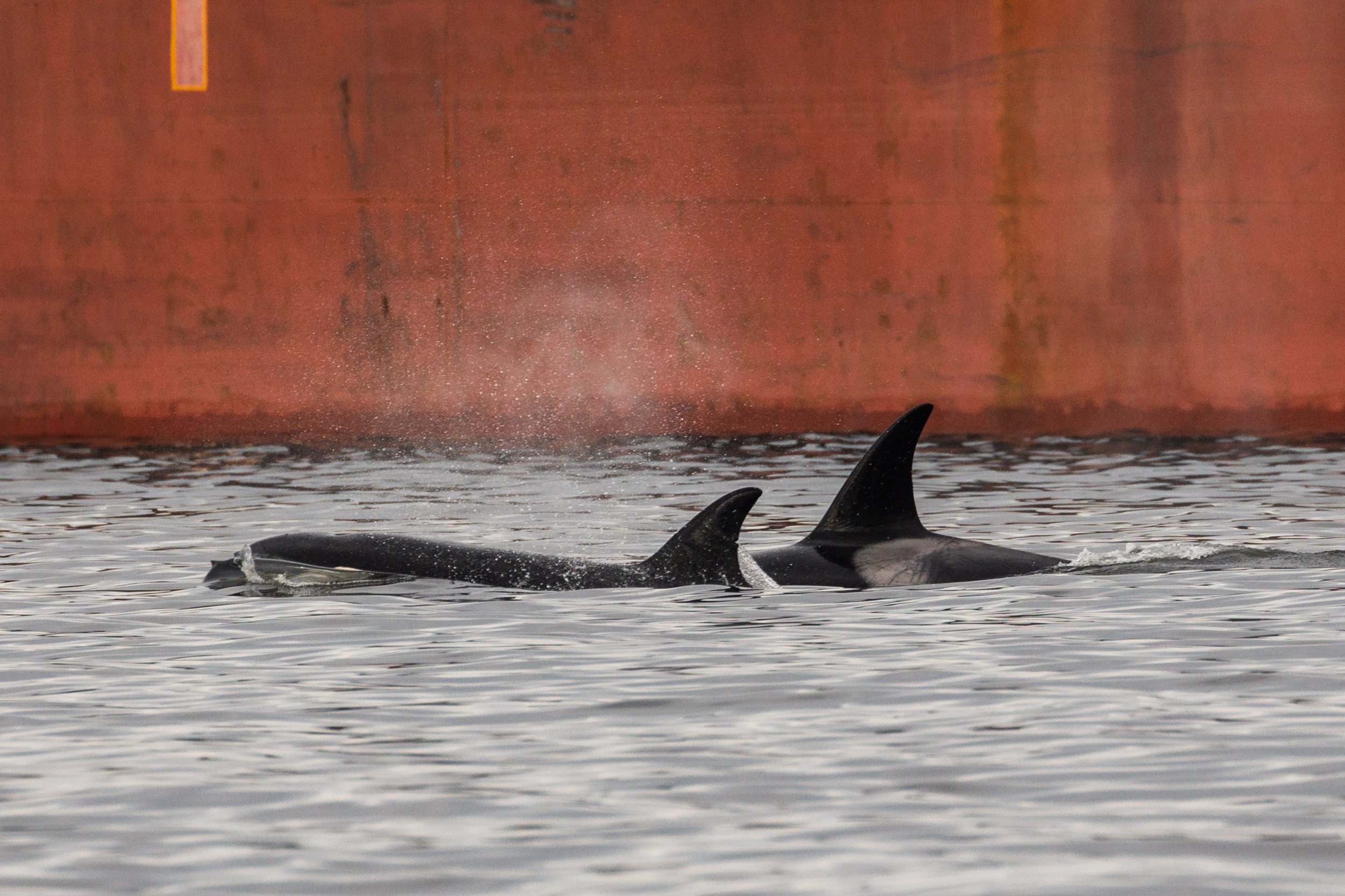
T124A2B Litton and T124A2A Agafia side by side.
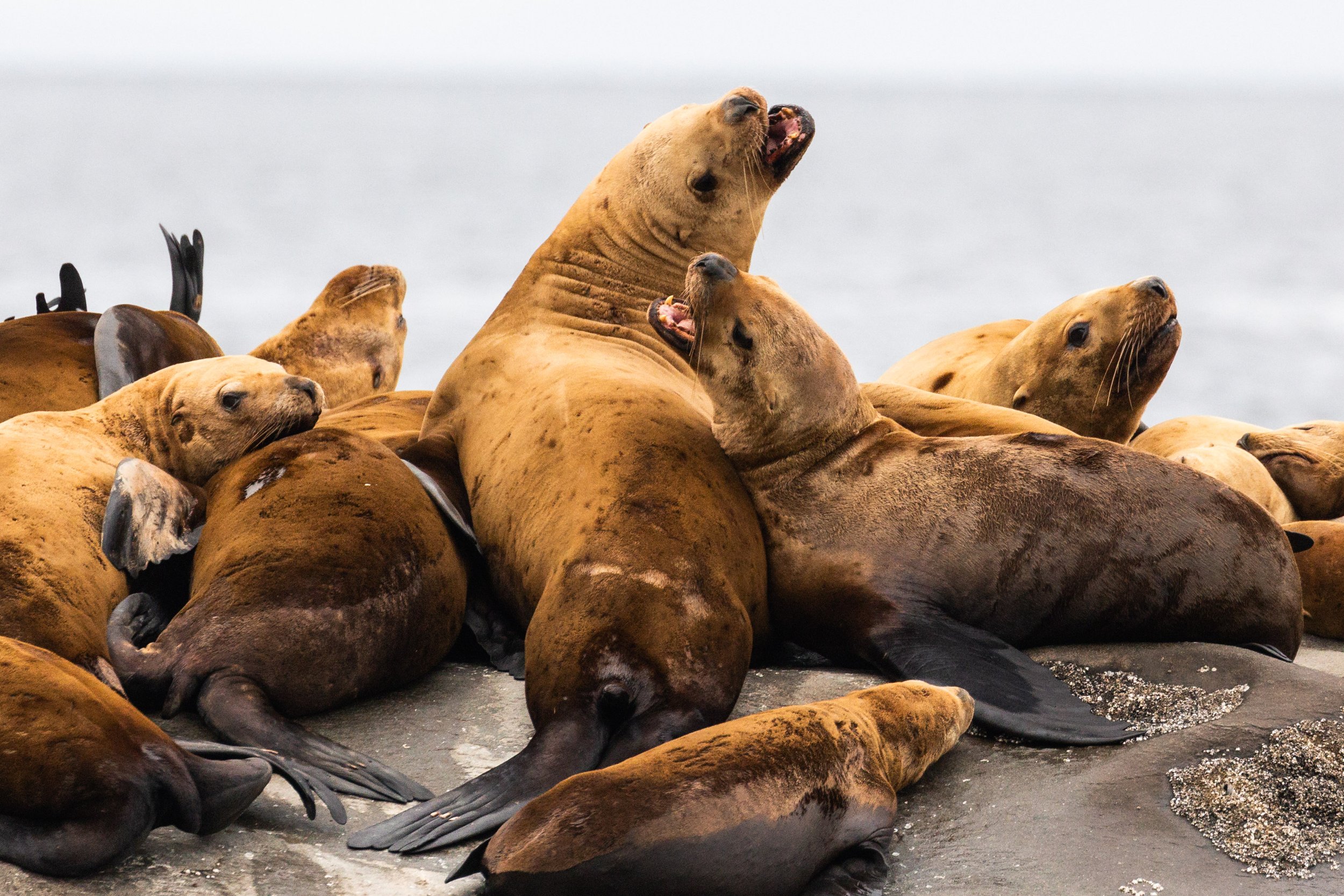
A Steller Sea Lion snuggle puddle.
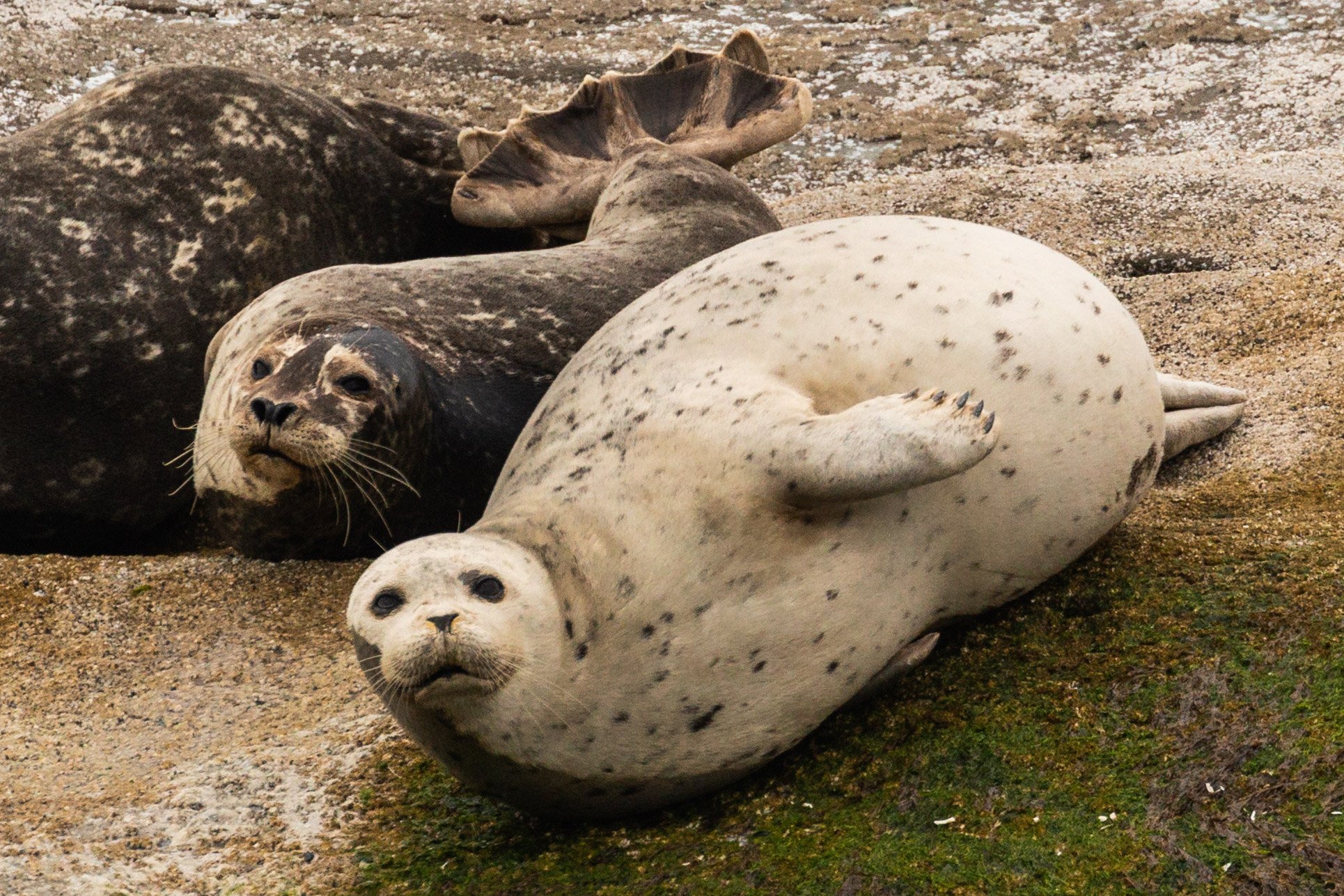
We are entering pupping season and this lady is ready to pop!
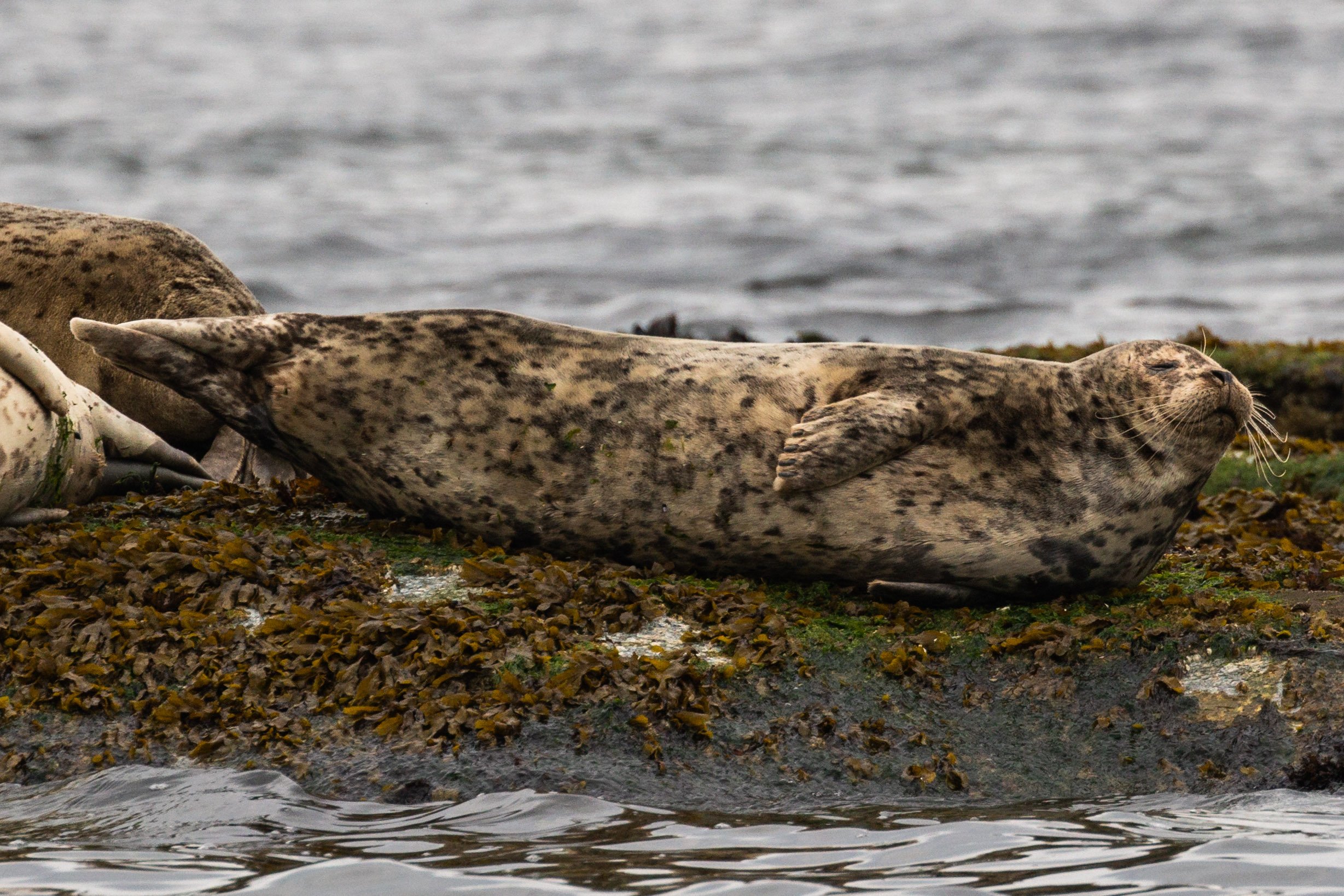
A relaxed Habour Seal.
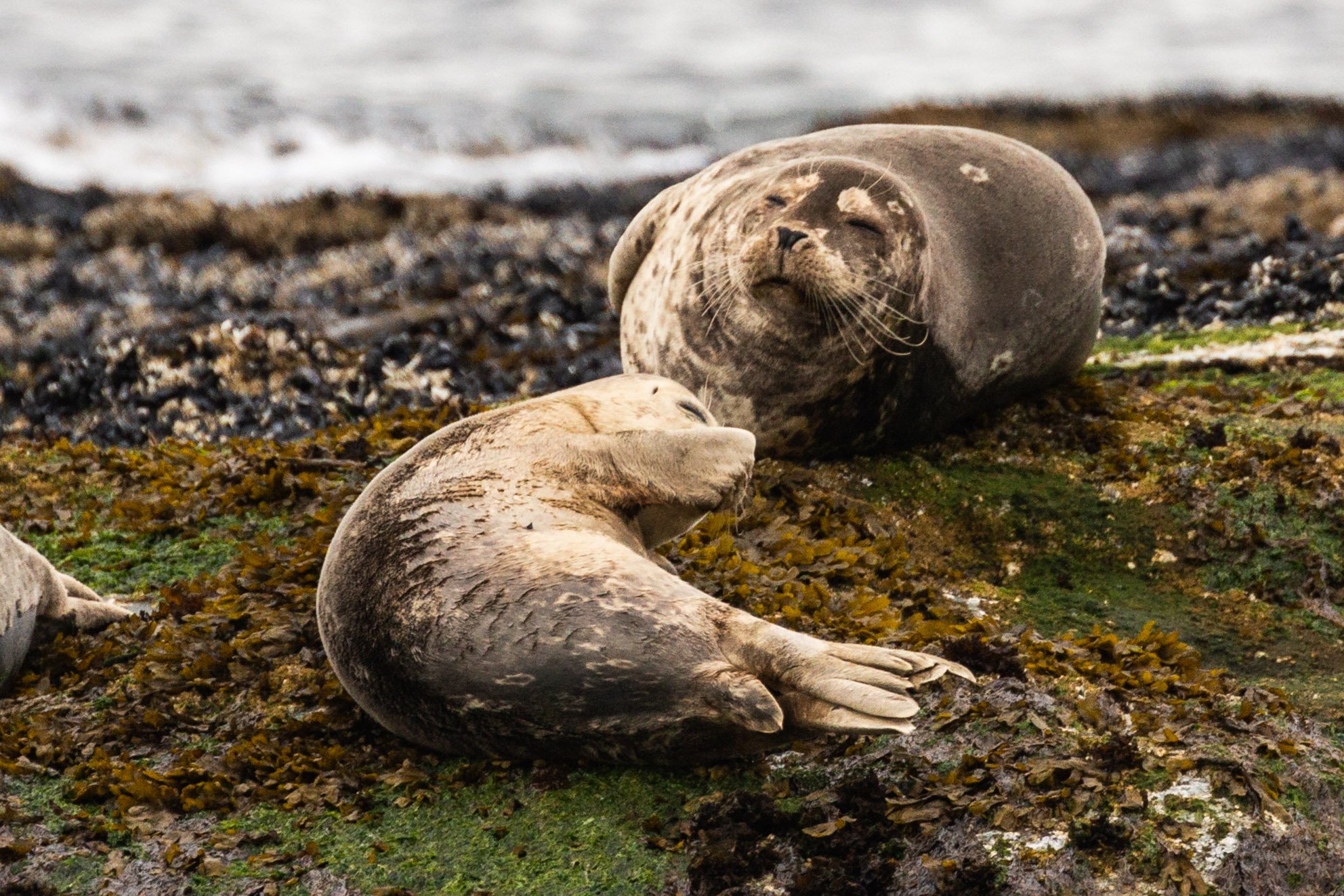
A shocked seal.
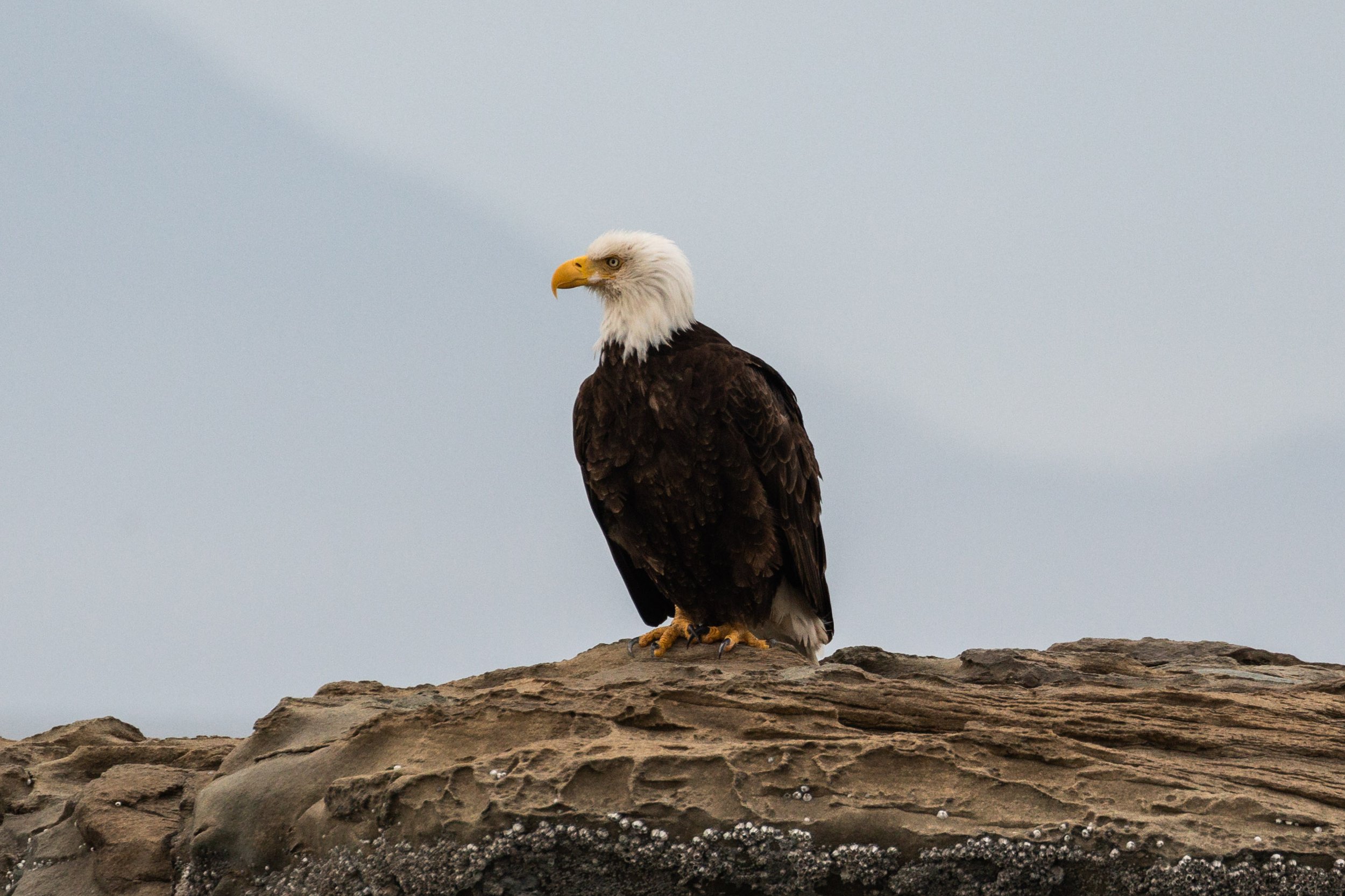
Bald Eagle resting on stinky rock.