
August 1, 2026, 3:30 PM - Rainbows and Orca for the evening
The West Coast brings in some very interesting weather systems, and today was a great example. Dark skies loomed overhead, but that didn't dampen our spirits as we boarded Cascadia and Kula to begin the afternoon adventure.
Setting off, we began exploring the northern portion of our range, up above Gabriola Island. We had heard word of a potential orca sighting close to home port, and we were eager to check it out!
After leaving the outer harbour, our Captains turned us eastward towards the mainland of British Columbia. We began searching, keeping an eye out for any signs of whales, and not long after, we found what we were looking for - a pair of black dorsal fins raised high out of the water, one tall and one small.
Naturalists Jordan and Evan took out their cameras, and after a few quick photos, it was determined that this was the T030 siblings:
T030A Sequoia ♂ (1986)
T030C Salix ♀ (2005)
This pair has been a very frequently spotted duo in our area for the past week, as they slowly meander up and down the coast of the Southern Gulf Islands. Usually, Transient orca travel large distances day to day, but that doesn't seem to be the case for these two. They seem to be enjoying the slower lifestyle, simply taking their time as they head from Gabriola Island down to Galiano Island and back again. Interestingly, this behaviour is very similar to what we witnessed from them in 2024 as well, with most of our encounters with them being around Nanaimo back then.
The moody skies above the siblings began to brighten as we watched them, and soon colours cascaded down the clouds behind them. A large rainbow had appeared, adding some beautiful variety to the dark afternoon!
After some time with Sequoia and Salix, we continued and began searching along once more. While we always keep peeking around as we are underway, as you never know where you will find more whales, we started to make our way to a spot where a different kind of wildlife tends to be spotted.
Along Valdez Island, there is a group of tiny rocky islets. This area, dubbed "Stinky Rocks", is a popular haulout site for two of our main pinniped species. Closer to the water's edge, occasionally yawning away, were Harbour Seals. These rotund animals tend to spend much of the day sleeping in the sun, while occasionally hopping back into the water to feed. They are quite clumsy on land, so much so that their form of locomotion has been designated its own special term - galumphing. Harbour Seals have fused pelvises, meaning they are unable to rotate their hind flippers underneath them at any point. Because of this, they bounce and drag their bellies as they move on land, essentially doing an aquatic version of 'the worm' dance move as they go. Once they are in the water, though, they become quite fast and graceful, and can often be seen zooming along as they hunt.
Further out into the Strait, loud belches and grumbles rumbled off of the rocks. Steller Sea Lions meandered along, poking and prodding at each other for the best places to nap. Sea lions do not have fused pelvises, and therefore are quite a bit more elegant while maneuvering along the coastline.
After a few jovial minutes with the pinnipeds, we departed once more and headed out into the Strait of Georgia. Once more, eyes scanned all along, looking for dorsal fins, flukes, and blows. Scanning and scanning, we cruised along, heading out into the middle of the Strait. We explored the more open waters when suddenly, another fin came into view - tall and pure black, rising and falling in the water as the whale continued southbound.
We made our way over and discovered it was a lone male orca travelling along. Two large, distinct notches made his identification very easy - this was T137A Jack:
T137A Jack ♂ (2002)
Jack is a very odd whale this season, as he has been travelling by himself (or meeting up with other pods) for nearly a month now. Previously, he was a very dedicated son, and would only leave his mother and siblings' side for very brief encounters. This time, though, it seems that he is off on a more in-depth adventure. In truth, we will never truly know why he made this decision, and can only speculate. Currently, it is believed that he may be taking an extended hiatus from his natal pod to pursue mating opportunities with females in the area.
We concluded our time with Jack and slowly began making our way away. The evening light was beginning to pour over the landscape around us, and with that, it was time for us to make our way back to home port. It had been a beautiful evening full of interesting whales and equally interesting skies, leading to many beautiful moments that would last a lifetime in our memories as we pulled back into the dock, concluding the day's adventures.
Please enjoy these photos taken by Marine Naturalists Jordan Robinson and Evan Hessels.
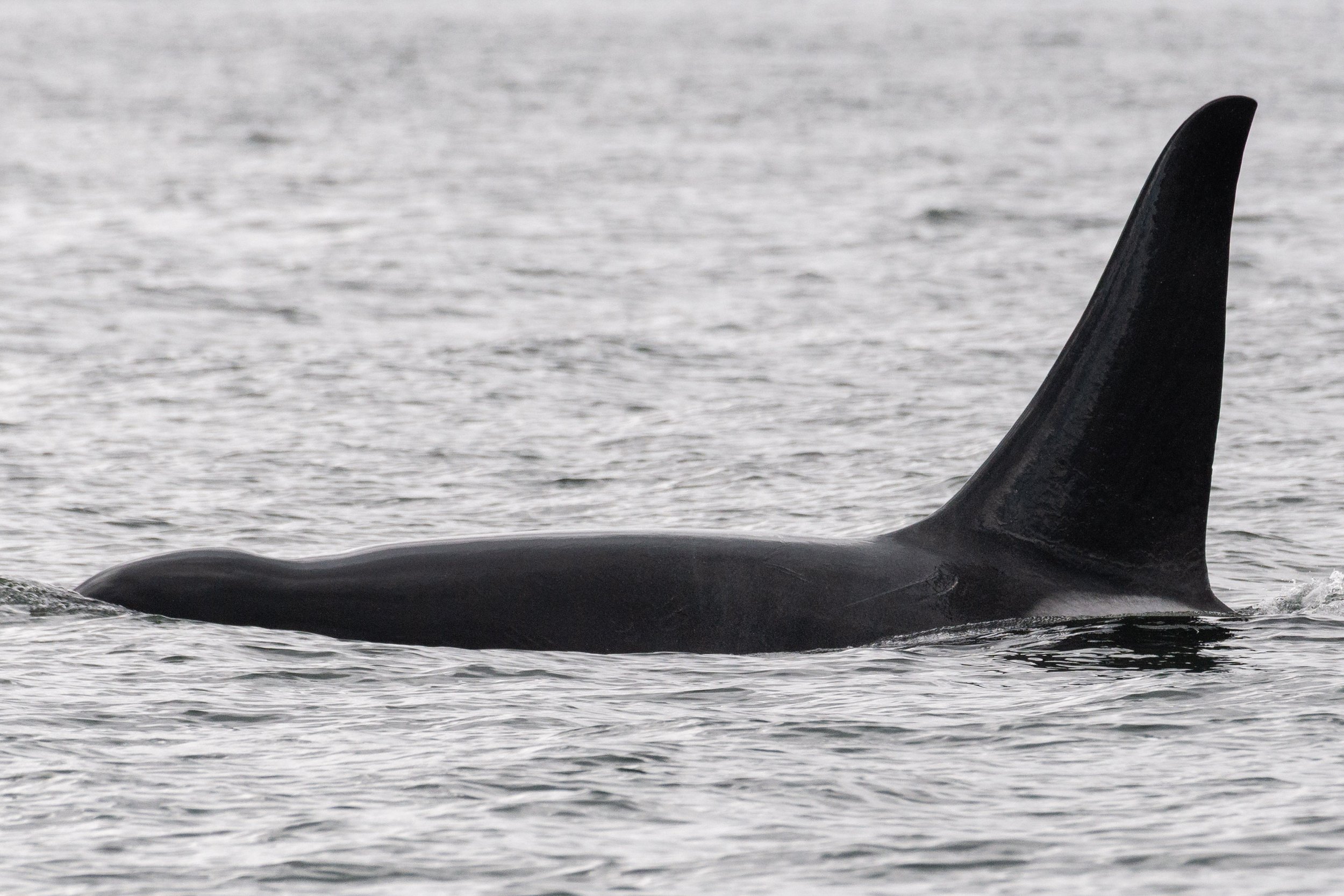
T030A Sequoia coming up for a breath. Photo by Evan Hessels
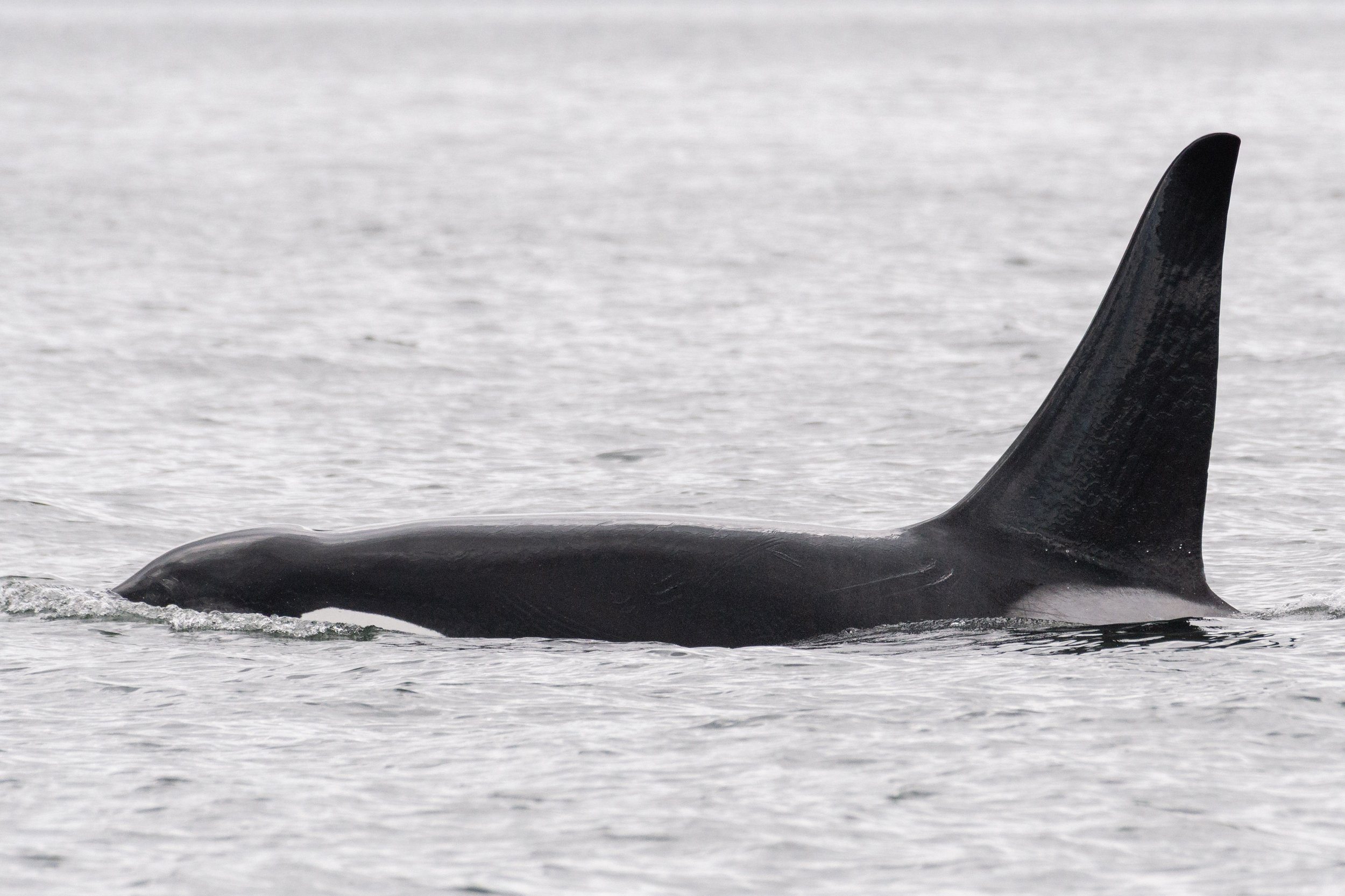
T030A Sequoia’s eyepatch peeking over the water. Photo by Evan Hessels
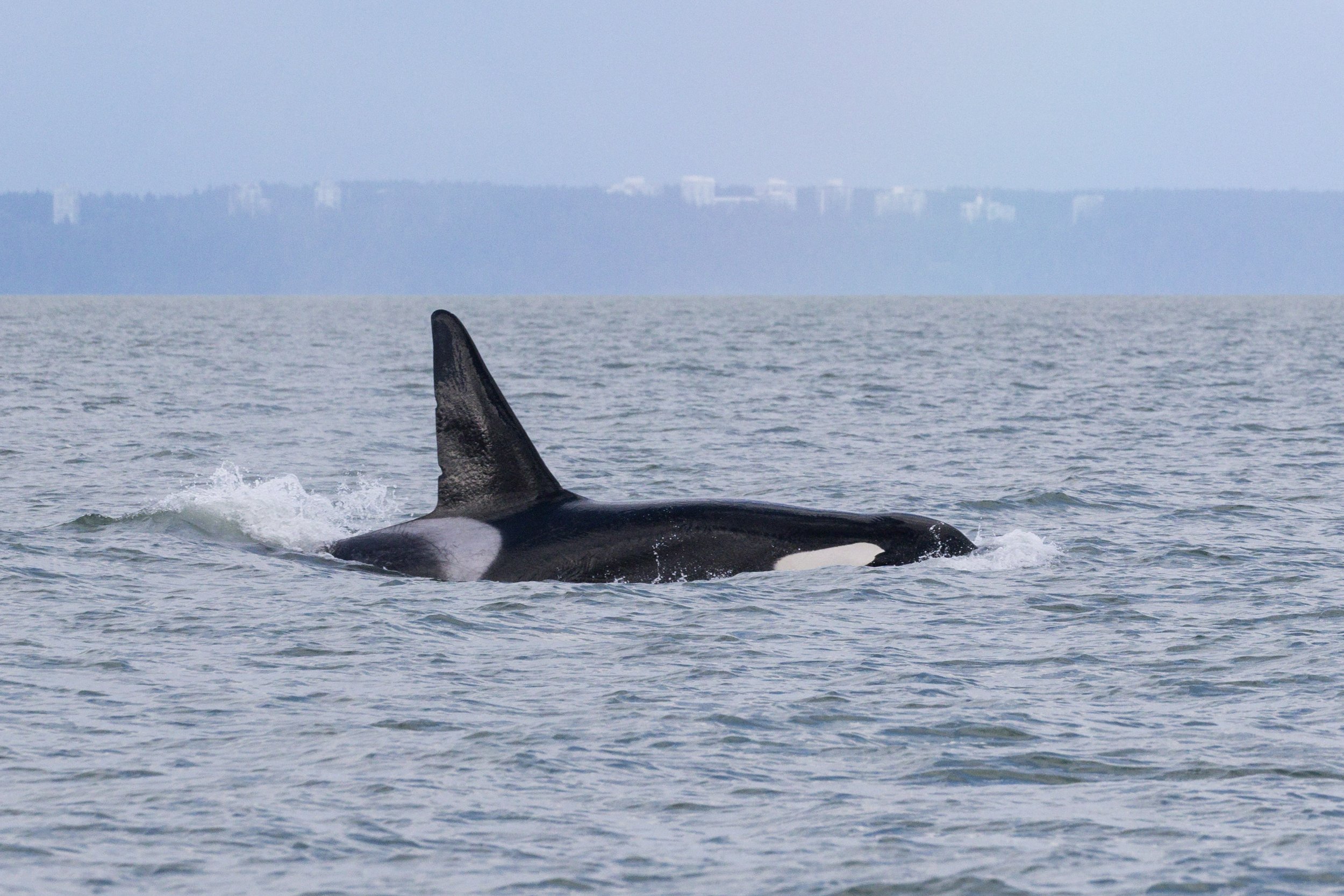
T137A Jack showing off his beautiful eyepatch. Photo by Jordan Robinson
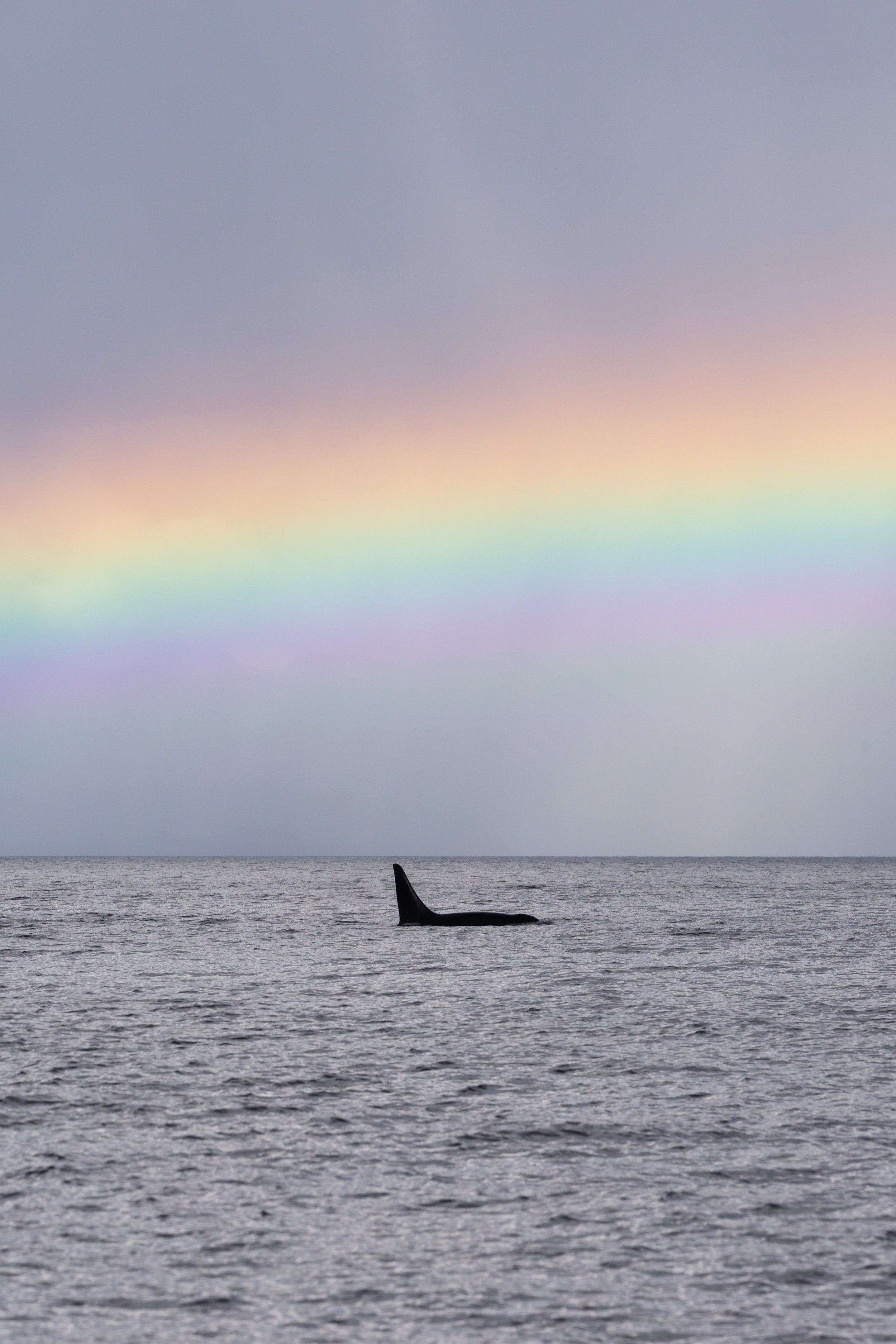
T030A Sequoia under a rainbow. Photo by Jordan Robinson
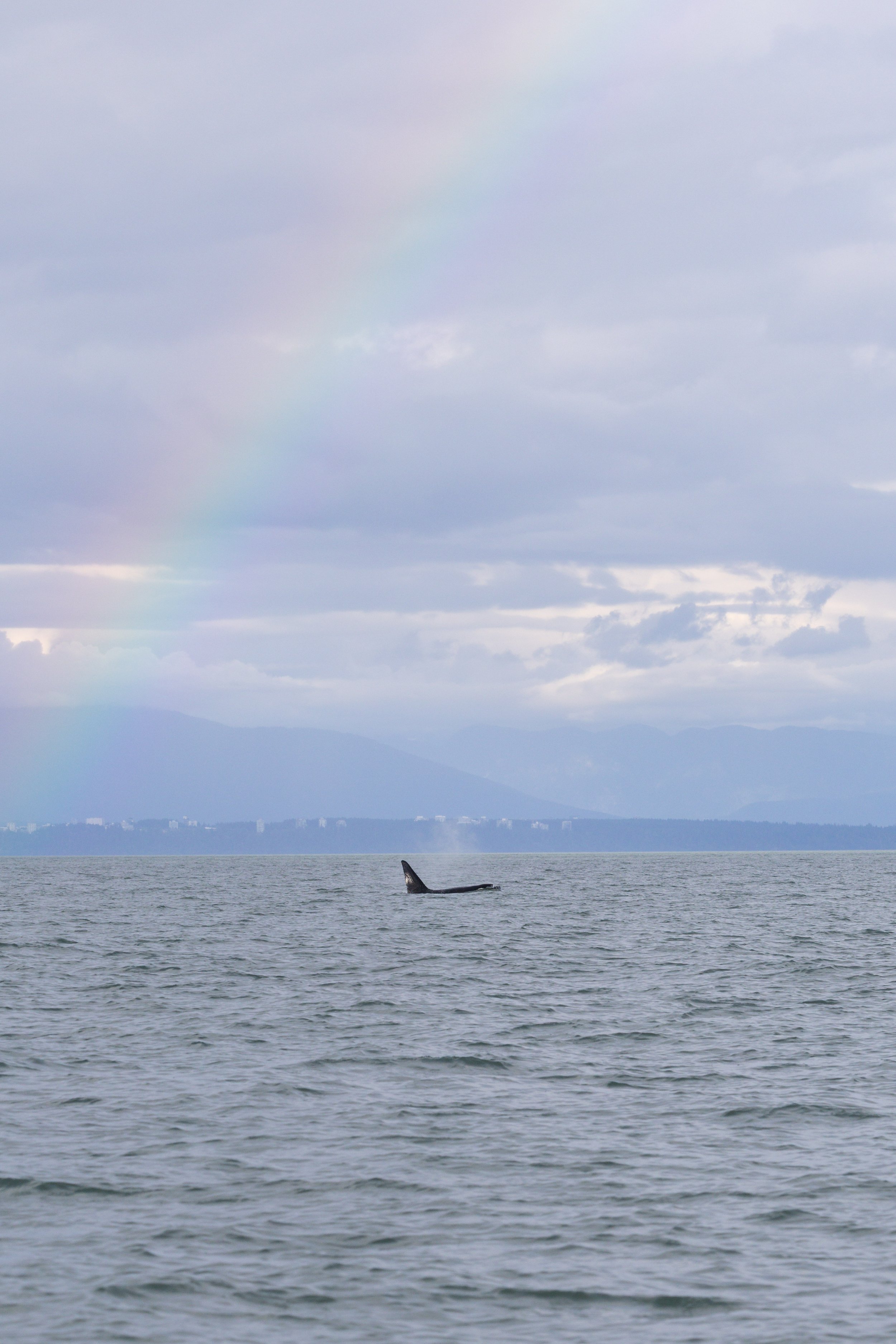
T137A Jack under a rainbow. Photo by Jordan Robinson
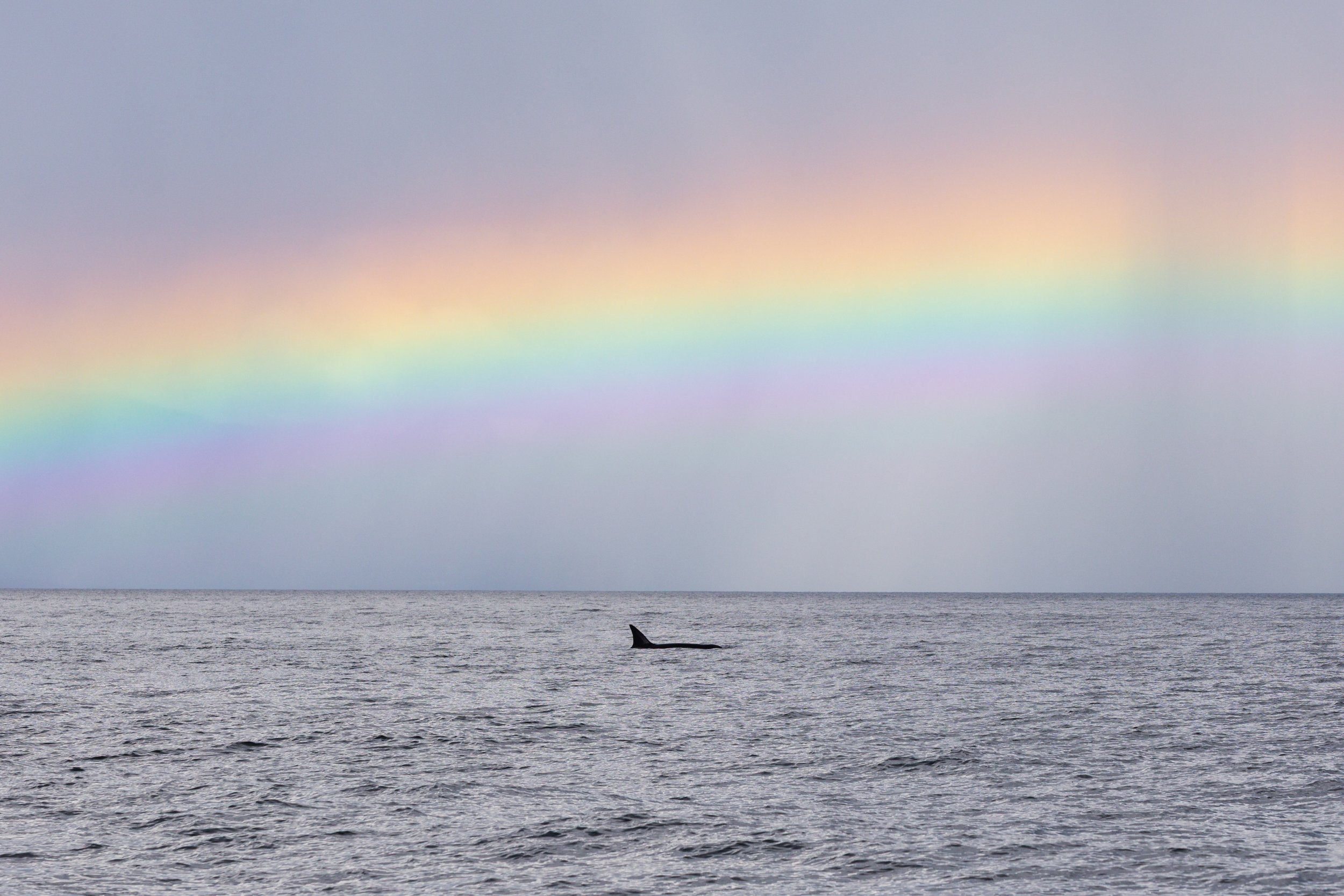
T030C Salix in a picture perfect rainbow photo. Photo by Jordan Robinson
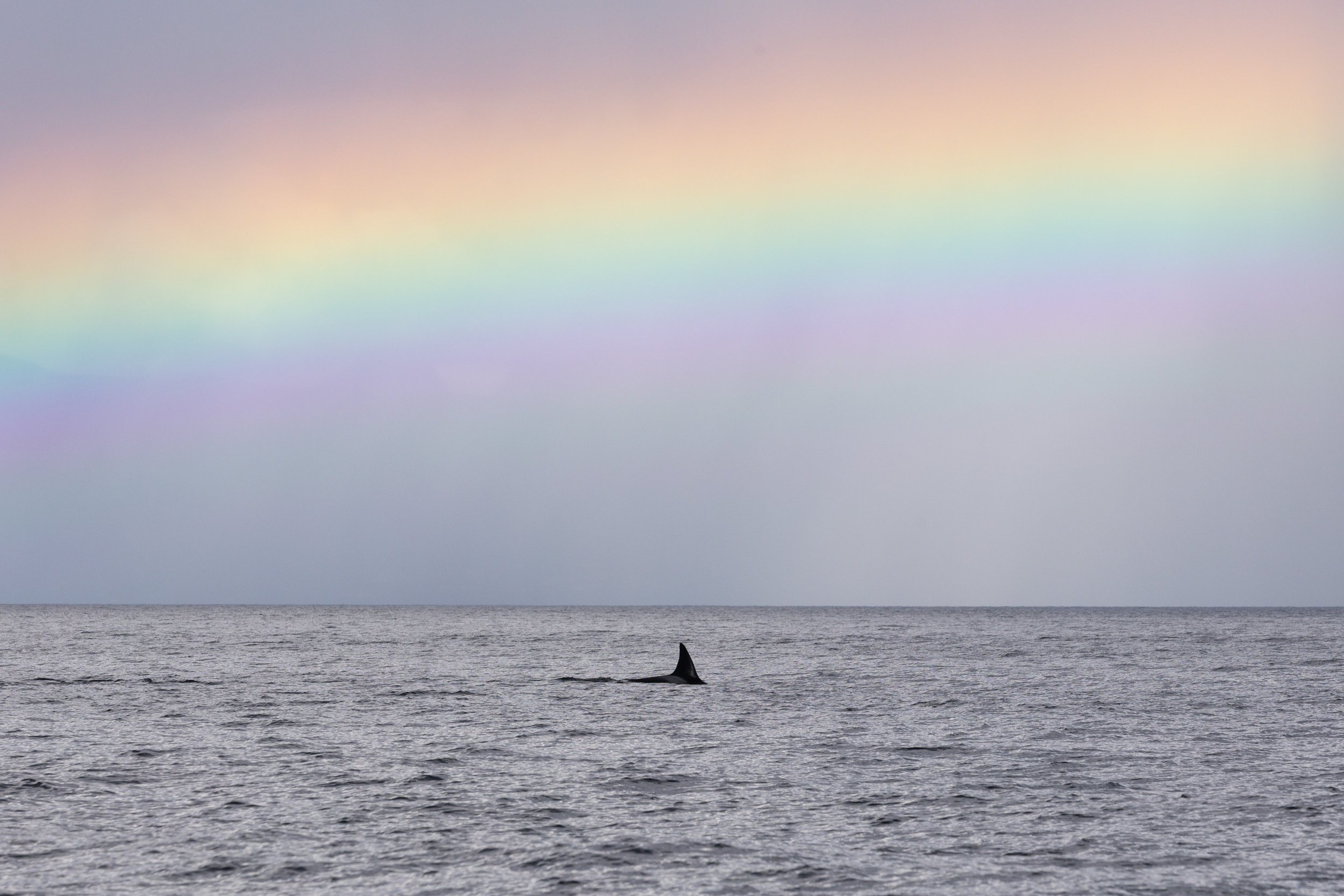
T030C Salix going for a dive. Photo by Jordan Robinson
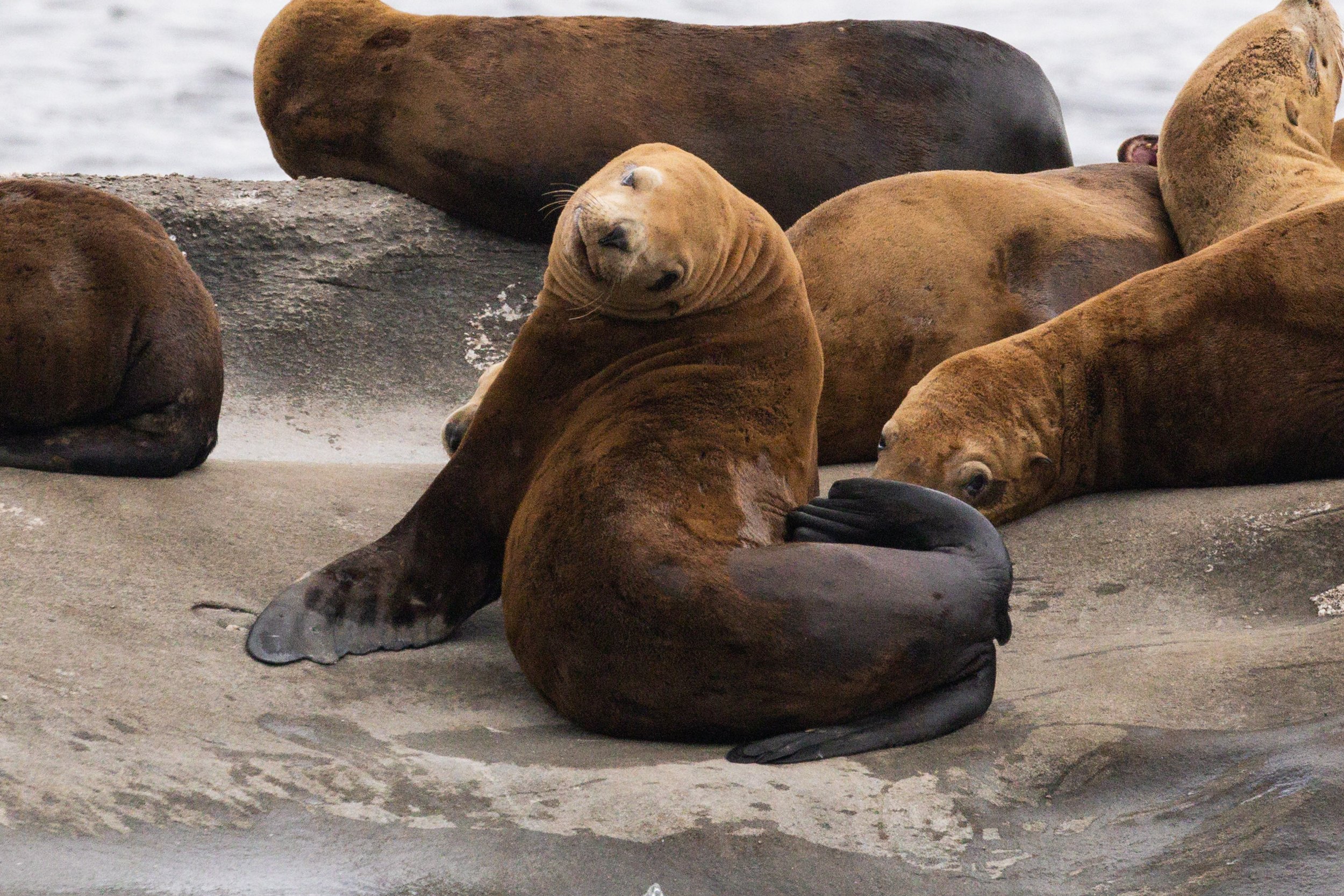
Make sure you get my good side! - The Steller Sea Lion (maybe). Photo by Jordan Robinson
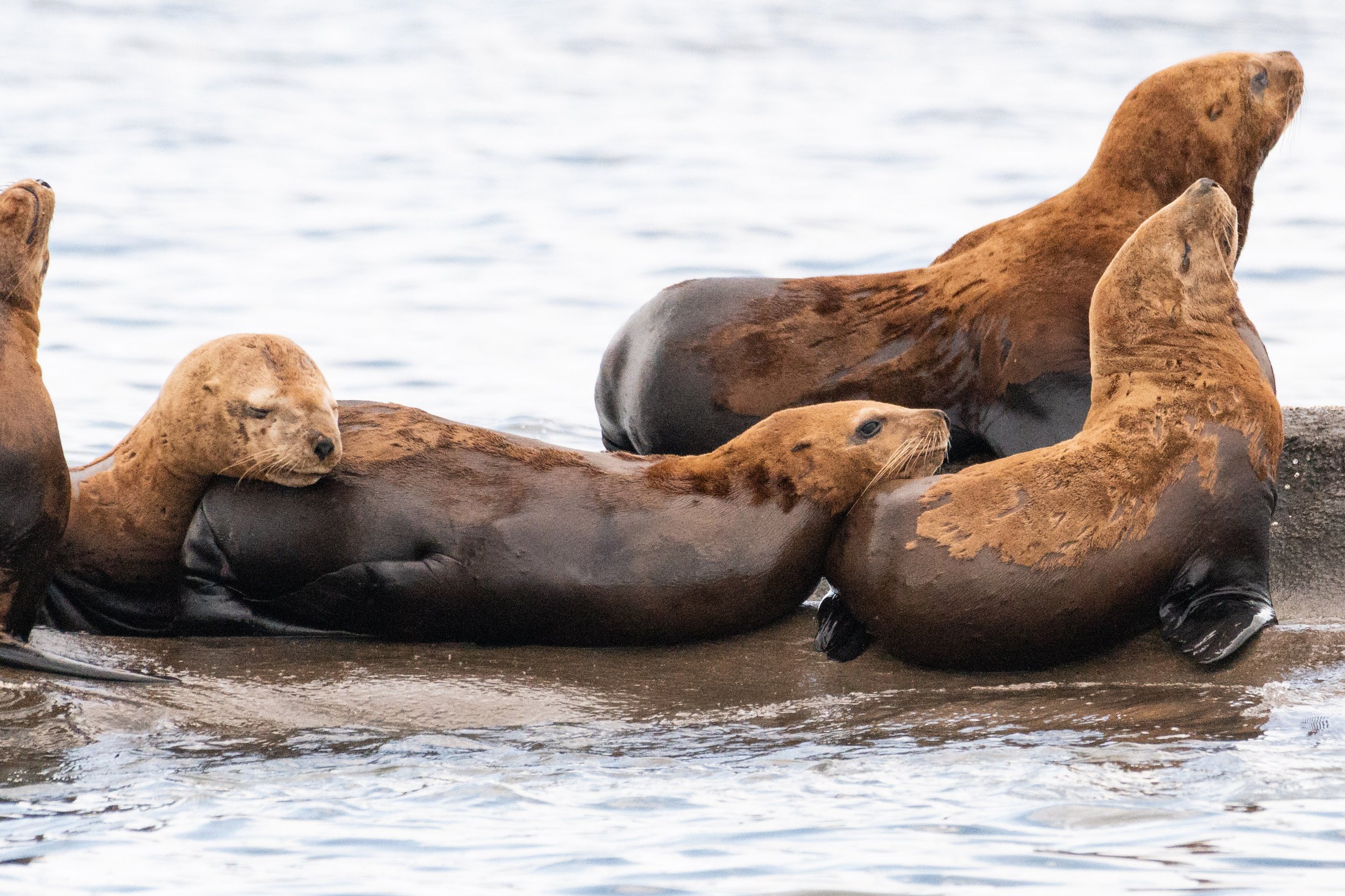
Steller Sea Lion snuggle puddle. Photo by Evan Hessels
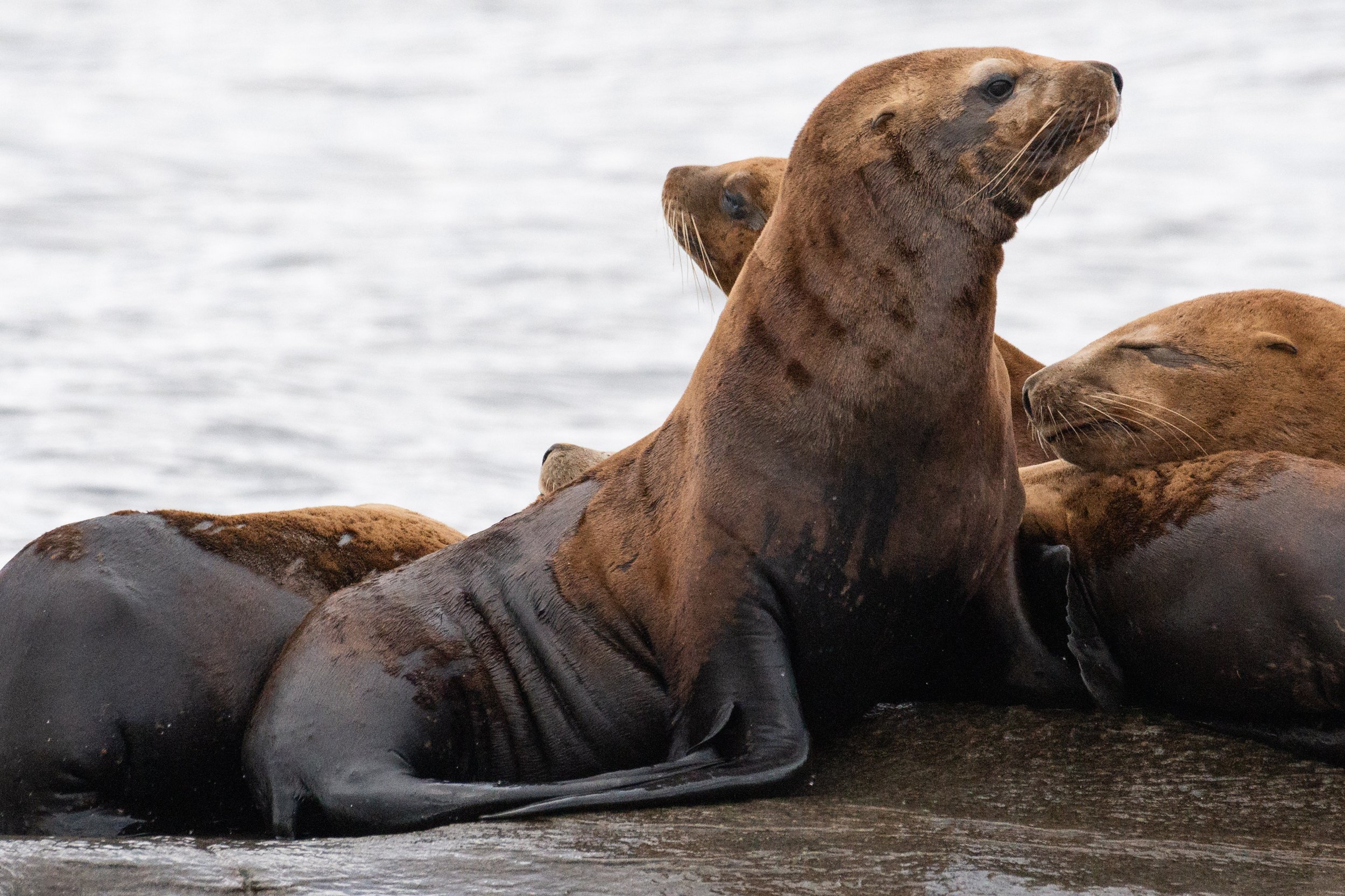
A young Steller Sea Lion relaxing on the rocks. Photo by Evan Hessels
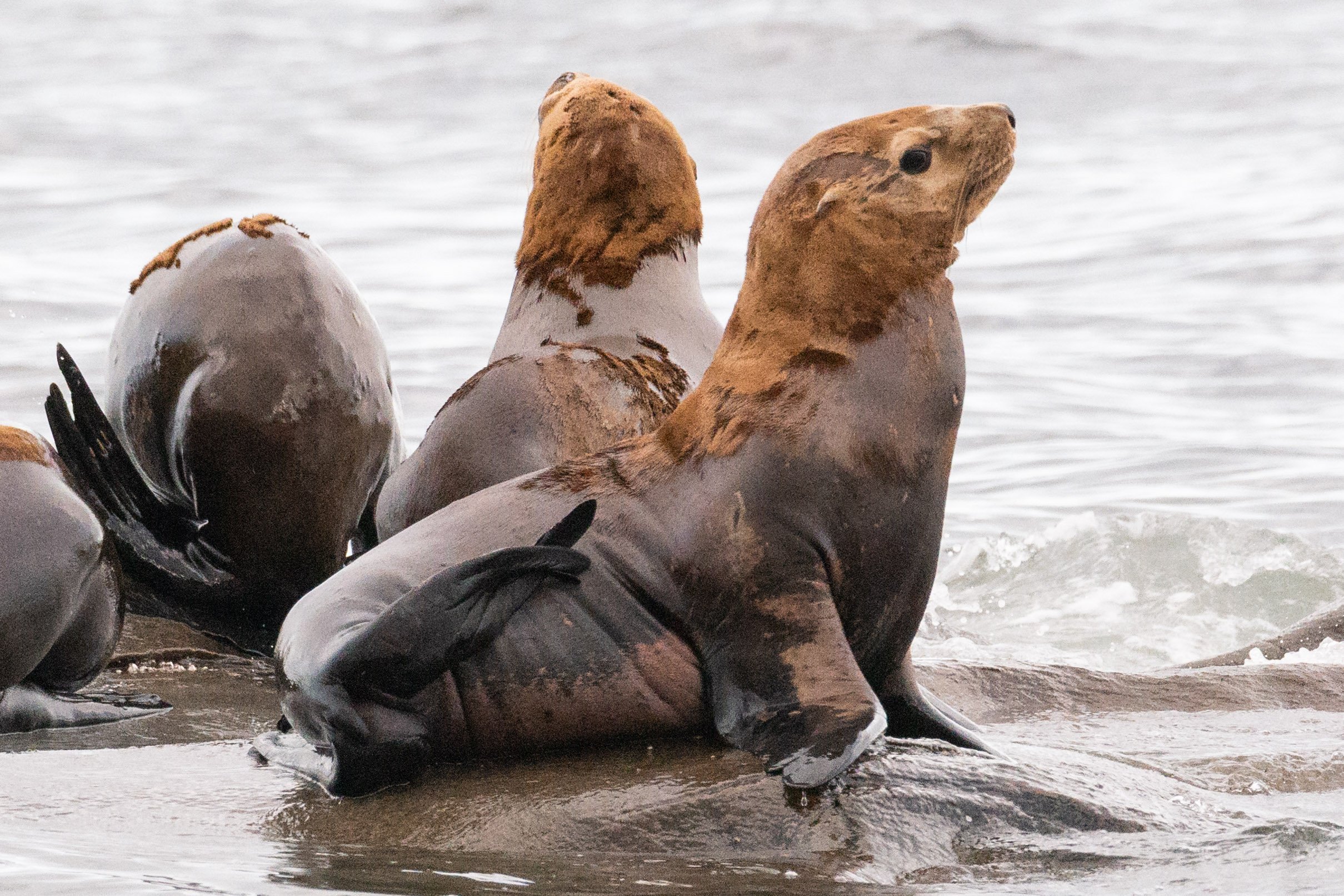
An itchy little Sea Lion. Photo by Evan Hessels
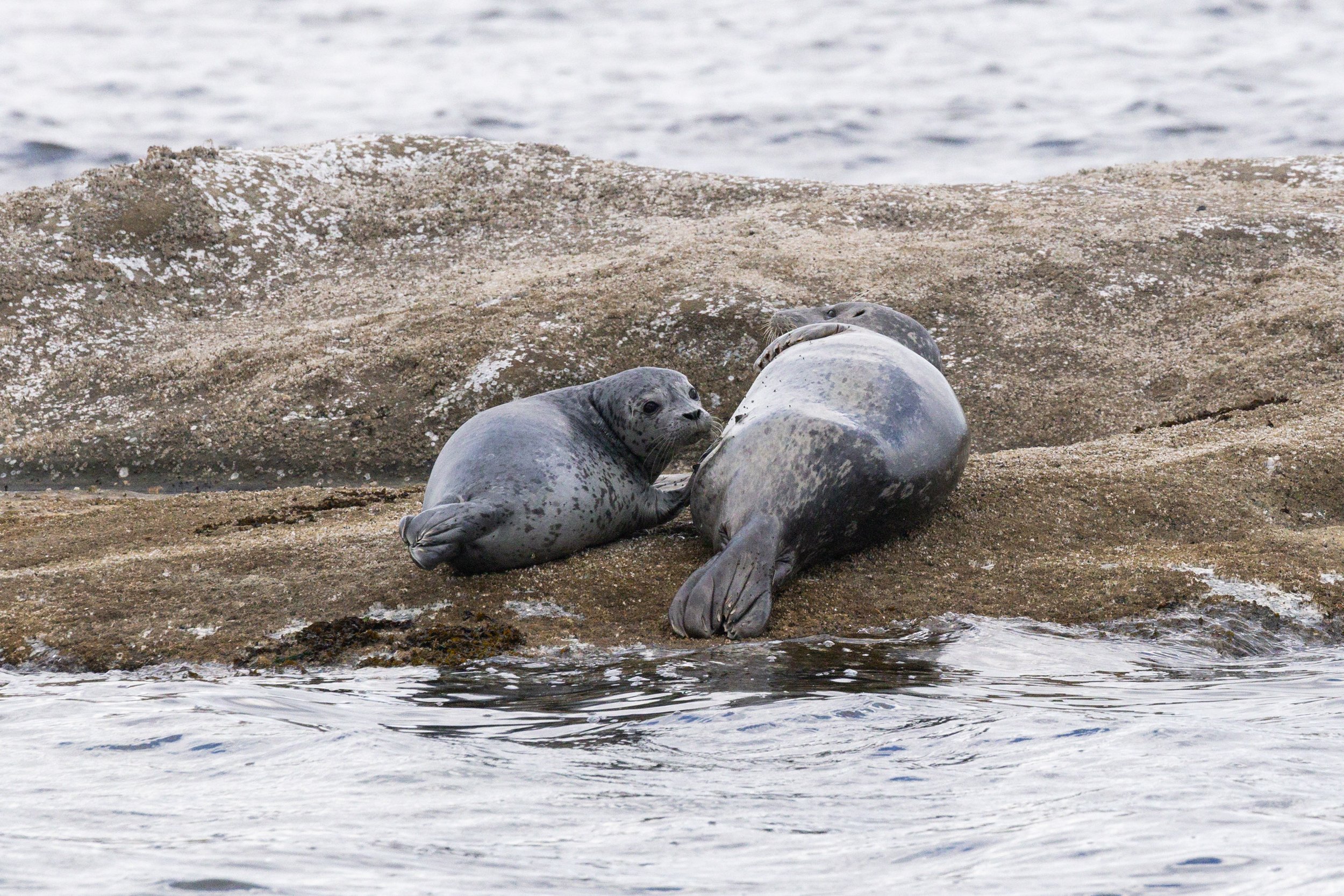
A chunky Harbour Seal pup next to mom. Photo by Jordan Robinson
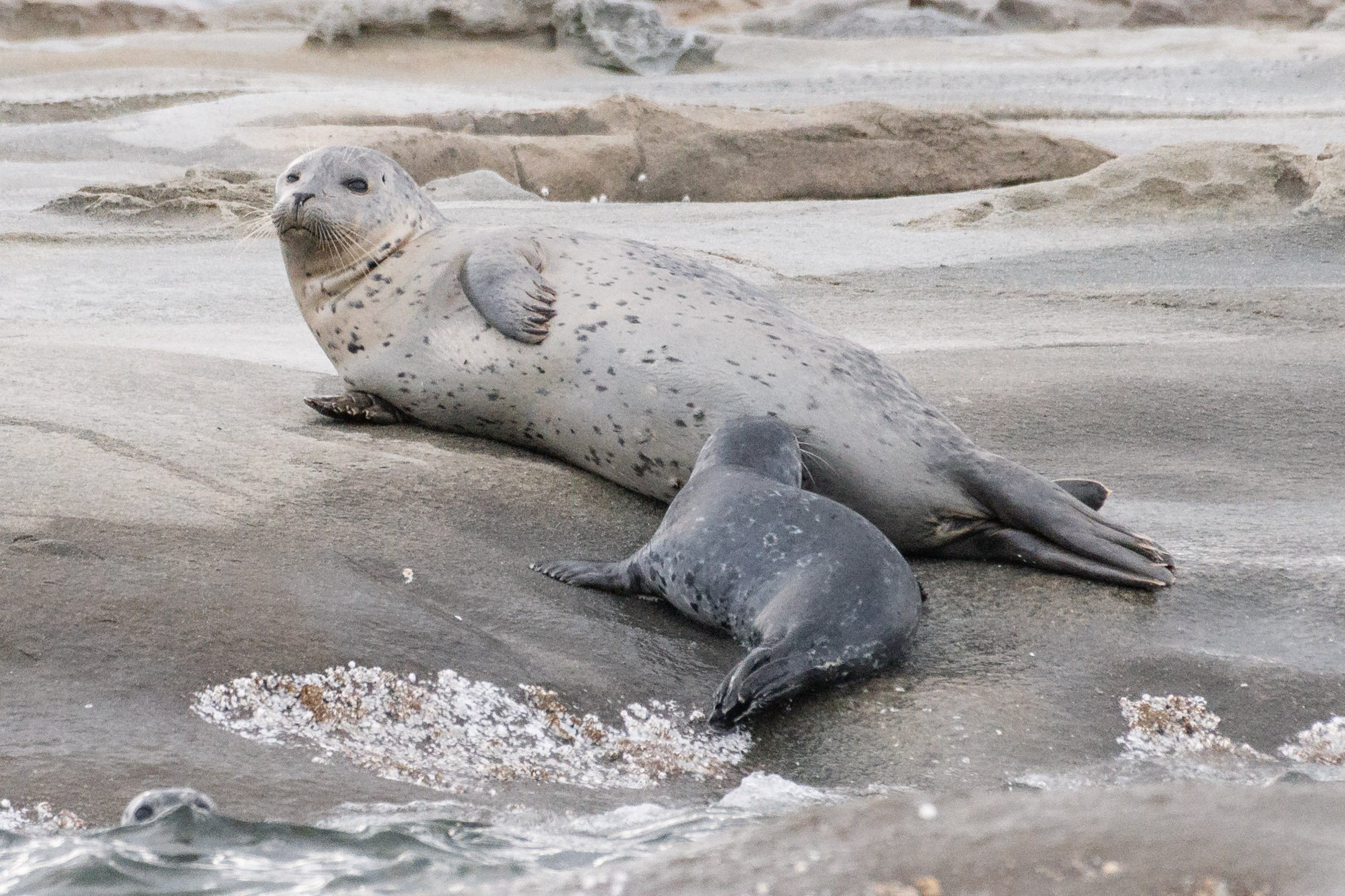
Harbour Seal pup suckling from mom. Photo by Evan Hessels
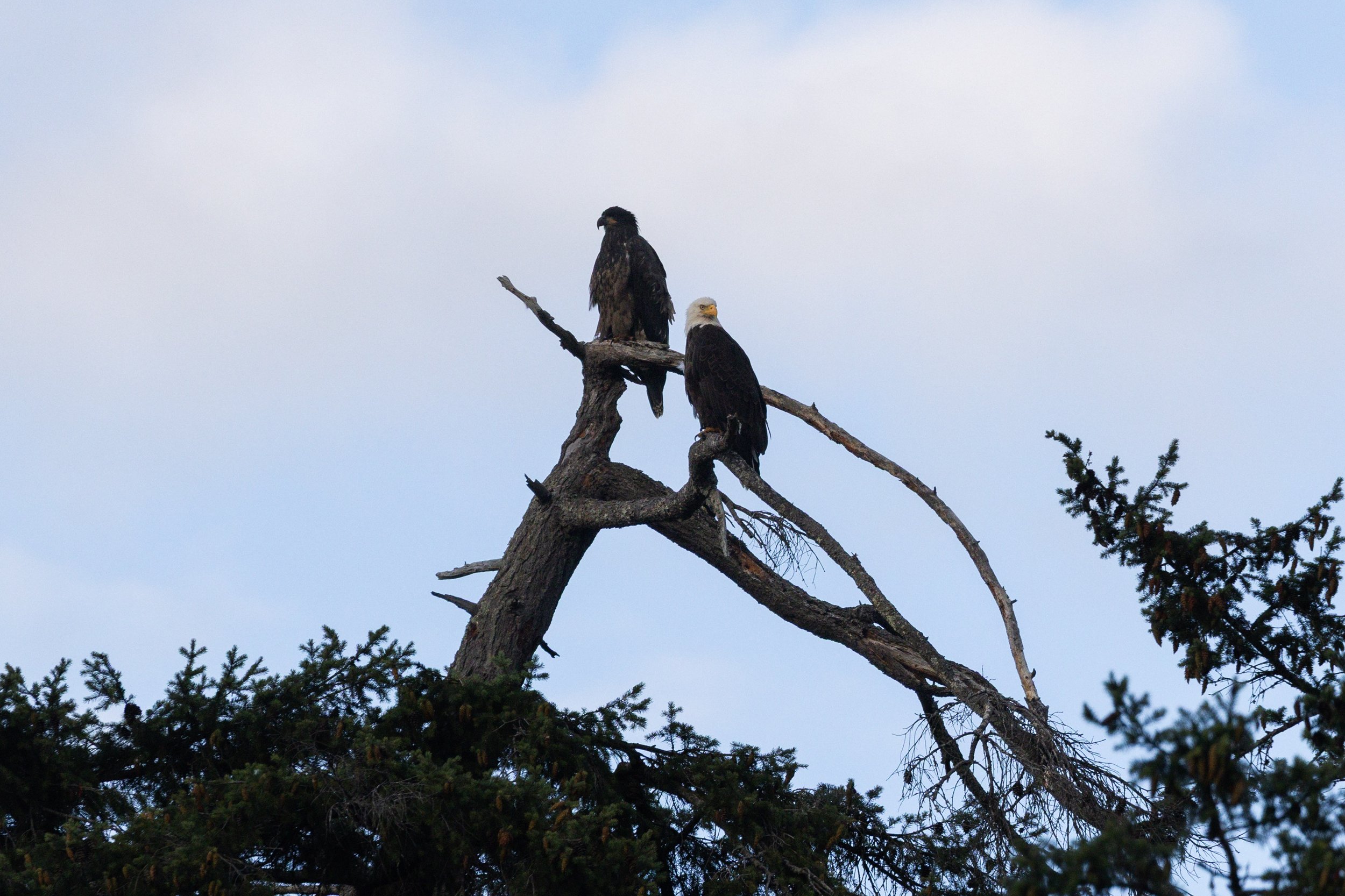
A juvenile bald eagle next to an adult. Photo by Jordan Robinson
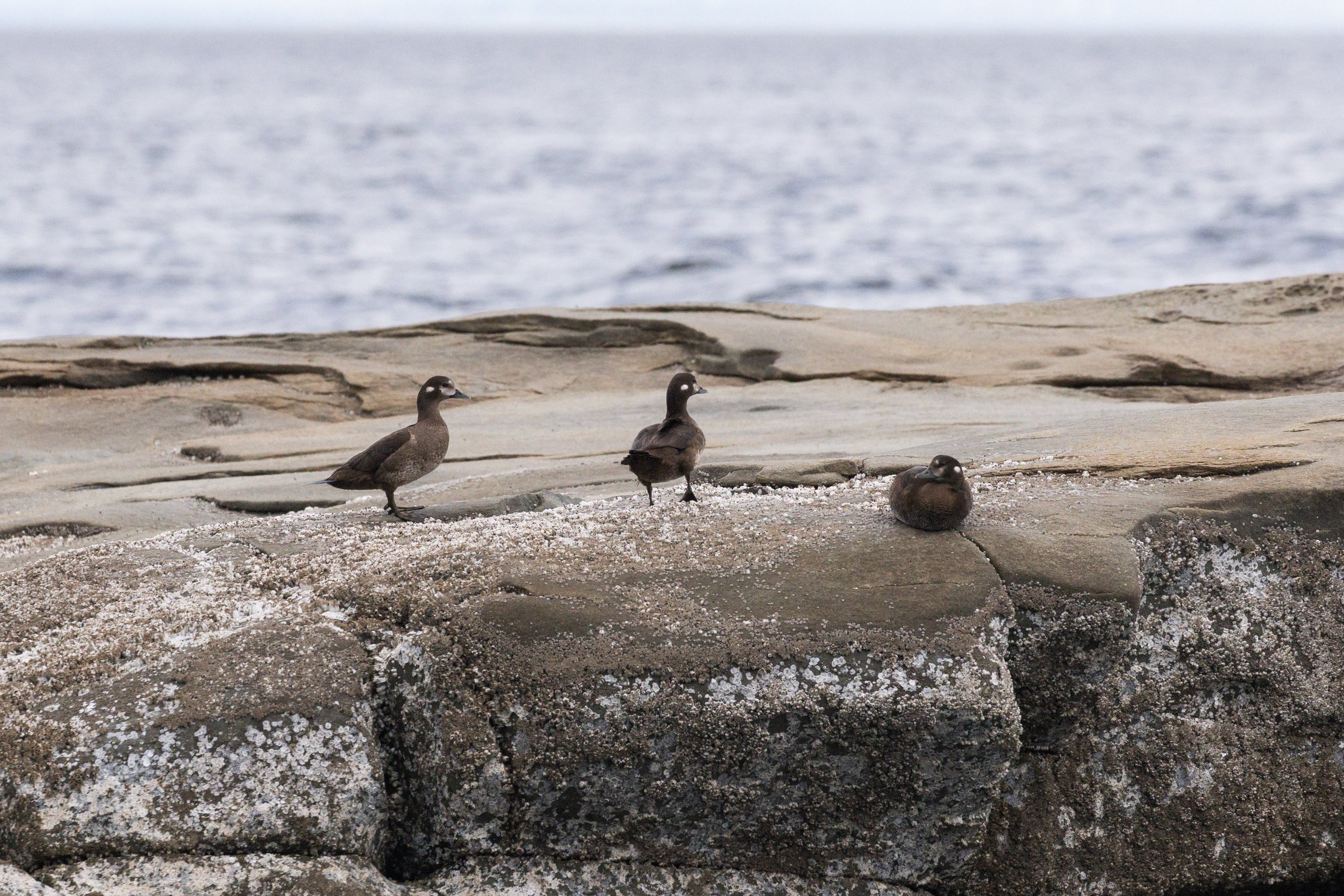
Female Harlequin ducks relaxing on Stinky rock. Photo by Jordan Robinson
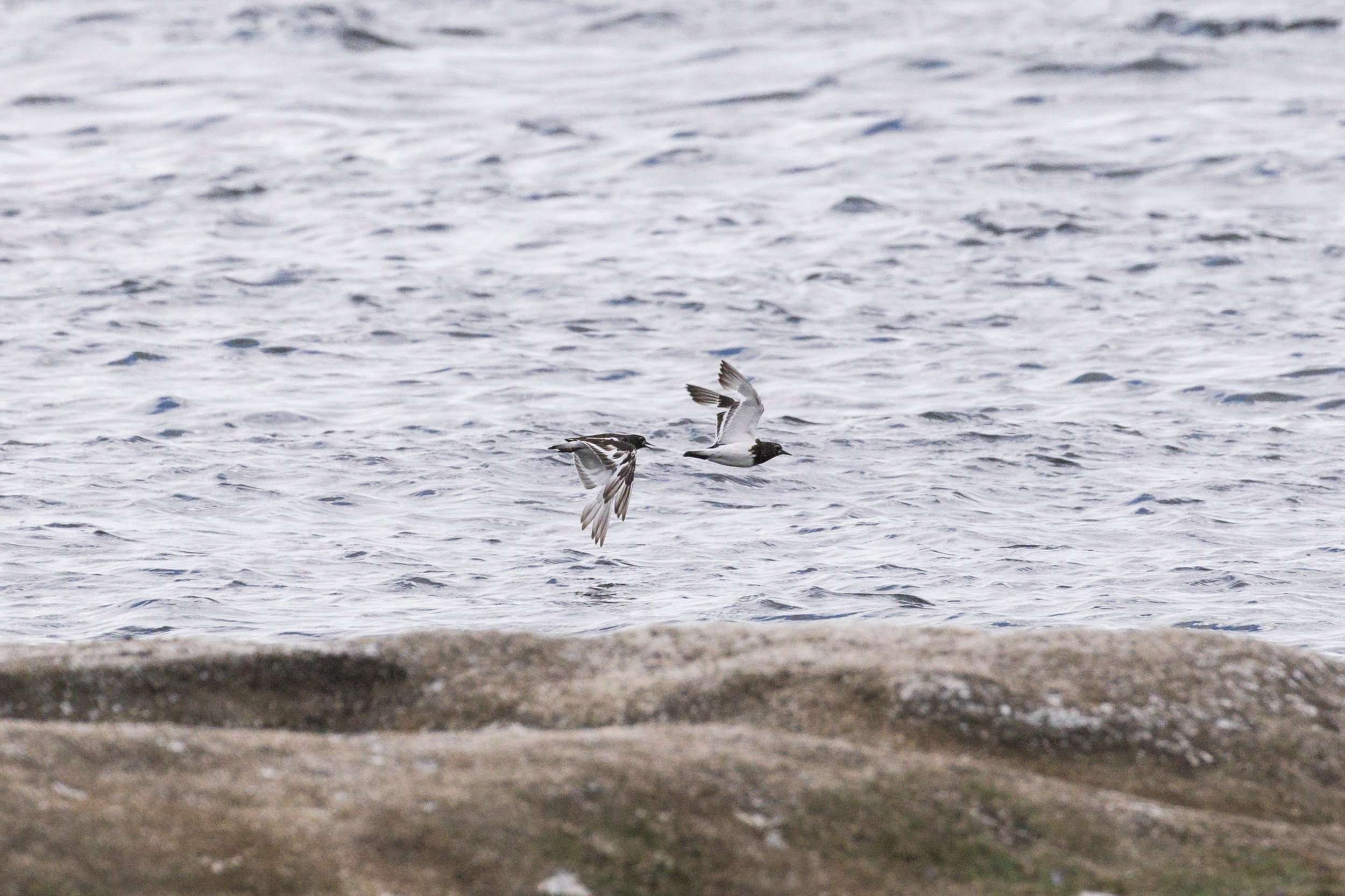
Black Turnstones in fligh. Photo by Jordan Robinson
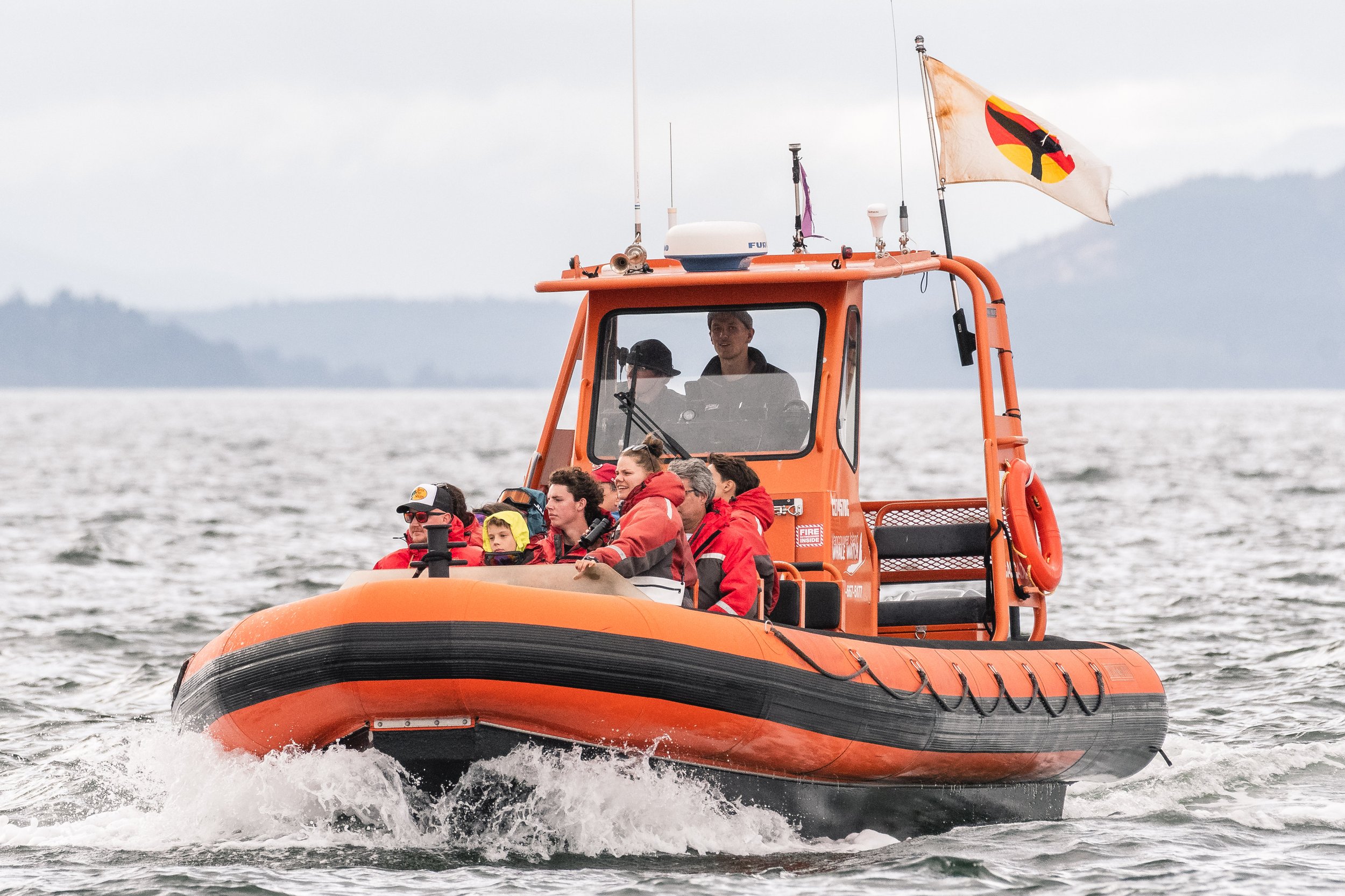
Guests enjoying the whales on our open boat Cascadia. Photo by Evan Hessels
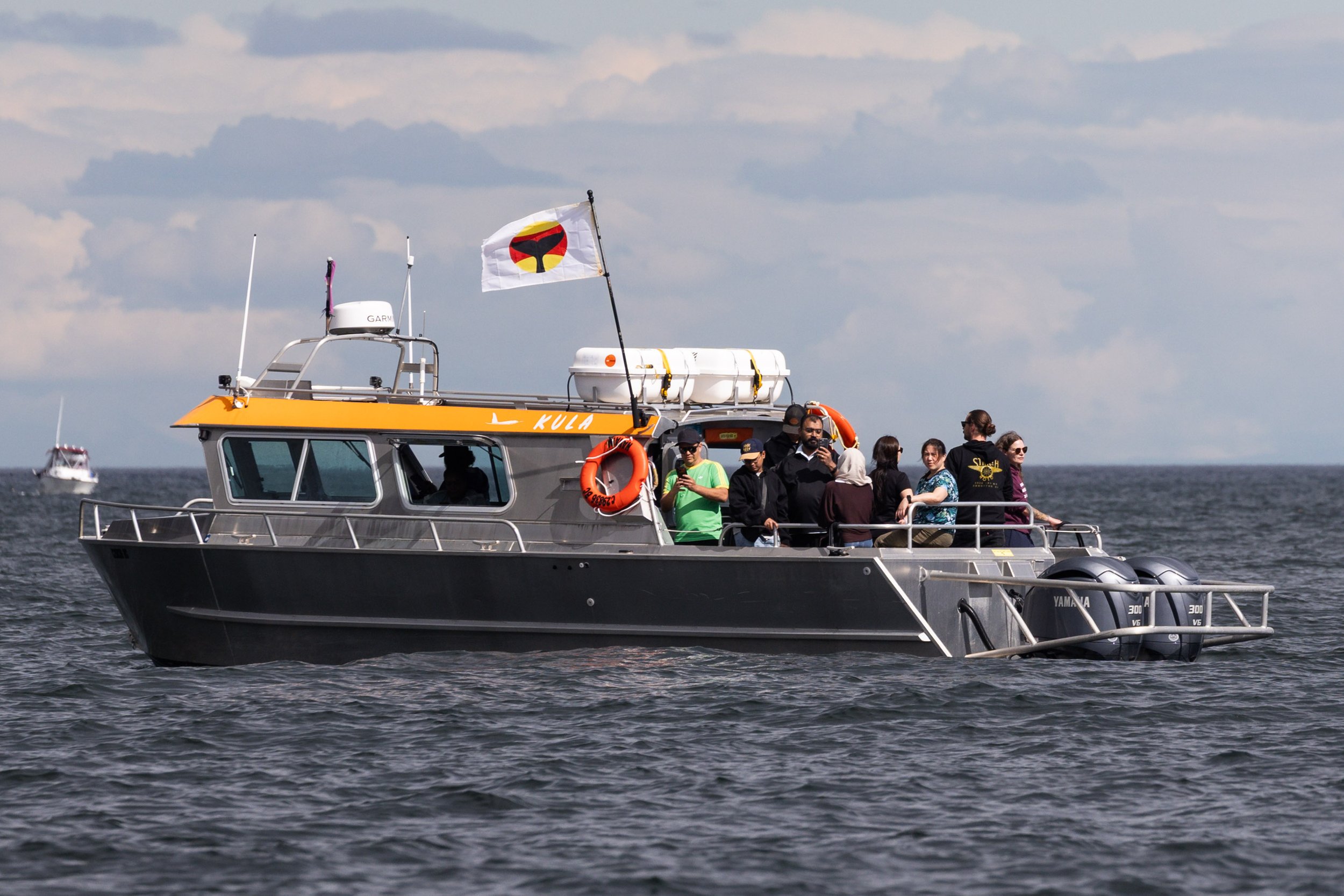
Guests watching whales from our semi-covered vessel. Photo by Jordan Robinson
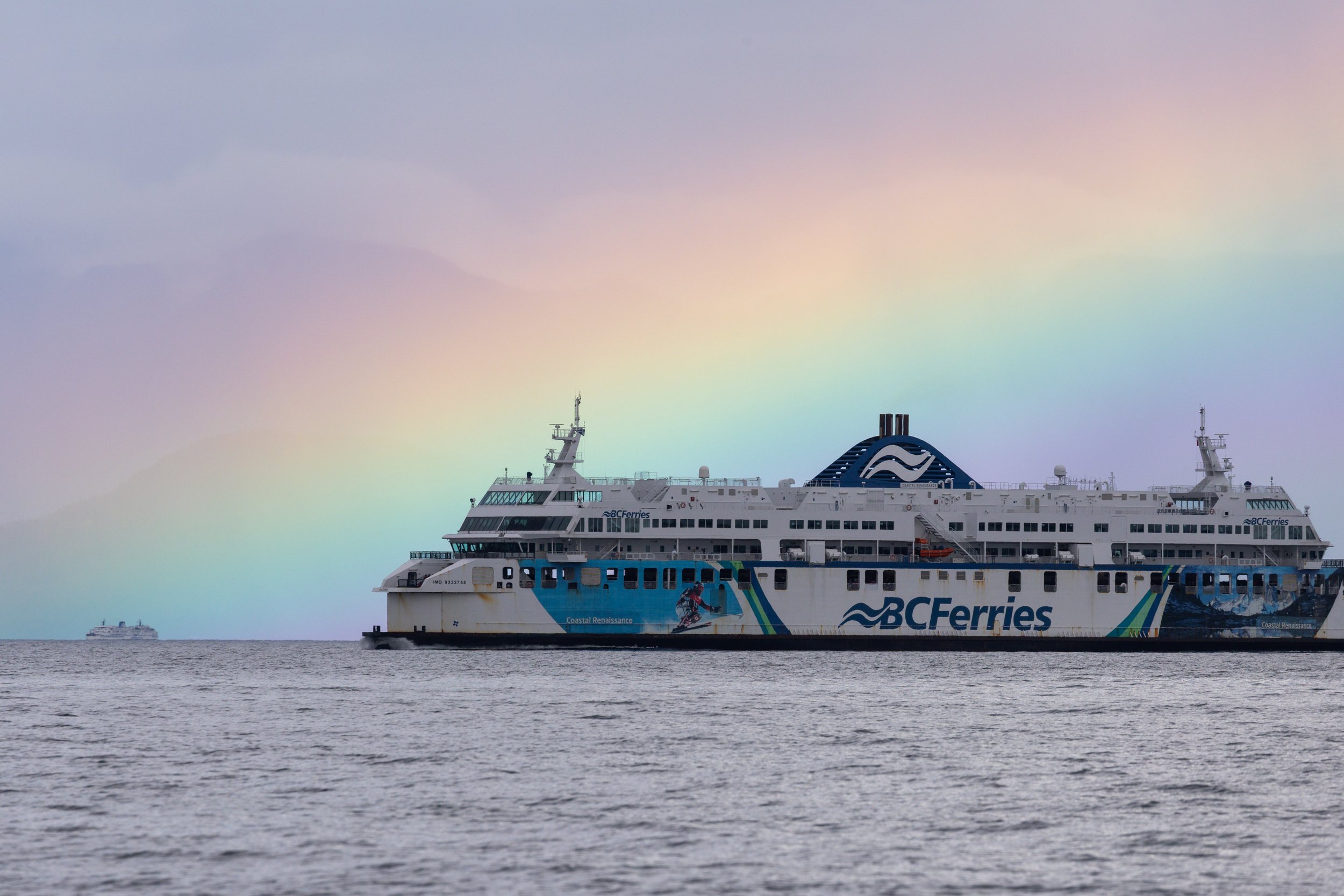
The rainbow really stole the show tonight! Photo by Jordan Robinson
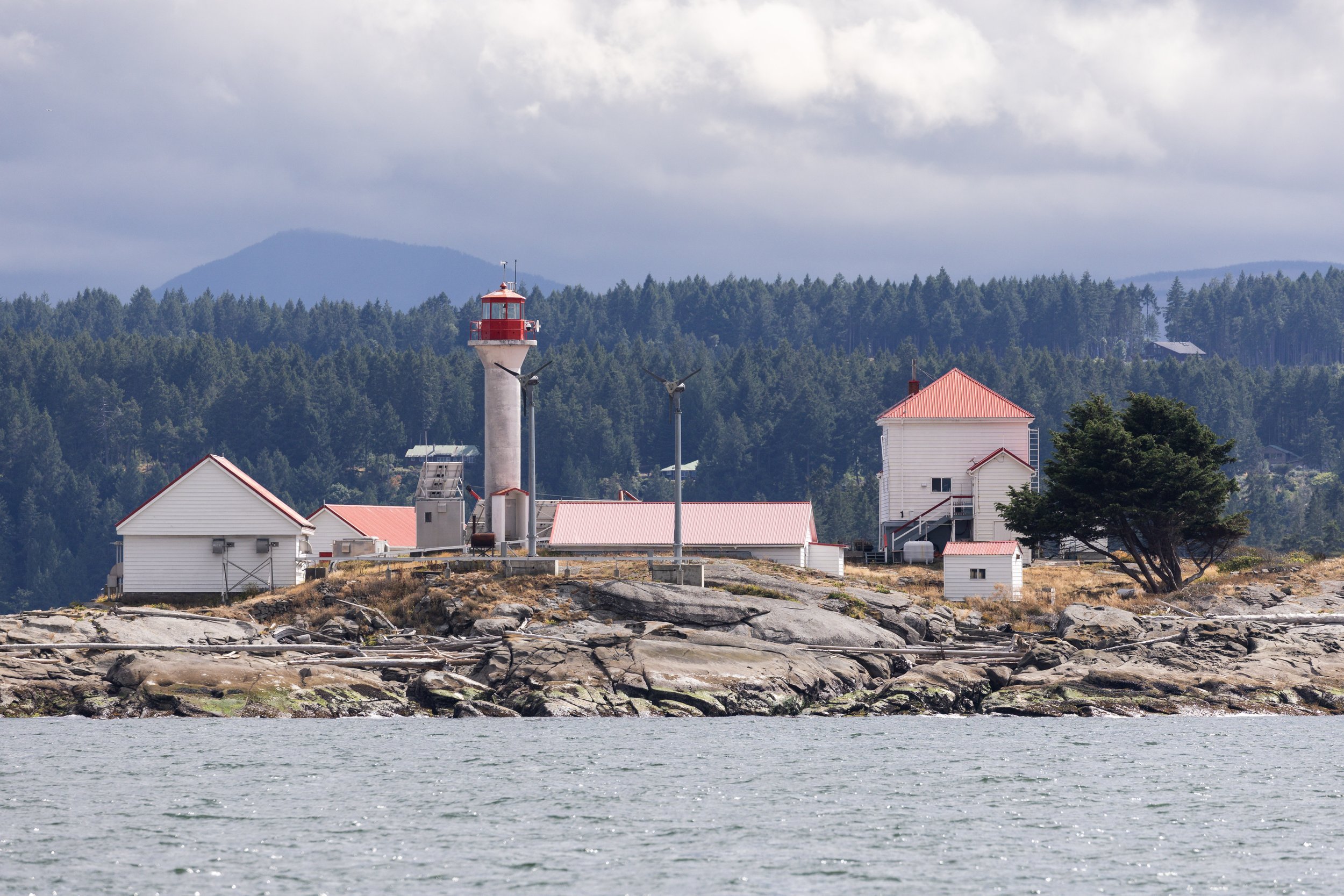
Entrancce Island. Photo by Jordan Robinson