
August 2, 2026, 10:30 AM - Beak, Orion, Bond, and Strike spending time in the waves
Although there were some clouds overhead and some waves on the water, we didn’t let those splashes dampen our spirits as our two vessels, Kula and Cascadia, headed out into the Salish Sea to start their search for whales. This search took us south first, heading down the Northumberland Channel and through the Southern Gulf Islands until we reached Gabriola Pass, which led us into the Strait of Georgia. Before we got too far, we made a pit stop from our search at a little islet on the east side of Valdes Island, known as Stinky Rock. The inhabitants here are the reason for the nickname, especially the Steller Sea Lions. These pinnipeds gather here in large numbers, and with their near-constant presence and lack of personal hygiene, their haul-outs can get quite smelly. It’s not just the fact that the Sea Lions will poop all over the rocks they are lounging on, but their bad breath also contributes to the smell.
Even with all the smelliness, this is typically a highlight of any tour that is lucky enough to spend time here, since the Steller Sea Lions are quite impressive to look at. Not only are they gigantic, weighing in at up to 2,800 pounds when they’re fully grown, but they are also very entertaining. Typically, at least one major fight breaks out while we are watching them, given that they don’t exactly respect each other's personal space. The noises that they make sometimes surprise our guests as well, since they won’t bark like you might think of when you imagine sea lions in your head; instead, their noises are more grunts and groans, reminding us of the belches you might hear from your brother on the couch at home.
The Harbour Seals aren’t quite as noisy as their sea lion cousins, but they are just as interesting to watch. Where the sea lions are loud and noisy, these guys are quiet and cute. They aren’t typically heard vocalizing, other than the occasional cough or wheeze; at this time of year, you can also hear moms and pups squeaking back and forth to each other to locate one another on the beach. Although they are still formidable predators once they get into the water, it's funny to watch them move around on land, since they can’t rotate their hind flippers, which prevents them from walking like you would see sea lions do. The seals have to Galumph instead, which is always a treat.
Although we could stay at Stinky Rock with our pinnipeds for hours, we had to keep searching for whales, so we continued on our way, leaving them to their suntanning. Our timing was nearly perfect, since not long after leaving Stinky Rock and starting our search of the Strait of Georgia, we spotted the blow of a humpback whale in the distance. This whale was moving smoothly through the waves, breathing a few times before lifting his tail to dive below once again on his travels. Based on the dorsal fin, we identified this individual as Beak (BCX1606) and later confirmed with the underside of his tail. He has a new scar this year, potentially from interactions with other whales in the breeding ground or from human-caused impacts such as entanglement or boat interactions. But Beak seemed to be in good health as we watched him go, starting to look like he’s bulking up after spending a few months feeding here. Humpback whales go through a huge weight loss over the winter months during their migration. Once they leave our nutrient-rich feeding grounds, food becomes much more scarce, and they rely on the blubber they’ve built over the summer months to power them through the migration and all their activities in their breeding grounds. It’s estimated that a humpback might lose up to 50% of its body weight during this time. Beak seemed to be travelling along as we watched him, steadily making progress to the west, before it was time for us to leave him to it.
From here, our boats started the search again, following south in the strait. Following along Valdes Island, our boats spotted another group of whales travelling together; this time, it was three humpback whales that seemed to be socializing at the surface: Strike (BCX1675), Bond (BCX1640), and Orion (BCX1251). While Beak seemed to be on a mission to find a new productive feeding area, these three seemed more focused on each other, trumpeting, rolling, and travelling so close together we thought they might be touching below the surface. While there would be mostly social benefits to the whales behaving this way, it’s also possible that they were helping each other feed below the surface. We could tell that Orion was at least well fed since we saw multiple pink clouds form behind him at the surface, an indication that he had just pooped. This fecal plume gives us information not just about the fact that Orion has lots of food, but also that he’s feeding on mostly krill since that’s what gives it that bright red/pink colour.
It’s likely that all three of these whales would be feeding on similar food since they’re in the same area, but it was only Orion that gave the evidence. We couldn’t spend too long here, though, as we were running low on time for the tour, so we left them to their socializing and travelled back through the Southern Gulf Islands until we found ourselves safely back in Nanaimo.
It was a beautiful day on the water, with so much wildlife displaying a wide range of behaviours. Throughout the tour, the onboard Marine Naturalists, Val Watson and Jordan Robinson, captured some amazing photos, the best of which are included below!
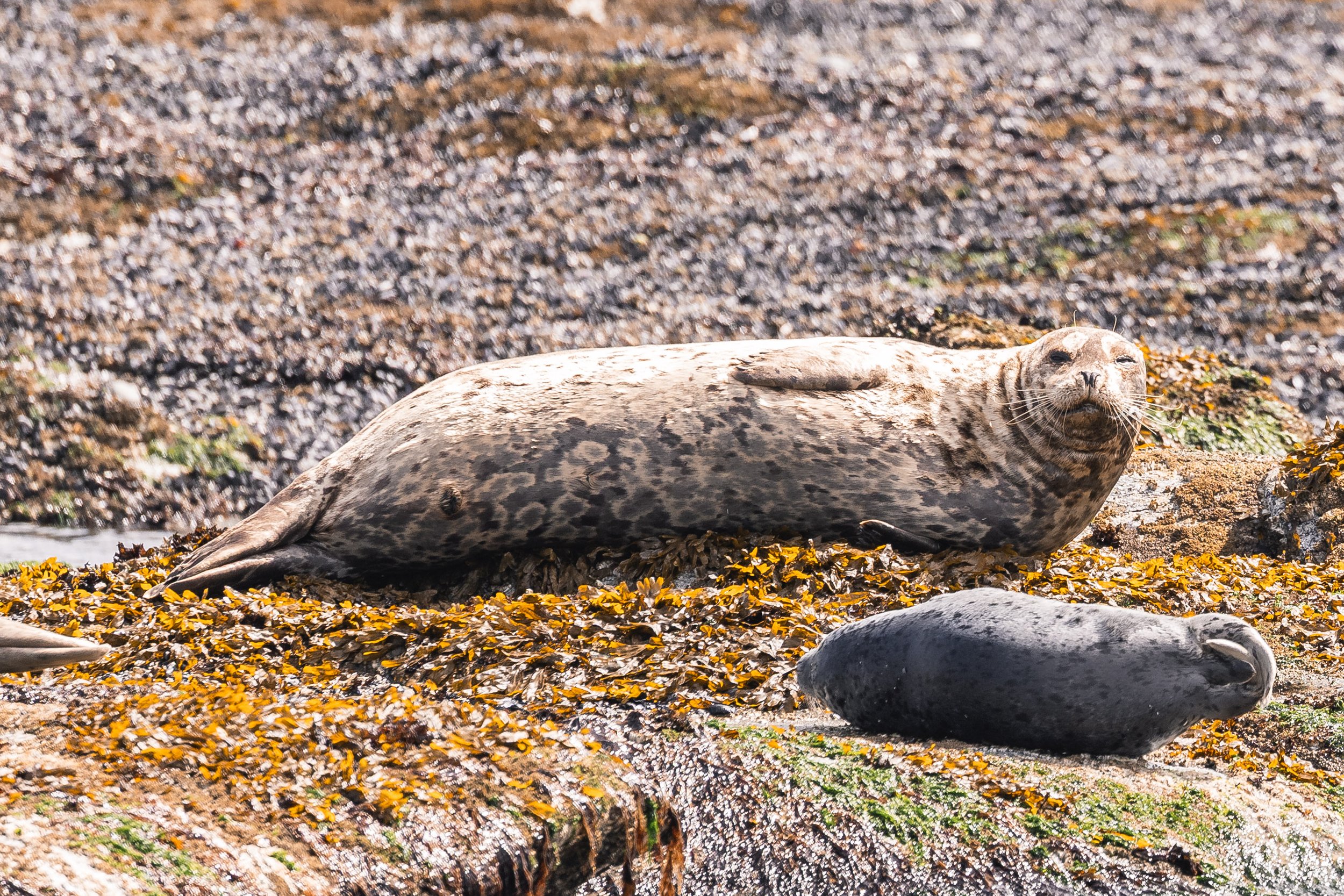
Harbour Seal winking at the camera. Photo by Jordan Robinson.
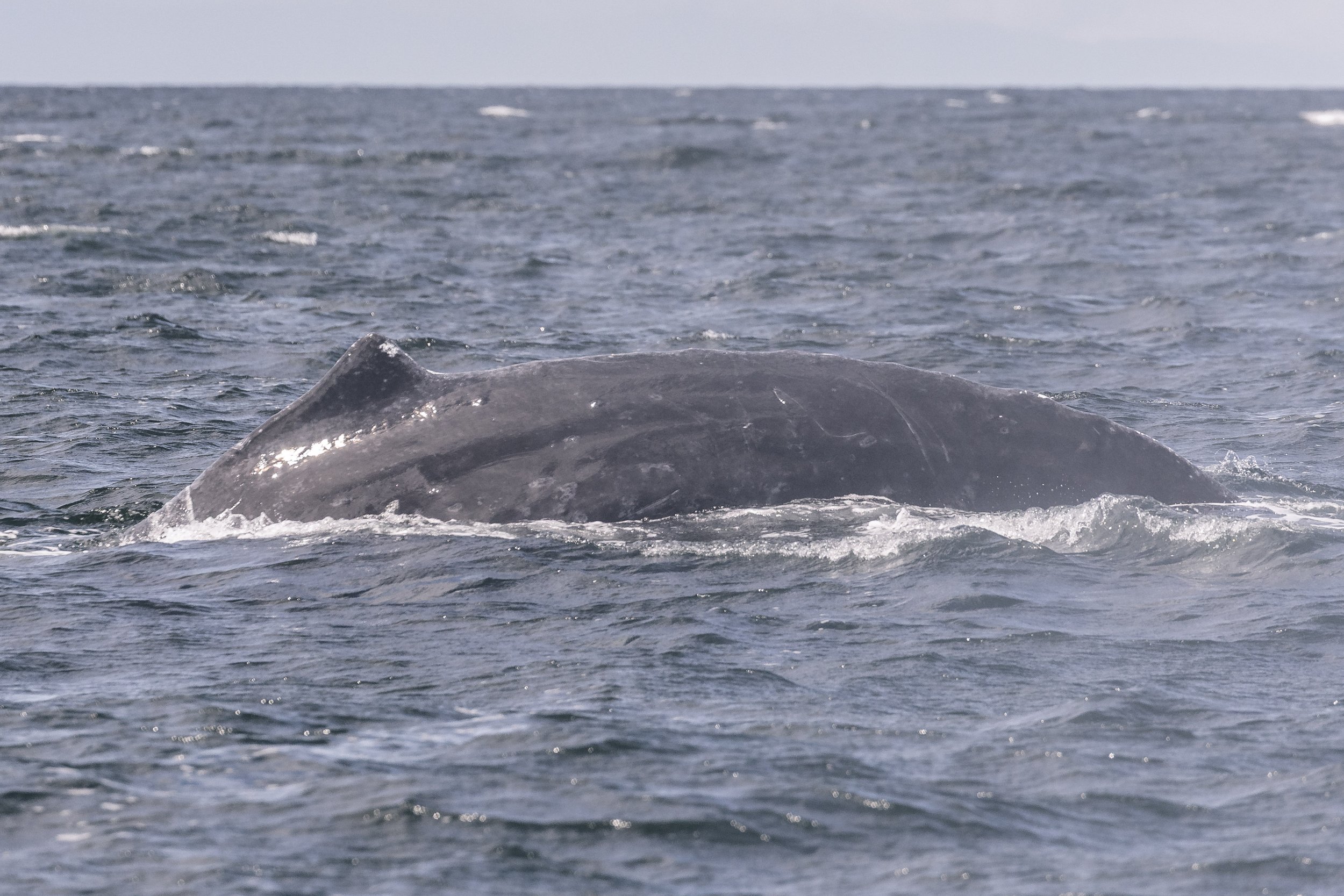
Beak going for a dive. Photo by Jordan Robinson.
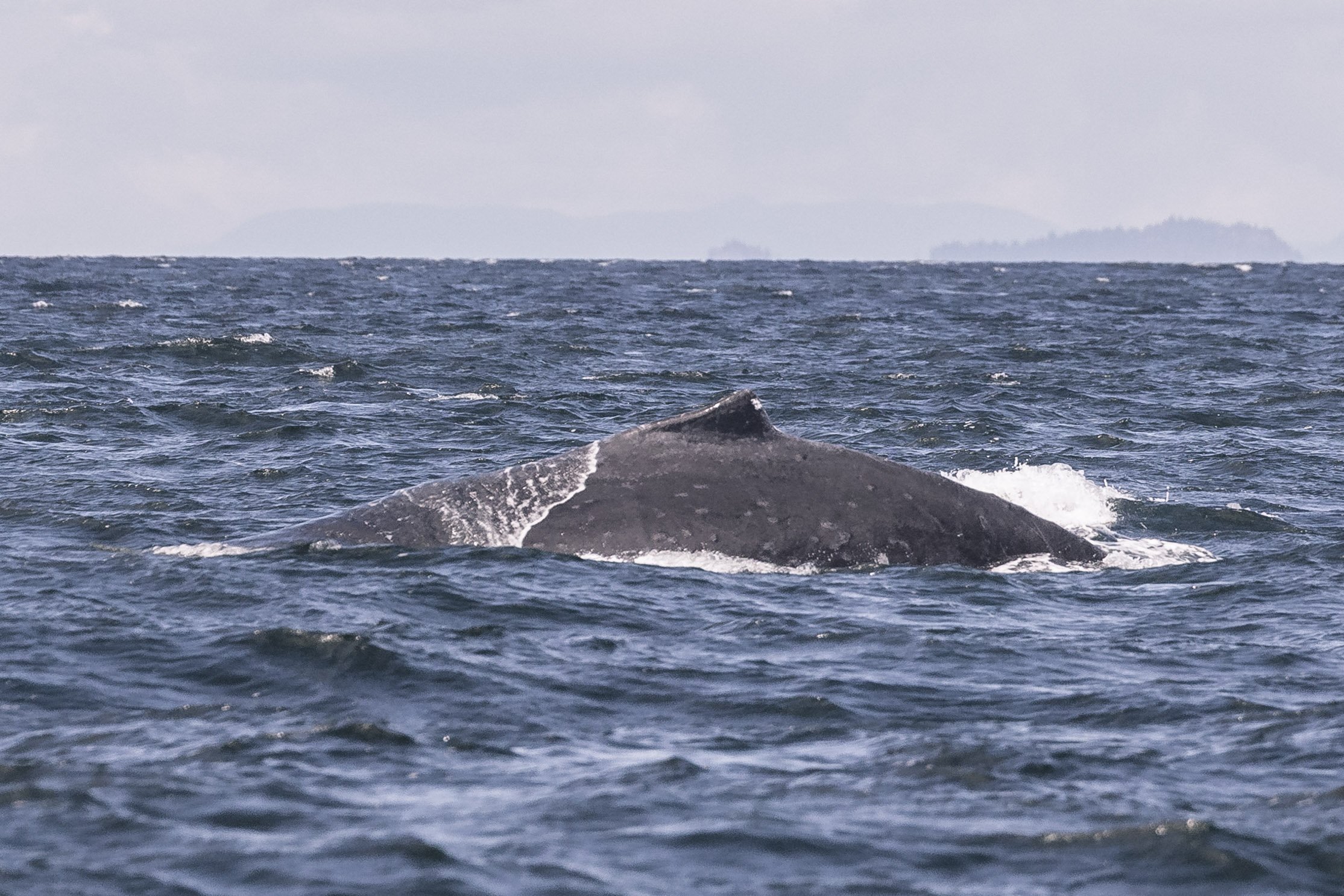
Did you know Beak is from Hawaii!? Photo by Jordan Robinson.
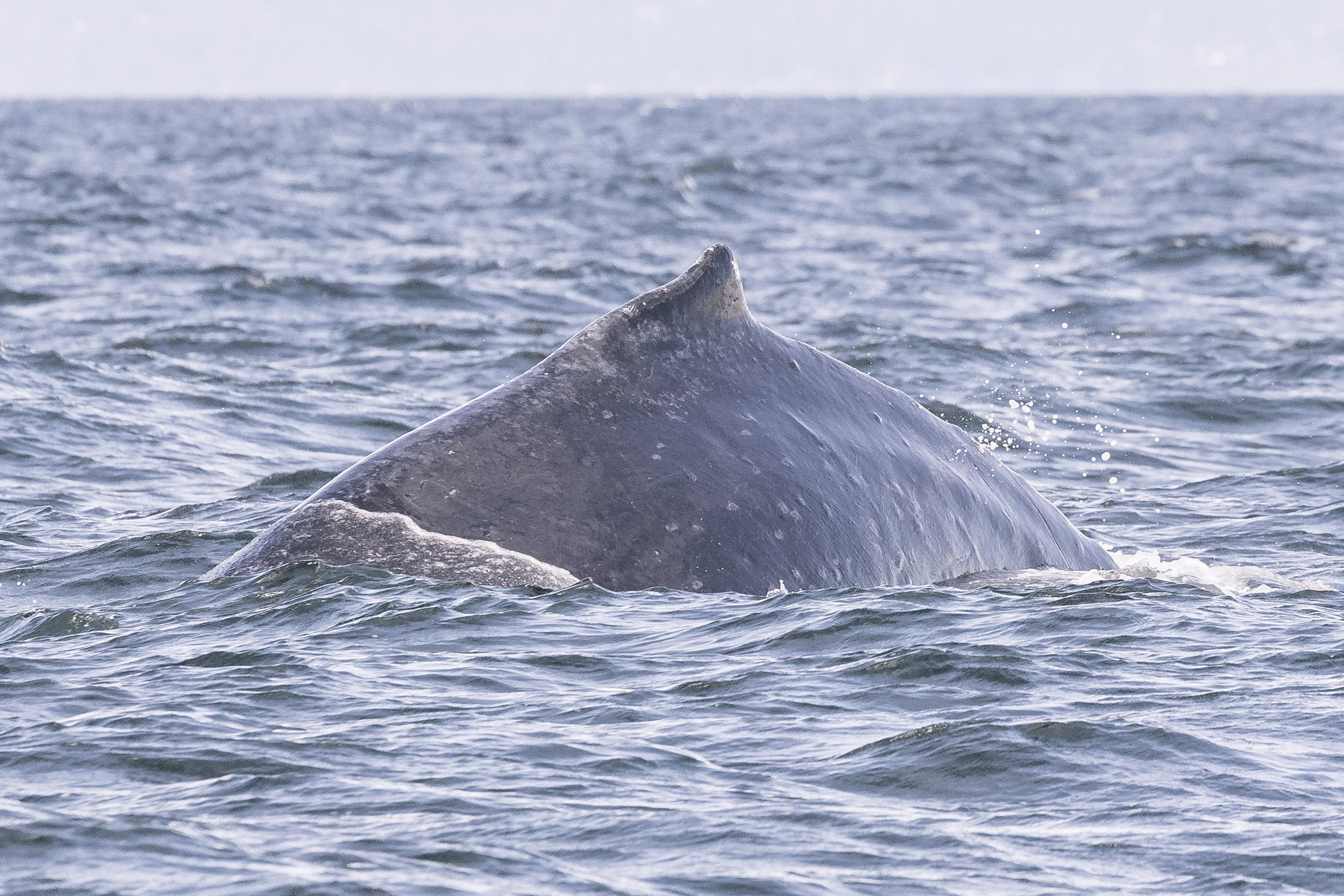
A beautiful arch before a dive. Photo by Jordan Robinson.
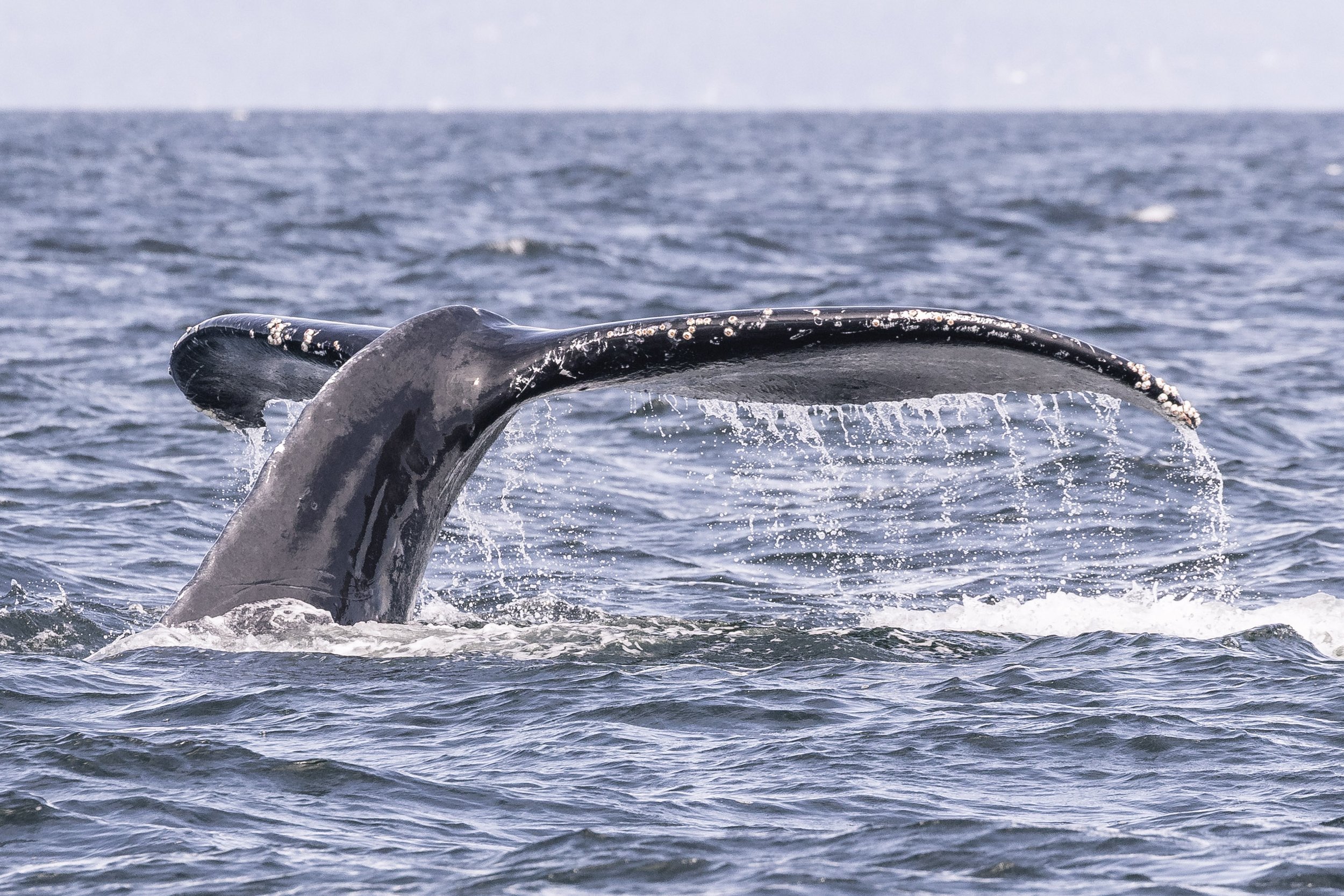
Flukes up! Photo by Jordan Robinson.
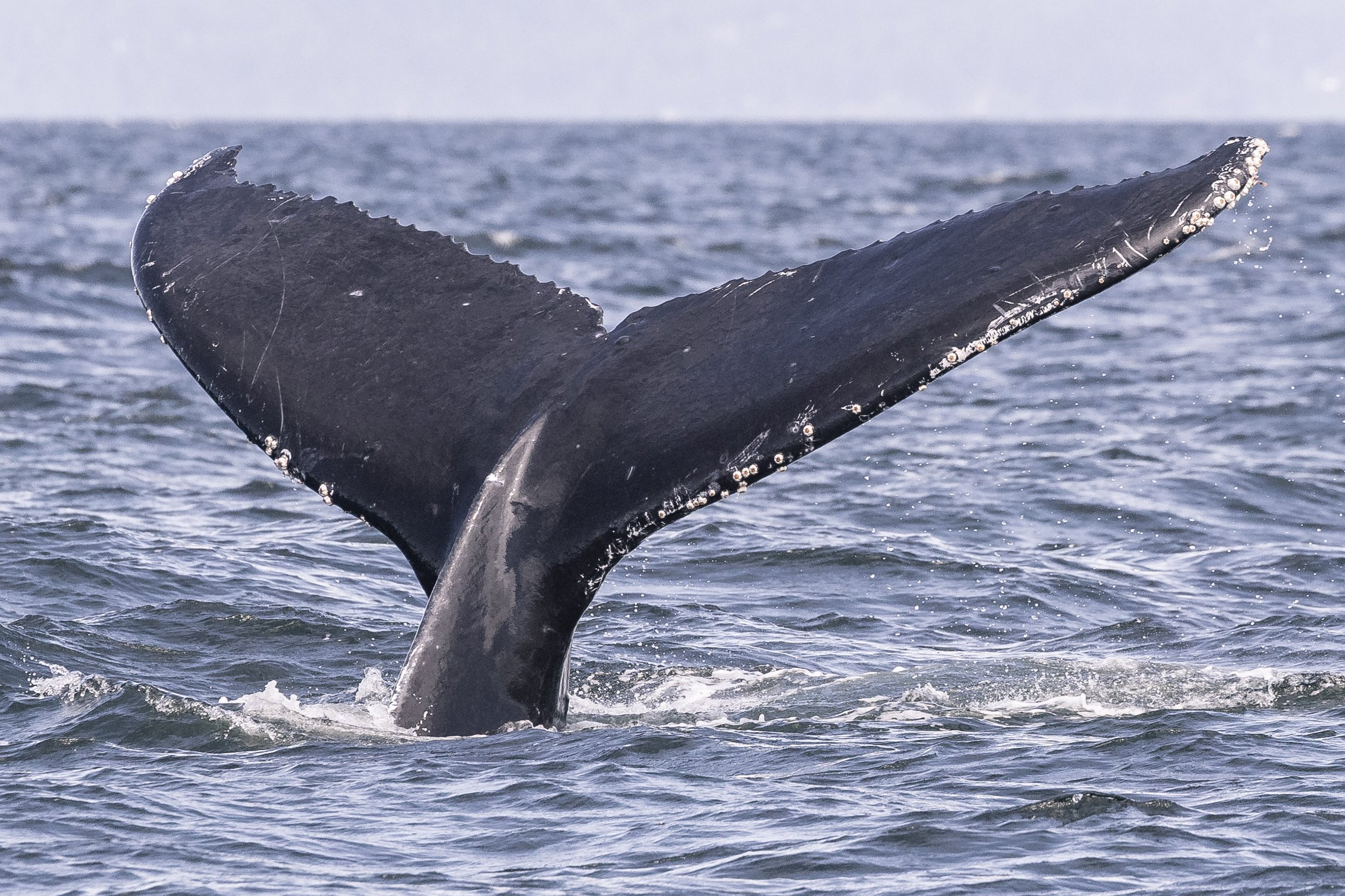
Time for a dive. Photo by Jordan Robinson.
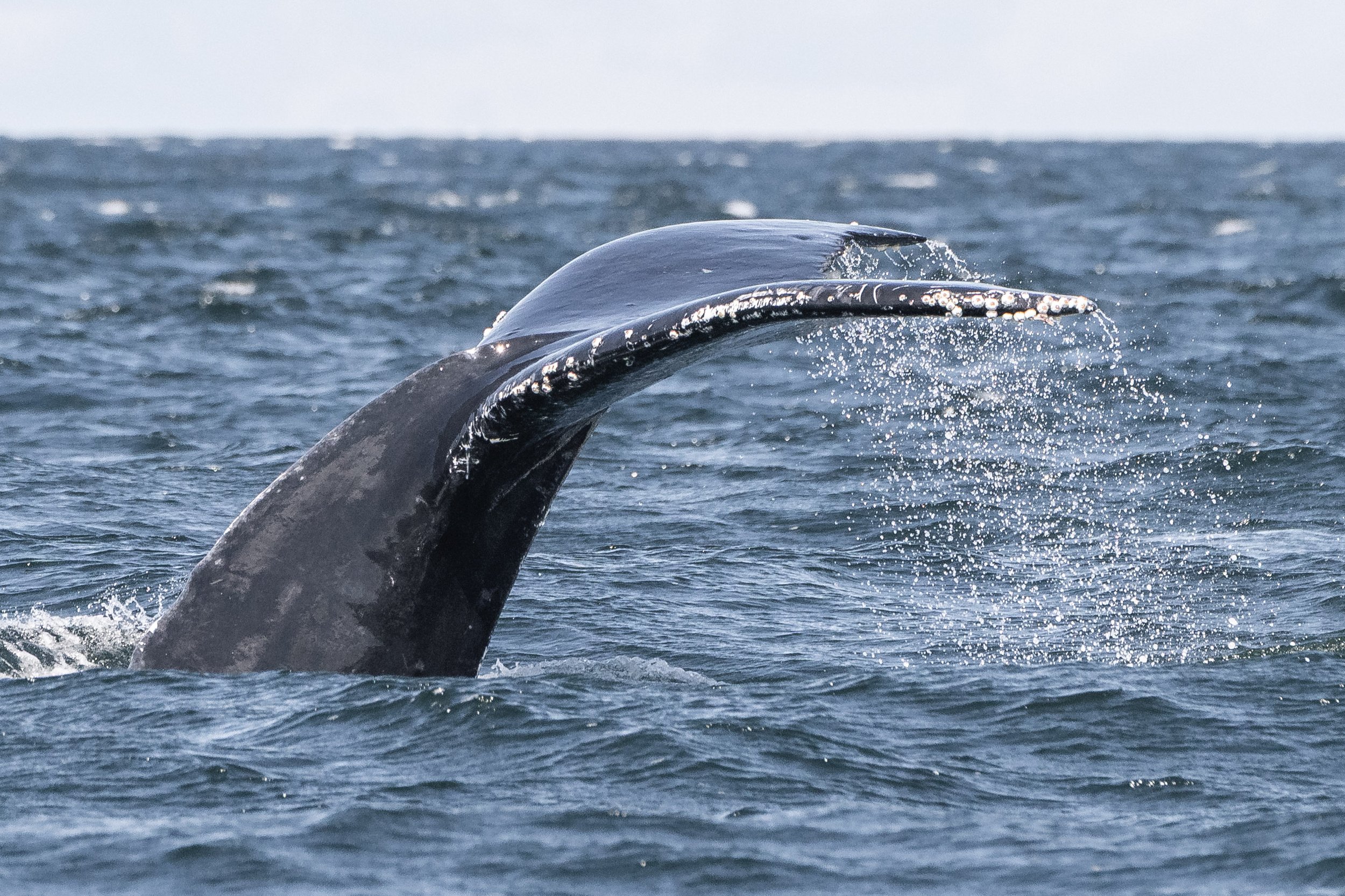
Time for a dive! Photo by Val Watson.
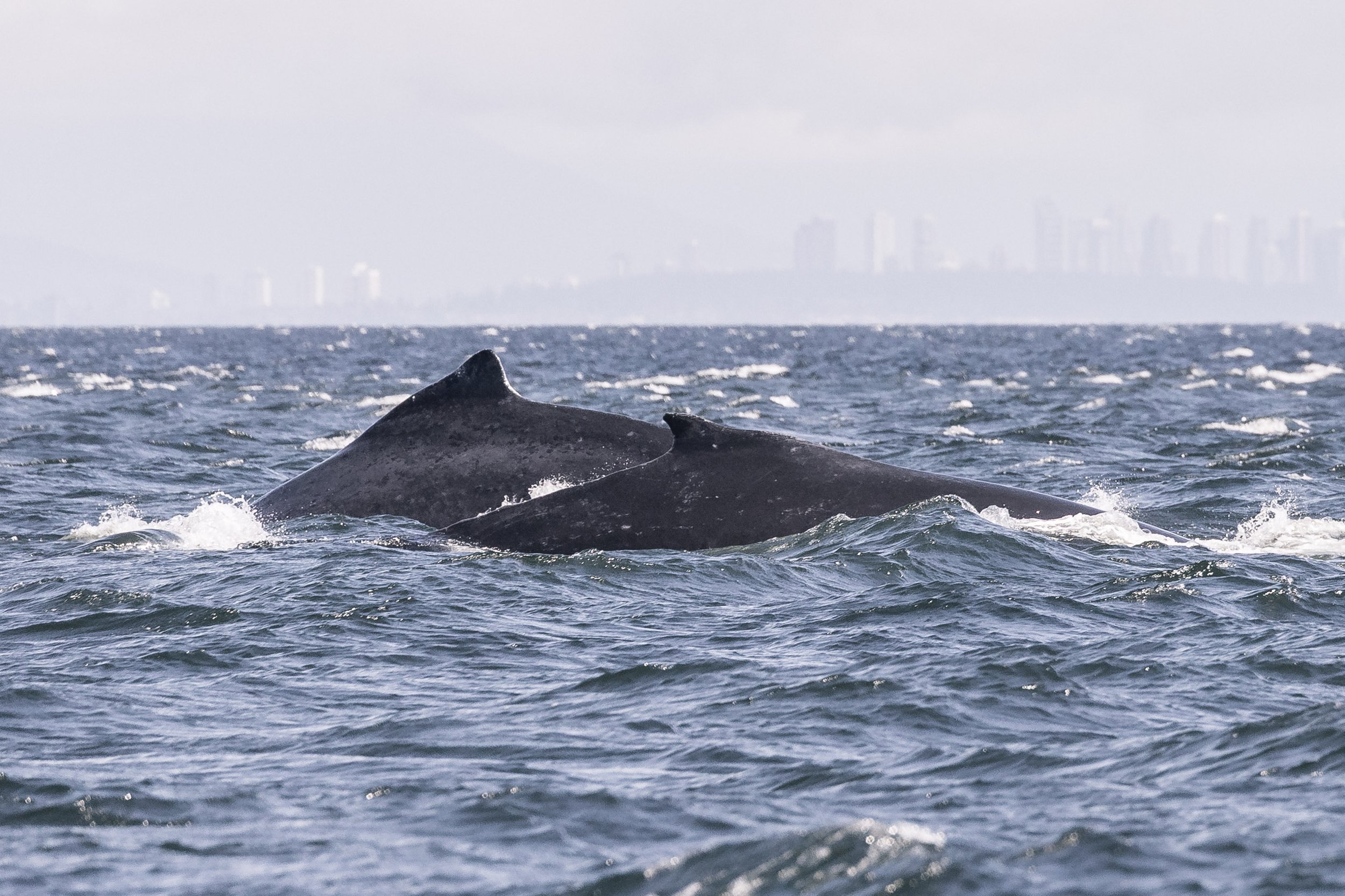
Bond and Orion passing each other. Photo by Jordan Robinson.
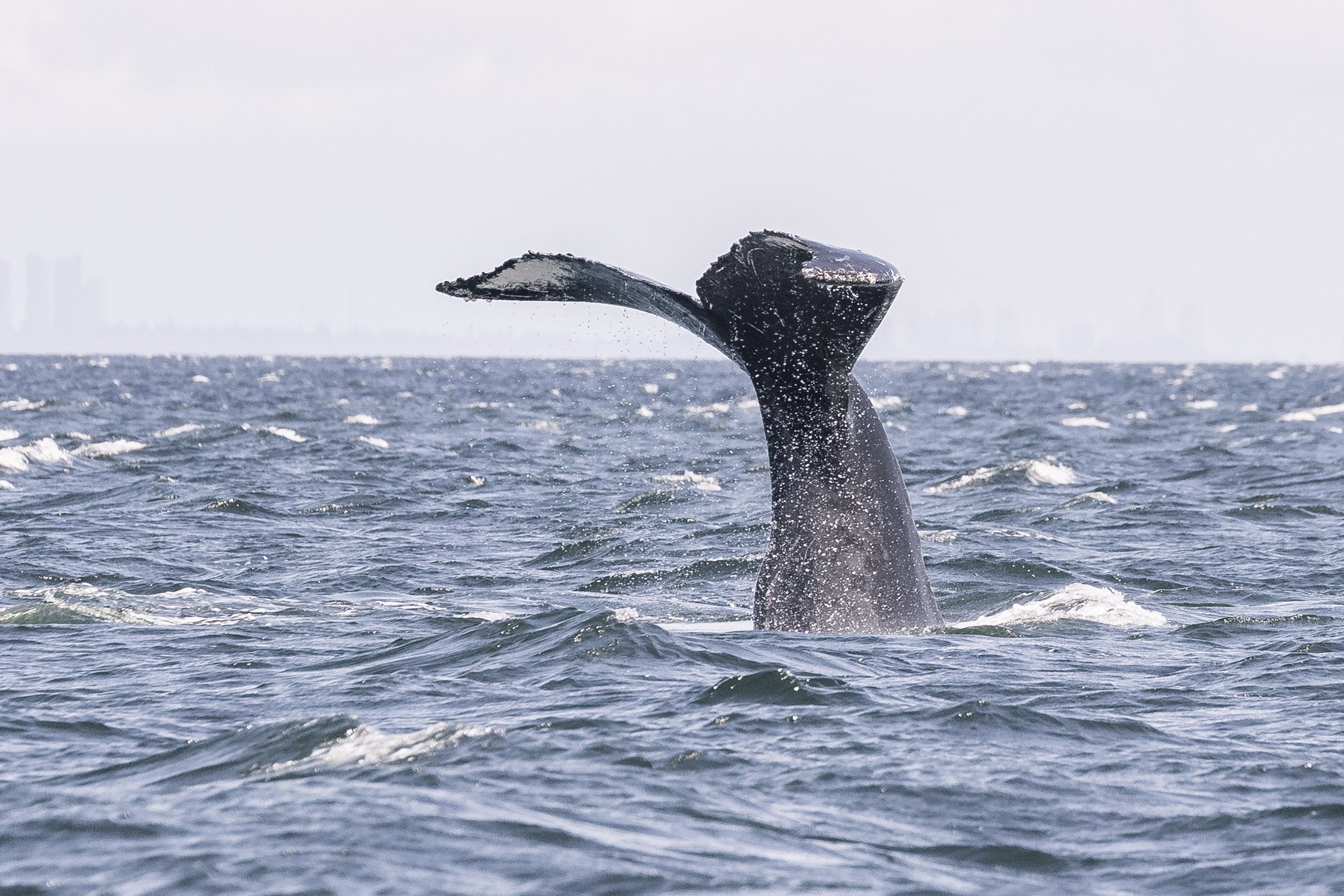
Orion showing off how powerful he is! Photo by Jordan Robinson.
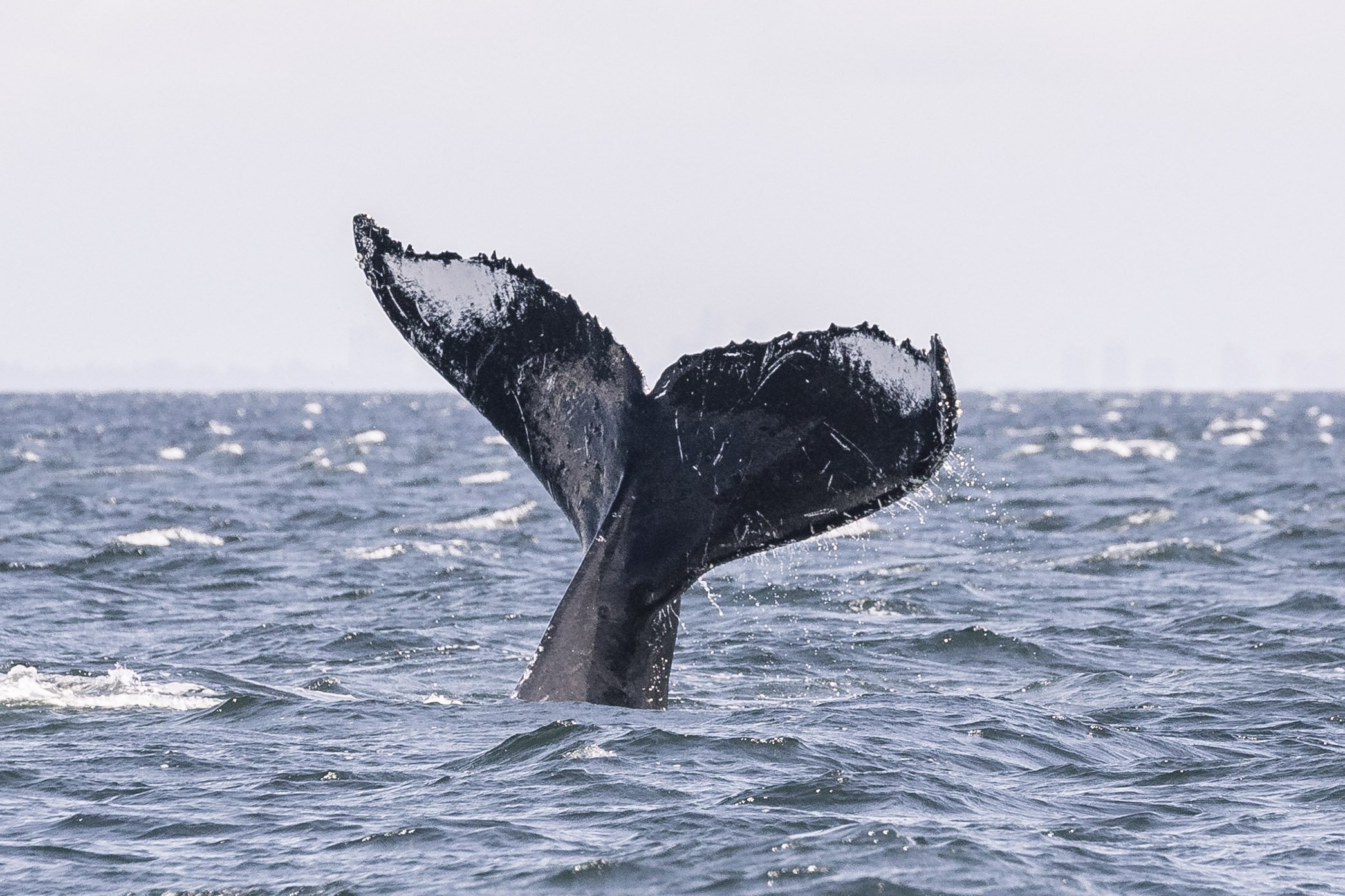
Each fluke is as unique as a fingerprint. This is Orion. Photo by Jordan Robinson.
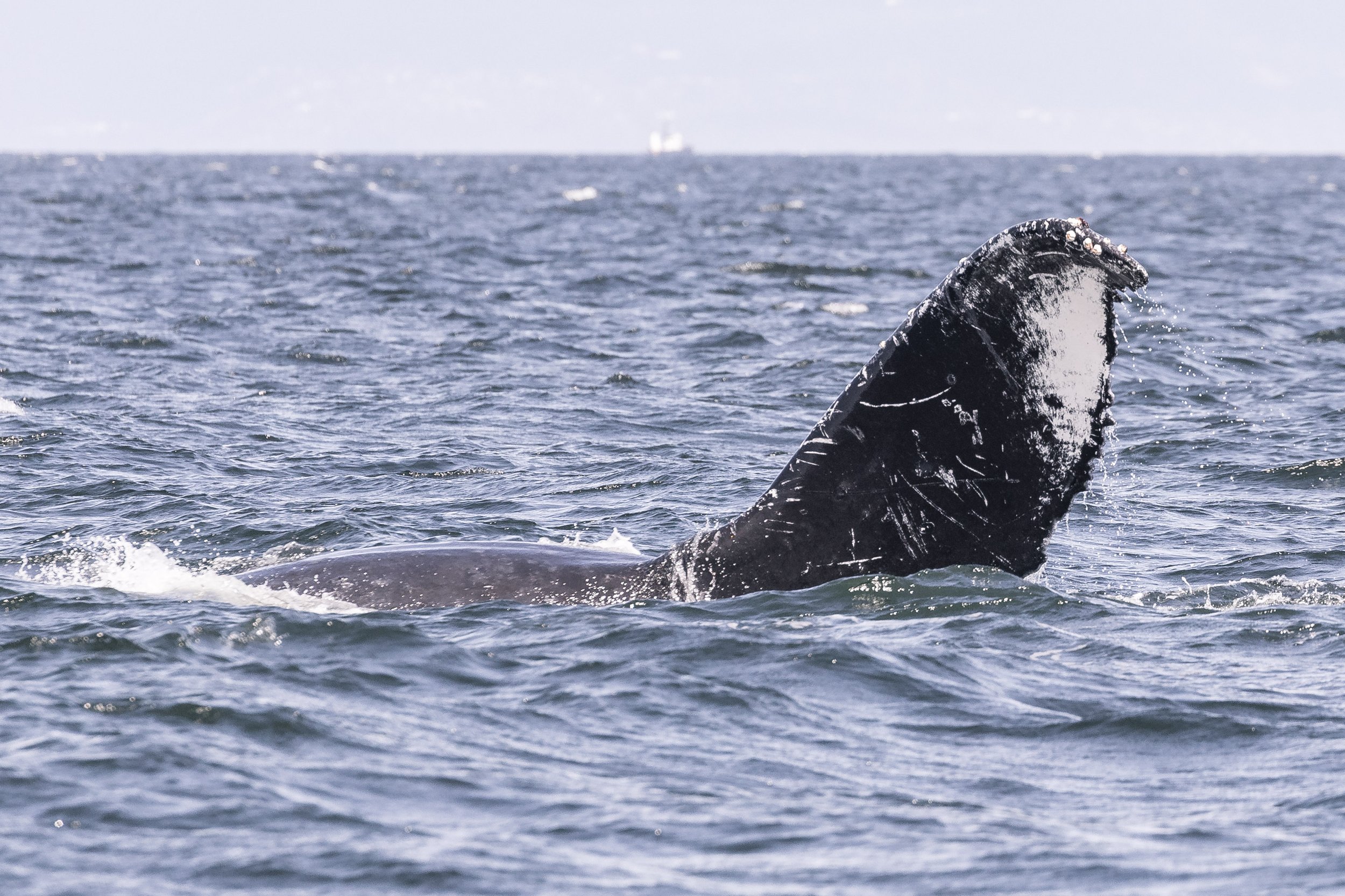
Orion swimming on his side. Photo by Jordan Robinson.
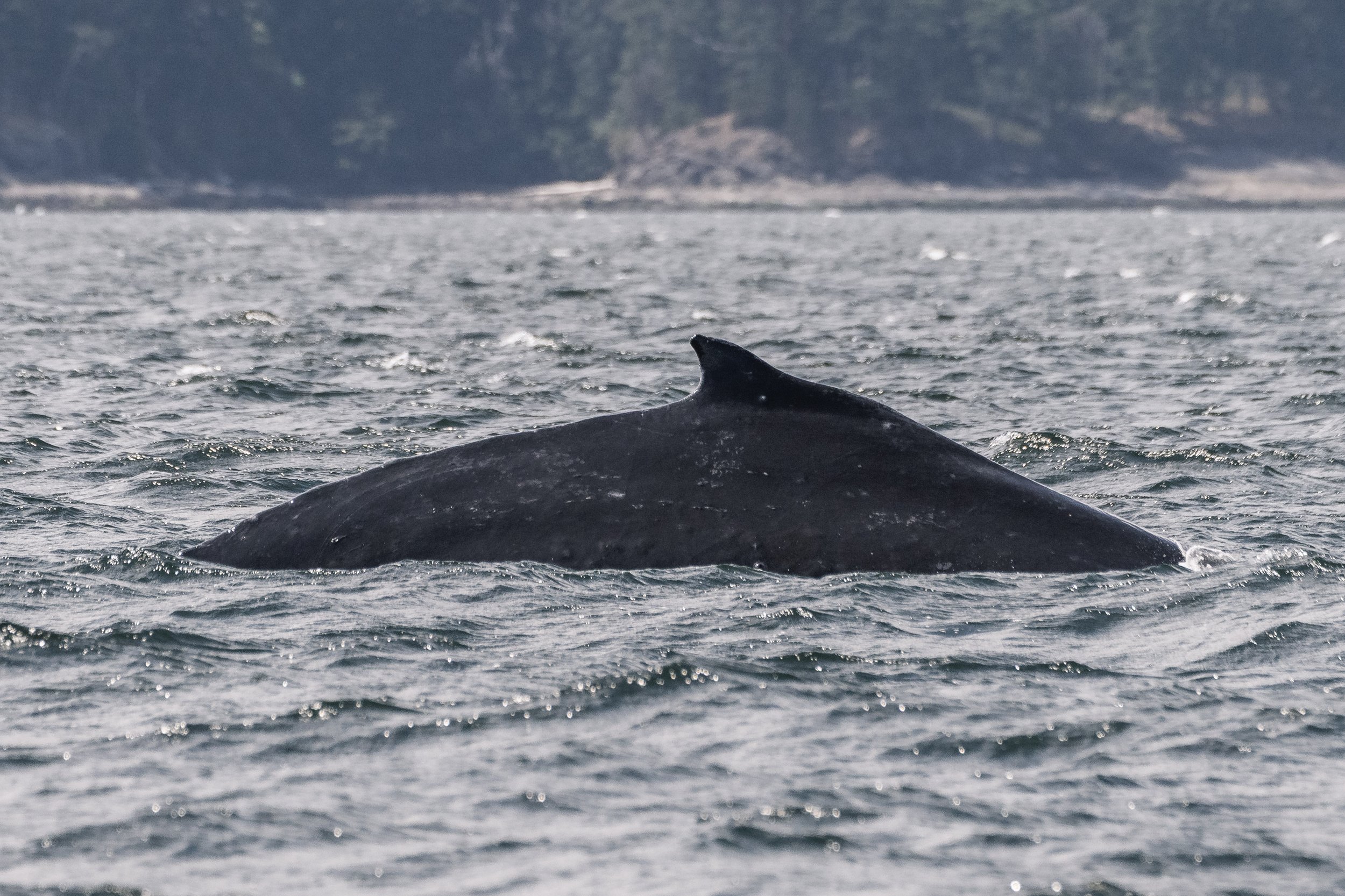
Every dorsal fin is completely unique. This is Orions! Photo by Val Watson.
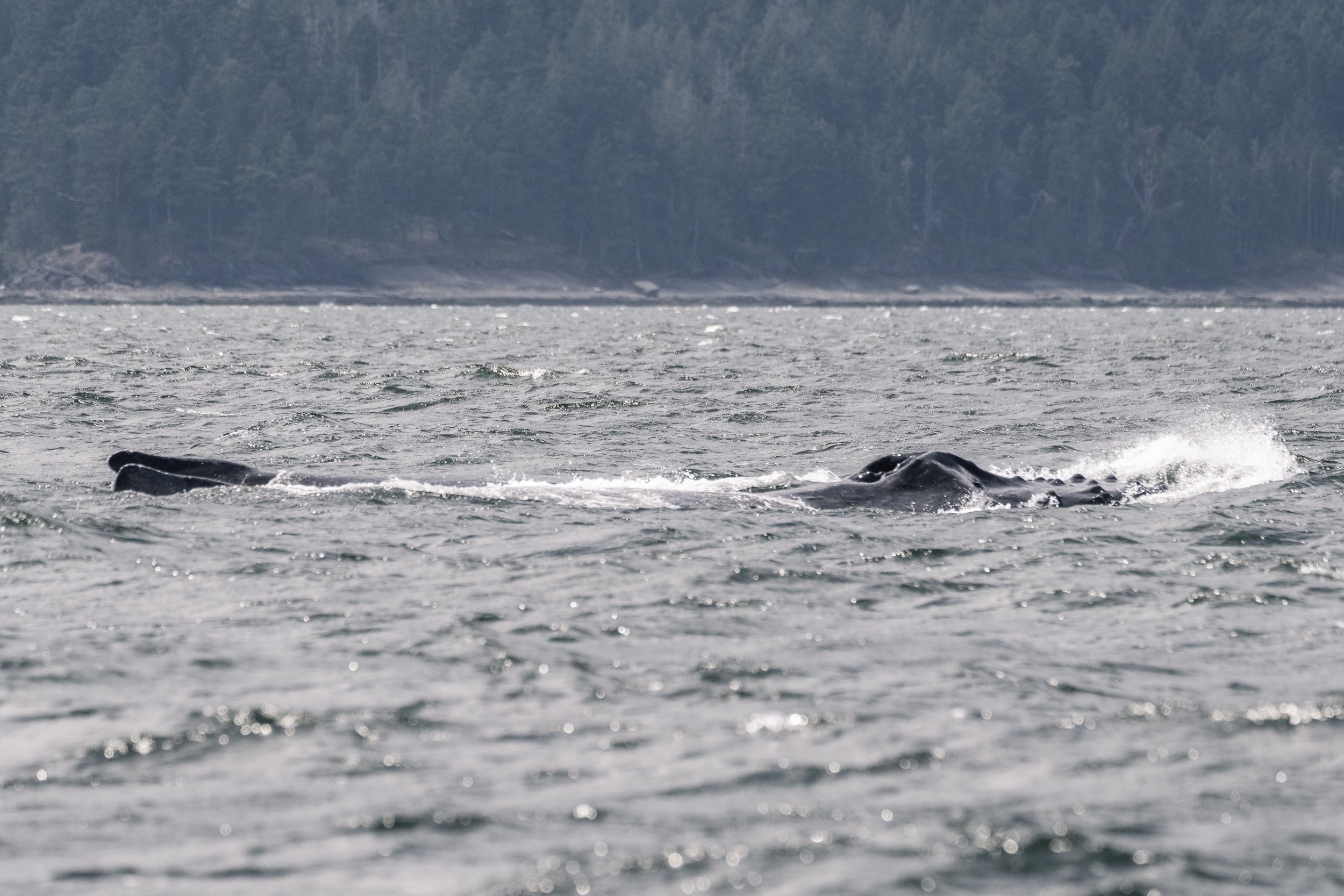
Do you see the bumps on the mouth? Those are over grown hair follicles with a single whisker sticking out of each one. Photo by Val Watson.
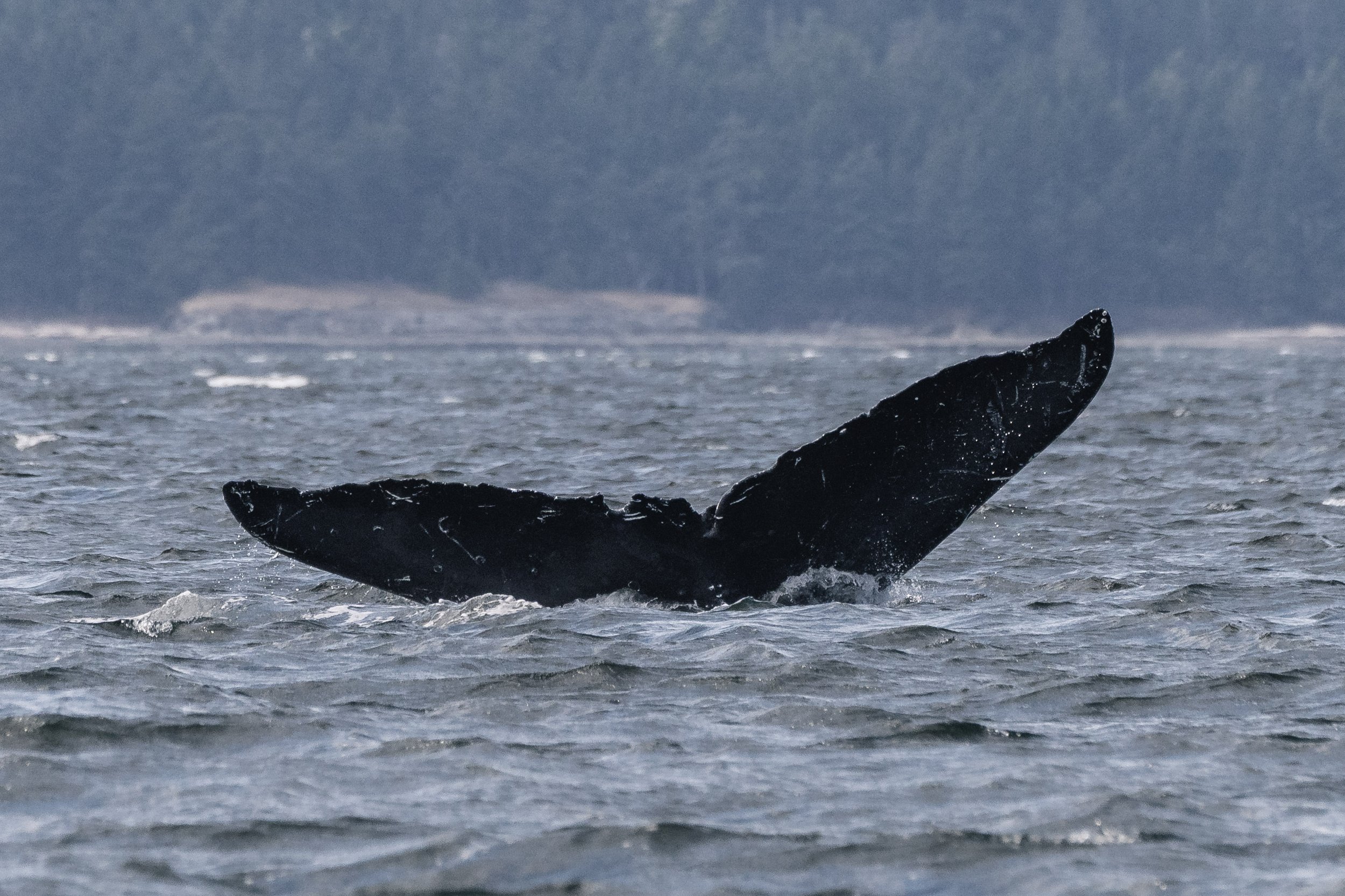
Bond showing off his beautiful flukes. Photo by Val Watson.
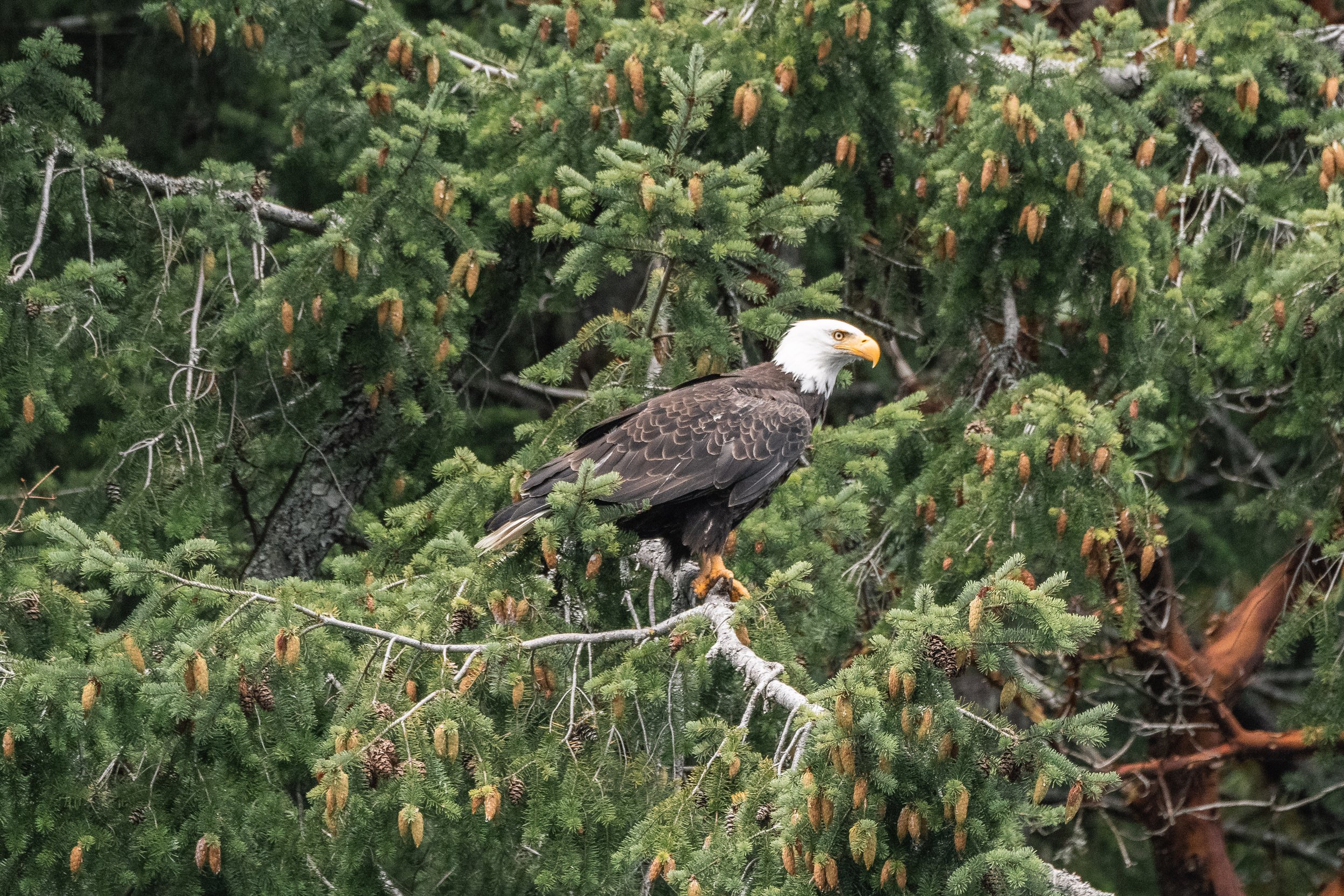
Did you know Bald eagles don’t get that white head and tail until they are around 5 years old? Photo by Val Watson.
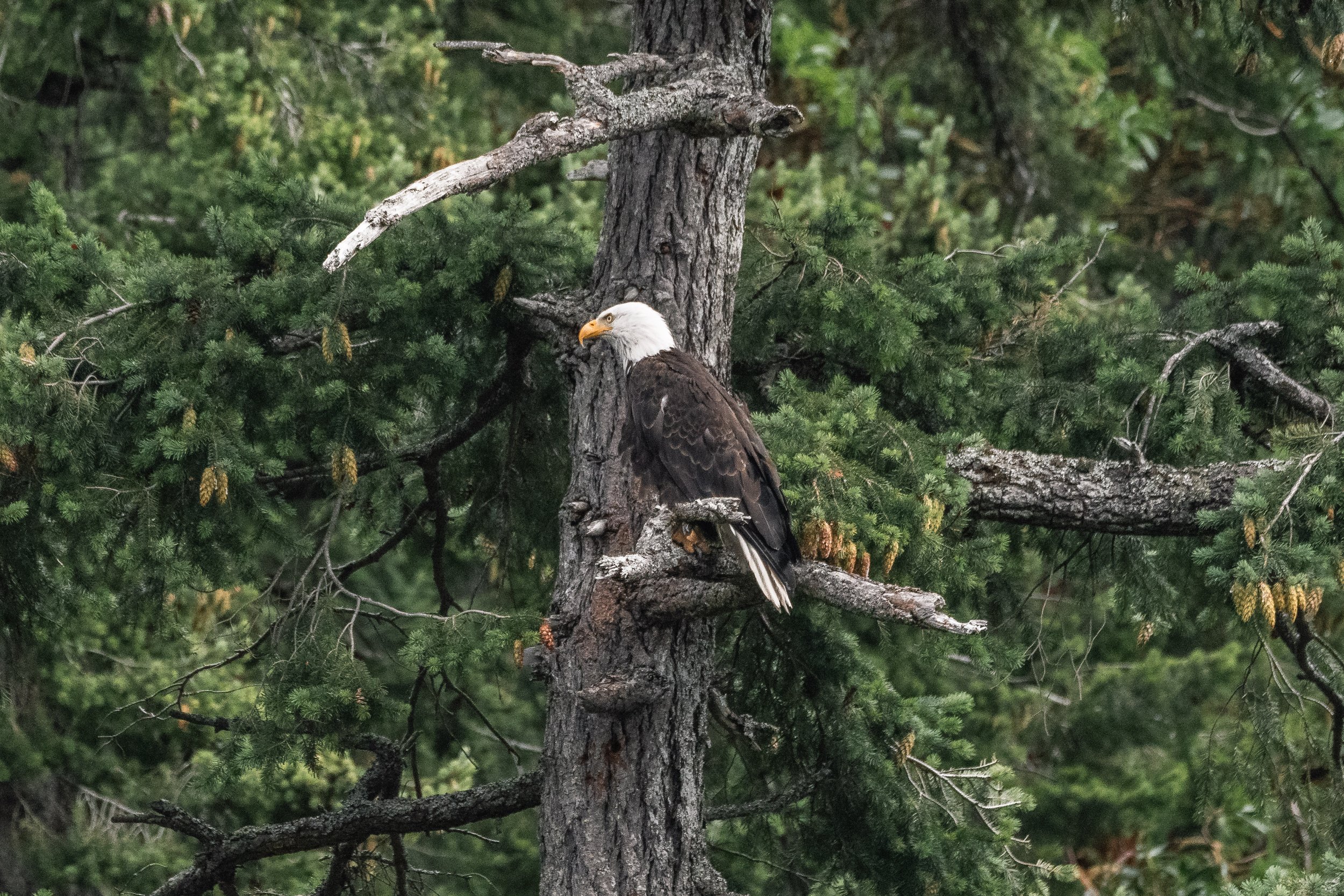
Bald Eagles aren’t actually bald! Balde is the old english word for white.Photo by Val Watson.
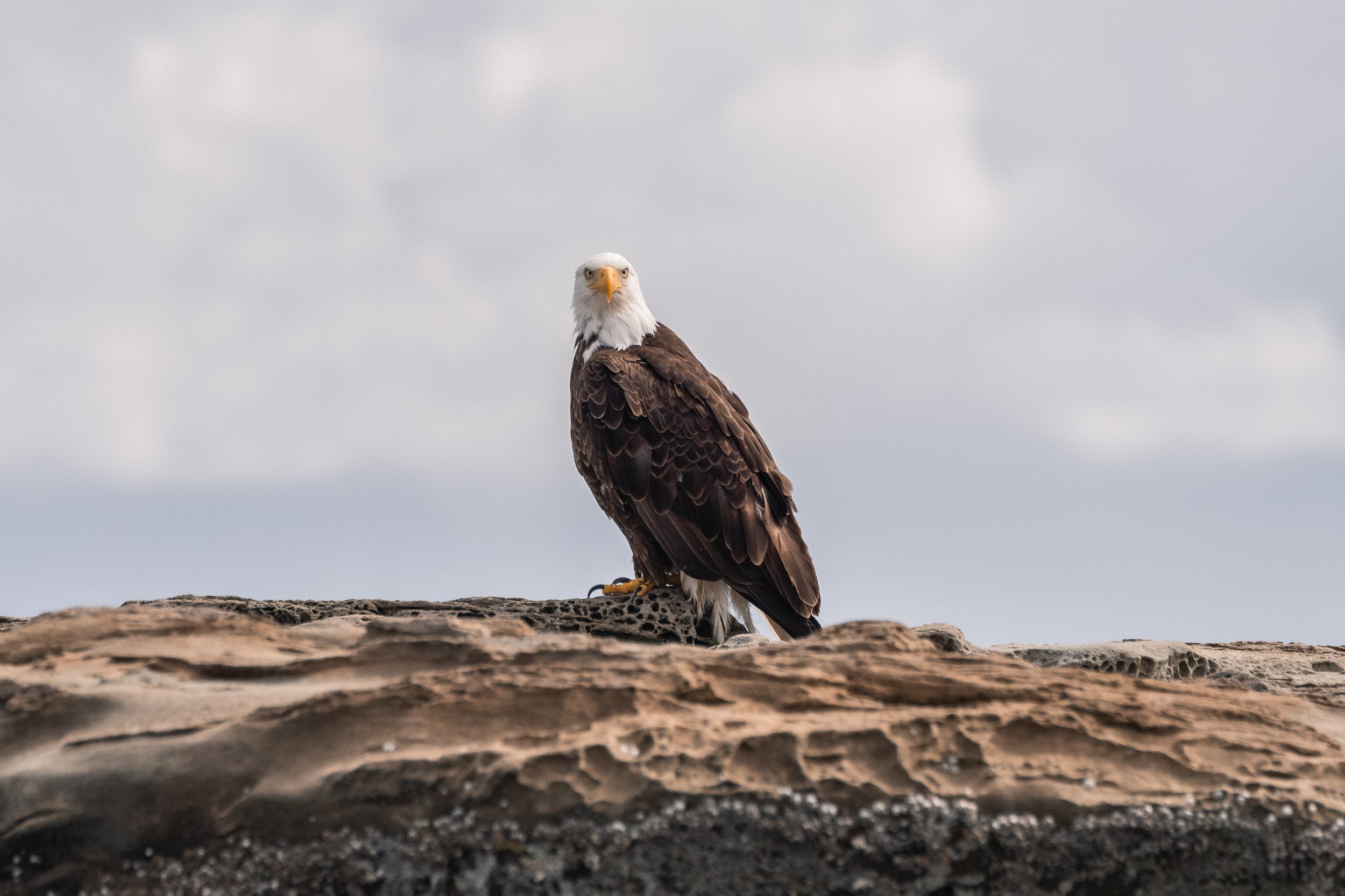
Look at those talons! Photo by Val Watson.
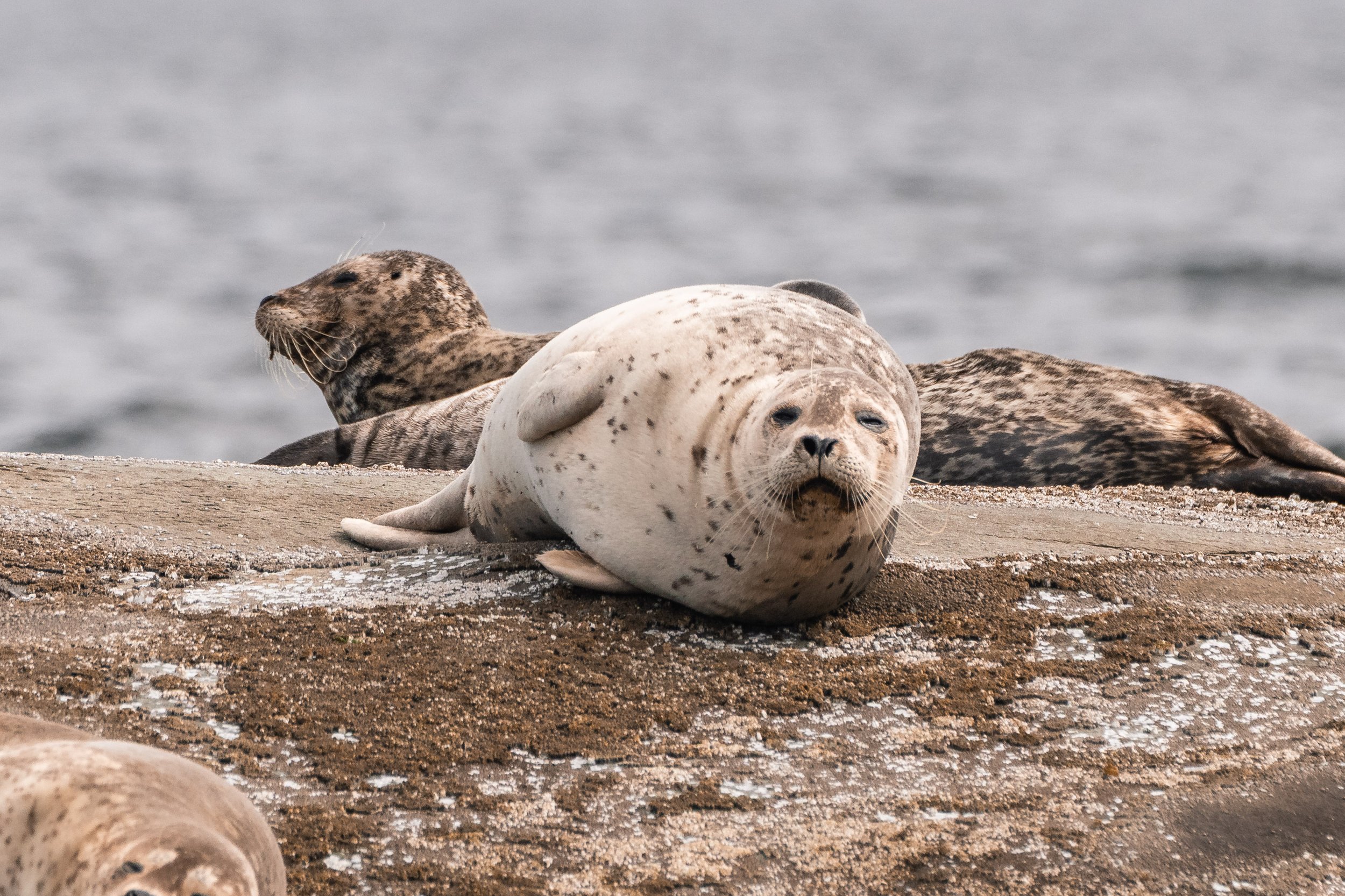
A very chunky and sleepy Harbour Seal check us out. Photo by Val Watson.
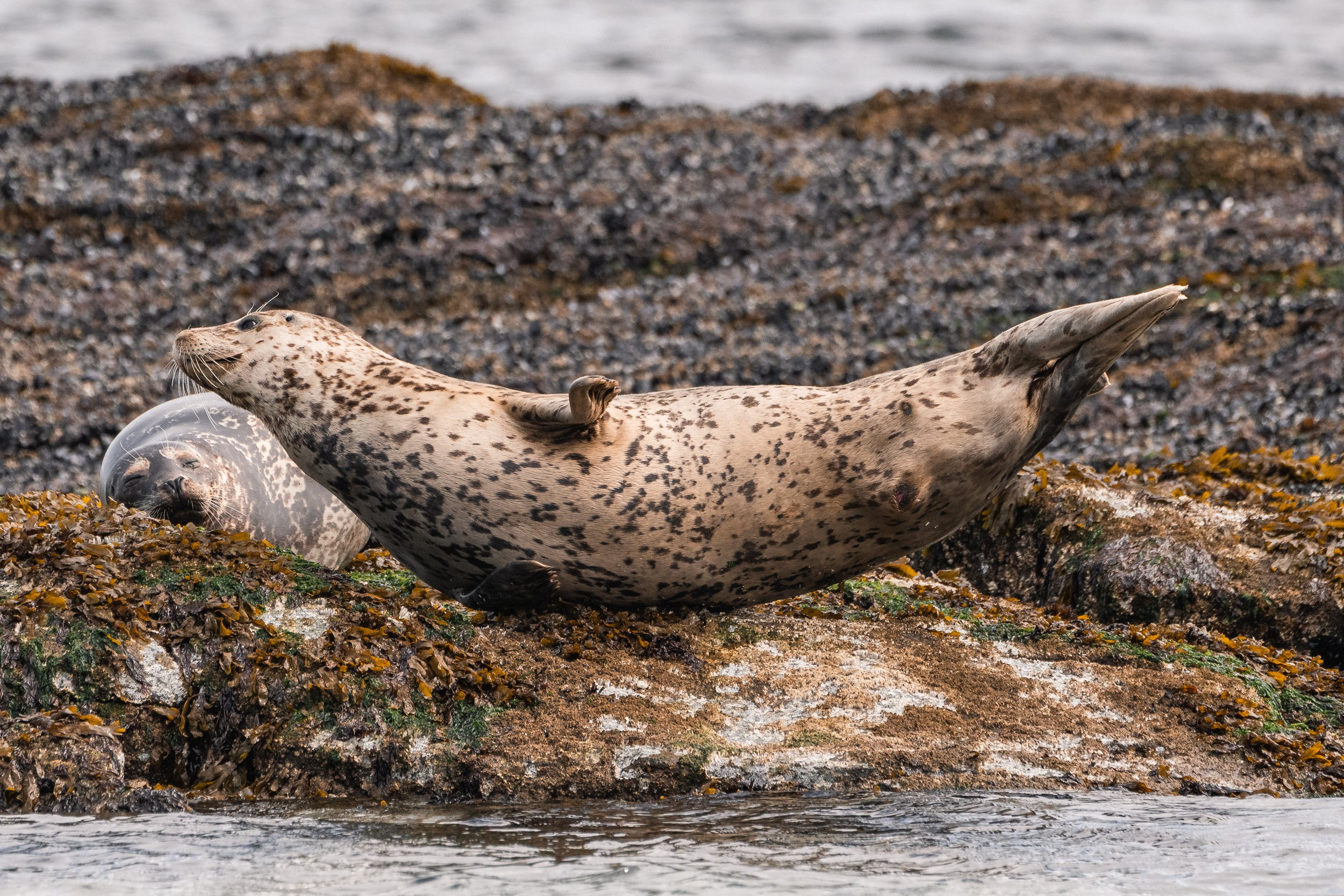
Big stretches! Photo by Val Watson.
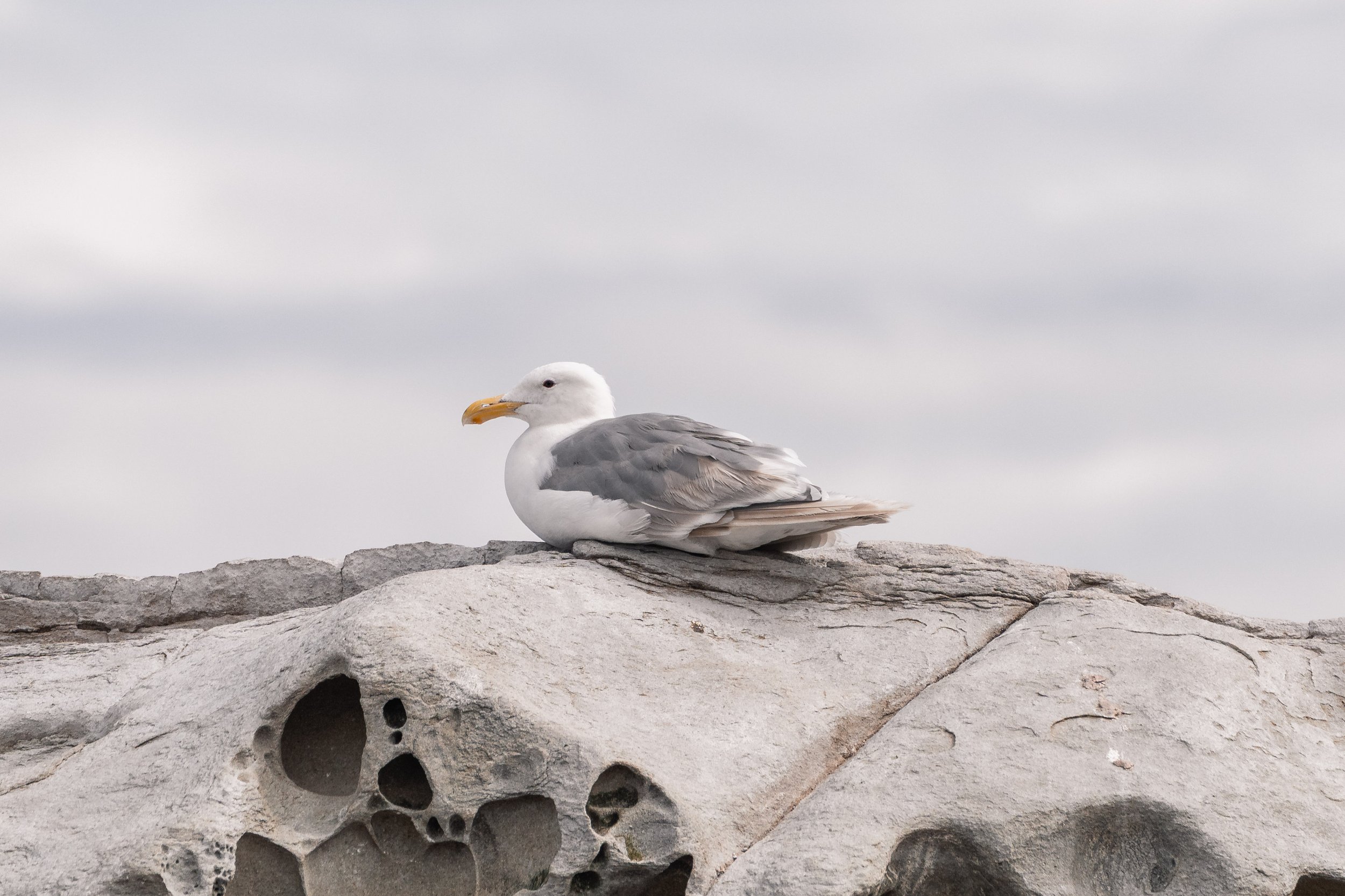
Gull relaxing on Stinky Rock. Photo by Val Watson.
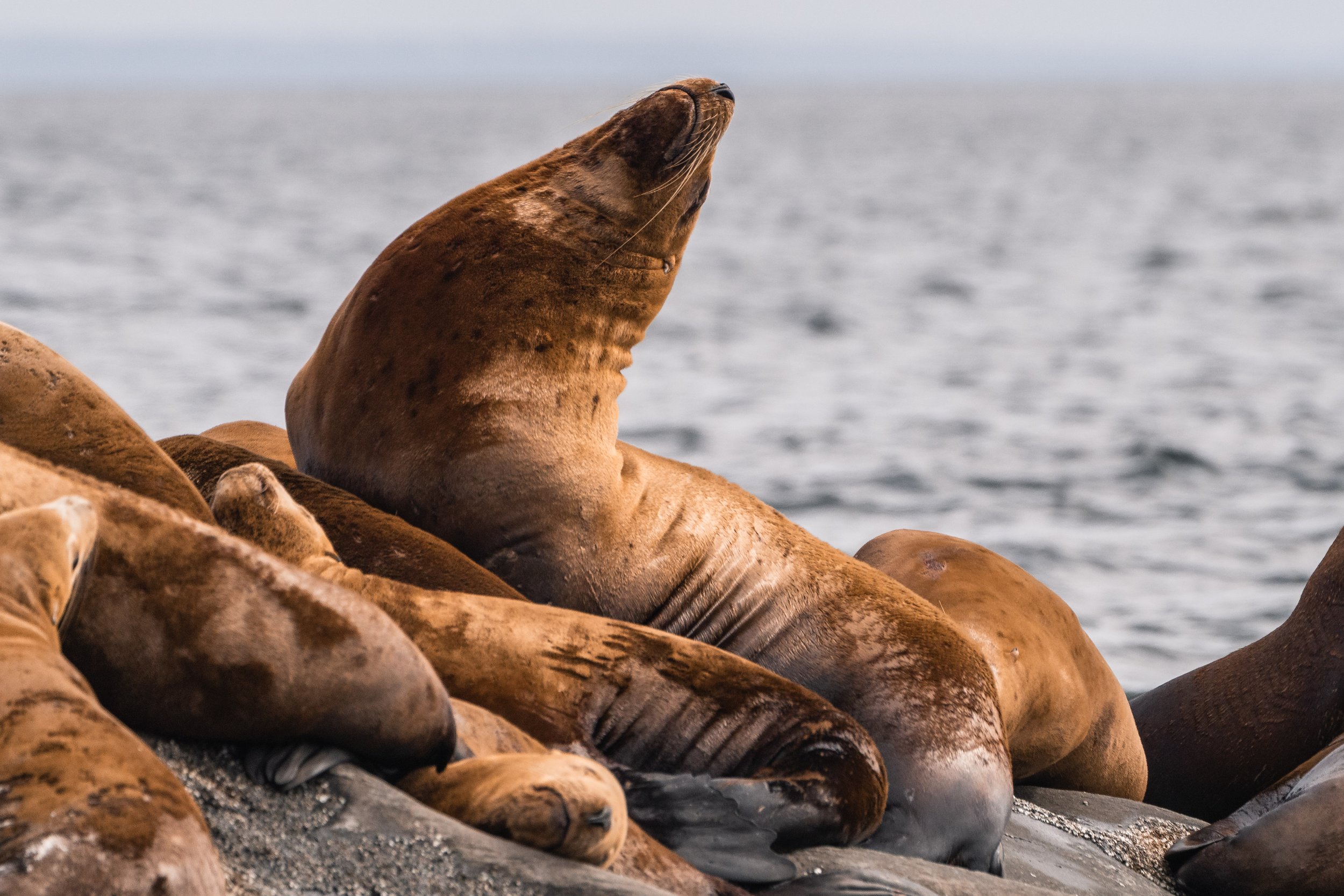
A Steller Sea Lion soaking up some sun. Photo by Val Watson.
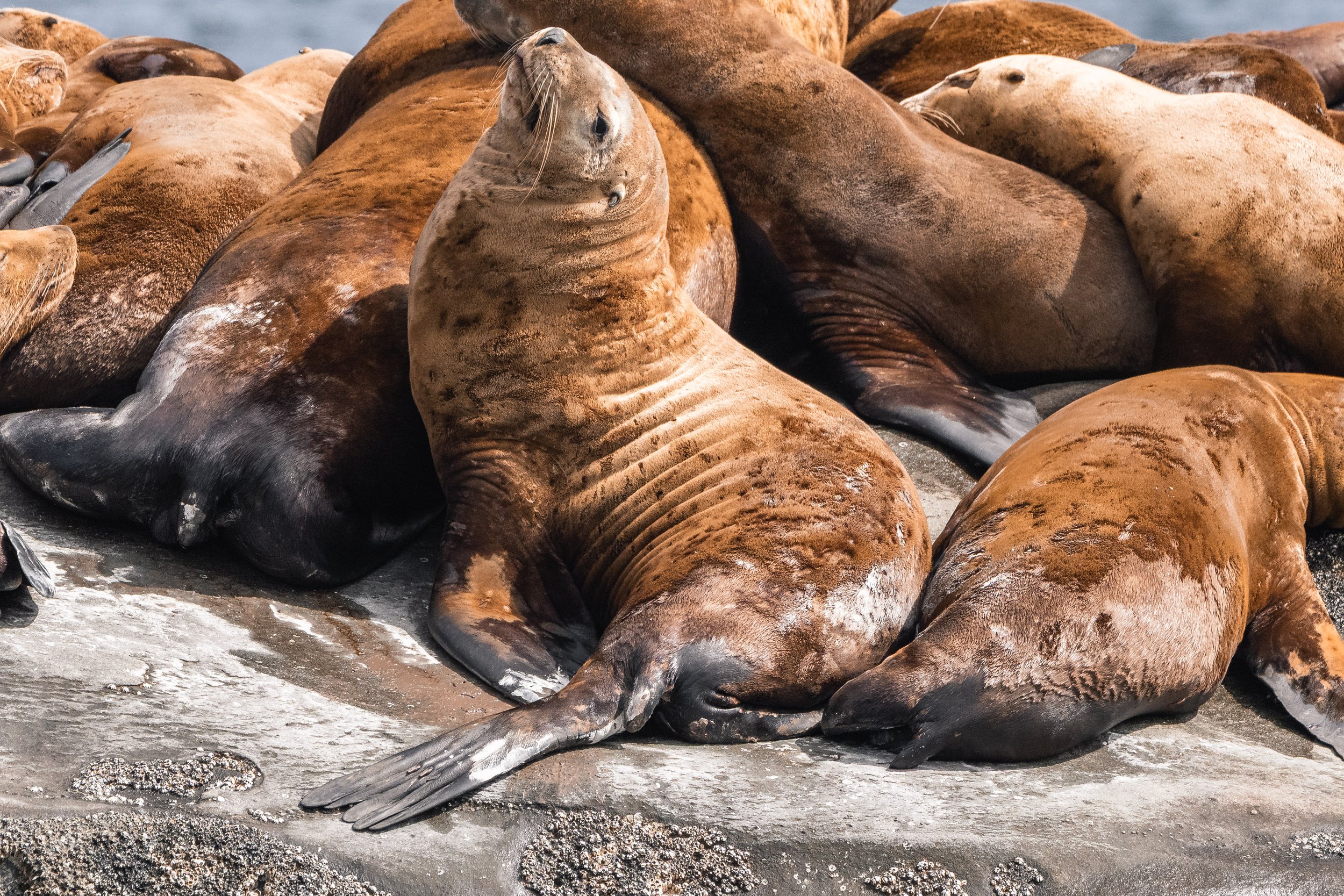
Snuggle puddle! Photo by Val Watson.
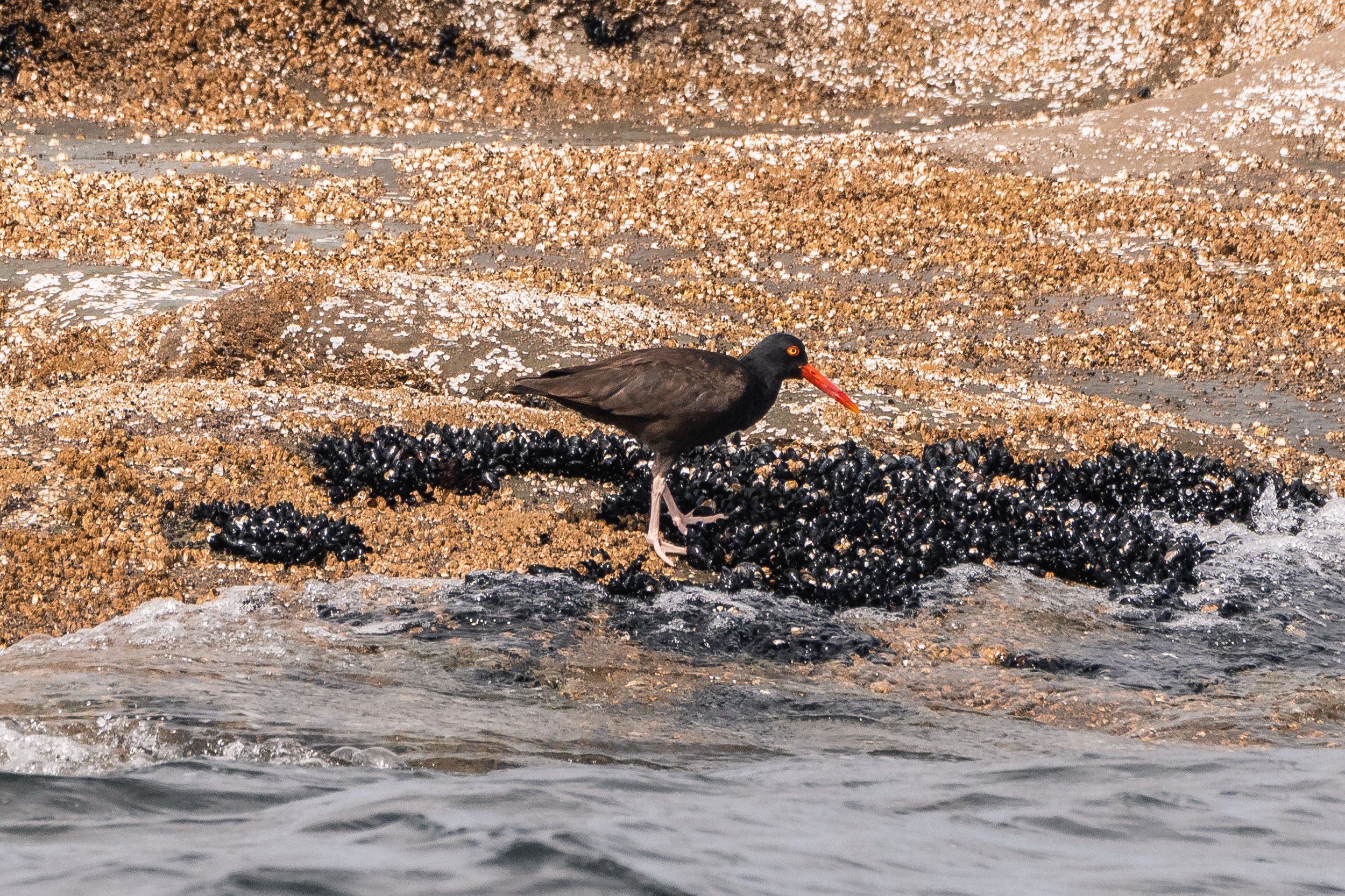
An Oyster Catcher checking out the cuisine. Photo by Val Watson.
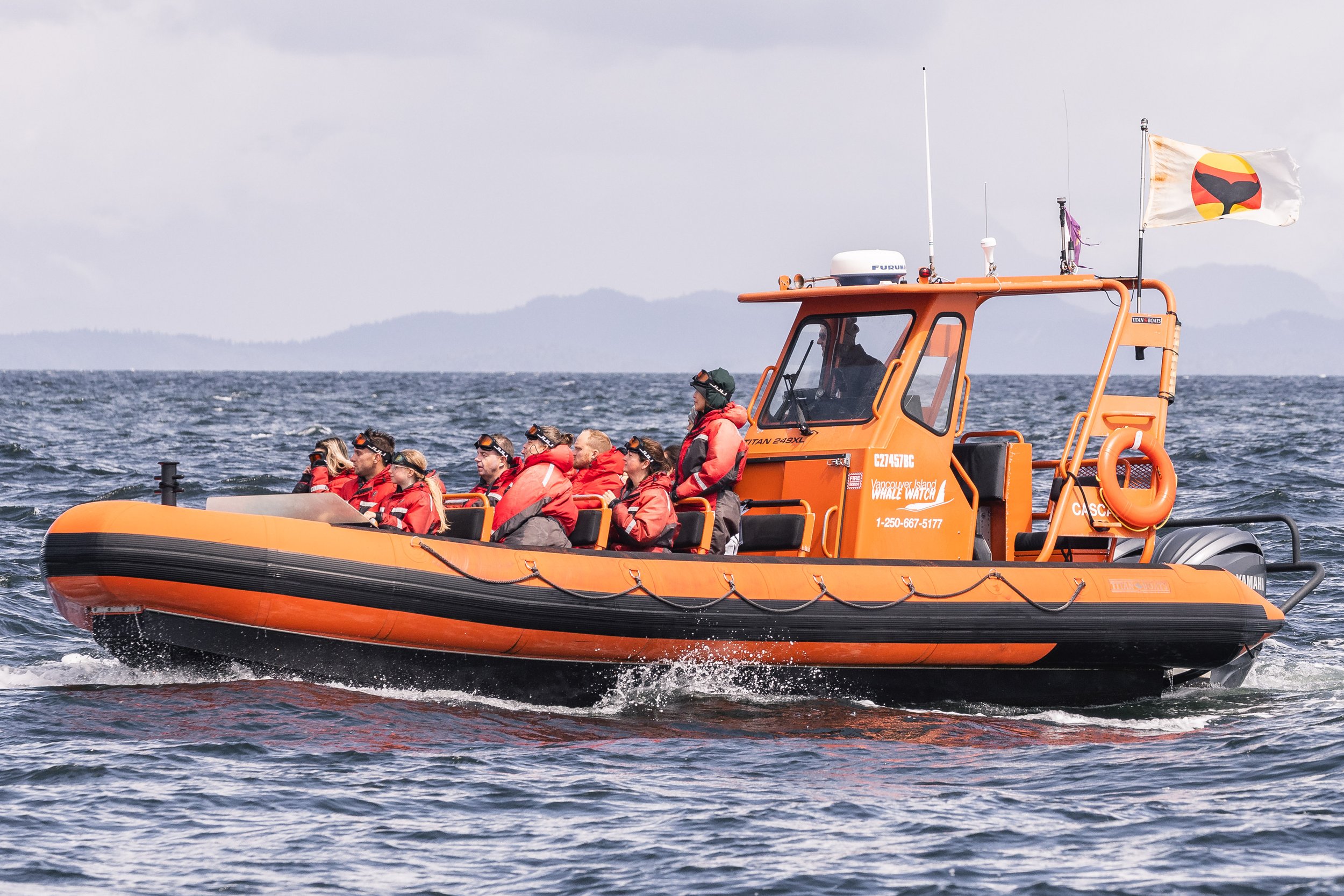
Guests enjoying the whales on our open boat Cascadia. Photo by Jordan Robinson.
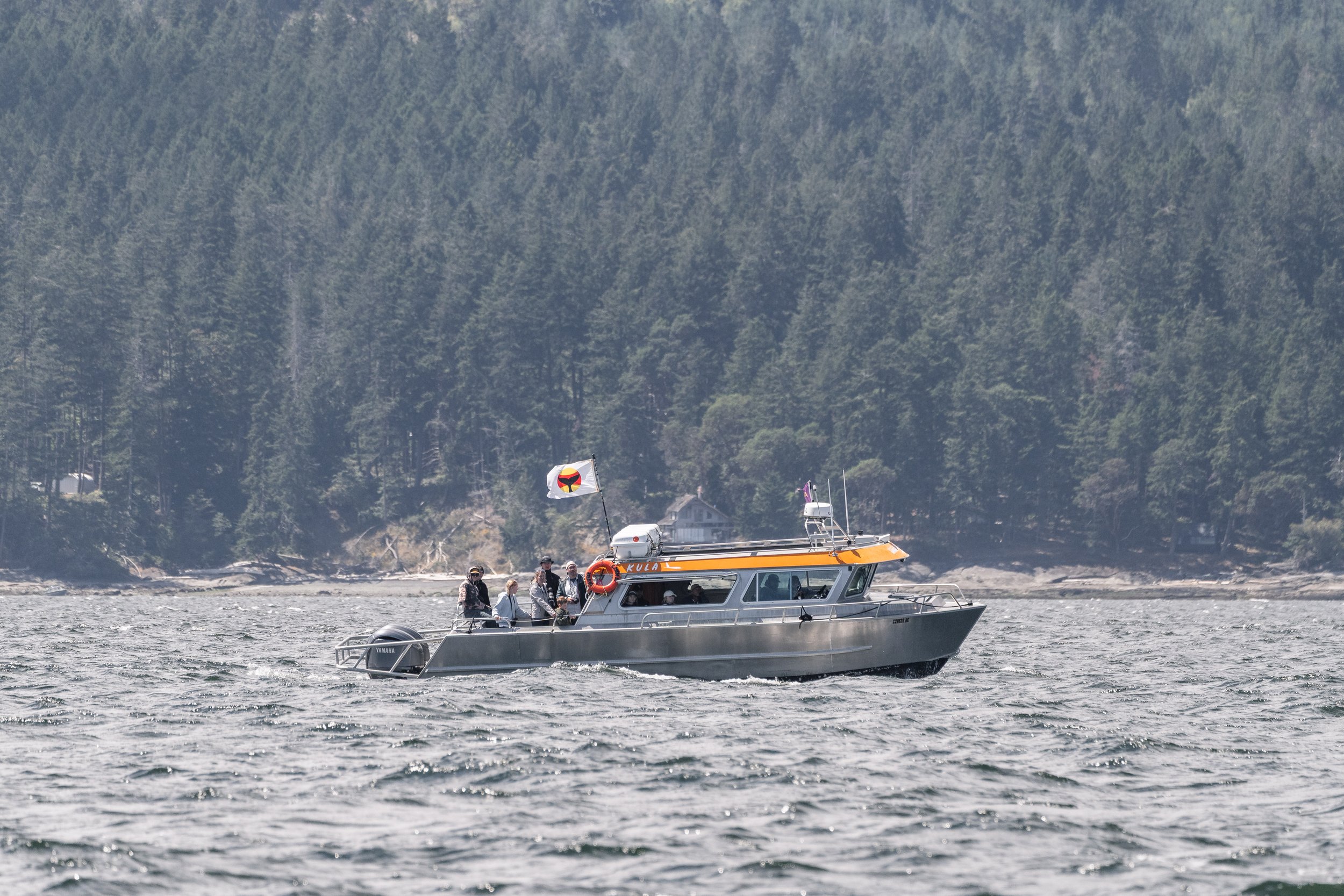
Kula with a beautiful scenic background. Photo by Val Watson.