
August 2, 2026, 3:30 PM - Happy Humpbacks in the Strait of Georgia
It was shaping up to be another beautiful day on the water. We had guests and crew excitedly boarding both of our open boats for the trip, learning all about the wildlife that they would be searching for and getting ready to start the adventure.
We decided to start the search by heading south and travelling through the Southern Gulf Islands, a beautiful Island Archipelago that includes over 300 islands, both large and small. Travelling through here is always breathtaking, with the rugged coastline on display and the small communities that dot the forests along the way. The islands are not only beautiful but are also home to a vast array of life. The small channels cause water to mix as tidal changes push it through the narrows, introducing more oxygen, which can support greater biodiversity. While we didn’t spot anything in the islands today, it was still a beautiful path to our first wildlife spot on the east side of Valdes Island. This is a common spot to see both our Steller Sea Lions and Harbour Seals, who spend their time here enjoying the warmth before going on their fishing adventures.
It’s a great spot for them since they have easy access to rich feeding grounds not too far from the haul-out spot, with the Gabriola Reefs only a mile away, plus the entire Strait of Georgia would be available to them. These pinnipeds feed on a wide variety of fish and cephalopod species, so they have plenty of opportunities to explore and find more food. Although when they find a haulout site they aren’t going to go too far, they might range out close to 15 miles on these fishing journeys. They can’t stay out for too long, though, since they need to spend around half of their day outside of the water to help maintain their body temperature. Although they, like all Marine Mammals, have ways to keep themselves insulated, such as thick fur and blubber, our waters are still cold enough that they need some time outside to regulate properly.
The next wildlife we spotted, the humpback whales, don’t have the luxury of spending time out of the water since they are fully aquatic, but they are much better insulated than pinnipeds and can withstand colder temperatures. The larger animals also have a better surface area-to-volume ratio, so their bodies are less susceptible to heat loss overall. We spotted them not too far from the haul-out area, likely drawn here by the same small schooling fish that the pinnipeds would be, plus the smaller plankton and krill that would be feeding those fish and the humpback whales themselves.
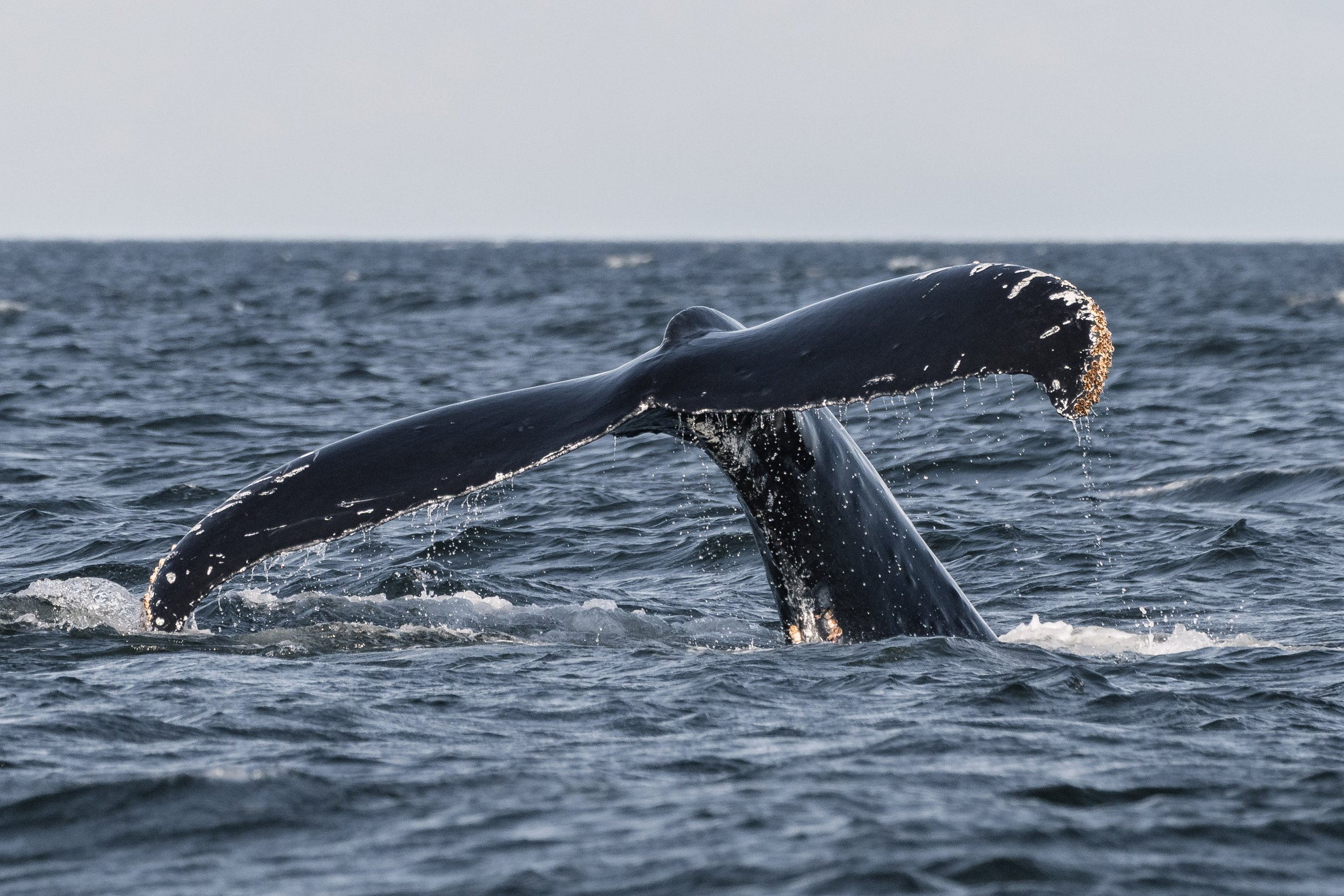
Our humpbacks for the afternoon started with a single individual, Orion (BCX1251), who seemed to be feeding on the east side of Valdes Island. He was lovely to watch, lifting his beautiful black-and-white tail high out of the water before dipping below the surface on a feeding dive. While watching Orion, we noticed more blows in the distance as well. Since humpbacks are here to focus on feeding and bulking up over the summer, it makes sense that more of them would be spotted in the same area since they would also be there to feed on the rich waters. Each day, each of these whales has to eat around 1 tonne of food to meet their energy requirements. That’s about 1 million individual krill! That means that between Orion and the other three spotted in the distance, the whales we watched were working on eating 4 million krill, or 4 tonnes of food. That’s an impressive amount!
The whales in the distance turned out to be Chi (BCX0575), Strike (BCX1675), and Bond (BCX1640) travelling in close quarters, until Chi broke away from the group. We ended up seeing some pretty interesting surface activity from all four of these whales, including pectoral fin slapping, tail slapping, and even a cartwheel. One of the theories behind surface activity like this is that they are communicating with each other over longer distances, which seemed likely to be the case today, as once Chi started slapping his pectoral fins at the surface, it riled up Strike and Bond to do the same, and even Orion in the distance responded with his tail slaps and cartwheel around the same time. Although humpback whales can vocalize to communicate, we don’t hear it too often in our waters. It’s much more common in the breeding grounds, where these vocalizations are part of the way males will impress the females. Instead, we often see a call-and-response like this, with splashy behaviour as the main means of communication.
No matter the reason for all this activity, we enjoyed watching it with the whales before our time with them drew to a close, and we started the journey back to Nanaimo. We reflected on how interconnected all the animals we observed today are as we wove our way through the Gulf Islands once more, feeling grateful for the experience on the water. Throughout these encounters with the whales, the onboard Marine Naturalists, Jordan Robinson and Val Watson, captured some amazing photos, which are included below for you to enjoy.
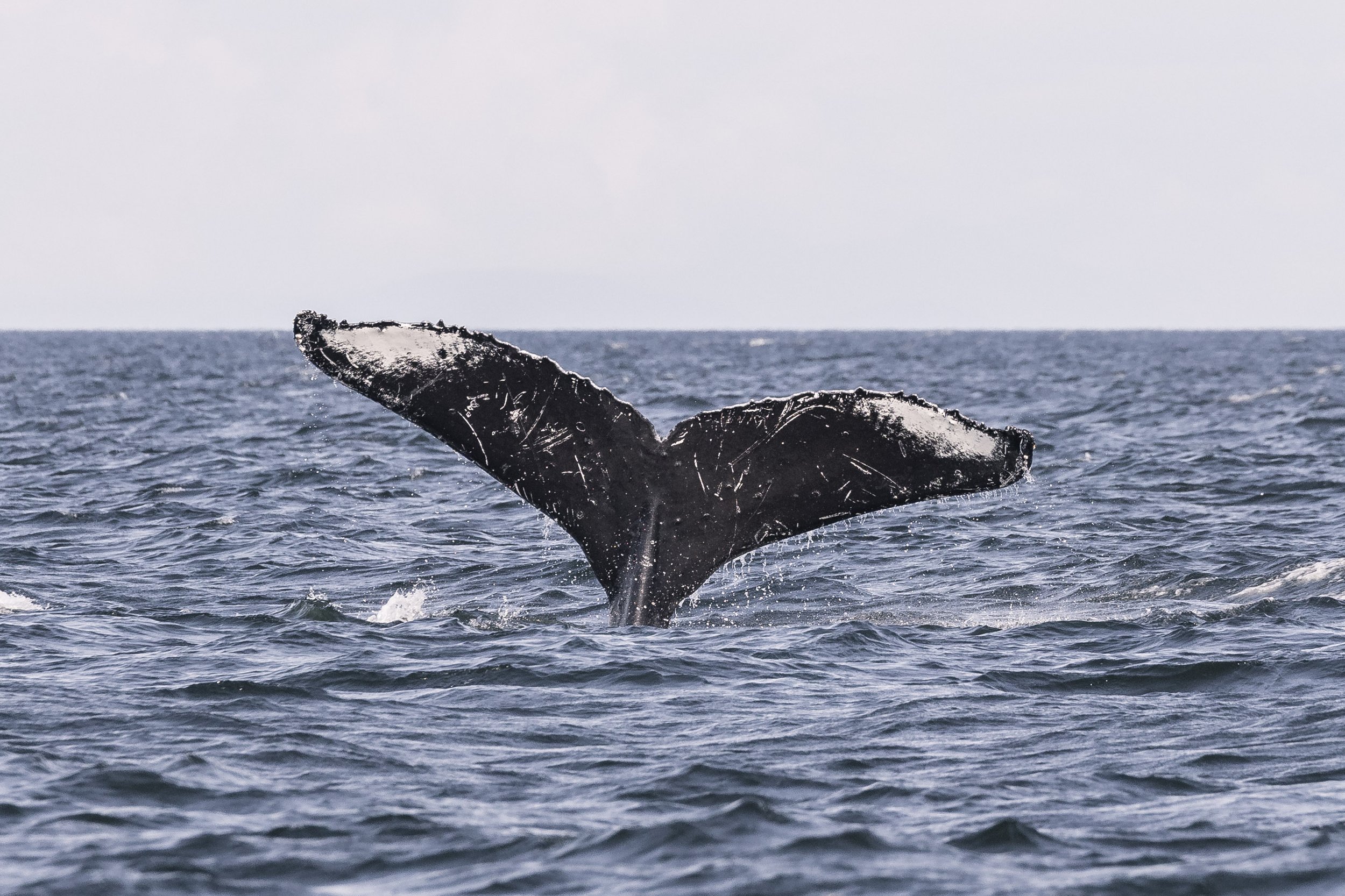
Every fluke is as unique as a fingerprint. This is Orion. Photo by Jordan Robinson
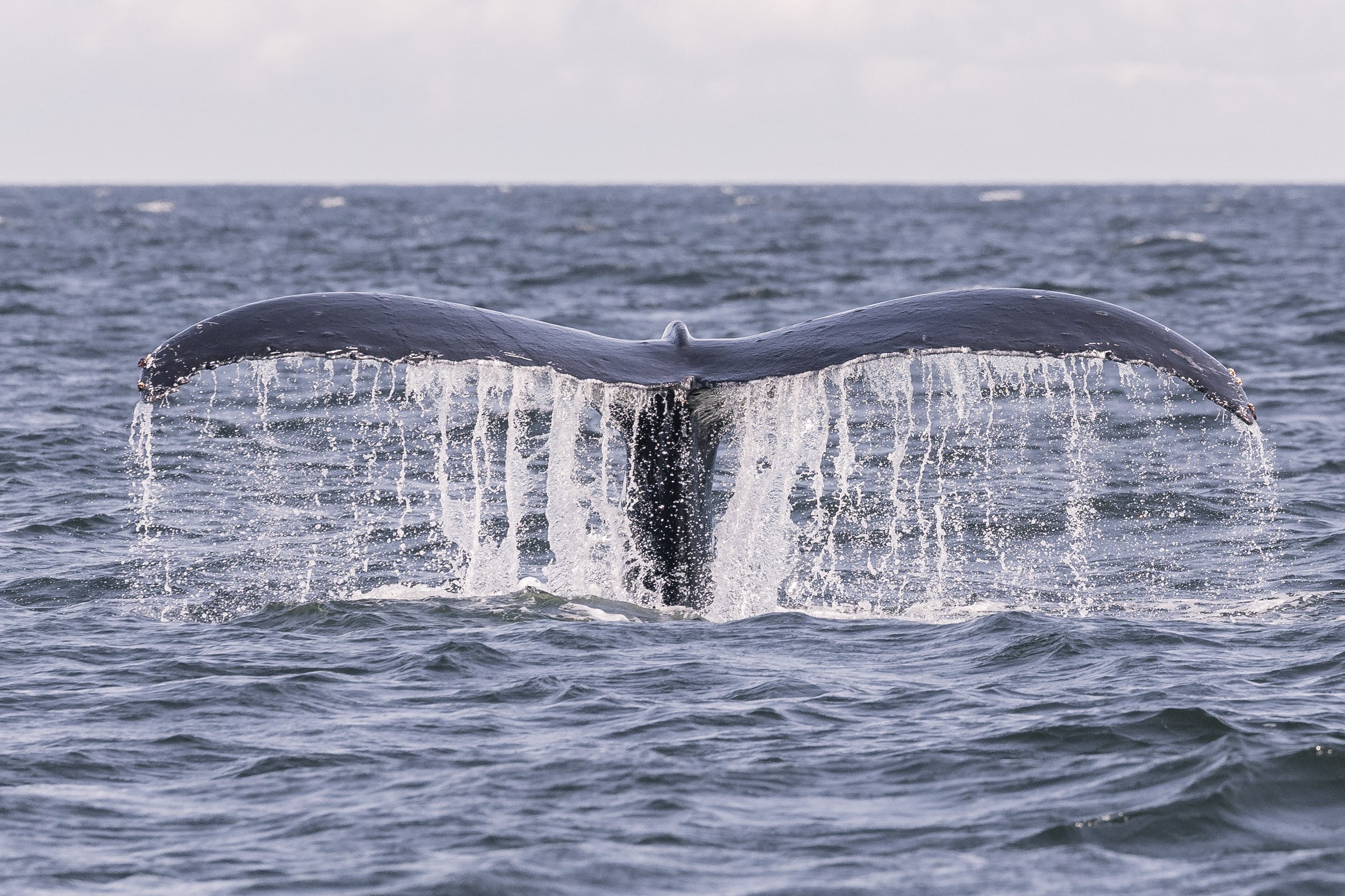
Water streaming off the flukes before a nice deep dive. Photo by Jordan Robinson
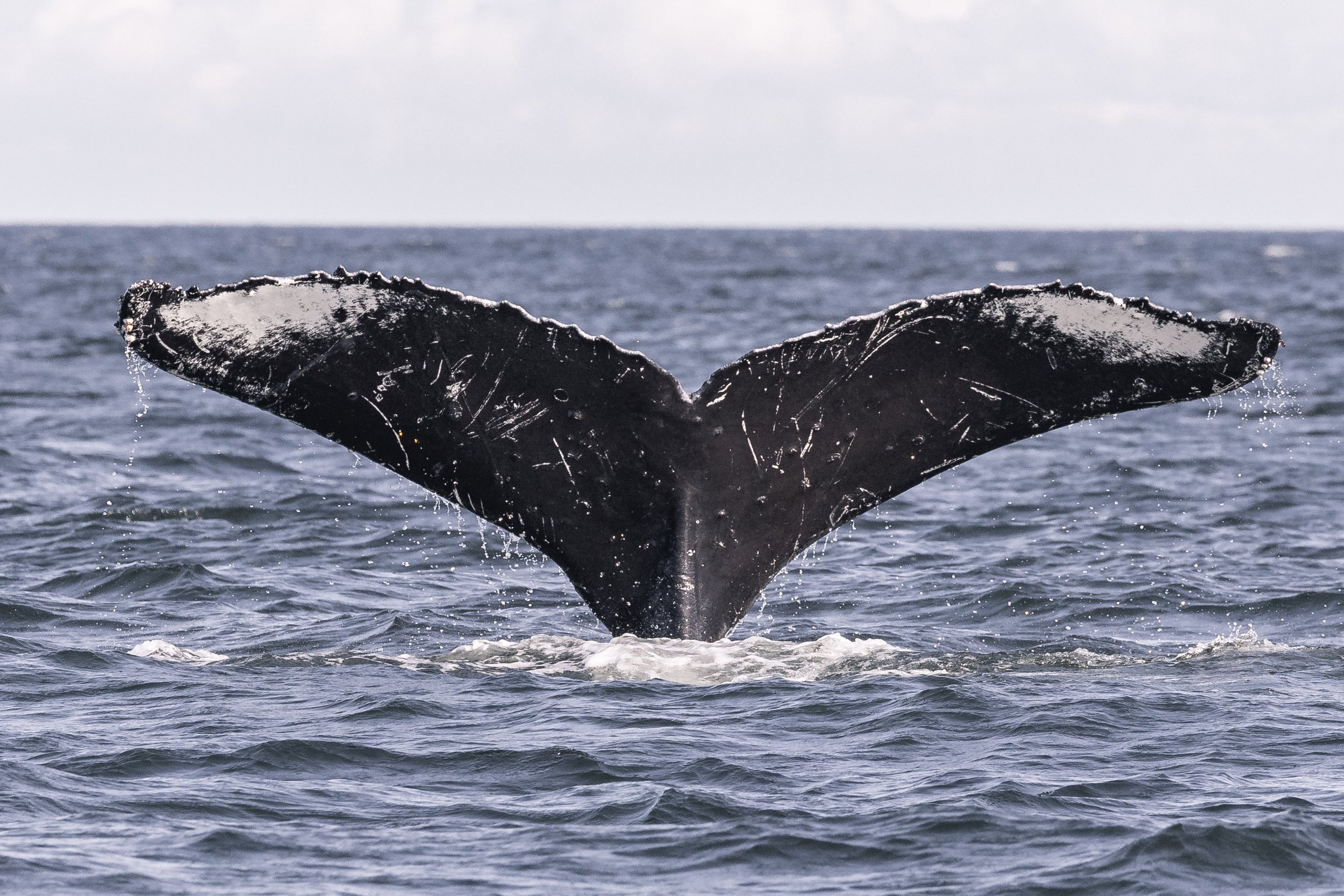
Orion showing off his beautiful markings. Photo by Jordan Robinson
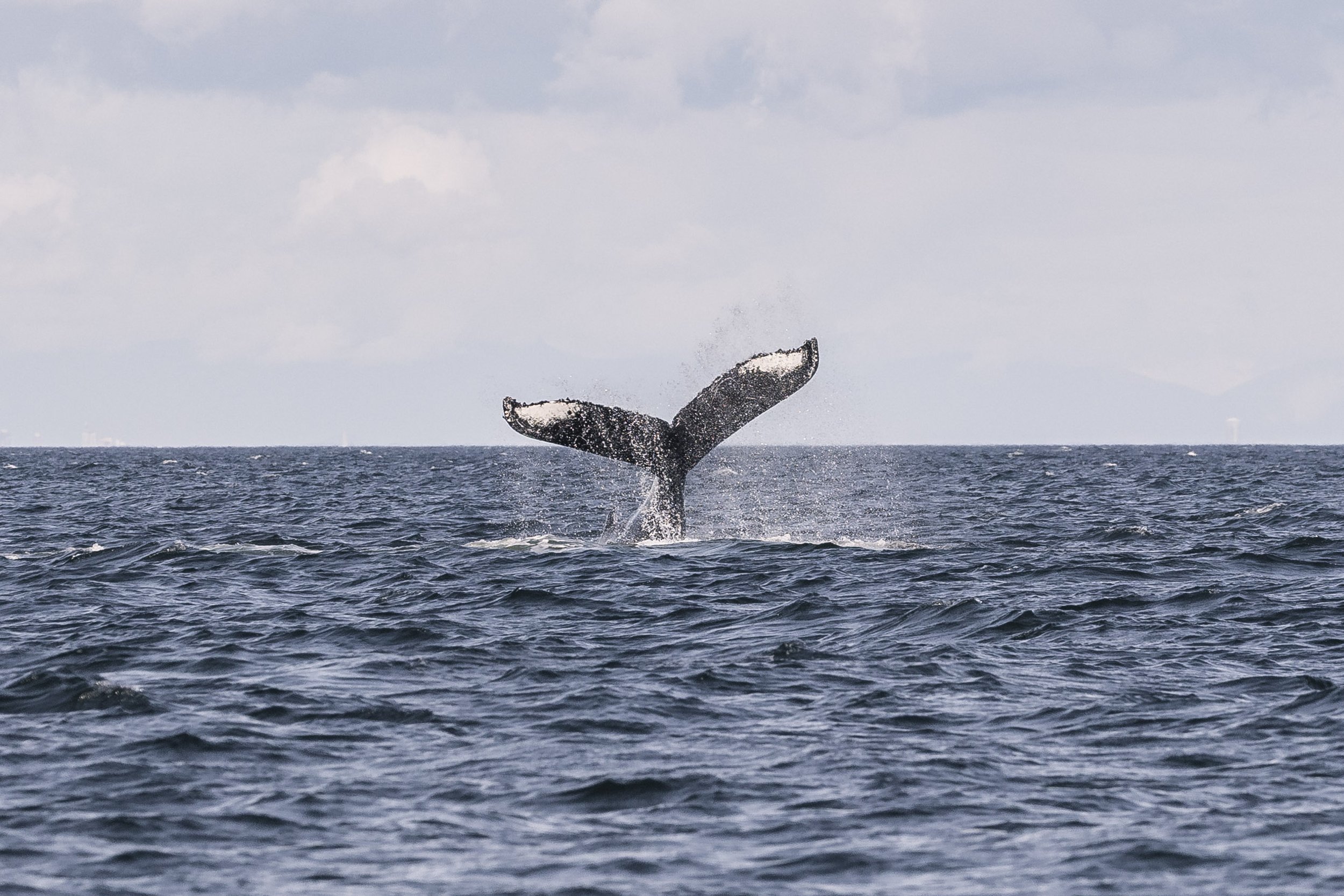
This is what it looks like when a humpback does a cartwheel. Photo by Jordan Robinson
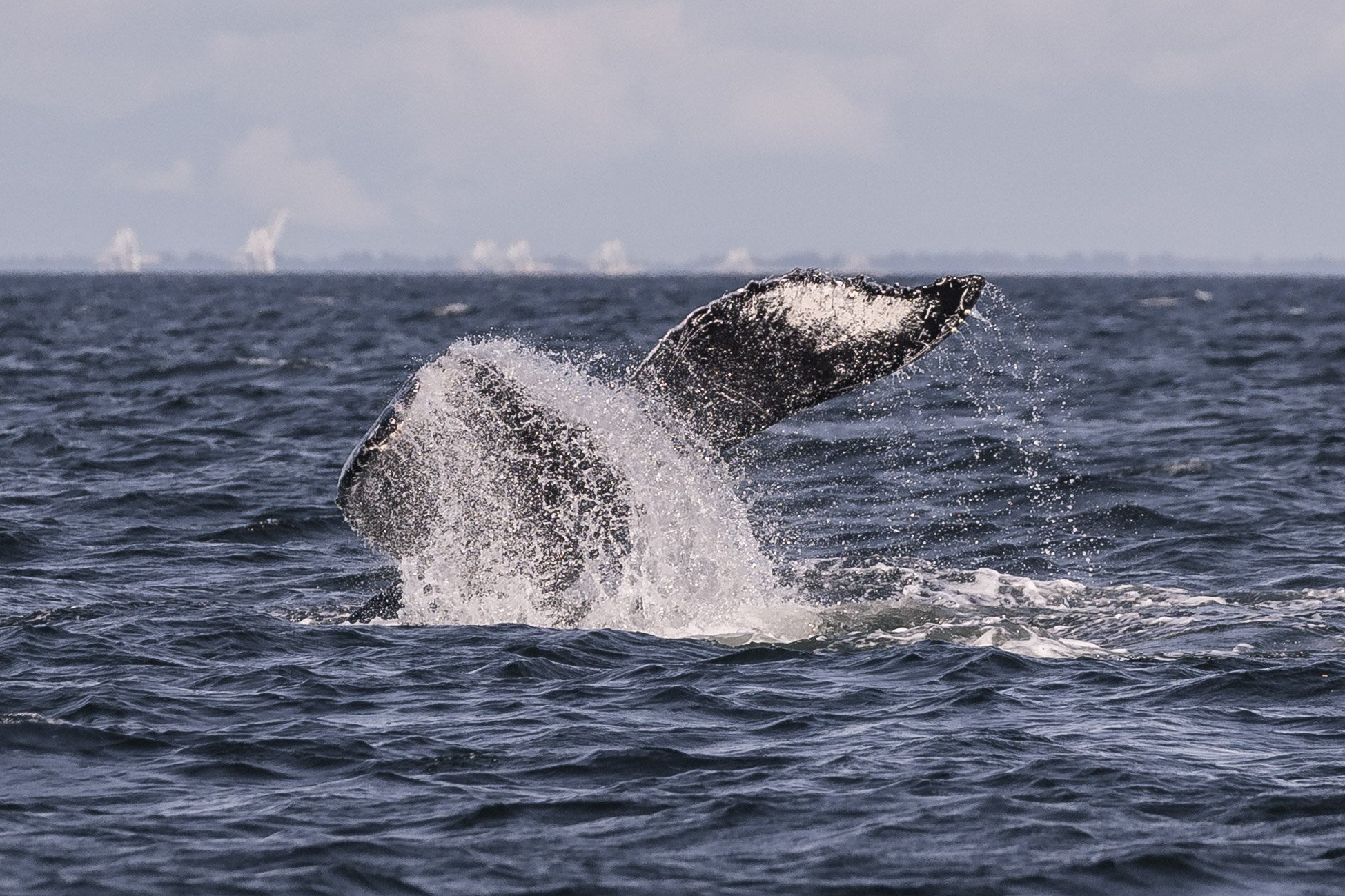
Tail flick from Orion. Photo by Jordan Robinson
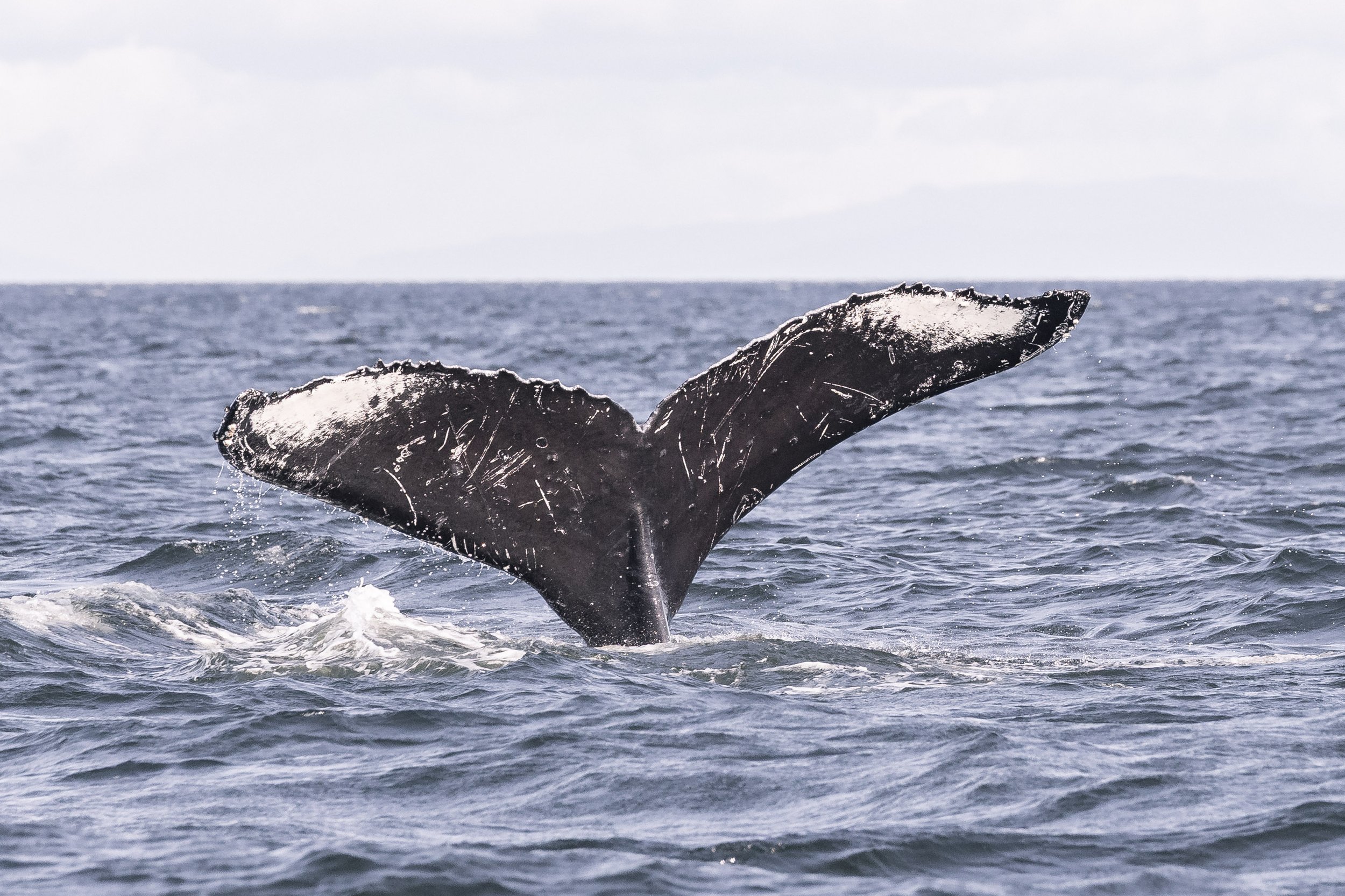
Flukes up! Photo by Jordan Robinson
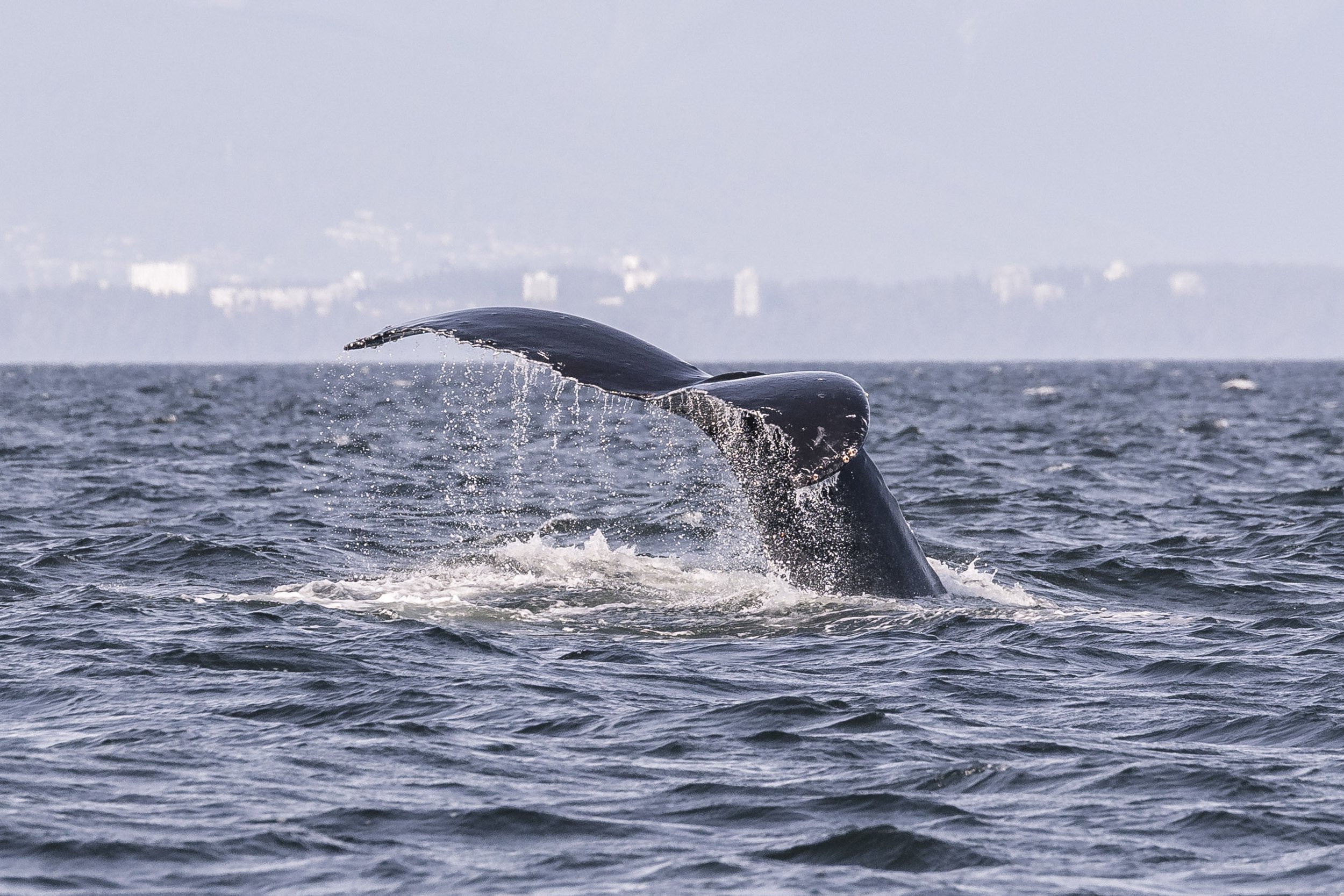
Picturesque fluking. Photo by Jordan Robinson
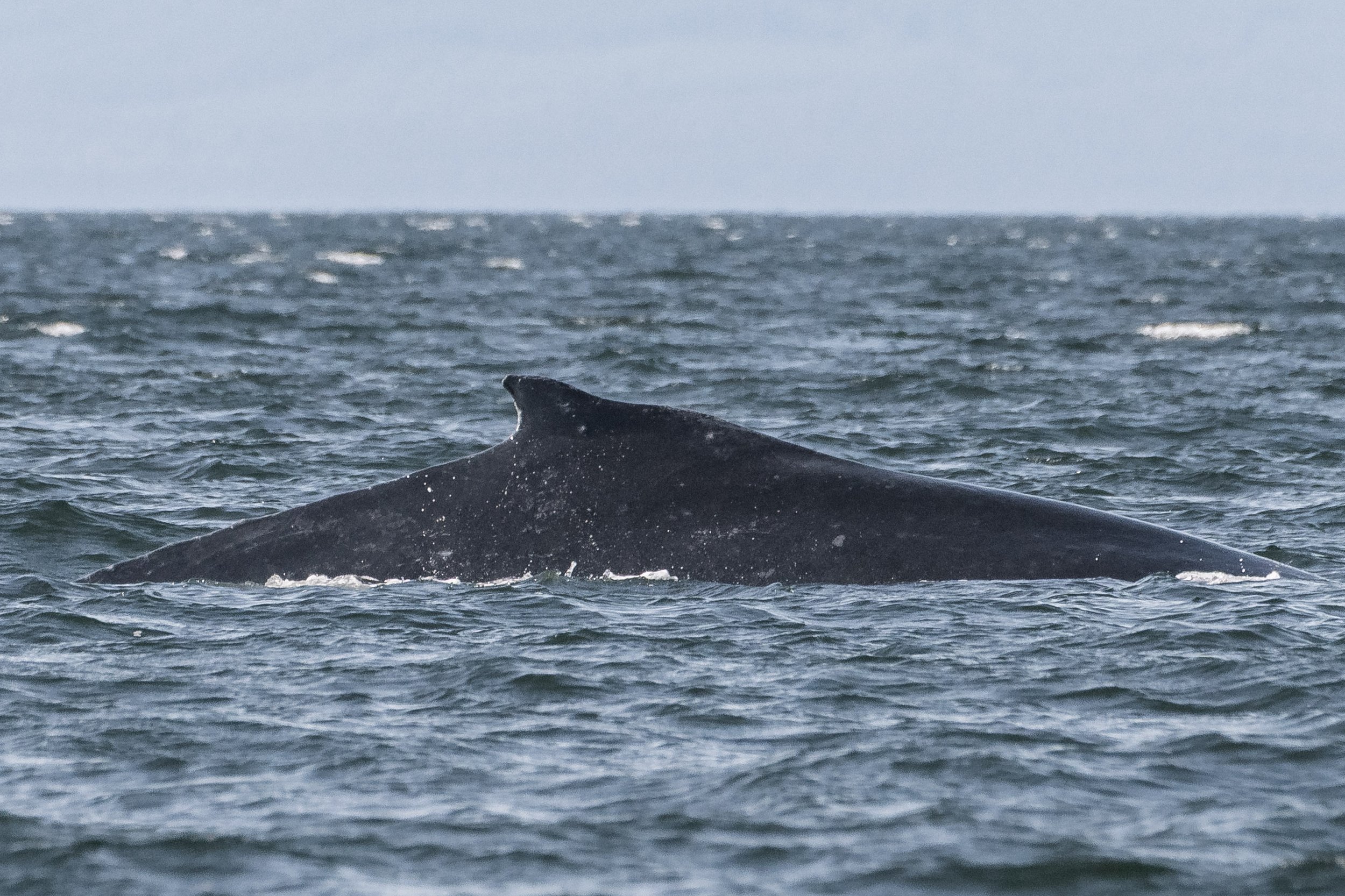
Orions tiny dorsal fin. Photo by Val Watson
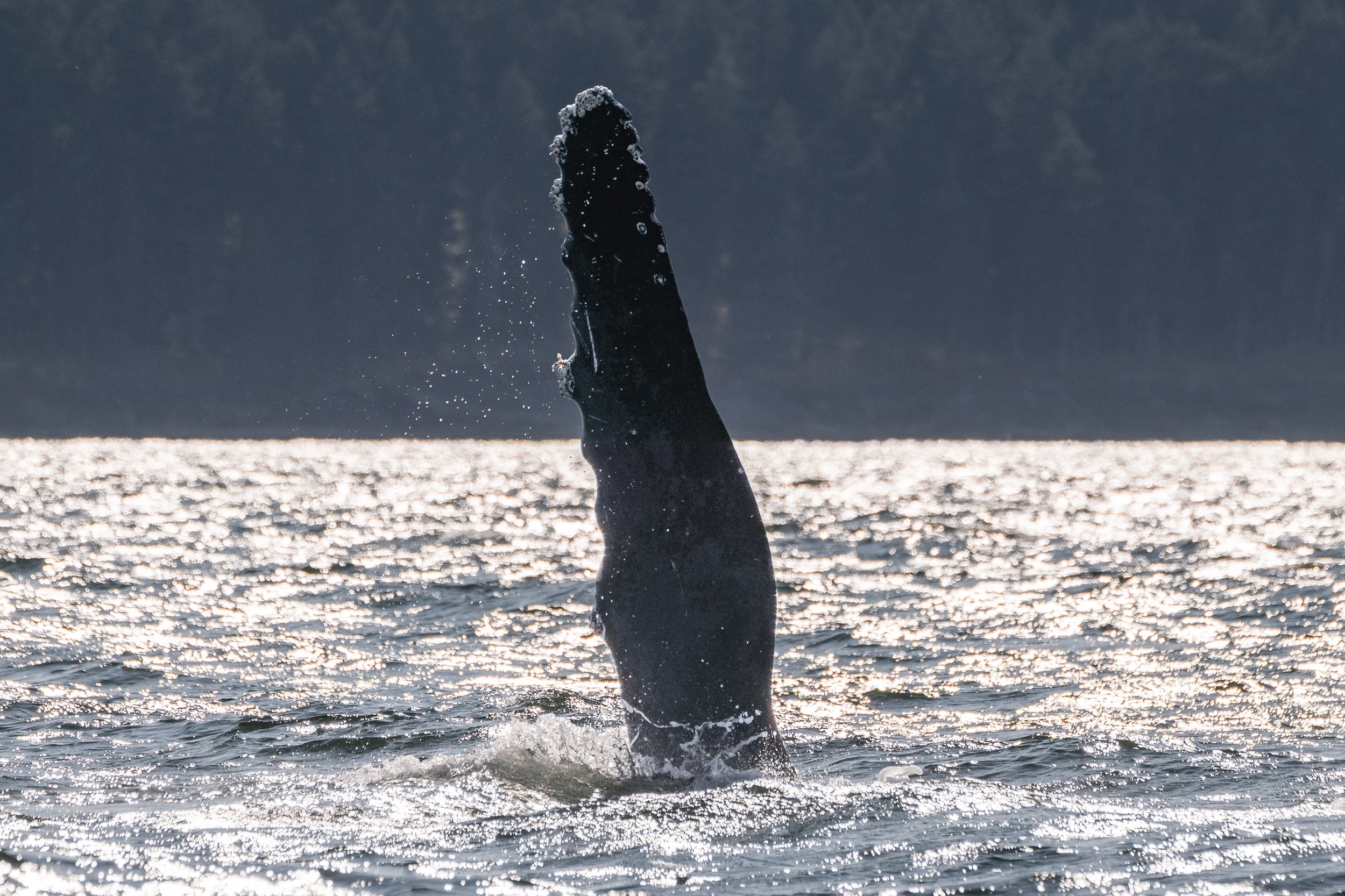
A humpbacks pectoral fin can be 1/3rd the length of their body. Photo by Val Watson
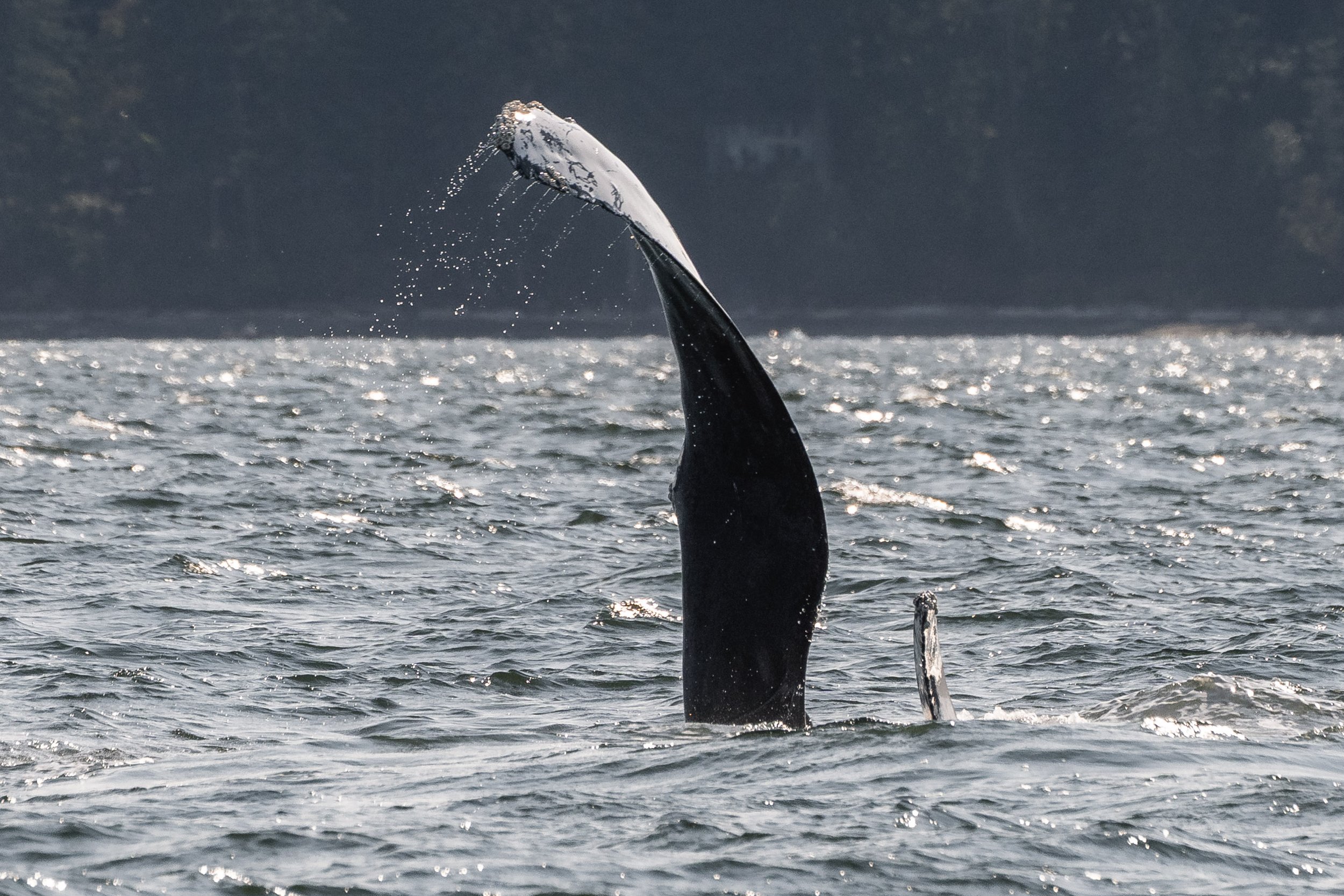
Giving us a big ol’ wave. Photo by Val Watson
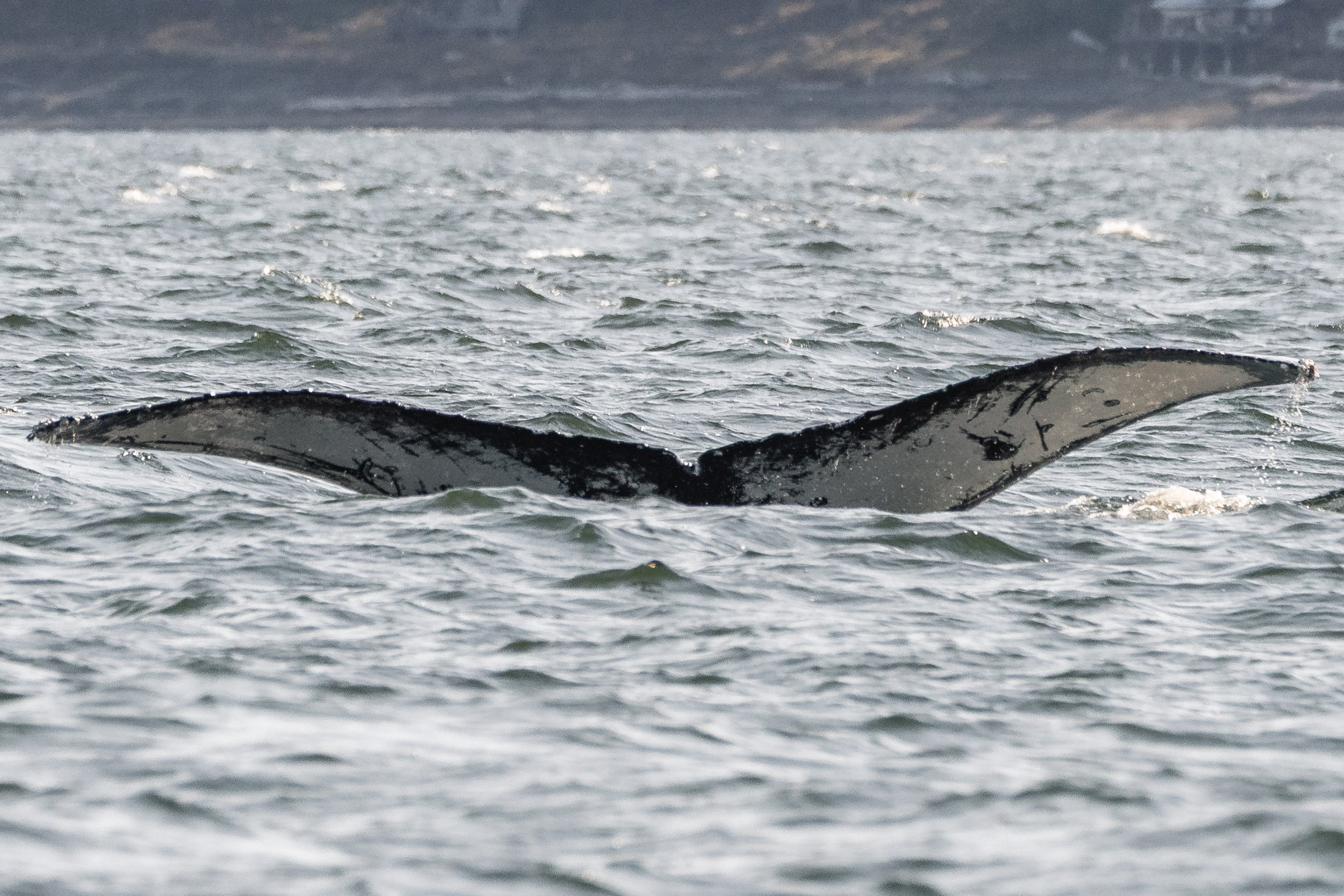
Chi showing off his beautiful markings. Photo by Val Watson
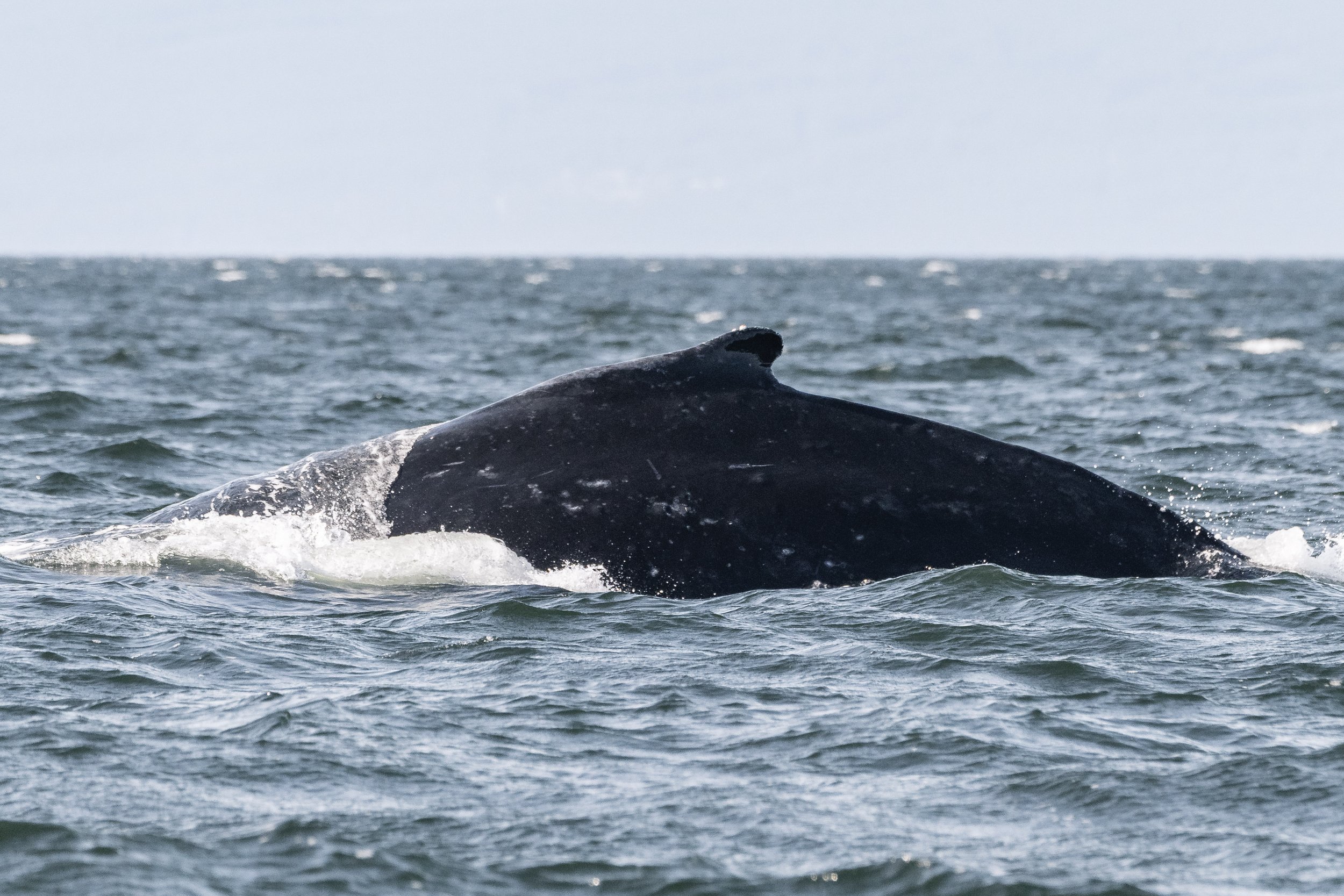
Strike arching their back. Photo by Val Watson
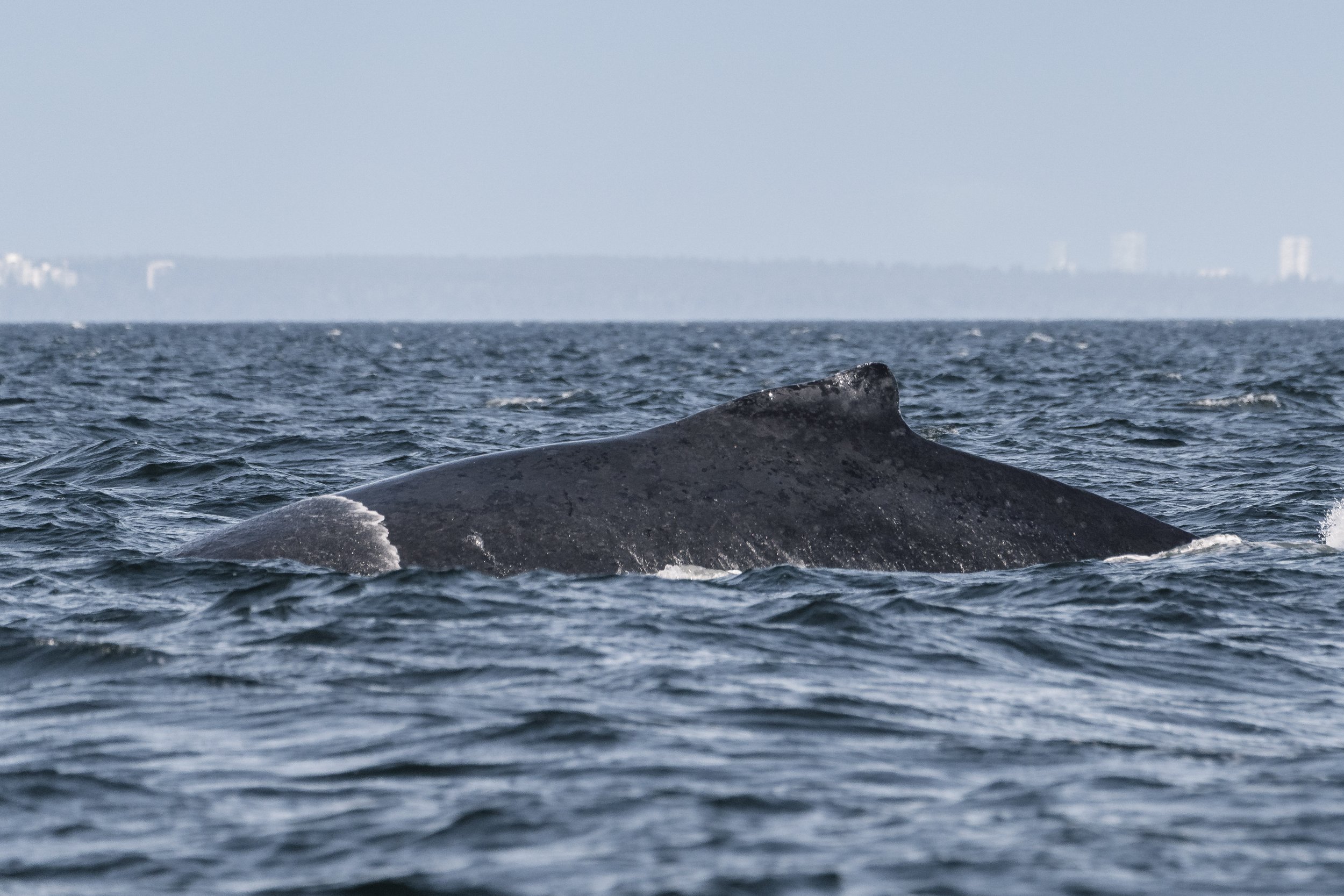
Di you know every dorsal fin is unique? This one belongs to Bond! Photo by Val Watson
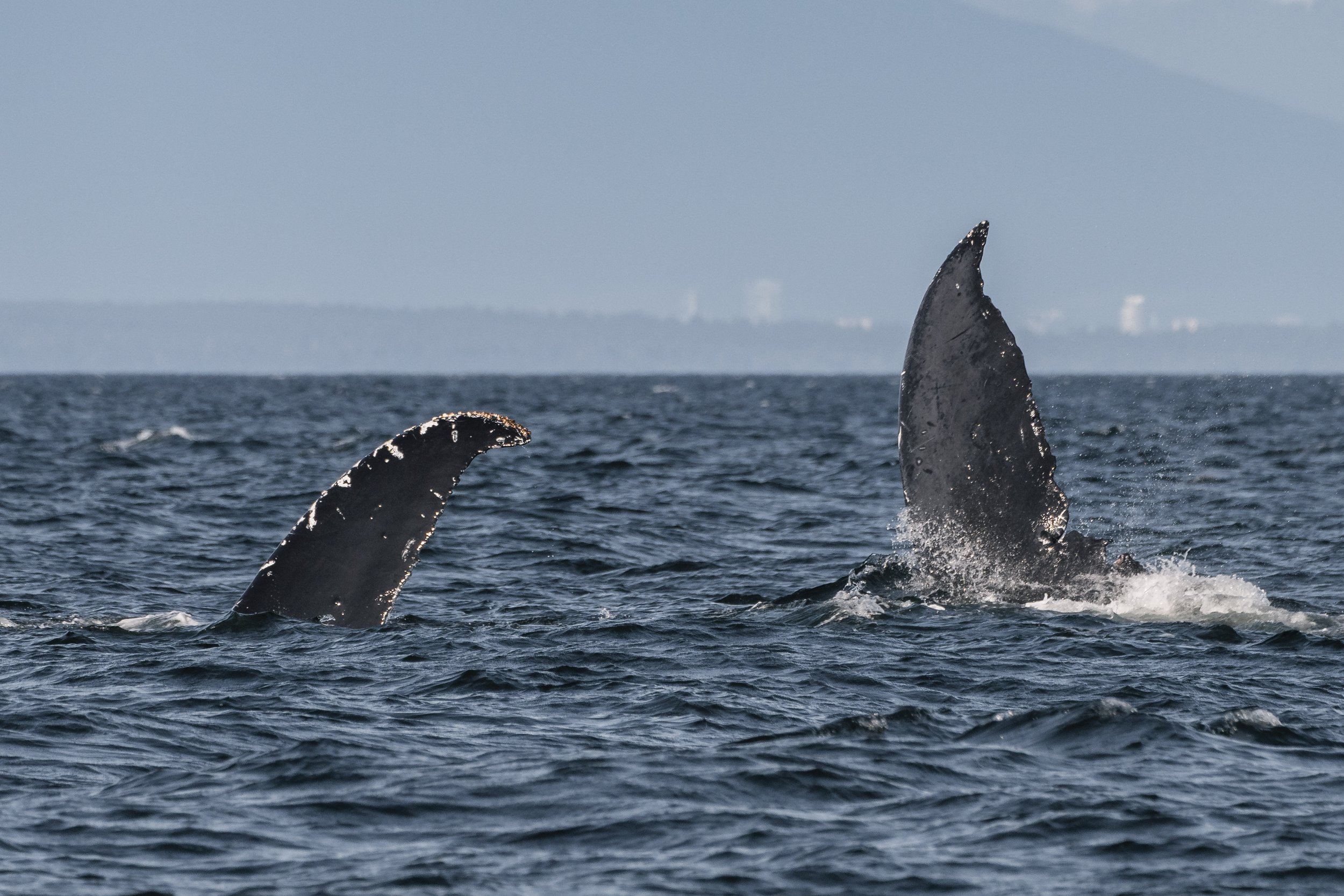
Humpbacks doing their best orca impression. Photo by Val Watson
Strike enjoying some socializing time with the boys. Photo by Val Watson
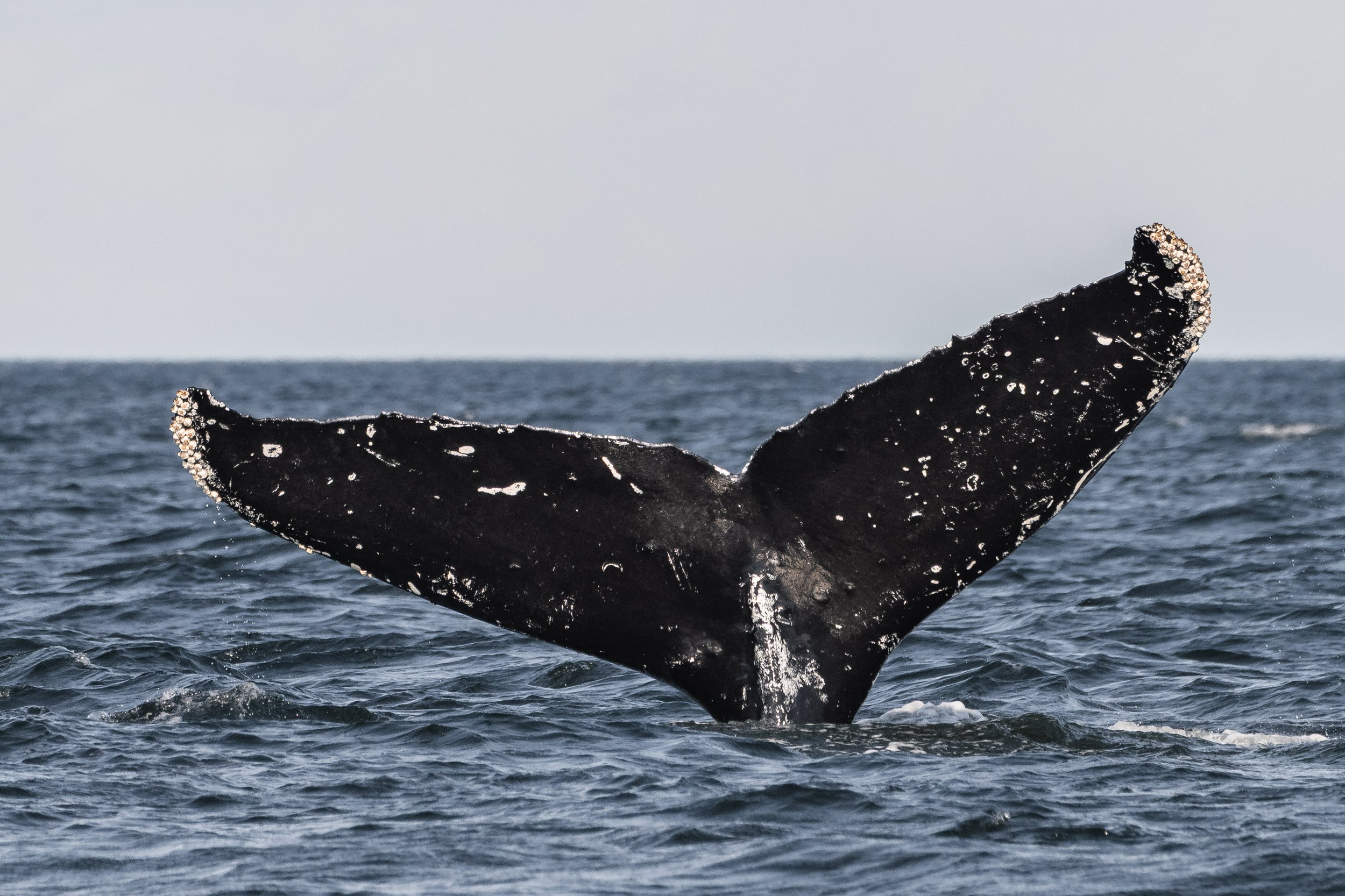
Strike is what we call a “BCX” whale, meaning that less than 20% of her fluke is white. Photo by Val Watson
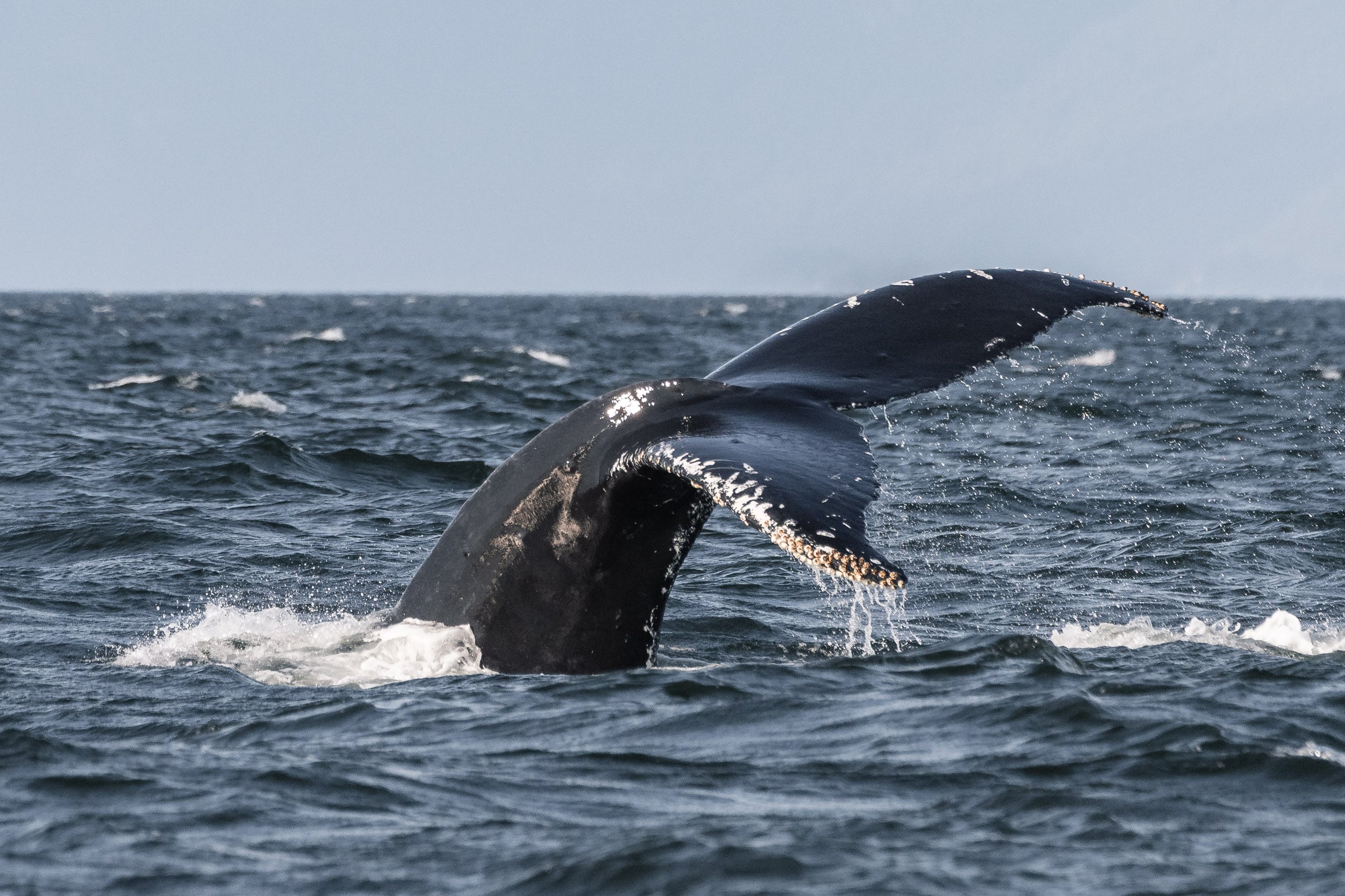
Big Flukes. Photo by Val Watson
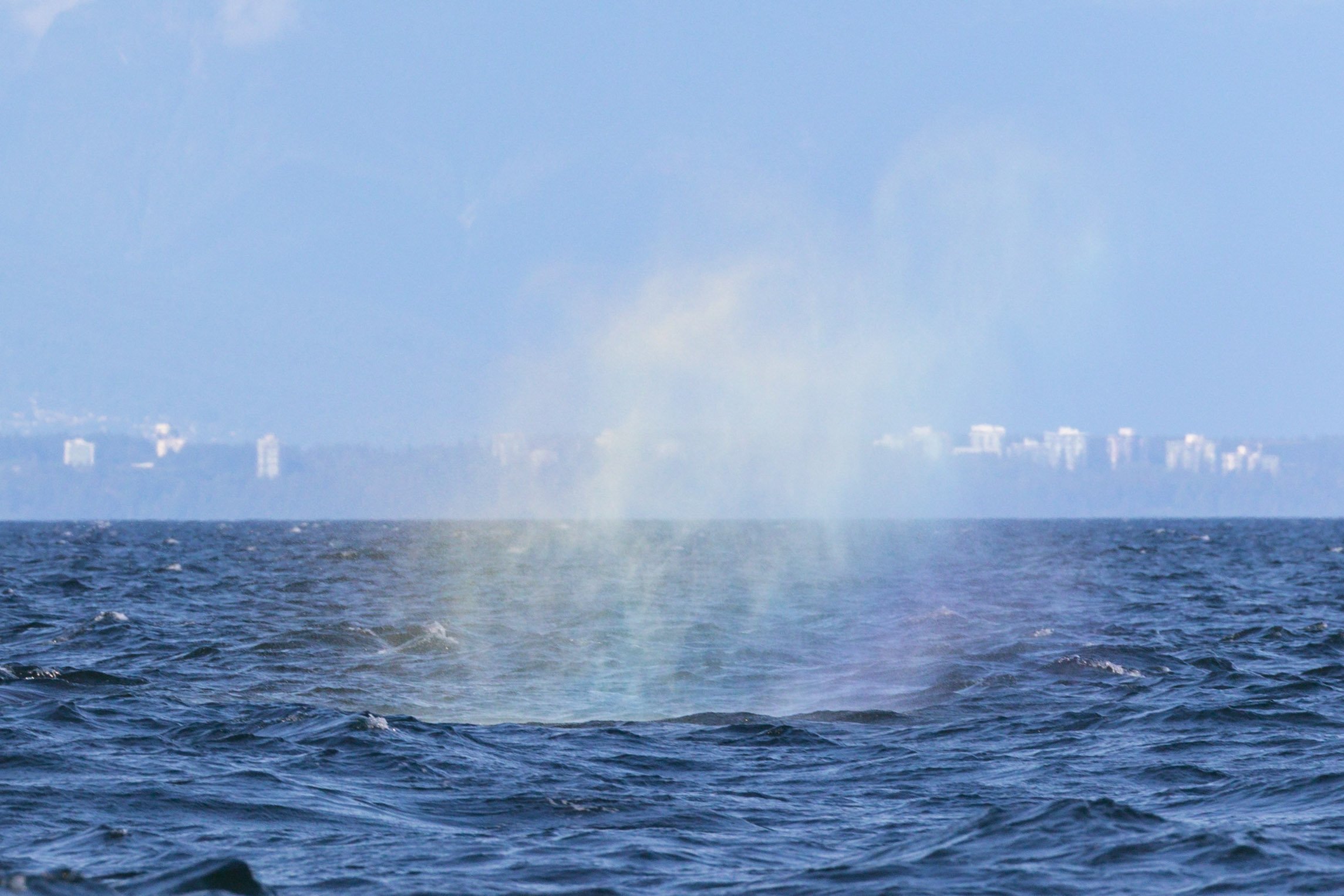
We call this a rainblow. Photo by Jordan Robinson
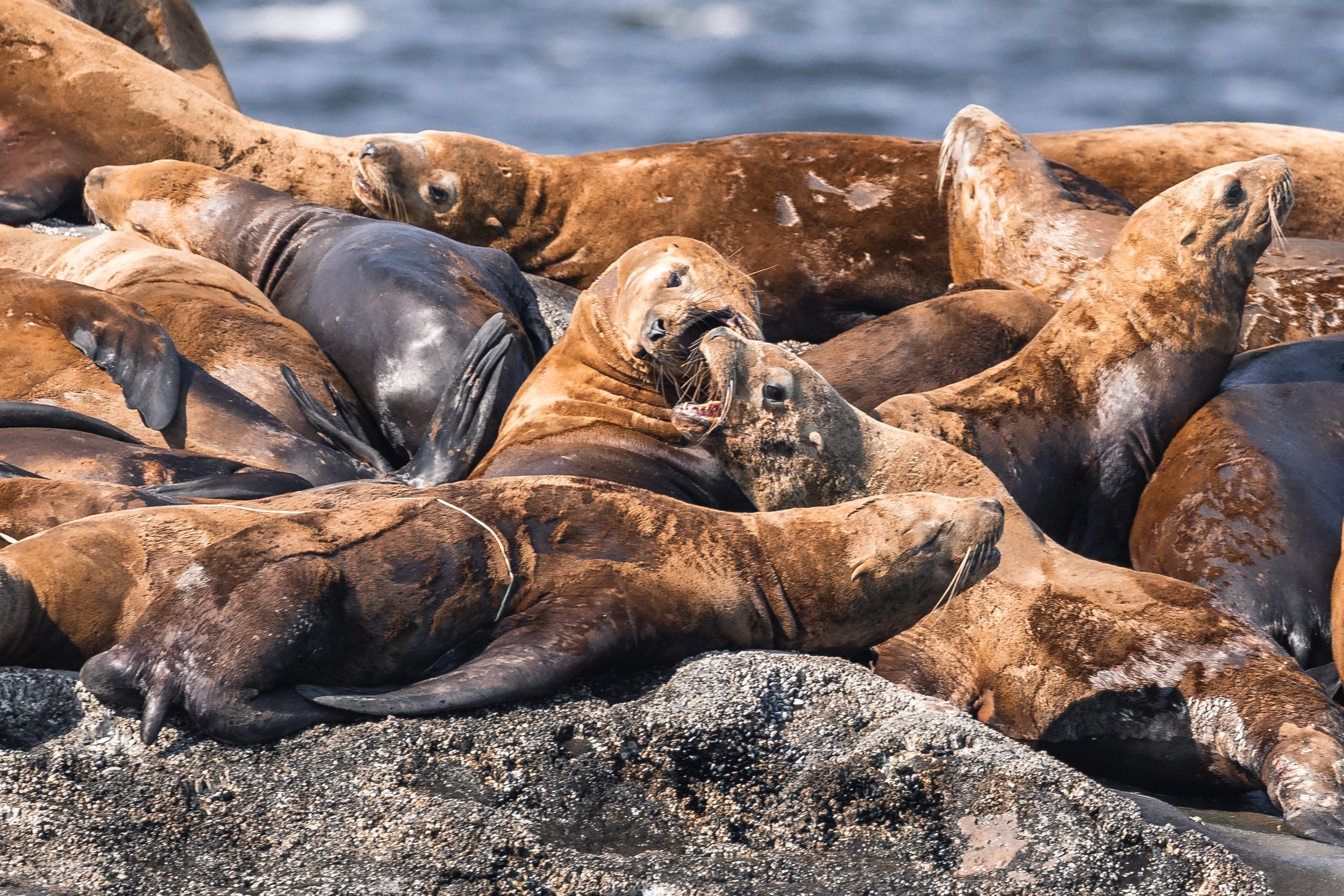
Steller Sea Lions squabbling over the best spot on the rock. Photo by Jordan Robinson
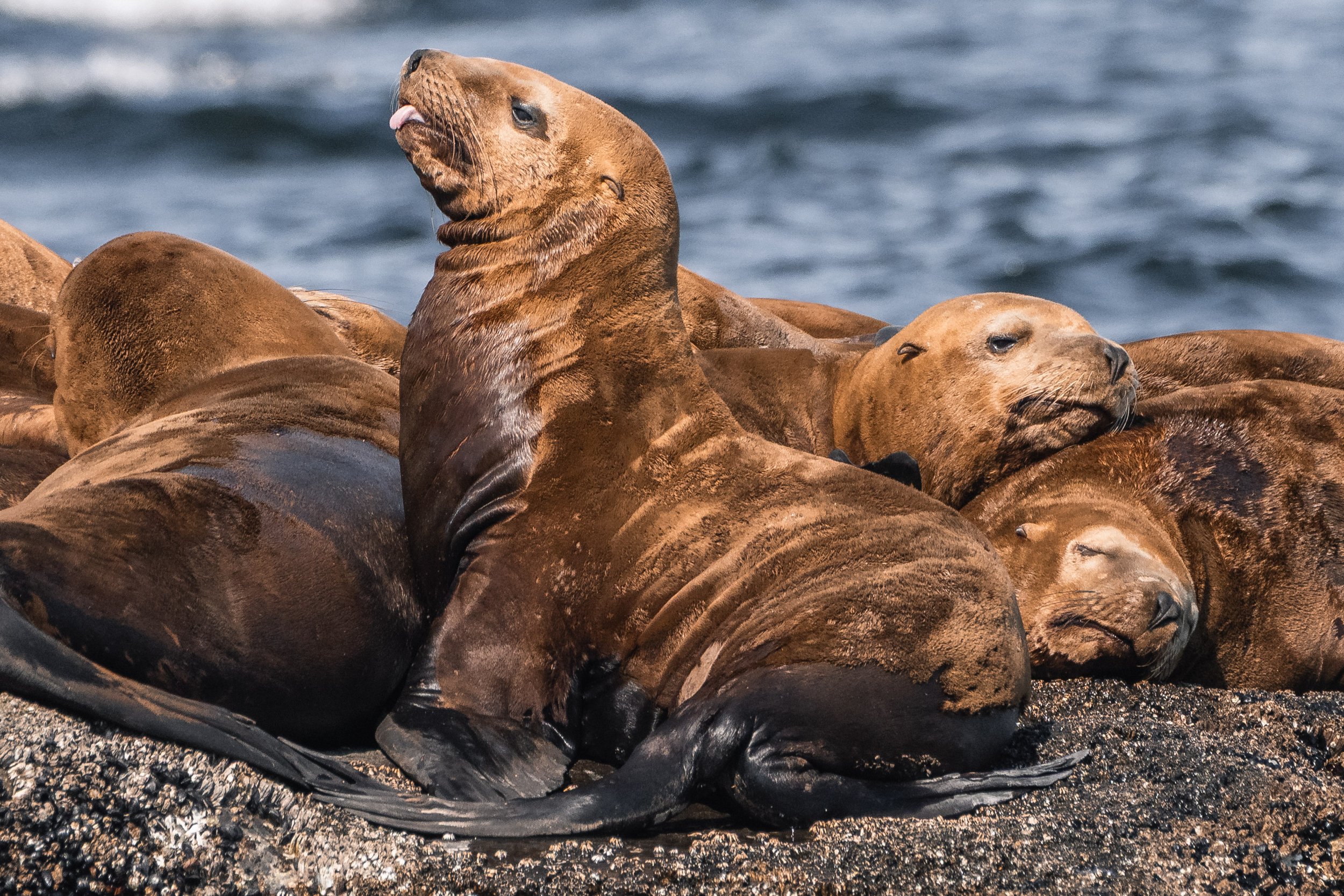
Feeling a little silly. Photo by Val Watson
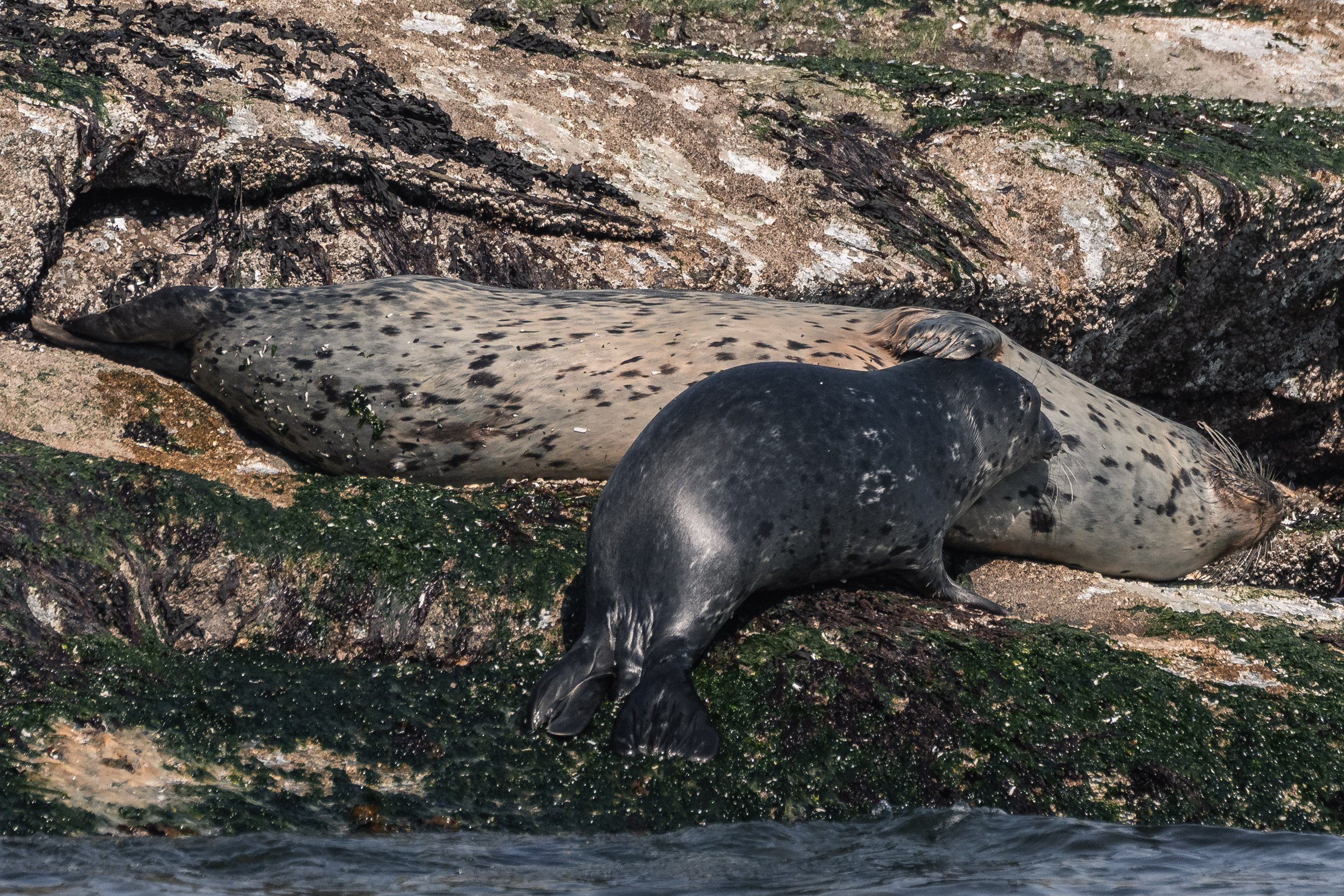
A Harbour Seal pup snuggling with mom. Photo by Val Watson
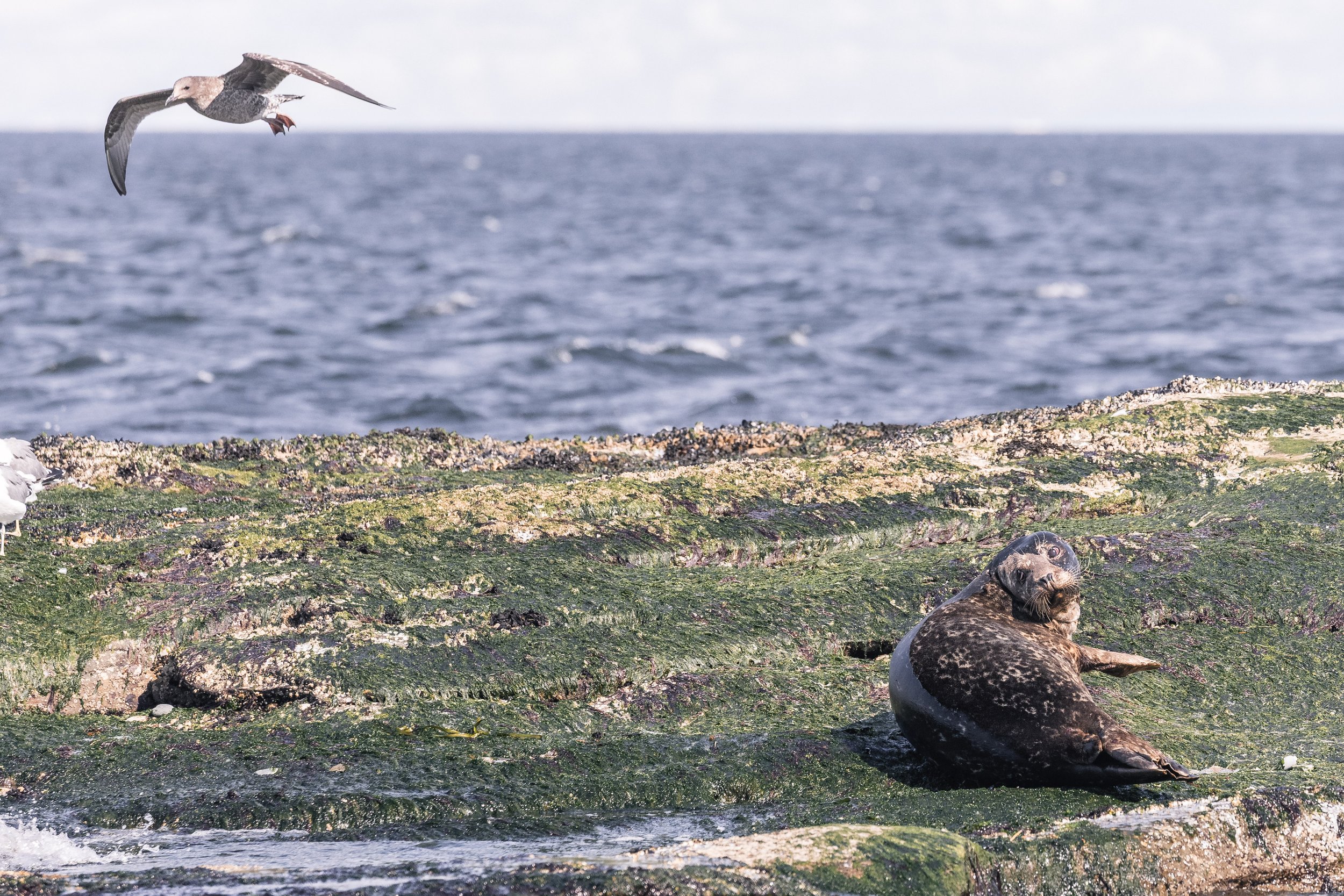
A Harbour Seal giving a concerned glance at a juvenile gull. Photo by Jordan Robinson
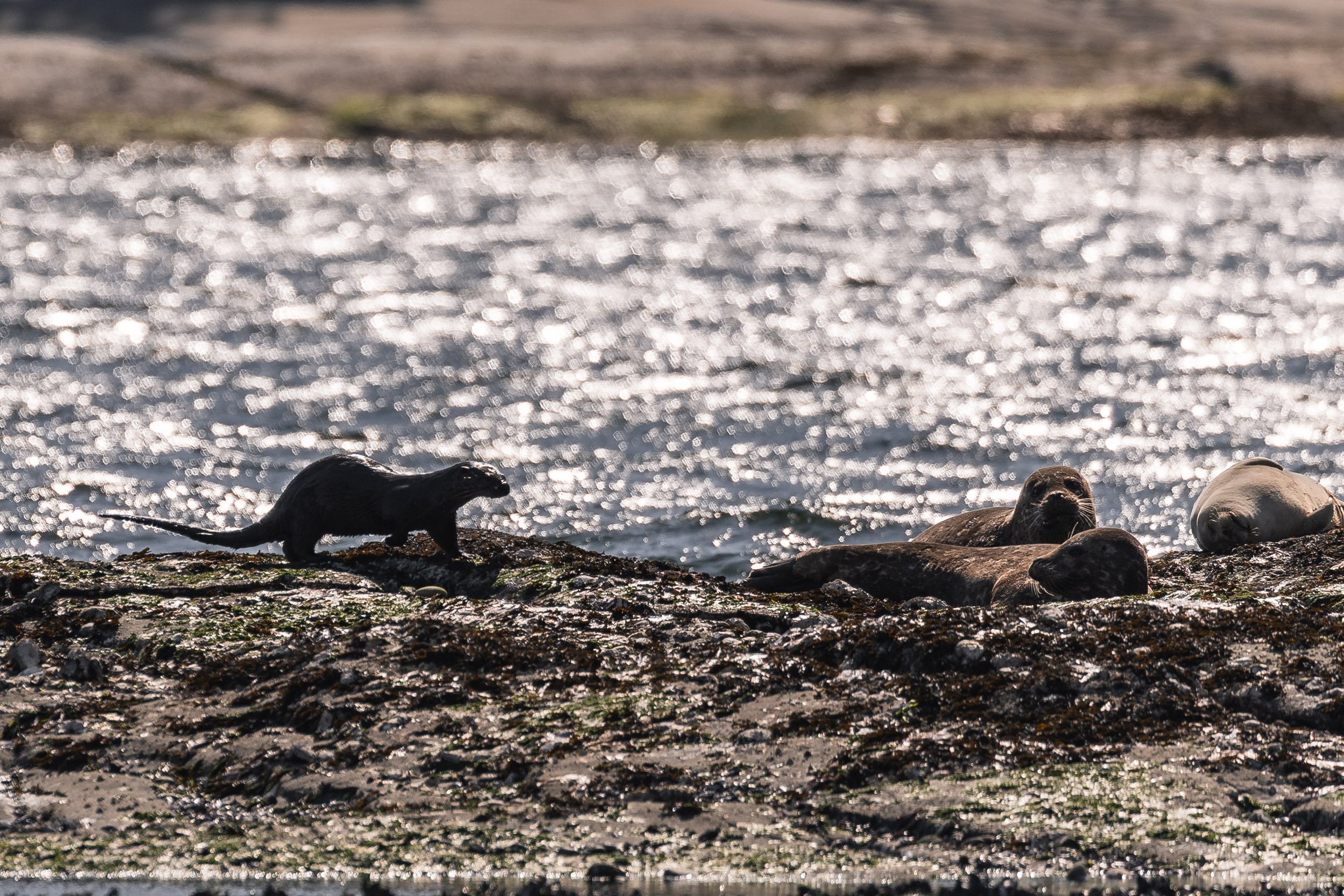
River Otter next to Harbour Seals. Photo by Jordan Robinson
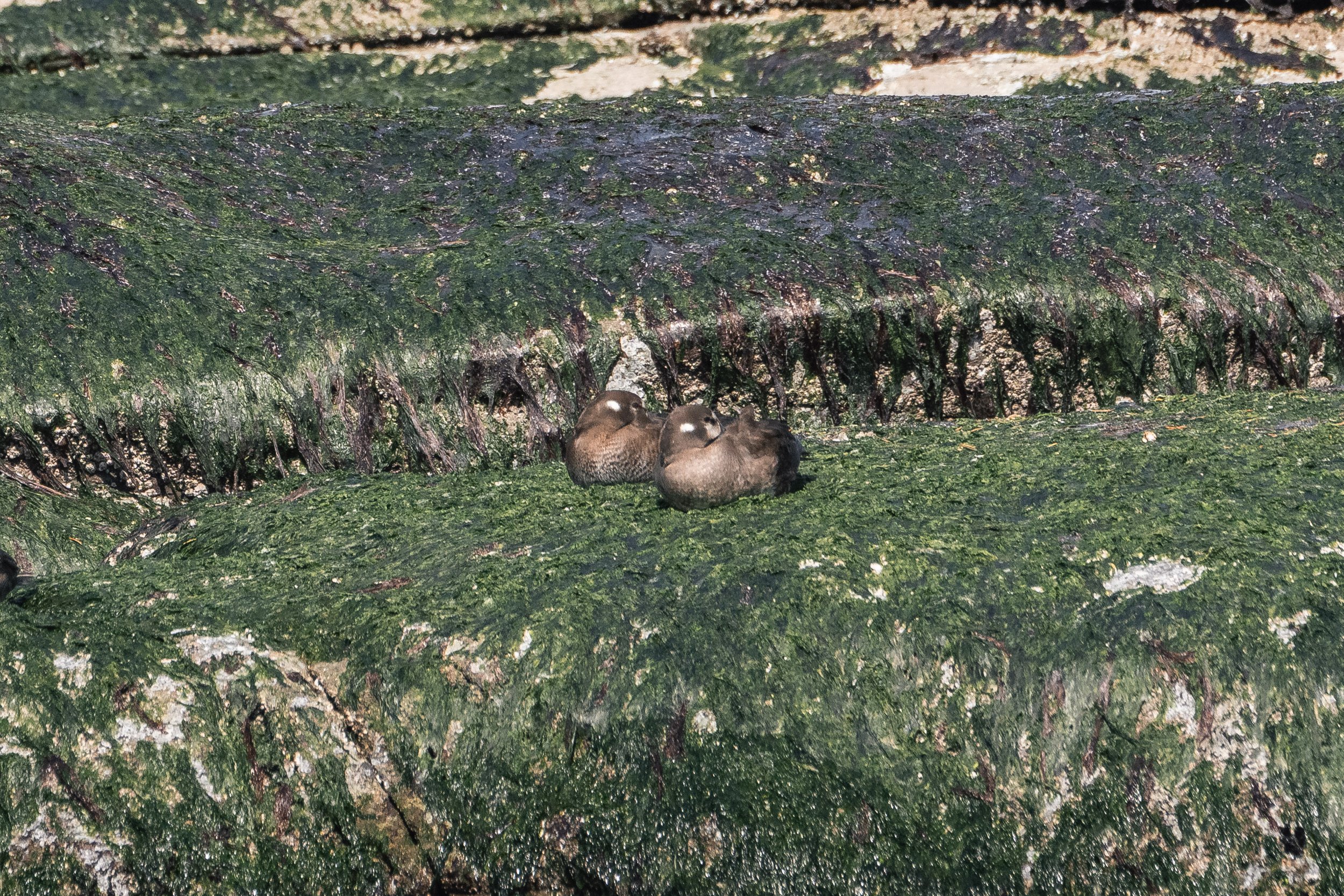
Female Harlequin ducks resting on the rocks. Photo by Val Watson
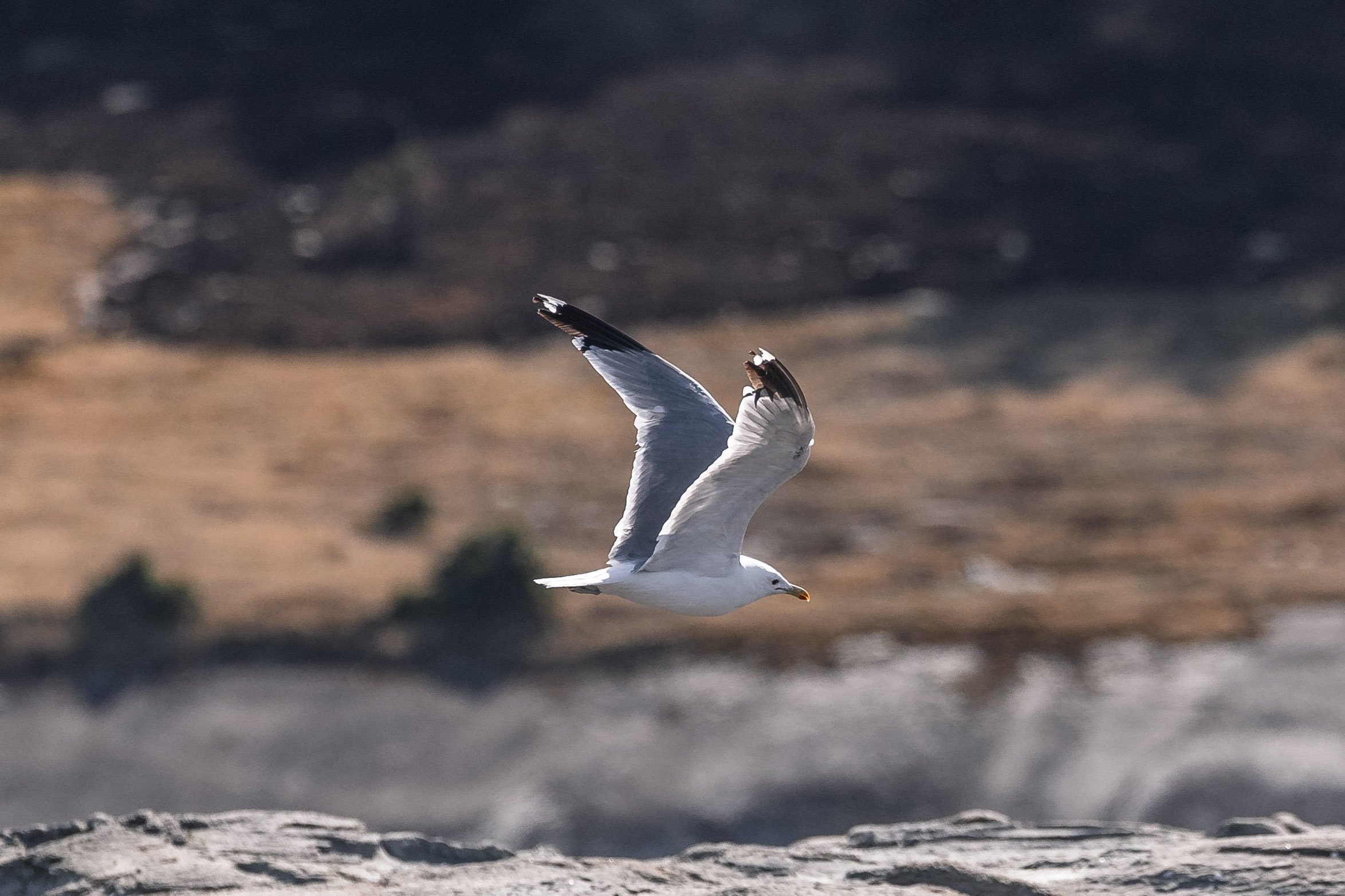
Gull in flight. Photo by Jordan Robinson
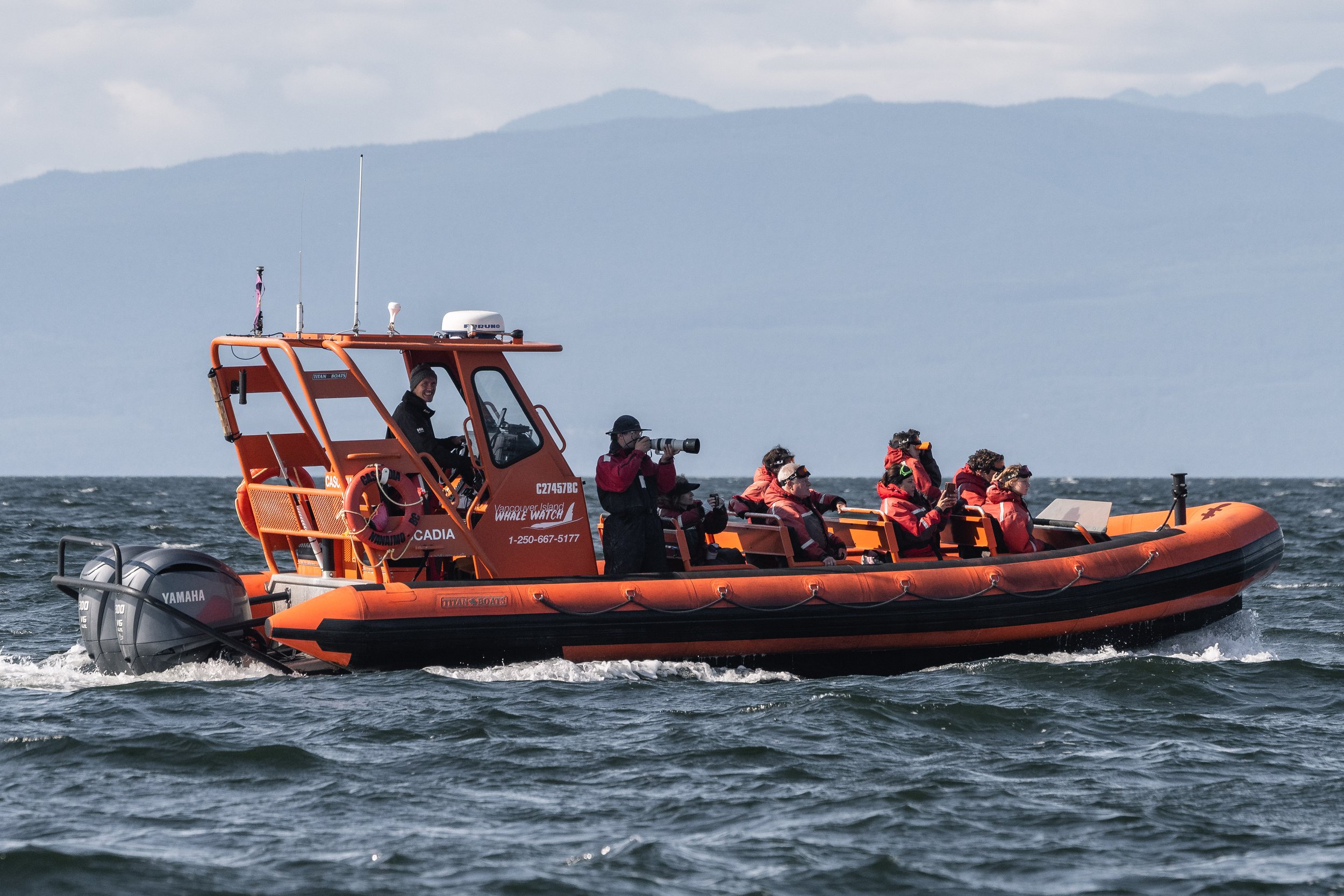
Guests on Cascadia enjoying the tour! Photo by Val Watson
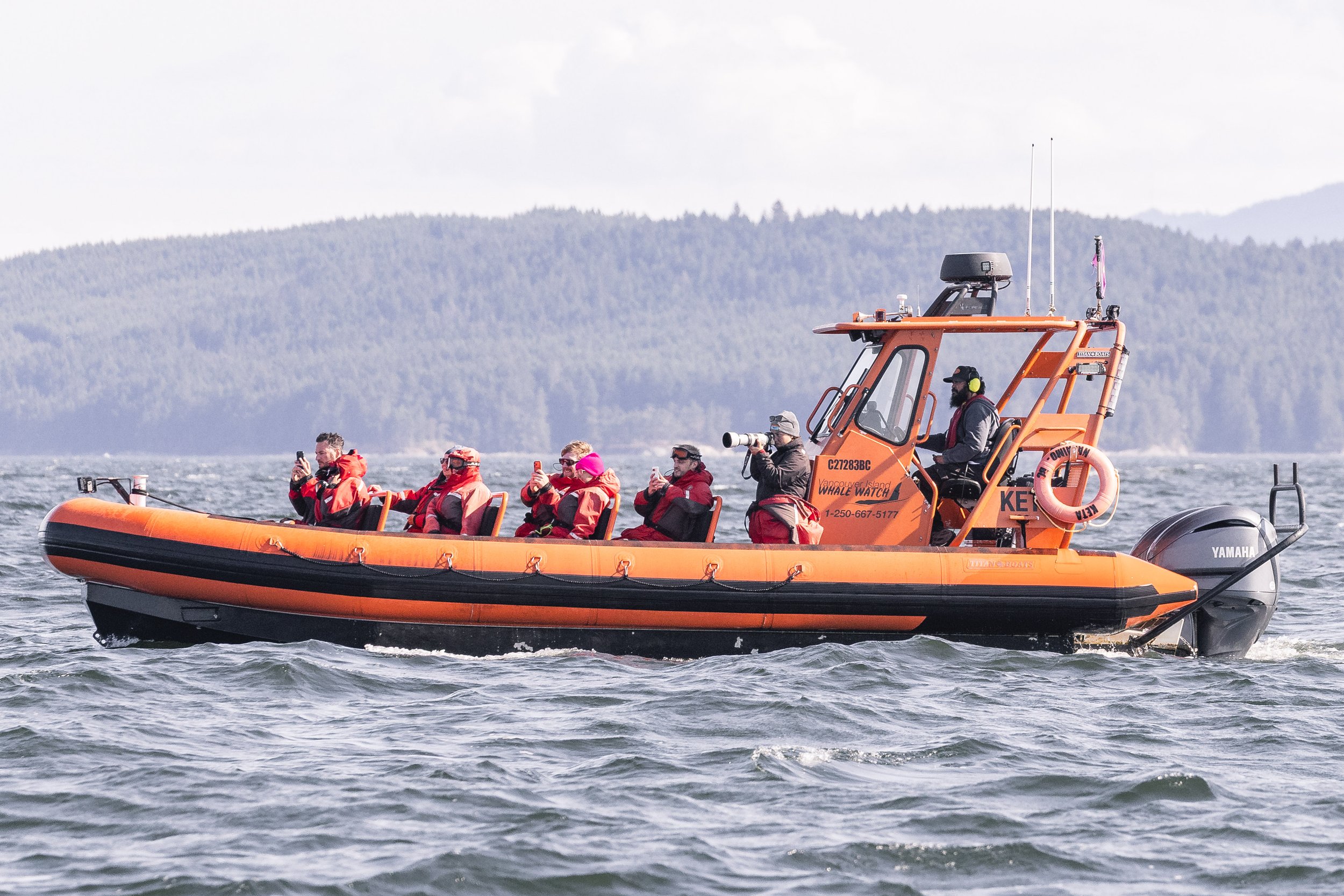
Guests on Keta watching our wonderful humpbacks. Photo by Jordan Robinson