
August 3, 2026, 3:30 PM - Explosive Helen
It was a windy day, but that didn’t stop our boats from setting out with the hopes of finding ourselves some whales! We knew it was going to be a little bit wavy out there in the Georgia Strait, but luckily that just adds to the fun when you are playing out there in the ocean! Luckily, we weren’t the only ones who wanted to play around in the ocean today, as we stumbled upon a young female humpback named Helen (BCX2494). At 4 years old, Helen is still a rambunctious youngster, even though she is approaching the age when she could potentially start producing calves. In the next few months, Helen will leave us and begin the long journey back to her home waters of Hawaii. Once there, if she’s ready, she can sample the selection of eligible bachelors in the area to help her bring forth the next generation of humpbacks! When Helen heads down to Hawaii, she’ll take a roughly 10,000 km round-trip while also following a four- to six-month diet. That means that while she's in the nutrient-rich waters of British Columbia, she needs to be packing on the pounds as much as possible!
Despite needing to put calories on, Helen was in a particularly playful mood today. Oftentimes we say that the worse the waves, the better the whales, and Helen definitely lived up to that! She was showing us all of our favourite behaviours, including cartwheels, tail slaps, pec slaps and even the almighty breach! We felt extremely fortunate to see her breach several times, which is a behaviour we don’t get to witness every day as it is an incredibly calorie-intensive action. In fact, a humpback can expend 600 calories on a single breach! So you can probably imagine that in an area where the humpbacks are actively trying to gain as much weight as possible for their migration, every breach is an absolute gift.
But why do whale breach? There are several reasons that a humpback might choose to go airborne. Although considered solitary, humpbacks are still incredibly social animals, and breaching, along with other high-energy slapping behaviours, produces loud sounds that can be heard by other whales in the area. Another reason is that humpbacks carry a significant number of ectoparasites, including barnacles and whale lice, on their bodies. While these little critters are often referred to as “parasites”, these animals actually provide benefits to the humpbacks. Barnacles line the trailing edges of flukes and pectoral fins and can be a nasty surprise for predators. Those same barnacles also provide a wonderful little home for Cyamus boopis (also known as whale lice). These important little crustaceans are the whales' live-aboard cleanup crew, eating dead skin and algae. But while both barnacles and whale lice can be beneficial for the whale, just like with most things, you can have too much of a good thing, and breaching is a way for humpbacks to remove some of those creatures. All that being said, we think that sometimes the whales might just breach for fun as well, especially on those wavy days!
While we had an absolute blast with Helen, the fun didn’t stop there, as we also got to check out some of our furry friends, including some Harbour Seals as well as their louder cousins, the Steller Sea Lions, on Stinky Rock. Also on Stinky Rock were several bird species, including Harlequin ducks, Oyster Catchers and a Common Tern. If you would like to see the incredible photos from today's adventure, you can check them out below!
Photos by marine naturalists Des Poier and Jordan Robinson.
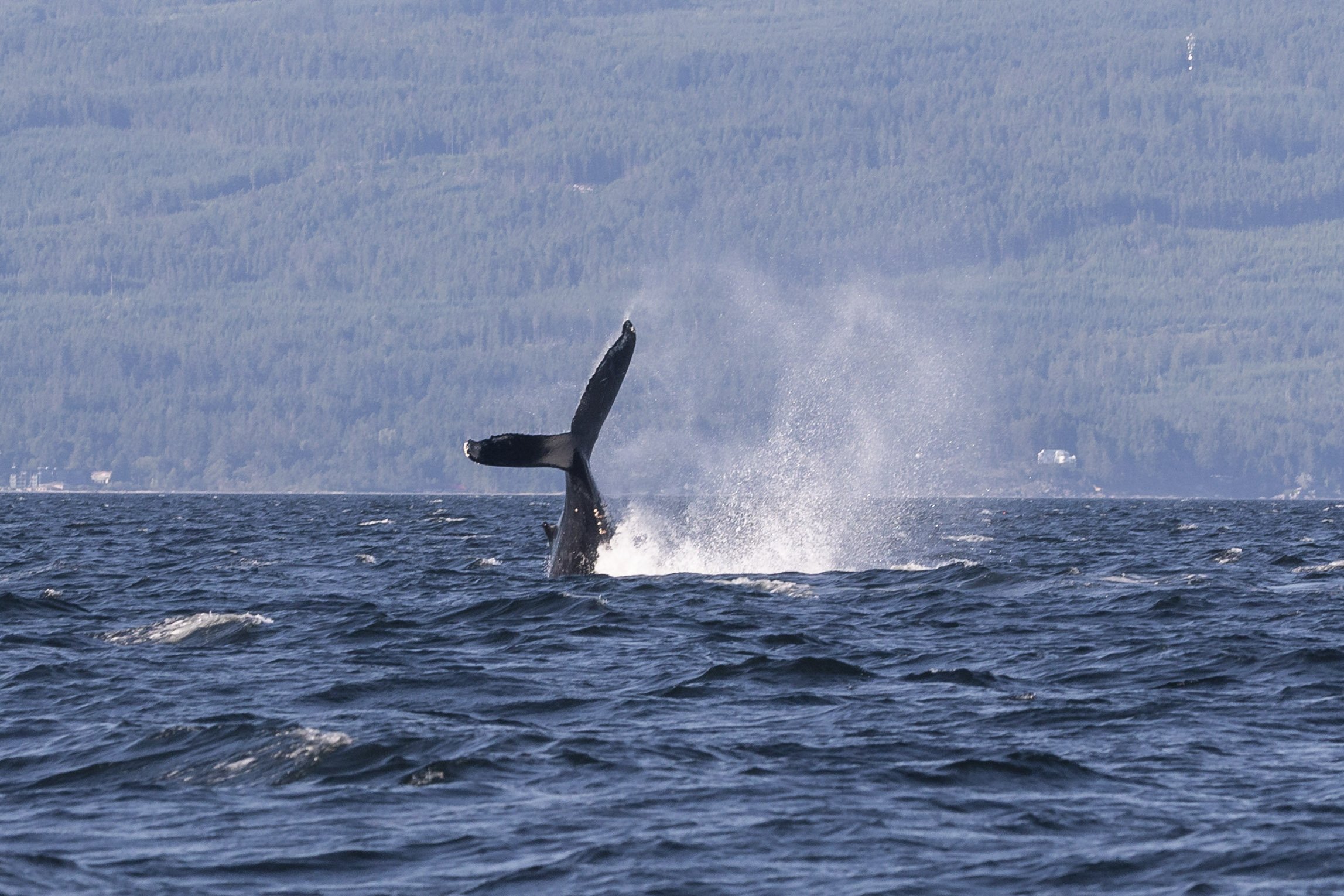
Helen doing a cartwheel. Photo by Des Poier
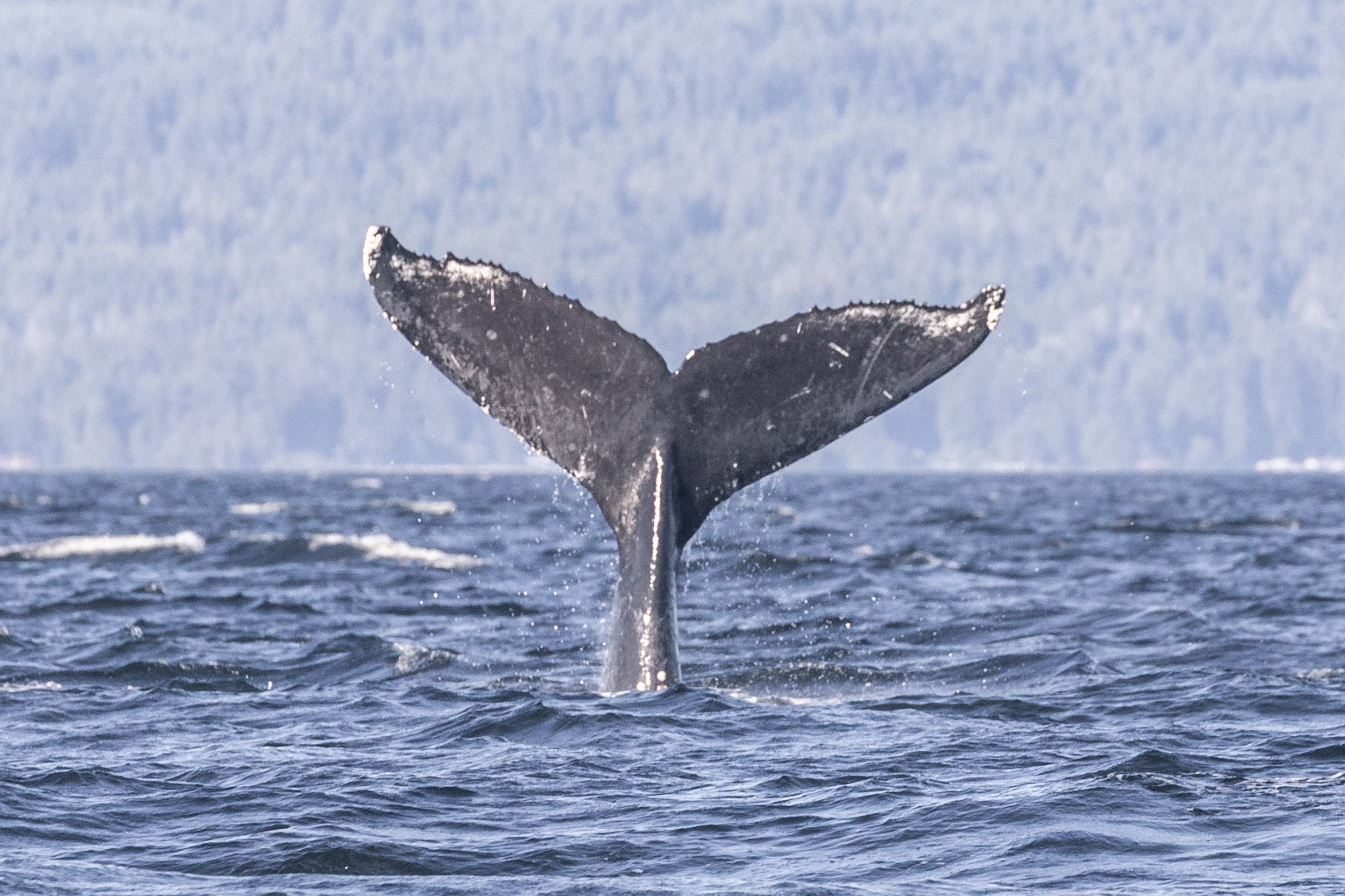
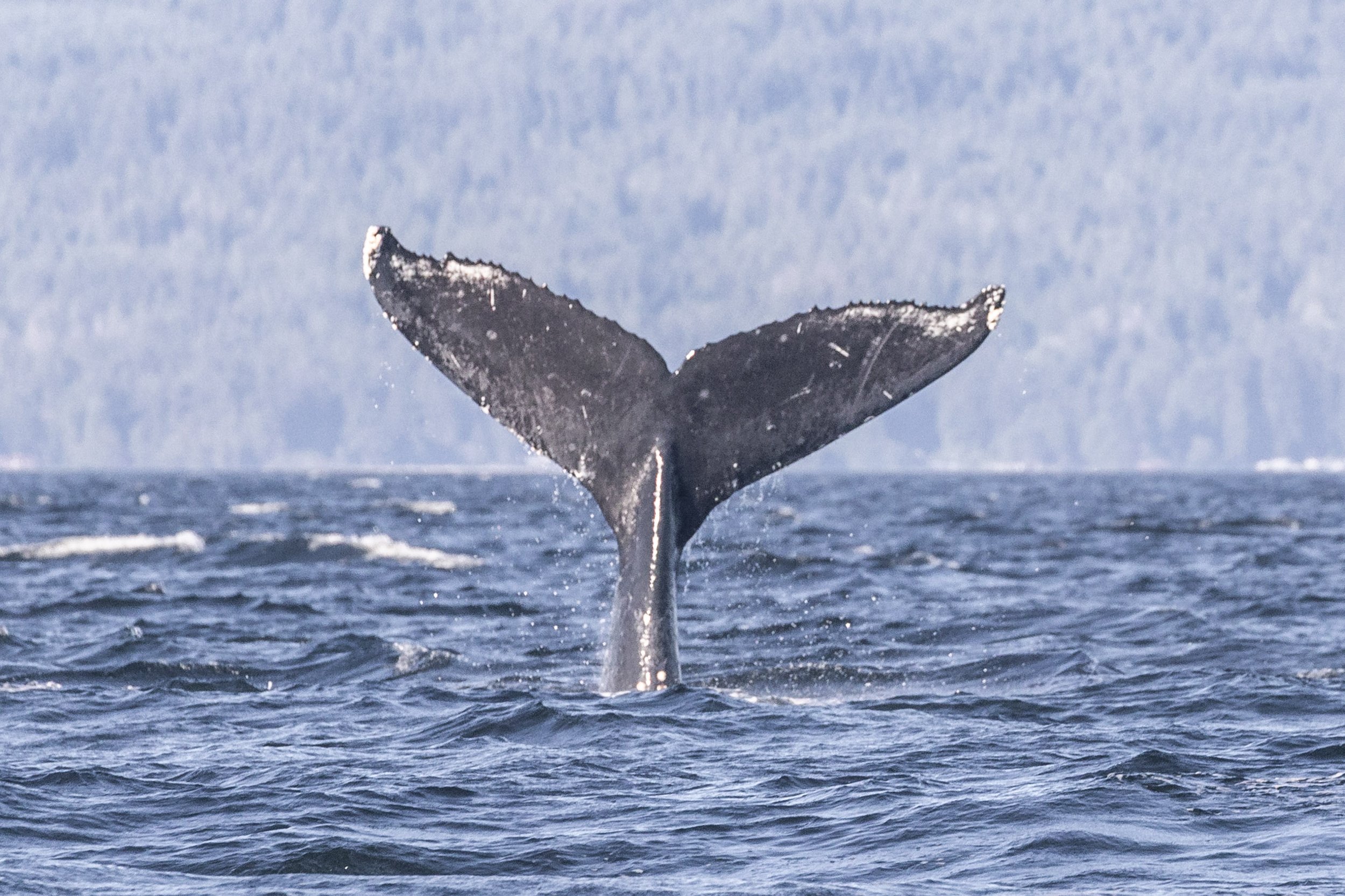
Every fluke is as unique as a fingerprint. This is Helen! Photo by Des Poier
Helen got her name because her dorsal fin is reminiscent of Mount St. Helens. Photo by Des Poier
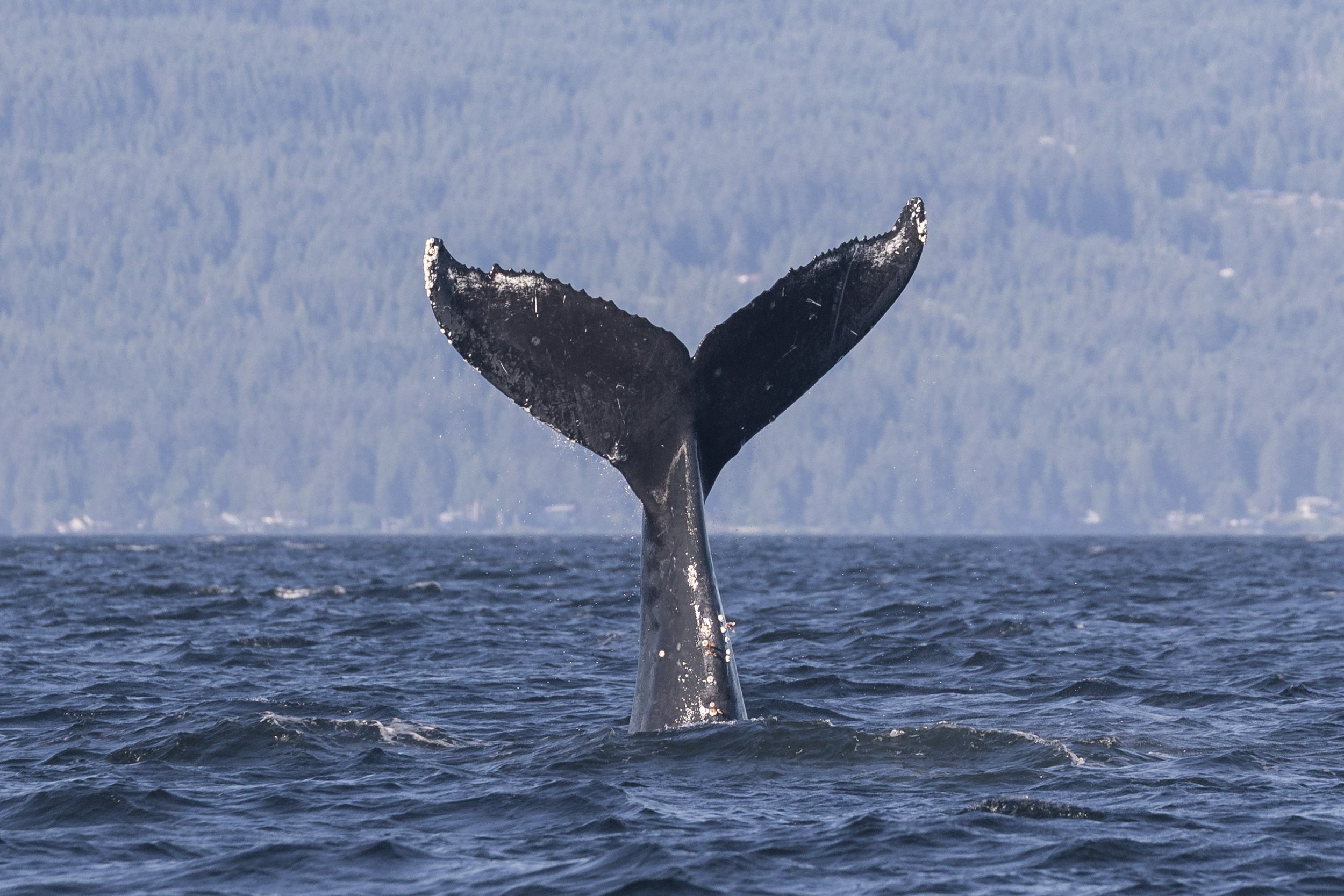
Flukes up! Photo by Des Poier
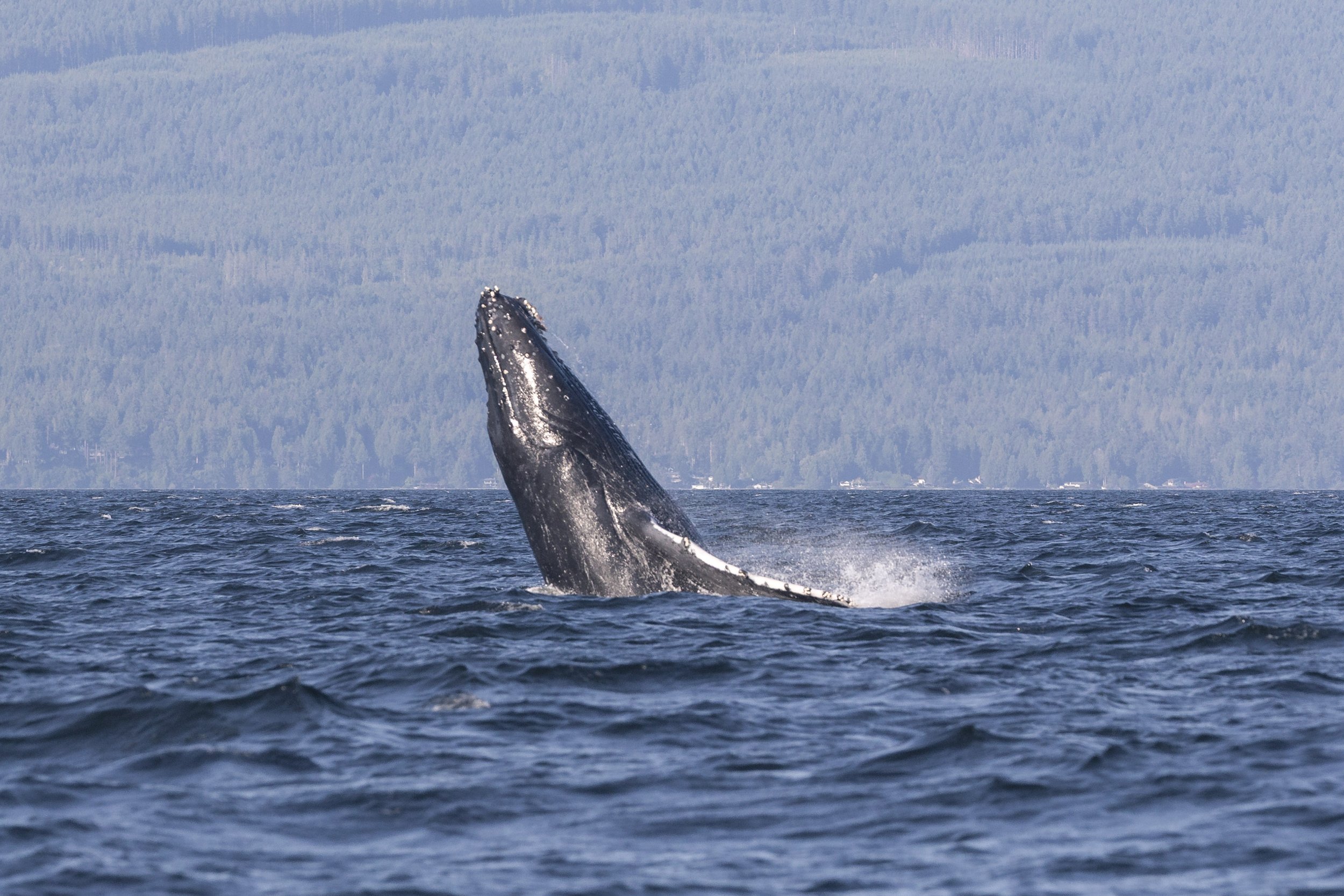
Nice big breach from Helen. Photo by Des Poier
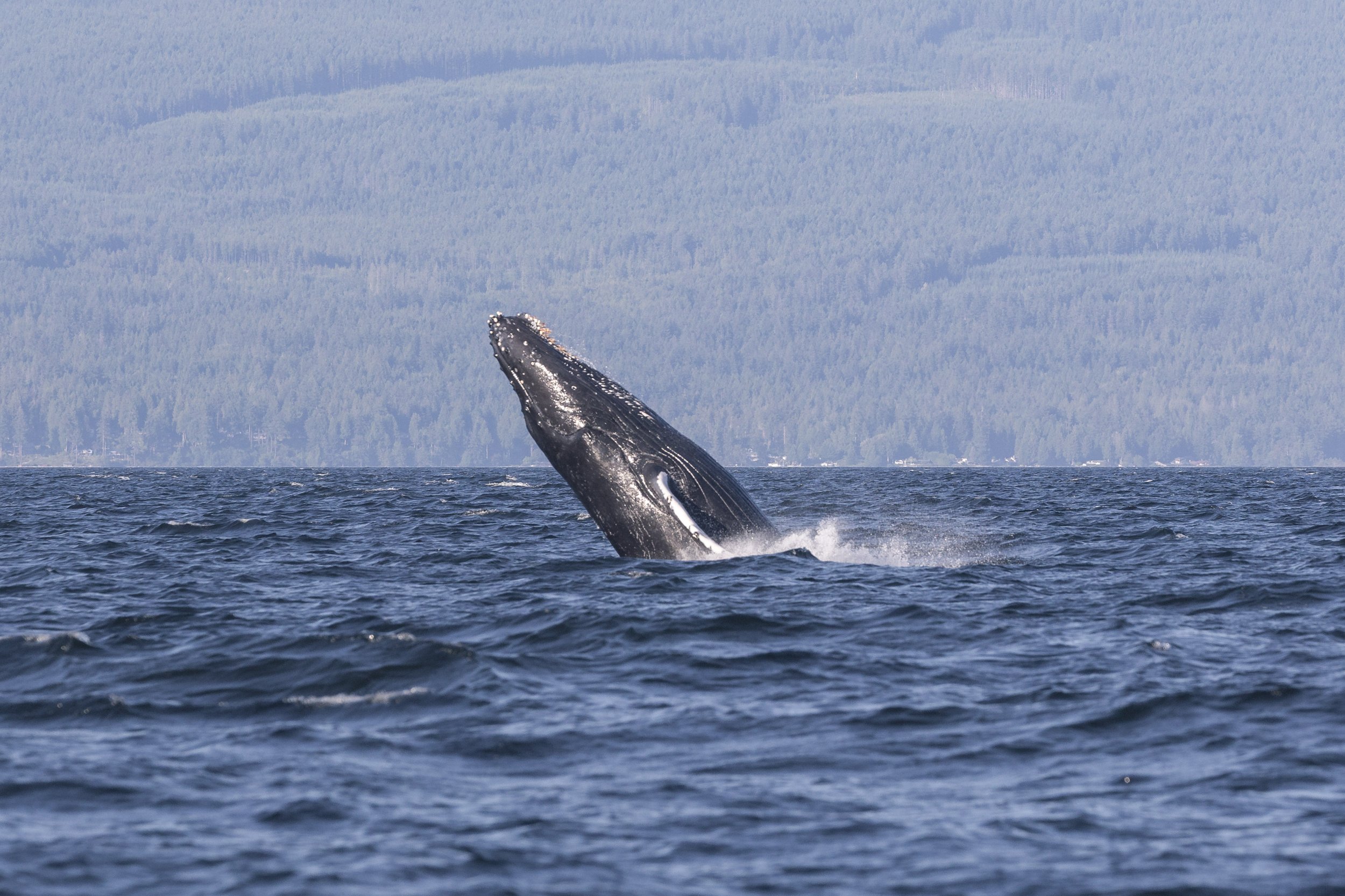
Do you think whales find breaching fun? Photo by Des Poier
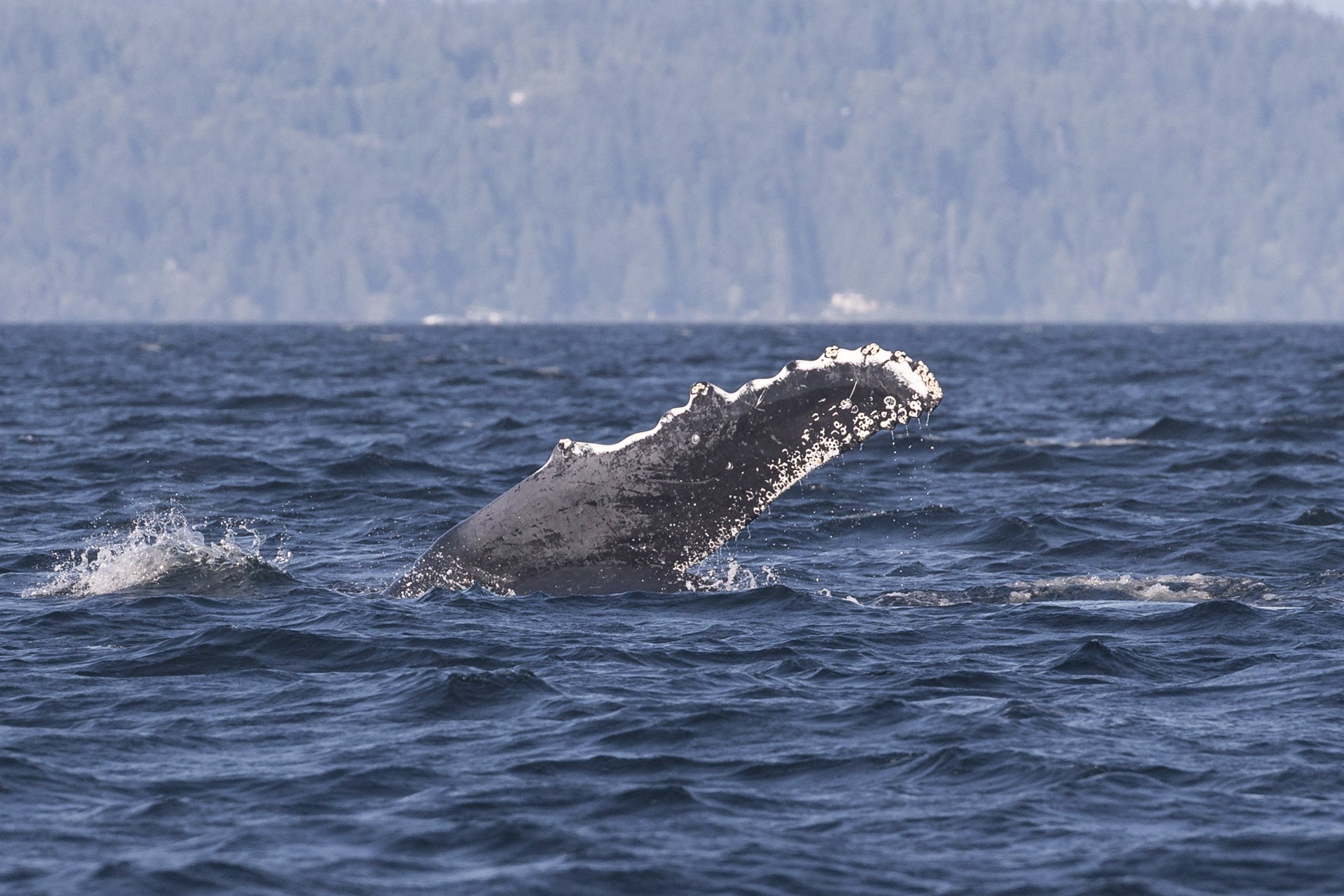
Helens pectoral fin. Photo by Des Poier
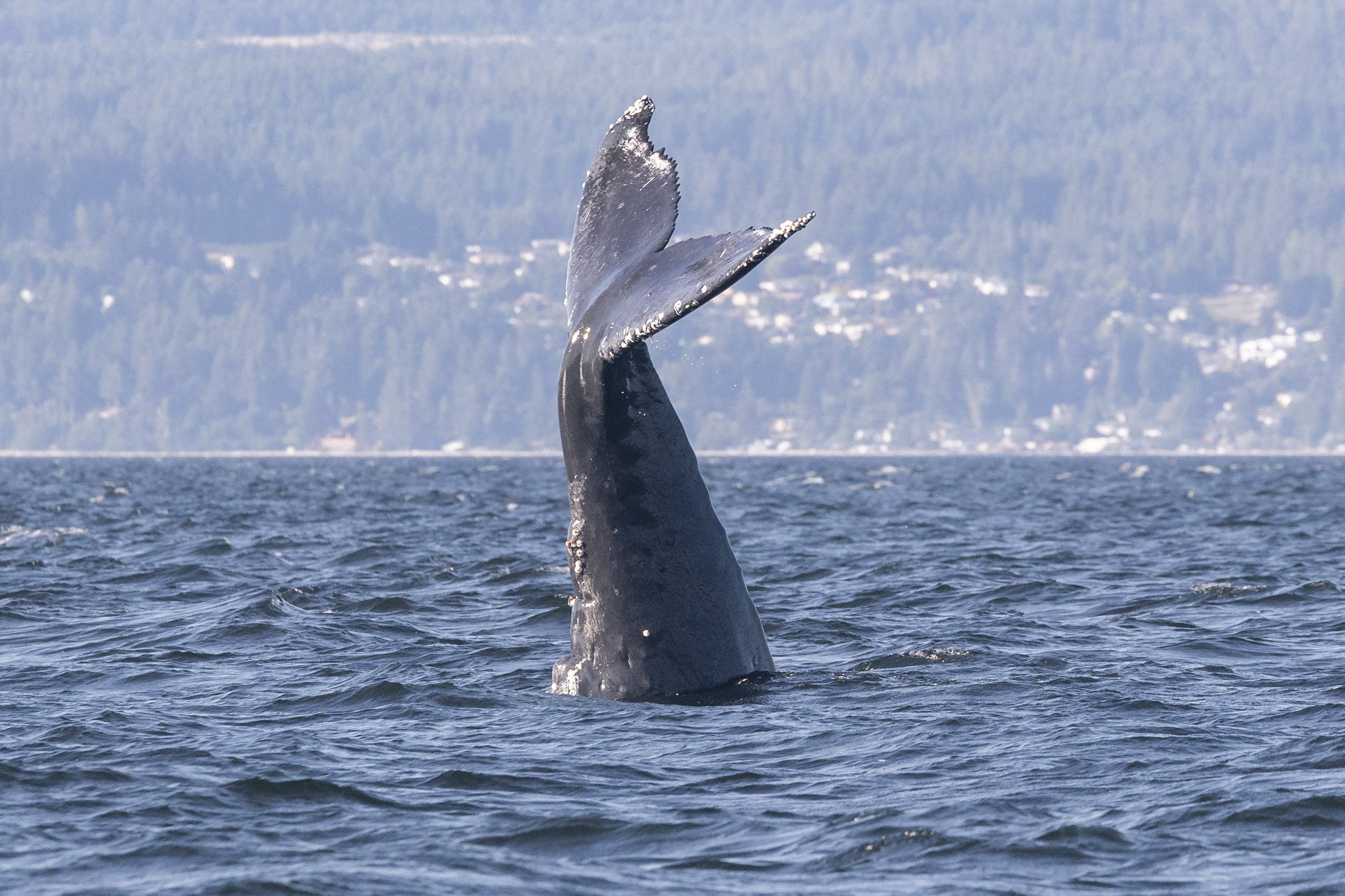
Do you see the bump on Helen close to the water? That’s her hemispherical lobe. This is how we know she’s a female. Photo by Des Poier
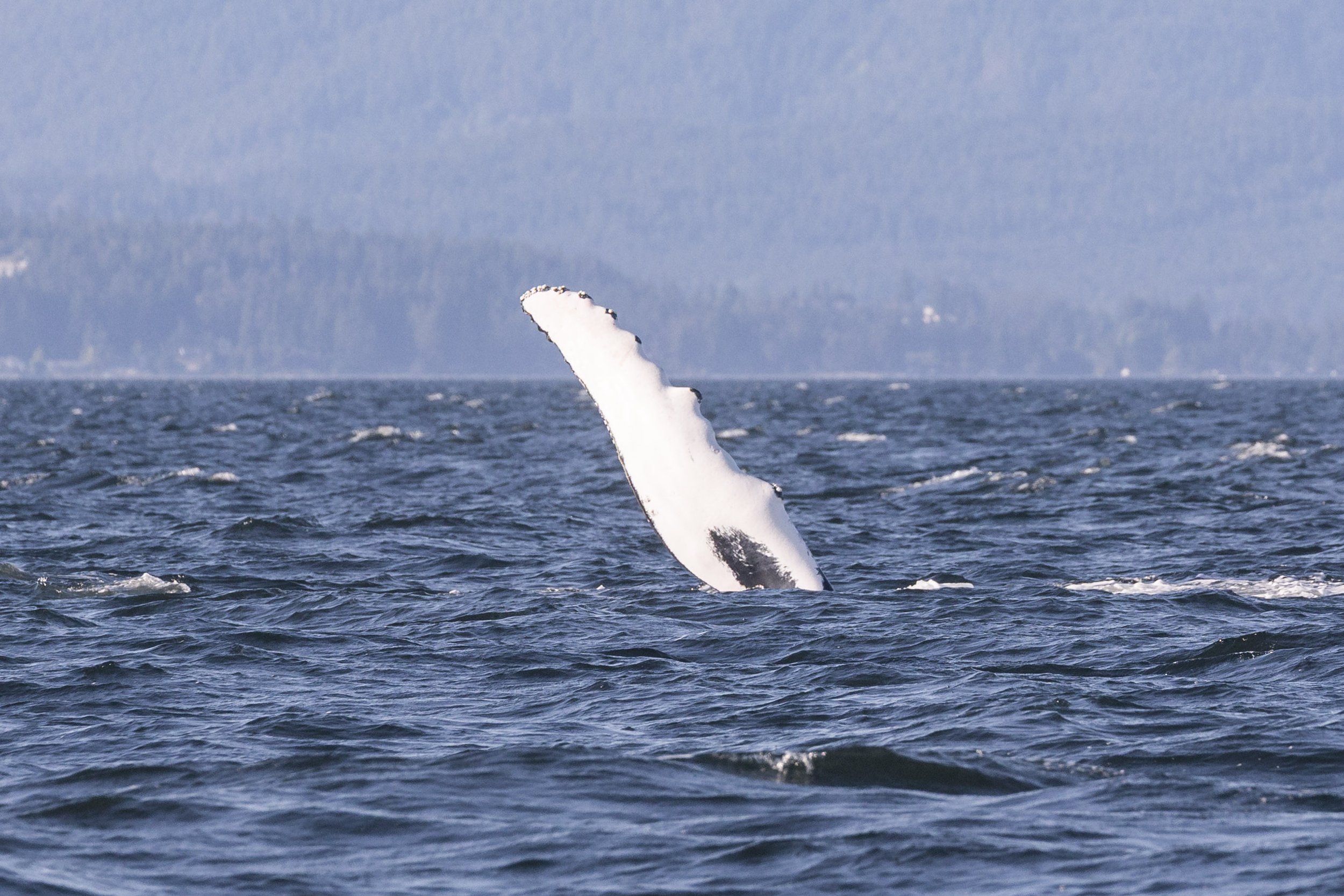
A humpbacks pectoral fins can be 1/3rd the length of their body. Photo by Des Poier
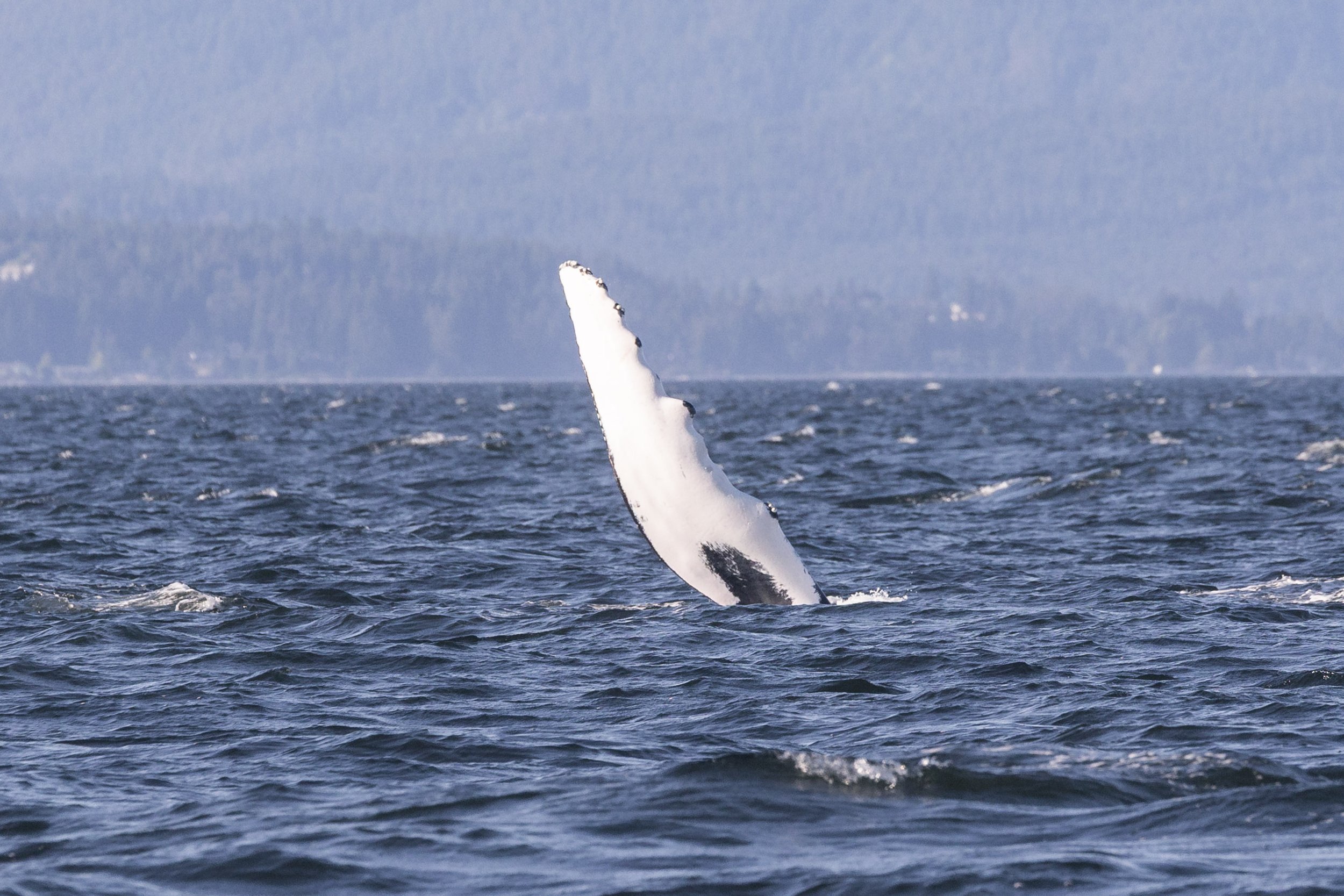
Pec slaps are a great communication tool for whales. Photo by Des Poier
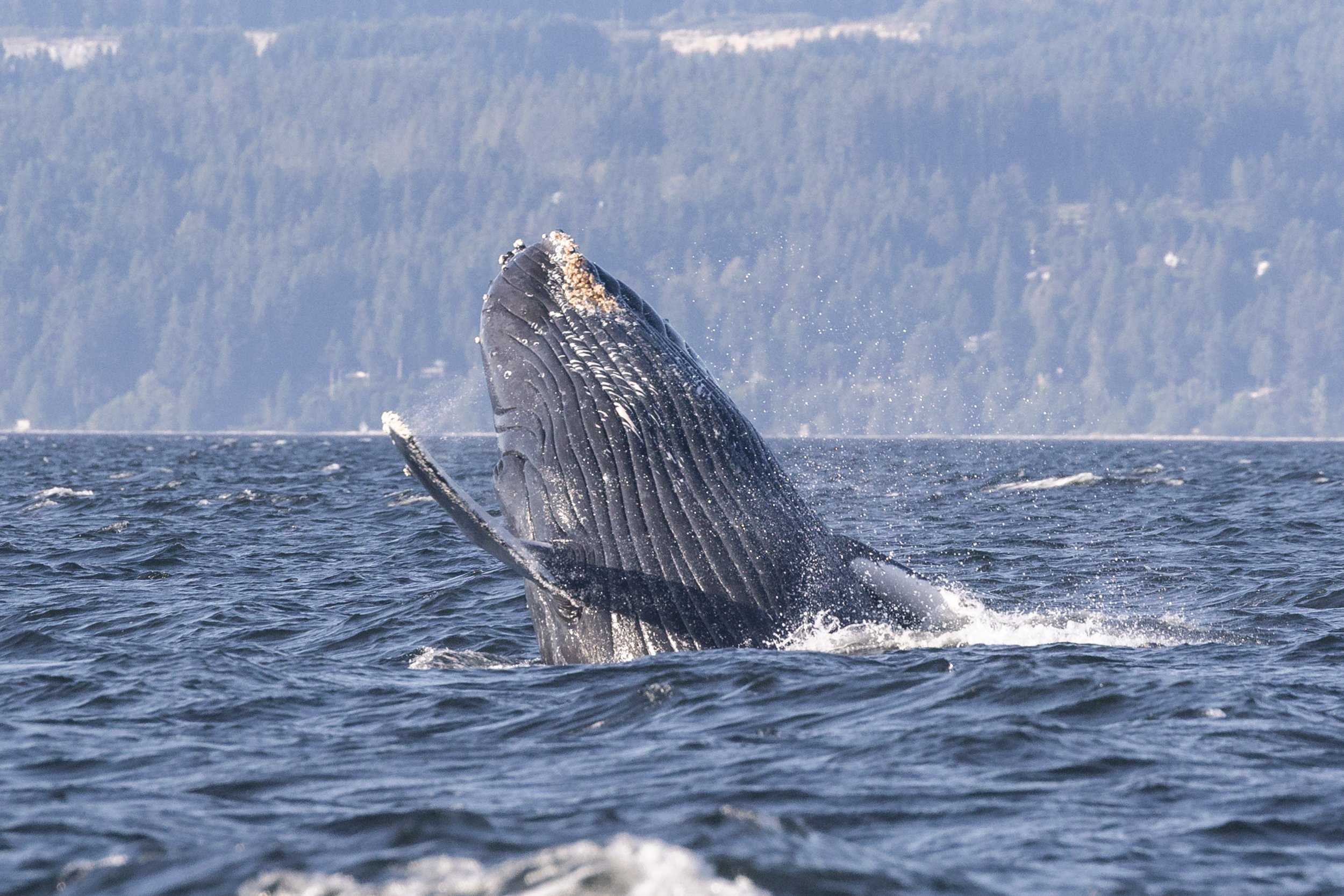
Helen showing off that impressive rorqual! Photo by Des Poier
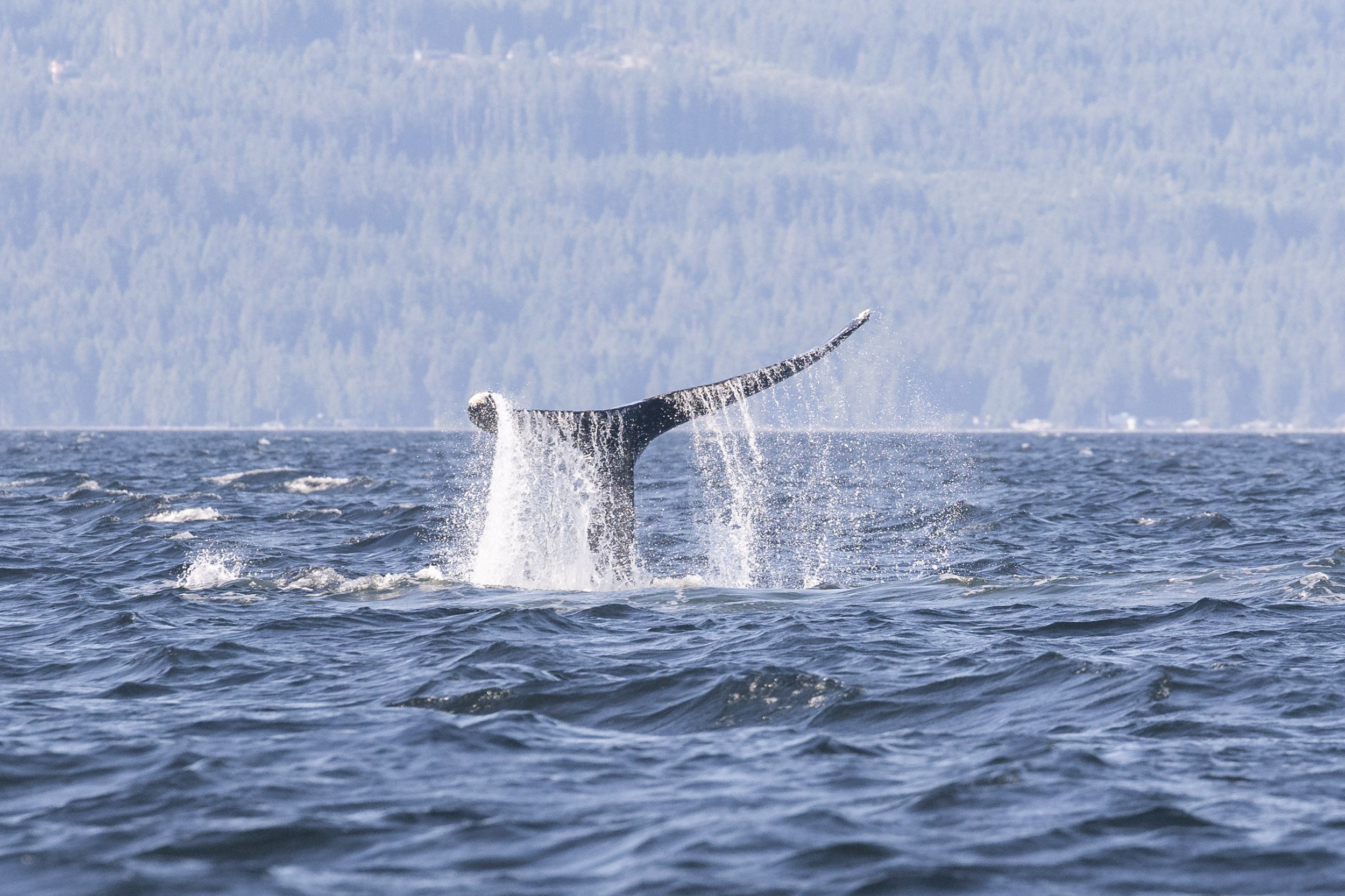
Water streaming from Helens tail. Photo by Des Poier
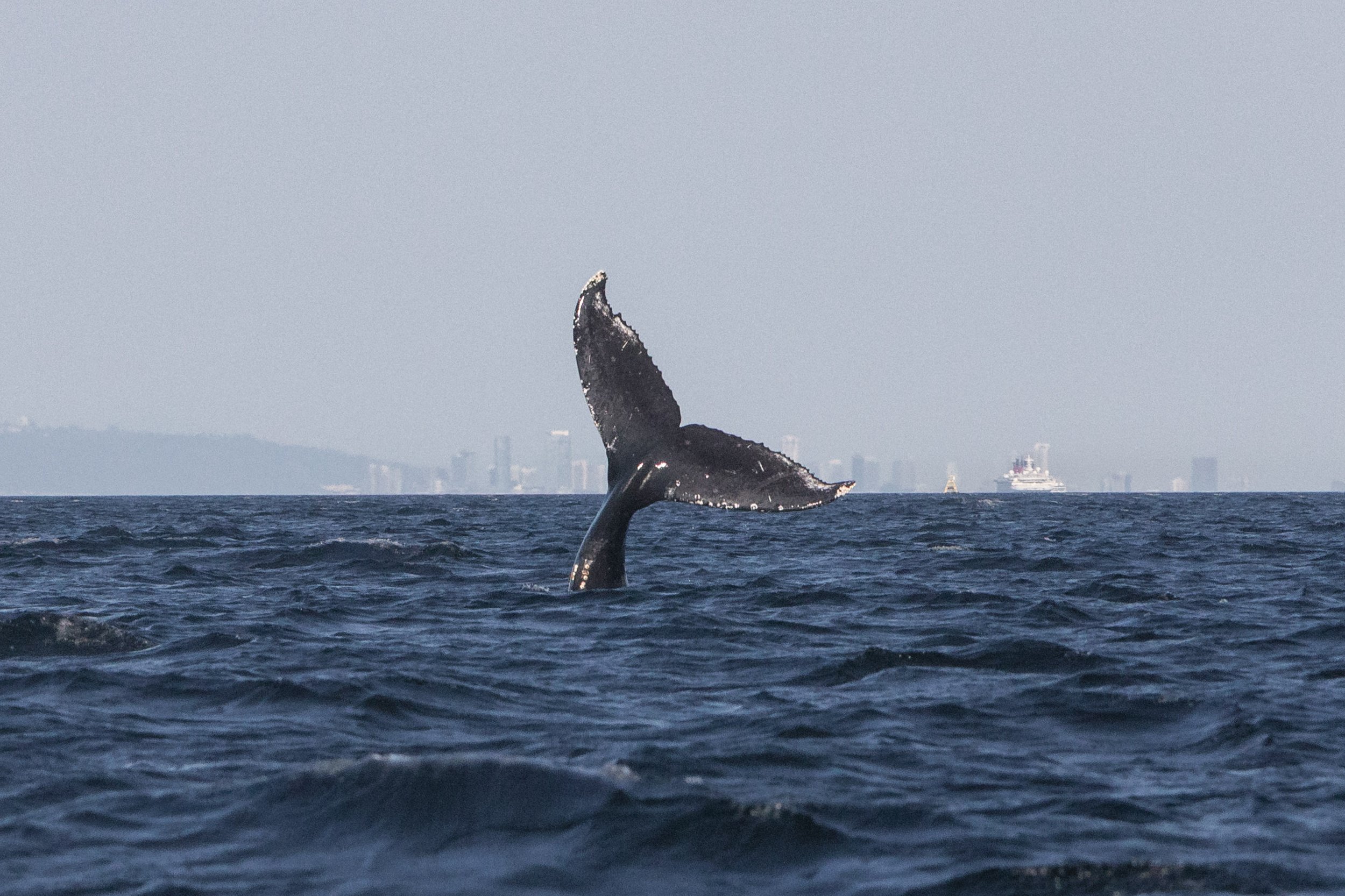
Flukes up! Jordan Robinson
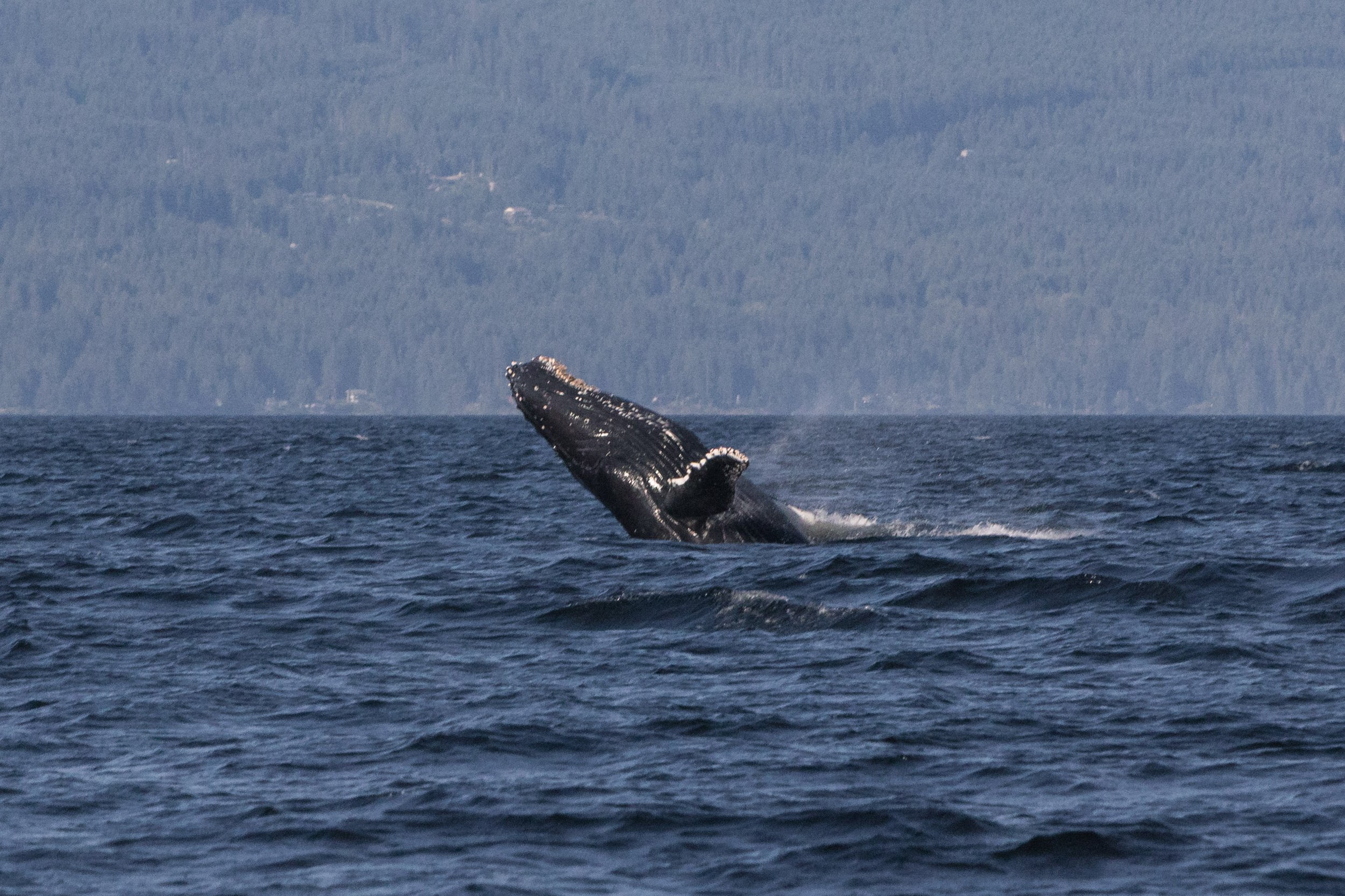
Helen bouncing around. Jordan Robinson
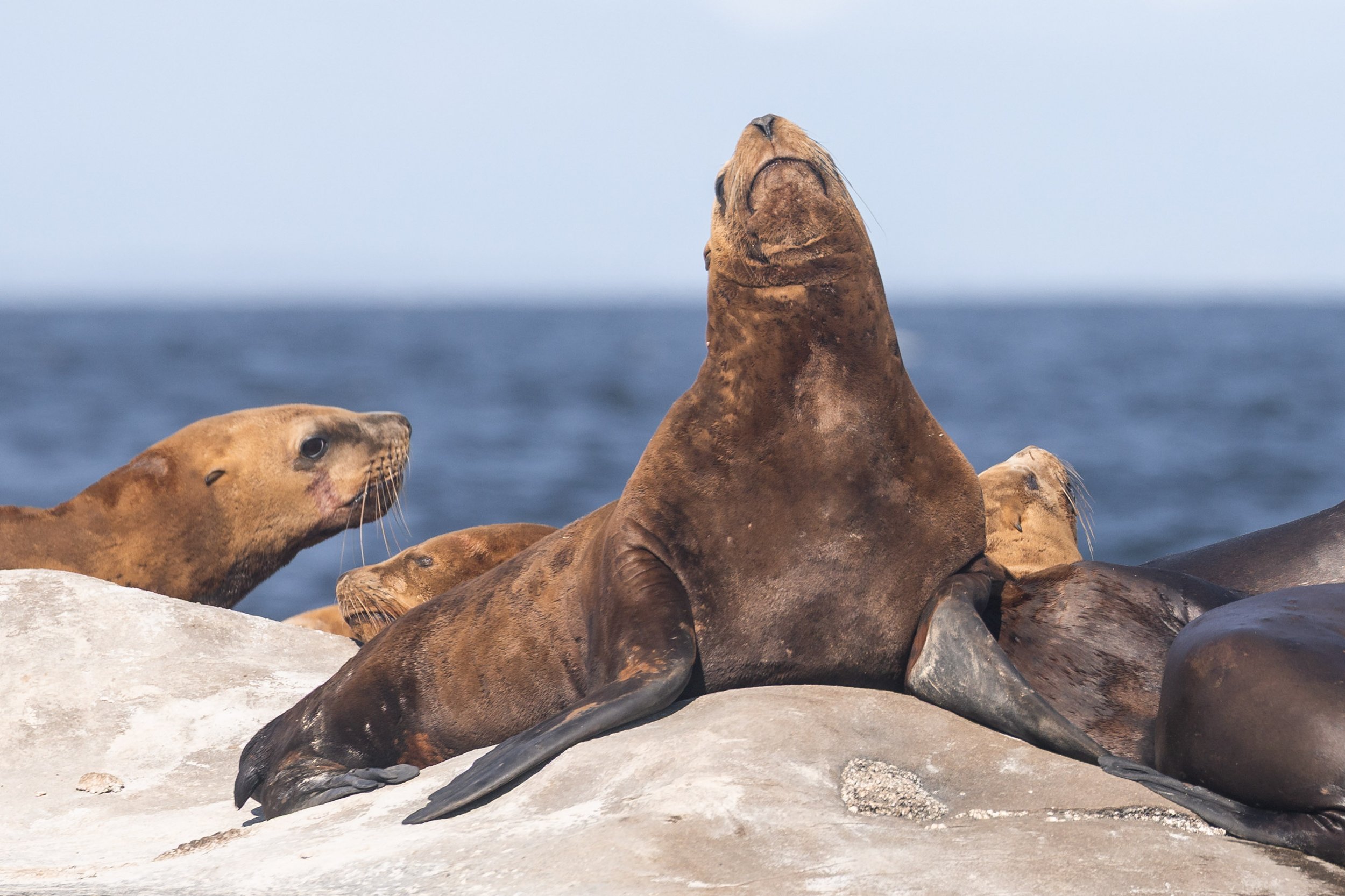
Happy little Steller Sea Lion surrounded by friends. Photo by Des Poier
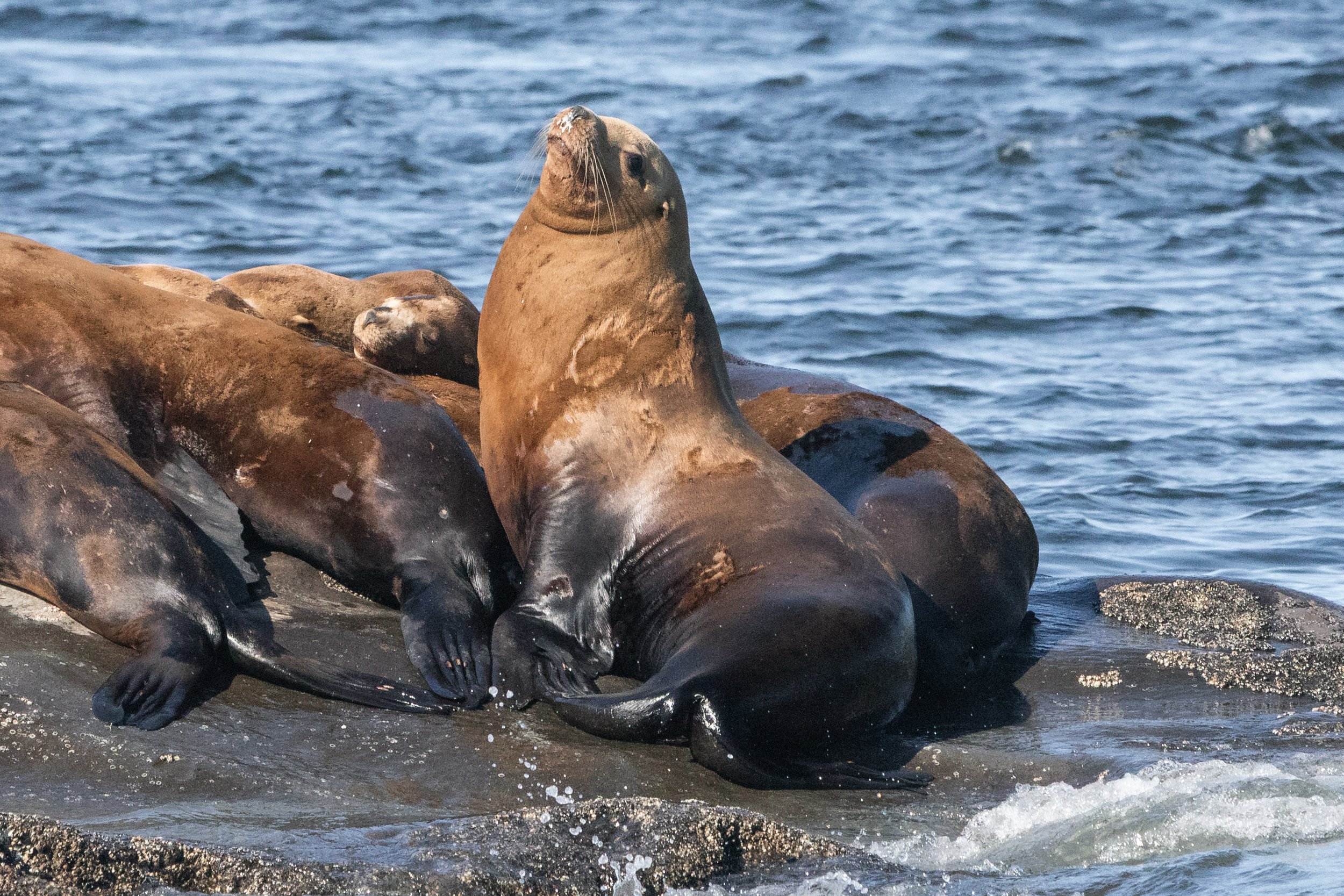
Steller Sea Lion at the edge of the cuddle puddle. Jordan Robinson
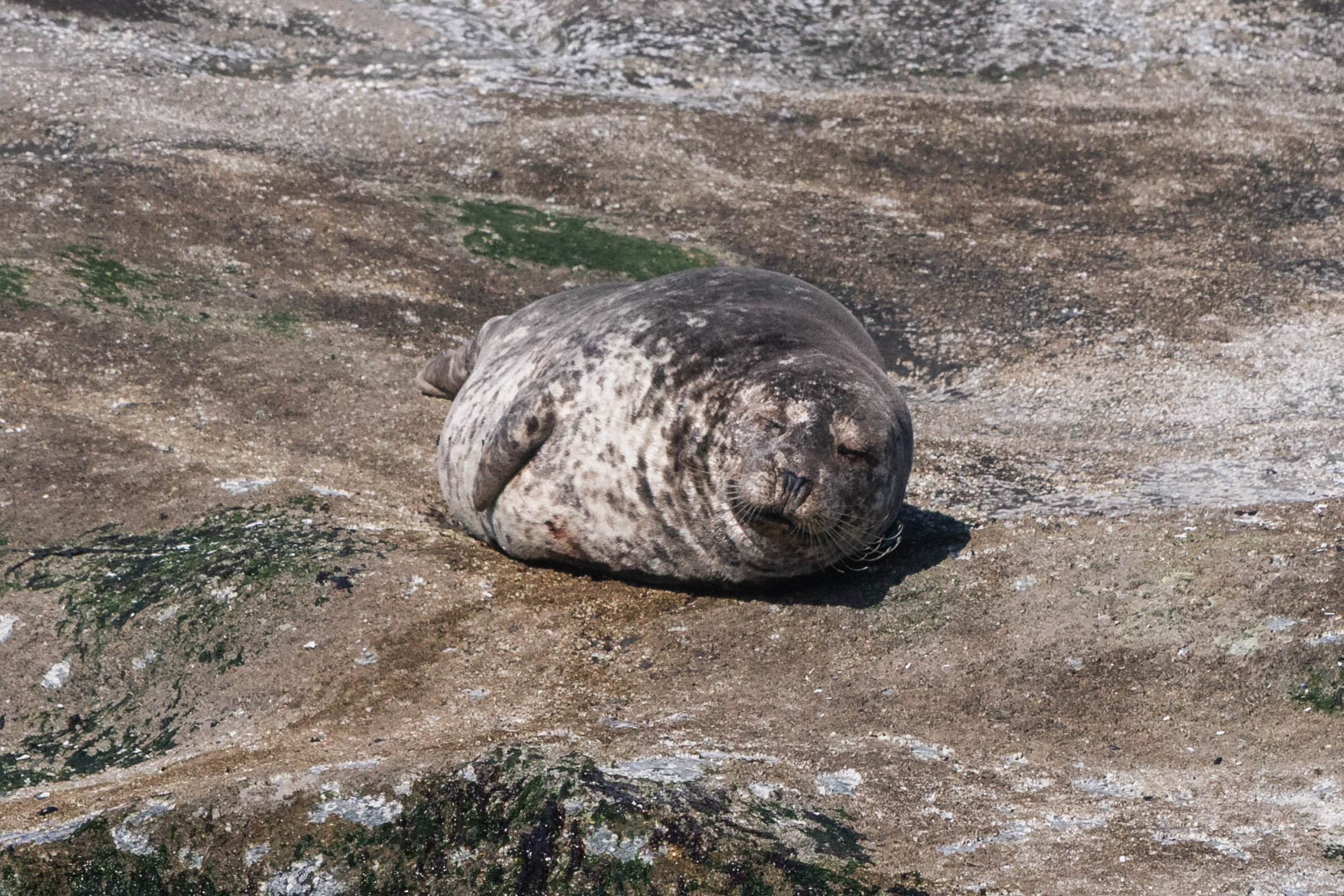
A resting Harbour Seal. Jordan Robinson
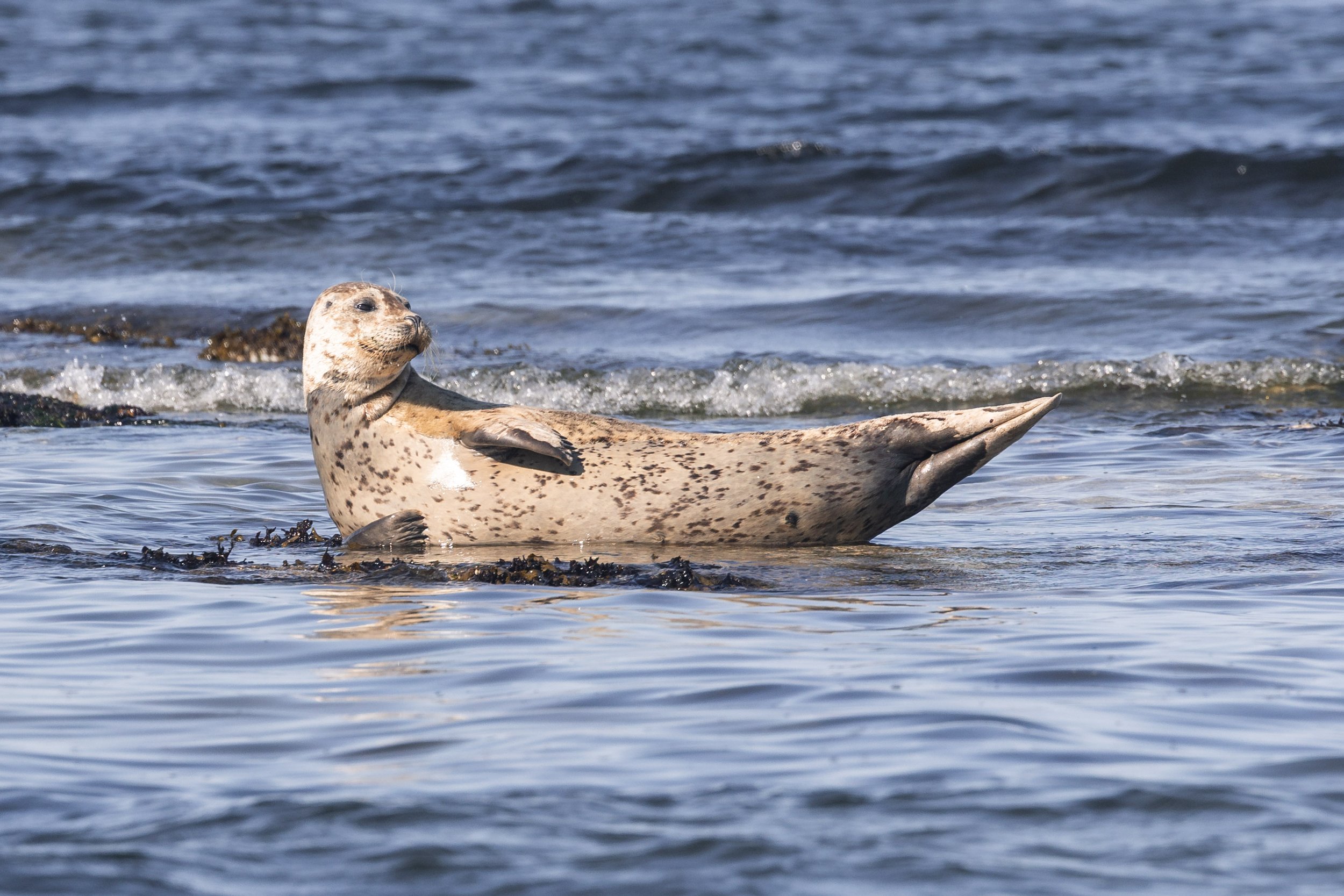
A relaxed Harbour Seal chilling on the rock. Photo by Des Poier
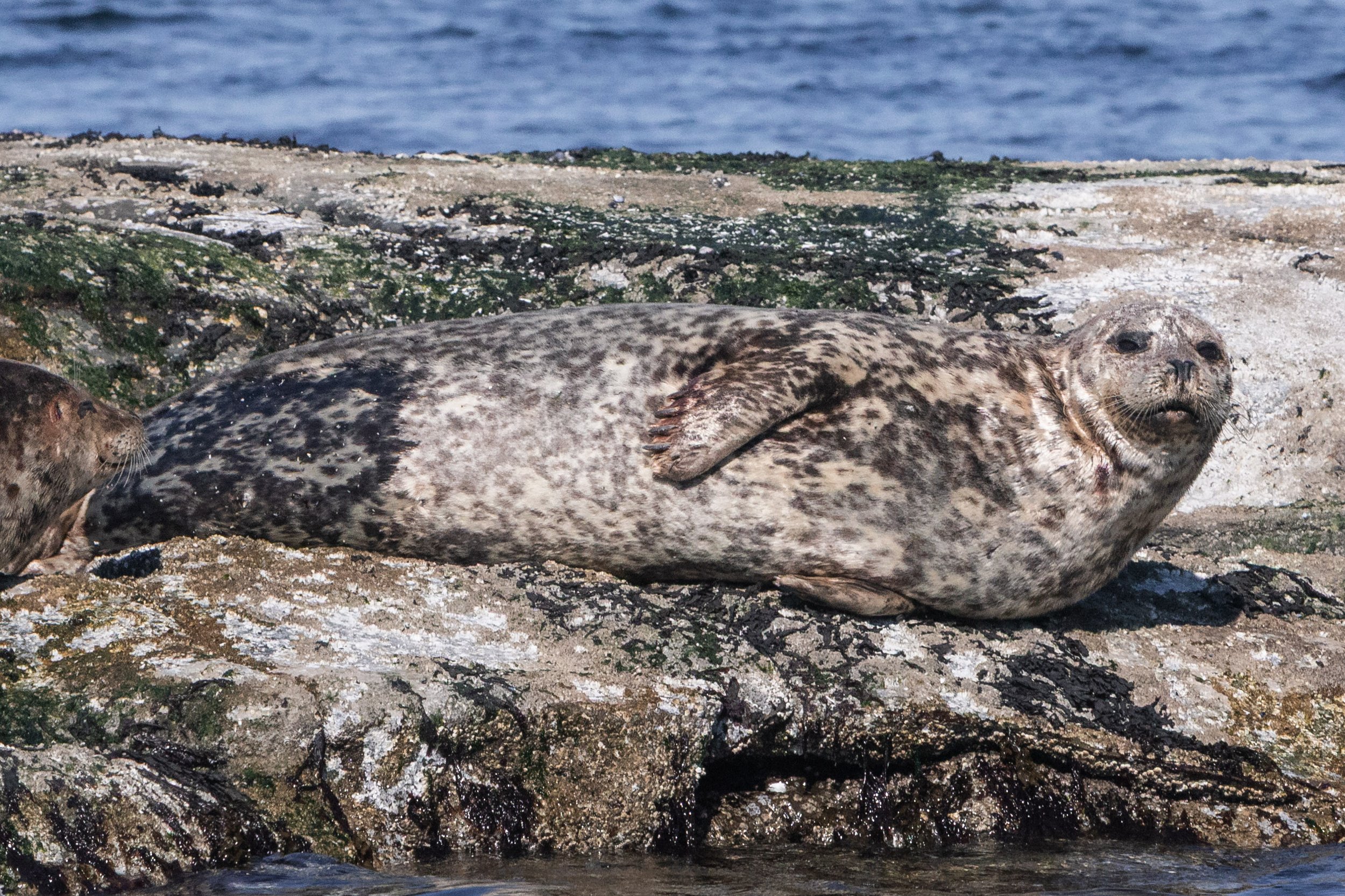
A chunky, happy Harbour Seal. Jordan Robinson
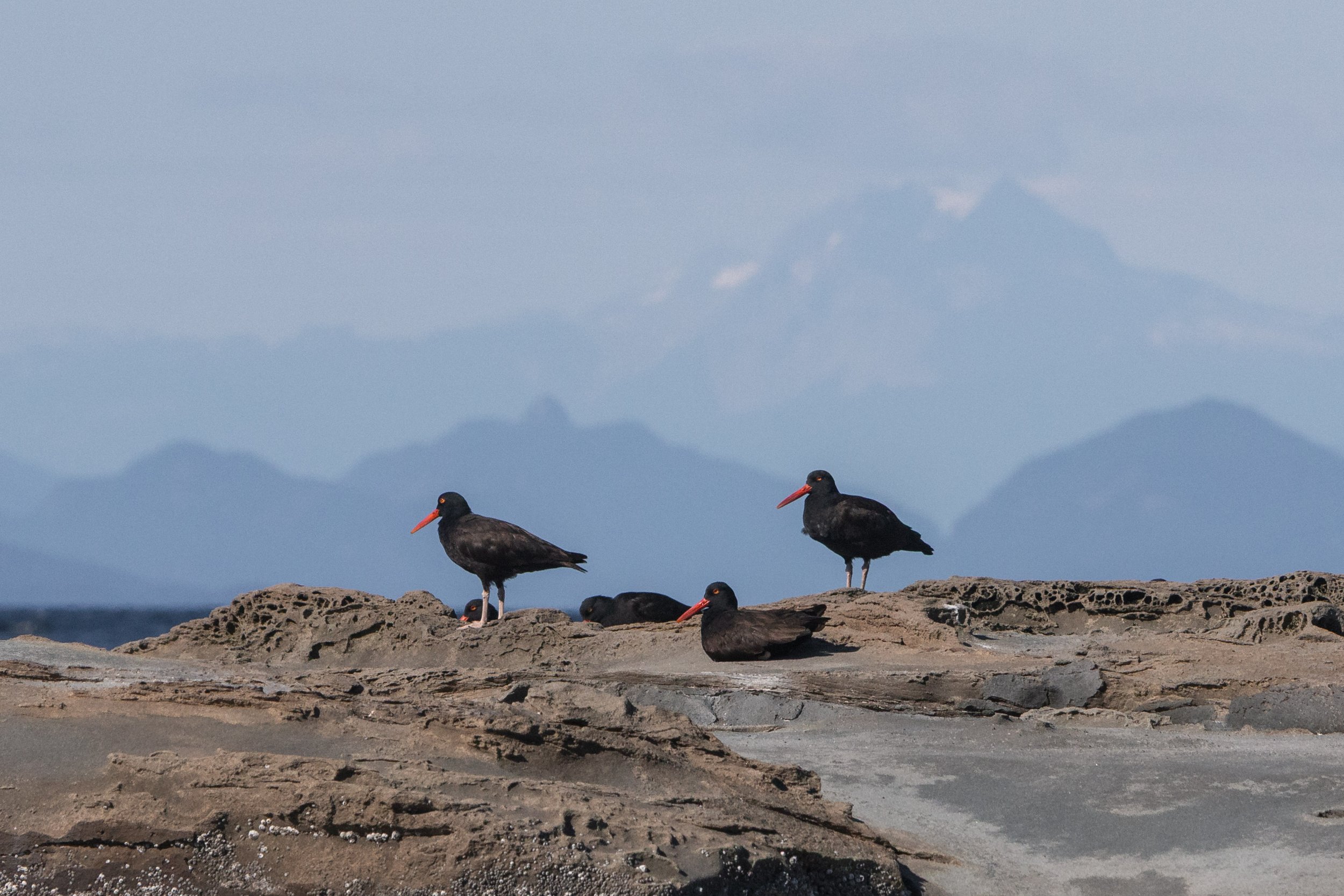
Oyster Catchers on Stinky Rock. Jordan Robinson
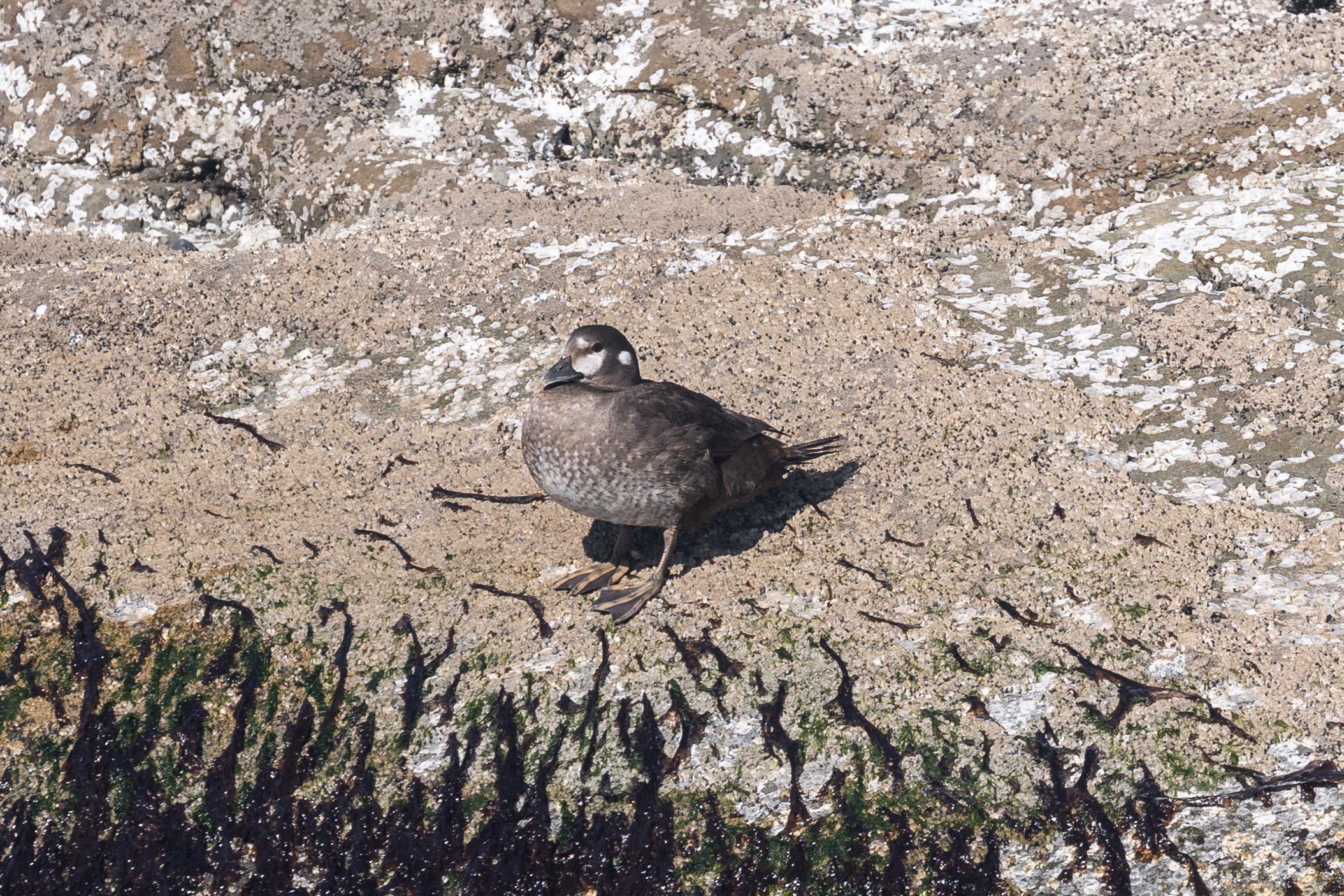
A female Harlequin Duck. Photo by Des Poier
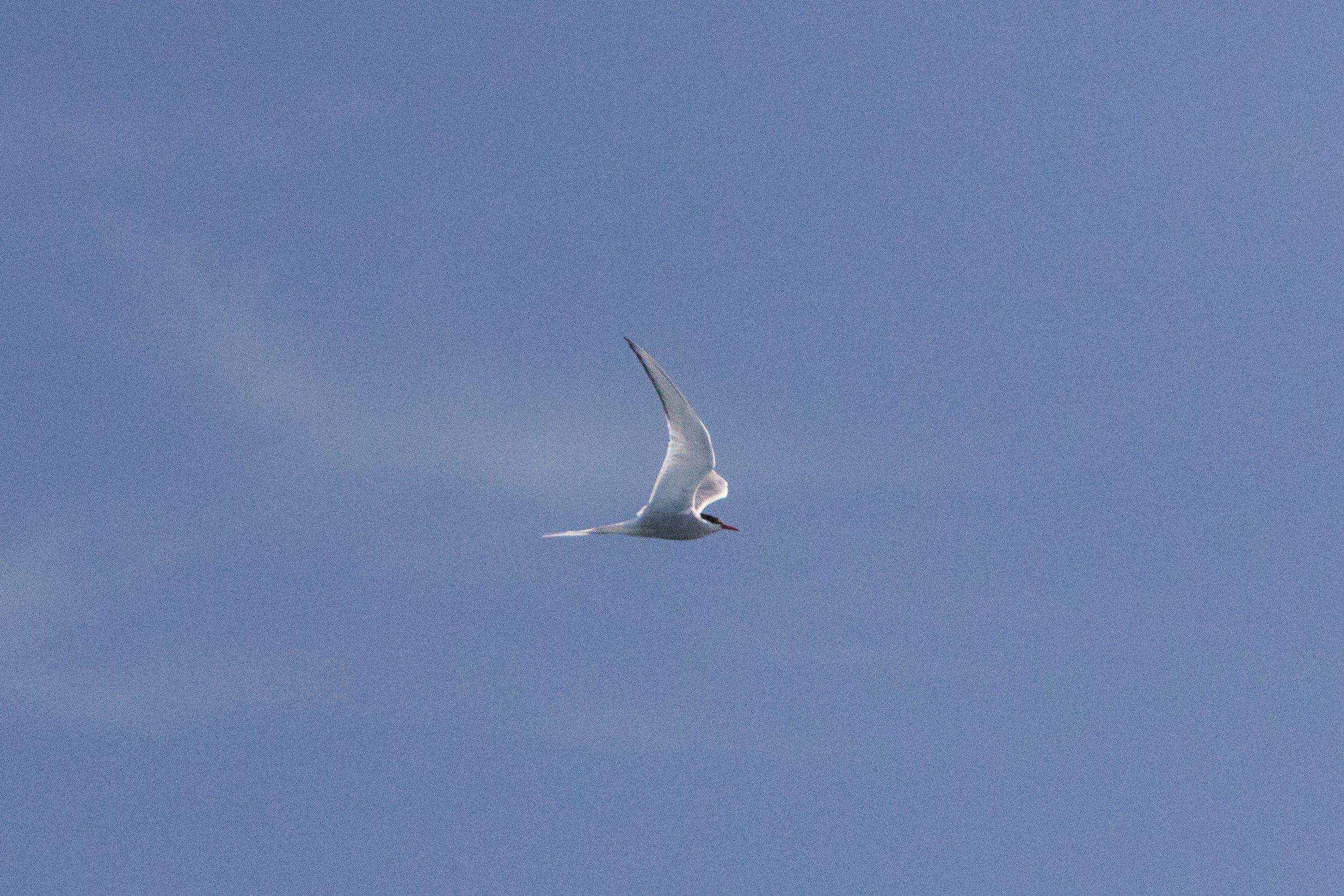
An uncommon, Common Tern. Photo by Jordan Robinson