
August 6, 2026, 3:30 PM - Oodles of Humpbacks plus the T037As
With three boats heading out for the afternoon, we had plenty of opportunities to explore the Strait of Georgia and see what wildlife might be waiting for us. All three boats began their search in the same general area, but it did not take long for each crew to find their own group of humpback whales.
The semi-covered boat, Kula, was first to settle in with a pair of humpback whales that appeared to be travelling and feeding together. These two were Double Double (BCX2492) and Raptor’s 2024 calf (BCY0458calf2024), two relatively young whales in the humpback world. Raptor’s 2024 Calf is only two years old, while Double Double is four.
Humpback whales are generally considered solitary animals, particularly compared with highly social species such as orcas. However, that does not mean they always travel alone. Humpbacks sometimes gather when food is abundant in a particular area, and temporary associations between individuals are not unusual.
Perhaps age played a role in this pairing, or perhaps these two simply happened to find themselves in the same productive feeding area. Either way, they seemed quite happy to share the Strait of Georgia for the afternoon.
Around the same time, one of our open boats found another pair of humpbacks travelling together. Split Fluke (BCX1068) and Fader (BCY0195) were moving through the area, with Europa (BCX0854) nearby but keeping to herself.
While making their way toward this group, our second open boat encountered yet another collection of humpbacks: Sherwina (BCY0961) and her calf (BCY0961calf2026), BCX2316, along with Chi (BCZ0575).
Suddenly, what had started as three boats searching the Strait had turned into a remarkable concentration of humpback whales spread across the area.
Seeing multiple humpback whales in the same general area is not particularly unusual during the feeding season. While individual whales may travel independently, they are all responding to the same thing: where the food is.
Humpback whales in the Strait of Georgia primarily feed on krill, small crustaceans that can occur in enormous concentrations. When conditions bring large quantities of prey together, humpbacks have a very good reason to congregate in the same productive waters.
They are not necessarily forming a coordinated social group in the way that a pod of orcas does. Instead, several whales can take advantage of the same feeding opportunity while maintaining varying degrees of distance from one another.
This is one of the fascinating things about watching humpbacks. One moment you might see a lone whale surface in the distance, and the next you realize there are several more in the surrounding area, all taking advantage of the same buffet.
Of all the humpbacks encountered during the afternoon, Chi seemed to have a little extra energy to spare.
While the boats were watching, Chi breached several times, launching his enormous body out of the water before crashing back into the Strait.
A breaching humpback is an incredible sight, but it is also an incredible expenditure of energy. Breaching is considered one of the most energetically demanding behaviours in the animal kingdom. Estimates suggest that a single breach can use approximately 2 to 5 percent of a humpback whale's daily energy budget.
To put that into perspective, researchers have compared the energy expenditure to a human running a marathon.
That makes repeated breaches even more impressive. A humpback whale weighing tens of thousands of kilograms is essentially throwing its entire body out of the water using a tremendous amount of muscular force.
So when a whale like Chi decides to breach, it is quite the display of energy. Perhaps there was an especially good meal waiting beneath the surface, or perhaps he was simply feeling energetic that afternoon. Whatever the reason, our guests certainly were not complaining about it.
As our time with the humpbacks was beginning to wind down, an exciting update came over the radio.
Another boat had located a pair of orcas not too far from where our boats were travelling.
We made our way toward the sighting, and soon all three of our boats had the opportunity to spend some time with the T037As.
T037A Volker ♀ (1994)
T037A2 Inky ♂ (2009)
The T037As are a pair of Bigg's killer whales who have recently been travelling somewhat independently from the other members of their family group. Although they may have been separated from their larger pod, this afternoon made it clear they were doing just fine on their own.
In fact, the pair quickly demonstrated exactly what they were capable of.
While Kula was watching, the T037As successfully hunted a harbour porpoise.
Harbour porpoises are an important prey species for Bigg's killer whales, particularly in the open waters of the Strait of Georgia where porpoises can be abundant.
Bigg's killer whales are marine mammal specialists. Unlike the fish-eating Southern Resident killer whales, Bigg's killer whales have developed a diet that includes harbour seals, sea lions, porpoises, dolphins and other marine mammals.
Hunting a porpoise is also a fascinating example of how efficient these predators can be.
The initial strike is particularly important. A powerful hit can stun or disable the porpoise, giving the whales an opportunity to finish the hunt and then share the food.
Killer whales are highly social animals, and food sharing is an important part of their lives. Watching the T037As work together and then share their meal offered a glimpse into the cooperation that makes these animals such successful hunters.
Fortunately, the other two boats made it in time to witness the prey-sharing. It was a very different kind of wildlife encounter from the humpback whales we had been watching earlier, but just as fascinating.
Once their meal was finished, the T037As continued travelling north through the Strait.
In just a few hours, our three boats had witnessed two very different feeding strategies from two very different types of whales.
The humpbacks were taking advantage of concentrations of tiny prey, most likely krill, filtering enormous amounts of water through their baleen to capture their food.
The T037As, meanwhile, were pursuing a much larger, more mobile meal.
Both strategies are perfectly adapted to the lives these whales lead. Humpbacks can exploit seasonal concentrations of small prey, while Bigg's killer whales have the intelligence, speed and cooperation necessary to hunt other marine mammals.
It also reminds us how productive the Strait of Georgia can be. Beneath the surface, an entire ecosystem is constantly moving and changing, from microscopic organisms and krill all the way up to some of the largest predators in the ocean.
After the T037As continued north, all three boats turned their attention back toward Nanaimo.
It had been an afternoon filled with variety. We had encountered multiple groups of humpbacks, watched whales of different ages travelling and feeding together, witnessed Chi breach, and finished the day with the T037As successfully hunting and sharing a harbour porpoise.
No two days on the water are ever quite the same. Even when we head into the Strait with an idea of what we might find, the animals are always making their own plans.
On this afternoon, those plans gave us a little bit of everything, from the quiet rhythm of humpbacks feeding among the krill to the fast-paced cooperation of two Bigg's killer whales on the hunt.
With plenty of wildlife memories made, all three boats made their way back toward Nanaimo, grateful for another incredible afternoon on the Salish Sea.
Photos by Marine Naturalists Val Watson, Hayleigh Hilbert, and Evan Hessels.
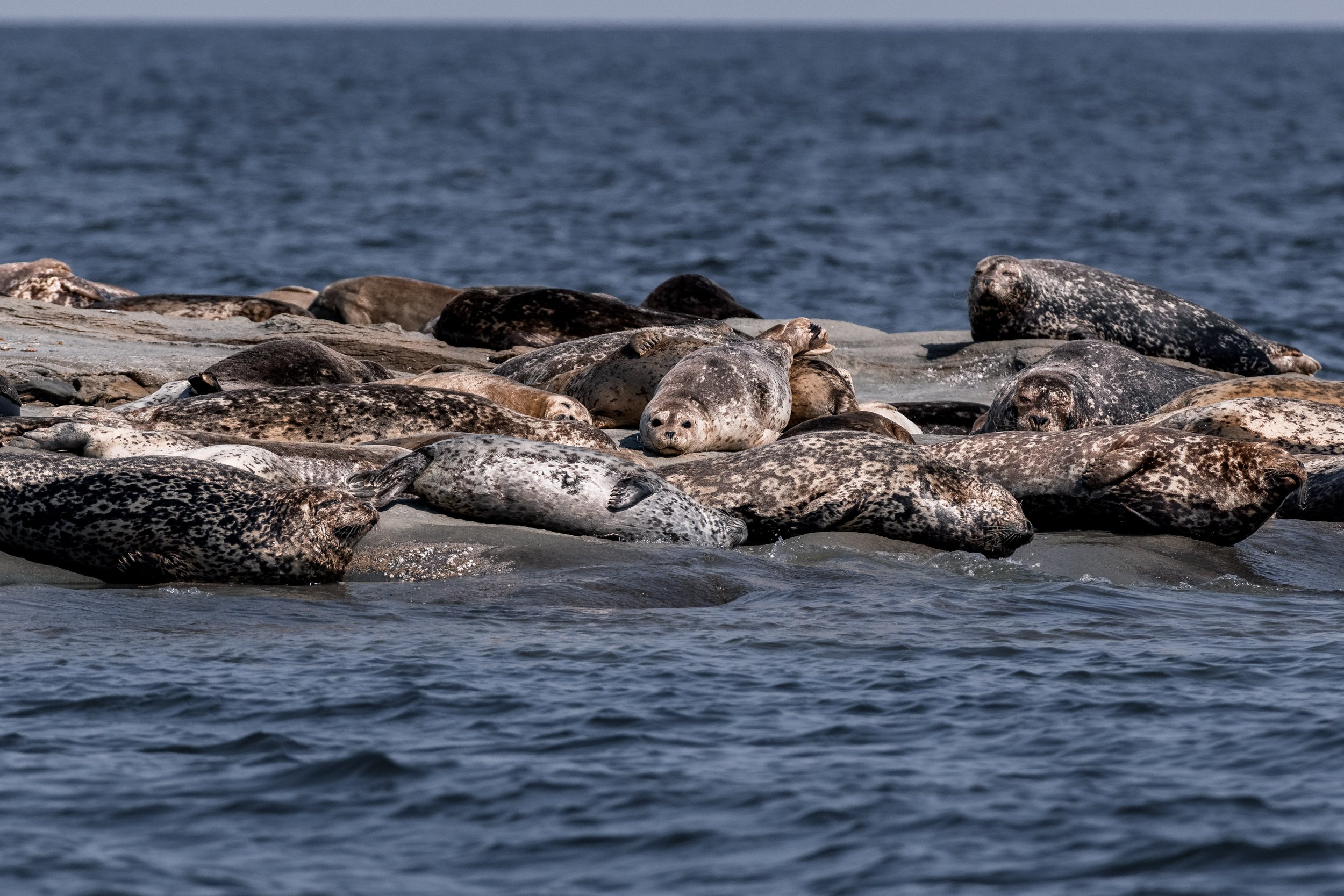
A large group of Harbour Seals hauled out on the rocks enjoying the sun. Photograph by Hayleigh Hilbert.
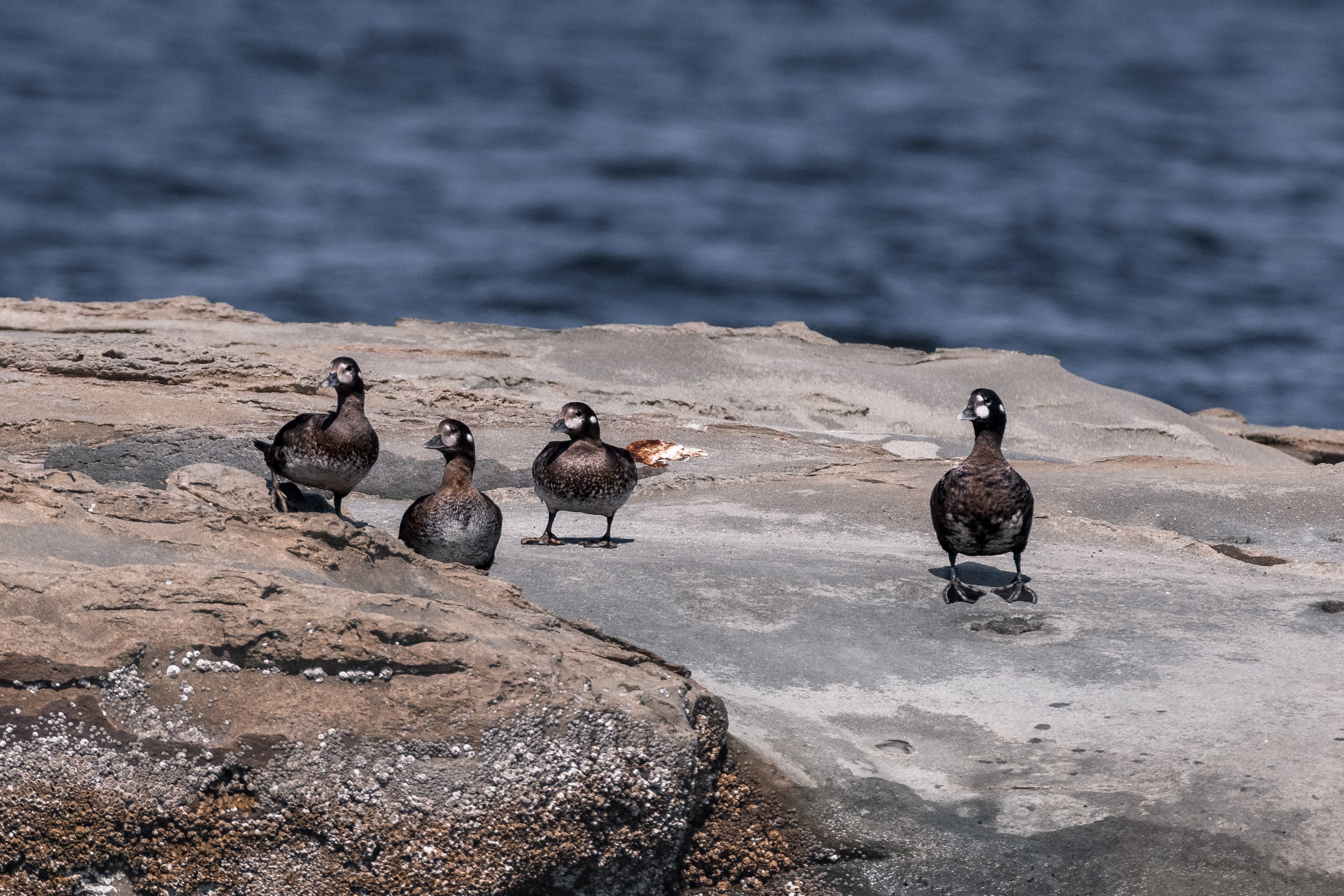
Some Harlequin Ducks giving us a glance. Photograph by Hayleigh Hilbert.
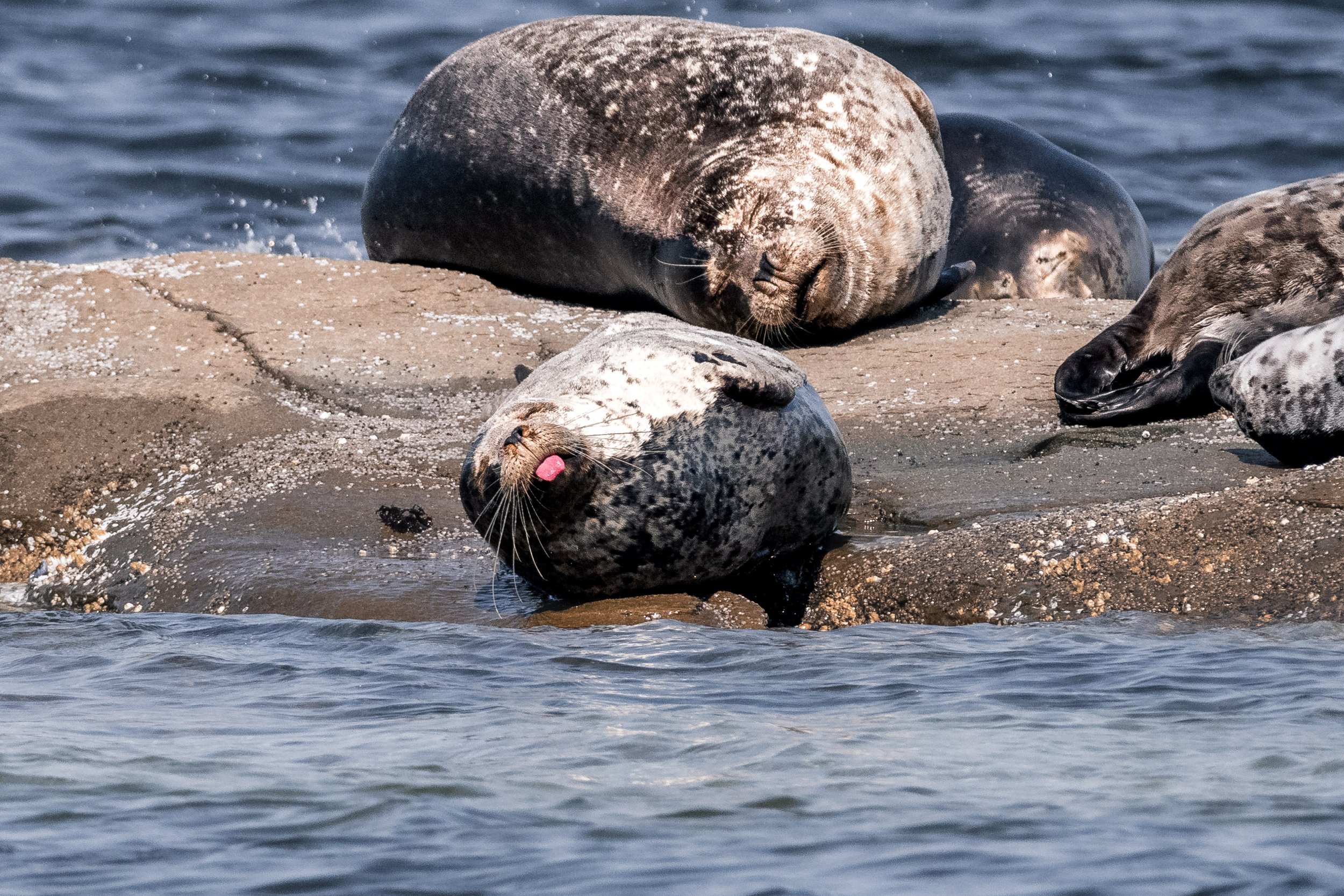
A Harbour Seal sticking out his tongue as we pass by. hotograph by Hayleigh Hilbert.
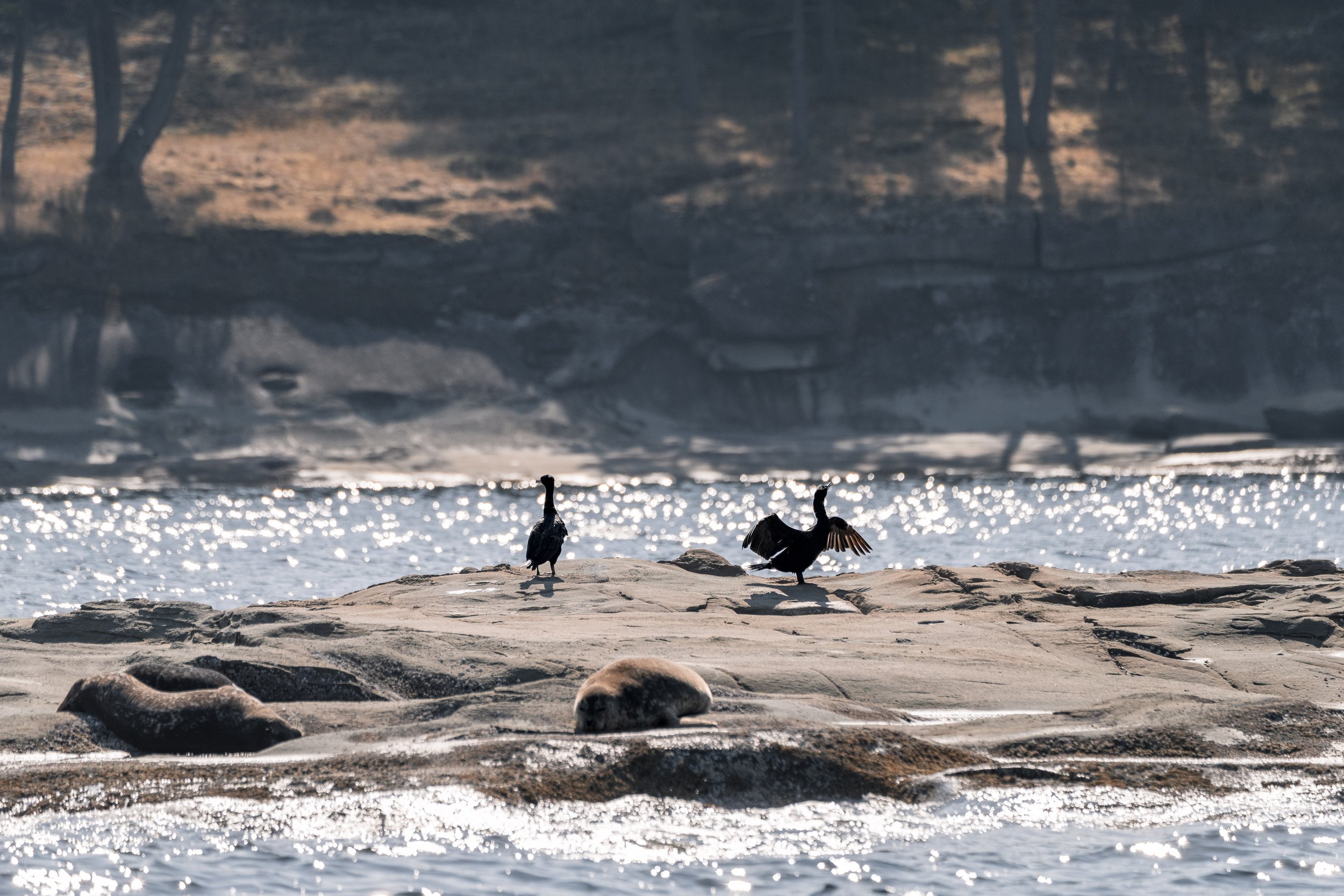
A couple of Pelagic Cormorants drying out in the sun. Photograph by Val Watson.
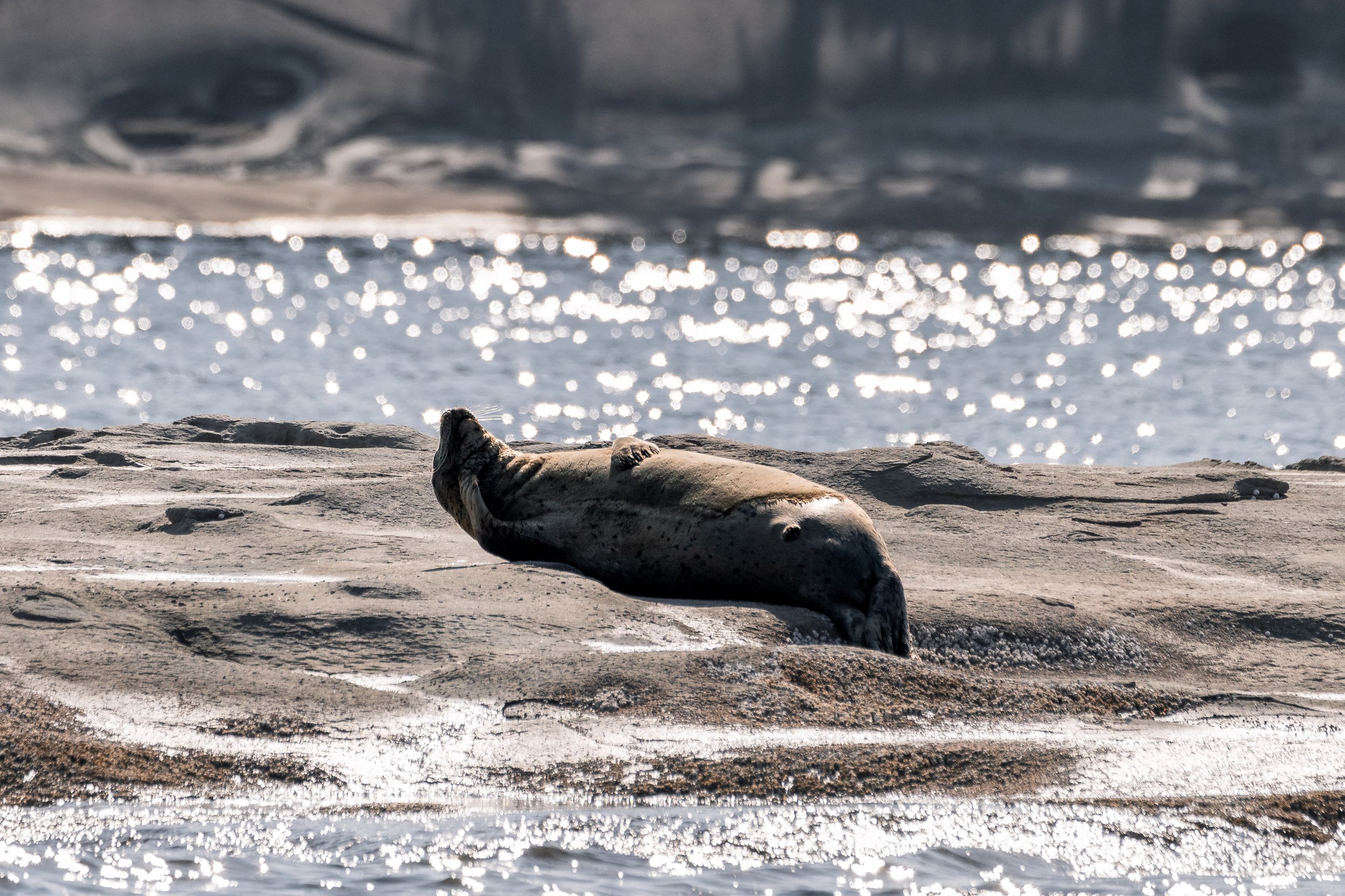
A napping Harbour Seal on its back. Photograph by Val Watson.
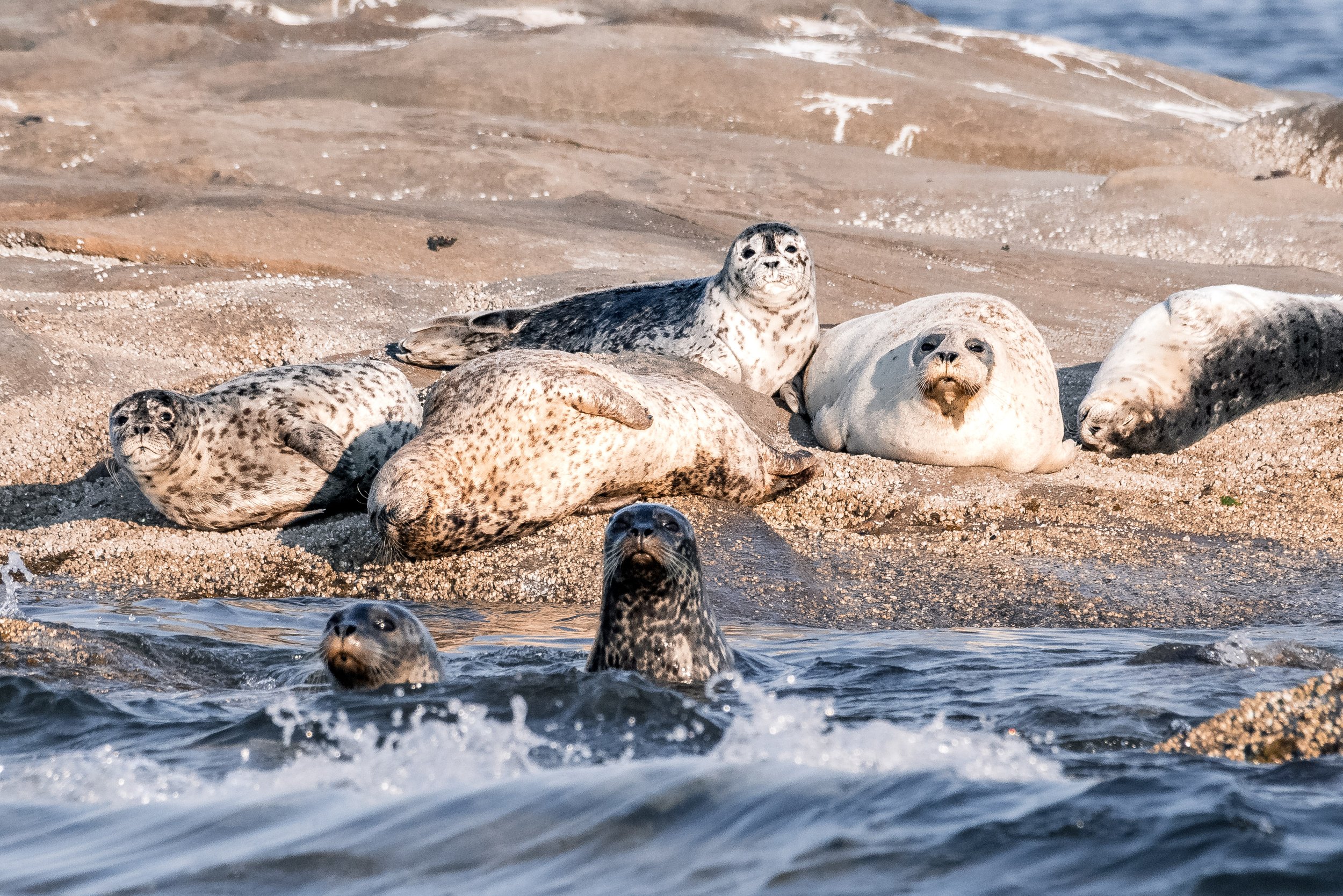
A group of very large, possibly pregnant, harbour seals giving us a look. Photograph by Evan Hessels.
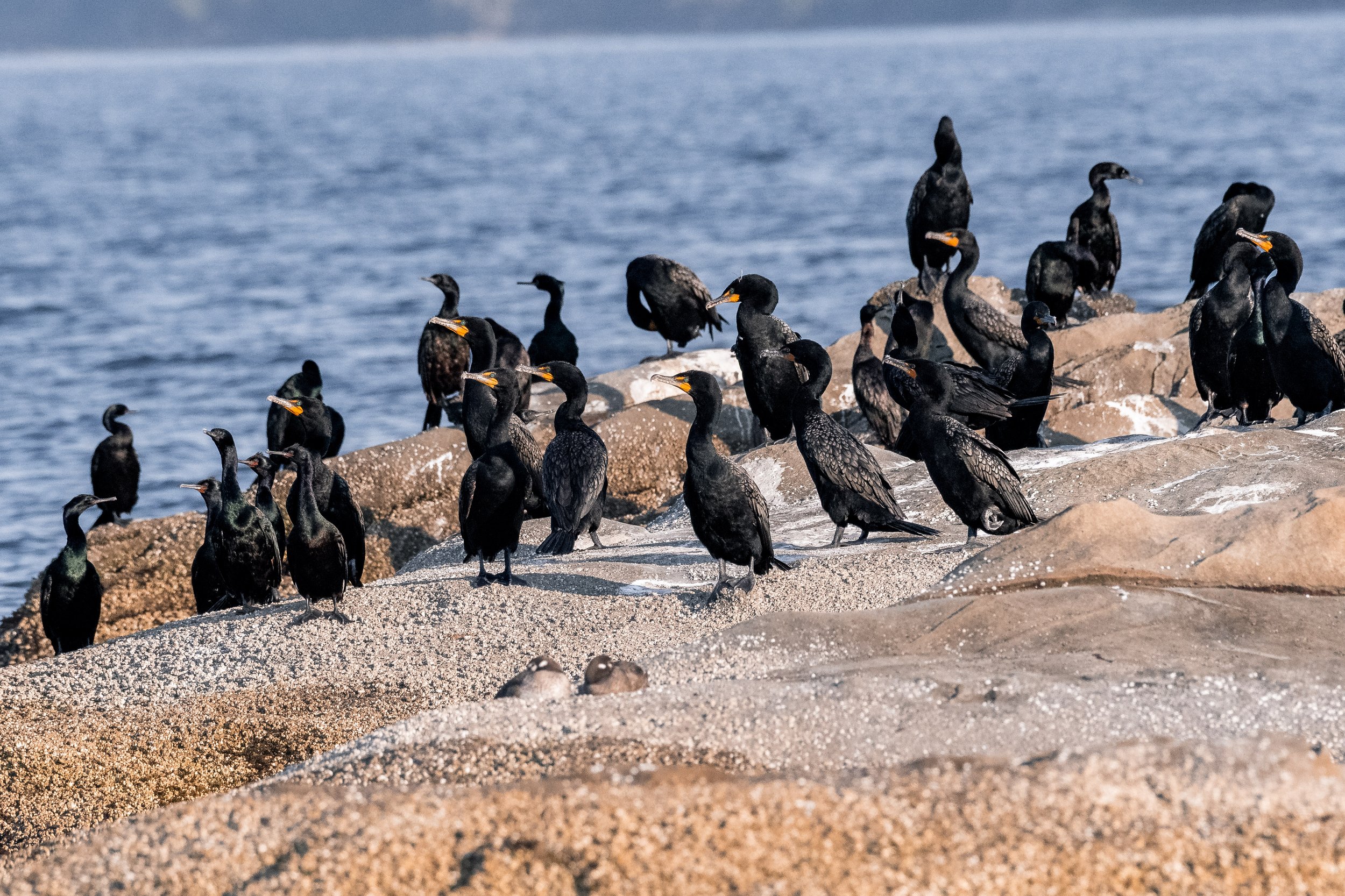
A flock of Double-crested and Pelagic Cormorants on the rocks. Photograph by Evan Hessels.
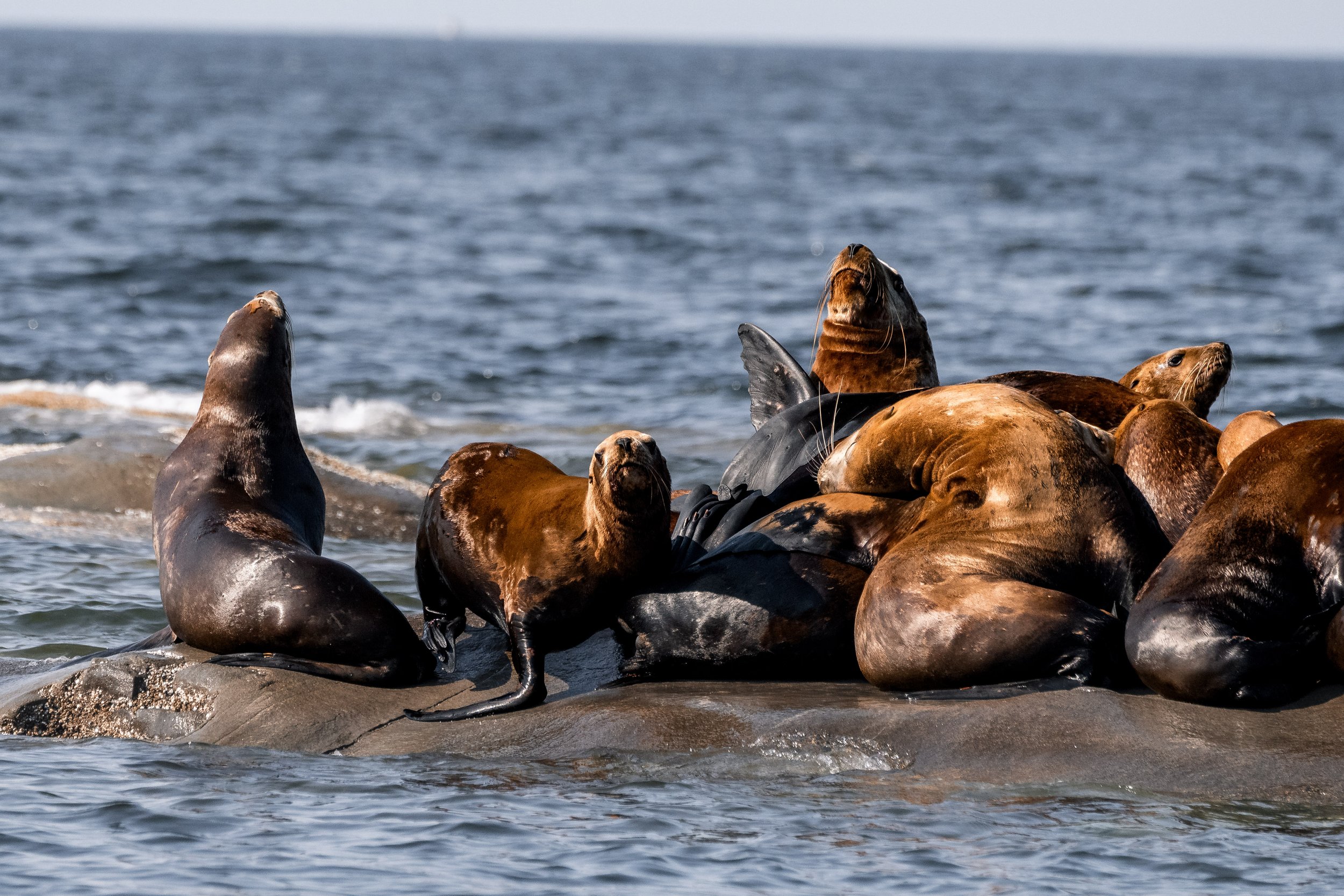
Steller Sea Lions hauled out on thhe rocks. Photograph by Val Watson.
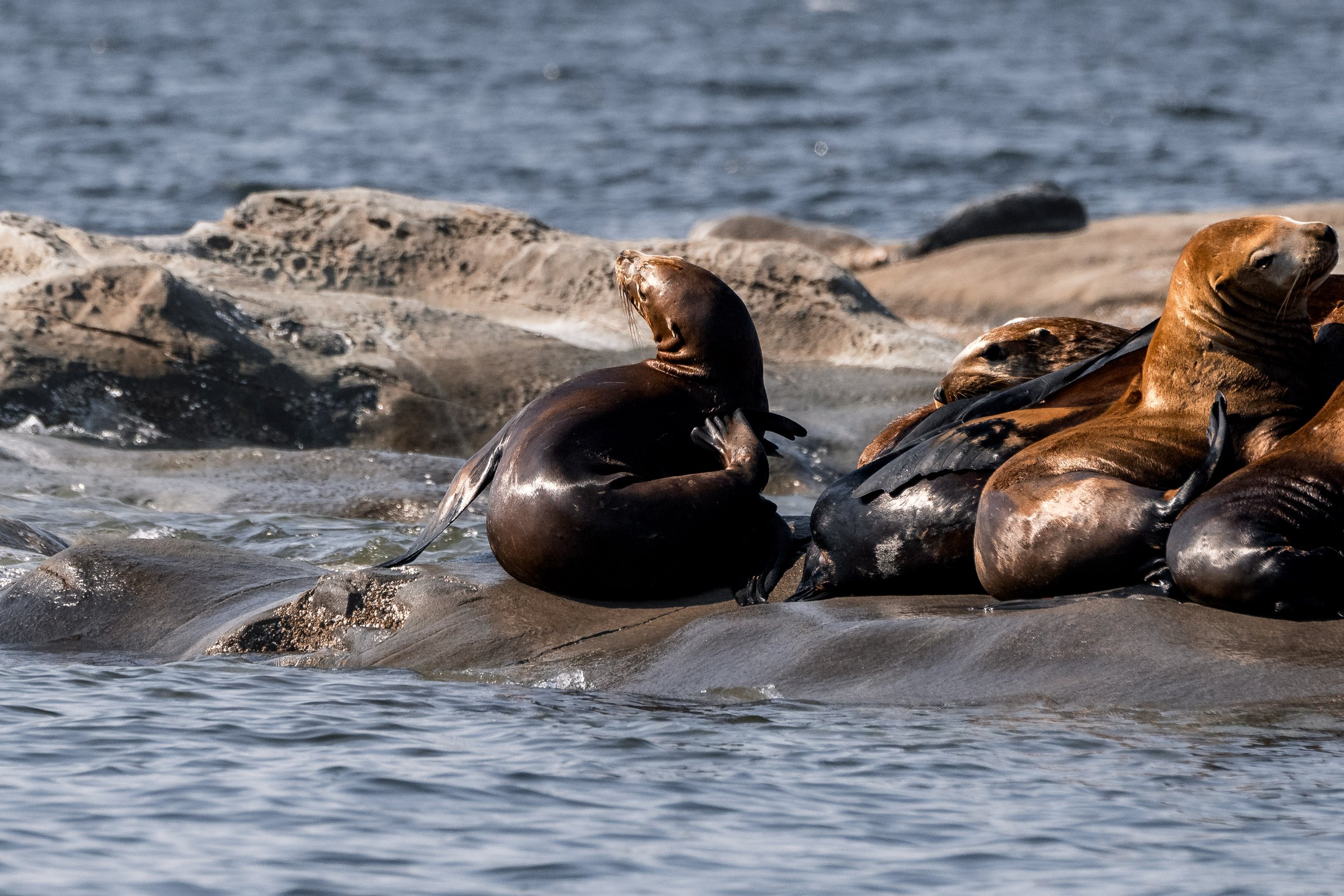
A Steller Sea Lion trying to get that itch. Photograph by Val Watson.
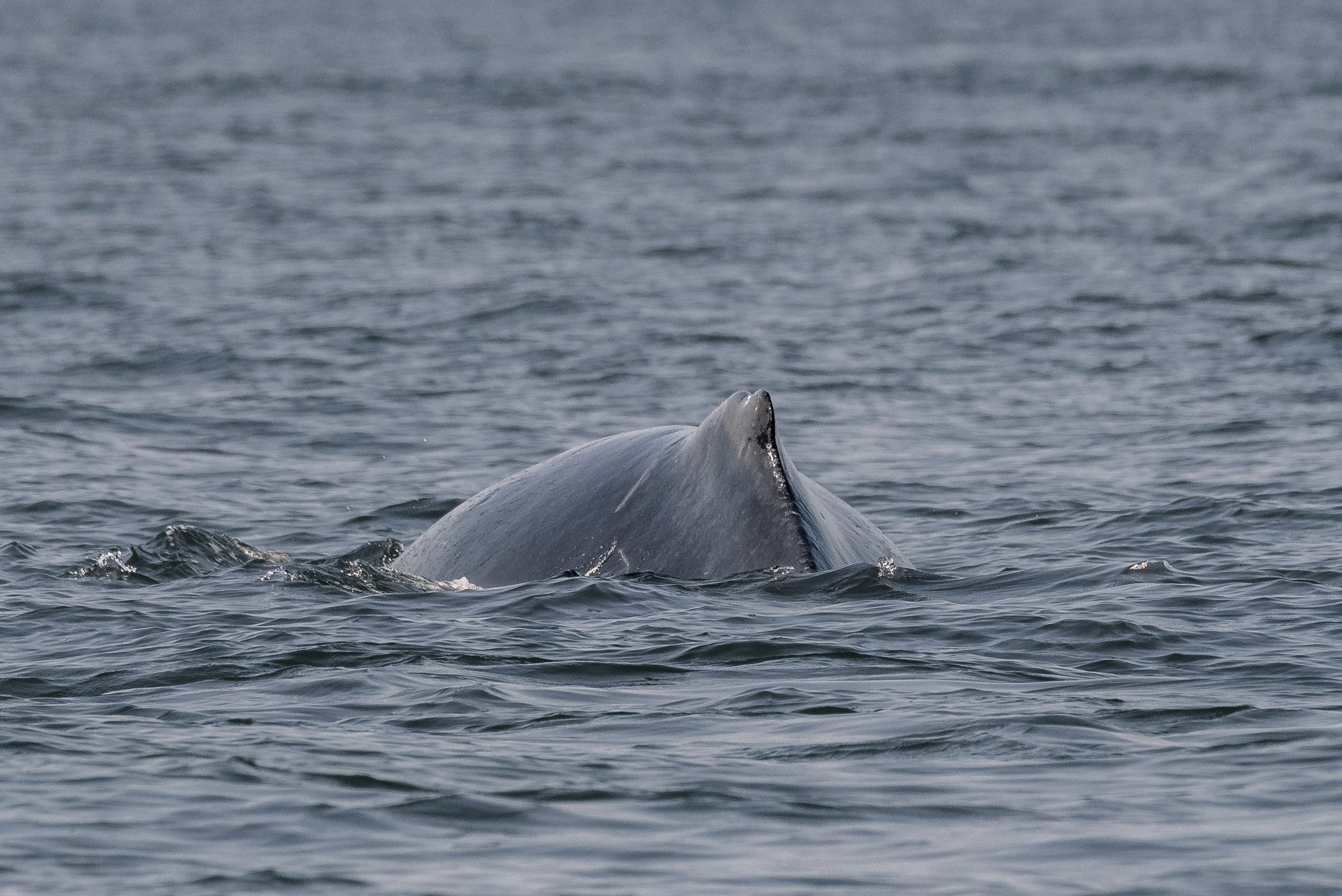
Raptor’s 2024 calf travelling along. Photograph by Evan Hessels.
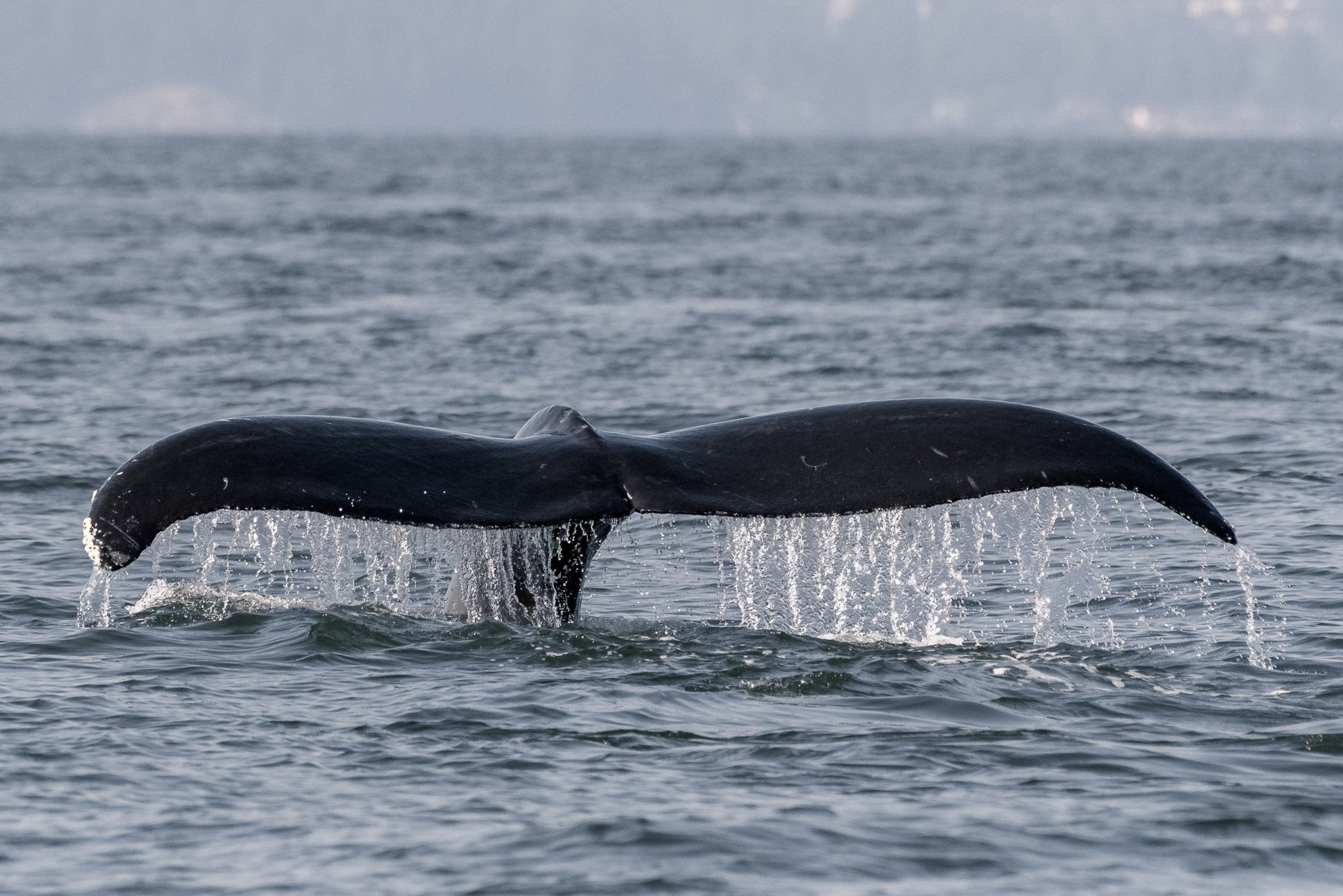
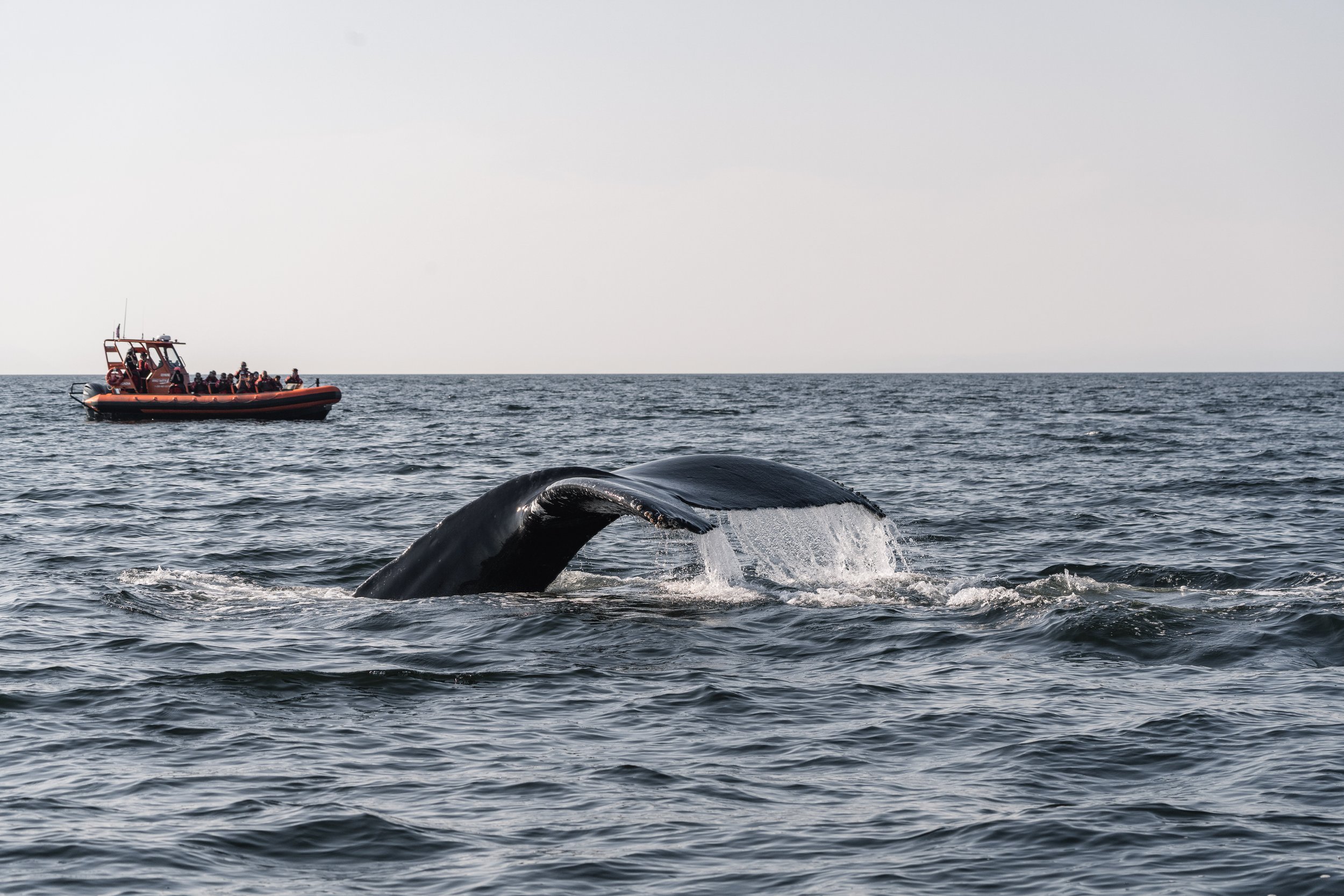
A fluke waterfall! Photograph by Evan Hessels.
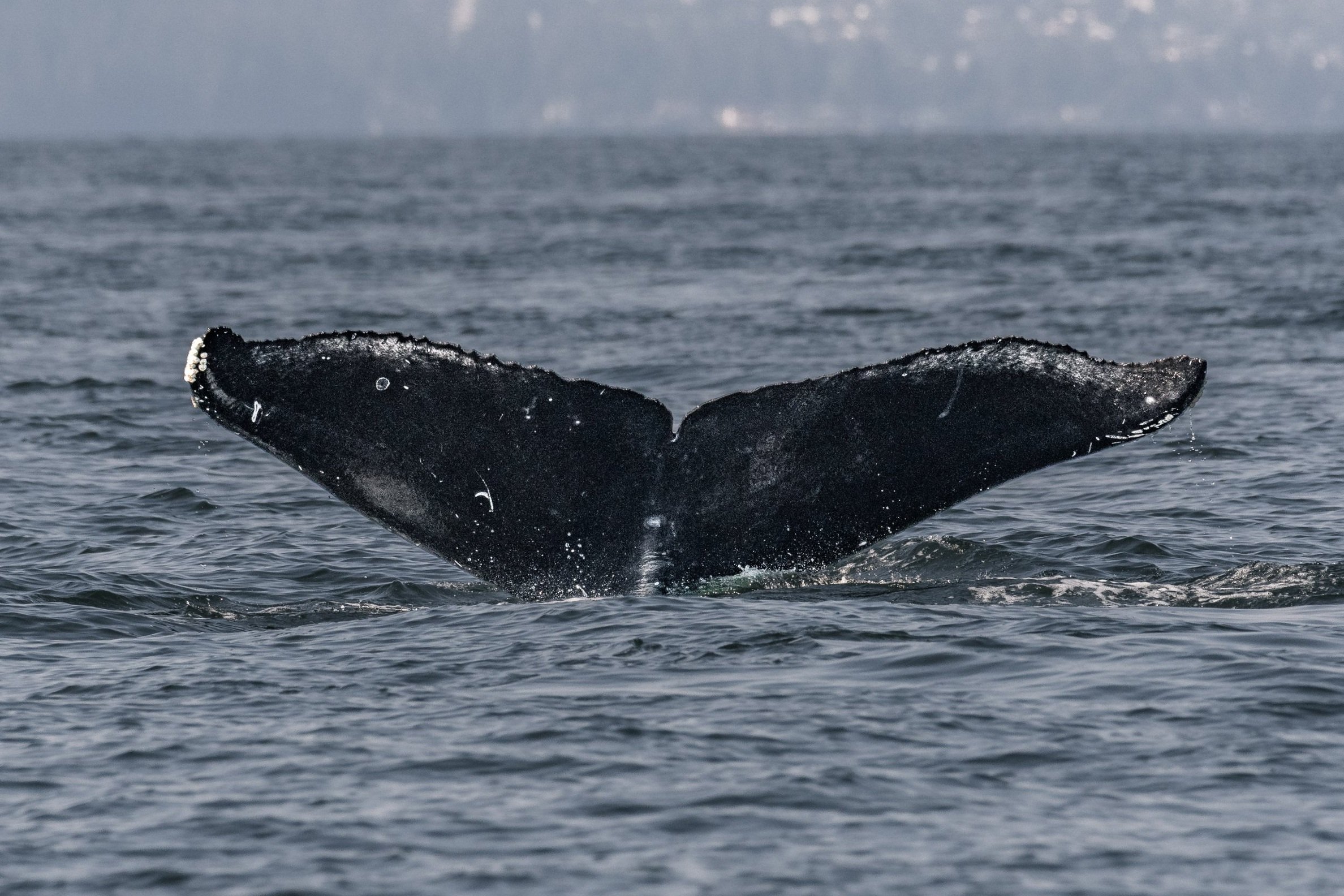
Raptor’s 2024 calf fluking beautifully as it went down. Photograph by Evan Hessels.
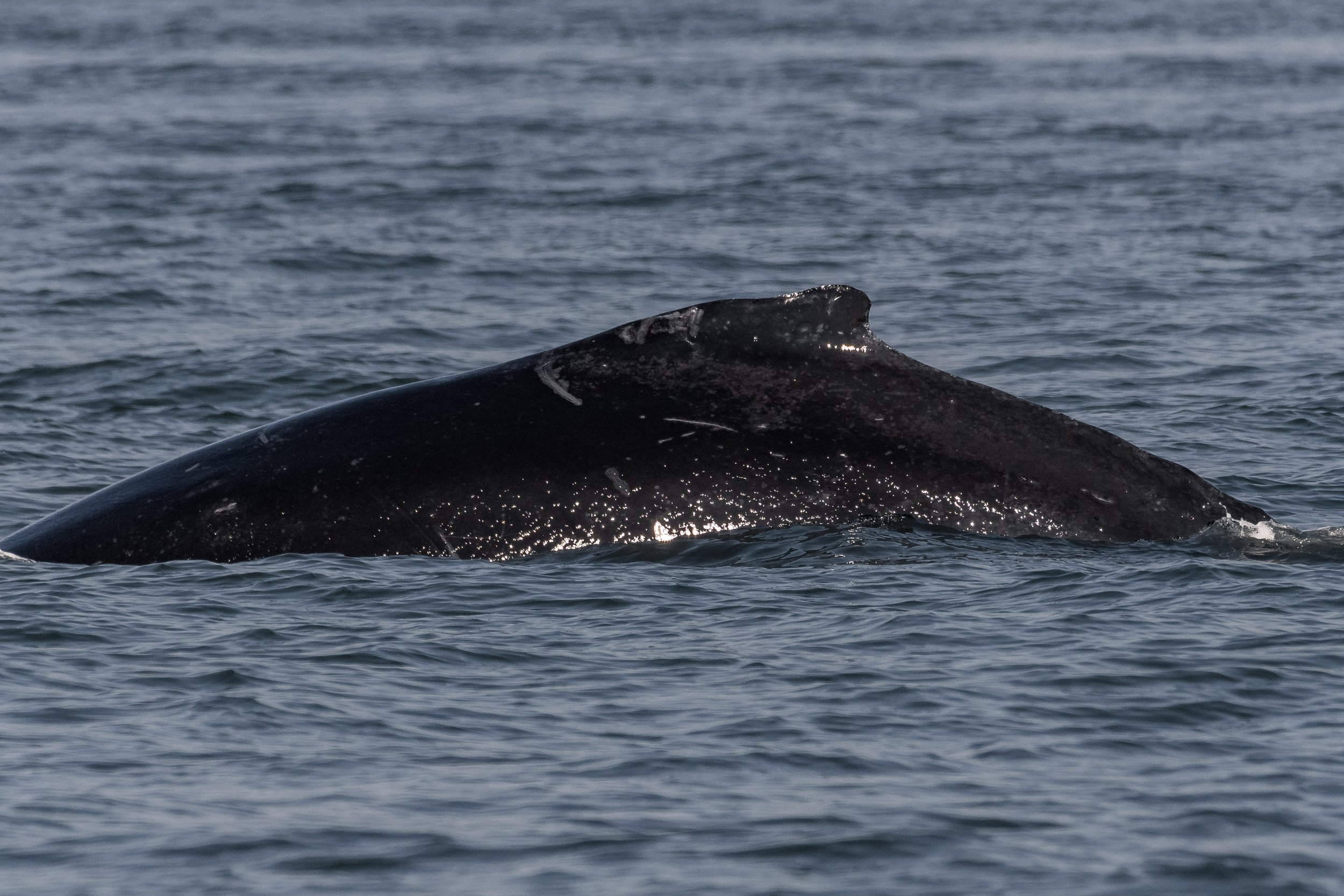
A better peek at Raptor’s 2024 calf’s dorsal fin. Photograph by Evan Hessels.
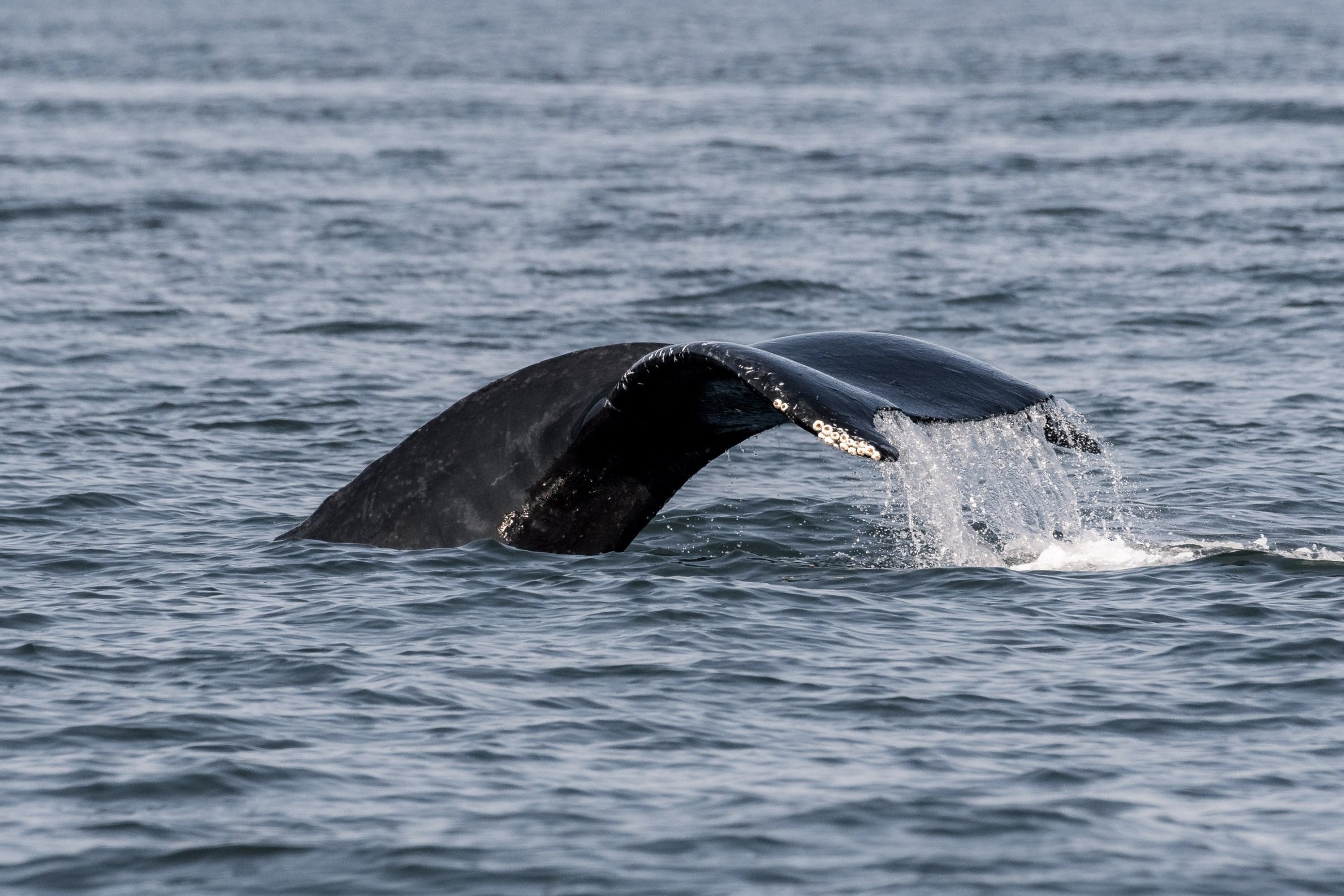
Raptor’s 2024 calf arching as they dive. Photograph by Evan Hessels.
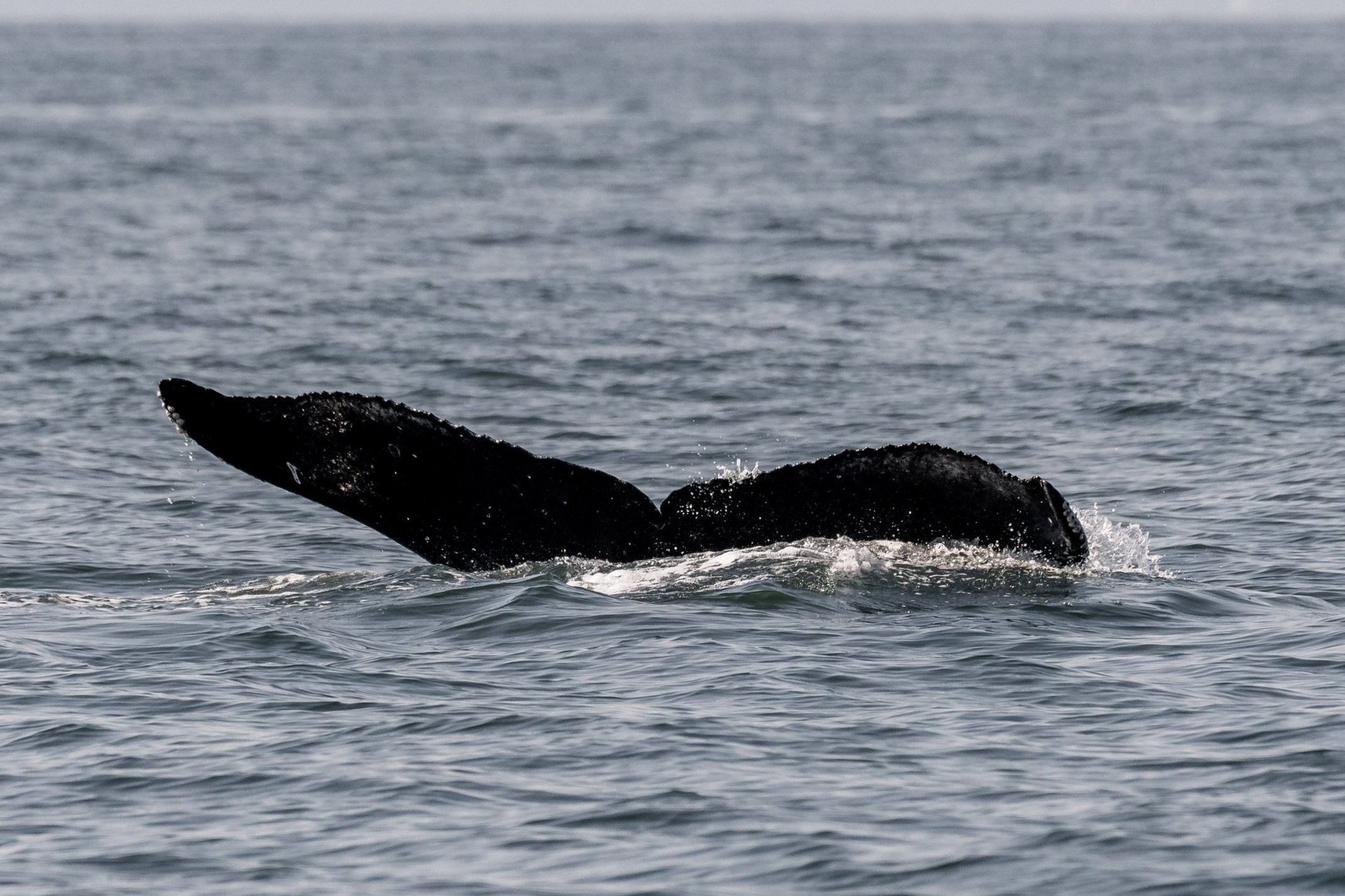
Raptor’s 2024 calf has a couple distinct markings - including this little white blob on the left side! Photograph by Evan Hessels.
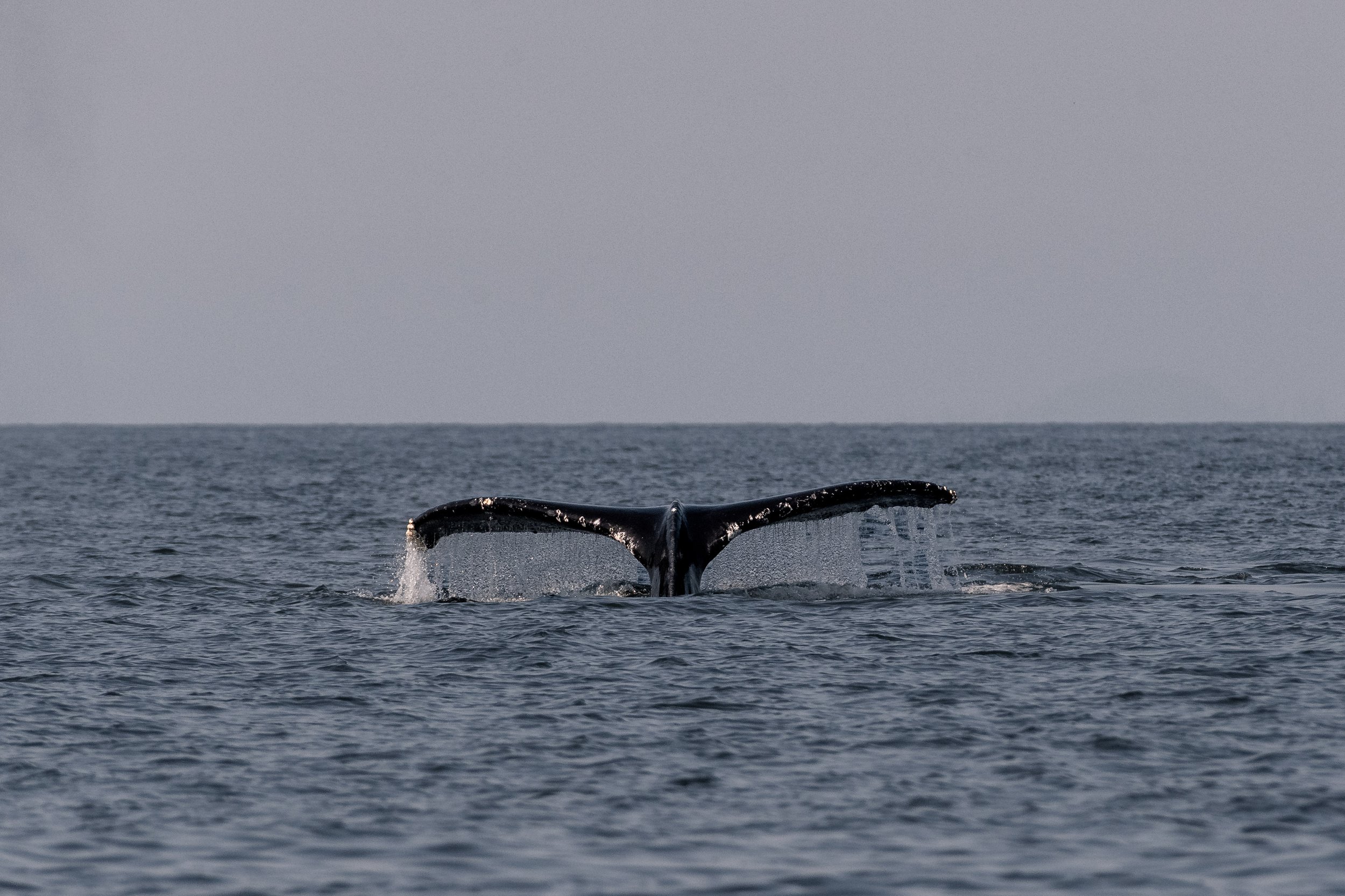
Looking straight on at Split Fluke! Photograph by Hayleigh Hilbert.
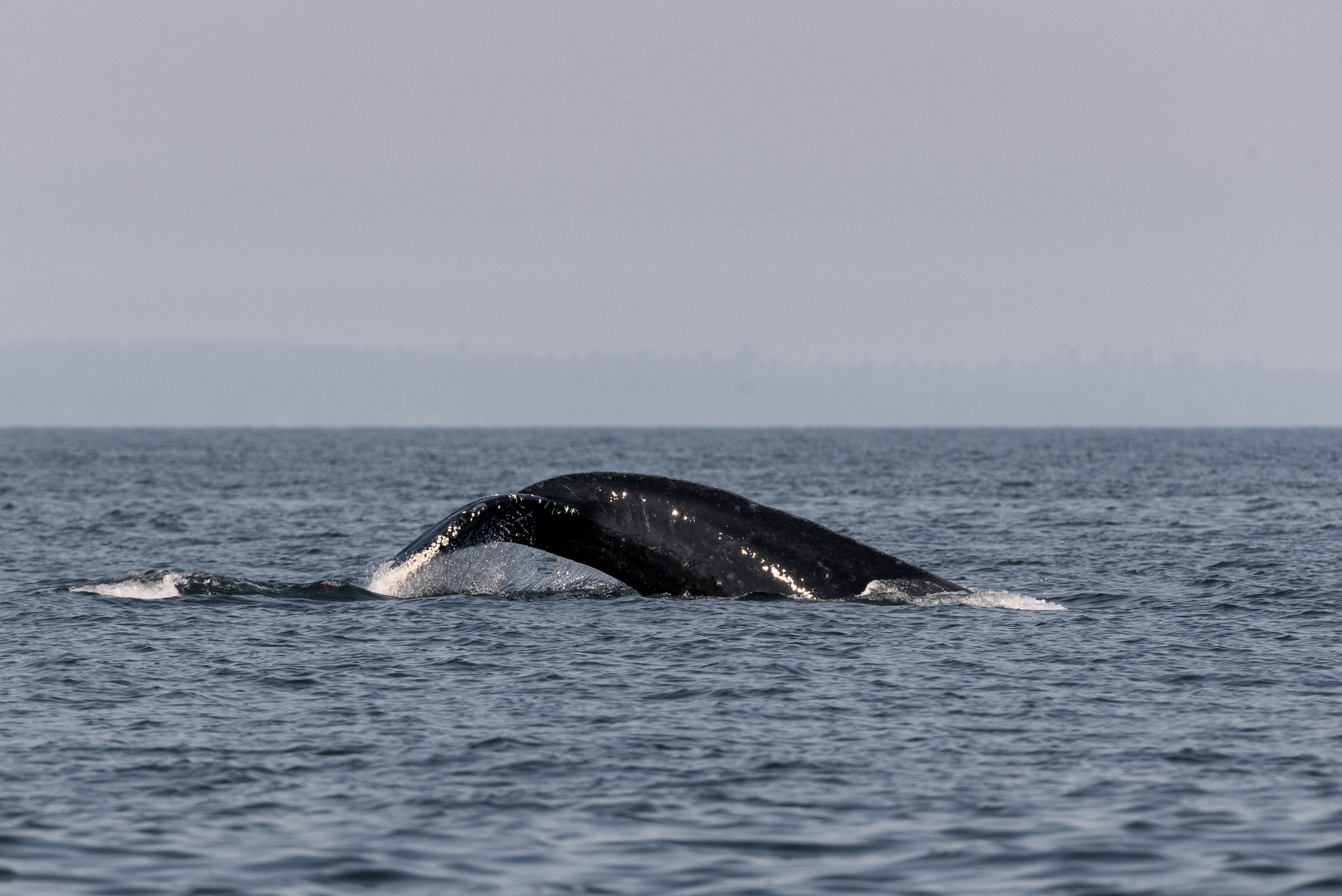
A side profile before a dive. Photograph by Hayleigh Hilbert.
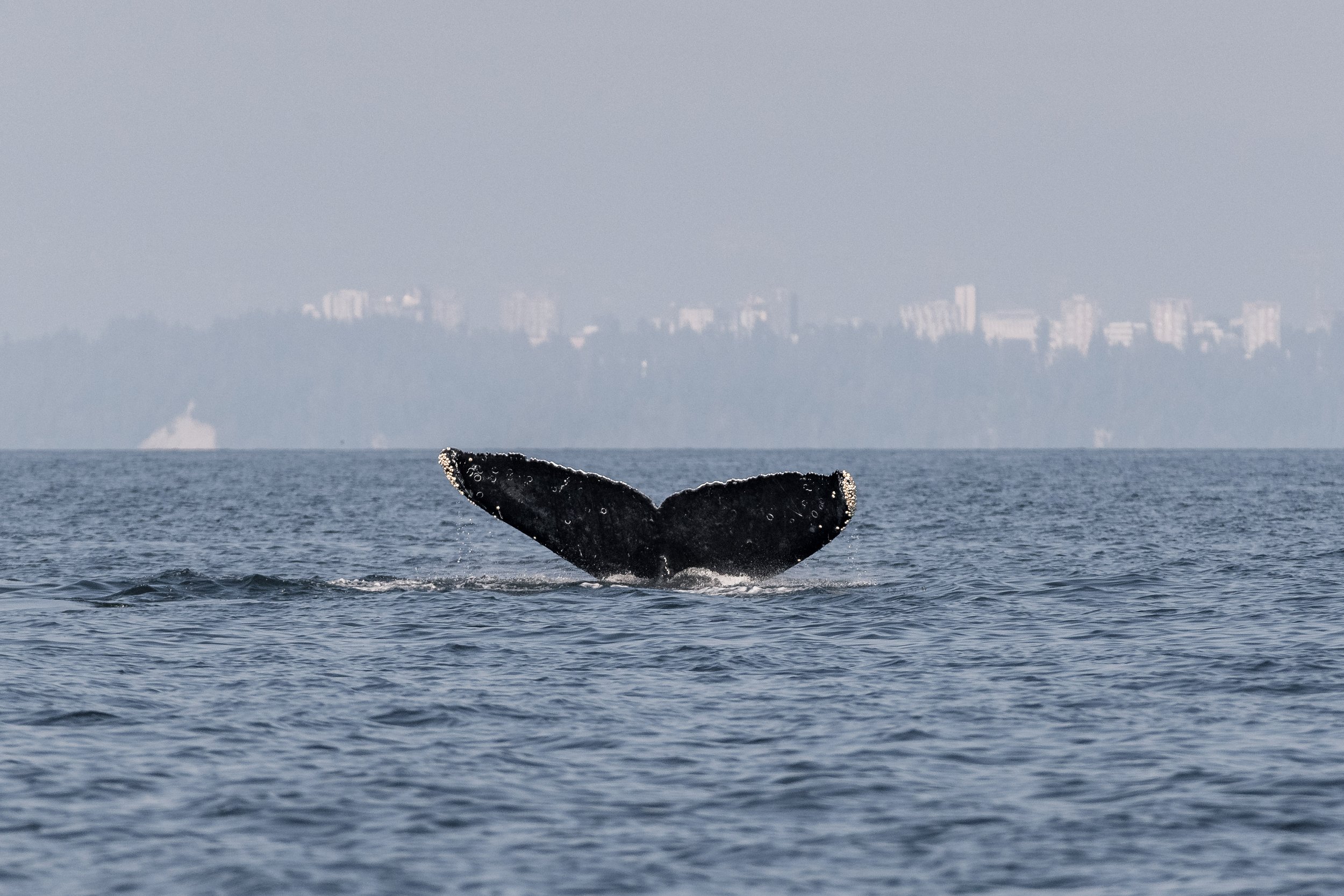
Europa’s beautiful fluke. Photograph by Hayleigh Hilbert.
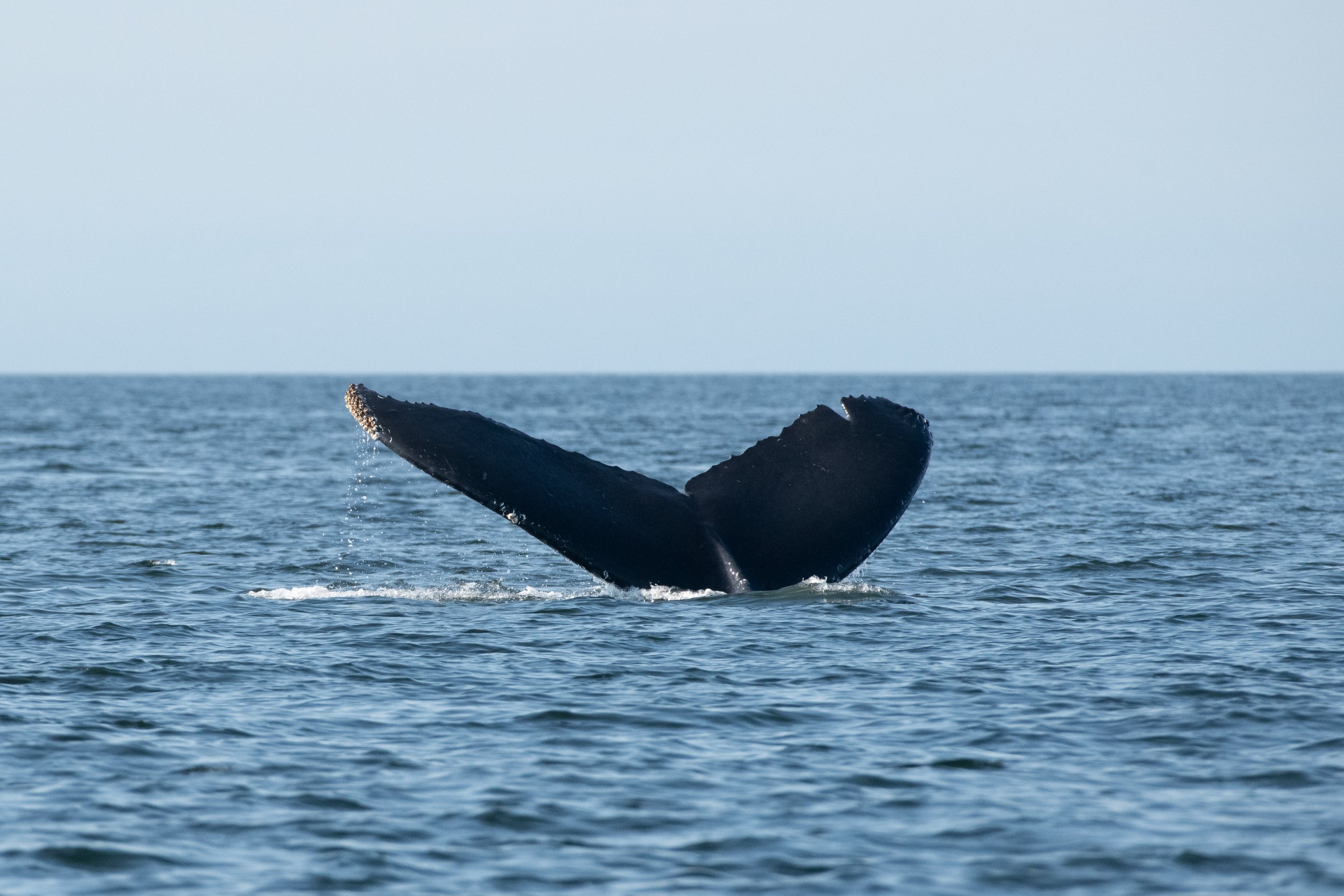
The top of Split Fluke’s tail - can you spot how she got her name? Photograph by Hayleigh Hilbert.
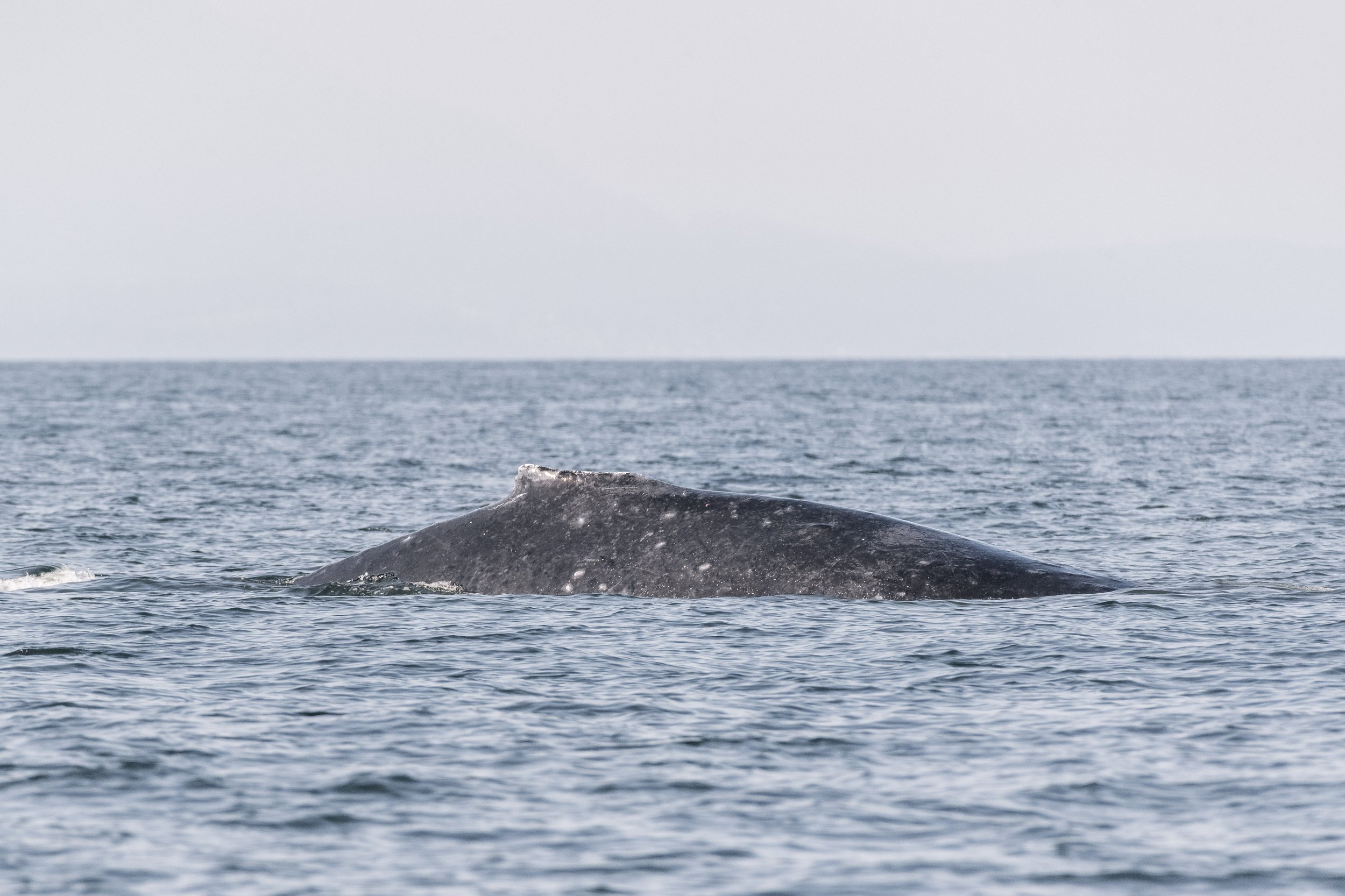
Fader travelling along. Photograph by Hayleigh Hilbert.
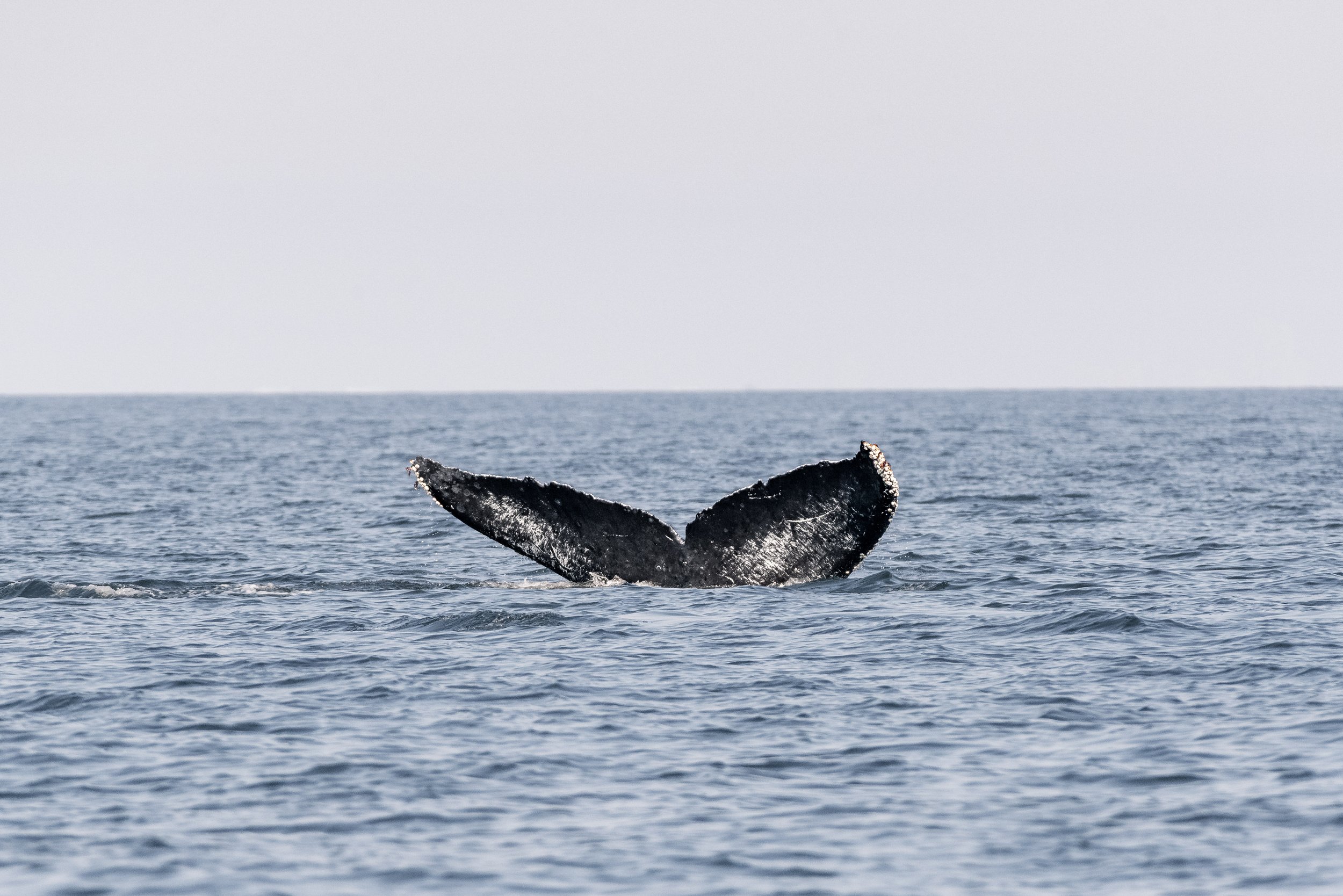
Fader’s fluke has many unique markings on it. Photograph by Hayleigh Hilbert.
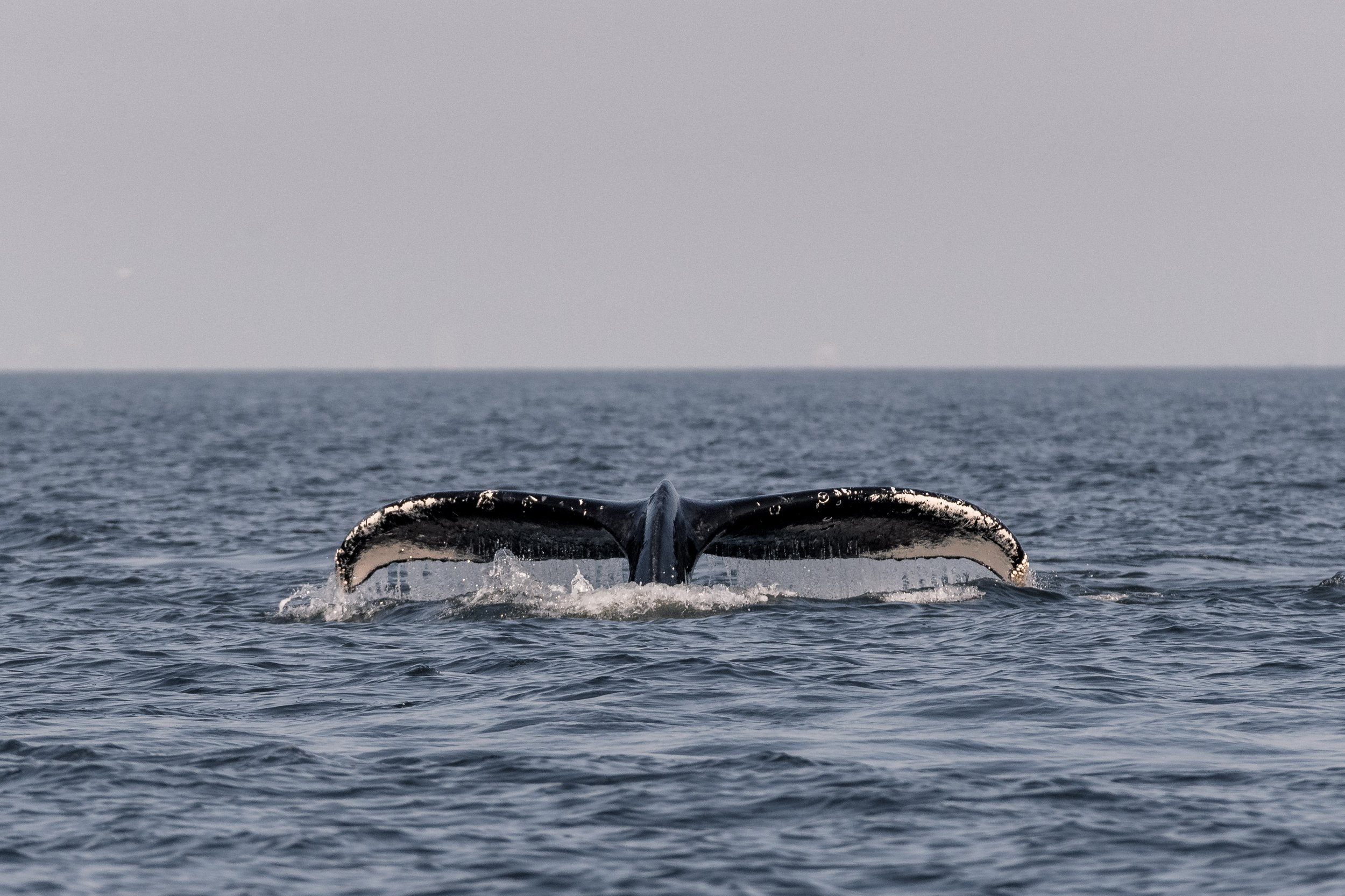
Sherwina fluking, with a peek at her ‘paint-dipped’ tips. Photograph by Hayleigh Hilbert.
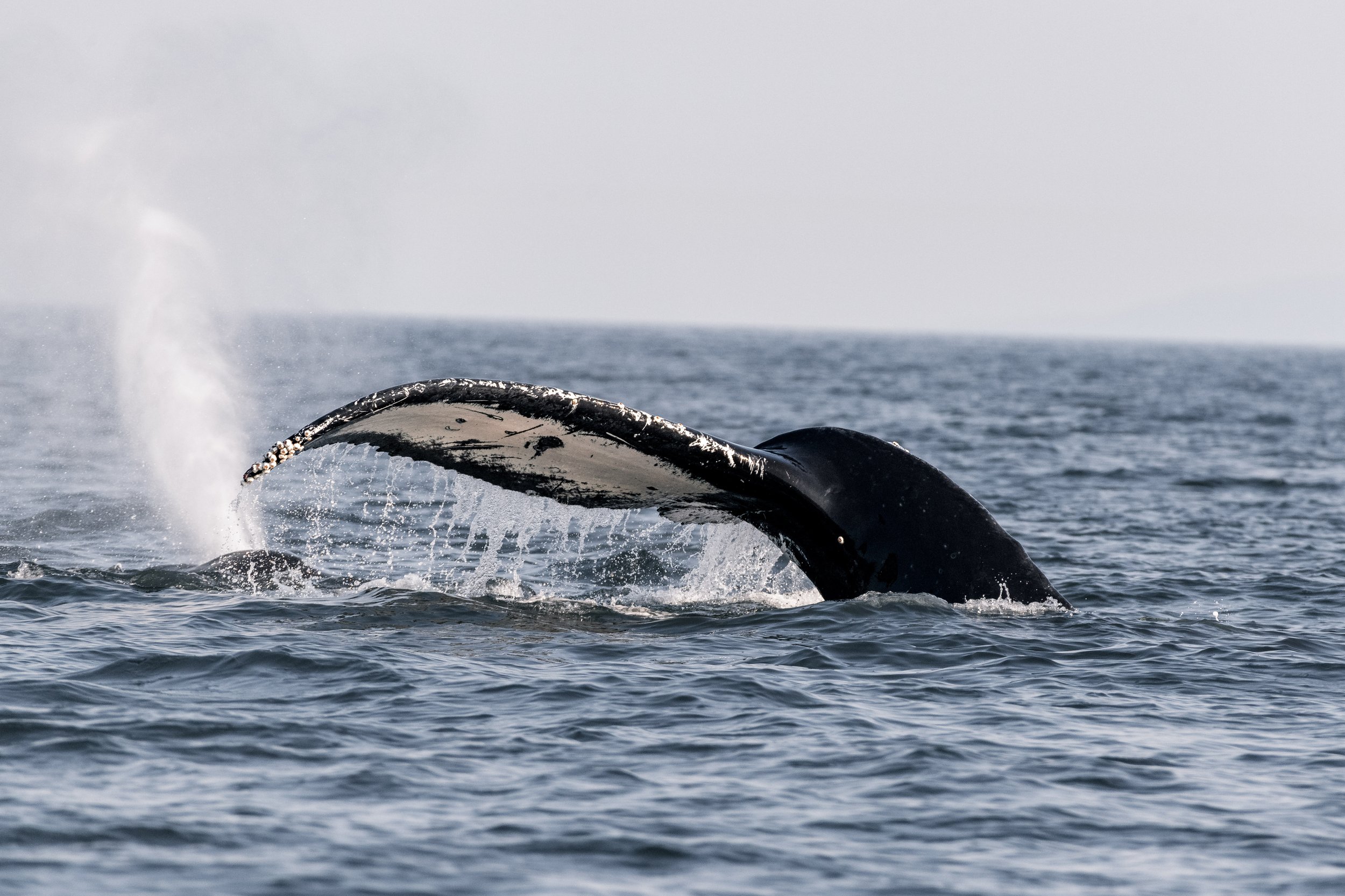
A porition of Chi’s fluke, with another diving behind him. Photograph by Hayleigh Hilbert.
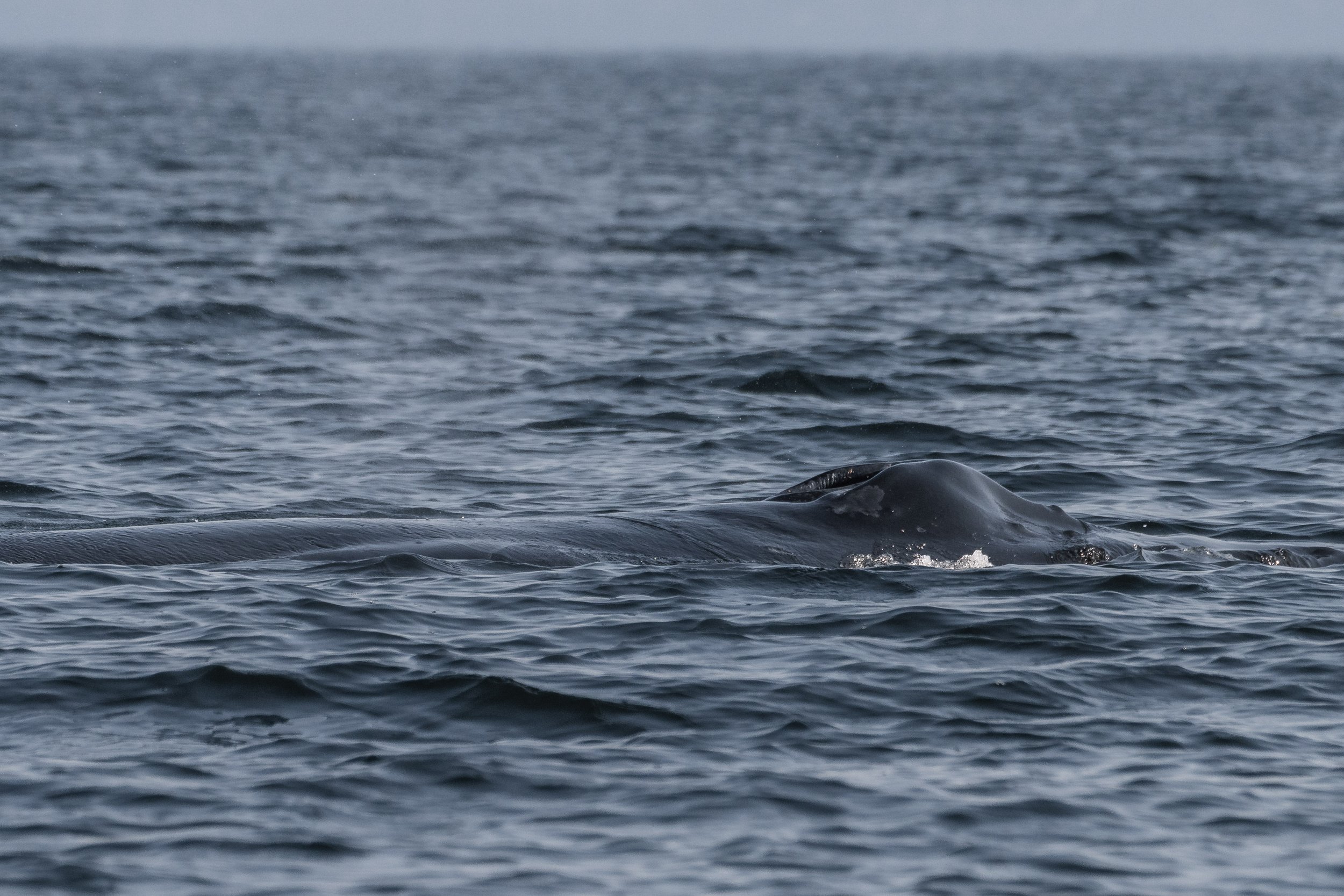
Look at those wrinkly blowholes! Photograph by Val Watson.
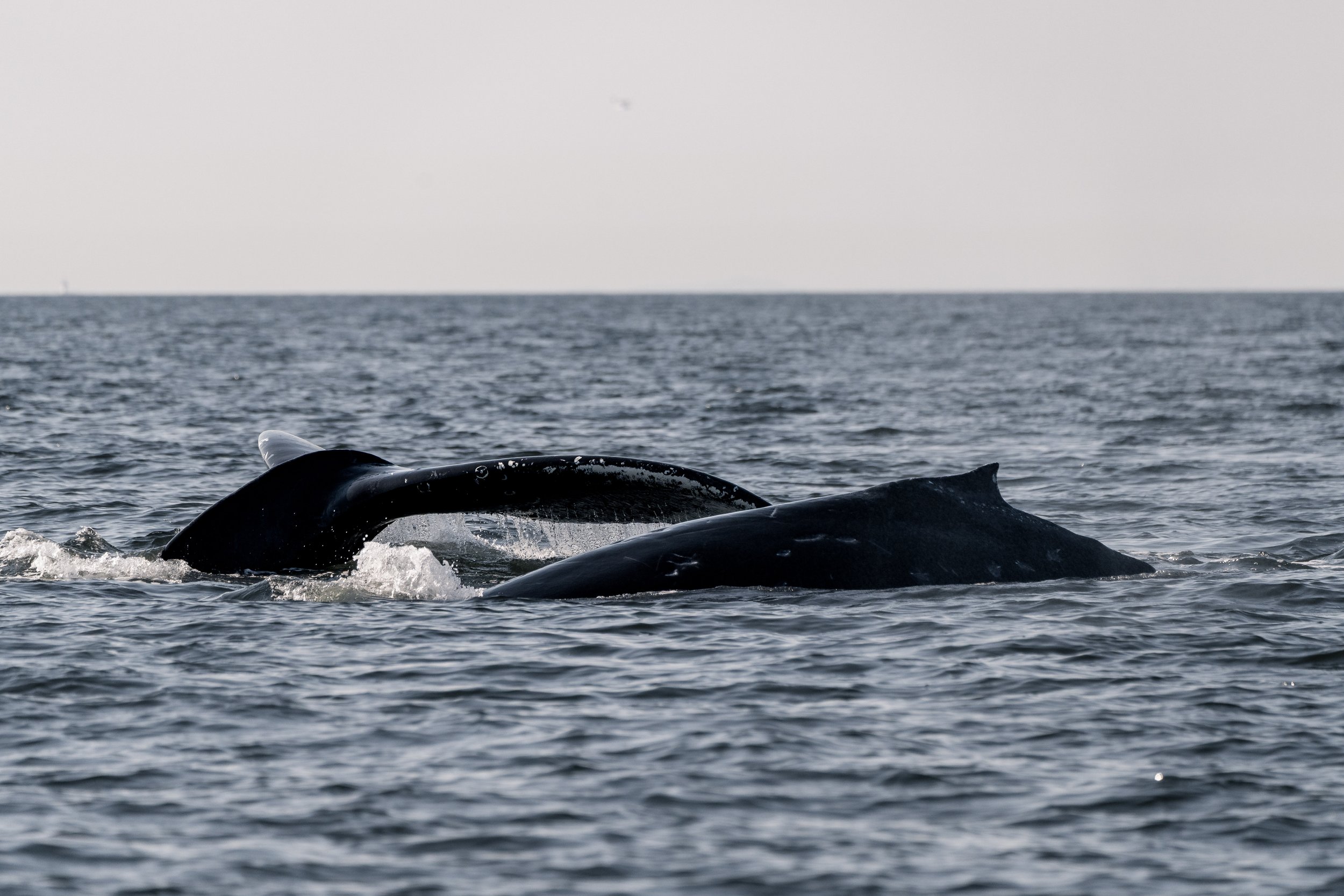
Sherwina and her calf together. Photograph by Val Watson.
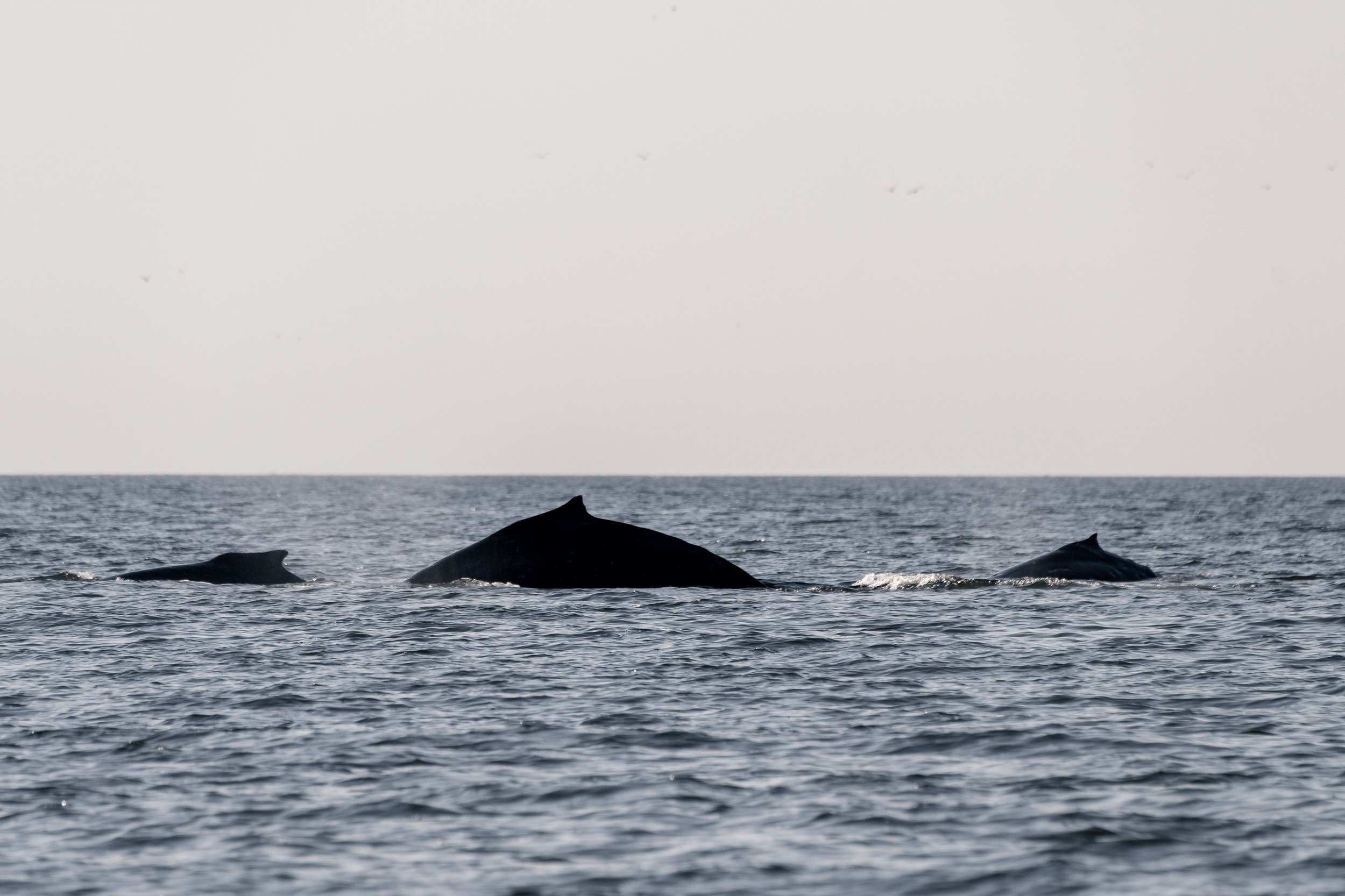
BCX2316, Sherwina, and Sherwina’s 2026 calf. Photograph by Val Watson.
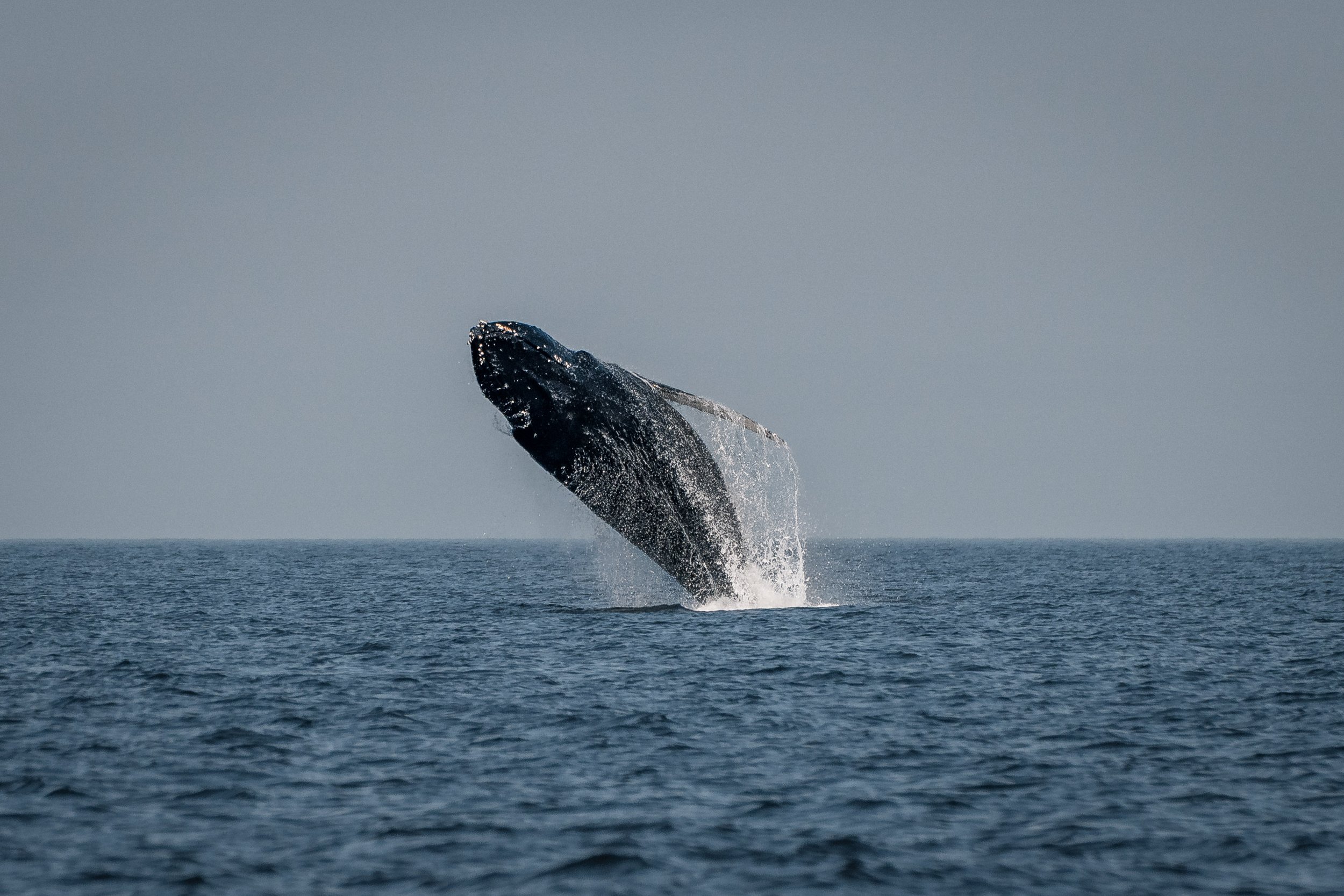
Taking to the skies! Photograph by Val Watson.
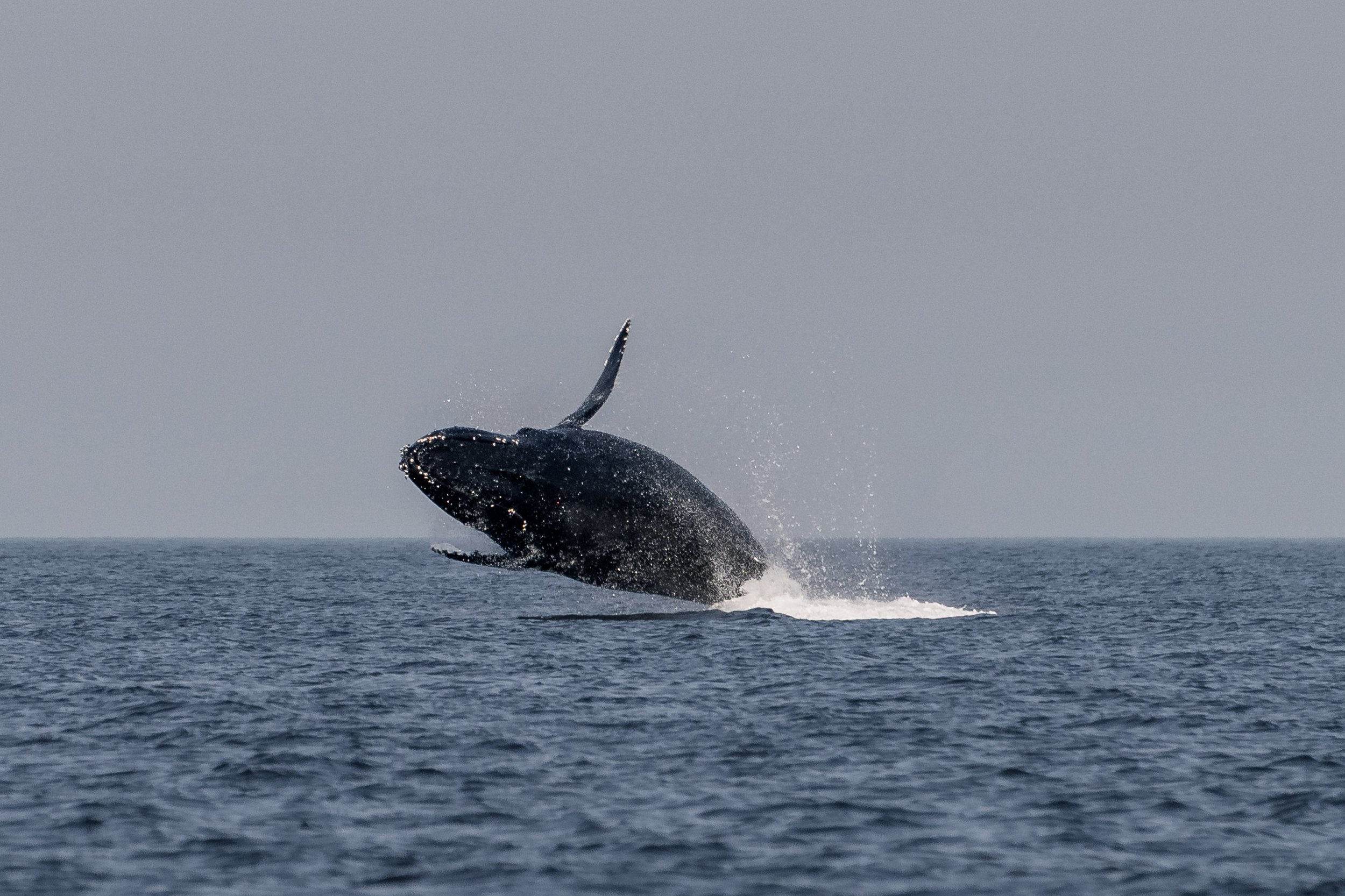
Coming in for a landing. Photograph by Val Watson.
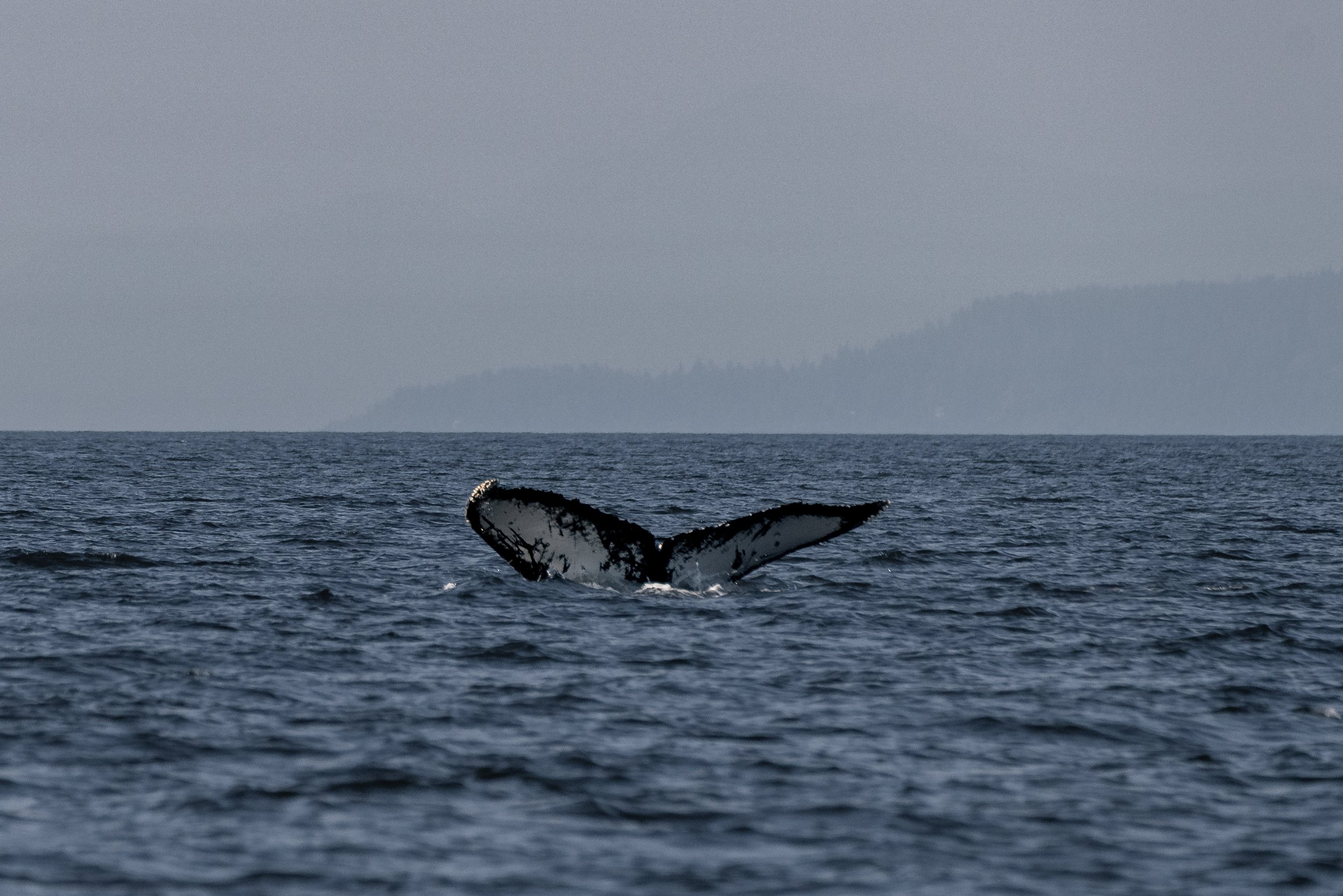
Chi’s fluke and his interesting fluke patterns. Photograph by Val Watson.
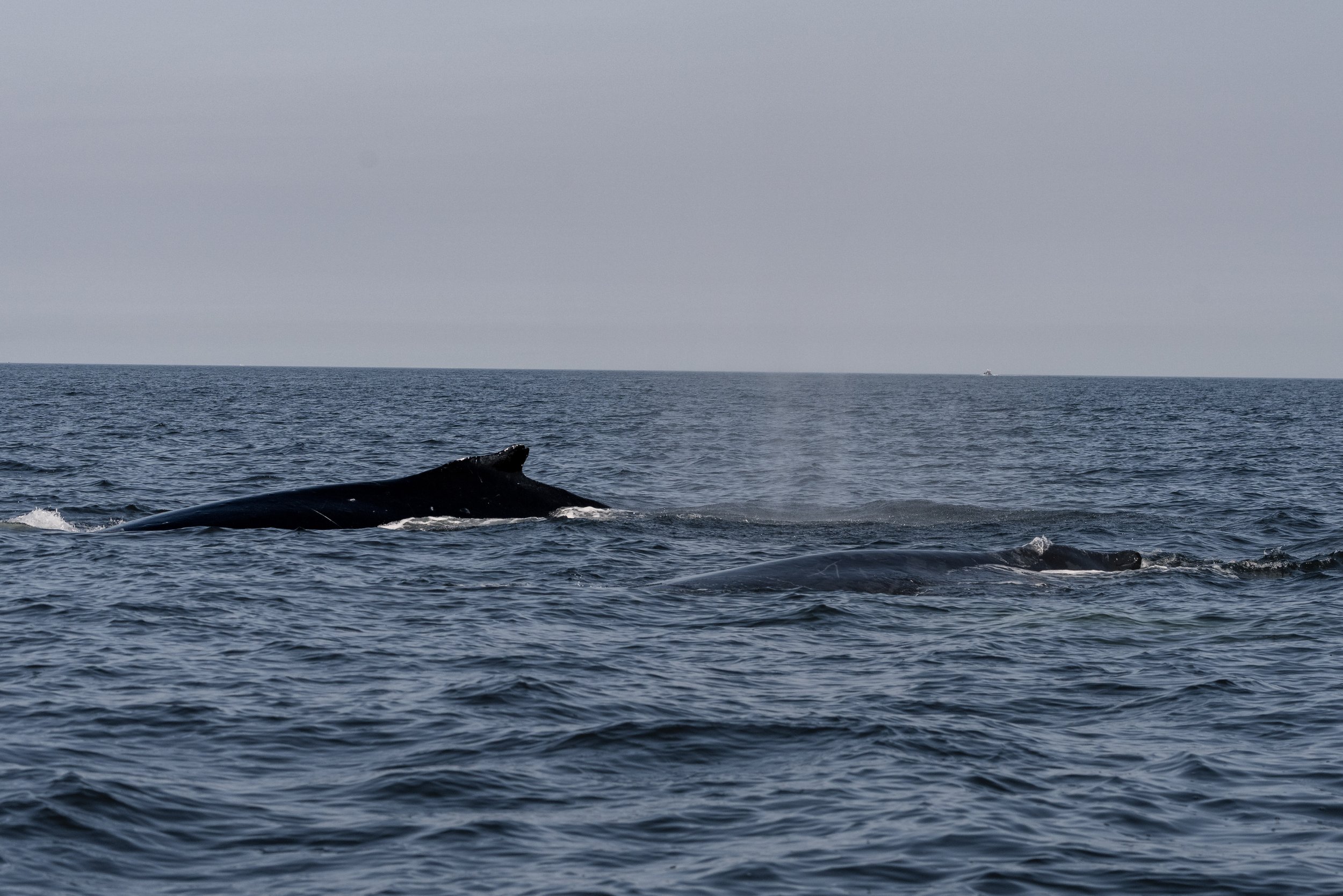
Chi and Split Fluke. Photograph by Val Watson.
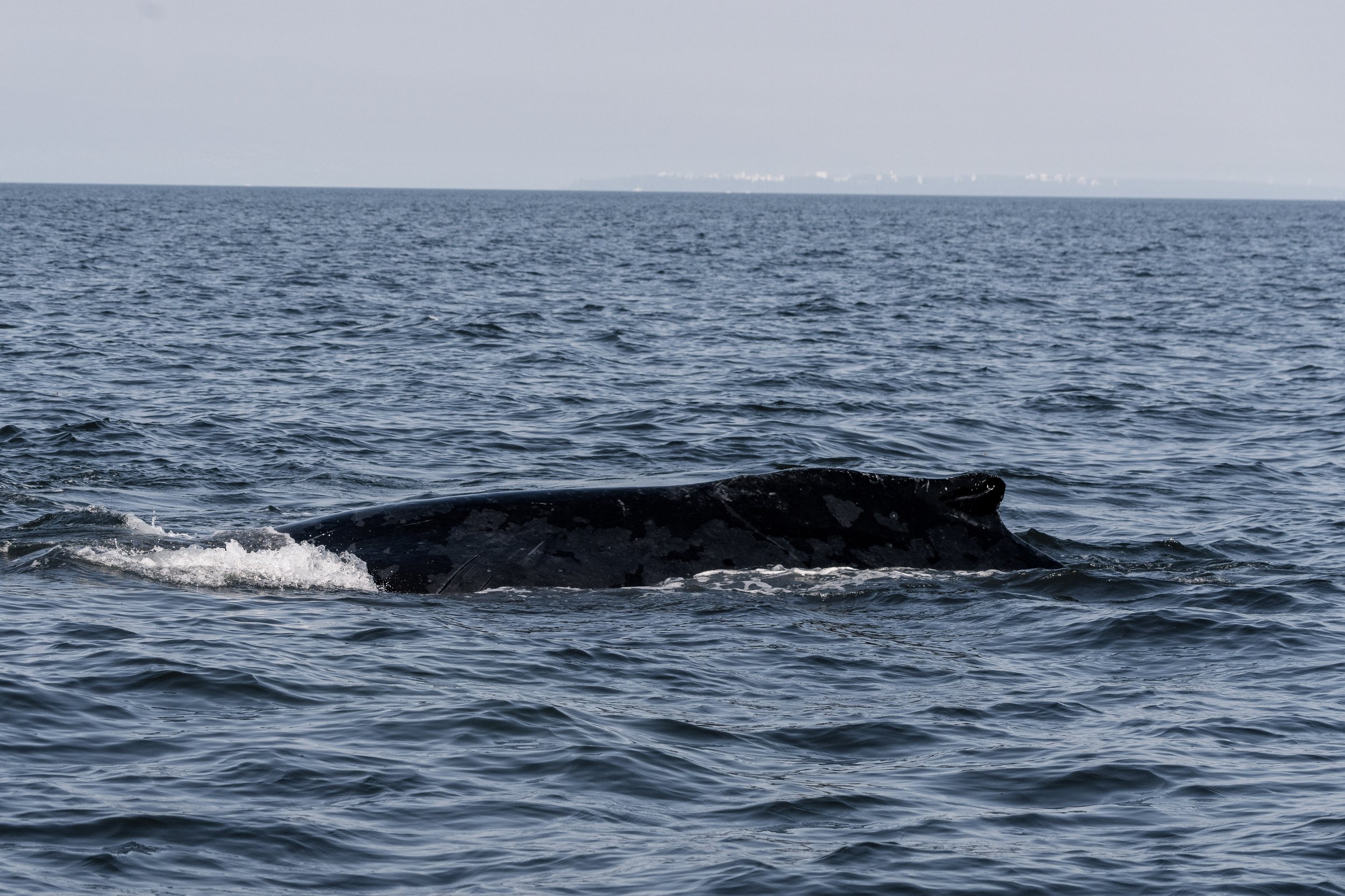
Split Fluke has a distinct circular barnacle scar on her dorsal fin - can you spot it here? Photograph by Val Watson.
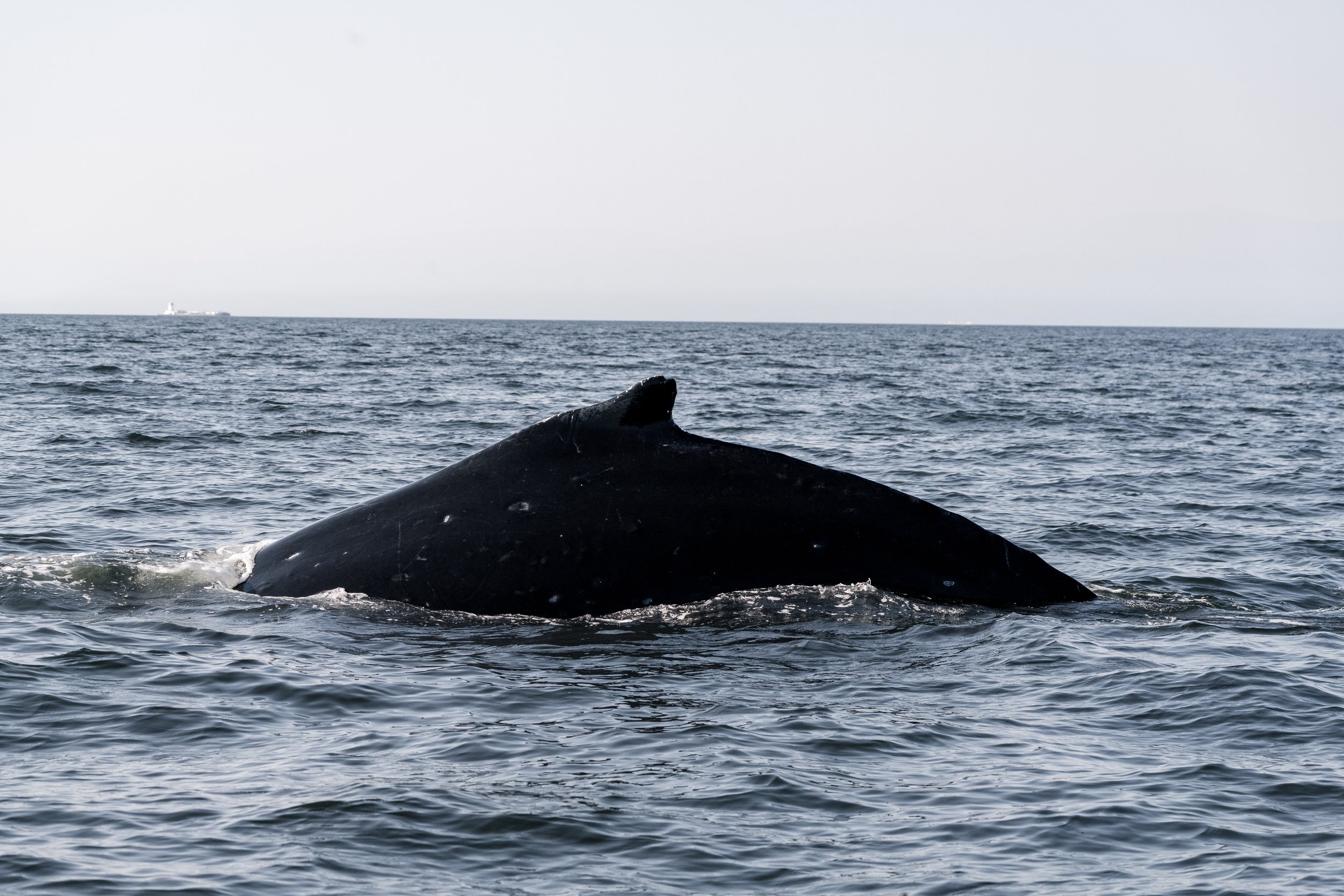
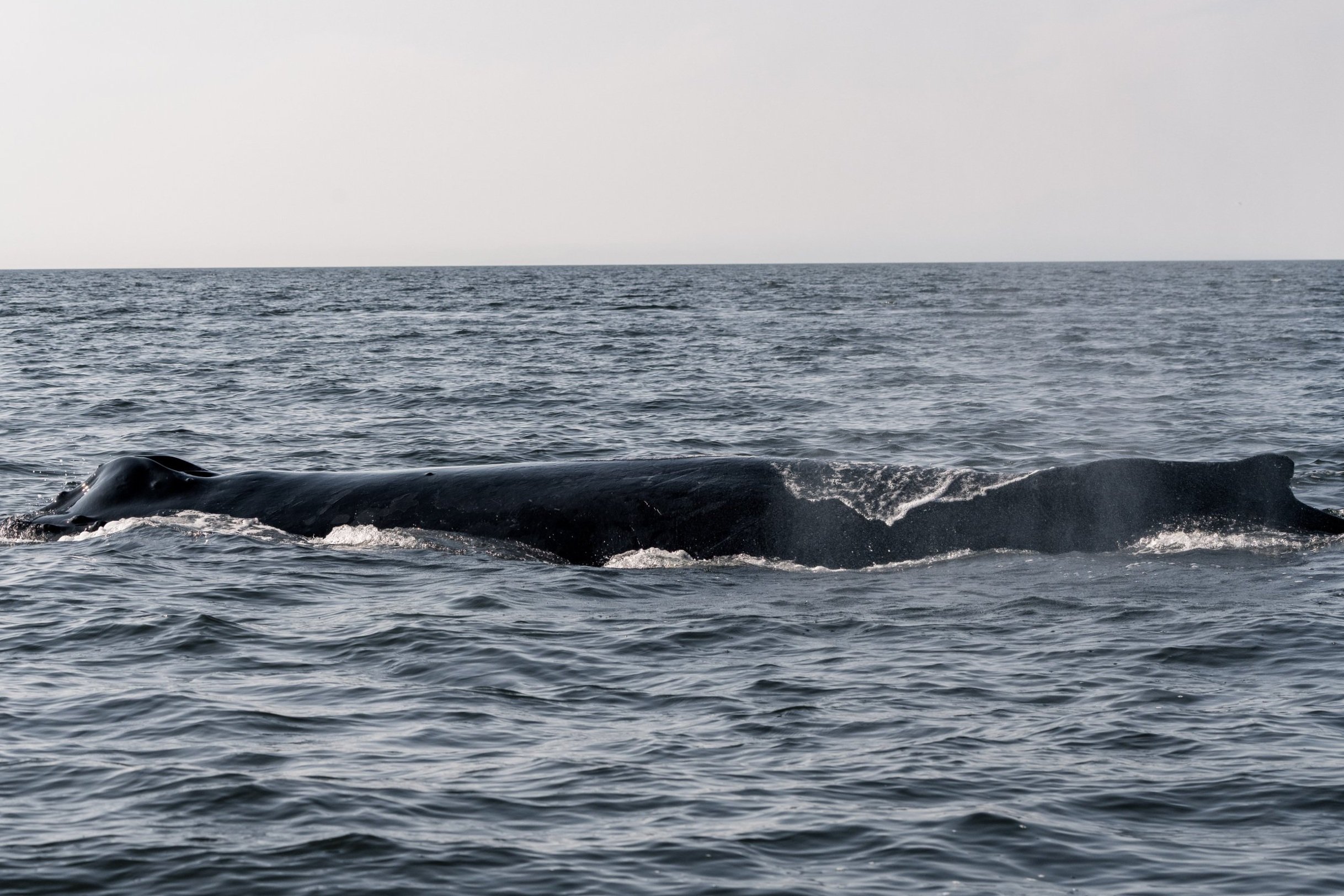
Chi travelling along. Photograph by Val Watson.
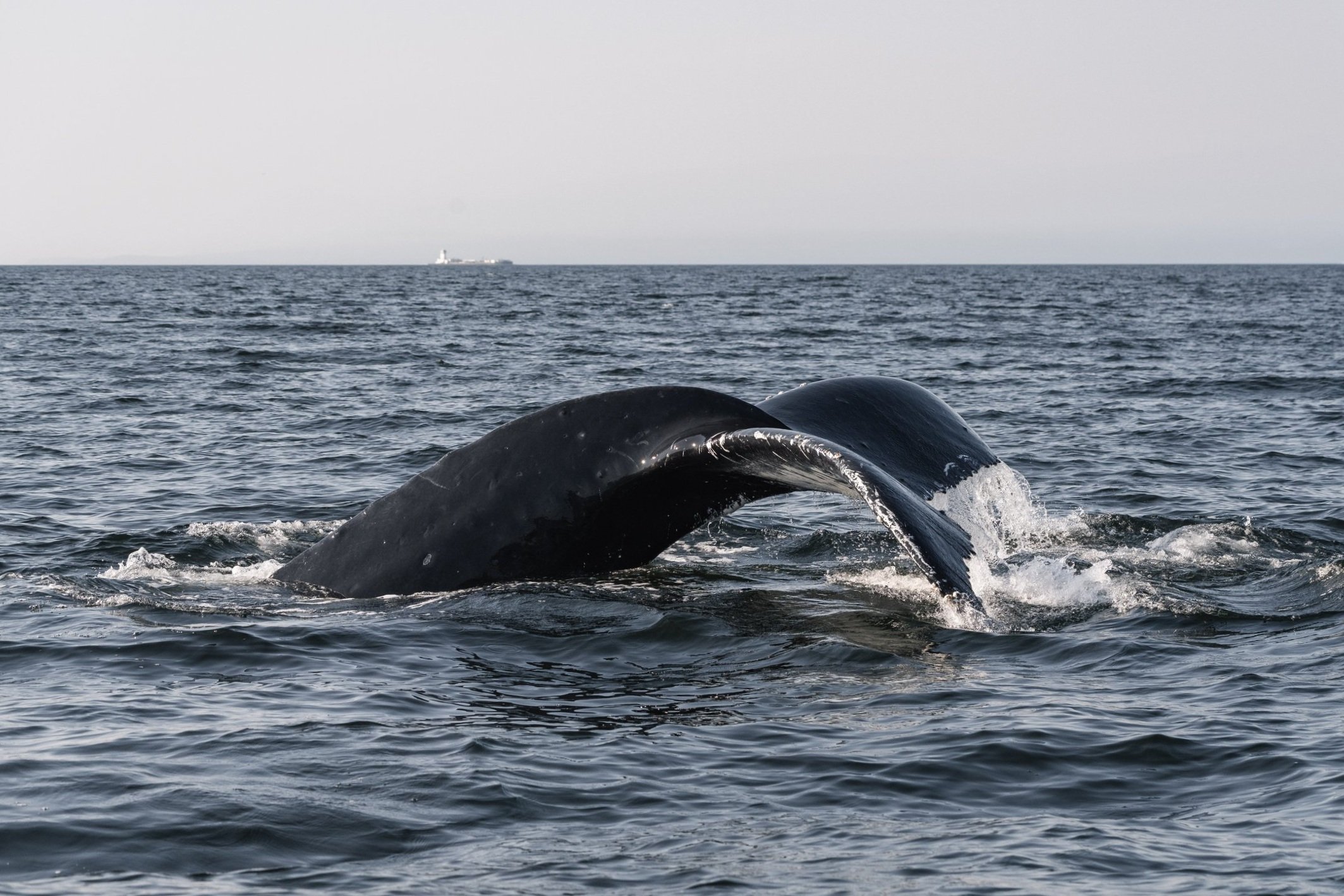
Chi going down for a dive. Photograph by Val Watson.
Water cascadiing over Split Fluke. Photograph by Val Watson.
Cascadia watching Split Fluke fluking. Photograph by Val Watson.
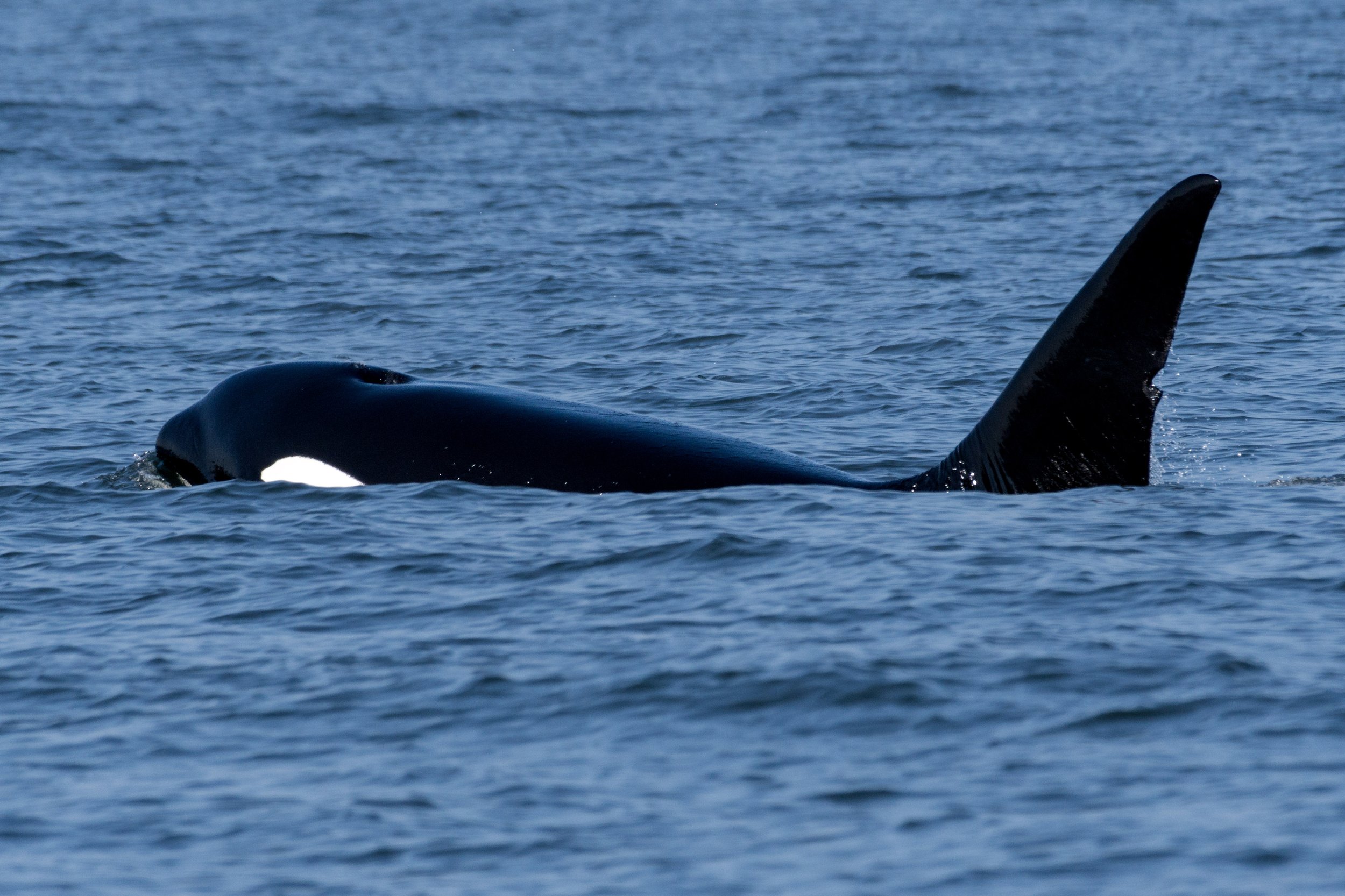
T037A2 Inky with part of his eyepatch visible. Photograph by Evan Hessels.
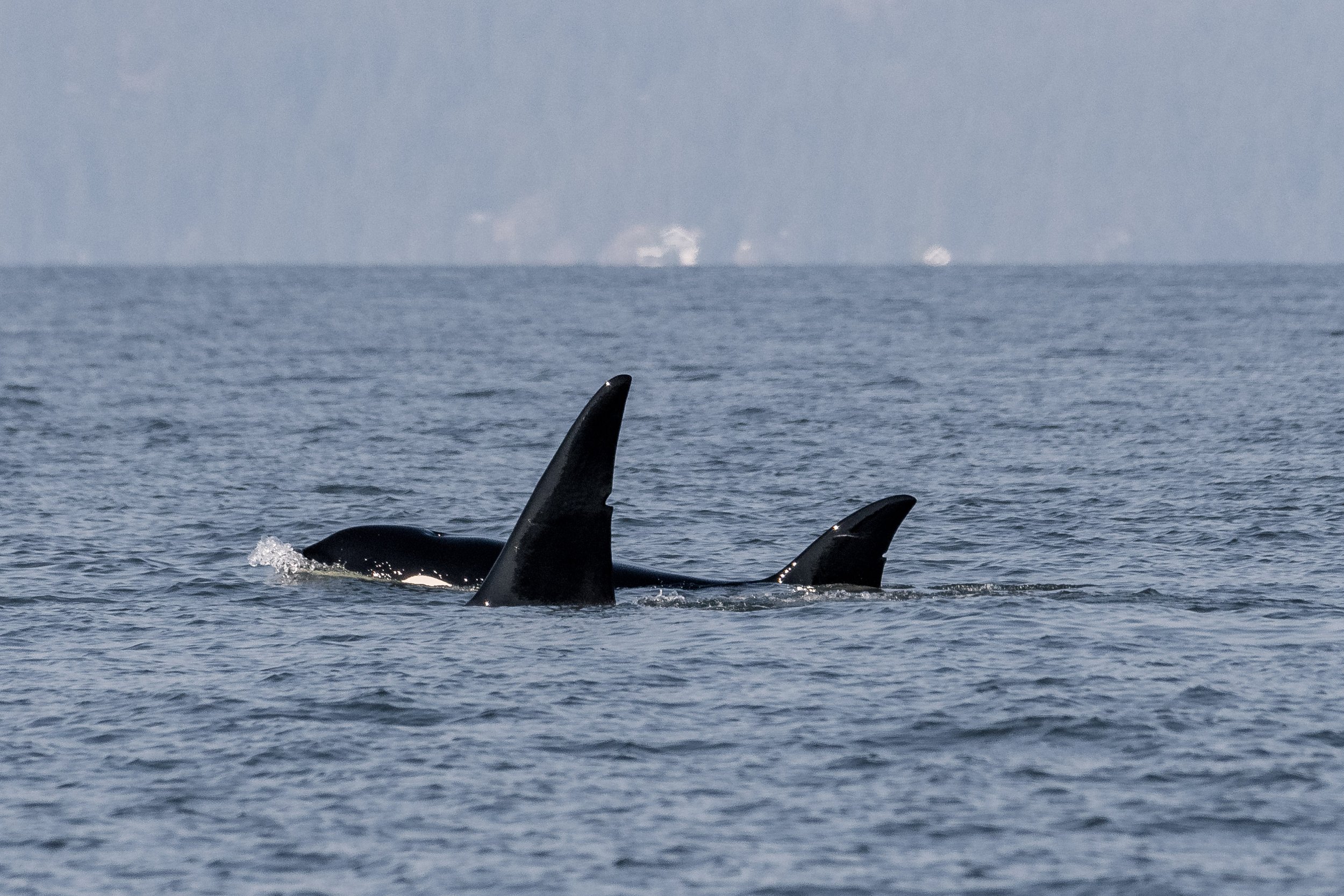
T037A2 Inky travelling with his mother T037A Volker. Photograph by Evan Hessels.
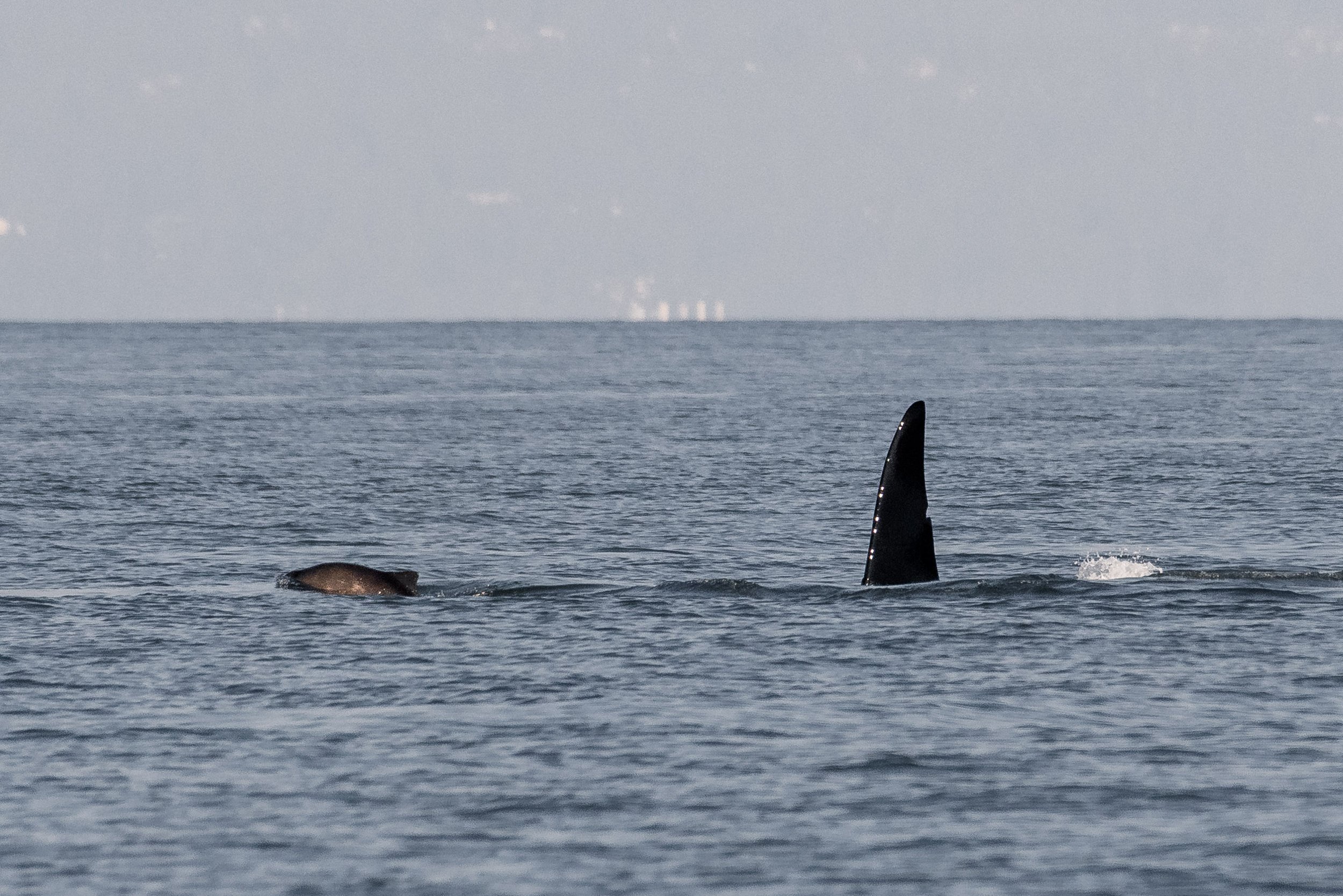
T037A2 Inky quickly approaching a Harbour Porpoise… Photograph by Evan Hessels.
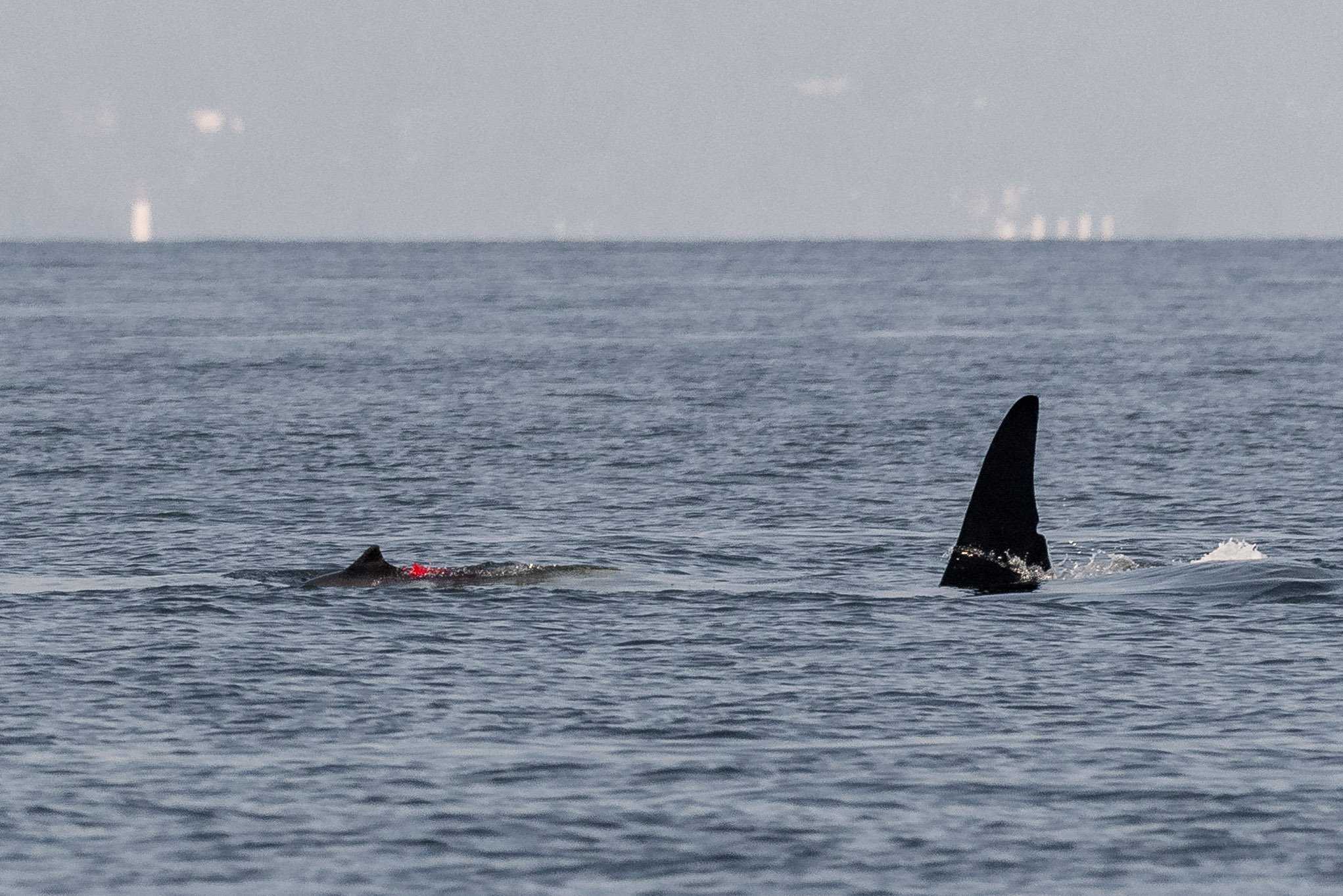
The hunt begins….Photograph by Evan Hessels.
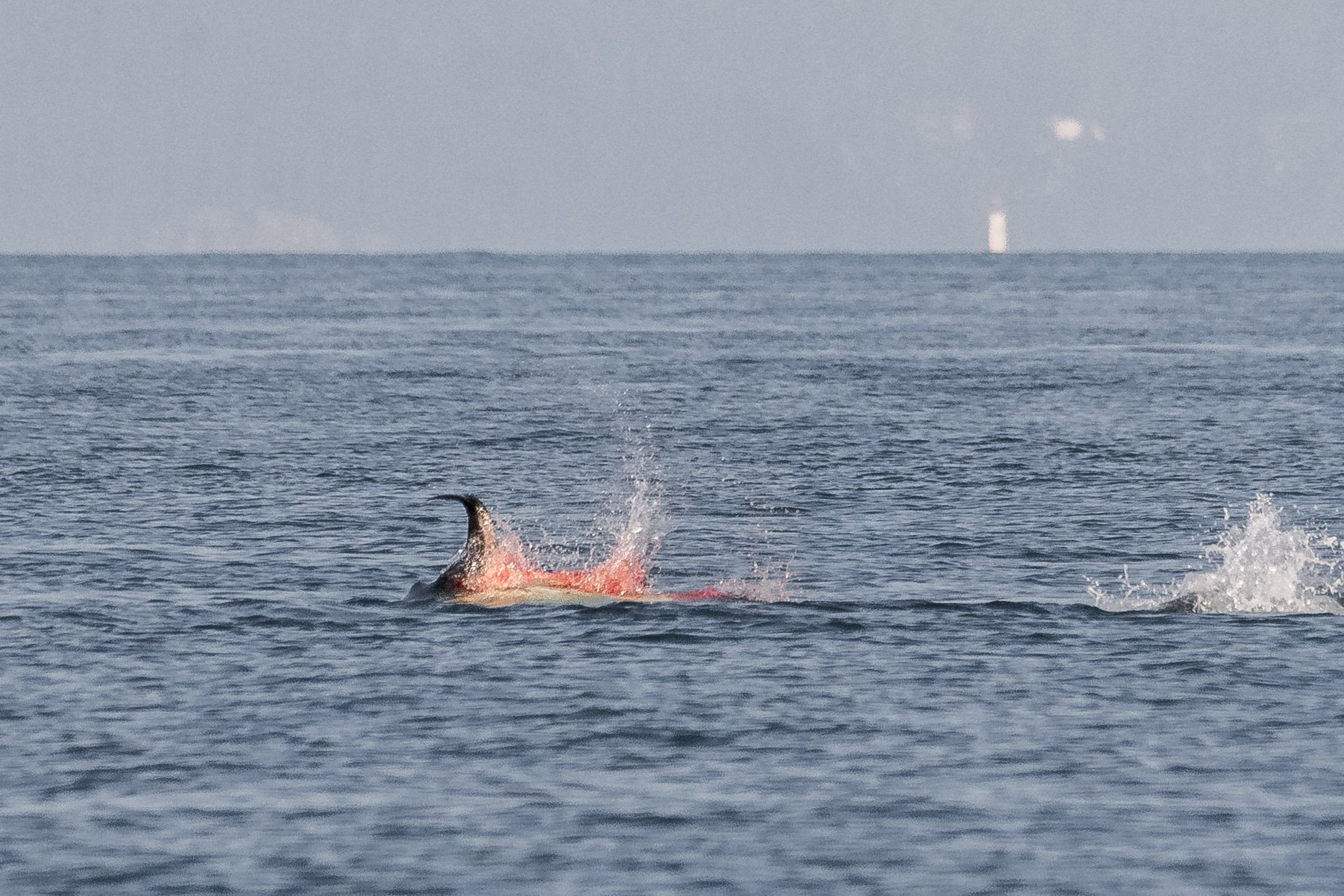
A big hit from T037A2 Inky! Photograph by Evan Hessels.
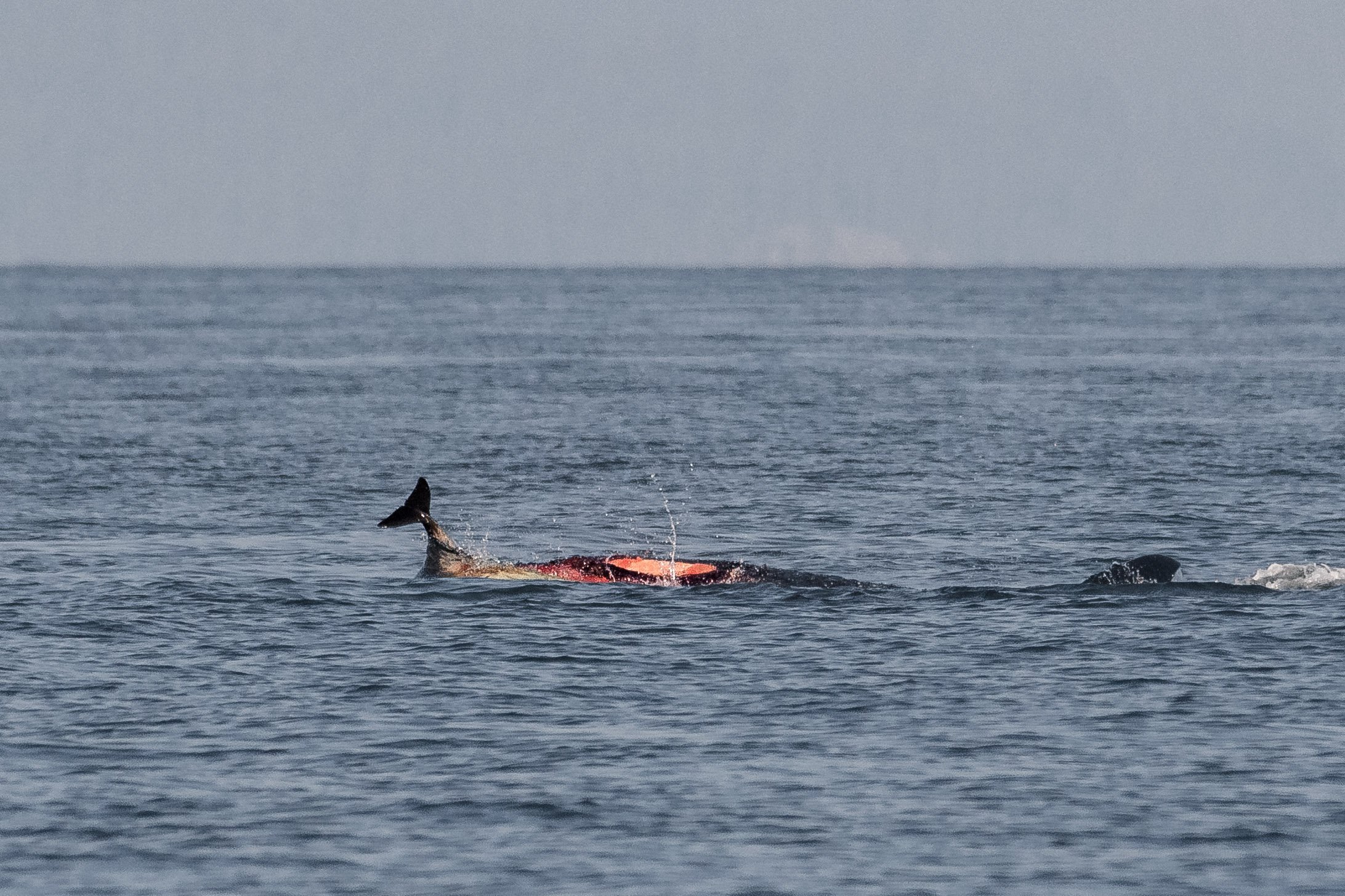
The aftermath… Photograph by Evan Hessels.
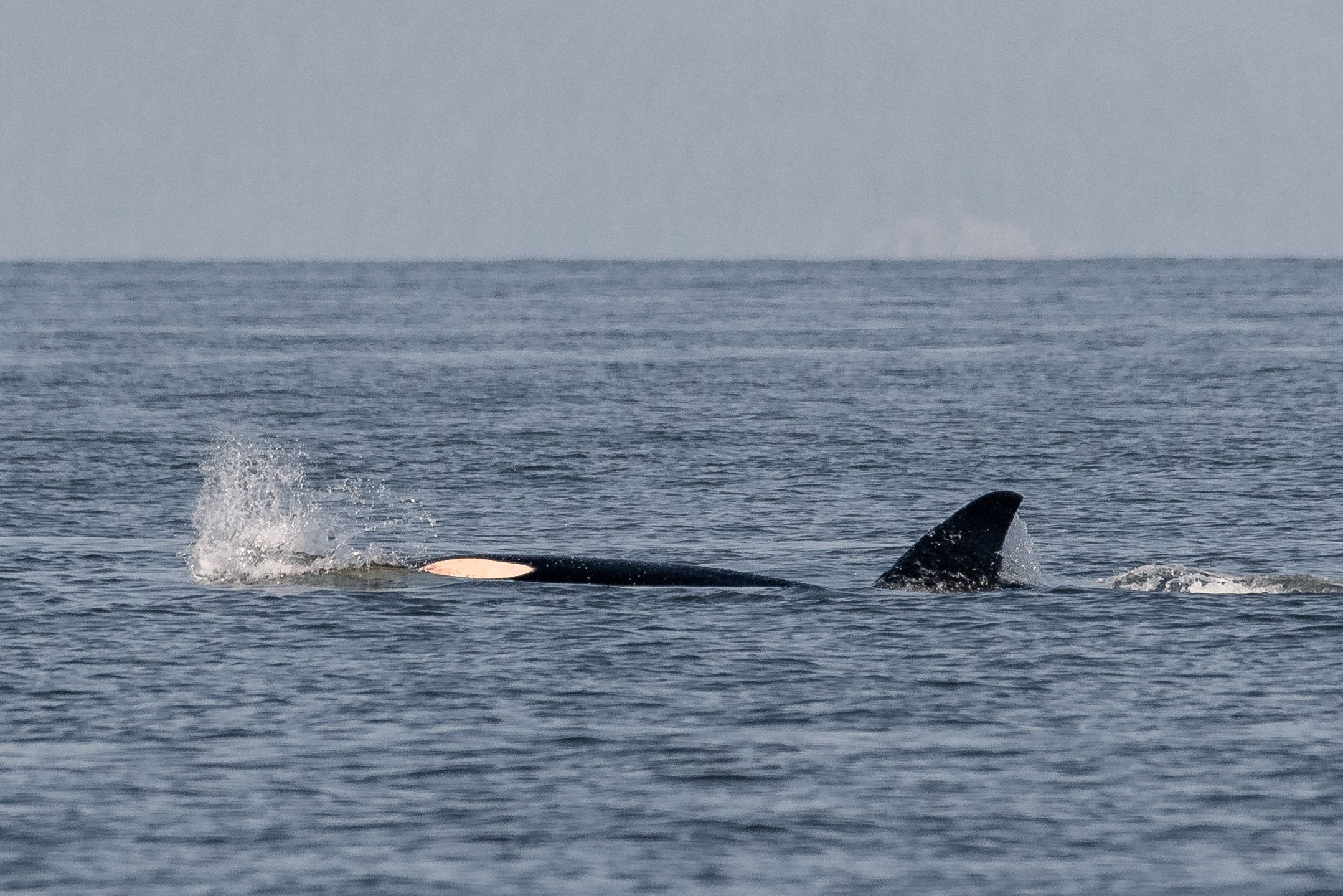
Time to split up the meal. Photograph by Evan Hessels.
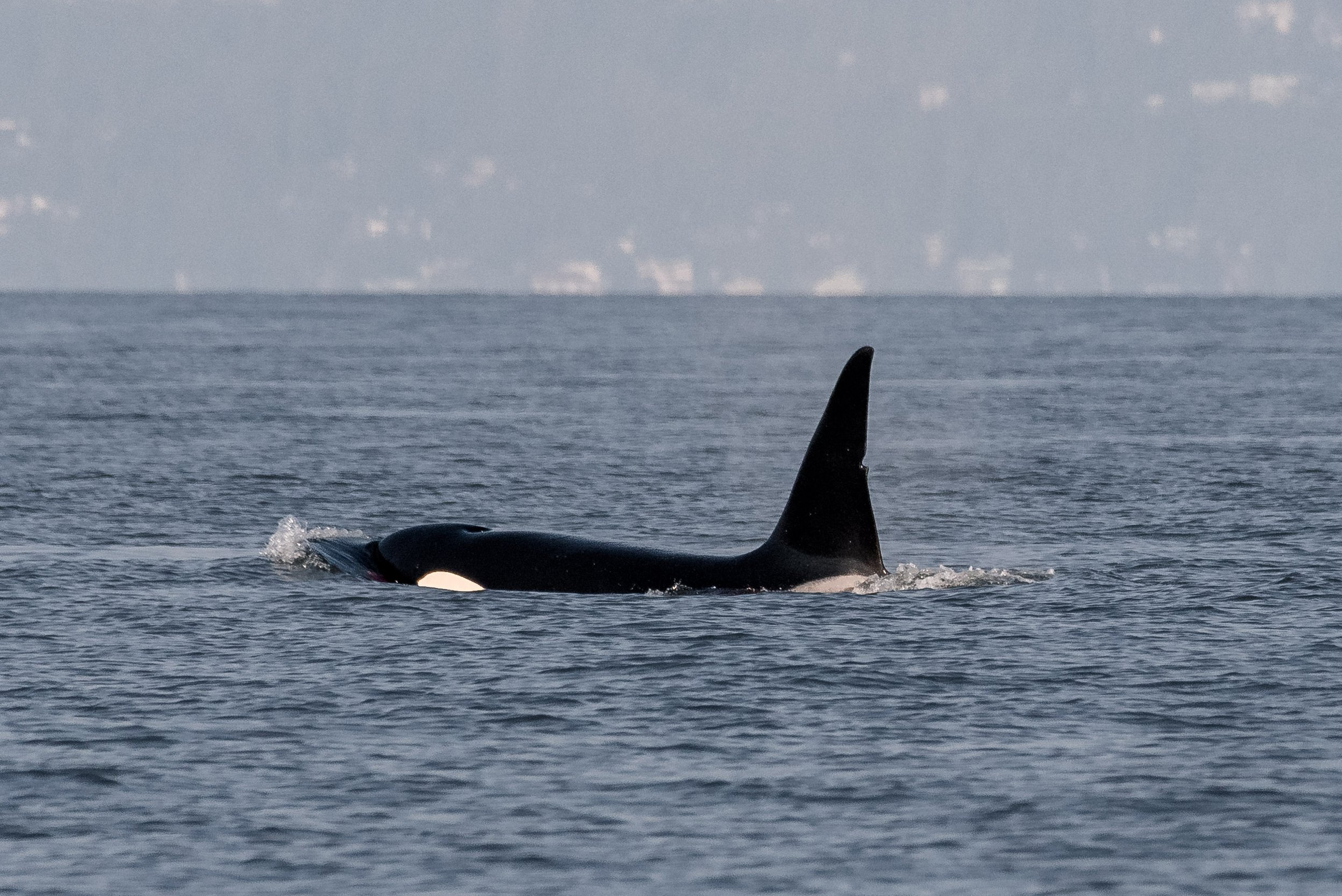
T037A2 Inky underway again. Photograph by Evan Hessels.
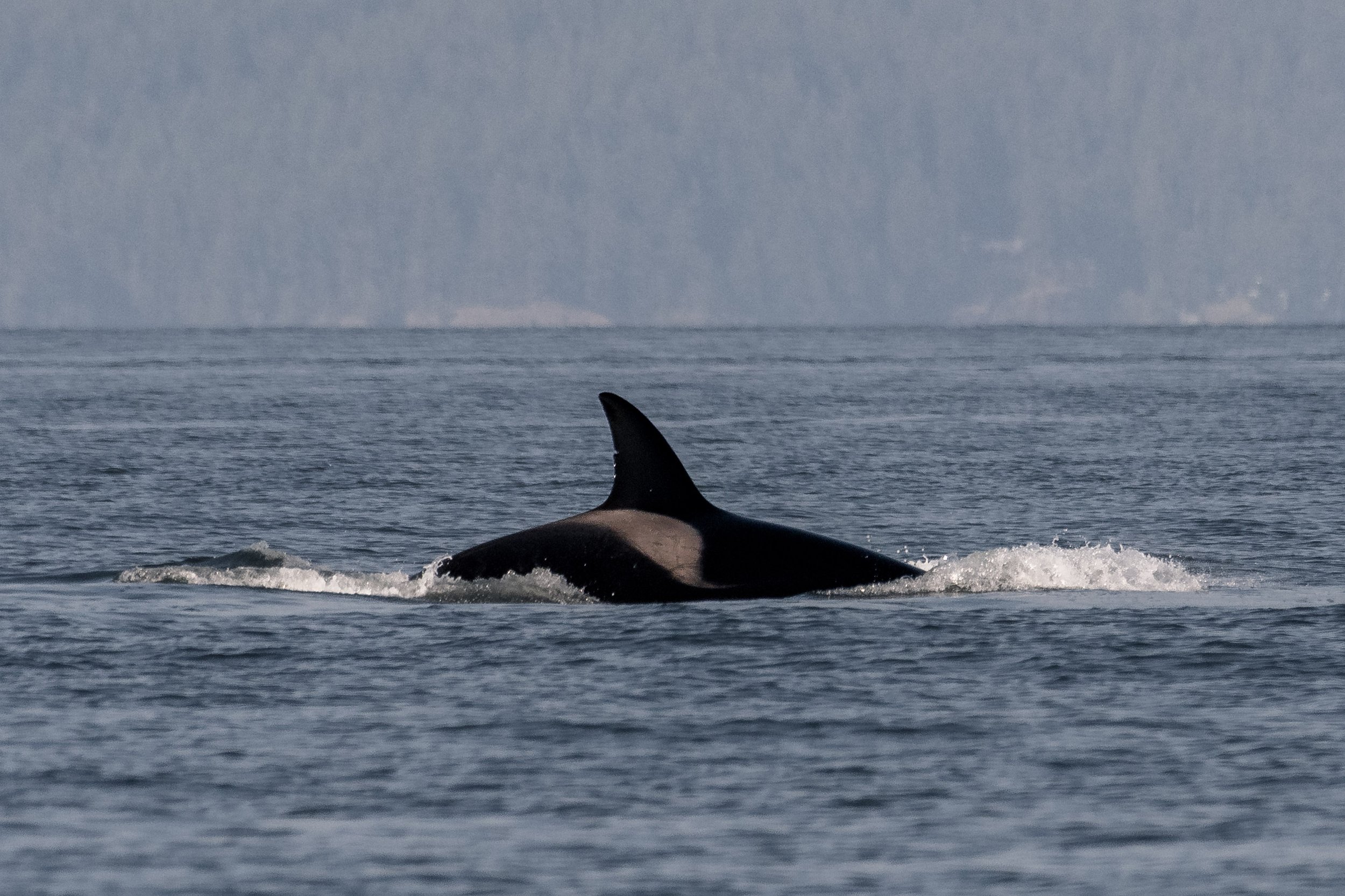
T037A Volker speeding along. Photograph by Evan Hessels.
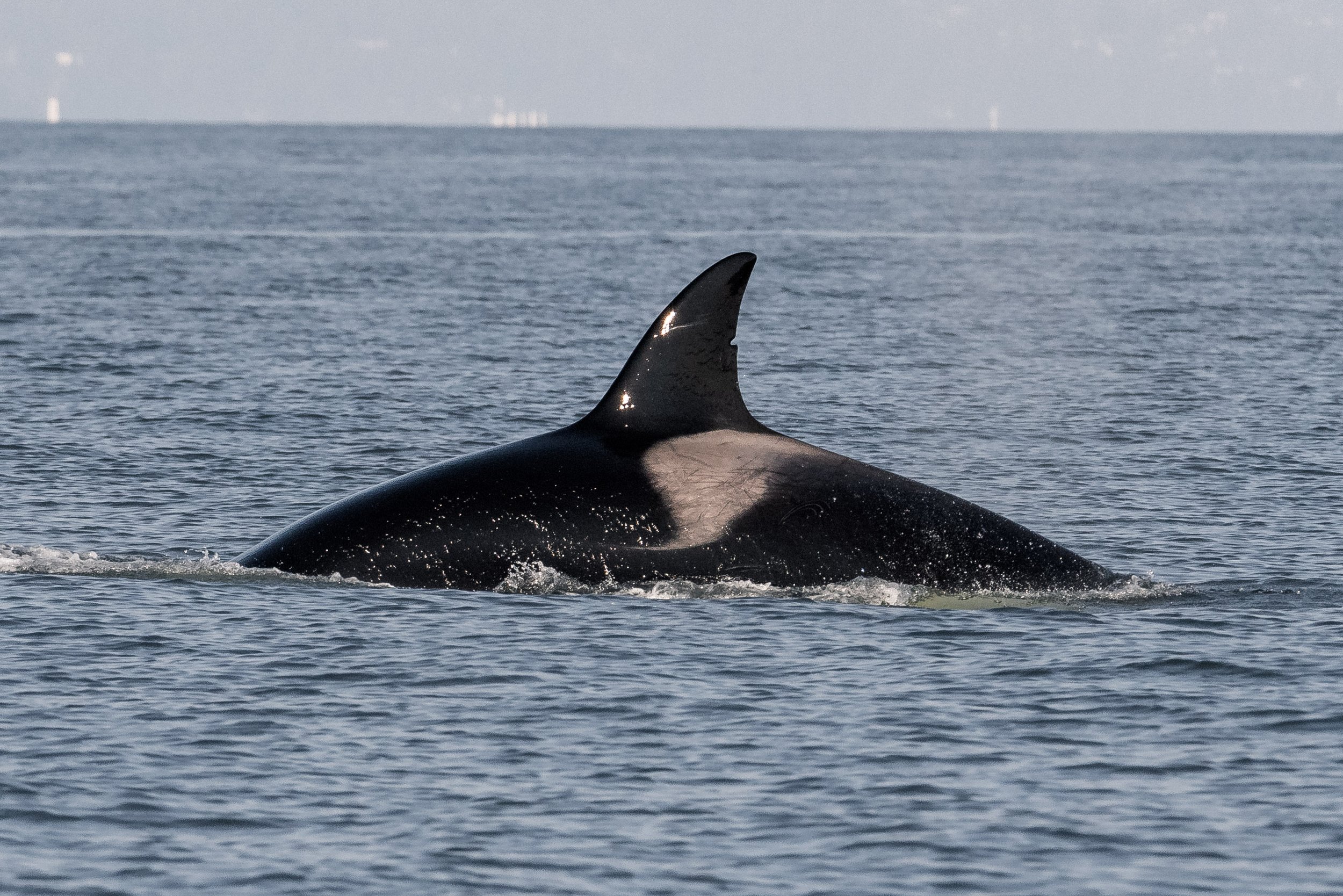
T037A Volker has a relatively fresh wound on her dorsal fin - can you spot it here? Photograph by Evan Hessels.
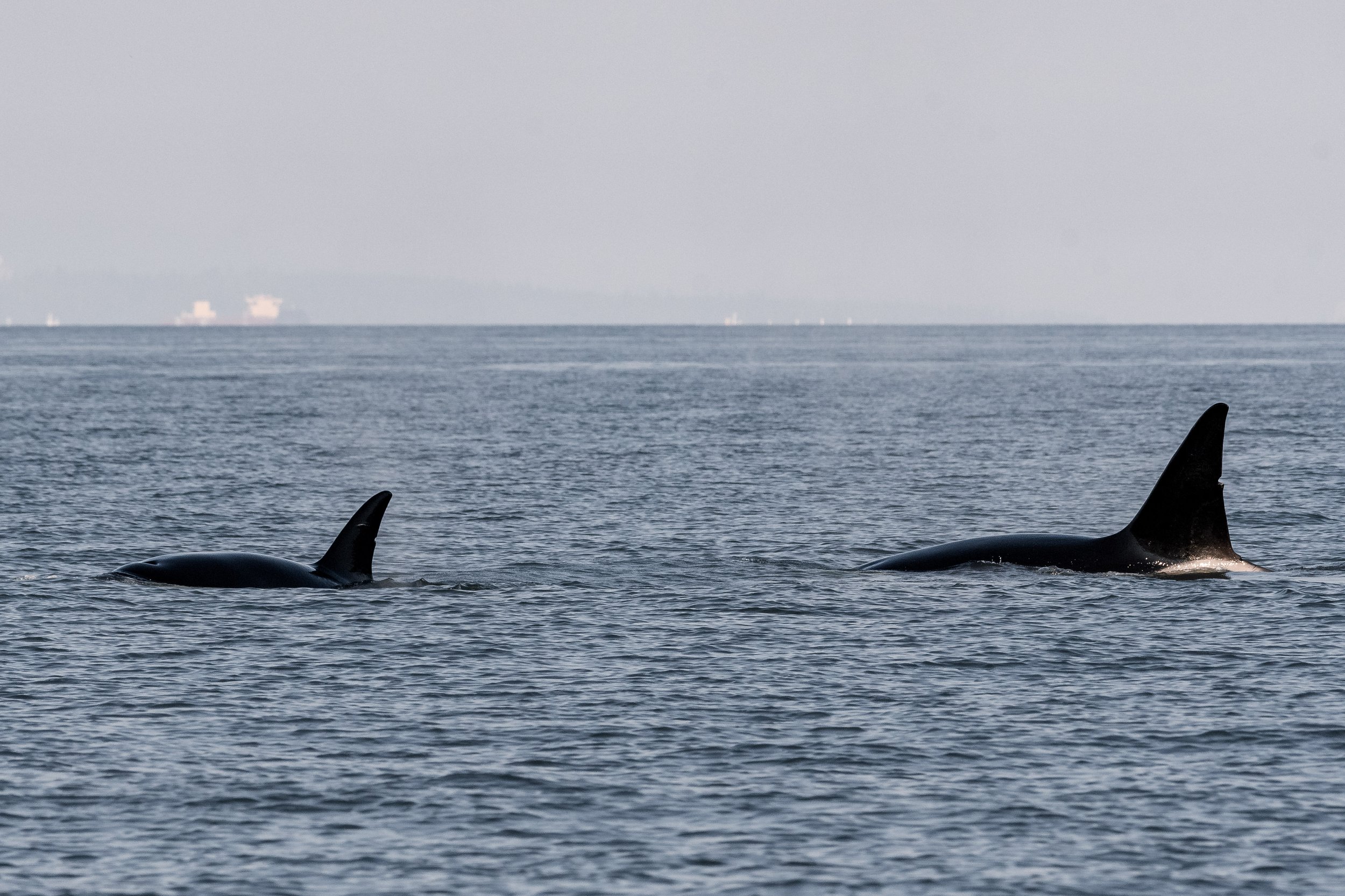
T037A Volker and T037A2 Inky together. Photograph by Evan Hessels.
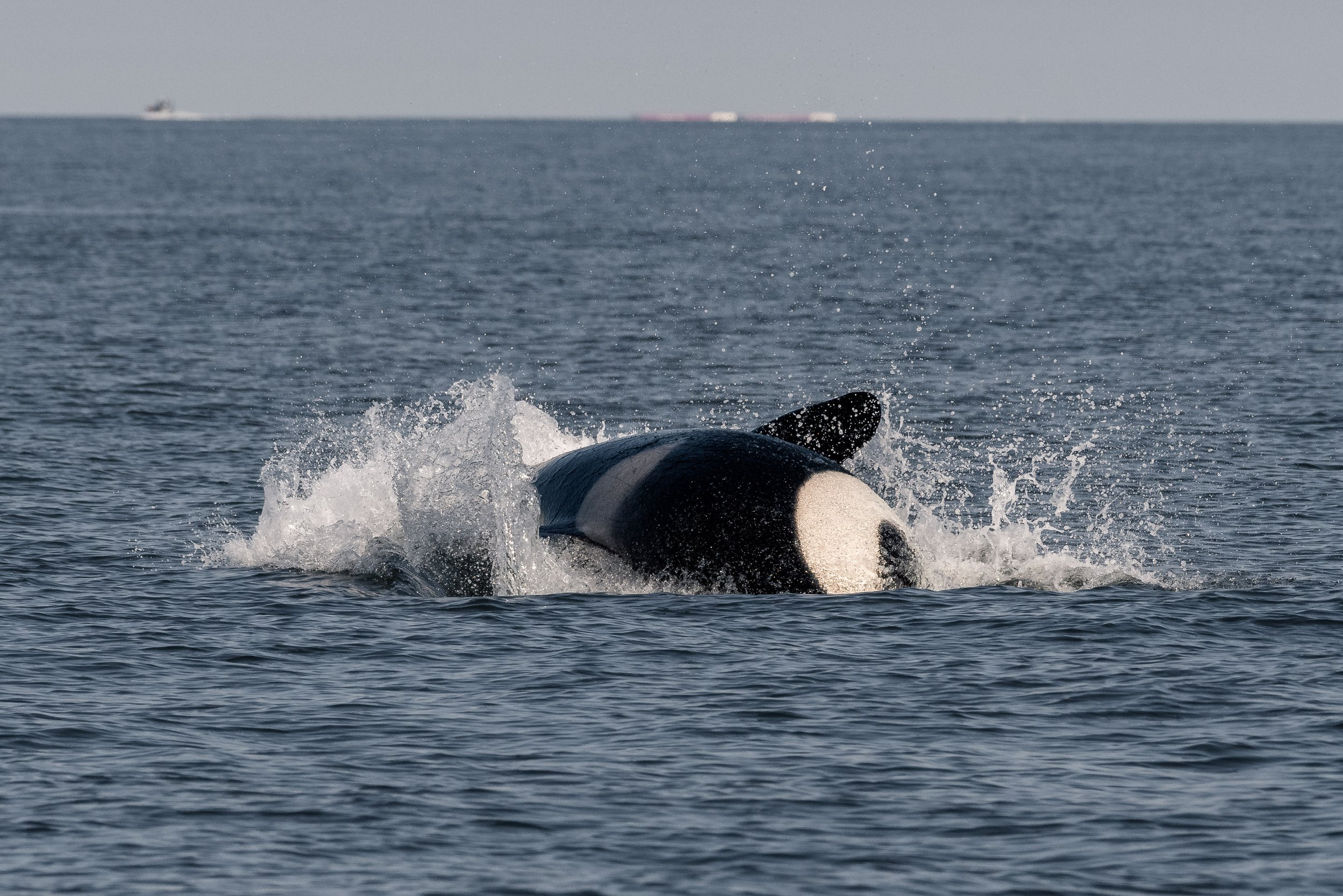
A second hunt begins! Photograph by Evan Hessels.
Right in the action, chasing after the porpoise. Photograph by Evan Hessels.
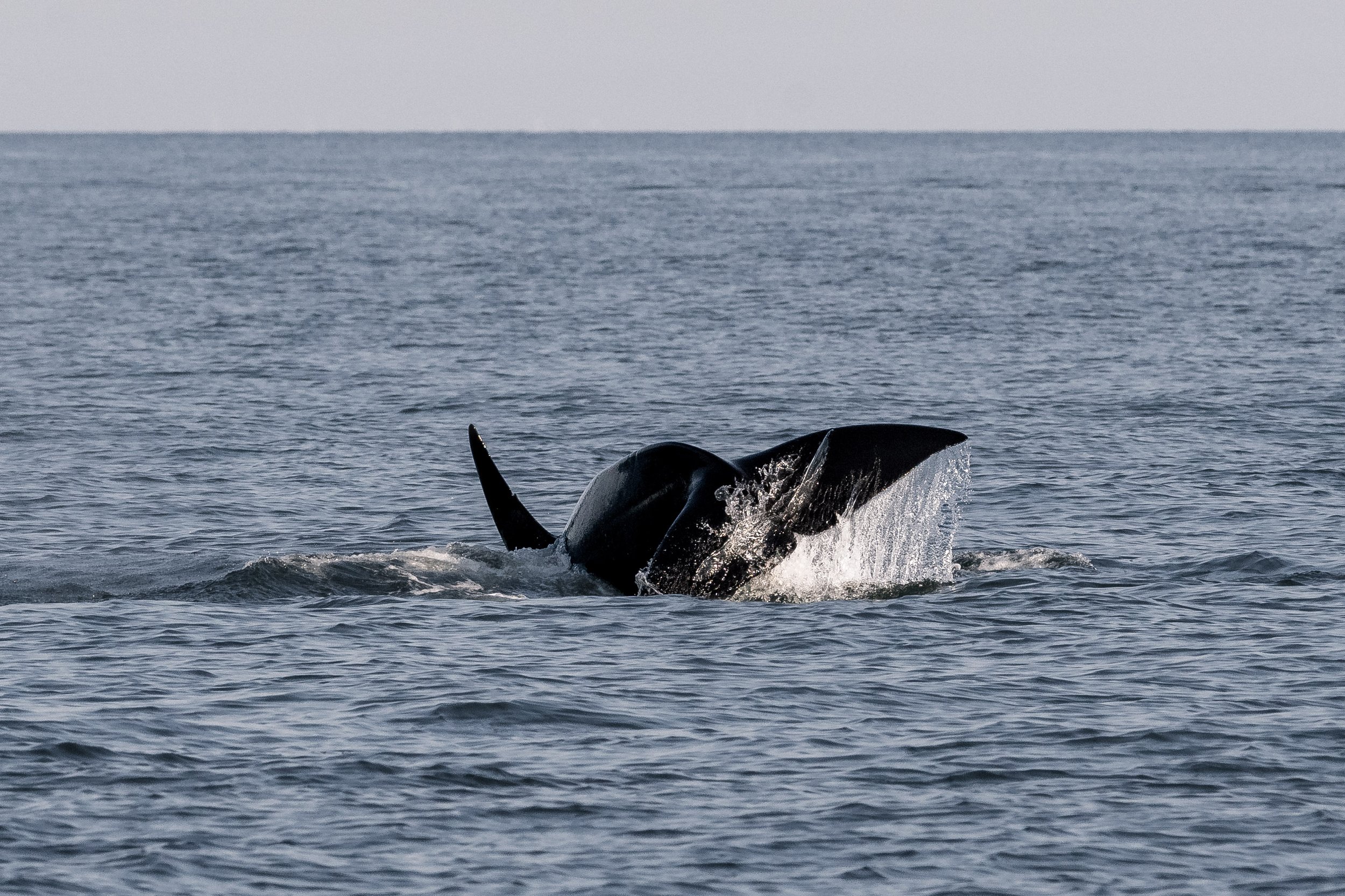
A very interesting angle of a speedy dive. Photograph by Evan Hessels.
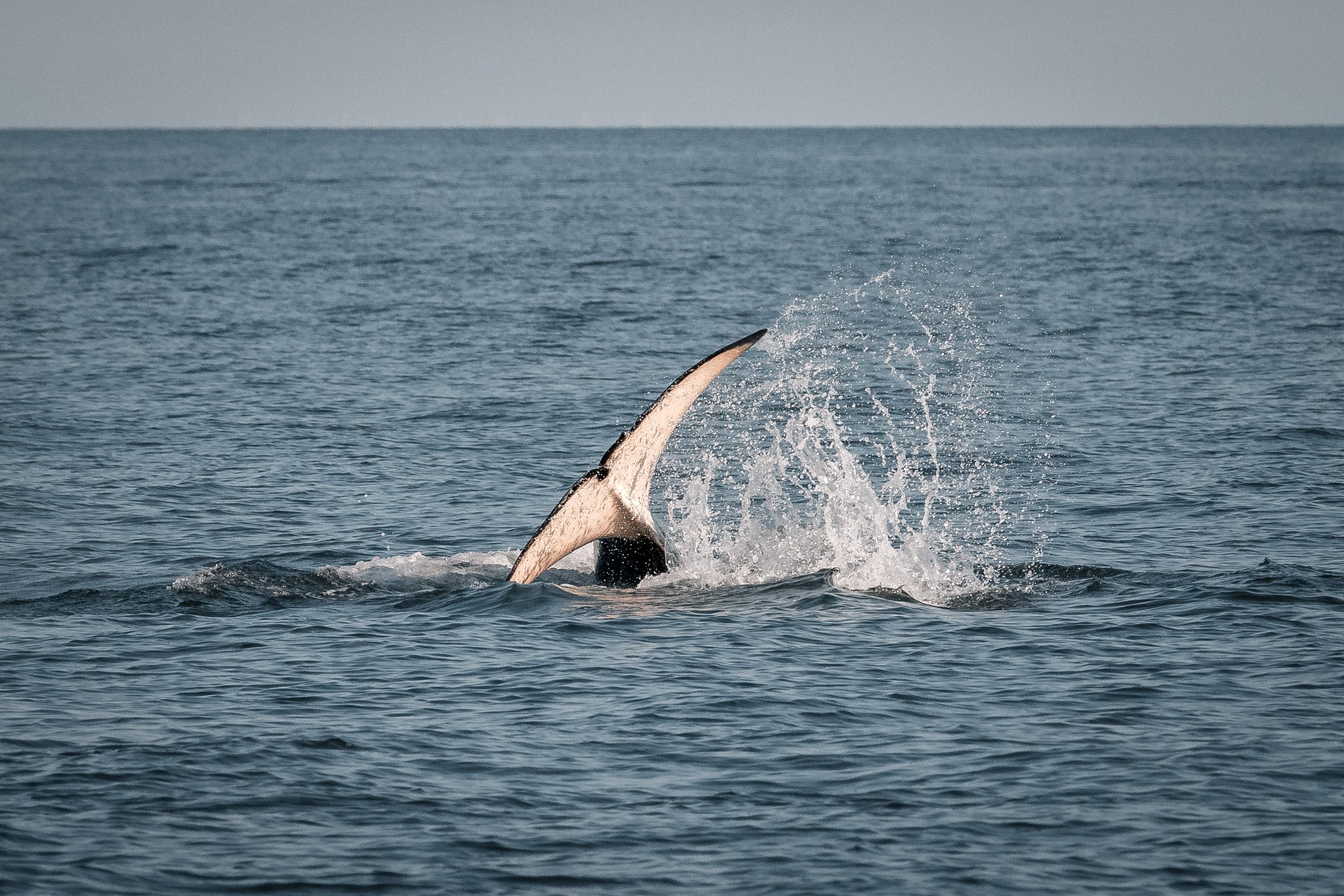
Flukes up! Photograph by Evan Hessels.
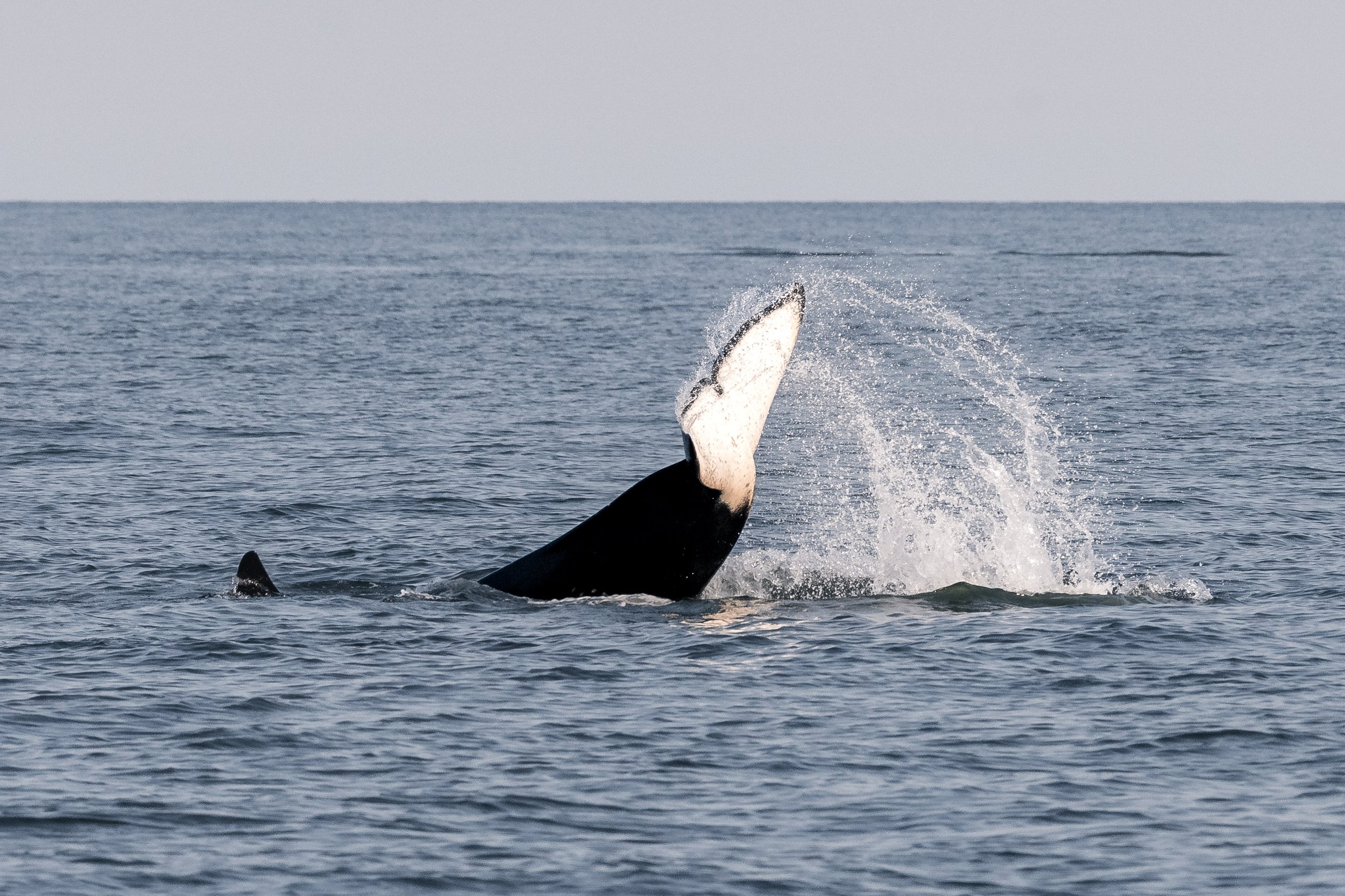
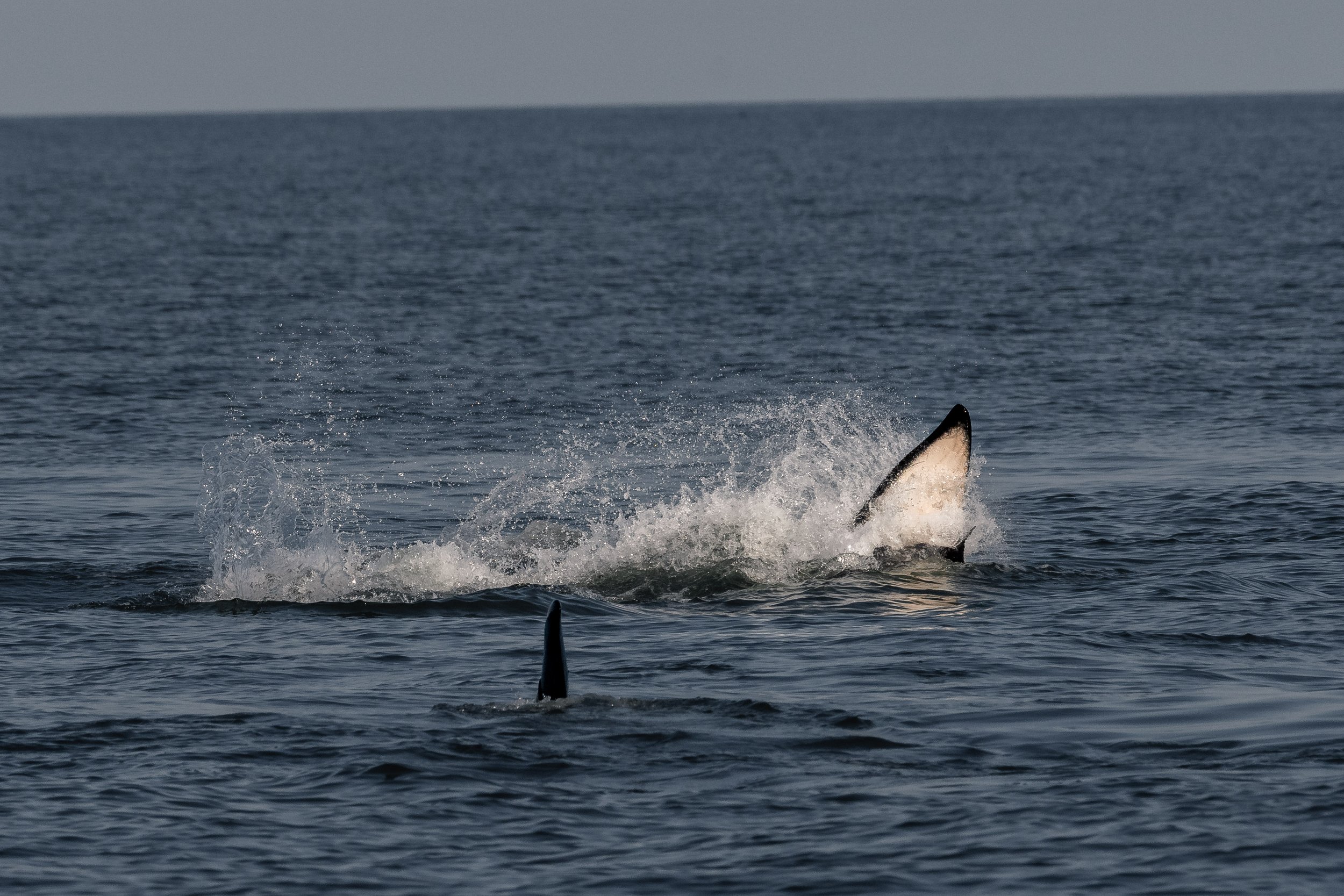
Tail slapping away. Photograph by Evan Hessels.
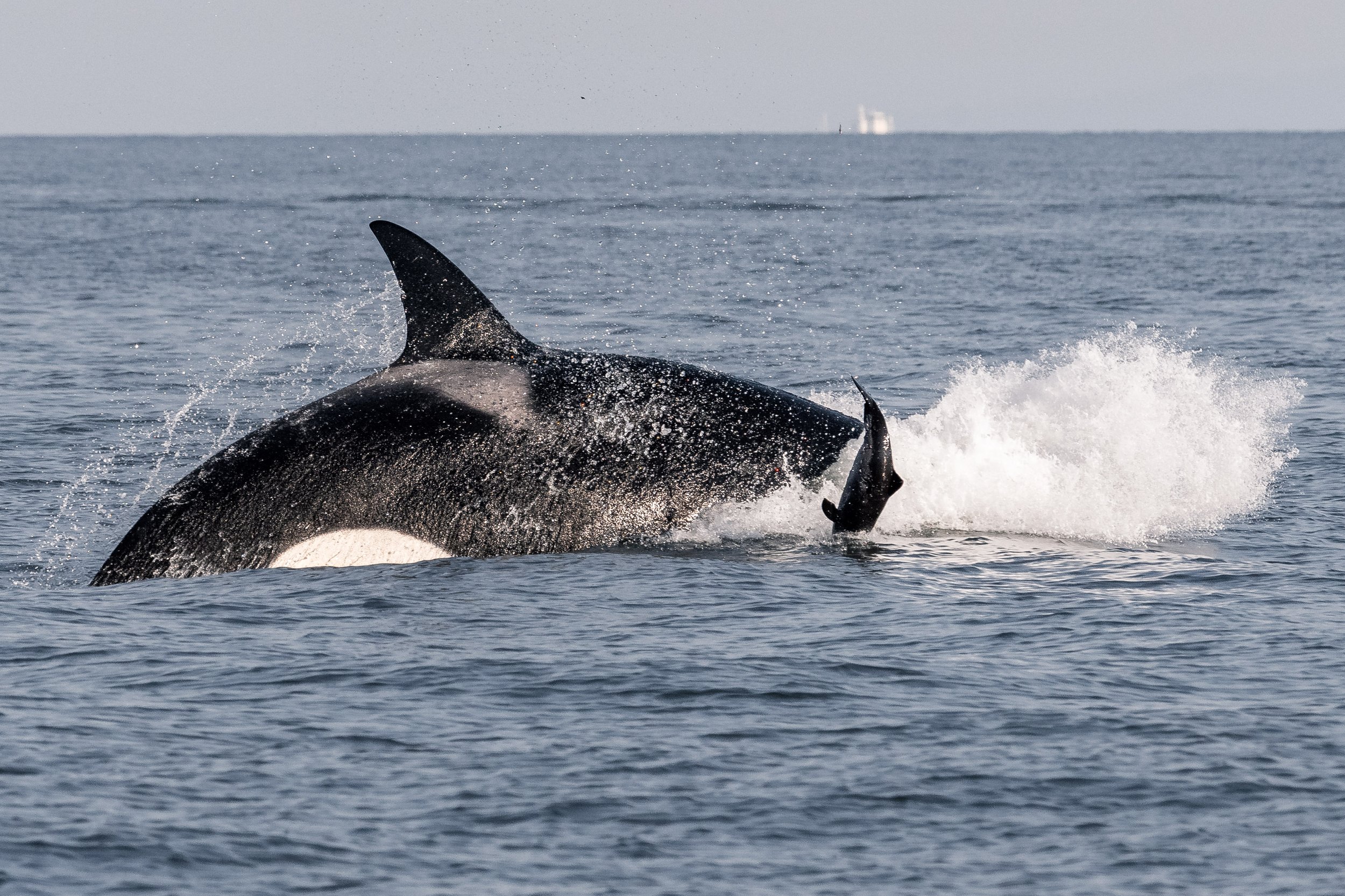
The next hunt - T037A Volker with another Harbour Porpoise. Photograph by Evan Hessels.
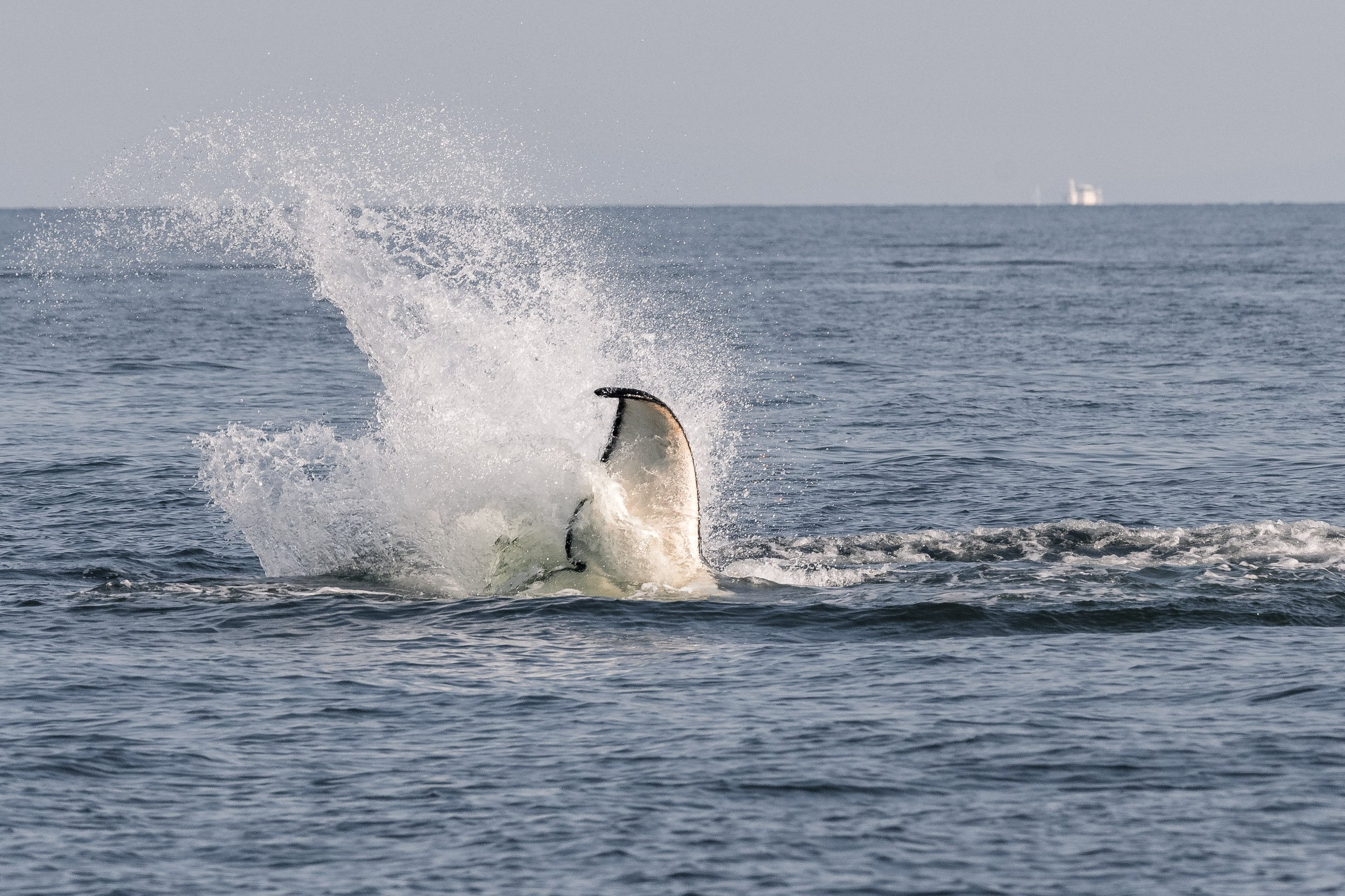
T037A2 Inky swishing his tail. Photograph by Evan Hessels.
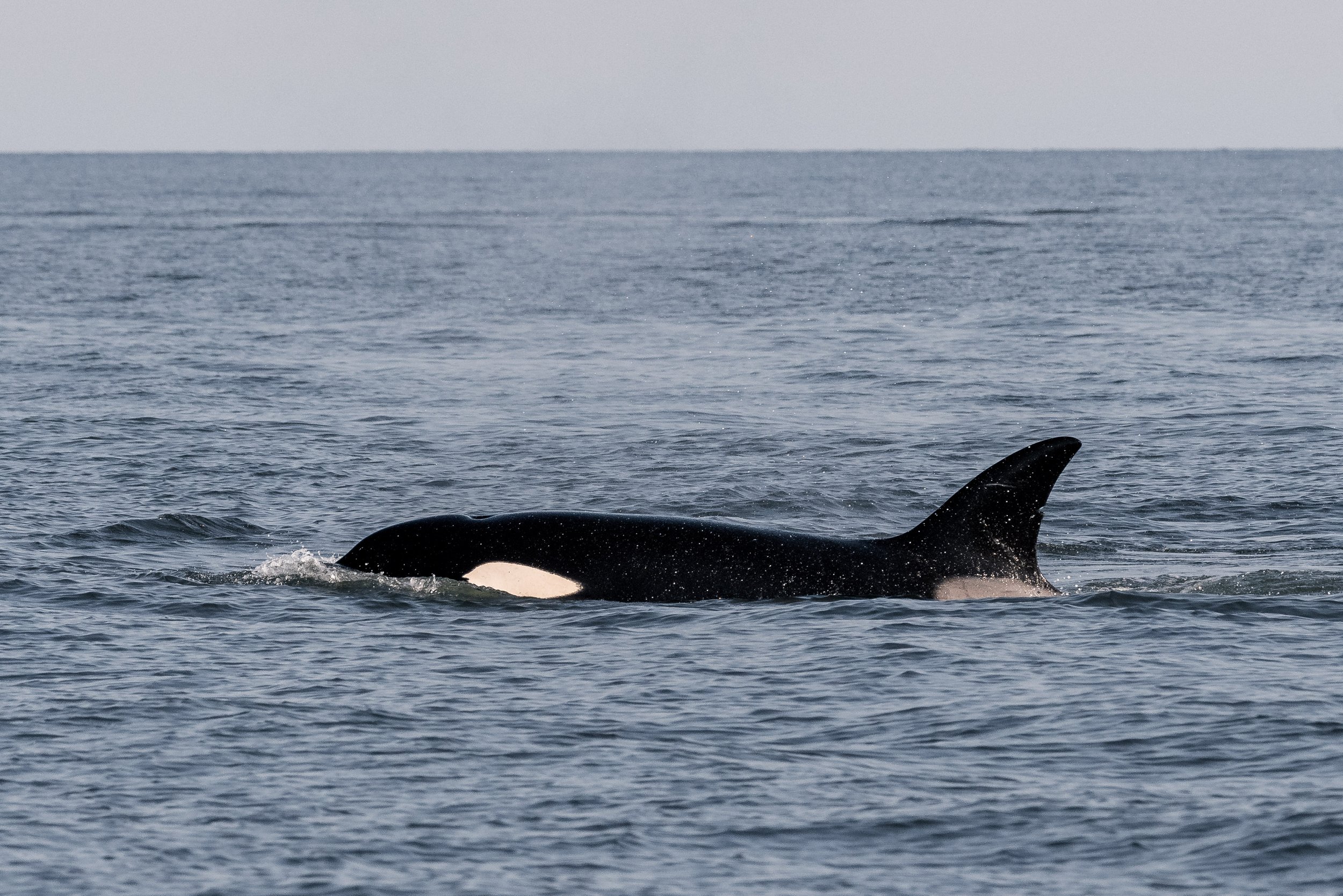
T037A Volker going back to travelling, with most of her eyepatch visible above the surface. Photograph by Evan Hessels.
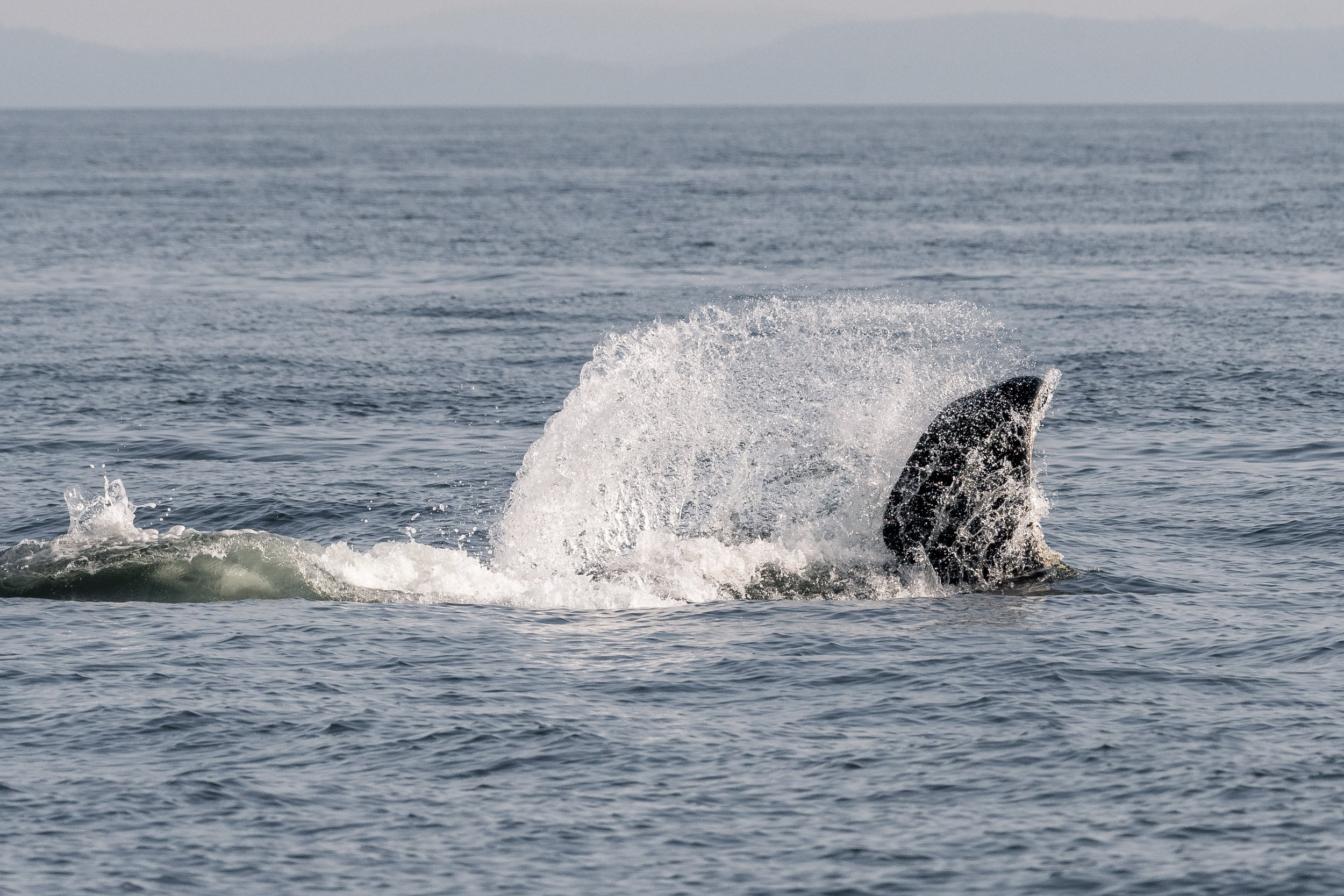
The pair were very active as they hunted and then celebrated. Photograph by Evan Hessels.
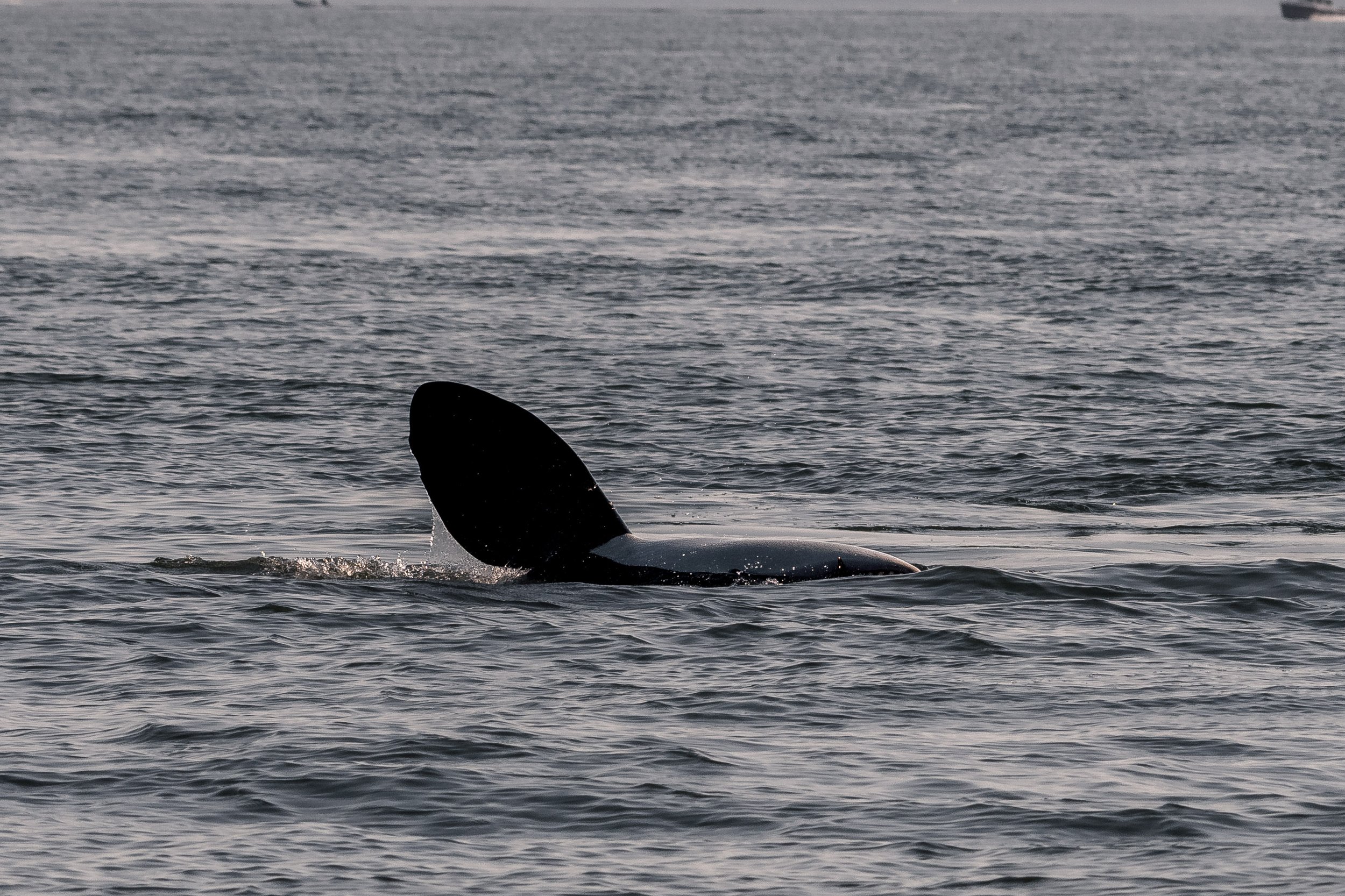
A little pec wave! Photograph by Evan Hessels.
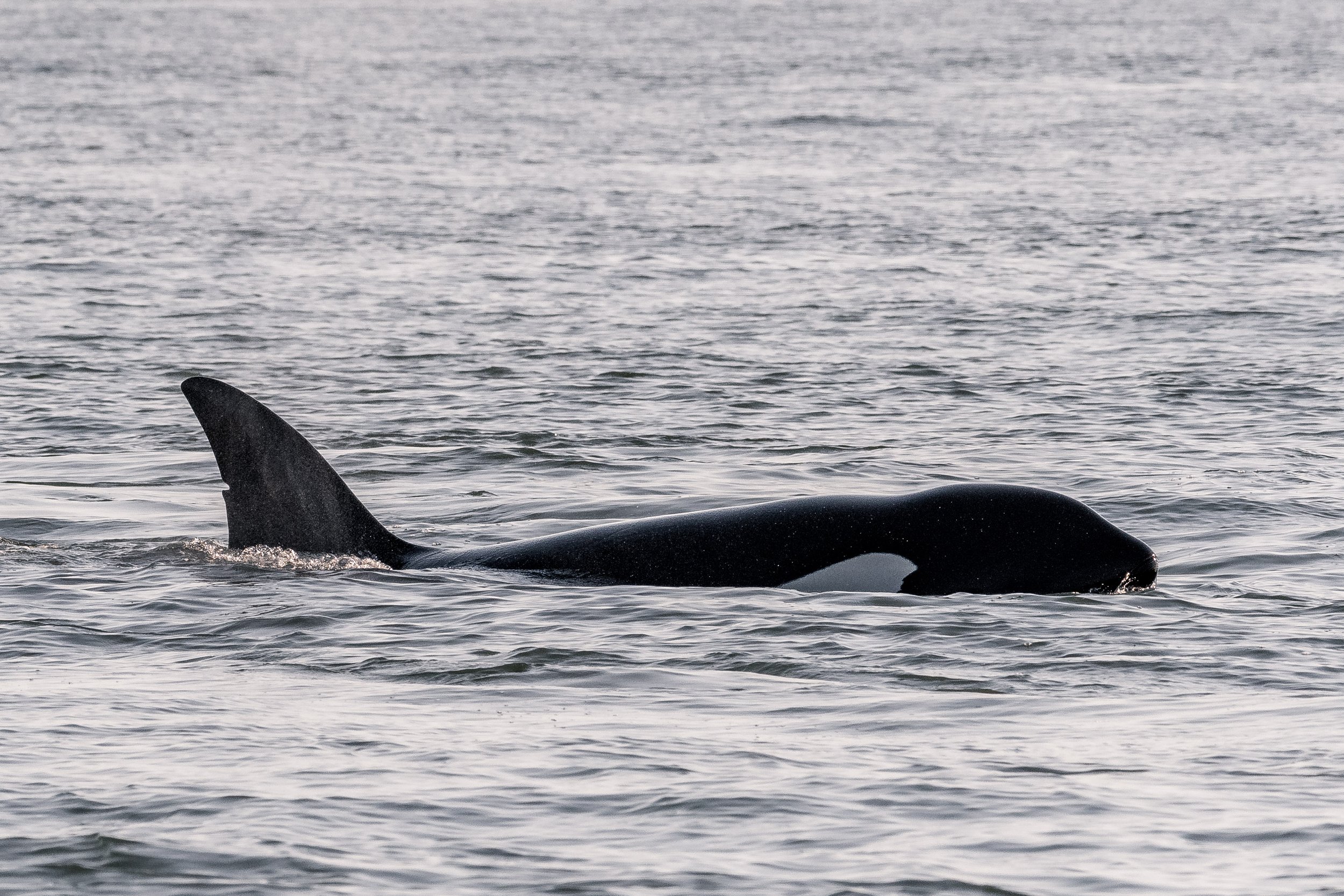
T037A Volker. Photograph by Evan Hessels.
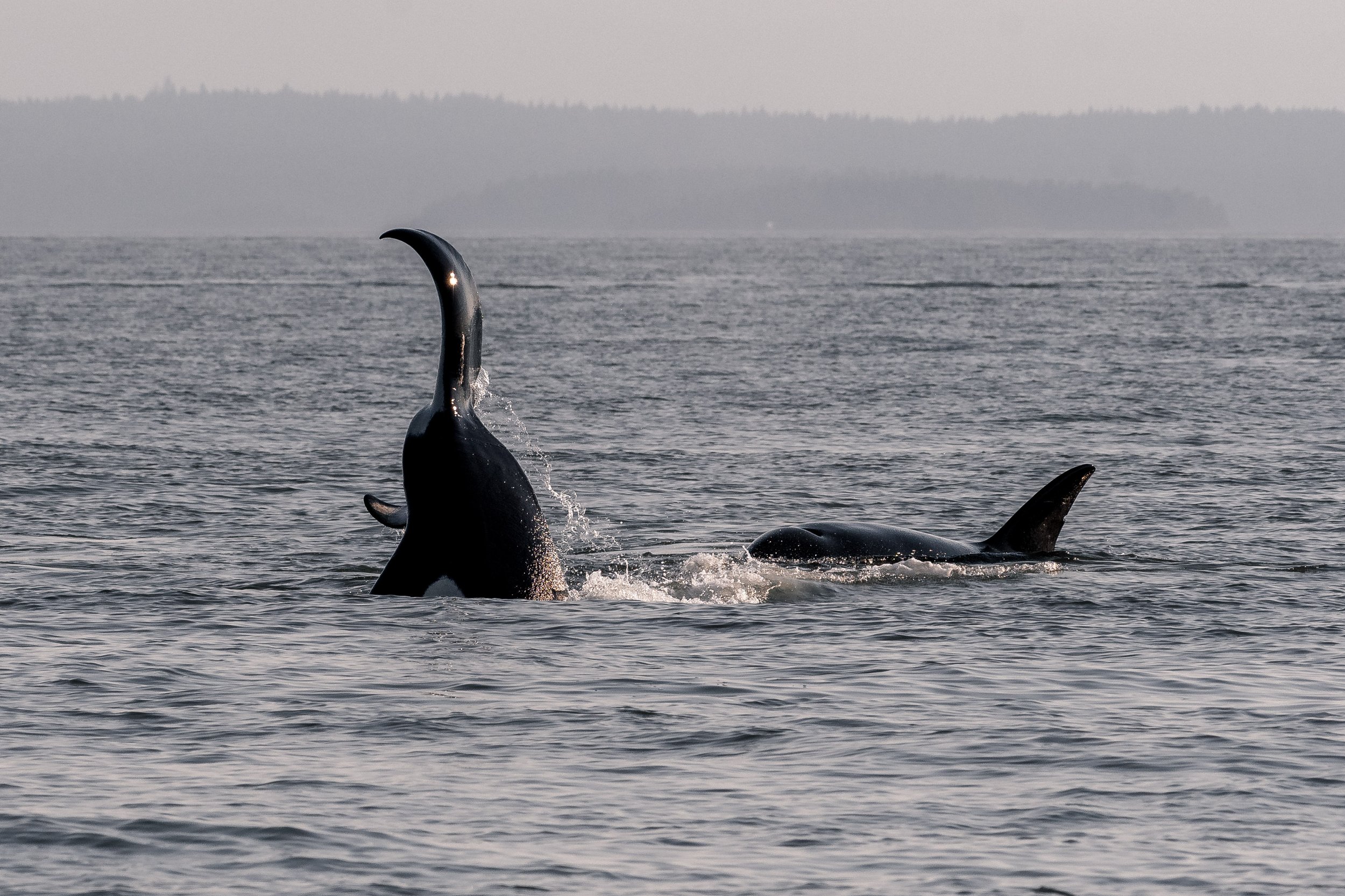
Ccelebrating after having nice and full bellies. Photograph by Evan Hessels.
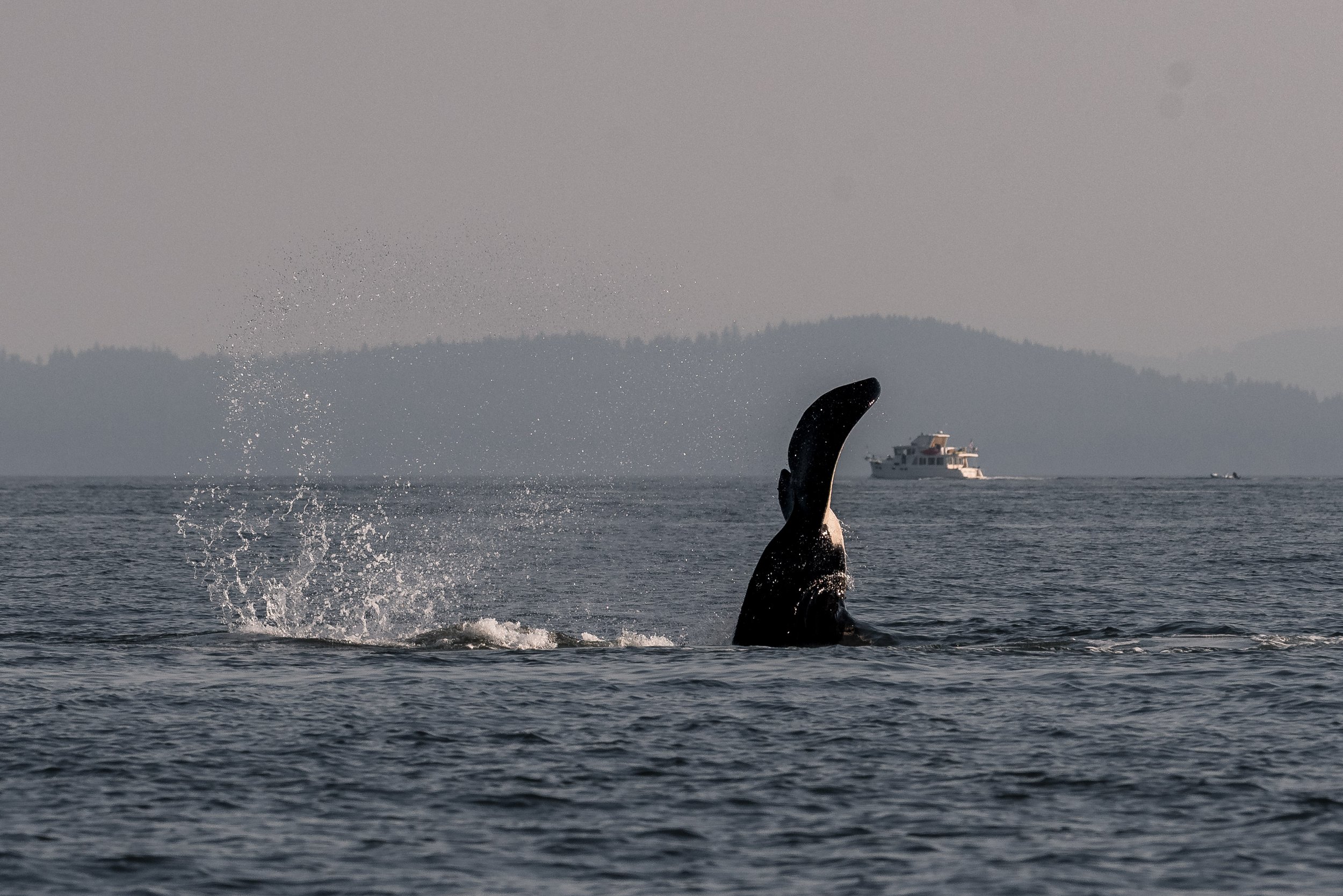
Slapping away. Photograph by Evan Hessels.
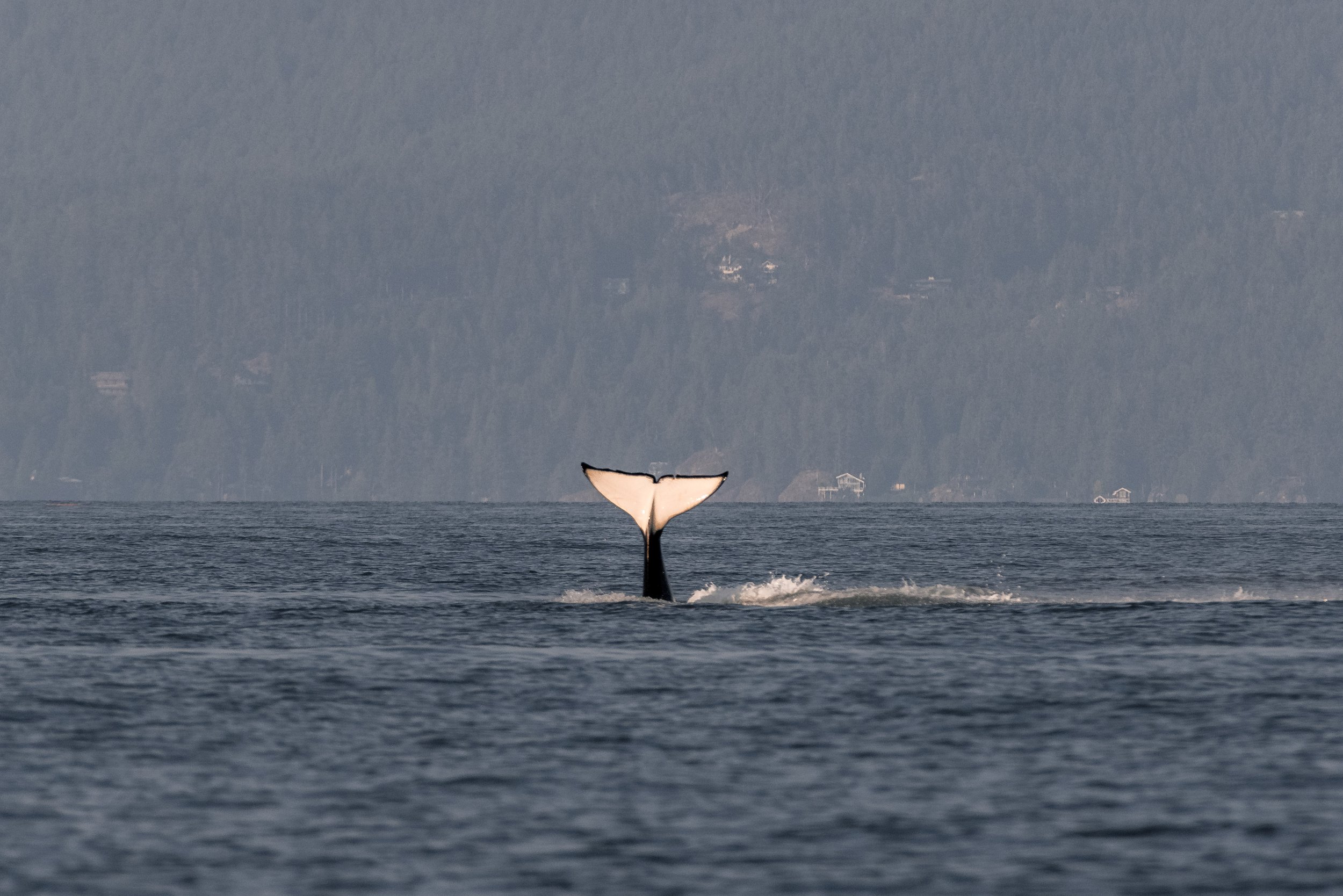
A little celebratory action! Photograph by Hayleigh Hilbert.
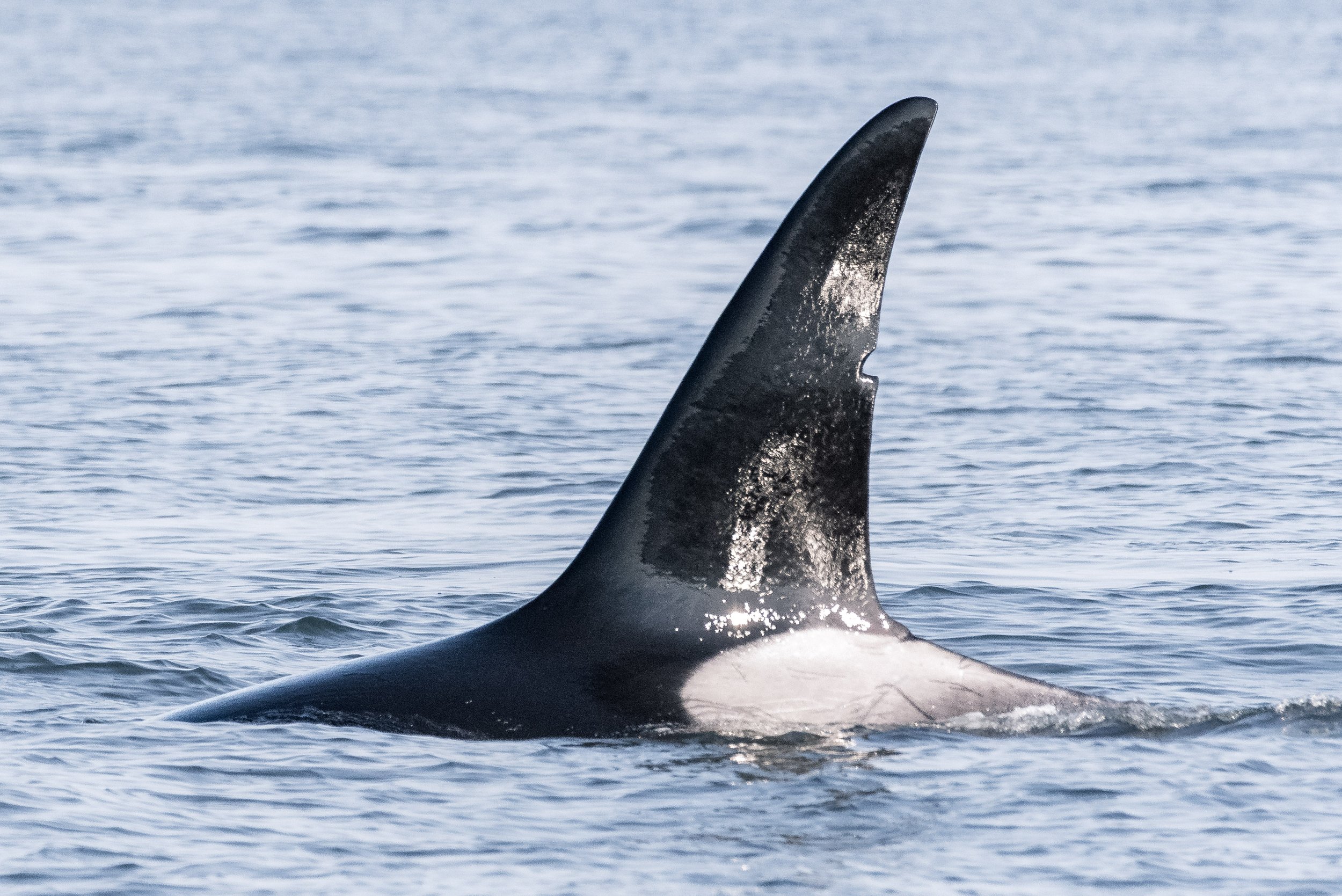
T037A2 Inky with his saddlepatch scars visible. Photograph by Evan Hessels.
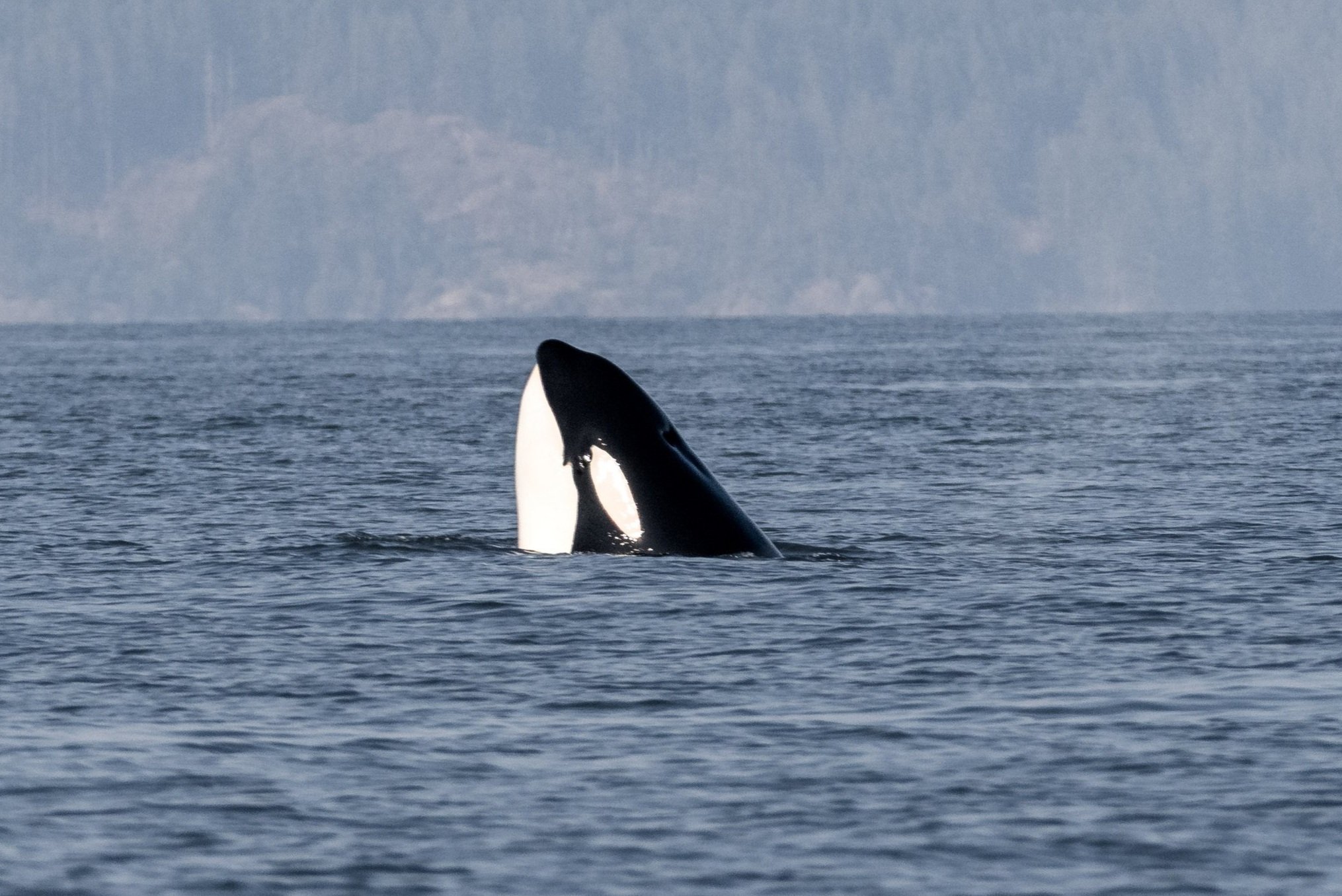
T037A2 Inky with his head out of the water. Photograph by Hayleigh Hilbert.
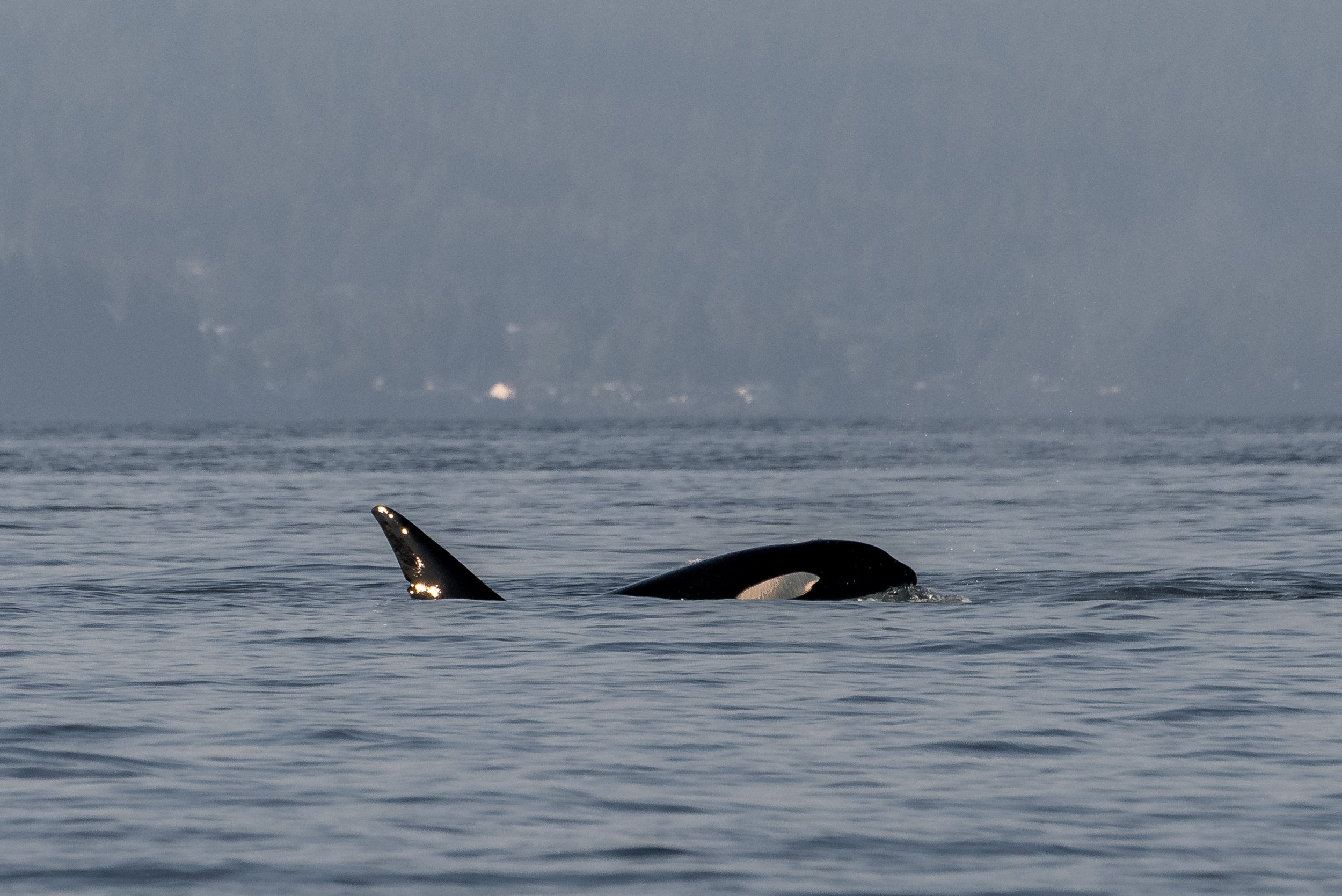
T037A2 Inky peeking above the water. Photograph by Val Watson.
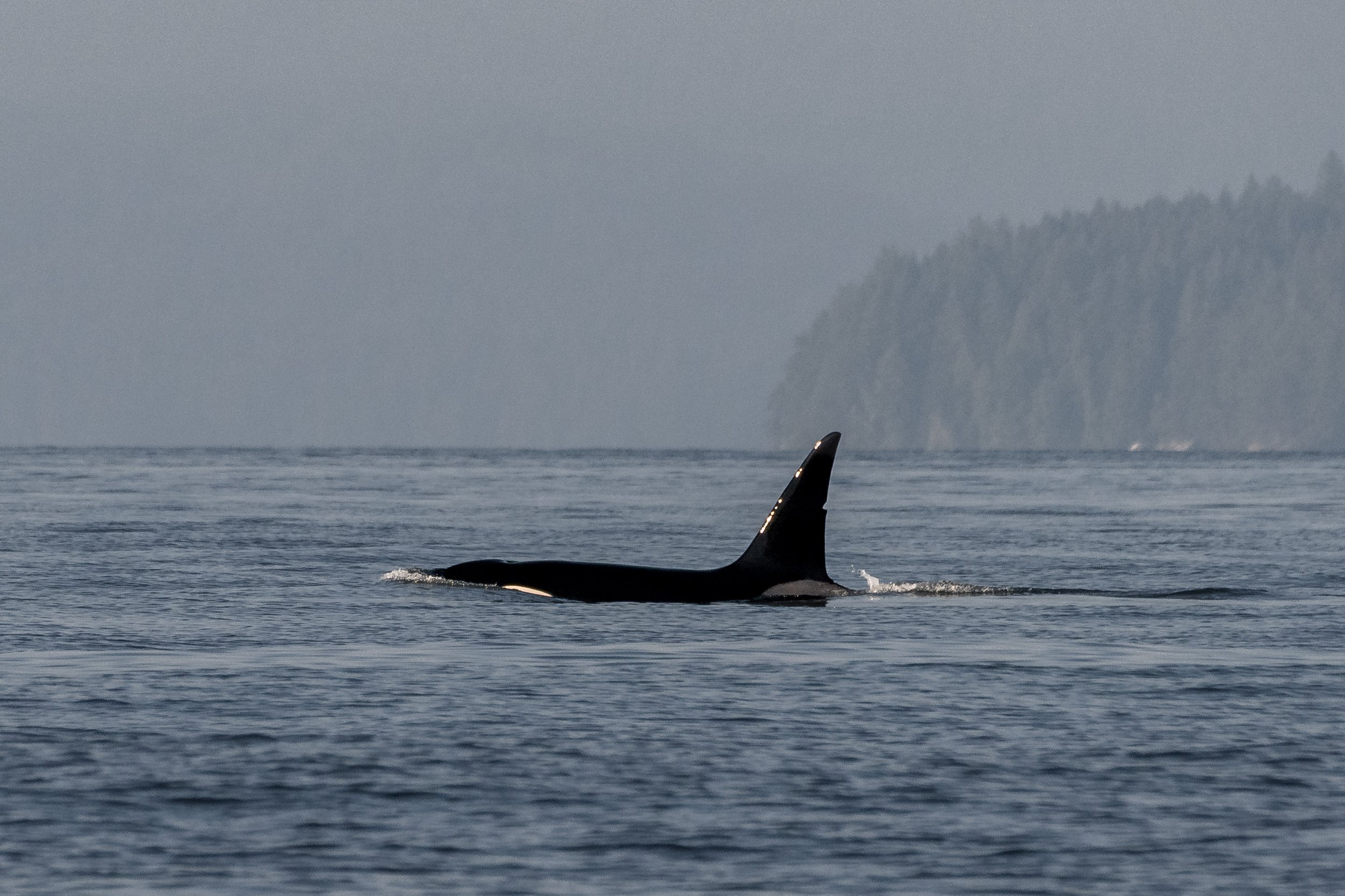
T037A2 Inky travelling along. Photograph by Val Watson.