
July 27, 2026, 10:30 AM - "Scratch"ing the whale itch with a double species trip
The Pacific Northwest is often regarded as one of the best areas in the world to go whale watching, and today was a perfect example of that. With the full fleet setting out, we did our usual chat about spreading out to maximize our chances, but as luck would have it, that wasn’t even needed! Within 15 minutes of departing the dock, there they were - two black dorsal fins slicing through the waves!
One big, tall dorsal fin was followed closely by a shorter, hooked dorsal fin. A couple of quick shots confirmed this was a sibling duo known as T030A and T030C:
T030A Sequoia ♂ (1986)
T030C Salix ♀ (2005)
They were speeding by as we first caught sight of them, frequently changing directions as they went. Fast travel in this relatively slow-moving species usually indicates a hunt is underway. Orca are considered “sprinters” and usually reserve their bursts of speed for short intervals to help conserve calories. Hunts almost entirely happen under the surface as well, meaning we often don’t see much of the bigger moments of action while onboard. We believe this one was successful, though, as the pair was soon seen spyhopping above the surface. Spyhopping is a behaviour that consists of a whale popping the front half of their body up and out of the water. It is a behaviour that is often associated with celebration, such as after a successful hunt and meal. Orca are highly sociable animals, and meals are an important part of that. Whenever prey is caught, they will divide it up amongst the pod members.
After spending time with the orca, we said our goodbyes and headed out to continue searching. We spread out as we originally intended and began making our way along. Heading southbound, we coasted down the shorelines of the many Southern Gulf Islands, scanning in all directions as we went. We were hoping to find our second commonly spotted whale species, the Humpback Whale, and were eagerly looking for any flukes, dorsal fins, or blows in the nearby waters. This proved fruitful, as Cascadia located a single humpback, and soon after, Kula also found a pair. Keta made their way over to accompany Cascadia at first, and after a bit of a viewing, headed on out to join Kula as well.
The single humpback whale was travelling as we observed them. Most of their surfaces were shallow, with occasional deeper dives where they would raise their flukes high up into the air. These higher flukes created a perfect opportunity to capture a photo for IDs. They were identified as Scratchy (BCY1022). Scratchy has been cross-matched to the Hawaii breeding grounds and was first spotted back in 2016, according to current Happywhale data, meaning they are at least 10 years old. They have not been seen with a calf to date, which leads us to believe they are a male. Unlike orca, humpbacks show barely any signs of Sexual Dimorphism, meaning the females and males visually look nearly identical. The only physical distinction on a humpback’s body is a small, grapefruit-sized bump known as the Hemispherical Lobe, located on the underside of their peduncle. While scientists are still unsure of this lobe’s purpose, it is known that only females have them. Unfortunately, the location makes them very hard to spot, leading to most humpbacks remaining genderless for an extended period of time. The only other time we know a humpback’s gender is when they show up with a calf; at that time, they are believed to be Female. At this time, there have been no documented cases of humpback males raising calves, but only time will tell if that changes!
The pair of humpbacks was travelling side by side, surfacing only briefly before drifting back below the water. The larger of the two would occasionally fluke, while the smaller individual kept only travelling shallowly. Thankfully, their highly unique dorsal fin could be used to confirm their identity. These two were Orion (BCX1251) and Ghost’s 2025 calf (BCX1333 calf 2025). First seen in 2008, Orion has been returning to the Salish Sea yearly for almost two decades. Similar to Scratchy, Orion is also believed to be Male because of this extended period of time without being present with a calf.
Ghost’s 2025 calf is experiencing their first year of life without their mother by their side. During that first year, they learn all sorts of valuable information - what are the best areas to feed, any potential hazards to avoid, and the best route to take to the breeding grounds. Now, they need to test their knowledge. Ghost is a regular returner to our area in the summer, and, as humpback whales show strong site fidelity, it is not surprising to see her calves return to this area as well. We hope this young individual continues to thrive and that we can spot them in our seas for many more years to come!
While the morning had already been full of sightings, there was even more in store for us. Heading on off once more, we began cruising along once more. The next destination was along Valdez Island, one of the outer Southern Gulf Islands. Here, a tiny group of rocky islets was visible just above the surf. This area, dubbed “Stinky Rock”, is a favourite haulout for our pinnipeds. Steller Sea Lions will pile high up on the rocks, jousting and pushing each other away as they fight for the best resting spots. On the kelp-covered sections closer to shore, Harbour Seals lazily yawned and stretched. While most of our sea lions have departed our shores to head to their breeding grounds, our seals will remain in the area all year round.
After a few last peeks, we departed from the haulout and began travelling once more. We headed back north, weaving our way through the many small passages of the Southern Gulf Islands. Eventually we made our way back into the harbour, and soon after we were docked back at our home port. It had been a fantastic time exploring and enjoying the area and learning and spotting many of the inhabitants of the beautiful area known as the Salish Sea.
Please enjoy these photos taken by Marine Naturalists Val Watson, Aly Kohlman, and Vanessa Vereschahen.
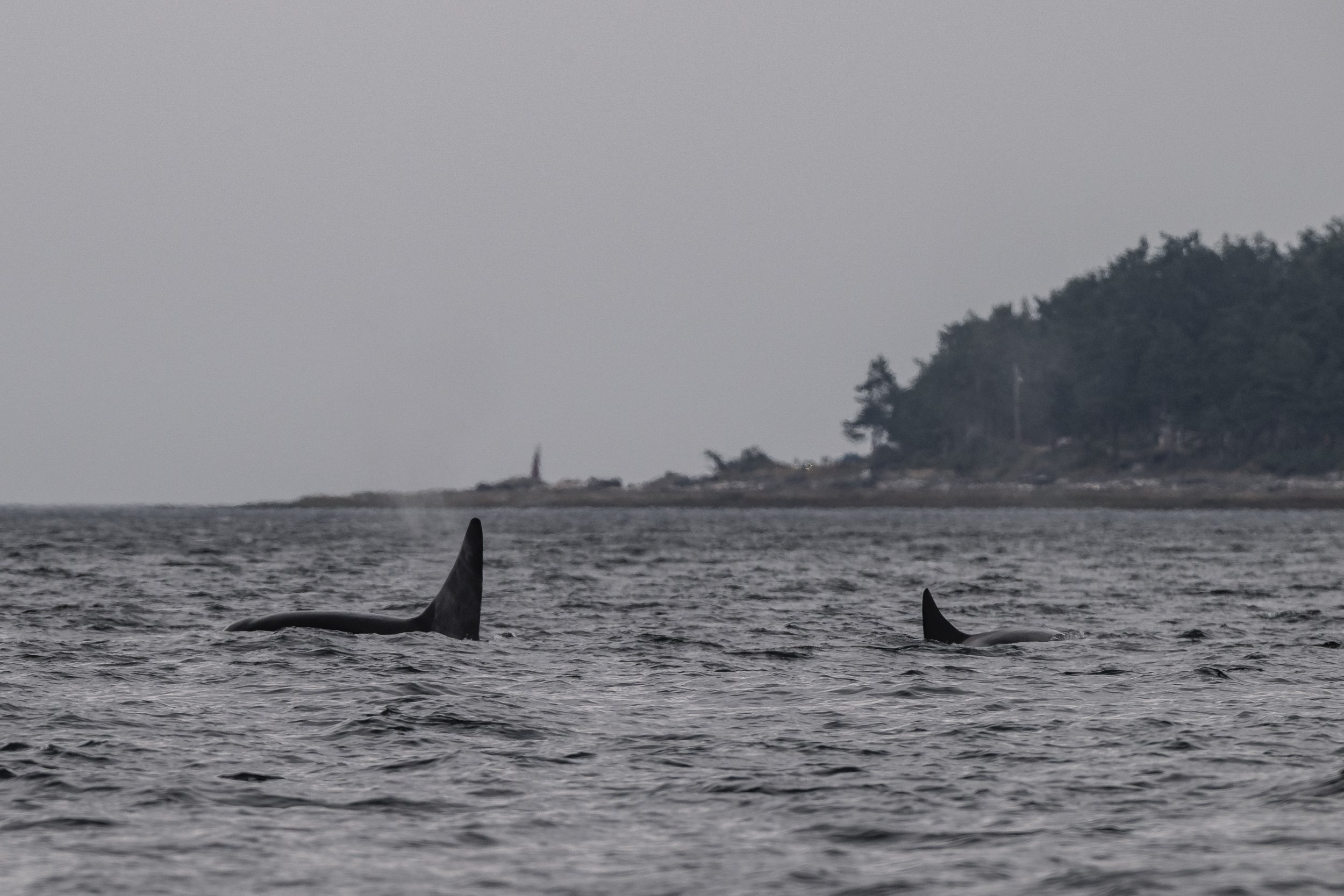
T030A Sequoia with T030C Salix behind him. Photo by Aly Kohlman.
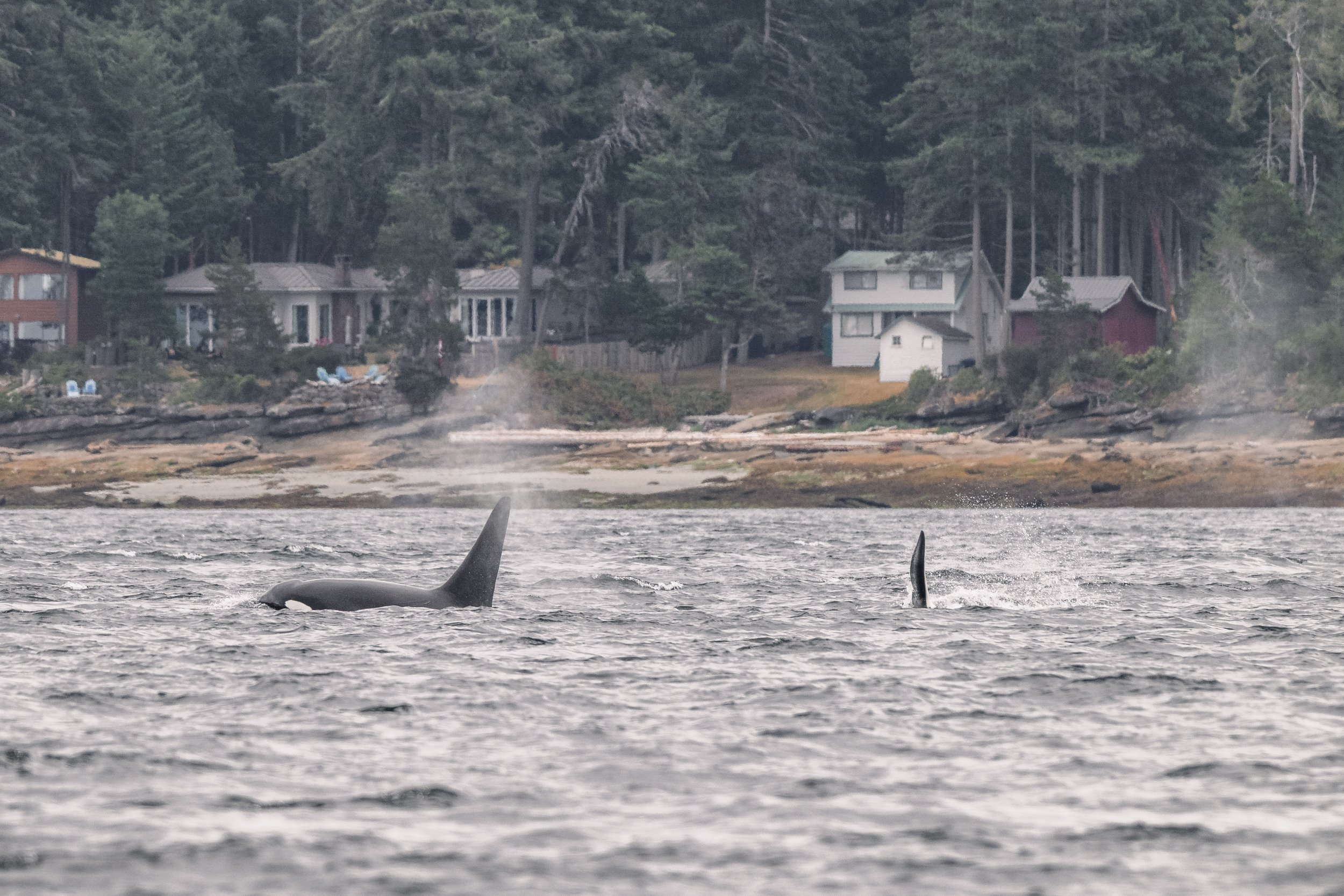
T030A Sequoia travelling with T030C Salix slapping her tail. Photo by Aly Kohlman.
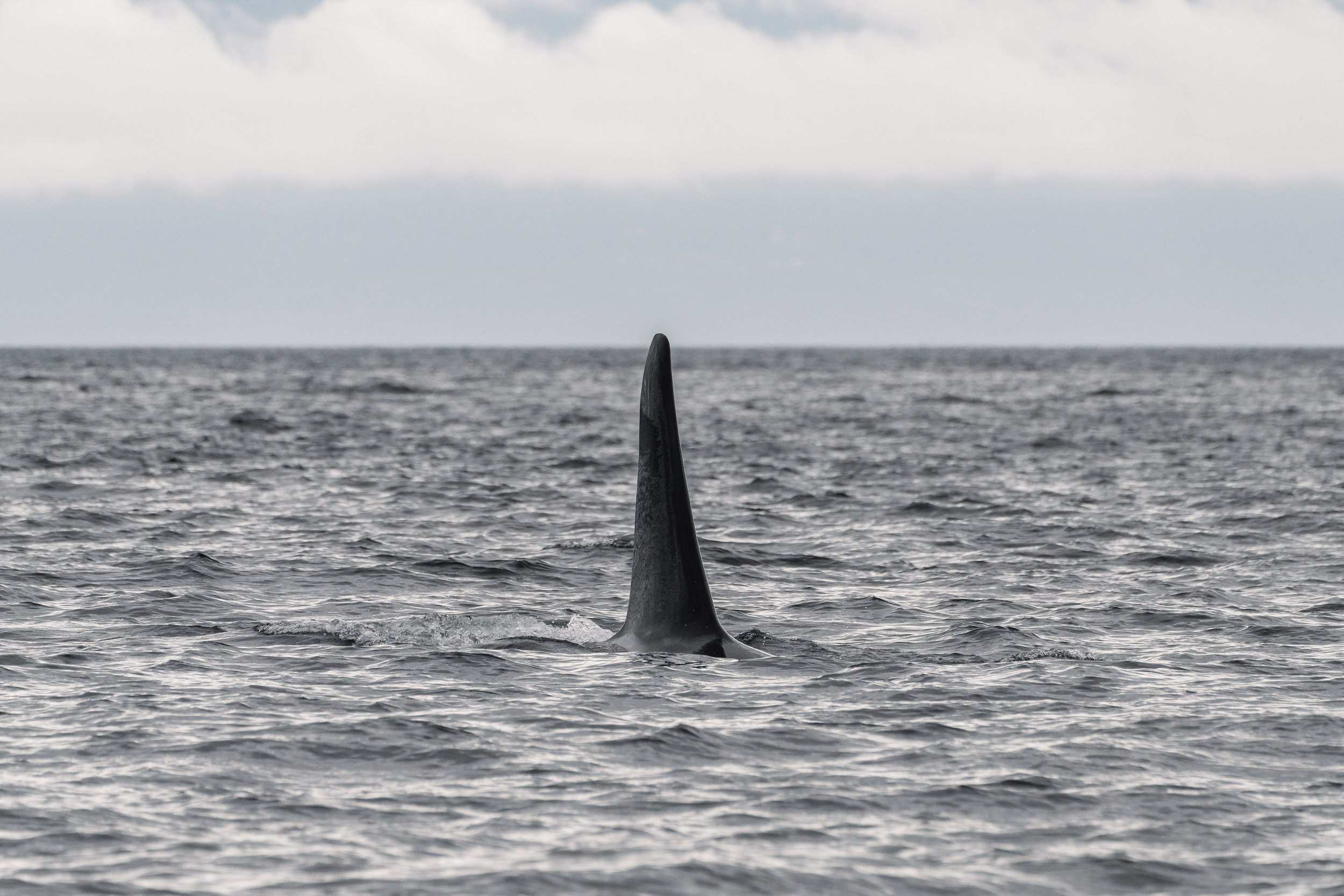
T030A Sequoia has a very tall and straight dorsal fin. Photo by Val Watson.
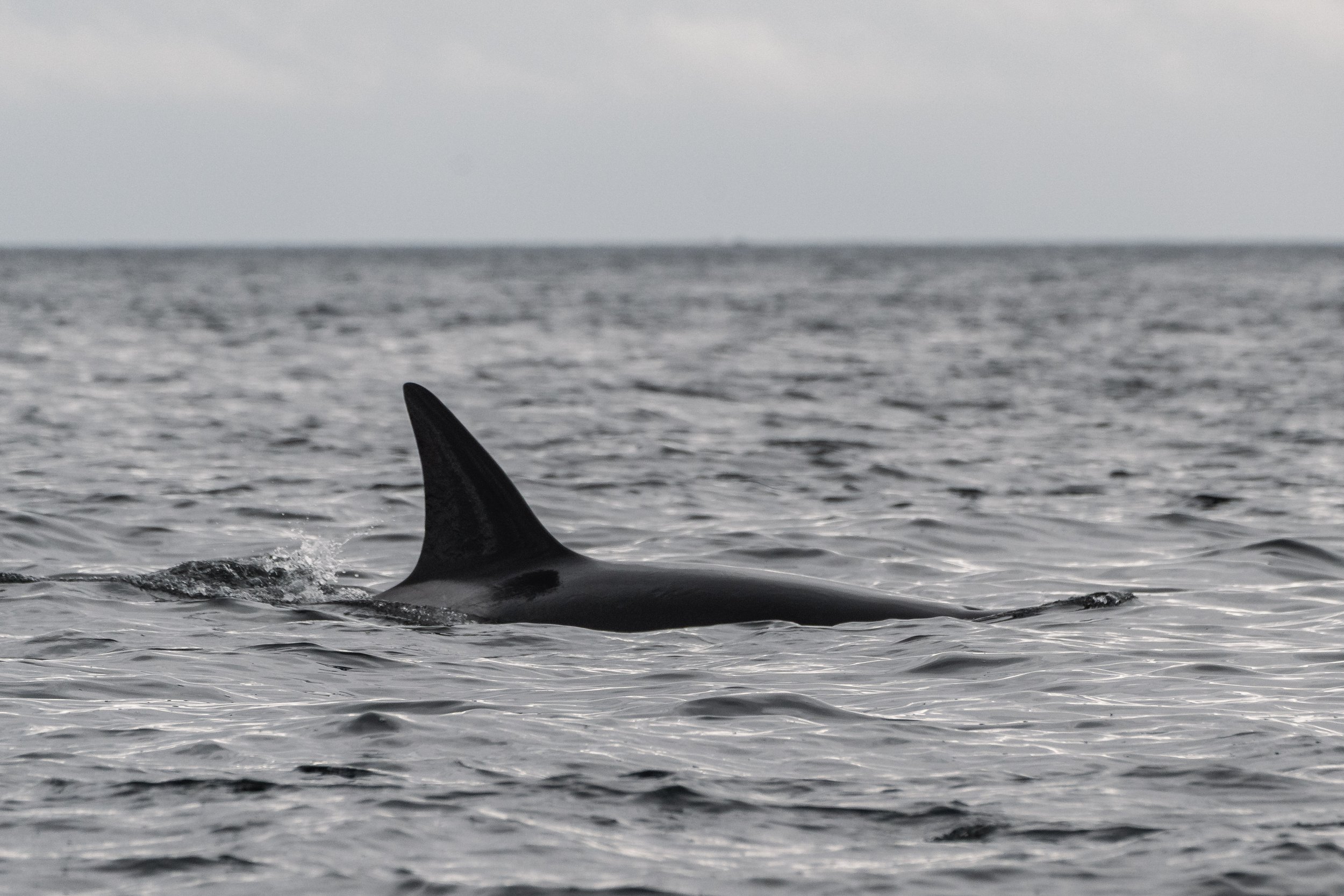
T030C Salix has a much more modest and hooked dorsal fin. Photo by Val Watson.
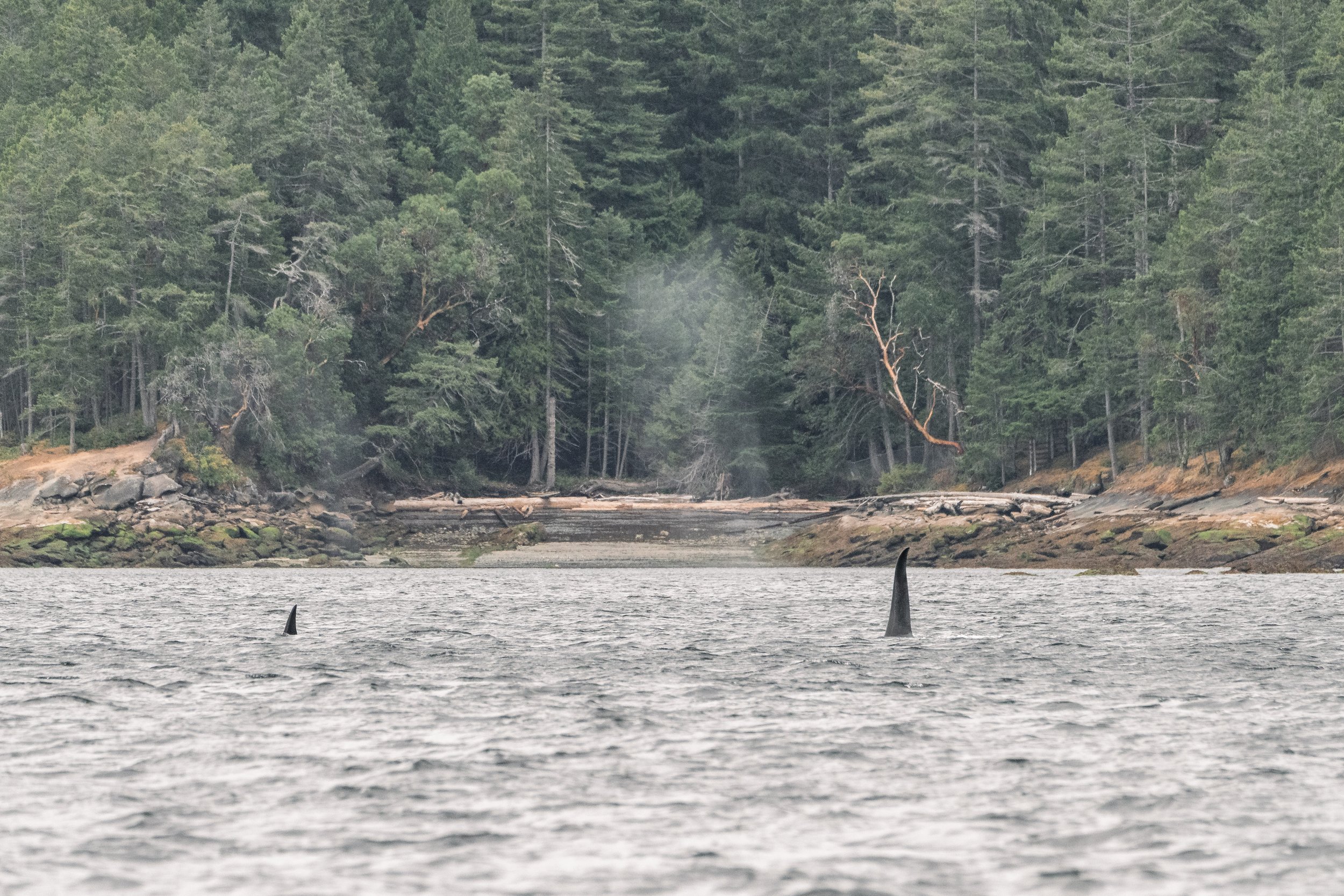
T030C Salix and T030A Sequoia with Saysutshun Island behind them. Photo by Val Watson.
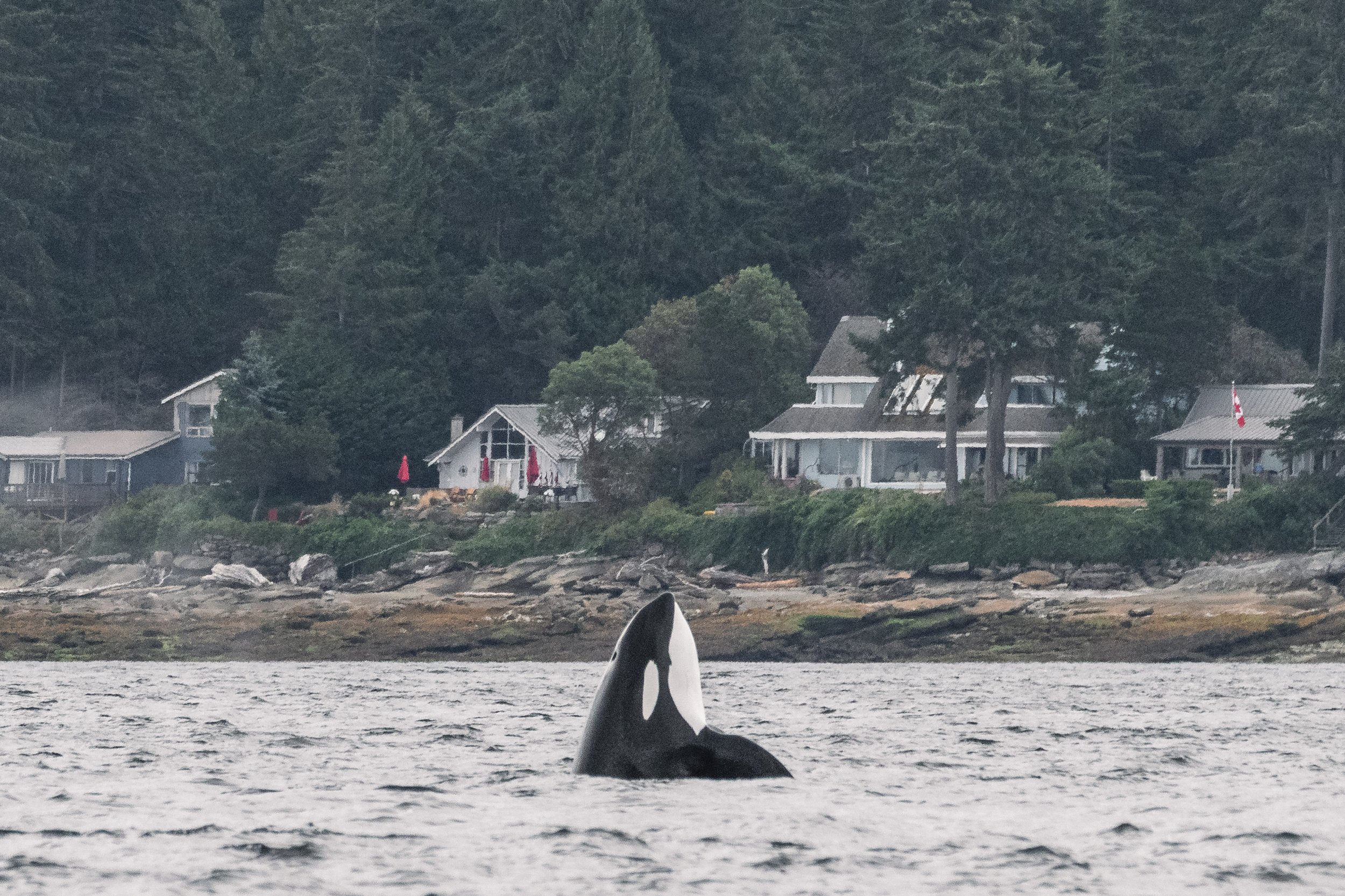
T030A Sequoia spyhopping. Photo by Val Watson.
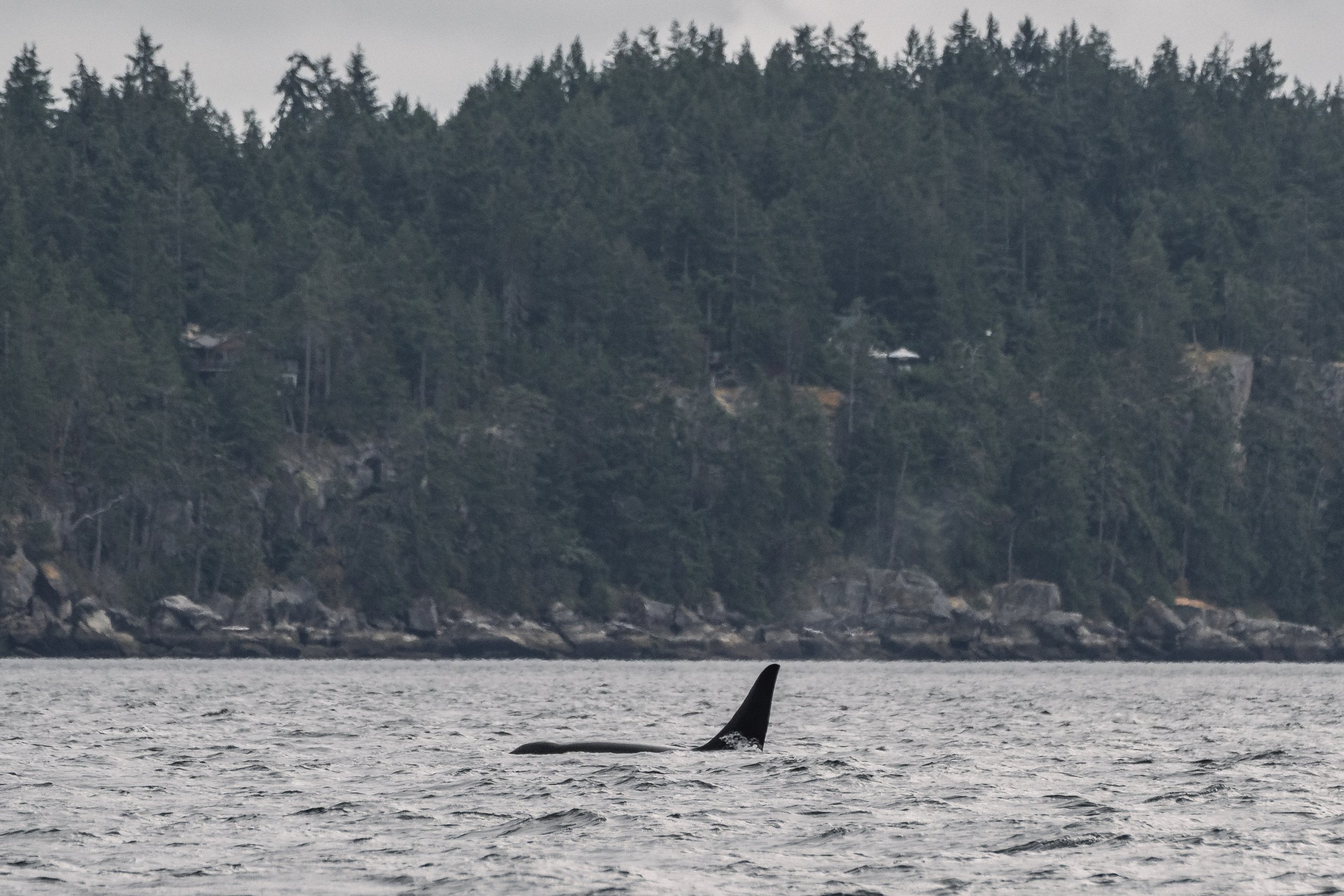
T030A Sequoia with Gabriola Island visible behind him. Photo by Val Watson.
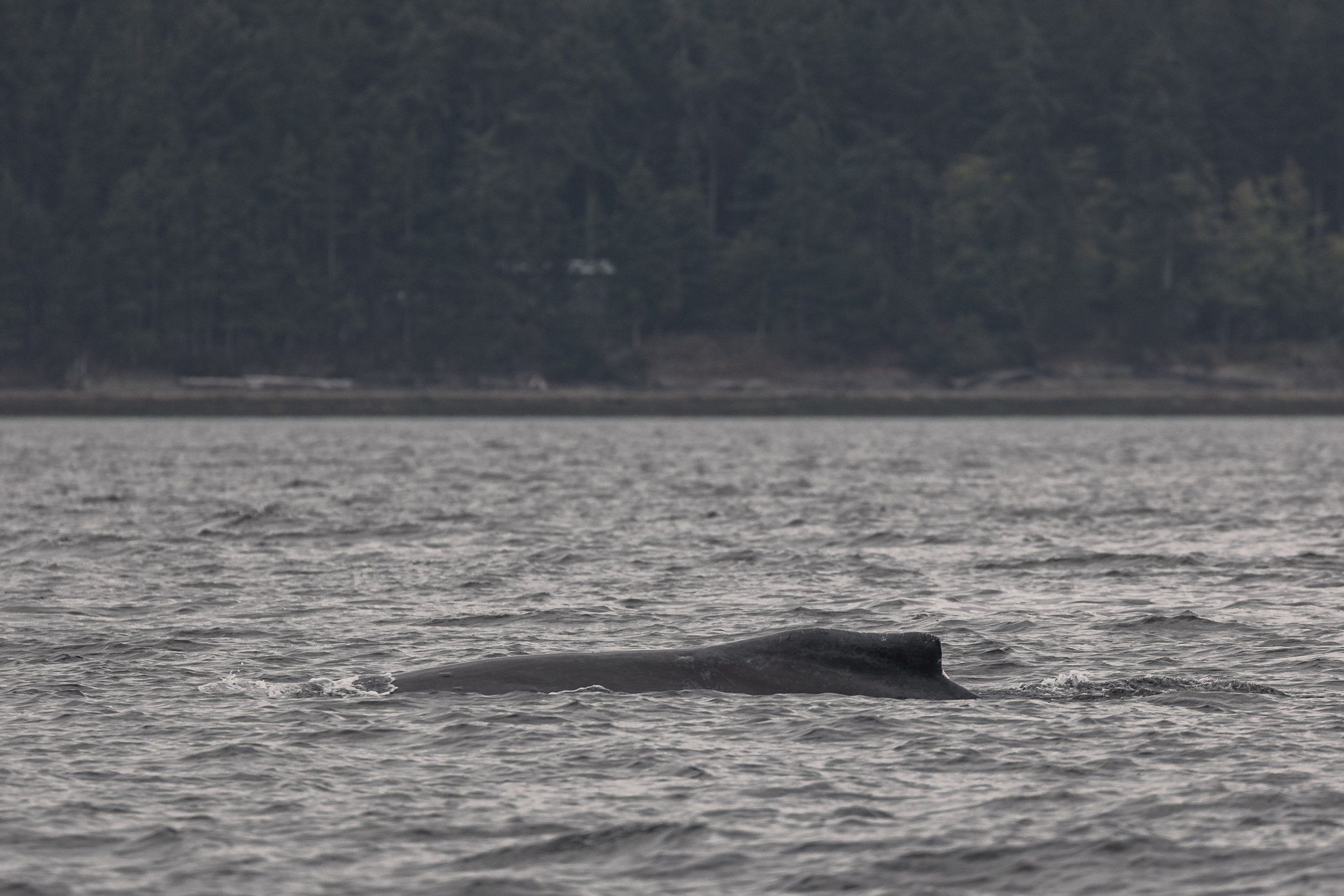
Scratchy’s dorsal fin as they travel along. Photo by Vanessa Vereschahen.
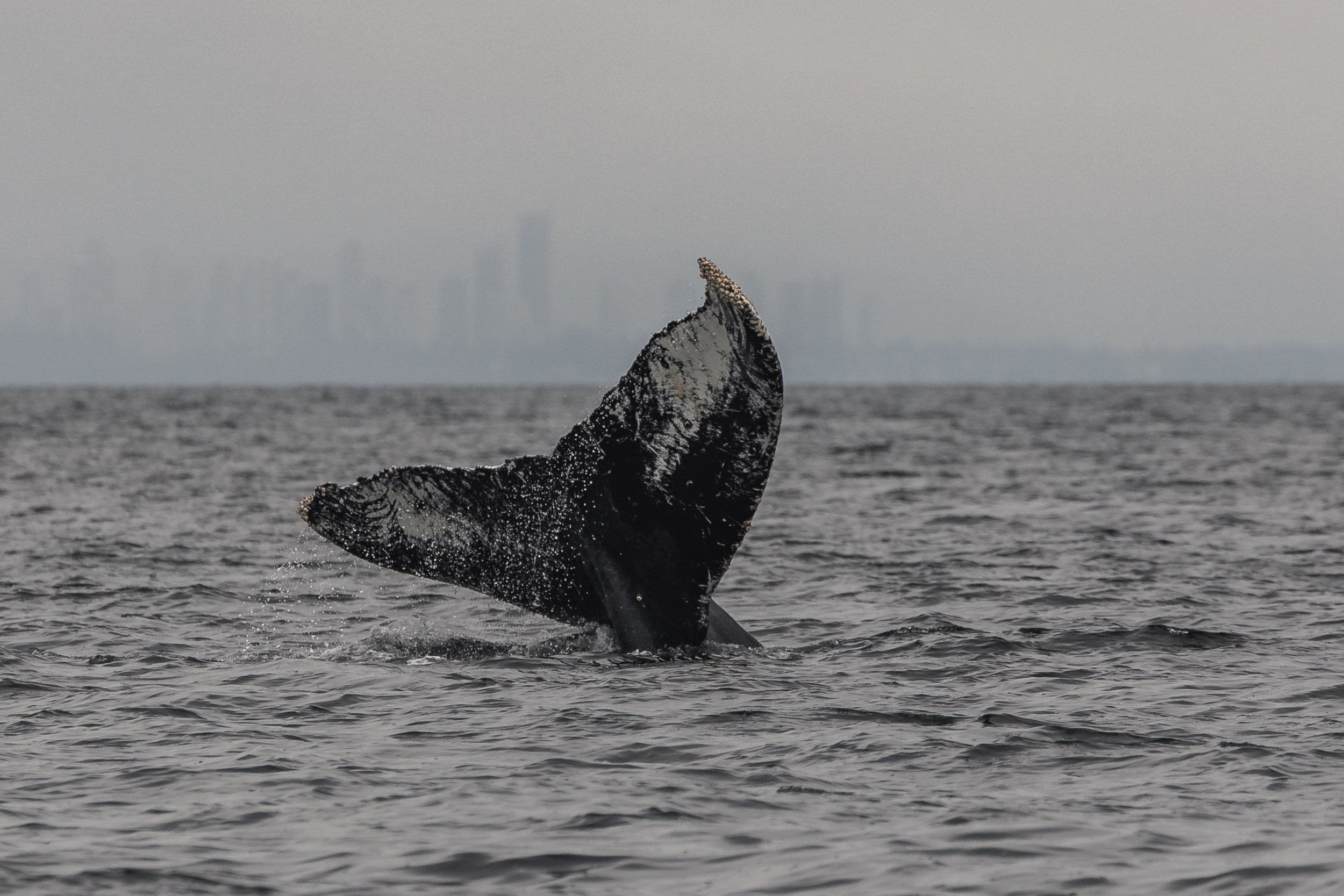
Scratchy’s fluke high up in the air. Photo by Vanessa Vereschahen.
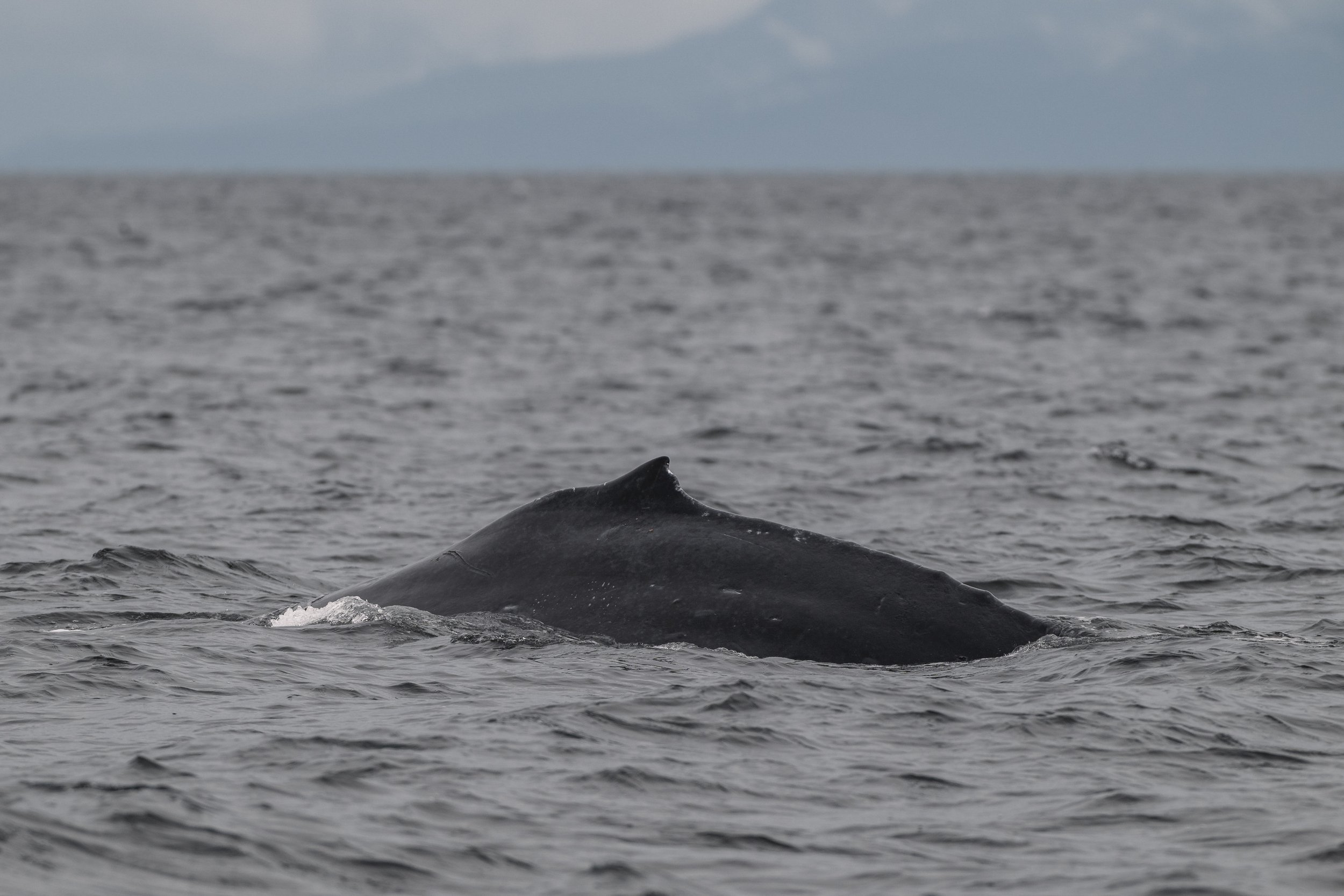
Ghost’s 2025 calf’s dorsal fin as they travel along. Photo by Aly Kohlman.
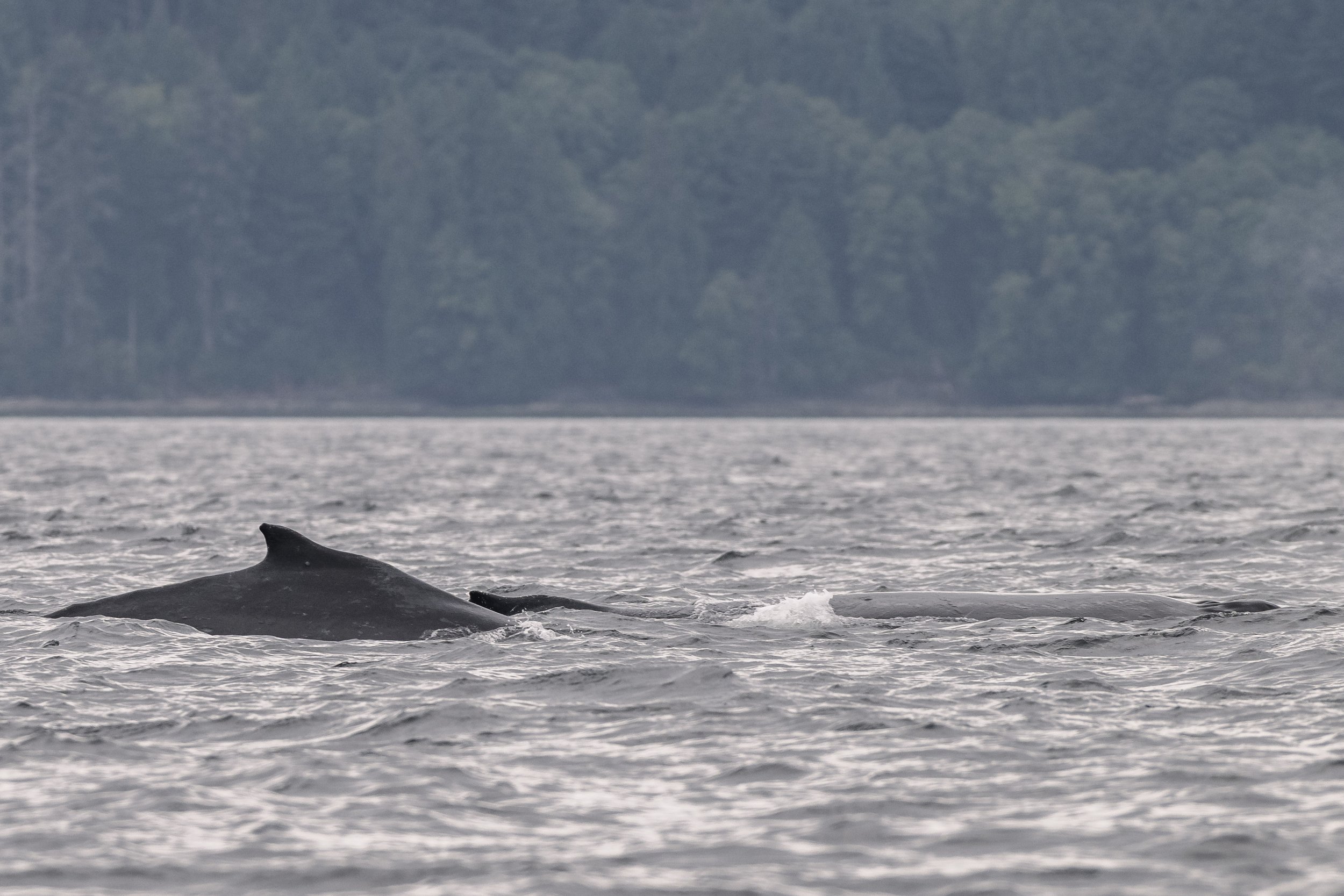
Orion with Ghost’s 2025 calf behind him. Photo by Aly Kohlman.
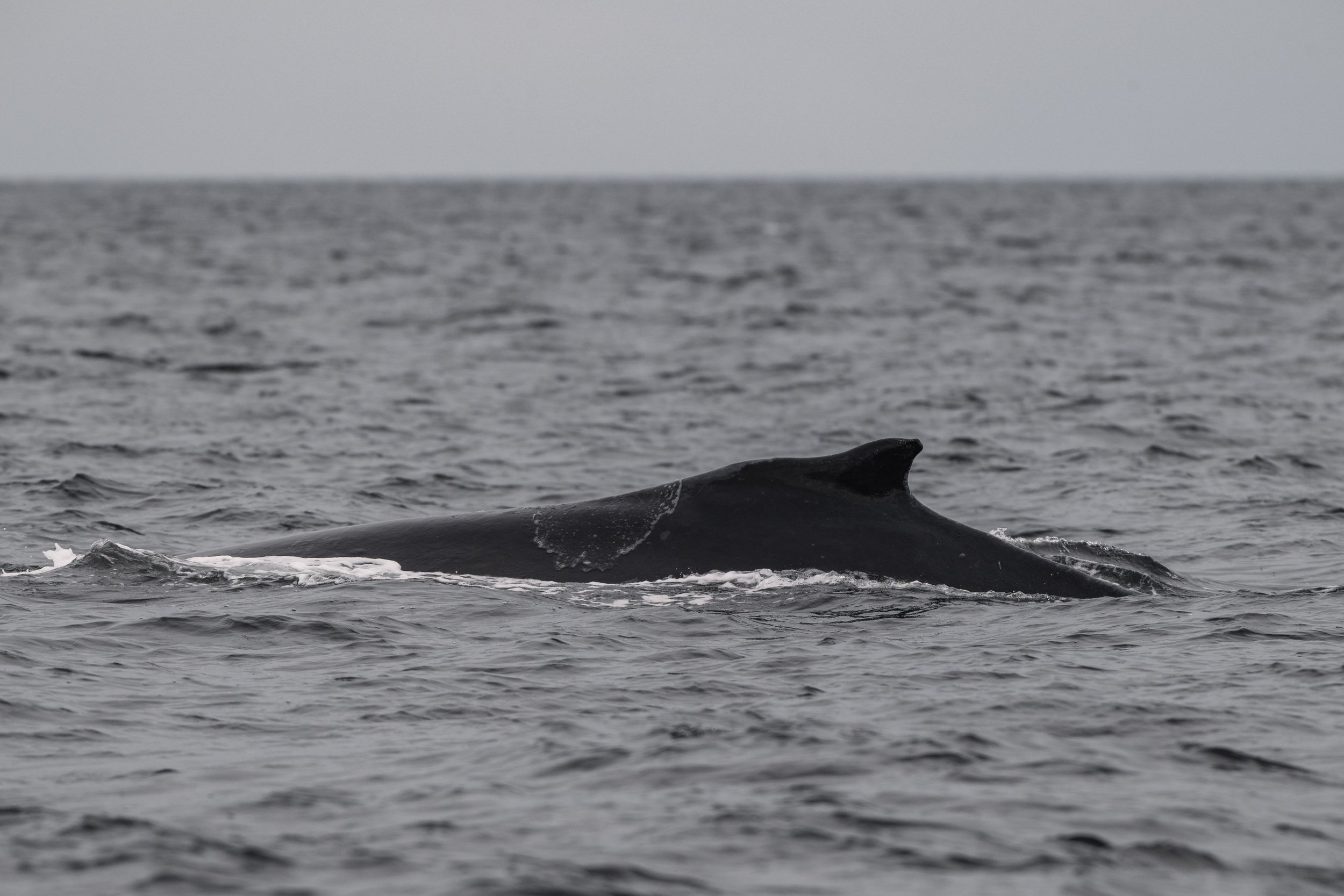
Orion’s uniquely shaped dorsal fin. Photo by Aly Kohlman.
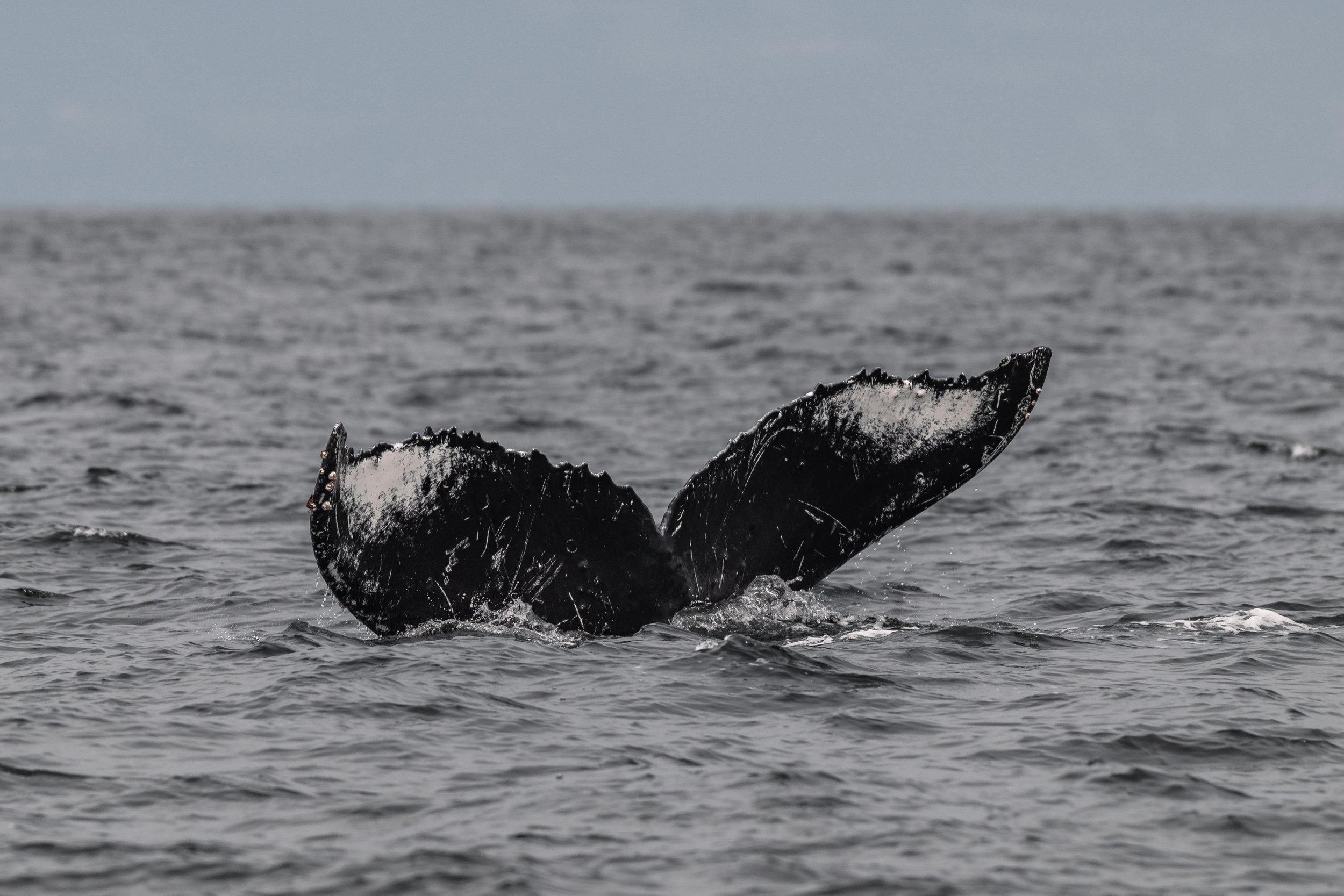
Orion diving. Photo by Aly Kohlman.
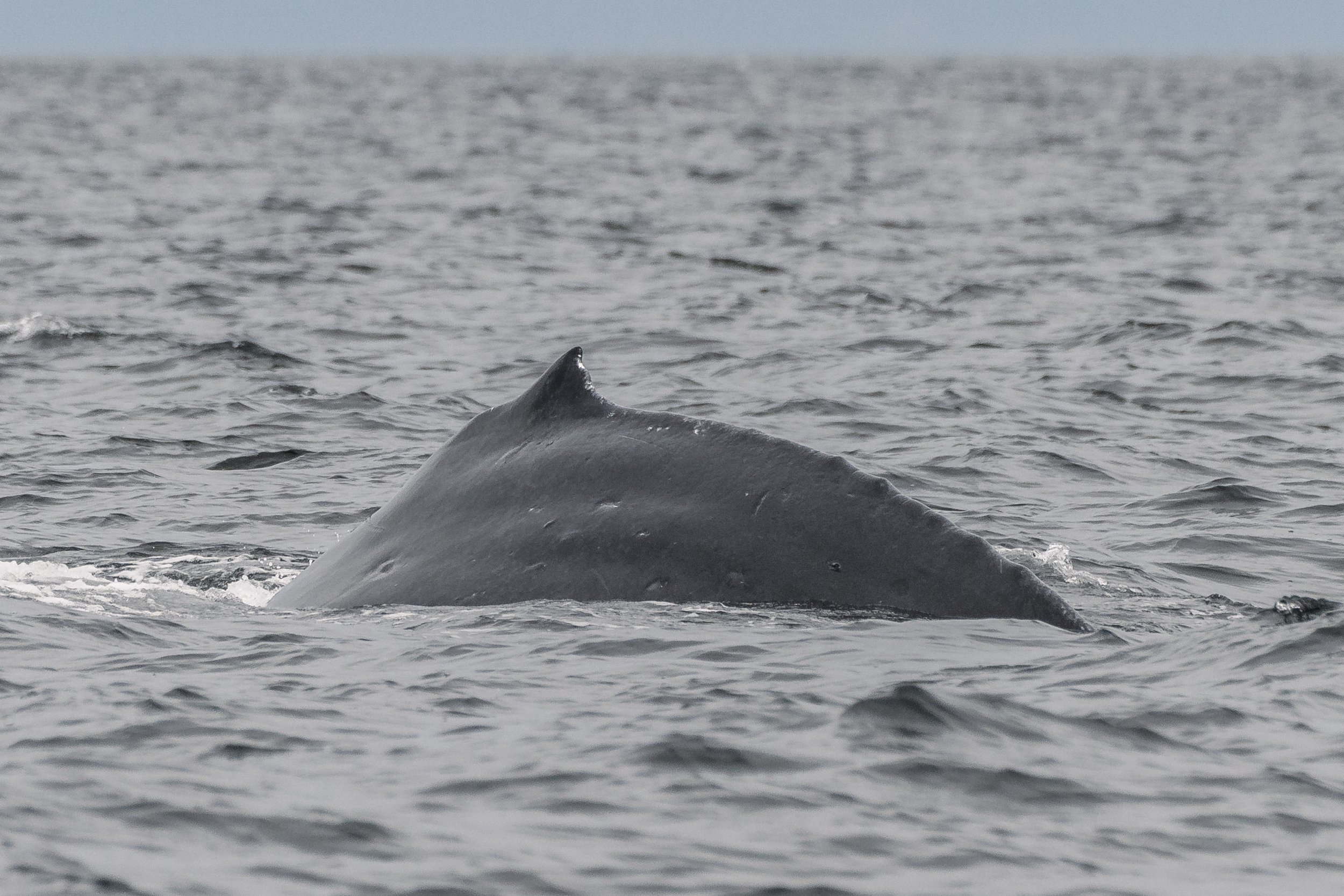
Ghost’s 2025 calf preparing to dive. Photo by Val Watson.
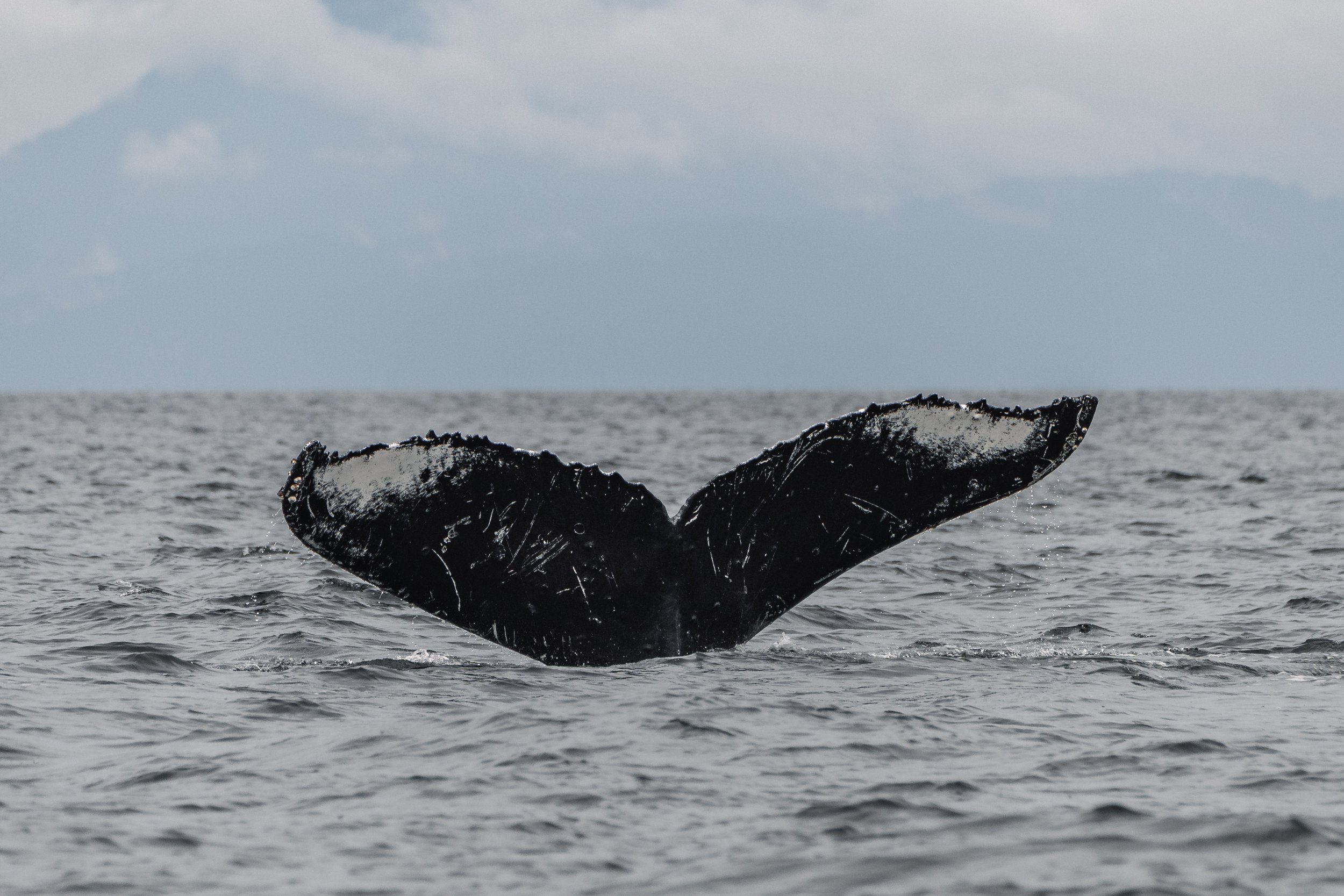
Orion’s beautiful fluke. Photo by Val Watson.
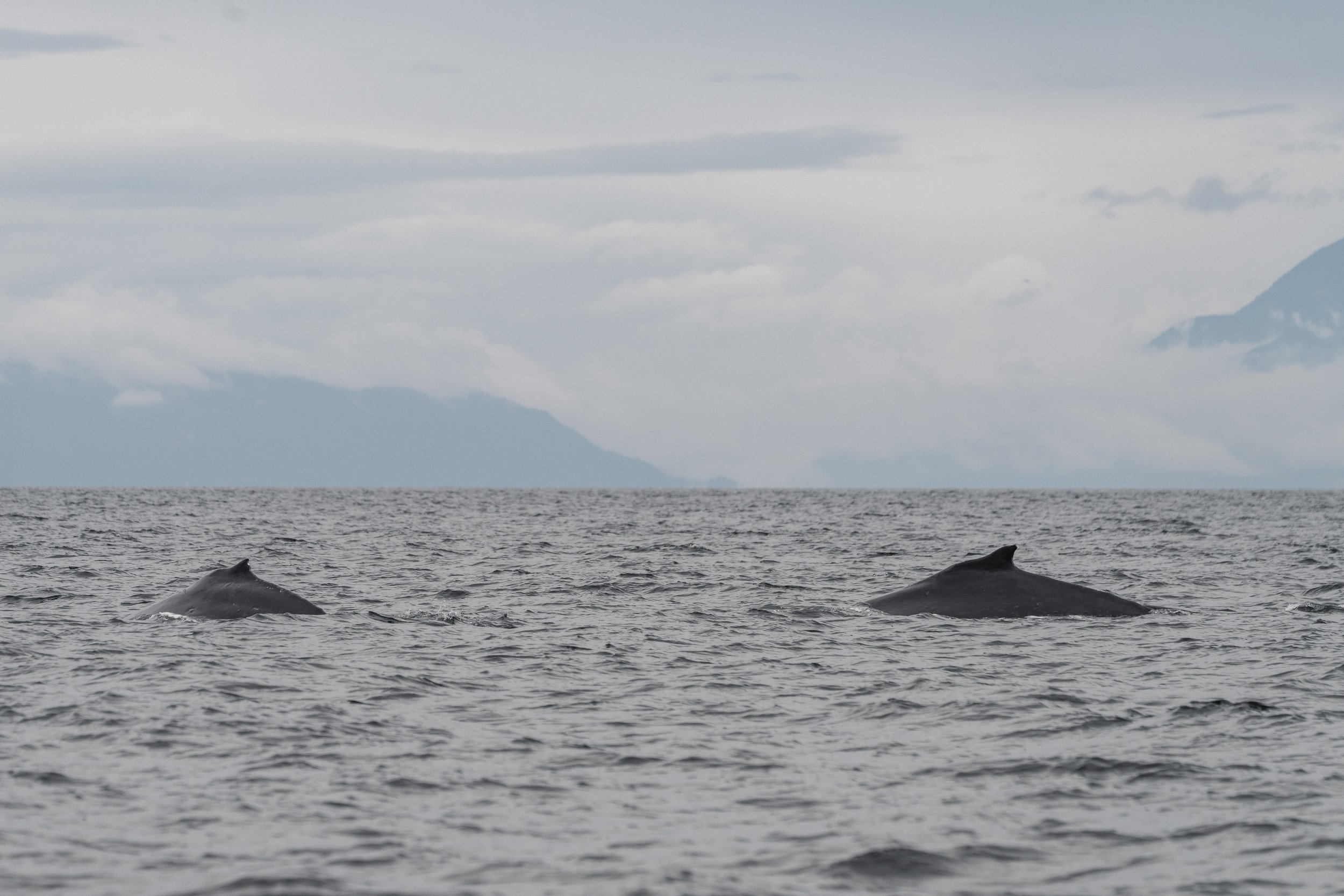
Ghost’s 2025 calf and Orion. Photo by Val Watson.
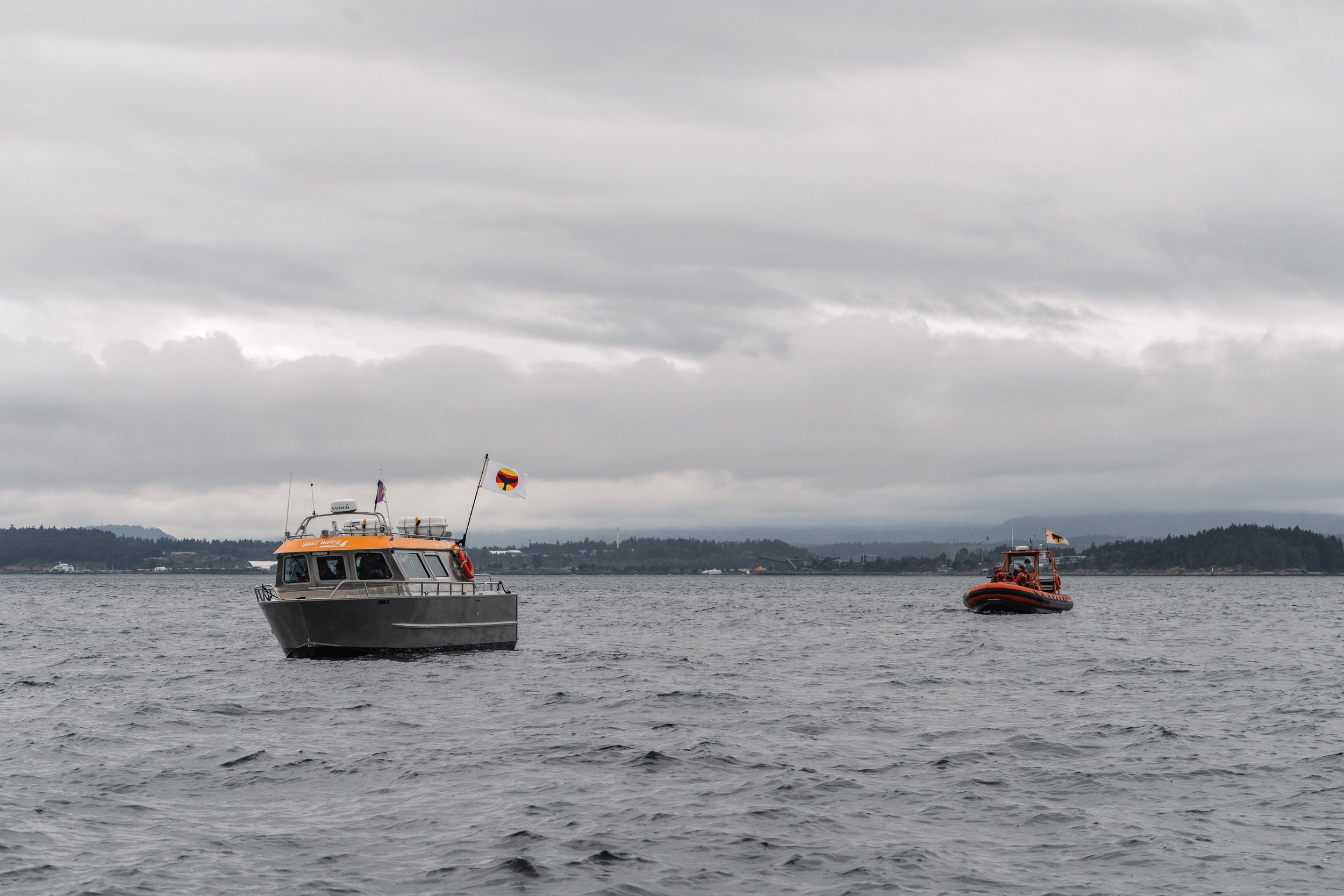
Semi-covered Vessel Kula and Open Vessel Cascadia on scene. Photo by Val Watson.
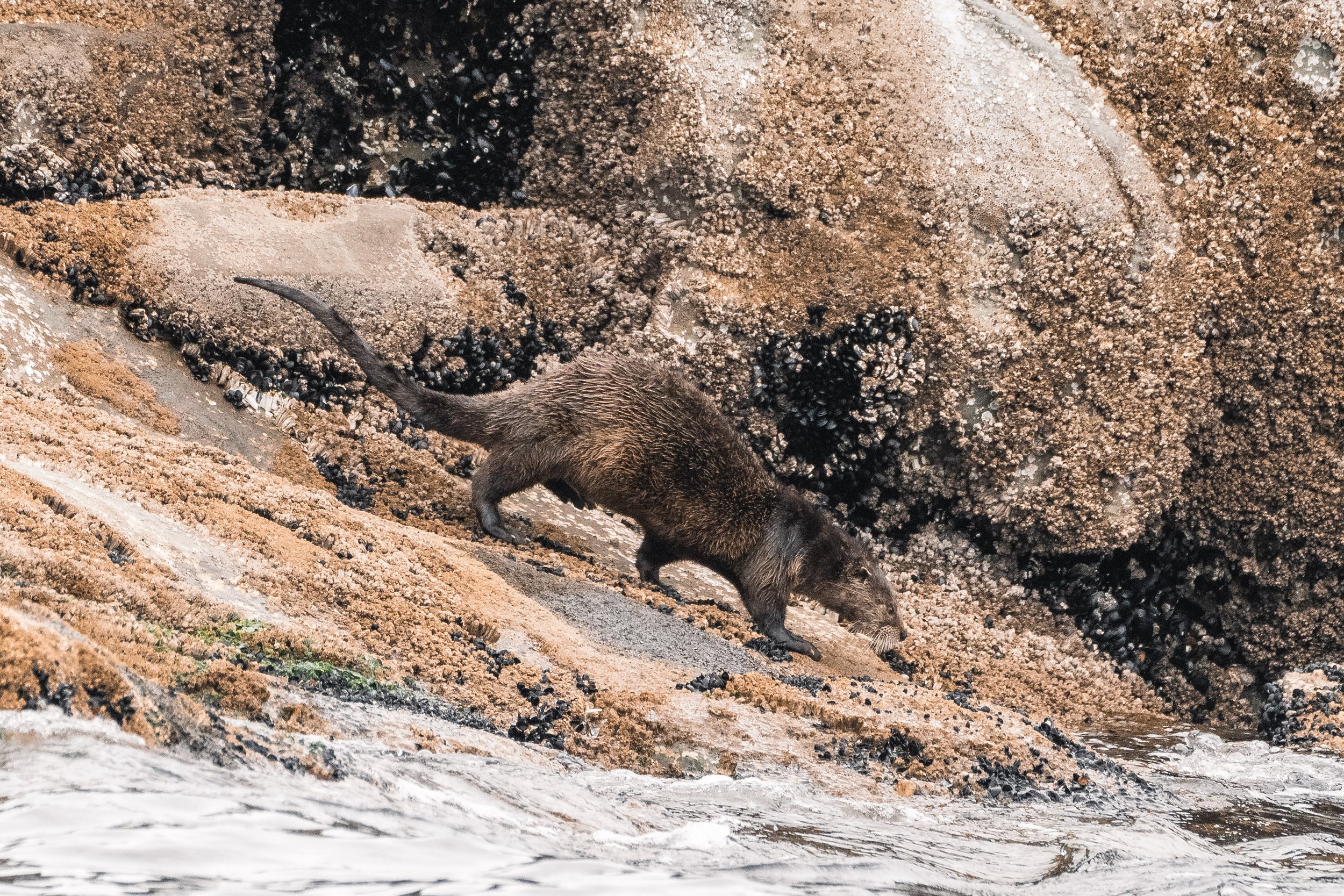
A River Otter skirting down to the water. Photo by Val Watson.
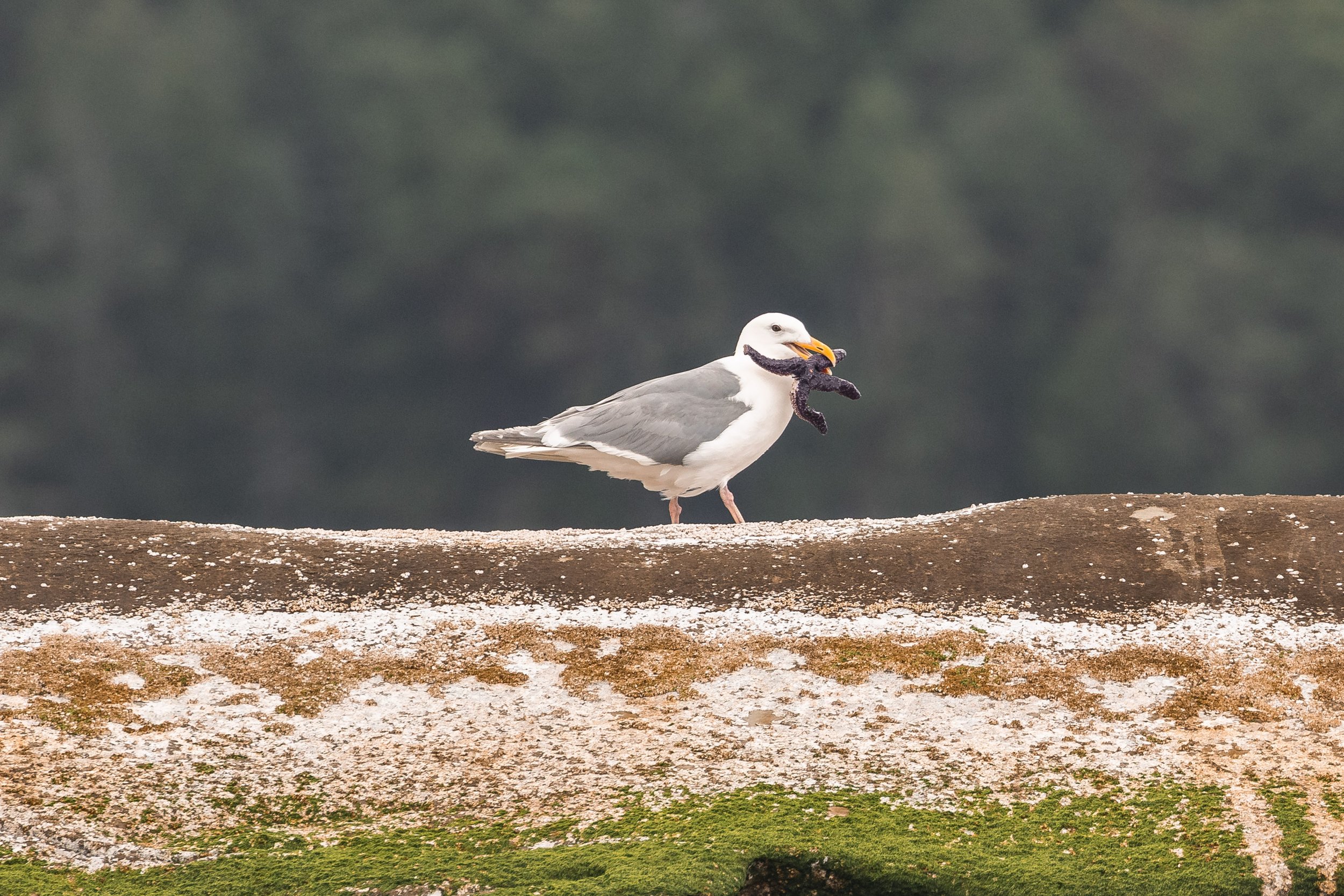
A starfish snack for a Gull. Photo by Vanessa Vereschahen.
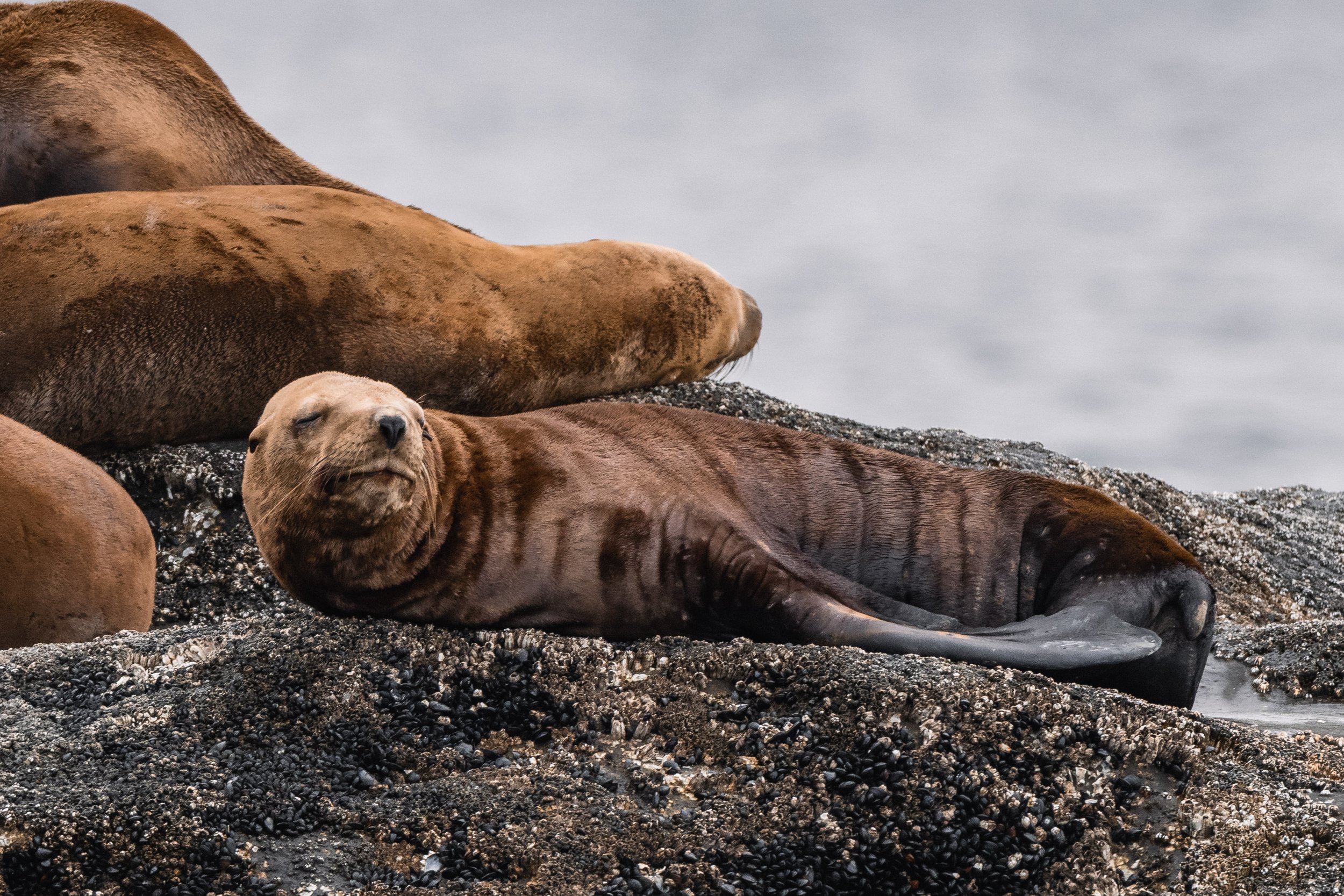
A very sleepy Steller Sea Lion. Photo by Aly Kohlman.
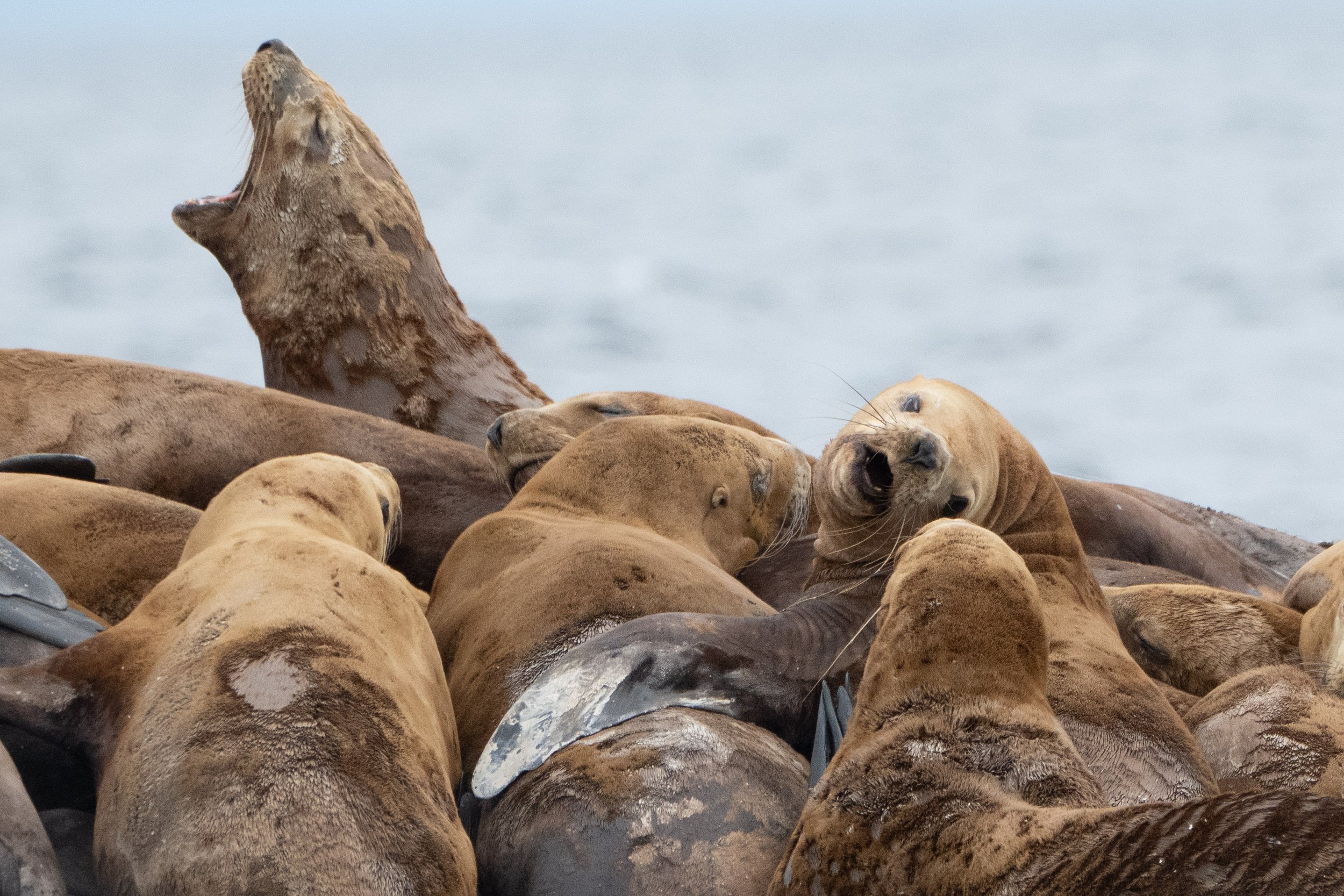
Discourse amongst the sea lions. Photo by Val Watson.
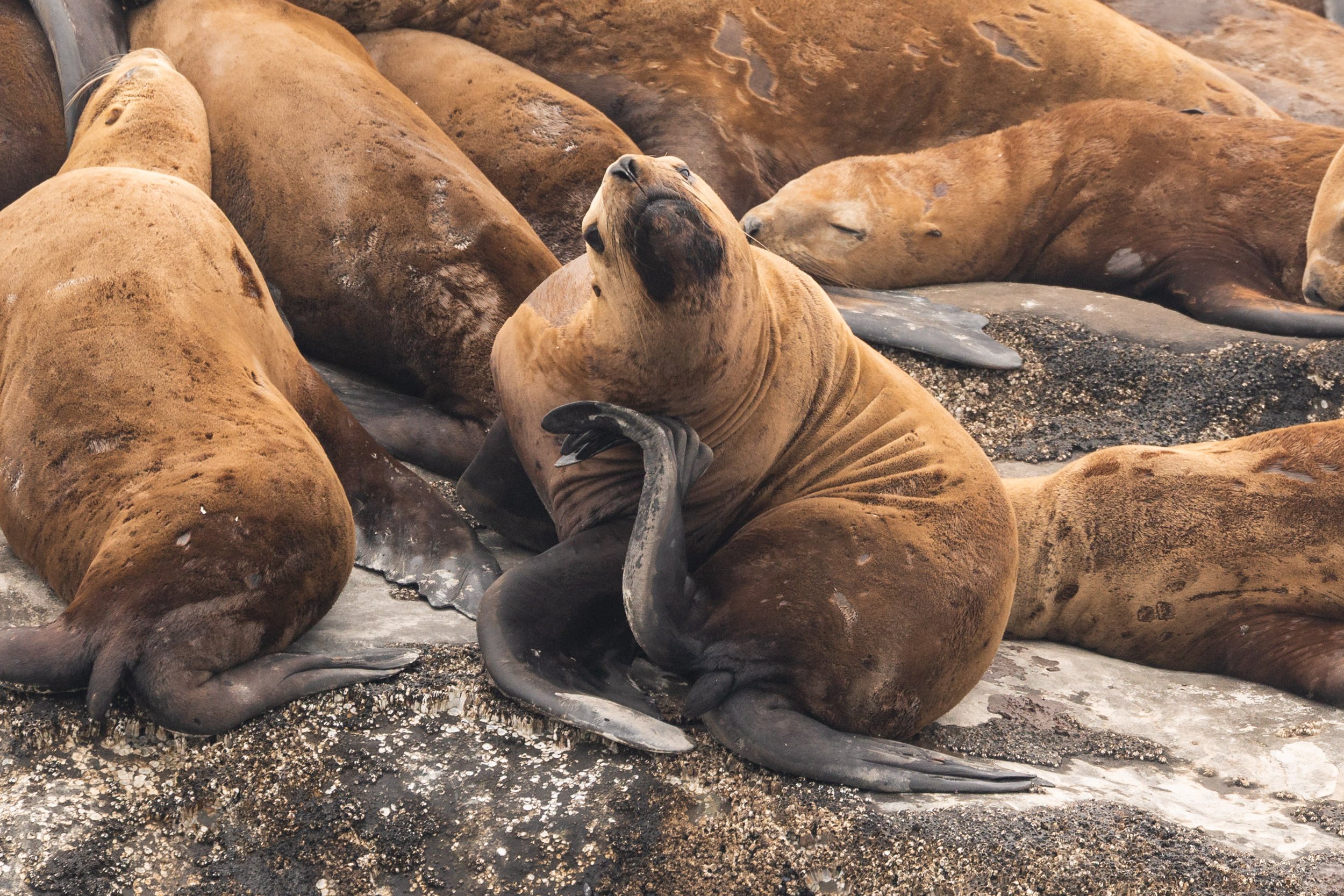
Scratchy scratchy scratchy! Photo by Vanessa Vereschahen.
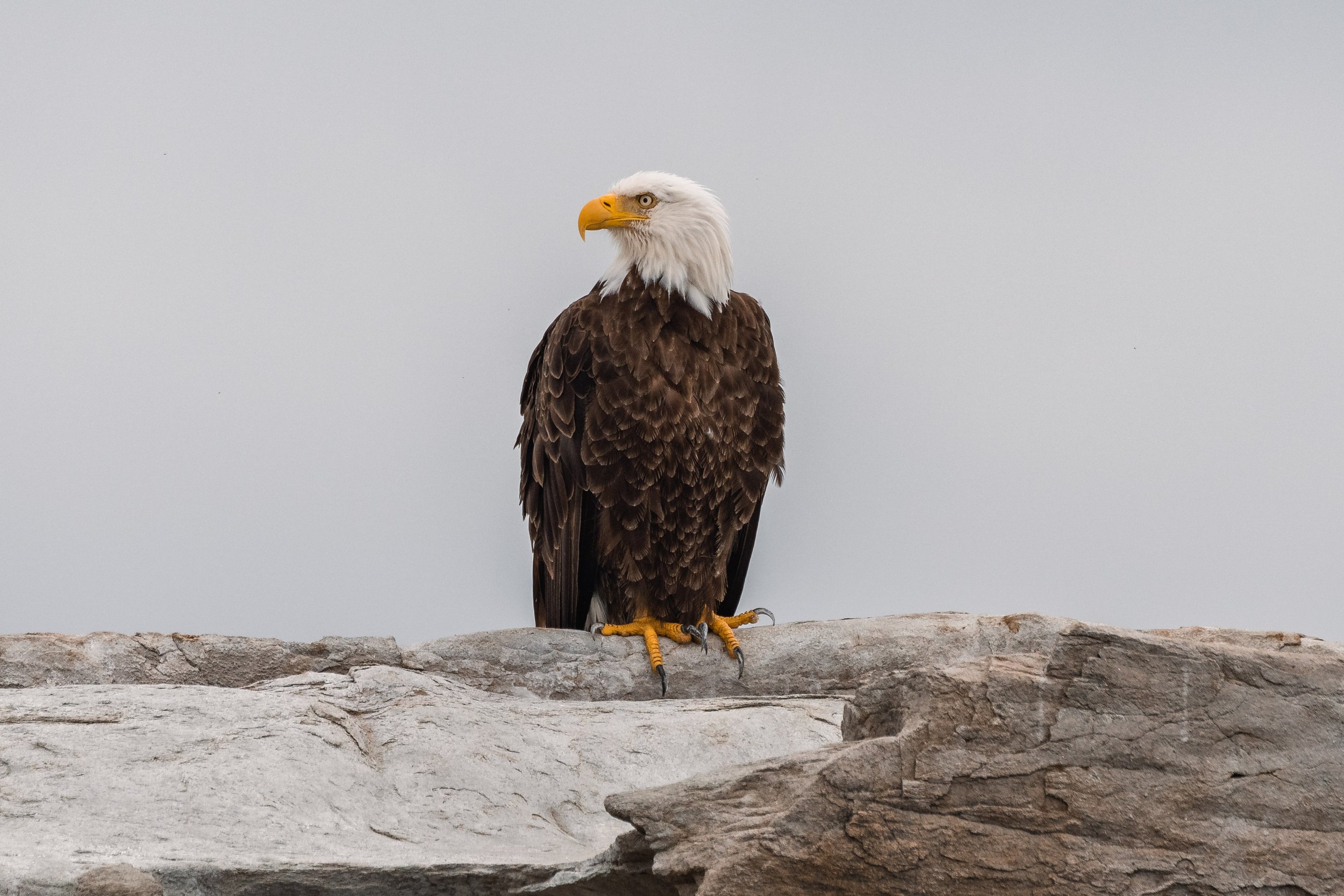
A Bald Eagle perched up on the rocks. Photo by Val Watson.
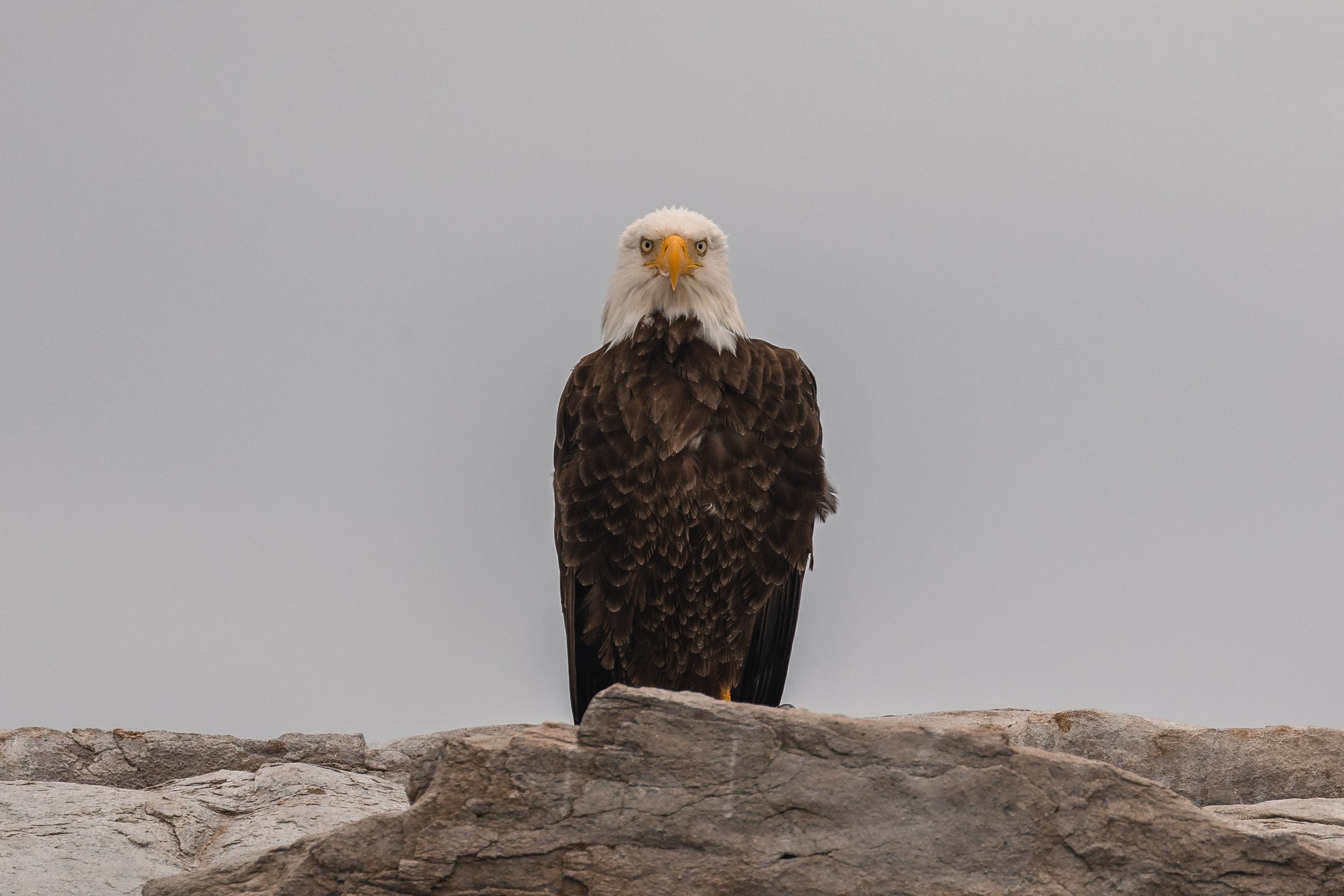
Giving us the stinky eye. Photo by Vanessa Vereschahen.
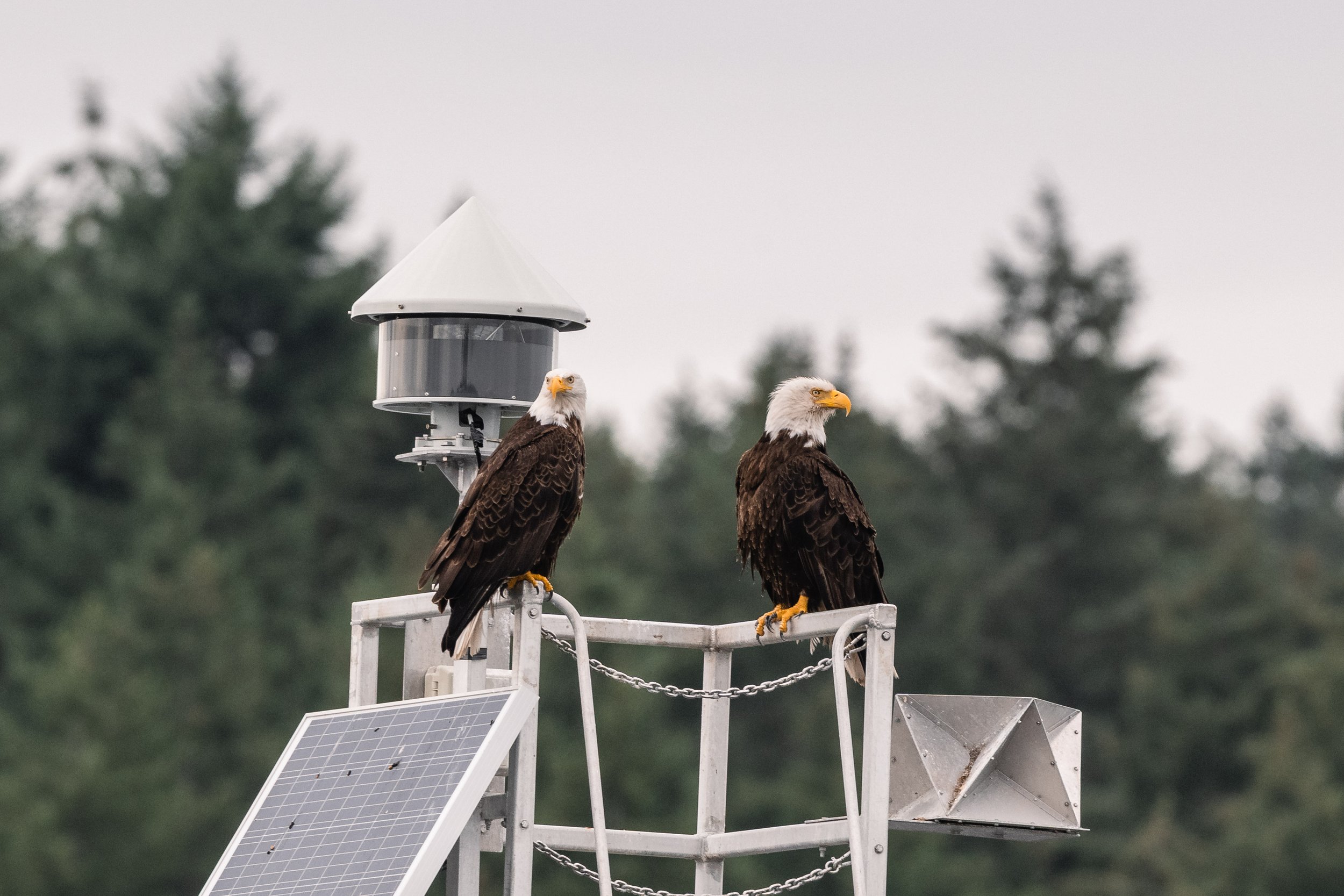
A pair of Bald Eagles on the marker. Photo by Aly Kohlman.
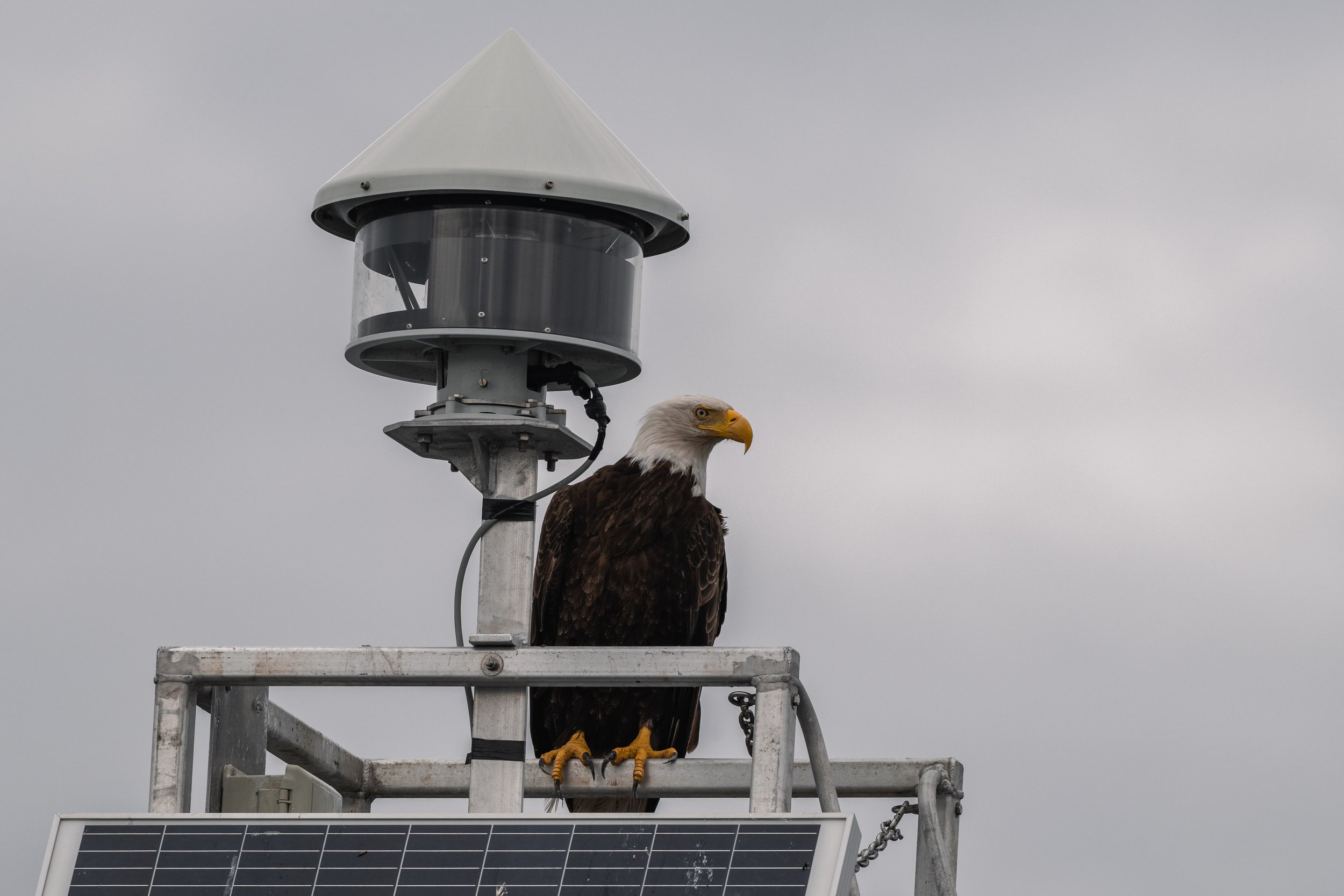
Peeking around, likely looking for a snack. Photo by Aly Kohlman.
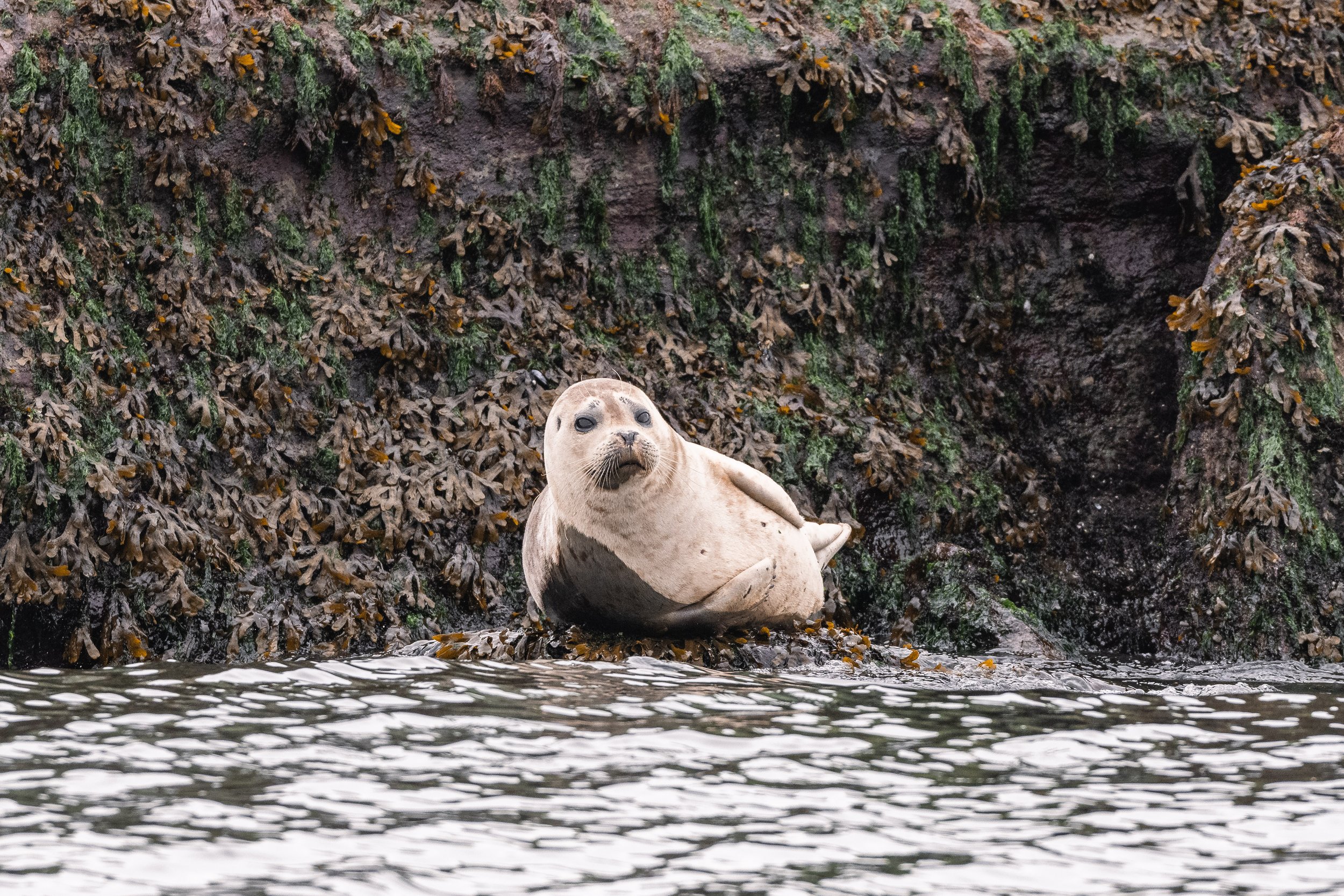
A Harbour Seal resting just above the waterline. Photo by Aly Kohlman.
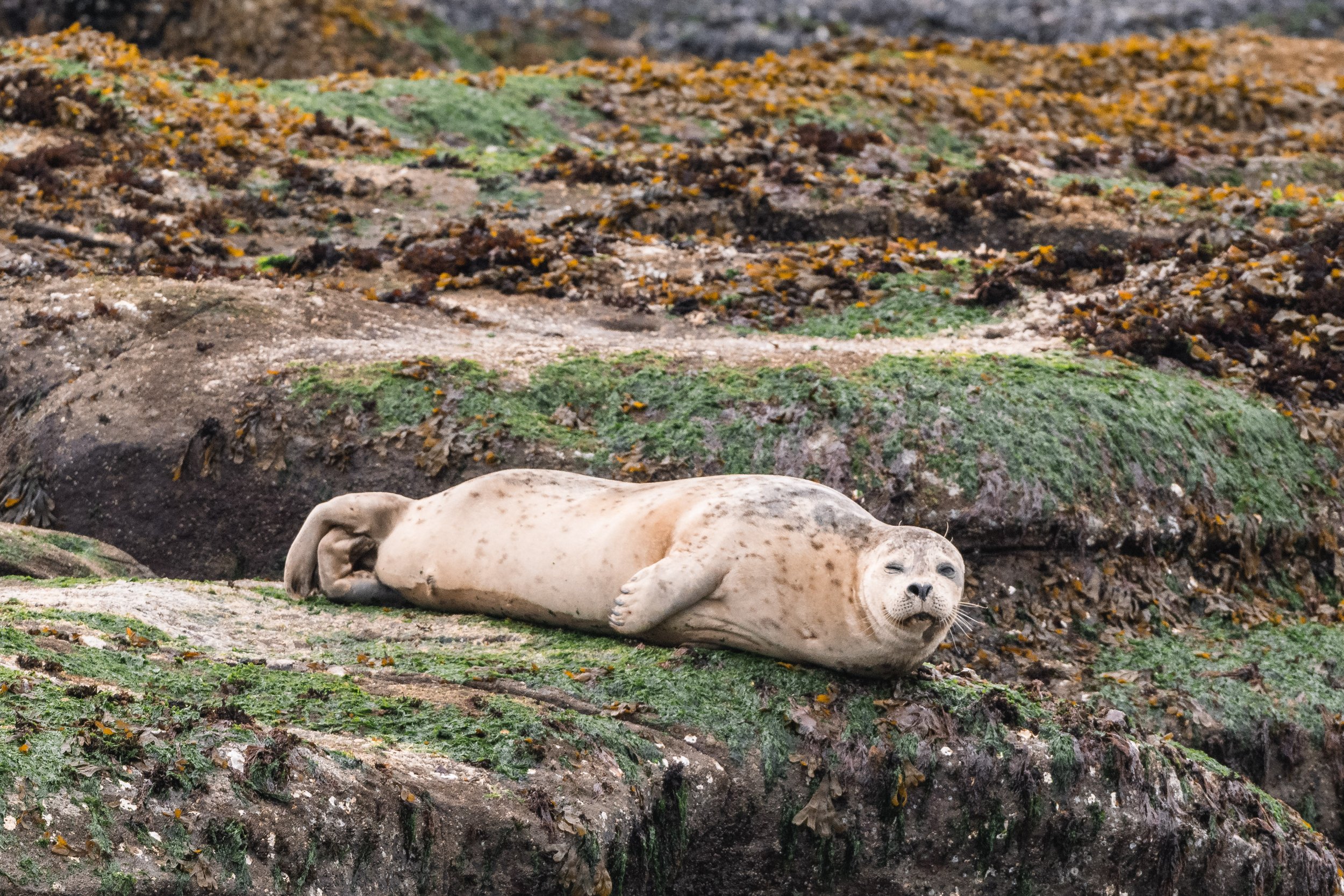
There was a lot of sleepy energy amongst our pinnipeds today. Photo by Aly Kohlman.
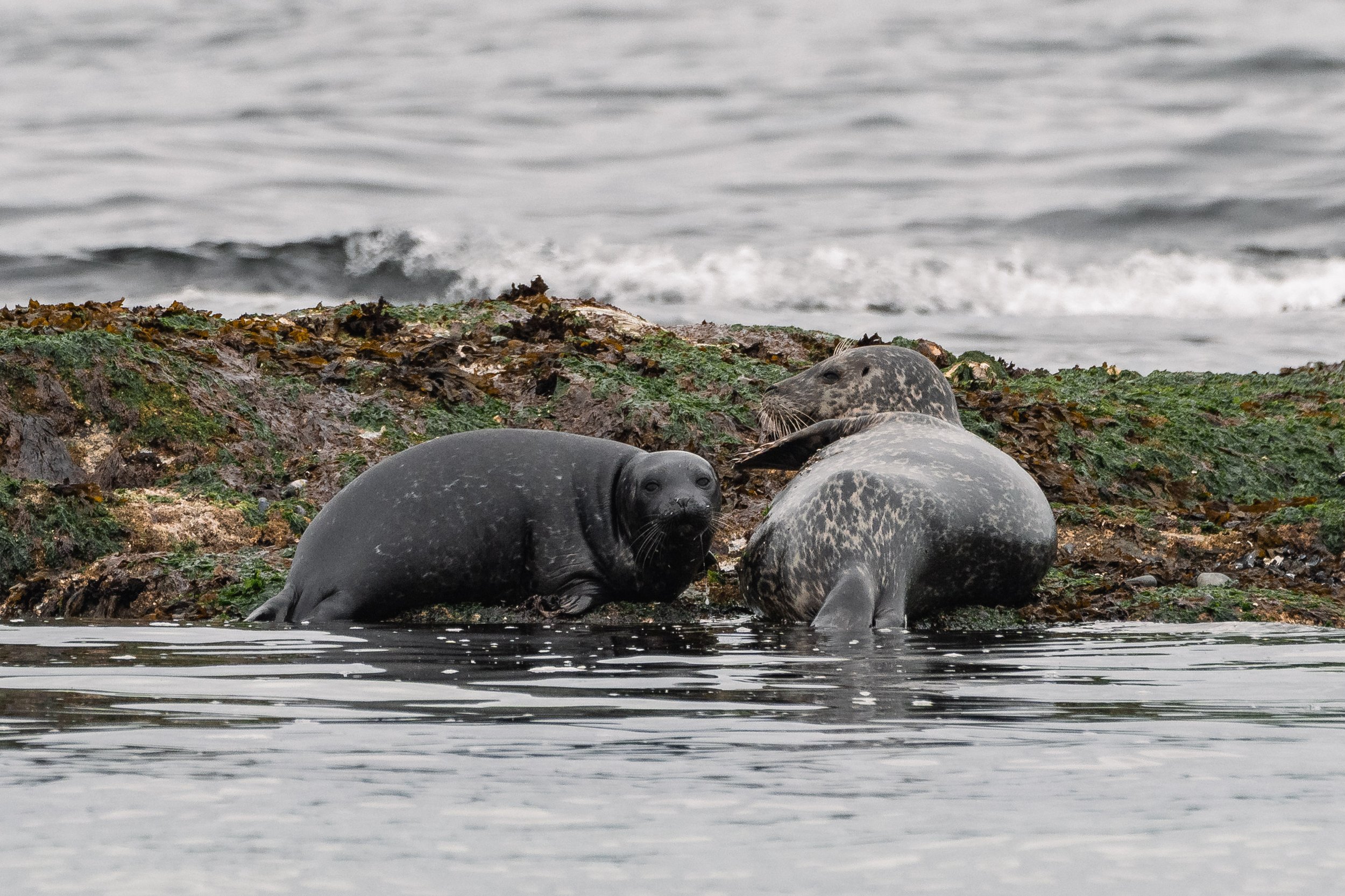
The very rotund Harbour Seals. Photo by Val Watson.
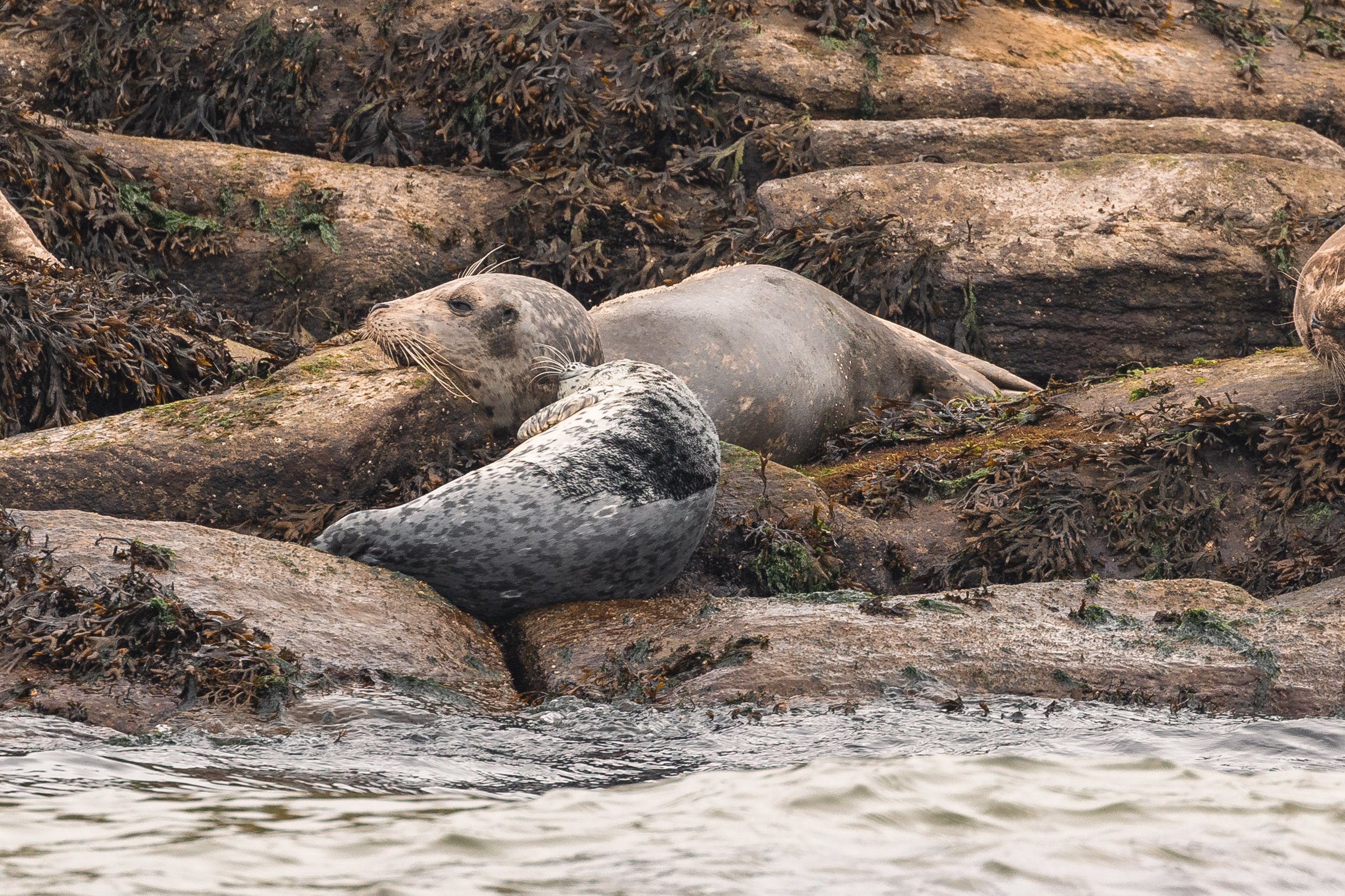
Wedged between the rocks! Photo by Vanessa Vereschahen.
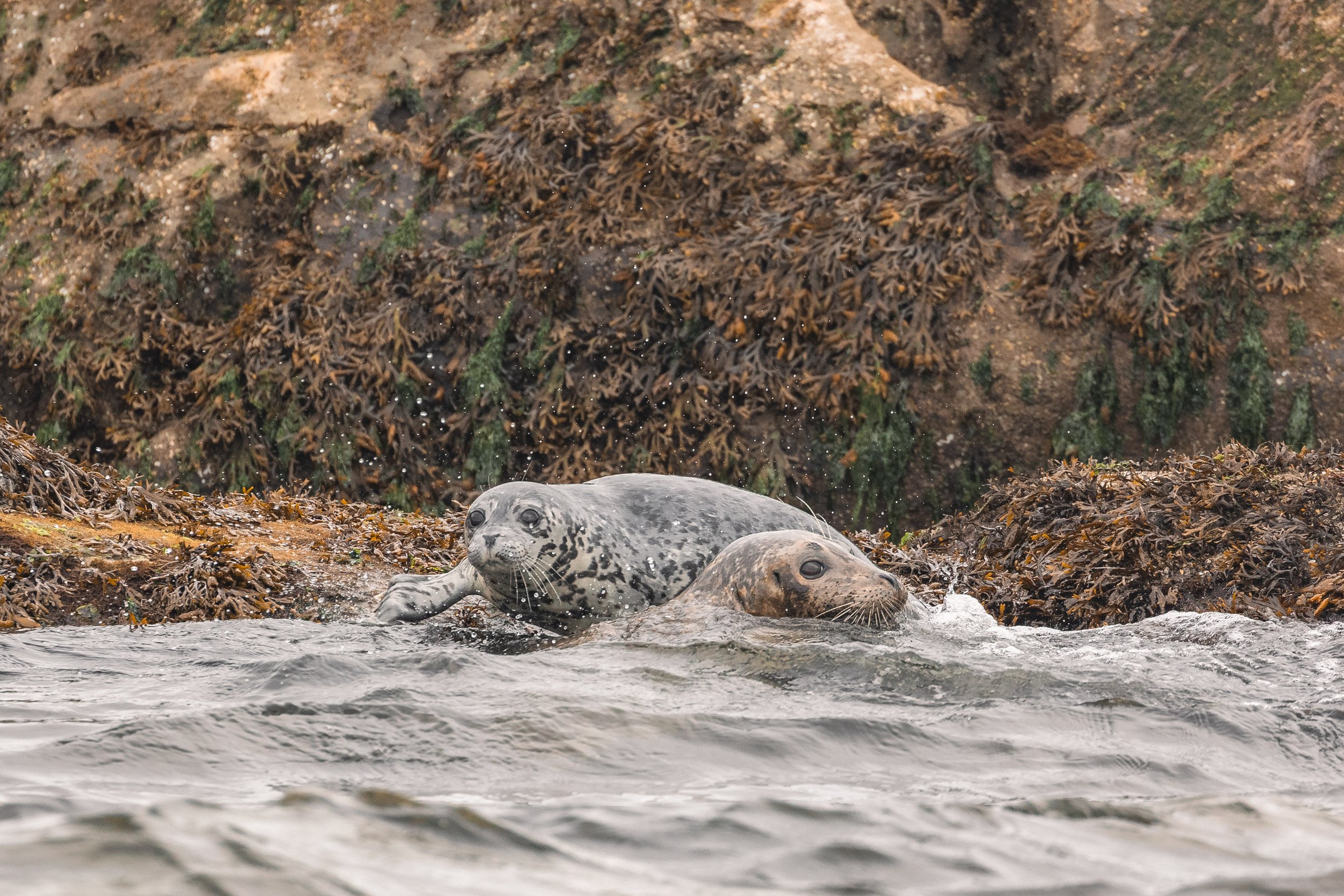
This little one looks a bit startled! Photo by Vanessa Vereschahen.
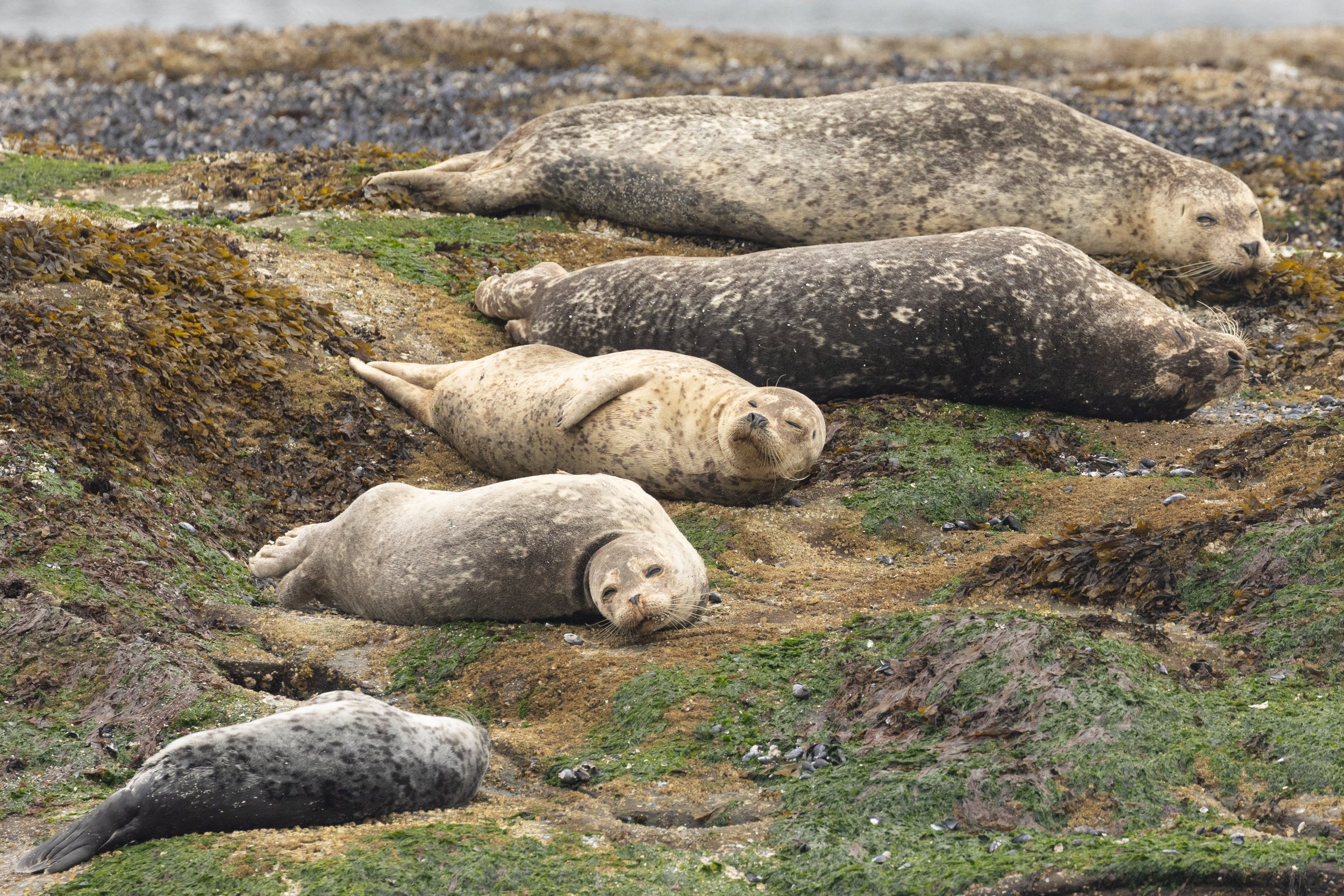
A whole lineup of Harbour Seals! Photo by Vanessa Vereschahen.
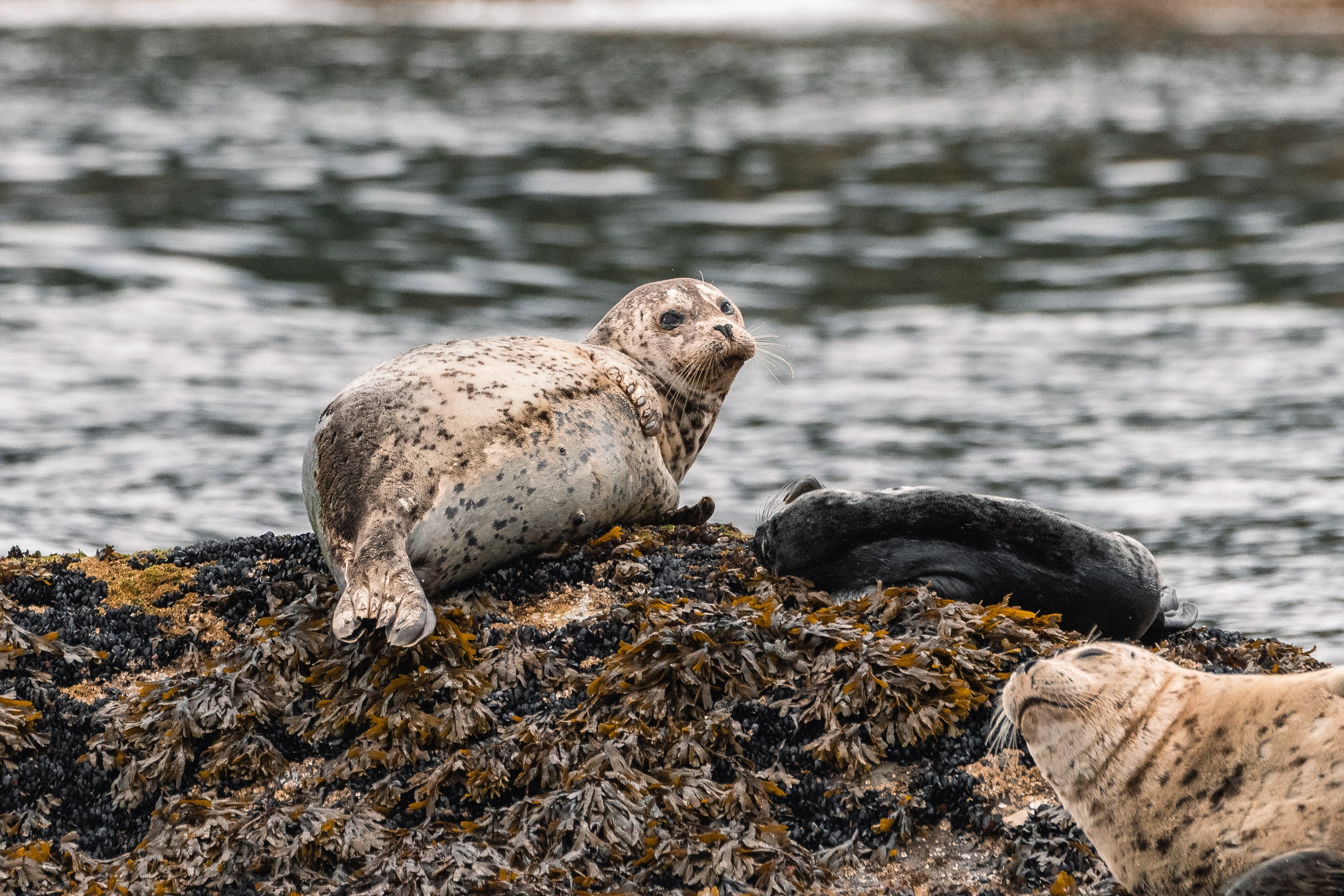
Sitting cozy on the kelp. Photo by Val Watson.
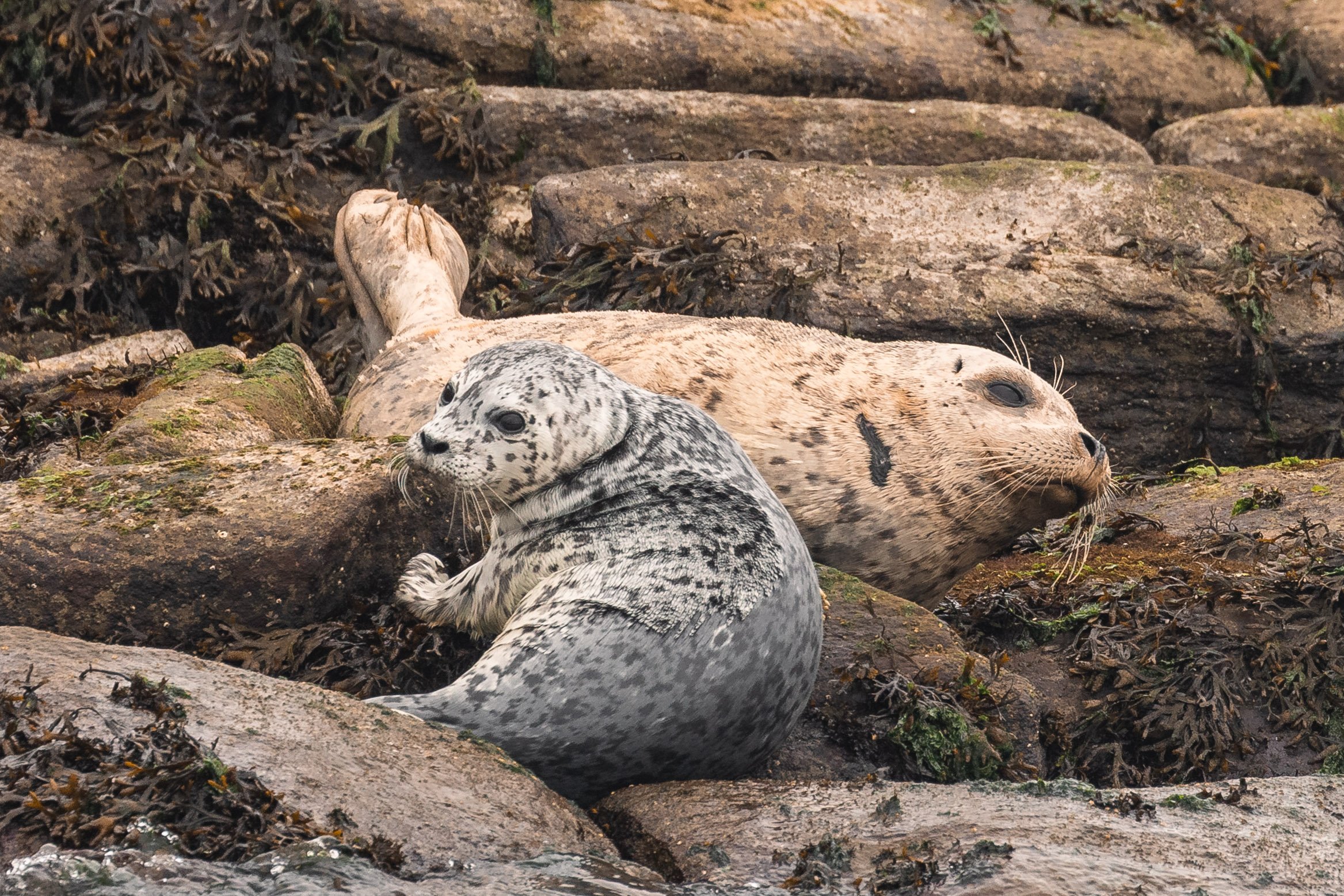
A young seal with an older seal behind it. Photo by Vanessa Vereschahen.
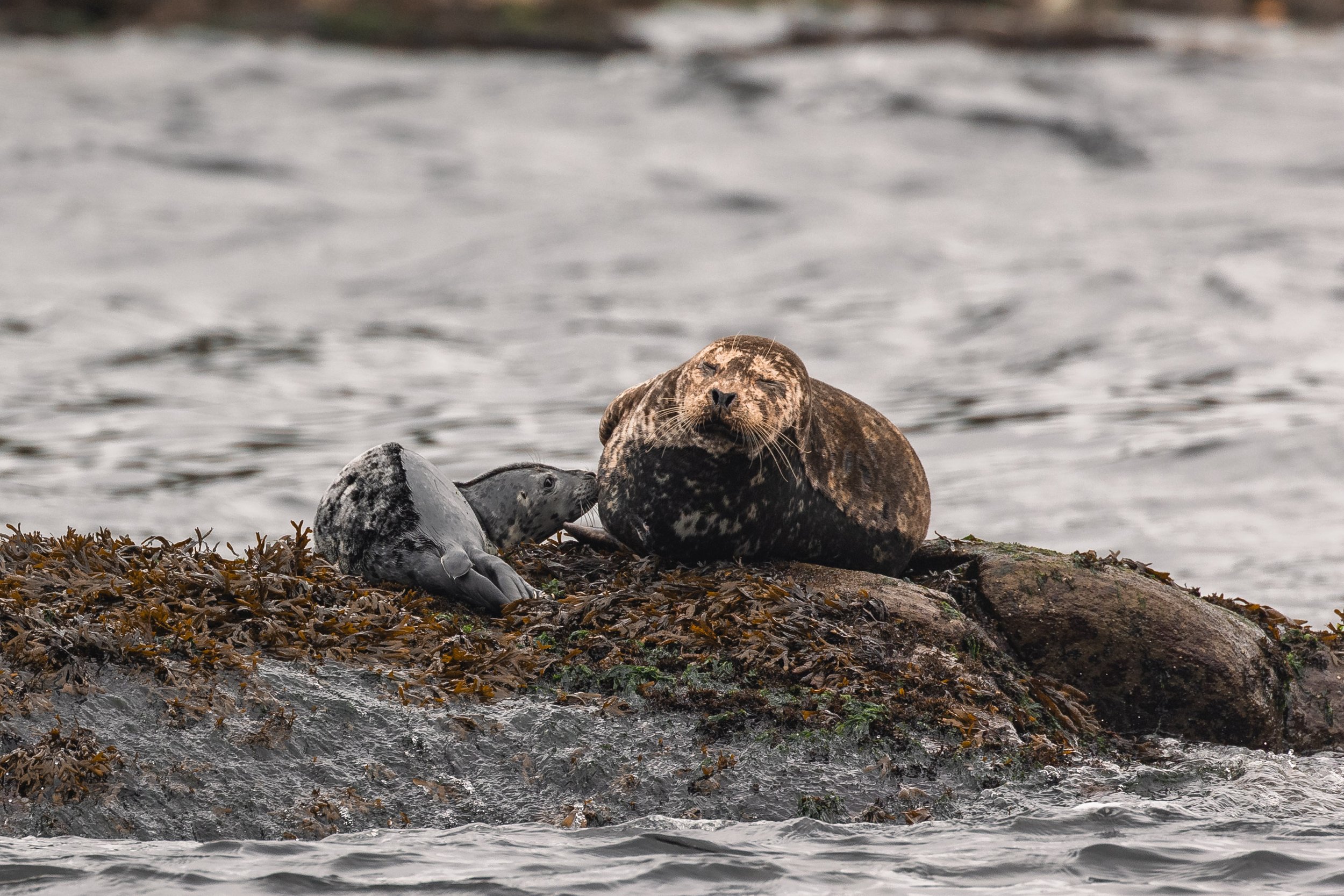
Nap time! Photo by Vanessa Vereschahen.
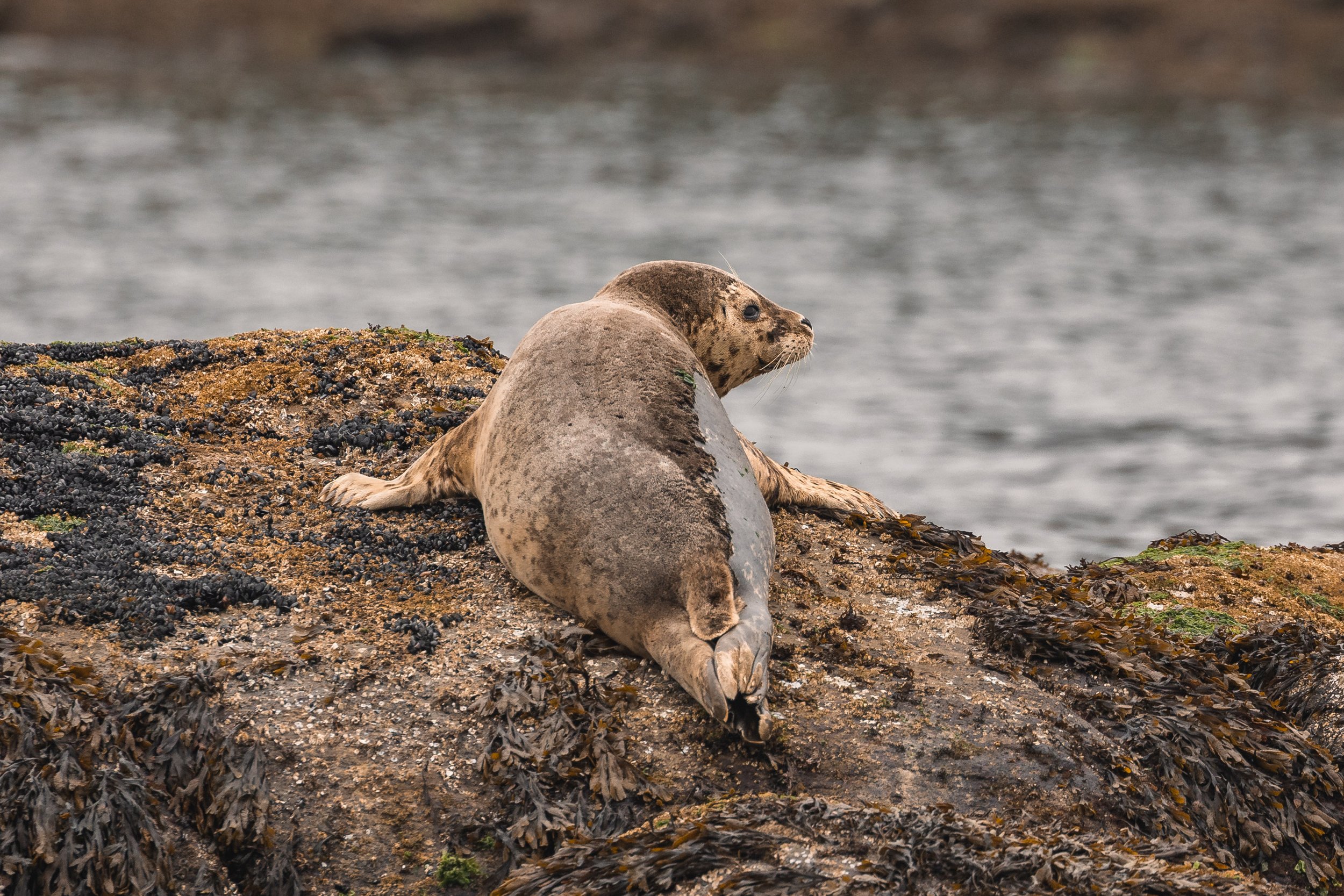
Harbour Seals have very fuzzy tails! Photo by Vanessa Vereschahen.