
July 27, 2026, 3:30 PM - Chilling with the “Tree” siblings plus a bowl of humpback soup
Some days on the Salish Sea are all about the unexpected. While every tour begins with a plan, the whales always have the final say. On this adventure, however, everything seemed to fall perfectly into place. From a peaceful encounter with a pair of Bigg's (Transient) Killer Whales to an impressive gathering of feeding humpback whales, and even a surprise appearance by a rarely seen shorebird, the day reminded us just how much wildlife thrives in the waters surrounding Nanaimo.
Our trip began close to home as reports came in of two Bigg's Killer Whales travelling near Entrance Island. Whenever whales are reported nearby, it's always worth investigating, but as anyone who spends time on the ocean knows, there's never a guarantee they'll still be there by the time we arrive.
Much to our delight, they hadn't gone anywhere.
The pair were travelling slowly along the shoreline of Gabriola Island, staying close together and moving at a remarkably relaxed pace. Their steady movements immediately caught our attention. Rather than actively hunting or covering long distances, they appeared content simply drifting through the calm waters side by side. It left us wondering if they might have been resting.
T030A Sequoia ♂ (1986)
T030C Salix ♀ (2005)
Although whales cannot fall into a deep sleep the way humans do, they still need rest. The challenge, however, is that they are conscious breathers. Every breath they take is a deliberate action, unlike us, who continue breathing automatically while asleep. If an orca were to completely lose consciousness, it simply wouldn't surface to breathe.
Instead, they have evolved one of the most fascinating sleeping adaptations in the animal kingdom: unihemispheric slow-wave sleep.
Rather than shutting down their entire brain, only one hemisphere rests at a time while the other remains awake. The active half of the brain keeps the whale swimming slowly, maintains awareness of nearby pod members, watches for potential dangers, and most importantly, remembers to surface for air. After a period of rest, the hemispheres switch roles, allowing each hemisphere to recover.
To us aboard the boat, these resting behaviours can appear almost meditative. The whales often travel slowly and predictably, remaining close together as if moving in quiet synchrony through the water. Moments like these offer a rare glimpse into a side of orca life that is every bit as fascinating as their dramatic hunts.
We quietly enjoyed our time alongside the pair, appreciating the opportunity to observe them behaving naturally before eventually leaving them to continue their day. While it's always tempting to spend hours watching these incredible animals, responsible whale watching means knowing when to say goodbye. As part of our commitment to minimizing disturbance, we spend no more than an hour with any individual group of whales, allowing them plenty of uninterrupted time to continue resting, feeding, or travelling without prolonged vessel presence.
With the orcas continuing peacefully along Gabriola's shoreline, we turned our attention toward one of our favourite wildlife stops: Stinky Rock.
Despite its less-than-glamorous nickname, this rocky haul-out is one of the best places around Nanaimo to observe marine mammals and seabirds. On this particular day, however, the high tide had dramatically changed the landscape. The rocks that are usually crowded with lounging Steller Sea Lions had nearly disappeared beneath the rising water.
The sea lions certainly didn't seem bothered.
Instead of stretching out across the rocks, they floated comfortably in the water surrounding the haul-out, lifting their heads above the surface to investigate our arrival. Nearby, Harbour Seals made use of the few remaining dry patches, resting comfortably while the waves gently lapped against the shoreline.
The birds were equally active. Small flocks busily foraged along the exposed edges of the rocks as the tide shifted. Most were Black Turnstones, familiar visitors that spend their days flipping over rocks and seaweed in search of tiny crustaceans and invertebrates. Their name comes from this exact behaviour, quite literally turning stones in search of food.
It wasn't until we later reviewed the day's photographs that an exciting surprise revealed itself.
Hidden among the Black Turnstones was a Ruddy Turnstone, a much less frequently encountered visitor to our area. While similar at first glance, the Ruddy Turnstone sports warmer orange tones at certain times of the year and has subtle plumage differences that make it a rewarding find for bird enthusiasts. Discoveries like these are among the many joys of having cameras constantly in hand; you never know what small detail might reveal itself once you take a closer look.
Leaving Stinky Rock behind, we continued south through the Strait of Georgia before eventually reaching the eastern side of Galiano Island.
Before long, blows began appearing across the horizon.
One humpback became two.
Two became four.
Soon it became clear we were witnessing one of the largest gatherings of humpback whales we'd seen in quite some time, with well over ten individuals spread throughout the area.
The whales constantly rearranged themselves. Solitary whales would slowly join another, forming pairs. Pairs would become trios, only to separate again minutes later as individuals wandered off in different directions. From the surface it may have looked somewhat chaotic, but this fluid behaviour is actually quite typical for humpback whales. Amongst these whales we were able to identify all of the following individuals: Anvil (BCZ0410), Aether (KEZ0015), Chi (BCZ0575), Uluka (BCX1702), Scratchy (BCY1022), Hendrix (BCY1278), Ghost’s 2025 calf (BCX1333 calf 2025), and Wolf Eel’s 2025 calf (BCY0940 calf 2025).
Unlike Bigg's Killer Whales, which live in close family groups led by experienced matriarchs and often spend their entire lives with their mothers, humpback whales have a much more flexible social structure. They don't form permanent pods, but that certainly doesn't mean they are antisocial.
Researchers have found that humpbacks often form temporary associations, especially while feeding. Individuals may work together for a short period before separating and later joining different whales elsewhere. These changing partnerships likely help them take advantage of concentrated food sources and may increase their feeding success as prey shifts beneath the surface.
Here in British Columbia, feeding is the whales' highest priority. Each summer they arrive from breeding grounds in Hawaii, Mexico, and Central America to take advantage of the nutrient-rich waters of the Salish Sea. Throughout the season they consume enormous quantities of small schooling fish and krill, building up thick layers of blubber that will fuel one of the longest migrations of any mammal on Earth.
By late autumn, these whales will begin their remarkable journey south once again. During their time on the breeding grounds, they will eat very little, instead relying almost entirely on the energy reserves accumulated during months of intensive feeding in Canadian waters.
Watching so many humpbacks feeding and constantly reshuffling their associations offered a fascinating reminder that these giants are far more socially dynamic than once believed.
Eventually, it was time to begin our own journey home. We navigated back through the winding channels of the Southern Gulf Islands before making one final stop beneath the towering sandstone cliffs of the Gabriola Bluffs. Carved over thousands of years by wind, rain, and the sea, these impressive cliffs stand as one of Gabriola Island's most recognizable landmarks. Beyond their striking beauty, they also provide valuable nesting habitat for numerous bird species, making them a fitting final destination after a day filled with wildlife from the ocean's surface to the shoreline above.
As we made our way back toward Nanaimo, we reflected on a day that showcased the incredible diversity of life found throughout the Salish Sea. Please enjoy the photographs captured by Marine Naturalists Val Watson and Jordan Robinson, included below.
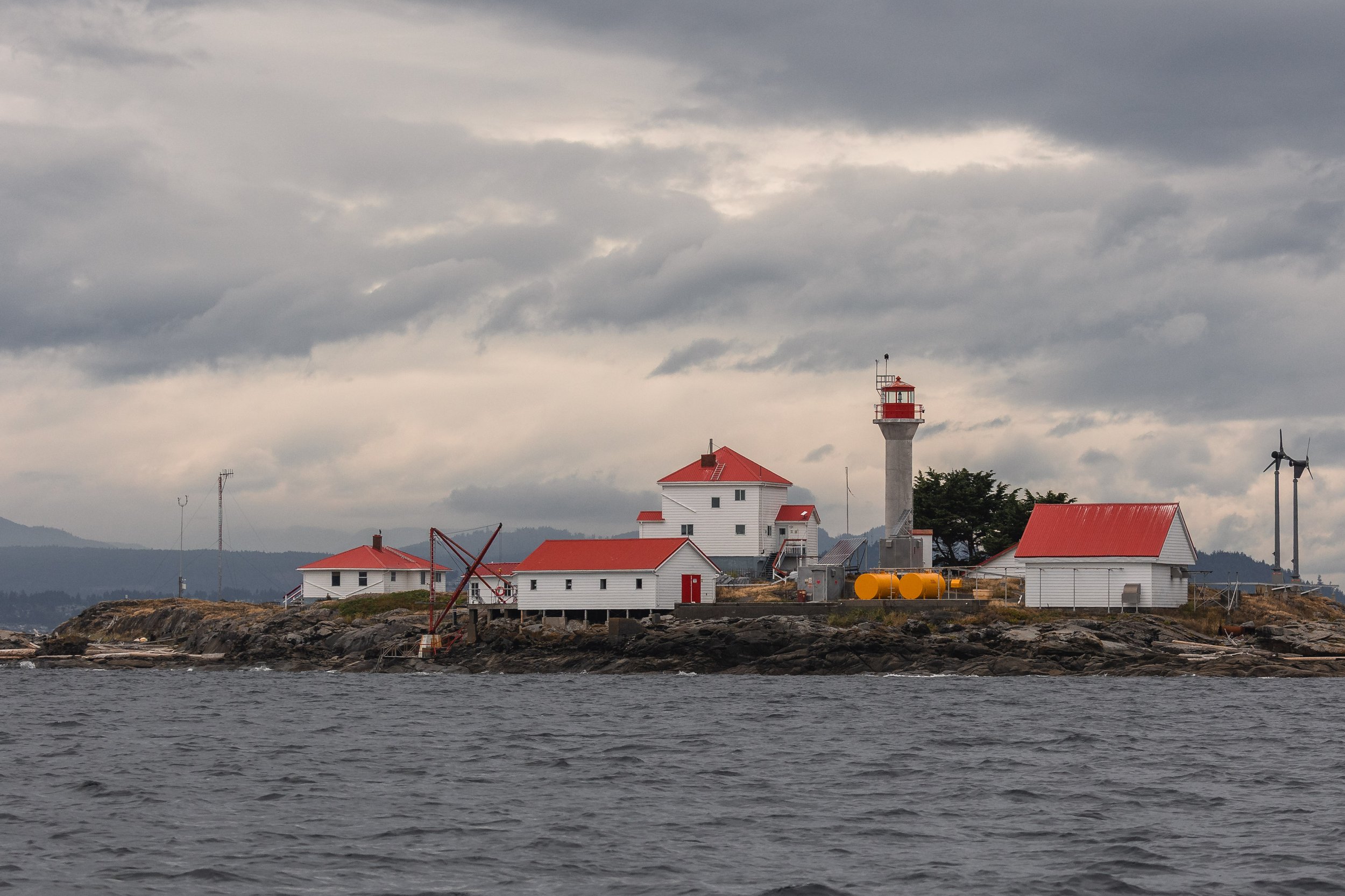
A lovely look at Entrance Island with stormy skies. Photo by Jordan Robinson.
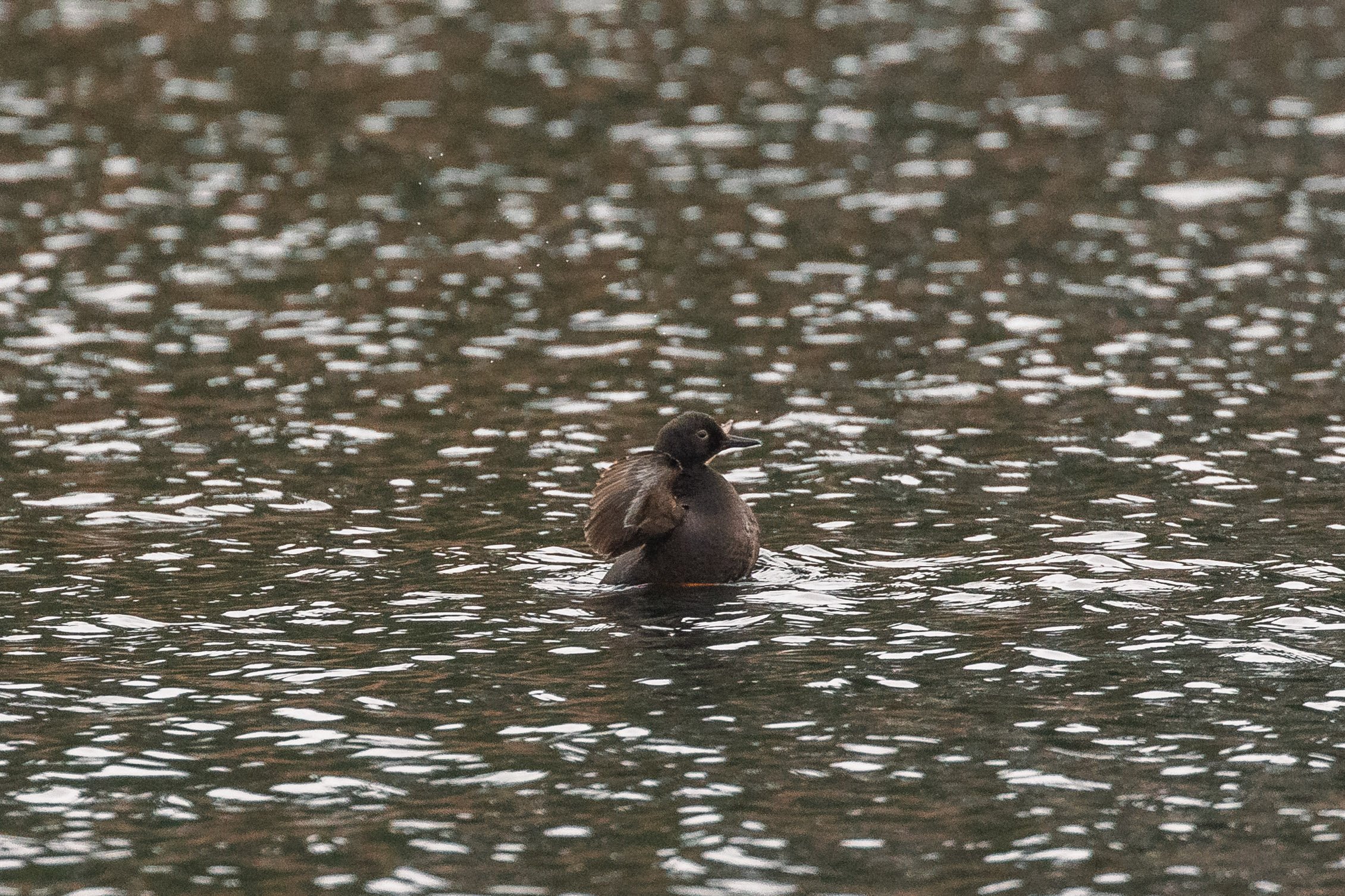
A pigeon Guillimot flapping with wings. Photo by Jordan Robinson.
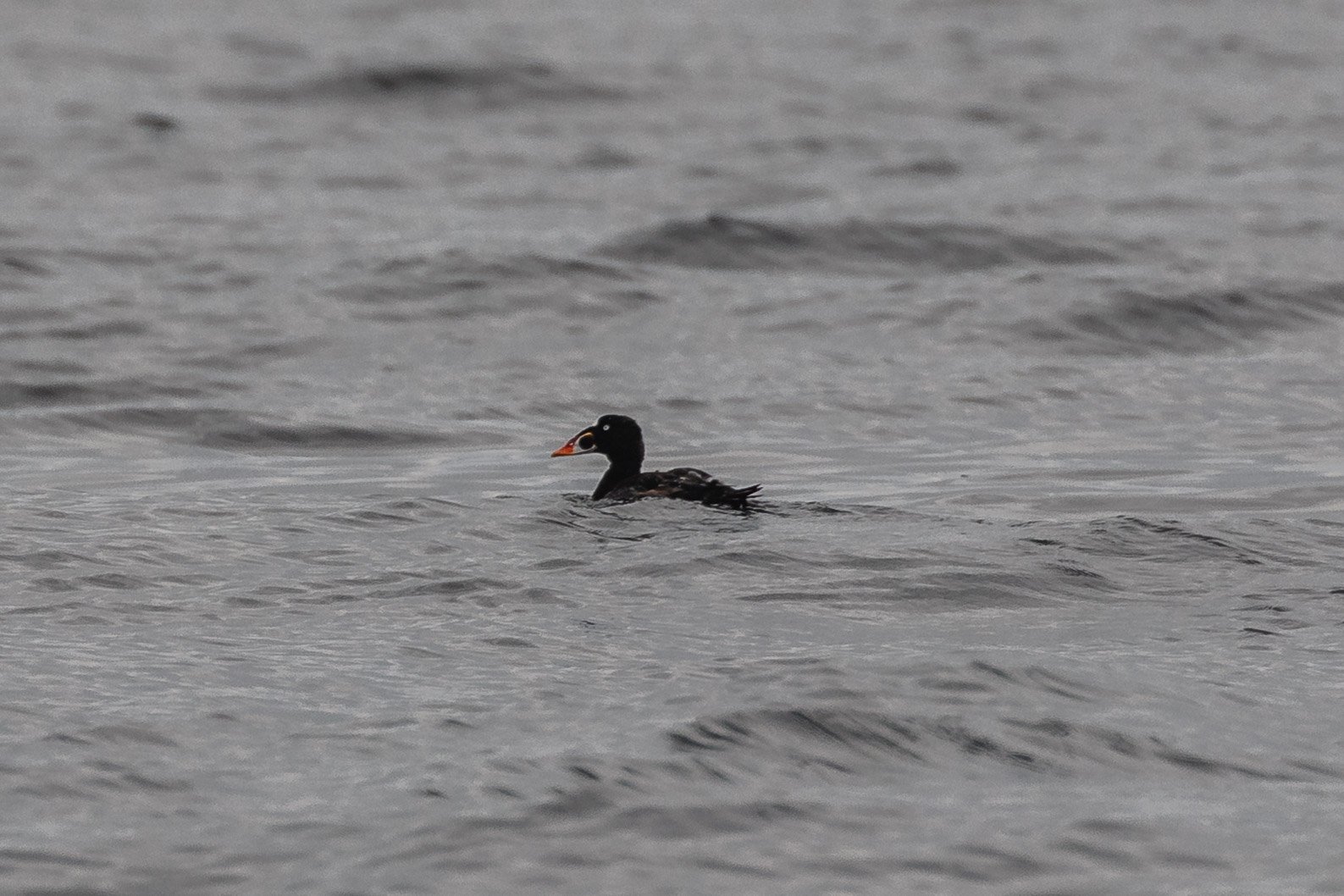
A surf scoter floating by on the waves. Photo by Jordan Robinson.
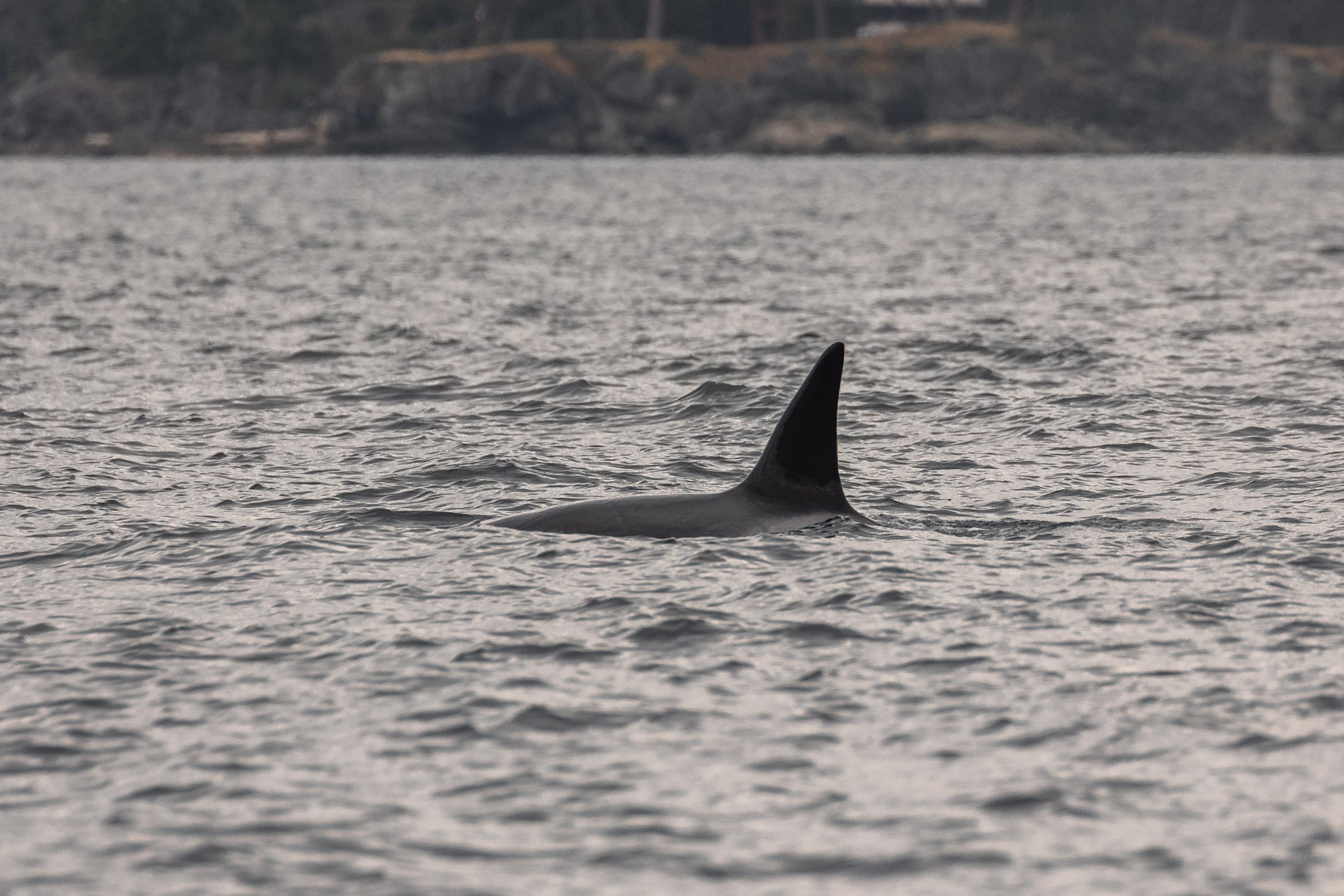
T030C Salix surfacing in the waves. Photo by Jordan Robinson.
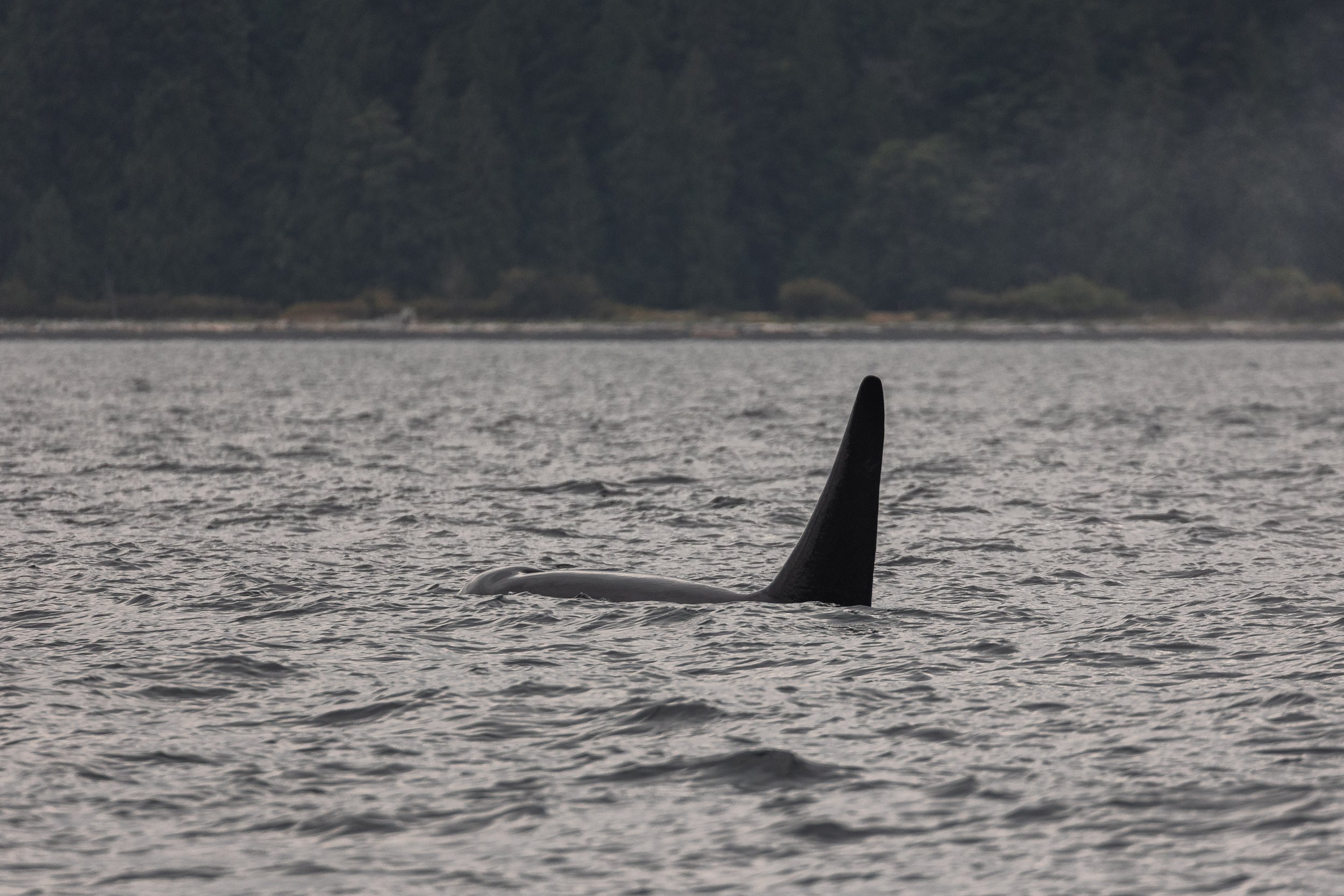
T030A Sequoia surfacing in the waves. Photo by Jordan Robinson.
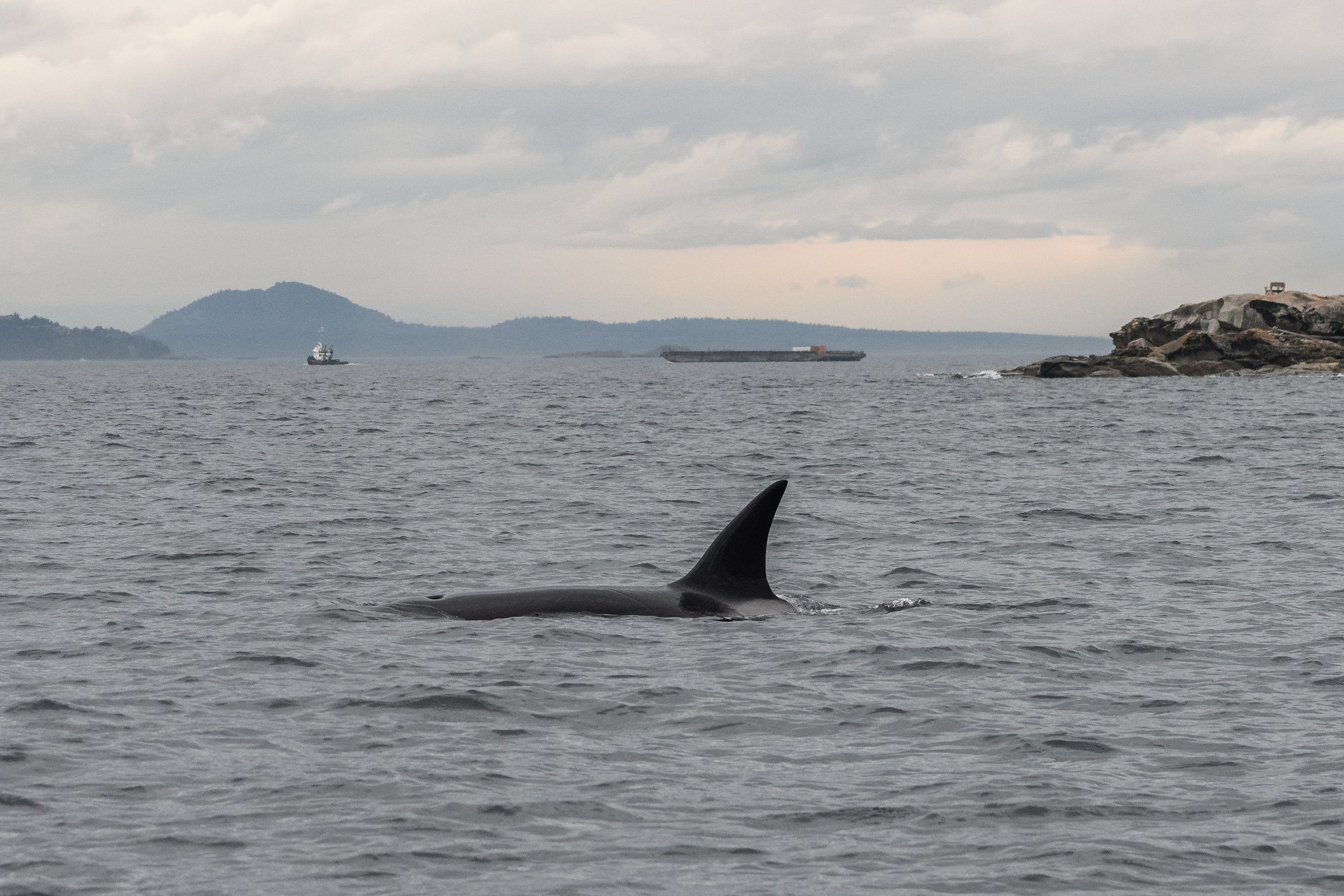
A great look at T030C Salix swimming by. Photo by Val Watson.
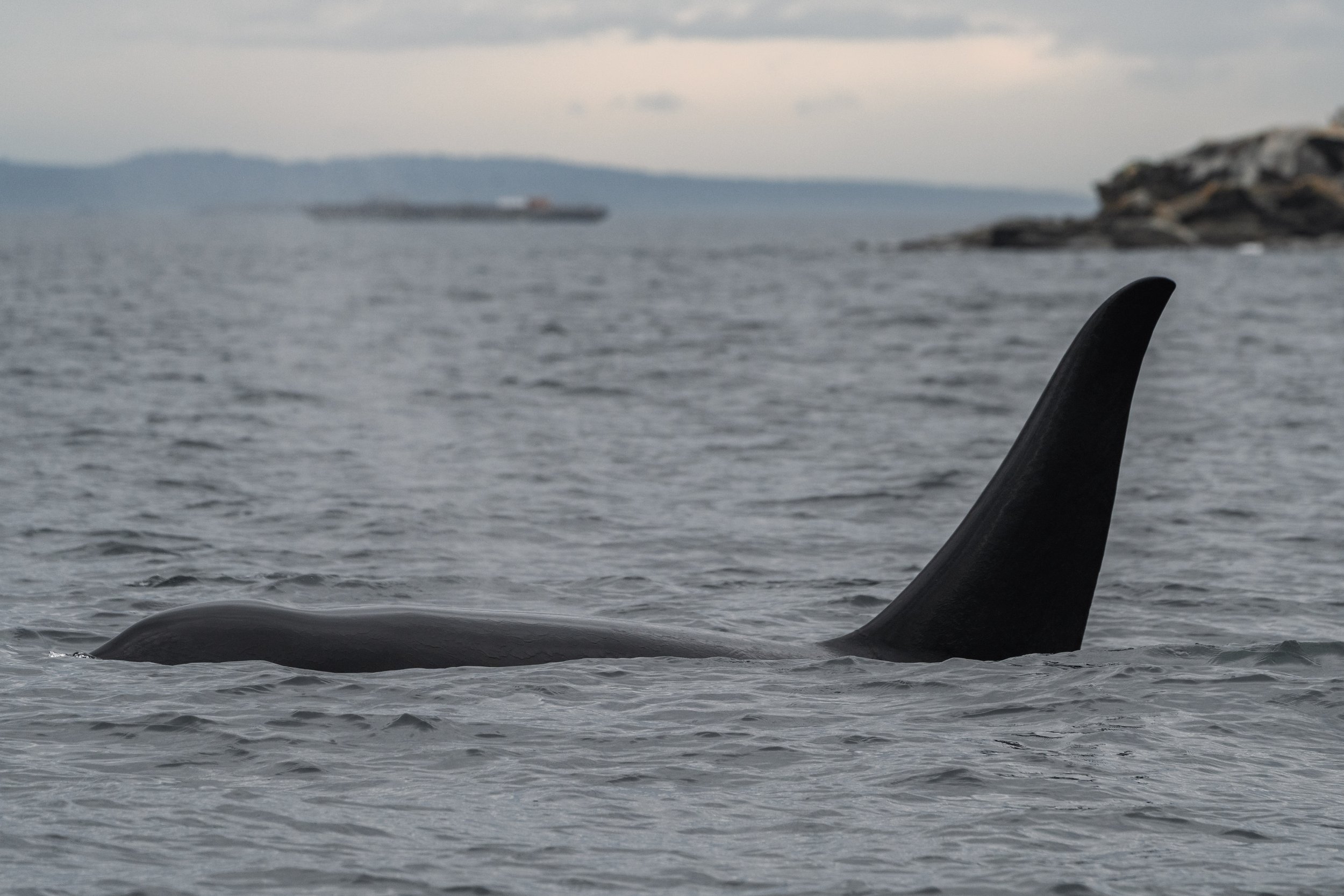
T030A Sequoia showing off his massive dorsal fin. Photo by Val Watson.
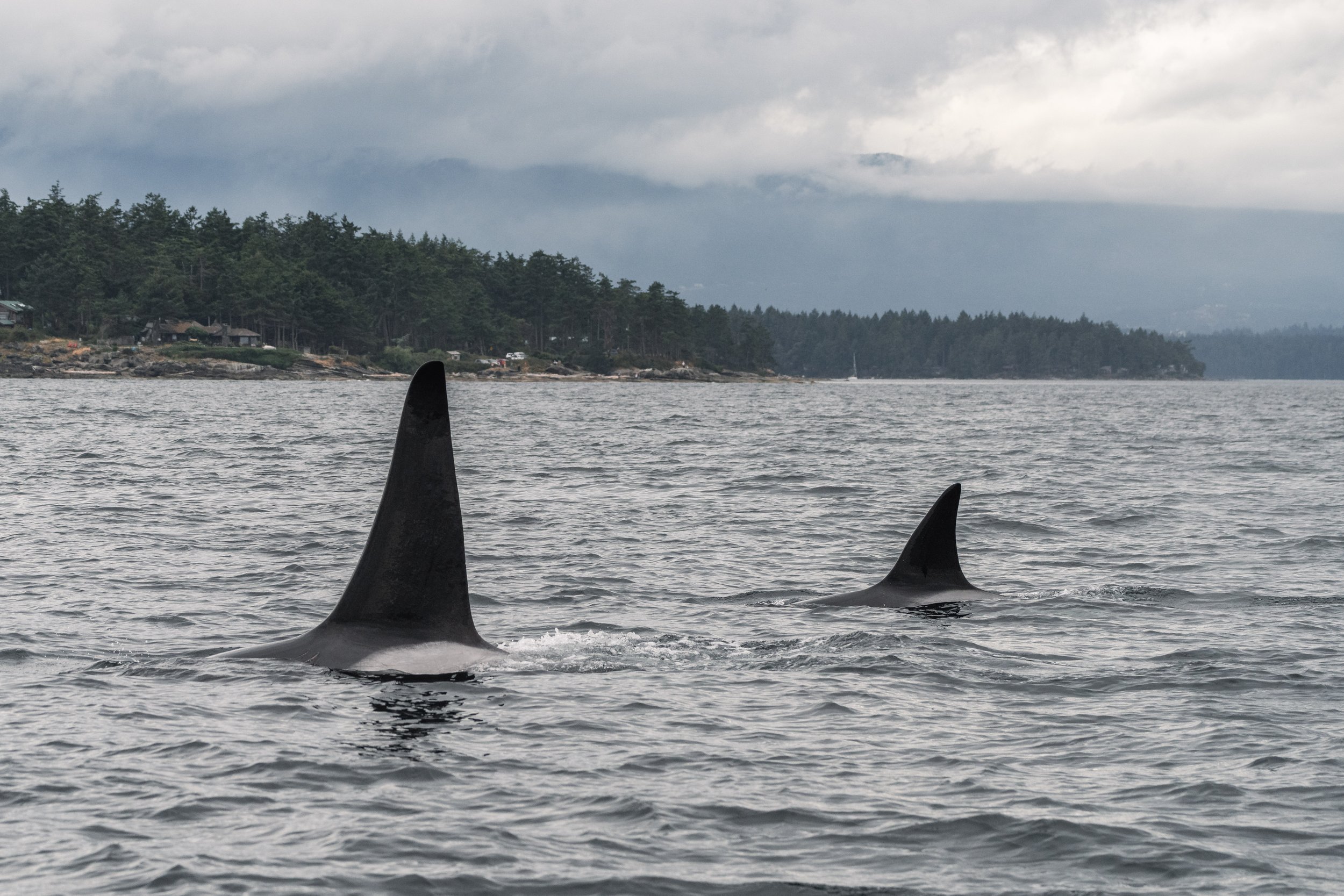
T030A Sequoia surfacing beside T030C Salix. Photo by Val Watson.
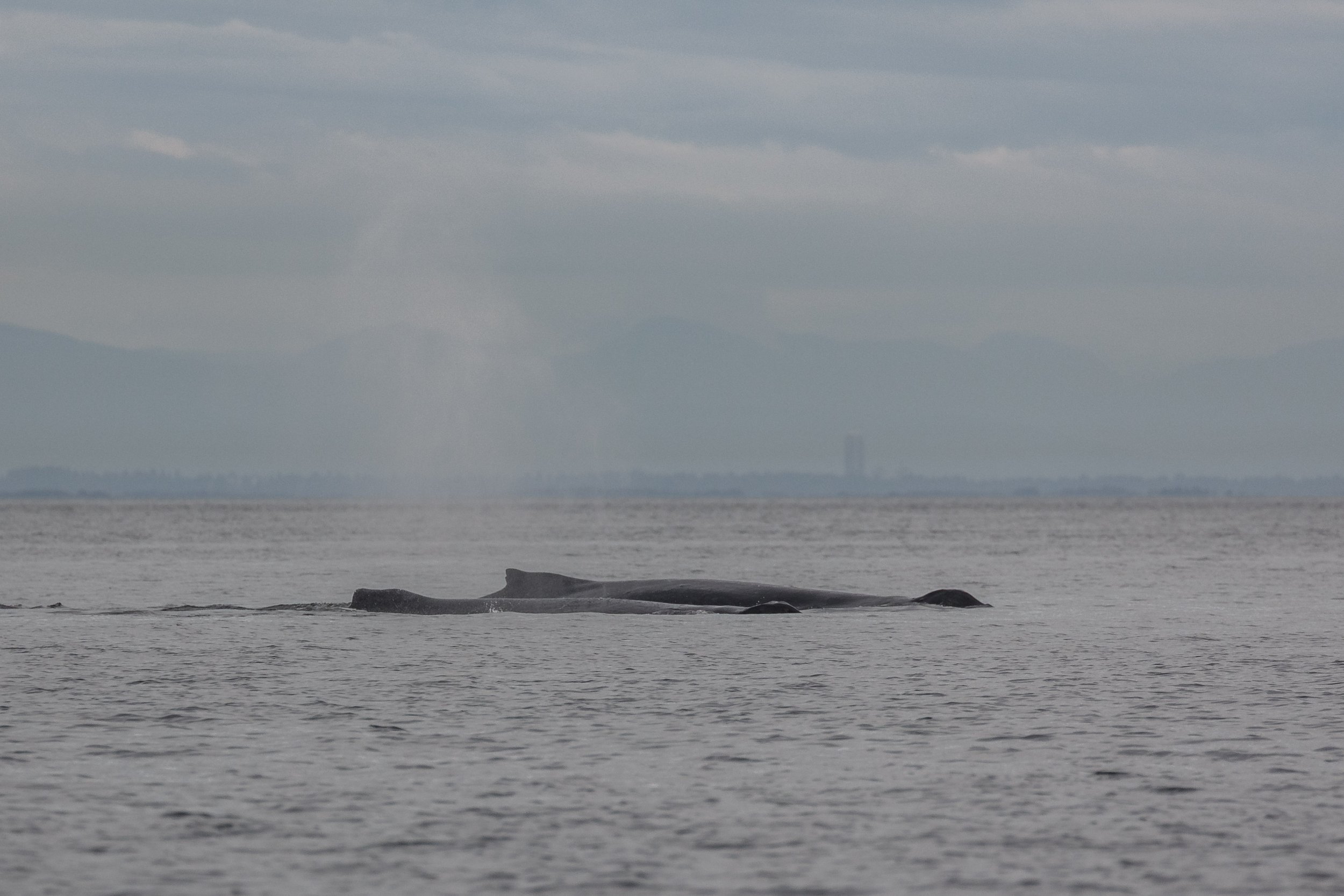
Uluka surfacing beside Scratchy. Photo by Jordan Robinson.
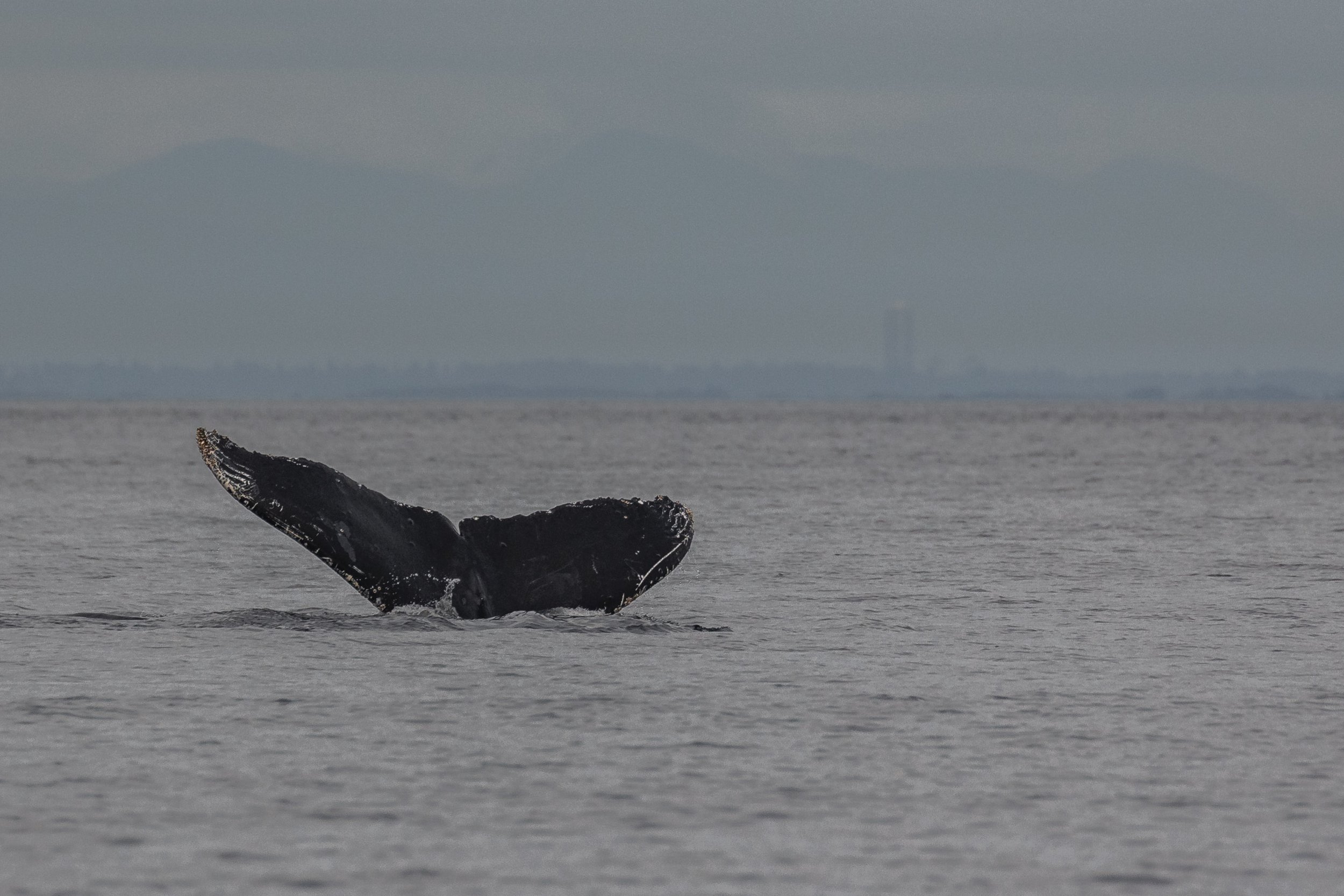
Scratchy going for a dive. Photo by Jordan Robinson.
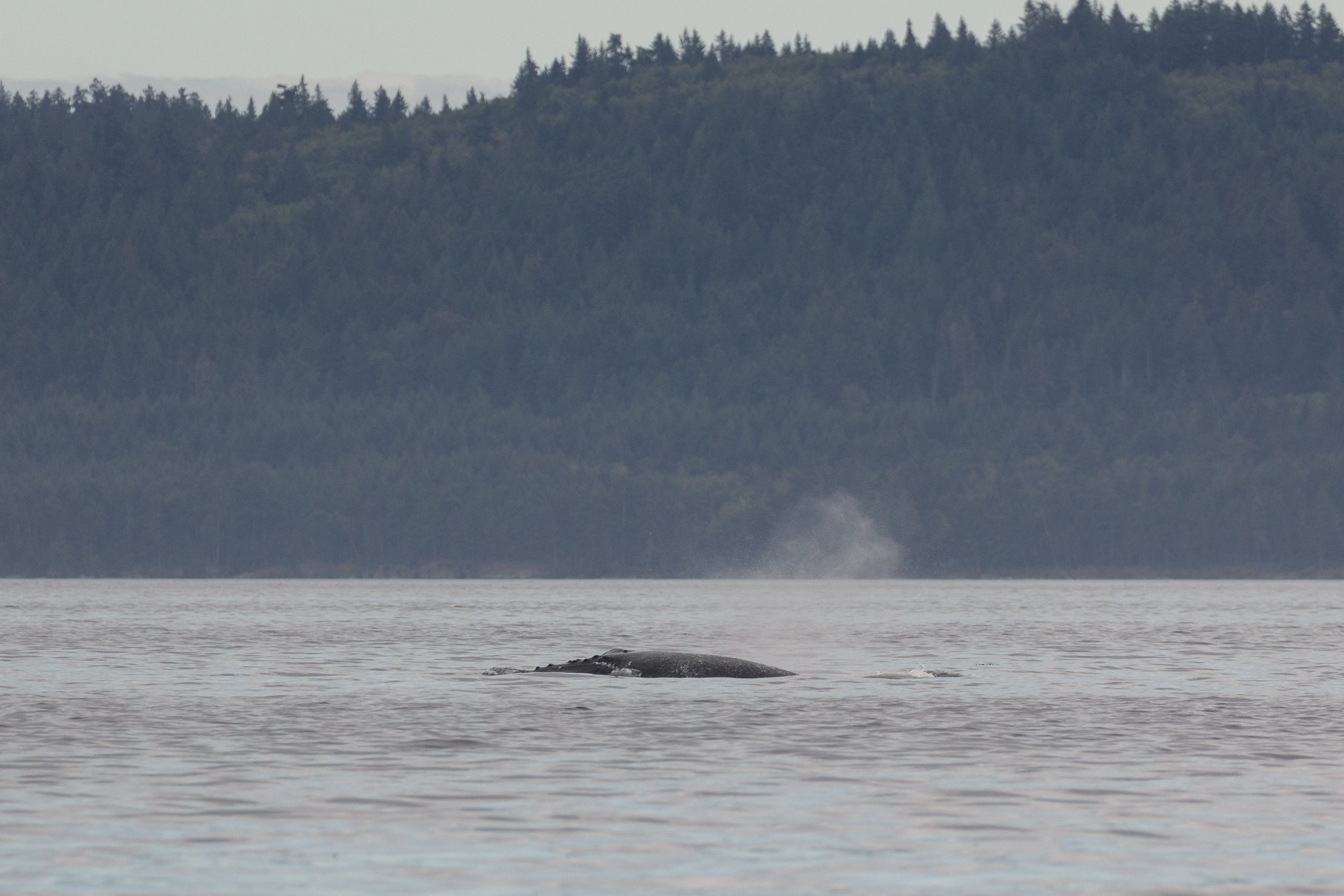
A blow from one of the whales. Photo by Jordan Robinson.
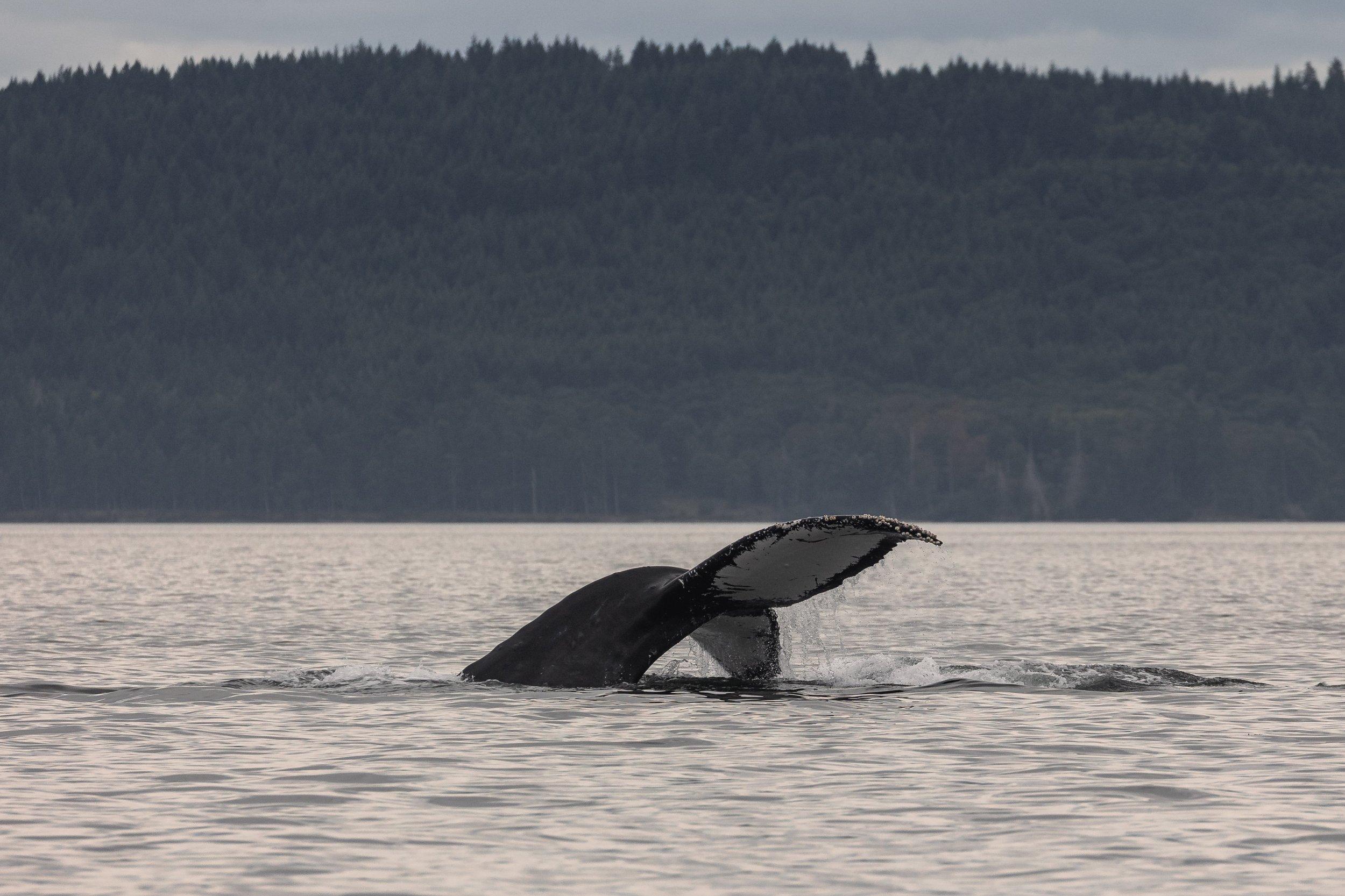
A nice sideways fluke from Anvil. Photo by Jordan Robinson.
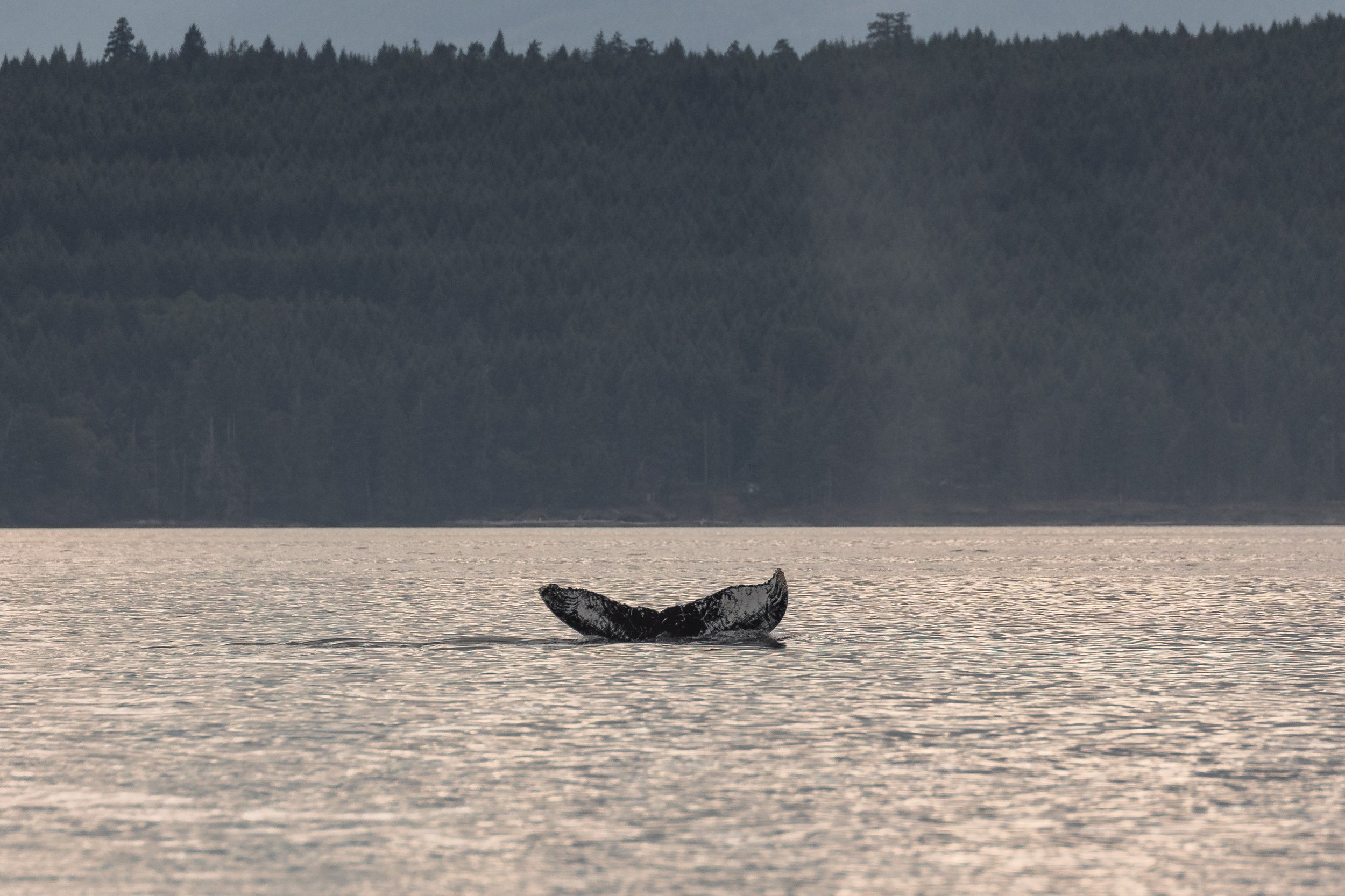
Scratchy going for a dive. Photo by Jordan Robinson.
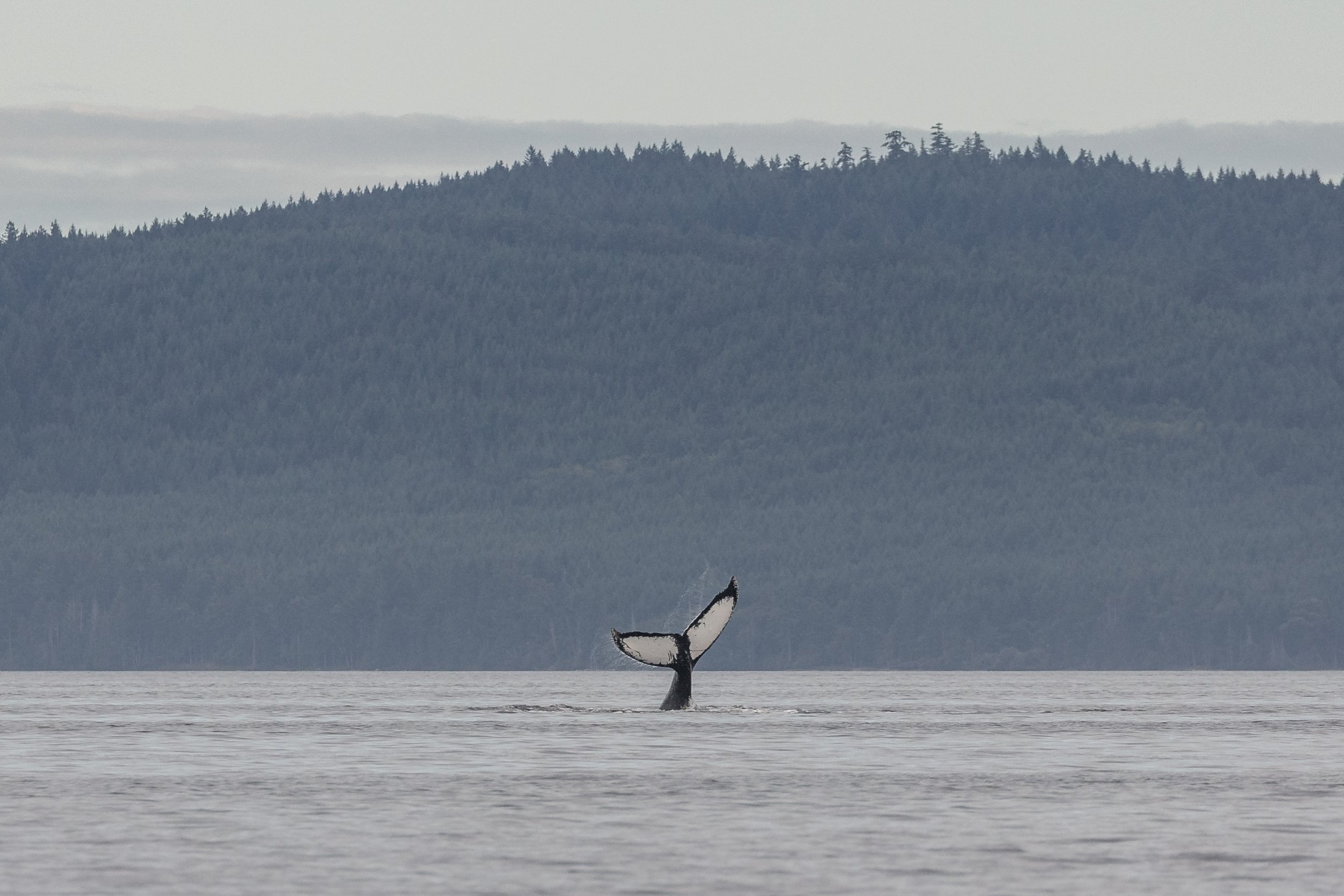
A big tail slap from Anvil. Photo by Jordan Robinson.
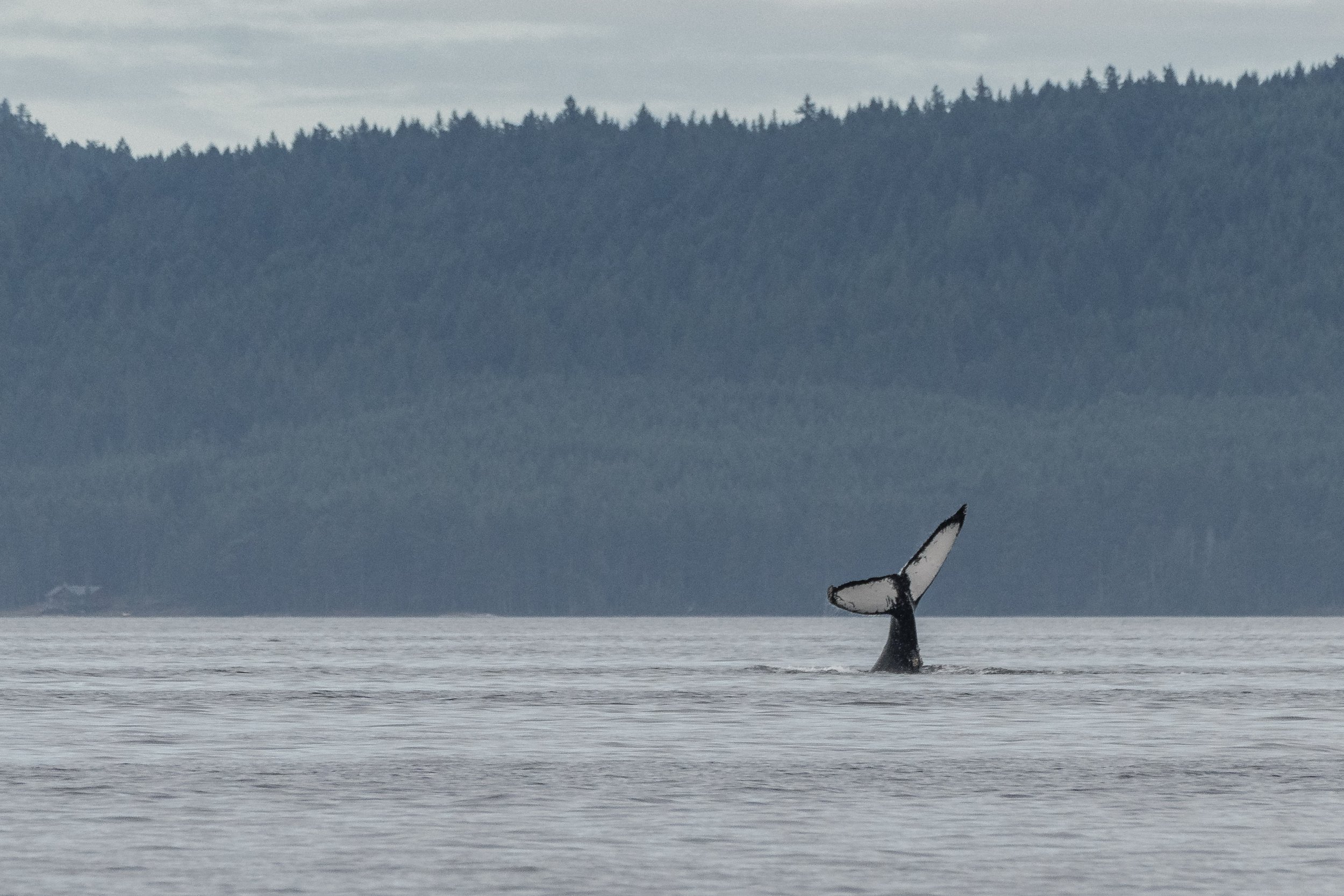
Anvil slapping her tail. Photo by Val Watson.
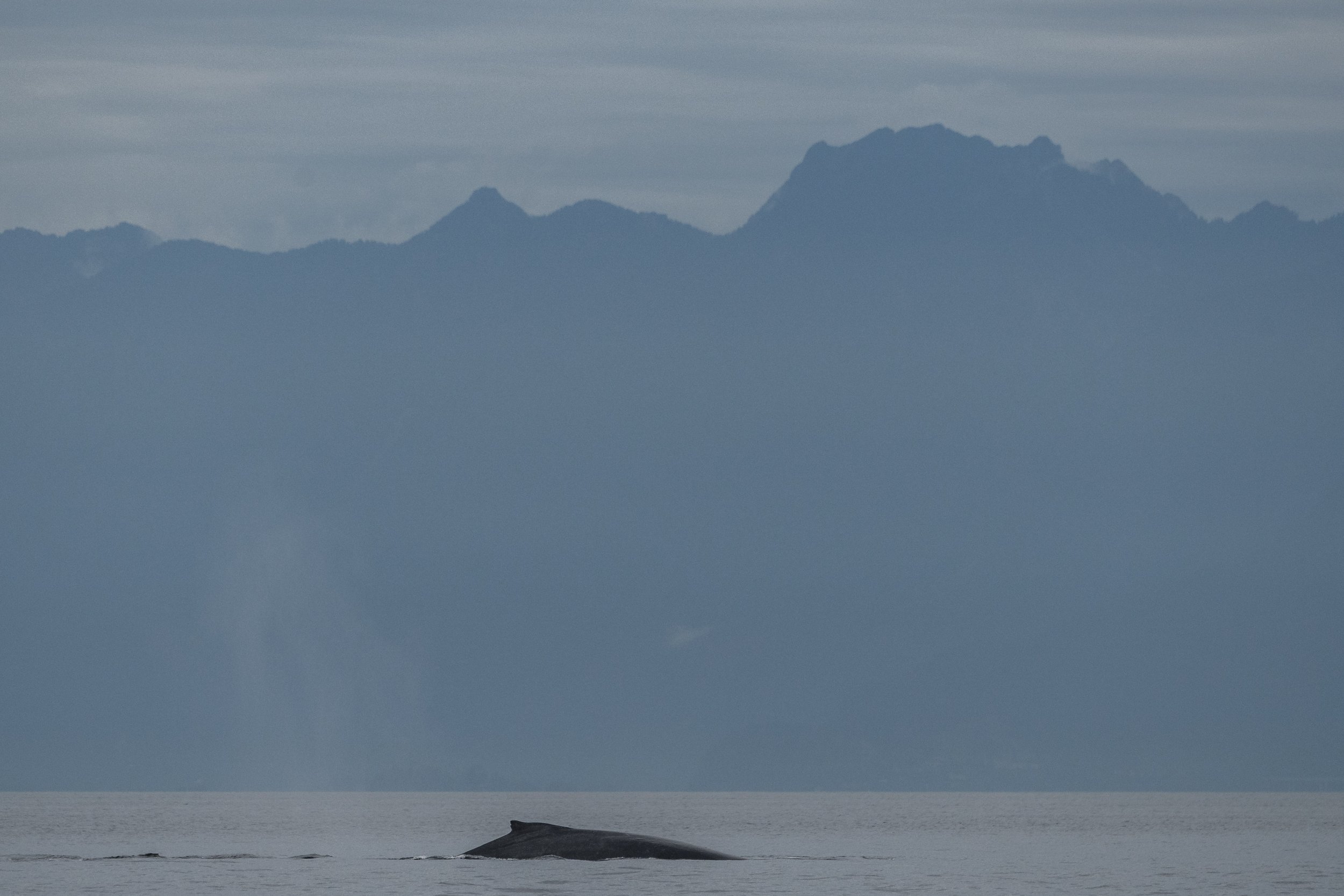
Uluka with the coastal mountains in the background. Photo by Val Watson.
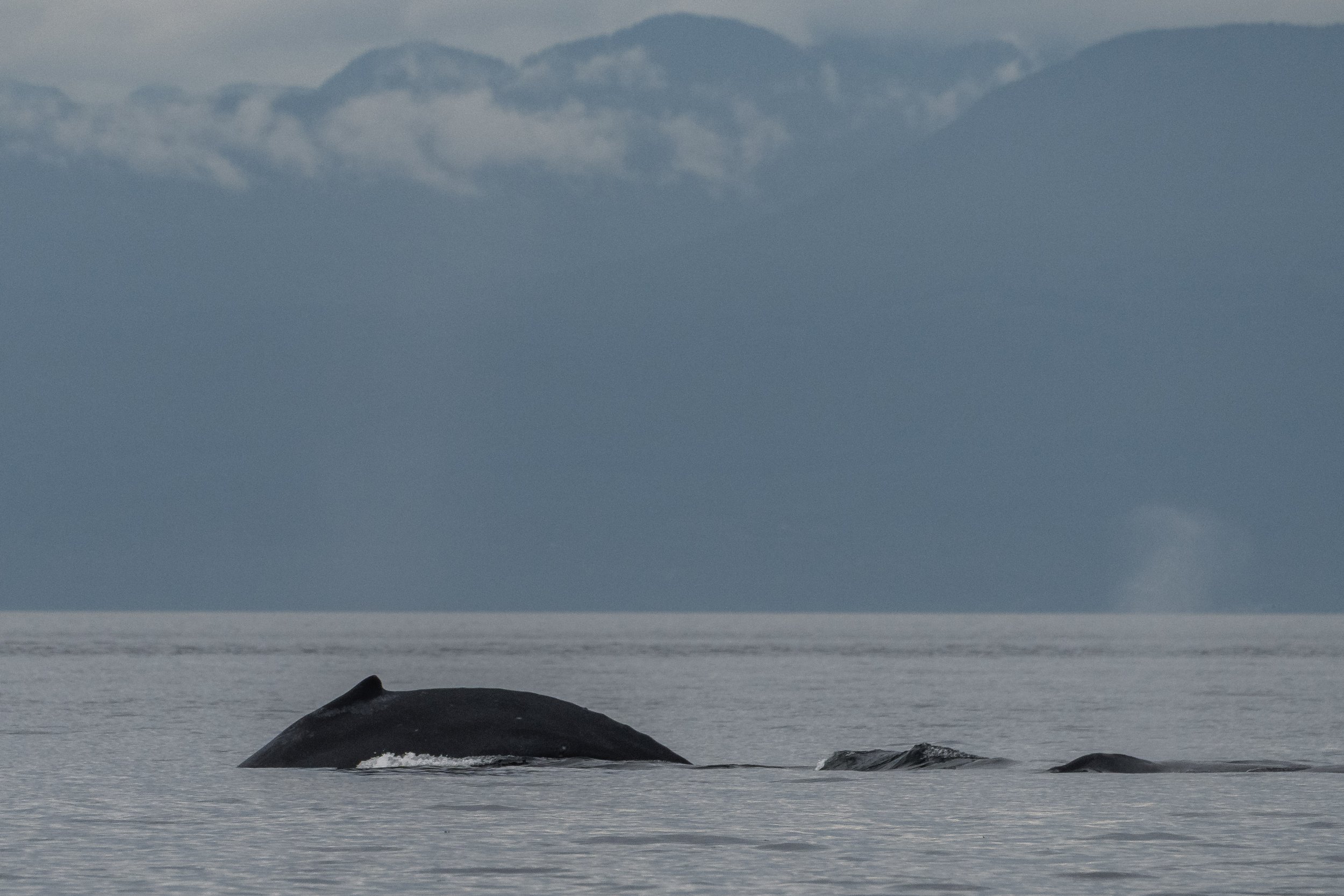
Hendrix going for a dive with Scratchy exhaling behind them. Photo by Val Watson.
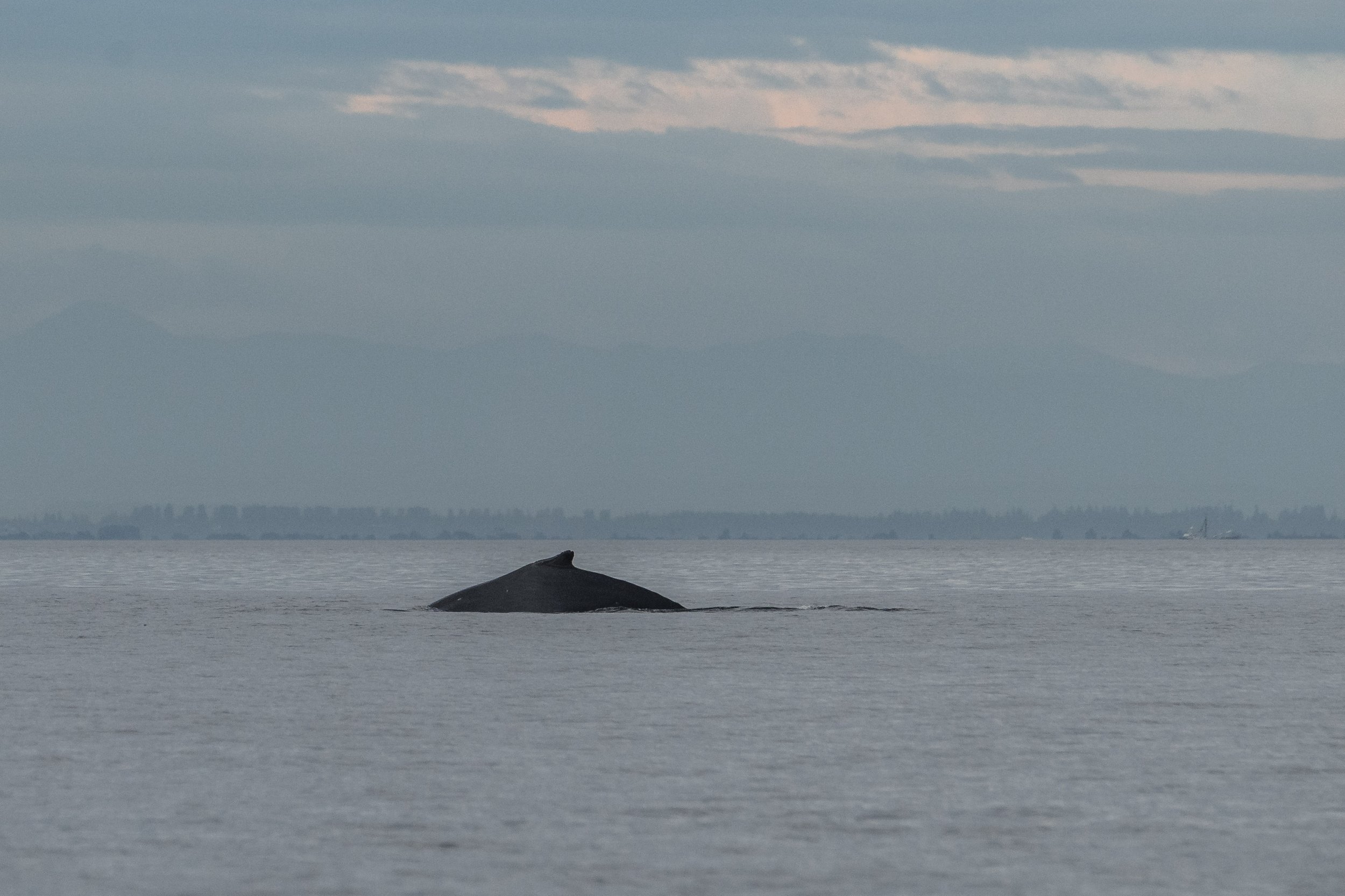
Chi with his distinctly notched dorsal. Photo by Val Watson.
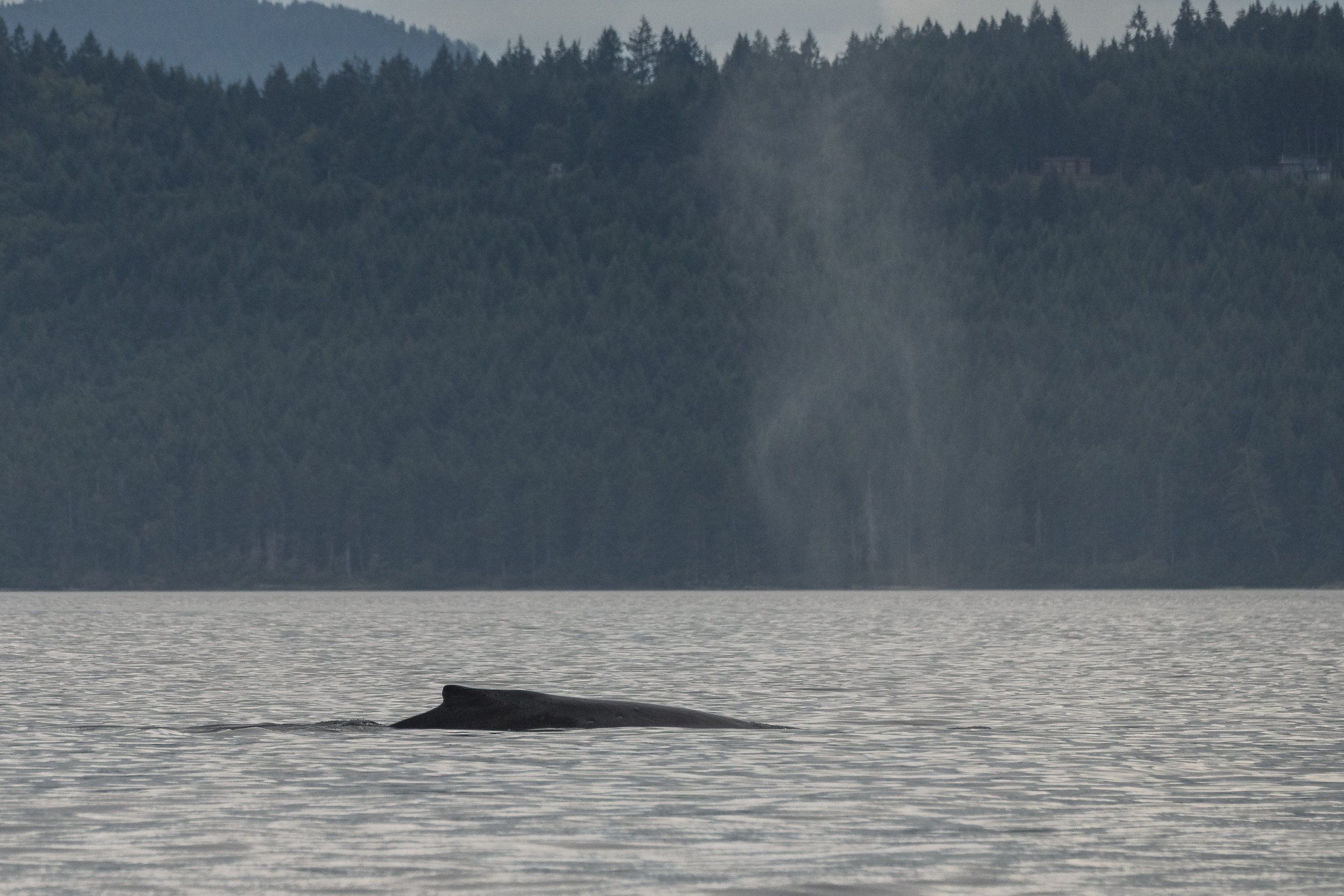
Scratchy surfacing with the blow visible. Photo by Val Watson.
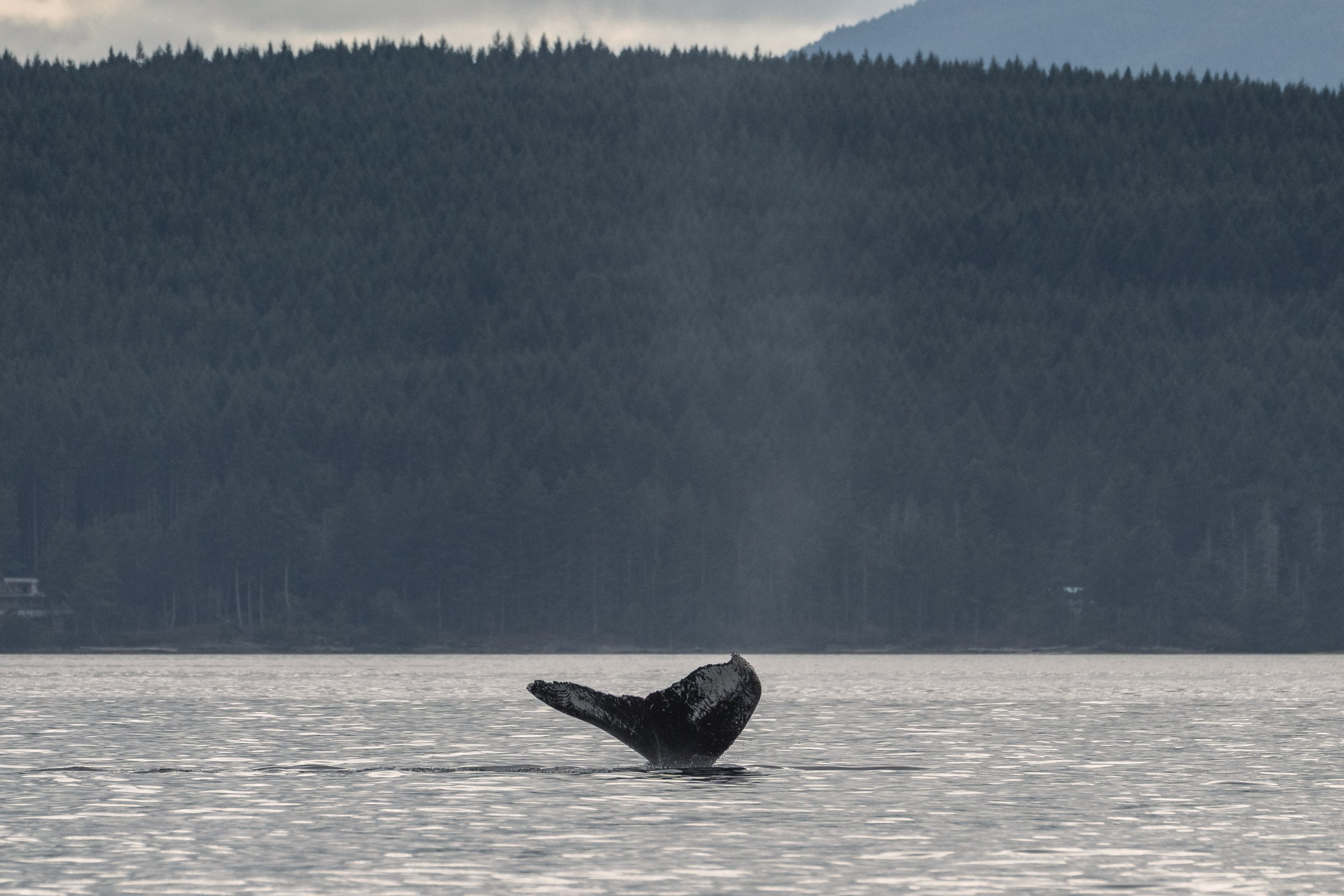
The underside of Scratchys tail. Photo by Val Watson.
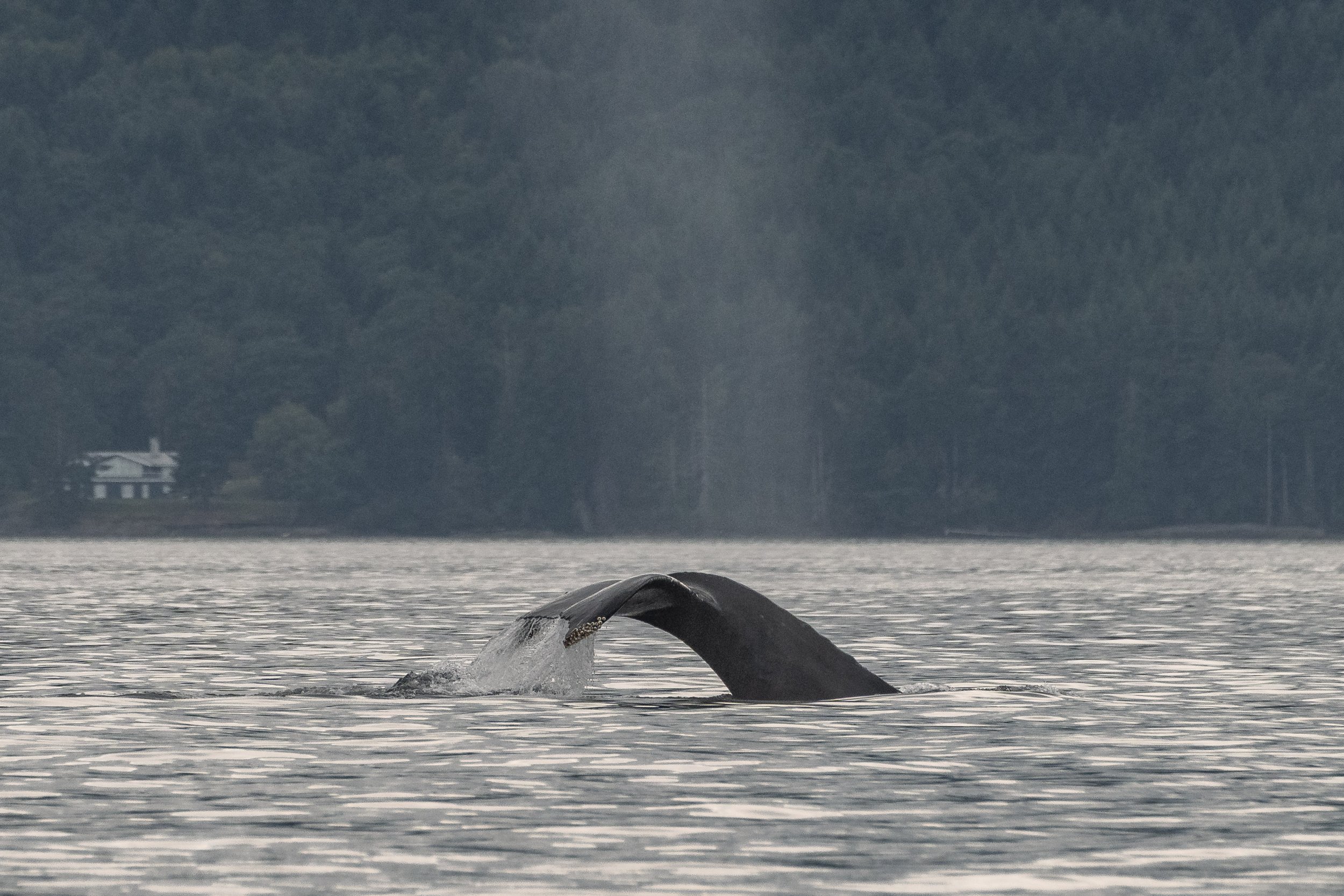
Hendrix going for a dive. Photo by Val Watson.
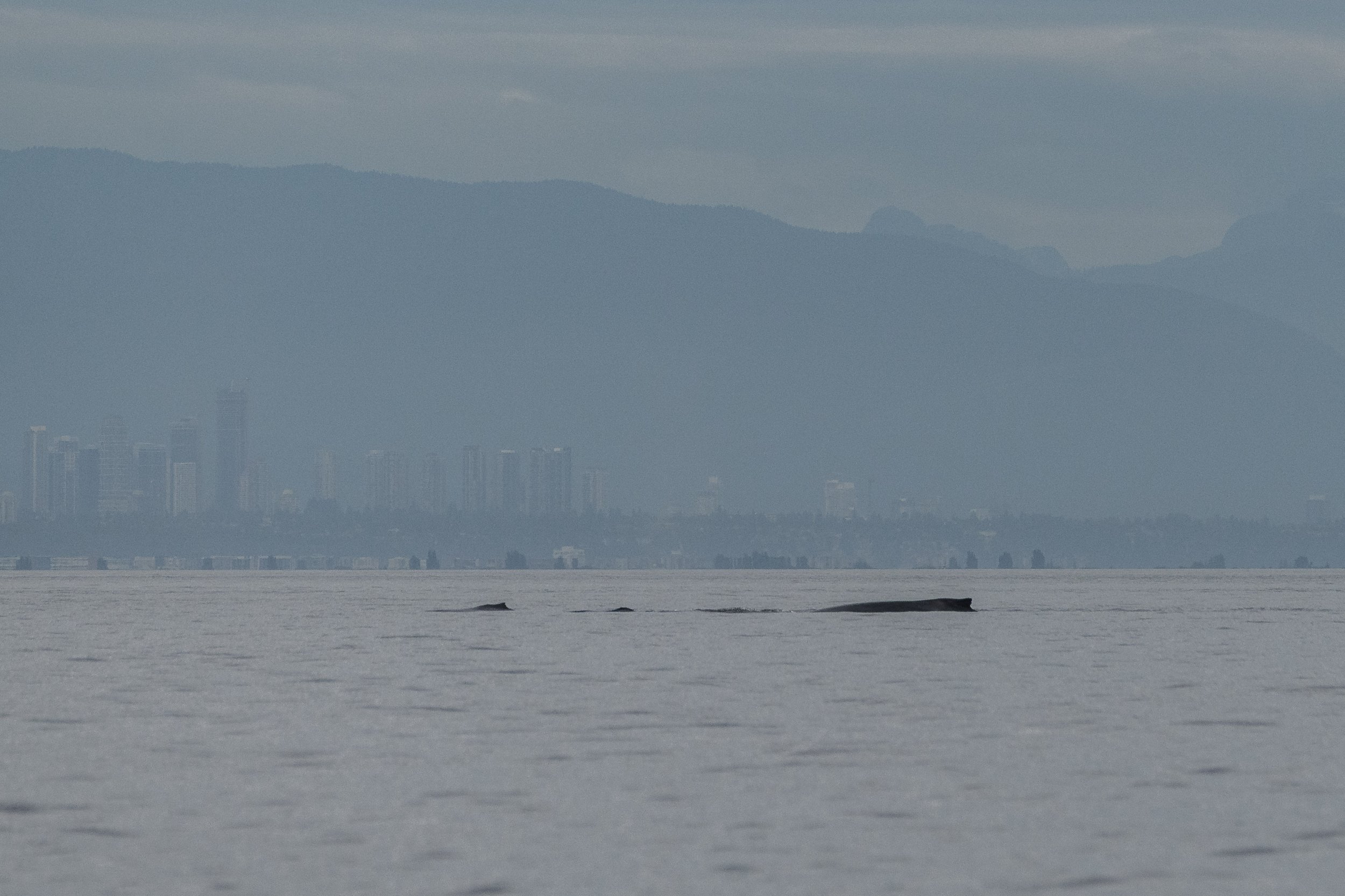
Uluka and Aether surfacing with Vancouver in the background. Photo by Val Watson.
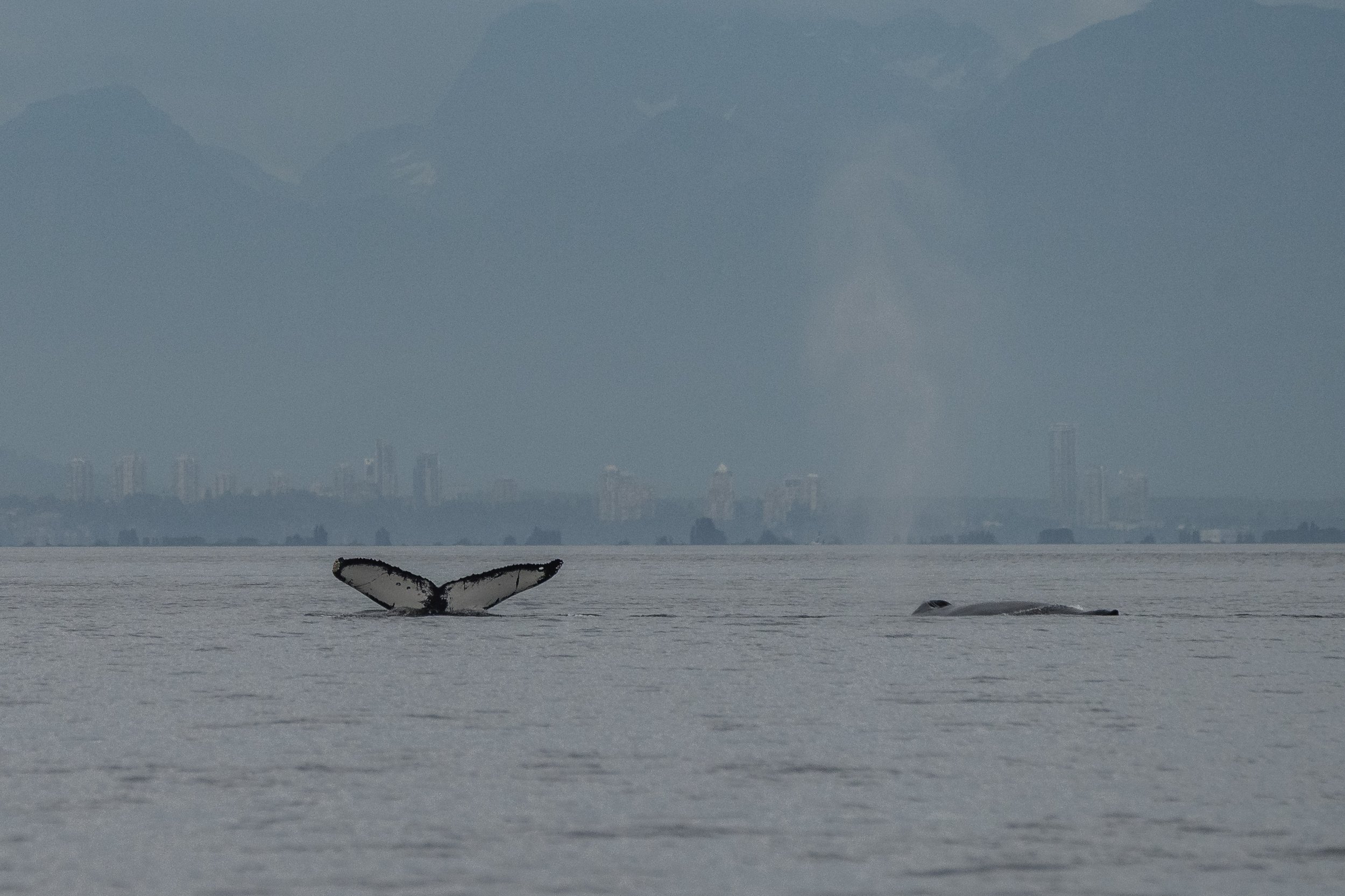
Aether lifting his tail to dive with Uluka surfacing beside him. Photo by Val Watson.
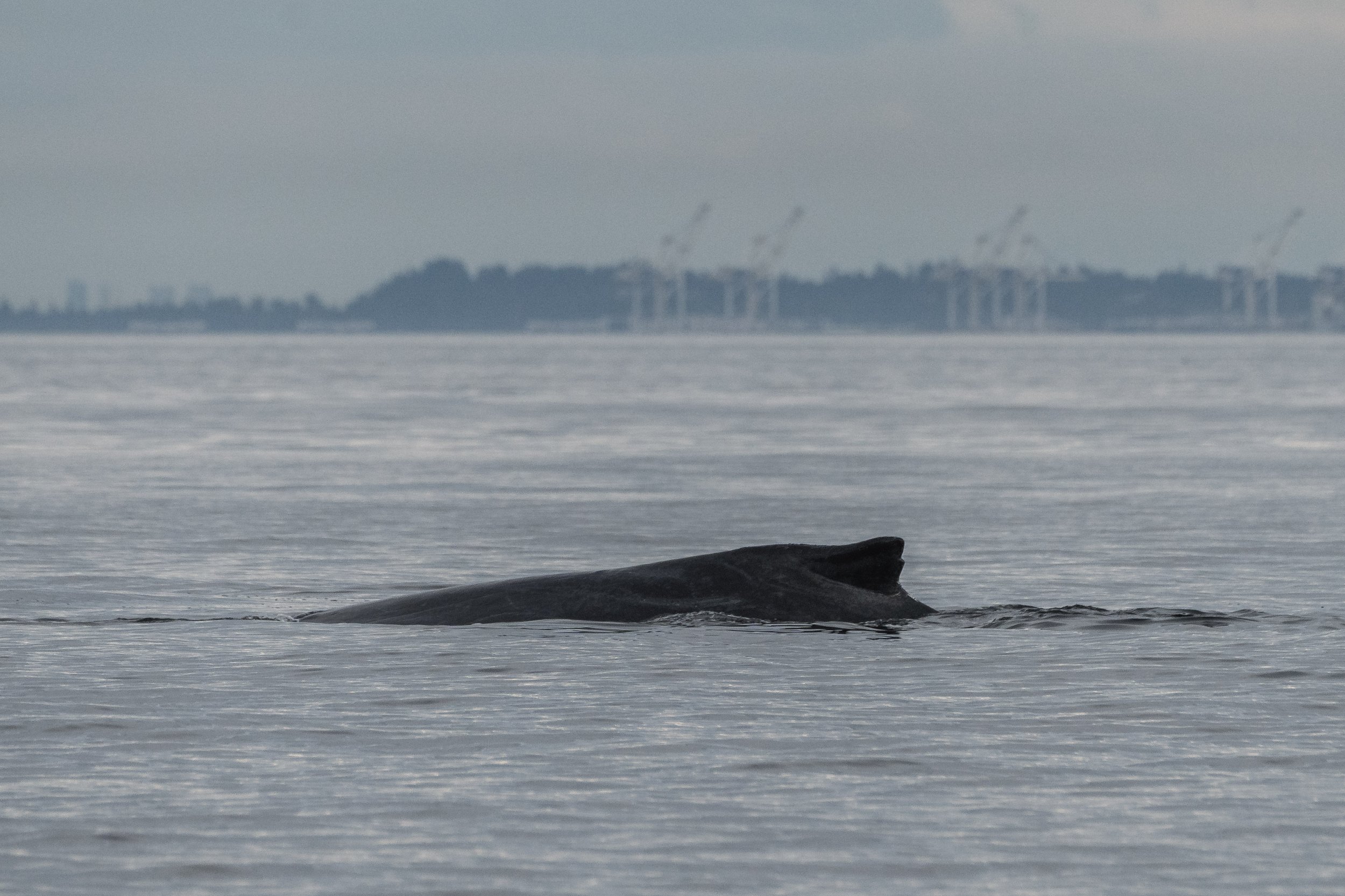
Uluka’s distinct dorsal fin. Photo by Val Watson.
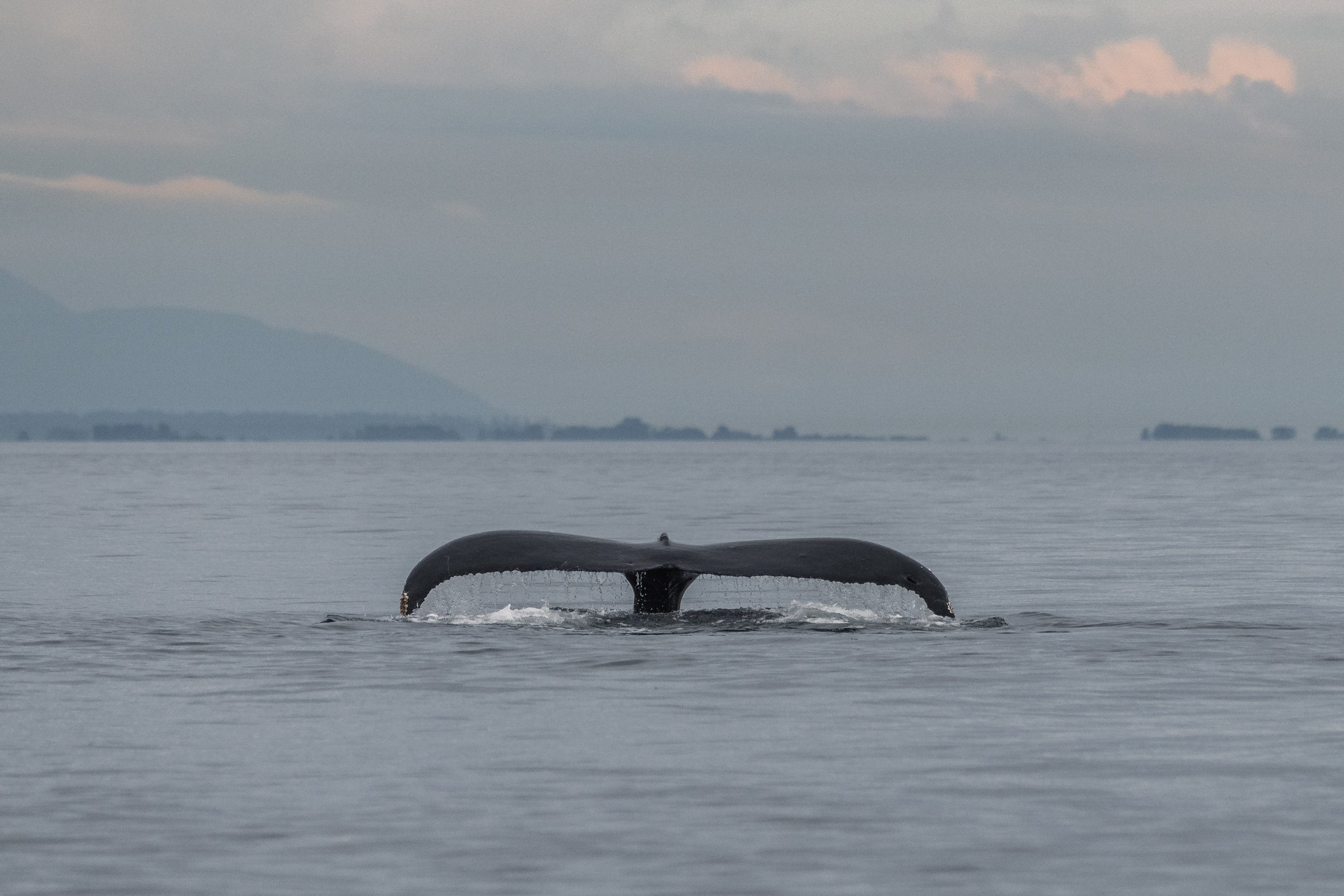
Aether creating a fluke waterfall. Photo by Val Watson.
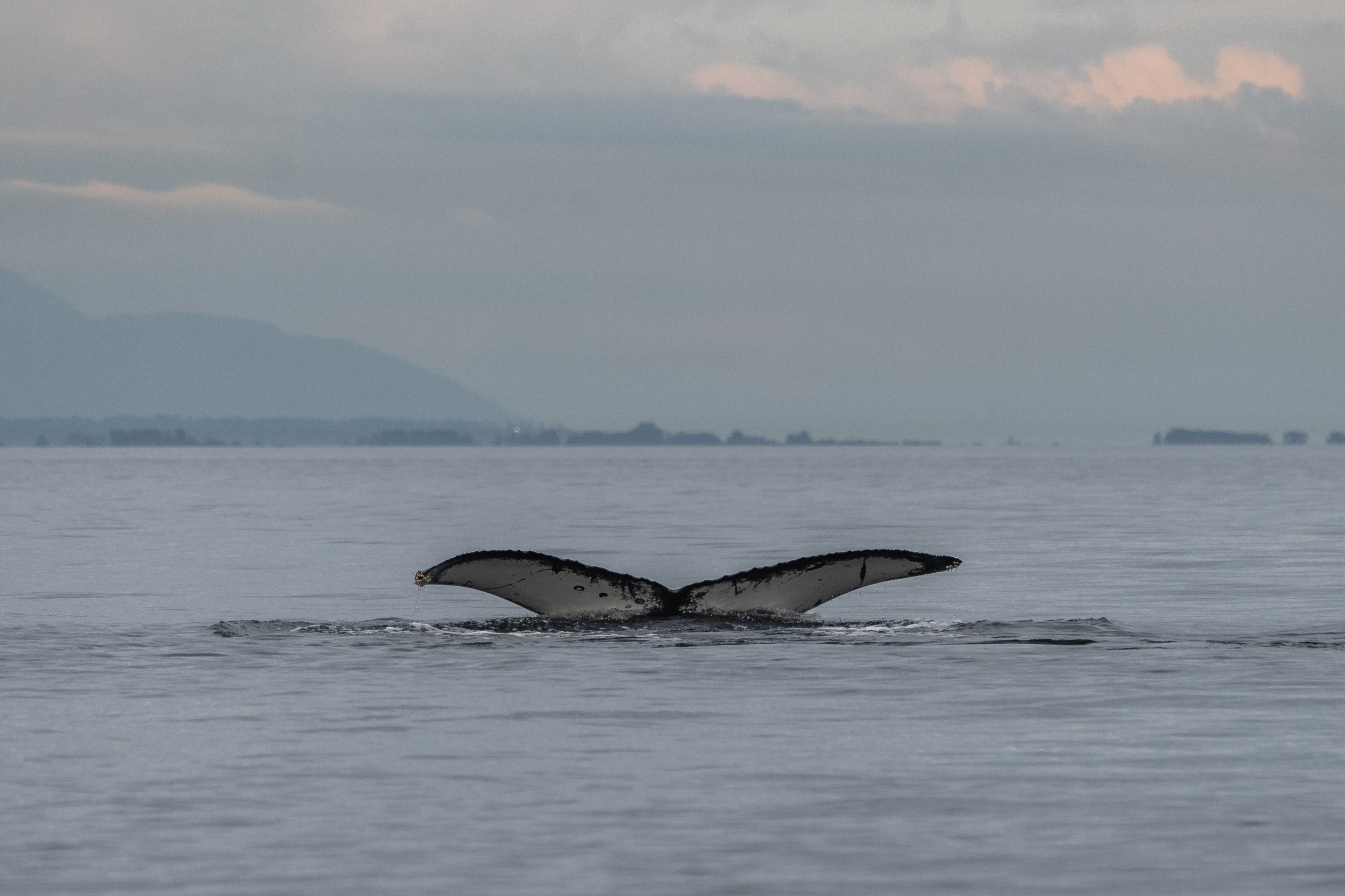
The underside of Aether’s tail. Photo by Val Watson.
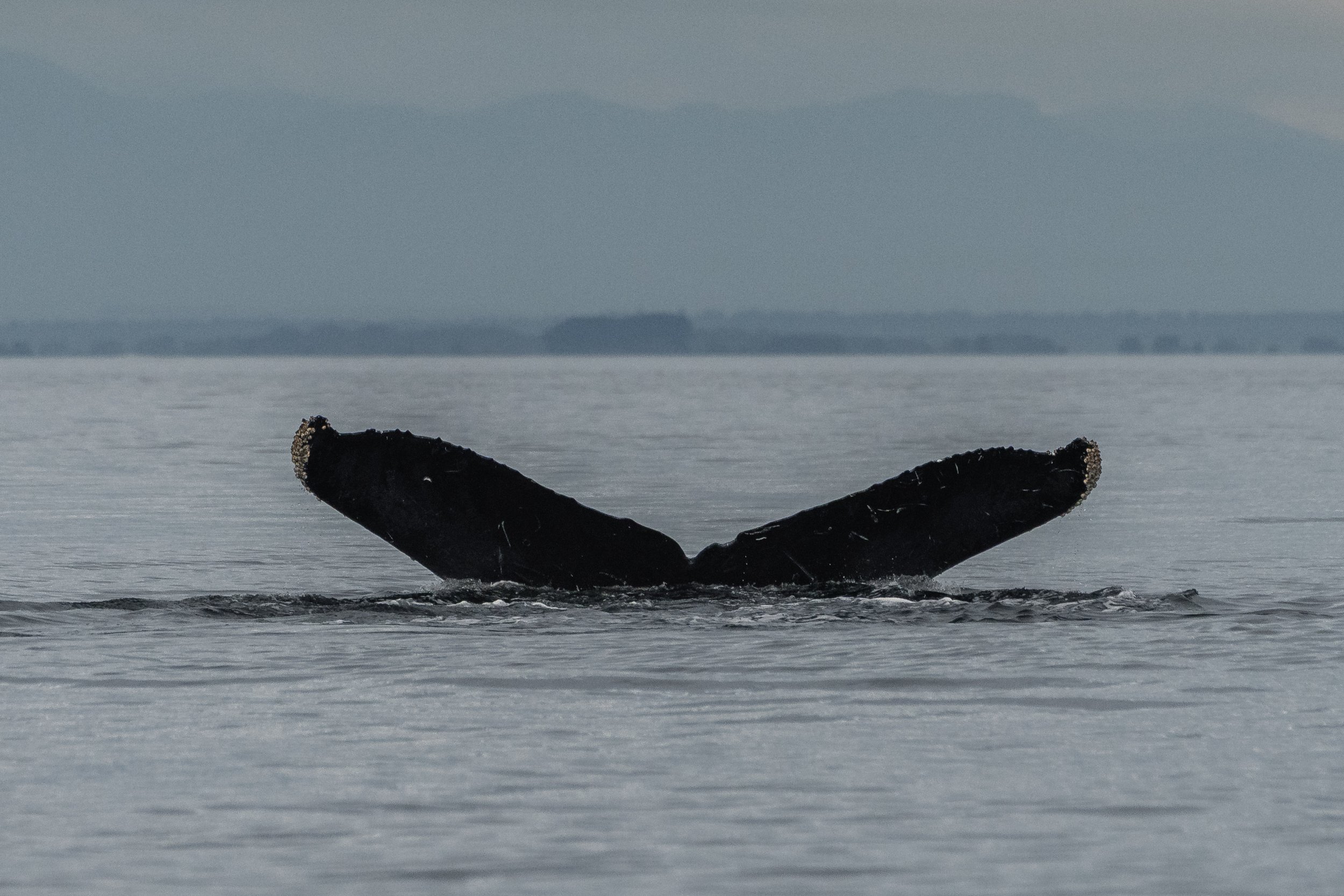
Uluka’s tail as they dive. Photo by Val Watson.
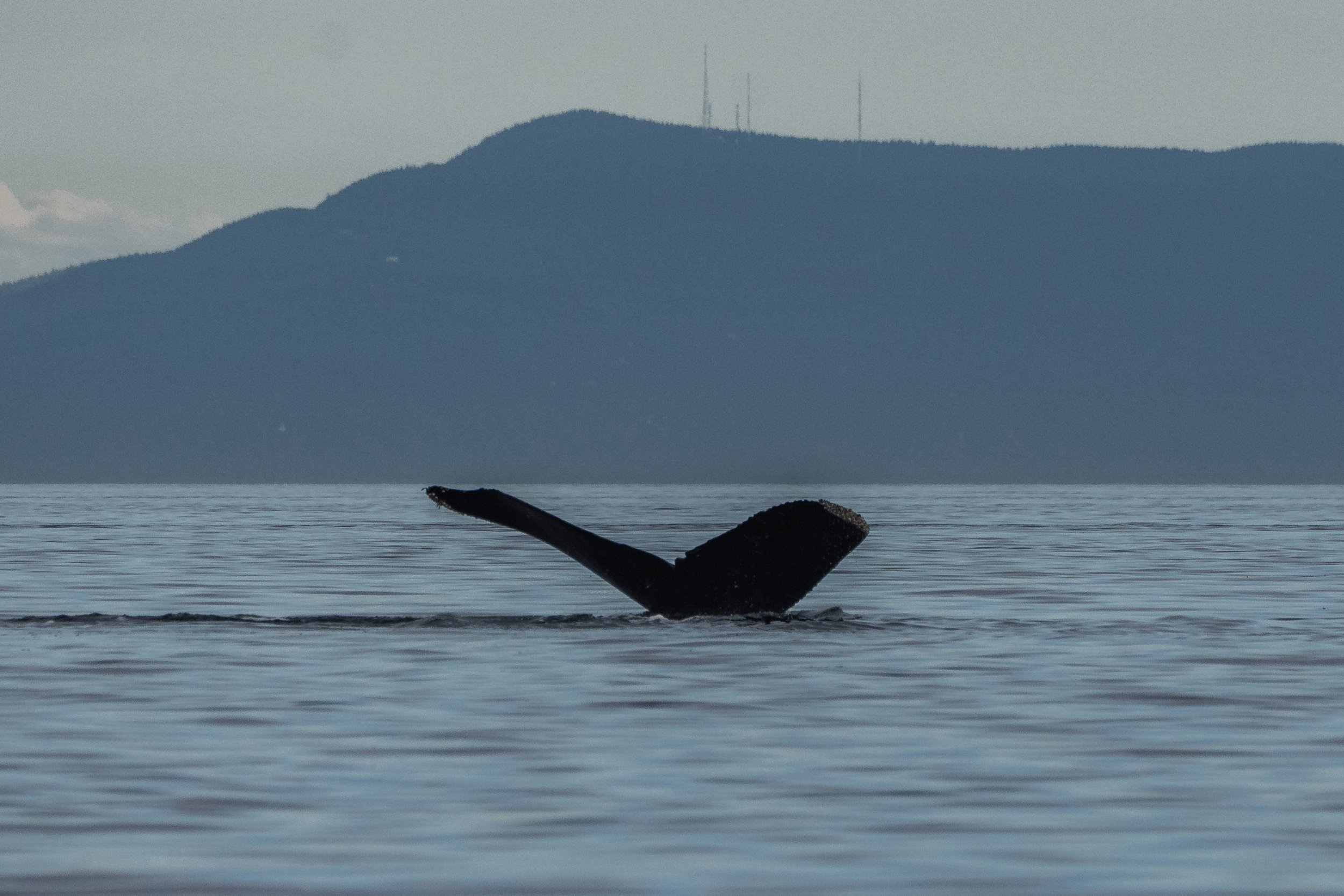
Uluka going for a dive. Photo by Val Watson.
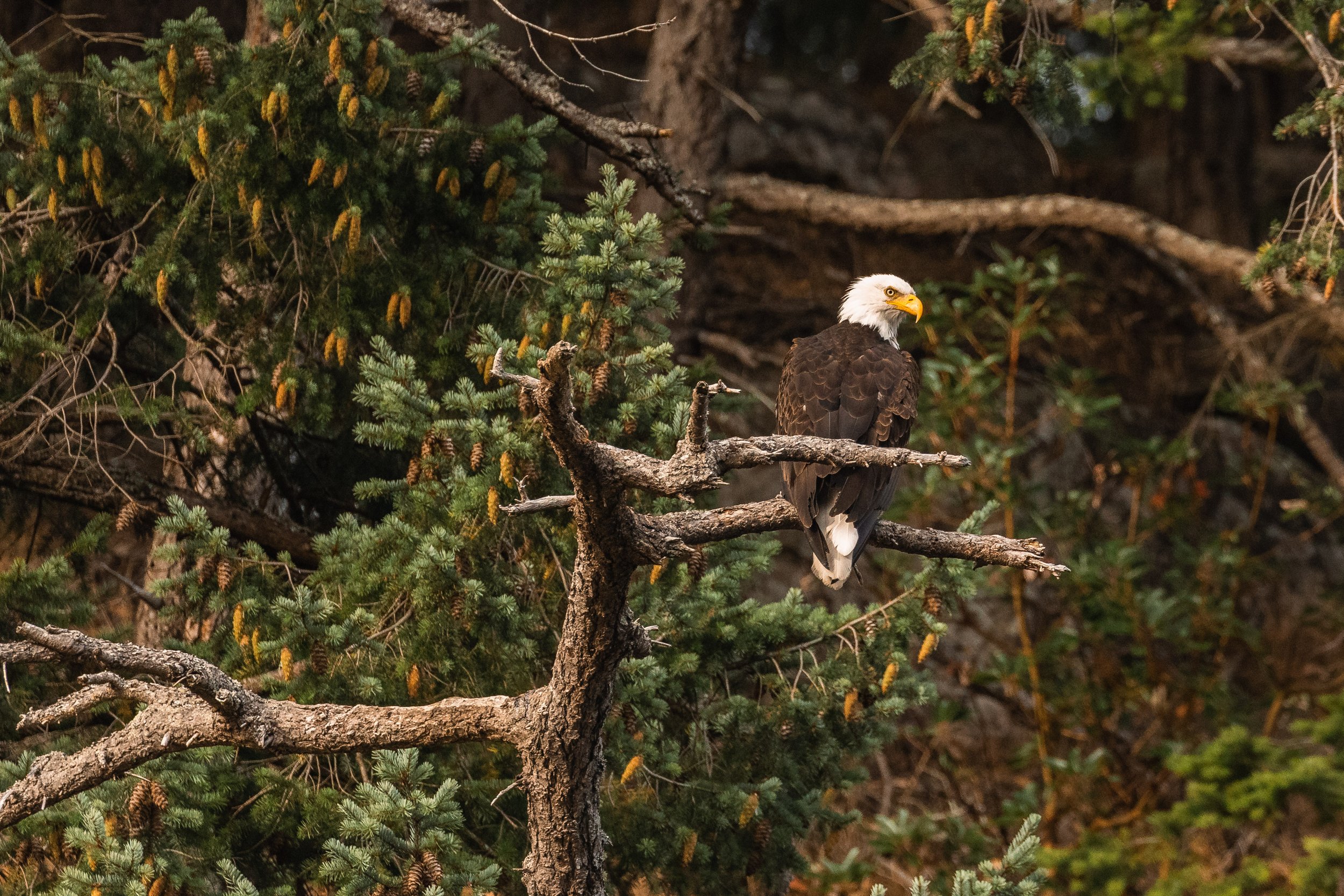
A Bald Eagle watching from the treetop. Photo by Jordan Robinson.
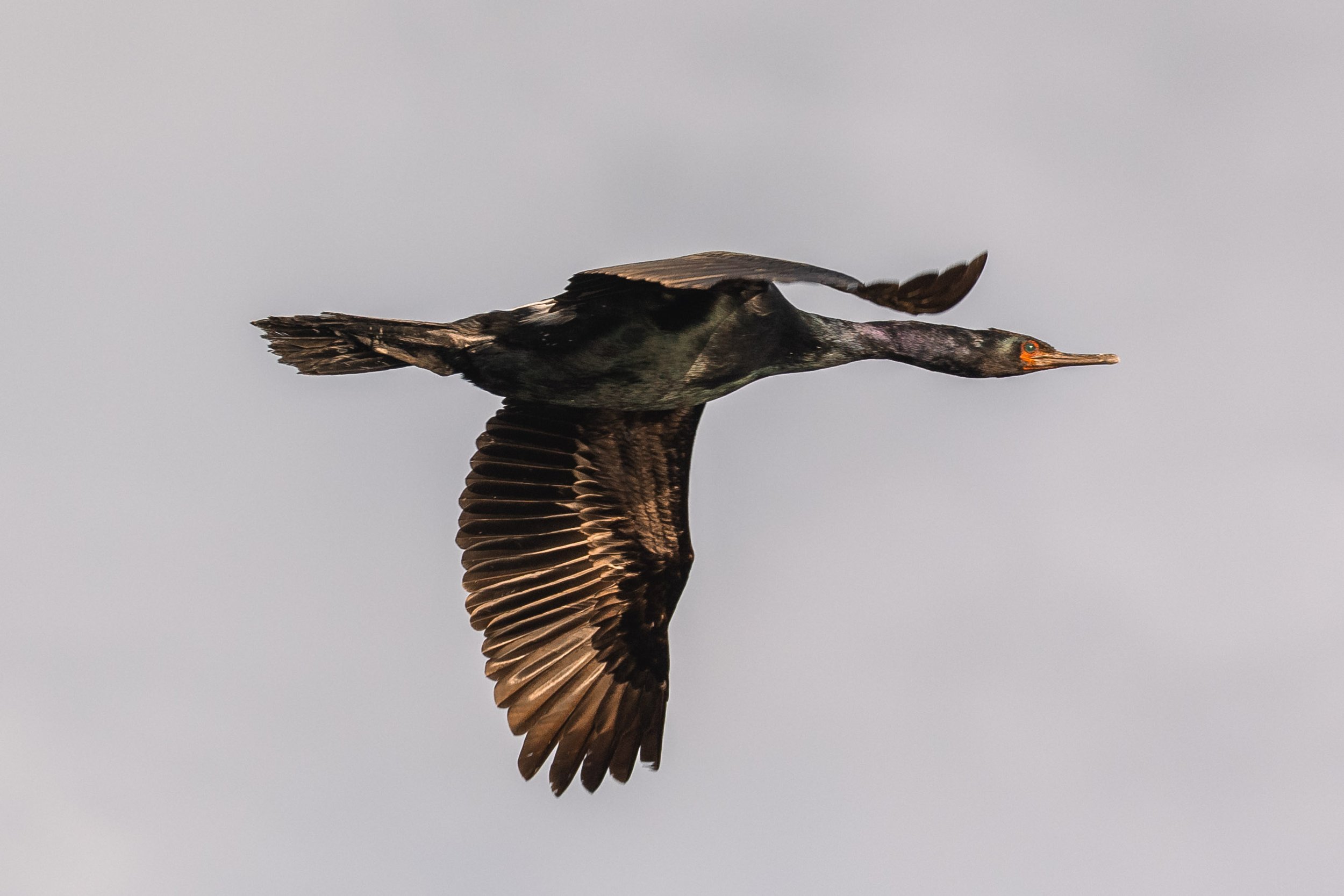
A cormorant flying by. Photo by Jordan Robinson.
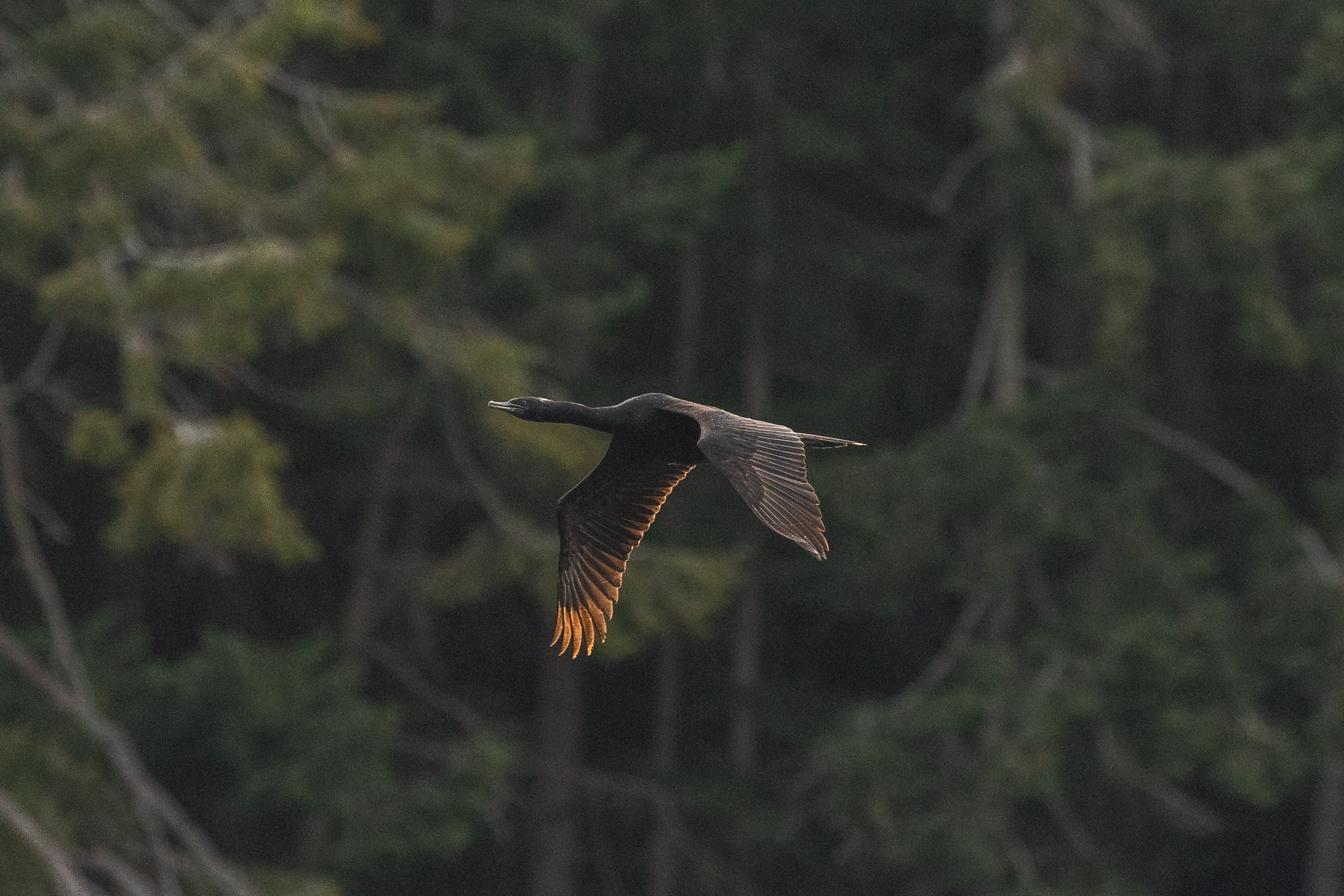
The sun catching the feathers of a cormorant flying by. Photo by Jordan Robinson.
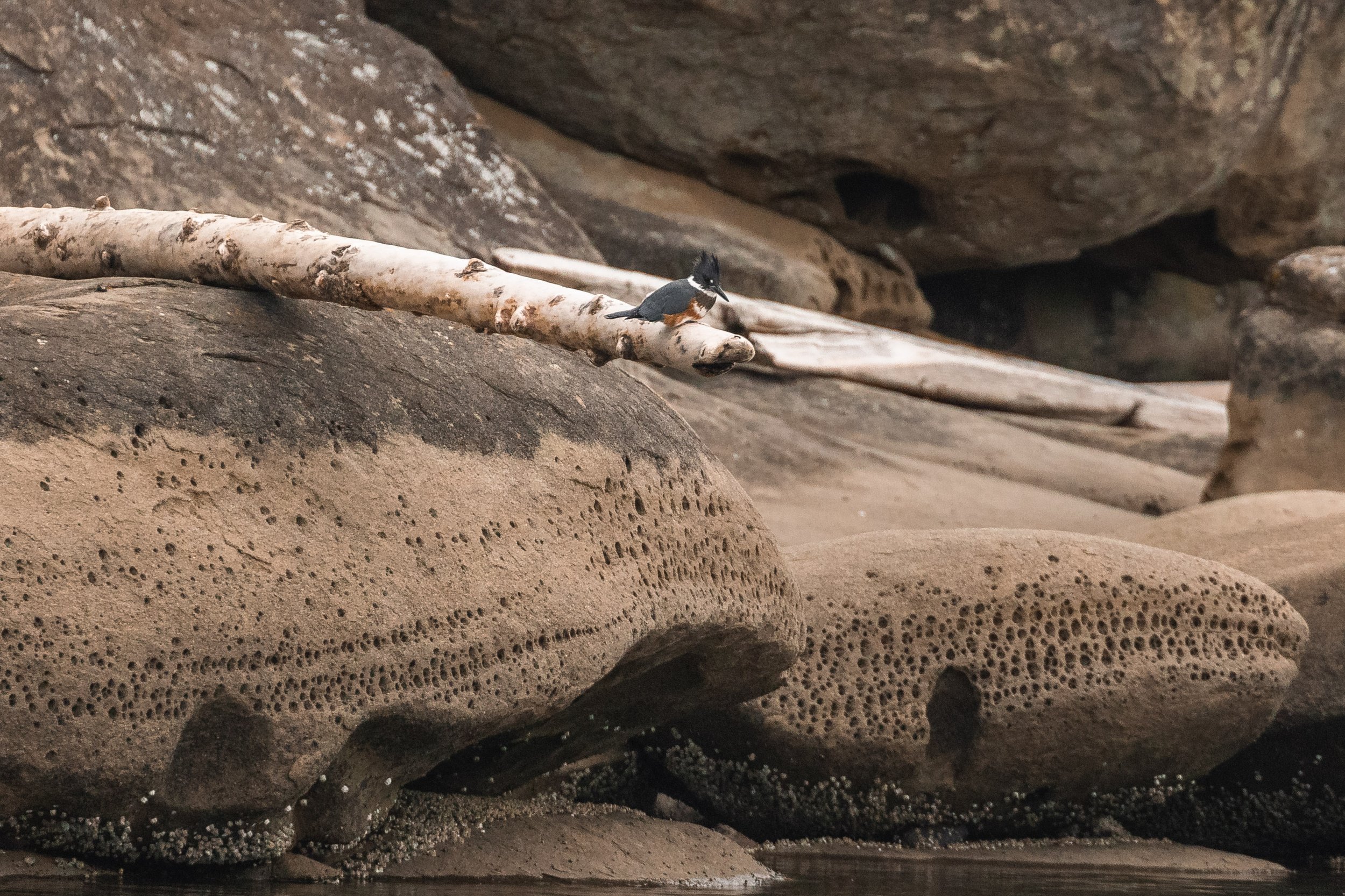
A Belted kingfisher watching for fish. Photo by Jordan Robinson.
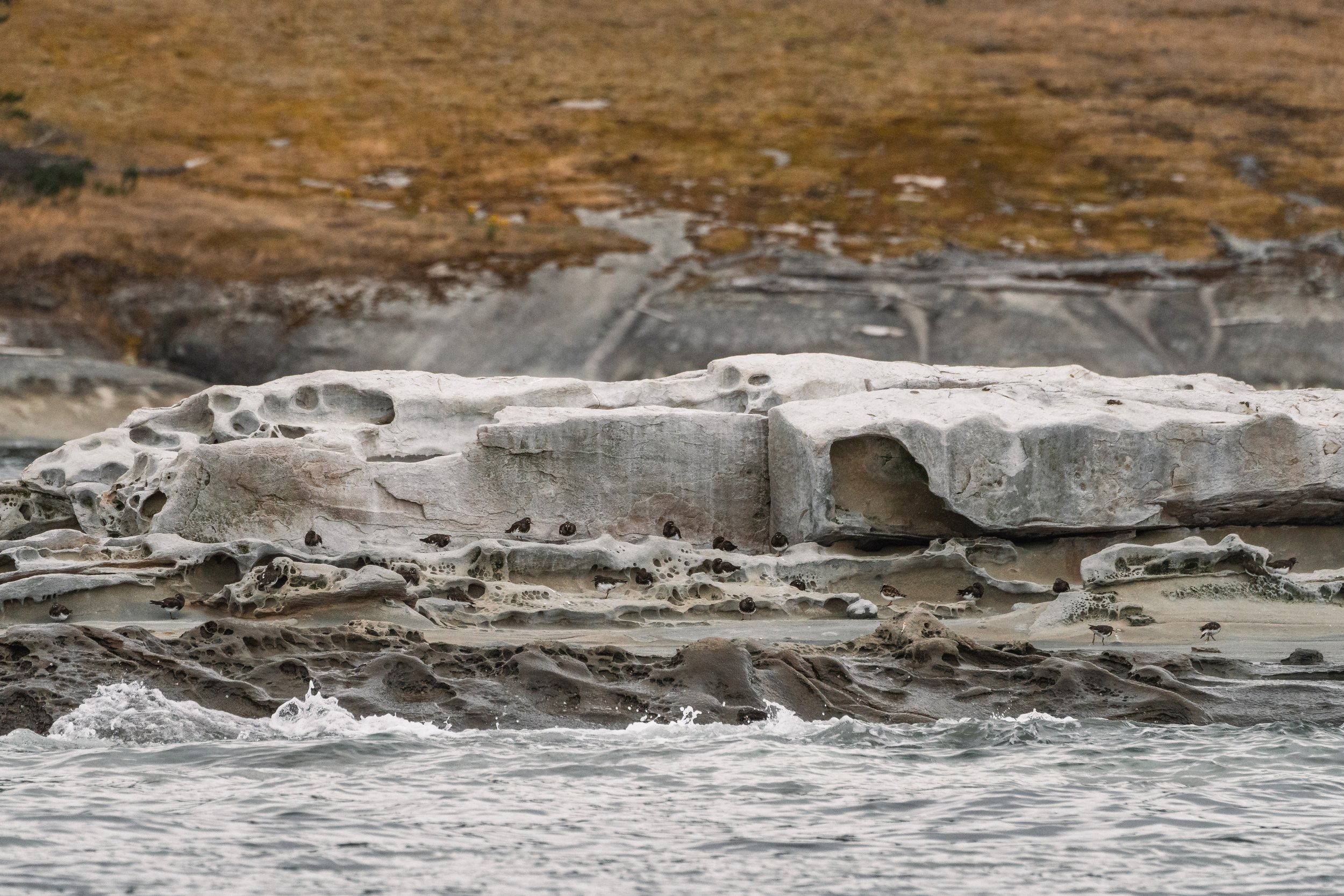
Turnstones on the rocks at Stinky. Photo by Val Watson.
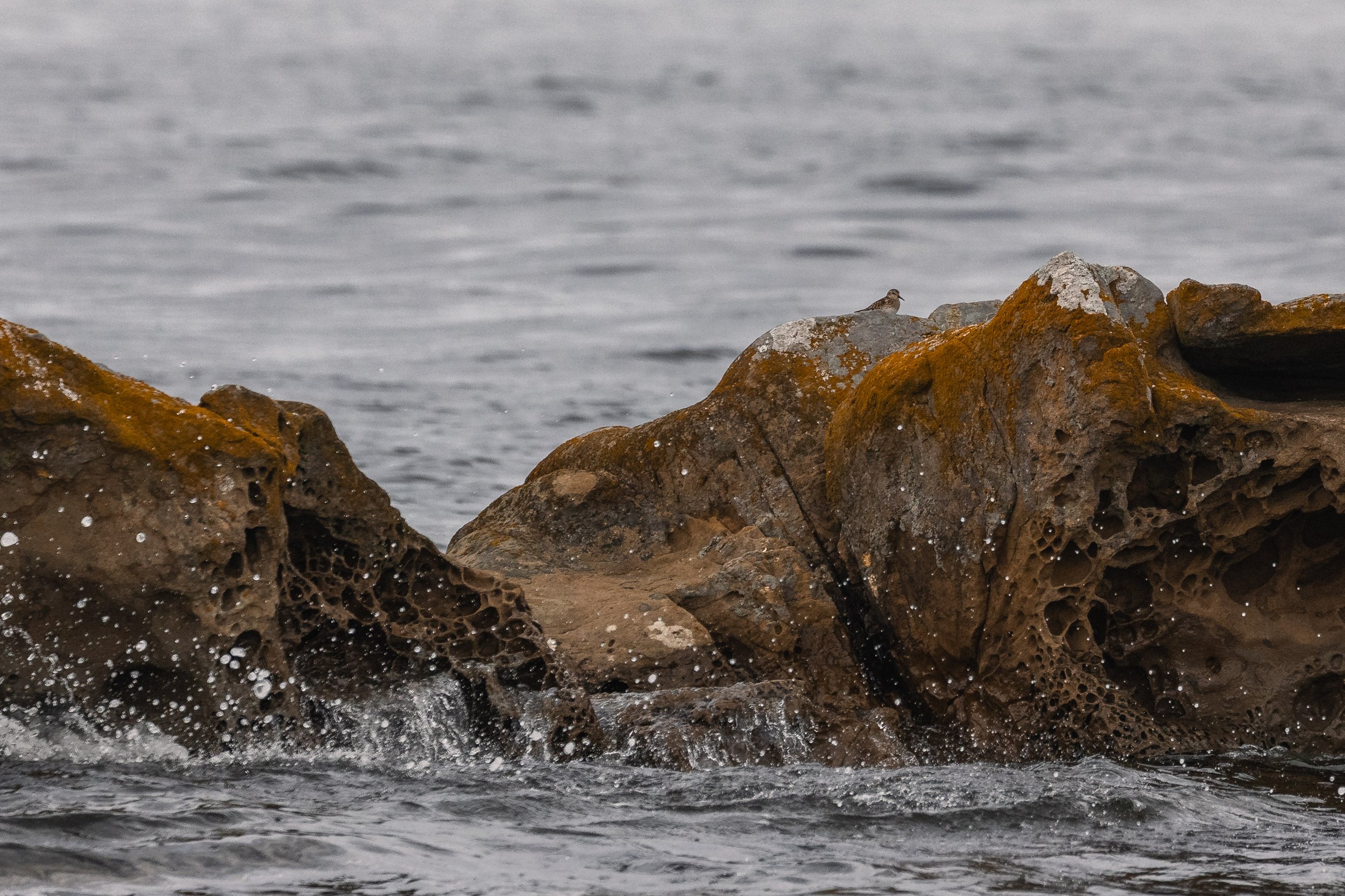
A beautiful look at the sandstone formations, featuring a surf bird on the rocks. Photo by Jordan Robinson.
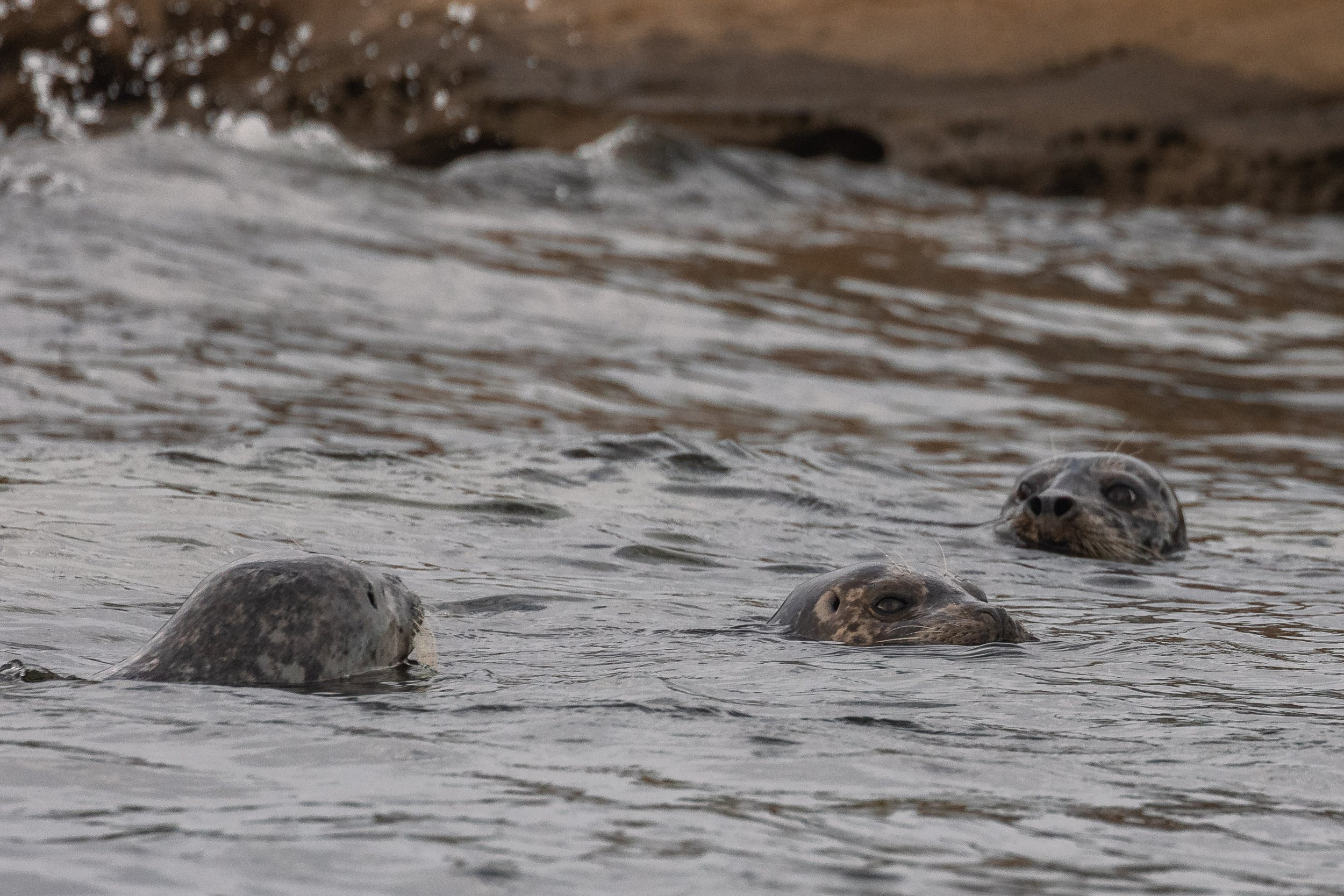
Harbour Seals floating by. Photo by Jordan Robinson.
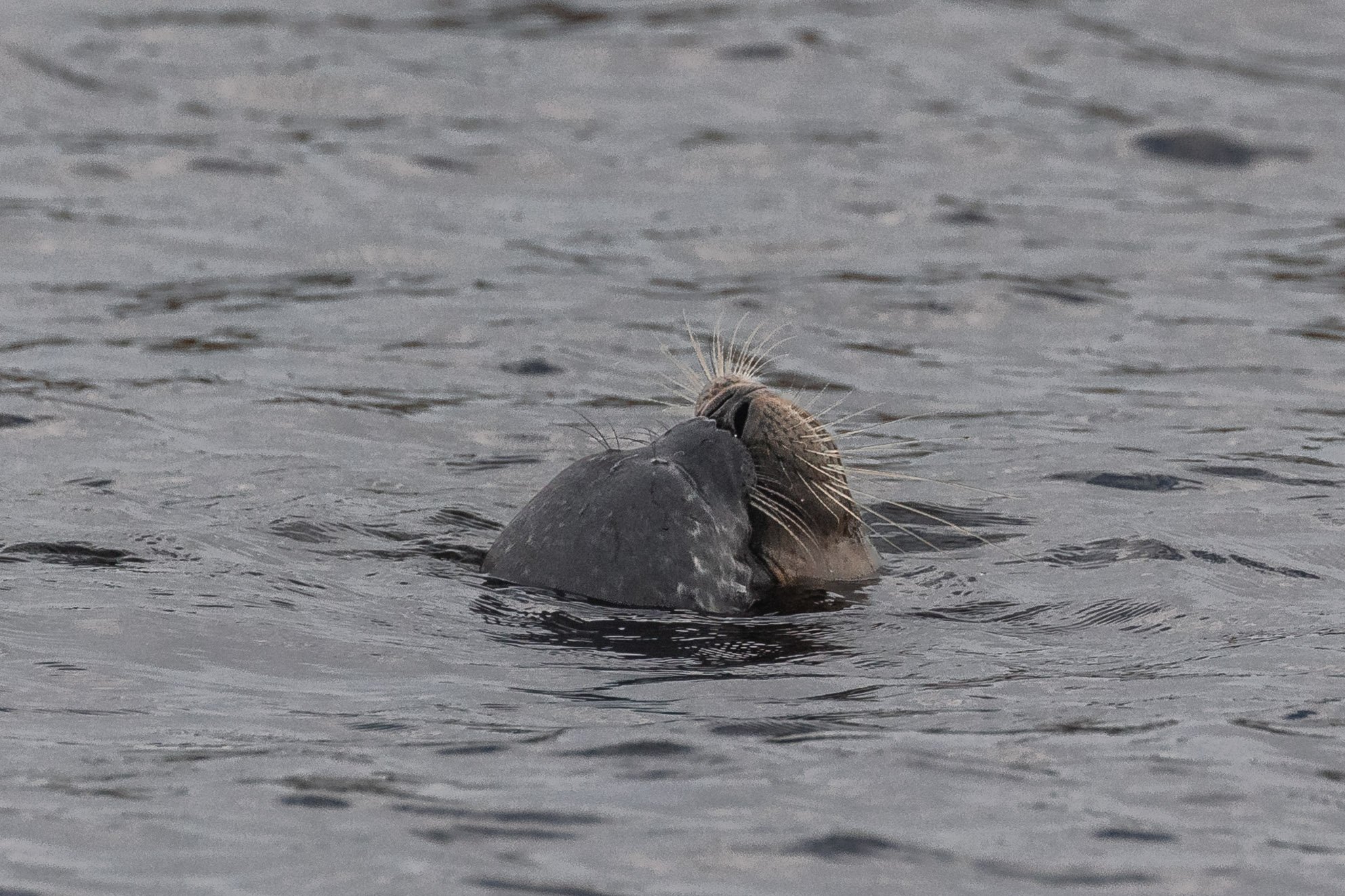
Harbour Seals cuddling in the water. Photo by Jordan Robinson.
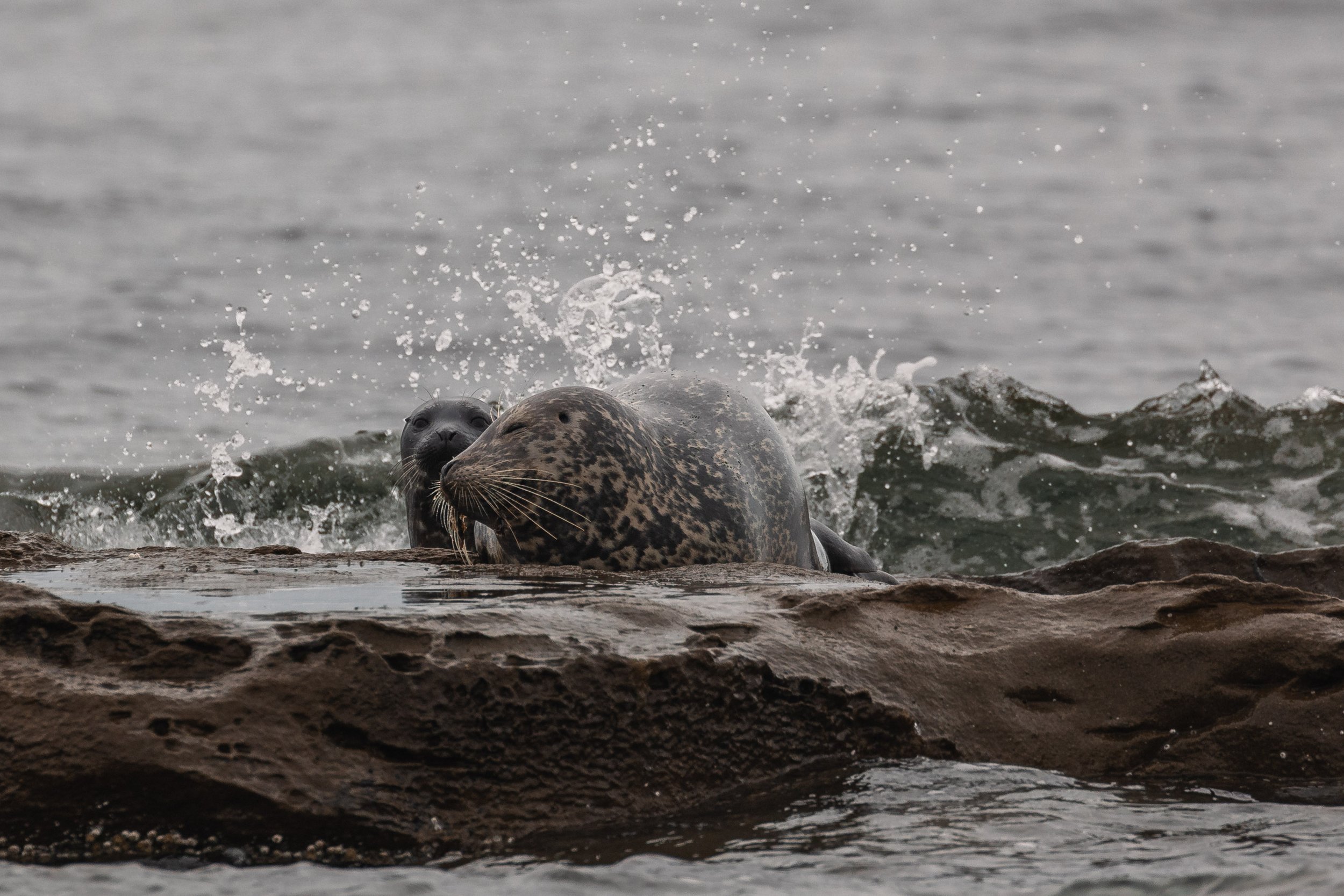
Harbour Seals having their little mermaid moment. Photo by Jordan Robinson.
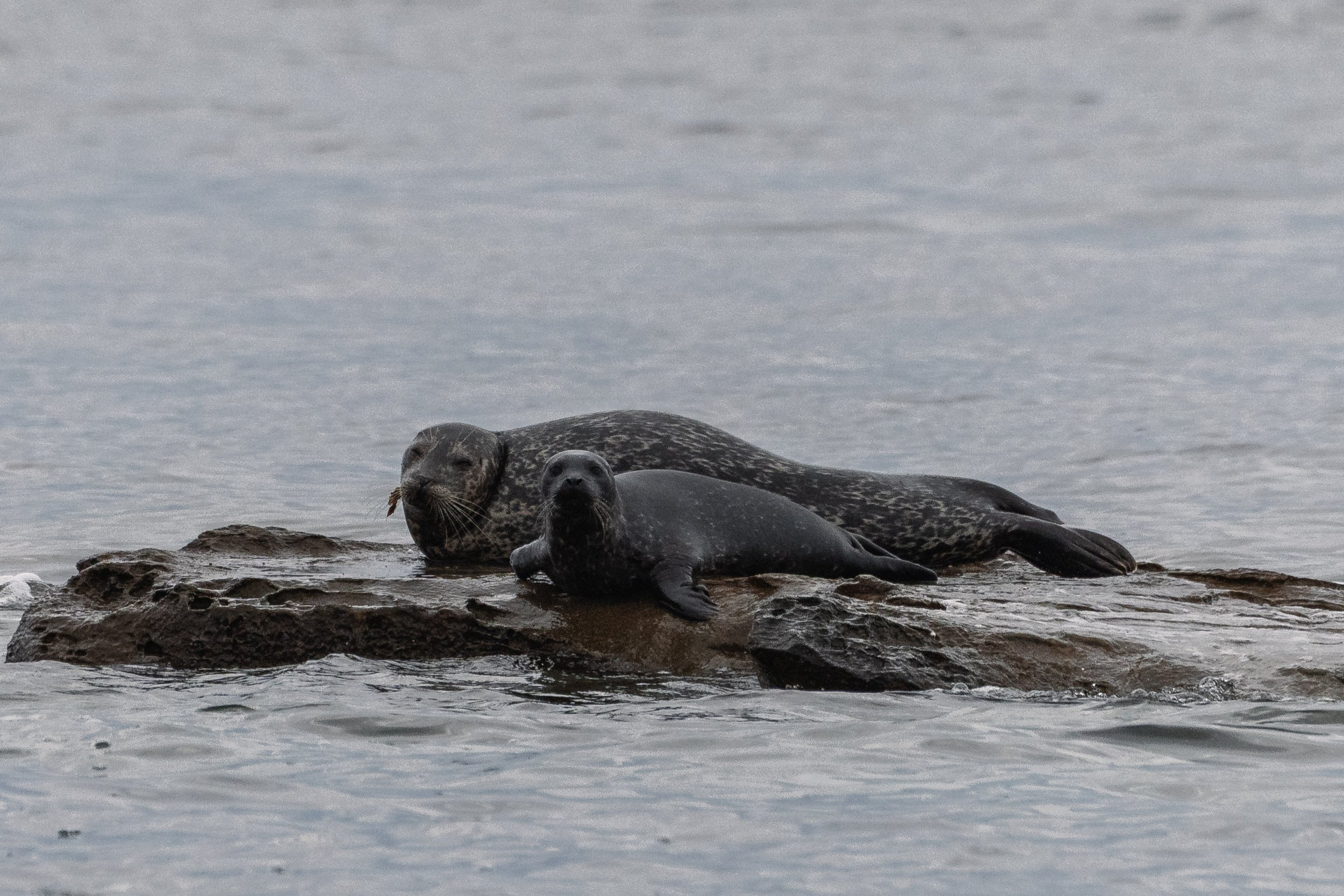
A Harbour Seal mom and pup relaxing on the rocks.Photo by Val Watson.
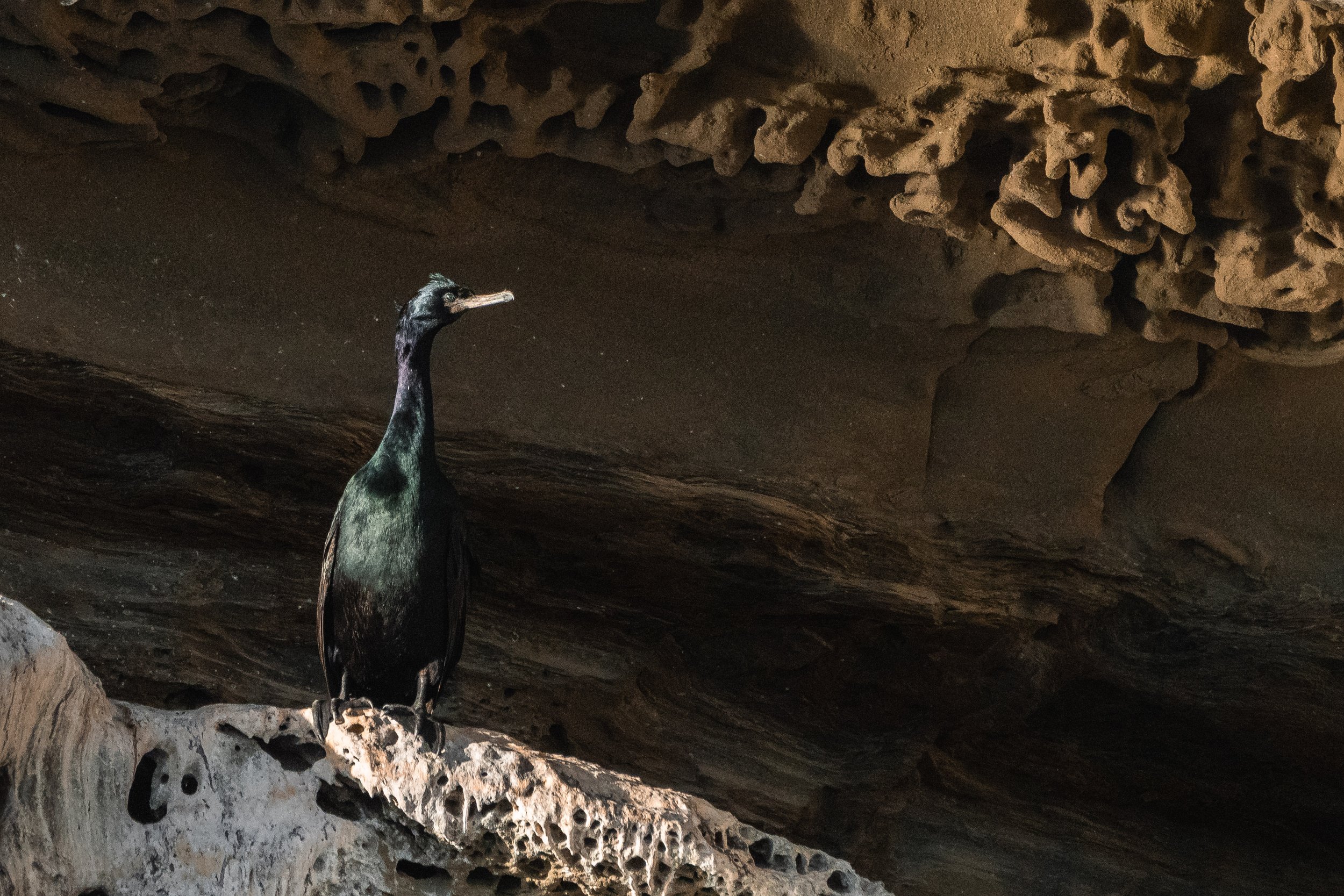
A lovely cormorant on the Gabriola Bluffs. Photo by Val Watson.
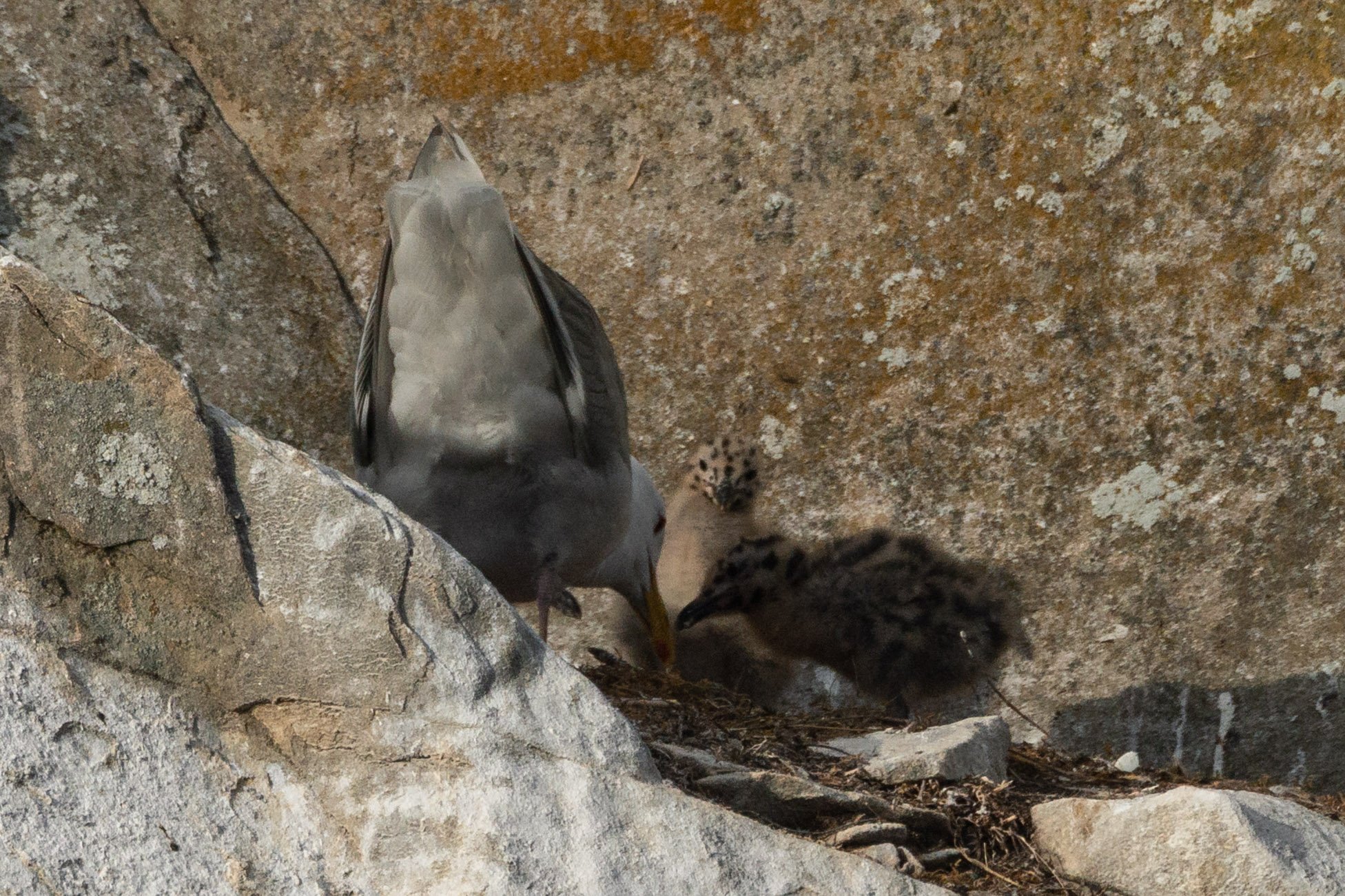
A gull feeding their chicks. Photo by Val Watson.
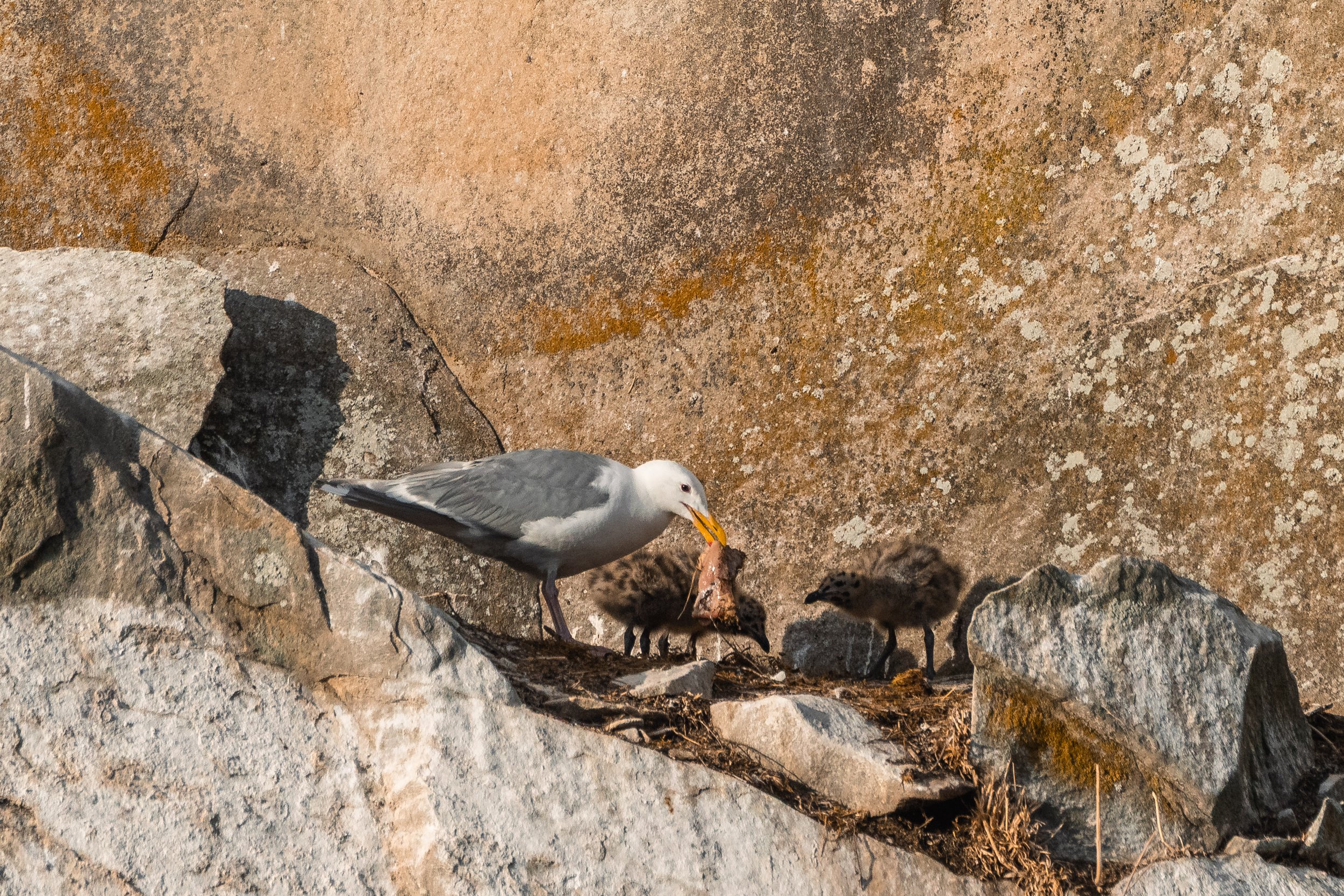
The adult taking the big peice of food for the chicks. Photo by Val Watson.
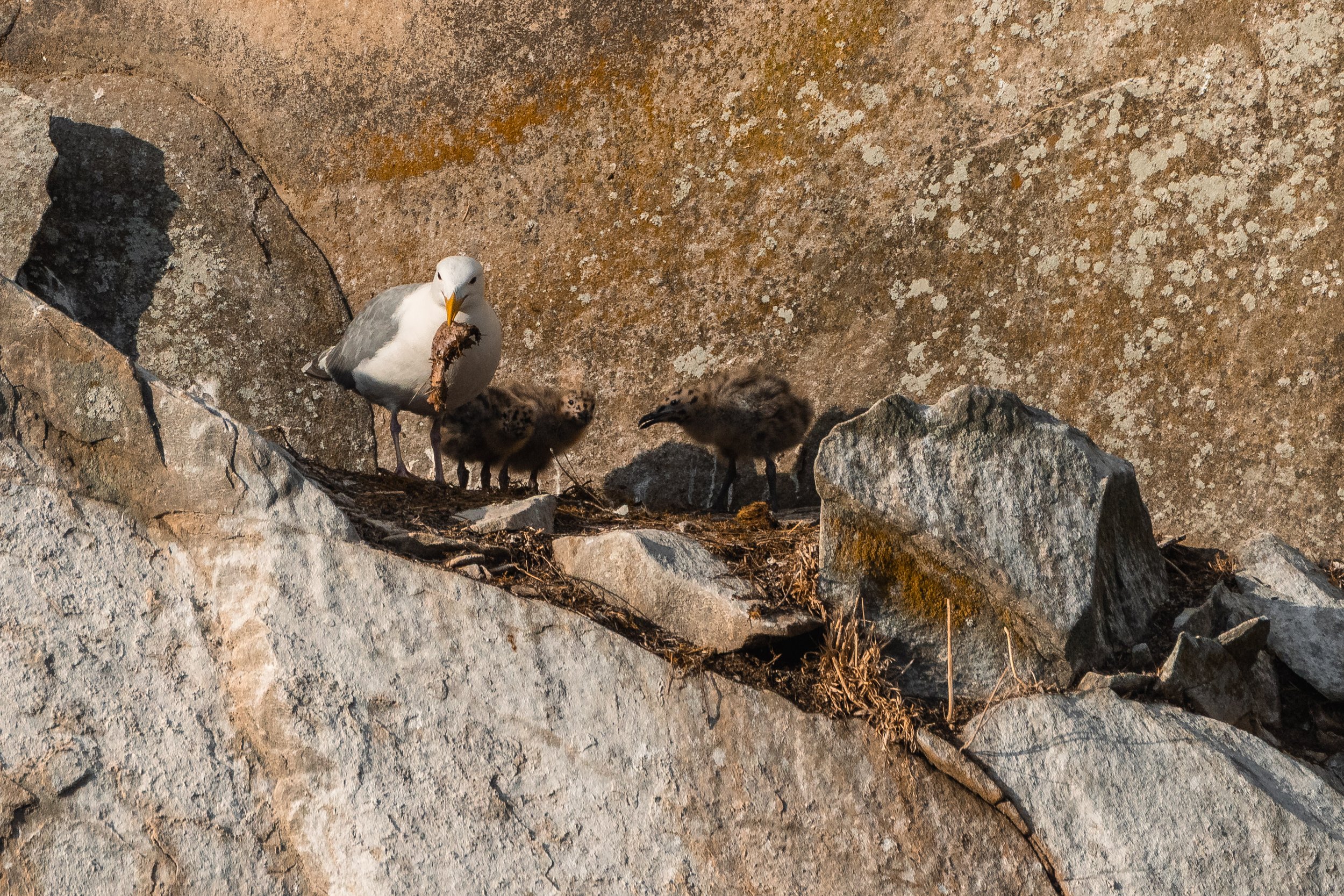
It’s a nice meal to share! Photo by Val Watson.
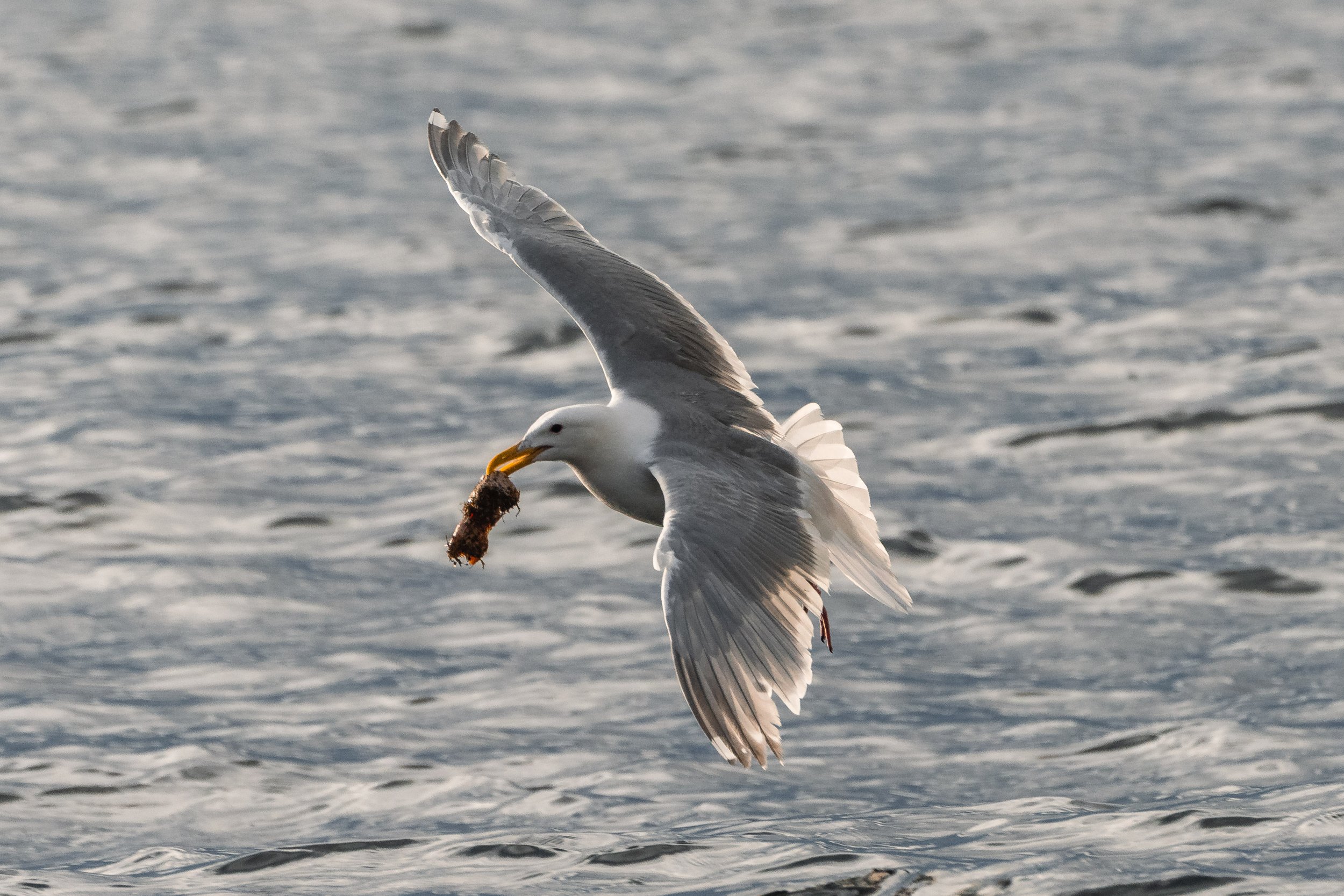
Flying off with the leftovers. Photo by Val Watson.
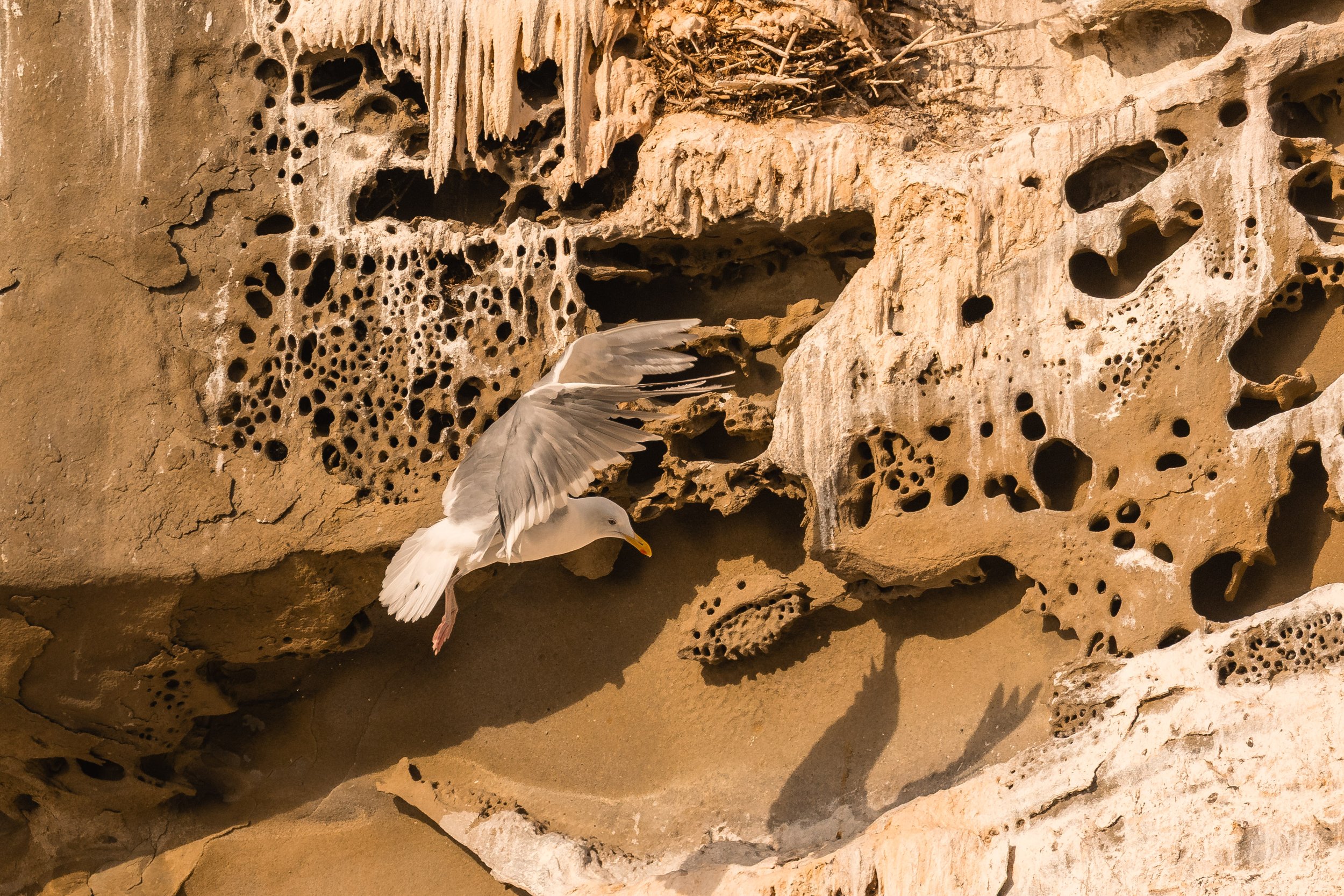
A gull coming in for a landing. Photo by Jordan Robinson.
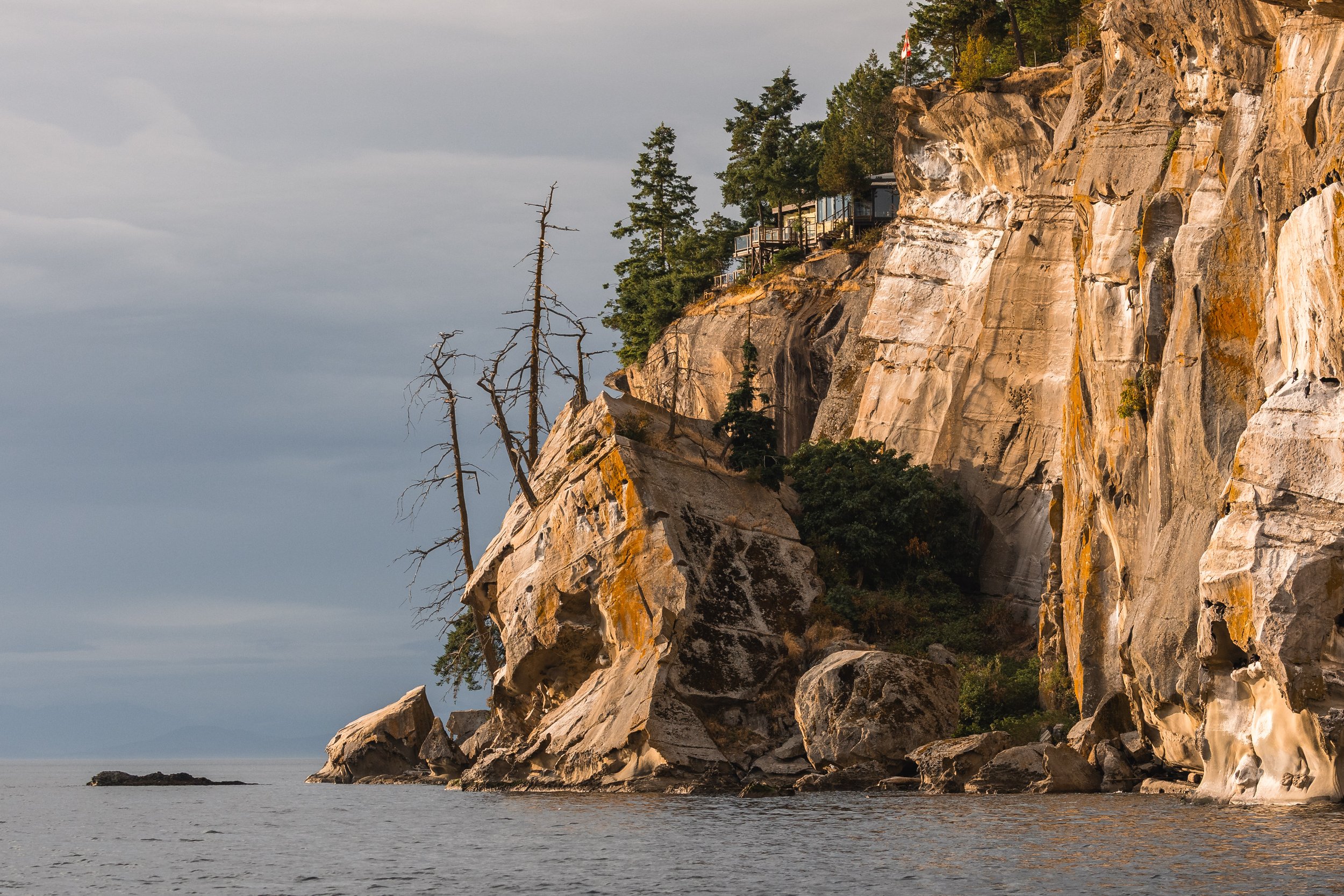
The Gabriola Bluffs. Photo by Jordan Robinson.