
July 28, 2026, 10:30 AM - Spending time with Double Species near Active Pass
It was another great day on the water today, spending time with both Orca and Humpback Whales out in the Strait of Georgia.
The day started with all three of our vessels heading out from Nanaimo, then starting the search south through Northumberland Channel and Dodd Narrows, and into the Southern Gulf Islands. From here, the boats spread out, each covering a different channel, so we increased our chances of coming across something as they went.
They all took different paths south, but ended up in the same place after a shore-based report came through partway through our search: orca had been spotted in Active Pass! Since we were aiming that direction anyway to enter the Strait of Georgia, the timing worked out perfectly to see if we could pick up those whales, but a Vancouver-based boat beat us to it! Luckily, here in the Salish Sea, all the companies work together once they are on the water to help increase the overall sighting success. So when they found them, they called us on the radio and let us know, and we headed over to share in watching the Transient Orca they had found. Much to our surprise, there was also a pair of humpback whales right next to the orca as we approached!
It wasn’t long before the expert naturalists started snapping photos and working on identifying all these whales. The orcas were the T030 siblings, Sequoia and Salix, while the humpbacks were Anvil (BCZ0410) and Uluka (BCX1702).
T030A Sequoia ♂ (1986)
T030C Salix ♀ (2005)
Although we sometimes see interactions arise from close encounters like this one, that wasn’t the case today, as the two groups passed each other without much notice. Our boats split their time here, with Keta and Kula continuing with the orca, while Cascadia stuck behind to spend some time with the humpback whales. Eventually, Kula left the orca early to go observe Anvil and Uluka as well.
All of these whales are becoming more common sights here in the Salish Sea, not just because both groups belong to healthy, growing populations of whales, but because they seem to have found a place that they like hanging out in on a finer scale. Although Sequoia and Salix aren’t typically common orcas for us here, they have been seen more and more in our area over the past month. They are a brother and sister pair that used to travel with their mother as part of her matriline until she passed away in 2023. Since then, these two have stuck together, which is what most commonly happens when the matriarch dies like this. The family bonds of orcas are very tight, with the family groups travelling together.
Anvil and Uluka are both humpbacks that have returned to the Salish Sea for many summers. With their current earliest Happywhale sightings being in 2011 and 2015, respectively, this means they are at least 14 and 11 years old. Anvil has also successfully raised two calves, Forge (BCX2499) and Banya (KEY0074), who have also been spotted on our tours this season. Humpback whales tend to show strong site fidelity, meaning they are very likely to return to the areas their mothers taught them about in their first year of life. Unlike orca, humpbacks are not currently believed to form long-term familial bonds, and calves are not often seen interacting with their mothers once they depart from her side. Season-long associations with unrelated humpbacks have been documented, though, and it is possible these associations may extend into the migration and breeding months as well!
At this point, Cascadia and Kula had both had a double species day, and the crew and guests aboard Keta were itching to have a double species day of their own. After a bit of searching, a lone small individual was spotted near Thrasher Rock. This little one zipped by, and after a quick fluke, went down for a deep dive and was not seen again. Not to fret, though; this single sighting was still enough to confirm who they were. This individual was Yakima (BCX2182), a younger whale first spotted in the Salish Sea in 2021. A few years ago, Yakima became entangled, resulting in a V-shaped wound on their right fluke. Usually, scarring on humpback flukes heals white; however, Yakima’s wound healed nearly perfectly black and is now almost invisible!
The day was still young, and there were more wildlife encounters to be had as we departed from our whales and began travelling once more. Tucked up high on the kelp-covered rocks, numerous Harbour Seals rested and peeked around. We slowed down to have a quick peek at them. Harbour Seals are an interesting pinniped species, as it is widely believed that they do not travel far from their primary haulout site their entire lives. In the Pacific Northwest, many individuals are thought to remain within 30 kilometres of their main haulout site. However, a study done in 2012 with tagged Harbour Seals showed this belief may not be as accurate as once thought, with multiple males travelling over 100 kilometres after being tagged!
At this point, it was time to start making our way back north. Cruising along the coastline, we took in the beauty of the scenery. Making our way along, we rounded the corner, and soon Nanaimo’s skyline was in view. We concluded another beautiful day out on the water, full of many different wildlife encounters throughout the Salish Sea!
Photos from this tour taken by Marine Naturalists Val Watson, Jordan Robinson, and Aly Kohlman.
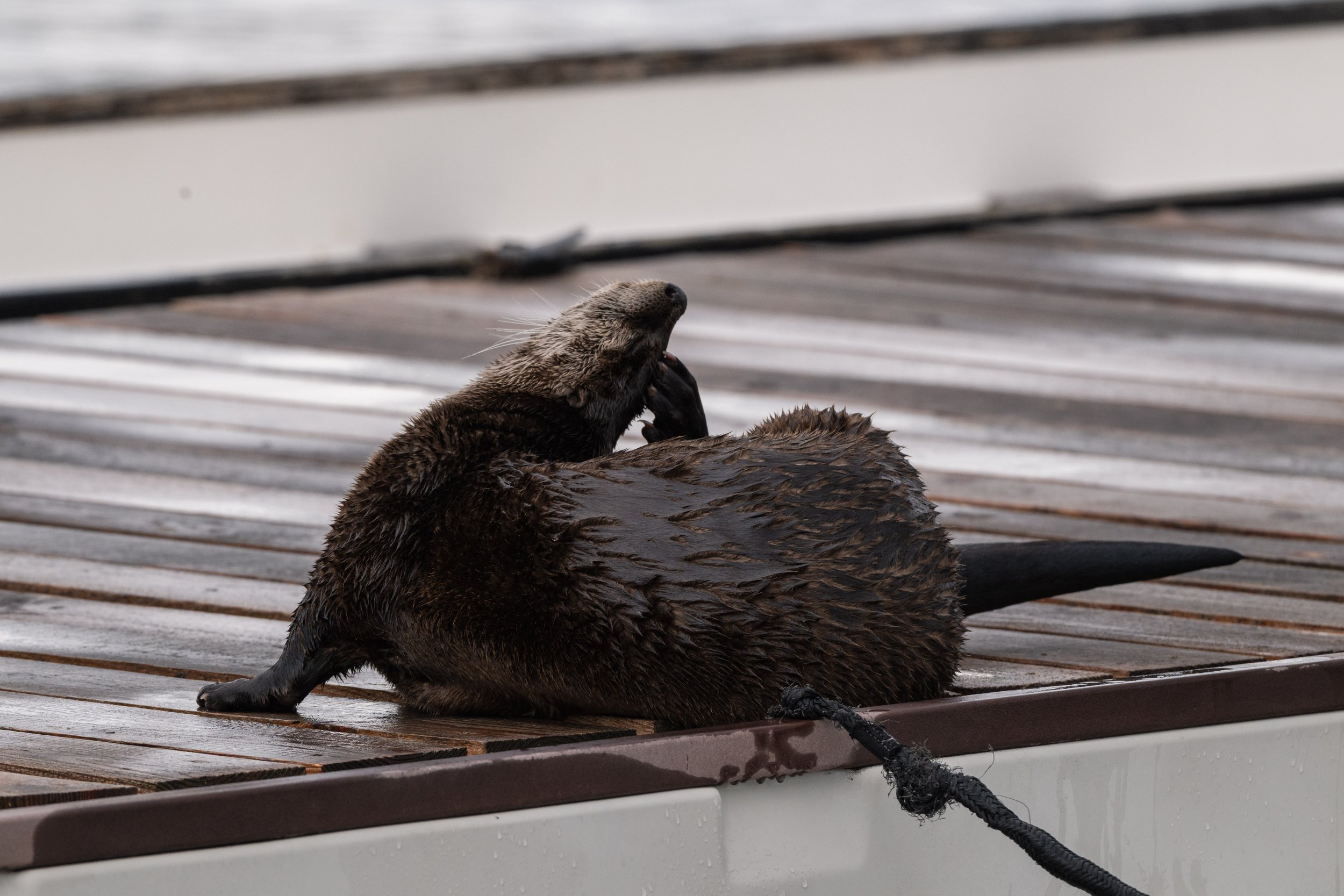
An itchy otter on the dock before the tour. Photo by Aly Kohlman.
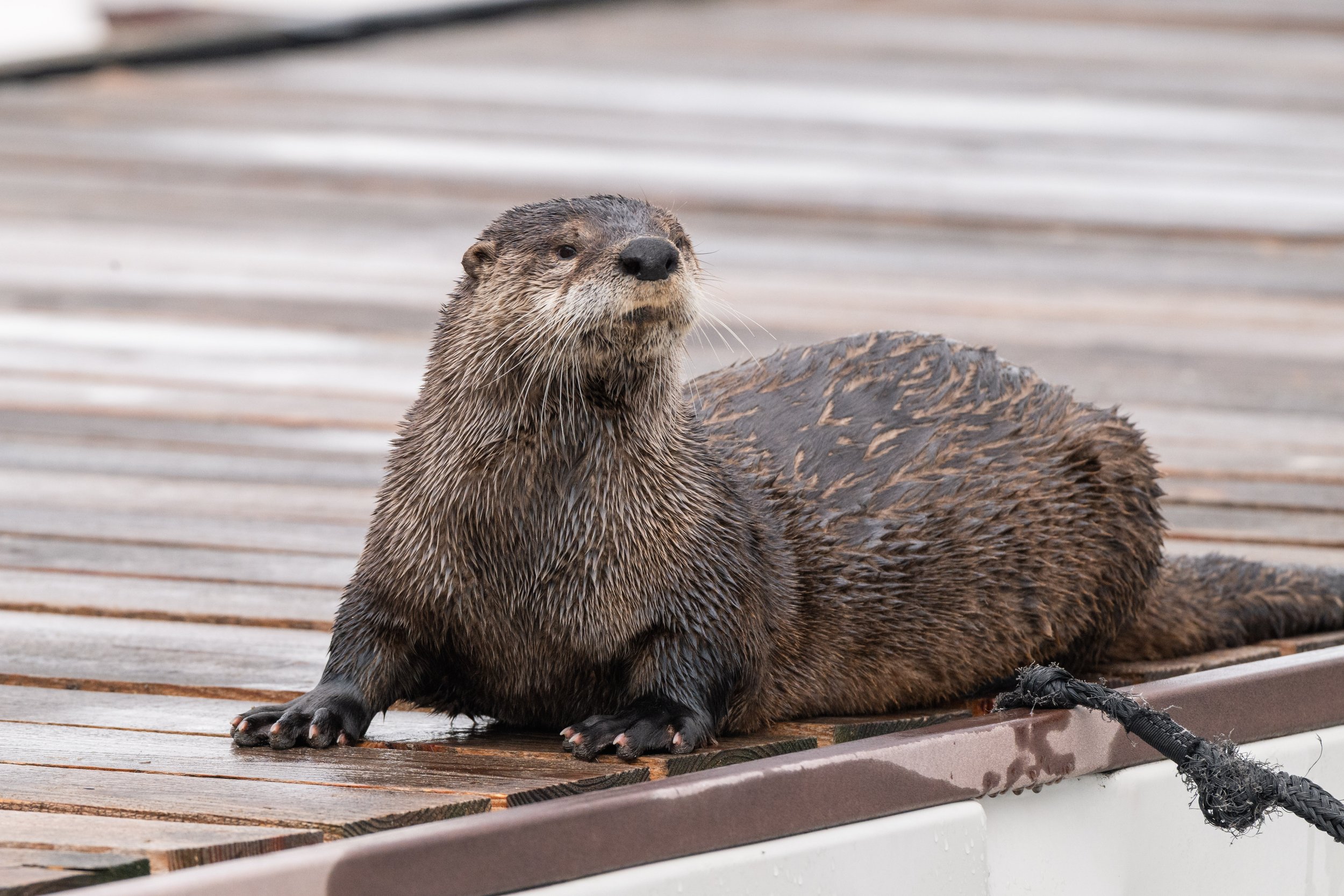
Although coming from the ocean, this is a River Otter! Photo by Aly Kohlman.
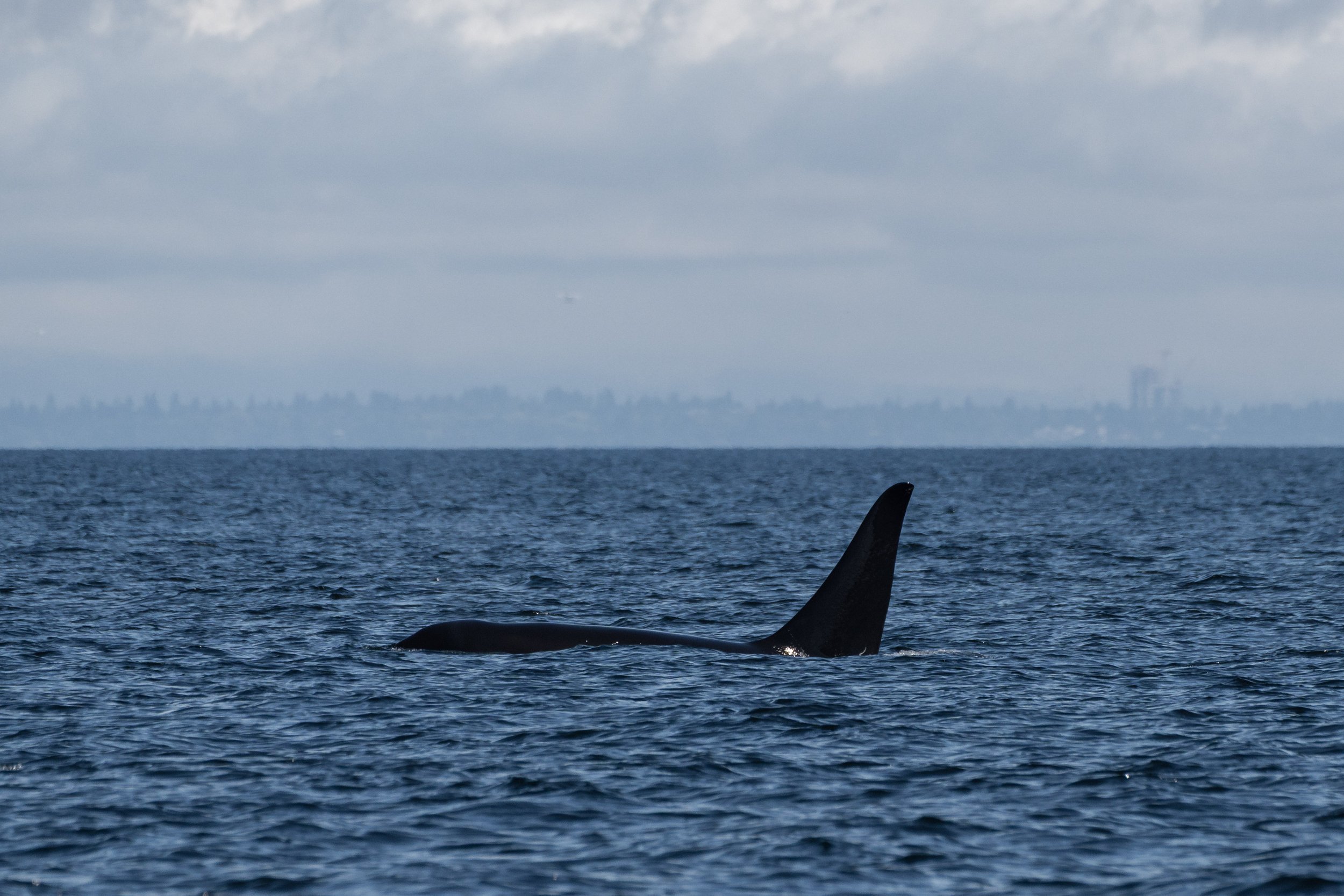
T030A Sequoia surfacing in the Strait. Photo by Val Watson.
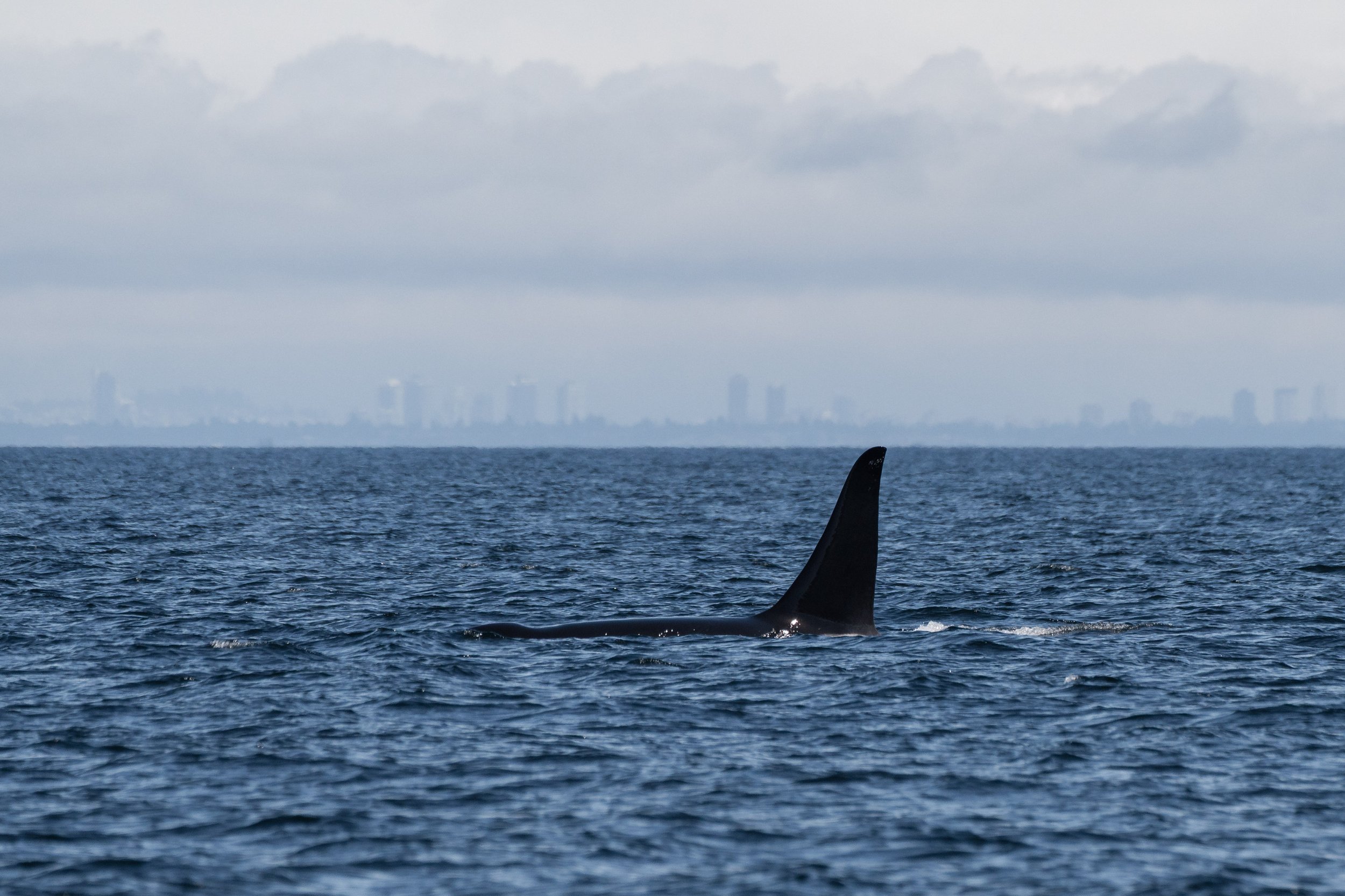
T030A Sequoia with Vancouver as the back drop. Photo by Val Watson.
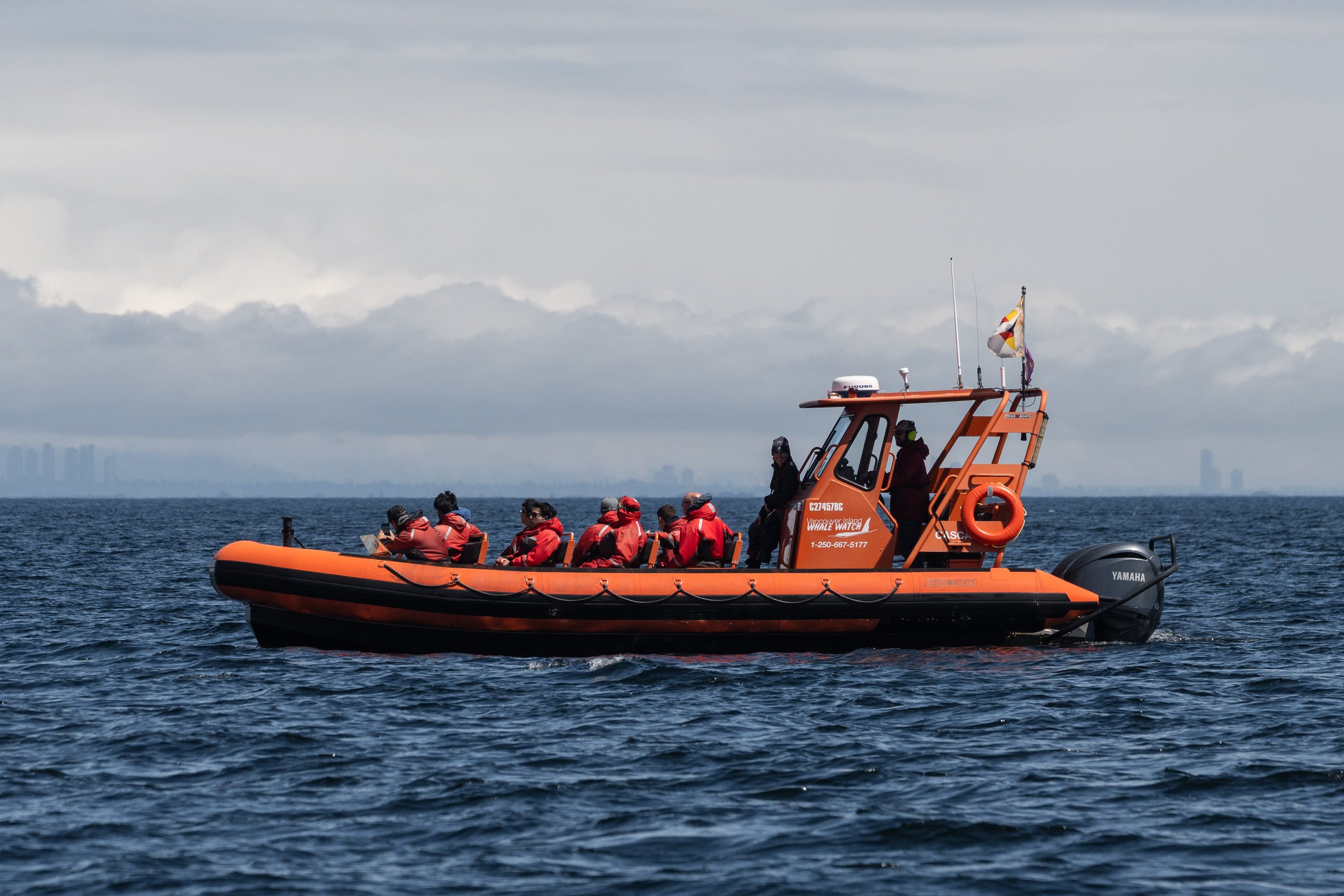
Happy whale watchers on Cascadia. Photo by Val Watson.
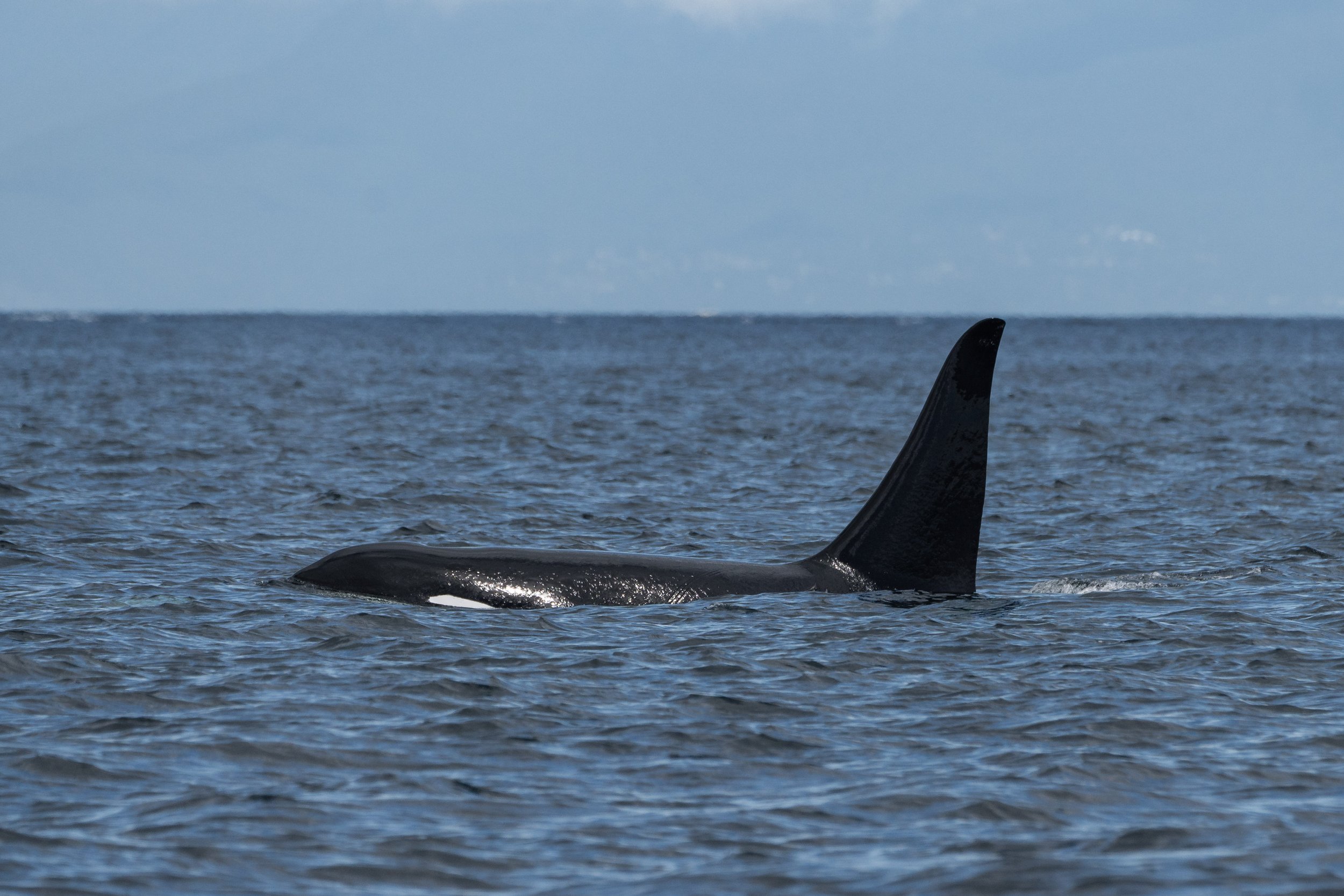
A great look at T030A Sequoia. Photo by Val Watson.
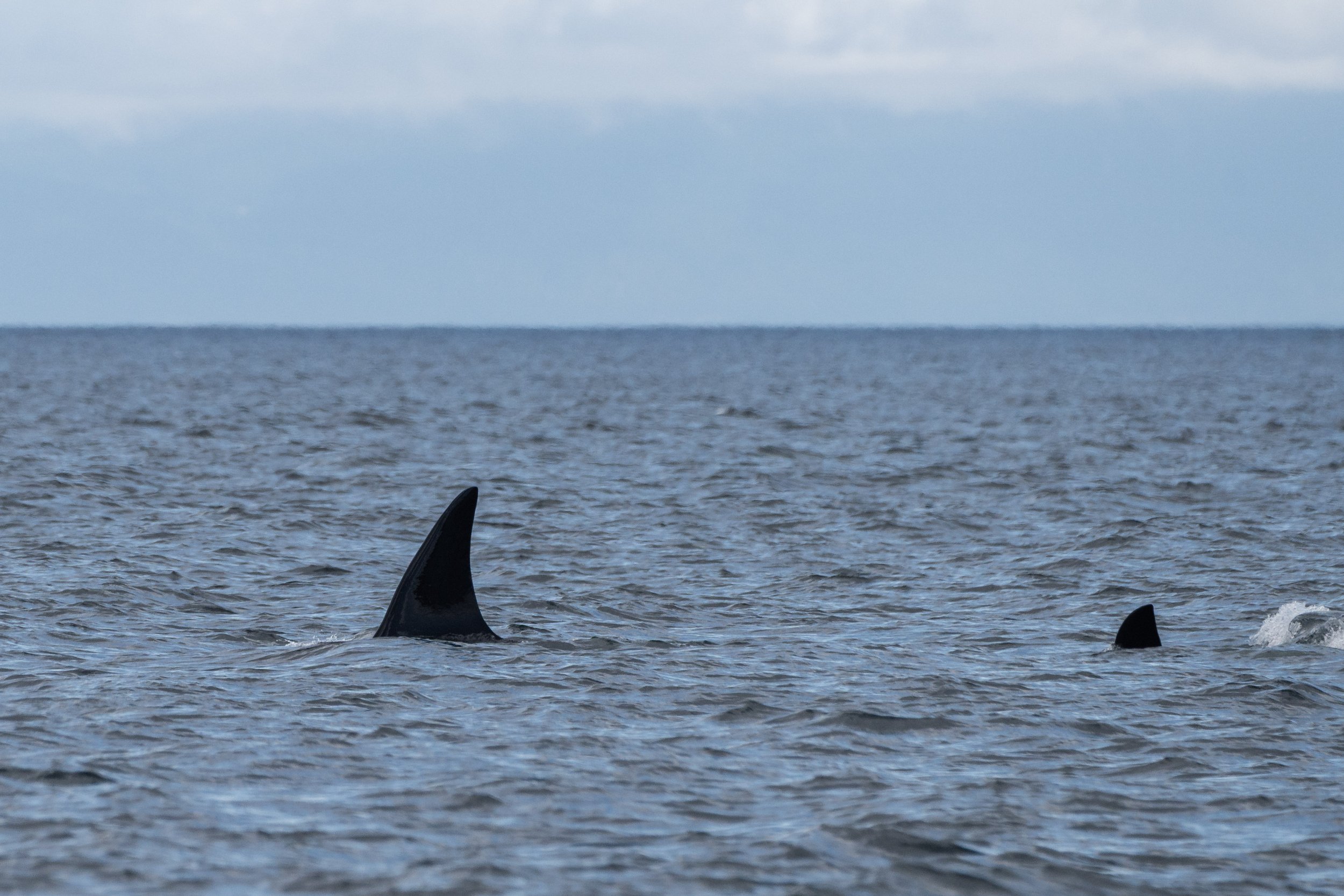
T030C Salix surfacing with her brother’s dorsal fin just behind her. Photo by Val Watson.
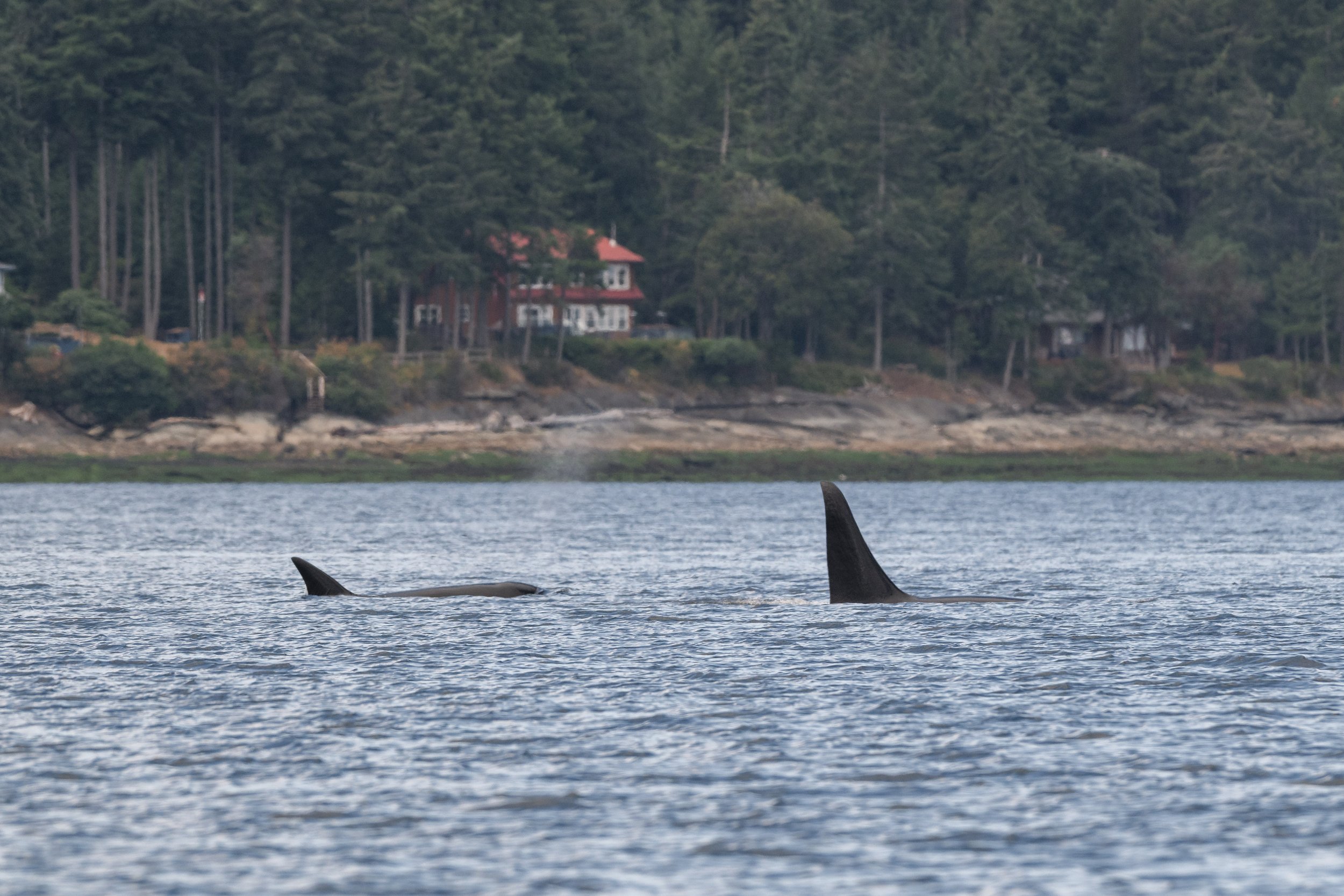
T030A Sequoia surfacing with T030C Salix. Photo by Aly Kohlman.
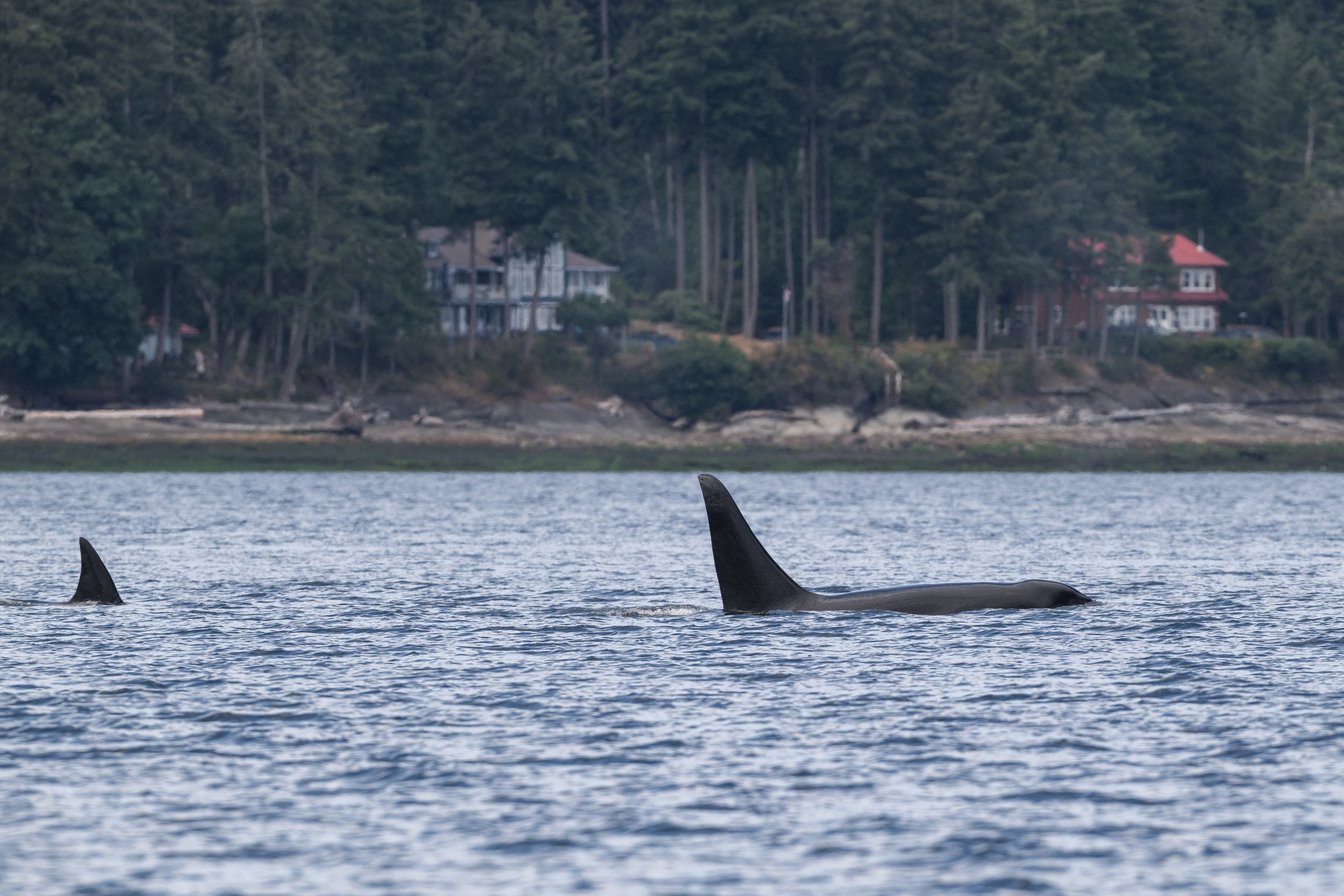
Another great look at the sibiling duo. Photo by Aly Kohlman.
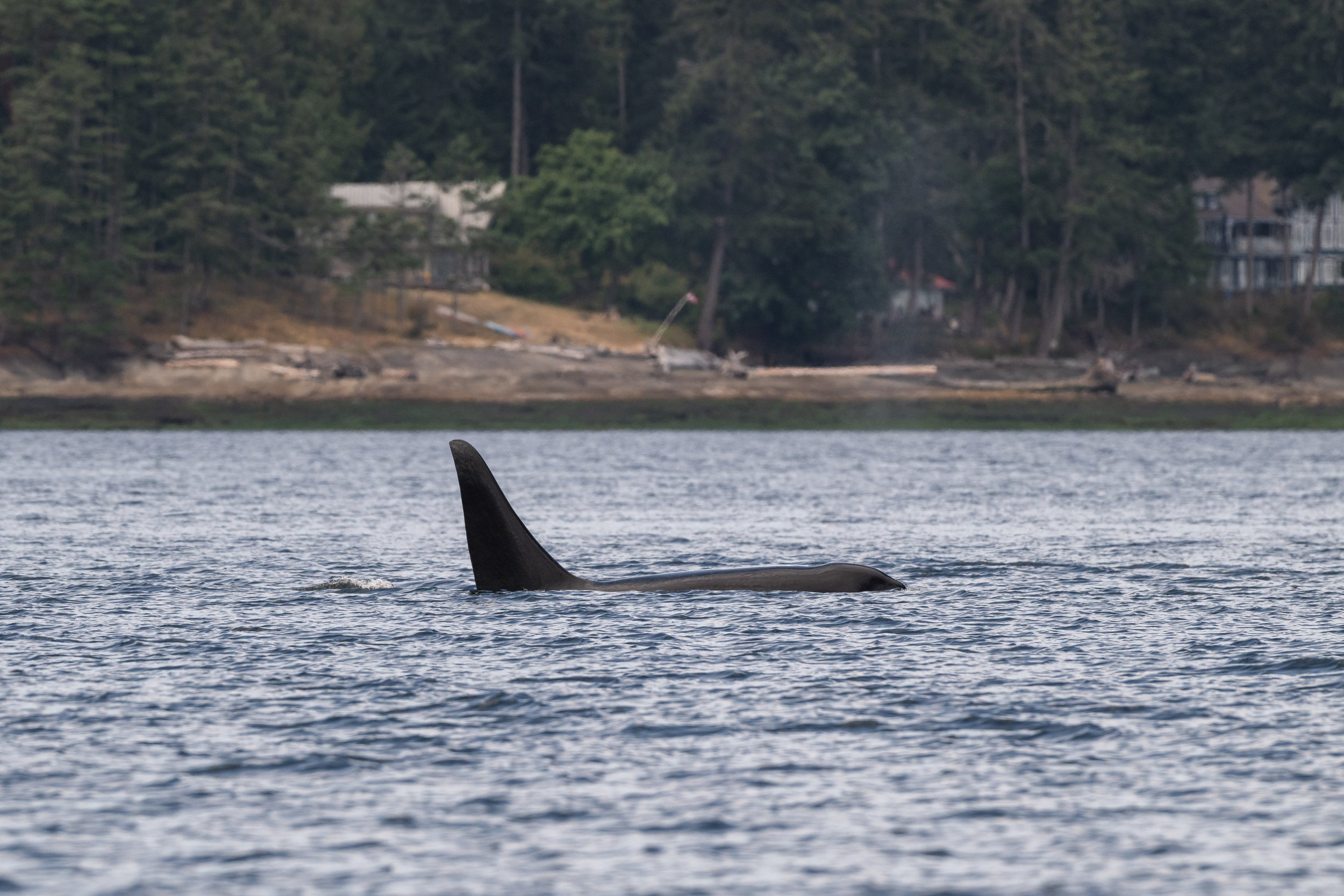
T030A Sequoia surfacing with Galiano Island behind him. Photo by Aly Kohlman.
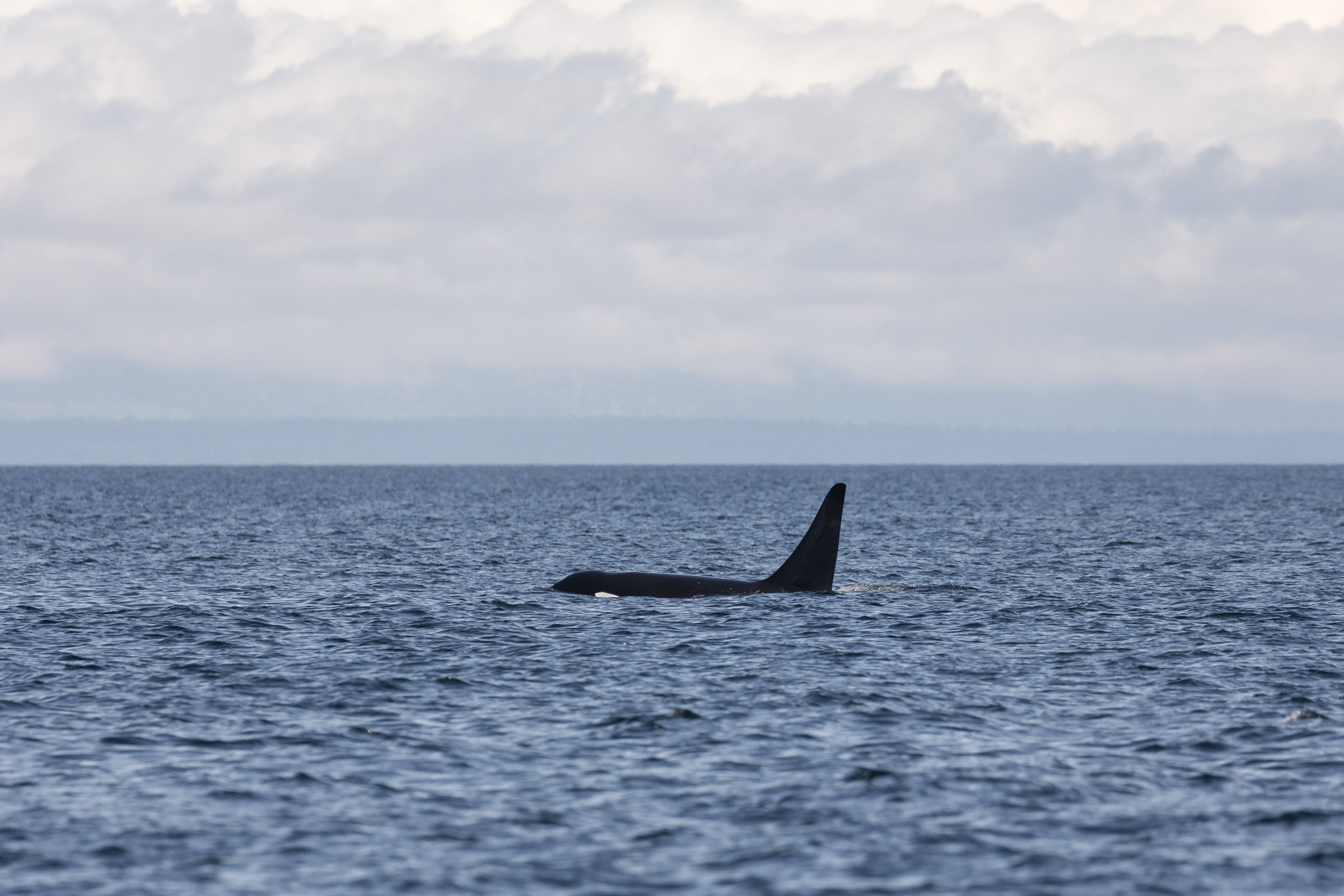
T030A Sequoia surfacing in the Strait of Georgia. Photo by Jordan Robinson.
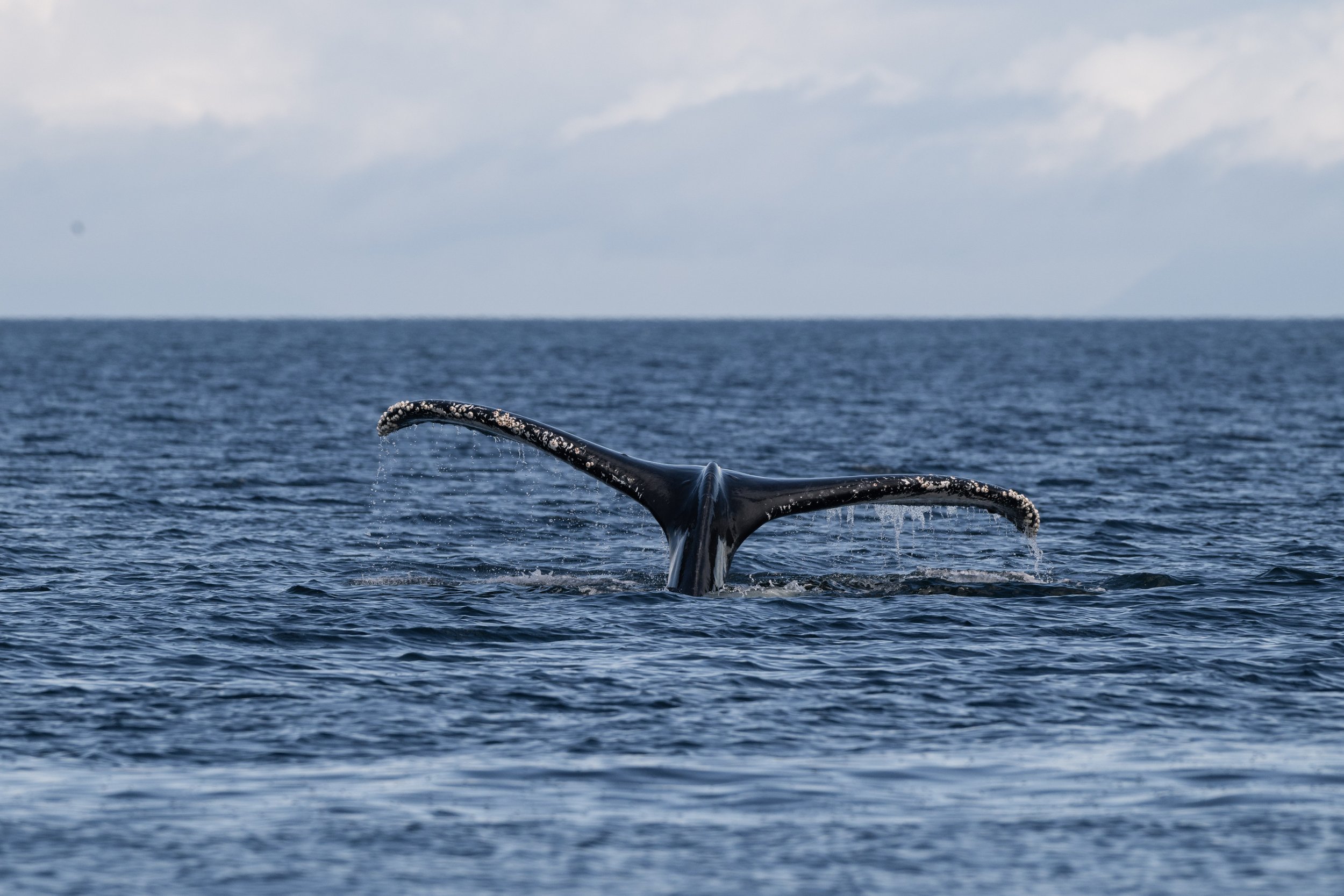
Anvil going for a dive. Photo by Aly Kohlman.
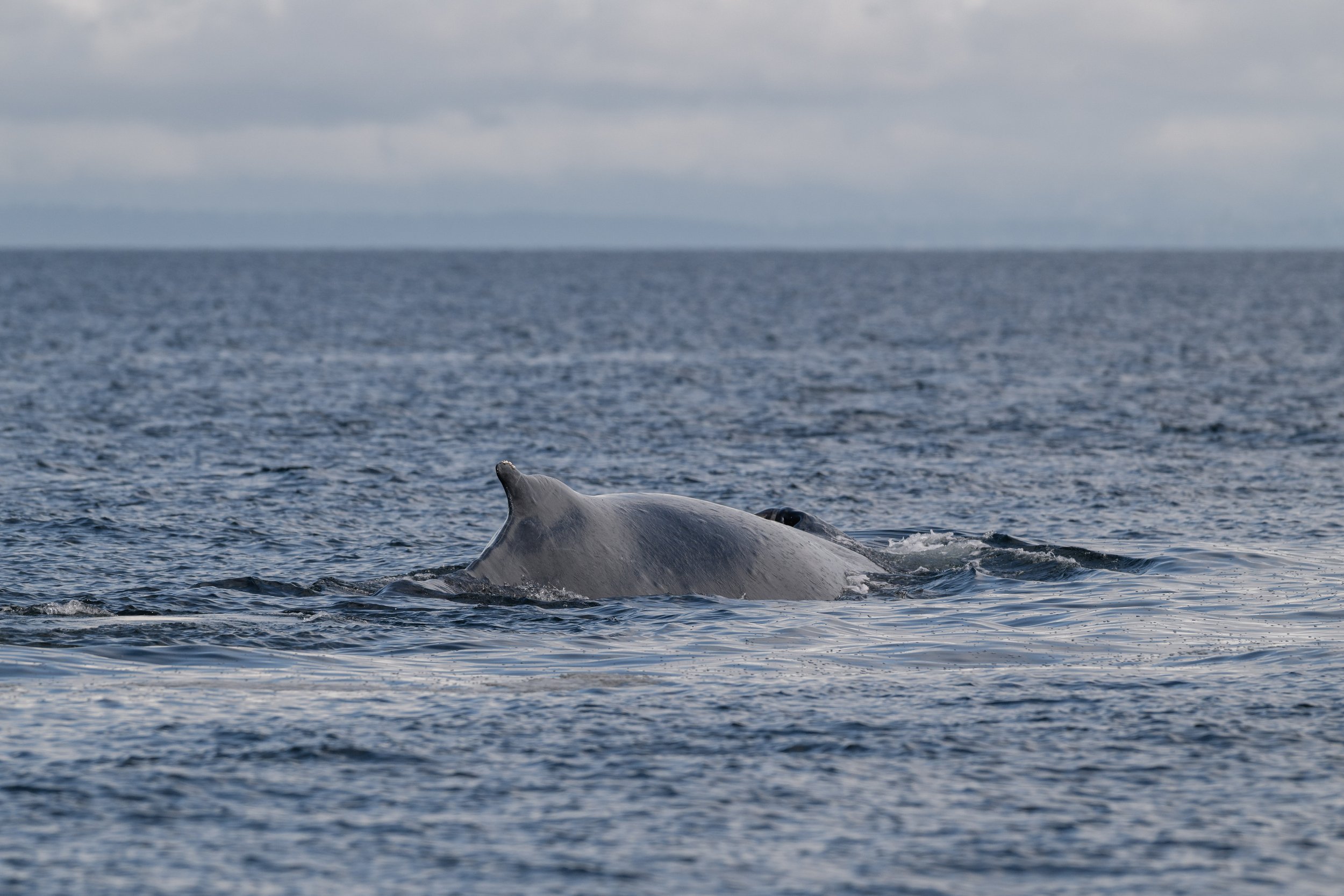
Anvil reparing to lift her tail to dive. Photo by Aly Kohlman.
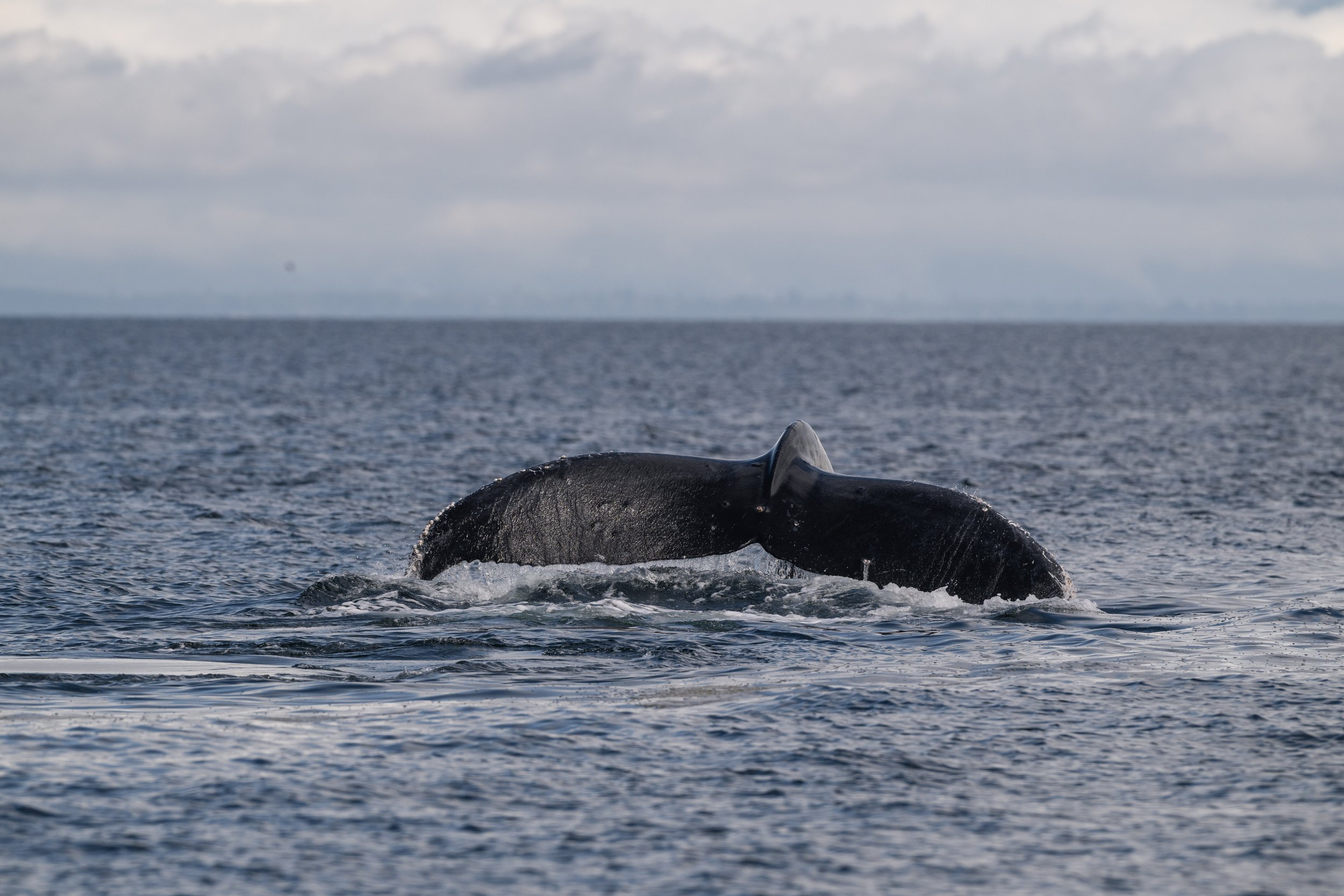
Anvil going for a dive. Photo by Aly Kohlman.
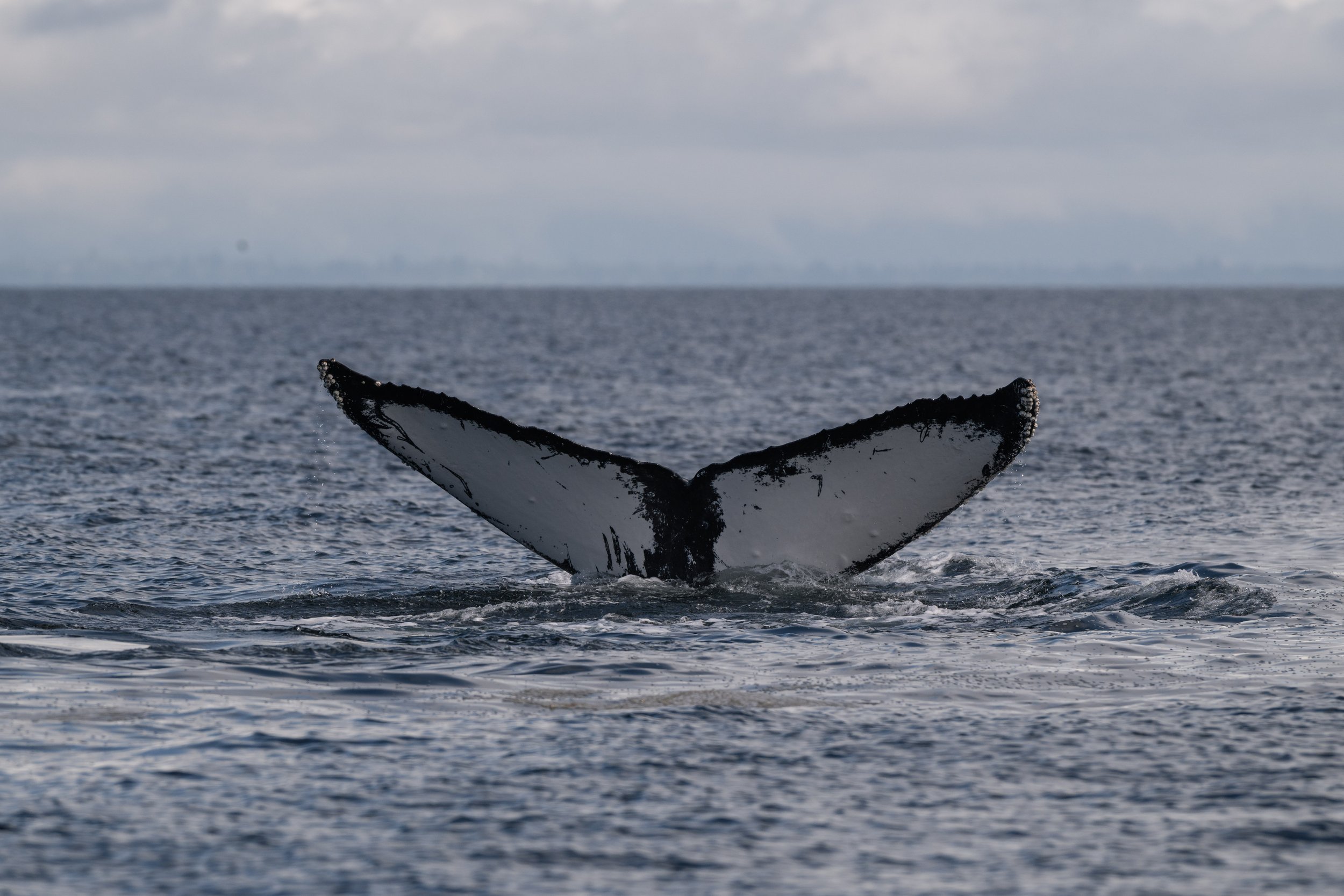
The beautiful white underside of Anvil’s tail. Photo by Aly Kohlman.
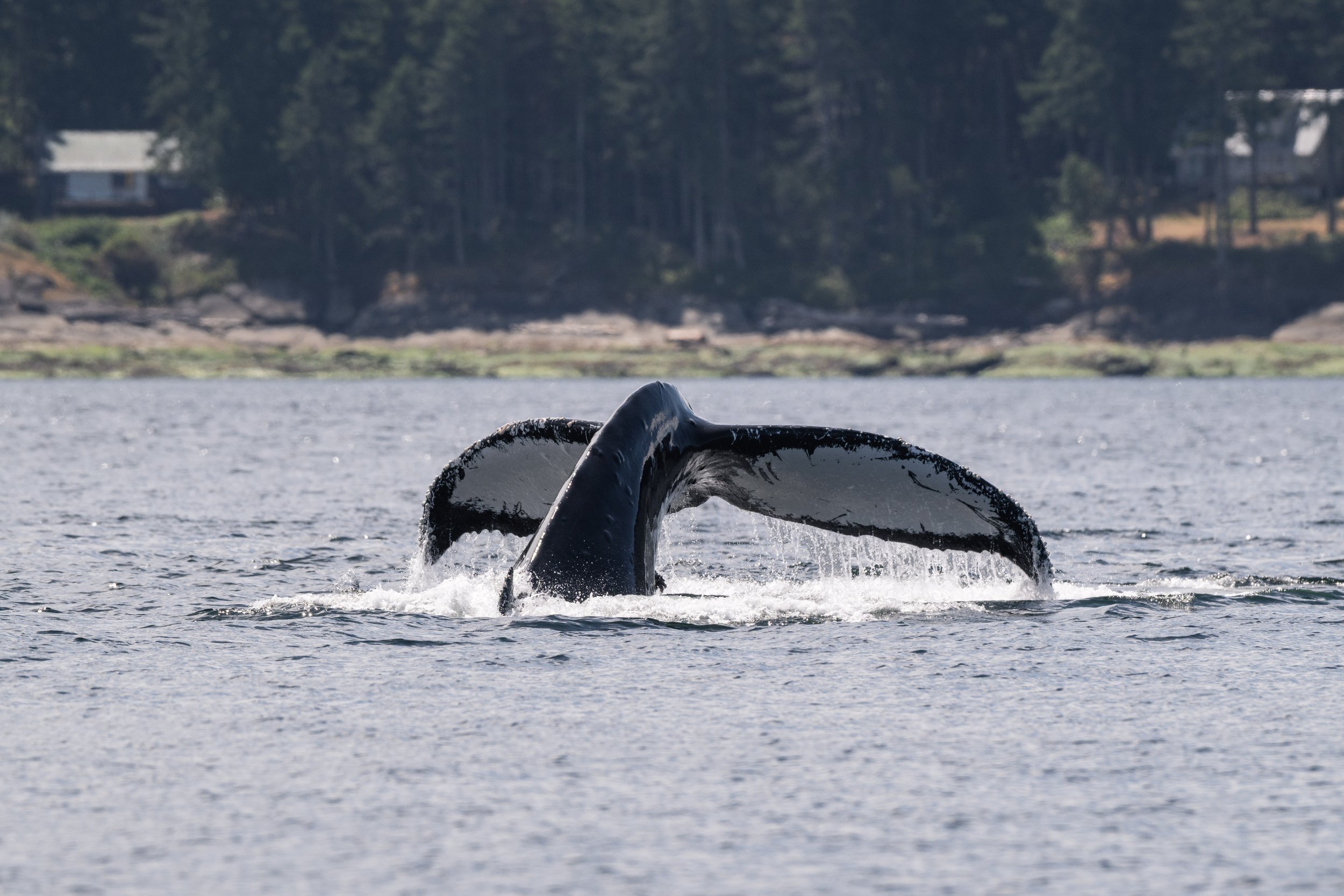
Anvil goin for a dive. Photo by Aly Kohlman.
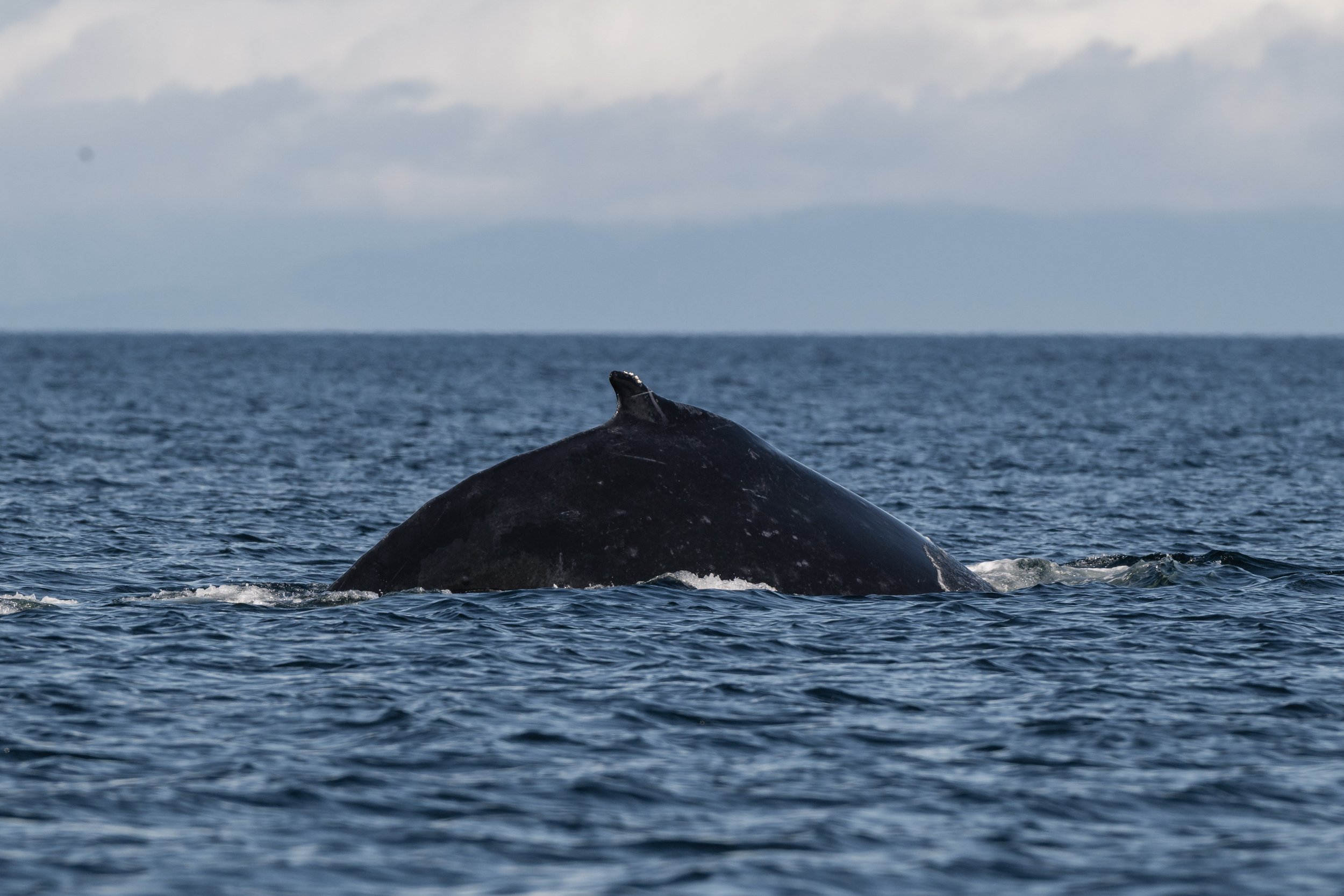
A nice big arch from Anvil as she prepares to dive. Photo by Aly Kohlman.
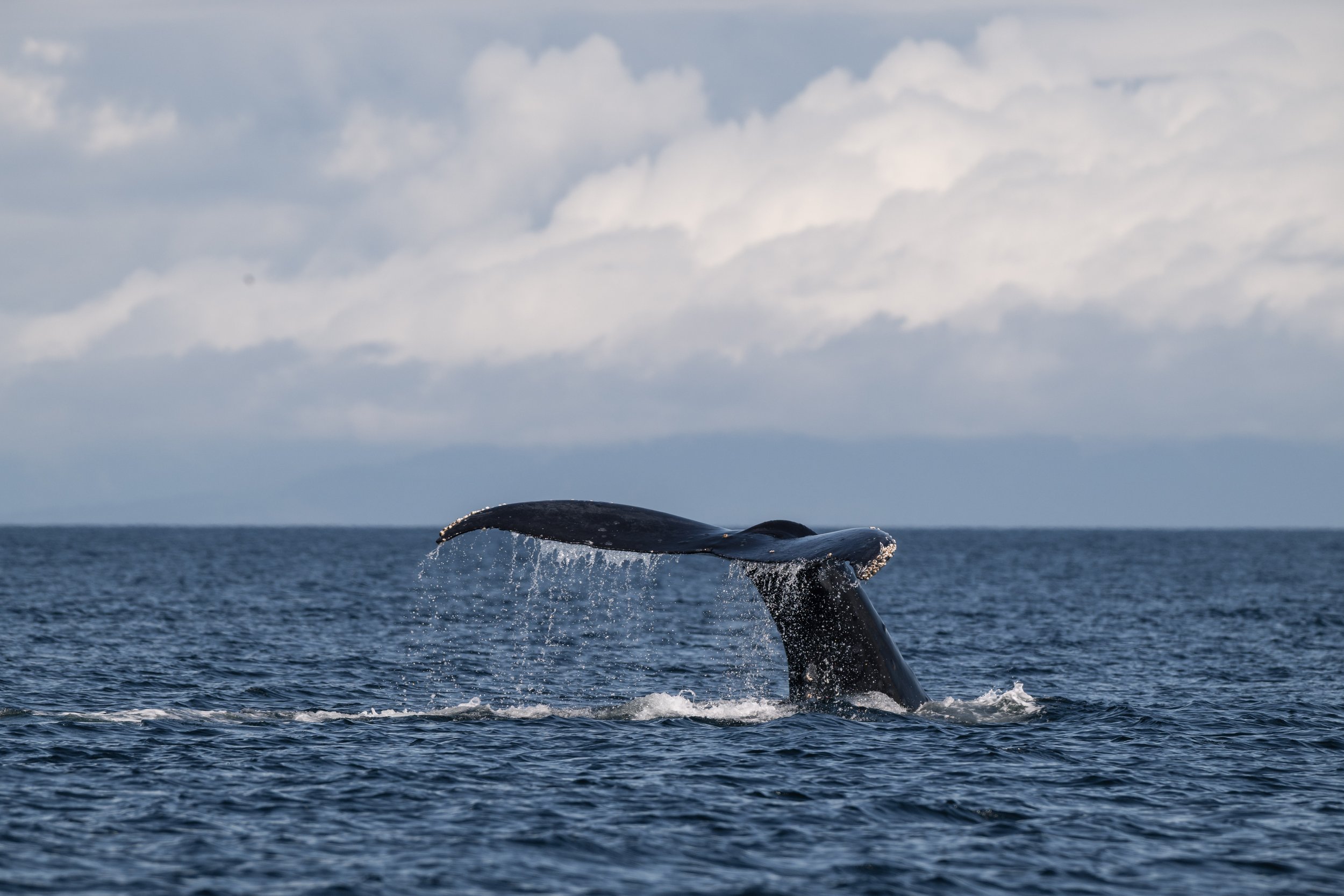
A lovely fluke waterfall from Anvil. Photo by Aly Kohlman.
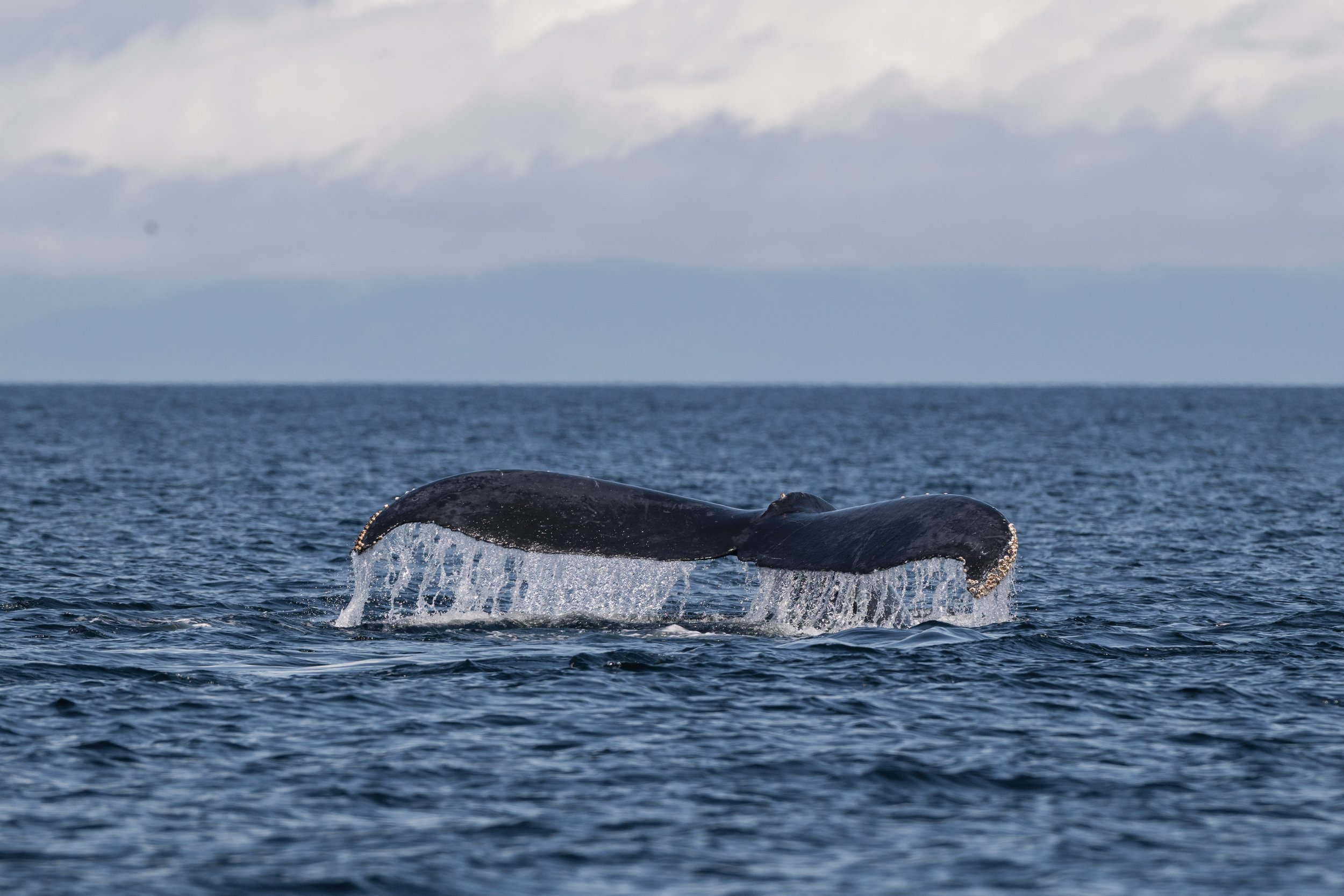
A fluke waterfall from Uluka. Photo by Aly Kohlman.
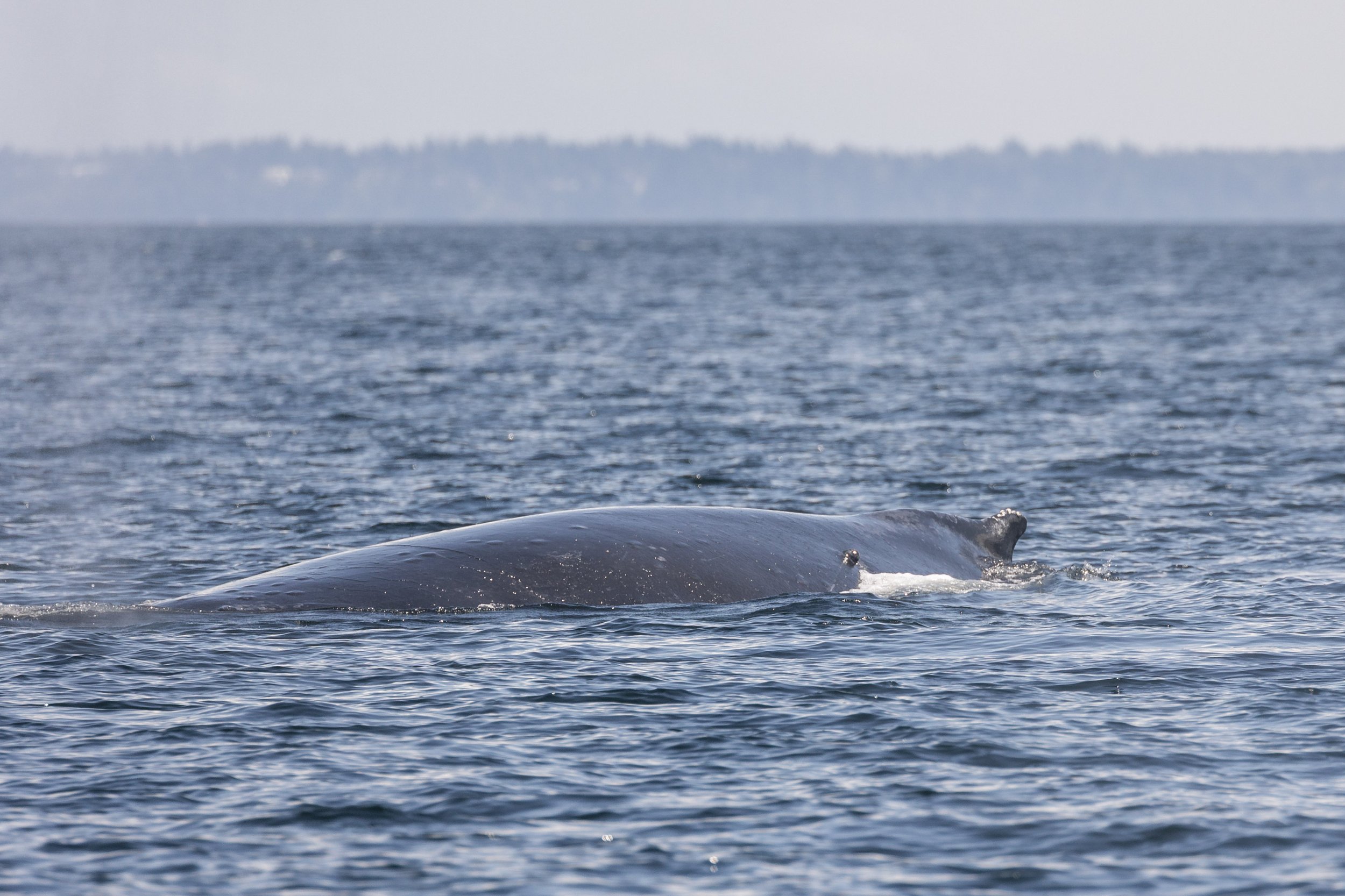
Anvil has a scar from a old sat tag that you can see well in this photo. Photo by Jordan Robinson.
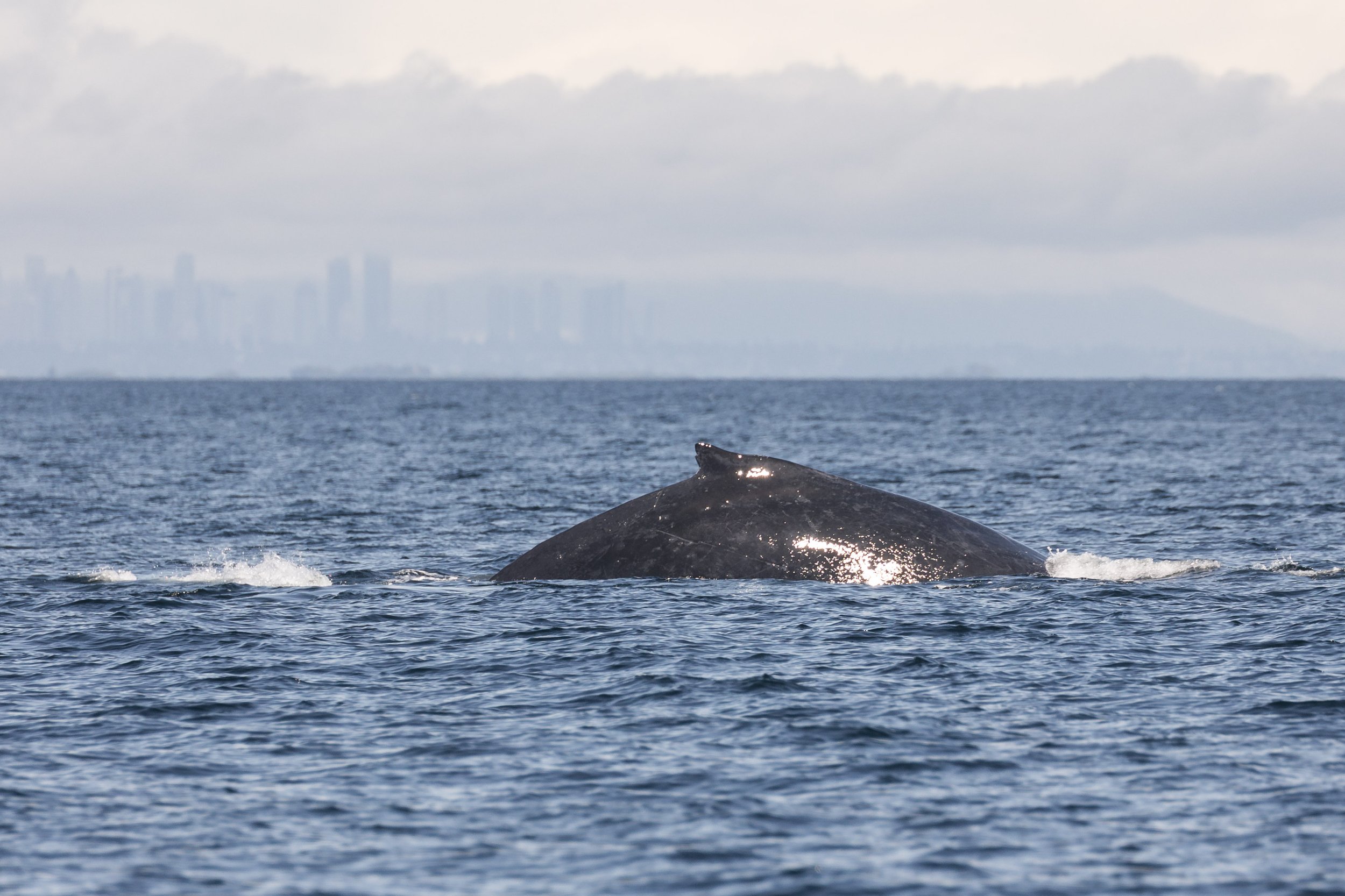
Uluka preparing to dive. Photo by Jordan Robinson.
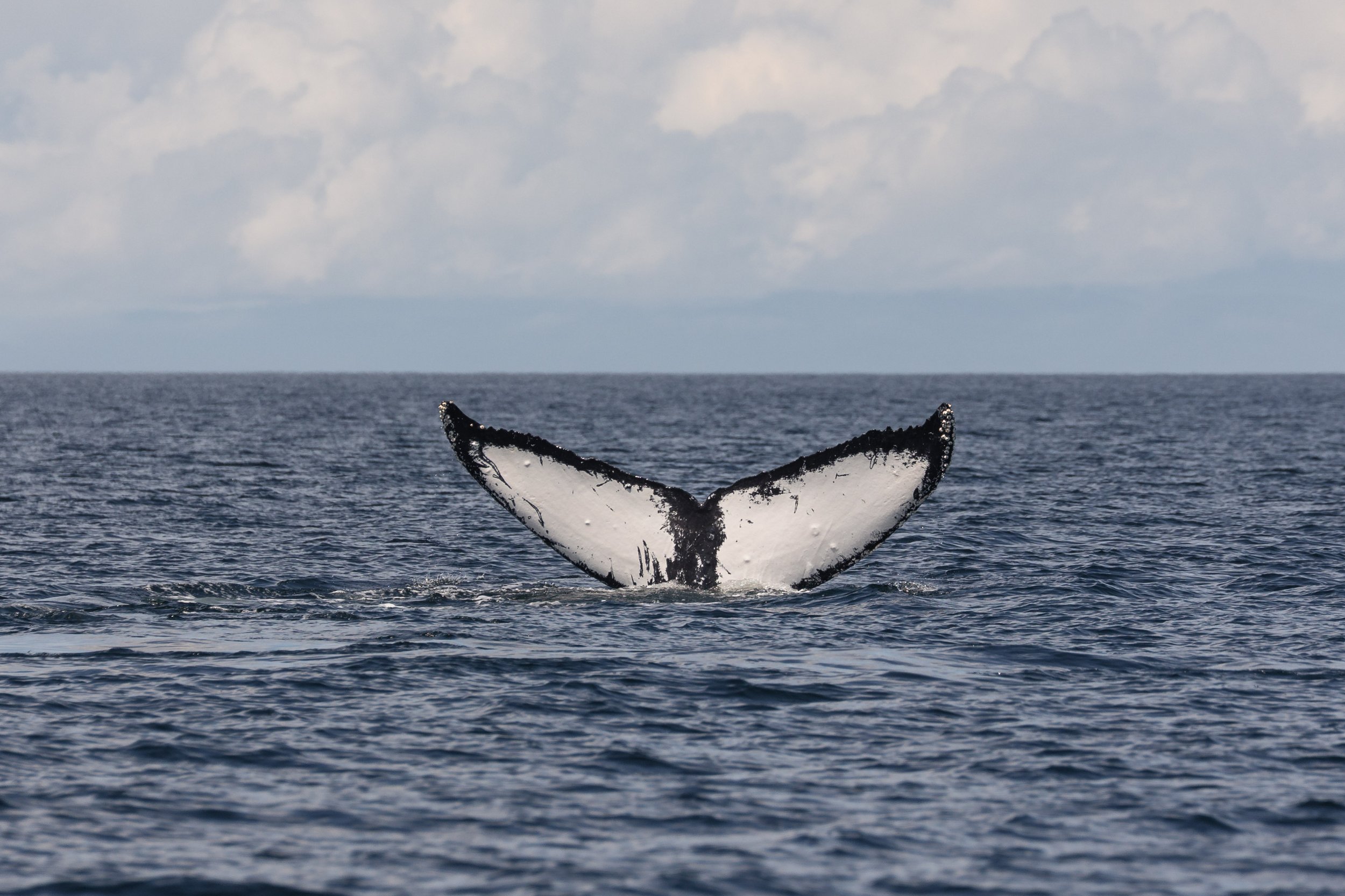
The striking white underside of Anvil’s tail flukes. Photo by Jordan Robinson.
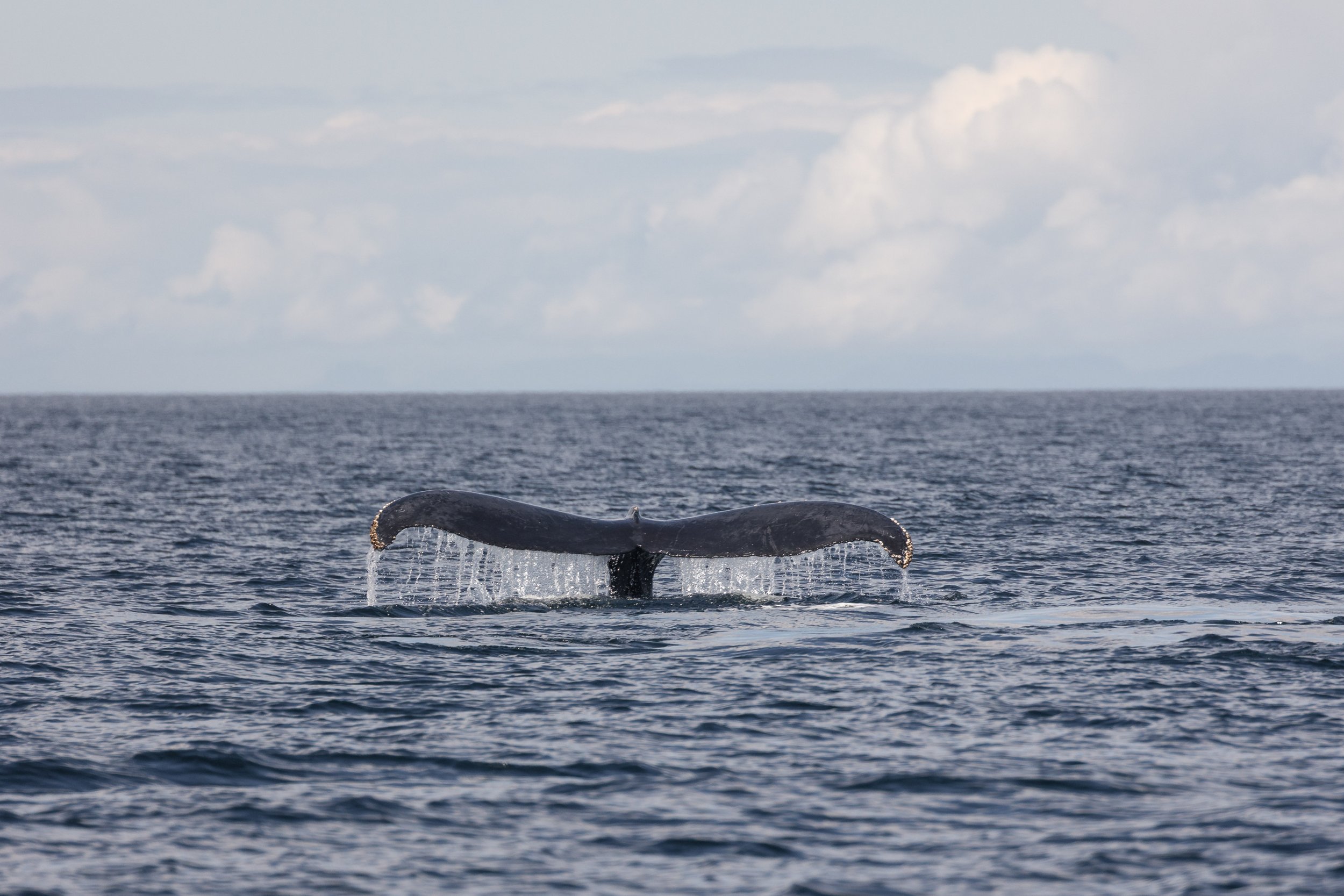
A fluke waterfall from Uluka. Photo by Jordan Robinson.
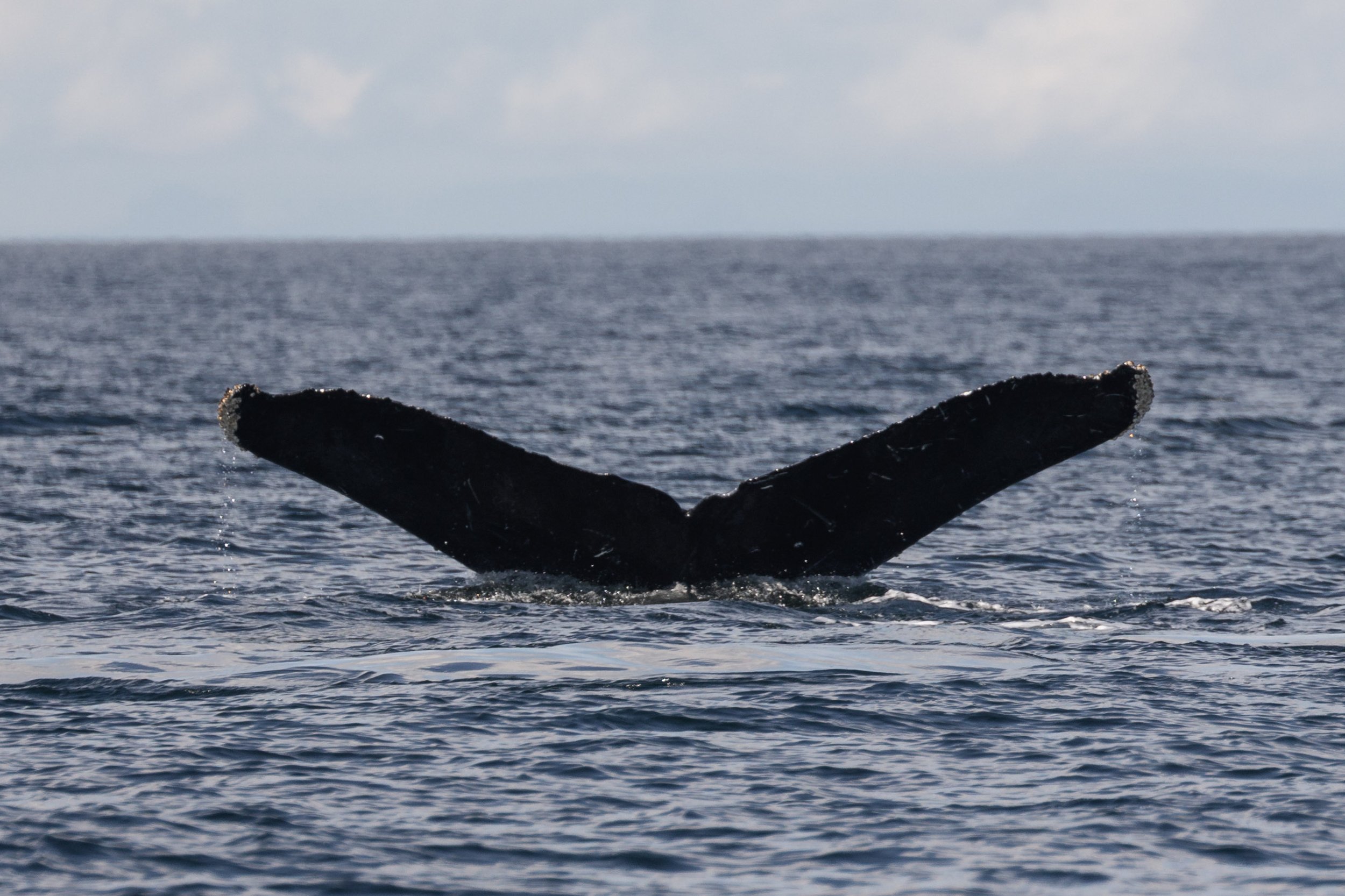
The underside of Uluka’s tail. Photo by Jordan Robinson.
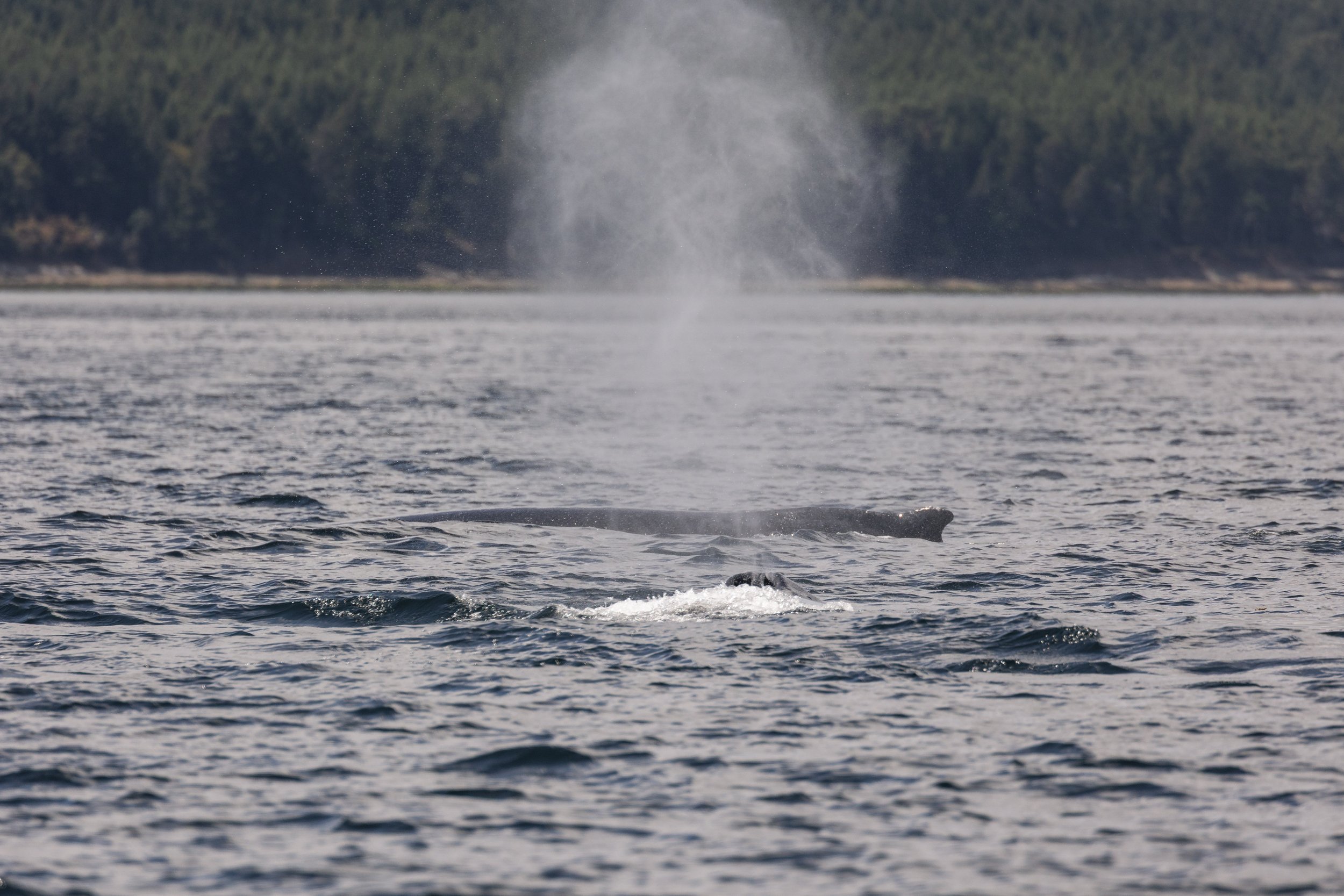
Looking up Uluka’s blowholes with Anvil surfacing behind. Photo by Jordan Robinson.
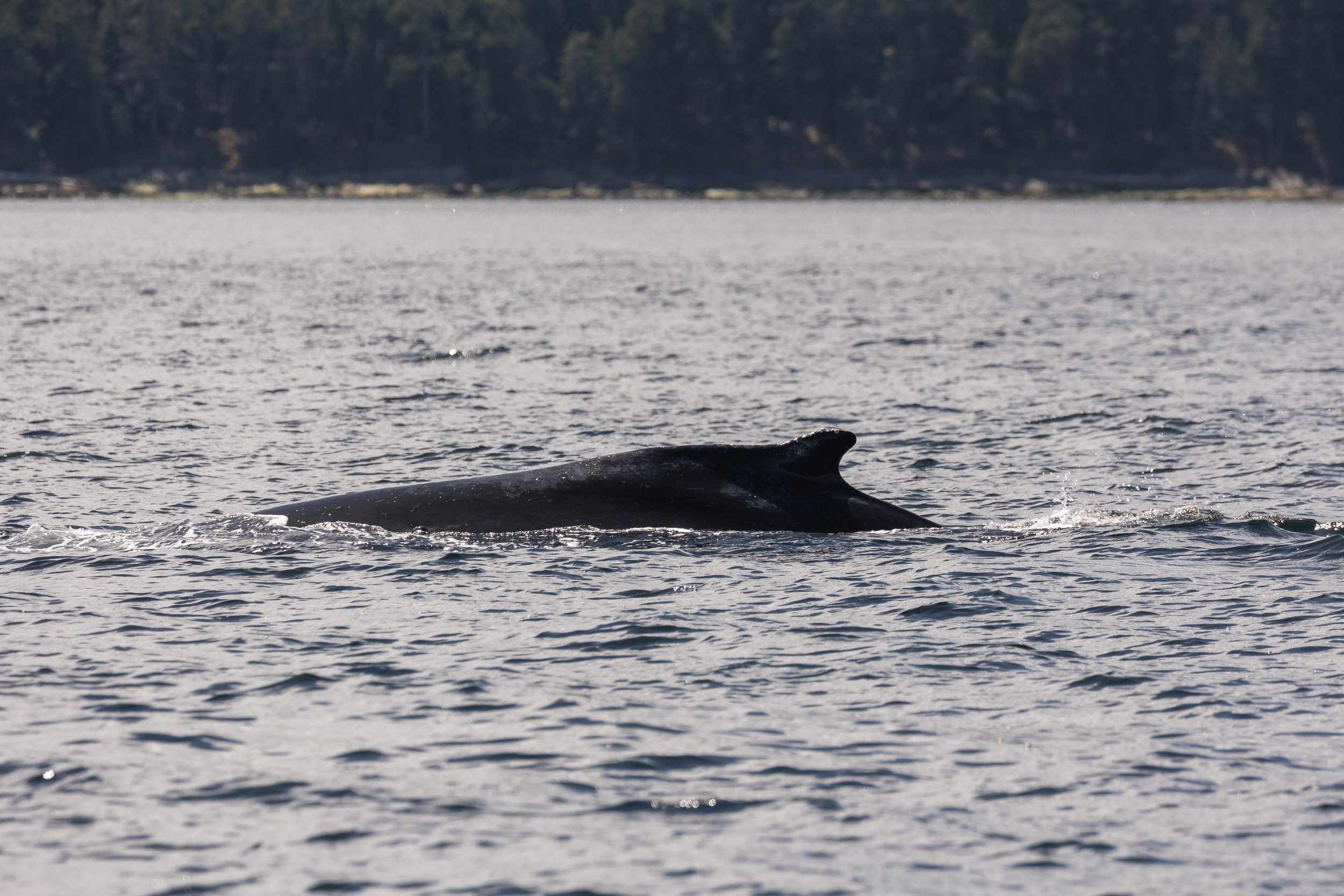
A backlit Anvil surfacing. Photo by Jordan Robinson.
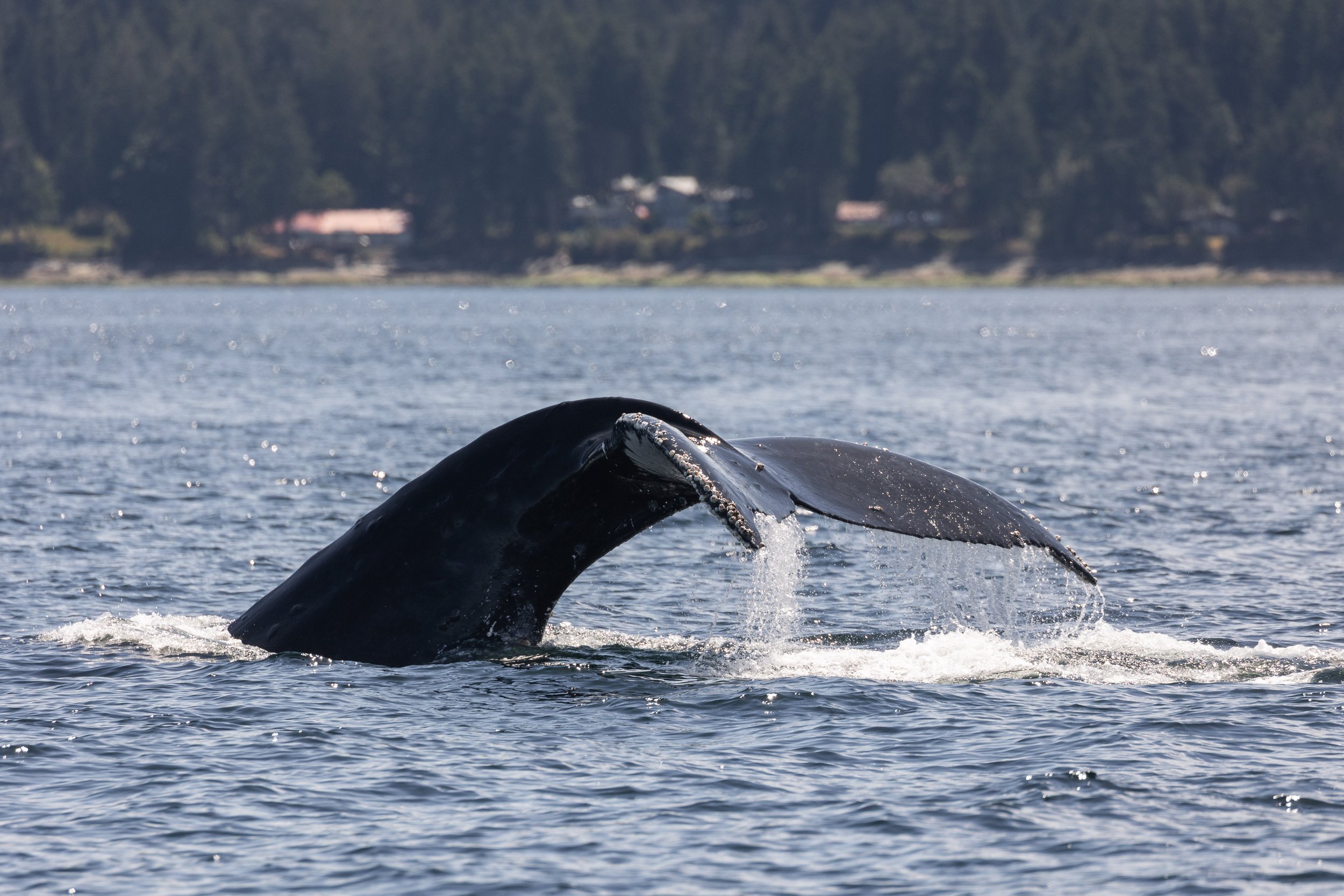
A lovely high fluke from Anvil. Photo by Jordan Robinson.
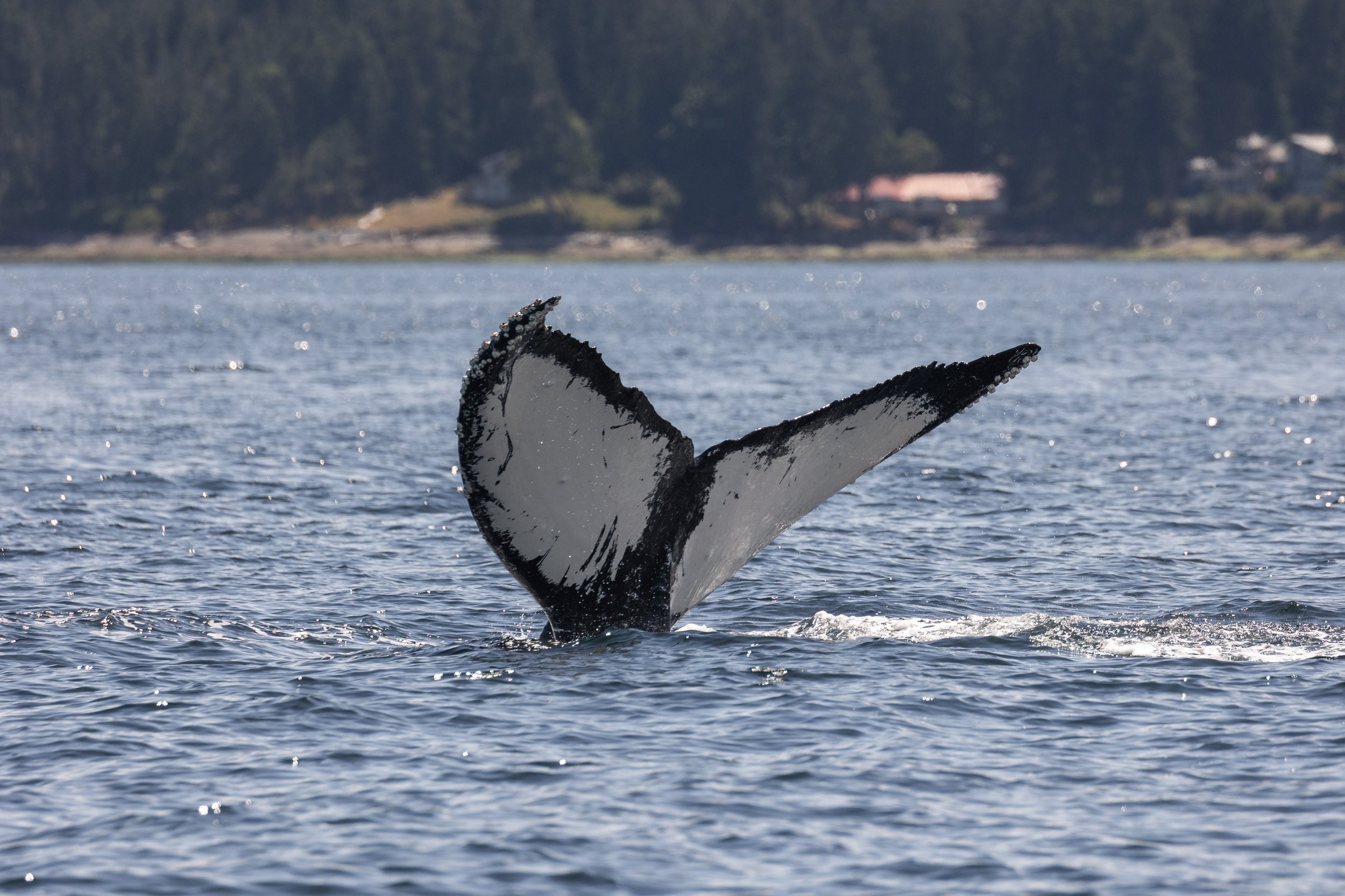
Anvil going for a dive. Photo by Jordan Robinson.
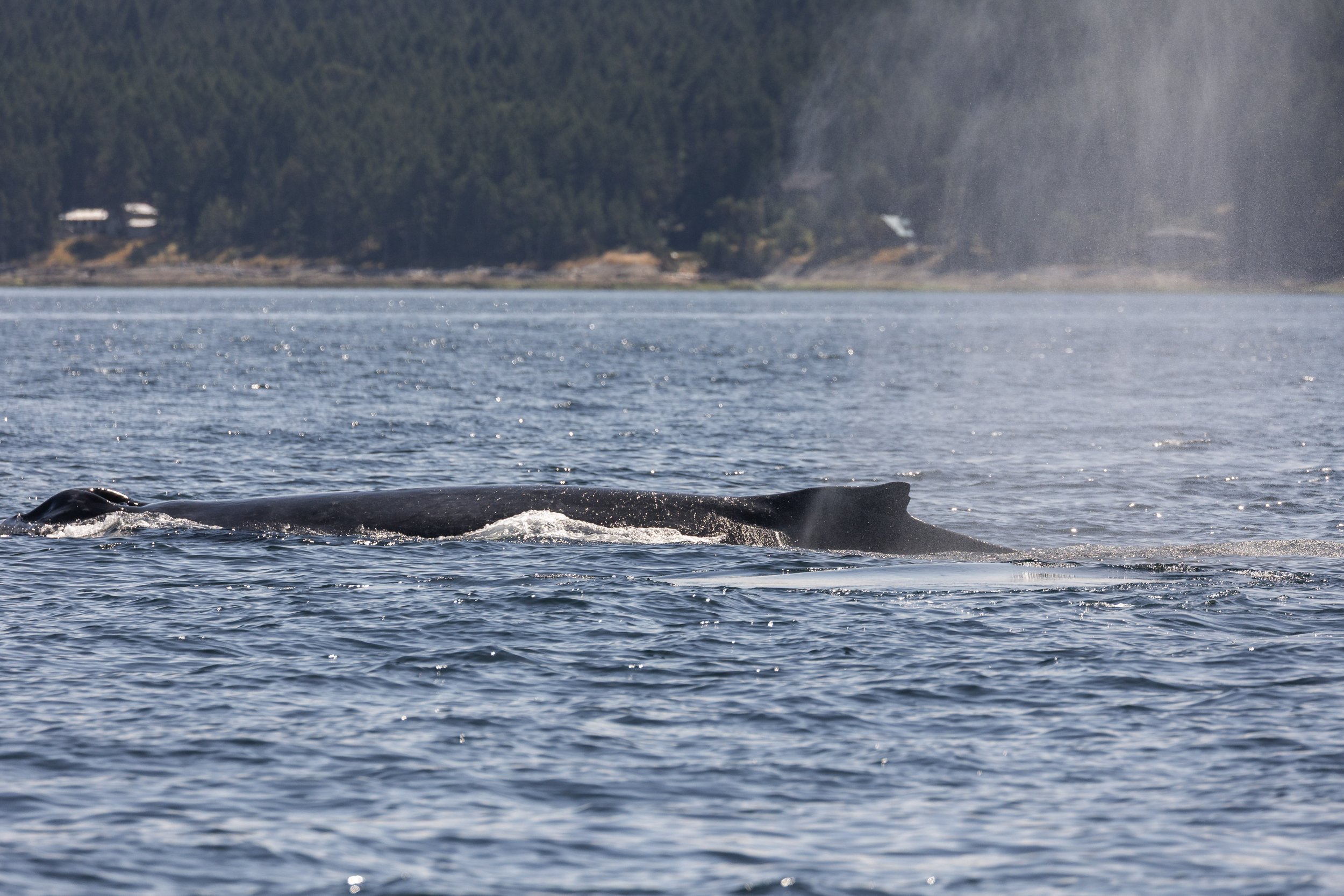
Uluka surfacing with a flukeprint beside hm. Photo by Jordan Robinson.
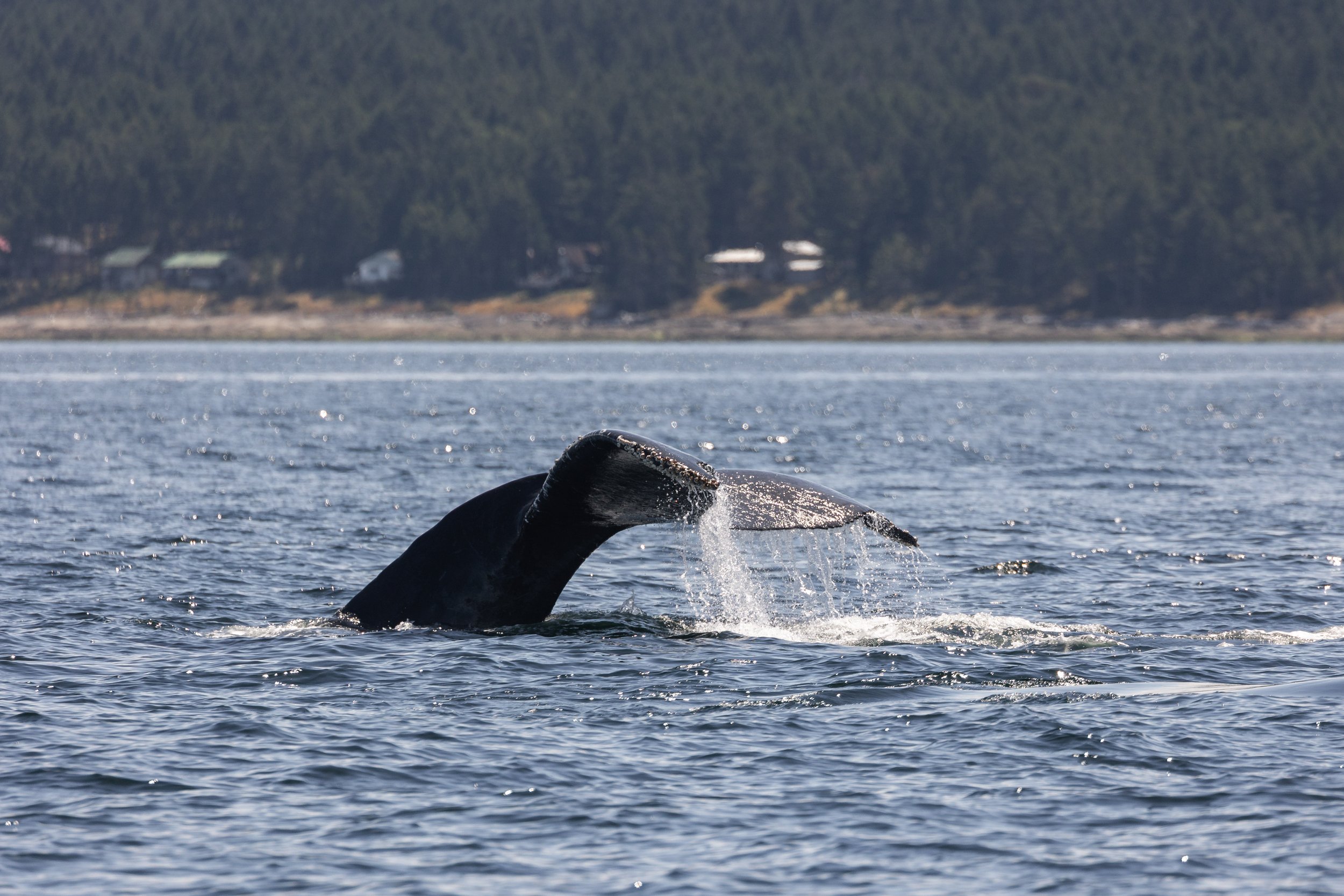
Uluka going for a dive. Photo by Jordan Robinson.
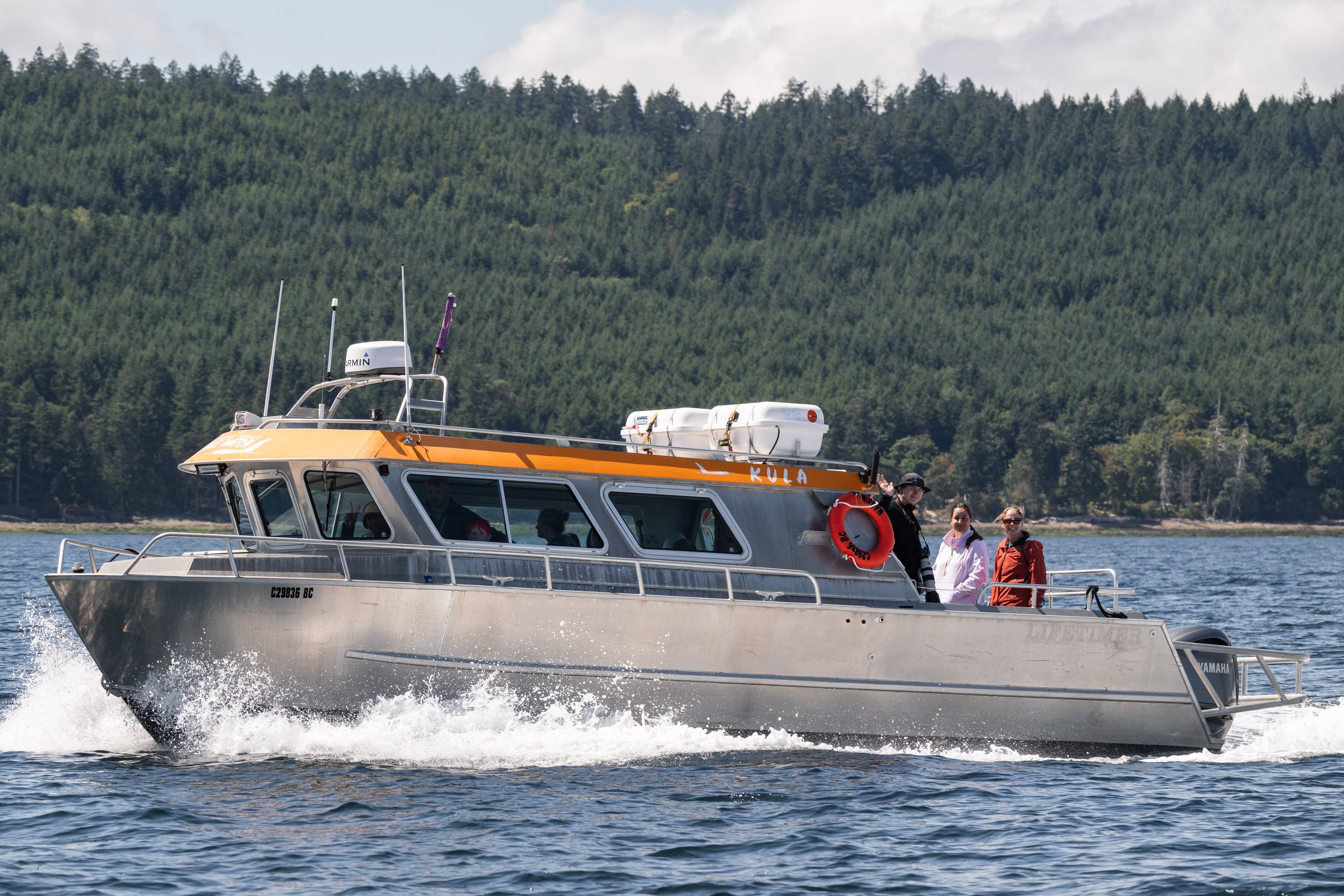
Happy whale watchers on Kula enjoying time with the humpbacks. Photo by Aly Kohlman.
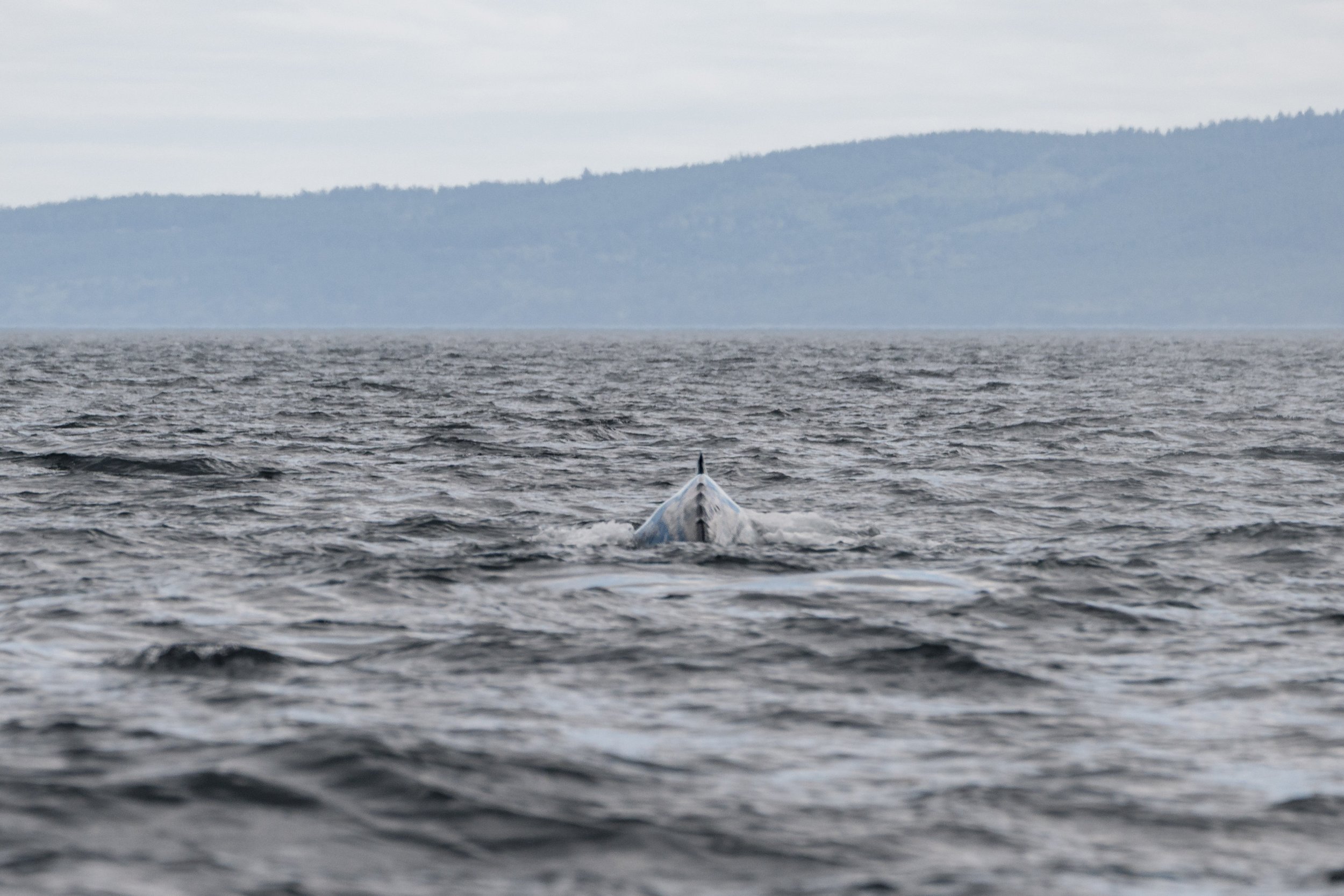
Yakima going for a dive. Photo by Val Watson.
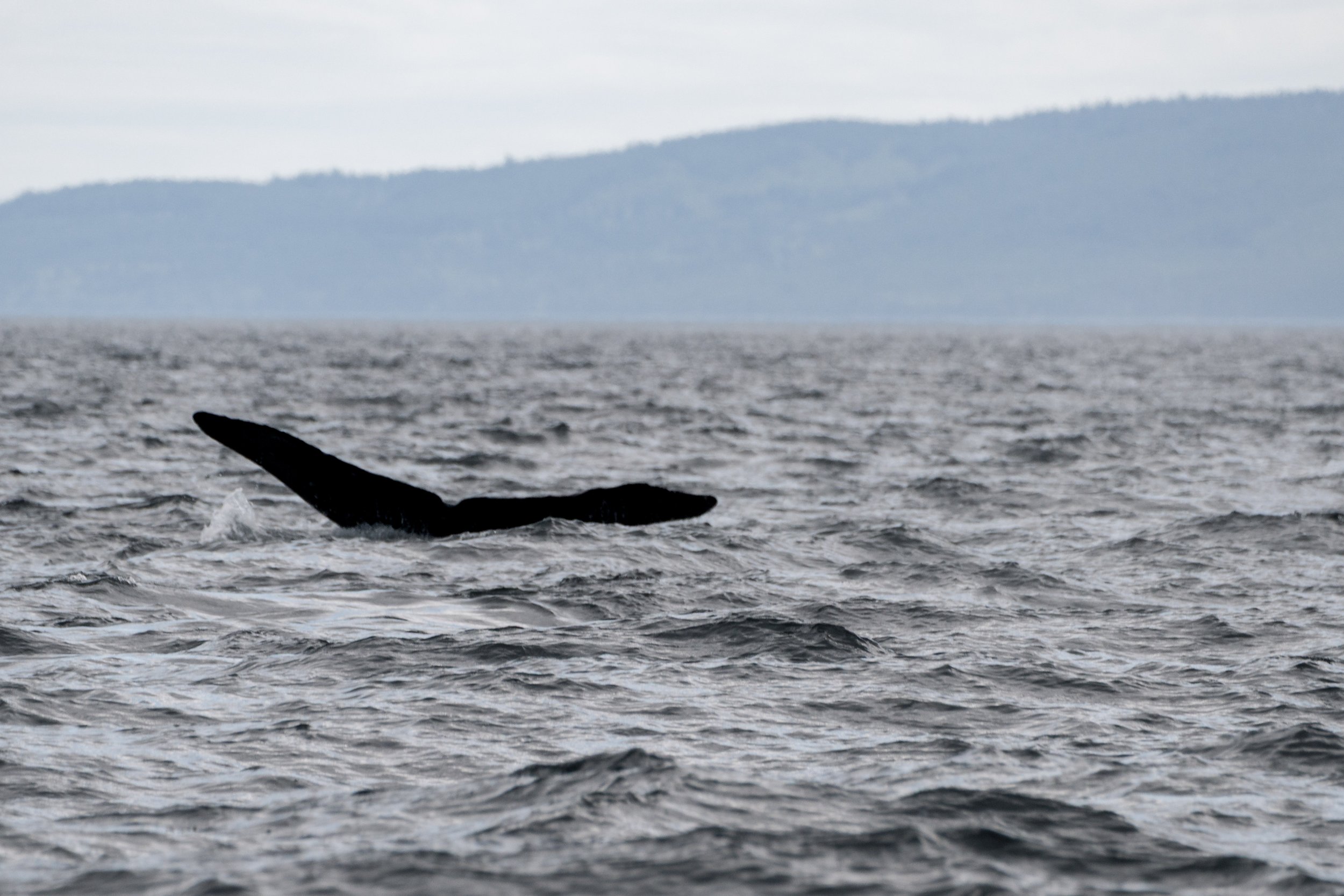
A little blurry, but enough to ID this whale as Yakima! Photo by Val Watson.
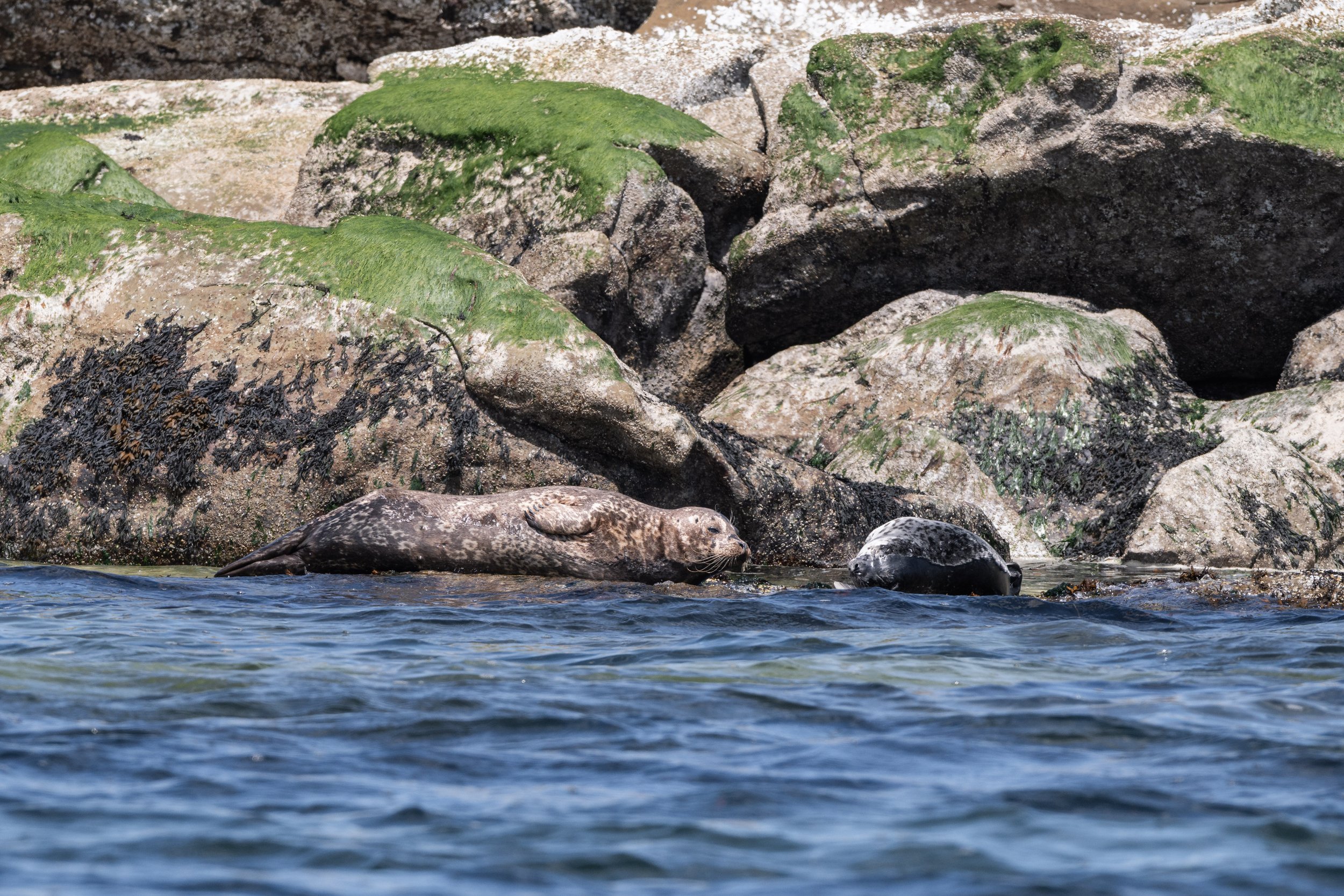
Harbour Seals relaxing on the rocks. Photo by Aly Kohlman.
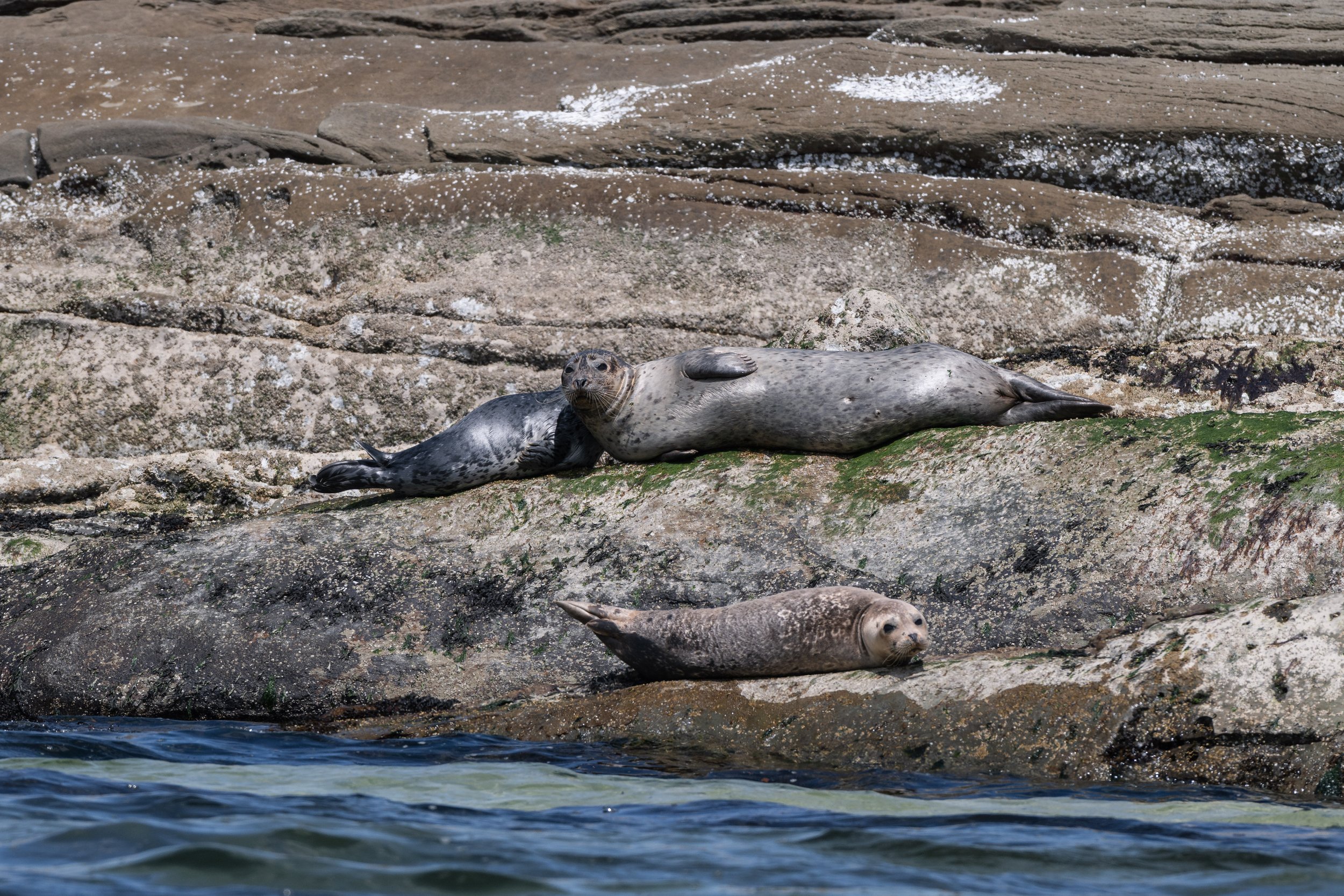
A mom and a pup spending time on the rocks. Photo by Aly Kohlman.
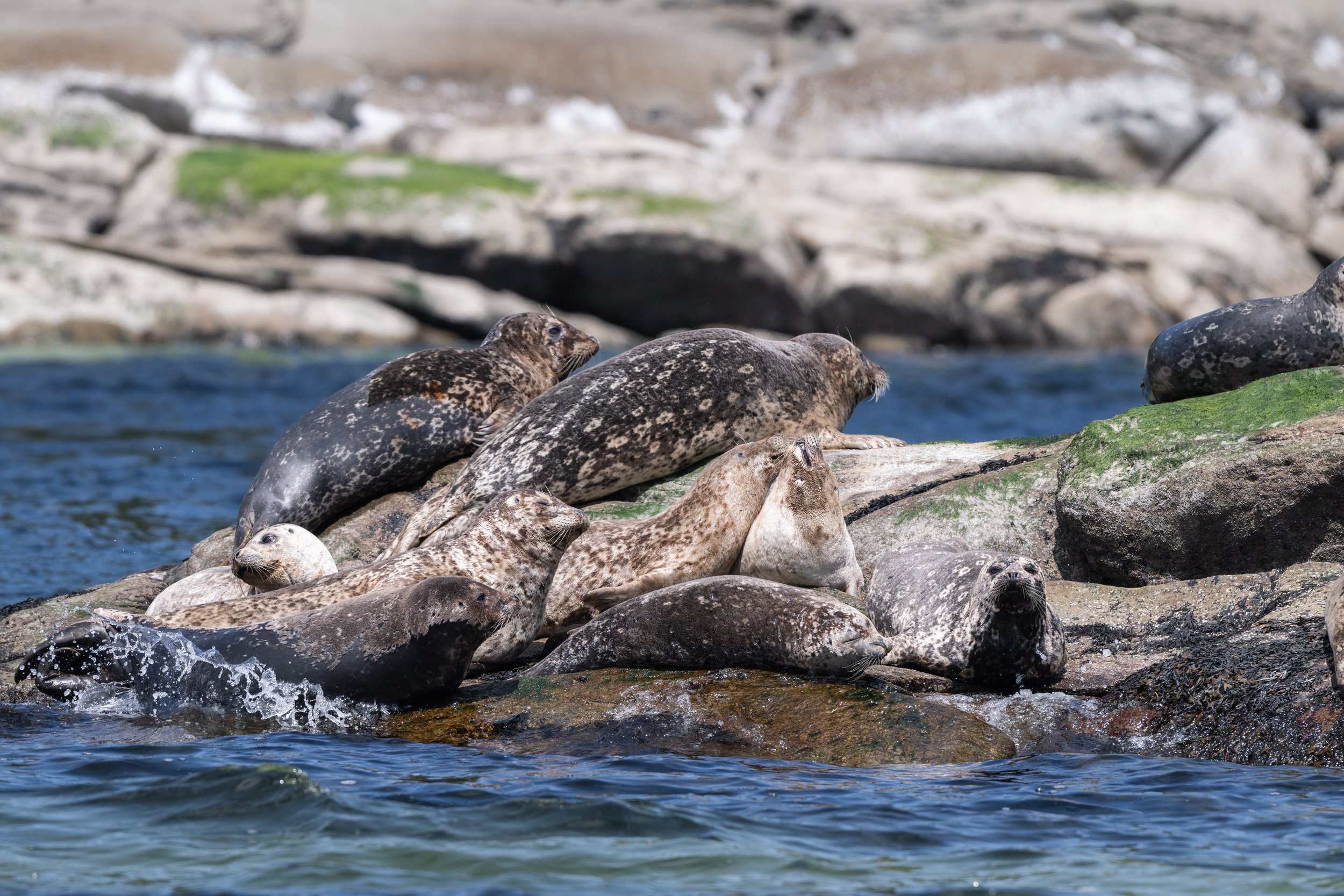
A bob of harbour seals on the rock. Photo by Aly Kohlman.
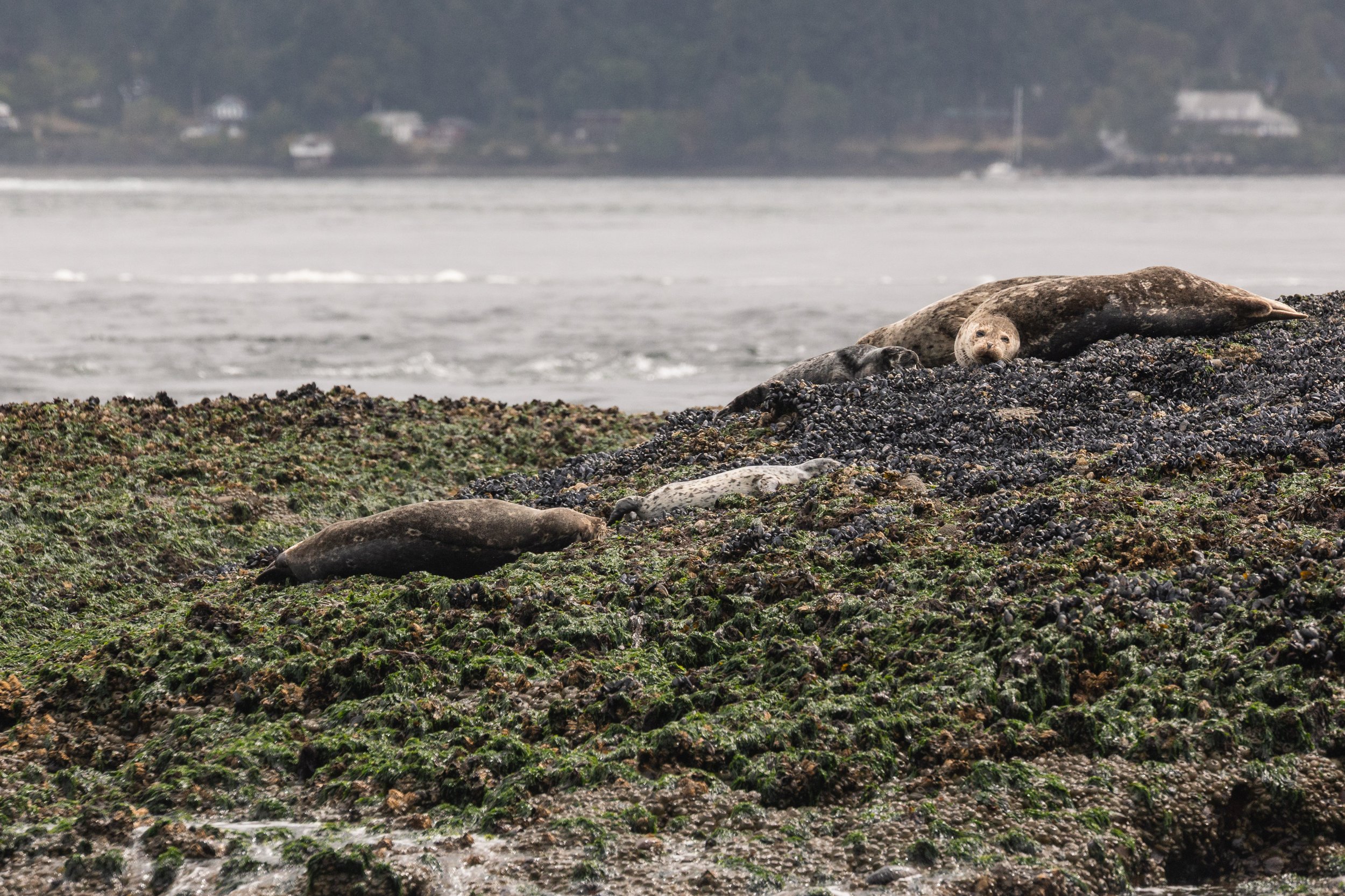
Some Harbour Sels in a haul out in Active Pass. Photo by Jordan Robinson.
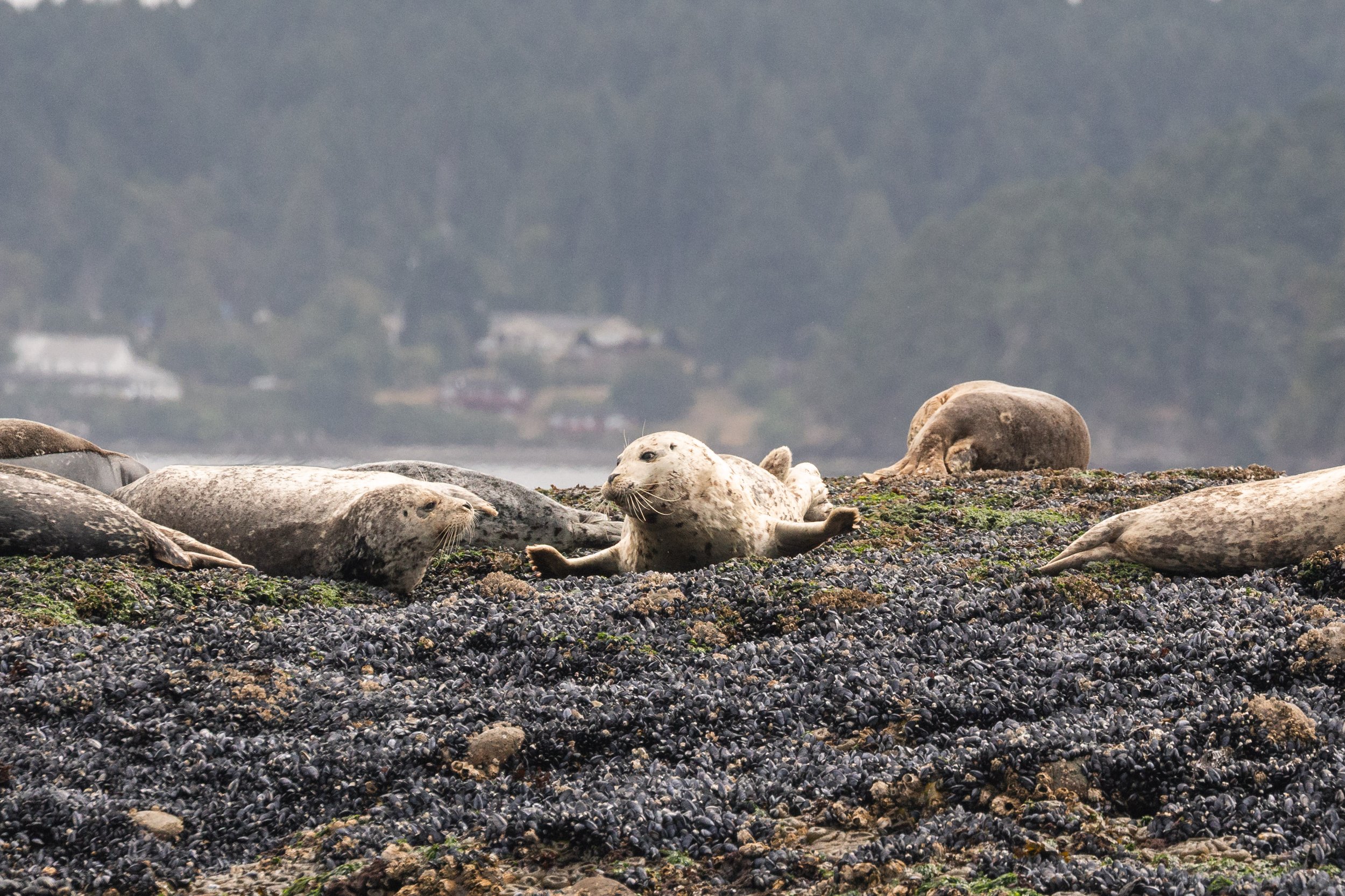
This Harbour Seal is doing it’s best airplane impression. Photo by Jordan Robinson.
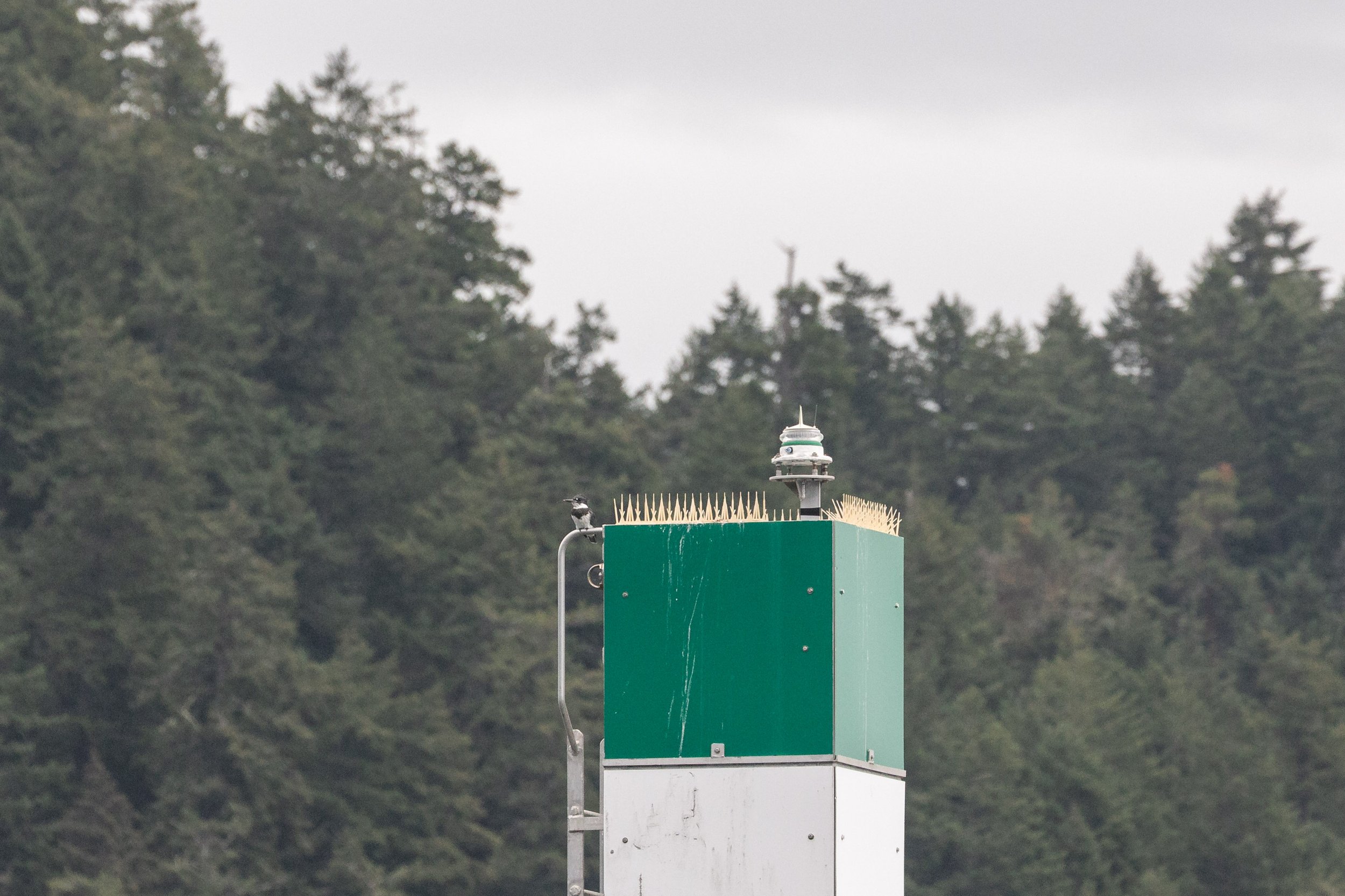
A belted kingfisher on the marker. Photo by Jordan Robinson.