
July 28, 2026, 3:30 PM - T030A and T030C continue their travels, with a handful of humpbacks spotted too
Another beautiful afternoon was ahead of us as we got ready aboard our three vessels. It had been a sightings-filled morning, and we were eager to once again begin exploring and to see what we could find. It was decided that we would start northbound for the afternoon, dispersing to extend our coverage. Now in the heart of summer, we are fast approaching peak humpback sighting time in the Salish Sea. One of the best places to spot them is Halibut Bank off the Sunshine Coast. With this in mind, we began crossing the Strait, eyes peeled, searching for any signs of whales.
This plan proved fruitful, and soon after arriving, blows and flukes were spotted. Kula and Keta made their way over to a single humpback, while Cascadia searched a bit more and then located a pair associating.
The solo humpback was glistening in the early afternoon sunlight as we positioned, and soon arched their back, bringing their tail high out of the water before plunging into the depths. This was the perfect moment for Naturalists Val and Jordan to quickly capture photos of the tail to confirm the whale’s identity. Thanks to the unique patches of pigmentation on either fluke tip, this whale was identified as Corona/Phi (BCX1416). Corona/Phi holds a special place in our hearts, as in July 2019, she was spotted near Nanaimo heavily entangled. Entanglements can be fatal, and timely disentanglement is always of utmost importance. Unfortunately, her entanglement was a very complicated case, and despite the rescue team's best efforts, the attempt ultimately proved unsuccessful. However, she persevered and disentangled herself later on. This was exciting in itself, but there was another key point brought to light in 2020 when she returned to our area, with a calf (Omega (BCY1224)) in tow - not only had she been entangled, she had been entangled while pregnant. She has also brought two other calves (Iota (BCY1466) and Corona/Phi’s 2024 calf (BCX416 calf 2024)) since her 2019 entanglement. Corona/Phi is a perfect example of how resilient humpback whales are, and how saving a single whale can affect populations.
The pair of humpbacks was equally cooperative for ID shots, and after a few minutes, we learned that we were with Zig Zag (BCX1193) and Mantis (BCX0936). The pair was travelling and diving as we observed, potentially feeding on krill or small schooling fish lower down in the water column. Similar to Corona/Phi, Zig Zag is also a well-known female humpback in our area, having brought four calves to our area since 2019. Mantis is a confirmed male humpback known to migrate to the breeding grounds in Mexico. This is interesting, as Zig Zag is known to visit the breeding grounds in Hawaii. This suggests that their association may be fleeting, such as a brief meetup to socialize or to partner up for more advanced feeding techniques.
After our time with the humpbacks, we departed the area and began heading southbound back across the Strait of Georgia. However, the whales seemed to have other plans in mind, as Keta soon stopped once more as another lone humpback was located. This whale surfaced once before going down for a deeper dive and was not seen again. Thankfully, they had raised their fluke for a dive before disappearing, and this quick shot was all we needed to confirm that this whale was Kelpie (BCY1276), another frequent returner to our waters. Once more, Keta began travelling, heading to join the fleet on their southbound adventure.
Past Gabriola Island and farther south, we soon began traversing along Valdez Island. Soon after, a pair of black dorsal fins was spotted. It was a pair of Transient orca. A couple of quick photos and comparisons to our ID guides confirmed this was a sibling pair known as T030A and T030C:
T030A Sequoia ♂ (1986)
T030C Salix ♀ (2005)
Sequoia and Salix were bursting with energy as we observed them, spyhopping (bringing the front half of their body up and out of the water) and quickly travelling along. It is possible that they were actively hunting for their next meal, though we did not observe any potential prey species in the immediate vicinity. It seems like this may have been one of several hunts they had commenced since we had spotted them this morning, as Sequoia had a pair of fresh scratches down his flank. These marks will likely leave scars and could be used to help confirm his ID in the future.
While this pair would be considered an uncommonly spotted pod in our area most years, they have actually become one of our most frequently spotted groups in the past month. We are excited to see if they continue to traverse around the Southern Gulf Islands in the weeks to come!
After visiting Sequoia and Salix, we departed once more and began looking for other wildlife. The journey took us over to “Stinky Rocks”, the nickname for a couple of shallow islets located off of Valdez Island’s coast. Here, chunky Harbour Seals were spotted up on the rocks, lounging and enjoying the evening sun. Nearby in the shallows, a couple of always inquisitive Steller Sea Lions were seen peeking around before diving once more. Many marine birds were also skittering across the rocks, including two uncommonly spotted species for us - Black-bellied Plover and a Ruddy Turnstone! Check out the photos below to see if you can spot them!
A Bald Eagle was also spotted high up in the trees with quite the catch - a large fish that it was dangling from its talons. It briefly flew to a more comfortable perch before starting its meal. Nearby along the Gabriola Bluffs, many Cormorants were also tending their nests and feeding their chicks. The entire area was bustling with life and was a great reminder of just how biodiverse the Salish Sea is.
With one last peek around, our Captains turned us back towards Nanaimo and headed back into harbour, concluding another excellent time venturing all around, learning and spotting orca, humpbacks, seals, sea lions, and a multitude of different bird species!
Photos taken by Marine Naturalists Val Watson, Jordan Robinson, and Aly Kohlman - please enjoy!
Halibut Bank ODAS Buoy
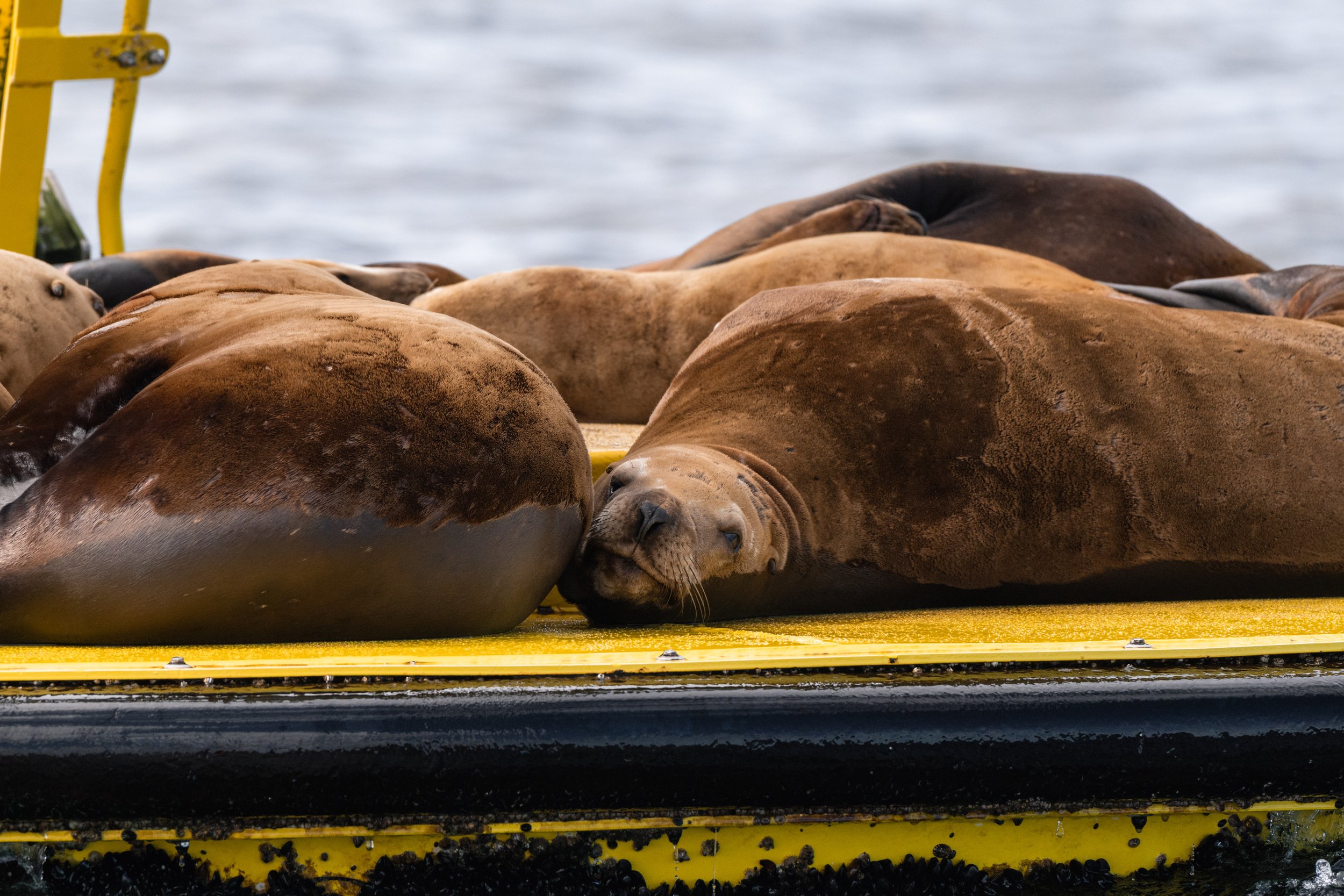
Steller Sea Lions relaxing on the ODAS buoy. Photo by Aly Kohlman.
Zig Zag and Mantis
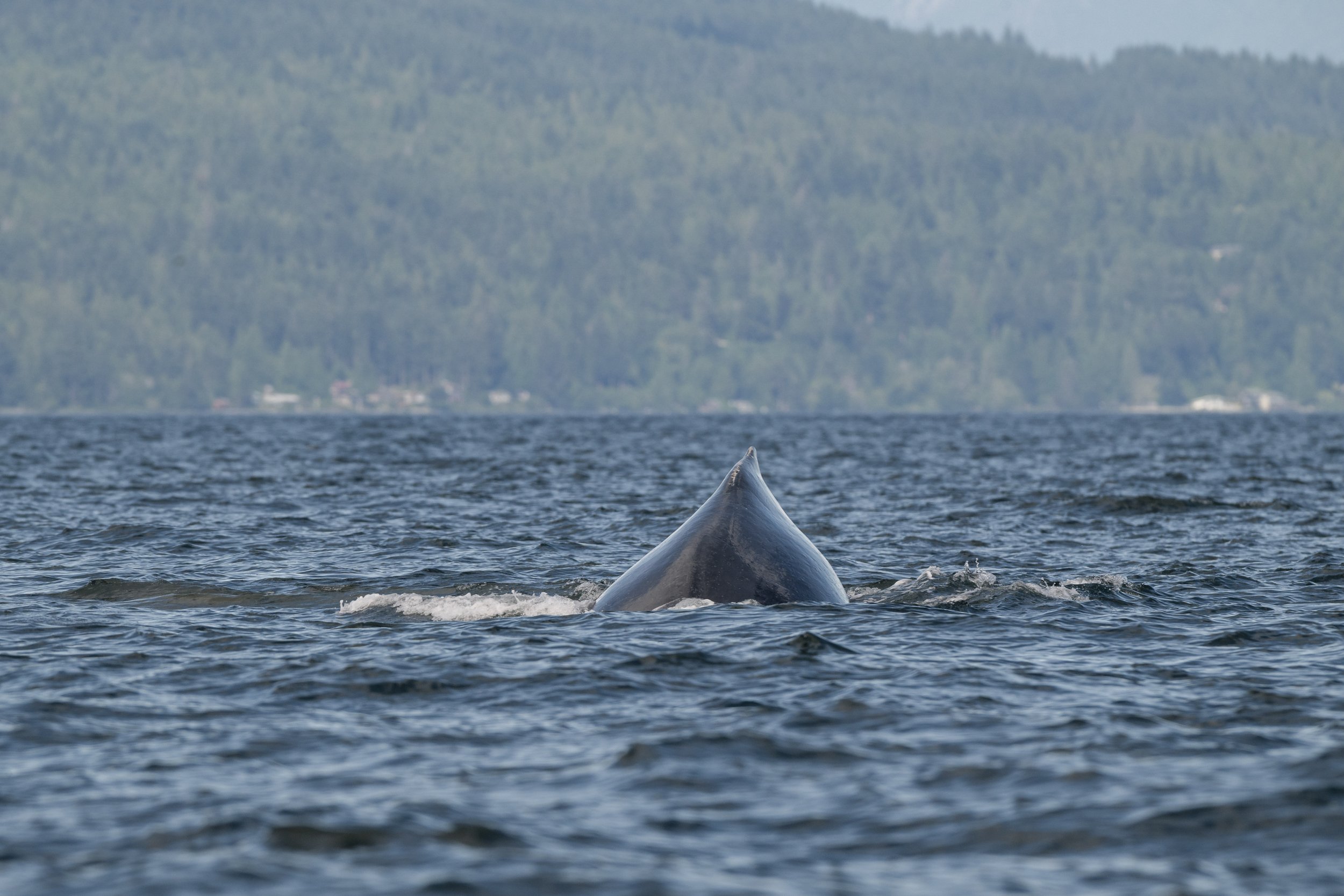
Zig Zag going for a dive. Photo by Aly Kohlman.
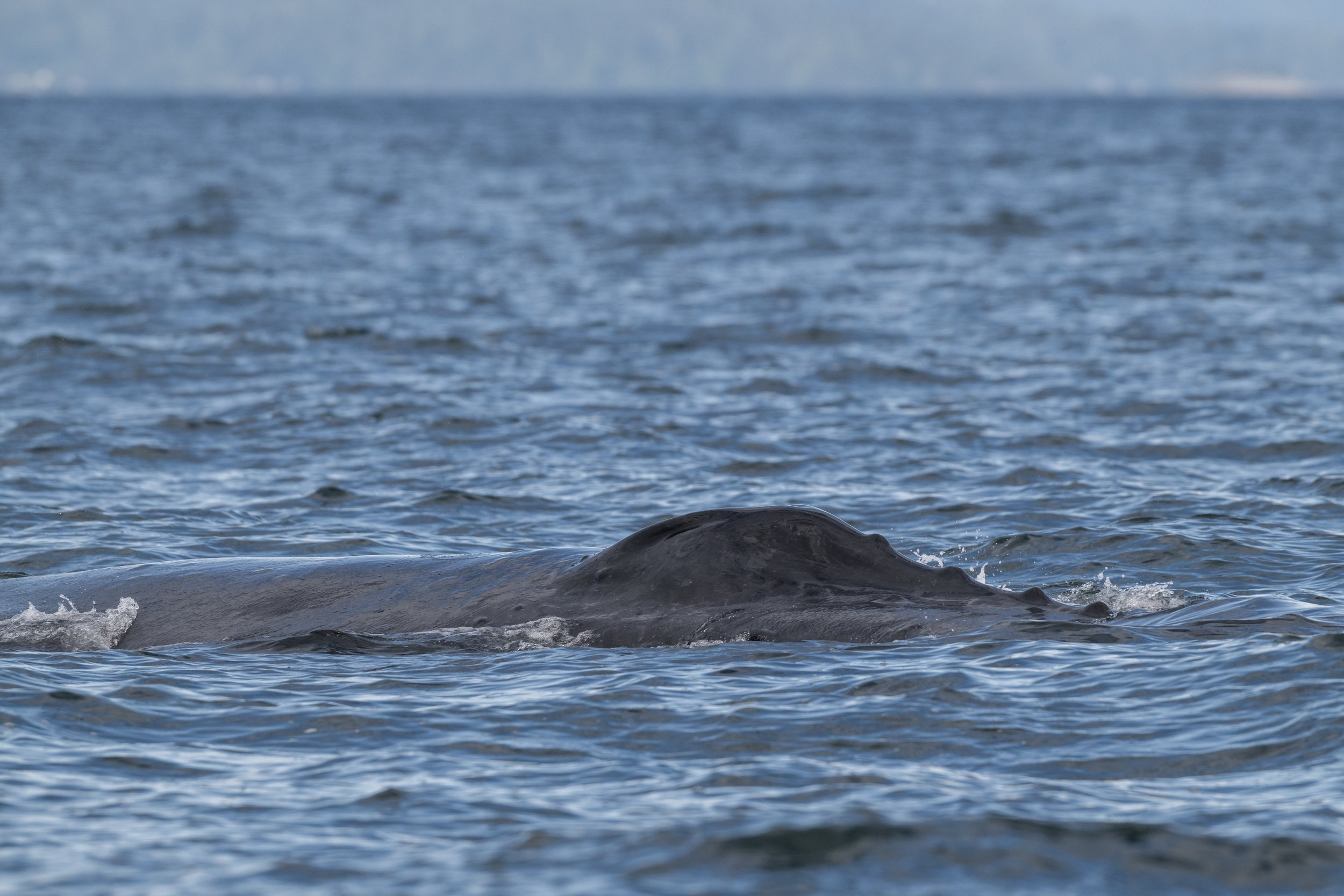
One of the whales nostrils above the surface. Photo by Aly Kohlman.
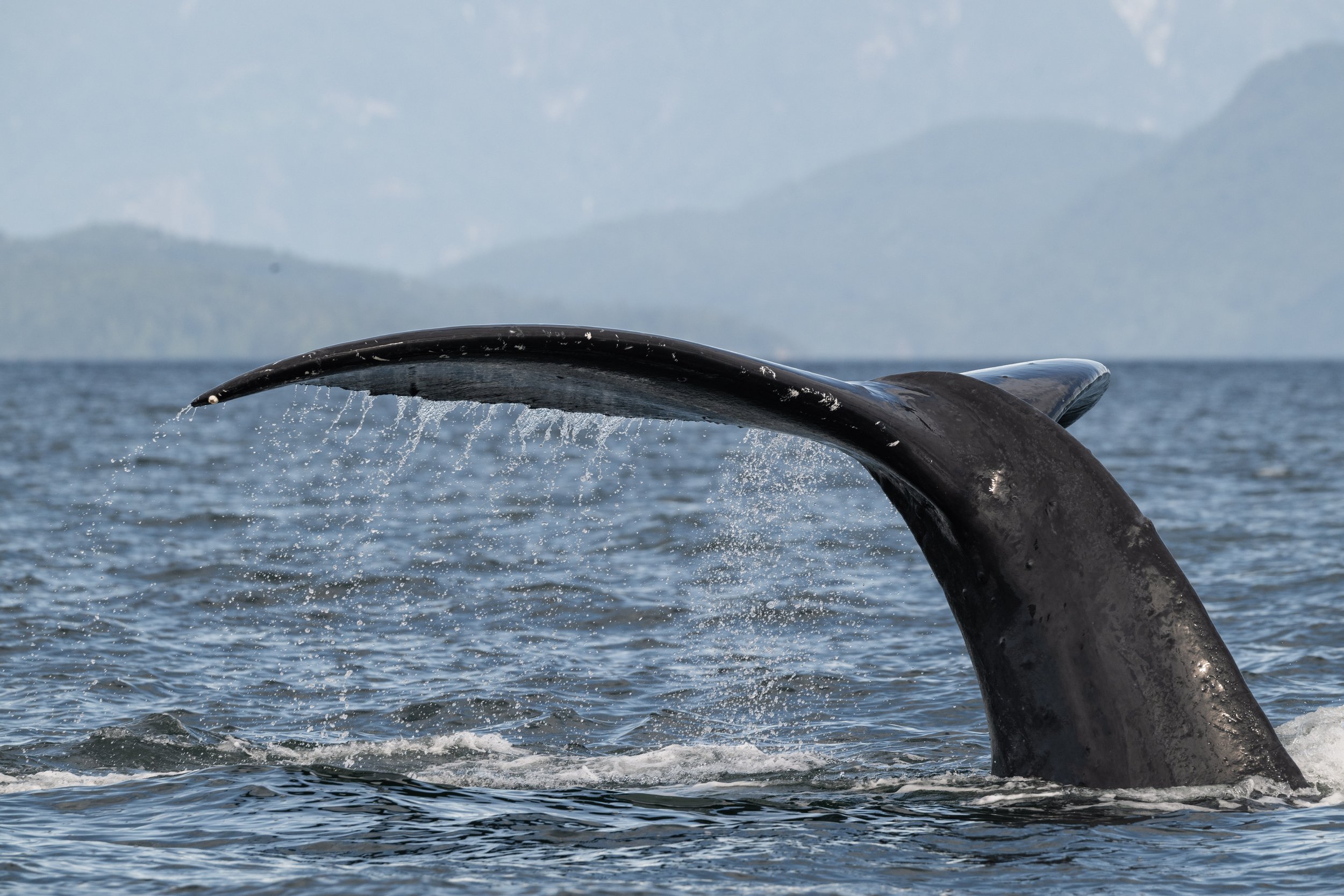
A lovely fluke waterfall from Zig Zag. Photo by Aly Kohlman.
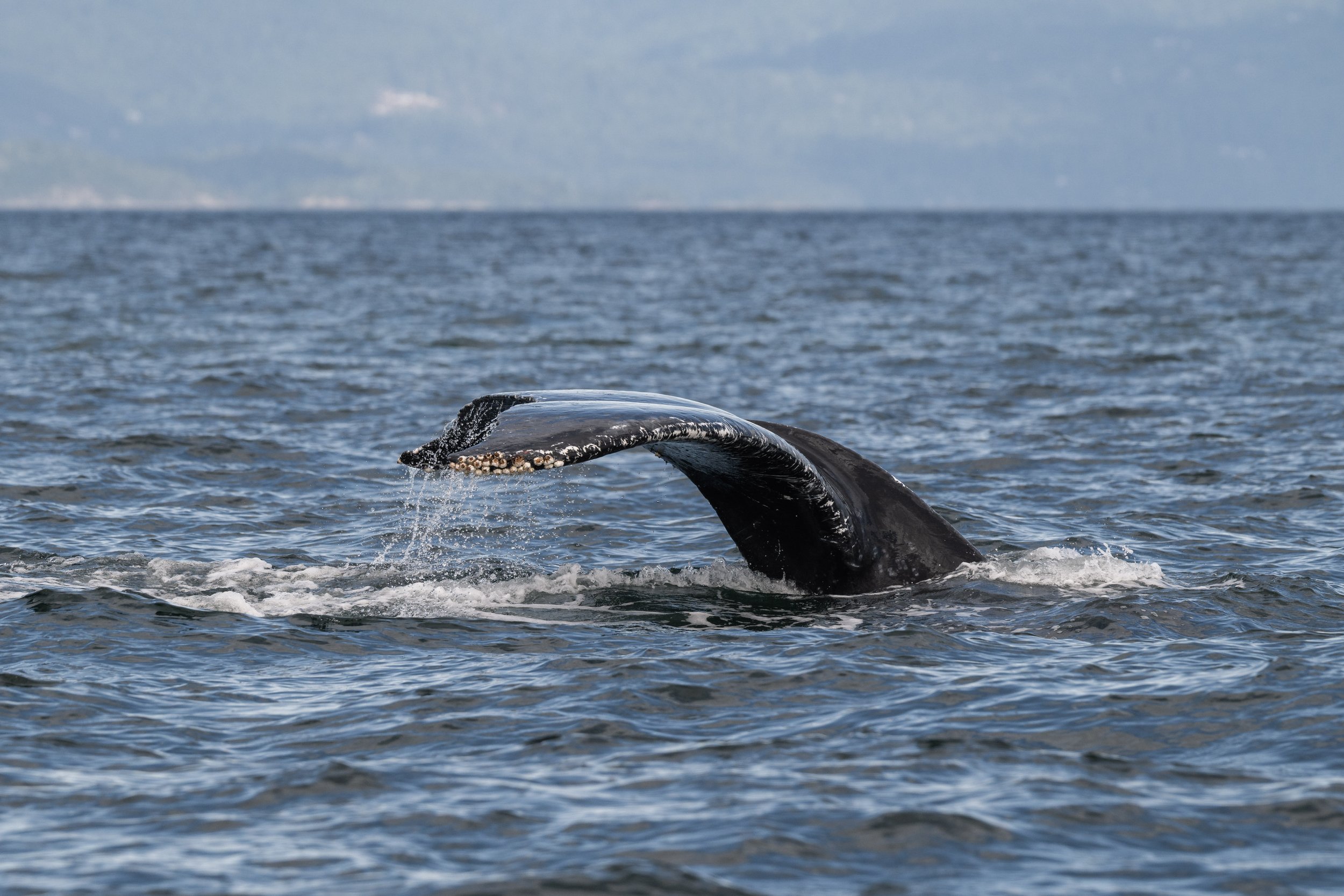
A fluke from Mantis as they dive. Photo by Aly Kohlman.
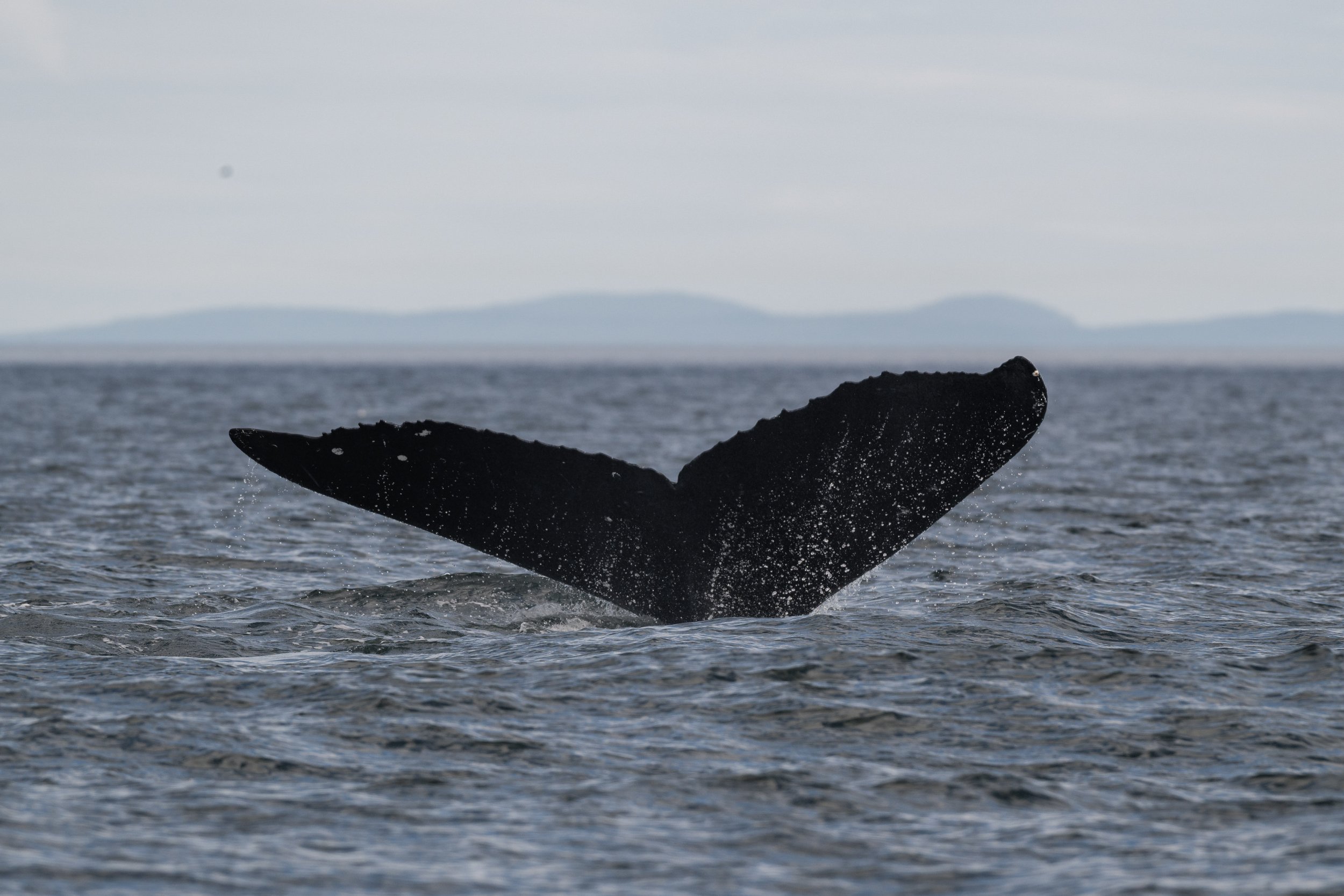
Th underside of Zig Zag’s tail. Photo by Aly Kohlman.
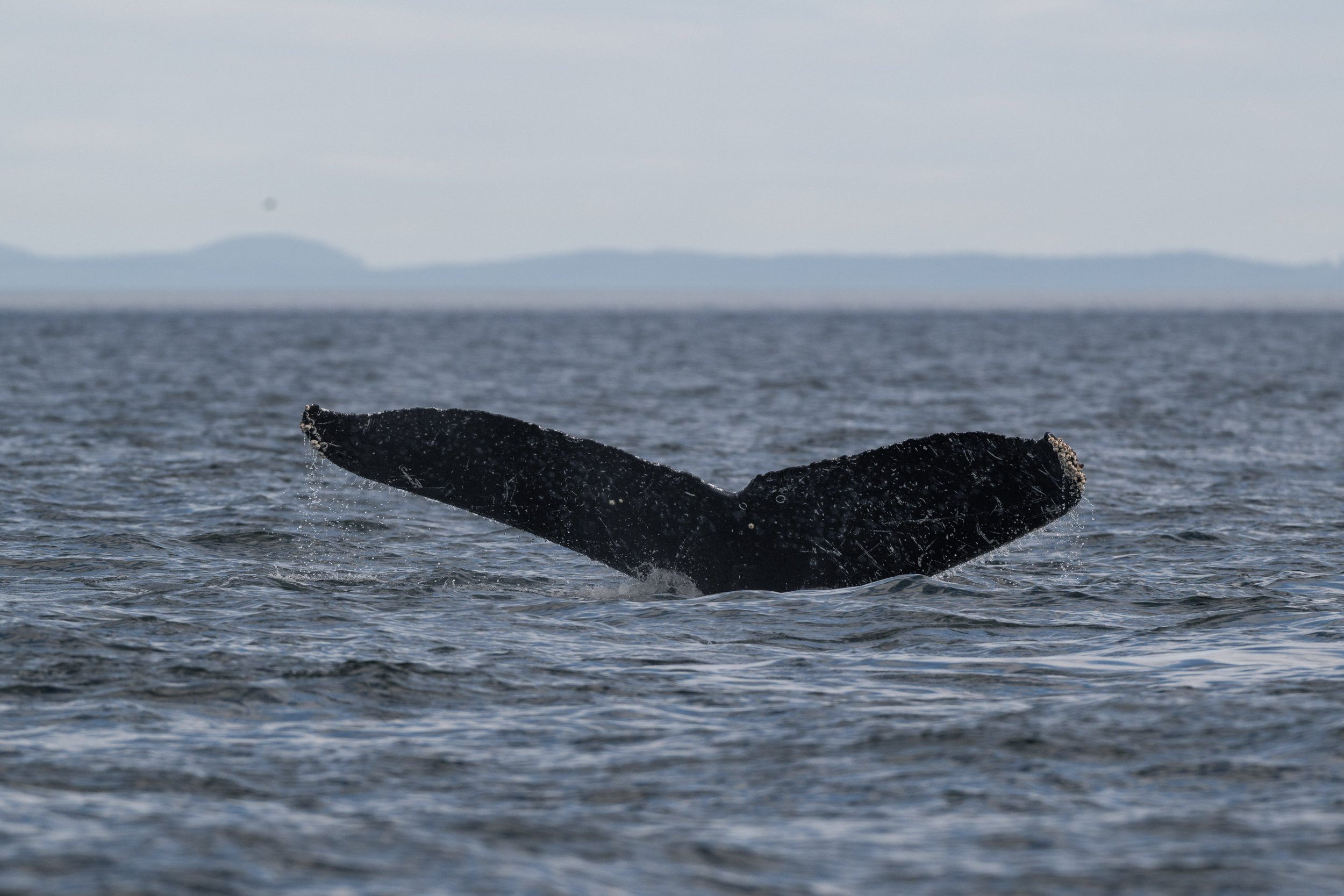
The underside of Mantis’ tail. Photo by Aly Kohlman.
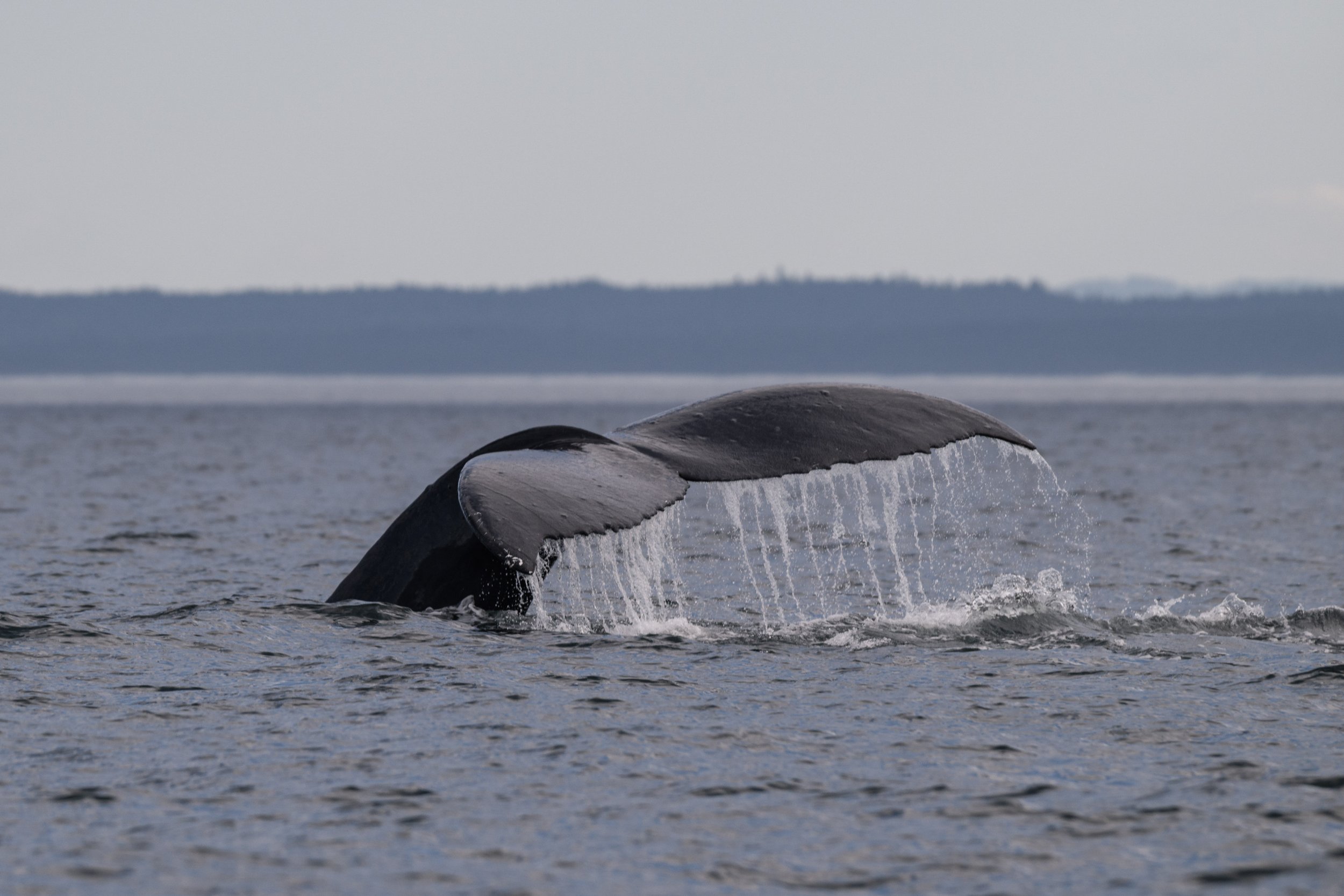
A beautiful fluke from Zig Zag. Photo by Aly Kohlman.
Corona/Phi
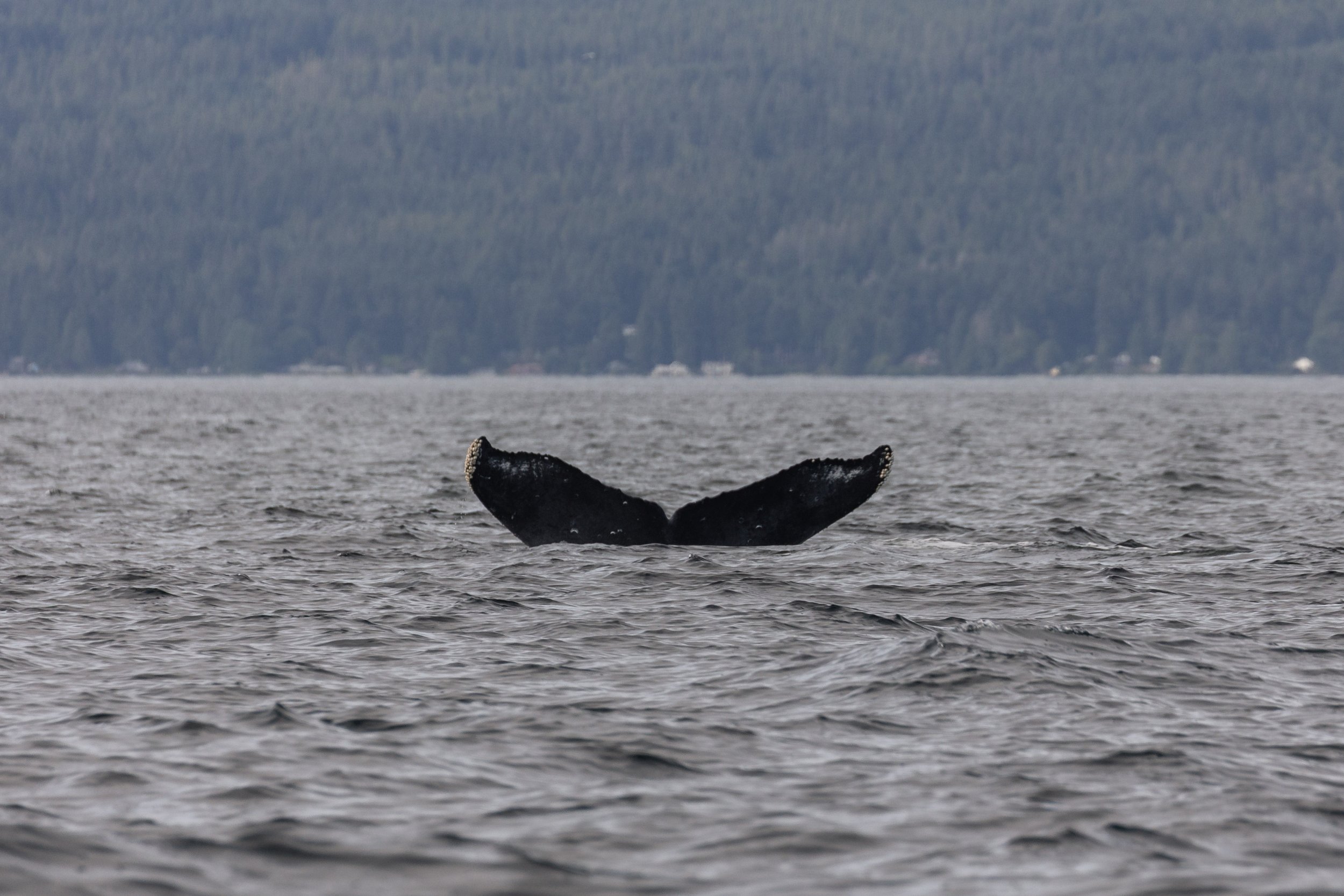
A final look at Corona/Phi. Photo by Jordan Robinson.
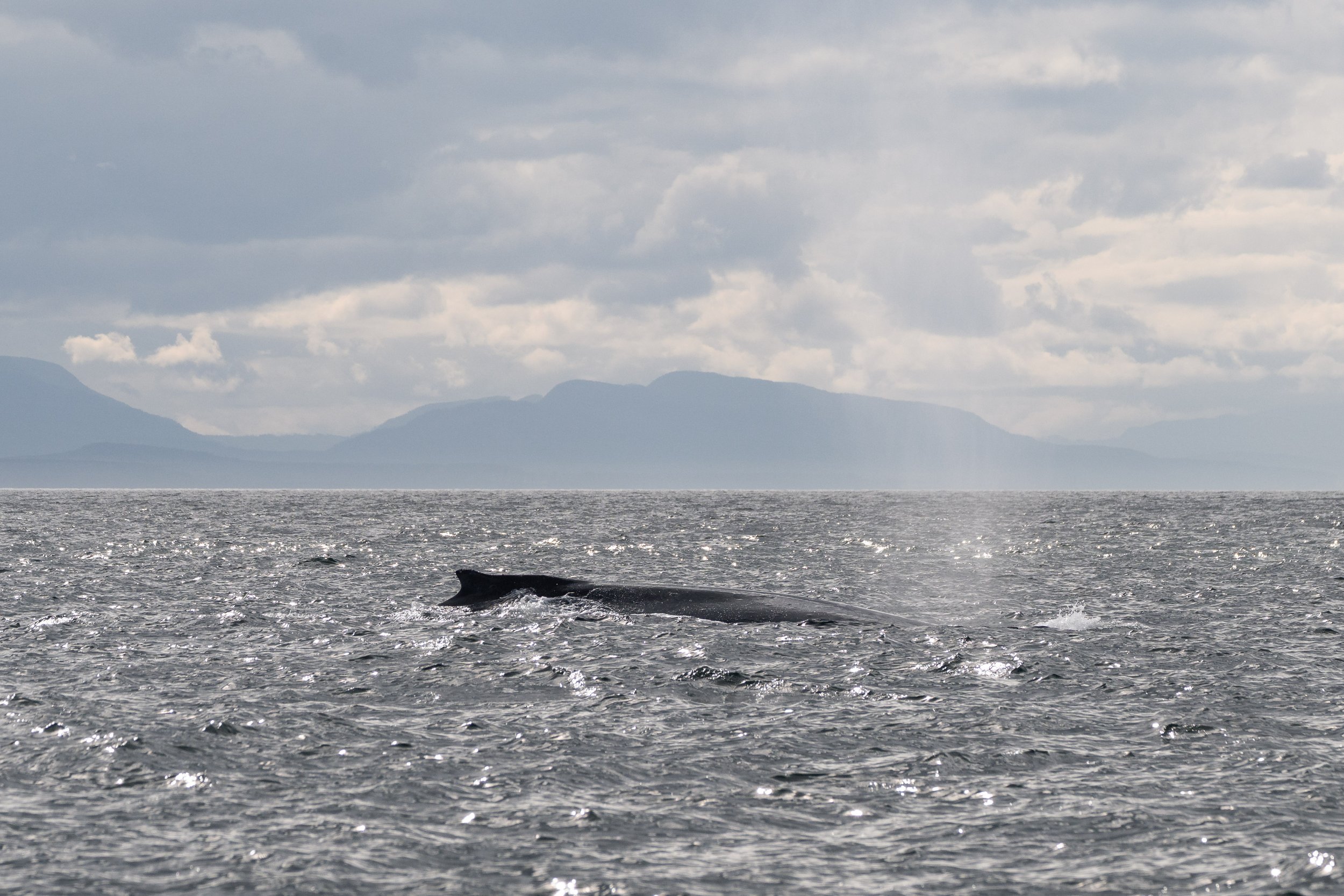
Corona/Phi surfacing. Photo by Val Watson.
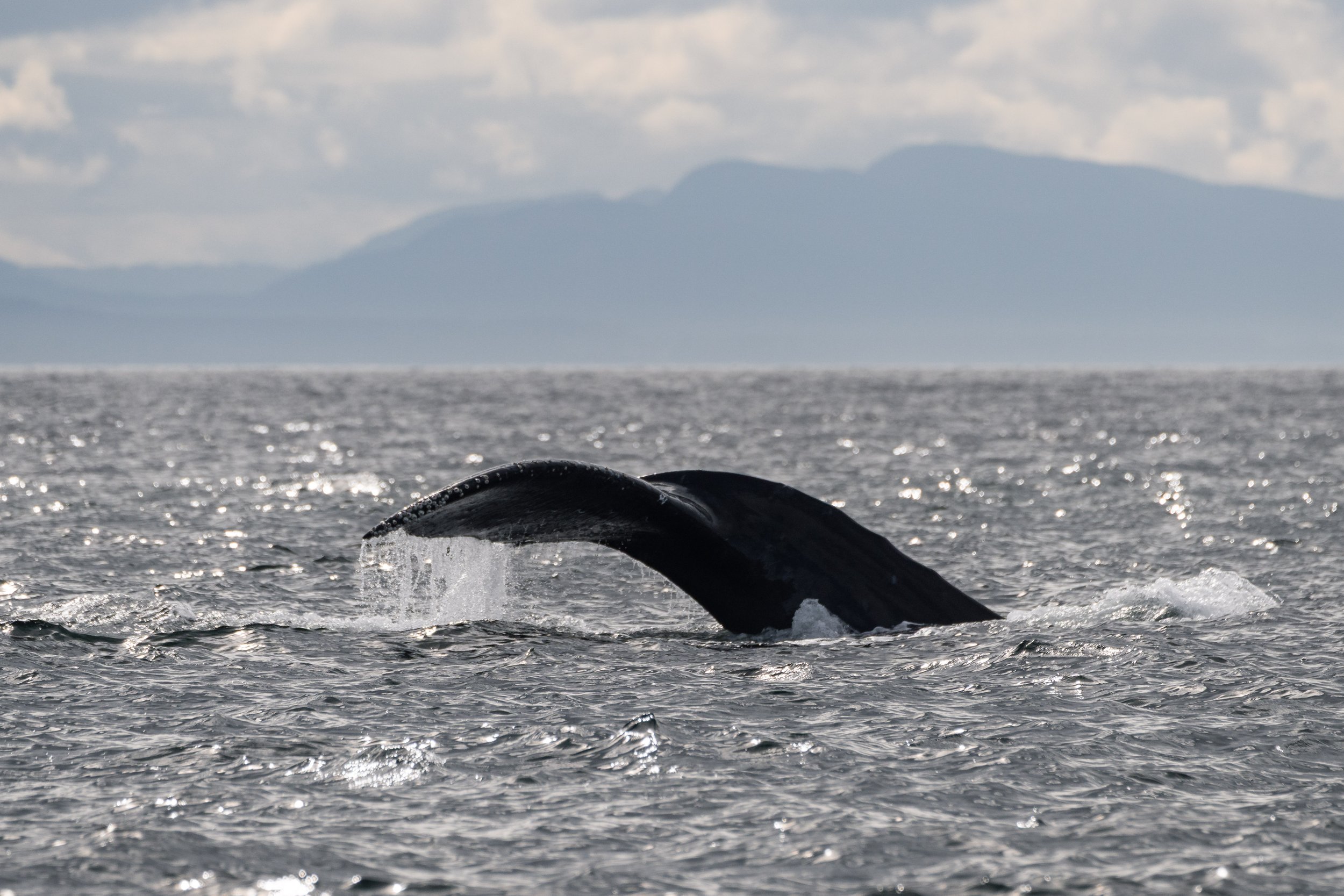
Corona/Phi going for a dive. Photo by Val Watson.
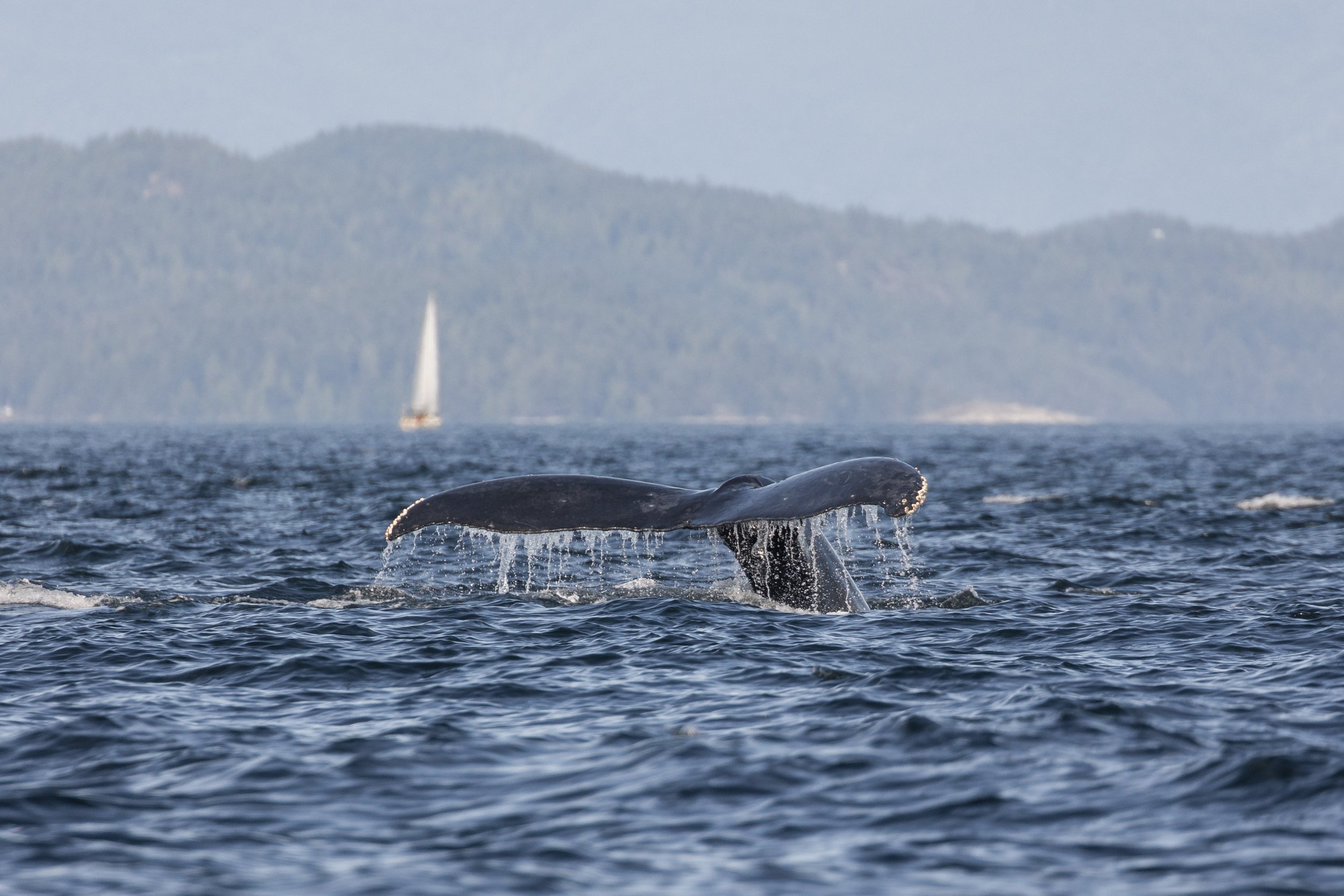
Corona/Phi going for a dive. Photo by Jordan Robinson.
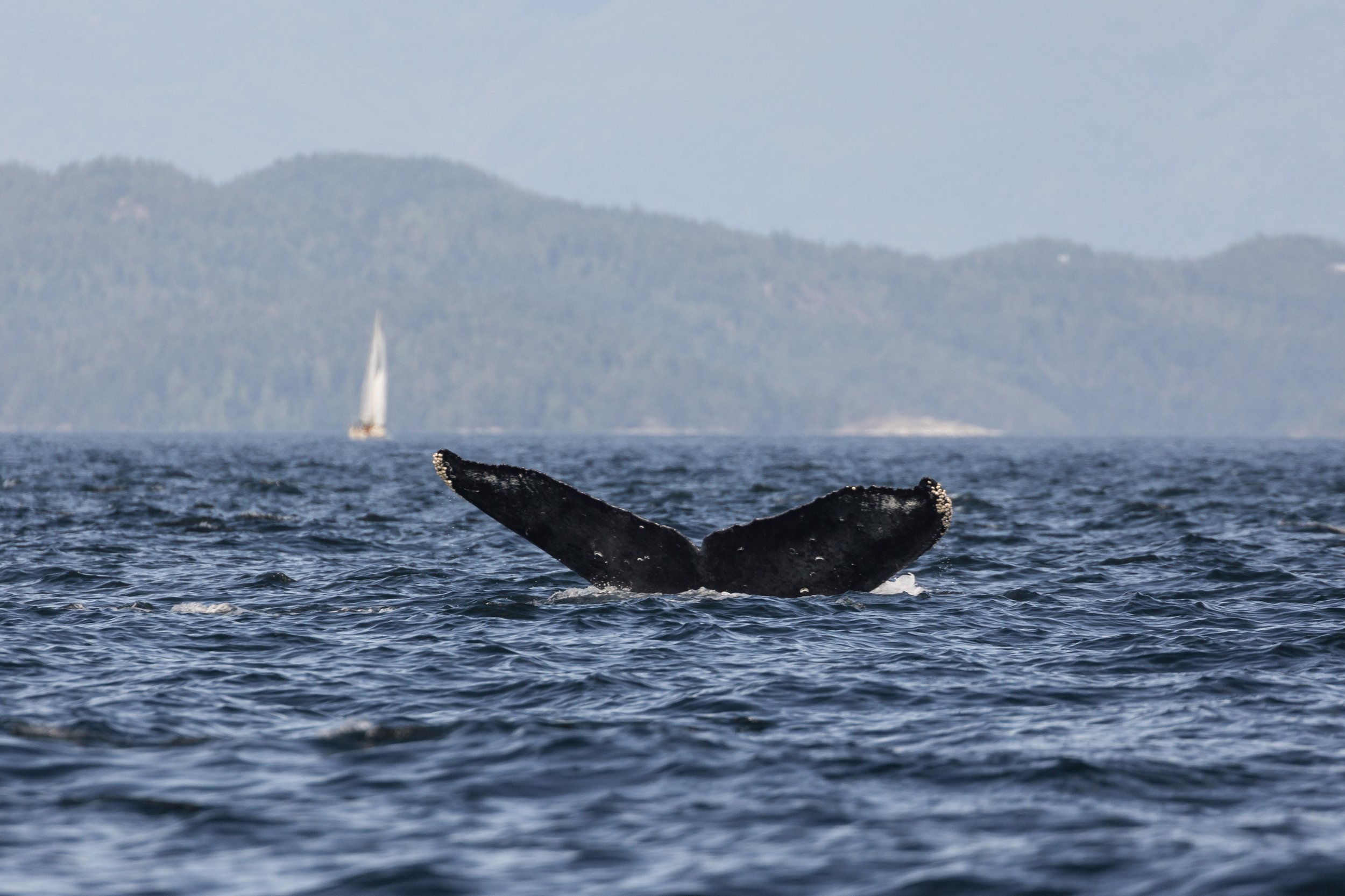
The underside of Corona/Phi’s tail as she dives. Photo by Jordan Robinson.
Kelpie
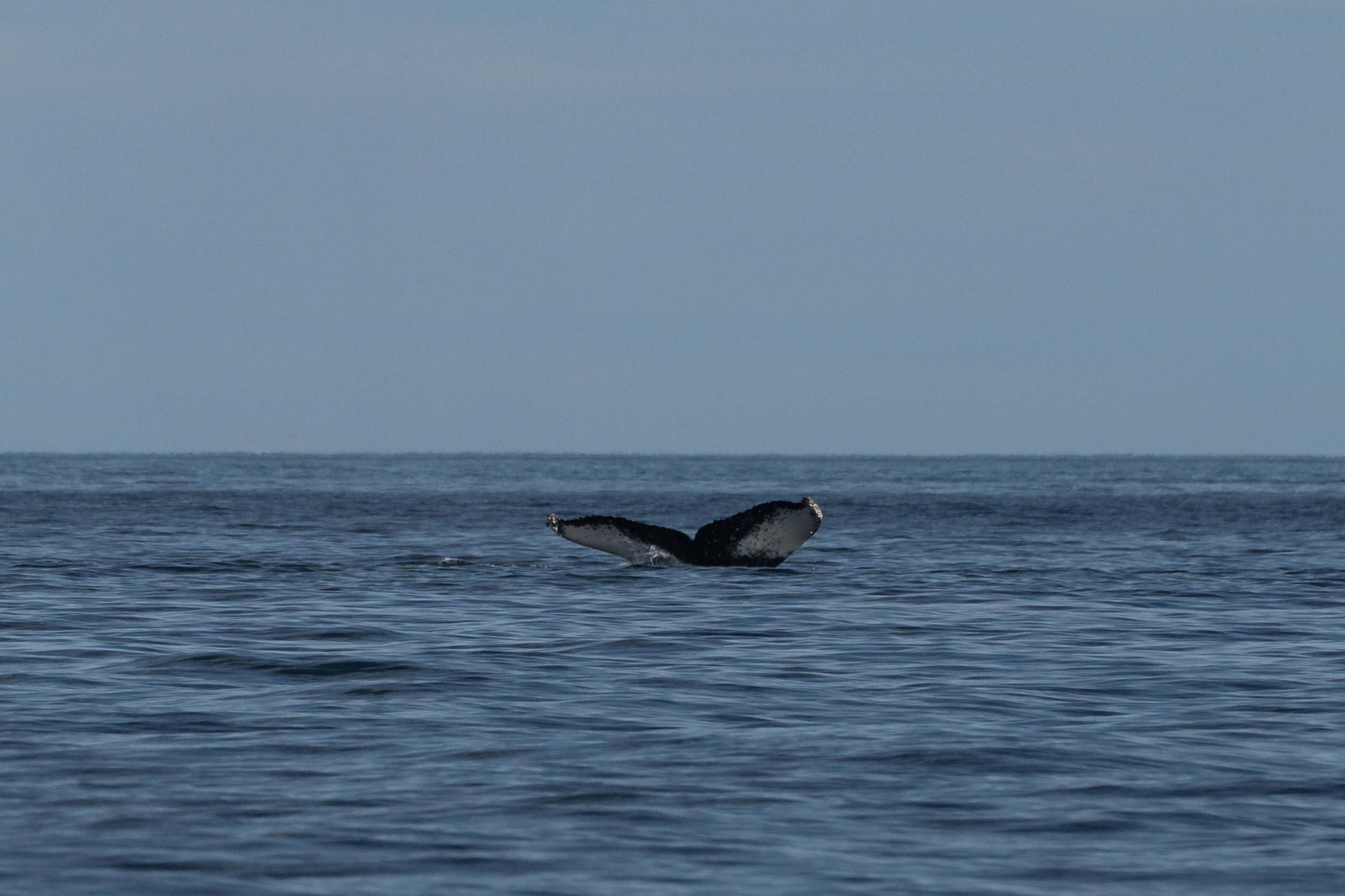
The underside of Kelpie’s tail as he dives. Photo by Val Watson.
Sequoia and Salix
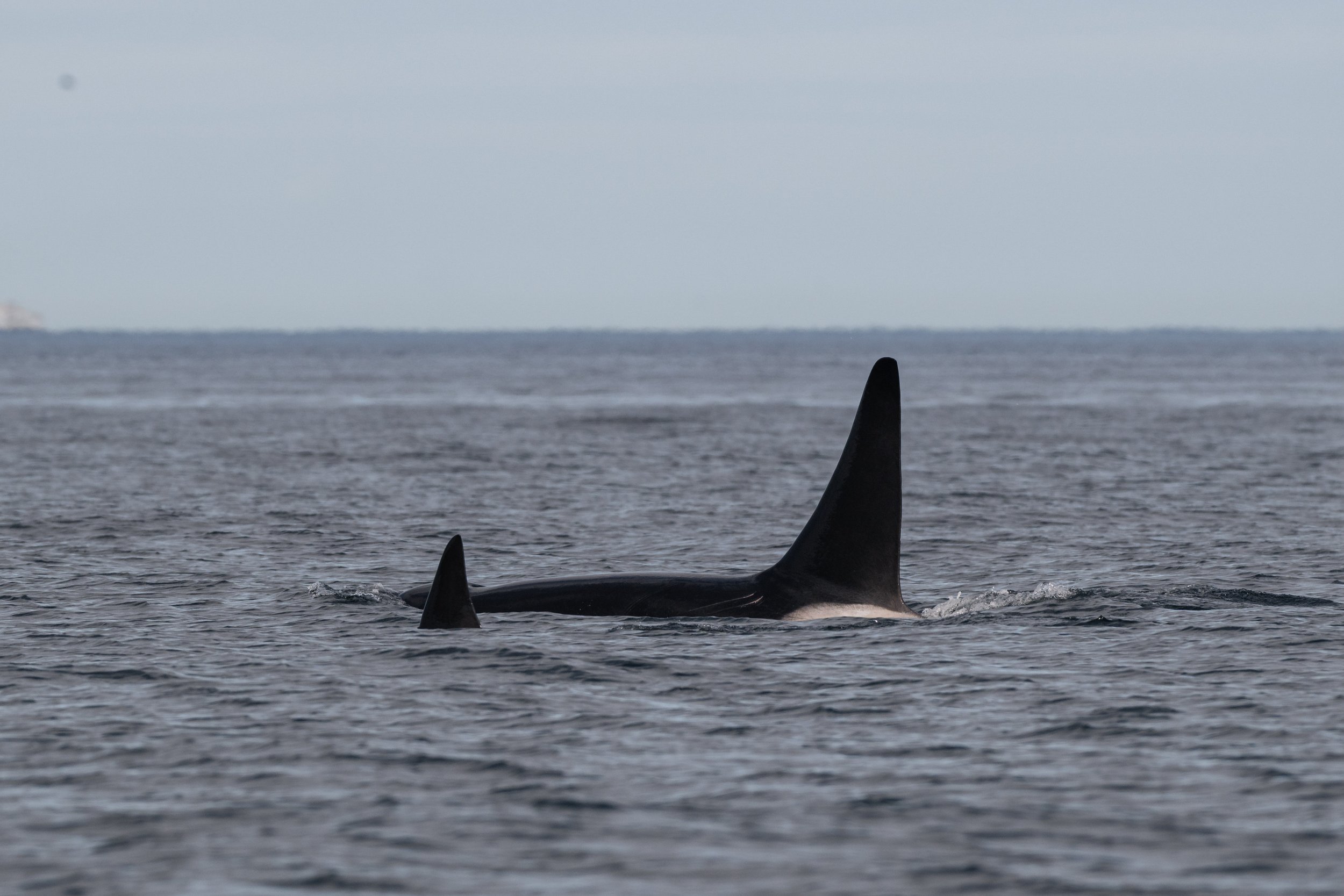
T030A Sequoia surfacing just behind his sister, T030C Salix. Photo by Aly Kohlman.
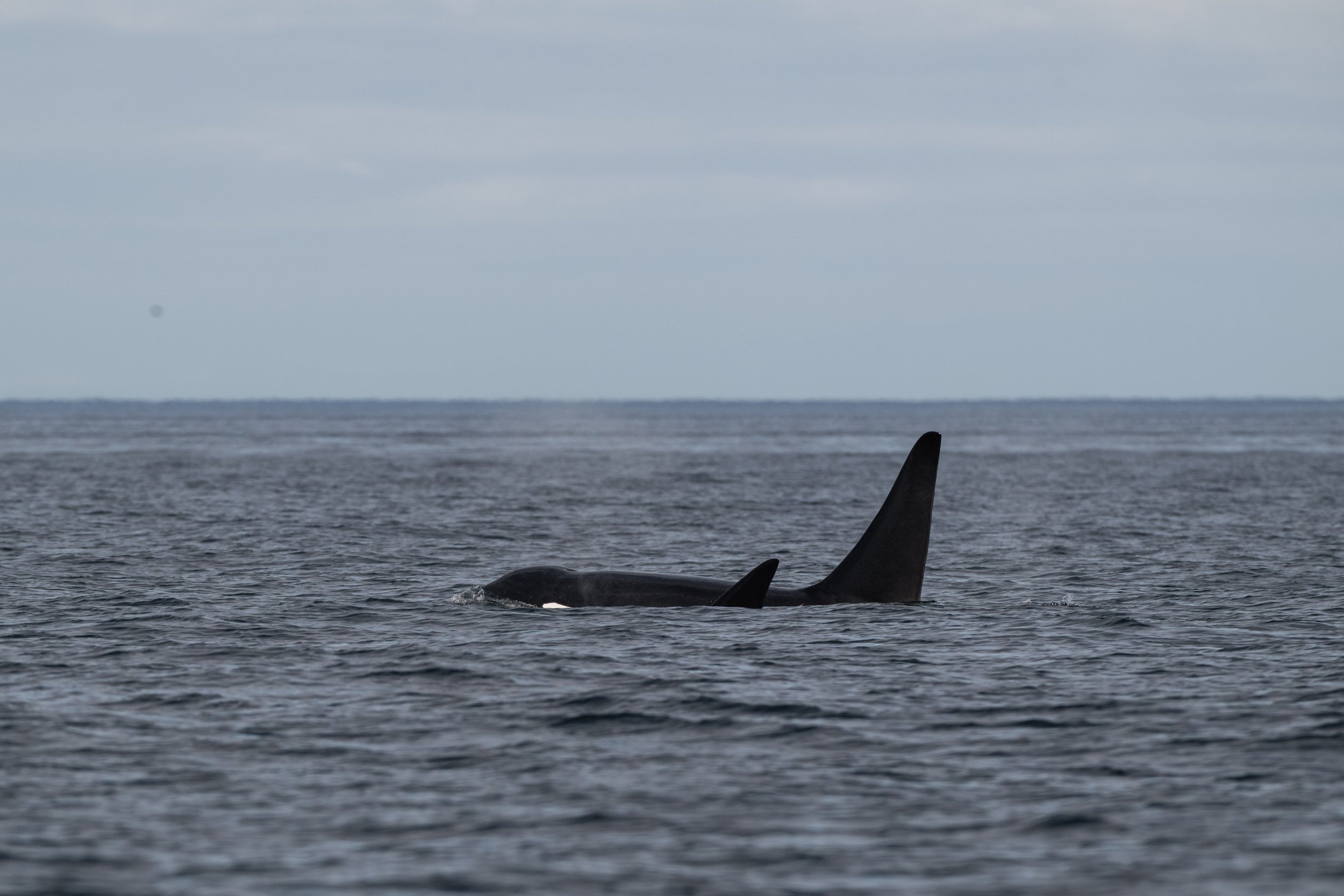
T030A Sequoia and T030C Salix surfacing together. Photo by Aly Kohlman.
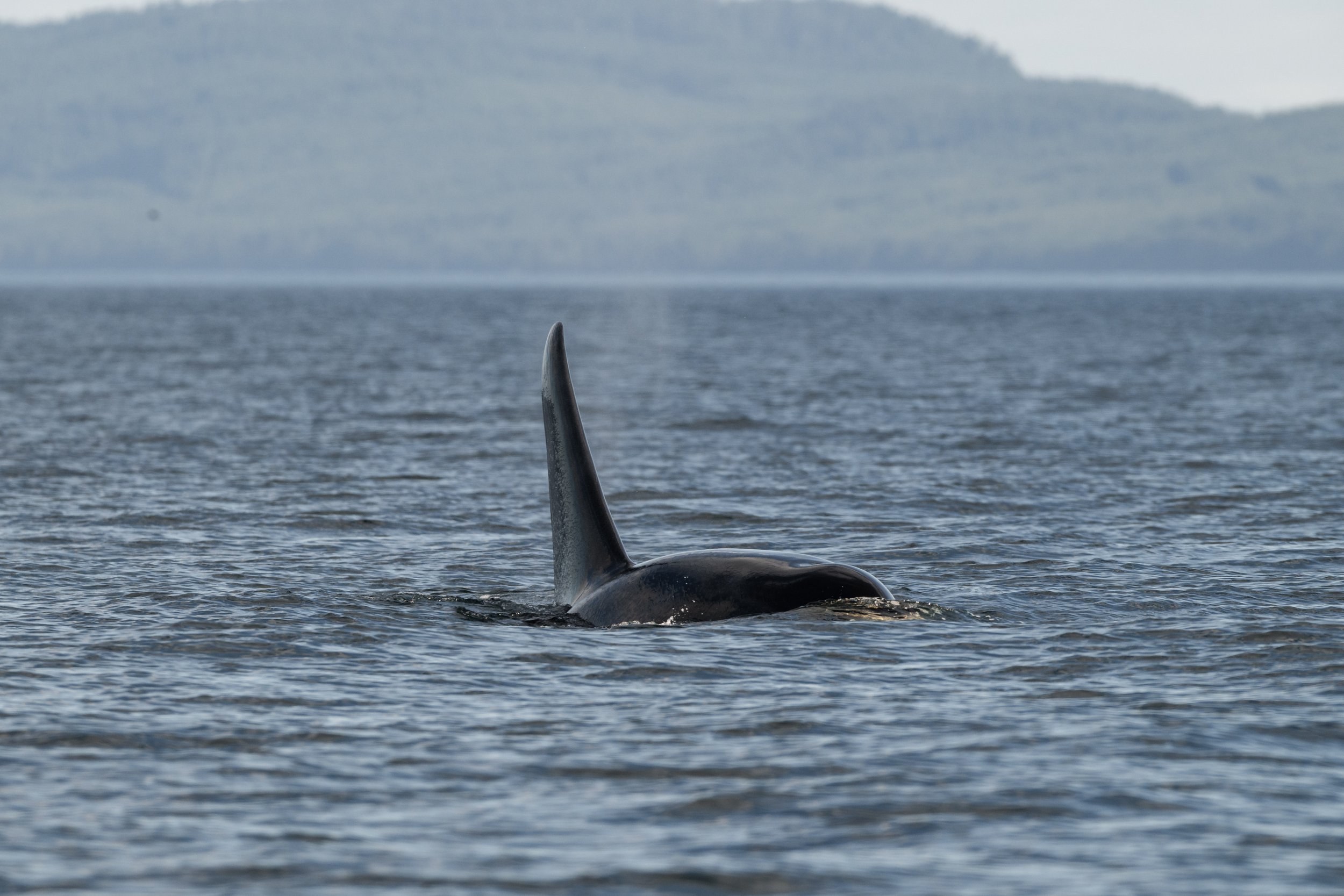
T030A Sequoia surfacing. Photo by Aly Kohlman.
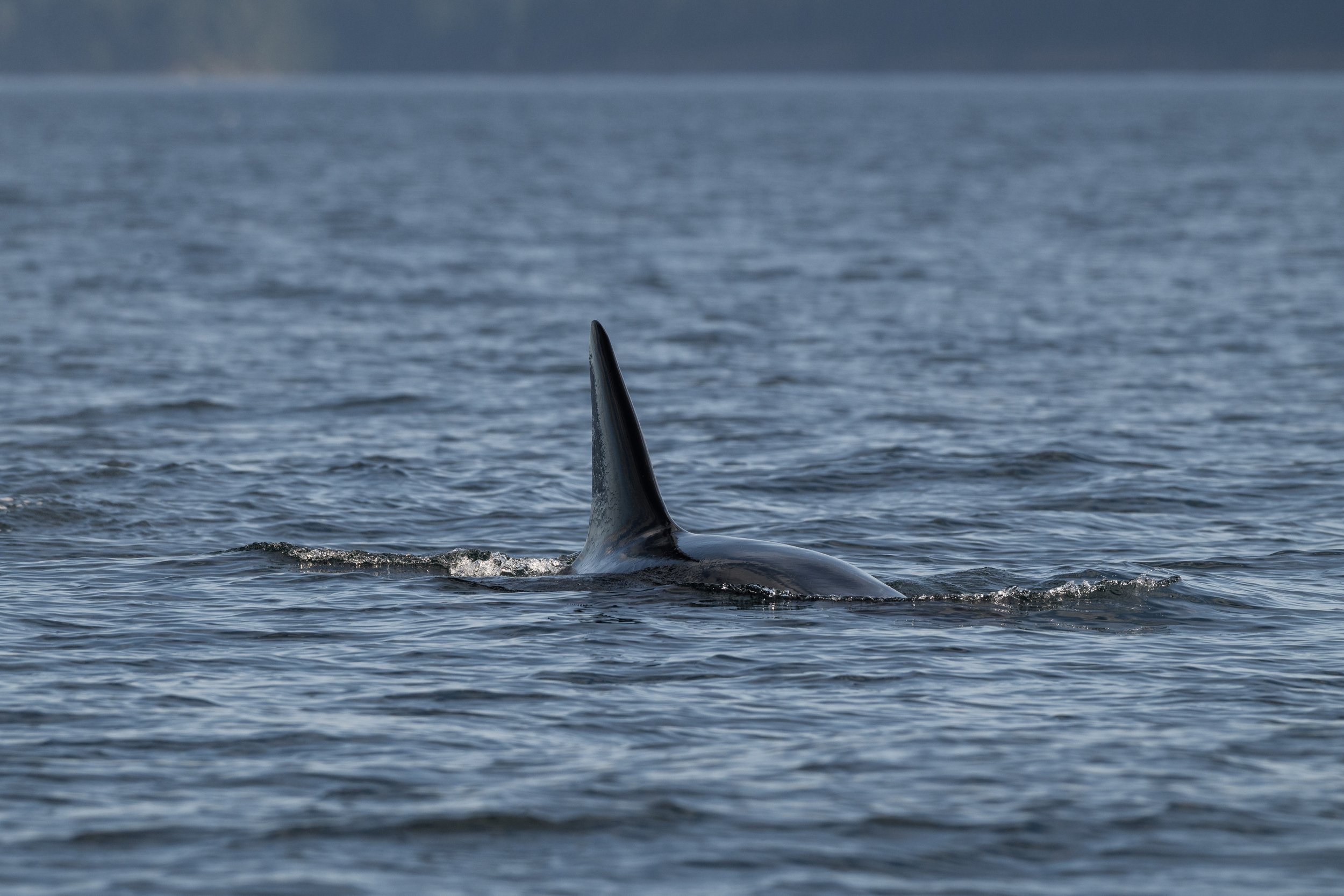
T030C Salix surfacing. Photo by Aly Kohlman.
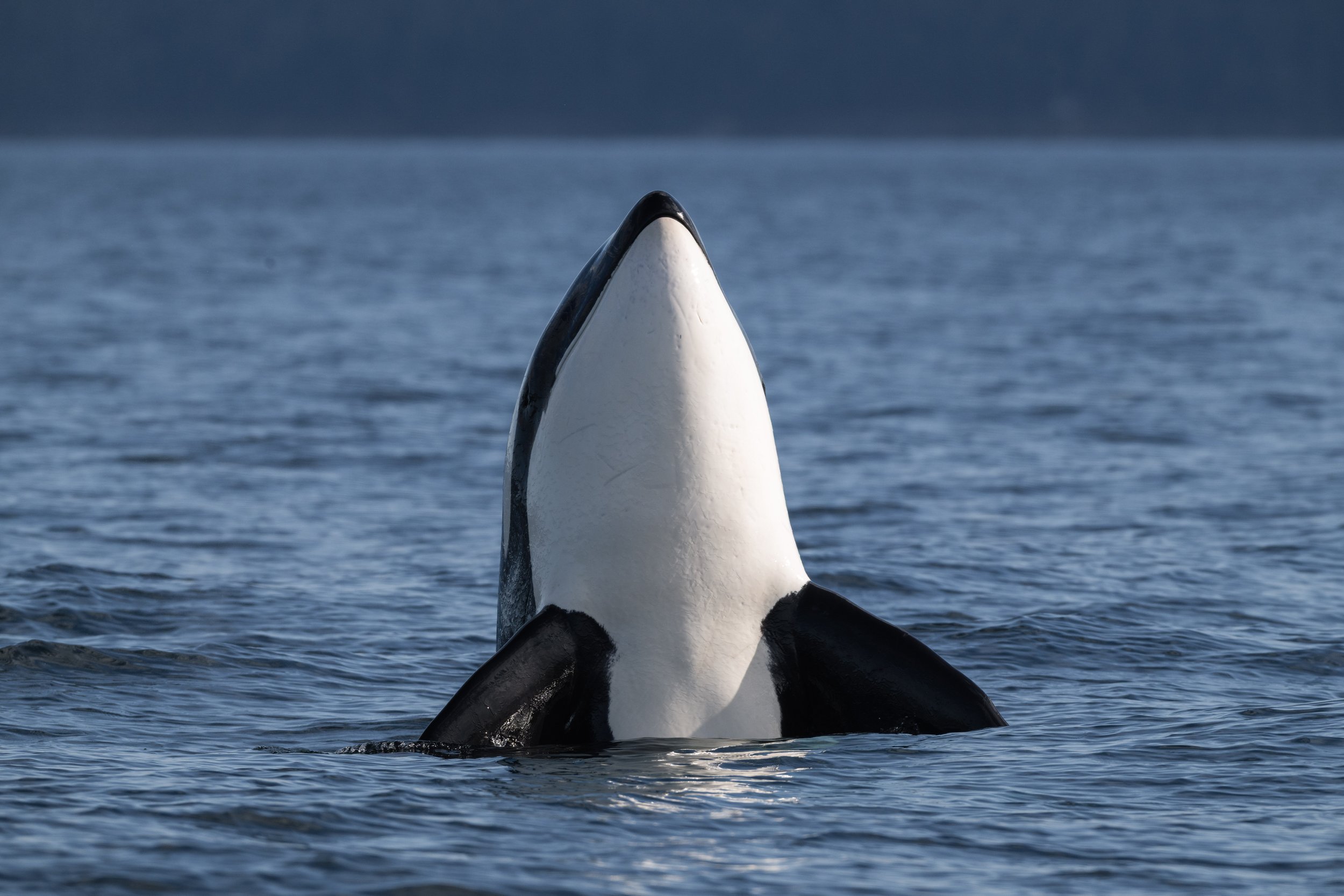
A lovely Spy Hop from T030C Salix. Photo by Aly Kohlman.
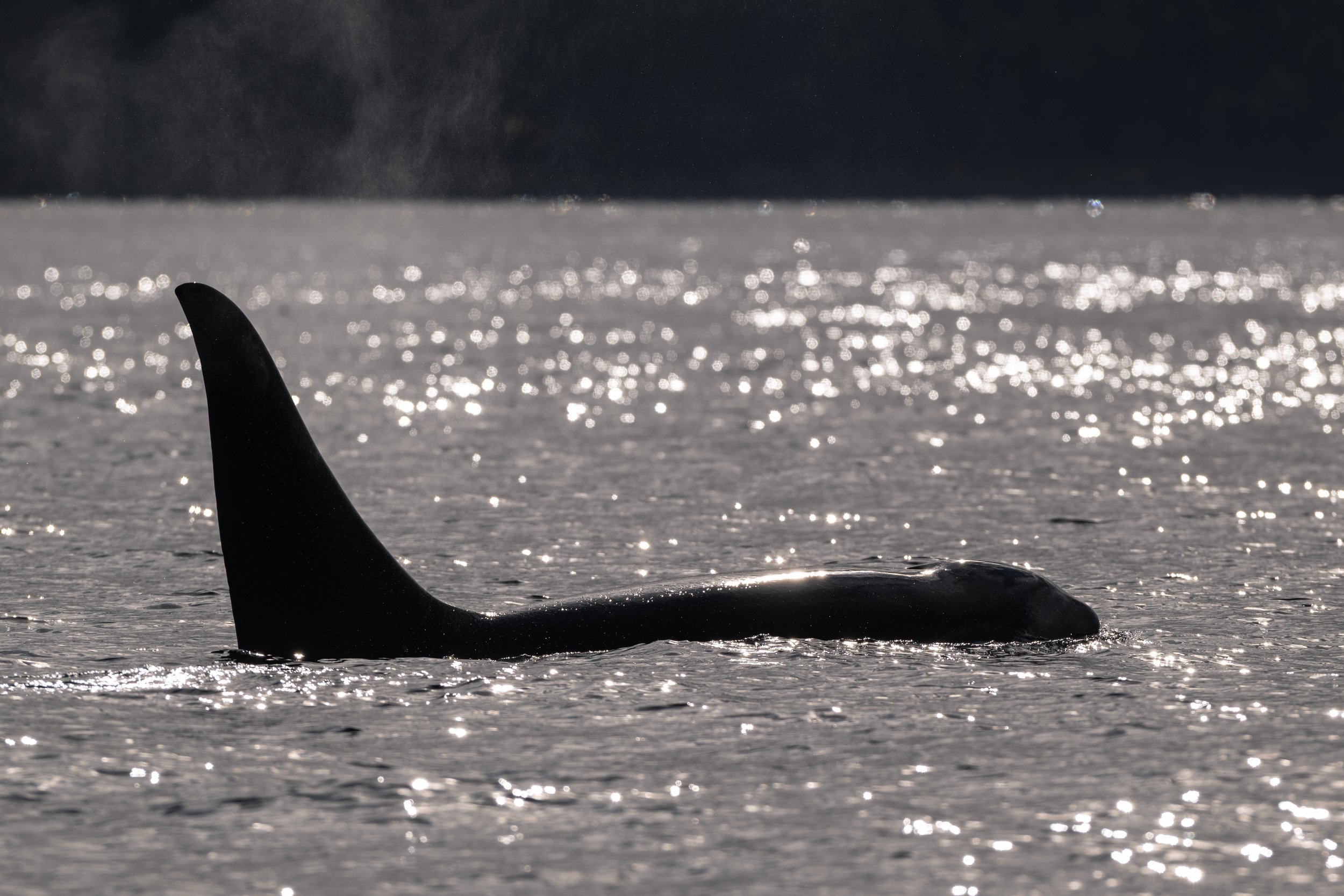
T030A Sequoia surfacing in the sunshine. Photo by Aly Kohlman.
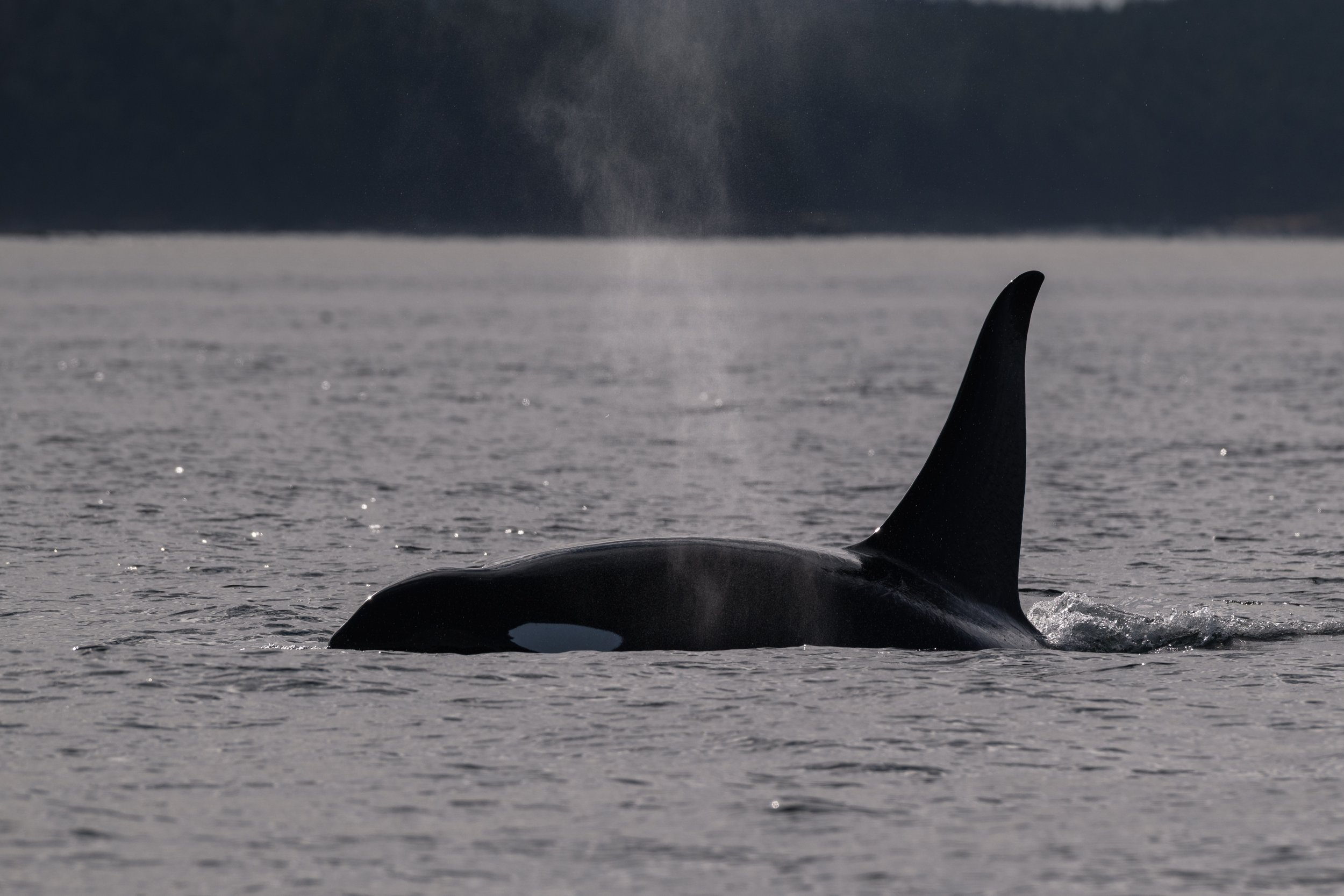
A lovely look at T030A Sequoia’s eye patch as he surfaces. Photo by Aly Kohlman.
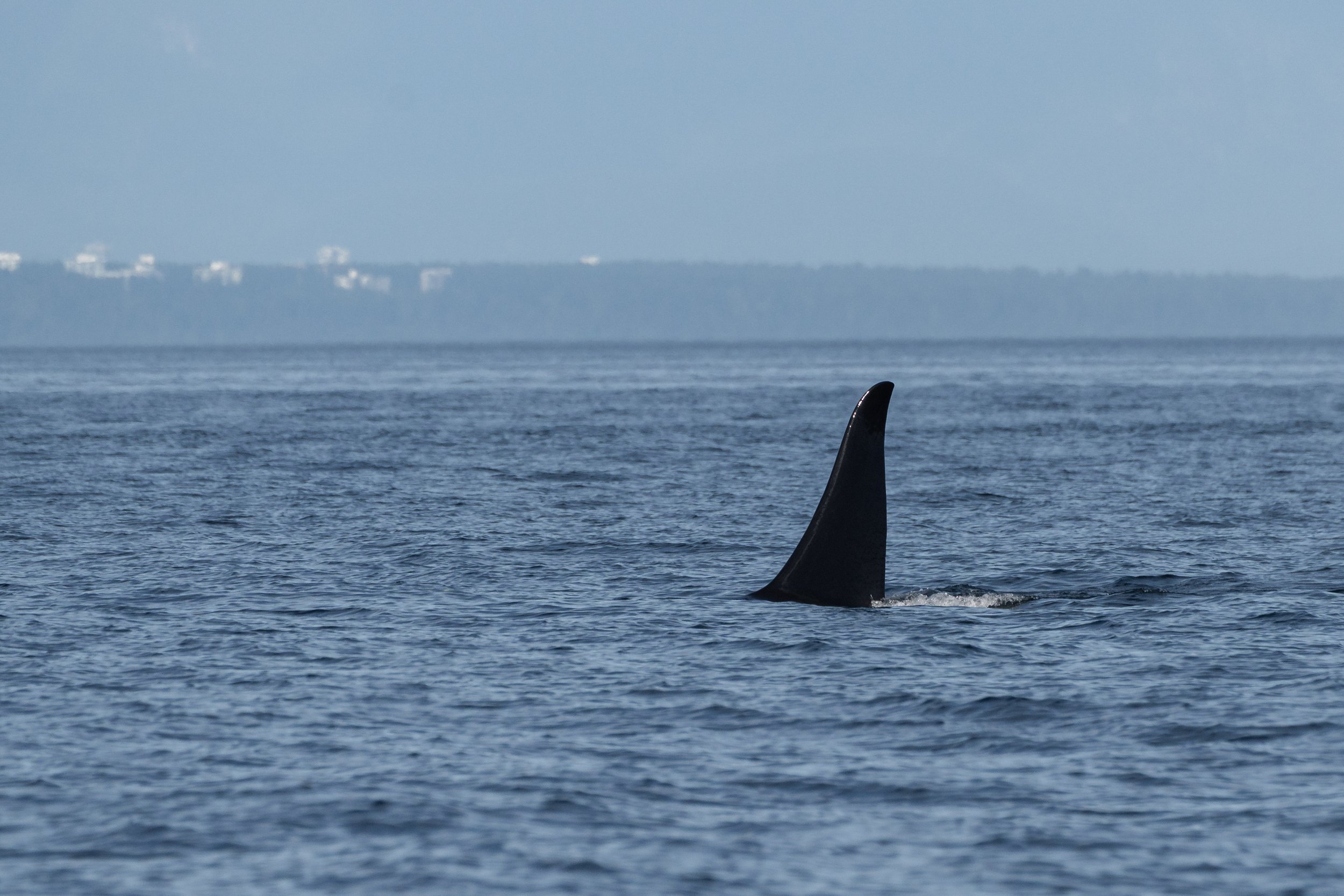
T030A Sequoia surfacing. Photo by Val Watson.
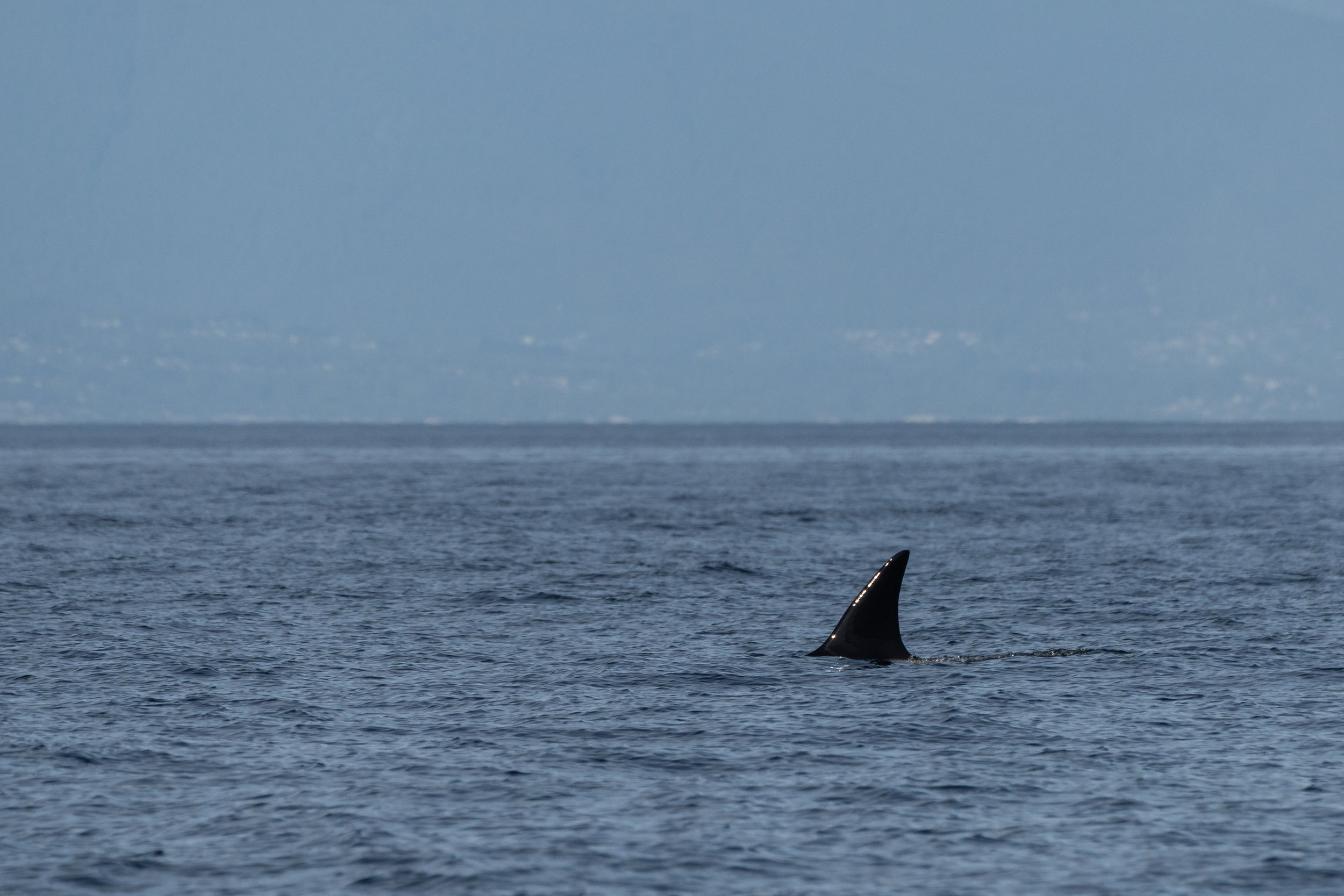
T030C Salix surfacing in the waves. Photo by Val Watson.
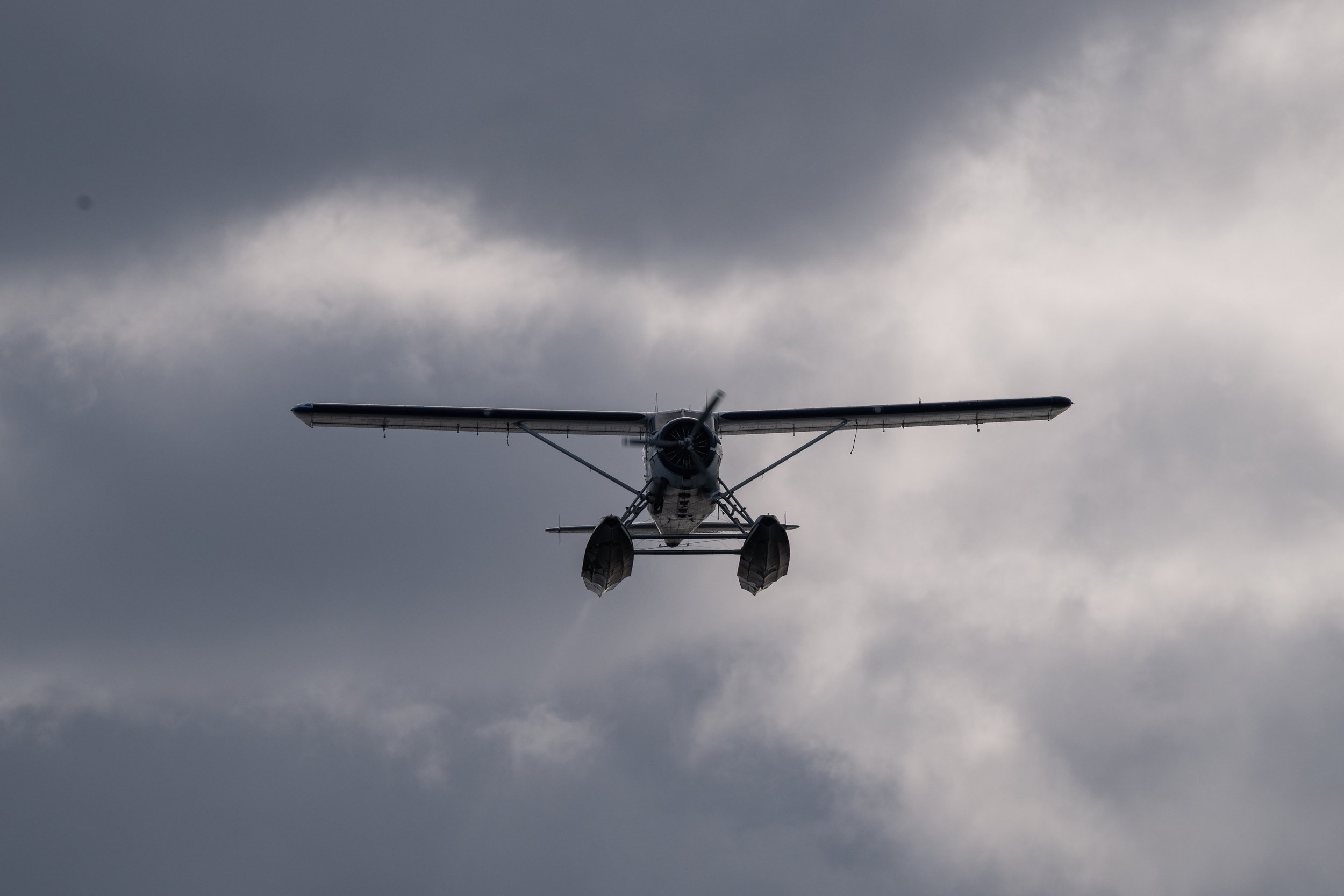
A seaplane flying overhead. Photo by Aly Kohlman.
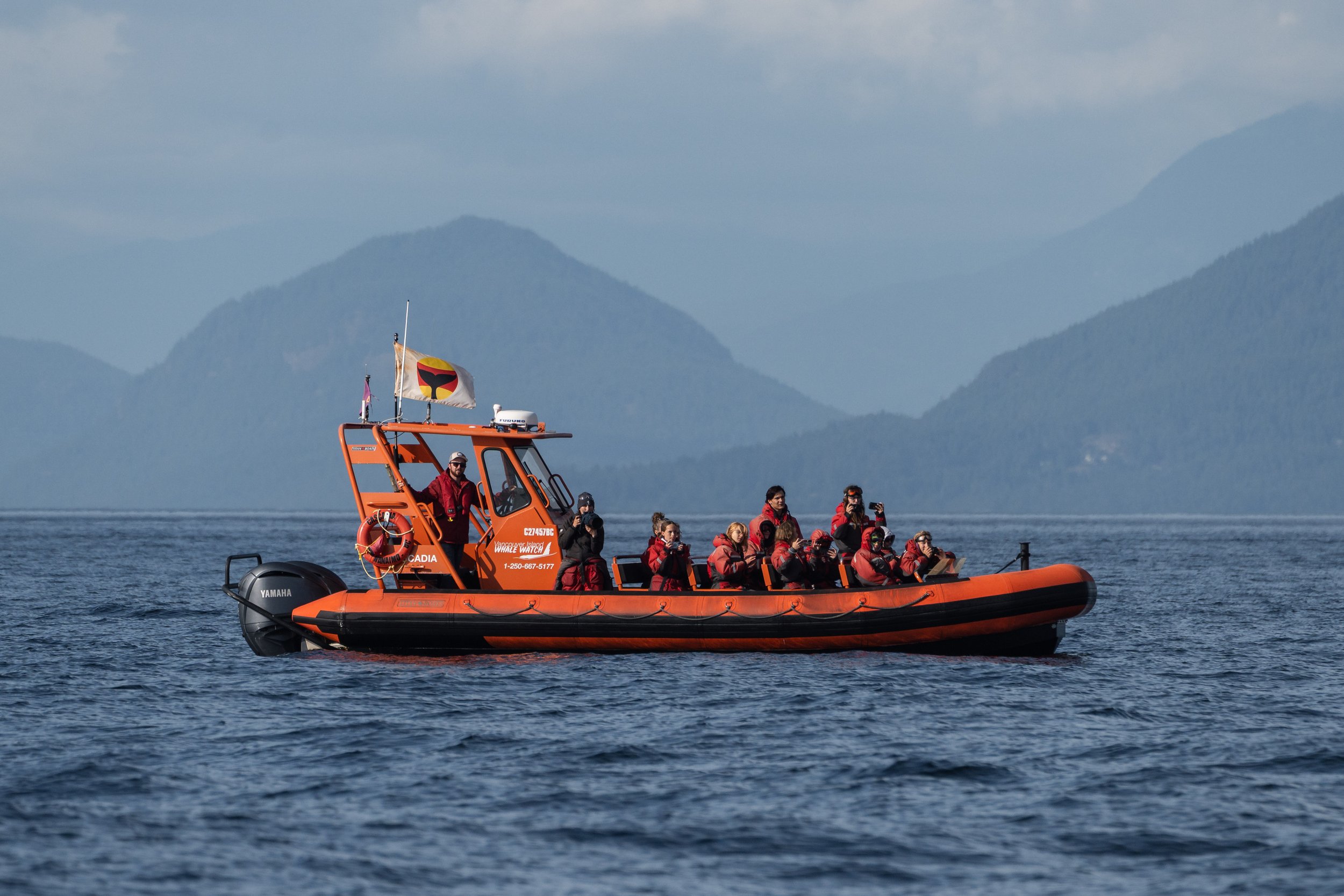
Happy whale watchers on Cascadia. Photo by Val Watson.
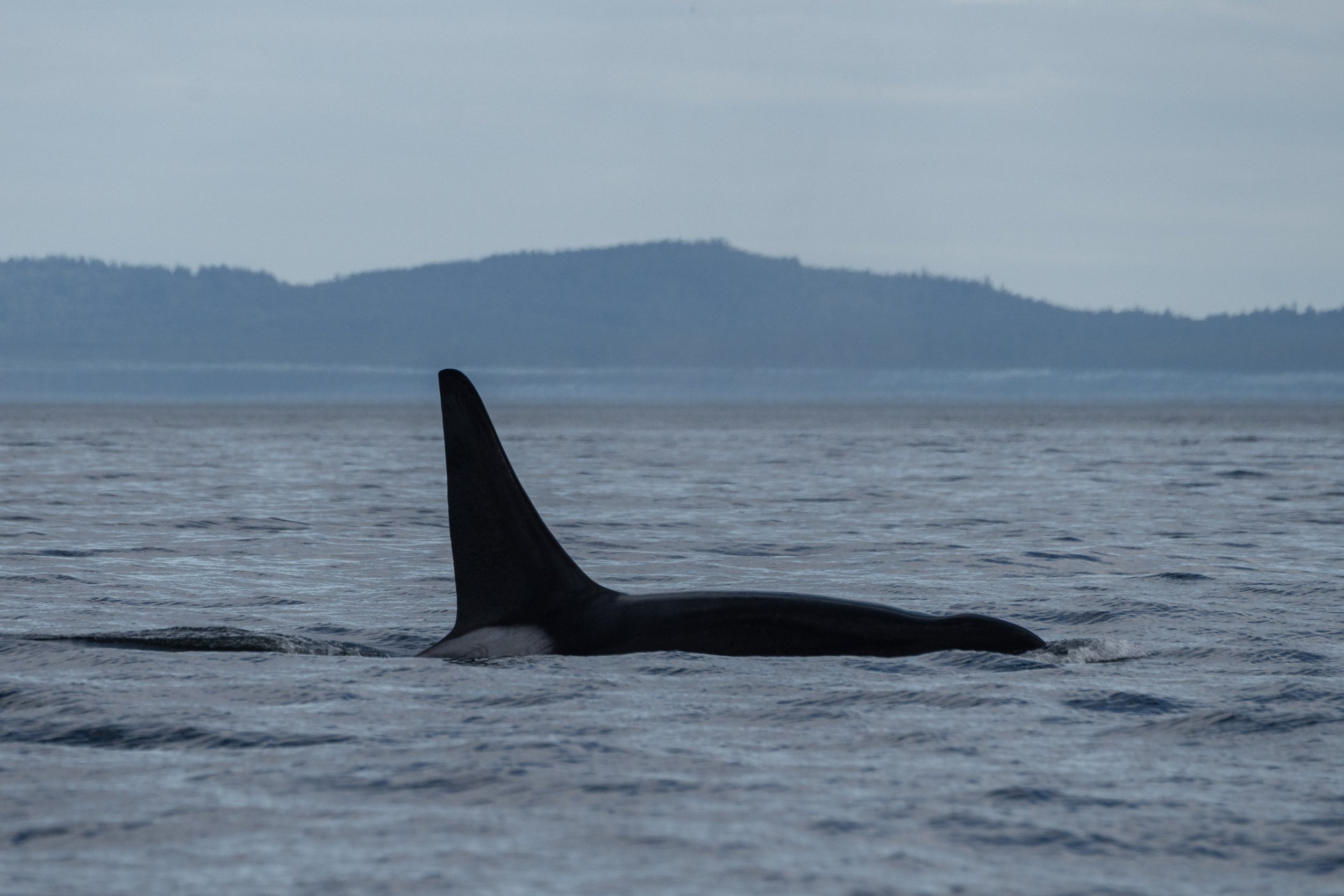
T030A Sequoia surfacing and showing off his saddle patch. Photo by Val Watson.
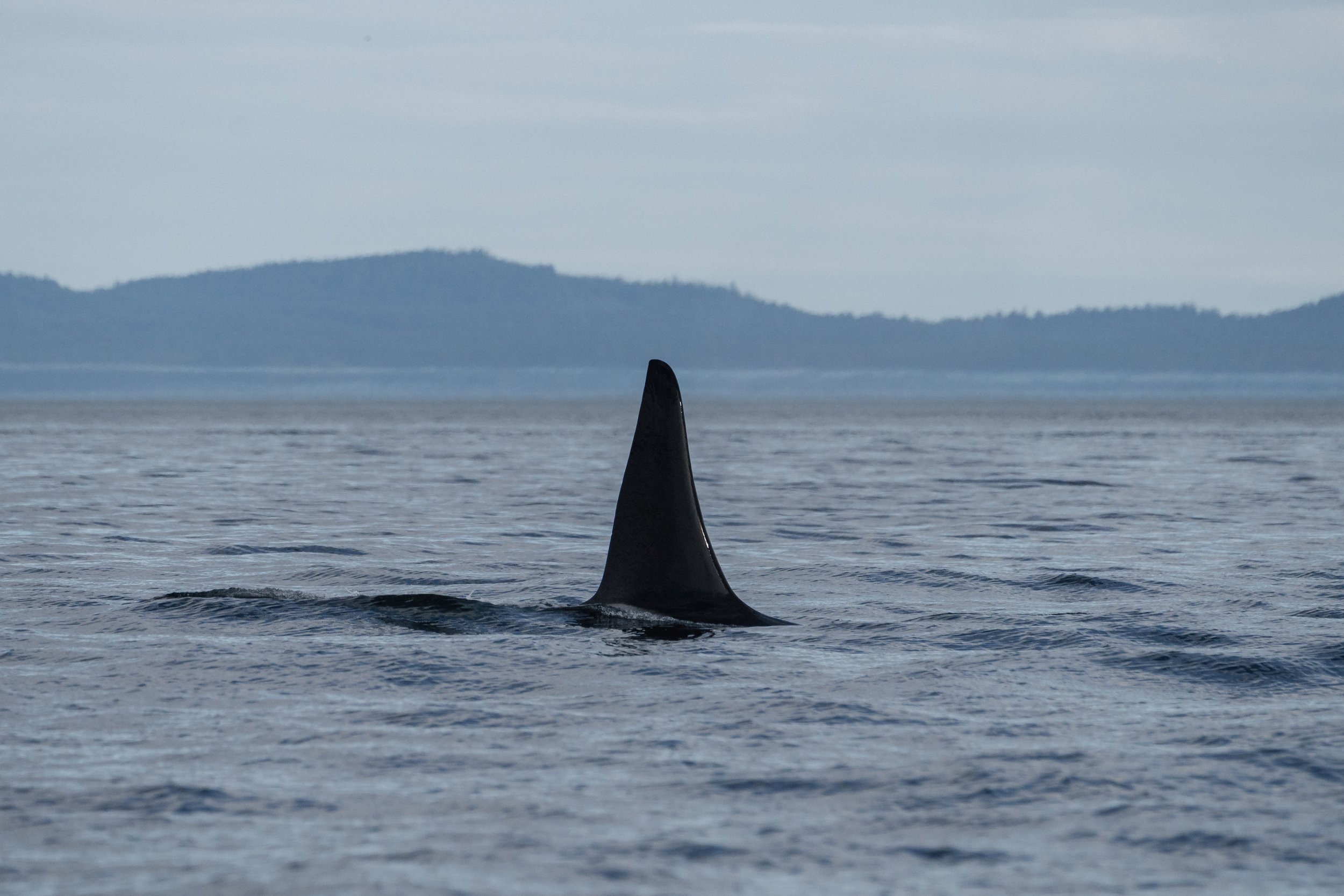
T030A Sequoia making waves as he travels. Photo by Val Watson.
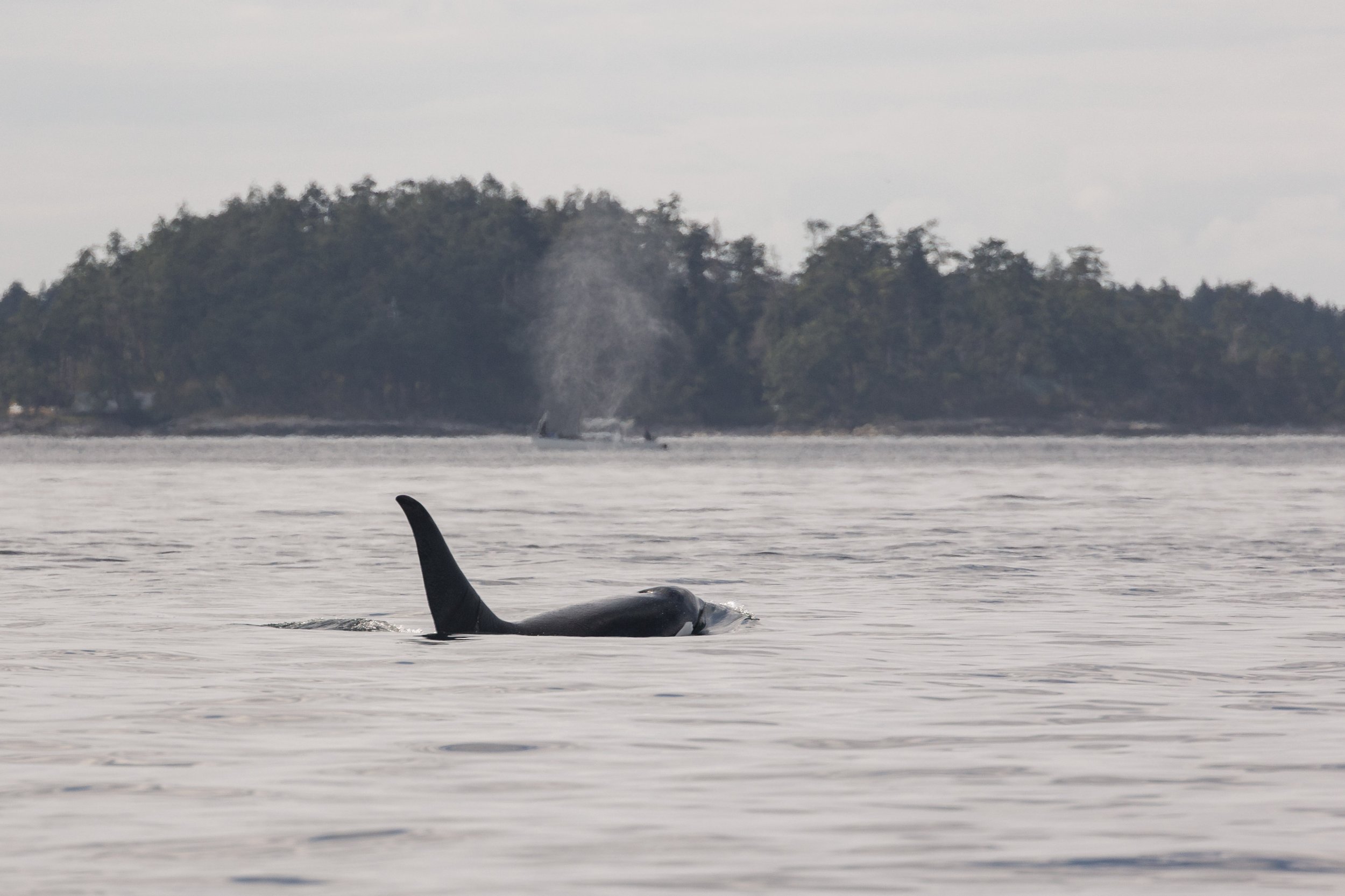
T030A Sequoia surfacing in calm waters. Photo by Jordan Robinson.
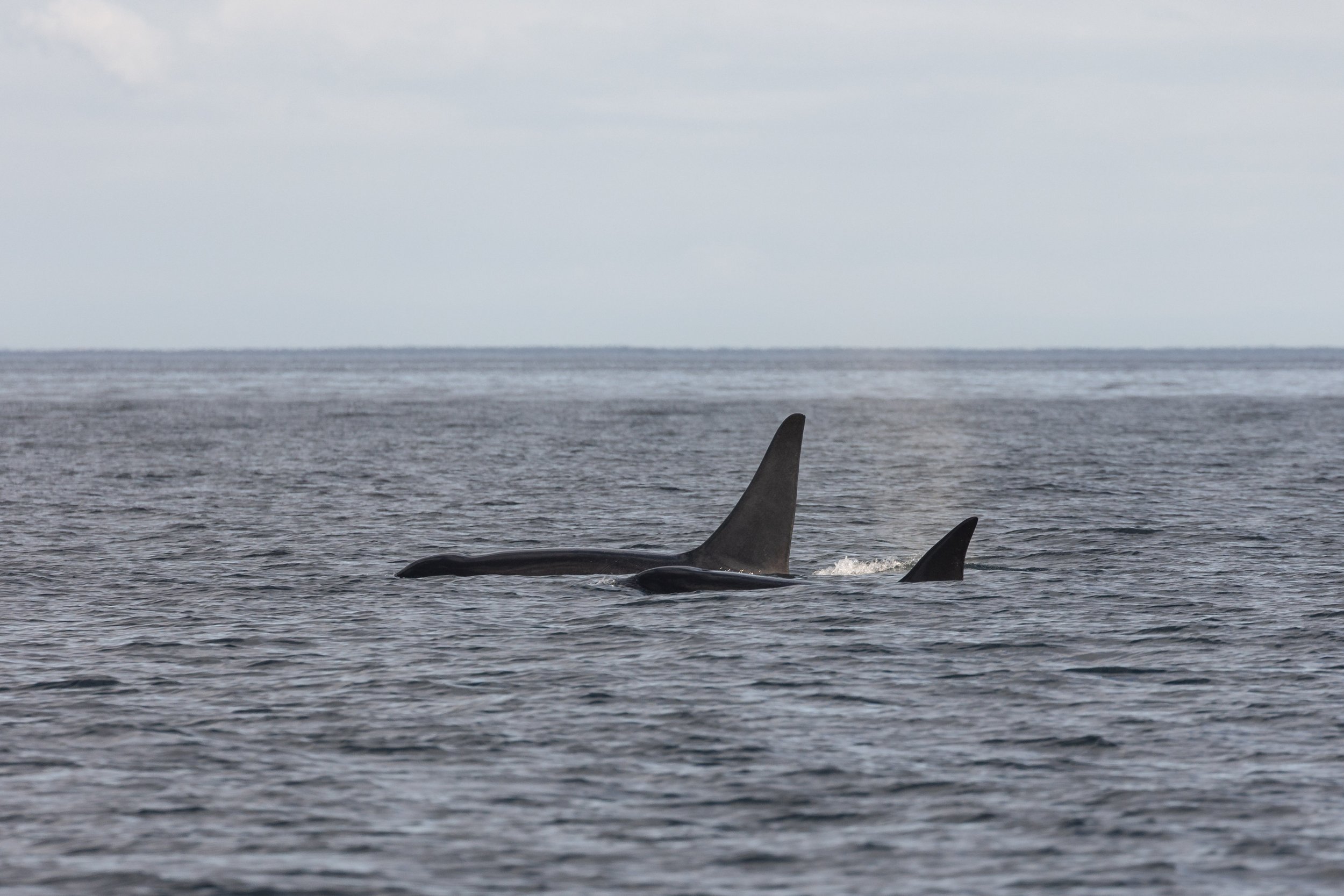
T030A Sequoia and T030C Salix surfacing side by side. Photo by Jordan Robinson.
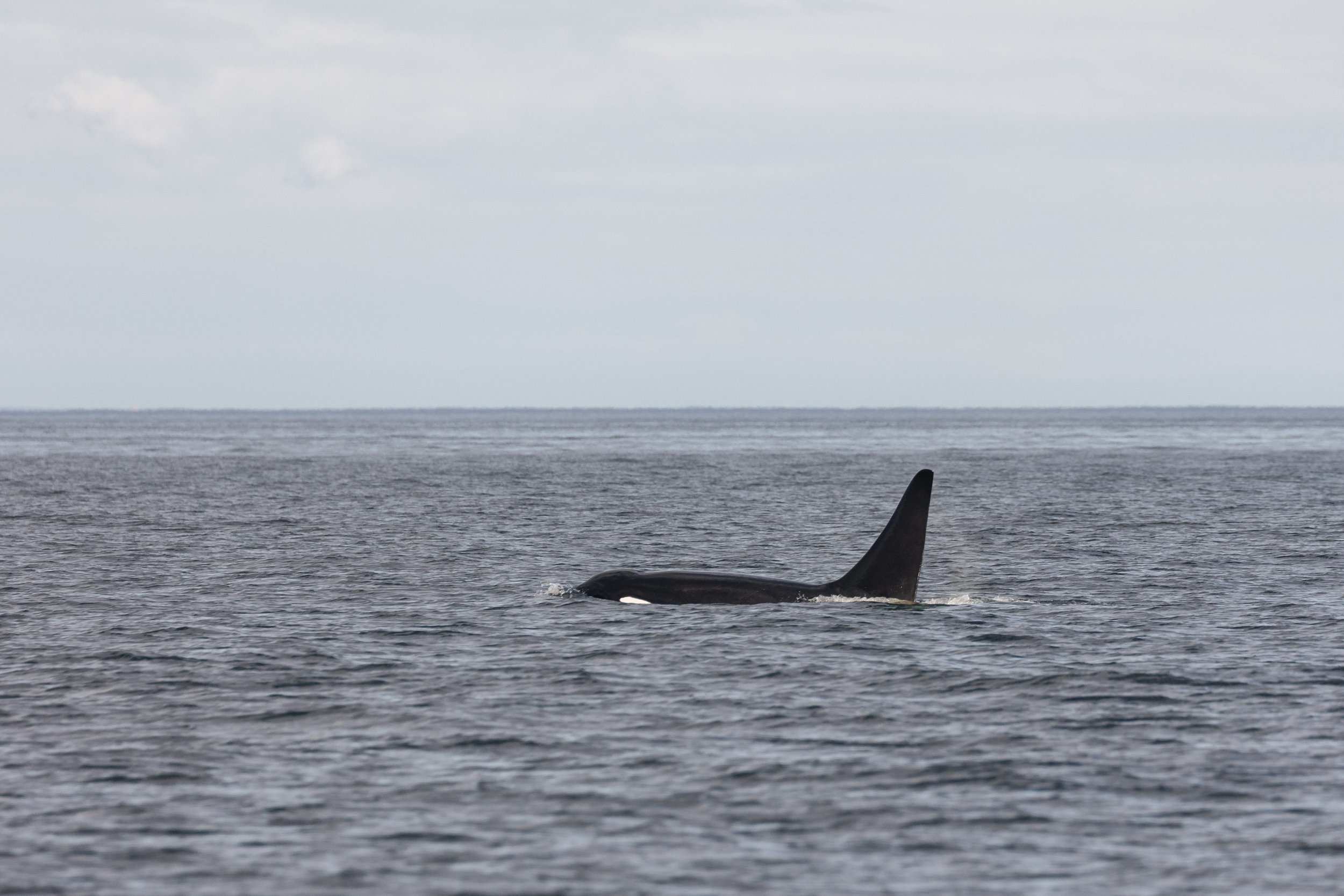
A great look at T030A Sequoia. Photo by Jordan Robinson.
Other Wildlife
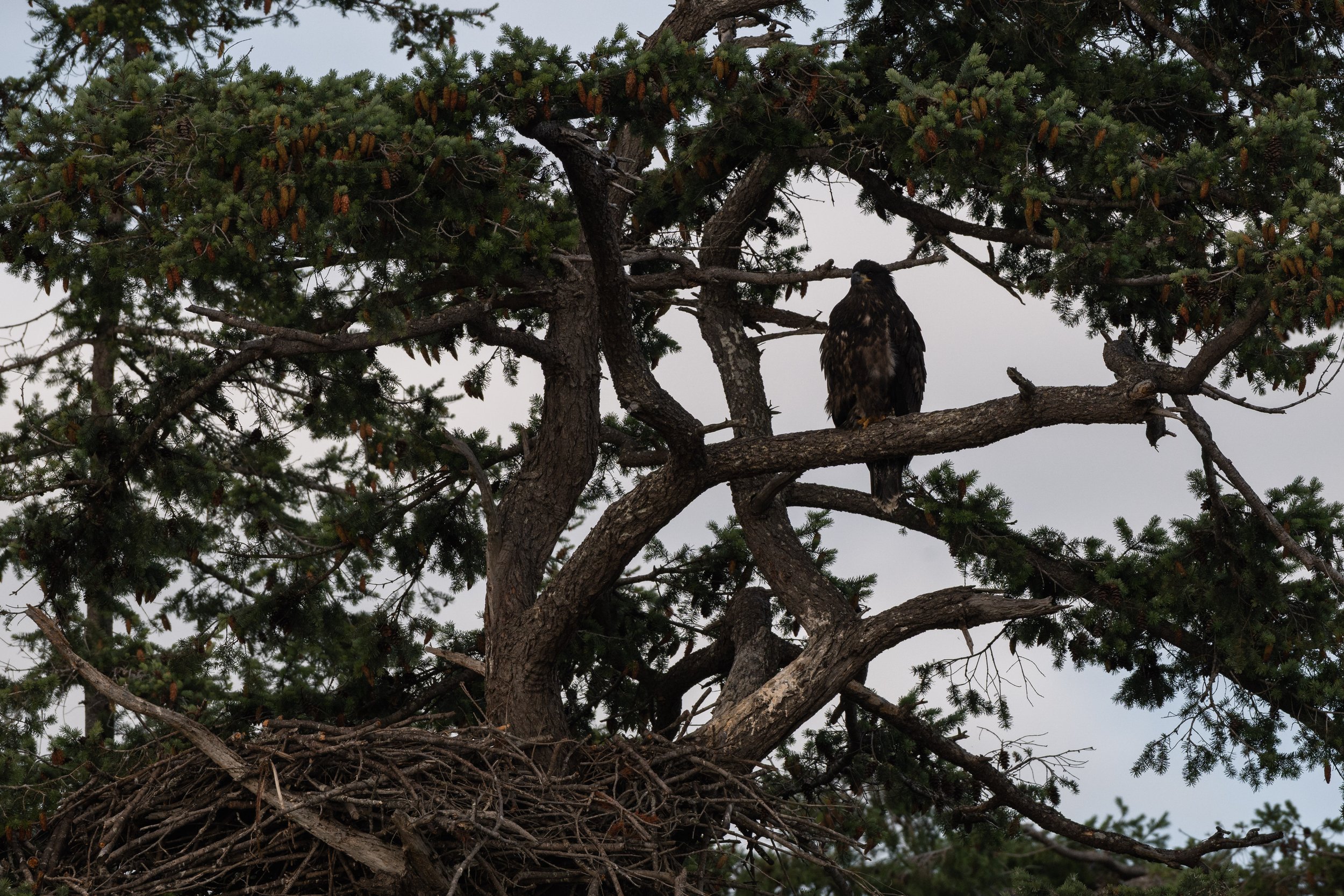
A juvenile Bald Eagle above their nest. Photo by Aly Kohlman.
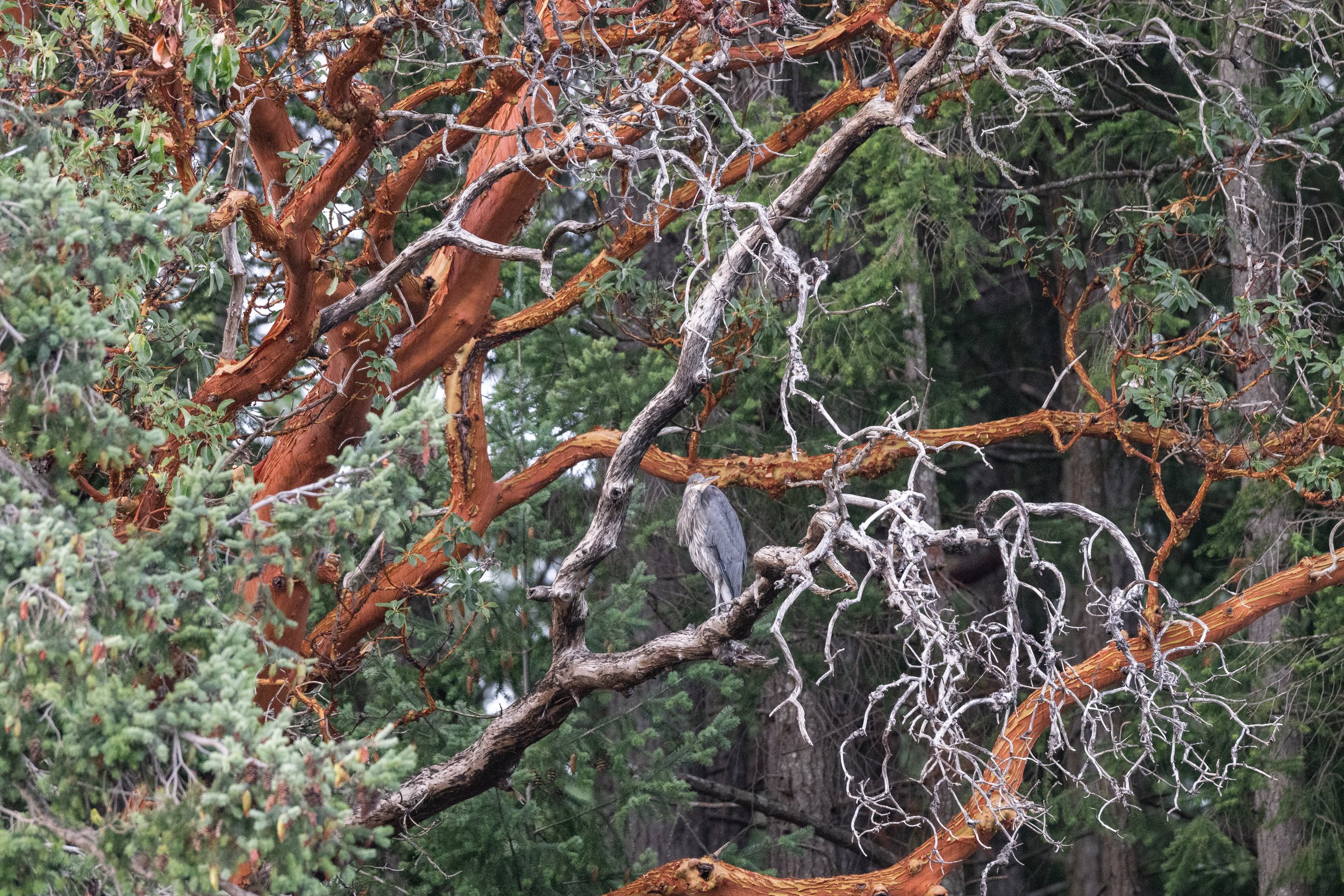
A Great Blue Heron sitting on a Arbutus Tree.Photo by Aly Kohlman.
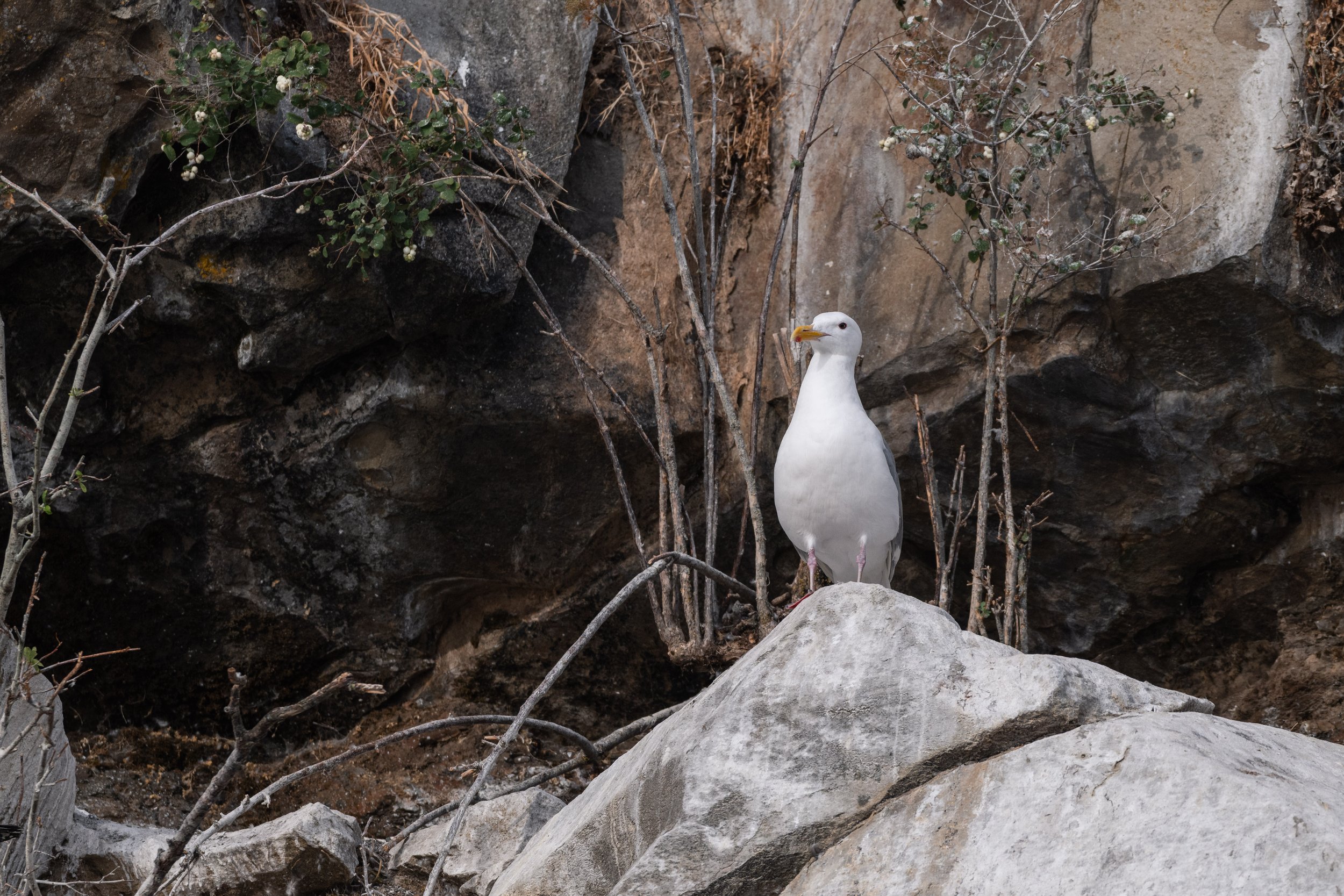
A gull hanging out on the Gabriola Bluffs. Photo by Aly Kohlman.
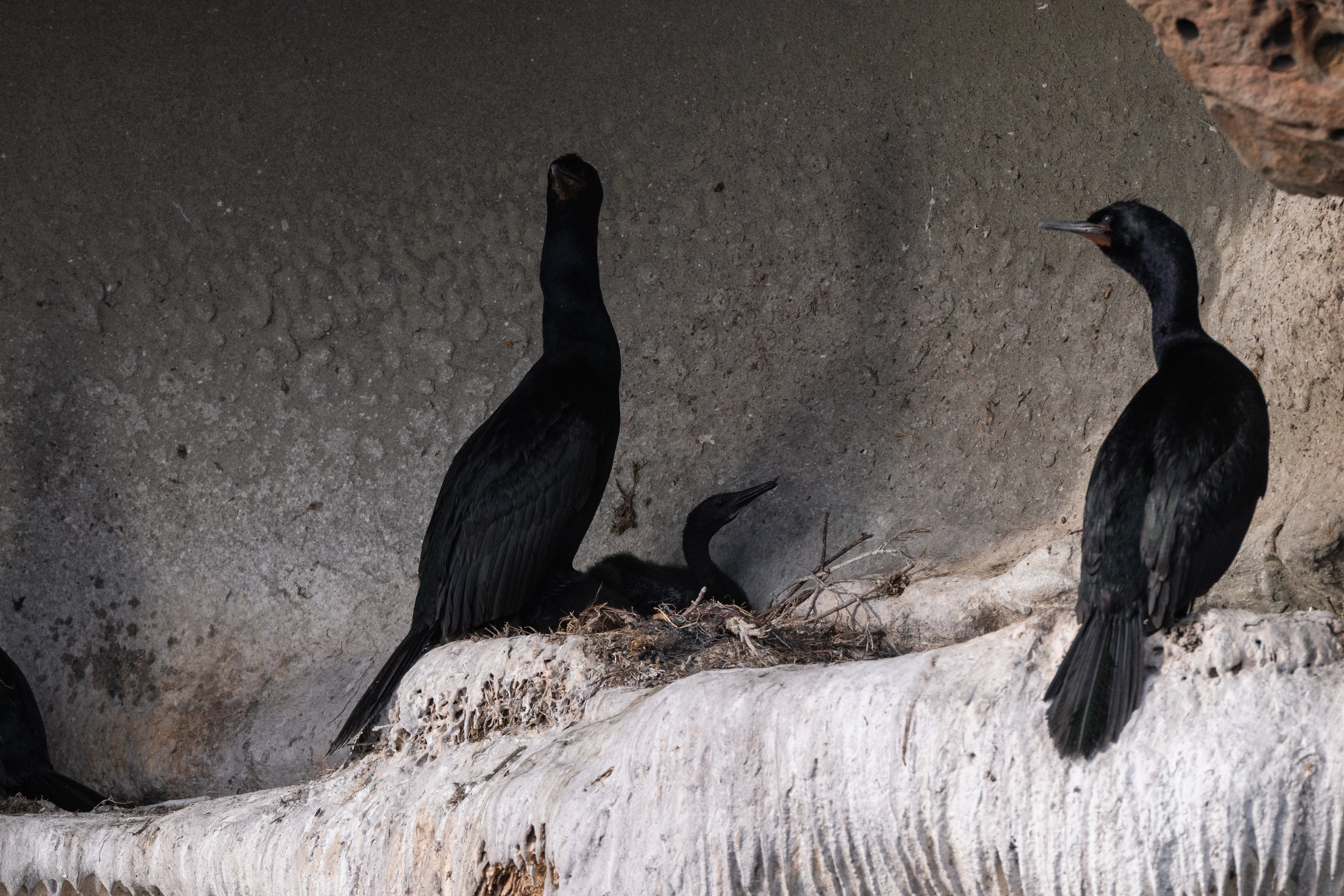
A young cormorant on the Bluffs. Photo by Aly Kohlman.
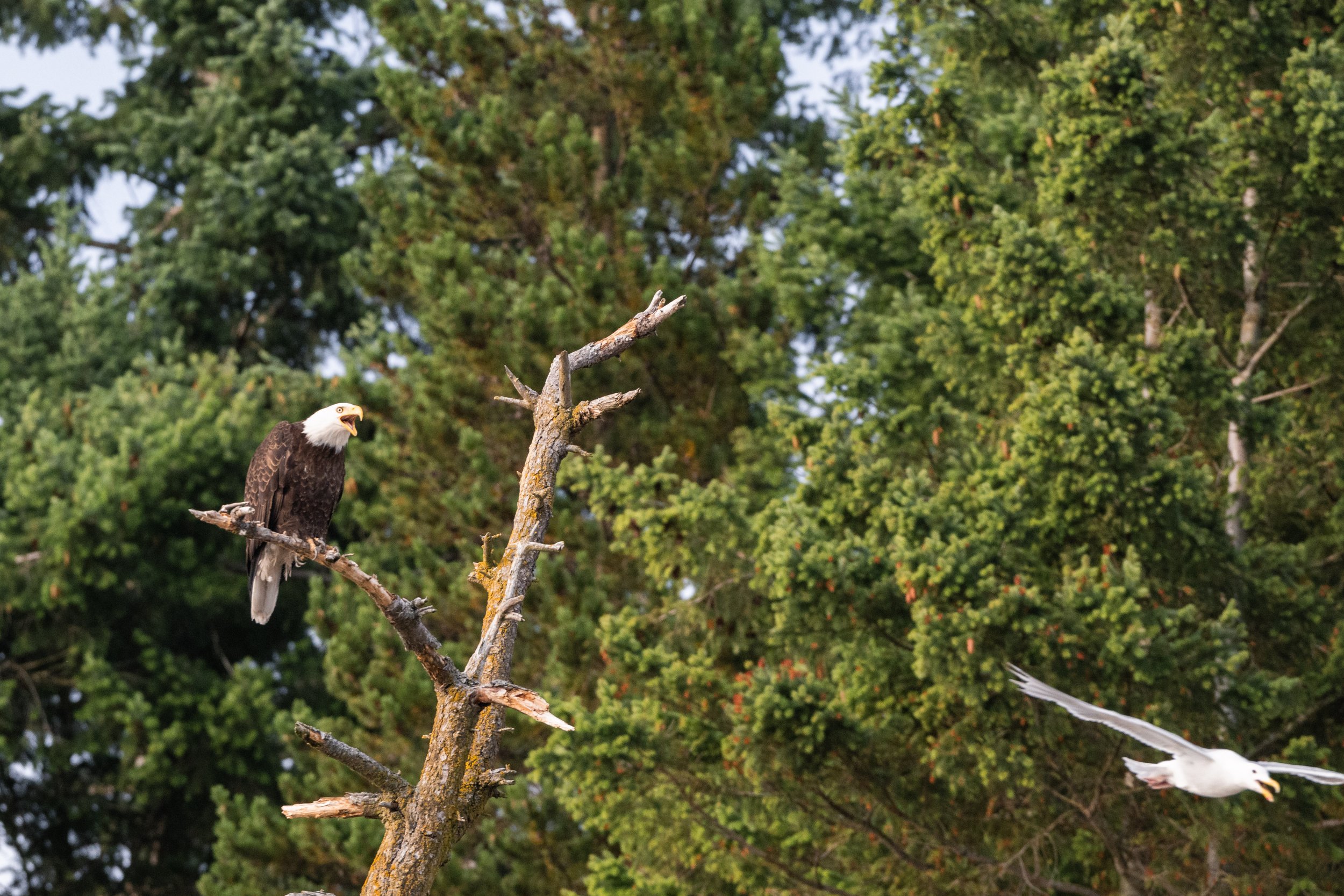
A Bald Eagle yelling at a Gull. Photo by Aly Kohlman.
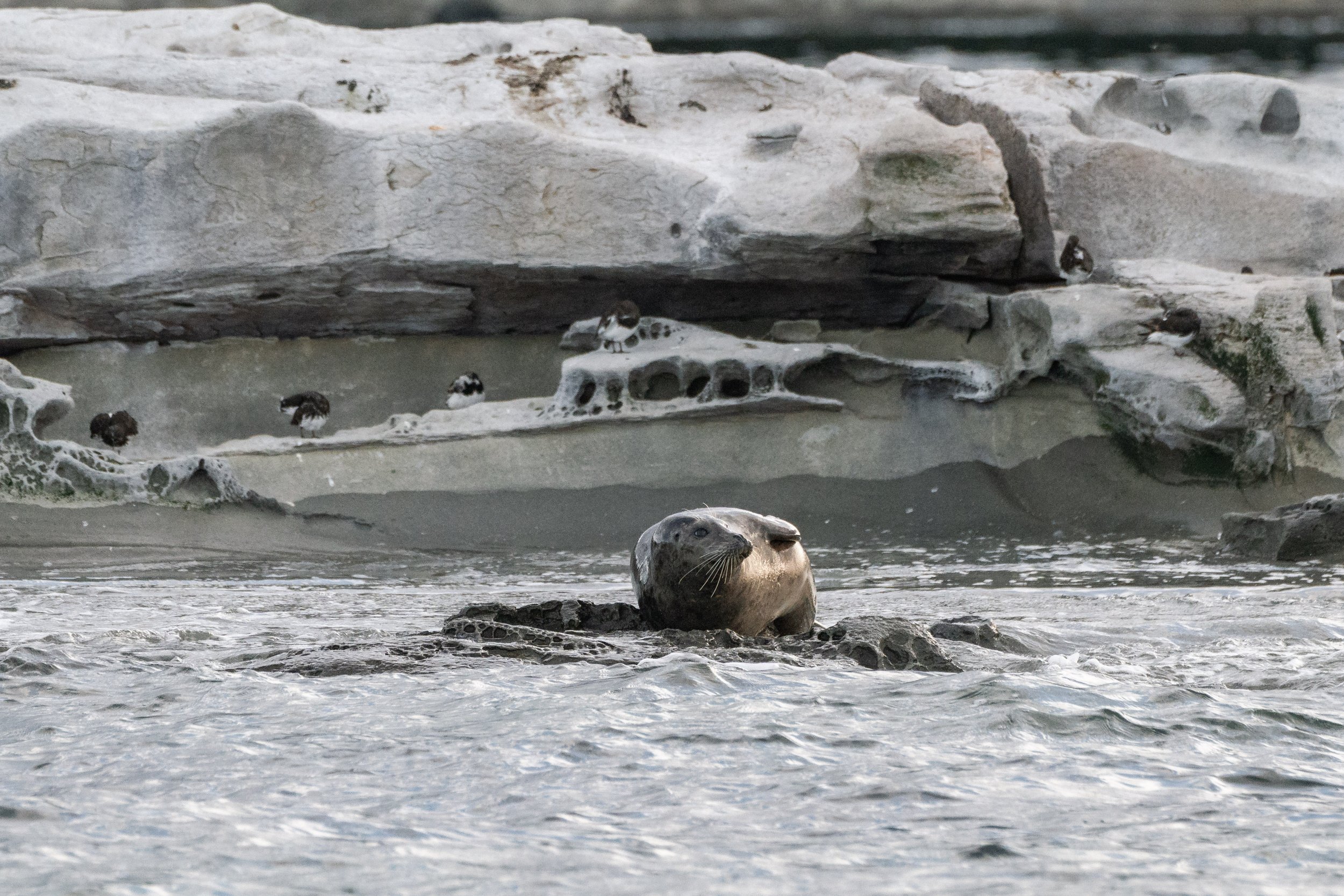
A Harbour Seal relaxing on the sandstone rocks. Photo by Val Watson.
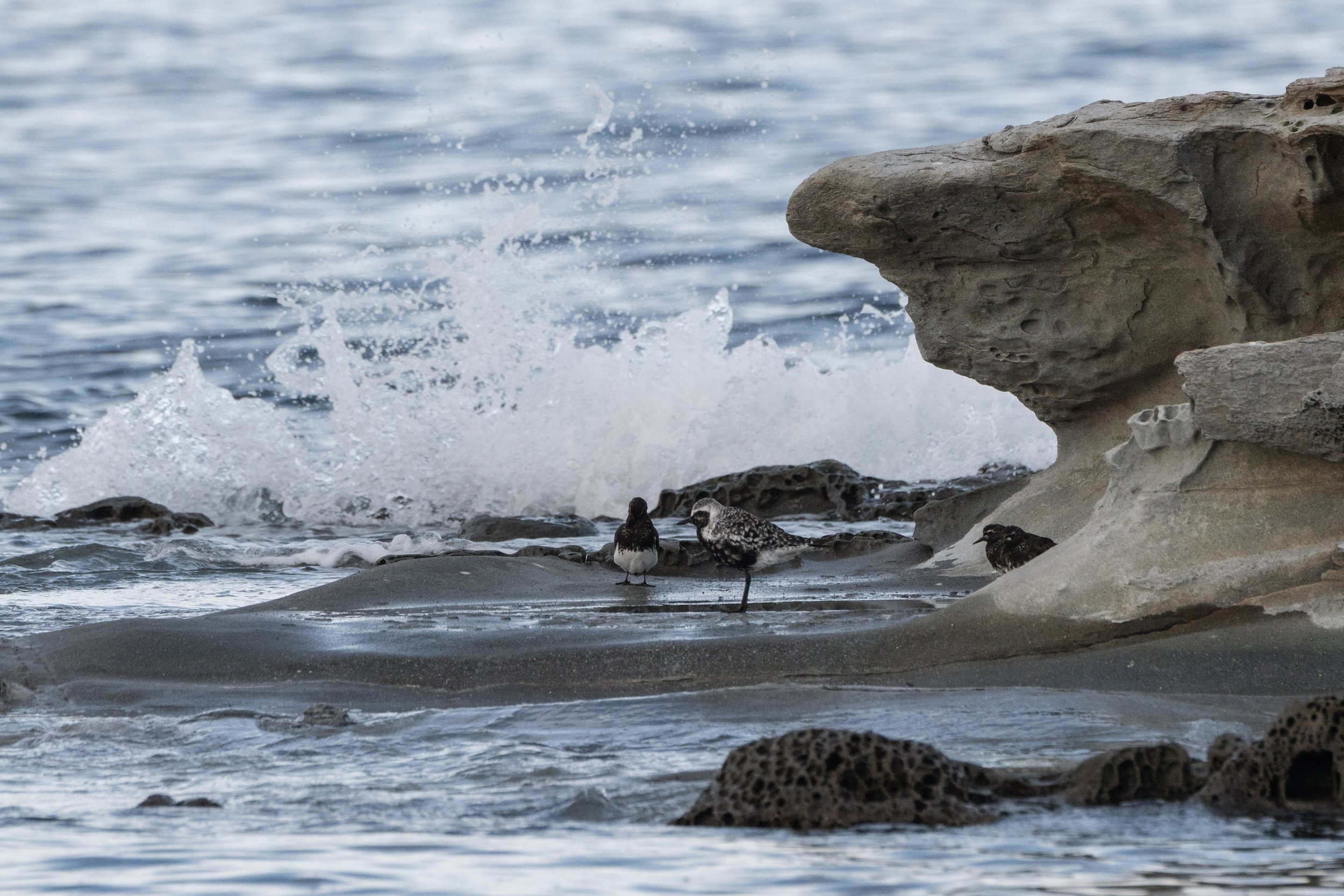
A Black-bellied Plover at Stinky Rock. Photo by Val Watson.
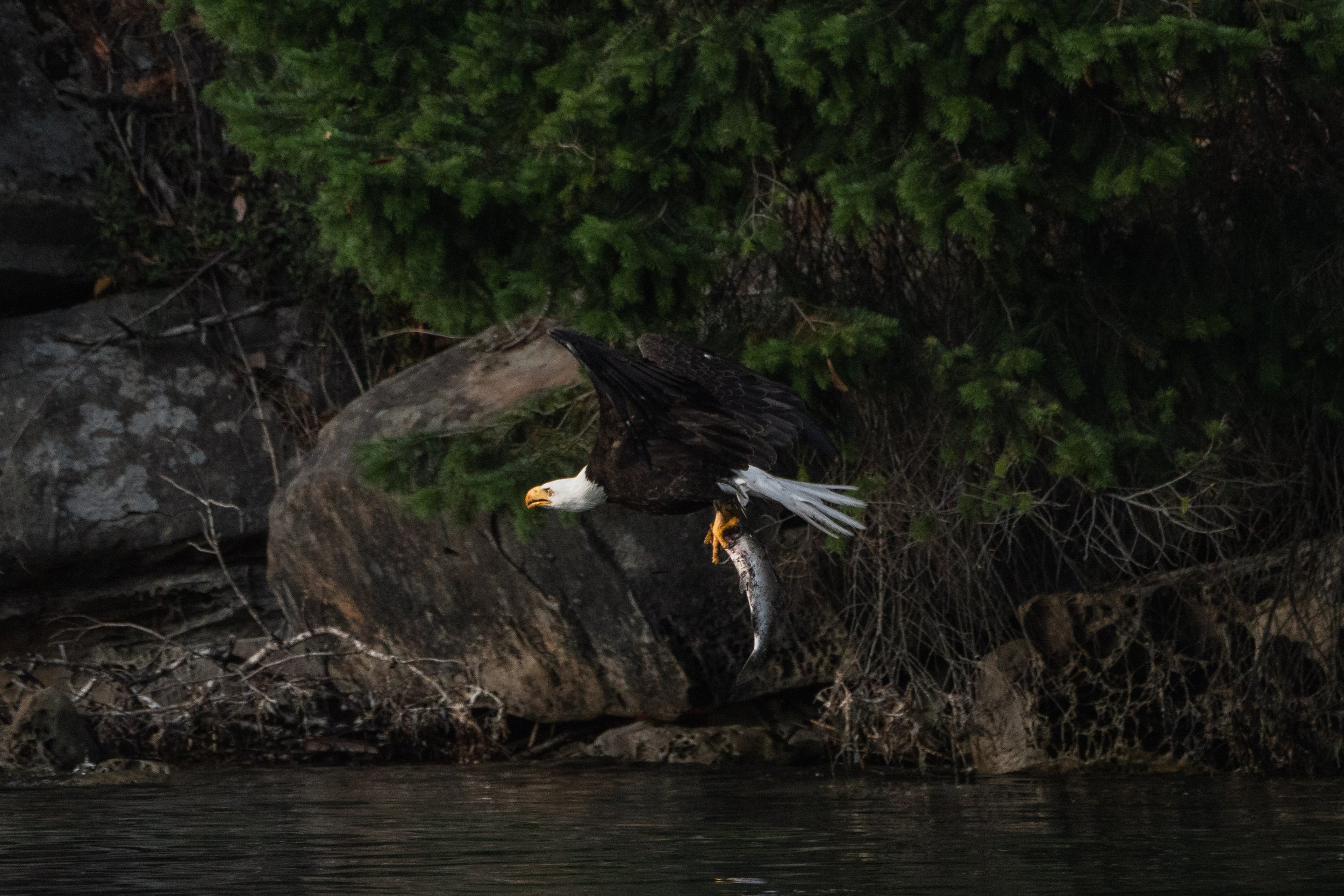
A Bald Eagle flying by with a salmon. Photo by Val Watson.
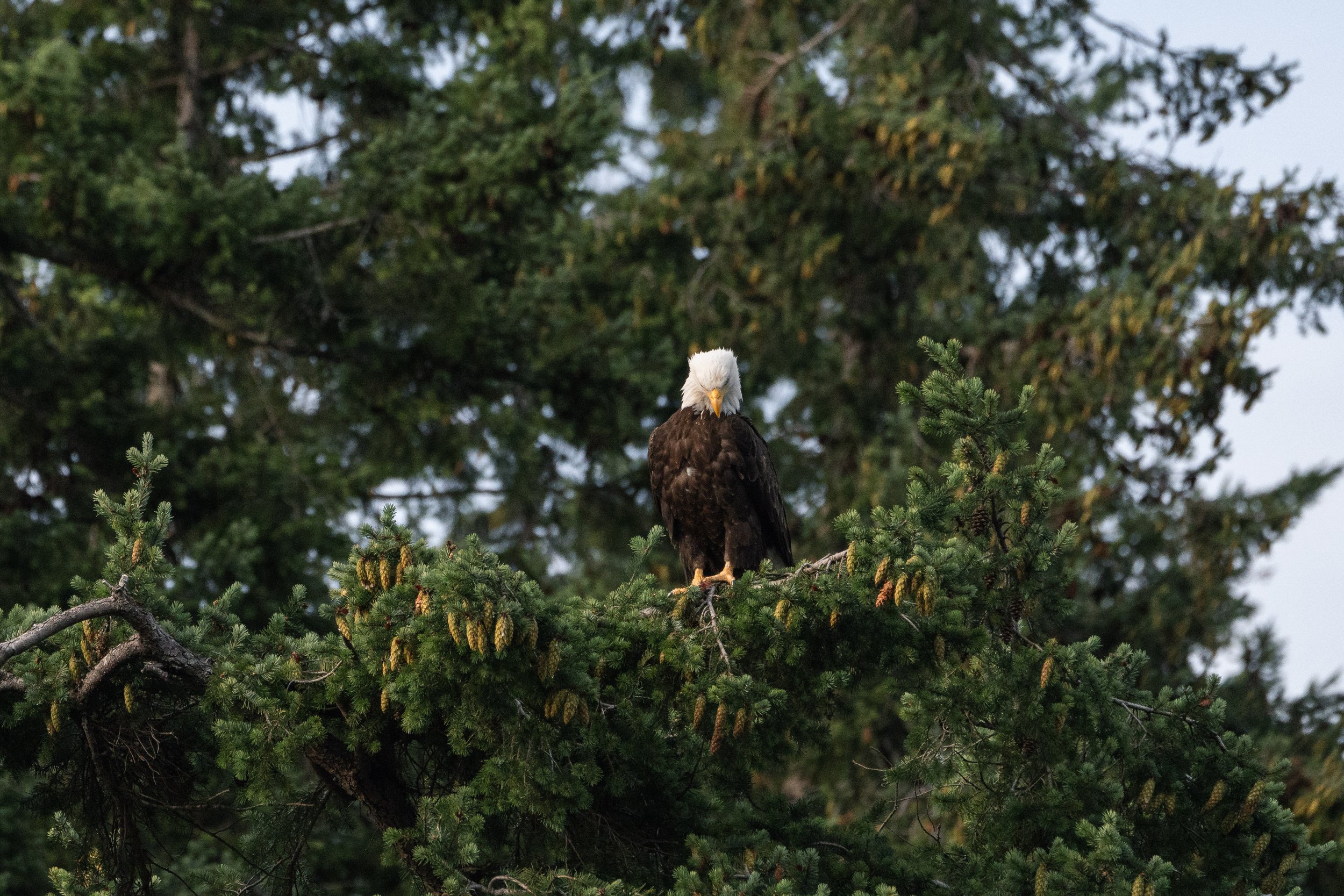
A Bald Eagle preening on the tree branch. Photo by Val Watson.
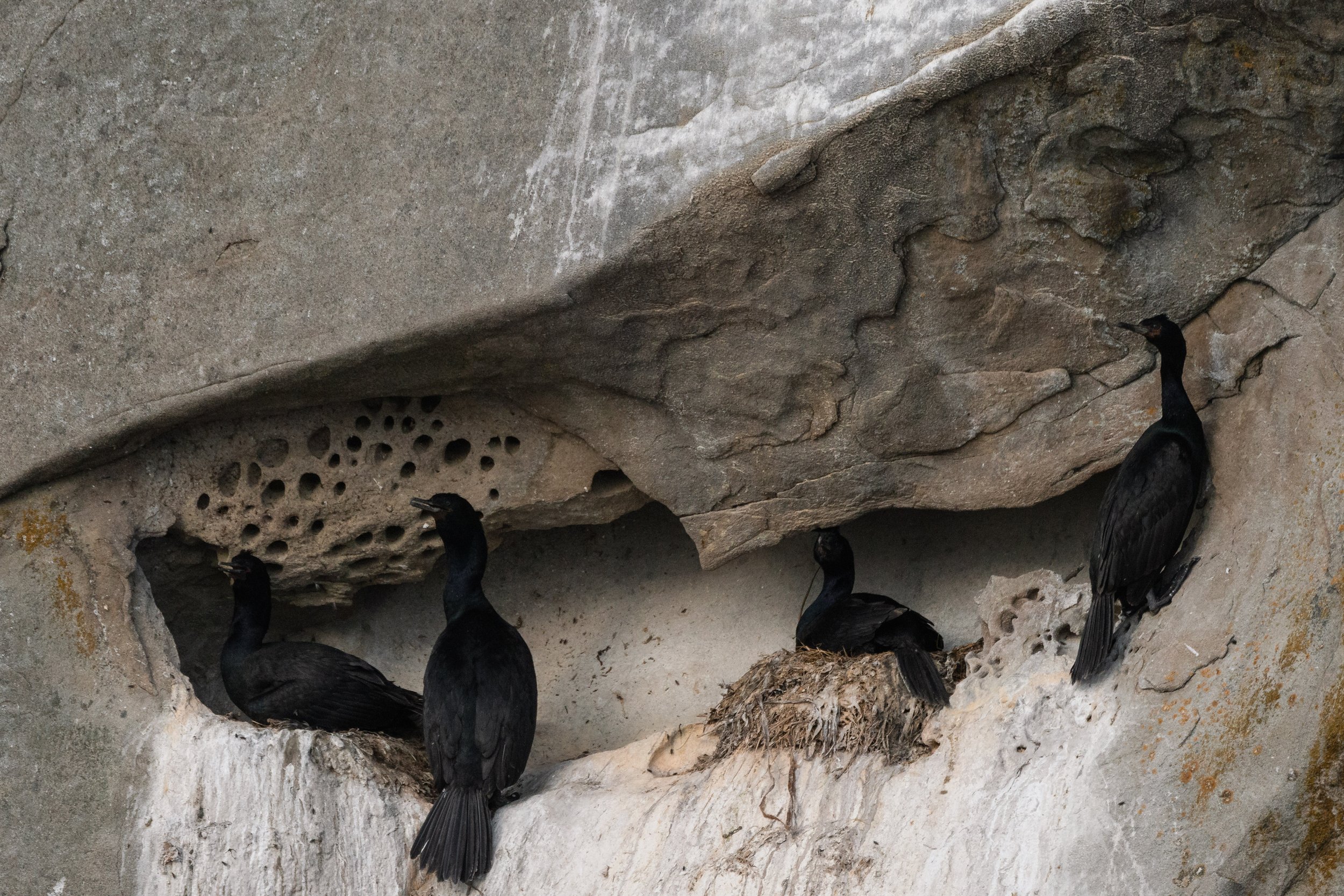
Cormorants on the Sandstone Cliffs. Photo by Val Watson.
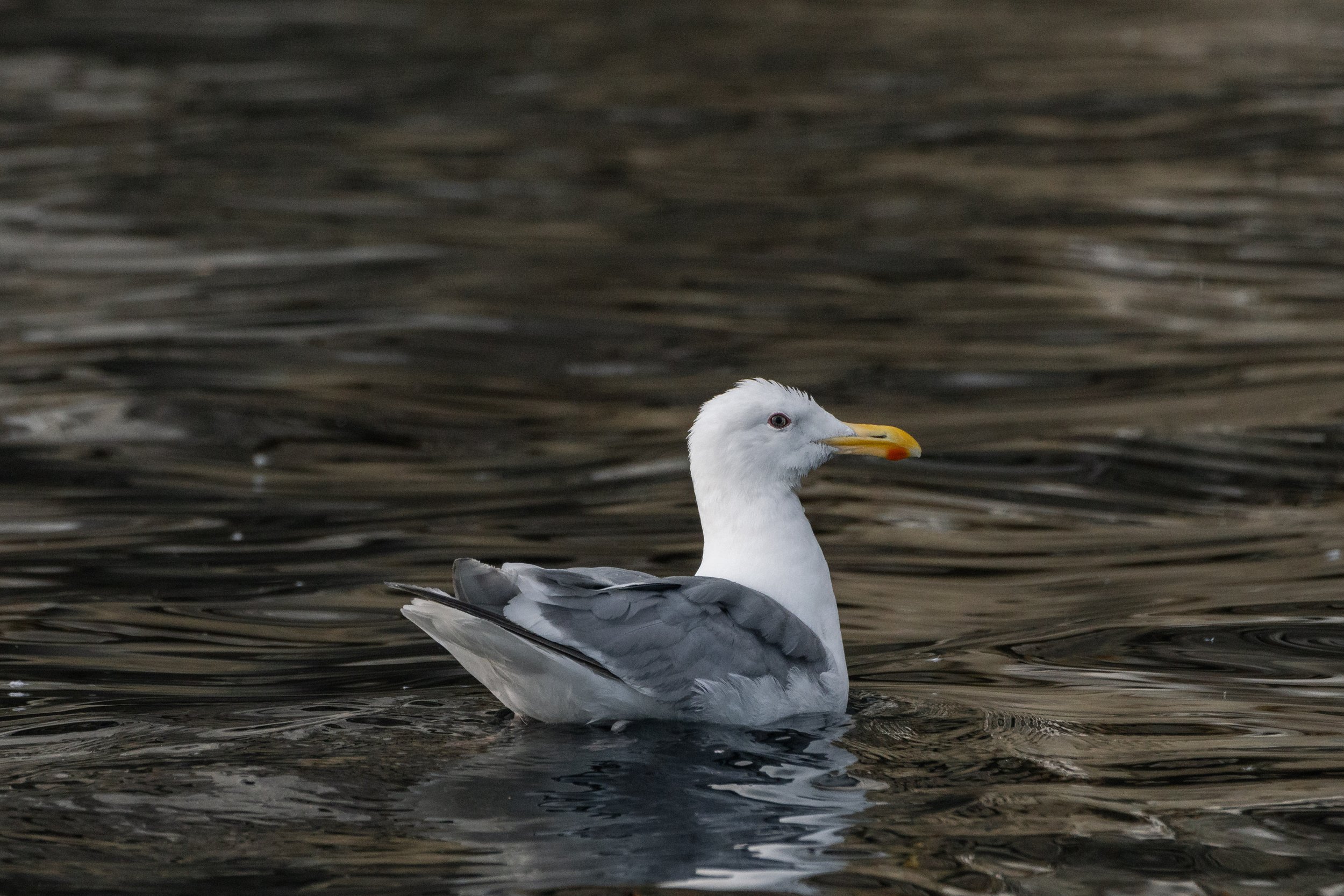
A gull floating by. Photo by Val Watson.
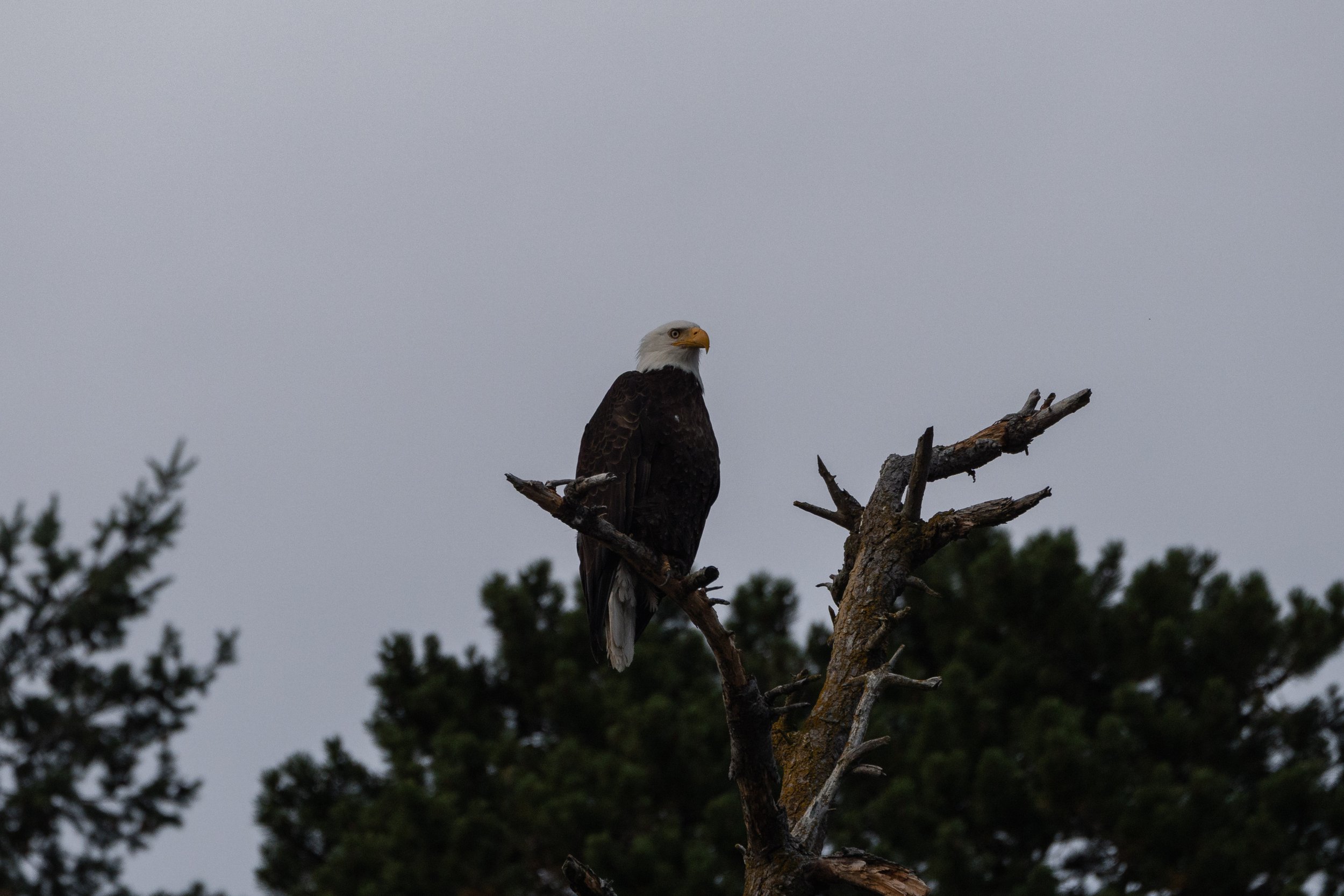
A Bald Eagle sitting on the dead tree. Photo by Val Watson.
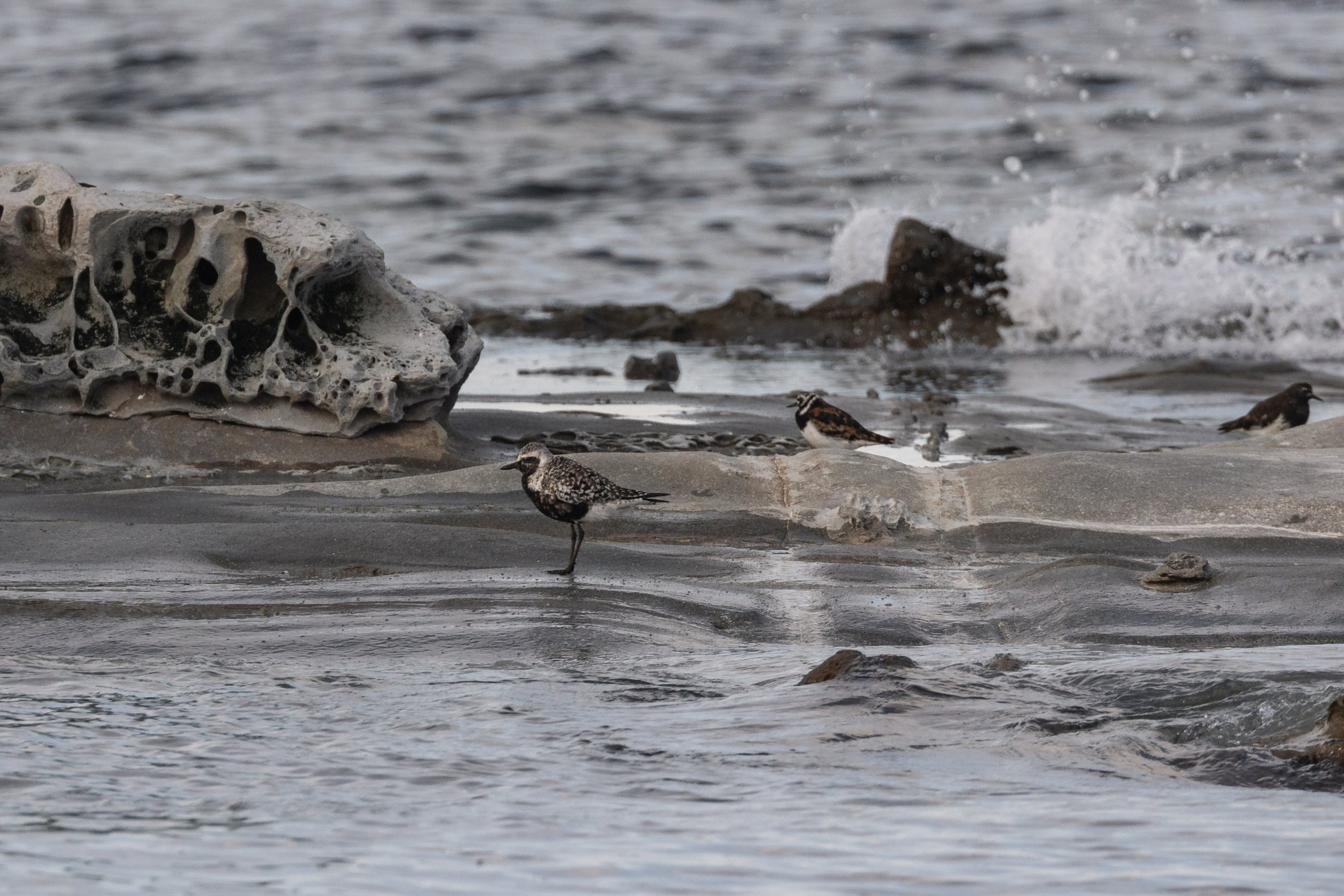
Two uncommon birds in one photo: A Black-bellied Plover and a Ruddy Turnstone. Photo by Jordan Robinson.
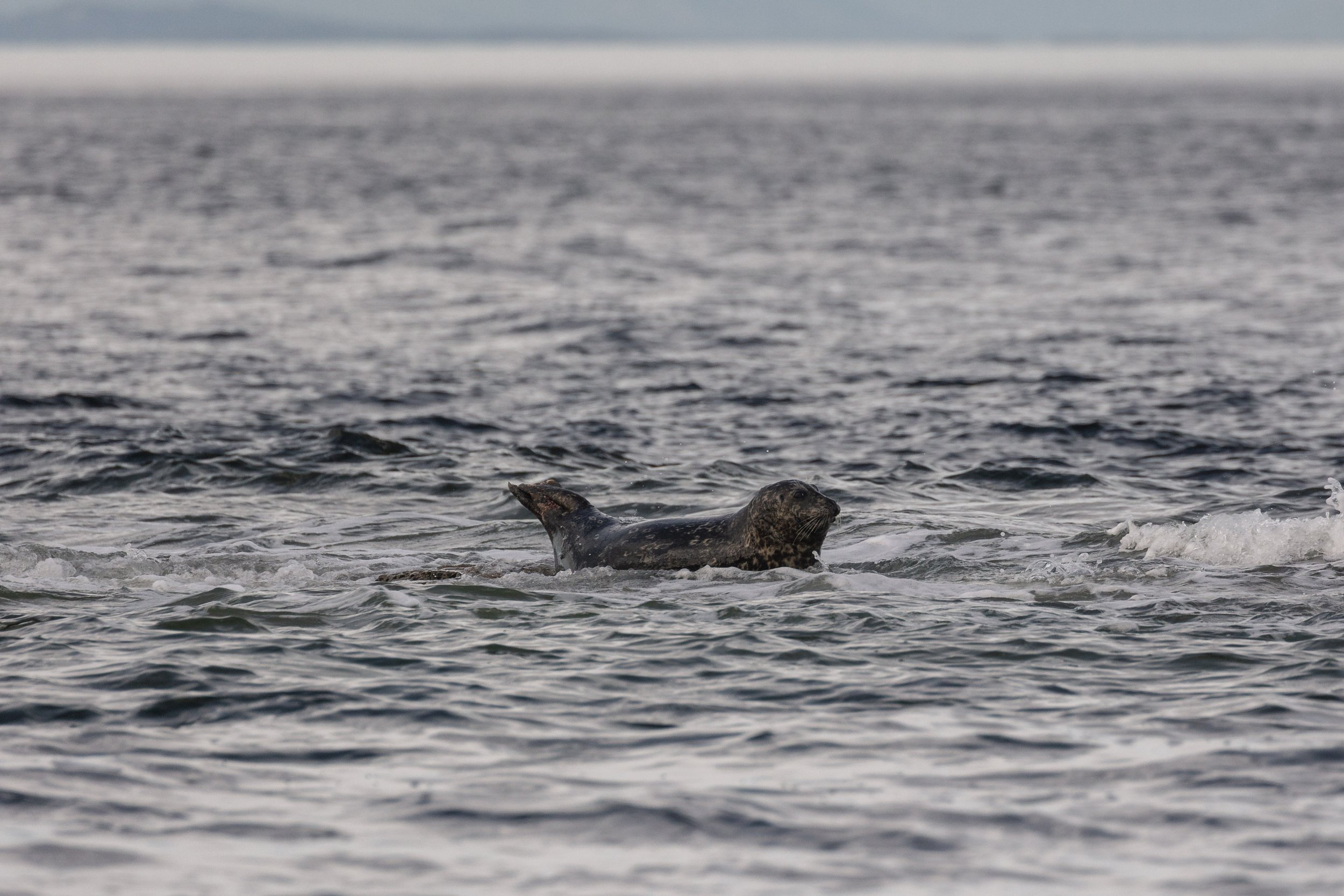
Harbour Seal in banana pose on the rock. Photo by Jordan Robinson.
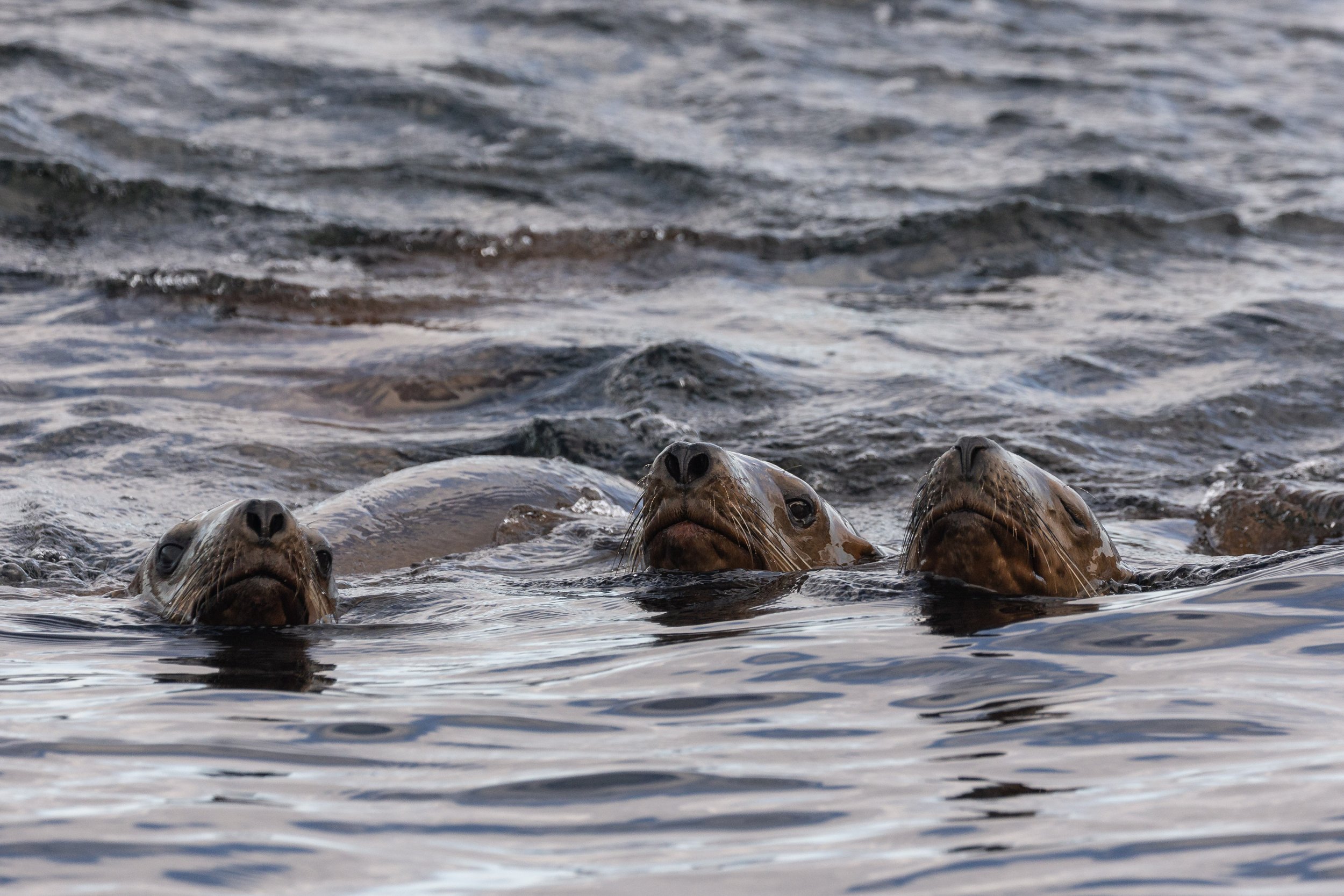
Steller Sea Lions checking us out from the water. Photo by Jordan Robinson.
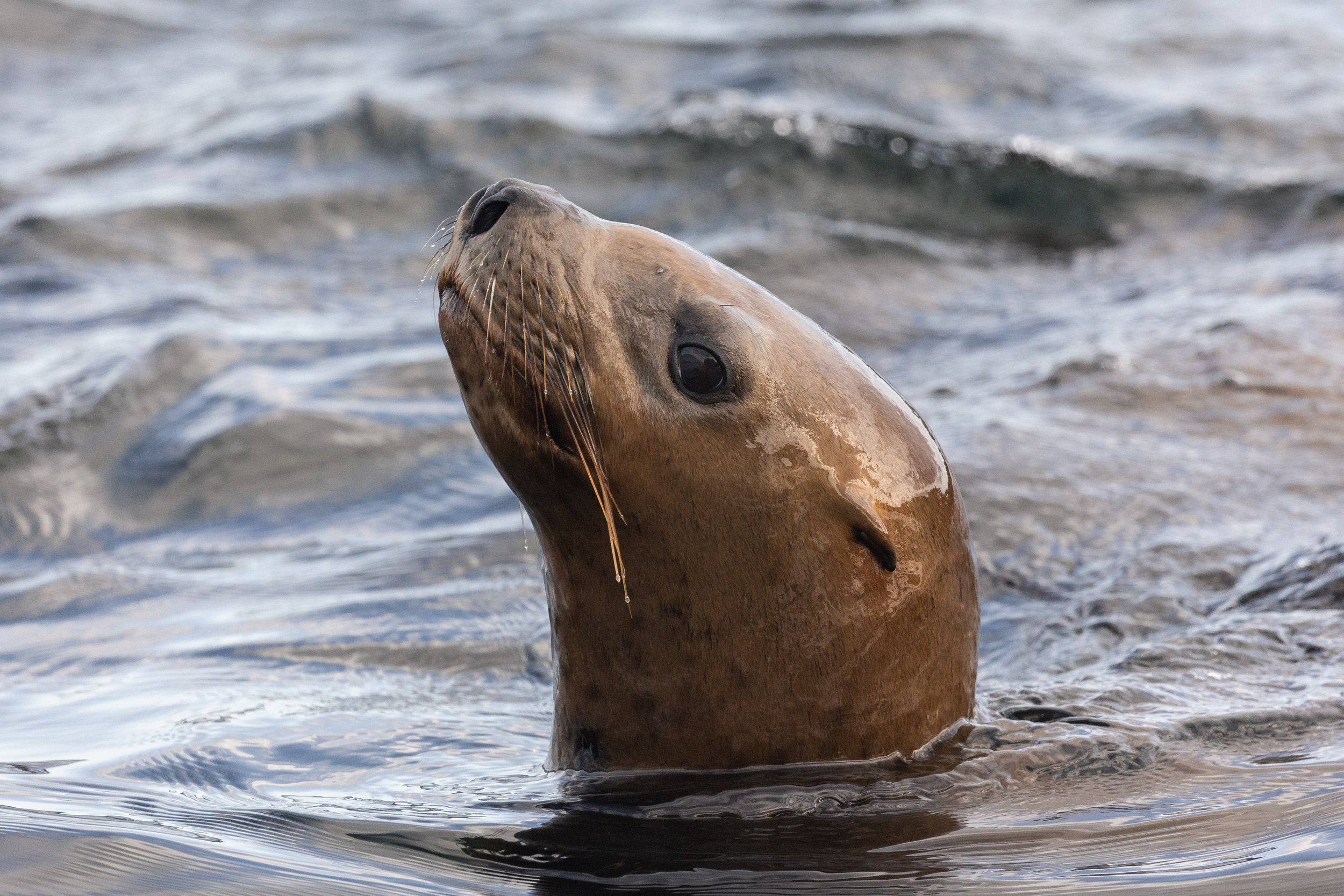
A nice side profile for a Steller Sea Lion. Photo by Jordan Robinson.
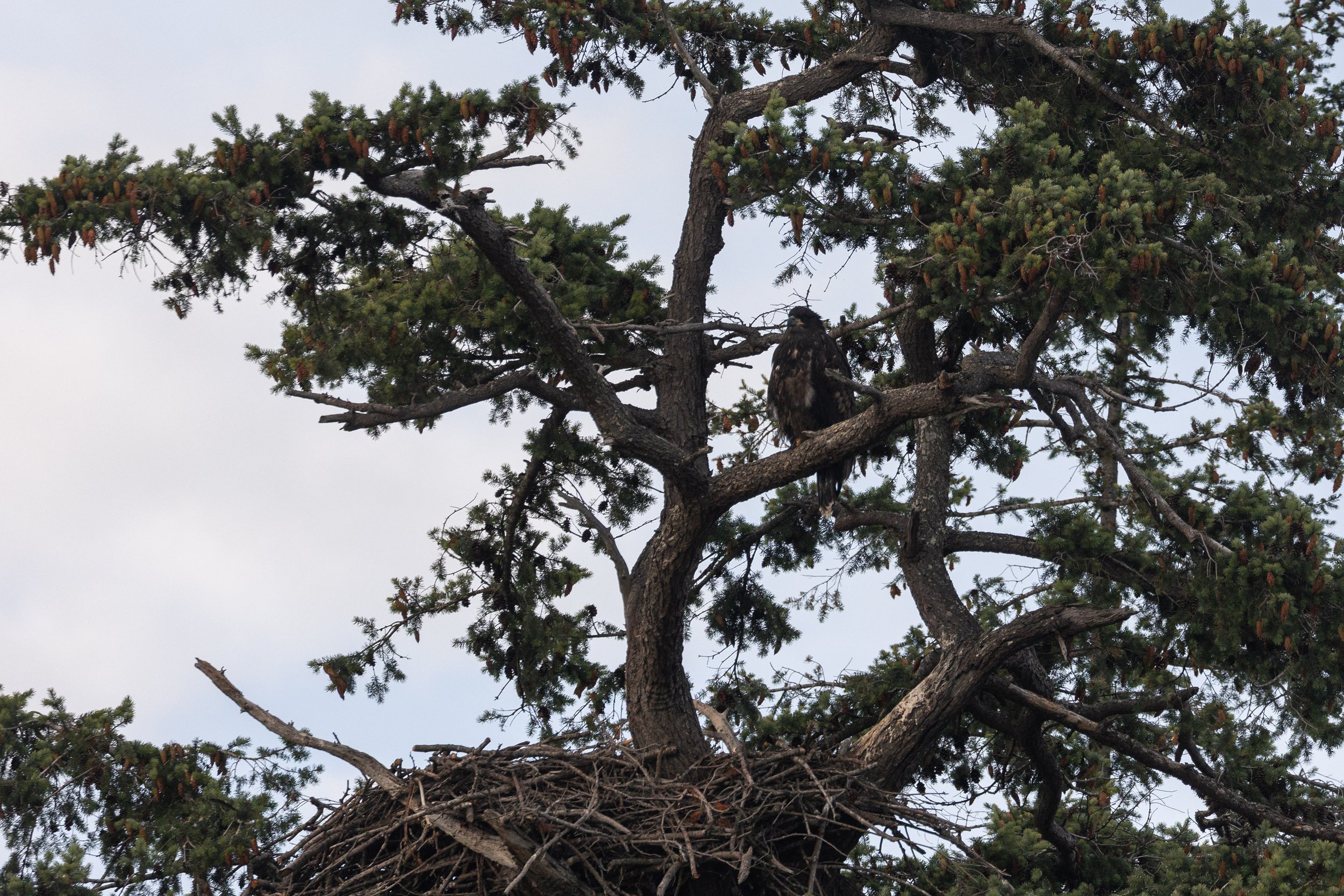
The young Eagle above its nest. Photo by Jordan Robinson.
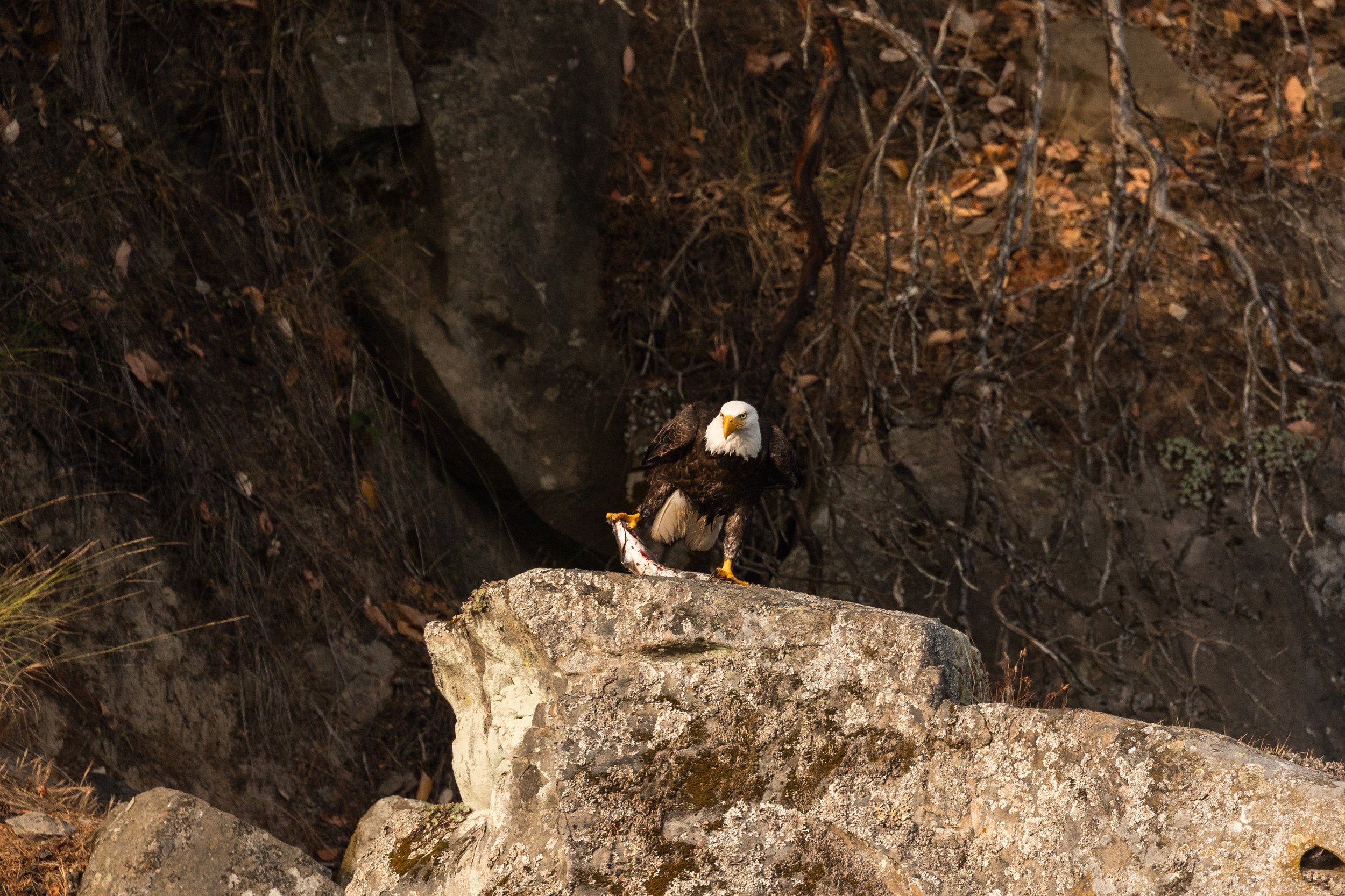
A Bald Eagle with a yummy fish. Photo by Jordan Robinson.
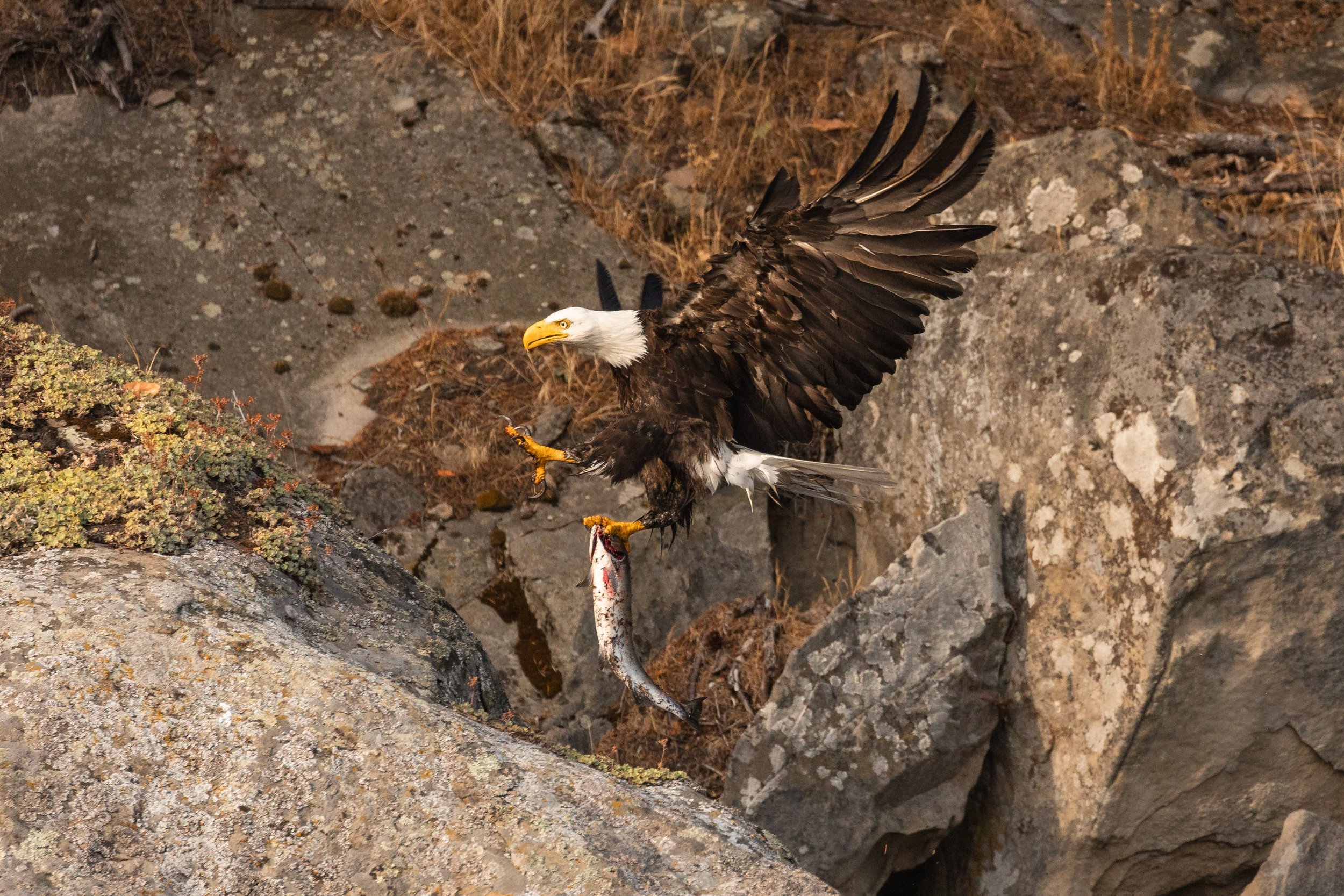
Just look at those Talons! Photo by Jordan Robinson.
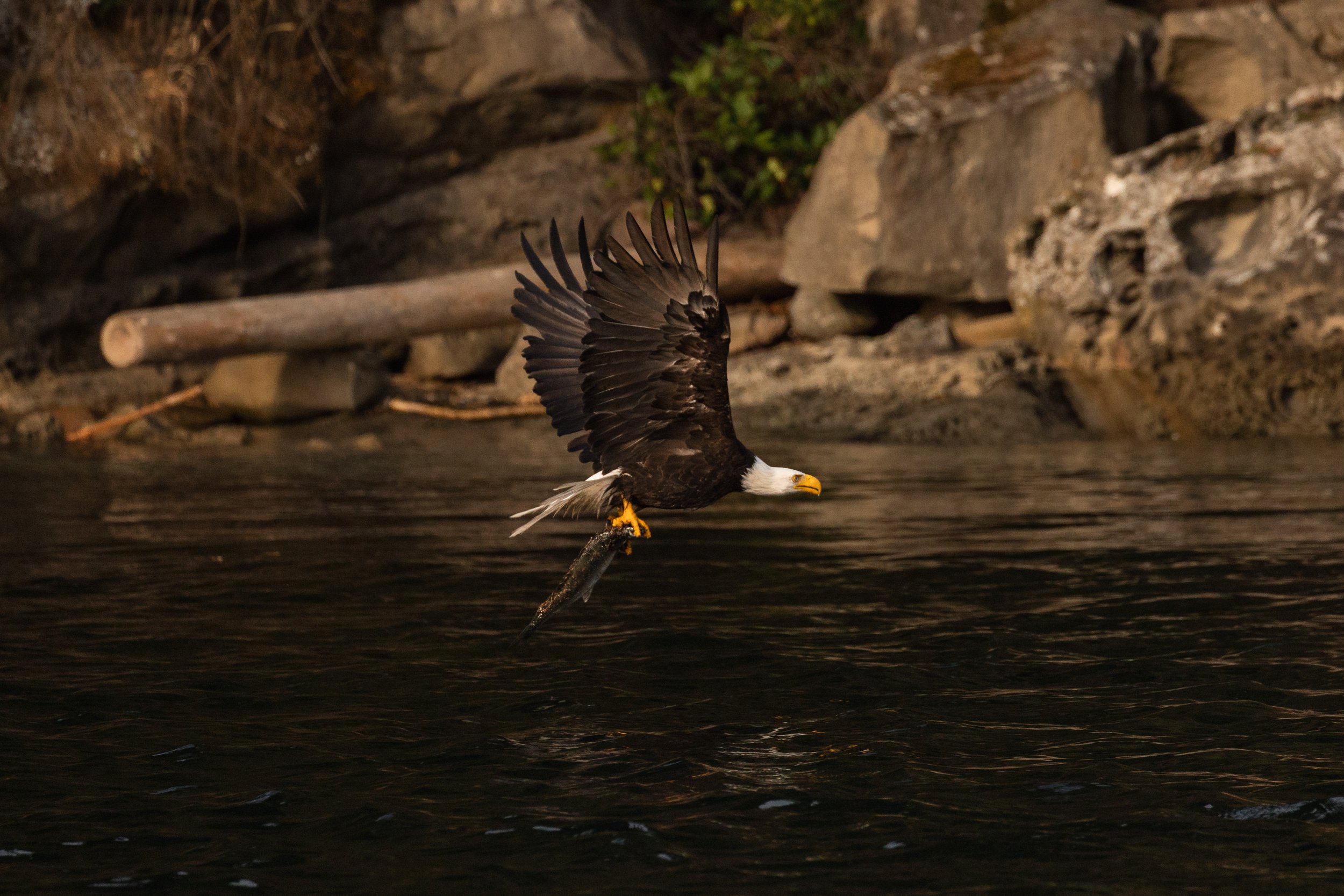
A great look at the Bald Eagle with the Salmon. Photo by Jordan Robinson.
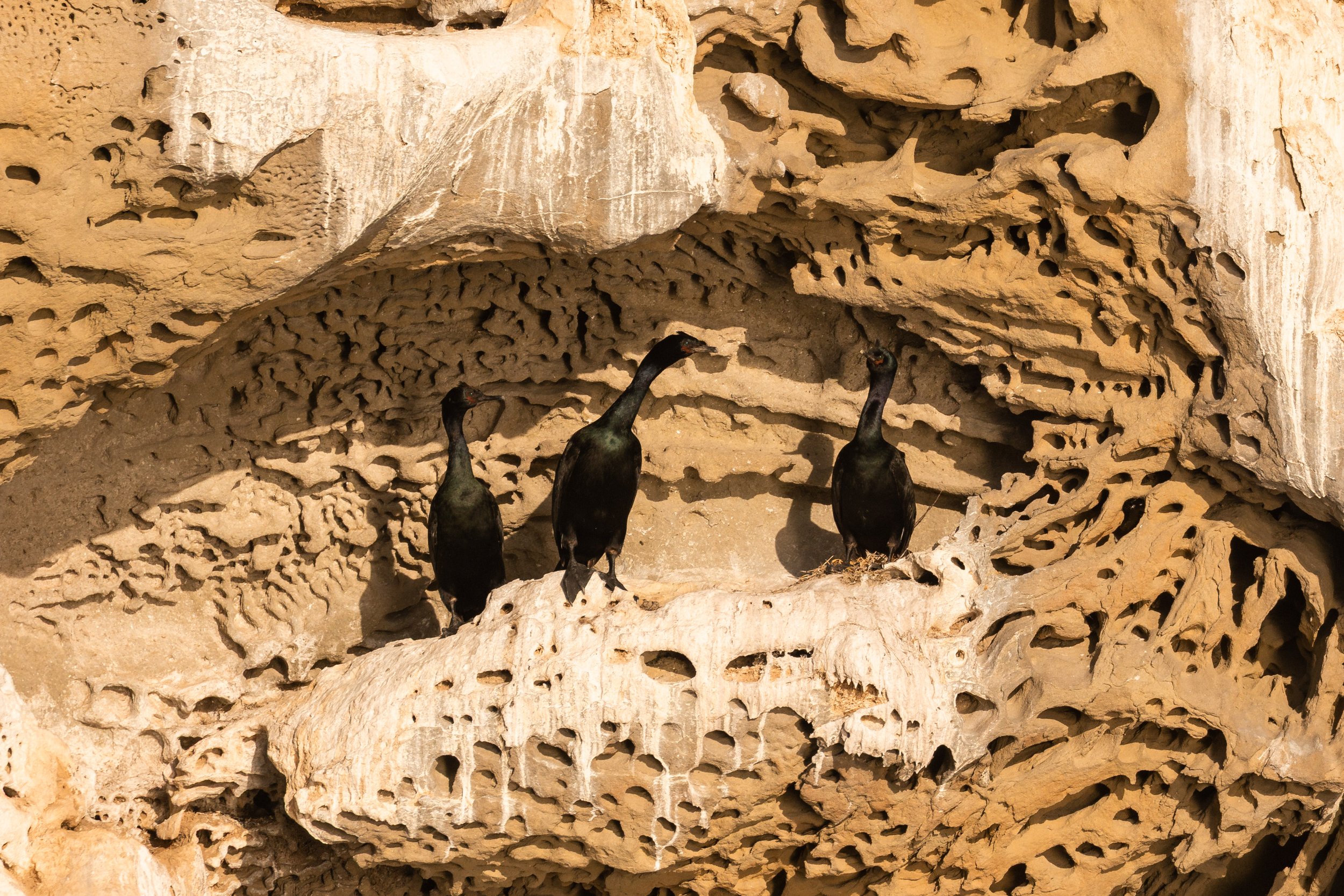
Comorants hanging out on the sandstone cliffs. Photo by Jordan Robinson.
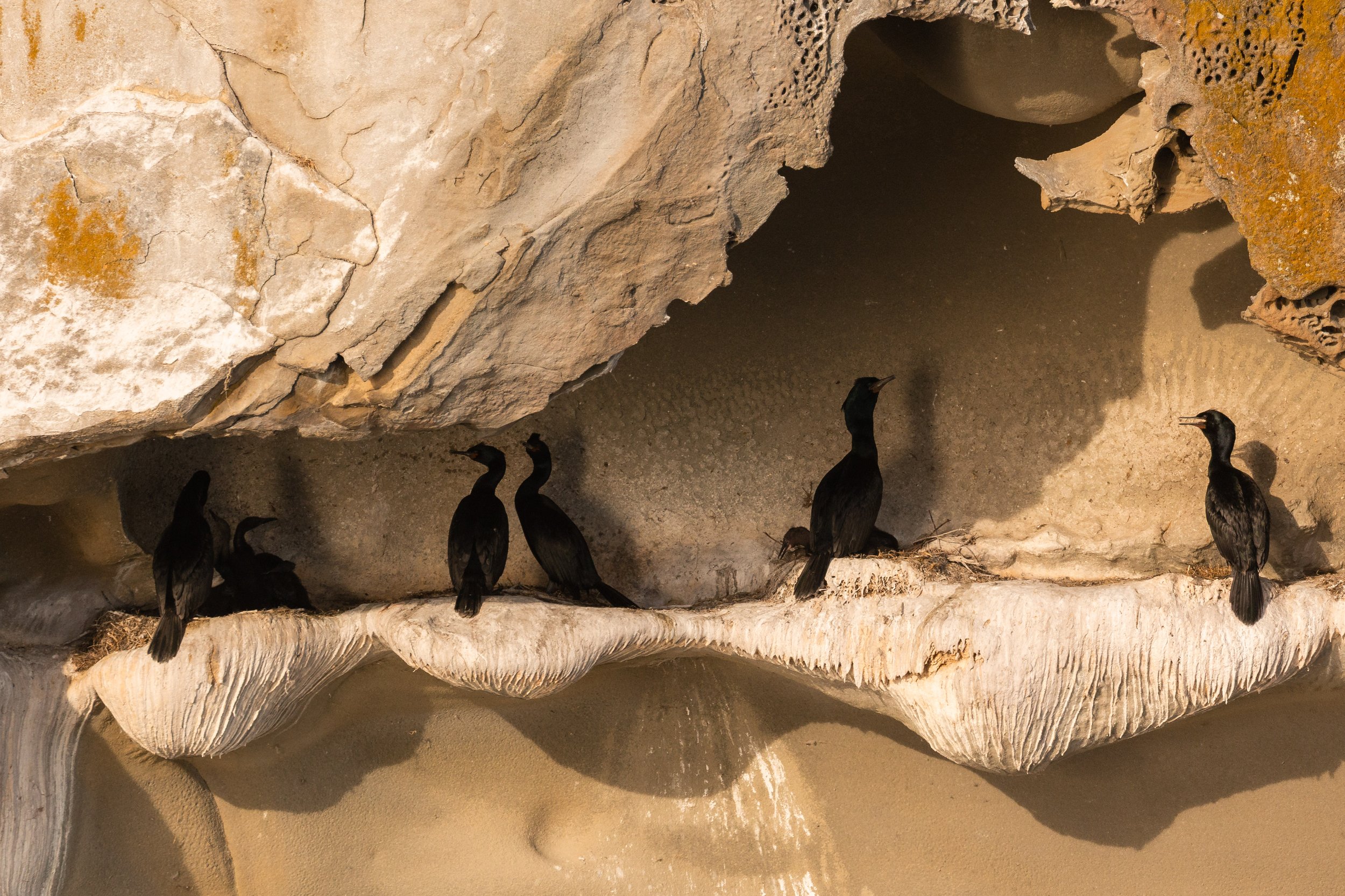
Cormorant families on the Gabriola Bluffs. Photo by Jordan Robinson.